
Ensuring Compliance: OSHA Requirements For Pallet Racking
By Tom Seest
At RackingWorld, we help guide you through selecting warehouse storage systems and racking.
Be sure to read our other related stories at RackingWorld to learn more about warehouse storage systems.
What Are OSHA Requirements for Pallet Racking?
What Are OSHA Requirements for Pallet Racking?
When it comes to optimizing warehouse space and ensuring the safety of your employees, pallet racking systems can be your best friend—or your worst enemy. OSHA (Occupational Safety and Health Administration) has laid out specific guidelines to keep your racking systems both efficient and compliant. Ignoring these guidelines can lead to catastrophic accidents and hefty fines. So let’s dive into what you need to know!
Structural Integrity
Your first consideration should be the structural integrity of your pallet racking system. OSHA mandates that all racking systems must be designed and maintained in a manner that can withstand the loads placed upon them. This means not just ensuring that the racks are of high quality when installed but also implementing routine inspections. Imagine investing thousands in an advanced racking system, only to have it collapse because it’s overloaded or improperly maintained—this is a wakeup call for many warehouse owners!
Installation and Maintenance
OSHA requires that all employees involved in the Installation and Maintenance of pallet racks be properly trained. Last summer, during a nationwide warehouse safety initiative, the Bureau of Labor Statistics reported that improper installation is a leading cause of racking failures. Regular audits and employing a certified technician for installation will not just keep you compliant; it will also enhance the longevity and effectiveness of your racking systems.
Load Limits
Understanding and adhering to weight limits is another critical requirement. Each racking system will have a specified load limit determined by the manufacturer. For example, a standard selective pallet racking system may have a load limit of 3,000 pounds per beam. Going beyond these limits invites disaster, so it’s vital to create an accessible system for tracking weights. Not only does this keep your employees safe, but it keeps your liability insurance premiums in check!
Aisle Space and Clearance
Another OSHA requirement focuses on the spacing between racks. Aisle width must be enough to accommodate machinery and personnel safely. With the rise of eCommerce, warehouses are squeezing in as much stock as possible. However, OSHA stipulates that aisles shouldn’t be narrower than 3 feet, and clearance height must comply with local fire codes. If you’re hosting a logistics conference, make sure you mention this—it’s a real eye-opener for many attendees!
By following OSHA’s guidelines for pallet racking, you ensure a safe working environment that doesn’t compromise on productivity. Ignoring these requirements isn’t just costly; it’s downright dangerous. Stay informed, stay compliant, and you’ll find that a little knowledge can go a long way in protecting your most valuable asset—your workforce.
What Are OSHA Requirements for Pallet Racking?
What Are OSHA Requirements for Pallet Racking?
- OSHA has specific guidelines for pallet racking systems to ensure efficiency and safety in warehouses.
- Structural integrity is crucial; racking systems must withstand the loads placed on them and require routine inspections.
- Employees must be properly trained in the installation and maintenance of pallet racks to prevent racking failures.
- Each racking system has a specified load limit determined by the manufacturer, which must not be exceeded for safety. .
- Aisle widths must be a minimum of 3 feet, and clearance heights must adhere to local fire codes.
- Following OSHA guidelines promotes a safe work environment while maintaining productivity.
- Staying informed about compliance is essential for protecting employees and avoiding costly accidents and fines.
What Are OSHA Requirements for Pallet Racking?
Table Of Contents
- What Are OSHA Requirements for Pallet Racking?
- What Are The Basic OSHA Requirements For Pallet Racking?
- How Often Should Pallet Racking Inspections Be Conducted?
- What Materials Are OSHA-Approved For Pallet Racking Systems?
- How Do Load Limits Impact Pallet Racking Safety?
- What Training Is Required For Workers Using Pallet Racking?
- How Can Pallet Racking Design Affect OSHA Compliance?
- What Safety Features Should Be Included In Pallet Racking?
- How Do Environmental Factors Influence OSHA Requirements For Racking?
- Are There Specific Regulations For Different Types Of Pallet Racking?
- What Documentation Is Needed To Meet OSHA Standards For Racking?
- Conclusion
- Other Resources
- Glossary Of Terms
- Other Questions
- Checklist
What Are The Basic OSHA Requirements For Pallet Racking?
What Are The Basic OSHA Requirements For Pallet Racking?
When it comes to workplace safety, especially in warehousing and distribution centers, pallet racking isn’t just a storage solution—it’s a potential hazard if not properly managed. OSHA (Occupational Safety and Health Administration) has laid out fundamental requirements that must be adhered to, ensuring that both the employees and the stored goods are safe. Ignoring these standards not only jeopardizes safety but can lead to costly fines and disruption of business operations.
Firstly, the design and installation of pallet racking systems must conform to the specifications of the manufacturer. For instance, as highlighted during recent conferences focusing on warehouse safety, improperly installed racks can lead to catastrophic failures. A recent incident in the Midwest where a racking system collapsed due to improper installation not only resulted in significant damages but also raised safety concerns among employees. Proper spacing, height adjustments, and weight capacity must be meticulously followed to align with manufacturer guidelines.
Furthermore, regular inspections and maintenance are pivotal. OSHA mandates that pallet racks must be inspected for wear and tear regularly—ideally, at least once a year, but often recommended quarterly. Think of it as a check-up for your racking system. For example, if a warehouse manager had conducted a regular inspection, they could have identified warped beams or bent uprights and avoided a potential disaster, like the one reported in a Pennsylvania storage facility last fall. Implement a robust checklist that includes checking for signs of corrosion, damage, or instability.
According to OSHA standards, proper employee training cannot be overlooked. Employees who handle pallets should receive training on the safe operation of forklifts and pallet jacks as well as the proper placement of goods within the racks. This includes adhering to weight capacities and understanding how to balance loads effectively. A lack of training can lead to errors in judgment, resulting in injuries. A study from the National Safety Council indicates that proper training can reduce workplace injuries by up to 60%.
Lastly, don’t forget about the importance of proper signage and labeling. Clear, visible warnings indicating weight limits and instructions can prevent mishaps before they happen. Ever walked through a warehouse and thought, “How does anyone know what to do here?” Well-maintained signage can eliminate confusion and enhance safety.
In summary, the basic OSHA requirements for pallet racking are not merely bureaucratic guidelines—they are essential practices that protect your workforce and ensure operational efficiency. By adhering to these standards, businesses not only comply with regulations but also create a safer, more productive work environment, ultimately leading to higher profitability and employee satisfaction. Investing in safety isn’t just good practice; it’s good business.
What Are The Basic OSHA Requirements For Pallet Racking?
What Are The Basic OSHA Requirements For Pallet Racking?
- Pallet racking systems must adhere to manufacturer specifications to avoid hazards and ensure safety.
- Regular inspections and maintenance of pallet racks are required; ideally at least annually, but quarterly is recommended.
- Inspect for wear and tear, including signs of corrosion, damage, or instability, to prevent potential disasters.
- Employees must receive proper training on safe operation of equipment and load management to reduce injuries.
- Effective training can decrease workplace injuries by up to 60%, per National Safety Council studies.
- Clear signage and labeling indicating weight limits and instructions are vital for enhancing safety.
- Adhering to OSHA requirements not only ensures compliance but also promotes a safer, more productive work environment.
What Are The Basic OSHA Requirements For Pallet Racking?
How Often Should Pallet Racking Inspections Be Conducted?
When it comes to maintaining a safe and efficient warehouse environment, the frequency of pallet racking inspections is critical. It’s not just a checkbox; it’s your frontline defense against accidents, operational downtime, and hefty fines resulting from non-compliance with safety regulations.
Industry Standards and Best Practices
According to OSHA guidelines, it’s not sufficient to rely solely on once-a-year inspections. Instead, a robust inspection schedule should depend on both the type of racking system in use and the activity level of your warehouse—think of it as a tune-up for your business. For high-utilization environments, like those in e-commerce, a good rule of thumb is to conduct formal inspections every 6 months. Less active environments might get away with annual inspections, but why take that risk?
Imagine a situation where your racking system is overloaded or improperly installed. A regular inspection might uncover a looming disaster before it happens. The last thing you want is to be the headline on the evening news, like that warehouse collapse in San Francisco last year. Companies can dodge catastrophe by implementing strict inspection protocols.
Practical Inspections and Maintenance
So, what does an effective inspection process look like? Start with a daily visual check and then follow up with more comprehensive monthly inspections. Engage employees at all levels—encouraging them to report signs of wear, missing components, or structural weaknesses fosters a culture of safety. For example, Walmart mandates regular inspections of their logistics centers, as complacency could lead to catastrophic losses—not just in terms of financial cost but in reputational damage.
Additionally, employing a professional inspector on an annual basis can provide an objective evaluation of your racking systems. They’ll be armed with the latest industry knowledge and can identify issues you might overlook.
Current Events as Cautionary Tales
Let’s not forget the economic realities of today’s landscape. With rising interest rates and inflation impacting operational budgets, the last thing you need is to divert funds to cover legal fees or medical costs from an avoidable accident. This is happening all too often—warehouses operating under stressed financial conditions cut corners, and it backfires spectacularly.
By taking a proactive approach to pallet racking inspections, you’re not just ensuring compliance; you’re safeguarding your assets, your employees, and your bottom line. It’s time to commit to a schedule that reflects the realities of your operations and shifts towards a culture that prioritizes safety over short-term savings. Remember, vigilance is the cornerstone of operational excellence.
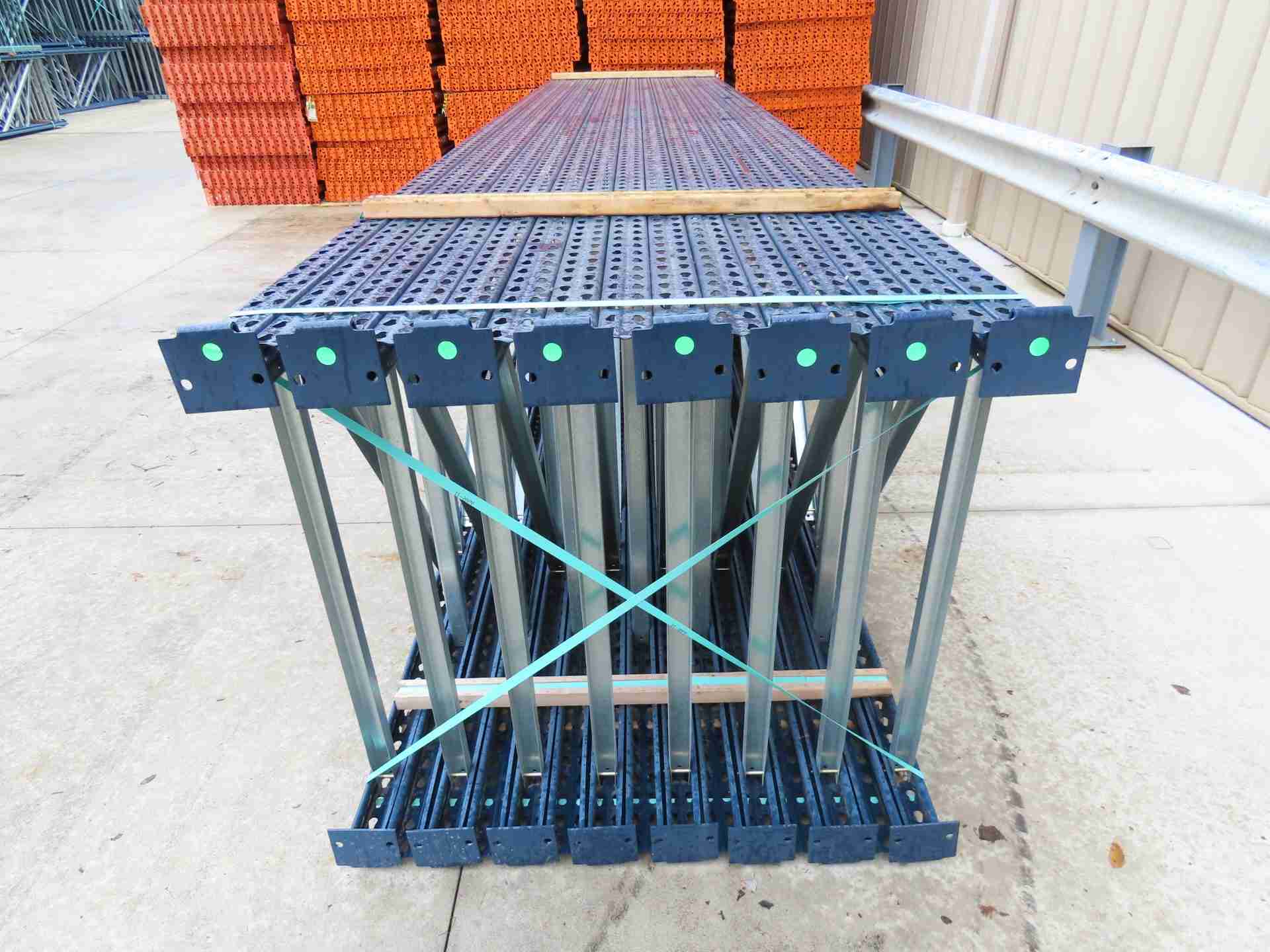
How Often Should Pallet Racking Inspections Be Conducted?
How Often Should Pallet Racking Inspections Be Conducted?
- Pallet racking inspections are vital for maintaining warehouse safety and efficiency.
- OSHA guidelines recommend inspections based on racking system type and warehouse activity, with more frequent checks for high-utilization environments.
- Regular inspections prevent accidents, operational downtime, and costly fines associated with non-compliance.
- An effective inspection process includes daily visual checks, monthly comprehensive inspections, and employee engagement in reporting safety concerns.
- Hiring a professional inspector annually can ensure an objective evaluation and identify overlooked issues.
- Economic challenges, like rising interest rates, make it crucial to avoid costs from accidents through proactive safety measures.
- A culture prioritizing safety over short-term savings is essential for operational excellence and asset protection.
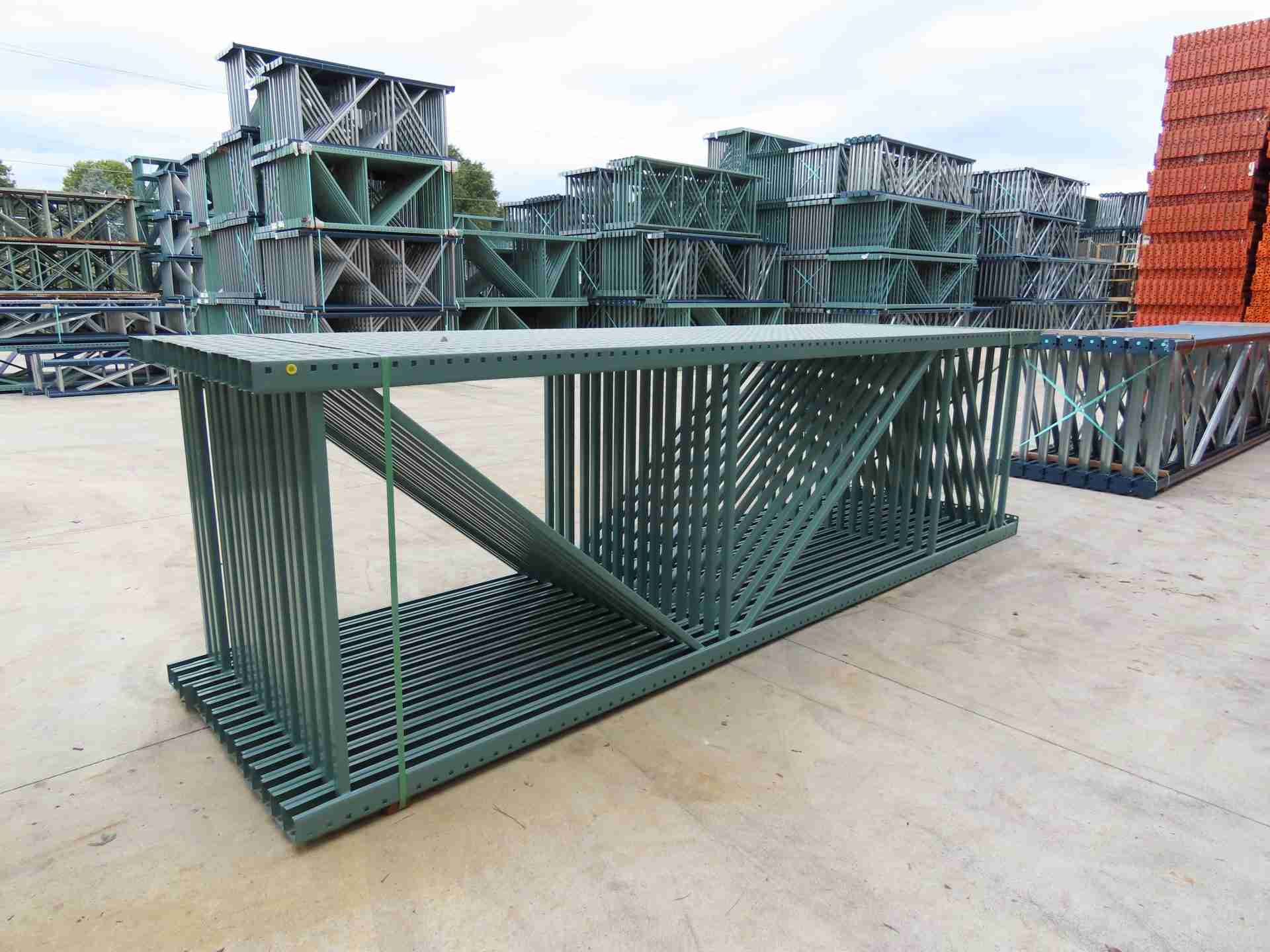
How Often Should Pallet Racking Inspections Be Conducted?
What Materials Are OSHA-Approved For Pallet Racking Systems?
What Materials Are OSHA-Approved for Pallet Racking Systems?
When it comes to ensuring safety and compliance in your warehouse operations, the materials you choose for your pallet racking system are crucial. OSHA has clear guidelines that govern the construction and materials used in these systems, ensuring both durability and safety. Understanding these standards not only keeps your workforce safe but also protects your bottom line from costly fines and downtime.
First and foremost, steel remains the gold standard for pallet racking systems. Its inherent strength provides the ability to handle significant loads, which is essential for warehouses dealing with heavy products. High-strength structural steel is commonly used in the construction of beams, uprights, and supports. Make sure to look for racking systems that utilize steel conforming to ASTM standards. For example, using A36 steel ensures that you are compliant with industry norms while providing reliability for your operations.
Another option gaining traction is engineered wood products, specifically laminated veneer lumber (LVL) and glulam beams. While not universally OSHA-approved for all applications, these materials can be suitable for lighter-duty racking configurations. For example, if your warehouse handles bulkier but less heavy loads, an LVL system could provide the necessary support without the weight and cost of a full steel solution. Be sure to investigate the specific guidelines that pertain to wood use in racking systems to ensure compliance.
Plastic materials, while less common, are also making their way into pallet racking solutions. Specialized high-density polyethylene (HDPE) racks are resistant to chemical corrosion, making them ideal for warehouses that store hazardous materials. However, these must be evaluated on a case-by-case basis to guarantee they meet OSHA standards.
Given the recent surge in e-commerce and the subsequent boom in warehousing solutions, it’s crucial to stay ahead of the compliance curve. For instance, the global supply chain disruptions of 2021 prompted many companies to re-evaluate their storage solutions, making safety and reliability paramount. This emphasis on rigorous safety standards provides not only a buffer against fines but also elevates your brand’s reputation in an increasingly competitive market.
Ultimately, choosing the right materials for your pallet racking systems is not just about meeting OSHA regulations; it’s about fostering a safe and productive work environment. Invest wisely in materials that support both your operational goals and compliance requirements to optimize your investment. Remember, safety pays dividends that go far beyond just avoiding penalties; they enhance productivity and employee morale. So choose wisely, build smartly, and watch your warehouse performance soar!

What Materials Are OSHA-Approved For Pallet Racking Systems?
What Materials Are OSHA-Approved For Pallet Racking Systems?
- Choosing the right materials for pallet racking systems is essential for safety and compliance with OSHA guidelines.
- Steel is the preferred material due to its strength, with high-strength structural steel commonly used for beams, uprights, and supports.
- Look for racking systems utilizing steel that conforms to ASTM standards, like A36 steel, to ensure reliability.
- Engineered wood products, such as laminated veneer lumber (LVL) and glulam beams, are suitable for lighter-duty racking but must be evaluated for compliance.
- High-density polyethylene (HDPE) racks are gaining attention for their chemical resistance, though they require individual evaluation against OSHA standards.
- Staying compliant is vital, especially with the e-commerce boom and supply chain disruptions emphasizing safety and reliability.
- Investing in compliant materials fosters a safe work environment, improves productivity, and enhances your brand’s reputation.
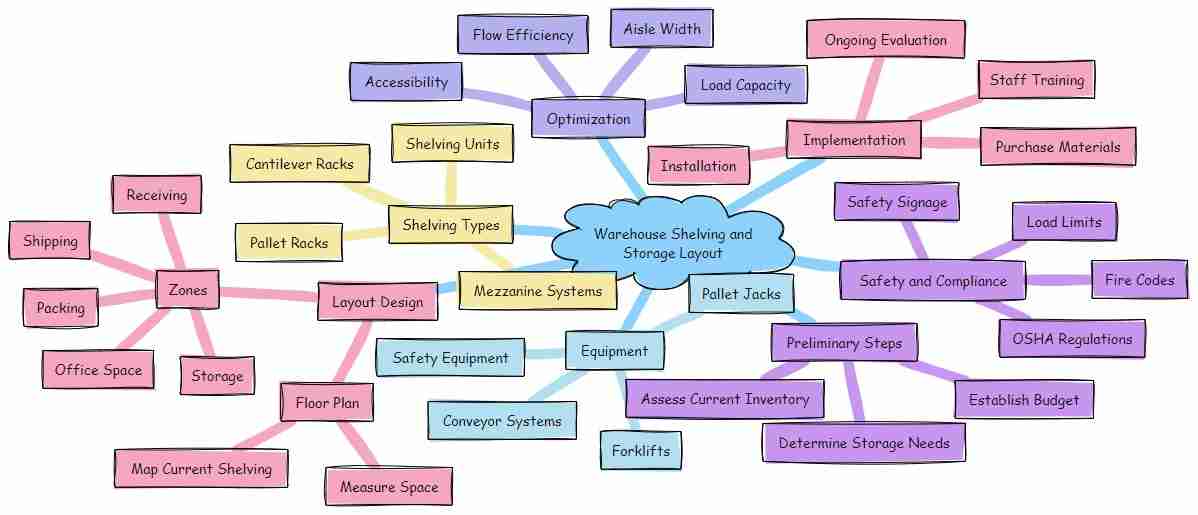
What Materials Are OSHA-Approved For Pallet Racking Systems?
How Do Load Limits Impact Pallet Racking Safety?
In the world of warehousing and logistics, adherence to load limits on pallet racking systems is not merely a bureaucratic formality—it’s a critical factor that can either safeguard or jeopardize the safety of your workforce and your investment. Ignoring these limits could lead to catastrophic failures, injuring personnel and costing your business dearly in damages, not to mention legal repercussions.
Consider this: In 2023, a major retail warehouse experienced a dramatic collapse of a pallet racking system due to overloading, injuring four employees and halting operations for weeks. The aftermath revealed that the racking units were loaded beyond their designed weight limits, a misstep that stemmed from a combination of lax training and negligence. The fallout wasn’t just physical; the business faced reputational damage that rippled through their supply chain, disrupting relationships with retailers and customers alike.
Load limits are designated after extensive testing and engineering calculations. Each rack system comes with specifications from the manufacturer that should be treated with utmost seriousness. These guidelines not only ensure structural integrity but also promote a safe environment. For instance, a heavy-duty racking system designed to hold 2,500 pounds per shelf should never be burdened beyond that threshold. Exceeding these limits can compromise the entire system, leading to rack deformation, instability, or even complete collapse.
Now, let’s talk about technology. Warehouse Management Systems (WMS) equipped with real-time monitoring features can help businesses manage load limits effectively. These high-tech solutions alert operators when load limits are approached or exceeded, ensuring adherence to safety protocols and minimizing the risk of accidents. In the recent case of a logistics hub in Ohio, implementing a WMS saved the company over $100,000 in potential damages by preventing overloading mishaps, highlighting that investing in technology pays for itself in safety and efficiency.
Training and education on proper loading techniques also play an essential role in maximizing safety. Regular workshops on weight distribution and proper pallet stacking methods can drastically reduce risks. Employees must understand why these load limits exist—not just as rules, but as lifelines to their safety and the continuous operation of the warehouse.
Never underestimate the impact of load limits on pallet racking systems. Upholding these limits is a commitment to safety and operational excellence that ultimately shields your most valuable asset—your people. Prioritizing racking safety is good for business, good for your workforce, and a smart move in today’s competitive market landscape.
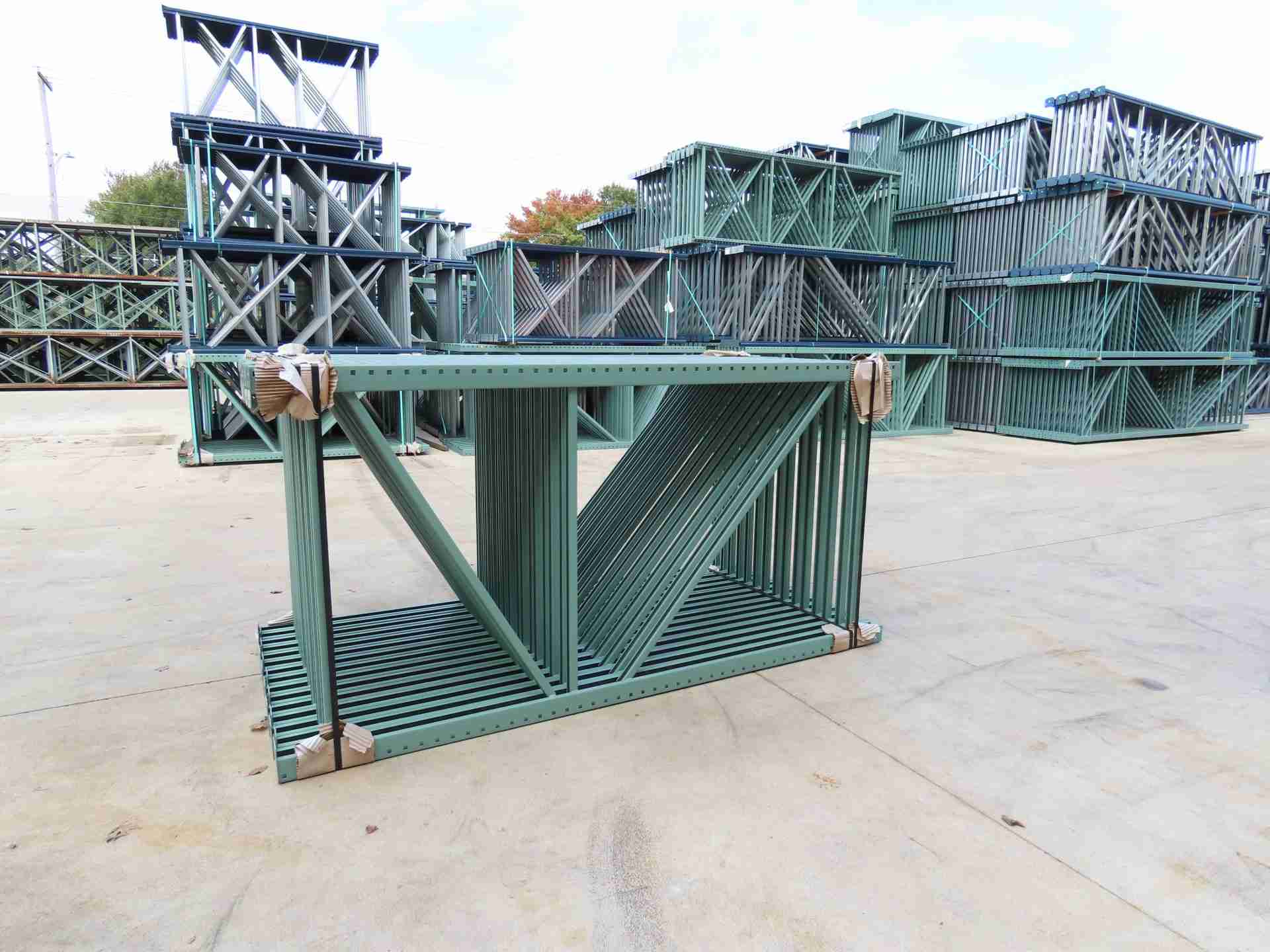
How Do Load Limits Impact Pallet Racking Safety?
How Do Load Limits Impact Pallet Racking Safety?
- Adherence to load limits on pallet racking systems is crucial for workforce safety and investment protection.
- A 2023 incident in a retail warehouse involved a pallet racking collapse due to overloading, injuring four employees and halting operations.
- Load limits are determined through rigorous testing and engineering and should be treated seriously to ensure safety and structural integrity.
- Exceeding the specified load limits can lead to rack deformation, instability, or total collapse of the racking system.
- Warehouse Management Systems (WMS) with real-time monitoring can help maintain load limits and prevent overloading incidents.
- Regular training on proper loading techniques and understanding load limits is essential for maximizing safety in the workplace.
- Prioritizing load limits enhances operational excellence and protects both employees and business interests in a competitive market.
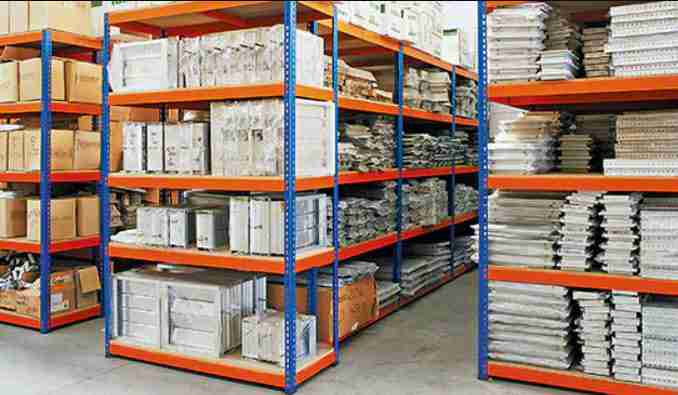
How Do Load Limits Impact Pallet Racking Safety?
What Training Is Required For Workers Using Pallet Racking?
When it comes to maximizing efficiency in warehouses and storage facilities, pallet racking is an indispensable asset. However, without the right training, the benefits of these systems can quickly turn into hazards. That’s why investing in comprehensive training programs for workers using pallet racking is not just a best practice—it’s a necessity that keeps both employees safe and operations smooth.
Understanding the Basics: Foundations of Safety
First and foremost, workers must be well-versed in the basic principles of pallet racking systems. This includes understanding load limits, safe stacking practices, and the structural integrity of the racks. For instance, employees need to know the maximum weight each pallet rack can hold, alongside the best ways to distribute that weight evenly to avoid collapses. With recent reports citing a rise in workplace injuries related to improper pallet handling, thorough foundational training is more critical than ever.
Hands-On Training: Learning by Doing
Theory is important, but it doesn’t compare to hands-on experience. Training programs should include practical demonstrations on how to safely load and unload pallets. For example, workers should be trained in the use of forklifts and other machinery that interact with pallet racking. Recent advancements in technology, such as enclosed operator cabs and enhanced safety features, make actual operation scenarios invaluable.
Emergency Preparedness: Being Ready for the Unexpected
Even the most cautious operations encounter emergencies. Training should also encompass how to identify potential hazards and respond appropriately. When it comes to pallet racking systems, this includes understanding how to deal with a rack collapse or a safety incident involving heavy equipment. With OSHA recently emphasizing the importance of emergency preparedness in warehouses, training programs that incorporate real-world emergency drills can radically bolster workplace safety.
Regular Refresher Courses: Keeping Skills Sharp
Finally, ongoing training is key. Regular refresher courses should be mandated to ensure that employees stay updated on best practices, new technologies, and evolving regulations. As the industry adapts to new standards, so should your workforce. Keeping everyone in the loop not only enhances safety but also fosters a culture of continuous improvement.
Conclusion: A Worthwhile Investment
Investing in training for workers using pallet racking pays dividends in operational efficiency and workplace safety. With the potential consequences of inadequate training magnified by current trends in workplace safety, it’s clear that a well-prepared workforce is the backbone of any successful operation. By emphasizing these vital training elements, businesses can avoid costly mishaps, boost productivity, and ultimately create a safer, more efficient work environment.

What Training Is Required For Workers Using Pallet Racking?
What Training Is Required For Workers Using Pallet Racking?
- Pallet racking is essential for maximizing efficiency in warehouses and storage facilities.
- Comprehensive training for workers using pallet racking is crucial for safety and smooth operations.
- Workers must understand load limits, safe stacking practices, and the structural integrity of racks.
- Hands-on training with practical demonstrations is vital for safely loading and unloading pallets.
- Emergency preparedness training should include identifying hazards and responding to incidents like rack collapses.
- Regular refresher courses are necessary to keep employees updated on best practices and evolving regulations.
- Investing in worker training enhances operational efficiency, safety, and promotes a culture of continuous improvement.

What Training Is Required For Workers Using Pallet Racking?
How Can Pallet Racking Design Affect OSHA Compliance?
How Can Pallet Racking Design Affect OSHA Compliance?
When it comes to warehouse safety, you might think of hard hats and safety goggles, but the architecture of your pallet racking system plays an equally crucial role in ensuring OSHA compliance. A well-designed racking system isn’t just about maximizing storage space; it’s also about minimizing risks, preventing accidents, and ultimately safeguarding your workforce.
Take, for instance, the ongoing discussions surrounding warehouse safety regulations spurred by increased inspections and penalties across various industries. Recent events, such as the heightened scrutiny of fulfillment centers during the pandemic, have underscored the importance of robust safety measures, making it clear that a proactive approach to employee safety can no longer be an afterthought.
A key design consideration for pallet racking is the height and load capacities. OSHA regulations dictate specific standards for stacking heights and load limits to prevent collapses and ensure stability. A racking system that exceeds these standards not only makes your facility a candidate for inspection—it can become a principal factor in injury claims if an accident occurs. For example, imagine a warehouse where improperly designed high-rise racking systems lead to injuries. Not only could this hurt your employees, but it could also result in significant fines or even litigation, immediately eating into your profits.
Moreover, the actual layout of the racking is critical. Maximize aisle widths to facilitate easy access but ensure all storage units provide adequate clearance for forklifts and other machinery. Failure to do so can create bottlenecks that lead to accidents—an oversight that can quickly spiral into OSHA violations and costly penalties.
Let’s talk about dynamic designs. Installing seismic bracing in regions prone to earthquakes is a vital addition that can safeguard your warehousing assets and personnel. After all, in states like California, where earthquakes happen more frequently, being proactive in compliance isn’t just recommended; it can mean the difference between business continuity and complete disruption during unforeseen events.
Education is another critical aspect. Employees must be trained on the correct use and operation around pallet racking systems. Even the best design can fail if staff members are unaware of safe practices. One recent survey indicated that many incidents could have been avoided with proper training—a statistic that should send shivers through any warehouse manager’s spine.
In a nutshell, an intelligently designed pallet racking system not only streamlines operations but also serves as a bulwark against OSHA violations. By adhering to compliance regulations, not only do you protect your employees and enhance their wellbeing, but you also reinforce your bottom line. After all, safe warehouses ultimately lead to strong businesses.

How Can Pallet Racking Design Affect OSHA Compliance?
How Can Pallet Racking Design Affect OSHA Compliance?
- Pallet racking design significantly impacts warehouse safety and OSHA compliance.
- A well-designed racking system minimizes risks, prevents accidents, and safeguards workforce health.
- Height and load capacities must meet OSHA regulations to ensure stability and prevent collapses.
- Improperly designed high-rise racking can lead to injuries and result in fines or litigation.
- The layout should maximize aisle widths and provide adequate clearance for forklifts to prevent bottlenecks.
- Dynamic designs, like seismic bracing in earthquake-prone areas, enhance safety and compliance.
- Employee training on safe practices around pallet racking is essential to avoid incidents and reinforce compliance.

How Can Pallet Racking Design Affect OSHA Compliance?
What Safety Features Should Be Included In Pallet Racking?
When it comes to pallet racking, safety isn’t just a checkbox on your to-do list; it’s the bedrock of your operational strategy. Every warehouse manager knows that a single accident can spell disaster—not just for employees, but for your bottom line as well. To protect your investment and enhance efficiency, let’s explore the essential safety features that should come standard with your pallet racking system.
1. Load Capacity Compliance:
First and foremost, your racking system needs to meet specific load capacity requirements. Each level of your pallet racks must be engineered to hold the weight it’s intended for. Consider a recent incident in a warehouse that resulted in thousands of dollars in damages simply because the load limits weren’t adhered to. Always consult with your racking supplier to ensure your setup is designed for the specific weights you plan to store.
2. Safety Pins and Locking Mechanisms:
Safety pins are critical for ensuring that beams remain securely in place. They act as a safeguard against accidental disengagement, which can lead to catastrophic failures. A racking system without these locking mechanisms is like driving a car without seatbelts—dangerous and irresponsible.
3. Aisle Width and Clearance:
Proper aisle spacing is essential for both safety and operational efficiency. The National Fire Protection Association (NFPA) recommends a minimum aisle width that allows for safe navigation of forklifts and other equipment. In light of recent supply-chain disruptions, where efficiency is more crucial than ever, strategic aisle designs can facilitate better stock flow while enhancing safety.
4. End-of-Aisle Protection:
Installing safety barriers or bumper posts at the end of aisles helps to shield your racking from the potential hazards of heavy machinery. Forklift collisions are one of the leading causes of accidents in warehouses, and this simple feature can save you from costly repairs and keep your employees safe.
5. Regular Inspections and Maintenance Protocols:
Incorporating a routine inspection checklist into your operational practices is paramount. Recent studies show that proactive maintenance can reduce accidents by upwards of 30%. Having employees trained to recognize signs of wear and tear allows for immediate action before issues escalate.
6. Signage and Training:
Lastly, don’t underestimate the power of clear signage and comprehensive training programs. Visual cues that remind employees of safe practices can cement a culture of safety. In an era where workplace safety is under scrutiny, investing in proper training not only protects your workforce but can also bolster your company’s reputation.
Remember, investing in safety is not merely an expense; it’s an investment that could save lives, reduce costs, and elevate your brand. Prioritizing these safety features in your pallet racking system not only reflects a commitment to your employees but also ensures that your operations run smoothly and efficiently.
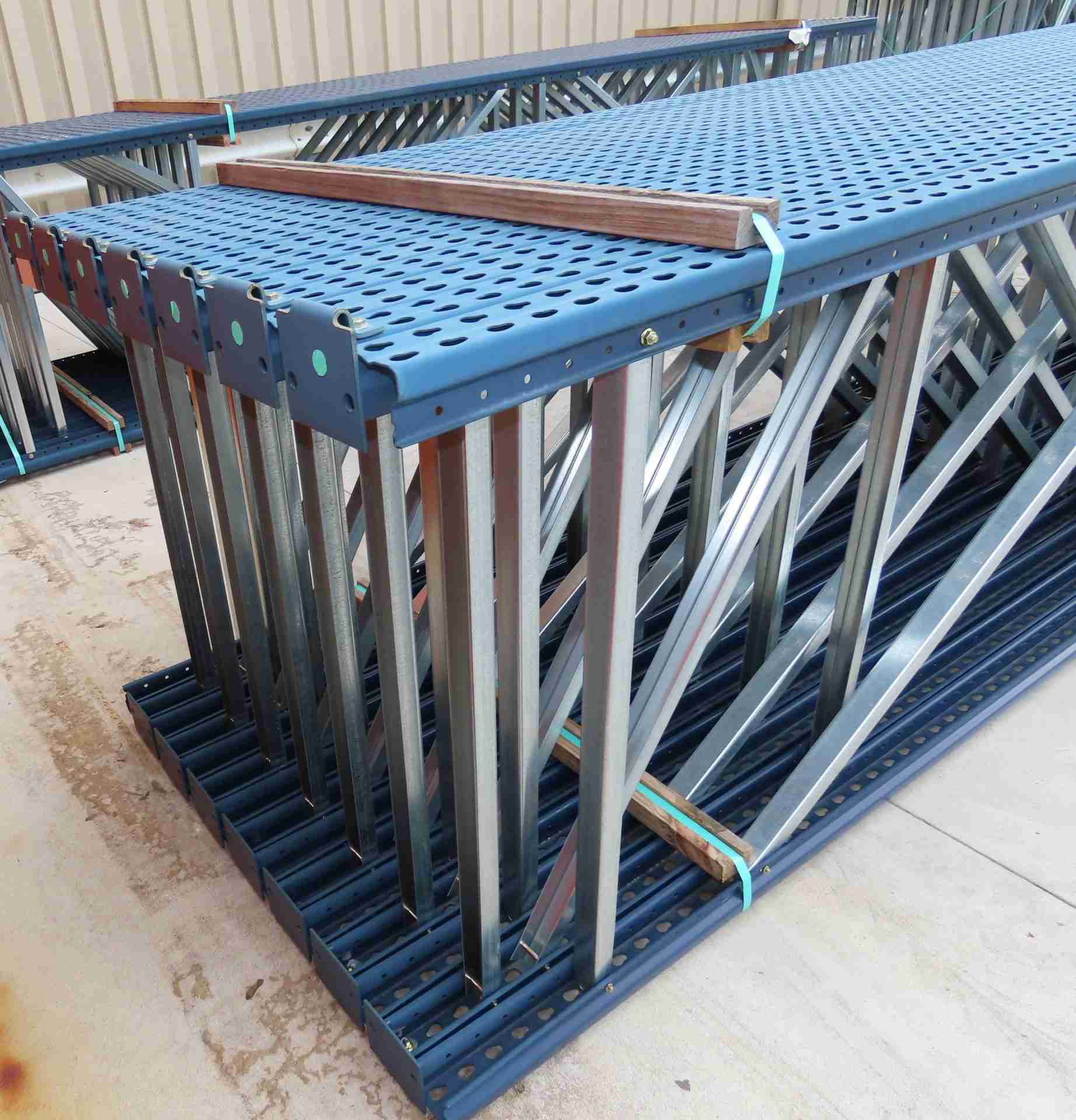
What Safety Features Should Be Included In Pallet Racking?
What Safety Features Should Be Included In Pallet Racking?
- Load Capacity Compliance: Ensure racking systems meet specific load capacity requirements to avoid accidents and damages.
- Safety Pins and Locking Mechanisms: Utilize safety pins to keep beams securely in place, preventing accidental disengagement.
- Aisle Width and Clearance: Maintain proper aisle spacing for safe navigation of equipment, as recommended by the NFPA for operational efficiency.
- End-of-Aisle Protection: Install safety barriers at aisle ends to protect racking from forklift collisions and enhance employee safety.
- Regular Inspections and Maintenance Protocols: Implement routine inspections to identify wear and tear, reducing accidents significantly.
- Signage and Training: Invest in clear signage and training programs to promote a culture of safety among employees.
- Overall Investment in Safety: Prioritizing safety features is not just an expense; it’s a crucial investment that ensures operational efficiency and protects your workforce.
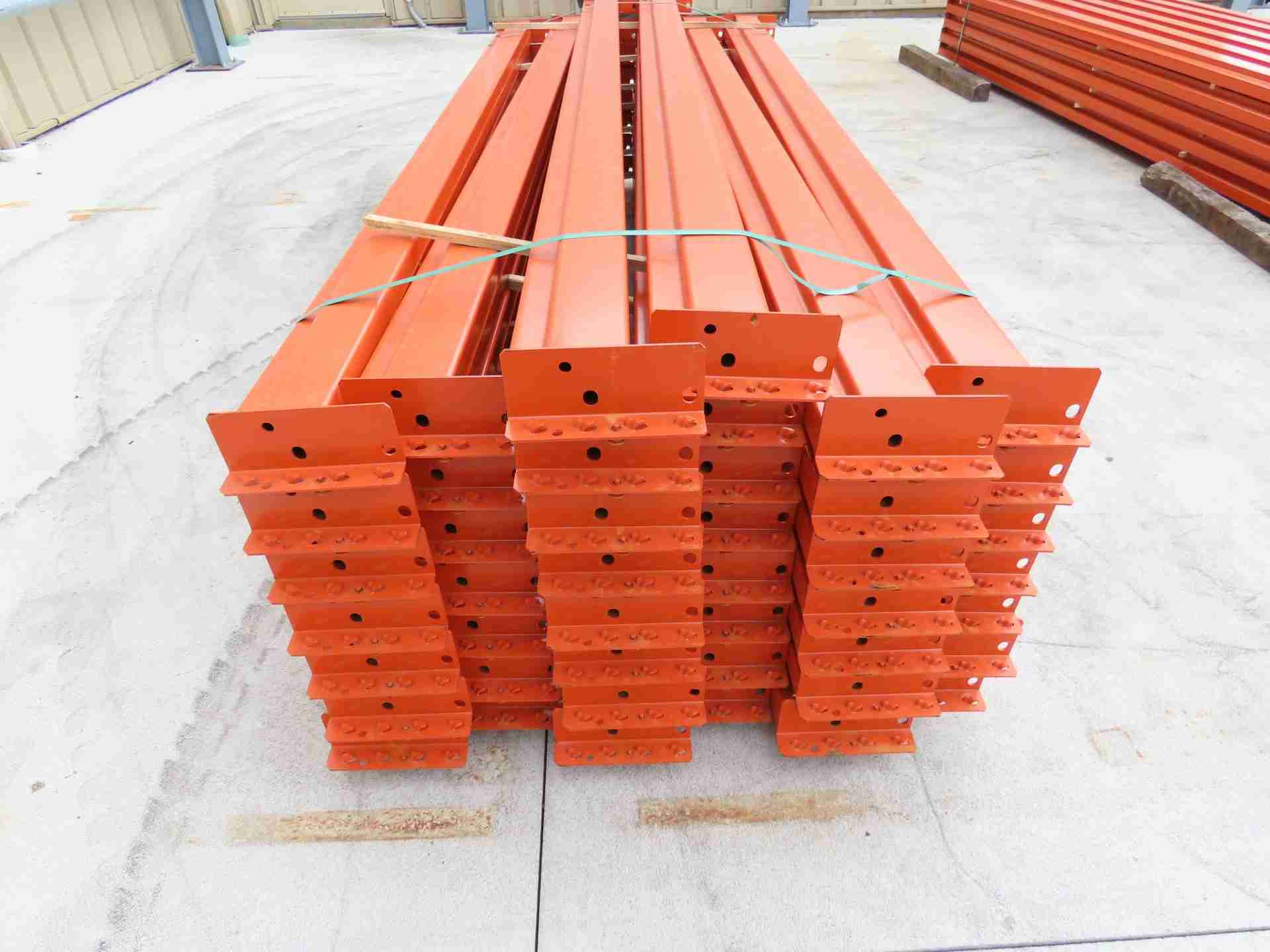
What Safety Features Should Be Included In Pallet Racking?
How Do Environmental Factors Influence OSHA Requirements For Racking?
How Do Environmental Factors Influence OSHA Requirements for Racking?
Understanding how environmental factors influence OSHA requirements for racking systems is essential for businesses looking to optimize safety and compliance while minimizing risk. In today’s dynamic business climate—marked by rapid changes in warehouse design, e-commerce growth, and stringent regulatory environments—the role of environmental elements can’t be overlooked.
Consider weather variability. In regions prone to extreme temperatures, businesses must evaluate their racking materials. Steel racks, for instance, can be susceptible to corrosion in humid environments if not properly coated. Recent regulations have underscored the importance of these considerations. In 2022, OSHA initiated investigations into warehouses impacted by climate events, emphasizing the need for materials that can endure environmental stressors. Companies should look to implement specific coatings or select materials that provide enhanced durability.
Furthermore, seismic activity is another pressing concern. In areas with a history of earthquakes, proper racking design becomes not just a suggestion, but a regulatory requirement. For example, California’s stringent safety codes impose unique regulations on the configuration and anchoring of racking systems. Businesses must invest in seismic bracing for their storage solutions, ensuring compliance with OSHA requirements that reflect state-specific needs. Failing to do so can result in severe penalties and liabilities—in addition to risking employee safety.
Dust and airborne contaminants are additional environmental influences that can dictate racking requirements. Warehouses handling sensitive materials are subject to stringent safety protocols. A recent incident involving a major food distributor highlighted how failure to comply with air quality regulations led not only to fines but also to a significant operational shutdown. Incorporating enclosed racking systems or utilizing materials resistant to contamination can help keep businesses compliant while protecting their workforce.
Economic pressures are also a driving force behind OSHA requirements. In a cost-sensitive market, companies might be tempted to cut corners. However, investing in robust racking systems that are environmentally suitable isn’t just about compliance; it’s a smart business decision. Failing to meet OSHA standards can lead to hefty fines and operational setbacks, while compliant businesses often experience reduced insurance premiums and improved employee morale—an invaluable return on investment.
In summary, environmental factors heavily influence OSHA requirements for racking systems. Businesses that stay ahead of these evolving standards not only protect their employees but also position themselves as industry leaders. Do not wait for regulatory changes to catch you off guard; proactively assess your racking solutions today to ensure they’re resilient against environmental challenges.
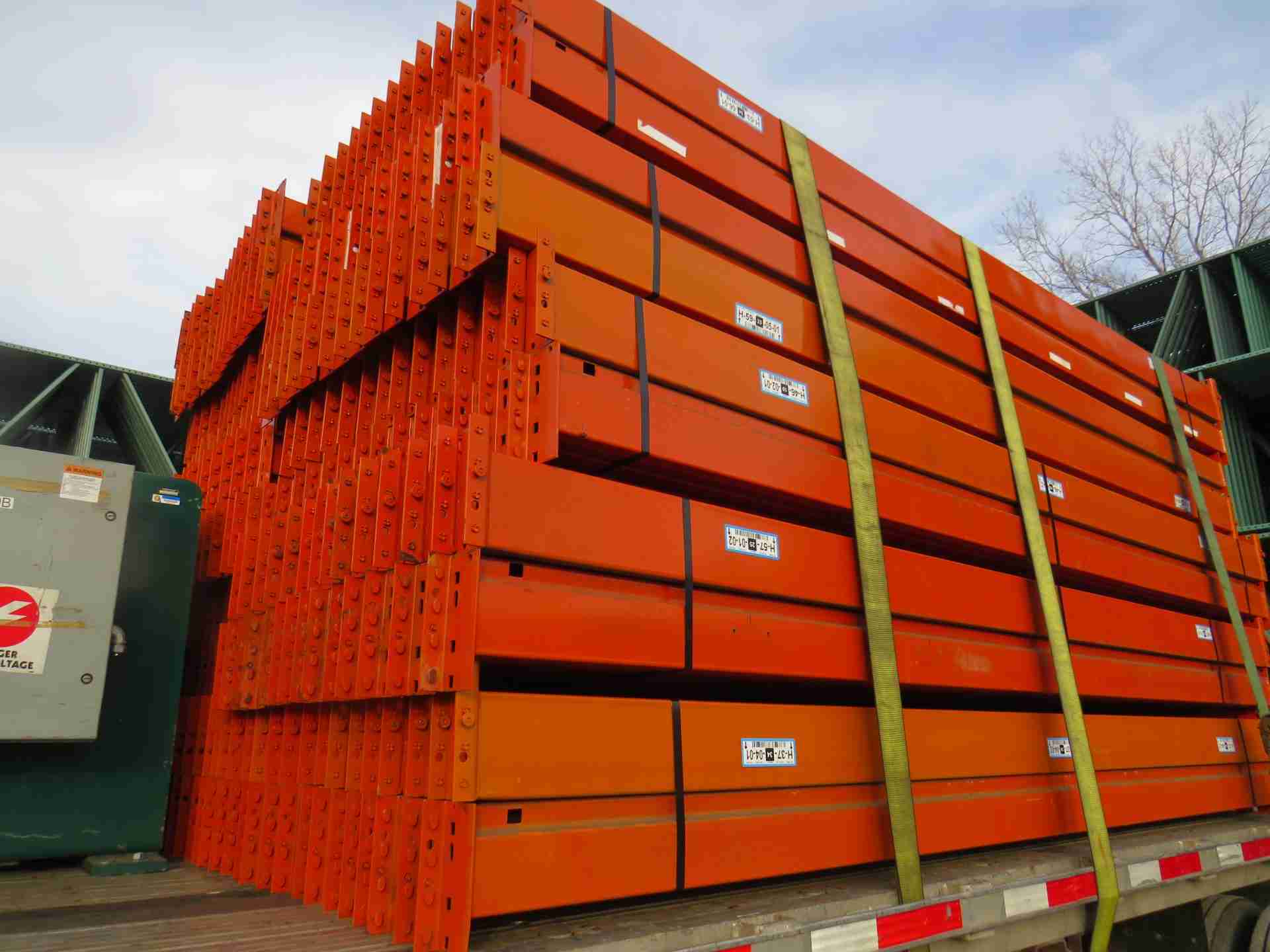
How Do Environmental Factors Influence OSHA Requirements For Racking?
How Do Environmental Factors Influence OSHA Requirements For Racking?
- Understanding environmental factors is crucial for businesses to optimize safety and comply with OSHA requirements for racking systems.
- Weather variability necessitates evaluating racking materials; steel racks in humid areas need proper coating to prevent corrosion.
- OSHA has investigated warehouses affected by climate events, emphasizing the importance of durable materials.
- Seismic activity requires specific racking designs and compliance with state-specific regulations, particularly in earthquake-prone areas like California.
- Dust and airborne contaminants can dictate racking requirements, especially for warehouses handling sensitive materials.
- Investing in suitable racking systems can prevent fines and operational setbacks while potentially lowering insurance premiums.
- Proactively assessing racking solutions helps businesses stay ahead of evolving standards and protect their workforce.
How Do Environmental Factors Influence OSHA Requirements For Racking?
Are There Specific Regulations For Different Types Of Pallet Racking?
When it comes to pallet racking, understanding regulations isn’t just a mere formality; it’s a necessity for any business that values safety, efficiency, and profitability. Just as no two businesses are alike, neither are the regulations governing different types of pallet racking systems. Keeping abreast of these specifics is essential, especially in our ever-evolving regulatory landscape.
Take, for instance, the popular selective pallet racking system. Designed for high accessibility, this system requires adherence to the American National Standards Institute (ANSI) standards. Compliance ensures that the racking can safely support the weight and dimensions of the products stored. Recently, several companies faced scrutiny after incidents related to inadequate inspections led to structural failures. Such publicity can dent a company’s reputation and bottom line.
In contrast, drive-in and drive-through racking systems, which are increasingly favored for their space-saving benefits in warehouses, have their own set of regulations. These systems rely on operators entering aisles with their forklifts; thus, stability and load capacity standards are paramount. A recent report from the Occupational Safety and Health Administration (OSHA) highlighted numerous safety violations linked to improper installation and use of drive-in racking. Familiarizing yourself with these regulations isn’t just about compliance; it’s about avoiding costly legal troubles.
Then there’s flow racking, ideal for high-volume FIFO (First In, First Out) inventory systems. This method, while efficient, is closely monitored under various guidelines because the lane design and slope must ensure the smooth movement of pallets without risk of tipping or jamming. In our increasingly automated warehouses, failure to adhere to technological regulations regarding automated storage and retrieval systems can lead to failures that not only halt operations but can also incur hefty fines.
Finally, as sustainability becomes a driving force in business decisions, keep an eye on emerging regulations related to eco-friendly racking solutions. For instance, materials used in pallet racks can now be subject to environmental impact regulations—as seen in California’s recent move towards stricter standards for manufacturing processes. Staying informed can position your company as an industry leader, attracting clients who prioritize sustainability.
In summary, the world of pallet racking is laden with specific regulations that hinge on the type of system employed. From selective to flow systems, each variety has its unique set of compliance requirements. Navigating these complexities not only safeguards your business but also empowers you to operate with confidence. Remember, safety doesn’t only protect employees; it drives profits and cultivates trust. Stay informed, stay compliant, and watch your business thrive.
Are There Specific Regulations For Different Types Of Pallet Racking?
Are There Specific Regulations For Different Types Of Pallet Racking?
- Understanding pallet racking regulations is crucial for safety, efficiency, and profitability.
- Selective pallet racking systems must adhere to ANSI standards for safety and load support.
- Recent scrutiny faced by companies highlights the risks of inadequate inspections in pallet racking.
- Drive-in and drive-through racking systems have specific stability and load capacity regulations.
- OSHA reports indicate safety violations linked to improper installation of drive-in racking systems.
- Flow racking systems require adherence to guidelines to prevent pallet tipping or jamming.
- Emerging sustainability regulations affect materials used in pallet racks, influencing eco-friendly practices.
Are There Specific Regulations For Different Types Of Pallet Racking?
What Documentation Is Needed To Meet OSHA Standards For Racking?
What Documentation Is Needed To Meet OSHA Standards For Racking?
When it comes to ensuring workplace safety, especially in environments with racking systems, compliance with OSHA standards is non-negotiable. Having the right documentation not only ensures employee safety but also protects your organization against costly fines and liabilities. Here’s what you need to have in place.
1. Racking System Design Specifications
First and foremost, every business using racking systems must maintain documentation of the design specifications. This includes detailed drawings and load capacity charts for each type of racking in use. For instance, if you have selective pallet racks, include the manufacturer’s catalog information, installation date, and specific load limits based on the system’s configuration. Lack of clear design specs could lead to unsafe stacking practices and potential workplace accidents.
2. Installation and Maintenance Records
OSHA requires that all racking systems be installed according to manufacturer guidelines and that ongoing maintenance records are kept. Document every installation with dates, the names of the personnel responsible, and any deviation from prescribed installation procedures. For events like the recent increases in warehouse operations due to e-commerce surges, this documentation becomes even more critical to demonstrate compliance and proactive risk management.
3. Inspection Logs
Regular inspections are a cornerstone of safety culture in warehouses. Maintain a meticulous log of routine inspections, including dates, findings, and corrective actions taken. For example, if you identify a bent beam during an inspection, documenting its status, the actions taken to replace or repair it, and the timeline for rectification can protect you in the event of an OSHA audit. Current data shows that up to 20% of warehouse accidents occur due to racking failures—keeping thorough inspection logs can help mitigate this risk.
4. Employee Training Records
Finally, ensure you have documentation that reflects comprehensive training for all employees who interact with racking systems. This should include initial training upon hire, ongoing safety refreshers, and any specialized training for new systems. For example, given the rapid changes in materials and technologies prompted by last year’s supply chain disruptions, staff must be trained on best practices for new racking systems.
Meticulous documentation not only helps meet OSHA standards for racking but also fosters a culture of safety that can enhance productivity and minimize liability. Stay proactive, keep your records in order, and remember—safety isn’t just a box to check; it’s an essential part of your business strategy. With the right documentation, you’re not just compliant; you’re positioning your organization for success in an ever-evolving market landscape.
What Documentation Is Needed To Meet OSHA Standards For Racking?
What Documentation Is Needed To Meet OSHA Standards For Racking?
- Compliance with OSHA standards is essential for workplace safety in racking environments.
- Documentation of racking system design specifications, including detailed drawings and load capacity charts, is required.
- Installation and maintenance records should detail compliance with manufacturer guidelines and document responsible personnel.
- Regular inspection logs must be maintained, documenting findings and corrective actions taken during inspections.
- Employee training records are necessary for tracking initial and ongoing training related to racking systems.
- Thorough documentation fosters a culture of safety, enhancing productivity and minimizing liability.
- Proactive record-keeping positions organizations for success and compliance in a changing market landscape.

What Documentation Is Needed To Meet OSHA Standards For Racking?
Conclusion
Conclusion: Prioritize OSHA Compliance with Arrow Industrial Sales
At RackingWorld.com, we understand that the warehouse environment is not just about optimizing space—it’s about safeguarding the most vital asset of any operation: your workforce. OSHA requirements for pallet racking aren’t merely bureaucratic rules; they are essential guidelines designed to prevent hazardous situations and create a culture of safety that benefits everyone involved. From ensuring structural integrity and conducting regular inspections to adhering to specific load limits and training employees, each factor plays a pivotal role in achieving compliance and operational excellence.
Arrow Industrial Sales offers valuable insights into navigating the complexities of OSHA regulations. By following our actionable steps and investing in OSHA-approved materials such as high-strength steel or appropriately engineered wood, you protect your business from catastrophic failures and crippling fines. Neglecting compliance is a gamble no business should take—just ask the companies left reeling after workplace accidents that could have been avoided through prudent planning and adherence to safety guidelines.
The urgency of the situation cannot be overstated. With increasing scrutiny on workplace safety and regulations evolving to meet the demands of contemporary warehousing, there’s no better time than now to assess your pallet racking system and ensure it meets OSHA standards. Do you know the load limits for your racks or whether your employees have received adequate training? The answers lie within a robust safety framework that begins with you.
Don’t wait until incidents occur that could disrupt operations and damage your reputation. Take proactive measures to ensure compliance and safeguard your employees’ well-being. Contact Arrow Industrial Sales today at (574) 349-6575 for expert guidance and tailored solutions that meet your specific needs. We’re here to help you transform your warehouse into a model of safety and efficiency, ensuring peace of mind for your operation and your team. Prioritize your commitment to safety now—because your people deserve it, and so does your bottom line.
Conclusion
Conclusion:
- Prioritize OSHA compliance to safeguard your workforce in the warehouse environment.
- Understand that OSHA requirements for pallet racking are essential for preventing hazards.
- Key compliance factors include structural integrity, regular inspections, load limits, and employee training.
- Arrow Industrial Sales provides insights into navigating OSHA regulations effectively.
- Investing in OSHA-approved materials can protect your business from failures and fines.
- Assess your pallet racking system now to ensure it meets current OSHA standards.
- Contact Arrow Industrial Sales for expert guidance and tailored solutions to enhance safety and efficiency.
Conclusion
Other Resources
Other Resources
Here is a list of other resources you can review online to learn more:
- “Warehousing – Overview | Occupational Safety and Health …”
- “Warehousing – Know the Law | Occupational Safety and …”
- “Home | Occupational Safety and Health Administration”
- “What Does OSHA Say About Pallet Rack Safety?”
- “Warehousing – Hazards and Solutions”
- “pallet racking”
- “Understanding OSHA Requirements for Warehouse Racking”
- “OSHA Requirements for Warehouse Racking”
- “What safety measures should be taken when installing …”
- “Benefits of selling D2C | Let’s Ship Together | Contact Us”
- “What Are The Latest Trends In Cantilever Rack Accessories?”
- “case western reserve university”
- “Glossary of Terms | Material Handling Resources”
- “OSHA 1910 (General Industry) regular rules”
- “OCCUPATIONAL SAFETY AND HEALTH STANDARDS”
- “Equipment Purchasing and Facility Design for School …”
- “Glossary of Retail Supply Chain Terms”
- “The Role of Warehouses in Today’s Supply Chains”
Use This Prompt To Get More Resources With Your Favorite Online AI Tool: Please provide me with a list of online articles with their URLS in a bulleted list that I can read regarding What Are OSHA Requirements for Pallet Racking?
Other Resources
Glossary Terms
What Are OSHA Requirements for Pallet Racking? – Glossary Of Terms
1. OSHA (Occupational Safety and Health Administration): Federal agency responsible for ensuring safe and healthy working conditions by setting and enforcing standards.
2. Pallet Racking: Industrial storage system that uses frames and beams to support pallets of goods.
3. Forklift: A powered industrial truck used to lift and move materials over short distances, often employed in warehouses.
4. Load Capacity: The maximum weight a pallet rack or shelving unit is designed to safely support without risk of failure.
5. Aisle Width: The space between rows of pallet racks that allows for safe maneuvering of forklifts and personnel.
6. Beam: A horizontal structural component of pallet racking that supports the weight of the stored pallets.
7. Frame: The vertical structure of a pallet rack that provides stability and support for beams.
8. Deflection: The degree to which a beam or rack frame bends under load, which should remain within acceptable limits set by standards.
9. Vertical Load: The weight exerted downward on a pallet rack from the stored product.
10. Horizontal Load: The force acting sideways on a pallet rack, which can result from wind, seismic activity, or improper loading.
11. Cross Bracing: Diagonal braces installed in pallet racking to enhance stability and prevent swaying or collapsing.
12. Stability: The ability of a pallet rack system to maintain its structure under load without tipping or collapsing.
13. Inspection: The process of examining pallet racking systems regularly for signs of wear, damage, or non-compliance with safety standards.
14. Safety Data Sheet (SDS): A document that provides information about the properties of a particular substance, including handling, hazards, and safety precautions.
15. Mitigation: Strategies and measures taken to reduce the risk of accidents or injuries in the workplace.
16. Personal Protective Equipment (PPE): Gear worn to minimize exposure to hazards that can cause serious injuries, such as helmets, gloves, and safety shoes.
17. Compliance: Adhering to established guidelines, standards, and regulations set forth by OSHA and other regulatory bodies.
18. Training: Education provided to employees regarding safe practices for operating equipment and handling materials in proximity to pallet racking.
19. Near Miss: An incident that could have resulted in injury or damage but did not, highlighting potential safety issues.
20. Weight Distribution: Ensuring that loads on pallet racks are evenly distributed to prevent tipping and maintain structural integrity.
21. Load Signage: Labels or markers indicating the maximum load limits for pallet racks to prevent overloading.
22. Workplace Hazards: Potentially dangerous conditions that could lead to accidents, including inadequate pallet racking practices.
23. Interlock Systems: Safety features integrated into pallet racking to prevent improper access or use during loading and unloading.
24. Forklift Operator Training: Specialized training programs for individuals who operate forklifts to ensure safety and compliance.
25. Maintenance: Regular upkeep and repairs of pallet racking systems to ensure safety and functionality.
26. Emergency Action Plan (EAP): A plan outlining procedures for responding to emergencies, including equipment accidents in areas with pallet racking.
27. Reporting Procedures: Established methods for employees to report unsafe conditions or incidents related to pallet racking or equipment.
28. Ergonomics: The study of how people interact with their environment, including the design of workspaces to minimize strain and injuries.
29. Inventory Control: The management of stock levels within pallet racks to ensure adequate supplies without compromising safety.
30. Hazard Communication Standard (HCS): OSHA requirement for employers to inform employees about chemical hazards in the workplace, relevant for materials stored on racks.
Glossary Of Terms
Other Questions
What Are OSHA Requirements for Pallet Racking? – Other Questions
If you wish to explore and discover more, consider looking for answers to these questions:
- What are the consequences of non-compliance with OSHA regulations for pallet racking?
- How can businesses implement an effective training program for employees using pallet racking?
- What are the most common mistakes to avoid when installing pallet racking systems?
- What types of pallet racking systems are currently available and what are their specific regulations?
- How can technology improve compliance and safety in pallet racking systems?
- What are the best practices for maintaining pallet racking systems?
- How do changes in the supply chain affect OSHA requirements for pallet racking?
- What role does employee feedback play in enhancing safety in pallet racking environments?
- What resources are available for staying updated on OSHA regulations related to pallet racking?
- How do seasonal factors affect the inspection and evaluation of pallet racking systems?
- What specific materials should be avoided in pallet racking construction to comply with OSHA standards?
- How can businesses assess the risk associated with their current pallet racking systems?
Other Questions
Checklist
What Are OSHA Requirements for Pallet Racking? – A Checklist
1. Structural Integrity
_____ Ensure the racking system is designed and maintained for load capacities.
_____ Conduct routine inspections to check for structural wear and damage.
_____ Document findings and actions taken during inspections.
2. Installation and Maintenance
_____ Verify that only certified technicians perform installation.
_____ Maintain records of installation procedures and inspections.
_____ Schedule regular maintenance checks (suggested at least quarterly).
3. Load Limits
_____ Confirm the load limit for each racking system as specified by the manufacturer.
_____ Create a system for tracking weights and loads on racks.
_____ Ensure employees are trained on load capacities and safe loading techniques.
4. Aisle Space and Clearance
_____ Ensure aisles are a minimum of 3 feet wide to accommodate machinery and personnel.
_____ Check that clearance heights comply with local fire codes.
_____ Mark aisle width and clearance zones clearly.
5. Employee Training
_____ Provide training for all employees involved in the installation and operation of pallet racking.
_____ Schedule regular refresher courses for employees.
_____ Document all training sessions and employee attendance.
6. Signage and Labeling
_____ Install clear, visible signage indicating load limits and safety instructions.
_____ Ensure signage is maintained and updated as necessary.
_____ Implement labeling for aisles, safety zones, and emergency exits.
7. Inspection Protocols
_____ Conduct daily visual inspections of racking systems.
_____ Set a formal inspection schedule (every 6 months for high-use environments; annual for less active facilities).
_____ Keep inspection logs that detail findings and corrective actions.
8. Environmental Considerations
_____ Evaluate the materials of racking systems based on environmental exposure (e. g. , humidity, temperature).
_____ Use materials resistant to environmental factors (e. g. , corrosion resistant coatings).
_____ Ensure compliance with any local environmental regulations.
9. Specific Regulations Based on Racking Type
_____ Familiarize yourself with specific regulations for the type of racking system used (selective, drive-in, flow, etc. ).
_____ Verify ongoing compliance with ANSI and other relevant standards.
10. Documentation
_____ Maintain documentation for design specifications, installation records, and maintenance logs.
_____ Keep thorough inspection logs outlining dates, findings, and actions taken.
_____ Ensure up-to-date training records reflecting all training conducted.
11. Emergency Preparedness
_____ Conduct emergency drills related to racking system failures and accidents.
_____ Equip employees with knowledge on how to respond to potential emergencies.
Conclusion
Regularly review this checklist to ensure ongoing compliance with OSHA standards and the safety of your workforce. Remember, being proactive not only protects your employees but also safeguards your business against costly violations and accidents.

Checklist
At RackingWorld, we help guide you through selecting warehouse storage systems and racking.
Be sure to read our other related stories at RackingWorld to learn more about warehouse storage systems.
0 Comments