
Maximizing Storage Efficiency For Small Businesses
By Tom Seest
At RackingWorld, we help guide you through selecting warehouse storage systems and racking.
Be sure to read our other related stories at RackingWorld to learn more about warehouse storage systems.
Is Cantilever Racking Cost-Effective for Small Businesses?
When it comes to optimizing warehouse space, small businesses need to make every square foot count. Enter cantilever racking, a game-changing solution that delivers more than just a lift to your storage issues. It’s time to assertively reimagine your storage strategy and assess whether this dynamic racking system can be a cost-effective answer for your business needs.
First off, consider the versatility of cantilever racks. Unlike traditional shelving, cantilever racking is designed to store long and bulky materials—like lumber, drywall, and pipes—which are cumbersome in standard units. For small construction firms experiencing a surge in demand, using cantilever racking allows them to maximize vertical space and minimize floor space usage, saving precious resources in both storage costs and operational efficiency.
Take, for example, the 2023 rise in home improvement projects fueled by an uptick in homeowner renovations post-pandemic. Small builders and suppliers have found cantilever racks invaluable. By efficiently consolidating their materials, they are not only organizing their inventory but also reducing time spent searching for supplies, translating directly to bottom-line savings.
Cost-effectiveness extends beyond just the initial investment in cantilever racking systems. With durability built into their design, these racks will withstand years of wear and tear. This longevity means fewer replacements and lower maintenance costs over time. Imagine re-investing those funds back into your business for marketing or product development instead of unplanned storage expenses!
Moreover, cantilever racking enhances safety in the workplace. A well-organized storage area reduces the risk of accidents from falling materials and clutter, which can cripple productivity and lead to losses. A small business that prioritizes safety and efficiency can easily enhance its reputation, making it a preferred supplier in its market.
However, it’s not just a matter of stacking materials. Always keep your local market dynamics in mind. With some regions experiencing material shortages and soaring prices, having an organized storage solution can significantly improve order fulfillment times and customer satisfaction, giving a small business a competitive edge.
Investing in cantilever racking can undoubtedly yield substantial returns for small businesses, in addition to improving operational efficiency and safety. It embodies a proactive approach to logistical challenges—embracing innovation in storage elevates your business to new heights. Don’t get left behind; redefine your storage strategy today!
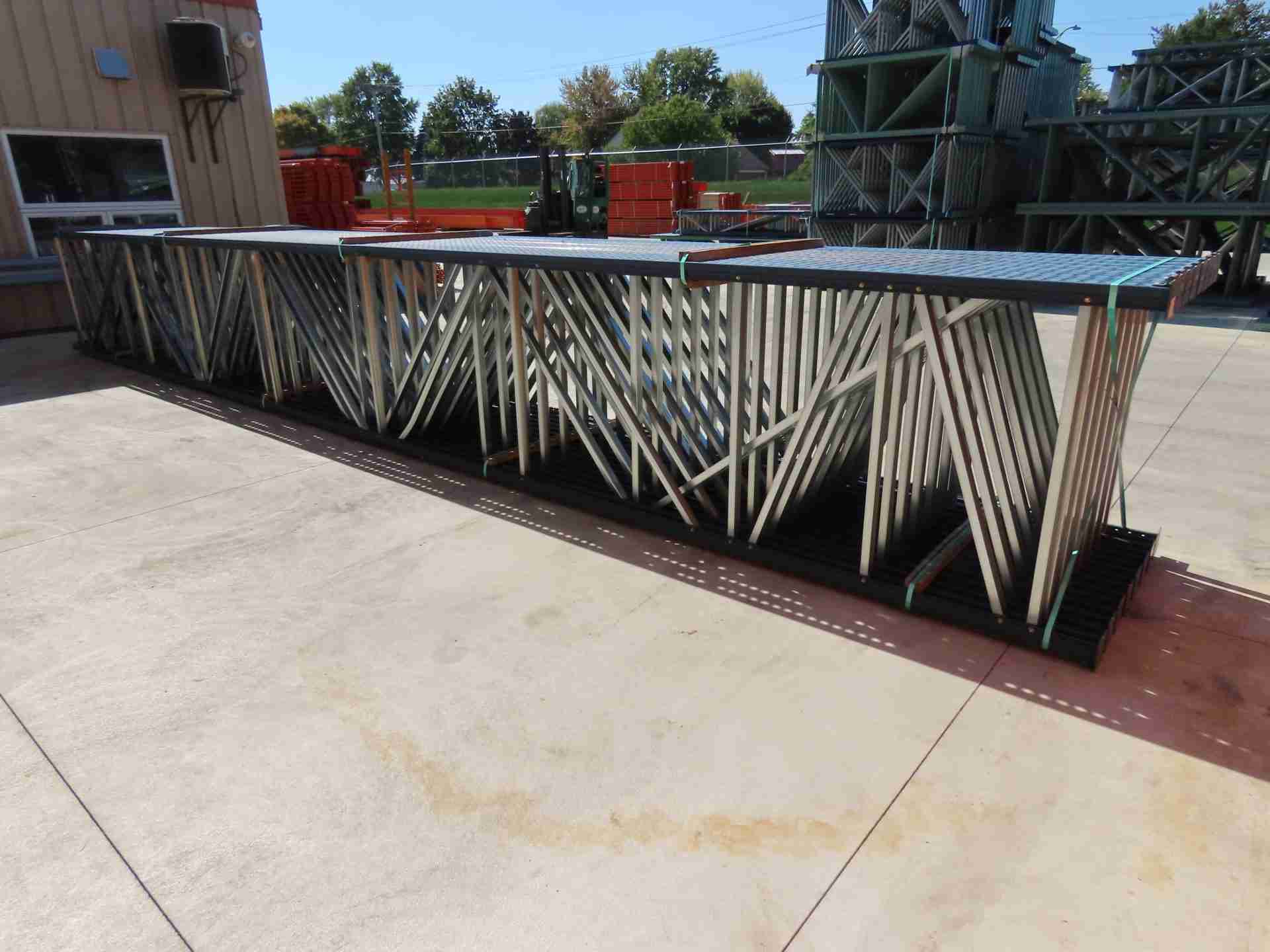
Is Cantilever Racking Cost-Effective for Small Businesses?
Is Cantilever Racking Cost-Effective for Small Businesses?
- Cantilever racking maximizes warehouse space for small businesses, making efficient use of every square foot.
- This versatile solution is specially designed to store long and bulky materials, unlike traditional shelving.
- It helps small construction firms optimize vertical space, leading to reduced storage costs and enhanced operational efficiency.
- Cantilever racking has gained popularity due to a surge in home improvement projects post-pandemic, aiding builders in inventory organization.
- The durability of cantilever racks leads to fewer replacements and lower maintenance costs, allowing reinvestment in other business areas.
- Improved organization reduces safety risks in the workplace, enhancing productivity and reputation among suppliers.
- Strategically investing in cantilever racking can yield substantial returns by boosting efficiency, safety, and customer satisfaction.
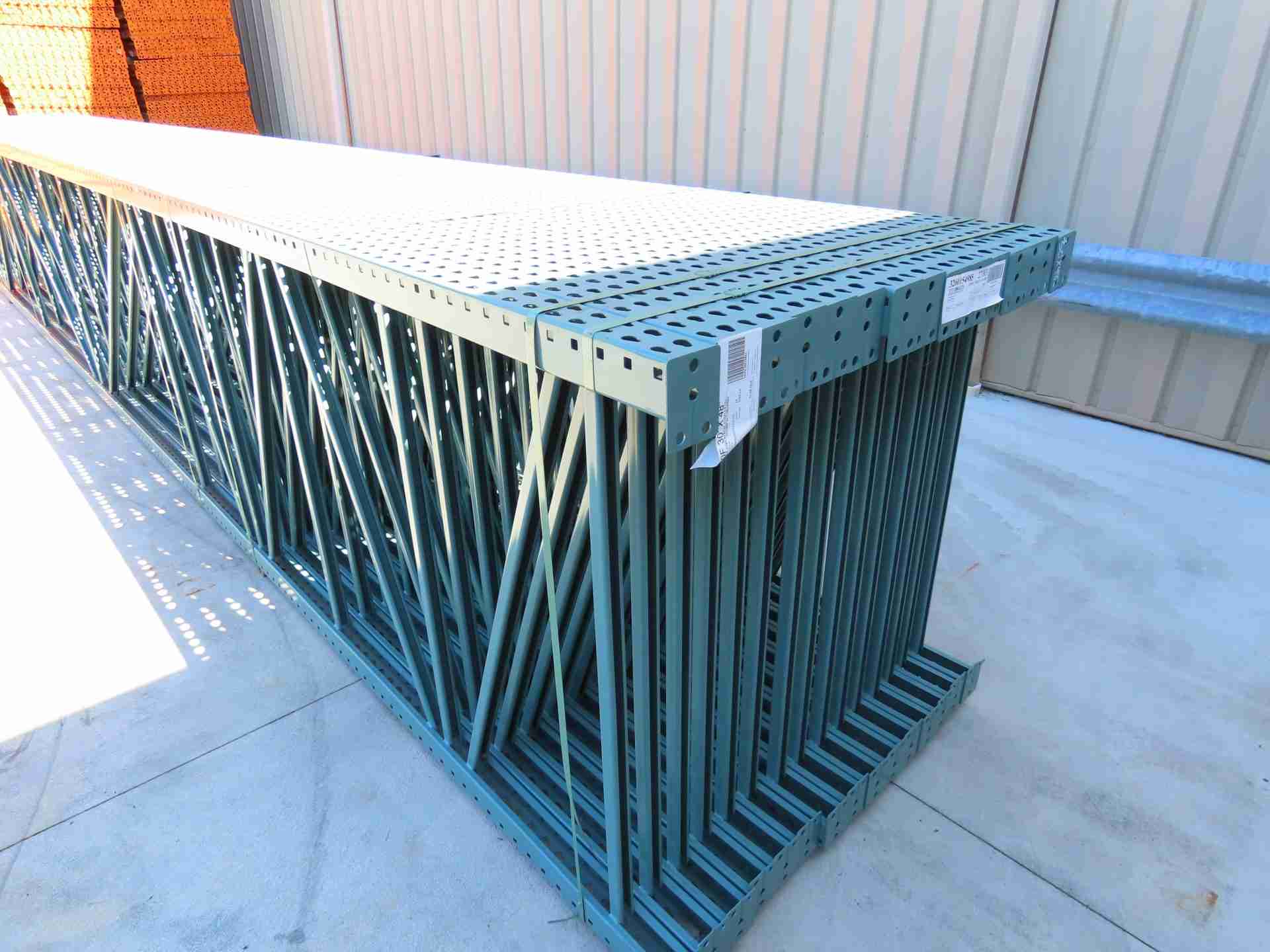
Is Cantilever Racking Cost-Effective for Small Businesses?
Table Of Contents
- Is Cantilever Racking Cost-Effective for Small Businesses?
- Is Cantilever Racking Suitable For Small Business Storage Needs?
- What Are The Initial Costs Of Cantilever Racking Systems?
- How Does Cantilever Racking Improve Space Efficiency?
- What Are The Maintenance Requirements For Cantilever Racking?
- Are There Any Hidden Costs Associated With Cantilever Racking?
- How Does Cantilever Racking Compare To Other Racking Systems?
- What Are The Weight Limits Of Cantilever Racking?
- Can Cantilever Racking Be Customized For Specific Inventory?
- What Safety Standards Should Be Considered With Cantilever Racking?
- How Long Does It Take To Install Cantilever Racking Systems?
- How Does Cantilever Racking Affect Inventory Accessibility?
- What Industries Benefit Most From Cantilever Racking?
- What Is The Lifespan Of Cantilever Racking Systems?
- How Do I Choose The Right Cantilever Racking For My Business?
- Conclusion
- Other Resources
- Glossary Of Terms
- Other Questions
- Checklist
Is Cantilever Racking Suitable For Small Business Storage Needs?
When it comes to optimizing storage space, small businesses often face a critical challenge: how to maximize efficiency without overextending their budgets. This is where cantilever racking shines like a beacon of opportunity. Think of it as the unsung hero of storage solutions, particularly for businesses dealing with long or bulky items like lumber, furniture, or piping.
Cantilever racks are designed with a unique structure that supports heavy loads while allowing easy access from all sides. Imagine a small construction company that has suddenly landed a lucrative contract to supply materials for a local project. With a conventional shelving system, the influx of materials could quickly lead to chaos and inefficiency. However, by integrating cantilever racking, the business can neatly store longer items while keeping the workspace organized and accessible.
One recent example that illustrates this point is in the thriving home improvement industry. As DIY projects surged during the pandemic, small retailers supplying materials found themselves overwhelmed with inventory. Those who adapted by installing cantilever racks not only improved their storage capacity but also enhanced their customer service. Picture a customer entering the store and easily navigating through aisles lined with neatly organized lumber and tools, thanks to the vertical space made available with cantilever racks. This ease of access can lead to increased sales and better customer satisfaction—an essential element in any small business’s playbook.
Now, let’s discuss cost-effectiveness. Investing in cantilever racking doesn’t necessarily mean sacrificing financial stability. The long-term benefits absolutely outweigh the initial investment. These systems can be tailored to fit your specific storage needs, allowing you to adapt as your business grows. Moreover, the durability of cantilever racks means that they stand the test of time, reducing the need for frequent replacements.
So, if your operation involves lengthy or oddly shaped items, embrace the flexibility of cantilever racking. Imagine being able to store more product without cluttering your workspace or sacrificing organization, all while providing a visually appealing layout that entices clients and encourages sales.
In a world where every square foot counts, particularly for small businesses navigating fluctuating market demands, cantilever racking is more than just a storage solution—it’s a strategic advantage. Invest wisely, and watch your productivity soar. Your bottom line will thank you.
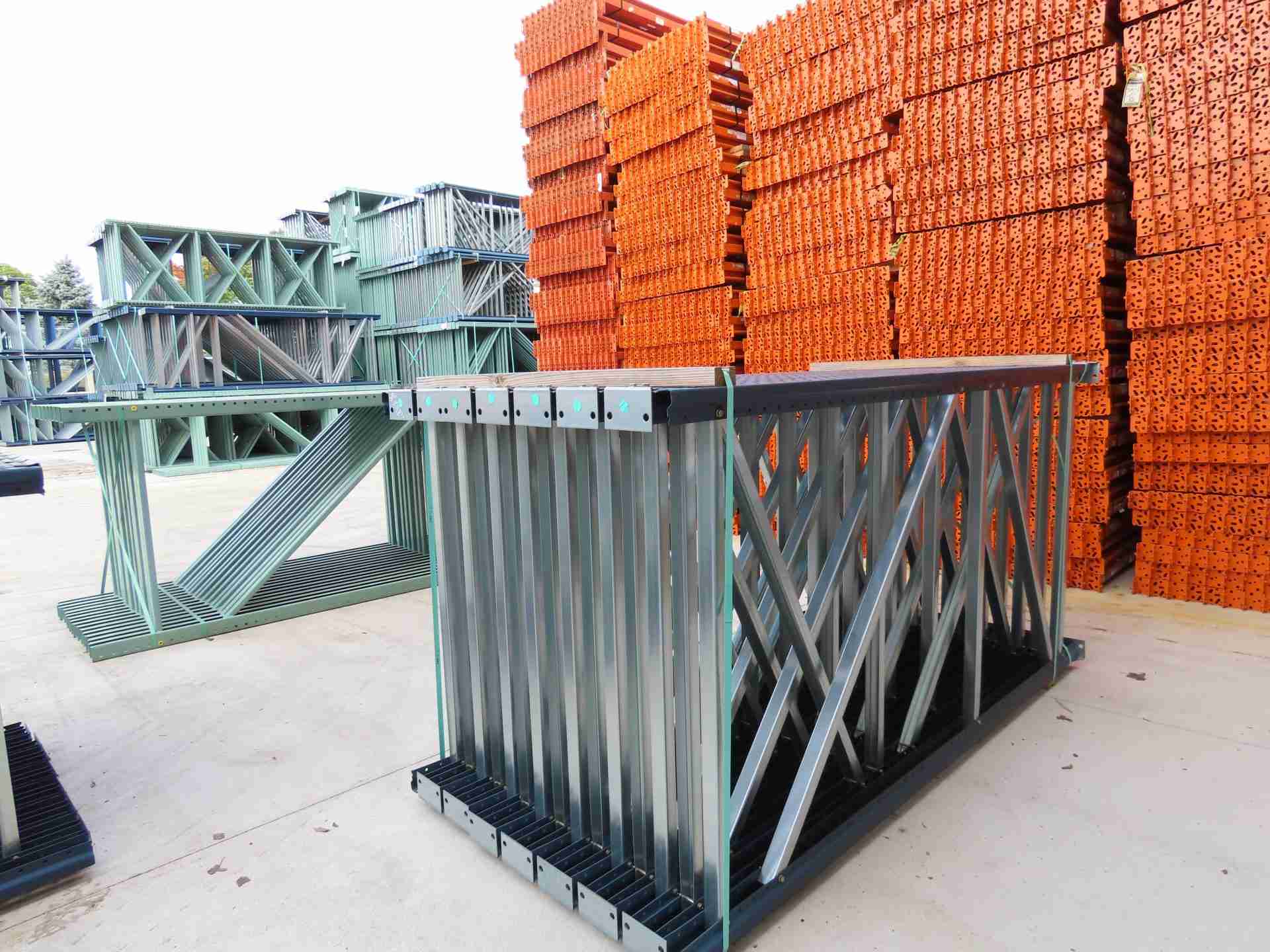
Is Cantilever Racking Suitable For Small Business Storage Needs?
Is Cantilever Racking Suitable For Small Business Storage Needs?
- Small businesses face challenges in optimizing storage space efficiently while managing budgets.
- Cantilever racking is ideal for storing long or bulky items like lumber, furniture, or piping.
- This racking system allows for heavy load support and easy access from all sides.
- Adopting cantilever racks can help businesses maintain organization and efficiency during inventory surges.
- Cantilever racking enhances customer service by making products easily accessible, leading to potential increased sales.
- Investing in cantilever racking is cost-effective in the long run, offering tailored solutions and durability.
- Cantilever racking provides a strategic advantage for small businesses, optimizing space and improving productivity.
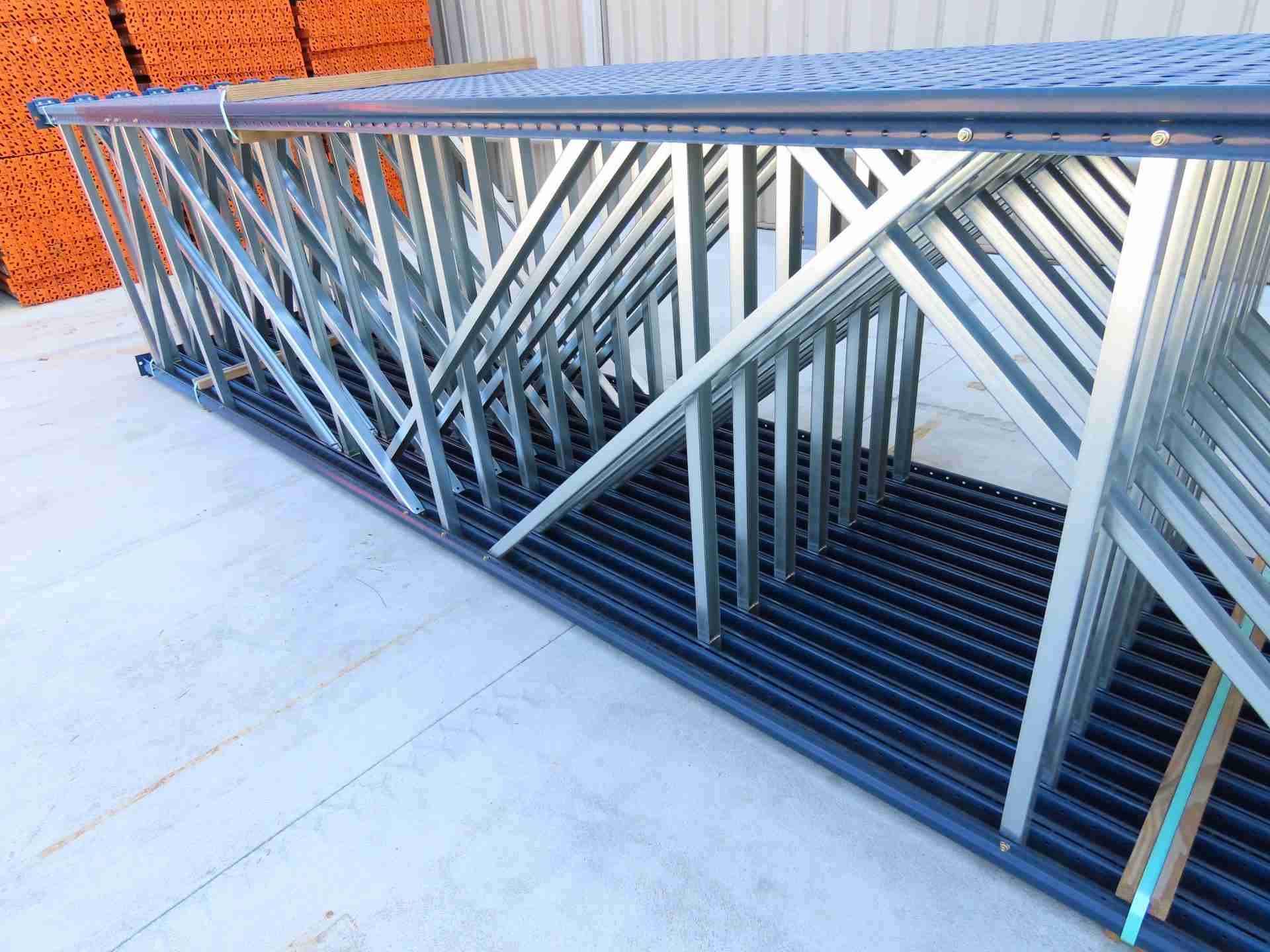
Is Cantilever Racking Suitable For Small Business Storage Needs?
What Are The Initial Costs Of Cantilever Racking Systems?
When it comes to optimizing warehouse space, cantilever racking systems are often the unsung heroes of inventory management. As businesses aim to enhance efficiency, the question of initial costs looms large. Understanding these costs is crucial for making an informed investment that pays dividends down the line.
At first glance, the initial costs of cantilever racking systems can fluctuate significantly based on several factors, including size, load capacity, and features. A basic setup may start around $1,500 for a smaller system, but for enterprises housing industrial-scale operations—with heavy, bulky items—the costs can escalate to $10,000 or more. For instance, a medium-sized warehouse might require several racks to accommodate pallets of long goods or irregularly shaped items, leading to an investment in the range of $5,000 to $15,000.
Consider a recent case involving a lumber yard in North Carolina. Faced with an influx of demand driven partly by post-pandemic home improvement projects, the owner opted for cantilever racks to maximize vertical space. The initial investment totaled $8,000, but the increased storage capacity allowed the business to double its inventory. As a result, revenue soared by 40% within six months. This demonstrates that while initial costs may seem steep, the return on investment can be significant when used strategically.
You should also factor in ancillary expenses that often accompany the purchase of cantilever racking systems. Installation costs can add anywhere from 10% to 25% of the total investment, particularly if professional services are required to ensure safety and compliance. Moreover, don’t overlook the potential need for additional accessories, such as safety guards or spaced-out shelving units to maximize usability.
What’s more, businesses must consider the costs of inventory management software, training for staff on how to safely and efficiently utilize the new system, and ongoing maintenance to ensure longevity. In fact, as we transition into an increasingly digital economy, laws and regulations around workplace safety are tightening. Investing in state-of-the-art racking systems not only enhances efficiency but also protects your business from potential regulatory fines.
Ultimately, the initial costs of cantilever racking systems reflect both the investment in physical infrastructure and the promise of operational efficiency. With the right approach and informed decision-making, these racking systems can propel your business into a league of its own, transforming initial expenditures into long-term financial gains. Whether for a small business or a large-scale operation, the price of effective warehousing is well worth the investment.
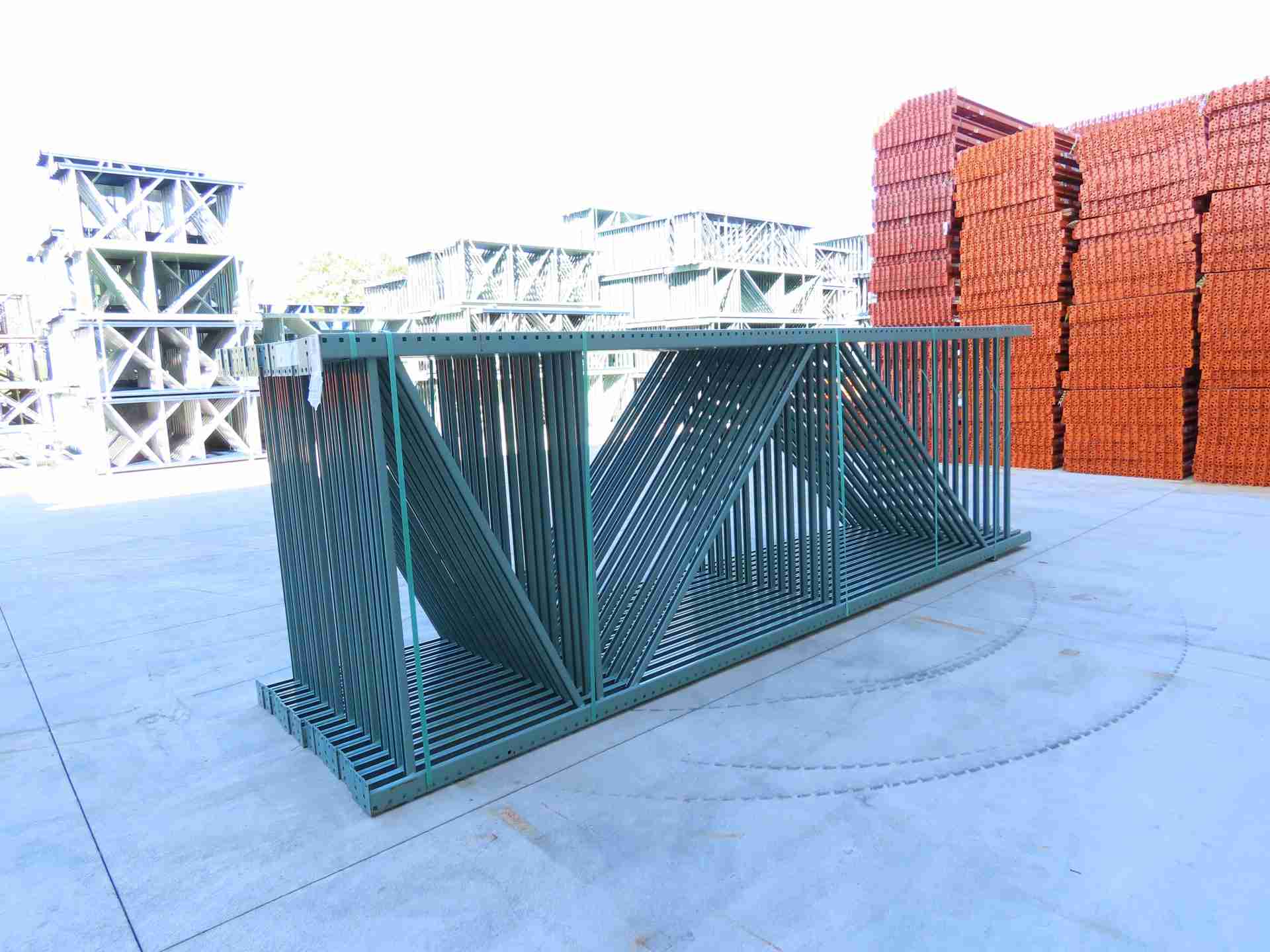
What Are The Initial Costs Of Cantilever Racking Systems?
What Are The Initial Costs Of Cantilever Racking Systems?
- Cantilever racking systems optimize warehouse space and enhance inventory management efficiency.
- Initial costs vary based on size, load capacity, and features, ranging from $1,500 for small systems to over $10,000 for industrial-scale operations.
- A medium-sized warehouse may invest between $5,000 and $15,000 to accommodate pallets of long or irregularly shaped items.
- A case study of a North Carolina lumber yard revealed an $8,000 investment in cantilever racks doubled inventory and increased revenue by 40% within six months.
- Additional expenses such as installation (10%-25% of total cost) and accessories should be considered when budgeting.
- Ongoing costs include inventory management software, staff training, and maintenance to ensure safety and compliance with regulations.
- Investing in cantilever racking systems bridges the gap between initial expenditure and long-term operational efficiency for both small and large businesses.
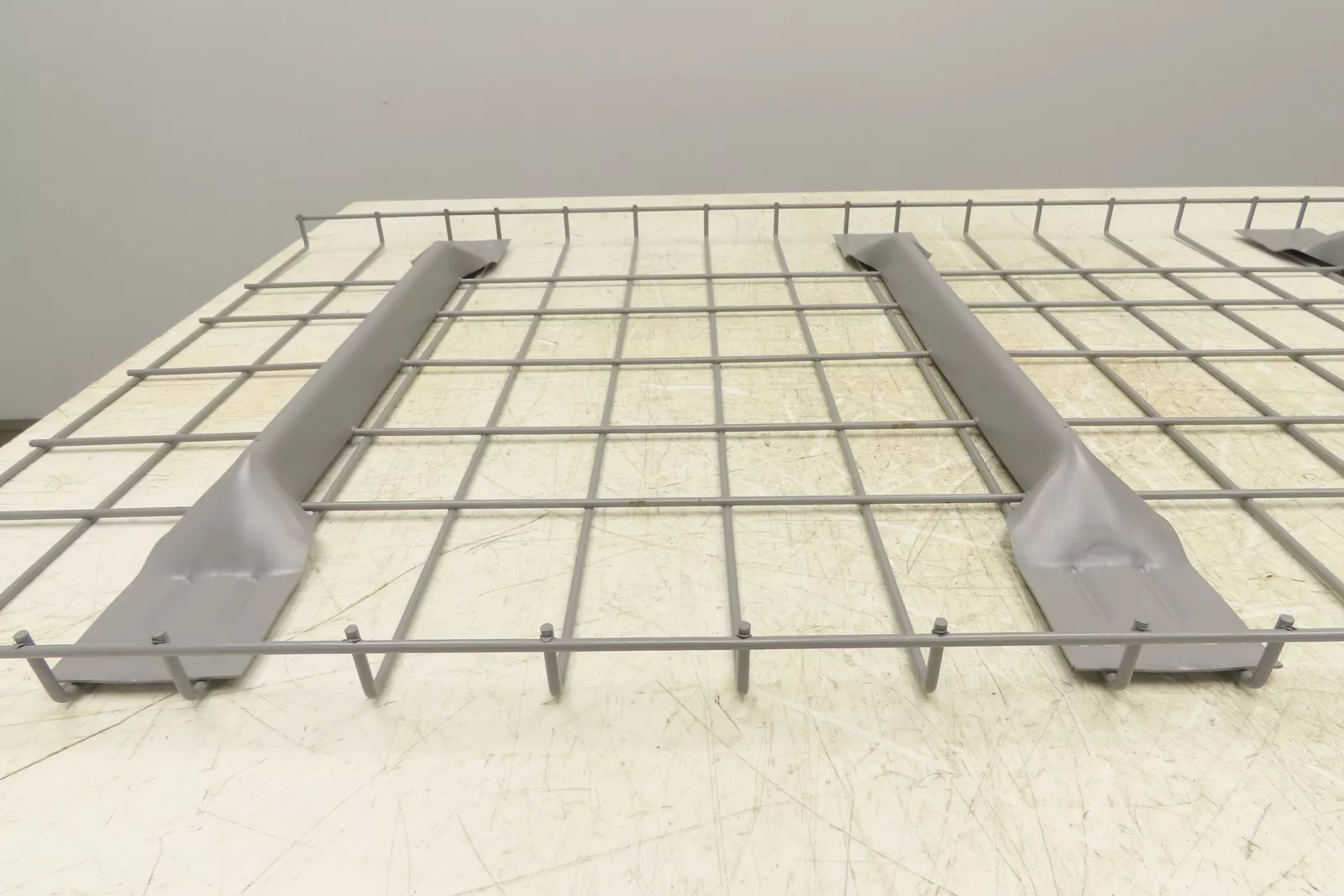
What Are The Initial Costs Of Cantilever Racking Systems?
How Does Cantilever Racking Improve Space Efficiency?
In today’s fast-paced, competitive landscape, maximizing every square foot of your storage space is crucial for operational effectiveness. Enter cantilever racking—an ingenious solution that can transform how you utilize your warehouse or storage facility. This vertical storage system allows you to efficiently store long, heavy, or awkwardly shaped items that traditional shelving can’t accommodate.
Imagine this: Your warehouse is filled with bulky items like pipe, lumber, or furniture. Conventional racking systems may leave you with an inefficient, cluttered space that hampers productivity. Cantilever racking solves this problem elegantly by utilizing space upward, allowing you to store items in a way that ensures easy access while minimizing the footprint. This vertical approach means more product stored in less space, leading to greater flexibility and efficiency.
Take a look at companies like Amazon, which continuously emphasizes the importance of optimal space usage within their massive distribution centers. Their success in quick turnaround times and efficient inventory management essentially hinges on the smart use of space—a feat that cantilever racking excels at. According to industry data, utilizing cantilever racks can increase storage capacity by up to 60% compared to conventional shelving methods. By making such a calculated investment, organizations can enhance their bottom line while streamlining operations.
Consider also the shifting dynamics of e-commerce, which have accelerated the need for adaptable, multifunctional storage solutions. As businesses pivot to accommodate changing customer demands, the versatility of cantilever racking allows for easy reconfiguration to meet those needs—whether it’s seasonal products or shifting inventory. In fact, as many businesses are currently enhancing their warehouses for omnichannel distribution, implementing cantilever racking provides the flexibility required to adapt to an ever-evolving market.
Moreover, safety is paramount in any storage operation. Cantilever racks are designed for superior stability and load distribution, thus reducing accidental damage to goods and minimizing workplace hazards. In an era where workplace safety regulations are becoming increasingly stringent, investing in a robust system ensures compliance while protecting your assets.
Cantilever racking isn’t just a smart choice for improved space efficiency; it’s a strategic business move. By enhancing storage capacity, offering adaptability, and promoting safety, your business can position itself for growth in an increasingly demanding marketplace. In a world where every inch counts, making the shift to cantilever racking could be your game-changer.

How Does Cantilever Racking Improve Space Efficiency?
How Does Cantilever Racking Improve Space Efficiency?
- Maximizing storage space is essential for operational effectiveness in competitive landscapes.
- Cantilever racking enables efficient storage of long, heavy, or awkwardly shaped items.
- This vertical storage solution optimizes space, ensuring easy access while minimizing footprint.
- Companies like Amazon highlight the importance of optimal space usage for quick turnaround and inventory management.
- Cantilever racks can increase storage capacity by up to 60% compared to conventional shelving.
- The versatility of cantilever racking supports adaptable storage solutions in the evolving e-commerce landscape.
- Cantilever racks provide superior stability and load distribution, enhancing safety and compliance in storage operations.
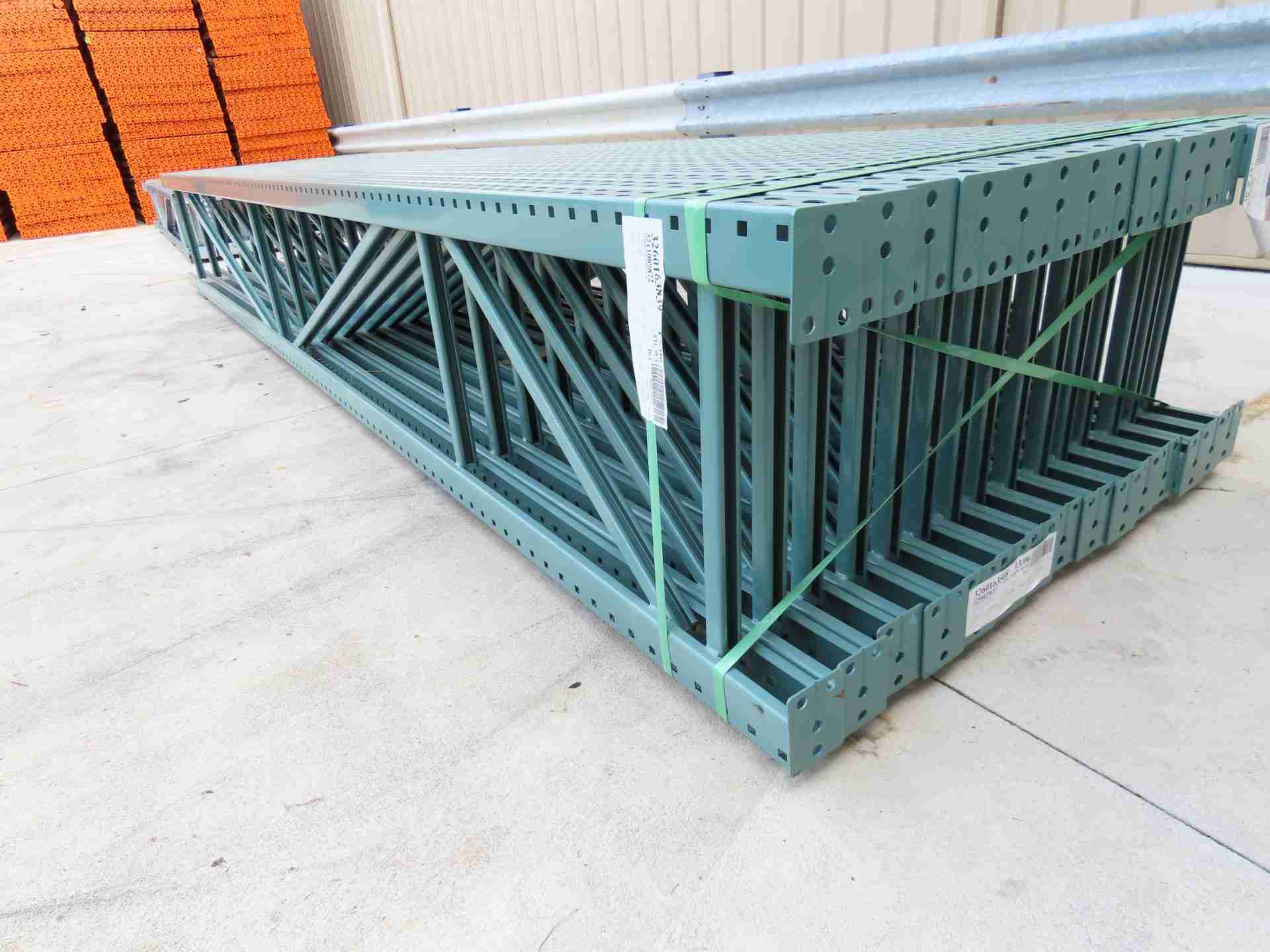
How Does Cantilever Racking Improve Space Efficiency?
What Are The Maintenance Requirements For Cantilever Racking?
When you invest in cantilever racking, you’re not just adding storage space; you’re enhancing your operational efficiency. But like any investment, it requires diligent maintenance to ensure longevity and optimal performance. Maintenance isn’t just a routine; it’s a strategic way to safeguard your assets and amplify your returns.
Regular Inspections Are Essential
First and foremost, regular inspections are critical. According to industry experts, at least once a month, conduct a visual inspection of your cantilever racks. Look for signs of wear and tear such as bent arms, rust, or signs of structural integrity issues. Remember, if you can spot a problem early, you can address it before it snowballs into a costly repair. Just ask the logistics firms facing inventory losses due to collapsed racking systems during unexpected peak periods—one slip-up can lead to major setbacks.
Cleanliness Counts
Next, never underestimate the importance of cleanliness. Dust, debris, and materials left lying around not only obstruct operations but can also lead to accidents. In facilities where items are frequently moved, consider implementing a regular cleaning schedule. A clean rack is not just aesthetically pleasing; it promotes a safer environment, which in turn reduces liability. Even tech giants such as Amazon have faced scrutiny for warehouse conditions, reminding us all about the importance of organizational cleanliness.
Regularly Review Load Capacities
Each cantilever rack has a specified load capacity that must be adhered to strictly. Regularly reviewing and updating these load limits based on your inventory can prevent overloading and extend the life of your racking systems. It’s critical that your team understands the specifications laid out by the manufacturer. Any changes in inventory type or weight require reevaluation of your storage solutions. Consider collaborating with manufacturers to train your staff on adhering to these essential guidelines—education is an investment that pays dividends.
Seasonal Maintenance Checks
Seasonal checks offer another layer of protection for your investment. For example, colder weather can lead to frost and moisture build-up, resulting in rust or structural weaknesses. Perform a comprehensive audit before and after seasons change. Imagine being a warehouse manager in the Midwest during the winter; a proactive approach ensures no surprises during peak shipping seasons.
Finally, don’t shy away from professional maintenance services. Many manufacturers offer tailored maintenance plans, ensuring your cantilever racking remains in peak condition. A small investment here can translate into reduced downtime and higher efficiency later.
Maintaining cantilever racking is not merely an obligation; it’s a strategy for continued success. By implementing a proactive maintenance plan, you create an environment that maximizes productivity and minimizes risks—a win-win for any business operation.
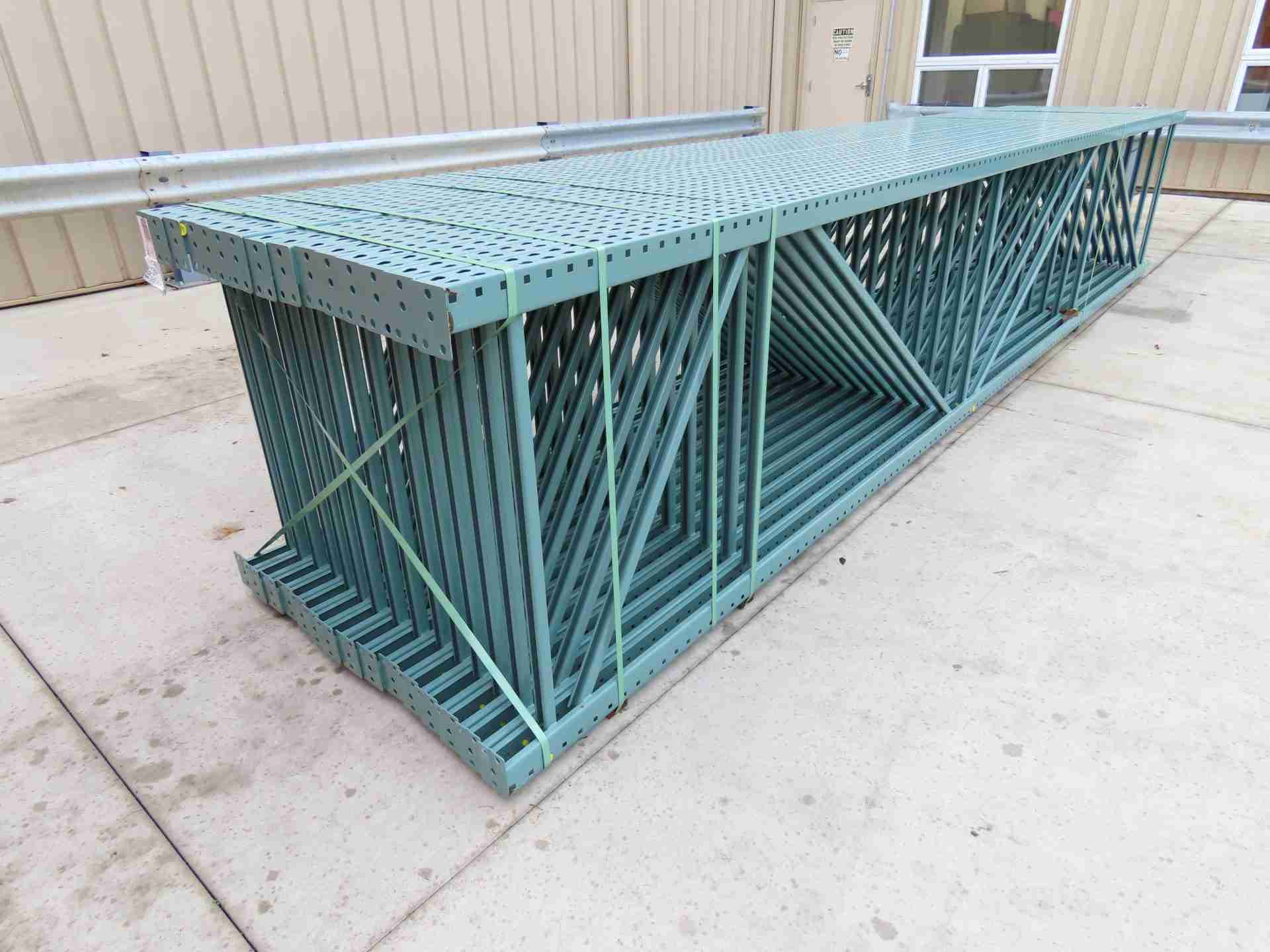
What Are The Maintenance Requirements For Cantilever Racking?
What Are The Maintenance Requirements For Cantilever Racking?
- Investing in cantilever racking enhances operational efficiency while requiring diligent maintenance for longevity.
- Regular inspections (at least once a month) are essential to catch early signs of wear and tear.
- Cleanliness is crucial; a clean environment promotes safety and reduces liability.
- Regularly review and adhere to load capacities to prevent overloading and extend rack life.
- Seasonal maintenance checks help address weather-related concerns and ensure system integrity.
- Consider professional maintenance services for tailored plans to keep racking in optimal condition.
- Proactive maintenance strategies create a productive environment, minimizing risks and enhancing business operations.
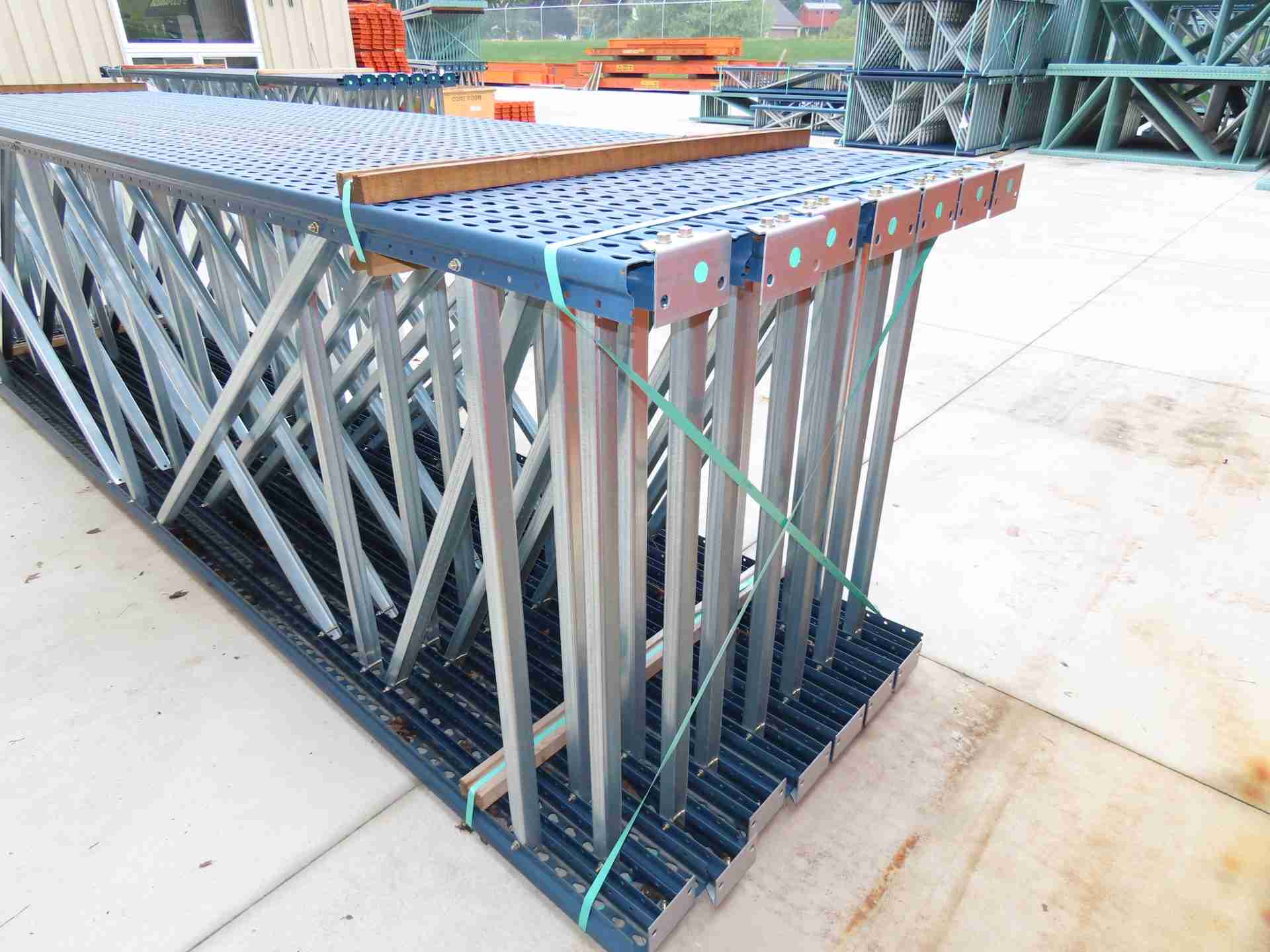
What Are The Maintenance Requirements For Cantilever Racking?
Are There Any Hidden Costs Associated With Cantilever Racking?
When it comes to maximizing vertical space in warehouses, cantilever racking often emerges as the clear champion. However, just like any investment in your business, there are facets that go beyond the sticker price—hidden costs that can significantly impact your operational budget. If you want to ensure a robust return on your investment, it’s essential to grasp these potential pitfalls.
First and foremost, let’s talk about installation. While many racking suppliers provide attractive base prices, the cost of installation can swiftly inflate your budget. Complex layouts or the need for professional rigging expertise can add hundreds—or even thousands—of dollars to your overall expenses. For example, a local distribution center recently learned this the hard way. They opted for a budget unit but didn’t factor in the expertise required for proper installation. The final bill exceeded the initial expectations by over 30%.
Next, consider how racking systems affect your workspace’s overall efficiency. Cantilever racking is designed for easy access to long items, but if improperly set up or understaffed during peak hours, it can lead to operational delays. Longer retrieval times equate to reduced productivity, ultimately impacting your bottom line. According to a recent survey from the Warehouse and Logistics Association, companies that fail to optimize their racking systems reported a significant dip in performance, costing them, on average, 15% of their total operational efficiency.
Maintenance is another often-overlooked expense. While cantilever racks are typically robust and durable, neglecting maintenance can lead to structural failures and costly downtime. Regular inspections and necessary repairs—charged at hourly rates—can drain your budget if they’re not anticipated. All it takes is one overlooked crack, as seen in a recent case study involving an East Coast lumber distributor, to incur substantial repair costs that exceeded their original investment in the racking system.
Lastly, you must account for the evolving nature of demand. Investing in cantilever racking can become burdensome if it limits your ability to pivot as market conditions change. A flexible storage solution is essential as industries transform, whether due to unforeseen global shifts or domestic market fluctuations. A rigid system could tether your ability to adapt, leading to missed opportunities and lost revenue.
In summary, while cantilever racking can serve as a valuable asset for your warehouse, it’s crucial to unveil these hidden costs. By paying attention to installation expenses, workspace efficiency, ongoing maintenance, and market adaptability, you can make a sound investment that truly propels your business forward. After all, the goal is not just to store your inventory but to optimize your operations, ensuring you’re always a step ahead of the competition.
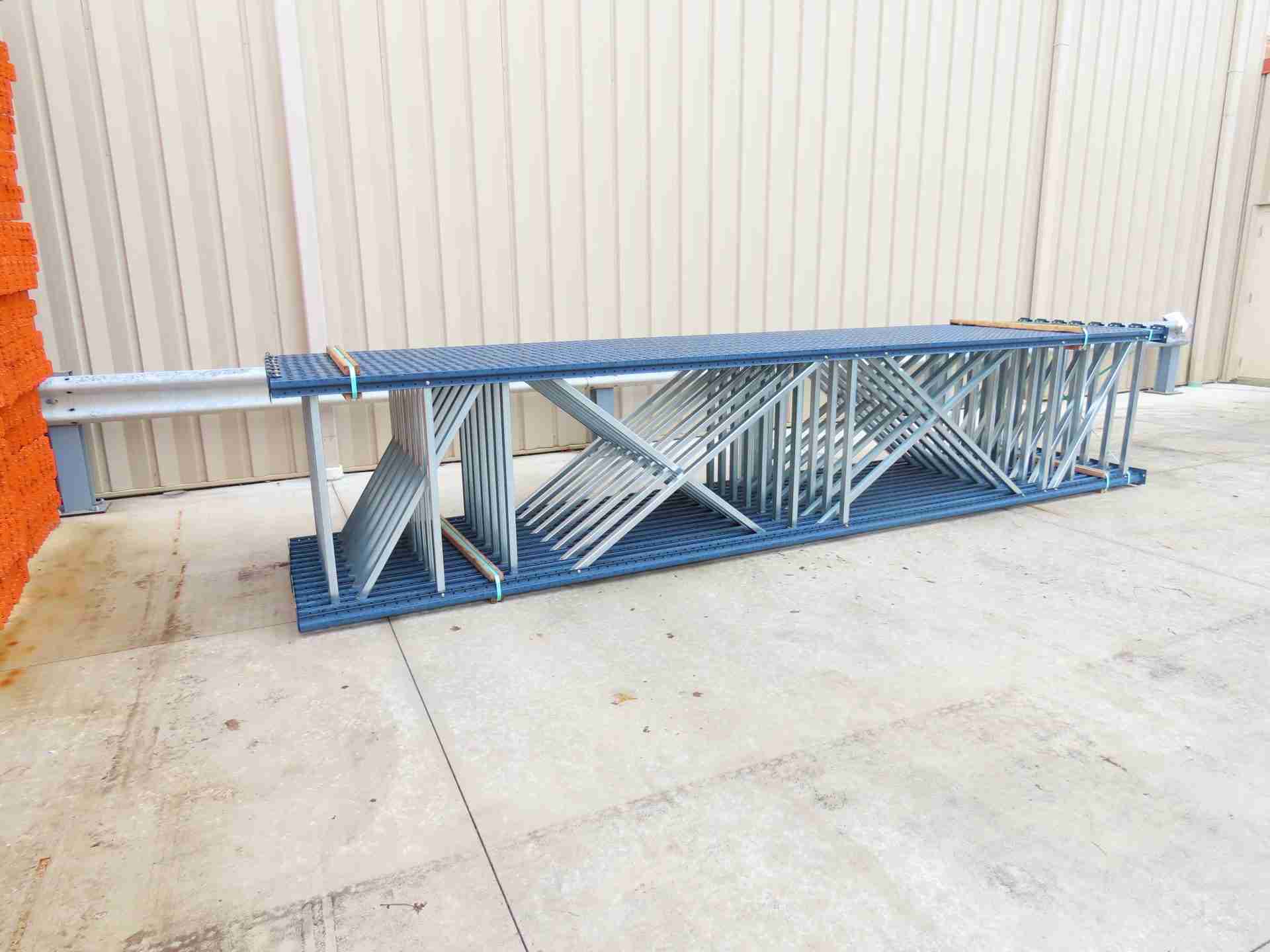
Are There Any Hidden Costs Associated With Cantilever Racking?
Are There Any Hidden Costs Associated With Cantilever Racking?
- Cantilever racking is effective for maximizing vertical space in warehouses but comes with hidden costs.
- Installation costs can significantly increase overall expenses, especially for complex layouts or professional rigging.
- Improper setup or staffing of racking systems can lead to operational delays and decreased productivity.
- Companies not optimizing their racking systems reported an average 15% drop in operational efficiency.
- Regular maintenance is essential to avoid structural failures and costly repairs due to neglect.
- Flexible storage solutions are critical for adapting to changing market conditions.
- Understanding and accounting for these factors ensures a sound investment that enhances operational effectiveness.
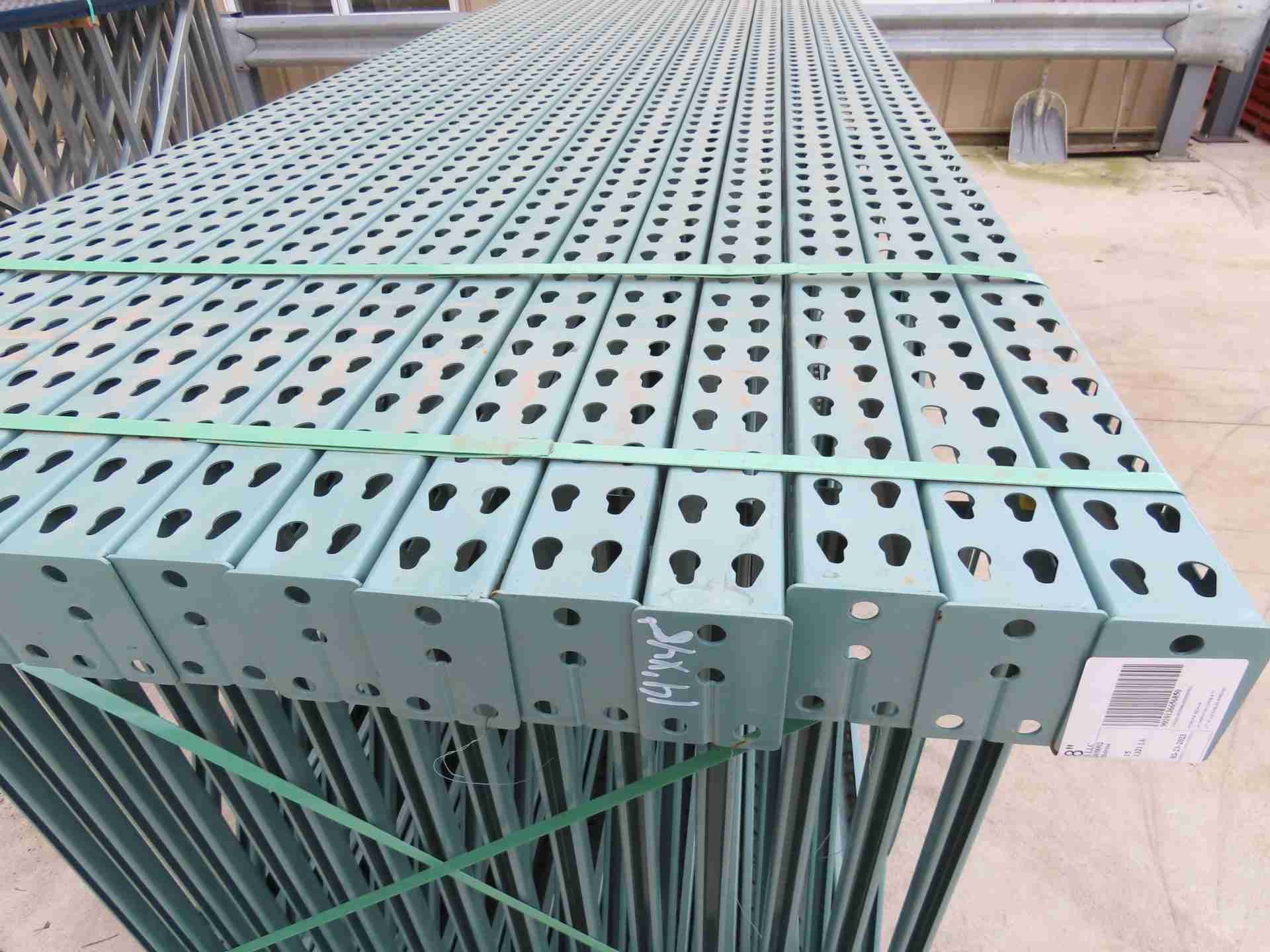
Are There Any Hidden Costs Associated With Cantilever Racking?
How Does Cantilever Racking Compare To Other Racking Systems?
When it comes to maximizing storage efficiency in warehouses or distribution centers, choosing the right racking system is critical. Among various options, cantilever racking has emerged as a game-changer, particularly for businesses dealing with long, bulky items—think furniture manufacturers or building materials distributors. But how does it stack up against traditional racking systems?
Let’s first consider pallet racking, the workhorse of warehouse logistics. It’s great for standard sizes and easy to manage with fork lifts. However, when you start dealing with irregularly shaped products, pallet racking can quickly become a bottleneck. Imagine a lumber yard constantly struggling with the inefficiencies of pallet racking—endless shuffling of products, wasted time, and labor costs spiraling out of control. In this case, cantilever racking shines. With its open design, it allows for easier loading and unloading of long items, minimizing damage and maximizing accessibility.
Now, think about shelving systems. While they provide excellent organizational capabilities for small goods, they often fail to accommodate larger, heavier items. Cantilever racking overcomes this limitation by offering a sturdy, adjustable solution that can easily adapt as your inventory evolves. For instance, during the surge in home improvement and DIY projects triggered by the pandemic, many warehouse operators have witnessed the benefits of cantilever racks. They allow for swift access to lumber and drywall, helping to meet the explosive demand with remarkable efficiency.
Let’s not overlook the current push for sustainability in logistics. As companies seek to optimize space and reduce their carbon footprints, cantilever racking provides a scalable and adaptable solution. Its design allows for efficient vertical storage, offering a smaller spatial footprint while accommodating larger items. This means fewer trips for goods transport, which aligns perfectly with green logistics movement aiming to lower vehicle emissions.
Moreover, unlike selective rack systems, cantilever racks excel in handling heavy loads without compromising safety. Think of it as the robust athlete in your storage arsenal. Few systems can match the strength and versatility offered. Industries such as plumbing, metal fabrication, and specialty manufacturing already leverage this advantage to great effect.
If your business hinges on the efficient storage of long, awkward products, cantilever racking deserves your attention. It outperforms other systems by providing flexibility, accessibility, and sturdiness, all while aligning with today’s trends in efficiency and sustainability. Don’t just follow the crowd with traditional racks; invest in a system that evolves seamlessly with your operations and propels your productivity into new dimensions.
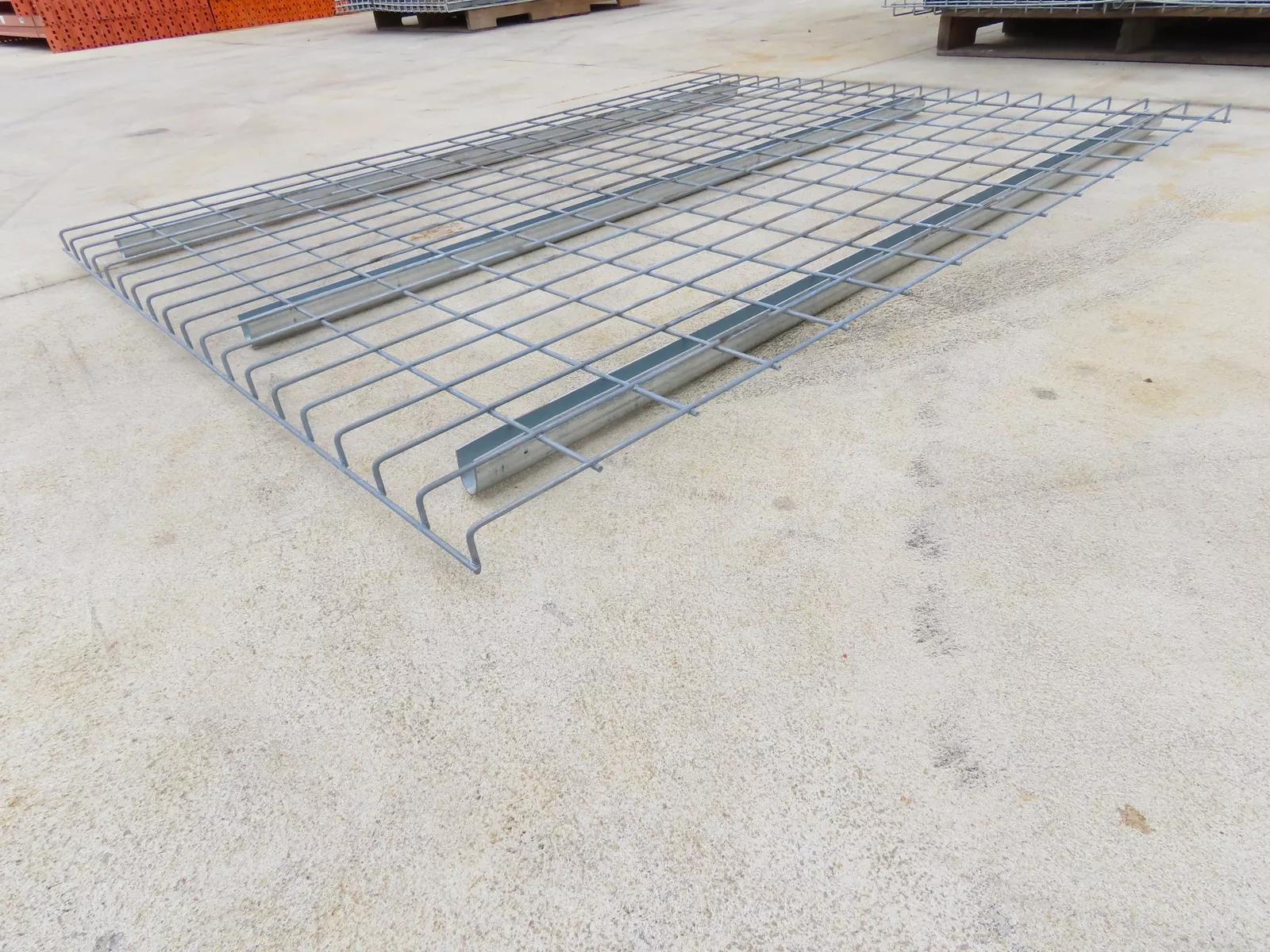
How Does Cantilever Racking Compare To Other Racking Systems?
How Does Cantilever Racking Compare To Other Racking Systems?
- Choosing the right racking system is crucial for maximizing storage efficiency in warehouses and distribution centers.
- Cantilever racking is particularly beneficial for businesses dealing with long, bulky items like furniture and building materials.
- Pallet racking is effective for standard sizes but struggles with irregularly shaped products, causing inefficiencies.
- Cantilever racking allows easier loading and unloading of long items, reducing damage and enhancing accessibility.
- Shelving systems excel in organizing small goods but are not suited for larger, heavier items; cantilever racking addresses this limitation.
- Cantilever racking supports sustainability efforts by optimizing space and facilitating fewer transport trips, aligning with green logistics goals.
- Cantilever racks handle heavy loads safely, making them ideal for industries like plumbing and metal fabrication, and they adapt well to changing inventory needs.
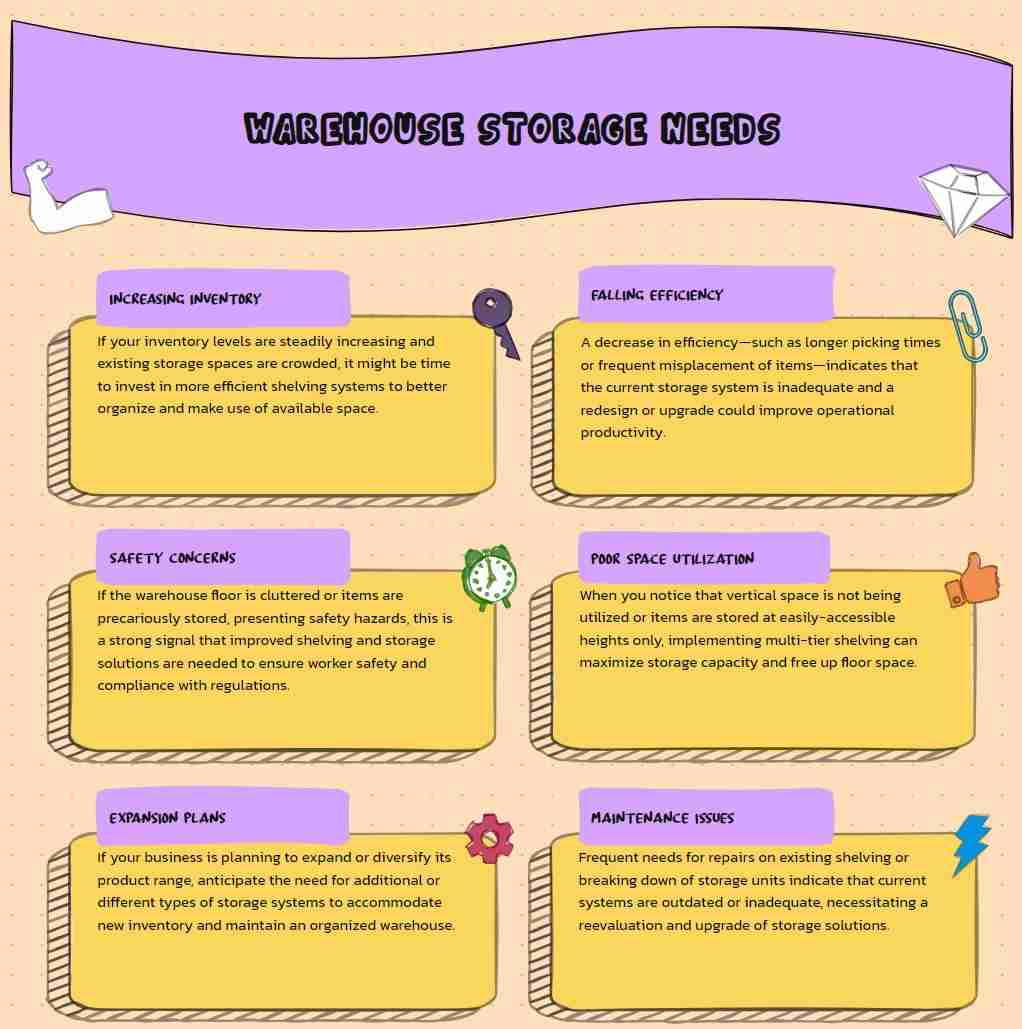
How Does Cantilever Racking Compare To Other Racking Systems?
What Are The Weight Limits Of Cantilever Racking?
In the evolving landscape of warehousing, logistics, and retail, understanding the weight limits of cantilever racking is more crucial than ever. Businesses are continually searching for solutions to optimize space while maintaining efficiency and safety. Cantilever racking serves as a robust answer, especially for businesses dealing with long or bulky items like lumber, pipes, or furniture. But, what exactly are the weight limits? And how can businesses determine the right specifications for their needs?
Typically, cantilever racking systems can support considerable weights, often ranging from 1,000 to 20,000 pounds per arm. The variations in weight capacity depend largely on factors such as the material of the racking, the design configuration, and the specific application involved. For instance, a standard single-sided cantilever rack may be perfect for lighter loads, while double-sided configurations are ideal for increased storage capacity and heavier inventory items.
Consider a prominent example from the construction supply sector. A major supplier in this industry recently switched to cantilever racking from traditional shelving. The result? They increased their storage capacity by over 30%, all while safely supporting heavier items like steel rods and wooden beams. By smartly choosing designs capable of handling up to 15,000 pounds per arm, they not only optimized their workflow but also significantly reduced the risk of inventory damage during storage.
It’s worth mentioning that while cantilever racking can handle heavy loads, safety regulations and best practices must guide its use. For instance, the structural integrity of the racking should always match or exceed the weight limits recommended by manufacturers. In the event of a high-profile collapse, such as the warehouse incident in Texas last year that made headlines, companies are rightly reminded that safety is paramount. Following the manufacturer’s guidelines for installation and maintenance ensures peace of mind and protects valuable inventory.
Moreover, as e-commerce continues to skyrocket in 2023, understanding weight limits becomes even more critical. With increasing demand for efficient inventory management, businesses that leverage cantilever racking systems not only enhance their storage capabilities but also contribute to overall operational efficiency.
When evaluating the weight limits of cantilever racking systems, consider not only the storage capacity but also the unique needs of your operation. Aligning those requirements with the right specifications will set your business up for success, ensuring safety and maximized productivity without compromise. Remember, a well-organized warehouse is a pathway to a booming business—and the right cantilever racking system can make all the difference.
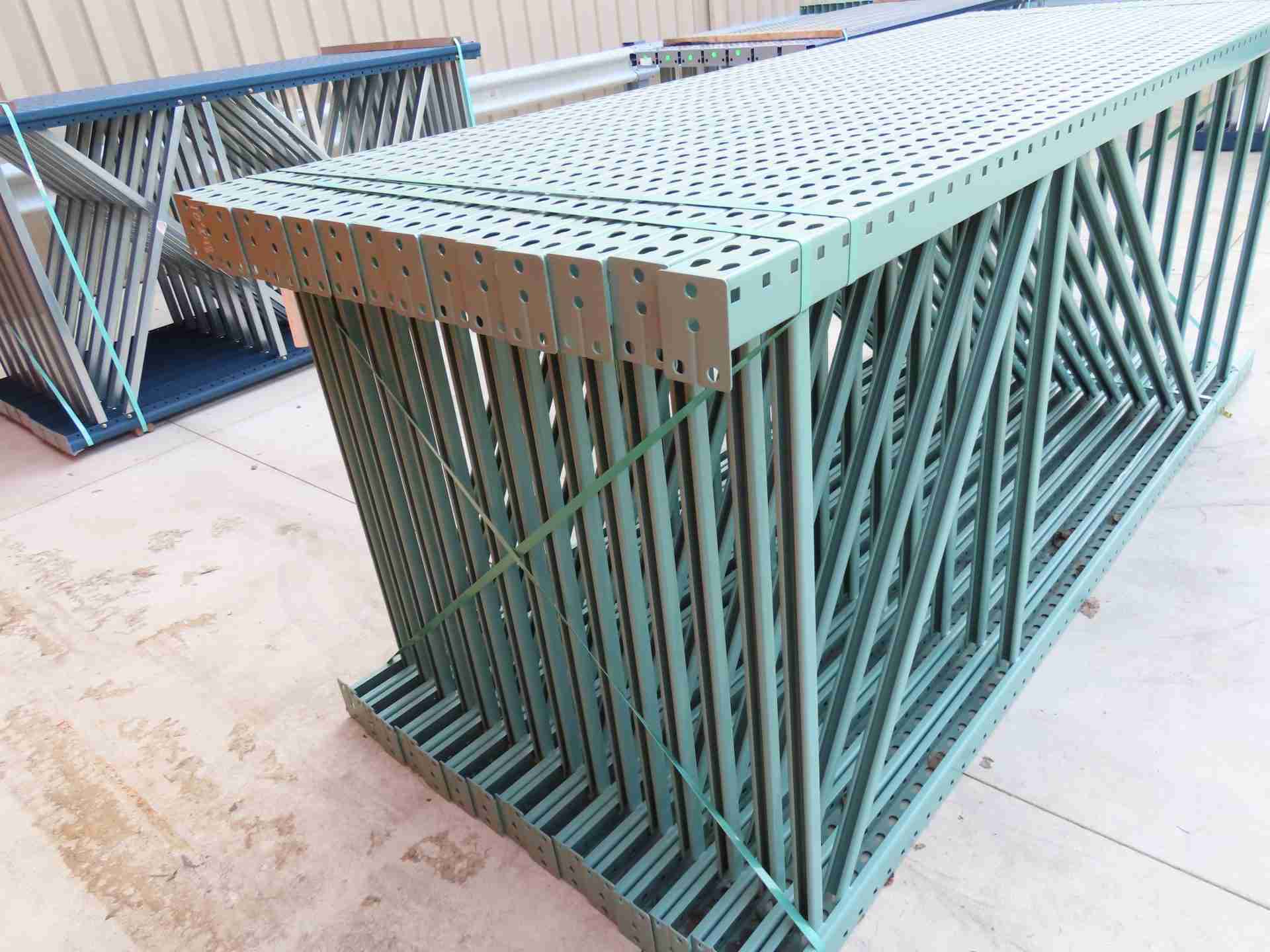
What Are The Weight Limits Of Cantilever Racking?
What Are The Weight Limits Of Cantilever Racking?
- Understanding weight limits of cantilever racking is crucial in warehousing, logistics, and retail.
- Cantilever racking supports significant weights, ranging from 1,000 to 20,000 pounds per arm.
- Weight capacity depends on factors like material, design configuration, and application.
- Single-sided racks are suited for lighter loads while double-sided racks accommodate heavier inventory.
- A construction supply supplier increased storage capacity by over 30% by switching to cantilever racking.
- Safety regulations and best practices are essential when using cantilever racking systems.
- E-commerce growth emphasizes the importance of understanding weight limits for efficient inventory management.
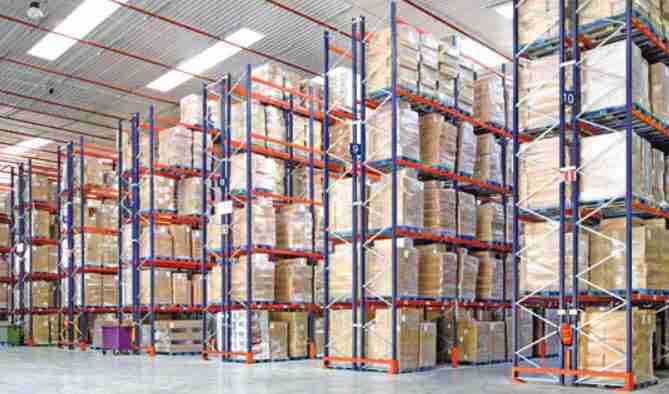
What Are The Weight Limits Of Cantilever Racking?
Can Cantilever Racking Be Customized For Specific Inventory?
In today’s fast-paced market, where inventory management can make or break a business, the question isn’t just about whether you can store your products – it’s about how effectively you can cater your storage to your unique inventory needs. Enter cantilever racking, the unsung hero of modern warehousing. Its adaptability and ease of customization make it a superior choice for businesses looking to optimize their space and efficiency.
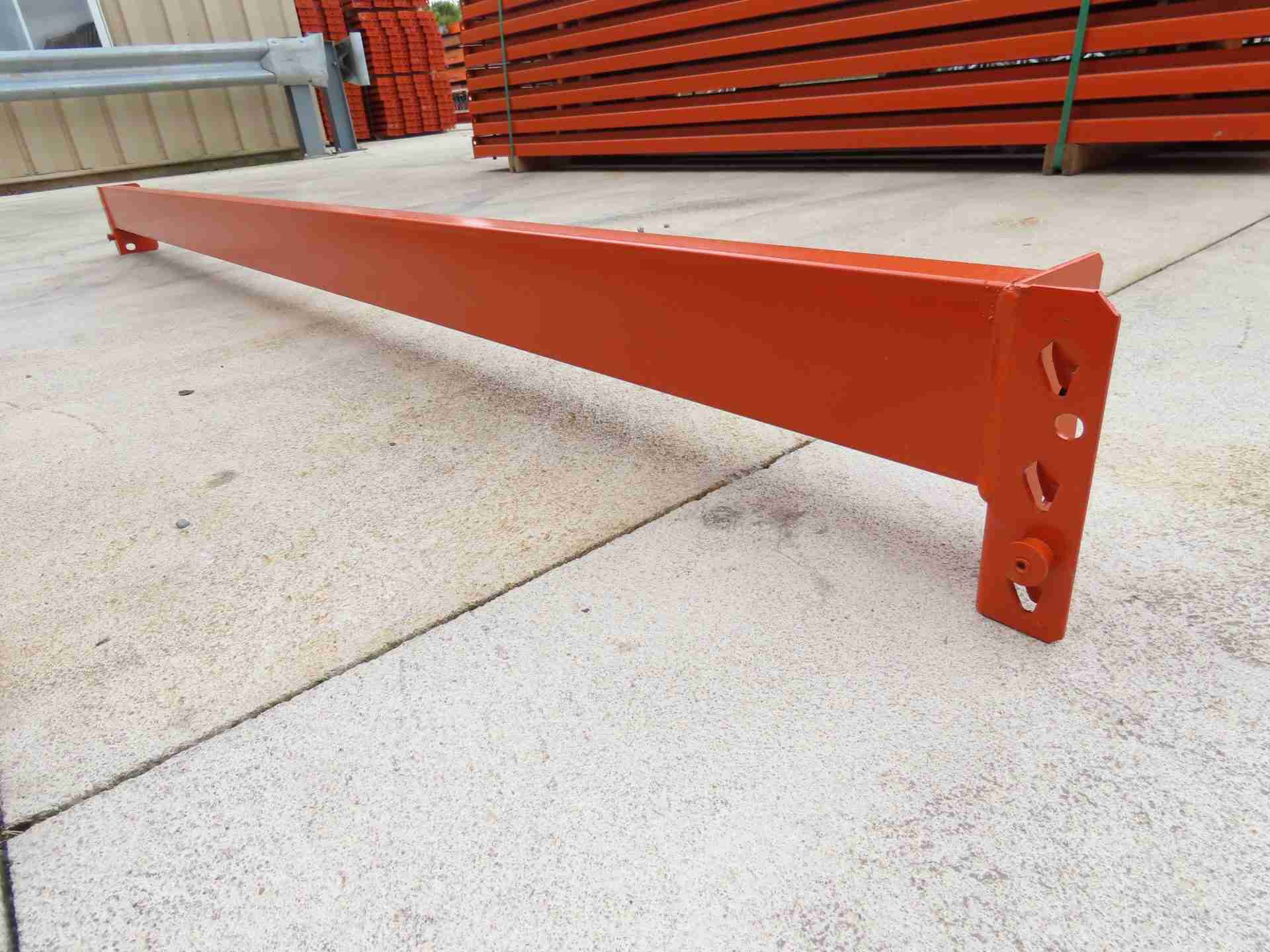
Imagine a lumber yard brimming with various sizes of timber. Standard shelving just won’t cut it when you’re dealing with long, bulky items. That’s where customized cantilever racking steps in. With adjustable arms and varying heights, these racks allow for efficient storage of lumber, pipes, and even furniture – anything that doesn’t conform to standard dimensions. For instance, a furniture store could design cantilever racks specifically to accommodate sofas and sectionals, ensuring minimal space is wasted and products are easily accessible.
But customization doesn’t stop there. Businesses dealing in seasonal inventory like gardening supplies or holiday decorations can implement dynamic cantilever systems that adjust throughout the year. In the spring, a nursery can repurpose their racks to cater to a plethora of potted plants, while during the winter months, the same system can be transformed to store bulk rolls of wrapping paper and inflatable decorations. This flexibility not only saves physical space but also enhances workflow, allowing staff to operate more efficiently and maximize productivity.
Recent shifts in retail, notably the rise of e-commerce, emphasize the importance of adapting storage solutions to meet fluctuating demands. Companies like Amazon and Shopify have showcased innovative warehousing strategies, optimizing every square inch to handle rapid inventory turnover. Custom cantilever racking can be tailored with specific features like integrated scans, safety edges, and multi-tiered designs to facilitate speedy picking and packing processes – crucial in today’s competitive environment.
However, incorporating cantilever racking is more than just about space. It’s a strategic move that reflects a company’s commitment to delivering value and efficiency. When you customize your storage systems, you send a message: you care about providing the best service possible to your customers. By investing in the right storage solutions, you’re not just organizing your inventory – you’re investing in the future growth and success of your business.
In summary, the answer to whether cantilever racking can be customized is a resounding yes. With careful planning and clear vision, your company can harness the power of this versatile storage solution to accommodate any inventory challenge that comes your way.
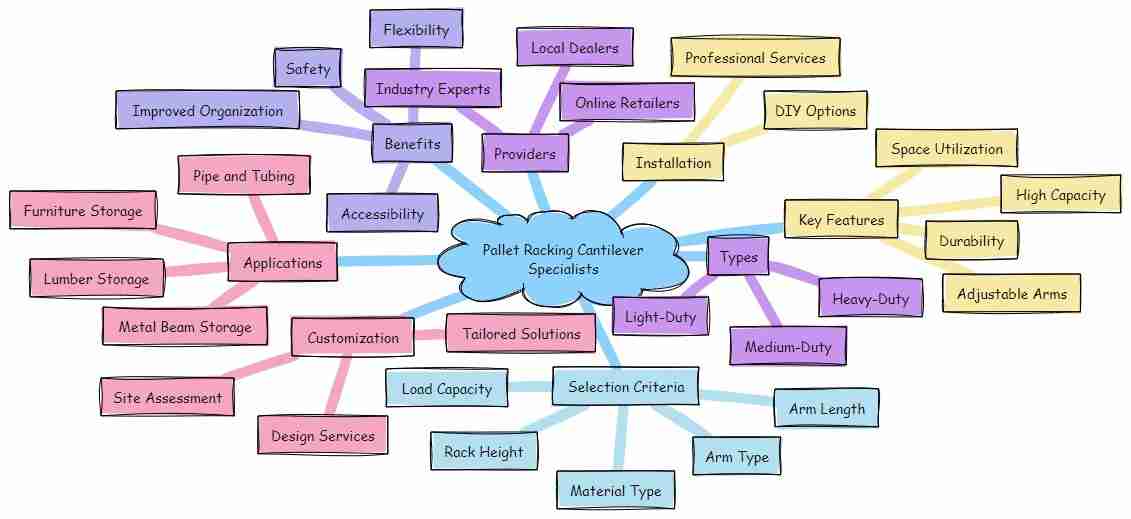
Can Cantilever Racking Be Customized For Specific Inventory?
Can Cantilever Racking Be Customized For Specific Inventory?
- In today’s market, effective inventory management is crucial for business success.
- Cantilever racking offers adaptability and customization for unique inventory needs.
- Customized cantilever racks efficiently store long, bulky items like lumber and furniture.
- Dynamic cantilever systems can adjust for seasonal inventory, enhancing flexibility and workflow.
- Companies like Amazon utilize tailored cantilever racking to optimize for rapid inventory turnover.
- Incorporating custom storage solutions reflects a company’s commitment to value and efficiency.
- Cantilever racking can address various inventory challenges with careful planning and design.
Can Cantilever Racking Be Customized For Specific Inventory?
What Safety Standards Should Be Considered With Cantilever Racking?
When it comes to efficient warehouse management, nothing can rival the versatility of cantilever racking. However, as its popularity rises, so too must our commitment to safety standards and compliance. Ignoring these safety protocols can lead to not just accidents but costly lawsuits and damaged reputations. So, let’s cut through the noise and zero in on what truly matters when ensuring your cantilever racking systems are fully compliant.
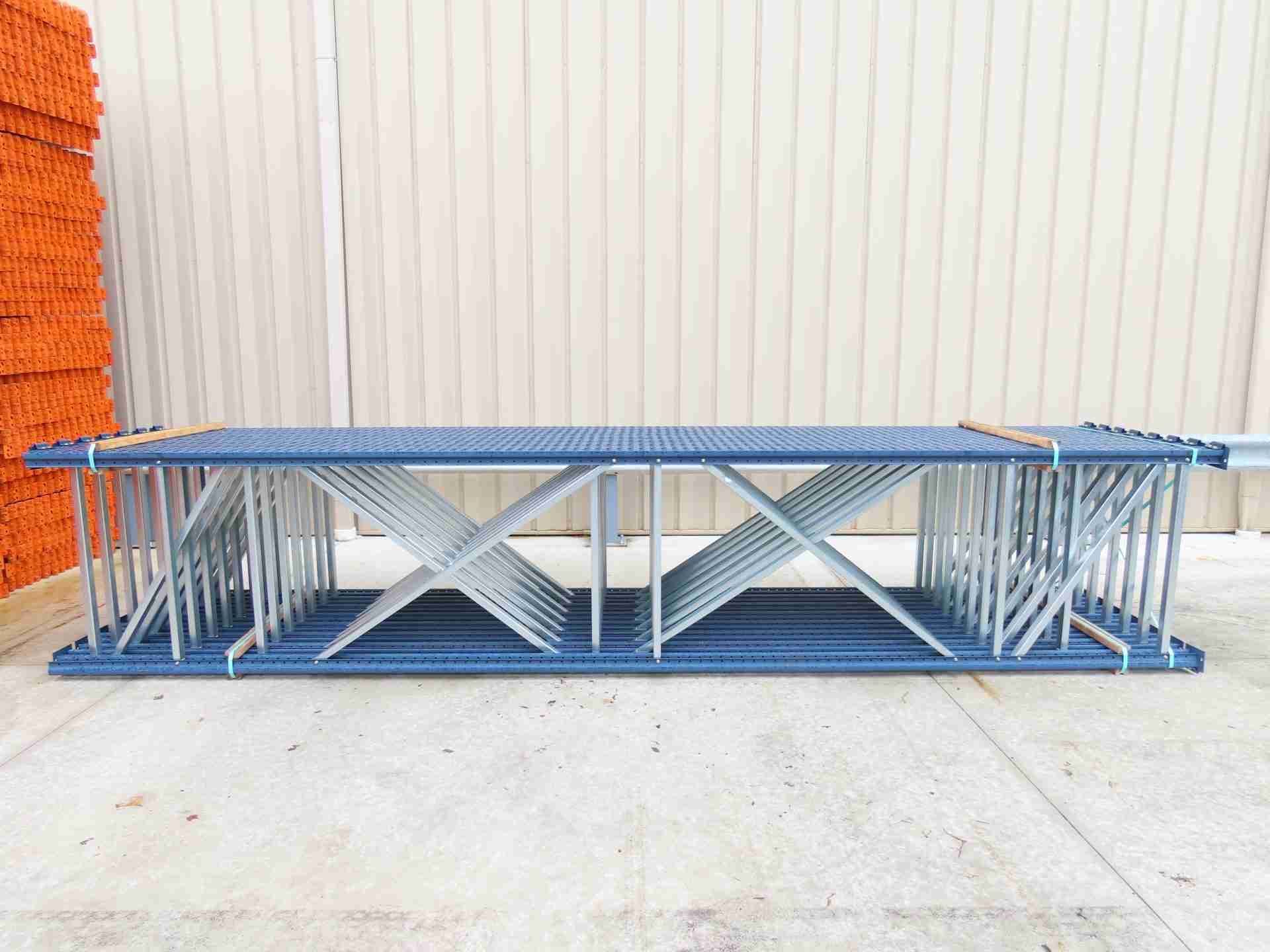
First off, familiarize yourself with the American National Standards Institute (ANSI) and the Rack Manufacturers Institute (RMI) guidelines on racking systems. These standards serve as foundational building blocks for safety and often highlight essential specifications concerning load capacities, installation, and maintenance. It’s worth noting that the absence of standards can lead to catastrophic failures, as recently illustrated by a warehouse accident in Texas where improperly maintained racking systems collapsed under heavy loads, injuring multiple employees. This incident serves as a stark reminder of why adhering to established safety measures is non-negotiable.
Next, consider conducting regular inspections. Implement a stringent routine where trained personnel examine your racking systems—looking for any signs of wear, corrosion, or structural instability. This isn’t merely a box to tick; it’s a proactive measure. For example, major retailers like Amazon have taken leaps in enhancing their warehouse safety by integrating AI-driven systems to monitor the condition of their racks. By using state-of-the-art technology, they can foresee potential hazards before they escalate into serious issues.
Additionally, training your workforce is paramount. Ensure that all employees—not just warehouse managers—understand the weight limits and stacking protocols for the cantilever racking systems. The more people know, the more vigilant they become. This principle was recently validated when an automotive parts distributor avoided a potential disaster by instilling a rigorous training program for their workers, resulting in zero incidents over an entire operational year.
Finally, compliance with local and national safety regulations cannot be overlooked. Familiarize yourself with OSHA regulations, as they can differ from state to state. For instance, California has some of the strictest safety standards in the nation, and violations can yield heavy fines and shutdowns.
Ultimately, prioritizing these safety standards not only safeguards your employees but also enhances your business’s credibility. By adhering to best practices, you demonstrate a commitment to workplace safety that can set your organization apart from competitors and foster a culture of responsibility and trust.
What Safety Standards Should Be Considered With Cantilever Racking?
What Safety Standards Should Be Considered With Cantilever Racking?
- Cantilever racking is versatile for warehouse management but requires adherence to safety standards.
- Familiarize yourself with ANSI and RMI guidelines for load capacities, installation, and maintenance.
- Neglecting safety protocols can result in accidents, lawsuits, and reputational harm.
- Conduct regular inspections with trained personnel to detect wear, corrosion, or instability.
- Implement training programs for all employees on weight limits and stacking protocols.
- Ensure compliance with local and national safety regulations, particularly OSHA standards.
- Prioritizing safety enhances employee protection and strengthens business credibility.
What Safety Standards Should Be Considered With Cantilever Racking?
How Long Does It Take To Install Cantilever Racking Systems?
When considering the installation of cantilever racking systems, one crucial question stands out: “How long will this take?” Let’s dive into the timeline while emphasizing the benefits that come along with a swift and efficient installation process.
First and foremost, understand that the installation duration of cantilever racking systems can significantly vary based on a few key factors: the size of the system, the complexity of the warehouse layout, and the expertise of the installation team. Typically, a straightforward, mid-sized cantilever racking system can be installed in one to three days. However, larger, more intricate setups—especially those requiring heavy-duty frameworks capable of accommodating lengthy items like lumber or piping—might demand a week or more.
Consider the pressing demand in industries such as construction and retail, which have experienced unprecedented growth recently. Reports from September 2023 indicate that the construction sector is projected to expand by 8% this year alone. As businesses scramble to scale their operations, the speed of installation becomes paramount. Companies eager to meet rising customer expectations often find that swift installation not only enhances storage capabilities but also increases overall operational efficiency.
A recent case study from a leading logistics firm illustrates this perfectly. They faced a major bottleneck due to a lack of proper storage solutions. The firm engaged a reputable provider to install cantilever racking systems that could handle oversized inventory. Thanks to a dedicated installation crew and precise planning, the entire process was completed within just two days—transforming their storage efficiency and reducing order fulfillment times by 30%.
In addition, it’s essential to consider the preparation involved before installation begins. This includes obtaining any necessary permits, clearing the installation area, and ensuring that the site is structurally sound. Taking these steps into account, a proactive approach can shave off significant delays.
Finally, never underestimate the importance of professional installation. Choosing skilled, experienced technicians can dramatically expedite the process and ensure that safety protocols are followed, minimizing the risk of costly mistakes and future repairs.
While a typical cantilever racking installation may take one to seven days, the advantages of streamlined installation—enhanced storage capacity, increased workflow efficiency, and the ability to adapt quickly to market demands—far outweigh the waiting time. Make the leap, and your business will not only keep pace but thrive in today’s fast-moving environment.
How Long Does It Take To Install Cantilever Racking Systems?
How Long Does It Take To Install Cantilever Racking Systems?
- The installation duration of cantilever racking systems varies based on system size, warehouse layout complexity, and installation team expertise.
- Mid-sized cantilever racking systems typically take 1 to 3 days to install, while larger, more complex systems may require a week or more.
- Industries like construction and retail are experiencing rapid growth, emphasizing the need for swift installations to meet customer demands.
- A logistics case study showed that a firm reduced order fulfillment times by 30% after a cantilever racking installation took only two days.
- Preparation steps such as obtaining permits and clearing the installation site are crucial for avoiding delays.
- Professional installation by experienced technicians speeds up the process and adheres to safety protocols, reducing the risk of future issues.
- Despite installation times ranging from 1 to 7 days, the benefits of efficiency and adaptability far surpass the wait.
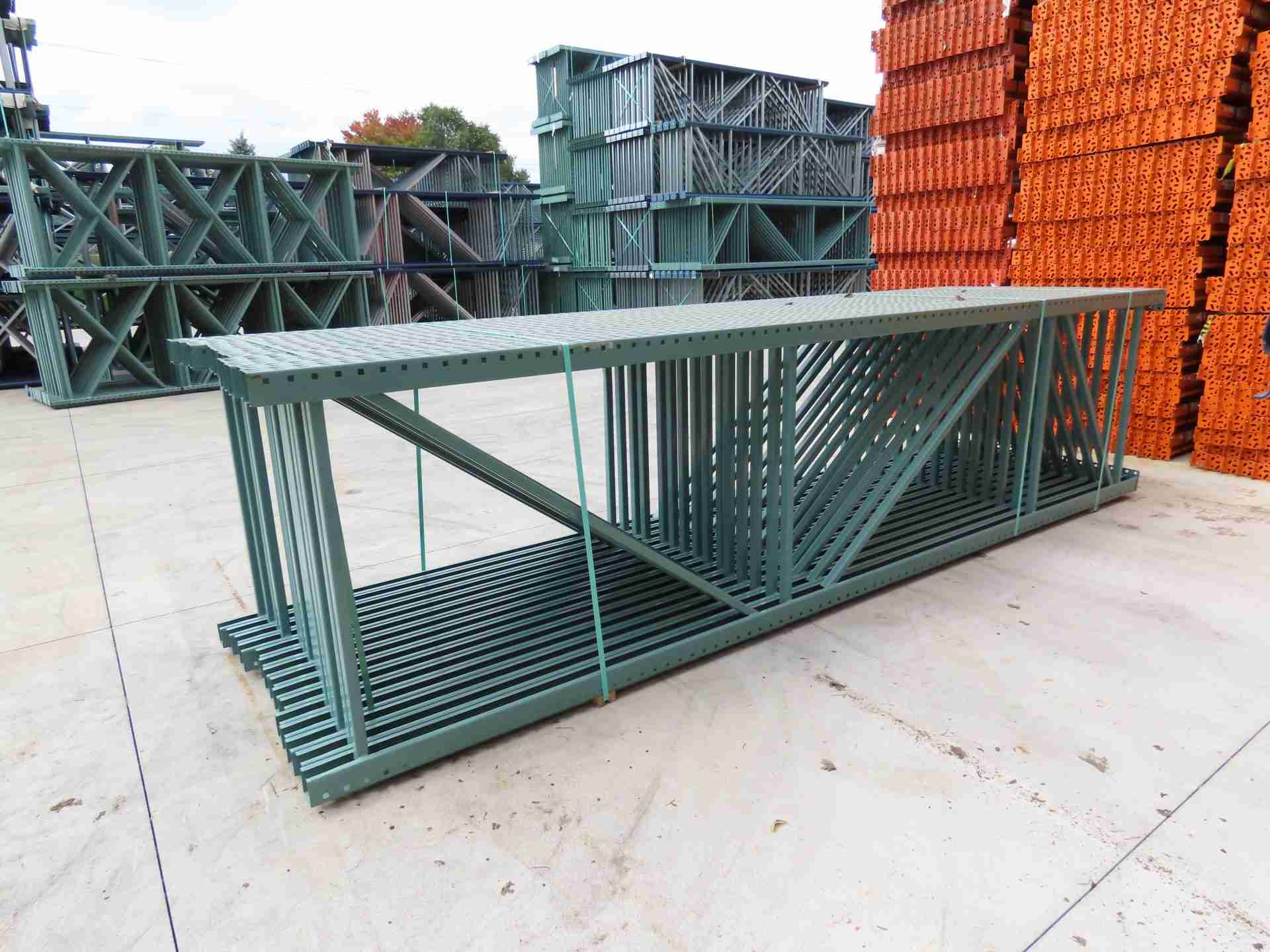
How Long Does It Take To Install Cantilever Racking Systems?
How Does Cantilever Racking Affect Inventory Accessibility?
In the competitive landscape of modern warehousing and distribution, the ability to access inventory efficiently can be the difference between merely surviving and thriving. Enter cantilever racking—a versatile solution that’s redefining how businesses manage their stock.
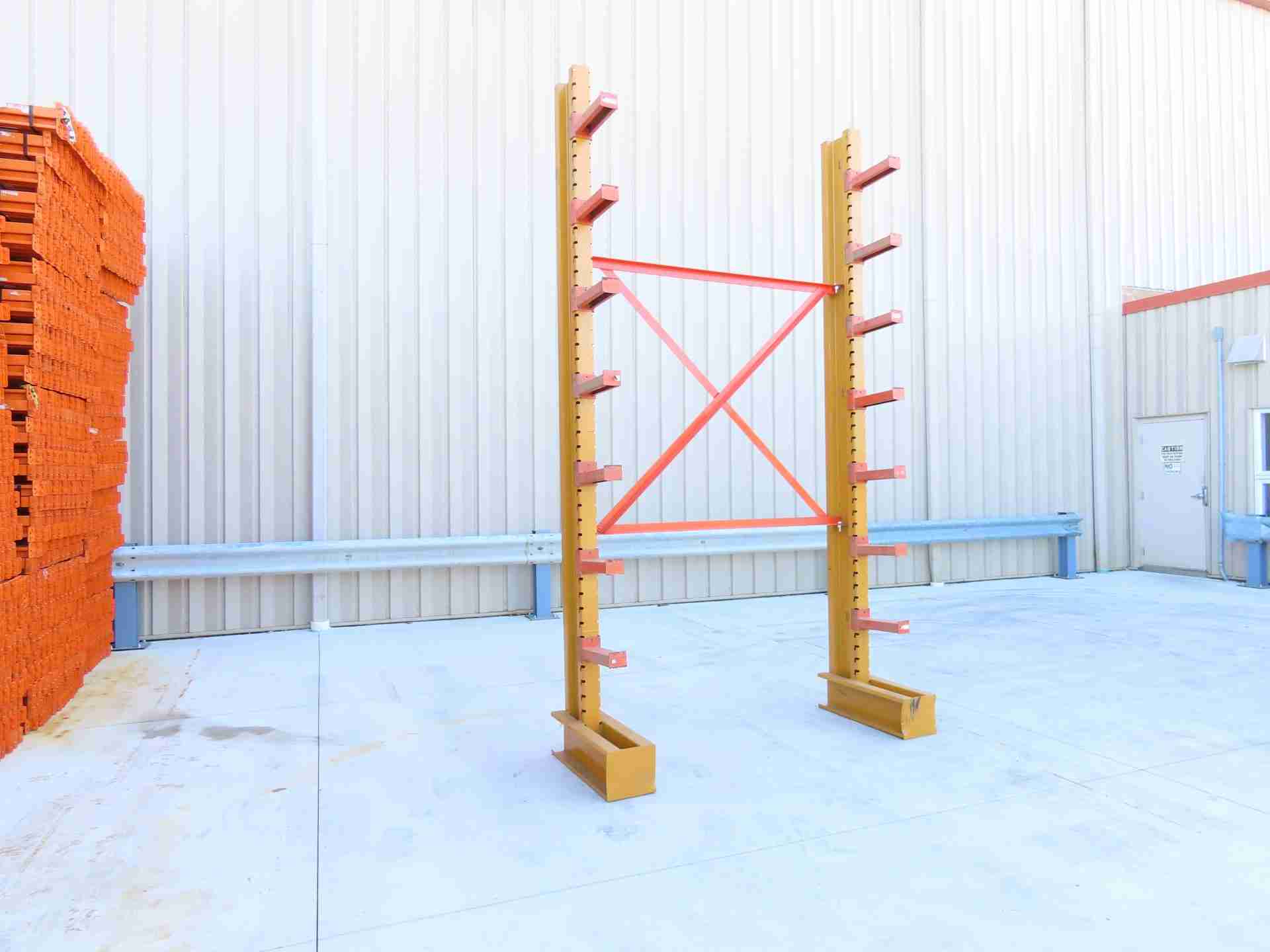
Cantilever racking is designed with long, horizontal arms extending from vertical columns, creating a user-friendly, open structure. This setup is especially beneficial for storing longer and bulkier items, such as lumber, pipes, or furniture. Imagine a bustling home improvement store during peak season: customers racing in for supplies, and staff scrambling to fulfill orders. Through cantilever racking, the organized accessibility of lumber can significantly speed up service times, enhancing customer satisfaction and ultimately boosting sales.
Consider a recent trend in e-commerce, where rapid deliveries are king. Companies like Amazon have ramped up pressure on traditional retailers to match their level of service. With the implementation of cantilever racking, retail businesses are able to optimize their warehouse layout. By utilizing vertical space and reducing the need for aisles, the accessibility of varied inventory—such as oversized boxes, appliances, and sporting goods—improves drastically. An efficient racking system means employees spend less time searching for products, leading to quicker order fulfillment.
Moreover, cantilever racking provides clear visibility of stored items. When all items are easily sighted, businesses can effectively manage stock levels. This transparency allows for quick identification of inventory shortages or surpluses, empowering businesses to make informed purchasing decisions. For example, a furniture store implementing this system can instantly spot low stock on popular items like sofas or beds, prompting timely reorders that prevent missed sales opportunities.
Current economic conditions, marked by supply chain disruptions and escalating costs, have made efficient inventory management paramount. Businesses that optimize inventory accessibility through innovative racking solutions like cantilever systems can weather these challenges. Greater accessibility not only improves efficiency but also enhances employee safety. Fewer repetitive movements and easier lifting techniques lower the risk of workplace injuries—an increasingly important consideration in today’s health-conscious climate.
Cantilever racking is not just an organizational tool; it’s a strategic advantage. Its design enhances accessibility, speeds up operations, and contributes to better employee and customer satisfaction. In an era where every second counts, the right racking solution can propel your business to success, ensuring you’re not just part of the market but leading the charge. Embrace the future of inventory management with cantilever racking and watch your accessibility—and profitability—soar.
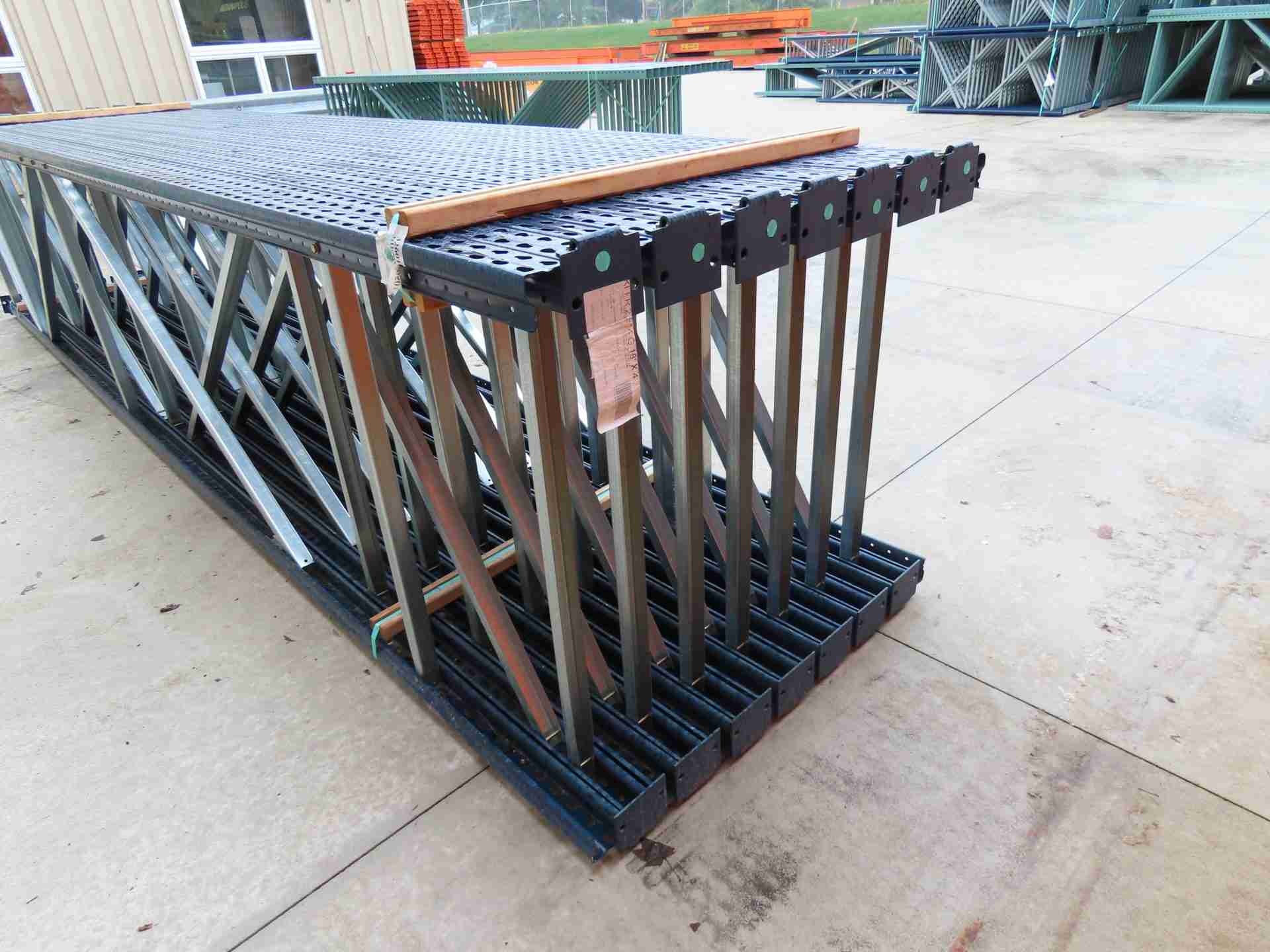
How Does Cantilever Racking Affect Inventory Accessibility?
How Does Cantilever Racking Affect Inventory Accessibility?
- Cantilever racking enhances inventory access, crucial for business survival and growth.
- The design features long horizontal arms from vertical columns, ideal for storing bulky items.
- This system improves service times and customer satisfaction in busy retail environments.
- Facilitates rapid order fulfillment by optimizing warehouse layout and reducing aisle needs.
- Provides clear visibility of stock, aiding in effective inventory management and purchasing decisions.
- Enhances employee safety by minimizing repetitive movements and simplifying lifting techniques.
- Cantilever racking offers a strategic advantage in a competitive market, driving efficiency and profitability.
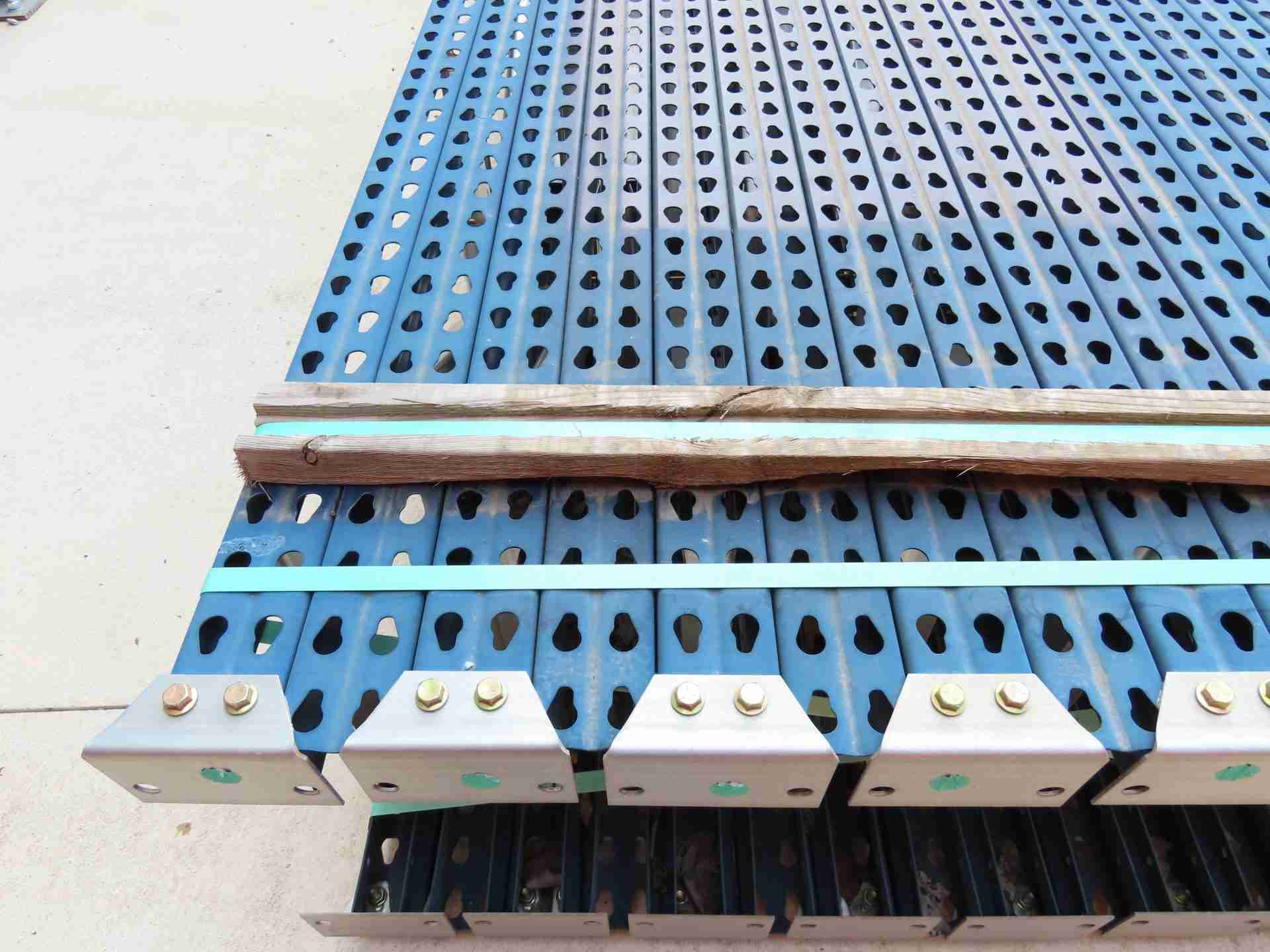
How Does Cantilever Racking Affect Inventory Accessibility?
What Industries Benefit Most From Cantilever Racking?
In the vast landscape of modern warehousing and inventory management, cantilever racking stands out as a versatile solution that is transforming how businesses store and access their materials. This revolutionary storage system is particularly beneficial for specific industries that demand efficient, organized, and accessible storage. Let’s delve into the key sectors that are making the most of cantilever racking and why your business should consider adopting this ingenious system.
Construction and Building Materials
The construction industry is a huge benefactor of cantilever racking. Think of the endless stream of materials—lumber, pipes, drywall, and steel beams—needed for any building project. Traditional storage often results in disarray and inefficient access. With cantilever racking, businesses can stack long, heavy items vertically, maximizing floor space and improving organization. Recent trends show a surge in construction projects nationwide as infrastructure development gains momentum, throwing even more spotlight on the need for efficient storage solutions.
Manufacturing
Manufacturers also reap significant rewards from cantilever racking. From automotive parts to heavy machinery components, manufacturers handle a variety of items that can be bulky and awkward to store. By leveraging cantilever racking, these companies can streamline their supply chains, reduce the risk of damage, and speed up retrieval times—in a market where efficiency is key to staying competitive. In light of recent supply chain disruptions, simplistically organized storage has never been more critical for maintaining operational efficiency.
Retail and Distribution
The retail sector, particularly those dealing in furniture, appliances, and sporting goods, benefit immensely from cantilever racking’s ability to easily showcase products. With retail spaces facing the dual challenge of increasing customer demands and constrained floor space, cantilever systems allow businesses to display larger items without sacrificing accessibility. In an era where e-commerce is booming, optimizing storage to enhance inventory management and fast service can significantly enhance a retailer’s competitive edge.
Automotive and Aerospace
Lastly, the automotive and aerospace industries can’t overlook the benefits of cantilever racking. These industries require significant space to store bulky parts and equipment safely and securely. Cantilever racks simplify the process of stacking and retrieving heavy components without the hassle of traditional shelving systems. As electric vehicles and advanced aerospace technologies emerge, companies in these sectors are continually refining their operations to stay ahead, and optimal storage solutions are an indispensable part of that equation.
While cantilever racking is a boon to a wide array of industries, construction, manufacturing, retail, and aerospace stand out as some of the most significant beneficiaries. By adopting this system, businesses are not just enhancing their storage; they are investing in streamlined operations and setting themselves up for future success. With the rapid pace of change in today’s marketplace, making such an investment could be the differentiator that propels your business forward.
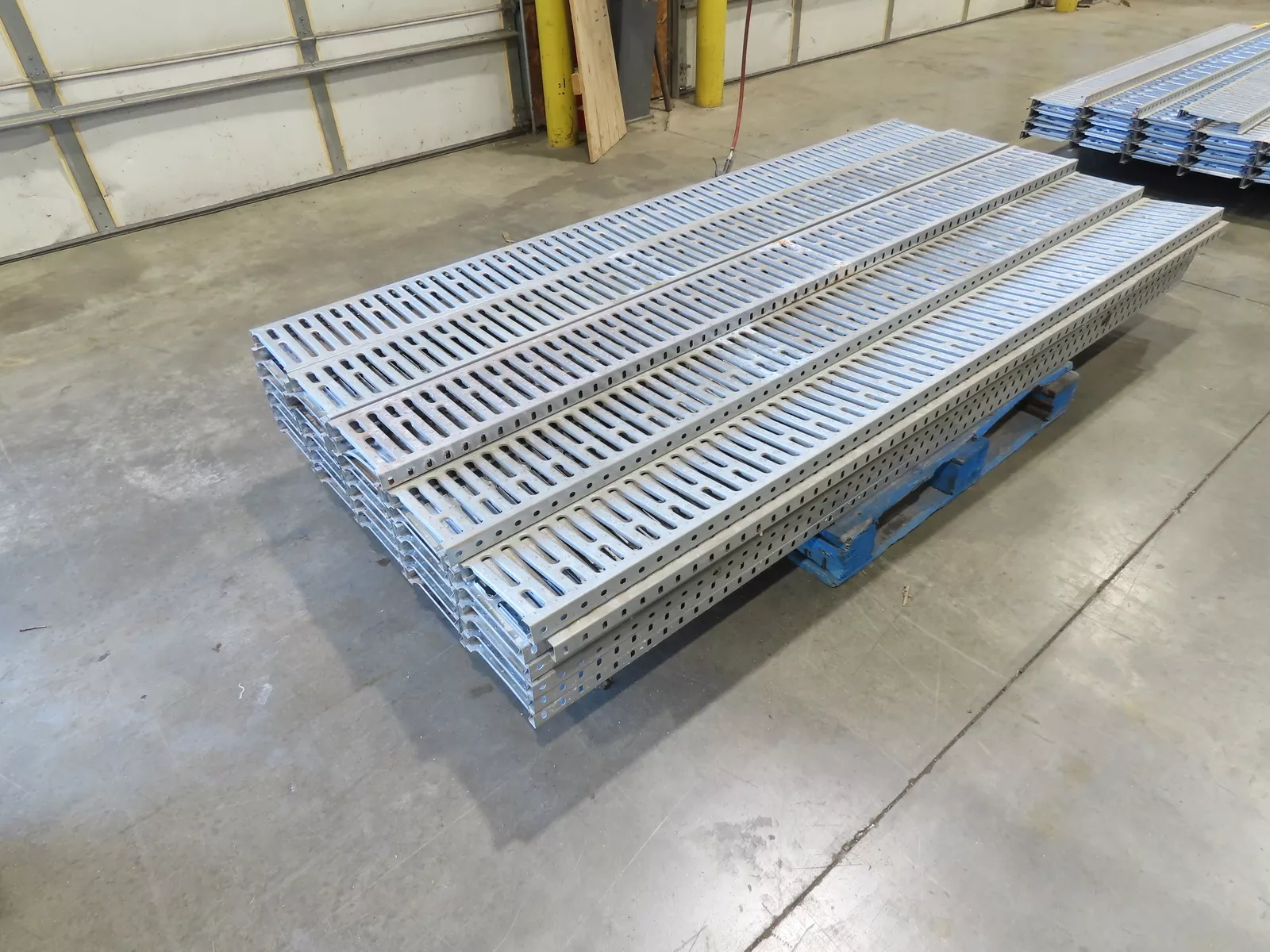
What Industries Benefit Most From Cantilever Racking?
What Industries Benefit Most From Cantilever Racking?
- Cantilever racking is a versatile storage solution transforming modern warehousing and inventory management.
- It is particularly beneficial for industries like construction, manufacturing, retail, and aerospace, which require efficient and organized storage.
- In construction, cantilever racking allows vertical stacking of long materials, enhancing organization and maximizing floor space.
- Manufacturers benefit by streamlining supply chains and reducing damage risk for bulky items, essential for maintaining competitive efficiency.
- The retail sector utilizes cantilever racking to display larger products while optimizing storage space to meet customer demands.
- Automotive and aerospace industries find cantilever racking essential for safely storing bulky components, facilitating easy stacking and retrieval.
- Adopting cantilever racking not only improves storage but positions businesses for future success in the rapidly changing marketplace.
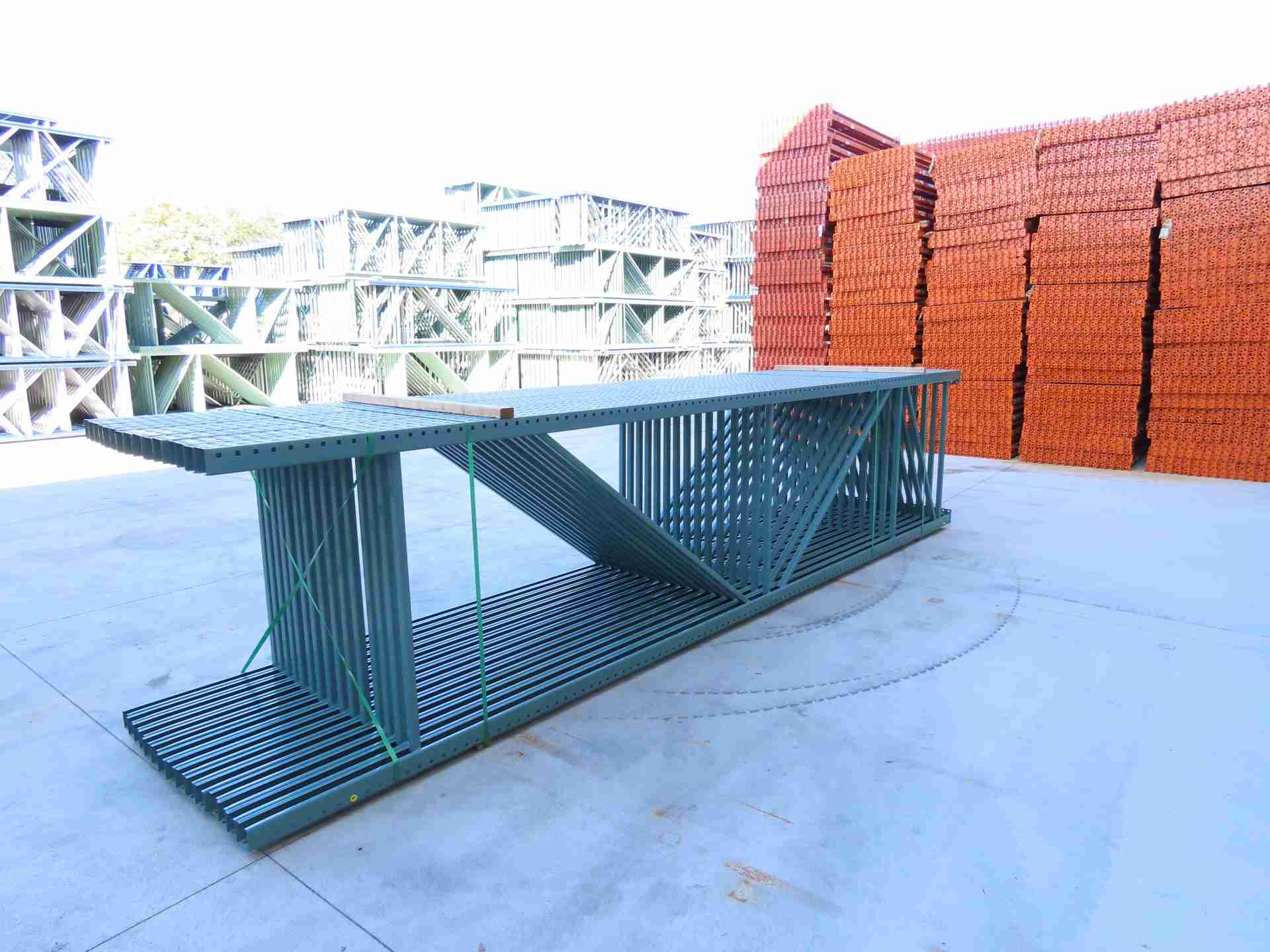
What Industries Benefit Most From Cantilever Racking?
What Is The Lifespan Of Cantilever Racking Systems?
When it comes to investing in warehouse storage solutions, one question weighs heavily on the minds of savvy business owners: “What is the lifespan of cantilever racking systems?” For those looking to optimize their storage capabilities while maximizing longevity and return on investment, understanding the durability of these systems is crucial.
Cantilever racking systems boast an impressive lifespan, typically ranging from 15 to 30 years, but this can vary based on several key factors. The overall lifespan is influenced by the quality of materials used, the frequency of use, and the environment in which the racking is installed. High-quality steel cantilever racks, for instance, are engineered to withstand considerable loads and resist corrosion, especially when they employ galvanized finishes. Investments in high-grade racking not only provide sturdiness but can also extend the lifespan significantly.
Moreover, let’s look at the critical impact of maintenance. Routine inspections and upkeep can dramatically enhance the longevity of your cantilever racking systems. A proactive approach, such as promptly addressing wear and tear or replacing damaged components, can prevent minor issues from evolving into costly repairs or even hazardous environments. It’s akin to keeping your vehicle well-maintained; regular servicing enhances performance and extends its lifespan.
Consider current events as an illustration. Industries grappling with supply chain disruptions, like the ongoing upheaval in logistics due to global events, show how vital it is to have reliable storage solutions. Businesses that invest in robust cantilever systems are less likely to face storage crises, which means they can trust that their infrastructure will last through turbulent times. In fact, many companies are now recalibrating their warehousing strategies to favor long-lasting solutions like cantilever racking, recognizing that sustainability isn’t just environmental but financial.
Personal experience plays a role, too. Companies across various sectors, including lumber yards and distribution centers, report that with the right considerations—like strategic placement in the warehouse and usage patterns—cantilever racks can easily outperform expectations. For example, a well-maintained cantilever rack system in a busy warehouse setting can exceed two decades of service with minimal issues.
In summary, while the lifespan of cantilever racking systems can be significant, it ultimately hinges on material quality, regular maintenance, and thoughtful usage. When calculating your investment, factor in these elements, and remember: a wise investment today will pay dividends well into the future, helping your business flourish in any economic climate.
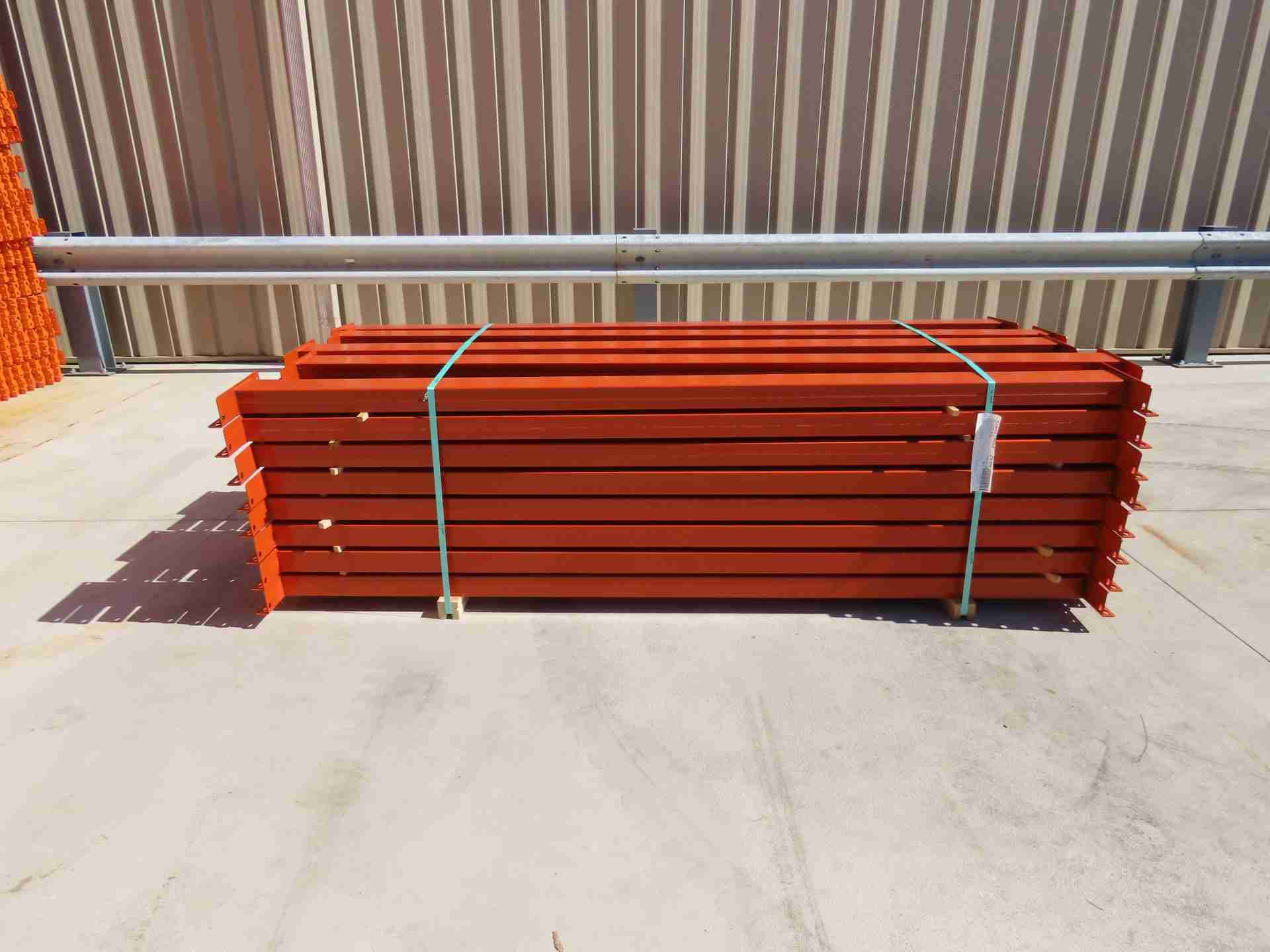
What Is The Lifespan Of Cantilever Racking Systems?
What Is The Lifespan Of Cantilever Racking Systems?
- Cantilever racking systems typically have a lifespan of 15 to 30 years.
- Lifespan is influenced by material quality, usage frequency, and installation environment.
- High-quality steel and galvanized finishes enhance durability and resistance to corrosion.
- Routine maintenance and inspections are crucial for extending the lifespan of racking systems.
- Reliable storage solutions are essential during supply chain disruptions, providing stability in turbulent times.
- Strategic placement and usage patterns can help cantilever racks exceed two decades of service.
- A wise investment in cantilever racking can yield long-term benefits and sustainability for businesses.
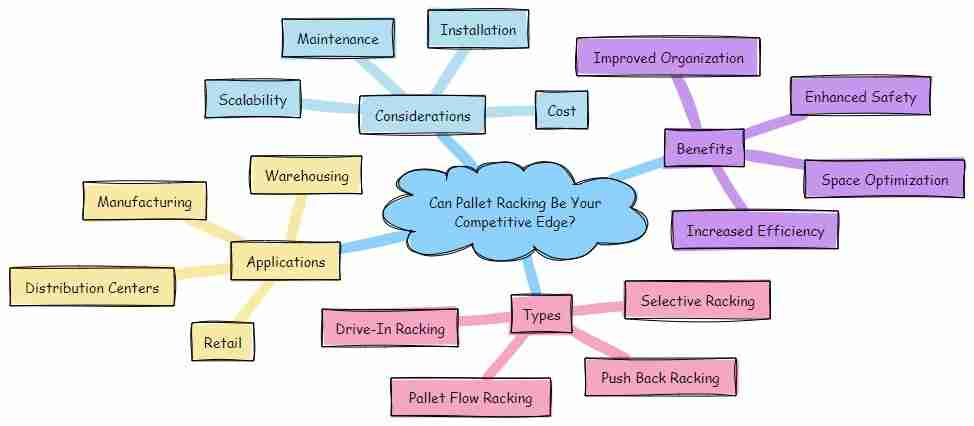
What Is The Lifespan Of Cantilever Racking Systems?
How Do I Choose The Right Cantilever Racking For My Business?
When it comes to maximizing your storage efficiency, choosing the right cantilever racking system is more than just a practical decision—it’s a strategic investment in your business’s future. With the rise of e-commerce and shifting supply chain demands, businesses must adapt rapidly, ensuring that their storage solutions can keep up with growth and change. But how do you choose the right system for your unique needs?
1. Assess Your Inventory Needs
First and foremost, take a close look at the items you need to store. Cantilever racks excel in handling long, bulky items like lumber, pipes, or furniture. However, they come in various designs and load capacities, so you need to match the system to your specific inventory. For instance, if you’re a manufacturer with heavy steel beams, a heavy-duty cantilever racking system designed to support substantial weights is essential. On the other hand, lighter goods, like fabric rolls, won’t require as robust a solution.
2. Consider Space and Location
Next, evaluate your facility’s layout. Cantilever racks are highly customizable in terms of height and arm length, making them a flexible option in tight spaces. During the recent shift towards maximizing warehouse space due to increased online shopping demand, many retailers have found that optimizing vertical space is crucial. You can install taller racks to utilize available overhead space, provided your local regulations and safety standards allow for it.
3. Think About Accessibility
Ease of access is another critical factor. If your products regularly move in and out, a design that allows for easy retrieval is vital. Consider investing in adjustable cantilever racks that can be modified as your inventory changes. This adaptability became particularly significant during the pandemic, when companies had to pivot their offerings quickly to meet changing consumer demands.
4. Evaluate Safety Features
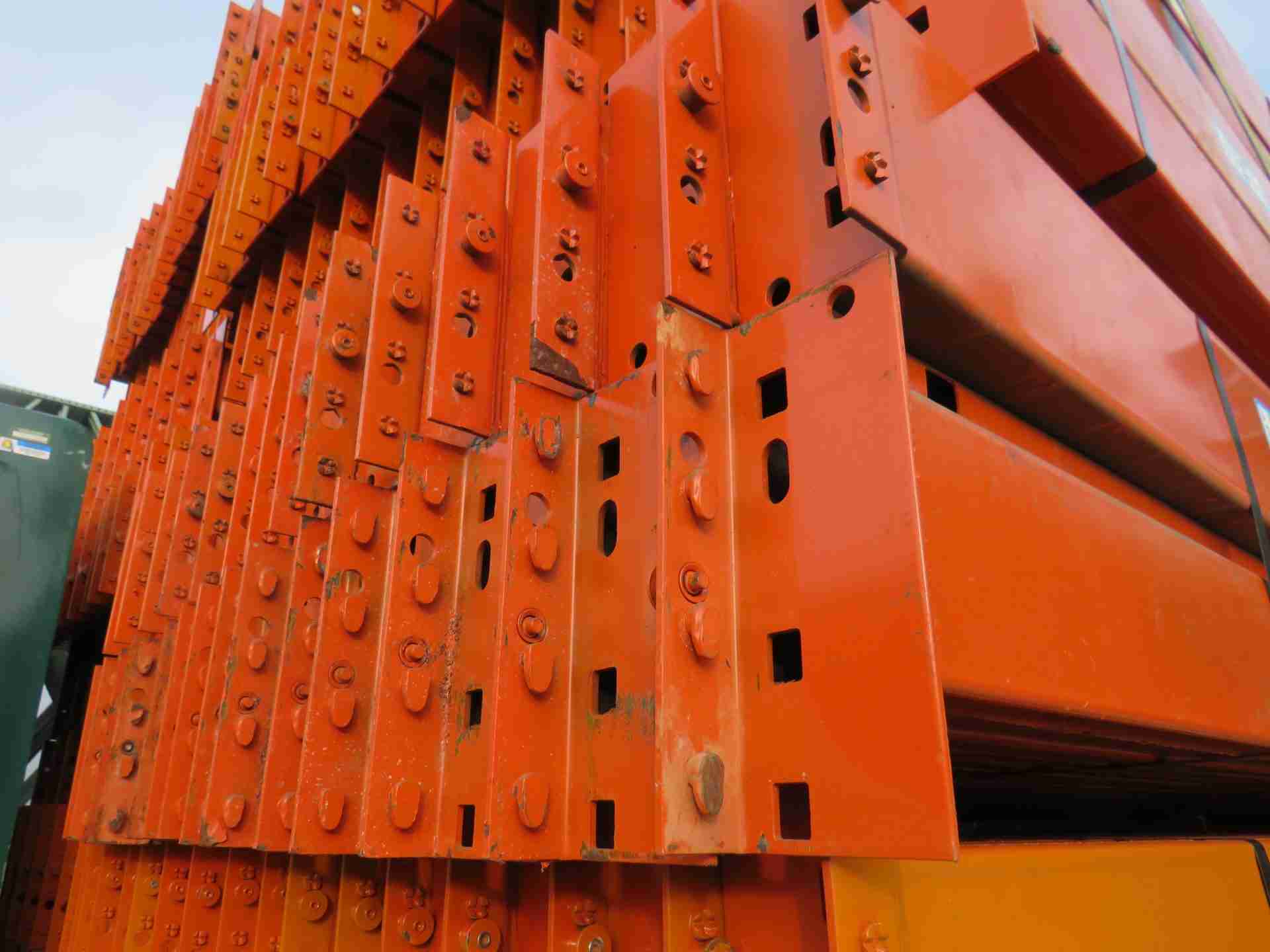
Safety should always be a priority, particularly when it comes to heavy lifting and storage. Look for systems that have built-in safety features like strong base columns and stability braces. With the increasing focus on workplace safety protocols, investing in quality racks will help you avoid costly accidents that can hurt productivity and employee morale.
5. Seek Expert Guidance
Finally, don’t hesitate to consult with industry experts or racking suppliers who can provide tailored solutions. They can help you navigate the myriad options available, ensuring that your investments lead to improved efficiency and profitability.
In the current competitive landscape, choosing the right cantilever racking isn’t just about storage; it’s about positioning your business for success. Make a sound decision today, and watch your operational capabilities transform!
How Do I Choose The Right Cantilever Racking For My Business?
How Do I Choose The Right Cantilever Racking For My Business?
- Choosing the right cantilever racking system is a strategic investment for business growth.
- Assess your inventory needs; select a system that matches the specific types and weights of items.
- Evaluate your facility’s layout; cantilever racks can be customized for height and arm length to fit tight spaces.
- Consider ease of access; adjustable racks allow for easy retrieval and adaptation to changing inventory.
- Prioritize safety features; look for racks with strong base columns and stability braces to prevent accidents.
- Consult industry experts or racking suppliers for tailored solutions to enhance efficiency and profitability.
- Choosing the right racking system enhances operational capabilities and positions your business for success.
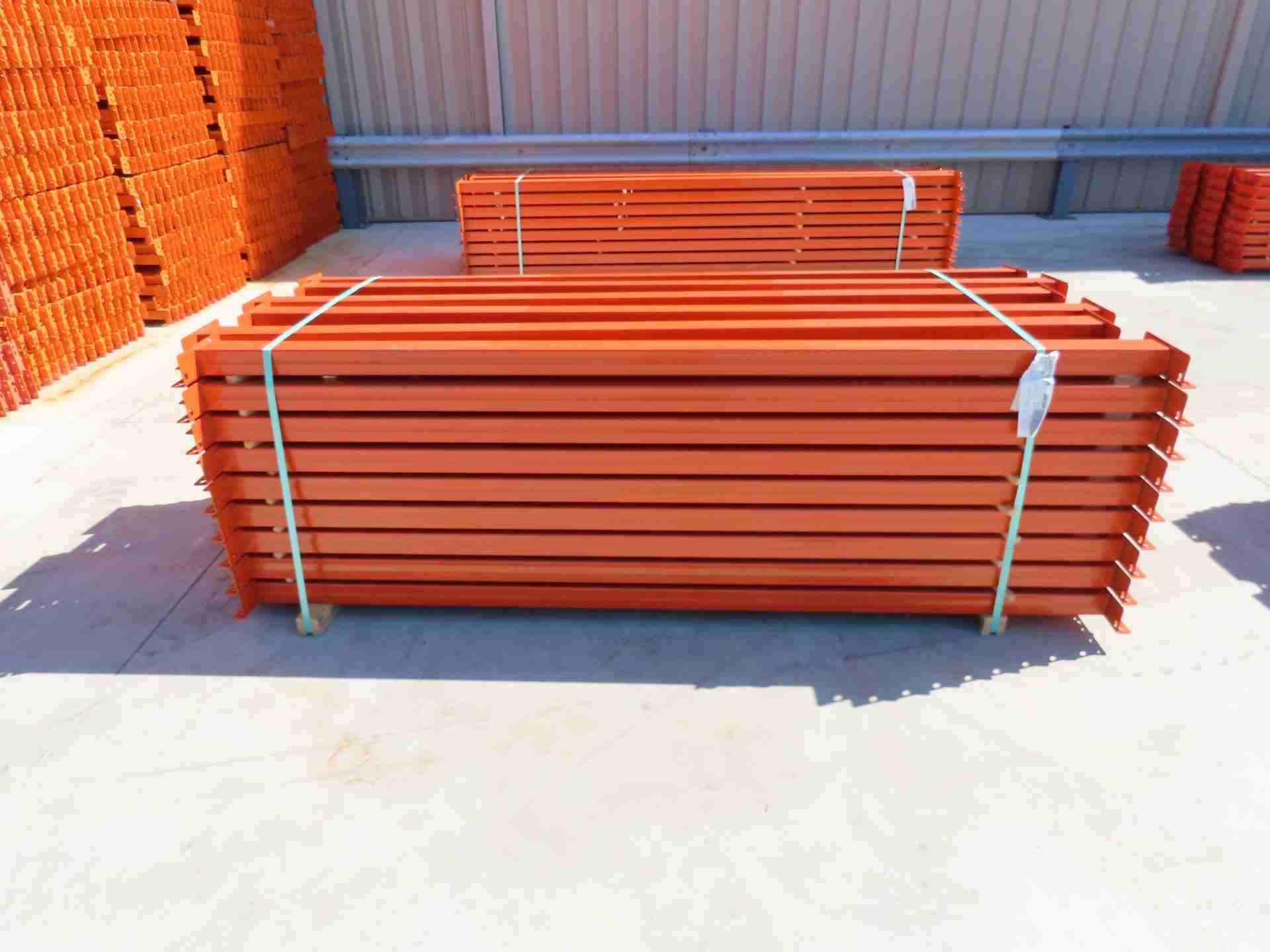
How Do I Choose The Right Cantilever Racking For My Business?
Conclusion
Conclusion: Unlocking the Cost-Effectiveness of Cantilever Racking for Small Businesses
When it comes to enhancing storage efficiency, small businesses face unique challenges in balancing budget considerations with operational demands. Cantilever racking emerges as a game-changing solution that not only addresses these challenges but does so in a cost-effective manner. By reimagining your storage strategy with cantilever racks, you unlock the potential for maximizing your vertical space while keeping your floors uncluttered, ultimately paving the way for heightened productivity and profitability.
The versatility of cantilever racks is unparalleled, enabling the safe and efficient storage of long and bulky items such as lumber, pipes, and furniture. This adaptability is particularly advantageous in today’s dynamic market, where demand for home improvement and DIY projects has surged. Implementing cantilever racking can lead to significant savings by minimizing storage costs and enhancing operational efficiency—an invaluable asset for small construction firms and suppliers eager to optimize their inventory management.
Moreover, the durability inherent in cantilever racking systems translates to reduced maintenance costs and limited replacements over the years. Imagine reinvesting those savings into areas that fuel growth, such as marketing or product development. Not only does this move bolster your bottom line, but it also elevates workplace safety by reducing clutter and the risk of accidents. A safer work environment not only protects your employees but also solidifies your reputation as a responsible supplier in a competitive market.
However, seizing this opportunity demands timely action. With ongoing supply chain disruptions and fluctuating material prices, leveraging cantilever racking to enhance storage organization and order fulfillment can give your business a critical edge. Each moment you delay could mean lost opportunities for efficiency and customer satisfaction.
Ready to redefine your storage capabilities? Call Arrow Industrial Sales at (574) 349-6575 today! Our team is poised to guide you on harnessing the power of cantilever racking to meet your specific needs. Don’t let your competitors outpace you; take the initiative now and invest in a solution that promises longevity and performance. As you embrace innovation with cantilever racking, prepare to elevate your business to new heights of success!
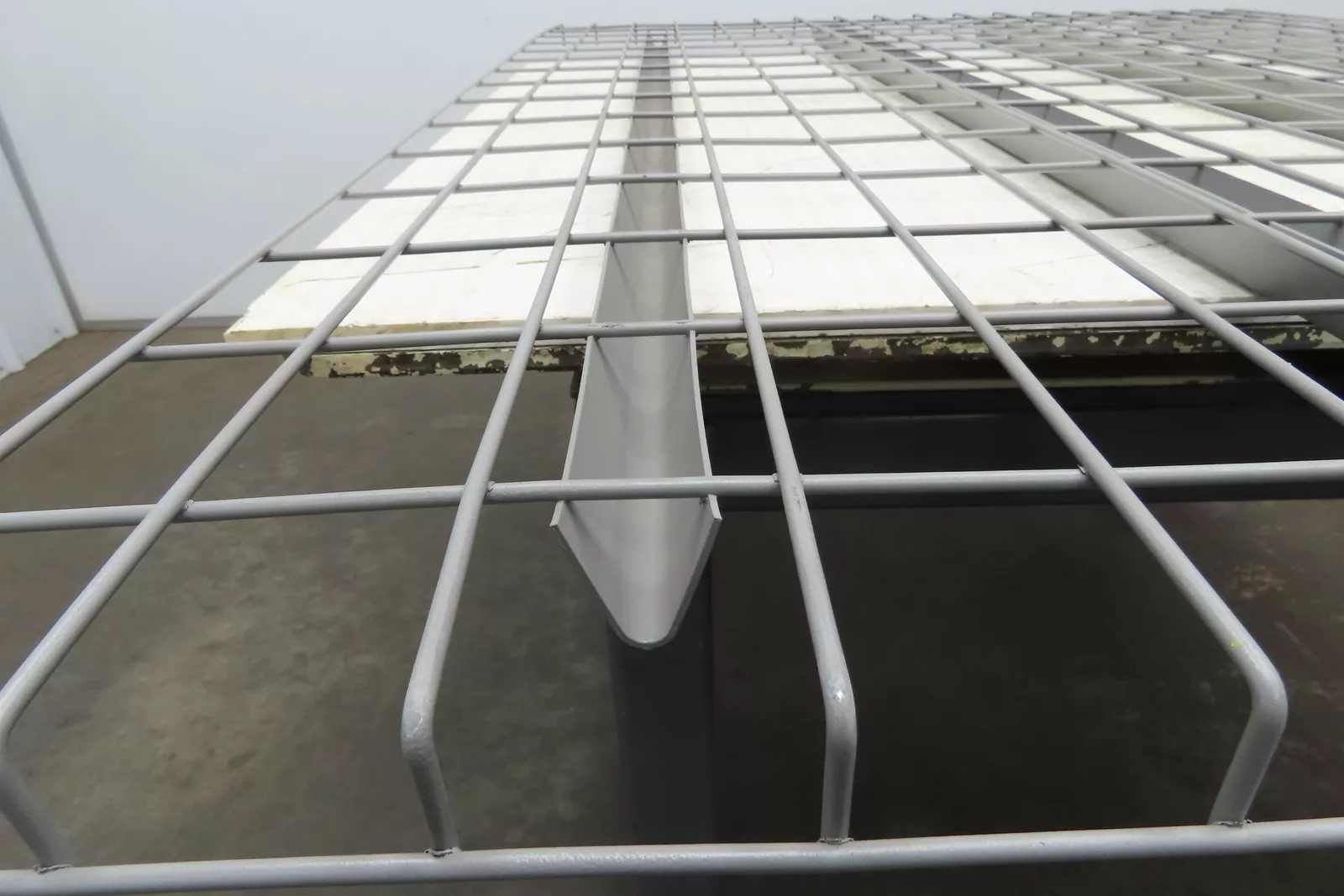
Conclusion
Conclusion:
- Cantilever racking provides a cost-effective solution for small businesses looking to enhance storage efficiency.
- This system maximizes vertical space, keeps floors uncluttered, and improves overall productivity and profitability.
- Cantilever racks are versatile, accommodating long and bulky items like lumber, pipes, and furniture.
- Implementing cantilever racking can lead to significant savings, especially for small construction firms and suppliers.
- The durability of these racking systems results in reduced maintenance costs and fewer replacements over time.
- Leveraging cantilever racking improves workplace safety by reducing clutter and the risk of accidents.
- Timely action is essential to capitalize on the benefits of cantilever racking amidst supply chain disruptions.
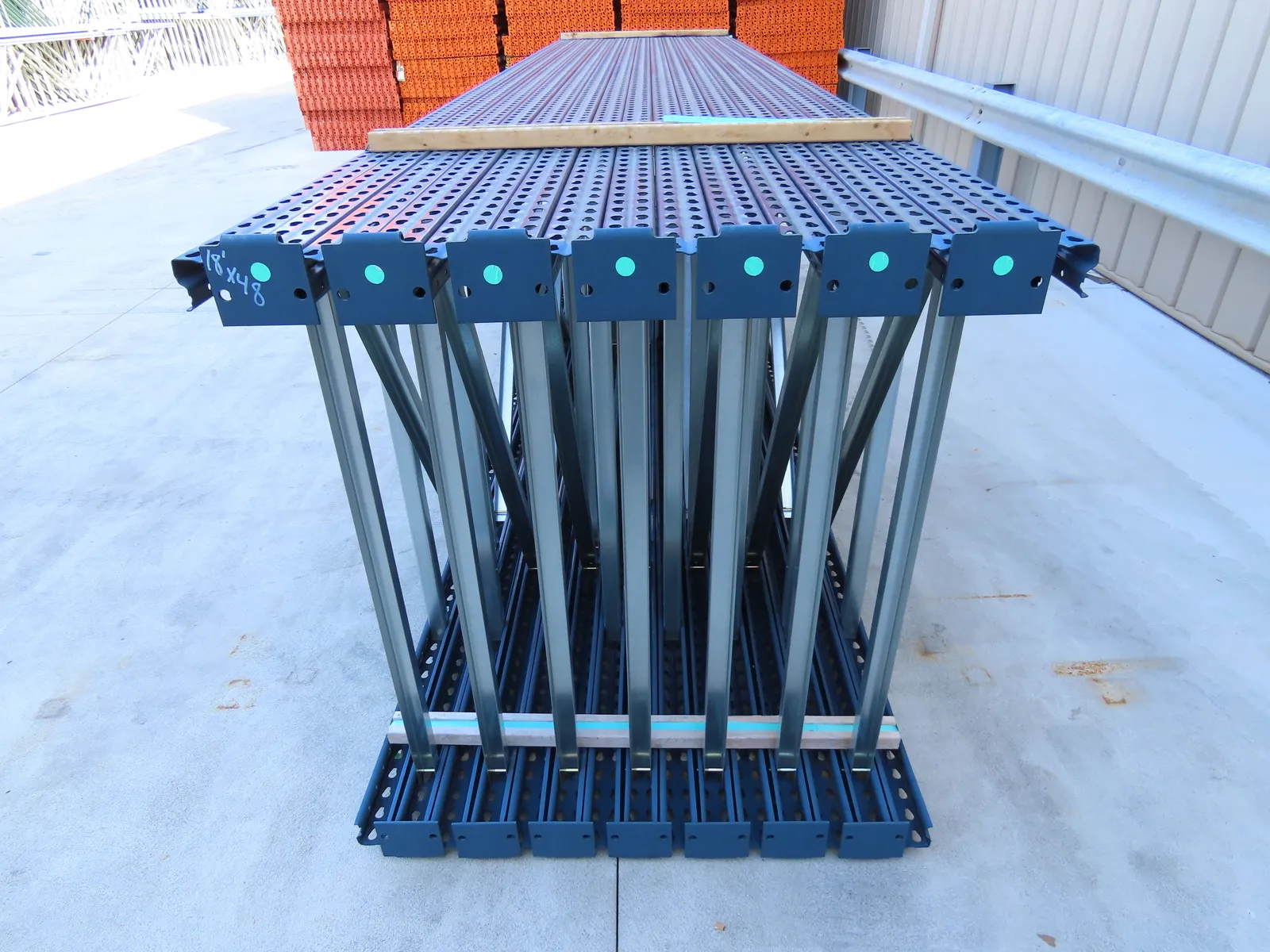
Conclusion
Other Resources
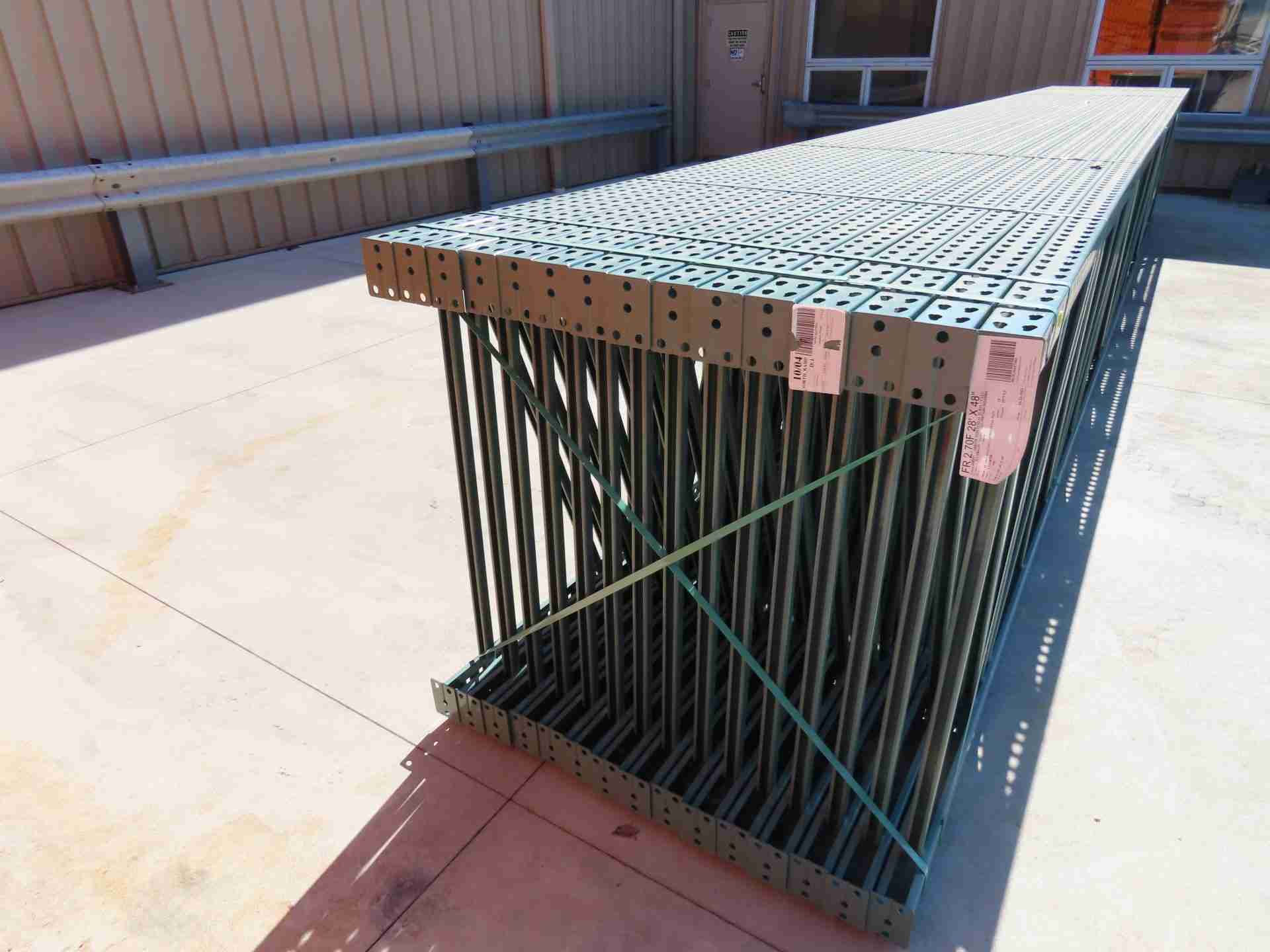
Other Resources
Here is a list of other resources you can review online to learn more:
- What is Cantilever Racking? (And Why You Might Need It): This article provides a comprehensive overview of Cantilever Racking, its key features, benefits, and applications. It also discusses how Cantilever Racking can be a cost-effective solution for businesses.
- What Are Cantilever Racking Systems? | BHD Storage: This article provides an understanding of Cantilever Racking Systems, their components, and the many benefits they offer for warehouse storage solutions. It also mentions how Cantilever Racking Systems offer a cost-effective solution for businesses looking to optimize their storage and improve overall operational efficiency.
- Benefits of Cantilever Racking for Industrial Warehouse Solutions: This article discusses how investing in Cantilever Racking proves to be remarkably cost-effective over the long term.
- Cantilever Racking Systems | Yankee Supply Company: This article discusses how Cantilever Racking offers a cost-effective storage solution compared to alternative options.
Other Resources
Glossary Terms
Is Cantilever Racking Cost-Effective for Small Businesses? – Glossary Of Terms
1. Cantilever Racking: A type of storage system that uses arms protruding from a vertical structure to hold loads, ideal for long or bulky items.
2. Cost-Effectiveness: A measure of the financial efficiency of an investment or system, comparing the benefits gained to the costs incurred.
3. Small Business: An independently owned and operated company with a limited number of employees and relatively low revenue, often characterized by a smaller market impact.
4. Storage Capacity: The maximum amount of goods or materials that can be stored in a racking system, influencing space utilization.
5. Upfront Costs: The initial expenses associated with purchasing and installing a cantilever racking system, including materials and labor.
6. Operation Efficiency: The effectiveness with which a business utilizes its resources to achieve maximum productivity, often influenced by storage solutions.
7. Load Capacity: The maximum weight a single arm or entire racking system can support safely, crucial for determining appropriateness for specific goods.
8. Flexible Design: The ability of a racking system to be adjusted or customized to accommodate different sizes and types of products.
9. Inventory Management: The process of overseeing and controlling stock levels, which can be improved with an efficient racking system.
10. Space Optimization: The strategy of using available storage space in the most effective way possible, critical for maximizing a small business’s physical footprint.
11. Modular System: A racking design that allows for easy expansion and reconfiguration based on changing inventory needs.
12. Durability: The ability of racking materials to withstand wear and tear over time, affecting long-term cost-effectiveness.
13. Safety Standards: Regulations and guidelines that ensure proper construction and use of racking systems to prevent accidents and injuries.
14. Accessibility: The ease with which stored items can be reached, which can affect productivity and efficiency in a small business environment.
15. Installation Costs: Expenses associated with setting up the racking system, which can vary based on complexity and workforce.
16. Maintenance: Routine actions taken to preserve the integrity of a racking system, influencing its longevity and safety.
17. Return on Investment (ROI): A performance measure used to evaluate the efficiency of an investment, comparing profit gained to the cost associated with it.
18. Warehouse Layout: The physical arrangement of storage structures within a warehouse, which can affect operational efficiency.
19. Labor Costs: The expenses related to employees who handle inventory, which can be affected by storage solutions that enhance workflow.
20. Scalability: The capability of a racking system to grow alongside a business, accommodating increased inventory without major restructuring.
21. Forklift Compatibility: The suitability of a racking design for use with forklifts and other moving equipment, impacting operational efficiency.
22. Weight Distribution: The manner in which load is spread across racking systems, critical for maintaining balance and safety.
23. Configuration: The arrangement of racks and storage units to optimize space and accessibility based on operational needs.
24. Bulk Storage: Storing large quantities of similar goods, often using cantilever racks for efficiency and ease of access.
25. Product Lifecycle: The stages of product development from introduction to decline, which can influence storage needs and capacity planning.
26. Supplier Reliability: The consistency and dependability of a supplier in providing racking systems and services, affecting ongoing costs.
27. Budgeting: The process of planning financial expenditures, particularly when investing in storage solutions like cantilever racking.
28. Resale Value: The potential worth of a used racking system upon resale, which can be a factor in overall cost considerations.
29. Customized Solutions: Tailored racking options designed to meet specific storage needs and challenges faced by small businesses.
30. Load Bearing: The capacity of a racking structure to support weight, an essential consideration for efficiency and safety in storage systems.
Glossary Of Terms
Other Questions
Is Cantilever Racking Cost-Effective for Small Businesses? – Other Questions
If you wish to explore and discover more, consider looking for answers to these questions:
- What are the advantages of cantilever racking over traditional shelving systems?
- How can businesses determine the right height and configuration for cantilever racking?
- What specific items are best suited for cantilever racking storage?
- How do cantilever racks affect overall warehouse workflows?
- What are the potential risks of using cantilever racking systems?
- Can cantilever racking systems be used outdoors and what precautions are necessary?
- How does the lifespan of cantilever racking compare to other racking systems?
- What factors should be considered for the installation location of cantilever racking?
- What are the most common mistakes businesses make when implementing cantilever racking?
- How do cantilever racks impact employee safety and ergonomics?
- What is the process for customizing cantilever racking systems?
- Are there financing options available for investing in cantilever racking systems?
- How can businesses ensure compliance with local regulations when installing cantilever racking?
- What role does technology play in optimizing cantilever racking systems?
Other Questions
Checklist
Is Cantilever Racking Cost-Effective for Small Businesses? – A Checklist
1. Assess Your Business Needs
_____ Identify the types of materials to store (e. g. , lumber, pipes, furniture).
_____ Determine the weight and size requirements of your inventory.
2. Space Evaluation
_____ Measure the available warehouse space.
_____ Assess vertical vs. horizontal space utilization.
3. Cost Analysis
_____ Estimate the initial investment for cantilever racking systems.
_____ Factor in installation costs (10-25% of the racking price).
_____ Consider ongoing maintenance and potential hidden costs.
4. Safety Considerations
_____ Research safety standards (ANSI, RMI, OSHA).
_____ Check for built-in safety features (stability braces, safety guards).
_____ Set up a regular inspection schedule for the racking.
5. Accessibility and Efficiency
_____ Plan for organized accessibility of materials.
_____ Consider adjustable racks for changing inventory needs.
6. Durability and Longevity
_____ Evaluate the materials used in the racking system.
_____ Understand the expected lifespan (15-30 years) and maintenance requirements.
7. Customization Options
_____ Check if the racking can be tailored to handle specific inventory sizes or weights.
_____ Explore dynamic systems for seasonal inventory changes.
8. Professional Guidance
_____ Consult with racking suppliers for tailored solutions.
_____ Seek out recommendations or case studies from similar businesses.
9. Installation Timeline
_____ Estimate the time needed for installation (1-7 days depending on complexity).
_____ Ensure all necessary preparations are made beforehand.
10. Training Employees
_____ Develop a training program regarding safe use and weight limits.
_____ Educate employees on organizational standards and operational efficiency.
By following this checklist, small businesses can make informed decisions when considering the implementation of cantilever racking systems, enhancing their storage efficiency and operational effectiveness.
Checklist
At RackingWorld, we help guide you through selecting warehouse storage systems and racking.
Be sure to read our other related stories at RackingWorld to learn more about warehouse storage systems.
0 Comments