
Discover The Evolution Of Pallet Racking
By Tom Seest
At RackingWorld, we help guide you through selecting warehouse storage systems and racking.
Be sure to read our other related stories at RackingWorld to learn more about warehouse storage systems.
What Is The Latest In The Pallet Racking World?
In the rapidly evolving landscape of warehousing and logistics, pallet racking has emerged as a cornerstone of operational efficiency and space optimization. What’s happening now in this industry? Several key trends and innovations are transforming pallet racking systems, leading to smarter, safer, and more versatile warehouse solutions.
Heightened Safety Standards
Safety remains paramount in any warehouse operation, and recent events have accelerated the push for enhanced safety protocols. The National Institute for Occupational Safety and Health (NIOSH) has released updated guidelines focusing on the safe design and maintenance of pallet racking systems. For instance, automated inspection tools utilizing AI technology are gaining traction. These systems analyze structural integrity in real-time, identifying potential issues before they lead to accidents. This proactive approach not only mitigates risk but can also reduce insurance premiums—saving hard-earned dollars for businesses.
Sustainability Meets Efficiency
As environmental concerns continue to rise, many businesses are looking for sustainable warehouse practices. The latest wave of pallet racking is designed with eco-friendliness in mind. For example, companies now offer racking solutions made from recycled materials and employ methods that minimize waste during manufacturing. Moreover, advances in adjustable racking systems allow for flexibility in layout, which can lead to better space utilization and a reduction in the number of racks needed, aligning perfectly with corporate sustainability goals.
Technological Integration
The intersection of technology and pallet racking has created myriad opportunities for enhancing warehouse operations. Integration of IoT (Internet of Things) sensors within racking systems has made it possible to track inventory levels in real-time, leading to smarter inventory management. Systems like these can predict demand spikes and optimize space utilization based on data analytics. Prominent players in the field, such as Interlake Mecalux, are already showcasing solutions that adapt to changing inventory needs automatically.
Customization and Modularity
Customization options are also becoming a hallmark of modern pallet racking. With the rise of eCommerce and rapid order fulfillment, businesses require flexible racking solutions that can adapt to their specific product lines. Modular systems that can be easily reconfigured or expanded in response to changing market demands allow businesses to remain agile in an unpredictable economy. This trend is particularly evident in industries such as retail and food service, where rapid response times are essential.
As businesses navigate the complexities of modern supply chains, keeping an eye on these innovative trends in pallet racking will be crucial. From safety advancements to sustainability initiatives and technological integration, the latest developments are not just reshaping warehouses—they’re revolutionizing how companies approach logistics and inventory management. If you want to stay competitive, embracing these trends is non-negotiable.

What Is The Latest In The Pallet Racking World?
What Is The Latest In The Pallet Racking World?
- Pallet racking is vital for operational efficiency and space optimization in logistics and warehousing.
- Safety standards are rising, driven by updated NIOSH guidelines and the use of AI for real-time structural integrity assessments.
- Sustainability is a growing focus, with eco-friendly racking solutions made from recycled materials and waste-minimization practices.
- Technological integration, including IoT sensors, enables real-time inventory tracking and smarter space utilization.
- Customization and modularity in racking systems allow businesses to adapt to specific needs and market demands.
- Trends like safety advancements, sustainability initiatives, and technology use are transforming logistics and inventory management.
- Staying competitive requires embracing these innovations in pallet racking systems.
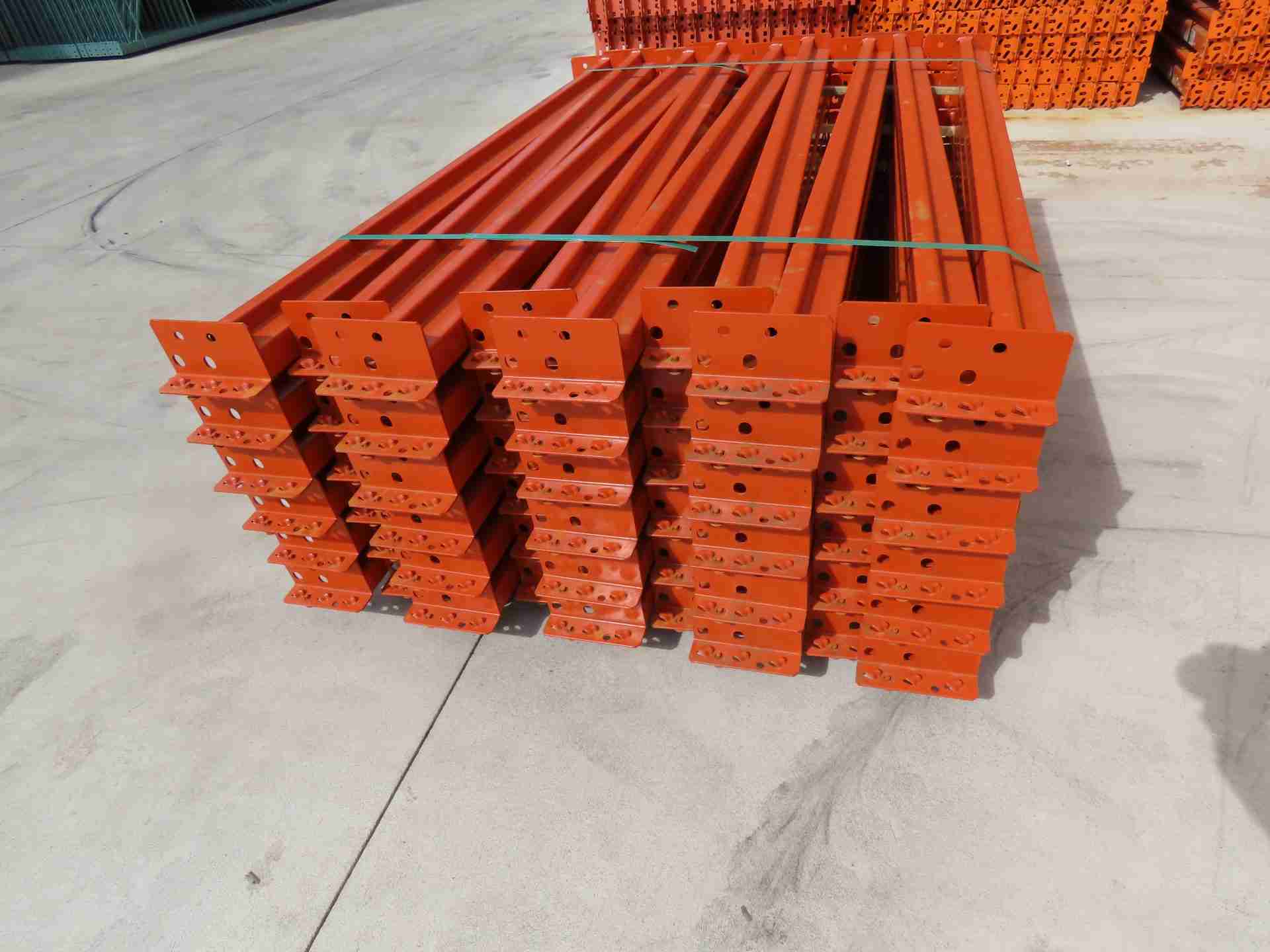
What Is The Latest In The Pallet Racking World?
Table Of Contents
- What Is The Latest In The Pallet Racking World?
- What Innovations Are Emerging In Pallet Racking Technology?
- How Can Pallet Racking Improve Warehouse Efficiency?
- What Safety Regulations Affect Pallet Racking Systems Today?
- What Are The Benefits Of Using Adjustable Pallet Racking?
- How Does Automated Pallet Racking Work And Its Advantages?
- What Trends Are Shaping The Future Of Pallet Racking Design?
- How Can Businesses Optimize Space With Pallet Racking Solutions?
- What Materials Are Commonly Used In Modern Pallet Racking?
- How Do Climate Changes Impact Pallet Racking Choices?
- What Role Does Pallet Racking Play In Supply Chain Management?
- Conclusion
- Other Resources
- Glossary Of Terms
- Other Questions
- Checklist
What Innovations Are Emerging In Pallet Racking Technology?
In the fast-paced world of warehousing and logistics, staying ahead means embracing innovation. As businesses strive to optimize space and streamline operations, the pallet racking sector is witnessing groundbreaking advancements designed to meet the evolving demands of the industry.
One of the most notable innovations is the rise of automated storage and retrieval systems (AS/RS). These systems not only enhance efficiency by dramatically reducing the time it takes to locate and retrieve products but also maximize space utilization. For instance, companies like Dematic are integrating robotics into pallet racking systems, dramatically increasing throughput while reducing labor costs. Automated systems can operate 24/7, allowing warehouses to maintain a competitive edge even in peak demand seasons.
Another significant trend is the incorporation of smart technology. The advent of the Internet of Things (IoT) has paved the way for intelligent pallet racking systems that can communicate with warehouse management software. Sensors can monitor inventory levels in real-time, enabling businesses to implement just-in-time inventory practices. For example, Honeywell has developed IoT solutions that provide actionable insights on everything from space usage to product movement, thus optimizing both efficiency and productivity.
Additionally, modular racking solutions are gaining traction. These flexible designs allow businesses to easily reconfigure their storage setups as inventory needs change. Companies like Interlake Mecalux are championing modular designs, enabling organizations to future-proof their warehouses. As e-commerce continues to rise, the ability to quickly adapt to varying product lines is not just a luxury; it’s a necessity.
Sustainability is also making waves in pallet racking technology. Manufacturers are increasingly focusing on creating eco-friendly solutions, utilizing materials that are not only durable but also recyclable. For instance, Palbox offers innovative systems made from sustainable materials, catering to businesses that prioritize environmental responsibility. Embracing sustainable practices not only enhances a company’s brand image but also attracts a growing cohort of eco-conscious consumers.
Lastly, the pandemic has accelerated the need for contactless solutions in warehouse operations. Touchless interfaces and automated guided vehicles (AGVs) have become part and parcel of modern pallet racking systems, enhancing safety and efficiency.
In summary, the pallet racking industry is riding a wave of transformative innovations — from automation and smart technology to modular designs and sustainability initiatives. Keeping your finger on the pulse of these developments isn’t just smart; it’s essential for thriving in an ever-evolving marketplace. Don’t just meet challenges—transform them into opportunities with the latest in pallet racking technology!

What Innovations Are Emerging In Pallet Racking Technology?
What Innovations Are Emerging In Pallet Racking Technology?
- Innovation is crucial in the warehousing and logistics sector to optimize space and streamline operations.
- Automated storage and retrieval systems (AS/RS) enhance efficiency by reducing retrieval time and maximizing space utilization.
- Integration of robotics in pallet racking systems boosts throughput and lowers labor costs, with companies like Dematic leading the way.
- Smart technology, through IoT, allows for intelligent pallet racking systems that monitor inventory levels in real-time.
- Modular racking solutions offer flexibility in storage setups, enabling businesses to adapt to changing inventory needs.
- Sustainability initiatives focus on eco-friendly materials, improving brand image and meeting consumer demands for environmental responsibility.
- The pandemic has increased the adoption of contactless solutions, such as touchless interfaces and automated guided vehicles (AGVs), in warehouse operations.

What Innovations Are Emerging In Pallet Racking Technology?
How Can Pallet Racking Improve Warehouse Efficiency?
In today’s fast-paced e-commerce landscape, maximizing warehouse efficiency is not just a competitive advantage—it’s a necessity. Implementing an effective pallet racking system can be the transformative solution your business needs, making it easier to navigate inventory demands while maximizing available space.
Imagine walking into a warehouse where products are stacked haphazardly, leading to lost time, frustrated employees, and ultimately disappointing customer experiences. Now visualize a warehouse outfitted with strategically designed pallet racking systems. This setup allows for neat organization, quick access to stock, and significantly reduces the time spent locating products.
Take, for example, a leading online retailer that recently overhauled its storage systems in light of skyrocketing demand. By integrating a high-density pallet racking system with adjustable shelving, they transformed a cluttered space into a streamlined operation—enhancing their picking speeds by 30%. This not only improved order fulfillment times but also reduced labor costs. When workers can easily locate and access products, they spend less time walking the floor and more time efficiently processing orders.
Pallet racking systems also adapt to a wide range of industries, from food and beverage to automotive parts. Consider a local brewery that recently introduced a narrow-aisle racking strategy. By utilizing vertical space, they were able to store more kegs in a smaller footprint, increasing their production capacity while meeting the surge in demand for craft beers. This change not only improved their inventory management but also helped them respond more quickly to market trends.
Furthermore, in the wake of global supply chain disruptions, businesses are reevaluating their warehouses to enhance flexibility and agility. Implementing a pallet racking system can facilitate this shift. With features like adjustable shelves and compatibility with various types of pallets, companies can quickly reorganize their storage layout in response to changing inventory requirements or product lines. This adaptability was especially crucial during recent spikes in demand for essential goods, as companies needed to pivot to accommodate shifting inventory patterns.
Adopting a robust pallet racking system is an investment that goes beyond mere storage. It’s about elevating your entire workflow, from receiving goods to order fulfillment. In an era when efficiency can make or break your success, ensuring that every inch of your warehouse is optimized for productivity is not just smart; it’s essential. Make the move towards smarter racking solutions and watch as your operational efficiency skyrockets, leaving competitors scrambling to catch up.

How Can Pallet Racking Improve Warehouse Efficiency?
How Can Pallet Racking Improve Warehouse Efficiency?
- Maximizing warehouse efficiency is essential in today’s e-commerce landscape.
- An effective pallet racking system improves inventory navigation and maximizes space.
- Strategically designed pallet racking systems enhance organization and quick access to stock.
- A leading online retailer improved picking speeds by 30% through efficient pallet racking.
- Pallet racking systems are adaptable across various industries, including food and beverage.
- These systems allow businesses to quickly reorganize storage in response to inventory changes.
- Investing in pallet racking optimizes workflows, boosting overall operational efficiency.

How Can Pallet Racking Improve Warehouse Efficiency?
What Safety Regulations Affect Pallet Racking Systems Today?
In an ever-evolving marketplace, the safety and efficiency of pallet racking systems are under the scrutiny of various regulatory frameworks designed to protect both employees and inventory. As your business leans into modern warehousing solutions, it’s essential to understand the compliance landscape that impacts your racking systems, particularly in a post-pandemic world where safety is more crucial than ever.
One of the most pivotal safety regulations comes from the Occupational Safety and Health Administration (OSHA). OSHA mandates that all warehouse operations maintain a safe working environment, which directly pertains to pallet racking systems. Faulty or improperly installed racks can lead to catastrophic failures, endangering employees and causing inventory losses. Regular inspections of racking systems ought to include checks for structural integrity and stability. For instance, do you know the last time you documented a comprehensive inspection? If it’s been too long, you may be at risk of non-compliance, with the potential for hefty fines and, more importantly, workplace injuries.
Furthermore, the American National Standards Institute (ANSI) provides guidelines for the design and application of pallet racking systems through standards like ANSI MH16.1. This invaluable resource helps businesses realize optimal configurations that balance efficiency with safety. Compliance with these ANSI standards is not about checking a box; it’s a competitive advantage in ensuring reliable operations.
Let’s also look at how recent events—such as the pandemic and global supply chain disruptions—have changed the landscape for safety regulations. Supply chains are under pressure like never before, and companies are investing heavily in their warehousing capabilities. According to reports, many organizations are now integrating automated systems into their racking solutions to enhance safety and efficiency. These systems not only reduce the risk of human error but also help ensure that racks are used within their designated load capacities, as outlined in updated industry standards.
Another aspect that cannot go ignored is the trend toward sustainability. New regulations are appearing that encourage the use of eco-friendly materials in warehouse management, including pallet racking systems. If you’re looking to future-proof your business, embracing compliant products that also prioritize sustainability may offer you the edge over competitors.
Understanding and adhering to safety regulations is not merely about compliance; it’s a strategic element that safeguards your employees and ensures the longevity of your operations. Ignorance in this area is often costly, but being proactive and informed sets you apart as a leader ready to tackle the challenges of a dynamic market head-on. So, take stock of your racking systems today—because the safety of your operation depends on it!

What Safety Regulations Affect Pallet Racking Systems Today?
What Safety Regulations Affect Pallet Racking Systems Today?
- Pallet racking systems are subject to various regulatory frameworks focused on employee safety and inventory protection.
- OSHA mandates a safe working environment in warehouses, necessitating regular inspections of pallet racking systems for structural integrity.
- Failure to document inspections could lead to non-compliance, resulting in fines and workplace injuries.
- ANSI provides guidelines like ANSI MH16.1 to help businesses optimize pallet racking configurations for safety and efficiency.
- Recent global events have altered safety regulations, leading companies to invest in automated systems to enhance racking safety and efficiency.
- A growing trend towards sustainability encourages the use of eco-friendly materials in pallet racking systems.
- Proactive adherence to safety regulations not only protects employees but also strengthens business resilience in a competitive market.

What Safety Regulations Affect Pallet Racking Systems Today?
What Are The Benefits Of Using Adjustable Pallet Racking?
In today’s fast-paced and ever-evolving marketplace, optimizing warehouse efficiency is not just a luxury, but a necessity. Enter adjustable pallet racking—a game-changing solution that redefines how businesses manage their storage needs. Let’s delve into the myriad of reasons why upgrading to adjustable pallet racking could be the best decision you make this year.
Flexibility and Customization
Adjustable pallet racking is designed with flexibility in mind. As your inventory fluctuates, you can effortlessly adjust the shelves to suit various pallet heights and sizes. This adaptability means you can accommodate new products, seasonal stock increases, or even unexpected changes in your supply chain. For instance, during the recent spikes in e-commerce due to global events, businesses that had adjustable racking systems found it easier to accommodate increased shipments without compromising on organization and accessibility.
Maximized Space Efficiency
One of the foremost advantages of adjustable pallet racking is its ability to maximize storage space. With the right configuration, businesses can utilize vertical space that may otherwise go unutilized. For example, consider a small warehouse that was previously limited to horizontal shelving. By implementing adjustable racking, this warehouse freed up an additional 30% of floor space, allowing for more inventory and less clutter. That’s space you can transform into productivity and profit!
Improved Inventory Management
In an age where data drives decision-making, having an organized inventory system is paramount. Adjustable pallet racks enhance visibility and accessibility, making it easier for staff to conduct regular stock checks and audits. This organization helps reduce errors, minimizes stock discrepancies, and ultimately leads to smoother operations. Just think about companies like Amazon, which rely on precise inventory management to operate efficiently—adjustable racking systems play a vital role in maintaining their streamlined processes.
Enhanced Safety and Compliance
Safety is non-negotiable in any warehouse environment. Adjustable pallet racking systems can be designed to meet safety standards while minimizing accident risks. Adjustable racks are often engineered to handle various load weights, providing not only security for stored goods but also peace of mind for employees. Moreover, with OSHA regulations in constant flux, having adjustable racking ensures your warehouse can adapt to meet compliance changes without incurring additional costs.
Cost-Effectiveness
Finally, consider the long-term financial implications. While the initial investment in adjustable pallet racking may seem significant, the return on investment is evident. By reducing operating costs through improved efficiency, optimizing space, and enhancing safety, businesses see a quicker payback on their racking systems.
In a world where adaptability can dictate success, adjustable pallet racking shines as a pivotal tool. Embrace the future of warehousing—your bottom line will thank you.

What Are The Benefits Of Using Adjustable Pallet Racking?
What Are The Benefits Of Using Adjustable Pallet Racking?
- Adjustable pallet racking optimizes warehouse efficiency, making it a necessity for businesses today.
- Offers flexibility and customization to accommodate fluctuating inventory and changing supply chain demands.
- Maximizes storage space by utilizing vertical areas, potentially freeing up an additional 30% of floor space.
- Enhances inventory management, improving visibility and accessibility to reduce errors and stock discrepancies.
- Promotes enhanced safety and compliance, designed to meet safety standards and adapt to OSHA regulations.
- Cost-effective in the long run, leading to reduced operating costs and a quicker return on investment.
- Adjustable pallet racking is a pivotal tool for businesses aiming to thrive in a dynamic marketplace.

What Are The Benefits Of Using Adjustable Pallet Racking?
How Does Automated Pallet Racking Work And Its Advantages?
Automated pallet racking is revolutionizing the way businesses manage their inventory, and understanding how it works can unlock significant operational efficiencies for your company. At its core, automated pallet racking involves a combination of sophisticated technologies: robotic systems, conveyors, and software solutions that work in tandem to streamline the storage and retrieval of goods.
Imagine a warehouse where your products are stored not in scattered piles, but in a meticulously organized system that can identify and access inventory at a moment’s notice. This is the magic of automated pallet racking. Using robotic shuttles, products are transported to designated picking locations, reducing the physical effort required by staff and significantly minimizing human error. For example, a major electronics retailer implemented a system that allowed them to reduce their order fulfillment time by 70%, enabling them to respond rapidly to consumer demands—especially crucial during high-traffic periods like the holiday season.
The advantages of automated pallet racking extend beyond just speed. Space optimization is another critical benefit. In an era of inflated real estate costs, maximizing warehouse space is essential. Automated systems can utilize vertical space, transforming typically underused areas into highly efficient storage zones. A beverage distribution company recently reported a 40% increase in storage capacity by switching to automated racking—a game changer as they faced rising consumer demand during the pandemic.
Additionally, consider how automated pallet racking enhances inventory accuracy. Poor inventory management can spiral into lost sales, excess stock, and dissatisfied customers. Automated systems come equipped with advanced data tracking and management software, enabling real-time visibility into inventory levels. This allows businesses to adapt swiftly to market trends, reducing excess stock and ensuring timely replenishment—that’s a competitive edge nobody can afford to ignore.
Let’s not overlook the crucial aspect of the ever-evolving labor market. As labor shortages become a growing concern, turning to automation helps alleviate these challenges. By deploying automated pallet racking systems, companies free up staff to focus on higher-value tasks, boosting morale and productivity.
Automated pallet racking isn’t just about keeping up with modern logistics trends; it’s about redefining your operational capabilities. With enhanced speed, efficiency, space maximization, and improved accuracy, your business can thrive in today’s fast-paced market. In a world where agility dictates success, investing in an automated pallet racking system is not merely a choice—it’s a necessity. We’re not just talking about survival; we’re talking about thriving. Don’t let your competition leave you behind!

How Does Automated Pallet Racking Work And Its Advantages?
How Does Automated Pallet Racking Work And Its Advantages?
- Automated pallet racking revolutionizes inventory management, enhancing operational efficiency.
- Combines robotic systems, conveyors, and software to streamline storage and retrieval of goods.
- Reduces order fulfillment time significantly, as demonstrated by a major electronics retailer’s 70% reduction.
- Optimizes warehouse space by utilizing vertical storage, increasing capacity by up to 40% in some cases.
- Improves inventory accuracy through advanced data tracking, enabling better market responsiveness.
- Addresses labor shortages by allowing staff to focus on higher-value tasks, boosting morale and productivity.
- Investing in automated pallet racking is essential for thriving in a fast-paced, competitive market.

How Does Automated Pallet Racking Work And Its Advantages?
What Trends Are Shaping The Future Of Pallet Racking Design?
The world of pallet racking design is evolving rapidly, influenced by shifts in e-commerce, sustainability demands, and advances in technology. Warehouse managers and supply chain professionals must embrace these trends to create efficient, adaptable, and future-proof operations.
1. E-Commerce Boom: Modular and Flexible Solutions
As online shopping surges, especially post-pandemic, warehouses are now the epicenters of hyper-efficient logistics. The demand for speed and accuracy has led to the rise of modular pallet racking systems designed for flexibility. For instance, adjustable racking systems enable quick reconfiguration as inventory sizes and types shift. Retail giants like Amazon are adopting innovations such as automatic storage and retrieval systems (AS/RS) that leverage modular racking to maximize throughput. Companies can increase their storage capacity without sacrificing efficiency by incorporating these scalable designs.
2. Sustainable Practices: Eco-Friendly Materials
Sustainability is no longer optional; it’s essential. Today’s pallet racking designs prioritize eco-friendly materials, from recycled steel to sustainably sourced wood. Companies like Crown Equipment have begun integrating sustainable practices into their racking solutions, ensuring they reduce their carbon footprint while providing the strength and durability required for high-volume operations. Supporting sustainability isn’t just about compliance—it resonates with consumers, enhancing brand image and loyalty.
3. Advanced Technology: Smart Integration
The future is undeniably tech-driven. The incorporation of IoT (Internet of Things) into pallet racking systems is revolutionizing inventory management. Smart sensors can now monitor stock levels, predict replenishment needs, and even notify employees of product movements in real-time. For example, companies are utilizing automated guided vehicles (AGVs) alongside intelligent racking to streamline operations; this synergy not only cuts operational costs but also reduces human error, leading to significant savings in time and money.
4. Safety Improvements: Enhanced Design Features
With increased labor intensity comes the need for enhanced safety features in racking systems. Trends point toward designs that incorporate safety barriers, load indicators, and ergonomic considerations to protect workers. The implementation of these features reflects a growing industry commitment to employee welfare while enhancing workspace efficiency. For instance, recent CDC guidelines emphasize safety standards in warehouses, prompting a wave of innovations aimed at protecting personnel while maintaining productivity.
Incorporating these trends into your pallet racking design will not only yield measurable returns but also elevate your operational efficiency to a new standard. Adapting to these innovations positions your business as a forward-thinking leader in an ever-evolving marketplace, ready to meet the challenges of tomorrow. Embrace these shifts today to ensure your facility operates smoothly and sustainably in a fast-paced future.

What Trends Are Shaping The Future Of Pallet Racking Design?
What Trends Are Shaping The Future Of Pallet Racking Design?
- E-Commerce Boom: Modular and flexible pallet racking systems are essential as online shopping increases, enabling quick reconfiguration for varying inventory sizes.
- Sustainable Practices: Today’s designs prioritize eco-friendly materials like recycled steel and sustainably sourced wood, aligning with consumer values and enhancing brand loyalty.
- Advanced Technology: IoT integration is transforming inventory management with smart sensors that monitor stock levels and streamline operations through automated guided vehicles.
- Safety Improvements: Enhanced design features, including safety barriers and ergonomic designs, are crucial for protecting workers and improving workplace efficiency.
- Industry Commitment: There is a growing focus on employee welfare and safety, reflecting in innovations that comply with updated safety standards.
- Operational Efficiency: Embracing these trends can yield measurable returns and elevate operational efficiency to new standards.
- Future-Proofing: Adapting to these innovations positions businesses as forward-thinking leaders, ready to meet the challenges of a fast-paced future.

What Trends Are Shaping The Future Of Pallet Racking Design?
How Can Businesses Optimize Space With Pallet Racking Solutions?
In today’s fast-paced, ever-evolving business landscape, space efficiency can mean the difference between stagnation and growth. Whether you’re a burgeoning e-commerce retailer fighting for warehouse space or an established manufacturer looking to streamline operations, optimizing space through pallet racking solutions is not just beneficial—it’s essential.
Imagine your warehouse, often cluttered with inventory and equipment, transformed into a lean, organized powerhouse of productivity. The right pallet racking system can elevate your operations, allowing you to maximize vertical storage and free up valuable floor space. This is where strategic ingenuity meets practical implementation, enabling you to turn every inch of your storage area into potential profit.
Consider a bustling e-commerce business that recently expanded its product lines. By implementing a selective pallet racking system, it was able to reduce aisle space by 25%, increasing potential storage capacity by nearly 50%. This financial freedom comes not just from storing more items, but also from the saved man-hours in picking and inventory management. With streamlined processes, businesses can respond more swiftly to customer demands, positioning themselves as leaders in a highly competitive market.
Alternatively, take a cue from the automotive industry, which has embraced drive-in and drive-through pallet racking systems during the current chip shortage. By leveraging these innovative storage solutions, manufacturers can manage inventory more effectively, reducing the time required to retrieve high-demand components. This quick access directly translates to faster production times, which is critical in an industry where every second counts.
Moreover, current economic uncertainties underscore the importance of adaptability in warehouse management. Heightened disruptions, such as recent supply chain challenges, have shown businesses that flexible racking systems not only accommodate spontaneous shifts in inventory but also seamlessly adjust to fluctuating market demands. By investing in adjustable racking configurations, companies can pivot their strategies on the fly—an invaluable asset in unpredictable times.
To further amplify this concept, combining pallet racking solutions with data analytics can revolutionize inventory management. Utilizing sophisticated inventory management systems to track and analyze product turnover allows businesses to optimize their racking options dynamically. Thus, decision-makers can reposition or resize racks based on real-time data, ensuring that operational efficiency is never an afterthought.
The implementation of pallet racking solutions is not merely a consideration for physical space—it’s an investment in the future of your business. By maximizing capacity, improving workflow, and adapting to current market needs, businesses can create a robust infrastructure that supports sustained growth and profitability. Explore the possibilities with pallet racking; your bottom line depends on it.

How Can Businesses Optimize Space With Pallet Racking Solutions?
How Can Businesses Optimize Space With Pallet Racking Solutions?
- Space efficiency is crucial for growth in today’s fast-paced business environment.
- Implementing pallet racking solutions can transform cluttered warehouses into organized, productive spaces.
- A selective pallet racking system can reduce aisle space and increase storage capacity, benefiting e-commerce businesses.
- The automotive industry uses drive-in and drive-through racking to effectively manage inventory during supply shortages.
- Flexible racking systems allow adaptation to market demands and supply chain challenges, enhancing warehouse management.
- Combining pallet racking with data analytics can optimize inventory management and improve operational efficiency.
- Investing in pallet racking solutions supports sustained business growth and profitability.

How Can Businesses Optimize Space With Pallet Racking Solutions?
What Materials Are Commonly Used In Modern Pallet Racking?
In the ever-evolving landscape of logistics and warehousing, the backbone of efficient inventory management rests on robust pallet racking systems. The choice of materials in these systems can significantly influence durability, safety, and overall performance. Understanding these materials can empower business owners to invest wisely, ensuring they meet their storage needs efficiently without breaking the bank.
Steel: The Industry Standard
When it comes to pallet racking, steel has long been the gold standard—an unmovable pillar—and it’s easy to see why. With its exceptional strength-to-weight ratio, galvanized steel frames can withstand heavy loads without succumbing to wear and tear. For instance, warehouses handling automotive parts or manufacturing components often rely on heavy-duty steel racking capable of supporting thousands of pounds. Recent advances in steel manufacturing have also heralded more eco-friendly options, with companies producing recycled steel racking systems that not only save costs but also minimize the carbon footprint of your operations.
Wire Decking: When Safety Meets Functionality
Another common material in modern pallet racking is wire decking. This isn’t just an add-on; it’s a game-changer for safety and versatility. Wire decks improve airflow within the racking system, decreasing the risk of mold and spoilage—especially important in food and pharmaceutical warehousing, where compliance with health regulations is paramount. The use of wire decking has surged recently due to the increased sensitivity to health standards, proving that investing in this material could mean the difference between managing a compliant operation or facing copious fines and product losses.
Composite Materials: Future-Focused Innovation
As industries adapt to changing demands, composite materials are beginning to gain traction in pallet racking designs. Crafted from a mixture of metal and plastic, these innovative solutions promise to offer lightweight yet durable alternatives. Companies looking to adapt their racking systems for seasonal variances may find immense value in these products, as they provide flexibility without compromising strength.
The Benefits of Coatings and Finishes
Modern pallet racks are often treated with protective coatings to enhance their durability and aesthetic appeal. Powder coating is becoming increasingly popular, providing a seamless finish that resists scratches and corrosion. This is especially beneficial in warehouses exposed to harsh environments, as seen in recent reports covering businesses investing in climate resilience.
The materials chosen for modern pallet racking have significant implications for efficiency, safety, and longevity. A keen understanding of these options will not only bolster your strategy for inventory management but can make all the difference in maintaining a competitive edge in today’s dynamic market. Choose wisely and watch your warehouse thrive!
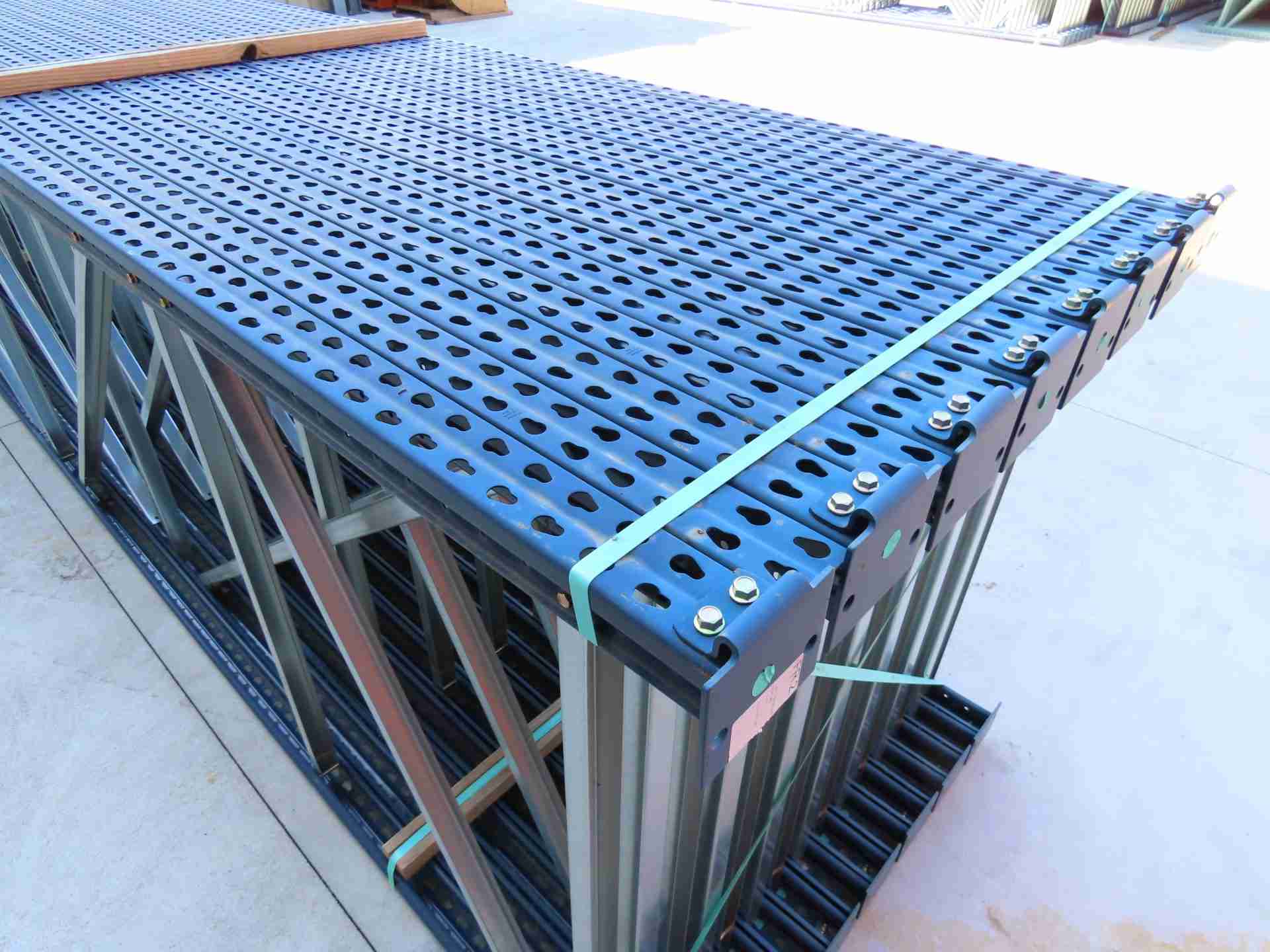
What Materials Are Commonly Used In Modern Pallet Racking?
What Materials Are Commonly Used In Modern Pallet Racking?
- Steel: The industry standard for pallet racking, known for its exceptional strength-to-weight ratio and durability against heavy loads.
- Galvanized Steel: Highly capable of supporting thousands of pounds, essential for warehouses handling heavy items.
- Eco-Friendly Options: Advances in steel manufacturing include recycled steel racking systems, which reduce costs and carbon footprint.
- Wire Decking: Enhances safety and functionality by improving airflow, reducing mold risks, especially in food and pharmaceutical sectors.
- Composite Materials: A growing trend, combining metal and plastic for lightweight but durable racking options suited for seasonal changes.
- Coatings and Finishes: Protective treatments like powder coating enhance durability and resistance to scratches and corrosion, beneficial in harsh environments.
- Strategic Material Choice: The right materials can significantly impact efficiency, safety, and longevity, crucial for maintaining a competitive edge in the market.

What Materials Are Commonly Used In Modern Pallet Racking?
How Do Climate Changes Impact Pallet Racking Choices?
As the climate crisis intensifies, savvy business owners are waking up to the reality that traditional pallet racking solutions may no longer meet their operational or environmental needs. Fluctuating temperatures, increased humidity, and severe weather patterns aren’t just buzzwords—they are transforming the very landscape of logistics. Choosing the right pallet racking system is not just a matter of storage efficiency anymore; it’s about future-proofing your business against the relentless march of climate change.
Consider this: extreme weather events, such as the recent hurricanes along the Gulf Coast or wildfires in the West, challenge the integrity of warehouse facilities. Elevated risk of flooding can compromise inventory, meaning businesses need pallet racking systems that can withstand such extremes. Choosing adjustable and corrosion-resistant racking solutions, such as powder-coated or stainless steel racks, ensures that your storage equipment will not only last longer in humid or wet environments but will also protect your valuable inventory from moisture-related damage.
Moreover, climate change is demanding a shift in warehouse design and operation. With the growing trend of carbon neutrality, companies are now under pressure to demonstrate sustainability throughout their operations, including storage solutions. Enter eco-friendly pallet racking systems. These systems, often constructed from recycled materials, align perfectly with an eco-conscious branding strategy. Imagine how a well-publicized partnership with a green manufacturer can bolster your company’s image! You will not only save the planet but also increase your marketability and attract like-minded customers.
Furthermore, with the push for automation in response to labor shortages exacerbated by changing climate conditions, businesses are integrating advanced technologies into their material handling strategies. Automated storage systems paired with climate-responsive pallet racking can optimize space and energy usage. For instance, climate-controlled storage zones can ensure that perishable goods remain unscathed amid rising temperatures. Link these systems to your inventory management software, and you not only mitigate risk but boost efficiency—a compelling value proposition in today’s market.
Finally, let’s not overlook the cost factor. Climate change-driven regulations will undoubtedly lead to increased compliance costs down the road. By investing in resilient pallet racking solutions now, you can sidestep potential penalties and disruptions.
Adapting your pallet racking choices in response to climate changes is no longer a luxury; it’s a strategic imperative. Review your options critically, tap into sustainable solutions, and position your business as an industry leader ready to tackle whatever challenges come its way. The future is demanding, but with the right choices today, your operation can thrive tomorrow.

How Do Climate Changes Impact Pallet Racking Choices?
How Do Climate Changes Impact Pallet Racking Choices?
- Traditional pallet racking may not suffice due to the intensifying climate crisis affecting logistics operations.
- Extreme weather events like hurricanes and wildfires require resilient racking systems to protect inventory from damage.
- Adjustable and corrosion-resistant racking solutions, such as powder-coated or stainless steel, are essential for humid or wet environments.
- Companies must demonstrate sustainability, with eco-friendly racking systems made from recycled materials boosting brand image.
- Automation in material handling is becoming vital amidst labor shortages and can be integrated with climate-responsive racking for efficiency.
- Investing in resilient pallet racking can help businesses avoid future compliance costs and disruptions due to climate change regulations.
- Choosing the right pallet racking is a strategic imperative for future-proofing operations and positioning as industry leaders.

How Do Climate Changes Impact Pallet Racking Choices?
What Role Does Pallet Racking Play In Supply Chain Management?
In today’s hyper-competitive marketplace, effective supply chain management is the lifeblood of successful businesses. As companies race to meet skyrocketing consumer demands, optimizing warehouse operations has never been more crucial. Enter pallet racking—the unsung hero of logistics and inventory control.
Pallet racking serves as the backbone of any efficient warehousing operation, maximizing vertical space and ensuring that products are organized, accessible, and easy to handle. Think about the recent surge in e-commerce driven by global events like the pandemic. With online shopping booming, businesses have had to adapt quickly to keep up with increased order volumes. Companies like Amazon have invested heavily in state-of-the-art pallet racking systems to ensure rapid fulfillment and streamlined workflows. They understand that the speed at which they can pick, pack, and ship items directly impacts customer satisfaction and loyalty.
One of the most significant advantages of pallet racking is its ability to enhance inventory management. By categorically organizing products and utilizing various racking systems—such as selective, drive-in, or push-back racking—businesses can significantly reduce storage costs and improve picking efficiency. For example, a home goods retailer experiencing overwhelming demand for specific items can use selective racking to ensure fast-moving products are front and center. This agility to reposition or reallocate stock is critical for maintaining that competitive edge.
Moreover, proper pallet racking is instrumental in reducing workplace accidents. Inefficient storage solutions can lead to accidents while transporting goods, resulting in costly workers’ compensation claims and decreased employee morale. By implementing safe, organized racking systems, companies can mitigate risks. For instance, a recent survey by IndustryWeek highlighted that organizations employing proper racking solutions reported a 30% reduction in workplace incidents. It’s a win-win for productivity and safety.
Furthermore, with sustainability on everyone’s radar, now more than ever, businesses are focusing on reducing waste. Using pallet racking as an essential element of a lean inventory approach allows companies to manage their stock better, minimizing overproduction and excess. A major beverage company recently revamped their warehouse to integrate energy-efficient racking systems and reduced their transportation costs by consolidating inventory, setting a benchmark for sustainability in the industry.
Pallet racking is more than just a storage solution; it’s a critical component of modern supply chain management. By investing in effective racking solutions, companies can streamline operations, maintain safety, and respond swiftly to market demands—all of which are crucial for thriving in today’s dynamic business landscape.

What Role Does Pallet Racking Play In Supply Chain Management?
What Role Does Pallet Racking Play In Supply Chain Management?
- Pallet racking is essential for effective supply chain management in today’s competitive marketplace.
- It maximizes vertical space, ensuring products are organized, accessible, and easy to handle.
- Pallet racking enhances inventory management and reduces storage costs by utilizing various systems.
- Proper racking systems contribute to reduced workplace accidents and improved employee morale.
- Pallet racking supports sustainability efforts by minimizing waste and overproduction.
- Companies that adopt efficient racking solutions can streamline operations and respond quickly to market demands.
- Pallet racking is a critical component for businesses seeking to thrive in a dynamic business landscape.

What Role Does Pallet Racking Play In Supply Chain Management?
Conclusion
In a world where adaptability dictates success, keeping pace with innovations in pallet racking is more than just wise; it’s essential. As outlined throughout this article, the landscape of warehousing and logistics is witnessing seismic shifts propelled by evolving safety standards, sustainability demands, technological advancements, and customizable solutions. Arrow Industrial Sales and RackingWorld.com are leading the charge in providing effective strategies and cutting-edge products, empowering businesses to optimize their operations like never before.
Firstly, safety cannot be overstated. With heightened guidelines from organizations like OSHA and NIOSH, today’s warehouse managers must prioritize the structural integrity and compliance of their racking systems. This proactive mindset not only minimizes risks but also leads to considerable cost savings in the long run. As we navigate an unpredictable economic environment, investing in safety is not merely a legal necessity—it’s a cornerstone of operational efficiency.
Moreover, sustainability is no longer a corporate buzzword; it’s a business imperative. The latest innovations in eco-friendly pallet racking not only enhance storage capabilities but align with growing consumer consciousness. Establishing a reputation for environmental responsibility will resonate with modern customers while bolstering your competitive advantage.
On the technological front, integrating IoT-enabled racking systems is revolutionizing inventory management, enabling real-time data analysis and forecasting. Businesses that recognize this potential and invest in smart technology can streamline operations, reduce labor costs, and significantly enhance productivity.
The trends toward modular and adjustable racking solutions mean businesses can easily adapt to fluctuating inventory demands, a necessity in the fast-paced world of eCommerce. Whether it’s the introduction of automated systems or the embrace of customizable setups, flexibility is key to maintaining an agile operation that keeps up with evolving market conditions.
But don’t just stand by—take action! At Arrow Industrial Sales, we’re urging you to evaluate your current racking systems critically. Are they serving your needs effectively? Is your operation prepared for the challenges of the future? Don’t wait for the competition to leave you behind. Call us at (574) 349-6575 today to explore how innovative pallet racking solutions can transform your warehouse into a beacon of efficiency, safety, and sustainability. The time to act is now—your operational success depends on it!
Conclusion:
- Adapting to innovations in pallet racking is essential for success in warehousing and logistics.
- Safety is a top priority due to heightened guidelines from OSHA and NIOSH, impacting the integrity and compliance of racking systems.
- Investing in safety not only minimizes risks but also leads to long-term cost savings and operational efficiency.
- Sustainability is now a business imperative, with eco-friendly pallet racking enhancing storage and aligning with consumer consciousness.
- Integrating IoT-enabled racking systems revolutionizes inventory management through real-time data analysis and forecasting.
- Modular and adjustable racking solutions provide flexibility to adapt to changing inventory demands, crucial in eCommerce.
- Action is urged for businesses to critically evaluate their racking systems to remain competitive and efficient.

Conclusion
Other Resources
Here is a list of other resources you can review online to learn more:
- The Future of Pallet Racking: Trends and Innovations in Warehouse Storage Solutions
- The Future of Pallet Racking: Innovations and Trends to Watch
- Full Guide to Warehouse Storage Racks & Pallet Racking Types
- How Much Does Pallet Racking Cost?
- The Ultimate Buying Guide for Pallet Racking
Use This Prompt To Get More Resources With Your Favorite Online AI Tool: Please provide me with a list of online articles with their URLs in a bulleted list that I can read regarding What Is The Latest In The Pallet Racking World?
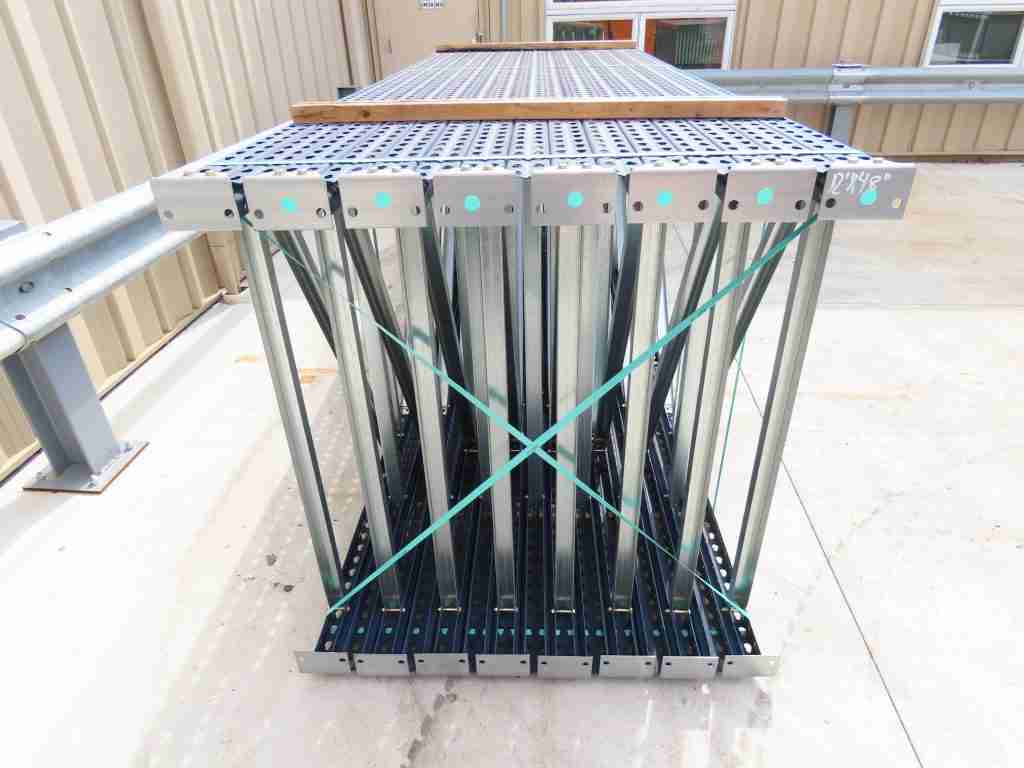
Other Resources
Glossary Terms
What Is The Latest In The Pallet Racking World? – Glossary Of Terms
1. Pallet Racking: A storage system designed to hold palletized goods, allowing for easy access and inventory management.
2. Selective Racking: A type of racking system that allows easy access to each pallet, maximizing storage space with minimal aisles.
3. Drive-In Racking: A high-density storage solution where forklifts drive into the racking system to store pallets, reducing aisle space.
4. Push Back Racking: A storage method that allows pallets to be stored in a way that they are pushed back as new pallets are loaded, optimizing space while keeping selectivity.
5. Mobile Racking: A system that utilizes movable racks to maximize storage space by eliminating aisles, allowing racks to be reconfigured as needed.
6. Cantilever Racking: A racking solution with horizontal arms that extend from a vertical support, ideal for storing long or bulky items.
7. Automated Storage and Retrieval Systems (AS/RS): Advanced systems that automate the storing and retrieval of goods within a warehouse, improving efficiency and accuracy.
8. Deep Lane Racking: A design that supports multiple pallets deep, maximizing space but offering reduced selectivity.
9. Mezzanine Racking: A system that leverages vertical space by building platforms (mezzanines) for additional storage above the floor space.
10. Steel Racking: Racking made from high-strength steel, known for its durability and stability, popular in warehouses.
11. Load Capacity: The maximum weight a pallet rack can safely hold, critical for ensuring safe storage and operations.
12. Beam Lock: A safety feature that secures the horizontal beams to the vertical frames, preventing accidental dislodgement.
13. Rack Inspection: The process of examining racking systems for signs of damage or wear, essential for maintaining safety standards.
14. Regulatory Compliance: Adhering to safety regulations and standards related to warehouse operations and equipment, crucial for operational legitimacy.
15. Inventory Management: Techniques and systems for tracking stock levels, orders, and deliveries, often integrated with racking systems for efficiency.
16. Warehouse Management System (WMS): Software designed to optimize warehouse functionality, including inventory control and order processing.
17. FIFO (First In First Out): An inventory management strategy ensuring the oldest stock is sold first, commonly used in perishable goods storage.
18. LIFO (Last In First Out): A method where the most recently added inventory is the first to be sold, useful in certain manufacturing contexts.
19. Safety Fencing: Protective barriers installed around racking systems to prevent accidents and secure goods within the warehouse environment.
20. Pallet Flow Racking: A system that utilizes gravity to move pallets from the back of the rack to the front, enhancing storage density and pick efficiency.
21. Height Adjustment: The ability to alter the height of beams in pallet racking systems to accommodate different product sizes and improve storage flexibility.
22. Cross-bracing: Diagonal supports in racking systems to enhance structural stability and withstand lateral forces.
23. U-Boat: An open cart used for organizing and transporting smaller items within warehouse environments, complementing the large-scale pallet system.
24. Load Beam: The horizontal components of a racking system that support the weight of pallets and goods.
25. Rack Collapse: A severe safety incident where a racking system fails under load, highlighting the importance of regular inspections and maintenance.
26. Vertical Space Optimization: The practice of utilizing the upward height of the warehouse for storage, increasing overall capacity with taller racking systems.
27. Environmental Considerations: Factors regarding sustainability and energy efficiency in warehouse designs, including the choice of materials and systems.
28. Modular Racking: A flexible racking system designed to be easily rearranged and expanded to adapt to changing storage needs.
29. Slotted Racking: A type of racking that features slots in the upright frames, allowing for adjustable shelf heights and quick reconfiguration.
30. Warehouse Safety Audit: A systematic evaluation of a warehouse’s safety practices, including racking stability, compliance with safety laws, and employee training.
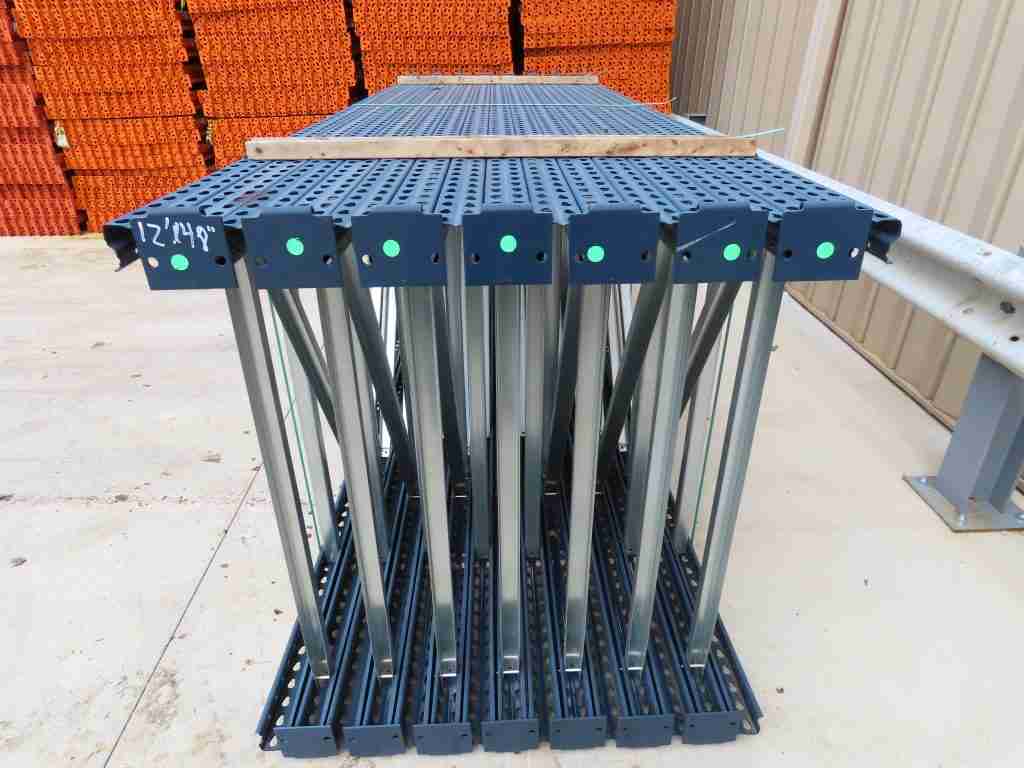
Glossary Of Terms
Other Questions
What Is The Latest In The Pallet Racking World? – Other Questions
If you wish to explore and discover more, consider looking for answers to these questions:
- What are the most popular types of pallet racking systems available today?
- How do different pallet racking systems compare in terms of cost and efficiency?
- What are the best practices for maintaining pallet racking systems?
- How do businesses determine the right pallet racking system for their needs?
- What are the potential drawbacks of automated pallet racking solutions?
- What specific features should businesses look for in modern pallet racking systems?
- How can pallet racking systems be integrated with warehouse management systems?
- What training is required for employees to safely operate automated racking systems?
- How does climate change affect the choice between metal and composite pallet racking?
- What role does pallet racking play in improving employee safety and reducing injuries?
- How do regulations differ for pallet racking systems in various industries?
- What is the impact of e-commerce on the design of new pallet racking systems?
- How can businesses ensure compliance with safety regulations regarding pallet racking?
- What future innovations can be expected in pallet racking technology?
- How do businesses measure the ROI of investing in new pallet racking solutions?
Other Questions
Checklist
What Is The Latest In The Pallet Racking World? – A Checklist
Safety Enhancements
_____ Review updated safety protocols and guidelines from organizations like NIOSH.
_____ Implement automated inspection tools using AI to monitor structural integrity.
_____ Ensure adherence to OSHA and ANSI standards for racking design and maintenance.
Sustainability Practices
_____ Consider sourcing eco-friendly pallet racking solutions made from recycled materials.
_____ Explore adjustable racking systems that enhance space utilization.
_____ Implement waste minimization practices in the racking manufacturing process.
Technological Integration
_____ Investigate the adoption of IoT sensors for real-time inventory tracking.
_____ Integrate inventory management software with pallet racking systems.
_____ Explore automatic storage and retrieval systems (AS/RS) for improved efficiency.
Customization and Modularity
_____ Design racking systems that allow for easy reconfiguration to adapt to changing inventory needs.
_____ Assess industry-specific requirements (e. g. , retail, food service) for flexible storage solutions.
Automated Solutions
_____ Consider investing in automated pallet racking systems to enhance operational efficiency.
_____ Evaluate robotic systems for faster retrieval and fulfillment processes.
_____ Assess the impact of automation on labor costs and employee productivity.
Space Optimization
_____ Implement high-density racking systems to maximize vertical space.
_____ Review and analyze your warehouse layout for efficiency and accessibility.
_____ Use real-time data analytics to inform racking configurations based on product turnover.
Safety Regulations Compliance
_____ Conduct comprehensive inspections of existing pallet racking systems for safety compliance.
_____ Document inspections and maintenance for future reference and compliance.
_____ Stay informed about changing regulations that impact warehouse safety and racking systems.
Material Considerations
_____ Evaluate potential materials for your pallet racking systems, focusing on durability and eco-friendliness.
_____ Explore the advantages of wire decking and coating options for each application.
Adaptability to Climate Change
_____ Choose racking systems that are resistant to humidity and extreme weather conditions.
_____ Investigate eco-friendly and resilient racking options to meet sustainability and compliance goals.
Management Role
_____ Recognize the strategic importance of pallet racking in optimizing supply chain management.
_____ Analyze how efficient racking can improve customer satisfaction and operational scalability.
Continuous Improvement
_____ Make a commitment to regularly review and update your pallet racking solutions based on industry innovations and trends.
_____ Foster a culture of safety and efficiency in your warehouse operations.
Use this checklist to not only enhance your understanding of modern pallet racking but also to implement practical strategies that align with current industry trends.
Checklist
At RackingWorld, we help guide you through selecting warehouse storage systems and racking.
Be sure to read our other related stories at RackingWorld to learn more about warehouse storage systems.
0 Comments