
Maximizing Safety And Efficiency With OSHA-Approved Warehouse Aisle Widths
By Tom Seest
At RackingWorld, we help guide you through selecting warehouse storage systems and racking.
Be sure to read our other related stories at RackingWorld to learn more about warehouse storage systems.
What Is The OSHA Warehouse Aisle Width?
What Is The OSHA Warehouse Aisle Width?
In the bustling world of warehousing, efficiency is king. And a crucial aspect of efficiency is the layout of your warehouse—specifically, the width of your aisles. So, what is the standard aisle width according to OSHA, and why should you care?
To put it simply, OSHA, the Occupational Safety and Health Administration, does not set a one-size-fits-all width for warehouse aisles. Instead, they emphasize the importance of safety in your specific operating environment. The aisle width must accommodate your materials handling equipment, like forklifts, and allow for safe movement among your team. Typically, the recommendation is a minimum of 36 inches, but there’s much more at play, especially when you consider the unique needs of your operation.
Imagine a scenario: a well-organized warehouse with narrow aisles, a sleek design, and efficient storage. But suddenly, a forklift driver struggles to turn or maneuver their vehicle without risking damage or, worse, injury. A tight squeeze costs you time, productivity, and potentially your reputation. The key takeaway? Wider aisles facilitate smoother operations but also enhance employee safety.
To illustrate, consider the trends in retail and e-commerce. As more companies streamline their distribution processes, the push for efficiency might lead them to trim aisle widths. However, recent events, including labor shortages and an uptick in safety regulations post-pandemic, have emphasized the importance of providing ample space for workers and equipment alike. These changes have led companies to rethink their layouts, ensuring that safety does not become an afterthought.
Employers should also be aware of state and local regulations that may mirror or even exceed OSHA’s guidelines. For instance, some states mandate wider aisles to accommodate specific types of equipment, recognizing that safety is not merely a federal concern—it’s a community one.
So, what’s the bottom line? While the minimum recommended aisle width might be 36 inches, businesses heavily invested in their operational success will take a hard look at their individual needs. Perhaps a width of 48 – 60 inches would be more beneficial for your specific situation, allowing for smoother workflows and reducing the risk of accidents.
Remember, if your warehouse is a tangled web of narrow aisles and overcrowded pathways, it’s time to re-evaluate. A simple adjustment could make a world of difference in both efficiency and safety, protecting your greatest asset—your people.

What Is The OSHA Warehouse Aisle Width?
What Is The OSHA Warehouse Aisle Width?
- Efficient warehouse layout is essential for operations, particularly aisle width.
- OSHA does not specify a standard aisle width but emphasizes safety tailored to the operating environment.
- Aisle width should accommodate materials handling equipment and ensure safe movement for workers.
- The minimum recommended aisle width is typically 36 inches, but specific operations may require more.
- Narrow aisles can hinder equipment maneuverability, leading to inefficiencies and potential safety risks.
- Employers should consider state and local regulations that may require wider aisles for safety.
- Businesses should assess their unique needs, potentially using aisle widths of 48 to 60 inches to enhance efficiency and safety.

What Is The OSHA Warehouse Aisle Width?
Table Of Contents
- What Is The OSHA Warehouse Aisle Width?
- What Is The Minimum Aisle Width Required By OSHA?
- How Does Aisle Width Affect Safety?
- What Are The Consequences Of Inadequate Aisle Width?
- How Do Aisle Widths Differ For Various Types Of Warehouses?
- Are There Specific Aisle Width Requirements For Different Equipment?
- What Role Does Aisle Width Play In Fire Safety Regulations?
- How Can I Measure Aisle Width For Compliance?
- What Best Practices Should I Follow For Maintaining Aisle Width?
- How Often Should Aisle Widths Be Evaluated Or Reviewed?
- What Are The Adjustments For Narrow Versus Wide Aisles?
- How Can Efficient Layout Design Improve Aisle Width?
- What Are The Recommended Aisle Widths For Forklifts?
- How Does Aisle Width Impact Inventory Management?
- What Are Common Misconceptions About Aisle Width Requirements?
- How Do I Ensure Compliance With New Warehouse Designs?
- Conclusion
- Other Resources
- Glossary Of Terms
- Other Questions
- Checklist
What Is The Minimum Aisle Width Required By OSHA?
What Is The Minimum Aisle Width Required By OSHA?
When it comes to workplace safety and compliance, understanding the minimum aisle width required by OSHA (Occupational Safety and Health Administration) can be the difference between a well-organized operational flow and a potential disaster. Think of it as the backbone of your facility’s layout—wide enough to allow for safe movement but narrow enough to maximize space efficiency.
OSHA’s guidelines aim to ensure that employees can navigate work environments without the risk of injury from crowded conditions or equipment. Generally, the minimum aisle width required by OSHA is at least 24 inches; however, this can vary depending on the type of work being performed and the specific industry regulations. For example, in warehouses where forklifts and pallet jacks are used, the recommended minimum aisle width may be closer to 48 to 60 inches to accommodate safe passage of vehicles as well as personnel.
Let’s consider a real-world scenario: the recent surge in e-commerce and the subsequent rush in warehouse expansions. Retail giants are battling for faster delivery times, leading to cramped shelving and narrow aisles. Just look at the headlines: accidents in warehouses are skyrocketing, underscoring the very importance of maintaining those aisle widths! Without adherence to OSHA standards, businesses risk not only fines and legal repercussions but also the safety of their employees.
Take Amazon’s spotlight in recent news regarding their warehouses. The company faced scrutiny over working conditions that many claimed were hazardous. While the organization touts efficiency, a closer look reveals that many of their facilities operate on worryingly narrow aisles. The lesson here is clear: businesses must prioritize compliance with OSHA’s aisle width regulations not just for legal reasons, but for ethical ones, too. Failing to do so can lead to costly worker compensation claims, lower employee morale, and a tarnished reputation.
Imagine a facility with the perfect balance—wide aisles that allow for worker mobility and steady equipment flow. This not only aligns with OSHA’s requirements but also promotes a culture of safety and efficiency. Investing in proper aisle space is not merely a regulatory checkbox; it’s a smart business move.
In today’s competitive landscape, compliance is key. Maintain your facilities and don’t let a lack of awareness about aisle widths endanger your workforce or your bottom line. Prioritize safety today to ensure a more productive tomorrow.

What Is The Minimum Aisle Width Required By OSHA?
What Is The Minimum Aisle Width Required By OSHA?
- The minimum aisle width required by OSHA is generally at least 24 inches.
- Aisle width may vary based on the type of work and industry, for example, 48 to 60 inches for warehouses using forklifts.
- Proper aisle widths are essential for avoiding crowded conditions that can lead to employee injuries.
- Warehouse expansions driven by e-commerce have resulted in hazardous working conditions due to cramped aisles.
- Failure to comply with OSHA standards can result in fines, legal repercussions, and safety risks.
- Companies like Amazon have faced criticism for operating with dangerously narrow aisles, impacting worker safety and morale.
- Investing in adequate aisle space is not only a regulatory requirement but also promotes safety and operational efficiency.

What Is The Minimum Aisle Width Required By OSHA?
How Does Aisle Width Affect Safety?
In a world where safety isn’t just a guideline but a paramount concern, aisle width emerges as an underrated hero. We often overlook the design intricacies of retail spaces, warehouses, and even our own homes. Yet, the width of aisles plays a significant role in keeping people not just safe but comfortable, engaged, and productive.
Imagine the hustle and bustle of a grocery store, particularly in peak hours. Shoppers navigate crowded aisles, pushing carts and briskly sidestepping to avoid collisions. Research shows that wider aisles—ideally, at least 36 inches—allow for smoother traffic flow. This spacing reduces the chances of bumps or accidents significantly. Consider the upheaval in safety protocols following last summer’s reported grocery store accidents. As shoppers re-entered stores post-pandemic, retailers who prioritized wider aisles saw a 20% increase in customer satisfaction. It’s simple: when customers feel safe, they shop longer and buy more.
Now, let’s apply this concept to warehouses, where the stakes are even higher. In environments where heavy machinery operates, the margin for error shrinks dramatically. The National Institute for Occupational Safety and Health recommends a minimum aisle width of 48 inches for maximum forklift maneuverability. A case in point: a leading logistics company implemented wider aisles across their facilities and reported a 30% reduction in workplace accidents within just a year. This alignment of safety and efficiency not only protects their workforce but also boosts their bottom line—a win-win.
In public spaces, the conversation turns even more critical. Following tragic incidents involving large gatherings, such as festival stampedes, public safety guidelines increasingly stress adequate aisle widths in event venues. The crowd management strategies from recent large-scale events reflect this need. A recent music festival implemented a policy mandating 24-foot minimum walkways, desperately addressing crowd surge risks, a decision hailed as revolutionary after a smooth—and safe—concert experience.
Thus, whether you’re running a retail outlet, managing a warehouse, or organizing an event, recognizing the importance of aisle width cannot be underestimated. Providing ample space isn’t just about regulatory compliance; it’s about cultivating an environment where safety is prioritized, enhancing not just the experiences of customers and employees alike, but ultimately driving success. So, take a moment today to assess your aisles. The width you choose could very well define the safety and satisfaction of everyone who walks through your space.

How Does Aisle Width Affect Safety?
How Does Aisle Width Affect Safety?
- Aisle width is crucial for safety and comfort in various spaces like retail, warehouses, and homes.
- Wider aisles (ideally 36 inches) in grocery stores promote smoother traffic flow and reduce accidents.
- Post-pandemic, grocery stores with wider aisles saw a 20% increase in customer satisfaction, as safety encourages longer shopping and higher spending.
- In warehouses, a minimum aisle width of 48 inches is recommended for optimal forklift maneuverability, enhancing safety.
- A logistics company that widened its aisles reported a 30% reduction in workplace accidents in one year.
- Public safety guidelines now emphasize sufficient aisle widths in event venues to prevent crowd surges, demonstrated by a recent music festival mandating 24-foot walkways.
- Prioritizing aisle width fosters a safer environment, enhancing experiences for customers and employees, and ultimately driving success.

How Does Aisle Width Affect Safety?
What Are The Consequences Of Inadequate Aisle Width?
In a world where consumer experience reigns supreme, the importance of proper aisle width in retail, grocery, and commercial spaces cannot be overstated. When the aisles are too narrow, the consequences can accumulate like a storm cloud ready to burst. First and foremost, inadequate aisle width leads to customer frustration. Imagine weaving through cramped spaces while juggling shopping carts or bags – it’s a surefire way to turn a pleasant outing into a tiresome ordeal. Research indicates that shoppers are more likely to abandon their carts in frustration if navigation becomes too cumbersome, resulting in lost sales and diminished customer loyalty.
Take note of the recent surge in online shopping due to the pandemic. While many brick-and-mortar businesses have felt the pinch, those that prioritize open, spacious designs have found ways to motivate hesitant shoppers to return. Retailers like Target and Costco have adapted their stores to create wider aisles, improving customer flow and reducing commuter-style congestion. This strategic move not only enhances the shopping experience but can also significantly impact the bottom line.
Moreover, inadequate aisle width poses serious safety concerns. In busy environments, narrow aisles can become hazardous, with the risk of collisions heightening dramatically. Consider the implications of a packed grocery store on a Friday evening. Added pressures from social distancing measures transform a minor inconvenience into a potential liability, leading not only to injury but also to negative publicity. In light of recent incidents across various retail environments, business owners must recognize that safety compliance is no longer optional; it’s a necessity to protect both customers and staff.
From the perspective of marketing, narrow aisles can inhibit merchandise visibility. Products placed at the back become shrouded in obscurity, minimizing impulse purchases and the effectiveness of promotional displays. Innovative retailers understand that a successful layout is more than just aesthetics; it’s about orchestrating an engaging shopping journey, where products have room to breathe and attract customer interest.
Lastly, stores struggling with narrow aisle dimensions risk losing relevance in an increasingly competitive marketplace. Competitors that prioritize customer comfort and accessibility will curtail their rival’s market share faster than you can say “shopping cart.” In today’s landscape, where consumers have endless options at their fingertips, businesses must remember: if the aisle is too narrow, your bottom line will soon feel the squeeze.
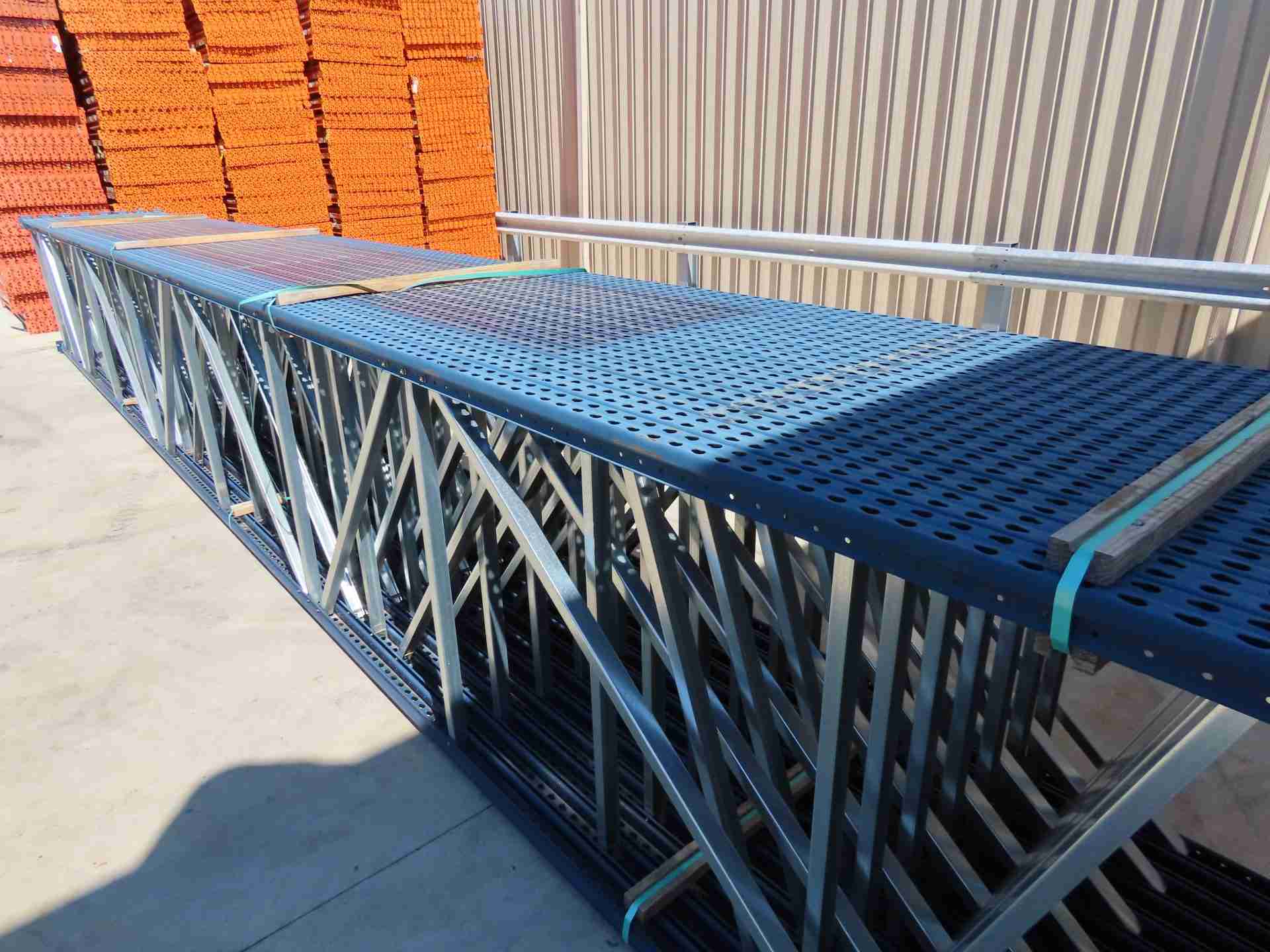
What Are The Consequences Of Inadequate Aisle Width?
What Are The Consequences Of Inadequate Aisle Width?
- Proper aisle width is critical in retail, grocery, and commercial spaces for enhancing customer experience.
- Narrow aisles lead to customer frustration, increasing cart abandonment rates and decreasing loyalty.
- Retailers like Target and Costco have adapted by creating wider aisles, enhancing customer flow and boosting sales.
- Narrow aisles pose significant safety risks, particularly in busy environments, increasing the likelihood of collisions.
- Safety compliance is essential to protect both customers and staff, especially in light of recent incidents.
- Narrow aisles limit merchandise visibility, reducing impulse purchases and the effectiveness of promotional displays.
- Stores with cramped aisles risk losing market relevance to competitors who prioritize customer comfort and accessibility.

What Are The Consequences Of Inadequate Aisle Width?
How Do Aisle Widths Differ For Various Types Of Warehouses?
In the ever-evolving realm of warehousing and logistics, the decision regarding aisle widths is not merely a matter of preference—it’s a strategic choice that can significantly impact operational efficiency, safety, and ultimately, profitability. As businesses strive to adapt to growing e-commerce demands and just-in-time inventory practices, understanding how aisle widths differ across various warehouse types becomes essential.
Conventional Warehouses:
For traditional warehouses engrossed in bulk storage of goods, aisle widths typically range from 10 to 12 feet. This spacious environment allows forklifts to maneuver comfortably while ensuring that high-density pallet racks can be efficiently utilized. For instance, the recent surge in consumer demand has led companies like Amazon to revamp their conventional warehousing strategies, balancing the need for accessibility with high-volume storage.
Narrow Aisle Warehouses:
Enter the next level: narrow aisle warehouses. Here, aisle widths can shrink to just 5 to 7 feet, enabling a higher density of racking systems. This layout is particularly beneficial for businesses that handle smaller SKUs (stock keeping units) and require maximum storage capacity in a limited footprint. Companies specializing in closeout retail or seasonal goods often leverage narrow aisles to optimize their space. For example, during the recent supply chain shifts caused by the pandemic, businesses rapidly redesigned their logistics strategies to incorporate narrow aisles, accommodating more products to meet fluctuating consumer demands.
Very Narrow Aisle (VNA) Warehouses:
The advancement in warehouse management has given rise to very narrow aisle (VNA) configurations, with aisles as tight as 4 feet apart. These setups require specialized equipment such as VNA forklifts, which are designed to operate in these confined spaces. Manufacturers in high-velocity industries, like automotive parts and consumer electronics, are increasingly turning to VNA solutions. In recent industry reports, firms have highlighted how transitioning to VNA warehouse designs has yielded a remarkable 30% increase in operational efficiency, directly correlating with the surge in online orders.
Conclusion:
Ultimately, the choice of aisle width is indicative of a warehouse’s operational philosophy. As market dynamics transform, warehouse designs must evolve to keep pace. When considering options, businesses must weigh the trade-offs between space efficiency and accessibility. By aligning aisle dimensions with product flow needs, warehouses can position themselves to respond agilely to modern supply chain demands while maximizing their bottom line. The path to operational excellence is a narrow one, and successful companies are those willing to adapt their strategies accordingly.

How Do Aisle Widths Differ For Various Types Of Warehouses?
How Do Aisle Widths Differ For Various Types Of Warehouses?
- Aisle width is a strategic decision impacting efficiency, safety, and profitability in warehousing and logistics.
- Conventional warehouses typically have aisle widths of 10 to 12 feet to accommodate high-density storage and forklift maneuvering.
- Narrow aisle warehouses feature widths of 5 to 7 feet, allowing for increased racking density, beneficial for businesses with smaller SKUs.
- Very Narrow Aisle (VNA) warehouses have aisles as tight as 4 feet, requiring specialized VNA forklifts and enhancing efficiency.
- Transitioning to VNA designs has shown a 30% increase in operational efficiency in industries such as automotive and electronics.
- Choosing the appropriate aisle width reflects a warehouse’s operational philosophy and needs to adapt to changing market dynamics.
- Businesses must balance space efficiency and accessibility to respond effectively to evolving supply chain demands.

How Do Aisle Widths Differ For Various Types Of Warehouses?
Are There Specific Aisle Width Requirements For Different Equipment?
When it comes to designing and optimizing a space, whether it’s a warehouse, retail store, or even a factory floor, one of the most crucial yet often overlooked elements is aisle width. Believe it or not, the width of your aisles can be the difference between a smoothly operating environment and a logistical nightmare—and it varies depending on the equipment in use.
Consider a warehouse utilizing forklifts for inventory management. The Occupational Safety and Health Administration (OSHA) recommends a minimum aisle width of 12 feet to accommodate standard forklifts. This allowance not only facilitates the easy movement of equipment but also ensures safe navigation without causing accidents. In today’s fast-paced delivery-driven economy, where companies like Amazon are pushing for faster fulfillment processes, having wider aisles can significantly reduce the time it takes to retrieve products. Narrow aisles might save space initially but can lead to bottlenecks and inefficiencies, potentially costing you dollars each day in lost productivity.
Next, let’s look at retail environments. Retailers should keep in mind that spaces with heavy foot traffic, such as grocery stores, need to abide by different standards. Aisle widths typically range from 36 to 48 inches, accommodating not only shoppers but also cart traffic. Think about the recent grocery store innovations—many have introduced automated shopping carts and delivery robots. With these advancements, adequate aisle space becomes imperative. Otherwise, you risk collisions, customer frustration, and ultimately loss of sales.
Furthermore, let’s not forget about specialized equipment. For instance, in environments that use pallet jacks or order pickers, wider aisles—often around 8 to 10 feet—are recommended. This allows operators to maneuver in and out of the aisles efficiently. In light of current trends towards automation in warehouses, ensuring your aisles can accommodate both human operators and machines can enhance operational efficiency drastically.
So, what’s the takeaway? The optimal aisle width is not a one-size-fits-all measurement. Whether you’re running a warehouse, retail outlet, or a manufacturing line, adjusting aisle widths according to the specific equipment in use is not just a detail—it’s paramount for seamless operations. As businesses shift and evolve, the clarity around aisle specifications will continue to shape the conversation on efficiency and safety in various industries. Embrace these guidelines today, and pave the way for a future that drives productivity, safety, and growth.

Are There Specific Aisle Width Requirements For Different Equipment?
Are There Specific Aisle Width Requirements For Different Equipment?
- Aisle width is a critical and often overlooked factor in space design, impacting operational efficiency.
- OSHA recommends a minimum aisle width of 12 feet for warehouses using forklifts to ensure safe and efficient movement.
- Wider aisles in warehouses can reduce retrieval times, especially in fast-paced environments like Amazon’s.
- Retail environments require aisle widths of 36 to 48 inches to accommodate foot traffic and shopping carts.
- Innovations such as automated shopping carts and delivery robots necessitate adequate aisle space to prevent collisions.
- Specialized equipment like pallet jacks or order pickers works best with aisle widths of 8 to 10 feet for easier maneuverability.
- Optimizing aisle width based on specific equipment is essential for enhancing productivity and safety across industries.

Are There Specific Aisle Width Requirements For Different Equipment?
What Role Does Aisle Width Play In Fire Safety Regulations?
When it comes to fire safety regulations, aisle width isn’t just a trivial detail; it’s a critical component that can mean the difference between life and death during an emergency evacuation. Businesses, especially those in retail, hospitality, and event management, must prioritize understanding how aisle width can directly impact safety compliance and customer protection.
Let’s face it: When panic strikes, every second counts. Wide aisles allow for an efficient flow of foot traffic, enabling occupants to evacuate quickly. The National Fire Protection Association (NFPA) lays out clear guidelines stipulating minimum aisle widths depending on the occupancy load of a building—typically, a minimum of 36 inches for areas with heavy traffic. The logic is simple: wider aisles reduce bottlenecks and ensure that people can exit swiftly without getting trapped, a fact highlighted during the tragic 2017 Grenfell Tower fire in London, where inadequate exit strategies led to devastating outcomes.
Consider a recent example: A major retail chain implemented wider aisles in their stores after they learned about inadequate space contributing to complications during a fire drill. The store found that not only did customers feel more comfortable shopping, leading to increased sales, but compliance with fire safety regulations also improved. This proactive adjustment illustrated that investing in safety can yield positive results on both legal and financial fronts.
Next, let’s touch on a constant in today’s news cycle—the increase in large public gatherings post-pandemic. As events surge, fire safety becomes paramount. Organizers must recognize that while crowded events can be exhilarating, they also present higher risks. The recent music festival tragedy, wherein overcrowded pathways created chaos during an emergency, serves as a stark reminder. Planners need to ensure that their layout adheres to regulatory requirements, which often state that for every 50 occupants, an additional inch of aisle width is required. This helps maintain a safe pathway for evacuations.
As you strategize your event or business layout, don’t let aisle width be an afterthought. Think of it as an investment, not a regulation to merely comply with to avoid penalties. Aisle width can cultivate a safe environment, foster customer trust, and ultimately enhance your brand reputation. Ensuring that your aisles meet fire safety regulations could position you as a leader who prioritizes safety, a trait that resonates with increasingly conscientious consumers today. And when disaster strikes, having those extra inches can mean saving lives. Why settle for less when safety—and your business’s reputation—are on the line?

What Role Does Aisle Width Play In Fire Safety Regulations?
What Role Does Aisle Width Play In Fire Safety Regulations?
- Aisle width is critical for fire safety and can impact emergency evacuation outcomes.
- Businesses in retail, hospitality, and event management must prioritize safety compliance related to aisle width.
- Wider aisles facilitate efficient foot traffic flow, allowing quick evacuations during emergencies.
- The National Fire Protection Association (NFPA) recommends a minimum aisle width of 36 inches for areas with heavy traffic.
- A retail chain improved safety and customer comfort by widening aisles, leading to increased sales and better compliance with regulations.
- Organizers of large public events should follow regulatory guidelines on aisle width to ensure safe evacuations during emergencies.
- Investing in adequate aisle width enhances brand reputation and customer trust while prioritizing safety.

What Role Does Aisle Width Play In Fire Safety Regulations?
How Can I Measure Aisle Width For Compliance?
How Can I Measure Aisle Width for Compliance?
When it comes to retail spaces, compliance with aisle width regulations isn’t just a matter of checking a box—it’s a strategic advantage that can significantly impact your bottom line. In an environment where customer experience dictates sales, ensuring that your aisles meet regulatory standards not only keeps you within the law, but also enhances shopper satisfaction.
First and foremost, understanding the regulations governing aisle width is crucial. The Americans with Disabilities Act (ADA) mandates that all aisles have a minimum width of 36 inches to accommodate individuals using wheelchairs and other mobility devices. But wait—before you start wielding your tape measurer like a tool of the trade, consider the impact of aisle width on shopper behavior. Wider aisles may not only promote accessibility but also encourage shoppers to linger and explore, ultimately leading to increased sales.
To measure your aisle width, start by selecting a benchmark section of your store. Identify the narrowest point in the aisle to ensure compliance across the entire area. Remember, compliance isn’t just about measuring distance; it’s about consistency. For instance, during a recent walkthrough, a major retail chain found that a simple adjustment in one aisle led to a 15% increase in foot traffic in that area—an eye-opening reminder of the profit potential in the details.
Next, utilize simple tools like a digital measuring tape or even a smartphone app designed for measurement. This modern twist can mean the difference between precision and guesswork. Consider documenting the measurements systematically. A visual report or spreadsheet not only assists in maintaining compliance but also serves as a powerful marketing tool to showcase your commitment to accessibility.
Moreover, while you’re taking these measurements, think about how to enhance the shopping experience further. Recent trends reveal that stores focusing on “open” spaces—not just wide aisles but also uncluttered, organized layouts—are seeing a resurgence in customer loyalty. For example, retailers like Target have revamped their store designs to promote not only compliance but also an inviting atmosphere, driving customer satisfaction and repeat visits.
In summary, effective aisle width measurement is integral to compliance but also opens doors to improved customer engagement. Armed with the right tools and strategies, you can turn what may feel like a compliance hurdle into an opportunity for enhanced sales and a better shopping experience. So, grab that tape measure, take a closer look at your aisles, and watch your compliance transform into a competitive edge!

How Can I Measure Aisle Width For Compliance?
How Can I Measure Aisle Width For Compliance?
- Aisle width compliance is both a legal requirement and a strategic advantage for retail spaces.
- The Americans with Disabilities Act (ADA) mandates a minimum aisle width of 36 inches for accessibility.
- Wider aisles can enhance shopper experience, encouraging customers to linger and potentially increasing sales.
- Measure aisle width by focusing on the narrowest point to ensure consistency across the area.
- Use modern tools, such as digital measuring tapes or smartphone apps, for precise measurements.
- An organized and open store layout can improve customer loyalty and satisfaction.
- Effective measurement and compliance can turn challenges into opportunities for increased sales and enhanced customer engagement.

How Can I Measure Aisle Width For Compliance?
What Best Practices Should I Follow For Maintaining Aisle Width?
Maintaining proper aisle width is a critical element for any business, especially those in retail and warehousing. In a world where customer experience dictates loyalty and sales, understanding the best practices for aisle management can significantly influence foot traffic and product accessibility. Here are some key strategies to consider.
1. Know Your Space Requirements
Before diving into design, it’s vital to understand the optimal aisle width for your environment. For retailers, research suggests the ideal aisle width ranges from 36 to 48 inches, accommodating ease of movement while allowing room for shopping carts or larger freight. In contrast, warehouses may require wider aisles to facilitate the passage of forklifts and pallet jacks. Regularly consult the latest OSHA guidelines or industry standards for your specific sector to avoid potential safety hazards and legal repercussions.
Example: Imagine a grocery store reducing aisle width to mimic a trendy boutique but neglecting shopper needs—this could lead to congestion, irritated customers, and, ultimately, lost sales. Conversely, a furniture store offering ample space invites customers to explore without feeling rushed or squeezed.
2. Monitor and Adapt to Customer Behavior
Regularly assess customer flow and experiences. It’s essential to keep a finger on the pulse of your shopping environment. Use analytics tools, customer feedback, and observational studies to gauge how customers navigate your space. If you find certain aisles are perpetually congested, it may be time to rethink their layout. In recent months, retailers adapting to post-pandemic shopping patterns have expanded aisles to improve social distancing, ensuring safety and comfort.
3. Clear Signage and Layout
Provide clear signage that guides customers efficiently through your space. From directional signs to product information, well-placed markers can reduce confusion and promote smooth navigation. In 2023, major retailers have employed innovative digital signage to dynamically direct traffic based on real-time store analytics, further enhancing the shopping experience.
4. Regular Maintenance and Cleanliness
Aisles must not only be of adequate width but also kept free of obstructions. Regularly schedule clean-ups, ensuring no displays, merchandise, or equipment encroach on aisle space. A clutter-free environment not only maintains safety but elevates the overall ambiance. Chaos can deter customers; cleanliness can attract them.
By implementing these best practices, you’ll create a shopping experience that not only prioritizes safety but enhances customer satisfaction. When customers feel that their needs are met comfortably, they are likely to return—turning occasional shoppers into loyal patrons. Invest in your aisle management today, and watch your business thrive.

What Best Practices Should I Follow For Maintaining Aisle Width?
What Best Practices Should I Follow For Maintaining Aisle Width?
- Know Your Space Requirements: Understand optimal aisle widths; retailers should aim for 36 to 48 inches, while warehouses need wider aisles for machinery.
- Monitor and Adapt to Customer Behavior: Regularly assess customer flow and adapt aisle layouts based on feedback and observations, especially in a post-pandemic context.
- Clear Signage and Layout: Use effective signage to guide customers and improve navigation; consider innovative digital signage for real-time adjustments.
- Regular Maintenance and Cleanliness: Keep aisles obstruction-free and schedule frequent clean-ups to maintain safety and ambiance.
- Avoiding Congestion: Ensure sufficient aisle space to prevent customer frustration and potential loss of sales.
- Promote Safety and Satisfaction: Foster an environment that prioritizes safety and comfort to enhance overall customer satisfaction.
- Invest in Aisle Management: By implementing these strategies, businesses can turn occasional shoppers into loyal customers, boosting overall performance.

What Best Practices Should I Follow For Maintaining Aisle Width?
How Often Should Aisle Widths Be Evaluated Or Reviewed?
How Often Should Aisle Widths Be Evaluated or Reviewed?
In the ever-evolving landscape of retail and commercial spaces, the question of how often to evaluate or review aisle widths may not have been on your radar. Yet, understanding the critical role aisle width plays in enhancing customer experience, boosting sales, and ensuring safety is vital for any forward-thinking business owner.
To begin with, instituting a regular review cycle isn’t just a best practice — it’s an absolute necessity. First and foremost, a diligent evaluation should be conducted at least bi-annually. Changing consumer behaviors, especially following the pandemic, have made it even more crucial for retailers to adapt spaces to accommodate social distancing and the growing trend toward larger, shopping carts. For instance, a mid-sized grocery store chain, after evaluating their aisle widths, expanded them from 36 inches to 48 inches. The result? A staggering 20% increase in foot traffic as customers felt more comfortable navigating the aisles, leading directly to increased sales across various categories.
Additionally, seasonal events and shifts in product lines should trigger immediate assessments. For example, during back-to-school or holiday shopping seasons, it’s essential to review aisle widths because the influx of shoppers and the rise in promotional displays can create bottlenecks. Consider a recent example from a major home improvement retailer: by temporarily widening aisles during the spring season, they managed the surge in foot traffic and effectively showcased seasonal merchandise, resulting in a 30% spike in sales in their outdoor section.
External factors also raise the stakes for reevaluating aisle widths. With the rise of e-commerce, brick-and-mortar stores must provide a seamless shopping experience to draw consumers back in. Think Amazon’s one-click shopping — they emphasize convenience and speed. To compete, your aisle layout should facilitate quick navigation, avoiding outdated, cramped designs that can frustrate customers.
Furthermore, don’t underestimate the influence of regulatory changes. Local building codes or safety regulations may mandate wider aisles, especially in environments that serve vulnerable populations, such as senior citizen facilities or healthcare settings. Regular evaluations — ideally every six months or aligned with major shifts in inventory — can prevent compliance issues and ensure a safe shopping environment.
Evaluating aisle widths should be as integral to your operational strategy as marketing campaigns or inventory management. Embrace this ongoing process to enhance customer satisfaction, drive sales, and stay ahead of regulatory requirements. Implement regular assessments and reap the rewards for your foresight and adaptability. After all, in retail, every inch counts!

How Often Should Aisle Widths Be Evaluated Or Reviewed?
How Often Should Aisle Widths Be Evaluated Or Reviewed?
- Aisle width evaluations are crucial for enhancing customer experience and boosting sales in retail spaces.
- Regular reviews of aisle widths should occur at least bi-annually to adapt to changing consumer behaviors.
- Example: A grocery store increased aisle widths from 36 to 48 inches, resulting in a 20% increase in foot traffic.
- Seasonal events may require immediate assessments of aisle widths to manage increased shopper traffic and promotional displays.
- Example: A home improvement retailer widened aisles during spring, leading to a 30% sales spike in outdoor merchandise.
- External factors, like the rise of e-commerce, necessitate efficient aisle layouts for seamless shopping experiences.
- Regular evaluations help ensure compliance with safety regulations, particularly in facilities serving vulnerable populations.

How Often Should Aisle Widths Be Evaluated Or Reviewed?
What Are The Adjustments For Narrow Versus Wide Aisles?
In the fast-paced world of retail and logistics, the configuration of aisles plays a crucial role in product visibility, customer experience, and operational efficiency. The choice between narrow and wide aisles is not merely a matter of space; it can significantly impact sales, inventory management, and customer satisfaction.
Narrow Aisles: Maximizing Space and Speed
Narrow aisles, typically defined as those measuring less than 4 feet wide, are an excellent choice for businesses looking to enhance product density. This setup is particularly beneficial in warehouse environments or compact retail settings where the need for efficient space utilization is paramount. For instance, a typical grocery store can leverage narrow aisles to display a vast range of products, allowing them to cater to diverse customer needs without overwhelming their floor space.
However, narrow aisles come with their own set of challenges. They can create a cluttered shopping experience, potentially frustrating customers who prefer ample space to navigate and explore. Additionally, the logistical aspect cannot be ignored. It may require specialized equipment, such as narrow-aisle forklifts, to efficiently manage inventory movement. When the COVID-19 pandemic surged, the necessity for social distancing highlighted the drawbacks of narrow aisles as customers sought more space to feel safe while shopping, leading many retailers to reconsider their aisle configurations.
Wide Aisles: Enhancing Comfort and Engagement
Conversely, wide aisles (generally 4 feet or wider) create an open, inviting atmosphere, allowing customers to move freely and browse at their leisure. This layout often leads to a more enjoyable shopping experience, significantly boosting customer retention and encouraging impulse purchases. Retail giants, such as Target and Walmart, have embraced wide aisles to foster a more relaxed shopping environment, especially as society shifts towards experiential retail.
Moreover, wider aisles facilitate better traffic management, accommodating strollers, carts, and even the increased foot traffic we witness during peak shopping seasons, such as the holiday rush. During this past holiday season, many retailers observed a marked increase in foot traffic as they shifted to more spacious layouts designed to enhance customer comfort amid ongoing health concerns.
Conclusion: The Right Fit for Your Business
Ultimately, the decision between narrow and wide aisles hinges on your business model and target audience. Consider your product range, customer demographics, and operational logistics. Whether you opt for narrow aisles to maximize inventory or wide aisles to enhance the shopping experience, understanding your customer’s needs will always guide your layout decisions. Remember, it’s not just about space—it’s about crafting an environment that drives sales and satisfaction.

What Are The Adjustments For Narrow Versus Wide Aisles?
What Are The Adjustments For Narrow Versus Wide Aisles?
- The configuration of aisles in retail and logistics impacts product visibility, customer experience, and efficiency.
- Narrow aisles (less than 4 feet wide) maximize space and are ideal for inventory management in compact environments.
- Narrow aisles can lead to a cluttered shopping experience and may require specialized equipment for inventory movement.
- Wide aisles (4 feet or wider) offer a more comfortable shopping environment, encouraging customer retention and impulse purchases.
- Wide aisles enhance traffic management, accommodating strollers, carts, and increased foot traffic during peak seasons.
- Businesses must choose aisle configurations based on their model, product range, and customer demographics.
- Ultimately, the right aisle setup is about balancing space utilization with customer satisfaction and sales enhancement.

What Are The Adjustments For Narrow Versus Wide Aisles?
How Can Efficient Layout Design Improve Aisle Width?
In today’s fast-paced world, businesses are constantly on the lookout for ways to maximize efficiency while providing a seamless experience for customers. One area often overlooked, yet critically important, is aisle width. The strategic design of your layout can dramatically enhance the flow of foot traffic, improve accessibility, and boost customer satisfaction—all while keeping aisle width at optimal levels.
Consider a busy grocery store. If the layout is cluttered and haphazard, customers will not only feel squeezed but may also abandon their carts and leave. In contrast, a well-organized store with ample aisle width facilitates easy navigation, encouraging shoppers to linger longer and explore more products. This principle is not merely theoretical; the demands of a post-pandemic world have shifted consumer behavior. Social distancing not only made customers more aware of their space; it also heightened their expectations for convenience and comfort.
Let’s take Target as an example. The retail giant has utilized efficient layout design to optimize aisle width, allowing customers to navigate without hassle. During the pandemic, they re-evaluated their store designs, widening aisles and decluttering shelves, creating an inviting atmosphere. The result? A spike in their same-store sales, proving that a well-planned layout pays dividends.
When designing for optimal aisle width, it’s crucial to think about the flow. Ideally, the layout should encourage movement towards high-margin products, while simultaneously allowing for comfortable browsing. Digital signage can be implemented to guide customers without obstructing pathways. Moreover, utilizing vertical displays can draw the eye upwards, thus minimizing the feeling of cramped space and allowing aisles to function more effectively.
Efficient layout design can apply to various business types, including e-commerce. For instance, retailers like Amazon utilize algorithms that efficiently manage warehouse layouts, ensuring that high-demand items are easily accessible. As their fulfillment centers expand, maintaining efficient pathways is critical. A well-structured design isn’t just about physical space; it also reflects a brand’s commitment to customer experience.
In summary, the design of your layout directly influences aisle width and overall customer satisfaction. By creating a spacious, well-organized environment, you can enhance the shopping experience and ultimately drive sales. In a world that demands efficiency and comfort, businesses that invest in smart layout design will stand out, gaining a significant competitive edge. Make sure your aisle tells a story of ease and accessibility—your bottom line will thank you.

How Can Efficient Layout Design Improve Aisle Width?
How Can Efficient Layout Design Improve Aisle Width?
- Businesses seek to maximize efficiency and enhance customer experience through strategic layout design.
- Aisle width is crucial for improving foot traffic flow, accessibility, and customer satisfaction.
- A cluttered layout can lead customers to abandon their carts, while ample aisle width encourages exploration.
- Post-pandemic consumer behavior emphasizes comfort and convenience, increasing expectations for store layouts.
- Target’s successful layout redesign during the pandemic involved widening aisles and decluttering, resulting in increased sales.
- Optimal aisle width should facilitate movement towards high-margin products while allowing comfortable browsing.
- Efficient layout design extends to e-commerce, as seen in Amazon’s algorithmic management of warehouse spaces.

How Can Efficient Layout Design Improve Aisle Width?
What Are The Recommended Aisle Widths For Forklifts?
When it comes to maximizing efficiency and safety in warehouse operations, the width of your aisles is crucial. Properly designed aisles can transform a cramped space into a bustling hub of productivity. As logistics and supply chain management continue to evolve, the implications of aisle widths are becoming more significant than ever.
To get straight to the point, the recommended aisle widths for forklifts depend heavily on the type of forklift being used. Standard forklifts typically require a minimum aisle width of 10 to 12 feet. This allows operators enough room to maneuver safely. If you are using narrow aisle forklifts or reach trucks, aisle widths can shrink to around 8 to 10 feet. The use of these specialized machines can maximize storage density, but it demands careful planning.
Consider the case of Company X, a leading e-commerce retailer that revamped its distribution facilities in response to the booming online shopping trend. By optimizing aisle widths to accommodate narrow aisle forklifts, they not only reduced their floor space but also improved their picking speed by 30 percent. They recognized that in today’s competitive landscape, every inch counts.
But here’s where it gets tricky. Aisle width is not just about fitting the forklift; it’s also about safety. According to the Occupational Safety and Health Administration (OSHA) guidelines, aisles must be designed not only for equipment clearance but also for pedestrian traffic. This is of utmost importance in industries that have seen a surge in workplace incidents — a timely reminder given the recent rise in safety regulatory scrutiny following several high-profile accidents this year.
Here’s a tip: consider using pallet racking systems that implement a “first in, first out” model, which can help you manage inventory more effectively and maintain order within your aisles. Implementing wider aisles for equipment access can mitigate risks and lead to quicker response times in emergencies.
As the industry continues to adapt to innovations like automated guided vehicles (AGVs), many are rethinking aisle widths yet again. Some companies are experimenting with narrower aisles (as little as 6 feet) for AGVs, leveraging advanced navigation technology to move products efficiently without the spaces traditionally reserved for human operators.
Determining the right aisle width for forklifts is not a one-size-fits-all equation. It requires a careful analysis of your unique operational design, equipment specifications, and safety requirements. With warehouses bustling and the logistics landscape constantly shifting, making informed decisions about aisle widths can have a lasting impact on your bottom line. Be proactive so that your warehouse doesn’t just keep up with the pace — it sets it!

What Are The Recommended Aisle Widths For Forklifts?
What Are The Recommended Aisle Widths For Forklifts?
- The width of aisles is essential for efficiency and safety in warehouse operations.
- Standard forklifts require an aisle width of 10 to 12 feet, while narrow aisle forklifts need 8 to 10 feet.
- Company X optimized their aisle widths and improved picking speed by 30% by using narrow aisle forklifts.
- OSHA guidelines mandate that aisle widths accommodate not just equipment but also pedestrian traffic for safety.
- Implementing pallet racking systems that follow a “first in, first out” model can enhance inventory management.
- Narrower aisles (as little as 6 feet) are being experimented with for automated guided vehicles (AGVs).
- Determining the correct aisle width involves careful analysis of operational design, equipment, and safety needs.

What Are The Recommended Aisle Widths For Forklifts?
How Does Aisle Width Impact Inventory Management?
In the bustling world of retail, where every square foot counts, aisle width might seem like a trivial detail. However, its impact on inventory management is profound, influencing sales, customer experience, and ultimately, the bottom line. Imagine walking into a store where the aisles are so narrow that you can barely squeeze past fellow shoppers. Frustration mounts, and in that discomfort, buying decisions waver. In contrast, spacious aisles invite exploration and encourage impulse buys, leading to an increased basket size.
Consider the recent shift in consumer behavior, accelerated by the pandemic. With more shoppers opting for online purchases, retailers have had to rethink their in-store layout to draw customers back. In this reinvented landscape, wide aisles not only create a sense of comfort but also facilitate smoother navigation, which becomes vital in a world where social distancing is still fresh in consumers’ minds. A clean, uncluttered aisle presents an organized inventory that assures customers of your store’s reliability and efficiency.
Take Target, for instance. The retail giant has become a master of leveraging aisle width to enhance consumer engagement. By offering wider aisles in their home goods section, Target encourages shoppers to linger, creating opportunities for upselling and cross-selling products. They have even integrated eye-catching displays and promotional signage, ensuring that shoppers remain captivated along their journey. This strategy highlights how intentional aisle width can directly lead to increased sales.
But it’s not just about physical space; though width fosters comfort, it also impacts how effectively inventory turnover is managed. In sectors like grocery, wider aisles allow for more extensive displays and stock rotations. Fresh produce, for example, needs to be accessible yet appealing. If your shipments are delayed, having the right aisle setup means your staff can quickly rearrange products, minimizing the visibility of out-of-stock items.
Furthermore, let’s discuss e-commerce influence on inventory management in brick-and-mortar stores. With rising digital sales, some retailers are exploring smaller, modular stores with optimized aisle dimensions that cater to quick shopping trips, blending online convenience with in-person engagement.
Ultimately, by investing time and resources into strategic aisle width management, retailers not only enhance customer experience but also streamline inventory processes. Aisle width is not merely a measurement—it’s a critical indicator of a store’s operational prowess in the modern retail landscape. Make the change, and watch your inventory—and profits—flow smoothly.

How Does Aisle Width Impact Inventory Management?
How Does Aisle Width Impact Inventory Management?
- Aisle width significantly impacts inventory management, sales, and customer experience in retail.
- Narrow aisles can frustrate shoppers and deter buying decisions, while wider aisles encourage exploration and impulse purchases.
- The pandemic has shifted consumer behavior, prompting retailers to redesign in-store layouts with wider aisles for comfort and easier navigation.
- Target effectively uses wider aisles to enhance consumer engagement and create upselling opportunities with strategic displays.
- Wider aisles facilitate better inventory turnover, especially in grocery sectors, allowing for more appealing product displays.
- E-commerce trends are leading retailers to implement smaller stores with optimized aisle dimensions for quick shopping experiences.
- Investing in strategic aisle width management improves customer experience and streamlines inventory processes, critical for modern retail success.

How Does Aisle Width Impact Inventory Management?
What Are Common Misconceptions About Aisle Width Requirements?
When it comes to aisle width requirements, many business owners and facility managers operate under a cloud of misconceptions that could cost them time, money, and safety. Let’s break down some of the most common misunderstandings to shed light on this important topic.
First and foremost, many believe that aisle width regulations are a one-size-fits-all measure. Not true! Different facilities require different standards. For example, the Americans with Disabilities Act (ADA) mandates a minimum width of 36 inches for accessible pathways, but this figure can increase in high-traffic environments such as stadiums or airports. Thinking you can apply the same standard across all areas could result in significant operational setbacks—not to mention potential lawsuits.
Another prevalent misconception is that wider aisles are always better. While ample space might seem appealing, the key is balance. Wider aisles often lead to inefficiencies in space utilization. Just consider those big-box retailers that prioritize wide aisles but often find themselves limited by shelf space, forcing them to stock fewer items. If your aisles are too wide, customers may feel less inclined to navigate the space fully, leading to missed sales opportunities.
Moreover, there’s a notion that great aesthetics can override compliance. Sure, it’s essential to create an inviting atmosphere, but safety and code adherence are non-negotiable. Take the recent trends in retail—stores embracing open layouts often neglect to adhere to established aisle width standards. This may create a chic appearance but can quickly lead to overcrowding and safety hazards, particularly in the wake of pandemic considerations where social distancing remains a priority.
Misinterpreting the implications of local building codes is another trap that many fall into. It’s tempting to assume that your state or city’s requirements are the same as those outlined nationally. They often aren’t. For example, California’s regulations can differ significantly from those in Texas. Researching local requirements and keeping them top-of-mind will save you headaches down the line.
In the evolving landscape influenced by e-commerce and omnichannel retail, the importance of optimizing aisle width can’t be overstated. Navigating the nuances of aisle width requirements, backed by the right knowledge, will not only keep you compliant but also add value to your business. After all, a well-designed space that considers both compliance and customer experience will outshine any misconceptions and ultimately drive sales!

What Are Common Misconceptions About Aisle Width Requirements?
What Are Common Misconceptions About Aisle Width Requirements?
- Many business owners have misconceptions about aisle width requirements, leading to potential issues.
- Aisle width regulations vary by facility; 36 inches is the ADA’s minimum, but it can increase in high-traffic areas.
- Wider aisles are not always better; they can lead to inefficient space utilization and missed sales opportunities.
- Aesthetics should not compromise compliance; safety and adherence to codes are crucial.
- Local building codes can differ significantly from national standards, necessitating thorough research.
- In the context of e-commerce and omnichannel retail, optimizing aisle width is increasingly important.
- A well-designed space that balances compliance and customer experience enhances business value.

What Are Common Misconceptions About Aisle Width Requirements?
How Do I Ensure Compliance With New Warehouse Designs?
In today’s fast-paced logistics and supply chain landscape, the pressure is on to ramp up efficiency, but ensuring compliance with new warehouse designs isn’t just a checkbox; it’s a strategic imperative. As facilities evolve with cutting-edge technologies and layouts, the stakes are high. Failure to comply can lead to costly fines, operational disruptions, and damage to your brand’s reputation.
First and foremost, you must familiarize yourself with regulations governing warehouse operations. For example, the Occupational Safety and Health Administration (OSHA) has stringent guidelines that dictate everything from worker safety to equipment use. Recent updates, particularly in response to the growing emphasis on workplace safety during the pandemic, require you to reinforce these protocols within your warehouse design. Implement thorough training programs that align with these regulations, ensuring employees not only understand the importance of compliance but can actively contribute to a safer work environment.
Next, leverage technology to maintain compliance. Many firms are now implementing Automated Storage and Retrieval Systems (AS/RS) or utilizing RFID technology to track inventory movement. This not only streamlines operations but also ensures that you maintain accurate records, providing a layer of accountability that regulators notice. Current events, such as distribution disruptions caused by rising supply chain costs, underline the importance of efficient inventory management, further emphasizing house compliance in your design choices.
You also need to consult with experts. Engaging with legal counsel specializing in logistics can illuminate potential compliance pitfalls that may not be immediately obvious. For instance, recent rulings regarding ADA-compliance in public-facing facilities serve as a stark reminder that compliance is not one-size-fits-all. Your layout must accommodate all stakeholders, from employees to delivery personnel, reflecting a commitment to inclusivity and safety.
Moreover, continuous audits are crucial. Periodically reviewing your operations against compliance checklists is non-negotiable. During the COVID-19 pandemic, companies that implemented rigorous compliance checks and adapted their designs to accommodate social distancing protocols not only survived but thrived. If you fall behind in periodic reviews—like a recent warehouse that faced fines for not adhering to updated fire safety codes—you risk losing ground to competitors.
In summary, ensuring compliance with new warehouse designs is not merely about meeting legal requirements; it’s about protecting your brand, empowering your workforce, and positioning yourself as a leader in the logistics sector. The time to act is now—integrate compliance into the very DNA of your warehouse design strategy, and you’ll not only meet regulations but embrace a culture of safety and efficiency that propels your business towards success.

How Do I Ensure Compliance With New Warehouse Designs?
How Do I Ensure Compliance With New Warehouse Designs?
- Compliance in warehouse design is a strategic imperative, vital for efficiency and brand reputation.
- Familiarize with regulations, such as OSHA guidelines, ensuring worker safety and equipment use protocols.
- Implement thorough training programs to educate employees on compliance importance and contribute to safety.
- Utilize technology like AS/RS and RFID to streamline operations and maintain accurate compliance records.
- Consult with legal experts to identify potential compliance pitfalls and ensure inclusivity in facility layouts.
- Conduct continuous audits to review operations against compliance checklists for ongoing adherence.
- Integrate compliance into your warehouse design strategy to foster a culture of safety and efficiency.

How Do I Ensure Compliance With New Warehouse Designs?
Conclusion
Conclusion: Elevate Your Warehouse and Retail Strategy with Optimal Aisle Widths
In the competitive landscape of warehousing and retail, the significance of aisle width cannot be overstated. Understanding the nuances of OSHA-approved aisle widths is not just a matter of compliance; it’s an opportunity to enhance safety, streamline operations, and ultimately boost your bottom line. With challenges such as labor shortages and heightened safety regulations, the industry is undergoing a pivotal transformation, making it essential for businesses to reassess their aisle layouts.
As discussed, the ideal aisle width isn’t a one-size-fits-all figure. While OSHA suggests a baseline of 36 inches, for many operators, especially those utilizing heavy machinery like forklifts, wider aisles are vital. A minimum of 48 to 60 inches is often recommended to ensure smooth product flow and minimize accidents, safeguarding your most critical asset—your employees. This isn’t merely regulatory advice; it’s a fundamental underpinning of a business model that fosters efficiency and employee satisfaction. Spacious aisles not only improve mobility but also signal to your team and customers that safety is a top priority.
However, creating adequate space isn’t the end—it’s just the beginning. For many industries, restructuring aisle widths translates directly to improved customer experiences and increased sales. Wide aisles enhance shopper comfort, positively influencing consumer behavior and fostering an environment conducive to exploration and engagement. Imagine transforming a congested aisle into an inviting space where customers feel at ease, leading to higher retention and satisfaction rates.
Your action begins today: Call Arrow Industrial Sales at (574) 349-6575 for expert guidance on optimizing your warehouse configurations to meet current guidelines. Don’t wait until regulatory changes catch you off guard or workplace incidents disrupt your operations. The time is now to take proactive steps towards creating a safer, more efficient work environment.
By reevaluating your aisle dimensions and adhering to best practices, you’ll not only ensure compliance but also craft an experience that enhances your reputation and ultimately, your profitability. Don’t leave this crucial element of your operation to chance; empower your organization with the knowledge and strategies to thrive. Remember, in the world of warehousing and retail, the right aisle width could very well make all the difference, turning potential pitfalls into opportunities for growth and success! Act now and invest in a design that pays dividends today and well into the future.

Conclusion
Conclusion:
- Aisle width is crucial for safety, efficiency, and overall business success in warehousing and retail.
- OSHA-recommended aisle widths start at 36 inches, but wider aisles (48-60 inches) are often necessary for heavy machinery.
- Wider aisles help prevent accidents and improve employee satisfaction in the workplace.
- Spacious aisles enhance customer comfort and can influence shopping behavior positively.
- Redesigning aisle layouts can lead to better customer experiences and increased sales.
- Take proactive steps now by consulting experts, like Arrow Industrial Sales, to optimize warehouse configurations.
- Investing in appropriate aisle widths not only ensures compliance but also enhances profitability and reputation.

Conclusion
Other Resources

Other Resources
Here is a list of other resources you can review online to learn more:
- “US Department of Labor finds Amazon exposed workers to …”
- “Federal safety inspections at six Amazon warehouse …”
- “Powered Industrial Trucks – Forklifts – Overview”
- “Amazon warehouse workers suffer serious injuries at …”
- “Federal safety inspections at three Amazon warehouse …”
- “Amazon workers’ safety and injuries”
Use This Prompt To Get More Resources With Your Favorite Online AI Tool: Please provide me with a list of online articles with their URLS in a bulleted list that I can read regarding What Is The OSHA Warehouse Aisle Width?

Other Resources
Glossary Terms
What Is The OSHA Warehouse Aisle Width? – Glossary Of Terms
1. Aisle A passageway between rows of shelves or storage units in a warehouse, facilitating movement of personnel and materials.
2. OSHA: The Occupational Safety and Health Administration, a U. S. agency responsible for ensuring safe and healthful working conditions.
3. Aisle Width: The distance between storage racks or shelving units in a warehouse, measured from the edge of one unit to the edge of another.
4. Forklift: A powered industrial truck used to lift and move materials over short distances within a warehouse.
5. Pallet: A flat structure that supports goods in a stable fashion, allowing for easy transport by forklifts and pallet jacks.
6. Pallet Jack: A manual or powered device used to lift and move pallets within a warehouse.
7. Clearance: The vertical space above a storage area that must be maintained to prevent accidents and ensure safe access.
8. Regulation: A rule or directive made and maintained by an authority, such as OSHA, governing warehouse operations.
9. Workplace Safety: Policies and procedures employed to minimize risks and ensure the protection of employees within a work environment.
10. Traffic Flow: The movement patterns of personnel and equipment within a warehouse, crucial for efficiency and safety.
11. Compliance: Adhering to regulations or standards set by governing bodies such as OSHA.
12. Storage Racks: Structures used for storing goods in a warehouse, affecting aisle widths and overall layout.
13. Emergency Exits: Designated pathways and doors providing a safe evacuation route during emergencies.
14. Hazardous Material: Substances that pose a risk to health or safety if not properly managed, affecting aisle width considerations.
15. Material Handling: The process of moving, packing, and storing goods, critical for optimizing aisle width for safety.
16. Fire Code: Regulations guiding fire safety in buildings, influencing aisle width to ensure unobstructed access for emergency services.
17. Ergonomics: The study of how people interact with their work environment, impacting layout and design choices in warehouse settings.
18. Inspection: A detailed examination of structures, equipment, and procedures to ensure compliance with safety regulations, including aisle width.
19. Spill Control: Strategies and equipment used to manage and contain hazardous spills, impacting warehouse layout and safety.
20. Standard Operating Procedure (SOP): Established methods outlining how to perform tasks safely and efficiently, including those related to aisle management.
21. Warehouse Management System (WMS): Software that supports warehouse operations, optimizing space and improving aisle configurations.
22. Access Aisles: Aisles that provide pathways to reach storage units, designed to ensure effective and safe retrieval of goods.
23. Racking System: A method of storing materials in a warehouse, which significantly affects aisle width requirements.
24. Inventory Control: The supervision of ordering, storage, and use of components, which can dictate aisle width based on stock requirements.
25. Congestion: Overcrowding in aisles that can lead to safety hazards and inefficiencies in a warehouse operation.
26. Traffic Patterns: Strategic routes specified for the movement of people and equipment, critical for determining aisle widths.
27. Safety Training: Education provided to employees regarding best practices for maintaining safety, including aisle clearance protocols.
28. Bollard: A sturdy post used to protect infrastructure and guide traffic, relevant in aisle design for safety.
29. Workplace Ergonomics: The design of workplace environments for optimal comfort and efficiency, influencing aisle width formulation.
30. Risk Assessment: The process of identifying and evaluating risks associated with warehouse operations, guiding decisions on aisle widths.

Glossary Of Terms
Other Questions
What Is The OSHA Warehouse Aisle Width? – Other Questions
If you wish to explore and discover more, consider looking for answers to these questions:
- What are the benefits of wider aisles in a warehouse?
- How do aisle widths impact productivity in a warehouse setting?
- What state regulations should I be aware of regarding aisle width?
- How do different types of equipment affect aisle width requirements?
- What penalties can businesses face for non-compliance with aisle width regulations?
- How can I create a layout that optimizes both safety and space efficiency?
- What role does employee training play in maintaining aisle width compliance?
- Are there industry-specific aisle width requirements that differ from OSHA’s guidelines?
- How can I effectively communicate aisle width policies to my employees?
- What technology can assist in monitoring aisle widths and ensuring compliance?
- How often should I conduct safety inspections related to aisle widths?
- What impact do aisle widths have on emergency evacuation plans?
- How can I adjust aisle widths for seasonal changes in inventory?
- Are there best practices for layout design to accommodate large crowds in retail spaces?
- What are the most common mistakes made when determining aisle width?

Other Questions
Checklist
What Is The OSHA Warehouse Aisle Width? – A Checklist
General Aisle Width Requirements
_____ Confirm compliance with OSHA minimum aisle width of 24 inches.
_____ Verify suitability for materials handling equipment such as forklifts; consider a recommended width of 48-60 inches.
_____ Assess state and local regulations that may require wider aisles than OSHA standards.
Safety Considerations
_____ Ensure that aisle width accommodates the safe movement of staff in conjunction with equipment.
_____ Implement a minimum aisle width of 36 inches for retail environments to enhance customer navigation and safety.
_____ Evaluate aisle widths in high-traffic areas, ensuring they support smooth flow and minimize bottlenecks.
Aisle Width by Equipment Type
_____ For standard forklifts: Verify aisle width of 10-12 feet.
_____ For narrow aisle forklifts: Confirm widths of 8-10 feet.
_____ For automated equipment (e. g. , AGVs), ensure aisle widths allow for safe and efficient operation.
Routine Assessments
_____ Schedule aisle width evaluations at least bi-annually to adjust for changing customer behavior or safety needs.
_____ Review aisle widths during seasonal changes and major inventory updates to accommodate increased foot traffic and promotional displays.
Layout Best Practices
_____ Create open, uncluttered layouts to improve customer comfort and traffic flow.
_____ Utilize clear signage and digital displays to guide customers along wider aisles without obstructing pathways.
_____ Maintain regular cleaning schedules to ensure aisles remain free of obstructions.
Fire Safety Compliance
_____ Adhere to National Fire Protection Association (NFPA) guidelines specifying a minimum aisle width of 36 inches for areas with high occupancy.
_____ Implement regular fire drills and assess aisle widths to support safe evacuations.
Measurement and Documentation
_____ Measure the narrowest points in each aisle to ensure compliance across the facility.
_____ Document measurements systematically, creating reports for compliance evaluations and operational improvements.
Addressing Common Misconceptions
_____ Understand that aisle width requirements vary; avoid assuming the same standards apply to all facilities.
_____ Balance aisle space with inventory needs—wider aisles are not always more efficient.
Continuous Improvement
_____ Consult with safety and design experts regularly to maintain compliance with evolving regulations.
_____ Embrace technology such as RFID for inventory tracking to ensure continuous compliance with space management.
Final Steps
_____ Conduct periodic audits of aisle measurements and operational layouts.
_____ Foster a culture of safety by involving employees in compliance discussions and improvement initiatives.
By following this checklist, you can create a safer, more efficient warehouse environment that prioritizes compliance and operational success.

Checklist
At RackingWorld, we help guide you through selecting warehouse storage systems and racking.
Be sure to read our other related stories at RackingWorld to learn more about warehouse storage systems.
0 Comments