
Cantilever Vs. Pallet Racking: Which Is Right For Your Business?
By Tom Seest
At RackingWorld, we help guide you through selecting warehouse storage systems and racking.
Be sure to read our other related stories at RackingWorld to learn more about warehouse storage systems.
How Does Cantilever Racking Compare to Traditional Pallet Racking?
When navigating the dynamic landscape of warehouse storage solutions, the question of choosing between cantilever racking and traditional pallet racking invariably arises. Understanding the key differences and advantages of these systems can empower businesses to maximize their efficiency and optimize their storage capabilities.
Flexibility vs. Rigidity
Cantilever racking shines in its versatility, offering a solution that adapts to various load types — from lumber and pipe to bulky automotive parts. This system is designed not just to adjust, but to embrace change. Take, for instance, the rising demand for customized manufacturing today. Organizations that stock oversized items or irregular shapes find that cantilever racks provide an unmatched solution, allowing for easy front-loading and deep reach without the constraints of upright structure.
In contrast, traditional pallet racking excels in uniformity. It’s a go-to for businesses with standard-sized pallets, providing a predictable framework that supports quick retrieval and inventory management. However, in a world where just-in-time manufacturing is becoming the norm, the rigidity of traditional racks can sometimes lead to inefficiencies, especially when there’s a surge of diverse products.
Takes Less Space, Does More Work
Another compelling feature of cantilever racking is its space efficiency. By maximizing vertical space and eliminating the need for aisle clearance typically required for forklift maneuvering in traditional setups, businesses can use their keys to productivity more wisely. For instance, with global supply chains constantly adjusting — as seen in recent shifts due to geopolitical tensions — companies are compelled to rethink their storage layouts to enhance accessibility and response times. Switching to cantilever racks could mean the difference between a congested, slow-moving warehouse and an agile, responsive one.
Cost-Effectiveness in the Long Run
While traditional pallet racks may boast a lower initial cost, cantilever racks often prove to be more cost-effective over time. With the flexibility to accommodate varying goods, businesses can diminish the risk of underutilized space and wasted labor. As companies increasingly face the challenges related to e-commerce growth, a robust cantilever system can adapt seamlessly to accommodate changing inventory levels while minimizing downtime during transitions.
In summary, while both cantilever and traditional pallet racking have their merits, the choice fundamentally rests on the unique needs of your operation. By prioritizing flexibility, space utilization, and long-term savings, businesses can make informed decisions that position them favorably in a rapidly evolving marketplace. Whether you’re reworking your existing layout or embarking on a new storage project, understanding these systems will ensure your strategic edge in the competitive warehouse landscape.

How Does Cantilever Racking Compare to Traditional Pallet Racking?
How Does Cantilever Racking Compare to Traditional Pallet Racking?
- Choosing between cantilever racking and traditional pallet racking is essential for optimizing storage efficiency.
- Cantilever racking offers flexibility for various load types, accommodating oversized or irregular items easily.
- Traditional pallet racking provides a reliable solution for standard-sized pallets, supporting quick retrieval and uniformity.
- Cantilever racking maximizes vertical space and reduces aisle clearance requirements, enhancing overall productivity.
- Cantilever systems can adapt to changing inventory levels, making them more cost-effective in the long run.
- Businesses must consider flexibility, space utilization, and long-term savings to choose the right racking solution.
- Understanding the differences between these systems provides a strategic edge in a competitive warehouse environment.

How Does Cantilever Racking Compare to Traditional Pallet Racking?
Table Of Contents
- How Does Cantilever Racking Compare to Traditional Pallet Racking?
- What Is Cantilever Racking And How Does It Work?
- How Does Traditional Pallet Racking Function?
- What Are The Key Advantages Of Cantilever Racking?
- What Are The Main Benefits Of Traditional Pallet Racking?
- How Does Space Efficiency Differ Between Racking Types?
- What Types Of Loads Are Best Suited For Cantilever Racking?
- Where Is Traditional Pallet Racking Most Commonly Used?
- How Do Costs Compare Between Cantilever And Pallet Racking?
- What Is The Installation Process For Cantilever Racking?
- What Maintenance Is Required For Cantilever Vs. Pallet Racking?
- How Do Safety Features Differ Between The Two Racking Systems?
- Can Cantilever Racking Be Customized For Specific Needs?
- What Are The Typical Weight Capacities For Each Racking Type?
- How Does Inventory Accessibility Vary Between Racking Systems?
- What Are The Common Applications For Cantilever Racking?
- Conclusion
- Other Resources
- Glossary Of Terms
- Other Questions
- Checklist
What Is Cantilever Racking And How Does It Work?
Imagine transforming your warehouse space into a highly efficient, organized system that maximizes storage while minimizing clutter. Say hello to cantilever racking—a revolutionary solution that is reshaping how businesses manage their inventory. Whether you’re in retail, manufacturing, or distribution, understanding cantilever racking is key to optimizing your operational efficiency.
At its core, cantilever racking is a specialized storage system designed to hold long, bulky, or irregularly shaped items. Unlike traditional shelving, which often has vertical supports blocking access to the front, cantilever racking features arms that extend from a vertical column, allowing for easy loading and unloading. This design fundamentally alters how you think about storage and retrieval, permitting seamless access without hindrance.
Consider the lumber industry. With cantilever racking, lumber suppliers can store long pieces of wood vertically, reducing the footprint while maximizing storage capacity. This setup not only increases accessibility but also enhances safety by minimizing the risks associated with handling heavy materials in cramped spaces. The New York Times recently highlighted a leading lumber supplier that increased its storage capacity by 40% by simply implementing cantilever racking systems, highlighting the growing industry trend toward smart, efficient warehousing solutions.
But the benefits of cantilever racking extend far beyond lumber yards. Take a look at the automotive sector, where dealers often have large inventory levels for parts and accessories. Using cantilever racking systems allows them to showcase long pipes, bumpers, and other oddly shaped inventory effortlessly. They can increase visibility for customers while simultaneously driving sales—a win-win scenario that any business executive would relish.
In today’s fast-paced economy, efficiency is non-negotiable. The rise in e-commerce and just-in-time inventory systems requires businesses to be more agile than ever. Implementing cantilever racking systems streamlines storage and increases operational productivity, easily adapting to fluctuations in inventory levels. According to recent industry reports, companies utilizing such systems have reported up to a 25% increase in picking speed, which can have a significant positive impact on their bottom line.
In a world where every square foot matters, cantilever racking is not just a storage solution; it’s a game-changer. By providing an optimal way to store and display inventory, you’re investing not just in your physical space, but in the future growth of your business. Efficiency, safety, and adaptability—what more could you ask for? Embrace cantilever racking today and watch your operations soar to new heights!

What Is Cantilever Racking And How Does It Work?
What Is Cantilever Racking And How Does It Work?
- Cantilever racking is a specialized storage system ideal for long, bulky, or irregularly shaped items.
- This system allows for easy loading and unloading due to arms extending from a vertical column, eliminating obstacles in access.
- In the lumber industry, it enables vertical storage, increasing storage capacity by up to 40% and enhancing safety.
- Automotive dealers benefit by showcasing long parts and accessories, improving visibility and customer sales.
- Cantilever racking systems promote operational efficiency, crucial in today’s fast-paced economy and e-commerce landscape.
- Implementing these systems can lead to a reported 25% increase in picking speed, positively impacting financial performance.
- Cantilever racking is an investment in business growth, prioritizing efficiency, safety, and adaptability.

What Is Cantilever Racking And How Does It Work?
How Does Traditional Pallet Racking Function?
When it comes to maximizing warehouse efficiency and creating an organized storage solution, traditional pallet racking stands as a titan of modern logistics. Imagine walking into a massive warehouse, the smell of fresh cardboard wafting through the air, and the sight of meticulously tiered pallets reaching towards the ceiling. At the heart of this well-oiled machine is the palatial structure of pallet racking—an investment that pays dividends in productivity and safety.
Let’s break it down. Traditional pallet racking consists of vertical frames and horizontal beams, forming a robust skeletal structure designed to support heavy loads. This system allows warehouses to utilize vertical space, reducing footprint and maximizing storage capacity. For instance, a standard selective pallet rack can accommodate pallets of various sizes, making it adaptable to different product types. Whether you’re dealing with seasonal goods or bulky machinery, traditional pallet racking can cater to your unique requirements.
Consider the recent surge in e-commerce due to the ongoing digital retail revolution. Companies like Amazon and Walmart have ramped up their warehouse capabilities to streamline order fulfillment. By employing traditional pallet racking systems, these giants can organize thousands of products efficiently, ensuring quick access and reduced pick times. The result? Happy customers receiving their packages faster than ever—an essential factor in today’s competitive marketplace.
Another core benefit lies in their straightforward accessibility. Traditional pallet racks allow easy retrieval and storage of pallets using forklifts or pallet jacks, enabling rapid inventory management. Imagine a bustling warehouse where workers zip through aisles with efficiency; inventory loss is minimized, and control is retained.
Moreover, the durability of traditional pallet racks is one of their unmatched advantages. Constructed from high-quality materials, they can withstand the rigors of constant use and heavy loads, protecting your investment. With simple maintenance, these structures can serve your warehouse for years or even decades. A recent survey highlighted that businesses investing in long-lasting racking solutions reported a 20% reduction in operational downtime. In an age where every second counts, this can significantly impact your bottom line.
Lastly, when you invest in traditional pallet racking, you are also investing in safety. Enhancements such as safety clips, row end barriers, and adequate training ensure that your warehouse is not just efficient, but also secure for your workforce.
In the fast-paced world of logistics, traditional pallet racking remains a foundational technology that fuels businesses, enhances efficiency, and ensures safety. The future may bring new innovations, but the core principles of traditional racking will undoubtedly continue to shape the industry for years to come.

How Does Traditional Pallet Racking Function?
How Does Traditional Pallet Racking Function?
- Traditional pallet racking enhances warehouse efficiency and offers organized storage solutions.
- It consists of vertical frames and horizontal beams, maximizing vertical space and storage capacity.
- Adaptable to various product types, it accommodates pallets of different sizes, from seasonal goods to bulky machinery.
- Large companies like Amazon and Walmart utilize pallet racking to streamline order fulfillment in response to rising e-commerce demands.
- Offers easy retrieval and storage of pallets with forklifts, leading to rapid inventory management and minimized loss.
- Highly durable, constructed from quality materials to withstand heavy loads and constant use; can significantly reduce operational downtime.
- Investing in pallet racking also enhances safety through features like safety clips and training for workers.

How Does Traditional Pallet Racking Function?
What Are The Key Advantages Of Cantilever Racking?
In today’s fast-paced business landscape, efficiency is the name of the game, and investment in the right infrastructure can make all the difference. Enter cantilever racking—a storage solution that not only maximizes your warehouse space but also optimizes your operational workflow. Here are the key advantages of this innovative racking system that will have you rethinking your storage strategy.
1. Superior Space Utilization
Cantilever racking systems are specifically designed to handle long, bulky items of varying lengths and weights, making them ideal for industries like lumber, steel, and even retail with their oversized merchandise. Unlike traditional shelving, which often forces you to work within restrictive confines, cantilever racking offers a wide-open structure. Imagine a lumber yard where stacks of wood can be stored at various angles, allowing for easy access and better visibility. This flexibility allows you to make the most of vertical space, significantly increasing your storage capacity without a corresponding increase in floor space.
2. Easy Accessibility
Accessibility is critical when it comes to warehousing, and cantilever racking excels in this department. The open design eliminates obstructive beams and makes it simpler for forklifts to maneuver and retrieve materials. Take a construction supply company, for example—workers can quickly pull long pieces of pipe or beam off the rack without wrestling with traditional shelving units. Reduced retrieval time translates directly into increased productivity, allowing your team to focus on what they do best: serving customers and fulfilling orders.
3. Customization Options
Given the diversity of products companies store, cantilever racking is not a one-size-fits-all solution. The adaptability of cantilever racks allows businesses to configure their systems according to specific needs. You could opt for single or double-sided racks based on your inventory levels. For instance, a retail store holding various sizes of furniture can customize its cantilever system to hold both large sofas and small decorative items. This adaptability means your storage evolves as your business does, offering a sustained return on investment.
4. Enhanced Safety Features
In any warehouse environment, safety is paramount. Cantilever racking systems come with built-in safety measures, including the ability to withstand heavy loads without collapsing, and the open design minimizes the chance of accidents from getting hit by hanging items. With the rise of warehouse automation, ensuring that your storage systems are safe and compliant is more crucial than ever, particularly with ongoing regulatory changes aimed at improving occupational safety.
In summary, embracing cantilever racking means capitalizing on a solution that delivers space efficiency, accessibility, customization, and safety—all crucial elements for thriving in today’s competitive market. Don’t let your storage hold you back; instead, leverage cantilever racking to push your business forward!
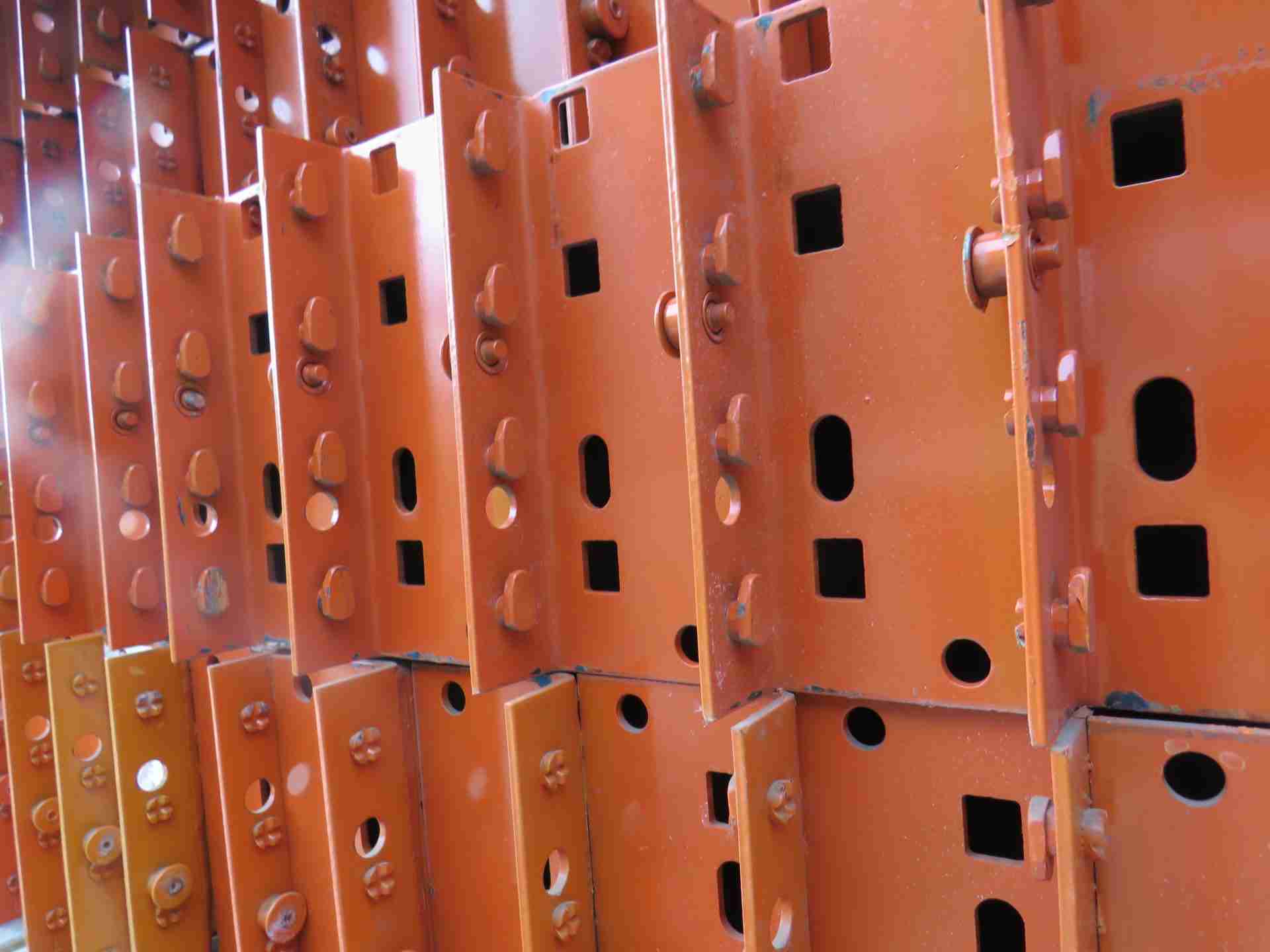
What Are The Key Advantages Of Cantilever Racking?
What Are The Key Advantages Of Cantilever Racking?
- Superior Space Utilization: Designed for long and bulky items, maximizing storage capacity without increasing floor space.
- Easy Accessibility: Open design allows forklifts to maneuver freely, reducing retrieval time and boosting productivity.
- Customization Options: Adaptable configurations for various product sizes, allowing storage to evolve with business needs.
- Enhanced Safety Features: Built-in safety measures to withstand heavy loads and minimize accident risks.
- Compliance with Regulations: Supports safety requirements in response to ongoing regulatory changes in occupational safety.
- Optimized Operational Workflow: Streamlined storage solution leading to improved efficiency in warehouse operations.
- Competitive Advantage: A smart storage strategy to help businesses thrive in the fast-paced market.

What Are The Key Advantages Of Cantilever Racking?
What Are The Main Benefits Of Traditional Pallet Racking?
In the fast-paced world of logistics and warehousing, efficiency is the name of the game. As businesses scale and storage needs evolve, one solution consistently stands out: traditional pallet racking. Let’s delve into the main benefits of this time-tested system and why it should be at the forefront of your operations strategy.
1. Maximize Space Utilization
Traditional pallet racking systems are designed to optimize vertical space, allowing warehouses to store goods at multiple heights. Imagine a warehouse that has limited floor area but can double its storage capacity simply by utilizing the full height of its ceilings. For instance, retail giants preparing for holiday inventory surges can leverage these systems to stockpile seasonal products without losing valuable floor space to bulky backroom storage.
2. Flexibility and Customization
Every warehouse is unique, and traditional pallet racking offers unmatched flexibility. With adjustable shelving, you can customize your racking configurations to accommodate various pallet sizes and product types. Whether your inventory consists of heavy machinery parts or light consumer goods, you can modify your racks accordingly. This adaptability is especially crucial for businesses experiencing fluctuations in inventory due to unforeseen market trends or economic uncertainties.
3. Enhanced Inventory Management
Utilizing traditional pallet racking can significantly improve your inventory management processes. With standardized racking, it becomes easier to implement a “first in, first out” (FIFO) system, which is vital for perishable goods. Just recently, as food safety concerns skyrocketed following various product recalls, companies recognized that efficient racking directly impacts product turnover and safety compliance. By visually organizing goods and streamlining access, your team will spend less time searching for stock, and more time focusing on productivity.
4. Cost-Effective Investment
When comparing storage solutions, traditional pallet racking offers an excellent return on investment. These systems are not just affordable; their durability reduces the need for frequent replacements or repairs. As many businesses navigate post-pandemic economic recovery, investing in traditional pallet racking can help mitigate costs in the long run. For example, companies looking to consolidate their SMB (small and medium-sized business) operations can do so without breaking the bank on custom solutions.
5. Safety and Compliance
Finally, traditional pallet racking systems enhance workplace safety. With organized storage, the risk of accidents diminishes. Recent increases in OSHA regulations highlight the importance of maintaining safe working environments. Well-structured racking contributes to better load distribution and compliance with safety standards, reducing the likelihood of accidents that can lead to costly fines or, worse, employee injuries.
In summary, traditional pallet racking is your partner in crafting an efficient, safe, and cost-effective warehouse environment. By leveraging its myriad benefits, you’ll position your operations to thrive in any economic climate—so why wait? Make the smart choice today and elevate your storage capabilities to new heights.

What Are The Main Benefits Of Traditional Pallet Racking?
What Are The Main Benefits Of Traditional Pallet Racking?
- Maximize Space Utilization: Traditional pallet racking optimizes vertical space, allowing for increased storage capacity without taking up floor space.
- Flexibility and Customization: Adjustable shelving provides the ability to modify racking configurations for various pallet sizes and product types.
- Enhanced Inventory Management: Standardized racking supports FIFO systems, improving turnover and safety compliance for perishable goods.
- Cost-Effective Investment: Offers a high return on investment with durability, reducing the need for frequent replacements or repairs.
- Safety and Compliance: Organized storage reduces accident risks and helps meet OSHA regulations, promoting a safer working environment.
- Support for Business Growth: Facilitates adaptation to fluctuations in inventory due to market trends or economic changes.
- Overall Efficiency: Increases productivity by streamlining access to stock and reducing search times for items.

What Are The Main Benefits Of Traditional Pallet Racking?
How Does Space Efficiency Differ Between Racking Types?
When it comes to optimizing space in warehouses and storage facilities, the difference between racking types can be night and day. We’re not just talking about a few extra shelves; we’re discussing a staggering potential for increased profits, reduced waste, and more streamlined operations.
Selective Racking: The Traditional Choice
Selective racking is the most common type of storage system, offering immediate access to pallets. While this may sound appealing, it comes with a drawback: it uses a significant footprint. Picture a sprawling warehouse filled with rows upon rows of pallets. While you may have easy access to each item, you’re also consuming valuable space—often as much as 40% in some installations—leaving less room for inventory and, ultimately, for profit.
Take the Amazon fulfillment centers for instance. They’re tightly designed to optimize efficiency, utilizing a variety of racking types combined with cutting-edge technology. The lesson? While selective racking provides immediate accessibility, it can limit your space efficiency if not complemented with other systems.
Drive-In and Drive-Through Racking: Maximizing Vertical Space
On the other end of the spectrum is the drive-in and drive-through racking systems, which cater well to high-density storage needs. These systems allow forklifts to “drive” directly into the rack structure, maximizing vertical space and compressing several pallets into one lane. By eliminating wasted aisle space, these systems can enhance your capacity by as much as 75%.
Current trends highlight businesses reevaluating their warehouse layouts amid supply chain challenges. Companies are investing in high-density systems to accommodate growing inventory sizes without expanding physical space. For example, many businesses have migrated towards drive-in racking to store seasonal goods, optimizing space while still maintaining swift access.
Mobile Racking: The Future of Flexibility
Let’s not forget mobile racking, a game-changer in flexible storage solutions. Imagine rows of racking that move on tracks, creating aisles only when needed. This highly adaptable option can almost double space efficiency when compared to static systems. Companies are finding immense value in mobile racking, particularly in industries where product turnover is high and storage needs are dynamic.
The shift towards mobile solutions is shaping the future of warehouses. With the rise of e-commerce, where quick fulfillment is king, more businesses are adopting mobile racking systems. Not only does this enhance space utilization, but it also allows for faster inventory turnover, which is essential in today’s market.
In summary, understanding the distinctions in racking types is crucial for any warehouse operation. From maximizing vertical space to creating flexibility, the right choice can be the difference between a warehouse that’s merely functional and one that’s a powerhouse of efficiency. Don’t let your space go to waste; invest in the future of your storage solutions!

How Does Space Efficiency Differ Between Racking Types?
How Does Space Efficiency Differ Between Racking Types?
- Optimizing warehouse space can lead to increased profits, reduced waste, and streamlined operations.
- Selective racking offers instant access to pallets but consumes significant space, often limiting efficiency.
- Amazon’s fulfillment centers demonstrate the effective combination of various racking types and technology for efficiency.
- Drive-in and drive-through racking systems maximize vertical space and can increase capacity by up to 75%.
- Businesses are reevaluating layouts and investing in high-density racking to accommodate growing inventories.
- Mobile racking systems, which move on tracks, nearly double space efficiency and are ideal for dynamic storage needs.
- Choosing the right racking type is crucial for warehouse efficiency, especially with rising e-commerce demands.

How Does Space Efficiency Differ Between Racking Types?
What Types Of Loads Are Best Suited For Cantilever Racking?
Cantilever racking has emerged as a game-changer in the world of material handling, especially for businesses that need to optimize space while ensuring the safe storage of long, heavy, or awkwardly shaped goods. But not all loads are created equal, and understanding which types are best suited for this innovative storage solution is crucial for boosting both efficiency and safety in your warehouse.
First and foremost, cantilever racking was designed with long loads in mind. Think of construction materials such as lumber, pipes, or steel beams. These items don’t fit well into traditional shelving, yet cantilever racks provide the perfect solution by allowing them to be stored horizontally. In fact, industries like construction and manufacturing have seen significant improvements in inventory management and space utilization by adopting cantilever systems for their long stock.
Next up are heavy loads. If your business is dealing with dense items—think machinery parts or bulk goods—cantilever racking can be an absolute lifesaver. The racks are built to handle substantial weight thanks to their robust, upright structure and adjustable arms. For example, companies in the automotive industry that store heavy parts have reported reduced risk of accidents and easier access to these loads when using cantilever systems.
Awkwardly shaped items also benefit greatly from this rack type. Items like furniture, mattresses, or large appliances can create challenges when stored in conventional shelving. The adaptability of cantilever racking means these products can be stored securely without the risk of damage, all while maximizing warehouse space. In the furniture retail sector, businesses have leveraged cantilever racking to enhance showroom layout and streamline backroom inventory, leading to a more efficient picking process and happier customers.
Moreover, current events like the surge in e-commerce demand have brought to light the importance of efficient storage solutions. As companies adapt to increased inventory levels, those utilizing cantilever racks are finding themselves at a competitive edge—speeding up order fulfilment and reducing operational clutter.
If you have long, heavy, or awkward loads, cantilever racking isn’t just an option; it’s a necessity. By embracing this innovative storage solution, your business will not only enhance safety and efficiency but also strategically position itself for growth amidst today’s ever-evolving marketplace. Don’t let your competition leave you behind—consider cantilever racking today and watch your operational effectiveness soar!

What Types Of Loads Are Best Suited For Cantilever Racking?
What Types Of Loads Are Best Suited For Cantilever Racking?
- Cantilever racking is ideal for optimizing warehouse space and safely storing long, heavy, or awkwardly shaped goods.
- It is specifically designed for long loads, such as lumber, pipes, and steel beams, allowing for horizontal storage.
- Heavy loads, like machinery parts and bulk goods, can be effectively stored due to the racks’ robust structure and adjustable arms.
- Awkwardly shaped items, including furniture and large appliances, benefit from cantilever racking’s adaptability and secure storage.
- Utilizing cantilever racking in sectors like construction, manufacturing, and furniture retail improves inventory management and space utilization.
- The rise in e-commerce has increased the need for efficient storage solutions, with cantilever racks providing a competitive edge.
- Adopting cantilever racking enhances safety and efficiency, positioning businesses for growth in a dynamic marketplace.

What Types Of Loads Are Best Suited For Cantilever Racking?
Where Is Traditional Pallet Racking Most Commonly Used?
In the bustling world of logistics and warehousing, traditional pallet racking stands tall as the fundamental backbone for efficient storage solutions. Its prevalence across various industries underscores its versatility and effectiveness in optimizing space and improving operations.
One of the primary domains where traditional pallet racking finds its footing is in large-scale distribution centers. As e-commerce continues to surge—evidenced by Amazon’s latest quarterly report showcasing an increase in online sales—companies are ramping up their warehouse capabilities. This surge prompts businesses to adopt pallet racking systems to maximize vertical space and streamline inventory management. For instance, major retailers like Walmart and Target utilize traditional pallet racking to keep pace with the ever-increasing demands of their supply chains, allowing them to store vast quantities of goods while minimizing floor space usage.
Manufacturing facilities are another significant market for pallet racking. These environments often require robust, durable systems to handle heavy pallets and varied product types. As industries evolve, manufacturers are also adapting to leaner inventory practices. Traditional pallet racking can efficiently support Just-In-Time (JIT) manufacturing techniques, ensuring materials are available without the burden of excessive storage costs. For example, car manufacturers like Ford have embraced advanced racking solutions to organize their parts and components better, enhancing their assembly line efficiency and reducing lead times.
Moreover, the food and beverage sector plays a crucial role in the ubiquity of pallet racking. With stringent regulations regarding the storage of perishable goods, proper shelving systems are essential. Cold storage facilities depend heavily on traditional racking solutions to ensure optimal organization and accessibility. Notably, as the demand for eco-friendly packaging and sustainable practices grows, companies are seeking out innovative storage solutions that align with their sustainability goals. For instance, companies like Coca-Cola are not only enhancing their racking systems but are also focusing on sustainability in their logistics strategies.
In recent years, even the pharmaceutical industry has turned its gaze toward traditional pallet racking as it seeks to balance rapid product turnover with meticulous inventory control. With the dramatic rise in pharmaceutical needs spurred by global health events like the COVID-19 pandemic, operations must adapt quickly, necessitating efficient, organized storage solutions.
In summary, traditional pallet racking is indispensable in various industries—from retail and manufacturing to food and pharmaceuticals—serving as a critical foundation for ensuring operational efficiency and meeting increasing consumer demands. As the landscape continues to evolve, businesses must recognize the pivotal role of these systems in driving productivity and success.

Where Is Traditional Pallet Racking Most Commonly Used?
Where Is Traditional Pallet Racking Most Commonly Used?
- Traditional pallet racking is essential for efficient storage solutions in logistics and warehousing.
- Large-scale distribution centers, fueled by e-commerce growth, utilize pallet racking to maximize vertical space and manage inventory.
- Major retailers like Walmart and Target adopt pallet racking to handle increased supply chain demands with minimal floor space usage.
- Manufacturing facilities benefit from robust pallet racking to support lean inventory and Just-In-Time (JIT) practices.
- The food and beverage sector relies on traditional racking to meet stringent regulations for perishable goods storage.
- Pharmaceutical companies have begun using pallet racking to enhance product turnover and inventory control amidst rising demands.
- Overall, pallet racking is crucial for various industries, underpinning operational efficiency and adapting to evolving consumer demands.

Where Is Traditional Pallet Racking Most Commonly Used?
How Do Costs Compare Between Cantilever And Pallet Racking?
When it comes to optimizing warehouse space, understanding the financial implications of different racking systems is essential. Two popular options are cantilever racking and pallet racking, each designed for distinct needs and products. Knowing how their costs stack up against each other can save you time, money, and a whole lot of heartache.
First, let’s break down the upfront costs. Cantilever racking is typically more expensive to purchase and install than pallet racking. For instance, cantilever systems, which are ideal for storing long, bulky items like pipes or lumber, often require higher-quality materials to support large loads without a middle column obstruction. This translates to an average installation cost of $1,500–$3,000 per unit including assembly. In contrast, traditional pallet racking can be less costly, ranging from $1,000 to $2,500 for setup, especially when using lighter-duty steel.
But don’t make the classic mistake of looking at initial costs alone. Consider long-term value. Using cantilever racking can yield significant efficiencies if you handle large items frequently. Got a construction project coming up? Think about the lumber and piping you’ll need. Cantilever systems allow for faster loading and unloading, reducing labor costs significantly. In a recent case study by a major construction supply company, switching to cantilever racking increased productivity by 30%. They could pass those savings on to their clients—leading to higher sales!
On the other hand, if your operation revolves around regular-sized pallets – think food distribution warehouses or retail stockrooms – the flexibility and accessibility of pallet racking may provide a better fit. Pallet racking systems allow for easy inventory management and quick picking, essential for businesses that require a fast turnaround.
Now, let’s discuss maintenance and potential relocation costs. Cantilever racking, due to its heavy-duty design, generally holds up better in dynamic environments, sparing you from the expenses related to frequent repairs. However, if you anticipate expansion or changing your inventory size, pallet racking offers modularity. It is easier to reconfigure or move, potentially saving you thousands in relocation costs, especially amidst fluctuating economic circumstances—like the current supply chain challenges.
Balancing these costs involves not only reviewing dollar signs but forecasting your business needs in a rapidly evolving marketplace. Today, success is about agility—if your racking system impede growth, you’re sitting on a financial burden. So whether you’re handling lumber or pallets, choose wisely, for the right racking solution is more than just shelving; it’s your pathway to efficiency and profitability!

How Do Costs Compare Between Cantilever And Pallet Racking?
How Do Costs Compare Between Cantilever And Pallet Racking?
- Optimizing warehouse space requires understanding financial implications of racking systems.
- Cantilever racking is more expensive upfront compared to pallet racking, costing $1,500–$3,000 versus $1,000–$2,500 respectively.
- Cantilever systems are ideal for long, bulky items, allowing faster loading/unloading and reducing labor costs.
- A case study showed that cantilever racking increased productivity by 30%, enabling higher sales for a construction supply company.
- Pallet racking suits operations with regular-sized pallets, offering flexibility and ease for inventory management.
- Cantilever racking is more durable and requires less frequent maintenance, while pallet racking is easier to relocate and reconfigure.
- Choosing the right racking system is crucial for balancing costs and forecasting business needs in a dynamic marketplace.

How Do Costs Compare Between Cantilever And Pallet Racking?
What Is The Installation Process For Cantilever Racking?
When it comes to designing and optimizing warehouse space, cantilever racking stands out as a game-changer. Efficiently storing long or bulky items, this racking system revolutionizes the way businesses manage their inventory. But before you can reap the benefits, it’s essential to know the installation process — a step often overlooked but critical to ensuring maximum efficiency and safety.
Step 1: Assessment and Planning
Before you dive into installation, start with a comprehensive assessment of your warehouse space. Measure the dimensions, evaluate the type of material you’ll be storing, and identify potential obstacles in your layout. Proper planning is key! For instance, if you’re managing a lumber yard, you’ll want to ensure that the racking can accommodate beams and planks of varying lengths. A recent trend in construction materials has seen record growth due to rising demands, so efficiency is paramount.
Step 2: Choose the Right Components
Select the cantilever racking components that best fit your needs. Options include single-sided or double-sided racks, along with various arm lengths and capacities. Many suppliers now offer customizable solutions, ensuring that every inch of space is utilized to maximize storage capabilities. Make sure to factor in current supply chain dynamics; with ongoing disruptions, securing your racks swiftly can prevent delays in your operations.
Step 3: Preparing the Location
Once you’ve chosen your components, prepare the installation site. This means ensuring the floor is level and free of debris. Consider using concrete pads or a base if your warehouse has uneven flooring. As we’ve seen with the rapid shifts in logistics due to the pandemic, adaptability is key — having a solid foundation can keep your operations running smoothly.
Step 4: Assemble the Framework
Now the fun part begins! Assemble the vertical columns and base. Connect the arms and ensure they are bolted securely. It’s vital to adhere to manufacturer specifications for load capacities, as recent OSHA regulations highlight the importance of safety in warehouse operations. Check out the latest industry standards to stay compliant and keep your workers safe.
Step 5: Load and Test
After installation, it’s time to load your racks with inventory. Start with lighter items to gauge stability, gradually including heavier materials. This step will ensure that your cantilever racks function as intended. Frequent inspections will help in identifying any adjustments needed over time.
The successful installation of cantilever racking can significantly boost efficiency in your warehouse operations. By following these steps, you can create an organized, safe, and efficient system tailored to your unique needs. Don’t let outdated storage solutions hold back your business; embrace the future of warehousing today!

What Is The Installation Process For Cantilever Racking?
What Is The Installation Process For Cantilever Racking?
- Cantilever racking is an effective system for storing long or bulky items in warehouses.
- The installation process is crucial for ensuring efficiency and safety.
- Step 1: Conduct a comprehensive warehouse assessment, measuring space and evaluating material types.
- Step 2: Choose appropriate racking components, considering single or double-sided racks and supply chain dynamics.
- Step 3: Prepare the installation site by ensuring a level, debris-free floor, potentially using concrete pads.
- Step 4: Assemble the racking framework according to manufacturer specifications and OSHA regulations for safety.
- Step 5: Load racks with inventory, starting with lighter items, and inspect regularly for adjustments.

What Is The Installation Process For Cantilever Racking?
What Maintenance Is Required For Cantilever Vs. Pallet Racking?
Investing in the right racking system is crucial for maximizing your warehouse efficiency, but savvy entrepreneurs know the secret doesn’t stop there: maintenance is key! Let’s leap into the differences in maintenance between cantilever and pallet racking to help you choose wisely.
Cantilever Racking Maintenance
Cantilever racking is your go-to for storing long, bulky items like lumber, pipes, or even furniture. It has its perks, but maintenance is essential to keep it safe and functional. Regular inspections should be top of mind. Look for signs of wear and tear: bent arms, rust, or unstable bases can lead to catastrophic failures. Just recently, several warehouse incidents highlighted the importance of structural integrity in cantilever racking; a minor flaw can escalate, causing dangerous collapses.
A proactive approach involves a quarterly maintenance routine. Inspect your racks for loose bolts and tighten them as necessary. Cleaning is also paramount—keeping your racking free from debris ensures safety and a neat work environment. Remember, a well-maintained racking system can boost productivity and morale among workers who appreciate a tidy, safe workspace!
Pallet Racking Maintenance
Pallet racking, often the workhorse of warehouses, requires its own set of maintenance checks. Given the frequent handling of pallets and heavy loads, the risk of damage is higher. Regular inspections—at least once a month—should include checking for bent frames, damaged beams, or compromised safety devices. In recent years, supply chain disruptions have forced many businesses to rethink storage flexibility; investing in robust maintenance can prolong your equipment’s life and adapt to changing demands.
It’s critical to assess load capacities as well. Ensure that your racking doesn’t hold more than its rated load to prevent catastrophic failures. Training your staff on correct loading techniques can also reduce wear and tear. Plus, keeping an eye on shifting pallets or misaligned beams can save you from future repairs—eliminating the chaos that comes from a disorganized space.
Conclusion
Ultimately, whether you choose cantilever or pallet racking, maintenance is non-negotiable. A swift and rigorous maintenance program not only extends the lifespan of your racking systems but also fosters a culture of safety within your organization. As you consider your options, remember: the initial investment in high-quality racking is only half the battle; the real victory lies in maintaining it effectively. Your efficiency today will set the stage for your success tomorrow!

What Maintenance Is Required For Cantilever Vs. Pallet Racking?
What Maintenance Is Required For Cantilever Vs. Pallet Racking?
- Choosing the right racking system is essential for warehouse efficiency; maintenance is equally important.
- Cantilever racking is ideal for storing long, bulky items, but requires regular inspections for safety.
- Key aspects of cantilever racking maintenance include checking for wear and tear, loose bolts, and cleanliness.
- Pallet racking, commonly used in warehouses, demands monthly inspections for bent frames and damaged safety devices.
- Proper assessment of load capacities and staff training on loading techniques are crucial for pallet racking maintenance.
- Both racking types necessitate a proactive maintenance strategy to enhance longevity and safety.
- Investing in maintenance fosters a culture of safety and boosts overall productivity in the warehouse environment.

What Maintenance Is Required For Cantilever Vs. Pallet Racking?
How Do Safety Features Differ Between The Two Racking Systems?
When it comes to warehousing and storage solutions, safety features are paramount. A robust racking system doesn’t just maximize space; it actively protects your inventory, your employees, and your bottom line. The two predominant racking systems—selective racking and drive-in racking—each offer unique safety features that cater to different operational needs.
Selective Racking: The Unrivaled Visibility and Access
Selective racking systems provide clear visibility and access to each individual pallet. Imagine a scenario where a worker needs to retrieve a specific item; selective racking allows immediate access, drastically reducing the time and effort required. This feature is bolstered by a wider aisle configuration that ensures safe maneuvering, minimizing the risk of accidents. For example, in recent warehouse expansions, companies have reported rapid retrieval times and a significant drop in workplace accidents due to the inherent design of selective racking.
Moreover, selective racking systems support safety accessories like mesh pallet supports and column protectors. These additions enhance stability and prevent accidents from falling merchandise. The simplicity of this system is its core strength, enabling easy employee training and refined safety protocols.
Drive-In Racking: High Density, High Risk — But Manageable
In contrast, drive-in racking systems offer remarkable space efficiency, accommodating a higher density of pallets. However, this high density often comes with unique safety challenges. The system relies on a first-in, last-out (FILO) approach, which can complicate access to products. To mitigate risks, it’s crucial to implement stringent safety protocols, such as designated paths for forklifts and regular safety audits.
A recent case study in a bustling e-commerce warehouse highlights the importance of proper training and safety measures. After implementing signage and enforcing strict compliance with control measures, the warehouse achieved a staggering 50% reduction in incidents related to drive-in racking systems. Safety features, such as reinforced beams and specialized magnum pallet supports, can further enhance the structural integrity of these systems, providing peace of mind in your storage operations.
Conclusion: Tailoring Your Choice for Optimal Safety
Ultimately, the decision between selective and drive-in racking should hinge not only on efficiency and cost but also on your specific safety needs. For businesses prioritizing accessibility and low-risk environments, selective racking could be the optimal choice. Meanwhile, if maximum storage density is your goal, implementing drive-in systems with a solid safety strategy may prove invaluable. Always remember: in the world of warehouses, safety is not an expense; it’s an investment that pays dividends in productivity and employee welfare. Choose wisely, and your racking system will not only safeguard your inventory but elevate your enterprise to new heights.
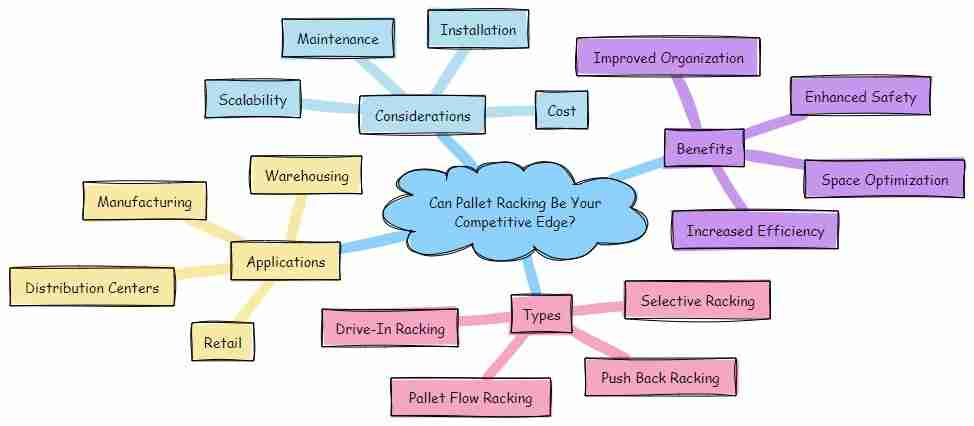
How Do Safety Features Differ Between The Two Racking Systems?
How Do Safety Features Differ Between The Two Racking Systems?
- Safety features are crucial in warehousing and storage solutions.
- Selective racking offers clear visibility and access, improving efficiency and reducing accidents.
- Wider aisles in selective racking enhance safe maneuvering for employees.
- Safety accessories like mesh pallet supports enhance the stability of selective racking.
- Drive-in racking is space-efficient but comes with higher safety risks due to its FILO approach.
- Stringent safety protocols and proper training can significantly reduce incidents in drive-in racking systems.
- Choosing between the racking systems should consider safety needs alongside efficiency and cost.

How Do Safety Features Differ Between The Two Racking Systems?
Can Cantilever Racking Be Customized For Specific Needs?
In today’s fast-paced business environment, flexibility isn’t just a nice-to-have; it’s a fundamental requirement for success. Professionals in warehousing, logistics, and manufacturing understand that a one-size-fits-all approach too often leads to inefficiencies and lost revenue. Enter cantilever racking—a solution designed to cater to the unique needs of your business, and the flexibility to customize it can be a game-changer.
Cantilever racking systems are inherently adaptable, allowing you to adjust not only the height and width of the racks but also their structural design, based on your inventory’s characteristics. For instance, if you’re in the lumber industry, you might need longer arms to safely store heavy beams or planks. A customized cantilever rack can be engineered to accommodate these larger items, increasing safety while maximizing space. Recently, we’ve seen companies in timber and construction leverage customized racking to boost operational efficiency, resulting in improved turnover rates.
Take, for example, the booming e-commerce sector, where every square foot of warehouse space counts. Many businesses are transitioning to a multi-level warehouse design to keep up with demand. By customizing cantilever racks for their diverse inventory—from bulky furniture to small consumer electronics—they’re able to optimize storage and retrieval processes. Adding adjustability to arm lengths means that different types of inventory can coexist without wasting valuable space, ensuring every corner of your operation is working for you.
Moreover, consider the shift towards sustainability in warehousing. Customization isn’t limited to dimensions; it can also involve materials and finishes. With more organizations focusing on reducing their carbon footprint, companies are opting for racks fabricated from recycled materials or treated with eco-friendly coatings. This not only meets strict regulatory requirements but also enhances your brand’s image as a responsible entity.
In essence, customized cantilever racking is not just a logistical solution; it’s a strategic weapon. The ability to design a racking system that fits your exact specifications empowers businesses to streamline operations and ultimately create a direct pathway to profit.
So, whether you’re a burgeoning startup gearing up for growth, or an established player in need of an upgrade, the versatility of customized cantilever racking puts you one step ahead. As market demands continue to evolve, now is the time to align racking solutions to your unique operational needs. Don’t let generic systems hold you back—embrace customization and watch your efficiency soar.

Can Cantilever Racking Be Customized For Specific Needs?
Can Cantilever Racking Be Customized For Specific Needs?
- Flexibility is essential for success in today’s fast-paced business environment, especially in warehousing, logistics, and manufacturing.
- Cantilever racking offers adaptability by allowing adjustments to height, width, and structural design based on inventory needs.
- Industries like lumber benefit from customized cantilever racks, which enhance safety and maximize storage space.
- The e-commerce sector is using multi-level warehouse designs along with customizable cantilever racks to optimize storage and retrieval processes.
- Customization can include not just dimensions, but also eco-friendly materials and finishes, supporting sustainability goals.
- Customized cantilever racking serves as a strategic tool that helps businesses streamline operations and increase profitability.
- Companies are encouraged to embrace customization in their racking solutions to enhance efficiency and stay competitive.

Can Cantilever Racking Be Customized For Specific Needs?
What Are The Typical Weight Capacities For Each Racking Type?
When it comes to maximizing storage space in your warehouse or retail environment, understanding the weight capacities of various racking systems is crucial. The right racking not only helps keep your products organized but also ensures safety and operational efficiency. Let’s break down the typical weight capacities for some popular racking types.
Selective Racking
One of the most versatile and widely used racking systems, selective racking typically has weight capacities ranging from 1,500 to 3,000 pounds per shelf level. This means, for warehouses that store a variety of products, from pallets of food items to heavy machinery parts, selective racking is your go-to solution. An example would be a supermarket distribution center that uses selective racking for heavy cases of beverages, utilizing the robust ability of the system to handle substantial weights.
Drive-In and Drive-Through Racking
For operations looking to maximize space while facilitating easy access, drive-in and drive-through racking is invaluable. These systems can handle weight capacities of up to 4,000 pounds per pallet space—ideal for high-density storage like frozen foods or bulk raw materials. As we witness an increase in e-commerce fulfillment centers, especially post-pandemic, these racking solutions have surged in popularity due to their ability to stack products up to 10 pallets high, making every inch of vertical space count.
Cantilever Racking
If you’re dealing with oversized or irregularly shaped items, cantilever racking shines brightly. With typical weight capacities between 2,000 to 6,000 pounds per arm, this system is perfect for storing lumber, pipes, or furniture. A company specializing in home improvement products can utilize cantilever racking to safely display long sections of wood or metal without compromising quality or safety, making them a favorite in hardware aisles.
Pallet Flow Racking
Ideal for FIFO (First In, First Out) inventory management, pallet flow racking can typically support 2,500 to 3,000 pounds per pallet position. This system is particularly beneficial for industries that deal in perishable goods, such as grocery or food service operations, which are constantly evolving to meet consumer demand. This ensures that products move quickly and that you’re not left with expired inventories.
Conclusion
Choosing the right racking system is more than just a smart investment; it’s about tailoring your storage solutions to meet your operational needs while ensuring safety and efficiency. Whether you’re dealing with light products or heavy machinery, understanding the weight capacities of your racking options can help you maximize space, enhance accessibility, and ultimately, boost your bottom line. In today’s competitive landscape, this knowledge is essential for navigating the complexities of storage. So, evaluate your needs, leverage the right racking system, and watch your productivity soar.

What Are The Typical Weight Capacities For Each Racking Type?
What Are The Typical Weight Capacities For Each Racking Type?
- Understanding weight capacities of racking systems is essential for maximizing warehouse storage space.
- Selective racking is versatile with weight capacities between 1,500 to 3,000 pounds per shelf level, suitable for diverse products.
- Drive-in and drive-through racking can hold up to 4,000 pounds per pallet space, ideal for high-density storage, especially in e-commerce.
- Cantilever racking supports 2,000 to 6,000 pounds per arm, great for oversized or irregularly shaped items like lumber and pipes.
- Pallet flow racking typically manages 2,500 to 3,000 pounds per pallet position and is effective for FIFO inventory systems.
- Selecting the right racking system enhances safety, efficiency, and accessibility in storage solutions.
- Proper evaluation of racking needs can significantly boost productivity and bottom line in competitive environments.

What Are The Typical Weight Capacities For Each Racking Type?
How Does Inventory Accessibility Vary Between Racking Systems?
In the fast-paced world of logistics and warehousing, where every second counts, the design and type of racking system you implement can dramatically affect your inventory accessibility. Picture yourself in a bustling warehouse: a staff member frantically searching for a crucial item, while orders pile up. The type of racking system in place could either propel your business forward or drag it into the quagmire of inefficiency.
Consider selective racking, the stalwart of warehousing solutions. This system offers the greatest direct access to products, allowing workers to retrieve items without navigating through the maze of auxiliary racks. With pallets stacked one by one in rows, you can easily identify and pick products. Retail giants like Amazon have honed their operations around this principle, investing in large-scale selective racking to facilitate fast-paced order fulfillment. However, while accessibility is an asset, the compromise is floor space; selective racking can consume substantial warehouse real estate if you’re managing a high volume of SKUs.
On the other side of the spectrum, we see drive-in racking systems, which maximize space efficiency by allowing forklifts to “drive in” to store pallets. This system is ideal for businesses dealing with large volumes of a limited range of products—think of bulk commodity distributors. But this conceptual ‘ease’ comes with a catch: limited access to inventory. If you need a specific item from the middle of the stack, you may first have to remove several items ahead of it, leading to time lost and increased labor costs.
Let’s not forget about mobile racking systems, bringing modern innovation into the fray. With sectors like pharmaceuticals and perishable goods prioritizing quick accessibility due to rapidly changing inventory demands, mobile racking can be a game-changer. These adjustable units shift in unison to create inline access to products, significantly reducing aisle space and enhancing access. Yet, such sophistication comes with a price—both in terms of initial investment and ongoing maintenance.
Current events underscore the urgency of choosing the right system. As businesses grapple with global supply chain disruptions, the need for adaptable and efficient inventory management systems has never been greater. The right racking solutions can streamline operations while keeping pace with a fluctuating market environment.
In essence, the decision you make today regarding your racking system can lead to either seamless order processing and efficiency—transforming your operations—or a bottleneck that ultimately stifles growth. The question isn’t just what products to stock, but how to access them efficiently when the stakes are high. Choose wisely, and watch your operations soar.

How Does Inventory Accessibility Vary Between Racking Systems?
How Does Inventory Accessibility Vary Between Racking Systems?
- Warehouse racking systems significantly impact inventory accessibility and operational efficiency.
- Selective racking provides direct access to items, benefiting fast-paced environments like those used by Amazon.
- This system allows easy identification and picking but can occupy substantial floor space in high SKU environments.
- Drive-in racking systems maximize space efficiency but limit access to inventory, leading to potential delays.
- Mobile racking systems enhance accessibility by adjusting to create inline access, ideal for rapidly changing inventories.
- Choosing the right racking system is crucial, especially amid global supply chain challenges, for streamlined operations.
- The decision on racking can either facilitate seamless order processing or create bottlenecks that hinder growth.

How Does Inventory Accessibility Vary Between Racking Systems?
What Are The Common Applications For Cantilever Racking?
In an ever-evolving marketplace, businesses demand storage solutions that maximize efficiency while minimizing hassle. Enter cantilever racking, the unsung hero of warehouse and industrial storage systems. This versatile shelving solution is tailored to accommodate a myriad of inventory types, making it an indispensable asset across various industries.
1. Lumber and Building Materials:
Imagine a lumber yard brimming with various wood lengths and thicknesses. Cantilever racking shines in this environment, boasting arms that extend outwards to hold longer items, effectively utilizing vertical space. In 2022, a surge in home renovation fueled by the pandemic inspired more businesses to invest in lumber storage solutions. With cantilever racks, companies can easily access building materials without the cumbersome task of moving stacked inventory, ultimately boosting productivity.
2. Manufacturing and Industrial Parts:
The manufacturing sector is a hive of activity, where tools, machinery parts, and components are constantly on the move. Cantilever racks step in here, offering robust support for heavy items like pipes, steel tubes, and other irregular shapes. For instance, a recent study by the National Association of Manufacturers showed a 5% increase in U.S. manufacturing output, reinforcing the need for efficient storage solutions that keep operations running smoothly while maximizing floor space.
3. Automotive and Sheet Metal Storage:
As the automotive industry ramps up production post-pandemic, efficient material handling becomes paramount. Cantilever racks are ideal for storing large sheets of metal, allowing easy access and reducing the risk of damage to materials. In automotive assembly plants, reducing downtime is crucial, and with the right racking system, manufacturers can streamline their supply chain processes and ensure parts are always accessible when needed.
4. Retail Displays:
In the retail realm, visual appeal intertwines with functionality. Cantilever racking serves as a vital display structure, particularly for seasonal items such as patio furniture or garden supplies. With arms customized to hold various product shapes, retailers can create eye-catching displays that attract customers while efficiently organizing inventory. Recent seasonal trends suggesting a surge in outdoor living products have led retailers to embrace these innovative racking solutions for better presentation.
5. Specialty Stores and Warehousing:
From bicycles in a sporting goods store to textiles in a fabric warehouse, cantilever racking serves specialized needs with aplomb. Its adjustable arms cater to different inventory heights and weights, allowing flexibility in stock management. With e-commerce growth showing no signs of slowing, investment in adaptable storage systems is key to remaining competitive in a crowded market.
The applications for cantilever racking are as diverse as the businesses that depend on them. By offering unparalleled support for a wide range of materials, these storage solutions not only enhance operational efficiency but also pave the way for businesses to thrive in today’s fast-paced environment.

What Are The Common Applications For Cantilever Racking?
What Are The Common Applications For Cantilever Racking?
- Cantilever racking maximizes storage efficiency: Ideal for various inventory types across diverse industries.
- Perfect for lumber and building materials: Optimizes vertical space in lumber yards, enhancing accessibility and productivity.
- Supports manufacturing and industrial parts: Provides robust storage for heavy and irregular items, aiding operational efficiency.
- Enhances automotive and sheet metal storage: Facilitates easy access to large materials, reducing downtime in assembly plants.
- Utilized for retail displays: Offers customizable arms for attractive product presentations, improving organization and appeal.
- Meets specialized needs in stores and warehouses: Flexible storage solutions for varying heights and weights, supporting diverse inventory.
- Boosts competitiveness in e-commerce: Investment in adaptable racking systems is essential for thriving in a fast-paced market.

What Are The Common Applications For Cantilever Racking?
Conclusion
In the final analysis, choosing between cantilever racking and traditional pallet racking boils down to understanding your unique business requirements and operational nuances. Both systems have distinct advantages that bring considerable efficiency and organization to warehouses, but the decision ultimately hinges on your inventory type, operational flexibility, and long-term strategic goals.
Cantilever racking excels in flexibility. Designed for those who handle long or irregularly shaped items—such as lumber, pipes, and automotive parts—these racks allow businesses to maximize vertical space while maintaining easy access. This superior adaptability is becoming increasingly vital in today’s fast-paced economy where businesses must pivot quickly to meet evolving market demands. Companies that have embraced cantilever systems report significant increases in productivity; for instance, businesses have noted enhancements in picking speed and efficiency by up to 25%. Imagine the competitive advantage you could gain by eliminating clutter and streamlining your operations—it’s a win-win!
On the flip side, traditional pallet racking offers unparalleled support for uniform, standard-sized pallets, thus facilitating efficient inventory management and retrieval processes. This makes it an invaluable asset for large-scale distribution centers and retail operations striving for speed and precision. Businesses like Amazon have leveraged pallet racking innovations to enhance operational performance, turning extensive inventories into streamlined systems that cater to rapid order fulfillment.
Importantly, consider the long-term financial implications of each system. While cantilever racking may entail a higher initial investment, its flexibility often translates to cost savings over time by minimizing labor hours and maximizing throughput. Conversely, traditional pallet racking systems may be more budget-friendly upfront, but as requirements change, the costs associated with inefficiencies could escalate quickly.
As you contemplate your investment, prioritize not just the immediate costs, but the overall value each solution brings to your operational efficiency and safety. Ask yourself: Are you prepared to adapt and thrive in a dynamic marketplace? If yes, it’s time to act.
To seize the opportunity before you and embark on your journey towards revolutionary warehouse efficiency, contact Arrow Industrial Sales today at (574) 349-6575. Don’t let outdated systems hold you back; the right racking solution is just a phone call away. With pressing market dynamics and industry changes, the time to act is now. Your operational excellence is literally at your fingertips!

Conclusion
Conclusion:
- Choosing between cantilever racking and traditional pallet racking depends on unique business requirements and operational nuances.
- Cantilever racking is ideal for long or irregularly shaped items, maximizing vertical space and providing easy access.
- Businesses utilizing cantilever systems report up to a 25% increase in productivity and picking speed.
- Traditional pallet racking supports standard-sized pallets, enhancing inventory management and retrieval processes.
- Long-term financial implications include potential cost savings with cantilever racking despite higher initial investments.
- Traditional pallet racking may be budget-friendly initially but can incur inefficiencies as requirements change.
- Consider overall value and operational efficiency when making a decision; the right solution can significantly impact your business.

Conclusion
Other Resources

Other Resources
Here is a list of other resources you can review online to learn more:
- “Cantilever Racking & Lumber Racking for Warehouse”
- “Cantilever Racks: The Secret Piece to Handling …”
- “Cantilever Racking Systems Market 2024 Growth …”
- “Pallet Racking (Selective Storage Racks)”
- “Cantilever Racking – Heavy Duty Online Rack Builder”
- “Cantilever Racking”
- “Furniture and timber industry | Racking systems”
- “Cantilever Racks”

Other Resources
Glossary Terms
How Does Cantilever Racking Compare to Traditional Pallet Racking? – Glossary Of Terms
1. Cantilever Racking: A type of racking system designed to store long, heavy items, such as lumber or pipes, that are difficult to store on traditional pallet racks.
2. Traditional Pallet Racking: A widely used storage system that involves horizontal rows where pallets are stored on shelves for easy access and inventory management.
3. Load Capacity: The maximum weight that a racking system can safely hold without risk of collapse or failure.
4. Storage Density: The amount of storage space utilized effectively; higher storage density maximizes warehouse space.
5. Accessibility: Refers to how easily items can be retrieved from a racking system, which is often prioritized in warehouse design.
6. Beam: A horizontal component of both cantilever and pallet racking systems that supports the load being stored.
7. Column: The vertical support structure in racking systems; provides stability and strength to the overall design.
8. Forklift Compatibility: The ability of a racking system to accommodate various types of forklifts, which is crucial for efficient operation.
9. Shelving: Horizontal surfaces within racking systems designed to hold products or materials.
10. Customization: The ability to modify racking systems based on specific storage needs, including size, height, and configuration.
11. Versatility: The capability of a racking system to adapt to different types of products, from small parts to bulky items.
12. Aisle Width: The distance between racking rows; narrower aisles can save space but may limit accessibility.
13. Safety Regulations: Guidelines and standards established to ensure safe use and operation of racking systems, protecting workers and inventory.
14. Horizontal Load: The weight distributed along the length of a racking beam in cantilever systems, influencing design and load ratings.
15. Vertical Load: The weight imposed directly downward on a racking system, critical for determining design strength and stability.
16. Installation: The process of setting up a racking system, which requires proper planning and expertise for safety and efficiency.
17. Reconfiguration: The ability to change the layout of a racking system to adapt to new storage needs or improve workflow.
18. Structural Integrity: The ability of a racking system to maintain its shape and strength under load without bending or collapsing.
19. Pallet Size: The dimensions of pallets used in traditional pallet racking, which can vary and impact racking configurations.
20. Product Rotation: The practice of organizing inventory items to facilitate the first-in, first-out (FIFO) method, especially important in perishable goods.
21. Heavy-Duty Storage: Specialty racking systems designed to hold particularly heavy items beyond the standard capacity of regular racking.
22. Occupancy Rate: The percentage of available storage space utilized efficiently within a warehouse or storage facility.
23. Cost-Effectiveness: An evaluation of how a racking system meets storage needs efficiently in terms of upfront investment and operational costs.
24. Maintenance: The routine inspections and repairs required to ensure the ongoing safety and functionality of a racking system.
25. Space Utilization: The effective use of available warehouse space for storage; focuses on optimizing layout and racking choices.
26. Durability: The ability of a racking system to withstand wear, pressure, or damage over time, ensuring long-term use.
27. Inventory Management: Techniques and practices for tracking and controlling stock levels, often enhanced by the choice of racking system.
28. Workflow Efficiency: The effectiveness of processes within a warehouse, often impacted by racking design, layout, and accessibility.
29. Load Distribution: The way weight is spread across a racking system; proper load distribution is essential for preventing damage.
30. Warehouse Layout: The overall design and arrangement of storage systems, aisles, and work areas within a warehouse for optimal operation.

Glossary Of Terms
Other Questions
How Does Cantilever Racking Compare to Traditional Pallet Racking? – Other Questions
If you wish to explore and discover more, consider looking for answers to these questions:
- What are the main differences in cost between cantilever and traditional pallet racking?
- What industries benefit the most from cantilever racking?
- How does the installation process differ between cantilever and traditional pallet racking?
- What safety regulations should be followed for both racking systems?
- How does the maintenance schedule differ for cantilever and pallet racking systems?
- What is the typical lifespan of cantilever racking compared to traditional pallet racking?
- How does each racking system handle different environmental conditions (e.g., moisture, temperature)?
- Can cantilever racking be used in outdoor settings?
- What load distribution methods are recommended for each racking type?
- Are there financing options available for investing in new racking systems?
- How does inventory turnover influence the choice between cantilever and pallet racking?
- What are the customization options available for traditional pallet racking?
- How can technology be integrated with racking systems for better efficiency?
- What common mistakes should businesses avoid when selecting a racking system?
- How do these racking systems impact workplace ergonomics and worker safety?
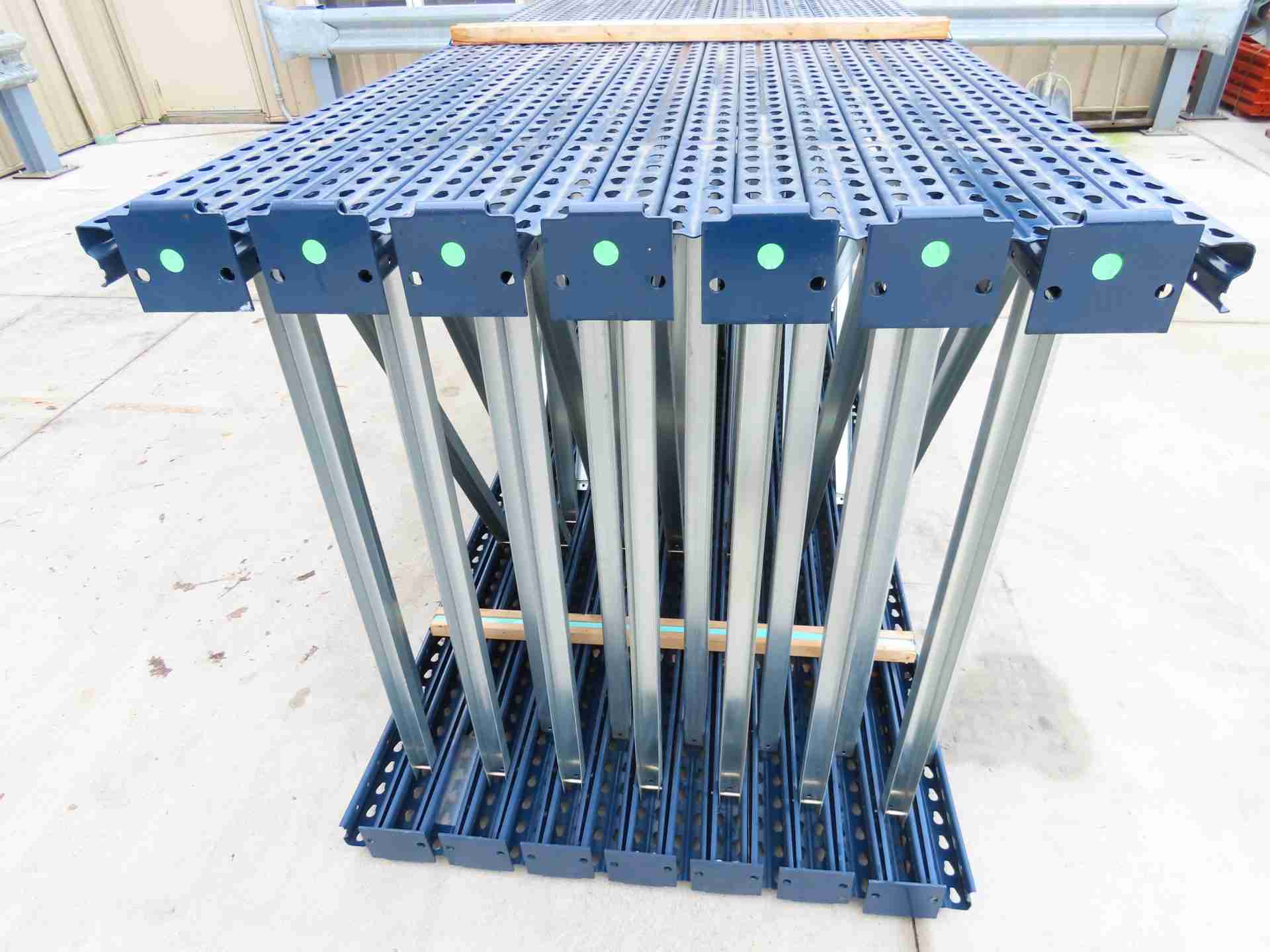
Other Questions
Checklist
How Does Cantilever Racking Compare to Traditional Pallet Racking? – A Checklist
Checklist: Evaluating Your Racking Needs – Cantilever vs. Traditional Pallet Racking
Understanding Your Inventory Requirements
_____ Identify the types of products you store (e. g. , long, bulky items, standard pallets).
_____ Determine the average weight of the items to be stored.
_____ Assess the shape and size variability of your inventory (regularly shaped vs. irregularly shaped).
Space Utilization Analysis
_____ Measure your warehouse dimensions (floor space, height).
_____ Evaluate current aisle widths and clearance requirements for forklifts.
_____ Analyze how much vertical space you currently utilize and how you can expand it.
Flexibility and Adaptability
_____ Consider whether your inventory fluctuates in size or type — will you need to reconfigure your storage often?
_____ Research customization options available for both cantilever and pallet racking systems.
_____ Determine if your operations will benefit from adjustable racking systems.
Cost Evaluation
_____ Compare initial purchasing and installation costs for cantilever and traditional pallet racking.
_____ Calculate potential long-term savings in labor and efficiency with each system.
_____ Assess potential maintenance costs and durability for each racking type over time.
Safety and Compliance
_____ Review safety features available with both racking systems (e. g. , load capacities, stability measures).
_____ Investigate compliance with OSHA and relevant safety regulations for warehousing.
_____ Create a regular maintenance checklist for each system to ensure safety.
Accessibility and Inventory Management
_____ Analyze how quickly and easily your inventory can be retrieved with each type of racking.
_____ Consider the workflow and how each system affects the efficiency of picking and storing goods.
_____ Review the need for safety accessories (e. g. , guard rails, mesh supports) to enhance worker safety.
Industry-Specific Applications
_____ Identify industries similar to yours that successfully utilize either racking system.
_____ Research case studies or testimonials from businesses that have made a transition to either system.
_____ Evaluate which racking system aligns with the operational trends in your industry.
Future Considerations
_____ Anticipate how your storage needs may change in the future (e. g. , expansion, new product lines).
_____ Assess the ability of each system to keep pace with evolving logistics and e-commerce demands.
_____ Plan for scalability — can the chosen racking system grow with your business?
By following this checklist, you can make an informed decision between cantilever racking and traditional pallet racking, tailored to your business’s specific requirements.

Checklist
At RackingWorld, we help guide you through selecting warehouse storage systems and racking.
Be sure to read our other related stories at RackingWorld to learn more about warehouse storage systems.
0 Comments