
Ensuring OSHA Compliance For Your Shelving Needs
By Tom Seest
At RackingWorld, we help guide you through selecting warehouse storage systems and racking.
Be sure to read our other related stories at RackingWorld to learn more about warehouse storage systems.
Do OSHA Shelving Requirements Exist?
Do OSHA Shelving Requirements Exist?
When it comes to industrial shelving, many business owners grapple with the question: Are there specific OSHA shelving requirements I need to follow? While it’s an essential query, the answer is both straightforward and complex. OSHA, the Occupational Safety and Health Administration, doesn’t have explicit shelving standards. However, their regulations set the groundwork that indirectly impacts how you set up your storage systems.
First and foremost, OSHA mandates that employers must provide a workplace that is free from recognized hazards. This principle extends to shelving systems, which must be installed and maintained safely. For example, if you’re using heavy-duty shelving in a warehouse, it must be able to hold the intended weight without risks of collapse. OSHA does recommend following guidelines laid out by other organizations like ANSI and the National Fire Protection Association (NFPA). Following these recommendations not only ensures safety but also paints you as a responsible business owner committed to workplace well-being.
Take, for instance, recent events in the warehousing sector, where an uptick in e-commerce has resulted in increased product storage demands. A notable case occurred last year when a major online retailer faced scrutiny after an accident involving improperly stacked shelves led to injuries. The incident underscored the importance of maintaining a well-organized storage system that adheres, even loosely, to safety regulations. By investing in sturdy shelving that meets industry standards, businesses can mitigate risks and avoid financial repercussions stemming from OSHA investigations.
Remember, it’s not just about avoiding fines; maintaining proper shelving can enhance productivity. Efficient organizations know that cluttered or inadequate storage can hinder workflow. Imagine a facility where workers spend minutes searching for products versus one where clear, sturdy shelving allows for instant access. It’s a productivity powerhouse.
Additionally, consistency in shelving setups across locations can streamline training and onboarding. With warehouses operating under similar standards, new employees can quickly acclimate, reducing downtime. Consider implementing regular safety audits that inspect your shelving systems’ integrity and capacity. This proactive approach does not just satisfy OSHA’s mandate for safety; it also reflects a forward-thinking business model.
While you may not find a specific section on shelving requirements in OSHA’s guidelines, the principles of workplace safety demand that you take shelving seriously. Prioritize compliance and safety, and watch as your organizational efficiency and employee morale flourish. Embrace the intricacies of shelving today — your bottom line and your workforce will thank you.
Do OSHA Shelving Requirements Exist?
Do OSHA Shelving Requirements Exist?
- OSHA does not have explicit shelving standards but regulates workplace safety indirectly affecting shelving systems.
- Employers must ensure that workplaces are free from recognized hazards, including hazards related to shelving.
- Heavy-duty shelving must be able to support intended weights to prevent collapse risks.
- Following guidelines from organizations like ANSI and NFPA is recommended for ensuring safety and compliance.
- Recent incidents in warehouses emphasize the importance of well-organized and safe shelving to avoid injuries and financial repercussions.
- Proper shelving not only mitigates risks but also enhances productivity by reducing clutter and improving access to products.
- Consistency in shelving setups across locations can facilitate employee training and reduce downtime, highlighting the importance of regular safety audits.

Do OSHA Shelving Requirements Exist?
Table Of Contents
- Do OSHA Shelving Requirements Exist?
- Does OSHA Have Guidelines For Shelving Safety?
- What Are The Key OSHA Standards For Shelving?
- How Can Businesses Ensure Compliance With OSHA Shelving Rules?
- What Are Common Shelving Hazards Identified By OSHA?
- How Often Should Shelving Be Inspected According To OSHA?
- Are There Specific Load Limits For Industrial Shelving Per OSHA?
- What Type Of Shelving Is Best For Workplace Safety?
- How Does Proper Shelving Affect Employee Safety?
- What Training Is Required For Employees Regarding Shelving?
- What Penalties Exist For Violating OSHA Shelving Standards?
- How Can I Assess Shelving Stability For OSHA Compliance?
- Are There Industry-Specific Shelving Requirements Under OSHA?
- Can OSHA Inspectors Provide Guidance On Shelving Safety?
- How Do I Report Unsafe Shelving Conditions To OSHA?
- Conclusion
- Other Resources
- Glossary Of Terms
- Other Questions
- Checklist
Does OSHA Have Guidelines For Shelving Safety?
## Does OSHA Have Guidelines for Shelving Safety?
When you think about safety in the workplace, the image of a hard hat and steel-toed boots may come to mind. But what about those towering shelves filled with inventory that could pose a risk if not properly managed? The Occupational Safety and Health Administration (OSHA) recognizes the crucial role shelving plays in various work environments, from warehouses to retail spaces, and has established guidelines to ensure safety and efficiency.
OSHA’s guidelines around shelving safety focus on several key areas: stability, load capacity, organization, and employee training. For instance, one essential standard emphasizes the importance of properly anchoring shelving units, especially those that are tall and designed to hold significant weight. Imagine a busy warehouse where an overloaded shelving unit tips over, leading not only to damaged inventory but also to potential injuries. Preventive measures—like using brackets to secure shelving units to the wall—can save businesses money while protecting their workers.
Take the recent rise in e-commerce and the subsequent need for efficient storage solutions. Schools, retailers, and warehouses alike have made major investments in shelving systems to keep up. For example, during the pandemic, businesses like Amazon exponentially increased their warehousing capabilities. With this growth, the need for compliance with OSHA standards soared. Companies that neglected shelving safety could find themselves facing hefty fines or, worse, workplace accidents.
Furthermore, load capacity is crucial to shelving safety. Each shelf comes with a calculated limit, often indicated by a label. Ignoring these limits can lead to catastrophic results. Enter a trendy startup that remains in the limelight due to its rapid expansion—it showcased its trendy workspaces on social media but faced backlash when an employee reported a shelf collapse caused by overloading. By adhering to OSHA guidelines and acknowledging safety ratings, companies can avoid such negative publicity and maintain their reputations.
Employee training plays a vital role in shelving safety. Ensuring staff understand the potential risks of improper handling and storage is not just a compliance formality—it’s an investment in your workforce. Regular training sessions can empower employees to identify potential hazards and take appropriate action.
As more businesses navigate this evolving landscape, adhering to OSHA’s guidelines for shelving safety isn’t just a recommendation; it’s a business imperative. By prioritizing safety standards, you not only comply with regulations but create a positive work environment that fosters trust and productivity. Taking these proactive steps isn’t just good practice; it’s a savvy business move in a competitive marketplace. Safety and success often go hand in hand, and shelving safety is no exception.

Does OSHA Have Guidelines For Shelving Safety?
Does OSHA Have Guidelines For Shelving Safety?
- OSHA provides guidelines for shelving safety in various work environments, including warehouses and retail spaces.
- Key areas of focus include stability, load capacity, organization, and employee training.
- Proper anchoring of shelving units is essential to prevent tipping and associated injuries.
- Businesses that neglect shelving safety may face fines and increased risk of workplace accidents.
- Each shelf has a load capacity limit that, if ignored, can lead to serious accidents like shelf collapses.
- Employee training is crucial for identifying and managing potential shelving hazards.
- Adhering to OSHA guidelines enhances safety, compliance, and fosters a positive work environment.
Does OSHA Have Guidelines For Shelving Safety?
What Are The Key OSHA Standards For Shelving?
What Are The Key OSHA Standards For Shelving?
When it comes to workplace safety, understanding OSHA standards for shelving is not just a regulatory checkbox—it’s a vital component of effective risk management. Shelving units are ubiquitous in warehouses, retail environments, and even offices, but improper use and poor design can lead to serious injuries and costly fines. Navigating the myriad safety regulations can feel overwhelming, but knowing the key OSHA standards can simplify your approach and protect your business.
Firstly, one of the foundational standards is outlined in 29 CFR 1910.176, which focuses on the safe design and maintenance of material handling equipment, including shelving. This standard emphasizes that shelves must be capable of supporting the intended loads without collapsing. Imagine a busy warehouse where insufficiently robust shelving collapses under the weight of inventory, leading to not only product loss but employee injuries. This has happened before, leading to legal action and devastating financial hits for companies that cut corners.
Proper installation is equally critical. OSHA mandates that shelving units be installed following manufacturers’ guidelines, which often include anchoring methods or spacing specifications. A recent case involving a popular home goods retailer illustrates this perfectly. The retailer faced significant backlash after a shelving unit in one of their stores collapsed due to improper installation, injuring several customers and leading to a wave of negative publicity. This incident underscores the necessity of proper installation procedures as outlined by OSHA standards.
Furthermore, consider 29 CFR 1910.176(d), which mandates that “storage of materials on shelves” must allow for “sufficient clearance.” Not only does this prevent items from toppling over, but it also play a role in ensuring aisles remain unobstructed. Prevention is better than cure; ensuring clear paths can keep your workforce safe while avoiding the costly repercussions of violations—or accidents.
Additionally, your business must regularly conduct inspections and maintain records to comply with OSHA standards. This includes checking for signs of wear and tear, such as bent beams or loose brackets. Failing to perform regular inspections could invite hefty fines or worse—a serious accident that could change lives and destroy your reputation.
In summary, adhering to key OSHA shelving standards is essential—not just for the sake of compliance but for fostering a culture of safety within your organization. Stay abreast of local regulations, implement regular training, and embrace a proactive approach to shelving safety. When you create a safe environment for your employees, you not only protect your business but also set the stage for productivity and success.
What Are The Key OSHA Standards For Shelving?
What Are The Key OSHA Standards For Shelving?
- Understanding OSHA standards for shelving is crucial for workplace safety and effective risk management.
- 29 CFR 1910.176 outlines the safe design and maintenance of shelving, emphasizing load capacity to prevent collapses.
- Proper installation of shelving units according to manufacturer guidelines is mandated by OSHA to ensure safety.
- 29 CFR 1910.176(d) requires sufficient clearance for stored materials to avoid accidents and keep aisles unobstructed.
- Regular inspections and maintenance records are necessary to comply with OSHA standards and prevent serious accidents.
- Adhering to OSHA shelving standards fosters a culture of safety and helps avoid costly fines and injury incidents.
- Creating a safe workplace environment enhances productivity and sets the foundation for business success.
What Are The Key OSHA Standards For Shelving?
How Can Businesses Ensure Compliance With OSHA Shelving Rules?
How Can Businesses Ensure Compliance With OSHA Shelving Rules?
In today’s fast-paced world, compliance with Occupational Safety and Health Administration (OSHA) regulations, particularly those concerning shelving systems, is not just a legal obligation—it’s a smart business strategy. Non-compliance can lead to hefty fines, legal repercussions, and even, worse, workplace injuries. Here’s how you can ensure your business is on the right side of OSHA shelving rules with actionable insights that will protect your employees and your bottom line.
1. Conduct Regular Safety Audits
First and foremost, regular safety audits are essential. Examine your shelving system, assessing its design and positioning. Are shelves loaded evenly? Is there sufficient clearance to prevent top-heavy stacks? The recent uptick in workplace inspections since the COVID-19 pandemic resurgence has put a spotlight on materials handling practices; thus, businesses must be proactive.
For instance, a leading grocery chain found themselves on the wrong side of OSHA guidelines after a surprise inspection revealed overloaded shelves. This forced the company to implement a stringent shelving and loading protocol, resulting in a safer environment and a 20% drop in workplace incidents.
2. Provide Comprehensive Training
Training is where compliance starts. Every employee should understand rules related to shelving use, including safe loading practices and how to recognize potential hazards. Case in point, the construction sector has faced scrutiny lately for shelving not just for its weights but also for stability during installation. Hosting regular training sessions and tool talks keeps everyone informed and vigilant.
Consider not only traditional training methods but also engaging formats like interactive workshops or e-learning modules. This not only educates your staff but demonstrates your commitment to their safety.
3. Partner with Industry Experts
Don’t underestimate the power of expert advice. Collaborating with safety consultants or using resources from OSHA can provide invaluable insights on best practices tailored for your specific industry. New technologies, such as shelf monitoring systems that can alert you when weight limits are exceeded, have emerged. Implementing these can enhance your compliance efforts significantly.
4. Foster a Safety Culture
Finally, creating a culture of safety goes a long way. Encourage employees to voice their concerns about shelving safety without fear of repercussion. By integrating a safety-first mindset into your company’s DNA, you transform compliance from a chore into an everyday routine.
By applying these strategies, businesses can not only sidestep potential legal troubles but also boost employee morale and operational efficiency. Remember, a compliant workplace is a profitable workplace. The landscape of OSHA regulations may shift, but your commitment to safety should remain unwavering. Start implementing these strategies today and turn compliance into your competitive edge.
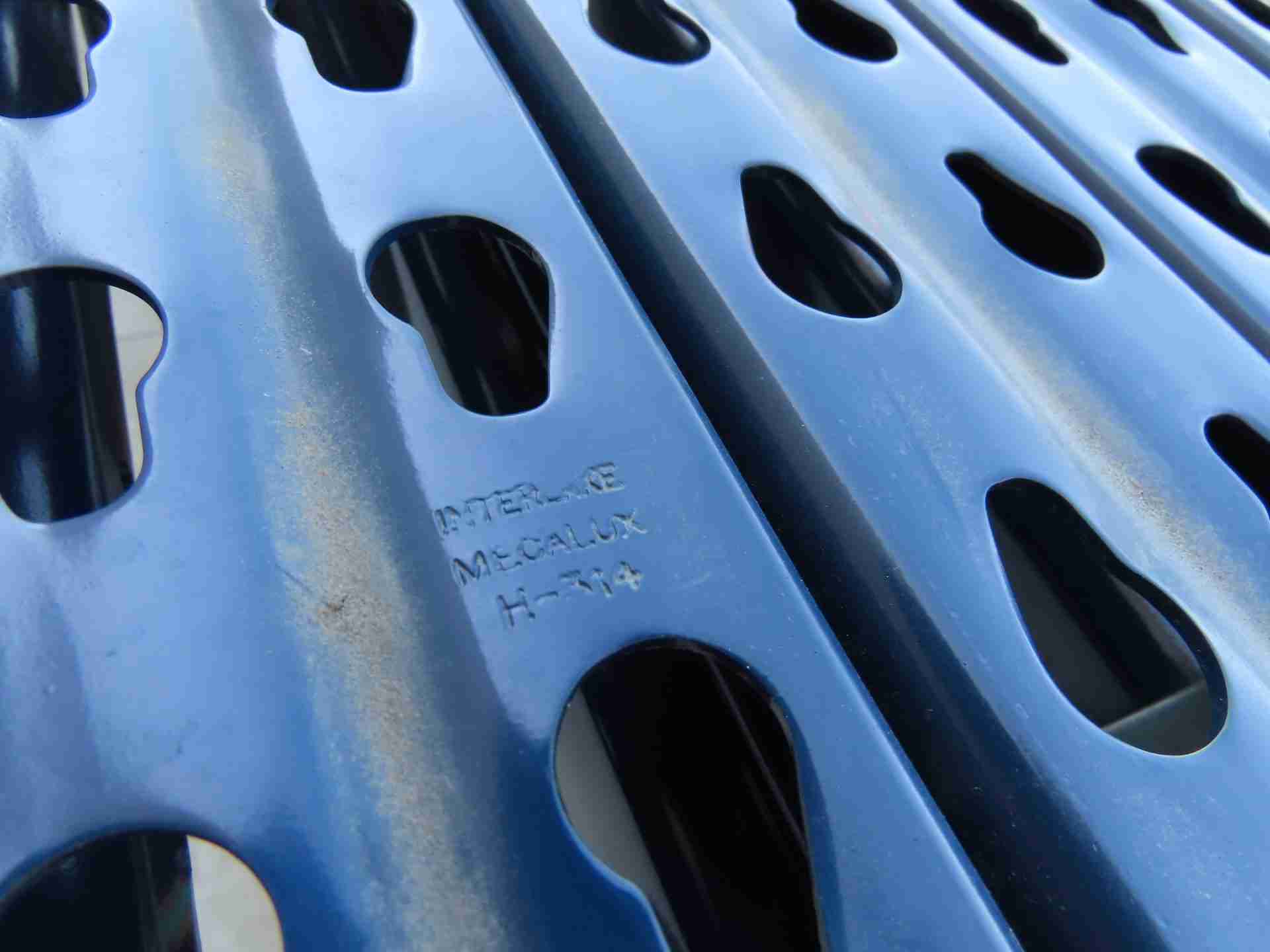
How Can Businesses Ensure Compliance With OSHA Shelving Rules?
How Can Businesses Ensure Compliance With OSHA Shelving Rules?
- Compliance with OSHA shelving rules is crucial for avoiding fines, legal issues, and ensuring workplace safety.
- Regular safety audits are necessary to assess shelving design, positioning, and loading practices.
- Training employees on shelving safety and hazard recognition is fundamental for compliance.
- Engaging training formats, such as workshops and e-learning, can enhance employee understanding and safety commitment.
- Partnering with industry experts and utilizing safety resources can provide valuable insights and improve compliance.
- Fostering a culture of safety encourages employees to report concerns without fear and integrates safety into everyday practices.
- Implementing these strategies can boost morale, operational efficiency, and turn compliance into a competitive advantage.
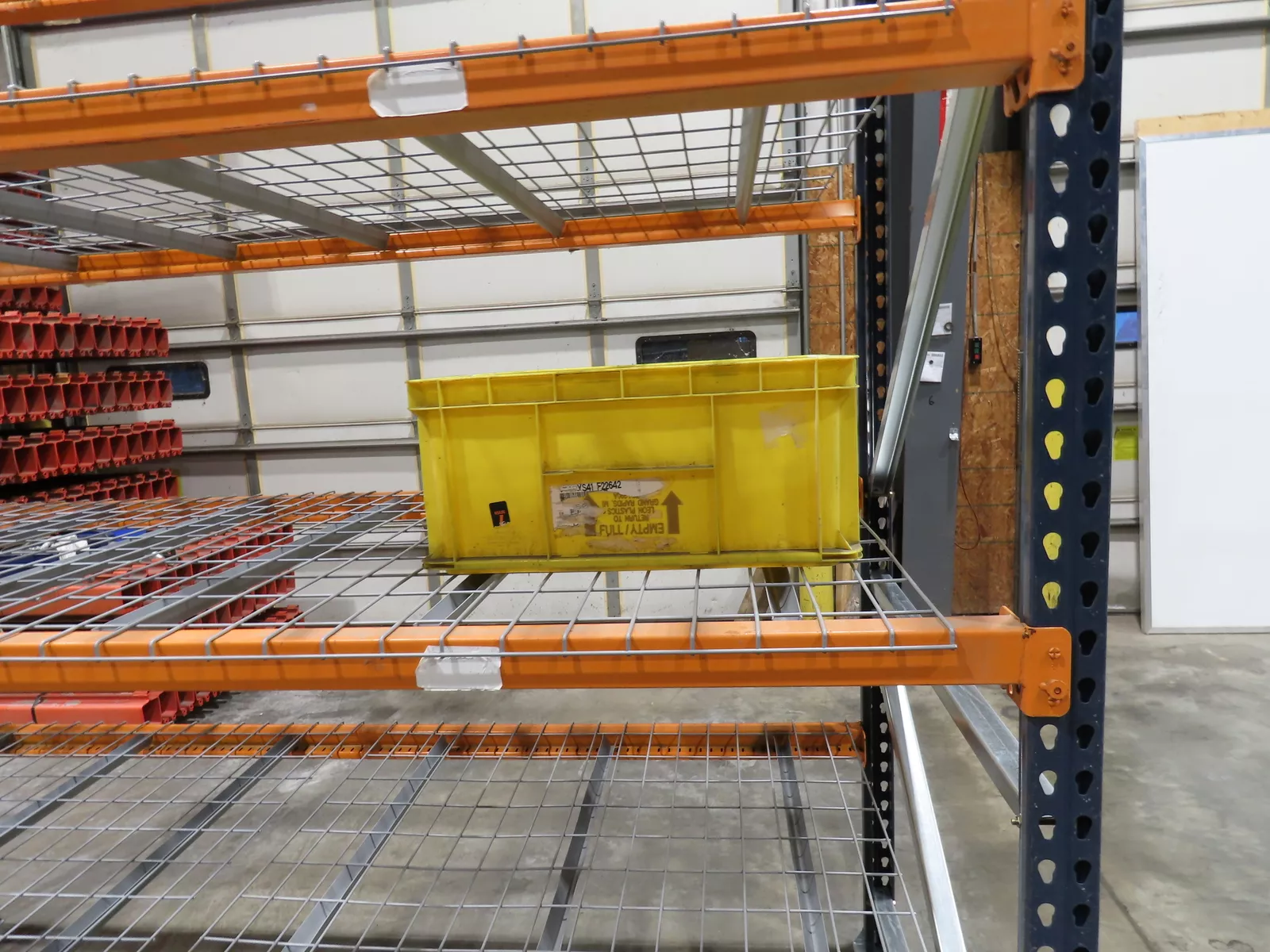
How Can Businesses Ensure Compliance With OSHA Shelving Rules?
What Are Common Shelving Hazards Identified By OSHA?
## What Are Common Shelving Hazards Identified By OSHA?
When you think about workplace safety, your mind might drift to hard hats and steel-toed boots, but lurking in every warehouse, retail space, or stockroom are hidden dangers—dangers that OSHA has meticulously documented. Shelving involves more than just putting boxes on a shelf and calling it a day. Understanding common shelving hazards is paramount for preventing accidents and ensuring a productive, injury-free environment.
1. Overloading Shelves
One of the most significant risks comes from overloading shelves. Each shelving unit has a specified weight limit for a reason. Piling boxes higher than recommended not only strains the shelves but also increases the risk of tipping and collapse. Recent reports show that companies with overloaded shelving experience a spike in workplace injuries, driving up their insurance costs and employee turnover rates. Think about it: a multi-ton stack of products crashing down can hurt not just the worker who loaded it but anyone standing nearby.
2. Improperly Installed Shelving Units
Another prevalent risk stems from poor installation. Shelving units that aren’t anchored properly can buckle under pressure. Workers often assume that they’re safe, as the shelves seem sturdy, but a hasty installation can lead to disastrous consequences. In one recent incident, a retail chain faced a lawsuit after improperly installed shelving collapsed during a busy sale, injuring multiple employees and customers. Take a moment to imagine the backlash—bad press, costly legal fees, and hurt morale.
3. Inadequate Aisle Space
Navigating through aisles that are cluttered or narrow poses another often-overlooked hazard. Employees must be able to maneuver safely without the looming threat of tripping or bumping into unstable shelves. Staying current with OSHA guidelines means ensuring that aisles are clear and wide enough for easy access. Inadequate spaces limit not only safety but also efficiency—workers spend precious time dodging hazards instead of focusing on their tasks.
4. Failure to Train Employees
Perhaps the most critical hazard is the failure to train employees adequately. Not only is lack of training against OSHA standards, but it also sets the stage for accidents. Employees should understand the risks associated with shelving, including proper loading techniques and how to recognize overloaded shelves. Training sessions can be as short as 30 minutes but can significantly reduce the risk of injury and liability.
By addressing these common shelving hazards, businesses can protect their workforce, comply with OSHA regulations, and cultivate a culture of safety. Don’t let your shelving setup become a disaster waiting to happen—eliminate hazards before they strike!
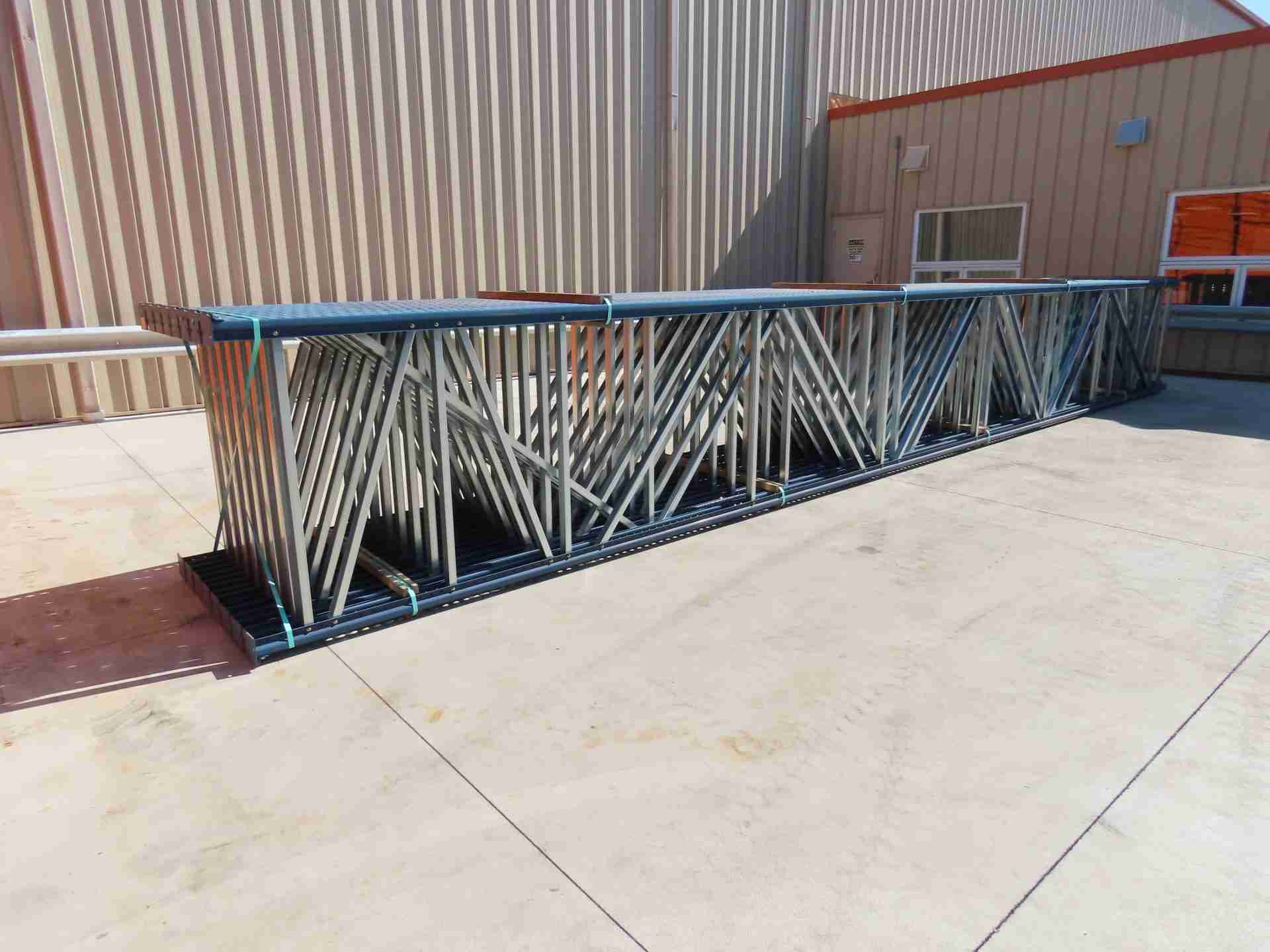
What Are Common Shelving Hazards Identified By OSHA?
What Are Common Shelving Hazards Identified By OSHA?
- Overloading shelves increases the risk of tipping and collapse, leading to injuries and higher costs.
- Improperly installed shelving units can buckle under pressure, posing safety risks to employees and customers.
- Inadequate aisle space can lead to tripping hazards, impacting workplace safety and efficiency.
- A failure to train employees on proper shelving practices creates a higher risk of accidents.
- Training employees can significantly reduce injury risks and is crucial for OSHA compliance.
- Addressing shelving hazards protects the workforce and fosters a culture of safety.
- Businesses should proactively eliminate shelving hazards to prevent potential disasters.
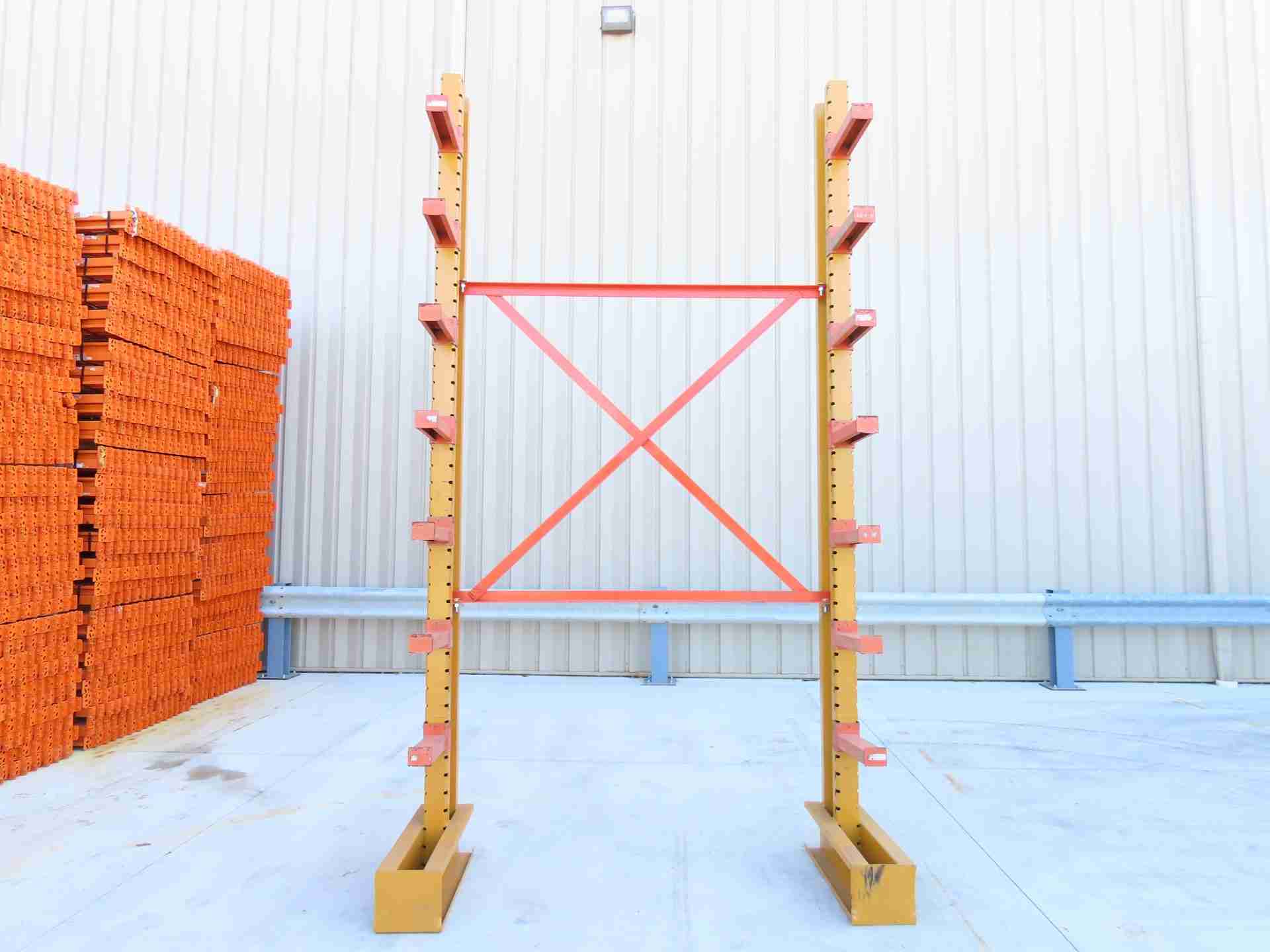
What Are Common Shelving Hazards Identified By OSHA?
How Often Should Shelving Be Inspected According To OSHA?
How Often Should Shelving Be Inspected According to OSHA?
When it comes to workplace safety, one critical aspect that often gets overlooked is shelving. These seemingly innocuous structures hold the weight of your inventory, documents, and sometimes even heavy machinery—often precariously. OSHA (Occupational Safety and Health Administration) emphasizes the necessity of regular inspections, not just to comply with regulations but to foster a safer working environment that protects your most valuable assets: your employees.
The Essential Inspection Frequency
OSHA recommends that shelving be inspected both routinely and after any significant changes to the workplace. Specifically, it suggests a thorough inspection at least annually for static shelving units and monthly for more dynamic environments where loads are frequently added or rearranged. This may sound excessive, but let’s consider the real-world ramifications of neglecting this crucial aspect of workplace safety.
Take for instance, a popular retail chain that experienced a significant injury last year when an overloaded shelf collapsed. Investigation revealed that neither the employees nor management had conducted an inspection in over six months. The fallout was not just the medical costs but a multi-million-dollar lawsuit that publicly tarnished their brand.
Create a Culture of Safety
But inspections should not just be another box to check. Make them a part of your company culture. Train employees on spotting potential issues like rust, structural stress, or signs of overloading. For example, an employee might notice that a shelf designated for heavy tools is showing signs of bending. By training staff to take these observations seriously and report them, you can potentially avoid accidents and the costs associated with them.
Even the most robust shelving systems can fail when subjected to improper loading or lack of maintenance. Implement a system where inspections are logged, and regularly review the findings to identify trends before they escalate into disasters. Technology plays a role here; consider using apps or software solutions specifically designed for safety audits and inventory management.
Be Proactive, Not Reactive
A proactive stance on shelving inspections can also provide a competitive edge. Companies that prioritize safety don’t just protect their employees; they enhance their reputations. During job interviews, potential hires are increasingly inquiring about workplace safety standards—make sure yours shine.
By instituting regular inspections aligned with OSHA standards, you safeguard your workforce, fortify your reputation, and ensure longevity in your operations. In an era where workplace safety is scrutinized more than ever, being proactive could be your best marketing strategy. Don’t wait for the incident reports to dictate your actions; take control now.

How Often Should Shelving Be Inspected According To OSHA?
How Often Should Shelving Be Inspected According To OSHA?
- OSHA emphasizes the importance of regular shelving inspections to ensure workplace safety.
- Inspections should be conducted at least annually for static shelving and monthly for dynamic environments.
- Neglecting shelving inspections can lead to serious injuries and costly lawsuits for businesses.
- Creating a culture of safety involves training employees to identify potential issues with shelving.
- Implement a logging system for inspections to track findings and spot trends before problems arise.
- A proactive inspection approach enhances company reputation and attracts potential hires concerned about safety.
- Aligning inspection practices with OSHA standards ensures workforce safety and operational longevity.
How Often Should Shelving Be Inspected According To OSHA?
Are There Specific Load Limits For Industrial Shelving Per OSHA?
Are There Specific Load Limits For Industrial Shelving Per OSHA?
When it comes to industrial shelving, understanding load limits isn’t just a matter of safety; it’s essential for the success of your business. In the fast-paced world of warehousing and industrial operations, maximizing space while ensuring compliance with safety standards is crucial. The Occupational Safety and Health Administration (OSHA) provides guidelines aimed at keeping your workforce safe and preventing costly accidents that can halt productivity.
OSHA doesn’t have a one-size-fits-all set of load limits for industrial shelving. Instead, it offers fundamental principles that employers must adhere to. The standard requires that all shelving units be capable of safely supporting the weight they’re intended to hold. This means that you not only need to know the weight-bearing capacity of your shelves but also to consider the weight distribution of the items you place on them. For example, a shelf rated to hold 500 lbs can become a liability if overstacked or loaded unevenly, leading to potential failure.
Consider a recent news story about a warehouse accident resulting from disregarding load limits. An employee was injured when a shelving unit collapsed under the weight of improperly stacked goods. The incident led to OSHA inspections and fines for the company, highlighting the importance of following protocols. Such mishaps can lead to skyrocketing medical costs and potential lawsuits, not to mention the damage to your company’s reputation.
To ensure compliance, businesses should firsthand assess their shelving systems, marking weight limits clearly. OSHA guidelines dictate that the shelving should be labeled descriptively, encompassing not just the static weight capacity but also intended uses. For instance, pallet racking systems often have specific load capacities based on individual rack configurations. Therefore, it’s prudent to consult with suppliers or experts who can guide you—after all, the safety of your employees and the sustainability of your operations may depend on it.
Additionally, regular training sessions for staff on the correct loading techniques can significantly reduce accidents. Infusing a safety-first culture within your organization can transform compliance from a mere requirement into a core value.
In summary, while OSHA doesn’t specify exact load limits for industrial shelving, the onus is on you to ensure your shelving systems are properly rated and maintained. The implications of neglecting this responsibility rippling through your operational efficiency underscore why this aspect of warehouse management is so vital. Set your business up for success—know your load limits and keep safety at the forefront of your operations.
Are There Specific Load Limits For Industrial Shelving Per OSHA?
Are There Specific Load Limits For Industrial Shelving Per OSHA?
- Understanding load limits for industrial shelving is critical for safety and business success.
- OSHA provides guidelines for load limits but doesn’t offer a standard set, emphasizing the need for proper assessment.
- Shelving units must support the specified weight, taking into account proper weight distribution to prevent collapse.
- A warehouse accident highlighted the dangers of ignoring load limits, resulting in injuries and fines for the company.
- Businesses should clearly mark weight limits on shelving and provide descriptive labels for safe use.
- Regular training on correct loading techniques can help foster a safety culture within the organization.
- Properly rated and maintained shelving systems are essential for operational efficiency and employee safety.
Are There Specific Load Limits For Industrial Shelving Per OSHA?
What Type Of Shelving Is Best For Workplace Safety?
What Type of Shelving Is Best For Workplace Safety?
In the bustling world of business, workplace safety is not just a priority; it’s a non-negotiable commitment to the health and productivity of your team. One critical component that often goes overlooked is shelving. The right shelving can enhance safety, prevent accidents, and ensure a streamlined workflow.
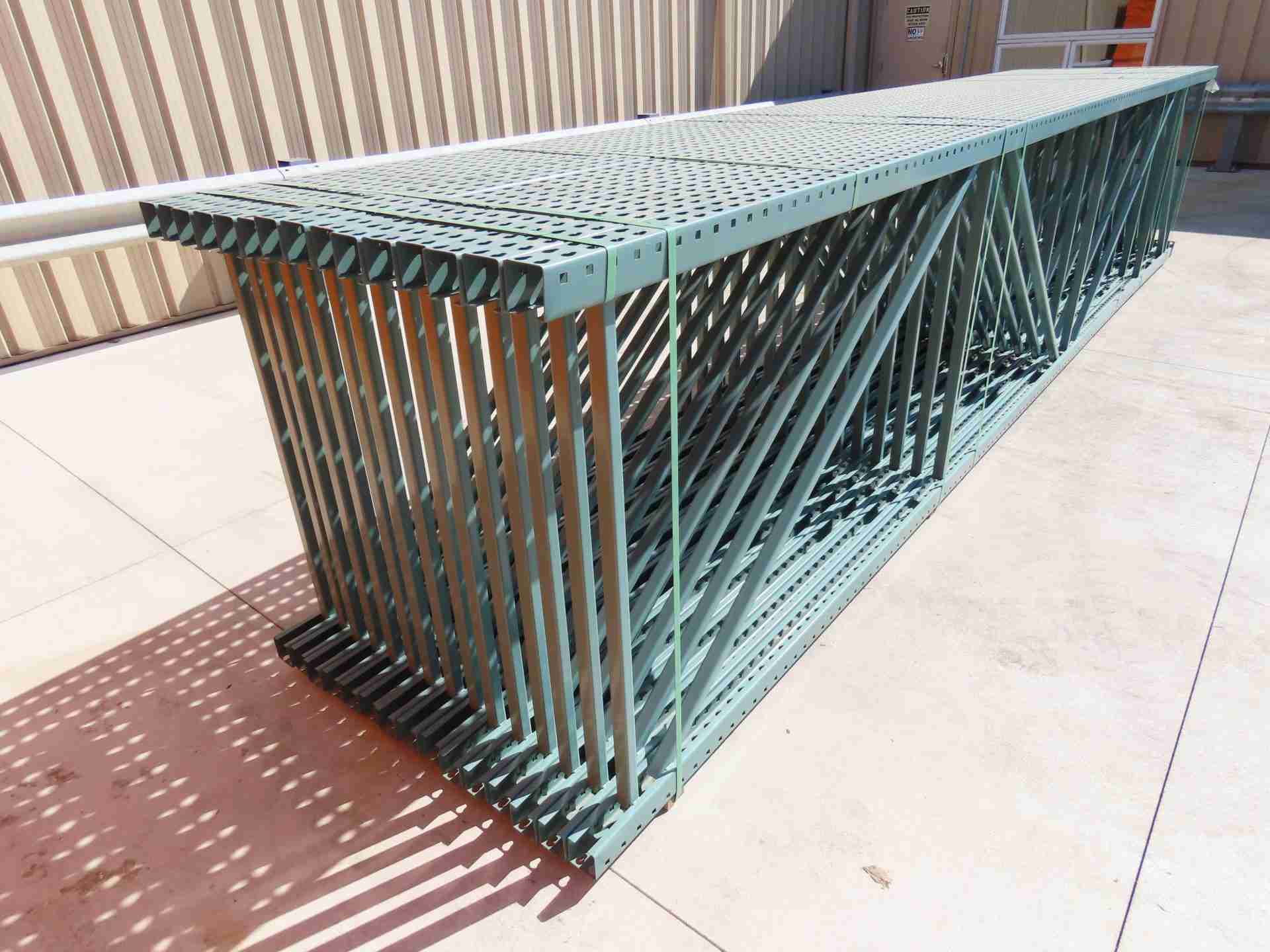
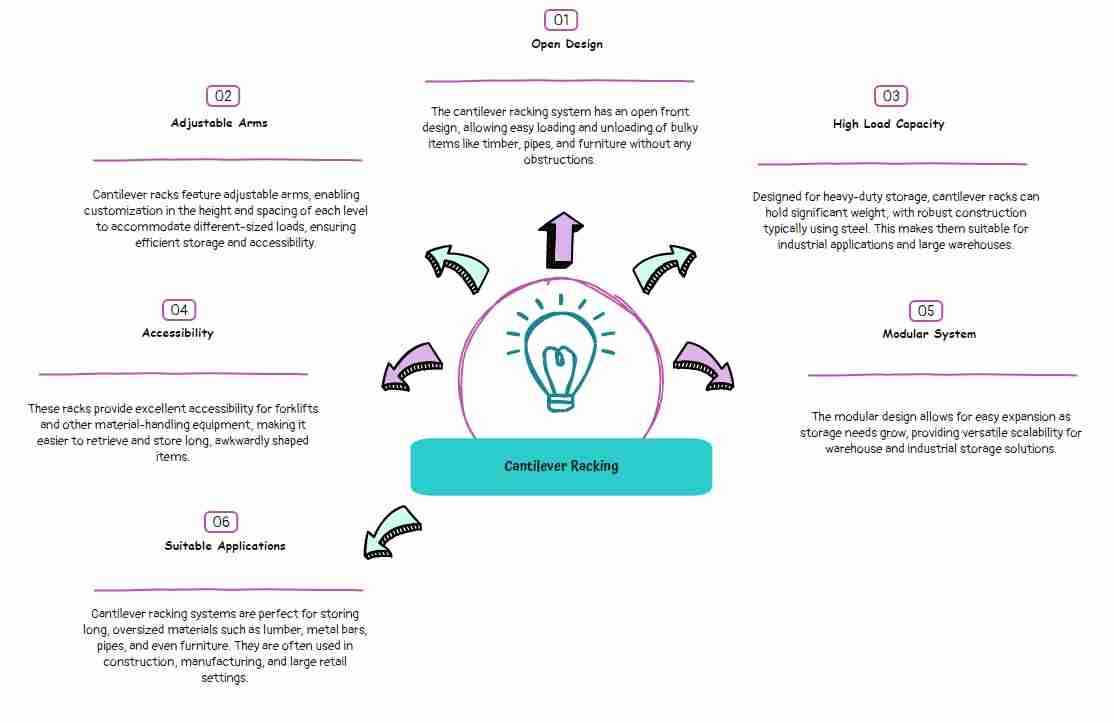
When discussing shelving options, think beyond simple storage; visualize an investment that safeguards your employees and enhances operational efficiency. For instance, heavy-duty steel shelving is a prime choice for warehouses dealing with substantial inventory. This shelving type is designed to bear heavy loads with stability, drastically reducing the likelihood of shelf collapse—a common workplace hazard. Companies like Mighty Line and Steel King have become industry leaders by producing robust products tailored for complex storage needs.
Consider the ongoing discussions around workplace safety regulations, especially in light of the recent uptick in OSHA inspections and standards updates. Businesses that fail to comply expose themselves to hefty fines and diminished employee morale. Implementing compliant shelving solutions can not only help meet safety guidelines but act as a proactive measure to foster a safe working environment. For example, the integration of shelving systems with safety features, such as built-in anti-tip brackets or safety nets, can significantly mitigate risks in high-traffic or dynamic workspaces.
Now, let’s talk organization. In chaotic environments, clutter can lead to accidents. Multi-tier shelving systems, such as modular shelving units by companies like Tennsco, allow for custom organization that fits your specific needs while promoting clean, navigable spaces. This organization not only makes it easier for employees to find and utilize materials but also reduces the chance of mishaps caused by unsecured items or disorganized stock.
Also, think about accessibility. Mobile shelving units, which can be easily relocated, are perfect for dynamic workspaces. They provide flexibility while still prioritizing safety. As businesses adapt to hybrid work models, ensuring easy access to shared resources through smart shelving solutions can enhance collaboration and decrease the risk of workplace injuries.
Opting for the right shelving isn’t just about space; it’s about safety, efficiency, and compliance. Investing in high-quality shelving tailored to your workplace needs not only boosts safety standards but showcases your commitment to fostering an environment where your employees can thrive—both securely and productively.
What Type Of Shelving Is Best For Workplace Safety?
What Type Of Shelving Is Best For Workplace Safety?
- Workplace safety is essential for employee health and productivity, with shelving being a critical component often overlooked.
- Heavy-duty steel shelving is ideal for warehouses, designed to handle substantial inventory loads and reduce risks of collapse.
- Compliance with workplace safety regulations is crucial to avoid fines and maintain employee morale, especially amid increasing OSHA scrutiny.
- Implementing shelving with safety features (e.g., anti-tip brackets) can greatly enhance safety in high-traffic areas.
- Multi-tier shelving systems, like modular units, help organize spaces, reducing clutter and potential accidents.
- Mobile shelving units offer flexibility for dynamic work environments and improve access to shared resources.
- Investing in quality shelving shows a commitment to safety, efficiency, and a thriving workplace for employees.
What Type Of Shelving Is Best For Workplace Safety?
How Does Proper Shelving Affect Employee Safety?
In today’s fast-paced work environment, the significance of proper shelving goes beyond mere organization—it’s a matter of employee safety and operational efficiency. Imagine a bustling warehouse where every inch of floor space is maximized for productivity. Now consider this: if shelving is poorly designed or maintained, it can create hazardous conditions that put employees at risk.
Proper shelving is akin to a well-oiled machine. It’s the backbone of workplace safety. When shelves are overloaded, unsteady, or improperly installed, they can pose serious threats to employees. For instance, in 2022, a large retail chain faced a lawsuit after a shelving unit collapsed, injuring an employee. This incident not only cost the company financially but also tarnished its reputation and employee morale.
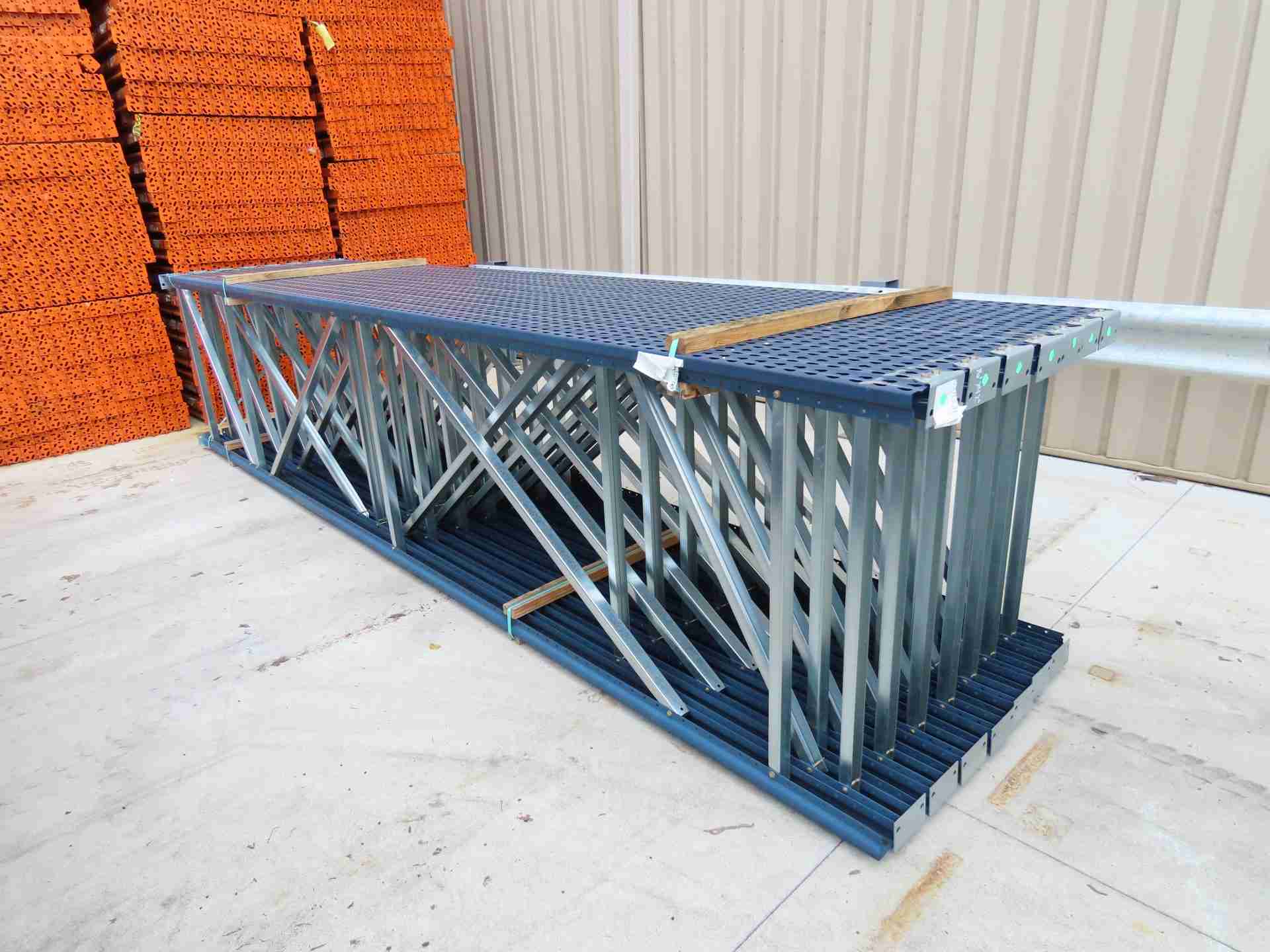
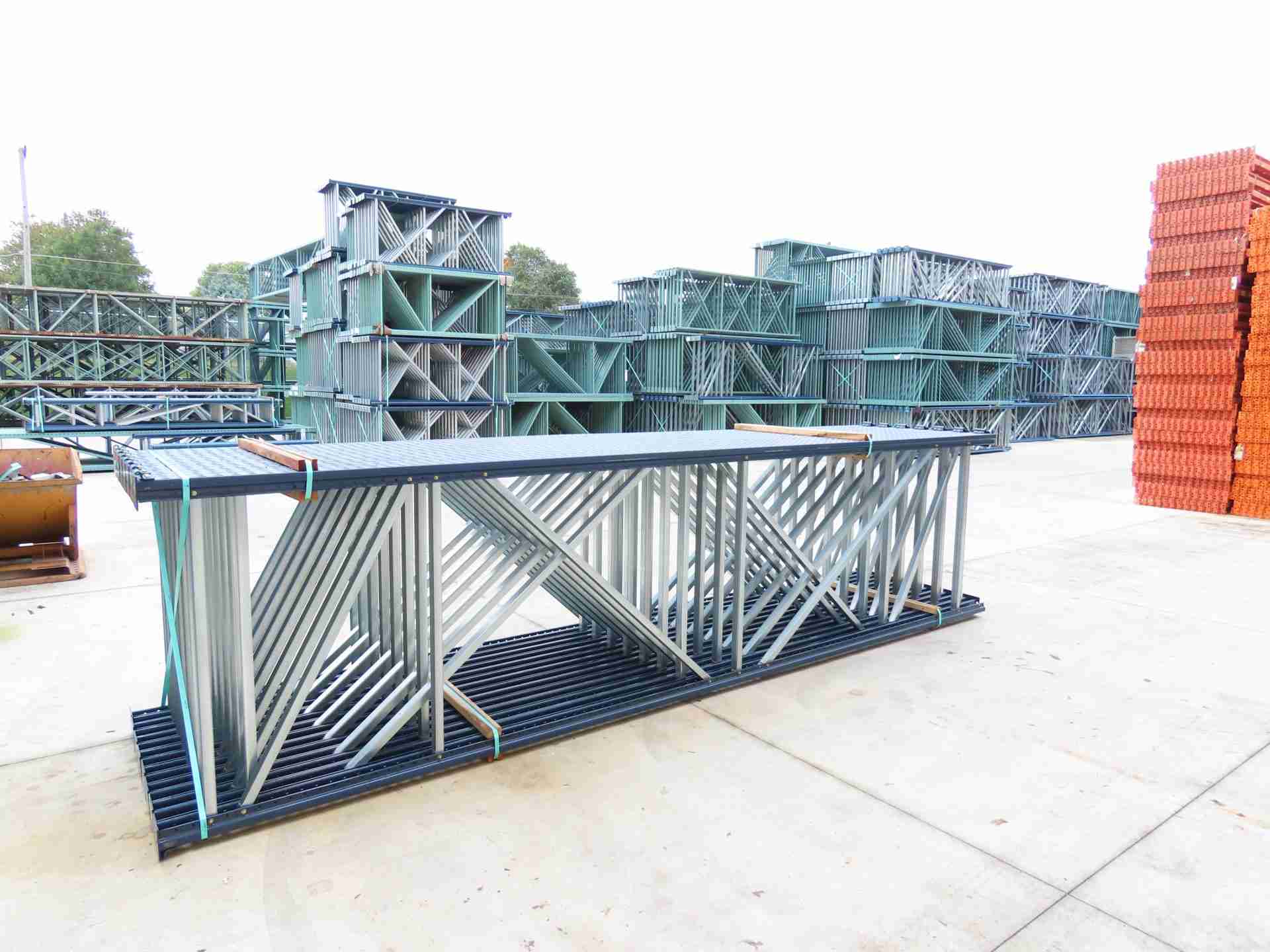
Ensuring that shelving is appropriately designed and installed reduces the likelihood of accidents significantly. Shelving should be tailored to the weight it is expected to hold; for instance, heavy industrial shelving is essential for storing tools and machinery, while lighter shelves can support office supplies. Furthermore, shelving should be constructed from high-quality materials that can withstand regular use without bending or breaking.
Let’s take a look at how strategic shelving can influence safety practices. Clear labeling and organization discourage chaos. A well-organized shelf allows employees to easily find what they need, reducing clutter and the chances of accidents. In a recent warehouse safety seminar, experts highlighted that 30% of workplace injuries stem from tripping or falling hazards. By utilizing effective shelving systems—like adjustable racking or slotted storage—you reduce wasted time and minimize risk.
Additionally, consider the height of your shelving units. Shelves that are too high can necessitate the use of ladders or other equipment, which inherently increases the risk of falls. Implementing shelving systems that allow easy access to items without excessive climbing can drastically enhance safety. For example, Amazon has made headlines for their innovative use of mobile shelving systems that are not only efficient but designed with employee safety in mind.
In an era where corporate responsibility is under scrutiny, investing in proper shelving shows a commitment to employee well-being. It creates a safe working environment, fostering trust and productivity among team members. Remember, safeguarding your employees isn’t just about compliance—it’s about creating a workspace where they can thrive. Prioritize proper shelving, and you’ll see the dividends reflected in both employee safety and overall organizational success.
How Does Proper Shelving Affect Employee Safety?
How Does Proper Shelving Affect Employee Safety?
- Proper shelving is essential for employee safety and operational efficiency in the workplace.
- Poorly designed or maintained shelving can lead to hazardous conditions and serious employee injuries.
- A case in 2022 highlighted the risks when a shelving unit collapse resulted in injuries, financial loss, and reputational damage for a retail chain.
- Effective shelving should be designed for the weight it needs to hold, utilizing high-quality materials to ensure durability.
- Strategic shelving organization reduces clutter and minimizes accidents, addressing 30% of workplace injuries caused by tripping hazards.
- Height considerations for shelving units are important; high shelves increase the chance of falls and should allow for safe access.
- Investing in proper shelving demonstrates corporate responsibility, enhances employee trust, and boosts overall organizational success.
How Does Proper Shelving Affect Employee Safety?
What Training Is Required For Employees Regarding Shelving?
Every industry depends on efficient operations, and for many retail businesses, it all starts with effective shelving. However, simply placing products on shelves isn’t enough; employees must undergo specialized training to navigate the complexities of effective shelving strategies that capture customer attention and drive sales.
Understanding Product Placement
Before they even step onto the sales floor, employees need comprehensive training on consumer behavior and merchandising principles. They should grasp the significance of product placement and how it influences shopping decisions. For instance, studies have shown that consumers are often drawn to items at eye level, which is why items frequently purchased together—like pasta and sauce—should be placed near each other. Armed with this knowledge, employees can arrange products to boost visibility and sales.
Safety Protocols
Employees must also understand safety regulations related to shelving. It’s crucial to train them on proper lifting techniques, ensuring team members are adept at stocking shelves without risking injuries to themselves or customers. With recent reports highlighting a rise in workplace injuries due to improper lifting and shelving practices, prioritizing safety can enhance morale and reduce costs related to worker compensation claims.
Inventory Management
Training in inventory management is another essential aspect of shelving. Employees should learn how to track inventory levelsaccurately, identify fast-moving items, and recognize when to replenish stock. For example, during the recent supply chain disruptions, businesses that adeptly managed their inventory levels through effective training with their staff were quicker to respond to shortages, ensuring they remained competitive when demand surged.
Display and Design Principles
Employees should also be versed in the principles of display design. This includes understanding the importance of color theory, themes, and seasonal promotions. Take a look at any retail giant’s holiday displays—those vibrant, eye-catching setups aren’t just random; they are meticulously crafted to entice consumers. Training sessions can include creative brainstorming activities, enabling teams to contribute ideas on how to make displays more engaging and informative.
Leveraging Technology
In today’s rapidly evolving environment, staying updated on technology is essential. Training employees to use inventory software and mobile shelving systems can streamline operations. For instance, using augmented reality apps can provide interactive shopping experiences that appeal to tech-savvy customers. Employees trained in utilizing these tools can enhance customer engagement, driving sales in a competitive landscape.
The success of shelving isn’t just in the aesthetics; it’s the result of informed, well-trained employees armed with the right skills and knowledge. Investing in comprehensive training programs is not just a necessity—it’s a commitment to excellence that your business cannot afford to overlook.
What Training Is Required For Employees Regarding Shelving?
What Training Is Required For Employees Regarding Shelving?
- Efficient operations are crucial for retail businesses, starting with effective shelving.
- Employees require specialized training on consumer behavior and merchandising principles.
- Understanding product placement is key; items at eye level attract more attention.
- Safety training on proper lifting techniques is essential to prevent workplace injuries.
- Inventory management training helps employees track stock and respond to shortages effectively.
- Employees should learn display design principles to create engaging promotions and themes.
- Utilizing technology, such as inventory software and augmented reality, can enhance customer engagement.

What Training Is Required For Employees Regarding Shelving?
What Penalties Exist For Violating OSHA Shelving Standards?
What Penalties Exist For Violating OSHA Shelving Standards?
When it comes to shelve safety, cutting corners can cost more than just a few dollars; it can threaten lives and lead to heavy financial penalties. The Occupational Safety and Health Administration (OSHA) imposes strict regulations to ensure workplace safety, especially regarding shelving and storage systems. Failing to comply with these standards doesn’t just risk workplace accidents; it can also lead to substantial penalties that buffet a business’s bottom line.
First, let’s talk figures. OSHA can impose fines reaching up to $13,653 for each serious violation. A “serious violation” occurs when there’s a significant probability of death or serious physical harm resulting from the hazard. Now, imagine your business is cited for unsafe shelving that led to a storage rack collapse, injuring employees. Not only could you face immediate fines, but the damage to your reputation would extend far beyond the balance sheet. Customers and clients become wary when they know someone got hurt under your watch.
For example, in a 2022 incident that caught nationwide media attention, a large warehouse received a fine of over $50,000 after multiple safety violations relating to improper shelving setups led to a serious workplace injury. The story spread like wildfire, tarnishing the company’s reputation and leading to the loss of contracts. The financial ramifications don’t stop with fines; consider potential legal fees, increased worker’s compensation claims, and a tarnished public image.
Also, the penalties can escalate for repeat offenders. If OSHA finds a company has a history of violating shelves standards, the penalties can jump to a whopping $136,532 for willful violations. Imagine seeing your fines multiply just because safety wasn’t prioritized!
On top of monetary fines, businesses may face increased insurance premiums or difficulty obtaining coverage altogether. Insurance companies are particularly sensitive to safety records; when they see a history riddled with violations or accidents, they either hike your premiums significantly or altogether refuse coverage.
Beyond legal and financial penalties, there’s a lose-lose situation brewing: a culture of fear and distrust among employees. Workers thrive in environments where they feel safe, and if they are aware of safety violations, productivity may plummet.
In short, the stakes are high when it comes to adhering to OSHA shelving standards. Prioritizing compliance isn’t just about avoiding penalties—it’s about protecting your employees, your reputation, and ultimately your cash flow. Don’t let non-compliance be the hidden cost of your shelving operations; invest in safety, and everyone wins.
What Penalties Exist For Violating OSHA Shelving Standards?
What Penalties Exist For Violating OSHA Shelving Standards?
- OSHA enforces strict shelving safety regulations to protect workplace safety.
- Fines for serious violations can reach up to $13,653 each, with severe hazards resulting in significant harm.
- Unsafe shelving can lead to injuries and damage a business’s reputation, causing customer distrust.
- In 2022, a large warehouse faced a $50,000 fine for multiple shelving-related safety violations, damaging its public image.
- Repeat offenders risk escalated fines up to $136,532 for willful violations.
- Non-compliance can lead to increased insurance premiums or difficulty obtaining coverage.
- Failing to prioritize safety creates a culture of fear among employees, which can harm productivity.
What Penalties Exist For Violating OSHA Shelving Standards?
How Can I Assess Shelving Stability For OSHA Compliance?
How Can I Assess Shelving Stability for OSHA Compliance?
In the fast-paced world of retail, warehousing, or any environment involving heavy shelving, ensuring OSHA compliance is not just a legal obligation—it’s a crucial element for the safety of your staff and the longevity of your business. But how can you effectively assess shelving stability to ensure it meets safety standards? Let’s break it down.
Understanding OSHA Requirements
First, familiarize yourself with OSHA’s guidelines regarding storage and shelving systems. OSHA mandates that all shelving units must be stable enough to prevent tipping or collapse under the weight of stored materials. This means your shelving must not only be built to hold the intended load but also anchored securely to withstand any potential risks—like an earthquake or simply the hustle and bustle of a busy warehouse.
Conduct a Physical Inspection
The first step in the assessment is to conduct a thorough physical inspection of your shelving systems. Check for any of the following red flags:
– Structural Integrity: Look for signs of wear and tear, such as bent metal, cracked wood, or loose bolts. For instance, if you have wooden shelves, be wary of any twisting or warping that may compromise their capacity.
– Level Ground: Ensure that the shelving units are installed on a level surface. Uneven floors can lead to instability. Consider the recent headlines regarding natural disasters; a stable shelving unit can mean the difference between safety and disaster during a quake.
– Weight Distribution: Ensure that the weight on your shelving is evenly distributed. Heavier items should be stored lower, while lighter items should be placed higher. This strategy follows the common rules seen in warehouses and stores alike.
Utilize Load Testing
While visual inspections provide foundational insights, load testing offers a more quantitative approach. This involves intentionally placing weight on your shelving until you reach its maximum load capacity. Make sure to document these tests and ensure that all units can safely hold the specified weight. This practice not only adheres to OSHA regulations but also protects your bottom line by preventing costly damages or injuries.
Ongoing Training and Communication
Don’t overlook the human element in this equation. Equip your staff with training on proper shelving organization and weight limits. Regular meetings to discuss storage arrangements can promote a culture of safety, ensuring everyone understands the importance of compliance.
In an evolving landscape, where the past incidents in warehouses and retail spaces have lingered in the news, you’ll want to take proactive steps. Compliance is not just about avoiding fines; it’s about creating a safe working environment. So, roll up your sleeves and assess your shelving stability today—it’s an investment in safety that pays dividends for your business reputation and employees.
How Can I Assess Shelving Stability For OSHA Compliance?
How Can I Assess Shelving Stability For OSHA Compliance?
- Understanding OSHA guidelines is essential for ensuring shelving stability and preventing tipping or collapse.
- Conduct a physical inspection to check for structural integrity, level ground, and even weight distribution.
- Look for signs of wear and tear, such as bent metal, cracked wood, or loose bolts during inspections.
- Ensure shelving units are installed on a level surface to prevent instability, especially during natural disasters.
- Utilize load testing to quantitatively assess whether shelving can safely hold specified weight limits.
- Provide ongoing training to staff about proper shelving organization and weight limits to promote a safety culture.
- Compliance not only avoids fines but also enhances safety and protects business reputation and employee well-being.

How Can I Assess Shelving Stability For OSHA Compliance?
Are There Industry-Specific Shelving Requirements Under OSHA?
Are There Industry-Specific Shelving Requirements Under OSHA?
When it comes to workplace safety, understanding the nuances of shelving requirements under OSHA can be a game-changer for businesses. The Occupational Safety and Health Administration (OSHA) has established general safety regulations, but it’s the industry-specific guidelines that can truly impact your operations. This is especially true for sectors like warehousing, retail, healthcare, and manufacturing, where shelving isn’t just about storage—it’s about safety, efficiency, and compliance.
Consider the bustling world of warehousing, where OSHA pays particular attention to pallet racking systems and shelf stability. A shocking statistic from recent industry reports indicates that over 10% of workplace injuries in warehouses are due to poorly designed or overloaded shelving. Consequently, OSHA requires businesses to ensure that their shelving is designed to support the weight of stored items, ensuring seismic and structural stability—especially in earthquake-prone areas. An important recent example is how a significant Midwest warehouse suffered injuries and fines after a shelving collapse due to improper loading, underscoring the dire need for awareness and compliance.
Retail environments, too, have specific shelving considerations. For instance, OSHA guidelines mandate that displays and shelves be stable and secured to prevent tipping—in essence, a caution against those eye-catching, yet precariously stacked promotional displays. After incidents involving customer injuries from collapsed displays, several major retailers have revamped their shelving systems to prioritize safety, thus mitigating risks and enhancing the shopping experience.
Meanwhile, in the healthcare sector, medical storage areas must comply with strict standards for shelving to ensure easy access to essential products while maintaining a safe environment. Hospitals must consider factors such as weight distribution and easy retrieval, particularly in emergency scenarios. Failure to adhere to these regulations can lead to devastating outcomes, a reality that was glaringly highlighted during the supply shortages experienced in 2020, when improper shelving in hospitals not only hindered access to critical supplies but also drew scrutiny from OSHA.
In summary, understanding the specifics of shelving requirements in your industry is more than just bureaucratic red tape—it’s about protecting your employees, your customers, and your bottom line. Neglecting these regulations can lead to serious fines and repercussions, while adherence can improve efficiency and boost morale. So, whether you’re stacking shelves in a busy warehouse or organizing a retail display, take the time to ensure compliance with OSHA guidelines tailored to your industry. It’s not just good business; it’s smart safety.
Are There Industry-Specific Shelving Requirements Under OSHA?
Are There Industry-Specific Shelving Requirements Under OSHA?
- OSHA establishes general safety regulations, but industry-specific guidelines are critical for compliance.
- Warehousing is particularly focused on pallet racking systems and shelf stability to prevent injuries.
- Over 10% of workplace injuries in warehouses result from poorly designed or overloaded shelving.
- Retail shelving must be stable and secured to prevent tipping, especially with promotional displays.
- In the healthcare sector, shelving must allow for easy access and comply with strict standards to ensure safety.
- Non-compliance with shelving regulations can result in severe consequences, including fines and efficiency loss.
- Adhering to OSHA guidelines enhances safety, improves morale, and protects both employees and customers.
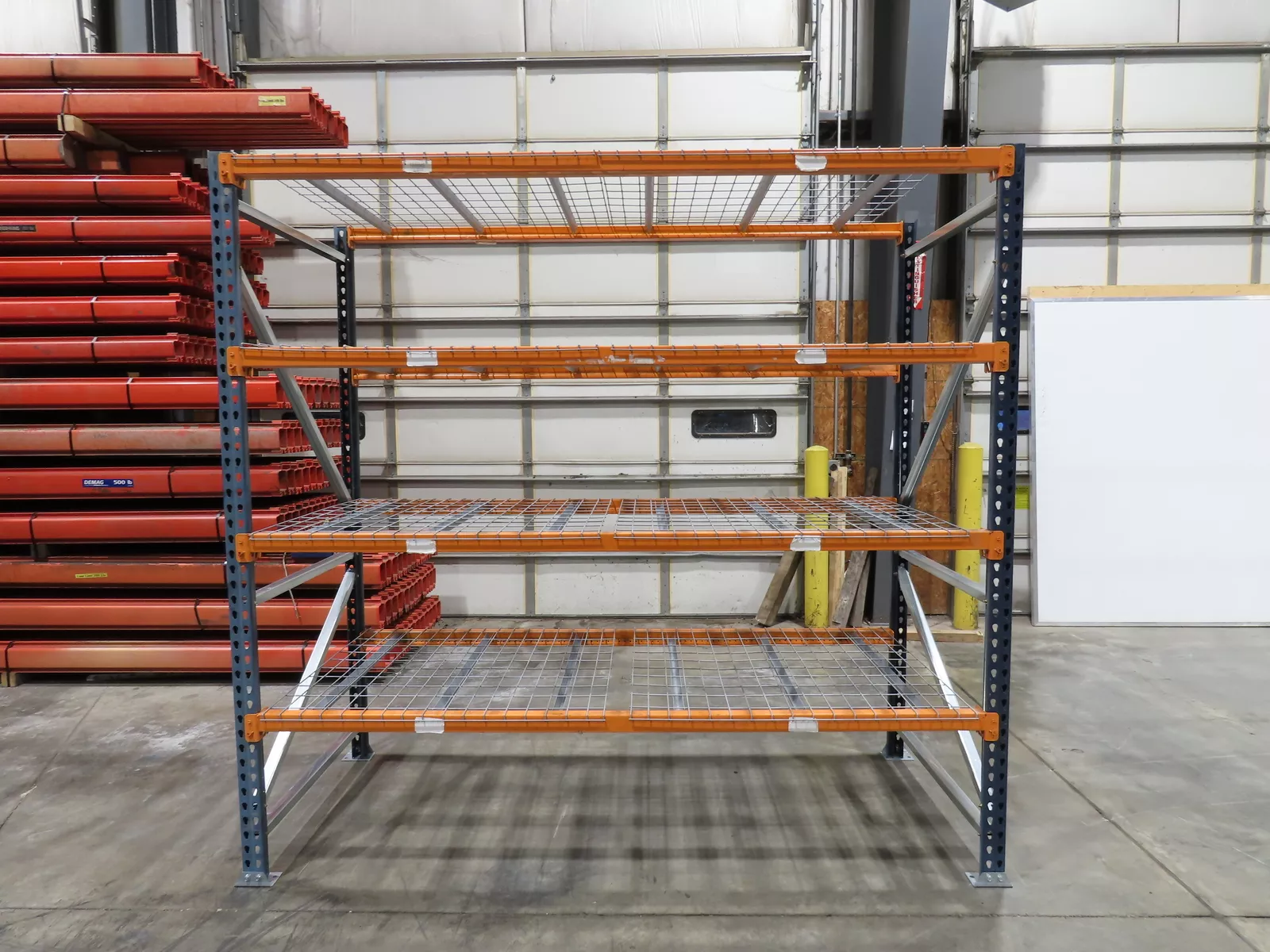
Are There Industry-Specific Shelving Requirements Under OSHA?
Can OSHA Inspectors Provide Guidance On Shelving Safety?
Can OSHA Inspectors Provide Guidance on Shelving Safety?
When it comes to workplace safety, compliance is paramount. One often overlooked element is shelving safety. Not only does proper shelving protect your assets—it can significantly enhance employee well-being and efficiency. But can OSHA inspectors lend a hand in navigating these often complex requirements? Absolutely!
OSHA, or the Occupational Safety and Health Administration, is more than just a regulatory body; it acts as a vital resource for businesses striving to create safer environments. Their representatives can provide crucial insights into shelving safety that can help you mitigate risks and improve operational efficiency. While OSHA inspectors execute inspections and enforce regulations, they also serve as wellsprings of knowledge regarding best practices.
Consider a warehouse that recently upgraded its shelving units to meet modern standards. An OSHA inspector, while conducting a routine evaluation, highlighted the importance of weight distribution on their racks. He pointed out that overloads can cause structural failure and suggested utilizing load limits clearly displayed on each shelf. Such simple but effective advice can prevent costly accidents and potential injury. With the recent surge in e-commerce operations, the demand for effective shelving solutions is at an all-time high. Proper guidance from OSHA can help businesses adapt quickly while ensuring compliance.
Moreover, OSHA’s guidance goes beyond just the physical layout. Take, for instance, the ongoing digital transformation across industries. Many businesses are turning to automated systems for inventory management. An OSHA inspector might recommend integrating safety features into these systems—like weight sensors and alerts—to monitor shelving conditions continuously, thus incorporating a tech-savvy layer of protection.
Additionally, consider the current trend towards sustainability. Businesses today are under increasing pressure to adopt eco-friendly practices. OSHA’s insights can help you select shelving made from environmentally responsible materials that still conform to safety standards, enhancing both your brand’s reputation and compliance.
But here’s the kicker: by proactively engaging with OSHA inspectors for shelving safety guidance, you position your business as a leader in workplace safety. This is not just about avoiding fines or penalties; it’s about creating a culture of safety that employees appreciate, thereby improving morale and productivity. A safe workplace inevitably leads to lower turnover rates and increased profitability.
Leveraging the guidance of OSHA inspectors not only protects your physical assets but transforms your workspace into a hub of safety and efficiency. Don’t wait until an inspection is on the horizon—seek out this invaluable resource today, and let your commitment to shelving safety shine!
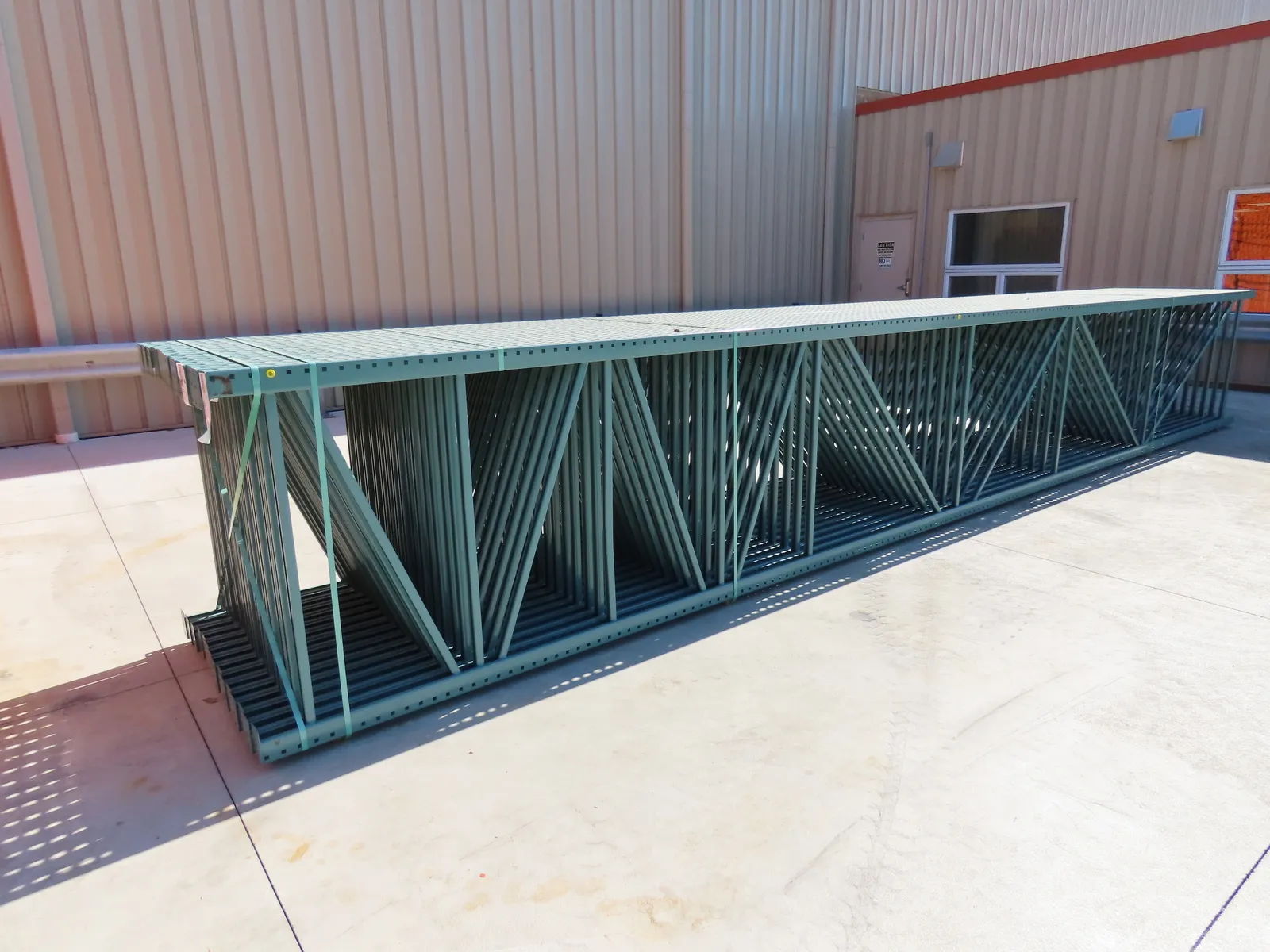
Can OSHA Inspectors Provide Guidance On Shelving Safety?
Can OSHA Inspectors Provide Guidance On Shelving Safety?
- OSHA inspectors provide valuable guidance on shelving safety to enhance workplace safety and efficiency.
- OSHA serves as a resource for businesses, offering insights to mitigate risks and improve operational compliance.
- During inspections, OSHA inspectors highlight important safety measures like weight distribution and load limits on shelving.
- Guidance includes recommendations for integrating safety features into automated inventory management systems.
- OSHA’s advice supports sustainable practices by helping businesses choose eco-friendly shelving materials that meet safety standards.
- Engaging with OSHA fosters a culture of safety, improving employee morale, productivity, and reducing turnover rates.
- Proactive engagement with OSHA can enhance your brand’s reputation and position your business as a leader in workplace safety.
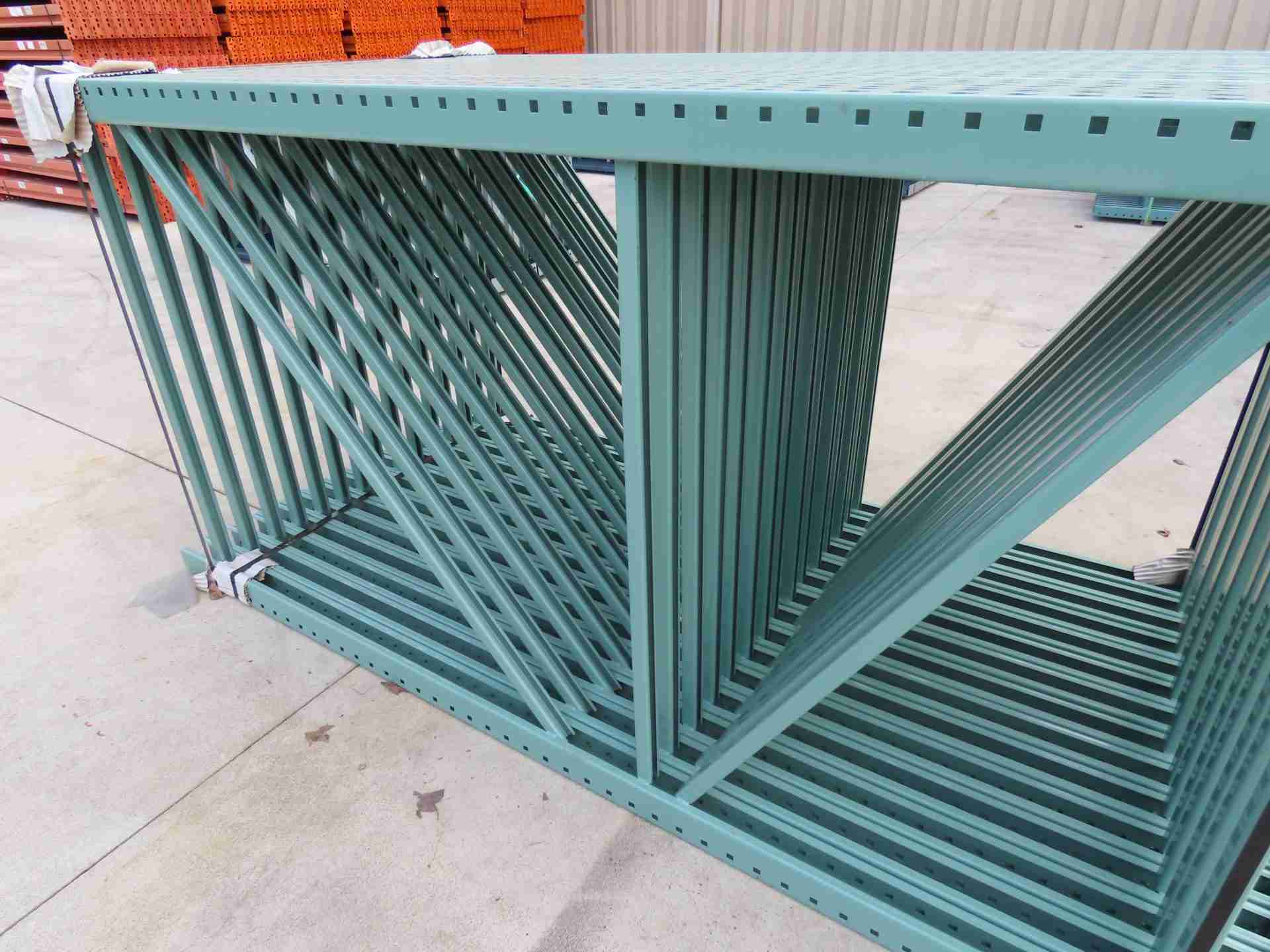
Can OSHA Inspectors Provide Guidance On Shelving Safety?
How Do I Report Unsafe Shelving Conditions To OSHA?
How Do I Report Unsafe Shelving Conditions to OSHA?
When it comes to workplace safety, especially regarding shelving and storage practices, being proactive is essential. Unsafe shelving conditions can lead to severe injuries, property damage, and, ultimately, financial losses for your business. If you notice these hazards in your workplace – whether in a retail setting, warehouse, or anywhere else – reporting them to the Occupational Safety and Health Administration (OSHA) should be your top priority. Here’s how to efficiently navigate this process.
Identify the Issue Clearly
Before reporting, you need to document the unsafe shelving conditions in question. Are shelves overloaded with products? Are they unstable or improperly anchored? Have there been near misses or injuries? Collect specific details, such as photographs or incident reports, to strengthen your case. For example, the recent backlash against a major retailer after a shelf collapsed, injuring several employees underscores the importance of proactive safety measures.
File Your Complaint
To report unsafe shelving conditions, you can easily file a complaint with OSHA. Visit OSHA’s website and navigate to the “File a Complaint” section. Here, you will find options for online submissions, phone calls, or mail. Choose the method that best fits your comfort level. Remember, complaints can be made anonymously if you fear retaliation, so don’t let hesitation hold you back.
Timing is Everything
Immediate action is crucial. If you encounter a dangerous situation, report it as soon as possible. The swift filing of your complaint can prevent future injuries, as seen in recent OSHA enforcement actions that have spurred improvements in workplace safety standards—like the crackdown on hazardous labor practices at distribution centers.
Follow Up
Once you’ve filed your complaint, consider following up after a few weeks. While OSHA typically investigates complaints promptly, keeping in touch can ensure that your concerns are being addressed. Show that you are serious about workplace safety – it might just inspire others to take action too.
In a world where corporate negligence can overshadow safety, your voice can lead to significant changes. By formally reporting unsafe shelving conditions, you not only protect yourself but also contribute to the overall health and safety of your workplace. After all, preventing accidents today is an investment in the well-being of your operations tomorrow. Don’t wait for a tragic incident to occur—take charge, report, and ensure your workplace remains safe for everyone.
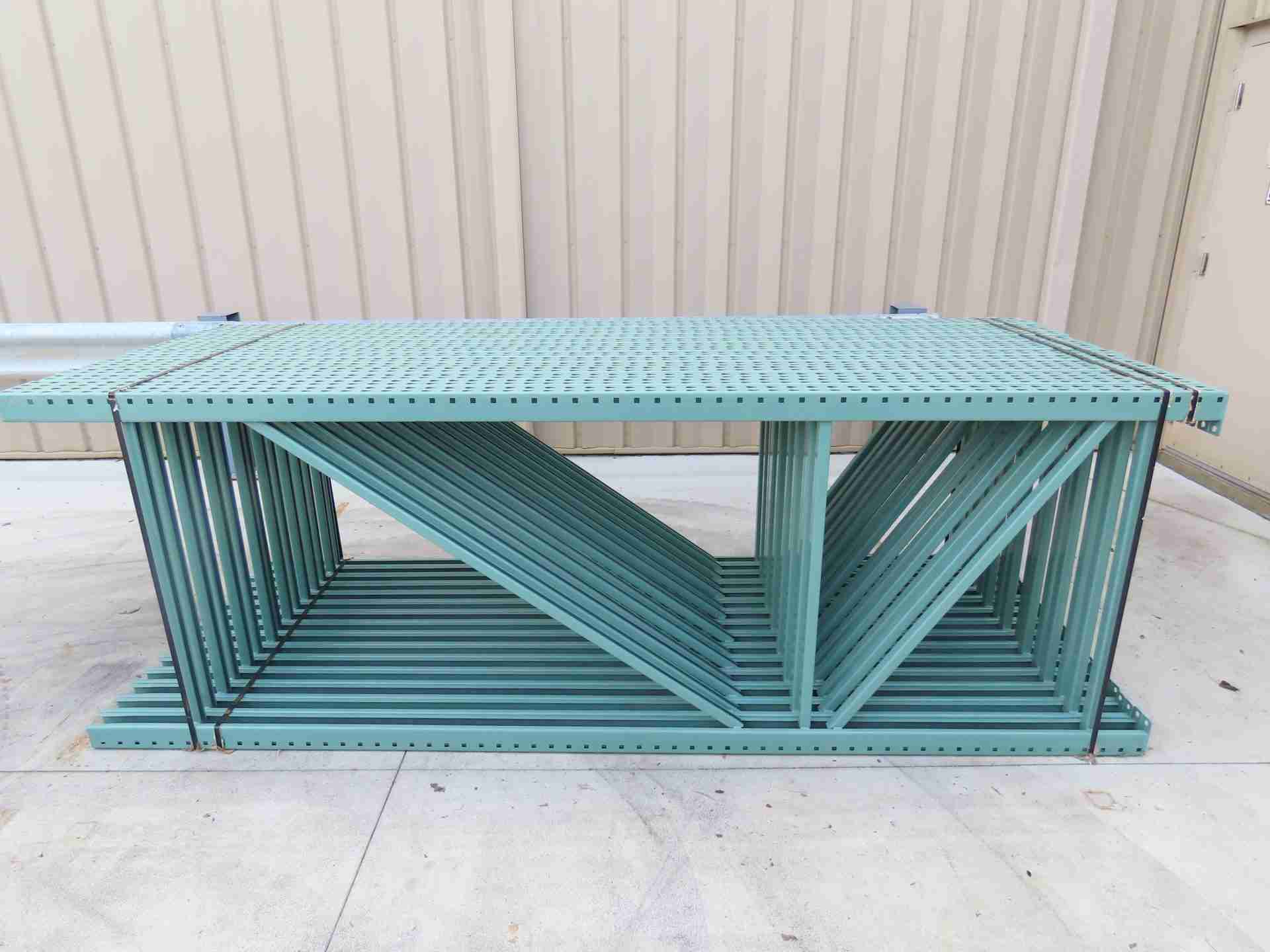
How Do I Report Unsafe Shelving Conditions To OSHA?
How Do I Report Unsafe Shelving Conditions To OSHA?
- Proactive measures are essential to ensure workplace safety regarding shelving and storage.
- Unsafe shelving can cause injuries, property damage, and financial losses.
- Document specific hazards like overloaded, unstable, or improperly anchored shelves.
- File a complaint with OSHA via their website, phone, or mail; anonymous complaints are allowed.
- Report dangerous conditions immediately to prevent future injuries.
- Follow up with OSHA a few weeks after filing to ensure your concerns are addressed.
- Taking action can inspire others and contribute to overall workplace safety improvements.
How Do I Report Unsafe Shelving Conditions To OSHA?
Conclusion
Conclusion: Enhancing Workplace Safety Through Compliance with OSHA Shelving Guidelines
In the modern business landscape, where operational efficiency and employee safety go hand in hand, understanding OSHA’s regulations on shelving is more important than ever. As highlighted in our exploration, while OSHA may not enforce specific shelving requirements, they insist that all organizations provide a workplace free from recognized hazards—including those associated with improper shelving practices. The responsibility lies with every business owner to ensure that their shelving systems are designed, installed, and maintained according to safety standards, which is not merely a regulatory obligation but also a prudent business strategy.
Consider this—a well-functioning shelving system can drastically enhance productivity and streamline workflow, while also safeguarding employees from potential hazards. By prioritizing proper installation and weight distribution, conducting regular inspections, and fostering a culture of safety through training, you can protect your workforce and minimize your risk of accidents. Reports have shown that negligence in shelving practices can result in serious injuries, hefty OSHA fines, and detrimental damage to your business reputation. The recent surge in e-commerce has intensified the demand for efficient storage solutions, making adherence to safety regulations a necessity rather than an option.
Investing in quality shelving systems that meet or exceed industry standards not only ensures compliance but can also enhance your business’s operational resilience. Imagine creating a workspace where employees feel secure, where productivity isn’t hindered by clutter or fear of accidents. Companies can cultivate such an environment by choosing the right shelving solutions that integrate safety features like stability brackets or appropriate load capacities. Such proactive measures will not only keep your teams safe but also reflect your commitment to fostering a responsible workplace.
Time is of the essence. With continued scrutiny on workplace safety and an evolving regulatory landscape, don’t let your shelving practices go unchecked and potentially become a liability. Whether your business operates in warehousing, retail, or healthcare, understanding and implementing OSHA’s recommendations is crucial. Experience tells us that organizations that invest in safety don’t just survive—they thrive.
Take action today. Call Arrow Industrial Sales at (574) 349-6575 for expert guidance tailored to your shelving needs. Make compliance a cornerstone of your business strategy, and watch as your commitment to safety cultivates a culture of trust and productivity. The steps you take now can pave the way for a safer, more efficient future, ensuring your business’s success for years to come. After all, a compliant workplace is not only a safer place but also operates smarter, leading to inevitable bottom-line benefits. Don’t wait—act now!
Conclusion
Conclusion:
- Understanding OSHA’s shelving regulations is crucial for operational efficiency and employee safety.
- While OSHA does not impose specific shelving requirements, organizations must maintain a workplace free from recognized hazards.
- Proper shelving design and maintenance are essential not just for compliance but also as a wise business strategy.
- Well-functioning shelving systems enhance productivity, streamline workflow, and protect employees from hazards.
- Negligence in shelving practices can lead to serious injuries, OSHA fines, and damage to business reputation.
- Investing in quality shelving systems that exceed industry standards promotes both safety compliance and operational resilience.
- Businesses must act now to ensure compliance with OSHA recommendations to foster a safer and more productive work environment.
Conclusion
Other Resources
Other Resources
Here is a list of other resources you can review online to learn more:
- “1910.176 – Handling materials – general.”
- “Warehousing – Know the Law | Occupational Safety and …”
- “1910 | Occupational Safety and Health Administration”
- “29 CFR 1910.176 – Handling materials—general.”
- “Warehousing – Overview | Occupational Safety and Health …”
- “Understanding Key Safety Regulations for Materials Handling”
- “Warehouse Safety Standards for OSHA”
- “29 CFR 1910.176 – Handling materials-general.”
Use This Prompt To Get More Resources With Your Favorite Online AI Tool: Please provide me with a list of online articles with their URLS in a bulleted list that I can read regarding Do OSHA Shelving Requirements Exist?
Other Resources
Glossary Terms
Do OSHA Shelving Requirements Exist? – Glossary Of Terms
1. OSHA: The Occupational Safety and Health Administration, a federal agency in the United States responsible for ensuring safe and healthy working conditions.
2. Shelving: A system of horizontal surfaces, typically made of wood or metal, used for storing items in warehouses and retail spaces.
3. Load Capacity: The maximum weight a shelving unit can safely bear without risking structural failure.
4. Pallet Racking: A type of shelving specifically designed to hold pallets, allowing for efficient storage of bulk products.
5. Vertical Space Utilization: The efficient use of vertical space for storing items to maximize warehouse storage capability.
6. Aisle Width: The distance between shelving units that allows safe access for personnel and equipment, such as forklifts.
7. Stability: The ability of a shelving unit to remain upright under load and during operations, ensuring it does not tip over.
8. Inspection: The process of examining shelving systems regularly to ensure compliance with safety standards.
9. Installation Requirements: Specific guidelines and standards for properly setting up shelving systems to ensure safety and stability.
10. Weight Distribution: The manner in which weight is spread across a shelving unit, impacting its stability and safety.
11. Material Handling: The movement of goods and materials within a warehouse, including the use of shelving for efficient storage.
12. Safety Data Sheets (SDS): Documents that provide information on the hazards of materials, including storage requirements for hazardous materials.
13. Inventory Management: The process of overseeing the flow of goods, often facilitated by effective shelving solutions.
14. Compliance: Adhering to OSHA standards and regulations regarding workplace safety, including shelving systems.
15. Load Limit Signs: Labels affixed to shelving units indicating the maximum load capacity to prevent overloading.
16. Dunnage: Material placed between items on a shelf to prevent shifting, damage, or collapse.
17. Anchor Bolts: Hardware used to secure shelving units to the floor or wall to enhance stability and prevent tipping.
18. Forklift Clearance: The height and space needed for forklifts to maneuver safely around shelving units.
19. Safety Standards: Established criteria set by OSHA and industry guidelines that shelving systems must meet for safety.
20. Palettes: Sturdy platforms used to stack goods for storage and transport, typically placed on pallet racks.
21. Ergonomics: The study of people’s efficiency in their working environment, crucial for designing safe shelving access.
22. Load-Bearing Walls: Walls designed to support vertical loads; shelving should not be installed against non-load-bearing walls.
23. Shelf Spacing: The distance between individual shelves, determined to accommodate the items being stored safely.
24. Hazardous Materials: Substances that pose risks to health and safety and may require special shelving considerations.
25. Personal Protective Equipment (PPE): Clothing and gear designed to protect employees from safety risks associated with shelving and material handling.
26. Serviceability: The ability of a shelving unit to be used or maintained safely and effectively over time.
27. Weights and Measures: Regulations that govern the weighing and sizing of items for storage, necessary for proper load management.
28. Inspection Reports: Documents created after shelving system inspections that outline any safety violations or needed repairs.
29. Breach of Safety Standards: Occurs when shelving setups fail to meet established OSHA regulations, leading to potential hazards.
30. Training Programs: Structured education provided to employees about safe practices for shelving use and compliance with OSHA requirements.
Glossary Of Terms
Other Questions
Do OSHA Shelving Requirements Exist? – Other Questions
If you wish to explore and discover more, consider looking for answers to these questions:
- What are the most common causes of shelving failures in workplaces?
- How can businesses identify hazards in their shelving systems?
- What steps should be taken after identifying inadequate shelving conditions?
- Are there different shelving safety regulations for various industries?
- What training programs are recommended for employees who handle shelving?
- How can companies stay updated with the latest OSHA regulations regarding shelving?
- What resources are available for businesses looking to improve shelving safety?
- How can technology be used to enhance shelving safety in workplaces?
- What role does leadership play in promoting shelving safety?
- How frequently should training on shelving safety be conducted for staff?
- What are the legal ramifications of not complying with OSHA shelving standards?
- How should businesses react to an OSHA inspection regarding shelving safety?
- What are some best practices for organizing shelving in a manner that promotes safety?
- Can OSHA provide materials or programs for businesses to improve shelving safety?
Other Questions
Checklist
Do OSHA Shelving Requirements Exist? – A Checklist
Pre-Installation Assessment
_____ Verify the intended weight capacity of shelving units.
_____ Ensure shelving units have necessary safety features (e. g. , anti-tip brackets).
_____ Consult manufacturer guidelines for installation methods.
Installation Best Practices
_____ Confirm that each shelving unit is anchored securely.
_____ Inspect the installation area for a level surface.
_____ Follow spacing specifications according to OSHA and manufacturer recommendations.
Regular Inspections
_____ Schedule annual inspections for static shelving.
_____ Conduct monthly inspections for dynamic shelving environments.
_____ Look for structural integrity signs: bent metal, cracked surfaces, or loose brackets.
_____ Assess load distribution across shelving.
Employee Training
_____ Train employees on proper loading techniques according to weight limits.
_____ Provide education on recognizing potential hazards associated with shelving.
_____ Conduct regular safety drills and training refreshers.
_____ Engage employees in discussions about safety concerns and best practices.
Safety Protocols
_____ Establish guidelines against overloading shelves.
_____ Implement a clear path policy; aisles must remain uncluttered.
_____ Monitor compliance with shelving capacity limits; clearly label all shelves.
_____ Encourage a culture of safety where employees can voice concerns.
Documentation and Record Keeping
_____ Maintain records of inspections and any corrective actions taken.
_____ Log training sessions and attendance for employee safety training.
_____ Document any incidents involving shelving accidents.
Emergency Procedures
_____ Establish emergency protocols for shelving-related accidents.
_____ Ensure staff knows how to respond to incidents involving shelf collapses.
_____ Keep first aid kits readily accessible near shelving areas.
Reporting Unsafe Conditions
_____ Familiarize employees with the process for reporting unsafe shelving conditions.
_____ Ensure clear communication channels exist for reporting hazards.
_____ Encourage proactive identification of safety issues within the workplace.
Review and Improvements
_____ Regularly review and update safety protocols and training materials.
_____ Consider feedback from employees to continuously improve safety measures.
_____ Stay informed about changes to OSHA regulations and industry best practices.
By following this checklist, you can ensure your shelving systems meet OSHA standards and enhance the overall safety and efficiency of your workplace.
Checklist
At RackingWorld, we help guide you through selecting warehouse storage systems and racking.
Be sure to read our other related stories at RackingWorld to learn more about warehouse storage systems.
0 Comments