
Maximizing Storage Efficiency And Product Protection
By Tom Seest
At RackingWorld, we help guide you through selecting warehouse storage systems and racking.
Be sure to read our other related stories at RackingWorld to learn more about warehouse storage systems.
How Can Cantilever Racking Reduce Product Damage?
In the bustling world of warehousing and logistics, maximizing efficiency while minimizing product damage is paramount. Enter cantilever racking, a game-changer designed not simply for storage but for preserving the integrity of your goods. When you think about it, why not invest in a solution that safeguards your products and boosts your bottom line at the same time?
Cantilever racking offers a versatile and robust storage option, particularly for long or bulky items that are difficult to store on conventional shelves. Imagine storing items like pipes, lumber, or furniture. The traditional pallet racking system can lead to crushing or bending, which ultimately translates into costly losses. In contrast, cantilever racks allow for clear access from the side without restrictions. This reduces the chance of accidental drops during loading and unloading—often a crucial factor in product damage.
A prime example lies in the lumber industry, where pieces of varying lengths are common. Traditional racking systems often necessitate stacking these items, leading to instability and, ultimately, damage. With cantilever racking, lumber can be stored flat against the arms, ensuring that each piece rests securely and is easily accessible without the risk of toppling. This simple shift in approach not only preserves the quality of the wood but also speeds up the picking process—resulting in smoother operations and happier customers.
A recent report from a leading logistics magazine highlighted a major furniture distributor who implemented cantilever racking. Initially burdened with high rates of product damage resulting from improper storage methods, the company saw significant improvements after transforming their warehouse layout. In the first six months, they reported a staggering 40% reduction in product damage, alongside a 25% increase in efficiency. This is not merely about shelving—it’s about creating a resilient environment that fosters productivity and protects your investment.
Moreover, as supply chains face increasing pressures and labor shortages, the ease of access inherent in cantilever racking allows fewer workers to handle more inventory safely. Benefit from a cleaner, easier-to-navigate warehouse while reducing the strain on your team—it’s a win-win.
So if you’re looking to enhance your storage solutions and protect your valuable inventory, consider the benefits of cantilever racking. It is an investment that pays off not just in reduced damage costs, but in the strengthened reputation of your business as a reliable provider. After all, in today’s competitive landscape, protecting what you sell is just as crucial as what you sell.

How Can Cantilever Racking Reduce Product Damage?
How Can Cantilever Racking Reduce Product Damage?
- Cantilever racking maximizes efficiency and minimizes product damage in warehousing and logistics.
- It is designed for versatile storage of long or bulky items, such as pipes and lumber, reducing the risk of crushing or bending.
- Cantilever racks allow for clear side access, decreasing accidental drops during loading and unloading.
- In the lumber industry, cantilever racking ensures stability by storing wood flat against the arms, enhancing accessibility and reducing damage.
- A furniture distributor reported a 40% reduction in product damage and a 25% increase in efficiency after implementing cantilever racking.
- This racking system supports fewer workers in managing more inventory safely, improving warehouse navigation.
- Investing in cantilever racking strengthens business reputation by protecting inventory and enhancing storage solutions.

How Can Cantilever Racking Reduce Product Damage?
Table Of Contents
- How Can Cantilever Racking Reduce Product Damage?
- How Does Cantilever Racking Prevent Product Damage?
- What Types Of Products Benefit From Cantilever Racking?
- Can Cantilever Racking Improve Warehouse Efficiency?
- How Does Cantilever Racking Compare To Other Racking Systems?
- What Factors Affect The Durability Of Cantilever Racking?
- How Do I Choose The Right Cantilever Racking For My Needs?
- How Can I Maintain Cantilever Racking To Prevent Damage?
- Are There Specific Industries That Utilize Cantilever Racking?
- Conclusion
- Other Resources
- Glossary Of Terms
- Other Questions
- Checklist
How Does Cantilever Racking Prevent Product Damage?
In the fast-paced world of warehousing and distribution, every minute counts, and every inch of space is valuable. But maximized efficiency shouldn’t come at the cost of damaged inventory. Enter cantilever racking—a storage solution designed not just for space optimization but, crucially, for the protection of your valuable products.
Cantilever racks are uniquely engineered to store long, bulky items like lumber, pipes, and furniture. Their open design allows for easy access while minimizing the risk of damage. Unlike traditional racking systems, which often confine products within tight confines, cantilever racks feature long, protruding arms that support items without constriction. This design means fewer point loads and, subsequently, less handling stress on your products. For businesses dealing in heavy or oversized goods, like home improvement stores or furniture retailers, this is a game changer.
Consider the recent uptick in e-commerce, where bulky furniture purchases have skyrocketed. Companies like Wayfair or Amazon have recognized that appropriate storage solutions not only streamline processes but protect their investments. A piece of furniture jostled against sharp metal edges of conventional shelving can easily sustain scratches or dents. However, with cantilever racking, those items are cradled in an open-air system that allows for smooth loading and unloading, significantly reducing the likelihood of damage during warehouse operations.
Moreover, cantilever racks can adapt to numerous heights and arm lengths, accommodating various product sizes without compromising safety. As an example, a lumber yard might have stacks of assorted lengths of wood. Here, the ability to adjust the rack height allows for secure stacking without overloading and risking collapse, while also allowing staff to allocate resources efficiently, thus cutting down on the time spent moving products around.
Additionally, the absence of front columns in cantilever racks enables fork trucks to maneuver without the risk of hitting obstacles. This accessible design not only streamlines operations but also protects your staff and inventory alike, creating a safer work environment.
Notably, recent supply chain disruptions underscore the importance of safeguarding your assets. With products in high demand and limited availability, any damage can lead to lost opportunities and financial setbacks. Investing in cantilever racking systems isn’t merely about storage; it’s a proactive measure to guard against inventory loss.
Incorporating cantilever racking into your storage solution is more than just smart—it’s essential for modern warehousing. With efficiency and protection at the forefront, it stands as a testament to the old adage: when you protect your assets well, they in turn protect your bottom line.
How Does Cantilever Racking Prevent Product Damage?
How Does Cantilever Racking Prevent Product Damage?
- Cantilever racking optimizes space in warehouses while protecting valuable inventory.
- Designed for storing long, bulky items such as lumber, pipes, and furniture.
- Open design minimizes risk of damage during handling compared to traditional racking systems.
- Ideal for businesses with heavy or oversized goods, facilitating easier loading and unloading.
- Adjustable heights and arm lengths accommodate various product sizes securely.
- Absence of front columns allows for safe fork truck maneuvering, enhancing workplace safety.
- Investing in cantilever racking is a proactive measure to safeguard against inventory loss.
How Does Cantilever Racking Prevent Product Damage?
What Types Of Products Benefit From Cantilever Racking?
What Types of Products Benefit From Cantilever Racking?
When it comes to maximizing storage efficiency, cantilever racking stands out as an indispensable solution for a variety of businesses across numerous industries. This innovative storage system is particularly advantageous for products that are either long, heavy, or awkwardly shaped. If your business deals with any of the items below, investing in cantilever racking could elevate your warehouse operations to new heights.
1. Lumber and Building Materials:
The construction industry has faced surges in demand recently due to urban development and infrastructural projects requiring vast amounts of lumber and building materials. Cantilever racks offer the perfect solution for storing these elongated items, ensuring they are easily accessible without the risk of damage. By keeping lumber upright and off the ground, companies can protect their investments and maintain the integrity of the wood.
2. Pipes and Tubing:
Manufacturers and suppliers dealing with pipes and tubes can greatly benefit from cantilever racking systems. These items come in various sizes and weights, and their round shapes demand specific storage solutions to prevent rolling. The expanse of cantilever racks accommodates these products, allowing for vertical storage that keeps items organized and within easy reach.
3. Furniture:
From retail showrooms to warehouse spaces, furniture is another category that thrives with cantilever racking. The nature of furniture, with its diverse shapes and sizes, can create a challenge for storage. Cantilever racking easily manages this variability, with adjustable arms that cater to everything from long couches to tall shelves, streamlining product retrieval for efficient sales processes.
4. Automotive Parts:
The automotive industry, feeling the sting from supply chain issues, can turn to cantilever racking for storing parts efficiently. The racks provide an organized display for bulky items like bumpers or fenders and smaller components like hoses and gears. This storage system enhances accessibility, enabling quick inventory checks and smoother order fulfillment.
5. Bicycles and Sporting Goods:
As cycling surged in popularity during 2020 and has remained strong beyond it, businesses in the sporting good sector can leverage cantilever racks to showcase bicycles, kayaks, and other irregularly shaped items. These racks not only save space but create an attractive display for customers, driving sales in both physical stores and showrooms.
In an ever-evolving market, implementing cantilever racking can be a game-changer. Whether your products are long, bulky, or simply need better organization, this storage solution offers adaptability and efficiency that can help your business remain competitive and profitable as trends continue to shift. Investing in cantilever racking is more than just improving storage; it is about strategically positioning your business for future growth.
What Types Of Products Benefit From Cantilever Racking?
What Types Of Products Benefit From Cantilever Racking?
- Cantilever racking maximizes storage efficiency across various industries.
- Ideal for storing long, heavy, or awkwardly shaped products.
- Benefits lumber and building materials, providing easy accessibility and damage protection.
- Accommodates pipes and tubing effectively, preventing rolling and ensuring organization.
- Supports diverse furniture shapes and sizes, streamlining product retrieval.
- Enhances storage for automotive parts, improving inventory checks and order fulfillment.
- Showcases bicycles and sporting goods attractively, aiding in sales and space-saving.
What Types Of Products Benefit From Cantilever Racking?
Can Cantilever Racking Improve Warehouse Efficiency?
In the fast-paced world of warehousing and logistics, efficiency isn’t just a buzzword—it’s a competitive imperative. With a surging demand for streamlined operations fueled by the rise in e-commerce and the ongoing global supply chain challenges, businesses are always on the lookout for innovative solutions that can save time and increase productivity. Enter cantilever racking—a game-changer in warehouse design that can significantly boost your operational effectiveness.
Cantilever racking is designed to hold long, bulky, or irregularly shaped items that traditional shelving systems can’t accommodate. Think about industries such as construction, furniture, or automotive parts, where goods come in various sizes and shapes. Cantilever racks, with their adjustable arms and open configurations, allow for the easy loading and unloading of these items without the hindrance of solid shelving. Consider a furniture distributor that shifted to cantilever racking; by opening up their warehouse space, they increased storage capacity by 40%, allowing them to stock more products without the need to expand the physical footprint.
Take the recent surge in DIY projects spurred by the pandemic. Home improvement retailers are grappling with an influx of large materials like lumber and drywall. By leveraging cantilever racking systems, they can arrange these goods horizontally for easy access, thus reducing the time spent on picking orders and improving customer satisfaction.
More than just storage, cantilever racking enhances safety—a critical factor in today’s warehousing environment. With proper organization and visibility of products, employees can pick items without unnecessary strain, which decreases the risk of accidents. In a climate where workers’ safety is paramount, introducing an efficient system like cantilever racking can drastically reduce insurance costs and liabilities, thus adding to your bottom line.
Additionally, cantilever racking can be customized. Whether you’re dealing with mega-loads of construction materials or automotive components, these racks are adaptable to suit every specification. This versatility means that as your business evolves, your storage solution can keep pace without costing a fortune to revamp your warehouse.
If you want to leapfrog your competition and carve out a stronger market position, consider integrating cantilever racking into your operational strategy. The benefits are evident—better space utilization, increased safety, and enhanced efficiency. In a time when every inch and operation counts, cantilever racking holds the key to unlocking unparalleled warehouse performance. Embrace this innovative solution today, and watch your productivity soar.
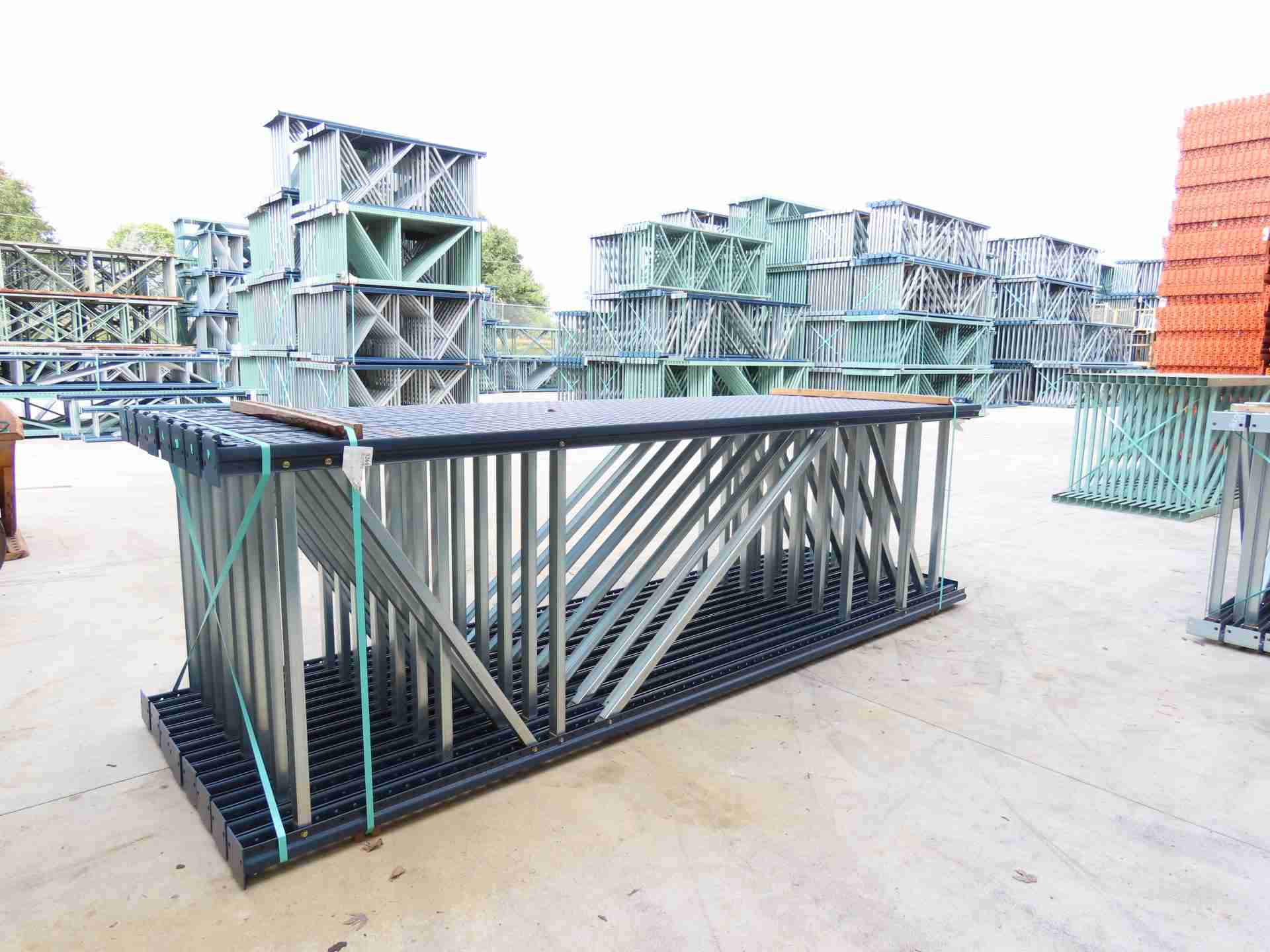
Can Cantilever Racking Improve Warehouse Efficiency?
Can Cantilever Racking Improve Warehouse Efficiency?
- Efficiency is crucial in warehousing and logistics due to e-commerce growth and supply chain challenges.
- Cantilever racking is an effective solution for storing long, bulky, or irregularly shaped items.
- It allows for easy loading and unloading, increasing storage capacity significantly—up to 40% in some cases.
- Home improvement retailers benefit from cantilever racking by better organizing large materials, improving order picking efficiency.
- Cantilever racking enhances safety by improving product visibility and reducing workplace accidents.
- The system is customizable to accommodate diverse storage needs as businesses evolve.
- Implementing cantilever racking can lead to better space utilization, increased safety, and improved overall productivity.
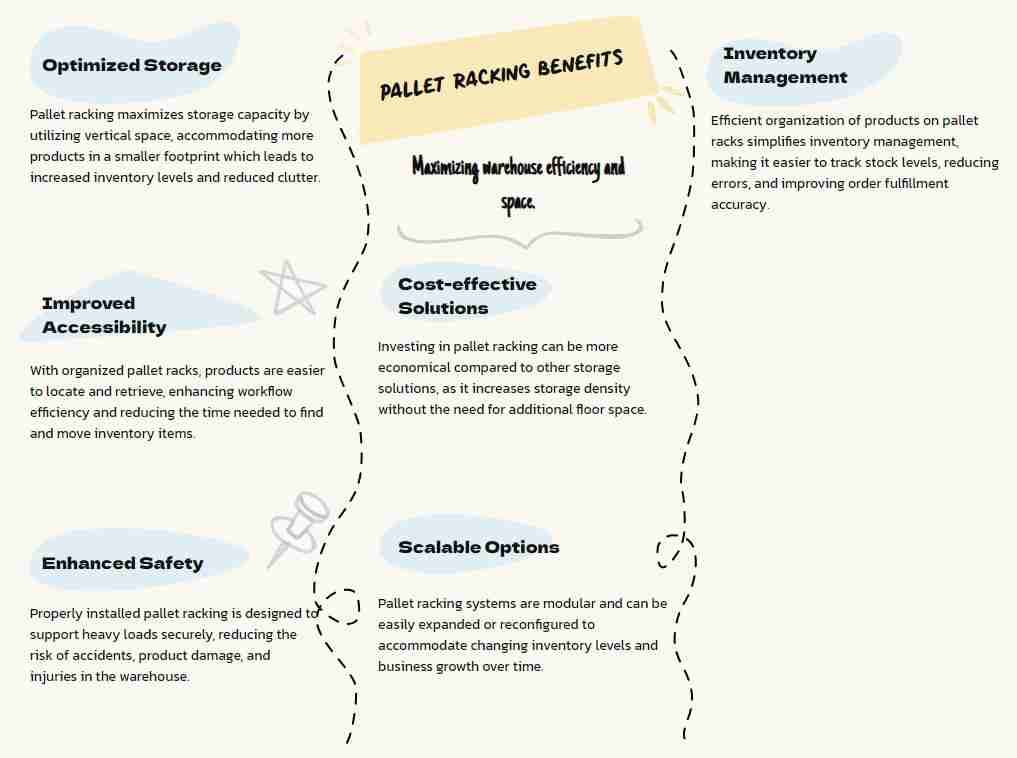
Can Cantilever Racking Improve Warehouse Efficiency?
How Does Cantilever Racking Compare To Other Racking Systems?
When it comes to maximizing storage efficiency in warehouses and distribution centers, choosing the right racking system is crucial—especially as the demands of modern supply chain logistics continue to evolve. Amidst a host of options, cantilever racking stands out as a superior choice for specific industries. Let’s explore how it compares to traditional systems like selective pallet racking or drive-in racking.
First, consider the unique advantages of cantilever racking. Designed for the storage of long and bulky items—think of lumber, pipes, or furniture—this system features arms that extend from a vertical column, allowing for easy access and optimal visibility. Unlike selective pallet racks, which can lock in items to specific heights and depths, cantilever racks provide flexibility. With adjustable heights and arm lengths, businesses can customize storage to accommodate various lengths of products, reducing wasted space and optimizing your inventory management.
Take the construction industry, for example. As new building projects surge in urban centers, suppliers face the pressure of efficiently storing larger quantities of materials. Companies utilizing cantilever racking not only gain quick and easy access to their goods but also free up valuable floor space—an essential benefit as warehouse rents skyrocket in metropolitan areas.
However, cantilever racking isn’t just about sheer power; it’s also an effective solution for heavier loads. Compared to drive-in racking systems which prioritize density over accessibility, cantilever racks can handle significant weights without sacrificing safety or ease of use. This is particularly relevant today as manufacturers experience rising raw material prices and must ensure their storage doesn’t lead to inefficiencies.
Moreover, consider the versatility offered by cantilever racking in comparison to standard shelving. While standard shelving can be rigid and limited in terms of expansion, cantilever designs are modular, enabling businesses to adapt quickly to market fluctuations or sudden shifts in inventory needs. The ability to rearrange and expand storage space means companies can pivot in times of uncertainty, a feature that has never been more relevant than in today’s fast-paced economic climate.
While traditional racking options have their place in the industry, cantilever racking proves to be an invaluable asset for specific applications. Its superior accessibility, adaptability, and strength make it the go-to choice for businesses looking to enhance efficiency, especially in sectors facing the pressures of increased demand. Embrace the trend and position your operations for success—because in today’s competitive landscape, every inch of space matters.
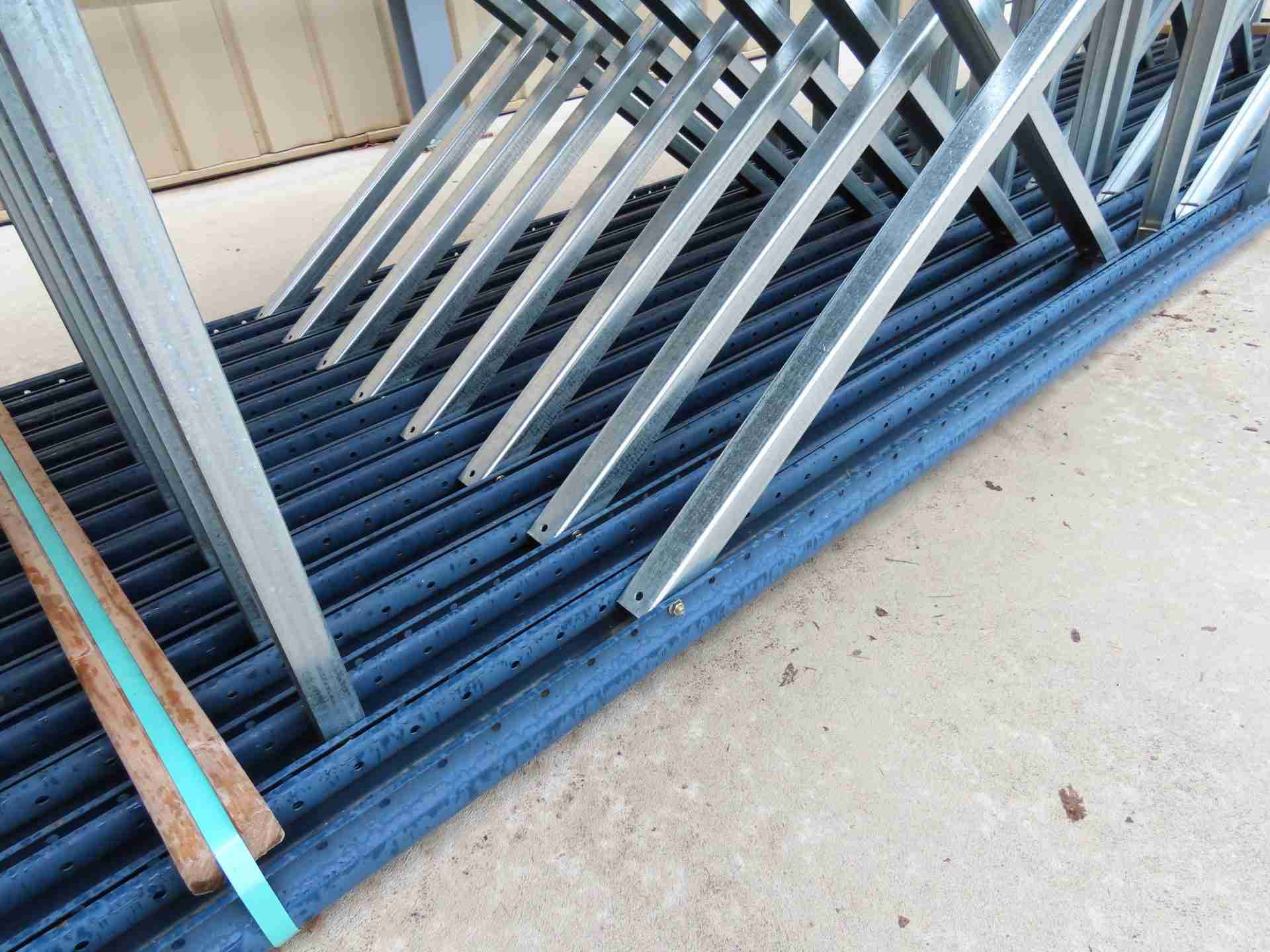
How Does Cantilever Racking Compare To Other Racking Systems?
How Does Cantilever Racking Compare To Other Racking Systems?
- Choosing the right racking system is crucial for maximizing storage efficiency in warehouses and distribution centers.
- Cantilever racking is ideal for long and bulky items, providing easy access and optimal visibility.
- Unlike selective pallet racks, cantilever racks offer flexibility with adjustable heights and arm lengths.
- Cantilever racking helps construction suppliers efficiently store large quantities of materials, freeing up valuable floor space.
- This system can handle significant weights, prioritizing safety and ease of use over density.
- Cantilever racking is modular and adaptable, allowing businesses to quickly respond to market fluctuations.
- Overall, cantilever racking enhances efficiency in sectors facing increased demand, making it a superior choice for specific applications.
How Does Cantilever Racking Compare To Other Racking Systems?
What Factors Affect The Durability Of Cantilever Racking?
When it comes to maximizing warehouse efficiency, cantilever racking stands as a premier choice for storing bulky and long items like lumber, pipes, and furniture. However, while its design offers flexibility and versatile storage solutions, the durability of cantilever racking can vary significantly based on several critical factors. Understanding these elements can not only extend the lifespan of your racking system but also enhance your overall operations, providing a compelling return on your investment.
1. Material Quality:
The cornerstone of durability in cantilever racking lies in the quality of materials used during its manufacturing. Racks made from high-grade steel not only withstand substantial loads but also resist corrosion better than their lower-grade counterparts. For instance, when global steel prices surged earlier this year due to supply chain disruptions, investing in racks made from premium materials became essential for businesses aiming to avoid frequent replacements. Opting for heavy-gauge steel can help businesses reduce long-term costs by decreasing the need for intense maintenance.
2. Load Capacity:
Each cantilever rack is rated for a specific load capacity. Overloading racks not only risks structural integrity but can lead to dangerous accidents. It’s essential to evaluate the weight of the items you plan to store. For example, as the construction industry remains buoyant post-pandemic, companies are turning to cantilever systems designed to handle heavier loads. By adhering to designated load limits, you ensure the longevity of your racking system while maintaining a safe work environment.
3. Installation and Maintenance:
Proper installation is paramount. Engage professionals who understand the nuances of cantilever systems to avoid costly malfunctions. A poorly installed rack can buckle under pressure, rendering it unusable. Meanwhile, routine maintenance—including inspections for weld integrity and structural wear—plays a critical role. As companies increasingly rely on automated inventory systems, they find that regular checks and balances on their cantilever racking can preempt expensive fixes down the line.
4. Environmental Factors:
Finally, consider the environment where your cantilever racks will be located. Moist and humid conditions can accelerate the deterioration of metal components unless they are appropriately coated or treated. For example, warehouses situated near coastal areas must invest in marine-grade finishes to combat rust. Additionally, extreme temperature shifts can affect the performance of your racking; thus, climate control might become necessary for long-term functionality.
When investing in cantilever racking, it pays to be mindful of the factors affecting its durability. By prioritizing quality materials, adhering to load capacities, ensuring professional installation and maintenance, and accounting for environmental conditions, you can achieve a storage solution that stands the test of time. Remember, durable assets not only save money—they bolster efficiency, safety, and ultimately, profitability.
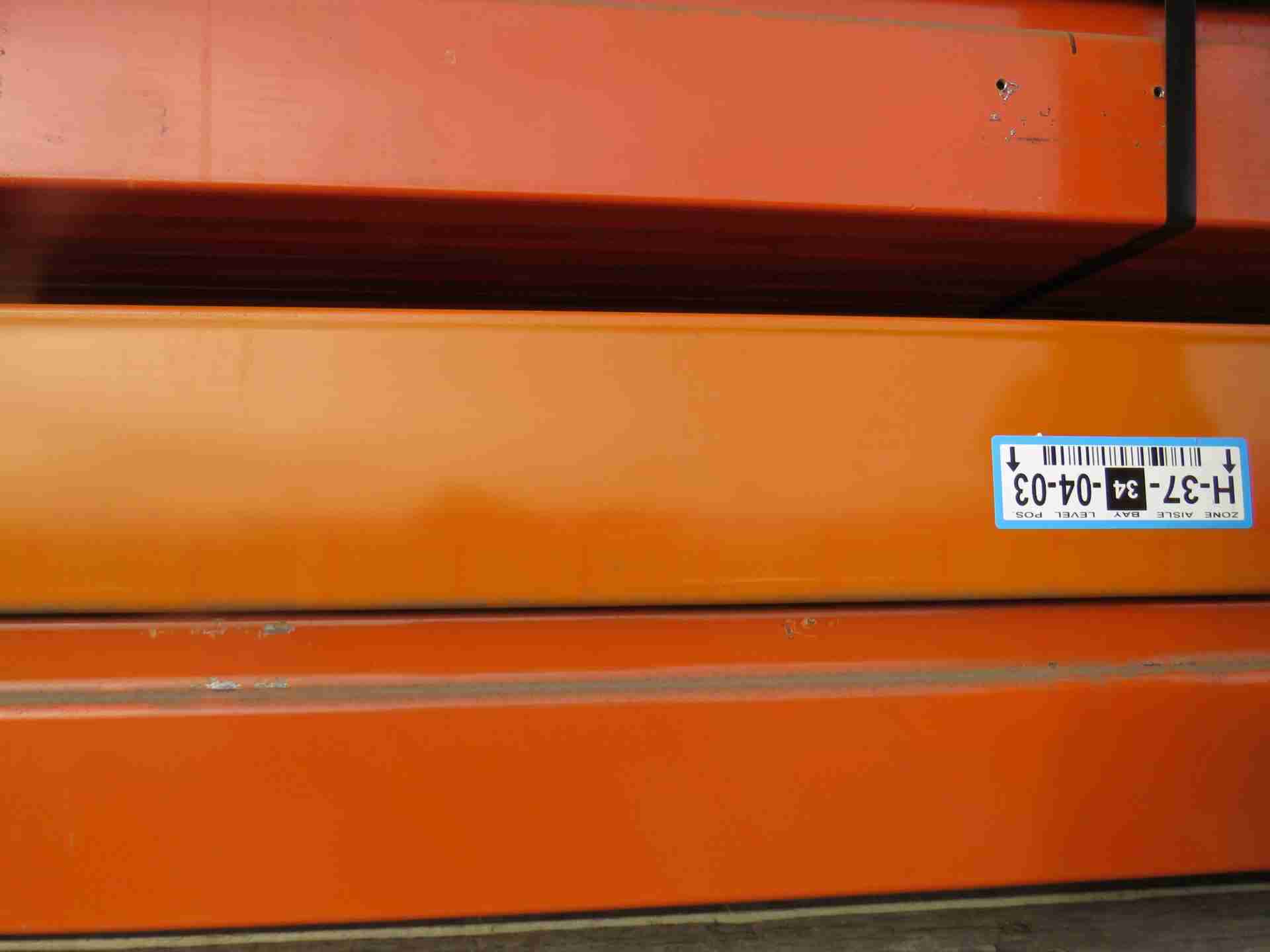
What Factors Affect The Durability Of Cantilever Racking?
What Factors Affect The Durability Of Cantilever Racking?
- Maximizes Warehouse Efficiency: Cantilever racking is ideal for bulky and long items like lumber, pipes, and furniture.
- Material Quality: High-grade steel racking offers better durability and corrosion resistance, reducing long-term costs.
- Load Capacity: Each rack has a specific load limit; overloading can compromise safety and structural integrity.
- Installation and Maintenance: Professional installation and routine maintenance are crucial to avoid malfunctions and ensure longevity.
- Environmental Factors: Conditions like humidity and temperature shifts can affect racking durability; protective coatings may be necessary.
- Investment Considerations: Focus on quality, load limits, installation, maintenance, and environmental factors for long-lasting solutions.
- Benefits: Durable cantilever racking enhances efficiency, safety, and profitability over time.
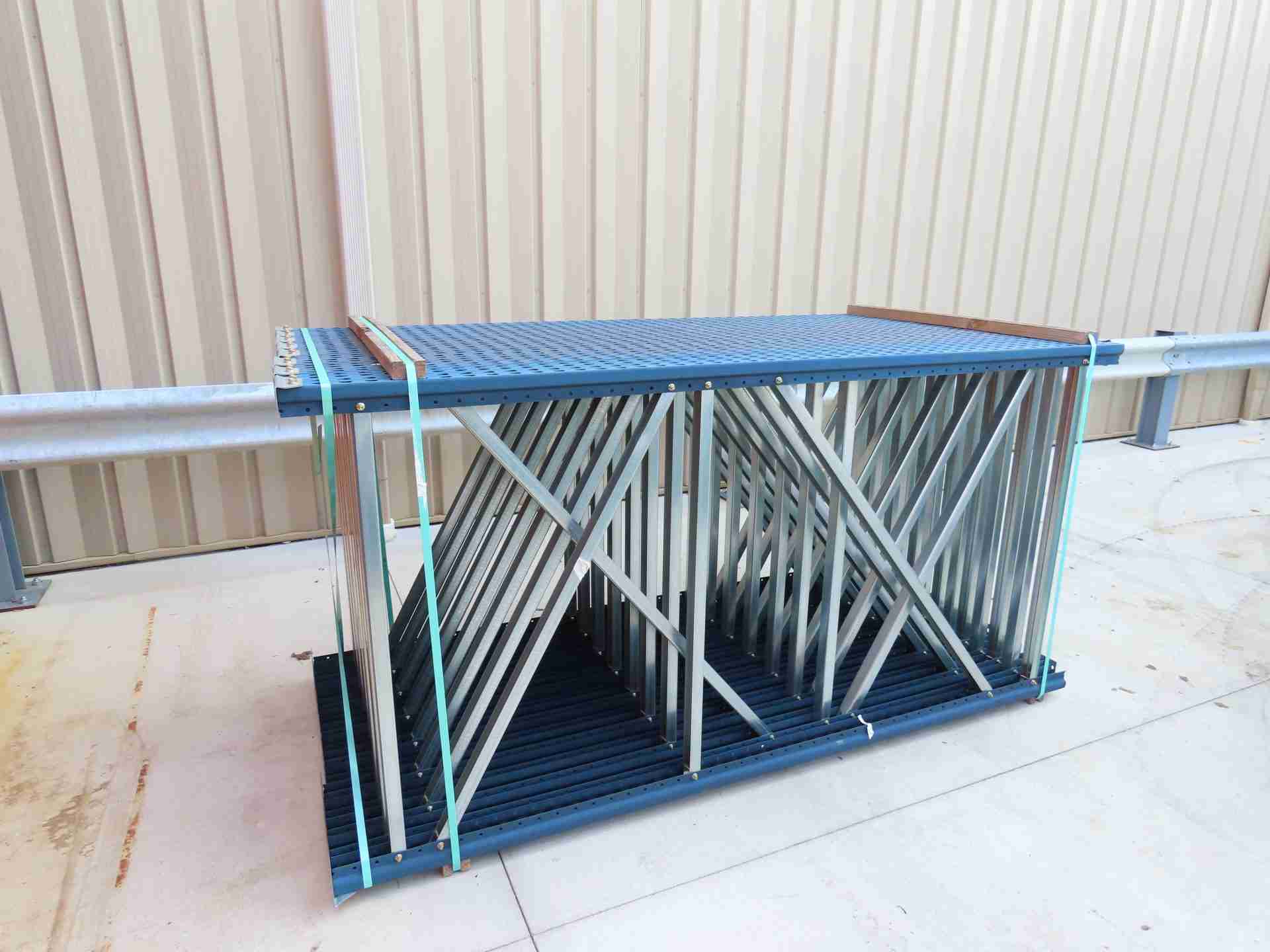
What Factors Affect The Durability Of Cantilever Racking?
How Do I Choose The Right Cantilever Racking For My Needs?
Choosing the right cantilever racking system for your business isn’t just an option—it’s essential for streamlining operations and maximizing productivity. Whether you’re managing a lumber yard, a warehouse, or any outfit that handles long and bulky items, the right racking setup can be the difference between chaos and order.
Understand Your Space and Inventory Needs
Before you dive into selecting a cantilever racking solution, take a careful inventory of both your physical space and the merchandise you’ll be storing. Measure the height and width of your loading area. Remember, the higher the racking, the more vertical space you can leverage. However, if your operations require frequent access, extremely high racks might introduce delays. Take a recent example from the automotive parts industry, where companies like AutoZone have realized the efficiency of lower racks to speed up item retrieval in response to increasing consumer demand.
Consider Your Product Types
Cantilever racking is ideal for storing long or irregularly shaped items, like pipes, lumber, or sheet metal. Your products dictate the required design elements. For instance, if you deal predominantly with heavy materials, opt for a heavy-duty cantilever racking system with robust arms to ensure stability and safety. Conversely, if you’re stockpiling lighter merchandise, you might benefit from a lighter structural design—optimizing cost without sacrificing strength. Companies like Home Depot have successfully implemented this strategy, creating a flexible workspace that adapts seamlessly to various product types.
Evaluate Accessibility and Forklift Compatibility
Another critical factor is how you’ll be accessing your stored items. If you’re using forklifts, ensure your chosen cantilever racking is compatible and provides sufficient aisle space for maneuvering. Avoid the mistake many make—choosing a system that is too compact, leading to accidents and damaged goods. Current trends indicate that companies are focusing on increased automation within warehouses; selecting a racking system that allows for future upgrades or integrations could save you headaches down the line.
Assess Modular Options for Future Growth
Look for cantilever racking systems that offer modular designs, allowing for easy expansion as your inventory grows. In light of recent supply chain fluctuations, businesses are realizing the importance of adaptability. A modular system can save you from having to replace your entire racking setup as your needs evolve.
At the end of the day, investing time upfront in choosing the right cantilever racking will reward you with operational efficiency, safety, and scalability. Remember, your choice not only reflects current needs but also sets the stage for future success. Plan wisely!
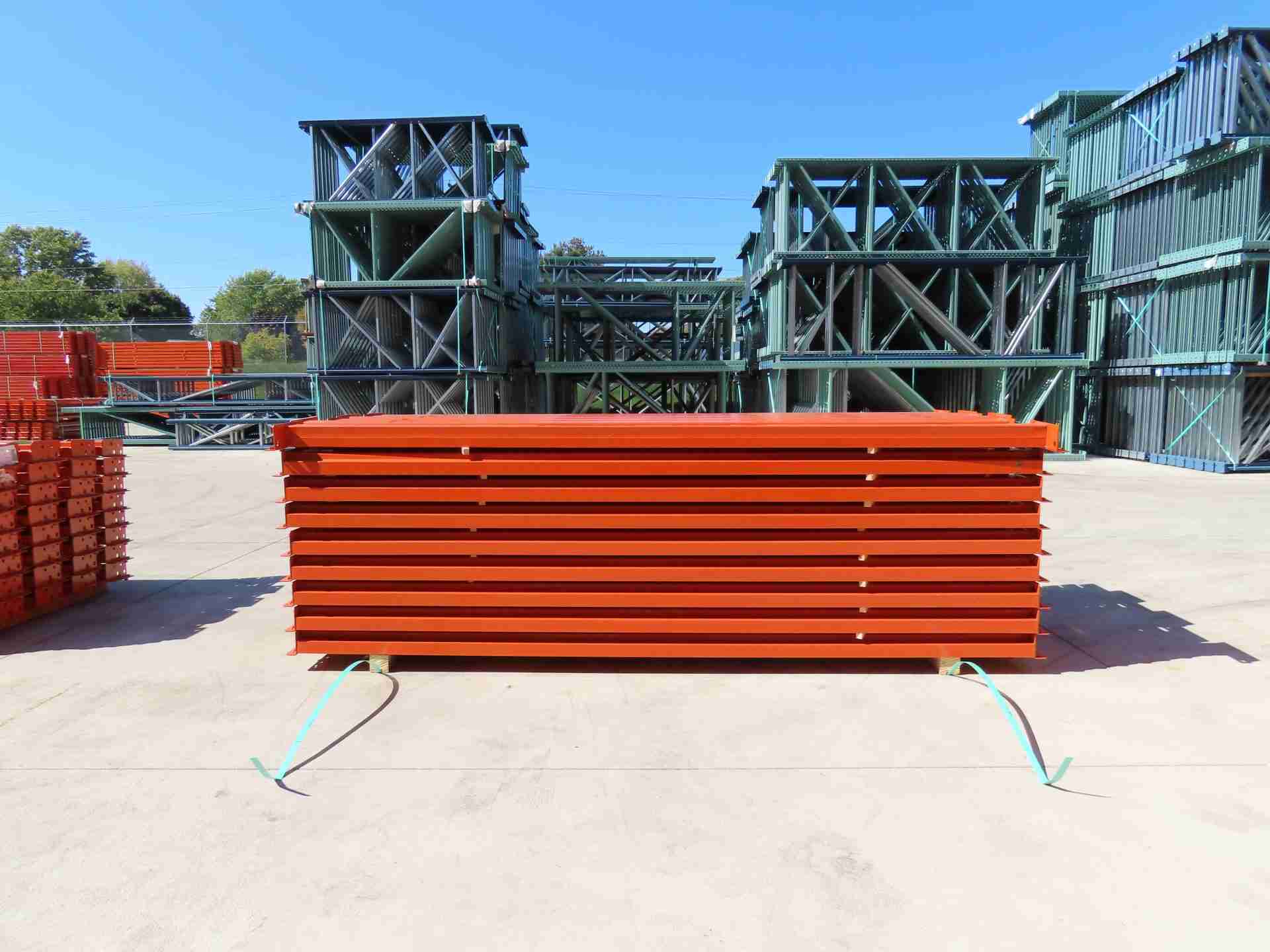
How Do I Choose The Right Cantilever Racking For My Needs?
How Do I Choose The Right Cantilever Racking For My Needs?
- Choosing the right cantilever racking system is essential for efficient operations and productivity.
- Inventory and space assessment is crucial—measure height and width of loading areas to determine racking needs.
- Consider the type of products; heavier items require heavy-duty racks, while lighter merchandise can use a lighter design.
- Accessibility and forklift compatibility are vital; avoid compact systems that can lead to accidents and inefficiencies.
- Look for modular racking options that allow for easy expansion as your inventory grows.
- Investing time in selecting the right racking system enhances operational efficiency, safety, and scalability.
- Your choice should address both current needs and future growth for sustained success.
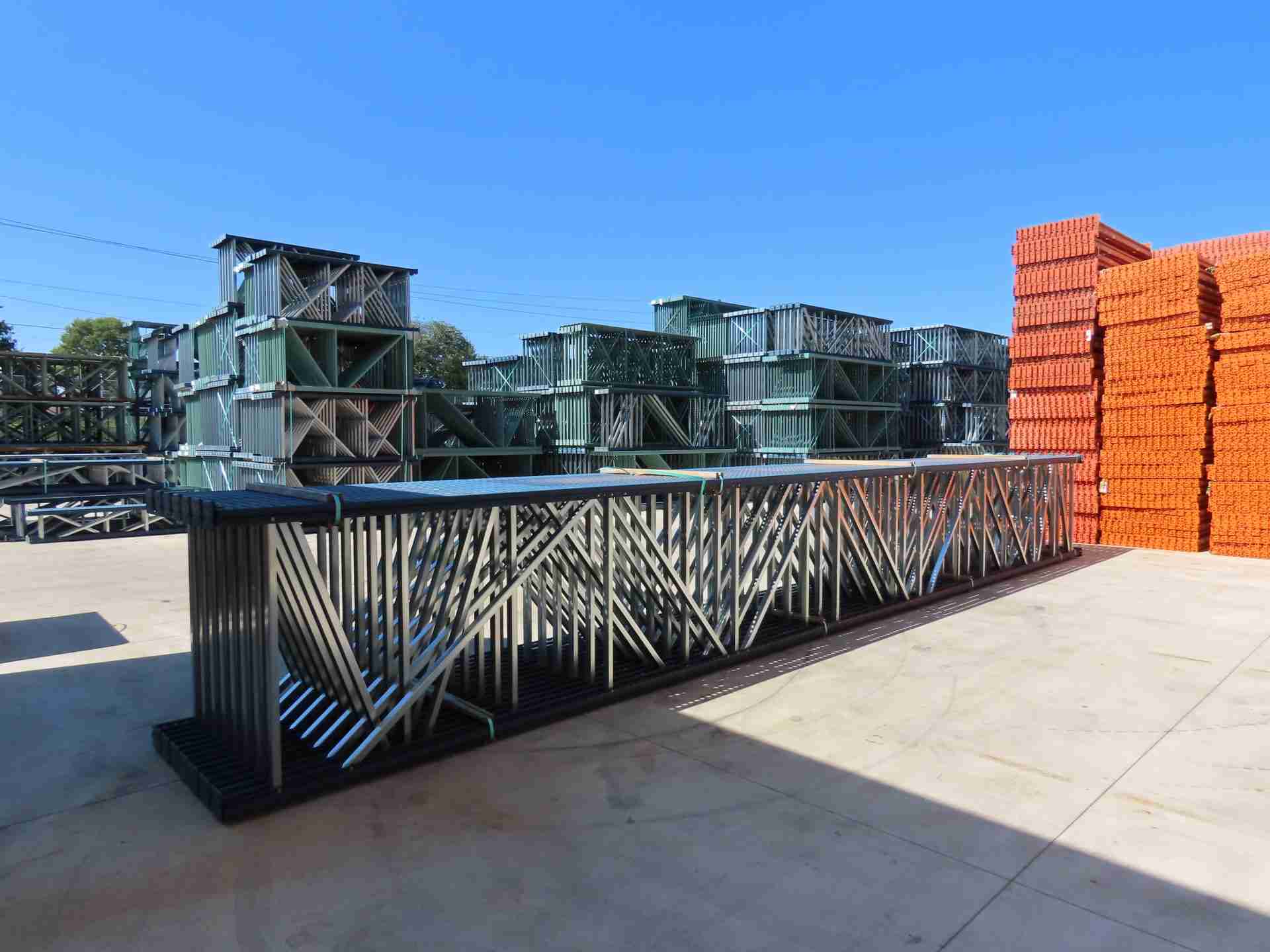
How Do I Choose The Right Cantilever Racking For My Needs?
How Can I Maintain Cantilever Racking To Prevent Damage?
In today’s fast-paced warehousing and logistics landscape, the reliability of your storage solutions is paramount. Cantilever racking stands out as a versatile choice, especially for businesses dealing with long or bulky items. However, maintaining these systems is critical to ensuring they serve their purpose effectively and safely, ultimately protecting your assets and profits.
Regular Inspections are Key
Begin by establishing a routine for inspections. Just like any critical asset in your facility, your cantilever racks require regular check-ups. According to industry standards, conducting visual inspections monthly can help catch potential issues early. Look for signs of wear and tear such as rust, bent arms, or damaged beams. As you inspect, it’s useful to compare your racks against recent warehouse accidents or news reports; for instance, in late 2022, several regions saw significant disruptions due to catastrophic warehouse collapses linked to improper racking maintenance. These incidents serve as a potent reminder of what’s at stake.
Optimize Load Distribution
Next, ensure that you’re adhering to the load specifications set by the manufacturer. Overloading racks can lead to catastrophic failures. Implement a color-coded labeling system for load limits, which not only assists your team in adhering to guidelines but also serves as a daily reminder of best practices. For example, during a logistics seminar held in New York City last year, experts highlighted that one simple change, like clear labeling of weight limits, resulted in a 30% decrease in loading errors across several participating warehouses.
Training and Safety Culture
Don’t overlook the human element. Regularly train your team on proper racking procedures, emphasizing the importance of safety and efficiency in handling materials. Consider incorporating simulations or safety drills focused on rack usage. Document successes—like a recent case where a retail chain, after adopting a rigorous training regimen, reported a 40% decrease in workforce injuries due to racking-related incidents.
Preventive Maintenance Plans
Finally, implement a preventive maintenance plan that includes lubrication of moving parts, alignment of racks, and replacing worn-out components to extend the life of your racking system. Assign a team responsible for overseeing this plan; accountability ensures that maintenance is not just an afterthought but becomes engrained in your company culture.
By understanding these critical maintenance strategies, businesses can avoid costly damage, enhance operational efficiency, and safeguard their investments in cantilever racking systems. Remember, your racks are not just storage systems; they are the backbone of your efficiency and profitability. Make the commitment to maintain them today and watch your operations thrive.

How Can I Maintain Cantilever Racking To Prevent Damage?
How Can I Maintain Cantilever Racking To Prevent Damage?
- Regular inspections are essential; perform monthly visual checks for wear and tear.
- Stay informed about recent warehouse accidents to emphasize the importance of maintenance.
- Adhere to load specifications to prevent catastrophic failures; consider a color-coded labeling system for load limits.
- Proper training for staff on racking procedures is vital, focusing on safety and efficiency.
- Incorporate simulations and safety drills related to racking usage to enhance understanding.
- Establish a preventive maintenance plan that includes lubrication, alignment, and component replacement.
- Accountability in maintenance practices can help embed safety culture and operational efficiency in your organization.
How Can I Maintain Cantilever Racking To Prevent Damage?
Are There Specific Industries That Utilize Cantilever Racking?
If you’re in the realm of inventory management, warehousing, or manufacturing, you’ve likely heard the buzz about cantilever racking. This innovative storage solution isn’t just a trend; it’s a game-changer for various industries that require heavy-duty storage solutions. Let’s explore who’s using cantilever racking and why it’s essential for their operations.
1. Lumber and Building Materials:
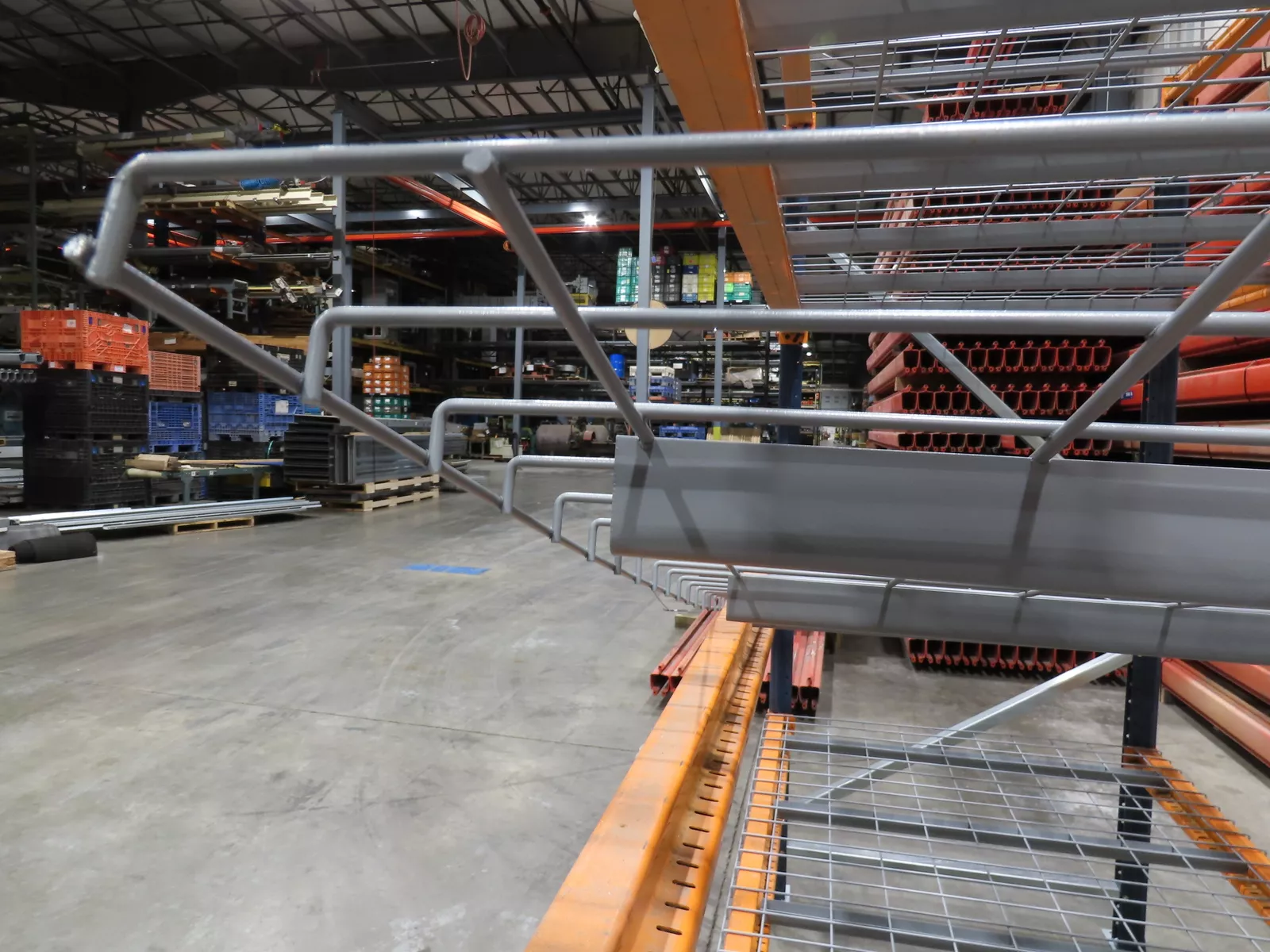
Lumberyards are notorious for disorganization, yet they can’t afford to sacrifice efficiency or accessibility. Cantilever racking provides the perfect solution for storing long, bulky items like lumber and steel pipes. These racks eliminate the clutter and maximize vertical space, allowing easy access to materials without the risks associated with traditional storage systems. As the construction industry ramps up post-pandemic, with an uptick in housing projects and infrastructure upgrades, lumberyards equipped with cantilever racks are poised to handle increased demand swiftly.
2. Manufacturing and Distribution:
Manufacturers handling large components — think auto parts, furniture, or appliances — can’t afford to waste a second. Cantilever racking allows for an organized, accessible inventory layout that enhances workflow. Recent supply chain disruptions highlighted the importance of efficient inventory management. Companies like General Motors and Whirlpool are increasingly turning to cantilever systems to streamline their warehousing processes, thereby reducing lead times and improving output, especially as they pivot to meet rising consumer demand.
3. Wholesale and Retail:
From big-box retailers to specialized wholesale distributors, businesses that need to accommodate a variety of products have found a friend in cantilever racking. The flexibility of these racks means that they can store anything from clothing and textiles to large appliances. As e-commerce continues to shape retail dynamics, warehouses outfitted with cantilever systems can respond more quickly to fluctuations in customer demands and seasonal inventory changes, ensuring they are always a step ahead in the competitive landscape.
4. Recycling and Salvage Operations:
With the increased focus on sustainability and recycling, businesses in this sector are turning to cantilever racking to facilitate better inventory management of salvaged materials. By utilizing these racks for metals, plastics, and wood, companies like SCRAP and Reclaimed Wood Exchange can operate more efficiently, ultimately promoting a greener business model.
In summary, cantilever racking isn’t just an asset; it’s a necessity for businesses across various industries. As companies scramble to maximize efficiency and streamline operations, integrating cantilever systems into their warehouses is a surefire way to gain a competitive edge. So, if you haven’t explored this storage solution yet, the time is now.
Are There Specific Industries That Utilize Cantilever Racking?
Are There Specific Industries That Utilize Cantilever Racking?
- Cantilever racking is a crucial storage solution for industries such as inventory management, warehousing, and manufacturing.
- It is particularly effective for storing long, bulky items like lumber and steel pipes, enhancing accessibility and efficiency in lumberyards.
- Manufacturers are using cantilever racking to organize large components, improving workflow and reducing lead times, especially amid supply chain disruptions.
- Wholesale and retail businesses benefit from the flexibility of cantilever racks to store a variety of products, adapting to e-commerce demands.
- Recycling and salvage operations utilize cantilever racking to manage salvaged materials efficiently, promoting sustainability.
- Cantilever racking is essential for maximizing efficiency and streamlining operations across various sectors.
- Businesses are encouraged to explore cantilever racking as a means to gain a competitive edge in their industry.

Are There Specific Industries That Utilize Cantilever Racking?
Conclusion
As the landscape of warehousing and logistics continues to evolve, businesses cannot afford to overlook the importance of efficient storage solutions. Cantilever racking emerges as a transformative answer to both space optimization and product protection. Designed for the complexities of storing long, bulky, or irregularly shaped items like lumber and furniture, cantilever racking not only maximizes storage capacity but safeguards your products from damage. With its open design allowing for easy access and reduced handling, businesses see a dramatic downturn in product loss—a staggering 40% reduction in damage reported by a leading furniture distributor serves as a testament.
Remember, each day spent with inadequate storage means lost time and money. In a world where every moment—and inch of warehouse space—counts, cantilever racking delivers not just efficiency, but enhances safety and fosters smoother operations. This revolutionary system adapts beautifully, ready to scale alongside your inventory needs without requiring full overhauls or significant investment in future upgrades. As industries grapple with increasing demands and supply chain complexities, ensuring that your goods are securely stored while easily accessible has never been more critical.
So, what’s your next step? Are you prepared to transform your storage operations into a bastion of efficiency and reliability? Don’t wait—time is of the essence. The sooner you integrate cantilever racking into your operations, the quicker you can bolster both your profit margins and your reputation as a dependable provider in your market.
Act now! Call Arrow Industrial Sales at (574) 349-6575 to discover how cantilever racking can revolutionize your warehousing strategy. Elevate your business with a system that enhances not just storage, but the very fabric of your operational framework. This innovative investment is waiting to pay you back in dividends—don’t be left behind! Embrace the future of warehousing today and ensure that your success story is one of resilience and growth. Your products deserve it; your bottom line needs it.
Conclusion
Conclusion:
- Cantilever racking is an efficient solution for optimizing storage space in warehouses.
- It is ideal for storing long, bulky, or irregularly shaped items, such as lumber and furniture.
- Businesses can experience a 40% reduction in product damage by using cantilever racking.
- The open design of cantilever racks enhances accessibility and reduces product handling.
- Cantilever racking adapts to changing inventory needs without significant investments in upgrades.
- Integrating cantilever racking increases profit margins and improves market reputation.
- Contact Arrow Industrial Sales at (574) 349-6575 to explore cantilever racking options.
Conclusion
Other Resources
Other Resources
Here is a list of other resources you can review online to learn more:
- “Cantilever racking | Racking and Shelving”
- “Cantilever Racking & Lumber Racking for Warehouse”
- “Cantilever Racking for Warehouse Management”
- “Furniture Storage – Cantilever Rack”
- “Cantilever racking: a warehouse-friendly guide”
- “Pallet Rack – Creative Solutions to Increase Storage …”
- “Cantilever Racking – Effective Storage for Non-Standard …”
- “Cantilever Racks”
Other Resources
Glossary Terms
How Can Cantilever Racking Reduce Product Damage? – Glossary Of Terms
1. Cantilever Racking: A storage system that consists of vertical posts with arms extending horizontally, designed to support long and bulky items.
2. Product Damage: Harm or deterioration that occurs to goods during handling, storage, or transportation.
3. Load Distribution: The way weight is spread across the racking system, affecting stability and safety.
4. Stability: The ability of the racking system to remain balanced and upright under load without tipping over.
5. Accessibility: The ease with which products can be accessed for retrieval or inspection, often enhanced by cantilever designs.
6. Vertical Space Utilization: The practice of maximizing storage in higher areas by using cantilever racks, thereby increasing overall storage capacity.
7. Forklift Compatible: The capability of a racking system to accommodate various types of forklifts for efficient loading and unloading.
8. Protection Barriers: Elements, such as guardrails or safety stops, incorporated in racking to prevent product fall and damage.
9. Bending Stress: The internal forces experienced by a racking arm when a load is applied, which cantilever racks are designed to minimize.
10. Weight Capacity: The maximum load that a cantilever rack can safely support, critical for preventing product damage.
11. Material Handling: The movement, protection, and control of products throughout the warehousing and storage processes.
12. Customization: The ability to modify racking configurations to meet specific product dimensions and storage needs.
13. Cross-bracing: Structural supports used in racking to enhance rigidity and stability, preventing swaying and collapse.
14. Safety Standards: Regulations and guidelines that dictate how racking systems should be designed and maintained to ensure safe operation.
15. Inventory Management: The process of tracking stock levels and locations, enhanced by organized racking systems.
16. Handling Equipment: Tools and machinery, such as forklifts and pallet jacks, used to maneuver products into and out of racking systems.
17. Damage Prevention: Strategies and measures implemented to minimize risks of product harm during storage and handling.
18. Lean Storage: An inventory practice aimed at minimizing waste and maximizing efficiency, supported by optimal racking designs.
19. Heavy-Duty Design: Features that enable racking systems to bear significant loads without bending or breaking.
20. Open Design: A feature of cantilever racking that allows for easy visibility and access to products, reducing handling errors.
21. Ergonomics: The study of how design can optimize human interaction for safety and efficiency, important in racking configurations.
22. Modular Systems: Racking that can be added to or reconfigured as needs evolve, supporting dynamic inventory changes.
23. Fork Entry: The allowed space and clearance for fork entries while accessing products on the racking arms.
24. Weight Distribution Plan: A strategy for allocating products across the racking system to avoid overloading particular sections.
25. Periodic Inspection: Regular examination of racking systems for signs of wear, damage, or instability, essential for maintaining safety.
26. Durability: The ability of materials used in racking systems to withstand wear and tear over time, essential for long-term usage.
27. Securing Loads: Methods to stabilize products on cantilever arms, such as straps, ties, or anchor systems to prevent movement.
28. Spacial Configuration: The layout and arrangement of racking systems to maximize storage efficiency while minimizing product risk.
29. Product Visibility: The clarity with which stored items can be seen, often facilitated by cantilever racking’s open structure.
30. Operational Efficiency: The effectiveness of processes in warehousing or storage that can be improved by implementing cantilever racking systems.
Other Questions
How Can Cantilever Racking Reduce Product Damage? – Other Questions
If you wish to explore and discover more, consider looking for answers to these questions:
- What are the cost implications of investing in cantilever racking?
- How does cantilever racking installation work?
- What safety regulations should be considered when using cantilever racking?
- Are there any limitations to using cantilever racking?
- How does cantilever racking impact warehouse layout and design?
- What maintenance practices are recommended for cantilever racking?
- Can cantilever racking be customized for different product sizes?
- What training is necessary for staff using cantilever racking systems?
- How does cantilever racking affect inventory management systems?
- What are the environmental considerations for cantilever racking systems?
Checklist
How Can Cantilever Racking Reduce Product Damage? – A Checklist
Pre-Implementation Planning
1. Assess Your Space:
_____ Measure the height and width of your loading area.
_____ Determine the layout to maximize vertical and horizontal space.
2. Inventory Needs:
_____ Take an inventory of the types of products you handle, especially bulky or long items.
3. Evaluate Product Types:
_____ Identify if your products include lumber, pipes, furniture, automotive parts, etc.
_____ Consider weight and size variations to select the appropriate rack system.
4. Accessibility Requirements:
_____ Analyze how items will be accessed (forklifts, manual handling).
_____ Ensure there is adequate aisle space for movement.
Choosing the Right Cantilever Racking
5. Select Appropriate Racking:
_____ Choose a racking system based on product weight and dimensions.
_____ Consider heavy-duty options for substantial loads.
6. Modular Design Considerations:
_____ Opt for modular systems that can be easily expanded as your inventory grows.
7. Installation Considerations:
_____ Engage professionals for installation to ensure safety and performance.
Maintenance and Safety
8. Regular Inspections:
_____ Establish a routine monthly inspection schedule for wear and structural integrity.
_____ Document any abnormalities or needed repairs.
9. Load Distribution Practices:
_____ Strictly adhere to designated load capacities for safety.
_____ Implement color-coding for load limits to assist staff in compliance.
10. Employee Training:
_____ Conduct regular training on proper loading and safety procedures.
_____ Include simulations or drills that focus on safe racking procedures.
11. Preventive Maintenance:
_____ Develop a maintenance plan that includes inspections, repairs, and lubrication.
_____ Designate a team or individual responsible for oversight.
Operational Efficiency
12. Optimize Layout:
_____ Organize products based on retrieval frequency to minimize picking time.
_____ Keep frequently accessed items closer to operational areas.
13. Leverage Technology:
_____ Consider implementing inventory management software to keep track of stored items.
_____ Ensure compatibility of cantilever racking with automation tools being used.
Performance Review
14. Assess Efficiency Gains:
_____ Review warehouse operations regularly to determine efficiency and damage reductions.
_____ Measure improvements in inventory management and employee safety metrics.
15. Continual Improvement:
_____ Seek feedback from employees on the usability and accessibility of the racking system.
_____ Make adjustments based on observed efficiency and safety during operational reviews.
Implementing this checklist will help you successfully integrate cantilever racking into your storage system, ensuring efficiency and product protection. Adjustments and continuous improvement cycles will foster an environment that supports your operational goals.
At RackingWorld, we help guide you through selecting warehouse storage systems and racking.
Be sure to read our other related stories at RackingWorld to learn more about warehouse storage systems.
0 Comments