
Understanding OSHA Guidelines For Rack Load Capacity
By Tom Seest
At RackingWorld, we help guide you through selecting warehouse storage systems and racking.
Be sure to read our other related stories at RackingWorld to learn more about warehouse storage systems.
What Is Storage Rack Load Capacity OSHA?
What Is Storage Rack Load Capacity According to OSHA?
When it comes to maximizing warehouse efficiency, understanding storage rack load capacity is not just a matter of practicality—it’s a matter of compliance. The Occupational Safety and Health Administration (OSHA) has stringent guidelines regarding the load capacity of storage racks, ensuring safety for everyone involved. Failure to comply with these guidelines can lead to devastating accidents, hefty fines, and even legal ramifications. So, let’s break down what you need to know about storage rack load capacity and how OSHA standards can safeguard your business.
Defining Load Capacity
At its core, load capacity refers to the maximum weight that a storage rack can safely support. This is determined by several factors, including the material from which the rack is constructed, its design, and the way it’s anchored to the ground. According to OSHA guidelines, every type of racking system—be it selective, drive-in, or cantilever—has specific load limits that must be adhered to.
For example, a selective rack designed for standard warehouse storage may have a load capacity ranging from 2,000 to 4,000 pounds per beam level, depending on its design and the materials used. On the other hand, a drive-in rack, optimized for high-density storage, might bear heavier loads but also requires careful attention to the placement of pallets and the weight distribution. Ignoring these specifications can lead to catastrophic failures, as undersized racks can buckle or collapse, risking lives and property.
The Importance of Regular Inspections
To comply with OSHA regulations, businesses should conduct regular inspections of their storage systems. In the aftermath of recent supply chain disruptions, the emphasis on efficient warehouse management has never been higher. Companies are ramping up inventory levels to meet consumer demand, but they are also overloading storage systems without considering rack capacity. Remember, just because a rack can hold an impressive number of items doesn’t mean it’s safe to do so.
Consider the case of a major retail chain that recently faced fines when an overloaded storage rack failed during a peak shopping season. The incident injured several employees and led to public scrutiny, highlighting the importance of adherence to load capacity regulations.
Taking Action for Compliance
To avoid such tragic events, inspect your storage racks regularly, invest in training for your staff about load limits, and consult with professionals to ensure your racks are appropriate for your specific needs. Not only will this keep your workforce safe, but it can also protect your business from costly legal consequences.
Understanding and implementing OSHA’s storage rack load capacity guidelines is more than just a regulatory obligation—it’s a smart business strategy that can save you from disaster. By prioritizing safety, you not only secure your operation but also create a culture that values the well-being of your employees and the integrity of your assets.
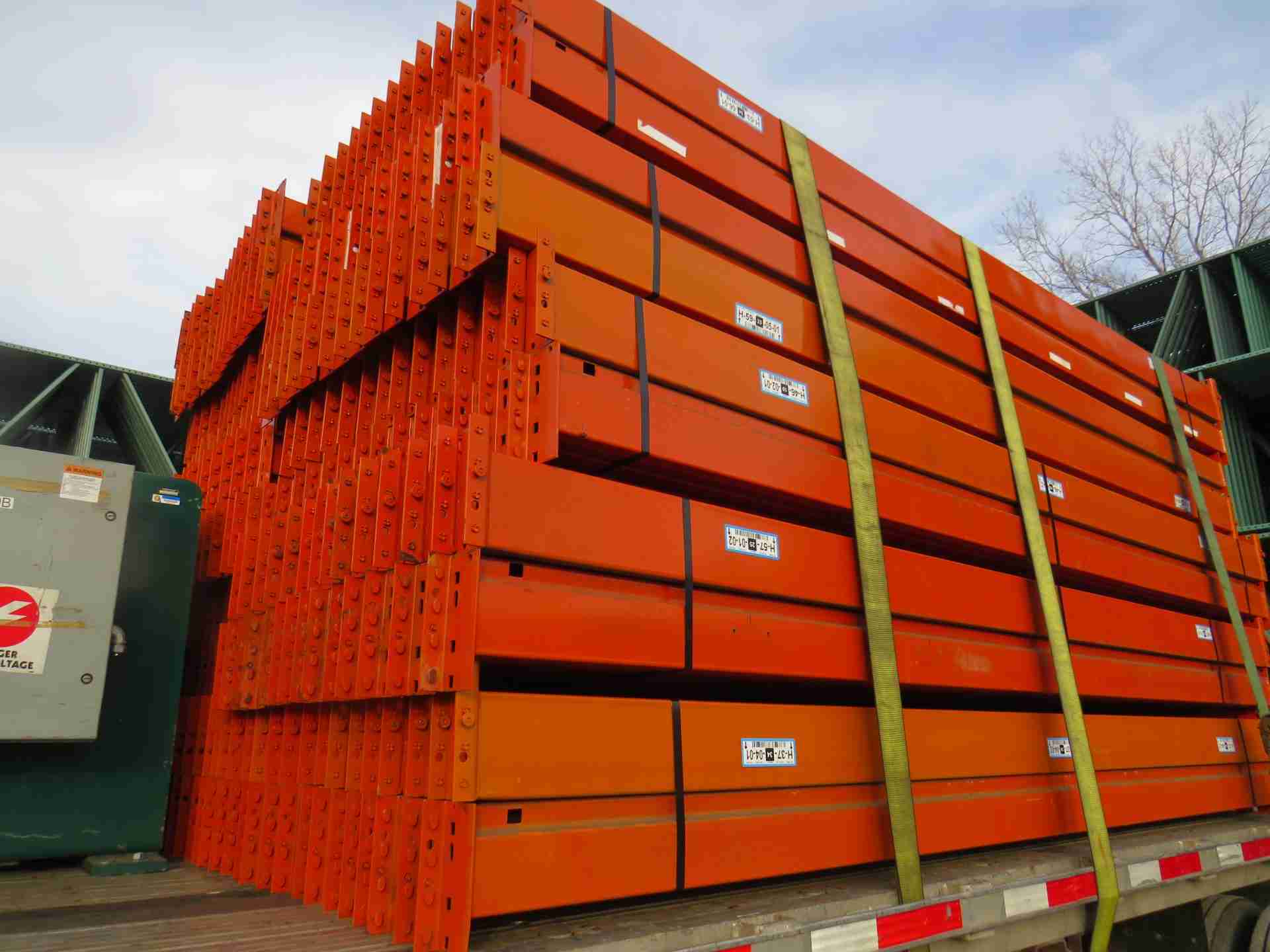
What Is Storage Rack Load Capacity OSHA?
What Is Storage Rack Load Capacity OSHA?
- Storage rack load capacity is crucial for warehouse efficiency and OSHA compliance.
- Load capacity refers to the maximum weight a storage rack can safely hold, influenced by materials and design.
- Different racking systems have specific load limits, such as 2,000 to 4,000 pounds for selective racks.
- Regular inspections are necessary to ensure compliance and prevent accidents caused by overloading racks.
- Past incidents, like an overloaded rack at a retail chain, highlight the risks and legal implications of ignoring load capacities.
- Training staff on load limits and consulting with professionals can help maintain safe storage practices.
- Adhering to OSHA guidelines promotes safety and protects the business from legal and financial repercussions.

What Is Storage Rack Load Capacity OSHA?
Table Of Contents
- What Is Storage Rack Load Capacity OSHA?
- What Regulations Affect Storage Rack Load Capacity?
- How Is Load Capacity Calculated?
- What Factors Influence Load Capacity In Racks?
- What Types Of Loads Are Considered In Capacity Ratings?
- How Do I Determine The Load Capacity Of My Storage Rack?
- What Materials Are Commonly Used For Storage Racks?
- Are There Safety Standards For Storage Rack Installation?
- How Can I Ensure My Racks Comply With OSHA Guidelines?
- What Are Common Mistakes In Calculating Rack Load Capacity?
- How Often Should I Inspect Storage Racks For Safety?
- What Is The Impact Of Weight Distribution On Rack Capacity?
- How Do Environmental Conditions Affect Load Capacity?
- What Are The Consequences Of Exceeding Load Capacity?
- How Can I Improve Storage Rack Safety In The Workplace?
- What Training Is Required For Employees Using Storage Racks?
- Conclusion
- Other Resources
- Glossary Of Terms
- Other Questions
- Checklist
What Regulations Affect Storage Rack Load Capacity?
When it comes to optimizing your warehouse’s storage capabilities, understanding the regulations governing storage rack load capacity is not just a technical checkbox—it’s a critical strategy for maximizing both safety and profitability. Several key regulations and standards come into play, and knowing them can save your business from costly mistakes.
First, let’s spotlight the Occupational Safety and Health Administration (OSHA). OSHA sets forth regulations requiring that all storage systems ensure safe working conditions. For instance, if your pallet racks are overloaded, you might face hefty fines and liability claims. To put this into perspective, imagine a warehouse where improperly loaded racks collapse, resulting in injuries or even fatalities. Compliance with OSHA standards not only protects your employees but also protects your bottom line from legal fees and insurance hikes.
Another important framework is provided by the American National Standards Institute (ANSI) and the Rack Manufacturers Institute (RMI). ANSI/RMI standards outline the load capacities for various types of storage racks, which must be meticulously adhered to. For example, if your rack has a capacity of 2,500 pounds and you’re storing 3,000 pounds of materials, you are not just risking structural integrity—you’re also opening the door for catastrophic failures. The best practice is to conduct regular inspections and employ load signs that clearly delineate weight limits.
Moreover, as warehouses transition to automated systems, new regulations are emerging. The rise of AI and robotics in storage solutions is seeing some warehouses adapting to the changing landscape with upgraded standards. Current discussions around frameworks for integrating automated equipment into existing storage solutions will likely influence future regulations. Companies that stay ahead of these trends can spawn innovations that elevate operational strength.
Local building codes also play a significant role in dictating rack installation and load capacity. For instance, a recent fire in a large distribution center highlighted the risks of non-compliance with regional fire safety codes affecting rack system design. This incident served as a wake-up call for many operators to evaluate their current practices against local regulations.
Finally, while staying compliant may seem like a burden, it can actually enhance your brand. Customers are increasingly favoring suppliers who prioritize safety and regulatory adherence. By demonstrating your commitment to following regulations, you position your business as a responsible choice in a competitive marketplace.
Remember, in the game of storage, knowledge is power. Understanding, implementing, and exceeding regulations keeps you not only compliant but also one step ahead in the pursuit of operational excellence.
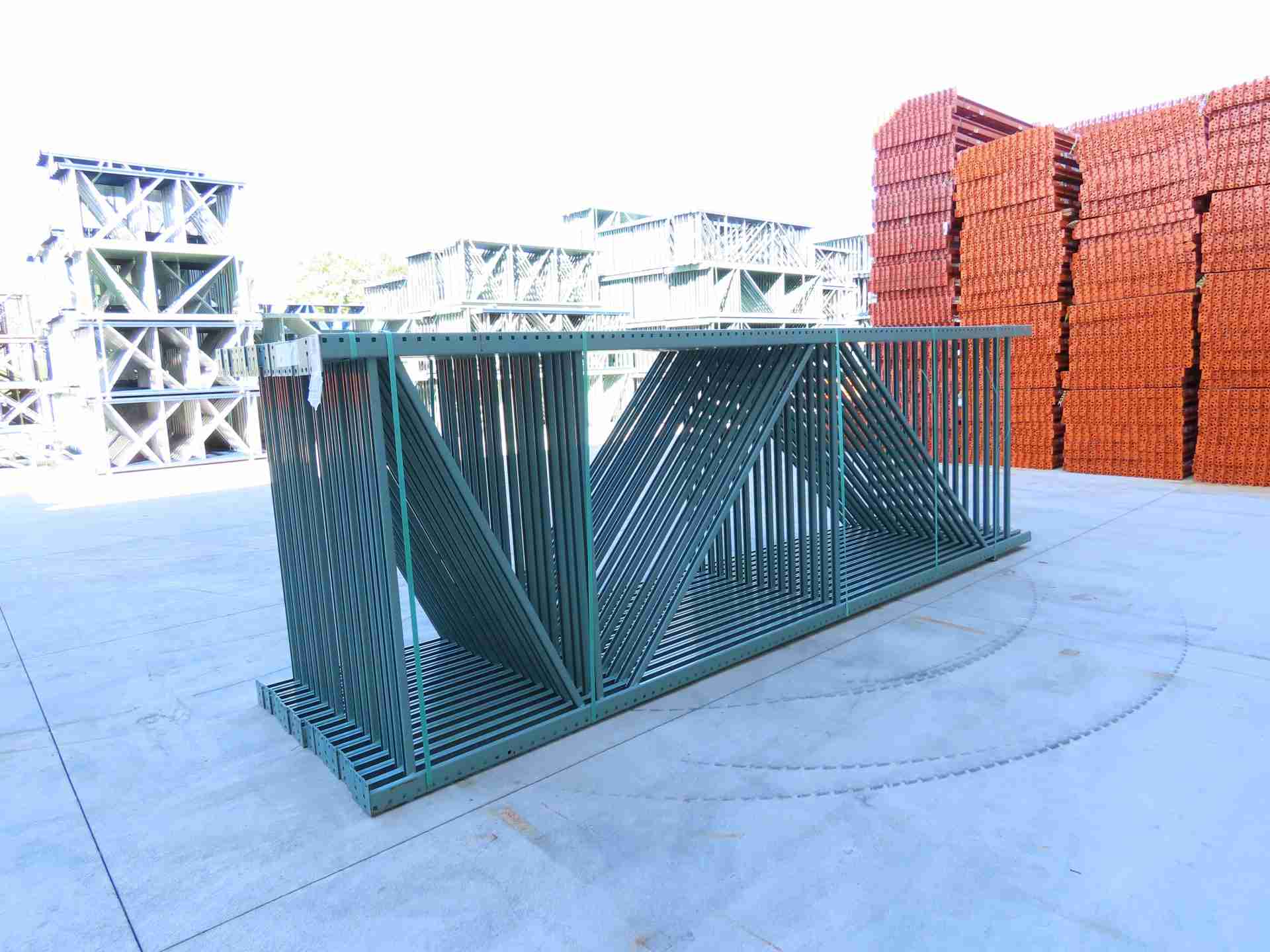
What Regulations Affect Storage Rack Load Capacity?
What Regulations Affect Storage Rack Load Capacity?
- Understanding storage rack load capacity regulations is essential for warehouse optimization, enhancing safety and profitability.
- OSHA regulations mandate that all storage systems ensure safe working conditions, preventing fines and liability claims.
- Compliance with ANSI/RMI standards is crucial; regularly inspect racks and adhere to specified load capacities to avoid failures.
- The rise of automation in warehouses is prompting new regulations and standards; adapting to these can improve operational strength.
- Local building codes, especially fire safety regulations, significantly impact rack installation and load capacity compliance.
- Prioritizing safety and regulatory compliance can enhance brand reputation, appealing to customers who value responsible suppliers.
- Knowledge of storage regulations empowers businesses to achieve operational excellence and stay ahead of the competition.
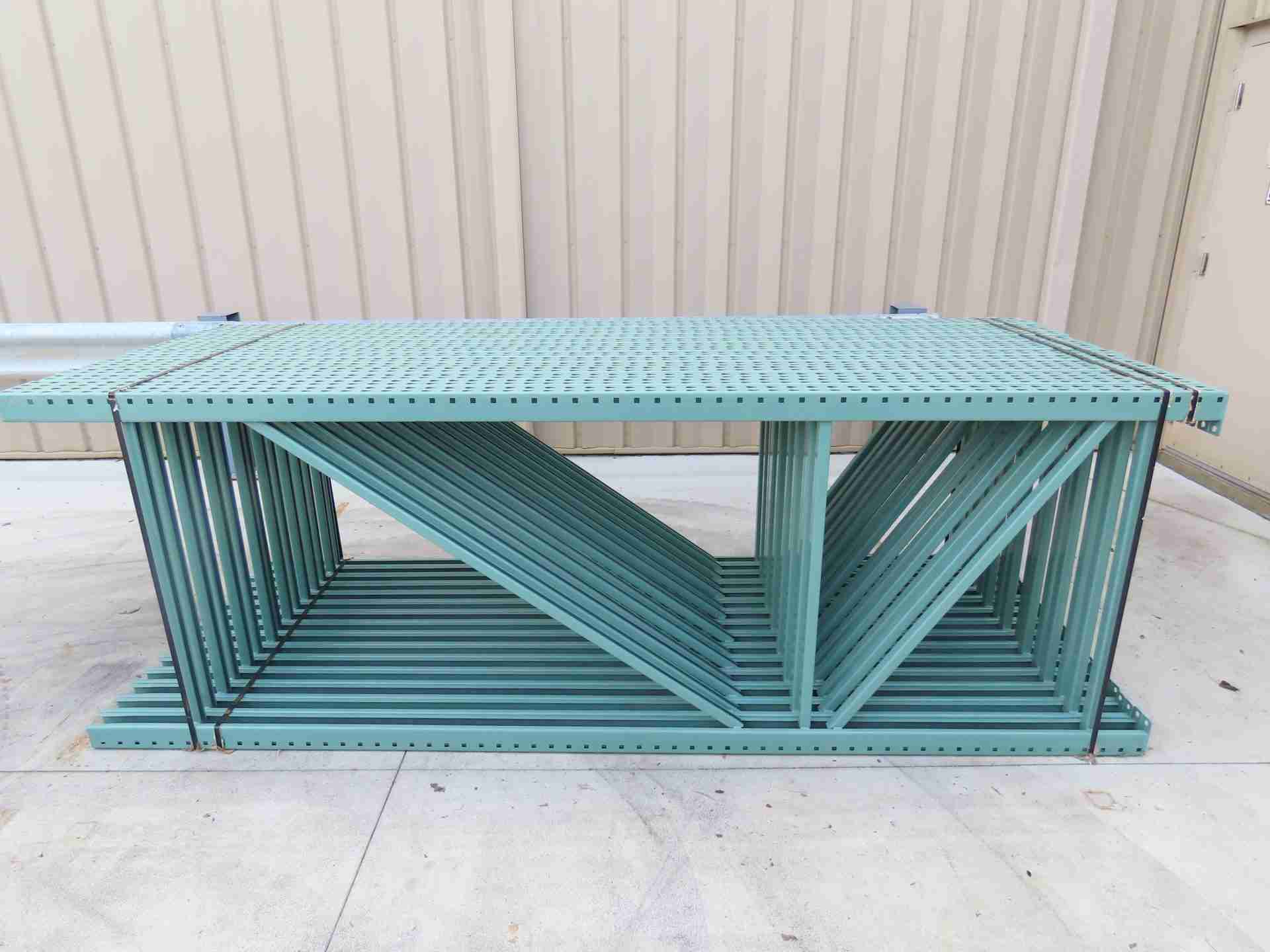
What Regulations Affect Storage Rack Load Capacity?
How Is Load Capacity Calculated?
Understanding load capacity is crucial for anyone in construction, manufacturing, or transportation. It determines how much weight a structure or vehicle can safely support and directly impacts project safety, efficiency, and cost. Let’s break down the essentials of calculating load capacity in a way that is practical, relatable, and actionable.
At its core, load capacity is derived from several key factors, each contributing to the overall strength and stability of the structure or vehicle in question. First, consider the materials involved. Steel beams, for instance, possess a high tensile strength, allowing for heavier loads compared to wooden beams, which may flex or break under stress. A simple calculation involves evaluating the cross-sectional area of these materials, alongside their yield strength—essentially, the maximum stress they can withstand before deforming.
Next, the design of the structure plays a pivotal role. In architecture, the design may include redundancies or reinforcements that enhance load-bearing capacity. Think of the iconic Golden Gate Bridge: its suspension cables and strategic trusses distribute the weight effectively, allowing it to endure the forces of nature, or even the weight of the thousands of vehicles that cross it daily.
In current events, consider how major construction projects often undergo rigorous strain testing to assess load capacity before they open to the public. Take, for example, the ongoing infrastructure investments being made across the U.S. A recent report highlighted the importance of recalculating load capacity for aging structures, indicating that many bridges are not up to par with modern standards. This emphasizes that load capacity is not static; as materials age and traffic loads change, recalculating is crucial.
When discussing load capacity, we cannot overlook safety factors. Engineers typically apply a safety factor—often ranging from 1.5 to 3—when calculating load capacity to account for unexpected stresses or changes in materials over time. This safety factor is essential, especially in industries where failure could lead to catastrophic consequences, such as aerospace or heavy machinery.
Finally, employing software tools and simulations can facilitate precise calculations, allowing for rapid adjustments based on live data and projected loads. Investing in technology to accurately assess load capacity can save significant costs in the long run, safeguarding lives and resources alike.
Ultimately, calculating load capacity is more than a dry mathematical exercise. It’s about ensuring trust and integrity in your projects, showing your clients that their safety is your priority. After all, in business, credibility is king, and it all starts with sound calculations.
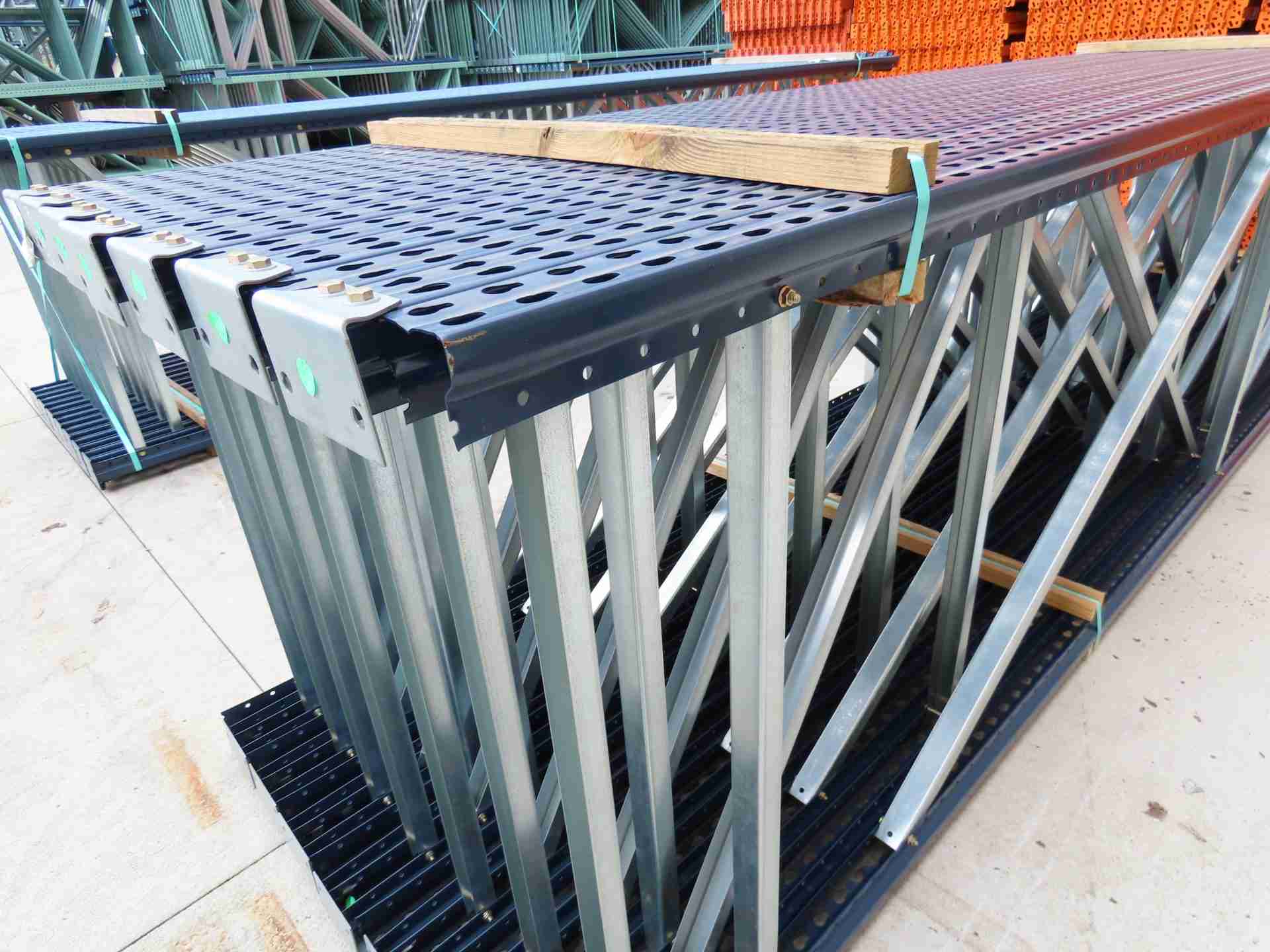
How Is Load Capacity Calculated?
How Is Load Capacity Calculated?
- Load capacity is essential for construction, manufacturing, and transportation, impacting safety and costs.
- It is determined by various factors, including the materials used (e.g., steel vs. wood) and their yield strength.
- The design of structures, incorporating redundancies and reinforcements, enhances load-bearing capacity.
- Major construction projects undergo strain testing to assess load capacity, especially for aging infrastructures.
- Engineers use safety factors (1.5 to 3) in calculations to address unexpected stresses and risks.
- Software tools and simulations aid in precise calculations, allowing for adjustments based on live data.
- Accurate calculations build trust with clients and emphasize a commitment to safety and integrity in projects.
How Is Load Capacity Calculated?
What Factors Influence Load Capacity In Racks?
When it comes to maximizing storage efficiency, understanding the factors that influence load capacity in racks is paramount. Many businesses overlook these critical dynamics, mistakenly believing that any rack will serve their storage needs. However, the right choice can make or break your operations. Let’s dive into the essential considerations that can elevate your shelving solutions from adequate to exceptional.
Material Strength
The first and foremost factor is the material used in rack construction. Steel has consistently proven to be the heavyweight champion of storage solutions. It’s not just about the alloy; it’s about how it’s processed. For example, a colder rolled steel can provide superior strength compared to its warmer counterparts. Businesses that invest in high-quality materials will benefit from racks that can support heavier loads without bending or warping. This is particularly crucial in environments like warehouses, where heavy goods are commonplace.
Design and Engineering
Equally important is the engineering design of the racks. Manufacturing techniques, such as how joints are welded or how beams connect, play a vital role in determining load capacity. Racks engineered with stability in mind, like those incorporating cross-bracing, can distribute weight more evenly and resist tipping. For instance, with the rise of e-commerce, warehouses are rapidly adapting to the demands of increased SKU counts. Investing in a robust rack system designed for high-density storage can prevent costly losses due to collapses.
Dynamic Load vs. Static Load
Understanding the difference between static load and dynamic load is crucial. Static load refers to the weight the rack can hold when items are stationary, while dynamic load considers movement, such as pulling products from the rack. Businesses in the retail sector should take note, as items that are frequently picked will exert additional stress on racking systems. Recent studies have highlighted the quick turnover in fulfillment centers, emphasizing that a rack must be able not just to hold weight but also withstand the rigors of constant handling.
Regulatory Compliance
Finally, businesses must be aware of local regulations and compliance standards. Failure to align with safety codes can lead to fines or, worse, accidents. Recent safety inspections in various states have shown a surge in citations for improperly rated racks. Proactively ensuring your storage systems meet or exceed safety standards is crucial for protecting your employees and your bottom line.
When evaluating storage solutions, it’s vital to consider material strength, engineering design, load types, and regulatory compliance. Making informed decisions can lead to improved operational efficiency, increased safety, and a more lucrative return on investment. Upgrading your rack systems isn’t just a functional improvement; it’s a strategic investment in your business’s future.
What Factors Influence Load Capacity In Racks?
What Factors Influence Load Capacity In Racks?
- Understanding load capacity in racks is essential for maximizing storage efficiency.
- Material strength is crucial; steel, particularly cold-rolled, offers superior support for heavy loads.
- Engineering design impacts load capacity; features like cross-bracing improve stability and weight distribution.
- Dynamic load and static load differ; racks must handle both stationary weight and stresses from item movement.
- Compliance with local regulations and safety standards is necessary to avoid fines and accidents.
- Evaluating storage solutions can enhance operational efficiency and safety while ensuring a better return on investment.
- Upgrading rack systems represents a strategic investment in the business’s future.
What Factors Influence Load Capacity In Racks?
What Types Of Loads Are Considered In Capacity Ratings?
When it comes to capacity ratings, understanding the various types of loads is paramount for making informed decisions about equipment and infrastructure. Capacity ratings aren’t just dry statistical figures; they embody the trustworthiness and reliability of the machinery you’re investing in. It’s essential to delve into the different load categories that shape these ratings, as they influence performance and safety under real-world conditions.
1. Static Loads:
Static loads are the forces placed on a structure or equipment that do not change over time. An example of this would be a warehouse shelving unit or a bridge designed to hold a certain weight at rest. These ratings are crucial, especially as businesses scale up their operations. With supply chain challenges still echoing from recent global disruptions, knowing the static load capacity of your infrastructure can mean the difference between efficiency and catastrophic failure.
2. Dynamic Loads:
In contrast, dynamic loads involve forces that fluctuate or change. Think of a crane lifting materials on a construction site or vehicles navigating a bridge. These loads can vary drastically, and understanding their impact on capacity ratings ensures that the equipment can handle the unexpected. For instance, the recent rise in construction activity post-pandemic has prompted many industries to reassess the dynamic loads their equipment can handle, particularly amidst escalating demand for raw materials.
3. Impact Loads:
Impact loads arise suddenly — think of a heavy object dropped onto a surface or a powerful wind gust hitting a building. These loads pose significant challenges in capacity ratings because they can exceed static or dynamic loads, stressing the infrastructure in ways that aren’t always predictable. With extreme weather events on the rise—one only has to look at recent hurricanes—it’s imperative for businesses to account for impact loads when evaluating equipment safety and performance.
4. Environmental Loads:
Lastly, environmental loads stem from external factors such as wind, snow, or earthquakes. For example, the recent wildfires that swept through several states illustrate the need for structures to withstand environmental pressures. Capacity ratings must include forecasts related to these loads, enabling companies to choose resilient materials under the current climate crisis.
In a rapidly changing world, businesses can’t afford to be caught off guard. By examining these distinct types of loads, leaders can ensure their capacity ratings reflect not just theoretical limits, but the real-world demands of today’s marketplace. Embracing this understanding equips companies not only to meet current demands but to thrive amid future uncertainties.

What Types Of Loads Are Considered In Capacity Ratings?
What Types Of Loads Are Considered In Capacity Ratings?
- Understanding various types of loads is crucial for informed decisions about equipment and infrastructure capacity ratings.
- Capacity ratings reflect the reliability and trustworthiness of machinery, influencing performance and safety.
- Static Loads: Forces that do not change over time, such as a warehouse shelving unit; critical for scaling operations.
- Dynamic Loads: Fluctuating forces, like those encountered by cranes or vehicles, which can vary significantly.
- Impact Loads: Sudden forces, such as heavy objects falling or strong winds, that exceed static or dynamic loads and can unpredictably stress infrastructure.
- Environmental Loads: External factors like wind, snow, or earthquakes that must be accounted for in capacity ratings due to the increasing impact of climate events.
- By understanding these load types, businesses can ensure capacity ratings meet real-world demands and remain resilient amidst uncertainties.
What Types Of Loads Are Considered In Capacity Ratings?
How Do I Determine The Load Capacity Of My Storage Rack?
Determining the load capacity of your storage rack is a crucial step in ensuring both safety and efficiency in your operations. But, let’s face it; this isn’t just an exercise in mathematical calculations—it’s about maximizing your investment and keeping your workforce safe.
First, start with the manufacturer’s specifications. Every reputable storage rack comes with a load capacity rating; this is often labeled directly on the unit or provided in the product specifications. For instance, if you recently purchased a pallet rack from a leading manufacturer, it likely has a clear maximum load capacity stated. This number usually accounts for factors like horizontal span, the number of levels, and weight distribution.
However, don’t just go by the numbers. Consider the following practical insight: the dynamic environment in which you operate. If your warehouse handles heavy items frequently, like steel components or multiple pallets of goods, calculating your operational needs based on a static figure could lead to disastrous outcomes. A May 2023 incident in a warehouse in Texas became a cautionary tale after failure to assess the practical load led to a collapse, highlighting the direct consequences of ignoring load capacities.
Next, consider the configuration of your rack. A common mistake is failing to distribute weight evenly. For example, if you load heavier items on one side of the rack, it can cause instability, even if the overall weight complies with the manufacturer’s guidelines. It’s essential to balance the load within the rack to maintain structural integrity.
Furthermore, factors such as temperature and humidity can affect materials and, consequently, the load capacity. Businesses are urged to stay updated by referring to the latest warehouse best practices about environmental conditions.
Lastly, never underestimate the value of regular inspections and audits. Seasonal changes and operational wear can affect your storage system. Engage your team in routine checks, looking for signs of wear or stress fractures, and recalculating load capacity based on current usage.
In summary, determining the load capacity of your storage rack requires more than just numbers; it demands a good understanding of your inventory dynamics, careful weight distribution, and ongoing attention to environmental conditions. By treating your storage racks as vital components of your operational strategy, you not only safeguard your investments but also set your business up for long-term success. A measured approach will keep processes running smoothly, ensuring your warehouse is a safe, efficient powerhouse ready for whatever challenges come its way.
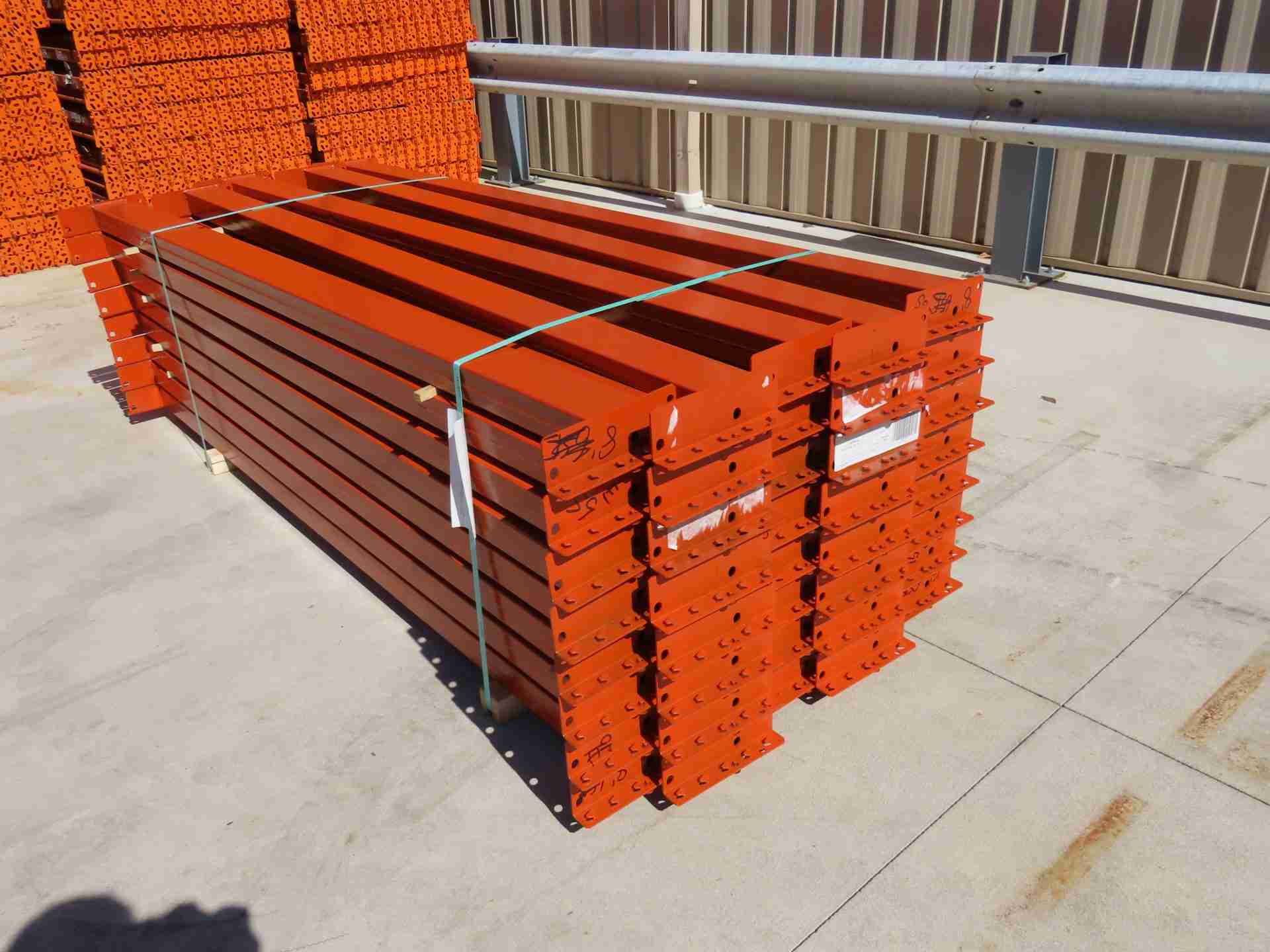
How Do I Determine The Load Capacity Of My Storage Rack?
How Do I Determine The Load Capacity Of My Storage Rack?
- Determining load capacity is essential for safety and efficiency in operations.
- Start with the manufacturer’s specifications which include a load capacity rating.
- Consider the dynamic environment and operational needs to avoid risks of failure.
- Ensure even weight distribution to maintain rack stability and structural integrity.
- Account for environmental factors like temperature and humidity that may affect load capacity.
- Conduct regular inspections and audits to identify wear and recalibrate load capacity as needed.
- A comprehensive understanding of inventory dynamics and careful management leads to long-term success.
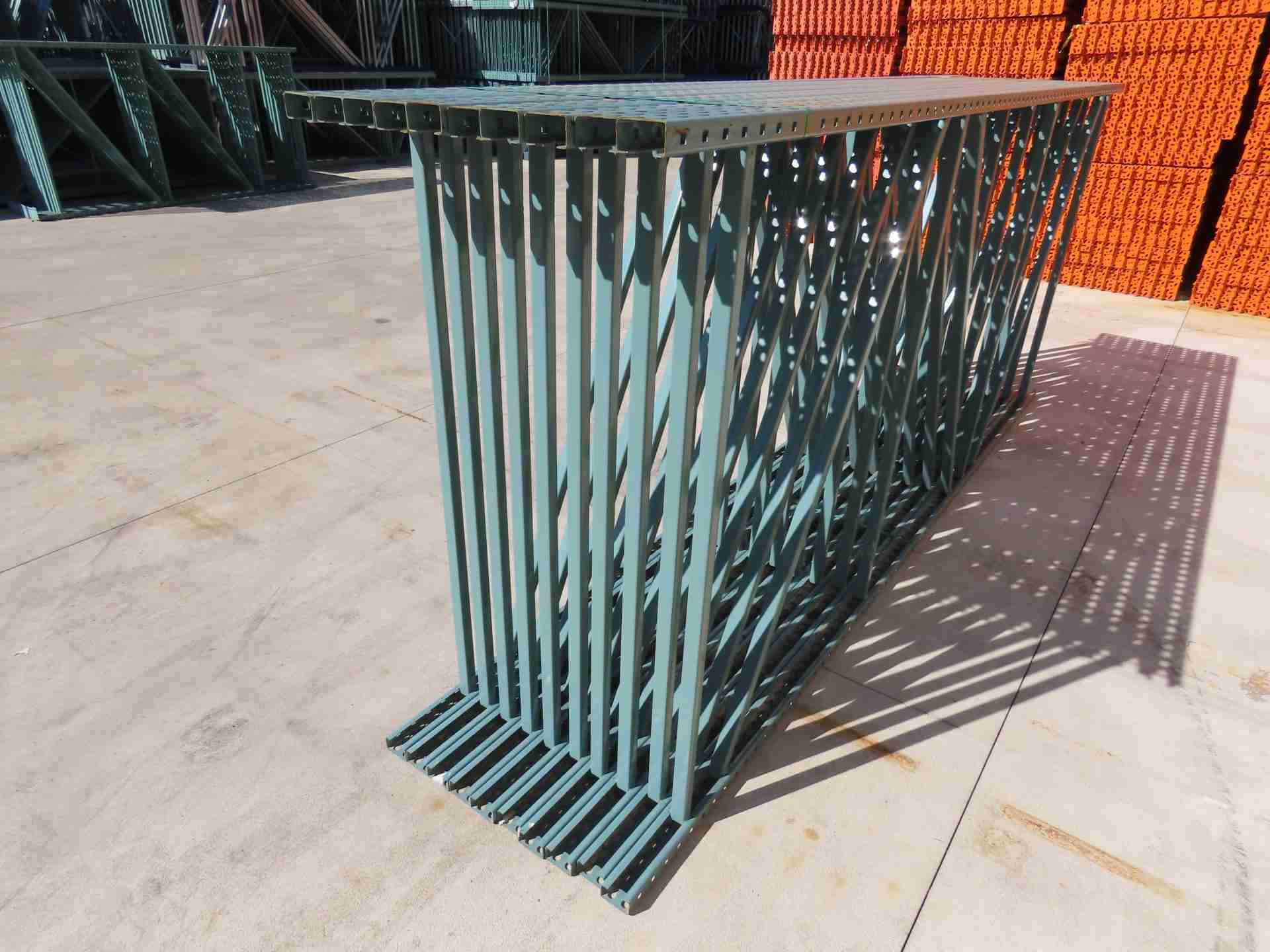
How Do I Determine The Load Capacity Of My Storage Rack?
What Materials Are Commonly Used For Storage Racks?
When it comes to storage racks, the choice of material is not just a matter of function; it’s a critical factor that can influence durability, cost-effectiveness, and overall efficiency in your facility. Whether you are a warehouse manager, a retailer, or a DIY enthusiast, understanding the common materials used in storage racks can empower you to make informed decisions that drive productivity and profitability.
Steel: Steel is the heavyweight champion in the realm of storage rack materials. It boasts incredible strength and is capable of supporting heavy loads without bending or warping. For instance, many warehouses today utilize heavy-duty steel racks due to their resilience in high-traffic environments. In 2023, the rising demand for e-commerce has led to a surge in steel rack installations, as businesses strive to optimize their logistics and provide quick fulfillment of online orders. Furthermore, steel’s ability to be coated with rust-resistant finish makes it an ideal choice for cooler, moist environments—think of cold storage facilities that require dependability under demanding conditions.
Wood: While steel may command the spotlight, wood still holds its own in the realm of storage solutions. It’s not just aesthetically pleasing; wooden racks bring warmth and character to retail environments, making them a popular choice for boutique stores or artisanal markets. Moreover, wooden racks are easily customizable. Recent trends show an increase in using reclaimed wood in display racks, aligning with the eco-conscious buyer’s values. This not only helps in reducing waste but also resonates with customers looking for sustainable shopping options.
Plastic & Composite Materials: Versatility is the name of the game when it comes to plastic and composite materials. They’re lightweight, resistant to moisture, and often more affordable than metal or wood alternatives. These characteristics make them especially appealing for temporary exhibitions or for use in office environments. As remote work spreads, office organization and decluttering have become hot topics, leading to a spike in the popularity of plastic storage solutions to maintain home and workspace environments.
Conclusion: In today’s fast-evolving market, selecting the right material for your storage racks can set your business apart. Whether you’re looking for the strength of steel, the charm of wood, or the practicality of plastic, understanding these materials can position you to enhance operational efficiencies and elevate customer satisfaction. Stay ahead of the curve and invest wisely in storage solutions that not only meet your current needs but also adapt to future trends and demands.
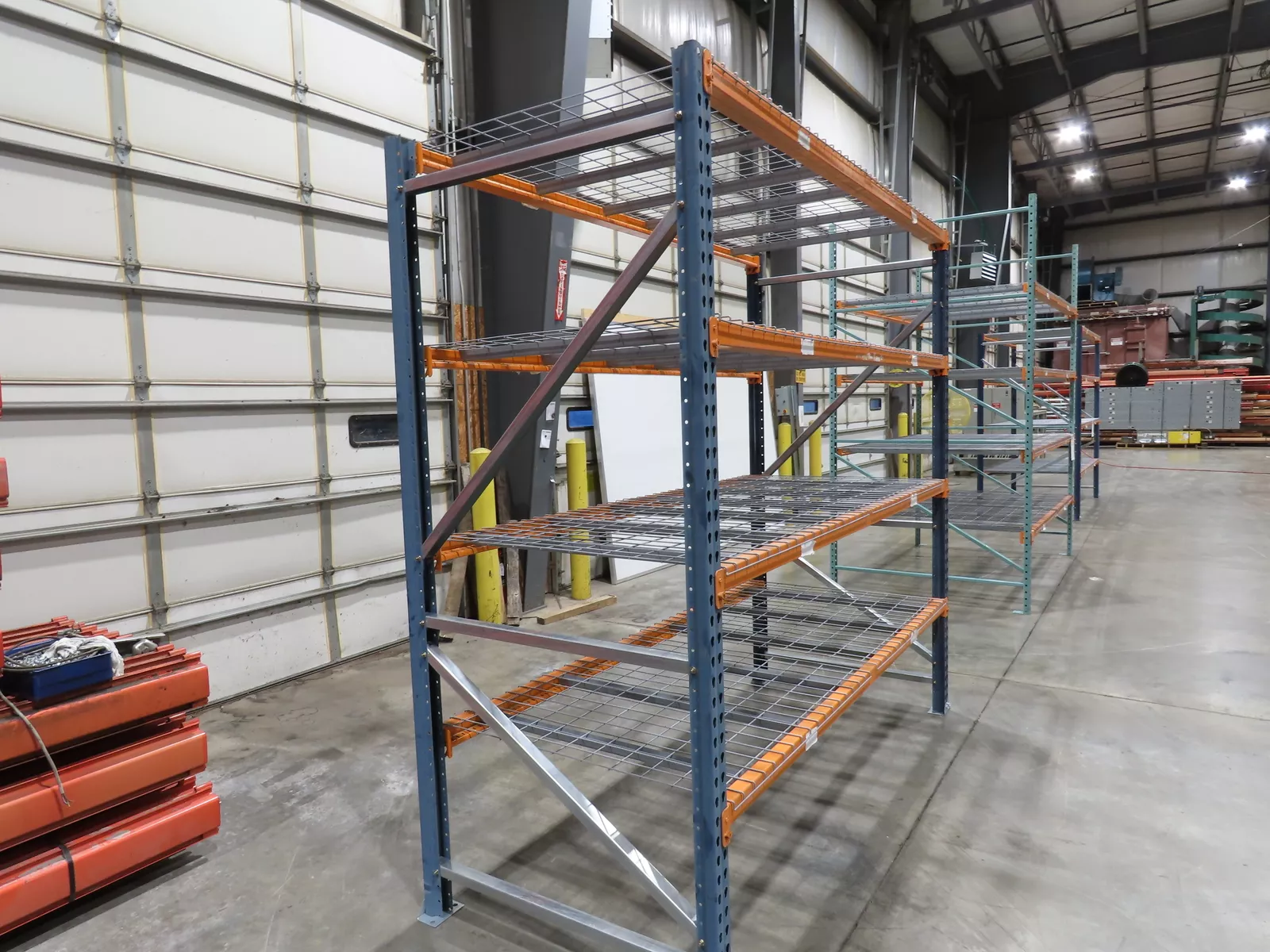
What Materials Are Commonly Used For Storage Racks?
What Materials Are Commonly Used For Storage Racks?
- Choosing the right storage rack material affects durability, cost-effectiveness, and efficiency.
- Steel is favored for its strength and ability to support heavy loads, especially in high-traffic warehouses.
- Increased demand for e-commerce in 2023 has led to more steel rack installations for logistics optimization.
- Wooden racks offer aesthetic appeal and customization, popular in boutique stores and artisanal markets.
- Use of reclaimed wood in displays aligns with eco-conscious values, reducing waste.
- Plastic and composite materials are lightweight, moisture-resistant, and economical, ideal for temporary setups and offices.
- Understanding material options enhances operational efficiency and customer satisfaction in storage solutions.
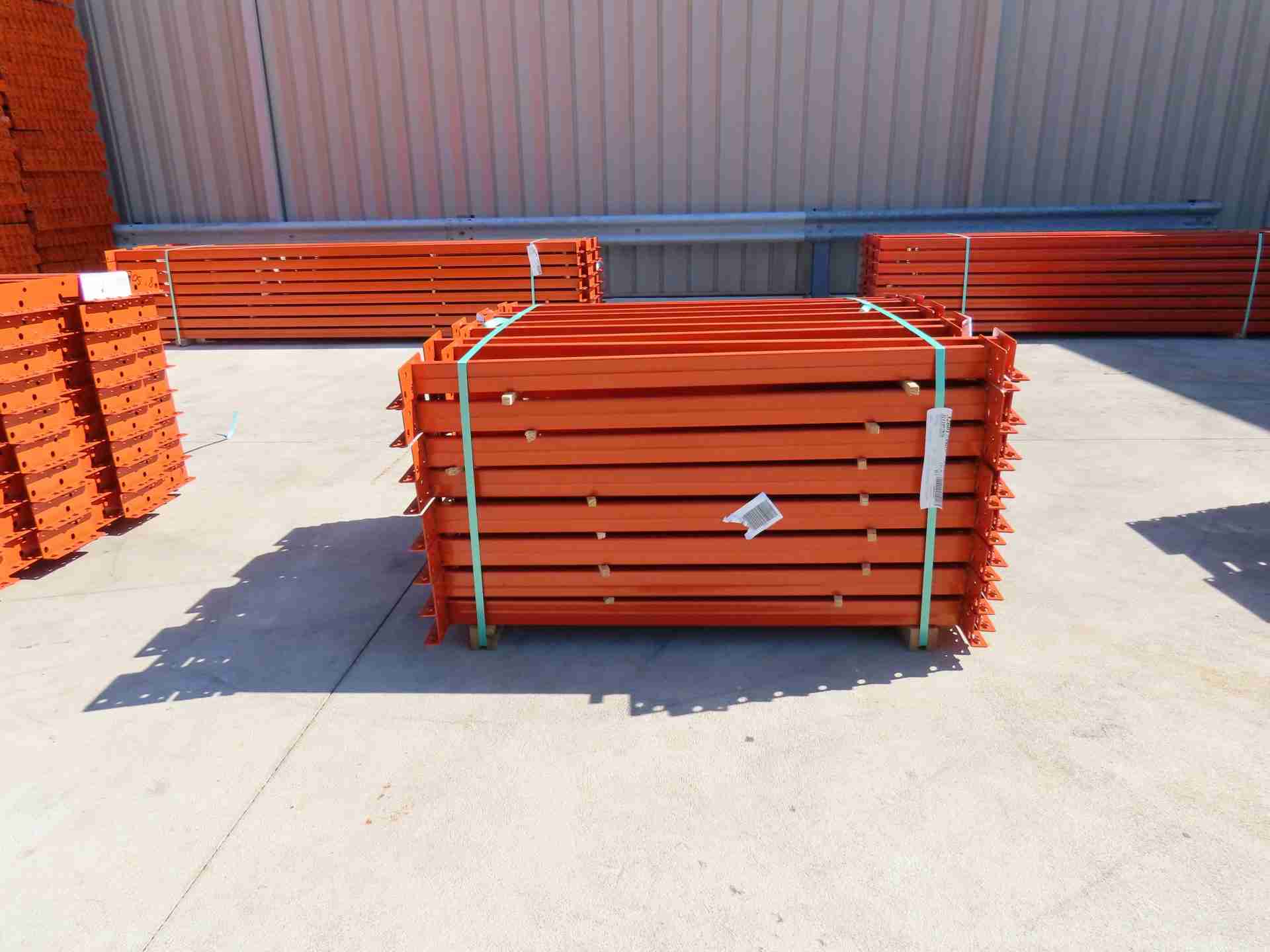
What Materials Are Commonly Used For Storage Racks?
Are There Safety Standards For Storage Rack Installation?
When it comes to warehouse operations, safety isn’t just a box to check; it’s the foundation upon which your business thrives—or suffers, depending on how well you embrace it. Companies across the globe depend on storage racks to maximize space and improve efficiency. But without adherence to safety standards, these crucial assets can quickly turn into liabilities.
First and foremost, let’s discuss the regulations set forth by the Occupational Safety and Health Administration (OSHA). OSHA outlines vital safety guidelines that all organizations must follow regarding the installation and maintenance of storage racks. These standards are not merely suggestions; they are legal requirements designed to ensure the safety and health of workers. According to OSHA, businesses must regularly inspect their storage racks and ensure that they are properly installed. In a recent report, OSHA cited numerous companies for safety violations arising from unstable or improperly installed racks, highlighting the crucial importance of compliance.
Beyond OSHA, industry-specific standards exist that provide additional guidelines. The Rack Manufacturers Institute (RMI) offers standards that define the minimum requirements for the design and installation of storage racks. Imagine a warehouse that defies these guidelines—such a space could see reduced operational capacity, increased accident risk, and substantial fines, not to mention a damaged reputation.
It isn’t just about compliance; safety standards also translate into enhanced productivity. For example, take a well-known retail chain that invested in high-quality rack installation following RMI standards. Not only did they reduce workplace accidents by 30%, but they also noticed a remarkable increase in picking efficiency—an impressive 25%. They discovered that a systematic approach to rack safety led to fewer workplace disruptions and injuries, ultimately increasing their bottom line.
Moreover, current events underline this critical necessity. Following a series of warehouse incidents across the country, many businesses are now facing heightened scrutiny regarding safety. Just last month, a major distribution center was shut down after a rack collapse resulted in injuries. The headlines are a stark reminder: negligence can cripple a business overnight.
In summary, are there safety standards for storage rack installation? Absolutely. Your commitment to these standards not only safeguards your employees but also fortifies your business against potential financial and reputational turmoil. It’s a win-win: safer workplaces lead to more productive operations. Don’t wait for an incident to catalyze change; invest in proper installation and compliance today, and watch your business flourish for tomorrow.
Are There Safety Standards For Storage Rack Installation?
Are There Safety Standards For Storage Rack Installation?
- Safety is essential for warehouse operations and affects business success.
- OSHA sets mandatory safety guidelines for the installation and maintenance of storage racks.
- Regular inspections are required to ensure racks are stable and compliant with safety standards.
- The Rack Manufacturers Institute (RMI) provides additional design and installation guidelines for racks.
- Compliance with safety standards can lead to reduced workplace accidents and improved productivity.
- Recent warehouse incidents highlight the importance of adhering to safety protocols to avoid severe consequences.
- Investing in proper installation and compliance safeguards employees and enhances business performance.

Are There Safety Standards For Storage Rack Installation?
How Can I Ensure My Racks Comply With OSHA Guidelines?
How Can I Ensure My Racks Comply With OSHA Guidelines?
Ensuring your racks meet OSHA (Occupational Safety and Health Administration) guidelines is not just about compliance; it’s about protecting your workforce and enhancing your reputation as a safe and reliable operation. An investment in safety is an investment in your business. Here’s how you can ensure your racks comply with OSHA standards while effectively mitigating risks.
Conduct Regular Inspections
First and foremost, implement a routine inspection schedule. OSHA emphasizes the importance of regular evaluations to identify and correct issues before they escalate. For instance, the recent collapse of a warehouse rack system in New Jersey due to improper loading demonstrated how quickly safety can be compromised. By routinely checking for signs of wear, strain, or improper installation, you can catch potential hazards early. Make it systematic: monthly checks for visible damages or shifts in the rack structure and a comprehensive review annually.
Training is Key
Another critical aspect of compliance is ensuring that your team is well-informed. Train employees on proper loading techniques, weight limits, and the significance of following the manufacturer’s guidelines. Host quarterly safety meetings that emphasize the importance of adhering to OSHA standards. Engaging story-driven examples, like the 2022 incident where a warehouse worker was injured due to unsecured loads, makes safety relatable, reinforcing the need for vigilance.
Utilize Proper Signage and Labels
Your racks should have clear signage that outlines weight limits and proper loading procedures. OSHA guidelines specify that load limits need to be visible and easily understandable. This not only aids compliance but also acts as a daily reminder for your staff. Use bright colors and simple language, and don’t shy away from visual aids.
Document Everything
Documentation is critical in demonstrating your commitment to safety and compliance. Keep detailed records of all inspections, employee training sessions, and corrective actions taken. In the event of an OSHA inspection, having this documentation readily available will showcase your dedication to maintaining a safe workplace.
Stay Updated with OSHA Regulations
OSHA standards evolve, and industry trends shift. Set aside time to stay informed about changes in regulations. Following the recent regulations introduced for improved workplace safety during the pandemic, it’s essential to adapt your practices to comply with new guidelines.
By taking these proactive steps, you send a clear message: safety is a priority. Not only will you protect your employees, but you also create a culture of safety that enhances productivity and morale. And in today’s competitive market, that can set you apart and elevate your brand’s reputation. So, get started on compliance now—your workforce and your bottom line will thank you later.
How Can I Ensure My Racks Comply With OSHA Guidelines?
How Can I Ensure My Racks Comply With OSHA Guidelines?
- Ensure compliance with OSHA guidelines to protect your workforce and enhance your business’s reputation.
- Implement a routine inspection schedule for racks, emphasizing monthly checks and annual comprehensive reviews.
- Train employees on proper loading techniques, weight limits, and adherence to manufacturer’s guidelines through quarterly safety meetings.
- Utilize clear signage and labels on racks to specify weight limits and loading procedures, ensuring visibility and understanding.
- Maintain detailed documentation of inspections, training sessions, and corrective actions to demonstrate commitment to safety.
- Stay updated with evolving OSHA regulations and adapt practices accordingly to ensure ongoing compliance.
- Promote a culture of safety to enhance productivity and morale, ultimately benefiting your brand’s reputation.

How Can I Ensure My Racks Comply With OSHA Guidelines?
What Are Common Mistakes In Calculating Rack Load Capacity?
Calculating rack load capacity is fundamental for any warehouse or distribution center, yet many businesses stumble into common pitfalls that can have dire financial consequences. The stakes are high: improper load calculations can lead not only to equipment failure but also to workplace injuries and costly downtime. To help safeguard your operation, let’s dive into the most frequent missteps.
# Ignoring Manufacturer Guidelines
One of the gravest errors occurs when businesses overlook manufacturer specifications. Relying on broad industry standards without consulting the specific guidelines for the racks and shelving in use is a recipe for disaster. For instance, a logistics company recently faced significant losses when it stored heavy machinery components on racks rated for lighter items, which ultimately buckled under the load. Always check the load ratings provided by the rack manufacturer; they’re your primary line of defense against overloading.
# Underestimating Weight Distributions
Another common miscalculation is failing to account for how weight is distributed throughout the shelving unit. Products with uneven weight distributions can compromise stability. Consider this: if a warehouse in Texas stocked its shelves densely at one end with bulky tires and left the other empty, it could not only destabilize the rack, but also invite a potential collapse. By ensuring that weight is evenly distributed across the racking system, operators can prevent tipping and ensure a longer lifespan for their equipment.
# Neglecting Environmental Factors
Not all environments are created equal. Humidity, temperature, and vibration can all affect load capacity. For instance, a recent study showed that a warehouse located in an area with high seismic activity must consider the potential for ground motion. Failing to adjust rack load limits based on these environmental factors may lead to catastrophic failures. It’s crucial to evaluate the physical environment and adjust your capacity calculations accordingly.
# Focusing Solely on Maximum Load
Lastly, many businesses err by concentrating only on maximum load limits without considering other variables such as dynamic loads (those caused by movement, such as forklift traffic) or the cumulative effects of long-term storage. Just because a rack can handle a certain weight doesn’t mean it can do so safely under operational conditions. This misstep can lead to devastating safety incidents, which can quickly ripple through a business, hurting employee morale and costing you significantly in legal fees.
Understanding and accurately calculating rack load capacity requires thorough attention to details that are often overlooked. By avoiding these common mistakes and implementing best practices, you can ensure the safety of your operations and the well-being of your workforce, ultimately driving the profitability and longevity of your business.
What Are Common Mistakes In Calculating Rack Load Capacity?
What Are Common Mistakes In Calculating Rack Load Capacity?
- Calculating rack load capacity is crucial for preventing equipment failure, workplace injuries, and costly downtime.
- Ignoring manufacturer guidelines can lead to significant losses due to improper loading of racks.
- Underestimating weight distribution can compromise rack stability and increase collapse risks.
- Environmental factors such as humidity, temperature, and vibration must be considered when calculating load capacity.
- Focusing exclusively on maximum load limits without considering dynamic loads can lead to safety incidents.
- It is essential to avoid common pitfalls in load calculations to ensure operational safety and workforce well-being.
- Implementing best practices in load calculations can enhance business profitability and longevity.

What Are Common Mistakes In Calculating Rack Load Capacity?
How Often Should I Inspect Storage Racks For Safety?
In the world of warehousing and logistics, safety should never be an afterthought; it’s the backbone of efficiency and productivity. With that in mind, how often should you inspect your storage racks? The answer is simple: regularly and rigorously. The stakes are too high to cut corners when it comes to safety.
Imagine your storage racks as the bones of your operation. Just as a doctor wouldn’t wait for a fracture to diagnose an issue, you shouldn’t wait for an accident to inspect your racks. Start with a monthly visual audit. This means walking the floor and looking for obvious signs of wear, such as bent beams, rust, or loose connections. Don’t gloss over anything; your livelihood depends on the integrity of these structures.
But don’t stop at monthly checkups. According to industry experts, a more formal inspection cycle should take place every six months, carried out by trained professionals who are equipped to identify subtle indicators of stress and weakness. This inspection involves a thorough analysis of load capacity, shelf stability, and compliance with safety regulations. The summer of 2022 provided a stark reminder for many in the field when several companies faced hefty fines and costly shutdowns due to overlooked safety violations. One high-profile case involved a major retailer whose negligence led to a collapse that injured multiple employees. They didn’t just pay out for medical bills; the fallout tarnished their reputation, costing them business for years.
Additionally, re-evaluate your inspection frequency in light of changes in your operations. If you’ve recently increased your inventory levels or introduced new materials, that might warrant more frequent inspections. Similarly, if you notice an uptick in accidents or near-misses involving your storage systems, don’t wait for a tragedy. Adjust your inspection cycle accordingly—weekly might be necessary until confidence is restored.
Finally, implement a digital tracking system for inspections. In this age of technology, there’s no excuse for poor record-keeping. Utilizing apps that log inspection dates, findings, and corrective actions not only streamlines the process but also holds your team accountable.
In summary, make inspections a priority, escalating the frequency from visual checks to formal audits based on your specific circumstances. The safety and efficiency of your operation hinge on your commitment to diligence—invest the time, and you’ll safeguard not just your racks, but the very heart of your business.
How Often Should I Inspect Storage Racks For Safety?
How Often Should I Inspect Storage Racks For Safety?
- Safety is crucial in warehousing and logistics; it supports efficiency and productivity.
- Storage racks should be inspected regularly, starting with monthly visual audits for obvious signs of wear.
- Formal inspections by trained professionals should occur every six months to assess load capacity and compliance with safety regulations.
- Neglecting safety can lead to severe consequences, such as fines, shutdowns, and reputational damage.
- Adjust inspection frequency if operations change, such as increased inventory or new materials.
- Utilize a digital tracking system for inspections to enhance record-keeping and accountability.
- Commitment to regular inspections ensures the safety and efficiency of operations, protecting both equipment and business integrity.
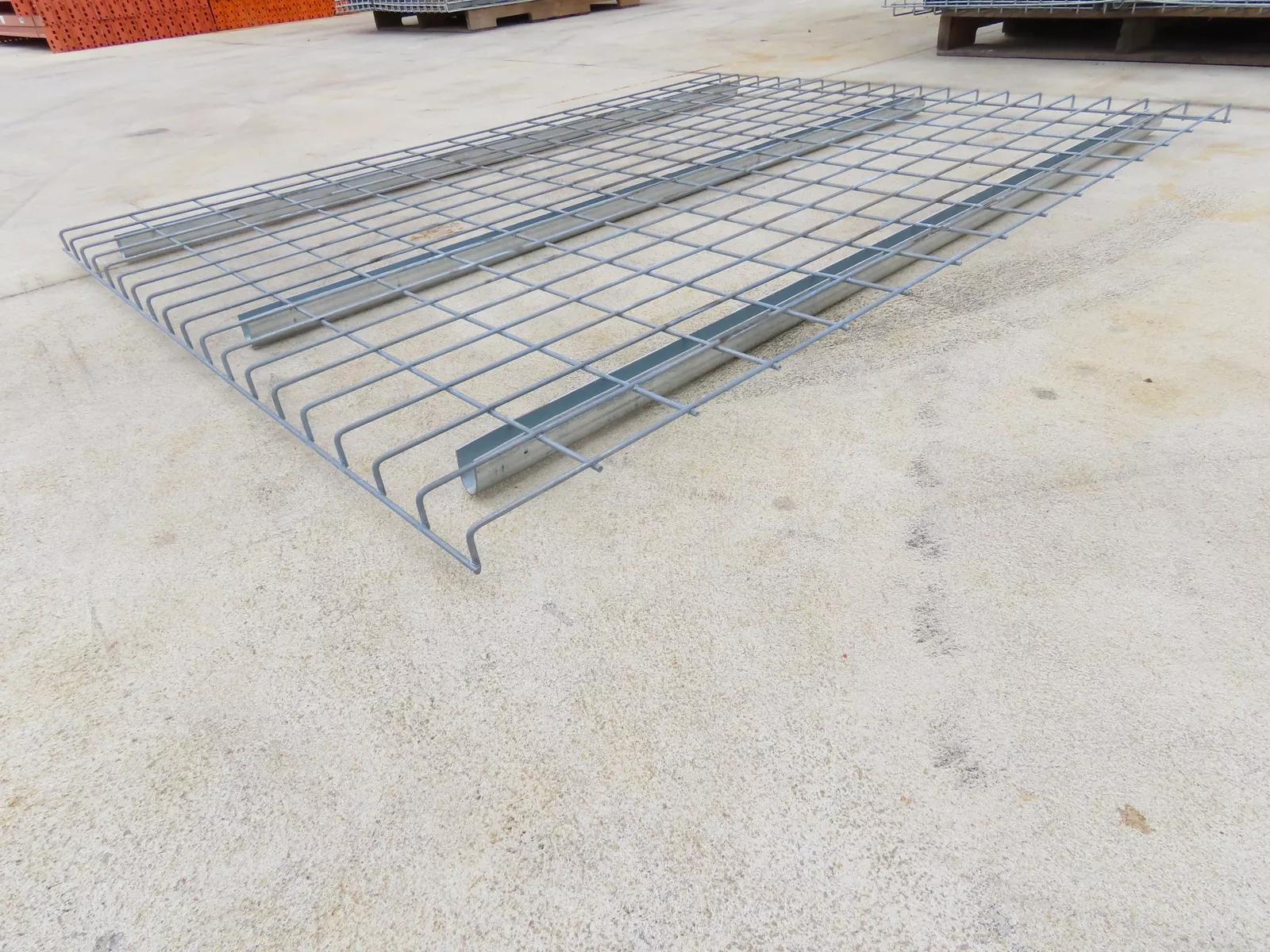
How Often Should I Inspect Storage Racks For Safety?
What Is The Impact Of Weight Distribution On Rack Capacity?
When it comes to maximizing the efficiency of your warehousing operation, understanding the impact of weight distribution on rack capacity is paramount. It’s not just about how much weight a rack can hold; it’s also about how that weight is distributed. This means the difference between a well-oiled operation and a chaotic, costly disaster.
Imagine your warehouse is like a powerful machine. Every gear, every cog needs to work in harmony for optimal performance. If weight is unevenly distributed, it’s akin to having a heavy cog out of place—it strains your system. Overloaded racks can warp, buckle, and even collapse, leading to lost inventory, damaged goods, and potential injuries to your workforce. A recent incident reported in an industry trade magazine highlighted a warehouse that suffered significant losses due to an improperly loaded pallet racking system. The uneven distribution led to three collapsed racks, costing the company over $50,000 in damages and lost productivity.
So, how can you avoid such pitfalls? The first key to effective rack usage is understanding the “Center of Gravity.” Every item you store has its own weight and dimensions, and how you arrange these items can dramatically affect the overall stability of your storage system. For instance, storing heavier items on the bottom shelves and lighter items above maintains a lower center of gravity, ensuring your racks remain anchored and stable.
Let’s consider a practical scenario involving a popular e-commerce retailer that recently revamped its distribution center. By employing a strategy where they strategically placed heavier products closer to the support beams and lighter items further out, they not only improved stability but also increased their overall storage capacity by approximately 20%. This means more available inventory without expanding physical space—a win-win situation!
Additionally, regular maintenance and audits are critical in monitoring the health of your rack systems. Keep a keen eye on weight limits and be proactive about addressing issues before they escalate. Investing in training for your staff on the fundamental principles of weight distribution will pay dividends; an informed team is a productive team.
Optimizing weight distribution is more than just a technical necessity—it’s a strategic approach that drives operational efficiency, safeguards your assets, and enhances profitability. Don’t leave your rack’s fate to chance; take control of your weight distribution strategy today for a more secure tomorrow.
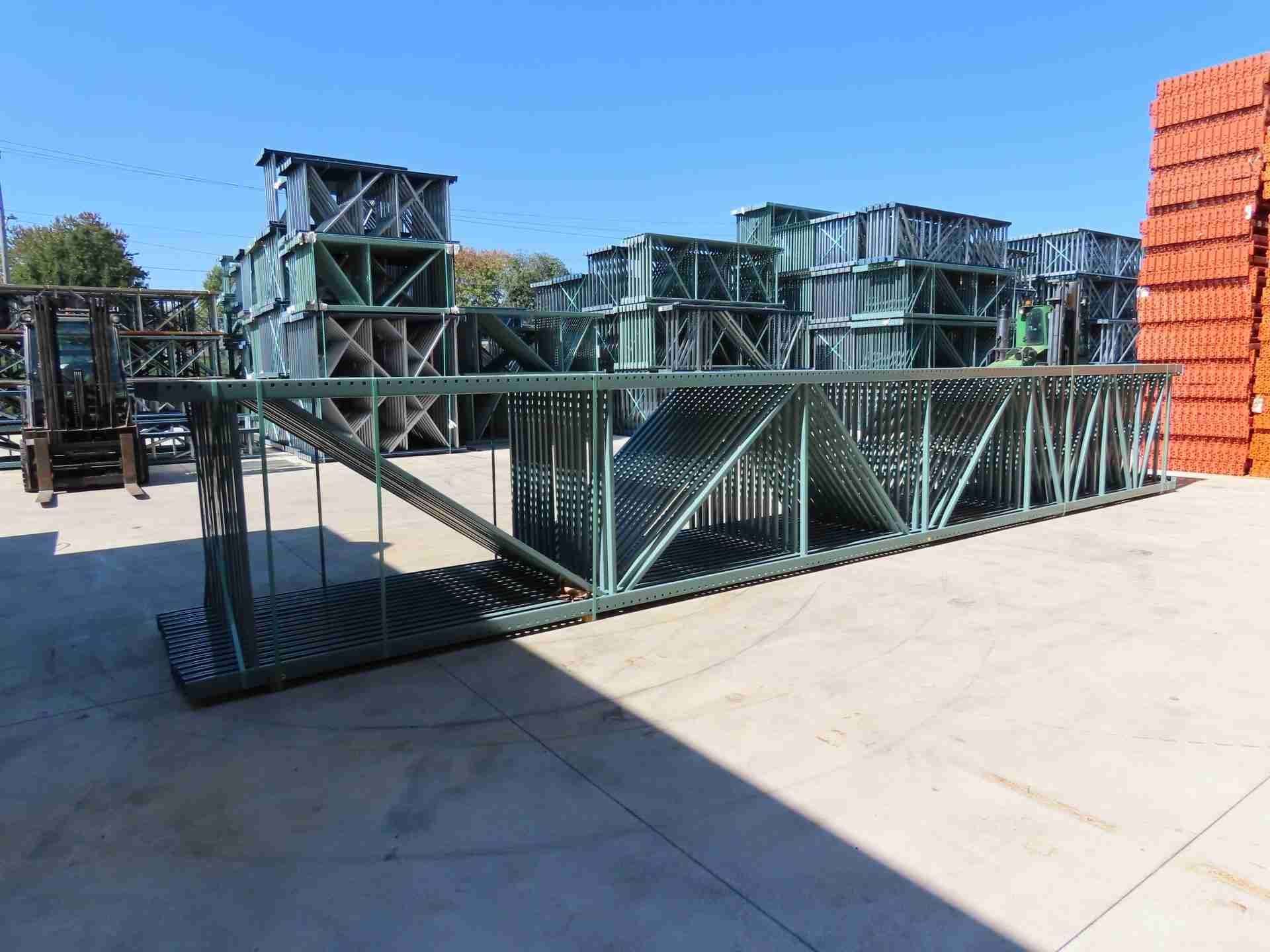
What Is The Impact Of Weight Distribution On Rack Capacity?
What Is The Impact Of Weight Distribution On Rack Capacity?
- Understanding weight distribution is crucial for maximizing warehousing efficiency.
- Uneven weight distribution can lead to equipment damage, inventory loss, and worker injuries.
- Proper management of the “Center of Gravity” ensures stability by placing heavier items on lower shelves.
- A case study of an e-commerce retailer showed a 20% increase in storage capacity through effective item placement.
- Regular maintenance and audits are essential for monitoring rack health and weight limits.
- Training staff on weight distribution principles enhances productivity and operational efficiency.
- Strategic weight distribution leads to improved asset protection and increased profitability.
What Is The Impact Of Weight Distribution On Rack Capacity?
How Do Environmental Conditions Affect Load Capacity?
When it comes to load capacity, the mindset must extend far beyond mere numbers or theoretical limits; it’s vital to consider the environment in which the load operates. This is not merely academic; it’s crucial for anyone involved in logistics, construction, or any industry reliant on heavy materials. Environmental conditions can make or break your operational efficiency—and your bottom line.
Take, for example, the impact of temperature. Extreme heat can compromise the integrity of materials. A study published recently showed that steel components can lose up to 50% of their load-bearing capacity at 1,200 degrees Fahrenheit. Conversely, during frigid winters, materials can become brittle, posing significant risks when subjected to heavy loads. Temperature fluctuations not only affect the material itself but can also impact workforce productivity. A study from the National Institute for Occupational Safety and Health found that extreme temperatures can reduce worker efficiency by upwards of 30%. Do you want your team struggling to keep up with increased demands simply because the mercury is running high or low?
Then, consider moisture levels. In construction, high humidity can lead to weakened concrete, while excessive rain can erode soil quality, jeopardizing foundational stability. Look at the devastation caused by recent hurricanes—entire infrastructures crumbled due to oversaturated soil unable to support the load it was designed for. Nothing drives home the point like the reality of foreseeing such environmental disasters and taking preemptive actions, such as using moisture-resistant materials or establishing strategic drainage systems to protect against heavy rains.
Wind conditions also deserve a mention. Projects like wind turbines must account for load capacity in conjunction with wind speed to ensure stability. Recent studies have shown that gusts exceeding 60 miles per hour can diminish the structural integrity of units, leading to catastrophic failures. But savvy operators track these environmental metrics and adapt their plans accordingly—the competition doesn’t stand a chance against them.
Lastly, always factor in the local environment surrounding your workload. Urban settings present their own challenges. Reportedly, excessive traffic vibrations can destabilize heavy loads on transit infrastructures. Knowing these details can mean the difference between disaster and seamless operation.
Understanding and adapting to environmental conditions isn’t just an option—it’s a necessity. If you want to optimize load capacity and safeguard your investments, don’t overlook the elements at play. Your awareness level could ultimately dictate your success in today’s unpredictable climate.
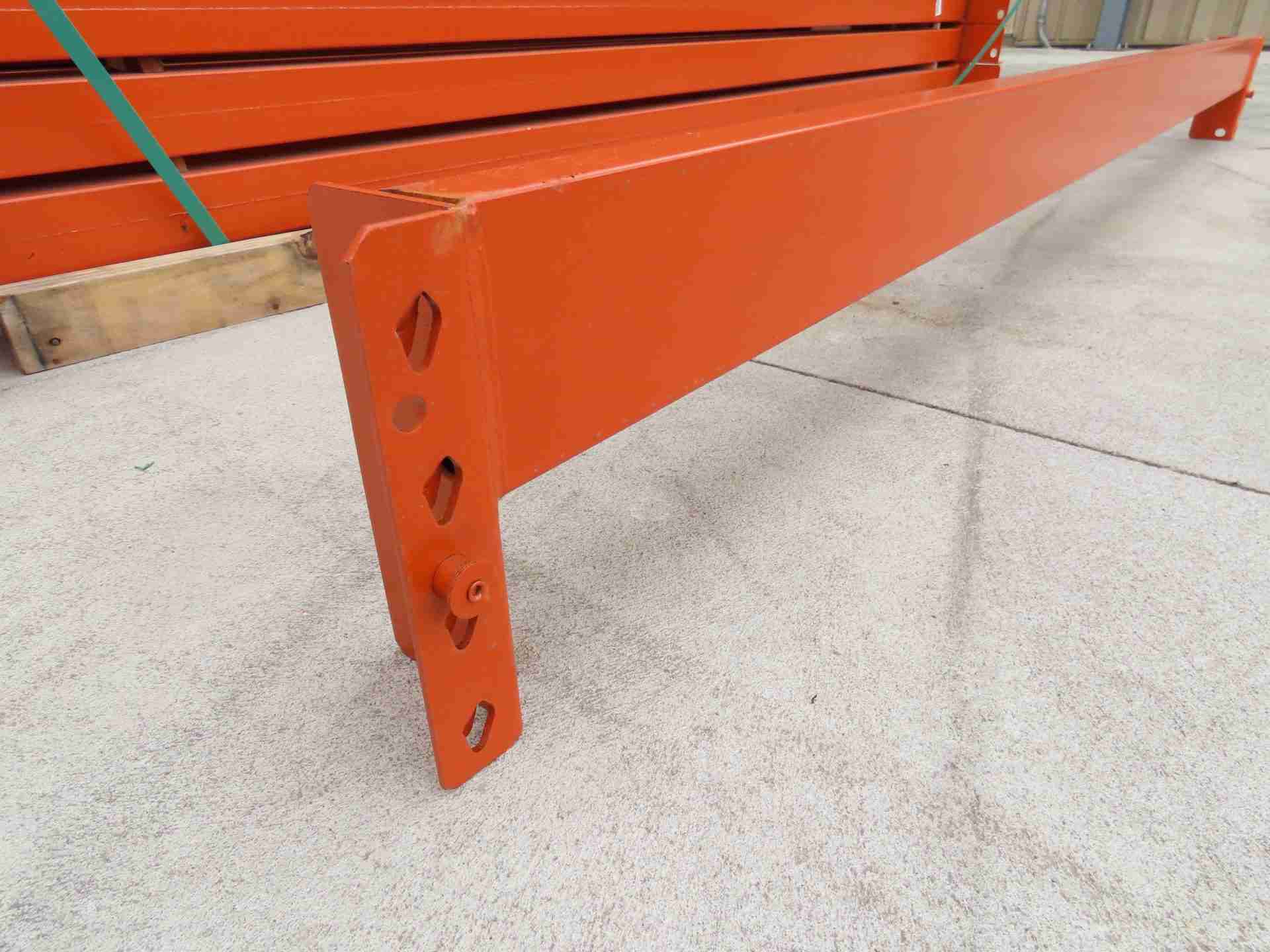
How Do Environmental Conditions Affect Load Capacity?
How Do Environmental Conditions Affect Load Capacity?
- Load capacity should consider environmental conditions, beyond just theoretical limits.
- Extreme temperatures can significantly impact material integrity, with steel losing up to 50% capacity at 1,200°F.
- Cold temperatures can make materials brittle, posing risks under heavy loads.
- High humidity and excessive rain can weaken construction materials, such as concrete, and affect soil stability.
- Wind speed must be accounted for, particularly for structures like wind turbines, to prevent failures in gusts over 60 mph.
- Urban environments present unique challenges, such as traffic vibrations destabilizing heavy loads.
- Adapting to environmental conditions is essential for optimizing load capacity and ensuring operational success.

How Do Environmental Conditions Affect Load Capacity?
What Are The Consequences Of Exceeding Load Capacity?
In a world that thrives on efficiency, growth, and maximized output, the temptation to push limits often manifests in the most critical areas of business — particularly in logistics, transportation, and manufacturing. Exceeding load capacity isn’t just a minor miscalculation; it’s a ticking time bomb that can lead to severe repercussions, both tangible and intangible.
Safety Risks
First and foremost, exceeding load capacity poses significant safety risks. Consider the recent spate of freight train derailments that have plagued the industry. Many can be traced back to overloaded cars, which compromise the integrity of rail systems. These incidents not only result in costly damages but also endanger lives. Imagine if a driver decides to stack one too many pallets of merchandise on a delivery truck; this reckless choice could lead to an overturned vehicle, creating havoc on the roads and substantial liabilities for the company.
Financial Implications
Secondly, the financial ramifications are staggering. When a company knowingly overloads its equipment, it faces hefty fines from regulatory agencies and increased upkeep costs due to accelerated wear and tear. In the case of construction, exceeding load capacity can lead to equipment failure or building structural issues, costing firms millions in repairs or legal battles. A manufacturer could face production delays or even complete shutdowns, affecting supplier relationships and ultimately their bottom line.
Reputation Damage
Perhaps more insidious is the damage done to a company’s reputation. Today’s consumers are more aware and more vocal than ever. A company that regularly compromises safety and reliability for the sake of short-term gains will quickly find itself under the scrutiny of clients and competitors alike. With platforms like social media amplifying every misstep, a single incident can spiral into a PR disaster that could mar a brand’s image for years.
Operational Efficiency
Lastly, there’s a significant toll on operational efficiency. Overloaded systems can lead to unanticipated breakdowns and delays, negatively impacting delivery schedules. The domino effect can disrupt an entire supply chain, and in an era where just-in-time delivery is king, the ripple effects can be catastrophic.
In summary, the consequences of exceeding load capacity extend far beyond immediate setbacks. Safety risks, financial strain, reputational harm, and operational inefficiencies can collectively threaten the sustainability and growth of a business. As the saying goes, “You can’t afford to be penny wise and pound foolish.” Take heed of your load limits, or you may just find yourself paying the price.
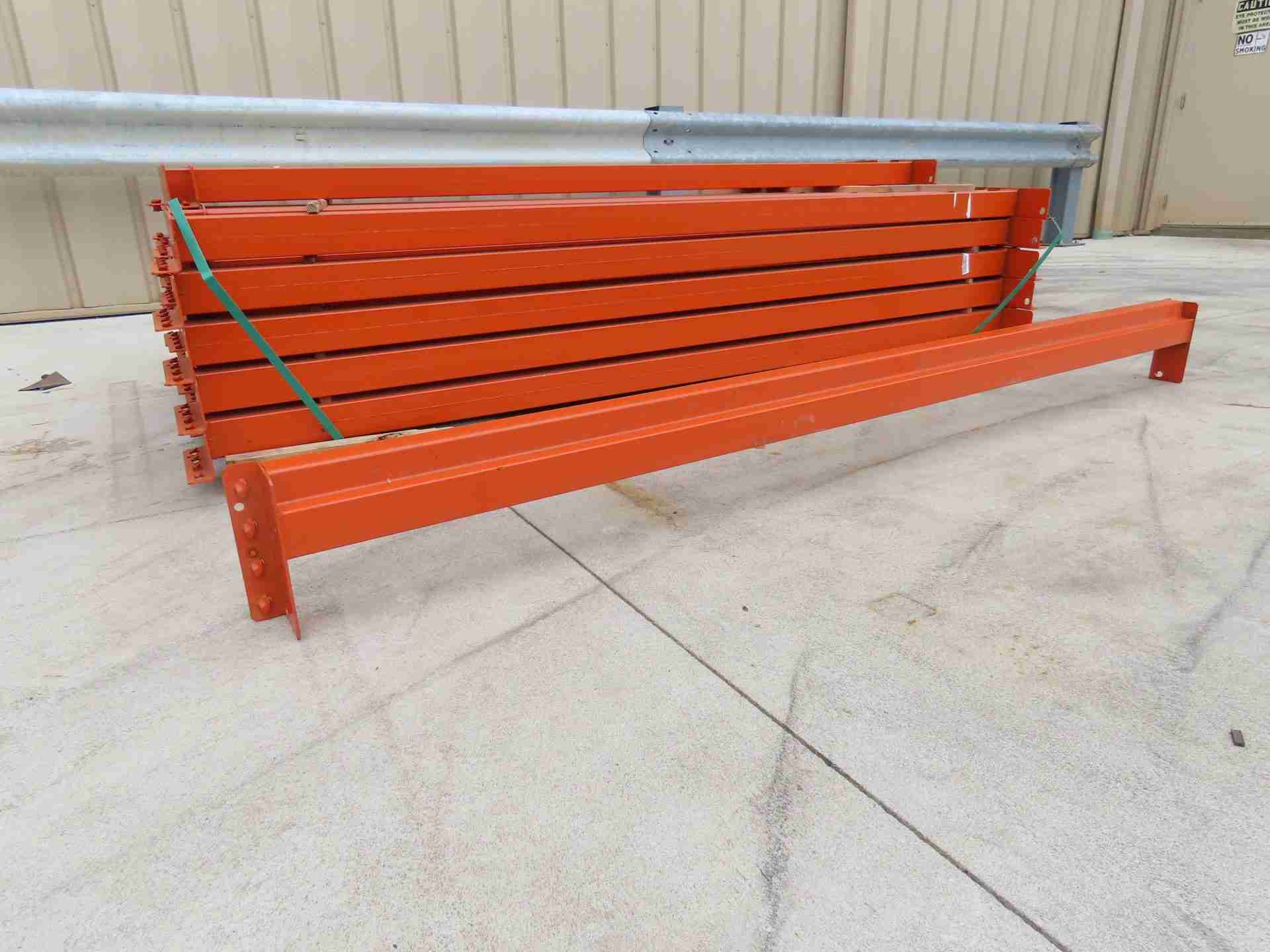
What Are The Consequences Of Exceeding Load Capacity?
What Are The Consequences Of Exceeding Load Capacity?
- Exceeding load capacity in business poses significant safety risks, leading to accidents like freight train derailments.
- Overloading vehicles can result in overturned trucks and serious liabilities.
- The financial ramifications include hefty fines from regulatory bodies and increased maintenance costs.
- In construction, overcapacity can cause equipment failures and structural issues, leading to costly repairs and legal disputes.
- Companies face reputational damage when compromising safety for short-term gains, especially in the age of social media.
- Operational efficiency suffers due to breakdowns and delays, disrupting the entire supply chain.
- Ignoring load limits threatens the sustainability and growth of a business, underscoring the phrase “You can’t afford to be penny wise and pound foolish.”.

What Are The Consequences Of Exceeding Load Capacity?
How Can I Improve Storage Rack Safety In The Workplace?
When it comes to ensuring the safety of your workplace, storage rack safety is often the unsung hero of the safety conversation. The incidents related to improper rack usage can lead to injuries, costly lawsuits, and a dent in your reputation. So, how do you elevate your storage rack safety standards? Here are some proven strategies that herald a workplace culture where safety reigns supreme.
1. Regular Inspections and Maintenance
Begin with a structured inspection regimen. Just as you wouldn’t drive a vehicle without regular oil changes, your storage systems need ongoing attention. Conduct weekly visual checks and schedule thorough monthly inspections of all racks. Look for signs of wear, damage, and misalignment. A compelling example comes from multiple warehouse operators during the pandemic who adapted daily safety audits, highlighting their commitment to employee welfare amid fluctuating workloads.
2. Invest in Quality Equipment
Your storage racks are not the place to cut corners. Investing in high-quality, durable racks can save you from future mishaps. Opt for racks that meet or exceed the standards stipulated by organizations like the American National Standards Institute (ANSI). Remember, your investment in safety yields dividends in productivity and morale.
3. Provide Employee Training
It’s essential to arm your employees with the knowledge they need for safe rack usage. Implement comprehensive training sessions that encompass proper loading techniques, racking structures, and hazard awareness. For instance, consider the recent push in various sectors to incorporate hands-on training with augmented reality tools, offering immersive experiences that leave a lasting impression.
4. Adopt Clear Labeling and Signage
Visual communication goes a long way. Clearly label weight limits, load capacities, and proper stacking methods directly on or near the rack. This not only serves as a reminder but also reinforces a culture of compliance. Companies that employ clear signage have seen reductions in accidents by up to 30%. Utilize color-coded indicators for easy identification of safe stacking zones.
5. Encourage Employee Feedback
Engagement directly correlates with safety. Create an open forum where employees can voice concerns or provide suggestions regarding rack safety. Take action on their feedback—the insights from the workforce on the ground can illuminate potential hazards often overlooked by management.
In today’s rapidly evolving work environments, where safety is more crucial than ever, elevating your storage rack safety standards is not just about compliance—it’s a commitment to a culture that values every employee. By taking these proactive steps, you not only enhance workplace safety but also foster a loyal and productive workforce that will drive your business forward.
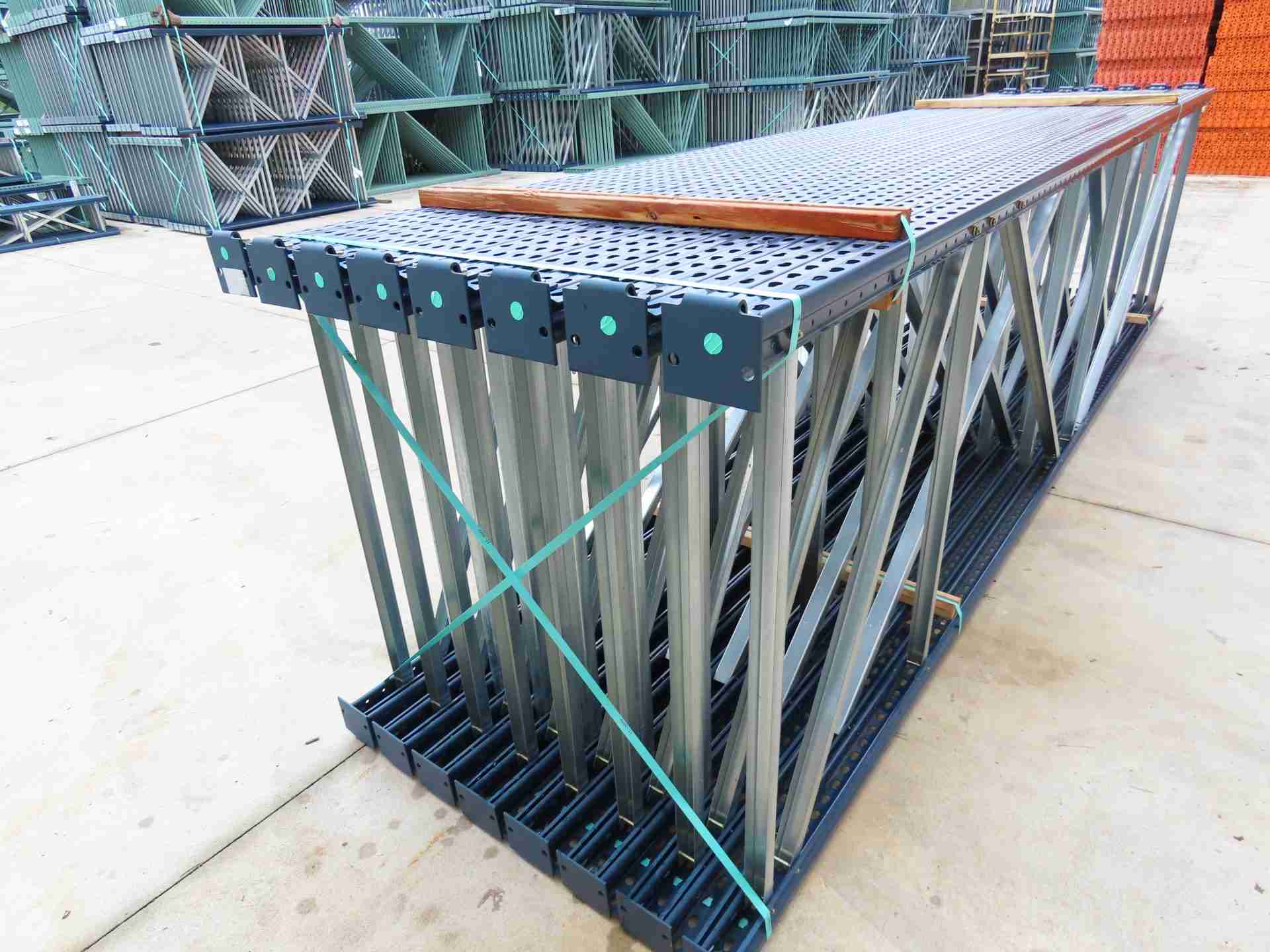
How Can I Improve Storage Rack Safety In The Workplace?
How Can I Improve Storage Rack Safety In The Workplace?
- Storage rack safety is vital
- Improper usage can lead to injuries, lawsuits, and reputational damage.
- Regular inspections and maintenance
- Implement weekly visual checks and monthly thorough inspections to identify wear and damage.
- Invest in quality equipment
- Use durable racks that meet ANSI standards to prevent future accidents.
- Provide employee training
- Conduct training on safe rack usage, including loading techniques and hazard awareness.
- Adopt clear labeling and signage
- Use labels for weight limits and stacking methods to promote compliance and reduce accidents.
- Encourage employee feedback
- Create an open forum for workers to share concerns and suggestions about rack safety.
- Commit to a culture of safety
- Elevating storage rack safety standards strengthens overall workplace safety and employee loyalty.
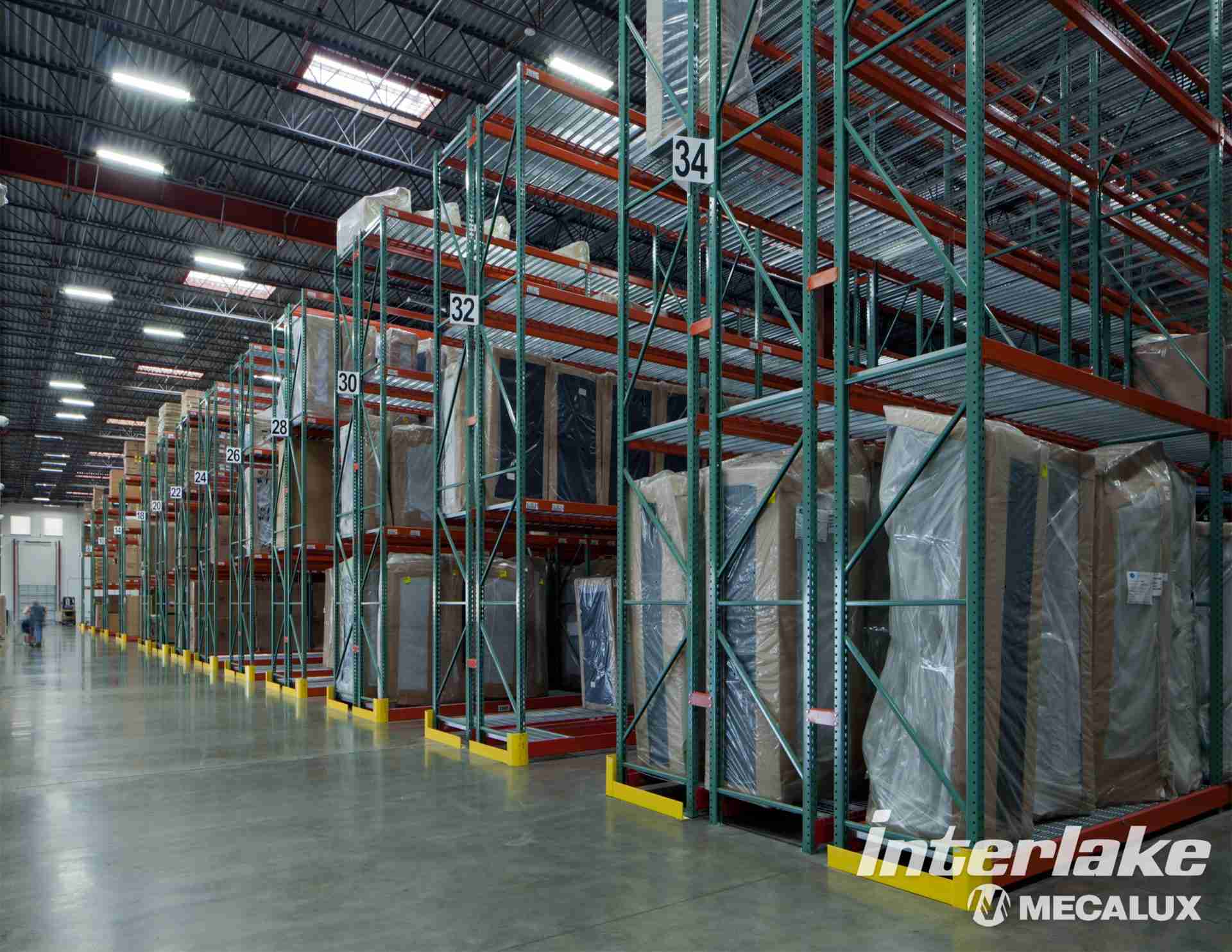
How Can I Improve Storage Rack Safety In The Workplace?
What Training Is Required For Employees Using Storage Racks?
In today’s fast-paced industrial landscape, implementing an effective training program for employees who operate storage racks can mean the difference between seamless efficiency and costly accidents. Proper training isn’t just a checkbox on the compliance list; it’s a strategic investment in safety, productivity, and peace of mind.
Firstly, employees must undergo comprehensive education on the types and specifications of storage racks in use. For instance, understanding the differences between selective racks, drive-in racks, and cantilever systems helps workers select the appropriate equipment for their unique tasks. This fundamental knowledge lays the groundwork for operational efficiency while minimizing the risk of mishandling products.
Next, hands-on training is crucial. At a facility in Ohio, employees were recently immersed in a practical training program where they maneuvered through real-life scenarios in a controlled environment. They learned the art of loading and unloading operations with precision, which not only boosted their confidence but also directly improved performance levels when working on the warehouse floor.
Moreover, safety training should be a cornerstone of any program addressing storage racks. OSHA mandates that companies comply with standards that prevent accidents, and thorough training programs that emphasize safe lifting techniques, proper equipment operation, and hazard recognition can significantly decrease the likelihood of injuries. For example, a recent OSHA report highlighted that warehouses with robust safety training see up to a 40% decrease in workplace injuries. These aren’t just statistics; they represent real lives and livelihoods safeguarded through diligent preparation.
It’s also vital to address the role of technology in training. Implementing augmented reality (AR) or virtual reality (VR) scenarios can elevate the learning experience to new heights. Imagine a scenario where employees navigate a virtual warehouse, learning the layout and storage protocols without the risk of real-world consequences. Companies like IKEA and Amazon are leveraging such technologies to enhance employee training, making it interactive and engaging—which leads to greater retention of information.
Lastly, ongoing training and refreshers are essential. Regularly scheduled sessions help keep safety protocols current and allow personnel to adapt to any new policies or technologies. With the rapid evolution of warehouse management systems, staying informed about the latest trends and tools is not just beneficial—it’s necessary.
Ultimately, investing in comprehensive training for employees using storage racks is not just about compliance; it’s about fostering a culture of safety and efficiency that resonates throughout the entire operation, reinforcing the idea that every worker is an invaluable stake in the success of the business.
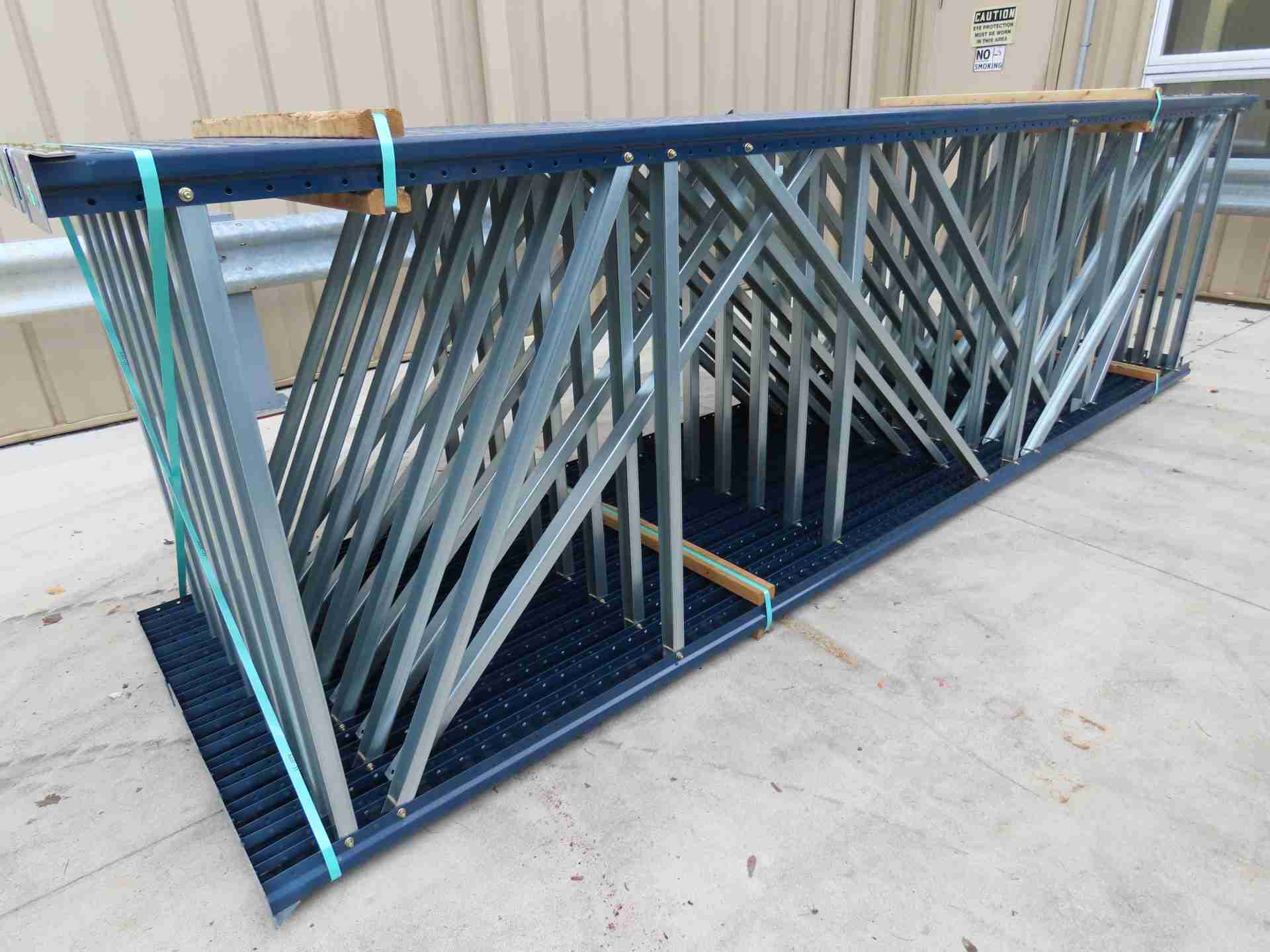
What Training Is Required For Employees Using Storage Racks?
What Training Is Required For Employees Using Storage Racks?
- Effective training programs for employees operating storage racks enhance safety and productivity.
- Comprehensive education on different types of storage racks, such as selective and drive-in racks, is essential.
- Hands-on training in real-life scenarios improves skills and boosts confidence among employees.
- Safety training is mandated by OSHA and significantly reduces workplace injuries by up to 40% when robust programs are implemented.
- Incorporating augmented reality (AR) and virtual reality (VR) in training enhances engagement and information retention.
- Ongoing training and refresher sessions are necessary to keep up with safety protocols and industry advancements.
- Investing in comprehensive training fosters a culture of safety and efficiency within the workplace, benefiting the entire operation.
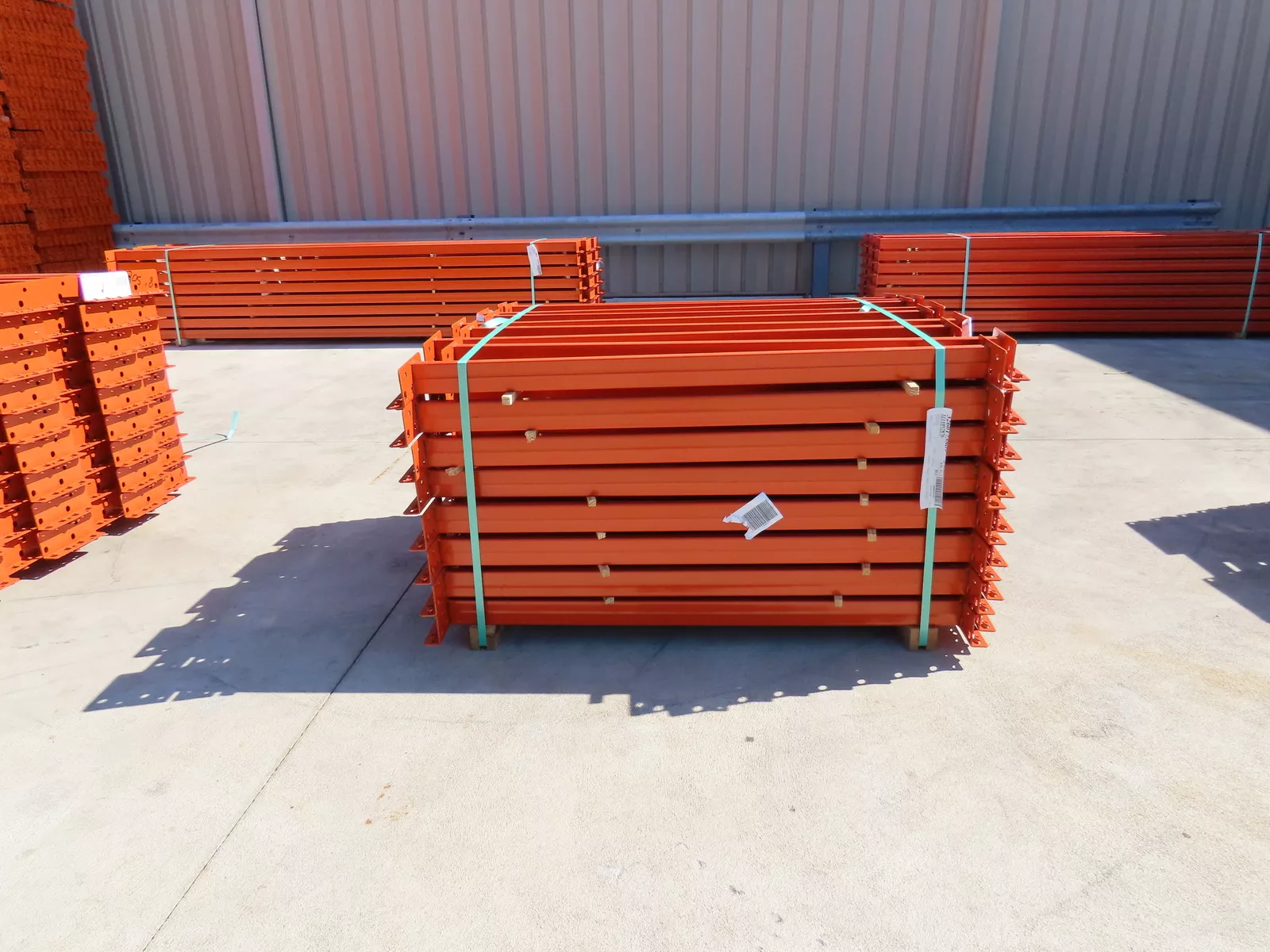
What Training Is Required For Employees Using Storage Racks?
Conclusion
In the world of warehousing and industrial operations, understanding and adhering to storage rack load capacity according to OSHA guidelines is not merely a compliance issue; it’s a cornerstone of safety, efficiency, and long-term profitability. The potential consequences of ignoring these regulations can lead to catastrophic accidents, substantial financial losses, and severe damage to your business reputation. The time to prioritize safety and efficiency is now—delaying may expose your workforce and bottom line to incredible risks.
So, what key takeaways should you focus on? First, grasp the fundamental concepts of storage rack load capacity. This involves understanding the specific load limits associated with different types of racking systems—be it selective, drive-in, or cantilever— and the importance of regular inspections to ensure that your racks are in good working condition and loaded appropriately. Adopt a structured inspection regimen that includes visual audits and full inspections carried out by trained professionals.
Moreover, remember the critical role of employee training. Your staff must be well-versed in load limits, safe loading techniques, and hazard recognition. Not only does effective training minimize risks but it also enhances workplace morale and operational efficiency. Consider incorporating innovative methods such as augmented or virtual reality into your training programs for more engaging and effective learning experiences.
Additionally, be vigilant about environmental conditions that affect load capacity, including temperature and humidity. These factors can dramatically impact the integrity of your storage systems, making it essential to continuously assess your operational environment and make necessary adjustments.
Investing in quality storage racks and adhering to safety standards is not merely about compliance. It’s about creating a culture that prioritizes safety while maximizing efficiency. The proactive steps you take today will safeguard not only your employees and assets but will also fortify your business against the varied challenges of tomorrow.
To explore how Arrow Industrial Sales can support your efforts in ensuring compliance with OSHA regulations and elevate your operational safety, don’t hesitate to reach out. Call us today at (574) 349-6575 to discuss how we can help prioritize safety in your workplace. Act now—your commitment to safety and compliance today determines your success tomorrow!
Conclusion
Conclusion:
- Understanding storage rack load capacity is essential for safety, efficiency, and profitability.
- Ignoring OSHA guidelines can lead to accidents, financial losses, and reputational damage.
- Know the load limits for different racking systems and conduct regular inspections.
- Implement structured inspection regimens, including visual audits and professional evaluations.
- Prioritize employee training on load limits and safe loading techniques to reduce risks.
- Monitor environmental conditions like temperature and humidity, as they impact load capacity.
- Investing in quality racks and a safety culture is crucial for long-term operational success.
Conclusion
Other Resources
Other Resources
Here is a list of other resources you can review online to learn more:
- “Home | Occupational Safety and Health Administration”
- “1910 | Occupational Safety and Health Administration”
- “Occupational Safety and Health Administration”
- “Cal/OSHA – Division of Occupational Safety and Health”
- “High-Hazard Retailers: Are You Prepared for an OSHA …”
- “List of OSHA Standards for Safety”
- “Division of Occupational Safety and Health”
- “OSHA vs ANSI: What’s the Difference? | BRADY”
Use This Prompt To Get More Resources With Your Favorite Online AI Tool: Please provide me with a list of online articles with their URLS in a bulleted list that I can read regarding What Is Storage Rack Load Capacity OSHA?
Other Resources
Glossary Terms
What Is Storage Rack Load Capacity OSHA? – Glossary Of Terms
1. Load Capacity: The maximum weight that a storage rack can safely support without risking structural failure or compromising safety.
2. OSHA: The Occupational Safety and Health Administration, a U. S. agency responsible for ensuring safe and healthy working conditions by setting and enforcing standards.
3. Storage Rack: A structure designed for the storage of materials, typically consisting of shelves or beams.
4. Safety Factor: A design principle that provides a margin of safety; it is the ratio of the maximum load that a structure can withstand to the intended load.
5. Dynamic Load: A load that changes over time, such as that caused by lifting equipment or the addition of new materials on a rack.
6. Static Load: A load that remains constant, such as the weight of products stored on a rack without movement.
7. Material Handling: The movement, protection, storage, and control of materials and products throughout the manufacturing, warehousing, distribution, consumption, and disposal stages.
8. Pallet Racking: A type of storage system specifically designed to hold palletized goods, enabling easier access and better organization.
9. Vertical Clearance: The required space above the storage rack to allow for the safe operation of forklifts and other material handling equipment.
10. Rack Inspection: A systematic examination of a storage rack to assess its structural integrity and compliance with safety standards.
11. Weight Distribution: The manner in which weight is spread across a storage rack, critical for maintaining stability and preventing tipping or failures.
12. Beam Capacity: The maximum load that each individual beam of a storage rack can safely support according to design standards.
13. Column Capacity: The maximum load that the upright columns of a storage rack can bear without failure.
14. Forklift Load Rating: The maximum weight a forklift can safely lift and maneuver, impacting how products can be stored and accessed.
15. Deflection: The degree to which a structural element bends under load; excessive deflection can indicate overloading or structural issues.
16. Compliance: Adherence to safety regulations and standards set by OSHA and other governing bodies related to workplace safety.
17. Load Signage: Labels or placards affixed to racking systems to indicate maximum load capacities and ensure proper usage.
18. Aisle Space: The area between storage racks that must be maintained for safe access and movement of material handling equipment.
19. Racking Systems: Various designs and configurations of racks (e. g. , selective, drive-in, push-back) used for storing different types of products.
20. Overloading: Placing weights exceeding the designated load capacity on a rack or shelving system, leading to potential failure.
21. Design Specifications: Guidelines that outline how storage racks should be constructed and what loads they can safely support.
22. Installation Guidelines: Procedures and recommendations for properly setting up storage racks to ensure safety and structural integrity.
23. Weight Limit: The maximum allowable weight that can be placed on a single shelf or level of a racking system.
24. Load Distribution Analysis: The process of evaluating how loads are spread across a storage rack to ensure safety and compliance.
25. Risk Assessment: A systematic approach to identifying, evaluating, and mitigating risks associated with storage racking systems.
26. Regulatory Compliance: Meeting the legal requirements outlined by OSHA regarding storage systems and workplace safety.
27. Warehouse Management: The processes and systems put in place to control and oversee the storage and movement of goods within a warehouse.
28. Safety Training: Instruction aimed at educating employees about safe practices related to storage racks and material handling.
29. Inspection Frequency: The recommended intervals at which storage racks should be checked for damages or compliance with safety standards.
30. Load Monitoring: Tracking the weight on storage racks in real-time to prevent overloading and enhance safety.
Glossary Of Terms
Other Questions
What Is Storage Rack Load Capacity OSHA? – Other Questions
If you wish to explore and discover more, consider looking for answers to these questions:
- What are the consequences of not adhering to OSHA guidelines for storage racks?
- How often should I train my employees on safety regarding storage racks?
- What are the differences between various types of storage racks?
- How can I tell if my storage racks need to be replaced?
- What specific OSHA regulations apply to different types of storage racks?
- What types of inspections are recommended for storage racks?
- How can I assess the sturdiness of my existing storage racks?
- What additional safety measures can be implemented in a warehouse with storage racks?
- Are there different load capacities for different materials in storage racks?
- How does pallet configuration affect storage rack load capacity?
- What role does environmental monitoring play in maintaining load capacity?
- What are common signs of wear and tear in storage racks?
- How can I educate my staff about proper load distribution on storage racks?
- What best practices should be followed when stacking items on storage racks?
- How can technology enhance safety and compliance for storage racks?
Other Questions
Checklist
What Is Storage Rack Load Capacity OSHA? – A Checklist
1. Understanding Load Capacity
_____ Review the manufacturer’s specification for each rack type.
_____ Verify that you understand the difference between static load, dynamic load, impact load, and environmental load.
2. Conducting Regular Inspections
_____ Schedule monthly visual inspections for obvious signs of wear or damage.
_____ Ensure thorough professional inspections every six months.
_____ Record findings from inspections and any corrective actions taken.
3. Employee Training
_____ Provide comprehensive training on rack safety, weight limits, and proper loading techniques.
_____ Hold quarterly safety meetings to reinforce guidelines and share incidents or updates.
_____ Utilize hands-on training and where possible, incorporate AR/VR technologies for a better grasp of safety measures.
4. Proper Weight Distribution
_____ Always balance the load within the racks, placing heavier items at the bottom.
_____ Ensure the team understands the importance of the center of gravity in load placement.
5. Clear Signage and Labels
_____ Install clear labels indicating maximum load capacities on each rack.
_____ Use color-coded indicators for easy identification of safe stacking zones.
6. Documentation and Compliance Maintenance
_____ Maintain records of all inspections, employee training, and corrective actions taken.
_____ Stay updated with any changes to OSHA regulations and adjust practices accordingly.
7. Environmental Considerations
_____ Assess the impact of environmental conditions (temperature, humidity, vibrations) on load capacity.
_____ Adjust load capacities as necessary based on environmental factors.
8. Feedback Mechanism
_____ Establish an open forum for employees to share feedback regarding rack safety practices.
_____ Act on employee suggestions to improve safety protocols.
9. Emergency Preparedness
_____ Develop and communicate an emergency response plan regarding rack failures.
_____ Conduct periodic drills to ensure all employees are familiar with emergency procedures.
By implementing this checklist, you can help ensure compliance with OSHA guidelines related to storage rack load capacity, thus safeguarding your workforce and enhancing operational efficiency. Remember, a proactive approach to safety and compliance is essential for the longevity and credibility of your business.

Checklist
At RackingWorld, we help guide you through selecting warehouse storage systems and racking.
Be sure to read our other related stories at RackingWorld to learn more about warehouse storage systems.
0 Comments