
Maximizing Space And Efficiency With Cantilever Storage
By Tom Seest
At RackingWorld, we help guide you through selecting warehouse storage systems and racking.
Be sure to read our other related stories at RackingWorld to learn more about warehouse storage systems.
What Are The Top 5 Advantages Of Cantilever Storage Solutions?
In today’s fast-paced, competitive business environment, effective storage solutions can make the difference between profit and loss. Enter cantilever storage systems—a game changer for industries requiring efficient organization of long and bulky items. Whether you’re in construction, manufacturing, or retail, the advantages of adopting cantilever storage solutions are profound. Let’s explore the top five benefits that could elevate your operation and boost your bottom line.
1. Maximized Space Efficiency
Cantilever racking systems are designed to accommodate items of various lengths and dimensions, from pipes to lumber. Unlike traditional shelving, these racks eliminate wasted space by allowing for vertical storage. With upward verticality, you’re not just storing materials; you’re optimizing your workspace. For instance, Amazon recently revamped their warehouses using cantilever racks, increasing their storage capacity and enabling quicker order fulfillment—a crucial advantage in today’s e-commerce boom.
2. Versatility Across Industries
One of the remarkable attributes of cantilever storage is its versatility. It suits a wide array of materials—from heavy machinery parts to lighter goods. Take a warehouse that stores both electrical equipment and building materials; a cantilever system allows for seamless integration, adapting to changing inventory needs. This capability is particularly relevant now, as supply chains are in constant flux due to geopolitical factors and the push for reshoring.
3. Enhanced Safety Features
When dealing with heavy or oversized items, safety is paramount. Cantilever racks are designed to lower the risk of accidents by ensuring materials are stored securely and accessed easily. This is especially important in manufacturing and construction settings where the stakes are high. By investing in cantilever storage solutions, you not only protect your assets but also your workforce—a win-win in an age when workplace safety is under increased scrutiny.
4. Improved Accessibility
Cantilever racks are designed for easy access, reducing the time spent searching for items and increasing overall productivity. In operations where time equals money, such as in logistics, this translates to faster turnaround times. For example, during recent supply chain disruptions, companies that had implemented efficient storage systems were able to adapt quickly, keeping their operations running smoothly while others faltered.
5. Cost-Effectiveness in the Long Run
While there is an initial investment involved in setting up cantilever systems, the cost-effectiveness reaps long-term rewards. Their durability means lesser replacements and maintenance costs, far outweighing the initial outlay. With businesses globally focusing on post-pandemic recovery and maximizing their operational efficiencies, can you afford to overlook such an opportunity?
Cantilever storage solutions offer incredible advantages that can redefine your storage efficiency, safety, and cost savings. If you’re looking to optimize your space and streamline operations, consider integrating cantilever systems into your facility today!
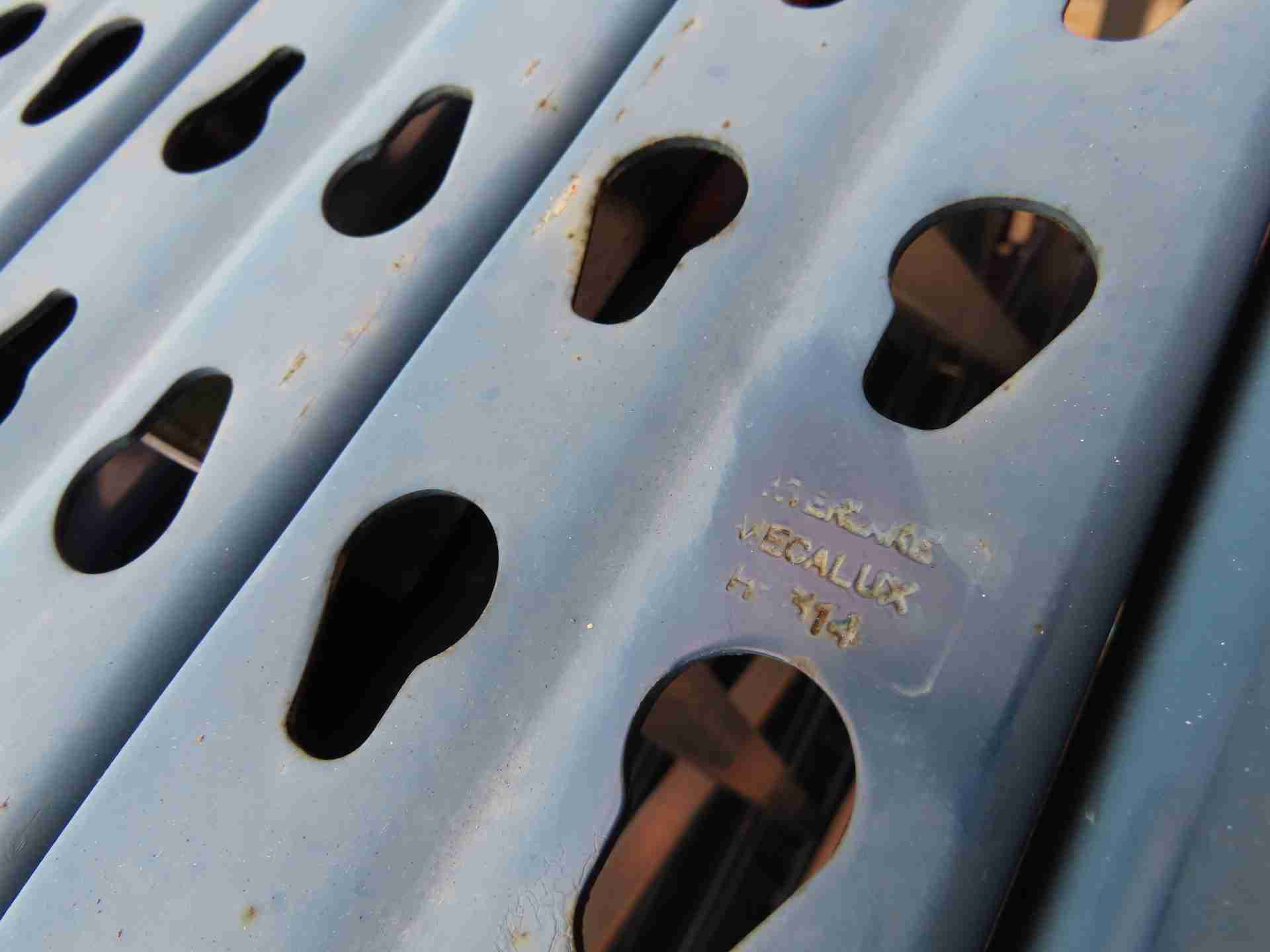
What Are The Top 5 Advantages Of Cantilever Storage Solutions?
What Are The Top 5 Advantages Of Cantilever Storage Solutions?
- Maximized Space Efficiency: Cantilever racking systems optimize workspace by allowing vertical storage of various lengths and dimensions, increasing overall capacity.
- Versatility Across Industries: These systems accommodate a wide range of materials, suitable for diverse inventory needs across multiple sectors.
- Enhanced Safety Features: Designed to securely store heavy or oversized items, reducing accident risks and promoting workforce safety.
- Improved Accessibility: Easy access to stored items boosts productivity and expedites turnaround times during crucial operations.
- Cost-Effectiveness in the Long Run: Initial investment pays off through lower maintenance costs and increased durability over time.
- Adaptability during Supply Chain Flux: Efficient storage systems allow businesses to quickly adapt to changing inventory demands and disruptions.
- Opportunity for Optimization: Integrating cantilever storage solutions can enhance operational efficiency and redefine storage capabilities.
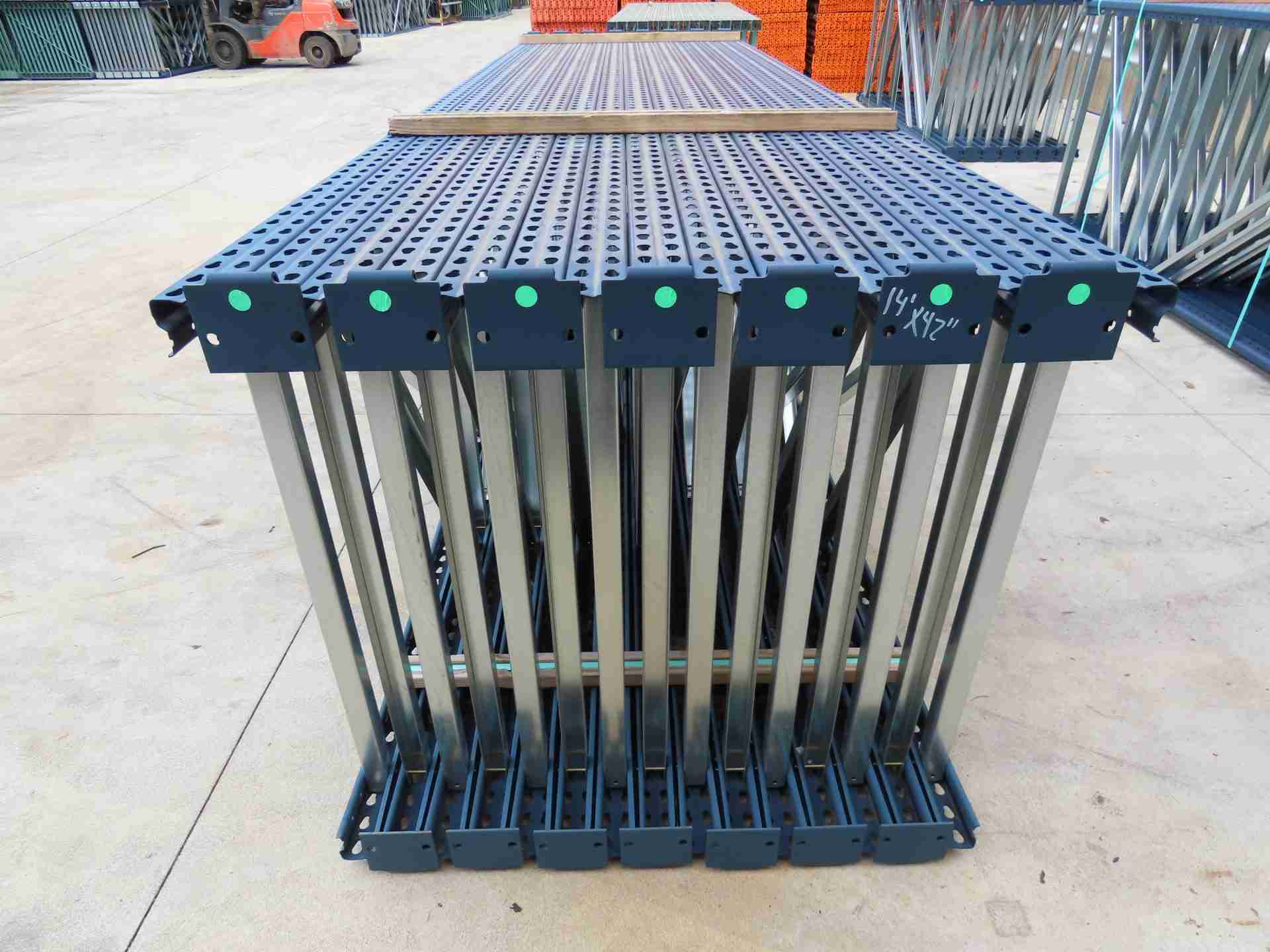
What Are The Top 5 Advantages Of Cantilever Storage Solutions?
Table Of Contents
- What Are The Top 5 Advantages Of Cantilever Storage Solutions?
- What Is Cantilever Storage And How Does It Work?
- What Are The Space-Saving Benefits Of Cantilever Storage?
- How Does Cantilever Storage Improve Accessibility And Organization?
- What Industries Benefit Most From Cantilever Storage Solutions?
- What Is The Cost-Effectiveness Of Using Cantilever Storage Systems?
- What Is Cantilever Storage And How Does It Work?
- How Does Cantilever Storage Save Space?
- What Materials Are Best Suited For Cantilever Storage?
- How Does Cantilever Storage Improve Accessibility?
- What Are The Cost Benefits Of Using Cantilever Storage?
- What Are The Safety Advantages Of Cantilever Storage Solutions?
- How Can Cantilever Storage Be Customized For Different Needs?
- What Industries Benefit Most From Cantilever Storage Systems?
- How Does Installation Of Cantilever Storage Compare To Other Systems?
- What Maintenance Is Required For Cantilever Storage Solutions?
- Conclusion
- Other Resources
- Glossary Of Terms
- Other Questions
- Checklist
What Is Cantilever Storage And How Does It Work?
When it comes to maximizing space in warehouses, construction sites, and even retail environments, cantilever storage systems have emerged as a game-changer. Imagine a storage solution that offers unparalleled flexibility, ease of access, and durability. Well, that’s exactly what cantilever storage delivers.
Cantilever storage racks are characterized by their long, protruding arms that extend out from a vertical framework, allowing for the easy storage of oversized or unwieldy items. Think about lumber yards, where long beams of wood need to be stored efficiently. Or consider manufacturers who deal with lengthy materials like pipes or steel rods. Cantilever systems offer clear advantages in these scenarios, enabling businesses to store long items horizontally without the constraints of traditional shelving.
But how does it work? At its core, a cantilever storage system consists of upright columns and cantilever arms. The vertical columns are anchored to the floor, providing robust support for the arms that can be adjusted according to the size and weight of the items being stored. This adjustability means that businesses can customize their storage solutions based on their unique inventory needs.
In today’s fast-paced economic environment, where supply chain efficiency and swift access to inventory can make or break a business, cantilever storage systems are more relevant than ever. For instance, many companies are adapting their storage solutions to handle shifting market demands. The construction industry, which has seen a resurgence post-pandemic, requires fast and efficient inventory turnaround—something cantilever racks can facilitate.
Another compelling reason to consider cantilever storage is the ease of accessibility it provides. These racks allow for fork-lift operations to slide in directly beside the stored materials, ensuring that picking and stock-taking can be done quickly and safely. Imagine the time saved in a warehouse filled with products ready to ship at a moment’s notice—consequently enhancing customer satisfaction and loyalty.
Environmental sustainability is another current trend that cantilever storage aligns with beautifully. Modern cantilever racks are designed with eco-friendly materials and processes, demonstrating your commitment to sustainability as you optimize your storage space. Customers today appreciate businesses that prioritize green practices, which can set your company apart from competitors.
In summary, cantilever storage is not just a functional solution; it is a strategic asset that can enhance efficiency, accessibility, and sustainability in your operations. As we move into a future where adaptability is key, investing in a cantilever system may very well be your next bold business move. Whether you are restructuring your warehouse or looking to streamline logistics, cantilever storage could be your secret weapon.
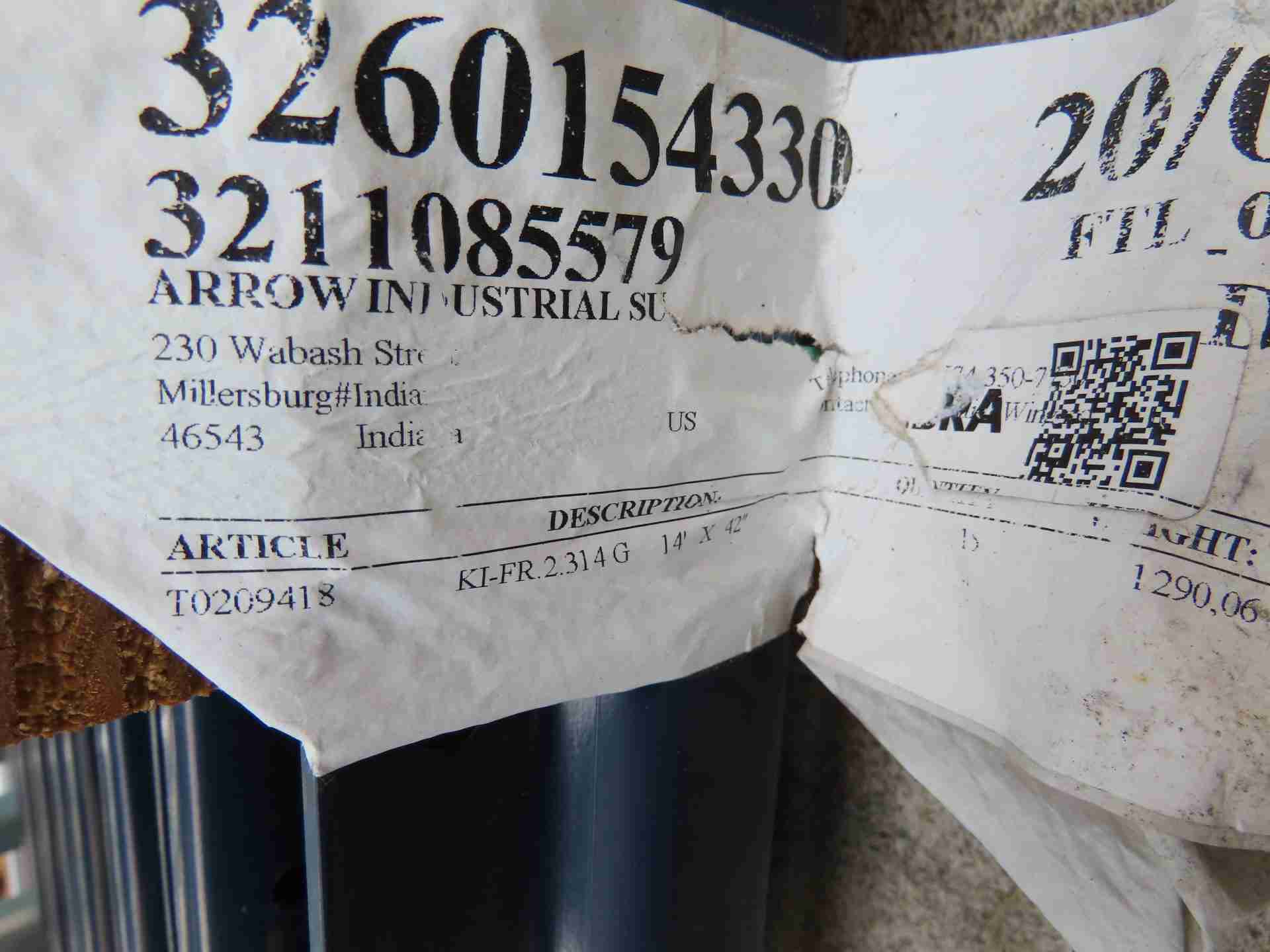
What Is Cantilever Storage And How Does It Work?
What Is Cantilever Storage And How Does It Work?
- Cantilever storage systems maximize space in warehouses, construction sites, and retail environments.
- They feature long, protruding arms for easily storing oversized items like lumber, pipes, and steel rods.
- The system consists of upright columns and adjustable cantilever arms for customized storage solutions.
- Cantilever storage enhances supply chain efficiency and fast access to inventory, especially in the construction industry.
- These racks allow for forklift access, facilitating quick and safe picking and stock-taking.
- Modern cantilever systems are made from eco-friendly materials, aligning with sustainability trends.
- Investing in cantilever storage can enhance operational efficiency, accessibility, and environmental responsibility.
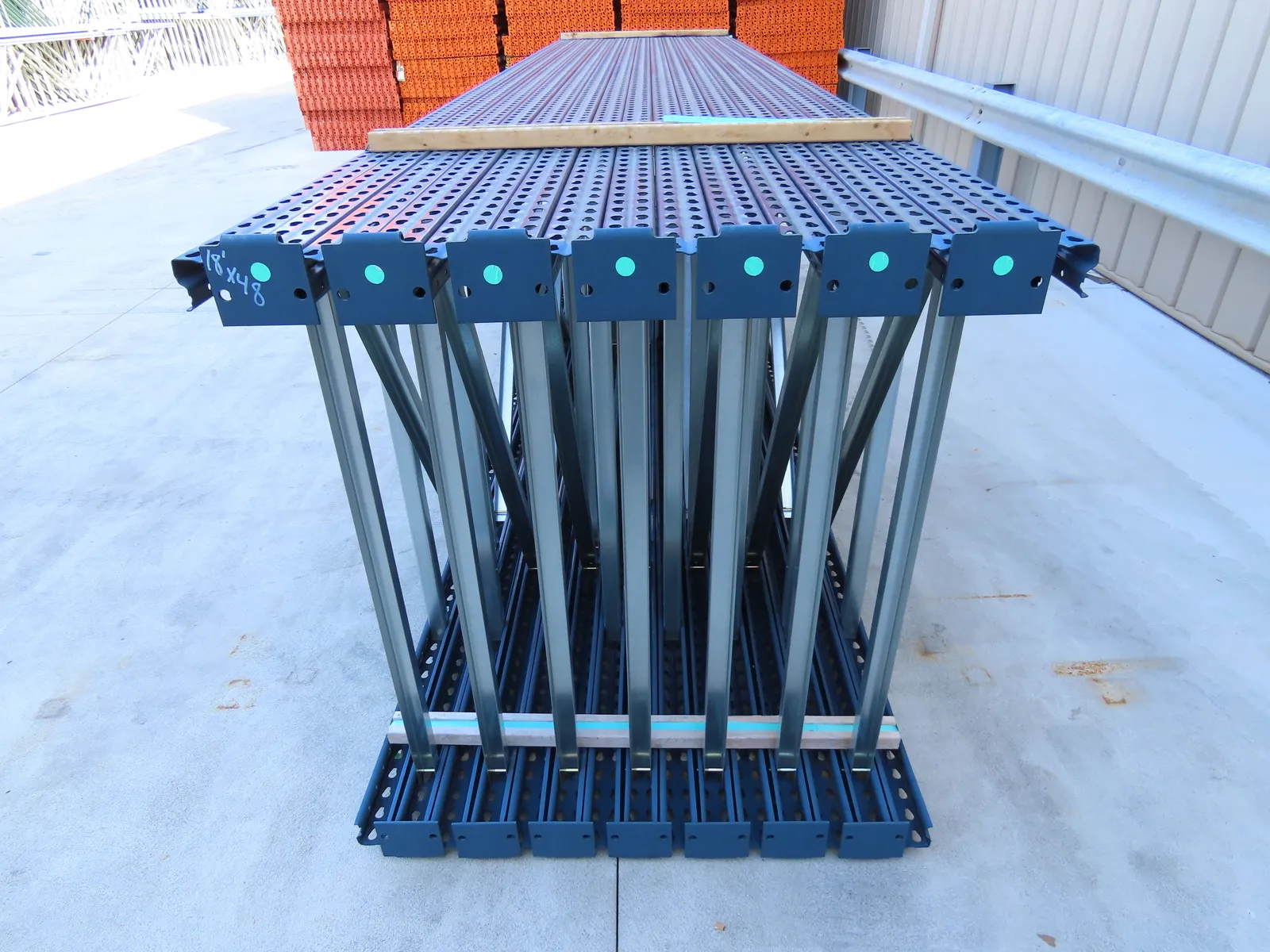
What Is Cantilever Storage And How Does It Work?
What Are The Space-Saving Benefits Of Cantilever Storage?
In today’s fast-paced world, where maximizing every square inch of your workspace can significantly boost productivity and profitability, cantilever storage emerges as a game-changer. It revolutionizes the way businesses approach inventory management and space utilization by offering unparalleled advantages that can translate into concrete benefits.
Optimized Vertical Space: One of the standout features of cantilever storage systems is their ability to stack materials vertically. This design not only minimizes the footprint of your storage area but also exploits the untapped vertical space that traditional shelving fails to utilize. Take a glance at the construction industry—the demand for lumber and building materials is ever-increasing. In warehouses where wood products are often piled haphazardly, cantilever racks allow for streamlined organization. By accommodating longer items and hefty loads with stability and ease, businesses can scale their inventory without needing to expand their physical location.
Flexibility and Adaptability: As market demands shift, so too should your storage solutions. Cantilever racks are remarkably adjustable. You can modify the height of the arms based on the size of your inventory—be it long pipes, steel beams, or oversized furniture. With recent challenges in supply chains, businesses must adapt swiftly; cantilever storage facilitates this adaptability. Retailers pivoting to online sales can easily reorganize their stock to store larger quantities of varied products in less space—all without incurring the costs of a more extensive storage facility.
Enhanced Accessibility: Accessibility is paramount in storage management. The open design of cantilever storage promotes unobstructed access to items, ensuring that workers can retrieve what they need quickly, reducing the time and labor involved in locating materials. This design feature is especially beneficial in manufacturing. Suppose a factory needs to access raw materials efficiently during peak production times—efficient retrieval can save hours daily, translating into substantial cost savings and increased output.
Environmentally Friendly: As sustainability continues to be a crucial theme globally, utilizing cantilever storage can contribute to greener practices. By maximizing the use of existing space, businesses can delay the need for new construction, which often comes with environmental costs. Given the current push for companies to reduce their carbon footprint, an approach that integrates space-saving solutions like cantilever storage is not only wise but increasingly essential.
In a climate where efficiency reigns supreme, cantilever storage stands out as the forward-thinking solution every business should consider to unlock the full potential of their storage capabilities while reaping significant spatial and operational benefits.
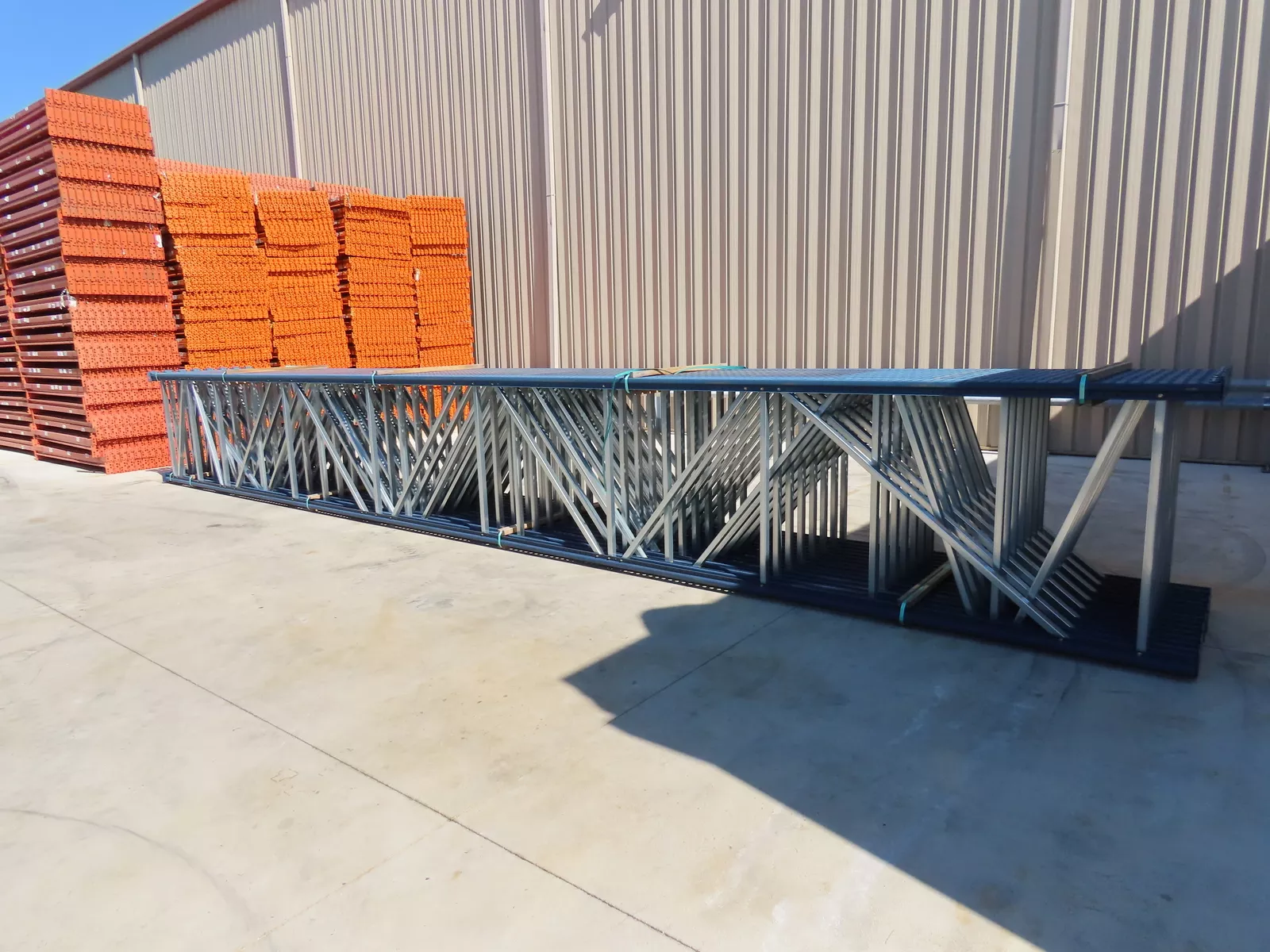
What Are The Space-Saving Benefits Of Cantilever Storage?
What Are The Space-Saving Benefits Of Cantilever Storage?
- Cantilever storage revolutionizes inventory management: It maximizes workspace, boosting productivity and profitability.
- Optimized vertical space: Allows stacking materials vertically, minimizing storage footprint and utilizing untapped space.
- Flexibility and adaptability: Adjustable racks accommodate various inventory sizes, enhancing responsiveness to market changes.
- Enhanced accessibility: Open design promotes quick and easy retrieval of items, saving time and labor in manufacturing.
- Environmentally friendly: Helps delay the need for new construction, contributing to sustainability efforts and reducing carbon footprint.
- Supports businesses in adapting to shifting demands: Ideal for retailers pivoting to online sales, utilizing space efficiently.
- Essential solution for modern efficiency: Cantilever storage unlocks storage capabilities while delivering spatial and operational benefits.
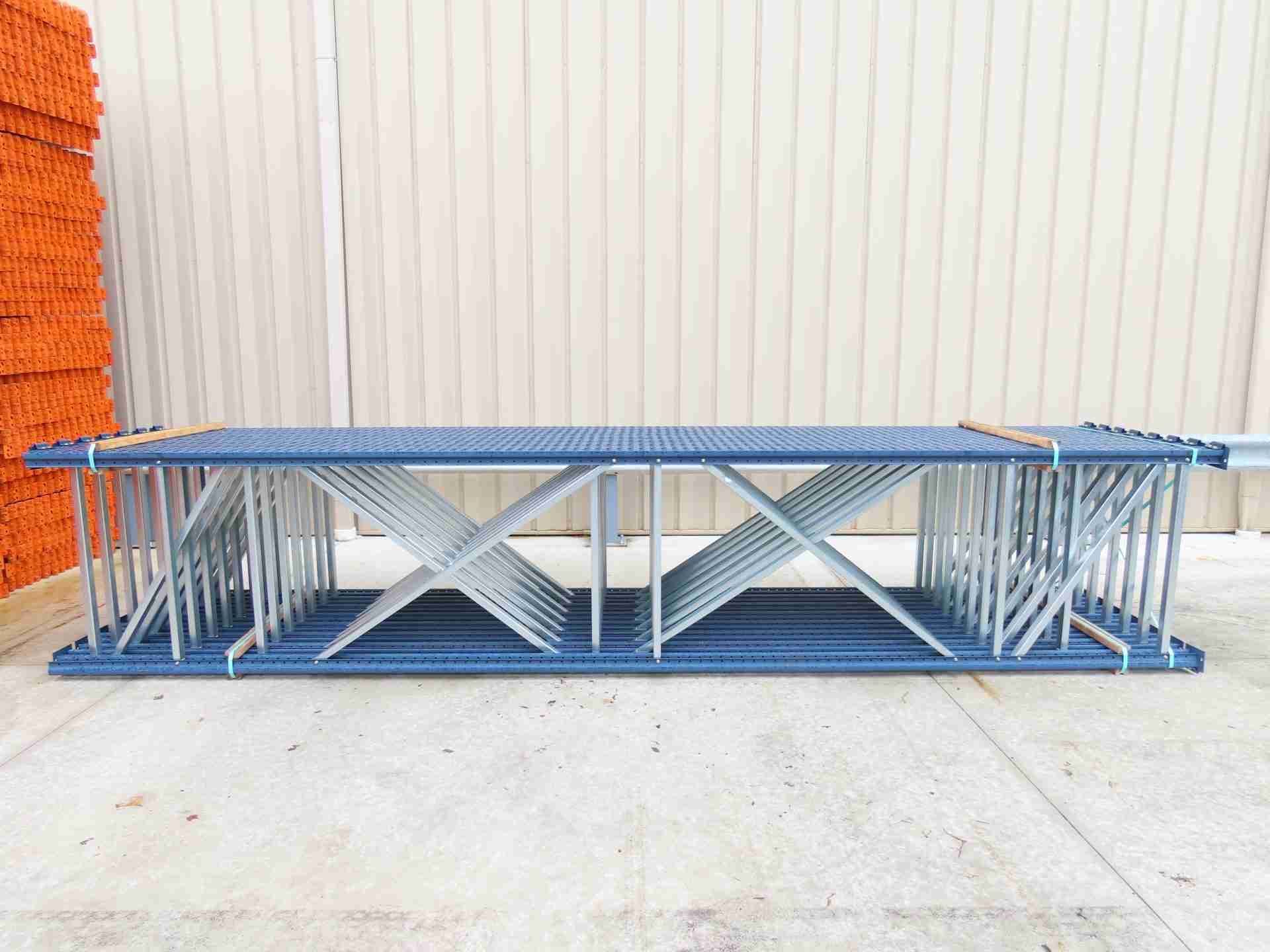
What Are The Space-Saving Benefits Of Cantilever Storage?
How Does Cantilever Storage Improve Accessibility And Organization?
In today’s fast-paced and highly competitive marketplace, the ability to efficiently manage space while ensuring easy access to inventory can mean the difference between profit and loss. Enter cantilever storage—a revolutionary solution that enhances both accessibility and organization in warehouses, retail environments, and manufacturing facilities.
Imagine a warehouse filled to the brim with pallets, components, or even long, bulky items. In such a chaotic environment, wasting time looking for products can become a habitual drain on productivity. Cantilever storage takes the pain out of this scenario by providing a systematic and easily navigable layout. With arms that extend from a central mast, cantilever racks allow for vertical storage without cumbersome interference. This design not only maximizes vertical space but also enables quick retrieval of items. For instance, a lumberyard using cantilever storage can stack boards of varying lengths efficiently, making them easily accessible from either side.
Consider the implications of this improved design in the current climate of supply chain unpredictability. Companies grappling with disruptions—like those caused by recent global shipping delays—must find ways to get products to customers faster and more efficiently. Cantilever storage systems can significantly streamline operations and create a more organized environment, allowing for agile responses to shifts in demand. When products are easy to locate, employees can spend less time searching and more time fulfilling orders.
Moreover, the safety benefits associated with cantilever systems cannot be overlooked. A well-organized storage solution minimizes the risk of injury, decreased damage to products, and ultimately promotes a safer workplace. For instance, the construction industry has seen a surge in the adoption of cantilever solutions to store heavy materials like steel beams and pipes. By keeping materials organized and off the ground, businesses can reduce clutter, avoid tripping hazards, and enhance overall efficiency.
As companies increasingly recognize the value of streamlined operations—especially in light of current labor shortages—investing in cantilever storage can yield a notable return. Not only does it enhance accessibility and organization, but it also encourages a culture of efficiency that will resonate throughout your entire team. In the battle for business supremacy, those who are equipped with the right tools, like cantilever racks, will undoubtedly emerge victorious. Elevate your business operations by implementing cantilever storage solutions, and watch your productivity soar.
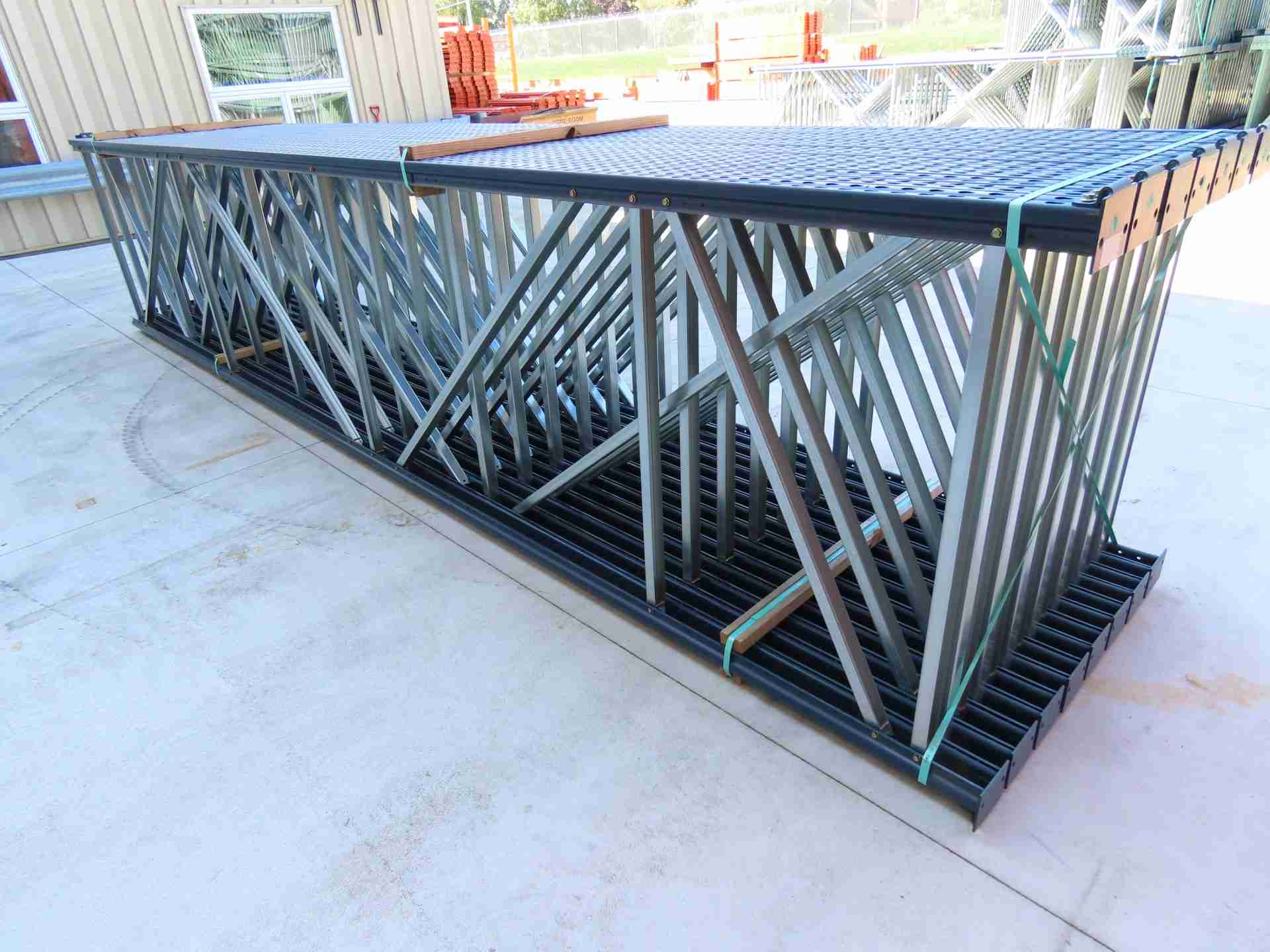
How Does Cantilever Storage Improve Accessibility And Organization?
How Does Cantilever Storage Improve Accessibility And Organization?
- Cantilever storage optimizes space management and enhances inventory access in diverse environments like warehouses and retail.
- The design features arms extending from a central mast for vertical storage, facilitating easy item retrieval.
- Helps create a systematic layout, reducing time spent searching for products and boosting productivity.
- Improves organizational efficiency amidst supply chain disruptions, enabling quicker response to demand changes.
- Promotes workplace safety by minimizing clutter and reducing risks of injury and product damage.
- Supports industries, such as construction, in safely storing heavy materials like steel beams and pipes.
- Investing in cantilever storage fosters a culture of efficiency, helping companies adapt to labor shortages and enhance operations.

How Does Cantilever Storage Improve Accessibility And Organization?
What Industries Benefit Most From Cantilever Storage Solutions?
In the rapidly evolving landscape of warehousing and logistics, businesses are continually seeking ways to optimize their space and improve efficiency. This is where cantilever storage solutions come into play. With their unique design, these systems provide a versatile and effective way to store long, bulky, or oddly shaped items that traditional shelving struggles to accommodate. But which industries see the most booming benefits from investing in cantilever storage?
1. Construction and Building Materials:
The construction industry thrives on efficiency and accessibility. Cantilever racks are ideal for storing lumber, pipes, and other lengthy materials. For instance, in a recent surge of infrastructure projects across the U.S., companies have found that integrating cantilever storage helps to streamline operations, thereby reducing downtime. In 2023, with the passage of new funding bills, suppliers are racing to keep materials organized and easily accessible, and cantilever systems have proven invaluable.
2. Manufacturing:
Manufacturers often work with large components and raw materials that don’t fit well on ordinary shelving. Automotive and aerospace sectors, in particular, benefit significantly. Utilizing cantilever racks allows for vertical storage that saves floor space and enhances inventory management. With the ongoing push for sustainable manufacturing practices, having a cleaner, organized space not only enhances safety but also boosts productivity.
3. Retail and Wholesale Distribution:
In retail, particularly in sectors such as furniture or large appliances, cantilever racks enable stores to display stock effectively while maintaining a pleasant shopping experience. Recent trends have shown that retailers are increasingly leaning into more experiential designs in their spaces—features like cantilever racks allow them to present products in an inviting and accessible manner. Moreover, wholesalers who handle bulky goods enjoy the benefits of increased storage capacity without sacrificing floor space, allowing for better inventory flow.
4. Automotive:
Within automotive warehouses and parts centers, cantilever racks facilitate the organized storage of tires, mufflers, and exhaust systems. These items, often cumbersome and requiring easy accessibility, profit from the streamlined design of cantilever systems. With the global electric vehicle market booming, automotive suppliers are re-evaluating their storage solutions to keep pace. Cantilever storage solutions are proving to be a game-changer in accommodating the influx of new components.
5. Metal Fabrication:
Finally, the metal fabrication industry has a keen eye on cantilever racks as they provide the necessary support for sheets of metal, steel beams, and tubing. As businesses in this sector continue to innovate and expand production capacities, cantilever systems enable efficient handling and organization—critical factors for maintaining a competitive edge.
Cantilever storage solutions are more than just a functional choice; they are a strategic investment that empowers various industries to maximize their space, enhance productivity, and ultimately drive profitability. As industries evolve and demand grows, those who adopt these solutions will undoubtedly lead the charge into a more organized and productive future.
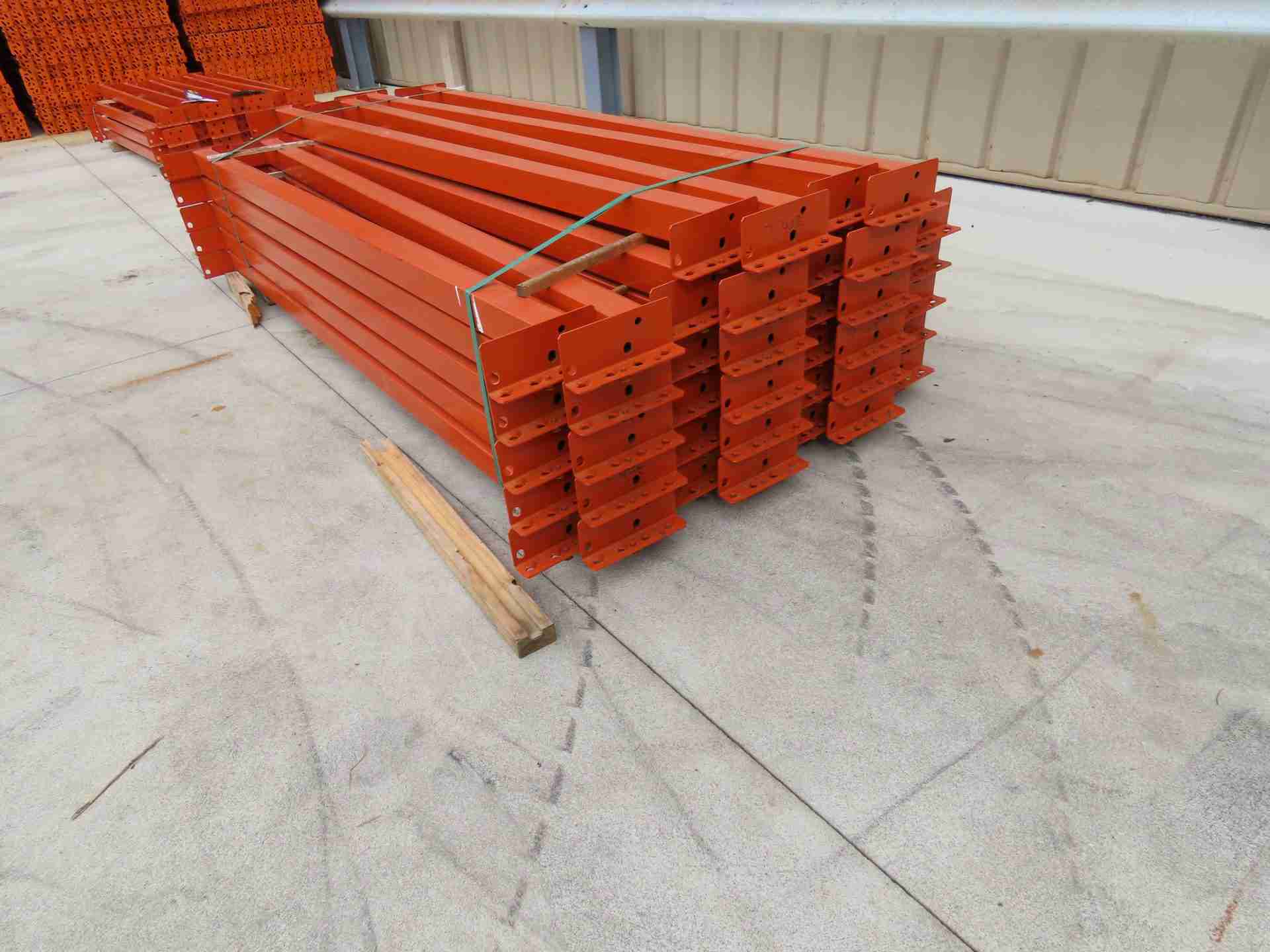
What Industries Benefit Most From Cantilever Storage Solutions?
What Industries Benefit Most From Cantilever Storage Solutions?
- Cantilever Storage Solutions: Versatile and effective for storing long, bulky, or oddly shaped items.
- Construction Industry: Ideal for storing materials like lumber and pipes; helps streamline operations and reduce downtime.
- Manufacturing Sector: Facilitates vertical storage for large components, enhancing organization and productivity.
- Retail and Wholesale: Allows effective display of large items while maintaining customer experience and inventory flow.
- Automotive Industry: Organizes storage of tires and parts, adapting to the growing electric vehicle market.
- Metal Fabrication: Supports efficient handling of metal sheets and tubing, critical for maintaining competitiveness.
- Strategic Investment: Helps industries maximize space, enhance productivity, and drive profitability.
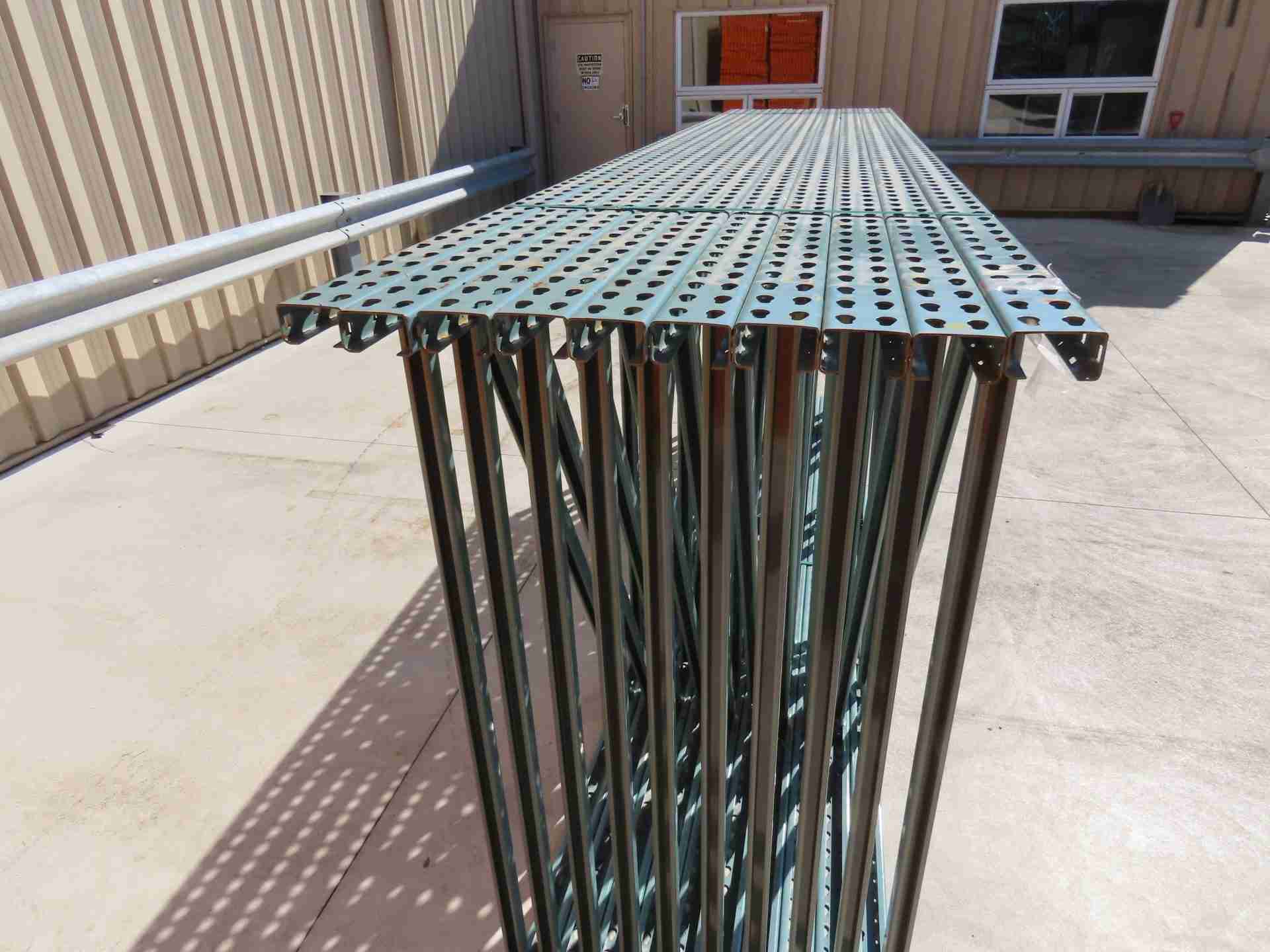
What Industries Benefit Most From Cantilever Storage Solutions?
What Is The Cost-Effectiveness Of Using Cantilever Storage Systems?
In the fast-paced world of logistics and warehousing, storage efficiency isn’t just a luxury—it’s a necessity. Enter cantilever storage systems, the unsung heroes of space optimization. For businesses grappling with limited space and inventory fluctuations, these versatile racks can transform how you manage your assets. But let’s get to the crux of it: Is investing in cantilever storage a wise financial decision?
First and foremost, consider the initial investment versus long-term gains. While cantilever systems might require a higher upfront expenditure than standard shelving, their ability to maximize vertical space makes them a game changer. Imagine a scenario where a furniture retailer can store oversized items like couches or tables without the constraints of traditional shelving. By stacking products vertically, businesses can significantly reduce their required floor space and, in turn, lower rental or real estate costs. In an age where commercial real estate prices are skyrocketing—like in bustling cities or booming industrial zones—this can mean substantial savings.
Furthermore, think about operational efficiency. Time is money, and cantilever systems streamline the picking and packing processes considerably. Their open design allows for easy access to all products, reducing the time required for inventory retrieval. In a recent case study, a manufacturing firm reported cutting its picking times by 30% simply by switching to cantilever racks, translating into thousands saved in labor costs each month. This efficiency is especially crucial in today’s just-in-time inventory environments, where delays can lead to hefty penalties or loss of contracts.
But there’s more: durability. Cantilever storage systems are designed to handle heavy loads, often exceeding 1,000 lbs per arm, depending on the configuration. Investing in sturdy, well-engineered racks means fewer replacements, lower maintenance costs, and, crucially, increased safety. The implications of workplace safety can’t be overstated—avoiding workplace injuries protects your bottom line while fostering employee satisfaction.
Additionally, let’s not forget the evolving nature of e-commerce. With rapid changes in stock levels and the need for flexible inventory management, cantilever systems offer unmatched versatility. Companies can adjust their layouts quickly to accommodate seasonal fluctuations, adapting seamlessly—an invaluable asset in a volatile market.
The cost-effectiveness of cantilever storage systems extends far beyond simple comparisons of purchase price. By reducing space requirements, enhancing operational efficiency, improving safety, and providing flexibility in an era of rapid change, these systems represent a strategic investment that can yield significant returns. The question is no longer if you can afford to implement cantilever storage—but rather, can you afford *not* to?
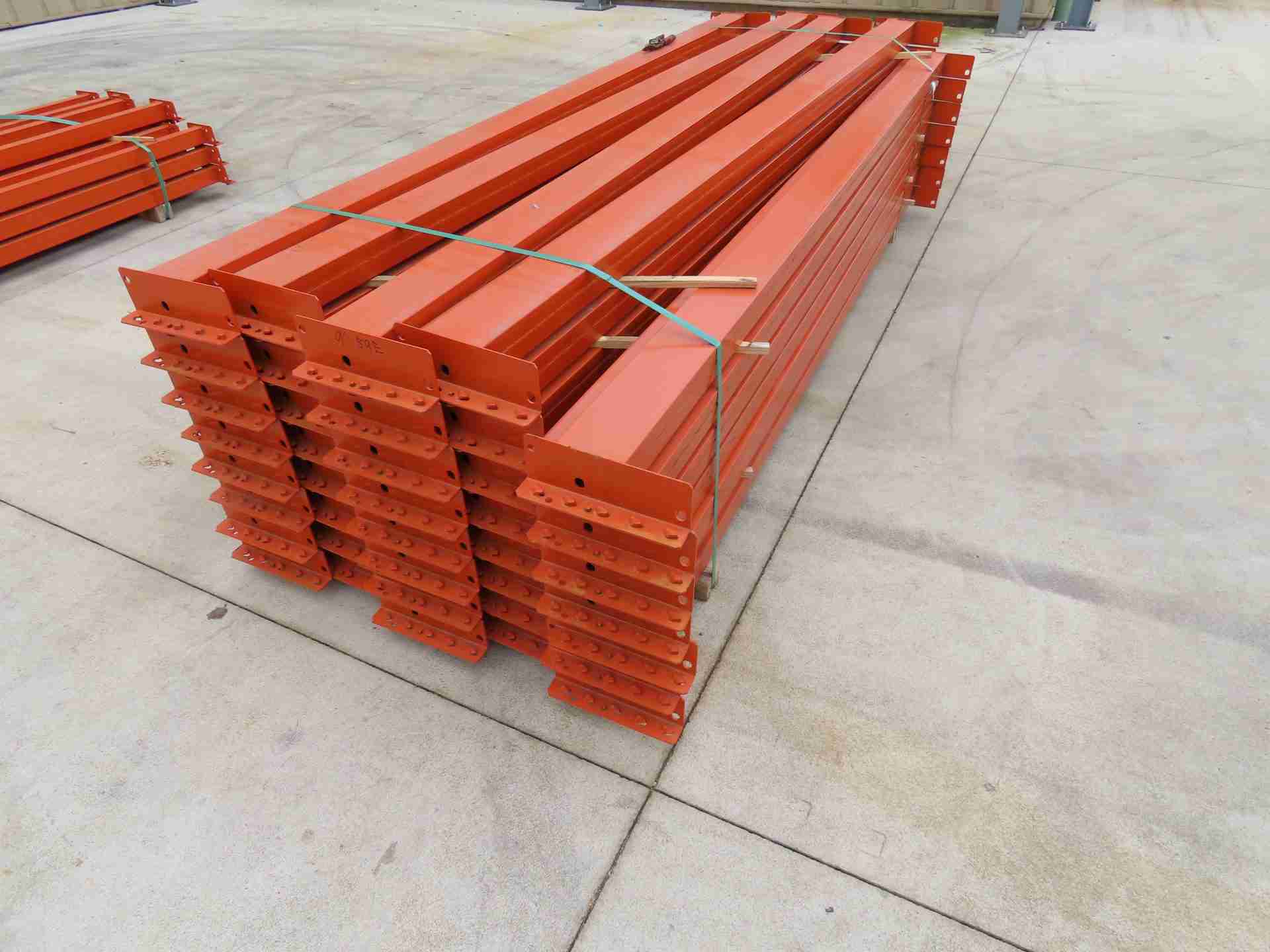
What Is The Cost-Effectiveness Of Using Cantilever Storage Systems?
What Is The Cost-Effectiveness Of Using Cantilever Storage Systems?
- Cantilever storage systems enhance storage efficiency, making them essential for logistics and warehousing.
- While initial investment is higher than standard shelving, long-term savings can be significant, especially in high-rent areas.
- These systems allow for vertical stacking, reducing required floor space and costs associated with commercial real estate.
- Cantilever racks streamline picking and packing processes, improving operational efficiency and cutting labor costs.
- Durability is a key feature, with systems often supporting over 1,000 lbs per arm, leading to lower maintenance and replacement expenses.
- Offering versatility, cantilever systems can quickly adapt to changing inventory needs, crucial for e-commerce environments.
- Overall, they represent a strategic investment that yields significant returns, raising the question of affordability for businesses.
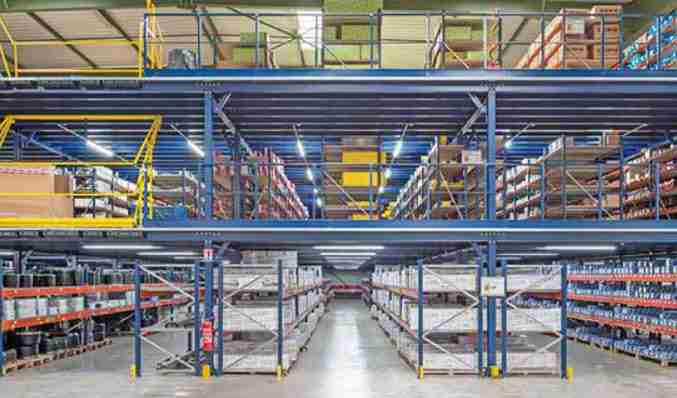
What Is The Cost-Effectiveness Of Using Cantilever Storage Systems?
What Is Cantilever Storage And How Does It Work?
Cantilever storage is a game-changing solution designed for those who need an efficient and flexible way to store heavy or oversized items. Picture this: you run a lumberyard or a manufacturing plant with products ranging from long boards to substantial pipes. You need storage that not only maximizes space but also provides ease of access. Enter cantilever storage—a specialized racking system that uses arms extending from a single vertical column, allowing for vertical stacking of items without the clutter associated with traditional shelving.
Functionality at its Best
Cantilever racks come in two main types: single-sided and double-sided. Single-sided racks work well against walls or in tight spaces, while double-sided racks provide added storage capacity accessible from either side. The design allows for comprehensive organization of bulky materials and takes advantage of vertical space. Materials can be stored horizontally, minimizing the risk of damage and making it easier to retrieve individual items quickly.
For example, consider a construction company that frequently handles steel beams. Traditional racking might require additional handling or result in damage to the beams during retrieval. A cantilever system, however, allows these beams to rest securely on long arms, making them easy to access while keeping them protected from external hazards.
Adapting to Current Trends
As industries evolve, so do storage needs. The recent surge in e-commerce has led to warehouses prioritizing efficiency and space utilization. According to a 2023 report, e-commerce storage needs are projected to grow significantly, prompting logistics companies to adopt cantilever systems to handle increasingly diverse inventories ranging from furniture to large appliances.
Additionally, sustainability is a current buzzword, and using cantilever storage contributes to an eco-friendlier operation. By maximizing vertical space, businesses reduce their physical footprint and lessen the environmental impact of their storage options.
Cost-Effective and Versatile
Investing in cantilever storage isn’t just about immediate space and organizational benefits; it’s about long-term profitability. Whether you’re storing materials for construction, manufacturing, or retail, the ability to adapt and scale your storage solutions can lead to reduced operational costs and improved workflow efficiency.
In a world where efficiency and accessibility are key to maintaining competitive advantage, cantilever storage stands out as a formidable ally. Don’t just keep up with the demands of your industry—stay ahead of the curve with smart, adaptable storage solutions. The future of your storage needs starts with the right system, and cantilever storage may very well be your best bet.
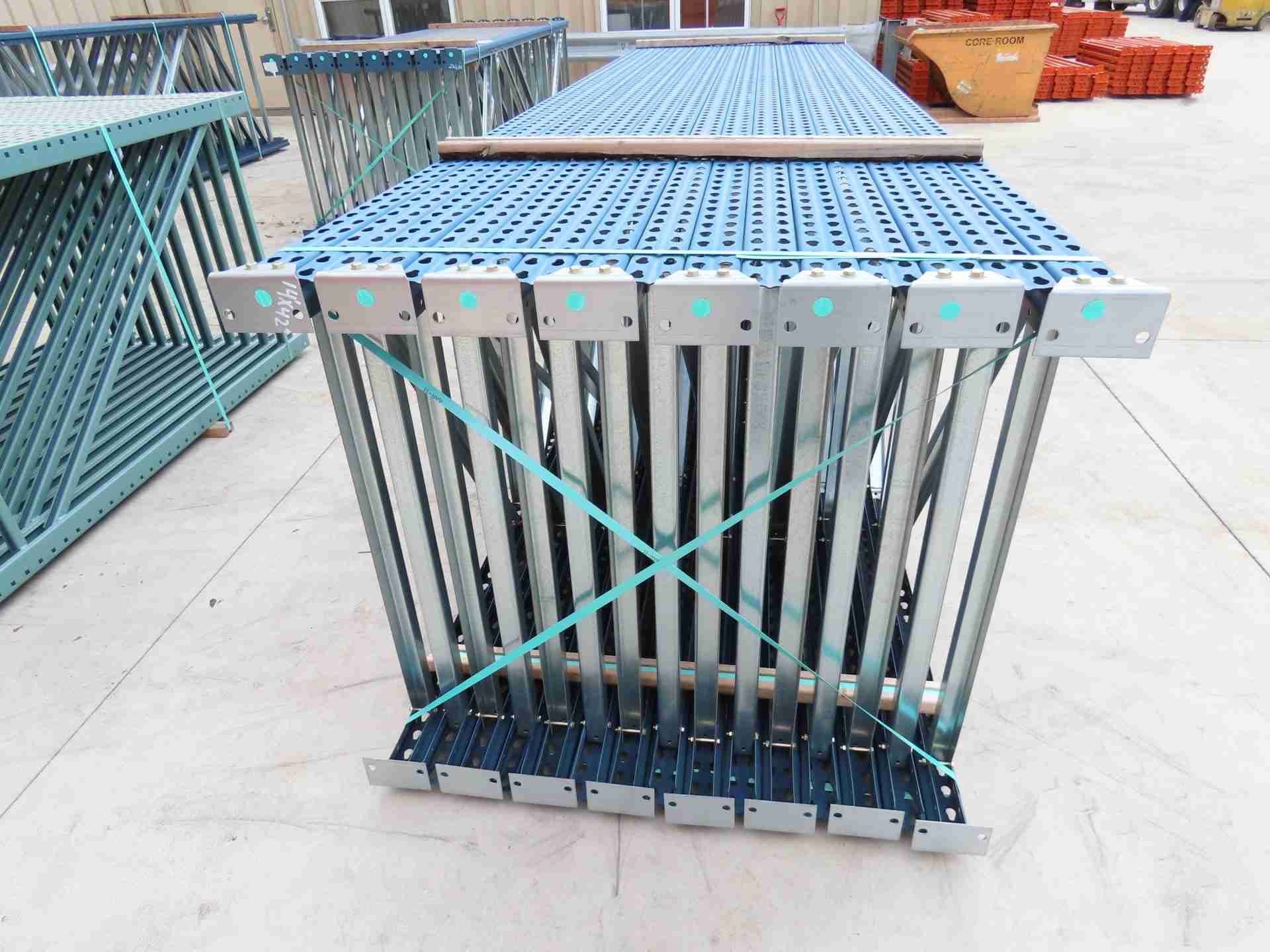
What Is Cantilever Storage And How Does It Work?
What Is Cantilever Storage And How Does It Work?
- Cantilever storage offers an efficient solution for storing heavy or oversized items.
- It features vertical stacking with arms extending from a single vertical column, maximizing space and ease of access.
- There are two types of cantilever racks: single-sided for tight spaces and double-sided for increased storage capacity.
- Items can be stored horizontally to minimize damage and streamline retrieval, especially useful for bulky materials like steel beams.
- The rise of e-commerce has increased the demand for efficient storage solutions, driving logistics companies to adopt cantilever systems.
- Cantilever storage also contributes to sustainability by maximizing vertical space and reducing the environmental footprint.
- Investing in cantilever storage leads to long-term profitability by reducing operational costs and enhancing workflow efficiency.
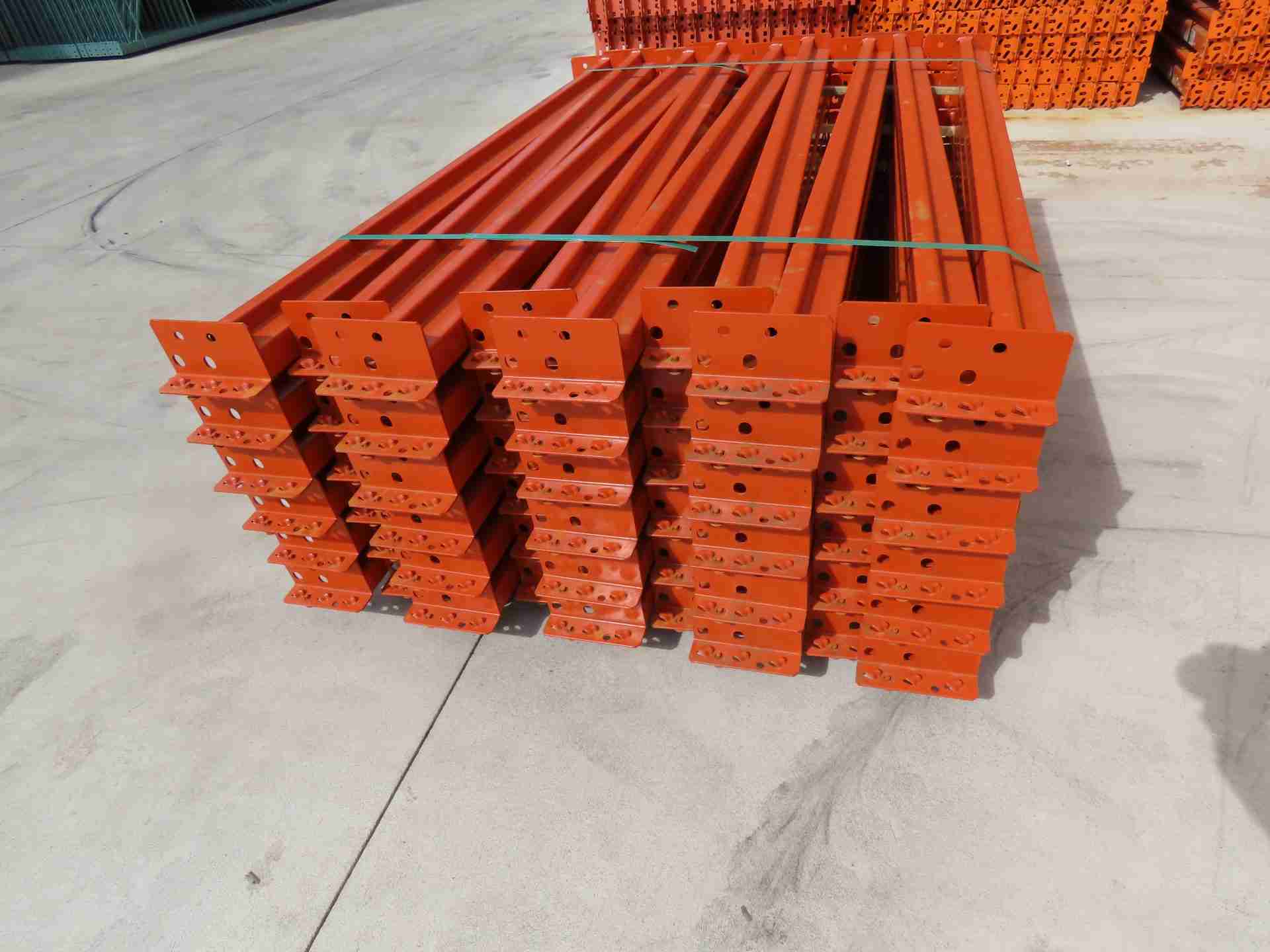
What Is Cantilever Storage And How Does It Work?
How Does Cantilever Storage Save Space?
In today’s fast-paced business environment, space is a precious commodity. Companies across various sectors are constantly seeking innovative ways to maximize their physical footprint while minimizing overhead costs. Enter cantilever storage—a revolutionary solution that not only optimizes space but also enhances operational efficiency.
Cantilever racks are the unsung heroes of storage systems, particularly for businesses handling lengthy or bulky items like lumber, pipes, and industrial equipment. Unlike traditional shelving, which can be restrictive and simplistic, cantilever racks provide open access from the front and allow for the effortless storage of goods of varying lengths and shapes. Imagine a lumberyard that traditionally stored planks leaning against walls or crammed into corners—wasted space at every turn. With cantilever storage, timber can be neatly organized, stacked, and displayed, freeing up valuable square footage while greatly improving accessibility.
Consider the current construction boom fueled by increased infrastructure spending. Companies involved in this sector face a relentless demand for materials and efficiency. By implementing cantilever storage solutions, these businesses can significantly reduce their storage footprint. For example, a contractor managing a diverse array of construction materials from steel beams to drywall can utilize cantilever racks to accommodate items of diverse lengths, stacking them in a compact and organized manner, allowing for maximum storage density.
Moreover, studies indicate that businesses can achieve up to 50% more storage efficiency by transitioning to cantilever racks. This increased efficiency translates to cost savings: less space occupied leads to lower rent costs, reduced energy consumption, and a more streamlined workflow. This is especially applicable in today’s climate, where supply chain challenges can wreak havoc on inventory management. By utilizing cantilever storage, businesses can quickly access needed materials without the chaos of traditional storage methods.
In addition, cantilever racks are scalable and customizable, capable of adapting to changing inventory needs. As your business grows or shifts strategies, your storage solution can evolve alongside it, allowing for ongoing flexibility and versatility. This characteristic is particularly useful in tumultuous markets, such as the recent shifts seen in retail, where the demand for different items can fluctuate drastically in response to consumer trends.
Ultimately, embracing cantilever storage doesn’t just save space—it transforms the way businesses operate, leading to smarter storage solutions, increased productivity, and enhanced profitability. In a world where every square foot counts, choose cantilever storage, and stack the odds in your favor.
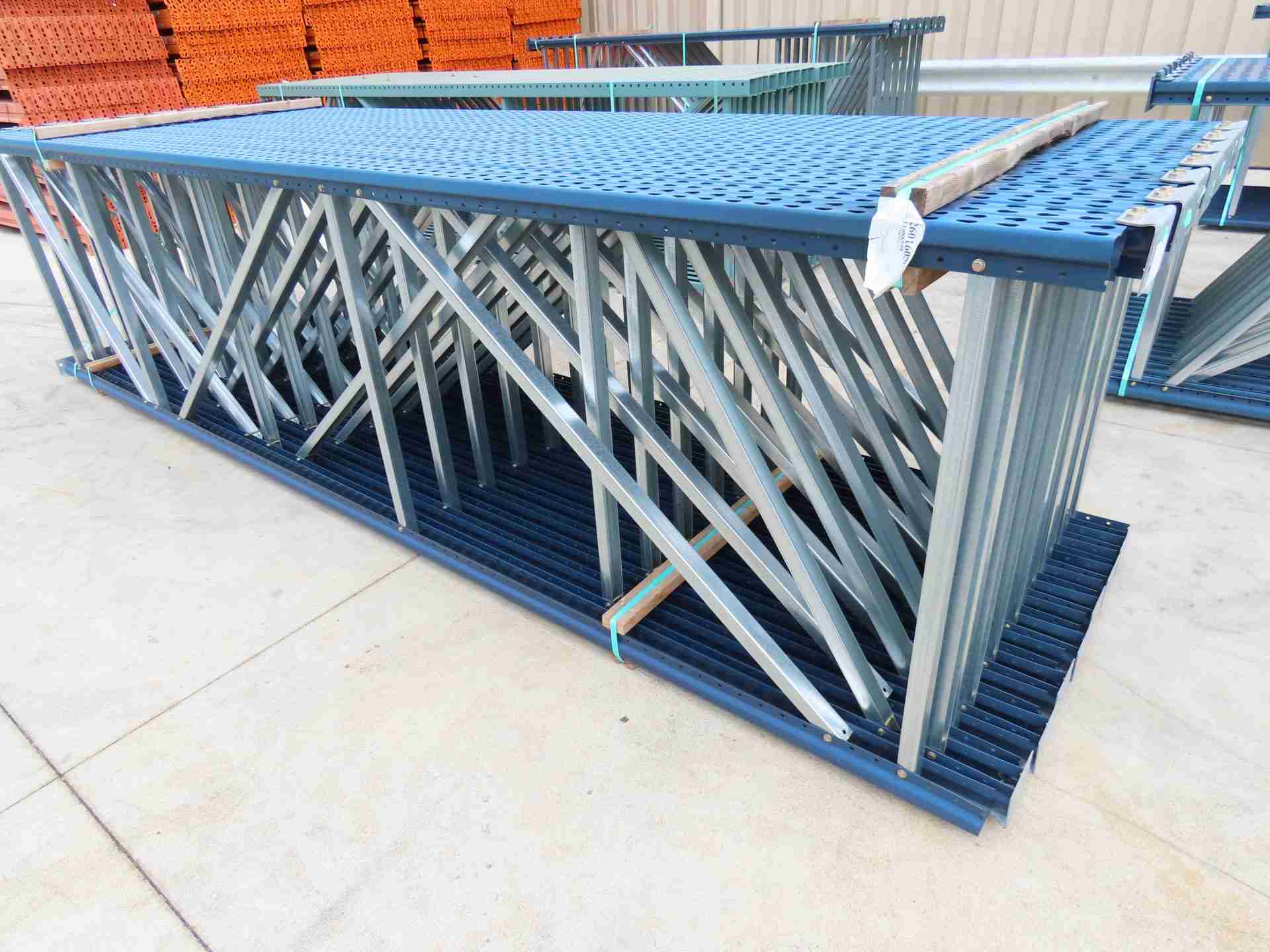
How Does Cantilever Storage Save Space?
How Does Cantilever Storage Save Space?
- In today’s fast-paced business environment, space is treated as a precious commodity.
- Cantilever storage solutions maximize physical footprint and minimize overhead costs, enhancing operational efficiency.
- Cantilever racks are ideal for storing lengthy or bulky items, allowing for open access and effortless storage.
- Implementation of cantilever racks can significantly reduce storage footprint during construction, accommodating a variety of materials.
- Businesses can achieve up to 50% more storage efficiency, translating into lower rental costs and streamlined workflows.
- Cantilever racks are scalable and customizable, adapting to changing inventory needs and market demands.
- Embracing cantilever storage transforms operations, leading to smarter storage solutions, increased productivity, and enhanced profitability.
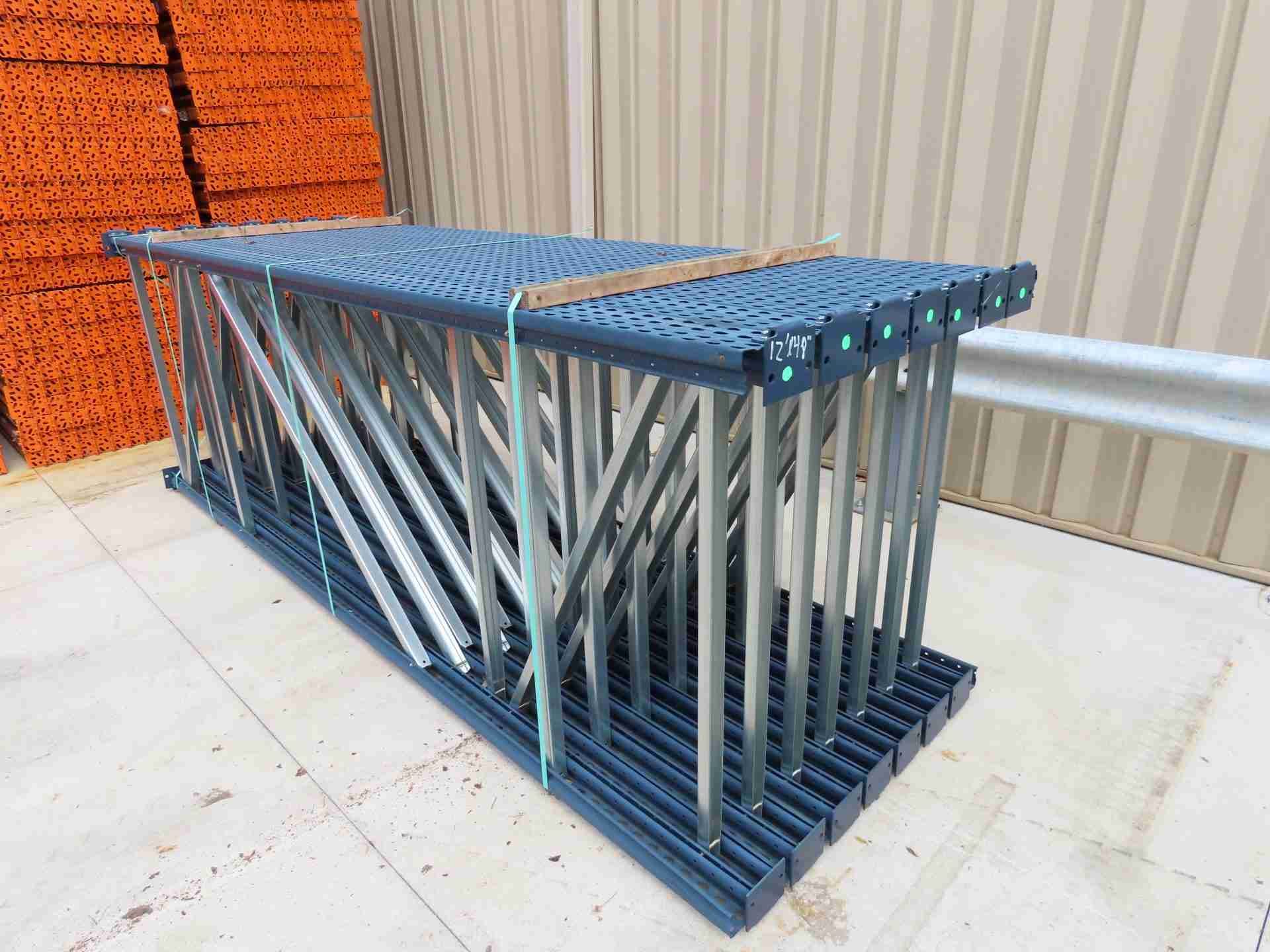
How Does Cantilever Storage Save Space?
What Materials Are Best Suited For Cantilever Storage?
When it comes to efficient warehouse management, the choice of materials for cantilever storage systems can often make or break a facility’s operational efficiency. Understanding which materials are best suited for this innovative storage solution is essential, not just for maximizing space but also for minimizing costs and boosting productivity.
Steel: The Gold Standard
Steel is undeniably the king of cantilever storage materials. Known for its strength, durability, and resistance to deformation, steel racks can support substantial loads without compromising structural integrity. With more businesses striving for sustainable practices, consider opting for recycled steel options that not only reduce your environmental footprint but also often come with cost benefits. For instance, companies like ULINE have started offering eco-friendly steel solutions that combine quality with sustainability, appealing to a growing market seeking green alternatives.
Wood: For the Traditionalist
While metal dominates, wood cantilever racks still hold their ground, particularly in industries like lumber and furniture that frequently deal with wooden products. Wood is ideal for situations where a softer touch is necessary, ensuring that delicate materials remain unmarred during storage and retrieval. Recently, supply chain disruptions have elevated the demand for locally-sourced construction materials, giving wooden cantilever racks a renewed sense of favor among eco-conscious businesses looking to buy local.
Plastic: Versatile and Lightweight
When lightweight and corrosion resistance are paramount, plastic cantilever storage systems shine. They’re perfect for environments where moisture can be a concern, such as in chemical or agricultural industries. Current events surrounding climate change have prompted growers to seek more sustainable farming solutions, and plastic storage can facilitate better organization of fertilizers and other materials prone to degradation.
Composite Materials: The Best of Both Worlds
In a world where versatility is key, composite materials have emerged as game-changers in cantilever storage. These combinations of wood, metal, and plastic offer the best traits of each material, resulting in racks that are not only strong but also resistant to environmental wear and tear. As industries adapt to the challenges posed by supply chain issues and fluctuating market demands, composite solutions provide the flexibility and durability needed in today’s dynamic environment.
Choosing the right material for your cantilever storage isn’t just an operational decision; it’s a strategic move that can determine your business’s success trajectory. By understanding these options and aligning them with current industry trends, you can elevate your storage solutions and set your business on the path to efficiency and profitability.
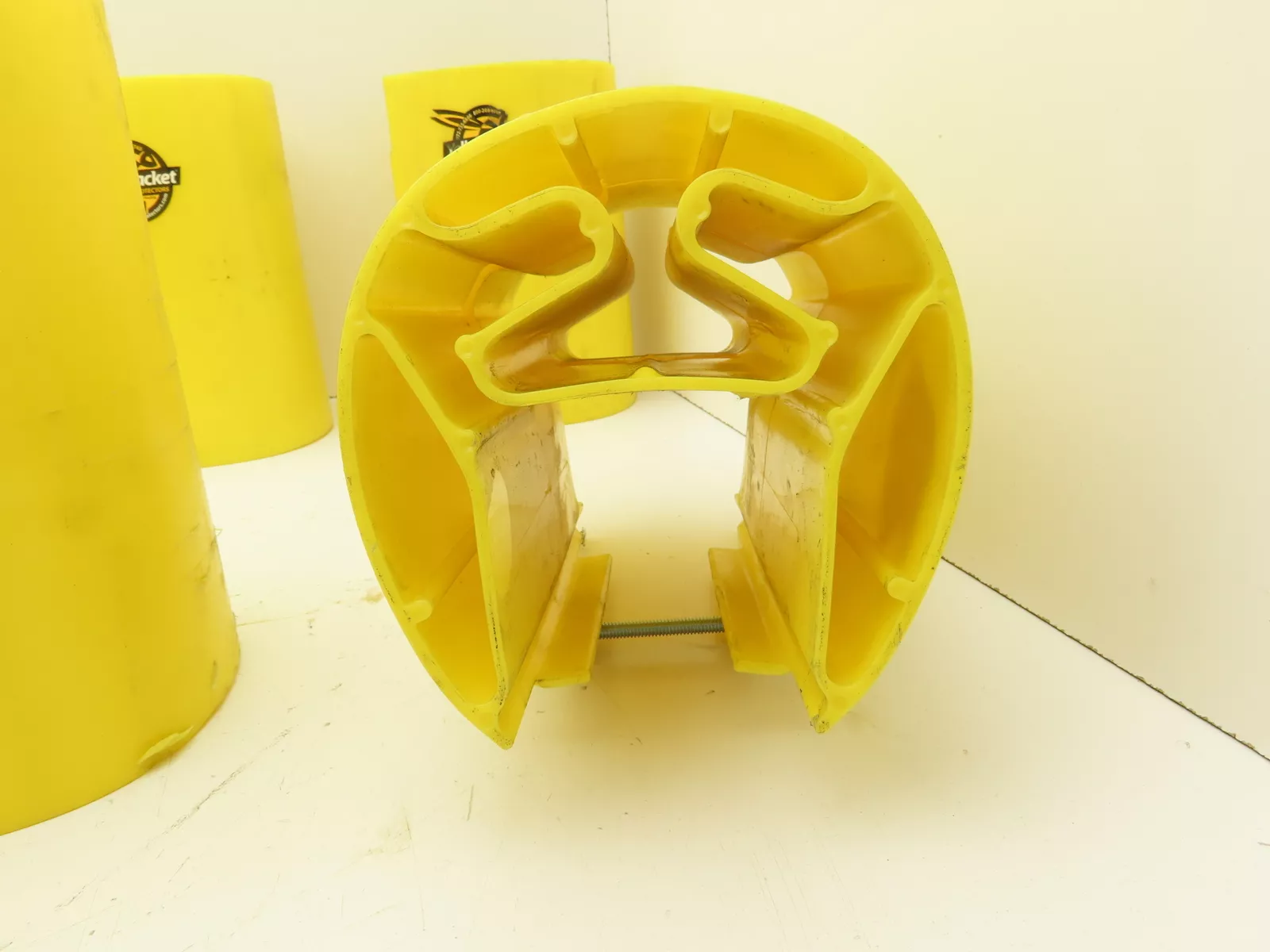
What Materials Are Best Suited For Cantilever Storage?
What Materials Are Best Suited For Cantilever Storage?
- Materials Matter: Choosing the right materials for cantilever storage systems is crucial for warehouse efficiency.
- Steel: Steel is the top choice for its strength, durability, and resistance; recycled options can enhance sustainability and reduce costs.
- Wood: Ideal for industries dealing with wooden products, wood cantilever racks are increasingly favored due to local sourcing trends.
- Plastic: Lightweight and corrosion-resistant, plastic storage systems are beneficial in moisture-prone environments, supporting sustainable practices.
- Composite Materials: Combining the best features of wood, metal, and plastic, composites offer flexibility and durability in dynamic market conditions.
- Strategic Choice: The selection of materials impacts operational success and should align with current market trends.
- Boosting Efficiency: Proper material choice elevates storage solutions, paving the way for improved productivity and profitability.

What Materials Are Best Suited For Cantilever Storage?
How Does Cantilever Storage Improve Accessibility?
In a world where space is at a premium and efficiency is king, businesses are constantly on the hunt for innovative solutions to sharpen their competitive edge. One such solution that has quietly revolutionized the way warehouses and storage facilities operate is cantilever storage. This unique shelving system not only maximizes vertical space but, more importantly, dramatically improves accessibility, paving the way for enhanced productivity and streamlined operations.
Imagine a busy warehouse filled with various goods and pallets stacked high. Traditional racking systems often present a maze of obstacles, with products buried beneath others, making it time-consuming to locate and retrieve items. This is where cantilever storage shines. With long arms extending out from a central column, cantilever racks allow for easy loading and unloading of materials. Specialty items like lumber, pipes, and even large furniture can be accessed without the need to move other products.
For instance, consider a lumber yard that recently transitioned to cantilever racking. With traditional shelving, employees spent valuable time navigating around obstructive stacks. The new cantilever system, however, allowed for the easy organization and visibility of stacks, cutting retrieval times in half. This increased efficiency not only boosted productivity but also greatly improved employee morale—no one likes the frustration of digging through clutter.
The beauty of cantilever storage doesn’t stop with ease of access; it also enhances safety in environments where heavy and large items are commonplace. Current OSHA guidelines emphasize the importance of maintaining clear aisles and safe access to materials. Cantilever systems inherently support this by keeping bulky materials off the ground and neatly organized, which minimizes the chances of accidents and injuries.
As industries adapt to current events, such as the ongoing supply chain disruptions and demands for faster delivery, the need for improved accessibility becomes even more critical. Companies that embrace cantilever storage can respond to changing market needs more effectively, ensuring they have the right products available right when they’re needed.
If you want to untangle the web of storage inefficiency and create a seamless flow of productivity in your warehouse, cantilever storage is not just an option—it’s a game-changer. Rather than letting your valuable products languish in clutter, elevate them into an organized and easily accessible system that can adapt to your evolving business needs. Investing in cantilever storage today isn’t just about improving operations; it’s about future-proofing your business for tomorrow’s challenges. Don’t get left behind—make the change and unlock unparalleled accessibility.
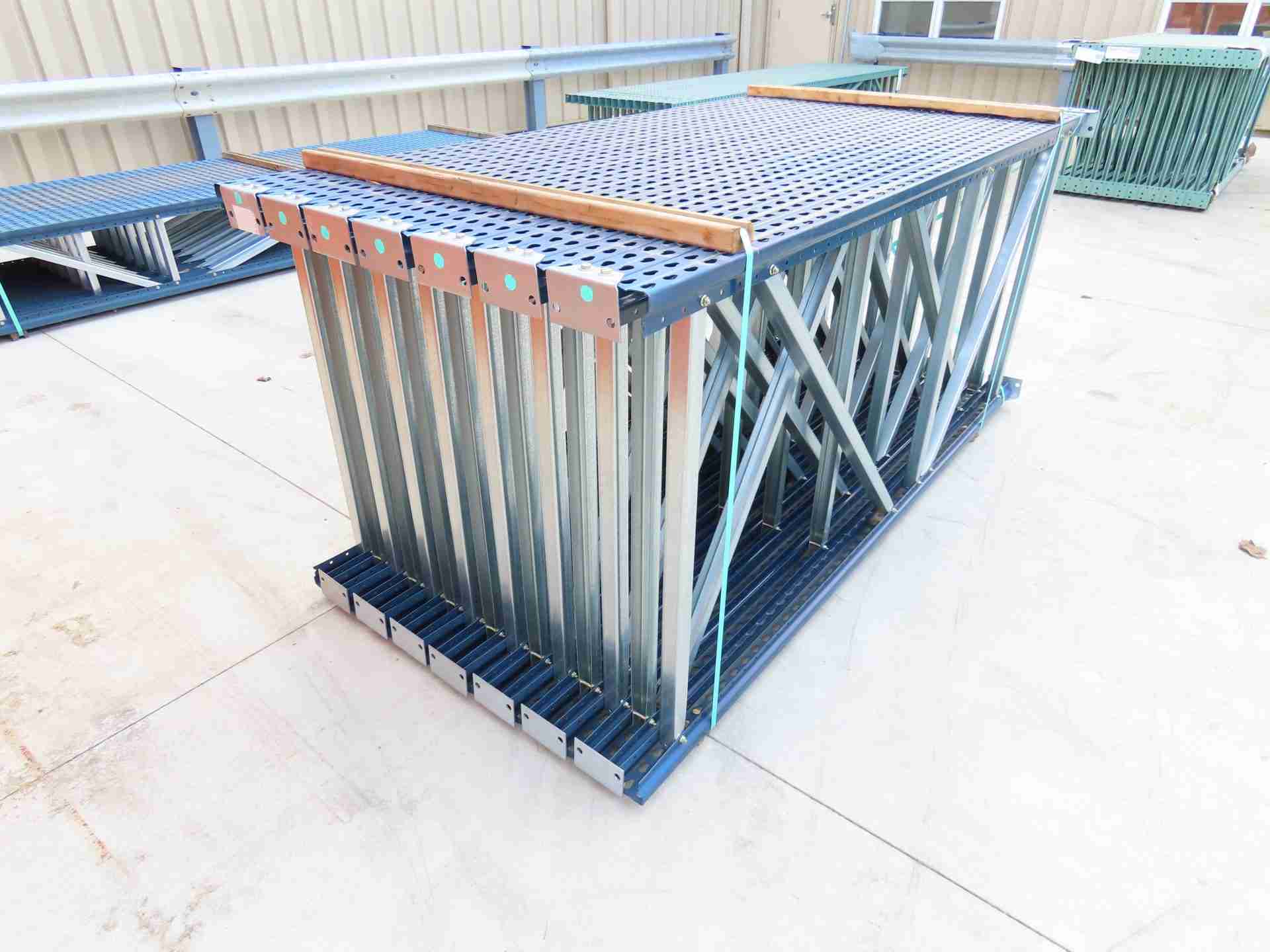
How Does Cantilever Storage Improve Accessibility?
How Does Cantilever Storage Improve Accessibility?
- Cantilever storage revolutionizes warehouse and storage operations by maximizing vertical space and improving accessibility.
- Traditional racking systems can create obstacles that make locating and retrieving items time-consuming.
- Cantilever racks feature long arms for easy loading and unloading, allowing access to specialty items without moving others.
- A lumber yard’s transition to cantilever systems demonstrated a significant reduction in retrieval times and improved employee morale.
- Cantilever storage enhances safety by keeping bulky materials organized and off the ground, aligning with OSHA guidelines.
- The system is crucial for businesses adapting to supply chain disruptions and the demand for faster delivery by improving accessibility.
- Investing in cantilever storage is a long-term strategy for operational efficiency and future-proofing against industry challenges.
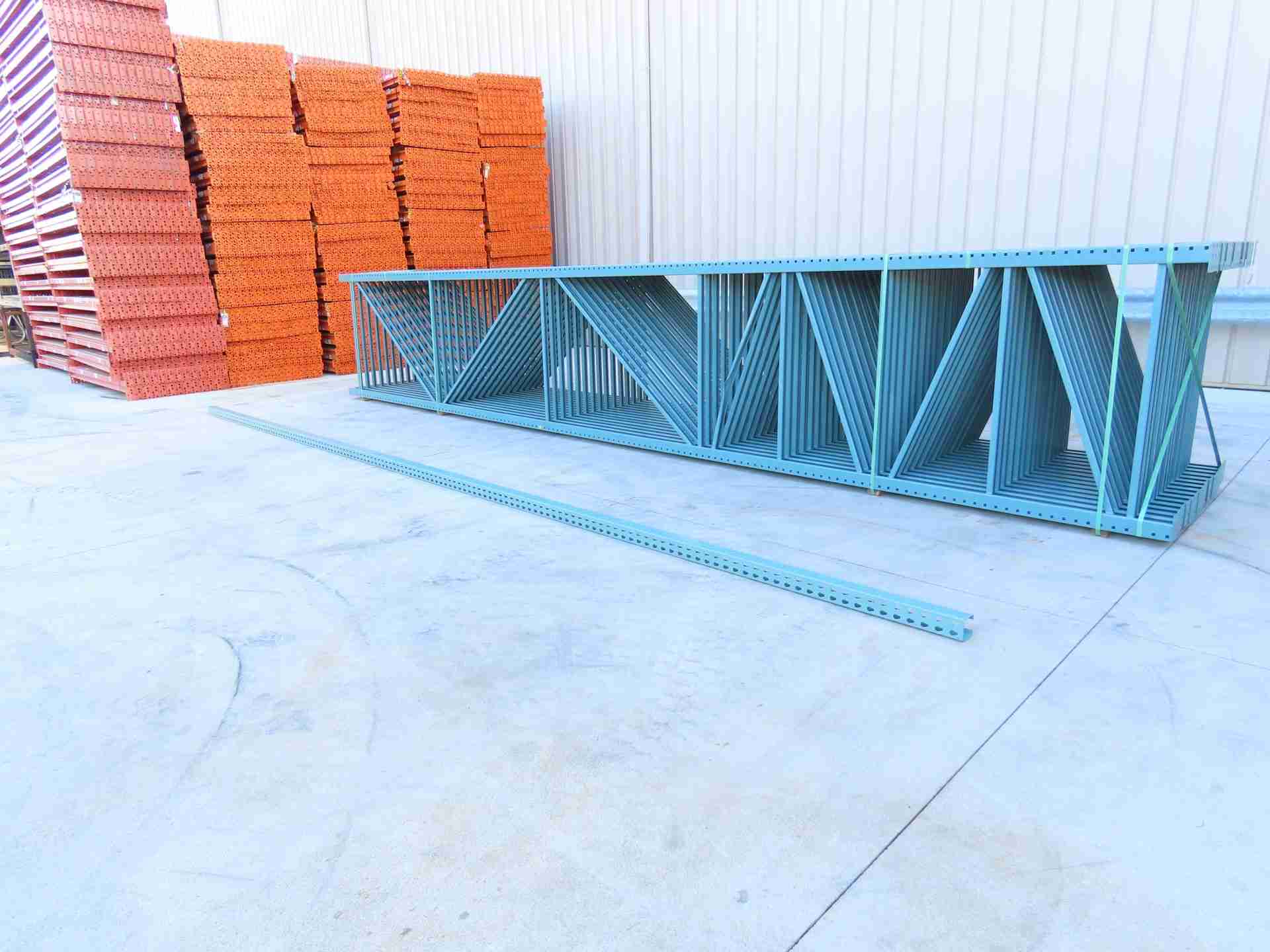
How Does Cantilever Storage Improve Accessibility?
What Are The Cost Benefits Of Using Cantilever Storage?
In today’s fast-paced world, where every square foot of space is more precious than gold, businesses are constantly on the hunt for smarter, more efficient storage solutions. Enter cantilever storage—an innovative option that not only maximizes space but also delivers impressive cost benefits. But what exactly makes this style of storage a game-changer for warehouses, retail, and distribution centers?
Let’s break it down.
Firstly, cantilever racking systems utilize vertical space efficiently. Unlike traditional shelving, which can take up considerable floor area, cantilever racks extend upwards, enabling you to store longer items like lumber, pipes, and furniture without hogging valuable ground space. By verticalizing storage, companies can reduce the need for larger facilities or help maximize existing space—saving on costly overhead expenses. For instance, a manufacturing business that switches from conventional racking to cantilever could potentially reduce their warehouse footprint by up to 30%. That’s an eye-popping reduction in monthly rent or mortgage payments!
Moreover, cantilever storage systems are exceptionally versatile. They can be tailored to accommodate a wide range of products, from heavy machinery to lightweight materials. This adaptability can significantly cut down on the need for multiple storage types or systems, streamlining your operation and freeing up budget for other investments. Companies can focus on what matters most: growing their bottom line instead of managing crowded, inefficient spaces.
Speaking of numbers, consider the labor savings. Cantilever racks grant easy access to products, which can speed up the picking and retrieval process. In a recent survey of warehouse operators, businesses reported that implementing cantilever systems reduced labor time by 20-30%. In a competitive landscape, such efficiency translates directly into improved service levels and customer satisfaction—all while reducing labor costs.
Looking to current events? The ongoing challenges posed by supply chain disruptions have many businesses reevaluating their storage capabilities. Optimizing your storage through cantilever systems ensures that goods remain organized and accessible. This can mitigate delays and keep your operations running smoothly, allowing nimble responses in a rapidly changing market.
Lastly, the durability and longevity of cantilever racks mean lower maintenance costs and reduced need for replacements over time. With sturdy construction, the lifespan of these racks is significantly longer than traditional shelving systems, leading to even more savings.
In sum, for businesses looking to optimize storage, reduce costs, and enhance operational efficiency, investing in cantilever storage isn’t just an option—it’s a strategic imperative. Embrace this modern solution, and watch your costs decrease while your efficiency soars.
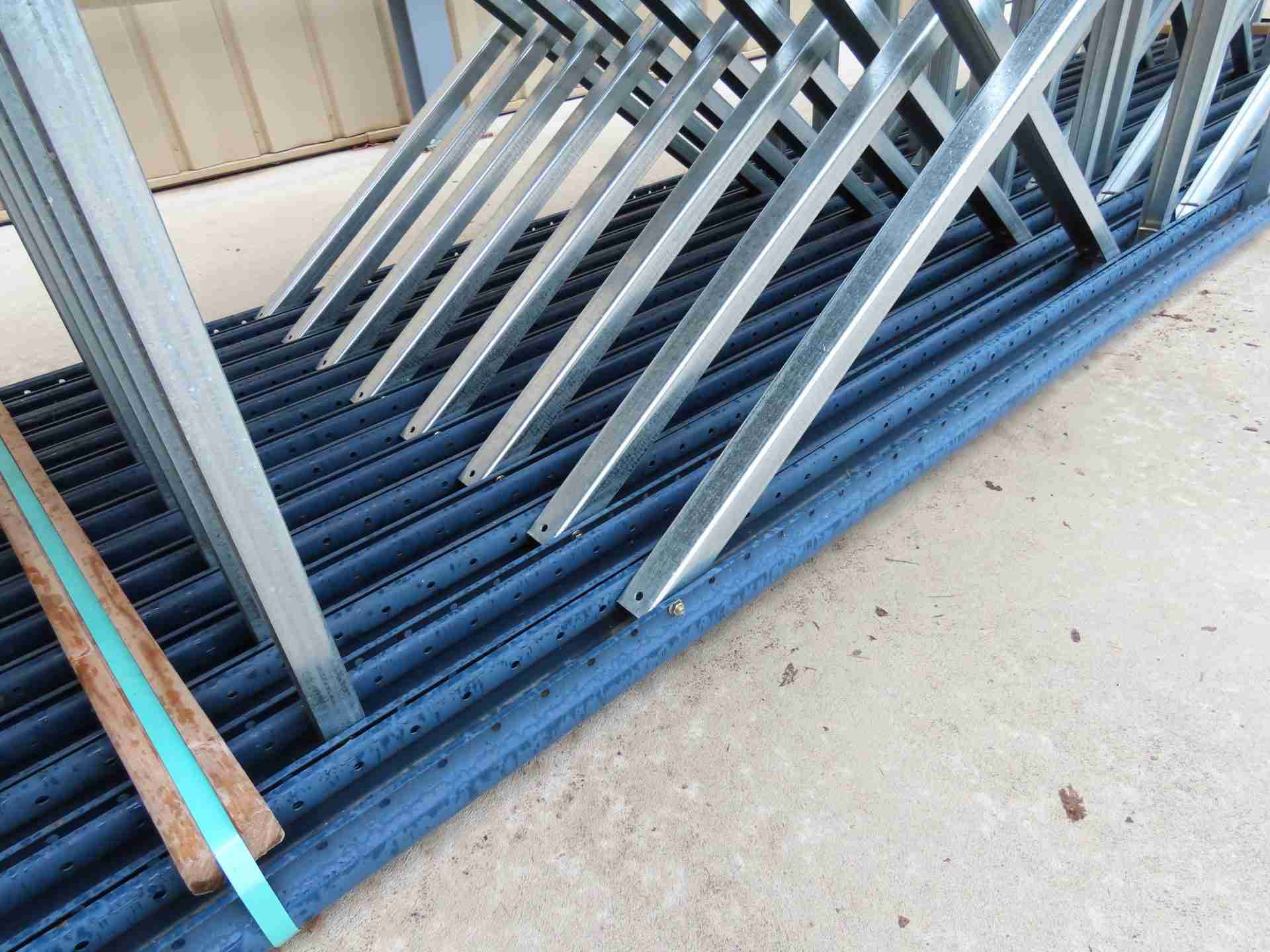
What Are The Cost Benefits Of Using Cantilever Storage?
What Are The Cost Benefits Of Using Cantilever Storage?
- Cantilever storage maximizes vertical space, reducing floor area consumption compared to traditional shelving.
- Switching to cantilever racking can decrease warehouse footprints by up to 30%, leading to significant savings on rent or mortgage payments.
- Cantilever racks are versatile and adaptable for various products, minimizing the need for multiple storage systems.
- They improve labor efficiency, with a reported 20-30% reduction in labor time for picking and retrieving products.
- Cantilever systems help businesses stay organized and responsive, mitigating delays caused by supply chain disruptions.
- The durability of cantilever racks results in lower maintenance costs and a longer lifespan than traditional shelving.
- Investing in cantilever storage is a strategic move for optimizing storage, reducing costs, and enhancing operational efficiency.
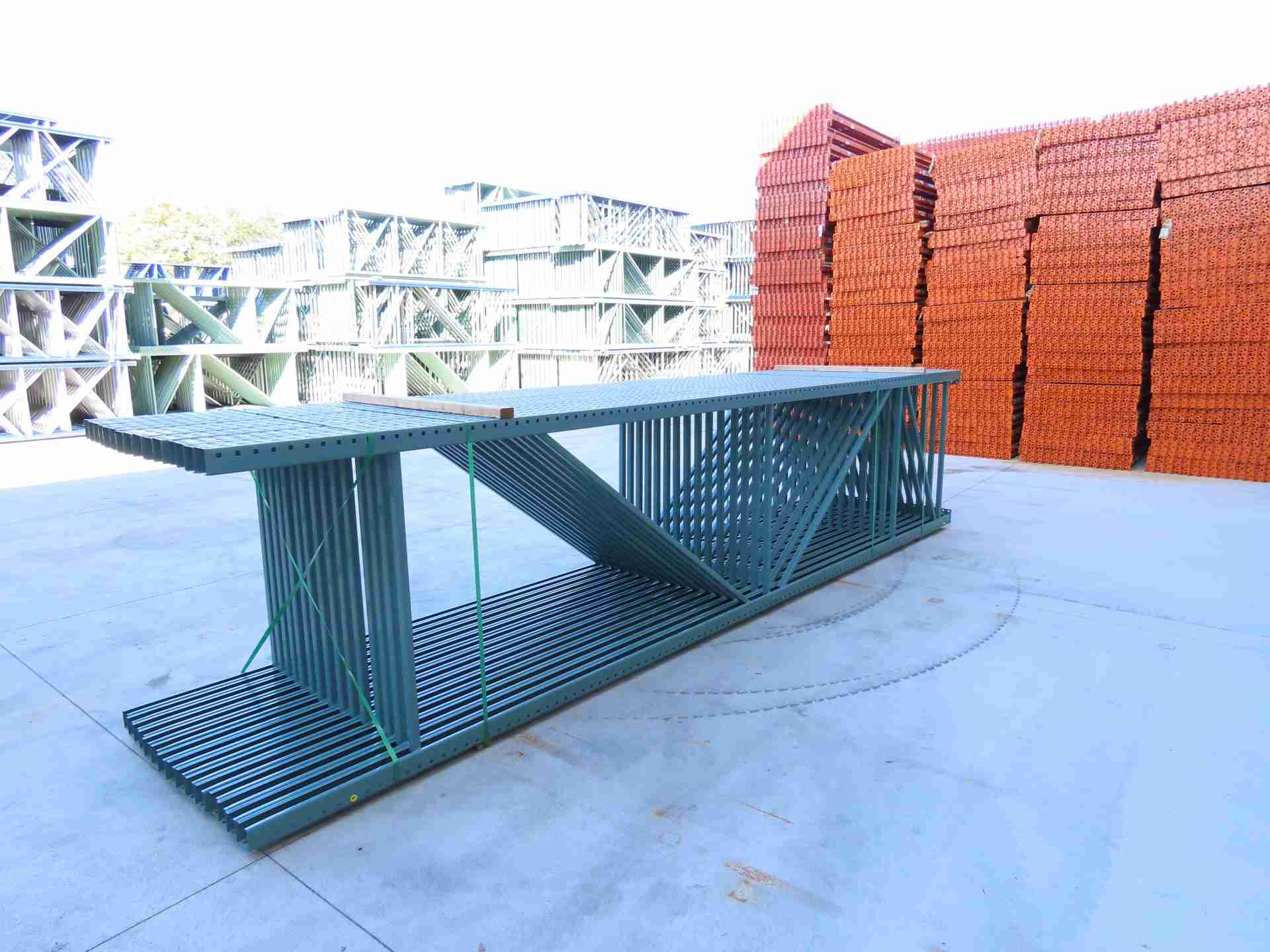
What Are The Cost Benefits Of Using Cantilever Storage?
What Are The Safety Advantages Of Cantilever Storage Solutions?
In today’s fast-paced industrial environment, safety is not just a requirement; it’s a competitive advantage. When it comes to storage solutions, cantilever racks are the unsung heroes of workplace safety. Designed primarily for storing long, bulky, or irregular items, their unique design offers a multitude of safety benefits that every business needs to consider.
First and foremost, cantilever racks eliminate the risk of tilt and fall. Traditional shelving systems can easily become unstable, especially when dealing with heavy materials or improper loading techniques. Cantilever racks, however, boast a rugged, open design that allows for more substantial weight distribution. This configuration reduces the likelihood of accidents caused by overloaded or tipping shelves—an essential factor in maintaining a safe work environment. For instance, in the aftermath of recent warehouse collapses reported in major news outlets, businesses are now more than ever reevaluating their storage systems to avoid tragic outcomes.
Another safety advantage is enhanced accessibility. Cantilever racks allow for easy loading and unloading from both sides. This means that employees can maneuver materials with less effort and less risk of injury. In industries where lifting heavy pipes, lumber, or other long items is routine, the ergonomic design of cantilever storage helps minimize musculoskeletal injuries. After all, happy employees are productive employees, and a safe workplace contributes directly to a thriving bottom line.
Moreover, cantilever storage systems can be tailored to fit your specific needs—eliminating wasted space and reducing clutter. When your storage is organized, not only can employees easily access what they need, but they’re also less prone to accidents caused by tripping over misplaced items. This aspect has gained traction recently, as more organizations focus on workflow efficiency amid ongoing supply chain challenges.
And let’s not forget about visibility. Cantilever racks offer an unobstructed view of stored items. This transparency means employees don’t need to stretch or climb awkwardly to see what they’re retrieving, significantly reducing the chance of falls—one of the leading causes of workplace injuries.
In summary, investing in cantilever storage solutions is an investment in safety. With their robust design, accessibility, space optimization, and visibility, these racks not only protect your merchandise but also safeguard your most valuable asset: your workforce. In a world where safety compliance regulations are continually tightening, incorporating cantilever racks into your storage strategy could be the edge your business needs to lead the pack.
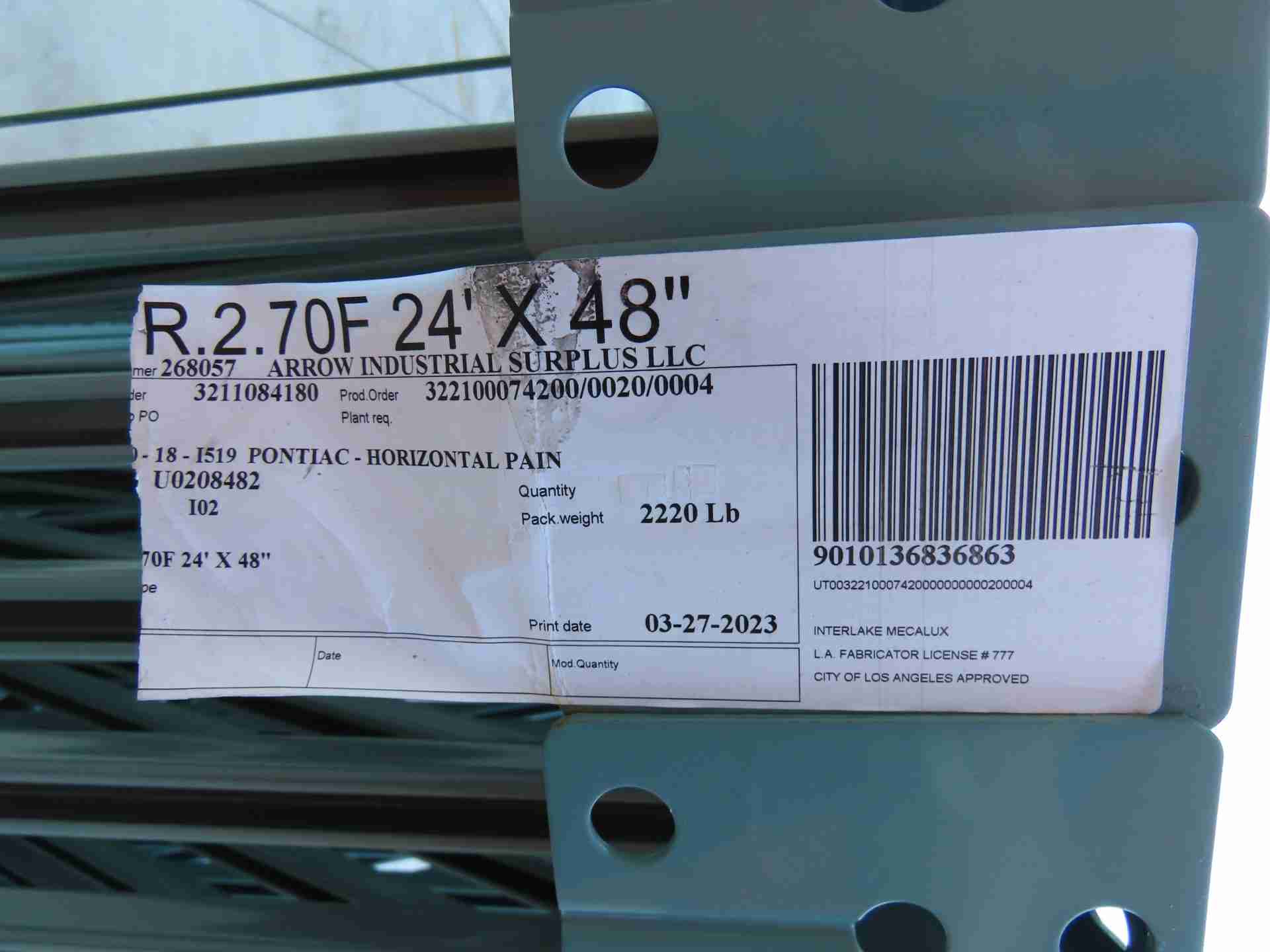
What Are The Safety Advantages Of Cantilever Storage Solutions?
What Are The Safety Advantages Of Cantilever Storage Solutions?
- Safety is a competitive advantage in today’s industrial environment.
- Cantilever racks are designed for storing long, bulky, or irregular items, enhancing workplace safety.
- These racks reduce the risk of tilt and fall, providing better weight distribution than traditional shelving systems.
- Cantilever racks allow for improved accessibility, minimizing the risk of injury during loading and unloading.
- They help eliminate clutter and optimize space, reducing the chances of accidents caused by tripping.
- Visibility is enhanced as cantilever racks provide an unobstructed view of stored items, lowering fall risks.
- Investing in cantilever racks protects both merchandise and workforce, making them essential for safety compliance and efficiency.

What Are The Safety Advantages Of Cantilever Storage Solutions?
How Can Cantilever Storage Be Customized For Different Needs?
In the dynamic landscape of modern warehousing and inventory management, cantilever storage stands out as a versatile solution that can be tailored to meet the specific requirements of diverse industries. Whether you’re in construction, retail, or manufacturing, understanding how to customize cantilever storage systems can give your operation a significant competitive advantage.
Adaptable Designs for Varied Loads
Cantilever racks are uniquely designed to handle items of various shapes and sizes. From lumber to fabric rolls and heavy pipes, manufacturers offer adjustable arms, varying lengths, and a range of weight capacities. For instance, a growing furniture manufacturer recently implemented a cantilever system with extra-long arms to manage oversized wooden panels, significantly enhancing their storage efficiency and facilitating smoother workflow.
Modular Configurations for Optimal Space Utilization
Customization doesn’t stop at arm lengths; modular cantilever storage systems can be expanded as your business grows. Companies in e-commerce, grappling with fluctuating inventory levels, can benefit from modular solutions that allow for quick adjustments in storage capacity. A recent case involves a mid-sized online retailer that expanded its cantilever design to accommodate seasonal inventory surges, maximizing warehouse space while reducing the risk of stockouts.
Material Choices for Durability & Aesthetics
The materials used in cantilever storage systems can also be tailored to suit specific environmental conditions or aesthetic preferences. For example, some businesses operating in wet or corrosive environments opt for galvanized steel racks, ensuring longevity and enhanced safety. In contrast, a high-end retail store might choose powder-coated finishes in their brand colors to maintain visual appeal while efficiently displaying products.
Integrating Technology for Efficiency
Today’s cantilever storage solutions can be integrated with the latest technological innovations. Smart sensors can be installed to monitor weight limits and optimize space utilization. For instance, a manufacturing plant recently deployed IoT-connected cantilever racks that track item usage patterns, enabling them to adjust storage dynamically and respond more effectively to demand fluctuations.
Personalized Layouts for Operational Efficiency
Lastly, the layout of cantilever systems can be optimized based on workflow needs. For businesses with multiple departments, customizing the storage layout can facilitate better cross-departmental cooperation. A construction company redesigned its warehouse with cantilever racks strategically placed to ensure easy access for both the procurement and logistics teams, greatly reducing retrieval times and improving overall efficiency.
In a world where operational efficiency can mean the difference between growth and stagnation, customizing your cantilever storage solution is not just a luxury—it’s a necessity. Embrace the benefits of tailored cantilever systems and watch your productivity soar!
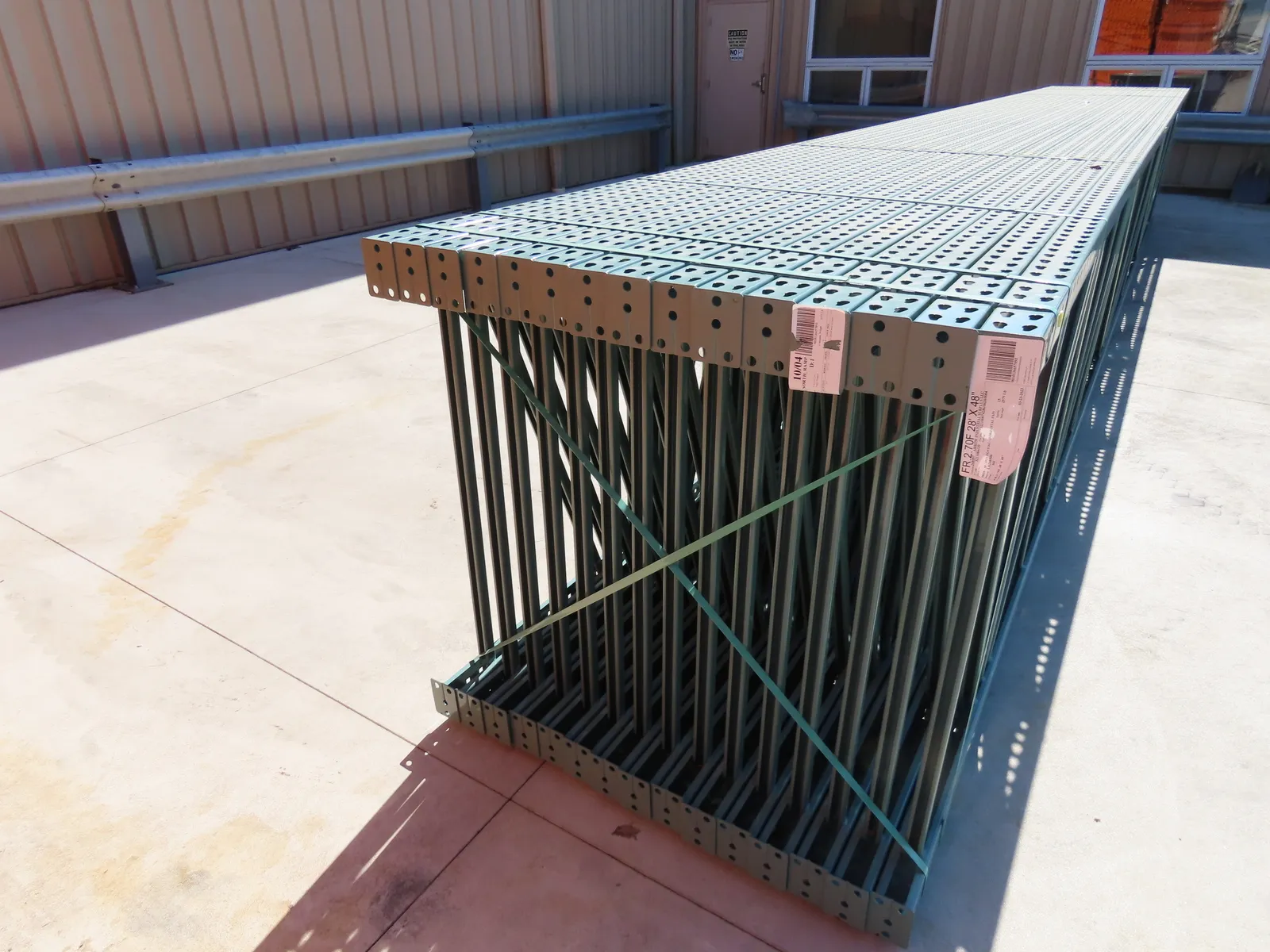
How Can Cantilever Storage Be Customized For Different Needs?
How Can Cantilever Storage Be Customized For Different Needs?
- Cantilever storage offers versatility across industries: Ideal for construction, retail, and manufacturing, it can be customized for specific needs.
- Adaptable designs for various loads: Cantilever racks accommodate diverse items like lumber, fabric rolls, and heavy pipes with adjustable arms and weight capacities.
- Modular configurations enhance space utilization: Modular cantilever systems can expand as businesses grow, accommodating fluctuating inventory levels efficiently.
- Material choices for durability and aesthetics: Options like galvanized steel for harsh environments and powder-coated finishes for retail enhance both safety and visual appeal.
- Integration of technology improves efficiency: Smart sensors and IoT connectivity enable monitoring and dynamic adjustment of storage based on item usage patterns.
- Customized layouts boost operational efficiency: Tailored storage arrangements facilitate better workflow and cooperation among departments, reducing retrieval times.
- Customizing cantilever solutions is essential for growth: Embracing tailored systems can significantly enhance productivity and operational success.
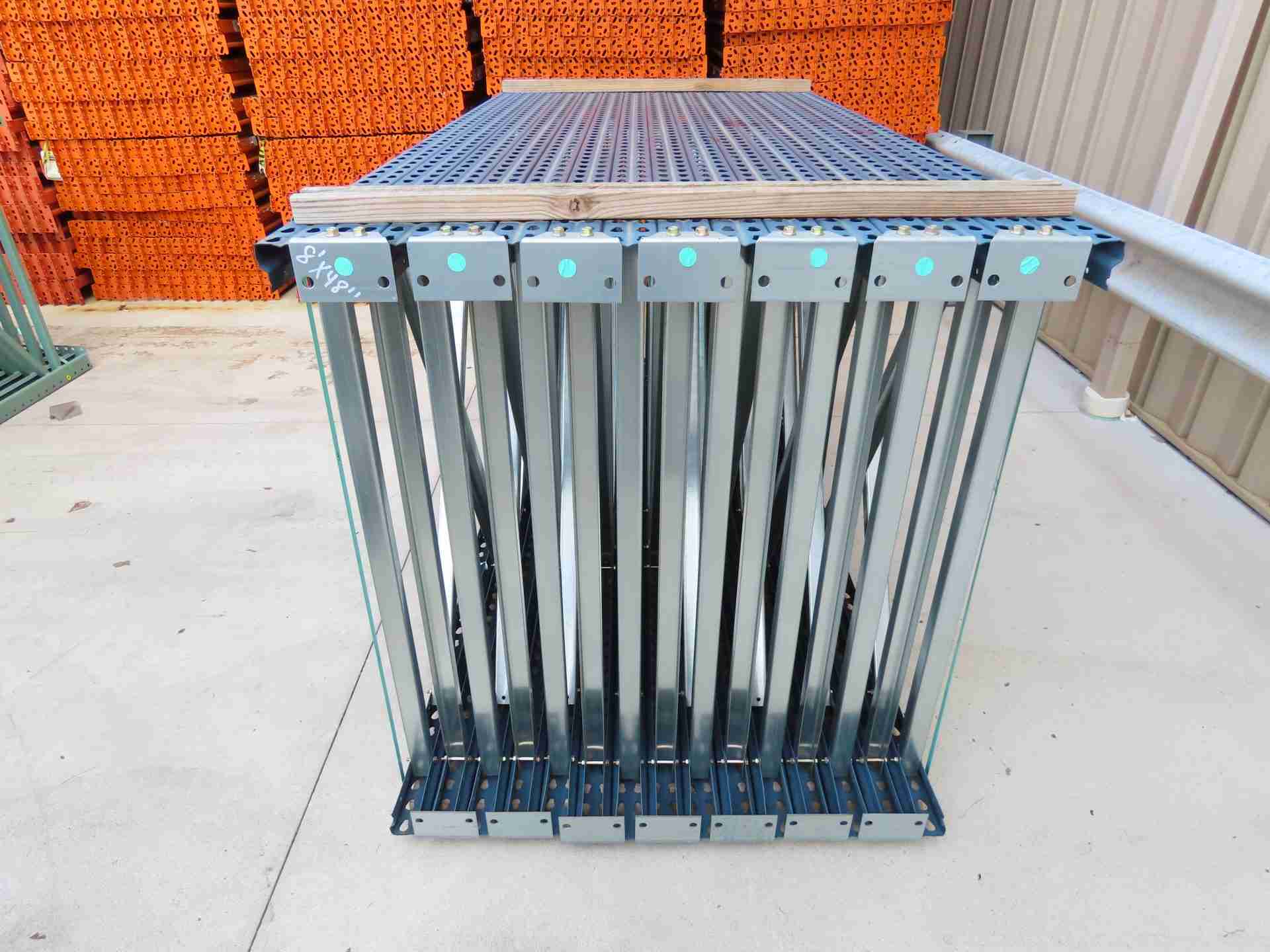
How Can Cantilever Storage Be Customized For Different Needs?
What Industries Benefit Most From Cantilever Storage Systems?
Cantilever storage systems are revolutionizing the way industries manage their inventory, offering unparalleled flexibility and efficiency. But which sectors are reaping the most rewards? Let’s dive into a few that stand out, each of which sheds light on the versatility and effectiveness of these innovative storage solutions.
1. Construction and Building Materials:
The construction industry thrives on efficiency and organization. Cantilever storage systems are becoming indispensable for businesses dealing with bulky items like lumber, steel, and pipes. Imagine a construction yard with rows of neatly organized materials; it’s not just about aesthetics but about saving time and reducing operational headaches. Projects like green building initiatives are seeing increased demand for organized material handling, enabling rapid access to essential resources.
2. Manufacturing:
In manufacturing, the need for streamlined operations has never been more critical, especially in a post-pandemic world where supply chain challenges are rampant. Cantilever racks allow manufacturers to efficiently store heavy items like metal sheets and long rods, facilitating easy access and improved safety on the shop floor. As industries pivot to lean manufacturing principles, these systems empower them to minimize waste and maximize productivity. Recent technological advancements, such as automated cantilever racks, further amplify these benefits by integrating with inventory management software for real-time tracking.
3. Retail and Distribution:
When it comes to retail and distribution, particularly in sectors dealing with oversized products—think furniture, appliances, and sporting equipment—cantilever storage systems offer the perfect solution. Retail spaces can free up invaluable floor space while providing customers with an organized and visually appealing display. Companies like IKEA have embraced similar principles, creating efficient layouts that highlight their products while optimizing stocking functions, a lesson that can be applied across the retail spectrum.
4. Agriculture and Timber:
Farming and timber organizations often contend with the challenge of managing large quantities of unevenly shaped, heavy products. Cantilever storage systems provide a simple yet effective way for these industries to keep their materials organized, whether it’s bales of hay or logs. The growing trend of sustainable agriculture and responsible forestry management highlights the need for systematic storage solutions that encourage easy access and environmental efficiency.
In a world where space is at a premium and efficiency rules the day, cantilever storage systems stand out as a game-changer across various industries. Whether it’s construction, manufacturing, retail, or agriculture, these systems not only enhance productivity but also drive down operational costs—an irresistible proposition for businesses looking to thrive in today’s competitive landscape.
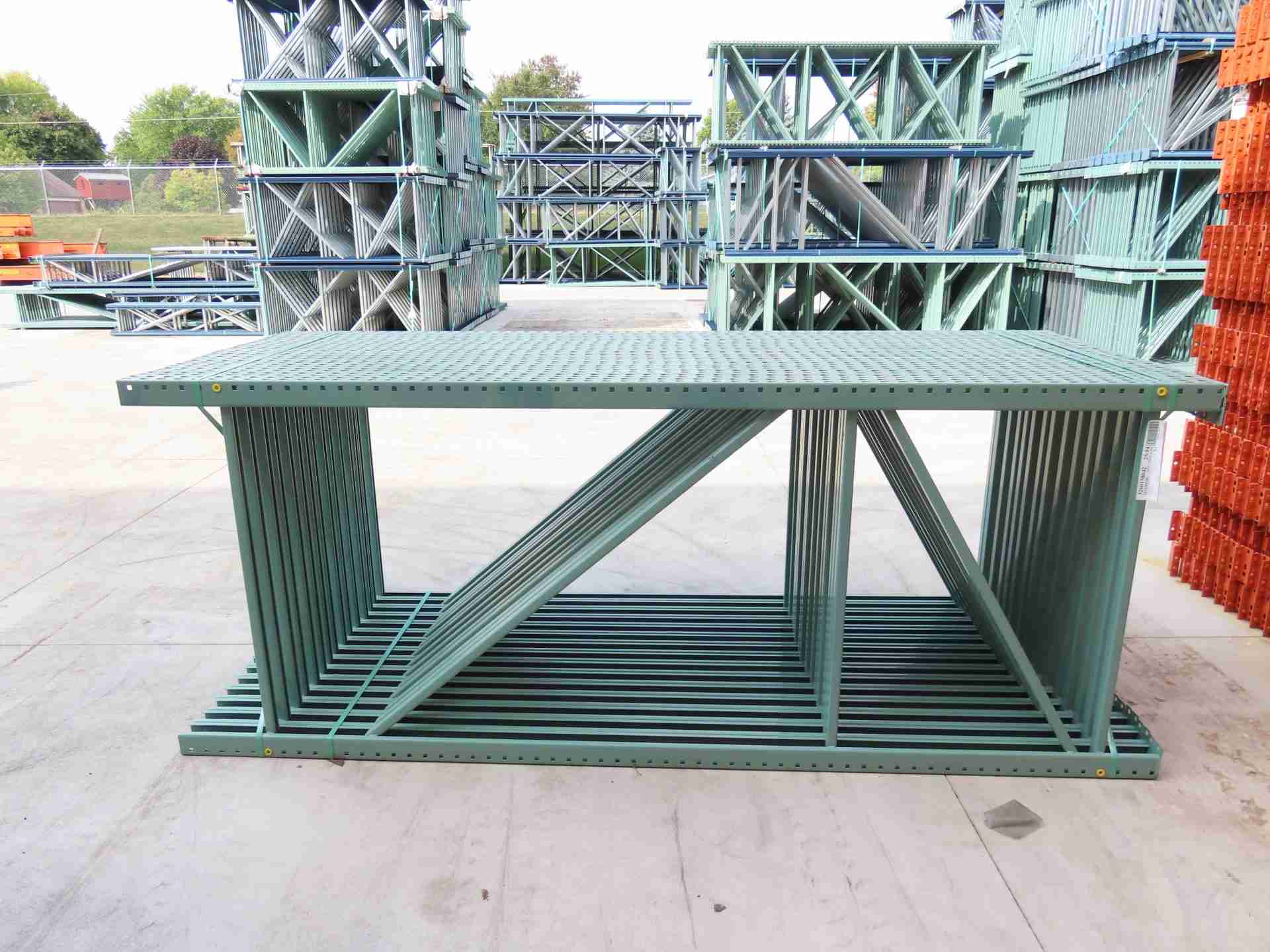
What Industries Benefit Most From Cantilever Storage Systems?
What Industries Benefit Most From Cantilever Storage Systems?
- Cantilever storage systems enhance inventory management across various industries by offering flexibility and efficiency.
- In construction, these systems help organize bulky items like lumber and pipes, saving time and reducing operational headaches.
- Manufacturers benefit from cantilever racks for efficient storage of heavy items, improving safety and supporting lean manufacturing principles.
- Automated cantilever racks integrate with inventory management software, allowing for real-time tracking and minimizing waste.
- Retail and distribution sectors utilize cantilever systems to free up floor space while maintaining organized displays for oversized products.
- Agriculture and timber organizations find cantilever systems effective for managing large, unevenly shaped materials, promoting sustainability.
- Overall, cantilever storage systems significantly enhance productivity and reduce operational costs across construction, manufacturing, retail, and agriculture.
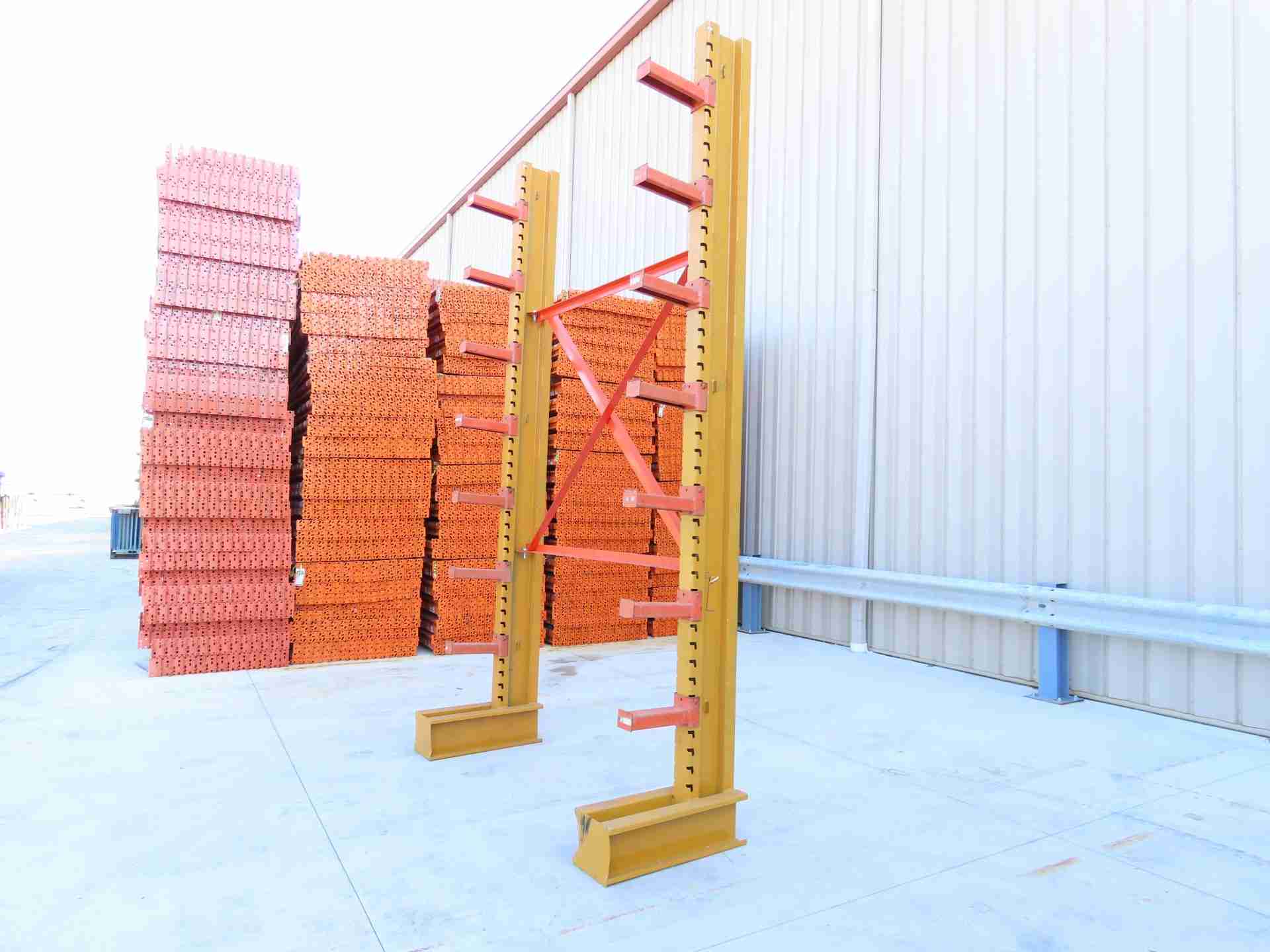
What Industries Benefit Most From Cantilever Storage Systems?
How Does Installation Of Cantilever Storage Compare To Other Systems?
When it comes to maximizing warehouse space and optimizing efficiency, the installation of cantilever storage systems emerges as a powerful contender against traditional storage solutions. Imagine a warehouse filled with diverse inventory, from oversized building materials to lengthy plumbing supplies: that’s where cantilever storage shines. Its unique design allows for easy access and visibility, enabling quick retrieval and organization that other systems simply can’t match.
First, let’s consider the structural advantages. Unlike standard shelving units that can limit accessibility due to their rigid frames, cantilever systems feature long, open arms that offer more extensive storage for larger items. This design minimizes wasted space by allowing you to stack and store items vertically without obstructing access. For example, if your business deals with lumber, storing different lengths and types becomes effortless with cantilever racks—they adapt to the varied dimensions of materials, unlike traditional racks that may require constant adjustments or additional setups.
In terms of installation, cantilever storage is generally straightforward, allowing for rapid deployment. While traditional pallet racking systems often necessitate elaborate configurations and can lead to increased downtime during installation, cantilever systems can be set up with minimal disruption. This means you can have your space optimized and operational in no time—an essential advantage in today’s fast-paced business landscape, where every minute counts.
Moreover, the flexibility of cantilever systems stands out. Businesses often pivot quickly—seasonal demands and market trends require agile responses. Cantilever racks can be easily adjusted or expanded as your inventory needs change, without the need for major renovations. For instance, amidst the post-pandemic supply chain disruptions, companies that adapt their storage capabilities quickly have proven to be more resilient.
From a cost perspective, while the initial investment in cantilever storage may appear higher than traditional systems, the long-term benefits outweigh the costs. Businesses often report significant reductions in labor time and improved inventory management, driving overall productivity and efficiency.
When it comes to installation, versatility, and long-term profitability, cantilever storage systems not only compare favorably against traditional solutions but often outshine them. Adaptability to various inventory types and swift implementation ensure that businesses stay ahead of the curve, especially in these unpredictable economic times. Embracing cantilever storage is more than just a choice; it’s a strategic decision for future success.
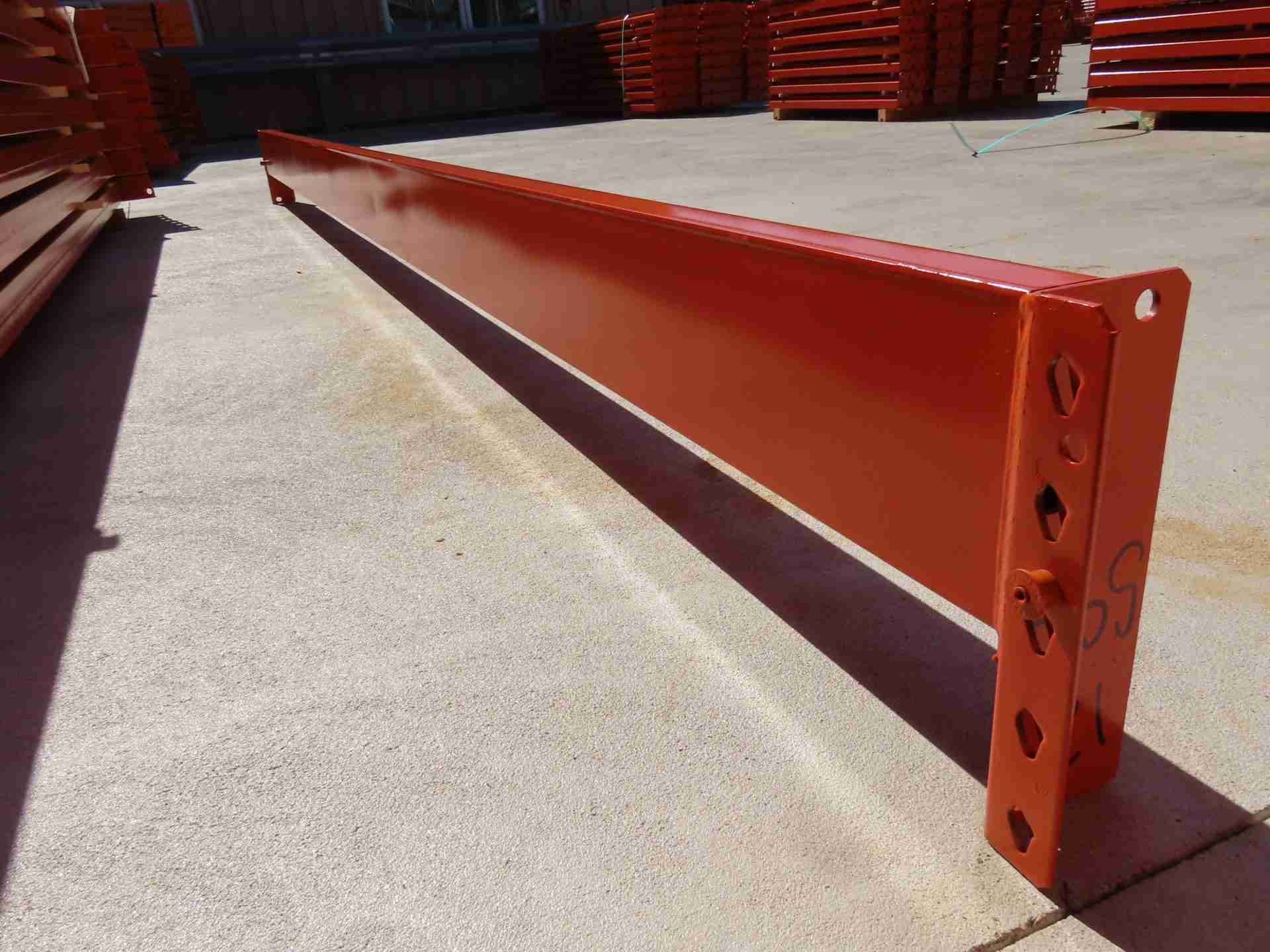
How Does Installation Of Cantilever Storage Compare To Other Systems?
How Does Installation Of Cantilever Storage Compare To Other Systems?
- Cantilever storage systems maximize warehouse space and optimize efficiency, especially for oversized and lengthy inventory.
- Unique design allows for easy access and visibility, enhancing retrieval and organization compared to traditional storage systems.
- Structural advantages include open arms for extensive storage of larger items, minimizing wasted space.
- Installation of cantilever systems is straightforward and allows for rapid deployment with minimal disruption.
- Cantilever racks are flexible and can be easily adjusted or expanded to meet changing inventory needs.
- While initial investment may be higher, long-term benefits include reductions in labor time and improved inventory management.
- Cantilever storage systems are a strategic choice, ensuring adaptability and resilience in unpredictable economic times.
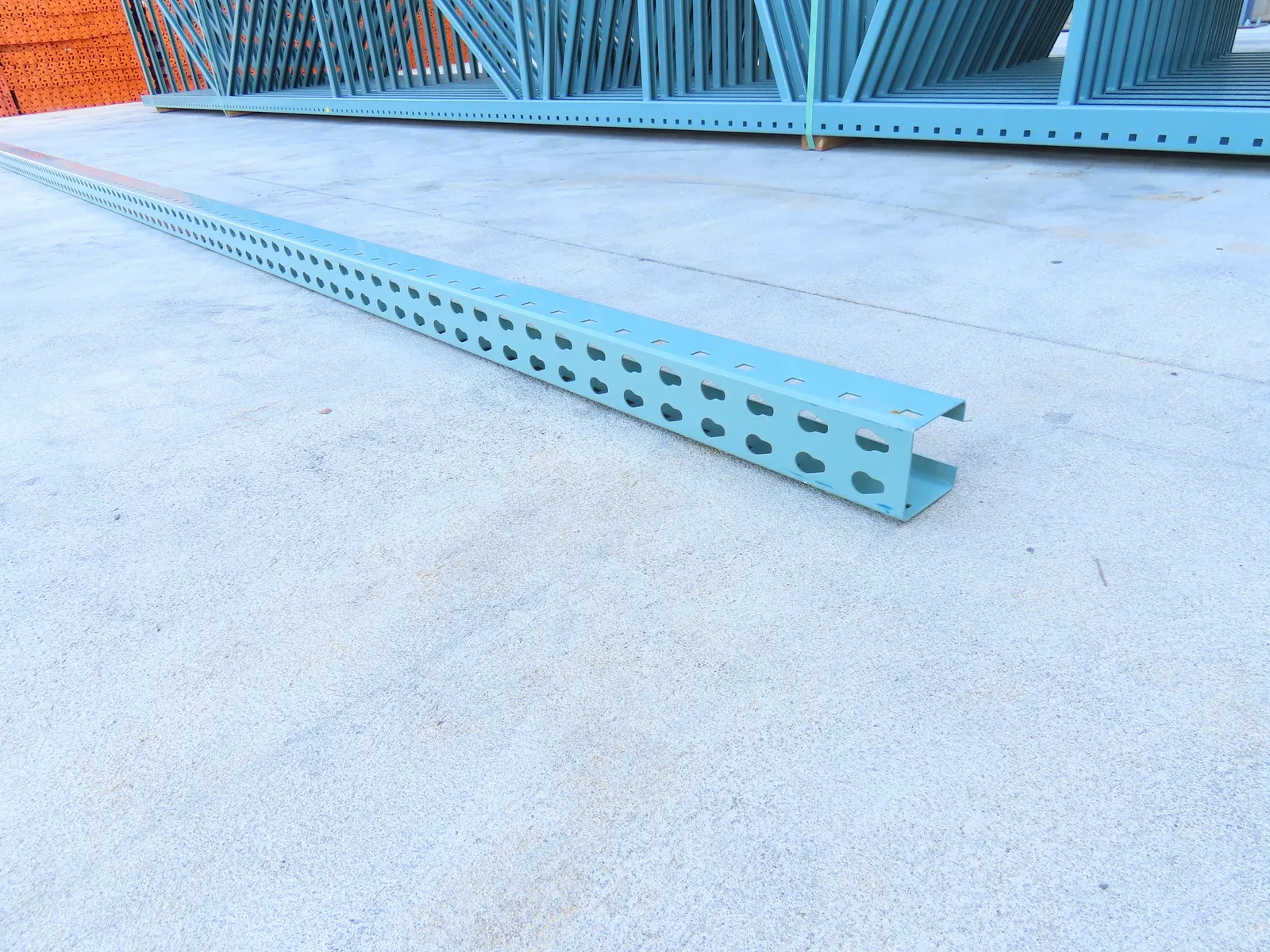
How Does Installation Of Cantilever Storage Compare To Other Systems?
What Maintenance Is Required For Cantilever Storage Solutions?
When it comes to maximizing storage efficiency and optimizing space, cantilever storage solutions stand at the forefront, providing unique advantages over traditional shelving. However, just like any sophisticated system designed to elevate your inventory management to the next level, they require regular maintenance to ensure long-term performance and safety.
1. Regular Inspections Are Key.
It’s crucial to schedule routine inspections—at least quarterly—to evaluate the structural integrity of your cantilever racks. Look for signs of wear and tear, such as bent arms or tilted columns, which can compromise the stability of your materials. Recent supply chain disruptions have reinforced the need for businesses to be proactive rather than reactive. For instance, companies that neglected regular maintenance found themselves facing costly downtime which could easily have been avoided.
2. Cleanliness Counts.
A clean workspace is a safe workspace. Dust, debris, and spilled materials can accumulate, leading to corrosion and component malfunctions. Make it a habit to cleanse your cantilever storage systems regularly. This not only preserves the metal finish but also ensures that safety hazards are minimized, which can prevent accidents. After all, in an age where OSHA (Occupational Safety and Health Administration) regulations are more stringent than ever, compliance is non-negotiable.
3. Lubrication of Moving Parts.
While cantilever systems are predominantly static, some installations may integrate moving components. These require periodic lubrication to prevent friction, which could lead to premature wear. Consider how often we lubricate our machines; the same logic applies here. For example, businesses in the automotive sector who utilized cantilever systems for their tool storage found that regular maintenance increased their system’s lifespan significantly, reducing the need for costly replacements.
4. Load Management.
One of the most critical aspects of your cantilever system’s maintenance is understanding load capacities. Each arm in your storage structure has a specified weight limit, and exceeding it can lead to catastrophic failure. Stay updated on industry best practices and ensure your team is trained to adhere to these guidelines diligently.
5. Professional Assessments
Don’t underestimate the value of professional assessments. Engaging a certified maintenance provider can unearth issues that may not be immediately visible. They bring expertise, technology, and fresh perspectives that can safeguard your investment.
By committing to these essential maintenance tasks, your cantilever storage solutions will not only function at optimal levels but also protect your business from the unforeseen pitfalls of neglect. Remember, in the world of storage systems, an ounce of prevention truly is worth a pound of cure.
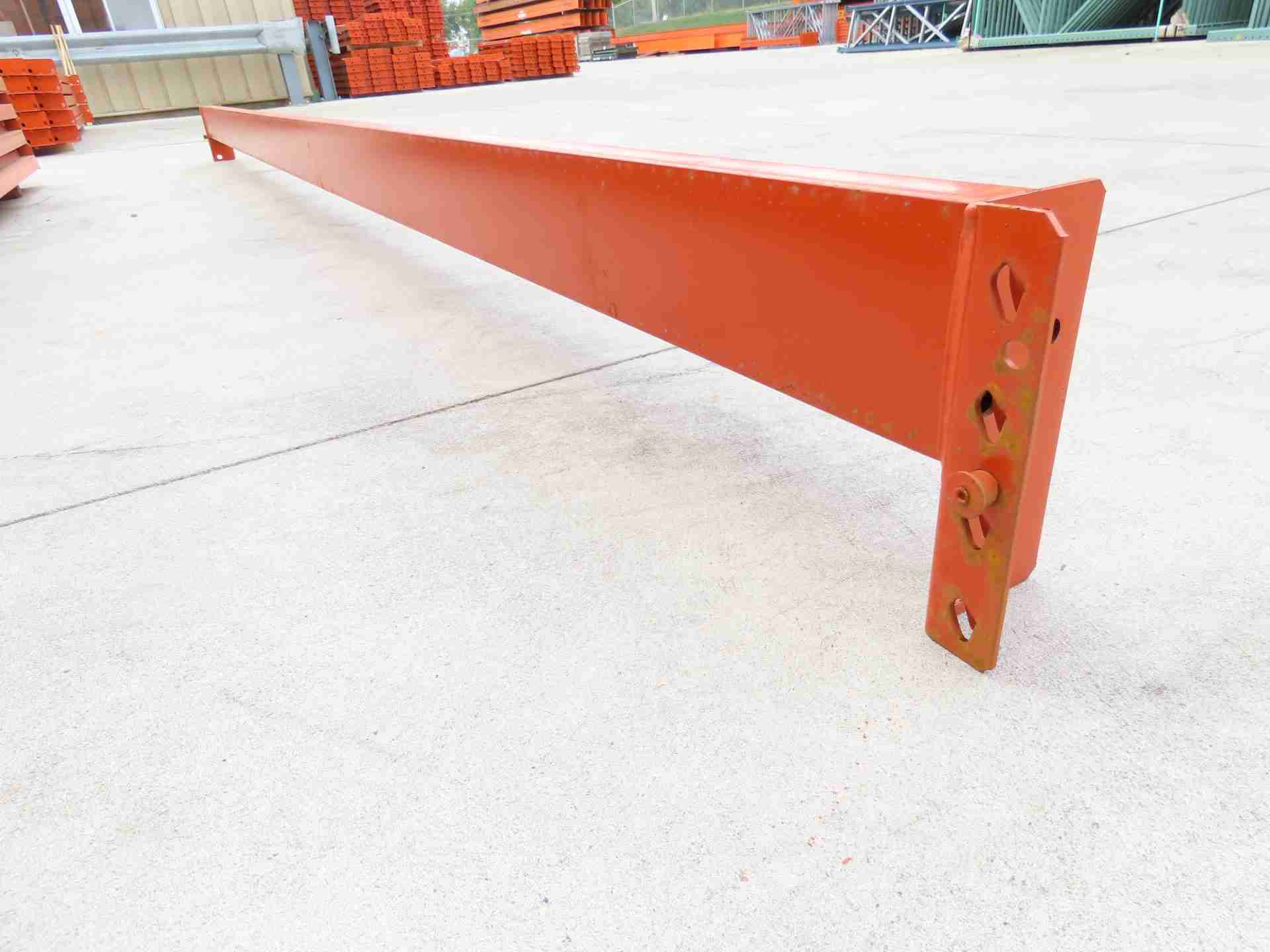
What Maintenance Is Required For Cantilever Storage Solutions?
What Maintenance Is Required For Cantilever Storage Solutions?
- Cantilever Storage Solutions: Offer significant advantages for maximizing storage efficiency and optimizing space compared to traditional shelving.
- Regular Inspections: Schedule inspections at least quarterly to assess structural integrity and identify issues like bent arms or tilted columns.
- Importance of Cleanliness: Maintain a clean workspace to prevent corrosion and malfunctions, ensuring compliance with OSHA regulations.
- Lubrication of Moving Parts: Periodically lubricate moving components to prevent friction and prolong the system’s lifespan.
- Load Management: Understand and adhere to specific weight limits for each arm to avoid catastrophic failures.
- Professional Assessments: Engage certified maintenance providers to identify hidden issues and ensure optimal performance.
- Prevention is Key: Committing to maintenance tasks protects your business from costly damages and enhances storage system longevity.
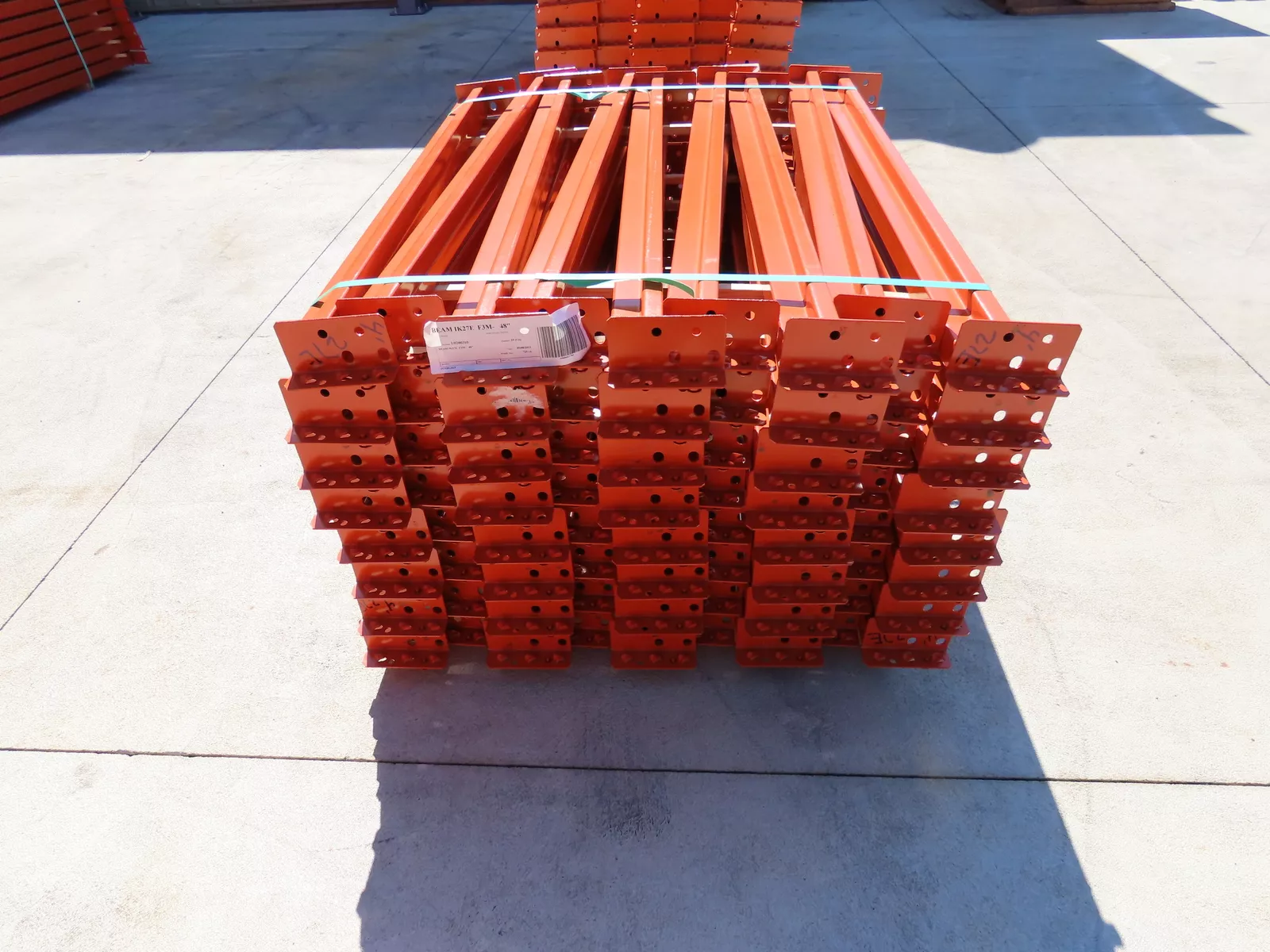
What Maintenance Is Required For Cantilever Storage Solutions?
Conclusion
As we navigate the complexities of today’s competitive business landscape, efficient storage solutions are no longer optional—they’re essential for success. Cantilever storage systems emerge as a potent weapon for industries ranging from construction to retail, offering unparalleled advantages that can significantly impact your operational efficiency and profitability.
Maximized Space Efficiency: By utilizing vertical space, cantilever racks allow businesses to store long materials like lumber and pipes securely and accessibly. This means you aren’t wasting valuable floor space. Instead, companies leveraging cantilever systems can optimize their storage capacity, mirroring successful transitions seen in industry giants like Amazon.
Versatility Across Sectors: Cantilever storage isn’t confined to one industry; it’s adaptable across many sectors, making it an ideal choice whether you’re in manufacturing, logistics, or e-commerce. Its customizable arms cater to a range of items, empowering businesses to respond effectively to shifting market demands.
Safety First: With a design that minimizes the likelihood of accidents and enhances ease of access, cantilever storage systems prioritize safety. Investing in these solutions safeguards your workforce while improving organizational efficiency. A safe workplace equates to happier employees, which ultimately fuels productivity and company morale.
Improved Accessibility: The open structure of cantilever racks drastically cuts down the time needed to locate and retrieve items. In industries where time equals money, this efficiency translates into faster service delivery and improved customer satisfaction.
Cost-Effectiveness: Finally, while the upfront investment in cantilever systems may be higher than traditional shelving units, the long-term savings on maintenance and operational costs are undeniable. Companies often report significant reductions in labor costs due to the efficient retrieval and storage capabilities that cantilever racks provide.
With these transformative capabilities, the question isn’t whether you can afford to implement cantilever storage solutions, but rather, can you afford *not* to? The urgency must be felt—each moment lost navigating inefficient storage systems is a moment lost in productivity and profit.
So, if you’re ready to elevate your warehouse or storage operations, don’t hesitate. Call Arrow Industrial Sales at (574) 349-6575 today to learn more about how cantilever storage can redefine your efficiency and drive your business forward. Don’t just adapt to the market; lead it with innovative storage solutions designed for a fast-paced world. Your success story begins now!
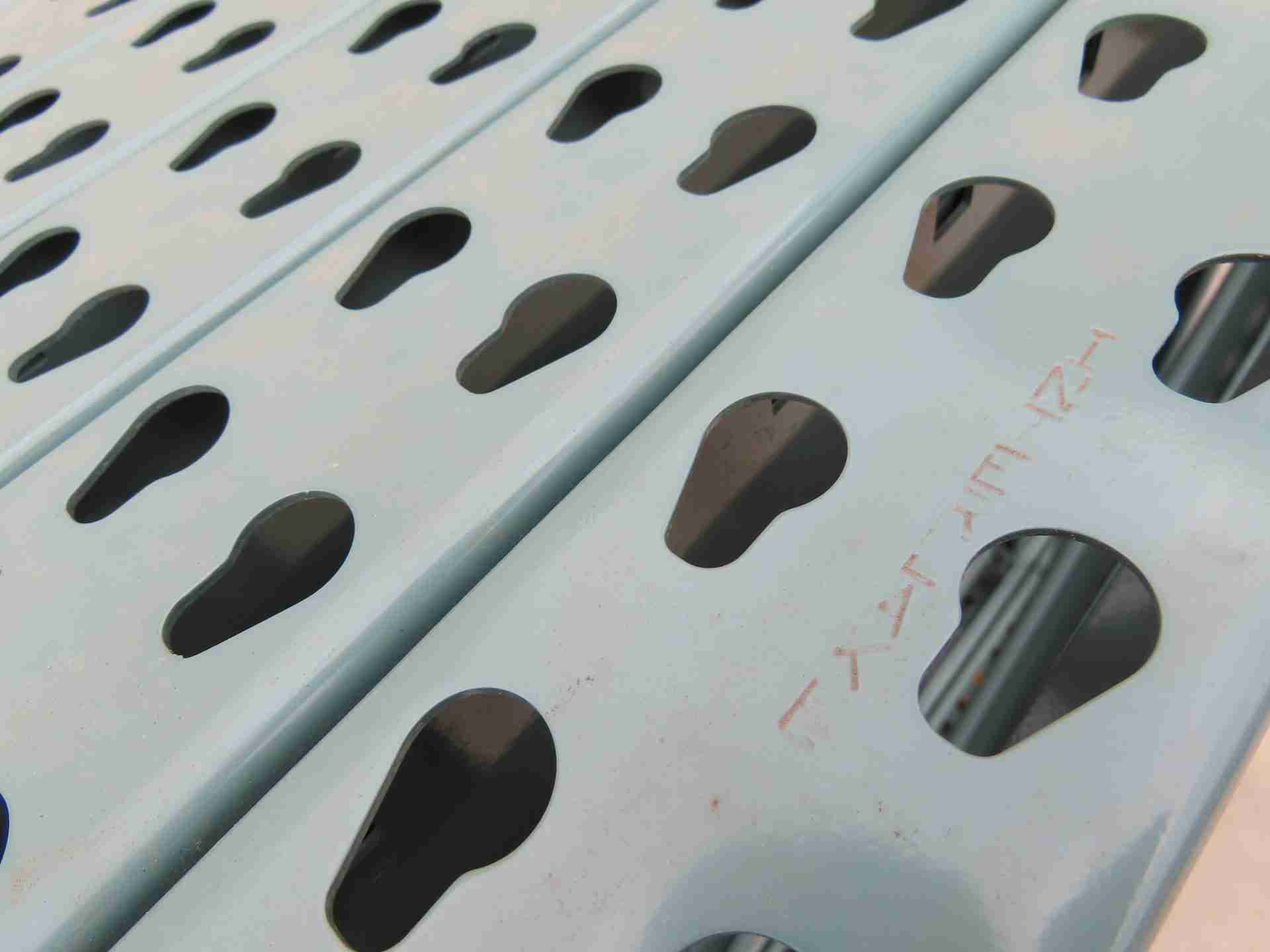
Conclusion
Conclusion:
- Maximized Space Efficiency: Cantilever racks utilize vertical space for storing long materials like lumber and pipes, optimizing storage capacity and reducing wasted floor space.
- Versatility Across Sectors: Adaptable to multiple industries including manufacturing, logistics, and e-commerce, cantilever storage can cater to various market demands.
- Safety First: Designed to minimize accidents and enhance accessibility, cantilever systems prioritize workforce safety while improving organizational efficiency.
- Improved Accessibility: The open structure of cantilever racks allows quicker item retrieval, leading to faster service delivery and increased customer satisfaction.
- Cost-Effectiveness: Though the initial investment may be higher, cantilever systems provide long-term savings on maintenance and labor costs due to their efficient operation.
- Essential for Success: In today’s competitive landscape, efficient storage solutions like cantilever racks are not optional but crucial for enhancing productivity and profitability.
- Act Now: To redefine storage operations and lead in the market, businesses should consider implementing cantilever storage solutions without delay.
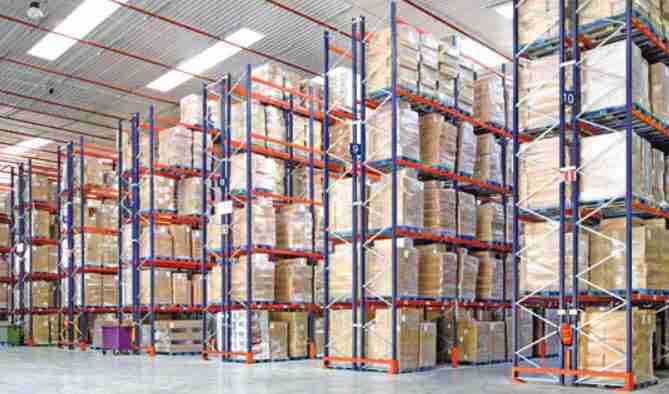
Conclusion
Other Resources
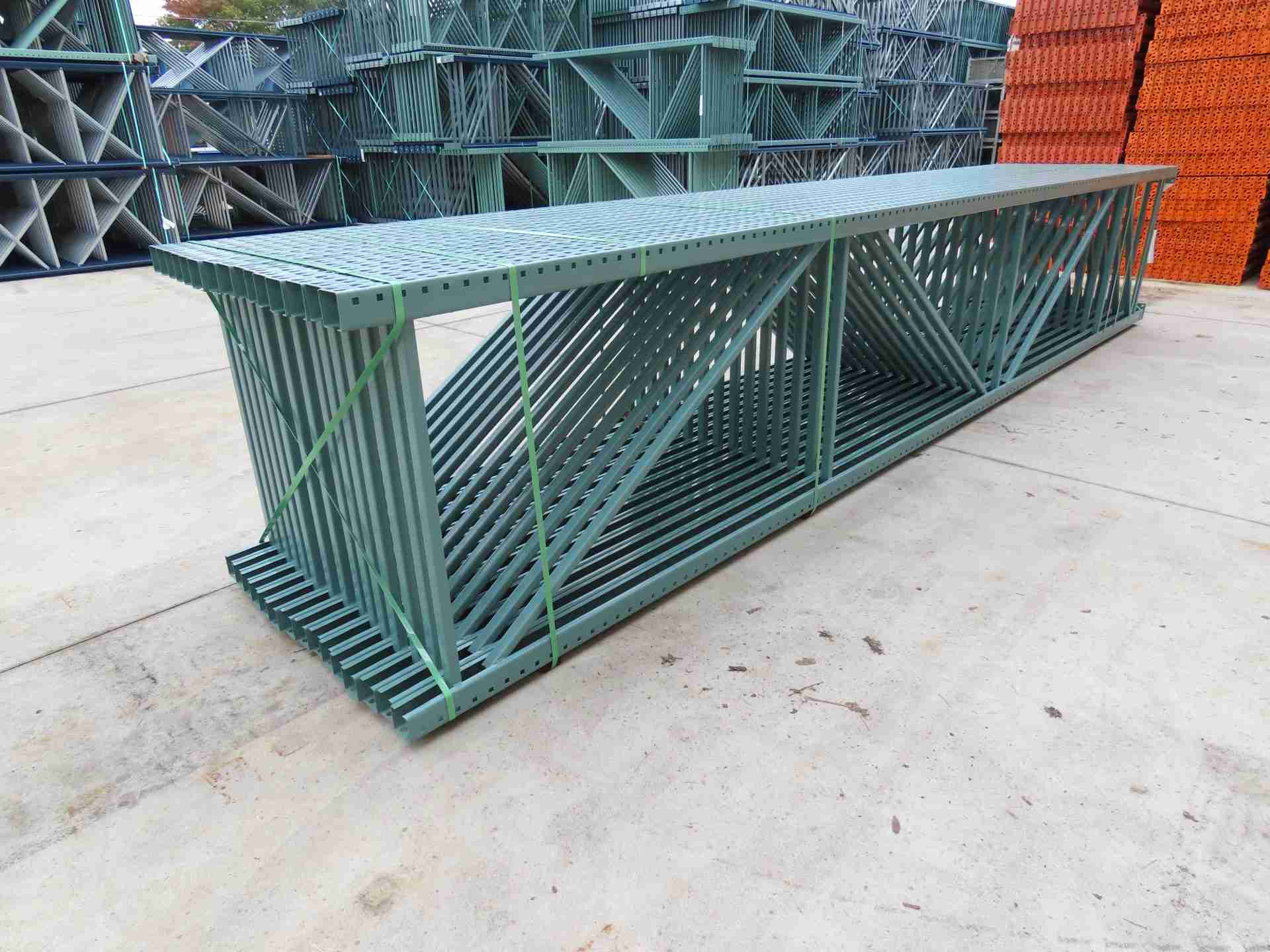
Other Resources
Here is a list of other resources you can review online to learn more:
- “Cantilever Rack”
- “Cantilever Rack”
- “Cantilever Rack Adjustable Width Uprights & Frame …”
- “Cantilever Shelves”
- “Cantilever Racks Suppliers | PPT”
- “Cantilever Racking for Warehouse Management”
- “Cantilever racks – Heinz Racking Systems”
- “Cantilever Racks”
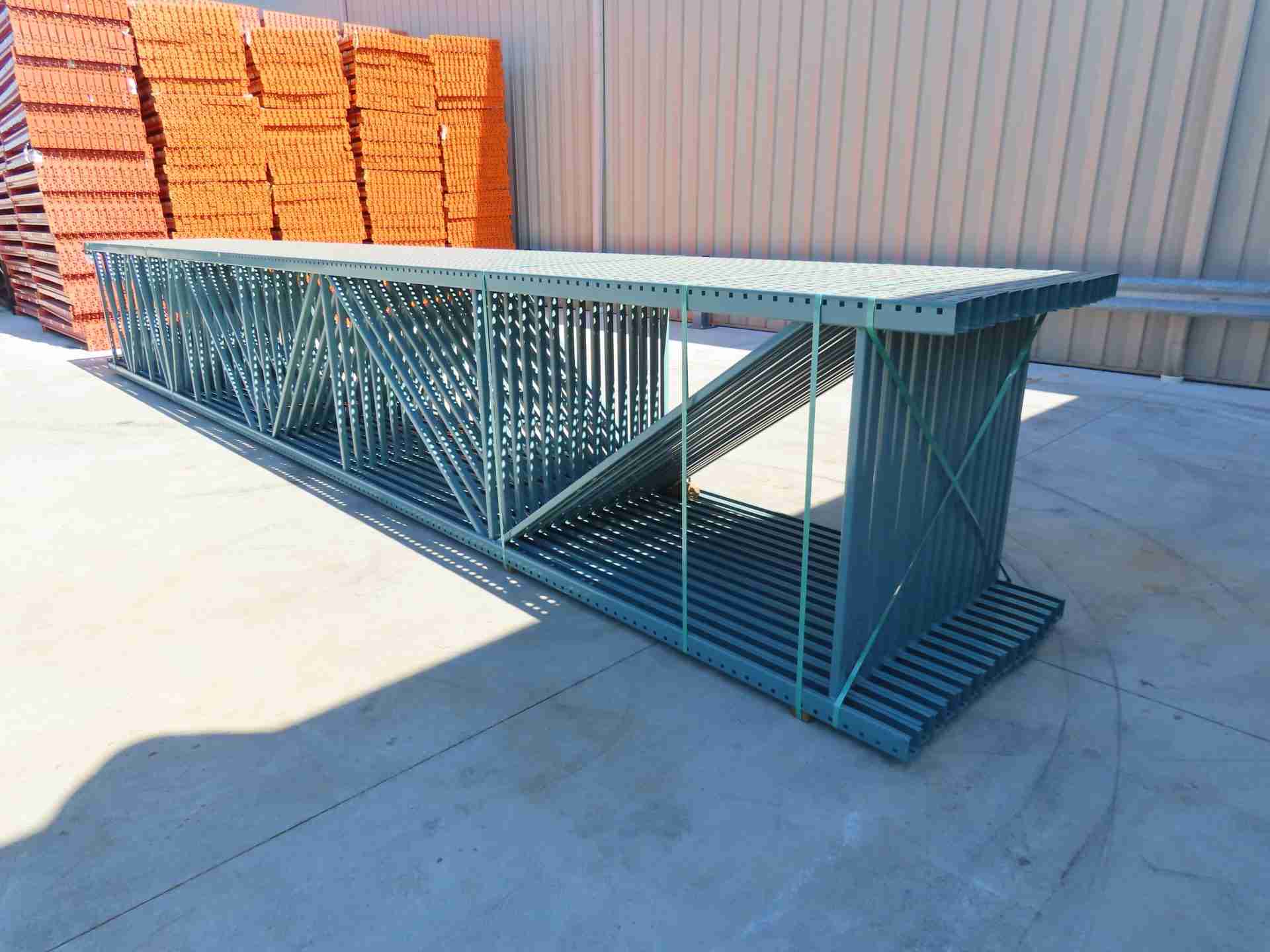
Other Resources
Glossary Terms
What Are The Top 5 Advantages Of Cantilever Storage Solutions? – Glossary Of Terms
1. Cantilever Racking: A type of storage system that allows for the storage of long and bulky items using arms extending from vertical columns.
2. Accessibility: The ease with which items can be retrieved from storage, a critical advantage of cantilever systems.
3. Flexibility: The ability to adjust the configuration or layout of the storage system, accommodating different item sizes and shapes.
4. Durability: Refers to the strength and longevity of materials used in cantilever racking, often made from robust steel.
5. Weight Capacity: The maximum weight that a cantilever rack can safely hold, an important consideration for effective storage solutions.
6. Floor Space Optimization: The effective use of ground area, as cantilever racks allow vertical storage to minimize footprint.
7. Beam Length: The distance between two vertical supports that can affect the overall capacity and storage capabilities of the cantilever system.
8. Vertical Storage: Storing items upright or vertically as opposed to horizontally, thereby maximizing available storage space.
9. Modular Design: A system of design that allows for easy expansion of the storage unit by adding more sections as needed.
10. Safety Features: Components such as guard rails and safety pins designed to enhance worker safety when using cantilever systems.
11. Customizability: The degree to which a storage solution can be tailored to suit specific needs and requirements of the items being stored.
12. Material Handling: The movement, protection, storage, and control of materials throughout the manufacturing and warehousing process.
13. Storage Efficiency: The optimal use of storage space to maximize capacity and reduce costs associated with storage.
14. Heavy-duty Racking: Refers to cantilever racks designed to support heavier loads, suitable for industrial applications.
15. Load Distribution: The way weight is spread across the rack system, important for maintaining structural integrity and safety.
16. Inventory Management: The supervision of non-capitalized assets and stock items, which can be facilitated by organized cantilever storage.
17. Forklift Accessibility: The capability for forklifts or pallet jacks to efficiently navigate aisles and access stored items.
18. Long Load Storage: The primary function of cantilever racks which are ideal for storing long items such as lumber or pipes.
19. Pallet Positioning: The strategic placing of pallets within the cantilever system to enhance space utilization.
20. Storage Density: The amount of product or materials stored in a given volume, often increased through vertical storage with cantilever racks.
21. Aisle Width: The space allocated between storage rows, which should be optimized to maximize both accessibility and safety.
22. Installation: The process of setting up the cantilever racking system, requiring planning and precision to ensure safety and efficiency.
23. Item Visibility: The clarity with which stored items can be seen and accessed, often improved in cantilever systems due to open design.
24. Cost Efficiency: An economic advantage realized through optimal storage solutions, reducing overall warehouse costs.
25. Space Utilization: The effective use of available space, which cantilever racking optimizes by encouraging vertical storage.
26. Load Rating: A specification that indicates the maximum load the cantilever system can safely support.
27. Sustainability: Refers to the eco-friendly design and material use of cantilever racks, promoting longer life and reduced environmental impact.
28. Reconfiguration: The ability to adjust the design of the storage system easily to meet changing storage needs.
29. Product Lifecycle: The duration of time a product remains in inventory until it is sold or repurposed, impacting storage strategies.
30. Warehouse Efficiency: The overall productivity of a storage facility, which cantilever racks can enhance through improved organization and space management.
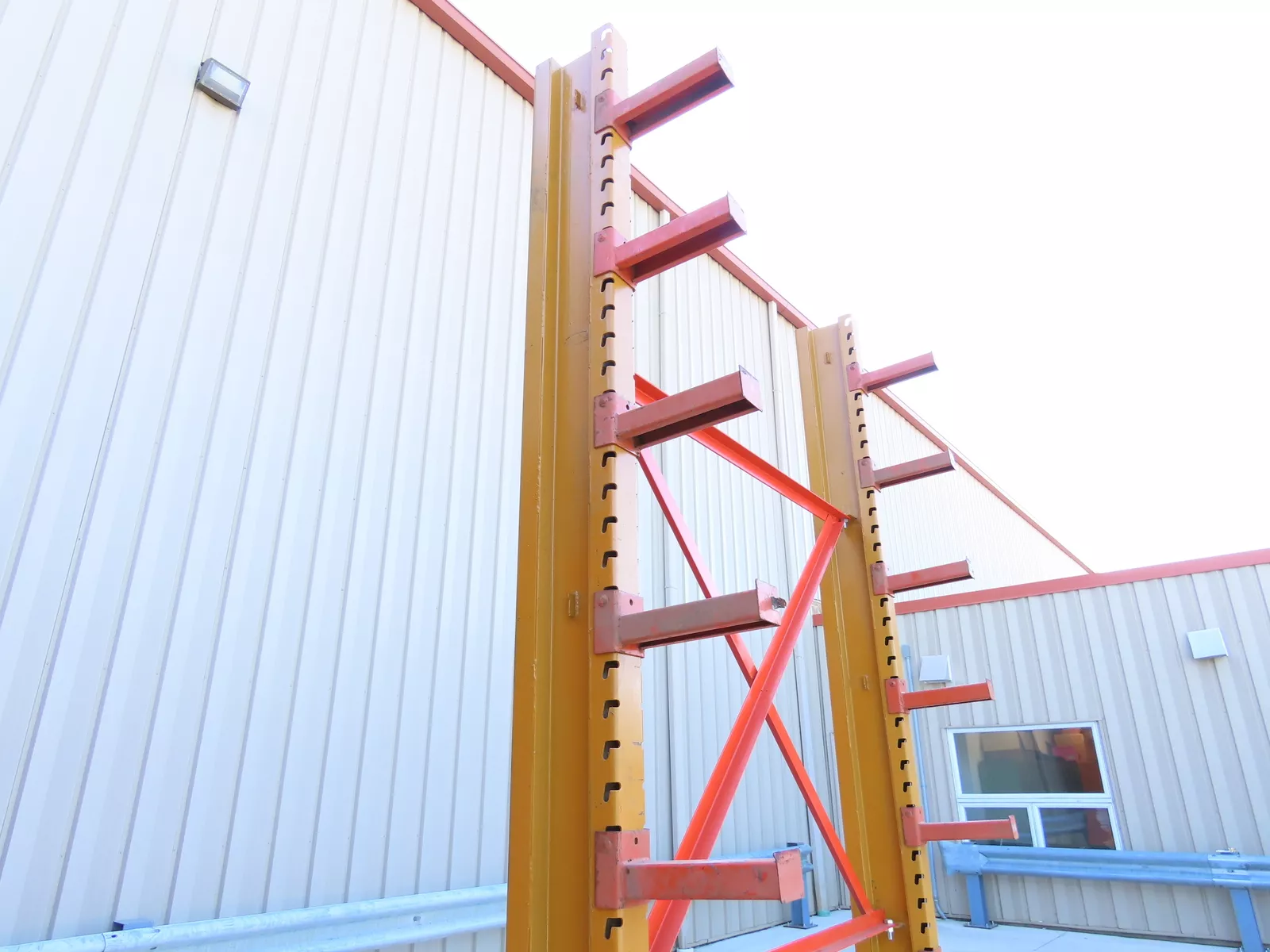
Glossary Of Terms
Other Questions
What Are The Top 5 Advantages Of Cantilever Storage Solutions? – Other Questions
If you wish to explore and discover more, consider looking for answers to these questions:
- What types of industries can benefit most from cantilever storage solutions?
- What are the specific materials that can be stored using cantilever racks?
- How does cantilever storage improve safety in the workplace?
- What is the typical installation process for cantilever storage systems?
- How does cantilever storage compare to other storage systems in terms of cost-effectiveness?
- How scalable are cantilever storage systems for growing businesses?
- What are the best practices for maintaining cantilever storage solutions?
- How can cantilever storage systems be customized to meet unique operational needs?
- What safety regulations should be considered when implementing cantilever storage?
- How does the integration of technology enhance cantilever storage systems?

Other Questions
Checklist
What Are The Top 5 Advantages Of Cantilever Storage Solutions? – A Checklist
1. Evaluate Your Space
_____ Assess the available vertical space in your facility.
_____ Identify areas where traditional shelving is inefficient.
2. Assess Inventory Needs
_____ List items that will be stored: categorize by size (length, weight, and bulk).
_____ Plan for current inventory and future growth requirements.
3. Choose the Right Cantilever System
_____ Determine if you need single-sided or double-sided racks.
_____ Select arms that can accommodate the various item lengths you’ll store.
4. Prioritize Safety Features
_____ Ensure racks have stability features to prevent tilting or falling.
_____ Evaluate the need for safety accessories (e. g. , end stops, labels).
5. Optimize Accessibility
_____ Arrange racks for ease of access from both sides, if double-sided.
_____ Maximize the layout to allow for forklift access where needed.
6. Plan for Flexibility and Adaptability
_____ Consider modular designs that can be expanded as inventory changes.
_____ Ensure the system can be easily adjusted for new item sizes or weights.
7. Incorporate Maintenance Plans
_____ Schedule routine inspections at least quarterly.
_____ Establish a cleaning protocol to eliminate dust and debris.
_____ Review load management policies to avoid overloading arms.
8. Invest in Employee Training
_____ Train staff on loading and unloading safely to prevent injuries.
_____ Educate your team on the maximum load capacities for each arm.
9. Monitor and Evaluate Performance
_____ Track retrieval times to gauge efficiency improvements.
_____ Collect feedback from employees on layout and accessibility.
10. Consider Integration with Technology
_____ Evaluate if IoT solutions can be used to track inventory levels and movements.
_____ Determine if automation can enhance picking processes further.
11. Assess Environmental Impact
_____ Explore eco-friendly materials for cantilever racks.
_____ Consider the sustainability of operations with reduced energy consumption.
12. Review Cost-Effectiveness
_____ Compare your current storage costs with projected savings after installation.
_____ Factor in reduced labor time and improved productivity into ROI calculations.
By following this checklist, businesses can fully leverage the advantages of cantilever storage solutions, maximizing efficiency, safety, and cost-effectiveness.
Checklist
At RackingWorld, we help guide you through selecting warehouse storage systems and racking.
Be sure to read our other related stories at RackingWorld to learn more about warehouse storage systems.
0 Comments