
Discover Affordable Used Pallet Racking Near You
By Tom Seest
At RackingWorld, we help guide you through selecting warehouse storage systems and racking.
Be sure to read our other related stories at RackingWorld to learn more about warehouse storage systems.
Where to Find Pallet Racking for Sale Used
Navigating the world of warehouse equipment can feel overwhelming, especially when it’s time to find used pallet racking for your business operations. However, with the right strategy, you can secure high-quality racking systems without breaking the bank. Here’s a roadmap to help you find the best deals on used pallet racking.
1. Online Marketplaces: The digital age has transformed how we buy and sell equipment. Websites like eBay, Craigslist, and Facebook Marketplace offer a plethora of listings featuring used pallet racking from businesses looking to unload excess inventory or relocate. You can often negotiate prices, and with local sellers, you might even save on shipping costs. As of recent trends, more companies are opting to sell rather than store excess equipment, so keep your eyes on these platforms for new deals popping up regularly.
2. Auctions and Liquidation Sales: When businesses downsize or close, you can find prime opportunities at liquidation auctions. Websites like BidSpotter or AuctionZip feature real-time sales where you can bid on used pallet racking. These auctions often yield significant savings, sometimes up to 70-80% off retail prices. Stay informed about upcoming auctions, particularly those tied to industries experiencing a shake-up, such as retail or manufacturing, as they often indicate a surge of equipment entering the resale market.
3. Local Warehouse Supply Companies: Don’t overlook local suppliers specializing in warehouse equipment. Many of them offer refurbished racking systems, providing excellent value for your investment. They may also have partnerships with businesses that frequently upgrade their equipment, which can be a hidden gem for sourcing used systems. Building a relationship with these suppliers can lead to exclusive deals and firsthand knowledge about incoming inventory.
4. Industry Events and Trade Shows: Events like ProMat and MODEX not only showcase the latest in material handling but also often feature vendors with used equipment for sale. These events are excellent networking opportunities—connect with industry insiders who may know where to find the best used products or who have equipment to sell themselves.
In today’s fast-paced market environment, economic fluctuations and supply chain disruptions have prompted many businesses to rethink their storage solutions, leading to an increase in used pallet racking availability. Taking advantage of this surplus can ensure you save money without compromising on quality. Your warehouse deserves the best, and with these savvy strategies, accessing used pallet racking becomes a competitive advantage rather than a simple purchase.
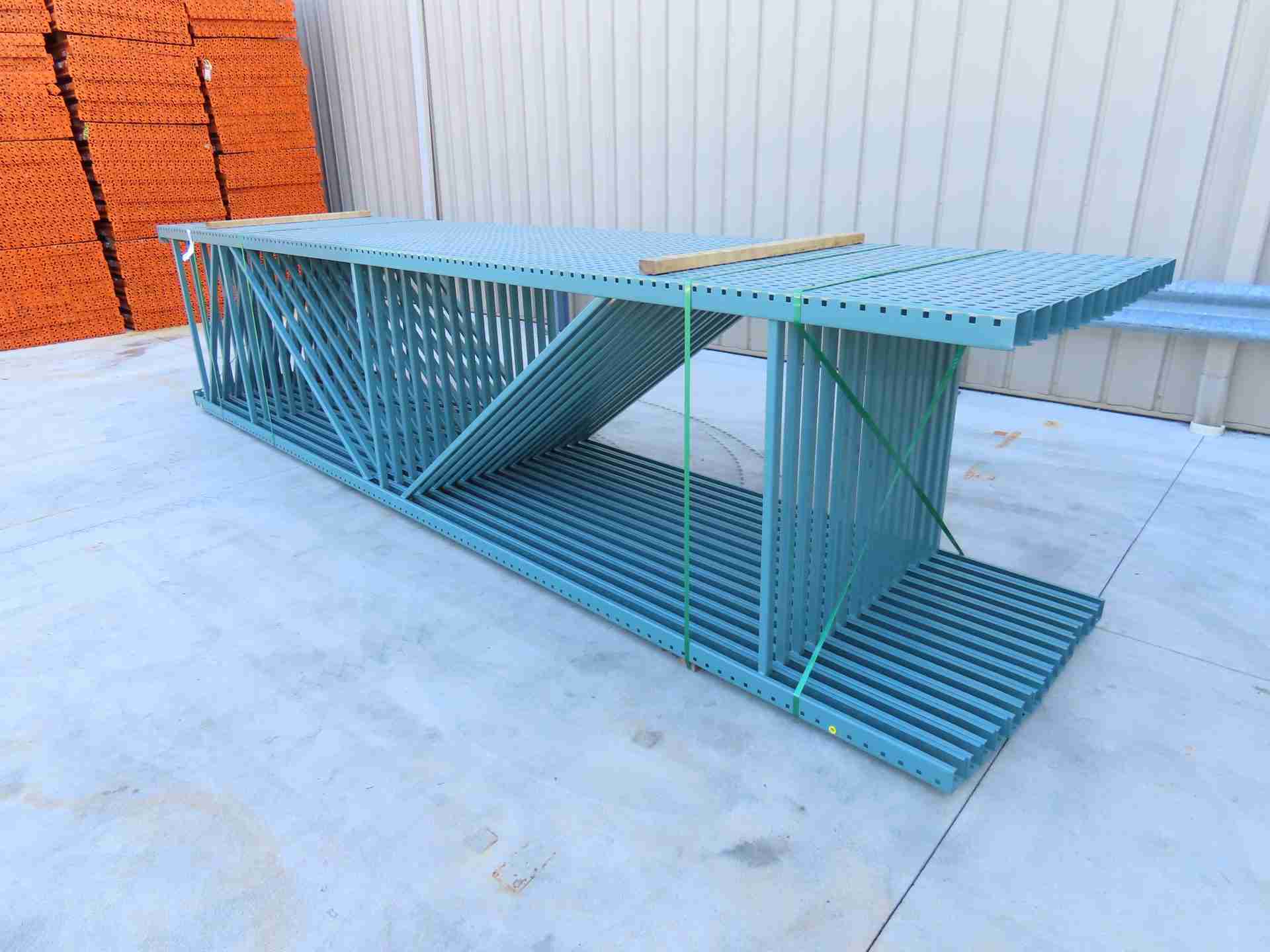
Where to Find Pallet Racking for Sale Used
Where to Find Pallet Racking for Sale Used
- Online Marketplaces: Use platforms like eBay, Craigslist, and Facebook Marketplace to find listings of used pallet racking from local sellers and negotiate prices.
- Auctions and Liquidation Sales: Look for opportunities at liquidation auctions where significant savings (up to 70-80% off) on used pallet racking can be found.
- Local Warehouse Supply Companies: Partner with local suppliers who may offer refurbished racking systems and exclusive deals on incoming inventory.
- Industry Events and Trade Shows: Attend events like ProMat and MODEX, which feature vendors with used equipment and provide networking opportunities.
- Economic Trends: Monitor market fluctuations and supply chain issues, as they increase availability of used pallet racking.
- Budget-Friendly Solutions: Implementing these strategies can help you save money while maintaining quality for your warehouse storage solutions.
- Competitive Advantage: Utilizing used pallet racking effectively can give your business a competitive edge in storage management.
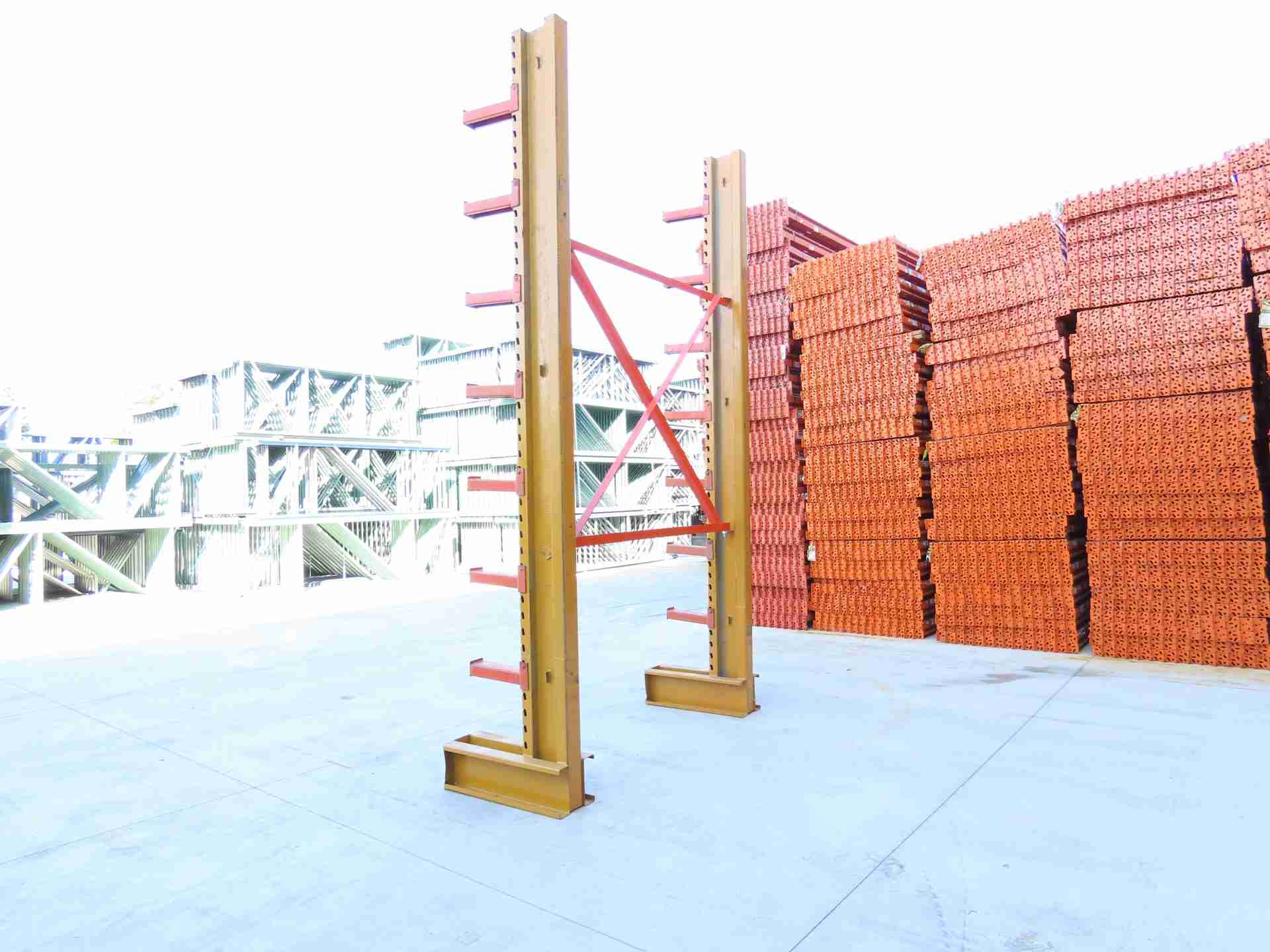
Where to Find Pallet Racking for Sale Used
Table Of Contents
- Where to Find Pallet Racking for Sale Used
- Where Can I Buy Used Pallet Racking Locally?
- What Factors Should I Consider When Buying Used Pallet Racking?
- How Do I Assess The Condition Of Used Pallet Racking?
- Are There Online Platforms To Find Used Pallet Racking For Sale?
- What Are The Benefits Of Purchasing Used Pallet Racking?
- How Can I Negotiate The Price Of Used Pallet Racking?
- What Safety Standards Should Used Pallet Racking Meet?
- Can I Refurbish Used Pallet Racking Before Use?
- Where Can I Find Used Pallet Racking For Warehouses?
- How Do I Hire A Company To Install Used Pallet Racking?
- What Is The Average Cost Of Used Pallet Racking?
- Are There Risks Involved In Buying Used Pallet Racking?
- How Do I Transport Used Pallet Racking After Purchase?
- What Sizes Of Used Pallet Racking Are Commonly Available?
- How Can I Find Reviews On Used Pallet Racking Sellers?
- Conclusion
- Other Resources
- Glossary Of Terms
- Other Questions
- Checklist
Where Can I Buy Used Pallet Racking Locally?
If you’re in the market for used pallet racking, the quest doesn’t have to be overwhelming. Local sourcing can save you money and time, and let’s face it, in today’s fast-paced business climate, who couldn’t use more of both? Here’s where to turn your search into a successful acquisition.
1. Local Warehouse Supply Companies:
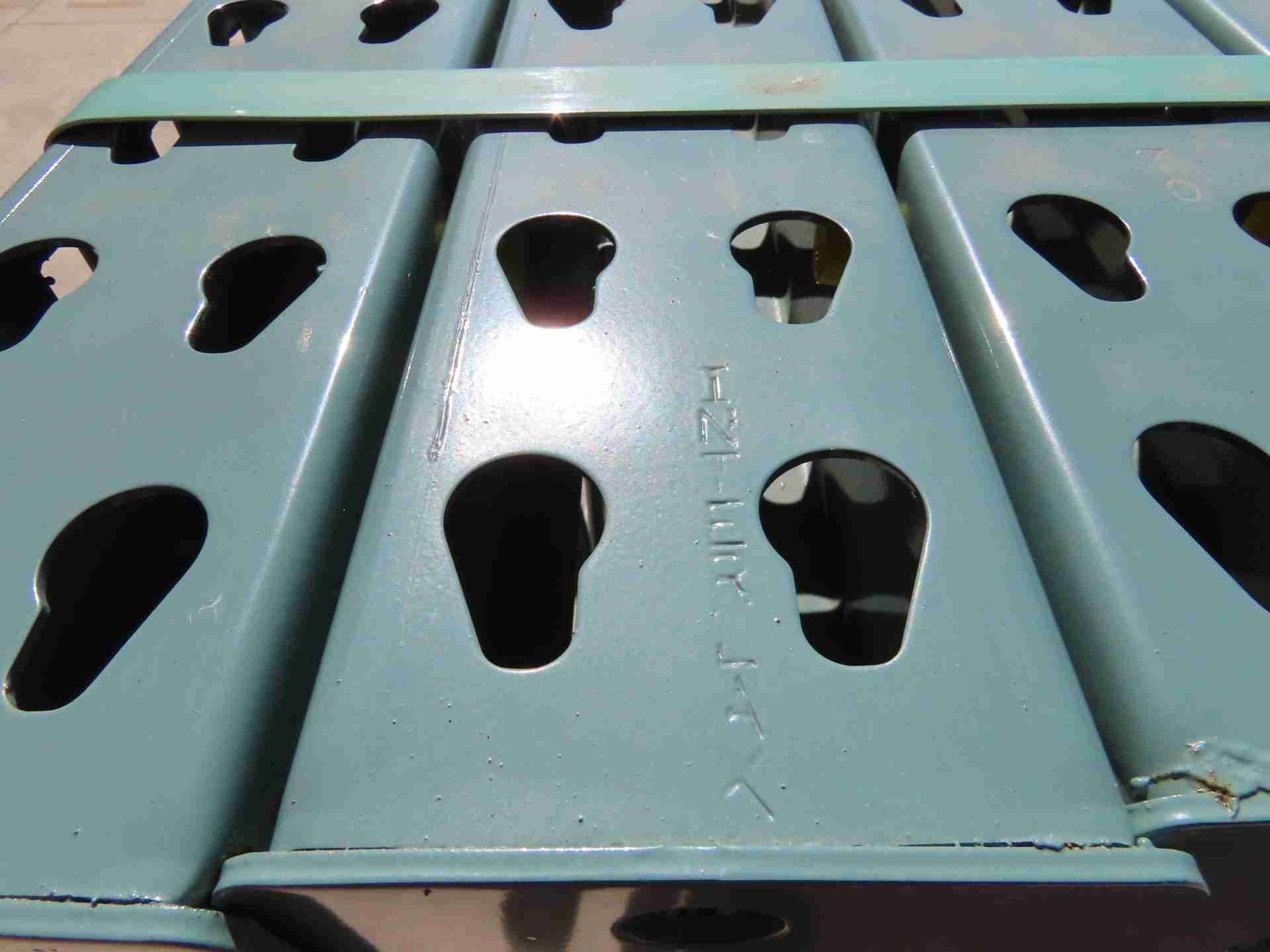
One of the best places to start is your local warehouse supply companies. Many of these businesses deal specifically with racking systems, both new and used. They often have a rotating inventory of used pallet racking systems that can be bought at a fraction of the price of new ones. Companies like Interlake Mecalux or Rapid Rack regularly update their stock. A quick phone call or a visit to their website can reveal deals lurking in your community.
2. Industrial Auctions and Liquidation Sales:
Watch for announcements concerning local industrial auctions or liquidation sales. When companies close, downsize, or relocate, they often unload their used inventory for a fraction of the retail price. Websites like Ritchie Bros. Auctioneers or local auction houses often handle such events, providing an excellent opportunity to score quality used pallet racking at unbeatable prices. In today’s climate, with a surge in e-commerce causing some businesses to reevaluate their needs, liquidation events are steadily on the rise.
3. Social Media Marketplaces and Forums:
Don’t underestimate the power of social media. Platforms like Facebook Marketplace or dedicated groups on LinkedIn can be gold mines for finding used pallet racking. Local business owners often post equipment they want to sell quickly, and you can engage directly without dealing with middlemen. Moreover, forums or Reddit communities related to industry logistics and warehousing can yield leads on where to find pallets nearby.
4. Networking with Other Businesses:
Another savvy approach is to leverage your network. Reach out to local businesses in your area and inquire if they have surplus pallet racking or know someone who does. This not only improves your local business relationships but may also yield unforeseen opportunities. The tight-knit nature of many industries means there’s a good chance someone is looking to offload racking systems without making an official announcement.
Take Action Now!
In a market where opportunities arise and vanish at the speed of light, it’s imperative to act swiftly. Like so many other sectors, the logistics and warehousing industry is evolving, making used pallet racking a practical solution. The next time you’re looking for a way to maximize your storage efficiency while keeping costs in check, consider these local avenues. Not only can you find what you need, but you’ll also forge ties in the community, laying the foundation for future business growth.
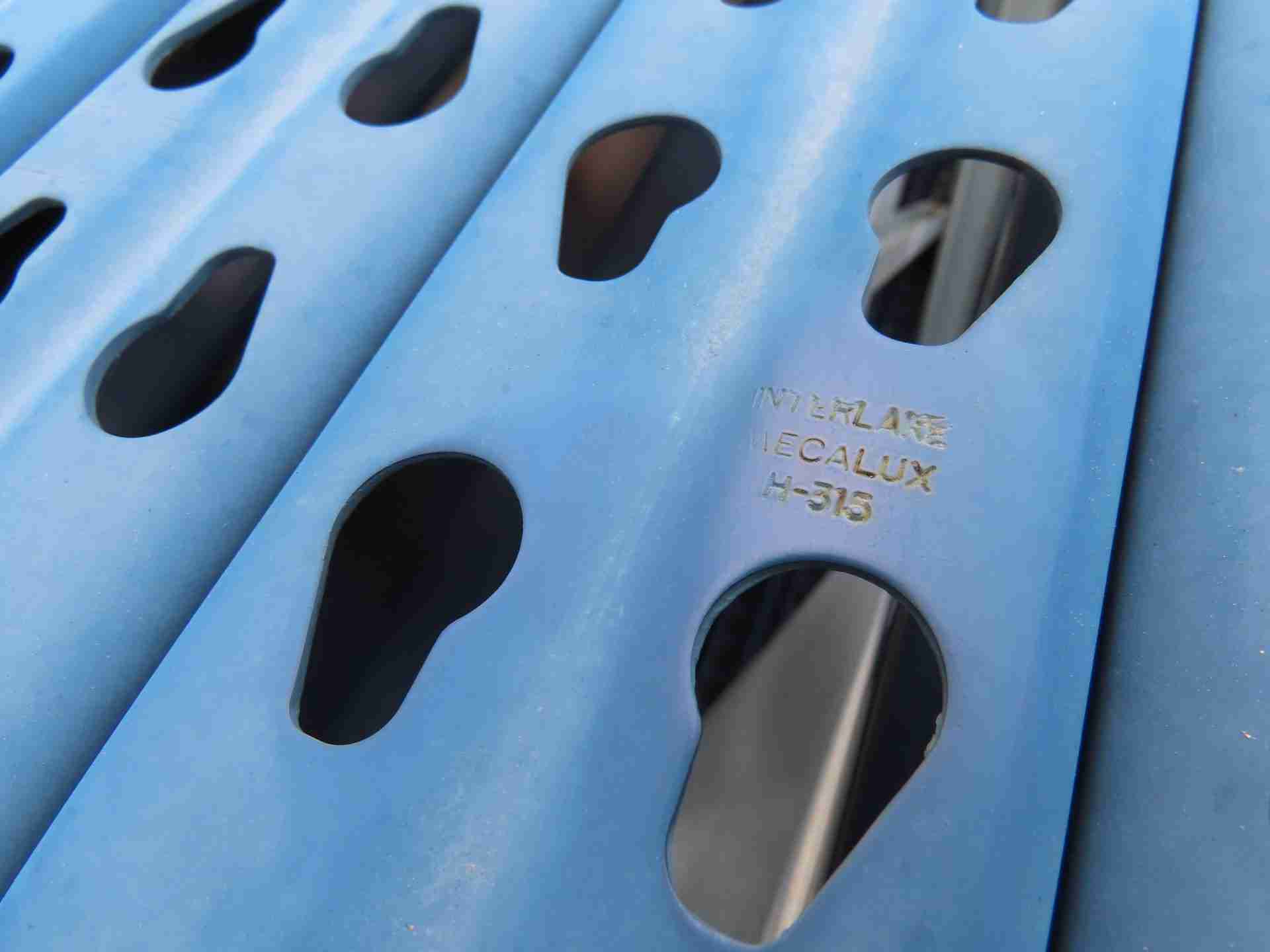
Where Can I Buy Used Pallet Racking Locally?
Where Can I Buy Used Pallet Racking Locally?
- Local sourcing of used pallet racking can save money and time.
- Local warehouse supply companies often have rotating inventories of used pallet racking at lower prices.
- Industrial auctions and liquidation sales provide opportunities to purchase used racking at discounted rates.
- Social media marketplaces and forums can be valuable resources for finding local used pallet racking.
- Networking with local businesses may yield surplus pallet racking opportunities.
- Acting swiftly is crucial in the fast-paced logistics and warehousing market.
- Utilizing local resources can enhance storage efficiency and build community ties for future growth.
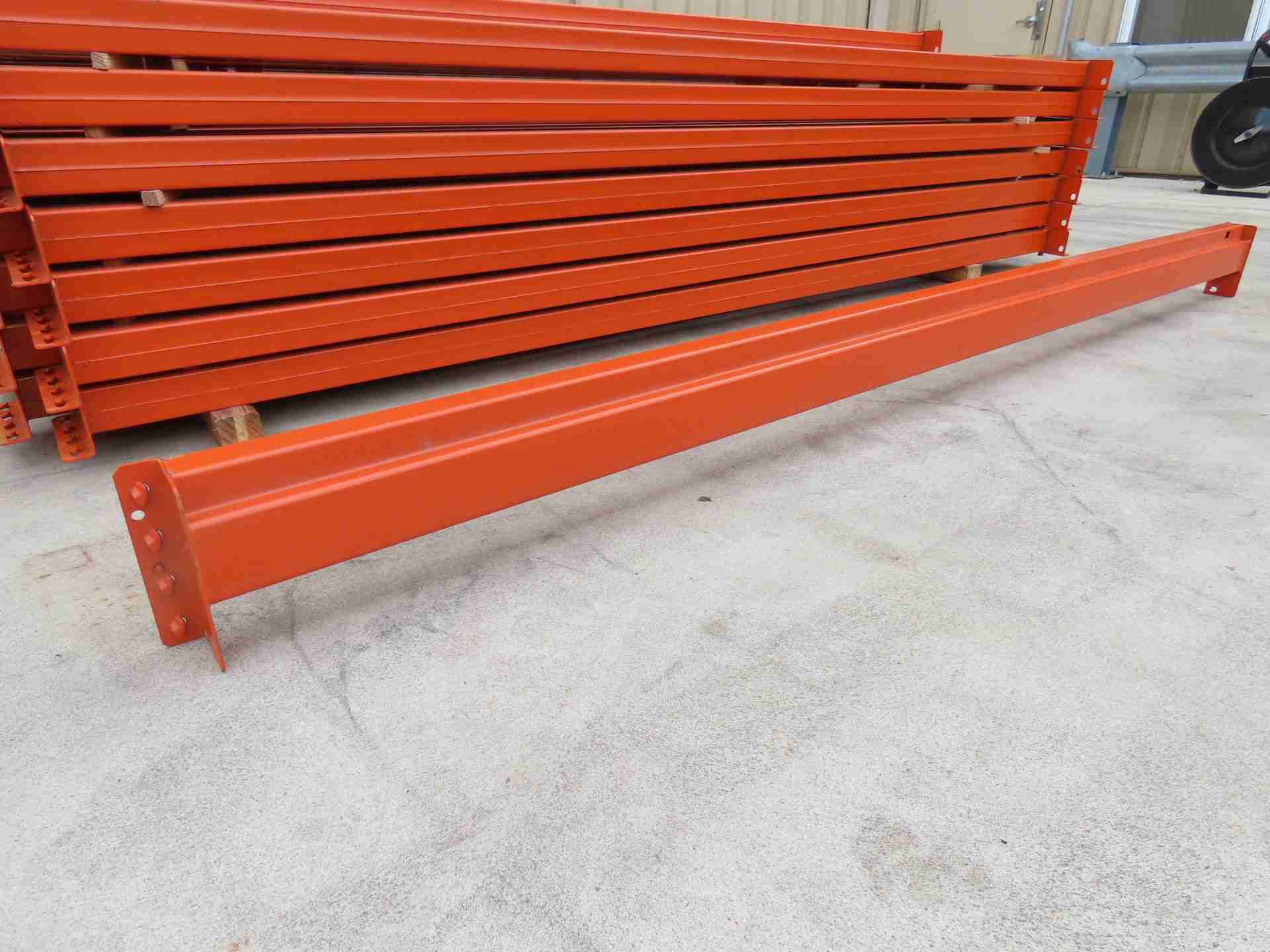
Where Can I Buy Used Pallet Racking Locally?
What Factors Should I Consider When Buying Used Pallet Racking?
When considering a purchase as significant as used pallet racking, it’s essential to approach the decision with both caution and strategy. Your investment can directly affect your warehouse’s productivity and efficiency. Here are the critical factors to weigh in your decision-making process.
1. Quality and Condition
First and foremost, examine the quality of the used pallet racking. Look for signs of wear and tear, rust, or structural instability. For example, if you’re purchasing from a company that has recently relocated or downsized, you can often find well-maintained systems. Ensure the racking complies with the current safety standards – damaged components can lead to severe accidents, impacting your workforce and bottom line.
2. Size and Configuration
Not all racking systems are created equal. Measure your warehouse space and consider your inventory types. Will you be storing heavy-duty items that require robust beams and uprights, or lighter products that need fewer structural supports? For instance, a business focusing on e-commerce logistics may benefit from adjustable racking systems to accommodate fluctuations in product sizes. Know what your specific needs are and choose a configuration that supports your operational goals.
3. Load Capacity
Understand the load capacities of the racking systems you’re considering. Each pallet racking style has a specific load limit per shelf, influenced by the material and design. The last thing you want is to overload your racks – it could lead to catastrophic failures. A storage facility storing heavy automotive parts will need a significantly different solution than one storing lightweight consumer goods.
4. Vendor Reputation
Research the vendor thoroughly. Are they reputable? Do they have positive reviews or testimonials? A trusted vendor will offer warranties, and ensure that the racking systems are in compliance with local regulations. With increased focus on safety and industry standards in the wake of recent issues related to warehouse collapses, making sure you buy from a reliable source cannot be stressed enough.
5. Cost vs. Value
While purchasing used pallet racking can save you money, don’t let initial cost blind you to long-term value. Investigate if the potential savings come at the expense of quality or safety. Sometimes it’s worth spending a bit more upfront to secure a system that will last for years without costly repairs or replacements.
6. Installation and Assembly
Finally, consider who will install the racking. Some vendors offer assembly services for an additional fee, which can save you time and reduce the risk of improper setup. Evaluate whether your team has the expertise to assemble it safely and correctly.
Making an educated decision when buying used pallet racking involves evaluating quality, configuration, capacity, vendor trustworthiness, total value, and installation logistics. Take the time to assess these factors – your operational efficiency hinges on it.
What Factors Should I Consider When Buying Used Pallet Racking?
What Factors Should I Consider When Buying Used Pallet Racking?
- Quality and Condition: Examine the racking for wear, rust, and stability; ensure compliance with safety standards.
- Size and Configuration: Measure warehouse space and consider the inventory types; choose a configuration that supports operational goals.
- Load Capacity: Understand the specific load limits of various racking styles to prevent catastrophic failures from overloading.
- Vendor Reputation: Research vendors for reliability and compliance; trusted sources often provide warranties and adhere to safety standards.
- Cost vs. Value: Assess the long-term value of the racking; sometimes spending more upfront ensures quality and avoids future costs.
- Installation and Assembly: Determine who will install the racking; consider vendor assembly services or your team’s expertise.
- Conclusion: Evaluate quality, configuration, capacity, vendor trust, total value, and installation to make an informed decision.
What Factors Should I Consider When Buying Used Pallet Racking?
How Do I Assess The Condition Of Used Pallet Racking?
When it comes to managing a warehouse, the importance of sturdy, reliable pallet racking cannot be overstated. But before you commit to purchasing used pallet racking, you must become an expert in assessing its condition. This isn’t just about being prudent; it’s about ensuring the safety of your employees and the integrity of your stored goods. Let’s break down the steps you should take to make an informed decision.
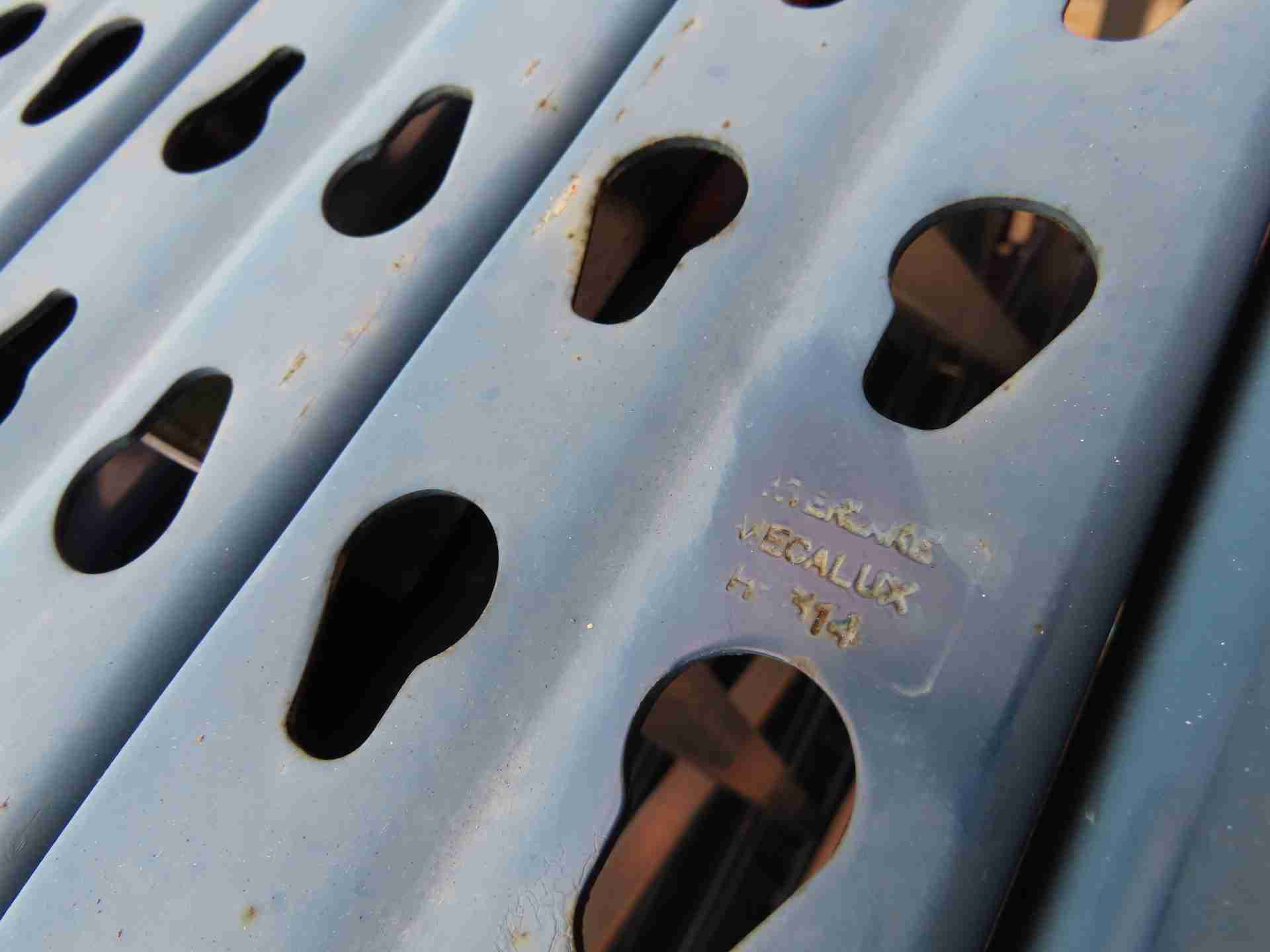
1. Visual Inspection: Start with a comprehensive visual inspection. Look for signs of rust, corrosion, or structural damage. Dents and bends can indicate that the racks have been subjected to excessive force, which may compromise their strength. For example, recent reports from logistics experts highlight that almost 30% of warehouse injuries are associated with inadequate shelving capabilities. Avoid becoming a statistic by ensuring your racks have no visible damage.
2. Check Connections and Security: Ensure that all bolts, nuts, and connections are intact and secure. A single loose bolt can lead to catastrophic failure. This is particularly crucial given the rising number of supply chain disruptions in recent years that have driven many businesses to operate under extreme pressure. A solid structure is not just a safety feature; it’s a competitive advantage in ensuring uninterrupted operations.
3. Assess the Weight Rating: Every pallet rack has a specified weight capacity. Verify this label against your intended use. If you plan on storing heavy machinery or large quantities of goods, you may need racks that can handle more weight than what is marked. Look to recent warehouse incidents; a leading supply chain authority reported that improper handling of goods led to collapses in facilities where weight capacities were disregarded.
4. Durability Review: Investigate the quality of materials. Steel racks are preferable, as they are more durable than their wooden counterparts. Sometimes, a good quality steel rack may look weathered but still be structurally sound. It’s a bit of a gamble, but consider the history— if a company is selling off racks due to an upgrade rather than damage, you might stumble upon a goldmine!
5. Seek Professional Evaluation: If you’re still unsure, bringing in a professional can save you headaches down the line. They will provide a detailed assessment, which could be well worth the investment when weighing potential risks against your long-term operational goals.
By following these steps, you not only safeguard your assets but position your warehouse for success. Remember, a safe warehouse is a profitable one. So take the time needed to assess used pallet racking thoroughly—it’s an investment that pays dividends in productivity and peace of mind.
How Do I Assess The Condition Of Used Pallet Racking?
How Do I Assess The Condition Of Used Pallet Racking?
- Importance of Sturdy Racking: Reliable pallet racking is crucial for warehouse management to ensure safety and integrity of products.
- Visual Inspection: Conduct a thorough check for rust, corrosion, and structural damage; avoid racks with visible defects to prevent injuries.
- Check Connections: Ensure all bolts and connections are secure; a loose bolt can lead to catastrophic structural failure.
- Weight Rating Assessment: Verify the weight capacity of racks against intended usage, especially for heavy machinery or large quantities of goods.
- Durability Review: Prefer steel racks for durability; consider the condition and selling history when evaluating used racks.
- Seek Professional Evaluation: Consider hiring an expert for a detailed assessment to mitigate risks and align with operational goals.
- Invest in Safety: Thoroughly assess used pallet racking to safeguard assets and enhance warehouse productivity, leading to profitability.

How Do I Assess The Condition Of Used Pallet Racking?
Are There Online Platforms To Find Used Pallet Racking For Sale?
##
Absolutely! In today’s vibrant marketplace, the rise of e-commerce has revolutionized how businesses search for and purchase used pallet racking systems. The demand for efficient warehouse solutions continues to soar, and flipping through the yellow pages is no longer the preferred method to find quality racking at competitive prices. Let’s explore the prime online platforms where savvy businesses are finding lucrative deals on used pallet racking.
1. eBay: This titan of online auctions serves more than just collectibles. Companies can find entire warehouses’ worth of industrial equipment, including a wide array of used pallet racks. Camp by the keyword search and refine based on location and condition. With bidding options or “Buy It Now” listings, eBay empowers you to secure fantastic deals.
2. Craigslist: Don’t underestimate the power of local classifieds! Craigslist is a treasure trove where warehouse owners often list used pallet racking for quick sale. You can search by your specific region, making it easy to find nearby opportunities. Just be cautious and vet sellers—meeting in person or arranging an inspection before committing is always wise.
3. Facebook Marketplace: The burgeoning world of social media has extended beyond friends and brunch photos into the realm of commerce. Scour Facebook Marketplace, where local businesses often offload excess inventory. With its user-friendly interface, finding used pallet racking near you has never been easier. And let’s not forget the benefit of seeing seller ratings and previous transactions, which builds confidence while you shop.
4. Online Retailers and Specialized Sites: Websites like UsedRacking.com and Rack Alley specialize in industrial equipment. These platforms focus heavily on pallet racking systems, allowing you to filter by brands, styles, and even user reviews—making your process not only easy but thoroughly informed. As economic trends fluctuate, coupled with challenges in the global supply chain, opting for used racking can be a financially smart move, allowing companies to meet their storage needs without breaking the bank.
5. Industry Forums and Auctions: Don’t overlook specialized forums and online auction sites dedicated to warehouse equipment. Platforms like BidSpotter or GovDeals often feature pallet racking sold off from liquidations and government surplus. Keeping an eye on industry events or expos, like MODEX or ProMat, can also lead to connections and opportunities to tap into these sales.
With various options available, finding used pallet racking has become a seamless experience for today’s procurement professionals. This shift to online platforms is both a response to consumer demand and a necessity for companies looking to cut costs while maximizing efficiency. Embrace the digital marketplace and watch your storage solutions thrive!
Are There Online Platforms To Find Used Pallet Racking For Sale?
Are There Online Platforms To Find Used Pallet Racking For Sale?
- The rise of e-commerce has transformed how businesses find and purchase used pallet racking systems.
- Traditional methods like yellow pages are outdated; online platforms are now preferred for sourcing.
- eBay: Offers a wide variety of used pallet racks with bidding options and location-based searches.
- Craigslist: A local classifieds platform where warehouse owners list used racking for quick sales; vetting sellers is crucial.
- Facebook Marketplace: Allows users to search for local businesses offloading excess inventory with seller ratings for added confidence.
- Specialized Online Retailers: Sites like UsedRacking.com focus on pallet racking, enabling filtering by brand, style, and reviews.
- Industry Forums and Auctions: Platforms like BidSpotter and GovDeals offer liquidated and surplus equipment; attending industry events can reveal additional opportunities.
Are There Online Platforms To Find Used Pallet Racking For Sale?
What Are The Benefits Of Purchasing Used Pallet Racking?
In today’s competitive market, businesses are keeping a keen eye on their bottom line while optimizing their operations. Enter used pallet racking—a solution that not only saves money but also boosts efficiency, enabling companies to thrive amid uncertainty.
Cost Savings That Matter
One of the most compelling benefits of purchasing used pallet racking is the significant cost savings. New systems can cost thousands of dollars, while quality used racks can be found at a fraction of that price, often with minimal wear. For instance, if a warehouse needs a complete racking system costing about $50,000 new, a savvy business can find a similar used option for as low as $20,000. That’s a staggering 60% saving that can be reinvested into other areas of your business, be it marketing efforts, employee training, or technology upgrades.
Sustainability and Eco-Friendliness
In an era marked by an increasing focus on sustainability, opting for used pallet racking aligns perfectly with eco-friendly business practices. Recycling equipment reduces waste and minimizes environmental impact. As consumers and investors alike prioritize companies that practice corporate social responsibility, your decision to purchase used racking could improve your brand image, gaining you favor in the eyes of stakeholders.
Quick Availability and Installation
Used pallet racking is often readily available; unlike new racks, which can take months to manufacture and deliver, pre-owned systems can typically be installed within days. This speed translates into immediate operational efficiency. Imagine needing a quick solution to ramp up your warehouse with the rising demand due to events like the recent e-commerce boom. Used pallet racking provides a fast-track option to scale operations without the lengthy lead times of new equipment.
Flexibility in Configuration
Another undeniable advantage of used pallet racking is its versatility. Many sellers offer adjustable systems that can be tailored to meet your specific storage needs. As businesses grow and evolve, they often shift their inventory strategies. A used racking system given a second life can adapt to these changes with ease, allowing for dynamic reconfiguration without incurring hefty additional costs.
Value-Added Solutions
Finally, purchasing used pallet racking from reputable suppliers often means accessing additional services like installation support and safety inspections. A good provider will take care of the details, ensuring your new system meets safety regulations and operational requirements. That’s peace of mind in any busy warehouse.
The benefits of purchasing used pallet racking are manifold. From significant cost savings to sustainability and adaptability, it’s clear that going for used not only makes fiscal sense but strategically positions your business for success in an ever-changing landscape.
What Are The Benefits Of Purchasing Used Pallet Racking?
What Are The Benefits Of Purchasing Used Pallet Racking?
- Cost Savings: Purchasing used pallet racking offers significant savings, often allowing businesses to find quality options at a fraction of the price of new systems.
- Savings Example: A new racking system costing $50,000 can potentially be replaced with a used option costing as low as $20,000, resulting in a 60% savings.
- Sustainability: Choosing used pallet racking aligns with eco-friendly practices, reducing waste and minimizing environmental impact.
- Quick Availability: Used pallet racking can typically be installed within days, facilitating immediate operational efficiency.
- Flexibility: Many used racking systems are adjustable, allowing businesses to adapt their storage configurations as needs evolve.
- Value-Added Services: Reputable suppliers often provide additional services such as installation support and safety inspections.
- Strategic Positioning: Acquiring used pallet racking not only saves costs but also positions businesses for success in a competitive market.
What Are The Benefits Of Purchasing Used Pallet Racking?
How Can I Negotiate The Price Of Used Pallet Racking?
In the world of warehouse management, maximizing your budget while ensuring operational efficiency is paramount. Negotiating the price of used pallet racking might sound daunting, but with the right tactics, it can turn into a profitable endeavor. Here’s how to walk into the negotiation room with confidence and a clear strategy.
1. Do Your Homework
Arming yourself with knowledge is your strongest asset. Research the current market rates for used pallet racking. Websites like eBay, Craigslist, or specialized industrial auction sites showcase various options, giving you a ballpark figure. For instance, if you come across listings for similar racking in your area going for $2,500, you’ll have a solid reference point during negotiations.
2. Understand the Seller’s Position
Knowing why the seller is offloading the racking can give you leverage. Are they upgrading their facility, or have they over-purchased? Understand that they may be eager to sell quickly, especially if they’re facing storage constraints. Use this information to frame your offer. For example, if you learn they are relocating soon, you might say, “I can take this off your hands today if you can lower the price to $1,800.”
3. Establish a Relationship
It’s not just about the transaction; it’s about building rapport. Engage in conversation. Ask about their business, how long they’ve been selling racking, or whether they have other equipment available. A friendly dialogue may lead the seller to feel more comfortable discounting the price, especially if they sense reliable buyers.
4. Leverage Timing
Timing can be crucial in getting a better deal. For instance, post-holiday seasons typically see a dip in sales. Sellers who are trying to clear inventory might be more flexible with their pricing. Similarly, if you hear about a local business shutting down, they might be willing to negotiate steeply on their used racking, effectively creating a sense of urgency.
5. Be Prepared to Walk Away
This is a classic but powerful tactic. If the price doesn’t fit your budget or if you notice potential issues with the equipment, don’t be afraid to express your concerns and walk away. Sometimes, this is precisely what the seller needs to lower their price. If they see a motivated buyer slipping through their fingers, they may rethink their stance.
By employing these strategies, you position yourself not just as a buyer, but as a savvy negotiator who understands the intricacies of the used market. As the economy continues to evolve and businesses adapt amidst inflationary pressures, this makes purchasing used equipment like pallet racking an even more strategic decision. Remember, each negotiation is a learning experience—refine your approach with every engagement, and watch your savings grow.
How Can I Negotiate The Price Of Used Pallet Racking?
How Can I Negotiate The Price Of Used Pallet Racking?
- Maximizing budget and operational efficiency is crucial in warehouse management.
- Conduct thorough research on current market rates for used pallet racking to strengthen negotiation leverage.
- Understand the seller’s motivations for selling, as it can provide negotiation leverage.
- Establish a rapport with the seller through engaging conversation to potentially encourage price discounts.
- Leverage timing, such as post-holiday seasons or business closures, to find better deals.
- Be prepared to walk away if the price is unsatisfactory, which may prompt the seller to reconsider their offer.
- Each negotiation offers a learning opportunity to refine your approach and enhance savings.
How Can I Negotiate The Price Of Used Pallet Racking?
What Safety Standards Should Used Pallet Racking Meet?
In the fast-paced world of warehousing and logistics, safety should never take a backseat—especially when it comes to pallet racking. With an increasing number of companies opting for used pallet racking solutions to cut costs, understanding the safety standards these systems should meet is crucial for preventing accidents and ensuring operational efficiency.
First and foremost, compliance with ANSI/RMI (American National Standards Institute/Industrial Truck Association) standards is non-negotiable. These guidelines dictate the design, testing, and performance standards for pallet racks, ensuring they uphold structural integrity under extreme conditions. For instance, a racking system that meets RMI criteria has undergone rigorous testing for load capabilities, which can prevent catastrophic failures during peak operational hours.
Next, your used pallet racking should meet OSHA (Occupational Safety and Health Administration) regulations. These rules set forth requirements that ensure a safe working environment, covering everything from load limits to employee training. In recent months, warehouses across the country have faced scrutiny for neglecting safety practices, resulting in serious accidents. By adhering to OSHA standards, businesses not only protect their employees but also mitigate potential legal ramifications.
A real-life example can be found in the recent surge of warehouse automation and heightened demand for e-commerce logistics. As companies like Amazon ramp up their operations, they must prioritize safety—especially when integrating used racking systems. Ignoring safety standards in this high-pressure environment can lead to tragic accidents, not to mention costly downtime. Take the lesson from brands that have faced backlash after accidents: safety isn’t just a checkbox; it’s a commitment to your team.
Additionally, consider the benefits of investing in racking that meets international standards like those set by ISO (International Organization for Standardization). This not only aligns your operations with global best practices but also bolsters your reputation—a vital asset in today’s competitive marketplace.
Whether you’re purchasing used pallet racking or upgrading your existing systems, ensure they meet ANSI/RMI, OSHA, and ISO standards. The potential risks of neglecting these essential safety measures are too great to ignore. Invest wisely in your pallet racking, and you’ll not only safeguard your employees but also fortify your supply chain against delays and damages. Safety is not merely an expense—it’s an investment worth making for your company’s future.
What Safety Standards Should Used Pallet Racking Meet?
What Safety Standards Should Used Pallet Racking Meet?
- Safety is paramount in warehousing and logistics, particularly with pallet racking systems.
- Used pallet racking must comply with ANSI/RMI standards for structural integrity and load capabilities.
- Compliance with OSHA regulations is essential for maintaining a safe working environment and protecting employees.
- Neglecting safety standards has led to serious accidents in warehouses, highlighting the importance of adherence.
- Warehouse automation and e-commerce demand emphasize the need for strict safety measures in racking systems.
- Investing in racking that meets ISO standards enhances reputation and aligns with global best practices.
- Ensuring compliance with safety standards safeguards employees and strengthens the supply chain, making it a valuable investment.
What Safety Standards Should Used Pallet Racking Meet?
Can I Refurbish Used Pallet Racking Before Use?
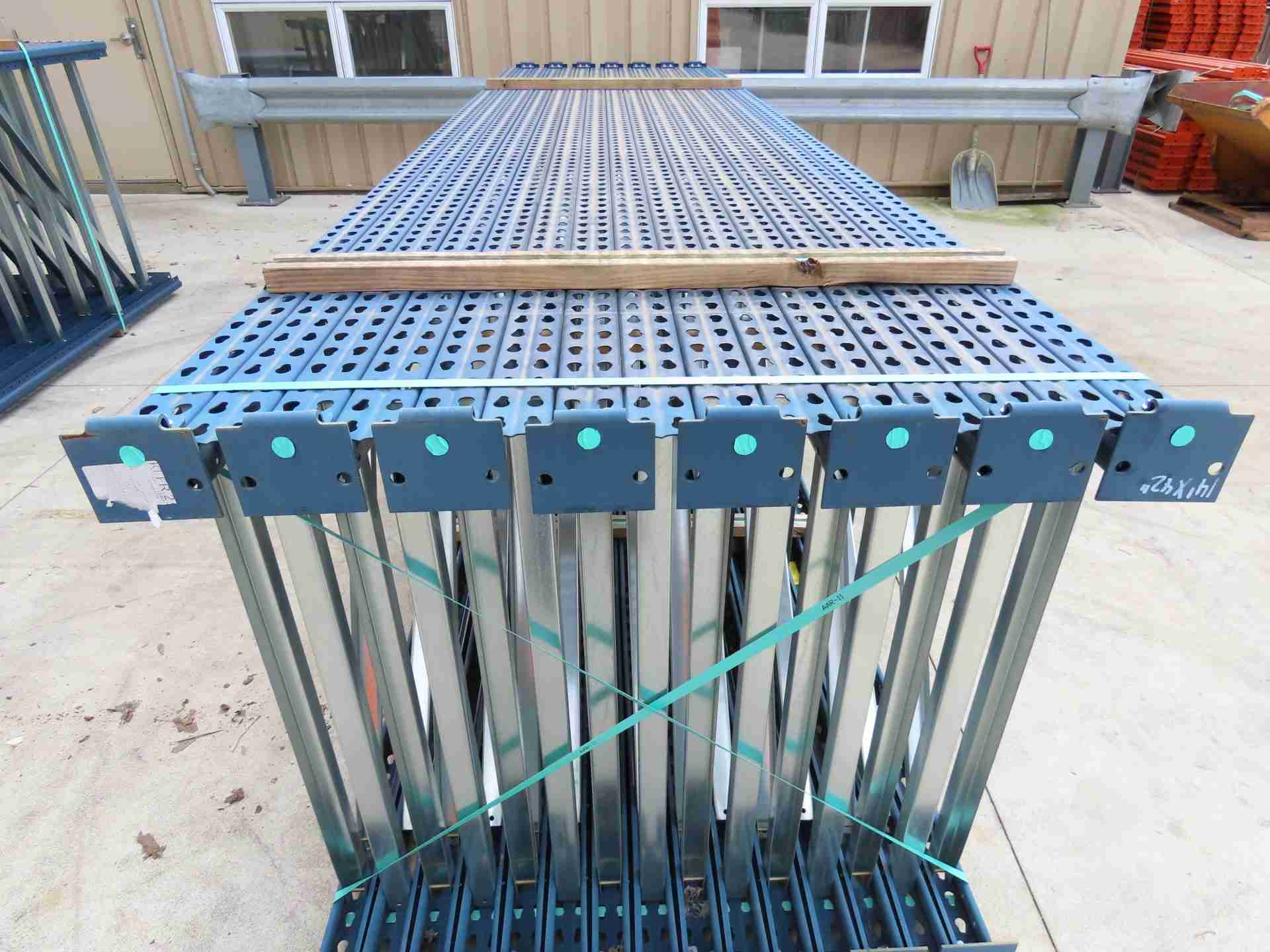
When it comes to maximizing warehouse efficiency and minimizing costs, the idea of refurbishing used pallet racking can seem like a golden opportunity. Imagine this: you’ve just discovered a hefty budget for your logistics operations, and rather than splurging on brand-new systems, you seize the moment to breathe new life into quality second-hand racking. But before you launch into refurbishing endeavors, ask yourself: Is this the right move for your operation?
First off, let’s address the elephant in the room. Refurbishing used pallet racking is not only doable; it’s often economically savvy. With the surging costs of new equipment—exacerbated by global supply chain disruptions—many businesses are taking a hard look at alternatives. The cost savings can be significant. For instance, refurbished systems can save you anywhere from 30% to 50% of the original price. This is money that can be reinvested into other critical areas of your operation, such as employee training or technology upgrades.
However, exercise caution. Not all used racking is created equal. Before pulling the trigger on a refurbishment project, evaluate the condition of the racking thoroughly. This means inspecting for any signs of structural damage, rust, or wear—anything that could compromise safety. Take, for instance, the recent news regarding OSHA’s increased focus on warehouse safety compliance. Refurbishing racking that doesn’t meet safety standards can spell disaster for your business. You want to ensure that your refurbished equipment not only saves money but also stands up to rigorous safety inspections.
Once you’ve assessed the condition, you can consider the refurbishment process. This often involves cleaning, repainting, and reinforcing the structure where needed. You may also want to replace signage, labels, and safety barriers to ensure compliance with best practices. For example, a California-based wholesaler successfully refurbished its pallet racking and enhanced safety procedures, resulting in an impressive 20% reduction in workplace accidents—profitability and safety, all in one stroke!
Finally, consider working with professionals who specialize in refurbished pallet racking. These experts not only bring experience in renovation but also knowledge of current standards and trends. Their insights can be invaluable in helping you craft an efficient setup tailored to your unique needs.
So, yes, you can refurbish used pallet racking, but take the precautionary steps to ensure you’re making a sound investment. Ultimately, the goal is not just to cut costs, but to elevate your operational efficiency and ensure a safe workplace. The right refurbished pallet racking isn’t just an asset; it can be your competitive edge in today’s fast-paced marketplace.
Can I Refurbish Used Pallet Racking Before Use?
Can I Refurbish Used Pallet Racking Before Use?
- Refurbishing used pallet racking can maximize warehouse efficiency and minimize costs.
- Refurbished systems can save businesses 30% to 50% compared to new equipment.
- Before refurbishing, thoroughly evaluate the condition of the racking for safety and structural integrity.
- OSHA’s focus on warehouse safety compliance emphasizes the importance of safe refurbished equipment.
- The refurbishment process may include cleaning, repainting, reinforcing, and updating safety measures.
- Working with professionals in refurbished pallet racking can provide essential expertise and insights.
- The goal of refurbishing is to increase operational efficiency and ensure a safe workplace.
Can I Refurbish Used Pallet Racking Before Use?
Where Can I Find Used Pallet Racking For Warehouses?
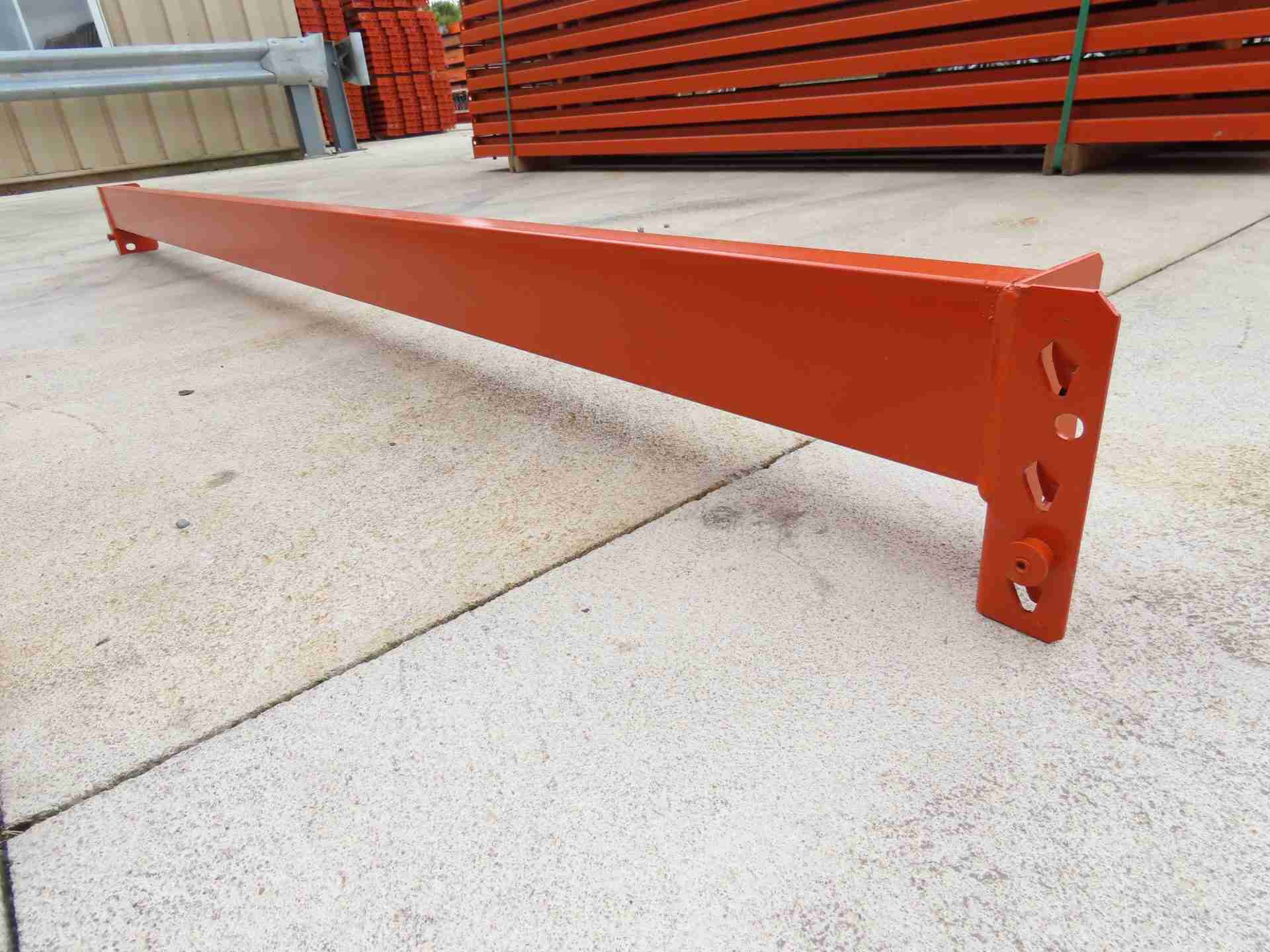
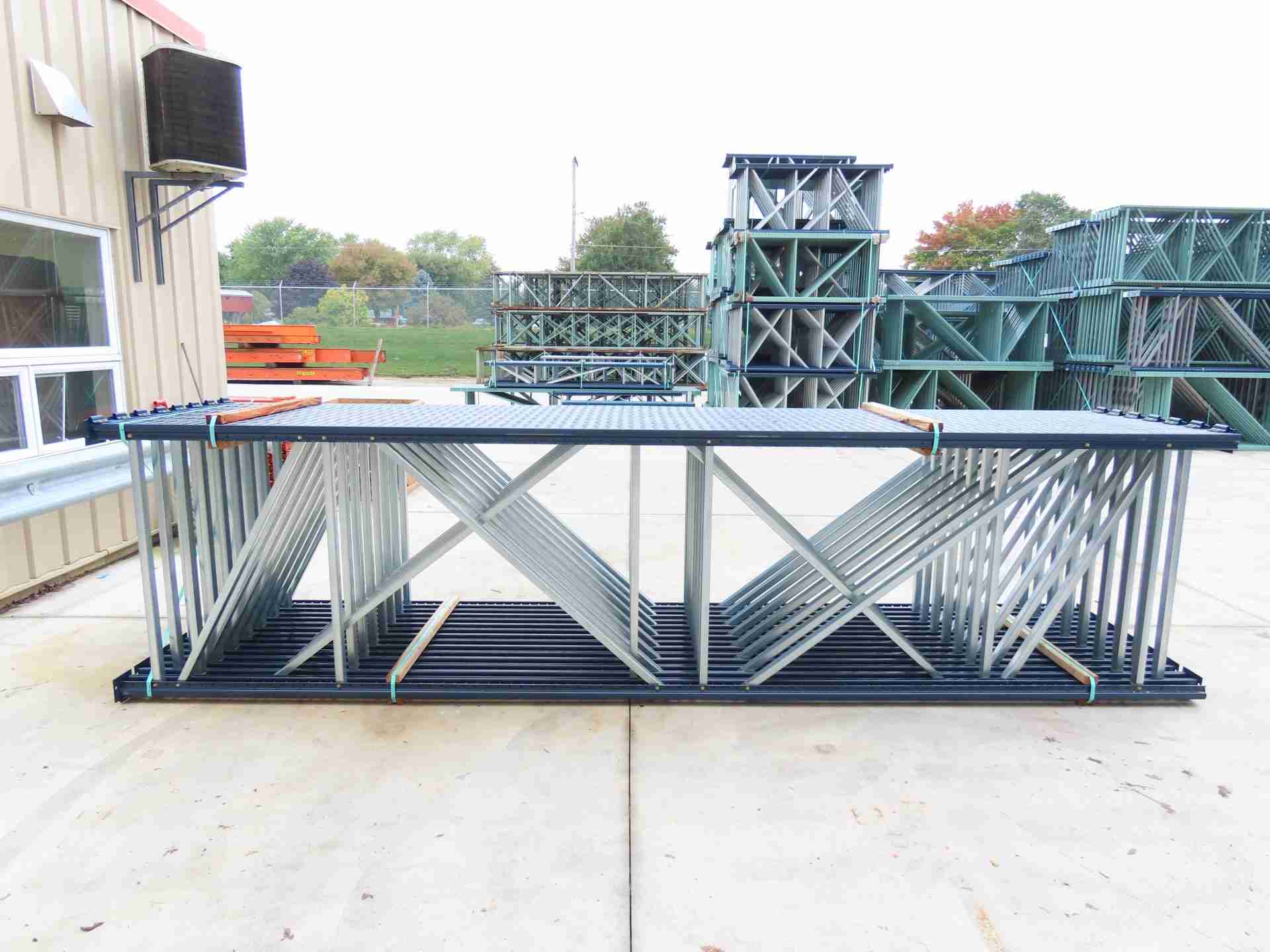
In the fast-paced world of warehousing and logistics, finding the right equipment at the right price can make all the difference. If you’re looking to optimize your warehouse space without breaking the bank, sourcing used pallet racking is an intelligent move. But where can you find reliable options? Let’s dive into your best avenues.
Local Classifieds and Online Marketplaces
Start with the classics: local classified ads and online marketplaces. Websites like Craigslist and Facebook Marketplace often feature sellers offloading excess racking systems. The benefit? You can negotiate directly with the seller, ensuring you get a fair price. Moreover, you can inspect the racking in person, verifying its condition before purchase. Just last month, a reputable logistics firm in Ohio snagged a haul of sturdy racking for less than half the price of new units through this method.
Surplus Equipment Auctions
Another great source is surplus equipment auctions. These events allow businesses to liquidate surplus inventory, often at significantly reduced prices. Keeping an eye on auction websites like GovDeals or AuctionZip can yield gems. Recent auctions have seen entire lots of pallet racking sold below market value due to overstock and warehouse closures. Attending local live auctions can be particularly thrilling: you might walk away with the deal of a lifetime while networking with other warehouse managers.
Specialized Resellers and Liquidators
Don’t overlook specialized resellers and liquidation companies. Businesses like UsedRack.com and Rack Systems have extensive inventories of second-hand racking. They often provide warranties and guarantees, offering peace of mind that your investment is solid. This is particularly relevant in today’s economy, where new equipment prices can soar. By opting for quality used materials, companies can redirect their budget to other critical areas, such as hiring or technology.
Social Media Groups and Forums
Lastly, tap into social media platforms and industry forums. Groups on LinkedIn or specialized sites like Reddit’s r/logistics can connect you with individuals looking to sell or trade used warehouse equipment. Engaging in these communities not only helps you find racking but also offers insights into best practices, helping you optimize your operation.
There are myriad avenues to explore when hunting for used pallet racking. By leveraging local classifieds, auctions, specialized resellers, and online communities, you can equip your warehouse affordably and efficiently. In today’s economy, finding these deals is not just a smart choice; it’s a strategic necessity. So start searching, and transform your warehouse into a well-oiled machine without the hefty price tag.
Where Can I Find Used Pallet Racking For Warehouses?
Where Can I Find Used Pallet Racking For Warehouses?
- In warehousing and logistics, sourcing used pallet racking helps optimize space affordably.
- Local classifieds and online marketplaces like Craigslist and Facebook Marketplace offer direct negotiation with sellers.
- Surplus equipment auctions allow businesses to sell excess inventory at reduced prices; sites like GovDeals and AuctionZip are valuable resources.
- Specialized resellers and liquidation companies, such as UsedRack.com and Rack Systems, provide warranties and extensive inventories of used racking.
- Social media groups and forums (e.g., LinkedIn and Reddit’s r/logistics) can connect you with sellers and offer industry insights.
- Exploring various avenues for used pallet racking can lead to significant savings and operational efficiency.
- Finding affordable deals on equipment is a strategic necessity in today’s economy.
Where Can I Find Used Pallet Racking For Warehouses?
How Do I Hire A Company To Install Used Pallet Racking?
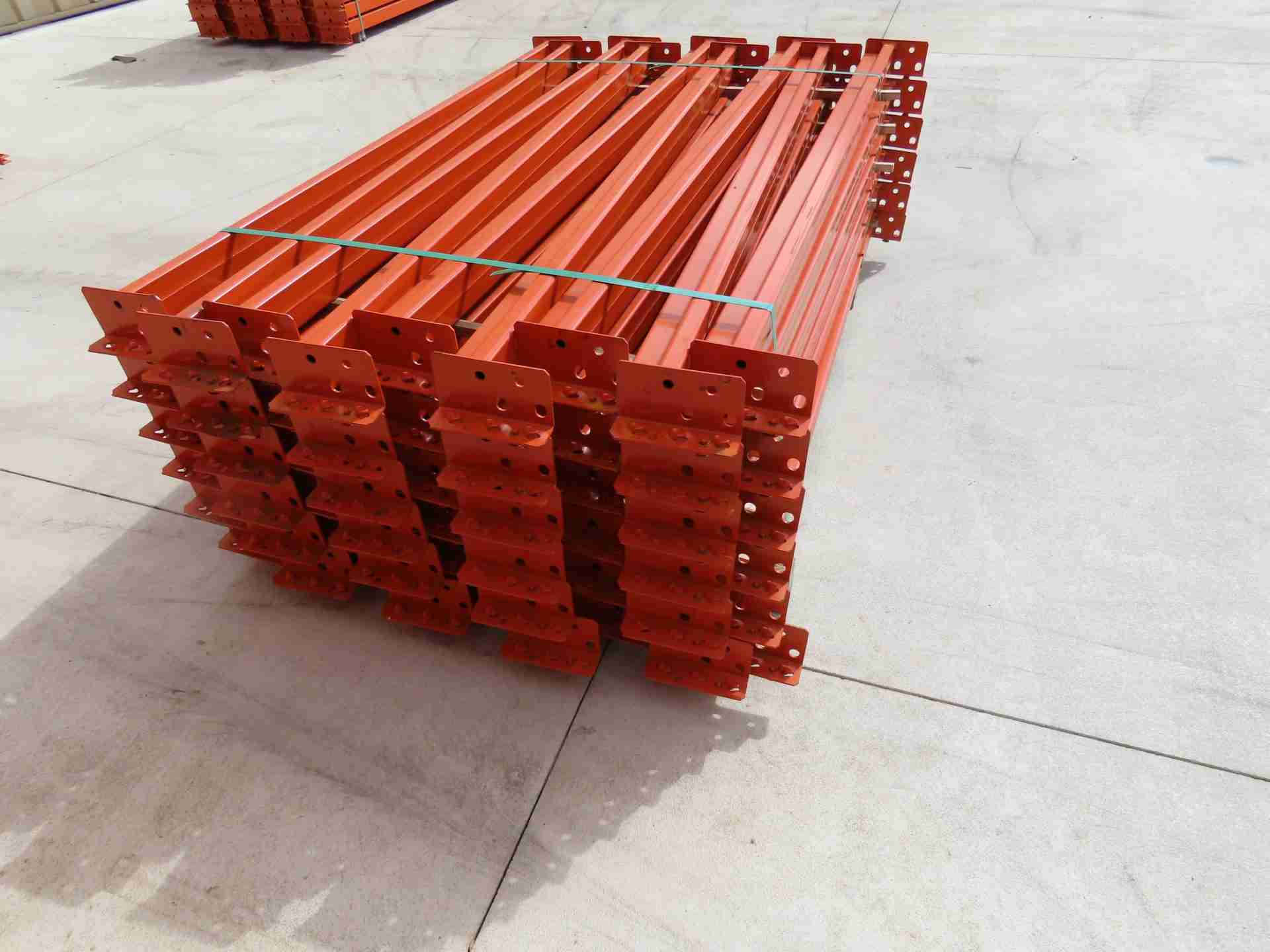
When it comes to optimizing your warehouse space, installing used pallet racking can be a game-changer. However, the process of hiring the right company to handle the installation can seem daunting. Fear not! Here’s a straightforward guide to help you find the perfect fit for your needs.
1. Define Your Needs Clearly
Before you even start searching for an installer, take a moment to outline your specific requirements. What type of pallet racking are you considering? How much space do you need to maximize? Understanding your own needs allows you to communicate effectively with potential installation companies. For instance, if you’re a small business competing with giants in e-commerce, such as Amazon, your need for efficient storage can’t be overstated. Different racking systems serve varied purposes, from selective racking to drive-in systems. Knowing what suits your operation is paramount.
2. Research Potential Installers
In today’s digital age, a quick online search can yield numerous companies that specialize in pallet racking installation. However, don’t just go with the first option that shows up. Dig deeper! Check online reviews, ask for references, and evaluate their past projects. For instance, if a company recently installed a racking system for a local distribution center, reach out to them for feedback. Ask questions like, “How did the installation affect your operational efficiency?” The experiences of others can be invaluable as you make your selection.
3. Evaluate Experience and Expertise
Experience matters. You wouldn’t hire a novice to perform surgery, and the same principle applies here. Look for installers that have a solid track record and can demonstrate their expertise in working with used pallet racking. Companies that are widely recognized for their work in warehouse optimization, such as those featured in logistical shift reports prompted by recent supply chain disruptions, can often provide better solutions and insights.
4. Obtain Detailed Quotations
Once you’ve narrowed down your choices, request detailed quotes from each company. This should include labor costs, materials, and a clear breakdown of the services they will provide. Compare these quotations not just by price, but by the value they offer. What assurances do they provide regarding safety? What warranties or post-installation support do they offer? Investing a little more upfront for a reputable company might save you significant headaches down the road.
5. Make Your Decision and Lock It In
After evaluating installers based on experience, value, and reliability, it’s time to make your decision. Once you settle on a company, ensure everything is documented clearly in a contract. This protects both parties and sets clear expectations.
By following these steps with precision and clarity, you’ll not only find a competent company to install your used pallet racking but also pave the way for a streamlined, efficient storage solution that propels your business forward. The right choice today can yield great returns tomorrow!
How Do I Hire A Company To Install Used Pallet Racking?
How Do I Hire A Company To Install Used Pallet Racking?
- Define Your Needs Clearly: Outline specific requirements such as type and amount of pallet racking before searching for installers.
- Research Potential Installers: Look for online reviews, ask for references, and evaluate past projects before selecting a company.
- Evaluate Experience and Expertise: Choose installers with a strong track record and expertise in used pallet racking and warehouse optimization.
- Obtain Detailed Quotations: Request detailed quotes that include labor, materials, and service breakdown to compare value, not just price.
- Make Your Decision and Lock It In: Choose a company, ensuring that all terms are clearly documented in a contract for protection and clarity.
- Consider Long-term Benefits: Investing in a reputable company may lead to significant long-term advantages and efficiency gains.
- Stay Proactive: Following these steps will help ensure a successful installation and effective warehouse storage solutions.
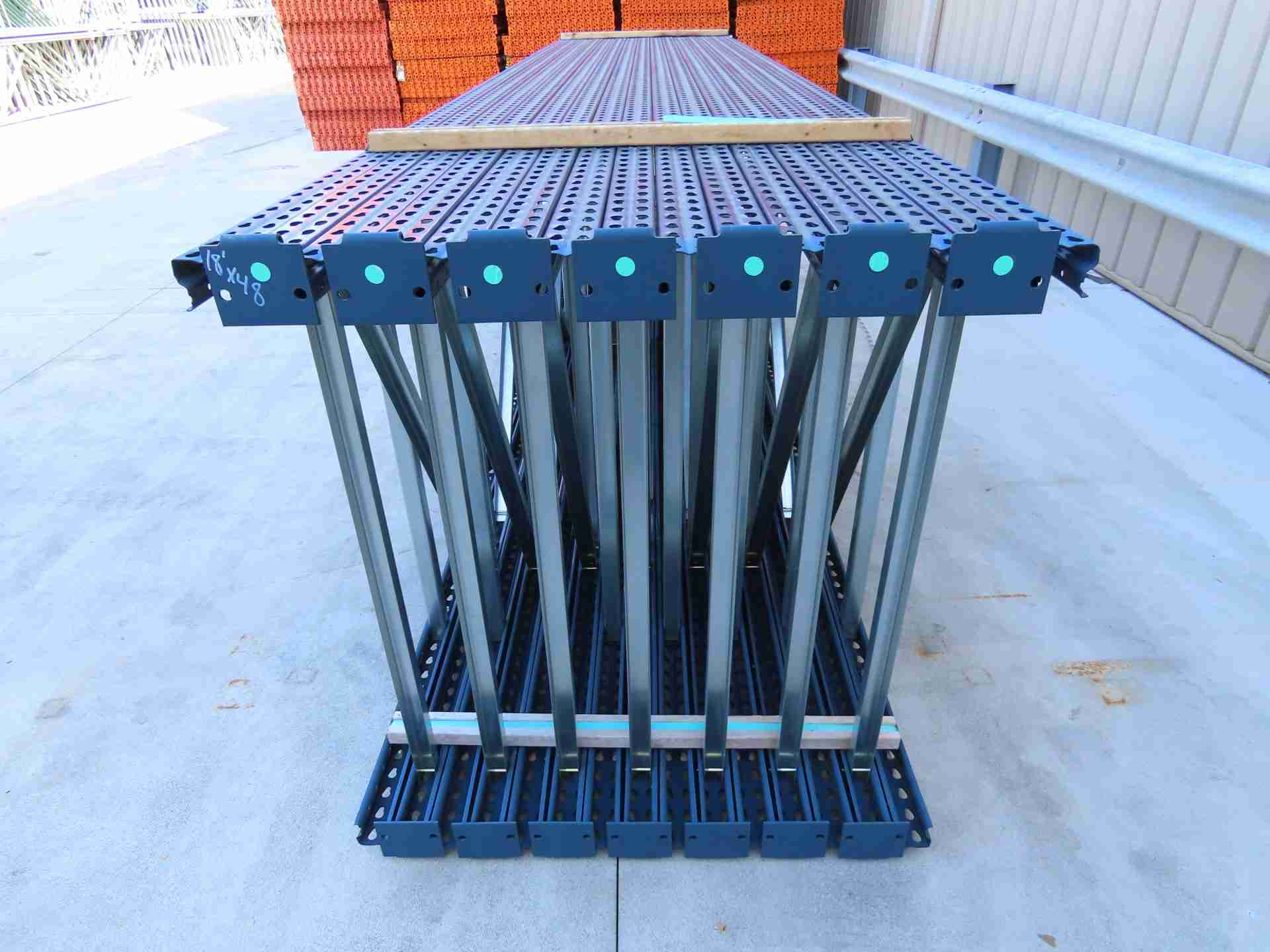
How Do I Hire A Company To Install Used Pallet Racking?
What Is The Average Cost Of Used Pallet Racking?
When it comes to optimizing your warehouse space, few investments yield as significant a return as used pallet racking. Investing in these storage solutions can dramatically enhance efficiency, but how much should you expect to spend? Let’s break down the average cost of used pallet racking and why it’s a smart choice in today’s economy.
The market for used pallet racking varies widely, driven by factors such as condition, brand, and location. On average, you can expect to pay between $100 to $500 per upright, depending on the specifications and overall quality. Be prepared to devote additional funds for beams and accessories, often ranging from $30 to $150 each. For instance, if you’re setting up a mid-sized warehouse requiring six pallet racks (each with 4 uprights and 8 beams), you might be looking at an upfront cost of approximately $5,000 to $10,000—not pocket change, but a savvy investment considering the boost in organization and space efficiency.
In light of ongoing disruptions in global supply chains, the push for better operational efficiency has never been more pertinent. Many businesses are looking to cut costs, but skimping on infrastructure isn’t the answer. A well-organized warehouse can significantly reduce labor costs and increase turnover, making that initial investment in used pallet racking worthwhile. Plus, with economic uncertainties, opting for used equipment rather than brand new can help you stay ahead of the competition, using resources wisely while adhering to tightening budgets.
Let’s look at a real-world example. A regional provider of e-commerce goods discovered they were losing thousands of dollars a month due to inefficient storage. After investing roughly $8,000 in used pallet racking, they organized their inventory better and reduced retrieval time by 30%. This translated into quicker order fulfillment and boosted their bottom line.
Don’t forget the power of negotiation. With many vendors eager to clear out their inventory, there’s often room for lower prices—especially if you’re purchasing in bulk. Always compare options and keep your eye on local classifieds or online marketplaces for even better deals.
While the average cost of used pallet racking varies, the potential for increased productivity, reduced labor costs, and ultimately, greater profitability make this investment a no-brainer in today’s rapidly evolving marketplace. Seize the opportunity to elevate your operations without breaking the bank.
What Is The Average Cost Of Used Pallet Racking?
- Used pallet racking is a cost-effective investment for optimizing warehouse space.
- Average cost ranges from $100 to $500 per upright; additional costs for beams/accessories range from $30 to $150 each.
- A typical setup for a mid-sized warehouse could cost around $5,000 to $10,000.
- Improved organization and efficiency in warehouses can lead to reduced labor costs and increased turnover.
- Investing in used equipment helps businesses manage budgets effectively amid economic uncertainties.
- A real-world case study showed an e-commerce provider saved time and money after investing $8,000 in used pallet racking.
- Negotiating with vendors and exploring local classifieds can lead to better deals on used pallet racking.
Are There Risks Involved In Buying Used Pallet Racking?
When it comes to saving money on warehouse infrastructure, buying used pallet racking can seem like a savvy business move. But, don’t let the allure of cost savings blind you to the potential dangers lurking in those dusty aisles of second-hand inventory.
First and foremost, consider the structural integrity of the racking systems. Used pallet racks may have experienced wear and tear that isn’t immediately visible. A 2021 study by the National Institute of Standards and Technology found that even minor damage can significantly compromise load-bearing capacity. Imagine a scenario where a seemingly harmless ding on a beam leads to a collapse during peak operation, jeopardizing not just your inventory but the safety of your employees. It’s a nightmare—one that can ruin your business’s reputation overnight.
Moreover, there’s a proliferation of counterfeit and substandard racking systems flooding the market. With rising supply chain costs influenced by the pandemic, many unscrupulous sellers are cutting corners to churn out cheaper materials. As businesses scramble to cut costs, they may unknowingly invest in rack systems that don’t meet safety standards. Always ask for certifications and documentation. Systems that meet the American National Standards Institute (ANSI) and the Occupational Safety and Health Administration (OSHA) requirements are essential. Don’t take shortcuts with compliance; it could cost you far more than a few dollars saved.
Another aspect to consider is the challenge of compatibility. Just because a rack looks appealing doesn’t mean it will seamlessly fit into your existing layout. Refitting or adapting used pallet racking can lead to unexpected costs. For example, a distribution center might find themselves needing to reconfigure their space entirely upon discovering that their new racking doesn’t jive with their current forklifting systems, incurring substantial labor costs and downtime.
Then there’s the unknown history. You won’t always have detailed information about how a used rack was treated in its previous life. Was it exposed to extreme temperatures or harsh chemicals? Did it carry loads beyond recommended capacities? This lack of transparency can be a ticking time bomb.
In today’s business climate, as companies aim to innovate and adapt post-pandemic, choosing a quality racking system shouldn’t be another risk to bear. By stepping into the used market without a plan or solid vetting processes, you could be jeopardizing your agility and growth potential. Take the time to analyze, inspect, and possibly invest a little more upfront to ensure a safer, more secure, and ultimately successful warehouse operation. Remember, in this high-stakes game of logistics, saving a penny today could cost you a dollar tomorrow.
Are There Risks Involved In Buying Used Pallet Racking?
- Buying used pallet racking can appear cost-effective but carries potential risks.
- Structural integrity of used racks may be compromised due to hidden wear and tear.
- Counterfeit and substandard racking systems are widespread, especially with rising costs.
- Always verify safety certifications meeting ANSI and OSHA requirements.
- Compatibility with existing warehouse layouts can lead to unexpected adaptation costs.
- The unknown history of used racks can pose safety risks, including previous overloading.
- Investing in quality racking systems is crucial for maintaining agility and growth in business.
How Do I Transport Used Pallet Racking After Purchase?
Purchasing used pallet racking can be a savvy way to maximize warehouse efficiency without breaking the bank, but the process doesn’t end with the purchase. The logistics of transporting your newly acquired racking system are crucial for a successful installation. Below are proven strategies to ensure your pallet racking arrives safe and sound, allowing you to hit the ground running.
1. Assess Your Transportation Needs
Before you even think about logistics, it’s essential to determine the size and quantity of the racking system you’ve purchased. Used pallet racking comes in various configurations and sizes—think even larger structures like drive-in racks or selective racking that can weigh tons. Knowing the dimensions and weight will directly inform your transportation options. If you’re only moving a few shelves, a standard truck may suffice, but larger setups may require specialized transportation services.
Example: Recently, a regional distributor upgraded its warehouse, acquiring a substantial lot of used racking. By accurately measuring all components before the move, they were able to schedule a flatbed truck equipped with a forklift, ensuring a seamless transition.
2. Hire Professionals and Equipment
While DIY is tempting, hiring professionals to handle transportation is often the best investment. Companies with experience in transporting warehouse equipment understand the nuances of safely loading and unloading heavy racking. Their expertise can save you from costly damages or safety risks, which could spiral into larger operational headaches that affect your bottom line.
3. Follow Local Guidelines
Another critical element is understanding local regulations regarding transportation. Depending on where you are, there may be restrictions on oversized loads, road use permits, or special signage required for the transport. Familiarize yourself with these rules to avoid unnecessary delays.
Current Events: Recent news highlights how supply chain issues have prompted discussion about new regulations in transport logistics. Keeping abreast of these developments means your transport plan is not only effective but compliant, saving your business unnecessary fines or interruptions.
4. Prepare Your Site for Arrival
Don’t wait until your pallet racking is at your door to prepare your warehouse. A clear, organized site will facilitate a smooth unloading process. Create a dedicated space for the racking, and ensure any necessary tools or equipment—like lift trucks or pallet jacks—are on standby for immediate use.
Transporting used pallet racking is an essential step that requires careful planning, professional assistance, and compliance with local regulations. By prioritizing this phase of your project, you’ll ensure that your investment serves its purpose effectively, letting you maximize your operational efficiency and profitability right from day one. The goal is simple: make your racking work for you, not against you!
How Do I Transport Used Pallet Racking After Purchase?
- Purchasing used pallet racking can enhance warehouse efficiency cost-effectively.
- Assess transportation needs based on the size and weight of the racking system purchased.
- Hiring professionals for transportation is advisable to avoid damages and safety risks.
- Understand local regulations regarding transportation to prevent delays and fines.
- Prepare the warehouse site before the arrival of pallet racking for a smooth unloading process.
- Effective transportation planning is crucial for maximizing operational efficiency.
- The ultimate goal is to ensure the racking system works for you, enhancing productivity and profitability.
What Sizes Of Used Pallet Racking Are Commonly Available?
When it comes to optimizing your warehouse space, understanding the sizes of used pallet racking on the market can be a game-changer. Whether you operate a small retail space or a sprawling distribution center, selecting the right pallet rack size not only increases storage efficiency but can also significantly drive down costs. With the current supply chain dynamics fluctuating and warehouses aiming for efficiency amidst rising logistics challenges, now is the perfect time to invest in used pallet racking.
Standard Heights and Depths
In the world of pallet racking, sizes can vary widely, but there are standard dimensions that dominate the landscape. Commonly, you’ll find pallet racks ranging in height from 8 to 12 feet, although some options reach up to 30 feet for warehouses that require maximum vertical utilization. The depth typically falls between 36 to 48 inches, presenting enough space to secure both standard and oversized pallets.
Versatile Width Options
For width, the most prevalent sizes are 96 inches, 120 inches, and even larger configurations depending on the manufacturer. This adaptability allows businesses to customize their racking systems according to the specific dimensions of their pallets and products. For example, if you’re storing bulk materials like oversized electronics or heavy goods, opting for a wider rack can significantly streamline the retrieval process.
Specialized Configurations
In addition to standard sizes, many suppliers offer specialized racking solutions, such as drive-in, selectivity, and cantilever options, each designed to cater to specific storage needs. Drive-in racks are particularly appealing for high-density storage, permitting forklifts to enter directly into the racking, maximizing space use. This is especially vital with the growth in e-commerce and increased demand for warehouse space due to the shipping boom fueled by recent global events.
Current Market Trends
With the rise of sustainability practices across industries, many businesses are now turning to used pallet racks to reduce their carbon footprint. They’re not only cost-effective but also contribute to the sustainability narrative that resonates well with today’s eco-conscious consumers. According to recent industry reports, the resale market for used pallet racking is projected to grow as more companies seek green alternatives while staying within budget amidst rising inflation averages.
Understanding the available sizes and options for used pallet racking is crucial for maximizing your warehouse space. It’s not just about investing in a physical structure; it’s about making a strategic choice that optimizes your operations, reduces costs, and aligns with modern sustainability goals. Don’t miss out on this opportunity—explore the used pallet racking market today!
What Sizes Of Used Pallet Racking Are Commonly Available?
- Understanding the sizes of used pallet racking is essential for optimizing warehouse space.
- Choosing the right pallet rack size enhances storage efficiency and helps reduce costs.
- Standard pallet rack heights range from 8 to 12 feet, with some reaching up to 30 feet.
- Pallet rack depths typically fall between 36 to 48 inches, accommodating various pallet sizes.
- Common widths include 96 inches and 120 inches, allowing customization for specific storage needs.
- Specialized configurations like drive-in and cantilever racks cater to unique storage requirements.
- The resale market for used pallet racking is growing, driven by sustainability practices and budget considerations.
How Can I Find Reviews On Used Pallet Racking Sellers?
When it comes to sourcing used pallet racking, it’s essential to zero in on sellers with a stellar reputation. In the competitive landscape of warehouse solutions, understanding who you’re dealing with is not just smart; it’s vital for protecting your investment. Here’s how you can find comprehensive reviews on used pallet racking sellers effectively.
1. Harness the Power of Online Platforms
In the digital age, the Internet is your best friend. Websites like Yelp, Google Reviews, and Trustpilot are invaluable resources. A search for used pallet racking sellers will yield reviews from past clients that can provide invaluable insights into reliability and customer service. For instance, a supplier with a 4.9-star rating and glowing reviews about prompt delivery and high-quality racks is someone you want to consider.
2. Tap into Social Media Groups and Forums
Join industry-specific groups on LinkedIn, Facebook, or Reddit. These communities can be treasure troves of firsthand information. Ask about experiences with particular sellers, and you’re likely to get responses that reveal both positive and negative aspects. For example, a post in a warehouse management group might reveal current trends about suppliers facing shortages or dealing with quality control issues—all relevant factors in making your decision.
3. Demand Transparency with Case Studies
Don’t hesitate to ask potential sellers for case studies or references. A reputable seller should be eager to share examples of their past work and testimonials from satisfied clients. For instance, a prominent seller may showcase successful installations from recent clients, detailing how their racking systems improved warehouse operations during the ongoing supply chain disruptions.
4. Use Industry Publications and Blogs
Look into industry publications that regularly review equipment suppliers. Magazines like “Modern Materials Handling” often profile vendors and discuss the merits of different racking systems, including used options. Following these insights can provide you with a broad picture of which suppliers stand out, especially in light of recent market fluctuations due to the global economy.
5. Verify Through the Better Business Bureau (BBB)
Finally, don’t rely solely on star ratings. Go to the Better Business Bureau’s website to check for complaints or unresolved issues with the seller. A clean track record with no grievances is a positive sign, whereas multiple unresolved complaints should raise red flags.
By employing these strategies, you can sift through the noise and identify used pallet racking sellers who not only meet your specific storage needs but also deliver on their promises. Remember, knowledge is power—so take the time to research and choose wisely, ensuring your warehouse operations run smoothly.
How Can I Find Reviews On Used Pallet Racking Sellers?
- Focus on reputable sellers when sourcing used pallet racking to protect your investment.
- Utilize online platforms like Yelp, Google Reviews, and Trustpilot for client insights on seller reliability.
- Engage in industry-specific social media groups and forums to gather firsthand experiences from other users.
- Request case studies or references from potential sellers to gauge their credibility and past performance.
- Consult industry publications and blogs for reviews of equipment suppliers and racking systems.
- Verify seller integrity through the Better Business Bureau (BBB) for any unresolved complaints.
- Thorough research ensures you select sellers who meet your needs and maintain operational efficiency.
Conclusion
In an era where efficiency and cost savings drive the success of businesses, finding quality used pallet racking has never been more vital. Navigating the complex landscape of warehouse equipment can often feel like a daunting task. However, with the right strategies in mind, you can effortlessly uncover high-quality, cost-effective racking solutions that will elevate your operational efficiency without straining your budget.
By leveraging online marketplaces, local suppliers, liquidation sales, and industry events, you can tap into a treasure trove of used pallet racking options that cater to your specific needs. Each of these avenues brings unique benefits, from negotiating directly with sellers to discovering remarkable deals at auctions. Given today’s economic fluctuations, there’s an increased availability of used equipment. This is your golden opportunity to modernize your storage solutions while maintaining budget control without sacrificing quality.
But while pursuing these cost-saving ventures, remember to weigh vital factors like racking condition, vendor reputation, load capacity, and compliance with safety standards. Prioritizing quality will not only safeguard your workforce but also ensure long-term value for your investment.
The time for action is now! With so many channels at your disposal, there’s no reason to sit on the sidelines. Whether you have specific requirements or need guidance, let the experts at Arrow Industrial Sales assist you in navigating your options. Our team is ready to provide insights, answer pertinent questions, and guide you towards managing costs effectively through well-sourced used pallet racking. You don’t want to miss out on competitive prices and quality equipment now flooding the market.
Don’t wait for the perfect moment—seize this opportunity to enhance your warehouse effectiveness today! Contact Arrow Industrial Sales at (574) 349-6575 for immediate assistance and to take the next step towards a more efficient and cost-effective storage solution! Time is of the essence, and your operational success depends on the bold decisions you make today. Let’s gear up and get your warehouse moving in the right direction!
Conclusion:
- The importance of finding quality used pallet racking for business efficiency and cost savings is emphasized.
- Strategies for finding cost-effective racking solutions include leveraging online marketplaces, local suppliers, liquidation sales, and industry events.
- There is increased availability of used equipment due to economic fluctuations, providing a prime opportunity for modernization.
- Consider vital factors such as racking condition, vendor reputation, load capacity, and compliance with safety standards when making a purchase.
- Quality racking not only protects your workforce but also ensures long-term value for your investment.
- Arrow Industrial Sales offers expertise and assistance in navigating cost-effective warehouse solutions.
- Immediate action is encouraged to capitalize on competitive prices and enhance warehouse effectiveness.
Other Resources
Here is a list of other resources you can review online to learn more:
- Used Pallet Racks | Deep Discounts on Quality Used Pallet Racking – UPR
- Warehouse Pallet Racking for sale | eBay
- Used Pallet Racking – AK Material Handling Systems
- Used Pallet Racking | Warehouse Pallet Rack for Sale – East Coast Storage Equipment
- Used Industrial Pallet Racking & Warehouse Rack Systems – SJF
I hope you find these articles useful!
Glossary Terms
Where to Find Pallet Racking for Sale Used – Glossary Of Terms
1. Pallet Racking: A storage system designed to hold pallets of goods efficiently in warehouses.
2. Used Equipment: Previously owned items that are sold at a lower price than new counterparts.
3. Warehouse: A large building where goods are stored, often for shipping and distribution.
4. Material Handling: The process of moving, protecting, and storing materials throughout the manufacturing and warehousing process.
5. Storage Solutions: Various systems and products designed to maximize storage space and organization.
6. Buyer’s Guide: A resource or manual that provides information on purchasing used equipment, including pallet racking.
7. Craigslist: An online classifieds platform where individuals can buy and sell a wide range of items, including used pallet racking.
8. eBay: An online auction and shopping website where sellers list used and new pallet racking for potential buyers.
9. Industrial Auctions: Events where used industrial equipment, like pallet racking, is sold to the highest bidder.
10. Local Classifieds: Printed or online advertisements in local newspapers or websites that feature items for sale in the area.
11. Facebook Marketplace: A platform integrated with Facebook where users can buy and sell items locally, including warehouse equipment.
12. Forklift Dealers: Companies that often sell used storage solutions like pallet racking alongside forklifts and other warehouse equipment.
13. Warehouse Liquidation: The process of selling off remaining stock and equipment from a warehouse that is closing or downsizing.
14. Refurbished Equipment: Previously owned items that have been repaired and upgraded to a like-new condition for resale.
15. Storage Rack Manufacturer: Companies that produce pallet racking systems and might have used inventory available for sale.
16. Commercial Equipment Dealers: Businesses specializing in selling used commercial and industrial equipment, often including pallet racking.
17. Online Marketplaces: Websites where individuals and businesses can buy and sell goods, including second-hand pallet racking.
18. Networking: Building relationships with industry contacts who may sell or know where to find used pallet racking.
19. Inventory Clearance: Special sales events where businesses sell off excess inventory, including pallet racking.
20. Material Handling Traders: Entities that deal specifically in buying and selling used material handling equipment.
21. Sales Tax: A tax imposed on sales of goods and services, which may apply to the purchase of used pallet racking.
22. Condition Report: A document detailing the state of used equipment, including any wear and tear, prior to purchase.
23. Forklift-Compatible: Describing pallet racking that is designed to work with forklifts for easy access and loading.
24. Pallet Size: Refers to the dimensions of pallets, which can impact the type of racking system suitable for storage.
25. Selectivity: A term that addresses the ease of accessing stored product in a racking system; used racking may vary in selectivity.
26. Racking Configuration: The arrangement of pallet racks within a warehouse, which may include selective, drive-in, or push-back systems.
27. Dismantling Services: Companies that provide services to take down and remove used pallet racking from a site for resale.
28. Logistics: The planning and execution of the movement and storage of goods, which can include managing pallet racking systems.
29. Cost-Effective Solutions: Strategies or products that maximize value and minimize costs, especially relevant when purchasing used equipment.
30. Safety Standards: Regulations that provide guidelines to ensure the safe use of pallet racking systems in storage environments.
Other Questions
Where to Find Pallet Racking for Sale Used – Other Questions
If you wish to explore and discover more, consider looking for answers to these questions:
- What should I look for in a reputable used pallet racking seller?
- How can I determine the right size of pallet racking for my warehouse?
- What are the most common types of used pallet racking available?
- What kind of warranty or guarantee should I expect when buying used racking?
- Are there specific brands of pallet racking that are more reliable than others?
- What are the signs of a good quality used pallet racking system?
- How can I effectively measure the space available in my warehouse for racking?
- What type of maintenance do used pallet racks require after purchase?
- Are there financing options available for purchasing used pallet racking?
- What is involved in the installation process for used pallet racking?
- How frequently should I inspect my pallet racking systems for safety?
- Can I repurpose used pallet racking from different warehouse setups?
- What do I do if my used pallet racking does not meet safety standards?
- What common mistakes should I avoid when purchasing used pallet racking?
- How can I ensure the used racking fits my existing warehouse workflows?
Checklist
Where to Find Pallet Racking for Sale Used – A Checklist
Checklist for Purchasing Used Pallet Racking
Finding the Right Deal
_____ Explore Online Marketplaces such as eBay, Craigslist, and Facebook Marketplace.
_____ Check for Auctions and Liquidation Sales at sites like BidSpotter and AuctionZip.
_____ Visit local Warehouse Supply Companies for refurbished options.
_____ Attend Industry Events and Trade Shows for networking opportunities and equipment sales.
Local Sourcing Strategies
_____ Connect with local Warehouse Supply Companies for a rotating stock of used racking.
_____ Look for Industrial Auctions for discounted inventory from businesses downsizing or closing.
_____ Utilize Social Media Marketplaces and Forums to find direct sellers.
_____ Network with other local businesses to uncover potential surplus racking.
Factors to Evaluate When Buying
_____ Evaluate the Quality and Condition of the racking.
_____ Measure your warehouse space for appropriate Size and Configuration.
_____ Understand the Load Capacity of the racking system you intend to buy.
_____ Research the Vendor Reputation thoroughly before purchasing.
_____ Consider Cost vs. Value—ensure quality isn’t compromised for lower prices.
_____ Determine who will handle Installation and Assembly to avoid improper setup.
Assessing Condition
_____ Conduct a Visual Inspection for rust, corrosion, or structural damage.
_____ Check that all Connections and Security fasteners are intact.
_____ Verify Weight Ratings for your intended use.
_____ Review the Durability of materials, preferring steel over wood.
_____ Consider hiring a Professional Evaluation for airtight assessment.
Online Platforms for Purchase
_____ Search on Amazon, eBay, and Craigslist for local listings.
_____ Explore specialized sites like UsedRacking. com or Rack Alley.
_____ Check industry-specific forums and auction platforms.
Benefits of Purchasing Used Racking
_____ Achieve Cost Savings of 60% or more compared to new options.
_____ Contribute to Sustainability by reducing waste.
_____ Benefit from Quick Availability and Installation of used systems.
_____ Find adaptable Flexible Configuration options for growing inventory.
Negotiation Strategies
_____ Research market rates to strengthen your negotiating position.
_____ Understand the seller’s motivation for selling the racking.
_____ Build a rapport with sellers to foster negotiation opportunities.
_____ Leverage Timeliness to negotiate better according to market trends.
_____ Be willing to walk away to push for a better price.
Safety Standards
_____ Confirm compliance with ANSI/RMI standards.
_____ Ensure adherence to OSHA regulations regarding safety.
_____ Consider ISO standards for international compliance legitimacy.
Refurbishment Possibilities
_____ Assess if refurbishment is feasible before purchase.
_____ Evaluate the structural integrity post-purchase for safety.
_____ Ensure refurbishing complies with safety standards.
By following this comprehensive checklist, you can simplify the process of procuring used pallet racking while ensuring quality, value, and safety in your warehouse operations.
At RackingWorld, we help guide you through selecting warehouse storage systems and racking.
Be sure to read our other related stories at RackingWorld to learn more about warehouse storage systems.
0 Comments