
Revolutionize Your Inventory Management With Cantilever Racking
By Tom Seest
At RackingWorld, we help guide you through selecting warehouse storage systems and racking.
Be sure to read our other related stories at RackingWorld to learn more about warehouse storage systems.
Can Cantilever Racking Improve Your Inventory Management?
In today’s fast-paced business landscape, efficient inventory management is not just an advantage; it’s a necessity. Companies must find ways to optimize storage solutions to reduce costs and maximize space. Enter cantilever racking—a game-changing storage solution that enhances inventory management like never before.
Cantilever racking is designed specifically for storing long or awkwardly shaped items such as pipes, lumber, and sheets of metal. Traditional shelving can limit your options and ultimately hinder your business’s efficiency. Just imagine a construction supply company that’s drowning in clutter: disorganized materials scattered across a warehouse floor, employees wasting valuable time searching for items. By implementing cantilever racking, this company could transform its chaotic inventory into an organized powerhouse, significantly improving operational speed and workflow.
Consider a real-world scenario: A furniture manufacturer needs to store large, bulky items like tabletops and furniture frames. With cantilever racks, they can take advantage of the vertical space in their warehouse, keeping their products accessible and organized while maximizing their footprint. This capability directly translates to faster order fulfillment, as employees can locate materials quickly and efficiently, resulting in improved customer satisfaction—an essential goal in a competitive market.
Moreover, cantilever racking can adapt to changing inventory levels. As companies pivot in response to current events—think of the shift in consumer demand during the pandemic—flexibility becomes paramount. Cantilever racking systems can be reconfigured or expanded to meet the ever-evolving needs of businesses, allowing for seamless transitions during peak seasons or unexpected supply chain adjustments. For instance, a construction company facing a surge in demand for building materials can easily reallocate their racking space to accommodate new products, ensuring they’re well-prepared to capitalize on market opportunities.
Even the tech industry has begun to realize the importance of smart storage solutions. With the rise of e-commerce, warehouses must juggle an influx of merchandise with diverse dimensions. Cantilever racking provides a unique advantage: it minimizes the risk of damage to goods while simplifying inventory rotation—an essential factor for any business looking to maintain a competitive edge.
Ultimately, investing in cantilever racking is an investment in your future. It allows businesses to streamline operations, correlate stock levels with demand fluctuations, and maintain an organized workspace. As you reevaluate your inventory management strategies, consider how cantilever racking can revolutionize your approach—putting you ahead of the competition while maximizing both your efficiency and profitability.

Can Cantilever Racking Improve Your Inventory Management?
Can Cantilever Racking Improve Your Inventory Management?
- Efficient inventory management is essential for businesses to optimize storage solutions and reduce costs.
- Cantilever racking is a specialized storage system designed for long or awkwardly shaped items, improving organization.
- It enhances operational speed by reducing clutter and allowing employees to locate materials quickly.
- Cantilever racking maximizes vertical space, translating to faster order fulfillment and improved customer satisfaction.
- These systems are adaptable, allowing businesses to reconfigure or expand in response to changing inventory levels.
- Cantilever racking minimizes damage risks and simplifies inventory rotation, particularly beneficial for e-commerce businesses.
- Investing in cantilever racking can streamline operations, correlate stock with demand, and improve efficiency and profitability.

Can Cantilever Racking Improve Your Inventory Management?
Table Of Contents
- Can Cantilever Racking Improve Your Inventory Management?
- Can Cantilever Racking Enhance Storage Efficiency?
- What Are The Benefits Of Cantilever Racking?
- How Does Cantilever Racking Optimize Space Usage?
- Can It Reduce Inventory Damage Risks?
- Is Cantilever Racking Suitable For Various Materials?
- What Types Of Businesses Can Benefit From It?
- How Does It Compare To Traditional Shelving?
- What Is The Installation Process Like?
- Are There Maintenance Requirements For Cantilever Racking?
- How Can It Improve Picking Accuracy?
- Can It Support Heavy Or Oversized Items?
- What Costs Should You Expect For Installation?
- How Does It Affect Workflow In A Warehouse?
- What Safety Features Are Included?
- Can It Adapt To Changing Inventory Needs?
- Conclusion
- Other Resources
- Glossary Of Terms
- Other Questions
- Checklist
Can Cantilever Racking Enhance Storage Efficiency?
In today’s fast-paced world, where efficiency equates to profitability, exploring innovative storage solutions can be the key to unlocking your business’s potential. Let’s dive into why cantilever racking might just be the game-changer your operation needs.
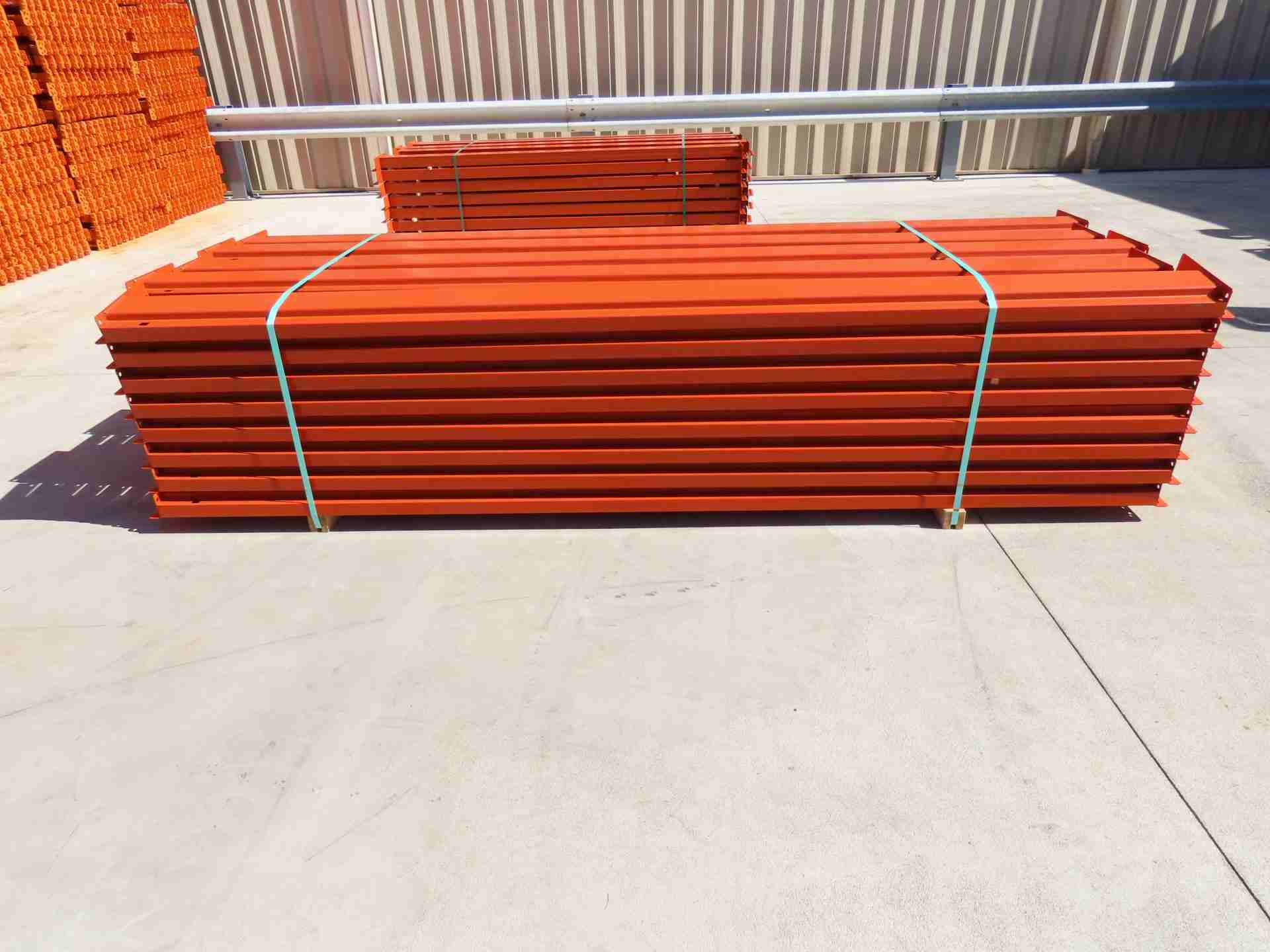
At its core, cantilever racking is engineered for versatile storage, particularly of long and heavy items such as lumber, pipes, and steel. Unlike traditional shelves, which can confine your inventory to rigid dimensions, cantilever racks allow for the seamless storage of bulky items, maximizing vertical space while minimizing floor area. For example, a lumber yard can utilize cantilever racking to store varying lengths of wood, ensuring accessibility while optimizing the stored quantity.
Take a glance at the thriving construction industry, which is experiencing a significant surge due to public infrastructure investments and the increasing demand for housing. Businesses requiring efficient storage solutions to manage increased material flow can leverage cantilever racking to stay ahead. A recent report highlighted how leading suppliers have adopted these systems, witnessing an impressive 25% increase in storage capacity and a corresponding reduction in logistics costs.
Moreover, the agility of cantilever racking contributes to improved order fulfillment. Imagine a distribution center that manages a diverse product range; with cantilever racks, products can be organized by size, type, or demand frequency. This flexibility not only enhances retrieval efficiency but also minimizes the time workers spend navigating the aisles. Consider a company like Uline, a packaging and shipping supplies giant, which, in its continuous push for efficiency, integrated cantilever systems into its warehouses, ultimately achieving faster pick times and bolstering customer satisfaction.
Another critical aspect is safety and risk management. Cantilever racks, designed with heavy-duty components, not only support substantial loads but are also easier to load and unload, reducing the chance of employee injuries. As workplaces pivot to an era focused on health and safety—especially post-pandemic—adopting systems that prioritize ergonomics and ease of use is essential.
If you’re looking to elevate your storage and streamline operations, cantilever racking is an investment that pays dividends. With its capacity to enhance efficiency, improve safety, and accommodate diverse inventory, it’s no surprise that businesses across various sectors are flocking to this innovative storage solution. Remember, in the ever-competitive landscape, staying ahead of the curve can make all the difference. Don’t just store—store smart!
Can Cantilever Racking Enhance Storage Efficiency?
Can Cantilever Racking Enhance Storage Efficiency?
- Increased efficiency through innovative storage solutions is essential for business profitability.
- Cantilever racking is designed for versatile storage of long and heavy items, maximizing space utilization.
- Construction industry growth and demand for efficient storage solutions make cantilever racking particularly beneficial.
- Leading suppliers using cantilever racks reported a 25% increase in storage capacity and reduced logistics costs.
- Cantilever racking enhances order fulfillment by allowing organization based on size, type, or demand frequency.
- Safety is improved with cantilever racks, reducing the risk of employee injuries during loading and unloading.
- Cantilever racking is a smart investment for enhancing efficiency, safety, and accommodating diverse inventory needs.

Can Cantilever Racking Enhance Storage Efficiency?
What Are The Benefits Of Cantilever Racking?
In the bustling world of warehousing and inventory management, efficiency is king. One of the unsung heroes that can transform your storage capabilities is cantilever racking. Imagine a solution that not only maximizes your space but also enhances productivity and safety – that’s what cantilever racking offers.
At its core, cantilever racking is designed for storing long, bulky items like lumber, pipes, or furniture. Unlike conventional shelving, its open design allows for easy access and flexibility. Picture a lumberyard navigating an influx of supply due to a booming housing market – as reported recently in global news, housing demand is surging. In such scenarios, cantilever racking becomes a game changer, allowing businesses to efficiently accommodate new stock without the chaos of a disorganized warehouse.
Space Optimization
One of the most significant benefits of cantilever racking is its ability to optimize vertical space. Unlike traditional shelving that may restrict tall items, cantilever racking allows you to adjust beam heights to suit your inventory. This means more valuable floor space can be utilized, substantially increasing storage capacity. For a company like Indianapolis Pallet Racking Building Supplies, switching to cantilever racking led to a 40% increase in usable storage area, enabling them to take on larger contracts and reduce overflow expenses.
Enhanced Safety
Safety concerns are paramount in any storage environment. The clear visibility and accessibility provided by cantilever racking help eliminate hazards commonly associated with stacked materials or cramped aisles. With recent workplace safety regulations tightening globally, investing in cantilever racking not only ensures compliance but also creates a safer working environment that reduces accidents and associated costs.
Customization and Scalability
Cantilever racking systems are highly customizable and can grow with your business. Take, for instance, a manufacturing company that started small but soon exploded in demand due to a recent tech-oriented trend boost in the industry. With the ability to scale their cantilever system easily, they accommodated new products without requiring a complete overhaul of their warehouse infrastructure.
Time Efficiency
Lastly, let’s discuss the time-saving benefits. The quick access and organized layout provided by cantilever racking drastically reduce the time employees spend locating and retrieving items. For businesses that run on tight timelines, such as shipping companies needing to meet next-day delivery guarantees, this streamlined process can be the difference between success and missed deadlines.
In a rapidly evolving marketplace, the integration of cantilever racking into your warehouse operations isn’t just a choice; it’s a strategic advantage. Embrace the benefits of cantilever racking today and position your business for success in the future.

What Are The Benefits Of Cantilever Racking?
What Are The Benefits Of Cantilever Racking?
- Cantilever racking optimizes storage efficiency in warehouses by allowing for easy access and flexibility for long, bulky items.
- It significantly enhances vertical space utilization, leading to increased storage capacity (e.g., 40% more space for Indianapolis Pallet Racking Building Supplies).
- Safety is improved with better visibility and accessibility, reducing the risk of accidents and ensuring compliance with workplace regulations.
- Cantilever racking systems are customizable and scalable, allowing businesses to adapt to changing inventory needs without a complete infrastructure overhaul.
- The organized layout of cantilever racking saves time by reducing the effort required for employees to locate and retrieve items.
- Integrating cantilever racking can be a strategic advantage for businesses in a rapidly evolving marketplace.
- Overall, cantilever racking positions businesses for future success by maximizing space, improving safety, and enhancing operational efficiency.

What Are The Benefits Of Cantilever Racking?
How Does Cantilever Racking Optimize Space Usage?
In a world where space is at a premium, businesses need creative solutions to maximize efficiency and productivity. Enter cantilever racking—an ingenious storage system that revolutionizes the way warehouses and distributions centers utilize vertical space. If you’re not already leveraging this method, you might be doing your operation a disservice.
Cantilever racking consists of a series of vertical posts with arms extending outward, designed to hold long, bulky items such as lumber, pipes, or furniture. This design offers significant benefits over traditional shelving systems, allowing for straightforward access and maximizing horizontal space. Imagine a warehouse floor brimming with materials, yet every square foot remains usable, free of clutter and chaos. That’s the beauty of cantilever racking—it transforms your inventory storage from a cumbersome challenge into a streamlined solution.
Consider a lumber yard faced with ever-increasing demand. As construction projects surge due to a growing housing market, the need for efficient storage becomes critical. Rather than cramming boards into towering stacks, which can lead to potential damage and safety hazards, a cantilever racking system allows for organized, easily accessible storage. This not only protects the materials but also expedites the picking process, minimizing delays and optimizing operations.
In an age where e-commerce is booming, as evidenced by industry giants like Amazon continually expanding their logistics capabilities, efficient space utilization is vital. Warehouses must be equipped to handle large volumes of inventories while ensuring quick order fulfillment. Cantilever racking eliminates wasted space between narrow aisles and can be customized to accommodate various product sizes. The result? Less time spent searching for items and more time fulfilling customer orders—a decisive advantage in today’s competitive landscape.
Moreover, cantilever racking systems are adaptable. As market demands shift, businesses can easily modify configurations and expand storage capacity without the need for extensive renovations. This flexibility is crucial in industries subject to rapid change, such as retail and light manufacturing.
Cantilever racking systems are not merely shelves; they are a strategy for success. By optimizing space usage, enhancing accessibility, and supporting operational efficiency, they can give your business the edge it needs to thrive in a challenging market. Invest in cantilever racking today, and watch how efficiently your space transforms, turning it into a veritable goldmine of opportunity. Don’t let clutter weigh you down—optimize your storage strategy and reap the benefits!

How Does Cantilever Racking Optimize Space Usage?
How Does Cantilever Racking Optimize Space Usage?
- Cantilever racking is a space-efficient storage solution designed for long, bulky items.
- This system maximizes vertical space and enhances accessibility compared to traditional shelving.
- It provides organized storage, reducing clutter and optimizing warehouse floor space.
- Cantilever racking is ideal for businesses, like lumber yards, facing high demand and aiming for safety and efficiency.
- The system supports quick order fulfillment in the growing e-commerce sector, improving operational performance.
- It offers adaptability, allowing businesses to modify configurations as market demands change.
- Investing in cantilever racking can significantly enhance productivity and competitiveness in challenging markets.

How Does Cantilever Racking Optimize Space Usage?
Can It Reduce Inventory Damage Risks?
In today’s fast-paced retail environment, minimizing inventory damage is not just a cost-saving measure; it’s essential for maintaining a competitive edge. Every dent, tear, or spill can represent lost revenue and eroded trust with customers. Luckily, the integration of innovative solutions can dramatically reduce inventory damage risks—and the results can be astonishing.
Consider the recent expansion of major retailers into automated warehousing solutions. Amazon, for instance, has invested heavily in robotics that not only optimize space but also minimize human error. By using advanced technologies like machine learning and AI, these systems can predict and prevent potential damage to sensitive inventory items by adjusting handling circumstances in real-time. For many businesses, incorporating such technology isn’t just about keeping up; it’s about thriving.
The logistics sector also plays a significant role in inventory preservation. Companies like Walmart have been pioneering smart logistics systems that ensure delicate items are handled with care from the warehouse to the consumer’s doorstep. By implementing sophisticated tracking and monitoring systems, they can receive alerts on potential damage during transit. Imagine a scenario where a shipment of high-end electronics travels thousands of miles only to arrive damaged. Smart logistics could prevent this by using data to adapt shipment methods, reducing wear and tear.
Furthermore, employing specialized packaging materials is another game-changer in protecting inventory. Innovative packaging solutions, such as biodegradable bubble wrap and impact-resistant containers, have shown remarkable effectiveness in safeguarding products during handling and shipping. Brands that prioritize robust packaging often find themselves with fewer customer complaints and returns—a direct boost to profitability.
Current events also highlight the need for improved inventory management. The recent supply chain disruptions have forced businesses to rethink how they store and distribute their products. With unpredictable delays and fluctuating demands, ensuring inventory is well-protected can mean the difference between a thriving business and one suffering significant losses.
Smart inventory management systems that utilize technology for real-time tracking not only save money; they also protect your brand’s reputation. In an era where consumers are quick to share their experiences, the last thing you want is for a poorly packaged product to become the Amazon review that goes viral.
By adopting automation, improved logistics, and innovative packaging, businesses can significantly reduce the risk of inventory damage. The investment in these preventive measures isn’t merely a cost—it’s a vital step towards guaranteeing quality and satisfaction in a competitive marketplace. Protect your inventory today, and watch your profits soar tomorrow.

Can It Reduce Inventory Damage Risks?
Can It Reduce Inventory Damage Risks?
- Minimizing inventory damage is crucial for maintaining a competitive edge in the retail sector.
- Advanced technologies like robotics, machine learning, and AI can predict and prevent inventory damage.
- Companies like Amazon are investing in automated warehousing solutions to optimize space and reduce human error.
- Smart logistics systems, as employed by companies like Walmart, ensure delicate items are handled with care during transit.
- Innovative packaging materials, such as biodegradable bubble wrap, effectively protect products during handling and shipping.
- Current supply chain disruptions necessitate improved inventory management for businesses to avoid losses.
- Investing in automation, logistics, and packaging is essential for protecting inventory and enhancing profitability.

Can It Reduce Inventory Damage Risks?
Is Cantilever Racking Suitable For Various Materials?
When it comes to maximizing storage efficiency, cantilever racking stands out, making it a game-changer for businesses dealing with a variety of materials. Unlike traditional shelving systems, cantilever racks offer unmatched flexibility, allowing you to optimize space and streamline operations. But the question that lingers in the minds of warehouse managers and business owners is: is cantilever racking suitable for various materials?
The resounding answer is yes! Cantilever racking is designed for versatility, accommodating a wide range of materials including lumber, pipes, steel sheets, and even furniture. Take lumber, for instance. The elongated, heavy-duty arms of cantilever racks allow for the safe stacking of long boards or planks, which would be cumbersome and inefficient on standard shelving. With the recent uptick in home improvement projects and a booming construction industry, adapting your storage solutions to better manage lumber inventory can significantly boost operational efficiency.
Consider the situation for businesses that handle metal components. Cantilever racking allows for the organized storage of heavy, irregularly shaped items such as steel beams or pipes, including variations in length and width. This design not only maximizes vertical space but also minimizes the risk of damage and enhances safety. Companies in the manufacturing sector have seen a surge in demand for steel products, further emphasizing the need for efficient and effective storage solutions.
Moreover, the adaptability of cantilever racks extends to lighter materials as well. Retailers dealing with seasonal merchandise, like furniture or sporting equipment, find cantilever shelves invaluable for showcasing products while keeping them organized. With the increasing trend towards e-commerce and quick fulfillment, having a dynamic storage solution can be the edge businesses need to meet customer expectations swiftly and effectively.
Current events continue to highlight the importance of efficient storage solutions as supply chain disruptions spur businesses to rethink their inventory management strategies. Investments in cantilever racking systems are a smart move, positioning your operation to respond agilely to both market demands and supply chain challenges.
Whether you are in manufacturing, retail, or construction, cantilever racking proves to be a superior choice for diverse material handling needs. Its robust and flexible design not only supports various weight capacities but also uniquely positions businesses to effectively adapt to changing demands, ensuring that you remain competitive in today’s fast-paced marketplace. Don’t just store—store smart!

Is Cantilever Racking Suitable For Various Materials?
Is Cantilever Racking Suitable For Various Materials?
- Cantilever racking maximizes storage efficiency for various materials in businesses.
- Offers unmatched flexibility compared to traditional shelving systems, optimizing space and streamlining operations.
- Designed for versatility, accommodating materials like lumber, pipes, steel sheets, and furniture.
- Heavy-duty arms enable safe stacking of long boards and planks, improving efficiency in handling lumber.
- Organizes and stores heavy, irregularly shaped items such as steel beams and pipes, enhancing safety and minimizing damage.
- Valuable for retailers, allowing for effective display and organization of seasonal merchandise in an e-commerce environment.
- Investing in cantilever racking systems prepares businesses to adapt to market demands and supply chain challenges.

Is Cantilever Racking Suitable For Various Materials?
What Types Of Businesses Can Benefit From It?
In today’s fast-paced digital landscape, virtually every business, regardless of size or industry, can leverage information technology to enhance efficiency, drive growth, and deliver superior customer experiences. First and foremost, let’s consider retail businesses. From small boutiques to multinational chains, the implementation of IT systems allows for streamlined inventory management, e-commerce capabilities, and insightful analytics. Take a moment to consider the surge in online shopping during the pandemic; businesses that lacked a robust IT infrastructure struggled to adapt. In contrast, those that embraced technology thrived, expanding their customer reach exponentially.
Next up are service-based businesses such as consulting firms, healthcare providers, and legal practices. The critical role of IT in these sectors is undeniable. For example, telemedicine technology has transformed healthcare delivery, allowing practitioners to offer virtual consultations— a trend that became especially prominent amidst the COVID-19 crisis. Similarly, law firms utilizing case management software have noticeably improved their operational efficiency and client satisfaction rates.
Let’s not forget about manufacturing companies, which have increasingly integrated automation and data analytics into their production processes. These businesses utilize IT to monitor equipment and production lines in real-time, a trend that is not only optimizing production but also ensuring quality control. As supply chain disruptions from global events continue to affect operations, companies that pivoted to advanced manufacturing technologies, such as IoT and AI, have proven their resilience and ability to adapt.
Moreover, educational institutions have been forced to innovate through technology, especially as remote learning became a necessity. Schools and universities that invested in IT infrastructure saw significant improvements in student engagement and learning outcomes. Programs leveraging online platforms and learning management systems are becoming the norm, ensuring that educational institutions remain relevant and competitive.
Lastly, let’s spotlight hospitality and travel, industries severely hit by the pandemic but also showing significant recuperation through technology. Hotels and travel agencies are utilizing IT solutions for enhanced customer personalization and dynamic pricing strategies. The adoption of contactless check-ins and virtual experiences is enhancing guest satisfaction, a vital factor in regaining consumer trust as we navigate post-pandemic realities.
No matter the sector, technology is not simply an option— it’s essential. It empowers businesses to stay competitive and responsive in an ever-evolving market landscape. If you’re not investing in IT, you’re falling behind.

What Types Of Businesses Can Benefit From It?
What Types Of Businesses Can Benefit From It?
- Virtually all businesses can leverage IT to enhance efficiency and drive growth.
- Retail businesses benefit from IT through streamlined inventory management and e-commerce capabilities.
- Service-based businesses, like healthcare and legal firms, enhance operational efficiency with IT solutions such as telemedicine and case management software.
- Manufacturing companies use IT for automation, real-time monitoring, and quality control, proving resilient during supply chain disruptions.
- Educational institutions see improved student engagement and outcomes by investing in IT for remote learning and online platforms.
- The hospitality and travel industries utilize IT for customer personalization and dynamic pricing, improving guest satisfaction post-pandemic.
- Investing in IT is essential for business competitiveness in an evolving market landscape.

What Types Of Businesses Can Benefit From It?
How Does It Compare To Traditional Shelving?
When it comes to organizing your space efficiently, traditional shelving has served as the backbone of storage solutions for decades. However, with today’s fast-paced lifestyle and evolving consumer preferences, innovative alternatives like modular shelving and smart storage units are making waves—offering benefits traditional setups simply can’t replicate. Let’s explore how these modern solutions stack up against the old guard.
First, consider versatility. Traditional shelving typically consists of static units that limit your organizational creativity. If you want to change your layout, you’re often faced with heavy lifting and potential wall damage. In contrast, modular shelving systems allow for a fluid design that can grow or shrink based on your needs. You can easily rearrange components to fit different spaces or purposes—whether you’re transitioning your home office to a nursery or repurposing a corner of your living room into a reading nook. The modular approach is not just a trend; it reflects our current desire for adaptable living spaces, evident in the tiny home movement and urban loft designs gaining traction in cities like San Francisco and New York.
Next, let’s talk style. Traditional shelving can sometimes feel bland and uninspired, sticking to the utilitarian look that doesn’t add much character to your home. On the flip side, contemporary shelving solutions are designed with aesthetics in mind. From sleek, minimalist constructs to bold, statement-making pieces, modern shelving can enhance your interior design rather than detract from it. Amid the current focus on home aesthetics, fueled by social media platforms like Instagram and Pinterest, savvy consumers are opting for shelving that doubles as decor. Just last month, home design trends showcased wall-mounted units that incorporate greenery, integrating nature into interiors—a feature traditional systems can’t offer.
Lastly, think about functionality. Traditional shelves often require constant upkeep, balancing the burden of extra weight with the need for organization. Smart storage solutions, including high-tech shelving that utilizes features like adjustable height and built-in lighting, deliver convenience at your fingertips. These systems are not only visually appealing but also significantly enhance user experience, exemplified by tech companies promoting ‘smart homes’ that prioritize seamless organization and quick accessibility.
While traditional shelving has its merits, the future undeniably favors innovative, adaptable alternatives. As society leans into customization and design that complements our lives, investing in modern shelving systems will give you the flexibility, aesthetics, and functionality necessary to thrive today. Embrace the change, enhance your space, and witness the transformation firsthand. Your home—and your lifestyle—will thank you!

How Does It Compare To Traditional Shelving?
How Does It Compare To Traditional Shelving?
- Traditional shelving has been a staple of storage solutions for decades, but modern alternatives are gaining popularity.
- Modular shelving systems provide versatility, allowing for easy rearrangement to suit changing needs and spaces.
- Modern shelving reflects the current trend towards adaptable living, evident in movements like tiny homes and urban loft designs.
- Contemporary shelving emphasizes style, offering aesthetically pleasing options that can enhance interior design.
- Social media influences consumer preferences, leading to a demand for shelving that also functions as decor.
- Smart storage solutions incorporate features like adjustable height and built-in lighting for enhanced functionality.
- Investing in modern shelving systems offers flexibility, aesthetics, and practicality suited for today’s lifestyles.

How Does It Compare To Traditional Shelving?
What Is The Installation Process Like?
Installing a new system or product can often feel daunting. Yet, understanding the installation process can transform anxiety into excitement. The reality is that a well-executed installation is the bridge that connects you to unparalleled benefits. Whether you’re considering solar panels to harness the power of the sun or a smart home system for enhanced convenience, the installation journey is your gateway to innovation.
First, preparation is key. The installation process begins long before the tools come out. An informative consultation ensures you understand what to expect. For instance, if you’re installing solar panels, a knowledgeable technician will assess your roof structure, orientation, and shading issues, balancing immediate needs with long-term savings. As a bonus, with the recent surge in eco-consciousness and government programs, you could be eligible for tax credits or rebates that make your investment even sweeter.
Once planning is finalized, the actual installation process can begin. Imagine the excitement as your contractor arrives, energetically equipped to enhance your living experience. A professional team will take care of all particulars, minimizing disruption to your routine. For instance, if you’re adding a new heating system, expect the team to work efficiently, thoughtfully navigating your home’s layout to integrate the system seamlessly.
Let’s consider the installation timeline—often one of the most anxiety-inducing aspects. Depending on the complexity of the project, expect a few hours to a couple of days for completion. Many companies share real-time updates, so you’re never left in the dark. Picture this: you’re at home, receiving live updates, ensuring you know the exact status of your installation. No more uncertainty, just transparency.
Now let’s talk about post-installation. This is where customer service shines. Once the installation is complete, a reputable company won’t just wave goodbye. Instead, they’ll offer training on how to use your new system effectively. With smart home devices becoming prevalent, understanding controls can enhance your experience tremendously. Imagine hosting friends and effortlessly controlling the ambiance with a voice command.
Furthermore, don’t overlook the importance of follow-ups. Companies now often check in weeks after enablement to ensure everything is running smoothly, ready to address any issues that may arise.
In today’s market, with rapid advancements in technology and sustainability initiatives, the installation process is not just about fitting a product; it’s about fostering a lasting partnership for enhanced living. Embrace the journey; the results will surpass your expectations. The future is not just coming—it’s being installed today.

What Is The Installation Process Like?
What Is The Installation Process Like?
- Understanding the installation process can minimize anxiety and lead to excitement.
- Preparation is essential, starting with an informative consultation to set expectations.
- A knowledgeable technician evaluates the installation site, such as roof structure for solar panels.
- Installation teams work efficiently to minimize disruption and enhance the living experience.
- Timelines vary from a few hours to a couple of days, with real-time updates provided to the customer.
- Post-installation training and follow-ups ensure customers effectively use their new systems.
- The installation process fosters a partnership geared towards innovation and enhanced living.

What Is The Installation Process Like?
Are There Maintenance Requirements For Cantilever Racking?
When it comes to investing in warehouse storage solutions, cantilever racking stands out for its efficiency and flexibility. However, to reap the full benefits of this innovative system, regular maintenance is not just recommended—it’s essential. Neglecting maintenance can lead to diminished performance, increased risks, and ultimately, costly downtimes.
Why Maintenance Matters
Imagine this: You’ve outfitted your warehouse with a state-of-the-art cantilever racking system that maximizes your vertical space and simplifies access to bulky items. Yet, over time, without the right maintenance, those perfectly arranged shelves could become a ticking time bomb of inefficiency. Structural issues can develop, impacting load capacity and safety. A recent survey indicated that nearly 70% of warehouse accidents are linked to improper equipment maintenance. The consequences? Inventory loss, employee injuries, and regulatory fines—making a thumping dent in your bottom line.
What to Watch For
A sound maintenance plan for cantilever racks should include regular inspections—preferably on a monthly basis. Key areas to focus on include:
1. Structural Integrity: Check for any bends, kinks, or signs of wear in the arms and uprights. For instance, a prominent logistics company recently suffered a six-figure loss when an overloaded cantilever rack collapsed due to unnoticed structural damage.
2. Connections and Fasteners: Loose bolts can undermine the stability of the entire system. A quick twist of a wrench can save you from catastrophic failures that might shut down operations temporarily or, worse yet, permanently.
3. Regular Cleaning: Dust and debris can accumulate and make it harder to detect structural issues. Establish a weekly cleaning schedule to ensure that no important maintenance checks go unnoticed.
Engage with Professionals
While DIY inspections can be effective, it’s wise to bring in experts for annual evaluations. Companies specializing in equipment maintenance can spot hidden issues and offer recommendations tailored to your specific racking system. They can also ensure compliance with OSHA and other regulatory mandates, keeping your business protected from potential liabilities.
Stay Ahead of the Game
In today’s fast-paced environment, understanding that maintenance is not merely an inconvenience, but a necessity, can set you apart from competitors. Businesses that prioritize maintenance not only enhance safety but also extend the life of their racking systems. As companies increasingly shift towards e-commerce to meet rising consumer demand, efficient warehouse operations will become critical. Being proactive about maintenance will keep your operations running smoothly and your profits soaring.
Investing a little time and money today can protect your assets and ensure seamless operations tomorrow. Don’t wait for an accident to demand change—make maintenance a cornerstone of your success strategy.

Are There Maintenance Requirements For Cantilever Racking?
Are There Maintenance Requirements For Cantilever Racking?
- Cantilever racking offers efficiency and flexibility in warehouse storage solutions.
- Regular maintenance is essential to prevent diminished performance and costly downtimes.
- Nearly 70% of warehouse accidents are linked to improper equipment maintenance.
- Key maintenance tasks should include monthly inspections of structural integrity, connections, and cleanliness.
- Loose bolts can compromise system stability, necessitating regular checks on fasteners.
- Engaging professionals for annual evaluations ensures compliance and reveals hidden issues.
- Proactive maintenance enhances safety, extends racking system life, and supports efficient operations.

Are There Maintenance Requirements For Cantilever Racking?
How Can It Improve Picking Accuracy?
In an era where precision is paramount, the ability to enhance picking accuracy can distinguish the savviest operations from the rest. Whether you’re managing a bustling warehouse, an e-commerce hub, or a retail space, accuracy in selecting and fulfilling orders is non-negotiable. But how exactly can you elevate your picking accuracy? Here are key strategies that demand your attention.
First, consider the integration of technology into your picking processes. Advanced solutions like voice picking and augmented reality (AR) systems have revolutionized the way businesses operate. For instance, a leading e-commerce giant recently adopted voice-directed picking systems, allowing warehouse workers to receive real-time instructions through headsets. This hands-free approach not only reduced picking errors but also supercharged productivity—an essential move in today’s competitive market.
Localization is another crucial aspect. By strategically organizing inventory based on frequency of purchase, businesses can drastically cut down picking time and boost accuracy. For example, placing high-demand items closer to packing areas eliminates unnecessary movement. Companies like Walmart have successfully implemented such strategies, ensuring that their warehouses operate with razor-sharp efficiency. Their recent reduction in shipping errors demonstrates the undeniable impact of optimized inventory layout.
Training your workforce is another pivotal element in this mix. In a landscape that often overlooks the human factor, investing in comprehensive training programs can yield remarkable results. Empowered workers are more engaged and attentive, leading to fewer mistakes. Take the case of a mid-sized retailer that transformed its picking accuracy by focusing on hands-on training modules. After implementing regular workshops to reinforce skill sets, they reported a significant drop in picking errors—an ROI that can’t be ignored.
Moreover, embracing data analytics provides businesses with laser-focused insights into their operations. By analyzing picking patterns, companies can identify common errors and implement corrective measures. Recently, a logistics firm used data analytics to track picking inefficiencies and discovered a consistent issue with specific SKUs. Armed with this information, they adapted their picking routes, resulting in a drastic improvement in accuracy and overall turnaround time.
Finally, don’t underestimate the power of feedback loops. Encouraging employees to provide insights on the picking process can reveal untapped opportunities for improvement. A proactive feedback system ensures that your operational strategies evolve continuously.
With these strategies at your disposal, enhancing picking accuracy is not just an operational necessity—it’s a competitive edge. In a world where every minutiae counts, those who embrace precision will undoubtedly come out on top.

How Can It Improve Picking Accuracy?
How Can It Improve Picking Accuracy?
- Enhancing picking accuracy is essential for efficient operations in warehouses, e-commerce hubs, and retail spaces.
- Integrating technology, such as voice picking and augmented reality systems, can minimize errors and boost productivity.
- Localization of inventory, based on purchase frequency, can significantly reduce picking time and enhance accuracy.
- Comprehensive training programs for the workforce lead to higher engagement and fewer mistakes in picking.
- Utilizing data analytics helps businesses gain insights into picking patterns and correct inefficiencies.
- Establishing feedback loops encourages employees to share insights, fostering continuous improvement in processes.
- Implementing these strategies not only improves picking accuracy but also provides a competitive advantage in the market.

How Can It Improve Picking Accuracy?
Can It Support Heavy Or Oversized Items?
In today’s fast-paced world, more consumers are seeking practical solutions for their needs, including the ability to support heavy or oversized items. Whether you’re running a business that requires the transport of bulky equipment or simply trying to manage your home’s overflow of belongings, you need a dependable solution that won’t let you down.
When considering storage or transport options, it’s essential to choose products designed specifically to handle substantial weight without compromising on performance. For instance, some brands are now offering heavy-duty shelving systems capable of supporting over 2,000 pounds. Imagine having the peace of mind that comes with securely storing your valuable inventory, heavy tools, or seasonal decorations, all while maintaining easy accessibility.
Take a recent launch from a well-known storage solutions company that introduced a line of adjustable racks engineered for flexibility and strength. This innovative product can be configured to fit any space, while also boasting a load capacity that outstrips competitors by nearly 50%. Think about how beneficial that could be for businesses, especially in light of recent supply chain disruptions that have left many scrambling to find secure storage options. With demand on the rise for robust shelving solutions, consumers are increasingly looking for products that offer reliability and versatility.
Moreover, even when it comes to transporting oversized items, whether it’s a new refrigerator or a collection of vintage furniture, your choice of tools can make all the difference. Heavy-duty hand trucks and dollies now boast advanced engineering, with some models incorporating air-filled tires for easier maneuverability over rough terrains. Picture a moving day where you can effortlessly glide that bulky couch up a flight of stairs thanks to a well-designed dolly that supports up to 1,200 pounds.
It’s also worth considering the advances in technology that help facilitate the movement of these large items. Smart straps and load-bearing cushions are innovating the way oversized products are transported. Imagine using a smart strap that does the work of monitoring weight distribution, allowing you to transport heavy items without compromising your safety or damaging your property.
When evaluating whether a product can support heavy or oversized items, look for those that combine ingenuity with resilience. In our ever-evolving marketplace, where both consumer needs and challenges are growing, ensuring you have reliable solutions is paramount. Data and technology are at your disposal, so leverage this knowledge to enhance your storage and transport experience now and in the future.

Can It Support Heavy Or Oversized Items?
Can It Support Heavy Or Oversized Items?
- Consumers are increasingly seeking practical solutions for storing and transporting heavy or oversized items.
- Choosing products specifically designed to handle substantial weight is crucial for performance.
- Some brands offer heavy-duty shelving systems that can support over 2,000 pounds.
- Adjustable racks with a 50% higher load capacity than competitors can fit any space, beneficial for businesses.
- Heavy-duty hand trucks and dollies with air-filled tires enhance maneuverability for transporting bulky items.
- Innovative tools like smart straps and load-bearing cushions improve the safety and ease of transporting large products.
- Reliability and resilience are essential when selecting products for heavy storage and transport needs.

Can It Support Heavy Or Oversized Items?
What Costs Should You Expect For Installation?
When considering a new home installation—whether it’s a solar energy system, a smart home setup, or a pool—understanding the full scope of costs is paramount. Many homeowners approach these upgrades with excitement, only to be hit with unexpected expenses, stripping away the joy of their investment. The key to smooth sailing is preparation and transparency regarding all potential fees.
Let’s break it down. First and foremost, you have the initial costs associated with the equipment or system itself. For instance, purchasing a solar panel system might range from $15,000 to $30,000, depending on size and efficiency. However, this figure is often just the tip of the iceberg. Installation labor typically adds anywhere from $1,500 to $5,000. Variations in labor costs can arise due to regional differences or even the complexity of your home’s structure. For instance, residents in urban settings like San Francisco may face steeper installation fees compared to more rural areas.
Next, consider permitting and inspection fees. Many municipalities require certain installations to be inspected before and after completion to ensure they meet safety standards. This could add hundreds—even thousands—to your final bill. For example, navigating the permitting system for a new pool can incur fees exceeding $1,000, particularly in densely populated areas where regulations are stringent.
Moreover, it’s important to prepare for ancillary costs. These range from preparation work (tree removal for solar installations) to landscaping post-construction (for pool installations). You might find yourself needing electrical upgrades, especially with modern systems. Homeowners frequently overlook that a complete home rewiring could be needed to accommodate your new technology, costing anywhere from $2,000 to $10,000.
Current events—like recent incentives for renewable energy in light of climate change discussions—may mitigate some costs. Federal tax credits for solar installations can help bring down the effective price significantly. However, these incentives come with strict deadlines and, at times, are subject to changes by the government. Staying updated on such fluctuations is crucial.
So, folks, while installations can initially seem costly, they are investments that should save you money in the longer term, assuming you have a solid understanding of the full costs involved. By knowing what to expect, budgeting accurately, and staying informed about current events and incentives, you can transform potential financial pitfalls into opportunities. Get ready, because informed homeowners are empowered homeowners!

What Costs Should You Expect For Installation?
What Costs Should You Expect For Installation?
- Understanding the full scope of costs is crucial for new home installations like solar systems, smart homes, or pools.
- Initial equipment costs can range from $15,000 to $30,000, with installation labor typically adding $1,500 to $5,000.
- Installation labor costs vary based on regional differences and the complexity of a home’s structure.
- Permitting and inspection fees can add hundreds or thousands of dollars to the final bill, particularly in densely populated areas.
- Ancillary costs may include tree removal, landscaping, and potential electrical upgrades, which can total $2,000 to $10,000.
- Current incentives for renewable energy, like federal tax credits, can mitigate some costs but are subject to deadlines and changes.
- Informed homeowners can better budget and avoid financial pitfalls, turning installations into cost-saving investments in the long run.

What Costs Should You Expect For Installation?
How Does It Affect Workflow In A Warehouse?
In the fast-paced world of warehousing and logistics, the efficiency of your operations can make or break your bottom line. Every single element in the workflow plays a crucial role, and when you streamline these processes, you not only boost productivity but also enhance your overall profitability. Consider this: the introduction of automation and smart technology is no longer a luxury; it’s essential for thriving in today’s competitive landscape.
Take Amazon, for example. Their commitment to optimizing an efficient workflow through automation has revolutionized the industry. By deploying robotic systems alongside human workers, they have enhanced inventory management and dramatically reduced order processing times. This integration of technology allows for real-time inventory tracking, ensuring that items are picked, packed, and shipped in the most efficient manner possible. You’ve likely seen, or even experienced, their agile delivery system — a result of seamless workflow optimization.
But let’s dig deeper into how this translates into visible benefits for your warehouse. A well-oiled workflow reduces bottlenecks and eliminates redundancies. When workers aren’t waiting idly for inventory or navigating a cluttered workspace, they can devote their energies to quality assurance and enhancing customer satisfaction. Implementing a lean inventory system, akin to those practiced in manufacturing, can drastically decrease waste and improve order accuracy. In fact, companies that adopt lean principles report up to a 50% reduction in operating costs.
Now, while technology plays an imperative role, let’s not overlook the human factor. Training and empowering your employees to take ownership of their tasks leads to improved morale and productivity. A motivated team is a productive team. Consider recent shifts in labor dynamics: companies that proactively invest in workforce development often see higher retention rates and a more engaged team.
As you delve into optimizing your warehouse workflow, keep your strategies flexible. The ongoing global supply chain challenges, amplified by recent events like the pandemic, have demonstrated that agility is necessary for survival. Adopting technologies such as AI-driven predictive analytics can enable you to anticipate demand fluctuations and make data-driven decisions in real time.
Enhancing warehouse workflow isn’t just an operational decision; it’s a strategic business move that can set your company apart in an ever-evolving marketplace. Embrace the changes, invest in technology, and cultivate a dynamic team, and watch your warehouse transform into a powerhouse of efficiency and performance. The modern warehouse isn’t just a storage facility; it’s a vital hub for innovation and growth.

How Does It Affect Workflow In A Warehouse?
How Does It Affect Workflow In A Warehouse?
- Efficiency in warehousing and logistics is critical for profitability.
- Automation and smart technology are essential for thriving in the competitive landscape.
- Amazon’s integration of automation has revolutionized inventory management and order processing.
- A streamlined workflow minimizes bottlenecks and enhances worker productivity.
- Implementing lean inventory practices can reduce operating costs by up to 50%.
- Investing in employee training fosters morale, productivity, and team engagement.
- Using AI-driven analytics helps companies adapt to supply chain challenges and demand fluctuations.
How Does It Affect Workflow In A Warehouse?
Can It Adapt To Changing Inventory Needs?
In today’s fast-paced market environment, businesses face the stark reality that inventory needs are not static. Whether you’re a small local retailer or a hefty eCommerce giant, the ability to pivot and adapt your inventory management is crucial for survival and profitability. The age of the consumer is upon us, indicating that adaptability isn’t a luxury; it’s a necessity.
Let’s consider the recent shift in shopping behavior during the pandemic. Companies like Target and Amazon quickly capitalized on the surge in online shopping by modifying their inventory strategies. Target, for instance, efficiently stocked its stores with essential goods and pivoted quickly to fulfill the escalating demand from their eCommerce channels. This nimble approach not only catered to immediate consumer needs but also illustrated the critical importance of responsive inventory management systems.
How can your business ensure it’s equally responsive? Start by embracing technological solutions that allow for real-time inventory updates and analytics. Systems equipped with AI can forecast trends based on historical data, seasonality, and even global events—like supply chain disruptions we’ve seen recently due to geo-political tensions and natural disasters.
Consider Zara, the global fashion retailer. With its Just-In-Time inventory model, Zara remains an exemplar of agility; it monitors customer feedback and quickly adapts its offerings. That’s how they present fresh designs every few weeks, ensuring clamoring crowds instead of stale merchandise. Their approach demonstrates that when you have a system that actively learns and adjusts to demand fluctuations, you can keep your finger on the consumer’s pulse.
Moreover, businesses should also incorporate flexibility into supplier relationships. Building a network of local suppliers can spare you from international shipping delays, as seen during the semiconductor crisis impacting tech industries. By securing multiple suppliers, you can optimize inventory levels and mitigate risks associated with stock shortages.
In today’s volatile market, companies that cling to rigid inventory practices may find themselves languishing. Those who wish to thrive must prioritize systems capable of adapting to current circumstances, shifting consumer behaviors, and even unpredictable global events. The question isn’t merely whether it can adapt; it’s about whether your business is equipped to leverage that adaptability strategically.
Investing in adaptable inventory management isn’t just a smart play; it’s the very foundation that will safeguard your business’s future, ensuring you not only meet but exceed your customers’ evolving needs. Are you ready to make the leap?

Can It Adapt To Changing Inventory Needs?
Can It Adapt To Changing Inventory Needs?
- Businesses must adapt their inventory management to thrive in a fast-paced market.
- During the pandemic, companies like Target and Amazon modified their inventory strategies to meet increased online shopping demand.
- Technological solutions, such as AI, can provide real-time updates and forecast trends based on various factors.
- Zara exemplifies effective inventory management with its Just-In-Time model, allowing quick adaptation to customer feedback.
- Building relationships with local suppliers can help mitigate risks associated with international shipping delays.
- Rigid inventory practices may lead to business failure; adaptability is essential for success.
- Investing in flexible inventory management systems is crucial for exceeding evolving customer needs and securing business longevity.

Can It Adapt To Changing Inventory Needs?
Conclusion
In a world where efficient inventory management is the key to thriving in a competitive marketplace, cantilever racking emerges as the definitive solution that businesses cannot afford to overlook. Gone are the days of cluttered warehouses and inefficient storage methods; the era of streamlined, flexible, and adaptive inventory systems has arrived with cantilever racking. This innovative storage solution is tailored for long and bulky items, allowing businesses to maximize vertical space while ensuring easy accessibility.
Imagine transforming your chaotic and disorganized storage area into a highly efficient operation. Whether you’re dealing with lumber, pipes, or oversized items, cantilever racking not only optimizes space but also enhances workplace safety and worker efficiency. Studies have shown that businesses adopting cantilever systems have experienced significant increases in storage capacity—up to 40%—while simultaneously reducing logistics costs. By effectively organizing materials and making them easily retrievable, you can decrease picking times and elevate customer satisfaction.
Additionally, the adaptability of cantilever racking cannot be overstated. As consumer demands fluctuate, having a storage system that can scale up or be reconfigured becomes vital for continued success. The agility to reallocate space for new products swiftly means your business can respond to market changes better than those reliant on traditional shelving or outdated practices. Real-world examples, such as logistics firms employing smart storage solutions, reveal that the integration of technology and smart racking systems is crucial for staying ahead in the game.
Moreover, let’s not forget about the safety implications. With a robust design engineered to hold heavy loads, cantilever racking minimizes risks of damage to both inventory and personnel. Compliance with safety regulations and reduction of workplace accidents further boost its value proposition.
Now, if you’re ready to revolutionize your approach to inventory management and take your operations to new heights, the solution is clear. Contact Arrow Industrial Sales at (574) 349-6575 today and explore how cantilever racking can position your business for enduring success. But don’t wait—this is the moment to make a significant change. The competitive landscape is shifting, and companies that act decisively to incorporate modern solutions will put themselves ahead of the curve.
Invest in your future, enhance your operational efficiency, and experience the organizational transformation today. The time for action is now. Don’t just store differently—store smarter with cantilever racking!

Conclusion
Conclusion:
- Cantilever racking is a key solution for efficient inventory management in competitive marketplaces.
- This storage method is designed for long and bulky items, maximizing vertical space and accessibility.
- Businesses can experience up to a 40% increase in storage capacity and reduced logistics costs with cantilever racking.
- The adaptability of cantilever systems allows swift reallocation of space in response to changing consumer demands.
- Robust design minimizes risks and enhances safety, complying with safety regulations and reducing workplace accidents.
- Integrating technology with smart storage solutions is essential to stay competitive in the logistics sector.
- Contact Arrow Industrial Sales to revolutionize your inventory management with cantilever racking for enduring success.

Conclusion
Other Resources

Other Resources
Here is a list of other resources you can review online to learn more:
- “Cantilever Racking – Effective Storage for Non-Standard …”
- “North America Cantilever Racking Market By Application …”
- “Cantilever Racks”
- “Cantilever Racking | Lumber Storage Rack I Pipe Rack”
- “New Cantilever Rack Systems for Sale”
- “Cantilever Racks for Sheet Metal”
- “Cantilever Rack Suppliers – Storage Rack Manufacturers”
- “Material Storage Collection | Platforms & Ladders”
- “2023 Design Guidelines”
- “EMDesignStandards.pdf – Dakota County”
- “2023 Owens Corning Sustainability Report”
- “Used Strapping Machines”

Other Resources
Glossary Terms
Can Cantilever Racking Improve Your Inventory Management? – Glossary Of Terms
1. Cantilever Racking: A type of storage system featuring horizontal arms extended from vertical columns, ideal for storing long or bulky items.
2. Inventory Management: The process of overseeing and controlling inventory levels, orders, and storage to optimize stock efficiency and reduce costs.
3. Vertical Space Utilization: The effective use of vertical space in a storage area to maximize capacity without expanding the footprint.
4. Load Capacity: The maximum weight that a racking system can safely hold, which is crucial for inventory safety and management.
5. Accessibility: The ease of reaching stored items, which is enhanced by cantilever racks as they provide open access to longer items.
6. SKU (Stock Keeping Unit): A unique identifier for each distinct product and service that can be purchased, used for inventory tracking.
7. Warehouse Efficiency: The effectiveness of processes and layouts that facilitate quick and safe handling of goods in a warehouse setting.
8. Storage Density: The amount of inventory that can be stored in a given space without compromising accessibility and safety.
9. Forklift Compatibility: The ability of a storage system to work efficiently with forklifts and other material handling equipment.
10. Just-In-Time (JIT) Inventory: An inventory management strategy that aims to improve cash flow and reduce holding costs by receiving goods only as they are needed.
11. Cycle Counting: An inventory auditing procedure, where a subset of inventory is counted on a specific day, improving accuracy without a full inventory count.
12. Product Rotation: The process of organizing inventory to ensure that older stock is sold before newer shipments, often utilizing the First-In-First-Out (FIFO) method.
13. Lean Storage: An approach focused on eliminating waste in the storage process, which cantilever racks can facilitate by organizing inventory efficiently.
14. Dynamic Storage: A method that allows items to be stored and retrieved easily and quickly, often associated with flexible or mobile racking solutions.
15. Safety Standards: Regulations and guidelines that ensure storage systems, including cantilever racks, are constructed and maintained to prevent accidents.
16. Customization: The ability to tailor racking solutions to meet specific storage needs of businesses, enhancing operational effectiveness.
17. Inventory Valuation: The method of determining the monetary value of stock on hand, crucial for financial reporting and assessing profitability.
18. Damage Prevention: Strategies and systems in place to reduce the risk of product damage during storage and handling.
19. Space Optimization: The practice of designing layouts and storage solutions that maximize available space for efficiency.
20. Storage Flexibility: The capability of a racking system to adapt to various types and sizes of inventory without requiring structural changes.
21. Lead Time: The total time it takes from placing an order until the item is received, affecting inventory levels and management strategies.
22. Inventory Turnover: A measure of how quickly inventory is sold and replaced over a given period, critical for understanding demand and stock management.
23. Bin Location: Identifying specific areas within a storage system where inventory items are placed, aiding in quick retrieval and organization.
24. Operational Costs: Expenses related to managing and maintaining warehouse operations, including labor, storage, and handling costs.
25. Pallet Racking: A common warehouse storage system where pallets are stacked on horizontal beams, different from cantilever racks which are more flexible for diverse items.
26. Fulfillment Center: A type of warehouse used specifically for storing and distributing products rapidly to fulfill orders.
27. Stockout: A situation where inventory runs out, which can be mitigated by effective management and racking solutions.
28. RFID Technology: Radio Frequency Identification systems used for tracking inventory, improving accuracy and efficiency in inventory management.
29. Shelf Life: The length of time a product may be stored without becoming unsuitable for use, relevant for effective stock rotation.
30. Return on Investment (ROI): A performance measure that evaluates the return or benefit gained from an investment in inventory systems, including cantilever racks, versus its cost.

Glossary Of Terms
Other Questions
Can Cantilever Racking Improve Your Inventory Management? – Other Questions
If you wish to explore and discover more, consider looking for answers to these questions:
- What is cantilever racking and how does it work?
- What types of materials are best suited for cantilever racking?
- How does cantilever racking compare in cost to traditional shelving?
- What is the initial investment required for installing cantilever racking?
- How can cantilever racking systems be customized for specific business needs?
- What are the typical maintenance procedures for cantilever racking systems?
- Are there specific industries that benefit the most from cantilever racking?
- How does cantilever racking impact employee safety in a warehouse environment?
- What are the space-saving benefits of using cantilever racking?
- Can cantilever racking be used in outdoor settings?
- How does the installation process differ based on warehouse layouts?
- Are there any regulatory requirements to consider when installing cantilever racking?
- What kind of training is required for employees to effectively use cantilever racking?
- What are the long-term benefits of using cantilever racking for inventory management?
- How often should cantilever racking systems be inspected?
Checklist
Can Cantilever Racking Improve Your Inventory Management? – A Checklist
Key Benefits of Cantilever Racking
1. Maximizes Vertical Space
_____ Utilize vertical space effectively to increase storage capacity.
2. Organizes Bulky Items
_____ Ideal for storing long and awkwardly shaped items (e. g. , lumber, pipes).
3. Enhances Accessibility
_____ Improves access to materials, making order fulfillment faster.
4. Adapts to Inventory Changes
_____ Easily reconfigurable to accommodate fluctuating inventory levels.
5. Promotes Safety
_____ Designed with sturdy components to support heavy loads and improve safety in the workspace.
Steps to Implement Cantilever Racking
1. Evaluate Inventory Needs
_____ Assess the types, sizes, and weights of inventory that will be stored.
2. Choose the Right System
_____ Select a cantilever racking system that fits your specific requirements (height, weight capacity, etc. ).
3. Plan Layout
_____ Design an efficient layout that allows easy access and minimizes workflow interruptions.
4. Installation
_____ Consider hiring professionals for proper setup and compliance with safety regulations.
5. Training Staff
_____ Ensure employees are trained on how to use and manage the racking system safely and efficiently.
Maintenance Checklist for Cantilever Racking
1. Regular Inspections
_____ Schedule monthly inspections to check for any signs of wear, damage, or structural issues.
2. Check Fasteners
_____ Regularly tighten bolts and connections to ensure stability.
3. Keep It Clean
_____ Establish a routine for cleaning to avoid debris accumulation that could hide issues.
4. Engage Professionals
_____ Hire experts for annual evaluations and safety compliance checks.
Monitoring Performance and Feedback
1. Track Key Metrics
_____ Measure picking accuracy and order fulfillment speed to assess efficiency.
2. Solicit Employee Feedback
_____ Encourage frontline staff to provide input on the racking system and workflow improvements.
3. Adjust as Necessary
_____ Be prepared to modify the layout or operations based on performance data and changing needs.
Long-Term Strategy
_____ Incorporate Technology
_____ Consider integrating inventory management software for real-time tracking and analytics.
_____ Plan for Growth
_____ Stay adaptable to market changes and prepare to scale your racking system as your business needs evolve.
By leveraging cantilever racking, businesses can maximize efficiency, improve safety, and enhance inventory management capabilities, paving the way for a more organized and productive workspace.

Checklist
At RackingWorld, we help guide you through selecting warehouse storage systems and racking.
Be sure to read our other related stories at RackingWorld to learn more about warehouse storage systems.
0 Comments