
Stay Safe: OSHA Rules For Cantilever Rack Setup
By Tom Seest
At RackingWorld, we help guide you through selecting warehouse storage systems and racking.
Be sure to read our other related stories at RackingWorld to learn more about warehouse storage systems.
Are There OSHA Guidelines for Cantilever Rack Installation?
When it comes to the safety and efficiency of your warehouse operations, understanding OSHA guidelines for cantilever rack installation is not just a smart move—it’s essential. OSHA, the Occupational Safety and Health Administration, provides vital regulations designed to safeguard employees and minimize the risk of accidents in the workplace. With recent incidents in warehouses highlighting the dangers of improper rack installations, ensuring adherence to these guidelines has never been more crucial.
In essence, OSHA does not have specific regulations exclusively for cantilever racks. However, it falls under the broader category of general warehousing safety standards. This includes the proper installation and maintenance of all industrial storage systems, outlining that employers must ensure that all equipment meets design specifications and is safe for use.
Examples Matter
Take, for instance, a recent incident at a distribution center in the Midwest where improperly installed cantilever racks resulted in a serious workplace accident, leading to injuries and costly downtime. The investigation revealed that the racks had not been anchored correctly—a clear violation of hardware installation guidelines that suggest specific anchoring methods based on soil conditions and expected loads. This scenario emphasizes the importance of following industry standards that align with OSHA recommendations, which ultimately leads to a safer work environment.
Best Practices for Installation
While OSHA may not lay out cantilever rack specifications, ANSI (the American National Standards Institute) and RMI (The Rack Manufacturers Institute) have established guidelines that are invaluable for any business involved in rack installation. Employers should ensure that racks are designed to handle the loads they will bear, are secured appropriately, and are inspected regularly to maintain structural integrity.
Additionally, training employees on safe usage practices is crucial. Employees should be educated on the specific load limits of the racks, proper loading techniques, and the importance of regular visual inspections for signs of wear or damage. Notably, many companies are leveraging training programs post-pandemic to ensure a strong culture of safety, ideally encompassing OSHA guidelines, industry best practices, and hands-on oversight.
Conclusion
Incorporating OSHA’s general safety guidelines with best practices from industry standards is not merely a compliance box to check—it’s a proactive strategy that can significantly enhance operational efficiency and worker safety. As the landscape of warehouse operations evolves, staying informed and rigidly adhering to all applicable guidelines is the best insurance against accidents and penalties. Prioritize safety and compliance today, and pave the way for a more securely functioning tomorrow.
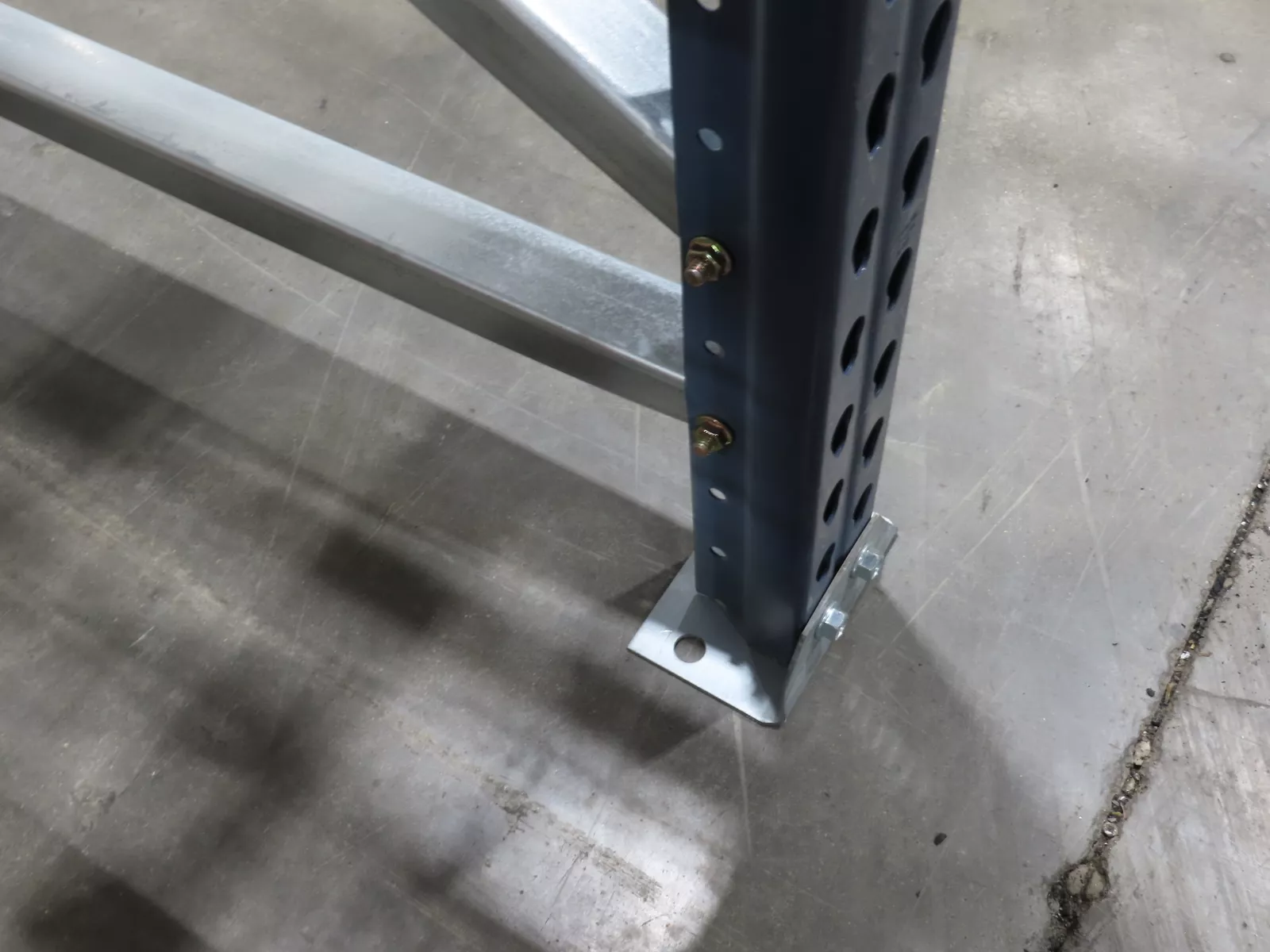
Are There OSHA Guidelines for Cantilever Rack Installation?
Are There OSHA Guidelines for Cantilever Rack Installation?
- Understanding OSHA guidelines for cantilever rack installation is essential for warehouse safety and efficiency.
- OSHA has no specific regulations for cantilever racks, but they fall under general warehousing safety standards.
- Employers are required to ensure all equipment, including racks, meets safety design specifications.
- A recent incident highlighted the dangers of improper rack installation and the importance of adhering to safety guidelines.
- Authorities like ANSI and RMI provide invaluable guidelines for rack installation, emphasizing load capacity and securing methods.
- Employee training on safe usage practices, loading techniques, and regular inspections is crucial for maintaining safety.
- Incorporating OSHA guidelines with industry best practices enhances operational efficiency and worker safety in warehouses.
Are There OSHA Guidelines for Cantilever Rack Installation?
Table Of Contents
- Are There OSHA Guidelines for Cantilever Rack Installation?
- How Do I Ensure Compliance With OSHA For Cantilever Racks?
- What Safety Standards Apply To Cantilever Racks Under OSHA?
- Are There Specific Requirements For Cantilever Rack Inspections?
- What Are The Common Violations Of OSHA Regulations For Racks?
- How Can I Find OSHA Resources For Rack Installation?
- What Training Is Required For Cantilever Rack Installation?
- Who Is Responsible For Maintaining OSHA Compliance For Racks?
- What Should I Consider During Cantilever Rack Design For Safety?
- How Often Should We Inspect Cantilever Racks For Safety?
- Conclusion
- Other Resources
- Glossary Of Terms
- Other Questions
- Checklist
How Do I Ensure Compliance With OSHA For Cantilever Racks?
Ensuring compliance with the Occupational Safety and Health Administration (OSHA) regulations for cantilever racks isn’t just a legal obligation—it’s a commitment to creating a safe and efficient workplace. Let’s face the facts: workplace injuries lead to more than just bad press; they can cripple productivity and drain your bottom line. But don’t worry, by following a few crucial steps, you can implement effective solutions to keep your operations compliant and your employees safe.
1. Conduct Regular Inspections:
Start by conducting routine inspections of your cantilever racks. These inspections should assess structural integrity, stability, and adherence to OSHA’s guidelines. Make it a point to document your findings meticulously. For example, if you notice signs of wear or damage, act promptly. Ignoring red flags could lead to a catastrophic incident. Factor in recent incidents in the news related to warehouse accidents to emphasize urgency—each accident underscores the need for diligent inspections.
2. Provide Comprehensive Training:
Alright, you’ve got the racks in place, but what good are they if your team doesn’t know how to use them correctly? Invest in comprehensive training programs focused on cantilever rack safety and compliance. Implement hands-on training sessions, ensure all employees understand load limits, and educate them on proper loading techniques. Remember, your people are your greatest asset. Equip them with the knowledge they need, and you’ll support a culture of safety that can reduce costly errors.
3. Maintain Proper Load Distribution:
OSHA regulations specifically address the importance of proper load distribution. The last thing you want to witness is an overloaded rack collapsing under the pressure of poorly stored materials. Make it a practice to post load capacity limits clearly on each rack. Encourage your staff to regularly assess and balance loads to prolong the life of your equipment while ensuring safety.
4. Embrace Technology:
Technology is your friend in achieving compliance. Invest in software that monitors rack usage and highlights potential hazards. If a near-miss occurs, you want to be alerted before an incident happens. Kicking it up a notch with smart technology can not only prevent accidents but also help streamline operations—an essential boon for your bottom line.
5. Foster a Safety-First Culture:
Finally, create a culture where safety is everyone’s priority. Encourage employees to voice their concerns about inventory storage and compliance. Celebrate safe practices and recognize employees who go above and beyond to promote safety. Just as recent supply chain disruptions have pushed many companies to reassess their operational practices, let safety be a cornerstone rather than an afterthought in your organization.
By embracing these strategies, you not only ensure compliance with OSHA for cantilever racks but also create an environment where employees feel valued and safe—ultimately driving your business forward.
How Do I Ensure Compliance With OSHA For Cantilever Racks?
How Do I Ensure Compliance With OSHA For Cantilever Racks?
- Conduct Regular Inspections: Perform routine inspections of cantilever racks for structural integrity, stability, and OSHA compliance, documenting all findings.
- Provide Comprehensive Training: Invest in training programs that teach proper use, load limits, and loading techniques for cantilever racks to enhance safety awareness among employees.
- Maintain Proper Load Distribution: Clearly post load capacity limits on racks and encourage regular assessment of load distribution to prevent rack failures.
- Embrace Technology: Utilize software to monitor rack usage, identify hazards, and alert for near-misses to enhance safety and operational efficiency.
- Foster a Safety-First Culture: Promote an organizational culture prioritizing safety by encouraging employee feedback, celebrating safe practices, and recognizing safety champions.
- Understand the Importance of Compliance: Acknowledge that compliance with OSHA regulations not only meets legal obligations but also protects productivity and the bottom line.
- Create a Valued Environment: By implementing these strategies, you foster a workplace where employees feel safe and valued, boosting overall business performance.
How Do I Ensure Compliance With OSHA For Cantilever Racks?
What Safety Standards Apply To Cantilever Racks Under OSHA?
When it comes to storing materials vertically, cantilever racks offer a space-saving solution that many industries adore. Yet, with great solutions come great responsibilities—chief among them, adhering to the safety standards set by the Occupational Safety and Health Administration (OSHA). Understanding these standards is not just essential for compliance; it’s about creating a safe environment for your workforce, preserving your reputation, and avoiding costly penalties.
First, let’s dive into the backbone of OSHA standards regarding cantilever racks: the General Duty Clause. It mandates that employers provide a workplace free from recognized hazards. If your cantilever rack presents a tipping risk due to improper loading or structural deficiencies, you’re in violation of this fundamental obligation. To stay compliant, conduct regular inspections of your storage systems and ensure they meet the recommended load capacities.
Consider the incident in a major warehouse last year, where a cantilever rack collapsed under the weight of improperly stored heavy steel pipes. Not only did this event result in injuries and lost work hours, but it also cost the company thousands in OSHA fines and legal fees. Had they adhered to proper loading guidelines and conducted frequent safety audits, this disaster could have been averted.
OSHA also cites specific standards—namely ANSI/ASSP A14.3, which covers the design of materials handling equipment. This standard evaluates factors such as load limits, equipment stability, and the training of the staff involved in storing and retrieving items on these racks. A proactive safety culture means training employees to recognize load limits and reporting any structural issues before they escalate.
Moreover, proper labeling is critical. Following OSHA’s guidelines for labeling loads helps ensure that your team knows the weight limits of each rack and the materials it can hold. It’s all about running a tight ship; a well-trained team equipped with the right information can prevent accidents before they happen.
Lastly, take a cue from recent trends: with industries pivoting to new technologies and automation, integrating safety monitoring systems can streamline adherence to OSHA regulations. Digital solutions can provide real-time data on load capacities and alert you to any potential hazards, keeping your operation both compliant and efficient.
Safety isn’t just an obligation—it’s an investment in your people and your business. By understanding and implementing the necessary OSHA standards for cantilever racks, you create a safer workplace that not only meets regulatory requirements but also enhances employee morale and productivity.
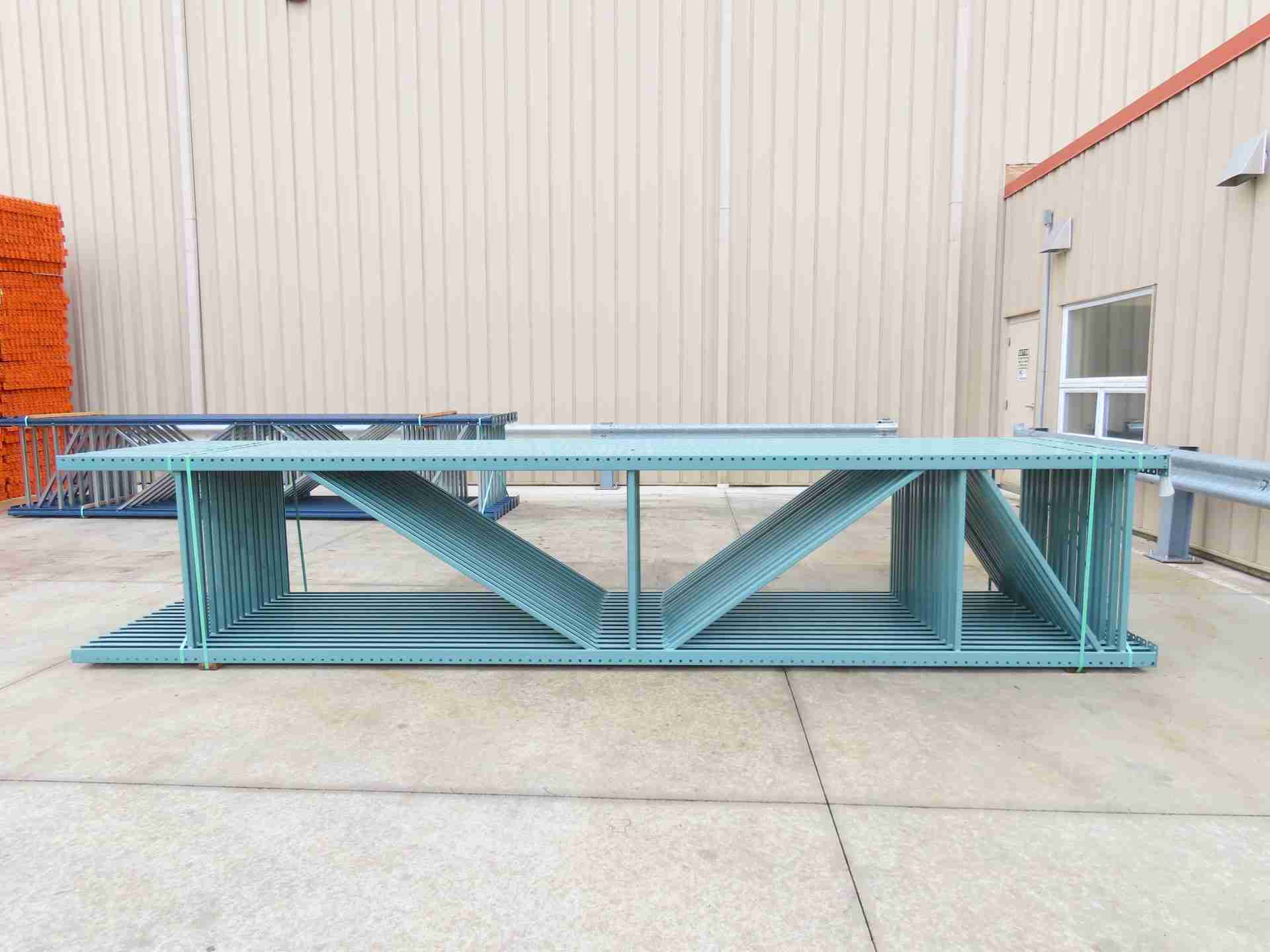
What Safety Standards Apply To Cantilever Racks Under OSHA?
What Safety Standards Apply To Cantilever Racks Under OSHA?
- Cantilever racks are space-saving storage solutions that must adhere to OSHA safety standards.
- The General Duty Clause requires employers to maintain a workplace free from recognized hazards, including tipping risks from cantilever racks.
- Regular inspections and adherence to recommended load capacities are essential for compliance and safety.
- A notable incident involving a cantilever rack collapse highlights the importance of proper loading and frequent safety audits.
- OSHA cites specific standards (ANSI/ASSP A14.3) focusing on load limits, equipment stability, and staff training for safe material handling.
- Proper labeling of loads is crucial for informing teams about weight limits and material capabilities of racks.
- Integrating safety monitoring systems and digital solutions can enhance compliance by providing real-time data on load capacities and potential hazards.

What Safety Standards Apply To Cantilever Racks Under OSHA?
Are There Specific Requirements For Cantilever Rack Inspections?
When it comes to ensuring safety and efficiency in your warehouse or storage facility, regular inspections of cantilever racks are not just a good idea—they’re a necessity. But what exactly do these inspections entail? While the nuances may vary depending on your industry and location, the core principles remain the same: safety, compliance, and optimization.
Understanding Legal Compliance
First and foremost, many regions mandate that businesses adhere to specific safety standards set by organizations like OSHA (Occupational Safety and Health Administration) in the United States. These regulations clarify the necessity of regular inspections—typically at least annually—and outline what to look for during these assessments. Recent incidents, such as the tragic collapse of a storage system in a major distribution center, underscore the importance of these inspections. In such cases, a thorough review could have potentially avoided disaster.
Key Inspection Components
Your inspections should focus on several critical areas:
1. Structural Integrity: Look for any signs of damage, such as bent arms, cracks, or signs of rust. For example, recent trends show an uptick in the use of recycled materials which, while eco-friendly, may compromise the longevity if not carefully assessed.
2. Load Capacity: Ensure that load signs are visible and that the racks are not overloaded. Consider employing weight sensors that provide real-time data on the load being carried to prevent accidents.
3. Alignment and Stability: An inspection should confirm that the racks are straight and level. In warehouses where high-velocity operations take place, even minor misalignments can escalate into significant hazards.
4. Safety Features: Check that safety pins, braces, and other safety features are intact and operational. Remember the recent surge in e-commerce fulfillment centers? With the exponential increase in inventory turnover, robust safety features can save you from catastrophic losses.
Implement a Regular Inspection Schedule
Best practices suggest that rather than waiting for an annual inspection, you should implement a routine check schedule. For instance, during peak seasons, conducting bi-monthly assessments can catch issues before they escalate. Engaging a certified professional for these inspections not only ensures compliance but also lends credibility to your operations—a badge of honor that reassures clients and stakeholders.
Conclusion
In an age where safety and efficiency reign supreme, adhering to the specific requirements for cantilever rack inspections is non-negotiable. Don’t wait for the next big headline to remind you of the importance of diligence. Take proactive steps today to safeguard your investment and, most importantly, the people who rely on it.
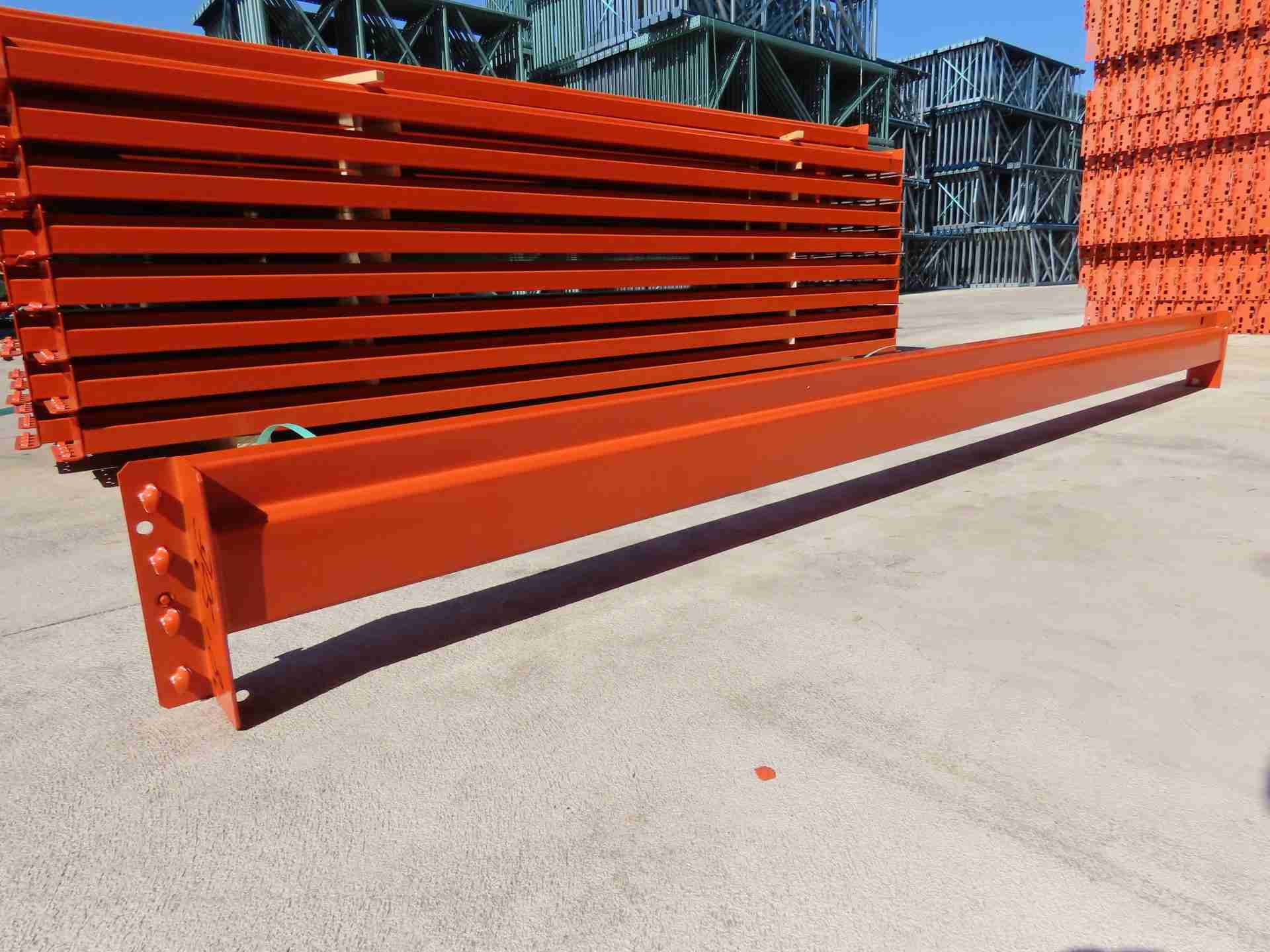
Are There Specific Requirements For Cantilever Rack Inspections?
Are There Specific Requirements For Cantilever Rack Inspections?
- Regular inspections of cantilever racks are essential for safety and efficiency in warehouses.
- Compliance with safety standards, such as OSHA regulations, is mandated in many regions.
- Inspections should focus on structural integrity, load capacity, alignment, stability, and safety features.
- Visible load signs and weight sensors are critical to prevent overloading and accidents.
- Routine inspection schedules, such as bi-monthly checks during peak seasons, are recommended.
- Engaging certified professionals for inspections ensures compliance and builds credibility.
- Proactive maintenance is necessary to prevent disasters and protect investments and personnel.
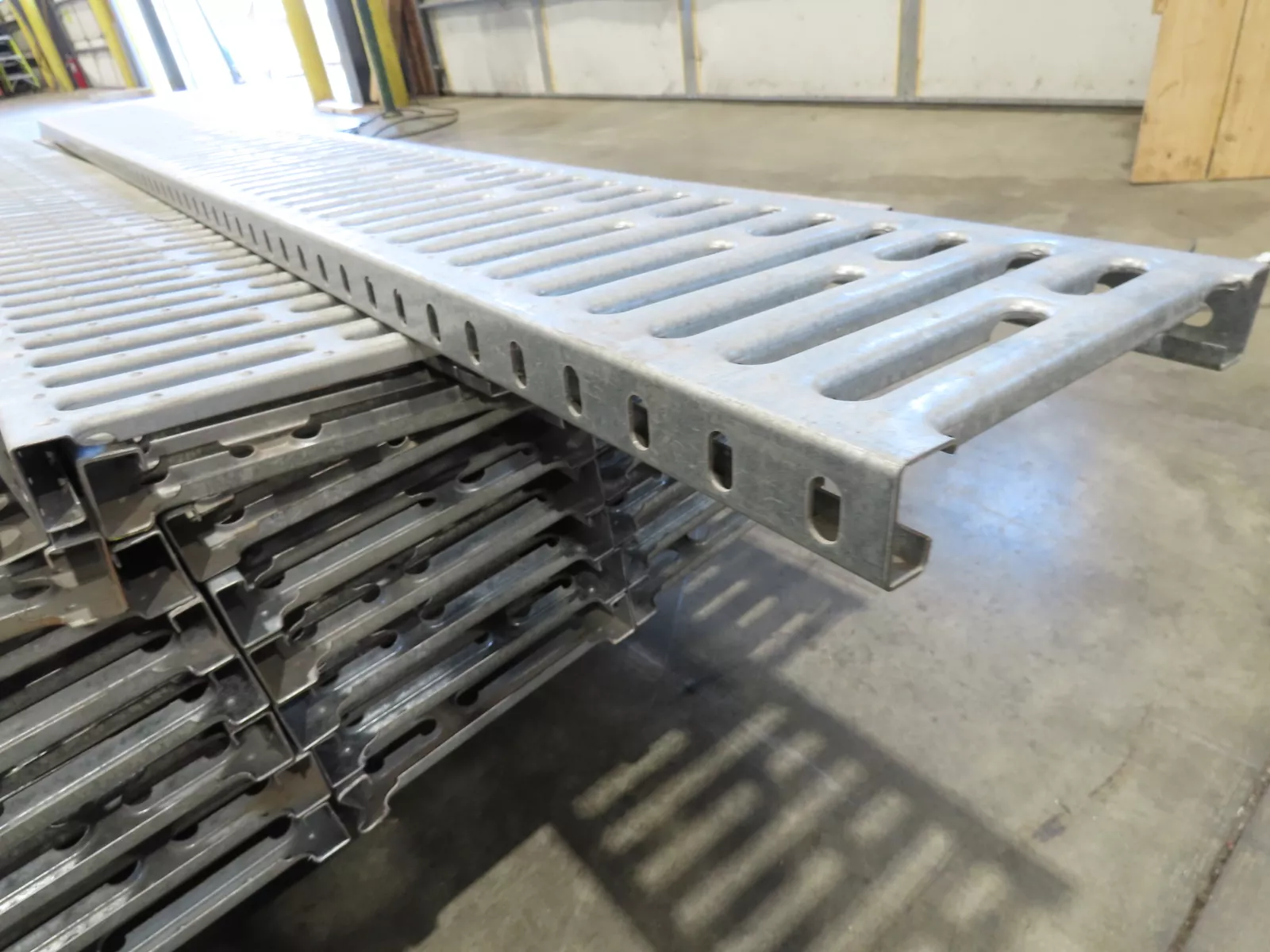
Are There Specific Requirements For Cantilever Rack Inspections?
What Are The Common Violations Of OSHA Regulations For Racks?
When it comes to warehouse safety, understanding OSHA regulations is not just a matter of compliance—it’s a matter of preserving lives and protecting your bottom line. Racks, often used for storing inventory and maximizing space, are subject to specific standards that, when violated, can lead to devastating accidents and hefty fines. Familiarizing yourself with common violations surrounding racks can mean the difference between a safe workplace and an OSHA audit waiting to happen.
1. Overloading Racks
One of the most prevalent violations is overloading. Every rack system has a designated weight limit clearly marked by the manufacturer. Exceeding this limit can lead to structural failure, resulting in collapsing racks that can injure workers and damage inventory. A prime example comes from a 2022 incident where a warehouse in Illinois faced a massive $200,000 fine because inspectors found multiple racks overloaded by more than 35%. Always ensure that employees are trained on load limits and regularly monitor stock levels.
2. Inadequate Inspection and Maintenance
OSHA emphasizes the need for regular inspections of rack systems to identify potential hazards and defects. Failure to perform these inspections can lead to significant safety risks. In a shocking case from Texas last year, a routine inspection uncovered rusted bolts and compromised stability in several rack systems that had not been checked in over a year, putting 50 employees at risk. Implement a documented inspection schedule to avoid potential calamities and stay compliant.
3. Improper Installation
Improper rack installation is another common violation that can jeopardize safety. Racks must be installed as per the manufacturer’s specifications to ensure they can bear the intended load. In Michigan, an electrical components distributor faced fines after two racks collapsed due to incorrect assembly. Proper training for installation staff and adherence to guidelines can significantly reduce the risk of these violations occurring.
4. Lack of Safety Precautions
Lastly, the absence of barriers and safety measures around high storage racks can lead to tragic accidents. OSHA requires that if workers are within proximity of high racks, safety measures like protective netting or guardrails must be in place. A warehouse in Ohio recently learned this lesson the hard way, as an employee was injured after being struck by falling materials from an unprotected rack. Investing in safety features isn’t just compliant; it’s a smart business decision.
In summary, being proactive about these common rack-related violations is essential for cultivating a safe working environment. Not only does it protect your workforce, but it also shields your business from costly OSHA fines and brand damage. Remember, a culture of safety is not just a regulatory box to check; it’s a commitment to excellence.
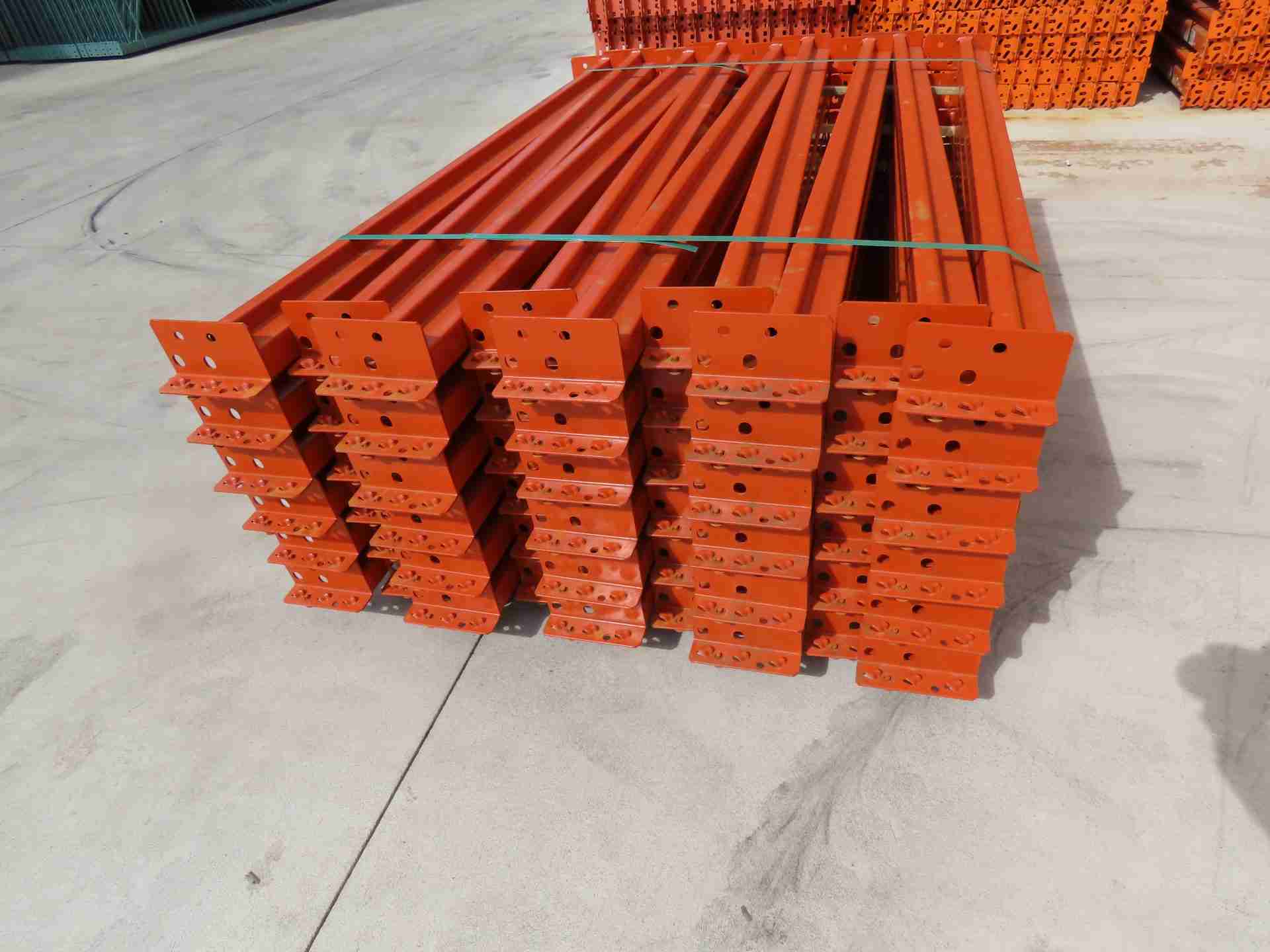
What Are The Common Violations Of OSHA Regulations For Racks?
What Are The Common Violations Of OSHA Regulations For Racks?
- OSHA regulations for racks are essential for workplace safety and financial protection.
- Overloading racks is a significant violation, leading to structural failures and injuries.
- Inadequate inspection and maintenance can create safety risks, highlighting the need for a documented schedule.
- Improper installation of racks can result in accidents and fines if not done according to manufacturer guidelines.
- Lack of safety precautions, such as barriers, can lead to accidents from falling materials.
- Proactively addressing rack-related violations protects employees and avoids costly fines.
- A culture of safety is vital for both compliance and overall business excellence.
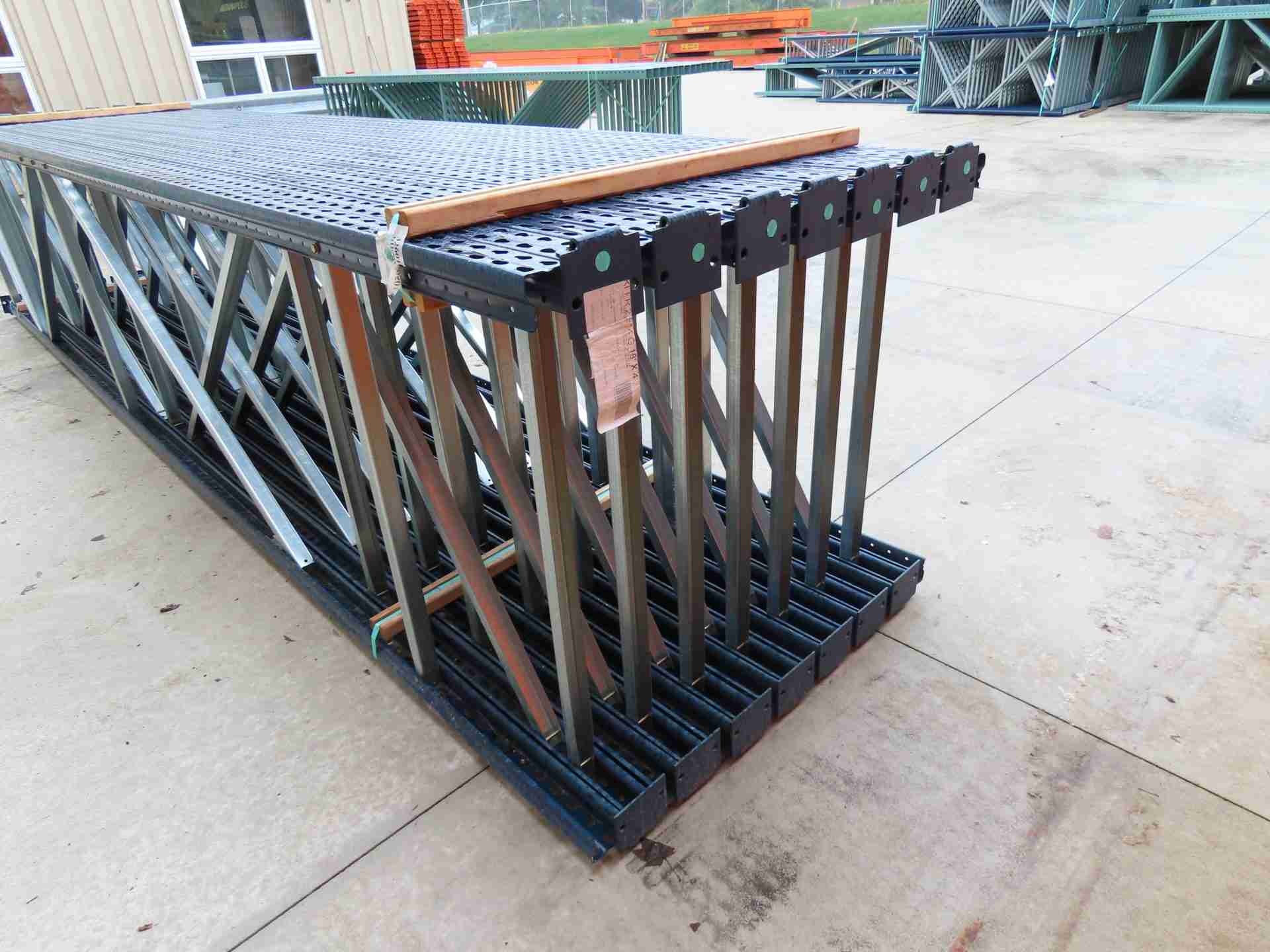
What Are The Common Violations Of OSHA Regulations For Racks?
How Can I Find OSHA Resources For Rack Installation?
When it comes to rack installation, ensuring compliance with OSHA (Occupational Safety and Health Administration) regulations isn’t just a good idea—it’s a necessity. Not only does it protect your workforce, but it also safeguards your business from costly fines and liabilities. So, how can you access valuable OSHA resources that will optimize your rack installation process? Let’s break it down.
First, the OSHA website is an invaluable resource. A simple trip to osha.gov provides a treasure trove of information. You can find specific guidelines regarding warehouse safety, including aspects related to racking systems. For example, the OSHA Standard 29 CFR 1910.176 outlines specifications for the use of warehouse racks and storage systems, ensuring that loads are stored safely and do not result in structural failures. Bookmark this site and check it frequently for updates.
Next, OSHA’s eTool on Material Handling can be an eye-opener. This digital tool covers the safe use of racks, providing visual cues and step-by-step procedures that assist in compliance. By investing time in learning these tools, you set a benchmark for safety that resonates through your organization.
Additionally, consider attending OSHA-authorized training sessions. Many organizations, such as the National Safety Council or your local Chamber of Commerce, offer structured programs that delve into the specifics of rack installation and compliance. For instance, a recent OSHA workshop highlighted emerging trends in automated storage and retrieval systems, emphasizing the importance of adapting safety measures to contemporary practices.
Also, don’t overlook social media platforms and industry forums. Connecting with fellow professionals can provide real-time insights about new developments in OSHA regulations. LinkedIn groups centered around warehouse safety and logistics often share articles, best practices, and new legislation that could impact your operations. For example, labelling issues regarding earthquake standards became a hot topic last year after a report indicated a rise in warehouse collapse incidents due to non-compliance with these safety regulations. This is the kind of timely information that can help you adjust before you face repercussions.
Finally, consider subscribing to industry newsletters and following OSHA press releases. These resources keep you updated on changes in legislation and emerging safety standards that impact rack installation. The more informed you are, the better prepared you’ll be to ensure your workplace remains compliant and safe.
In summary, finding OSHA resources for rack installation is easier than you think. Utilize the official website, leverage training, engage in online communities, and stay updated through newsletters. Position your organization as a leader in safety, and you won’t just meet compliance—you’ll exceed it!
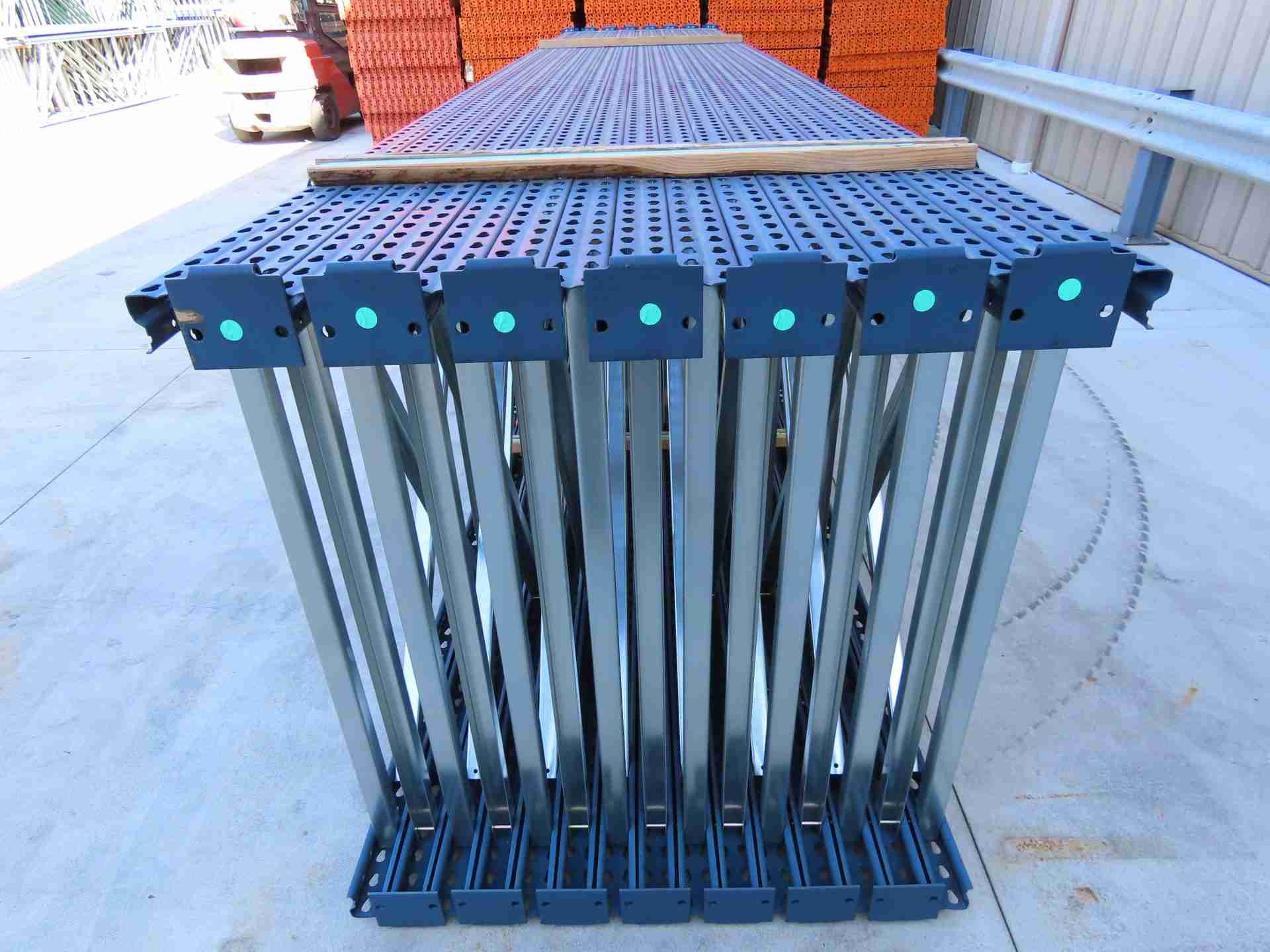
How Can I Find OSHA Resources For Rack Installation?
How Can I Find OSHA Resources For Rack Installation?
- Compliance with OSHA regulations is essential for rack installation to protect workers and avoid fines.
- The OSHA website (osha.gov) offers crucial resources, including guidelines on warehouse safety and racking systems.
- OSHA Standard 29 CFR 1910.176 provides specifications ensuring safe storage and structural integrity of racks.
- OSHA’s eTool on Material Handling offers visual aids and procedures to assist with compliance and safety practices.
- Attend OSHA-authorized training sessions to learn about rack installation and current safety measures.
- Utilize social media and industry forums to gain insights and real-time updates regarding OSHA regulations.
- Subscribe to industry newsletters and follow OSHA press releases for timely updates on legislation and safety standards.
How Can I Find OSHA Resources For Rack Installation?
What Training Is Required For Cantilever Rack Installation?
Before diving into the world of cantilever racks—those ingenious storage solutions that maximize vertical space and streamline your inventory processes—let’s discuss the training required for a successful installation. Investing in proper training not only ensures a safe working environment but also enhances operational efficiency and longevity of the rack system.
First and foremost, anyone involved in cantilever rack installation should undergo comprehensive safety training. OSHA (Occupational Safety and Health Administration) guidelines will serve as your baseline, but consider going above and beyond. For example, recent changes in regulations regarding warehouse safety protocols highlight the need for solid education on load limits and seismic considerations—essential for installations in earthquake-prone areas. Your installation crew should be trained to understand these regulations, ensuring compliance from day one.
Next, hands-on training is paramount. It’s one thing to read the installation manual; it’s another to grapple with the realities of erecting heavy, cumbersome components. Engaging in on-the-job training with seasoned professionals offers invaluable insights. Consider resources like the Warehouse Education and Research Council (WERC), which often provides workshops focusing on rack systems and their installation. Your team can learn about proper alignment, adjusting for uneven flooring, and strategies for load balancing, ultimately ensuring the structure’s integrity and safety.
Furthermore, digital technology is changing the landscape of warehouse management. Familiarity with software solutions that design and plan rack layouts can differentiate your team from the competition. Many companies are leveraging 3D modeling tools to visualize their storage solutions before installation. By equipping your installation crew with this knowledge, you position them to not only follow plans but also innovate on the fly—responding to sudden changes in inventory management needs or unforeseen challenges during installation.
Lastly, ongoing education shouldn’t end with the installation. As your business grows and evolves, so too should your team’s skills. Hosting regular training sessions and bringing in experts for refresher courses ensures that your team remains on the cutting edge of industry standards and best practices. It’s not just about installing a rack; it’s about constructing a system that works as part of your business’s larger ecosystem.
In the ever-evolving world of logistics, where efficiency can set you apart from the competition, robust training for cantilever rack installation is not just an option—it’s essential. Empower your team today for a more organized and successful tomorrow.
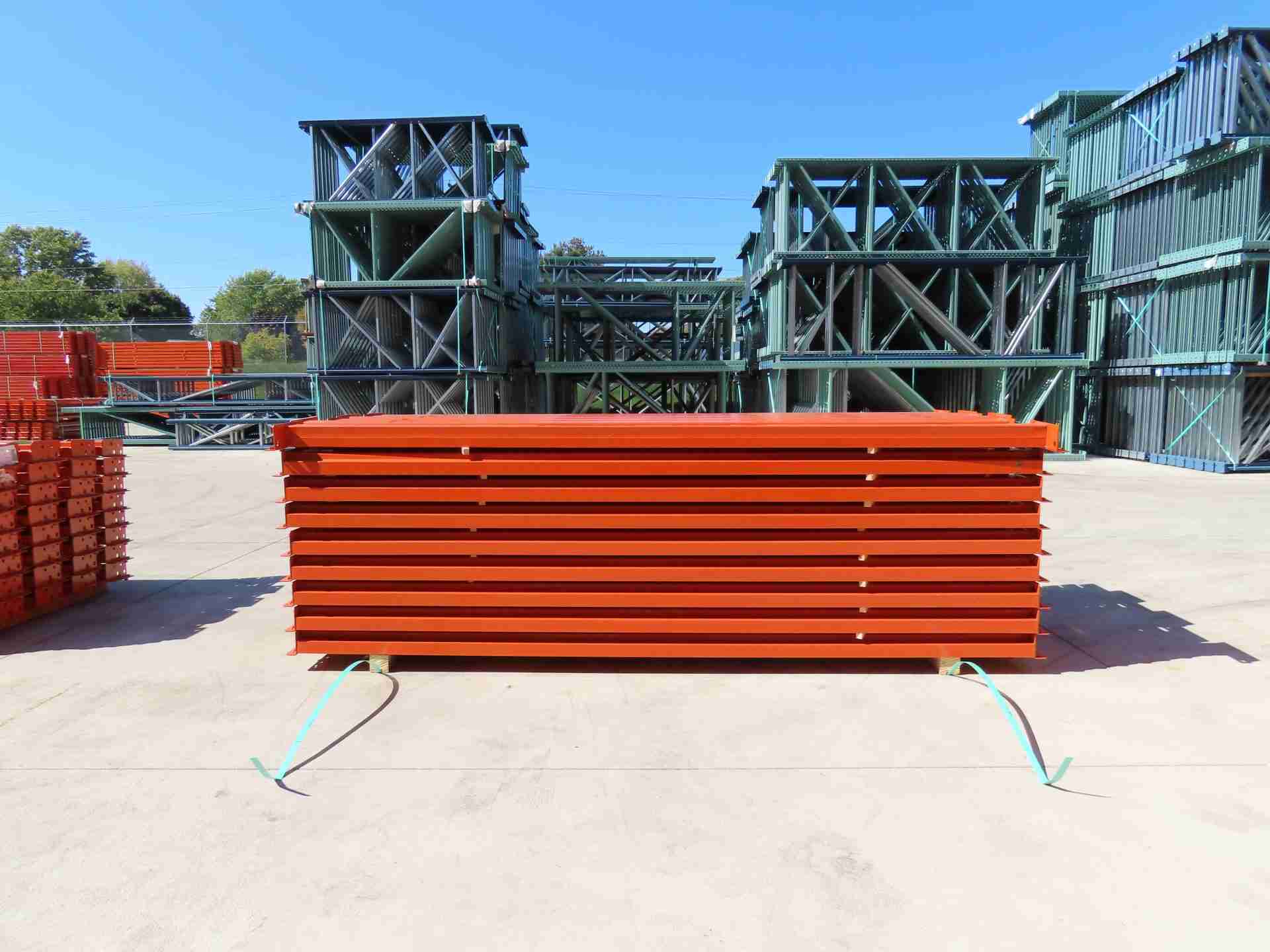
What Training Is Required For Cantilever Rack Installation?
What Training Is Required For Cantilever Rack Installation?
- Invest in proper training for a safe working environment and enhanced operational efficiency in cantilever rack installation.
- Ensure comprehensive safety training based on OSHA guidelines, with attention to recent regulations on load limits and seismic considerations.
- Provide hands-on training through on-the-job experiences and workshops offered by organizations like the Warehouse Education and Research Council (WERC).
- Incorporate digital technology, including software and 3D modeling tools, to improve rack layout planning and adaptability during installations.
- Implement ongoing education with regular training sessions and expert-led refresher courses to keep the team updated on industry standards.
- Aim for a system that integrates well within your business’s larger ecosystem rather than just focusing on rack installation.
- Recognize the importance of robust training to maintain competitive efficiency in the logistics sector.
What Training Is Required For Cantilever Rack Installation?
Who Is Responsible For Maintaining OSHA Compliance For Racks?
When it comes to ensuring OSHA compliance for racks in warehouses and industrial settings, the responsibility doesn’t fall solely on one party—it’s a collaborative effort that encompasses management, safety officers, and employees. In today’s fast-paced business environment, where efficiency and safety should go hand in hand, understanding this shared responsibility is pivotal for operational success and risk mitigation.
First and foremost, the organization’s leadership plays a crucial role. It’s their job to foster a culture of safety where compliance is not just a checkbox but a core value. This means investing in training programs that educate employees about proper equipment usage and the risks associated with non-compliance. Take the recent headlines surrounding major retailers facing litigation for workplace injuries; these cases often highlight lapses in compliance that could have been avoided with proper leadership oversight and employee training.
Next in line are the safety officers or compliance managers. Their responsibilities include conducting regular inspections of racks to ensure they meet OSHA standards. For instance, if a warehouse fails to meet standards and an inspection reveals it, the repercussions can be severe—ranging from hefty fines to shutdowns. Therefore, having a dedicated compliance officer who routinely checks for issues like rack instability or overloads can be invaluable. This proactive approach not only safeguards compliance but also enhances overall operational efficiency.
However, while leaders and specialist roles are critical, we cannot overlook the frontline employees. It’s essential that every worker understands how to safely handle materials and navigate around racks. Think about the age-old mantra, “See something, say something.” Employees who are vigilant and empowered to report safety concerns play a pivotal role in maintaining compliance. Consider the case of a large logistics firm that reduced workplace injuries by 30% after implementing a peer-reporting system, underscoring the importance of an engaged workforce.
Finally, it’s essential to remember that maintaining OSHA compliance is an ongoing process, especially with ever-evolving regulations. What worked a few years ago might not suffice today. Recent changes to OSHA standards regarding rack inspections and maintenance necessitate continuous updates in training and practices. Organizations that prioritize compliance will not only protect their workers but also enhance their brand reputation, reduce costs associated with accidents, and ultimately drive productivity.
Maintaining OSHA compliance for racks is a shared responsibility that requires commitment from all levels within an organization. By cultivating a culture of safety, investing in thorough training, and empowering employees, companies can navigate the complexities of compliance while setting themselves up for sustained success.
Who Is Responsible For Maintaining OSHA Compliance For Racks?
Who Is Responsible For Maintaining OSHA Compliance For Racks?
- Maintaining OSHA compliance for racks is a collaborative effort among management, safety officers, and employees.
- Leadership must create a culture of safety where compliance is a core value, emphasizing training on equipment use and risks.
- Safety officers are responsible for regular inspections of racks to ensure they meet OSHA standards, preventing serious repercussions.
- Frontline employees play a critical role; they must understand safe handling of materials and reporting of safety concerns.
- Active participation from employees, like peer-reporting systems, can significantly reduce workplace injuries.
- Maintaining compliance is an ongoing process that requires adapting to evolving OSHA regulations and standards.
- Prioritizing compliance protects workers, enhances brand reputation, reduces accident costs, and drives productivity.
Who Is Responsible For Maintaining OSHA Compliance For Racks?
What Should I Consider During Cantilever Rack Design For Safety?
When it comes to designing a cantilever rack, safety isn’t just a checkbox on a list—it’s the foundation upon which your entire storage system stands. Ensuring your racks are built to perform safely is not just a regulatory necessity; it’s a matter of protecting your investment, your employees, and your bottom line. Here’s what you should consider.
Load Capacity and Distribution
First and foremost, be crystal-clear on the load capacity of your cantilever racks. Each unit is designed to hold a specific weight and type of material, so you need to know exactly what you’re loading. Misjudgments can lead to catastrophic failures. For instance, if you’re storing heavy sheets of steel and exceed the recommended capacity, you risk tilting, collapsing, or even worse—with potential injuries and costly damages. Stay updated on current standards and guidelines from organizations, such as the Material Handling Industry (MHI), to avoid pitfalls.
Quality of Materials
The materials you choose for your cantilever racks can be the difference between a robust, long-lasting solution and a potential hazard. Steel grades matter. Opt for high-grade steel for your uprights and arms to ensure they can withstand heavy loads without bending or breaking. Recent industry reports have noted that using inferior materials can significantly contribute to rack failures, leading to financial losses and safety violations. Don’t cut corners; invest in quality.
Design and Configuration
The configuration of your cantilever rack can play a vital role in safety. Ensure that your racks are designed to accommodate the specific shapes and sizes of the goods you’re storing. This includes maintaining adequate aisle space for forklifts and workers. For example, during a recent warehouse incident in a high-density storage area, cramped aisles contributed to an accident that could have been avoided with proper planning. Assess your layout regularly to prevent overcrowding and promote safety.
Regular Inspections and Maintenance
Finally, the best-designed rack can fail if not maintained. Establish a routine inspection schedule to check for structural integrity and wear-and-tear. Create a culture of safety where employees are encouraged to report concerns immediately. This proactive approach not only prevents accidents but also boosts moral, ensuring that employees feel secure in their work environment. Awareness can prevent disaster.
By considering these critical aspects in your cantilever rack design, you’re not only ensuring compliance with safety norms but also setting your facility up for long-term success. Make safety your priority, invest wisely, and watch both your productivity and peace of mind soar.
What Should I Consider During Cantilever Rack Design For Safety?
What Should I Consider During Cantilever Rack Design For Safety?
- Safety as Foundation: Designing cantilever racks with safety as a primary concern protects investments, employees, and profit.
- Load Capacity Awareness: Understand the specific load capacity for racks to prevent catastrophic failures due to misjudgments.
- Material Quality: Choose high-grade steel for uprights and arms to ensure durability and avoid rack failures.
- Configuration Considerations: Design racks to fit the dimensions of stored goods and allow adequate aisle space for safety.
- Routine Inspections: Implement a regular inspection schedule to maintain structural integrity and encourage employee safety reporting.
- Proactive Safety Culture: Promote an environment where employees feel secure and aware, which helps prevent accidents.
- Long-term Success: Focus on safety and wise investments to enhance productivity and ensure compliance with safety norms.
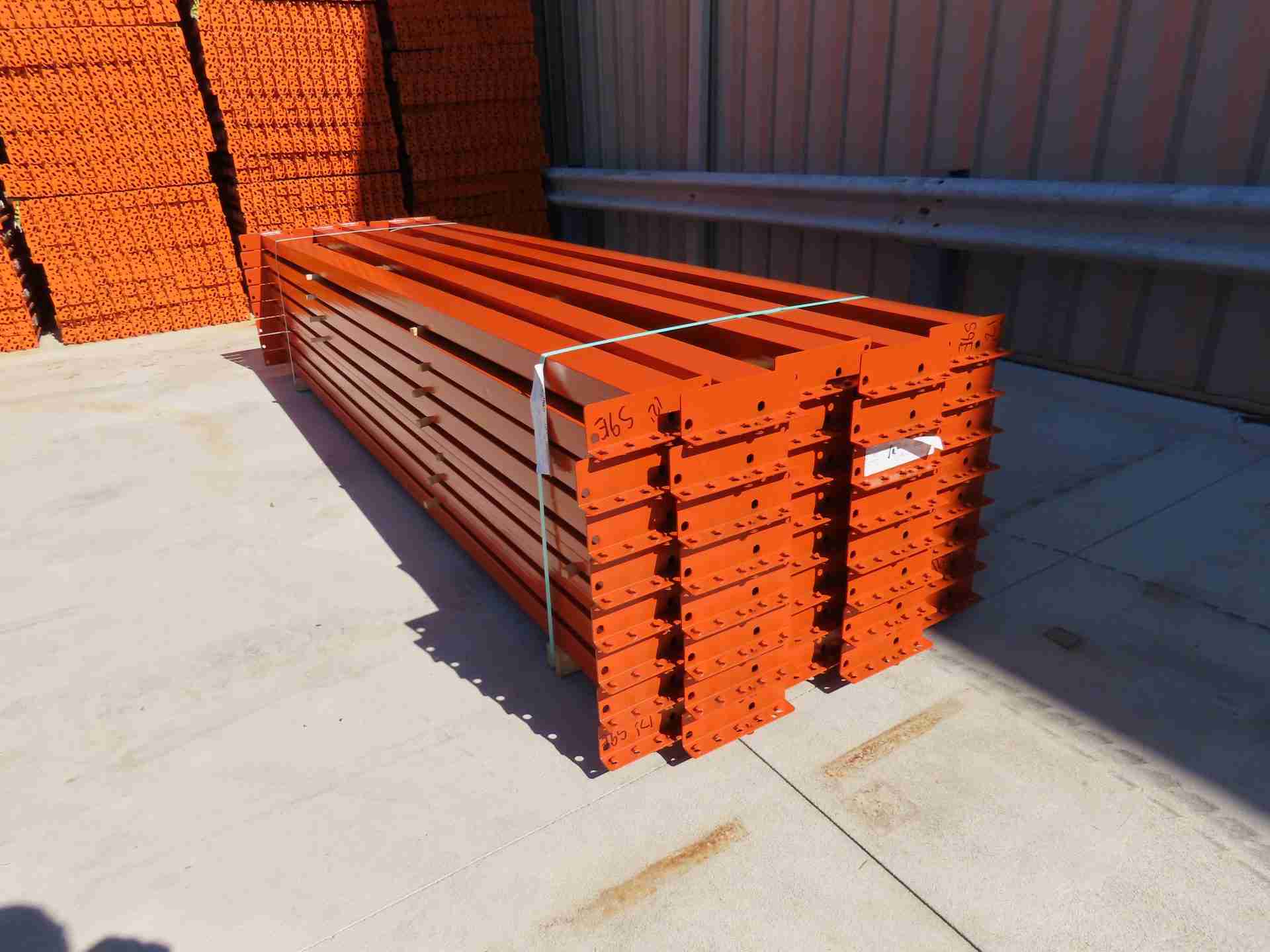
What Should I Consider During Cantilever Rack Design For Safety?
How Often Should We Inspect Cantilever Racks For Safety?
In the fast-paced world of warehousing and logistics, your cantilever racks are the unsung heroes that keep your operation running smoothly. But underestimating their care could quickly lead your business into peril. Trust me; ignoring regular inspections is a cost you simply can’t afford. So how often should you be inspecting your cantilever racks for safety? The answer is straightforward: routinely and rigorously.
Monthly Checks: Picture this: every month, dedicate a few hours to inspect your cantilever racks. This routine will allow you to catch potential issues before they escalate into costly accidents. Look for signs of wear and tear, loose bolts, or any structural damage. For instance, earlier this year, a major retailer faced a significant financial blow after a warehouse accident involving a collapsed shelving unit. The resulting injuries and fines could have been mitigated with diligent monthly inspections.
Quarterly Assessments: Beyond your routine checks, a more thorough evaluation every quarter is non-negotiable. This is your chance to review the integrity of the racks, ensuring they can withstand the demands of your inventory. Consider factors like load distribution and the condition of the beams and columns. Recent news reports have highlighted similar tragedies stemming from overloading storage systems. Such incidents not only harm employees but can tarnish your brand’s reputation.
Annual Inspections: Finally, an in-depth, professional inspection at least once a year is crucial. Engage a qualified safety auditor to evaluate your entire storage system. They can uncover hidden risks and recommend upgrades, ensuring your cantilever racks meet the highest safety standards. A logistics firm that recently complied with updated safety regulations reported a 30% reduction in workplace incidents. Their proactive approach transformed not just their safety culture but also their operational efficiency, boosting morale and productivity.
Real-Life Application: Think about the impact of these inspections in practical terms. Regular evaluations can lead to minimal downtime, less product loss, and the ultimate peace of mind that comes from knowing your workplace is safe. The cost of inspections pales in comparison to the financial repercussions of workplace injuries and facility damage.
To maintain the efficiency and safety of your cantilever racks, implement a robust inspection strategy. It’s not just a regulatory obligation; it’s a strategic priority that can save your business from the unpredictable cost of neglect. Make a commitment today—you’ll be glad you did!
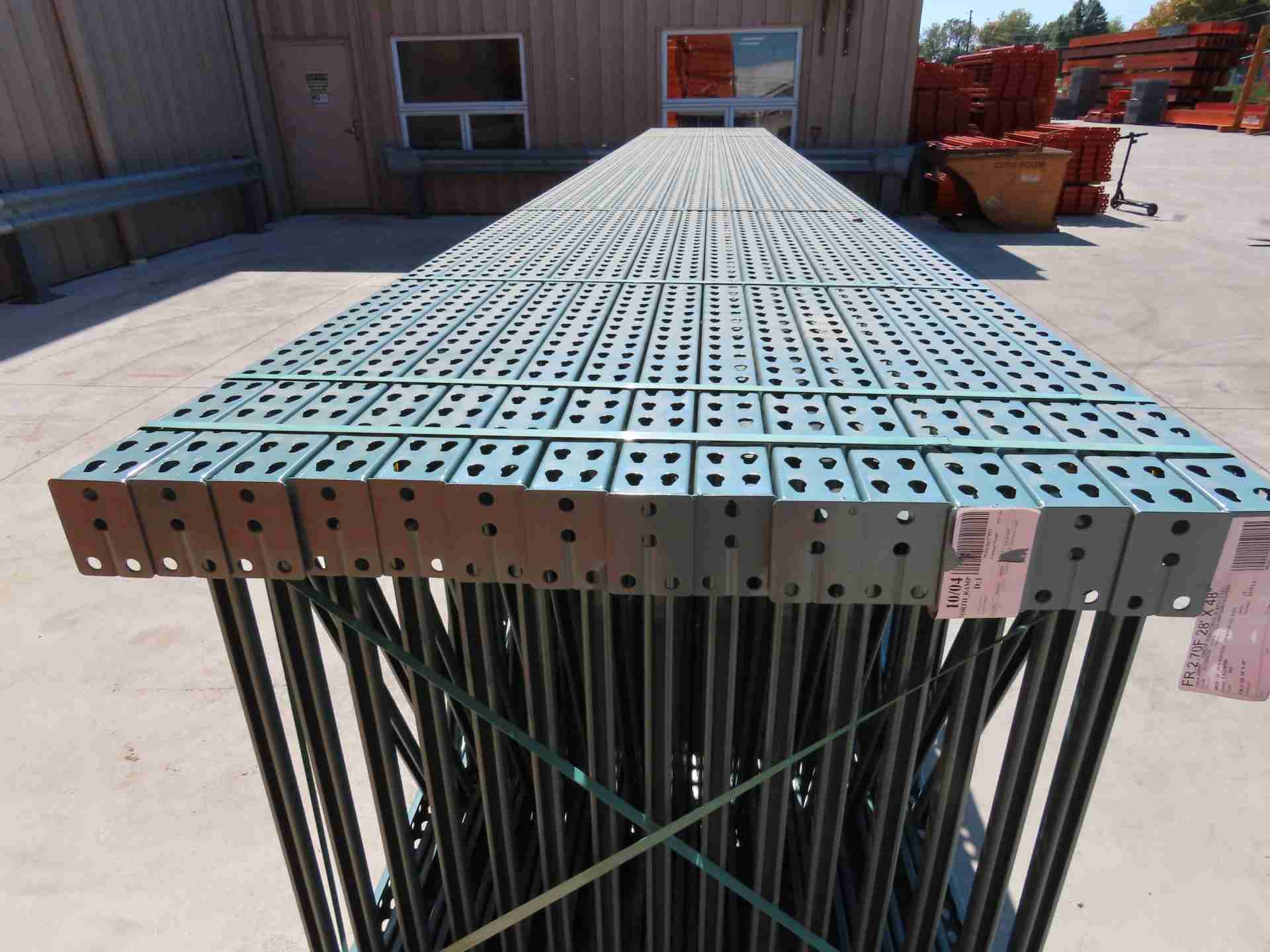
How Often Should We Inspect Cantilever Racks For Safety?
How Often Should We Inspect Cantilever Racks For Safety?
- Cantilever racks are essential for smooth warehousing and logistics operations.
- Ignoring regular inspections can lead to costly accidents and financial losses.
- Conduct monthly inspections to catch wear and tear, loose bolts, or structural damage.
- Perform thorough quarterly assessments to evaluate rack integrity and load distribution.
- Engage a qualified auditor for annual inspections to ensure safety standards are met.
- Regular evaluations lead to minimal downtime, decreased product loss, and enhanced workplace safety.
- Adopting a solid inspection strategy is a strategic priority that protects your business.
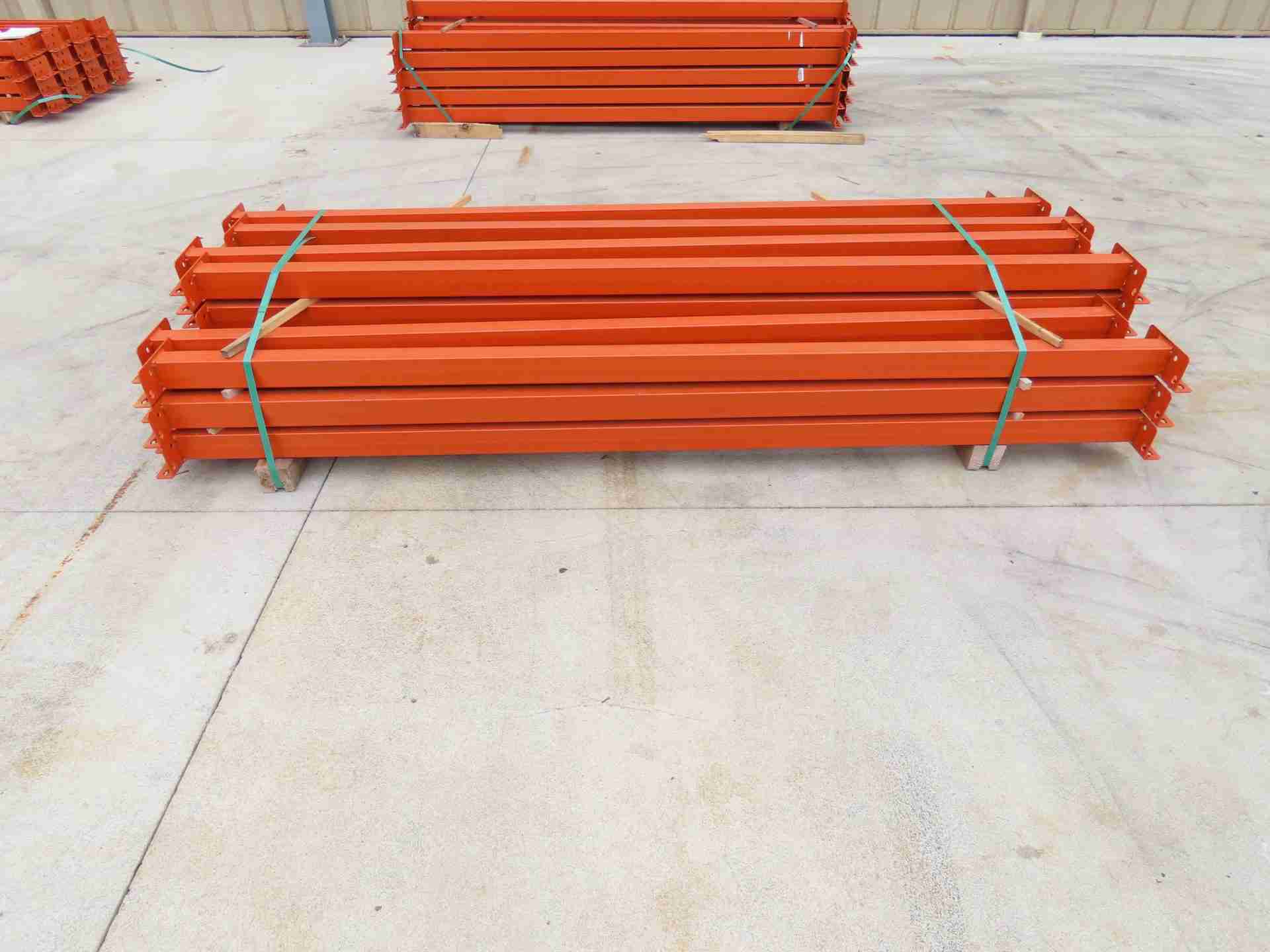
How Often Should We Inspect Cantilever Racks For Safety?
Conclusion
In the demanding environment of warehouse operations, ensuring the safety of your cantilever racks is not merely about compliance—it’s a critical strategic move that can protect your workforce and your bottom line. As established by OSHA, while there aren’t specific guidelines solely for cantilever racks, adherence to general warehousing safety standards is essential. These regulations underscore the importance of proper installation, routine inspections, and employee training to mitigate risks and enhance safety.
With incidents in various distribution centers showcasing the repercussions of improper rack setups, it becomes imperative for businesses to take proactive measures. The heart of your safety strategy should involve conducting regular inspections to identify potential hazards before they escalate into catastrophic failures, ensuring your racks are structurally sound and correctly loaded. Not only does this prevent accidents, but it also promotes a culture where safety is prioritized—a notion increasingly valued by employees and clients alike.
Substantial benefits arise when integrating best practices from industry standards. Leveraging guidelines set forth by organizations like ANSI and RMI can vastly improve your operational efficiency, while fostering an environment where employees feel secure and valued. Effective training programs that inform staff on safe usage, load limits, and maintenance checks create an educated workforce capable of recognizing red flags in real-time.
Moreover, incorporating technology into your safety protocols can further elevate your compliance efforts. Digital monitoring tools track load capacity and prevent potential hazards, ensuring not just adherence to OSHA regulations but also smooth, efficient operations—a win-win for your productivity and safety benchmarks.
The crux of your business’s safety lies in understanding the shared responsibility for maintaining compliance with OSHA regulations. Leadership must champion a safety-first approach, compliance officers need to conduct routine checks, and frontline employees should be encouraged to speak up about safety concerns. By establishing a collaborative framework that emphasizes accountability at all levels, you create a sustainable culture of safety that transcends compliance—it embeds itself in the very fabric of your operations.
Time is of the essence; don’t let negligence manifest in avoidable accidents or costly downtime. For tailored solutions and advice, call Arrow Industrial Sales at (574) 349-6575. Your safety and compliance are too vital to be left to chance, so act now to safeguard your workplace and optimize your operational success. Prioritize safety today, and build a fortress of compliance for a robust tomorrow.
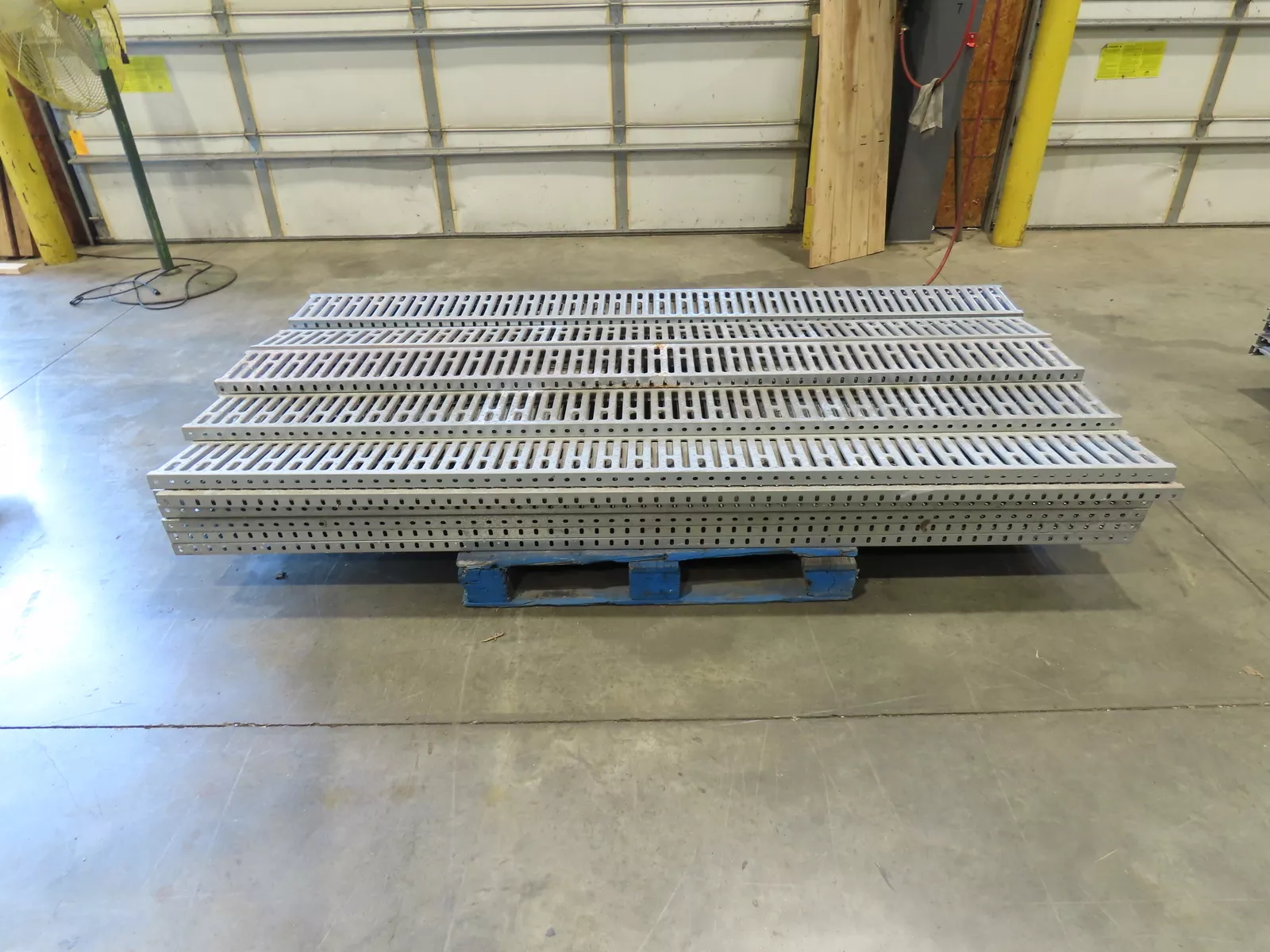
Conclusion
Conclusion:
- Ensuring cantilever rack safety in warehouses is crucial for workforce protection and business profitability.
- OSHA guidelines, while lacking specifics for cantilever racks, stress compliance with general warehousing safety standards.
- Regular inspections and proper installation are essential to mitigate risks and enhance safety culture.
- Implementing industry best practices can significantly improve operational efficiency and employee security.
- Effective training programs empower staff to identify hazards and understand safe usage protocols.
- Utilizing digital monitoring tools helps maintain compliance and enhances overall operational efficiency.
- Creating a collaborative safety culture requires accountability from leadership to frontline employees.
Conclusion
Other Resources
Other Resources
Here is a list of other resources you can review online to learn more:
- Cantilevered Storage Rack Safety 101: This article provides insights on the safe design, manufacture, and installation of cantilevered rack systems.
- 1926.250 – General requirements for storage: This is an OSHA standard that provides general requirements for storage, which includes guidelines that are applicable to the storage of materials on racks.
- Cantilever Rack User’s Manual – Steel King: This manual provides guidelines for the correct assembly, installation, use, and maintenance of your cantilever rack system.
- I Beam Cantilever Rack Installation and Assembly Guide – UNICOR: This guide provides instructions for the assembly and installation of I-Beam Cantilever Racks.
- GUIDE TO PROPER INSTALLATION AND USE OF CANTILEVER RACKS: This guide provides instructions for the assembly, installation, and use of Cantilever Storage systems.
Please note that the content and availability of these articles are controlled by their respective websites.
Other Resources
Glossary Terms
Are There OSHA Guidelines for Cantilever Rack Installation? – Glossary Of Terms
1. Cantilever Rack: A type of storage rack designed for storing long or bulky items, characterized by its open design with arms extending from a vertical structure.
2. OSHA: The Occupational Safety and Health Administration, a government agency focused on ensuring workplace safety and health regulations.
3. Load Capacity: The maximum weight that a cantilever rack can safely support, determined by the rack design and materials used.
4. Pallet: A flat transport structure that supports goods in a stable manner while being lifted by forklifts or pallet jacks.
5. Forklift: A powered industrial truck used to lift and move materials over short distances.
6. Aisle Space: The designated area within a storage system that allows for safe movement of personnel and equipment.
7. Anchoring: The method of securing cantilever racks to the floor or wall to enhance stability and prevent tipping.
8. Vertical Load: The weight that is exerted downward on a shelf or rack from above, impacting its structural integrity.
9. Safety Factor: A design criterion that provides a margin of safety by ensuring that structures can withstand loads greater than expected.
10. Inspection: Regular evaluation of cantilever racks to identify wear, damage, or compliance with safety regulations.
11. Compliance: Adhering to legal requirements and guidelines set forth by OSHA and other regulatory bodies regarding safety standards.
12. Badging: The use of labels or tags to indicate load limits and safety requirements on cantilever racks.
13. Material Handling: The movement, protection, and storage of materials throughout the manufacturing, warehousing, distribution, consumption, and disposal stages.
14. Guardrails: Safety barriers installed to prevent items from falling off the rack and to protect workers operating in the area.
15. Leveling: The process of adjusting the base of a cantilever rack to ensure it is level, promoting stability and safety.
16. Material Safety Data Sheet (MSDS): A document that provides safety information about materials stored in cantilever racks, including handling and emergency response instructions.
17. Inspection Checklist: A predefined list used to perform regular safety inspections on cantilever racks to ensure they are in proper working order.
18. OSHA Standards: Specific regulations and guidelines set by OSHA that pertain to rack systems and general workplace safety.
19. Spreader Bars: Devices used to help distribute the weight of loads being lifted, commonly used in conjunction with cantilever racks.
20. Load Distribution: The way weight is distributed across a rack to prevent overloading any part of the structure.
21. End Frames: The vertical elements on either end of a cantilever rack that support the horizontal arms and carry the load.
22. Tilt-back Arms: Cantilever arms that are slanted back toward the rack’s vertical frame to provide additional support for loads.
23. Weight Limit Signs: Indicators placed on racks to inform users of the maximum load capacity for safety and compliance.
24. Safety Training: Education provided to employees regarding safe practices for working with or around cantilever racks.
25. Preventive Maintenance: Regularly scheduled checks and repairs performed on cantilever racks to ensure optimal performance and safety.
26. Structural Integrity: The ability of a cantilever rack to maintain its shape and function under applied loads.
27. Inspection Tags: Tags utilized to document inspection dates and findings for safety and compliance purposes.
28. Material Storage: The organized placement of goods within a warehouse or storage facility, utilizing systems like cantilever racks for efficiency.
29. Design Protocols: Guidelines determining how cantilever racks should be engineered and built to safely hold loads.
30. Tipping Hazard: A safety risk associated with improperly loaded or installed racks that may lead to them toppling over.
Glossary Of Terms
Other Questions
Are There OSHA Guidelines for Cantilever Rack Installation? – Other Questions
If you wish to explore and discover more, consider looking for answers to these questions:
- What other safety regulations should I be aware of when installing cantilever racks?
- How can I effectively train my employees on cantilever rack safety and compliance?
- What are the consequences of non-compliance with OSHA for cantilever racks?
- Are there specific signs that indicate a cantilever rack needs immediate attention?
- How can technology assist in the maintenance and inspection of cantilever racks?
- What resources are available for keeping up with OSHA updates specific to cantilever racks?
- What steps should I take if I discover an OSHA violation in my cantilever rack system?
- How can I integrate safety considerations into the design phase of cantilever racks?
- What common misconceptions exist about cantilever racks and OSHA regulations?
- How does load distribution affect the safety of cantilever racks?
- What best practices should be followed for the ongoing maintenance of cantilever racks?
- What role do manufacturers play in ensuring compliance with OSHA guidelines?
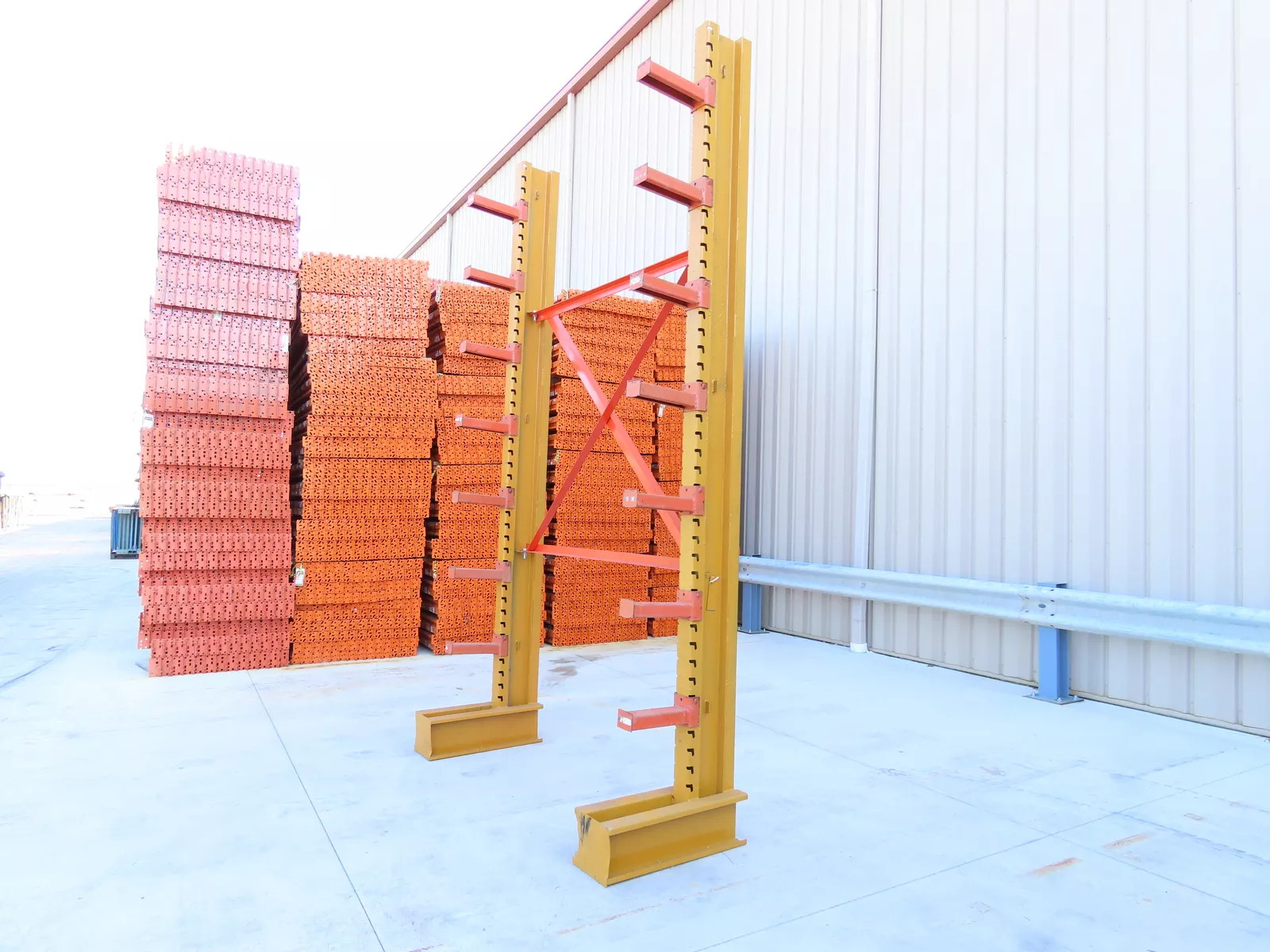
Other Questions
Checklist
Are There OSHA Guidelines for Cantilever Rack Installation? – A Checklist
1. Understanding OSHA Guidelines
_____ Familiarize yourself with OSHA’s general warehousing safety standards.
_____ Check for ANSI and RMI guidelines specific to cantilever racks.
2. Conduct Regular Inspections
_____ Schedule monthly checks for signs of wear or structural damage.
_____ Perform thorough quarterly assessments to evaluate integrity and load distribution.
_____ Engage a qualified safety auditor for an annual inspection.
3. Provide Comprehensive Training
_____ Implement training programs covering safe usage of cantilever racks.
_____ Educate employees on load limits and proper loading techniques.
_____ Include hands-on training for installation and safety procedures.
4. Maintain Load Distribution Awareness
_____ Clearly label load capacity limits on all racks.
_____ Regularly assess and adjust load distribution to prevent overloading.
5. Employ Safety Features
_____ Ensure that safety pins, braces, and other protective measures are intact.
_____ Install barriers or nets where necessary to prevent falling hazards.
6. Embrace Technology
_____ Utilize monitoring software to track rack usage and highlight potential hazards.
_____ Consider weight sensors to prevent overloading in real-time.
7. Foster a Safety-First Culture
_____ Encourage employees to report safety concerns promptly.
_____ Recognize and reward employees who prioritize safety practices.
8. Compliance Documentation
_____ Maintain accurate records of inspections, training sessions, and any maintenance actions.
_____ Document any incidents, near-misses, and corrective actions taken.
9. Stay Updated on Regulations
_____ Regularly visit OSHA’s official website for updates on safety standards.
_____ Subscribe to industry newsletters and follow OSHA press releases.
10. Evaluate Rack Design for Safety
_____ Ensure racks are designed to handle the weights and sizes of stored materials.
_____ Conduct regular assessments of the rack layout to prevent overcrowding.
By following this checklist, you will not only comply with OSHA regulations but also create a safer work environment that prioritizes employee safety and operational efficiency. Make safety an integral part of your workplace culture.
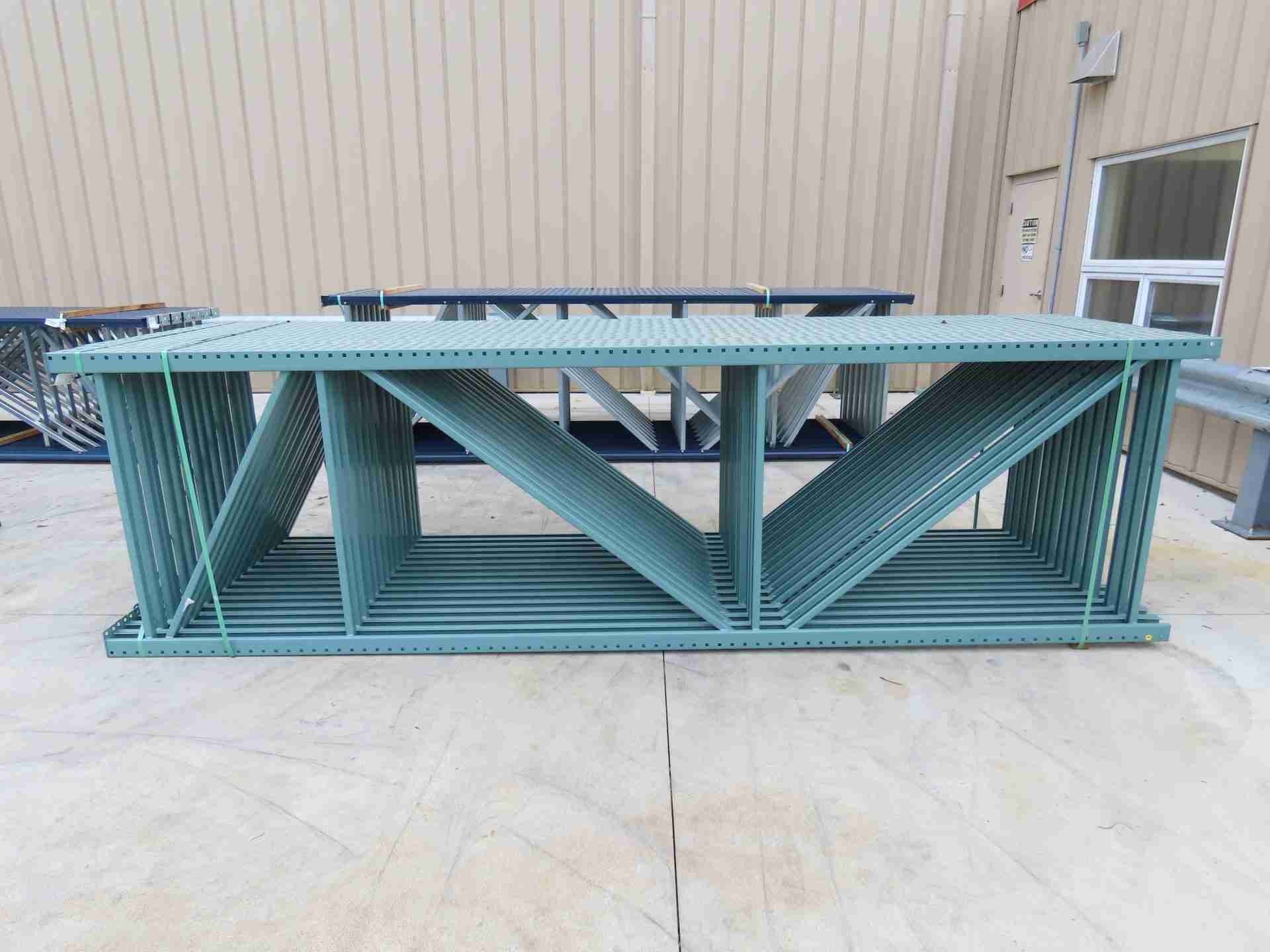
Checklist
At RackingWorld, we help guide you through selecting warehouse storage systems and racking.
Be sure to read our other related stories at RackingWorld to learn more about warehouse storage systems.
0 Comments