
Navigating The Evolving OSHA Pallet Racking Rules
By Tom Seest
At RackingWorld, we help guide you through selecting warehouse storage systems and racking.
Be sure to read our other related stories at RackingWorld to learn more about warehouse storage systems.
Do OSHA Pallet Racking Regulations Change?
Do OSHA Pallet Racking Regulations Change?
When it comes to warehouse safety and compliance, the elephant in the room is the ever-evolving landscape of OSHA pallet racking regulations. As businesses strive for efficiency, ensuring safety can often take a back seat—until the unexpected happens. So, do OSHA pallet racking regulations change? The short answer is yes, and understanding how these changes can benefit your business is essential.
OSHA, the Occupational Safety and Health Administration, continuously updates its guidelines to mitigate risks and enhance safety standards. These changes reflect a growing understanding of safety protocols and current industry practices. For instance, regulations can shift based on new research, technological advancements, or even tragic incidents that highlight the need for stricter protocols. A recent warehouse incident involving a high-profile retailer underscored the importance of strict adherence to pallet racking standards, prompting OSHA to examine existing regulations more closely.
Let’s look at a real-world example. In 2022, a series of inspections across various warehouses led to increased scrutiny on the structural integrity of pallet racking systems. Following the inspections, several companies faced hefty fines due to non-compliance with newly emphasized standards. This serves as a wake-up call: staying informed about regulation changes is no longer optional; it’s a necessity.
Furthermore, it pays to be proactive. Companies that adopt a forward-thinking approach not only stay compliant but also foster a culture of safety that resonates throughout their organization. You don’t want to be the firm scrambling to catch up when OSHA releases new guidelines. Instead, prioritize regular training sessions for your staff and invest in quality equipment that meets or exceeds current standards.
But how do you keep up with changes? One effective strategy is subscribing to OSHA newsletters or industry associations that provide timely updates. Calendars filled with safety audits and training sessions are also a must. Investing in safety doesn’t just protect your workforce—it bolsters your reputation, enhances productivity, and ultimately contributes to your bottom line.
OOSHA pallet racking regulations do change, and businesses must adapt to survive and thrive. By prioritizing safety, proactively engaging with regulatory updates, and fostering a culture of compliance, your business can turn the complexities of regulation changes into an opportunity for growth. Remember, in the world of OSHA regulations, knowledge isn’t just power; it’s your best defense against disaster.
Do OSHA Pallet Racking Regulations Change?
Do OSHA Pallet Racking Regulations Change?
- OSHA pallet racking regulations are continuously updated to enhance safety and mitigate risks.
- Changes in regulations can result from new research, technological advancements, or significant incidents.
- A recent incident involving a major retailer highlighted the necessity of strict compliance with pallet racking standards.
- Increased inspections in 2022 led to fines for non-compliance with new safety standards among various companies.
- Proactive companies foster a culture of safety and remain compliant by prioritizing staff training and quality equipment.
- To stay informed about regulation changes, businesses should subscribe to OSHA newsletters and maintain safety audit calendars.
- Prioritizing safety and compliance can boost a company’s reputation, productivity, and overall success.

Do OSHA Pallet Racking Regulations Change?
Table Of Contents
- Do OSHA Pallet Racking Regulations Change?
- What Are The Current OSHA Pallet Racking Regulations?
- How Do OSHA Regulations Affect Pallet Racking Safety?
- What Are Common Violations Of OSHA Pallet Racking Standards?
- How Often Does OSHA Update Pallet Racking Regulations?
- What Are The Penalties For Non-Compliance With Pallet Racking Rules?
- What Are The Best Practices For Pallet Racking Installation?
- How Do Pallet Racking Regulations Differ By State?
- Are There Industry-Specific Pallet Racking Requirements?
- What Should I Do If I Receive An OSHA Citation For Racking Issues?
- Conclusion
- Other Resources
- Glossary Of Terms
- Other Questions
- Checklist
What Are The Current OSHA Pallet Racking Regulations?
What Are The Current OSHA Pallet Racking Regulations?
In today’s fast-paced industrial landscape, safety is not just a compliance burden—it’s an opportunity for businesses to thrive. Understanding and adhering to the current OSHA pallet racking regulations is crucial for ensuring a safe working environment, protecting your employees, and ultimately safeguarding your bottom line.
First, let’s establish the basics: OSHA, the Occupational Safety and Health Administration, mandates that employers provide a safe workplace. This includes the safe storage and management of materials using pallet racking systems. As e-commerce and warehousing operations surge—like the recent double-digit growth in online retail—so too do the inherent risks associated with improper racking systems. Businesses that neglect safety guidelines often face hefty fines, legal troubles, and damaged reputations.
The current regulations emphasize structural integrity. Pallet racking must be installed correctly, capable of holding the specified weight without the risk of tipping over or collapsing. For instance, materials should not be stored in a way that exceeds the rack manufacturer’s load limits. Regular inspections play a vital role here; a recent OSHA report revealed that 35% of warehouse injuries stem from improper racking practices.
Also critical is the concept of aisle space. OSHA stipulates that sufficient space must be maintained between racking systems to allow safe access for workers and machinery alike. This point becomes especially pertinent given the increased rate of warehouse automation. Autonomous forklifts buzzing around narrow aisles can only operate safely when the racking layout promotes clear movement.
Let’s talk about training; OSHA requires that employees are adequately trained in safe pallet handling and rack loading to prevent accidents. The COVID-19 pandemic has heightened the importance of this through social distancing and health guidelines, prompting many companies to revamp training programs to adapt to new norms. Firms that invest in comprehensive training report not only lower accident rates but also higher employee morale and productivity.
In addition, businesses must comply with state regulations that may augment OSHA’s requirements. For instance, California has its own stringent safety standards that necessitate additional safety features in pallet racking systems, such as seismic bracing to withstand earthquakes.
So, how can you ensure compliance and elevate your business performance? Start with an audit of your current racking systems, consider employee training as an ongoing investment, and utilize technology for monitoring compliance. Remember, a safe workplace is not just about avoiding fines—it’s a key component of building a robust, resilient business that stands out in a competitive marketplace. Safety is profitability; don’t overlook its potential!
What Are The Current OSHA Pallet Racking Regulations?
What Are The Current OSHA Pallet Racking Regulations?
- Understanding current OSHA pallet racking regulations is essential for workplace safety and business success.
- Employers must ensure safe storage and management of materials through compliant pallet racking systems.
- Improper racking can lead to significant risks, legal issues, and financial penalties.
- Pallet racks must be structurally sound and regularly inspected to prevent accidents and injuries.
- Sufficient aisle space is necessary to ensure safe access for workers and machinery, especially with automation increases.
- OSHA mandates that employees receive thorough training in pallet handling and rack loading to enhance safety.
- Compliance with both OSHA and state-specific regulations, like California’s stricter standards, is vital for operational safety.
What Are The Current OSHA Pallet Racking Regulations?
How Do OSHA Regulations Affect Pallet Racking Safety?
How Do OSHA Regulations Affect Pallet Racking Safety?
In high-stakes environments like warehouses and distribution centers, where inventory management is crucial, the safety of pallet racking systems can’t be overlooked. Enter OSHA—your unyielding partner in the pursuit of a safer workplace. The Occupational Safety and Health Administration (OSHA) enforces regulations that directly influence pallet racking safety. Understanding and adhering to these regulations not only protects your workforce but also contributes to greater operational efficiency and financial performance.
Let’s face it. When pallets topple or rack systems fail, the repercussions extend beyond just physical injuries; they can wreak havoc on your bottom line. According to a recent study, workplace injuries linked to poor racking practices result in billions of dollars in lost productivity every year. Compliance with OSHA standards minimizes these risks, safeguarding not just employees but also the company’s assets and reputation.
Consider the implications of OSHA’s Regulation 29 CFR 1910.176. This guideline highlights the need for proper design, construction, and maintenance of material handling systems. For instance, if a warehouse is using outdated or improperly installed racking systems, it does not just violate these regulations; it opens the door to catastrophic accidents. Imagine an employee narrowly avoiding injury after a rack collapses due to improper installation. That lucky escape could easily have turned into a costly lawsuit and public relations nightmare.
In recent months, several high-profile warehouse incidents have underscored the importance of compliance. For example, a leading e-commerce company faced significant backlash and operational disruptions due to an OSHA investigation over inadequate safety measures, including faulty pallet racks. This event not only led to hefty fines but also tarnished their public image and diminished employee morale.
Being proactive about OSHA regulations goes beyond ticking boxes. Educate your employees on racking safety protocols, perform regular inspections, and invest in training programs that reinforce the importance of compliance. The return on this investment is a safety culture that improves employee confidence and productivity.
Understanding OSHA regulations regarding pallet racking safety is not just a legal obligation; it is a strategic advantage. Businesses that prioritize compliance are better equipped to protect their workforce and their financial health. By mitigating risks, enhancing safety measures, and cultivating a culture of vigilance, you elevate your operation to new heights—while keeping both your workers and your bottom line safe. Don’t wait for an incident to stir you into action; make OSHA compliance a cornerstone of your operational strategy today!
How Do OSHA Regulations Affect Pallet Racking Safety?
How Do OSHA Regulations Affect Pallet Racking Safety?
- OSHA regulations are essential for ensuring pallet racking safety in warehouses and distribution centers.
- Compliance protects employees and enhances operational efficiency, reducing financial losses from workplace injuries.
- Pallet racking incidents, such as toppled pallets, can lead to significant productivity loss and financial impact.
- OSHA Regulation 29 CFR 1910.176 emphasizes proper design, construction, and maintenance of material handling systems.
- Non-compliance can result in catastrophic accidents and could lead to costly lawsuits and damage to reputation.
- Recent incidents highlight the need for proactive measures, including employee education and regular safety inspections.
- Prioritizing OSHA compliance offers strategic advantages, fostering a culture of safety that protects both workers and financial health.
How Do OSHA Regulations Affect Pallet Racking Safety?
What Are Common Violations Of OSHA Pallet Racking Standards?
What Are Common Violations of OSHA Pallet Racking Standards?
Navigating the intricate maze of OSHA pallet racking standards can be daunting, especially for busy warehouse managers focused on day-to-day operations. However, ignoring these critical guidelines can lead to severe repercussions — both financial and human. Here, we delve into common violations that could put your business at risk.
One frequent violation is the improper installation of pallet rack systems. These racking systems must be installed according to the manufacturer’s specifications, yet many companies cut corners to save time. For instance, racking units that aren’t anchored securely to the floor can easily tip over, posing a serious danger to workers. In 2022, a New Jersey warehouse experienced a significant incident when an improperly mounted racking system collapsed, injuring several employees and drawing attention from OSHA inspectors. The ensuing penalties resonated throughout the industry, serving as a stark reminder of the importance of adherence.
Another prevalent violation arises from inadequate load limits. Each racking system has a designated weight capacity that must not be exceeded. Failing to label and communicate these limits clearly can lead to overloading, risking not just structural failure, but also potential injuries. For example, in a Chicago distribution center, workers overloaded a rack, which ultimately led to a catastrophic collapse during peak hours, resulting in extensive property damage and hospitalizations — all of which could have been avoided with proper enforcement of weight limits.
Additionally, employee training often slips through the cracks. OSHA requires that all employees working around pallet racking systems be trained in the safe handling of materials and the correct use of equipment. Nonetheless, many warehouses neglect this critical aspect. A lack of training can result in careless practices, like stacking pallets haphazardly or using equipment improperly. This was highlighted in a recent report where a Florida operation faced fines after an employee suffered a serious injury due to a lack of proper training protocols.
Lastly, don’t overlook the importance of regular inspections and maintenance. Routine checks are vital for identifying signs of wear and tear before they lead to disaster. However, many facilities operate on the “out of sight, out of mind” principle, leading to neglected inspections. This negligence recently led to a high-profile case in Texas, where worn-out racks caused a major workplace incident that attracted legal scrutiny and hefty fines.
An ounce of prevention is worth a pound of cure. By proactively addressing these common violations of OSHA pallet racking standards, you not only protect your workforce but also safeguard your financial future. It’s time to invest in compliance before it becomes a costly burden!

What Are Common Violations Of OSHA Pallet Racking Standards?
What Are Common Violations Of OSHA Pallet Racking Standards?
- Improper installation of pallet rack systems, often due to companies cutting corners.
- Pallet racks must be anchored securely, as exemplified by a 2022 incident in New Jersey causing injuries and OSHA penalties.
- Inadequate load limits can lead to overloading and structural failure if not properly communicated.
- A Chicago distribution center experienced catastrophic collapse due to overloaded racks, leading to property damage and hospitalizations.
- Employee training is crucial, yet often lacks, leading to unsafe practices and injuries.
- A Florida operation faced fines due to an employee injury linked to insufficient training protocols.
- Regular inspections and maintenance are essential; neglecting these can result in serious incidents and legal repercussions.
What Are Common Violations Of OSHA Pallet Racking Standards?
How Often Does OSHA Update Pallet Racking Regulations?
How Often Does OSHA Update Pallet Racking Regulations?
When it comes to workplace safety, especially regarding pallet racking systems, understanding the frequency and process of OSHA updates can mean the difference between a compliant, safe work environment and facing the repercussions of outdated practices. So, how often does OSHA really update its regulations? The answer is more nuanced than you might think.
OSHA, the Occupational Safety and Health Administration, operates on a schedule that aligns with evolving industry standards, best practices, and technological advancements. Regulations concerning pallet racking are often updated in response to factors like ongoing research, accidents, trends in warehouse designs, or changes in industry standards. Consequently, while there’s no strict timetable dictating updates—sometimes years can pass between revisions—regulations often reflect recent events and align with the latest safety trends.
A relevant example is the updated guidance released in light of the recent uptick in warehouse automation and the increasing use of sophisticated racking systems. As companies like Amazon introduce innovative storage solutions, OSHA has stepped up to reassess existing guidelines to ensure they meet the new realities of the warehousing landscape. This close examination has led to modifications aimed at preventing accidents caused by faster-moving inventory processes. The agency’s adaptability is a vital aspect of its role, ensuring that documented standards meet current operational practices.
Currently, the focus is on addressing issues related to load capacity, aisle spacing, and the proper use of safety equipment in environments utilizing pallet racking systems. In recent months, OSHA issued reminders about the importance of regular inspections and employee training concerning racking safety, urging businesses to maintain vigilance.
Furthermore, businesses should keep an eye on industry publications, attend safety seminars, and participate in organizations like the Rack Manufacturers Institute (RMI) to remain informed about emerging updates. This proactive approach can keep your team ahead of the compliance game and can also increase operational efficiency.
While OSHA’s updates to pallet racking regulations may not adhere to a rigid timeline, being vigilant and proactive in your approach to safety can safeguard your operation from potential hazards and legal ramifications. The cost of non-compliance is far greater than the investment in staying updated. Don’t get caught off guard; keep your finger on the pulse of OSHA updates and prioritize safety in your warehouse today.
How Often Does OSHA Update Pallet Racking Regulations?
How Often Does OSHA Update Pallet Racking Regulations?
- OSHA updates pallet racking regulations based on industry standards, best practices, and technological advancements.
- Regulations are revised in response to ongoing research, accidents, and changes in warehouse designs.
- No strict timetable for updates exists; revisions may occur over years based on recent events.
- Recent guidance updates have been influenced by increases in warehouse automation and new storage solutions.
- Current focus areas include load capacity, aisle spacing, and proper safety equipment usage in pallet racking environments.
- Businesses are encouraged to conduct regular inspections and training related to racking safety.
- Staying informed through industry publications and organizations like RMI helps maintain compliance and operational efficiency.
How Often Does OSHA Update Pallet Racking Regulations?
What Are The Penalties For Non-Compliance With Pallet Racking Rules?
In the world of warehousing and logistics, compliance with pallet racking rules is not just a matter of best practices; it’s a legal necessity. Failing to adhere to these regulations can expose businesses to severe penalties, both financially and operationally.
First and foremost, let’s face it: safety isn’t just a buzzword; it’s a commitment to protect your employees and safeguard your assets. The Occupational Safety and Health Administration (OSHA) issues strict guidelines for pallet racking systems to prevent accidents and injuries. Non-compliance may lead not only to hefty fines but also to increased scrutiny from regulators. For instance, a recent OSHA case involved a warehouse fined over $150,000 for repeated violations concerning pallet rack safety. Imagine that—with just one lapse in safety protocol, a company lost not only money but also its reputation in the industry.
Moreover, consider the operational consequences. If injuries occur due to non-compliant pallet racking, companies may face costly workers’ compensation claims. In 2022, a distribution center in Texas endured a class-action lawsuit because its neglected racking system caused multiple injuries. The settlement totaled millions, leaving the warehouse struggling to regain its footing amidst the negative publicity. This is a stark reminder that the fallout from non-compliance does not just end with a fine; it reverberates through every level of a business, from morale to market positioning.
Beyond direct penalties, the long-term implications of non-compliance can drastically affect a company’s ability to maintain contracts or secure new ones. Clients are now more cautious than ever. They want to partner with businesses that demonstrate a commitment to safety and regulatory adherence. Businesses that cannot showcase compliant warehouses risk losing valuable contracts in favor of competitors that prioritize workplace safety.
Finally, let’s not overlook the ethical aspect. Non-compliance suggests negligence, and in today’s market, ethical business practices are paramount. Customers and partners gravitate toward companies that prioritize the well-being of their employees and the integrity of their operations. By investing in compliance, you position your business not just as a player in the market, but as a leader committed to the highest standards.
In summary, the penalties for non-compliance with pallet racking rules are severe and multifaceted. From financial repercussions and legal actions to tarnished reputations and lost business, the risks signal one clear message: Compliance is not optional; it’s essential for sustainable success.

What Are The Penalties For Non-Compliance With Pallet Racking Rules?
What Are The Penalties For Non-Compliance With Pallet Racking Rules?
- Compliance with pallet racking rules is a legal obligation, not just best practice.
- OSHA provides strict guidelines to ensure safety; non-compliance can result in heavy fines and increased regulatory scrutiny.
- A warehouse was fined over $150,000 for repeated pallet rack safety violations, highlighting the risk of financial loss and damage to reputation.
- Operational impacts of non-compliance include costly workers’ compensation claims and potential lawsuits, as seen with a Texas distribution center.
- Long-term non-compliance can hinder a company’s ability to maintain or secure contracts, as clients prefer safety-conscious partners.
- Ethically, non-compliance reflects negligence; businesses demonstrating commitment to safety attract customers and partners.
- The overall risks of non-compliance emphasize that adherence to pallet racking rules is essential for sustainable success.

What Are The Penalties For Non-Compliance With Pallet Racking Rules?
What Are The Best Practices For Pallet Racking Installation?
When it comes to maximizing warehouse efficiency, the importance of proper pallet racking installation cannot be overstated. It’s not just about stacking goods; it’s about the strategic alignment of your workspace to enhance productivity and safety. As industries increasingly prioritize lean operations, now is the time to invest in best practices for pallet racking installation to ensure your system functions at peak capacity.
1. Prioritize Safety Standards:
Safety should always be your first concern. Adhere to local regulatory standards and OSHA requirements. Installing safety features like load limits plainly marked on racks and safety barriers can prevent costly accidents. For example, in 2023, a significant logistics firm faced a hefty fine for violations during a warehouse inspection. Don’t wait for a crisis to initiate safety measures; invest in training employees on safe practices and routine equipment checks.
2. Conduct a Thorough Space Analysis:
Before rushing into installation, perform a meticulous analysis of your warehouse space. Understand product dimensions, weight, and frequency of access. For instance, if your operation has recently pivoted toward e-commerce, consider a dynamic racking solution that facilitates quick pick-and-pack processes. Space-efficient solutions like drive-in or push-back racking systems can lead to more efficient use of floor space and improved inventory turnover.
3. Engage Certified Installers:
While it’s tempting to cut costs by using inexperienced labor, the benefits of hiring certified racking installers far outweigh the initial savings. Trust the experts; they not only guarantee compliance with legal standards but can also assist in choosing the right configurations based on your specific needs. Think of it as ensuring that your high-stakes game is played with seasoned professionals rather than amateurs.
4. Embrace Technology:
With the rise of warehouse management technology, consider implementing tools like inventory tracking systems that integrate seamlessly with your racking system. This can drastically reduce human error and improve efficiency. For example, companies adopting automated systems have seen up to a 30% reduction in picking errors, allowing them to fulfill orders faster—essential in today’s on-demand economy.
5. Regular Maintenance Checks:
Finally, don’t forget the importance of regular inspections and maintenance. Create a schedule for periodic evaluations of your pallet racking system. This proactive approach can prevent potential issues from escalating into costly downtime or accidents. Establishing this routine reflects a commitment to workplace safety and operational efficiency.
In summary, the most effective pallet racking installation blends safety, space analysis, expert assistance, technology, and maintenance. With the right strategies in place, you can create a warehouse environment that not only supports but accelerates your business goals.

What Are The Best Practices For Pallet Racking Installation?
What Are The Best Practices For Pallet Racking Installation?
- Prioritize Safety Standards: Adhere to local regulations and OSHA requirements; install safety features to prevent accidents.
- Conduct a Thorough Space Analysis: Analyze warehouse space for product dimensions and access frequency; consider dynamic racking solutions for e-commerce.
- Engage Certified Installers: Hire certified racking installers for legal compliance and tailored configuration advice.
- Embrace Technology: Implement inventory tracking systems to reduce human error and enhance efficiency.
- Regular Maintenance Checks: Schedule periodic inspections to prevent downtime and ensure safety.
- Blend Key Strategies: Combine safety, space analysis, expert assistance, technology, and maintenance for effective racking installation.
- Accelerate Business Goals: Create a warehouse environment that supports and enhances productivity and operational efficiency.
What Are The Best Practices For Pallet Racking Installation?
How Do Pallet Racking Regulations Differ By State?
Navigating the maze of pallet racking regulations can feel like deciphering a foreign language—one rife with differing codes, compliance requirements, and safety standards. Not only is this a logistic nightmare, but it can also have costly implications for your business. The fact is, pallet racking regulations vary significantly by state, and understanding these nuances is key to maintaining safety and avoiding legal pitfalls.
Take California, for example. With its stringent Occupational Safety and Health Administration (OSHA) standards, California mandates regular inspections and certifications of pallet racking systems to ensure structural integrity and the safety of workers. Any business operating in the Golden State must stay compliant not only with local laws but also with the California Code of Regulations (CCR), which can be updated frequently. For businesses operating in high-risk sectors, such as food and pharmaceuticals, the stakes are even higher. Non-compliance can result in hefty fines, potential lawsuits, and even business shutdowns.
On the other hand, let’s turn our gaze to Texas, where the regulatory climate for pallet racking is significantly more lenient. While OSHA still applies, the Lone Star State allows businesses greater flexibility in self-regulation. Companies often implement their best practices without a myriad of bureaucratic oversight, which in certain contexts can foster innovation and operational agility. However, the flip side is that it can sometimes lead to safety oversights if companies don’t rigorously adhere to industry standards.
Consider the recent warehouse collapse in a New Jersey facility, which highlighted the consequences of overlooking racking regulations. Investigators found that improper installation and ignored maintenance protocols played a critical role in the disaster. This incident underscores the importance of staying updated on state-specific regulations—not just to avoid fines, but to ensure the safety of your employees and the continuity of your operations.
Moreover, in states like New York, the complexities increase with local municipalities imposing their additional requirements and interpretations of federal and state guidelines. It’s not just enough to know what the state requires; savvy business owners must keep an eye on local ordinances too.
Don’t cut corners in your understanding of pallet racking regulations. Whether you’re nestled in a bustling urban center or out in the quieter reaches of the countryside, know that what you don’t know can hurt you. Consult with safety experts or legal professionals who specialize in warehousing regulations to ensure your systems not only meet but exceed the necessary standards. Protect your investment, your employees, and your peace of mind by staying informed and compliant!

How Do Pallet Racking Regulations Differ By State?
How Do Pallet Racking Regulations Differ By State?
- Navigating pallet racking regulations involves navigating differing codes, compliance requirements, and safety standards that vary by state.
- California imposes strict OSHA standards requiring regular inspections and certifications for pallet racking systems to ensure safety and structural integrity.
- Non-compliance in California can lead to fines, lawsuits, and potential shutdowns, especially in high-risk sectors like food and pharmaceuticals.
- In Texas, businesses enjoy more flexibility with self-regulation, leading to innovation but potentially increasing the risk of safety oversights.
- A recent warehouse collapse in New Jersey highlighted the critical consequences of neglecting racking regulations and proper maintenance.
- In states such as New York, local municipalities impose additional requirements, complicating compliance further for business owners.
- Consulting safety experts or legal professionals specializing in warehousing regulations is crucial for ensuring compliance and protecting business interests.
How Do Pallet Racking Regulations Differ By State?
Are There Industry-Specific Pallet Racking Requirements?
Pallet racking is not just a generic solution for warehousing; it varies widely from industry to industry, and understanding these specific needs can be the difference between a streamlined operation and a costly misstep. The realities of different sectors bring tailored requirements that should be a top priority for any business working with pallets.
For instance, the food and beverage industry must adhere to strict health regulations that dictate storage conditions. This sector often requires stainless steel racks that are easy to clean and resistant to moisture, while also adhering to health standards set forth by bodies like the FDA. A recent surge in food safety regulations, fueled by events like the COVID-19 pandemic, has heightened awareness about contamination and cleanliness in storage systems. Organizations in this industry are investing heavily in compliant racking solutions that protect their products and their reputation.
On the other hand, the pharmaceutical industry demands not just cleanliness but also a climate-controlled environment. Specialized racking systems offer features such as adjustable shelving and integrated climate control—all essential for storing temperature-sensitive materials. Companies like Pfizer and Moderna have faced immense scrutiny regarding their storage practices for COVID-19 vaccines, exemplifying the acute need for sophisticated racking systems designed to maintain specific temperature ranges.
The automotive sector presents its own unique challenges. With the recent shift towards electric vehicles, car manufacturers are rethinking not just the production lines but also the warehousing of parts. This industry’s pallet racking often requires heavy-duty solutions that can support larger and heavier components. Some manufacturers are investing in automated storage systems that can enhance efficiency, particularly given the supply chain disruptions in recent years due to global events.
Retail is yet another landscape that cannot be ignored. E-commerce giants like Amazon are constantly innovating their fulfillment centers, employing high-density racking systems to accommodate the growing demand for faster shipping. The ability to maximize vertical space while ensuring easy access to a vast inventory is more crucial than ever.
In summary, whether you’re in food and beverage, pharmaceuticals, automotive, or retail, understanding the unique pallet racking requirements specific to your industry isn’t just advantageous; it’s critical. By investing in the right systems tailored to your operational needs, you not only ensure compliance but also drive efficiency and productivity. So, before you dive headfirst into a racking solution, take the time to identify what your industry truly requires. Mistakes in this area can cost you time, money, and potentially your reputation. Don’t leave it to chance—make it a priority!
Are There Industry-Specific Pallet Racking Requirements?
Are There Industry-Specific Pallet Racking Requirements?
- Pallet racking varies widely across industries, impacting operations significantly.
- The food and beverage industry requires stainless steel racks to meet strict health regulations and cleanliness standards.
- The surge in food safety regulations post-COVID-19 emphasizes the importance of compliant racking solutions.
- The pharmaceutical sector demands climate-controlled racking systems for temperature-sensitive materials.
- The automotive industry is transitioning towards heavy-duty pallet racking for larger components, especially with the rise of electric vehicles.
- E-commerce retailers like Amazon use high-density racking systems to enhance fulfillment efficiency and maximize storage space.
- Investing in tailored pallet racking solutions is critical for compliance, efficiency, and productivity across various industries.
Are There Industry-Specific Pallet Racking Requirements?
What Should I Do If I Receive An OSHA Citation For Racking Issues?
What Should I Do If I Receive An OSHA Citation For Racking Issues?
Receiving an OSHA citation can feel like a lightning bolt striking your business. Suddenly, your operations, reputation, and bottom line are at stake, especially with critical issues like racking systems. However, instead of letting panic take hold, you can turn a daunting situation into an opportunity for growth and enhanced compliance.
First Steps: Analyze Your Situation Calmly
If you’ve received a citation, the first order of business is to take a deep breath and assess the details meticulously. What specific violations did OSHA cite? A common example involves insufficient support or stability in pallet racking systems. If your warehouse was cited for this issue, you’d want to scrutinize your racking setups. Are they compliant with industry standards and manufacturer specifications? Look into the guidelines provided by the Rack Manufacturers Institute (RMI) for clear benchmarks.
Take Immediate Action
After assessing the issue, it’s time to act. Develop a strategy to rectify the problems identified in the citation. This could involve reinforcing existing racks, retraining employees on proper loading techniques, or investing in new racking systems altogether. In a recent incident, a major retailer faced hefty fines due to neglected warehouse safety protocols. Their corrective measures involved overhauling their racking inspection processes, which not only improved workplace safety but significantly enhanced operational efficiency.
Engage Professionals for Guidance
Consider enlisting the expertise of safety consultants or legal advisors experienced in OSHA compliance. They can provide invaluable insights that might help mitigate penalties or even assist in contesting unjust citations. For instance, a company that recently dealt with an OSHA citation managed to successfully refute the claims by proving that they maintained rigorous safety inspections that complied with OSHA standards.
Communicate with OSHA
Once you’ve assessed the situation and planned your corrective actions, don’t hesitate to communicate with OSHA. You might choose to request an informal conference to discuss the citation, seeking clarification on any ambiguities and demonstrating your willingness to comply.
Turn Compliance Into Culture
Instead of viewing OSHA citations as punitive measures, see them as opportunities to foster a culture of safety within your business. Regular training sessions, employee safety committees, and maintaining transparent communication can transform your organization, making it a model of compliance. This proactive approach doesn’t just safeguard your business—it solidifies your reputation in an increasingly competitive market.
While an OSHA citation may sting momentarily, it can serve as a powerful catalyst for improvement and transformation. Embrace it, correct it, and let it elevate your operations to new heights.

What Should I Do If I Receive An OSHA Citation For Racking Issues?
What Should I Do If I Receive An OSHA Citation For Racking Issues?
- Receiving an OSHA citation can significantly impact business operations, reputation, and finances due to issues like racking systems.
- Start by thoroughly analyzing the citation details and identifying specific violations, such as insufficient support in pallet racking.
- Take immediate action by developing a strategy to address identified issues, such as reinforcing racks or retraining employees.
- Engage safety consultants or legal advisors with OSHA compliance experience to help mitigate penalties or contest citations.
- Communicate with OSHA to clarify any ambiguities in the citation and demonstrate your commitment to compliance.
- Foster a culture of safety by viewing citations as opportunities for improvement, implementing regular training and communication.
- Embrace OSHA citations as catalysts for operational improvement and transformation, enhancing overall business performance.

What Should I Do If I Receive An OSHA Citation For Racking Issues?
Conclusion
Conclusion: Navigating the Evolving Landscape of OSHA Pallet Racking Regulations
In the high-stakes world of warehouse management, adherence to OSHA pallet racking regulations is not only a compliance requirement—it is an investment in your company’s future. As we’ve explored, these regulations are not static; they evolve to reflect advancements in technology, emerging safety protocols, and recent incidents that spotlight the need for vigilance. Ignoring them can have dire financial repercussions, legal complications, and irreparable damage to your company’s reputation.
By recognizing the frequency of regulatory updates and the specific requirements that vary by state and industry, businesses can proactively prepare, avoiding the costly penalties associated with non-compliance. Whether your operation falls within the e-commerce, food service, or automotive sectors, understanding the unique requirements of your field can lead to streamlined operations and enhanced productivity.
Moreover, cultivating a workplace culture centered around safety creates an environment of trust and accountability for your employees. Regular training sessions, transparent communication, and routine inspections are vital components of a robust compliance strategy. Investing in your employees’ safety not only protects them but also safeguards your bottom line.
Take heed of the cautionary tales we’ve shared. The financial fallout from non-compliance—including hefty fines, legal battles, and lost contracts—can devastate even well-established companies. Don’t wait until an incident occurs to take action. Prioritize safety, stay informed on the latest regulations, and consider partnering with experts who specialize in OSHA compliance.
At Arrow Industrial Sales, we believe that knowledge is your strongest ally against the challenges posed by OSHA regulations. We stand ready to provide you with the tools, insights, and support you need to navigate this complex landscape. Don’t let your business fall behind; act now! Call Arrow Industrial Sales at (574) 349-6575 for tailored advice and solutions that meet your specific regulations and business needs. Remember, when it comes to compliance, it’s not just about staying out of trouble; it’s about positioning your business as a leader in safety and efficiency. Embrace the changing regulatory landscape, and let it fuel your growth!
Conclusion
Conclusion:
- Adhering to OSHA pallet racking regulations is crucial for compliance and long-term business success.
- Regulations are dynamic, evolving with advancements in technology and safety protocols.
- Failing to comply can lead to financial penalties, legal issues, and reputational harm.
- Businesses must stay informed about updates and specific requirements by state and industry.
- A safety-centric workplace culture promotes trust and accountability among employees.
- Regular training, communication, and inspections are key to a strong compliance strategy.
- Consider partnering with OSHA compliance experts to enhance safety and operational efficiency.
Conclusion
Other Resources

Other Resources
Here is a list of other resources you can review online to learn more:
- “1910.176 – Handling materials – general.”
- “1910 | Occupational Safety and Health Administration”
- “What Does OSHA Say About Pallet Rack Safety?”
- “Warehouse Worker Dies When Material Falling Off of Pallet …”
- “OSHA Guidelines for Warehouse Pedestrian Safety”
- “State-OSHA-Annual-Report-(SOAR)-FY-2022.pdf”
Use This Prompt To Get More Resources With Your Favorite Online AI Tool: Please provide me with a list of online articles with their URLS in a bulleted list that I can read regarding Do OSHA Pallet Racking Regulations Change?
Other Resources
Glossary Terms
Do OSHA Pallet Racking Regulations Change? – Glossary Of Terms
1. OSHA: The Occupational Safety and Health Administration, a US government agency responsible for ensuring safe and healthy working conditions.
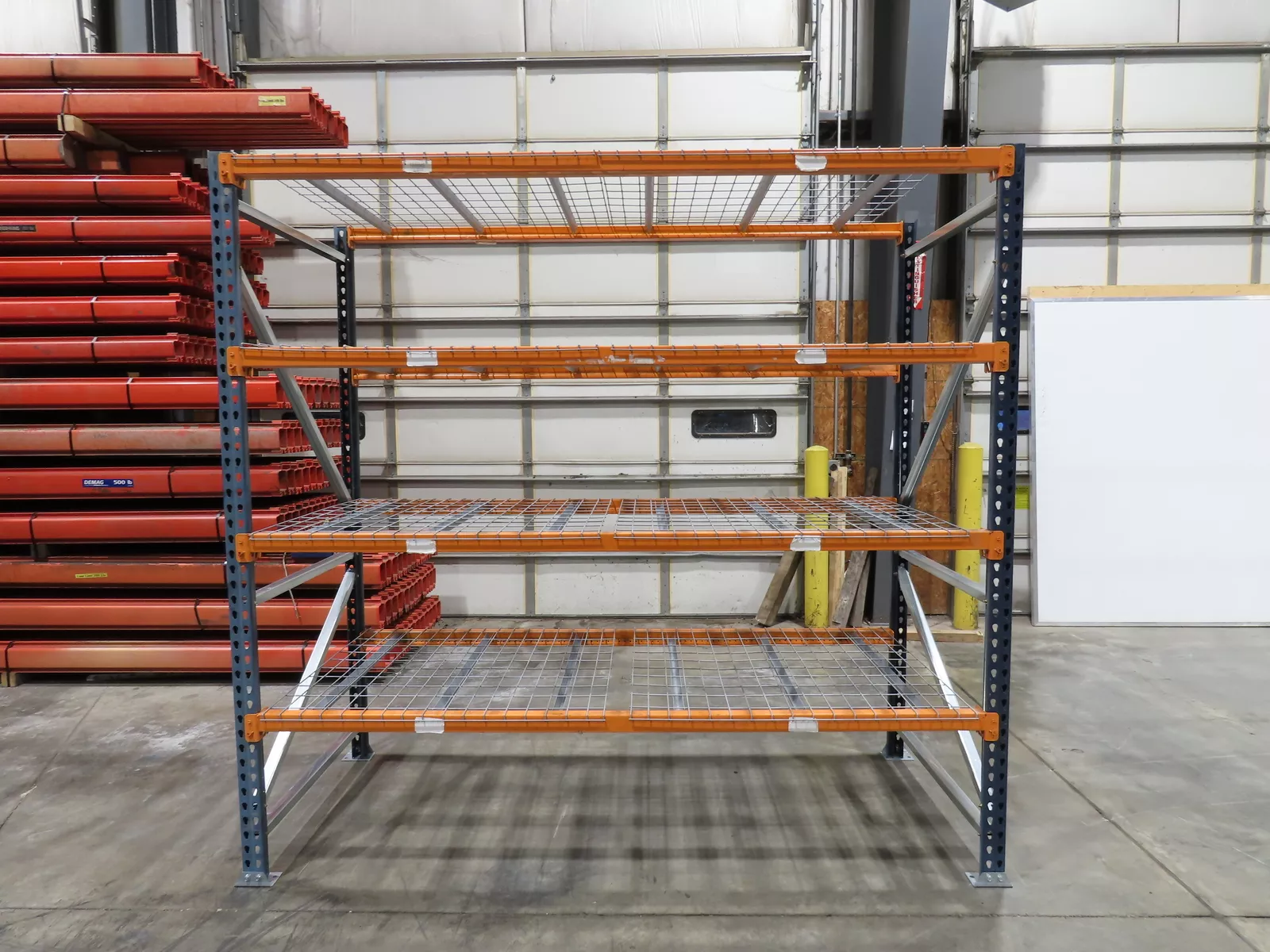
2. Pallet Racking: A storage system that uses racks to hold pallets of goods, allowing for efficient organization and retrieval.
3. Regulation: A rule or directive made and maintained by an authority, often related to safety standards in the workplace.
4. Compliance: The act of adhering to laws, regulations, and guidelines set by governing bodies like OSHA.
5. Inspection: A formal examination of a workplace or equipment to ensure compliance with safety standards.
6. Workplace Safety: The policies and procedures in place to ensure the health and safety of employees in a work environment.
7. Load Capacity: The maximum weight that a pallet rack can safely hold, often specified by the manufacturer.
8. Material Handling: The process of moving, protecting, storing, and controlling materials throughout the manufacturing, warehousing, distribution, consumption, and disposal stages.
9. Training: Programs designed to educate employees about safety practices, including the proper use of pallet racking systems.
10. Safety Standards: Established guidelines that set the minimum requirements for workplace safety.
11. Hazard: A source of potential harm or a situation with a potential for causing harm in the workplace.
12. Forklift Safety: Practices and guidelines for the safe operation of forklifts, which are often used in conjunction with pallet racks.
13. Seismic Considerations: Safety regulations regarding how pallet racking systems should be installed and utilized in earthquake-prone areas.
14. Aisle Space: The designated space between rows of pallet racking that ensures safe access and maneuverability for equipment.
15. Structural Integrity: The ability of a pallet rack to support its intended loads without failure.
16. OSHA Standards: Specific regulations set forth by OSHA that outline safety requirements for various aspects of workplace operations.
17. Design Criteria: Specifications that must be met when designing a pallet racking system to ensure it is safe and compliant.
18. Preventive Maintenance: Regular maintenance and inspection of pallet racking systems to prevent accidents and ensure proper functionality.
19. Risk Assessment: The process of evaluating potential hazards and their associated risks in the workplace.
20. Pallet Rack Systems: Structures made up of various components, such as beams and uprights, used for storing pallets.
21. Documentation: Records and documentation that prove compliance with safety regulations and standards.
22. Emergency Protocols: Procedures established to deal with accidents or incidents involving pallet racking systems.
23. Load Distribution: The way weight is spread across a pallet rack to prevent tipping or collapse.
24. Safety Inspections: Routine checks conducted to identify potential hazards or compliance issues in pallet racking systems.
25. Post-Installation Evaluation: An assessment of pallet racking systems after installation to ensure they meet safety and compliance standards.
26. Capacity Rating Label: A label affixed to pallet racking that indicates its weight capacity.
27. Rack Bracing: Structural supports that add stability to pallet racks, particularly against lateral forces.
28. Employee Training: Programs designed to ensure employees understand how to safely use and interact with pallet racking systems.
29. Modification Compliance: Ensuring that any modifications made to pallet racking systems adhere to OSHA regulations.
30. Regulatory Updates: Changes or revisions to existing regulations that may affect pallet racking safety and compliance.
Glossary Of Terms
Other Questions
Do OSHA Pallet Racking Regulations Change? – Other Questions
If you wish to explore and discover more, consider looking for answers to these questions:
- What factors contribute to changes in OSHA pallet racking regulations?
- How can businesses stay informed about upcoming OSHA regulation changes?
- What specific training is required for employees regarding pallet racking safety?
- How can companies conduct regular inspections of their pallet racking systems?
- What are the best resources for understanding OSHA’s pallet racking guidelines?
- How do different industries implement pallet racking compliance?
- What are the consequences of OSHA infractions beyond financial penalties?
- How are companies adapting to the latest OSHA updates on pallet racking?
- What role do state laws play in relation to OSHA regulations on pallet racking?
- What technology solutions can assist in ensuring compliance with pallet racking standards?
Other Questions
Checklist
Do OSHA Pallet Racking Regulations Change? – A Checklist
Safety Standards
_____ Familiarize with OSHA Regulations: Review the latest OSHA guidelines and ensure all systems are compliant.
_____ Implement Safety Features: Ensure all pallet racks have clearly marked load limits and safety barriers.
_____ Train Employees: Conduct training sessions on safe handling of materials and proper rack loading techniques.
Regular Inspections
_____ Schedule Regular Inspections: Create a routine schedule for periodic evaluations of pallet racking systems.
_____ Document Findings: Keep a detailed record of inspections, noting any issues or maintenance performed.
_____ Address Wear and Tear: Swiftly repair or replace any damaged racks to prevent safety hazards.
Proper Installation
_____ Hire Certified Installers: Engage certified professionals for the installation of pallet racking systems.
_____ Follow Manufacturer Specifications: Ensure racking systems are installed according to manufacturer guidelines and industry standards.
_____ Securely Anchor Racks: Confirm that all racks are correctly anchored to the floor to prevent tipping or collapse.
Load Management
_____ Clearly Label Load Limits: Post signage indicating the maximum weight capacity for each racking section.
_____ Train Staff on Load Limits: Ensure all employees understand the importance of adhering to load capacities.
_____ Monitor Loading Practices: Regularly observe and correct loading practices to prevent overloading.
Aisle Space and Access
_____ Ensure Adequate Aisle Space: Maintain sufficient space between racking systems for safe access by workers and equipment.
_____ Review for Automations: Adjust racking layouts to accommodate increasing automation and machinery operation.
_____ Conduct Traffic Flow Analysis: Regularly evaluate the movement of machinery and staff in the warehouse to optimize safety.
Emergency Preparedness
_____ Emergency Procedures: Develop and communicate emergency procedures related to pallet racking incidents.
_____ Conduct Safety Drills: Regularly practice safety drills to ensure employee readiness in case of emergencies.
_____ Install Safety Equipment: Equip the warehouse with necessary safety gear (helmets, harnesses) for workers near racking systems.
Compliance Updates
_____ Stay Updated: Subscribe to OSHA newsletters or relevant industry associations for updates on regulations.
_____ Participate in Training: Attend seminars and training sessions on compliance and safety measures for continuous improvement.
_____ Review State-Specific Regulations: Understand any additional requirements based on local or state regulations.
Review and Improve
_____ Conduct Self-Audits: Regularly perform self-audits on compliance and make adjustments as necessary.
_____ Create a Safety Culture: Encourage open communication regarding safety concerns among employees.
_____ Invest in Technology: Explore technology options for monitoring compliance and improving operational efficiency.
By following this checklist, you can enhance safety compliance within your warehouse, protect your workforce, and ensure a productive work environment. Prioritizing safety today can save you from significant penalties and accidents tomorrow.

Checklist
At RackingWorld, we help guide you through selecting warehouse storage systems and racking.
Be sure to read our other related stories at RackingWorld to learn more about warehouse storage systems.
0 Comments