
Ensuring Safety And Compliance: OSHA Requirements For Warehouse Racking
By Tom Seest
At RackingWorld, we help guide you through selecting warehouse storage systems and racking.
Be sure to read our other related stories at RackingWorld to learn more about warehouse storage systems.
What Are OSHA Requirements for Warehouse Racking?
What Are OSHA Requirements for Warehouse Racking?
When it comes to warehouse operations, safety isn’t just a buzzword—it’s a necessity. The Occupational Safety and Health Administration (OSHA) plays a pivotal role in setting standards that safeguard employees, especially in environments filled with towering racking systems. Let’s break down what these requirements entail and how compliance can both protect your workforce and bolster your bottom line.
Understanding OSHA’s Role in Warehouse Safety
OSHA has a clear mandate: to ensure safe and healthy working conditions for employees. For warehouses, this translates into specific guidelines that address the design, installation, operation, and maintenance of racking systems. The key is to prevent hazards that could lead to falls, collapses, or injuries.
For instance, OSHA outlines the importance of not exceeding the load capacities specified by the racking manufacturer. This isn’t just a recommendation—it’s a legal requirement. A warehouse that overburdens its racking not only risks financial liability due to worker injuries but also faces fines from OSHA.
Key Compliance Areas
1. Inspection and Maintenance: Regular inspections are essential. According to OSHA regulations, racking systems must be inspected at least once a year, and any damage—such as bent beams or rust—must be promptly addressed. Imagine the cost of ignoring a minor issue that spirals into a catastrophic failure.
2. Training: Employers are mandated to provide training on racking safety. This includes how to safely load and unload materials, recognizing signs of racking failure, and emergency procedures. Employees who are well-informed are less likely to make hazardous mistakes, and that mere investment in education can yield substantial safety dividends.
3. Configuration and Design: The arrangement of your racking systems is crucial. OSHA expects that racking designs promote stability. For instance, using the correct anchor points and avoiding overcrowding shelves can prevent tipping incidents. Following industry best practices not only aids compliance but ensures operational efficiency.
Current Trends and Events Impacting Regulations
Recently, a surge in e-commerce has led to increased warehouse capacities, which means more racking systems are being utilized than ever before. This heightened demand has caught the eye of regulators, prompting a more stringent look at compliance. As many companies expand their operations rapidly, the risk of overlooking OSHA requirements grows. Don’t fall victim to complacency; ensure your racking systems not only meet but exceed safety standards.
In doing so, you not only foster a safer workplace, but you also enhance your company’s reputation and reliability. Operating a safe warehouse is not just about adhering to laws—it’s about creating an environment where safety is woven into the fabric of your corporate culture. Embrace these OSHA requirements, and watch your operational efficiency—and profitability—rise.

What Are OSHA Requirements for Warehouse Racking?
What Are OSHA Requirements for Warehouse Racking?
- OSHA is crucial for setting safety standards in warehouses, particularly concerning racking systems.
- Key OSHA requirements include adherence to load capacities specified by racking manufacturers to prevent injuries and legal consequences.
- Regular inspections of racking systems must occur at least annually, with prompt attention to any damage such as bent beams or rust.
- Employers are required to provide training on racking safety, focusing on loading procedures, recognizing racking failures, and emergency protocols.
- Racking system configuration should promote stability to avoid hazards, such as using correct anchor points and preventing overcrowding.
- The rise in e-commerce has increased warehouse capacities, leading to stricter regulatory scrutiny regarding compliance with OSHA requirements.
- Fostering a culture of safety enhances operational efficiency and promotes a positive company reputation, ultimately improving profitability.

What Are OSHA Requirements for Warehouse Racking?
Table Of Contents
- What Are OSHA Requirements for Warehouse Racking?
- What Are The Key OSHA Regulations For Warehouse Racking?
- How Often Should Warehouse Racking Inspections Be Conducted?
- What Are The Common Hazards Associated With Warehouse Racking?
- How Can I Ensure Compliance With OSHA Racking Standards?
- What Type Of Training Is Required For Workers Handling Racking?
- What Should Be Included In A Racking Safety Plan?
- How Do Load Capacities Affect OSHA Compliance For Racking?
- What Are The Penalties For Non-Compliance With OSHA Racking Rules?
- How Can I Implement An Effective Racking Maintenance Program?
- What Signs Indicate That Warehouse Racking Needs Repair?
- How Do I Choose The Right Type Of Racking For My Warehouse?
- What Documentation Is Needed To Prove Compliance With OSHA?
- How Can I Minimize Risks Associated With Warehouse Racking?
- What Role Do Barricades Play In Warehouse Racking Safety?
- Are There Specific Racking Systems That Meet OSHA Requirements?
- Conclusion
- Other Resources
- Glossary Of Terms
- Other Questions
- Checklist
What Are The Key OSHA Regulations For Warehouse Racking?
What Are The Key OSHA Regulations For Warehouse Racking?
When it comes to maximizing efficiency in warehouse operations, safety cannot take a back seat. Understanding and adhering to OSHA (Occupational Safety and Health Administration) regulations is paramount for anyone involved in the design, maintenance, and utilization of warehouse racking systems. Ignoring these key regulations not only puts employees at risk but also jeopardizes your entire operation. So, what should you prioritize?
First, consider the general duty clause, which mandates employers to maintain a workplace free from recognized hazards. This applies directly to warehouse racking. For instance, if racking systems are improperly installed or overloaded, your facility could face severe penalties, not to mention potential tragic injuries to your workforce.
One essential regulation to note is the requirement for adequate aisle space. According to OSHA guidelines, aisles must be clear of obstructions to enable safe passage, especially in emergencies. In practice, this means implementing clear marking systems or barriers around racking to prevent accidents. Take note of a recent incident involving an e-commerce giant where inadequate aisle spacing led to product damage and a minor workplace injury. They faced audits and fines, proving that even the largest corporations must comply with OSHA standards.
Another critical area is the stability of racking systems. OSHA emphasizes that racks must be capable of supporting the loads placed upon them. Regular inspections and maintenance are a must. For instance, a warehouse in Pennsylvania recently fell under scrutiny when a racking collapse resulted in not only significant product loss but also injuries among staff. Compliance checks and adaptations could have prevented this disaster.
Moreover, training is a non-negotiable aspect of compliance. Employees must be educated on the correct methods for stacking and retrieving materials from racking systems. Regular refresher courses can go a long way. For example, a West Coast logistics company implemented a rigorous training regimen after noticing an uptick in near-miss incidents. They reported a dramatic reduction in workplace accidents and improved morale, showcasing that safety and efficiency can indeed go hand in hand.
Lastly, remember that documentation is your ally. Keeping thorough records of inspections and training sessions demonstrates a commitment to safety and ensures accountability. With OSHA’s stringency increasing, having detailed records can save your company from costly fines and enhance your credibility.
Adhering to OSHA regulations related to warehouse racking is not just a legal obligation—it’s a strategic business decision. By focusing on safety today, you safeguard your workforce and pave the way for smoother operations tomorrow. The cost of compliance is nothing compared to the price of neglect. Stay informed, ready, and above all—safe.

What Are The Key OSHA Regulations For Warehouse Racking?
What Are The Key OSHA Regulations For Warehouse Racking?
- Understanding and adhering to OSHA regulations is crucial for warehouse racking safety.
- The general duty clause requires employers to maintain a workplace free from recognized hazards.
- Adequate aisle space must be maintained, with clear markings to avoid obstructions.
- Racking systems must be stable and capable of supporting the loads placed on them.
- Regular training on proper methods for stacking and retrieving materials is essential for employee safety.
- Thorough documentation of inspections and training sessions can enhance credibility and accountability.
- Compliance with OSHA regulations serves as a strategic business decision that protects employees and operations.

What Are The Key OSHA Regulations For Warehouse Racking?
How Often Should Warehouse Racking Inspections Be Conducted?
In the fast-paced world of logistics and storage, the safety and efficiency of your warehouse operations hinge upon one crucial element: your racking systems. Properly maintained racking not only safeguards your products but also protects your workforce and bottom line. So, how often should you conduct warehouse racking inspections? The answer is both straightforward and strategic.
To begin with, federal guidelines emphasize the importance of regular inspections. The Occupational Safety and Health Administration (OSHA) recommends that warehouse racking systems be inspected at least once a year. However, depending on your specific circumstances—like the volume of traffic in your facility, the weight of the loads being stacked, and any recent incidents or near-misses—more frequent inspections may be warranted. This isn’t just about compliance; it’s about creating a culture of safety and efficiency.
Consider the case of a large retail distribution center that experienced a significant incident last quarter when a collapsed section of racking led to injuries and a costly shutdown. An investigation revealed that inspections were conducted only once every twelve months. Had they implemented a quarterly inspection schedule, many of the issues could have been detected and rectified early, preventing both financial losses and harm to employees.
Moreover, seasonal factors can influence the frequency of racking inspections. For instance, in the lead-up to major holidays, when inventory levels rise and stock is moved more frequently, it’s wise to ramp up inspections. As seen last year during the global supply chain crisis, many companies were caught off-guard when sudden spikes in demand led to overloaded racking systems. The lesson? Anticipate your business’s needs and adjust inspection frequencies accordingly.
Regularly scheduled inspections also present a valuable opportunity for employee training and engagement. Involve your staff in the process; having them on the lookout for potential hazards can create a layer of protective vigilance that written procedures alone cannot achieve.
In today’s climate, where safety and operational efficiency are non-negotiable, investing in routine racking inspections can save you not just fines, but also reputational damage and customer trust in the long run. Ultimately, the frequency of your warehouse racking inspections should be dictated by your operational needs, awareness of potential hazards, and a steadfast commitment to maintaining a safe workplace. Don’t wait until it’s too late—make inspections a priority and watch your productivity soar while keeping your team secure.
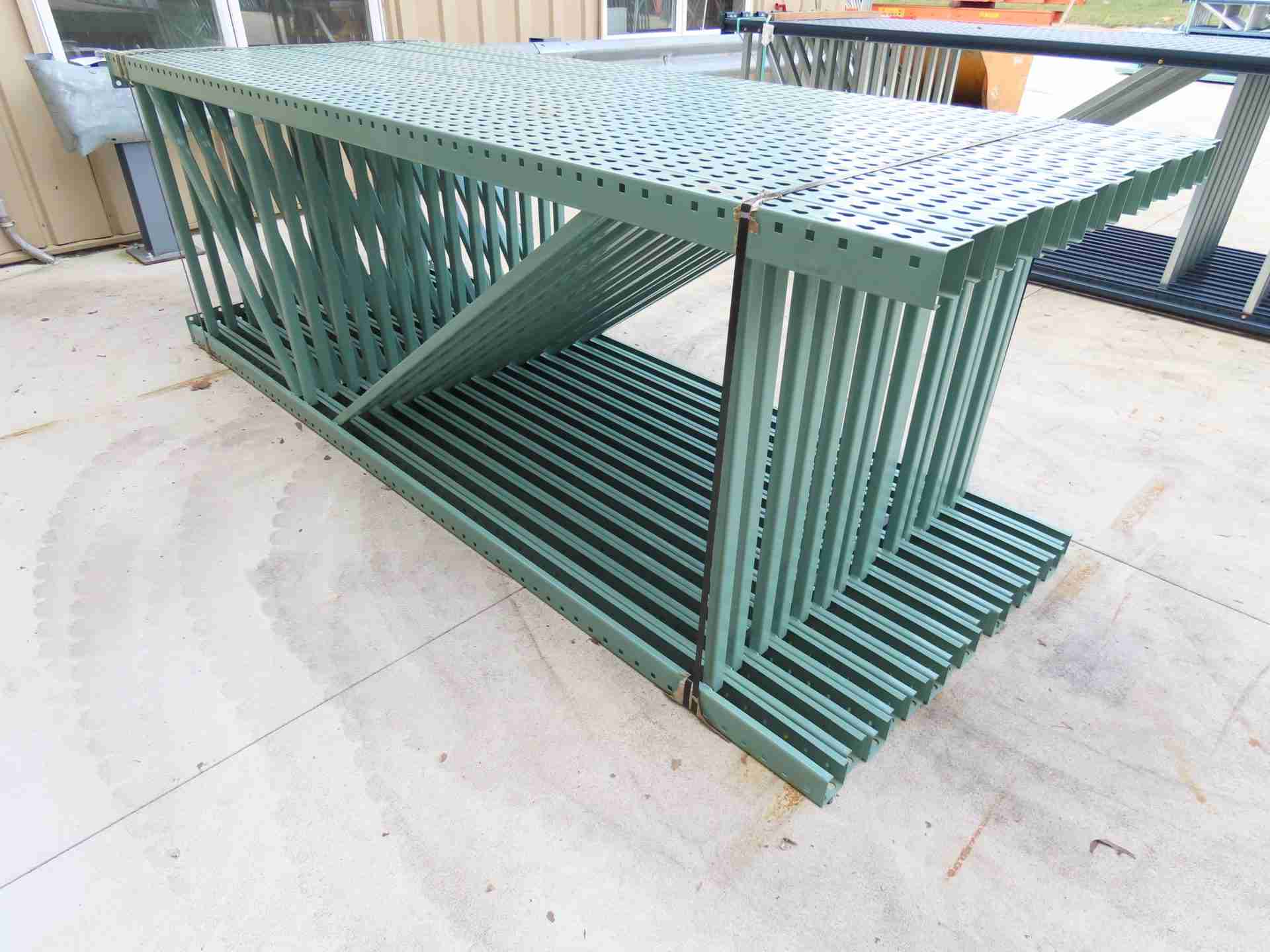
How Often Should Warehouse Racking Inspections Be Conducted?
How Often Should Warehouse Racking Inspections Be Conducted?
- Warehouse racking systems are vital for safety and efficiency in logistics and storage operations.
- OSHA recommends annual inspections but suggests more frequent checks based on specific circumstances like traffic volume and load weight.
- Regular inspections contribute to a culture of safety and operational efficiency.
- A case study showed that infrequent inspections led to an incident causing injuries and costly shutdowns.
- Seasonal increases in inventory and stock movement necessitate more frequent inspections, especially during busy periods.
- Involving employees in inspections enhances safety awareness and promotes a proactive approach to hazard detection.
- Investing in routine inspections protects against fines, reputational damage, and maintains customer trust.

How Often Should Warehouse Racking Inspections Be Conducted?
What Are The Common Hazards Associated With Warehouse Racking?
In today’s fast-paced distribution world, warehouses serve as the backbone of commerce, but hidden dangers lurk in the shadows of those towering racking systems. Every day, workers navigate aisles packed with merchandise, often overlooking potential hazards that can lead to costly accidents. Understanding these risks is crucial for ensuring safety, efficiency, and compliance in your operations.
1. Structural Failure
Warehouse racking systems are designed to hold substantial weight, but flaws in design, improper installation, or poor maintenance can lead to structural failure. For example, consider the havoc wreaked by a recent incident at a major retailer’s distribution center last fall, where a single overloaded rack collapsed, causing significant injuries and halting operations. Regular inspections and adherence to load capacities are essential for preventing such catastrophic events.
2. Falling Objects
With stacks of pallets and products reaching impressive heights, the risk of falling items looms large. Accidental bumps from forklifts or poor stacking techniques can tip precariously balanced loads, sending heavy items crashing to the ground. In a high-profile case earlier this year, a worker sustained severe injuries after being struck by a falling box due to inadequate safety measures during a routine pick. This serves as a stark reminder of the importance of clear protocols for stacking and an earnest commitment to employee training.
3. Forklift Accidents
Forklifts are essential for moving products but can also be a source of danger. Distracted driving, outdated equipment, and inadequate training can all contribute to accidents. In fact, statistics show that forklift accidents are responsible for roughly 20,000 injuries annually in warehouses. Transitioning to advanced safety technologies, such as proximity sensors, can significantly reduce these risks and enhance operations.
4. Inadequate Spacing and Aisle Widths
Overcrowded aisles and insufficient spacing between racking units can hinder movement, leading to accidents and spills. With e-commerce booming, many warehouses are pushing their limits to maximize storage space. However, neglecting proper aisle widths can create chaos during peak times. A leading logistics company recently faced backlash after an accident due to blocked pathways during a seasonal surge. This highlights the necessity of maintaining optimal aisles to ensure swift evacuation in emergencies.
5. Inconsistent Safety Protocols
Lastly, inconsistent adherence to safety protocols can exacerbate all previous hazards. Inadequate training or communication about safety procedures can lead to confusion and negligence. Your company can’t afford to treat safety as an afterthought; a robust safety culture needs to be ingrained in every employee. Regular training, clear guidelines, and accountability measures are vital for reducing risks and promoting a safe working environment.
Being proactive about warehouse racking hazards doesn’t just protect your staff; it protects your bottom line. Invest in safety and reap the benefits of a more efficient and secure operation.

What Are The Common Hazards Associated With Warehouse Racking?
What Are The Common Hazards Associated With Warehouse Racking?
- Warehouses are essential for commerce but contain hidden dangers amid racking systems.
- Structural failures can occur due to design flaws, improper installation, or poor maintenance, leading to catastrophic accidents.
- The risk of falling objects is significant; inadequate stacking and forklift bumps can cause injuries to workers.
- Forklift accidents are common and often result from distractions, outdated equipment, and inadequate training, with 20,000 injuries reported annually.
- Inadequate aisle widths and overcrowding can hinder movement, increasing the likelihood of accidents during peak operations.
- Inconsistent safety protocols contribute to hazards; robust safety training and clear guidelines are essential for risk reduction.
- Investing in safety not only protects workers but also enhances operational efficiency and safeguards the bottom line.

What Are The Common Hazards Associated With Warehouse Racking?
How Can I Ensure Compliance With OSHA Racking Standards?
How Can I Ensure Compliance with OSHA Racking Standards?
Ensuring compliance with OSHA racking standards is not just about avoiding penalties; it’s about safeguarding your workforce and improving your operational efficiency. Imagine the peace of mind that comes from knowing that your racking system is not only functional but also fully compliant. Here’s a strategic approach to achieving that compliance while enhancing the overall safety and productivity of your warehouse.
First and foremost, begin with a comprehensive assessment of your current racking systems. Are they designed to handle the anticipated load? An OSHA-compliant racking system must adhere to the manufacturer’s specifications and local regulations. For example, if you’re using pallet racking, ensure that it’s rated for the weight of the pallets being stored. A recent incident at a distribution center in Southern California highlighted the consequences of negligence when overloaded racks collapsed, resulting in serious injuries and costly legal action. Don’t wait for an accident; assess before it’s too late.
Next, invest in employee training. Your team should not only understand the importance of compliance but also be empowered to recognize potential hazards. Conduct regular training sessions on proper loading techniques and weight limits, and include hands-on demonstrations of how to identify structural issues. Engaging employees through interactive training can significantly reduce accidents and enhance awareness. You could take inspiration from leading brands currently focusing on safety culture, such as Amazon, which has revolutionized their training methods to incorporate real-life scenarios that employees might encounter.
Another key aspect is routine inspections and maintenance. Implement a standardized inspection checklist based on OSHA guidelines. Regularly check for damage, ensure proper anchoring, and review load capacities. Documentation is crucial; keep thorough records of inspections and maintenance to demonstrate compliance during an audit. Take a page from companies like Walmart that set the bar high by consistently monitoring their logistics systems, which allows them to maintain uptime while adhering to OSHA regulations.
Lastly, don’t overlook technological advancements. Consider investing in racking systems equipped with smart technology that monitors structural integrity and load distribution in real time. This not only mitigates risks but also places your warehouse at the forefront of innovation in safety compliance.
Ensuring compliance with OSHA racking standards is a proactive process that requires assessment, training, routine checks, and leveraging technology. By following these steps, you not only protect your employees but also bolster your company’s reputation as a safe and responsible business. Remember, compliance is not optional; it’s a fundamental cornerstone of a solid and thriving operation.

How Can I Ensure Compliance With OSHA Racking Standards?
How Can I Ensure Compliance With OSHA Racking Standards?
- OSHA compliance is essential for workforce safety and operational efficiency.
- Conduct a comprehensive assessment of racking systems to ensure they meet load requirements and regulations.
- Invest in employee training to promote awareness and identify hazards related to racking systems.
- Implement routine inspections and maintain thorough documentation to demonstrate compliance.
- Learn from industry leaders like Amazon and Walmart, which prioritize safety culture and consistent monitoring.
- Consider integrating smart technology in racking systems to enhance safety through real-time monitoring.
- Compliance is a proactive approach that protects employees and strengthens business reputation.

How Can I Ensure Compliance With OSHA Racking Standards?
What Type Of Training Is Required For Workers Handling Racking?
What Type of Training is Required for Workers Handling Racking?
In the fast-paced world of warehousing and logistics, the efficiency of your operations can make or break your bottom line. But how do you ensure your workforce is not just productive, but also safe and compliant? The answer lies in comprehensive training tailored specifically for workers handling racking systems.
First and foremost, foundational training is critical. Workers must be well-versed in the various types of racking systems—be it selective, drive-in, or pallet flow racking. Each type has unique operational characteristics, and understanding these is crucial for safe handling. For instance, selective racking allows for easy access to each pallet, but improper loading can lead to tipping hazards. Workers trained in the specifics of their racking system can mitigate these risks.
Next, safety training cannot be overlooked. This includes understanding load capacities and safe lifting techniques. With recent events highlighting warehouse safety issues, such as the significant rise in worker injuries due to improperly managed racking systems, it’s imperative to equip your team with the skills to navigate these challenges. According to OSHA reports, incidents involving racking systems have notably increased in high-pressure environments, making safety training not just a recommendation, but a necessity.
Moreover, introducing specialized modules for forklift operation is essential. If your team is employing forklifts to manage racking, robust forklift training that covers best practices, infrastructure awareness, and emergency response is vital. Consider the tragic accidents reported last year involving forklifts colliding with racking systems—these incidents underscore the importance of having a well-trained workforce that can operate machinery with precision in tight spaces.
In addition to safety protocols, training should incorporate continuous education to adapt to ever-evolving warehouse technologies and standards. With the arrival of innovative racking solutions, like automated storage systems, your workers should be prepared to embrace these advancements. Staying ahead with training ensures that your team can seamlessly transition to new technologies without compromising productivity.
Additionally, regular refresher courses can help workers stay sharp and aware of potential hazards. Remember, complacency breeds accidents. Implementing an ongoing training schedule can cultivate a culture of safety and accountability within your organization.
The type of training required for workers handling racking systems encompasses foundational knowledge, safety protocols, specialized operation techniques, and continuous learning. By investing in thorough training programs, you are not merely complying with regulations—you are ensuring the longevity, efficiency, and safety of your operations. Seeing it as a strategic investment will not only improve morale but will also enhance productivity and profitability across the board.

What Type Of Training Is Required For Workers Handling Racking?
What Type Of Training Is Required For Workers Handling Racking?
- Comprehensive training is essential for workers handling racking systems to ensure safety and productivity.
- Foundational training should cover various types of racking systems like selective, drive-in, and pallet flow racking.
- Safety training must address load capacities and proper lifting techniques to mitigate injury risks.
- Forklift operation training is crucial for safe management of racking, focusing on best practices and emergency response.
- Continuous education is necessary to keep pace with evolving warehouse technologies and standards.
- Regular refresher courses help maintain awareness of potential hazards and combat complacency.
- Investing in thorough training programs enhances the longevity, efficiency, productivity, and safety of operations.

What Type Of Training Is Required For Workers Handling Racking?
What Should Be Included In A Racking Safety Plan?
In today’s fast-paced business landscape, ensuring the safety of your warehouse or storage facility is non-negotiable. A well-structured racking safety plan is not just a bureaucratic necessity; it’s a vital strategy to safeguard your employees, protect your assets, and maintain your bottom line. Here’s what your plan should encompass, ensuring you stay ahead of the game and avoid costly repercussions.
1. Comprehensive Risk Assessment
Begin with a thorough analysis of your warehouse layout and racking system. Identify potential hazards—such as overloaded shelves, improper installation, and insufficient aisle space—and assess the risks they pose. This step is essential; recent reports indicate that warehouses that neglect regular assessments face a higher incidence of workplace injuries—potentially crippling productivity and morale.
2. Clear Guidelines and Procedures
Establish clear operational guidelines detailing how to load and unload items safely. For instance, implement a “first in, first out” system for perishable goods, ensuring that shelves are prioritized based on expiration dates. These procedures are vital in industries where safety regulations are tightening, like food distribution, mitigating the risk of compliance violations.
3. Training and Education
Every employee should undergo regular training related to racking safety. This includes not only operational training but also education on recognizing hazards and responding to emergencies. Consider incorporating gamified training modules—this approach not only engages employees but also reinforces essential safety practices. A recent survey found that well-trained employees are 50% less likely to be involved in safety incidents.
4. Regular Inspections and Maintenance
Routine inspections are crucial. Create a checklist that covers all aspects of your racking system, focusing on structural integrity, load limits, and overall cleanliness. For example, if you notice a damaged rack during an inspection, take immediate action to replace or repair it. This proactive measure is key; incidents often escalate due to negligence.
5. Establish a Reporting System
Encourage employees to report safety concerns without fear of retaliation. An anonymous reporting system can be particularly effective; consider leveraging digital platforms that allow real-time reporting of hazards or near-misses. This not only fosters a culture of safety but also equips management with vital insights to refine safety strategies continuously.
6. Emergency Preparedness Plans
Outline clear emergency procedures and ensure that all employees know how to respond in crises—whether it’s an evacuation plan or addressing a hazardous materials spill. As we witnessed during recent warehouse fires, the lack of a solid emergency protocol can result in devastating outcomes.
By embedding these components into your racking safety plan, you not only prioritize the well-being of your workforce but also position your business for sustained success in the competitive landscape. Remember, safety isn’t just compliance; it’s a commitment to excellence that resonates throughout your organization.

What Should Be Included In A Racking Safety Plan?
What Should Be Included In A Racking Safety Plan?
- Comprehensive Risk Assessment: Analyze warehouse layout and racking systems to identify potential hazards, crucial for preventing workplace injuries and maintaining productivity.
- Clear Guidelines and Procedures: Establish operational guidelines for safe loading and unloading, including systems like “first in, first out,” essential for compliance in industries like food distribution.
- Training and Education: Provide regular racking safety training for employees, incorporating gamified modules to enhance engagement and reduce safety incidents by up to 50%.
- Regular Inspections and Maintenance: Conduct routine inspections with a detailed checklist to ensure structural integrity and prompt action on any damages to avoid further incidents.
- Establish a Reporting System: Create an anonymous reporting system to encourage employees to report hazards, fostering a culture of safety and improving management insights.
- Emergency Preparedness Plans: Develop clear emergency procedures for various crisis scenarios, ensuring that all employees are aware of the proper response protocols.
- Commitment to Safety: Integrate safety practices into daily operations to enhance employee well-being and drive business success in a competitive market.

What Should Be Included In A Racking Safety Plan?
How Do Load Capacities Affect OSHA Compliance For Racking?
How Do Load Capacities Affect OSHA Compliance for Racking?
In the bustling world of warehouses and distribution centers, ensuring that your racking systems comply with OSHA regulations isn’t just a legal formality; it’s a cornerstone of safety and efficiency. One of the pivotal factors in achieving compliance is understanding and adhering to load capacities. Consider this: a racking system overloaded by just a few hundred pounds can lead to catastrophic failures, putting your workforce at risk and your business in jeopardy.
Take, for example, the recent incidents reported in logistics hubs across the nation. Facilities that failed to account for load capacities found themselves facing hefty fines, legal actions, and reputational damage. A well-documented case involved a major retailer that had to shut down operations temporarily after overloaded racking systems led to a collapse, injuring employees and disrupting the supply chain. This incident not only affected their bottom line but also raised serious questions about their commitment to safety and operational integrity.
Understanding load capacities begins with proper training of your workforce and precise calculations of all materials stored in your racking systems. Each racking unit has a specified load capacity that must be meticulously adhered to; this is not just a suggestion but a regulatory requirement. For example, if your racking system is rated for 3,000 pounds per shelf, overburdening it with 3,500 pounds can drastically exceed designed limits, leading to structural failure.
Now, how does this tie into OSHA compliance? Non-compliance can result in inspections and citations, but the real cost goes beyond fines—it impacts employee morale, trust, and even customer satisfaction. Companies that prioritize safety through diligent adherence to load capacities send a powerful message: they care about their employees, their operations, and their bottom line.
Invest in training sessions and regular audits for your racking systems. Use digital tools to monitor weight loads in real-time, ensuring that you’re not only compliant but also proactive. Just as businesses have pivoted to meet new health and safety protocols following the COVID-19 pandemic, now is the time to reevaluate your racking setups.
Ensuring your racking systems meet OSHA compliance through strict adherence to load capacities could mean the difference between smooth operations and a detrimental disaster. Remember, a compliant racking system is not just a box checked on paper; it’s an investment in your workforce and a safeguard for your business’s future. With effective management tactics and a keen eye on regulations, you can cultivate a safe and profitable environment for all.

How Do Load Capacities Affect OSHA Compliance For Racking?
How Do Load Capacities Affect OSHA Compliance For Racking?
- Compliance with OSHA regulations in warehouses is crucial for safety and efficiency.
- Overloading racking systems can lead to catastrophic failures, risking employee safety and business integrity.
- Facilities ignoring load capacities face fines, legal actions, and damage to their reputation.
- Each racking unit has a specified load capacity that must be strictly adhered to; non-compliance can result in inspections and citations.
- Prioritizing safety by adhering to load capacities boosts employee morale, trust, and customer satisfaction.
- Investing in training sessions and audits, along with using digital tools for monitoring loads, enhances compliance and operational safety.
- A compliant racking system is an investment in workforce safety and business viability, ensuring a safe environment and smooth operations.

How Do Load Capacities Affect OSHA Compliance For Racking?
What Are The Penalties For Non-Compliance With OSHA Racking Rules?
What Are The Penalties For Non-Compliance With OSHA Racking Rules?
When it comes to workplace safety, ignorance is not bliss—especially under OSHA’s stringent guidelines for racking systems. Understanding the penalties for non-compliance can be the difference between maintaining a thriving business and facing crippling fines. Let’s delve into the potential repercussions that can hit your bottom line like a freight train.
Firstly, OSHA’s enforcement mechanisms are unwavering. Penalties for non-compliance can range significantly. For serious violations, you might face fines starting at $13,653—this is no pocket change for any business. For willful violations, that number can skyrocket to $136,532 per violation. Consider a scenario where a warehouse fails to implement required safety measures for pallet racks. If a compliance inspector notices multiple infractions during a routine audit, the associated penalties could quickly escalate into a financial disaster.
Take, for example, the case of XYZ Logistics, a mid-sized warehousing company that ignored OSHA’s racking regulations. Following an unfortunate incident involving injury due to a rack collapse, OSHA conducted an inspection and discovered multiple compliance failures. The result? A staggering $150,000 fine that left the company scrambling to find the funds while managing their ongoing operations. They were not only facing financial strain but also significant reputational damage—a double whammy that could cripple any brand’s future.
Moreover, fines and penalties are just the tip of the iceberg. Non-compliance with OSHA racking rules can lead to business shutdowns, especially when serious safety issues emerge. Business leaders often overlook that accruing multiple violations could result in their qualification for the Severe Violator Enforcement Program (SVEP), a designation that brings about heightened scrutiny and follow-up inspections. It’s a risk that no savvy entrepreneur would want to gamble with.
Additionally, the legal ramifications of non-compliance can extend beyond financial penalties. A company could face lawsuits from affected employees, resulting in staggering legal costs and potential damages. For instance, a recent case involved a distribution center facing a class-action lawsuit after failing to comply with safety standards—a reminder that neglect can lead to costly repercussions on multiple fronts.
The penalties for non-compliance with OSHA’s racking rules are multi-faceted and can have enduring implications for your business. Prioritizing adherence to these guidelines is not just about avoiding fines; it is a fundamental investment in your organization’s safety culture and long-term sustainability. Taking proactive steps today can save you from the pitfalls tomorrow. Remember, in the world of business, it is always better to play it safe than to pay for it later.

What Are The Penalties For Non-Compliance With OSHA Racking Rules?
What Are The Penalties For Non-Compliance With OSHA Racking Rules?
- OSHA enforces stringent guidelines for racking systems in the workplace.
- Penalties for non-compliance begin at $13,653 for serious violations and can escalate to $136,532 for willful violations.
- A case study of XYZ Logistics illustrates the financial and reputational damage from ignoring OSHA regulations, resulting in a $150,000 fine.
- Non-compliance may also lead to business shutdowns and increased scrutiny through the Severe Violator Enforcement Program (SVEP).
- Legal repercussions include potential lawsuits from employees, resulting in additional costs and damages.
- Compliance is crucial for maintaining a safe work environment and avoiding crippling financial penalties.
- Investing in adherence to OSHA guidelines is essential for long-term sustainability and safety culture in businesses.

What Are The Penalties For Non-Compliance With OSHA Racking Rules?
How Can I Implement An Effective Racking Maintenance Program?
In an industry where inefficiency can drain resources faster than a leaky roof, an effective racking maintenance program isn’t just advisable—it’s essential. The stakes are high; after all, the safety of your employees and the integrity of your product can hinge on the condition of your racking systems. So, how do you dodge the pitfalls and set up a maintenance program that doesn’t just check boxes but drives results?
First, you need to establish a robust routine for inspections. Think of it as a regular health check-up for your warehouse. Develop a schedule for daily, weekly, and monthly checks to catch issues before they escalate. For example, during a recent inspection at a large distribution center, staff discovered that a significant portion of their racking had sustained minor damage that could have cost them millions if left unchecked. Routine inspections can prevent such costly oversights.
Next, prioritize training for your team. Employees must know how to identify potential risks and the proper procedures for reporting them. Host workshops and create easy-to-follow manuals that outline common issues and their solutions. Just as FedEx trains its staff to handle packages with care, your team should be equally educated in maintaining a safe racking environment.
In this digital age, leveraging technology can significantly enhance your program. Consider investing in rack management software that allows for real-time monitoring and reporting. This will streamline maintenance schedules and track inspections digitally, reducing paperwork and increasing accountability. Take note of companies using IoT sensors that notify teams of any rack displacement or fatigue, illustrating how modern technology transforms maintenance efforts into proactive management.
Ensure compliance with industry standards. Keeping up with regulatory changes—as exemplified by the recent adjustments to OSHA guidelines—can mean the difference between a smoothly running operation and a costly shutdown. Engage with industry associations which often provide valuable resources and training updates.
Another trend gaining traction is utilizing third-party audits. Bringing in an external expert provides an unbiased evaluation of your racking conditions and highlights areas for improvement you may have overlooked. It’s like having an experienced coach who sees the moves you can’t.
Finally, instill a culture of accountability. Celebrate successes and learn from failures. Regularly update your maintenance program based on feedback, and continuously strive for improvement. By investing time and energy into these strategic elements, your racking maintenance program will not only keep your operations safe but will also contribute to overall efficiency and profitability. In the world of warehousing, a well-maintained rack system is your strongest foundation.

How Can I Implement An Effective Racking Maintenance Program?
How Can I Implement An Effective Racking Maintenance Program?
- An effective racking maintenance program is essential for safety and product integrity.
- Establish a routine inspection schedule (daily, weekly, monthly) to catch issues early and prevent costly damages.
- Prioritize training for staff on identifying risks and proper reporting procedures through workshops and manuals.
- Leverage technology, such as rack management software and IoT sensors, for real-time monitoring and accountability.
- Ensure compliance with industry standards and stay updated on regulatory changes, like OSHA guidelines.
- Utilize third-party audits for unbiased evaluations and improvement suggestions.
- Create a culture of accountability by celebrating successes, learning from failures, and continuously updating the maintenance program.

How Can I Implement An Effective Racking Maintenance Program?
What Signs Indicate That Warehouse Racking Needs Repair?
##
In the fast-paced world of logistics and warehousing, every detail matters, especially when it comes to ensuring the integrity of your racking systems. Ignoring the signs that your warehouse racking needs repair can lead not only to costly downtime but also to safety hazards that can jeopardize your employees and your bottom line. Let’s delve into the signs that indicate your racking systems are crying out for help.
1. Visible Damage
First and foremost, keep an eye out for visible signs of wear and tear. This includes bent posts, dislodged beams, and cracked or broken components. For example, after a recent increase in e-commerce demand, many warehouses found their racking systems overburdened, resulting in structural damage. If a racking unit resembles a tortured sculpture rather than a sturdy storage solution, it’s time for an inspection.
2. Load Imbalances
If your products start leaning precariously or you notice uneven load distribution, it’s a glaring red flag. Proper racking systems should accommodate your stock without strain. Outdated designs struggling to handle modern-day loads, especially with heavier items that have become commonplace, can lead to catastrophic failures. If your racking looks like a game of Jenga, you need to take action before the inevitable collapse.
3. Frequent Disruptions
Are your employees experiencing frequent disruptions due to falling merchandise or dangerous conditions? Such incidents could indicate that your racking is no longer compliant with safety standards—a problem exacerbated by recent stringent regulatory changes in the warehousing industry. If your team finds itself dodging wayward pallets more often than focusing on productivity, it’s time to reevaluate your setup.
4. Corrosion or Rust
In the wake of natural disasters such as recent floods in various regions, corrosion and rust have been on the rise. If your warehouse is susceptible to moisture, inspect metal racks for signs of rust—this deterioration compromises structural integrity. Taking proactive steps to address these issues not only safeguards your investments but also fosters a culture of safety among your workforce.
5. Age of Equipment
Lastly, consider the age of your racking systems. If your racks are old enough to remember when disco was king, it may be time to think about an overhaul. An aging system becomes a liability, as older materials and designs may not meet current safety standards or operational needs.
In a world where safety and efficiency are paramount, ignoring these warning signs can lead to serious repercussions. Regular inspections, routine maintenance, and timely repairs can keep your operations running smoothly and profitably. Don’t wait for a crisis—invest in your racking systems today.

What Signs Indicate That Warehouse Racking Needs Repair?
What Signs Indicate That Warehouse Racking Needs Repair?
- Visible damage, such as bent posts, dislodged beams, and cracked components, indicates a need for inspection.
- Load imbalances, with products leaning or uneven distribution, can signal the risk of structural failure.
- Frequent disruptions, like falling merchandise, may suggest non-compliance with safety standards.
- Corrosion or rust on metal racks due to moisture, especially after natural disasters, compromises integrity.
- The age of equipment matters; older racking systems may not meet modern safety or operational needs.
- Ignoring these signs can lead to costly downtime and safety hazards for employees.
- Regular inspections and timely repairs are crucial for maintaining safe and efficient operations.

What Signs Indicate That Warehouse Racking Needs Repair?
How Do I Choose The Right Type Of Racking For My Warehouse?
Choosing the right type of racking for your warehouse is a crucial decision that can greatly impact your operational efficiency, safety, and bottom line. In today’s fast-paced economic landscape—where supply chains are increasingly under scrutiny and every square foot of space counts—making the right selection is not just important; it’s imperative.
First and foremost, you need to assess your inventory type. Are you dealing with large, bulky items or smaller, more diverse products? For bulky inventory, Selective Pallet Racking is often the optimal choice; it offers easy access to individual pallets and is highly adaptable. If your products come in various sizes and require high-density storage, consider Drive-In or Push Back Racking, which maximizes space while allowing for greater storage volumes. Companies like Amazon have recently optimized their fulfillment centers using high-density systems to meet skyrocketing demand, which is a powerful testament to the benefits of choosing the right racking.
Next, factor in the dynamics of your operation. Do you have a high turnover rate with products that move quickly? If so, FIFO (First In, First Out) is critical. Flow Racking, which utilizes gravity to facilitate the movement of items, can streamline processes to keep a steady flux of high-demand products flowing in and out, reducing the risk of obsolescence. In contrast, if you’re storing products with less frequent turnover, consider Static Racking, which is less expensive upfront and typically easy to configure.
Safety is paramount in any setting where heavy goods are stored. The right racking should not only safeguard your products but also minimize the risk of accidents. Look for racking systems that come with robust safety features and adhere to local regulations. Investing in quality racking will pay dividends in avoiding costly accidents and downtime, especially in the wake of current labor shortages—ensuring you have a dedicated team focusing on operations rather than recovery.
Finally, consider the scalability of your racking solution. In an economy where demand can shift unpredictably—think fluctuations seen during the pandemic—your racking should adapt as your inventory changes. Modular systems or those that offer easy reconfiguration can save you time and money in the long term.
Choosing the right type of racking is about understanding your unique business needs. Whether it’s speed, safety, or adaptability, today’s warehouse demands astute calculations and strategic foresight. By weighing these factors judiciously, you not only enhance your operational efficiency but also position your business for future growth.

How Do I Choose The Right Type Of Racking For My Warehouse?
How Do I Choose The Right Type Of Racking For My Warehouse?
- Choosing the right racking for warehouses is crucial for operational efficiency, safety, and financial performance.
- Assess your inventory type: Selective Pallet Racking is ideal for bulky items; Drive-In or Push Back Racking suits smaller, diverse products.
- Consider the dynamics of your operation: FIFO and Flow Racking are essential for high turnover products, while Static Racking is better for items with less frequent turnover.
- Safety is a priority: Select racking systems with robust safety features that comply with local regulations to minimize risk of accidents.
- Investing in quality racking can help avoid costly accidents and downtime, especially important in today’s labor shortage environment.
- Scalability is key: Choose modular or easily reconfigurable systems to adapt to changing inventory demands.
- Understanding unique business needs is essential for enhancing operational efficiency and positioning for future growth.

How Do I Choose The Right Type Of Racking For My Warehouse?
What Documentation Is Needed To Prove Compliance With OSHA?
What Documentation Is Needed To Prove Compliance With OSHA?
When it comes to Occupational Safety and Health Administration (OSHA) compliance, documentation isn’t just a box to tick—it’s a shield for your business. Proper documentation not only demonstrates adherence to safety regulations but can also protect you from fines, lawsuits, and reputational damage. So, what exactly do you need to keep in your compliance arsenal? Let’s unpack the essential documents you need to prove you’re in the clear.
1. Safety Policies and Procedures:
First and foremost, your company should have a comprehensive safety policy in place. This document outlines your organization’s commitment to safety, including employee responsibilities, emergency procedures, and general safety practices. If a workplace accident occurs, this policy will serve as a critical reference point to show that you have a proactive approach to safety.
Example: In light of increasing workplace incidents related to COVID-19, maintaining a documented policy on health protocols, such as mask-wearing and sanitization procedures, has never been more crucial. This documentation not only proves compliance with OSHA guidelines but also demonstrates your commitment to employee safety during unprecedented times.
2. Training Records:
OSHA mandates that employees receive training on potential hazards associated with their jobs. Keeping meticulous records of all training sessions—dates, attendance, materials used, and outcomes—can prove invaluable. These records validate that your employees are not only informed but also prepared to work safely.
3. Incident Reports:
In the unfortunate event of an accident, documenting every detail is essential. Incident reports should include what happened, who was involved, and the response taken. Regularly reviewing and analyzing these reports can also help identify safety trends and areas for improvement, thereby enhancing your overall safety culture.
4. Safety Inspections and Audits:
Conducting regular safety inspections and audits can unveil risks before they result in incidents. Documenting these inspections, along with corrective measures taken, paints a picture of a proactive organization. Keep records of findings and resolutions to demonstrate continuous improvement in safety practices.
5. Equipment Maintenance Logs:
If you use machinery or equipment, maintaining logs of regular inspections and maintenance is critical. These documents show compliance with applicable standards and can safeguard you in case of equipment failure leading to injury.
In today’s evolving regulatory landscape, especially with recent heightened attention on workplace safety, having the right documentation is non-negotiable. It’s not just a matter of ticking boxes; it’s about illustrating your commitment to safety and laying the groundwork for a resilient organization. Don’t wait for an OSHA inspection to get these documents in order—start building your compliance fortress today!

What Documentation Is Needed To Prove Compliance With OSHA?
What Documentation Is Needed To Prove Compliance With OSHA?
- Importance of Documentation: Documentation is essential for OSHA compliance and protects businesses from fines, lawsuits, and reputational damage.
- Safety Policies and Procedures: A comprehensive safety policy outlines commitment to safety, including emergency procedures and employee responsibilities.
- Training Records: Keeping meticulous records of employee training on job hazards is crucial for proving compliance.
- Incident Reports: Documenting every workplace incident in detail helps identify safety trends and improve safety culture.
- Safety Inspections and Audits: Regular inspections and audits help uncover risks, with documentation showing proactive measures taken.
- Equipment Maintenance Logs: Maintaining logs of machinery and equipment inspections and maintenance ensures compliance and safety.
- Proactive Approach: Proper documentation illustrates commitment to safety and prepares organizations for regulatory scrutiny.

What Documentation Is Needed To Prove Compliance With OSHA?
How Can I Minimize Risks Associated With Warehouse Racking?
In the bustling world of logistics and distribution, safety isn’t just a buzzword; it’s a lifeline. Warehouse racking systems are integral to maximizing space and efficiency, but they come with their own set of risks. A moment of negligence can lead to disastrous outcomes, both in terms of human safety and financial loss. So, how can you safeguard your operation? Here are some fail-proof strategies designed for the proactive warehouse manager.
Implement Regular Inspections:
First and foremost, conduct routine inspections. Think of it as a health checkup for your racking systems. Schedule these assessments at least quarterly, or more frequently if your warehouse handles heavy traffic and stone loads. This can help identify structural weaknesses or damage before they escalate into full-blown disasters. For example, after a recent incident in a major distribution center where a collapsed racking system resulted in injuries and costly litigation, investigators found that inspections were being overlooked.
Employee Training is Key:
You wouldn’t let your employees handle a complex piece of machinery without proper training, right? The same logic applies to warehouse racking. Invest in comprehensive training sessions for your workforce. Train them on proper loading techniques and emphasize the importance of adhering to weight limits. In fact, some companies have reported reducing workplace accidents by nearly 30% after implementing dedicated warehouse safety training programs.
Utilize Technology:
In our digital age, technology can be a game-changer. From automated inspections using drones to real-time monitoring of racking conditions, innovations are making it easier than ever to maintain safety standards. For instance, RFID technology allows warehouse managers to track inventory and assess load distributions without manual checks, thus mitigating risks associated with overloaded racks.
Choose Quality Equipment:
Don’t skimp on racking systems. Opt for reputable manufacturers who adhere to industry standards. Investing in high-quality racks might seem like an upfront expense, but it pays dividends in the long run. Not only do sturdy, well-engineered racks withstand the rigors of daily use, but they also dramatically reduce the chances of accidents.
Create a Safety Culture:
Lastly, promote a safety-centric culture within your organization. Encourage open communication about hazards and near-misses, and reward employees who contribute to a safer work environment. In a recent survey, warehouses that fostered a strong safety culture reported a 40% reduction in workplace accidents compared to their counterparts.
Minimizing risks associated with warehouse racking is not just a checkbox on your to-do list; it’s a critical foundation for a successful operation. By implementing these strategies, you’re not merely protecting your assets—you’re building a safer, more efficient workplace that can weather any storm.

How Can I Minimize Risks Associated With Warehouse Racking?
How Can I Minimize Risks Associated With Warehouse Racking?
- Importance of Safety: Safety in logistics is crucial for human well-being and preventing financial loss.
- Regular Inspections: Conduct routine inspections of racking systems at least quarterly to identify potential issues.
- Employee Training: Provide comprehensive training on loading techniques and weight limits to reduce accidents.
- Utilize Technology: Employ innovations like drones and RFID for automated inspections and real-time monitoring.
- Quality Equipment: Invest in high-quality racking systems from reputable manufacturers to ensure safety and durability.
- Create a Safety Culture: Encourage open communication about hazards and reward safety contributions from employees.
- Overall Strategy: Implementing these strategies establishes a safer, more efficient workplace and mitigates risks.

How Can I Minimize Risks Associated With Warehouse Racking?
What Role Do Barricades Play In Warehouse Racking Safety?
In today’s fast-paced world of warehousing and logistics, safety measures are not just guidelines—they are essential components that can make or break a business. Among the various strategies to ensure a safe working environment, the role of barricades in warehouse racking safety is paramount. These seemingly simple structures can serve as the first line of defense against accidents that can lead to costly injuries, damage, and interruptions in operations.
Barricades, when strategically placed in and around racking systems, create visual and physical barriers that prevent accidental collisions between forklifts, material handling equipment, and shelving. For instance, a distribution center in the Midwest recently upgraded its racking safety protocols by implementing sturdy barricades at crucial junctions. The result? A reported 30% reduction in near-miss incidents within just six months. This not only safeguarded employees but also maintained the flow of goods, keeping the bottom line intact.
Let’s consider another example from a recent warehouse incident. A major e-commerce retailer faced a massive disruption when an unprotected racking system collapsed due to a forklift accidentally colliding with it. This incident not only halted operations for days but also resulted in significant loss in inventory and reputational damage. In contrast, having robust barricades in place could have prevented such catastrophic failures, underscoring the necessity of proactive safety measures.
Additionally, barricades serve to define pedestrian pathways within warehouses. By visually guiding workers and traffic patterns, they help reduce confusion and promote an organized workflow. In an environment where split-second decisions can lead to serious consequences, branding your operation with clear, well-defined barriers translates into operational excellence and employee confidence. A well-cited case from a logistics firm in California showed that incorporating barricades resulted in a smoother workflow, ultimately boosting productivity by 20%.
Moreover, in the wake of current regulations emphasizing occupational safety and health, properly installed barricades can help companies stay compliant and avoid hefty fines. Increased scrutiny from agencies like OSHA means that failing to adopt effective safety measures is no longer an option, but an invitation to disaster.
Barricades in warehouse racking systems are not a luxury; they are a necessity. From protecting assets to ensuring safety compliance, these structures play a pivotal role in creating a culture of safety, thereby enhancing overall operational efficiency. Investing in quality barricades today can safeguard your warehouse tomorrow and position your business as a leader in safety within your industry. Don’t wait for an incident to occur—take proactive steps now.

What Role Do Barricades Play In Warehouse Racking Safety?
What Role Do Barricades Play In Warehouse Racking Safety?
- Safety measures in warehousing are essential for business success.
- Barricades act as a first line of defense against accidents in racking systems.
- Implementing barricades can significantly reduce near-miss incidents, as shown by a 30% reduction at a Midwest distribution center.
- Unprotected racking systems can lead to catastrophic failures, highlighting the necessity of barricades.
- Barricades define pedestrian pathways, promoting organized workflows and reducing confusion.
- Properly installed barricades ensure compliance with safety regulations and can help avoid hefty fines.
- Investing in quality barricades enhances safety culture and operational efficiency, positioning businesses as safety leaders.

What Role Do Barricades Play In Warehouse Racking Safety?
Are There Specific Racking Systems That Meet OSHA Requirements?
Are There Specific Racking Systems That Meet OSHA Requirements?
When it comes to warehouse operations, ensuring that your racking systems meet OSHA requirements isn’t just a regulatory checkbox—it’s a commitment to safety and efficiency. With the landscape of industrial storage evolving rapidly, choosing the right racking system is crucial not only for compliance but also for improving your bottom line.
OSHA, the Occupational Safety and Health Administration, sets forth clear guidelines on the use of racking systems to prevent accidents and injuries. It emphasizes that racking systems must be designed to accommodate the loads they carry without risk of collapse, and they should be installed following best practices that take into account the physical layout of the workspace.
One prominent example of a system that aligns with OSHA requirements is adjustable pallet racking. This type of racking allows for flexible configurations to meet changing inventory needs. Companies such as UniMac have embraced innovative designs that enhance load capacity while ensuring stability. In fact, recent incidents involving warehouse accidents have reignited discussions on the importance of such systems. In 2023, a high-profile incident involving a major retailer highlighted the consequences of inadequate racking—a stark reminder that neglecting compliance can cost both lives and revenue.
Consider also the surge in popularity of cantilever racking systems, particularly for storing long, bulky items such as lumber or piping. These systems, when engineered properly, can help prevent tipping or collapse. By utilizing systems that meet OSHA’s design and installation standards, businesses not only protect their employees but also preserve the integrity of their inventory.
Furthermore, FIFO (First In, First Out) systems like flow racking help address both safety and operational efficiency. These systems minimize the risk of workers needing to reach deep into static shelving, thus reducing the likelihood of accidents or injuries. With the recent push for sustainability in supply chains, integrating systems that maximize efficiency while adhering to safety regulations represents a proactive approach.
Investing in OSHA-compliant racking systems is more than just an obligation—it’s a strategic advantage. As industry trends shift and e-commerce continues to grow, having a robust system in place safeguards against fluctuating demands and potential liabilities.
While selecting a racking system that meets OSHA requirements, focus on adaptability, safety, and efficiency. By prioritizing these elements, companies not only comply with regulations but are also poised for future success in an increasingly competitive market.

Are There Specific Racking Systems That Meet OSHA Requirements?
Are There Specific Racking Systems That Meet OSHA Requirements?
- Compliance with OSHA requirements is essential for warehouse safety and operational efficiency.
- Racking systems must be designed to handle intended loads without risk of collapse and installed according to best practices.
- Adjustable pallet racking is a prime example of OSHA-compliant systems, offering flexibility for changing inventory needs.
- Cantilever racking systems are effective for storing bulky items and can prevent tipping when properly engineered.
- FIFO (First In, First Out) systems like flow racking enhance safety by reducing the need for workers to reach deep into static shelves.
- Investing in OSHA-compliant racking systems provides strategic advantages in a competitive market and mitigates liabilities.
- Choosing adaptable, safe, and efficient racking systems positions companies for future success in evolving industries.

Are There Specific Racking Systems That Meet OSHA Requirements?
Conclusion
Conclusion
In today’s fast-paced warehouse environment, understanding and adhering to OSHA requirements for racking systems is not just a matter of compliance—it’s a vital commitment to safety, efficiency, and operational integrity. As outlined in this comprehensive guide, the importance of maintaining safe racking systems cannot be overstated. From the potential consequences of non-compliance, such as hefty fines and legal repercussions, to the critical role of regular inspections, employee training, and robust documentation, every aspect is intertwined in the pursuit of a safer workplace.
The stakes are high. Neglecting the rigorous specifications set by OSHA can lead to devastating incidents, from structural failures to life-threatening accidents. But there is good news: you have the power to take proactive steps to ensure a safe and compliant racking system. Spend time today assessing your current racking setup, investing in your employees’ training, and incorporating technology to monitor load capacities and safety protocols. These measures are not merely operational enhancements; they are strategic decisions that can save lives and elevate your business reputation.
As you reflect on the content shared in this article, remember that the risks associated with warehouse racking can be meticulously minimized. Whether it’s utilizing the right type of racking or implementing effective maintenance programs, transforming your warehouse into a exemplification of safety and efficiency starts now. Don’t let your compliance be an afterthought; make it the cornerstone of your workplace culture.
At Arrow Industrial Sales, we understand these challenges, and we’re here to help. For tailored solutions to meet OSHA requirements and enhance your warehouse’s operational efficiency, don’t hesitate to reach out. Call us today at (574) 349-6575. Act now—prioritize safety, elevate efficiency, and secure your bottom line for the future. Your workforce’s safety and your business’s success depend on it!

Conclusion
Conclusion:
- Understanding OSHA requirements for racking systems is crucial for safety and operational integrity.
- Non-compliance can lead to hefty fines, legal issues, and severe safety incidents.
- Regular inspections, employee training, and accurate documentation are essential for safety.
- Proactive measures, such as assessing racking setups and investing in training, enhance safety and efficiency.
- Compliance should be a fundamental aspect of workplace culture, not an afterthought.
- Arrow Industrial Sales offers tailored solutions for OSHA requirements and operational efficiency.
- Prioritizing safety and efficiency is vital for the workforce’s well-being and the business’s success.

Conclusion
Other Resources

Other Resources
Here is a list of other resources you can review online to learn more:
- “Warehousing – Overview | Occupational Safety and Health …”
- “Home | Occupational Safety and Health Administration”
- “Warehousing – Know the Law | Occupational Safety and …”
- “OSHA Warehouse Requirements: Racking Considerations”
- “Warehousing – Hazards and Solutions”
- “Understanding OSHA Requirements for Warehouse Racking”
- “What Does OSHA Say About Pallet Rack Safety?”
- “OSHA Requirements for Warehouse Racking”
- “Lack of posted weight capacity on racking can lead to …”
Use This Prompt To Get More Resources With Your Favorite Online AI Tool: Please provide me with a list of online articles with their URLS in a bulleted list that I can read regarding What Are OSHA Requirements for Warehouse Racking?

Other Resources
Glossary Terms
What Are OSHA Requirements for Warehouse Racking? – Glossary Of Terms
1. OSHA: The Occupational Safety and Health Administration; a U. S. agency responsible for ensuring safe and healthy working conditions through the enforcement of standards and regulations.
2. Warehouse Racking: Storage systems designed to hold products, materials, or equipment in a warehouse, facilitating organization and accessibility.
3. Load Capacity: The maximum weight or load that a racking system can safely support without risking failure or collapse.
4. Structural Integrity: The ability of the racking system to maintain its shape and strength under load without compromising safety.
5. Inspection: The process of systematically examining racking systems for compliance with safety codes and identifying any signs of wear or damage.
6. Maintenance: Regular actions taken to preserve the functionality and safety of racking systems, including repairs and replacements.
7. Pallet: A flat transport structure that supports goods in a stable manner while being lifted by equipment like forklifts.
8. Forklift Safety: The protocols and practices to ensure safe operation of forklifts around racking systems to prevent accidents and injuries.
9. Clearance Height: The vertical space above the racking system necessary for safe operation of equipment and movement of materials.
10. Aisle Width: The space between racking systems that allows for safe passage of equipment like forklifts and personnel.
11. Physical Barriers: Structures such as guards or rails used to protect racking systems from damage by forklifts or other heavy equipment.
12. Load Distribution: The manner in which weight is spread across a racking system to maintain balance and prevent tipping or collapse.
13. Safety Data Sheet (SDS): A document providing information on the hazards of materials stored in racking systems, crucial for handling and storage compliance.
14. Bracing: Additional structural support within racking systems to enhance stability and prevent swaying or shifting under load.
15. Anchor Points: Fixed points used to secure racking systems to the floor or wall, improving stability and safety.
16. Fire Safety: Measures taken to minimize the risk of fire in racking areas, including material storage guidelines and equipment placement.
17. Emergency Exits: Designated routes for personnel to exit safely in the event of an emergency, critical in racking layout design.
18. Training Requirements: OSHA mandates for training employees on safe warehouse practices, including the use of racking systems.
19. Weight Limits: Specific guidelines dictating the maximum allowable weight on different sections of a racking system.
20. Capacity Labeling: Markings on racking systems that indicate the load capacity, ensuring users are aware of limits.
21. Tilt Hazard: The risk associated with racking systems that can tip or fall when improperly loaded or destabilized.
22. Palletized Load: Goods packed onto pallets for storage or transportation, requiring specific racking considerations.
23. Vertical Storage: The practice of utilizing floor-to-ceiling height in storage facilities, leading to specific requirements for racking systems.
24. Compliance Audits: Regular checks conducted to ensure that warehouse operations meet OSHA regulations and other safety standards.
25. Safety Inspections: Scheduled assessments of warehouse racking to identify potential hazards and ensure adherence to safety regulations.
26. Rack Stability: The overall sturdiness of a racking system when loaded, affected by design, materials, and environmental factors.
27. Material Handling: The movement, protection, and storage of materials throughout the manufacturing, warehousing, and distribution stages.
28. Risk Assessment: The evaluation of potential hazards and risks associated with the use and operation of warehouse racking systems.
29. Emergency Procedures: Established protocols for workers to follow in case of emergencies involving racking systems, such as collapses or fires.
30. Ergonomics: The science of designing workspaces, including racking systems, to reduce strain and improve safety and efficiency for workers.

Glossary Of Terms
Other Questions
What Are OSHA Requirements for Warehouse Racking? – Other Questions
If you wish to explore and discover more, consider looking for answers to these questions:
- What are the specific OSHA regulations for different types of racking systems?
- How can I assess the load capacity of my racking systems?
- What are the consequences of ignoring OSHA guidelines for warehouse racking?
- How do I train employees on proper racking system use?
- What should I do if I find damaged racking systems during an inspection?
- How often should training sessions be conducted for employees regarding racking safety?
- Are there specific certifications needed for racking system installation?
- How can I improve my warehouse layout to enhance safety around racking systems?
- What types of racking systems are most compliant with OSHA standards?
- How can I stay updated on changes to OSHA regulations that affect warehouse racking?
- What role does technology play in ensuring compliance with racking safety?
- How can my warehouse minimize the risks associated with multiple types of racking systems?
- What are the best practices for documenting racking inspections and maintenance?
- How can I establish a safety culture in my warehouse regarding racking systems?
- What innovative racking solutions exist to enhance safety and compliance?

Other Questions
Checklist
What Are OSHA Requirements for Warehouse Racking? – A Checklist
Inspection and Maintenance
_____ Conduct annual racking system inspections.
_____ Address any visible damages, such as bent beams or rust.
_____ Document all inspections and maintenance activities.
Training and Safety Protocols
_____ Provide comprehensive training for all employees on racking safety.
_____ Ensure training covers load capacities and safe lifting techniques.
_____ Schedule regular refresher courses on safety protocols.
Configuration and Design
_____ Verify that racking systems are designed to meet load requirements.
_____ Ensure proper aisle widths and clear pathways for safe movement.
_____ Use appropriate anchor points to maintain rack stability.
Compliance Documentation
_____ Maintain a record of safety policies and procedures.
_____ Document all training sessions, including attendance and materials.
_____ Keep incident reports on file for any accidents or near-misses.
Risk Assessment
_____ Perform a comprehensive risk assessment of your racking setup.
_____ Identify and prioritize any potential hazards or weaknesses.
_____ Implement corrective actions based on risk assessment findings.
Embrace Technology
_____ Consider using technology for monitoring racking conditions.
_____ Explore rack management software to track inspections digitally.
_____ Implement RFID or IoT systems for real-time load monitoring.
Emergency Preparedness
_____ Develop clear emergency procedures for racking-related incidents.
_____ Train employees on how to respond in emergencies.
_____ Conduct regular drills to ensure familiarity with emergency protocols.
Load Capacity Awareness
_____ Clearly post load capacity limits on or near racking units.
_____ Ensure employees understand and respect load limits.
_____ Regularly review and assess load capacities based on inventory changes.
Culture of Safety
_____ Foster open communication about safety concerns among employees.
_____ Reward and recognize employees who contribute to safety initiatives.
_____ Regularly review and update safety practices and policies.
Barricades and Hazard Marking
_____ Install barricades around racking systems to prevent collisions.
_____ Use clear signage to denote pedestrian pathways and areas of caution.
_____ Ensure markers are maintained and regularly inspected.
Continuous Improvement
_____ Schedule periodic reviews of your racking safety plan.
_____ Collect feedback from employees on safety practices.
_____ Continuously adapt your processes based on new regulations or industry best practices.
By following this checklist, you can help ensure that your warehouse operations remain compliant with OSHA safety standards, maintaining a safe environment for your employees while enhancing operational efficiency.

Checklist
At RackingWorld, we help guide you through selecting warehouse storage systems and racking.
Be sure to read our other related stories at RackingWorld to learn more about warehouse storage systems.
0 Comments