
Protecting Inventory: Cantilever Racking For Fire Safety
By Tom Seest
At RackingWorld, we help guide you through selecting warehouse storage systems and racking.
Be sure to read our other related stories at RackingWorld to learn more about warehouse storage systems.
Can Cantilever Racking Be Part Of a Fire Safety Strategy?
When it comes to maximizing storage efficiency, businesses often turn to cantilever racking for its unmatched versatility. But what if we told you this storage solution can also play a pivotal role in your fire safety strategy? That’s right – integrating cantilever racking could significantly limit fire hazards while enhancing your operational flow.
Let’s explore how cantilever racking can serve as a vital asset in fire risk management. The primary advantage of this type of racking is its open design, which promotes better air circulation, reducing heat buildup. A recent study showed that warehouses utilizing cantilever racking systems had a 30% lower risk of fire spread compared to traditional storage methods. Why? Because the open geometry minimizes stored fuel density, making it more challenging for flames to spread uncontrollably.
Consider the recent Amazon warehouse fires that caused widespread concern. Investigators highlighted that suboptimal racking systems contributed to the rapid spread of flames. On the other hand, businesses that proactively invested in cantilever racking have reported fewer incidents and lower insurance premiums. Fire departments often recommend these systems not just for their efficiency but also for their compliance with safety regulations.
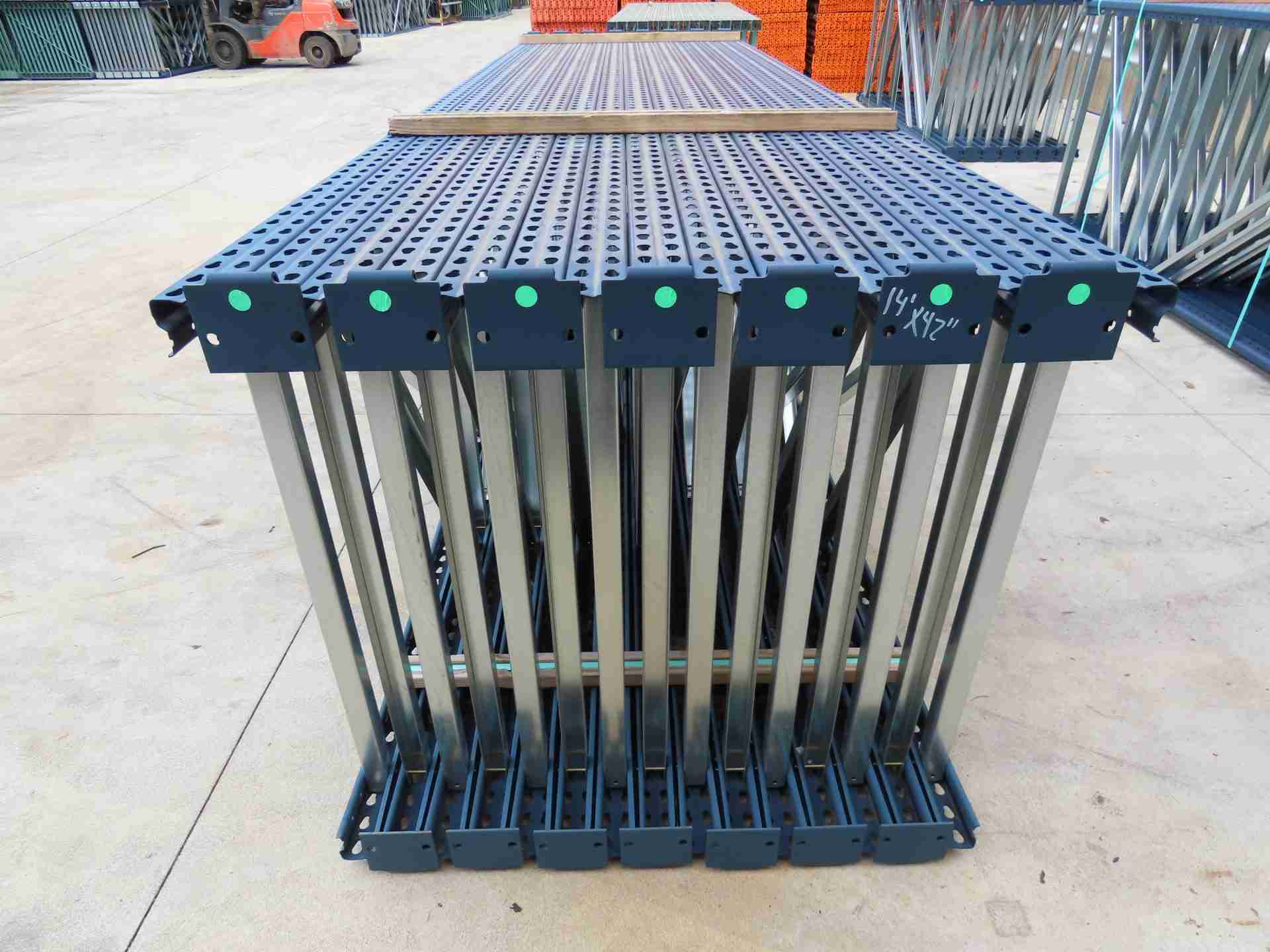
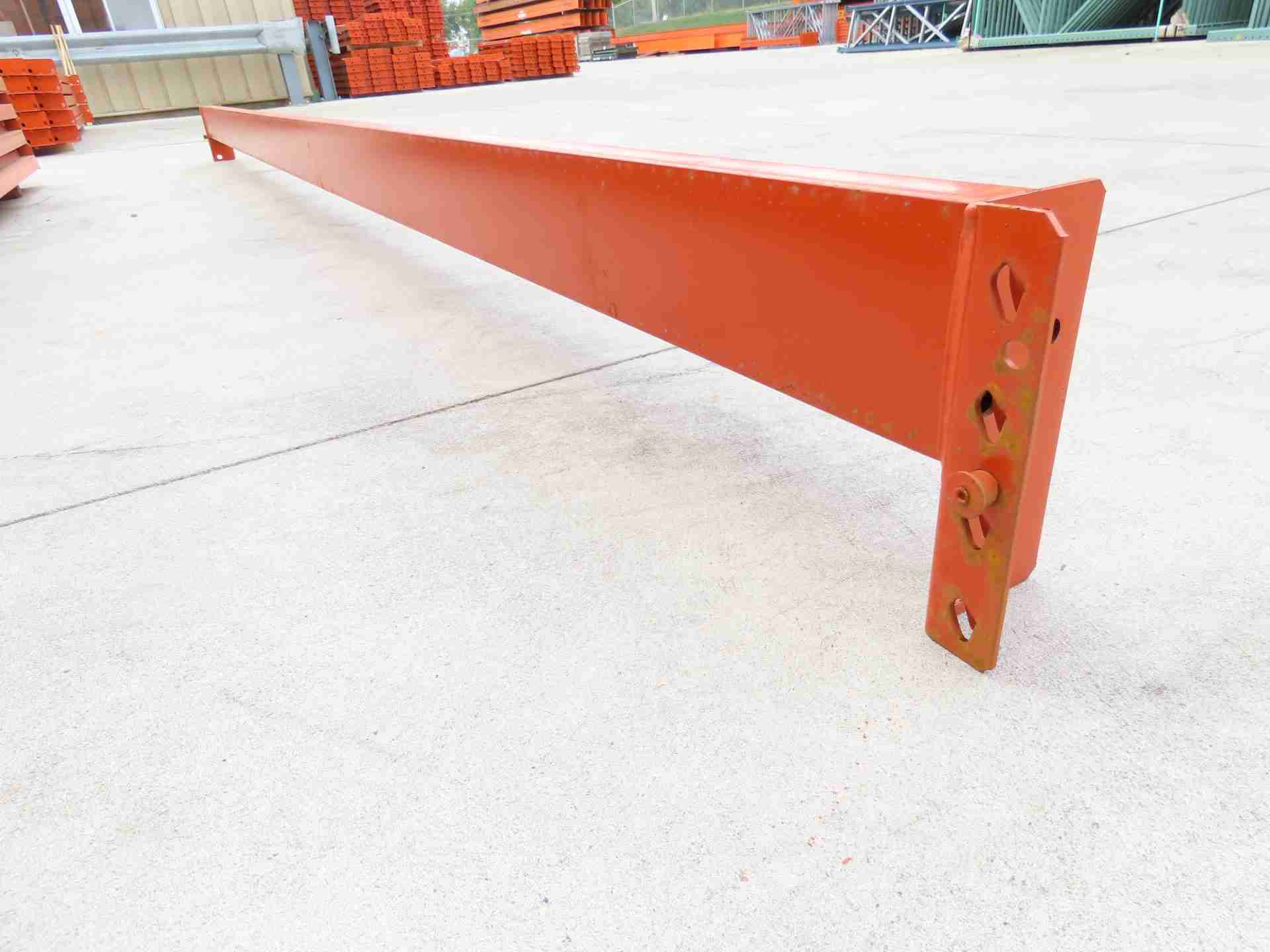
Moreover, cantilever racking allows for the safe storage of long and bulky materials, such as piping or lumber, while keeping them elevated and away from potential fire hazards on the ground. This design not only frees up space but also creates safer walking areas for employees, minimizing trip hazards and providing a clear path for fire safety measures like sprinkler systems and emergency exits.
An added bonus? Visibility. The open structure of cantilever racking enables easy access for firefighters during an emergency. If they can see what materials are stored and how they are arranged, response times can be dramatically improved. This isn’t just theory; case studies have shown that enhanced visibility correlates with a more efficient fire response.
Integrating cantilever racking into your storage strategy offers much more than just a space-saving solution. It can serve as a cornerstone in your fire safety approach, yielding not only enhanced operational efficiency but also peace of mind for you and your employees. In today’s fast-paced environment, strategically aligning storage solutions with fire safety is not just smart; it’s essential. Don’t wait for a disaster to strike—prioritize the safety of your assets, employees, and business reputation through the effective use of cantilever racking. Your future self will thank you.
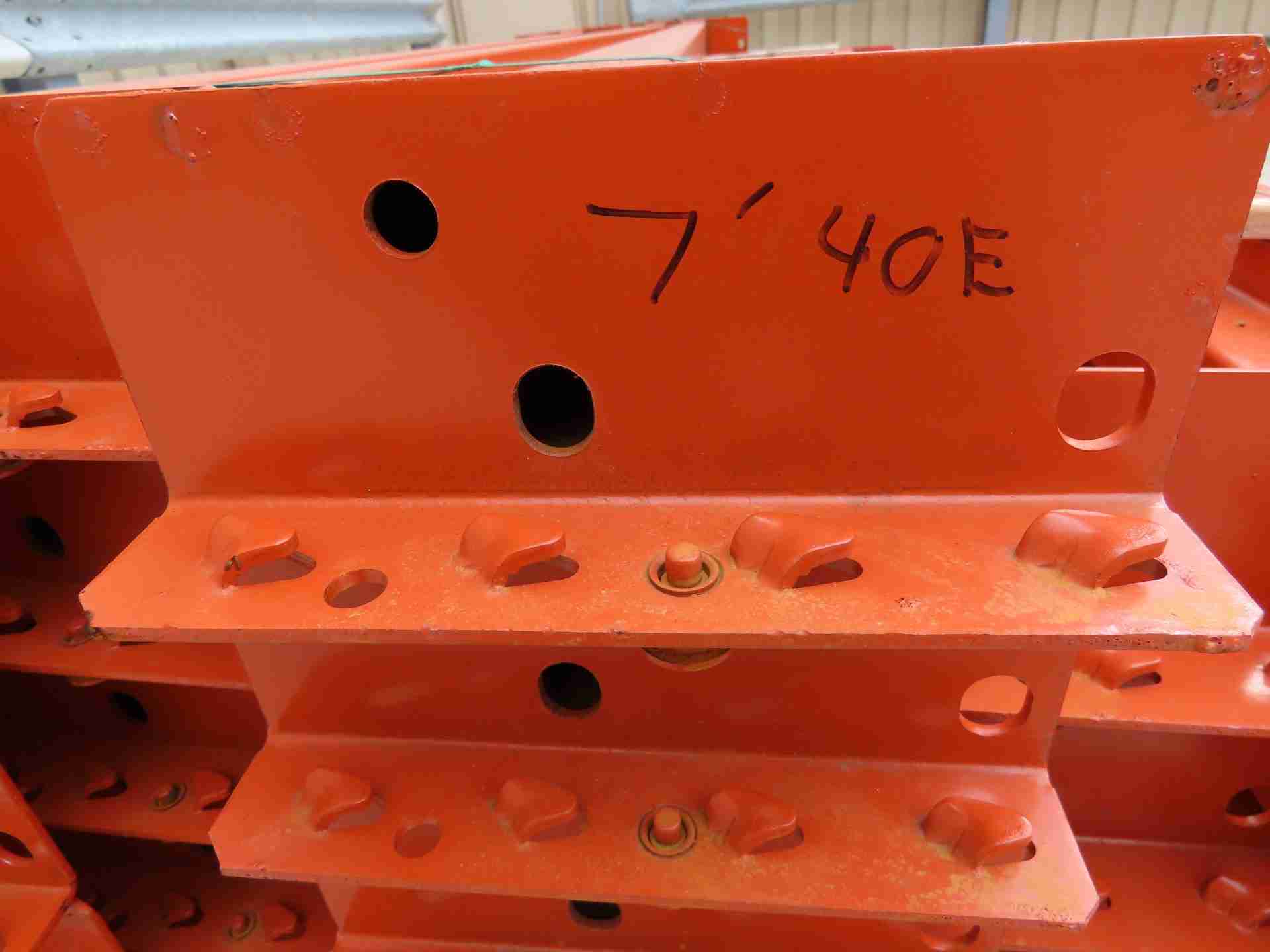
Can Cantilever Racking Be Part Of a Fire Safety Strategy?
Can Cantilever Racking Be Part Of a Fire Safety Strategy?
- Cantilever racking maximizes storage efficiency and enhances fire safety for businesses.
- The open design promotes better air circulation, reducing heat buildup and fire spread risk by 30% compared to traditional methods.
- Suboptimal racking systems were identified as contributors to rapid fire spread in recent warehouse incidents, emphasizing the importance of proper storage solutions.
- Businesses with cantilever racking reported fewer fire incidents and lower insurance premiums, aligning with fire department recommendations.
- Cantilever racking allows safe storage of long and bulky materials, keeping them elevated away from ground fire hazards.
- The visibility offered by cantilever racking aids firefighters during emergencies, significantly improving response times.
- Integrating cantilever racking into storage strategies not only enhances efficiency but also plays a crucial role in fire safety management.
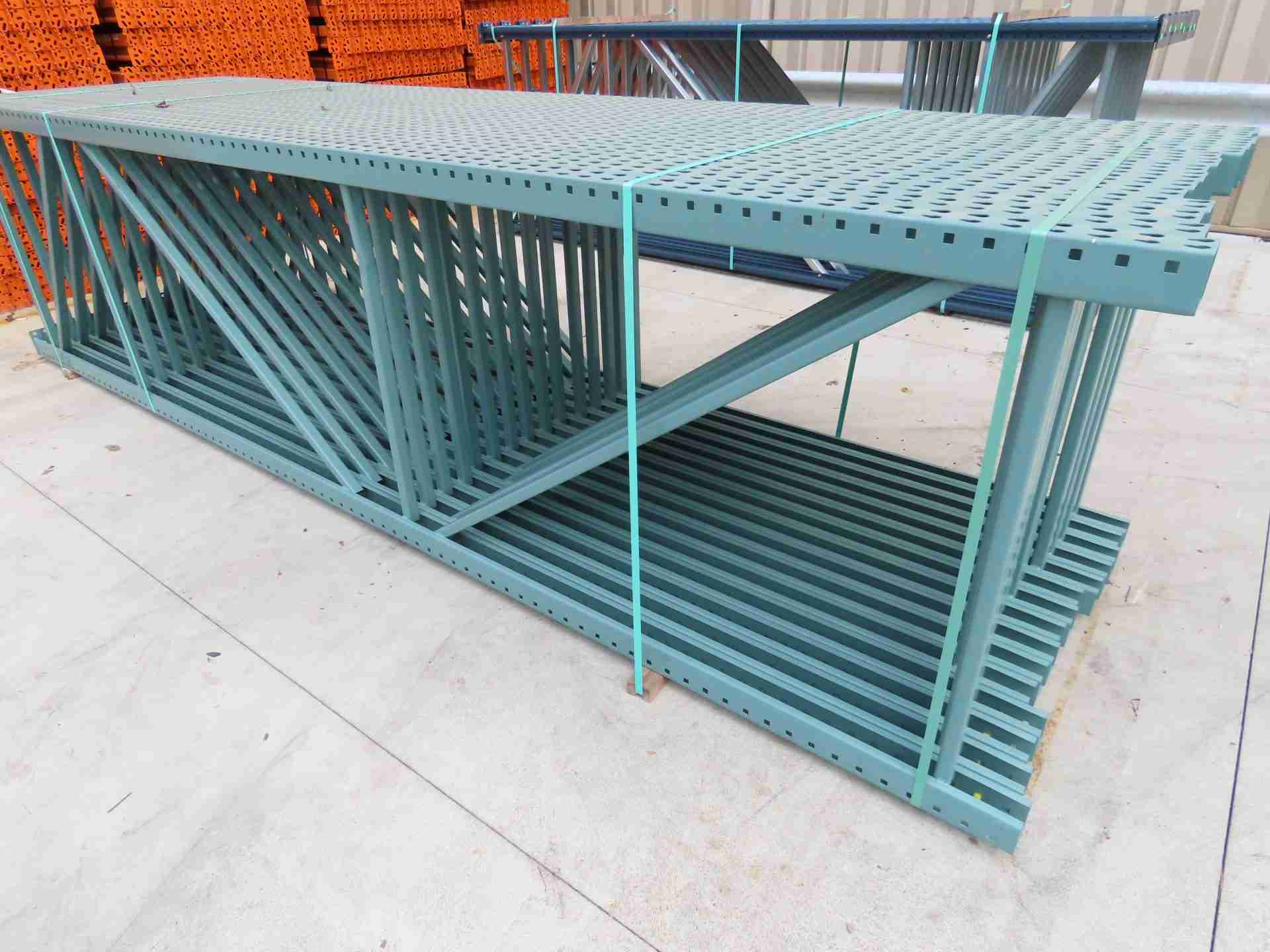
Can Cantilever Racking Be Part Of a Fire Safety Strategy?
Table Of Contents
- Can Cantilever Racking Be Part Of a Fire Safety Strategy?
- Can Cantilever Racking Increase Fire Hazards In Warehouses?
- What Are The Fire Safety Regulations For Cantilever Racking?
- How Does Cantilever Racking Affect Fire Sprinkler Systems?
- What Materials Are Best For Fire Safety In Cantilever Racking?
- How Can Fire Risks Be Minimized In Cantilever Racking Installations?
- Are There Specific Fire Codes For Storing Certain Materials On Racks?
- What Inspections Are Required For Cantilever Racking And Fire Safety?
- How Does Proper Design Impact Fire Safety In Cantilever Racking?
- What Role Does Access To Fire Extinguishers Play In Racking Safety?
- Can Fire Suppression Systems Be Integrated With Cantilever Racking?
- What Training Is Necessary For Employees On Fire Safety And Racking?
- How Does Item Placement In Cantilever Racking Affect Fire Safety?
- What Is The Importance Of Maintaining Clear Aisles In Racking Areas?
- How Should Cantilever Racking Be Arranged To Optimize Fire Safety?
- How Do Building Materials Influence Fire Safety In Racking Systems?
- Conclusion
- Other Resources
- Glossary Of Terms
- Other Questions
- Checklist
Can Cantilever Racking Increase Fire Hazards In Warehouses?
In the bustling world of warehousing, efficiency and space optimization are king. Cantilever racking systems have gained popularity for their ability to maximize vertical storage and accommodate bulky items that traditional shelving simply cannot handle. However, as businesses embrace these innovative solutions, it’s crucial to assess the potential risk factors that come with them—particularly fire hazards.
Imagine for a moment a warehouse filled to the brim with inventory, seamlessly organized on cantilever racks. It looks efficient, but let’s peel back the layers. These systems, while designed for sturdy and flexible storage, require a proactive approach concerning fire safety. High, open storage can lead to an increased risk in case of a fire—a reality highlighted by recent warehouse fires that have swept across industries, leading to devastating losses.
One of the inherent risks of cantilever racking involves the proximity of flammable material to heat sources. For instance, if your racks are stacked with wooden pallets or plastic products too close together, they can serve as a tinderbox in the unfortunate event of a flame. A prime example is the 2021 fire incident at a logistics center in New Jersey, where improper stacking and lack of adequate fire breaks contributed to rapid flames engulfing thousands of square feet of storage space, resulting in millions of dollars in damage.
To mitigate fire risks associated with cantilever racking, it’s vital to implement stringent safety protocols. Regular inspections of both the racks and the products displayed can help ensure that there are no potential hazards lurking in the shadows. Additionally, investing in fire suppression systems that are tailored to your warehouse’s unique layout is crucial. Automatic sprinkler systems and fire alarms can be lifesavers when it comes to containing threats before they spiral out of control.
Moreover, staff training cannot be overlooked. Employees should be equipped with knowledge on fire safety protocols specific to the cantilever systems in use. Conducting fire drills and training sessions ensures that personnel can react swiftly and effectively in emergencies, minimizing risks to both people and property.
While cantilever racking systems can drastically enhance the efficiency of storage operations, they also demand a renewed focus on fire safety. By understanding the potential hazards and proactively addressing them, businesses can enjoy the benefits of increased storage capacity while safeguarding their assets against catastrophic damage.
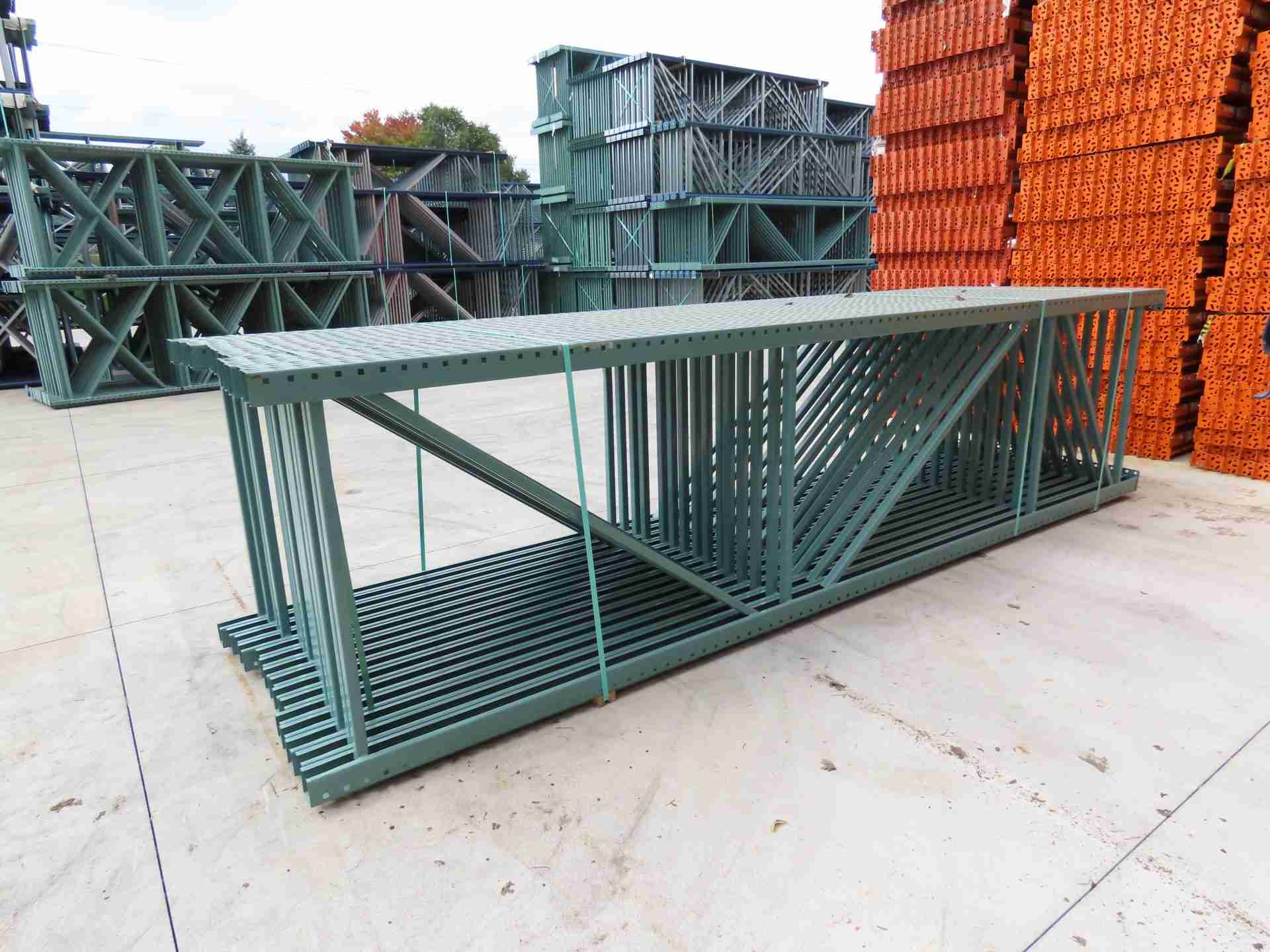
Can Cantilever Racking Increase Fire Hazards In Warehouses?
Can Cantilever Racking Increase Fire Hazards In Warehouses?
- Cantilever racking systems optimize vertical storage and accommodate bulky items, enhancing warehouse efficiency.
- They come with fire hazards, requiring proactive fire safety measures, especially in densely packed inventories.
- High, open storage increases the risk of rapid fire spread, as highlighted by recent warehouse fire incidents.
- Flammable materials stacked closely together can create a severe fire risk, as evidenced by a New Jersey logistics center fire in 2021.
- Stringent safety protocols, regular inspections, and tailored fire suppression systems are essential to mitigate fire risks.
- Employee training on fire safety protocols and conducting fire drills are vital for effective emergency responses.
- Understanding and addressing fire hazards allows businesses to benefit from cantilever racking while protecting assets.
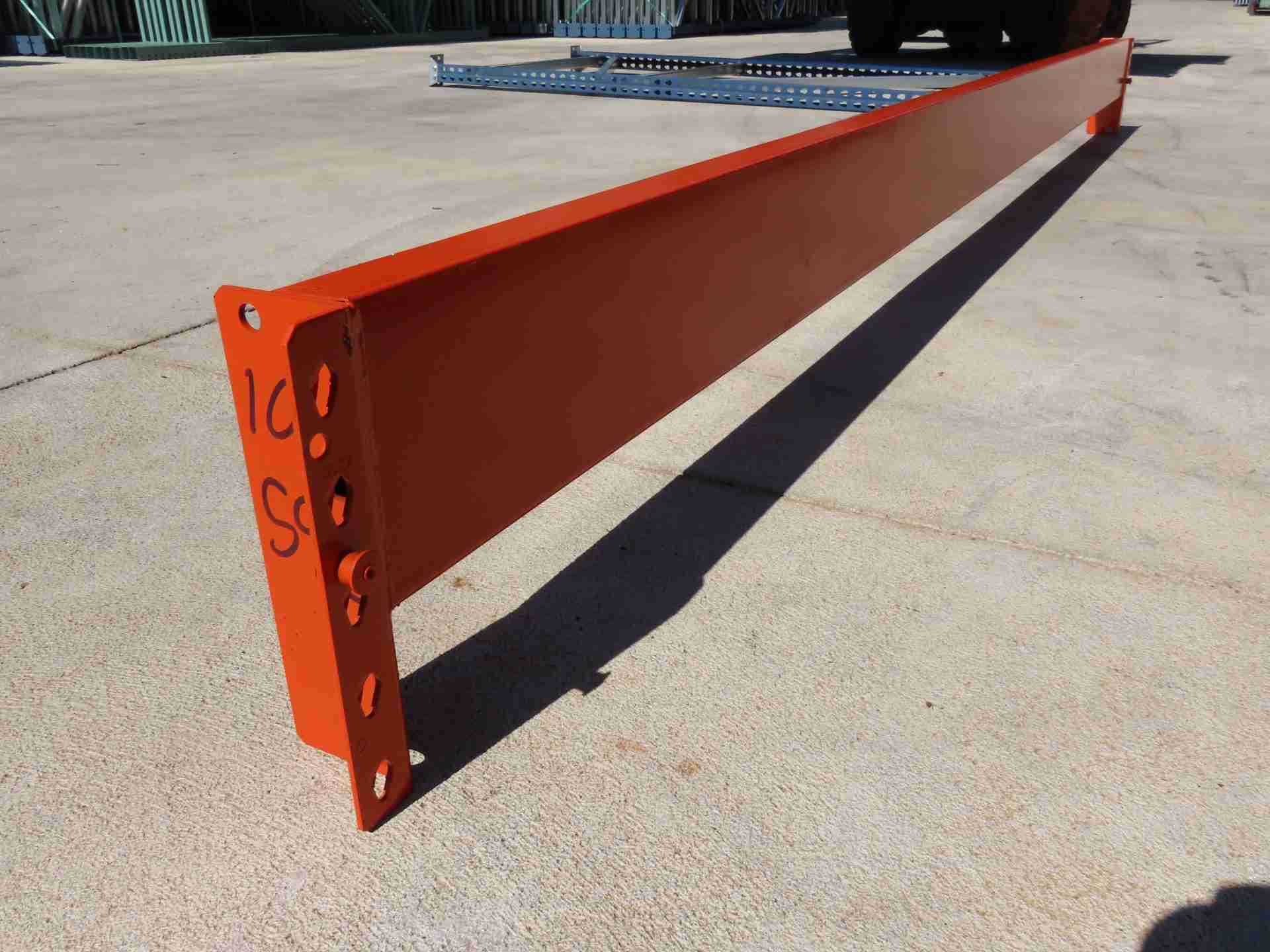
Can Cantilever Racking Increase Fire Hazards In Warehouses?
What Are The Fire Safety Regulations For Cantilever Racking?
When it comes to maximizing your storage capabilities, cantilever racking systems offer flexibility and efficiency. However, as a business owner or warehouse manager, ensuring compliance with fire safety regulations is paramount. Neglecting these regulations can lead to devastating consequences, from costly fines to dangerous fires that threaten lives and property. So, let’s delve into the essential fire safety regulations every warehouse utilizing cantilever racking should be aware of.
First and foremost, let’s talk about the National Fire Protection Association (NFPA) guidelines. The NFPA 13 standard outlines the requirements for the installation of sprinkler systems. Cantilever racks must be designed and installed to accommodate these systems, ensuring that they do not obstruct the distribution of water during a fire. This is especially critical for warehouses storing flammable materials, as any obstruction can exacerbate hazardous situations.
Consider the infamous Pasadena fire in 2019, where improper rack alignment led to severe delays in sprinkler responses. Warehouses that prioritize proper installation can avoid such tragedies by adhering to NFPA guidelines.
Next, fire department access is crucial. Local fire codes require that emergency responders can navigate easily around your racking systems. Aisles must be adequately sized and free of obstructions, ensuring that firefighters can reach critical locations promptly. Without a clear access path, your facility risks not just property damage but also putting lives on the line.
Moreover, the material used in cantilever racks should be assessed. The use of non-combustible materials is highly recommended. Metal racking systems, for instance, are preferred as they resist fire as opposed to wooden or composite structures, which can exacerbate flames. In areas prone to wildfires, such as California, recent regulations impose stricter material requirements, compelling businesses to upgrade existing infrastructure to mitigate risks.
Lastly, conducting regular inspections and maintenance of your racking systems is not merely a recommendation but a requirement. Fire codes often stipulate that regular inspections must be documented, ensuring that any potential hazards are addressed timely. Companies rolling out comprehensive training programs for staff surrounding fire safety can make a significant difference. Training employees to manage emergencies effectively could mean the difference between a small incident and a catastrophic event.
Ensuring compliance with fire safety regulations for cantilever racking isn’t just about following the law; it’s about fostering a safe environment for employees and safeguarding your investment. Embracing these regulations isn’t merely compliance; it’s a proactive step towards securing the future of your business. Don’t wait for the risks to become a reality—act now!
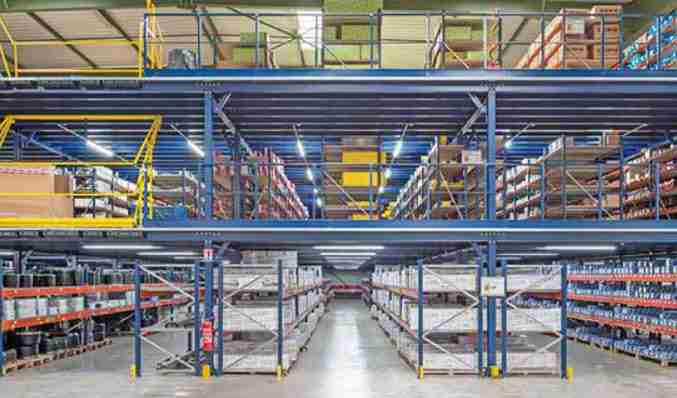
What Are The Fire Safety Regulations For Cantilever Racking?
What Are The Fire Safety Regulations For Cantilever Racking?
- Cantilever racking systems provide flexibility and efficiency for storage but require compliance with fire safety regulations.
- Neglecting fire safety can lead to devastating consequences, including fines and dangerous fires.
- The NFPA 13 standard mandates proper installation of sprinkler systems that must not be obstructed by racking systems.
- Fire department access is critical; aisles must be sized adequately and kept free of obstructions for emergency responders.
- Using non-combustible materials, such as metal for cantilever racks, is recommended to enhance fire resistance.
- Regular inspections and maintenance of racking systems are required to identify and mitigate potential hazards.
- Training employees in fire safety management can significantly impact emergency response effectiveness.

What Are The Fire Safety Regulations For Cantilever Racking?
How Does Cantilever Racking Affect Fire Sprinkler Systems?
When it comes to warehouse efficiency and maximizing vertical storage, cantilever racking stands out as a top contender. However, its influence doesn’t stop at storage capabilities; it significantly impacts fire sprinkler systems, making understanding this relationship crucial for any business owner or facility manager.
Cantilever racking is designed to hold long or bulky items, such as lumber, piping, or appliances, without the constraints of traditional shelving. But, this flexibility also introduces distinct considerations regarding fire safety. The arrangement of cantilever racks can obstruct the effectiveness of fire sprinkler systems—a critical element in safeguarding assets and ensuring employee safety.
For instance, when cantilever racking is improperly configured, it can create dead zones where water from sprinkler heads might not reach. Picture a warehouse stacked with lumber on cantilever racks that rise as high as the ceiling; if sprinklers aren’t accounted for, those stacks could shield flames from the deluge of water needed to quell a fire. In a dramatic incident last year involving a furniture warehouse in Texas, inadequate sprinkler coverage due to improper racking led to substantial damage and delayed emergency response, highlighting the urgency of addressing these issues proactively.
Moreover, local fire codes and regulations can vary significantly, but most require a specific clearance between the tops of storage racks and the sprinklers. When investing in cantilever racking systems, businesses must ensure these guidelines are strictly adhered to. Organizations can undergo costly legal ramifications and reputational damage if a fire incident unveils non-compliance with fire safety protocols.
To mitigate these risks, consider conducting a thorough risk assessment in coordination with fire safety professionals before the installation of cantilever racking. This paired approach not only ensures compliance with fire regulations but can also lead to effective design solutions that maximize storage efficiency without compromising safety. For example, some companies may opt for specially designed sprinkler systems that accommodate the unique shapes and layouts of cantilever racks, such as sidewall sprinklers or extended reach systems.
In sum, while cantilever racking offers an array of benefits for vertical storage, neglecting its interaction with fire sprinkler systems can lead to devastating consequences. By prioritizing optimal arrangement and consulting with professionals, businesses can enhance their fire safety measures while enjoying the storage advantages that cantilever racking provides. Act now—ensure your warehouse not only stores efficiently but also protects what matters most.
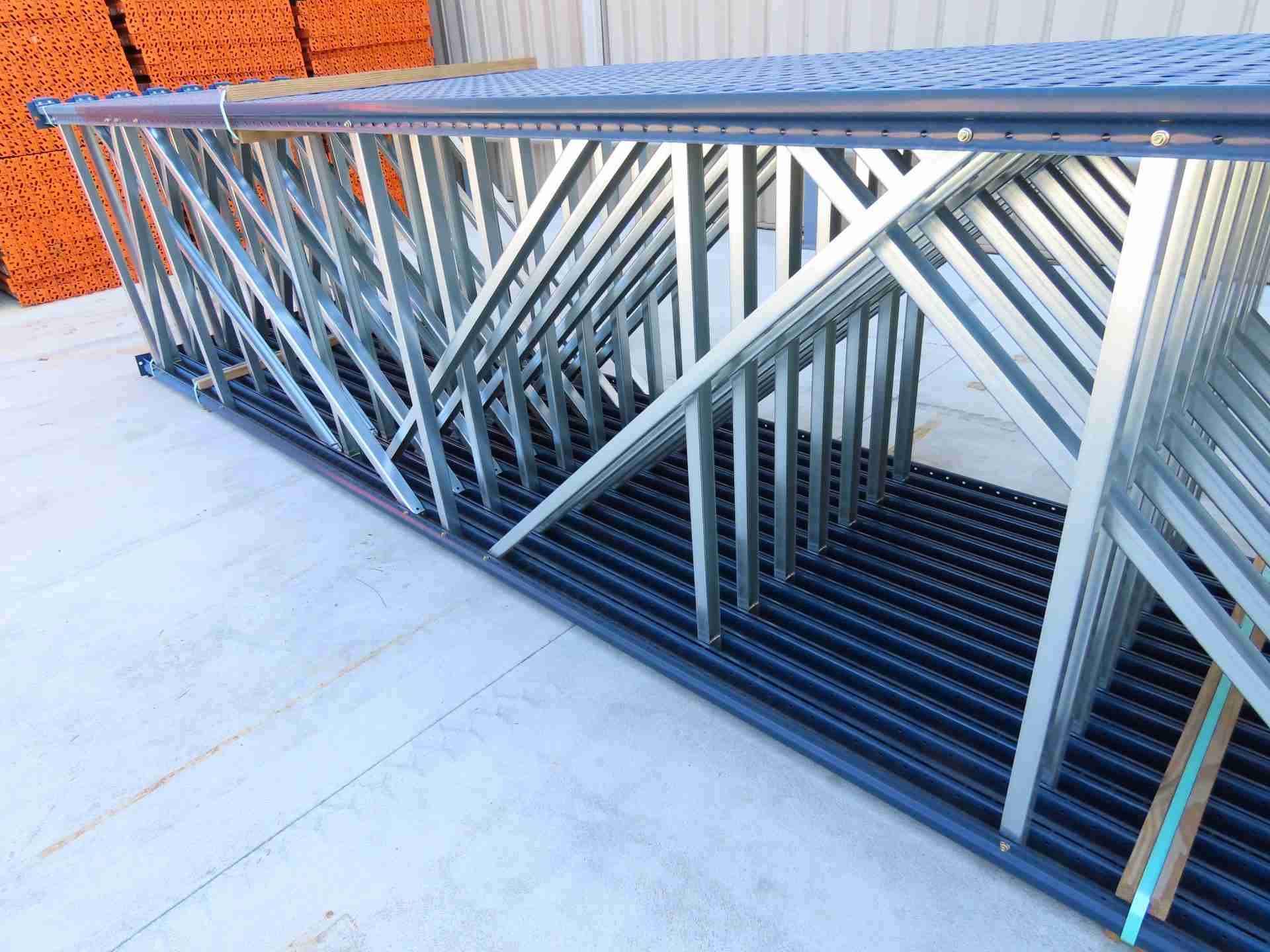
How Does Cantilever Racking Affect Fire Sprinkler Systems?
How Does Cantilever Racking Affect Fire Sprinkler Systems?
- Cantilever racking enhances warehouse efficiency and maximizes vertical storage for bulky items.
- This racking system can obstruct fire sprinkler effectiveness, critical for asset and employee safety.
- Improperly configured cantilever racks create dead zones, potentially leaving areas unprotected from sprinkler systems.
- Local fire codes often mandate specific clearances between the tops of storage racks and sprinkler systems.
- Non-compliance with fire safety protocols can result in legal issues and reputational damage for businesses.
- Conducting a risk assessment with fire safety professionals is recommended before installing cantilever racking.
- Prioritizing fire safety measures enables efficient storage while safeguarding assets in warehouses.
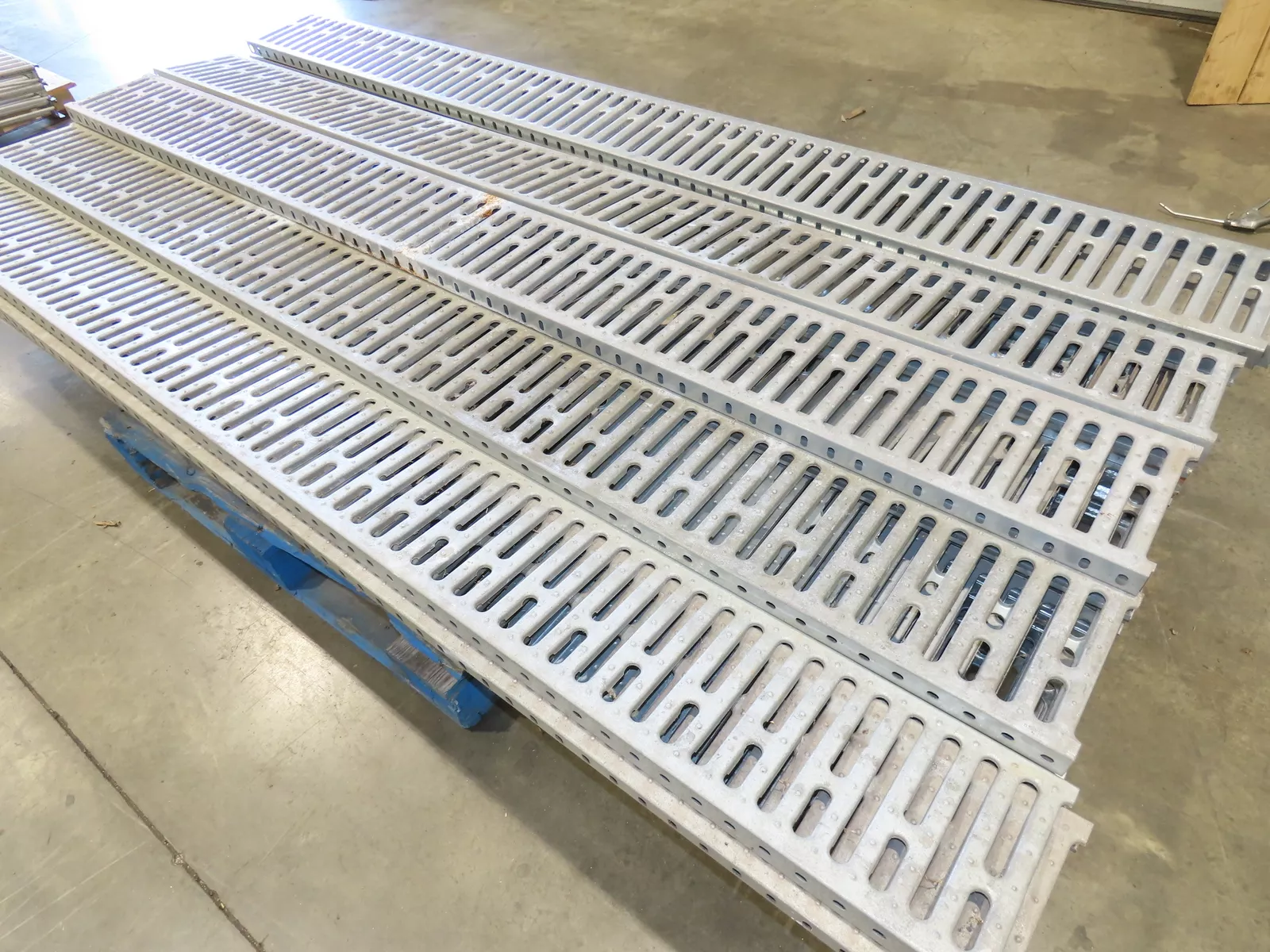
How Does Cantilever Racking Affect Fire Sprinkler Systems?
What Materials Are Best For Fire Safety In Cantilever Racking?
When it comes to fire safety in warehouses that utilize cantilever racking, the choice of materials is critical. Not only can the right materials help mitigate risk, but they can also significantly reduce potential losses and improve operational longevity. Today’s businesses face scrutiny over safety practices and compliance, underlining the importance of choosing fire-resistant materials.
Steel is the gold standard for cantilever racking. Its strength and durability make it the go-to option for most warehouse operators. Galvanized steel, which is treated to resist corrosion, offers an additional layer of protection. This is particularly vital in environments where moisture or chemicals are present, potentially compromising structural integrity and stability. With recent reports showcasing the devastation of warehouse fires, businesses must prioritize the installation of high-quality steel racks that can withstand heat and flame.
Fire retardant materials, such as fire-resistant coatings, are a game changer in enhancing the safety of cantilever racking systems. These coatings can be applied to wooden beams or other materials in order to slow the spread of fire. This not only protects the product stored but also provides essential time for evacuation and fire control, which can mean the difference between a minor incident and a catastrophic event.
Another emerging trend in fire safety practices is the use of advanced composite materials. These materials, which include fiberglass-reinforced plastics, have gained popularity due to their lightweight and non-combustible properties. Particularly in modern setups where weight capacity is crucial, these materials can drastically improve safety without compromising performance. Incorporating them into your cantilever racking systems can position your business as a forward-thinking operation that prioritizes safety alongside efficiency.
Lastly, a careful review of current regulations and compliance guidelines is key. With the recent increase in warehouse inspections and enforcement of fire safety codes, businesses should consult experts to ensure their materials meet or exceed the necessary standards. Choosing compliant materials is not merely a legal obligation—it’s a proactive strategy to protect your assets, workforce, and bottom line.
Investing in the right fire-safe materials for cantilever racking is not just about mitigation—it’s about demonstrating a commitment to safety and operational excellence. Do not wait for a disaster to strike. Act today to safeguard your business’s future!
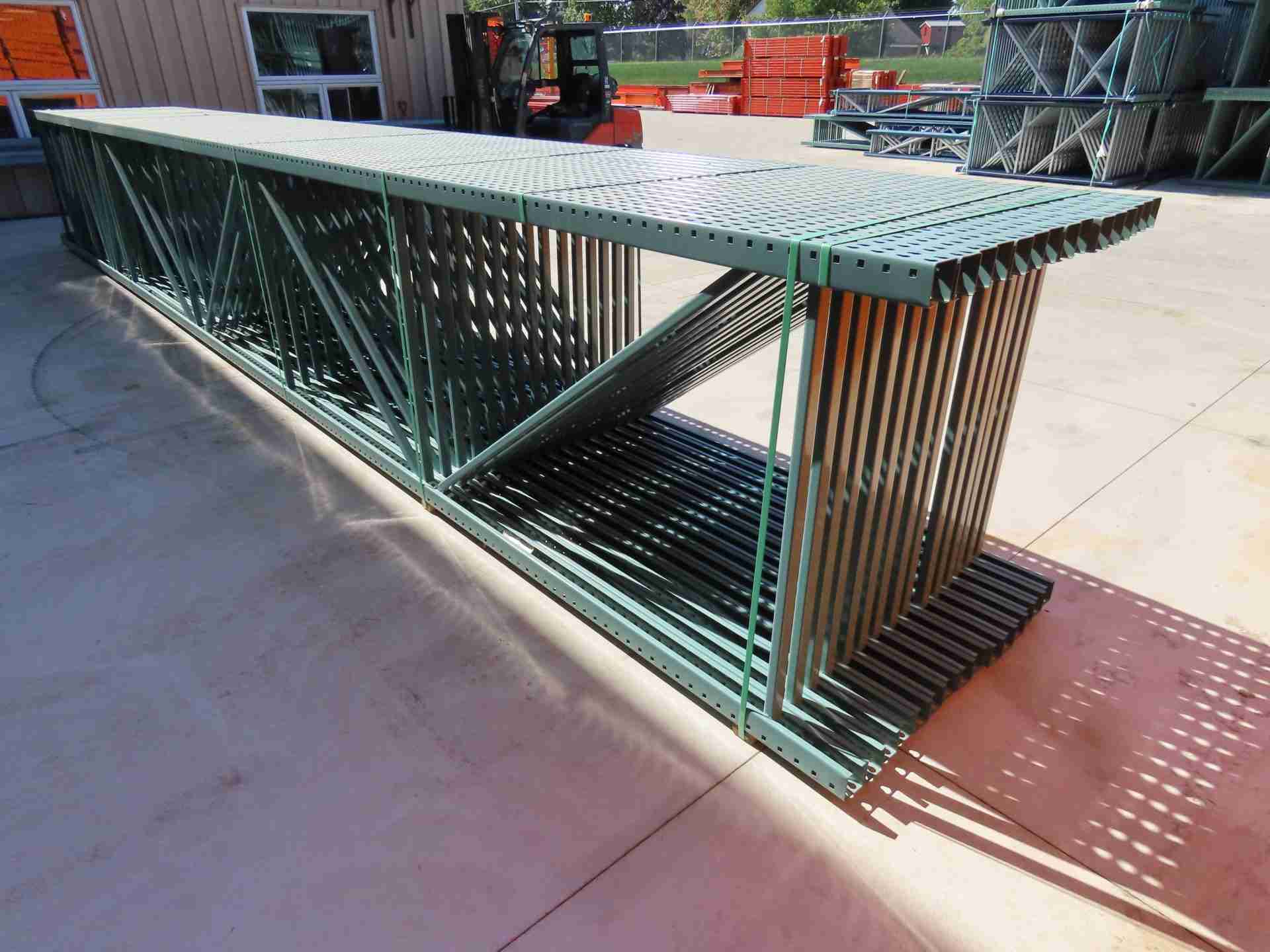
What Materials Are Best For Fire Safety In Cantilever Racking?
What Materials Are Best For Fire Safety In Cantilever Racking?
- Choosing fire-resistant materials for cantilever racking is critical for fire safety in warehouses.
- Steel, especially galvanized steel, is the preferred choice due to its strength and corrosion resistance.
- High-quality steel racks can withstand heat and flames, reducing potential losses in the event of a fire.
- Fire retardant coatings can enhance safety by slowing fire spread, allowing more time for evacuation and control.
- Advanced composite materials like fiberglass-reinforced plastics are lightweight and non-combustible, improving safety without sacrificing performance.
- Regular reviews of regulations and compliance guidelines are essential for adhering to fire safety codes.
- Investing in fire-safe materials demonstrates a commitment to safety, operational excellence, and asset protection.
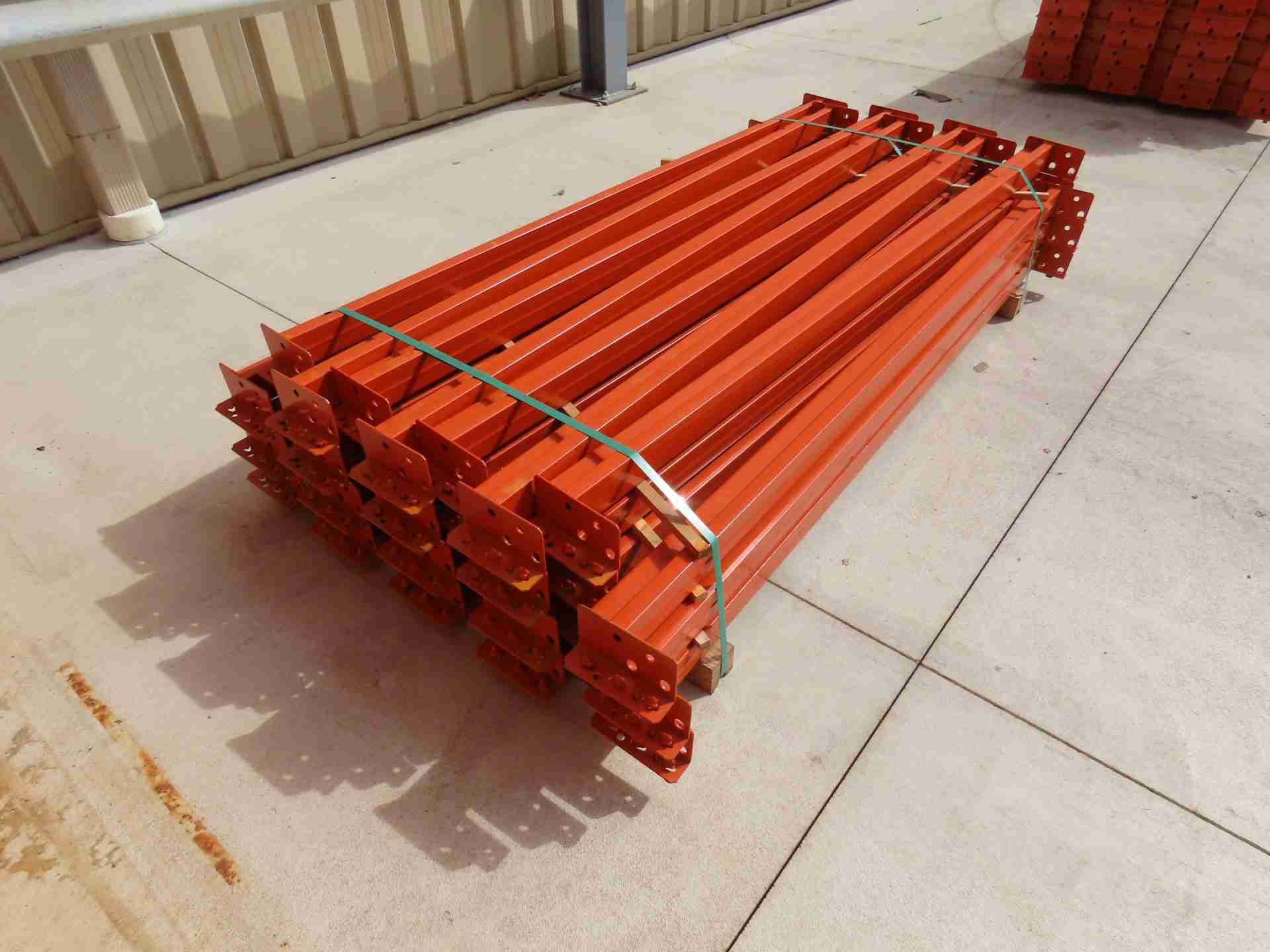
What Materials Are Best For Fire Safety In Cantilever Racking?
How Can Fire Risks Be Minimized In Cantilever Racking Installations?
In today’s fast-paced industrial landscape, the safety of your warehouse operations isn’t just important; it’s paramount. With the increasing reliance on cantilever racking systems for storing long, bulky items, ensuring fire safety has never been more urgent. Here’s how you can mitigate fire risks effectively to protect your valuable assets and workforce.
First, let’s talk about design. One of the most significant steps in minimizing fire risks begins with the intelligent design of your racking system. Incorporate ample fire breaks and ensure appropriate spacing between racks. This allows for better air circulation, helping to prevent heat build-up. As evidenced by the recent fires in large distribution centers, where inadequate spacing contributed to rapid fire spread, a well-thought-out layout could have mitigated disastrous outcomes.
Next, fire-resistant materials should be a top priority. Investing in cantilever racks made from fire-retardant coatings or treatments can greatly reduce your facility’s fire susceptibility. For example, a leading furniture retailer recently switched to fire-coated materials in their cantilever systems and reported not only enhanced safety but also reduced insurance premiums—an important financial win.
Regular maintenance is another critical element. Make it a standard procedure to routinely inspect your racking systems for damage. Look for signs of wear, potential combustion hazards, and any stored materials that may not comply with fire safety regulations. A well-maintained system not only prevents accidents but also fosters a culture of safety. In March 2023, a manufacturing plant fire started due to deteriorating racking, highlighting that proactive maintenance can save lives and property.
Moreover, consider implementing a robust fire detection and suppression system. Modern advancements in technology provide solutions like fluorescent smoke detectors and automated sprinkler systems that can respond swiftly in the event of a fire. A well-known logistics company upgraded its fire suppression measures and reported a significant decrease in minor fire incidents—proving that investing in technology pays dividends in safety.
Finally, employee training cannot be overlooked. Regular safety drills, focused on fire prevention and control strategies in relation to cantilever racking, are essential. Incorporating real-world scenarios in training can equip your staff with the knowledge they need to minimize risks effectively. An education plan surrounding fire safety can turn your warehouse team into your best frontline defense against potential fires.
By combining smart design, quality materials, regular maintenance, advanced tech, and comprehensive training, you can create a cantilever racking installation that not only meets storage needs but also prioritizes safety above all else. After all, a safer warehouse is a more productive warehouse—don’t let fire risks compromise your success.
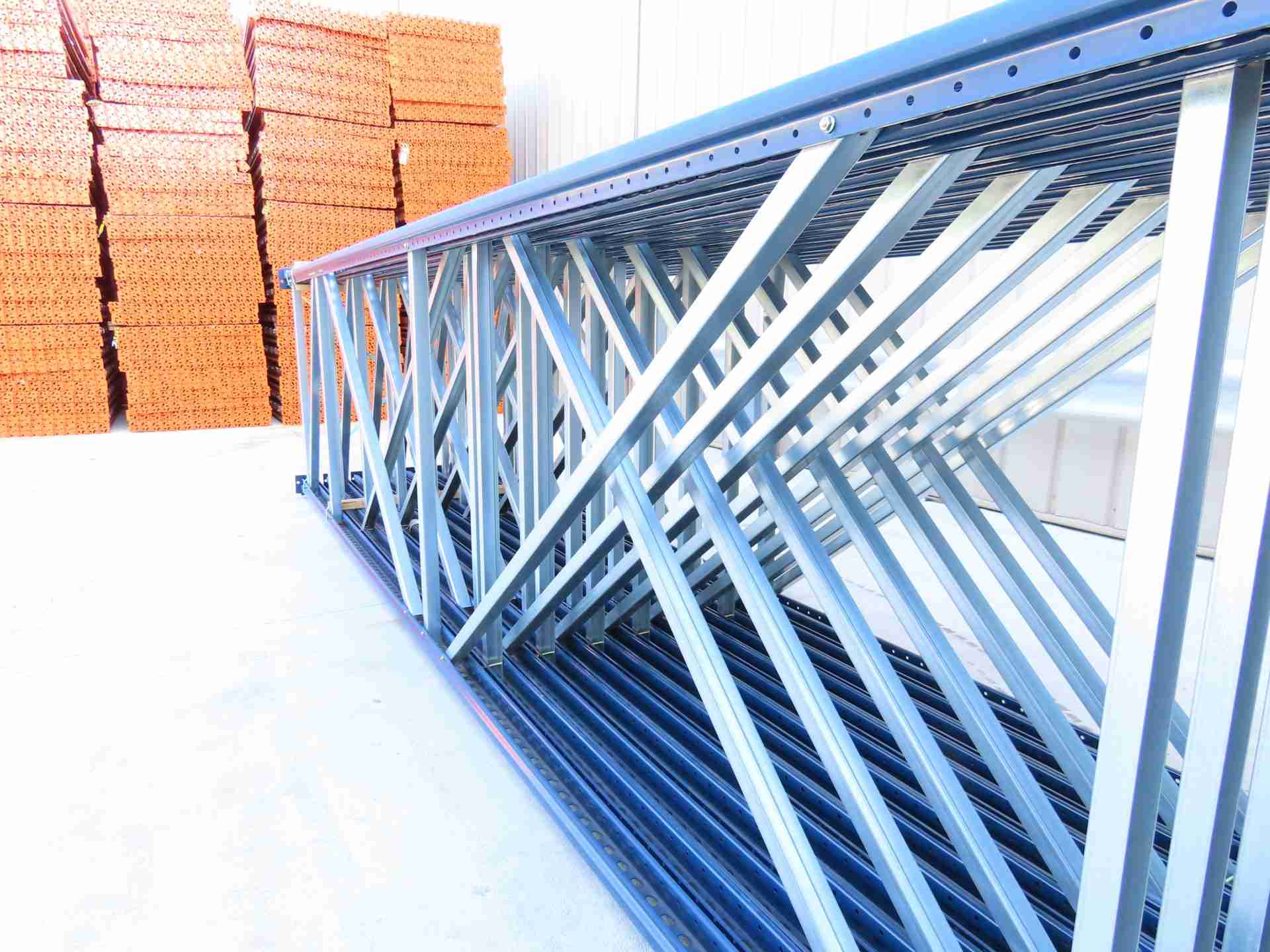
How Can Fire Risks Be Minimized In Cantilever Racking Installations?
How Can Fire Risks Be Minimized In Cantilever Racking Installations?
- Warehouse safety is crucial in today’s industrial environment, especially with the rise of cantilever racking systems for bulky items.
- Intelligent design of racking systems, including fire breaks and appropriate spacing, enhances air circulation to prevent heat build-up.
- Using fire-resistant materials, such as fire-retardant coated cantilever racks, can significantly reduce fire susceptibility and lower insurance costs.
- Regular maintenance of racking systems is essential; inspections for damage and compliance can prevent accidents and promote safety culture.
- Implementing advanced fire detection and suppression systems, like smoke detectors and automated sprinklers, enhances fire response and safety.
- Employee training on fire prevention and control strategies is vital; regular safety drills prepare staff to effectively manage fire risks.
- Combining smart design, quality materials, regular maintenance, modern technology, and training can create a safer and more productive warehouse environment.
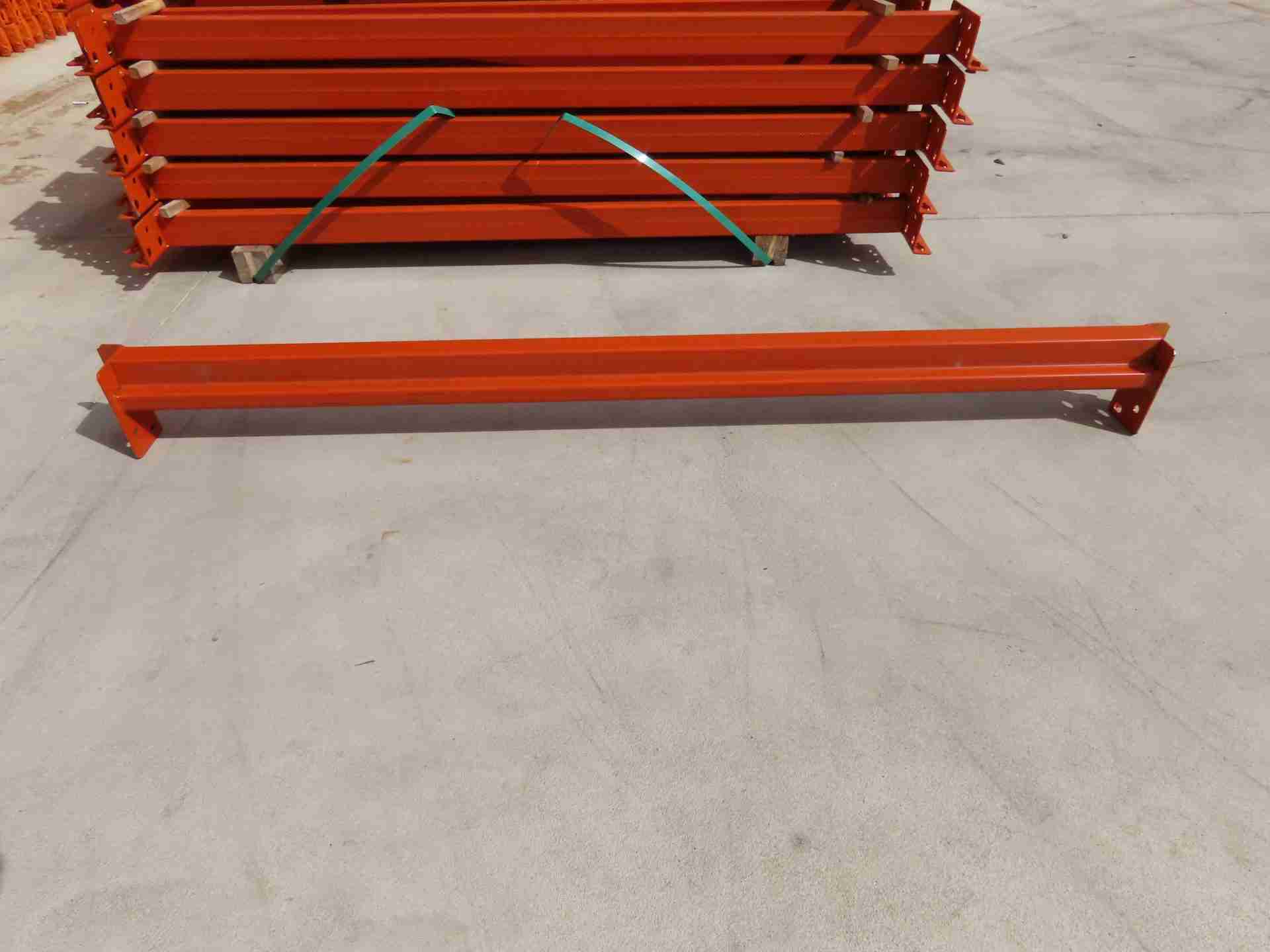
How Can Fire Risks Be Minimized In Cantilever Racking Installations?
Are There Specific Fire Codes For Storing Certain Materials On Racks?
When it comes to safety and compliance in warehouses, understanding fire codes for storing materials on racks isn’t merely a good idea—it’s an imperative. In an age where negligence can quickly lead to financial ruin and reputational damage, getting it right is non-negotiable.
Fire codes, determined by organizations like the National Fire Protection Association (NFPA) and various state regulations, provide crucial guidelines on how to store flammable and combustible materials safely. For instance, materials such as chemicals, petroleum products, and even cardboard can pose significant risks if not stored correctly. According to the NFPA, proper spacing between racks is essential to ensure that fire suppression systems, such as sprinklers, operate effectively. Overcrowding can prevent the even distribution of water during a fire, compromising safety and increasing damages.
Let’s consider a real-world example: the devastating warehouse fire in 2020 that resulted in significant losses for the, then, up-and-coming e-commerce company in California. Investigations revealed that hazardous materials were improperly stored on racks without adherence to fire codes. Consequently, the incident not only led to financial fallout but also permanently tarnished their brand’s reputation. Such scenarios underscore the need for strict compliance with local fire codes—not just to avoid disaster, but to protect your business.
Specific materials require tailored storage solutions, especially in rack systems. Flammable liquids, for instance, often need to be housed in specially designed flammable liquid cabinets and kept away from direct sources of ignition. The explosive potential of a mismanaged chemical storage can be catastrophic. To illustrate, the recent uptick in lithium-ion battery incidents has prompted regulators to emphasize safe storage. Proper practices, such as dedicated battery storage racks, are now being recommended widely to mitigate risks associated with overheating and fires.
Moreover, ensuring that your warehouse complies with the International Fire Code (IFC) is critical. This document includes comprehensive guidelines for hazardous materials storage, including requirements for ventilation, signage, and access pathways for firefighters.
In short, compliance with fire codes isn’t merely a box to check—it’s a vital aspect of operational success and employee safety. Partnering with fire safety experts and staying abreast of current regulations can save you from costly missteps. Don’t wait for a disaster to shine a light on your storage methods; take proactive steps today to ensure your racks stand ready to withstand any challenge. After all, in business, being prepared isn’t optional—it’s the key to thriving.

Are There Specific Fire Codes For Storing Certain Materials On Racks?
Are There Specific Fire Codes For Storing Certain Materials On Racks?
- Understanding fire codes for storing materials in warehouses is essential for safety and compliance.
- Fire codes, set by organizations like NFPA, provide guidelines for safely storing flammable and combustible materials.
- Proper spacing between racks is crucial for fire suppression systems to work effectively; overcrowding can hinder safety measures.
- A 2020 warehouse fire caused significant losses for a California e-commerce company due to improper storage, harming its reputation.
- Specific materials, especially flammable liquids and lithium-ion batteries, require tailored storage solutions to mitigate risks.
- Compliance with the International Fire Code (IFC) is vital for hazardous materials storage, covering aspects like ventilation and access pathways for firefighters.
- Proactive measures and partnering with fire safety experts can prevent costly mistakes and ensure operational success.
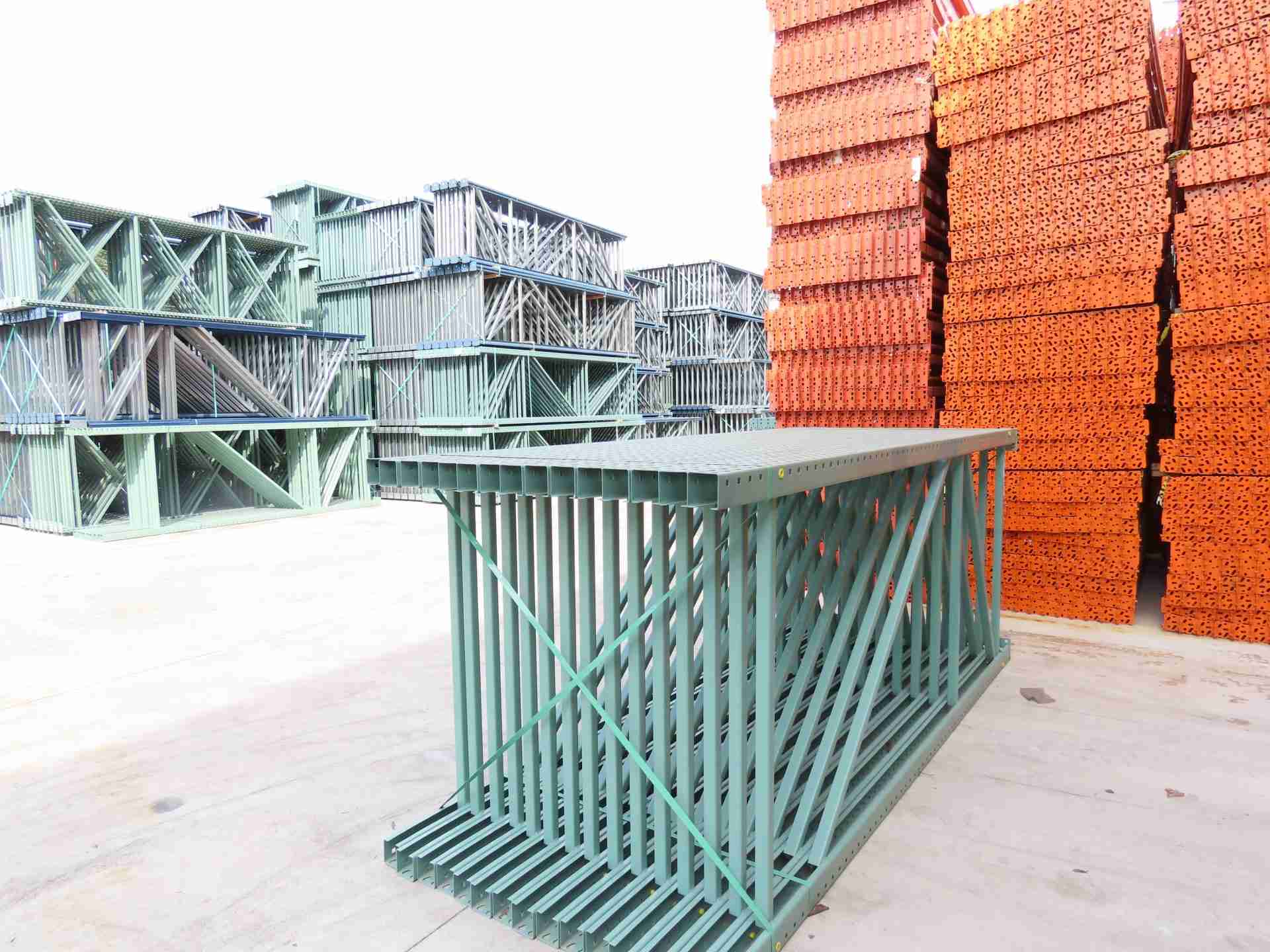
Are There Specific Fire Codes For Storing Certain Materials On Racks?
What Inspections Are Required For Cantilever Racking And Fire Safety?
When it comes to the safety of your warehouse, understanding the requirements for cantilever racking inspections isn’t just a checklist item — it’s a critical component of your operational integrity. With the rise in e-commerce and the ever-increasing demand for efficient storage solutions, neglecting proper inspection can lead to dire consequences. So, let’s break down the essentials.
First and foremost, regular inspections are mandated by OSHA (Occupational Safety and Health Administration) regulations. These inspections must cover both the structural integrity of the racking systems and their compliance with fire safety standards. For instance, your racking should be evaluated at least once a year. However, a best practice would be to conduct more frequent checks, particularly in high-traffic environments or during peak seasons.
Consider a recent incident in a California warehouse where inadequate inspections led to a catastrophic collapse of cantilever racks filled with heavy materials. This not only posed a significant risk to employees but also resulted in hefty fines and a major operational halt. Protecting your workforce and your bottom line begins with adherence to industry standards.
During these inspections, focus on several key areas. First, assess the condition of the cantilever arms and columns for any signs of damage or stress. Look for bent or broken arms, excessive rust, or other compromising factors. Make sure that loads are stored according to the manufacturer’s specifications and that the racks are level and anchored properly.
Next, address fire safety explicitly. This includes ensuring that your racking systems maintain clear access to fire extinguishers, sprinkler systems, and other safety equipment. For instance, the National Fire Protection Association (NFPA) recommends having at least 36 inches of clearance from sprinkler heads to prevent obstruction, fostering optimal fire safety in your facility.
Moreover, integrating fire risk assessments into your racking inspections can attract substantial benefits. As we’re witnessing with the growing emphasis on sustainability and disaster preparedness, companies are often rewarded with lower insurance premiums for demonstrating proactive fire safety measures.
Stay ahead of compliance and invest in your safety culture today. The costs of neglecting inspections can far outweigh those of regular assessments. Make sure you’re not just meeting the legal requirements but championing best practices that keep your employees safe and your operations smooth. In a world where every detail matters, don’t let your racking systems become a ticking time bomb. Embrace a robust inspection regime and make fire safety an unshakeable part of your organizational ethos.
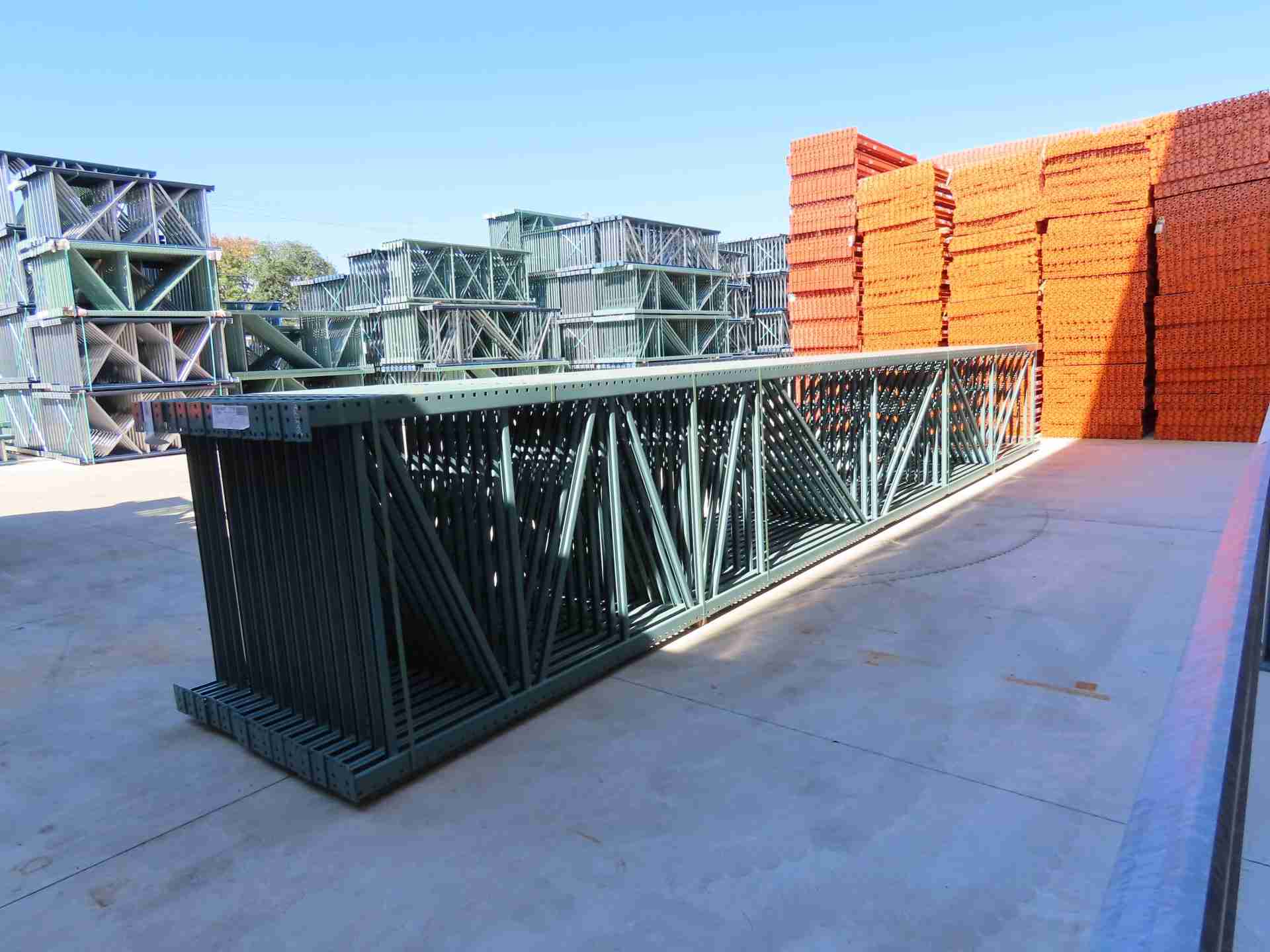
What Inspections Are Required For Cantilever Racking And Fire Safety?
What Inspections Are Required For Cantilever Racking And Fire Safety?
- Understanding cantilever racking inspections is essential for warehouse safety and operational integrity.
- Regular inspections are required by OSHA, covering structural integrity and fire safety compliance.
- Annual inspections are mandatory, but more frequent checks are recommended in high-traffic or peak periods.
- Inadequate inspections can lead to catastrophic incidents, as seen in a recent California warehouse collapse.
- Key inspection areas include checking cantilever arms, columns, load specifications, and proper anchoring.
- Fire safety requires maintaining clear access to extinguishers and adhering to NFPA clearance recommendations.
- Proactive fire risk assessments can lower insurance costs and enhance safety culture within the organization.
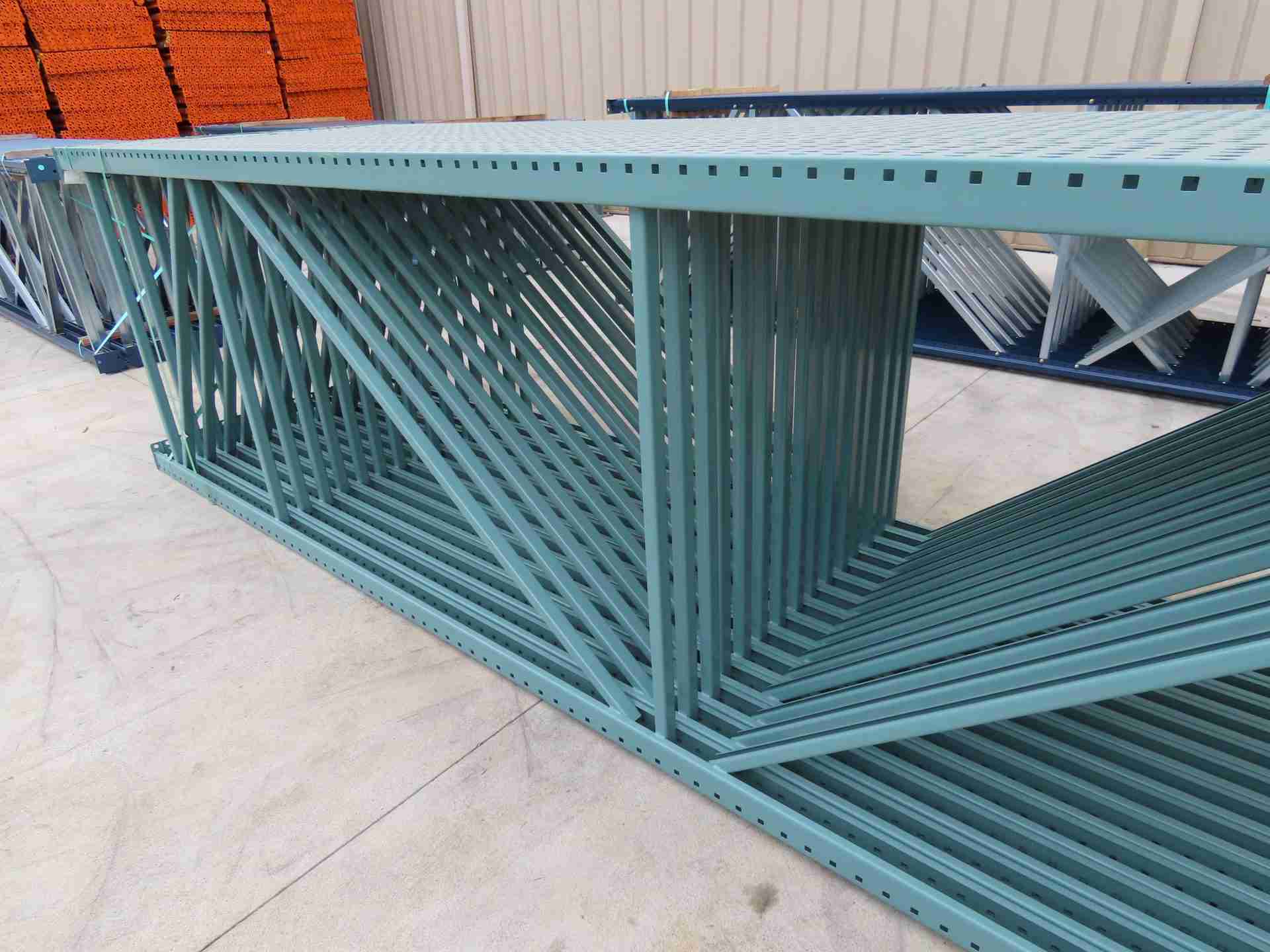
What Inspections Are Required For Cantilever Racking And Fire Safety?
How Does Proper Design Impact Fire Safety In Cantilever Racking?
When it comes to warehouse storage systems, cantilever racking offers versatility and strength, but the potential fire hazards inherent in any industrial setting demand a laser-focused approach to design for fire safety. Investing in properly designed cantilever racking can make a real difference in preventing catastrophic incidents and protecting your assets.
Think of the devastating 2020 Amazon warehouse fire in Redlands, California. A blaze broke out in a warehouse with inadequate fire safety measures, leading to significant property loss and disruption. While not directly related to cantilever racking, this incident underlines a critical truth: the design decisions we make in warehouse setups can either mitigate or exacerbate fire risks.
Proper design begins with understanding the materials you’re storing and how they interact with the racking system. For example, if you’re storing flammable materials such as chemicals or textiles, an intelligent design would allow for increased spacing between racking units, ensuring that flames do not easily spread. Consider Spacek, a leading supplier of structural cantilever racks, which emphasizes the utility of integrating special coatings or materials designed to resist fire.
Moreover, when designing your cantilever racking system, it’s vital to factor in fire suppression systems. Many businesses overlook adequate clearance heights, believing a standard dimension will suffice. However, maintaining a minimum clear height, as recommended by fire safety codes, is essential to allow sprinklers adequate reach. A recent study by the National Fire Protection Association (NFPA) highlighted that rack heights exceeding safety recommendations significantly impedes sprinkler effectiveness.
Another critical aspect is the accessibility of racking during emergencies. A well-designed cantilever rack system will not only improve operational efficiency but also ensure that emergency pathways are clear and unobstructed. Regular training drills and safety inspections can keep your team prepared to react swiftly should a fire ever arise.
Additionally, consider the layout of your storage area. A properly designed layout, with a strategic zoning plan, can isolate high-risk items while maintaining optimal access to fire extinguishers and emergency exits. The recent trend toward conscious consumerism has led many companies, such as IKEA, to adopt enhanced safety measures in racking systems that are not only functional but aesthetically pleasing and safer.
In short, not only does proper design prioritize fire safety in cantilever racking, but it also protects your bottom line. A few thoughtful upgrades, such as fire-resistant materials and dynamic layout planning, pave the way to safer operations and long-term business stability. Remember, in this competitive landscape, ensuring safety is synonymous with safeguarding your future.
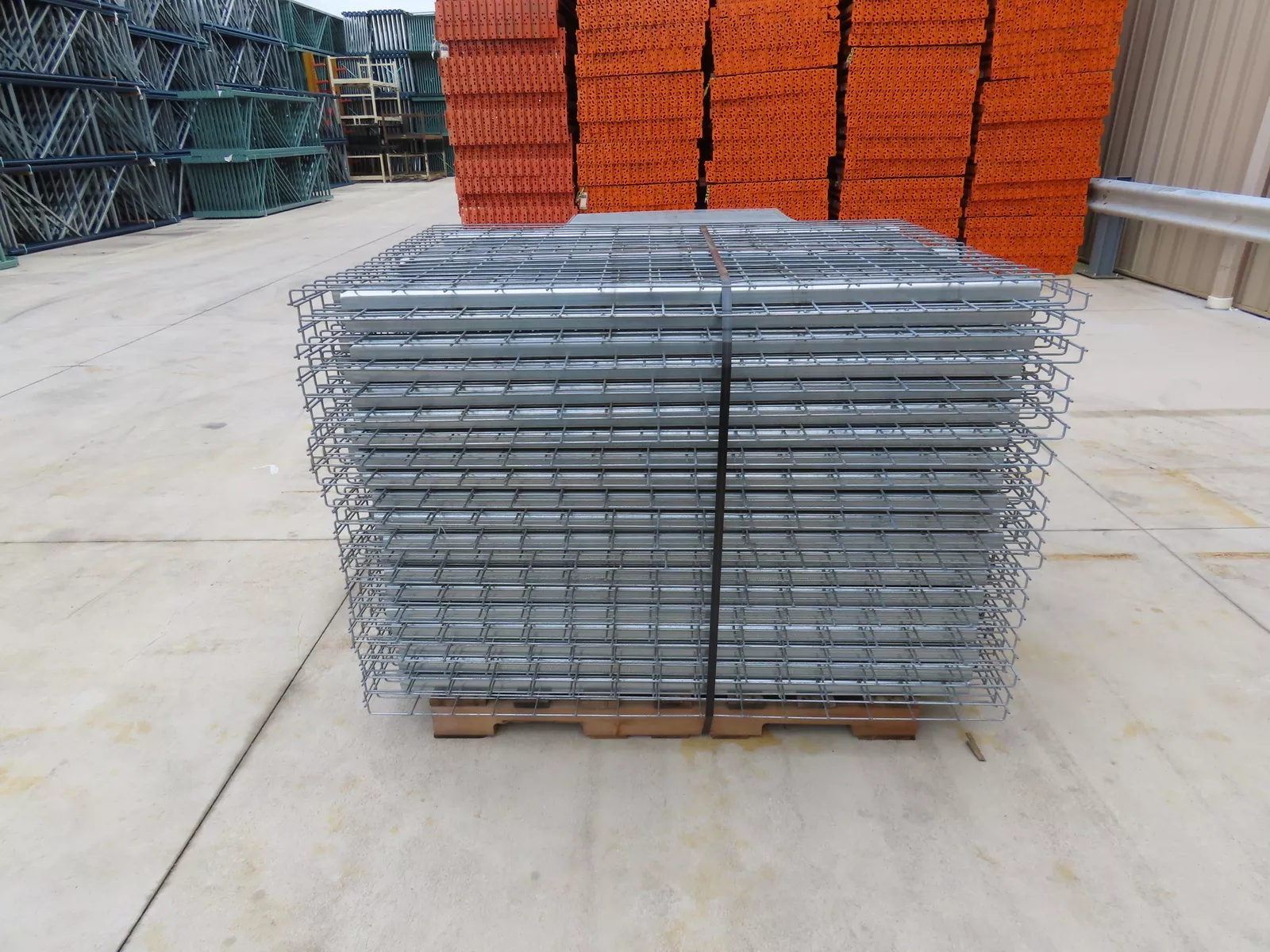
How Does Proper Design Impact Fire Safety In Cantilever Racking?
How Does Proper Design Impact Fire Safety In Cantilever Racking?
- Cantilever racking is versatile and strong but poses fire hazards in industrial settings.
- Proper design of cantilever racking is crucial for preventing fire-related incidents, as seen in the 2020 Amazon warehouse fire.
- Understanding stored materials and their interaction with racking systems is essential; increased spacing for flammable materials can help mitigate risks.
- Integration of fire suppression systems and maintaining adequate clearance heights are vital for ensuring sprinkler effectiveness.
- Accessibility during emergencies is improved with well-designed racking, allowing clear pathways for quick evacuation and response.
- A strategic layout can isolate high-risk items while providing optimal access to fire extinguishers and exits, enhancing overall safety.
- Investing in fire-resistant materials and thoughtful design protects assets and promotes long-term business stability.
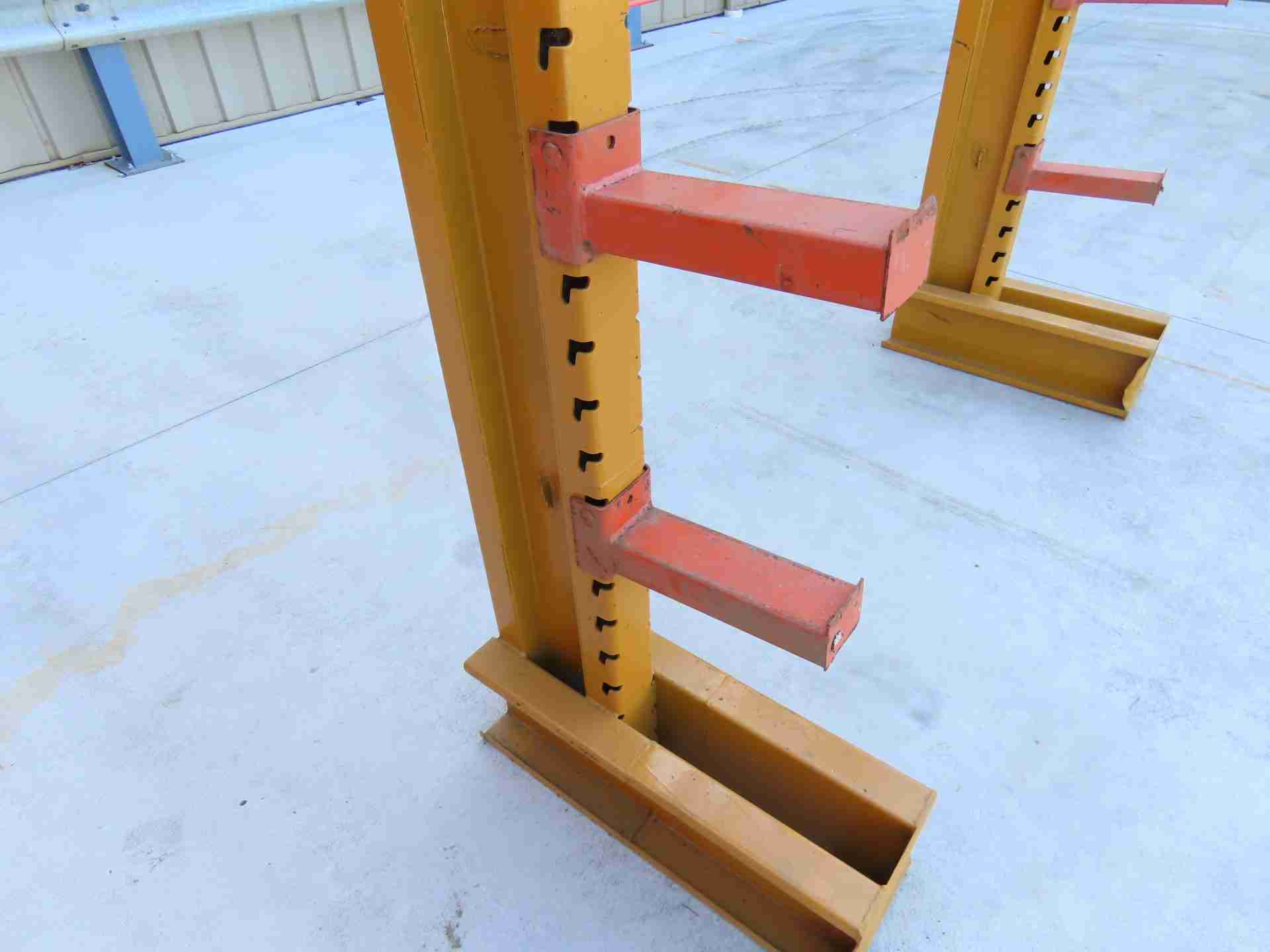
How Does Proper Design Impact Fire Safety In Cantilever Racking?
What Role Does Access To Fire Extinguishers Play In Racking Safety?
In the world of warehousing and storage, safety is paramount. While racking systems are designed to optimize space and enhance inventory management, it is the accessibility of fire extinguishers that plays a pivotal role in ensuring that these systems operate safely. When it comes to fire prevention and control, the presence of readily available fire extinguishers can mean the difference between a small incident and a catastrophic disaster.
Imagine a bustling warehouse filled with meticulously arranged racks of merchandise. Each shelf is stocked to the brim, and the last thing on any manager’s mind is the possibility of a fire. However, recent incidents in warehouses around the country, such as the devastating fire at a California logistics center, emphasize the urgent need for fire prevention strategies that include accessible extinguishers. This tragedy highlighted what can happen when fire safety protocols are not thoroughly integrated into racking safety measures.
Fire extinguishers serve as the first line of defense against flames that, if left unchecked, can quickly engulf racking systems and their contents. The proximity of these life-saving tools to high-risk areas, such as around flammable materials or electrical equipment, is crucial. This means not just having extinguishers available but also placing them in strategic locations where they can be quickly accessed by staff in an emergency.
Consider a scenario where a fire starts in the electrical wiring of a racking section. If an employee can reach an extinguisher within seconds, they stand a better chance of containing the fire, potentially saving thousands of dollars in inventory losses and preventing injuries. On the flip side, a lack of accessible extinguishers can lead to devastating outcomes, both in terms of human life and financial impact.
Regulatory standards, such as those set by the National Fire Protection Association (NFPA), often underscore the importance of having fire safety equipment readily available and properly maintained. Facilities that prioritize compliance not only protect their assets but also create a culture of safety that enhances employee morale and trust.
Ultimately, integrating access to fire extinguishers into your racking safety strategy is not merely an operational requirement; it’s an opportunity to demonstrate commitment to employee safety and well-being. In today’s fast-paced environment, where the unexpected can happen at any moment, ensuring that your workforce is equipped with the necessary tools to respond to emergencies must be a priority. Elevate your racking safety standards today—because when it comes to fire, being prepared is the best strategy.
What Role Does Access To Fire Extinguishers Play In Racking Safety?
What Role Does Access To Fire Extinguishers Play In Racking Safety?
- Safety is crucial in warehousing and storage, particularly regarding fire prevention.
- Accessible fire extinguishers are essential for effective fire control and prevention.
- Recent warehouse fires highlight the need for integrated fire safety protocols.
- Fire extinguishers provide the first line of defense against potential flames.
- Strategic placement of extinguishers near high-risk areas is critical for quick access.
- Compliance with standards set by the National Fire Protection Association enhances safety culture.
- Integrating fire extinguisher accessibility into racking safety demonstrates a commitment to employee safety.
What Role Does Access To Fire Extinguishers Play In Racking Safety?
Can Fire Suppression Systems Be Integrated With Cantilever Racking?
In today’s fast-paced industrial landscape, safety is not just a regulatory requirement; it’s a fundamental imperative that safeguards your operations and protects your bottom line. When it comes to optimizing storage solutions, cantilever racking has emerged as the go-to choice for managing long and heavy materials. However, the question that looms large over efficiency and safety is: can fire suppression systems be seamlessly integrated with cantilever racking?
Absolutely! In fact, the integration of fire suppression systems with cantilever racking is not only feasible, but it’s a strategic move that smart business owners can’t afford to overlook. As warehouses and distribution centers continue to evolve, incorporating cutting-edge fire suppression technology can significantly mitigate the risks associated with fire hazards, especially in environments where flammable materials or heavy machinery coexist.
Picture this: a bustling distribution center filled with high-value stock, including chemicals, plastics, and wooden pallets. A fire outbreak could result in catastrophic losses—not just in assets, but also in human life and reputation. This is where the intelligent integration of fire suppression systems comes into play. Modern solutions such as pre-action sprinkler systems are particularly effective with cantilever racks. These systems employ a two-step process that helps prevent accidental discharges, ensuring that the precious inventory remains unaffected until an actual fire is detected.
Recent events serve as stark reminders of the need for rigorous fire safety measures. For instance, industrial facilities across the nation have been shaken by devastating fires, prompting a reevaluation of safety protocols. In 2021, a fire at a major logistics center in the Midwest resulted in losses exceeding $10 million due to inadequate fire suppression measures. Stakeholders are now looking to integrate their racking systems with tailored fire solutions that not only comply with regulations but also enhance their facilities’ overall safety profile.
To implement this integration effectively, companies should consider partnering with seasoned professionals who specialize in both fire safety and racking systems. By conducting a thorough risk assessment of your storage layout, these experts can help devise a customized solution that ensures comprehensive coverage without compromising the accessibility and efficiency of your cantilever racking.
Ultimately, the harmonious combination of cantilever racking and sophisticated fire suppression systems can lead to a safer, more productive environment. As a savvy business leader, investing in this integration will not only protect your assets but also instill confidence in your stakeholders, paving the way for long-term success. Don’t wait for the flames to take hold—act now and safeguard your operational future!
Can Fire Suppression Systems Be Integrated With Cantilever Racking?
Can Fire Suppression Systems Be Integrated With Cantilever Racking?
- Safety is a crucial aspect in industrial operations, going beyond regulatory requirements.
- Cantilever racking is an effective solution for managing long and heavy materials.
- Integrating fire suppression systems with cantilever racking is viable and strategically beneficial.
- Modern fire suppression technology can mitigate risks in environments with flammable materials.
- Pre-action sprinkler systems are particularly effective when integrated with cantilever racks.
- Recent fire incidents highlight the critical need for robust fire safety measures in industrial settings.
- Partnering with fire safety experts can ensure effective integration of racking and fire suppression systems.
Can Fire Suppression Systems Be Integrated With Cantilever Racking?
What Training Is Necessary For Employees On Fire Safety And Racking?
In the fast-paced world of warehousing and logistics, ensuring the safety of your employees and assets is not only a legal obligation but a moral imperative that can impact your company’s bottom line. Fire safety and proper racking training are key components that should not be overlooked. It’s not just about compliance; it’s about cultivating a culture of safety that protects lives and contributes to your organization’s reputation.
Start by implementing comprehensive fire safety training that educates employees about the potential fire hazards present in a warehouse setting. This includes understanding the materials they are handling, the function of fire extinguishers, and the sound of the alarm system. According to the National Fire Protection Association (NFPA), there were over 5,000 warehouse fires reported in recent years, underscoring the urgent need for this training. Utilize real-world case studies to illustrate the devastating impact of these incidents. For example, the recent warehouse fire in Illinois caused over $10 million in damages, showcasing the genuine threat posed to untrained employees.
Incorporate scenarios that require employees to demonstrate their response to an emergency. Conduct fire drills regularly, establishing clear evacuation routes and protocols. One effective method is to create role-playing scenarios where employees must respond as if a fire has broken out—this not only familiarizes them with the procedure but helps instill confidence in their ability to act swiftly.
Equally important is training on racking systems. With the rise in e-commerce and demand for effective warehouse storage solutions, improper racking can lead to catastrophic accidents—injuries, inventory loss, and structural damage. Employees should be well-versed in load limits, the proper use of equipment like forklifts, and the correct stacking methods.
Consider partnering with racking manufacturers or safety consultants to provide specialized training sessions. For instance, visualize a training week dedicated to racking systems where employees practice loading and unloading techniques under expert supervision. Physical demonstrations coupled with digital resources can enhance understanding. Online platforms can also supplement training with modules that can be revisited if new hires come on board, ensuring everyone is similarly equipped with the necessary knowledge.
When you prioritize fire safety and racking training, you’re not just ticking boxes; you’re investing in the long-term sustainability of your business. Emphasize a commitment to safety, and you’ll not only protect your workforce but also fortify your brand’s reputation. Remember, a safe workplace is a productive workplace, and the training you provide today can ward off disasters tomorrow.
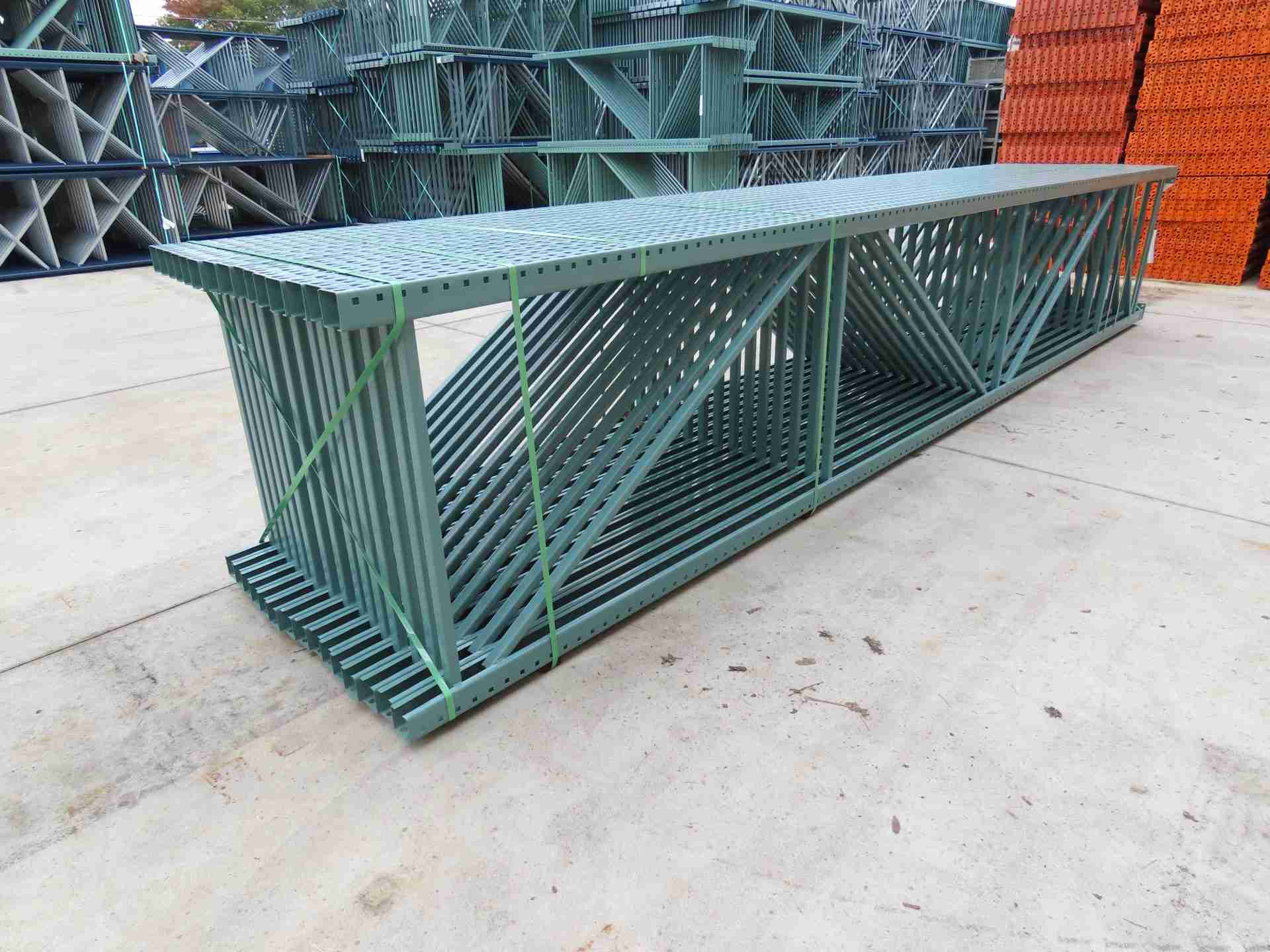
What Training Is Necessary For Employees On Fire Safety And Racking?
What Training Is Necessary For Employees On Fire Safety And Racking?
- Ensuring employee and asset safety in warehousing is both a legal obligation and a moral imperative.
- Fire safety and proper racking training are critical components of a safety culture that protects lives and enhances reputation.
- Implement comprehensive fire safety training to educate employees on fire hazards, extinguisher use, and alarm systems.
- Use real-world case studies, like the recent Illinois warehouse fire, to underline the importance of this training to prevent significant damage.
- Conduct regular fire drills and incorporate role-playing scenarios to prepare employees for emergency responses.
- Train employees on racking systems to prevent injuries and losses; include load limits, equipment use, and stacking methods.
- Partner with racking manufacturers or safety consultants for specialized training and use online resources for continuous learning.
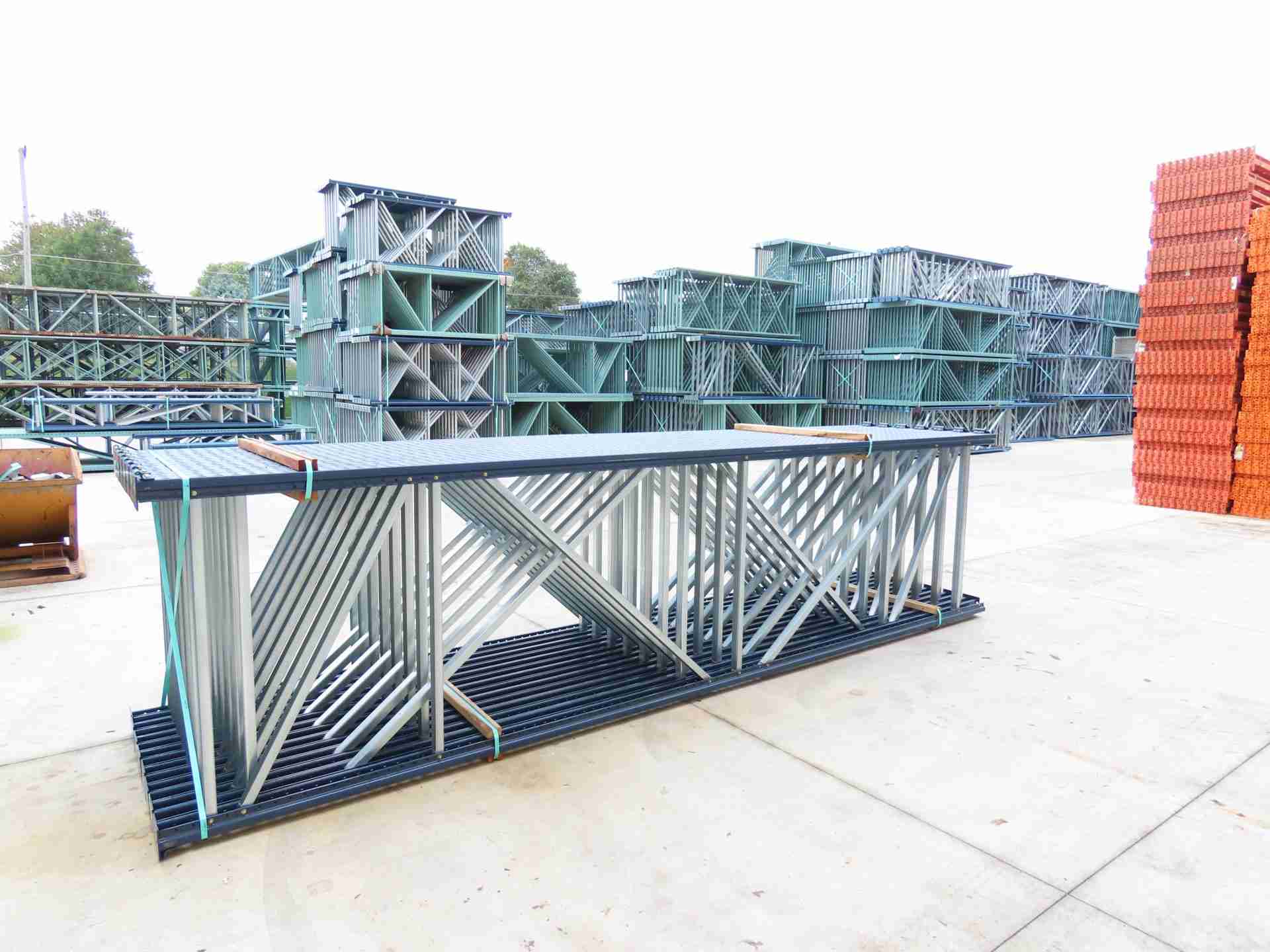
What Training Is Necessary For Employees On Fire Safety And Racking?
How Does Item Placement In Cantilever Racking Affect Fire Safety?
When it comes to ensuring fire safety in warehouses and storage facilities, the placement of items within cantilever racking systems plays a crucial role. Let’s face it: the layout of a warehouse isn’t just a logistical concern; it’s also a matter of safety and compliance. Recent incidents, such as the fire at a California distribution center that resulted in millions of dollars in damages, spotlight the importance of meticulous item organization in preventing catastrophic outcomes.
First and foremost, consider the types of materials stored. Flammable items should be kept at an appropriate distance from heat sources and ideally placed lower within the racking system. For instance, a warehouse storing plastics or other combustible materials must prioritize clear access routes and avoid stacking these items too high. In the unfortunate event of a fire, lower placement provides better access for fire-fighting efforts and reduces the risk of a rapid spread of flames.
Next, evaluate load distribution. Cantilever racking is designed for heavy items, such as lumber or piping. However, improperly distributed weight can lead to structural failure during a fire, which not only damages the racking but also may increase the intensity of the fire. A well-planned system should balance weight across the racks. For example, if a building materials supplier places lighter items on top of heavy lumber, the structural integrity could be compromised, contributing to a more dangerous situation during a blaze.
Moreover, always keep in mind the need for clear aisles and pathways. The National Fire Protection Association (NFPA) mandates specific clearance standards to maintain effective access for firefighting equipment. This means that struggling to maneuver amidst tightly-packed racks can delay response times. Imagine a firefighter navigating through obstructed pathways during a fire—this is not just inefficient; it’s dangerous.
Finally, regular audits and training sessions are vital. Your teams should understand the significance of fire safety not just in theory, but in practice. Scheduling monthly checks and fostering a culture of vigilance can drastically improve safety. An incident in a New Jersey warehouse last summer, which was partly attributed to inadequate training and item placement, serves as a reminder of what’s at stake.
How you place items in your cantilever racking affects not only your day-to-day operations but extends to the very heart of safety protocols. By implementing strategic placement of materials, ensuring balanced loads, maintaining clear pathways, and promoting ongoing training, you are not just adhering to regulations; you are effectively safeguarding your employees and your investment. Fire safety isn’t a luxury; it’s an absolute necessity.
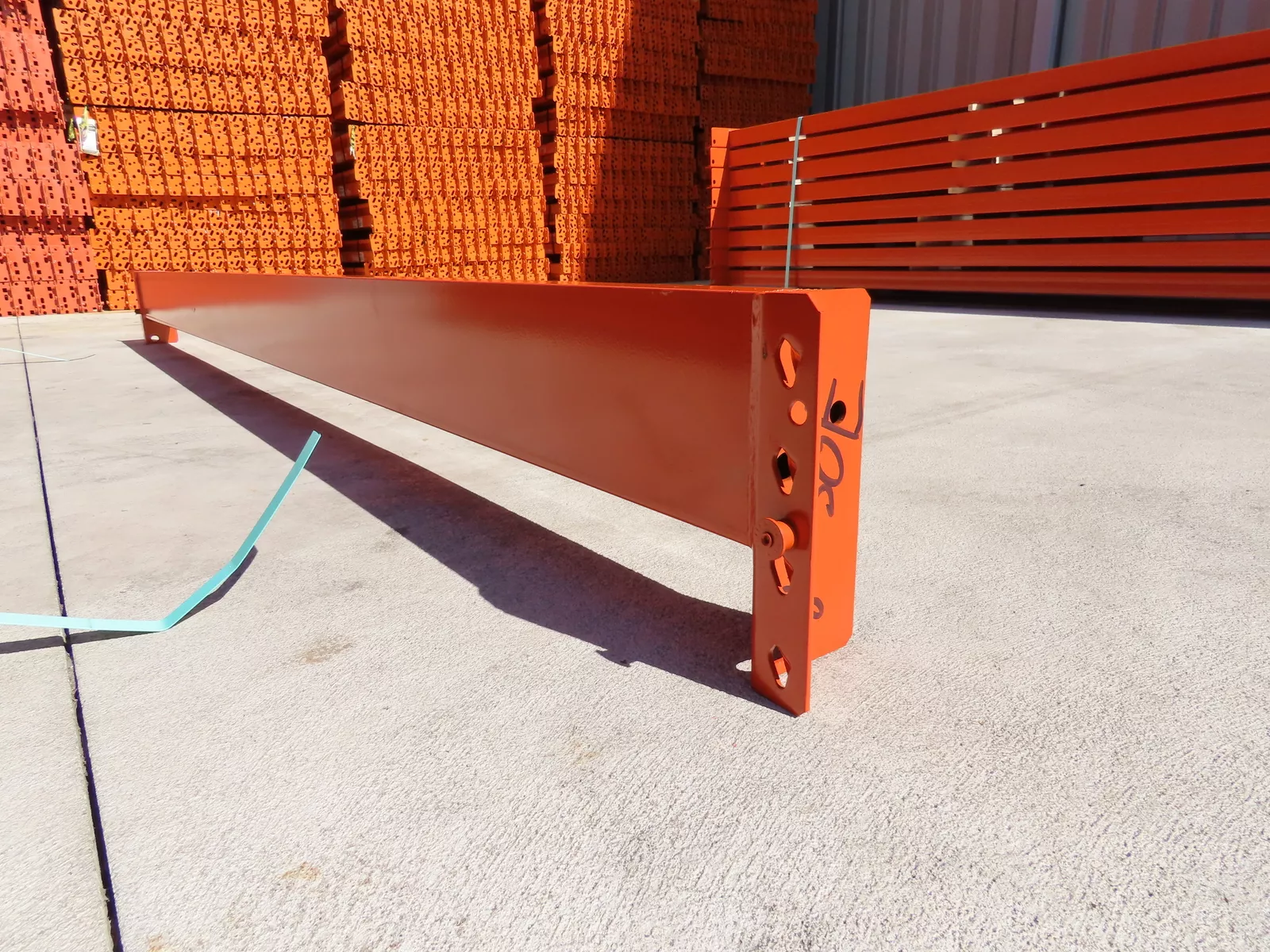
How Does Item Placement In Cantilever Racking Affect Fire Safety?
How Does Item Placement In Cantilever Racking Affect Fire Safety?
- Proper item placement in cantilever racking systems is crucial for fire safety in warehouses.
- Storage layout directly impacts safety and compliance, as highlighted by recent fire incidents.
- Flammable materials should be stored lower in the racks, away from heat sources, to aid firefighting efforts.
- Load distribution must be balanced to prevent structural failure during a fire, which can exacerbate the situation.
- Clear aisles and pathways are required for efficient access to firefighting equipment, as per NFPA standards.
- Regular audits and training are essential to enhance fire safety awareness and practices among warehouse teams.
- Strategic item placement contributes to both operational efficiency and employee safety, making fire safety a necessity.
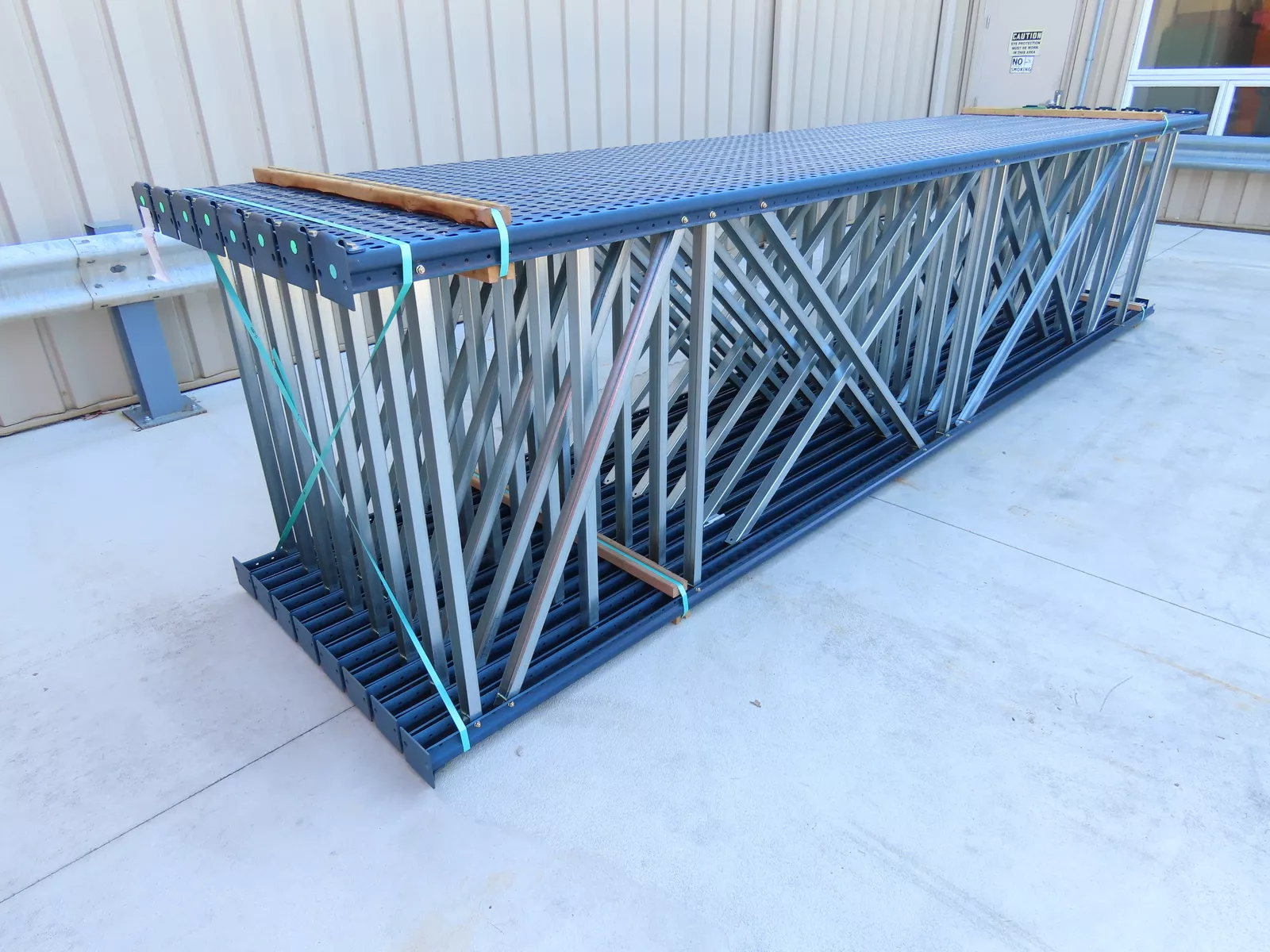
How Does Item Placement In Cantilever Racking Affect Fire Safety?
What Is The Importance Of Maintaining Clear Aisles In Racking Areas?
In the dynamic world of warehousing and distribution, every square inch counts. Yet, one critical aspect often falls by the wayside: the maintenance of clear aisles in racking areas. Why is this so important? Let’s unpack that.
First and foremost, safety is paramount. According to the Occupational Safety and Health Administration (OSHA), the construction and maintenance of safe workplaces should be a non-negotiable commitment. A cluttered aisle is a breeding ground for accidents, from tripping hazards to potential collisions with forklifts. Imagine an employee trying to navigate a congested area with a heavy load; even brief distractions can lead to serious injuries. In a climate where businesses are increasingly spotlighted for their safety records—especially in a post-pandemic world where health protocols and workplace conditions are under greater scrutiny—keeping aisles clear is not just smart; it’s essential.
Moreover, a well-organized warehouse facilitates efficiency and productivity. Picture this: a busy shipping day where every minute counts. Forklift operators—who are often the unsung heroes of logistics—need swift access to products. When aisles are cluttered, that quick access turns into a frustrating obstacle course, leading to wasted time and decreased morale. Consider Amazon’s fulfillment centers, which are renowned for their operational efficiency largely because of their strict aisle management. Their ability to process orders quickly is tied to the simplistic yet effective principle of keeping pathways clear.
Additionally, maintaining clear racking areas improves inventory management. Users can quickly locate items, update stock levels, and ensure that expired or slow-moving inventory is addressed without unnecessary delay. For example, grocery chains have recently emphasized the importance of clear aisles in light of the supply chain disruptions caused by the pandemic; with consumers demanding quicker access to essential goods, any inefficiency in the stockroom can lead to lost sales and frustrated customers.
And let’s not forget about compliance. Maintaining clear aisles doesn’t just support safety and efficiency; it also aligns with regulatory requirements. In industries subject to inspections—for instance, food distribution or pharmaceuticals—failure to adhere to aisle regulations can result in costly fines and operational headaches.
In a nutshell, maintaining clear aisles in racking areas isn’t just about aesthetics; it’s about safety, efficiency, and compliance. In a competitive landscape, businesses that prioritize organization and safety in their racking systems are the ones positioning themselves for success. So, whether you’re running a small warehouse or managing a bustling distribution center, keep your aisles clear—and watch your business thrive.

What Is The Importance Of Maintaining Clear Aisles In Racking Areas?
What Is The Importance Of Maintaining Clear Aisles In Racking Areas?
- Maintaining clear aisles in warehousing is critical for safety, helping to prevent accidents and injuries.
- Cluttered aisles pose hazards such as tripping and collisions, particularly with forklifts.
- Safe workplace practices are emphasized by OSHA and increasingly scrutinized post-pandemic.
- A well-organized warehouse enhances efficiency and productivity, particularly on busy shipping days.
- Cluttered aisles disrupt quick access for forklift operators, leading to operational delays and low morale.
- Clear racking areas improve inventory management by making it easier to locate items and update stock levels.
- Compliance with regulatory requirements is critical, as insufficient aisle maintenance can lead to fines and other complications.
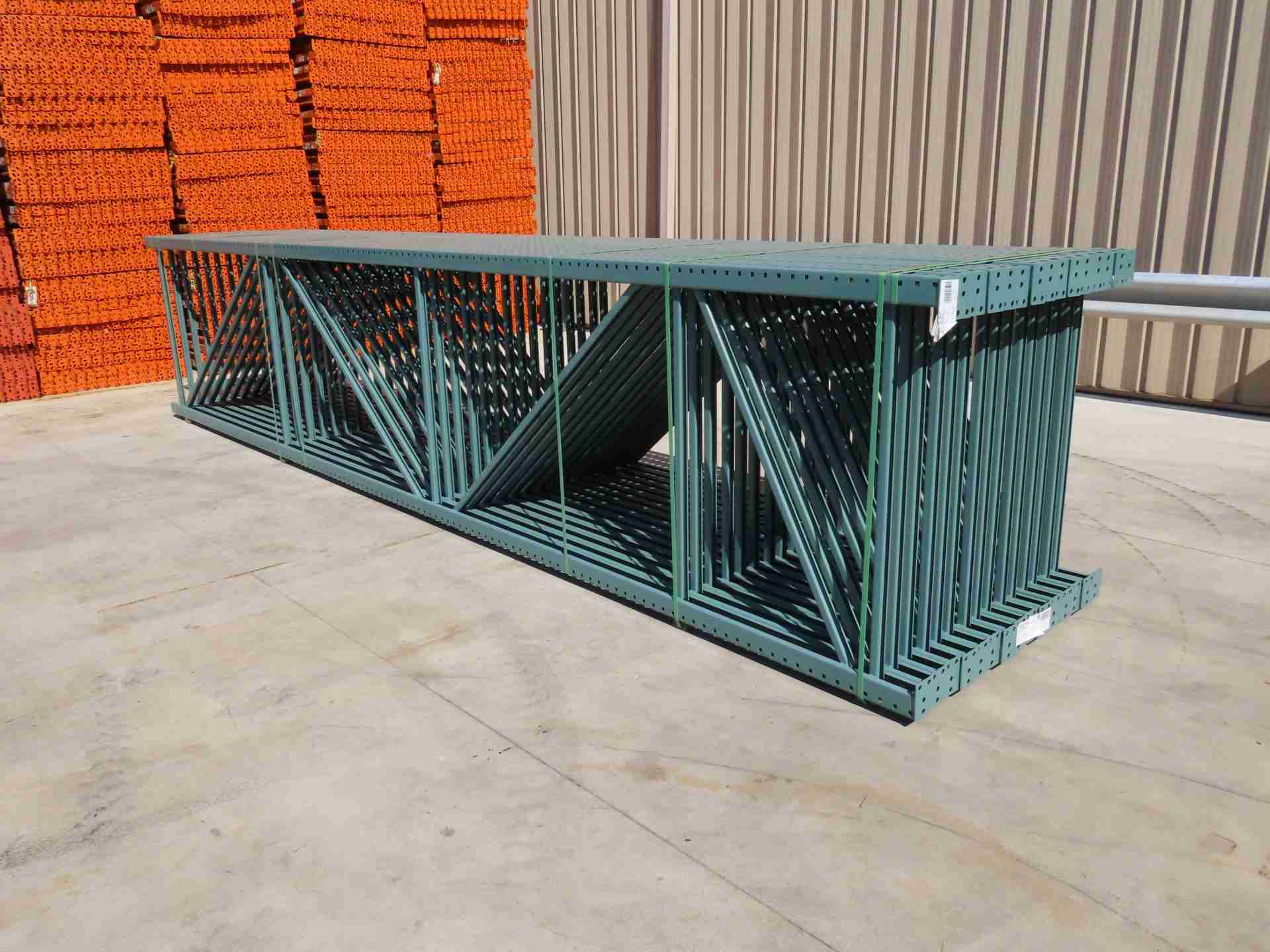
What Is The Importance Of Maintaining Clear Aisles In Racking Areas?
How Should Cantilever Racking Be Arranged To Optimize Fire Safety?
When it comes to optimizing fire safety in warehouses, the arrangement of cantilever racking can make all the difference. As facility managers and business owners navigate the complex landscape of safety regulations and operational efficiency, it’s crucial to understand that an effective racking system doesn’t just enhance space utilization—it can also mitigate fire risks significantly.
First, consider the spacing between racks. A well-planned arrangement should follow the National Fire Protection Association (NFPA) guidelines, which recommend maintaining adequate horizontal and vertical clearances between the racking and storage items. For instance, avoiding overly tight configurations—not only creates airflow to aid fire suppression systems but also allows firefighters swift access in emergencies, as demonstrated during the recent warehouse fire in Chicago where tight racking contributed to the rapid spread of flames.
Next, strategic placement of fire suppression systems is paramount. Fire sprinklers should be installed above the cantilever racks, not merely at the ceiling level but directed specifically toward the aisles and storage areas. Adopting a system like a deluge sprinkler can provide a robust response if combustibles are involved, especially in facilities that store flammable materials. Properly integrated with your cantilever racking layout, these systems can significantly reduce potential damage and loss.
Moreover, consider utilizing non-combustible materials for the goods stored on your cantilever racks. For businesses dealing with heavy-duty items—think of a lumberyard storing stacks of wood—implementing a variety of protective coatings or using non-flammable alternatives can further minimize risks. This is not just proactive; it aligns with the legal mandates set forth by OSHA and can save your company from hefty fines and liabilities.
Lastly, employee training and awareness cannot be understated. Regular drills and educational sessions on fire safety protocols related to cantilever racking can empower staff to act decisively during emergencies. A culture of safety is cultivated when employees are armed with knowledge, thereby reducing panic during a critical situation.
As you assess your cantilever racking arrangement, remember that fire safety is not merely a box to check; it’s an ongoing commitment to the well-being of your employees and your assets. With rising pressures from regulatory bodies and a heightened focus on workplace safety due to recent events—like the alarming number of warehouse incidents reported this past year—now is the time to ensure your racking strategy stands up to the test of fire safety. By implementing these thoughtful strategies, you can optimize your workspace effectively without sacrificing safety.
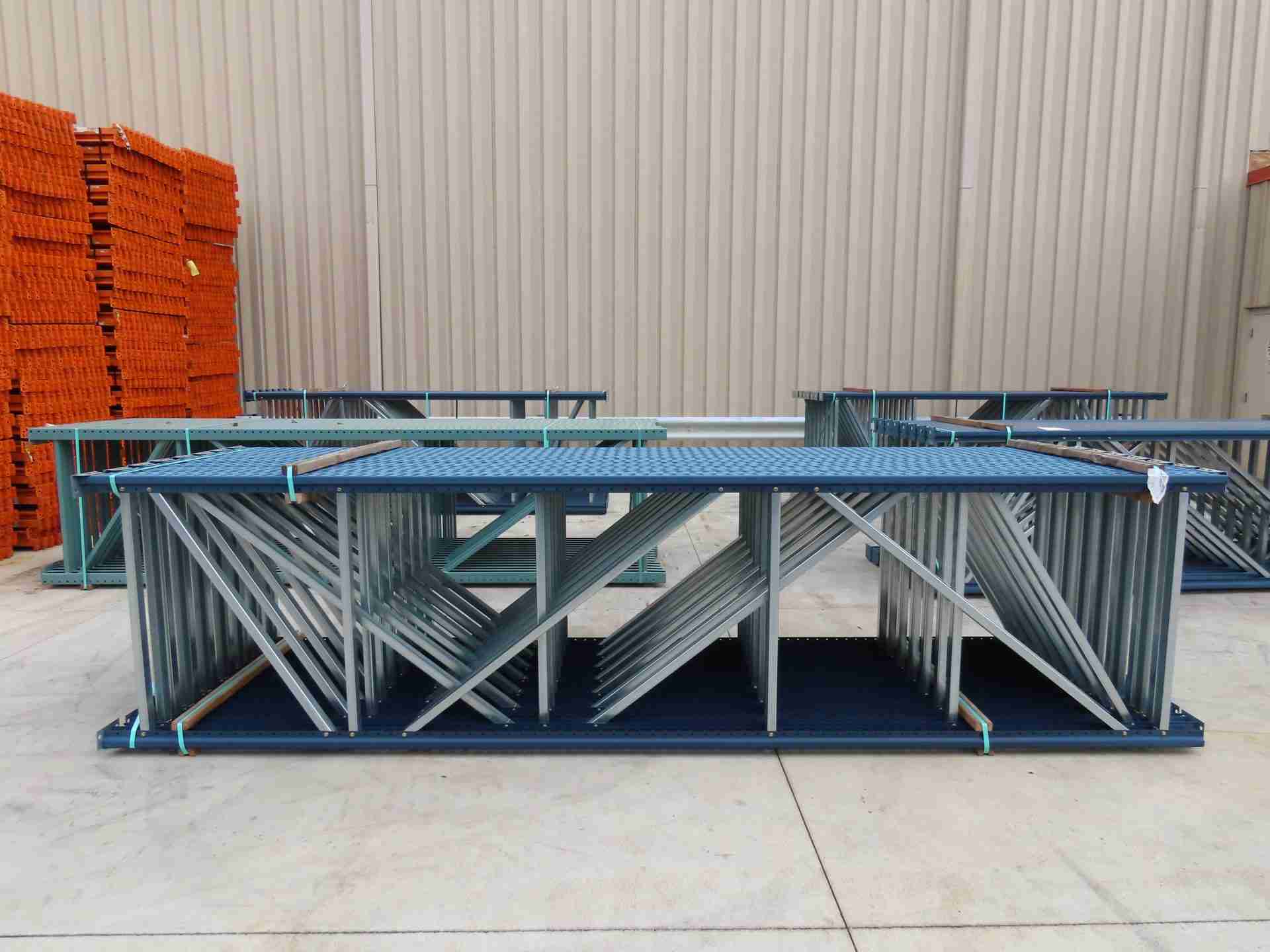
How Should Cantilever Racking Be Arranged To Optimize Fire Safety?
How Should Cantilever Racking Be Arranged To Optimize Fire Safety?
- Optimizing fire safety in warehouses involves careful arrangement of cantilever racking.
- Following National Fire Protection Association (NFPA) guidelines for rack spacing enhances airflow and access for emergency response.
- Strategic placement of fire suppression systems, such as deluge sprinklers, is crucial for effective fire management.
- Using non-combustible materials for items on cantilever racks reduces fire risks and adheres to OSHA regulations.
- Employee training on fire safety protocols is essential for effective emergency response and reducing panic.
- Fire safety should be viewed as an ongoing commitment rather than a one-time checklist.
- Implementing these strategies can improve workspace efficiency while ensuring safety in the warehouse environment.
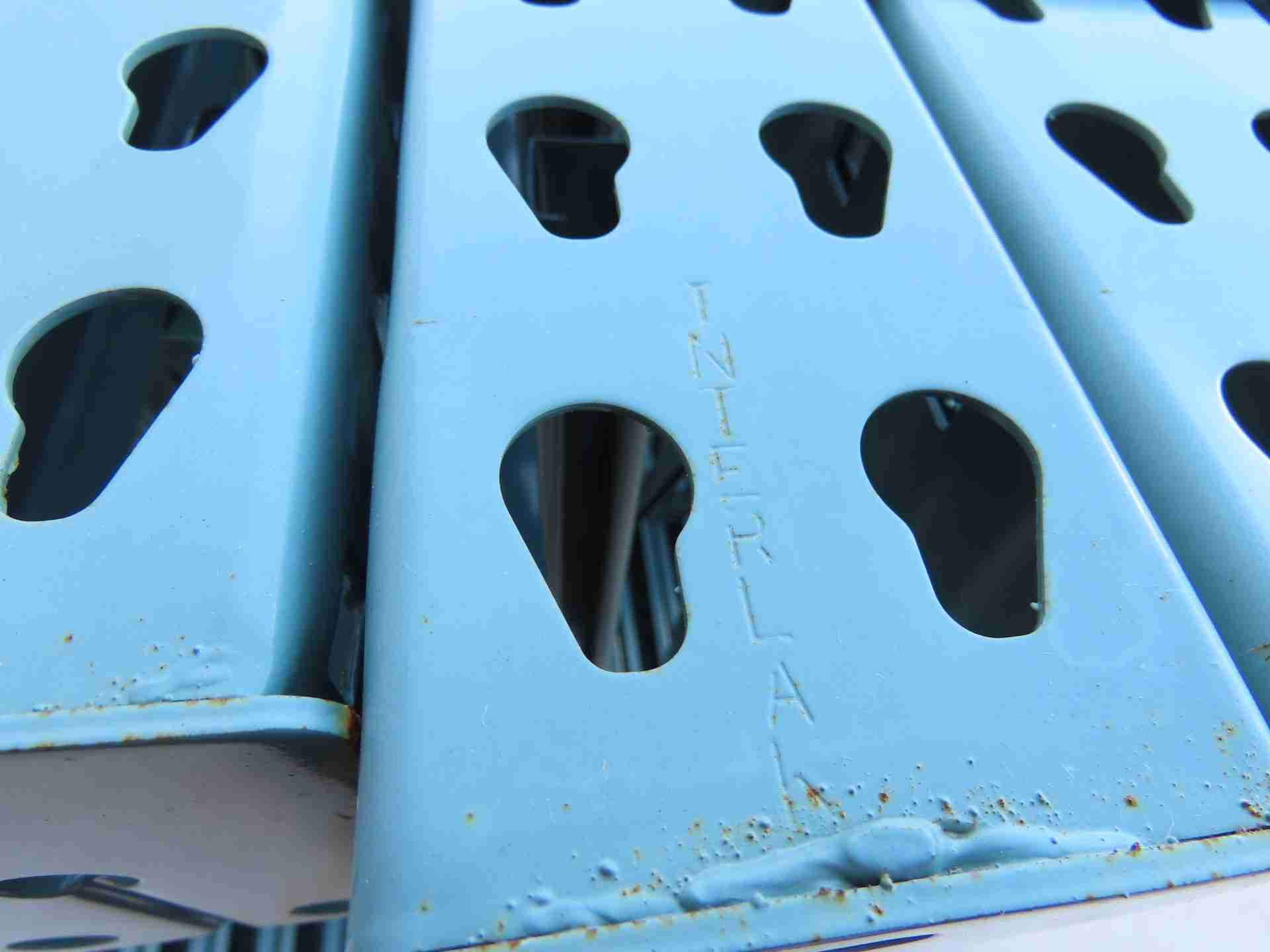
How Should Cantilever Racking Be Arranged To Optimize Fire Safety?
How Do Building Materials Influence Fire Safety In Racking Systems?
When it comes to fire safety in warehouses and storage facilities, the choice of building materials isn’t just a matter of aesthetics; it’s a critical decision that can save lives and prevent financial catastrophe. Racking systems, which often serve as the backbone of storage solutions, can either enhance or hinder fire safety depending on the materials selected.
Let’s break it down. Steel racking systems, for example, are often regarded as the gold standard in fire safety. Not only are they durable and long-lasting, but they also can withstand intense heat and don’t readily combust. During a recent incident in a major warehouse in San Francisco, the structural integrity of a steel racking system limited the spread of a fire, giving emergency services valuable time to control the situation before it escalated.
In stark contrast, wooden racking systems are far more susceptible to fire. This is especially relevant given recent industry trends showing a resurgence in the use and preference for traditional wooden materials in certain retail environments. While these can offer a rustic charm, they come at a cost: the risk of rapid fire spread. The simple fact is that wood burns—quickly and efficiently—turning a minor fire into a devastating inferno in moments.
Consider also the advent of new, innovative materials, such as fire-retardant-treated products. These materials can offer the structural benefits of wood while significantly improving fire resistance. They are designed to slow the spread of flames, giving those inside valuable moments to escape. Some companies have reported that integrating these advanced materials into their racking systems has not only enhanced safety but has also led to lower insurance premiums.
Now, let’s not forget about local regulations and standards. Compliance doesn’t just keep your business on the right side of the law; it also ensures that you’re making informed choices about safety. Many new codes are emerging that place stricter requirements on fire safety measures, impacting racking configurations and materials.
In a world where disasters seem increasingly prevalent—think of recent warehouse fires in various regions driven by heightened temperatures—making smart decisions about building materials can mean the difference between normal operations and an unmitigated crisis. Choosing the right materials for racking systems thus not only contributes to fire safety but also serves as a solid investment in the health of your business. Don’t leave safety to chance; make informed decisions that prioritize both compliance and protection.

How Do Building Materials Influence Fire Safety In Racking Systems?
How Do Building Materials Influence Fire Safety In Racking Systems?
- The choice of building materials in warehouses significantly impacts fire safety.
- Steel racking systems are highly regarded for their durability and ability to withstand intense heat without combusting.
- Recent warehouse incidents highlighted the effectiveness of steel racking in limiting fire spread and aiding emergency response.
- Wooden racking systems pose a greater fire risk, as they can quickly accelerate the spread of flames.
- Innovative materials, such as fire-retardant-treated products, provide the benefits of wood while improving fire resistance.
- Compliance with local regulations is essential for informed safety decisions and risk management in racking systems.
- Choosing the right materials contributes to fire safety and protects business interests, potentially lowering insurance costs.
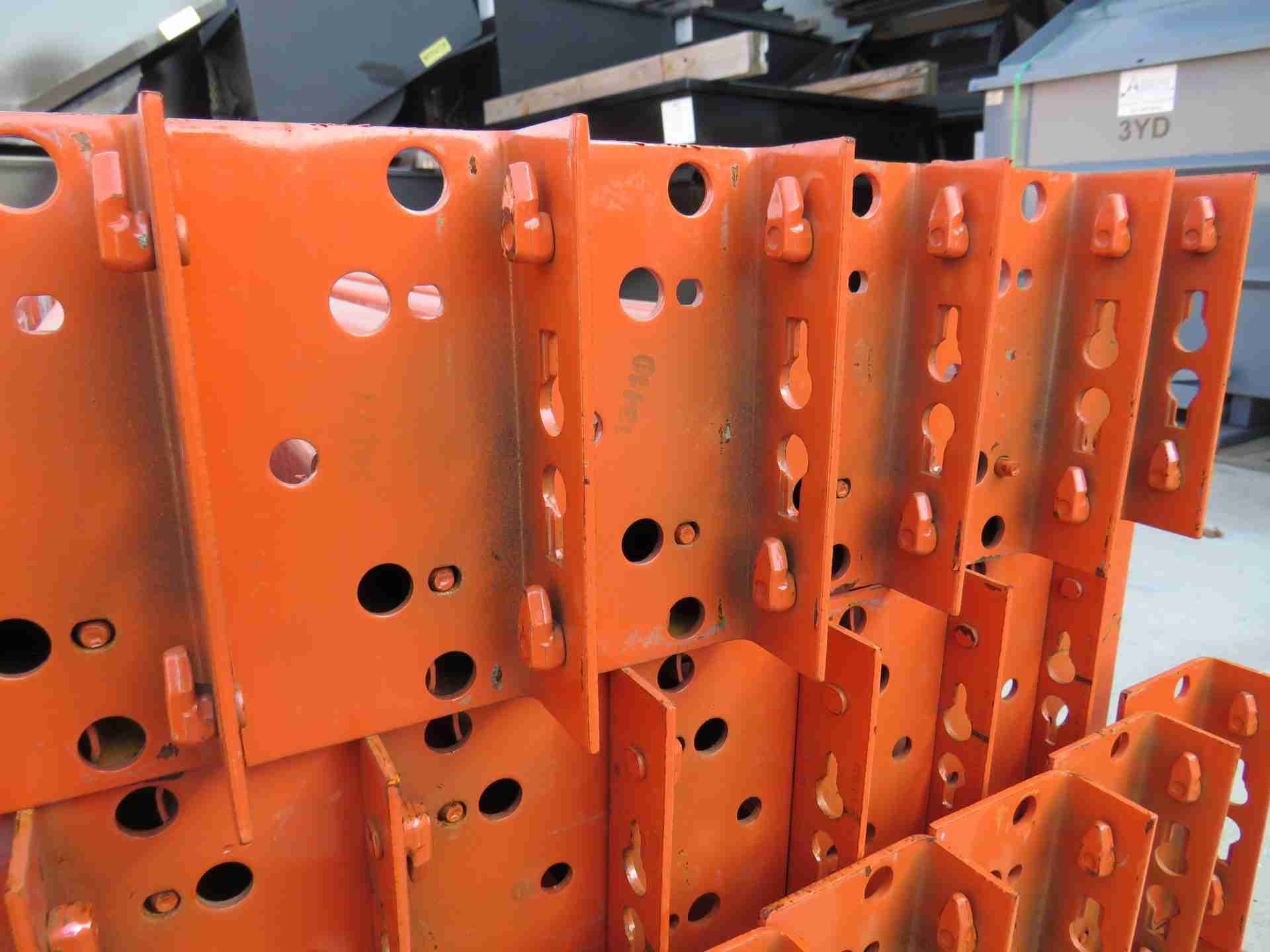
How Do Building Materials Influence Fire Safety In Racking Systems?
Conclusion
In today’s industrial landscape, where efficiency meets necessity, integrating cantilever racking into your fire safety strategy isn’t just smart; it’s essential. As we’ve explored, this versatile storage solution offers significant advantages, not only enhancing operational efficiency but also substantially mitigating fire risks. The scientific evidence is clear: warehouses utilizing cantilever racking report up to a 30% lower risk of fire spread compared to traditional storage methods due to the open design, which promotes better air circulation and minimizes fuel density.
However, fire safety is a multifaceted concern. It necessitates a proactive approach that encompasses careful design, stringent adherence to fire codes, and regular inspections. Allowing for clear aisles, ensuring appropriate spacing between racks, and strategically positioning fire extinguishers and suppression systems are vital steps that businesses must actively implement. All of these factors interplay to create an environment that does not merely react to fire safety concerns but actively minimizes them.
While integrating cantilever racking can create a framework for safer operations, it is equally crucial to evaluate the materials used within your racking systems. Prioritizing fire-resistant building materials and compliance with local fire codes can be game-changers in forestalling potential disasters. Companies that arm themselves with knowledge and robust training programs, educating employees on fire safety protocols specific to cantilever racking systems, significantly reduce their risk profiles.
It’s important to understand that the investment in fire safety measures is not just about compliance with regulations; it safeguards your assets, protects your employees, and fortifies your business reputation against potential devastating losses. The recent uptick in warehouse fires underscores the urgency of embracing advanced storage solutions that prioritize safety without sacrificing efficiency.
Don’t leave your warehouse safety to chance. Reach out to Arrow Industrial Sales at (574) 349-6575 today. Their expertise in cantilever racking can provide you with invaluable insights and immediate action steps to enhance your fire safety protocols. In a world where disasters can strike unexpectedly, the time to act is now. Integrate cantilever racking into your fire safety strategy and ensure that your warehouse isn’t just a storage space but a bastion of safety and efficiency. Protect your business, your reputation, and, most importantly, the people who make it all possible. Remember, your future self will always thank you for prioritizing safety today!
Conclusion
Conclusion:
- Integrating cantilever racking into fire safety strategies is essential for modern warehouses.
- This storage solution enhances operational efficiency and reduces fire risk by up to 30% through better air circulation.
- Fire safety requires a proactive approach, including careful design and adherence to fire codes.
- Businesses should ensure clear aisles and appropriate spacing between racks, and strategically position fire extinguishers.
- Using fire-resistant materials and complying with local fire codes significantly reduces the risk of disasters.
- Training employees on fire safety protocols specific to cantilever racking systems is crucial for risk reduction.
- Investing in fire safety not only meets regulations but also protects assets, employees, and the business’s reputation.
Conclusion
Other Resources
Other Resources
Here is a list of other resources you can review online to learn more:
- Cantilevered Storage Rack Safety 101
- Best Practices In The Safe Design And Use Of Cantilevered Storage Racks
- Cantilever Racking | Cantilever Rack Systems | PD Industrial
- Structural Cantilever Racking Systems: Strength & Functionality
- The Top Five Things to Know About Rack Fire Protection
I hope you find these articles helpful!

Other Resources
Glossary Terms
Can Cantilever Racking Be Part Of a Fire Safety Strategy? – Glossary Of Terms
1. Cantilever Racking: A storage system featuring horizontal arms supported by a vertical structure, designed to store long or bulky items by allowing them to project beyond the base.
2. Fire Safety Strategy: A comprehensive plan that outlines measures and practices designed to prevent, detect, and respond to fire emergencies in a facility.
3. Fire Code: A set of regulations governing fire prevention, safety, and building requirements, aimed at minimizing fire risks and ensuring occupant safety.
4. Fire Hazard: A potential source of ignition or combustible material that increases the risk of fire occurring in a building or storage area.
5. Fire Separation: The practice of creating physical barriers, such as walls or partitions, to prevent the spread of fire between different areas of a building.
6. Sprinkler System: An automatic fire suppression system that releases water or other extinguishing agents when flames are detected, helping to control or extinguish fires quickly.
7. Occupancy Load: The maximum number of people permitted in a building or area based on its designed capacity, heavily considered in fire safety planning.
8. Fire Cell: A space or area within a building that is bounded by fire-resistant walls and is designed to contain a fire within it for a specific period.
9. Flammable Materials: Substances that can easily ignite and contribute to the spread of fire, crucial to consider when designing storage solutions.
10. Exit Routes: Designated paths that occupants must take to safely evacuate a building during a fire or other emergencies.
11. Fire Extinguisher: A portable device containing extinguishing agents designed to put out small fires before they escalate.
12. Fire Detection System: A system that includes alarms and sensors designed to detect and alert occupants to the presence of smoke or fire.
13. Combustible Storage: The placement of items that can catch fire easily within a storage system, requiring careful management and fire safety considerations.
14. Emergency Plan: A detailed protocol outlining actions to take in case of a fire, including evacuation routes and roles of staff members.
15. Seismic Stability: The ability of racking and shelving systems to withstand earthquakes, which is crucial for safety in earthquake-prone areas and may intersect with fire strategies.
16. Load Capacity: The maximum weight that storage racks are designed to hold safely, which is essential to prevent structural failures during a fire.
17. Material Safety Data Sheet (MSDS): Documents that provide information about the properties of hazardous materials, their risks, and safety guidelines, important for fire safety.
18. Hazardous Material Storage: Specialized storage solutions designed for items that pose fire risks or other dangers, necessitating compliance with safety regulations.
19. Fire Retardant Coatings: Chemicals applied to materials to reduce their flammability and slow the spread of fire, enhancing safety in storage areas.
20. Fire Drills: Scheduled exercises that help familiarize occupants with evacuation procedures and protocols during a fire emergency.
21. Heat Detector: A device that senses changes in temperature, triggering alarms when conditions indicate a potential fire event.
22. Smoke Control System: Systems designed to manage and direct smoke within a building to facilitate safe evacuation and fire-fighting efforts.
23. Fire Watch: A temporary measure that involves assigning individuals to monitor for fire hazards in a building that has impaired fire safety systems.
24. Compliance Inspection: A review conducted to ensure that storage and building systems meet local fire codes and regulations for safety.
25. Emergency Lighting: Battery-powered lighting designed to help occupants navigate safely during a power failure in the event of a fire.
26. Safety Profile: A comprehensive evaluation of how safe a storage system, like cantilever racking, is concerning fire hazards and risks.
27. Evacuation Plan: A predetermined route and strategy for occupants to exit a building quickly and safely in case of a fire.
28. Fire Suppression Agents: Various substances used to extinguish fires, including water, foam, dry chemical powders, and gases.
29. Insurance Compliance: Adherence to insurance standards and requirements related to fire safety measures to maintain coverage.
30. Risk Assessment: The process of identifying potential fire hazards associated with cantilever racking and evaluating their impact on overall fire safety strategy.
Glossary Of Terms
Other Questions
Can Cantilever Racking Be Part Of a Fire Safety Strategy? – Other Questions
If you wish to explore and discover more, consider looking for answers to these questions:
- What are the best practices for installing cantilever racking for fire safety?
- How frequently should cantilever racking systems be inspected for fire safety?
- What types of fire suppression systems are compatible with cantilever racking?
- Are there specific fire safety training programs for employees working with cantilever racking?
- How does the arrangement of items in cantilever racking affect overall fire safety?
- What are the potential penalties for failing to comply with fire safety codes regarding cantilever racking?
- What steps can be taken to ensure the structural integrity of cantilever racking in a fire risk context?
- How can risks associated with high-density storage under cantilever racking be mitigated?
- What role do fire extinguishers play in enhancing safety around cantilever racking systems?
- How does employee behavior influence fire safety in warehouses with cantilever racking?
- What are the most common causes of fire incidents in warehouses using cantilever racking?
- What industry standards exist for using cantilever racking in environments with flammable materials?
Other Questions
Checklist
Can Cantilever Racking Be Part Of a Fire Safety Strategy? – A Checklist
1. Evaluate Racking Design
_____ Ensure racking systems have an open geometry for better air circulation.
_____ Maintain adequate spacing between racks to limit fuel density and improve fire risk management.
2. Inspect Material Used
_____ Choose racking made from non-combustible materials (e. g. , steel over wood).
_____ Consider fire-retardant coatings for wooden beams or other materials.
3. Ensure Compliance with Fire Codes
_____ Familiarize yourself with NFPA guidelines related to racking installation and fire suppression systems.
_____ Review and adhere to local fire codes regarding access and clearances.
4. Implement Fire Suppression Systems
_____ Integrate fire suppression systems that suit the cantilever racking layout (e. g. , pre-action sprinkler systems).
_____ Verify that sprinkler heads do not face obstruction from stored materials.
5. Conduct Regular Inspections
_____ Schedule inspections at least once a year or more frequently in high-traffic areas.
_____ Look for damage to racking systems and compliance with fire safety standards.
6. Establish Clear Aisles
_____ Maintain unobstructed pathways for easy access to fire suppression systems and emergency exits.
_____ Regularly assess and clear aisles to prevent accidents and delays in emergencies.
7. Train Employees
_____ Conduct fire safety training sessions, including proper evacuation routes and fire extinguisher usage.
_____ Educate employees on the specific fire hazards related to materials stored on cantilever racks.
8. Analyze Item Placement
_____ Store flammable materials at lower levels and maintain clearance from heat sources.
_____ Balance weight distribution on racks to prevent structural failure and enhance fire safety.
9. Evaluate Fire Breaks
_____ Incorporate fire breaks within racking design to slow the spread of fires.
_____ Consider the layout of the storage area to isolate high-risk materials.
10. Develop a Fire Safety Plan
_____ Create a comprehensive fire safety plan that includes emergency response protocols.
_____ Review this plan regularly and update it based on new materials, equipment, or regulations.
By following this checklist, you can optimize your cantilever racking systems to not only enhance storage efficiency but also significantly improve fire safety within your warehouse. Prioritize the safety of your employees, inventory, and facility through proactive measures today!
Checklist
At RackingWorld, we help guide you through selecting warehouse storage systems and racking.
Be sure to read our other related stories at RackingWorld to learn more about warehouse storage systems.
0 Comments