
Optimizing Space With Cantilever Racking
By Tom Seest
At RackingWorld, we help guide you through selecting warehouse storage systems and racking.
Be sure to read our other related stories at RackingWorld to learn more about warehouse storage systems.
How Do You Plan The Layout for a Cantilever Racking System?
When it comes to maximizing warehouse space, cantilever racking systems are a game changer. The key to reaping the full benefits of this innovative storage solution lies in careful planning of its layout. Here’s how to navigate your layout planning like a pro, ensuring efficiency while maintaining safety and accessibility.
1. Assess Your Inventory Needs
First things first: conduct a thorough inventory analysis. Take stock of what you’ll be storing—be it lumber, piping, or furniture. For instance, if you’re storing long, cumbersome items like wood beams, your cantilever racks need to be designed to accommodate specific lengths without compromising structural integrity. Understanding the dimensions and weight of your products helps you determine the appropriate arm length and the spacing between rack rows.
2. Think Vertical
Cantilever racking systems shine in spaces with high ceilings. By capitalizing on vertical space, you can double or even triple your storage capacity. A recent study showed that warehouses implementing taller cantilever racks reported a space utilization increase of 30%. Aim for the tallest configuration your operational workflow can handle, taking into account machine access and worker safety.
3. Optimize Aisle Widths
Next, consider the layout of your aisles. Strategic aisle width ensures seamless movement of employees and equipment. If you regularly use forklifts, account for their turning radii. Industry experts recommend a minimum width of 3-4 feet between racks if access will be primarily pedestrian, and up to 8-10 feet for forklift access. Striking a balance between density and accessibility can significantly enhance operational efficiency.
4. Account for Future Growth
Market fluctuations can quickly alter inventory needs. The flexibility of cantilever racking allows for easy reconfiguration. For instance, during recent supply chain disruptions, companies were forced to pivot quickly. Designing your layout with potential expansion in mind ensures you’re not just reactive but proactively positioning your business for growth.
5. Safety First
Implement safety measures from the get-go. Proper weight limits for each arm, securing loads to prevent shifting, and maintaining a clear path around the racking system can save you from costly accidents. Training staff on safety protocols also fosters a culture of diligence.
In today’s rapidly evolving marketplace, planning your cantilever racking system layout isn’t just a technical exercise; it’s a strategic imperative. By understanding your inventory, maximizing vertical space, optimizing aisle dimensions, incorporating future growth, and prioritizing safety, you can create a layout that not only meets today’s demands but also paves the way for tomorrow’s success. Reimagine your warehouse with a cantilever racking system, and watch your efficiency soar.

How Do You Plan The Layout for a Cantilever Racking System?
How Do You Plan The Layout for a Cantilever Racking System?
- Conduct a thorough inventory analysis to understand the dimensions and weight of products being stored.
- Utilize vertical space to increase storage capacity, aiming for the tallest configuration feasible based on workflow.
- Strategically plan aisle widths to ensure optimal movement for both pedestrians and equipment, with recommended widths of 3-4 feet or 8-10 feet depending on access type.
- Design your layout with potential future growth in mind, enabling easy reconfiguration to adapt to market fluctuations.
- Implement safety measures such as proper weight limits, securing loads, and maintaining clear paths to prevent accidents.
- Train staff on safety protocols to cultivate a culture of diligence and safety awareness.
- Planning the layout of a cantilever racking system is a strategic necessity for maximizing warehouse efficiency and success.
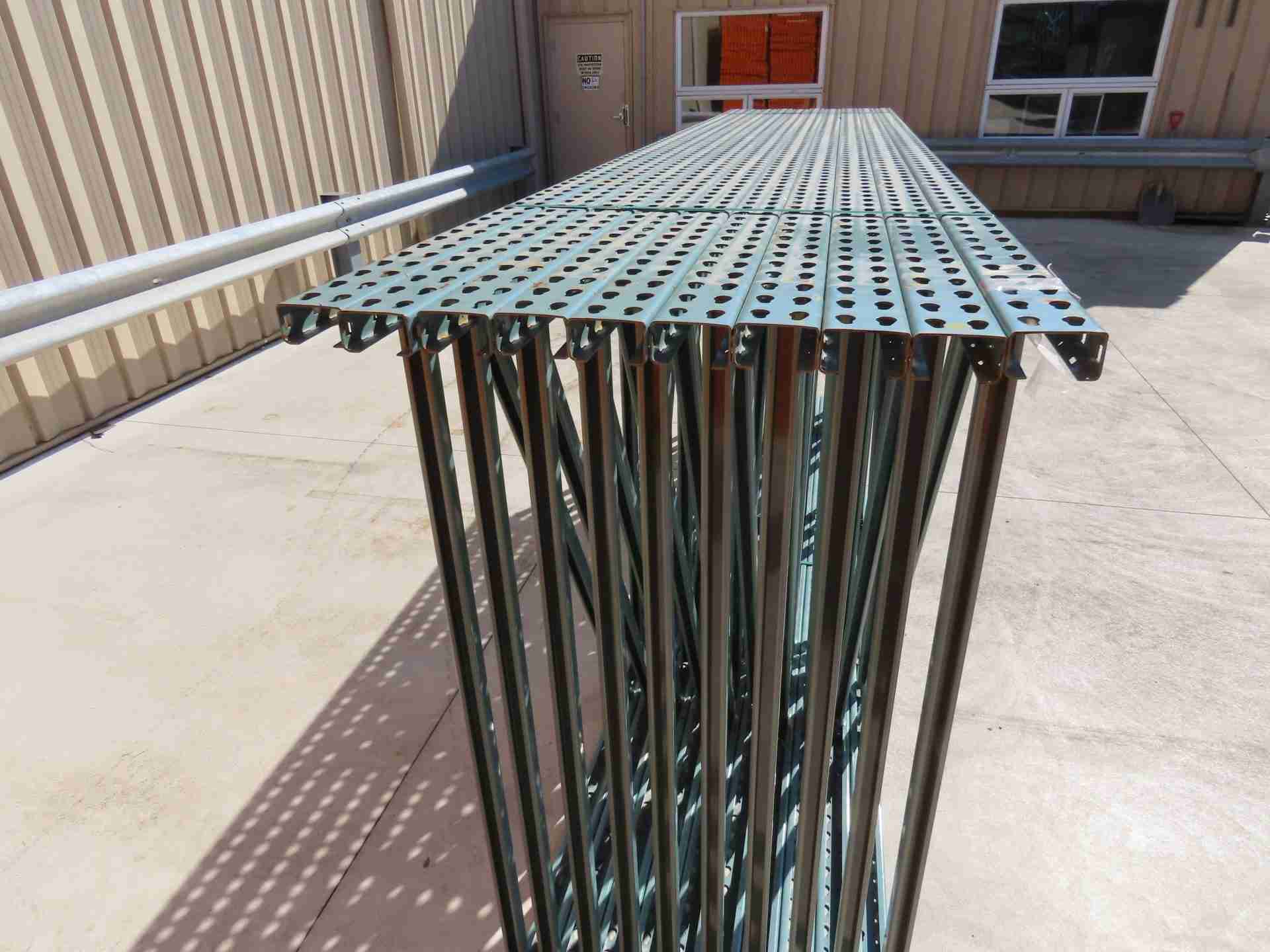
How Do You Plan The Layout for a Cantilever Racking System?
Table Of Contents
- How Do You Plan The Layout for a Cantilever Racking System?
- What Is A Cantilever Racking System?
- How Does Cantilever Racking Work?
- What Are The Benefits Of Cantilever Racking?
- How Do You Determine The Required Capacity?
- What Materials Are Suitable For Cantilever Racks?
- How Much Space Do You Need For Cantilever Racking?
- What Are Common Applications For Cantilever Racks?
- How Do You Measure The Height And Length Needed?
- What Safety Considerations Should You Keep In Mind?
- How Can You Optimize Layout For Accessibility?
- What Software Tools Can Assist In Planning?
- How Do You Account For Future Storage Needs?
- What Are The Installation Steps For Cantilever Racks?
- How Do You Adjust Racks For Load Requirements?
- What Maintenance Is Needed For Cantilever Racking?
- Conclusion
- Other Resources
- Glossary Of Terms
- Other Questions
- Checklist
What Is A Cantilever Racking System?
In the fast-paced world of warehousing and inventory management, maximizing space while maintaining efficiency is essential. Enter the cantilever racking system—a streamlined solution that’s transforming how businesses store long, bulky items. From lumber yards to manufacturing plants, this racking system is quickly becoming the backbone of storage solutions aimed at enhancing productivity and driving profitability.
So, what exactly is a cantilever racking system? In its simplest form, it comprises vertical frames and horizontal arms extending outwards, allowing for the support of oversized items that traditional shelving simply can’t accommodate. This design offers unmatched versatility and accessibility, ideal for storing materials like pipes, timber, steel sheets, and even furniture. Imagine a warehouse efficiently stacked with long steel beams, easily accessed without the clutter of standard shelving systems. This is the innovative power of cantilever racking.
Consider a recent trend among home renovation stores. With the surging popularity of DIY projects, these stores have realized the need for a racking system that effortlessly displays long boards and wide planks. By adopting cantilever racking, they not only optimize their floor space but also enhance the shopping experience for customers, allowing for easy selection and streamlined checkout processes. As e-commerce continues its rapid rise, visibility and accessibility in warehouses have become crucial; that’s where cantilever racks shine.
Moreover, they’re a beacon for businesses committed to sustainability. By efficiently utilizing vertical space, they minimize the footprint required for storage, ultimately leading to reduced warehouse energy consumption. As companies become more eco-conscious, implementing such modern solutions not only elevates their operational efficiency but also aligns with their corporate social responsibility goals—an attractive proposition for today’s consumers.
When it comes to installations, cantilever racking systems are customizable. Businesses can choose from single-sided or double-sided configurations based on their specific needs. With additional accessories like braces, dividers, and safety features, they can create a tailor-made solution that perfectly fits their operational requirements.
If you’re looking to revolutionize your storage capabilities and boost your bottom line, a cantilever racking system may just be the game-changer you’ve been waiting for. From high-density storage solutions to meeting the demands of modern-day inventory, these innovative racks are an investment in efficiency that can pay serious dividends, ensuring you stay ahead in today’s competitive marketplace. Embrace the change—your warehouse deserves it!
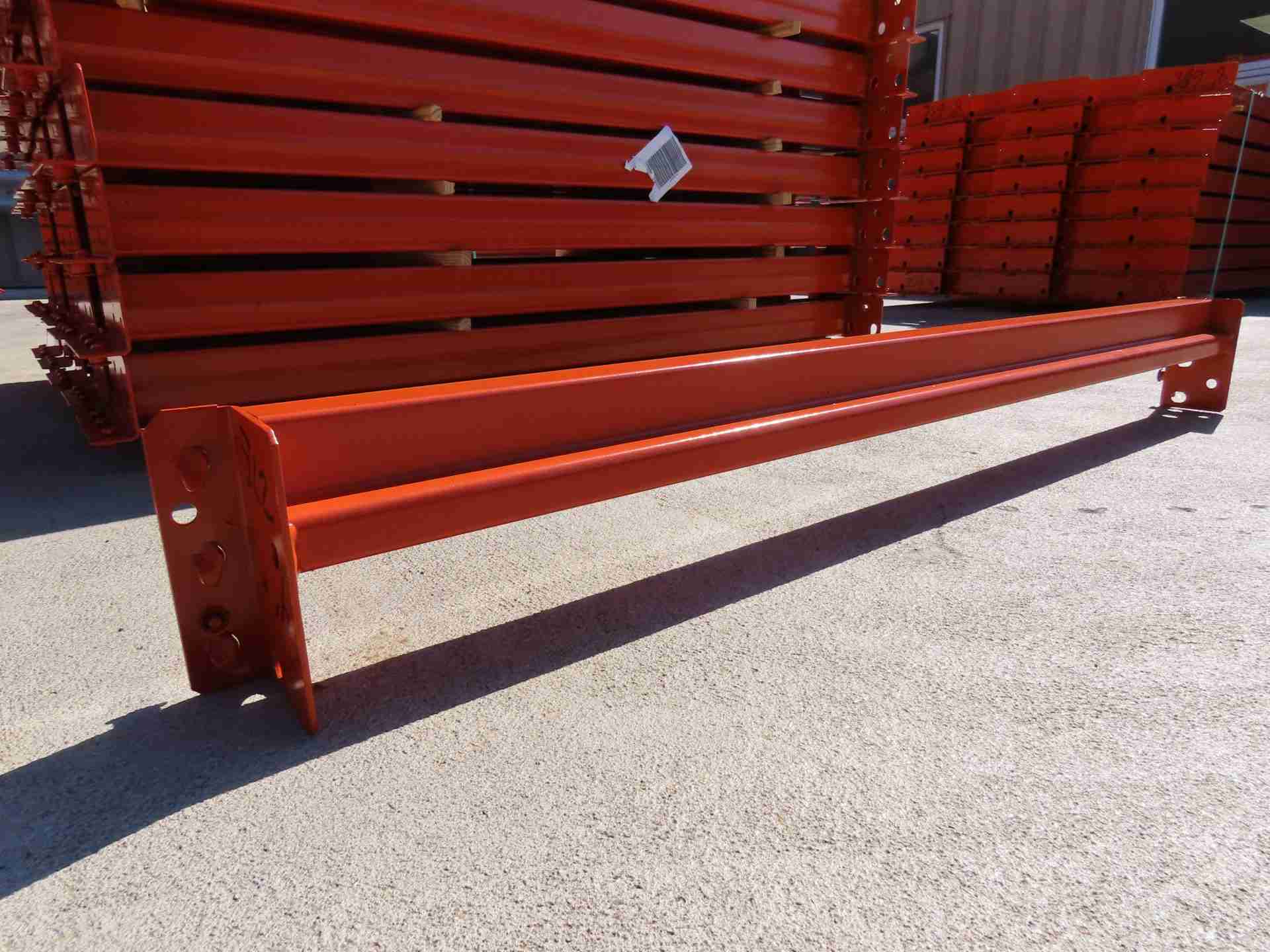
What Is A Cantilever Racking System?
What Is A Cantilever Racking System?
- Cantilever racking systems enhance space utilization and efficiency in warehousing and inventory management.
- These systems consist of vertical frames and horizontal arms, ideal for storing oversized items like pipes and timber.
- They provide versatility and accessibility, allowing for easy retrieval of long items without clutter.
- Home renovation stores benefit from cantilever racking by optimizing floor space and improving customer experience.
- These racks promote sustainability by minimizing warehouse footprint and reducing energy consumption.
- Cantilever racking systems are customizable, allowing businesses to select configurations and accessories to meet their needs.
- Investing in cantilever racking can boost efficiency and profitability, keeping businesses competitive in the market.
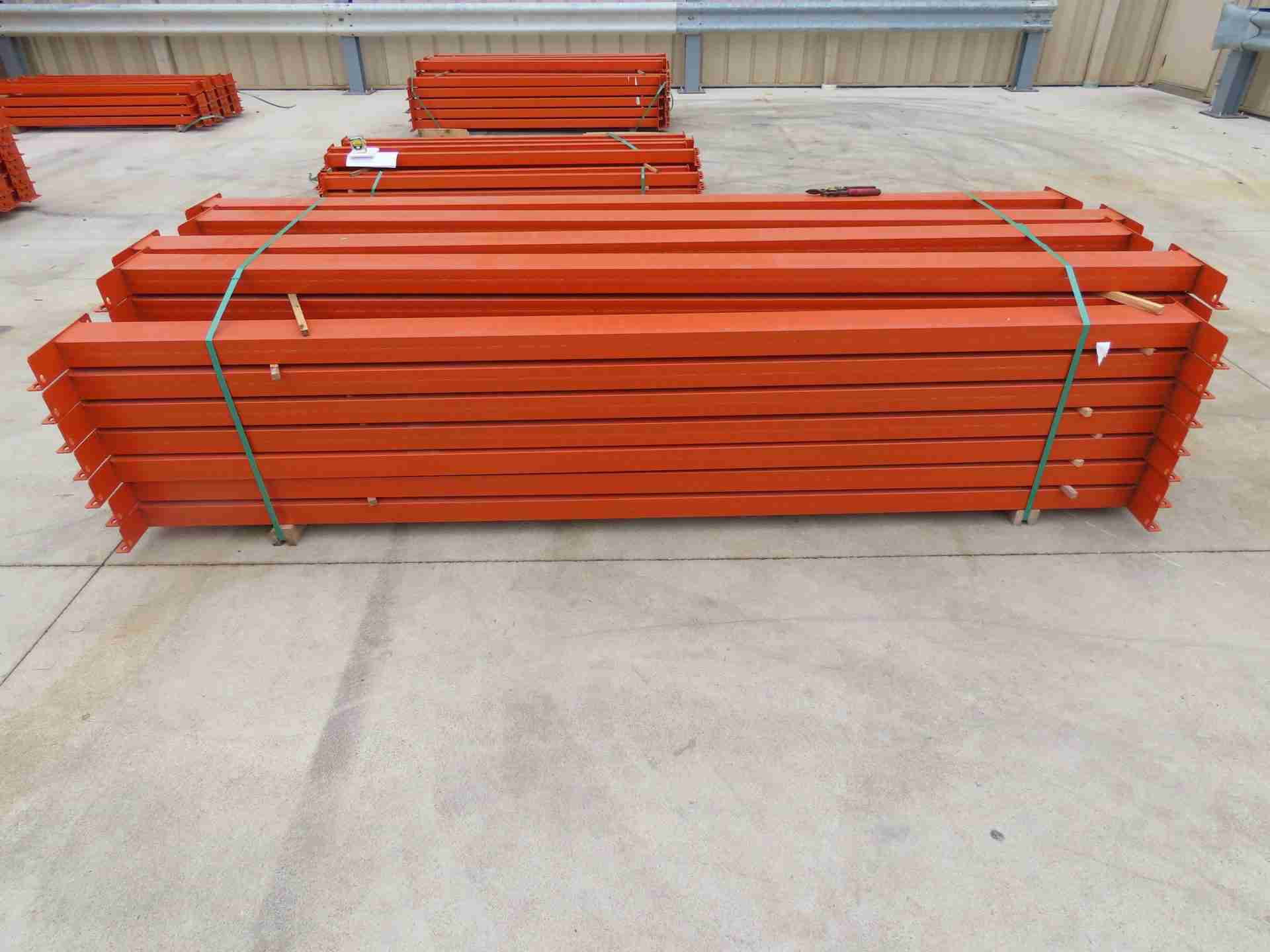
What Is A Cantilever Racking System?
How Does Cantilever Racking Work?
Imagine a warehouse buzzing with activity: forklifts zipping by, workers managing inventory, and products swiftly flowing in and out. Amid this orchestrated chaos, cantilever racking stands as a silent hero, transforming how businesses store and access their goods. If you’re not yet familiar with this game-changing storage solution, let’s dive in.
Cantilever racking is designed for the storage of long, heavy, or awkwardly-shaped items—think lumber, pipes, or even furniture. What sets it apart? The free-standing vertical columns allow horizontal arms to extend out, creating a shelf-like structure that minimizes wasted space while maximizing accessibility. This means no more fiddling with cumbersome pallets or wasting precious time shuffling products around. Instead, your employees can simply slide items onto the arms, making loading and unloading a breeze.
Picture a construction company that needs to store long steel beams. Traditional racking systems would limit access, complicating workflow, and enhancing the risk of damage. Enter cantilever racking. A company recently adopted this solution and reported a 30% increase in productivity simply because their staff could retrieve beams quickly and without hassle. The result? Time—and money—saved.
Additionally, cantilever racking is infinitely customizable. With a variety of arm lengths, weight capacities, and structural configurations, businesses of all shapes and sizes can tailor these systems to fit their needs. Whether you’re a small furniture retailer needing to display sofas or an industrial warehouse stocking metal bars, cantilever racking adapts to your requirements.
Current trends also spotlight the role of efficiency in warehouse management. As supply chains face disruptions and e-commerce demands surge, companies are seeking innovative solutions to streamline operations. Cantilever racking plays a pivotal role in creating an organized inventory, allowing businesses to pivot quickly in response to market changes. In a world where agility is key, this racking system stands out as a tool for success.
From reducing labor costs to improving safety standards—where items are stored securely and easy to access—cantilever racking not only enhances the physical layout of your warehouse but positively impacts your bottom line. Whether you’re looking to overhaul your existing storage systems or simply optimize what you have, it’s time to consider the myriad benefits of cantilever racking. Embrace smart storage solutions, and get ready to see your operations soar to new heights!

How Does Cantilever Racking Work?
How Does Cantilever Racking Work?
- Cantilever racking revolutionizes storage in warehouses by optimizing space and accessibility.
- It is specifically designed for long, heavy, or awkwardly-shaped items like lumber, pipes, and furniture.
- The system features free-standing vertical columns with horizontal arms, minimizing wasted space.
- Companies have reported significant productivity increases, with one seeing a 30% rise after adopting cantilever racking.
- The racking is customizable with various arm lengths, weight capacities, and configurations to suit different business needs.
- Cantilever racking enhances operational efficiency, vital for adapting to market changes and supply chain disruptions.
- Besides improving safety and reducing labor costs, it positively affects the overall profitability of businesses.
How Does Cantilever Racking Work?
What Are The Benefits Of Cantilever Racking?
What Are The Benefits of Cantilever Racking?
In the world of logistics and storage solutions, efficiency is paramount. Enter cantilever racking—a system that has swiftly gained traction among businesses seeking to maximize their warehouse space while enhancing accessibility and organization. The benefits of adopting cantilever racking systems are manifold, and understanding these advantages can help you make a savvy investment for your storage needs.
Maximized Vertical Space
One of the most significant benefits of cantilever racking is its ability to maximize vertical space. Traditional shelving often falls short when it comes to accommodating oversized or irregularly shaped items. With cantilever racks, you can store goods of various lengths—from pipes and lumber to furniture—without wasting precious square footage. This efficiency proves invaluable, particularly for industries experiencing a resurgence due to current economic trends, such as construction and manufacturing. As these sectors ramp up production in response to growing demand, having a streamlined storage system becomes critical.
Flexible Configurations
Cantilever racks are versatile, allowing you to configure them according to your specific needs. You can adjust the arm heights and the number of arms, tailoring the setup to fit your inventory. This flexibility is crucial for businesses that experience seasonal fluctuations or new product introductions. For example, a gardening supply store may need to reconfigure its racking in spring to accommodate larger bags of soil or garden tools, only to switch back in fall for smaller items like bulbs and seeds.
Enhanced Safety and Organization
In a cluttered environment, accidents can happen. Cantilever racking helps promote safety by keeping items organized and off the ground, reducing tripping hazards. Additionally, the open design allows for better visibility of products—craning your neck or reaching into a dark corner becomes a thing of the past. Organizing your inventory effectively minimizes the risk of misplacement, which is especially relevant during a time when supply chain issues are prevalent. Clear organization aids in faster retrieval and inventory management, leading to more efficient operations.
Cost-Effectiveness
Investing in cantilever racking can yield significant financial returns. By utilizing vertical space and improving accessibility, you reduce the need for additional square footage, which translates to fewer rental or operational costs. Many companies see a positive impact on their bottom line quickly after implementation. For example, a furniture retailer that adopted cantilever racking reported a 30% increase in their storage capacity without expanding their footprint—a win-win situation!
As businesses navigate a rapidly changing landscape influenced by current economic activities, outfitting facilities with cantilever racking systems presents an irrefutable strategic advantage. This solution not only optimizes space but enhances efficiency and safety, ensuring your operations remain swift and streamlined. So why wait? Transform your storage capabilities today!

What Are The Benefits Of Cantilever Racking?
What Are The Benefits Of Cantilever Racking?
- Maximized Vertical Space: Cantilever racking utilizes vertical space effectively, accommodating oversized or irregularly shaped items without wasting floor space.
- Flexible Configurations: These racks can be tailored to specific inventory needs, with adjustable arm heights catering to seasonal fluctuations and varying product sizes.
- Enhanced Safety and Organization: Cantilever racking reduces clutter, minimizes tripping hazards, and allows better visibility and organization of stored items.
- Cost-Effectiveness: Adopting cantilever racking can decrease rental and operational costs by maximizing storage capacity and accessibility without requiring additional space.
- Supports Economic Trends: The system is particularly beneficial in industries like construction and manufacturing, which are experiencing growth and increased demand.
- Improved Inventory Management: Clear organization facilitates faster retrieval and minimizes misplacement, vital amidst current supply chain challenges.
- Strategic Advantage: Implementing cantilever racking ensures streamlined operations, enhancing overall efficiency and safety in storage solutions.
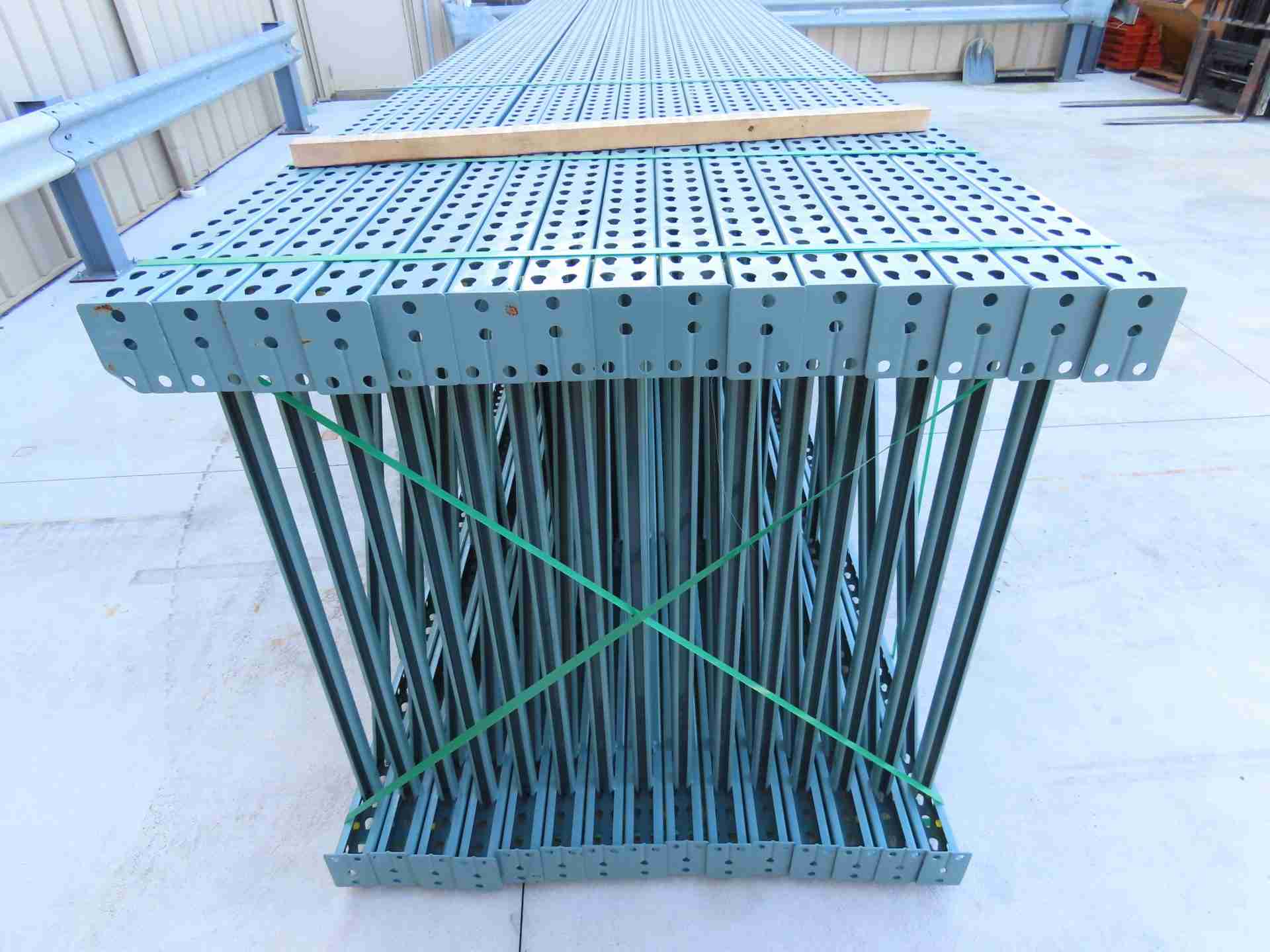
What Are The Benefits Of Cantilever Racking?
How Do You Determine The Required Capacity?
In today’s hyper-competitive marketplace, understanding your required capacity isn’t just a number—it’s the cornerstone of your success. Whether you’re a small business owner or a corporate executive, aligning your capacity with demand is paramount to staying ahead of the game. But how do you determine the right capacity for your business, especially when the winds of change blow faster than ever?
First, you need to analyze current demand trends. Consider the rise of e-commerce and the shift in consumer behavior—a direct consequence of the pandemic. Businesses that track online shopping trends saw a surge in demand that caught many off guard. To avoid being one of those who underestimate their capacity, leverage analytics tools capable of forecasting demand based on real-time data. For instance, if you’re in the food industry, tracking popularity via delivery apps can provide critical insights into peak times and popular items that require enhanced capacity planning.
Next, it’s essential to factor in operational flexibility. Take a cue from companies like Tesla, which have adjusted their production capacity in response to supply chain fluctuations. A flexible approach allows businesses to scale up or down swiftly without incurring substantial costs. Consider adopting a modular approach to staffing: hiring seasonal staff, creating flexible shifts, or even cross-training employees to cover multiple roles. This ensures that you’re not bogged down by unnecessary overhead while still being able to meet consumer demand.
It’s also wise to conduct a capacity audit. Analyze every aspect of your operation from manufacturing to customer service. For instance, if you operate a call center, how many calls can your staff handle during peak hours? What technology can you implement to enhance productivity? Gathering empirical data will empower you to make informed decisions tailored to your specific needs.
Finally, keep a close eye on industry benchmarks and competitors. As businesses contend with global issues like inflation and supply chain disruptions, understanding how similar companies are adjusting their capacity can provide critical insights. Are they increasing production? Are they pivoting toward digital solutions? By emulating best practices within your industry, you position your business not just to survive but to thrive.
Determining your required capacity is a strategic endeavor that entails a sophisticated blend of market analysis, operational flexibility, and real-time data utilization. Navigating this landscape effectively ensures you’re always one step ahead, poised to capitalize on opportunities while minimizing risks.
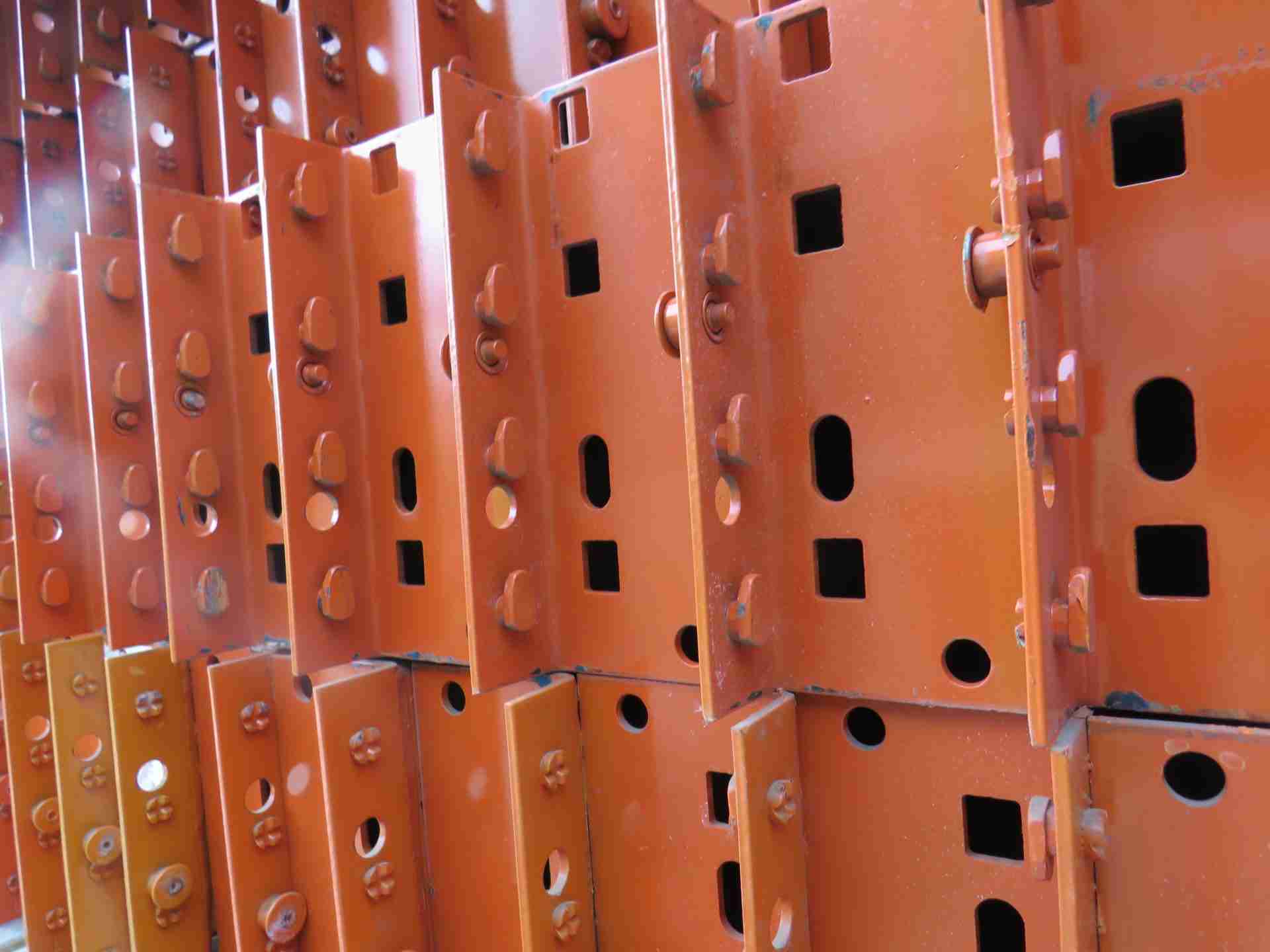
How Do You Determine The Required Capacity?
How Do You Determine The Required Capacity?
- Understanding required capacity is crucial for success in a competitive marketplace.
- Businesses should analyze current demand trends, particularly shifts caused by the pandemic.
- Using analytics tools can help forecast demand based on real-time data.
- Operational flexibility, like adjusting production capacity and hiring seasonal staff, is essential.
- Conducting a capacity audit across operations provides empirical data to inform decisions.
- Monitoring industry benchmarks and competitor strategies helps businesses adapt effectively.
- Strategically determining capacity combines market analysis, flexibility, and real-time data.
How Do You Determine The Required Capacity?
What Materials Are Suitable For Cantilever Racks?
When it comes to optimizing your warehouse or storage facility, selecting the right materials for cantilever racks is crucial for maximizing efficiency, minimizing damage, and improving safety. Not only do the right materials improve performance, but they can also lead to significant cost savings in the long run. So, what should you be considering?
Steel: The Gold Standard
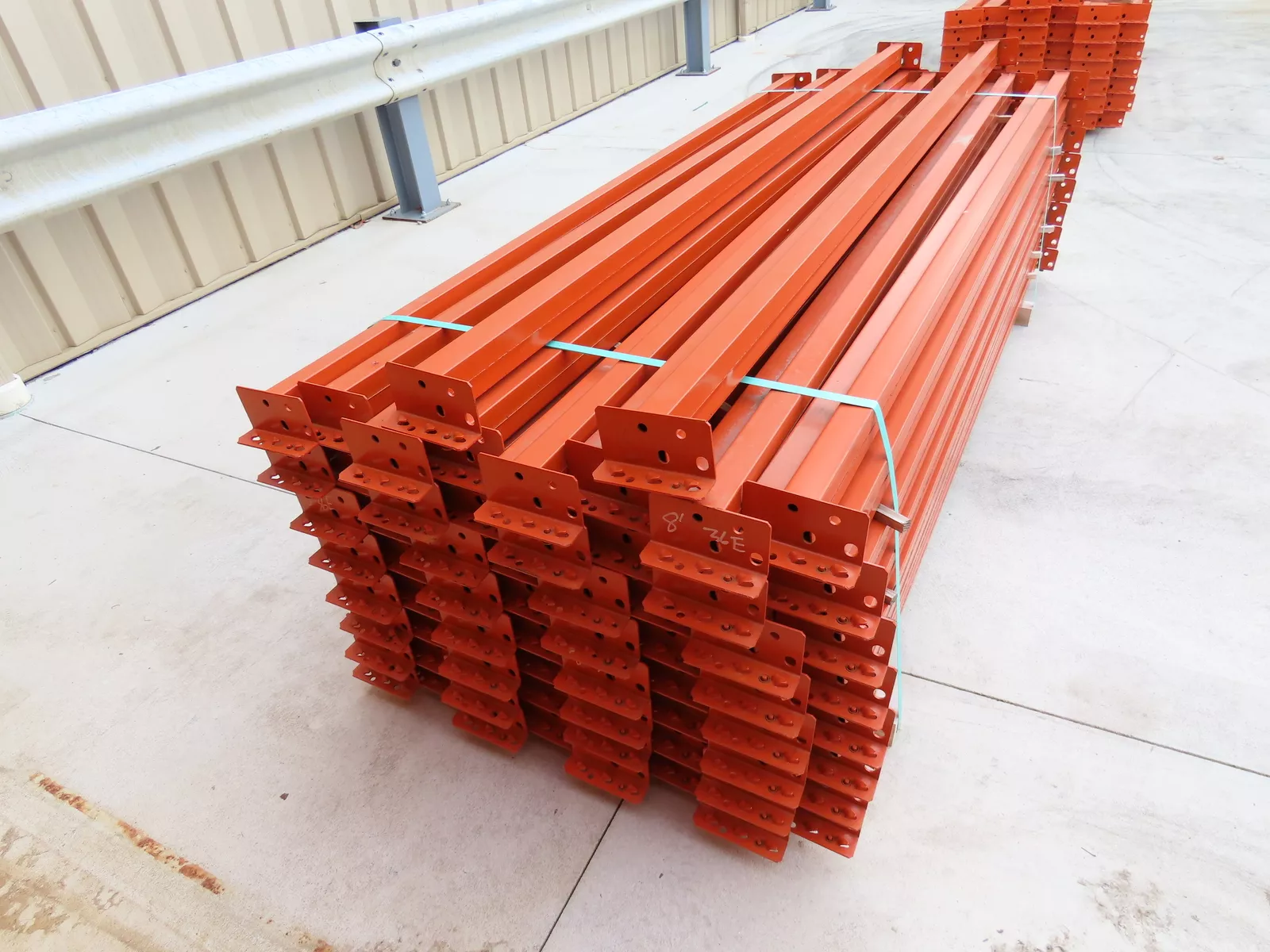
Steel is at the forefront when it comes to cantilever racks. Known for its unmatched strength and durability, steel can support heavy loads and withstand the rigors of daily use. Whether you’re storing lumber, pipes, or furniture, a high-grade steel cantilever rack can handle it all without compromising safety or performance. Take, for example, the recent surge in lumber prices due to supply chain challenges. Businesses that invested in robust steel cantilever racks last year are now reaping the benefits by maximizing their storage capacity without worrying about weight limits.
Galvanized Steel for Wet Environments
If you find yourself operating in an environment where moisture is a concern—think warehouses that deal with lumber or plumbing materials—galvanized steel cantilever racks are your best bet. Resistant to rust and corrosion, these racks can endure the harshest conditions. This material exemplifies how the right choice can prevent losses from damage and ensure that you maintain a seamless operation.
Wood and Composite Materials: A Budget-Friendly Alternative
While steel stands out, don’t overlook wooden or composite cantilever racks. They are particularly suited for lighter loads and offer a cost-effective option for those just starting out or dealing with less demanding inventory. Retailers or boutique furniture stores often gravitate towards wood racks for their aesthetic appeal and lower investment costs.
Plastic Racks for Lightweight Applications
For lighter applications, like storing gift items or soft goods, consider plastic cantilever racks. Lightweight and versatile, these racks can be easily relocated to fit a variety of layouts. Plus, they are resistant to spills and stains, making them ideal for retail environments where appearance matters.
In Conclusion
Selecting the right materials for cantilever racks is not merely about durability; it’s about adaptability and efficiency. As businesses continue to adapt to the ever-changing economic environment, making informed decisions about storage solutions has never been more critical. Whether you’re looking to fortify safety standards, enhance load management, or simply streamline your operations, the right material for your cantilever rack can elevate your business to new heights. Make the investment today; after all, what’s stored on your racks today can redefine your success tomorrow.
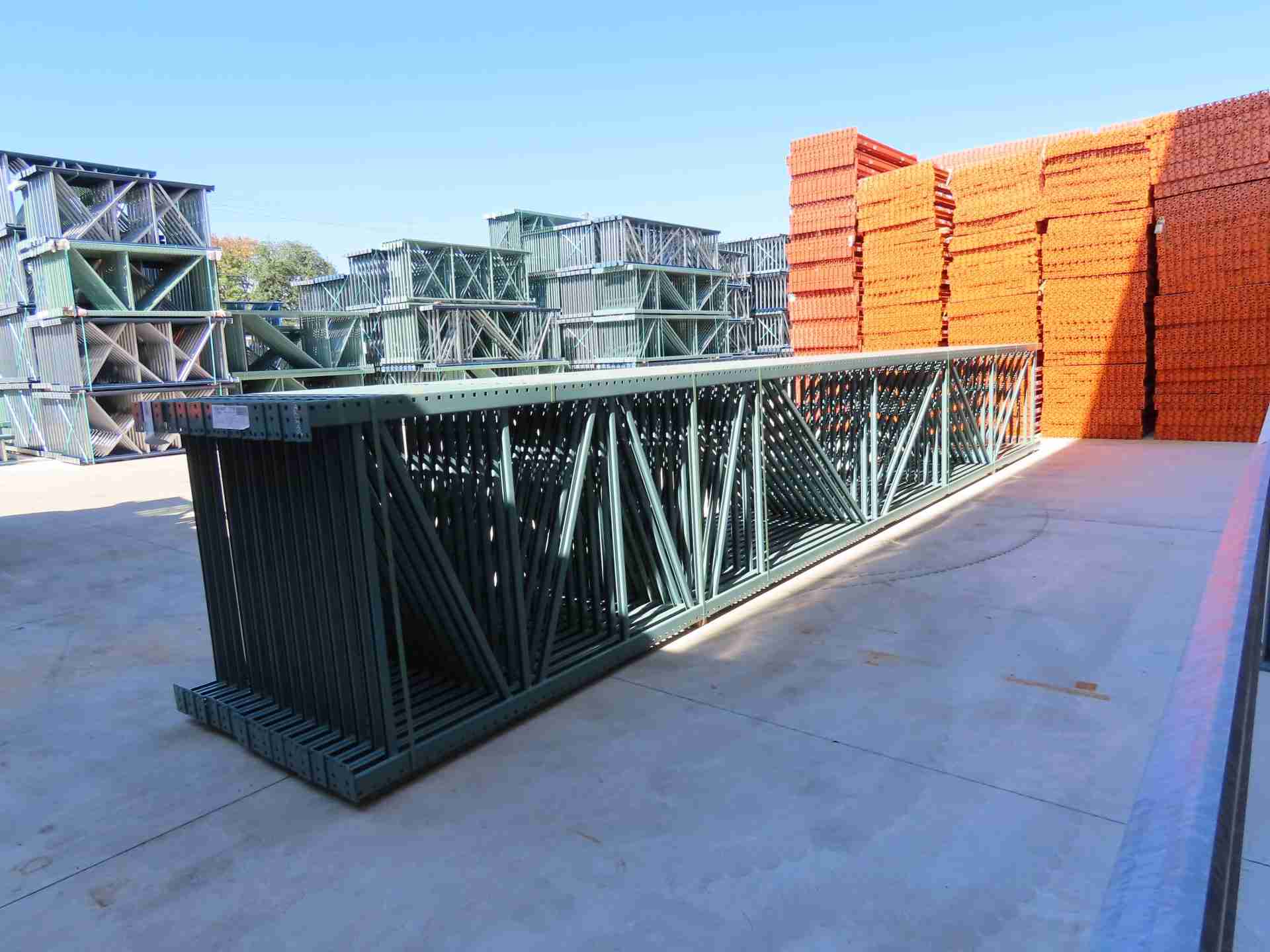
What Materials Are Suitable For Cantilever Racks?
What Materials Are Suitable For Cantilever Racks?
- Selecting the right materials for cantilever racks is essential for warehouse efficiency, damage reduction, and safety enhancement.
- Steel is considered the best option for cantilever racks due to its strength, durability, and ability to support heavy loads.
- Galvanized steel is ideal for moist environments as it is resistant to rust and corrosion, preventing potential damage.
- Wood and composite materials offer a budget-friendly alternative suitable for lighter loads and less demanding inventory.
- Plastic racks are lightweight and versatile, perfect for storing items in retail settings that require easy relocation.
- Choosing the right materials for cantilever racks contributes to overall operational efficiency and cost savings.
- Making informed decisions about storage solutions is critical for adapting to the changing economic landscape.
What Materials Are Suitable For Cantilever Racks?
How Much Space Do You Need For Cantilever Racking?
When considering your warehousing needs, how much space you allocate for cantilever racking is a crucial decision that can significantly impact your operational efficiency. It’s more than just a matter of square footage; it’s about understanding the unique demands of your inventory and the flow of goods within your facility.
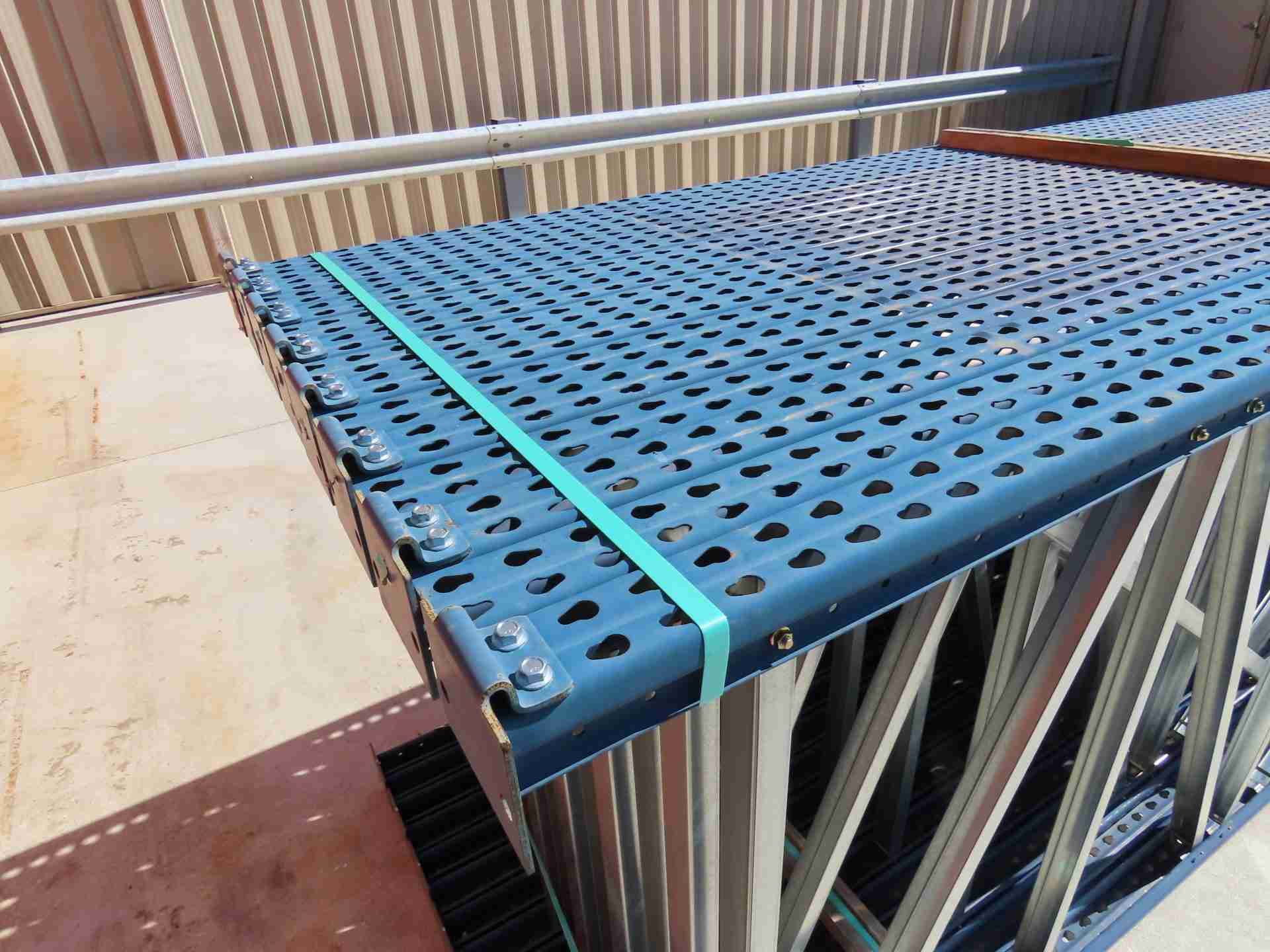
First, start by assessing the dimensions of the items you plan to store. Cantilever racking is ideal for long, awkwardly shaped items like piping, lumber, or heavy machinery parts. For example, a standard upright cantilever rack might support lengths of material that range from 4 to 20 feet. So, if you’re storing 12-foot-long beams, ensure you have enough length not just for the racks themselves but for space to maneuver the materials in and out.
Height is another crucial factor. Many warehouses have ceilings tall enough to accommodate multiple tiers of cantilever racks. If you’re in an area experiencing a construction boom, like many cities in the U.S. right now, utilizing vertical space effectively could play a pivotal role in balancing your inventory’s needs without expanding your footprint. For example, some companies have strategically opted for high-rise racking systems that can take advantage of 25 feet of vertical space – helping them store more while minimizing their ground-level footprint.
Don’t forget about the aisle width! A common guideline is to allow at least 3 to 4 feet between racks for accessibility. However, if you anticipate using wider forklifts or handling larger items, consider increasing that space. Picture a busy distribution center, where time is money; a narrow aisle could significantly slow down picking and stocking processes, costing you in productivity.
Moreover, account for potential future growth. Are you in a burgeoning industry? As demand surges, you may find your inventory increasing rapidly. During times of economic recovery, like post-pandemic shifts, many industries are seeing spikes in inventory levels. It’s wise to plan your racking layout to accommodate temporary spikes in volume or seasonal inventory changes, rather than shoehorning new products into a limited space.
Lastly, don’t turn a blind eye to safety regulations. Depending on your industry, local codes may dictate how high you can stack items or the necessary clearances required for safe operations.
By thoughtfully calculating your space needs for cantilever racking, you’ll not only streamline your operations today but also set a foundation for future growth and efficiency. Consider all aspects, from the dimensions of your products to potential industry changes, to create a system that works for you. After all, in the fast-paced world of inventory management, foresight often separates the leaders from the laggards.
How Much Space Do You Need For Cantilever Racking?
How Much Space Do You Need For Cantilever Racking?
- Assess the dimensions of items for cantilever racking, which is ideal for long and awkwardly shaped items.
- Ensure adequate space not just for the racks but also for maneuvering materials in and out.
- Utilize vertical space effectively, especially in areas experiencing construction booms, to store more inventory without expanding the ground level.
- Maintain aisle widths of at least 3 to 4 feet for accessibility; increase if using wider forklifts or handling larger items.
- Plan for future growth, accounting for potential increases in inventory due to demand surges or seasonal changes.
- Adhere to safety regulations regarding stacking heights and necessary clearances based on local codes.
- Thoughtfully calculating space needs contributes to operational efficiency and prepares for future challenges.
How Much Space Do You Need For Cantilever Racking?
What Are Common Applications For Cantilever Racks?
What Are Common Applications for Cantilever Racks?
If you’ve ever wandered through a warehouse, lumber yard, or manufacturing facility, you’ve likely encountered the sturdy, elongated arms of cantilever racks. Often overlooked, these remarkable storage solutions provide unparalleled efficiency and versatility in a multitude of settings. It’s time to uncover the common applications for these storage titans.
1. Lumber and Building Materials
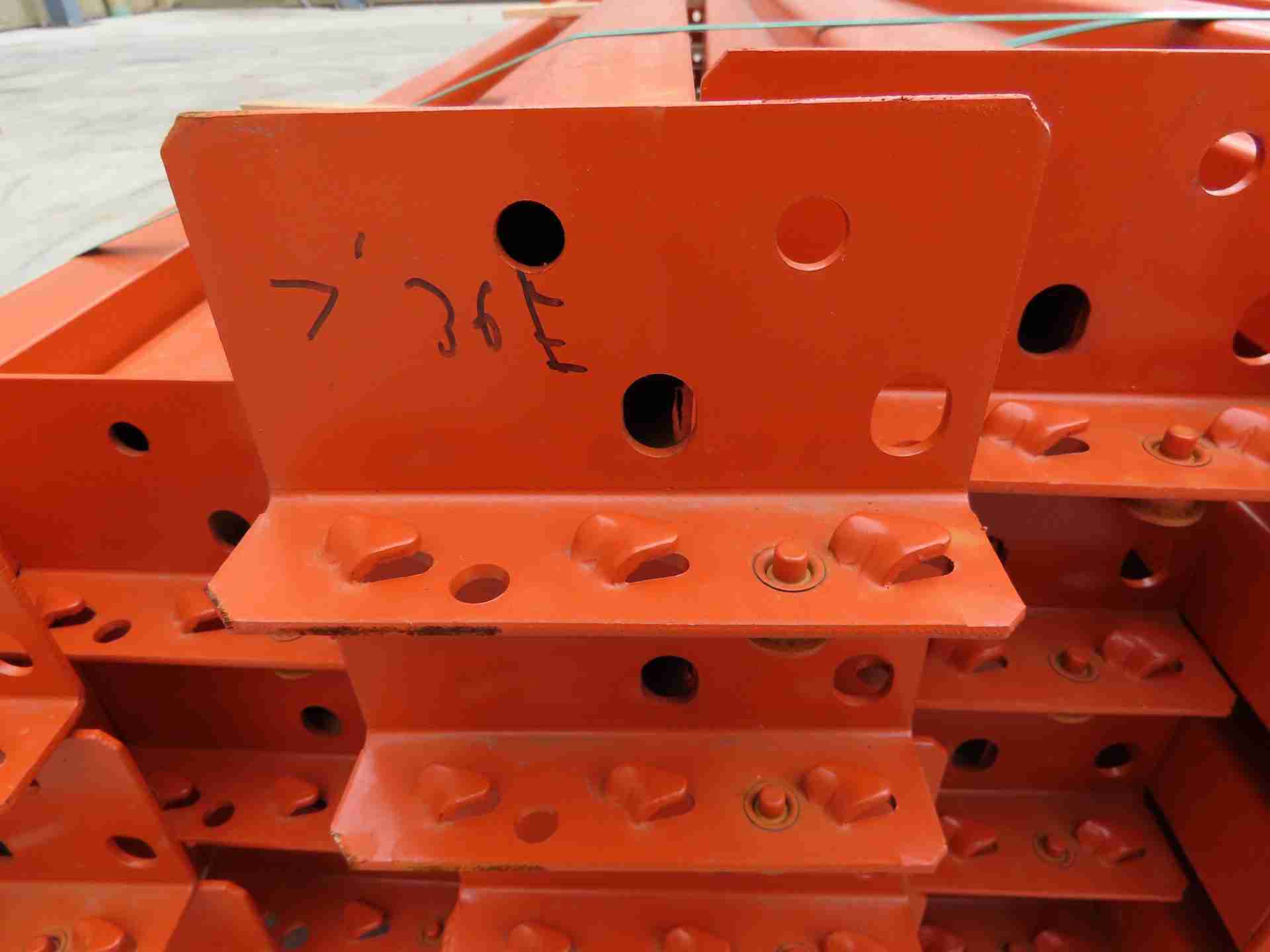
Construction supply dealers and lumberyards are among the strongest advocates for cantilever racks. Their design accommodates long, heavy items like lumber, pipes, and drywall. For instance, during the current construction boom fueled by rising housing demand, these racks allow companies to maximize vertical space and streamline their operations. By keeping products readily accessible, businesses can navigate the challenges of supply chain disruptions more effectively, ensuring they meet their customers’ needs without delay.
2. Automotive Parts Storage
Another booming sector capitalizing on cantilever racks is the automotive industry. As manufacturers pivot towards electric vehicles and advance their supply chain strategies, storing various components efficiently becomes vital. Cantilever racks provide a robust solution for organizing bulky parts, such as engines, frames, and tires. With the recent push for sustainability, automotive suppliers can manage inventory more efficiently, reducing waste and optimizing floor space—all with the help of these ingenious racks.
3. Retail and Showrooms
In a retail context, cantilever racks don’t just serve a functional purpose—they offer visual appeal as well. Stores selling furniture or home improvement items can display products elegantly while maximizing floor space. During the recent e-commerce boom, businesses have had to rethink their in-store logistics for enhanced customer experiences. By showcasing large, attractive items on cantilever systems, retailers not only catch the eye but also promote an efficient shopping experience.
4. Distribution Centers and Warehousing
From cold storage to general warehousing, cantilever racks serve as backbone structures in distribution centers. With the rise of e-commerce giants and increased consumer expectations for fast delivery, efficient inventory management has never been more critical. Companies are harnessing cantilever racks to handle diverse product lines, allowing for easy access and quick turnover even in the busiest environments.
Whether you’re in construction, automotive manufacturing, retail, or distribution, the applications for cantilever racks are virtually limitless. These storage powerhouses capitalize on space while enhancing accessibility and efficiency. In an era where space is at a premium and productivity is paramount, investing in cantilever racks could be the game-changing decision your business needs to stay ahead. Embrace this powerful tool, and watch your operational efficiency skyrocket!
What Are Common Applications For Cantilever Racks?
What Are Common Applications For Cantilever Racks?
- Lumber and Building Materials: Ideal for storing long, heavy items like lumber, pipes, and drywall, maximizing vertical space during construction booms.
- Automotive Parts Storage: Efficiently organizes bulky components such as engines and frames, aiding automotive suppliers in inventory management and sustainability efforts.
- Retail and Showrooms: Enhances visual appeal in stores while effectively displaying large items, improving customer experiences during the e-commerce boom.
- Distribution Centers and Warehousing: Essential for efficient inventory management across diverse product lines, especially in cold storage and general warehousing environments.
- Space Efficiency: Cantilever racks optimize available space, crucial in an era where space is limited and productivity is vital.
- Versatile Applications: Suitable for a variety of industries, including construction, automotive, retail, and distribution.
- Enhanced Operational Efficiency: Investing in cantilever racks can significantly improve a business’s operational performance.
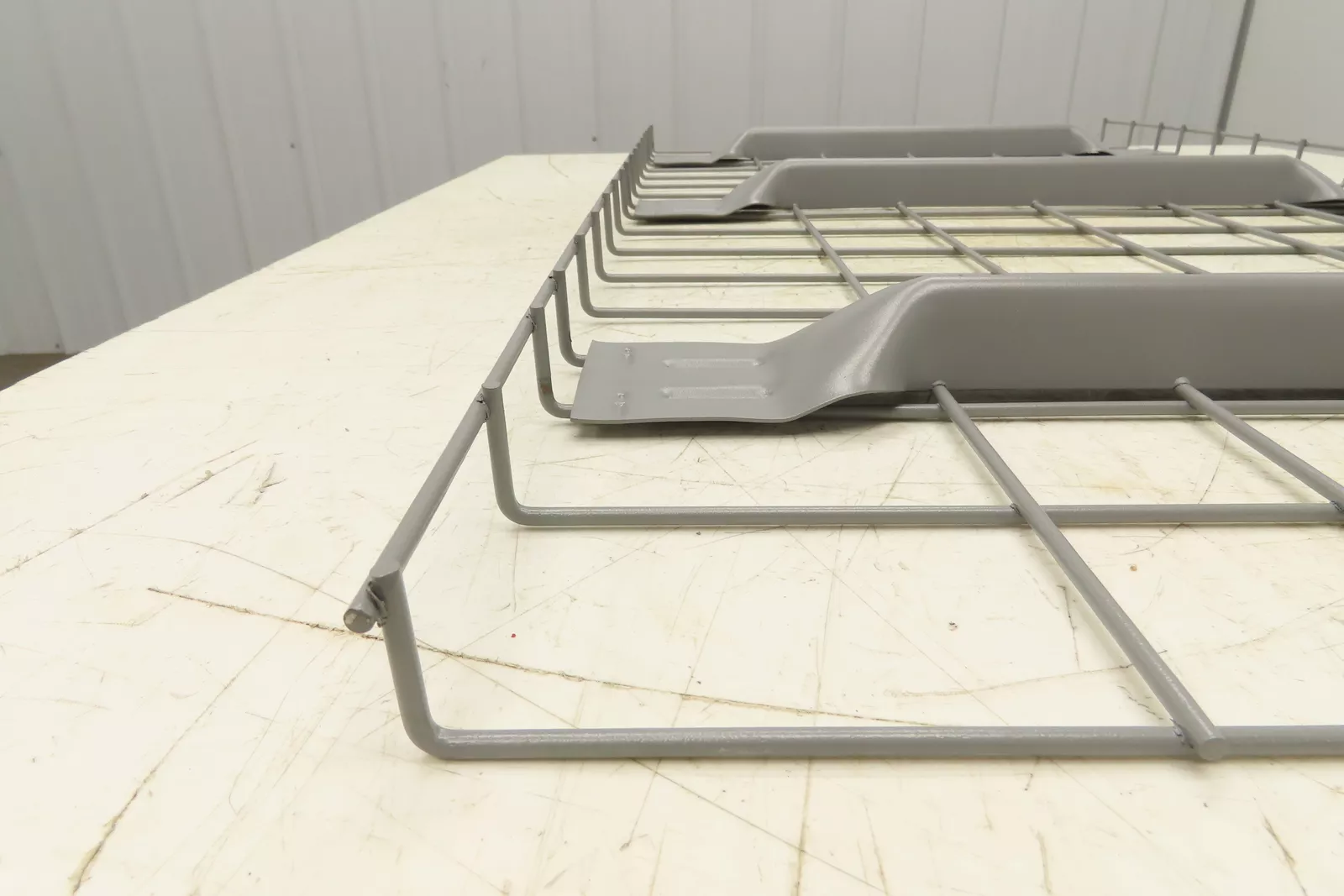
What Are Common Applications For Cantilever Racks?
How Do You Measure The Height And Length Needed?
In the realm of crafting compelling marketing strategies, understanding your audience isn’t just beneficial; it is essential. However, truly grasping what you need to say and, more critically, how you present that message—both in height and length—can make all the difference between mere consumption and impactful persuasion.
Start with clarity. Just as a sculptor measures dimensions before chiseling away at a block of marble, you must ascertain the right height and length for your marketing messages. This isn’t merely about visuals—though they play an important role—but also about the volume and depth of the content you present. How do you gauge what height or length resonates? A powerful tactic is to analyze your existing campaigns and customer feedback. For example, during the 2023 FedEx advertising campaign, they adjusted their messaging after initial consumer surveys revealed that their target audience responded more positively to succinct, impactful statements over verbose explanations.
Consider also the current trends in social media marketing, where platforms like TikTok thrive on short-form content. The length of your messages must correspond to how your audience consumes content. Are they scrolling through Instagram Stories or digesting longer emails? Tailor your height—think vertical and visual impact—and length according to the platform specifics. A stunning infographic can distill complex information into easily digestible bites, increasing engagement and retention.
Now, let’s delve into the art of measuring the emotional height of your message. This is the intangible elevation that draws your audience in. You can achieve this with storytelling. Let’s say you’re promoting a sustainable product. A length of 200 words might suffice to share the technical benefits, but a story about a family positively impacted by your product adds an emotional height that influences purchasing decisions.
As you draft your content, always be ready to pivot based on performance metrics. A/B testing isn’t just for headlines—apply it to entire message lengths and formats. Take the 2023 election campaigns, for instance, where candidates often optimized their speeches based on which parts ignited the most passion and engagement among audiences.
In summary, measuring height and length goes beyond numbers. It’s about connecting deeply and resonating through the right channels. Whether you’re sending emails, posting on social media, or creating ads, take the time to analyze what resonates with your audience, and let data guide your decisions. Heighten their interest and lengthen their engagement—your bottom line will thank you.
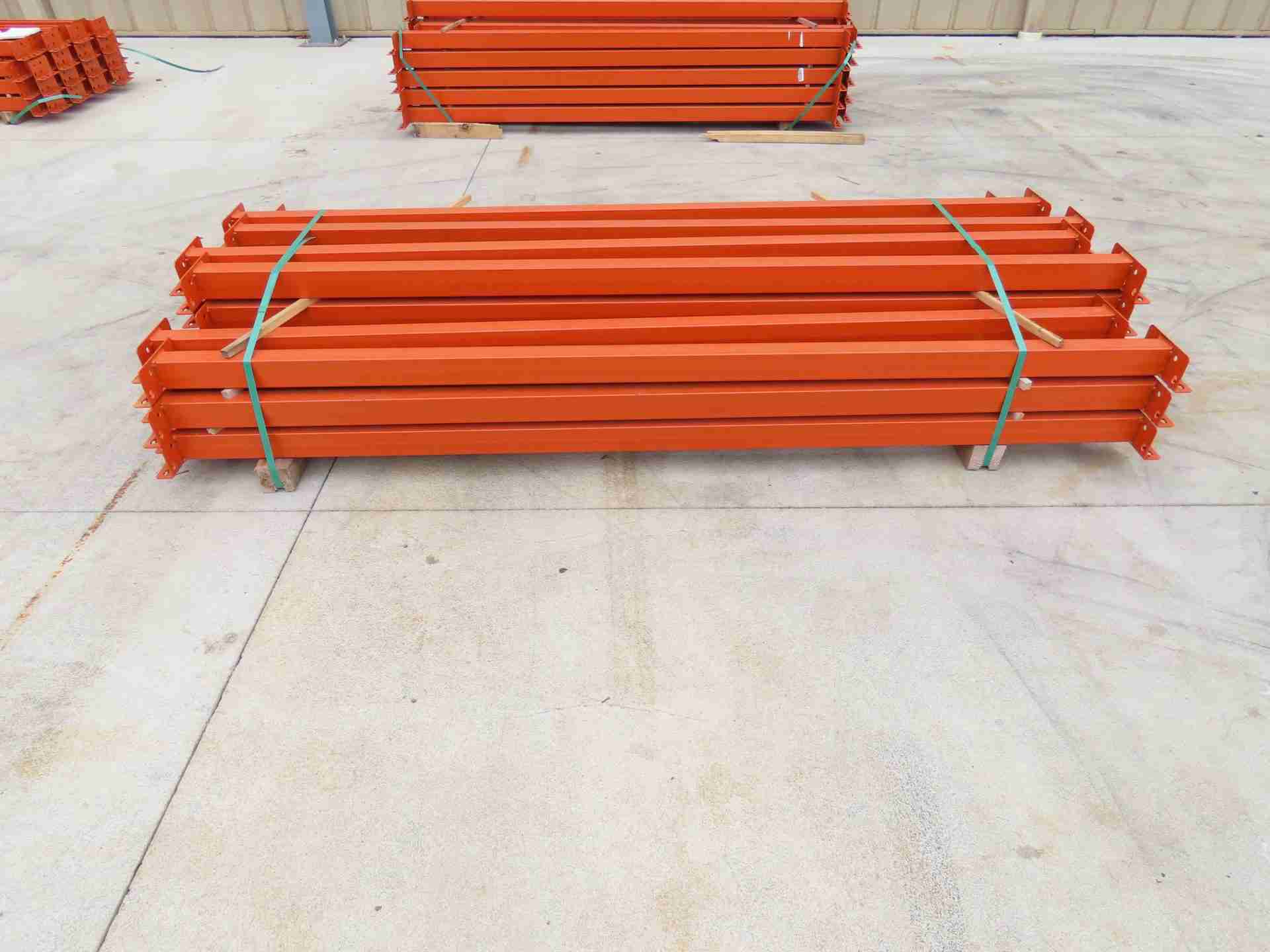
How Do You Measure The Height And Length Needed?
How Do You Measure The Height And Length Needed?
- Understanding your audience is essential for effective marketing strategies.
- Clarity in messaging involves determining the right height and length for communication.
- Analyzing existing campaigns and customer feedback helps gauge message effectiveness.
- Current social media trends emphasize adapting message length to fit platforms like TikTok and Instagram.
- Incorporating storytelling into content adds emotional depth and can influence purchasing decisions.
- A/B testing should be used for optimizing message lengths and formats, not just for headlines.
- Success in marketing is about connecting deeply with audiences and utilizing data to guide decisions.
How Do You Measure The Height And Length Needed?
What Safety Considerations Should You Keep In Mind?
When diving headfirst into any venture, particularly in the context of today’s fast-paced world, your safety should be at the forefront of your mind. Whether you’re managing a business, planning an event, or embarking on a new project, overlooking safety can lead to disastrous consequences—financially and reputationally. Here are some crucial safety considerations you should keep in mind to ensure peace of mind and success.
Assessing Risks
First and foremost, conduct a thorough risk assessment. Identify potential hazards—be it physical (like poor facility conditions) or digital (such as cybersecurity breaches). For instance, the recent rise in ransomware attacks on businesses showcases how vulnerable our systems can be. Engaging in regular security audits can safeguard your intellectual property and prevent costly downtime. Take a page from companies that have implemented stringent cybersecurity measures, investing in both technology and training. Remember, it’s better to be proactive than reactive.
Training and Protocols
Next, establish comprehensive training programs and clear safety protocols. In an age where workplace safety is more critical than ever, especially following the COVID-19 pandemic, employees should be well-versed in both physical and operational safety measures. Consider the well-documented case of a major hospitality chain that revisited its health protocols in the wake of rising infection rates. By ensuring staff were adequately trained, they didn’t just comply with regulations; they solidified their reputation as a responsible entity in their industry.
Emergency Preparedness
Don’t forget about emergency preparedness. It’s not enough to just have a plan on paper; conduct regular drills and ensure that your team is ready for anything, be it a natural disaster or an unexpected equipment failure. For example, when wildfires threatened various regions this past summer, businesses that had emergency plans in place—evacuation routes, communication strategies, etc.—mitigated damage to both property and personnel. These practical exercises not only promote safety but also build confidence among your employees.
Stay Informed
Lastly, keep your finger on the pulse of current events. Regulatory changes, technological advancements, or public safety warnings can all influence your operations. Stay adaptable and update your safety protocols accordingly. The recent changes in safety regulations post-pandemic serve as a reminder of the need for businesses to pivot and respond swiftly to protect both employees and customers.
Keeping safety considerations at the forefront, while seemingly tedious, will pay dividends in the long run. Your reputation, employee morale, and ultimately your bottom line depend on it. So, craft a solid safety strategy today that doesn’t just protect— it empowers.
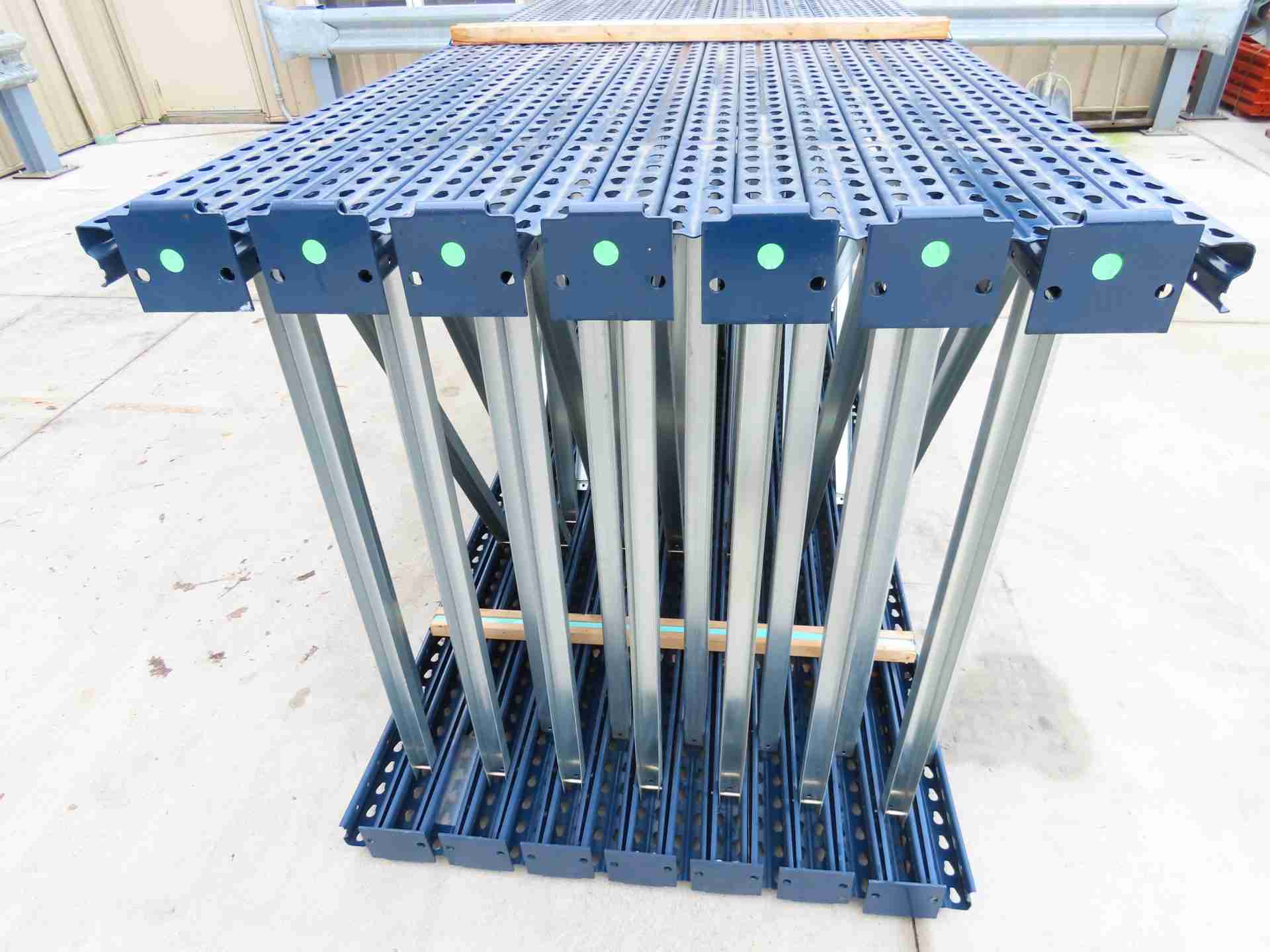
What Safety Considerations Should You Keep In Mind?
What Safety Considerations Should You Keep In Mind?
- Prioritize safety in all ventures to avoid financial and reputational damage.
- Perform thorough risk assessments to identify physical and digital hazards.
- Engage in regular security audits to protect intellectual property and reduce downtime.
- Establish comprehensive training programs and clear safety protocols for employees.
- Implement emergency preparedness plans and conduct regular drills for various scenarios.
- Stay informed about current events and adapt safety protocols to follow new regulations.
- Maintain a focus on safety to enhance reputation, employee morale, and overall success.
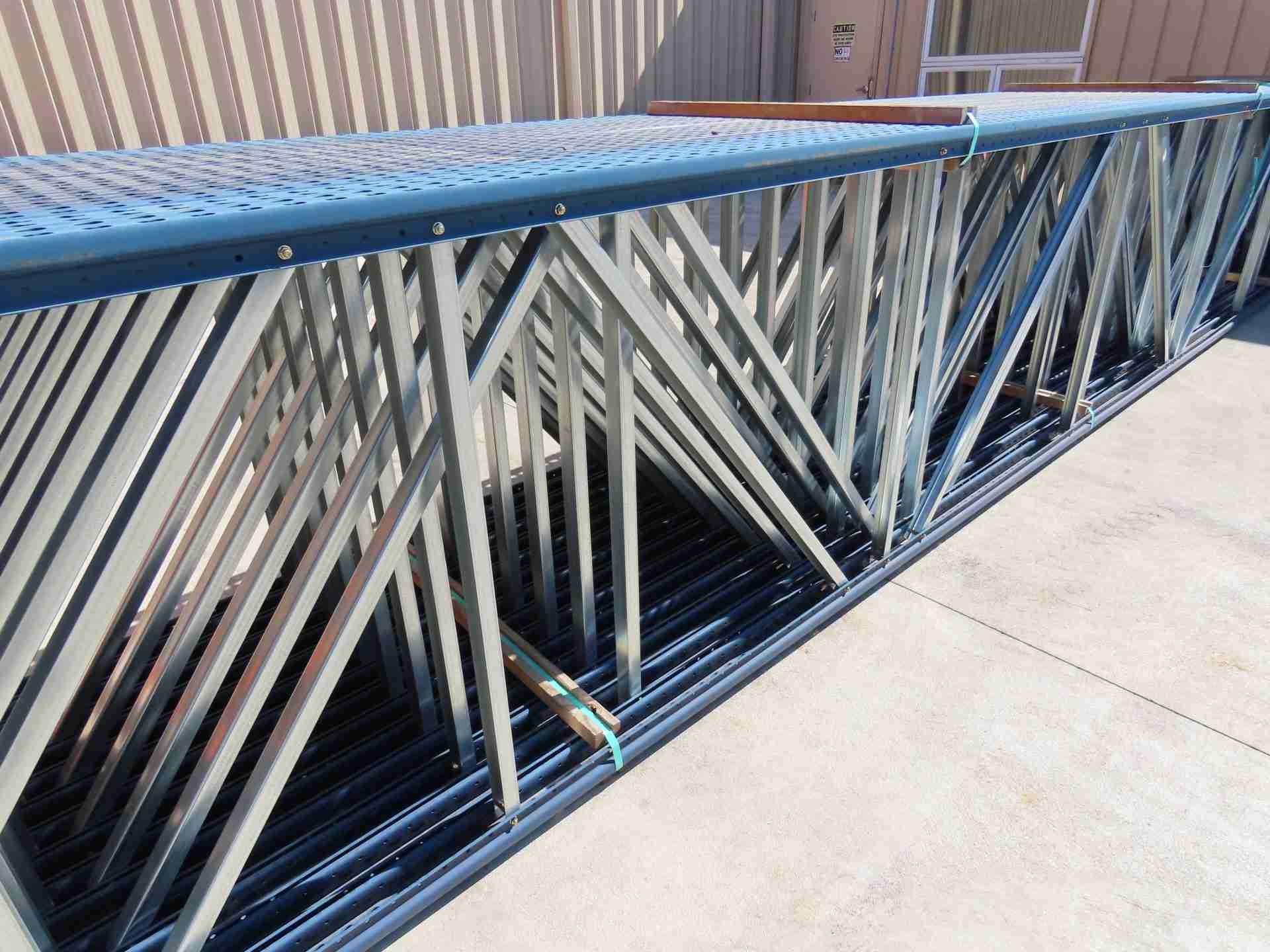
What Safety Considerations Should You Keep In Mind?
How Can You Optimize Layout For Accessibility?
In today’s digital landscape, creating an accessible layout is no longer optional; it’s a necessity. Think about it: with a staggering 1 in 4 adults in the U.S. living with some form of disability, a well-optimized layout broadens your reach and enhances user experience. But how can you ensure your website or marketing materials are accessible to everyone, regardless of their abilities? Here are strategic approaches that will not only attract attention but also foster loyalty among your audience.
1. Emphasize Clear Navigation
Imagine a visually impaired user trying to navigate your site without assistance. If your navigation is cluttered or ambiguous, they’ll quickly bounce away. Implement a straightforward hierarchy in your menu. For instance, utilize breadcrumb navigation to help users understand their location on your site and offer links to higher-level pages. Additionally, labels should be descriptive; a button labeled “Click Here” is far less effective than “Download Our Accessibility Toolkit.” This small change enables clients to identify exactly what to expect, thus improving overall usability.
2. Contrast and Color Choices Matter
Your color palette has a significant role in readability. High contrast between background and text enhances accessibility for users with visual impairments. Just recently, companies like Target faced public scrutiny for failing to meet accessibility standards. Learn from them—utilize tools like WebAIM’s Color Contrast Checker to ensure your design passes the necessary guidelines. Opt for combinations like dark text on a light background, and ensure that color alone doesn’t convey essential information. For example, instead of merely using red and green to indicate success or error messages, add icons or text to communicate messages clearly.
3. Alt Text is Your Best Friend
As you design visually driven content, don’t skimp on alternative text (alt text) for images. This is vital for screen reader users who need descriptions of visual elements. Instead of using “image01.jpg,” optimize your alt text by describing what the image conveys. For example, a photo of a dog playing in a park can be tagged as “Golden Retriever puppy playing with a frisbee in a sunlit park.” This not only aids accessibility but also influences SEO positively.
4. Mobile Optimization is Key
With the Pew Research Center reporting that over 85% of Americans own a smartphone, ensure your layout is responsive and user-friendly across devices. A mobile-optimized layout should include larger buttons, readable fonts, and simplified navigation—everything a user needs at their fingertips.
Accessibility isn’t just ethically right; it’s economically wise. Investing attention into these layout optimizations can transform your outreach, convert customers, and solidify a reputation as a brand that cares. Let’s make your message resonate, ensuring everyone feels included in your digital conversation.
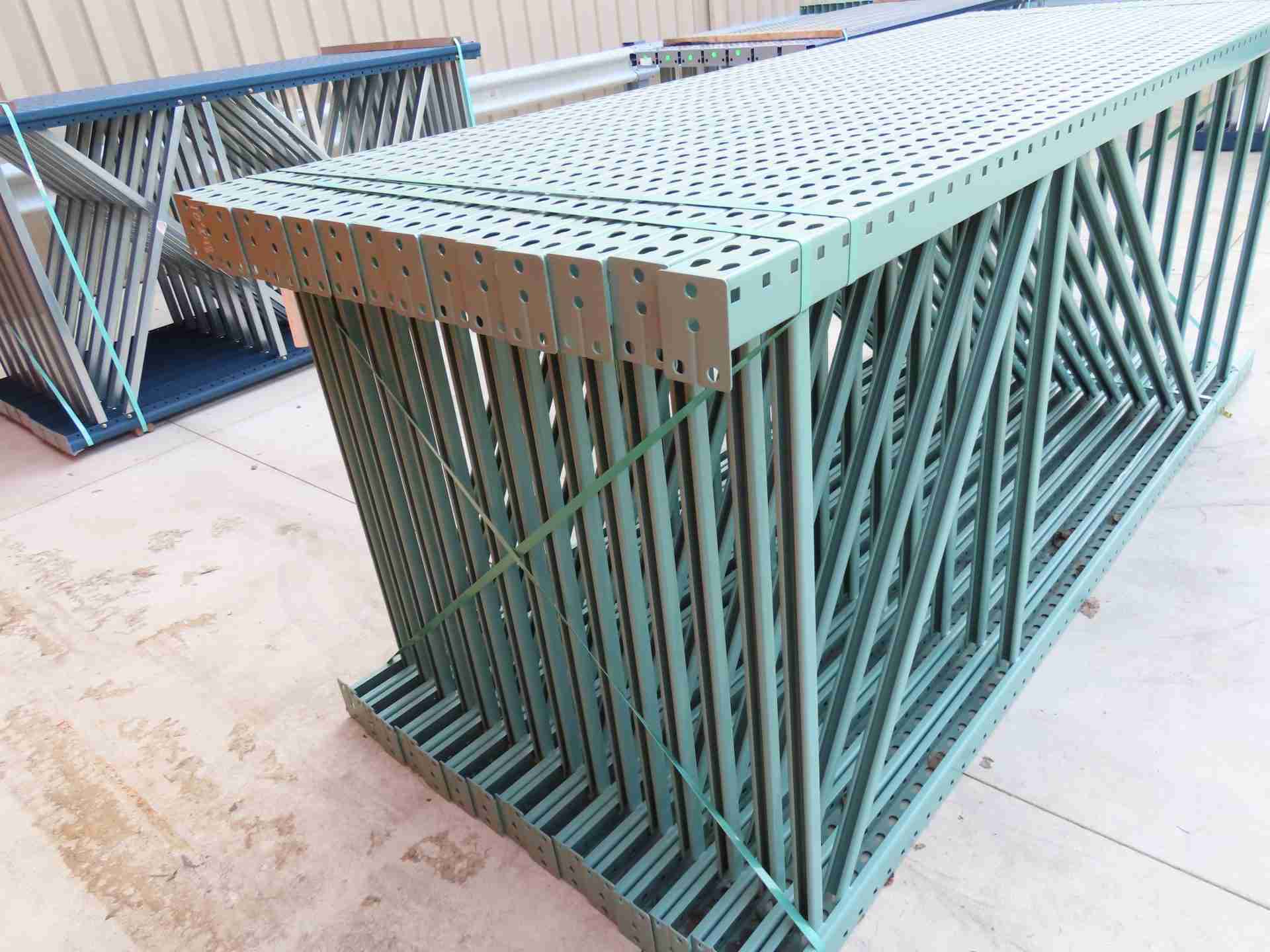
How Can You Optimize Layout For Accessibility?
How Can You Optimize Layout For Accessibility?
- Creating an accessible layout is essential in today’s digital environment, with 1 in 4 adults in the U.S. living with a disability.
- Clear navigation is crucial; use a straightforward hierarchy and descriptive labels to improve usability for all users.
- Contrast and color choices significantly impact readability; high contrast enhances accessibility for visually impaired users.
- Employ tools like WebAIM’s Color Contrast Checker to ensure your design meets accessibility standards.
- Alt text for images is vital, providing descriptions that aid screen reader users and improve SEO.
- Mobile optimization is important; create responsive designs with larger buttons and simplified navigation for smartphone users.
- Prioritizing accessibility is not only ethical but also economically beneficial, enhancing customer outreach and brand reputation.

How Can You Optimize Layout For Accessibility?
What Software Tools Can Assist In Planning?
In today’s fast-paced business environment, effective planning can be the difference between soaring success and dismal failure. But planning doesn’t have to be a daunting task; the right software tools can help you streamline processes, boost efficiency, and elevate your results to new heights.
Imagine having a virtual assistant that not only helps you schedule tasks but also organizes your thoughts and strategies. Enter project management software like Asana or Trello. These tools enable teams to collaboratively track progress, set deadlines, and allocate resources with ease. With customizable boards and lists, you’re not just managing projects; you’re cultivating a culture of accountability and transparency. In a recent survey, organizations using such software reported a 20% increase in project completion rates, demonstrating the tangible benefits of effective planning tools.
Jumping into financial planning? Tools like QuickBooks and Mint offer exceptional financial oversight and analysis, allowing you to forecast revenues, manage expenses, and keep your budget on track. As financial literacy becomes increasingly essential in today’s market, these software applications ensure that you’re not merely surviving but thriving in your financial strategy. Moreover, with rising inflation affecting businesses globally, utilizing robust financial planning software can help you recalibrate your budgets proactively and navigate economic uncertainty.
For those who need to revamp their marketing strategies, platforms like HubSpot and Hootsuite provide invaluable insight. HubSpot’s marketing automation tools help you plan, execute, and analyze marketing campaigns seamlessly, while Hootsuite allows you to manage your social media presence across multiple channels from one dashboard. Recent trends indicate that brands leveraging integrated marketing strategies are seeing improved customer engagement—up to 30% more interactions—leading to enhanced conversions and sales figures.
But remember, tools are only as effective as the strategies you deploy. Integrating tools like Microsoft Teams or Slack into your communications can enhance collaboration, especially for remote teams. These platforms can help to keep everyone on the same page, reducing misunderstandings that can derail progress.
Lastly, consider employing AI-driven tools such as Notion. They provide a centralized hub for documentation, task management, and team collaboration—key components for agile and dynamic project planning. With AI capabilities continuously evolving, leveraging these technologies can propel your planning processes into the future.
Incorporating these cutting-edge software tools into your planning repertoire can unleash unprecedented efficiency and effectiveness, ensuring your business doesn’t just keep pace, but leads the charge in innovation and growth. Don’t get left behind—embrace the power of planning tools today!
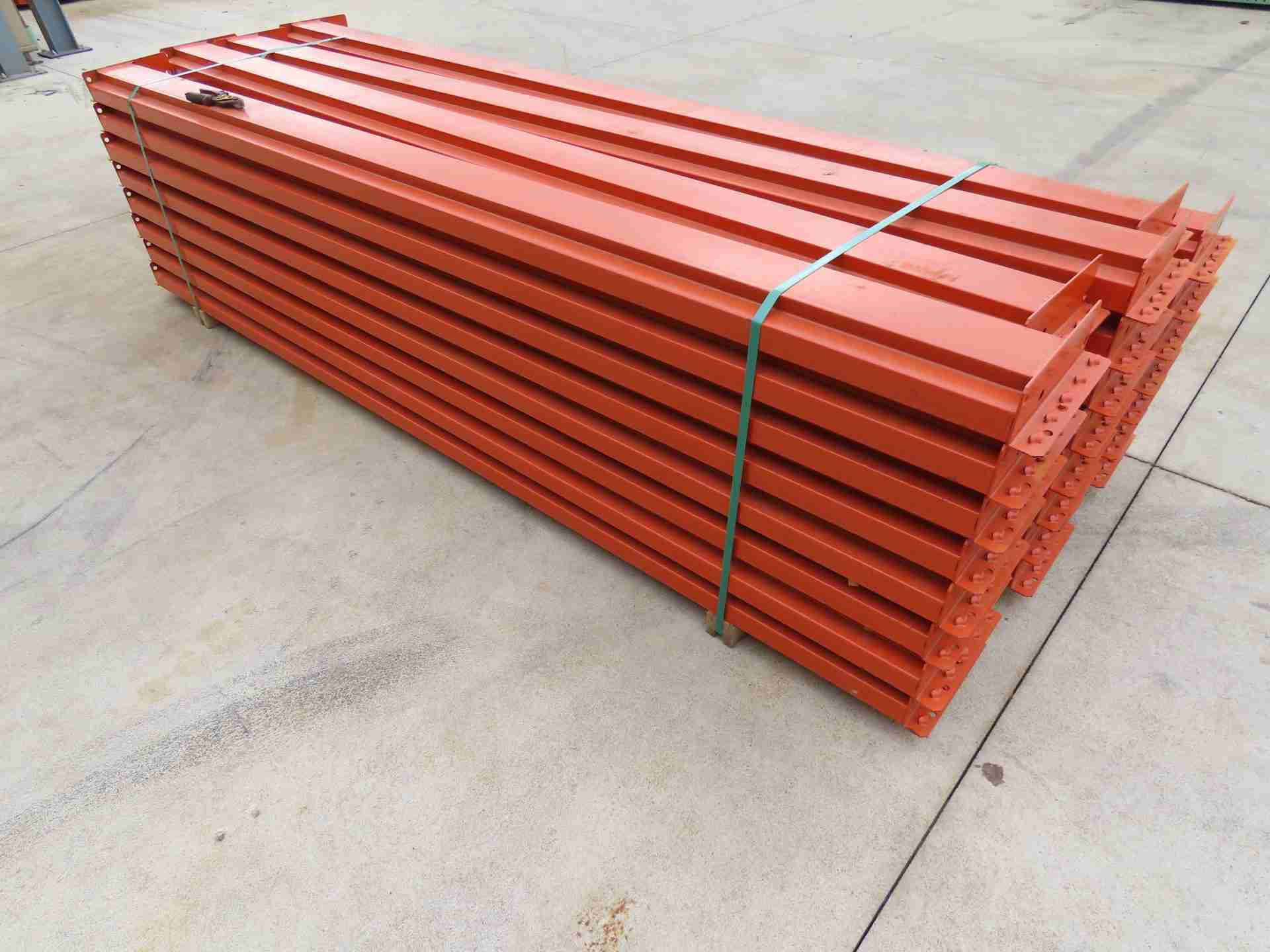
What Software Tools Can Assist In Planning?
What Software Tools Can Assist In Planning?
- Effective planning is crucial for success in today’s fast-paced business environment.
- Project management software like Asana and Trello enhances collaboration, tracking, and accountability.
- Organizations using project management tools report a 20% increase in project completion rates.
- Financial planning tools such as QuickBooks and Mint offer insights for budget management and forecasting.
- Effective marketing platforms like HubSpot and Hootsuite improve customer engagement and conversions.
- Communication tools like Microsoft Teams and Slack foster collaboration, especially for remote teams.
- AI-driven platforms like Notion centralize documentation and task management for agile project planning.
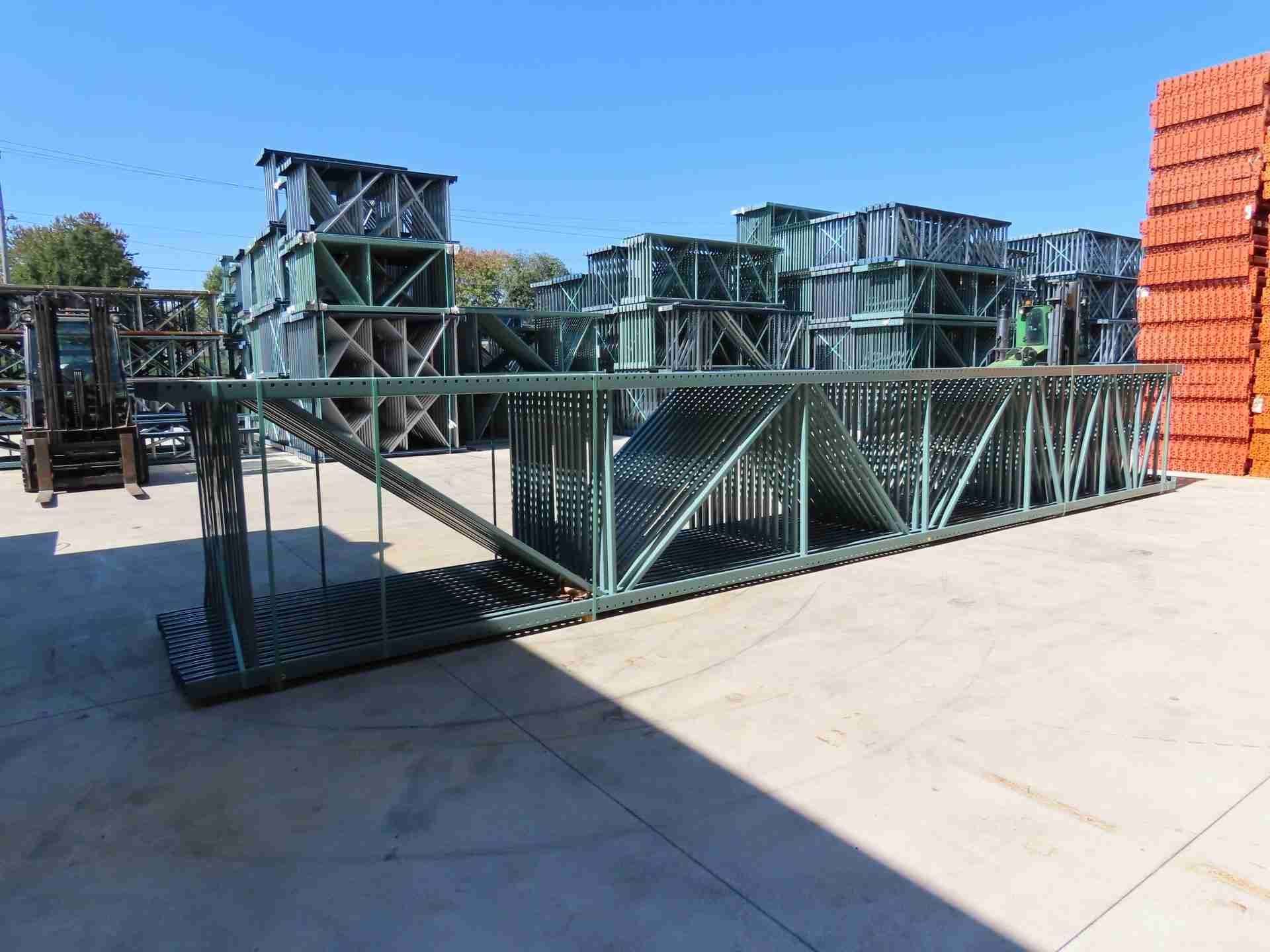
What Software Tools Can Assist In Planning?
How Do You Account For Future Storage Needs?
In today’s fast-paced, digitally-driven world, the need for robust storage solutions is more critical than ever. Whether you’re a small business owner, a marketing guru, or a large corporation, anticipating future storage needs is crucial for scalability and efficiency. But how do you forecast those needs without breaking the bank or overcommitting resources?
Start by analyzing your current usage patterns. Are you storing more data than last year? If your digital assets—think documents, images, videos—are growing faster than a viral TikTok trend, it’s time to assess how much space you’re really utilizing. You might be surprised to find that old data is lurking around like a forgotten lunch in your fridge. A smart data audit will help you eliminate unnecessary files, allowing you to focus only on what matters.
Next, keep an eye on market trends and emerging technologies. For example, businesses are increasingly exploring cloud solutions, with major players like Amazon Web Services and Google Cloud effectively expanding the boundaries of what’s possible. By leveraging these technologies, you can easily scale up (or down) your storage capacities based on fluctuating needs. Think of it as an elastic band—you want your storage to stretch with your business, not snap under pressure.
Consider seasonal fluctuations or project-based spikes in data requirements as well. If your marketing campaigns ebb and flow with the seasons, plan for that flux. Perhaps you’ll need to ramp up storage during key launch periods, like back-to-school or holiday sales. Don’t wait until your server crashes to upgrade your infrastructure; proactive planning is your best line of defense against disaster.
Also, don’t forget to factor in compliance and security. As discussions around data privacy and security heat up—especially in response to current events like the ongoing debates about privacy regulations—ensuring your future storage solutions align with best practices is essential. Implementing data governance strategies today will save you headaches tomorrow.
Finally, always have a contingency plan. The right storage solutions are not just about immediate needs; they should also prepare you for unexpected surprises. Whether it’s a sudden surge in customer interest, a new project kicking off ahead of schedule, or an entirely new venture that requires robust storage, your business will thank you later for preparing today.
In summary, by assessing your current usage, embracing the cloud, planning for seasonal needs, respecting compliance, and keeping a finger on the pulse of your industry, you can confidently navigate the storage landscape of the future. Your ability to adapt not only provides peace of mind; it positions your business for continued success in an ever-evolving world.
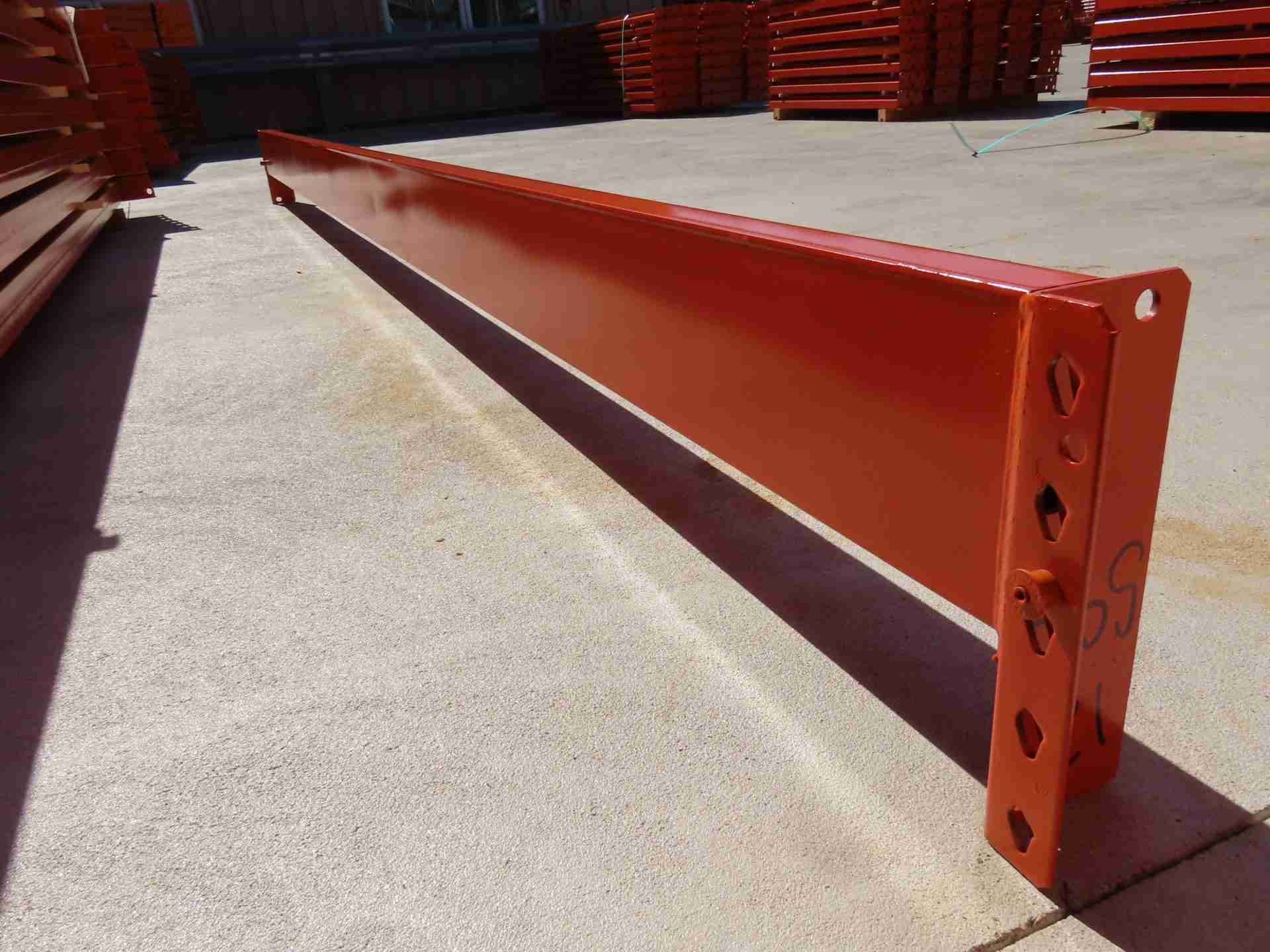
How Do You Account For Future Storage Needs?
How Do You Account For Future Storage Needs?
- The demand for robust storage solutions is increasing in today’s digital landscape.
- Analyze current data usage to identify growth patterns and eliminate unnecessary files.
- Stay informed about market trends and emerging technologies, particularly cloud solutions.
- Plan for seasonal or project-based data fluctuations to avoid unexpected shortages.
- Incorporate compliance and security considerations into your storage planning.
- Develop a contingency plan for unforeseen storage needs or surges in demand.
- By proactively addressing these factors, businesses can ensure scalability and success.
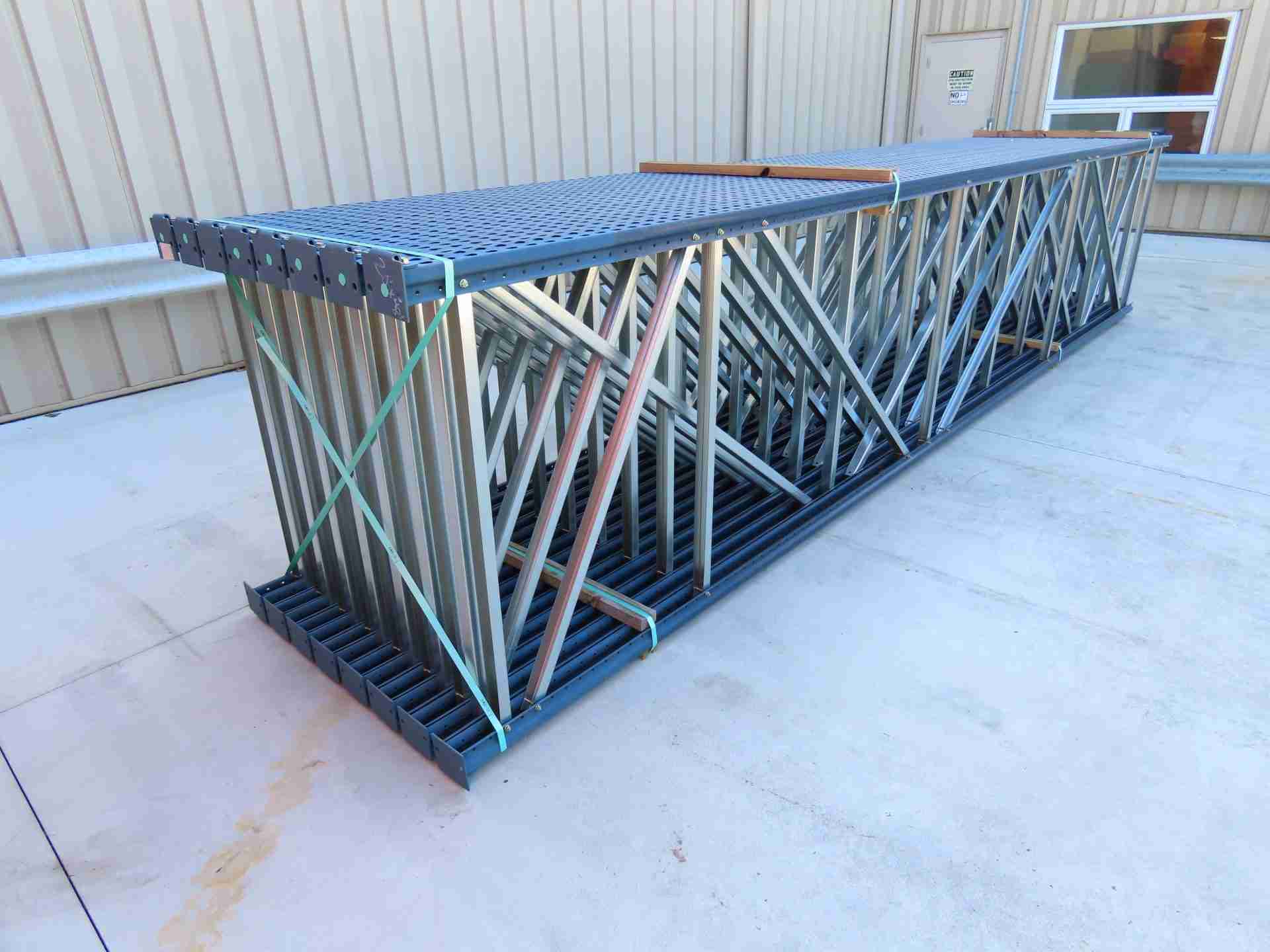
How Do You Account For Future Storage Needs?
What Are The Installation Steps For Cantilever Racks?
Installing cantilever racks can seem daunting, but with a clear step-by-step approach, you can transform your storage space into a model of efficiency and organization. Whether you’re a warehouse manager aiming to optimize floor space or a small business owner seeking to streamline inventory, learning the proper installation steps is essential to maximize your investment.
# Step 1: Assess Your Needs
Before diving into installation, it’s critical to identify your specific storage needs. Take stock of the items you’ll be storing, their sizes, and the volume of inventory. For instance, if you’re managing long pipes or bulky furniture, a robust cantilever rack with high load capacities will be vital. Current supply chain challenges make it more important than ever to keep your stock well-organized and accessible.
# Step 2: Prepare the Layout
Next, determine the layout of your racks. Measure your available space carefully, accounting for aisle widths to allow for easy movement—especially if using forklifts or pallet jacks. Draw out a plan to visualize how the racks will fit into your space. For example, the current trend of ‘just-in-time’ inventory management means having direct access to your materials, so optimal placement is key.
# Step 3: Gather Your Tools
It’s said that a job well begun is half done, which is absolutely true in this case. Gather all necessary tools before starting installation: a level, measuring tape, drill, and, of course, safety gear! Neglecting proper tools and safety measures could lead to accidents, not to mention delays in your project timeline.
# Step 4: Assemble the Racks
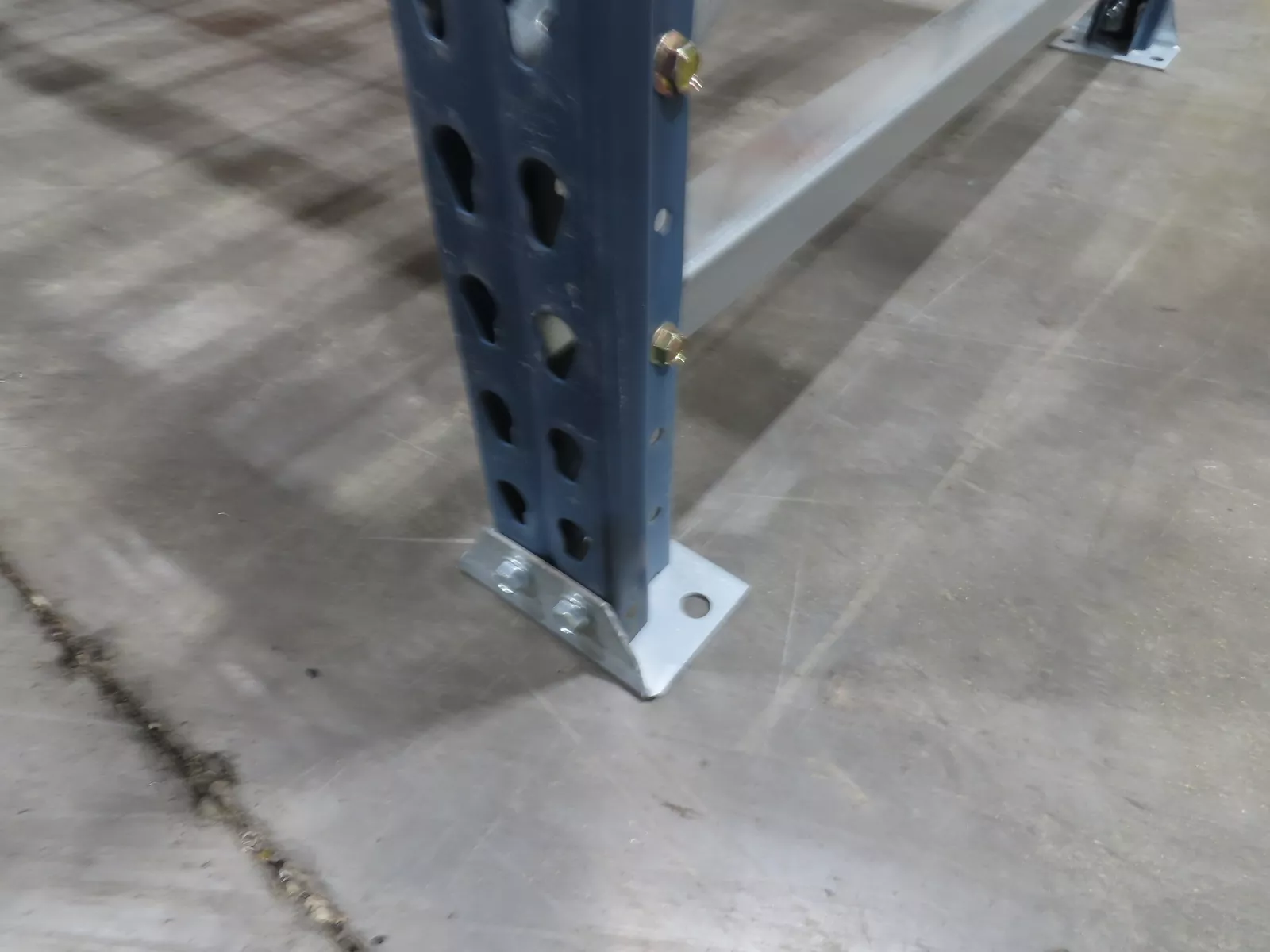
Begin with the vertical columns, ensuring they are level against the wall. Start securing the base to the ground with anchor bolts—this is crucial for stability, particularly if you’re storing heavy materials. Building upward, attach the horizontal arms according to the manufacturer’s specifications, ensuring they’re evenly spaced for optimal load distribution.
# Step 5: Safety Checks and Final Adjustments
Before filling your racks, conduct a thorough inspection. Double-check that every connection is secure and that the rack is stable. As you’re aware, a minor slip can lead to major consequences—especially with today’s increased regulations surrounding workplace safety.
# Step 6: Load Strategically
Once your cantilever racks are securely installed, start loading them according to weight and size specifications. Distributing weight evenly will prolong the life of your racking system and ensure safety in your workplace.
By following these straightforward steps, you’ll be well on your way to creating an efficient storage solution. As businesses rush to adapt to ever-changing market demands, don’t let your inventory storage be an afterthought; prioritize effective organization and watch your productivity soar.
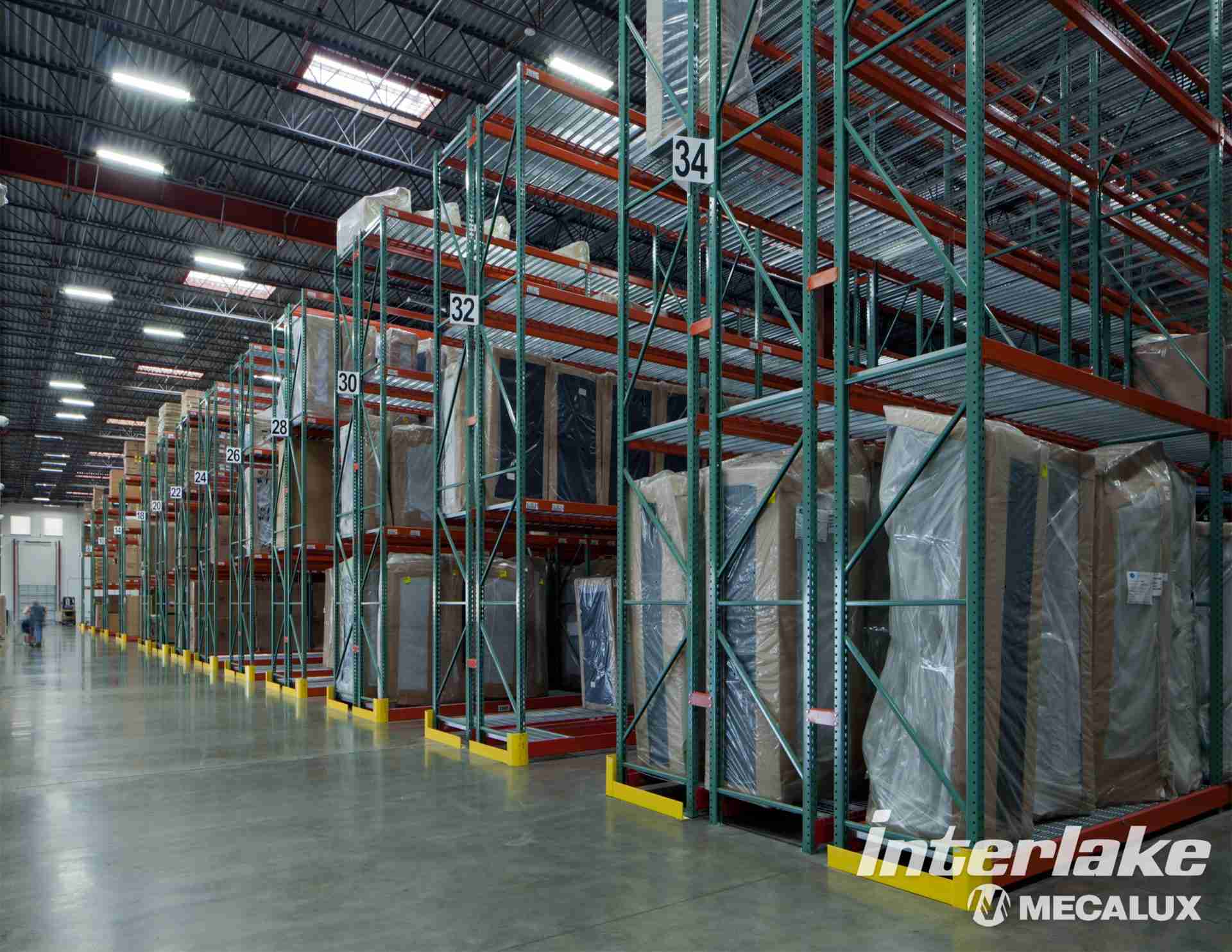
What Are The Installation Steps For Cantilever Racks?
What Are The Installation Steps For Cantilever Racks?
- Assess your specific storage needs by considering the size and volume of items to be stored.
- Prepare a layout, measuring available space and accounting for aisle widths for easy movement.
- Gather necessary tools before installation, including a level, measuring tape, drill, and safety gear.
- Assemble the racks, starting with vertical columns and securing the base for stability.
- Conduct safety checks and make final adjustments before loading the racks.
- Load items strategically, distributing weight and size according to specifications.
- Prioritize effective organization to adapt to market demands and enhance productivity.
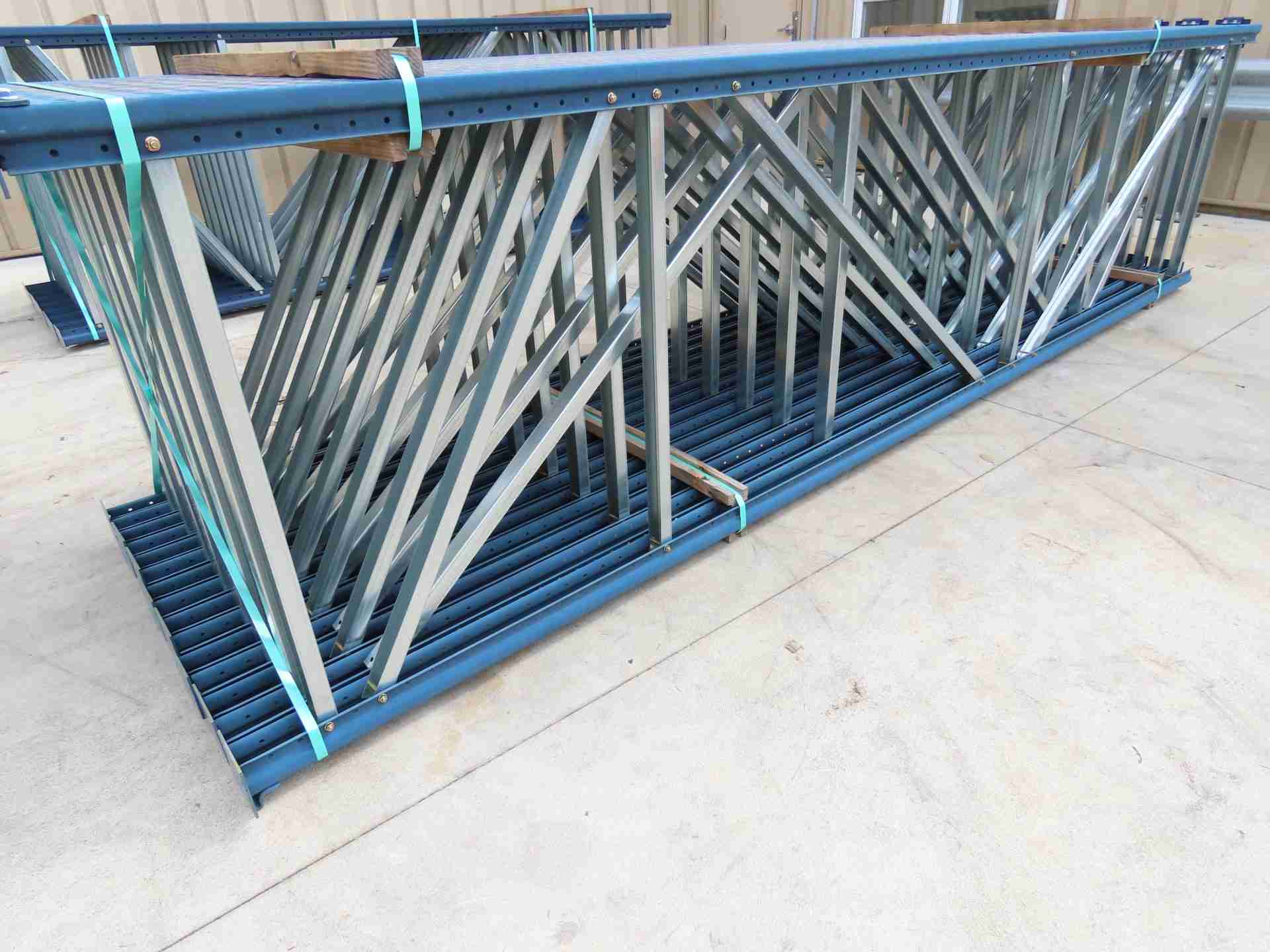
What Are The Installation Steps For Cantilever Racks?
How Do You Adjust Racks For Load Requirements?
When it comes to optimizing your storage or warehousing operations, understanding how to adjust racks for load requirements is crucial. It’s not just about cramming in as many items as possible; it’s about maximizing efficiency while ensuring safety and longevity of your equipment.
First, consider the type of products you’re storing. An e-commerce warehouse, for instance, might be dealing with a higher volume of small, lightweight items that can be stacked high, while a retail backroom may require racks that handle bulkier, heavier merchandise. This differentiation is essential.
To start, calculate the load capacity of your racks. Each rack system will have a designated weight limit, typically specified by the manufacturer. Using an example from the recent disruptions in supply chains due to global events, companies like Amazon have had to frequently adjust their storage solutions to meet fluctuating demands. During peak seasons, such as holidays, they might find themselves stacking more products than usual, necessitating a reevaluation of rack load capacities.
Next, you need to consider the distribution of weight across the racks. Uneven weight distribution can not only lead to potential injuries but can also damage your racks over time. Think of it like balancing a seesaw; if one side is too heavy, the entire structure is at risk. Implementing load beams that allow for adjustable shelving can help mitigate these risks, enabling warehouses to adapt quickly to varying inventory types.
Additionally, maintenance is key. Regularly inspecting your racks for signs of wear, damage, or misalignment will help ensure consistent performance. Failure to do so can leave you exposed, both financially and operationally—especially in industries experiencing unprecedented supply chain challenges.
One effective strategy is to implement a “just-in-time” inventory approach. By adjusting your racks to accommodate only what you need at any given time, you can optimize space and reduce waste. This is particularly relevant in sectors currently leveraging technology to better forecast demand, hence adjusting their inventory practices accordingly.
Adjusting racks for load requirements is about understanding both the nature of your products and the operational demands at play. Today’s fast-paced environment requires agility and foresight, and those who master the art of rack adjustment will find themselves ahead of the competition, better positioned to tackle whatever challenges come their way.
How Do You Adjust Racks For Load Requirements?
How Do You Adjust Racks For Load Requirements?
- Understanding rack adjustment for load requirements is essential for optimizing storage and warehousing operations.
- Different types of products (lightweight vs. bulky) necessitate tailored storage solutions.
- Calculate the load capacity of racks based on manufacturer specifications to ensure safety.
- Consider weight distribution across racks to prevent injuries and damage.
- Regular maintenance and inspections of racks are crucial to maintain performance and mitigate risks.
- Adopting a “just-in-time” inventory strategy helps optimize space and reduce waste.
- Agility and foresight in rack adjustment can provide a competitive advantage in dynamic markets.
How Do You Adjust Racks For Load Requirements?
What Maintenance Is Needed For Cantilever Racking?
Maintaining your cantilever racking system is not just a matter of routine; it’s an essential strategy to ensure safety, efficiency, and longevity in your warehouse operations. With the increasing emphasis on workplace safety and operational efficiency, neglecting proper maintenance can lead to costly damages, productivity losses, and even accidents. Here’s what you need to focus on to keep your racking system in top shape.
Inspect Regularly: Just like a car needs regular oil changes, your cantilever racking demands thorough inspections. Schedule rollouts to review the structural integrity of your racking systems on a quarterly basis at the very least. Check for signs of wear and tear, such as bent arms, rust, or any misalignment. The recent surge in warehousing due to e-commerce growth underscores the critical need for reliable storage solutions. A visible inspection could uncover issues that, if left unchecked, could escalate into expensive repairs or a serious workplace incident.
Address Repairs Promptly: When you notice an issue, act fast! For instance, if a cantilever arm displays signs of failure (such as excessive flexing or cracks), it should be replaced immediately. Delaying repairs can be tempting—after all, you might think, “It’s not that bad”—but ask yourself: Do you want to gamble on safety? A recent study showed that over 50% of warehouse accidents relate to equipment failure. Hence, addressing repairs isn’t just wise; it’s a non-negotiable responsibility.
Clean the Racking System: While cleaning might not be at the top of everyone’s maintenance list, it plays a crucial role in the longevity of your cantilever racking. Dust and debris can accumulate and affect the racking’s performance. Regularly cleaning the racks not only improves safety—by providing a clear workspace—but also helps you spot potential issues early.
Conduct Load Testing: To ensure your system can handle the weight that it’s designed for, conducting load tests periodically is critical. As your inventory changes, so does the way you use your cantilever racking. In certain sectors, such as construction and manufacturing, daily fluctuations in load demands make this step even more crucial.
Educate Your Employees: Lastly, a well-maintained racking system requires informed operators. Offer training sessions that cover the proper use, loading, and unloading techniques. Ensuring your team knows the ins and outs of cantilever racking not only reduces the likelihood of misuse but fosters a culture of safety and preparedness in your organization.
By implementing a strict yet necessary maintenance schedule, you not only protect your investment but also safeguard the workforce behind it. Stay proactive, stay safe, and watch your efficiency skyrocket!
What Maintenance Is Needed For Cantilever Racking?
What Maintenance Is Needed For Cantilever Racking?
- Regular Inspections: Conduct thorough inspections at least quarterly to check for wear and tear, ensuring structural integrity.
- Prompt Repairs: Address any issues immediately to avoid safety risks and costly repairs, as 50% of warehouse accidents stem from equipment failure.
- Cleaning: Regular cleaning removes dust and debris, enhancing safety and enabling early detection of potential problems.
- Load Testing: Perform periodic load tests to verify that your racking system can handle varying weights efficiently.
- Employee Education: Train staff on proper loading and unloading techniques to prevent misuse and promote a safety-first culture.
- Safety Emphasis: Maintain a focus on safety and efficiency in your warehouse operations to protect both workers and investments.
- Proactive Approach: Implementing a strict maintenance schedule enhances the longevity of equipment and boosts overall operational efficiency.
What Maintenance Is Needed For Cantilever Racking?
Conclusion
In the fast-paced realm of warehousing and inventory management, the thoughtful planning of a cantilever racking system layout is key to unlocking your operation’s full potential. As we have explored, creating an efficient and safe storage environment involves conducting a thorough inventory analysis, prioritizing vertical space utilization, and optimizing aisle widths for accessibility. With the ever-changing landscape of supply chains, anticipating future growth and making flexibility a central theme in your planning ensures that your racking system can adapt to evolving demands.
More than just a means of storage, cantilever racking systems represent a critical investment in your operational efficiency. Their unique design allows for the seamless accommodation of long, bulky items like lumber and pipes, significantly increasing your warehouse’s usability. However, merely having the racks is not enough; strategic layout planning and consideration of safety protocols are also paramount. Proper training and awareness of operational guidelines can foster a safety-first culture among your employees, minimizing risks and enhancing productivity.
Now is the time to consider how cantilever racking can revolutionize your space. With opportunities for better organization, improved safety, and enhanced accessibility, businesses that embrace modern storage solutions are better positioned to ride the waves of market changes and industry demands. Don’t wait for inefficiencies to impact your bottom line. Visit RackingWorld.com to explore how Arrow Industrial Sales can offer you expertise and tailored solutions to optimize your racking needs.
Your operational success hinges on your ability to adapt and innovate. Contact Arrow Industrial Sales at (574) 349-6575 today to get the customized support you need. The time to act is now—your warehouse deserves the kind of transformation that efficient cantilever racking can provide. Don’t just keep pace; lead the charge in effective inventory management and watch your efficiency soar to new heights!
Conclusion
Conclusion:
- Thoughtful planning of cantilever racking system layout is crucial for enhancing warehousing and inventory management.
- Key aspects include thorough inventory analysis, vertical space utilization, and optimized aisle widths.
- Flexibility and anticipation of future growth are essential for adapting to evolving supply chain demands.
- Cantilever racking systems enable efficient storage of long, bulky items and improve warehouse usability.
- Strategic layout planning and adherence to safety protocols are vital for operational efficiency and safety culture.
- Investing in modern storage solutions can enhance organization, safety, and accessibility in warehouses.
- Contact Arrow Industrial Sales for customized support and to optimize your racking needs for operational success.

Conclusion
Other Resources
Other Resources
Here is a list of other resources you can review online to learn more:
- “Cantilever Racking for Warehouse Management”
- “Warehouses with Cantilever Racking System”
- “Cantilever Racks”
- “Cantilever Racking System”
- “Cantilever Racking & Lumber Racking for Warehouse”
- “Cantilever Racking – Heavy Duty Online Rack Builder”
- “Cantilever racking | Racking and Shelving”
- “Cantilever Racking”
Other Resources
Glossary Terms
How Do You Plan The Layout for a Cantilever Racking System? – Glossary Of Terms
1. Cantilever Rack: A storage system featuring horizontal beams suspended from vertical columns, allowing for the storage of long or bulky items.
2. Column: The vertical structural component of a cantilever rack that supports beams and holds the entire system upright.
3. Beam: The horizontal component that provides the shelf space in a cantilever rack where loads are placed.
4. Base: The bottom part of the cantilever rack that provides stability and support for the entire structure.
5. Load Capacity: The maximum weight that a cantilever rack section can safely support.
6. Aisle Width: The space between rows of racks, crucial for maneuverability of forklifts and other loading equipment.
7. Height: The vertical measurement from the base to the highest point of the cantilever rack, important for maximizing vertical space.
8. Depth: The measurement from the front to the back of the rack, influencing the amount of inventory that can be stored.
9. Row Spacing: The distance between different rows of cantilever racks, designed to facilitate access and visibility.
10. Shelf Placement: The positioning of beams at various heights to optimize storage for different sized items.
11. Upright Frame: A structural element that supports the weight and maintains the integrity of the racking system.
12. Load Distribution: The manner in which weight is spread over the cantilever rack to ensure stability and prevent overloading.
13. Material Handling: The logistics of moving and managing inventory within a storage system, including rack layout considerations.
14. Inventory Management: The process of overseeing and controlling stock levels, often influencing rack layout for efficiency.
15. Safety Factor: A calculation that determines the allowable limits of stress and load on the racking system to prevent failure.
16. Design Drawing: A visual representation of the planned cantilever rack system, typically created by an engineer or designer.
17. Personal Protective Equipment (PPE): Safety gear required for workers handling materials around the racking system, including hard hats and gloves.
18. Forklift Access: The necessary clearance space for forklifts to operate safely around the cantilever racks.
19. Weight Distribution: The way in which weight is spread across a cantilever rack, important for stability and safety.
20. End Frames: Components at the ends of the cantilever rack that provide additional stability and strength.
21. Bracket: The horizontal support that connects a beam to the upright column in a cantilever rack.
22. Overhang: The amount by which the load extends beyond the base of the cantilever rack, affecting stability.
23. Installation: The process of setting up the cantilever racking system, including assembly and anchoring to the floor.
24. Shelving Systems: Various configurations of shelves and beams on cantilever racks designed for different storage needs.
25. Load Indicators: Visual cues or devices indicating when a cantilever rack section is nearing its weight limit.
26. Clearance: The vertical and horizontal space required around racking for safety and effective operation.
27. Modular Design: A flexible racking system that can be expanded or modified based on changing storage needs.
28. Environmental Compliance: Adherence to local regulations regarding safety and storage practices, essential in rack design.
29. Maintenance: Regular checks and repairs required to ensure the cantilever rack system remains safe and functional.
30. Consultation: The process of seeking expert advice during the planning and design phase of a cantilever racking system layout.
Glossary Of Terms
Other Questions
How Do You Plan The Layout for a Cantilever Racking System? – Other Questions
If you wish to explore and discover more, consider looking for answers to these questions:
- What factors should I consider when choosing a cantilever racking system?
- How do I evaluate the cost-effectiveness of cantilever racks for my business?
- What are the differences between single-sided and double-sided cantilever racks?
- How can I customize cantilever racks for specific types of inventory?
- What safety regulations should I comply with for cantilever racking installation?
- How do I properly train employees on the use of cantilever racking systems?
- What are some common mistakes to avoid when planning a cantilever racking layout?
- How do I determine the right arm length and spacing for my cantilever racks?
- Can cantilever racks be used outdoors, and if so, what materials are best?
- What accessories can enhance the functionality of cantilever racks?
- How do operational workflows impact the design of cantilever racking systems?
- What kind of insurance considerations do I need for my racking system?
- What are the best practices for maintaining cantilever racks over time?
- How do I handle seasonal inventory changes with cantilever racks?
- What software solutions support the management of cantilever racking systems?
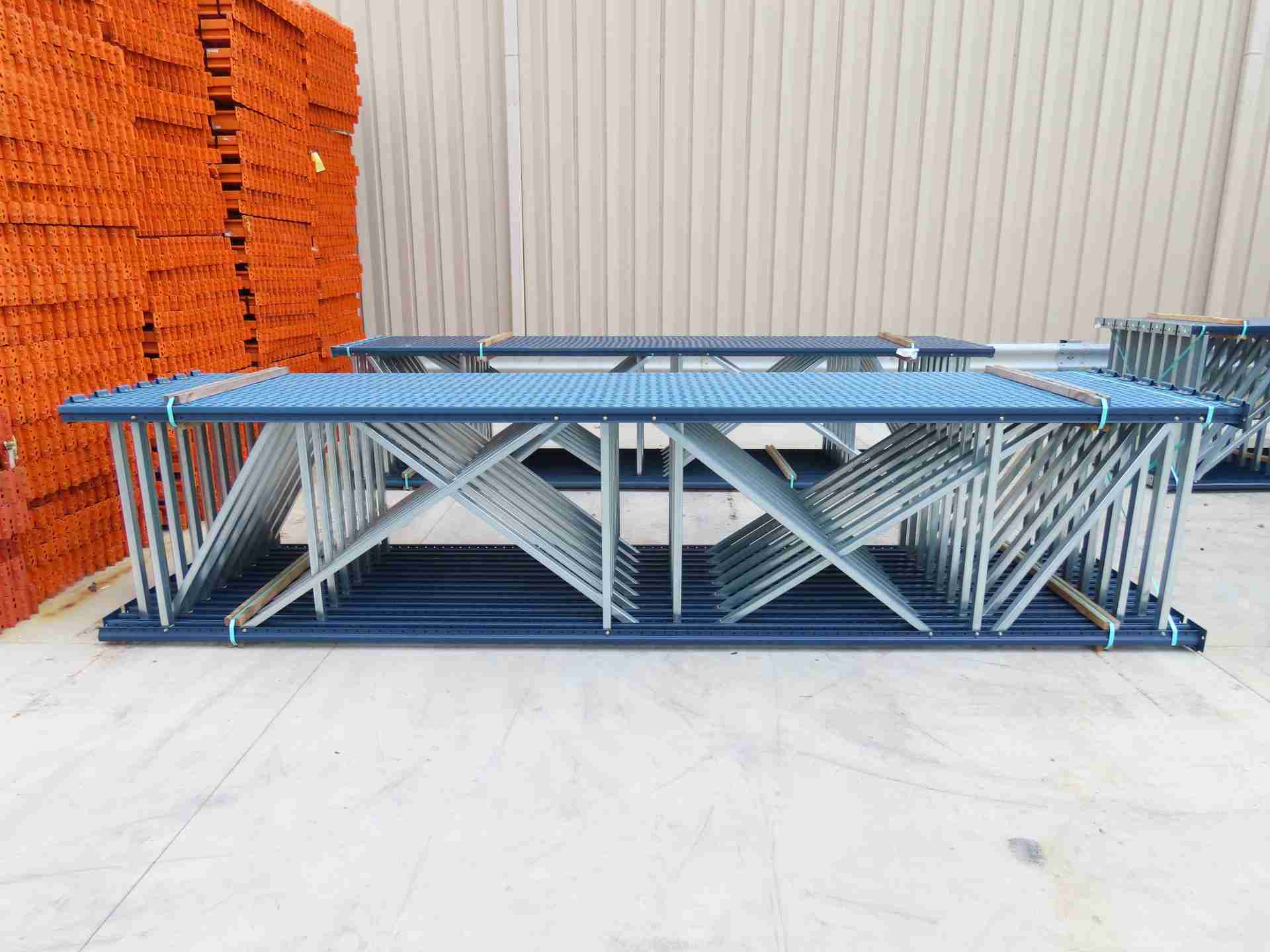
Other Questions
Checklist
How Do You Plan The Layout for a Cantilever Racking System? – A Checklist
Checklist for Planning the Layout of a Cantilever Racking System
1. Inventory Assessment
_____ Conduct a thorough inventory analysis
_____ Determine the dimensions and weight of products
_____ Identify specific storage needs (e. g. , lumber, piping, furniture)
2. Vertical Space Utilization
_____ Evaluate ceiling height to maximize vertical storage
_____ Plan for taller racking configurations if feasible
_____ Ensure operational workflow allows for height utilization
3. Aisle Width Optimization
_____ Determine the type of access (pedestrian vs. forklift)
_____ Set minimum aisle widths:
_____ 3-4 feet for pedestrian access
_____ 8-10 feet for forklift access
_____ Adjust for equipment turning radii
4. Future Growth Consideration
_____ Anticipate market fluctuations
_____ Design flexible racking layouts for easy reconfiguration
_____ Plan for potential expansion of inventory needs
5. Safety Implementation
_____ Establish proper weight limits for load arms
_____ Implement measures to secure loads and prevent shifts
_____ Maintain clear pathways around racking systems
_____ Train staff on safety protocols
6. Space Calculation
_____ Assess the dimensions of items to be stored
_____ Calculate necessary length and height of cantilever racks
_____ Allow for ample maneuvering space around racking
7. Material Selection
_____ Choose appropriate materials for racks:
_____ Steel for durability
_____ Galvanized steel for moisture-prone environments
_____ Wood or composite for aesthetic and budget-friendly options
_____ Plastic for lightweight applications
8. Layout Planning
_____ Survey the available warehouse space
_____ Create a layout drawing to visualize rack placement
_____ Adjust the plan according to safety codes
9. Installation Preparation
_____ Gather required tools and equipment for installation
_____ Assemble racks according to manufacturer’s instructions
_____ Ensure installations are stable and secure
10. Regular Maintenance
_____ Schedule regular inspections of racking systems
_____ Clean racks to remove dust and debris
_____ Conduct load testing periodically for safety compliance
_____ Address any damages or repairs immediately
11. Employee Training
_____ Offer training sessions on safe loading and unloading practices
_____ Ensure staff understand the racking system and safety measures
By following this checklist, you can effectively plan and optimize the layout of your cantilever racking system, ensuring maximum efficiency, safety, and adaptability for your storage needs.
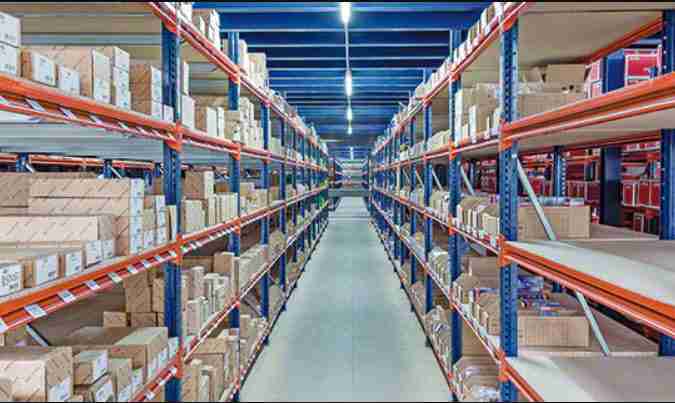
Checklist
At RackingWorld, we help guide you through selecting warehouse storage systems and racking.
Be sure to read our other related stories at RackingWorld to learn more about warehouse storage systems.
0 Comments