
Essential Safety Guidelines For Storage Rack Systems
By Tom Seest
At RackingWorld, we help guide you through selecting warehouse storage systems and racking.
Be sure to read our other related stories at RackingWorld to learn more about warehouse storage systems.
Where to Find Storage Rack Safety Guidelines?
Where to Find Storage Rack Safety Guidelines
In the world of warehouse management, safety is paramount. To ensure your operations run smoothly and your workforce remains secure, it’s crucial to access accurate and up-to-date storage rack safety guidelines. Fortunately, finding this information has never been easier.
First and foremost, industry associations are a goldmine for safety standards. Organizations like the American National Standards Institute (ANSI) and the Occupational Safety and Health Administration (OSHA) provide comprehensive guidelines that are often updated to reflect the latest safety protocols and standards. For instance, ANSI recently released revisions to its ANSI MH16.1 standard, which covers the design, testing, and use of storage racks, addressing some common failures that have led to costly accidents in warehouses nationwide.
Next, you can turn to manufacturer resources. Companies that specialize in storage systems, such as Interlake Mecalux and Cantilever Racks, often provide extensive safety manuals and materials on their websites. These can include everything from installation guidelines to maintenance checklists, ensuring that your storage racking systems are optimally designed and operated. Don’t overlook the wealth of information in product inserts; they often contain best practices that could mitigate risks and enhance compliance.
Moreover, the digital age has transformed how we access knowledge. Online platforms like SafetyNet and the National Safety Council offer webinars and training modules dedicated to storage rack safety. With the recent spike in e-commerce and warehouse jobs—up nearly 25% in 2023—connecting to these resources is not just smart; it’s essential for staying ahead of industry shifts and ensuring your team’s safety on the job.
Additionally, don’t underestimate the value of networking. Join local chapters of safety organizations or warehouse professional groups where you can gain insights from fellow industry veterans. For example, the Warehouse Education and Research Council (WERC) hosts events that focus on sharing safety best practices. The latest event in Chicago in 2023 provided attendees with critical updates on safety compliance and risk management in high-capacity storage environments.
Finally, the importance of regular training cannot be overstated. Conducting frequent safety audits in your facility, in line with the latest guidelines, ensures compliance and reduces accidents. Remember, just as with any aspect of your business, being proactive rather than reactive can save you time, money, and, most importantly, lives.
By actively seeking out these resources and engaging with the industry, you can develop a robust safety culture that protects your assets and enhances your operational efficiency.

Where to Find Storage Rack Safety Guidelines?
Where to Find Storage Rack Safety Guidelines?
- Safety is crucial in warehouse management for smooth operations and worker security.
- Industry associations like ANSI and OSHA provide updated storage rack safety standards.
- Manufacturer resources offer safety manuals and best practices for optimal rack usage.
- Online platforms such as SafetyNet and the National Safety Council provide training and webinars on rack safety.
- Networking through local safety organizations can provide valuable insights into safety practices.
- Regular safety audits in compliance with guidelines are essential to reduce accidents.
- Proactively engaging with resources and the industry fosters a strong safety culture and operational efficiency.

Where to Find Storage Rack Safety Guidelines?
Table Of Contents
- Where to Find Storage Rack Safety Guidelines?
- What Are The Key Storage Rack Safety Guidelines?
- How Can I Identify Unsafe Racks?
- What Should I Inspect On Storage Racks Regularly?
- What Regulations Govern Storage Rack Safety?
- How Often Should Safety Inspections Be Conducted?
- What Types Of Storage Racks Have Specific Guidelines?
- Where Can I Find Official Safety Documentation?
- How Do I Train Employees On Storage Rack Safety?
- What Are Common Violations Of Storage Rack Safety?
- How Can I Improve Storage Rack Safety In My Facility?
- What Resources Are Available For Storage Rack Safety Tips?
- What Role Does Load Capacity Play In Rack Safety?
- How Should Damaged Racks Be Handled?
- Are There Certifications For Rack Safety Inspections?
- What Technologies Assist In Monitoring Rack Safety?
- Conclusion
- Other Resources
- Glossary Of Terms
- Other Questions
- Checklist
What Are The Key Storage Rack Safety Guidelines?
When it comes to maximizing efficiency in your warehouse, proper storage rack safety is non-negotiable. Every year, thousands of workplace accidents occur due to negligence and poor practices involving storage racks. Creating a culture of safety not only protects your employees but also enhances productivity and minimizes costly downtime. Here’s a guide to the key storage rack safety guidelines that will keep your operation running smoothly.
1. Conduct Regular Inspections:
Just as you regularly check your inventory levels, make it a priority to routinely inspect your storage racks. This means looking for visible damage, such as dents, bends, or corrosion, which can compromise the integrity of the racks. For example, after a recent hurricane season, numerous companies reported damage to their facilities, highlighting the need for regular assessments. Keeping a checklist for inspections can help ensure nothing gets overlooked.
2. Ensure Proper Loading Techniques:
It’s essential to follow the manufacturer’s guidelines about weight limits and proper loading techniques. Educate your team to distribute weight evenly across the rack and avoid stacking items beyond the designated height. A recent case in the news highlighted how a retail warehouse faced significant losses after a collapsed rack due to overloading—an easily preventable situation with the right training and adherence to guidelines.
3. Adopt Quality Training Programs:
Your employees are your greatest asset, so invest in quality safety training programs. Regular workshops can ensure everyone is on the same page regarding safety measures. This includes how to handle materials properly and the importance of using safety gear. For example, companies that employed comprehensive training saw a decrease in workplace injuries by nearly 40% in a recent report from the Occupational Safety and Health Administration (OSHA).
4. Utilize Appropriate Equipment:
Quality equipment plays a pivotal role in safety. Make sure that the storage racks are suitable for your specific needs and that proper equipment, like forklift trucks, is used correctly. A recent survey indicated that inadequate equipment was a leading cause of warehouse incidents, underscoring the importance of using the right tools for the job.
5. Foster a Culture of Safety:
Finally, create a workplace environment that prioritizes safety above all else. Encourage your employees to report hazards and incidents without fear of repercussions. A culture that values safety will not only protect your workforce but also enhance morale and productivity. After all, a happy worker is an effective worker!
Implementing these key storage rack safety guidelines will set the foundation for a secure and efficient warehouse operation. Don’t wait for an accident to happen—act now to protect your employees and your bottom line.

What Are The Key Storage Rack Safety Guidelines?
What Are The Key Storage Rack Safety Guidelines?
- Proper storage rack safety is critical for maximizing warehouse efficiency and preventing workplace accidents.
- Regular inspections are essential to identify visible damage (dents, bends, corrosion) that can compromise rack integrity.
- Follow manufacturer guidelines for weight limits and loading techniques to prevent overloading and potential collapses.
- Invest in quality safety training programs for employees to reduce workplace injuries, as indicated by OSHA reports.
- Use appropriate and quality equipment to ensure safe operations; inadequate tools can lead to incidents.
- Foster a culture of safety by encouraging employees to report hazards without fear of repercussions.
- Implementing these safety guidelines creates a secure warehouse environment, enhancing employee morale and productivity.
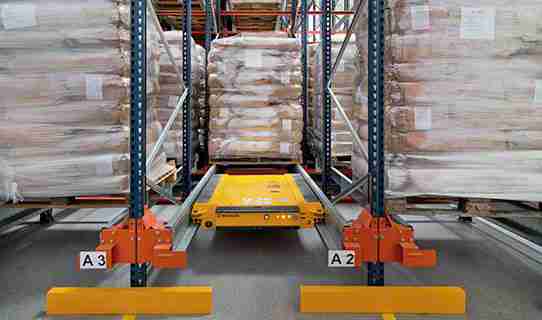
What Are The Key Storage Rack Safety Guidelines?
How Can I Identify Unsafe Racks?
In the world of warehouse and storage solutions, the importance of identifying unsafe racks cannot be overstated. A single oversight could lead to catastrophes that dramatically impact your business—everything from injuries to costly insurance claims, or worse, a full-blown operational shutdown. So how can you spot the red flags that signal an unsafe rack?
1. Visual Inspections Matter
Routine visual inspections are key to maintaining the safety of your storage systems. Look for obvious signs of wear and tear, such as bent beams or twisted uprights that may compromise the structural integrity of your racks. For example, a globally recognized retailer recently faced significant backlash after a fallen rack injured a warehouse employee. This incident spurred them to implement stringent visual inspections across all their facilities, highlighting how preventive maintenance can save you from devastating setbacks.
2. Load Limit Compliance
Understanding and adhering to load limits is a non-negotiable aspect of rack safety. Finding mismatched labels, or racks loaded beyond their specified limits can suggest negligence or poor planning. A tragic incident at a manufacturing facility this past year illustrated the dangers of load miscalculations when an overloaded rack collapsed under the weight, resulting in injuries and extensive property damage. Ensure that all employees are trained on how to calculate and comply with load limits, protecting both personnel and assets.
3. Look for Corrosion or Rust
Check for corrosion, rust, or any signs of material degradation, especially if your warehouse has been exposed to moisture. In recent months, many companies have faced costly safety violations due to rusted racks giving way under pressure. Regularly conducting thorough inspections, particularly for outdoor or unconditioned storage areas, will ensure that you stay ahead of potential problems.
4. Utilize Technology
Today’s technology can be your best ally in rack safety. Many organizations have turned to innovative monitoring systems that track the health of their racks in real-time. With sensors that can detect stress levels, you can receive immediate alerts about potential hazards. Just this year, a major distribution center adopted such technology and reported a 30% reduction in safety incidents, proving that staying ahead through tech can keep your warehouse efficient and safe.
5. Employee Training and Engagement
Lastly, involve your employees in rack safety. They are often the first line of defense and can easily spot issues that management might overlook. Regular training sessions and open lines of communication will empower your team and cultivate a safety-minded culture that not only safeguards lives but enhances productivity.
In summary, identifying unsafe racks is not just good practice—it’s a business imperative. Use regular inspections, adhere to load limits, check for structural integrity, incorporate technology, and engage your team to create a warehouse that’s not just functional but fundamentally safe. Remember, a proactive approach today can save you from catastrophic consequences tomorrow.

How Can I Identify Unsafe Racks?
How Can I Identify Unsafe Racks?
- Identifying unsafe racks is crucial to prevent injuries, insurance claims, and operational shutdowns.
- Routine visual inspections can reveal wear, such as bent beams or twisted uprights, ensuring structural integrity.
- Compliance with load limits is essential; overloaded racks can result in injuries and property damage.
- Inspect for corrosion or rust, especially in humid environments, to prevent safety violations and rack failures.
- Utilize technology, like monitoring systems, to track rack health and receive alerts about potential hazards.
- Employee engagement through training and communication fosters a safety-oriented culture in the workplace.
- A proactive approach to rack safety is essential not just for functionality, but for overall business protection.

How Can I Identify Unsafe Racks?
What Should I Inspect On Storage Racks Regularly?
What Should I Inspect on Storage Racks Regularly?
When it comes to storage racks, your investment could be your salvation—or your downfall. Imagine a warehouse bustling with activity, yet one overlooked inspection could mean the difference between a smooth operation and a catastrophic accident. Regular inspections of your storage racks aren’t just a best practice; they’re imperative for safety, longevity, and efficiency. Let’s dive into the key aspects you should examine rigorously.
1. Structural Integrity:
Start with a visual inspection of the overall structural integrity of your racks. Look for any warping, bending, or physical damage. For instance, consider the recent headlines surrounding a major retail giant that incurred significant losses due to a massive shelving collapse. Don’t let your enterprise be on the wrong side of such a story. Inspect joints, welds, and connections—anything that can signal weakness.
2. Load Capacity Markings:
Every storage rack has a specified load capacity. Check to ensure that nothing exceeds these limits. Imagine checking your GPS before a road trip; you wouldn’t want to hit the highway without knowing that your car can take the distance. Regularly revisit and verify load capacity markings to prevent excessive weight from compromising the integrity of your racks, potentially causing injury or loss of inventory.
3. Condition of Decking and Supports:
Examine the decking and any support components closely. Over time, wear can lead to weak spots that could snap under pressure. It’s a bit like checking the treads on your tires; inadequate support can have cascading consequences. For example, during a recent warehouse inspection in Illinois, faulty decking led to a severe imbalance that resulted in thousands of dollars in damaged goods. Protect your assets by ensuring these elements are intact.
4. Cleanness and Organization:
Inspect how clean your racks are and how organized the stock is. A cluttered rack isn’t just unsightly; it can lead to accidents and inefficiency. For instance, with the ongoing supply chain challenges, visibility of stocked items is crucial. A disheveled inventory may mean unnecessary delays and higher operational costs.
5. Compliance with Safety Standards:
Finally, ensure that your storage racks adhere to applicable safety standards. Government regulations evolve, so staying current is essential. Just last year, the Occupational Safety and Health Administration (OSHA) enhanced its guidelines related to warehouse safety, making knowledgeable compliance more vital than ever.
In summary, rigorous inspections of storage racks are not optional; they are an obligation that directly affects your bottom line. Regularly scrutinizing these conditions translates to fewer accidents, improved productivity, and a more organized operation. Don’t gamble with safety—make these inspections a cornerstone of your operational excellence strategy!

What Should I Inspect On Storage Racks Regularly?
What Should I Inspect On Storage Racks Regularly?
- Structural Integrity: Conduct visual inspections for warping, bending, and physical damage, focusing on joints, welds, and connections.
- Load Capacity Markings: Regularly verify that the weight on racks does not exceed their specified load capacity.
- Condition of Decking and Supports: Check for wear on decking and supports, as weak spots can lead to failures and damage.
- Cleanness and Organization: Maintain clean and organized racks to prevent accidents and improve operational efficiency.
- Compliance with Safety Standards: Ensure that storage racks adhere to the latest safety regulations and guidelines.
- Regular Inspections: Implement routine inspections to minimize accidents, enhance productivity, and maintain organization.
- Operational Excellence: Make inspections a core part of your strategy to safeguard investments and operations.

What Should I Inspect On Storage Racks Regularly?
What Regulations Govern Storage Rack Safety?
In the bustling world of warehousing and logistics, storage racks are the unsung heroes of efficiency. However, their importance comes with an undeniable responsibility—ensuring safety through strict compliance with regulations designed to protect workers and facilities alike. Understanding these regulations is not just a matter of legal obligation; it’s a commitment to fostering a culture of safety that can ultimately bolster your bottom line.
At the forefront of storage rack safety are the Occupational Safety and Health Administration (OSHA) regulations. OSHA mandates that all industrial storage racks adhere to specific structural integrity standards, ensuring they can handle the weight of stored materials without collapsing. For instance, effective January 2024, OSHA has strengthened its recommendations regarding rack inspections, now requiring intervals every six months (as opposed to annually). This change comes in light of recent incidents in large-scale distribution centers where improperly maintained racks have led to significant injuries.
In addition to OSHA standards, many companies also follow the guidelines set forth by the Rack Manufacturers Institute (RMI). The RMI’s publications serve as an invaluable resource, providing industry best practices on rack design, installation, and maintenance. Their specification standards help facilities determine load capacities and recommend safety features, such as safety pins and stabilizing systems. One notable example is a recent warehouse owned by a major e-commerce retailer that successfully revamped their storage system following RMI guidelines, resulting in a significant reduction in workplace accidents.
Moreover, it’s not only federal regulations that need your attention. Various states have adopted supplemental safety guidelines that can differ quite significantly from federal requirements. For instance, California’s Division of Occupational Safety and Health (Cal/OSHA) has introduced even stricter protocols on seismic safety for racks—critical in earthquake-prone regions. Businesses must take these local regulations into account to maintain compliance and protect their employees.
The ripple effect of non-compliance can be damaging—not just to the individual worker but to the entire enterprise. Fines, increased insurance premiums, and lost productivity due to accidents can quickly erode profit margins. Remember, safety is not merely a checkbox on a compliance form; it’s a foundational pillar that propels your workplace culture forward.
In a world where incidents make headlines and liability looms, it’s imperative to stay informed about these regulations. Increase awareness, conduct regular safety audits, and provide training for your personnel. Taking proactive steps to ensure compliance can be the determining factor between a thriving warehouse operation and one that finds itself in the headlines for all the wrong reasons. Move forward with confidence and safety at the forefront.

What Regulations Govern Storage Rack Safety?
What Regulations Govern Storage Rack Safety?
- Storage racks are crucial for efficiency in warehousing and logistics, but safety compliance is essential.
- OSHA regulations require adherence to structural integrity standards to prevent rack collapses, with mandatory inspections every six months starting January 2024.
- The Rack Manufacturers Institute (RMI) offers guidelines for best practices in rack design, installation, and maintenance.
- Local regulations, like California’s stricter seismic safety guidelines (Cal/OSHA), can differ from federal rules and must be considered for compliance.
- Non-compliance can lead to fines, increased insurance rates, and lost productivity, impacting overall profits.
- Proactive measures such as safety audits and employee training are crucial for maintaining safety and compliance.
- Staying informed about regulations can prevent serious incidents and enhance workplace culture.

What Regulations Govern Storage Rack Safety?
How Often Should Safety Inspections Be Conducted?
In today’s rapidly changing business landscape, where safety regulations and compliance requirements are evolving at breakneck speed, one question looms large: “How often should we conduct safety inspections?” The answer? It varies—like so many aspects of effective strategy—but you can’t afford to leave it to chance.
Consider the recent surge in workplace accidents and OSHA (Occupational Safety and Health Administration) regulations tightening their grip. With a staggering increase in reported violations, businesses now face not just the risk of financial penalties but also the damage to brand reputation and employee morale. Frequent safety inspections aren’t just a regulatory box to tick; they’re an essential buffer against these risks.
For most organizations, a thorough safety inspection should occur at least once a month. This frequency goes a long way in identifying hazards that can evolve within just a few weeks. However, companies in high-risk industries—such as construction or manufacturing—should implement weekly or even daily inspections. Think of Amazon, which has faced scrutiny for its safety protocols. The logistics giant has ramped up inspections to maintain the balance between rapid growth and employee safety.
But it doesn’t stop there. You need to consider the nature of your operations. A food processing plant, for instance, might require inspections after each shift change to ensure cleanliness and compliance with health regulations, while an office environment might only necessitate quarterly checks. Tailoring your inspection schedule to the specifics of your workspace is key to maximizing safety and compliance.
And here’s where the rubber meets the road. These inspections should be more than just routine assessments—they should be a proactive strategy. Engage your employees! Create a culture of safety awareness where team members feel empowered to identify potential hazards and report them. This not only mitigates risks but cultivates a collective ownership of safety.
Furthermore, technological advancements give businesses tools to enhance their inspection processes. Safety management software can streamline inspections, making them more efficient and easier to document. Automation allows for constant monitoring and immediate reporting on safety compliance, catering to the modern business environment’s demands.
Making safety inspections a priority isn’t just a matter of compliance; it’s a competitive advantage. Set a schedule that reflects the realities of your workplace, engage your team, leverage technology, and stay ahead of the safety curve. Your employees will thank you, and your bottom line will thank you even more. Remember, safety is not just a practice; it’s a philosophy that drives success.

How Often Should Safety Inspections Be Conducted?
How Often Should Safety Inspections Be Conducted?
- Frequency of safety inspections is crucial in light of evolving safety regulations and workplace accidents.
- Recent increases in OSHA violations pose financial and reputational risks for businesses.
- Most organizations should conduct thorough safety inspections at least once a month.
- High-risk industries, like construction and manufacturing, may require weekly or daily inspections.
- Inspection frequency should be tailored to the specific operations of the business.
- Engaging employees in safety awareness can foster a culture of shared responsibility for safety.
- Leveraging technology, such as safety management software, enhances inspection efficiency and compliance monitoring.

How Often Should Safety Inspections Be Conducted?
What Types Of Storage Racks Have Specific Guidelines?
What Types of Storage Racks Have Specific Guidelines?
When it comes to optimizing your storage space, not all racks are created equal. As businesses expand and adapt to the ever-changing landscape of commerce, understanding the specific guidelines for various types of storage racks is crucial for maintaining operational efficiency, safety standards, and maximizing maximum profitability.
1. Pallet Racking Systems
Pallet racking is the backbone of warehouse storage, allowing for vertical space optimization and ease of access. However, regulations surrounding pallet racking are strict for a reason: they ensure safety and efficiency in your operations. The American National Standards Institute (ANSI) outlines guidelines on installation, weight limits, and inspections. For instance, if you’re utilizing selective pallet racks, it’s critical to adhere to load capacities outlined in the rack manufacturer’s specifications — exceeding these can lead to catastrophic failures. Additionally, the recent surge in e-commerce due to the pandemic makes understanding these guidelines more relevant than ever, as businesses scramble to scale operations rapidly without compromising safety.
2. Heavy-Duty Racking Systems
For businesses dealing with heavy equipment or bulky materials, heavy-duty racking systems are a necessity. Made to withstand greater loads, these racks come with their own set of regulations. For example, the Occupational Safety and Health Administration (OSHA) emphasizes the importance of structural integrity and appropriate rack anchoring. As businesses pivot to heavier, large-format inventory, like those seen in home improvement stores that are booming post-pandemic, compliance with these guidelines is critical to avoid accidents that could halt operations and tarnish reputation.
3. Cantilever Racking
Cantilever racks offer solutions for the storage of long, unwieldy items such as lumber, piping, or sheet metal. However, they come with specific guidelines, especially regarding load distribution and anchorage. The National Fire Protection Association (NFPA) has issued guidelines on spacing and clearance to minimize fire hazards. With the current focus on sustainability and efficient usage of materials — like those seen in industries adapting to green technologies — ensuring compliance with fire safety guidelines can protect your assets and foster a reputation for reliability.
4. Mobile Racking
Lastly, mobile racking system guidelines are essential for businesses looking for flexible storage solutions. With these racks, it’s crucial to follow guidelines pertaining to track installation and mechanical operation. In light of recent trends in warehouse automation, neglecting these specifications could lead to costly breakdowns and operational disruptions.
In a world where storage needs are evolving rapidly, adhering to these specific guidelines is not just about compliance; it’s about creating a safe, productive environment that enhances your bottom line. Investing time in understanding these guidelines not only protects your investment but elevates your business to meet the demands of today’s market.

What Types Of Storage Racks Have Specific Guidelines?
What Types Of Storage Racks Have Specific Guidelines?
- Different types of storage racks require specific guidelines to optimize storage space and maintain efficiency.
- Pallet racking systems are crucial for vertical storage but must adhere to regulations from ANSI for safety and load capacities.
- Heavy-duty racking systems are essential for storing bulky materials; OSHA regulations ensure structural integrity and proper anchoring.
- Cantilever racking is used for long items; compliance with NFPA guidelines is vital to mitigate fire hazards.
- Mobile racking systems necessitate adherence to track installation and mechanical operation guidelines to avoid breakdowns.
- Understanding and complying with storage rack guidelines enhances operational safety and efficiency.
- Investing in knowledge of these guidelines helps businesses adapt to changing storage needs and market demands.

What Types Of Storage Racks Have Specific Guidelines?
Where Can I Find Official Safety Documentation?
In today’s increasingly complex world, staying informed about safety protocols is more critical than ever. Whether you run a business, manage a project, or simply want to ensure your family’s safety at home, knowing where to find reliable safety documentation is paramount. Lucky for you, there are several trustworthy sources that provide official safety information—each one carefully curated to meet stringent regulatory standards.
First on the list is the Occupational Safety and Health Administration (OSHA). This federal agency is the gold standard for workplace safety guidelines in the United States. Their website (osha.gov) is a treasure trove of information, offering everything from safety regulations to training resources. Need to draft your company’s safety plan? OSHA provides templates that can be customized to fit your specific workplace environment. As recent events have shown, such as the ongoing struggles in industries like construction and manufacturing during economic recovery, adhering to OSHA standards is crucial for protecting your employees and reducing liability.
Another invaluable resource is the Centers for Disease Control and Prevention (CDC). Particularly in light of recent public health crises, the CDC’s website (cdc.gov) offers detailed guidance on everything from infection control to emergency preparedness. For instance, during the COVID-19 pandemic, the CDC issued extensive protocols to help businesses and schools navigate the challenges posed by the virus. Keeping abreast of their latest recommendations ensures you’re not just compliant, but also proactive, positioning yourself as a responsible leader in your community.
For those in specific fields like aviation or transportation, the Federal Aviation Administration (FAA) and the National Highway Traffic Safety Administration (NHTSA) provide comprehensive safety documentation tailored to their respective industries. The FAA’s online portal (faa.gov) is packed with resources for pilots and aviation professionals, while NHTSA (nhtsa.gov) covers everything related to vehicle safety standards, recalls, and tips for safe driving.
Lastly, industry-specific associations often compile best practices and safety documentation for their members. For example, the National Fire Protection Association (nfpa.org) provides guidelines that not only protect your property but also save lives. By engaging with these resources, you gain insights that elevate your approach to safety.
The hunt for official safety documentation doesn’t have to be daunting. Leverage these key resources to fortify your understanding of safety standards and protocols. Remember, being informed is being empowered—and that holds the key to ensuring the safety of everyone in your sphere.

Where Can I Find Official Safety Documentation?
Where Can I Find Official Safety Documentation?
- Staying informed about safety protocols is essential in today’s complex world.
- The Occupational Safety and Health Administration (OSHA) offers extensive safety regulations and training resources at osha.gov.
- The Centers for Disease Control and Prevention (CDC) provides critical guidance on infection control and emergency preparedness at cdc.gov.
- The Federal Aviation Administration (FAA) and National Highway Traffic Safety Administration (NHTSA) offer industry-specific safety documentation.
- FAA’s resources at faa.gov target aviation professionals, while NHTSA’s site at nhtsa.gov focuses on vehicle safety standards.
- Industry-specific associations, like the National Fire Protection Association (NFPA), compile safety guidelines that can protect people and property.
- Utilizing reliable safety resources empowers individuals and organizations to enhance safety standards and protocols.

Where Can I Find Official Safety Documentation?
How Do I Train Employees On Storage Rack Safety?
In today’s fast-paced work environment, ensuring the safety of your employees is not just a legal obligation—it’s a strategic imperative. Storage racks, while essential for maximizing space and efficiency, can pose significant hazards if not properly utilized. Training employees effectively on rack safety can save you time, money, and even lives.
Start with a Comprehensive Safety Program
Develop a robust safety training program that goes beyond just reading the manual. Incorporate real-life scenarios and examples that relate to your specific industry. For instance, if you’re in the retail sector, share incidents that illustrate the dangers of improper rack usage—like the recent warehouse collapse in Europe linked to overloading storage racks. Use these stories to paint a clear picture of “what could happen.”
Visual Learning Aids
Every training session should include visual aids. Well-designed infographics, videos, and presentations can reinforce key safety messages. Consider using before-and-after photos of storage systems used improperly versus those optimized for safety. For example, highlighting a warehouse that implemented proper load limits and rack inspections can be an effective motivator for compliance. Reinforcement through images helps employees remember the safety protocols long after the training session ends.
Engage with Hands-On Training
Nothing beats hands-on experience. Create simulations that allow employees to practice loading and unloading racks in a controlled environment. You could set up a mini storage area where they can apply what they’ve learned in a tangible way, highlighting the importance of checking for structural integrity and load limits before proceeding. Invite a safety expert to demonstrate best practices; having an authority figure can elevate the seriousness of the subject.
Regular Refresher Courses
Training should not be a one-and-done affair. Schedule regular refresher courses to reinforce the principles of storage rack safety. In the wake of the increased scrutiny on workplace safety regulations—like those being implemented in response to last year’s series of warehouse accidents—keeping safety top-of-mind is crucial. Use these sessions to update employees on new safety technologies and regulations to ensure ongoing compliance.
Incentivize Safe Practices
Consider instituting a reward program that recognizes employees who consistently follow safety protocols and report potential hazards proactively. Celebrate those who identify risks in the workplace. Encouragement not only boosts morale but cultivates a culture of safety.
By adopting these strategies, you can transform your workplace environment into a bastion of safety and efficiency. After all, a safe workplace is not just about avoiding accidents; it’s about creating a productive atmosphere where employees feel secure and valued.

How Do I Train Employees On Storage Rack Safety?
How Do I Train Employees On Storage Rack Safety?
- Ensuring employee safety in the workplace is a strategic imperative, not just a legal obligation.
- Develop a comprehensive safety training program that includes real-life scenarios relevant to your industry.
- Incorporate visual learning aids like infographics and videos to reinforce key safety messages.
- Engage employees with hands-on training for practical experience in loading and unloading racks.
- Schedule regular refresher courses to maintain awareness and compliance with safety protocols.
- Implement a reward program to incentivize adherence to safety standards and encourage hazard reporting.
- Creating a safe workplace fosters productivity, making employees feel secure and valued.

How Do I Train Employees On Storage Rack Safety?
What Are Common Violations Of Storage Rack Safety?
What Are Common Violations of Storage Rack Safety?
Every business that utilizes storage racks knows the importance of safe management practices. However, negligence can lead to costly accidents, injuries, and disruptions. Understanding common violations of storage rack safety is crucial to operating a safe environment and maintaining productivity.
One prevalent violation is overloading racks beyond their weight capacity. Many companies attempt to maximize storage space by fitting more items than the racks are designed for, risking catastrophic failures. For instance, in May 2023, a warehouse in Ohio experienced a major collapse, injuring several workers and causing millions in damages due to overloaded racks. Always follow the manufacturer’s specifications and establish a no-exceptions policy for weight limits.
Another critical violation involves improper use or placement of racks. Some businesses ignore the importance of proper installation and fail to anchor their racks to the floor. This oversight often leads to instability, especially in active environments where forklifts are used regularly. A notable example occurred in late 2022 when a distribution center in California saw a complete rack collapse due to inadequate anchoring, resulting in significant operational downtime.
Inadequate inspections and maintenance are also recurring issues. Companies may overlook the necessity for regular inspections, leading to unnoticed damage or wear and tear. It’s alarming to note that according to recent studies, nearly 60% of storage racks have sustained some form of damage, which could jeopardize the safety of workers. Establishing a routine audit system can help mitigate this risk. Set a schedule to inspect racks for signs of bent beams, rust, or any deformities that may compromise structural integrity.
Another concerning violation involves the improper training of employees interacting with storage racks. Employees must understand how to handle and store materials safely. Poor training can lead to misuse of equipment, with workers not fully grasping the dangers of careless practices around racks. A recent report by OSHA emphasized the necessity of comprehensive training programs, citing how lack of proper training significantly increases the risk of workplace accidents.
Lastly, utilizing damaged or outdated equipment is a significant risk. It’s common for businesses to delay replacing or repairing bent or broken racks, driven by short-term cost-saving measures. However, this approach can lead to dire consequences, underscoring the importance of proactive investment in equipment and infrastructure.
To summarize, maintaining storage rack safety is not just an option—it’s essential. From understanding capacity limits to ensuring regular maintenance, training, and prompt replacement of racks, adherence to safety protocols can protect your workforce and bottom line from potential disasters. Don’t wait for an accident to occur; take charge of storage rack safety today!

What Are Common Violations Of Storage Rack Safety?
What Are Common Violations Of Storage Rack Safety?
- Negligence in storage rack management can lead to costly accidents, injuries, and operational disruptions.
- Overloading racks beyond weight capacity is a prevalent violation, risking catastrophic failures.
- Improper use or placement of racks, such as failing to anchor them, can lead to instability.
- Inadequate inspections and maintenance may overlook damage, putting worker safety at risk.
- Employees must receive proper training to handle and store materials safely around storage racks.
- Utilizing damaged or outdated equipment poses significant risks, emphasizing the need for proactive maintenance.
- Adhering to safety protocols is essential for protecting the workforce and minimizing financial losses.

What Are Common Violations Of Storage Rack Safety?
How Can I Improve Storage Rack Safety In My Facility?
In today’s fast-paced industrial landscape, safety is not just a regulatory requirement; it’s a business imperative that can save lives and enhance operational efficiency. Ignoring storage rack safety could cost you more than money—it could severely impact your company’s reputation and employee morale. So, how can you enhance storage rack safety in your facility? Let’s break it down into actionable steps.
1. Conduct Regular Inspections
Start by implementing a routine inspection schedule. Regular checks allow for the early identification of potential hazards, such as damaged racks or improper load placements. Consider documenting these inspections meticulously; not only will this foster accountability, but it will also create a reliable reference for future evaluations. A recent report from the Occupational Safety and Health Administration (OSHA) emphasized that nearly 70% of reported warehouse injuries could have been prevented with regular maintenance checks.
2. Invest in Employee Training
Educate your workforce on the importance of storage rack safety. Implement comprehensive training sessions that focus on appropriate loading techniques, emergency procedures, and safety gear usage. Remember, an informed employee is a safer employee. A case study from a logistics giant revealed that after instituting a rigorous training program, they saw workplace injuries drop by over 30%.
3. Use the Right Equipment
Don’t skimp on quality when it comes to storage racking systems. Invest in high-quality, durable materials that are designed to withstand your specific inventory loads. Look for reputable manufacturers who adhere to industry standards and offer warranties on their products. Last year, a notable retailer faced backlash after suffering a catastrophic shelving collapse due to poor construction choices—they lost not just inventory, but public trust as well.
4. Implement Load Limits and Labels
Clearly label all racks with their respective load limits to help employees make informed decisions when storing inventory. Utilize visual aids, such as load limit signs and hazard indicators, to reinforce safety protocols. This practice fosters a culture of responsibility and vigilance among your team.
5. Encourage a Speak-Up Culture
Create an open dialogue where employees feel comfortable reporting safety concerns without fear of retaliation. This proactive communication can lead to rapid identification and resolution of unsafe practices or conditions. A recent survey indicated that companies with strong safety cultures have 50% fewer accidents and injuries—a significant indicator that safety isn’t just checked off a list; it’s woven into the fabric of the organization.
By focusing on these key areas, you can significantly improve storage rack safety in your facility. Safety isn’t merely an obligation; it’s a commitment to your employees, partners, and customers. Make it a priority today, and watch not only your safety metrics improve but also your overall business performance.

How Can I Improve Storage Rack Safety In My Facility?
How Can I Improve Storage Rack Safety In My Facility?
- Safety is a business imperative that enhances lives and operational efficiency.
- Ignoring storage rack safety can harm company reputation and employee morale.
- Regular inspections can identify potential hazards and foster accountability.
- Investing in employee training can significantly reduce workplace injuries.
- Using high-quality storage racking systems is crucial for safety and durability.
- Clearly labeling load limits helps employees store inventory safely.
- Encouraging a speak-up culture allows for proactive safety communication and fewer accidents.

How Can I Improve Storage Rack Safety In My Facility?
What Resources Are Available For Storage Rack Safety Tips?
When it comes to storage rack safety, ignorance is no excuse. Take, for instance, the recent surge in e-commerce demand fueled by the pandemic. Warehouse spaces are expanding, and so are the risks of improper rack usage. It’s crucial for business owners and operators to leverage available resources to ensure a safe work environment. Here’s a rundown of effective resources you can tap into for invaluable storage rack safety tips:
1. OSHA Guidelines: The Occupational Safety and Health Administration (OSHA) provides comprehensive regulations and guidance regarding the safety of warehouse operations. Their dedicated page on storage rack safety outlines crucial standards to adhere to and offers resources, such as training programs and safety checklists. Reviewing these guidelines not only helps you stay compliant but can also save you from costly fines and legal liabilities.
2. Industry Associations: Organizations such as the Material Handling Institute (MHI) and the Occupational Safety and Health Administration (OSHA) offer a wealth of resources, including white papers, webinars, and certification programs aimed at enhancing worker safety. These organizations frequently release updated materials on best practices in warehouse safety, making them a goldmine for business owners seeking current information.
3. Online Training and Certification Programs: With the shift toward remote learning, many safety training platforms provide online courses specifically tailored to warehouse safety, including rack inspection standards. Programs like SafeRack and SafetySkills offer certification courses that cover everything from load limits to proper rack maintenance. Investing in the ongoing education of your staff not only boosts safety but can also enhance their confidence, leading to better job performance.
4. Manufacturer Guidelines: If you already utilize warehouse racks, don’t overlook the manufacturer’s guidelines! They often provide critical insights on load capacities, installation practices, and maintenance schedules. Many leading brands even publish safety bulletins or tip sheets that help you maximize both safety and functionality of your storage systems.
5. Local Workshops and Safety Days: Pay attention to local OSHA training events, safety days hosted by industry groups, or workshops offered by your suppliers. These events serve as an excellent opportunity to engage with experts, ask questions, and share insights with peers in your industry about best practices and emerging trends in rack safety.
6. Social Media and Online Communities: Platforms like LinkedIn and Reddit have vibrant communities where safety professionals share tips, discuss recent incidents, and advise one another on best practices. Following industry hashtags or joining relevant groups can provide real-time updates and learnings you might not find in official publications.
To safeguard your workforce, equip yourself with the right tools and knowledge. In a landscape where safety violations can lead to devastating consequences, making an investment in these resources isn’t just a good business decision—it’s a responsible one.

What Resources Are Available For Storage Rack Safety Tips?
What Resources Are Available For Storage Rack Safety Tips?
- Storage rack safety is crucial, especially with increased e-commerce demand post-pandemic.
- OSHA guidelines offer regulations, training programs, and checklists for maintaining safety in warehouse operations.
- Industry associations like MHI and OSHA provide updated resources, including white papers and webinars focused on best practices in warehouse safety.
- Online training and certification programs offer courses on warehouse safety and rack inspections, enhancing staff knowledge and performance.
- Manufacturer guidelines are important for understanding load capacities, installation, and maintenance of warehouse racks.
- Local workshops and safety days provide networking opportunities with experts and peers to discuss best practices in rack safety.
- Social media platforms and online communities enable safety professionals to share tips and insights for real-time learning.

What Resources Are Available For Storage Rack Safety Tips?
What Role Does Load Capacity Play In Rack Safety?
In the world of warehousing and distribution, the phrase “load capacity” is more than a mere technical specification; it’s a foundational pillar upon which the safety, efficiency, and productivity of your operation rests. Understanding and adhering to load capacity is essential—not just for meeting compliance regulations, but for safeguarding your employees, inventory, and bottom line.
Consider this: a recent report from the Occupational Safety and Health Administration (OSHA) highlighted that improper rack loading is one of the most common causes of workplace accidents. Picture a scenario where a warehouse manager, eager to maximize space and profits, overloads a rack beyond its rated capacity. The result? Structural failure leads to inventory loss, costly downtime, and worst of all, potential injuries to staff. Not only do these incidents jeopardize human safety, but they could also bring about legal challenges and a tarnished reputation.
To illustrate the importance of adhering to load capacity, let’s look at a real-world case: In 2021, a major retailer faced a major setback when a failure to adhere to load limits in their warehouses resulted in hundreds of thousands of dollars in damages and wipeouts in high-demand inventory. This had a ripple effect, disrupting supply chains and delaying deliveries during crucial holiday shopping periods. Had they taken the time to assess and act on their load capacities, this could have been avoided.
But keeping within the established limits isn’t just about avoiding disaster; it’s about optimizing performance. Think of rack systems as the backbone of your operation. When they’re loaded according to their specified limits, everything runs smoother. Inventory remains organized, retrieval is efficient, and the overall flow of goods is streamlined. Think of it as pushing a high-performance sports car to its limits: without the right maintenance and respect for its capabilities, that car will lose its edge—or, worse, break down.
Additionally, as new materials and technologies emerge, such as lighter, more robust shelving systems and smart predictive analytics, organizations must adapt their load capacity policies accordingly. Ignoring capacity ratings in the age of rapid innovation can prove disastrous; always ensure your racks are up-to-date with the latest standards and technologies.
Ultimately, embracing the principles of load capacity serves as a commitment to operational excellence. Equip your team with the right training and resources, ensure adherence to capacity limits, and watch as your safety record and productivity flourish. When you use load capacity to its fullest potential, you are not just protecting assets; you’re driving the future of your business.

What Role Does Load Capacity Play In Rack Safety?
What Role Does Load Capacity Play In Rack Safety?
- “Load capacity” is a critical component for safety and efficiency in warehousing and distribution.
- Improper rack loading is a prominent cause of workplace accidents, as reported by OSHA.
- Overloading racks can lead to structural failures, inventory loss, and potential injuries.
- A 2021 incident with a retailer highlighted the significant financial and operational impact of disregarding load limits.
- Adhering to load capacity optimizes warehouse performance by ensuring organized inventory and efficient retrieval.
- Organizations must update their load capacity policies to align with emerging materials and technologies.
- Embracing load capacity principles fosters safety, productivity, and operational excellence in warehousing..

What Role Does Load Capacity Play In Rack Safety?
How Should Damaged Racks Be Handled?
When a storage rack suffers damage, the ripple effects can be felt throughout your warehouse or distribution center. Handling damaged racks isn’t just about patching them up; it’s about preserving your organization’s operational integrity, safety, and—ultimately—your bottom line. Here’s how to navigate this challenge effectively.
Assess the Situation: Safety First
The first step in managing damaged racks is to assess their condition. This is not merely a cursory glance; it requires a rigorous inspection. Use the guidelines set forth by the Rack Manufacturers Institute (RMI) to evaluate integrity. For example, if a rack has a bent upright, it may not be capable of supporting weight as it once did, posing a serious safety hazard.
In light of the recent surge in warehouse accidents reported in the logistics sector—caused partly by lax safety protocols—this assessment becomes even more crucial. Implementing a strict inspection schedule not only protects your employees but also shields your business from potential litigation and costly downtime.
Decide: Repair or Replace?
Once you’ve assessed the damage, it’s time to decide: is the rack worth repairing, or should it be replaced? Think about the cost-benefit analysis. A minor repair, such as replacing a beam or a bracket, might save you money. However, if a rack is extensively damaged or has sustained multiple hits, a full replacement could be a more prudent long-term investment.
Take California’s recent implementation of stricter safety regulations as a case in point. Businesses that opted for cheap fixes rather than investing in new racks have faced heightened scrutiny and potential penalties. Investing in higher-quality storage systems might seem steep upfront, but it can save you from compounding losses down the line.
Implement a Response Strategy
Develop a systematic approach to handle damaged racks. Train staff to report and address damage immediately—don’t wait for a potential catastrophe. Educate your team on the importance of proper loading techniques and adherence to weight limits. As seen during this year’s series of high-profile warehouse collapses, many of these incidents stemmed from preventable issues that could’ve been avoided with better training and communication.
Document and Review
Finally, document every instance of rack damage and the steps taken in response. Maintaining detailed records not only helps you track frequency and causes of damage but also aids in refining your safety protocols and purchasing decisions. Regular reviews of these records can unveil patterns that may require strategic changes.
In summary, handling damaged racks is a comprehensive process that touches upon safety, cost-effectiveness, training, and documentation. By applying these principles, you not only protect your employees but also fortify your business for a resilient future.

How Should Damaged Racks Be Handled?
How Should Damaged Racks Be Handled?
- Damaged racks can disrupt warehouse operations, affecting safety and profitability.
- Conduct a thorough inspection of damaged racks using Rack Manufacturers Institute (RMI) guidelines.
- A strict inspection schedule is crucial for protecting employees and avoiding litigation.
- Evaluate whether to repair or replace the damaged racks based on a cost-benefit analysis.
- Investing in high-quality storage systems can be more beneficial in the long run, especially with new regulations.
- Establish a systematic response strategy for addressing damaged racks and ensure staff training on safety protocols.
- Keep detailed documentation of rack damage and responses to identify patterns and improve safety measures.

How Should Damaged Racks Be Handled?
Are There Certifications For Rack Safety Inspections?
Are There Certifications for Rack Safety Inspections?
In the fast-paced world of warehousing and logistics, ensuring safety is not just a checkbox on a list—it’s a strategic imperative that can shield your business from costly accidents and legal ramifications. As the e-commerce boom continues to surge, the pressure on companies to maximize efficiency while maintaining rigorous safety standards has never been greater. This is where certified rack safety inspections come into play.
But first, let’s clarify what we mean by rack safety inspections. These assessments evaluate the structural integrity of shelving units and storage racks, ensuring they can withstand the demands of heavy loads without compromising safety. However, not every inspector is created equal. Certifications for rack safety inspections exist to provide assurance that your facility’s inspections are conducted by qualified professionals who understand the complexities of commercial racking systems.
One of the most reputable certifications comes from the Rack Manufacturers Institute (RMI), which offers guidelines that professionals and companies can follow. RMI certification indicates a thorough understanding of both national safety standards and industry best practices. Trained inspectors scrutinize every aspect of your racking system, from load capacities to any signs of wear and tear that could indicate potential failures.
Another notable certification is offered by the Occupational Safety and Health Administration (OSHA) in partnership with state-specific safety programs. OSHA standards mandate regular inspections and maintenance, underscoring the importance of having certified professionals on your side. This not only reduces liability but also boosts employee confidence, knowing that their workplace is safe and compliant.
In today’s dynamic market, corporate responsibility extends beyond mere compliance. As highlighted by recent incidents, such as the warehouse collapse in Illinois, the stakes are high. Companies are facing greater scrutiny on their safety protocols than ever before. Accidents can lead to devastating injuries, hefty fines, and plunging brand reputations. Securing certified rack safety inspections is your best defense to ensure compliance and foster a culture of safety within your organization.
Finally, obtaining certification can also enhance your marketability. As warehouses vie for contracts in a competitive landscape, being able to demonstrate a commitment to safety can be a differentiating factor when vying for partnerships with larger retailers. It’s not just about investing in inspections; it’s about investing in the future of your business.
In summary, certifications for rack safety inspections are not just formalities; they are essential strategic assets. By partnering with certified professionals, you’re not just ensuring compliance—you’re safeguarding your people, your assets, and ultimately, your bottom line. Investing in this crucial area today will pay dividends in trust, reputation, and operational efficiency tomorrow.

Are There Certifications For Rack Safety Inspections?
Are There Certifications For Rack Safety Inspections?
- Rack safety inspections assess the structural integrity of shelving units and storage racks.
- Certifications exist to ensure inspections are conducted by qualified professionals.
- The Rack Manufacturers Institute (RMI) offers a reputable certification indicating knowledge of safety standards and best practices.
- OSHA provides another certification that mandates regular inspections and maintenance to ensure workplace safety.
- Recent incidents, like the warehouse collapse in Illinois, highlight the importance of rigorous safety protocols.
- Certified inspections reduce liability and enhance employee confidence in workplace safety.
- Certification can improve marketability and competitiveness in securing contracts with larger retailers.

Are There Certifications For Rack Safety Inspections?
What Technologies Assist In Monitoring Rack Safety?
In today’s fast-paced logistics and warehouse environments, ensuring rack safety is more critical than ever. As businesses strive for efficiency, they cannot afford to compromise on safety — and that’s where cutting-edge technology steps in. Here’s how innovative advancements are transforming rack safety monitoring, providing peace of mind to warehouse managers and safeguarding valuable assets.
1. Smart Sensors and IoT Integration
Imagine a network of sensors embedded in your storage racks, autonomously monitoring conditions 24/7. Smart sensors utilize the Internet of Things (IoT) to collect data on rack stability, load weight, and even temperature fluctuations. These sensors can instantly alert managers to potential issues, such as overstressed racks or environmental hazards. For instance, the recent implementation of IoT solutions by major retailers during peak seasons has significantly reduced incidents of rack failure by allowing immediate corrective actions based on real-time insights.
2. AI-Powered Analytics
Artificial Intelligence (AI) is revolutionizing how warehouses approach safety monitoring. By analyzing vast amounts of data, AI can predict equipment failures before they happen. For instance, with machine learning algorithms, businesses can identify patterns like excessive strain or wear on specific racks due to heavy usage. This predictive analysis significantly lowers the risk of accidents, ensuring that issues are addressed proactively rather than reactively. Companies like Amazon are already leveraging AI to optimize their warehouse operations, creating safer environments in the process.
3. Mobile Applications for Instant Reporting
With the rise of mobile technology, on-the-go reporting and monitoring have become streamlined. Warehouse staff can use dedicated mobile applications to report safety concerns, conduct inspections, and access training materials—all from the palm of their hands. These apps often feature user-friendly interfaces and real-time data tracking, empowering employees to take an active role in ensuring rack safety. Recent studies reveal that companies implementing these solutions have seen a marked decrease in workplace accidents, reinforcing their commitment to a culture of safety.
4. Augmented Reality (AR) Training Tools
Augmented Reality is not just for entertainment; it’s also a powerful tool for enhancing workplace safety. AR training programs simulate real-life scenarios, allowing employees to practice safety procedures in a controlled environment before putting their knowledge to the test. This innovative approach reinforces learning and ensures that team members are well-versed in rack safety protocols. Organizations that have adopted AR for training report higher retention rates and fewer safety-related incidents.
As technology continues to evolve, so too will the methods for ensuring rack safety. With smart sensors, AI, mobile apps, and AR training, businesses can not only meet but exceed safety standards, fostering an environment where productivity thrives alongside safety. Embracing these advancements is not just an option; it’s a necessity for those looking to lead the logistics industry into a safer tomorrow.

What Technologies Assist In Monitoring Rack Safety?
What Technologies Assist In Monitoring Rack Safety?
- Rack safety is increasingly critical in fast-paced logistics and warehouse environments.
- Smart sensors with IoT integration monitor rack conditions continuously and provide real-time alerts for issues.
- AI-powered analytics predict equipment failures, allowing proactive rather than reactive maintenance.
- Mobile applications enable on-the-go reporting and training, empowering employees to actively ensure safety.
- Augmented Reality (AR) training tools provide simulated scenarios for effective learning of safety protocols.
- Adoption of these technologies leads to reduced accidents and enhanced safety culture within warehouses.
- Embracing technological advancements in rack safety is essential for businesses aiming to excel in the logistics industry.

What Technologies Assist In Monitoring Rack Safety?
Conclusion
Conclusion
In the intricate world of warehouse management, ensuring the safety of your storage racks is not merely a best practice; it’s an imperative that safeguards your workforce and enhances operational efficiency. At Arrow Industrial Sales, we’re here to guide you through the complexities of storage rack safety, ensuring you have the knowledge and resources to maintain a secure working environment.
Throughout this article, we’ve navigated a comprehensive landscape of safety guidelines, standing firmly on the shoulders of trusted industry standards from organizations like OSHA and ANSI. From addressing the vital role load capacity plays in preventing accidents to elucidating common violations and showcasing advanced technologies for rack monitoring, we’ve armed you with the essential information needed to protect your operations.
As the demand for e-commerce and warehouse jobs expands, so too does the urgency for safety compliance and proactive training. Regular inspections are non-negotiable, helping to intercept potential hazards before they escalate into costly incidents. Remember, a culture of safety built on thorough training and open communication can be the difference between a smooth operation and catastrophic repercussions. Prioritize initiatives that foster this culture, such as ongoing training programs that engage and empower your employees.
Each actionable step we’ve presented—whether it’s implementing strict load limits, engaging in routine inspections, or leveraging innovative monitoring technologies—serves as a cog in a well-oiled safety machine. When you integrate these principles into your daily operations, you lay the groundwork for not just compliance, but a thriving, responsible business.
Now, it’s time to act. Don’t let negligence linger in your warehouse—call Arrow Industrial Sales at (574) 349-6575 today. Our expert team is ready to provide you with invaluable insights and resources that can transform your approach to storage rack safety. Remember, every moment spent waiting could be a moment that jeopardizes safety and productivity. Take this critical step today and ensure that both your employees and your operations are protected against the unforeseen risks that come with improper safety practices. The path to sustained success and safety starts with a single call!

Conclusion
Conclusion:
- Warehouse management prioritizes safety of storage racks to protect workforce and enhance operational efficiency.
- Arrow Industrial Sales provides guidance on storage rack safety, informed by standards from OSHA and ANSI.
- Key topics include load capacity, common violations, and advanced technologies for monitoring racks.
- Growing e-commerce and warehouse jobs heighten the need for safety compliance and training.
- Regular inspections are essential to prevent potential hazards from escalating into costly incidents.
- Fostering a culture of safety through training and communication is critical for smooth operations.
- Contact Arrow Industrial Sales for expert insights on transforming your storage rack safety practices.

Conclusion
Other Resources

Other Resources
Here is a list of other resources you can review online to learn more:
- “ANSI MH16.1-2023: Industrial Steel Storage Racks”
- “Cantilever Racks”
- “Latest ANSI & RMI Updates to Pallet Racking Standards”
- “Main Actors in the Warehouse Racking Industry”
- “Home | Occupational Safety and Health Administration”
- “Pallet Racks”
Use This Prompt To Get More Resources With Your Favorite Online AI Tool: Please provide me with a list of online articles with their URLS in a bulleted list that I can read regarding Where to Find Storage Rack Safety Guidelines?

Other Resources
Glossary Terms
Where to Find Storage Rack Safety Guidelines? – Glossary Of Terms
1. Storage Rack: A structure designed to hold goods and materials in storage areas, typically consisting of vertical frames and horizontal shelves.
2. Load Capacity: The maximum weight a storage rack can safely hold as specified by the manufacturer or industry standards.
3. Compliance: Adherence to established safety guidelines and regulations governing the use of storage racks.
4. OSHA (Occupational Safety and Health Administration): A U. S. federal agency that sets and enforces safety standards, including those relevant to warehouse storage equipment.
5. ANSI (American National Standards Institute): An organization that oversees the development of safety standards for various industries, including materials handling and storage.
6. Inspections: Regular evaluations performed to assess the condition of storage racks and ensure they meet safety standards.
7. Deflection: The amount by which a storage rack shelf bends or sags under load, which should be monitored to prevent failure.
8. Stability: The ability of a storage rack to remain upright and secure under load without tipping over.: 9. Anchoring: The process of securing storage racks to the floor or walls to prevent movement or collapse.
10. Pallet Rack: A type of storage rack specifically designed to hold pallets, allowing for high-density storage and easy access.
11. Cross-Bracing: Diagonal supports used to enhance the structural integrity and stability of a storage rack.
12. Load Distribution: The way weight is spread across the shelves and components of a storage rack to prevent concentrated loads.
13. Safety Labels: Markings or stickers applied to storage racks that provide important safety information and guidelines.
14. Forklift-Compatible: Refers to storage racks designed to be accessible and usable with forklifts for efficient loading and unloading.
15. Weight Limit Signs: Visual indicators displayed on or near storage racks, warning of maximum load capacities.
16. Training Programs: Educational sessions aimed at teaching employees how to safely operate, load, and maintain storage racks.
17. Material Handling: The movement, protection, storage, and control of materials throughout the manufacturing, warehousing, and distribution processes.
18. Risk Assessment: The evaluation of potential hazards associated with storage racks to identify safety improvements.
19. Maintenance: Regular checks and repairs performed on storage racks to ensure they remain safe and functional.
20. Emergency Procedures: Established protocols to follow in case of an accident or failure involving storage racks.
21. Carton Flow Rack: A type of storage rack employing gravity to move products toward the front for easy access, enhancing efficiency.
22. Roll-Out Shelving: Shelves that can be pulled out for easy access to stored items, improving safety and organization.
23. Vertical Space Utilization: The use of vertical height in storage areas to maximize storage capacity and minimize floor space consumption.
24. Inspection Checklist: A comprehensive list of items to evaluate during storage rack inspections to ensure safety compliance.
25. Overloading: Placing more weight on a storage rack than it is designed to handle, which can lead to rack failure and safety hazards.
26. Safety Forklift Guidelines: Best practices for using forklifts in relation to storage racks to prevent accidents and ensure employee safety.
27. Incident Reports: Documentation of accidents or near misses related to storage rack use, useful for identifying trends and necessary safety improvements.
28. Emergency Exits: Marked paths or doors that provide safe evacuation routes away from storage rack areas in case of emergencies.
29. Customization: Modifications made to storage racks to suit specific requirements, which must be assessed for safety standards.
30. Shelving Configuration: The specific arrangement and design of shelves and components in a storage rack, which can affect load capacities and safety.

Glossary Of Terms
Other Questions
Where to Find Storage Rack Safety Guidelines? – Other Questions
If you wish to explore and discover more, consider looking for answers to these questions:
- What are the consequences of not following storage rack safety guidelines?
- How can I effectively communicate safety guidelines to my team?
- Are there specific training programs for storage rack safety?
- What emergency protocols should be in place for storage rack incidents?
- How can technology improve storage rack safety in my workplace?
- What steps should be taken after a storage rack-related accident?
- What types of materials are best for storage racks?
- How do I choose the right storage rack for my warehouse needs?
- What are the signs that a storage rack needs immediate replacement?
- How can employee feedback contribute to improving storage rack safety?
- What role does leadership play in promoting storage rack safety?
- How can I stay updated with the latest storage rack safety regulations?
- What common myths about storage rack safety should be addressed?
- How do seasonal changes affect storage rack safety?

Other Questions
Checklist
Where to Find Storage Rack Safety Guidelines? – A Checklist
Regular Inspections
_____ Conduct monthly inspections of all storage racks.
_____ Check for visible damage (dents, bends, or corrosion).
_____ Document findings of every inspection for future reference.
Proper Loading Techniques
_____ Verify that each rack is labeled with its load capacity.
_____ Ensure that weight is evenly distributed across the racks.
_____ Train employees to avoid exceeding designated height limits when stacking items.
Employee Training
_____ Implement comprehensive safety training for all employees.
_____ Conduct regular refresher courses to keep safety top-of-mind.
_____ Use visual learning aids such as infographics or videos during training sessions.
Equipment Quality
_____ Regularly evaluate and maintain storage racks for durability.
_____ Ensure that forklifts and other equipment are suitable and in good condition.
_____ Replace any damaged or outdated equipment immediately.
Safety Culture
_____ Establish an environment that encourages employees to report hazards without fear.
_____ Recognize and reward employees who actively follow safety protocols.
_____ Foster a culture of safety through open communication about safety concerns.
Compliance with Safety Standards
_____ Ensure adherence to OSHA regulations concerning storage racks.
_____ Consult with Rack Manufacturers Institute (RMI) guidelines for best practices.
_____ Stay updated on any local safety regulations that may be more stringent than federal guidelines.
Load Capacity Awareness
_____ Educate employees on the importance of load capacity and its implications.
_____ Regularly assess the operational needs to ensure racks are used within capacity limits.
Damage Response Plan
_____ Create a plan for assessing whether racks should be repaired or replaced.
_____ Train staff to report any rack damage immediately.
Certifications and Documentation
_____ Ensure that inspections are conducted by certified professionals.
_____ Keep a record of all safety inspections and compliance documents.
Technology Utilization
_____ Consider integrating smart sensors for real-time monitoring of rack safety.
_____ Explore mobile apps for instant reporting and tracking of safety concerns.
_____ Utilize AR training tools for effective employee instruction on safety protocols.
By diligently following this checklist, you can significantly enhance the safety of your storage rack systems, protect your workforce, and optimize operational efficiency. Remember, safety is an ongoing commitment!

Checklist
At RackingWorld, we help guide you through selecting warehouse storage systems and racking.
Be sure to read our other related stories at RackingWorld to learn more about warehouse storage systems.
0 Comments