
Navigating The World Of Pallet Racking Regulations
By Tom Seest
At RackingWorld, we help guide you through selecting warehouse storage systems and racking.
Be sure to read our other related stories at RackingWorld to learn more about warehouse storage systems.
Are There Pallet Racking Regulations?
In today’s fast-paced business landscape, mastering pallet racking isn’t just about maximizing storage—it’s also about navigating a complex web of regulations that can either enhance your operational efficiency or hinder your growth. Pallet racking systems, vital in warehouses and distribution centers, are subject to various local, state, and federal regulations designed to ensure safety and proper functionality.
One of the key regulatory bodies governing these systems is the Occupational Safety and Health Administration (OSHA). OSHA sets forth guidelines for workplace safety, which includes regulations on pallet racking systems. For instance, OSHA mandates that racking must be properly loaded and maintained to prevent collapse, a risk that is all too real. Just last year, a major retailer faced significant fines when a racking collapse injured several employees. Lessons learned from incidents like this highlight the pressing need for businesses to adhere strictly to safety regulations.
Additionally, your racking systems must comply with the American National Standards Institute (ANSI) and the Rack Manufacturers Institute (RMI) standards. These guidelines dictate how much weight a rack can support, spacing requirements, and even the materials used in construction. Failure to comply can not only jeopardize worker safety but can also lead to costly legal ramifications and damages.
Consider the case of a logistics company that saved thousands of dollars by conducting a thorough audit of their existing racking system. Upon evaluating their setup against ANSI standards, they uncovered several non-compliant areas that, if unattended, could have resulted in catastrophic failures. By investing in a compliant racking system, they not only enhanced the safety of their workplace but also improved operational efficiency, allowing for a smoother workflow.
Moreover, it’s crucial to stay updated on local zoning laws that can vary significantly from one municipality to another. For example, in certain urban areas, businesses may face restrictions on the height of their racking systems due to fire safety codes. By understanding these unique local requirements, a savvy business owner can maximize their use of space while remaining compliant.
Navigating the complex landscape of pallet racking regulations can be a daunting task. However, by prioritizing safety and compliance, businesses can not only avoid the pitfalls of negligence but also streamline operations, boost employee morale, and ultimately, improve their bottom line. Don’t wait for an accident to happen—be proactive, and ensure you’re on the right side of regulations today!
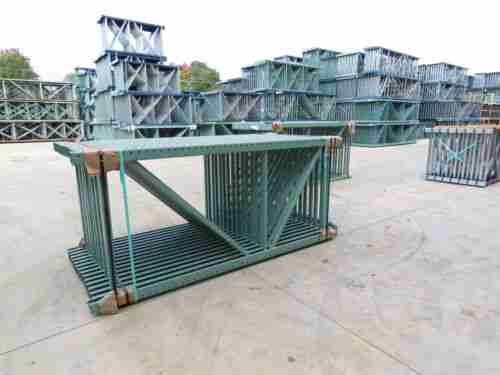
Are There Pallet Racking Regulations?
Are There Pallet Racking Regulations?
- Mastering pallet racking involves compliance with complex regulations affecting operational efficiency and growth.
- The Occupational Safety and Health Administration (OSHA) governs pallet racking safety, mandating proper loading and maintenance to prevent collapses.
- Non-compliance with these regulations can lead to significant fines and legal consequences, as seen in a recent case involving a major retailer.
- American National Standards Institute (ANSI) and Rack Manufacturers Institute (RMI) standards dictate weight limits, spacing, and construction materials for racking systems.
- A logistics company improved safety and saved money by auditing their racking against ANSI standards, identifying non-compliant areas that posed risks.
- Local zoning laws can affect racking system height and compliance, particularly in urban areas due to fire safety regulations.
- Prioritizing safety and compliance in pallet racking helps businesses avoid negligence, streamline operations, boost employee morale, and improve profit margins.

Are There Pallet Racking Regulations?
Table Of Contents
- Are There Pallet Racking Regulations?
- Are There Safety Regulations For Pallet Racking?
- What Are The Benefits Of Pallet Racking Regulations?
- How Can I Ensure Compliance With Pallet Racking Standards?
- What Are The Common Types Of Pallet Racking Systems?
- How Often Should Pallet Racking Be Inspected?
- What Are The Consequences Of Non-Compliance With Racking Regulations?
- How Do Local Laws Impact Pallet Racking Installation?
- Are There Specific Safety Standards For Heavy-Duty Racking?
- What Training Is Required For Pallet Racking Safety?
- How Can I Choose The Right Pallet Racking For My Warehouse?
- Conclusion
- Other Resources
- Glossary Of Terms
- Other Questions
- Checklist
Are There Safety Regulations For Pallet Racking?
When it comes to warehouse operations, safety isn’t just a requirement; it’s a non-negotiable priority. For businesses that rely on pallet racking systems to maximize storage efficiency, understanding safety regulations is paramount. These regulations not only protect your employees but also safeguard your assets. In this ever-evolving landscape of workplace safety, staying informed is your best defense against costly accidents and potential liabilities.
The Occupational Safety and Health Administration (OSHA) lays down the legal foundation when it comes to safety regulations in the workplace. When it pertains to pallet racking, OSHA’s standards focus on the design, installation, and maintenance of these systems. Employers must ensure that racks are structurally sound and capable of supporting the intended load. This includes conducting routine inspections for damage, such as bent beams or compromised supports. For instance, a recent incident reported by a major news outlet highlighted a warehouse accident where insufficiently maintained pallet racks collapsed, leading to severe injuries. The fallout not only affected the employees but also resulted in hefty fines for the employer due to non-compliance with OSHA standards.
But regulatory compliance is just the beginning. Companies must also adopt best practices that go beyond the minimum requirements. For example, proper training for warehouse staff on how to safely load and unload pallets can drastically reduce the risk of accidents. Regular safety drills and refresher courses can prepare your team for potential hazards, fostering a culture of safety that pays dividends in productivity and morale.
In addition to OSHA, other organizations like the Rack Manufacturers Institute (RMI) provide guidelines that go even further, helping businesses understand advanced safety measures. The RMI’s guidelines include specifications for designing, testing, and maintaining pallet racking systems to ensure maximum safety. By following these rigorous standards, organizations not only protect their employees but also reinforce their brand integrity and enhance their market reputation.
Consider, too, the current economic climate where logistics and supply chain challenges are taking center stage. As e-commerce continues to boom, the pressure on warehouse operations intensifies. What does this mean for you? It’s essential to stay ahead of potential risks by investing in safety regulations for your pallet racking systems. Remember, safety compliance isn’t just about avoiding fines—it’s about building a resilient business capable of meeting market demands without compromising health and safety.
In essence, understanding and adhering to safety regulations for pallet racking is a strategic move that boosts both operational efficiency and workforce confidence. Make it a priority today to ensure a safe tomorrow.

Are There Safety Regulations For Pallet Racking?
Are There Safety Regulations For Pallet Racking?
- Safety in warehouse operations is a non-negotiable priority, especially for businesses using pallet racking systems.
- Understanding safety regulations protects employees and assets, helping to avoid costly accidents and liabilities.
- The Occupational Safety and Health Administration (OSHA) sets legal standards for the design, installation, and maintenance of pallet racking systems.
- Routine inspections are essential to ensure racks are structurally sound and capable of supporting loads to avoid accidents.
- Companies should implement best practices such as training warehouse staff and conducting regular safety drills to foster a culture of safety.
- Organizations like the Rack Manufacturers Institute (RMI) provide advanced safety guidelines that enhance pallet racking system safety.
- Investing in safety regulations is key to building a resilient business that meets market demands while ensuring employee health and safety.

Are There Safety Regulations For Pallet Racking?
What Are The Benefits Of Pallet Racking Regulations?
What Are The Benefits of Pallet Racking Regulations?
In today’s fast-paced warehouse environments, safety and efficiency are paramount. As businesses strive to optimize their operations, they may overlook one critical aspect: pallet racking regulations. These regulations might seem like just another layer of bureaucracy, but in reality, they deliver a multitude of benefits that can significantly enhance your bottom line.
First and foremost, compliance with pallet racking regulations is essential for ensuring the safety of your employees and assets. According to recent studies, more than 10,000 warehouse injuries occur every year, often due to improper pallet rack use. By adhering to regulations, you can mitigate risks, reducing the likelihood of accidents and injuries. For example, a recent incident in a New Jersey warehouse saw a stack of improperly secured pallets come crashing down, resulting in serious injuries—and a costly lawsuit. Avoiding such misfortunes is not only a matter of workplace safety but also crucial for maintaining your company’s reputation.
But the benefits go beyond safety; they include financial implications as well. Insurers are more likely to offer favorable rates to businesses that comply with safety regulations. In a competitive economic landscape, even slight savings in overhead costs can yield significant improvements in profitability. For example, a California logistics company reported a 15% reduction in insurance premiums simply by ensuring that their pallet racking systems met all regulatory criteria.
Moreover, regulatory compliance can improve your operational efficiency. Properly designed and maintained pallet racking systems enhance space utilization, allowing you to store more products effectively. For instance, an electronics distributor in Texas revamped their racking system in line with current regulations and optimized their warehouse layout, resulting in a 20% increase in order-picking speed. This type of efficiency translates indeed to faster fulfillment times, giving you an edge over less compliant competitors.
Another key benefit is the ability to participate in government contracts and partnerships. Many government agencies require compliance with safety regulations before awarding contracts, so adhering to these guidelines not only keeps you in good standing but opens new doors for lucrative contracts.
Lastly, staying abreast of pallet racking regulations positions your business as a responsible leader in the industry. In a world where consumers are becoming increasingly aware of corporate practices, showcasing your commitment to safety and sustainability can enhance your brand’s image, leading to greater customer loyalty and trust.
In summary, pallet racking regulations are not just about avoiding penalties or lawsuits; they’re a strategic advantage that cultivates a safer, more efficient, and more profitable business environment. Compliance pays off in more ways than you can imagine—now is the time to invest in your future success!

What Are The Benefits Of Pallet Racking Regulations?
What Are The Benefits Of Pallet Racking Regulations?
- Compliance with pallet racking regulations is essential for employee and asset safety.
- Over 10,000 warehouse injuries happen annually due to improper pallet rack use, highlighting the importance of regulations.
- Insurance companies may offer favorable rates to businesses that comply with safety regulations, leading to financial savings.
- Operational efficiency is enhanced with properly designed pallet racking systems, improving space utilization and order-picking speed.
- Adhering to regulations makes businesses eligible for government contracts and partnerships, opening new opportunities.
- Staying informed about regulations positions businesses as responsible leaders, improving brand image and customer loyalty.
- Pallet racking regulations not only help avoid penalties but also provide strategic advantages for long-term success.

What Are The Benefits Of Pallet Racking Regulations?
How Can I Ensure Compliance With Pallet Racking Standards?
In the intricate world of warehousing, pallet racking is not just an asset; it’s the backbone of efficient operations. However, with the recent increase in warehouse accidents and scrutiny on safety protocols, ensuring compliance with pallet racking standards is both a legal obligation and a strategic business move. Here’s how you can secure your operation while maximizing productivity.
First and foremost, stay informed about the latest regulations. Organizations such as the Occupational Safety and Health Administration (OSHA) provide guidelines that are essential for warehouse safety, including specific protocols related to pallet racking. For instance, in light of 2023’s heightened workplace safety campaigns, OSHA has been reinforcing the importance of regular inspections and maintenance checks of storage equipment. Taking these guidelines to heart not only prevents costly fines but also fosters an environment of accountability and trust among your team.
Next, invest in comprehensive training programs for your staff. Understanding how to properly load and unload racking systems, as well as recognizing signs of wear and tear, is critical. Consider a case where a leading logistics company implemented a hands-on training module for their employees, resulting in a 30% reduction in racking-related incidents within just six months. This kind of proactive approach can save you money in potential liabilities while boosting morale.
Regular audits are another essential strategy for ensuring compliance. Schedule bi-annual assessments of your racking systems to identify any structural weaknesses or safety hazards. Not merely a box-checking exercise, these audits should be comprehensive, covering everything from load capacities to bolt tensions. A recent study showed that firms conducting routine audits saw a near 50% drop in accidents, pointing to the correlation between diligence and safety.
Moreover, employ technology to your advantage. Many modern racking systems come equipped with sensors that can alert you to overloading or structural issues in real time. By using data analytics to monitor these systems, you can preemptively address potential problems before they escalate.
Lastly, create a culture of safety that permeates every level of your organization. Regularly communicate the importance of compliance and the role each employee plays in maintaining a safe work environment. Consider sharing stories of how neglecting these standards can lead to major setbacks, not just in compliance, but also in productivity and profit.
Your pallet racking systems do more than hold inventory—they hold the potential for your business’s success. By prioritizing compliance, training, vigilant auditing, leveraging technology, and fostering a culture of safety, you can transform your warehouse into a model of efficiency and stability. Remember, a safe business is not just good practice; it’s good business.

How Can I Ensure Compliance With Pallet Racking Standards?
How Can I Ensure Compliance With Pallet Racking Standards?
- Pallet racking is essential for efficient warehouse operations and a legal obligation to ensure compliance with safety standards.
- Stay updated on regulations from organizations like OSHA, which emphasize regular inspections and maintenance of racking systems.
- Invest in comprehensive training programs to educate staff on proper loading/unloading and signs of wear, leading to reduced incidents.
- Conduct bi-annual audits of racking systems to identify safety hazards and ensure compliance, significantly decreasing accidents.
- Utilize technology, such as sensors and data analytics, for real-time monitoring of racking systems to preemptively address issues.
- Promote a culture of safety by communicating the importance of compliance and its impact on productivity and profit.
- Prioritizing compliance and safety transforms warehouses into efficient and stable operations, reinforcing that safety is good business.

How Can I Ensure Compliance With Pallet Racking Standards?
What Are The Common Types Of Pallet Racking Systems?
What Are The Common Types of Pallet Racking Systems?
When it comes to maximizing warehouse efficiency and optimizing your storage capabilities, the backbone of any successful operation is a robust pallet racking system. Let’s delve into the common types of pallet racking systems that can elevate your business to new heights, ensuring you stay competitive in today’s dynamic market.
1. Selective Pallet Racking
This is the most widely used type of pallet racking due to its versatility and easy access to goods. Selective racking allows for individual pallet retrieval, making it the choice for warehouses with a diverse product range. Imagine a grocery distribution center where different brands and sizes of canned goods need quick access. Here, selective racking shines, enabling rapid order fulfillment!
2. Drive-In/Drive-Through Racking
For operations dealing with high-density storage, drive-in or drive-through racking systems are a game-changer. This system allows forklifts to enter the racking system horizontally, offering maximum storage efficiency. A great example can be seen in certain e-commerce giants that have optimized their warehouses to facilitate high-volume order fulfillment. As online shopping continues its explosive growth, investing in such systems helps businesses keep pace with customer expectations for quick delivery.
3. Push Back Racking
When you need to balance storage density with order picking efficiency, push back racking is the answer. This system utilizes a series of carts that slide back on inclined rails, allowing for easy access to pallets stored strategically behind. Companies involved in seasonal retail activities find this to be particularly beneficial. For instance, a sports retailer preparing for back-to-school sales can use push back racking to store seasonal inventory effectively, ensuring quick access when the rush hits.
4. Cantilever Racking
For those handling longer or bulk items, cantilever racking is a must-have. Ideal for storing items like lumber, pipes, and furniture, cantilever racking provides the flexibility necessary to accommodate irregularly shaped materials. A recent surge in home renovation projects has shown a significant uptick in demand for such structures.
5. Mezzanine Racking
As businesses evolve, so does their need for space. Mezzanine racking offers a practical and cost-effective solution to maximize vertical space without relocating. Whether it’s for additional storage or creating office space above the warehouse floor, mezzanines have become increasingly popular in urban areas where space comes at a premium.
Understanding these common types of pallet racking systems helps businesses not only improve their logistical effectiveness but also adapt to current market trends. The key is to choose the system that aligns with your unique needs and operations, ensuring that you remain agile and responsive in today’s fast-paced business landscape.

What Are The Common Types Of Pallet Racking Systems?
What Are The Common Types Of Pallet Racking Systems?
- Selective Pallet Racking: The most widely used racking type, ideal for diverse product ranges and easy access to goods.
- Drive-In/Drive-Through Racking: Maximizes storage efficiency for high-density operations, allowing forklifts to enter horizontally.
- Push Back Racking: Balances storage density and order picking efficiency; beneficial for seasonal inventory management.
- Cantilever Racking: Perfect for longer or bulk items like lumber and furniture, accommodating irregularly shaped materials.
- Mezzanine Racking: Maximizes vertical space cost-effectively, suitable for additional storage or creating office space.
- Warehouse Efficiency: Choosing the right pallet racking system enhances logistical effectiveness and adaptability to market trends.
- Agility in Operations: Businesses must select systems aligning with their unique needs for responsiveness in a fast-paced market.

What Are The Common Types Of Pallet Racking Systems?
How Often Should Pallet Racking Be Inspected?
If you’re managing a warehouse, then you know that the safety and efficiency of your operations hinge on one crucial component: your pallet racking system. While it may seem like a minor detail in the grand scheme of logistics and inventory management, regular inspections of your pallet racking are essential for maintaining safety, maximizing productivity, and ultimately protecting your bottom line.
So, how often should you conduct these inspections? The answer is clear: make routine inspections a non-negotiable part of your operational protocol. The National Institute for Occupational Safety and Health (NIOSH) recommends that pallet racking systems be inspected monthly. This frequency allows your team to identify potential issues before they escalate into safety hazards.
Consider this: in July 2023, a major warehouse in Texas was shut down due to a catastrophic racking collapse that injured several employees. An investigation revealed that the racking had undergone only annual inspections for years. Had they adhered to a more consistent inspection schedule, the disaster might have been avoided. Think about the toll a workplace injury can take—not just in terms of liability but also lost productivity and morale.
But inspections aren’t just about catching problems. They’re also about optimizing performance. Regular checks allow you to ensure that racking systems are configured correctly and that loads are balanced appropriately. This can prevent damage to your products and extend the lifespan of your equipment. For example, if you manage a cold storage facility, a simple monthly check might help ensure that your racking systems aren’t bending under the weight of improperly stacked goods, thus preserving both product integrity and worker safety.
In addition to monthly checks, consider performing more in-depth inspections quarterly or biannually. These inspections should involve a thorough examination of racking components, looking for signs of wear and tear, weld integrity, and anchoring strength. You might even bring in a third-party professional to ensure an unbiased assessment—companies like SEMA and RMI offer certification that can help elevate your safety standards.
In today’s competitive marketplace, prioritizing safety isn’t just a legal obligation; it’s a strategic advantage. An adherence to a rigorous inspection schedule can serve as a valuable part of your marketing narrative. Promoting a commitment to safety will not only safeguard your workforce but also demonstrate your dedication to quality, reliability, and professionalism to prospective clients.
In short, inspect often and proactively—your warehouse, your employees, and your profits will thank you.

How Often Should Pallet Racking Be Inspected?
How Often Should Pallet Racking Be Inspected?
- Pallet racking systems are crucial for the safety and efficiency of warehouse operations.
- Regular inspections are essential for maintaining safety, maximizing productivity, and protecting profits.
- The National Institute for Occupational Safety and Health (NIOSH) recommends monthly inspections for pallet racking systems.
- A case study in July 2023 highlighted the risks of infrequent inspections, which led to a major collapse and multiple injuries.
- Regular inspections help ensure proper configuration and load balancing, preventing product damage and extending equipment lifespan.
- In-depth inspections should be conducted quarterly or biannually, involving checks for wear, weld integrity, and anchoring strength.
- Prioritizing safety offers a strategic advantage and enhances your company’s image in the marketplace.

How Often Should Pallet Racking Be Inspected?
What Are The Consequences Of Non-Compliance With Racking Regulations?
In today’s fast-paced and increasingly regulated business landscape, adhering to racking regulations is not just a best practice; it’s an absolute necessity. Ignoring these regulations can have grave consequences that go beyond mere fines and penalties. The repercussions of non-compliance can ripple through your business, affecting everything from financial stability to employee safety and company reputation.
First and foremost, let’s talk about safety. Warehouses are bustling hubs of activity, and improperly installed or maintained racking systems can lead to catastrophic failures—sometimes with devastating consequences. For instance, the tragic collapse of a racking system in a distribution center in 2021 resulted in serious injuries to workers and even fatalities. While workers’ compensation and liability insurance can help cushion the blow financially, the long-term effects on employee morale can be staggering. No one wants to work in an environment where they feel their safety is compromised, and as word of such incidents spreads, your ability to attract and retain talent takes a hit.
Beyond the human cost, the financial ramifications are significant. Regulatory bodies do not take non-compliance lightly. In 2022, a major company in the retail space faced hefty fines exceeding $100,000 due to racking violations uncovered during a surprise inspection. These fines aren’t just a slap on the wrist; they can dramatically alter your operational budget, diverting funds from growth initiatives to cover unexpected costs. Moreover, these issues can lead to costly interruptions in business operations due to safety closures while compliance measures are swiftly implemented.
Then there is the reputational risk. With the rise of social media and instant communication, news of regulatory violations can spread like wildfire. Once your brand suffers even a minor scandal, it can tarnish your reputation for years. Customers are increasingly selective, gravitating towards brands that prioritize compliance and safety. For example, the public’s reaction to incidents involving well-known large-scale retailers has often led to reduced sales and a decline in consumer trust.
In summary, the consequences of non-compliance with racking regulations are multifaceted—ranging from financial penalties and operational disruptions to long-lasting damage to your company’s credibility. It’s not merely a matter of avoiding fines; it’s about safeguarding your workforce, ensuring financial health, and upholding a reputation that attracts business rather than repels it. Being proactive about compliance is not just a legal obligation; it’s a strategic business imperative that can steer the future of your organization.

What Are The Consequences Of Non-Compliance With Racking Regulations?
What Are The Consequences Of Non-Compliance With Racking Regulations?
- Compliance with racking regulations is essential in today’s business landscape, avoiding serious repercussions.
- Non-compliance can jeopardize employee safety, leading to accidents and serious injuries or fatalities.
- Long-term impacts on employee morale can decrease retention and make it harder to attract new talent.
- Regulatory violations can result in significant fines, as evidenced by a retail company fined over $100,000 in 2022.
- Non-compliance can disrupt operations, diverting resources from growth to address safety issues.
- Negative publicity from regulatory violations can damage brand reputation, especially in a social media-driven world.
- Proactive compliance is not just a legal obligation but a strategic imperative for business success.

What Are The Consequences Of Non-Compliance With Racking Regulations?
How Do Local Laws Impact Pallet Racking Installation?
When considering pallet racking installation for your warehouse or distribution center, one critical aspect that often gets overlooked is the impact of local laws and regulations. These laws can significantly influence how and where your pallet systems can be installed, affecting everything from safety practices to operational efficiency. Companies that neglect these requirements could not only face hefty fines but risk the safety of their employees and assets.
Local building codes dictate specifications such as rack height, weight capacity, and the required space between racks. For instance, recent changes in building regulations in areas like California have tightened restrictions on seismic safety requirements for industrial storage systems. If your facility is located in a seismically active zone, you’ll need to ensure that your pallet racking system is engineered to withstand such forces.
Consider a warehouse in San Francisco. If they opt for a standard racking system without acing these codes, the consequences could be dire; even a minor quake could lead to catastrophic rack failures. Here, knowledge of local laws isn’t just academic—it’s essential for survival.
Similarly, fire safety regulations can also affect your installation plans. In many municipalities, local fire codes stipulate specific guidelines about aisle widths, sprinkler system requirements, and the height of materials stored on racks. When a local law mandates wider aisles for fire department access, it can substantially reduce your storage capacity. That’s not just a theoretical concern; in 2023, a series of warehouse fires in the Midwest highlighted the importance of adhering to stringent fire safety laws after multiple companies faced penalties and facility shutdowns for non-compliance.
Moreover, consulting with local authorities before installation can provide insights into zoning laws that may affect your operations. For example, if your warehouse is located in a mixed-use zone, you might find restrictions on noise and activity levels during night hours, impacting your operational strategies.
In short, local laws don’t just add layers of complexity; they can either be a hindrance or a stepping stone to efficient operations. By proactively engaging with legal requirements, you can craft an installation plan that not only meets legal standards but optimizes the functionality of your warehouse. When doing business in the modern world, staying ahead of regulations will always pay off in dividends, safeguarding your assets while maximizing efficiency. Don’t leave your racking success to chance; understand the local laws that govern how far you can go.

How Do Local Laws Impact Pallet Racking Installation?
How Do Local Laws Impact Pallet Racking Installation?
- Local laws and regulations play a crucial role in pallet racking installation, impacting safety and operational efficiency.
- Neglecting these requirements can result in hefty fines and increased risks to employee and asset safety.
- Building codes dictate rack specifications, including height, weight capacity, and spacing between racks.
- Areas with seismic activity, such as California, require pallet racking systems designed to withstand earthquakes.
- Fire safety regulations influence aisle widths and storage heights, which may reduce overall storage capacity.
- Consulting with local authorities can help identify zoning laws that may affect operational strategies.
- Engaging proactively with legal requirements can enhance operational efficiency and ensure compliance with regulations.

How Do Local Laws Impact Pallet Racking Installation?
Are There Specific Safety Standards For Heavy-Duty Racking?
When it comes to heavy-duty racking systems, embracing safety isn’t just a regulatory checkbox—it’s a critical strategy for safeguarding both your personnel and your investment. The stakes are high, and so are the standards. Ignoring these safety protocols can lead to catastrophic consequences, which is why understanding the specific regulations in place is non-negotiable.
In the United States, the most widely recognized standards for heavy-duty racking are set by the American National Standards Institute (ANSI) and the Occupational Safety and Health Administration (OSHA). ANSI standard MH16.1 outlines the design, fabrication, and installation of pallet racks, providing manufacturers and warehouse operators with guidelines to ensure structural integrity. For instance, if you’re considering a pallet rack that can hold over 2,500 pounds per level, understanding these standards is essential. A rack that seems robust might crumble under pressure if it wasn’t properly engineered or installed according to these specifications.
But it’s not just about compliance; it’s about creating a culture of safety within your organization. Take the 2022 high-profile warehouse collapse in New Jersey, for example. Had the management adhered strictly to safety regulations regarding the weight limits of their racking systems, that tragic incident could potentially have been avoided, sparing lives and protecting the company’s reputation and assets.
Implementing a regular inspection schedule for racking systems can also play a pivotal role in mitigating risks. According to industry experts, racking systems should be inspected quarterly to identify potential issues such as bent beams, misaligned racks, or any signs of wear and tear. Equally important is training your staff on the proper way to load and unload these systems, as improper handling often leads to overloading and accidents. This proactive approach not only complies with OSHA regulations but also empowers your employees to take ownership of their safety and that of their colleagues.
Moreover, as eCommerce continues to boom, many warehouses are investing in more complex racking solutions like drive-in and selective racking. Such systems must meet additional engineering requirements to handle both weight and accessibility. The increased demand for space and efficient logistics heightens the necessity for adhering to safety standards.
Specific safety standards for heavy-duty racking are not merely suggestions; they are essential pillars of operational integrity. By prioritizing compliance and fostering a safety-oriented mindset, companies not only protect their workforce but also enhance productivity and diminish the potential for costly disruptions. Remember, safety is an investment—you can’t afford to overlook it. Your bottom line may just depend on it.
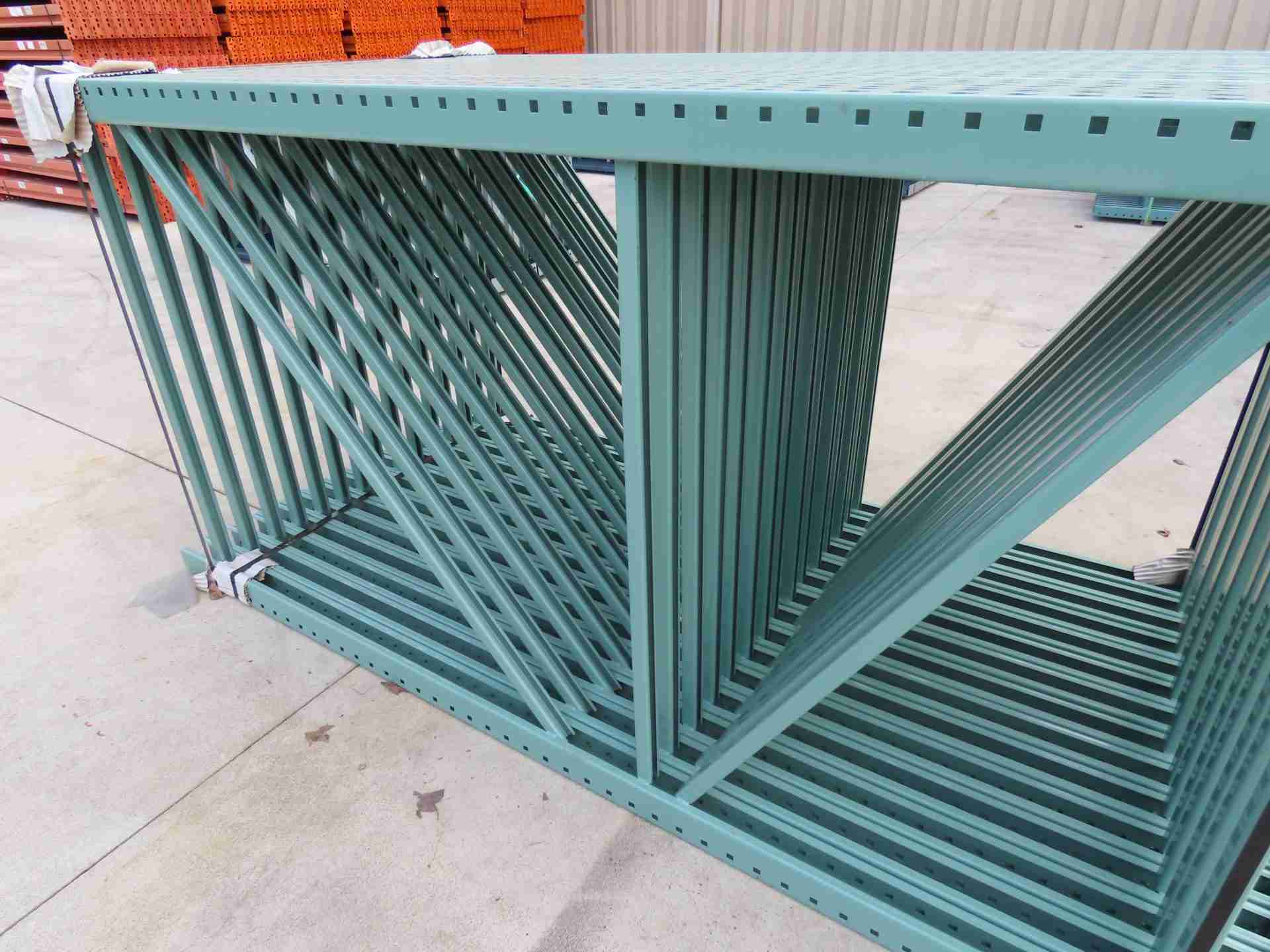
Are There Specific Safety Standards For Heavy-Duty Racking?
Are There Specific Safety Standards For Heavy-Duty Racking?
- Safety is a critical strategy for protecting personnel and investments in heavy-duty racking systems.
- The American National Standards Institute (ANSI) and Occupational Safety and Health Administration (OSHA) set key regulations for these systems.
- ANSI standard MH16.1 provides guidelines for the design, fabrication, and installation of pallet racks to ensure structural integrity.
- Ignoring safety protocols can lead to catastrophic consequences, highlighting the importance of compliance.
- Regular inspections (recommended quarterly) are essential to identify and address issues like bent beams and misaligned racks.
- Training staff on proper loading and unloading procedures is crucial to avoid accidents and overloading.
- Prioritizing safety standards enhances productivity and protects against costly disruptions, making safety an essential investment.

Are There Specific Safety Standards For Heavy-Duty Racking?
What Training Is Required For Pallet Racking Safety?
In today’s fast-paced warehouse environments, pallet racking systems are the backbone of efficient storage solutions. While these systems optimize space and improve productivity, they also present safety challenges that can have serious consequences if not properly managed. This brings us to the undeniable importance of comprehensive training in pallet racking safety.
Most importantly, training should go beyond a simple overview of equipment. It should create a deep understanding of the system’s structure, proper loading techniques, and the potential hazards that can arise. For instance, did you know that improperly loaded pallet racks can collapse? According to recent OSHA reports, accidents related to warehouse racking systems account for a significant percentage of workplace injuries. That’s a hard statistic to ignore!
Let’s explore the essential training components for pallet racking safety.
1. Understanding Racking Systems: Workers should be well-versed in different types of racking systems—such as selective, drive-in, and push-back racks. Each has its own set of best practices and limitations. For example, a selective racking system allows for direct access to products, but employees need to refrain from overloading, leading to dangerous tipping.
2. Weight Limits and Load Distribution: Employees should be trained on how to calculate and respect the weight limits posted on pallet racks. Misjudging weight can cause severe accidents. Companies need to implement weight distribution training sessions. A notable case last year saw a significant warehouse incident due to improper weight distribution, sparking a company-wide refresher on the topic.
3. Safe Equipment Use: Education on the correct use of equipment, including forklifts and pallet jacks, is vital. As these machines interact with pallet racks, any mishandling can lead to catastrophic failures. Regular “safety drills” can reinforce the correct techniques, ensuring employees are prepared for day-to-day operations.
4. Regular Inspections and Maintenance: Training also needs to emphasize the importance of routine inspections. Employees should be taught how to identify signs of damage or wear in the racking systems, such as bent posts or loose bolts. Regular maintenance schedules must be established to ensure continued safety.
5. Emergency Procedures: Last, but far from least, training should cover clear procedures for emergency situations, including how to respond if a racking system does fail. By simulating scenarios, employees become adept at maintaining composure during high-stakes moments.
In an era where workplace safety is more scrutinized than ever, investing in thorough pallet racking safety training is not merely a legal obligation; it’s an essential component of responsible business practices. By prioritizing safety, you safeguard your employees and your bottom line. Remember, a well-trained staff can be your strongest asset in averting accidents before they occur!

What Training Is Required For Pallet Racking Safety?
What Training Is Required For Pallet Racking Safety?
- Pallet racking systems are essential for efficient storage in warehouses but come with safety risks.
- Comprehensive training in pallet racking safety is critical for accident prevention.
- Training should encompass knowledge of different racking systems and their best practices.
- Employees need to understand weight limits and load distribution to avoid accidents.
- Proper training on equipment use, such as forklifts and pallet jacks, is crucial.
- Regular inspections and maintenance of racking systems must be part of the training program.
- Emergency response procedures should be included in training to prepare employees for potential failures.

What Training Is Required For Pallet Racking Safety?
How Can I Choose The Right Pallet Racking For My Warehouse?
Selecting the perfect pallet racking system for your warehouse isn’t just about maximizing storage space; it’s about creating a robust foundation for your entire operation. In an era when logistics and supply chain efficiency can make or break a business, the right decision can elevate your operations from merely functional to strikingly efficient.
First, assess your specific needs. What types of products will you be storing? Are they heavy-duty items like machinery parts that require strong, heavy-duty racking systems? Or lighter items, like consumer goods, that might benefit from selective racking? Picture a scenario: a grocery distributor managing perishable goods. A dynamic storage solution like FIFO (First In, First Out) racking is crucial here to prevent spoilage.
Next, consider the space you have at your disposal. With warehouse real estate becoming increasingly precious, every square foot matters. Perhaps you’ve seen news reports about the shortage of warehouse space in urban areas due to e-commerce growth. Investing in high-density pallet racking could be your answer. Systems like drive-in racking can allow for greater vertical storage capabilities, using your warehouse’s height and dramatically increasing inventory volume.
Don’t overlook the importance of future-proofing your investment. In an unpredictable economy, adaptability is key. The rise of hybrid work models and fluctuating consumer demands make flexibility more important than ever. Modular racking systems allow you to scale your operation easily; you might start with a certain configuration but foresee adding more lines as your business grows. Keeping an eye on trends—like the current shift towards automation—can also guide you. Automated storage solutions often require specific racking setups; so, aligning your racking choice with future tech integrations will save headaches down the line.
Safety is paramount and often overlooked. In 2023, workplace safety is receiving heightened attention as regulations evolve. Selecting racking systems with safety certifications and incorporating protective measures like aisle barriers and rack protectors is not just responsible; it’s a competitive advantage.
Finally, consult with experts. Many warehouse managers now turn to industry specialists who can analyze your operations and make tailored recommendations. This isn’t just an investment in racking; it’s an investment in your operation’s future.
By taking these factors into account, you ensure that you’re not just choosing warehouse shelving—you’re crafting a system designed for performance, safety, and the ability to evolve with your business. Remember, the right pallet racking today can lead to smoother operations tomorrow.

How Can I Choose The Right Pallet Racking For My Warehouse?
How Can I Choose The Right Pallet Racking For My Warehouse?
- Choosing a pallet racking system is vital for establishing a solid operational foundation in logistics and supply chain management.
- Assess specific storage needs based on the types of products: heavy-duty items require strong systems, while lighter items may benefit from selective racking.
- Consider available warehouse space; high-density pallet racking like drive-in systems use vertical storage to maximize inventory volume.
- Future-proofing the investment is crucial due to economic unpredictability; modular racking systems offer scalability as business needs evolve.
- Prioritize safety by selecting racking systems with safety certifications and adding protective features, which can also enhance competitiveness.
- Consulting with industry experts can provide tailored recommendations to optimize racking choices for operational efficiency.
- Ultimately, thoughtful selection of pallet racking supports performance, safety, and adaptability for future business growth.

How Can I Choose The Right Pallet Racking For My Warehouse?
Conclusion
Conclusion
In the intricate world of warehousing and distribution, the significance of pallet racking regulations extends far beyond mere compliance—it’s a matter of operational efficacy, employee safety, and financial viability. As we’ve explored, adhering to the labyrinth of local, state, and federal regulations, including guidelines from OSHA and standards set by ANSI and RMI, is crucial for preventing potentially catastrophic failures and ensuring a seamless workflow.
Remember, the consequences of neglecting these regulations can be devastating. Not only do compliance violations lead to hefty fines and costly legal repercussions, but they can also result in tragic workplace accidents that affect morale and damage your company’s reputation. By embedding a culture of safety and diligence into your operations, you not only safeguard your workforce but also bolster your brand’s integrity in a competitive market.
The journey towards compliance doesn’t have to be daunting. With actionable steps—such as regular inspections, staff training, and extensive audits—you can fortify your racking systems and enhance workplace safety while boosting productivity. Investing in this proactive approach helps to create a resilient business structure that can adapt to industry shifts and emerging risks.
As you contemplate the right pallet racking system for your needs, remember to engage with experts who can guide your decisions, ensuring you not only meet compliance but thrive in your operations. Our team at Arrow Industrial Sales is here to help you navigate these essential decisions. Don’t wait for regulatory pressure or a mishap to prompt action!
Call Arrow Industrial Sales today at (574) 349-6575 to discuss your needs, understand the latest regulations, and explore compliant pallet racking solutions tailored for your unique operational demands. Take control, ensure safety, and position your business for success—the time to act is now!

Conclusion
Conclusion:
- The significance of pallet racking regulations includes operational efficacy, employee safety, and financial viability.
- Compliance with local, state, and federal regulations, including OSHA, ANSI, and RMI, is crucial for preventing failures and ensuring smooth operations.
- Neglecting these regulations can lead to fines, legal issues, and tragic workplace accidents that harm morale and reputation.
- Creating a culture of safety and diligence protects your workforce and enhances brand integrity in a competitive market.
- Regular inspections, staff training, and audits are actionable steps to bolster racking systems and workplace safety.
- Engaging with experts, like Arrow Industrial Sales, can guide businesses in achieving compliance and operational success.
- Contact Arrow Industrial Sales to discuss needs, understand regulations, and explore compliant pallet racking solutions.

Conclusion
Other Resources

Other Resources
Here is a list of other resources you can review online to learn more:
- “Rack Manufacturers Institute (RMI)”
- “Rack Manufacturers Institute”
- “RMI – The Guiding Force Behind Rack Design & Safety”
- “Main Actors in the Warehouse Racking Industry”
- “Pallet Racking Safety Guidelines: What They Are and How …”
- “RMI Pallet Rack Certification: What You Need to Know”
- “Warehousing – Know the Law | Occupational Safety and …”
- “Seismic Considerations for Steel Storage Racks”
- “Storage Solution Safety Accessories | Godrej Enterprises Group”
- “Do your storage rack safety measures stack up?”
- “Cal/OSHA Pocket Guide for the Construction Industry”
Use This Prompt To Get More Resources With Your Favorite Online AI Tool: Please provide me with a list of online articles with their URLS in a bulleted list that I can read regarding Are There Pallet Racking Regulations?

Other Resources
Glossary Terms
Are There Pallet Racking Regulations? – Glossary Of Terms
1. Pallet Racking: A shelving system used to store materials on pallets in a warehouse or distribution center.
2. Regulations: Official rules or laws governing the use or operation of pallet racking systems to ensure safety and compliance.
3. Safety Standards: Guidelines established to ensure that pallet racking systems are designed and used in a manner that minimizes risk of accidents.
4. Load Capacity: The maximum weight that a pallet rack system can safely hold, determined by design and materials.
5. Design Specifications: Detailed plans or requirements that must be followed in the construction and installation of pallet racking systems.
6. Inspections: Regular assessments carried out to ensure pallet racking systems meet safety and compliance standards.
7. Maintenance: Ongoing care and repair work necessary to keep pallet racking systems in safe, operational condition.
8. Compliance: Adhering to regulations and standards set forth by local, state, and federal authorities regarding pallet racking.
9. Capacity Management: The practice of planning and controlling the maximum load within pallet racking systems to prevent overloading.
10. Forklift Safety: Best practices for using forklifts around pallet racks to prevent collisions and accidents.
11. Hazard Assessment: The process of identifying potential risks associated with pallet racking and implementing control measures to mitigate those risks.
12. Vertical Clearance: The minimum height required for safe operation and use of pallet racking systems.
13. Pallet Type: Refers to the different materials and designs of pallets (e. g. , wood, plastic, metal) used with racking systems which can affect loading and safety.
14. Aisle Width: The spacing between rows of pallet racks which must be adequate for safe access, especially for forklifts.
15. Structural Integrity: The ability of a pallet racking system to maintain its shape and support loads without collapsing or failing.
16. Anchorage: The method by which pallet racking systems are secured to the floor or other structures to prevent tipping or movement.
17. Weight Distribution: The proper manner of placing weight on pallet racks to ensure even distribution and reduce risk of tipping.
18. Local Building Codes: Legislation and requirements established by local authorities governing construction safety, including pallet racking systems.
19. Fire Safety Regulations: Requirements intended to prevent fire hazards in warehouses, including those associated with pallet racking.
20. Pallet Rack Systems: Different types of racking configurations, such as selective, drive-in, or push-back, each with specific regulations.
21. Impact Barriers: Protective structures placed at the base of pallet racks to prevent damage from equipment like forklifts.
22. Stability: The ability of a pallet rack to remain upright and unmovable when loads are added or removed.
23. Risk Mitigation: Strategies employed to minimize the risks associated with pallet racking use and ensure safe operations.
24. Training Requirements: Mandatory educational programs for personnel on proper use and safety protocols related to pallet racking.
25. Lateral Restraint: Mechanisms used to prevent pallets or loads from sliding off the sides of the racking during operations.
26. OSHA Standards: Safety regulations set by the Occupational Safety and Health Administration that impact all workplace environments, including pallet racking use.
27. Inspection Frequency: Guidelines that determine how often pallet racks should be examined for safety compliance.
28. Reporting Protocols: Procedures for documenting damages or safety violations related to pallet racking.
29. Regulatory Bodies: Organizations that create and enforce laws and regulations governing warehouse operations, including pallet racking.
30. Palletization: The process of placing goods onto pallets, important for maximizing the effectiveness of pallet racking systems.

Glossary Of Terms
Other Questions
Are There Pallet Racking Regulations? – Other Questions
If you wish to explore and discover more, consider looking for answers to these questions:
- What are the key OSHA regulations for pallet racking?
- How do I conduct a pallet racking safety audit?
- What are the signs that my pallet racking system is unsafe?
- How can technology enhance pallet racking safety?
- What training programs should be implemented for employees?
- What are the financial costs associated with non-compliance?
- How can I stay updated on changing regulations related to pallet racking?
- What role does insurance play in pallet racking safety compliance?
- What measures should be taken to protect racking systems in seismic zones?
- How does pallet racking design affect warehouse efficiency?
- How can I create a culture of safety in my warehouse?
- What are the differences between various types of pallet racking systems?
- How do I know if a racking system is suitable for my specific products?
- What documentation is needed for compliance with pallet racking regulations?
- Are there specific certifications required for pallet racking installation?

Other Questions
Checklist
Are There Pallet Racking Regulations? – A Checklist
1. Understand Regulatory Bodies:
_____ Familiarize yourself with OSHA guidelines for pallet racking safety.
_____ Review ANSI and RMI standards applicable to your racking systems.
2. Conduct Regular Inspections:
_____ Schedule monthly inspections of your pallet racking systems.
_____ Plan for comprehensive quarterly or biannual assessments.
3. Implement Training Programs:
_____ Ensure employees are trained in the proper loading and unloading of racks.
_____ Conduct regular safety drills and refresher courses.
4. Audit Current Systems:
_____ Perform a thorough audit of existing racking systems against ANSI standards.
_____ Identify and rectify areas of non-compliance to enhance safety.
5. Stay Informed About Local Laws:
_____ Check local zoning laws that may affect racking installation and operations.
_____ Ensure compliance with fire safety codes and other municipal regulations.
6. Choose the Right Racking System:
_____ Assess the type of products stored to determine the best racking system.
_____ Consider future needs and adaptability while selecting racking solutions.
7. Prioritize Weight Limits and Distribution:
_____ Train staff on weight limits and load distribution for pallet racks.
_____ Use weight distribution sessions to prevent accidents due to overload.
8. Foster a Culture of Safety:
_____ Regularly communicate the importance of safety and compliance with employees.
_____ Create an environment where employees feel comfortable reporting hazards.
9. Utilize Technology:
_____ Explore racking systems with technology that monitors overloads and conditions.
_____ Utilize data analytics to optimize racking efficiency and safety.
10. Document Compliance Efforts:
_____ Keep records of inspections, training sessions, and audits for reference.
_____ Document all compliance-related actions taken to mitigate risks.
Emergency Preparedness
_____ Establish clear protocols and training for emergency situations involving racking systems.
_____ Regularly review emergency procedures to ensure all staff are familiar with them.
Re-evaluate Periodically
_____ Regularly review your compliance checklist and update it based on changes in regulations or company operations.
By following this checklist, you can ensure that your pallet racking systems not only comply with regulations but also foster a safer and more efficient workplace.

Checklist
At RackingWorld, we help guide you through selecting warehouse storage systems and racking.
Be sure to read our other related stories at RackingWorld to learn more about warehouse storage systems.
0 Comments