
Discover The Best Prices For Pallet Racking
By Tom Seest
At RackingWorld, we help guide you through selecting warehouse storage systems and racking.
Be sure to read our other related stories at RackingWorld to learn more about warehouse storage systems.
Where to Find The Cost Of Pallet Racking?
In today’s fast-paced business environment, understanding the costs involved in warehouse operations is crucial for maximizing profitability. Pallet racking systems, a pivotal component of efficient inventory management, can represent a significant investment for companies of all sizes. But where does one find accurate and comprehensive cost information? Let’s break it down.
1. Manufacturers’ Websites: The Goldmine of Information
Start your search directly on the websites of reputable pallet racking manufacturers. Companies like Interlake Mecalux and Republic Storage Systems often provide pricing ranges, technical specifications, and customization options. In many cases, you can also access calculators that let you estimate costs based on your specific layout and requirements. In these turbulent economic times, having a clear understanding of the available products and their price ranges can save you both time and money.
2. Local Distributors and Suppliers: The Ground Level Insight
Once you’ve familiarized yourself with the basics, don’t overlook local distributors. These businesses not only sell new systems but also may offer used pallet racking at a fraction of the cost. Given the recent supply chain disruptions and inflation impacting many industries, reaching out to local suppliers can provide insight into cost variations and current stock levels, which might lead to favorable deals.
3. Online Marketplaces: The Bargain Hunter’s Paradise
Platforms like eBay, Craigslist, or even Facebook Marketplace have emerged as crucial resources for finding pallet racking systems. You can often find lightly-used racks at significantly reduced prices. As the e-commerce landscape expands, more businesses are liquidating their inventory, creating a unique opportunity for bargain hunters. For instance, a warehouse closing down may offer high-quality racking systems for a steep discount, leading to incredible savings for savvy shoppers.
4. Industry Trade Shows and Expos: The Insider’s Edge
Don’t underestimate the power of networking and face-to-face interactions. Attending industry trade shows allows you to meet suppliers, view products firsthand, and sometimes negotiate better deals than what is available online. Events like ProMat and MODEX have been real game-changers in showcasing advancements in warehouse solutions and offer a chance to get direct quotes from manufacturers.
5. Online Forums and Social Media Groups: A Community Approach
Finally, consider engaging in online forums or social media groups where warehouse managers and logistics experts congregate. Platforms like LinkedIn can connect you with industry professionals willing to share their insights on costs, suggesting resources or suppliers you may not have considered.
Knowing where to look for the cost of pallet racking can dramatically influence your bottom line. By leveraging available resources—from manufacturers and local suppliers to online marketplaces and community interactions—you’ll equip your business for smarter purchasing decisions and operational success.

Where to Find The Cost Of Pallet Racking?
Where to Find The Cost Of Pallet Racking?
- Understanding warehouse operation costs is essential for maximizing profitability.
- Pallet racking systems are a significant investment for businesses of all sizes.
- Manufacturers’ websites offer pricing ranges, technical specifications, and cost calculators.
- Local distributors provide insights on new and used pallet racking options amid current economic challenges.
- Online marketplaces like eBay and Craigslist are valuable for finding discounted, lightly-used racks.
- Industry trade shows enable networking with suppliers and potential for negotiating better deals.
- Online forums and social media groups can connect you with industry professionals sharing insights and resources.
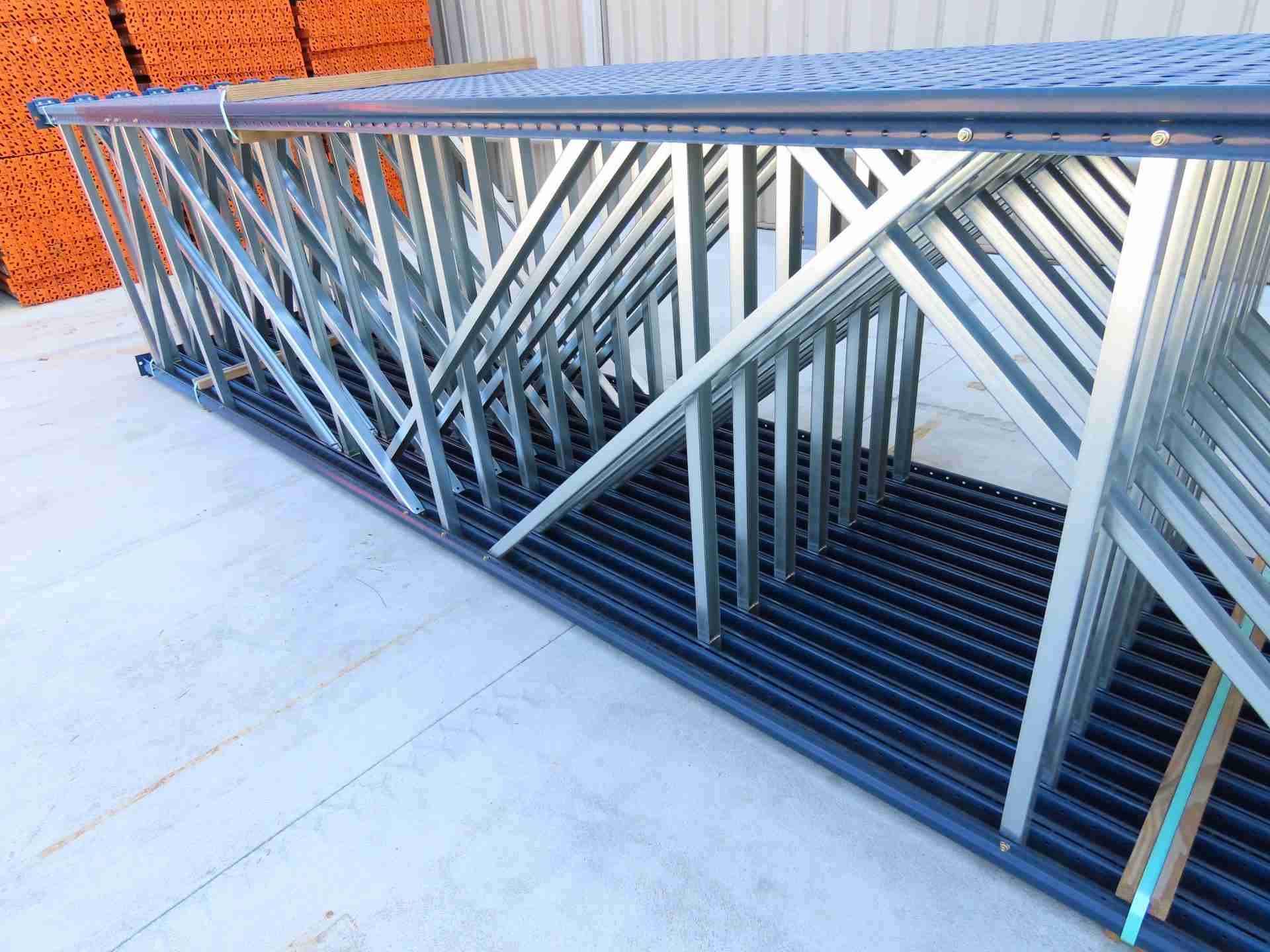
Where to Find The Cost Of Pallet Racking?
Table Of Contents
- Where to Find The Cost Of Pallet Racking?
- What Factors Influence The Cost Of Pallet Racking?
- Are There Different Types Of Pallet Racking?
- How Can I Calculate The Total Cost Of Pallet Racking?
- What Are The Average Prices For Pallet Racking Systems?
- Where Can I Compare Prices For Pallet Racking Online?
- Do I Need To Account For Installation Costs Of Pallet Racking?
- What Are The Best Places To Buy Pallet Racking Materials?
- How Can I Find Used Pallet Racking At A Lower Cost?
- Are There Any Hidden Fees When Purchasing Pallet Racking?
- What Are The Benefits Of Custom Pallet Racking Solutions?
- How Does Location Affect Pallet Racking Costs?
- Which Suppliers Offer The Best Deals For Pallet Racking?
- Can I Get Quotes For Pallet Racking From Multiple Vendors?
- How Do Seasonal Discounts Impact Pallet Racking Prices?
- What Financing Options Are Available For Buying Pallet Racking?
- Conclusion
- Other Resources
- Glossary Of Terms
- Other Questions
- Checklist
What Factors Influence The Cost Of Pallet Racking?
When it comes to maximizing warehouse efficiency and storage capacity, investing in pallet racking is a must. But before you dive into purchasing, it’s crucial to understand the factors that can influence the cost of these systems. Ignoring these variables could mean the difference between a savvy investment and a miscalculated expenditure that impacts your bottom line.
First and foremost, material quality plays a significant role. Pallet racking is typically constructed from steel, but not all steel is created equal. High-tensile-strength steel racks can carry heavier loads and have greater longevity, thus often requiring a larger initial outlay. However, if you opt for inferior materials, the risk of collapse and replacement costs loom large. Considering the recent increase in raw material prices due to supply chain disruptions, opting for durable materials may save you more in the long run.
Next up is system design. There are numerous racking systems available—selective, drive-in, cantilever, to name a few. Each system serves a different purpose and comes with varying price tags. For instance, selective racking, which is the most common and allows easy access to each pallet, is usually more expensive than drive-in racking, which maximizes space but requires a more complicated set-up. Understanding your storage needs will ultimately guide you toward the most cost-effective solution.
Installation costs can also be a significant consideration. If you have in-house resources capable of installation, you may save money. However, if you’re relying on a third-party service, the labor costs can stack up quickly—and when you’re navigating a labor shortage in the current market, this can be even more pronounced. Recent reports indicate that skilled labor is becoming scarcer and more expensive. Thus, budgeting for professional installation becomes essential.
Let’s not overlook location. The cost of pallet racking can vary dramatically based on geographical factors—areas with higher demand for warehouse space (think urban centers) often carry a premium not just on racking, but on installation and maintenance services as well. For example, logistics centers in places like Southern California are experiencing rising costs—not only due to high demand but also because of stringent regulations that can affect installation timelines.
Lastly, warranties and certifications matter. Opting for racking systems that come with robust warranties or industry certifications may slightly increase costs at the outset, but consider this an investment in peace of mind. Systems certified for seismic activity are especially pertinent in earthquake-prone regions; avoiding the catastrophic failures associated with poor quality ensures not just safety but also operational continuity.
Overall, comprehending the myriad factors that influence pallet racking costs enables businesses to make educated decisions. With careful planning and strategic sourcing, you can optimize your racking investment and improve your facility’s layout—ensuring that your warehousing operations not only meet current needs but also strategically position you for future growth.

What Factors Influence The Cost Of Pallet Racking?
What Factors Influence The Cost Of Pallet Racking?
- Investing in pallet racking is essential for maximizing warehouse efficiency and storage capacity.
- Material quality significantly influences costs; high-tensile-strength steel is more durable but more expensive.
- Different racking system designs (selective, drive-in, cantilever) have varying price tags and serve specific needs.
- Installation costs are a key consideration, particularly in a labor market experiencing shortages and rising costs.
- Geographical location affects pallet racking prices, with urban areas typically incurring higher costs due to demand and regulations.
- Warranties and industry certifications may raise initial costs but provide peace of mind and ensure operational continuity.
- Understanding these factors helps businesses make informed decisions and optimize their warehousing operations for future growth.
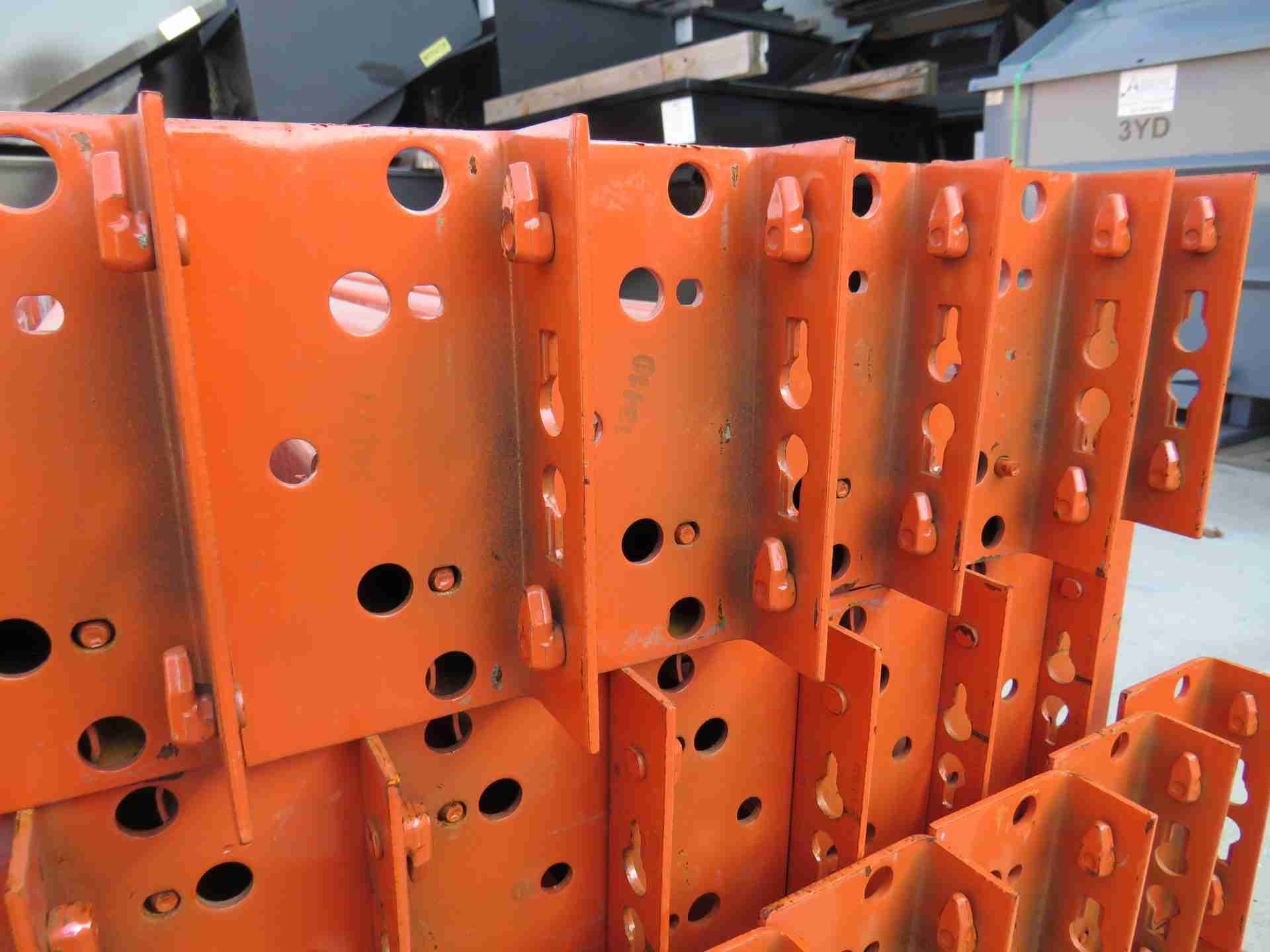
What Factors Influence The Cost Of Pallet Racking?
Are There Different Types Of Pallet Racking?
Are There Different Types of Pallet Racking?
When it comes to optimizing warehouse space, not all pallet racking systems are created equal. Businesses must align their racking choices with their specific needs, budget, and inventory management strategies. Let’s explore some of the most prevalent types of pallet racking that can elevate your inventory operations, streamline logistics, and ultimately, improve your bottom line.
1. Selective Pallet Racking
Selective Pallet Racking is the most common and versatile option available. Its design allows for easy access to every pallet, making it perfect for warehouses with a wide variety of SKUs. By using this system, you not only streamline picking processes but also minimize the time spent searching for items. Companies like Amazon, which are under constant pressure to scale up their order fulfillment, rely on this efficient racking type to manage thousands of unique products seamlessly.
2. Drive-In and Drive-Through Racking
When you need to maximize vertical space while maintaining accessibility for high-volume products, drive-in and drive-through racking systems are ideal. In a drive-in setup, forklifts access a single entry point, allowing pallets to be stored back-to-back. Conversely, drive-through designs permit entry from both sides, which is beneficial for FIFO (first in, first out) inventory methods. These systems are particularly advantageous for businesses that face seasonal fluctuations, such as food distributors, who need to quickly manage inventory turnover.
3. Push-Back Racking
Looking for a balance between selectivity and density? Push-back racking offers a solution. This system utilizes a series of inclined tracks to allow pallets to slide backwards as new ones are added. It’s an excellent choice for operations with medium turnover rates and where storage space is at a premium. Retailers and manufacturers often use push-back racking when coping with seasonal demand spikes, allowing for maximum storage efficiency without sacrificing easy accessibility.
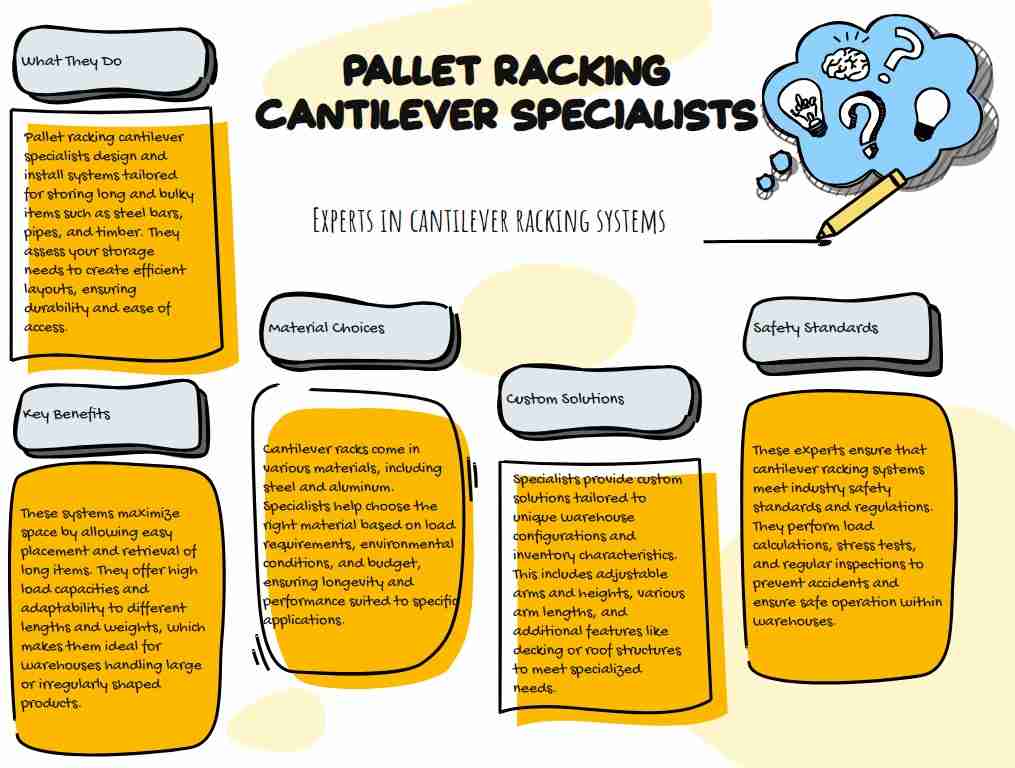
4. Cantilever Racking
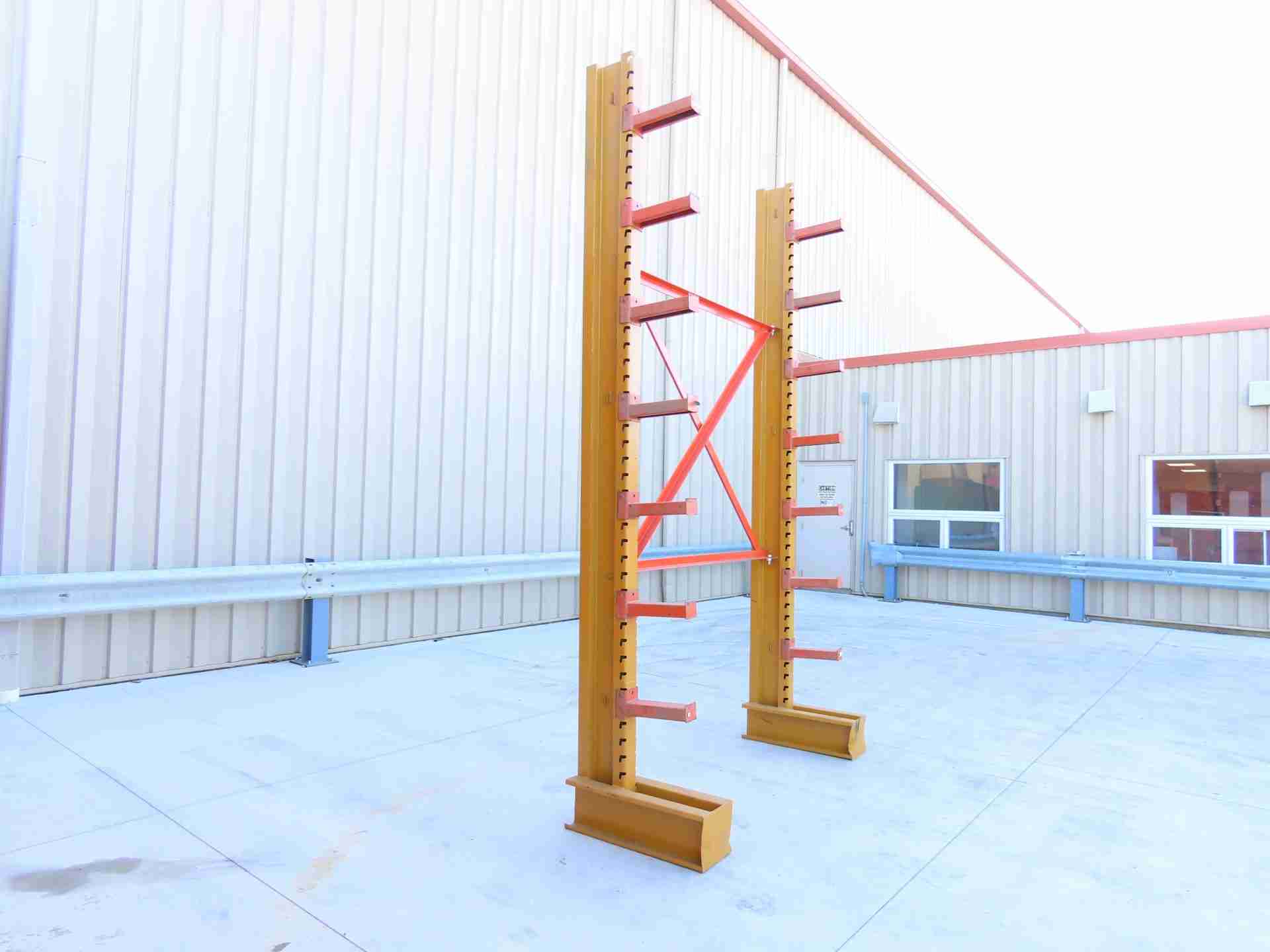
For industries that store oversized or irregularly shaped items—think lumberyards or plumbing supply companies—Cantilever Racking is a game-changer. Its open design accommodates long and bulky products without the constraints of traditional racking systems. This versatility allows businesses to display their inventory optimally, reducing the risk of damage and increasing the speed of picking.
Adapting your warehouse layout is not just about storing inventory; it is about optimizing storage and enhancing throughput. By understanding these different types of pallet racking, you can make informed decisions that align with your operational objectives. In an era where efficiency can set you apart from the competition, investing in the right pallet racking system isn’t merely a logistical choice—it’s a strategic advantage. Businesses today must be agile; the right racking solution can help you respond rapidly to changing market dynamics, ensuring that you stay ahead in the game.
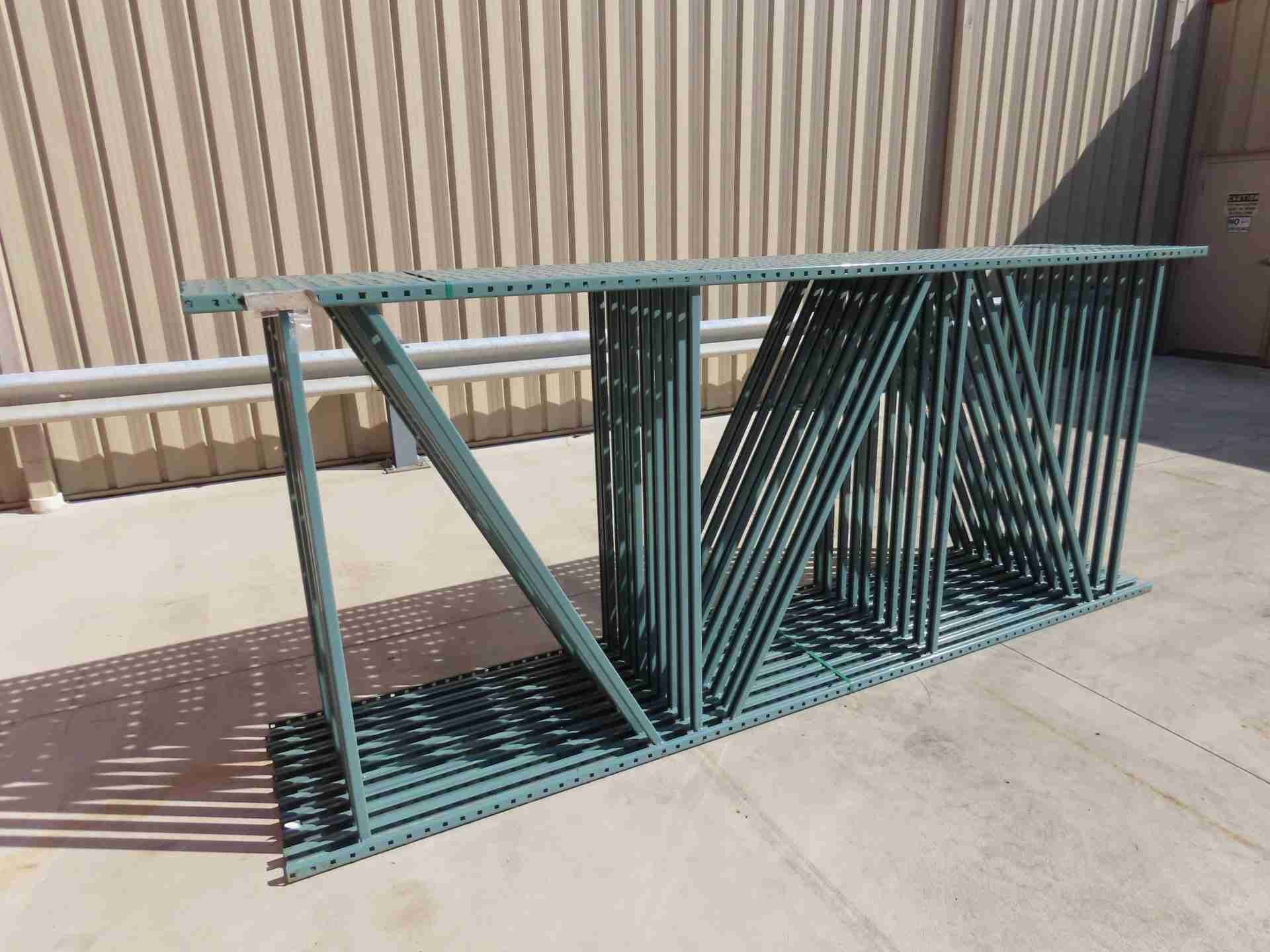
Are There Different Types Of Pallet Racking?
Are There Different Types Of Pallet Racking?
- Various pallet racking systems exist, each suited to specific business needs, budgets, and inventory management strategies.
- Selecting the right racking type enhances inventory operations and logistics, improving the company’s bottom line.
- Selective pallet racking is the most common type, facilitating easy access to pallets and effective management of diverse SKUs.
- Drive-in and drive-through racking maximize vertical space, allowing efficient inventory management, particularly for high-volume products.
- Push-back racking provides a balance between selectivity and density, ideal for medium turnover rates and maximizing storage efficiency.
- Cantilever racking is designed for oversized or irregularly shaped items, optimizing storage for industries like lumberyards and plumbing supplies.
- Investing in the appropriate racking system is a strategic advantage, enabling businesses to adapt to changing market dynamics.
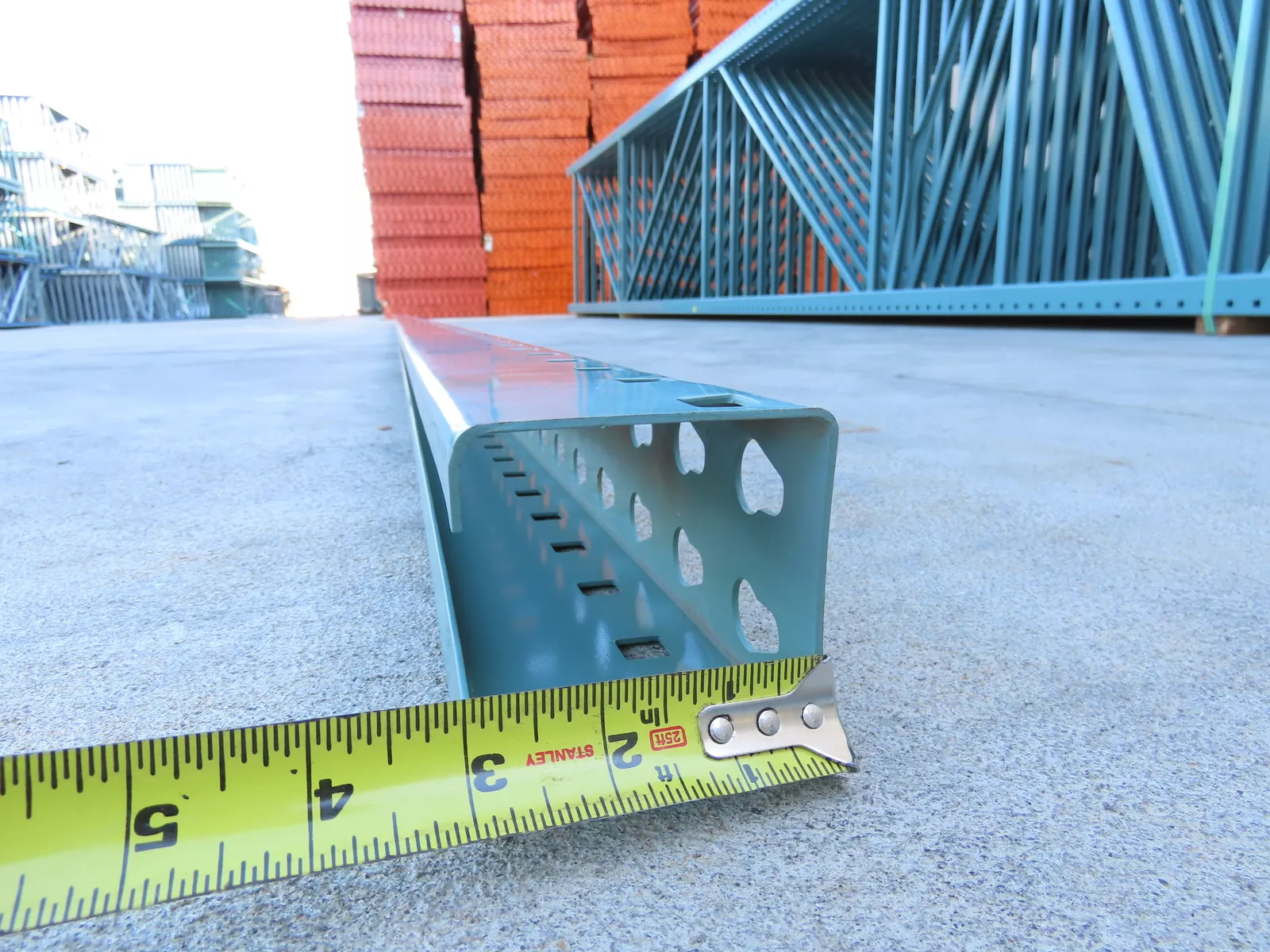
Are There Different Types Of Pallet Racking?
How Can I Calculate The Total Cost Of Pallet Racking?
When it comes to optimizing your warehouse space, understanding the total cost of pallet racking is essential. This isn’t just about the initial purchase; it’s a comprehensive look at the big picture that includes installation, maintenance, and potential future upgrades. Here’s how to break it down.
1. Initial Purchase Price: Start by gathering quotes from reputable pallet racking suppliers. Prices can vary based on type (selective, drive-in, push-back, etc.), size, and material. For instance, a basic selective racking system might cost between $1,000 to $3,000 for a simple setup, while larger, more complex systems can run into the tens of thousands. Don’t just settle for the cheapest option; consider quality and durability. Investing in higher-quality racking may prevent costly failures down the road.
2. Installation Fees: Next, consider installation. DIY installation can save money, but ensure you have the right expertise, or you might end up paying more for repairs later. If you hire professionals, installation may add an additional 15% to 30% to your total cost. Always get a clear estimate and ensure it covers all contingencies to avoid surprises.
3. Maintenance and Repairs: Pallet racking isn’t a set-it-and-forget-it solution. Maintenance costs should be factored in from day one. Regular inspections are crucial—especially given the rise in warehouse accidents spotlighted in recent safety reports. Budgeting around 1-3% of the total cost of your racking system per year for maintenance will keep your racking safe and compliant with safety regulations.
4. Opportunity Costs: Think beyond the immediate expenses. Poorly organized storage can lead to inefficiencies. Consider how optimized pallet racking can improve productivity. If better organization increases your forklift efficiency by just 10%, you may see substantial increases in your bottom line down the road.
5. Future Needs: Finally, consider scalability. The recent shifts in global supply chains mean more businesses are looking to expand quickly. Choose a racking system that can evolve with your operations without incurring significant additional costs. Built-in flexibility can save you headaches—like those businesses currently facing bottlenecks in the supply chain.
Calculating the total cost of pallet racking is about more than just dollars and cents. It’s a strategic investment that can influence your warehouse’s efficiency and safety. By evaluating each aspect meticulously, you position your business for growth, streamlined operations, and higher profitability. Make every dollar count—your warehouse deserves it!
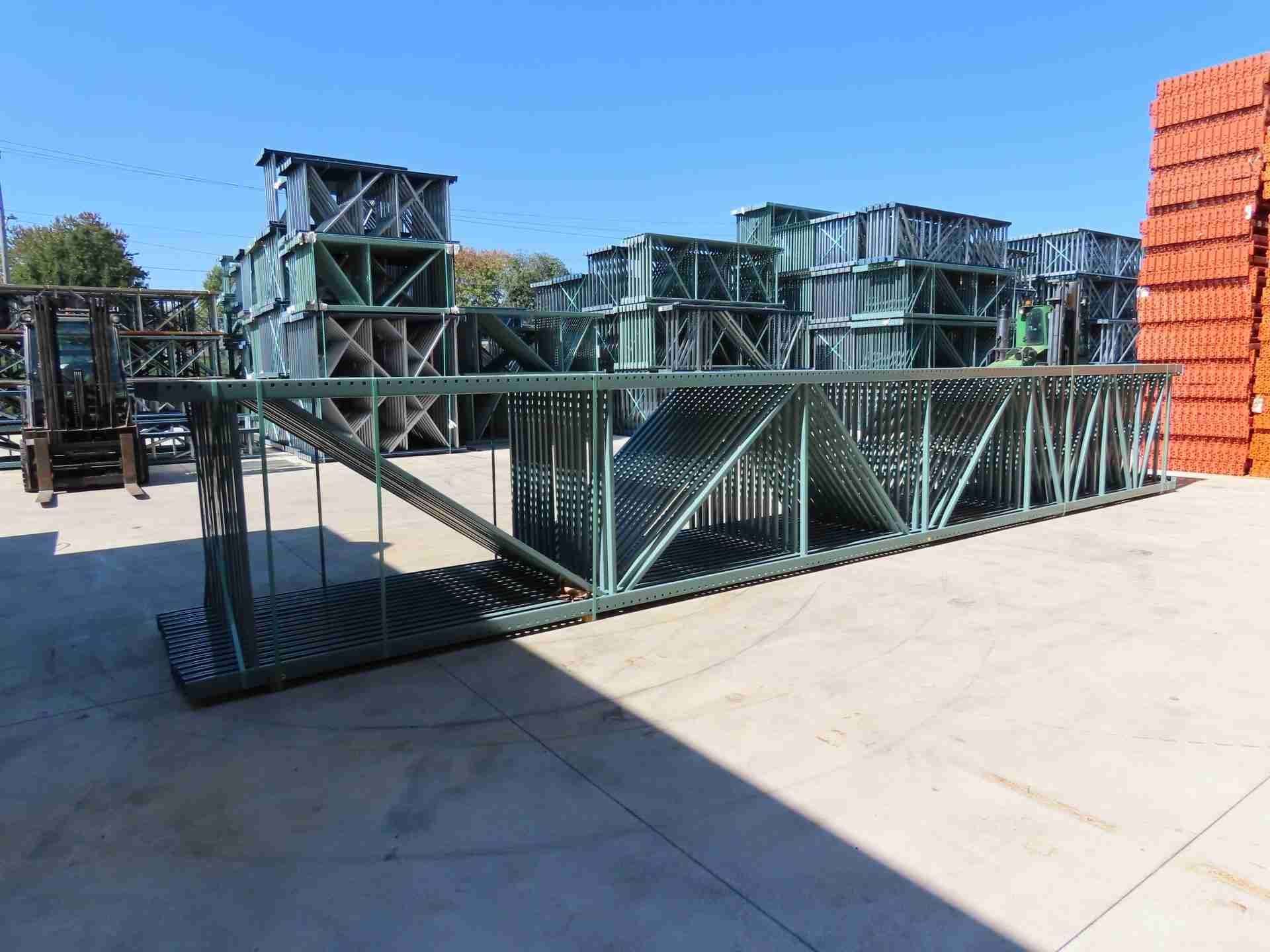
How Can I Calculate The Total Cost Of Pallet Racking?
How Can I Calculate The Total Cost Of Pallet Racking?
- Understanding Total Cost: The total cost of pallet racking includes initial purchase, installation, maintenance, and potential upgrades.
- Initial Purchase Price: Gather quotes from suppliers, considering type, size, material, with costs ranging from $1,000 to tens of thousands; prioritize quality over price.
- Installation Fees: DIY can save costs but may lead to repairs if expertise is lacking; hiring professionals adds 15-30% to total costs.
- Maintenance and Repairs: Regular inspections are critical; budget 1-3% of the racking’s total cost annually for maintenance to ensure safety compliance.
- Opportunity Costs: Optimized racking improves efficiency, which can significantly boost productivity and profitability.
- Future Needs: Choose scalable racking systems that can adapt to operational changes, helping to avoid supply chain issues.
- Strategic Investment: Evaluating all cost aspects can lead to enhanced efficiency, safety, and profitability for your warehouse operations.
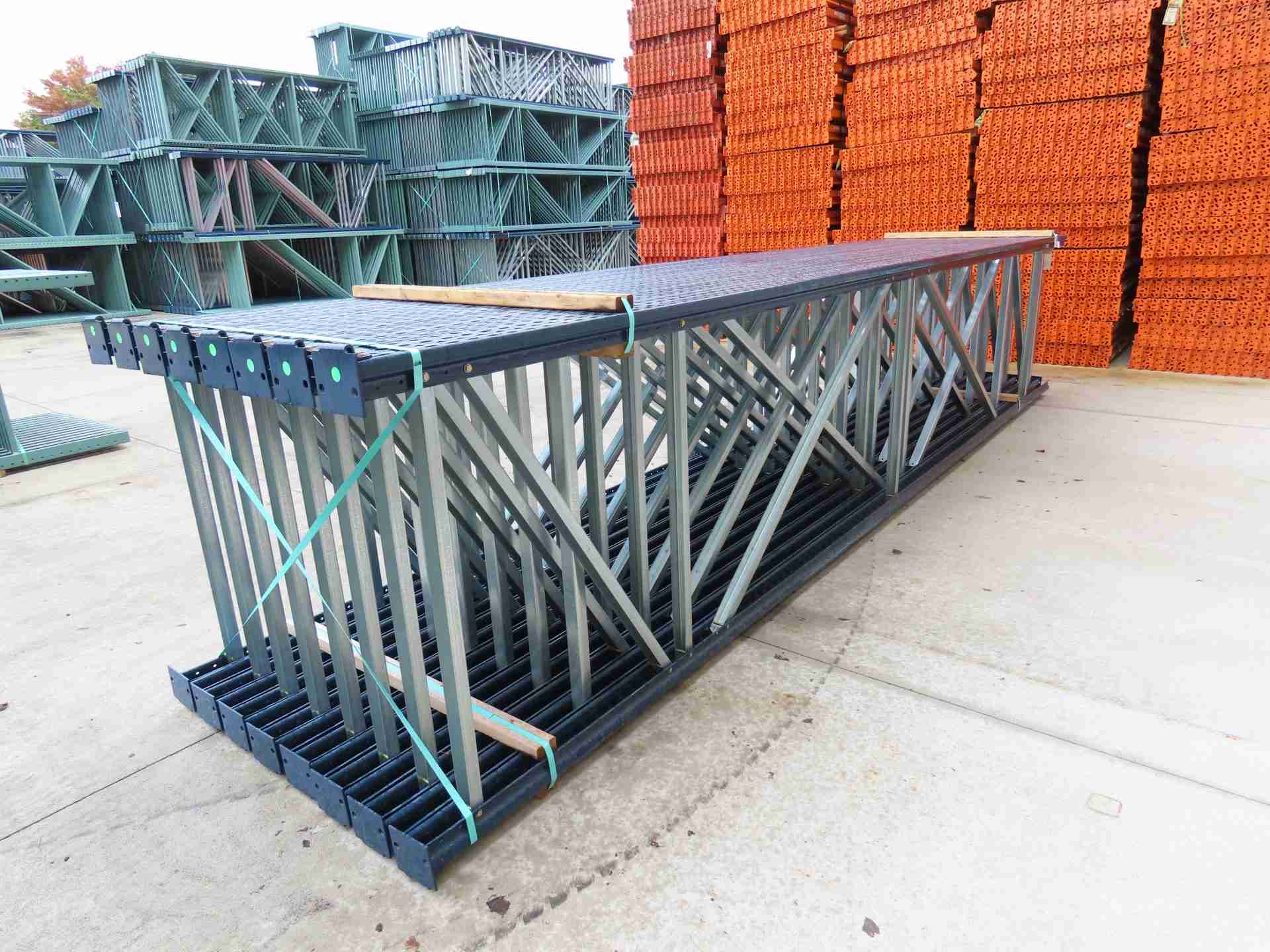
How Can I Calculate The Total Cost Of Pallet Racking?
What Are The Average Prices For Pallet Racking Systems?
When it comes to maximizing warehouse efficiency and storage capabilities, nothing beats the robust, reliable solution of pallet racking systems. However, as a savvy business owner, understanding the cost of these systems is crucial to making an informed investment. As the logistics and supply chain sectors continue to recover and evolve in the wake of global disruptions, knowing the average prices for pallet racking systems can help you position your business advantageously when resources are scarce.
For standard pallet racking options, you can expect prices to start at around $100 to $150 per upright. Mega retailers like Amazon and Walmart have dramatically scaled their operations in recent months, leading to an increased demand for storage solutions. Given the economy’s fluctuations, many manufacturers have adjusted their pricing structures, leading to a range that typically falls between $1,000 and $5,000 for complete systems, depending on configuration and capacity. For example, a basic setup of selective pallet racks containing uprights, beams, and safety accessories might cost approximately $2,000 to $3,000 for a standard 10-15 pallet configuration.
But, just like any investment, the price of your pallet racking system shouldn’t be the sole factor in your decision-making. Consider the long-term benefits of quality versus cost. Higher-priced systems from well-regarded manufacturers may offer better durability and higher safety ratings—crucial elements for protecting your workforce and inventory. For instance, Teardrop-style racks, an industry favorite, can be found in the range of $250 to $500 per set or higher; however, they are frequently noted for their reliability and configuration versatility.
Furthermore, if you’re looking into more specialized options like drive-in racks or push-back racks, pricing can escalate to $15,000 or more depending on the complexity of the design and storage needs. In today’s fast-paced retail environment, where supply chains are under constant pressure, investing in efficient racking solutions can mean the difference between stagnant inventory or thriving sales.
Don’t overlook the opportunity to seek custom configurations tailored to your specific storage needs. Though this may initially seem costly, businesses can often negotiate bulk pricing or take advantage of seasonal sales and manufacturer promotions, especially as 2023 comes to a close and businesses aim to alleviate excess inventory ahead of the new fiscal year.
Ultimately, understanding the average costs of pallet racking systems not only prepares you for immediate purchasing decisions but also arms you with the knowledge needed to propel your operational efficiency into the future. As the market continues to adapt, ensure you’re investing wisely—after all, every dollar spent on your infrastructure is a step toward achieving greater success.
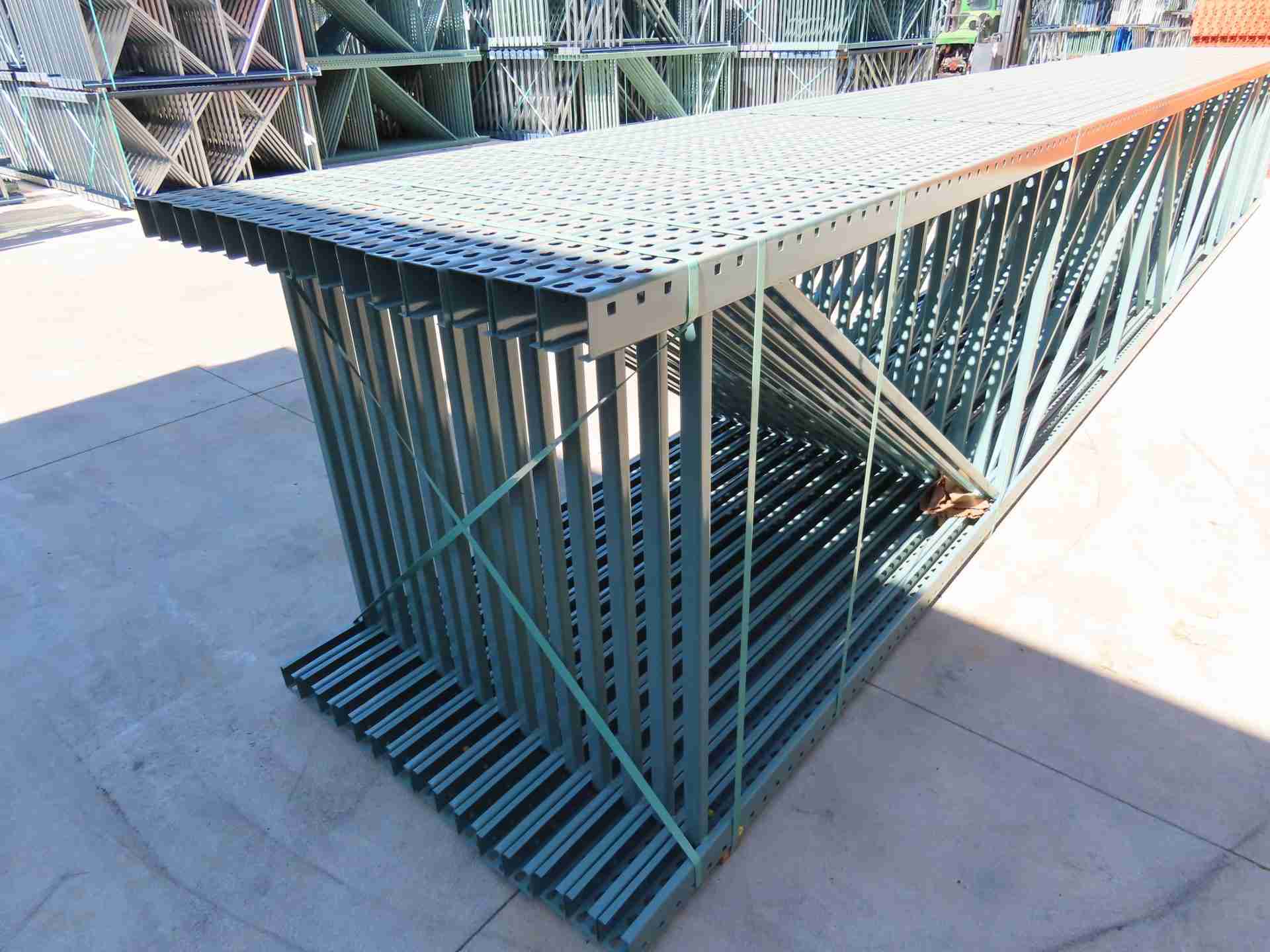
What Are The Average Prices For Pallet Racking Systems?
What Are The Average Prices For Pallet Racking Systems?
- Pallet racking systems are essential for maximizing warehouse efficiency and storage capabilities.
- Understanding the cost of these systems is crucial for informed investment decisions.
- Standard pallet racking prices range from $100 to $150 per upright and $1,000 to $5,000 for complete systems.
- A basic selective pallet rack setup for 10-15 pallets may cost around $2,000 to $3,000.
- Higher-priced systems may offer better durability and safety ratings, impacting workforce and inventory protection.
- Specialized options like drive-in or push-back racks can exceed $15,000, highlighting the need for efficient racking solutions.
- Custom configurations can be negotiated for better pricing, especially with seasonal sales approaching.

What Are The Average Prices For Pallet Racking Systems?
Where Can I Compare Prices For Pallet Racking Online?
When it comes to acquiring pallet racking systems for your warehouse or business, the difference in pricing can be substantial—and finding the right deal is crucial. Luckily, the digital age offers an abundance of platforms where you can compare prices on pallet racking with just a few clicks, making this an opportune moment to arm yourself with knowledge and save big.
One of the best places to start is with dedicated industrial supply websites like Grainger or Uline. These giants of industrial supply not only provide a vast array of options but also allow you to filter results based on your specific needs, such as load capacity, size, and material. You can quickly see how prices stack up across various brands, enabling you to make an informed decision without jumping from site to site.
For those who appreciate a more refined search experience, Amazon Business is another powerful tool. Not only does it allow you to compare prices across an extensive range of suppliers, but you can also read customer reviews and ratings. Look for vendors who offer bulk discounts or promotions; after all, negotiating a deal might just put some cash back in your pocket. The recent surge in e-commerce has led many suppliers to enhance their online offerings, making now an ideal time to explore what’s available.
If you’re not afraid of a little elbow grease, websites like ThomasNet and Alibaba can expand your options even further. Not only can you find both domestic and international suppliers, but you can also leverage features like request-for-quote and chat options, providing a direct line to negotiate your best price. Just remember, when dealing with international suppliers, take into account shipping costs, tariffs, and potential delays.
For real-time comparisons, PriceGrabber and Shopzilla can be game-changers. These platforms aggregate prices from various retailers, allowing you to see who’s offering the lowest price on the features you need, right at your fingertips. Stay updated with the latest trends—some retailers might be having sales due to the current emphasis on inventory management and warehouse efficiency.
In these unsettling economic times, where every dollar counts more than ever, utilizing these platforms can ensure you are making the most informed purchase for your pallet racking needs. Don’t just go with the first quote; explore your options and find the deal that will give you the space—and savings—to flourish!
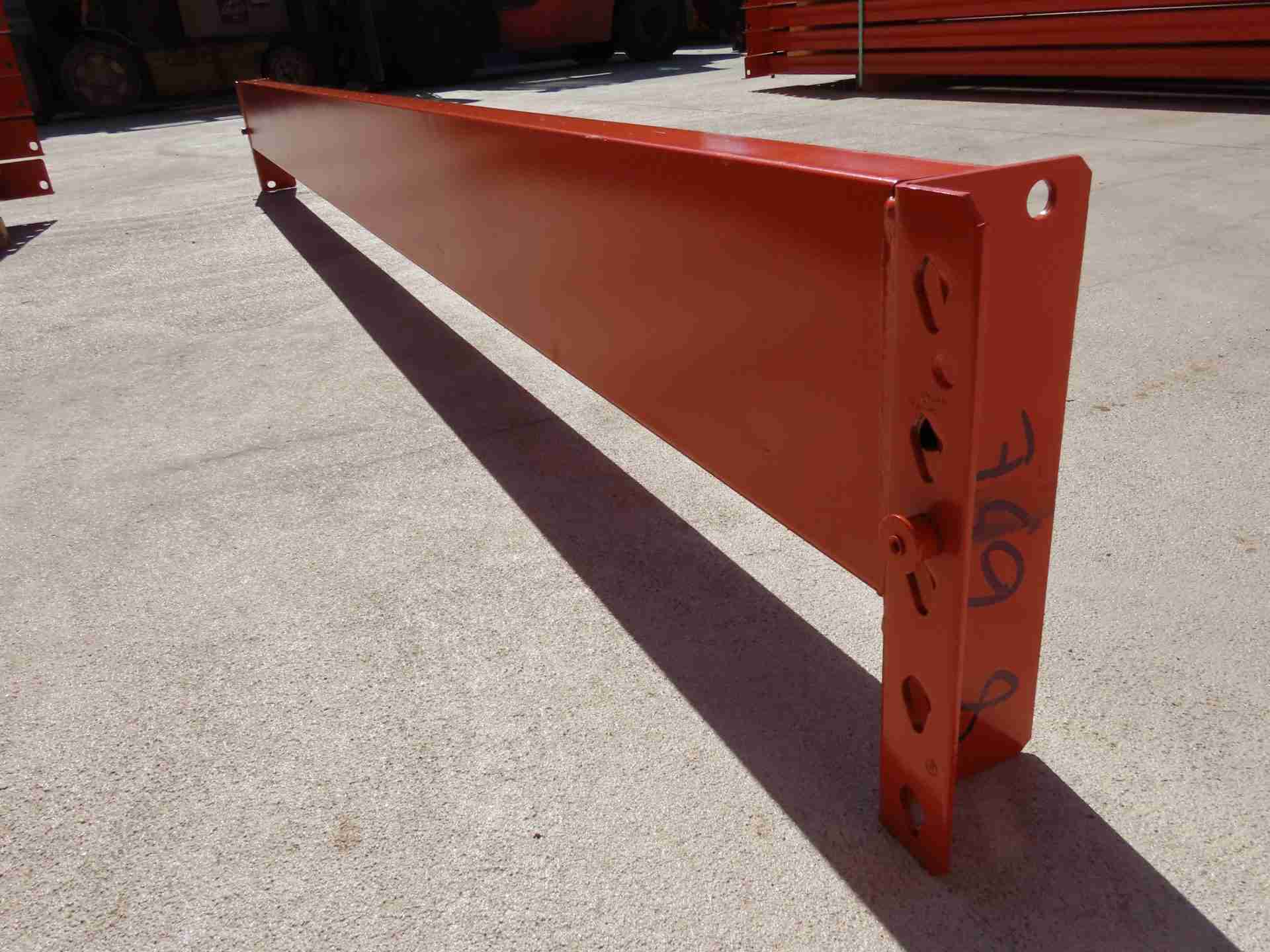
Where Can I Compare Prices For Pallet Racking Online?
Where Can I Compare Prices For Pallet Racking Online?
- The price difference for pallet racking systems can be significant, so finding the right deal is essential.
- Utilize industrial supply websites like Grainger and Uline to compare various options based on specific needs.
- Amazon Business offers a refined search experience, allowing price comparisons and customer reviews.
- Websites like ThomasNet and Alibaba provide access to both domestic and international suppliers with negotiation options.
- PriceGrabber and Shopzilla help with real-time price comparisons from multiple retailers.
- Stay informed of sales and trends related to inventory management and warehouse efficiency.
- In challenging economic times, exploring multiple options ensures informed purchasing decisions for pallet racking.
Where Can I Compare Prices For Pallet Racking Online?
Do I Need To Account For Installation Costs Of Pallet Racking?
When it comes to investing in pallet racking systems, the question of installation costs often hangs in the balance like an unmade decision. You might be thinking, “Do I really need to account for these additional expenses?” The answer is a resounding yes. Here’s why ignoring installation costs can be as risky as putting all your eggs in one basket.
First, consider the sheer complexity of modern warehousing. With the current surge in e-commerce, driven by giants like Amazon, the demand for optimized storage solutions has soared. A well-planned and expertly installed pallet racking system not only increases efficiency but can also directly impact your bottom line. If you skimp on installation, you might end up with a setup that doesn’t maximize space or flow, leading to costly delays and inefficiencies.
Take, for instance, a major retailer that opted for a DIY installation of their pallet racking. They miscalculated necessary clearances and spacing, which not only led to a temporary halt in operations but also incurred extra costs as they scrambled to bring in professionals to remedy the situation. A calculated expenditure on proper installation would have safeguarded them against these hassles.
Furthermore, professional installation can guarantee compliance with safety regulations, which is no minor issue. Recent headlines have spotlighted various industry penalties due to violations of safety codes. An improperly installed racking system can lead not just to fines but also to potential accidents and worker injuries, substantially escalating costs far beyond that initial installation expense.
You might be wondering how to budget for these installation costs accurately. A smart approach is to get detailed quotes from different installation service providers. Look for transparency in pricing and ask for break-downs that address materials, labor, and any unexpected contingencies. While you might find cheaper quotes, consider the old proverb: “You get what you pay for.” An experienced installer not only puts your racking in place efficiently but also prevents any costly surprises down the road.
To sum it up, when you’re calculating the total cost of your pallet racking system, installation isn’t just an afterthought; it’s an integral part of the process. Investing in professional installation could save you from future headaches and pave the way for increased operational efficiency. Don’t let the installation costs be the overlooked detail that derails your entire warehouse management strategy. Embrace the upfront investment for a smoother, more profitable future.
Do I Need To Account For Installation Costs Of Pallet Racking?
Do I Need To Account For Installation Costs Of Pallet Racking?
- Installation costs for pallet racking systems are crucial and should not be ignored.
- Modern warehousing complexities and e-commerce demands require optimized storage solutions.
- Proper installation enhances efficiency and positively impacts profitability.
- A DIY approach can lead to costly mistakes, as seen in a major retailer’s installation mishap.
- Professional installation ensures compliance with safety regulations, avoiding fines and accidents.
- Accurate budgeting for installation requires detailed quotes from service providers, emphasizing the value of experience.
- Overall, including installation in cost calculations is essential for effective warehouse management.
Do I Need To Account For Installation Costs Of Pallet Racking?
What Are The Best Places To Buy Pallet Racking Materials?
When it comes to optimizing your warehouse space, the efficient use of pallet racking materials is crucial. With the right racking system, you can drastically improve your operations, reduce clutter, and increase productivity. However, sourcing the best materials is equally important. Here’s where you can find the premier places to buy pallet racking materials that cater to all your needs and offer enticing options.
First on the list are specialized industrial suppliers, like Uline and Global Industrial. These companies offer a vast selection of racking systems tailored to different industries. Uline, for example, not only supplies pallet racks but also offers comprehensive shipping options, making it easy to get what you need right when you need it. Their catalog is an absolute treasure trove for anyone looking to upgrade their storage capabilities.
Next, consider local hardware megastores such as Home Depot and Lowe’s. While these stores are typically associated with smaller DIY projects, they have increasingly expanded their offerings to include commercial-grade pallet racking. Their easy accessibility and knowledgeable staff make them an excellent resource, especially for small business owners who appreciate a personal touch in customer service.
In today’s digital age, Amazon has also carved out a niche in this market. With an extensive range of pallet racking options available at competitive prices, you can read customer reviews and compare various brands right from the comfort of your office. The convenience factor cannot be understated, especially in the fast-paced business environment that has emerged post-pandemic when online ordering has become second nature.
Additionally, keep an eye out for surplus warehouse sales and liquidation auctions. Websites like Ritchie Bros. Auctioneers can provide incredible deals on lightly used racking systems that are being liquidated by companies downsizing or changing operations. Recent discussions surrounding economic uncertainty have prompted many organizations to streamline costs, creating opportunities for savvy buyers.
Lastly, don’t overlook local manufacturers and suppliers. Oftentimes, these businesses offer customized solutions that big-box retailers cannot match. Establishing a relationship with a local supplier can provide further advantages in terms of customization and ongoing support, as they understand the specific needs of your operation better than distant corporations.
Whether you’re looking for new, used, or customized pallet racking materials, your options are plentiful. By strategically selecting where to source your materials—balancing quality, price, and service—you can position your warehouse for success, ensuring a productive operation in these challenging times. Make your move wisely, and watch your efficiency soar!

What Are The Best Places To Buy Pallet Racking Materials?
What Are The Best Places To Buy Pallet Racking Materials?
- Efficient use of pallet racking materials is crucial for optimizing warehouse space.
- Specialized industrial suppliers like Uline and Global Industrial offer a wide selection of tailored racking systems.
- Local hardware megastores, including Home Depot and Lowe’s, now provide commercial-grade pallet racking.
- Amazon offers a vast range of pallet racking options with competitive prices and customer reviews for informed choices.
- Surplus warehouse sales and liquidation auctions, such as Ritchie Bros. Auctioneers, can yield great deals on used racking systems.
- Local manufacturers and suppliers can provide customized solutions that larger retailers may not offer.
- Strategically selecting sourcing options can enhance warehouse efficiency and productivity during challenging times.
What Are The Best Places To Buy Pallet Racking Materials?
How Can I Find Used Pallet Racking At A Lower Cost?
In today’s economy, savvy business operators are always on the lookout for ways to maximize their investment—and sourcing used pallet racking at a lower cost is an excellent strategy. The demand for pallet racking remains strong, especially as e-commerce booms and companies seek efficient inventory storage solutions. But why pay full price when there are endless opportunities to find quality used options?
1. Leverage Online Marketplaces:
Utilize platforms like eBay, Craigslist, and Facebook Marketplace. These sites are treasure troves for businesses and individuals looking to offload surplus racking they no longer need. You can often negotiate directly with sellers, allowing you to secure an even better deal. Just last month, a business in New Jersey sold their entire warehouse’s worth of used pallet racking for just 30% of the new retail price. Monitor these platforms regularly and set alerts for the keywords “used pallet racking” to catch the best deals as soon as they pop up.
2. Contact Local Distributors:
Many distributors upgrade their stock or consolidate their inventory, leading to surplus used racking they need to clear out. Forming relationships with local material handling distributors can yield remarkable savings. They may offer you first dibs on used items or even bulk discounts. Check industry events or trade shows where these distributors exhibit; they might be more willing to give you a bargain if you approach them in person.
3. Join Industry Groups:
Joining local business associations or online forums related to warehouse operations can provide leads on used equipment sales. Create an online signal that you are in the market for used pallet racking. This word-of-mouth approach can lead to leads not publicly listed. For instance, a recent Reddit thread revealed a small manufacturing company in Texas that was happily offloading excess racking to fellow businesses at reduced rates.
4. Attend Auctions:
Many warehouses conduct auctions to sell off surplus inventory. Local auction houses often have listings for liquidation sales or estate sales that include commercial-grade pallet racking. You may find a gem at an auction, where items can go for pennies on the dollar compared to retail prices. Keep an eye on websites like AuctionZip or local classifieds for upcoming auctions.
5. Reach Out To Large Retailers:
Major retailers often upgrade their facilities, resulting in surplus pallet racking. Don’t hesitate to reach out to them directly to inquire about purchasing their used equipment. With recent disruptions in supply chains, many companies are looking to sell off excess inventory to cut costs.
Finding used pallet racking at a lower cost is not only feasible but also a smart business decision. By leveraging online resources, connecting with distributors, engaging in industry discussions, tapping into auctions, and approaching retailers, you can score incredible deals that bolster your bottom line rather than hammer it. Take action now, and watch as your operational costs shrink, allowing you to reinvest where it matters most!
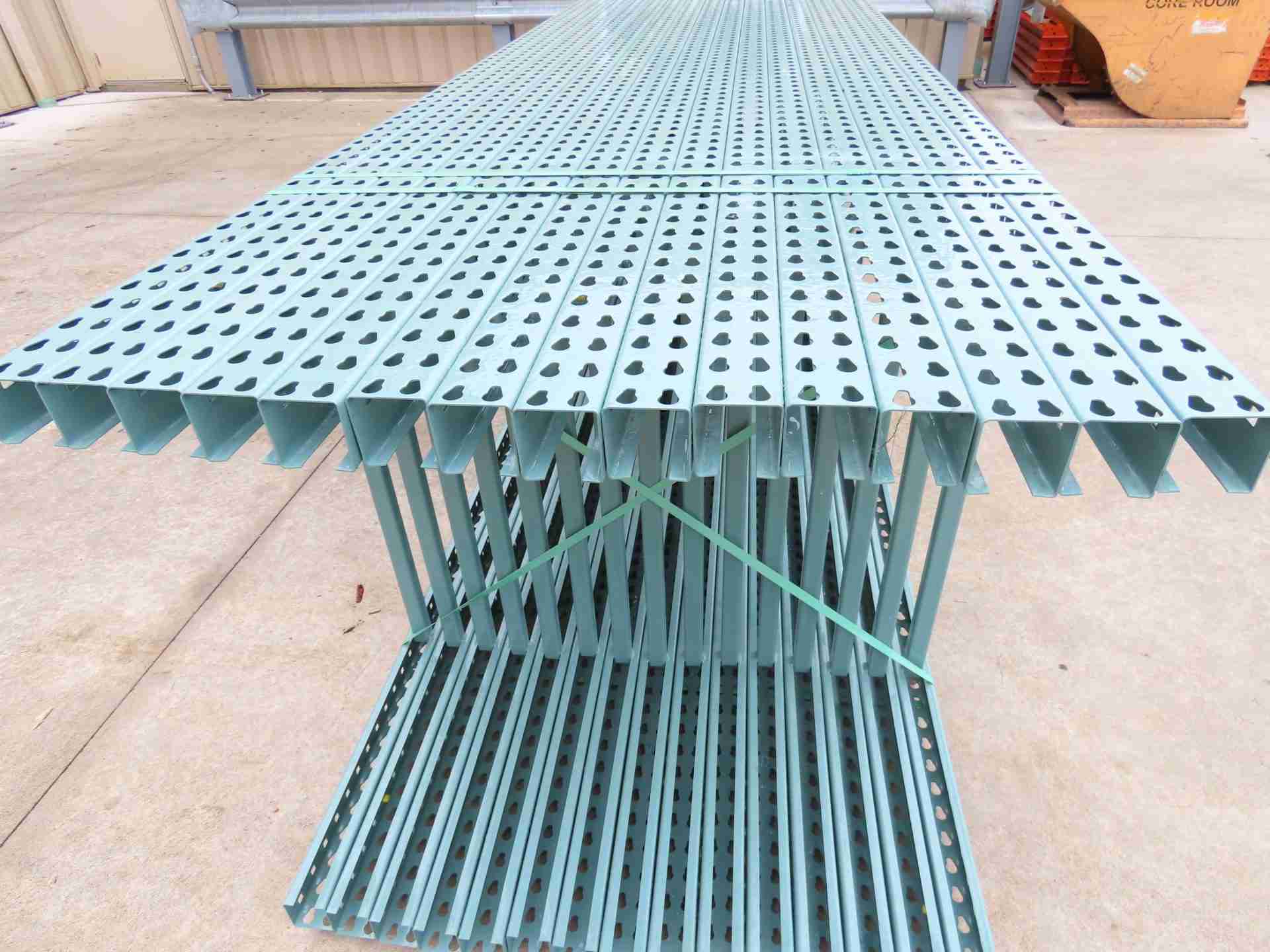
How Can I Find Used Pallet Racking At A Lower Cost?
How Can I Find Used Pallet Racking At A Lower Cost?
- Sourcing used pallet racking is a cost-effective strategy in today’s economy, especially with the growth of e-commerce.
- Online marketplaces like eBay, Craigslist, and Facebook Marketplace offer opportunities to find and negotiate for used racking.
- Contacting local distributors can provide access to surplus used racking and potential bulk discounts.
- Joining industry groups and online forums can lead to unlisted offers through word-of-mouth connections.
- Auctions for surplus inventory often feature commercial-grade pallet racking at significantly lower prices.
- Major retailers may sell their surplus pallet racking directly, especially due to recent supply chain disruptions.
- By utilizing these strategies, businesses can reduce operational costs and reinvest in growth areas.

How Can I Find Used Pallet Racking At A Lower Cost?
Are There Any Hidden Fees When Purchasing Pallet Racking?
When it comes to capital investments in warehouse or retail environments, many decision-makers overlook potential hidden fees associated with purchasing pallet racking systems. On the surface, you might see an attractive price tag, but savvy business owners know that the devil is in the details — and the true cost can spiral higher if you’re not careful.
Let’s break down the common hidden fees that can pop up like weeds in your carefully cultivated garden of savings. First and foremost, installation fees can often catch buyers off guard. Many sellers will offer a competitive price on the racking itself, only to stick you with hefty installation charges after the sale. For instance, an online provider might quote you a low cost per pallet rack but neglect to mention that their professional installation service comes with an extra charge — sometimes as much as 20% to 30% of the total purchase price. Always ask upfront what installation entails and see if it’s included in the initial price.
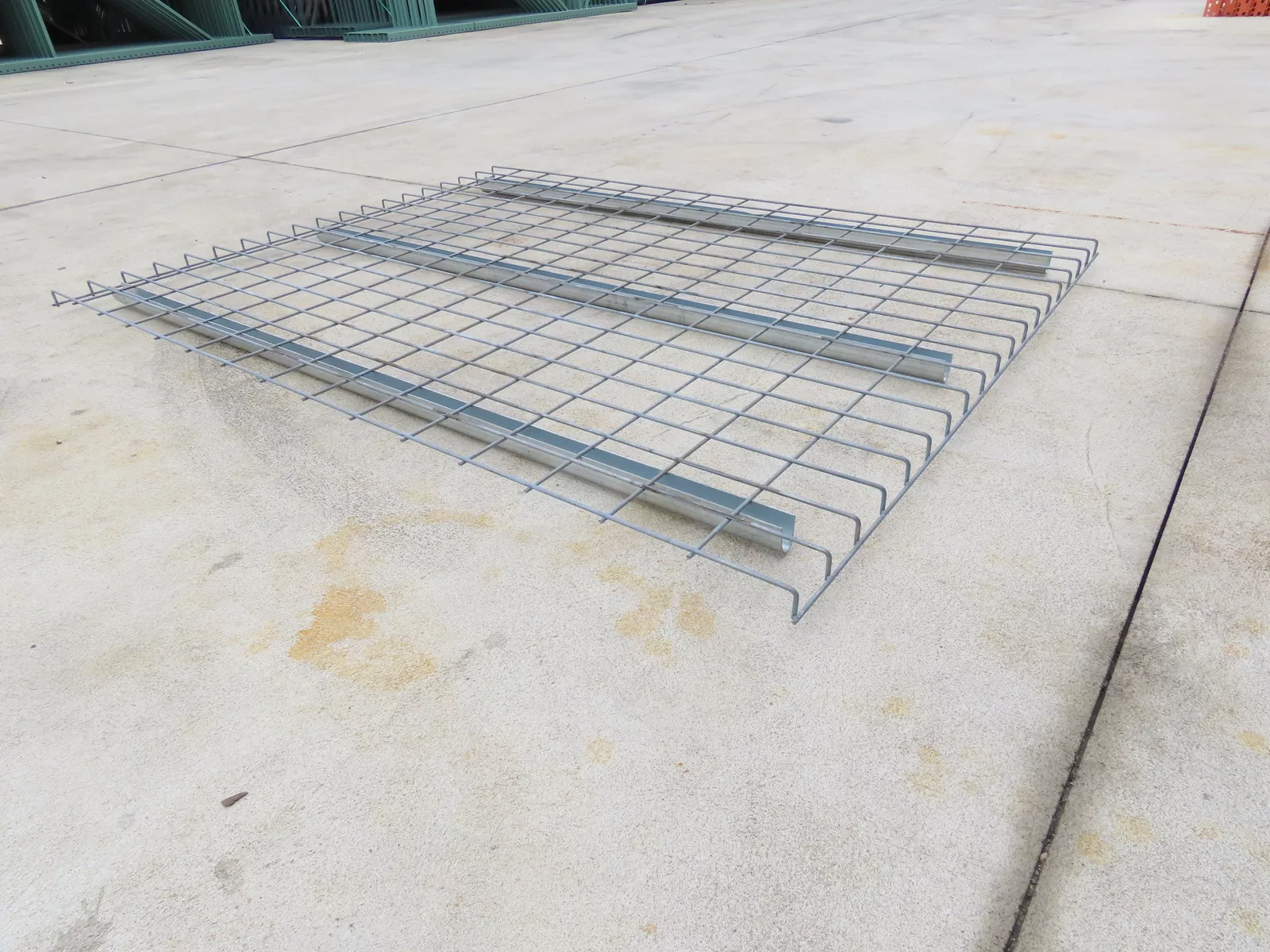
Another potential cost is the necessity for additional safety equipment. Many companies tout their pallet racking systems as safe and compliant with industry regulations, but that doesn’t always encompass the entire financial picture. If you require safety accessories like wire decking, safety pins, or even guard rails to meet your operational needs, the bill can add up quickly. As warehouses across the nation faced stricter safety protocols in response to rising labor costs and increased safety audits, many businesses found themselves scrambling for adequate safety measures, which required unforeseen expenditures.
Don’t forget about transportation costs. If you’re sourcing racking from a supplier that isn’t local, shipping can significantly inflate the overall price. As logistics challenges continue to plague supply chains, particularly in light of recent global disruptions, you might find those shipping fees eating into your savings. Even a strong deal on a racking system could collapse under high freight costs.
Lastly, consider the costs associated with ongoing maintenance and potential repairs. The rigors of storing heavy goods can lead to wear and tear on your racking system. Businesses overlooking this continuing expense may find themselves in a cycle of unexpected repairs that cut into profits and disrupt operations.
Navigating the world of pallet racking purchases requires a discerning eye. Ensure you ask the right questions, do thorough research, and calculate all potential expenses before you pull the trigger on your purchase. Only then can you feel confident that you’re making a wise investment — free from hidden fees that could turn a great deal into a costly mistake.
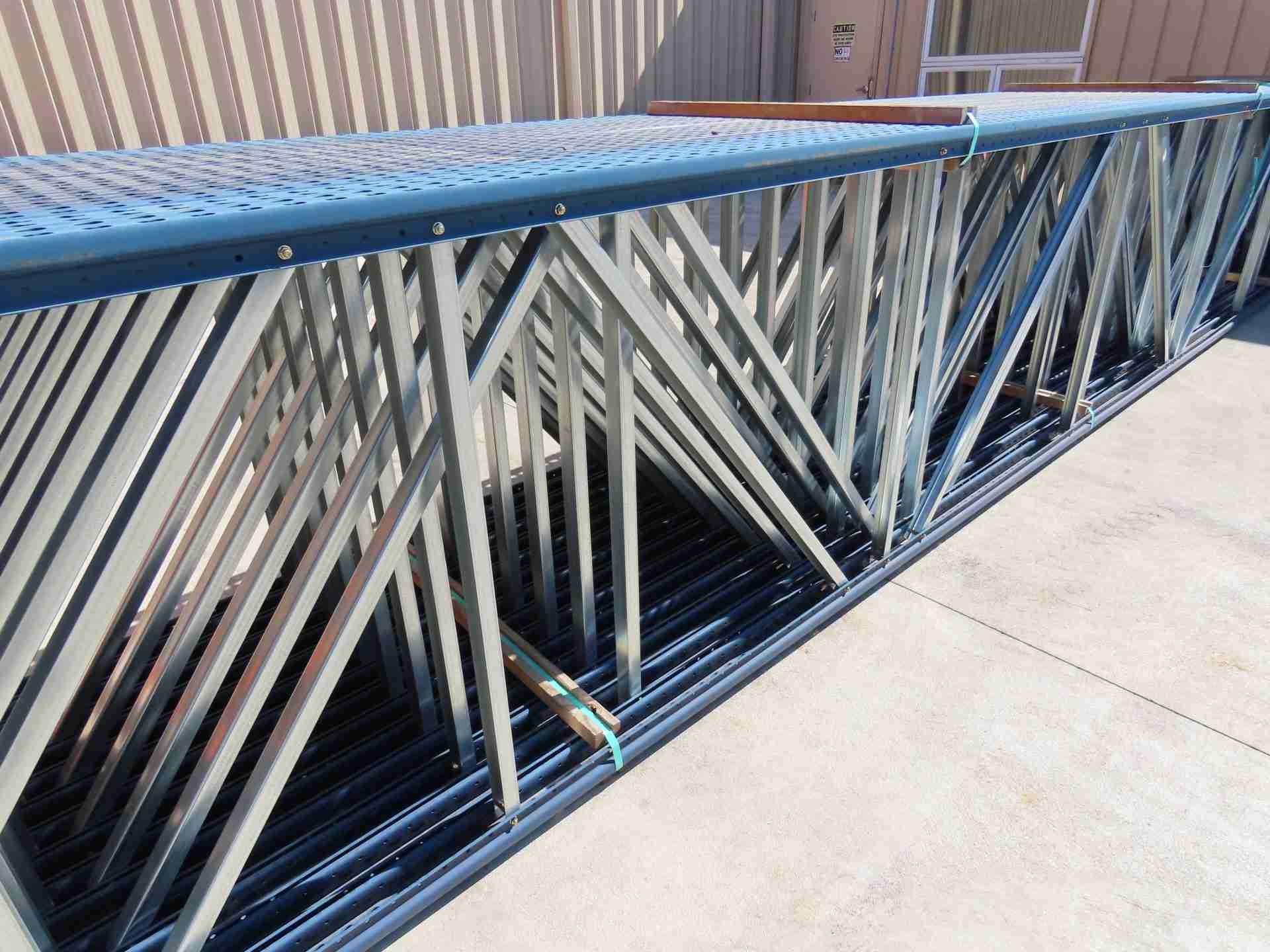
Are There Any Hidden Fees When Purchasing Pallet Racking?
Are There Any Hidden Fees When Purchasing Pallet Racking?
- Investing in pallet racking systems can involve hidden fees beyond initial purchase prices.
- Installation fees may be significant, sometimes adding 20% to 30% to the total cost.
- Additional safety equipment like wire decking and guard rails can further increase expenses.
- Transportation costs for non-local suppliers can inflate the overall price due to shipping fees.
- Ongoing maintenance and repair costs can lead to unexpected expenditures over time.
- Businesses should conduct thorough research and ask questions to identify all potential costs.
- Awareness of these factors is essential to avoid turning a good deal into a costly mistake.
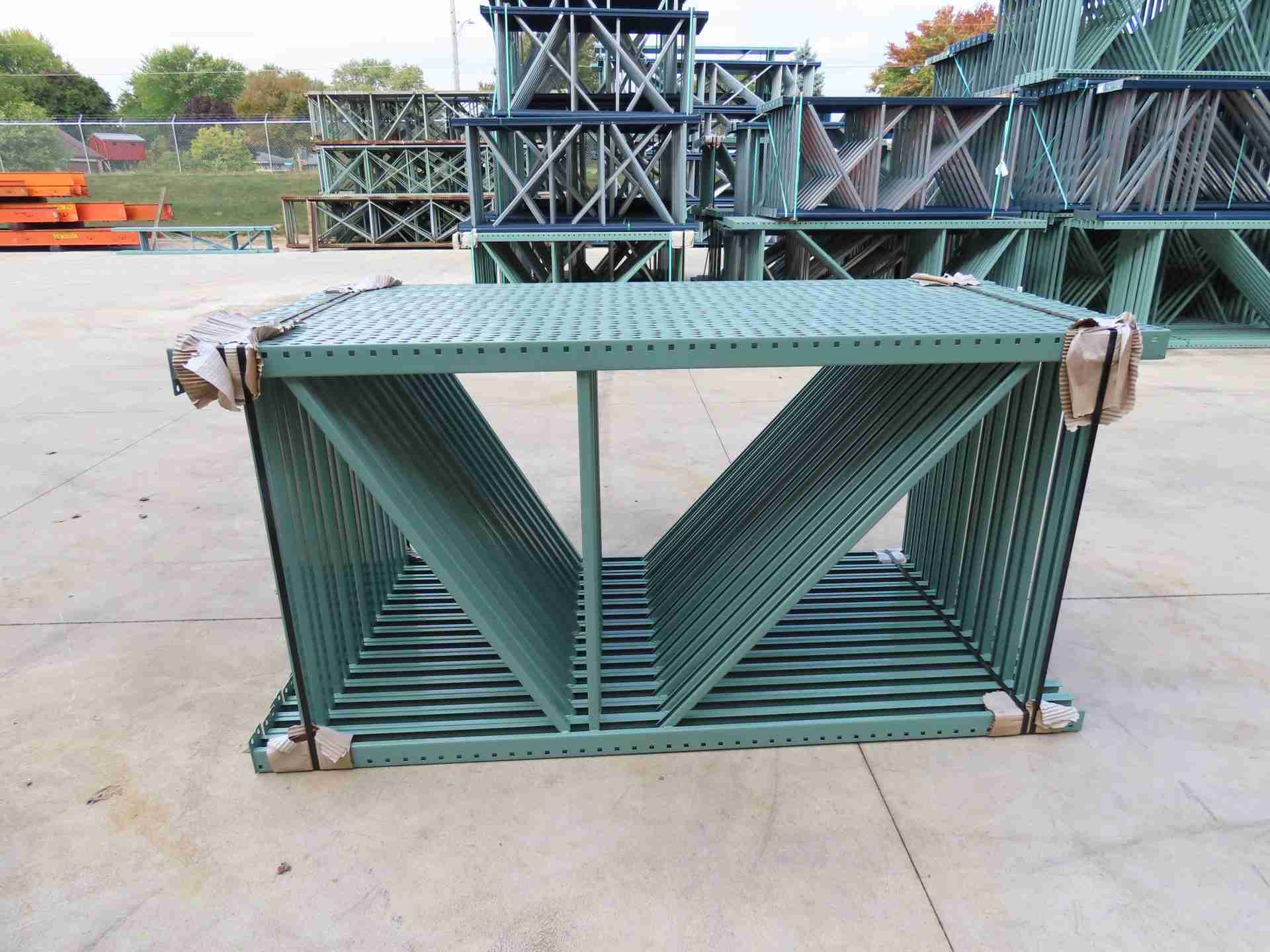
Are There Any Hidden Fees When Purchasing Pallet Racking?
What Are The Benefits Of Custom Pallet Racking Solutions?
In today’s fiercely competitive landscape, where efficiency and adaptability are keys to survival, custom pallet racking solutions have evolved from a mere convenience to a strategic necessity for many businesses. But why should you consider these tailored systems for your warehouse or storage facility? Let’s break down the compelling benefits.
Maximized Space Efficiency
Imagine walking into your warehouse and immediately identifying every square inch of space as a revenue-generating opportunity. Custom pallet racking enables you to optimize the vertical and horizontal space, tailored to your specific inventory needs. For example, a food distribution company facing space constraints due to diverse product sizes can design racking systems that accommodate everything from pallets of canned goods to perishable items, creating an organized, easily navigable environment. Look no further than Amazon, which leverages custom storage to maintain their edge in efficiency and logistics, demonstrating that tailored solutions can yield substantial savings in time and space.
Enhanced Safety Measures
Safety cannot be an afterthought in the warehousing world. Custom pallet racking offers flexibility to design structures that comply with safety regulations while providing stability that off-the-shelf solutions may lack. By adapting your racking systems to the unique hazards of your industry—whether it’s food-grade requirements or heavy machinery risks—you create a safer work environment. A recent study highlighted that over 90% of warehouse accidents are preventable, and investing in custom solutions can substantially reduce liability risks, making it not just a smart choice but a necessary one.
Scalability and Future-Proofing
As markets fluctuate and industries evolve, your storage needs are bound to change. Custom pallet racking solutions give you the ability to adapt your storage capacity as your business grows or diversifies. For instance, during the pandemic, many businesses pivoted, requiring immediate adjustments in storage infrastructure to handle increased online orders. A customized system can accommodate such transformations quickly, ensuring that your operations are not disrupted while still meeting demand.
Tailored for Business Needs
Every industry has unique demands. By opting for custom pallet racking, you can accommodate specific inventory types, be it fragile electronics or heavy machinery parts. For example, a company specializing in live plants may require specific humidity controls integrated into their racking system, which standard solutions cannot offer.
In an era where efficiency drives profitability, investing in custom pallet racking solutions not only streamlines operations but also enhances productivity, safety, and scalability. A tailored approach to storage isn’t just a trend; it’s a cornerstone for sustainable growth in an ever-evolving marketplace. Embrace customization, and your warehouse will not merely hold products—it will propel your business forward.
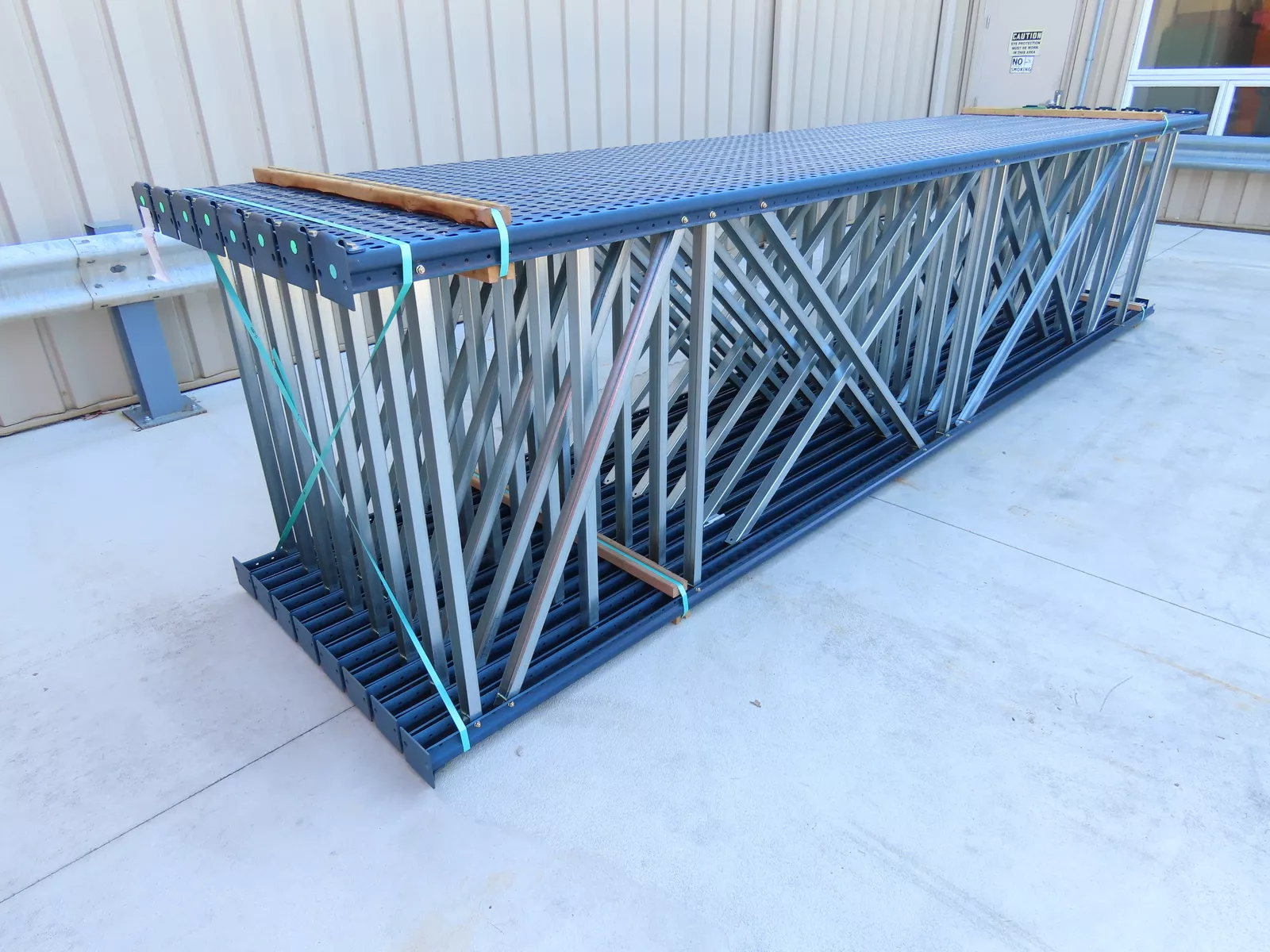
What Are The Benefits Of Custom Pallet Racking Solutions?
What Are The Benefits Of Custom Pallet Racking Solutions?
- Maximized Space Efficiency: Custom pallet racking optimizes vertical and horizontal space for tailored inventory needs, enhancing revenue opportunities.
- Enhanced Safety Measures: Customized racking ensures compliance with safety regulations and stability, significantly reducing preventable warehouse accidents.
- Scalability and Future-Proofing: Flexible solutions adapt to changing storage needs, accommodating business growth and shifts in demand.
- Tailored for Business Needs: Custom systems address unique industry requirements, such as humidity control for delicate items.
- Boosts Efficiency: Investing in custom pallet racking streamlines operations, thereby enhancing overall productivity.
- Reduces Liability Risks: Tailored designs decrease the chances of accidents, protecting businesses from potential liabilities.
- Supports Sustainable Growth: Customization paves the way for strategic advantages in competitiveness and adaptability in the marketplace.
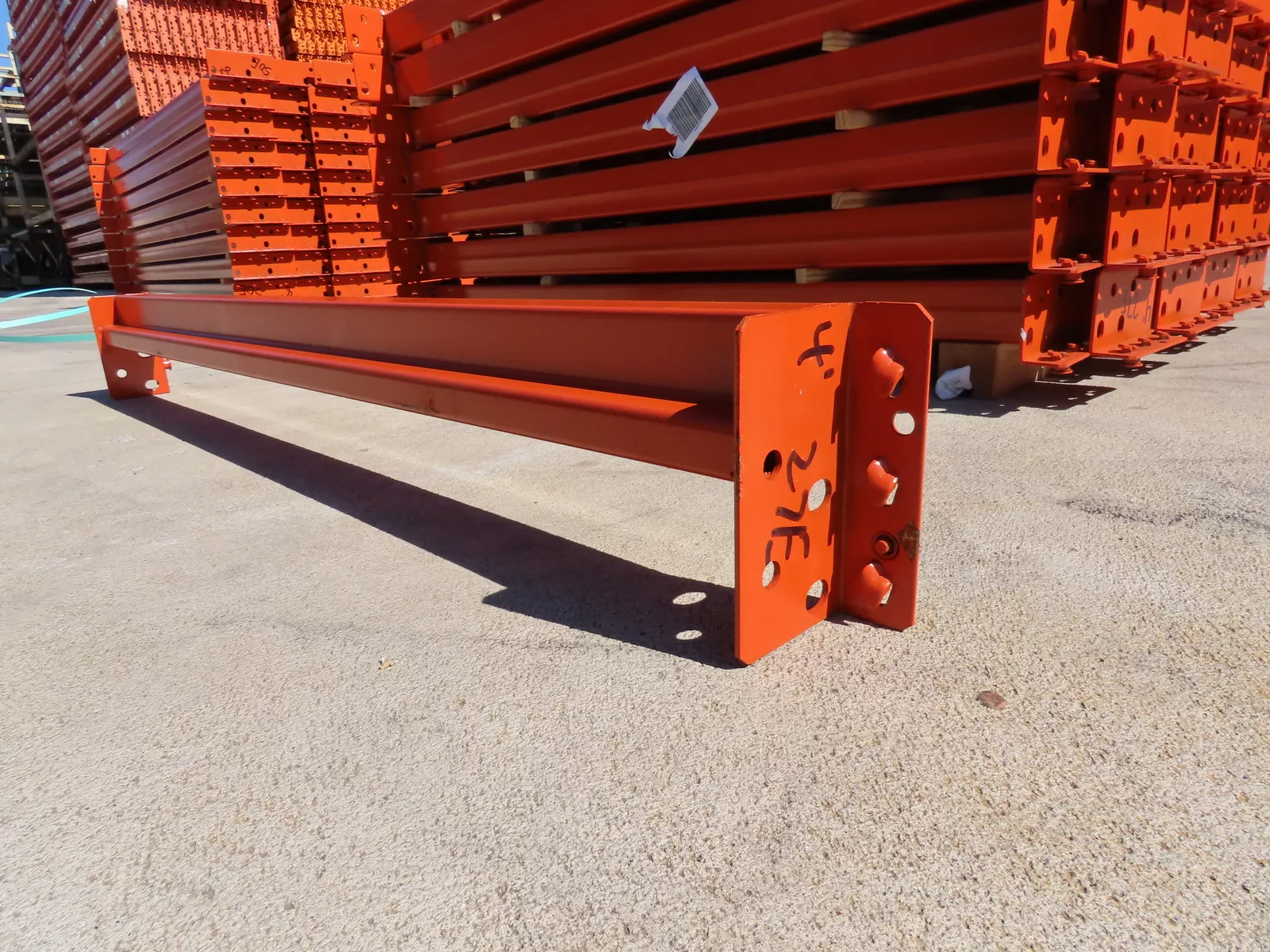
What Are The Benefits Of Custom Pallet Racking Solutions?
How Does Location Affect Pallet Racking Costs?
When it comes to running a warehouse or distribution center, understanding how location influences pallet racking costs can save you a fortune—or squander it. The geographical context of your warehouse plays a pivotal role in determining the overall cost of your racking systems. Let’s unpack how you can leverage location to maximize your investment.
First off, consider the proximity to suppliers and customers. A warehouse situated in a high-demand area, like the suburbs of Chicago or Los Angeles, will likely incur higher real estate costs. However, the trade-off is significant; reduced transportation costs and shorter delivery times can enhance your operational efficiency, offsetting the initial expenditure on pallet racking. Think about Amazon’s fulfillment centers positioned strategically near urban populations—while they pay a premium for space, the benefits of quick shipping make that investment worthwhile.
Next, examine the local labor costs and availability. If your warehouse is in a region where labor is scarce or expensive, this can bump up the total costs associated with racking. For instance, a facility in the tech-driven landscape of Silicon Valley might spend more on skilled labor to manage and optimize pallet systems than a warehouse in the Midwest. You need to calculate not just the installation costs, but also the continued expenses concerning maintenance and operation.
Another critical aspect is local regulations and building codes. Areas with stringent regulations may require customized racking solutions or added safety measures, effectively elevating your costs. Fire safety regulations in California, particularly after recent events like wildfires, may necessitate specialized racking systems to minimize risk—add to that the inspections, permits, and potential delays. Always research local guidelines and factor these costs into your calculations.
Furthermore, consider the impact of local market trends. As e-commerce continues to evolve rapidly, demand for certain types of racking—such as automated or high-density systems—will fluctuate based on regional consumer habits. For example, a surge in online shopping has made compact, flexible racking systems highly desirable in urban areas. Adjusting your strategy in line with these trends can lead to significant savings.
Finally, economic climate matters. Regionally, states like Florida and Texas have been experiencing growth and favorable business policies, attracting logistics firms and increasing competition. An influx of businesses can drive up local costs, impacting your racking investments.
In essence, where you choose to set up shop will reverberate through every dollar spent on pallet racking. A savvy approach will see you aligning your racking strategy with local dynamics—minimizing costs while maximizing your operational efficiency. Choose wisely, and your location can serve as a springboard to success rather than a stumbling block.
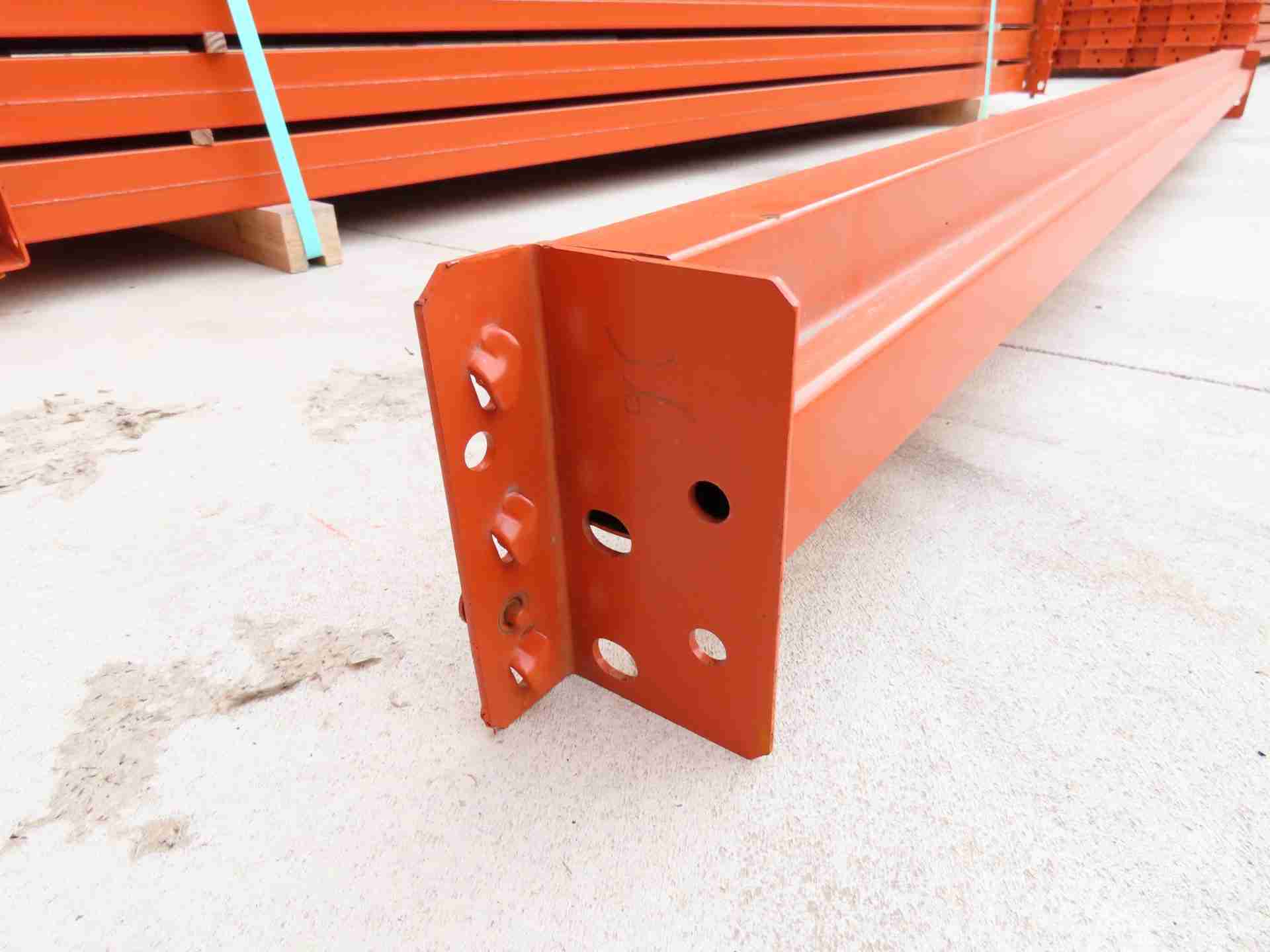
How Does Location Affect Pallet Racking Costs?
How Does Location Affect Pallet Racking Costs?
- Location significantly influences pallet racking costs at warehouses and distribution centers.
- Proximity to suppliers and customers impacts real estate costs, affecting operational efficiency and transportation expenses.
- Labor costs vary by region; expensive skilled labor can increase overall racking costs in certain high-demand areas.
- Local regulations and building codes can require customized racking solutions, adding to expenses and complexity.
- Market trends, particularly in e-commerce, influence demand for specific racking types, necessitating strategic adjustments.
- The economic climate in different states can affect local costs for logistics firms and racking investments.
- Aligning racking strategies with local dynamics can minimize costs and enhance operational efficiency.
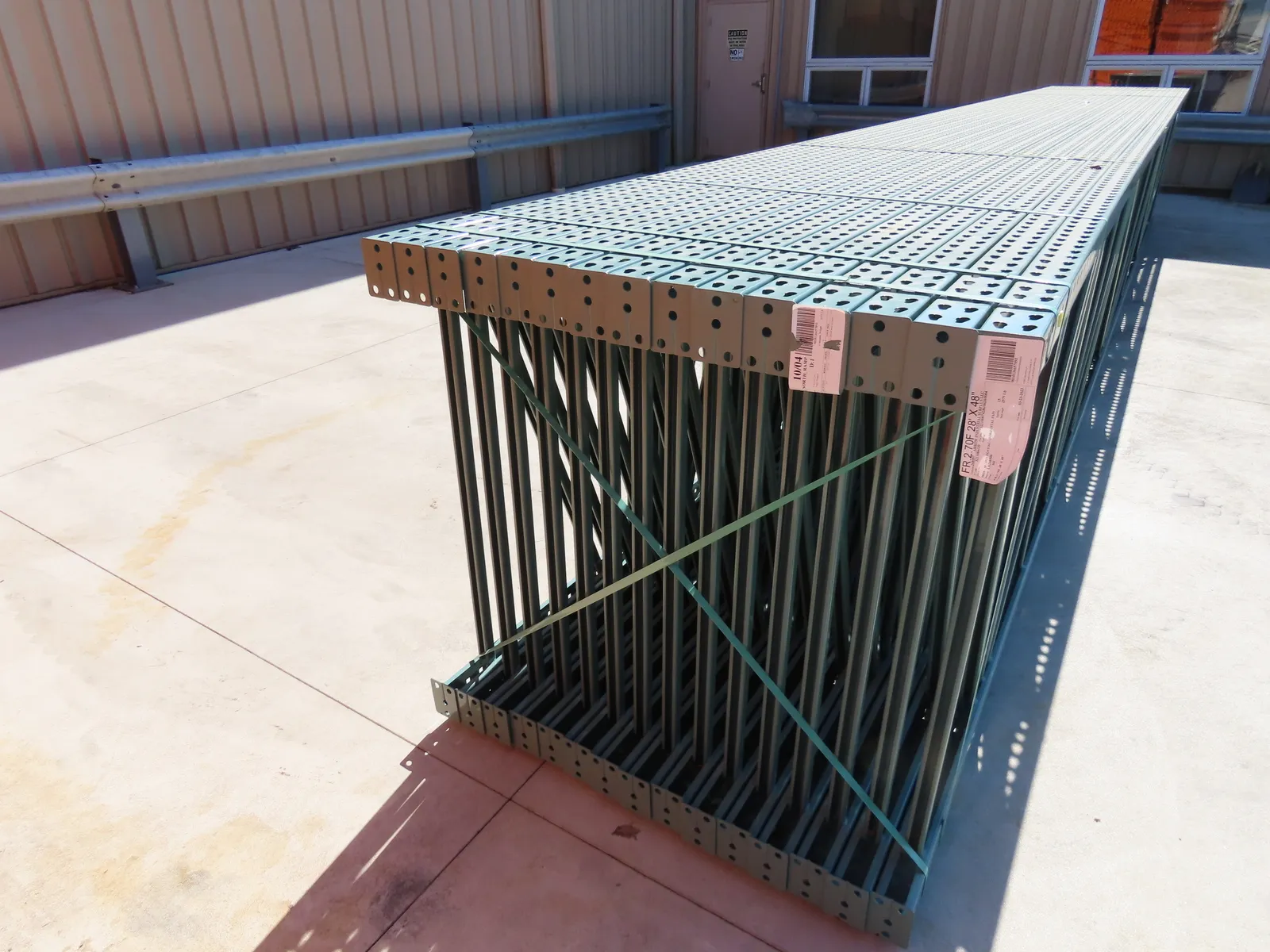
How Does Location Affect Pallet Racking Costs?
Which Suppliers Offer The Best Deals For Pallet Racking?
When it comes to maximizing your warehouse efficiency, finding the right pallet racking supplier can mean the difference between a smooth-running operation and a logistical nightmare. In today’s competitive landscape, ensuring that you’re getting the best deals is not just beneficial; it’s essential. So, who are the suppliers that stand out in today’s market?
First on the docket is Steel King Industries. Known for their robust designs and commitment to quality, Steel King offers a variety of options, including selective racking and cantilever racks. As global supply chain issues continue to affect availability, Steel King’s strong domestic manufacturing capabilities ensure shorter lead times—a significant advantage right now. Clients often rave about their responsive customer service, frequently noting that even post-purchase support is stellar.
Another supplier making waves is Interlake Mecalux. They’ve been agile in adapting to current market needs, offering customizable solutions that cater to both small operations and massive warehouses. Their modular systems allow for flexibility as your storage needs evolve, which is crucial in an economy defined by uncertainty and fluctuating consumer demands. Plus, frequent promotional discounts help sweeten the deal. A savvy business owner today would do well to keep an eye on their seasonal sales events.
For those seeking a more budget-friendly option without sacrificing quality, Global Industrial offers an impressive array of pallet racking systems at competitive prices. They frequently have clearance events that can yield substantial savings. It’s critical in the current retail climate to act quickly, as supply chain factors may limit availability before you know it.
Moreover, as sustainability becomes a key concern for businesses, consider suppliers like SJF Material Handling. They have recently launched a range of eco-friendly, used pallet racking options. Not only do you save on costs, but you also position your brand as a conscious player in the market—an increasingly desirable trait among eco-aware consumers.
Lastly, let’s talk about Pallet Rack Pros, which has thrived in this shifting landscape by offering transparent pricing models and user-friendly online platforms that make the purchasing process a breeze. They also conduct regular webinars and Q&A sessions, enabling prospective buyers to make informed decisions amid a complex market.
In essence, the best pallet racking deals hinge on a blend of factors: price, availability, and the ever-important element of responsive, knowledgeable customer service. By doing your homework and leveraging insights from current market developments, you can position your operation for unparalleled efficiency and profitability. Choose wisely; your warehouse’s success depends on it.
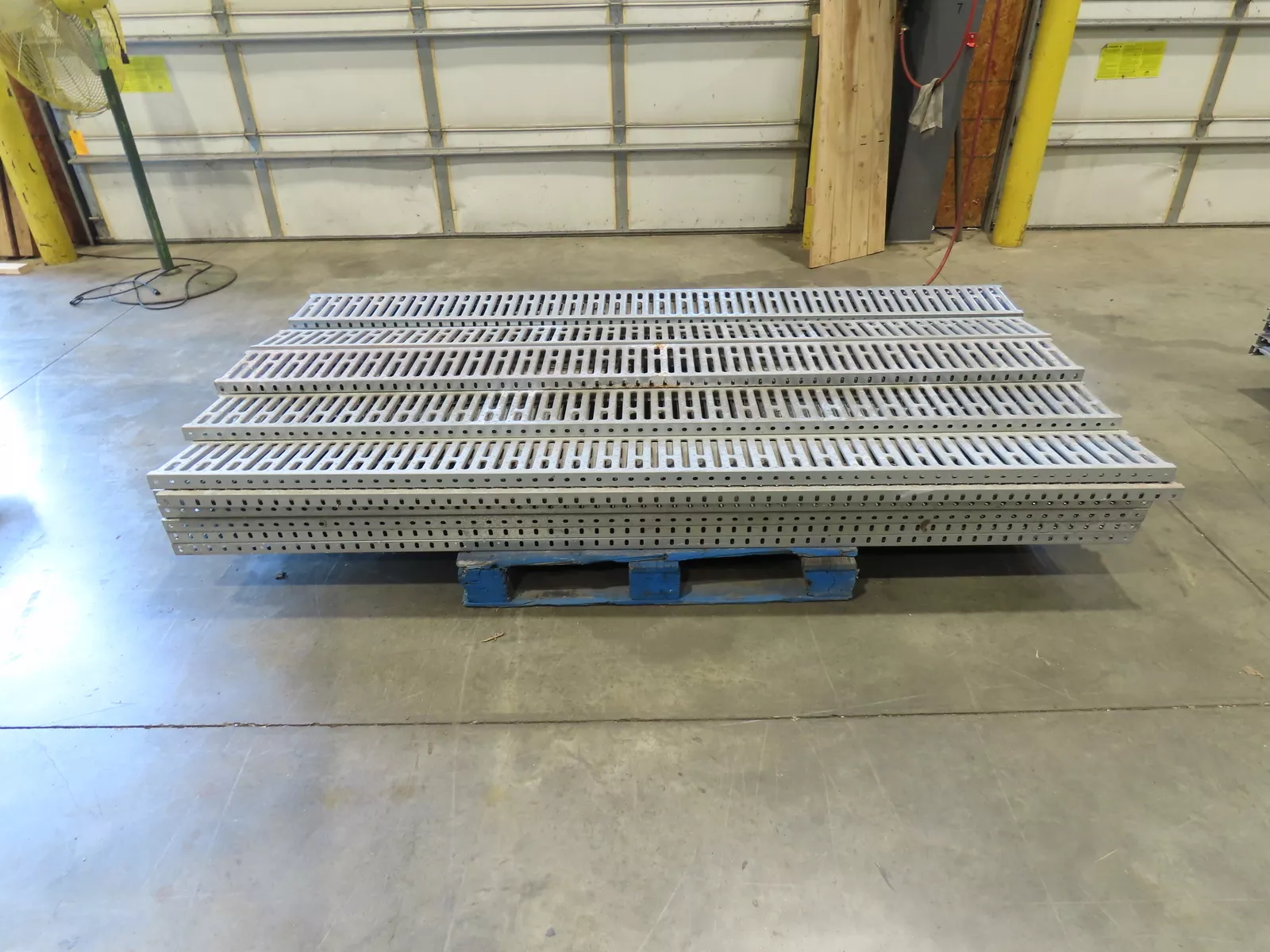
Which Suppliers Offer The Best Deals For Pallet Racking?
Which Suppliers Offer The Best Deals For Pallet Racking?
- Maximizing warehouse efficiency relies on selecting the right pallet racking supplier.
- Steel King Industries offers robust designs and strong domestic manufacturing for shorter lead times.
- Interlake Mecalux provides customizable and modular solutions, adapting to evolving storage needs.
- Global Industrial is budget-friendly, with competitive prices and frequent clearance events.
- SJF Material Handling offers eco-friendly, used pallet racking options, appealing to sustainability-conscious brands.
- Pallet Rack Pros focuses on transparent pricing and user-friendly online purchasing, along with educational webinars.
- Success in pallet racking deals depends on price, availability, and responsive customer service.
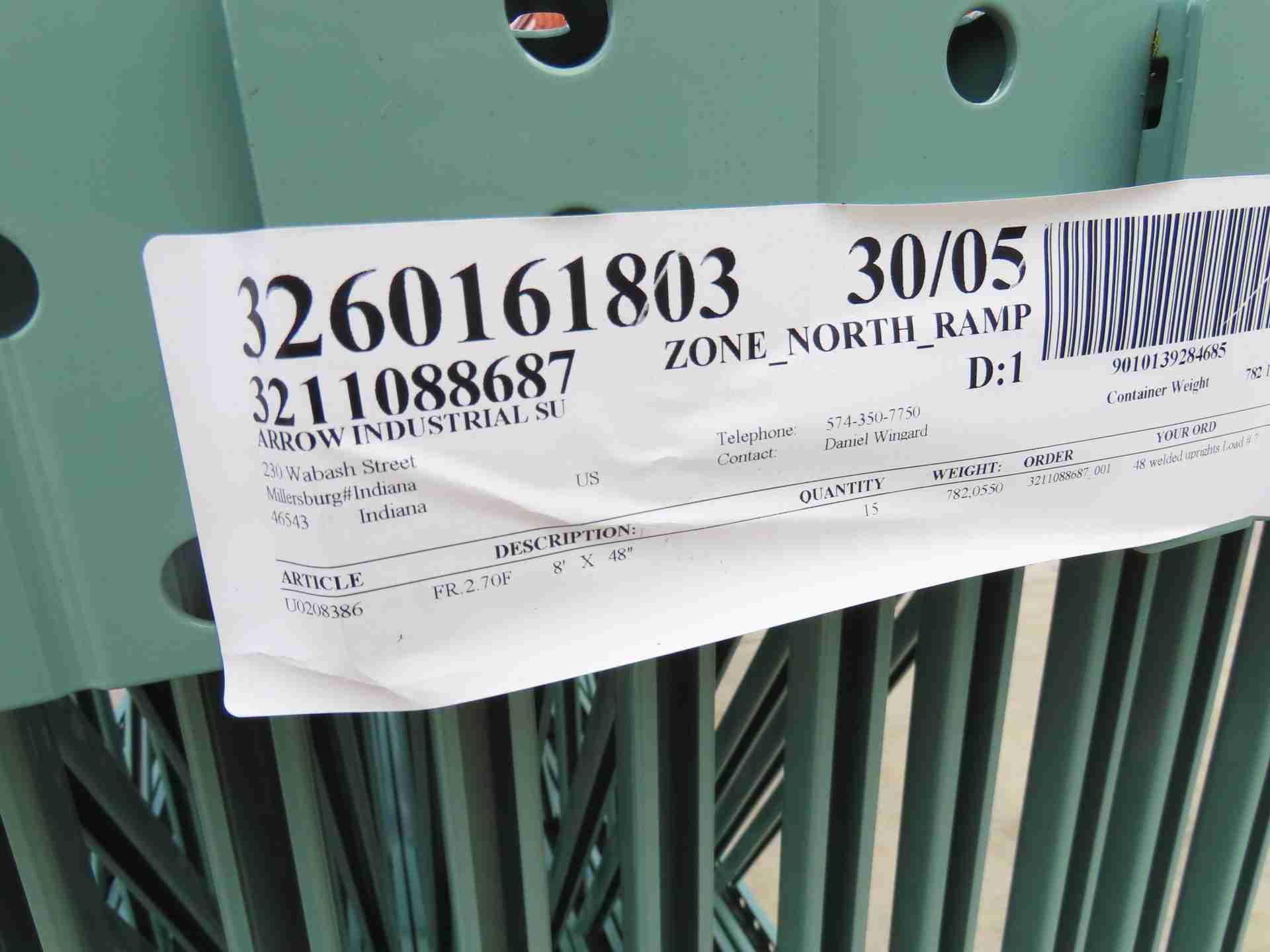
Which Suppliers Offer The Best Deals For Pallet Racking?
Can I Get Quotes For Pallet Racking From Multiple Vendors?
In today’s fast-paced business climate, efficiency and savvy savings aren’t just goals—they’re survival tactics. If you’re navigating the world of pallet racking systems, seeking quotes from multiple vendors can be your ticket to maximizing value and optimizing your warehouse setup. So, let’s unpack this.
First and foremost, the logistics of sourcing pallet racking systems make it imperative to gather multiple quotes. Consider the implications of your choices: a well-designed racking system can dramatically improve space utilization, streamline operations, and potentially reduce injury risks. More importantly, it can significantly impact your bottom line. The difference between quotes from various vendors can vary widely—what seems like a nominal difference can often translate to thousands in savings or costs if not carefully considered.
Take a look at the recent trends in supply chain management, especially post-COVID. Businesses are more aware than ever that a well-structured warehouse isn’t just about shelves; it’s about strategic investments that pay dividends. By casting a wider net and engaging with multiple vendors, you gain insight into different styles, designs, and pricing models. For example, a vendor may offer a discount for bulk purchases or promotional packages that include additional features like safety inspections or installation services.
Now, don’t forget to evaluate additional factors beyond just price. Quality, warranty, and customer service play huge roles in your decision. For instance, if Vendor A offers a lower price but lacks a track record for reliability, you might find yourself facing costly downtimes—a false economy indeed! On the other hand, if Vendor B provides comprehensive support and higher-quality materials, their seemingly higher quote may actually save you money in the long run.
Moreover, leveraging technology can streamline this process. Use digital platforms dedicated to material handling and warehouse solutions to compare quotes transparently and efficiently. Platforms like ThomasNet or Alibaba can help bring a range of vendors to your fingertips, allowing you to dissect which quote genuinely offers the best value.
Yes! You absolutely should seek quotes from multiple vendors for pallet racking. It’s not just a practice; it’s a strategy aligned with today’s demanding market landscape. Engage actively, compare comprehensively, and make the informed choice that aligns with your operational goals and financial parameters. Doing so will set the stage for enhanced productivity and sustainable growth in your warehouse operations.
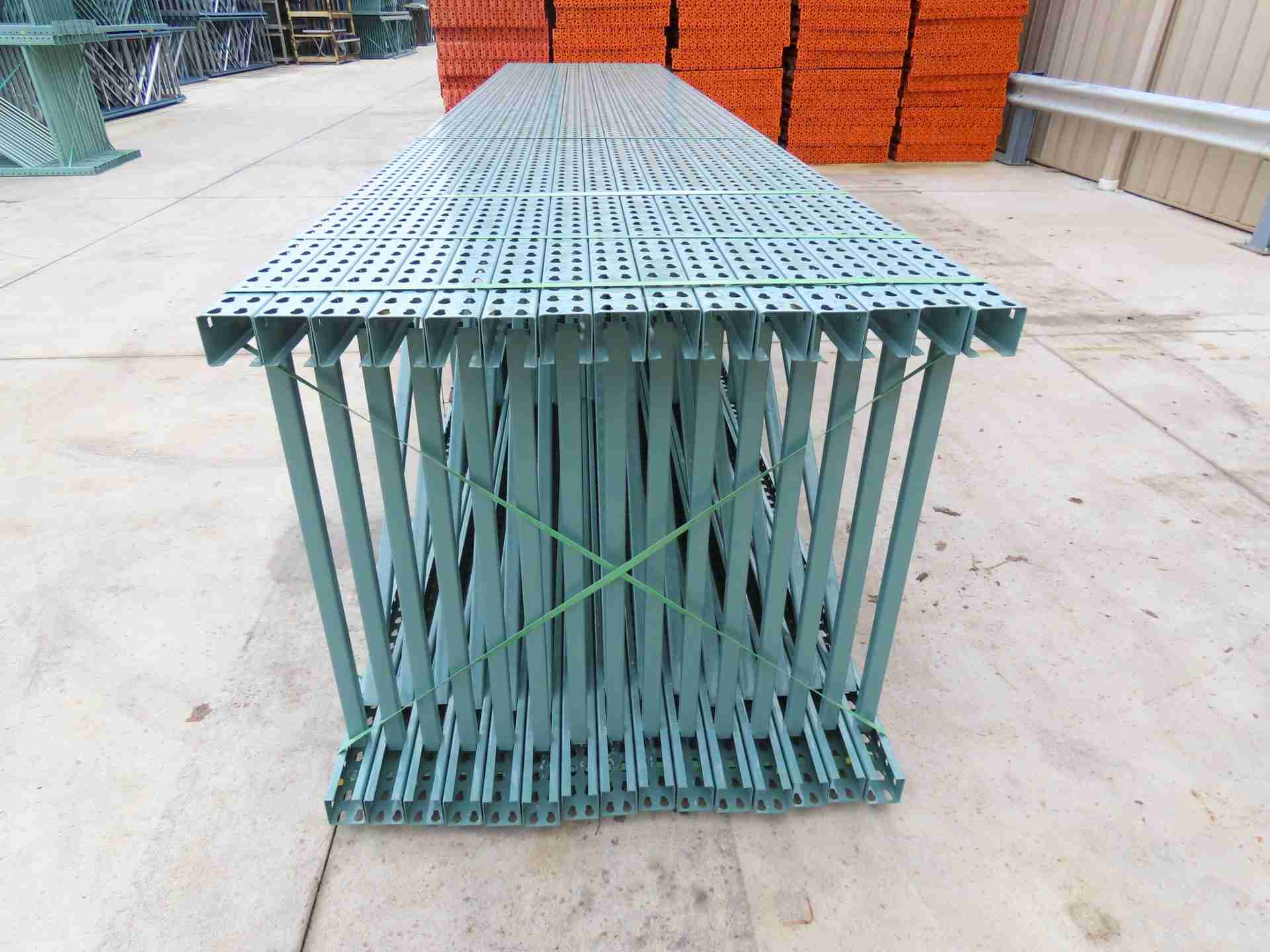
Can I Get Quotes For Pallet Racking From Multiple Vendors?
Can I Get Quotes For Pallet Racking From Multiple Vendors?
- Efficiency and cost savings are essential survival tactics in today’s business climate.
- Gathering multiple quotes for pallet racking systems is crucial for maximizing value.
- A well-designed racking system improves space utilization, streamlines operations, and reduces injury risks.
- Price differences between vendors can lead to significant savings or costs if not evaluated carefully.
- Engaging with multiple vendors provides insights into diverse styles, designs, and pricing models.
- Consider quality, warranty, and customer service alongside price when choosing a vendor.
- Utilize digital platforms to compare quotes transparently and efficiently for better decision-making.
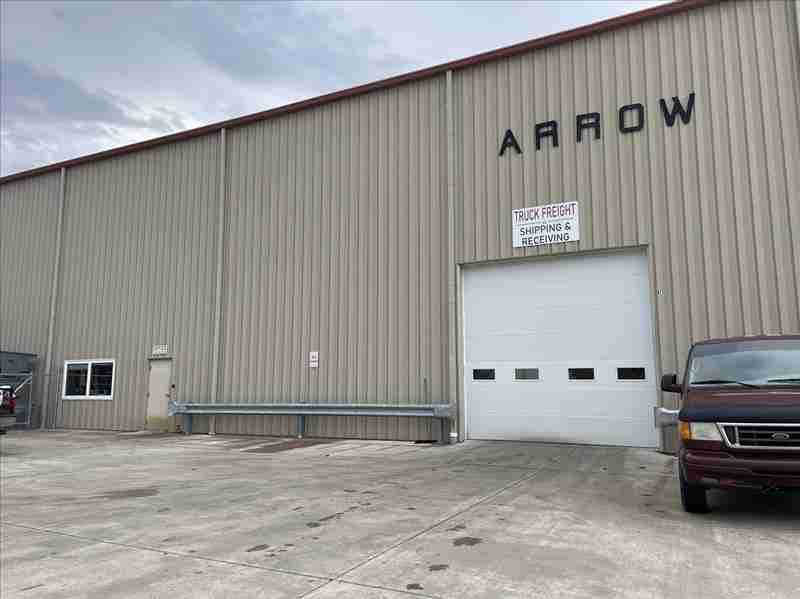
Can I Get Quotes For Pallet Racking From Multiple Vendors?
How Do Seasonal Discounts Impact Pallet Racking Prices?
When considering the nimble dance of supply and demand, seasonal discounts emerge as a crucial player in shaping pallet racking prices. Just like retailers shift their sales strategies during holiday seasons, the racking industry also adopts a similar approach to entice buyers and move inventory. Understanding how these discounts work can lead to significant savings for warehouse managers and procurement officers alike.
Let’s start with the basics: the psychological pull of a “limited-time offer.” Whether you’re preparing for the back-to-school rush or gearing up for the holiday shopping surge, seasonal discounts create a sense of urgency. Retailers often clear out existing stock to make way for newer, more innovative designs, prompting them to reduce prices on existing pallet racking systems. This means savvy businesses can capitalize on sales, acquiring high-quality racking at reduced rates, thereby enhancing their operational efficiency without breaking their budget.
For example, consider the typical fourth-quarter frenzy. As companies like Amazon and Target ramp up operations to meet consumer demand, the overflow of smaller racking units becomes commonplace. Warehouse operations that are quick to act can snag discounts on surplus inventory that emerges at the end of the fiscal year, optimizing their layout for the coming peak seasons.
Moreover, economic shifts, such as the ongoing adjustments in supply chains following the pandemic, have created opportunities for deep discounts in the racking market. Manufacturers, eager to maintain their production levels and offload surplus stock, often extend price cuts during certain times of the year. As the demand for e-commerce continues to explode, warehouses are constantly looking to enhance their infrastructures. This adjustment creates a cascade effect: as booking volumes rise for certain racking types, manufacturers more readily offer seasonal promotions to fill their orders.
The key lies in strategic planning. By aligning procurement schedules with these seasonal discounts, warehouse operators can ensure that they are not only receiving the best prices but are also adapting to the latest trends in the industry. For instance, this year many facilities are shifting toward Adjustable Pallet Racking due to increased flexibility needs. Securing these systems during a seasonal discount could result in substantial savings while also improving operational effectiveness.
Seasonal discounts create a pivotal intersection of opportunity and savings in the pallet racking market. By being proactive and keeping a keen eye on the calendar, savvy warehouse managers can position themselves to take full advantage of these favorable pricing structures, ultimately driving profitability in their operations. As they often say in retail, those who play the seasonal game, reap the rewards.

How Do Seasonal Discounts Impact Pallet Racking Prices?
How Do Seasonal Discounts Impact Pallet Racking Prices?
- Seasonal discounts play a significant role in determining pallet racking prices.
- Retailers and the racking industry both implement strategies to attract buyers during key shopping seasons.
- Limited-time offers create urgency, allowing businesses to save on high-quality racking systems.
- End-of-year sales provide opportunities to acquire surplus racking units as companies prepare for peak seasons.
- Economic changes and supply chain adjustments have led to deeper discounts in the racking market.
- Aligning procurement schedules with seasonal promotions ensures better pricing and keeps up with industry trends.
- Being proactive about seasonal discounts can significantly enhance profitability in warehouse operations.
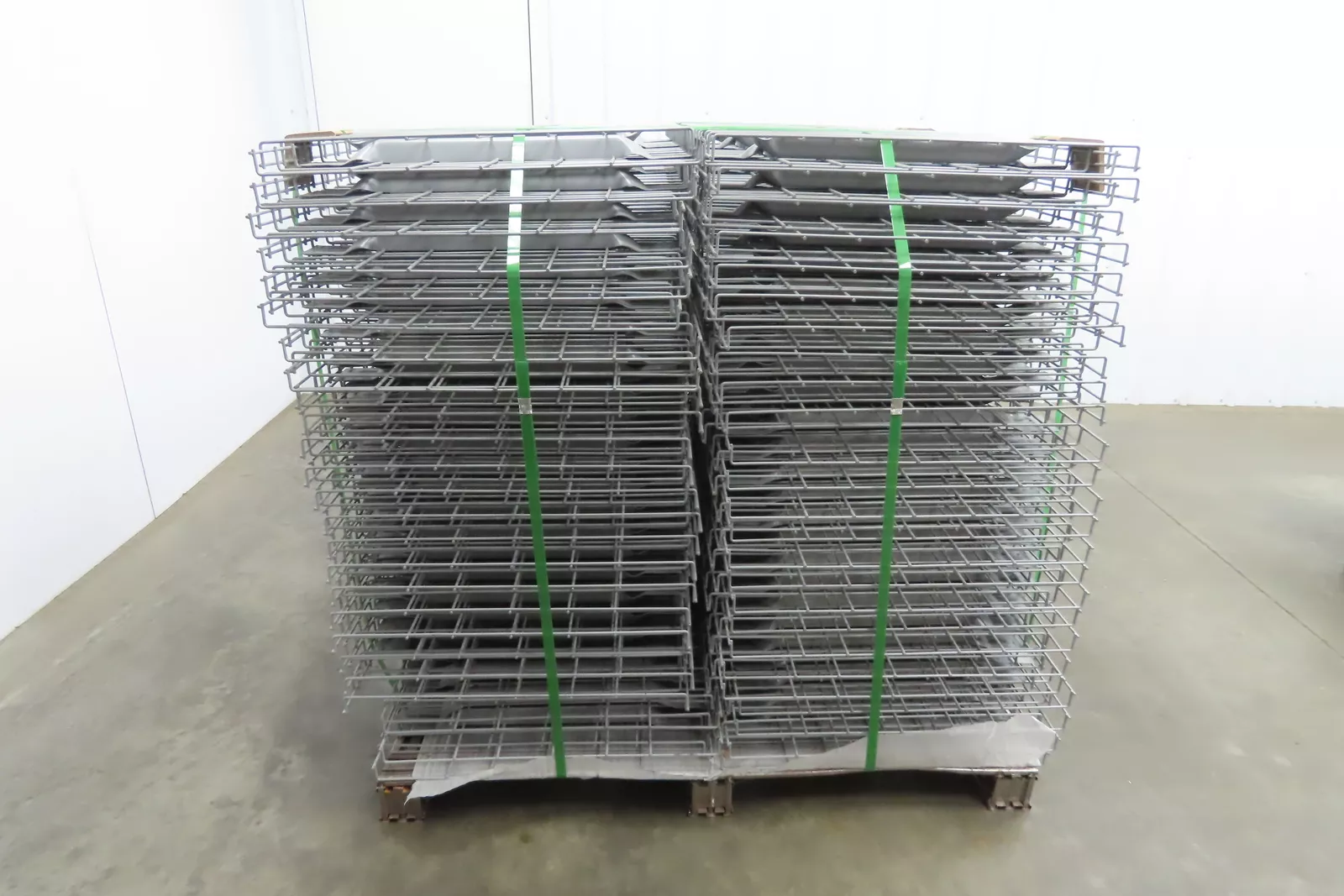
How Do Seasonal Discounts Impact Pallet Racking Prices?
What Financing Options Are Available For Buying Pallet Racking?
What Financing Options Are Available for Buying Pallet Racking?
Investing in pallet racking is a strategic move that can significantly optimize your warehouse operations and maximize storage space. However, the initial costs can be daunting. Luckily, there are several financing options that can ease the financial burden while still enabling you to improve your business’s efficiency. Here’s a rundown to help you navigate your options.
1. Equipment Loans
A traditional equipment loan can be an excellent choice for purchasing pallet racking. These loans typically cover the full cost of the equipment and are secured against the racking itself. Many lending institutions offer competitive interest rates, making it easier to spread the cost over a longer term. Consider a typical scenario: if you need to spend $30,000 on racking, a five-year loan might result in monthly payments that fit comfortably within your budget, allowing you to improve cash flow while still making essential upgrades to your operations.
2. Leasing Options
Leasing is another popular financing method. This approach allows you to use pallet racking without owning it outright, which can free up capital for other crucial business expenditures. When you lease, you’ll make regular payments—often lower than loan payments—while retaining the flexibility to upgrade your systems in a few years. Given the rapid advancements in warehouse technology, this option allows you to stay ahead of the curve without committing to long-term ownership.
3. Municipal and State Grants
In some regions, state or municipal governments offer grants to businesses that aim to modernize their facilities or improve operational efficiency. For instance, a local economic development program may provide a grant or low-interest funding to promote job growth or sustainability. Staying informed about such programs can lead to cost-effective solutions for your racking needs.
4. Manufacturer Financing Programs
Many racking manufacturers offer in-house financing options. These programs are often tailored to meet the unique needs of their customers, providing flexible repayment terms along with competitive rates. For example, a manufacturer might provide 0% financing for the first six months, allowing you to benefit from the efficiency of new systems before you begin making payments.
5. Credit Cards
While often overlooked, business credit cards can also serve as a short-term financing option—especially for smaller purchases or to cover initial setup costs. Just be cautious of high-interest rates if the balance is not paid off quickly.
In today’s economic climate, with rising supply chain costs and inflation, understanding these financing options can empower your business, allowing you to strategically invest in pallet racking that enhances efficiency and ultimately boosts profitability. The sooner you act, the sooner your operations can thrive!
What Financing Options Are Available For Buying Pallet Racking?
What Financing Options Are Available For Buying Pallet Racking?
- Investing in pallet racking enhances warehouse operations and maximizes storage space.
- Equipment loans cover the full cost of racking, secured against the equipment itself with competitive interest rates.
- Leasing options allow businesses to use pallet racking without ownership, providing lower payments and flexibility for upgrades.
- Municipal and state grants may be available to support modernization and efficiency improvements in businesses.
- Manufacturer financing programs offer tailored options with flexible terms, like 0% financing for initial months.
- Business credit cards can serve as a short-term financing option for smaller purchases, though caution is advised due to high-interest rates.
- Understanding financing options empowers businesses to strategically invest in pallet racking, boosting operational efficiency and profitability.
What Financing Options Are Available For Buying Pallet Racking?
Conclusion
Conclusion: Unlock the Best Prices for Pallet Racking Today!
In the world of warehouse operations and inventory management, securing the best prices for pallet racking isn’t just an option—it’s a necessity that can significantly impact your bottom line. Understanding the multifaceted factors that influence racking costs is your first step in making smart investments. From material quality and system design to installation and maintenance expenses—every decision you make is tied to a larger financial context. But fear not! We’ve illuminated a path to uncovering value that could keep your operations running smoothly.
The good news is that finding competitive prices isn’t just limited to manufacturers’ websites or local distributors. Online marketplaces, trade shows, and community forums have emerged as vital resources that offer insights and deals that could save you substantial amounts. By actively engaging with these platforms, you can find both new and used options that suit your operational requirements and budget.
As you explore your options, remember the unique advantages of different types of pallet racking systems. From selective and drive-in racks to push-back and cantilever styles, choosing the right solution tailored to your needs can optimize your space and enhance logistical efficiency. Furthermore, seasonal discounts in this marketplace present a golden opportunity for savings; when supply chains shift, suppliers frequently offer significant promotions—so stay vigilant and capitalize on these moments.
But the journey doesn’t stop with just choosing a system. Understanding financing options, exploring quotes from multiple suppliers, and asking the right qualifying questions will empower you to make a well-informed decision. Knowing potential hidden costs associated with installation or safety compliance will protect you from unexpected expenses down the road.
Don’t let indecision stall your progress—your warehouse deserves a strategic racking solution that propels your operations forward. With urgency in mind, take action today! Call Arrow Industrial Sales at (574) 349-6575 to gain insight into your pallet racking needs and seize the opportunity for immediate savings. The world of efficient warehousing is waiting for you to unlock its potential—don’t miss out!
Conclusion
Conclusion:
- Securing competitive prices for pallet racking is essential for optimizing warehouse operations and financial performance.
- Factors influencing racking costs include material quality, system design, installation, and maintenance expenses.
- Online marketplaces, trade shows, and community forums offer valuable insights and deals for both new and used racking options.
- Different types of pallet racking systems (e.g., selective, drive-in, push-back, cantilever) can enhance logistical efficiency.
- Seasonal discounts and promotions from suppliers provide opportunities for significant savings during shifts in supply chains.
- Engaging with multiple suppliers for quotes and understanding hidden costs is crucial for informed decision-making.
- Take action now to explore your pallet racking needs and call Arrow Industrial Sales for immediate savings.
Conclusion
Other Resources
Other Resources
Here is a list of other resources you can review online to learn more:
Use This Prompt To Get More Resources With Your Favorite Online AI Tool: Please provide me with a list of online articles with their URLS in a bulleted list that I can read regarding Where to Find The Cost Of Pallet Racking?
Other Resources
Glossary Terms
Where to Find The Cost Of Pallet Racking? – Glossary Of Terms
1. Pallet Racking: A storage system designed to hold pallets, consisting of vertical frames and horizontal beams.
2. Cost: The amount of money required to purchase or lease pallet racking equipment, including installation fees.
3. Unit Price: The cost of one individual pallet rack or related accessory, serving as a basis for bulk purchases.
4. Installation Costs: The expenses incurred for the set-up of the pallet racking system, which may include labor and materials.
5. Material Costs: The price associated with the raw materials used in the construction of the pallet racking, such as steel or wood.
6. Load Capacity: The maximum weight that a pallet racking system can safely support, impacting cost based on material strength.
7. Configuration: The specific arrangement and design of the pallet racking system, which can affect both usability and cost.
8. Warehouse Layout: The physical arrangement of items in a warehouse, influencing the type and amount of pallet racking needed.
9. New vs. Used: Pricing differences between brand-new pallet racking and second-hand options, often with differing warranties and lifespans.
10. Delivery Fees: Charges incurred for transporting pallet racking materials to the installation site.
11. Quote: An estimated cost provided by a supplier or manufacturer for specific pallet racking options.
12. Supplier: A company or individual that provides pallet racking solutions, including manufacture and sale.
13. Distributor: A business that resells pallet racking products, often at wholesale prices.
14. Customization: Modifications made to standard pallet racking to meet specific needs, which may increase overall costs.
15. Regulations: Compliance-related costs that ensure pallet racking systems meet safety and building codes.
16. Lifespan: The expected duration that the pallet racking system will remain functional and safe, affecting its cost over time.
17. Maintenance: Ongoing costs associated with keeping the pallet racking in safe, working condition.
18. Safety Features: Add-ons designed to enhance the safety of pallet racking systems, often with additional costs.
19. Installation Time: The duration required to install the pallet racking, which can impact labor costs.
20. ERP Systems: Enterprise Resource Planning software that can help in tracking inventory and costs related to pallet racking.
21. Bulk Purchase Discounts: Reductions in price offered when acquiring a large quantity of pallet racking systems.
22. Comparative Shopping: The process of evaluating prices from different suppliers to find the best deal on pallet racking.
23. Warranty: A guarantee provided by the manufacturer or supplier regarding the lifespan and durability of the pallet racking, potentially influencing cost.
24. Financing Options: Payment plans or financing arrangements available to assist with the costs of purchasing pallet racking.
25. Special Offers: Promotional discounts or deals from suppliers that can affect overall pricing.
26. Short-term Rentals: Temporary agreements to use pallet racking for limited periods, which can be a cost-effective solution.
27. Configurability: The ability of pallet racking systems to be adjusted or expanded, affecting initial investment versus long-term costs.
28. Impact Resistance: The durability of a racking system to withstand impacts; stronger systems generally are more expensive.
29. Space Efficiency: The effectiveness of introducing pallet racking to maximize storage space, impacting the return on investment.
30. Online Marketplaces: Websites that sell pallet racking systems, often providing an array of prices and options for comparison.
Glossary Of Terms
Other Questions
Where to Find The Cost Of Pallet Racking? – Other Questions
If you wish to explore and discover more, consider looking for answers to these questions:
- What are the common types of pallet racking systems available?
- How do I choose the right type of pallet racking for my warehouse?
- What safety regulations should I consider when installing pallet racking?
- Are there any warranties available for pallet racking systems?
- What is the typical lifespan of pallet racking systems?
- How can I ensure proper maintenance of pallet racking systems?
- What are the advantages of purchasing new vs. used pallet racking?
- What features should I look for in a pallet racking system?
- How often should pallet racking inspections be performed?
- What are the signs that indicate I need to replace my pallet racking?
Other Questions
Checklist
Where to Find The Cost Of Pallet Racking? – A Checklist
1. Researching Costs: Where to Begin
_____ Visit manufacturers’ websites for pricing ranges, specifications, and calculators (e. g. , Interlake Mecalux, Republic Storage Systems).
_____ Consult local distributors for pricing on both new and used racking systems.
_____ Explore online marketplaces like eBay, Craigslist, and Facebook Marketplace for deals on lightly-used racking.
_____ Attend industry trade shows or expos to network and negotiate directly with suppliers.
_____ Engage in online forums or social media groups related to warehouse management for insights and recommendations.
2. Understanding Cost Influencers
_____ Assess material quality—choose high-tensile-strength steel for longevity.
_____ Determine the type of racking system needed (e. g. , selective, drive-in, cantilever) based on your inventory and layout needs.
_____ Factor in installation costs—consider using in-house resources versus hiring external professionals.
_____ Evaluate location costs—take into account geographic price variations and local labor rates.
_____ Review warranty and certification options that may affect initial costs but provide long-term savings.
3. Calculating Total Expenses
_____ Request quotes from multiple suppliers for price comparison.
_____ Include installation fees, maintenance costs, and potential future upgrades when calculating total investment.
_____ Budget for opportunity costs; evaluate how an optimized racking system can enhance operational efficiency.
_____ Consider scalability and potential future needs when making your decision.
4. Finding Deals and Discounts
_____ Look for seasonal discounts from suppliers, especially during the end-of-year sales or major holidays.
_____ Inquire about bulk pricing or negotiation opportunities with vendors.
_____ Check liquidation sales or surplus warehouse auctions for quality used racking at lower costs.
_____ Follow up with local manufacturers about any special pricing or offers.
5. Evaluating Installation and Hidden Fees
_____ Get detailed quotes that specify installation costs and include potential hidden fees.
_____ Investigate safety equipment requirements that may not be included in the initial pricing.
_____ Factor transportation costs if sourcing from non-local suppliers.
6. Exploring Financing Options
_____ Consider equipment loans to spread the cost over time.
_____ Explore leasing options for flexibility and capital savings.
_____ Research municipal and state grants available for modernization projects.
_____ Check if manufacturers offer in-house financing programs with favorable terms.
7. Maintaining Price Awareness
_____ Stay informed on trends and changes in supply chain dynamics that may impact racking costs.
_____ Evaluate the local market demand for racking systems and when to buy based on market conditions.
By following this checklist, you can make informed decisions about the cost of pallet racking systems, ensuring that you optimize your investment for long-term performance and profitability.
Checklist
At RackingWorld, we help guide you through selecting warehouse storage systems and racking.
Be sure to read our other related stories at RackingWorld to learn more about warehouse storage systems.
0 Comments