
Maximizing Warehouse Efficiency Through Organized Storage System
By Tom Seest
At RackingWorld, we help guide you through selecting warehouse storage systems and racking.
Be sure to read our other related stories at RackingWorld to learn more about warehouse storage systems.
Are Employees More Engaged with Disorganized Warehouse Storage?
When you think about a disorganized warehouse, what comes to mind? Chaos? Frustration? Perhaps a touch of disbelief that anyone could manage to locate a pallet in the jumble of clutter. But here’s the kicker: in certain environments, a disorganized approach can surprisingly ignite a spark of engagement among employees. Before you dismiss this notion outright, let’s explore how the very chaos we often seek to eliminate can, in some instances, inspire creativity and problem-solving-driven collaboration.
Let’s face it; the traditional image of a warehouse—every pallet racking system perfectly aligned, every item meticulously cataloged—can be stifling. In the rigid landscape of strict organization, employees may feel like cogs in a machine, confined by procedures that limit their autonomy. Enter the less structured warehouse. Here, amidst the towering shelves and scattered products, the workers can embrace spontaneity. They become explorers, navigating a maze of supplies, engaging with their environment on a deeper level.
Imagine a warehouse where employees are not just following orders but actively engaged in crafting solutions to keep the flow moving. Suddenly, those chaotic aisles of pallet racking become arenas of opportunity. Workers bounce ideas off one another, sharing tips on finding materials faster or reorganizing items in ways that improve accessibility. Each cluttered corner is a chance to innovate and rethink workflows, fostering a shared purpose that builds camaraderie among the team.
Of course, it’s essential to strike a balance. A completely disorganized space can lead to stress and inefficiency rather than enthusiasm or teamwork. However, there is an opportunity here to harness that invigorating spirit of creativity amidst disorder. Encourage your employees to take ownership of their storage spaces. Implement a hybrid model where flexibility and creativity can flourish through structured chaos, allowing individuals to develop their own systems within the overall framework.
The bottom line? Employees thrive in environments where they feel empowered to influence their workspace. By embracing the unconventional, you create a culture that values adaptation, encourages problem-solving, and promotes collaboration. So, before you rush to impose strict organization on your warehouse, consider – could a little disorder be the secret ingredient to unlocking greater engagement and job satisfaction among your team? The innovation you inspire could very well lead to breakthroughs that larger companies overlook in their pursuit of order. Embrace the mess; it might just pave the pathway to success!
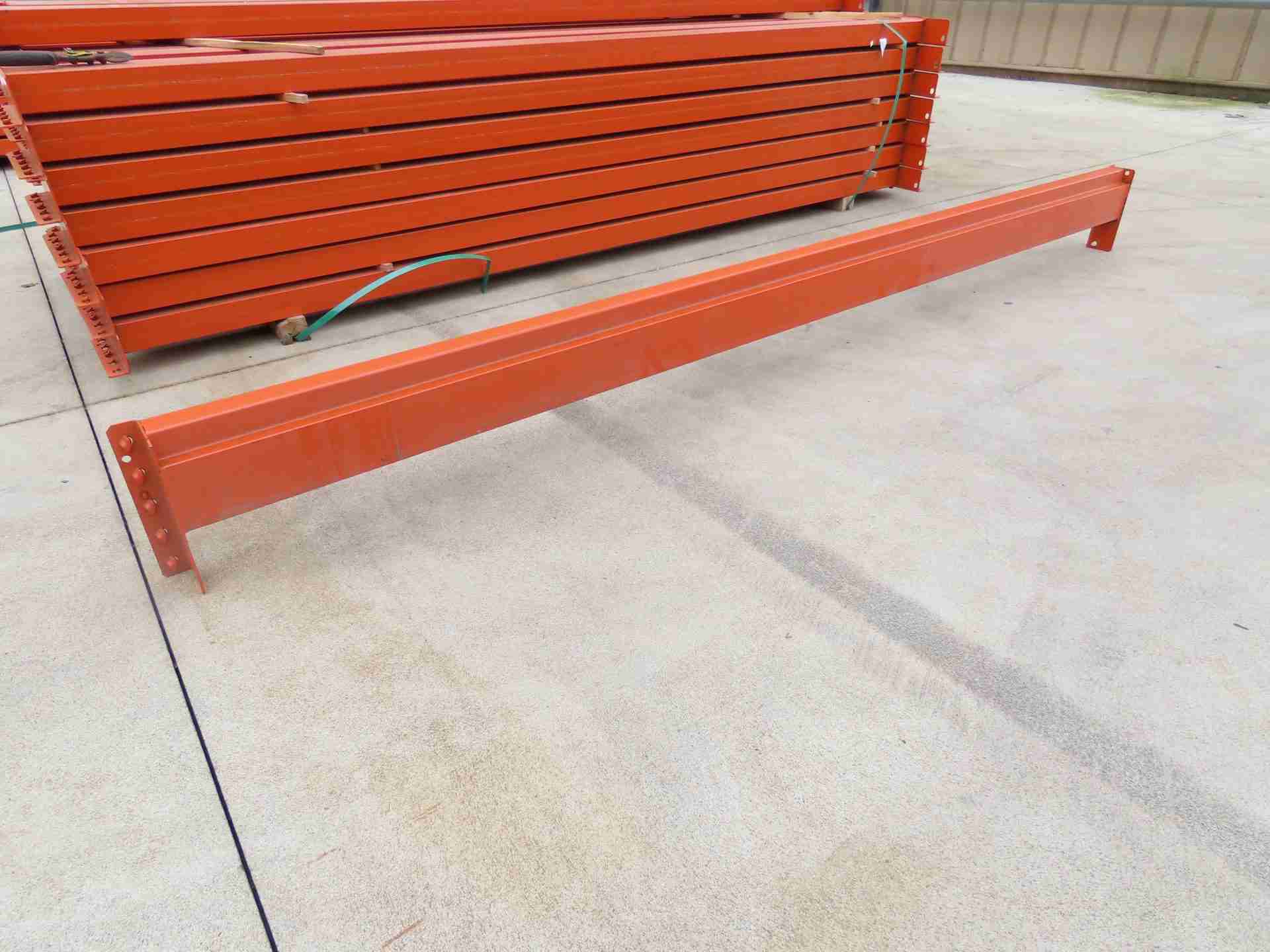
Are Employees More Engaged with Disorganized Warehouse Storage?
Are Employees More Engaged with Disorganized Warehouse Storage?
- A disorganized warehouse can spark engagement and creativity among employees.
- Strict organization may stifle employee autonomy, making them feel like cogs in a machine.
- A less structured environment allows employees to embrace spontaneity and explore their surroundings.
- Chaotic spaces can foster collaboration and problem-solving, as workers share ideas and improve workflows.
- Finding a balance is crucial; extreme disorder can lead to stress and inefficiency.
- Encouraging ownership of storage spaces promotes creativity within a flexible framework.
- Embracing a little disorder may enhance engagement and job satisfaction, leading to innovative breakthroughs.
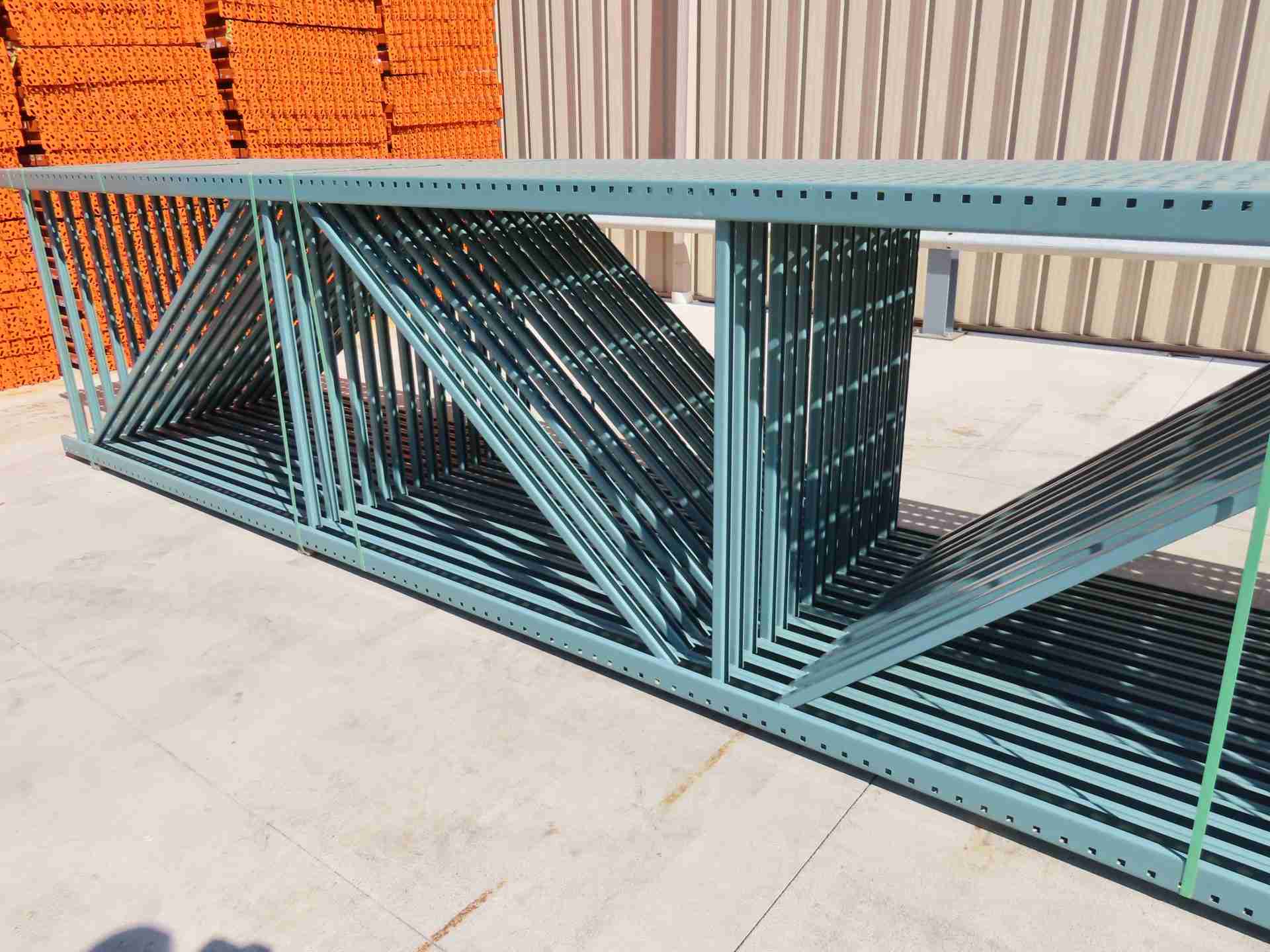
Are Employees More Engaged with Disorganized Warehouse Storage?
Table Of Contents
- Are Employees More Engaged with Disorganized Warehouse Storage?
- Are Employees More Engaged In Organized Versus Disorganized Storage?
- What Impact Does Warehouse Organization Have On Employee Morale?
- How Does Disorganized Storage Affect Employee Productivity Levels?
- Can Organized Storage Systems Lead To Increased Teamwork Among Staff?
- What Role Does Clutter Play In Employee Stress And Engagement?
- How Can Disorganization Hinder Effective Communication Among Workers?
- Conclusion
- Other Resources
- Glossary Of Terms
- Other Questions
- Checklist
Are Employees More Engaged In Organized Versus Disorganized Storage?
Have you ever walked into a workspace that felt chaotic, where clutter reigned supreme and frustrating searches for essential items were the norm? Now, imagine stepping into a well-organized environment where every tool, document, and piece of equipment is in its designated spot. The difference is striking—and it goes beyond mere aesthetics.
Studies and anecdotal evidence abound that support a crucial link between organization and employee engagement. When discussing organizational strategies, one that stands out is pallet racking. This system not only maximizes storage efficiency but drastically reduces the time employees spend looking for materials. In turn, this newfound efficiency fosters a sense of control and accomplishment among team members.
Employees who navigate an organized workspace tend to experience less stress and higher productivity levels. They know where everything is, allowing them to focus on their actual work rather than getting sidetracked by disarray. Who wouldn’t feel a surge of motivation when all necessary resources are at their fingertips?
Additionally, an orderly environment encourages a mindset of responsibility and ownership. When employees witness their workplace as organized, they take pride in contributing to its neatness. That’s the magic of systems like pallet racking: they empower employees to make the most of their space, which in turn nurtures a collaborative spirit.
Consider the emotional aspect—an organized storage system signals to employees that their well-being and efficiency matter. It communicates a message that the company values their time and talent. Wouldn’t you feel more engaged, more accepted, in a workspace that reflects such consideration?
Moreover, it’s not just about feelings; the data can’t be ignored. Research shows that companies with higher employee satisfaction see improvements in productivity and retention rates. Think about the ripple effect: happier employees lead to better service, and better service drives customer satisfaction. By investing in organization, including solutions like pallet racking, you create a cycle of positivity that benefits everyone involved.
So, it’s clear: an organized workspace is more than a convenience – it’s a catalyst for engagement, creativity, and success. Ask yourself—how does your storage environment impact your team? Embrace the potential of order and watch your workforce thrive.
Are Employees More Engaged In Organized Versus Disorganized Storage?
Are Employees More Engaged In Organized Versus Disorganized Storage?
- Chaotic workspaces hinder productivity and cause frustration in searching for essential items.
- A well-organized environment promotes employee engagement and efficiency.
- Pallet racking maximizes storage efficiency and reduces time spent searching for materials.
- Organized workspaces lead to lower stress levels and higher productivity among employees.
- An orderly environment fosters a sense of responsibility and ownership among team members.
- Data shows that employee satisfaction correlates with improved productivity and retention rates.
- An organized workspace is a catalyst for engagement, creativity, and overall success.
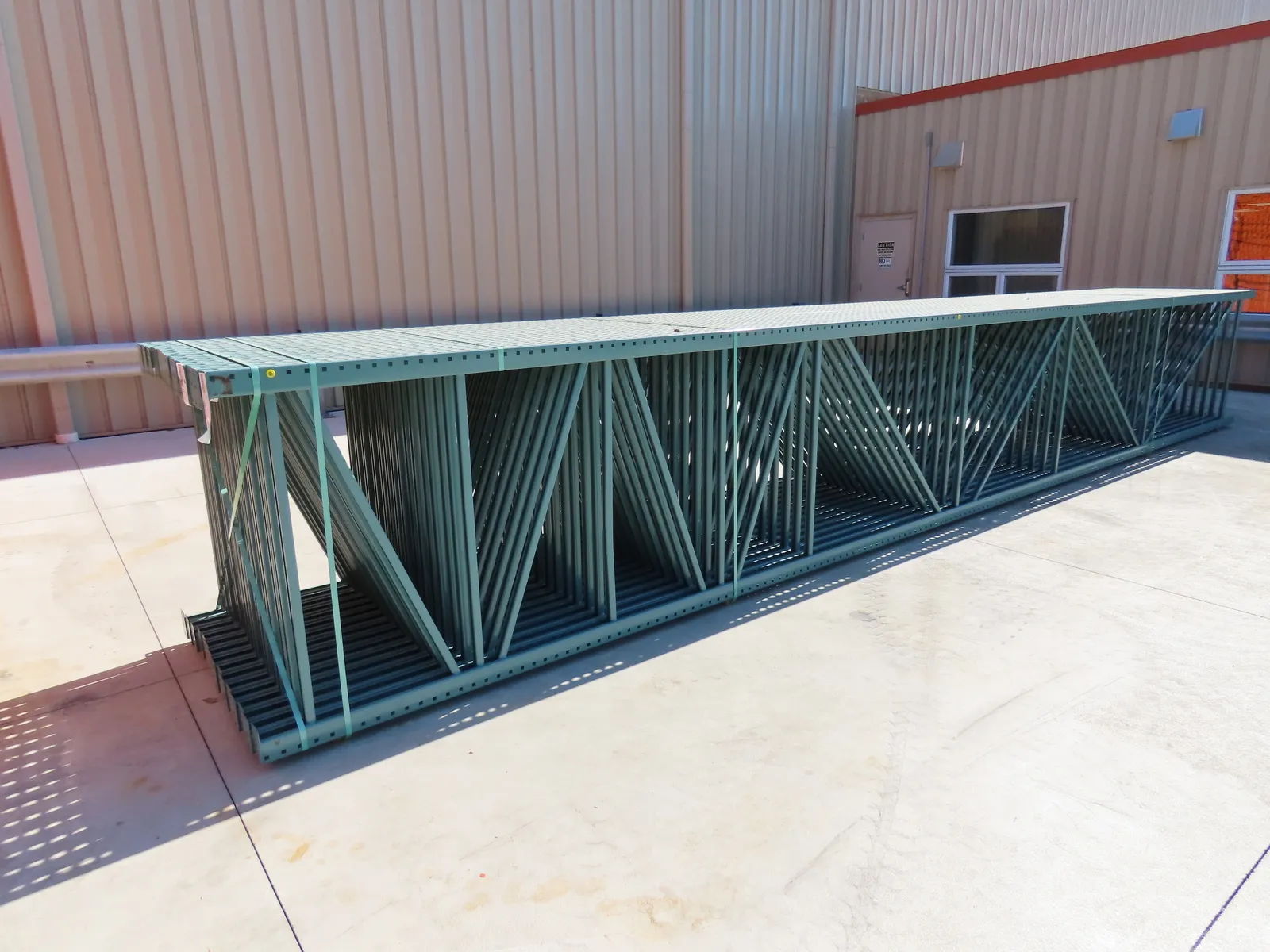
Are Employees More Engaged In Organized Versus Disorganized Storage?
What Impact Does Warehouse Organization Have On Employee Morale?
Imagine walking into a warehouse where everything is in its right place. The shelves are neatly stocked, the pallet racking is expertly arranged, and there’s a clear flow from receiving to shipping. In this ideal environment, employees aren’t just navigating their daily tasks; they’re thriving. They feel empowered, valued, and energized.
Now, let’s contrast that with a disorganized space—the chaos of misplaced items, cramped spaces, and inefficient pathways. It’s a recipe for frustration and stress. When your warehouse lacks organization, it doesn’t just impact logistics; it seeps into the very core of employee morale. Workers find themselves grappling with constant inefficiencies, which can lead to burnout and disengagement.
Creating an organized warehouse is more than just installing pallet racking and shelving systems. It reflects a commitment to the well-being of your employees. When they can locate supplies quickly, maneuver through their duties effortlessly, and collaborate effectively, they experience a sense of pride in their work. This satisfaction translates to increased productivity and loyalty—both invaluable assets for any business.
Investing in warehouse organization isn’t merely about aesthetics. It’s about cultivating a supportive and engaging workplace. When your team feels that their environment is conducive to success, it fosters a sense of trust. They know that their employer cares enough to create an environment that prioritizes their experience. This trust is crucial; it forms the foundation of a dedicated and passionate workforce.
Engagement leads to powerful results. Employees who thrive in an organized space are more likely to go above and beyond, contribute innovative ideas, and cultivate positive relationships with coworkers. This ripple effect extends beyond the warehouse walls, driving the overall success of the company. When your employees are happy and efficient, customers notice, and your brand reputation thrives.
So, are you ready to take that step towards a more organized and morale-boosting warehouse? Investing in proper pallet racking and organizational tools is a smart way to show your employees that you value their work environment. When they see their needs addressed, their morale and productivity will soar, creating a win-win for everyone involved. Take action now—your team (and bottom line) will thank you for it!

What Impact Does Warehouse Organization Have On Employee Morale?
What Impact Does Warehouse Organization Have On Employee Morale?
- An organized warehouse enhances employee empowerment, value, and energy.
- Disorganization leads to frustration, stress, inefficient pathways, and lowered morale.
- Creating order in a warehouse reflects a commitment to employee well-being.
- Efficient environments allow employees to quickly find supplies and collaborate effectively, fostering pride in their work.
- Investing in organization boosts productivity, loyalty, and overall business success.
- An organized workspace fosters trust between employees and employers.
- Happy, efficient employees positively impact brand reputation and customer satisfaction.
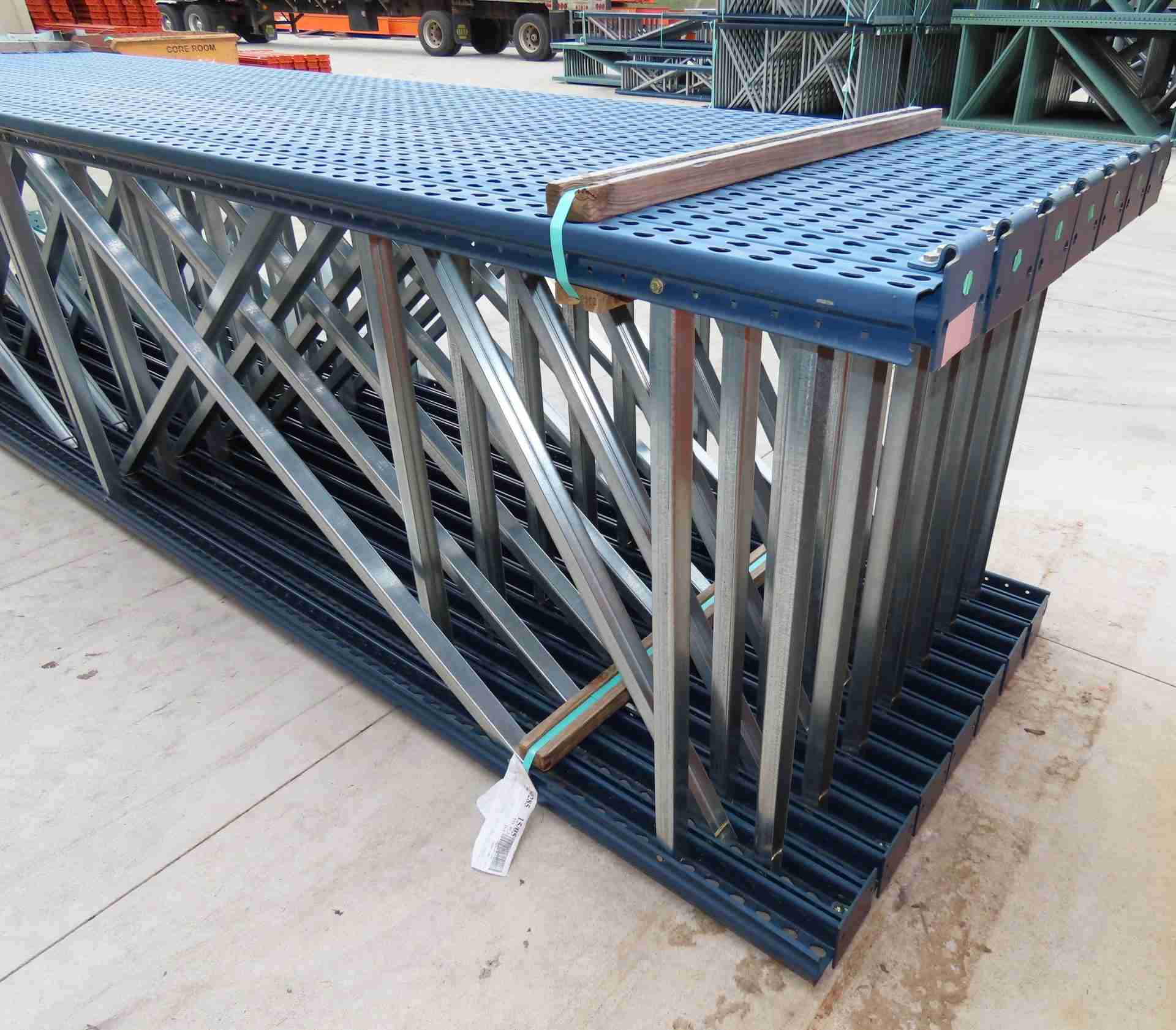
What Impact Does Warehouse Organization Have On Employee Morale?
How Does Disorganized Storage Affect Employee Productivity Levels?
Picture this: your team is gearing up to tackle a big project. They’re excited, motivated, and creatively buzzing. But as they approach the storage area for necessary supplies or documents, chaos reigns. Piles of boxes spill over, files lie scattered like fallen leaves, and the dreaded question arises: “Where is everything?” This scenario is all too familiar, and it’s a productivity killer.
Disorganized storage doesn’t just create a visual mess; it disrupts workflow and morale. When employees spend precious minutes searching for materials lost amidst disarray, frustration mounts. Studies show that even small delays can compound, leading to significant lapses in efficiency. In a fast-paced world, time wasted is productivity lost, and that shortfall can ripple throughout your organization.
Consider the role of effective warehouse solutions like pallet racking. These systems aren’t just about stacking items neatly; they revolutionize how your team interacts with their workspace. When everything has its place, employees can navigate their environment with ease and confidence. They know where to find what they need, whether it’s a crucial part for assembly or a document for a client meeting. This fluidity doesn’t just save time—it invigorates teams and fosters a culture of accountability.
Moreover, an organized workplace boosts morale. When your staff can approach their tasks without the weight of clutter and disorganization, they can focus on what truly matters: delivering results. A tidy environment translates to a clear mind. Employees feel empowered, and their output reflects that newfound energy. They’re more engaged, more willing to collaborate, and, ultimately, more productive.
Taking action is easy. Start by assessing your current storage solutions. Identify areas of inefficiency—those cramped corners or chaotic shelves—and consider how pallet racking or similar systems can transform them. Investing in better organization isn’t just a logistical upgrade; it’s an investment in your people. By fostering an environment that thrives on order and efficiency, you’re not just prioritizing productivity; you’re cultivating a workplace where employees can truly shine.
So, look around your workspace. What do you see? Clutter or clarity? The path to heightened productivity is within your reach; all it takes is the willingness to embrace organized storage solutions. Don’t wait—take that step today!
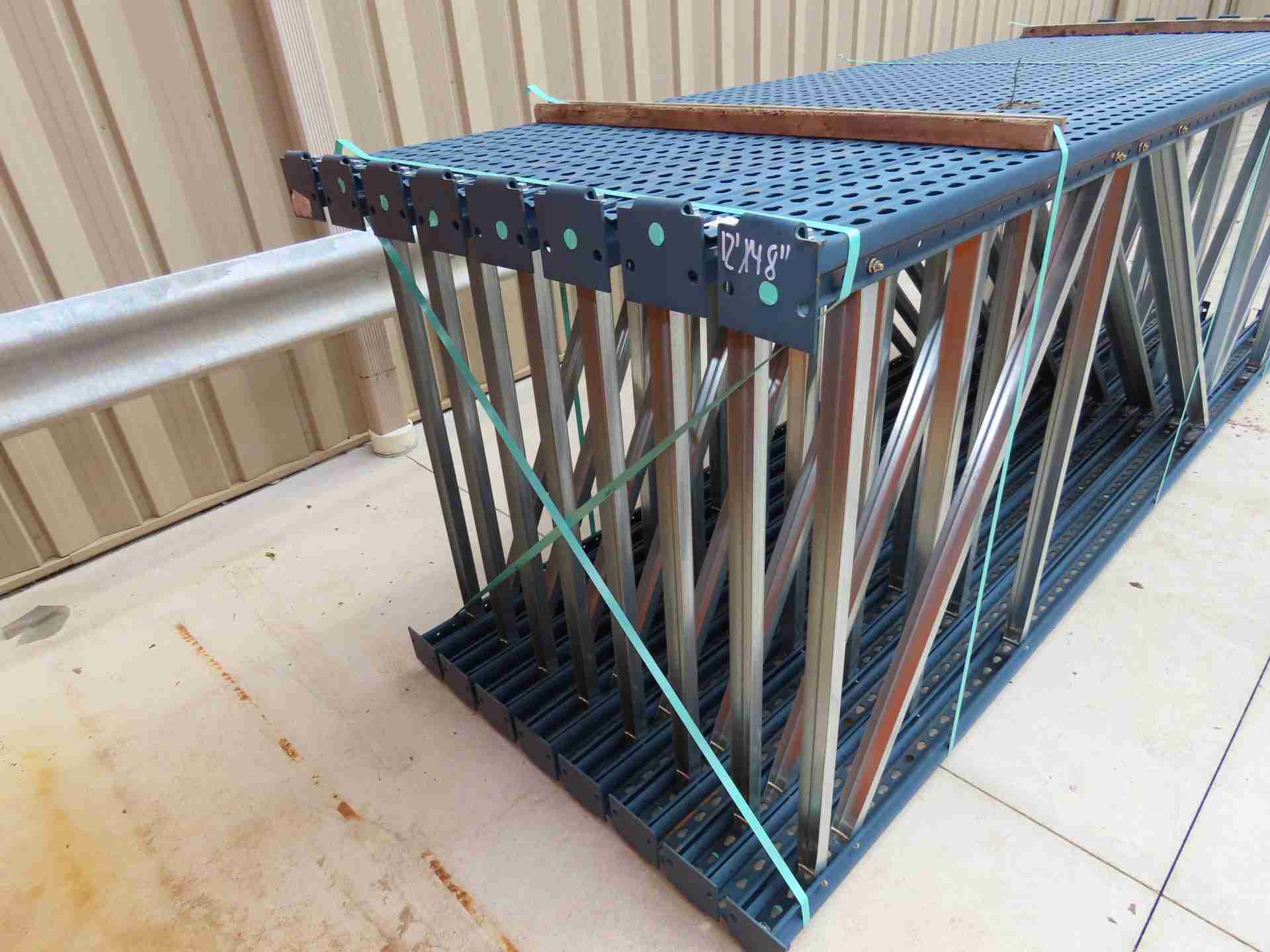
How Does Disorganized Storage Affect Employee Productivity Levels?
How Does Disorganized Storage Affect Employee Productivity Levels?
- Disorganized storage creates chaos, disrupting workflow and employee morale.
- Searching for materials amidst disarray wastes time, leading to efficiency lapses.
- Effective warehouse solutions, like pallet racking, enhance workspace interaction.
- Organized environments save time and promote accountability among teams.
- A tidy workplace boosts employee morale, allowing focus on delivering results.
- Investing in better organization improves both logistical efficiency and employee empowerment.
- Embracing organized storage is essential for cultivating a productive workplace culture.
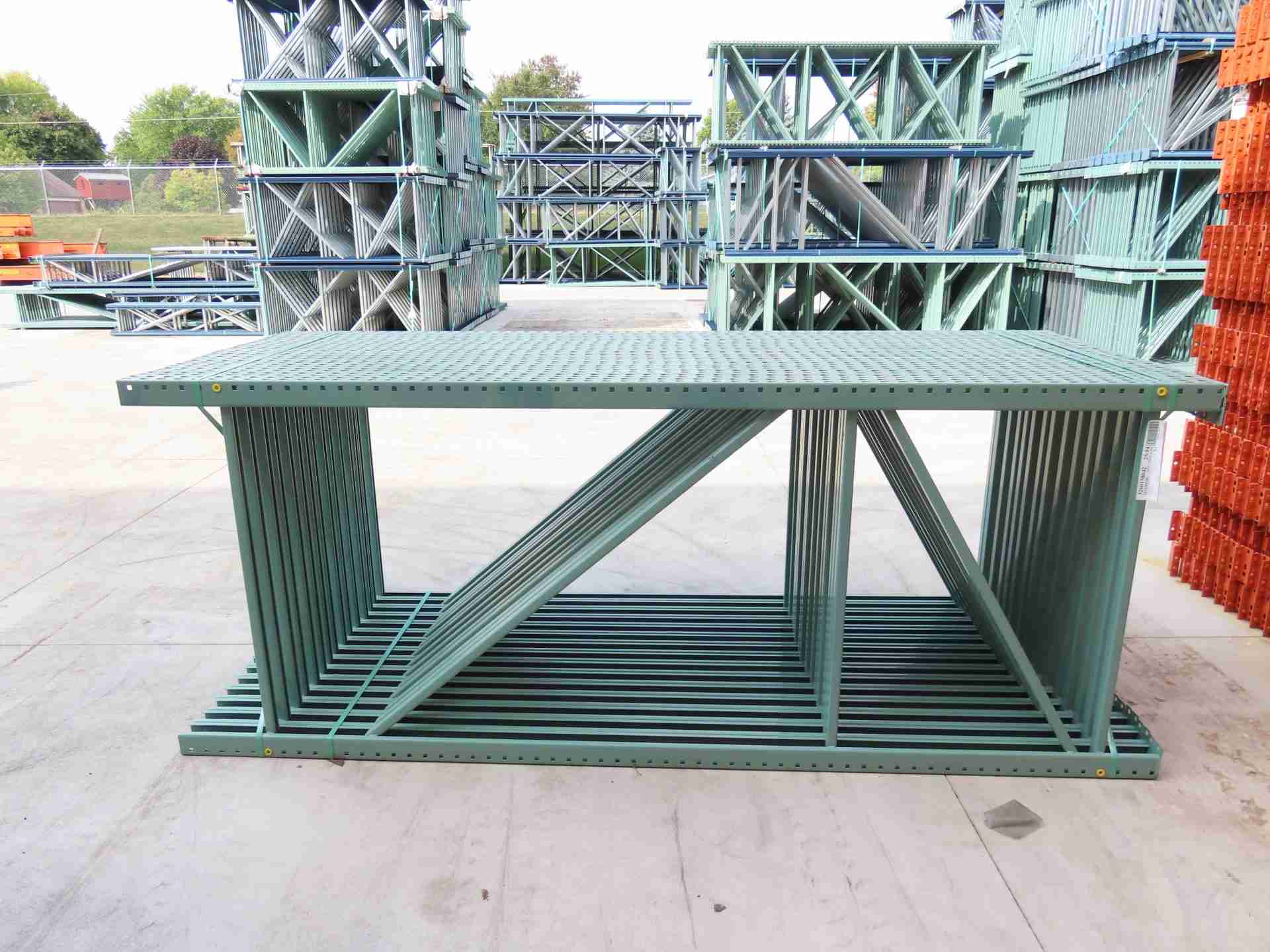
How Does Disorganized Storage Affect Employee Productivity Levels?
Can Organized Storage Systems Lead To Increased Teamwork Among Staff?
Imagine walking into a workspace that radiates efficiency and harmony. Gone are the days of cluttered desks and chaotic storage areas. Enter organized storage systems, like pallet racking, and watch how they revolutionize your team dynamics. It’s not just about tidying up; it’s about unleashing a culture of collaboration.
When teams have a structured environment, they perform better. Picture your employees easily reaching what they need when they need it. No more wasting precious time looking for misplaced items or navigating a labyrinth of disorganization. Instead, they can focus on what truly matters—working together to achieve shared goals. It fosters accountability, as everyone knows where their responsibilities lie, and makes it easier to share resources.
But let’s talk about more than just functionality. An organized workspace serves as a silent motivator. It communicates that you value your team’s time and efforts. They can see that you’re invested in creating a workflow that enhances their collaboration. The well-organized shelves lined with items neatly stored on pallet racking symbolize a commitment to professionalism and unity. It’s more than just storage; it’s a powerful visual cue that teamwork is not only encouraged but is a standard practice.
Furthermore, the alignment of physical spaces can lead to emotional and analytical shifts. When everyone is on the same page, ideas flow more freely. Team members find it easier to bounce concepts off one another, sparking innovation that might have seemed unreachable in a disorganized setting. The simple act of introducing an organized storage system can lead to more brainstorming sessions, richer discussions, and ultimately, more groundbreaking outcomes.
And let’s not forget about trust. When everything is in its rightful place, employees are more inclined to rely on one another. They can return borrowed tools or resources without fear of confusion, knowing that same-same will be returned promptly. This trust is foundational—it breeds stronger relationships within the team and promotes a cooperative spirit that can lead to long-term success.
So, if you’re still grappling with clutter and inefficiency, consider investing in organized storage systems like pallet racking. It’s not just about aesthetics or even productivity; it’s about building a culture of teamwork that drives results. Don’t wait—empower your staff to work collaboratively, effectively, and with newfound enthusiasm. After all, a united team is an unstoppable force!
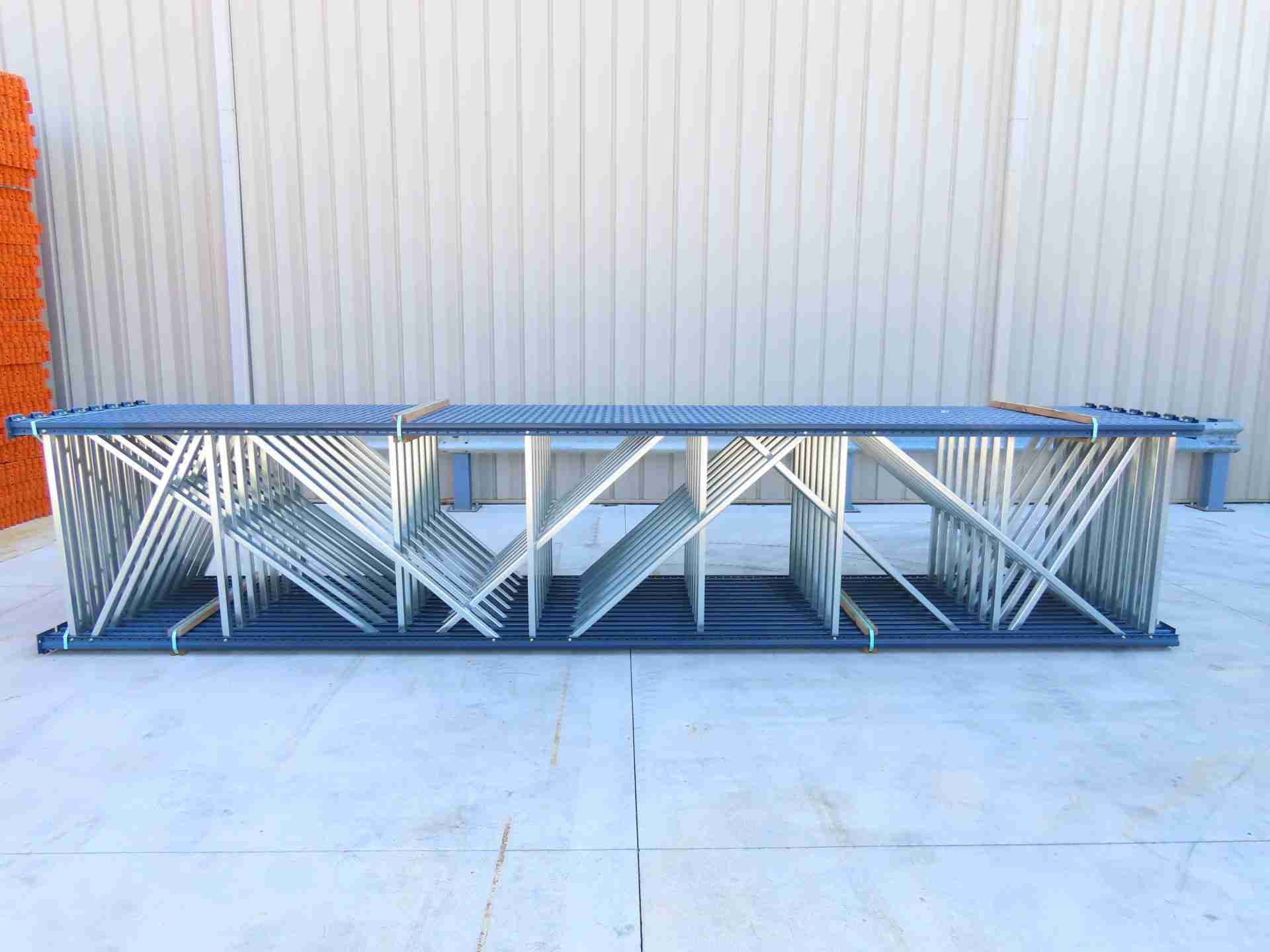
Can Organized Storage Systems Lead To Increased Teamwork Among Staff?
Can Organized Storage Systems Lead To Increased Teamwork Among Staff?
- Organized storage systems, like pallet racking, enhance team dynamics by creating efficient and harmonious workspaces.
- Structured environments improve performance by allowing employees to easily access what they need, reducing time lost in searching for items.
- An organized workspace fosters a culture of accountability and resource sharing, helping teams focus on achieving shared goals.
- A tidy workspace serves as a motivator, showcasing that management values team members’ time and efforts.
- Well-organized storage systems encourage innovation by facilitating idea exchange among team members, leading to richer discussions and outcomes.
- Trust grows in organized environments as employees can rely on one another and return borrowed resources without confusion.
- Investing in organized storage promotes a culture of teamwork, empowering staff to work collaboratively and enthusiastically towards success.
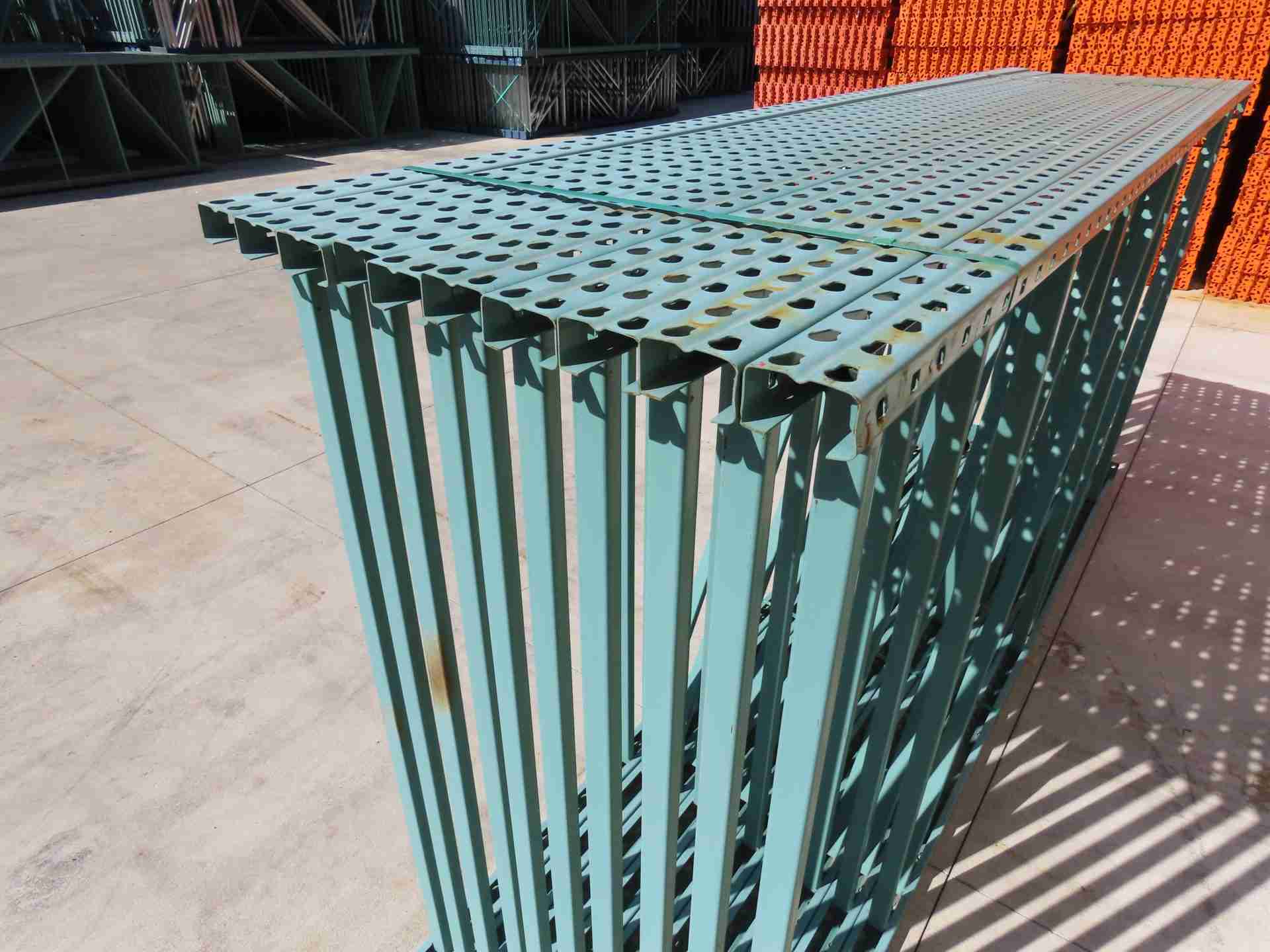
Can Organized Storage Systems Lead To Increased Teamwork Among Staff?
What Role Does Clutter Play In Employee Stress And Engagement?
We’ve all been there—walking into an office littered with disorganized papers, outdated decor, and half-empty coffee mugs. It’s not just an eyesore; it’s a silent productivity killer. Clutter, whether physical or digital, seeps into the workplace like a slow leak, causing stress levels to rise and engagement to plummet. But don’t despair! Understanding the impact of clutter can transform your workspace, invigorating your team and boosting morale.
Think about your employees. When they step into a chaotic environment, what do they feel? Overwhelmed? Distracted? The answer is simple: clutter creates a mental haze that clouds creativity and hampers focus. The stress that accompanies a disorganized space can lead to decreased motivation and, ultimately, disengagement. Imagine the difference when your team members are surrounded by a clean and organized space designed for productivity. It’s not just wishful thinking; it’s a tangible advantage.
Emphasizing the importance of tidiness in the workplace reveals a critical investment in your team’s well-being. Consider integrating solutions like pallet racking systems to streamline storage, reduce clutter, and enhance accessibility. These practical systems can transform your workspace from chaotic to harmonious—your team will appreciate it, and productivity can soar. Employees are more likely to feel valued when their environment reflects a commitment to their comfort and efficiency.
Let’s be honest: many employees spend the majority of their waking hours at work. Isn’t it worth investing in an environment that promotes not only efficiency but also emotional well-being? When you foster a positive workspace, filled with order and a sense of purpose, employees feel empowered, engaged, and ready to tackle challenges head-on.
In a world overflowing with distractions, embracing a less-cluttered approach isn’t just about aesthetics; it’s about instilling a culture of clarity and focus. A tidy workplace signals respect for the team and reinforces their capability to contribute to a common goal. So take a step back and evaluate the space your team occupies. Is it a launching pad for success or a hindrance to growth? By addressing clutter, you’ll unlock a world of potential for your organization. Let’s tidy up not just the desks but the entire approach to workplace engagement and stress management. It’s time for a fresh start!
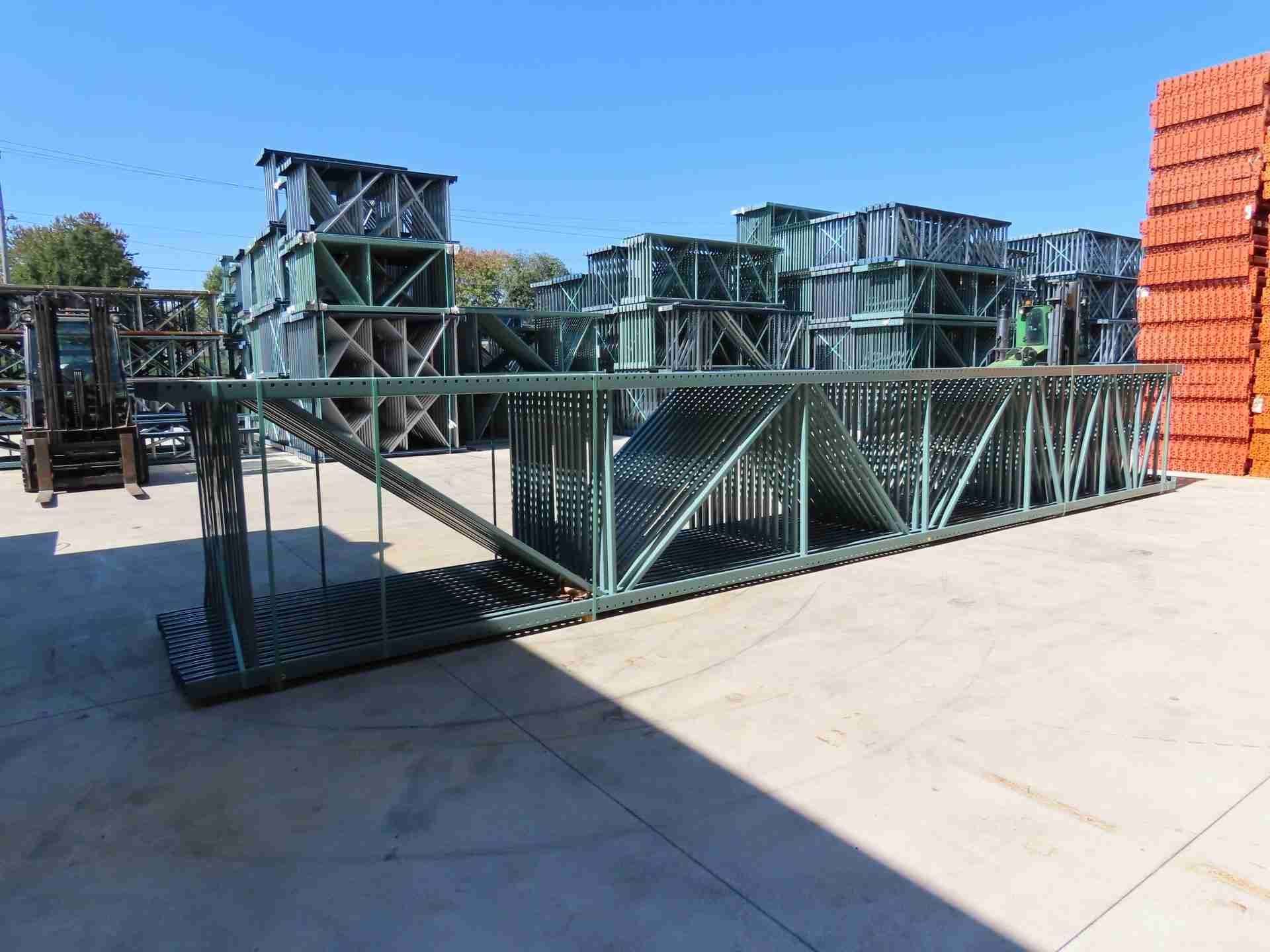
What Role Does Clutter Play In Employee Stress And Engagement?
What Role Does Clutter Play In Employee Stress And Engagement?
- Cluttered workspaces, both physical and digital, negatively impact productivity and increase stress.
- Disorganization creates a mental haze that hinders creativity and focus, leading to decreased motivation.
- A clean and organized environment can enhance employee morale and productivity.
- Investing in tidiness shows a commitment to employee well-being and comfort.
- Solutions like pallet racking systems help streamline storage and reduce clutter.
- Employees who work in organized spaces feel more empowered and engaged in their work.
- Addressing clutter fosters a culture of clarity and respect, unlocking potential for organizational growth.
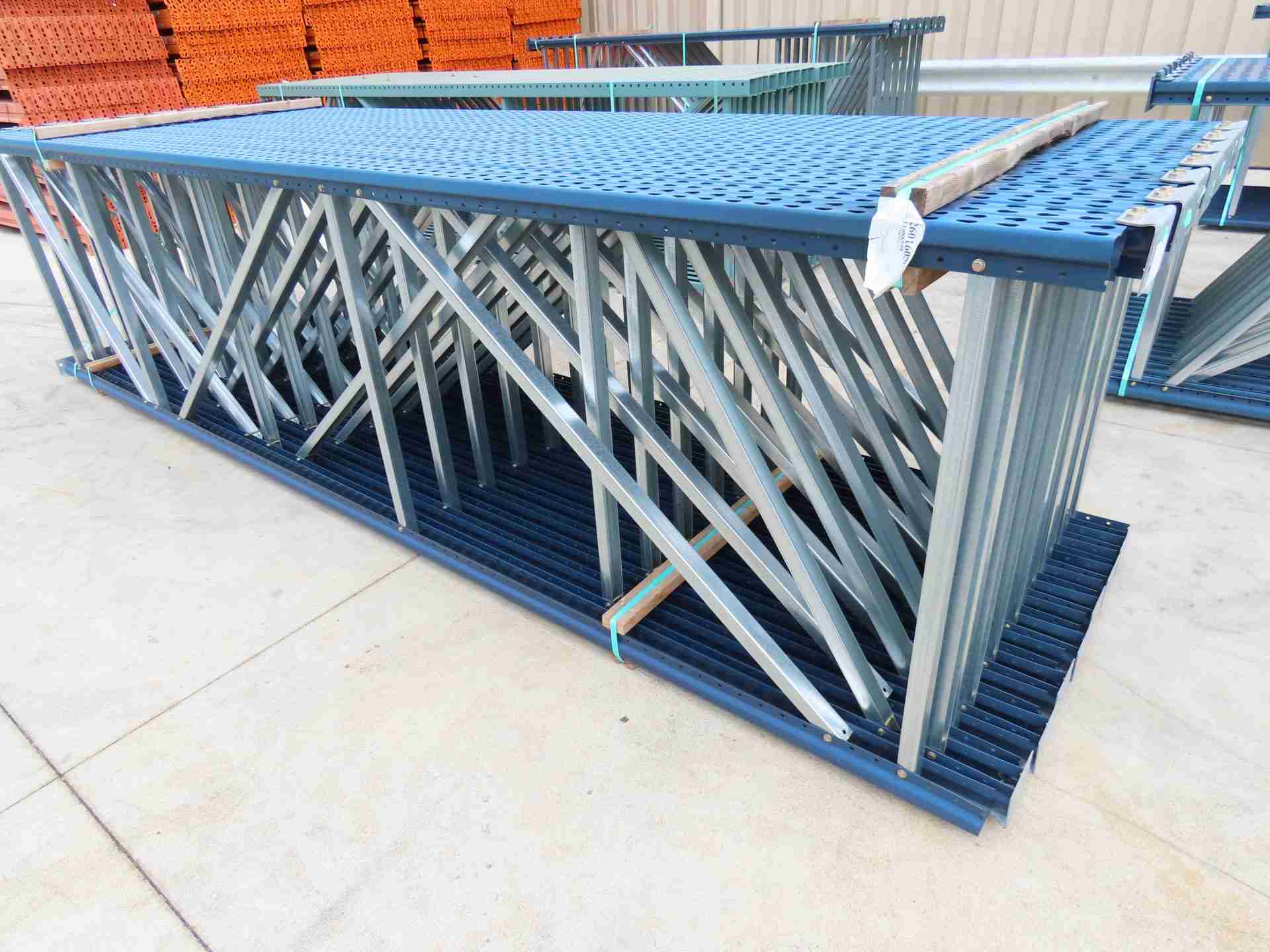
What Role Does Clutter Play In Employee Stress And Engagement?
How Can Disorganization Hinder Effective Communication Among Workers?
Imagine a bustling warehouse filled with potential, yet its efficiency lies shackled by chaos. Disorganization can manifest in myriad forms—be it cluttered workspaces, unclear workflows, or a lack of defined roles. But let’s narrow our focus to a common culprit that can derail even the most seasoned teams: the absence of structured systems, like proper pallet racking. It’s easy to overlook, but when employees are lost in a sea of disarray, the ripple effect on communication is profound.
In a disorganized environment, information travels in fits and starts. Employees may struggle to locate essential tools or materials tucked away in forgotten corners, leading to frustrating delays and miscommunication. When workers can’t find what they need, they can become overwhelmed, disengaged, and less inclined to reach out for assistance. It’s a vicious cycle where assumptions replace conversations, and productivity plummets in the process.
Consider a scenario where team members are unclear about inventory levels or stock placements due to a lack of organized pallet racking. A simple error—like picking the wrong items or misplacing stock—can snowball into significant setbacks. When the lines of communication falter, misunderstandings are rampant, and the team’s synergy erodes. Employees begin to rely on secondhand information when they should be discussing matters directly, leading to confusion and frustration.
So how can we convert this disarray into a streamlined operation? The answer lies in establishing clear systems and protocols that foster open dialogue. By implementing organized solutions, such as standardized pallet racking, you empower staff to route their focus toward collaboration rather than navigating a maze of confusion. Employees are more likely to communicate effectively when they can easily locate resources and understand their responsibilities.
Fostering a culture of organization doesn’t just enhance physical workspaces; it cultivates trust among your workforce. When employees feel confident that they have the right tools and information at their fingertips, they’re far more likely to engage with their peers, share insights, and drive innovation.
So take a moment to reflect on your current environment. Is it aiding clarity and teamwork, or is it snatching away the potential for connection and efficiency? When you prioritize organization, not only do you improve workflow, but you also create an empowering atmosphere where communication flourishes and creativity thrives. Let’s get organized and unleash the true potential of your team!

How Can Disorganization Hinder Effective Communication Among Workers?
How Can Disorganization Hinder Effective Communication Among Workers?
- Disorganization in warehouses can lead to inefficiency and chaos.
- Common issues include cluttered workspaces, unclear workflows, and undefined roles.
- The absence of structured systems, like proper pallet racking, increases communication challenges.
- Disorganized environments cause delays as employees struggle to locate tools and materials.
- Lack of organization leads to misunderstandings and reduced team synergy due to reliance on secondhand information.
- Implementing organized solutions fosters open dialogue and enhances collaboration among employees.
- A culture of organization builds trust, promotes engagement, and drives innovation within the team.

How Can Disorganization Hinder Effective Communication Among Workers?
Conclusion
At RackingWorld.com, powered by Arrow Industrial Sales, we’ve journeyed through the compelling dynamics between warehouse organization and employee engagement. As we’ve explored, the direct correlation between an organized storage system and employee morale is undeniable—an efficient workplace is not just about aesthetics; it’s a decisive factor in fostering productivity, collaboration, and overall workplace satisfaction.
In disorganized settings, employees often find themselves trapped in a cycle of chaos, leading to frustration and disengagement. Their creativity and problem-solving skills get stifled amid the clutter, and the overall atmosphere can dampen even the most motivated individuals. In contrast, a streamlined environment, buoyed by innovative solutions like pallet racking, empowers employees. They navigate their roles with clarity, feel invested in their work, and contribute more effectively to team goals.
The data backs it up: organizations that prioritize workplace structure not only see higher employee satisfaction but also experience significant improvements in productivity and retention rates. By investing in organized storage systems, you send an unwavering message to your team—“Your time and efforts are valued here.” This commitment cultivates a sense of belonging, igniting enthusiasm and creativity among team members.
Moreover, the power of an organized workspace transcends individual productivity; it nurtures collaboration and communication. In an uncluttered environment, team members can easily share resources, align on tasks, and even brainstorm innovative solutions with each other. When barriers to communication are minimized, employees feel more connected, empowered to contribute their insights and strategies, ultimately driving the organization forward.
But don’t wait to make the impact of organized storage a reality for your team. The time to act is now. At Arrow Industrial Sales, we understand the acute urgency to transform your warehouse into an optimized workspace that will reap benefits for both your employees and your bottom line.
Call Arrow Industrial Sales today at (574) 349-6575 to discover how you can implement effective storage solutions that spark engagement and enhance efficiency. Don’t let the dust of disorganization settle on your operations. Embrace the clarity of order and watch your team’s morale—and productivity—soar. Take action, foster a culture of teamwork, and pave the pathway to success!
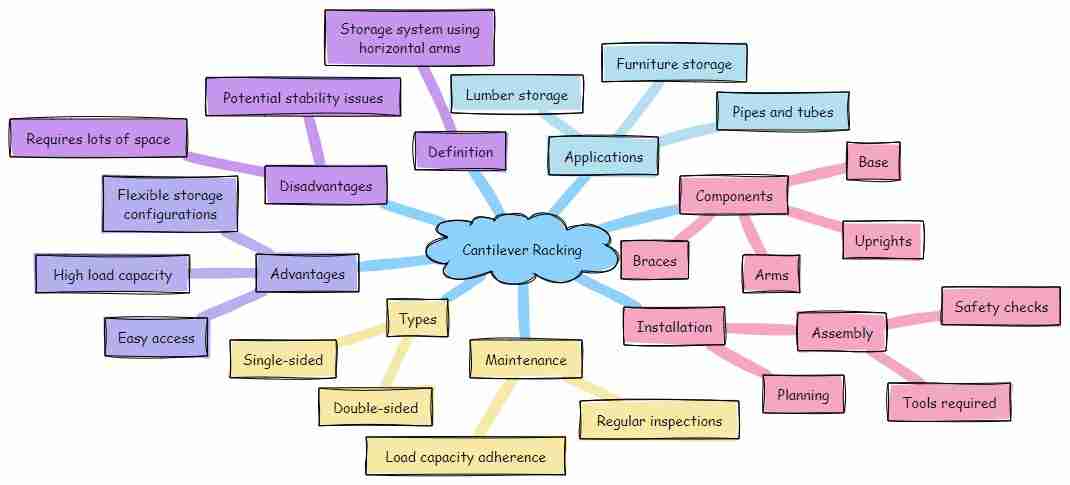
Conclusion
Conclusion:
- RackingWorld.com highlights the link between warehouse organization and employee engagement.
- An organized storage system directly boosts employee morale and overall workplace satisfaction.
- Disorganized environments lead to frustration, stifled creativity, and disengagement among employees.
- Streamlined workspaces, supported by solutions like pallet racking, empower employees for better navigation and contribution.
- Data shows that structured workplaces enhance productivity and retention rates.
- An organized workspace fosters collaboration, communication, and resource sharing among team members.
- Arrow Industrial Sales encourages action to implement storage solutions for improved engagement and efficiency.

Conclusion
Other Resources

Other Resources
Here is a list of other resources you can review online to learn more:
- Pallet Racking systems in Illinois and Great Lakes
- Storage Equipment Manufacturers Association
- Pallet Racking 101: A Comprehensive Guide & Options Explained
- ASSP
- Total Warehouse
- Wolter
- Interlake
- Warehouse Storage Racks
- Selective Rack – Raymond West
- IIWS Inc. Rack Installation Illinois & Rack Repairs Illinois
Use This Prompt To Get More Resources With Your Favorite Online AI Tool: Please provide me with a list of online articles with their URLs in a bulleted list that I can read regarding Are Employees More Engaged with Disorganized Warehouse Storage?

Other Resources
Glossary Terms
Are Employees More Engaged with Disorganized Warehouse Storage? – Glossary Of Terms
1. Engagement: The level of commitment and enthusiasm employees show toward their work and the organization.
2. Disorganization: A state of disorder or lack of systematic arrangement in storage or workflow processes within a warehouse.
3. Warehouse: A large building where goods are stored before distribution or sale.
4. Productivity: The measure of efficiency in producing goods or services, often influenced by workplace organization.
5. Inventory Management: The process of overseeing and controlling the ordering, storage, and use of products in a warehouse.
6. Clutter: An accumulation of items or materials in a space that can cause confusion and hinder operational efficiency.
7. Workflow: The sequence of processes through which a piece of work passes from initiation to completion in an organization.
8. Efficiency: The ability to accomplish a task with the least waste of time and effort; highly influenced by organizational practices.
9. Morale: The overall outlook, attitude, satisfaction, and confidence of employees within the workplace.
10. Ergonomics: The design of the workplace and its processes to fit the capabilities and limitations of workers, enhancing comfort and efficiency.
11. Safety Hazards: Conditions in the warehouse that pose risks of injury or accidents, often exacerbated by disorganized environments.
12. Lean Management: A philosophy that seeks to improve customer value by eliminating waste and optimizing processes, relevant to warehouse organization.
13. Standard Operating Procedures (SOPs): Detailed, written instructions to achieve uniformity in a specific function or process within an organization.
14. Training: Programs designed to improve employees’ skills and knowledge, which can influence their engagement with their tasks.
15. Communication: The exchange of information between employees and management, crucial for maintaining organization and clarity in a warehouse environment.
16. Teamwork: Collaborative efforts of a group to achieve a common goal, which can be hindered by disorganization in shared spaces.
17. Job Satisfaction: The extent to which employees feel fulfilled and pleased with their jobs, influenced by the efficiency of their workspace.
18. Time Management: The ability to plan and control how much time to spend on specific activities, which can be affected by organizational structure.
19. Visual Management: A technique that uses visual signals to communicate information effectively to workers, which can help mitigate chaos in a warehouse.
20. Space Optimization: The practice of utilizing warehouse space efficiently to maximize storage and accessibility.
21. Retention: The ability of an organization to keep its employees over time, often related to workplace conditions and engagement levels.
22. Chaos Theory: A scientific concept relating to how small changes can lead to unpredictable results; applicable in discussing employee behavior in disorganized environments.
23. Inventory Turnover: The ratio showing how many times inventory is sold and replaced over a period, influenced by storage practices.
24. Task Delegation: Assigning specific responsibilities to different employees, which can be challenging in a disorganized setting.
25. Motivation: The reasons or incentives that drive individuals to perform well in their roles, potentially impacted by working conditions.
26. Performance Metrics: Standards or measures used to evaluate employees’ productivity and effectiveness, which can be skewed by disorganization.
27. Systems Thinking: An approach to problem-solving that views “problems” as part of a larger system, promoting holistic solutions.
28. Compliance: Adhering to laws, regulations, guidelines, and specifications relevant to operations, often harder to maintain in chaotic environments.
29. Feedback Loop: A process where outputs of a system are circled back and used as inputs, crucial for continuous improvement in employee engagement.
30. Employee Wellness: The overall health, well-being, and emotional state of employees, which can be negatively impacted by poorly organized workspaces.

Glossary Of Terms
Other Questions
Are Employees More Engaged with Disorganized Warehouse Storage? – Other Questions
If you wish to explore and discover more, consider looking for answers to these questions:
- What are the benefits of organized warehouse storage beyond employee engagement?
- How can warehouses implement a hybrid model of organization and chaos effectively?
- What specific organizational tools can improve engagement and productivity?
- What are the potential downsides of a completely disorganized warehouse?
- How can employee feedback be integrated into the organization process of a warehouse?
- What role does leadership play in fostering a culture of organization versus chaos?
- What other industries have successfully utilized disorganization for engagement benefits?
- How does physical clutter compare to digital clutter in terms of employee stress and efficiency?
- What metrics can be used to measure the impact of organization on employee morale and productivity?
- Can disorganization ever be justified in certain work environments?
- What are some best practices for transitioning from disorganized to organized storage systems?
- How do cultural differences influence perceptions of organization versus chaos in the workplace?
Other Questions
Checklist
Are Employees More Engaged with Disorganized Warehouse Storage? – A Checklist
1. Assess Current Storage Solutions
_____ Evaluate the current layout of the warehouse.
_____ Identify disorganized areas that hinder efficiency.
_____ Determine whether pallet racking or similar systems are needed.
2. Encourage Employee Input
_____ Gather feedback from team members about their challenges related to storage and organization.
_____ Allow employees to contribute ideas for improving workflow.
3. Implement a Hybrid Model
_____ Consider incorporating a hybrid organization strategy that allows for flexible use of space.
_____ Balance structured systems with opportunities for employee initiative.
4. Designate Clear Spaces
_____ Clearly define specific areas for different types of inventory and supplies.
_____ Ensure that all items have a designated storage location.
5. Standardize Processes
_____ Develop standardized protocols for organizing, storing, and accessing materials.
_____ Train employees on these protocols to ensure consistency.
6. Visual Aids
_____ Use labeling and color-coding to make it easier to locate items quickly.
_____ Create visual guides for new employees to facilitate orientation.
7. Regular Maintenance
_____ Schedule regular reviews of storage areas to maintain organization.
_____ Assign team members to keep specific areas clutter-free.
8. Leverage Technology
_____ Explore inventory management systems or software to track materials and orders.
_____ Use mobile devices or tablets to streamline communication and information retrieval.
9. Promote a Culture of Ownership
_____ Empower employees to take responsibility for the cleanliness and organization of their workspaces.
_____ Encourage team collaboration in maintaining shared spaces.
10. Monitor Morale and Productivity
_____ Gather periodic feedback from employees on how storage improvements affect their work and morale.
_____ Observe changes in productivity and engagement as a result of organized storage.
11. Celebrate Improvements
_____ Acknowledge and celebrate milestones in warehouse organization.
_____ Share success stories and improvements in teamwork and efficiency.
12. Stay Flexible
_____ Be open to adjusting organization systems as needed based on employee feedback and operational needs.
_____ Regularly review the effectiveness of your organization strategy and make necessary changes.
By using this checklist, you can create a more engaging, productive, and efficient warehouse environment that benefits both your employees and your overall operations.
Checklist
At RackingWorld, we help guide you through selecting warehouse storage systems and racking.
Be sure to read our other related stories at RackingWorld to learn more about warehouse storage systems.
0 Comments