
Optimizing Warehouse Space For Maximum Profit
By Tom Seest
At RackingWorld, we help guide you through selecting warehouse storage systems and racking.
Be sure to read our other related stories at RackingWorld to learn more about warehouse storage systems.
Are You Aware That Wasted Warehouse Space Could Mean Wasted Profits?
Imagine walking through your warehouse, surveying row after row of products huddled together on outdated shelving. It’s a scene too familiar for many business owners: cluttered aisles, tangled inventory, and a sea of wasted potential. This chaos is more than just an eyesore; it’s a bottom-line disaster. If you’re in the business of selling, you have to ask yourself: Is my warehouse working for me or against me?
Let’s talk about pallet racking. It’s not merely a storage solution; it’s an investment in efficiency that can revolutionize your operations. Picture this: your warehouse space, neatly organized, filled with easily accessible products—all thanks to strategically installed pallet racking systems. Not only does efficient use of pallet racking maximize space, it streamlines your order fulfillment process. Every square foot is a dollar and, if that space is poorly utilized, how many dollars are slipping through your fingers?
You might be thinking, “But my warehouse is already okay.” Well, what if I told you that “okay” might be your hidden enemy? Just a few tweaks here and there—like implementing a cutting-edge pallet racking system—could convert wasted warehouse space into productive real estate that saves you time and money. Consider the possibilities: improved inventory management, faster shipping times, and the ability to scale your operations without the need for costly expansion.
Connecting with your products becomes simpler. No more stress as you navigate through a chaotic maze of inventory—every item right where you need it! You’re not just shelving products; you’re cultivating a streamlined system that allows for growth, stability, and undeniable profitability.
Take a moment to consider what wasted space truly costs you. Each inch of underutilized warehouse means lost revenue, frustrated employees, and unfulfilled customer expectations. That’s why it’s crucial to act. Don’t settle for “good enough.” It’s time to innovate with a strategic approach to your warehouse layout. Your path to profitability could very well lie in the hands of a modern pallet racking solution that turns chaos into clarity.
The truth is, embracing the right warehouse changes isn’t a luxury—it’s a necessity. Take the leap and empower your business to capitalize on every inch of potential. Your profits (and peace of mind) are waiting. Why not claim them today?

Are You Aware That Wasted Warehouse Space Could Mean Wasted Profits?
Are You Aware That Wasted Warehouse Space Could Mean Wasted Profits?
- Many business owners face cluttered aisles and tangled inventory in warehouses.
- Pallet racking is not just storage; it’s an investment that enhances operational efficiency.
- Strategically installed pallet racking maximizes space and improves order fulfillment processes.
- Even “okay” warehouse setups can be improved to convert wasted space into productive real estate.
- Efficient inventory management leads to faster shipping times and scalable operations.
- Wasted warehouse space results in lost revenue and unfulfilled customer expectations.
- Modernizing warehouse layout with pallet racking is essential for profitability and business growth.
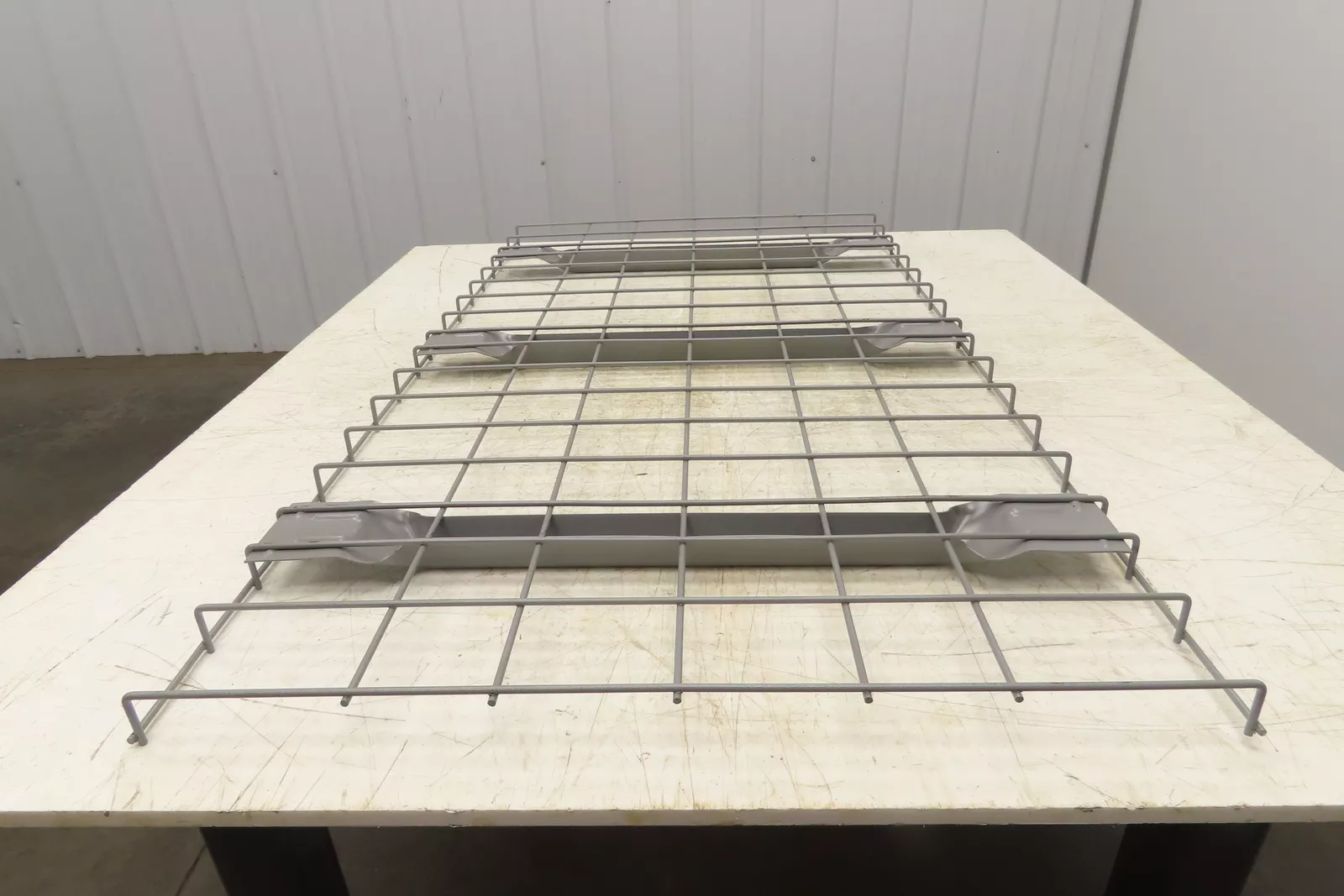
Are You Aware That Wasted Warehouse Space Could Mean Wasted Profits?
Table Of Contents
- Are You Aware That Wasted Warehouse Space Could Mean Wasted Profits?
- What Are The Signs Of Wasted Warehouse Space?
- How Can I Measure Warehouse Efficiency?
- What Solutions Exist For Optimizing Storage Space?
- How Does Wasted Space Impact Overall Profitability?
- What Technologies Can Help Reduce Wasted Space?
- What Are The Best Practices For Layout Design In Warehouses?
- Conclusion
- Other Resources
- Glossary Of Terms
- Other Questions
- Checklist
What Are The Signs Of Wasted Warehouse Space?
In an era where every square foot counts, identifying wasted warehouse space isn’t just crucial—it’s a necessity. If you’re managing a warehouse and aren’t keenly aware of the signs that your space isn’t working for you, it’s high time to tune in.
Imagine walking through your warehouse and witnessing long aisles lined with dusty pallets gathering cobwebs rather than fulfilling their purpose. That’s your first indication. If your pallet racking is overstuffed with forgotten inventory and mounds of excess stock, it’s a clear red flag waving in your face. Not only does it signify wasted space, but it can also lead to costly inefficiencies.
Here’s another telltale sign: congestion at your loading docks. If you find that your staff is playing a game of “warehouse Tetris” just to make room for incoming shipments, it’s time to examine how your layout might be hindering operations. This situation could be avoided altogether with better organization and thoughtful inventory management.
Let’s talk about visibility. If you’re struggling to locate items in your pallet racking, you likely have more products than you truly need. Remember, a cluttered warehouse not only looks chaotic but also reduces productivity. Your staff shouldn’t have to become sleuths, searching for crucial items amidst a jungle of packed shelves. A well-organized space not only speeds up operations but fosters a sense of confidence among your workforce.
Do you often find items taking way too long to move in and out? If yes, you should reevaluate your workflows and consider whether your pallet racking arrangement is serving you well. Quick access is essential! A streamlined process can drastically cut down on idle time, meaning your warehouse operates at peak potential.
Lastly, evaluate how much space you’re leasing versus how much you’re utilizing. Empty aisles or unused corners that feel more like wastelands are indicative of an inefficient layout. This underutilization doesn’t just waste money; it represents an opportunity lost—an opportunity to maximize your resources for better profit margins.
In essence, recognizing these signs can equip you to transform your warehouse, inspire action, and regunn your operational efficiency. Take a proactive approach, invest in smart solutions, and watch your warehouse not just function but flourish. Don’t let wasted space hold you back—act now and reclaim your profit potential!
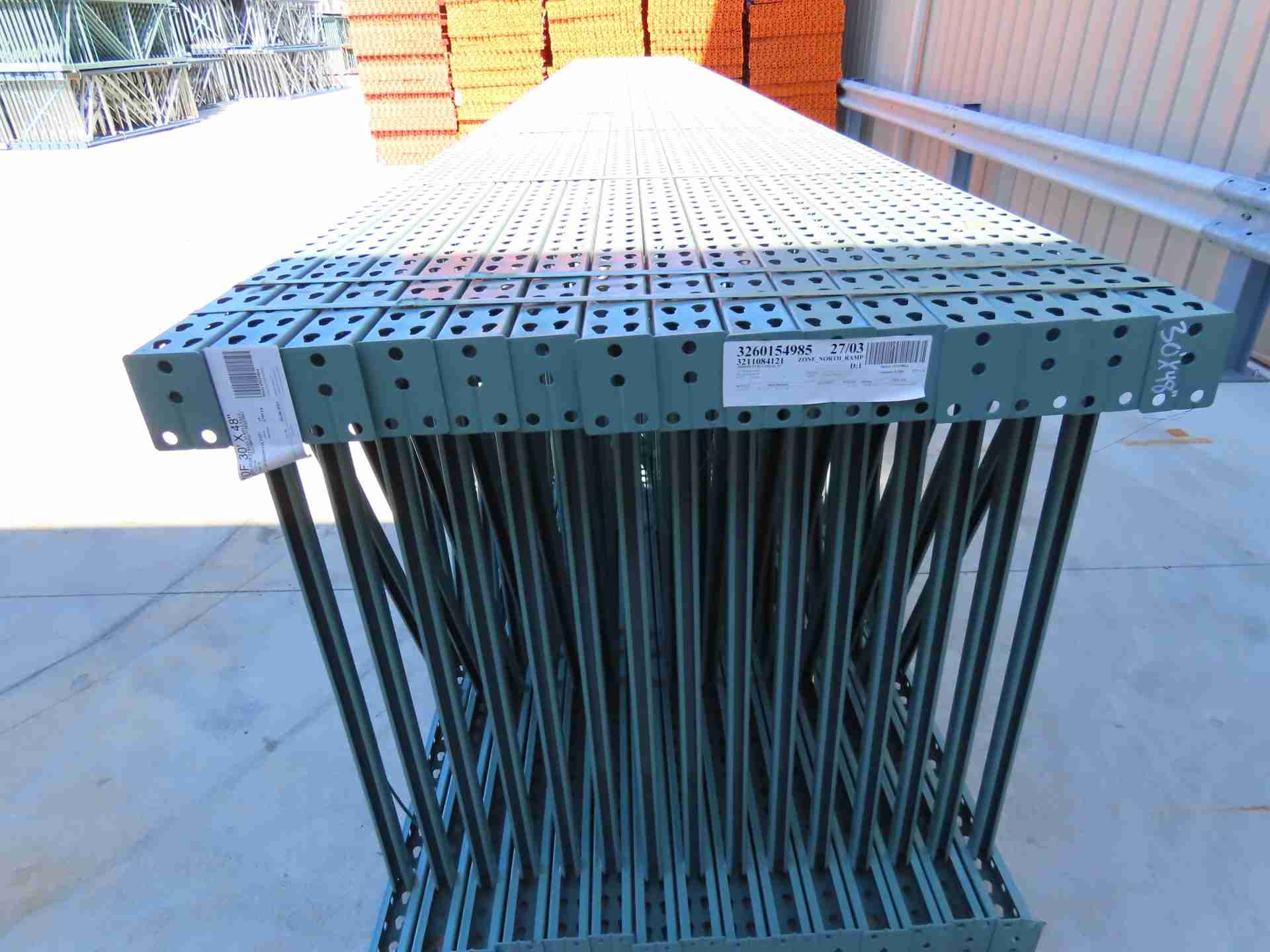
What Are The Signs Of Wasted Warehouse Space?
What Are The Signs Of Wasted Warehouse Space?
- Identifying wasted warehouse space is essential for operational efficiency.
- Long aisles with unused pallets indicate poor space utilization.
- Overstuffed pallet racking with forgotten inventory signals inefficiency.
- Congestion at loading docks suggests layout issues affecting workflow.
- Poor visibility of items in storage indicates excess inventory and decreased productivity.
- Long movement times for items indicate a need to reevaluate workflows and racking arrangements.
- Underutilized spaces and empty aisles represent lost profit opportunities.

What Are The Signs Of Wasted Warehouse Space?
How Can I Measure Warehouse Efficiency?
When it comes to optimizing your warehouse, the stakes are incredibly high. You’re not just trying to store products efficiently; you’re fostering a little world where every inch counts, and every second is a dollar. So how do you truly measure warehouse efficiency? The answer lies not just in spreadsheets and metrics, but in a deep understanding of your operation—starting from your pallet racking all the way to your delivery point.
First up, let’s talk about your pallet racking system. This often-overlooked component is the backbone of your warehouse layout. Does your racking system allow for easy access, improve product visibility, and maximize vertical storage? A well-structured pallet racking system can drastically reduce the time workers spend picking items and moving them around. To quantify the impact, measure your picking efficiency by analyzing the time it takes to retrieve products. If it’s taking longer than it should, it might be time to rethink your racking layout!
Next, consider the flow of your warehouse. Implementing a simple throughput metric can reveal your operational velocity. Track how many orders are processed within a specific timeframe. Are you meeting your targets consistently? If not, you might just find that a little fine-tuning in the layout and workflow can lead to exponential gains.
But here’s where it gets even more interesting—your team. Human capital is often the most valuable asset in your warehouse. Engage with your staff and solicit their insights. Are there bottlenecks they’re encountering day-to-day? Their firsthand experiences can shed light on inefficiencies that cold metrics sometimes miss. By creating a culture of open communication, you not only inspire accountability but also build a more motivated and dynamic workforce.
Next, let’s pivot towards technology. Are you harnessing data analytics and warehouse management systems? The beauty of modern solutions means you can measure real-time performance and make data-driven decisions. If you’re not using these tools, it’s like driving blindfolded—how can you expect to make the right turns when you can’t even see the road?
Finally, in this ever-evolving landscape, consistency is key. Establish benchmarks for performance and regularly review them. Make it a habit to ask, “Is this the most efficient way to do this?” Remember, efficiency is not a one-time achievement but an ongoing commitment. As your warehouse evolves, so too should your methods of measurement. Take these steps, and you’ll transform your warehouse from a storage facility into a well-oiled machine that drives your business forward.
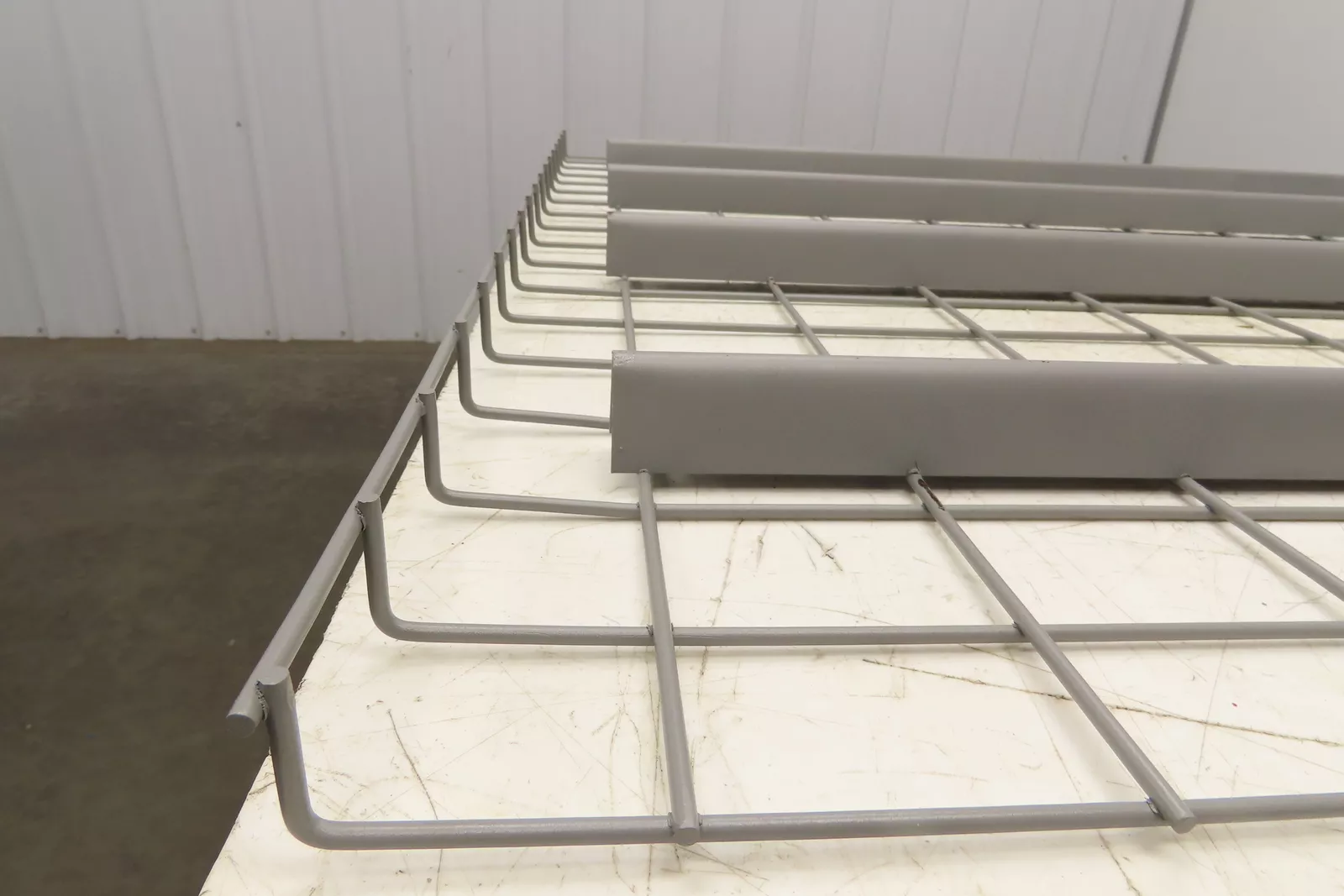
How Can I Measure Warehouse Efficiency?
How Can I Measure Warehouse Efficiency?
- Optimizing warehouse efficiency is crucial, as every inch and second has financial implications.
- A well-structured pallet racking system enhances access, visibility, and vertical storage.
- Measure picking efficiency by analyzing the time it takes to retrieve products from the racking system.
- Implement throughput metrics to track operational velocity and order processing rates.
- Engage with staff to identify bottlenecks and inefficiencies that may not be captured by metrics.
- Utilize data analytics and warehouse management systems for real-time performance measurement.
- Establish performance benchmarks and continuously review methods to ensure ongoing efficiency improvements.
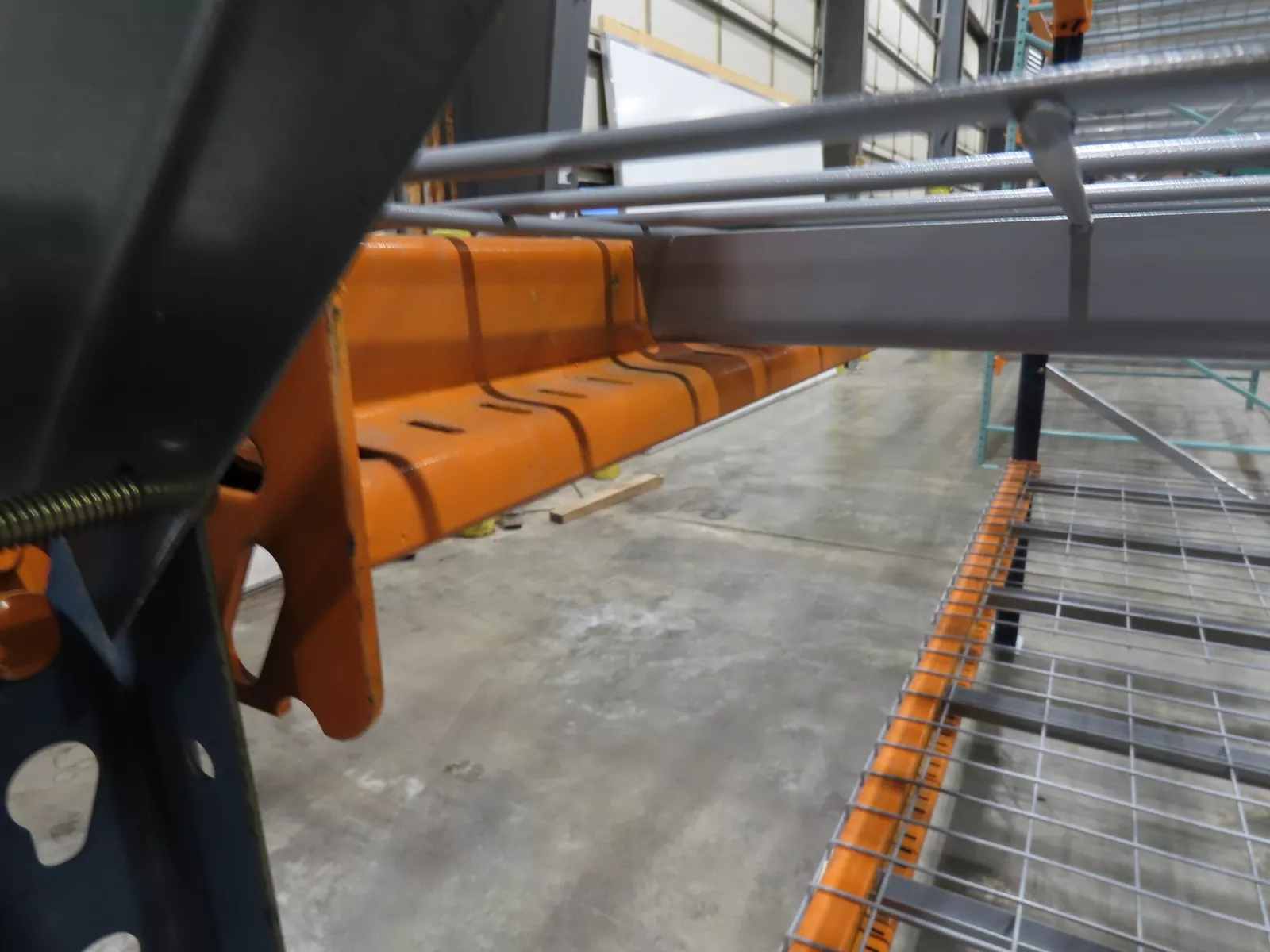
How Can I Measure Warehouse Efficiency?
What Solutions Exist For Optimizing Storage Space?
When it comes to maximizing storage efficiency, the right solutions can transform an unwieldy chaos into a harmonized sanctuary of organization. Let’s face it—navigating through piles of underutilized space can be a daunting task. Fortunately, innovative options abound that can help you reclaim your precious space and streamline your operations.
One standout solution is Pallet Racking. Imagine a world where each square foot of your warehouse is maximized for productivity and ease of access. Pallet racking systems allow you to stack goods vertically, freeing up valuable floor space. This versatile solution accommodates a variety of storage needs, whether you’re managing bulk inventory, seasonal stock, or fast-moving items. It’s like turning your storage area into a multi-level, high-performing machine, efficiently organized to cater to the demands of your business.
But let’s not stop there. Consider integrating modular shelving into your strategy. Modular shelving systems are designed to adapt. They can easily be reconfigured as your inventory changes, allowing you to remain agile in a fast-paced market. Don’t let stagnant shelving hold you back—embrace the modern flexibility that modular solutions provide!
Another game-changer is utilizing Vertical Lift Modules (VLMs). These automated systems maximize vertical space like you wouldn’t believe, delivering items right to your picking area while minimizing the time spent searching for stock. When you optimize your storage with VLMs, you not only save space but significantly enhance efficiency. Your team will thank you as they regain hours of productivity—just think of what else they can achieve!
And, let’s not overlook the importance of active inventory management software. This technological marvel integrates with your existing systems to provide real-time insights into your stock levels, trends, and usage patterns. By leveraging data, you can make informed decisions on when to reorder, which items to phase out, and how to better allocate your storage space.
Ultimately, effective storage optimization isn’t just about having the right products; it’s about creating a cohesive strategy that aligns with your business goals. By implementing tools like pallet racking, modular shelving, and VLMs, combined with savvy management software, you can create a storage ecosystem that not only meets your needs today but scales with you into the future.
So why wait? Take the first step towards a streamlined storage solution today. You deserve the peace of mind and efficiency that comes with optimized space—and your bottom line will thank you!
What Solutions Exist For Optimizing Storage Space?
What Solutions Exist For Optimizing Storage Space?
- Maximizing storage efficiency transforms chaotic spaces into organized environments.
- Pallet Racking systems help utilize vertical space, freeing up floor area for better productivity.
- Modular shelving offers adaptability, allowing for easy reconfiguration as inventory changes.
- Vertical Lift Modules (VLMs) automate item retrieval, significantly enhancing efficiency and saving time.
- Active inventory management software provides real-time insights for better stock control and decision-making.
- Effective storage optimization requires aligning tools and strategies with business goals.
- Implementing these solutions can lead to improved operational efficiency and enhanced bottom line.
What Solutions Exist For Optimizing Storage Space?
How Does Wasted Space Impact Overall Profitability?
Picture your warehouse floor: rows of pallet racking lined up, stocked with products, yet, upon closer inspection, you can’t help but notice a significant amount of wasted space. That empty gap between racks, the cluttered aisles filled with unused materials—these are not just insignificant oversights. They are silent thieves, stealthily siphoning off your profits.
In today’s fiercely competitive market, every square foot counts. You might think, “A few extra inches here or a misplaced pallet there can’t hurt.” But let’s peel back that assumption. When space is wasted, it directly impacts the efficiency of your operations and, consequently, your bottom line. Consider this: More wasted space means less product stored, leading to missed sales opportunities. Simply put, that overhead costs you not just in terms of lease but in potential revenue, too.
Let’s make this personal. Imagine you walk into a grocery store that is disorganized and cluttered. Products are haphazardly placed, and aisles feel cramped. You’d likely turn around and head for the door, right? The same principle applies to your warehouse. A congested, poorly managed space breeds inefficiency and frustration, leading to longer pick times, confused staff, and ultimately, dissatisfied clients.
Now, what does an optimized solution look like? Properly implemented pallet racking systems can revolutionize the way you use your space. By strategically arranging your inventory, you’ll reduce wasted space, maximize storage capacity, and improve operational flow. More storage translates to more products on hand to meet customer demand, boosting your revenue potential.
Moreover, a clean, organized warehouse creates an environment that fosters productivity. Employees know where everything is, they can navigate efficiently, and before you know it, you’ve transformed chaos into a well-oiled machine. A functional workspace not only enhances morale but also strengthens your company’s reputation for reliability—all of which can translate into higher profits.
In this business landscape, where margins can be razor-thin, ask yourself: How much is wasted space costing you? Don’t wait to find out the hard way. Take action today to unclutter your warehouse, optimizing each pallet racking unit you have. Your profitability directly hinges on your ability to eliminate waste and maximize efficiency. By harnessing the power of organization and strategic planning, you enable your business to thrive—and set yourself ahead of the pack.
How Does Wasted Space Impact Overall Profitability?
How Does Wasted Space Impact Overall Profitability?
- Many warehouses suffer from wasted space due to cluttered aisles and empty gaps between racks.
- Wasted space reduces operational efficiency and impacts the bottom line by limiting product storage and sales opportunities.
- A disorganized warehouse can lead to frustrated employees and dissatisfied clients, akin to a cluttered grocery store experience.
- Implementing effective pallet racking systems can optimize space, increase storage capacity, and improve operational flow.
- An organized warehouse boosts employee productivity and morale, contributing to a stronger company reputation.
- Transforming a chaotic workspace into an efficient one can significantly enhance profits.
- Taking proactive steps to minimize wasted space is crucial for maximizing efficiency and ensuring business success.
How Does Wasted Space Impact Overall Profitability?
What Technologies Can Help Reduce Wasted Space?
In the bustling world of warehousing and distribution, the quest for efficiency often leads to one frustrating enemy—wasted space. Loss of space isn’t just an inconvenience; it’s a drain on resources and can significantly impact your bottom line. So, what can be done about it? Enter innovative technologies designed not just to maximize your storage capabilities but to revolutionize the way you think about every square inch of your operation.
One of the most transformative solutions available today is Pallet Racking. This isn’t your run-of-the-mill shelving; it’s a carefully designed system that employs vertical space in a way you may have never imagined. By utilizing pallet racking, you can stack goods more efficiently and access them easier, ultimately increasing your warehouse’s capacity without needing to expand your square footage. Picture it: fewer aisles, more product stored, and a streamlined workflow that reduces the time your team spends retrieving items. It’s not just a tool; it’s a powerful ally in your quest for efficiency.
But the benefits don’t stop there. Combine pallet racking with advanced inventory management systems, and you have a force multiplier on your hands. Modern software solutions can provide real-time data, helping you track what’s in stock, what moves quickly, and what’s taking up precious space unnecessarily. Think about it—no more overordering, no more tripping over unused inventory. This kind of clarity invites smart decision-making and fosters a culture of adaptability and lean management.
And if you’re concerned about the initial investments needed for technology implementation, rest assured—this is not an expense; it’s an investment with a promising ROI. Many companies report a significant increase in productivity just weeks after implementing these solutions. Additionally, while it may feel daunting to reconfigure your space initially, the long-term benefits far outweigh any temporary discomfort.
The bottom line is clear: embracing these technologies empowers you to not only reduce wasted space but also position your business for scalable growth. Your warehouse is a living space. It deserves the same attention and innovation that you would give any aspect of your business. Let these technologies lead you to smarter choices, more profits, and a space that works as hard as you do. Don’t let wasted space dictate your success—take action and watch your efficiency soar.
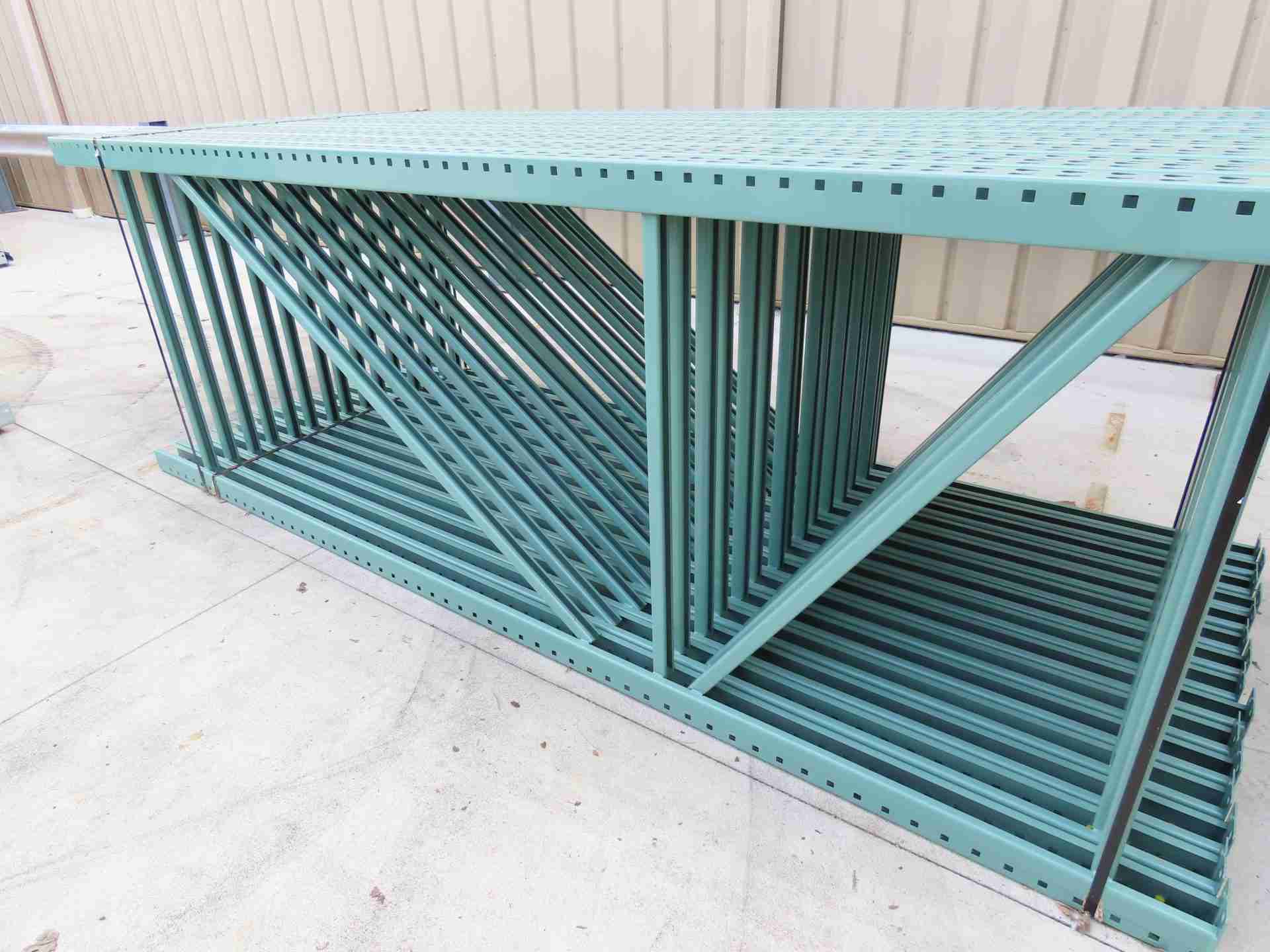
What Technologies Can Help Reduce Wasted Space?
What Technologies Can Help Reduce Wasted Space?
- Wasted space in warehousing and distribution is a significant drain on resources and affects profitability.
- Innovative technologies can maximize storage capabilities and reshape operational thinking.
- Pallet racking allows for efficient vertical stacking of goods, increasing warehouse capacity without additional floor space.
- Implementing pallet racking reduces the number of aisles needed, streamlining workflows and saving time on item retrieval.
- Combining pallet racking with advanced inventory management systems enhances tracking and decision-making, leading to lean management.
- Investments in technology can yield a promising ROI, with many companies reporting increased productivity shortly after implementation.
- Embracing these technologies not only reduces wasted space but also positions businesses for scalable growth and improved profits.

What Technologies Can Help Reduce Wasted Space?
What Are The Best Practices For Layout Design In Warehouses?
When it comes to maximizing efficiency and ensuring smooth operations in your warehouse, the layout design serves as the backbone of your entire logistics strategy. A well-thought-out layout not only optimizes space but also enhances workflow and productivity. Let’s delve into some best practices that will transform your warehouse into a powerhouse of operational efficiency.
First and foremost, one cannot overstate the importance of pallet racking systems. They are a game changer in warehouse design, allowing you to make the most of vertical space. By strategically implementing pallet racking, you can reduce floor clutter and maximize storage capacity. Remember, the more organized your space is, the quicker your team can access inventory, ultimately leading to faster order fulfillment.
Next, consider the flow of goods. A logical design should allow for a seamless journey from receiving to storage, picking, and shipping. This means designing aisles wide enough for forklifts and pallet jacks to maneuver easily, preventing bottlenecks and delays. If your team is constantly bumping into each other, you’re not just losing time, but also morale. Create a clear pathway that keeps everything moving smoothly—after all, time is money!
Additionally, don’t forget to incorporate designated areas for each function. Whether it’s receiving, packaging, or shipping, segmentation of space helps maintain organization and prevent chaos. A clearly defined area for returns, for instance, can drastically improve processing time, ensuring that those items don’t end up cluttering your valuable floor space.
Moreover, don’t shy away from technology. Implementing warehouse management systems (WMS) will streamline inventory tracking and enhance visibility. When you know exactly where every item is located, staff can be directed to the right place instantly, further speeding up the process.
Last but not least, continually evaluate and adapt your layout. Regular assessments will help identify areas for improvement. What works today might not work tomorrow, so keep an eye on evolving trends and customer needs. By staying proactive, not reactive, you can ensure your warehouse layout remains an agile and efficient asset to your business.
Adopting these best practices for your warehouse layout design will not only instill confidence among your team but also inspire trust with your customers. So take action today—transform your warehouse layout and watch as operational efficiency reaches new heights, propelling your business toward unrivaled success.
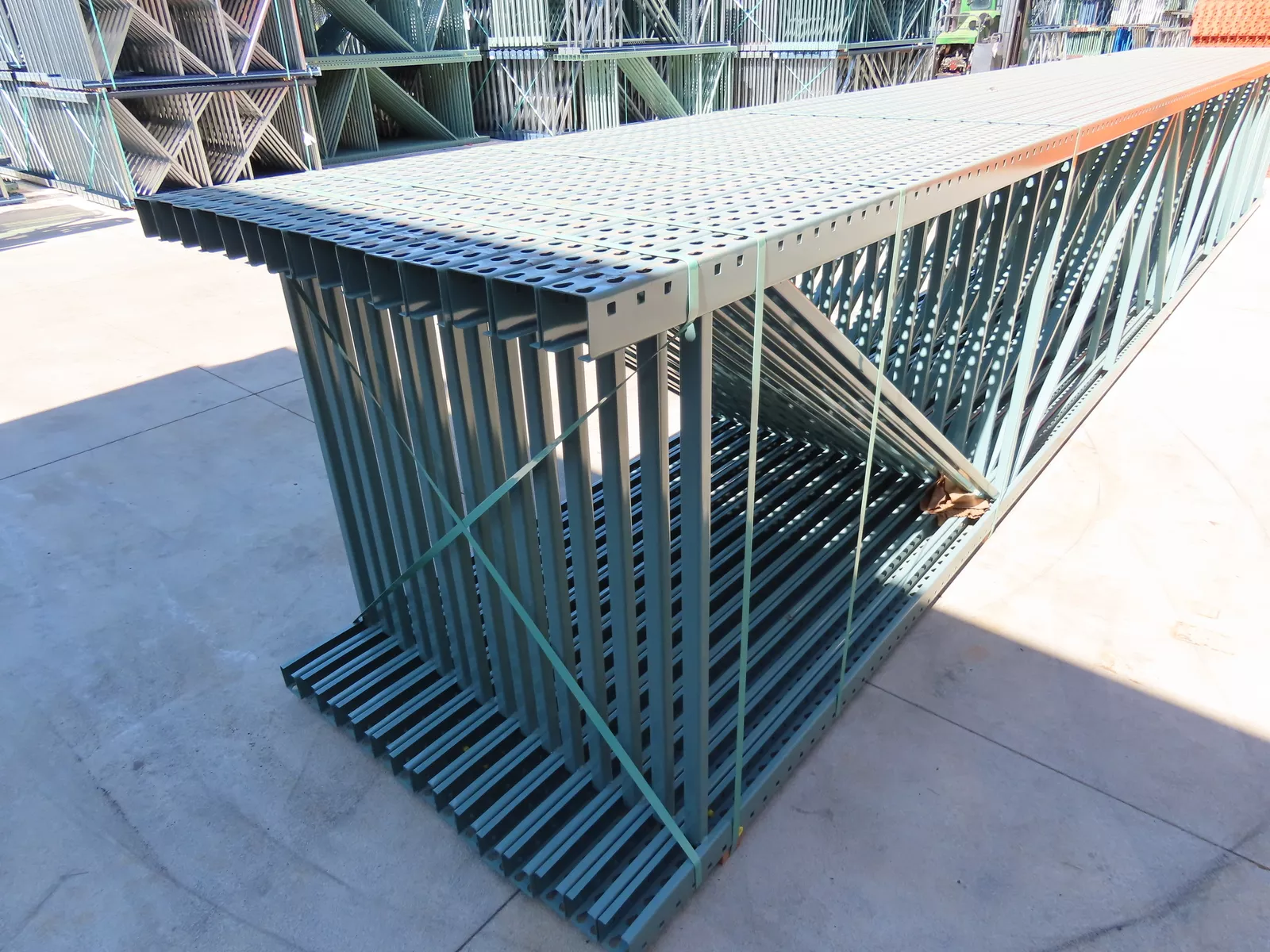
What Are The Best Practices For Layout Design In Warehouses?
What Are The Best Practices For Layout Design In Warehouses?
- The warehouse layout design is crucial for maximizing efficiency and smooth operations.
- Pallet racking systems optimize vertical space, reduce clutter, and enhance inventory access.
- Designing a logical flow of goods—from receiving to shipping—prevents bottlenecks and improves morale.
- Incorporating designated areas for different functions helps maintain organization and reduces chaos.
- Utilizing warehouse management systems enhances inventory tracking and staff efficiency.
- Regular evaluation and adaptation of the layout are essential for ongoing operational effectiveness.
- Implementing these best practices boosts team confidence and customer trust, driving business success.
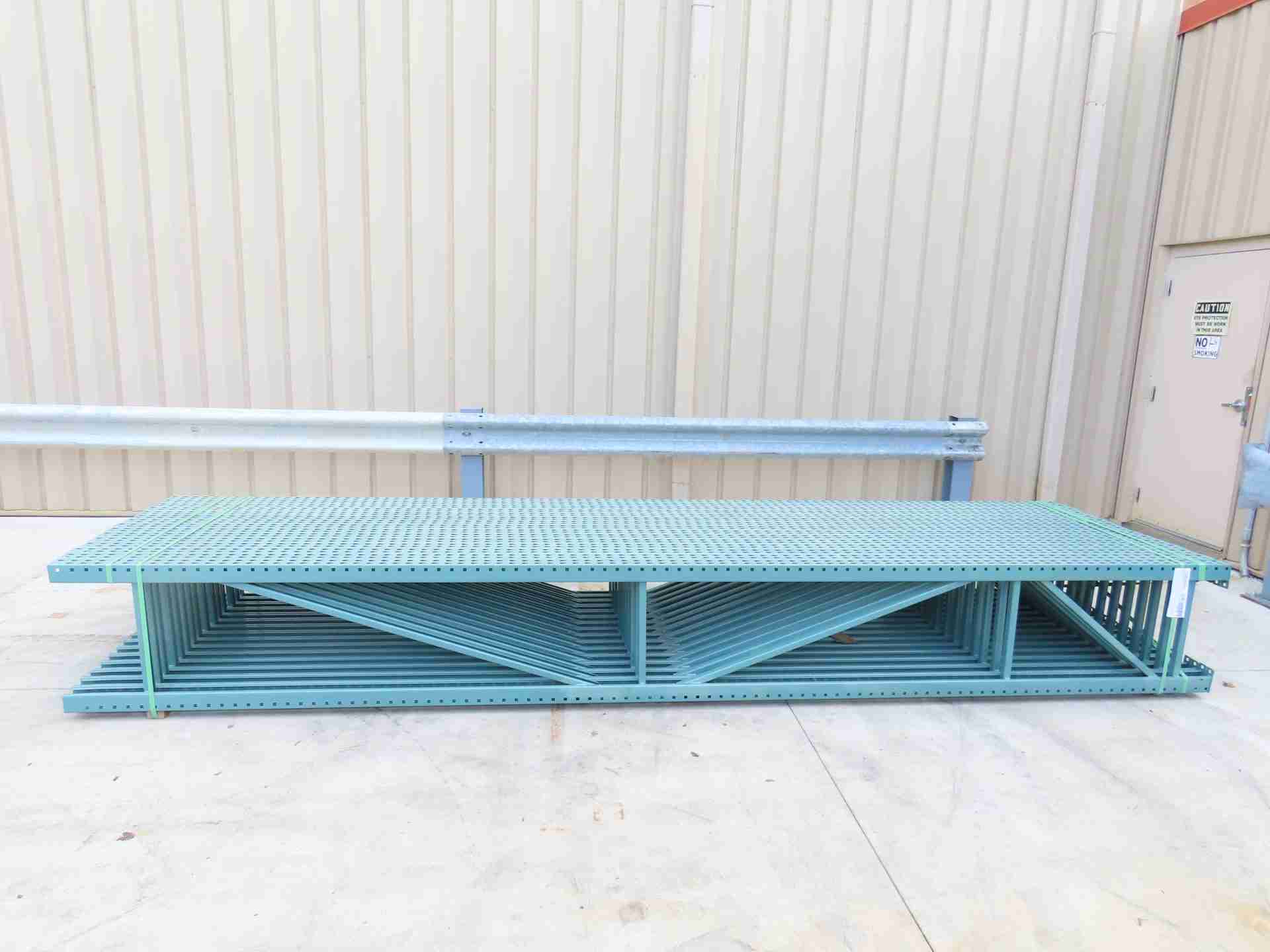
What Are The Best Practices For Layout Design In Warehouses?
Conclusion
As we conclude this exploration of warehouse optimization, one undeniable truth stands out: wasted warehouse space equates to wasted profits. Imagine a streamlined operation where every inch is utilized to its fullest potential—this is not just a dream; it’s entirely achievable with proactive planning and innovative solutions.
Many warehouse operators underestimate the hidden costs of inefficiency, often believing that their current setups are “good enough.” However, complacency can be a slippery slope into lost revenue, unfulfilled expectations, and frustrated teams. This is precisely where Arrow Industrial Sales steps in with cutting-edge pallet racking systems designed to transform cluttered chaos into organized clarity.
Investing in a modern pallet racking solution is not merely a storage upgrade; it’s a commitment to redefining your operational efficiency. With intelligently designed layouts, you can enhance inventory management, streamline order fulfillment, and create a work environment that boosts employee morale. Imagine your team moving swiftly, with products easily accessible, fulfilling orders faster, and satisfying customer demands without the strain of inefficiency weighing them down.
Understanding what to look for in your warehouse space is crucial. From visual clutter to poor workflow, identifying signs of wasted space allows you to develop strategies tailored to your specific needs. Pairing innovative storage solutions with cutting-edge technologies like inventory management software ensures that every corner of your warehouse is functioning at peak potential, contributing to enhanced profitability and customer satisfaction.
But time is of the essence. Every day that you delay taking action is another day your profits are at risk. The longer you wait to optimize your warehouse layout and incorporate smart storage solutions, the more you allow inefficiencies to drain your resources. Don’t let another minute go by where your investment in warehouse space isn’t bringing in maximum returns.
Now is the time to act. Reach out to Arrow Industrial Sales at (574) 349-6575 today to discuss how we can help you reclaim your profits through better warehouse management. With urgency and expertise on your side, you can begin transforming your operations and revitalizing your bottom line. Start today, and watch as you create a well-oiled machine that drives success and expands your potential. Every moment you hesitate is an opportunity lost—so let’s optimize your warehouse together!

Conclusion
Conclusion:
- Wasted warehouse space equals wasted profits; optimizing space is vital for success.
- Many operators underestimate the costs of inefficiency, risking lost revenue and frustrated teams.
- Arrow Industrial Sales offers advanced pallet racking systems to improve warehouse organization.
- Investing in modern storage solutions enhances operational efficiency and employee morale.
- Identifying signs of wasted space is crucial for developing tailored strategies.
- Pair innovative storage with technology like inventory management software for peak warehouse performance.
- Act quickly to optimize your layout and prevent further loss of profits; contact Arrow Industrial Sales today.
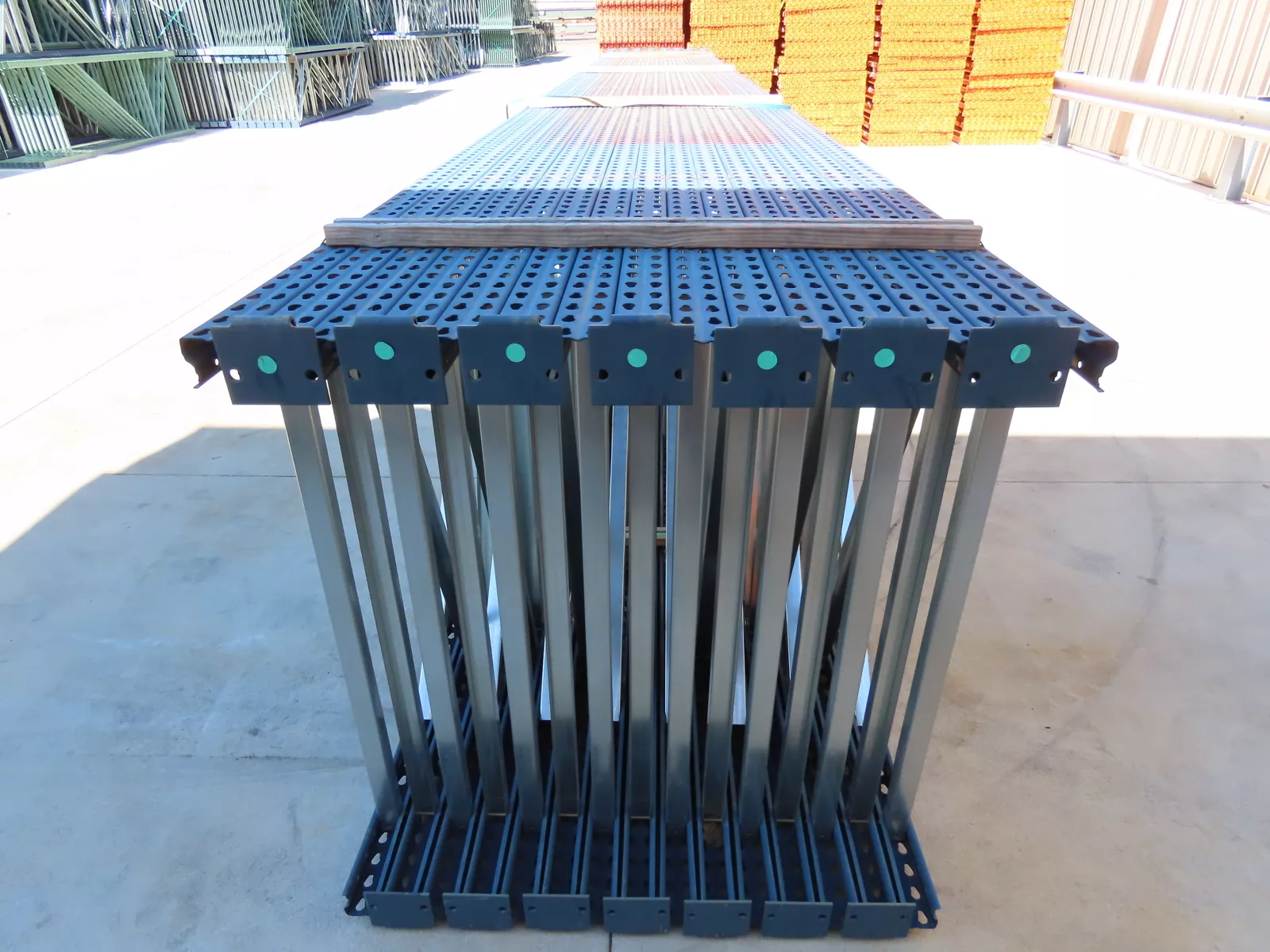
Conclusion
Other Resources
Other Resources
Here is a list of other resources you can review online to learn more:
- Bradford Systems
- American Society of Safety Professionals
- Teardrop Industrial Shelving Rack
- Illinois
- International Warehouse Logistics Association
- Cantilever Rack Configuration & Installation: A Comprehensive Guide – BMH
- Intro to Warehouse Racks & Warehouse Racking Systems – ShipBob
- Rack Manufacturers Institute
- Pallet Racking systems in Illinois, Great Lakes
Use This Prompt To Get More Resources With Your Favorite Online AI Tool: Please provide me with a list of online articles with their URLs in a bulleted list that I can read regarding Are You Aware That Wasted Warehouse Space Could Mean Wasted Profits?
Other Resources
Glossary Terms
Are You Aware That Wasted Warehouse Space Could Mean Wasted Profits? – Glossary Of Terms
1. Warehouse Space Utilization: The percentage of total warehouse space that is actively used for storing goods, compared to its total capacity.
2. Blocked Space: Areas in a warehouse that cannot be used for storage due to obstructions or inefficiencies, leading to wasted capacity.
3. Inventory Turnover: A measure of how often inventory is sold and replaced over a specific period; higher turnover indicates efficient use of space.
4. Lean Warehousing: A methodology aimed at minimizing waste while maximizing productivity and efficiency in warehouse operations.
5. Storage Density: The amount of product stored per unit of warehousing space, reflecting how efficiently space is being utilized.
6. SKU (Stock Keeping Unit): A unique identifier for each distinct product and service that can be purchased; key in inventory management.
7. FIFO (First In, First Out): An inventory management strategy ensuring that older stock is sold before newer stock, optimizing space and reducing waste.
8. LIFO (Last In, First Out): An inventory management technique where the latest stock received is the first to be sold, which can impact space utilization.
9. Pallet Racking: A storage system designed to support pallets of goods, optimizing vertical storage and increasing usable warehouse space.
10. Cross-Docking: The process of unloading goods from incoming transportation and loading them directly onto outbound transportation with minimal storage time.
11. WMS (Warehouse Management System): Software that helps manage and optimize warehouse operations, inventory tracking, and space utilization.
12. Order Fulfillment: The complete process from receiving an order to delivering the product, which can be affected by warehouse organization and space efficiency.
13. Distribution Center: A facility designed for the storage and distribution of goods, often focused on efficiency and speed of delivery.
14. Dead Stock: Inventory that has not moved or sold within a certain period, occupying space and tying up capital.
15. Picking Efficiency: The speed and accuracy with which warehouse workers can pull items from inventory for order fulfillment, affected by layout and organization.
16. Physical Inventory: The actual count of all inventory in a warehouse at a given time, used to verify accuracy against recorded inventory levels.
17. Cycle Counting: A periodic counting methodology to ensure inventory accuracy without shutting down operations, enhancing space management.
18. Dynamic Slotting: A strategy that continuously optimizes inventory placement based on product movement patterns to maximize space efficiency.
19. Overstock: Excess inventory that surpasses the optimal storage level, leading to wasted space and potential cash flow issues.
20. Vertical Storage Solutions: Systems designed to use vertical space in warehouses, such as shelving and stacked racking, to improve storage capacity.
21. Space Audit: An assessment of how warehouse space is utilized, identifying areas for improvement to minimize waste and enhance profitability.
22. Picking Path Optimization: Designing efficient paths for warehouse workers to reduce travel time and improve order picking efficiency.
23. Just-In-Time (JIT) Inventory: An inventory strategy aimed at reducing waste by receiving goods only as they are needed in the production process.
24. Inventory Management: The supervision of non-capitalized assets (inventory) and stock items, crucial for optimizing warehouse space.
25. Returns Management: The process of handling returned goods, which can affect available warehouse space and inventory levels.
26. Material Handling Equipment: Tools and machinery (like forklifts and pallet jacks) used for the movement, storage, control, and protection of materials.
27. Automated Storage and Retrieval Systems (AS/RS): Systems that use robotics or other automated technologies to store and retrieve goods, improving space efficiency.
28. Warehouse Layout: The design and arrangement of the warehouse space, crucial for optimizing workflow and space utilization.
29. Capacity Planning: The process of determining the optimal production and storage capacity needed to meet anticipated demand without waste.
30. Profit Margin: The difference between revenue and costs, where efficient warehouse space utilization can significantly enhance profitability.

Glossary Of Terms
Other Questions
Are You Aware That Wasted Warehouse Space Could Mean Wasted Profits? – Other Questions
If you wish to explore and discover more, consider looking for answers to these questions:
- What are the key benefits of using pallet racking systems?
- How can I identify specific areas of wasted space in my warehouse?
- What are the costs associated with implementing new warehouse solutions?
- How can I train my staff to adapt to new warehouse systems?
- What are the latest technologies in warehouse management?
- How can I balance cost savings with the need for efficiency improvements?
- What role does employee input play in optimizing warehouse operations?
- How often should I reassess my warehouse layout and systems?
- Are there industry standards for warehouse layout and design?
- What are the implications of wasted warehouse space on customer satisfaction?
- How do seasonal fluctuations impact warehouse space utilization?
- What metrics should I track to gauge warehouse efficiency?
- How can inventory management software assist in reducing wasted space?
Other Questions
Checklist
Are You Aware That Wasted Warehouse Space Could Mean Wasted Profits? – A Checklist
1. Assess Current Warehouse Conditions
_____ Walk through the warehouse and identify cluttered aisles and unorganized areas.
_____ Look for signs of overstuffed pallet racking systems.
_____ Check for congestion at loading docks.
_____ Evaluate the visibility of products on shelvings.
2. Identify Wasted Space
_____ Measure empty aisles and unused corners.
_____ Evaluate how much space you’re leasing versus how much you’re actively utilizing.
_____ Determine if current workflows lead to slow movement of items in and out.
3. Implement Effective Storage Solutions
_____ Consider installing or upgrading pallet racking systems.
_____ Explore the use of modular shelving to adapt to changing inventory needs.
_____ Investigate vertical lift modules (VLMs) for maximizing vertical space.
_____ Adopt active inventory management software for real-time tracking.
4. Measure Warehouse Efficiency
_____ Analyze picking efficiency—time taken to retrieve and move products.
_____ Track order throughput to evaluate operational velocity.
_____ Gather staff insights on bottlenecks and areas of improvement.
_____ Establish performance benchmarks and review them regularly.
5. Optimize Layout Design
_____ Designate clear areas for receiving, storing, picking, and shipping.
_____ Ensure aisles are wide enough to accommodate forklifts and pallet jacks.
_____ Use technology (such as WMS) to streamline inventory tracking.
_____ Regularly evaluate and adapt layout based on performance and changing needs.
6. Foster a Culture of Continuous Improvement
_____ Encourage team feedback on layout and operational efficiency.
_____ Stay informed about industry trends and best practices.
_____ Schedule regular audits of warehouse space and layout effectiveness.
7. Monitor Impact on Profitability
_____ Calculate the financial impact of wasted space on your bottom line.
_____ Track improvements in productivity and efficiency after implementing changes.
_____ Assess customer satisfaction levels pre and post changes in warehouse management.
By following this checklist, you can identify wasted space, implement effective strategies to enhance efficiency, and ultimately drive profitability in your warehouse operations.

Checklist
At RackingWorld, we help guide you through selecting warehouse storage systems and racking.
Be sure to read our other related stories at RackingWorld to learn more about warehouse storage systems.
0 Comments