
Essential OSHA Racking Guidelines
By Tom Seest
At RackingWorld, we help guide you through selecting warehouse storage systems and racking.
Be sure to read our other related stories at RackingWorld to learn more about warehouse storage systems.
What Are OSHA Warehouse Racking Requirements?
Navigating the complex world of warehouse safety can feel daunting, especially when it comes to OSHA’s regulations regarding warehouse racking systems. But understanding these requirements is not merely a checkbox on a compliance form—it’s a vital aspect of protecting your employees, assets, and overall business reputation.
First and foremost, OSHA requires that all warehouse racking systems are designed and installed to withstand the dynamic conditions typical in a warehouse setting. This means that your racking system must be engineered to manage different loads, including the weight of your products, environmental factors, and the equipment used to move goods. For instance, if you’re storing heavy machinery or large pallets of inventory, it’s crucial to verify that your racking can support that weight without compromising safety.
Regular inspections are another cornerstone of OSHA compliance. Warehouse supervisors should establish a routine to assess the structural integrity of the racking systems. This includes checking for signs of damage such as rust, bent beams, or loose anchors. Imagine walking through your warehouse and spotting a potential hazard before it leads to injury or costly downtime—that’s the proactive mindset that can safeguard your operations.
Let’s consider a real-world example: In 2022, a major retailer faced significant financial backlash after a warehouse accident due to improper racking standards. The incident not only caused injuries but also drew the ire of regulatory bodies, resulting in hefty fines and long-lasting damage to their brand image. By prioritizing OSHA warehouse racking requirements, businesses can avert similar disasters and protect their workforce.
Training is another critical component of OSHA compliance. Employees should receive comprehensive instruction on safe practices for loading and unloading racking systems. For example, a well-organized training program could include how to properly stack materials and recognize warning signs of overloading. This empowers employees to be vigilant and reinforces a culture of safety within your organization.
Moreover, don’t overlook the significance of keeping up with evolving regulations. OSHA frequently updates its guidelines, so staying informed about changes can give your warehouse a competitive edge and enhance your credibility with customers who prioritize safety.
In summary, OSHA warehouse racking requirements are not just regulatory hoops to jump through—they are essential to creating a safe, efficient, and successful warehouse environment. Prioritize compliance, invest in training, and conduct regular inspections, and watch your operation thrive while minimizing risks both to your employees and your bottom line.
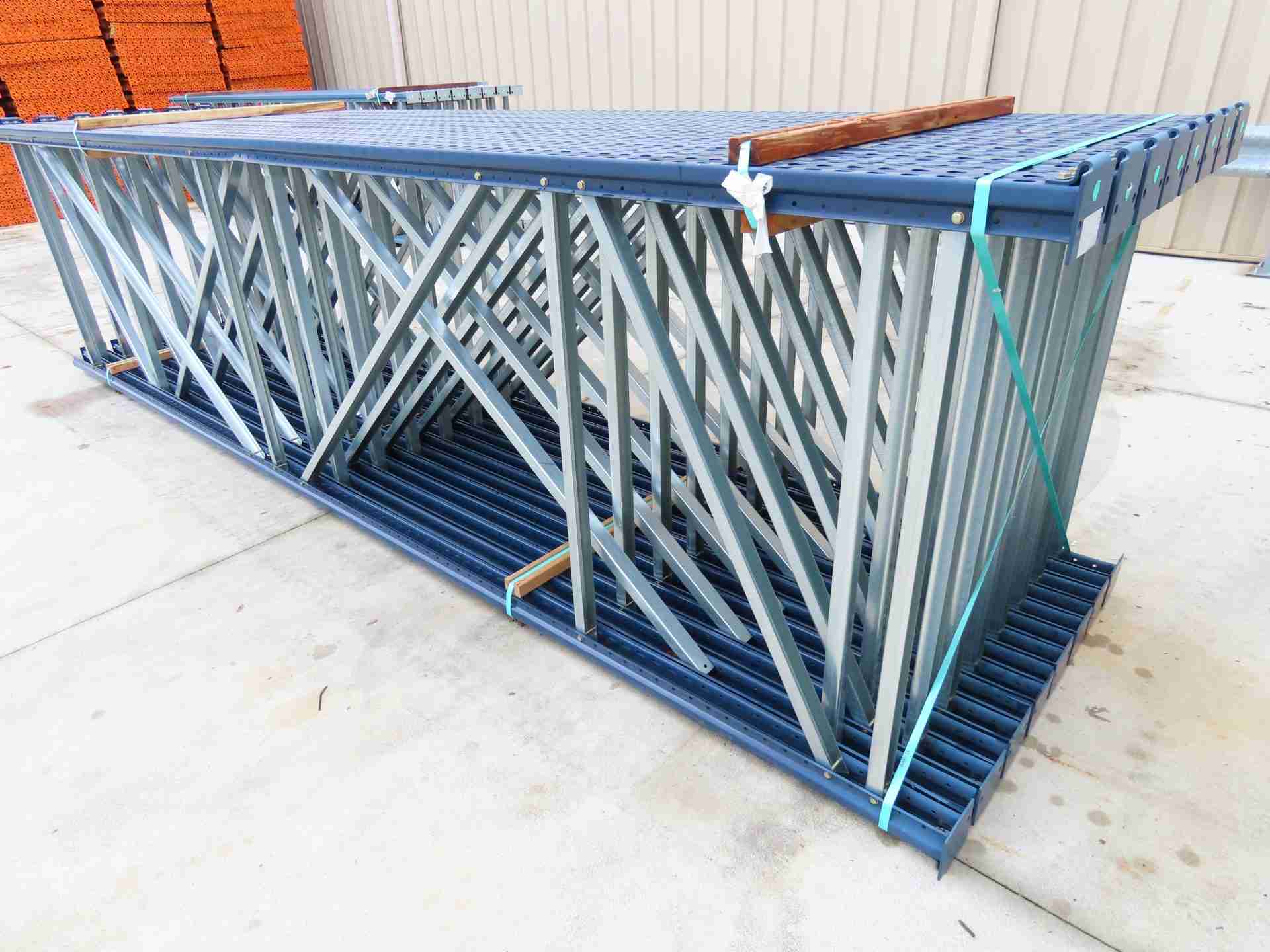
What Are OSHA Warehouse Racking Requirements?
What Are OSHA Warehouse Racking Requirements?
- Understanding OSHA warehouse racking requirements is crucial for employee safety and business reputation.
- Racking systems must be designed to withstand various loads and dynamic conditions typical in warehouses.
- Regular inspections of racking systems are essential to identify potential hazards like rust or bent beams.
- A real-world example highlights the consequences of non-compliance, including injuries and financial repercussions.
- Comprehensive training on safe loading and unloading practices is vital for employee awareness and safety culture.
- Staying updated with evolving OSHA regulations helps maintain compliance and build credibility with customers.
- Prioritizing OSHA requirements fosters a safe and efficient warehouse environment, benefiting both employees and business operations.
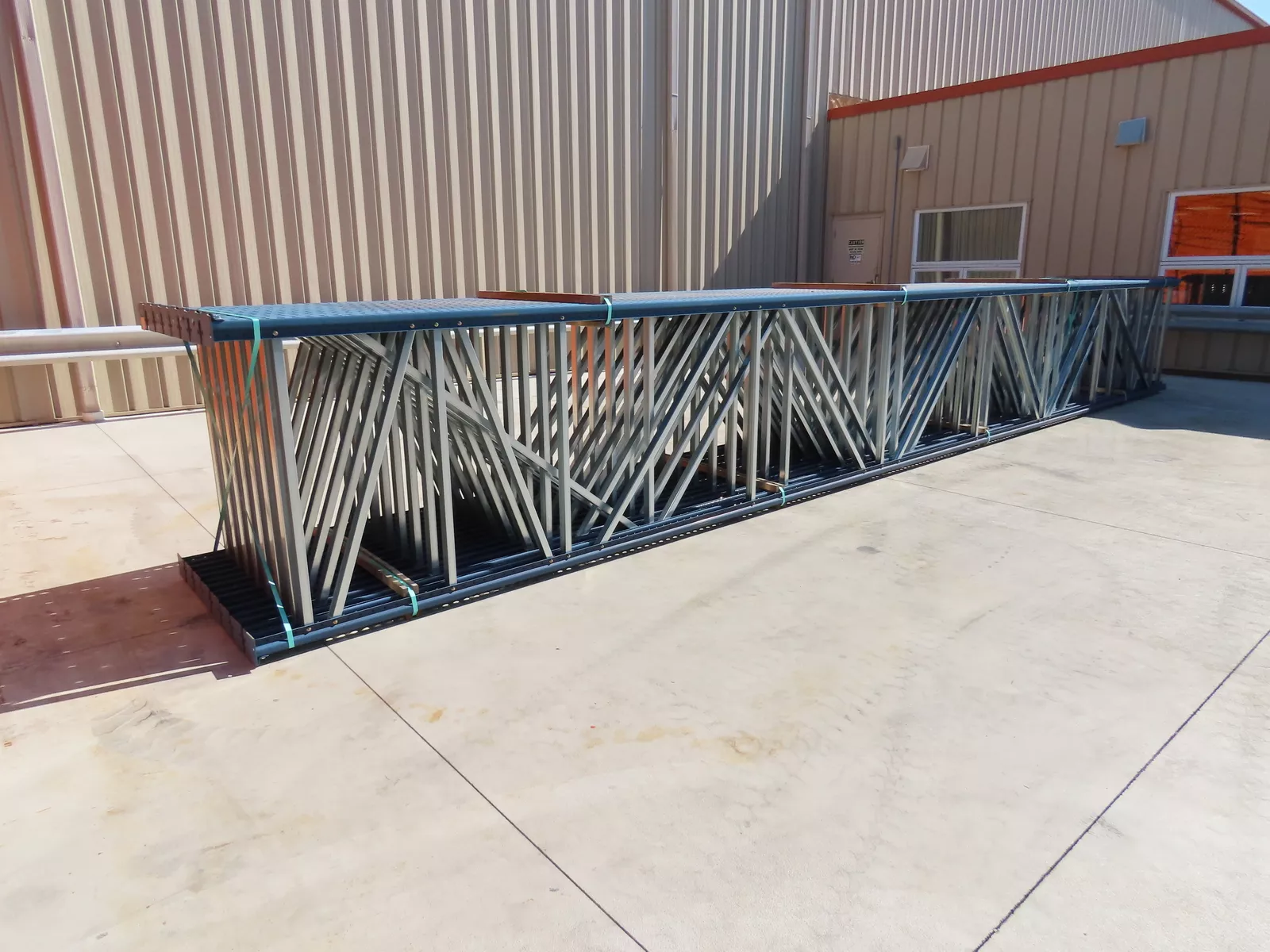
What Are OSHA Warehouse Racking Requirements?
Table Of Contents
- What Are OSHA Warehouse Racking Requirements?
- What Are The Basic OSHA Requirements For Warehouse Racking?
- How Often Should Warehouse Racking Be Inspected For Safety?
- What Types Of Racking Systems Are Compliant With OSHA?
- What Are The Load Capacity Requirements For Warehouse Racks?
- How Can I Ensure Proper Spacing Between Racks According To OSHA?
- What Safety Equipment Is Recommended For Warehouse Racking?
- Are There Specific Training Requirements For Employees Using Racks?
- How Can I Identify Hazards In My Warehouse Racking System?
- What Are The Penalties For Non-Compliance With OSHA Racking Standards?
- How Do I Report Unsafe Racking Conditions To OSHA?
- Can Shelving Units Meet OSHA Requirements For Warehouses?
- What Role Do Warehouse Layout And Design Play In Compliance?
- How Can I Keep Updated On Changes To OSHA Warehouse Regulations?
- Conclusion
- Other Resources
- Glossary Of Terms
- Other Questions
- Checklist
What Are The Basic OSHA Requirements For Warehouse Racking?
When it comes to warehouse operations, understanding the basic OSHA requirements for racking systems is not just a box to check—it’s a necessity for safety, efficiency, and compliance. A well-implemented racking system can maximize your storage capacity and minimize the risk of costly accidents. Let’s break down what you need to know.
First and foremost, you’ll want to ensure that your racking systems are designed and constructed to meet the applicable standards set forth by OSHA. According to OSHA regulations, storage racks must be structurally sound, capable of supporting the intended loads without collapsing or failing. For example, consider the 2021 incident involving a major California distribution center where improperly installed racking led to serious injuries. Such incidents can be catastrophic—not only costing lives but also leading to costly litigation and penalties. Prevention starts with adhering to design load specifications, ensuring the racking is engineered to meet the demands of your inventory.
Next, employee training is paramount. OSHA mandates that workers be trained in safe stacking procedures and loading limits of the racking systems. Workers should understand the weight limits of shelves and understand the importance of proper pallet placement. For instance, if your warehouse performs regular inventory assessments, include racking safety education as a core part of your employee onboarding process. Keep in mind that improperly stacked items can lead to “toppling” incidents, which are all too common in warehousing.
Furthermore, regular inspections of your racking systems are required to comply with OSHA standards. You should implement a routine schedule to check for signs of wear and tear, such as bent beams, broken welds, or rust. This not only helps in maintaining compliance but also ensures a safe working environment that can save you money in the long run. For instance, many larger corporations invest in third-party audits to evaluate their racking compliance, demonstrating a commitment to safety that protects both employees and assets.
Additionally, remember that the layout of your racking must allow for safe access and egress. The aisles between racks should be wide enough to accommodate forklifts and pallet jacks while ensuring that workers can navigate safely. Functionality along with safety promotes a more efficient operation.
In summary, adhering to OSHA requirements for warehouse racking is about more than compliance; it’s about safeguarding your workforce and your bottom line. Ensure you understand and implement these basic standards, and you’ll not only stay compliant, but you’ll also foster an environment where safety and productivity go hand in hand.
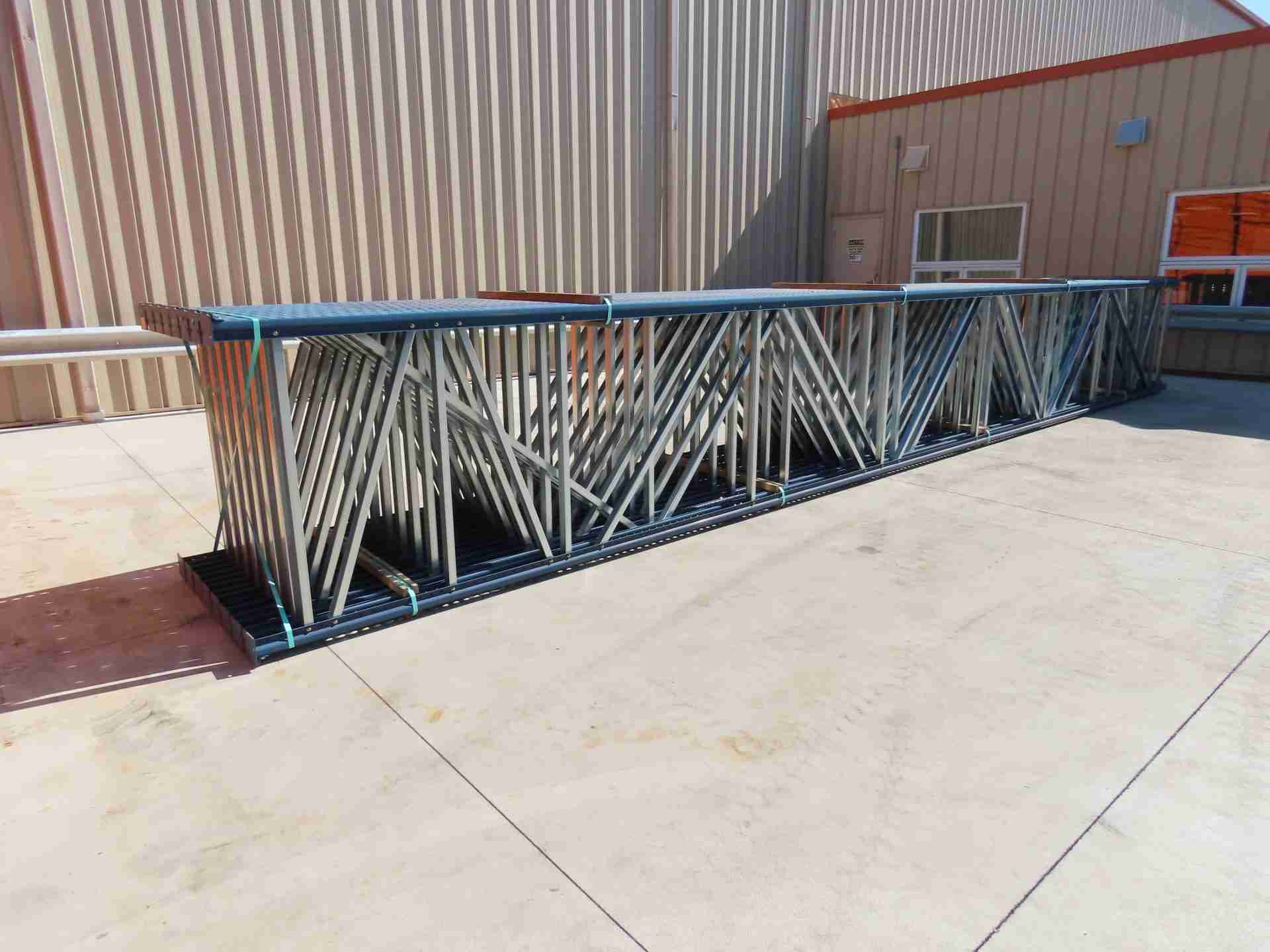
What Are The Basic OSHA Requirements For Warehouse Racking?
What Are The Basic OSHA Requirements For Warehouse Racking?
- Understanding OSHA requirements for racking systems is crucial for safety, efficiency, and compliance.
- Racking systems must be designed and constructed to meet OSHA standards and support intended loads.
- Employee training on safe stacking procedures and loading limits is mandated by OSHA.
- Regular inspections of racking systems are required to detect signs of wear and maintain compliance.
- The racking layout should allow safe access and egress for forklifts and workers.
- Implementing these standards enhances workforce safety and can lead to cost savings in the long run.
- Complying with OSHA is essential not just for legal adherence but also for creating a productive work environment.
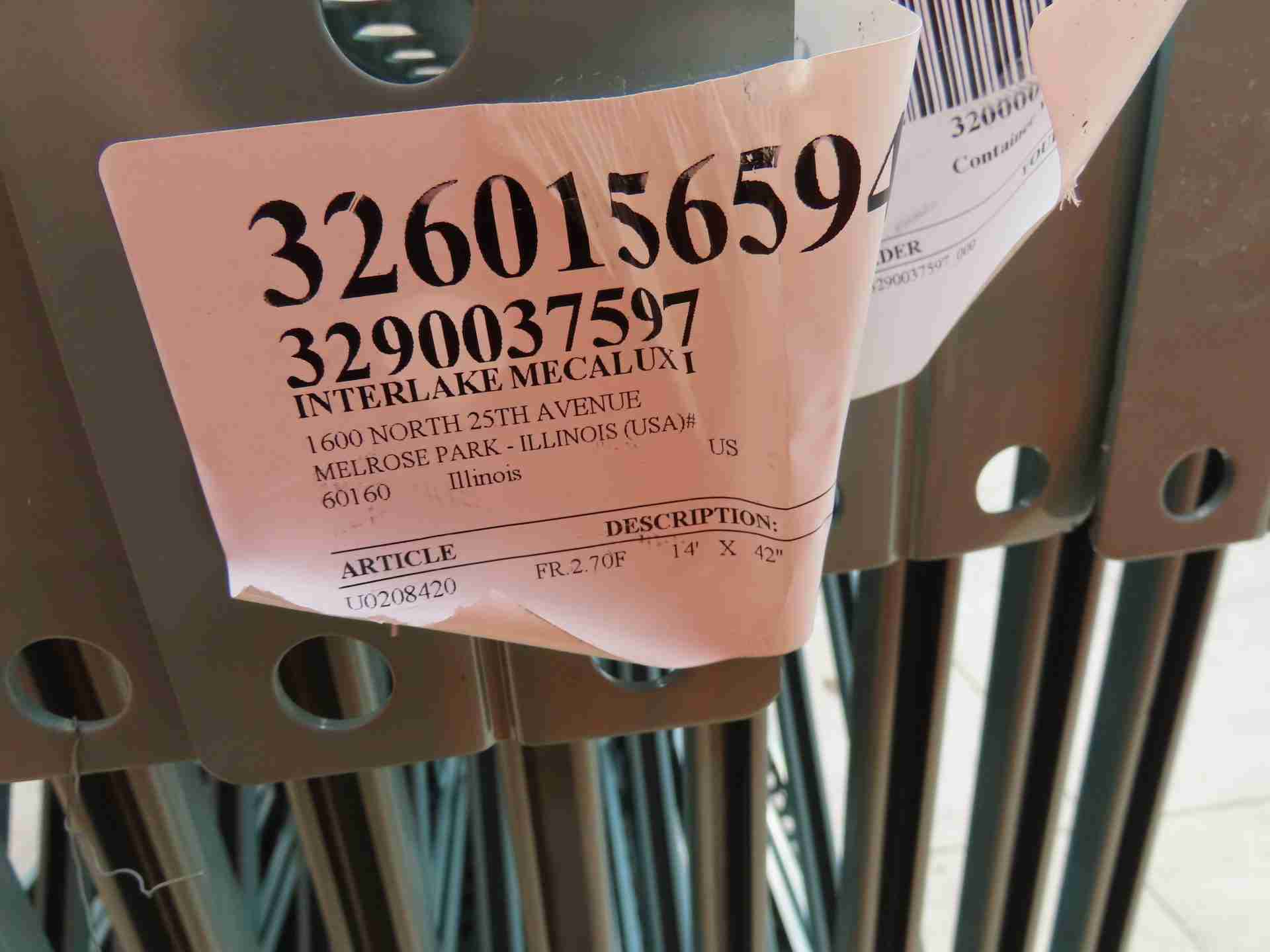
What Are The Basic OSHA Requirements For Warehouse Racking?
How Often Should Warehouse Racking Be Inspected For Safety?
In the fast-paced world of warehousing, safety often takes center stage, not just for the protection of your employees, but also for the integrity of your operations. It’s an undeniable fact: regular inspections of your racking systems can mean the difference between a thriving warehouse and a costly accident that can halt your operations overnight. So, how often should you really be inspecting your racking systems?
The general industry guideline recommends a thorough inspection at least once a year. However, smart warehouse managers know that once a year simply doesn’t cut it. Your racking systems are the backbone of your storage operations, and they endure a lot—everything from heavy loads to frequent adjustments. Remember the tragic warehouse collapse that made headlines earlier this year? It served as a poignant reminder of what can happen when safety is overlooked. Regular inspections can prevent similar disasters.
But don’t stop at the annual check. It’s crucial to conduct more frequent informal inspections—ideally every month. These quick walkthroughs can help catch minor issues before they develop into larger problems. Look for visible signs of wear and tear, such as bent beams, damaged frames, or any signs of corrosion. For example, during a routine monthly inspection at a distribution center in Seattle, a manager noticed a slight tilt in a racking bay that led to immediate remediation, averting a potential collapse.
In addition to these frequent checks, compliance with industry standards like the American National Standards Institute (ANSI) and Occupational Safety and Health Administration (OSHA) regulations must be your guiding torch. They not only provide guidelines for inspection frequency but also detail what to look for—ensuring you’re not just meeting minimum standards but exceeding them.
Now, let’s talk about seasonal fluctuations. The holiday rush or back-to-school season can place added stress on your racking systems. Following these busy periods, a dedicated inspection is critical. With increased foot traffic and inventory turnover, the likelihood of unreported damages escalates. Implementing a post-peak review can help identify issues that, if unnoticed, could lead to catastrophic failures.
So, while an annual inspection may seem sufficient, elevate your commitment to safety. Go beyond the ordinary. Make monthly walkthroughs a habit, comply with industry regulations, and perform assessments after busy seasons. By adopting a proactive approach to warehouse racking inspections, you safeguard your investment—both in your infrastructure and your most valuable asset, your employees. Remember, it costs far less to maintain safety than to recover from an accident.
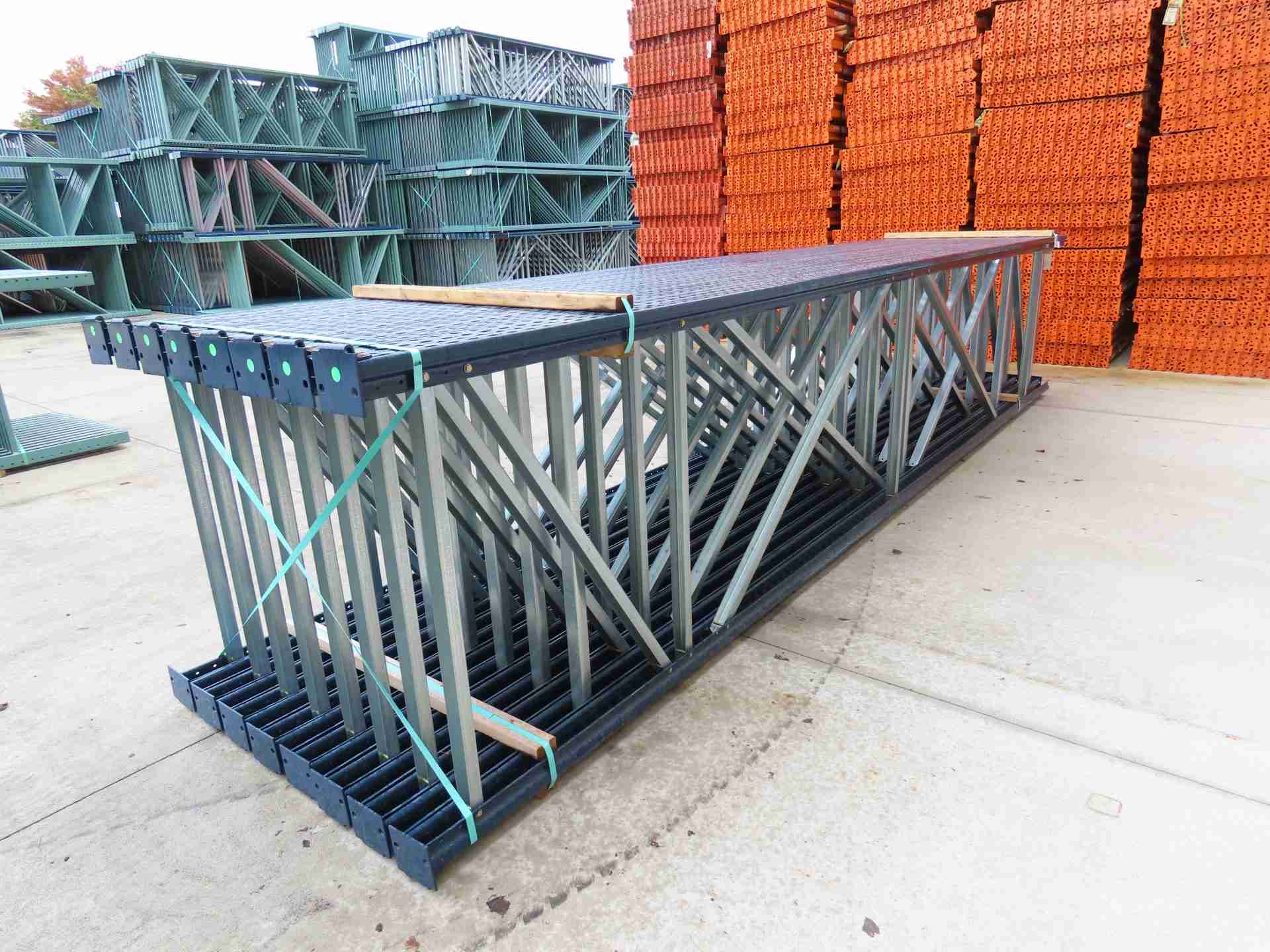
How Often Should Warehouse Racking Be Inspected For Safety?
How Often Should Warehouse Racking Be Inspected For Safety?
- Regular inspections of racking systems are crucial for employee safety and operational integrity.
- Industry guidelines recommend at least once-a-year thorough inspections.
- More frequent informal inspections should ideally occur monthly to catch early signs of damage.
- Visible signs of wear, such as bent beams and corrosion, should be monitored during inspections.
- Compliance with ANSI and OSHA regulations is essential for effective inspections and safety standards.
- Post-peak inspections after busy seasons are critical to address stress and potential damages to racking systems.
- A proactive inspection approach helps safeguard both infrastructure and employees, ultimately saving costs related to accidents.

How Often Should Warehouse Racking Be Inspected For Safety?
What Types Of Racking Systems Are Compliant With OSHA?
Optimizing warehouse storage can feel like navigating a maze, but with an understanding of OSHA compliance, you can turn that maze into a streamlined pathway to efficiency and safety. The Occupational Safety and Health Administration (OSHA) has specific standards that govern various aspects of racking systems. Embracing these regulations not only ensures the safety of your warehouse environment but also enhances your operational productivity. So, what types of racking systems are compliant with OSHA? Let’s break it down.
Selective Racking Systems:
This is the most common type of racking system and an OSHA favorite. Selective racking provides direct access to every pallet, ensuring minimal handling and maximum efficiency. Its open design reduces the risk of stacking-related accidents, making it OSHA-compliant. Industries ranging from retail to manufacturing utilize selective racking to maximize floor space while adhering to safety regulations.
Drive-In and Drive-Through Racks:
These systems are ideal for high-density storage but must be designed to meet OSHA standards concerning structural integrity and safety. Drive-in racks allow forklifts to enter the racking structure to access pallets, while drive-through racks offer access from both sides. Proper installation and usage guidelines are essential to maintain compliance. When implemented correctly, these systems can significantly increase storage capacity—think of it as maximizing profit space while ensuring safety.
Pallet Flow and Gravity Flow Racks:
Featuring a unique design that utilizes gravity to move pallets, these systems promote first-in, first-out inventory management. Optimally designed flow racks align with OSHA regulations by minimizing the risk of accidents during loading and unloading. Industries like food and beverage particularly favor these systems, given their efficiency in handling large volumes of stock while maintaining compliance.
Shelving Systems:
While often overlooked, shelving systems used for lighter items must conform to OSHA load limits and stability requirements. Ensure that all shelving units are labeled with their weight capacities and that they are regularly inspected for wear and tear. Implementing these safety measures not only guarantees compliance but also protects your most valuable asset: your workforce.
Current Events and Future Focus:
In light of recent workforce safety initiatives and increased scrutiny from regulatory bodies, companies that prioritize compliant racking systems will stand out in the marketplace. As supply chains recalibrate post-pandemic, the demand for robust storage solutions will only grow. Ensuring your racking systems not only meets but exceeds OSHA standards is not merely regulatory compliance—it’s a sound business strategy.
Whether you’re updating your existing systems or investing in new solutions, keeping OSHA compliance at the forefront will bolster your operational efficiency and safety standards. Remember: a safe workplace is a more productive workplace.

What Types Of Racking Systems Are Compliant With OSHA?
What Types Of Racking Systems Are Compliant With OSHA?
- OSHA compliance enhances warehouse safety and operational productivity.
- Selective racking systems are the most common and provide direct access to every pallet, ensuring maximum efficiency and safety.
- Drive-in and drive-through racks allow for high-density storage while meeting OSHA standards on structural integrity.
- Pallet flow and gravity flow racks promote efficient inventory management and help minimize loading and unloading accidents.
- Shelving systems for lighter items must comply with OSHA load limits and stability requirements, with regular inspections and clear labeling.
- Companies prioritizing compliant racking systems will have a competitive edge as market demand for robust storage solutions increases.
- Maintaining OSHA compliance not only meets regulations but is also a solid business strategy, leading to a safer and more productive workplace.
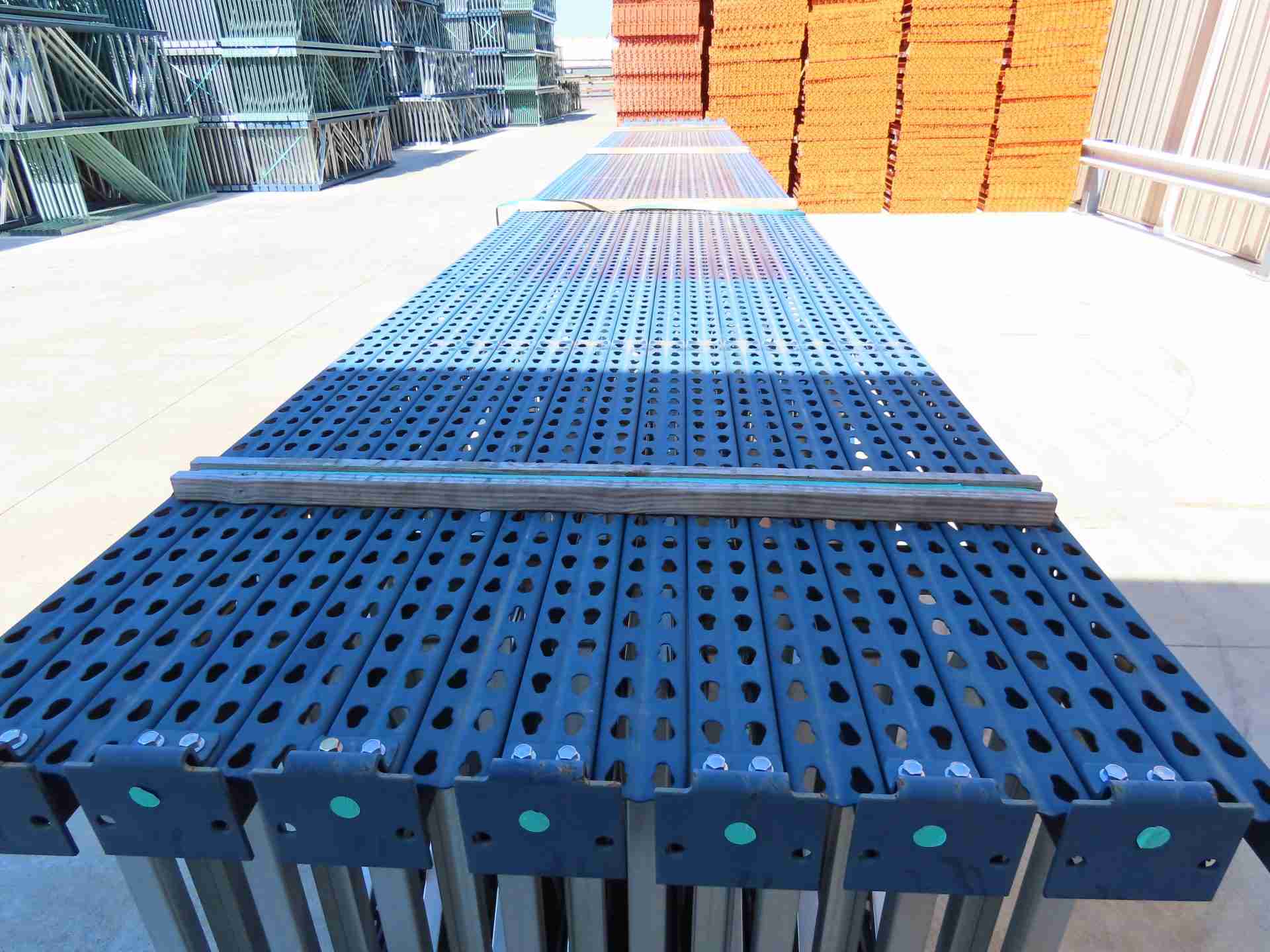
What Types Of Racking Systems Are Compliant With OSHA?
What Are The Load Capacity Requirements For Warehouse Racks?
In the bustling world of logistics and warehousing, understanding load capacity requirements for warehouse racks can make the difference between operational success and catastrophic failure. With the demands of e-commerce and retail on the rise, efficient warehouse management has never been more crucial. Businesses today must prioritize safety while maximizing storage solutions, leading us to one pivotal question: How much can your racks truly handle?
Load capacity isn’t merely a number; it’s the cornerstone of warehouse safety and efficiency. Take, for example, the case of a leading e-commerce company that recently faced significant operational challenges during peak season. They overlooked an important detail—the load weight ratings for their pallet racks. The racks failed under pressure, resulting in lost inventory, injury claims, and significant downtime. This serves as a stark reminder: poor planning can lead to devastating consequences.
To prevent such disasters, it’s essential to select racks based on rigorous load capacity assessments. This involves considering the type of materials stored, their weight, and how they’ll be arranged. Remember, load capacities can vary widely based on the design of the rack. For instance, selective pallet racks typically support 3,000 to 5,000 pounds per beam pair, while high-density systems like drive-in or push-back racks can accommodate even heavier loads. Businesses should adjust their choice of racks according to the weight characteristics of their typical inventory.
Furthermore, external factors also play an integral role. Trends in logistics, such as increased automation and the use of robotics in warehouses, demand higher load capacities than ever before. Automation systems are sophisticated and require robust support systems; failure to align these systems with appropriate rack capacities could lead to costly disruptions.
It’s also worth noting that guidelines provided by organizations such as OSHA and Rack Manufacturers Institute (RMI) offer invaluable resources for determining rack capacities. Compliance with these standards not only secures the wellbeing of your workers but also shields your business from potential legal troubles.
As businesses navigate a post-pandemic world, where supply chain issues persist, ensuring that your warehouse can effectively manage increased loads while maintaining safety is non-negotiable. By thoroughly understanding and adhering to load capacity requirements, your business can optimize storage solutions, protect its assets, and avoid the pitfalls of inadequate planning. Remember, in the race for efficiency, your racks are a major player—make sure they’re up to the task!
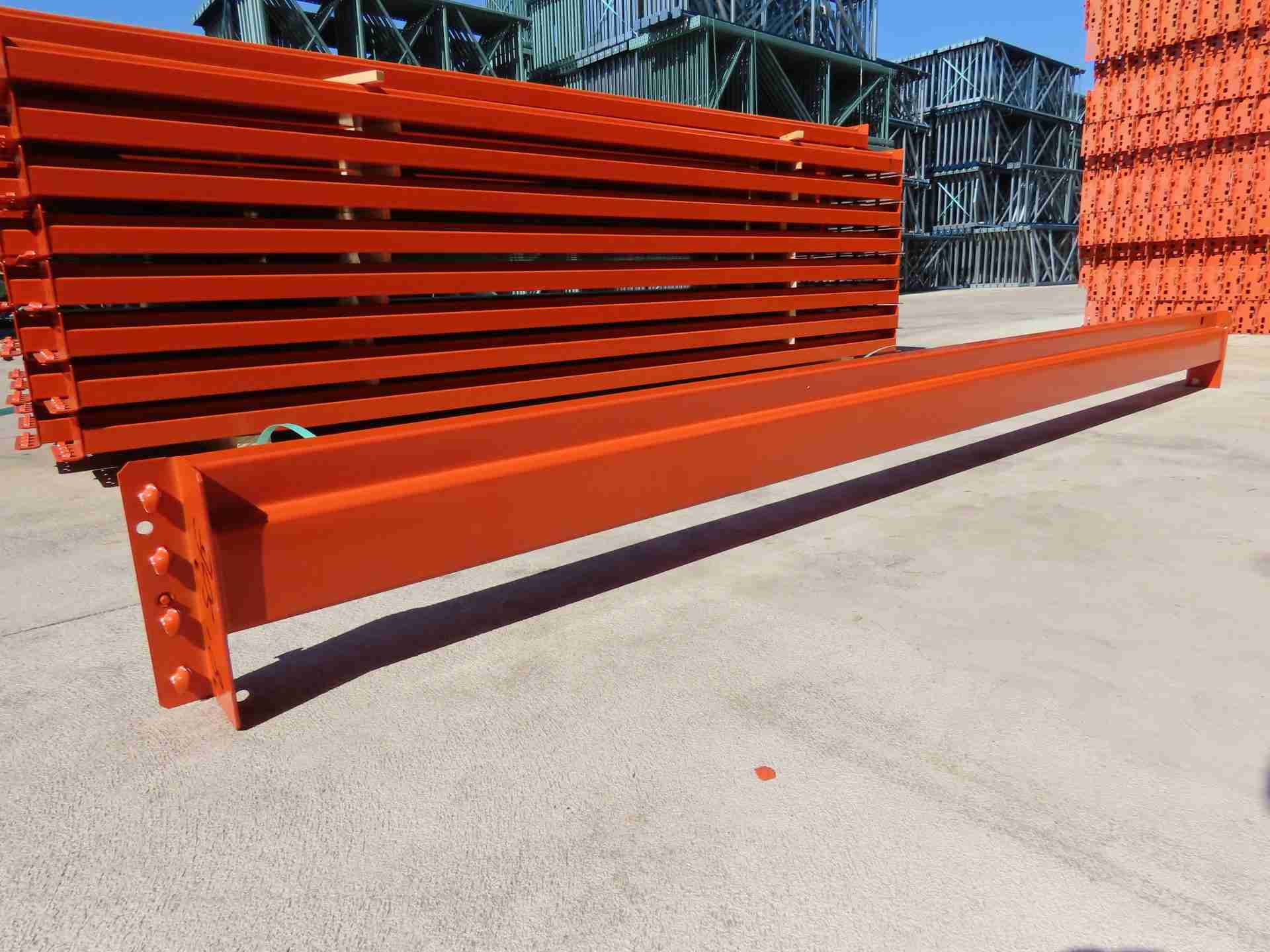
What Are The Load Capacity Requirements For Warehouse Racks?
What Are The Load Capacity Requirements For Warehouse Racks?
- Understanding load capacity for warehouse racks is crucial for operational success in logistics and warehousing.
- Businesses must prioritize safety while maximizing storage solutions, especially with rising e-commerce demands.
- A leading e-commerce company faced operational challenges due to ignoring load weight ratings, leading to inventory loss and injuries.
- Selecting racks should involve rigorous load capacity assessments considering material type, weight, and arrangement.
- Different rack designs have varying capacities; selective pallet racks support 3,000 to 5,000 pounds per beam pair, while high-density racks can hold more.
- External factors like increased automation in warehouses necessitate higher load capacities to avoid costly disruptions.
- Compliance with guidelines from organizations like OSHA and RMI is essential to maintain safety and legal standards.
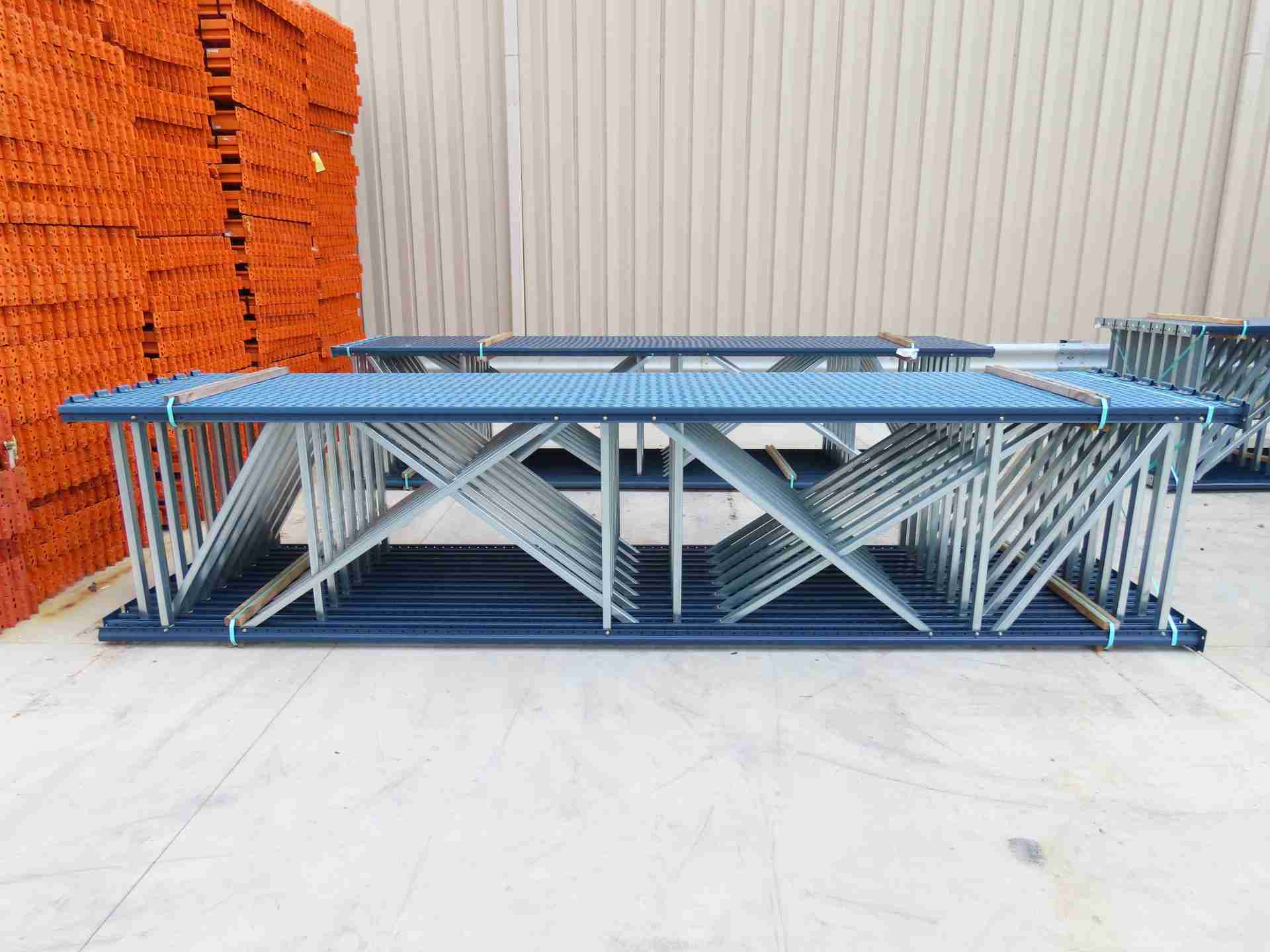
What Are The Load Capacity Requirements For Warehouse Racks?
How Can I Ensure Proper Spacing Between Racks According To OSHA?
In the fast-paced world of warehousing and logistics, one of the most vital yet often overlooked elements is ensuring proper spacing between racks, a requirement outlined by the Occupational Safety and Health Administration (OSHA). Ignoring these guidelines could not only lead to operational inefficiencies but also compromise safety, inviting costly fines and potentially tragic accidents. So, how can you make sure your warehouse is compliant and efficient? Let’s dive in.
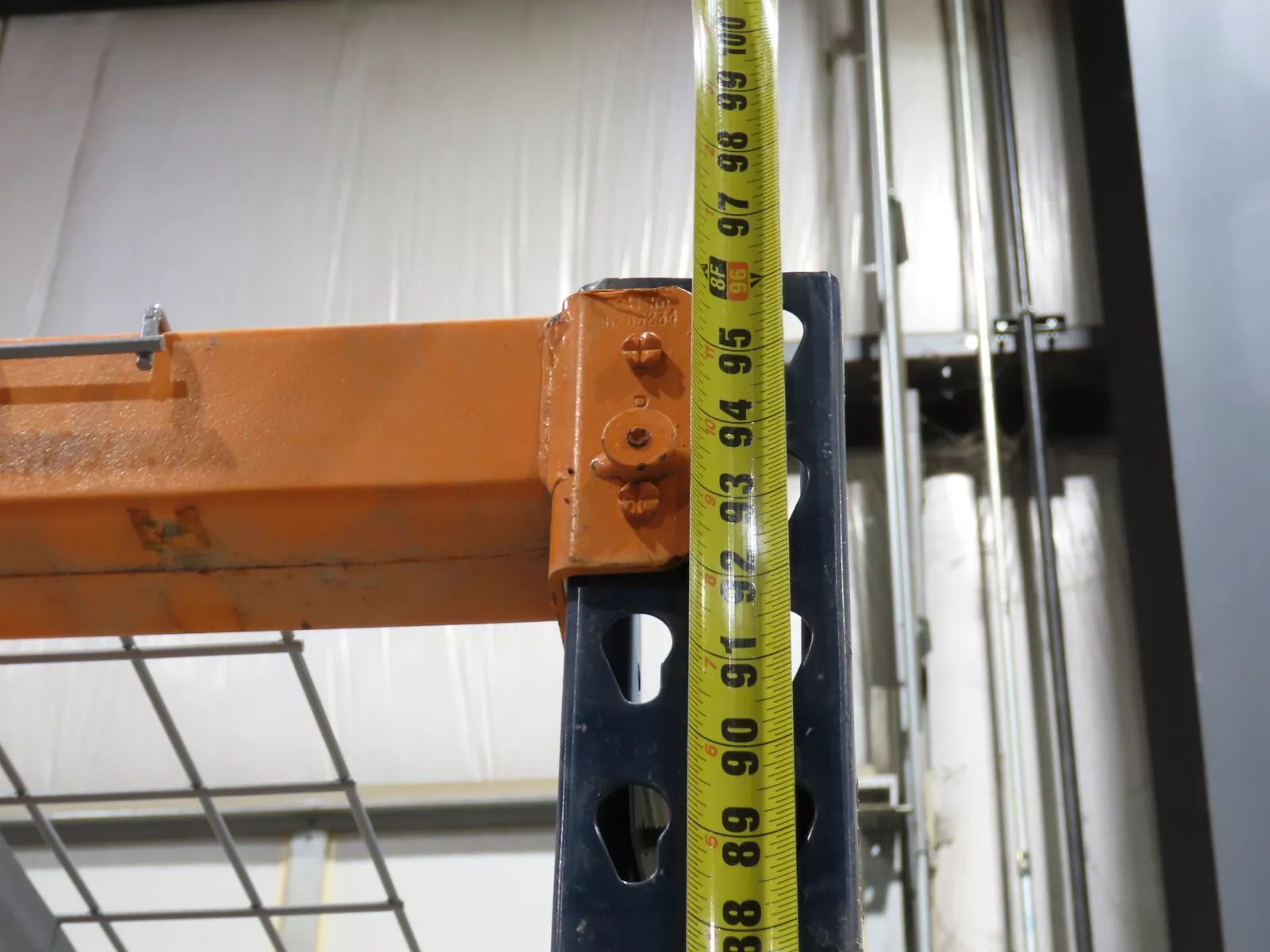
First things first, understanding the specific requirements laid out by OSHA is essential. According to OSHA standards, aisle widths between racks must accommodate safe maneuverability for equipment—think forklifts and pallet jacks. Typically, you’ll want at least 3 feet of aisle space for standard operations, but this may need to increase depending on the specific equipment you’re employing. The goal is to ensure that operators can navigate through racks without risking injury from collisions or obstacles.
Consider a real-world example: In early 2023, a warehouse in California faced hefty fines after an inspection revealed that their aisle widths were insufficient for the type of machinery they used. The result? Not only did they have to pay a steep fine, but they also had to invest in costly adjustments to their layout—money that could have been allocated to expanding their business. This unfortunate event underscores the importance of investing in proper spacing right from the start.
Moreover, spacing isn’t just about compliance; it’s linked to efficiency. A thoughtfully designed warehouse can expedite operations by allowing easy access to stored goods. Proper spacing means fewer accidents and less time spent maneuvering through tight spots. For instance, if you have a large pallet jack, ask yourself: Can it turn comfortably? Aiming for wider aisles could save you time—and money.
To ensure compliance, perform regular reviews of your warehouse layout. Use rack inspection tools and software that can help visualize optimal spacing. Keep abreast of OSHA updates; regulations can change as industries evolve. Just recently, new guidelines were released concerning the impact of e-commerce on warehousing practices. Be proactive rather than reactive; schedule safety audits to identify possible safety violations before they escalate.
Proper spacing between racks isn’t just a box to check off on a compliance list—it’s a fundamental aspect of creating a safe, efficient workplace. By understanding the regulations and implementing them effectively, you can protect your workforce and enhance productivity. Don’t wait for an incident to force your hand; take proactive steps today.
How Can I Ensure Proper Spacing Between Racks According To OSHA?
How Can I Ensure Proper Spacing Between Racks According To OSHA?
- Proper spacing between racks is crucial for compliance with OSHA regulations in warehousing.
- Aisle widths must allow safe maneuverability for equipment, typically requiring at least 3 feet of space.
- Insufficient spacing can lead to fines and operational inefficiencies, as demonstrated by a recent incident in California.
- Investing in proper rack spacing from the start can save costs related to fines and layout adjustments.
- Efficiency is enhanced with proper spacing, leading to quicker access to stored goods and reduced accident risks.
- Regular reviews of warehouse layouts and adherence to OSHA updates are essential for maintaining compliance.
- Creating a safe and efficient workplace through proper spacing protects workers and enhances productivity.
How Can I Ensure Proper Spacing Between Racks According To OSHA?
What Safety Equipment Is Recommended For Warehouse Racking?
In the fast-paced world of warehousing and logistics, ensuring the safety of your operations is paramount. With the increasing volume of goods moving through warehouses and the height at which racking systems are often installed, knowing the right safety equipment can make all the difference in preventing accidents and protecting your workforce. Let’s delve into the must-have safety equipment that every warehouse should consider for its racking systems.
1. Rack Safety Straps and Load Binders
Consider rack safety straps as your warehouse’s safety belt. These crucial accessories secure the loads stored on pallet racks, preventing items from slipping or tumbling off. With incidents of items falling from shelves reported by organizations such as the Occupational Safety and Health Administration (OSHA), investing in reliable safety straps is not only wise but necessary. Look for heavy-duty options that are adjustable and capable of withstanding the pressures of daily operations.
2. Column Guards and Corner Guards
Safeguarding your racking system against accidents is essential in a busy warehouse environment. Column guards and corner guards protect critical areas from impact, whether it’s from forklifts, pallet jacks, or even errant shopping carts. Moreover, recent statistics indicate that nearly 70% of warehouse accidents are linked to vehicle impacts. Installing robust guards, such as high-visibility polyethylene options or steel-reinforced models, can help reduce repair costs and improve safety.
3. Safety Anchors
Stability is everything when it comes to warehouse racking. Safety anchors ensure that your racking systems remain firmly in place, reducing the risk of collapse. This is particularly relevant as many companies are upgrading to higher-density storage solutions; the need for robust anchoring has never been greater. Opt for anchors that are designed to withstand lateral forces, and don’t shy away from a professional evaluation of your racking installation to identify any potential vulnerabilities.
4. Rack Inspection Tools
A proactive approach to safety saves lives and significantly cuts costs. Regular inspections of your racking systems are vital, and having the right tools can streamline this process. Invest in inspection kits that include checklists, stickers, and measurement tools to ensure that wear and tear are promptly addressed. As companies around the world sharpen their focus on regulatory compliance, being ahead of the curve can prevent costly penalties and injuries.
5. Safety Training Programs
Last but not least, equip your employees with the knowledge of safe practices regarding racking systems. Implement safety training sessions that focus on proper loading techniques, inspection procedures, and emergency protocols. Studies show that workplaces with robust training programs experience up to 50% fewer accidents. By prioritizing safety education, you create a culture of awareness that benefits everyone.
In summary, protecting your warehouse requires more than hope; it demands the right safety equipment and practices. From safety straps to training programs, taking these steps today can secure a safer tomorrow for your warehouse operations.

What Safety Equipment Is Recommended For Warehouse Racking?
What Safety Equipment Is Recommended For Warehouse Racking?
- Safety equipment is crucial in warehousing and logistics to prevent accidents.
- Rack Safety Straps and Load Binders secure loads on pallet racks, preventing slips and falls.
- Column and Corner Guards protect racking systems from impacts, reducing repair costs.
- Safety Anchors ensure racking stability, particularly important with higher-density storage solutions.
- Regular use of Rack Inspection Tools is vital for maintaining safety and regulatory compliance.
- Safety Training Programs educate employees on proper loading techniques and emergency protocols.
- Implementing safety measures today fosters a safer work environment for tomorrow.

What Safety Equipment Is Recommended For Warehouse Racking?
Are There Specific Training Requirements For Employees Using Racks?
In today’s fast-paced business environment, the proper use of racks in warehouses, stockrooms, and retail spaces is not just a matter of convenience—it’s a critical safety issue. With recent headlines highlighting incidents caused by inadequate training and poor practices, the call for specific training requirements has never been louder. If your organization is still treating rack operations like a minor detail, it’s time to reevaluate.
Effective training programs are essential to ensure that employees understand how to safely and efficiently utilize racks. First and foremost, employees need to be educated on load capacity. For instance, a typical pallet rack might support a maximum of 3,000 pounds, but if an employee misloads it due to a lack of awareness, the consequences can be catastrophic. The collapse of a rack not only endangers lives but can also result in significant business interruption—just ask the logistics company that faced a week of downtime after a single misload sent 5 tons of product tumbling to the ground.
Next, employees should be trained on proper lifting techniques to prevent personal injury. Imagine your top-performing salesperson getting sidelined for weeks due to a back injury from lifting boxes incorrectly. Investing time in training can save you not only in medical expenses but also in lost productivity. Events like the Bureau of Labor Statistics reporting an increase in workplace injuries heavily underscore the need for effective training practices.
Moreover, it’s crucial to instill in staff the importance of regular inspections. Just last year, a major retail chain experienced an embarrassing public relations crisis after a high-profile collapse in one of their stores went viral. The key takeaway? Regular training can turn your team into watchful custodians of safety. Develop a checklist that includes inspections of rack integrity, ensuring that employees know what warning signs to look for.
Lastly, keep your training programs fresh. Innovation in rack designs—like adjustable shelving or automated systems—requires continuous education. As new technologies are integrated, your employees must stay on top of their game to maximize efficiency and safety.
The training requirements for employees using racks cannot be an afterthought. By investing in structured training—covering load capacities, lifting techniques, inspections, and technological advancements—you protect your assets and create a culture of safety. Your bottom line and your people depend on it. Don’t wait for a crisis to spur action; take the initiative now and secure the well-being of your workforce and your business!

Are There Specific Training Requirements For Employees Using Racks?
Are There Specific Training Requirements For Employees Using Racks?
- Proper use of racks in warehouses and retail spaces is crucial for safety, not just convenience.
- There is an urgent need for specific training requirements following recent incidents caused by inadequate practices.
- Employees must be educated on load capacity to prevent catastrophic events, as misloading can lead to serious consequences.
- Training on proper lifting techniques is essential to avoid personal injuries and lost productivity.
- Regular inspections should be emphasized to identify warning signs and maintain rack integrity.
- Training programs must be updated regularly to include new technologies and innovations in rack designs.
- Investing in structured training fosters a culture of safety, protecting both assets and employees, and safeguarding business operations.

Are There Specific Training Requirements For Employees Using Racks?
How Can I Identify Hazards In My Warehouse Racking System?
In the bustling world of warehousing, the efficiency of your operations often hinges on your racking system. Yet, beneath the surface of productivity lurk hidden dangers that can lead to costly accidents. Identifying these hazards is not just smart—it’s essential for protecting your workforce and preserving your bottom line. Let’s dive into how you can proactively spot risks in your racking system before they wreak havoc.
Conduct Regular Inspections
First and foremost, make inspections a non-negotiable part of your routine. Schedule them weekly and ensure they cover critical areas such as bolt tightness, structural integrity, and signs of wear. For instance, during the inspection, look for any racks that show deformation or signs of corrosion—two potential signs of failure. Consider the recent incident at a major distribution center where a poorly maintained racking unit collapsed due to rust. Such events highlight the consequences of negligence in regular inspections.
Involve Your Team
Your employees are on the ground and can provide invaluable insights into the daily challenges they encounter. Foster an open dialogue about safety; create a system where workers can report hazards without fear of repercussions. For example, if a forklift driver notices that pallets are stacked too high on a rack, they should be encouraged to voice their concerns. Their firsthand experience may reveal issues that management might overlook. This collaboration can dramatically enhance the safety culture within your facility.
Utilize Technology and Data
Today’s technology offers innovative solutions for hazard identification. Using smart sensors that monitor the load on racking systems can alert you to potential overstressing before it becomes an issue. These sensors can provide real-time data that helps managers make informed decisions. For instance, a tech-savvy warehouse might overlay a digital inventory management system that tracks the weight and health of each racking unit, instantly flagging irregularities that could lead to failure.
Educate and Train Your Staff Continuously
A well-trained workforce is your first line of defense against hazards. Regular training sessions should cover proper loading techniques, the importance of maintaining clear aisles, and how to use equipment responsibly. After all, safety isn’t just about the racking itself—it’s about how your team interacts with it. Cultivating a culture of safety not only minimizes risk but can also enhance employee morale and retention.
Stay Informed on Industry Standards
Lastly, keep abreast of safety regulations and best practices relevant to your industry. For example, recent changes in OSHA guidelines regarding warehouse operations can impact your racking protocols. Aligning your practices with these standards ensures you’re not only compliant but operating at peak safety performance.
By prioritizing these strategies, you can significantly reduce hazards in your warehouse racking system, safeguarding your employees and your assets. Remember, when it comes to safety, preventing accidents is always more cost-effective than recovering from them. Your warehouse’s future could depend on it.
How Can I Identify Hazards In My Warehouse Racking System?
How Can I Identify Hazards In My Warehouse Racking System?
- Efficiency in warehousing operations relies heavily on the racking system; hidden dangers can lead to costly accidents.
- Conduct regular inspections (weekly) focusing on critical areas like bolt tightness and structural integrity.
- Involve employees in safety discussions to report hazards and identify issues overlooked by management.
- Utilize technology, such as smart sensors, for real-time monitoring of racking systems to prevent overstressing.
- Provide continuous education and training for staff on proper loading techniques and safe equipment usage.
- Stay updated on industry standards and safety regulations, including recent changes in OSHA guidelines.
- Prioritizing safety strategies in warehouse racking can safeguard employees and reduce costs associated with accidents.
How Can I Identify Hazards In My Warehouse Racking System?
What Are The Penalties For Non-Compliance With OSHA Racking Standards?
In today’s fast-paced industrial landscape, compliance with OSHA’s racking standards isn’t just a legal obligation; it’s a matter of protecting your workforce and ensuring long-term business viability. The consequences of non-compliance can be severe, costing companies in ways that ripple far beyond fines. Imagine facing a workplace accident caused by inadequate racking systems; the financial hit from healthcare costs, legal fees, and loss of productivity can send your bottom line skyrocketing out of control.
Let’s talk specifics. OSHA, the Occupational Safety and Health Administration, has rigorous regulations designed to safeguard employees and promote safety standards in warehouses and distribution centers. When businesses fall short of these benchmarks, the repercussions can include hefty fines, legal ramifications, and potentially severe reputational damage. In 2023, OSHA reported an increase in penalties, with fines for serious violations reaching up to $15,000 per incident. If a racking collapse injures an employee, and it’s determined that you failed to comply with safety standards, that figure can multiply exponentially.
Consider the case of a large warehouse operation in Illinois that recently faced an OSHA inspection. The facility was found to be utilizing outdated racking systems that did not meet the required safety criteria. Not only did they receive a citation with fines exceeding $45,000, but they also faced a two-month shutdown to rectify the violations, delaying shipments and disappointing clients—a double whammy that resulted in lost revenue and tarnished relationships.
But it doesn’t end there. Non-compliance can also lead to increased insurance premiums as insurers assess the risk associated with your operation. It’s a cruel cycle: neglecting safety standards leads to accidents, which raises costs, and before you know it, you’re in a vicious loop that threatens your business’s very existence.
So, how do you navigate this complex landscape? The first step is education and awareness. Regular audits of your racking systems can identify potential pitfalls before they escalate into emergencies. Additionally, investing in employee training can drastically reduce risks. Companies that prioritize compliance not only safeguard their workers but also contribute to an overall culture of safety, which can be a powerful marketing tool.
In summary, the penalties for non-compliance with OSHA racking standards extend far beyond mere fines. From legal issues to lost revenue and damage to your brand, the stakes are high. Make safety your top priority, and watch your business thrive in an increasingly safety-conscious marketplace.
What Are The Penalties For Non-Compliance With OSHA Racking Standards?
What Are The Penalties For Non-Compliance With OSHA Racking Standards?
- Compliance with OSHA’s racking standards is essential for workforce safety and business viability.
- Non-compliance can lead to severe consequences, including hefty fines and increased costs from accidents.
- In 2023, fines for serious OSHA violations can reach up to $15,000 per incident.
- An example involved a warehouse in Illinois that faced fines over $45,000 and a two-month shutdown due to outdated racking systems.
- Non-compliance may increase insurance premiums as insurers evaluate operational risks.
- Regular audits and employee training can help prevent safety violations and promote a culture of safety.
- Prioritizing safety can not only protect employees but also enhance brand reputation and profitability in a safety-conscious market.
What Are The Penalties For Non-Compliance With OSHA Racking Standards?
How Do I Report Unsafe Racking Conditions To OSHA?
When you spot unsafe racking conditions in your workplace, it’s not just a minor inconvenience—it’s a potential crisis waiting to unfold. Improperly maintained racking systems can lead to injuries, financial losses, and legal troubles that no business wants to face. Thankfully, the Occupational Safety and Health Administration (OSHA) provides a straightforward process for reporting these hazardous conditions, ensuring your workplace remains safe and compliant.
Step 1: Identify the Hazard
Before you report, be clear about what constitutes an unsafe racking condition. For instance, look for signs of rust, structural damage, or bowing beams that compromise the integrity of the racks. Recently, a major retailer faced repercussions after a warehouse collapse caused injuries due to overlooked racking conditions—an incident that could have been averted through timely reporting. If you notice issues like these, document your observations with photographs and detailed notes.
Step 2: Gather Your Evidence
To strengthen your report, collect all relevant information. This includes the location of the racking systems, the specific issues you’ve identified, and any potential risks these pose. Consider including anecdotal evidence as well—colleagues may have encountered close calls or unsafe conditions leading to near-misses. This “real-world” context will solidify your case, making it harder for authorities to overlook your report.
Step 3: Report to OSHA
Now that you have a clear understanding of the issue, it’s time to engage with OSHA. You can file a report in several ways:
1. Online: Visit the OSHA website to access their complaint form and submit it digitally. This is often the fastest route.
2. Phone: Call OSHA at 1-800-321-OSHA (6742) to speak directly with a representative. This allows you to voice your concerns and clarify any questions you might have.
3. Mail: If you prefer a traditional approach, you can send a written complaint to your local OSHA office. This method may take longer but can be effective for thorough documentation.
Step 4: Follow Up
After submitting your report, make sure to follow up with OSHA if you don’t receive feedback within a reasonable timeframe. It’s essential not to assume your report vanished into the void. Remember, staying vigilant about workplace safety is an ongoing responsibility, and reporting unsafe racking conditions is a vital part of that commitment.
By taking these steps, you not only safeguard your workplace but also contribute to a culture of safety that benefits everyone. Don’t wait for accidents to become your driving force for change—act now, and empower your workplace to prioritize safety!
How Do I Report Unsafe Racking Conditions To OSHA?
How Do I Report Unsafe Racking Conditions To OSHA?
- Unsafe racking conditions can lead to injuries, financial losses, and legal issues in the workplace.
- Identify hazards such as rust, structural damage, or bowing beams before reporting.
- Document observations with photographs and detailed notes to support your report.
- Gather relevant evidence, including the location of the issue and anecdotal accounts from colleagues.
- Report to OSHA through one of three methods: online, by phone, or via mail.
- Follow up with OSHA if you do not receive feedback within a reasonable timeframe.
- Act promptly to foster a culture of safety in your workplace before accidents occur.
How Do I Report Unsafe Racking Conditions To OSHA?
Can Shelving Units Meet OSHA Requirements For Warehouses?
When it comes to warehouse safety, OSHA regulations are more than a mere checklist—they are the backbone of operational integrity. Shelving units do more than just hold products; they can be pivotal in meeting safety standards that protect both employees and assets. With the right shelving solutions, you can elevate your warehouse operations from a liability to a model of compliance and efficiency.
First off, let’s consider the weight capacity of your shelving. Select units that can handle the load without bending, breaking, or causing injury. A recent OSHA report highlighted the staggering statistic that lifting-related injuries account for nearly 25% of all workplace injuries. Imagine replacing your flimsy shelving with heavy-duty options that not only meet these weight capacities but exceed them. By doing so, you’re not just avoiding penalties but actively contributing to a culture of safety that empowers your team.
Next, consider the arrangement of your shelving units. OSHA emphasizes clear aisles and proper access points to prevent accidents and ensure quick evacuations if necessary. A neatly organized warehouse with strategically placed shelving can ensure that employees have room to maneuver safely. Encroachment on walkways can result in fines and, more critically, injuries. Investing in modular shelving systems can create customizable spaces that adapt to your workflow while adhering to safety regulations.
Moreover, consider how your storage solutions can facilitate proper ergonomic practices. Adjustable shelving height allows workers to access items without stretching or straining, reducing the risk of musculoskeletal disorders—a leading cause of workplace complications, as highlighted by current processing industry reports. Implementing ergonomically designed shelving not only meets OSHA guidelines but also fosters a more engaged and productive workforce.
Let’s not overlook the importance of regular inspections and maintenance. For example, during a recent walkthrough, a major retail logistics center discovered that many of their shelving units were missing critical safety features, resulting in significant fines. By instituting routine checks—starting with the shelving—warehouse managers can catch potential compliance issues before they snowball into costly problems, both in financial terms and employee morale.
In summary, the answer isn’t just about whether shelving units can meet OSHA requirements—it’s about whether your choices align with a strategic vision for safety and efficiency. Equip your warehouse with the right shelving solutions and watch as you transform potential compliance headaches into seamless operations that set the standard in your industry. Invest wisely, act decisively, and safety will follow.

Can Shelving Units Meet OSHA Requirements For Warehouses?
Can Shelving Units Meet OSHA Requirements For Warehouses?
- OSHA regulations are essential for warehouse safety and operational integrity.
- Proper shelving units can help meet safety standards, protecting employees and assets.
- Choose shelving with adequate weight capacity to prevent injuries related to lifting.
- Maintain clear aisles and proper access to shelving to prevent accidents and facilitate evacuations.
- Adjustable shelving height aids in ergonomic practices, reducing musculoskeletal risks.
- Regular inspections and maintenance of shelving are crucial for compliance and safety.
- Investing in the right shelving can transform warehouse operations into compliant and efficient systems.
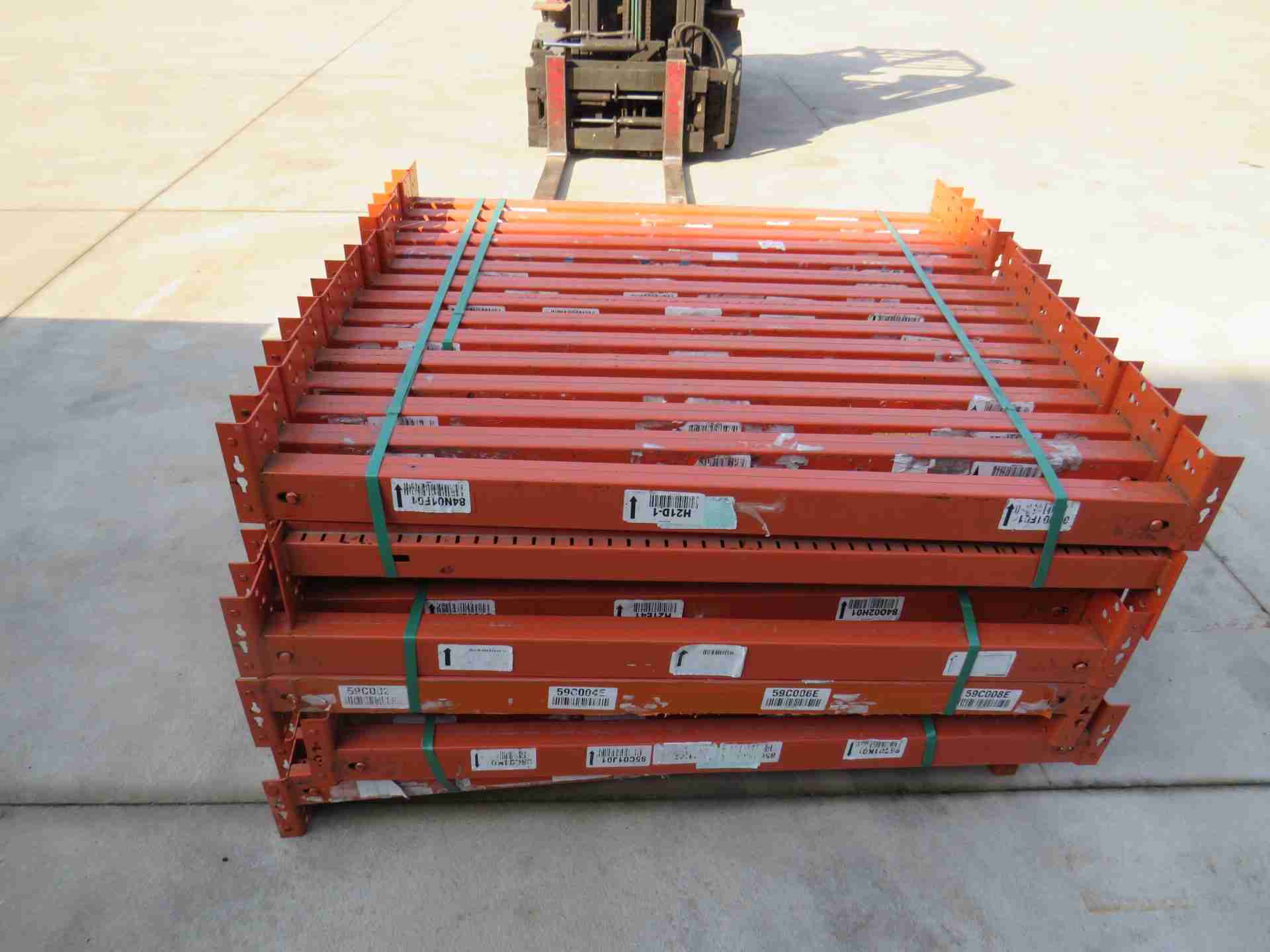
Can Shelving Units Meet OSHA Requirements For Warehouses?
What Role Do Warehouse Layout And Design Play In Compliance?
In today’s fast-paced logistics environment, the layout and design of a warehouse aren’t just matters of efficiency; they are pivotal to ensuring compliance with regulatory standards and safety protocols. As businesses navigate the complexities of modern supply chains, a well-planned warehouse can serve as a fortress against compliance failures.
Imagine a pharmaceutical company handling controlled substances. A chaotic, disorderly warehouse might not only hinder productivity but also lead to regulatory pitfalls. By contrast, a well-organized layout that designates specific zones for different types of inventory ensures that staff can easily comply with the stringent guidelines of Good Distribution Practice (GDP), minimizing the risk of mishandling that can incur hefty fines.
Consider how the COVID-19 pandemic necessitated changes in warehouse operations. Many facilities adopted social distancing protocols that required rethinking operational flows. A strategic redesign of existing space—like widening aisles and strategically placing hand sanitizing stations—was crucial. Companies that adapted quickly were better positioned to maintain compliance with health and safety regulations, as enforced by organizations like OSHA and the CDC. Those who ignored the need for an updated layout found themselves facing severe enforcement actions and a damaged reputation.
Furthermore, incorporating technology into the design is an emerging trend that cannot be ignored. Automated systems and real-time inventory tracking have transformed the way warehouses operate. These innovations not only streamline operations but also improve compliance by offering precise logging of inventory movements, minimizing the potential for errors in documentation—a critical factor in industries like food and beverage, where traceability is paramount.
A classic example in current events is the increasing scrutiny on e-commerce logistics giants following incidents of worker safety violations. These companies are rapidly realizing that investing in a thoughtful warehouse design isn’t just a bottom-line saver; it’s a compliance necessity that can safeguard against costly litigation and regulatory penalties. By making design principles part of their compliance strategy, these enterprises are not just ensuring safety; they’re enhancing their brand’s image in an ever-watchful marketplace.
Ultimately, an optimized warehouse layout serves multiple roles. It enhances efficiency, upholds safety standards, and ensures compliance with ever-evolving regulations. As regulatory bodies worldwide increase their oversight, the role of thoughtful warehouse design becomes even more significant. For businesses, investing in this aspect is not just smart—it’s essential for protecting their future.
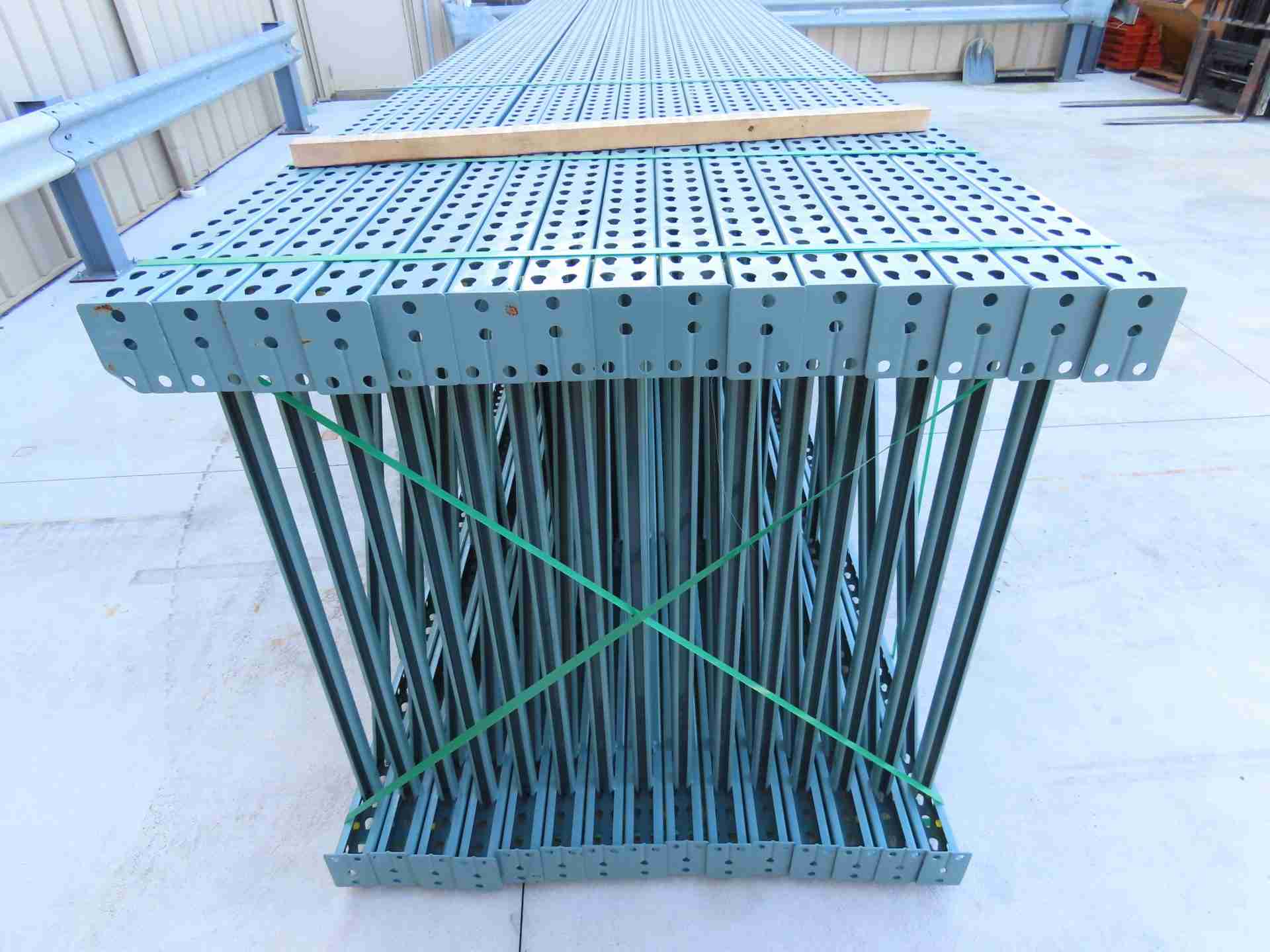
What Role Do Warehouse Layout And Design Play In Compliance?
What Role Do Warehouse Layout And Design Play In Compliance?
- The design and layout of warehouses are crucial for regulatory compliance and safety in logistics.
- A well-organized warehouse minimizes compliance risks, particularly in industries like pharmaceuticals.
- The COVID-19 pandemic required warehouses to adapt operations for social distancing, impacting layout and processes.
- Companies that quickly updated their designs maintained compliance with health regulations enforced by OSHA and the CDC.
- Incorporating technology, such as automated systems and real-time tracking, enhances operations and compliance.
- Recent scrutiny on e-commerce logistics shows that thoughtful warehouse design can prevent litigation and penalties.
- An optimized warehouse layout is essential for efficiency, safety, and adhering to evolving regulatory standards.

What Role Do Warehouse Layout And Design Play In Compliance?
How Can I Keep Updated On Changes To OSHA Warehouse Regulations?
In an industry where safety and compliance are paramount, staying abreast of the latest OSHA warehouse regulations is not just a good idea—it’s a business imperative. Let’s delve into effective strategies to keep your finger on the pulse of these ever-evolving standards, ensuring that your warehouse remains a safe haven for your employees and a fortress against legal repercussions.
1. Subscribe to OSHA Updates
The first step is simple: Subscribe to OSHA’s official website updates. By signing up for their email alerts, you’ll receive first-hand information about any amendments, new regulations, or safety bulletins that impact warehouse operations. These emails often include red flags on compliance deadlines that can be easy to overlook, letting you tackle changes ahead of time.
For example, if OSHA introduces new standards for machine safety or forklift operation protocols, you’ll be among the first to know, allowing you to implement necessary changes before inspectors arrive.
2. Follow Industry Associations and Organizations
Joining industry associations such as the American Society of Safety Professionals (ASSP) or the National Safety Council (NSC) can help you stay informed. These organizations frequently host webinars and workshops focusing on OSHA regulations, providing insights from experts in the field. By attending these events, you can also network with other professionals who are facing similar challenges.
In recent years, as the trend towards automation escalated, these organizations have tackled topics related to how new technologies intersect with safety standards. Your involvement can help you not just understand regulations, but also how they apply in a tech-forward environment.
3. Leverage Social Media and Online Forums
Navigating social media platforms, particularly LinkedIn, can be a treasure trove of current news and discussions about OSHA regulatory changes. Follow industry leaders, safety consultants, and OSHA itself for timely updates and expertly crafted commentary on new regulations. Additionally, join online forums or groups where warehouse professionals share their experiences and anxieties about compliance.
For instance, during the COVID-19 pandemic, warehouses faced fresh compliance challenges, and many professionals were vocal on platforms like Reddit and LinkedIn about the latest requirements for maintaining employee health. Engaging in these discussions can provide a practical view that transcends standard regulatory language.
4. Attend Safety Conferences and Workshops
Lastly, never underestimate the power of face-to-face interaction. Safety conferences and workshops offer direct access to OSHA representatives and safety gurus willing to share their knowledge. Here, you can gather invaluable insight into upcoming regulations, ensuring you’re both compliant and a leader in warehouse safety practices.
By adopting these strategies to stay updated on OSHA warehouse regulations, not only do you ensure safety and compliance, but you cement your reputation as a responsible, forward-thinking employer. As we witness the regulations shift and adapt to contemporary challenges, take the proactive approach; your organization—and its people—are worth it.
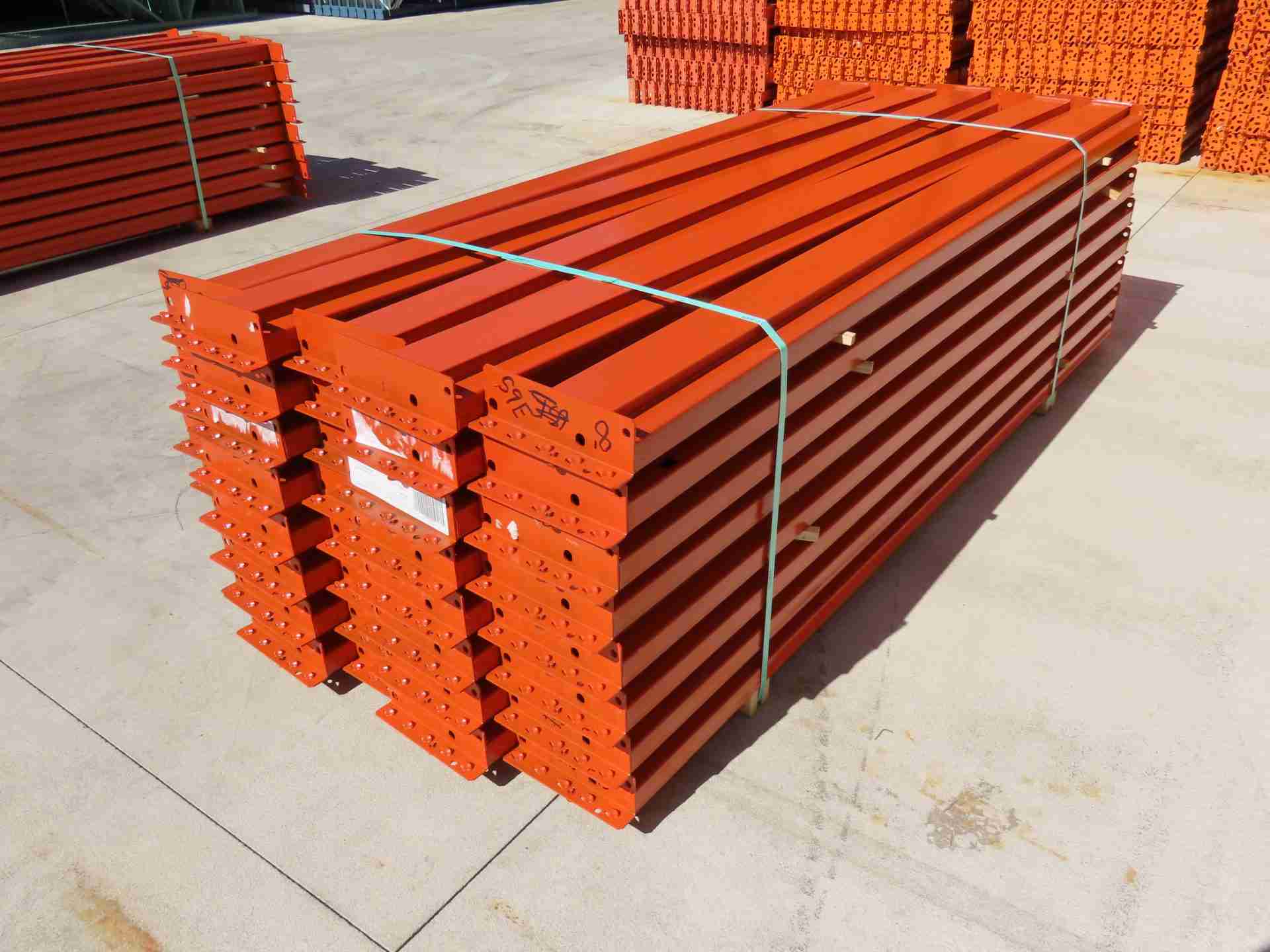
How Can I Keep Updated On Changes To OSHA Warehouse Regulations?
How Can I Keep Updated On Changes To OSHA Warehouse Regulations?
- Staying updated on OSHA warehouse regulations is vital for safety and compliance.
- Subscribe to OSHA’s official website for email updates on amendments and new regulations.
- Join industry associations like ASSP or NSC for seminars and networking opportunities related to OSHA compliance.
- Utilize social media platforms, especially LinkedIn, to follow industry leaders and join conversations about regulatory changes.
- Participate in online forums or groups to share experiences with other warehouse professionals regarding compliance challenges.
- Attend safety conferences and workshops to engage directly with OSHA representatives and industry experts.
- Implementing these strategies not only ensures compliance but enhances your reputation as a responsible employer.
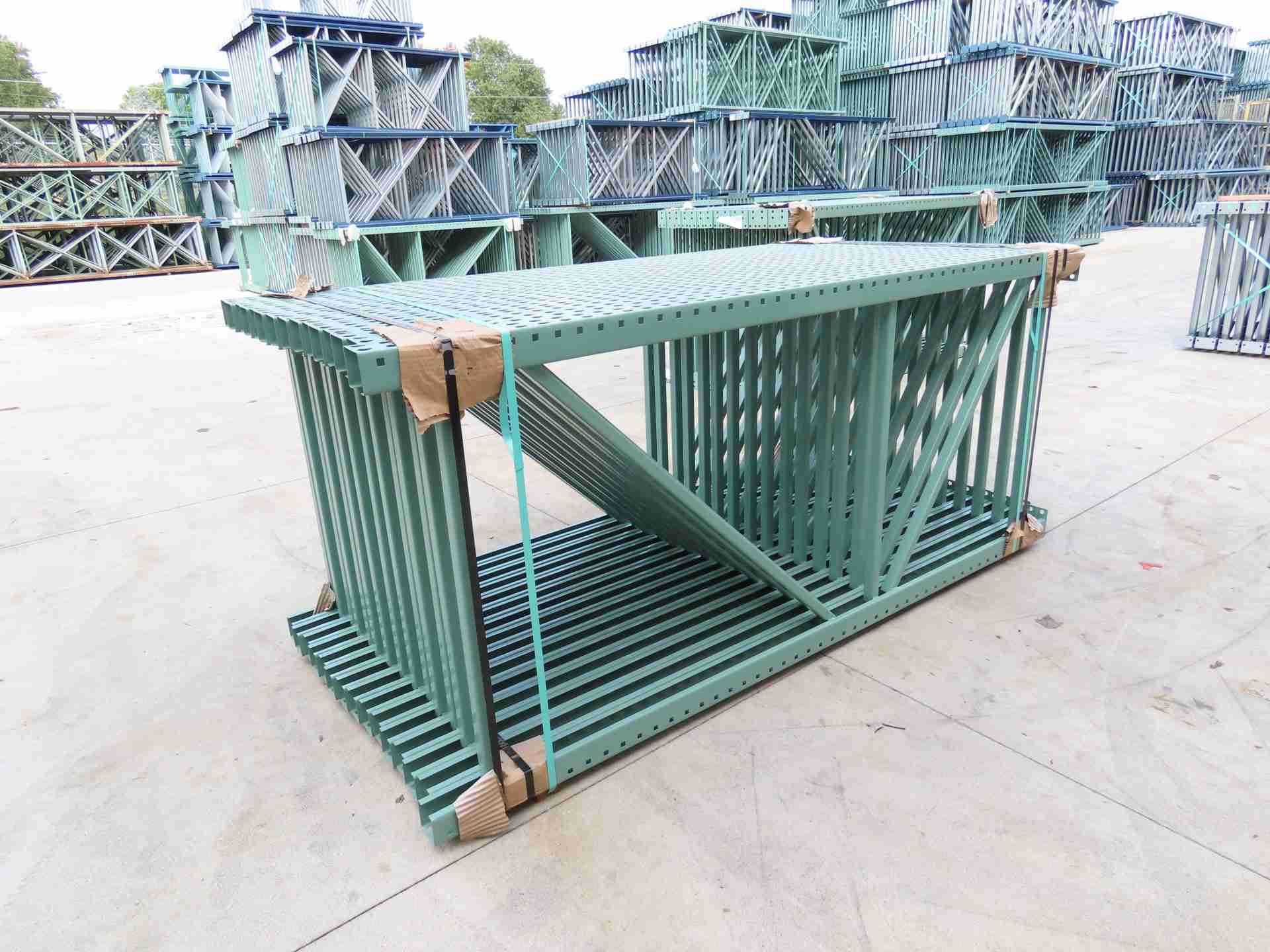
How Can I Keep Updated On Changes To OSHA Warehouse Regulations?
Conclusion
In the turbulent landscape of warehouse management, compliance with OSHA racking requirements should never be an afterthought. After delving into the myriad facets of these critical guidelines, one truth emerges: adhering to OSHA standards isn’t just a regulatory obligation—it’s your gateway to safeguarding both your employees and your business’s reputation.
Understanding that OSHA mandates racking systems be designed to endure the rigors of daily warehouse operations is paramount. These systems must accommodate varying loads, be routinely inspected, and undergo employee training to ensure safety. With case studies highlighting the financial and reputational toll of neglecting these responsibilities, the importance of compliance cannot be overstated. For instance, remember the retailer who faced substantial fines and injuries due to a racking failure—an incident that painfully illustrates the volatility of non-compliance.
Taking actionable steps toward OSHA adherence, such as conducting regular inspections and implementing comprehensive training protocols, will put you ahead of potential hazards. The incorporation of a safety culture within your organization fosters an environment where employees feel empowered to recognize and report unsafe conditions. Engaging in these practices not only bolsters workplace safety but also enhances your operational efficiency—the two cornerstones of a thriving business.
Moreover, as warehouse environments continuously evolve with new technologies and product demands, staying informed about OSHA’s regular updates is vital. Joining industry associations, subscribing to OSHA newsletters, and leveraging social media platforms can provide essential insights into changing regulations, ensuring you remain compliant and competitive. Regular training sessions will keep your workforce equipped to deal with the complexities of modern racking systems, preventing costly accidents and injuries.
At Arrow Industrial Sales, we understand that navigating these challenging waters can be overwhelming. That’s why we invite you to reach out to us directly at (574) 349-6575. Our team of experts is ready to provide tailored solutions and insights into the implementation of OSHA-compliant racking systems specific to your needs. Don’t wait until a crisis impacts your business; act proactively. The clock is ticking on regulatory compliance, and the future safety of your operations relies on the decisions you make today. By prioritizing compliance, you’re not just checking a box; you’re investing in a safer, more productive environment that fuels business growth.
Conclusion
Conclusion:
- Compliance with OSHA racking requirements is essential in warehouse management.
- Adhering to OSHA standards safeguards employees and enhances business reputation.
- Racking systems must be designed for varying loads, inspected regularly, and include employee training for safety.
- Neglecting compliance can lead to financial and reputational damage, as illustrated by case studies.
- Proactive measures, like regular inspections and training, improve workplace safety and operational efficiency.
- Staying informed about OSHA updates through industry associations and newsletters is crucial for maintaining compliance.
- Contact Arrow Industrial Sales for tailored solutions to implement OSHA-compliant racking systems.
Conclusion
Other Resources
Other Resources
Here is a list of other resources you can review online to learn more:
- “Home | Occupational Safety and Health Administration”
- “Warehousing – Know the Law | Occupational Safety and …”
- “OSHA Warehouse Safety Compliance & Guidelines”
- “OSHA Warehouse Safety Guidelines”
- “State-OSHA-Annual-Report-(SOAR)-FY-2022.pdf”
- “High-Hazard Retailers: Are You Prepared for an OSHA …”
- “What Does OSHA Say About Pallet Rack Safety?”
- “Keeping Your Heavy Equipment Workforce OSHA Compliant”
- “New Legislation Aims to Improve Warehouse Worker Safety -“
Use This Prompt To Get More Resources With Your Favorite Online AI Tool: Please provide me with a list of online articles with their URLS in a bulleted list that I can read regarding What Are OSHA Warehouse Racking Requirements?

Other Resources
Glossary Terms
What Are OSHA Warehouse Racking Requirements? – Glossary Of Terms
1. OSHA: The Occupational Safety and Health Administration, a U. S. government agency that sets and enforces safety standards in the workplace.
2. Warehouse Racking: Structured systems used to store materials and products in pallets or shelving, designed to maximize storage density and efficiency.
3. Pallet Rack: A storage system made of vertical frames and horizontal beams that supports pallets of goods, facilitating efficient storage and retrieval.
4. Load Capacity: The maximum weight that a racking system or individual rack components can safely support, determined by engineering standards.
5. Inspection: A systematic review of racking systems to identify potential safety issues, structural integrity, and compliance with regulations.
6. Material Handling Equipment: Tools and machines used to move, lift, and store materials, including forklifts, pallet jacks, and conveyor systems.
7. Forklift: A powered industrial truck used to lift and transport heavy loads, crucial for the operation of warehouse racking systems.
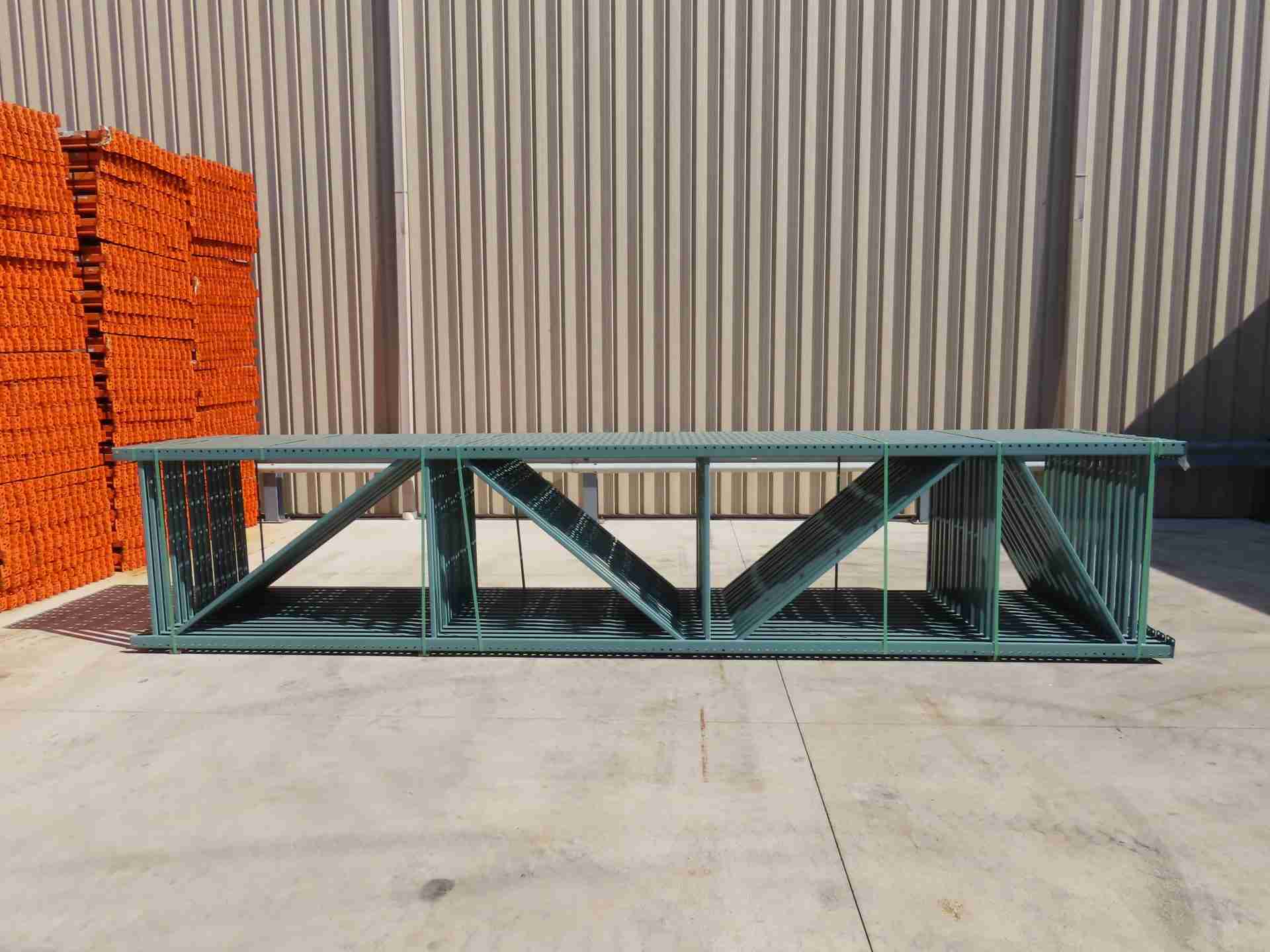
8. Cross Brace: Diagonal supports on a racking frame that provide stability and prevent sway or collapse under load.
9. End Frame: The vertical support structure on either side of the racking system that holds the beams and shelves in place.
10. Beam: Horizontal members that provide support for the stored materials on a racking system.
11. Upright: The vertical components of the racking system, typically designed to bear the weight of vertical loads.
12. Safety Pin: A device used to secure locking mechanisms within racking systems, ensuring that beams are anchored and stable.
13. Eye Level Load: The recommended height for storing items for ease of access and safety, typically located at eye level to minimize risk of injury.
14. Strapping: A method of securing items to pallets or racks to prevent shifting or falling during storage or transport.
15. Shelving: Flat platforms used to store goods, often adjustable in height to accommodate various product sizes.
16. Overloading: Placing more weight on a rack than it is designed to support, which can lead to structural failure or accidents.
17. Tagging System: A visual method employed to indicate the load capacity and safety instructions for each rack or level within a warehouse.
18. Fall Protection: Safety measures implemented to prevent employees from falling when accessing high storage areas within a warehouse.
19. Aisle Width: The distance between rows of racks, which must be wide enough to allow safe movement of forklifts and personnel.
20. Access Control: Procedures and equipment used to manage personnel entering storage areas, ensuring safety and compliance with racking regulations.
21. Seismic Bracing: Structural enhancements added to racking systems in earthquake-prone areas to provide stability and support during seismic events.
22. Regular Maintenance: Scheduled inspections and repairs to ensure the ongoing safety and functionality of the racking systems.
23. Risk Assessment: The process of identifying potential hazards associated with warehouse operations and developing measures to mitigate them.
24. Load Distribution: The evenness of weight placed on racking systems, ensuring that loads are balanced to avoid tipping or collapse.
25. Training: Educational programs designed to inform warehouse employees about safe practices when using racking systems and operating material handling equipment.
26. Emergency Procedures: Established protocols for responding to accidents or failures related to racking systems, aimed at minimizing injuries and damages.
27. Compliance: Adherence to OSHA regulations and industry standards regarding warehouse safety, including proper racking practices.
28. Pallet Plans: Layout designs that determine how pallets are arranged within a racking system to optimize space and access.
29. Load labels: Markings on racking components that specify individual load limits and provide important safety information.
30. Workplace Ergonomics: The science of designing workspaces to fit employees, aimed at reducing the risk of injury during material handling and storage activities.
Glossary Of Terms
Other Questions
What Are OSHA Warehouse Racking Requirements? – Other Questions
If you wish to explore and discover more, consider looking for answers to these questions:
- What are the most common OSHA violations related to warehouse racking?
- How can I improve employee awareness of safety protocols regarding racking systems?
- What role do maintenance records play in OSHA compliance?
- How can technology enhance warehouse safety concerning racking systems?
- What should I do if I notice repeated safety violations related to racking systems?
- Are there specific certifications for warehouse safety personnel?
- What impact do safety audits have on OSHA compliance in the warehouse?
- What are the key differences between OSHA standards and industry best practices?
- How do changes in OSHA regulations impact insurance costs for warehouses?
- What are the steps to take in case of a racking system failure?
- How can I engage employees in safety training related to warehouse racking systems?
- What resources are available for warehouse managers to improve compliance?
- How do I assess the risk level associated with my current racking systems?
- Are there specific OSHA requirements for multi-level racking systems?
- How often should training sessions for employees using racks be conducted?
Other Questions
Checklist
What Are OSHA Warehouse Racking Requirements? – A Checklist
General Compliance
_____ Verify that racking systems are designed and constructed to meet OSHA standards.
_____ Ensure all warehouse racking systems can support intended loads and dynamic conditions.
_____ Conduct regular assessments of racking systems’ structural integrity.
Inspections
_____ Create a routine schedule for thorough inspections of racking systems (at least annually).
_____ Perform informal monthly walkthroughs for visible signs of wear and tear (e. g. , rust, bent beams).
_____ Utilize third-party audits for more comprehensive evaluations, if applicable.
Employee Training
_____ Train employees on safe loading and unloading practices for racking systems.
_____ Include education on weight limits and proper pallet placement in training sessions.
_____ Implement regular safety training that covers risk recognition and emergency protocols.
Equipment and Setup
_____ Ensure racking systems are well-spaced (at least 3 feet of aisle space for equipment).
_____ Select the appropriate racking type (e. g. , selective, drive-in, flow racks) based on business needs.
_____ Regularly inspect shelving units for load limits and replace or adjust as necessary.
Safety Equipment
_____ Install safety straps and load binders to prevent item slips.
_____ Apply column guards and corner guards to protect racking systems from impacts.
_____ Use safety anchors to secure racking systems against lateral forces.
Hazard Identification
_____ Conduct weekly inspections focusing on hazards like structural damage and rust.
_____ Foster a safety culture that encourages employees to report hazards without fear.
Regulatory Awareness
_____ Subscribe to OSHA updates for the latest regulations and safety bulletins.
_____ Join industry associations for additional resources and networking opportunities.
_____ Stay informed about changes in racking regulations through online platforms and forums.
Reporting Unsafe Conditions
_____ Document any unsafe racking conditions with photographs and notes.
_____ Report hazards to OSHA via their website, phone, or mail with thorough evidence.
This checklist can be printed and distributed to warehouse staff as a practical guide to maintaining safety and compliance in line with OSHA warehouse racking requirements.

Checklist
At RackingWorld, we help guide you through selecting warehouse storage systems and racking.
Be sure to read our other related stories at RackingWorld to learn more about warehouse storage systems.
0 Comments