
Maximizing Profit With Competitive Pallet Rack Prices
By Tom Seest
At RackingWorld, we help guide you through selecting warehouse storage systems and racking.
Be sure to read our other related stories at RackingWorld to learn more about warehouse storage systems.
Are Local Pallet Rack Prices Hurting Your Bottom Line?
In today’s fast-evolving marketplace, every penny counts. As businesses grapple with rising operational costs, the price of pallet racking—a crucial component in warehouse management—can become a hidden drain on profits. You might not think of it as seriously as rent or labor costs, but the truth is, local pallet rack prices could be silently sabotaging your bottom line.
Consider the case of XYZ Distribution Inc., a mid-sized logistics company that struggled to keep its stock organized due to scarcity of warehouse space. In an attempt to maximize efficiency, they invested in new pallet racking systems but reverted to local suppliers for convenience. Unfortunately, the overall bill amounted to a staggering 20% premium over alternative options like national manufacturers or bulk procurement.
While utilizing local suppliers can foster community relationships, it’s essential to evaluate whether the long-term implications of higher cost justify this collaboration. Take notice of the current economic landscape—supply chain disruptions and inflation have made each transaction a critical one. With pallet racking prices climbing ever higher, those costs can compound quickly, turning a potentially profitable inventory turn into an expensive headache.
Here’s another real-world example: A regional food distributor opted to buy pallet racks from a local supplier, facing a market saturated with inflated prices amid recent inflationary pressures. What they didn’t anticipate was the subpar quality of the racks, affecting their ability to store products efficiently. They spent more not just on the initial purchase, but on repairs and replacements, eroding their profit margins even further.
Moreover, as businesses rush to adapt, the implications of poor choices can be felt across sectors. For instance, retail outlets that didn’t optimize their pallet racking solutions faced stock issues during the recent holiday season, showcasing the critical nature of these storage solutions. They lost sales not just because of supply shortages but due to a lack of efficient organization caused by impractical racking setups.
In this climate, it’s imperative to thoroughly assess the options available beyond your local market. While supporting local business is admirable, your primary focus should be on maximizing profitability. Dive deep into comparing costs and quality across suppliers, and scrutinize whether the local market offers competitive rates or if you should tap into larger distributors that can provide cost-effective solutions. By refusing to let inflated local pallet rack prices erode your profits, you can safeguard your bottom line in a volatile economy.
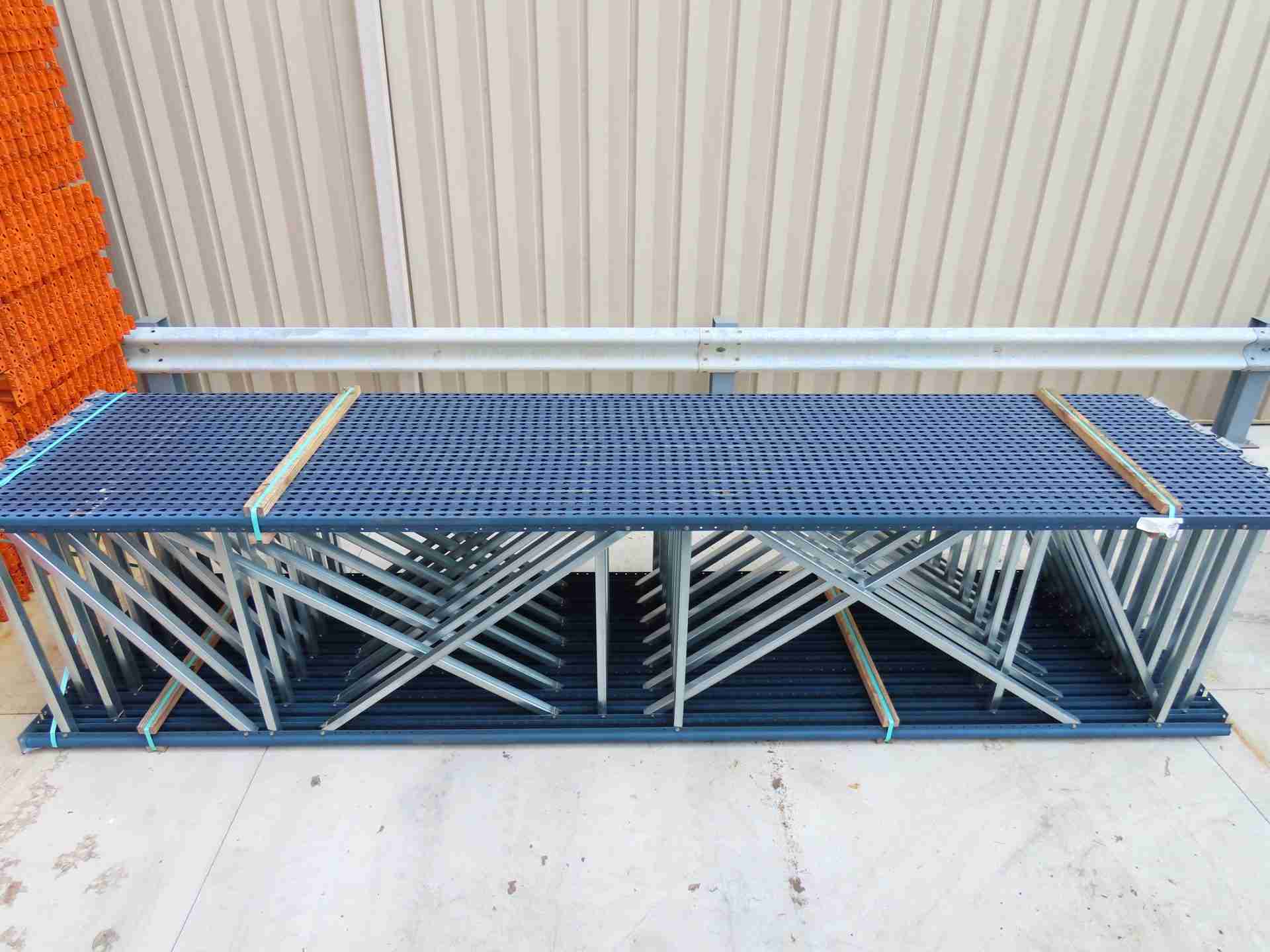
Are Local Pallet Rack Prices Hurting Your Bottom Line?
Are Local Pallet Rack Prices Hurting Your Bottom Line?
- Rising operational costs make every expense critical for businesses, including pallet racking prices.
- XYZ Distribution Inc. faced a 20% premium by choosing local pallet racking suppliers, impacting their profits.
- Local supplier partnerships might seem beneficial, but the long-term cost implications need careful evaluation.
- A regional food distributor learned that local pallet rack purchases led to poor quality and higher repair costs.
- Poor pallet racking decisions can cause stock issues, as demonstrated by retail outlets during the holiday season.
- It’s crucial to compare costs and quality from different suppliers beyond the local market for cost-effective solutions.
- Protecting profit margins from inflated local prices is essential for businesses in a volatile economic climate.
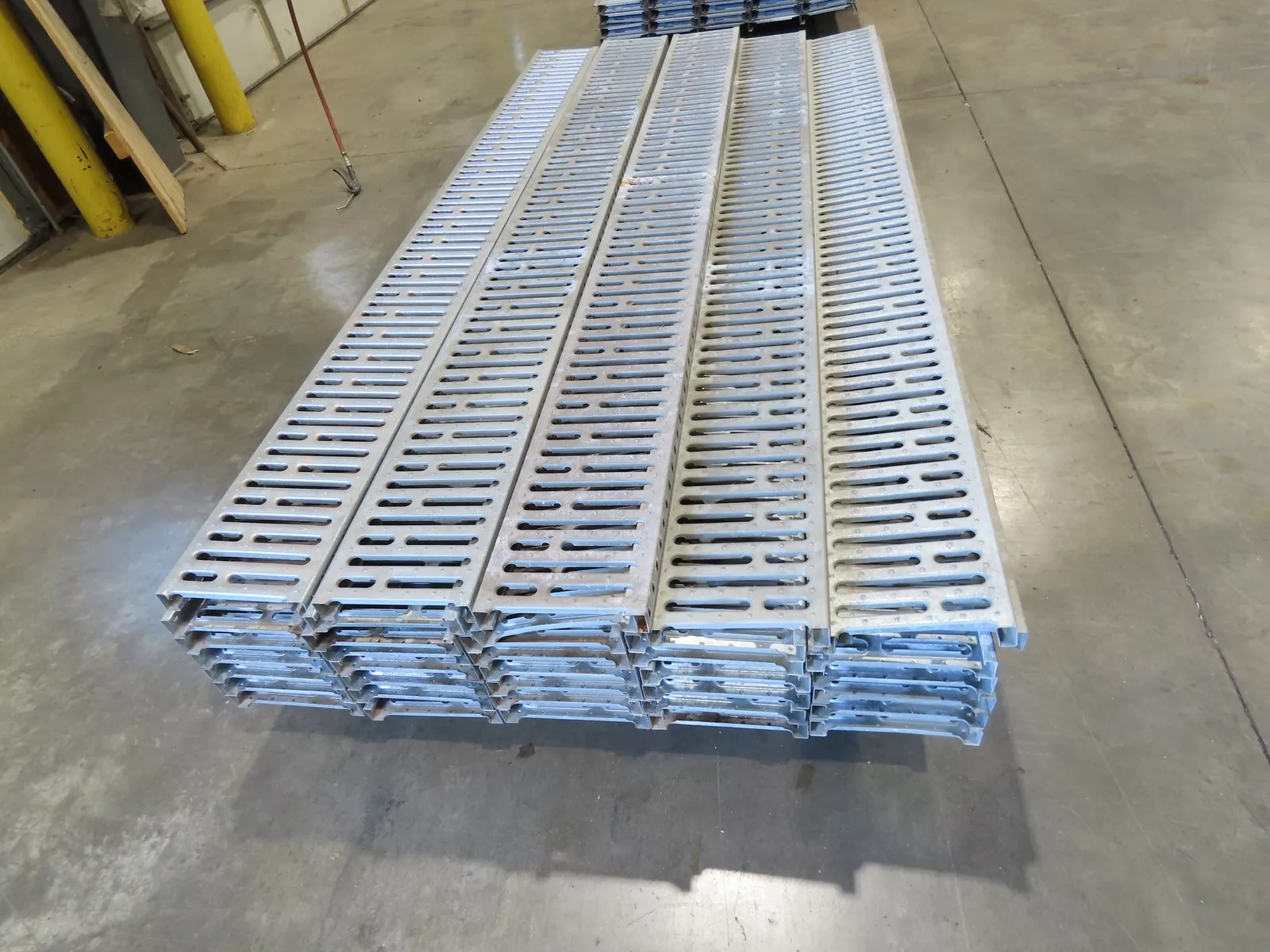
Are Local Pallet Rack Prices Hurting Your Bottom Line?
Table Of Contents
- Are Local Pallet Rack Prices Hurting Your Bottom Line?
- Are Local Pallet Rack Prices Affecting Your Profitability?
- How Do Pallet Rack Prices Compare Regionally?
- What Are The Key Factors Influencing Pallet Rack Costs?
- Are There Hidden Costs Associated With Pallet Racks?
- Can Used Pallet Racks Save You Money?
- How Does Inventory Management Impact Pallet Rack Pricing?
- Are There Alternatives To Local Pallet Racks Worth Considering?
- Conclusion
- Other Resources
- Glossary Of Terms
- Other Questions
- Checklist
Are Local Pallet Rack Prices Affecting Your Profitability?
In today’s competitive landscape, the impact of local pallet rack prices on your profitability can’t be understated. If you’re in the distribution or warehousing industry, the efficiency of your storage solution can make or break your bottom line. Today, many business owners are missing a crucial point: the cost of pallet racking solutions is not just an expense—it’s a pivotal factor that can enhance or erode profit margins.
Consider a typical warehouse scenario where an increase in pallet racking prices forces you to reconsider your buying strategies. With raw material costs surging due to inflation—and current events like supply chain disruptions exacerbating these issues—local prices for pallet racking materials have seen a notable uptick. For instance, manufacturers may pass on the costs of steel, which have recently risen by as much as 15%, directly impacting what you pay for new systems.
But here’s the kicker: understanding how to effectively navigate these price hikes can lead to greater profitability. Efficient use of existing space can allow you to minimize the need for costly expansion projects. For example, if you replace older, less efficient pallet racking systems with modern, high-density alternatives, you could increase storage capacity while keeping local costs manageable. Let’s say you currently operate at an 80% capacity and could optimize your layout to a 95%. That’s revenue potential directly tied to how wisely you allocate your warehouse assets.
Moreover, consider the timing of your purchases. A well-timed investment in pallet racking can shield you from further price increases. If you anticipate a price hike in the next quarter due to market trends, act now. Bulk buying and negotiating can yield discounts that protect your bottom line. Alternatively, exploring multi-tiered systems or adjustable racking options can offer both flexibility and savings in the long run.
In essence, local pallet rack prices are more than just numbers on a quote—they represent a gateway to improved efficiency and profitability. As you analyze your own operations, think critically about your choices and their long-term effects. Don’t allow rising costs to dictate your strategy; instead, use them as a catalyst for smart, calculated decisions that can propel your business forward.
So, as you evaluate the financial health of your business, don’t overlook how local pallet racking prices are shaping your overall profitability. It’s time to take control of this crucial aspect and transform potential challenges into opportunities.
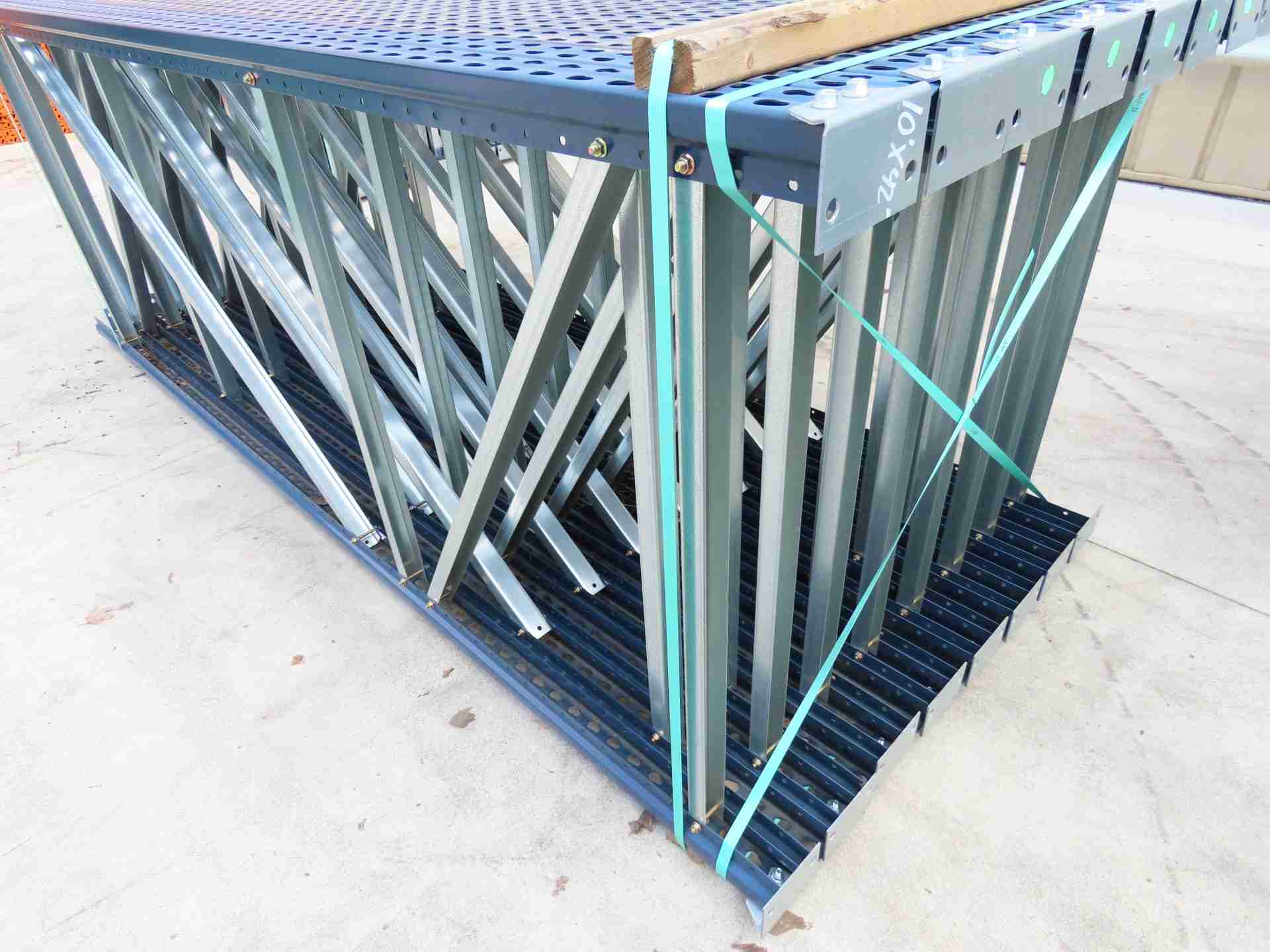
Are Local Pallet Rack Prices Affecting Your Profitability?
Are Local Pallet Rack Prices Affecting Your Profitability?
- The impact of local pallet rack prices is significant for profitability in the distribution and warehousing industry.
- Pallet racking costs are not mere expenses; they can enhance or erode profit margins.
- Increasing pallet racking prices, driven by inflation and supply chain disruptions, necessitate strategic buying decisions.
- Efficient use of storage space can minimize costly expansions and improve profitability.
- Well-timed investments in pallet racking can protect against future price increases.
- Strategies like bulk buying and negotiating can yield discounts and savings.
- Consider local pallet rack prices as a gateway to efficiency and profitability, prompting careful strategic choices.

Are Local Pallet Rack Prices Affecting Your Profitability?
How Do Pallet Rack Prices Compare Regionally?
When assessing the cost of pallet racking systems, it’s crucial to understand the regional nuances that can influence pricing. Just as real estate varies significantly from one city to another, so too does the cost of pallet racking, dictated by regional demand, freight logistics, and local competition.
Take, for example, the thriving logistics hubs in states like California. Here, the proliferation of e-commerce giants creates an insatiable demand for pallet racking. Warehouses are competing for premium storage solutions, driving prices up. A standard selective pallet racking system that might cost $2,000 in a smaller market, such as Ohio, could easily hit $2,500 or more in Los Angeles. Businesses must navigate not only the higher prices but also delivery delays and increased shipping costs, which can add another layer of expense.
Conversely, areas with a less competitive warehouse landscape, such as parts of the Midwest, tend to yield lower pallet racking prices. Vendors often capitalize on limited competition by keeping prices reasonable and offering enticing deals to attract businesses. Additionally, local manufacturers may have lower freight costs, making it easier to provide competitive pricing on pallet racking systems.
Current economic shifts can also impact regional pricing. As inflation rates continue to rise, logistics companies might find themselves grappling with increased supplier costs. This impact varies by region; states with abundant manufacturing infrastructure might see less dramatic price hikes compared to others reliant on imports.
The type of pallet racking you choose will also influence costs. While selective pallet racking systems are generally the most common and widely available—thus, more competitively priced—more specialized options like drive-in or push-back systems can command premium prices, especially in high-demand areas. A drive-in system suited for a facility in a bustling metropolitan area might cost upwards of $5,000 or more compared to less than $4,000 elsewhere.
In summary, when considering your investment in pallet racking, understanding your region’s specific market trends, demand, and competition is key. As you plan your warehouse layout, don’t just look at the price tag—consider the wider economic and logistical landscape that shapes pallet racking costs in your area. Ultimately, knowledge is power, and the more informed you are, the more effectively you can navigate the regional disparities in pricing.
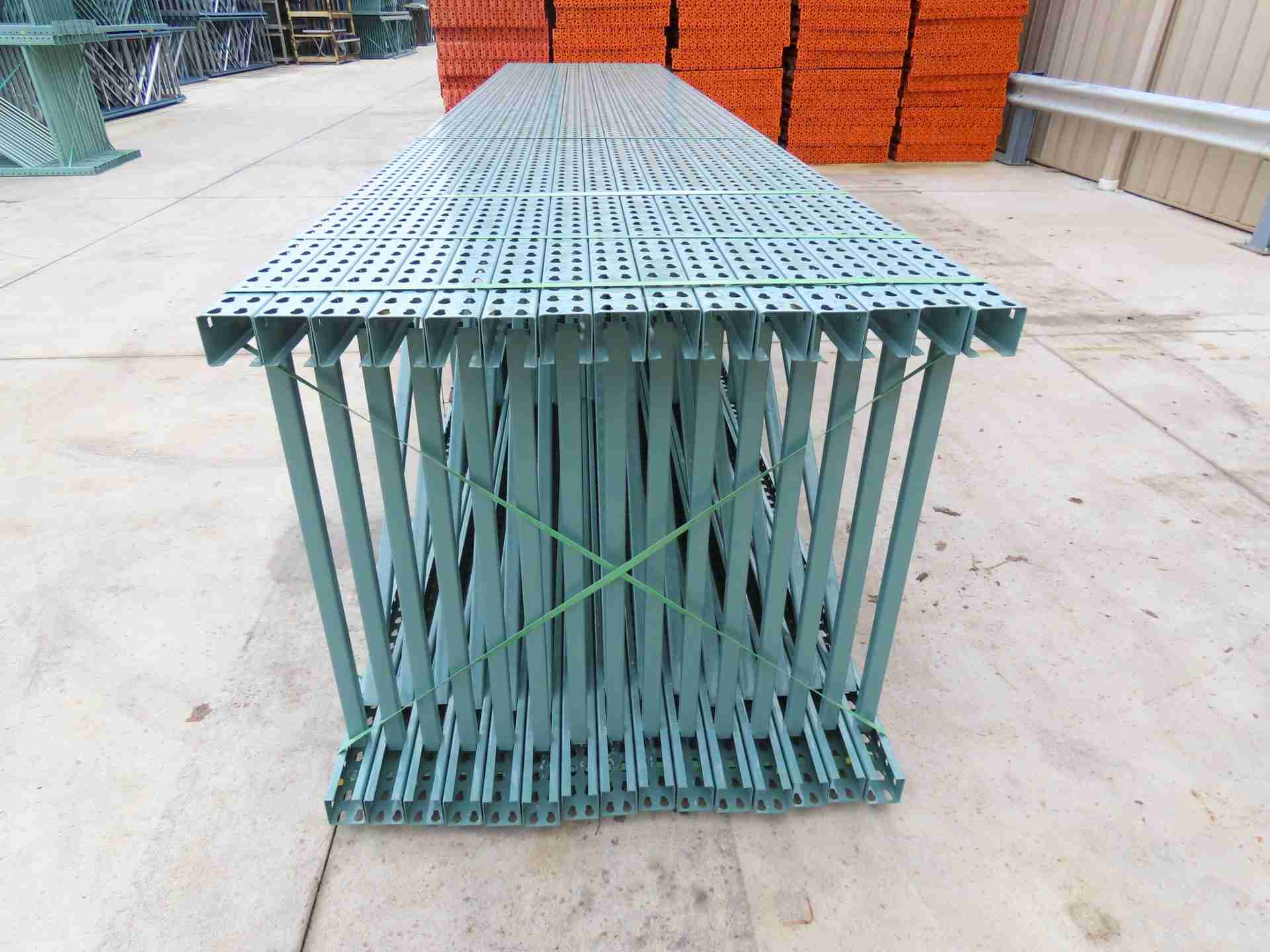
How Do Pallet Rack Prices Compare Regionally?
How Do Pallet Rack Prices Compare Regionally?
- Regional pricing of pallet racking systems varies significantly, influenced by local demand, freight logistics, and competition.
- High-demand areas, like California, face inflated costs due to competition among warehouses for premium storage solutions.
- A standard selective pallet racking system may cost $2,000 in Ohio but can exceed $2,500 in Los Angeles due to heightened demand.
- Less competitive regions, such as the Midwest, typically offer lower prices and attractive deals from local vendors.
- Current economic factors, including inflation, can affect regional pricing differently, often leading to higher costs in less manufacturing-heavy states.
- The type of pallet racking also influences costs; specialized systems like drive-in or push-back can be significantly more expensive in high-demand markets.
- Understanding market trends and logistics is essential for making informed decisions about pallet racking investments.
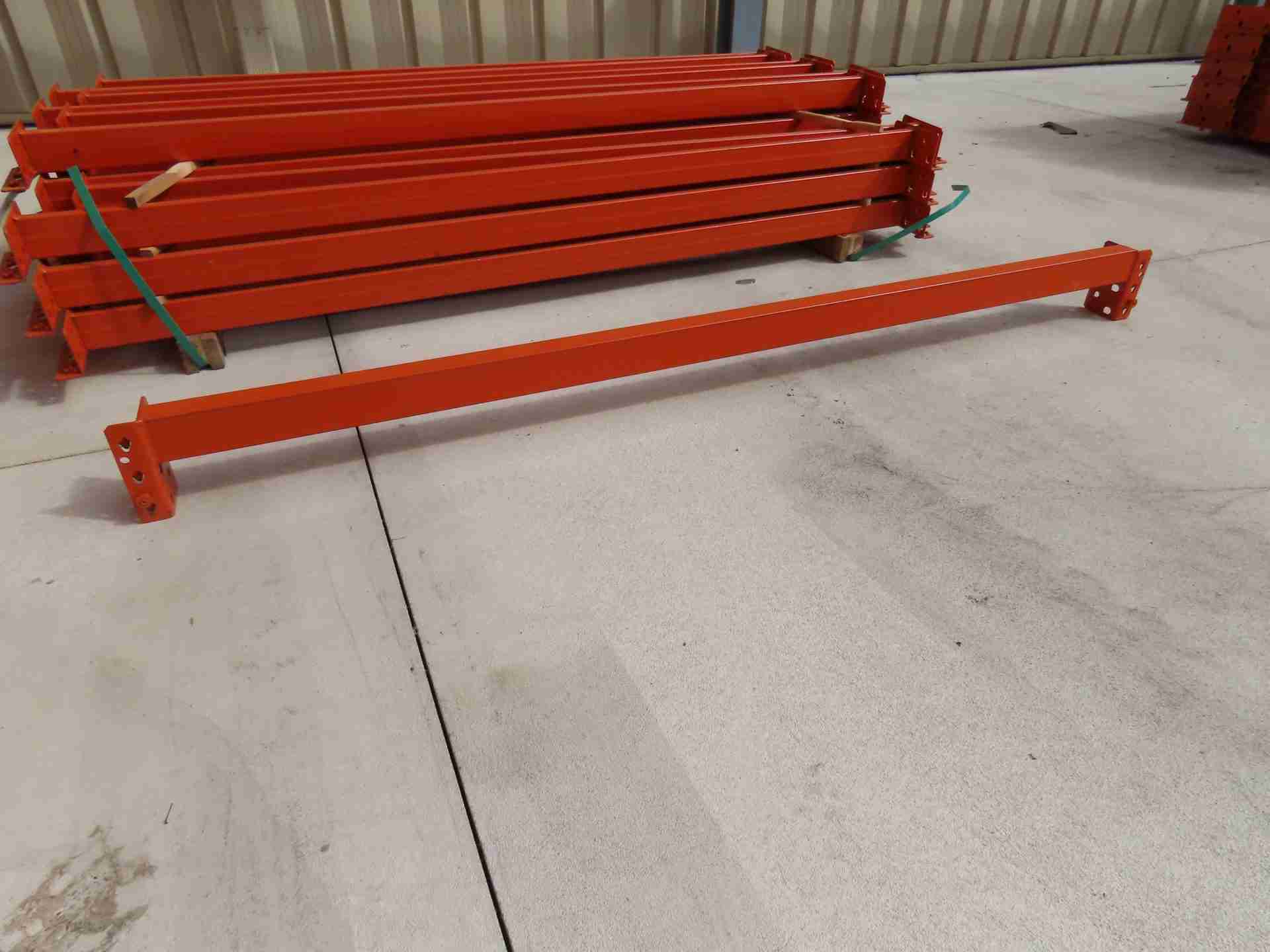
How Do Pallet Rack Prices Compare Regionally?
What Are The Key Factors Influencing Pallet Rack Costs?
In an increasingly competitive marketplace, understanding the financial dynamics of your supply chain is critical, particularly when it comes to pallet racking systems. These essential storage solutions are often the backbone of operational efficiency in warehouses and distribution centers. So, what drives the costs associated with pallet racking? Let’s dive into the factors that can influence your bottom line.
1. Material Choices:
The type of materials used in pallet racking can drastically affect costs. For instance, heavy-duty steel racking is more durable and can hold more weight, but it comes at a premium compared to lighter or less robust alternatives. Consider recent shifts in demand for environmentally friendly products; manufacturers are increasingly exploring sustainable materials, which may carry different price points. The rise in steel prices due to supply chain constraints post-pandemic is another crucial reality—stay informed and plan accordingly!
2. Design Complexity:
The layout of your pallet racking system is key to maximizing storage space. A simple design might save on upfront costs, but a well-planned, customized solution can enhance efficiency, ultimately reducing operational costs over time. For example, companies that have adopted multi-tiered systems are seeing returns in productivity, justifying higher initial investments.
3. Compliance and Safety Standards:
Navigating local and national safety regulations is non-negotiable for any business. Compliance with OSHA standards and other safety requirements can add to your pallet racking costs. Failure to adhere to these regulations could result in costly penalties or accidents. Investing in certified racking systems might seem more expensive upfront, but it shields you from potential liabilities down the line.
4. Installation Services:
Another hidden cost can arise from the installation process. While some businesses opt for DIY, hiring professionals ensures that the racking is installed correctly, which is essential for safety and longevity. Consider the ongoing labor shortages affecting industries today; skilled installation services may come at a premium, but the investment is often justified to avoid future headaches.
5. Size and Configuration:
The volume of goods your operation handles will dictate not only the size of your pallet racking system but also the complexity of its configuration. Higher capacities often mean higher costs, especially if you need specialized racks for unique products. Keep abreast of current market trends—certain industries are pivoting to more versatile storage for e-commerce responses, impacting costs accordingly.
Understanding these key factors empowers you to make informed decisions when considering pallet racking solutions. Your goal should be to balance upfront costs with long-term operational efficiencies, ensuring your supply chain operates smoothly and effectively. Guard your investment fiercely; the right pallet racking system can undoubtedly boost your profit margins when selected wisely.

What Are The Key Factors Influencing Pallet Rack Costs?
What Are The Key Factors Influencing Pallet Rack Costs?
- Material Choices: The type of materials affects costs; heavy-duty steel is durable but more expensive. Sustainable materials are gaining popularity and may vary in price. Steel price increases due to post-pandemic supply chain issues should be monitored.
- Design Complexity: A simple racking design may save upfront costs, but custom solutions can enhance efficiency and lower operational costs over time.
- Compliance and Safety Standards: Adhering to safety regulations adds to costs but prevents penalties and liabilities; certified systems can be a wise investment.
- Installation Services: Professional installation ensures safety and longevity, though it may be more expensive due to labor shortages; it often pays off in the long run.
- Size and Configuration: The amount of goods handled influences racking size and complexity; higher capacities usually incur higher costs, especially for specialized racks.
- Market Trends: E-commerce has led to a demand for versatile storage solutions, impacting costs and configurations of pallet racking systems.
- Informed Decision-Making: Understanding these factors aids in balancing upfront costs with long-term efficiencies, ultimately boosting profit margins.
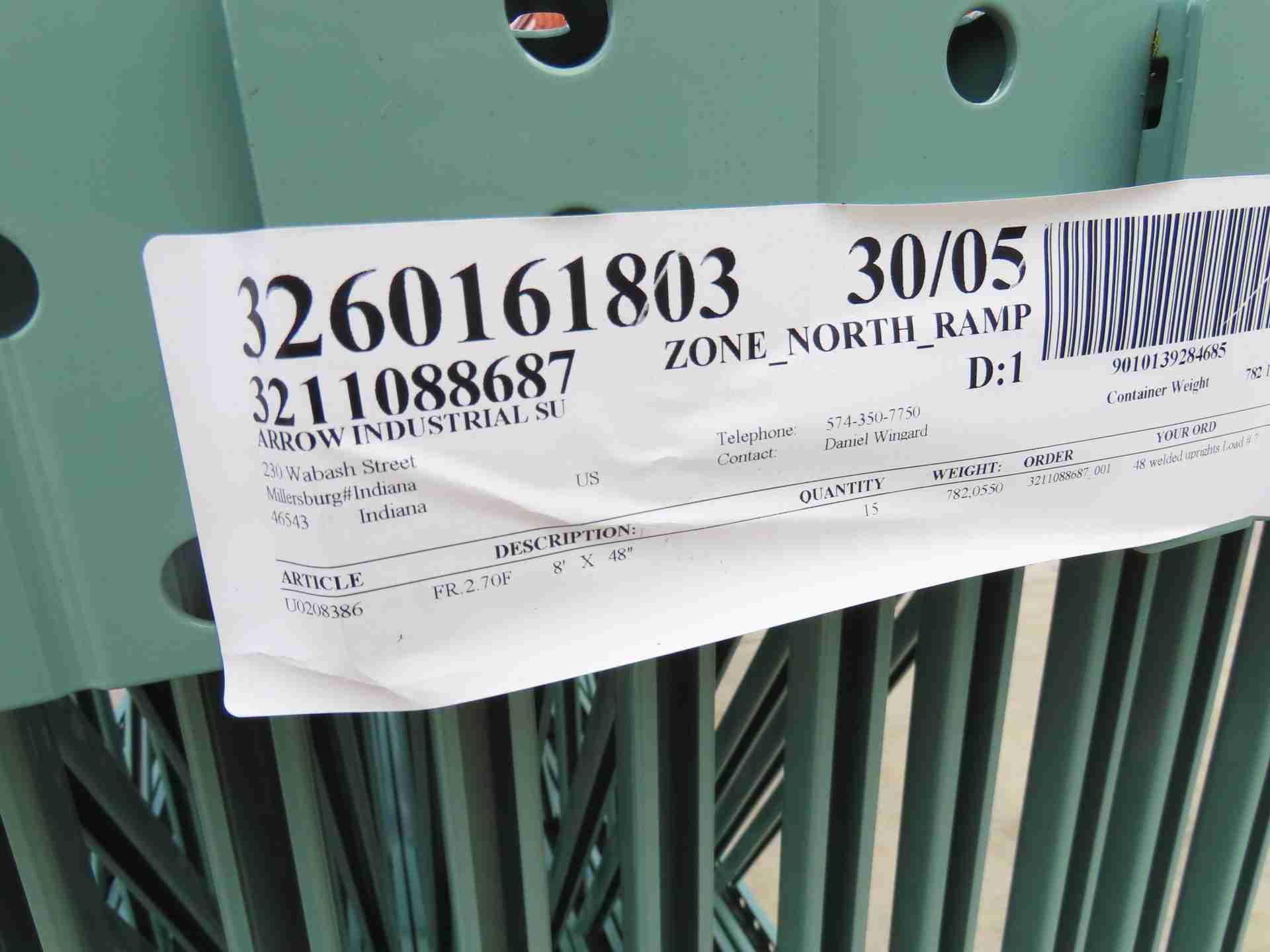
What Are The Key Factors Influencing Pallet Rack Costs?
Are There Hidden Costs Associated With Pallet Racks?
When investing in pallet racking, businesses often focus solely on the upfront costs—purchase price, installation, and possibly even delivery. However, savvy operators know there’s a deeper layer to this equation, fraught with hidden costs that can slice into your profit margins if left unchecked. Understanding these intricacies is crucial for ensuring your investment in pallet racking delivers the most value possible.
First and foremost, consider the cost of compliance. As warehouse regulations tighten—driven by both safety concerns and evolving industry standards—businesses must spend time and money to ensure that their pallet racking systems meet all necessary guidelines. A failure to comply can lead to costly fines, not to mention the risk of workplace accidents that could result in injuries and subsequent lawsuits. Just look at the recent push for stricter OSHA regulations in warehouses across the United States that are aimed at enhancing worker safety. Ignoring compliance can lead to costly ramifications.
Then, factor in maintenance and inspections. Many warehouse operators believe that once installed, pallet racks require little ongoing attention. This could not be further from the truth. Regular inspections and maintenance are necessary to uphold structural integrity and operational functionality. If you overlook this aspect, you might eventually face hefty repair or replacement costs down the line. For example, damage from forklift mishaps is more common than you think, and unrepaired racking can compromise your entire warehousing operation.
Another often-overlooked cost revolves around training your staff. Properly using a pallet racking system isn’t just common sense—it requires adequate training to ensure your workforce understands how to safely and efficiently handle materials. If your employees are not well-versed in best practices, the inefficiencies could cost you time and money. In turn, this can lead to slower shipping times and unhappy customers—an outcome no business can afford in this fast-paced economy.
Lastly, consider the opportunity cost. Failing to analyze how well your pallet racking system optimizes your space can mean lost revenue. In today’s e-commerce boom, warehousing space is more valuable than ever. If your racking isn’t designed or utilized effectively, you could be passing up the chance to store more products and fulfill more orders.
In summary, the costs associated with pallet racking extend far beyond the initial investment. From compliance and maintenance to training and opportunity costs, overlooking these factors could mean wasting money rather than investing wisely. Take the time to evaluate every aspect of your pallet racking decision—your bottom line will thank you later.
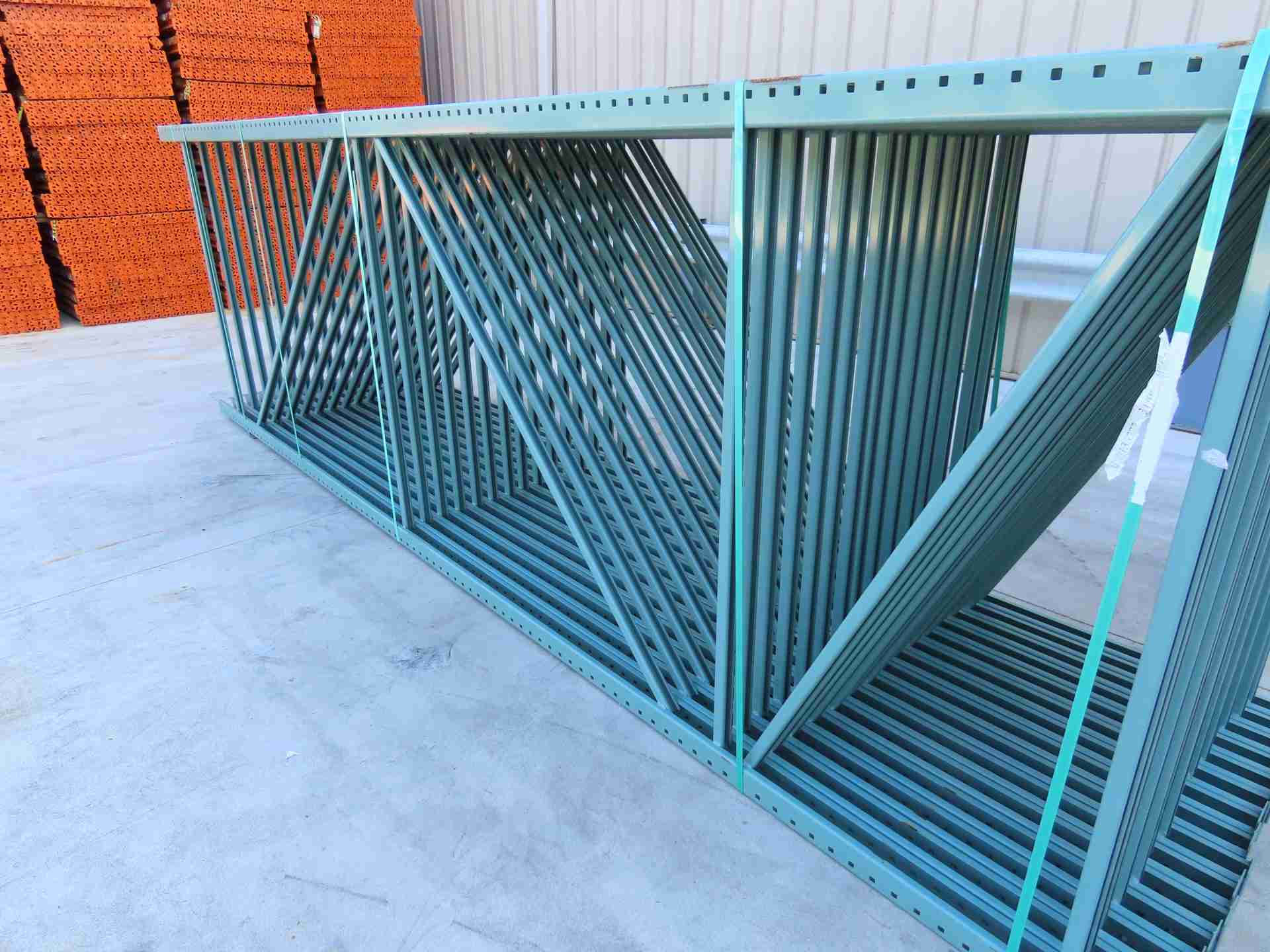
Are There Hidden Costs Associated With Pallet Racks?
Are There Hidden Costs Associated With Pallet Racks?
- Businesses often consider only the upfront costs of pallet racking, ignoring hidden costs that impact profit margins.
- Compliance costs are rising due to stricter safety regulations, and non-compliance can result in fines and workplace accidents.
- Regular maintenance and inspections are essential to ensure the structural integrity and functionality of pallet racks.
- Training staff on proper use of pallet racking is crucial to prevent inefficiencies and reduce operational costs.
- Opportunity costs arise if pallet racking systems are not optimized for space, potentially leading to lost revenue.
- The total cost of pallet racking includes compliance, maintenance, training, and opportunity costs, far exceeding initial investments.
- Evaluating all aspects of pallet racking decisions is vital for maximizing value and protecting the bottom line.
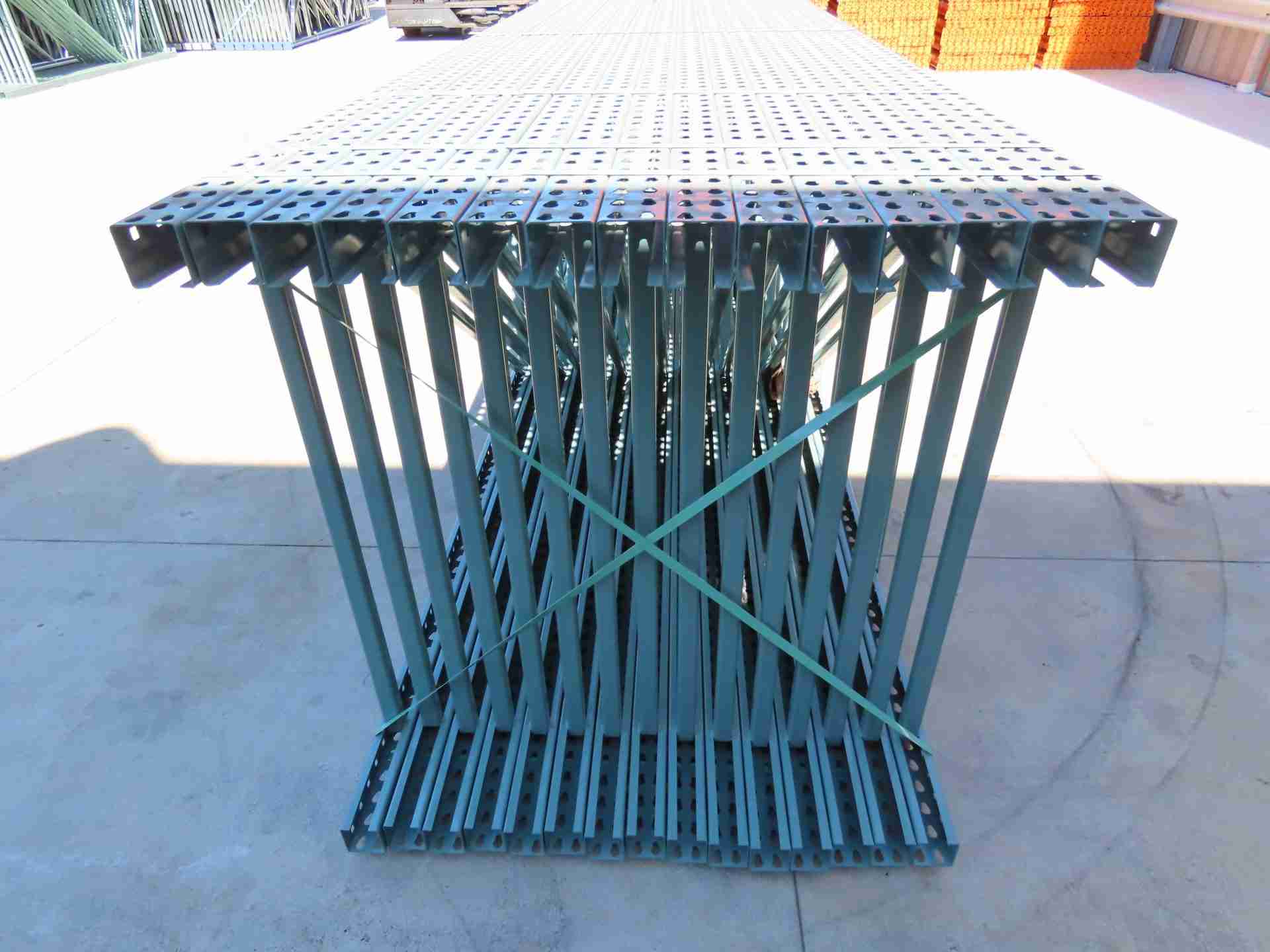
Are There Hidden Costs Associated With Pallet Racks?
Can Used Pallet Racks Save You Money?
In today’s fast-paced business environment, every penny counts, and the need for smart investments is more critical than ever. One area where companies can dramatically cut costs without sacrificing quality is through the strategic use of pallet racking systems, particularly when opting for used equipment.
Let’s face it: new pallet racks can be a significant expense. The combination of purchasing new steel, installation, and potential downtime during the setup can drain your budget faster than a leaky faucet. Enter used pallet racks—a savvy alternative that many businesses are now embracing as part of their cost-saving strategies.
Consider a small distribution center in Portland that faced mounting expenses due to a significant increase in inventory. Rather than purchasing brand new racks, they took the leap and invested in high-quality used pallet racks. The result? A staggering 40% reduction in storage costs, allowing them to allocate that capital toward expanding their marketing efforts.
The current economic climate also emphasizes the need for businesses to be prudent. With supply chain disruptions in the news—causing delays and inflated prices—smart companies are actively seeking alternatives that won’t break the bank. Used pallet racking suppliers are seeing a surge in demand, particularly as businesses seek to maintain operations without incurring hefty overhead costs.
Quality is key. When sourcing used pallet racks, it’s essential to partner with reputable suppliers. Look for companies that perform rigorous inspections to ensure the durability and safety of their inventory. For instance, a warehouse outfit in Chicago worked with a trusted distributor, investing in used racks that were not only cost-effective but also certified for compliance. They improved their storage efficiency while also ensuring safety protocols were maintained, creating a win-win scenario.
Moreover, implementing used pallet racks can lead to increased operational efficiency. With more available storage space, businesses can organize their products more effectively, thereby speeding up order fulfillment. Efficiency translates to customer satisfaction, which is a vital component of any successful operation.
Opting for used pallet racks is not just a cost-saving measure; it is a strategic move in a world where efficiency and profitability are king. Consider this your signal to pivot, adopt innovative storage solutions, and watch your savings grow while your competitors are still drowning in unnecessary expenses. Investing wisely is the name of the game—grab those used pallet racks and set your business on the path to success!
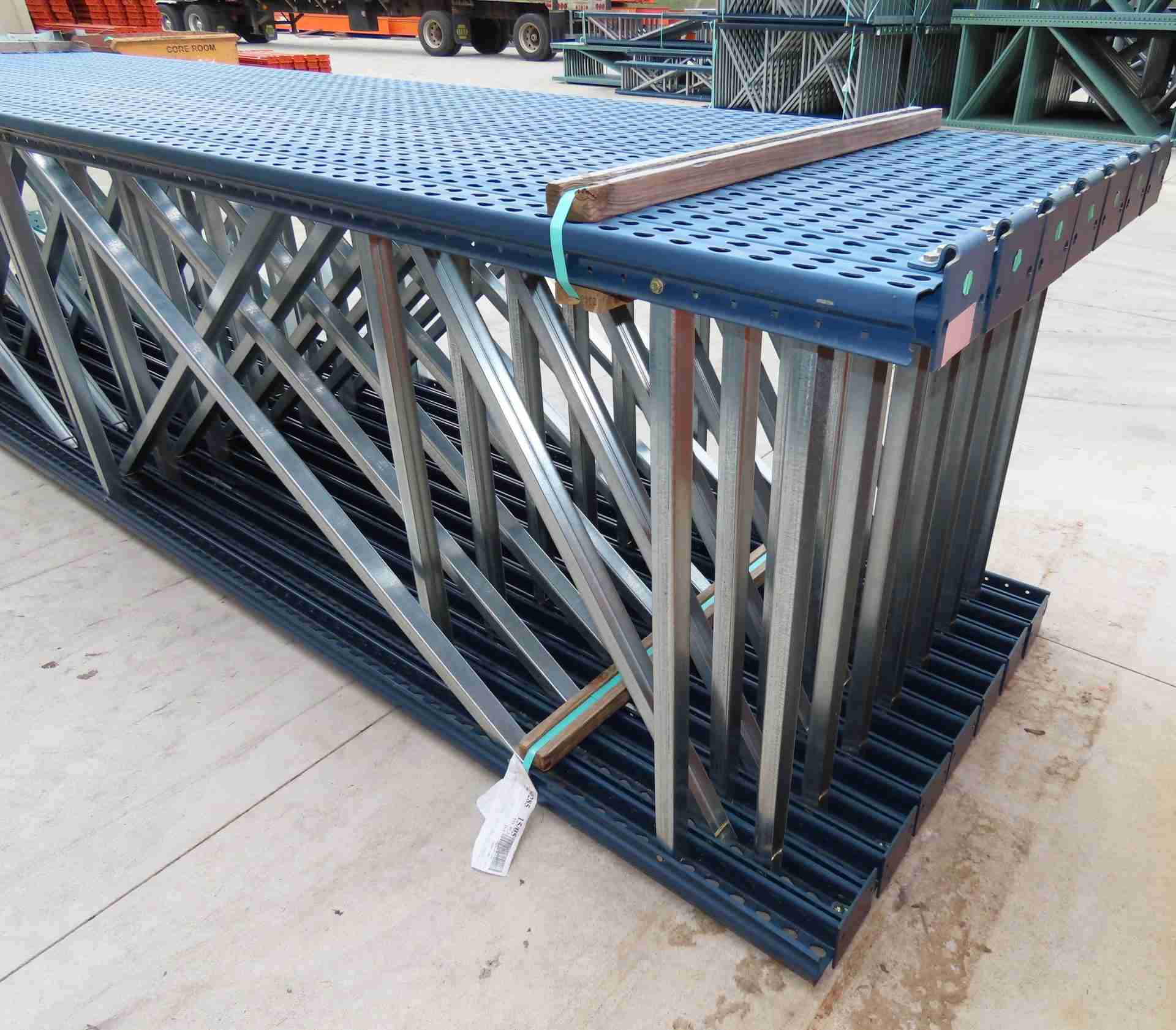
Can Used Pallet Racks Save You Money?
Can Used Pallet Racks Save You Money?
- Smart investments are crucial in today’s fast-paced business environment.
- Used pallet racking systems offer a cost-effective alternative to new equipment.
- A small distribution center reduced storage costs by 40% by choosing used pallet racks.
- Supply chain disruptions heighten the need for businesses to explore budget-friendly options.
- Partnering with reputable suppliers ensures the quality and safety of used pallet racks.
- Implementing used pallet racks can enhance operational efficiency and customer satisfaction.
- Adopting innovative storage solutions can lead to significant savings and competitive advantages.
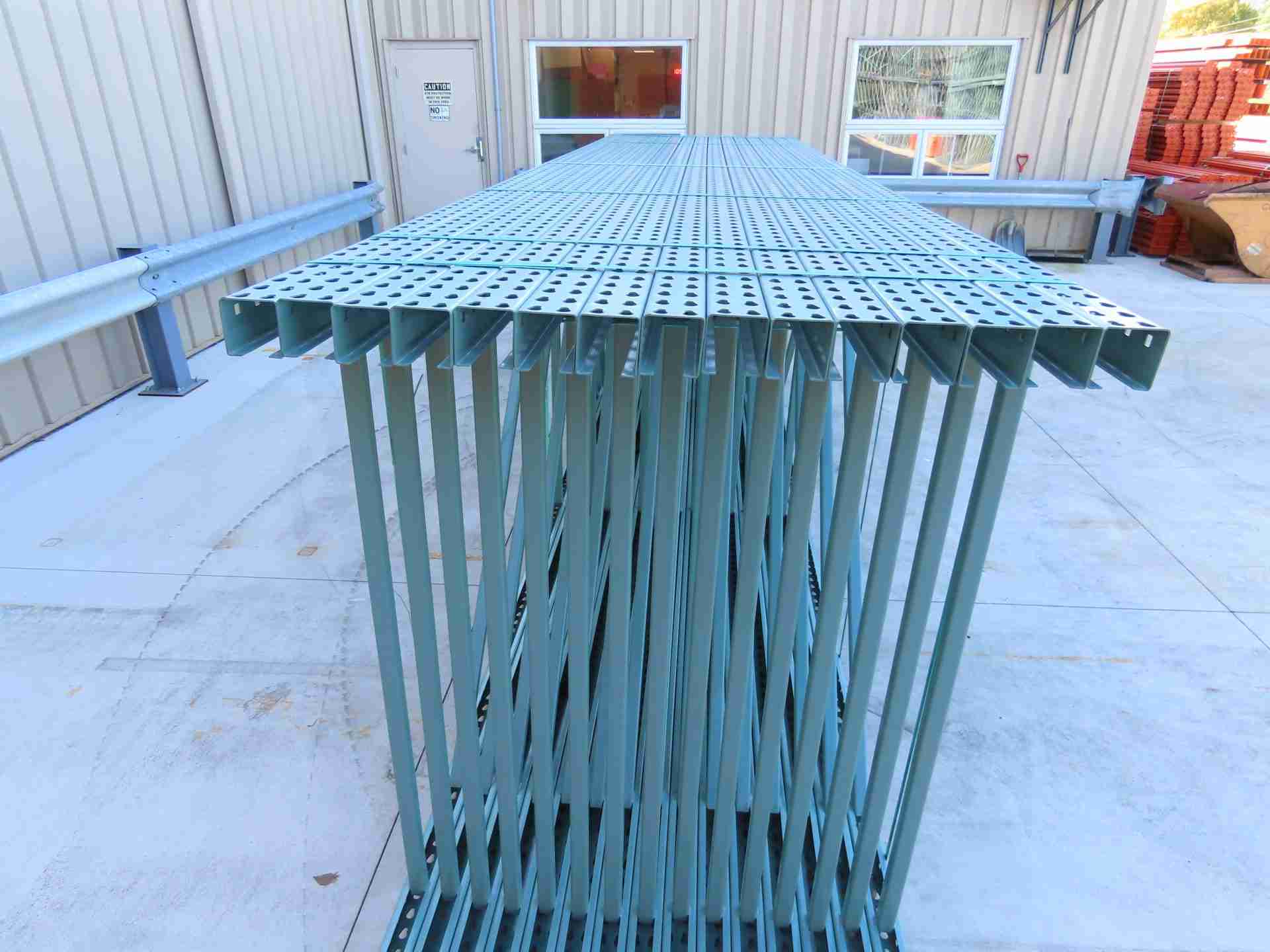
Can Used Pallet Racks Save You Money?
How Does Inventory Management Impact Pallet Rack Pricing?
In the dynamic world of warehousing and logistics, understanding how inventory management affects pallet rack pricing can set you apart from your competitors. It’s not just about the price tag attached to those steel structures; it’s about the intricate dance between efficient inventory flows and your overall bottom line.
A well-structured inventory management strategy directly correlates to the cost of pallet racking. When your inventory is organized and leverages advanced techniques such as Just-in-Time (JIT) inventory, you minimize the need for expansive pallet racking systems. For instance, companies embracing JIT often find they can utilize smaller or more agile pallet racking configurations, which come with reduced costs, saving thousands in upfront capital that can be reinvested elsewhere—think technology upgrades or workforce training.
Conversely, a chaotic inventory system leads to over-purchasing. Imagine a retail chain that underestimates demand for a new trend. To compensate, they stockpile excessive inventory, leading to deeper aisles of pallet racking just to create space. Not only does this inflate the cost of procurement (more racking means more investment), but it also carries ongoing costs in terms of maintenance and liability. Current news showcases many retailers grappling with excess stock, forcing them to rethink their racking needs, which inevitably affects pricing.
Let’s pivot to another vital consideration: compliance and safety standards. Effective inventory management isn’t merely about quantity; it’s about the quality of your operations. For example, those who neglect proper inventory control may find their racks failing to meet mandatory standards, incurring hefty fines and necessitating costly replacements. This compliance-related oversight can lead to a mispricing of pallet rack solutions, as retailers are forced to pay a premium to meet standards on the fly.
Embracing advanced inventory management tools, such as automated systems that track stock levels in real-time, can also drive down pallet rack costs. By optimizing your inventory turnover and ensuring that stock moves swiftly, businesses can minimize the need for bulky racking systems. An example of this trend is the increased use of data analytics in inventory today—a game changer that allows savvy operators to fine-tune their racks and, in turn, their pricing strategies.
In summary, the relationship between inventory management and pallet rack pricing is undeniable. Businesses that take the time to streamline their inventory systems will find themselves reaping the financial benefits, transforming what once was a rigid expense into a growth-driving investment. The choice is clear: optimize your inventory management today, or watch your pallet rack costs spiral out of control tomorrow.
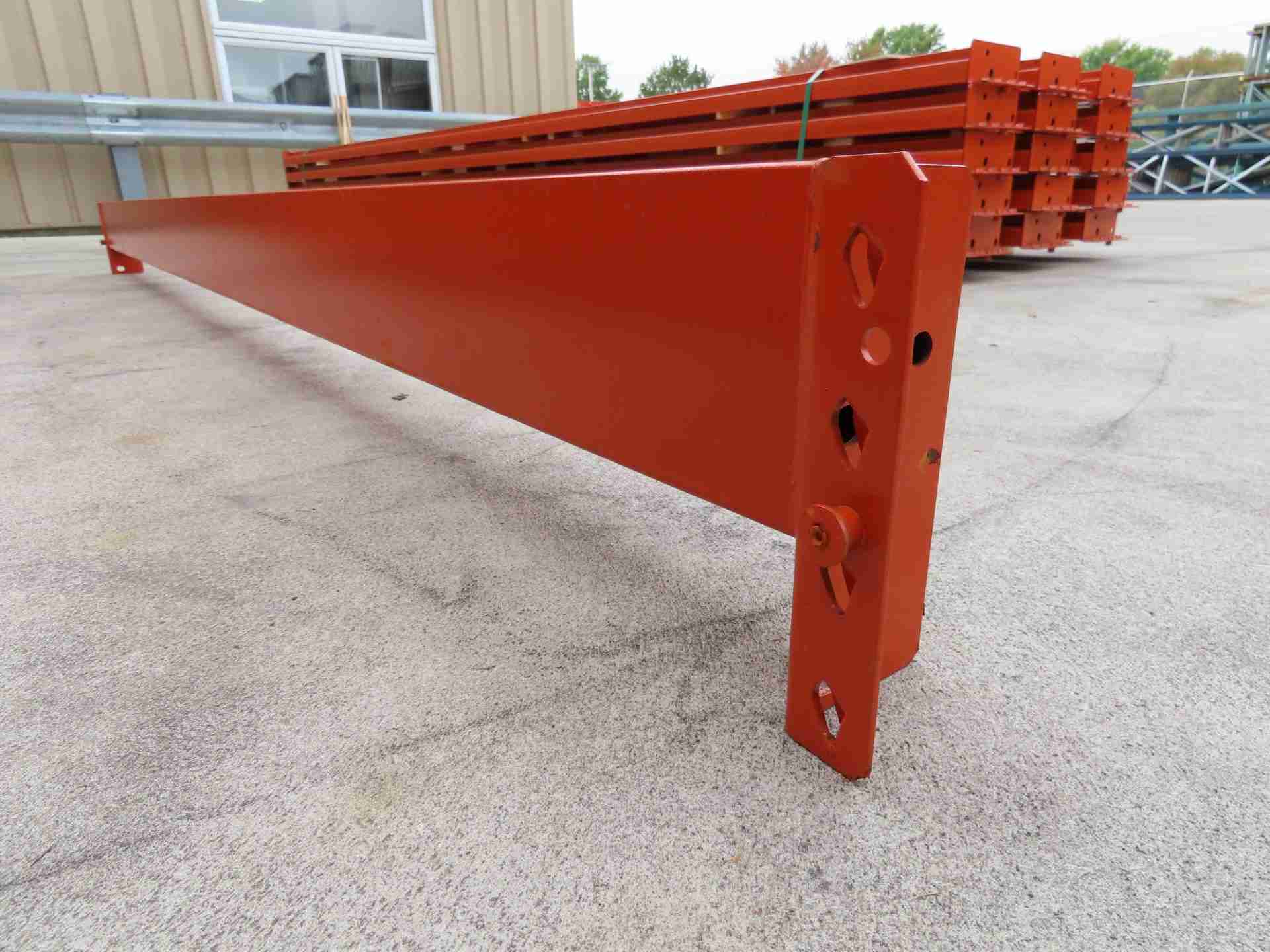
How Does Inventory Management Impact Pallet Rack Pricing?
How Does Inventory Management Impact Pallet Rack Pricing?
Here’s a bulleted summary of the provided text in HTML format:
- Understanding the connection between inventory management and pallet rack pricing is crucial in warehousing and logistics.
- A well-structured inventory strategy correlates directly with pallet racking costs, allowing for efficient use and potentially smaller systems.
- Advanced techniques like Just-in-Time (JIT) inventory can reduce the need for extensive pallet racking, saving significant upfront capital.
- A chaotic inventory system can lead to over-purchasing, increasing procurement costs and ongoing maintenance expenses for pallet racking.
- Compliance and safety standards impact pallet rack pricing; negligence can result in fines and costly replacements.
- Utilizing advanced inventory management tools and data analytics helps optimize inventory turnover and reduce rack costs.
- Optimizing inventory management transforms pallet rack expenses into growth-driving investments, promoting financial benefits.

How Does Inventory Management Impact Pallet Rack Pricing?
Are There Alternatives To Local Pallet Racks Worth Considering?
When you think of warehouse storage solutions, local pallet racks might be the first option that comes to mind. They seem like the most straightforward choice, where you simply load your inventory onto sturdy beams and call it a day. However, if you’re looking to revitalize your operations or maximize storage efficiency, it pays to consider alternatives that might suit your needs better.
One compelling option is mobile racking systems. Imagine a set of pallet racks on wheels that can be moved closer together or further apart as needed. This dynamic solution not only saves square footage but also allows for rapid access to items. Companies like Mobilrack have embraced this technology, demonstrating how mobility can transform storage efficiency. In the current economy, where optimizing every inch of your space can lead to increased profitability, this could be worth your consideration.
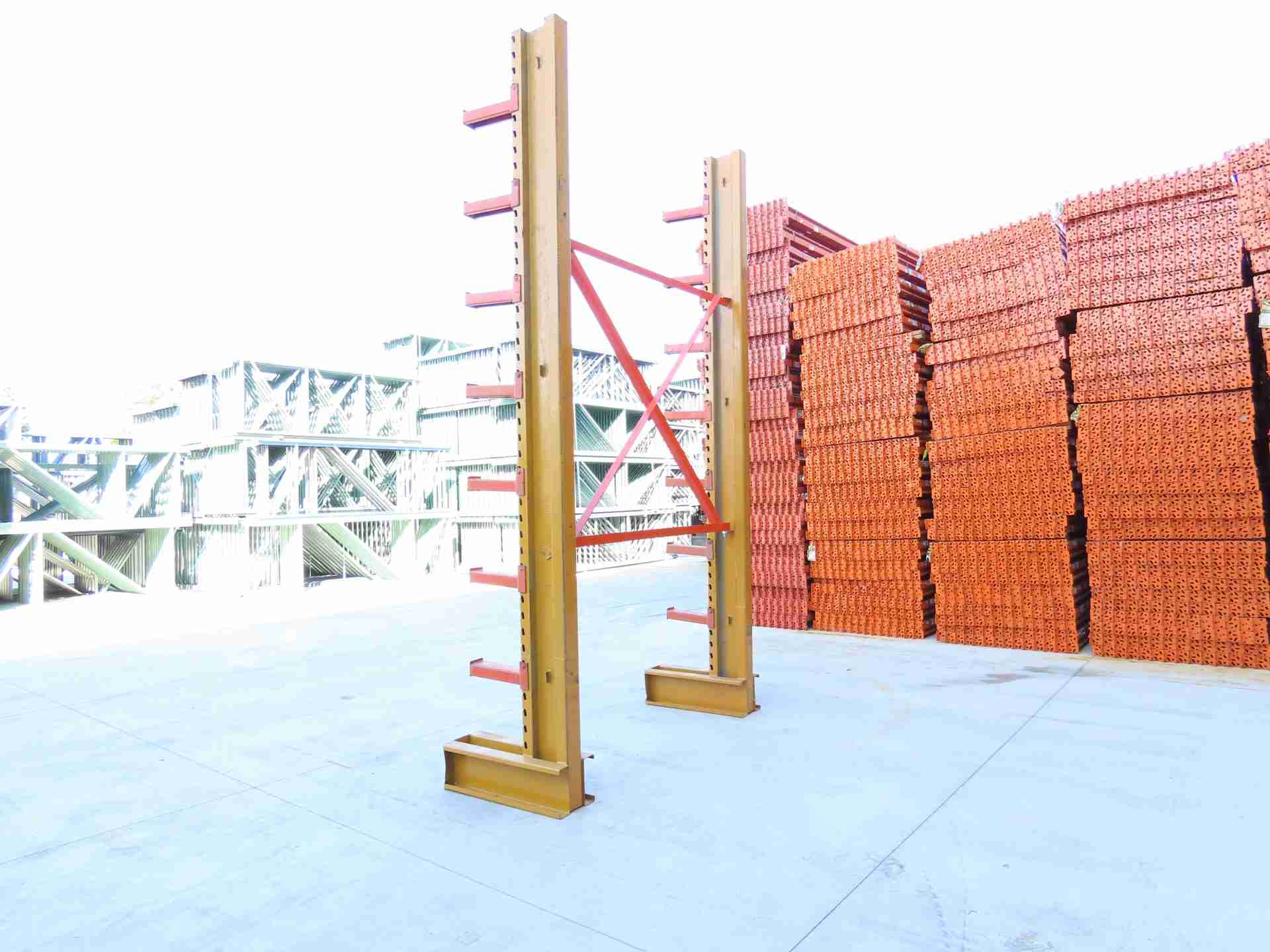
Another viable alternative is cantilever racking, especially for those businesses that handle longer, bulkier items that don’t fit neatly into conventional pallet racking systems. Industries such as lumberyards and pipe suppliers have thrived by switching to cantilever racks, which provide open access from both sides and make it easier to store and retrieve materials. Recent trends show that businesses in sectors like construction are increasingly adopting this solution as a response to the supply chain challenges that have arisen since the pandemic began.
If your operation requires significant vertical storage, consider high-density storage systems. These systems utilize an array of vertical lifts and automated retrieval systems that can significantly reduce the footprint of your storage area while increasing the volume of items stored. Companies such as Swisslog have been at the forefront of providing these high-tech solutions, which align perfectly with the growing demand for automation in warehouses. In a world where labor shortages are common and technology becomes a critical differentiator, this direction may well be the future of warehouse storage.
Lastly, FIFO (First In, First Out) systems can also present an advantageous alternative to traditional pallet racking. This method is most beneficial in industries dealing with perishable goods. Companies, especially in food and beverage segments, are increasingly favoring FIFO racks to ensure product freshness and compliance with health regulations.
As you assess your current storage approach, don’t just stick with local pallet racks out of habit. Explore these alternatives, which could potentially streamline your operations and elevate your business in a fiercely competitive market. Adaptability is the cornerstone of success, and being open to innovative storage solutions may very well set you apart from the competition.
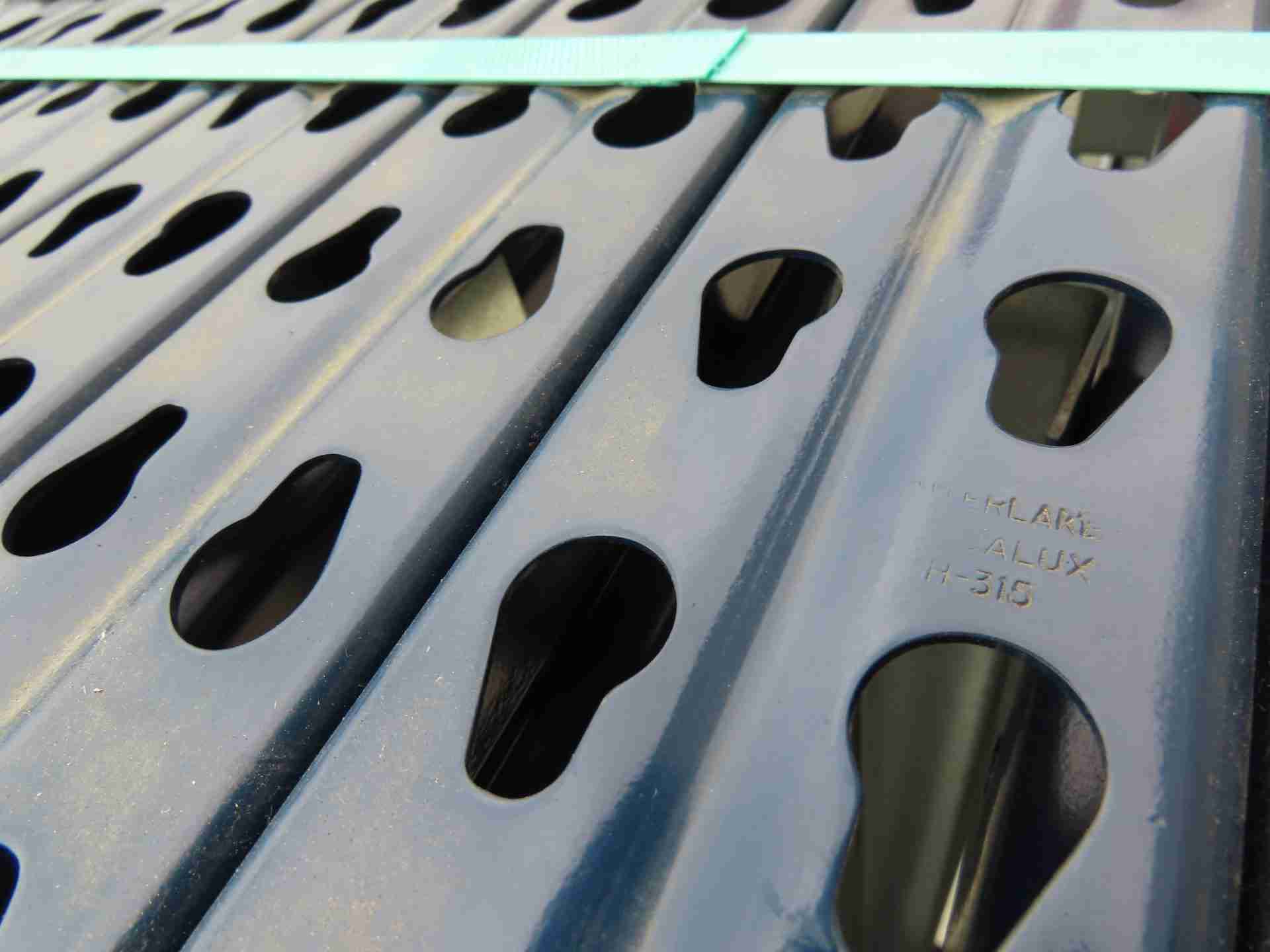
Are There Alternatives To Local Pallet Racks Worth Considering?
Are There Alternatives To Local Pallet Racks Worth Considering?
- Local pallet racks are a common choice for warehouse storage solutions.
- Mobile racking systems offer flexibility, allowing racks to be moved for optimal space utilization and rapid item access.
- Cantilever racking is ideal for longer, bulkier items and is gaining popularity in sectors like lumber and construction.
- High-density storage systems use vertical lifts and automation to maximize storage volume while minimizing footprint.
- FIFO (First In, First Out) systems are beneficial for perishable goods, ensuring product freshness in industries like food and beverage.
- Considering alternatives to traditional pallet racks can enhance operational efficiency and competitiveness.
- Adaptability and openness to innovative storage solutions are crucial for success in today’s market.

Are There Alternatives To Local Pallet Racks Worth Considering?
Conclusion
In today’s rigorous economic environment, the expenses tied to pallet racking solutions can drain your bottom line more than you realize. As we’ve explored throughout this article, local pallet rack prices—often perceived as minor costs—can accumulate into significant financial burdens. The reality is that every dollar wasted on inflated local prices is money that could otherwise support growth and innovation. Additionally, the complexities of fluctuating material costs, evolving compliance standards, and the impact of recent supply chain disruptions further complicate the landscape, making it vital for businesses in warehousing and distribution to reassess their strategies.
But fret not—there’s a solution that empowers you to reclaim your profits without compromising quality. By leveraging the full suite of independent options available on the market today, including used pallet racks, mobile racking systems, and high-density storage solutions, you can maximize storage efficiency while minimizing costs. The key is to remain proactive and informed, making decisions based on a comprehensive understanding of regional pricing disparities, hidden costs, and innovative alternatives.
As competition intensifies, it is paramount to break free from outdated habits of relying solely on local sources. You have the power to uncover more cost-effective configurations and providers who can meet your unique needs—without sacrificing quality or service. Act immediately; don’t let rising prices or misguided choices hold your business back in this volatile landscape. Strategic investments made now can pave the way for significant returns in the future, elevating your operational efficiency and driving customer satisfaction.
So what’s the next step? Dive deep into your current pallet rack strategies, assess your inventory management, and consider all possibilities ranging from used racks to high-tech automation. Don’t hesitate to reach out to Arrow Industrial Sales at (574) 349-6575 for expert guidance tailored to your operations. Act today to explore the solutions that will safeguard your profits and propel your business to a competitive advantage. Don’t let local prices dictate your profitability—take charge and make the smart choices that can lead to substantial long-term benefits!
Conclusion
Conclusion:
- Pallet racking expenses can significantly impact bottom lines in today’s economic environment.
- Local pallet rack prices, perceived as minor costs, can accumulate into major financial burdens.
- Inflated local prices hinder potential investment in growth and innovation.
- Complexities like fluctuating material costs and supply chain disruptions necessitate reassessment of strategies.
- Exploring independent options such as used racks and high-density storage can enhance storage efficiency and reduce costs.
- Businesses should actively seek cost-effective providers and configurations beyond local sources.
- Immediate strategic investments can improve operational efficiency and customer satisfaction through innovative pallet rack solutions.
Conclusion
Other Resources

Other Resources
Here is a list of other resources you can review online to learn more:
- Warehouse Racks, Warehouse Racking in Stock – ULINE
- Cantilever Racks Chicago
- Pallet Racking systems in Illinois and Great Lakes
- CMMA
- Pallet Rack Systems – New and Used Pallet Racking and Shelving Experts
- Intro to Warehouse Racks & Warehouse Racking Systems – ShipBob
- Cantilever Racking Specialists – Get the Right Racks
- CA Wire
- American Surplus
- Used Pallet Rack for Sale in Illinois – American Surplus
Use This Prompt To Get More Resources With Your Favorite Online AI Tool: Please provide me with a list of online articles with their URLs in a bulleted list that I can read regarding Are Local Pallet Rack Prices Hurting Your Bottom Line?
Other Resources
Glossary Terms
Are Local Pallet Rack Prices Hurting Your Bottom Line? – Glossary Of Terms
1. Pallet Rack: A storage system designed to hold and organize pallets of goods in warehouses and distribution centers.
2. Bottom Line: The final line in a financial statement indicating profit or loss; often refers to overall profitability.
3. Capital Expenditure (CapEx): Funds used by a company to acquire, upgrade, or maintain physical assets like pallet racks.
4. Operating Expense (OpEx): Ongoing costs for running a business, which may include maintenance or rental expenses related to pallet racks.
5. Inventory Management: The supervision of non-capitalized assets, or inventory, which includes tracking goods stored on pallet racks.
6. Warehouse Efficiency: The effectiveness of warehouse operations in terms of space utilization and workflow productivity; can be impacted by pallet rack design and arrangement.
7. Cost-Benefit Analysis: A financial calculation that compares the costs of investing in pallet racks against the anticipated benefits.
8. Supply Chain: The entire system of production, processing, and distribution of goods, which can be affected by how effectively inventory is stored.
9. Storage Solution: A product or system designed to help organize and store various items, such as pallet racks for bulk goods.
10. Lead Time: The time taken between the initiation of a process and its completion, which can be affected by how efficiently products are stored.
11. Bulk Storage: The storage of large quantities of goods, often requiring specialized pallet racking systems for effective organization.
12. Load Capacity: The maximum weight a pallet rack can support safely, critical for selecting the right racks.
13. Vertical Space Utilization: The use of vertical space in warehouses to maximize storage capacity with racking systems, crucial for cost efficiency.
14. Ready-to-Assemble (RTA): Pallet racks that come in kits for easy assembly, which might affect initial investment costs.
15. Durability: The ability of pallet racks to withstand wear and tear, impacting long-term costs and the bottom line.
16. Forklift Compatibility: The suitability of pallet racks for use with forklifts, affecting ease of access and operational efficiency.
17. Regulatory Compliance: Adhering to safety and building codes when installing and using pallet racks to avoid fines that could hurt the bottom line.
18. Market Pricing: The current rates for pallet racks in the local market, which can fluctuate based on demand and supplier competition.
19. Alternative Storage Solutions: Other options for storing goods that may offer competitive pricing or efficiency compared to pallet racks.
20. Non-Conformance Costs: Expenses incurred when products do not meet quality standards, which can be exacerbated by inefficient storage.
21. Space Optimization: The process of maximizing warehouse space to minimize costs, often influenced by pallet rack design and layout.
22. Economic Downturn: A period of reduced economic activity that may prompt businesses to reevaluate their purchasing decisions on pallet racks.
23. Supplier Relationships: Connections with vendors and manufacturers that can affect pricing and availability of pallet racks.
24. Negotiation Strategies: Tactics used to obtain favorable terms and prices from suppliers of pallet racks.
25. Demand Forecasting: Predicting future customer demand for products, which influences the need for pallet rack storage capacity.
26. Asset Depreciation: The reduction in value of pallet racks over time, relevant for accounting and financial planning.
27. Distribution Center: A facility for receiving, storing, and distributing goods, often heavily reliant on pallet rack systems.
28. Lean Warehousing: A methodology aimed at minimizing waste and maximizing productivity, which includes efficient pallet rack utilization.
29. Inventory Turnover: A ratio that measures how often inventory is sold and replaced over a period; influences how much storage space is needed.
30. Total Cost of Ownership (TCO): The purchase price of an asset plus the costs of operation, maintenance, and eventual disposal, relevant for evaluating pallet rack investments.
Glossary Of Terms
Other Questions
Are Local Pallet Rack Prices Hurting Your Bottom Line? – Other Questions
If you wish to explore and discover more, consider looking for answers to these questions:
- What are the benefits of purchasing pallet racks from national manufacturers versus local suppliers?
- How can businesses effectively negotiate pallet rack prices?
- What criteria should businesses use to evaluate pallet rack quality?
- Are there specific safety regulations governing pallet racks that businesses should be aware of?
- What are the potential risks of choosing cheaper pallet racks?
- How does pallet rack design impact warehouse efficiency?
- What are the best practices for maintaining pallet racking systems?
- How often should businesses conduct inspections and maintenance on pallet racks?
- What innovative technologies are currently emerging in the pallet racking industry?
- How can businesses determine the right size and configuration for their pallet racking needs?
- What are the most common mistakes businesses make when selecting pallet racking systems?
- How can businesses improve their inventory management to reduce pallet rack costs?
- Are there financial incentives for using environmentally friendly pallet racking systems?
- What are the advantages and disadvantages of different types of pallet racking systems?
- How can used pallet racks compete with new racks in terms of durability and efficiency?
- What should businesses consider when planning the layout of their pallet racks?
Other Questions
Checklist
Are Local Pallet Rack Prices Hurting Your Bottom Line? – A Checklist
1. Assess Local Supplier Prices:
_____ Compare local rates with national manufacturers.
_____ Identify any potential premium costs associated with local suppliers.
2. Evaluate Quality vs. Cost:
_____ Inspect the quality of pallet racks offered locally.
_____ Factor in any long-term costs related to maintenance or replacements for lower-quality racks.
3. Analyze Regional Cost Trends:
_____ Research regional price differences based on supply and demand.
_____ Assess how freight costs and competition impact pricing in your area.
Optimization of Warehouse Space
4. Maximize Storage Efficiency:
_____ Evaluate current pallet racking systems for inefficiencies.
_____ Consider implementing high-density storage solutions.
5. Monitor Capacity Utilization:
_____ Assess current operational capacity (e. g. , 80% vs. 95%).
_____ Plan layout adjustments to optimize available space.
Financial Strategy for Purchases
6. Timing of Investments:
_____ Stay informed about market trends that may indicate upcoming price increases.
_____ Plan purchases strategically, considering bulk buying opportunities or seasonal sales.
7. Explore Used Pallet Racking Options:
_____ Investigate reputable suppliers of used pallet racks.
_____ Ensure products are thoroughly inspected and compliant with safety standards.
Understanding Hidden Costs
8. Account for Compliance Costs:
_____ Educate your team on OSHA regulations and compliance requirements.
_____ Schedule regular maintenance to ensure compliance with safety standards.
9. Assess Training Needs:
_____ Provide adequate training for staff on efficient and safe pallet rack usage.
_____ Establish protocols to minimize risks associated with poor handling of materials.
10. Plan for Maintenance and Inspections:
_____ Schedule routine inspections of racking systems for safety and integrity.
_____ Budget for potential repair costs to maintain operational efficiency.
Alternative Solutions and Strategies
11. Explore Modern Alternatives:
_____ Research mobile racking systems for space optimization and accessibility.
_____ Evaluate cantilever racks for handling longer items.
12. Consider FIFO Systems:
_____ Implement FIFO racking, especially for perishable goods to ensure freshness.
_____ Review inventory management practices for potential enhancements.
Conclusion
_____ Continuous Assessment:
_____ Regularly revisit and reassess pallet racking strategies to adapt to changing market conditions.
_____ Use smart purchasing and management decisions to drive profitability and operational efficiency.
By following this checklist, you can take a comprehensive approach to managing your pallet racking systems, ensuring you’re maximizing profitability while minimizing costs related to storage solutions.
Checklist
At RackingWorld, we help guide you through selecting warehouse storage systems and racking.
Be sure to read our other related stories at RackingWorld to learn more about warehouse storage systems.
0 Comments