
Ensuring Dependable Pallet Rack Availability In Your Area
By Tom Seest
At RackingWorld, we help guide you through selecting warehouse storage systems and racking.
Be sure to read our other related stories at RackingWorld to learn more about warehouse storage systems.
How Stable Is Your Local Pallet Rack Supply Chain?
When it comes to operational efficiency in warehousing and distribution, the stability of your local pallet rack supply chain is paramount. With recent disruptions felt across various sectors, understanding the reliability of your pallet racking sources has never been more critical. Consider how the COVID-19 pandemic revealed vulnerabilities in the supply chain for many industries—companies that relied on just-in-time inventory found themselves scrambling when their pallet rack suppliers faced delays.
Now, imagine your business on the brink of significant growth. The sudden influx of orders means you need more pallet racking fast. However, if your supply chain lacks stability, you may face delays, ultimately resulting in lost revenue and deteriorating customer satisfaction. A proactive approach is vital. Assess the local suppliers of pallet racking around you. Engage with them, learn about their sourcing methods, lead times, and whether they have the capacity to scale with your needs.
Moreover, recent supply chain challenges haven’t just been the fizzled effects of the pandemic; geopolitical tensions and the war in Ukraine have also played a role. These global events have triggered rising steel prices, impacting the cost of pallet racking materials. If your supplier is feeling the pinch, you can be sure that you will, too. A stable local supplier with transparent pricing and reliable access to materials can shield you from these shocks.
Let’s not forget about technology. The rise of e-commerce has driven warehouses to rethink their space utilization, pushing the demand for smart pallet racking solutions. Smart pallet racking systems can optimize space, reduce waste, and enhance inventory management. But if your local provider is not keeping up with technological advancements, you risk becoming obsolete and losing out to competitors who are willing to adapt.
Investing in a stable local pallet rack supply chain means more than just ensuring you have shelves in place. It’s about securing the backbone of your business against uncertainty and seizing opportunities when they emerge. So take a proactive stance. Vet your local suppliers. Investigate their contingency plans. By establishing strong relationships and ensuring they understand your growth trajectory, you can rest assured that when business booms, your pallet racking system will be ready to support you every step of the way. Secure your supply chain today, and turn potential chaos into streamlined success!
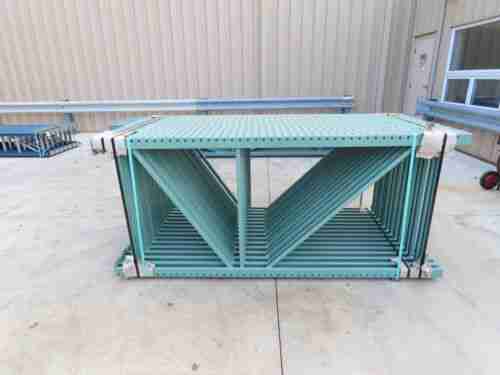
How Stable Is Your Local Pallet Rack Supply Chain?
How Stable Is Your Local Pallet Rack Supply Chain?
- The stability of the local pallet rack supply chain is crucial for operational efficiency in warehousing and distribution.
- COVID-19 highlighted vulnerabilities in supply chains, particularly for companies relying on just-in-time inventory.
- Businesses facing sudden growth need quick access to pallet racking to avoid revenue loss and customer dissatisfaction.
- Engage with local pallet rack suppliers to understand their sourcing methods, lead times, and capacity for scaling.
- Geopolitical tensions and rising steel prices affect the cost and availability of pallet racking materials.
- Investing in smart pallet racking solutions is essential for optimizing space and inventory management in the e-commerce era.
- Establishing strong relationships with suppliers can help businesses prepare for growth and mitigate uncertainties.

How Stable Is Your Local Pallet Rack Supply Chain?
Table Of Contents
- How Stable Is Your Local Pallet Rack Supply Chain?
- What Factors Influence Local Pallet Rack Supply Chain Stability?
- How Can I Assess The Reliability Of My Pallet Rack Supplier?
- What Are The Common Challenges In Pallet Rack Sourcing?
- How Does Local Demand Affect Pallet Rack Supply Availability?
- What Role Does Transportation Play In Pallet Rack Supply Stability?
- How Can We Mitigate Risks In The Pallet Rack Supply Chain?
- Conclusion
- Other Resources
- Glossary Of Terms
- Other Questions
- Checklist
What Factors Influence Local Pallet Rack Supply Chain Stability?
In today’s competitive marketplace, maintaining a robust supply chain for pallet racking systems is crucial for businesses aspiring to optimize their warehousing and distribution efficiency. Several factors play a pivotal role in ensuring the stability of local pallet rack supply chains, and understanding these can be the difference between thriving in the tumultuous waters of logistics or simply treading water.
First and foremost, demand variability stands out as a primary influencer. The recent rise in e-commerce has led to surges in demand for pallet racking as businesses scramble to maximize their storage capabilities. For instance, during the pandemic, many companies found themselves re-evaluating their warehousing strategies as consumer behavior shifted. Organizations that adapted quickly and invested in flexible pallet racking solutions thrived, while those who hesitated suffered significant losses.
Another significant factor is supplier reliability. In a disrupted global supply chain landscape, local suppliers can provide a vital safety net. Companies that build strong relationships with reliable suppliers often find themselves better positioned to weather supply disruptions. For example, the chip shortage that halted assembly lines in multiple industries highlighted the importance of having dependable local sources. Those with well-established partnerships in the pallet racking sector were often able to secure the materials they needed, keeping operations running smoothly.
Regulatory changes can also impact the stability of local pallet rack supply chains. New safety regulations or zoning laws can create immediate shifts in how businesses operate. Recently, new warehouse safety regulations were introduced, requiring higher standards for pallet racking systems. Companies that stay ahead of regulatory updates and adapt their inventory accordingly tend to outperform those who react only when necessary.
Moreover, technological advancements influence how local pallet racks are designed and utilized. Smart warehouses are becoming the norm, integrating warehouse management systems that maximize space and enhance efficiency. Organizations investing in these technologies benefit from increased operational agility—a critical advantage when demand fluctuates.
Economic factors cannot be overlooked either. Inflation and rising material costs, often driven by geopolitical tensions or supply chain bottlenecks, can squeeze profit margins. Businesses that keep a close watch on industry trends and economic forecasts can adjust their procurement strategies accordingly, ensuring their pallet racking supply remains uninterrupted.
Ultimately, stability in the local pallet rack supply chain hinges on proactive planning and a deep understanding of the interconnected factors that drive success. By maintaining a keen awareness of market shifts and creating strong relationships with suppliers, businesses can not only weather the challenges but also position themselves for lasting success in a volatile environment. The goal is clear: a well-designed pallet racking system is only as strong as the stability of the supply chain that supports it.
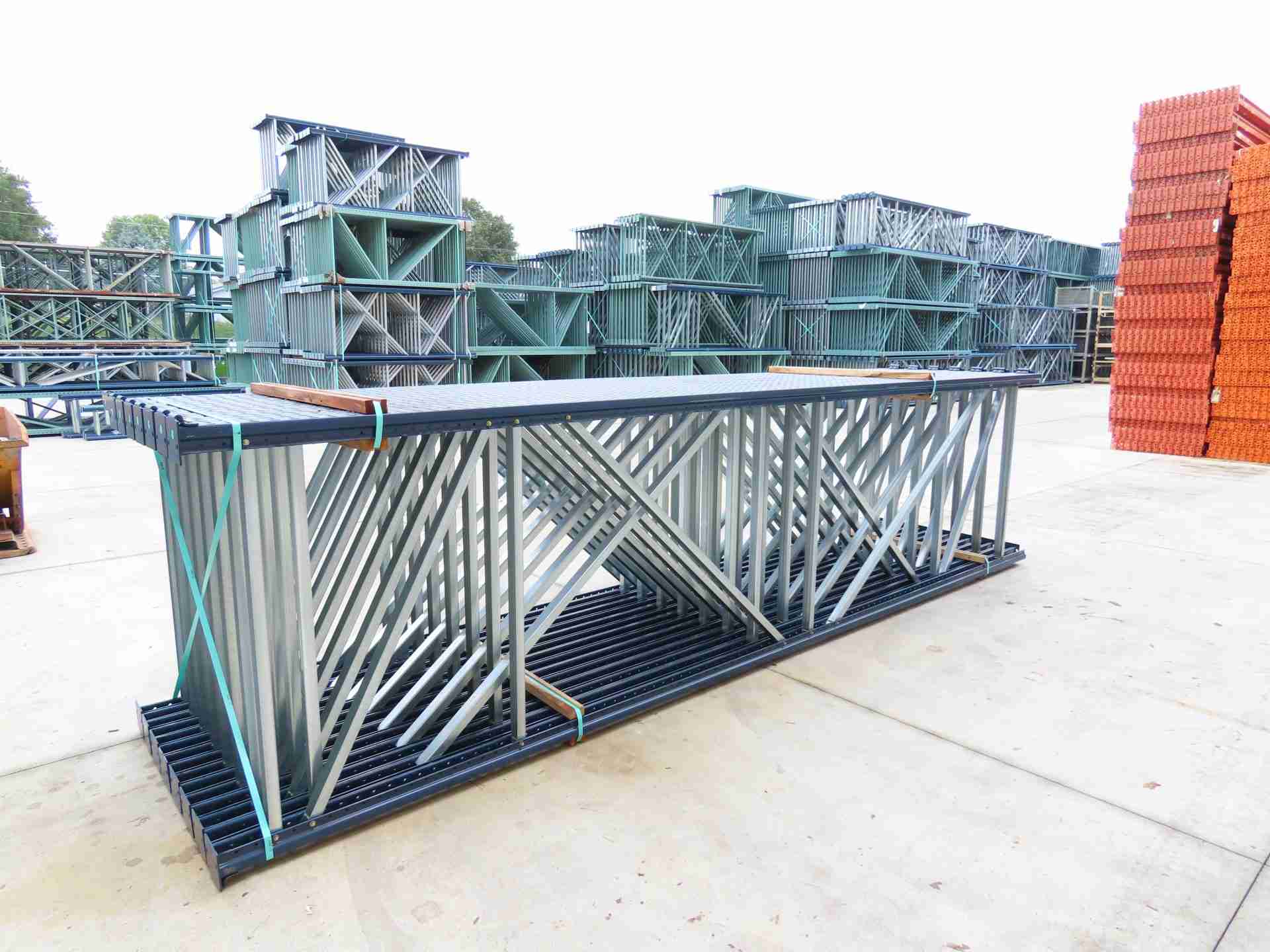
What Factors Influence Local Pallet Rack Supply Chain Stability?
What Factors Influence Local Pallet Rack Supply Chain Stability?
- Maintaining a robust supply chain for pallet racking systems is essential for optimizing warehousing and distribution efficiency.
- Demand variability, especially due to the surge in e-commerce, significantly influences supply chain stability.
- Supplier reliability acts as a safety net in a disrupted global supply chain, making strong relationships crucial.
- Regulatory changes, like new safety regulations, can immediately impact business operations in the pallet racking sector.
- Technological advancements, such as smart warehouses, enhance operational agility and space usage.
- Economic factors, including inflation and material costs, also affect supply chain stability and profit margins.
- Proactive planning and strong supplier relationships are key to thriving in a volatile supply chain environment.

What Factors Influence Local Pallet Rack Supply Chain Stability?
How Can I Assess The Reliability Of My Pallet Rack Supplier?
In today’s fast-paced market, ensuring a steady supply of high-quality pallet racking systems is essential for any business aiming for efficiency and productivity. But how can you cut through the noise and assess the reliability of your pallet rack supplier? Here’s a straightforward guide.
First and foremost, check for industry certifications. Reliable pallet rack suppliers should hold essential certifications like RMI (Rack Manufacturers Institute) or ISO certifications. These designations not only indicate compliance with safety and quality standards but also show that the supplier is committed to maintaining excellence. For instance, with recent legislative shifts focusing on warehouse safety, having a supplier who adheres to these standards can be the difference between a smooth operation and costly legal troubles.
Next, evaluate their customer service history. Reach out to existing clients and ask for testimonials. A supplier who has consistently positive reviews is more likely to provide you with dependable service. Consider companies like Steel King or Interlake Mecalux, both of which have built reputations for not just delivering quality pallet racking but also standing behind their products with exceptional support. A quick search for customer feedback on platforms like Google or Trustpilot can give you valuable insights.
Another aspect to consider is the supplier’s product range. A reliable pallet rack supplier should offer a diverse selection of racking systems that can accommodate various warehouse needs—be it selective racking, drive-in systems, or cantilever racks. This adaptability not only allows for future scalability but also represents a supplier’s depth of expertise in the field. Suppliers like Global Industrial have proven their reliability through extensive product offerings and case studies showcasing successful installations.
Lastly, keep an eye on how they respond to market trends. The racking industry is constantly evolving, and adaptable suppliers will incorporate the latest technology and design utilization. For example, with the rise in e-commerce, many suppliers have started offering advanced solutions tailored to optimize order fulfillment and inventory management. Those who invest in innovation are likely to be the ones who can support your business as it grows.
Remember, assessing the reliability of your pallet rack supplier is not merely about ticking boxes; it’s about forming a partnership built on trust and performance. With the right supplier, your operations can run smoothly, safely, and more efficiently than ever. Don’t just settle for any supplier—opt for one that will elevate your warehousing solutions to new heights.
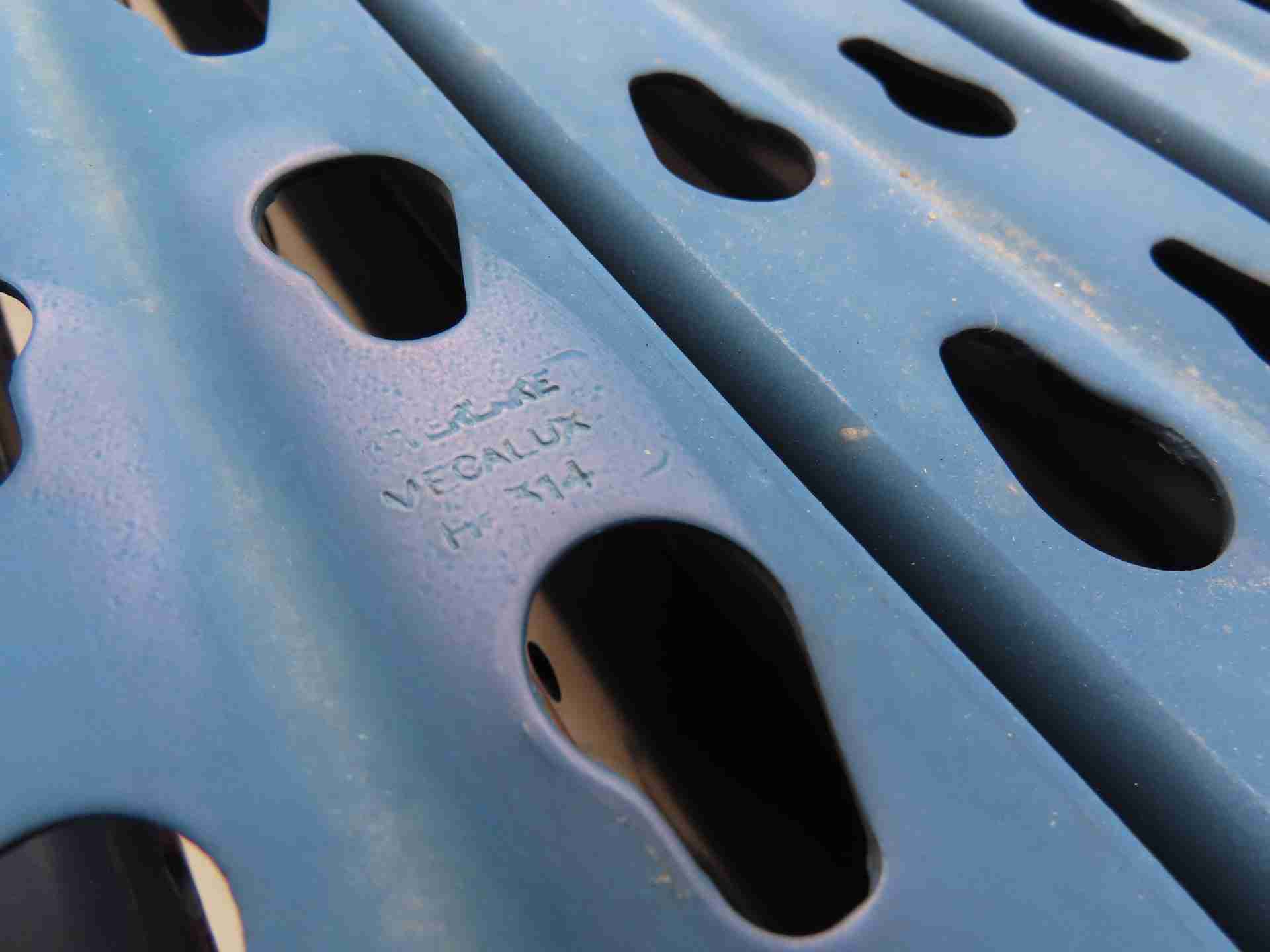
How Can I Assess The Reliability Of My Pallet Rack Supplier?
How Can I Assess The Reliability Of My Pallet Rack Supplier?
- In today’s competitive market, high-quality pallet racking systems are crucial for business efficiency and productivity.
- Check for industry certifications such as RMI or ISO to ensure compliance with safety and quality standards.
- Evaluate customer service history by seeking testimonials from existing clients for reliable service.
- Consider the supplier’s product range; a diverse selection indicates depth of expertise and adaptability.
- Look for suppliers who respond to market trends and incorporate the latest technology in their offerings.
- Building a partnership with a reliable supplier ensures smooth, safe, and efficient operations.
- Choose a supplier who can elevate your warehousing solutions rather than just any supplier.
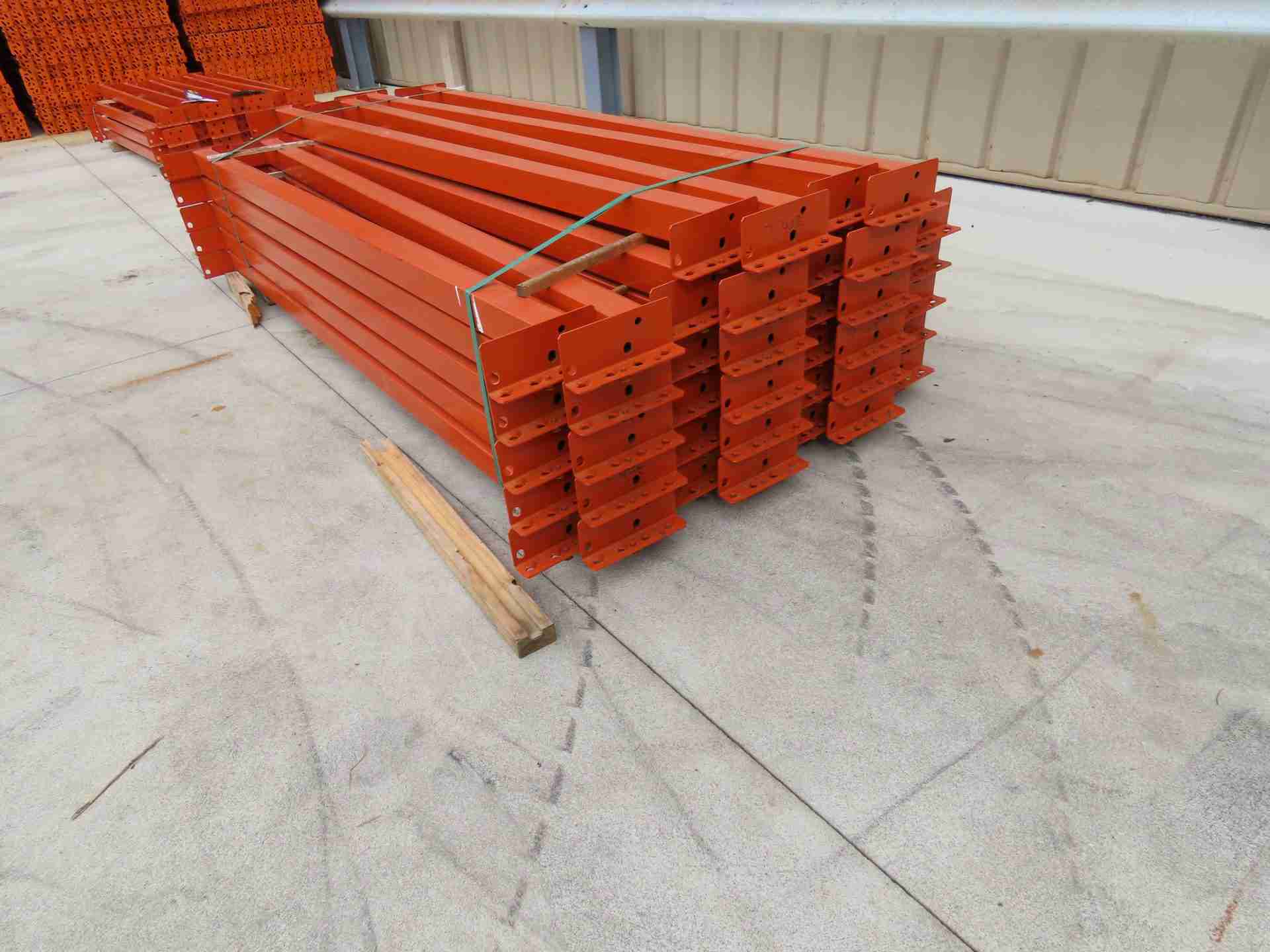
How Can I Assess The Reliability Of My Pallet Rack Supplier?
What Are The Common Challenges In Pallet Rack Sourcing?
The journey to acquiring pallet racking can be fraught with obstacles that can derail even the most well-laid plans. Understanding these challenges is critical for businesses looking to optimize their storage capabilities and maintain a competitive edge.
First and foremost, you must navigate the complexities of inventory. With supply chain disruptions becoming a common occurrence—particularly highlighted by the COVID-19 pandemic—the availability of pallet racking can fluctuate dramatically. For instance, during the peak of global supply chain issues, many companies faced significant delays in receiving necessary components, leaving warehouse operations in limbo. This scarcity can lead to rushed decisions, causing businesses to settle for subpar products that may not meet their long-term needs.
Next, you must contend with the challenge of regulatory compliance. Different types of pallet racking come with a multitude of safety standards and local regulations. Failing to understand these requirements can lead to costly fines or, worse yet, workplace accidents. For example, if a company opts for a less robust rack without adequate review of OSHA guidelines, they might find themselves facing severe legal repercussions and a hit to their reputation. Therefore, due diligence in familiarizing yourself with these regulations before making a purchase is not just advisable but essential.
Price variability also presents a thorny issue. The cost of pallet racking fluctuates based on raw materials and market demand. Recently, the price of steel has surged due to increasing tariffs and global demand, which in turn inflates the cost of traditional pallet racking. Companies must be keenly aware of market trends and shifts to avoid overpaying—or worse, receiving a substandard product masquerading as a good deal. Engaging with credible suppliers who can provide transparency in pricing is vital.
Furthermore, misalignment between supplier capabilities and your needs can lead to sourcing headaches. If you’re looking for specialized solutions, and your supplier specializes only in standard sizes, you’ll end up wasting time—and potentially thousands of dollars. For instance, if your operation requires high-density storage to maximize space in an urban warehouse, selecting a vendor that cannot meet those specific requirements will result in wasted resources and frustration.
The challenges in pallet rack sourcing are varied and sometimes daunting. Yet, they can be managed with careful planning, awareness of market trends, and consideration for compliance and supplier capability. By anticipating these obstacles, businesses can create a streamlined sourcing process that enhances operational efficiency and drives long-term success.
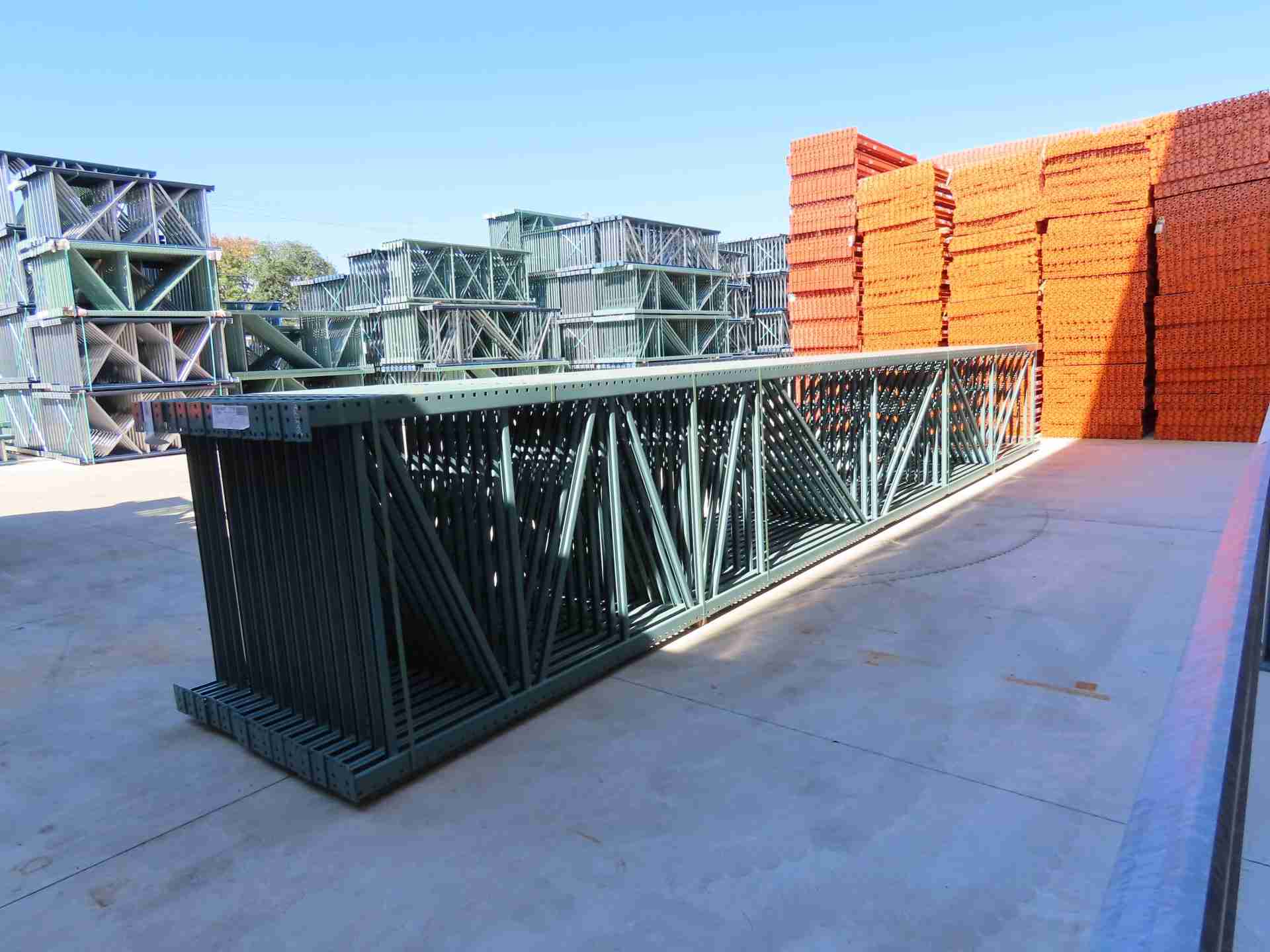
What Are The Common Challenges In Pallet Rack Sourcing?
What Are The Common Challenges In Pallet Rack Sourcing?
- Acquiring pallet racking involves navigating various challenges to optimize storage and maintain competitiveness.
- Inventory complexities, including supply chain disruptions like those seen during the COVID-19 pandemic, can impact the availability of pallet racking.
- Regulatory compliance is crucial, as different pallet racking types come with specific safety standards; failure to comply can result in fines and workplace accidents.
- Price variability affects pallet racking costs due to changes in raw materials and market demand, necessitating careful market trend monitoring.
- Misalignment between supplier capabilities and business needs can lead to sourcing problems, costing time and money.
- Challenges in sourcing can be managed through careful planning, market awareness, and compliance considerations.
- Anticipating obstacles in pallet racking sourcing can streamline processes, enhancing operational efficiency and driving long-term success.

What Are The Common Challenges In Pallet Rack Sourcing?
How Does Local Demand Affect Pallet Rack Supply Availability?
In today’s fast-paced marketplace, the interplay between local demand and pallet racking supply availability is increasingly pivotal for businesses looking to optimize their operations. When it comes to logistics and warehousing, understanding the local demand landscape can make or break your business efficiency and ultimately, your bottom line.
Let’s face it: As consumer preferences shift towards e-commerce and rapid fulfillment, the demand for effective storage solutions, particularly pallet racking, is soaring. Imagine a bustling urban center where online retailers are vying for shelf space, competing to deliver goods at lightning speed. In such an environment, local demand for pallet racking products spikes. Warehouse operators need to respond swiftly to this surge. Failure to do so leads to stockouts and, consequently, lost sales – a scenario no business can afford.
Consider the recent shifts in consumer behavior during the pandemic. Many brick-and-mortar businesses diversified to include online sales. This transition drove a significant increase in demand for pallet racking systems to accommodate growing inventory needs. Local suppliers who understood this surge were able to quickly pivot their supply chains to meet the needs of the market. For example, a pallet rack manufacturer might have ramped up production in response to new clients in the e-commerce sector, illustrating how a keen awareness of local demand can translate into supply availability when it matters most.
Moreover, the fluctuations in the economy can greatly impact local demand for pallet racking systems. The current trend of economic recovery following various disruptions has prompted businesses to ramp up inventory in anticipation of future sales. This trend mean local suppliers are rushing to meet the increased demand for pallet racks to ensure they can store more products efficiently. For instance, as companies like Target expand their distribution centers to support their omnichannel strategies, they will inherently drive up the need for more sophisticated pallet racking solutions.
To capitalize on this demand, businesses must not only secure their own supply chains but also establish strong relationships with local pallet racking suppliers. By doing so, they can ensure they have the necessary inventory to meet peak demand periods and avoid the pitfalls of overextended lead times. After all, in a marketplace where timing is everything, being ahead of the curve on inventory management can establish you as a leader in your industry.
Local demand directly influences pallet rack supply availability. Businesses that grasp this connection and proactively adapt will thrive, while those that lag behind risk being left with empty shelves and unanswered order requests.
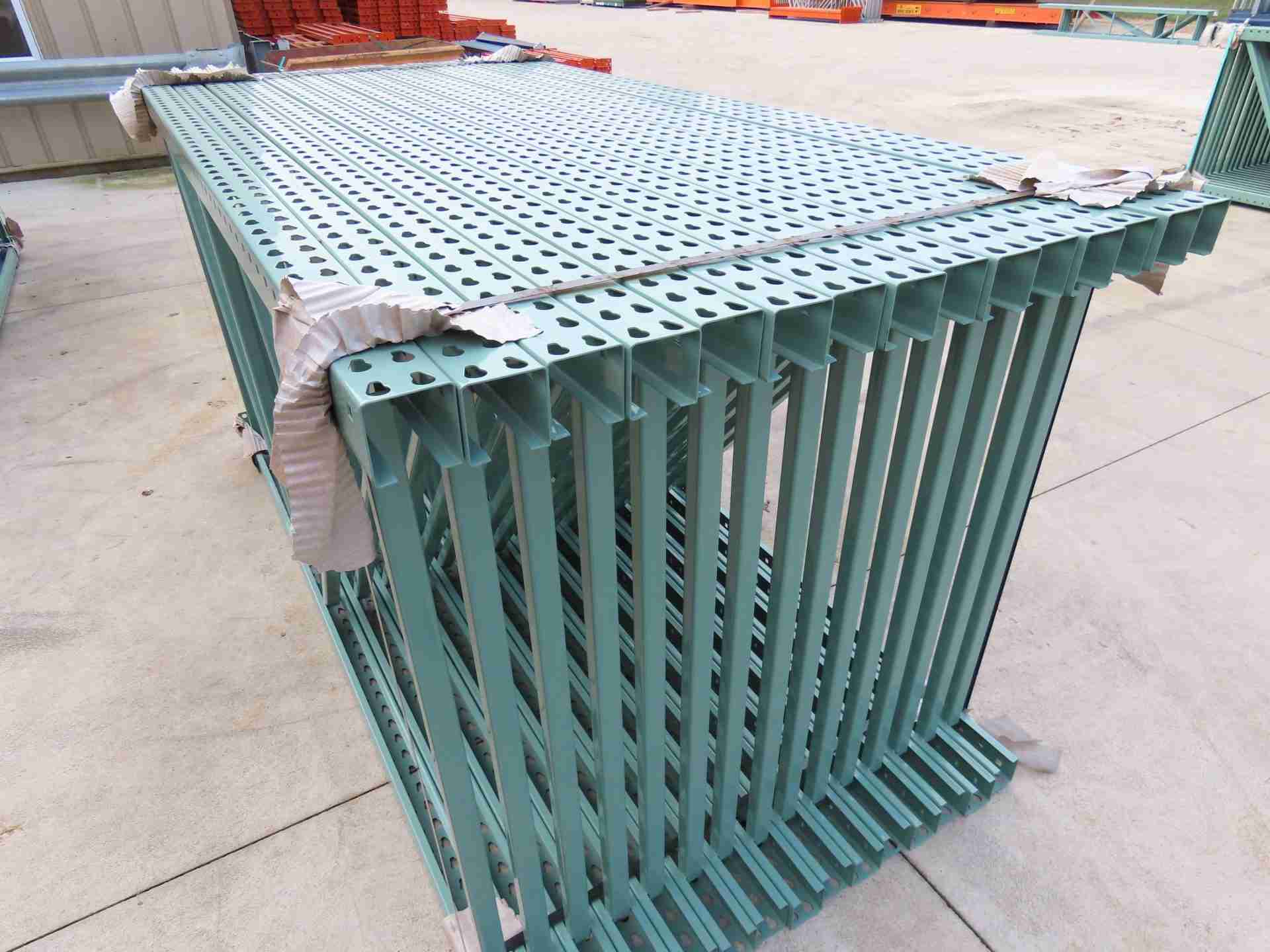
How Does Local Demand Affect Pallet Rack Supply Availability?
How Does Local Demand Affect Pallet Rack Supply Availability?
- The interplay between local demand and pallet racking supply is crucial for optimizing business operations.
- The shift towards e-commerce has significantly increased demand for effective storage solutions like pallet racking.
- Warehouse operators must respond quickly to local demand spikes to avoid stockouts and lost sales.
- The pandemic prompted many businesses to transition to online sales, further driving the need for pallet racking systems.
- Economic recovery trends have led to increased inventory needs, pushing local suppliers to meet higher demand for pallet racks.
- Building strong relationships with local suppliers is essential for businesses to secure inventory and manage peak demand effectively.
- Understanding the connection between local demand and supply availability can determine a business’s success in the marketplace.
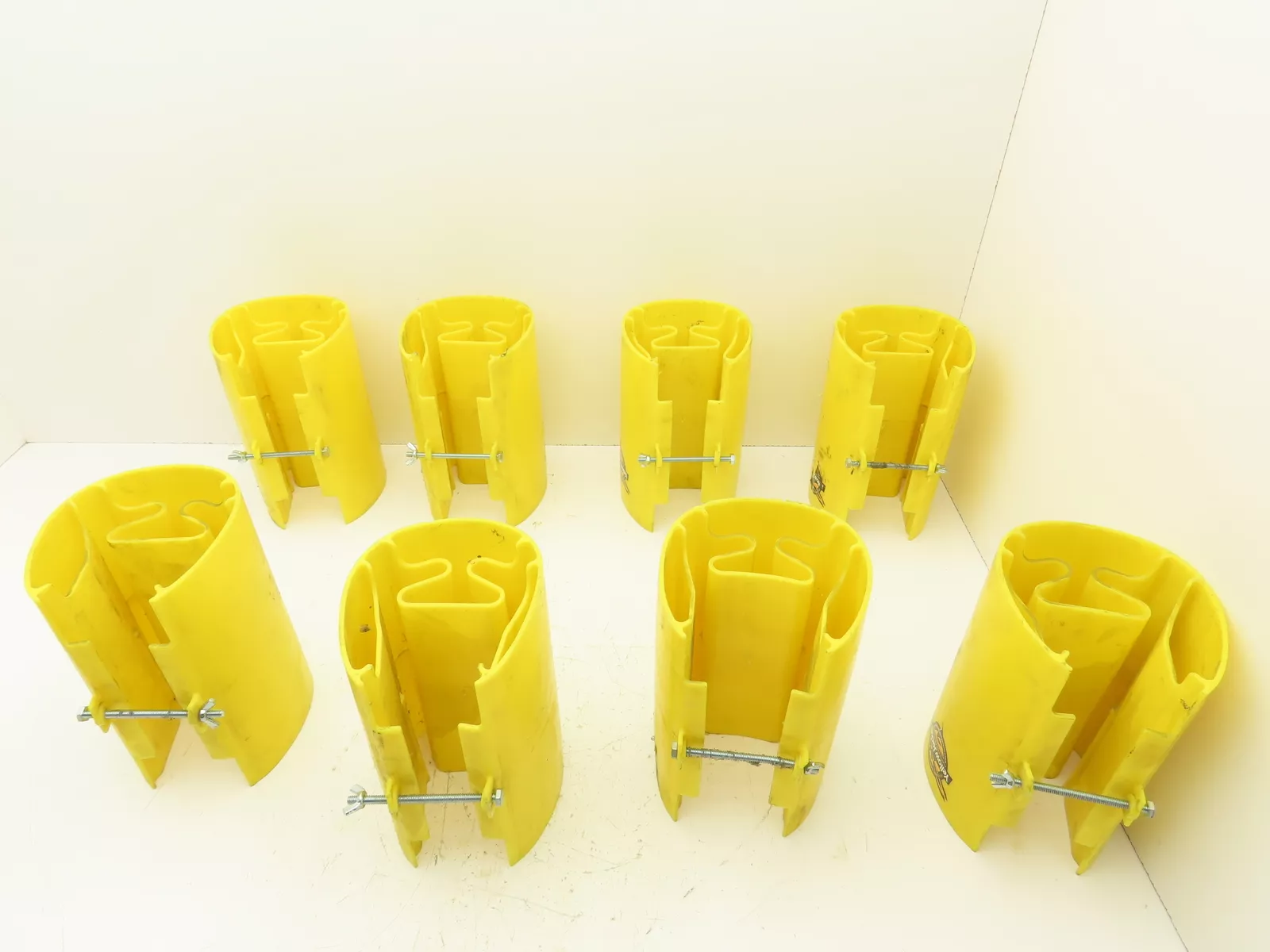
How Does Local Demand Affect Pallet Rack Supply Availability?
What Role Does Transportation Play In Pallet Rack Supply Stability?
In today’s fast-paced market, the effectiveness of your warehouse operations hinges on logistics. When it comes to pallet racking, transportation is the critical backbone that ensures supply stability and operational efficiency. Imagine this: your warehouse is a well-oiled machine, yet without a reliable transportation strategy, that machine could quickly grind to a halt.
First and foremost, think about the importance of timely deliveries. A robust transportation network allows for efficient movement of pallet racking systems from manufacturer to warehouse. For instance, a company specializing in pallet racking solutions may have the best products on the market, but if their logistics are sluggish, customers won’t experience the promise of speedy implementation. Consider the recent supply chain disruptions caused by global events—shipping delays and container shortages have left many companies in a lurch, struggling to meet customer demand. Those who invested in flexible trucking solutions were able to sidestep significant fallout, keeping their pallet racks moving in and out as needed.
Next, let’s zero in on cost-effectiveness. Efficient transportation minimizes overhead—consider how much smoother your operation would run if you could reduce shipping costs and lead times. For example, a warehouse manager who strategically partners with local freight companies can not only lower transportation costs but also foster quicker turnaround times. This means that when you order pallet racks, they arrive promptly, enabling your warehouse to maintain optimal stock levels and maximize productivity at every turn.
Lastly, customer satisfaction cannot be overlooked. In an era where immediate gratification is expected, customers demand that suppliers provide prompt service. When a product like pallet racking arrives on time and in perfect condition, it fosters trust. This trust translates into loyalty, leading to repeat business—a treasure in today’s competitive landscape. The investment in a comprehensive transportation strategy pays dividends far beyond just on-time delivery; it cultivates a reputation that brings in new clients.
In closing, remember that the transportation of pallet racking isn’t just a logistical necessity; it’s a vital element in maintaining supply stability and operational excellence. Companies that prioritize seamless transportation will find themselves ahead of the curve, positioning their operations for long-term success. Don’t let your competitors outpace you—transform your transportation strategy and watch your pallet racking supply chain thrive. It’s not just about moving products; it’s about moving your business forward.

What Role Does Transportation Play In Pallet Rack Supply Stability?
What Role Does Transportation Play In Pallet Rack Supply Stability?
- Warehouse operations depend heavily on efficient logistics, particularly in pallet racking transportation.
- Timely deliveries are essential; a solid transportation network ensures smooth movement from manufacturer to warehouse.
- Global supply chain disruptions highlight the need for flexible trucking solutions to maintain supply stability.
- Cost-effectiveness is gained through efficient transport, reducing shipping costs and lead times.
- Strategic partnerships with local freight companies enhance turnaround times and optimize stock levels.
- Customer satisfaction is greatly influenced by timely delivery of products, fostering trust and loyalty.
- Prioritizing seamless transportation positions companies for long-term operational success and competitive advantage.
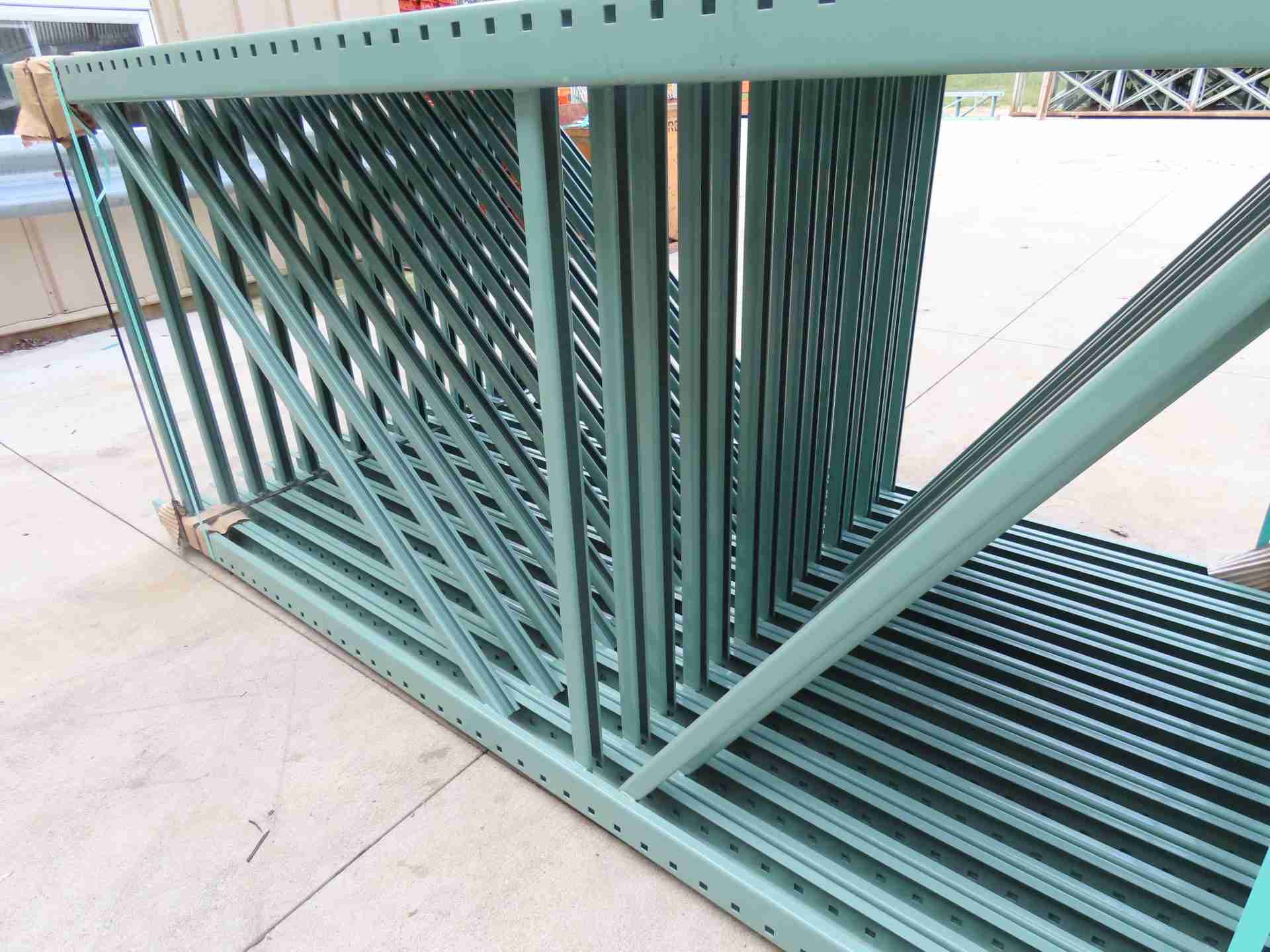
What Role Does Transportation Play In Pallet Rack Supply Stability?
How Can We Mitigate Risks In The Pallet Rack Supply Chain?
In today’s fast-paced commerce landscape, mitigating risks in the pallet racking supply chain is paramount for maintaining efficiency, safety, and profitability. As businesses rebound from supply chain disruptions, ensuring robust processes in pallet racking becomes a key pillar of operational strategy.
First, let’s dive into the need for pallet racking safety inspections. Regular inspections minimize the risks associated with structural failures, which can lead to costly downtime and even injuries. A wise investment in professional audits can help identify potential hazards and prevent accidents before they happen. For example, following recent high-profile incidents in warehouses across the nation, where inadequate pallet rack maintenance led to injuries, companies are now prioritizing regular checks as part of their safety protocols.
Next, consider strategic partnerships with reliable suppliers. The volatility of current world events—from supply chain bottlenecks due to the pandemic to geopolitical tensions—means that resilience lies in the strength of your supplier relationships. By forging partnerships with multiple vendors for your pallet racking, you can diversify your supply base and reduce the impact of disruptions. For instance, companies that diversified their suppliers during trade tensions reported less downtime than those who relied heavily on a single source.
Technology is another game changer in mitigating pallet racking risks. Leveraging warehouse management systems (WMS) and RFID technology can enhance inventory tracking and reduce the chances of human error. Imagine using a WMS that provides real-time visibility of your pallet racking systems. You’ll not only improve efficiency but also enhance your ability to foresee and respond to potential issues before they escalate.
Moreover, adopting a proactive approach to employee training cannot be overstated. Regular training sessions on proper handling techniques, safety protocols, and maintenance of pallet racking systems can significantly reduce mishaps and foster a culture of safety. With the growing awareness of workplace safety, companies prioritizing comprehensive training programs have seen lower accident rates and improved employee morale.
In summary, in a world where unpredictability reigns supreme, having a strategic approach to mitigating risks in your pallet rack supply chain isn’t just wise—it’s essential. By investing in inspections, diversifying suppliers, embracing technology, and prioritizing training, you can not only safeguard your assets but also position your business for sustainable growth. Adapting to these methodologies may very well differentiate your business within a crowded marketplace and prepare it for the challenges ahead.
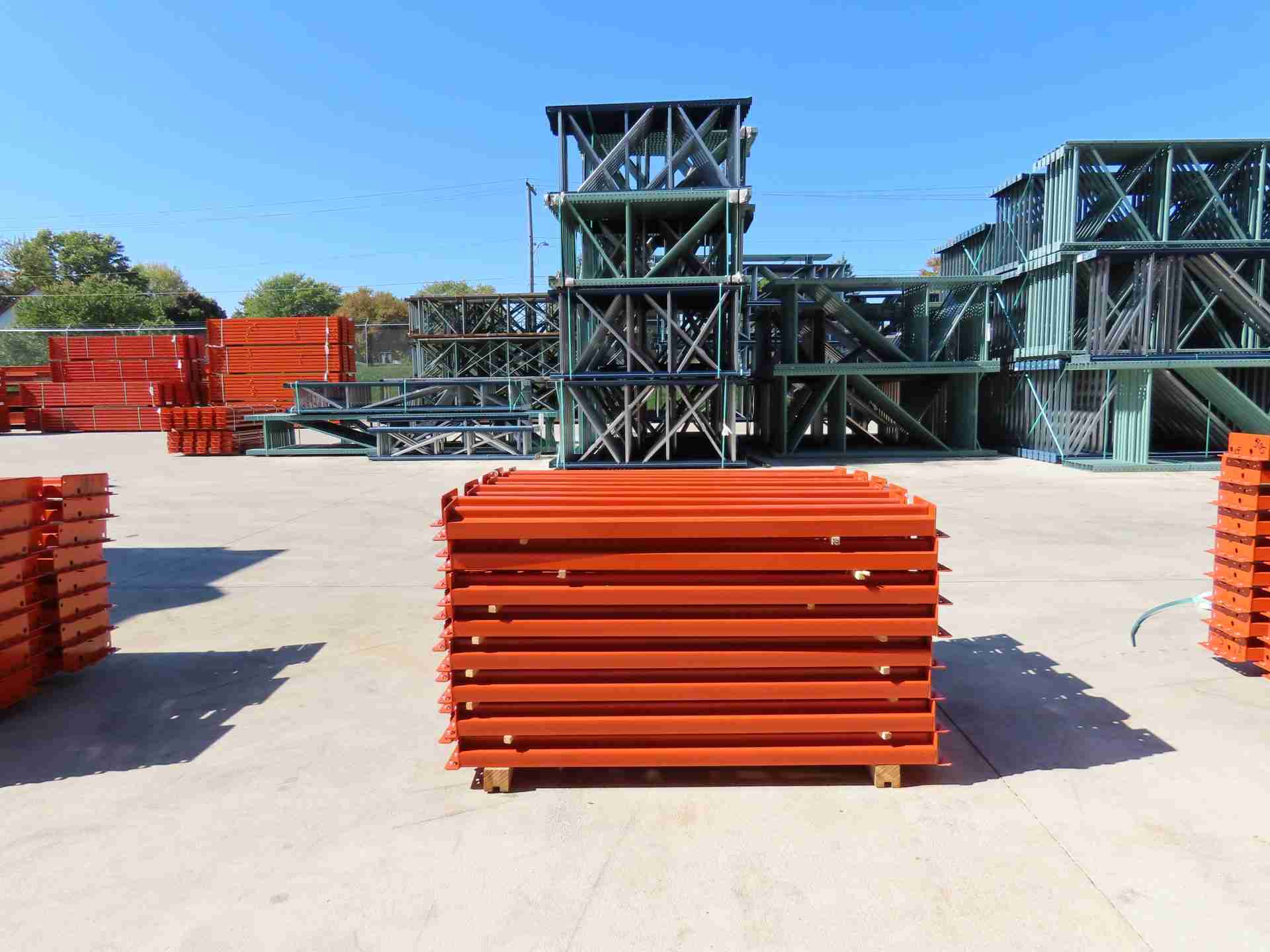
How Can We Mitigate Risks In The Pallet Rack Supply Chain?
How Can We Mitigate Risks In The Pallet Rack Supply Chain?
- Mitigating risks in the pallet racking supply chain is crucial for efficiency, safety, and profitability in modern commerce.
- Regular safety inspections of pallet racking systems reduce risks associated with structural failures, preventing costly downtime and injuries.
- Strategic partnerships with multiple reliable suppliers enhance resilience against supply chain disruptions.
- Diversifying suppliers has proven effective; companies with multiple vendors reported less downtime during trade tensions.
- Leveraging technology, such as warehouse management systems (WMS) and RFID, improves inventory tracking and reduces human error.
- Proactive employee training on safety protocols and maintenance significantly lowers accident rates and enhances workplace morale.
- Investing in inspections, diversifying supply sources, embracing technology, and prioritizing training are key to positioning businesses for sustainable growth.
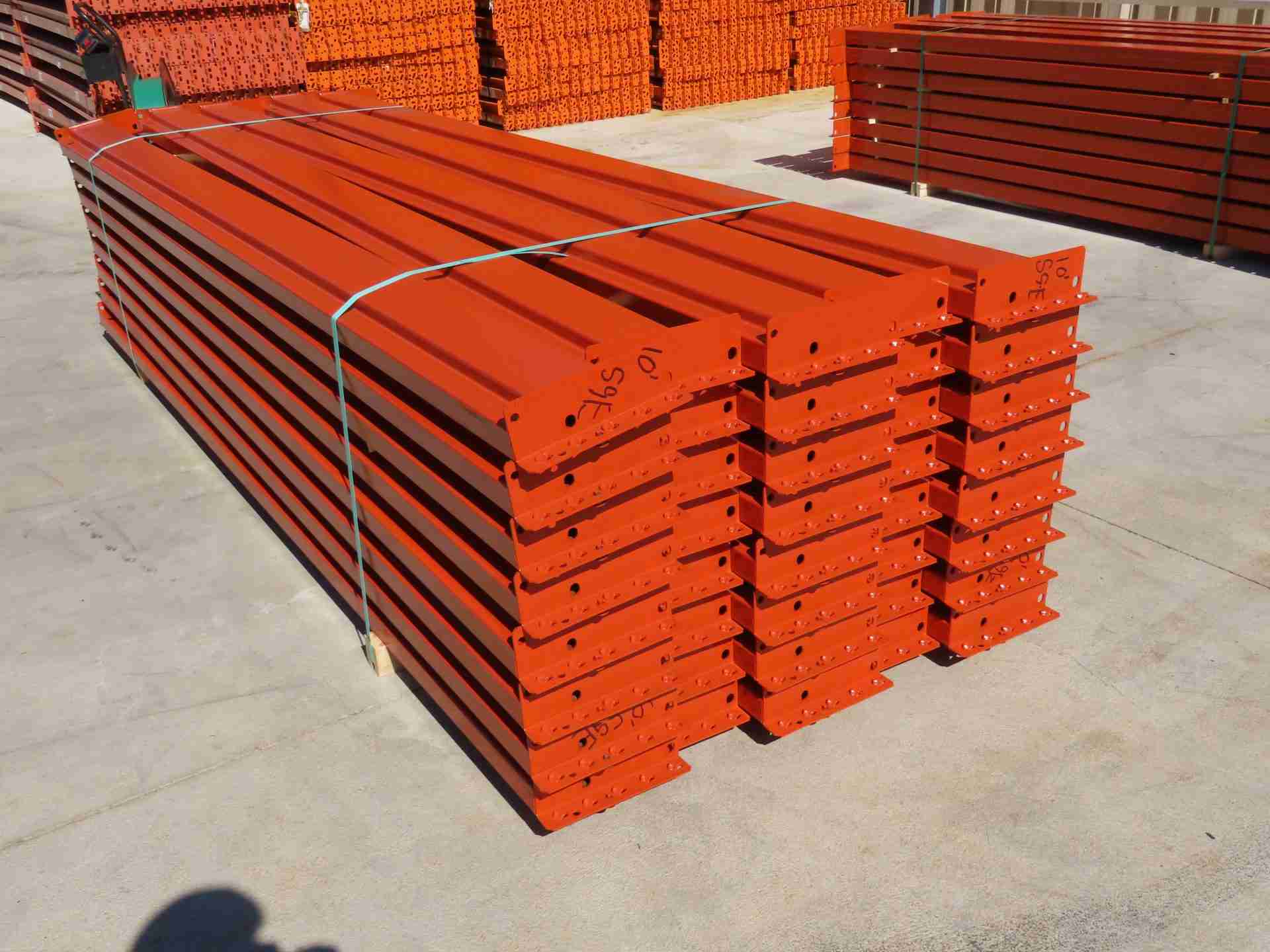
How Can We Mitigate Risks In The Pallet Rack Supply Chain?
Conclusion
In the ever-evolving landscape of warehousing and logistics, the stability of your local pallet rack supply chain is no longer just a consideration—it’s a critical component of your operational success. Recent global disruptions have shed light on the vulnerabilities inherent in traditional supply chains, and it’s time to take actionable steps to safeguard your business.
First and foremost, recognize that your company’s growth trajectory hinges on a reliable local supplier capable of meeting increased demand while minimizing delays. The landscape has changed dramatically; the rise of e-commerce has intensified competition and pushed the limits of warehousing capabilities. As your business experiences increased orders, the last thing you want is to face supply chain instability that could derail your momentum.
It’s imperative to evaluate your relationships with local pallet rack suppliers. Conducting due diligence means asking the right questions—understanding their sourcing methods, lead times, and whether their capacity aligns with your needs. The impact of global events like geopolitical tensions and rising steel prices compounds the necessity for a stable local partner that can ensure transparent pricing and reliable access to materials.
Don’t forget to embrace technology as part of your strategic approach. Smart pallet racking solutions not only enhance efficiency but also position your business as a leader in modern logistics. The right partner will stay ahead of technological trends and offer tailored solutions that adapt to changing demands.
Moreover, now is the time for proactive risk mitigation. Regular inspections and maintenance of your pallet racking systems are not optional; they are vital for ensuring safety and operational efficiency. Partnering with multiple, reliable suppliers minimizes reliance on a single source, shielding your business from potential disruptions.
As you reflect on the importance of a stable supply chain, remember that this isn’t just about securing racks—it’s about fortifying the very backbone of your business to thrive amid uncertainty.
At Arrow Industrial Sales, we understand the nuances of local supply chain dynamics and are committed to providing the solutions you need. Don’t wait for another disruption to complicate your operations. Act now! Call us at (574) 349-6575 to discuss your pallet rack needs and fortify your supply chain. Ensure your business remains resilient and responsive in an unpredictable environment—turn potential chaos into a streamlined success story with the help of Arrow Industrial Sales!
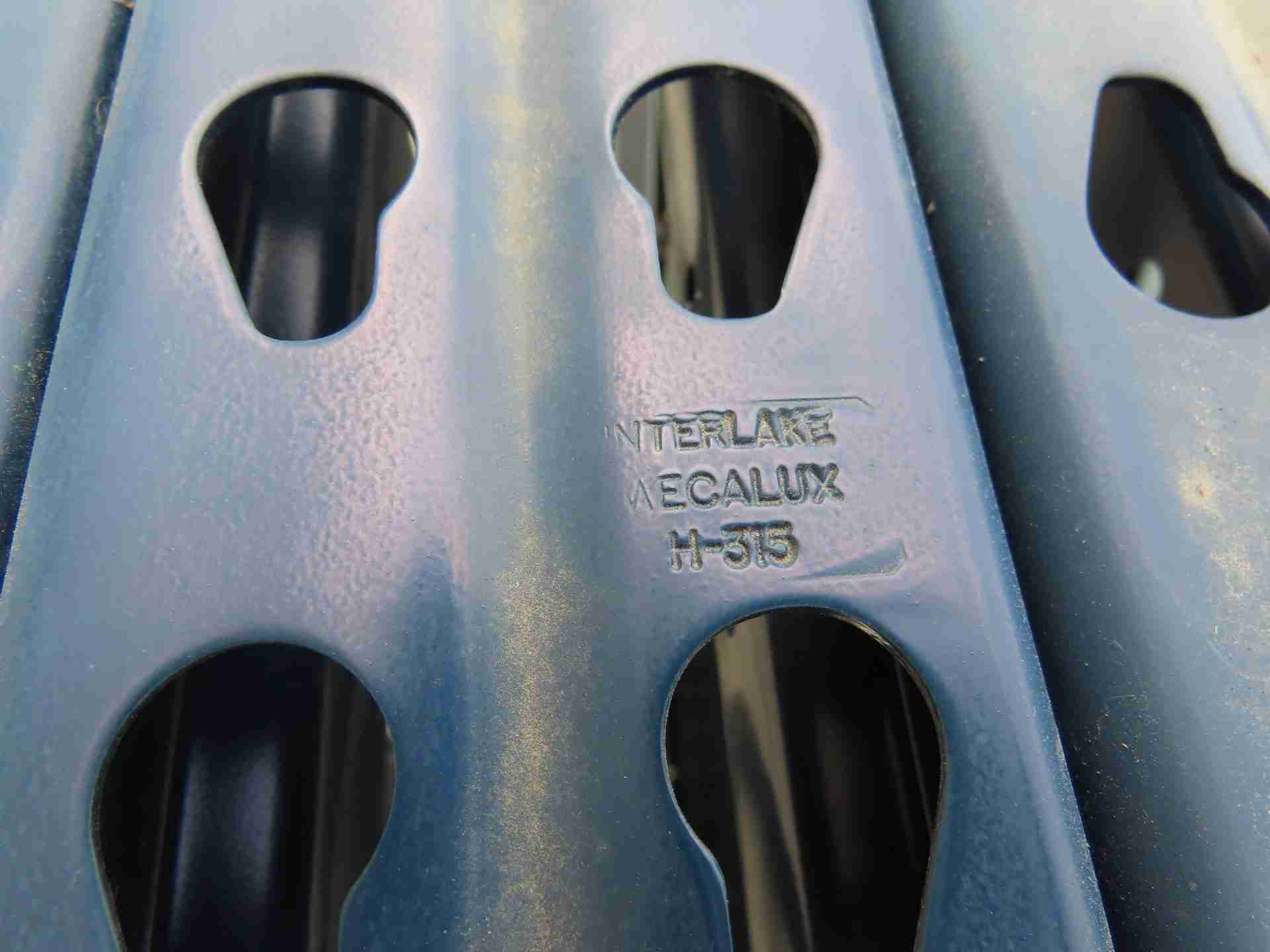
Conclusion
Conclusion:
- Stability of the local pallet rack supply chain is essential for operational success in warehousing and logistics.
- Your company’s growth relies on dependable local suppliers to manage increased demand and reduce delays.
- Evaluate relationships with local pallet rack suppliers by understanding their sourcing methods and capacity.
- Global events affect supply chains, making it crucial to partner with stable local suppliers for reliable pricing and materials.
- Incorporate technology for efficiency and to stay competitive in modern logistics.
- Proactive risk mitigation through regular inspections and using multiple suppliers can protect against disruptions.
- Contact Arrow Industrial Sales to discuss your pallet rack needs and strengthen your supply chain against uncertainties.
Conclusion
Other Resources
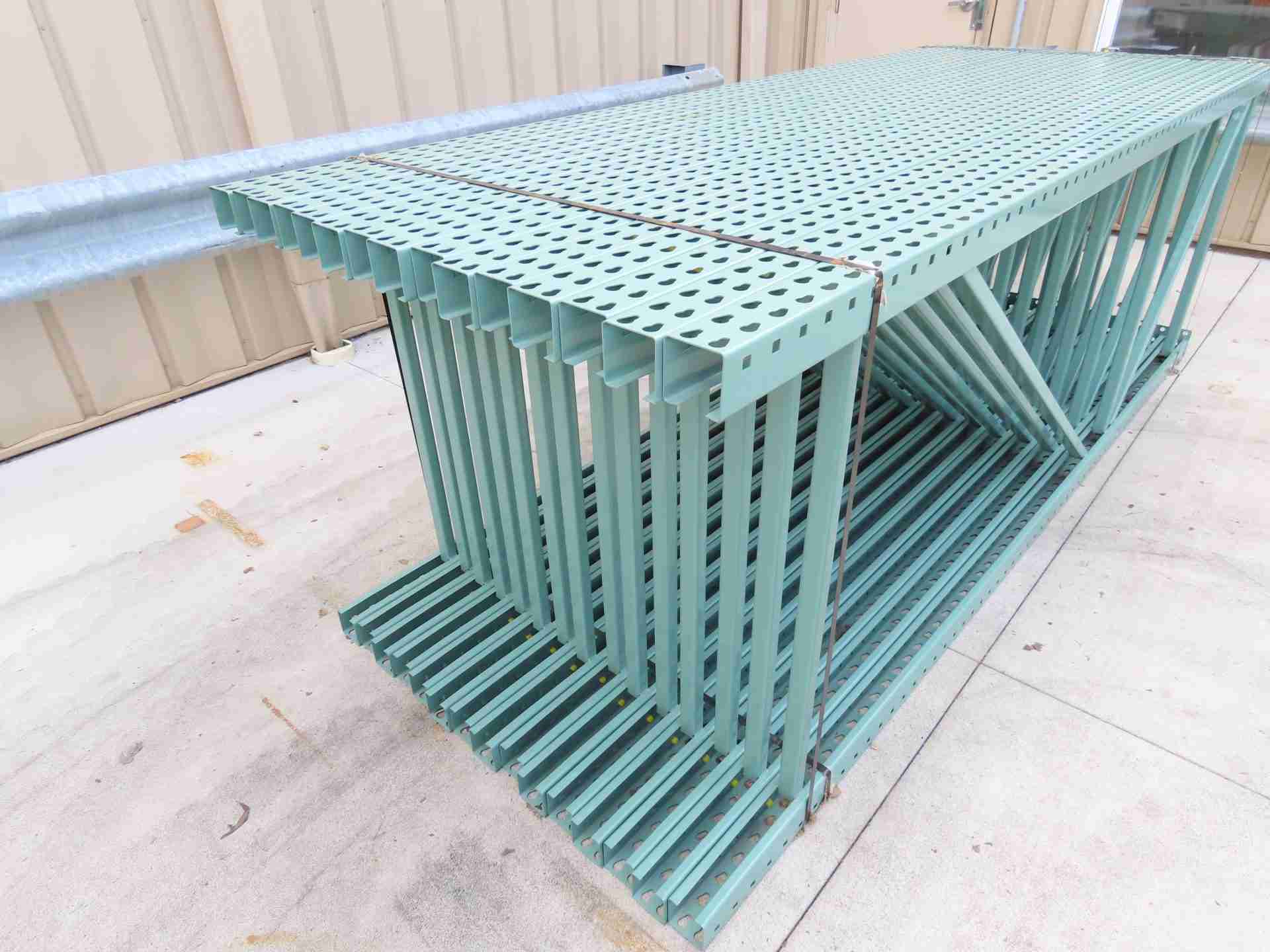
Other Resources
Here is a list of other resources you can review online to learn more:
- The Complete Pallet Rack Guide – Simply Rack
- Warehouse Racking Chicago, IL
- WERC
- SEMA
- What is Cantilever Racking? – AK Material Handling Systems
- The Ultimate Pallet Racking Guide – Speedrack West
- Storage Equipment Manufacturers’ Association
- Shipping Boxes, Packaging Materials, Pallet Racking
- Teardrop Pallet Rack – Ridg-U-Rak
- Illinois Pallet Racking – WPRP
Use This Prompt To Get More Resources With Your Favorite Online AI Tool: Please provide me with a list of online articles with their URLs in a bulleted list that I can read regarding How Stable Is Your Local Pallet Rack Supply Chain?
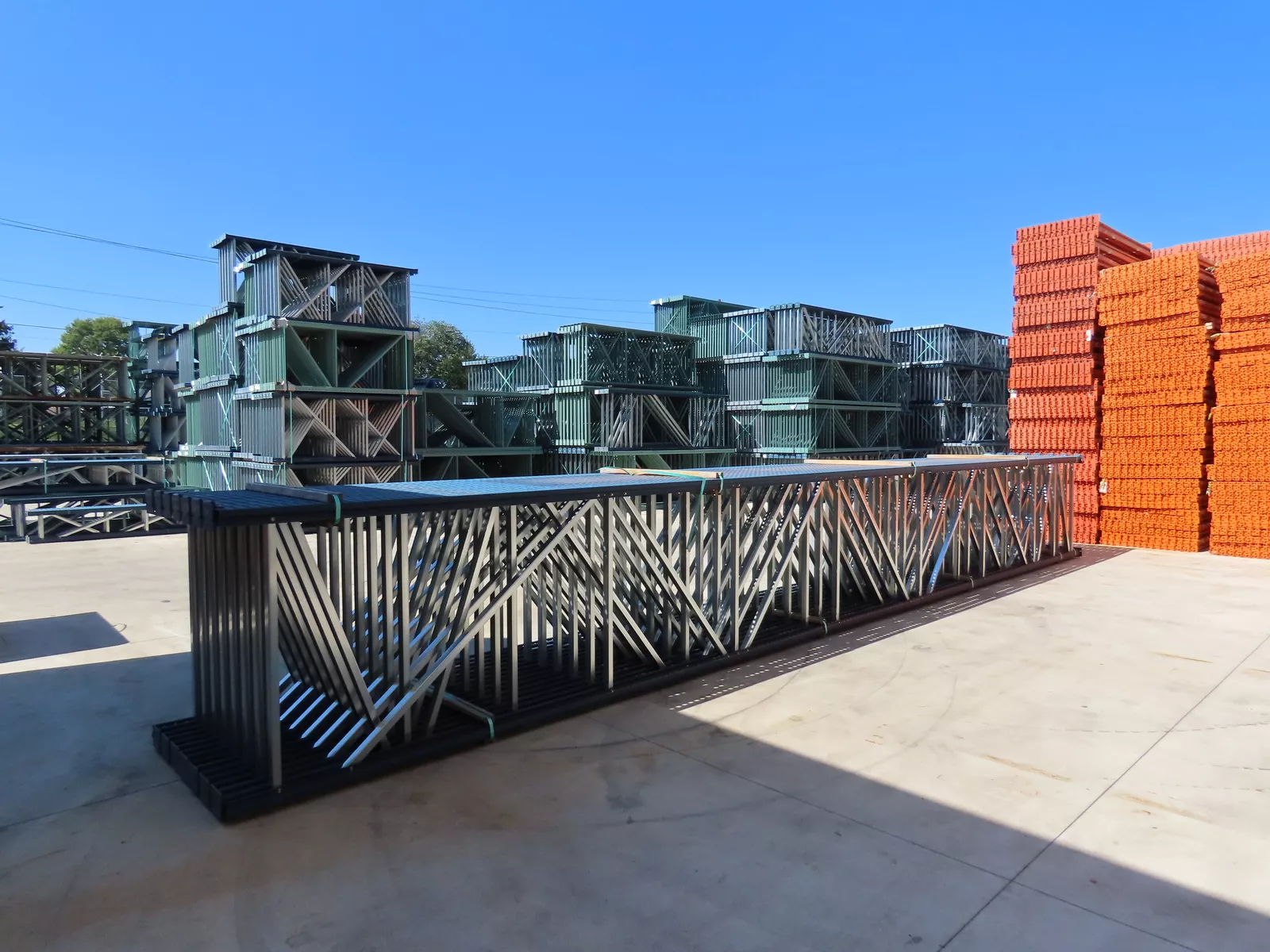
Other Resources
Glossary Terms
How Stable Is Your Local Pallet Rack Supply Chain? – Glossary Of Terms
1. Pallet Rack: A storage system designed to hold materials in horizontal rows with multiple levels, facilitating easy access to goods.
2. Supply Chain: The entire system of people, activities, information, and resources involved in moving a product or service from supplier to customer.
3. Lead Time: The amount of time between the initiation of a process and its completion; critical for managing inventory and supply chain efficiency.
4. Inventory Management: The supervision of non-capitalized assets and stock items, ensuring that the supply chain runs smoothly and efficiently.
5. Supplier Reliability: The dependability of suppliers in delivering goods on time and meeting quality standards, crucial for a stable supply chain.
6. Demand Forecasting: The process of predicting future customer demand for products, helping businesses in planning inventory and production.
7. Stockout: A situation where inventory is completely depleted, leading to potential sales loss and customer dissatisfaction.
8. Just-In-Time (JIT): An inventory management strategy where materials are ordered and received only as they are needed in the production process.
9. Logistics: The detailed coordination of complex operations involving people, facilities, and supplies, crucial for effective supply chain management.
10. Distribution Center: A specialized warehouse focused on the storage and swift distribution of goods to retailers or directly to consumers.
11. Material Handling: The process of moving, protecting, storing, and controlling materials throughout the manufacturing and distribution process.
12. Local Sourcing: The practice of obtaining goods and services from local suppliers to reduce lead times and transportation costs.
13. Global Supply Chain: An interconnected network that spans multiple countries, emphasizing the complexity and variability of sourcing materials.
14. Quality Control: The process of ensuring that products meet specified standards and requirements, essential for maintaining customer satisfaction.
15. Pallet Types: Different styles and materials of pallets (wood, plastic, metal) used in pallet racking systems, affecting functionality and costs.
16. Regulatory Compliance: Adhering to laws and regulations governing the storage and transportation of goods, impacting supply chain stability.
17. Order Fulfillment: The complete process of receiving, processing, and delivering customer orders, which can be affected by supply chain dynamics.
18. Stock Keeping Unit (SKU): A unique identifier for each distinct product and service that can be purchased, essential for inventory management.
19. Risk Management: The process of identifying, assessing, and mitigating risks within the supply chain to ensure stability and resilience.
20. Order Cycle: The duration it takes from when an order is placed until it is fulfilled and delivered; shorter cycles enhance customer satisfaction.
21. Vendor Relationships: The connections and interactions between a company and its suppliers, critical for negotiation and collaboration.
22. Transport Logistics: The planning, execution, and management of transporting goods to maintain supply chain flow and efficiency.
23. E-commerce Impact: The influence of online shopping trends on demand patterns and inventory requirements within the supply chain.
24. Cross-Docking: A logistical practice where products are unloaded from inbound transport and loaded directly onto outbound transport to reduce storage time.
25. Safety Stock: Extra inventory kept on hand to protect against unpredictable fluctuations in demand or supply disruptions.
26. Warehouse Management System (WMS): Software that supports day-to-day operations in a warehouse, aiding in inventory tracking and order fulfillment.
27. Lean Inventory: An approach to inventory management that strives to minimize waste and excess while maximizing efficiency and productivity.
28. Pallet Rack System Layout: The physical arrangement of pallet racks within a warehouse, affecting storage capacity and picking efficiency.
29. Sustainability Practices: Strategies that companies implement to minimize environmental impact within the supply chain, such as recycling materials and reducing waste.
30. Market Trends: Movements in consumer preferences and behavior that affect supply and demand, anticipating changes is crucial for supply chain stability.
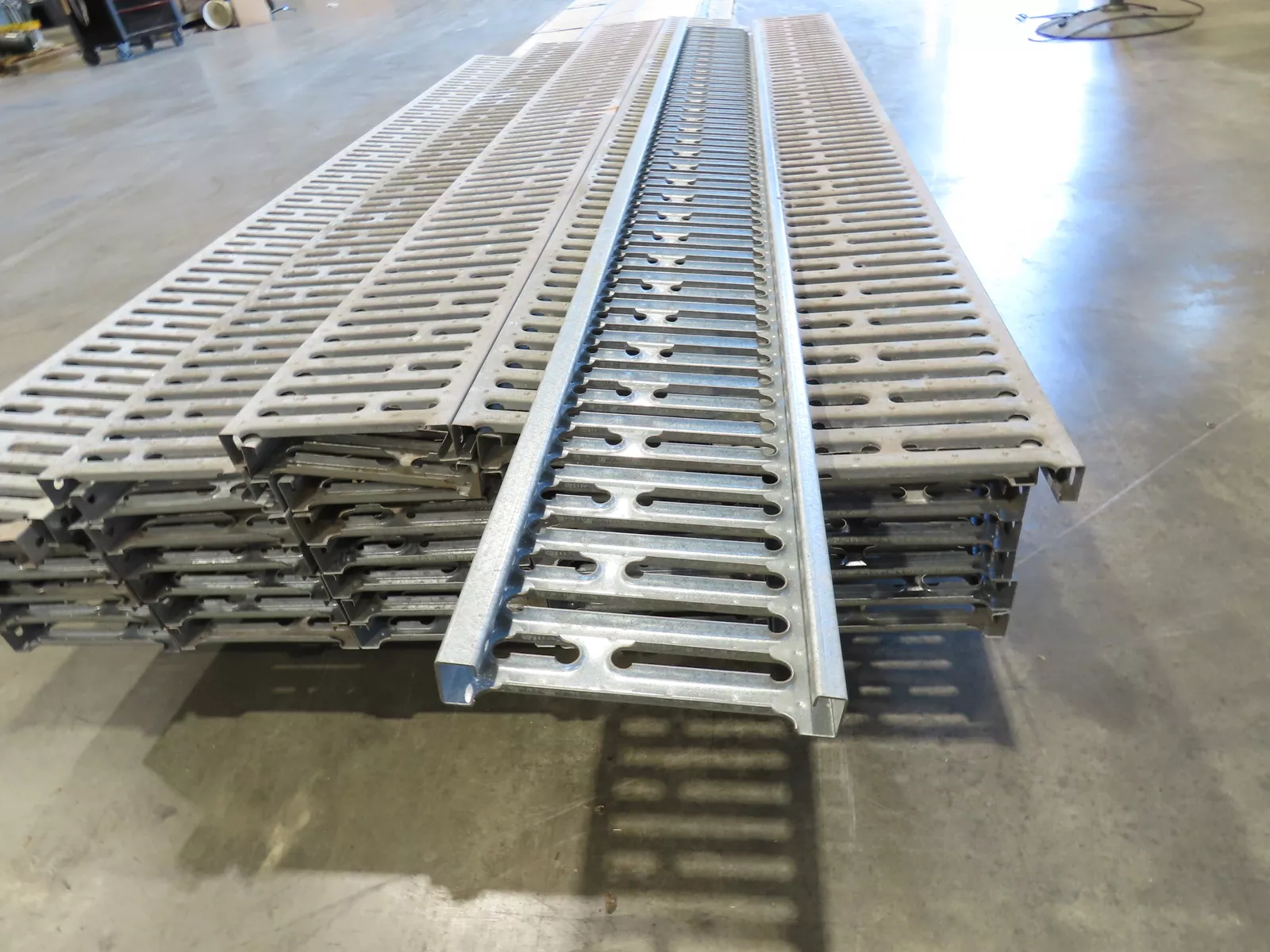
Glossary Of Terms
Other Questions
How Stable Is Your Local Pallet Rack Supply Chain? – Other Questions
If you wish to explore and discover more, consider looking for answers to these questions:
- What are the key indicators of a reliable pallet rack supplier?
- How can businesses forecast demand changes for pallet racking systems?
- What technologies are available for optimizing pallet rack systems?
- What are the benefits of investing in smart pallet racking solutions?
- How can companies build strong relationships with local suppliers?
- What are the most common mistakes businesses make when sourcing pallet racking?
- How do global economic conditions impact local pallet rack supply chains?
- What are the implications of new safety regulations on pallet racking systems?
- How can companies better manage lead times in the supply chain?
- What role does employee training play in ensuring pallet rack safety?
- How can firms evaluate the total cost of ownership for pallet racking solutions?
- What are the latest trends in pallet racking design and efficiency?
- How does local competition affect pallet rack supply availability?
- What insurance options are available to protect against pallet rack failures?
- How can businesses prepare for potential supply disruptions in the future?
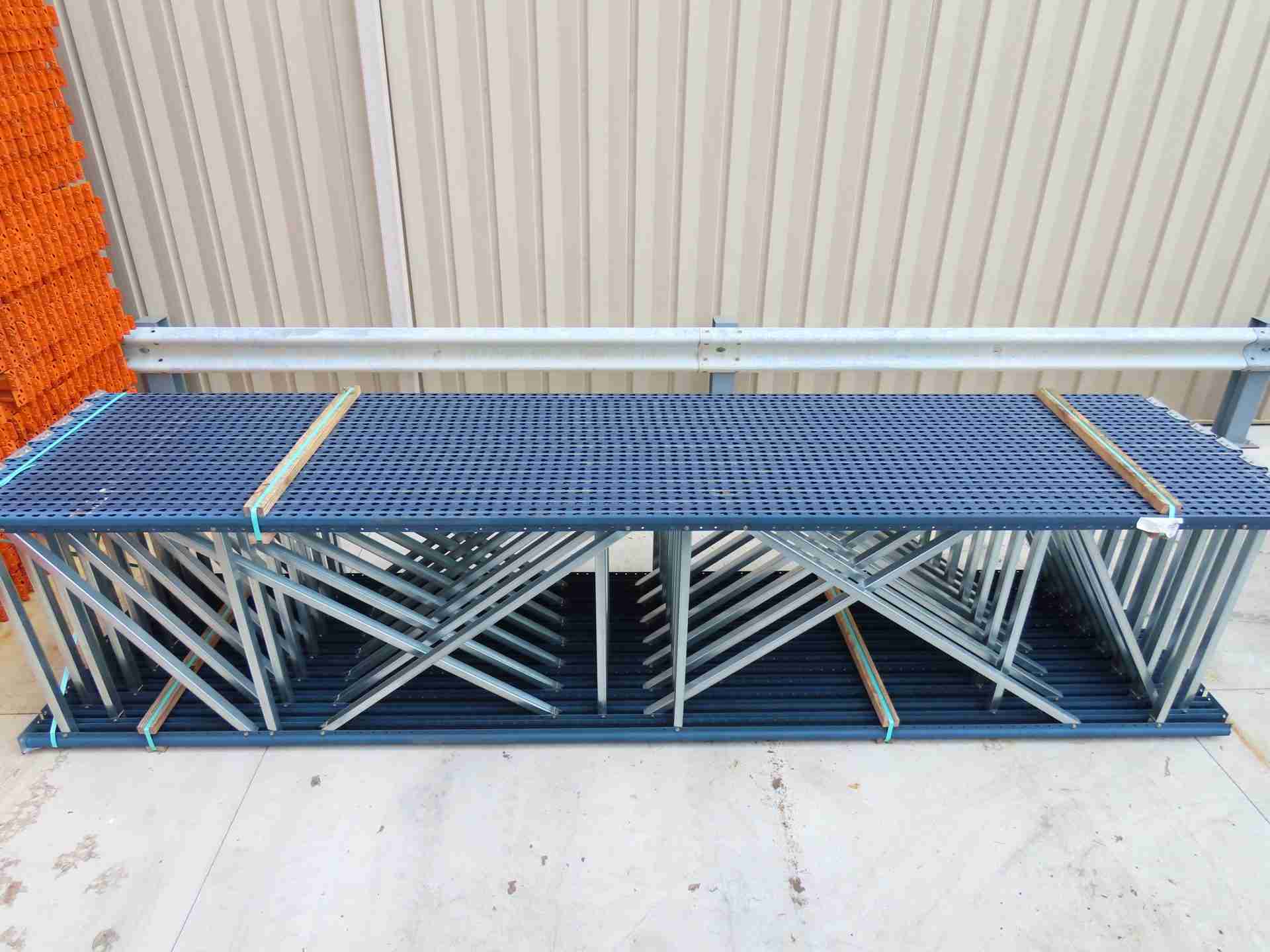
Other Questions
Checklist
How Stable Is Your Local Pallet Rack Supply Chain? – A Checklist
1. Check for Certifications:
_____ Ensure suppliers hold industry certifications (e. g. , RMI, ISO).
_____ Verify compliance with safety standards and regulations.
2. Assess Customer Service History:
_____ Reach out to existing clients for testimonials.
_____ Research online reviews on platforms like Google or Trustpilot.
3. Evaluate Product Range:
_____ Confirm the supplier offers a diverse selection of pallet racking systems.
_____ Assess their capability to provide specialized solutions per your needs.
4. Monitor Industry Adaptation:
_____ Investigate how suppliers respond to market trends and technological advancements.
_____ Check for investments in smart pallet racking solutions.
Relationship Building
5. Establish Strong Supplier Relationships:
_____ Communicate your business growth trajectory and needs.
_____ Create partnerships with multiple suppliers for risk mitigation.
6. Engage in Regular Communications:
_____ Schedule periodic check-ins to discuss stock levels, lead times, and upcoming needs.
Risk Mitigation
7. Conduct Regular Safety Inspections:
_____ Schedule and document safety audits of pallet racking systems.
_____ Review and update safety protocols regularly.
8. Diversify Your Supplier Base:
_____ Identify alternative suppliers to reduce risk exposure.
_____ Evaluate the reliability of prospective suppliers.
Demand Awareness
9. Monitor Local Demand Trends:
_____ Stay updated on fluctuations in local demand for pallet racking.
_____ Prepare for seasonal demands by forecasting inventory needs.
10. Adapt to Economic Changes:
_____ Keep an eye on economic trends that might affect supply and pricing.
_____ Position your procurement strategy to react quickly to market changes.
Logistics and Transportation
11. Review Transportation Strategies:
_____ Analyze current transportation solutions for efficiency and cost-effectiveness.
_____ Consider partnerships with local freight companies to enhance delivery speed.
12. Ensure Timely Deliveries:
_____ Monitor lead times and enforce accountability among suppliers for on-time performance.
Technology Utilization
13. Implement Warehouse Management Systems (WMS):
_____ Invest in technology for real-time inventory monitoring.
_____ Consider utilizing RFID technology for enhanced tracking and reporting.
14. Embrace Continuous Improvement:
_____ Stay informed about emerging technologies in pallet racking solutions.
_____ Invest in training programs for employees on new technologies and safety protocols.
Monitoring and Review
15. Establish KPIs for Supplier Performance:
_____ Track metrics such as delivery times, order accuracy, and customer service responsiveness.
_____ Review supplier performance regularly and make adjustments as necessary.
By following this checklist, you can strengthen your local pallet rack supply chain, enabling you to enhance operational efficiency and prepare for future growth. Secure your supply chain today for a more stable and successful tomorrow!
Checklist
At RackingWorld, we help guide you through selecting warehouse storage systems and racking.
Be sure to read our other related stories at RackingWorld to learn more about warehouse storage systems.
0 Comments