
Unlocking The Secrets Of Pallet Rack Systems
By Tom Seest
At RackingWorld, we help guide you through selecting warehouse storage systems and racking.
Be sure to read our other related stories at RackingWorld to learn more about warehouse storage systems.
Where to Learn About The Pallet Rack World?
In the rapidly evolving logistics and supply chain landscape, having a solid understanding of pallet racking systems has never been more crucial. Whether you’re an operations manager, warehouse owner, or simply an industry enthusiast, the wealth of information available can seem overwhelming. Fear not; we’re here to guide you through the best resources for mastering the pallet rack world.
1. Online Courses and Webinars
One of the most effective ways to gain knowledge about pallet racking is through structured online courses. Websites like Coursera and Udemy offer classes that cover logistics and warehouse management comprehensively. Look for specific courses that focus on warehouse optimization and inventory management, as they often include modules on the types of pallet racks and their applications. These platforms regularly update their courses to include current technologies and best practices, making them invaluable resources.
2. Industry Associations
For those looking to dive deeper, the Material Handling Industry (MHI) and Warehousing Education and Research Council (WERC) are pivotal. Membership in these organizations provides access to an abundance of research reports, whitepapers, and case studies that can illuminate the intricacies of pallet racking systems. For example, WERC’s annual conference brings forward thought leaders who discuss recent challenges and innovations, helping you stay ahead of the curve.
3. Trade Shows and Expos
If you thrive on face-to-face interaction, attending industry trade shows like MODEX or ProMat can prove indispensable. These expos not only showcase the latest in pallet racking technology but also offer seminars led by experts. The hands-on experience and opportunity to network with professionals provide insights you simply can’t get from a textbook. With the ongoing shifts in logistics triggered by e-commerce growth, engaging with equipment manufacturers and fellow practitioners can lead to fruitful collaborations or investments.
4. Informative Blogs and Publications
Don’t underestimate the power of a well-written article. Websites like Modern Materials Handling and Supply Chain Dive regularly post informative articles about trends in warehouse management, including the latest in pallet racking technology. Subscribe to their newsletters to stay informed about current events affecting the industry. For instance, the recent advancements in automated pallet racking systems sparked discussions that could change the way warehouses operate.
5. Social Media Groups and Forums
Lastly, consider joining relevant LinkedIn groups or forums like Reddit’s r/warehouse. These platforms allow you to interact with industry professionals who share their insights and experiences. Engaging in discussions about common pitfalls and innovative solutions can broaden your perspective and equip you with practical knowledge.
In this dynamic industry, continuous learning is essential. Leverage these resources, stay informed, and watch as your expertise in the pallet rack world expands exponentially.
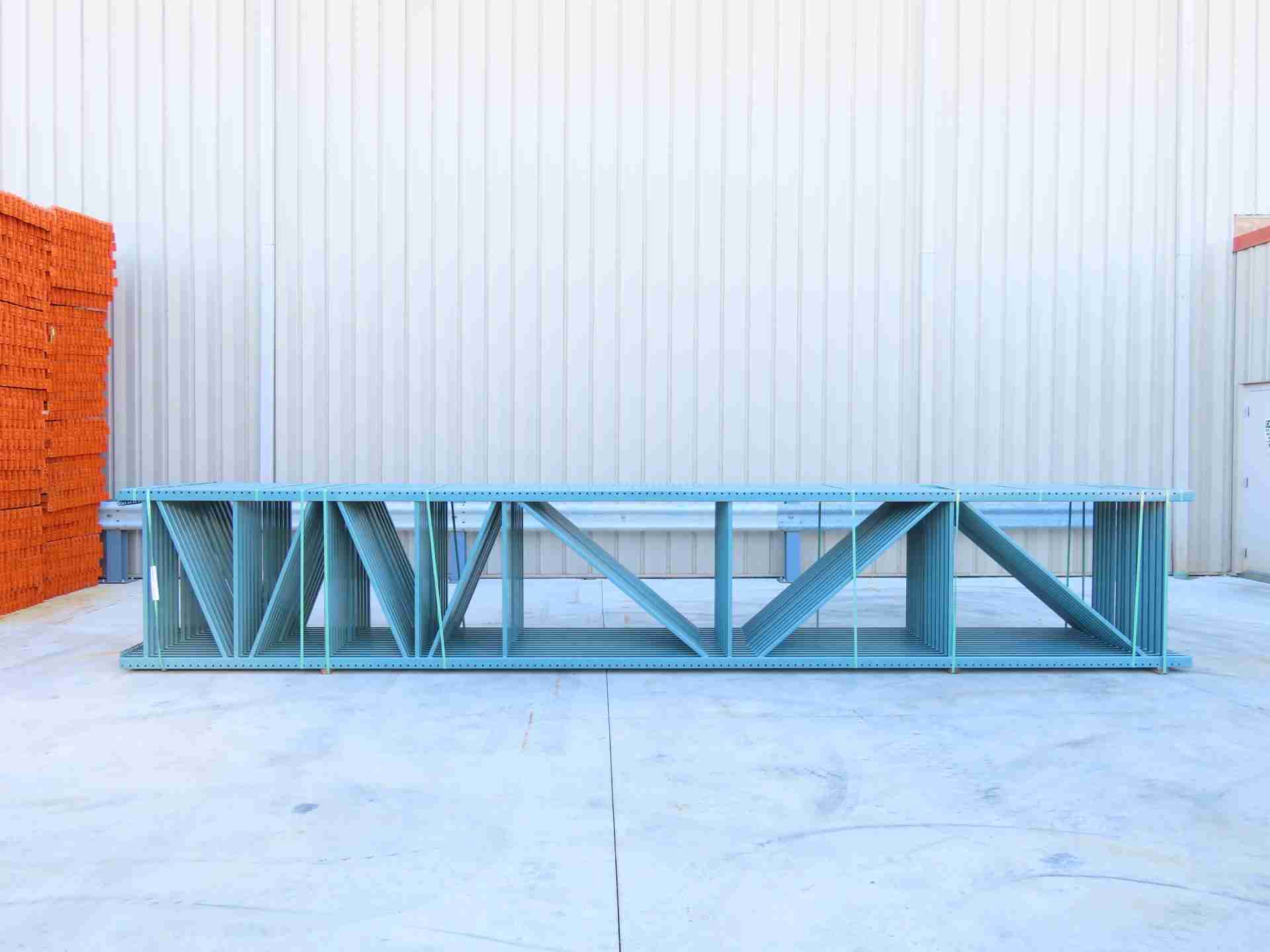
Where to Learn About The Pallet Rack World?
Where to Learn About The Pallet Rack World?
- Understanding pallet racking systems is crucial in today’s logistics and supply chain landscape.
- Online courses on platforms like Coursera and Udemy offer structured learning on warehouse management and pallet racks.
- Industry associations such as MHI and WERC provide valuable research, reports, and networking opportunities.
- Trade shows like MODEX and ProMat showcase the latest technologies and offer seminars from experts.
- Informative blogs and publications like Modern Materials Handling and Supply Chain Dive keep you updated on industry trends.
- Social media groups, especially LinkedIn and Reddit, facilitate interaction with industry professionals for knowledge sharing.
- Continuous learning is essential to expand expertise in pallet racking and stay ahead in the industry.

Where to Learn About The Pallet Rack World?
Table Of Contents
- Where to Learn About The Pallet Rack World?
- What Are The Basic Types Of Pallet Racks Available?
- How Do I Choose The Right Pallet Rack For My Needs?
- What Are The Safety Regulations For Pallet Racks?
- How Can I Maximize Space With Pallet Rack Systems?
- What Maintenance Is Required For Pallet Racks?
- Where Can I Find Reputable Suppliers Of Pallet Racks?
- Are There Online Courses For Pallet Rack Systems?
- What Should I Know About Pallet Rack Installation?
- How Do I Evaluate The Quality Of Pallet Racks?
- What Innovations Are Emerging In The Pallet Rack Industry?
- How Can I Avoid Common Mistakes With Pallet Racks?
- What Is The Cost Range For Pallet Rack Systems?
- How Do I Determine The Load Capacity Of Pallet Racks?
- What Are The Advantages Of Used Vs. New Pallet Racks?
- How Do I Design A Warehouse Layout With Pallet Racks?
- Conclusion
- Other Resources
- Glossary Of Terms
- Other Questions
- Checklist
What Are The Basic Types Of Pallet Racks Available?
In the fast-paced world of warehousing and logistics, efficiency is king. The backbone of an organized warehouse? Pallet racks. Understanding the different types of pallet racks can exponentially increase your operational efficiency while maximizing your storage capacity. Let’s dive into the basics.
1. Selective Pallet Racking
Selective Pallet Racking is the most common type, offering easy accessibility to all pallets. Imagine a library where every book is available at your fingertips; that’s selective racking. With this system, you can access any pallet directly without having to navigate through others. Not only does this save time, but it also reduces handling costs. Businesses like Amazon thrive using this system, allowing them to maintain rapid inventory turnover.
2. Drive-In/Drive-Through Racking
For businesses dealing with high-density storage, drive-in and drive-through pallet racking can be a game-changer. In a drive-in system, forklifts enter from one side, making it ideal for storing large quantities of similar items. Meanwhile, drive-through racks allow for entry from either side, providing added flexibility. This system is particularly beneficial for cold storage warehouses that handle perishable goods, such as food distribution centers navigating recent supply chain challenges.
3. Push Back Racking
If you’ve been looking for a way to balance space and access, push back racking is your solution. This system allows pallets to be stored deep and accessed on a Last In, First Out (LIFO) basis. Imagine a vending machine for pallets; when you load in a new one, the previous pallets are pushed back, creating an orderly flow. This type is especially advantageous for warehouses housing various product lines that require fast access to the most recently stocked items.
4. Cantilever Racking
If you’re in the business of storing long or bulky items—think lumber, pipes, or furniture—cantilever racking is your best friend. With no front posts to obstruct access, it allows for the efficient use of vertical space, maximizing storage while minimizing clutter. Major retailers like Home Depot utilize cantilever racks to easily manage inventory while maintaining a clean storefront.
5. Automated Storage and Retrieval Systems (AS/RS)
As the trend towards automation accelerates, AS/RS is quickly gaining traction. These systems use various technologies to manage inventory, reducing manual labor and human error. As you’ve likely seen in tech-savvy companies emphasized during recent trade shows like MODEX 2022, the integration of robotics in warehousing is not just future talk—it’s happening now.
By understanding the fundamental types of pallet racks available, you can tailor your storage solution to meet your specific needs—whether that’s improving accessibility, increasing storage density, or embracing the rise of automation. Choose wisely, and watch your warehouse efficiency soar.

What Are The Basic Types Of Pallet Racks Available?
What Are The Basic Types Of Pallet Racks Available?
- Efficiency is crucial in warehousing, with pallet racks being the backbone of organization.
- Selective Pallet Racking is the most common type, allowing easy access to all pallets, reducing handling costs.
- Drive-In/Drive-Through Racking is ideal for high-density storage, especially in cold storage warehouses.
- Push Back Racking offers space efficiency by storing pallets deep on a Last In, First Out (LIFO) basis.
- Cantilever Racking is best for long or bulky items, maximizing vertical space without front obstructions.
- Automated Storage and Retrieval Systems (AS/RS) are gaining popularity, reducing manual labor and errors.
- Choosing the right pallet rack type tailors storage to specific needs, improving efficiency in warehouses.

What Are The Basic Types Of Pallet Racks Available?
How Do I Choose The Right Pallet Rack For My Needs?
Choosing the right pallet rack for your business is both an art and a science, akin to picking the perfect tools for a craftsman. The stakes are high, and the implications of your decision can greatly impact efficiency, safety, and profitability. So how do you sift through the myriad of options to find the perfect fit? Let’s break it down.
Understand Your Inventory
The first step in your pallet rack selection process revolves around understanding your inventory. Are you dealing with heavy products, fragile items, or a mix of both? Take for instance the booming e-commerce market. As retailers pivot to meet the demands of same-day shipping, they’re optimizing their warehouse operations by utilizing selective racking systems for quick access to their most sought-after products. If your stock resembles that of an e-commerce giant, a selective rack might suit your needs. Conversely, if you’re managing bulk items like construction materials, consider a deep storage option, such as a drive-in rack that maximizes space by allowing for multiple pallet depths.
Consider Your Space
Next, assess your available warehouse space. Measure your floor-to-ceiling capacity and the square footage at your disposal. A current trend among warehouses is the vertical space utilization that comes with installing high-density pallet racks. These systems can dramatically increase storage capacity without requiring a larger footprint. For instance, a warehouse might switch from traditional pallet racking to a double-deep configuration, allowing them to store more pallets per square foot. This is particularly relevant in today’s commercial real estate landscape, where space comes at a premium.
Evaluate Your Handling Equipment
Before finalizing your decision, don’t forget to consider the handling equipment in use. Do you have forklifts, pallet jacks, or automated handling systems? For warehouses leveraging automated solutions, a flow rack might prove advantageous, ensuring a seamless process from inventory rotation to picking—essential in today’s supply chains that demand agility.
Incorporate Safety Standards
Finally, safety is paramount. Adhering to safety standards ensures a secure workplace, thus protecting your staff and your investment. The recent uptick in OSHA inspections highlights the importance of compliance. Opt for pallet racks that meet or exceed safety regulations and consider investing in features like rack protection guards.
The right pallet rack is not merely a piece of equipment; it’s an investment in the efficiency and longevity of your operations. By aligning your selection process with your specific needs, you’ll position your business for success in an ever-changing market landscape. Take the time to evaluate, and you’ll reap the rewards of a well-structured storage solution.

How Do I Choose The Right Pallet Rack For My Needs?
How Do I Choose The Right Pallet Rack For My Needs?
- Choosing the right pallet rack involves understanding your inventory type (heavy, fragile, or mixed products).
- Selective racking systems are ideal for e-commerce businesses needing quick access to products.
- For bulk items, deep storage options like drive-in racks maximize space by accommodating multiple pallet depths.
- Assess your warehouse space, including floor-to-ceiling capacity and square footage, to optimize storage solutions.
- Utilizing high-density pallet racks can significantly increase storage capacity in limited spaces.
- Consider your handling equipment (forklifts, pallet jacks, automated systems) to ensure compatibility with your chosen pallet rack.
- Safety compliance is crucial; choose pallet racks that meet regulatory standards and include safety features to protect employees and investments.

How Do I Choose The Right Pallet Rack For My Needs?
What Are The Safety Regulations For Pallet Racks?
When it comes to pallet racks, the bottom line is straightforward: ensuring safety isn’t just a checkbox—it’s a critical operational necessity that can make or break your business. Navigating the world of pallet rack safety regulations might seem daunting, but understanding these guidelines is essential to protect your assets, your employees, and your bottom line.
First and foremost, one of the key players in this arena is the Occupational Safety and Health Administration (OSHA). OSHA mandates that all pallet racks must be designed and maintained to support the loads they are intended to carry safely. For instance, consider the regulations surrounding load limits: each rack must display a capacity plate indicating maximum load—ignoring this is akin to rolling the dice with your business and employee safety!
In addition to federal guidelines, many states have local regulations that further strengthen these protocols. For example, California’s Division of Occupational Safety and Health mandates regular inspections of pallet racks and other storage systems. Failure to comply can result in hefty fines—something that can quickly eat into your profits. Moreover, in light of recent supply chain disruptions, many companies are increasing their storage capacities, inadvertently overlooking safety. That’s a recipe for disaster!
Proper installation is another cornerstone of pallet rack safety regulations. Manufacturers often provide specific instructions for assembly and maintenance, but a noteworthy trend is the rise of hexagonal or beehive pallet designs. While these innovative structures can increase storage density, they can also introduce new complexities when improperly installed. It is paramount that you adhere strictly to manufacturers’ guidelines to prevent catastrophic failures.
Furthermore, employee training is a critical component that often gets overlooked. Regular safety training sessions can empower your workforce to recognize potential hazards, such as rack instability or overloaded pallets. In recent events, incidents tied to warehouse safety have made headlines, serving as grim reminders of the importance of a quality training program. Remember, an informed employee is your first line of defense.
In summary, the safety regulations for pallet racks are not just bureaucratic hurdles; they are integral to protecting your investments and people. As we move forward in an era marked by rapid change and unforeseen challenges—as highlighted by recent global events—being proactive in understanding and implementing these regulations will ensure that your warehouse operates smoothly, safely, and efficiently. Don’t wait until it’s too late; make safety your priority today!

What Are The Safety Regulations For Pallet Racks?
What Are The Safety Regulations For Pallet Racks?
- Ensuring pallet rack safety is a critical operational necessity for protecting assets and employees.
- The Occupational Safety and Health Administration (OSHA) requires pallet racks to be designed for safe load capacity.
- Pallet racks must display a capacity plate indicating the maximum load; ignoring this can threaten safety.
- Local regulations, like California’s, mandate regular inspections and compliance, with noncompliance risking hefty fines.
- Proper installation as per manufacturer guidelines is essential, especially with innovative pallet designs that can increase risk if installed incorrectly.
- Employee training on warehouse safety and hazard recognition is critical for preventing accidents and ensuring safety protocols are followed.
- Understanding and implementing pallet rack safety regulations is vital for smooth and efficient warehouse operations.

What Are The Safety Regulations For Pallet Racks?
How Can I Maximize Space With Pallet Rack Systems?
In today’s fast-paced marketplace, maximizing space is not just an option; it’s a necessity. As businesses grapple with supply chain disruptions and rising operational costs, effectively utilizing every square inch of your warehouse could mean the difference between profit and loss. Pallet rack systems present an efficient solution to this age-old problem, allowing you to streamline your storage processes and boost overall productivity.
Consider the staggering fact that most warehouses operate at only 60% of their possible storage capacity. With the right pallet rack system, that number can soar past 80%. These systems come in various configurations—selective, drive-in, and cantilever racks, to name a few—each designed to meet different storage needs. For instance, selective racks grant easy access to every pallet, making them ideal for businesses with a wide variety of products. On the other hand, drive-in racks maximize space by allowing forklifts to enter the rack structure for deeper storage, perfect for high-density items.
Let’s take a moment to examine what companies are currently doing. Amazon, ever the leader in logistics innovation, has invested heavily in optimizing their warehouse operations. Their use of vertical pallet racks has enabled them to store more items in a smaller footprint, reducing operational costs while dramatically increasing order fulfillment speed. The recent expansion of their fulfillment centers is indicative of the need to utilize warehouse real estate more efficiently, demonstrating that emulating such strategies can reinvigorate your business.
Additionally, incorporating adjustable pallet rack systems can make a transformative difference. Unlike static shelving units, these systems allow you to reconfigure your racks to accommodate changes in inventory size and volume. Are seasonal products taking over your storage? Adjust your shelf height and instantly create room as needed. This kind of adaptability ensures that your space remains flexible to market fluctuations—something that has become crucial in our ever-changing economic landscape.
Lastly, don’t underestimate the importance of effective inventory management software in tandem with your pallet racks. Tools like RFID and barcode scanning automations enhance visibility and tracking, further optimizing the space you have. Automating these processes can save countless hours of manual labor while also protecting against costly human errors.
Utilizing pallet rack systems tailored to your operational needs can ultimately transform your warehouse from a congested storage facility into a well-oiled machine. Start maximizing your space today, because every inch counts in this competitive market!

How Can I Maximize Space With Pallet Rack Systems?
How Can I Maximize Space With Pallet Rack Systems?
- Maximizing warehouse space is essential for profitability amidst supply chain disruptions and rising costs.
- Pallet rack systems can efficiently increase storage capacity from 60% to over 80%.
- Different types of racks, such as selective, drive-in, and cantilever, cater to various storage needs.
- Companies like Amazon utilize vertical pallet racks to reduce costs and increase fulfillment speed.
- Adjustable pallet rack systems allow businesses to adapt to changes in inventory size and seasonal fluctuations.
- Effective inventory management software, such as RFID and barcode scanning, enhances visibility and tracking.
- Tailoring pallet racks to operational needs can transform warehouses into efficient, productive spaces.

How Can I Maximize Space With Pallet Rack Systems?
What Maintenance Is Required For Pallet Racks?
When it comes to maximizing your warehouse efficiency, the unsung heroes are your pallet racks. These towering giants of storage play a crucial role in keeping your operation running smoothly, but just like any investment, they require regular maintenance to ensure longevity and safety. Let’s explore the essential maintenance practices that will help keep your pallet racks in peak condition, ultimately protecting your bottom line.
Routine Inspections: Prioritize Safety
First and foremost, conduct routine inspections of your pallet racks. This means systematically checking for signs of wear and tear, any visible damage, and the overall structural integrity of the racks. Look for bent beams, loose bolts, and rust if you’re in a humid environment. Did you know that OSHA regulations mandate these inspections? Ignoring them can lead to costly fines and, more importantly, endanger the safety of your employees. For instance, a recent incident at a warehouse in Wisconsin involving a collapsed pallet rack system highlighted the dire consequences of overlooking regular checks.
Cleanliness is Next to Safety
Next, maintain a clean environment around your pallet racks. This may seem trivial, but dust and debris can create hazards. A clean workspace not only boosts morale, but it also helps you identify potential issues sooner. Make a habit of cleaning the area thoroughly to avoid any blockages or spills that could knock over products—or worse, the whole rack.
Professional Inspections: A Worthwhile Investment
Consider enlisting professionals for more in-depth inspections at least once a year. These experts can identify issues that your team might overlook, using specialized tools and techniques to assess structural integrity. The cost of professional maintenance is a drop in the bucket compared to the potential losses from injuries or rack failure. A notable example is a leading e-commerce company that recently upgraded its maintenance protocols, resulting in a 30% reduction in workplace accidents. They reclaimed their investment many times over in both safety and reduced downtime.
Implement Structural Repairs Promptly
If you notice any damage during your inspections, address it immediately. Be it a small dent or a major structural concern, think of these repairs as a proactive measure rather than a reactive one. Delaying repairs can lead to bigger problems down the line, much like ignoring a small leak in your roof can result in extensive damage. This principle will not only save you money; it also ensures you keep your workforce safe and your products secure.
Remember that the maintenance of your pallet racks is not just a maintenance task—it’s a commitment to safety, efficiency, and profitability. Regular inspections, cleanliness, professional help, and timely repairs will lead to a healthier operation. Your bottom line will thank you.

What Maintenance Is Required For Pallet Racks?
What Maintenance Is Required For Pallet Racks?
Here is the summary formatted as a bulleted HTML list:
- Pallet Racks are Essential: They significantly contribute to warehouse efficiency and require regular maintenance for longevity and safety.
- Routine Inspections: Conduct systematic checks for wear, damage, and structural integrity, as mandated by OSHA regulations.
- Cleanliness Enhances Safety: Keep the area around pallet racks clean to avoid hazards and improve morale.
- Professional Inspections: Hire experts for comprehensive evaluations at least once a year to identify overlooked issues.
- Timely Repairs: Address any damage immediately to prevent larger problems and ensure worker safety.
- Maintenance is a Commitment: Regular upkeep promotes safety, efficiency, and profitability in warehouse operations.
- Positive Impact on Bottom Line: Implementing these practices can lead to reduced downtime and fewer workplace accidents, ultimately benefiting financial performance.

What Maintenance Is Required For Pallet Racks?
Where Can I Find Reputable Suppliers Of Pallet Racks?
Finding a reliable supplier for pallet racks is essential for any business looking to optimize its warehouse storage. But where do you start in this crowded market? Here are proven strategies to help you identify credible suppliers.
1. Online Research: Start with the Digital Landscape
Your first stop should be the Internet. Platforms like Google, IndustryWeek, and Modern Materials Handling are treasure troves of information. Conduct targeted searches using keywords such as “best pallet rack suppliers” or “pallet rack manufacturers.” Also, check industry forums and groups on social media platforms where warehouse management professionals congregate. User reviews on these platforms can provide insights into suppliers’ reliability.
2. Trade Shows and Conventions: Face-to-Face Connections
Nothing beats the personal touch. Trade shows like the National Forklift and Storage Equipment Show bring together the biggest names in material handling solutions. Here, you can not only view products up close but also engage directly with company representatives. This face-to-face interaction can reveal much about a company’s credibility and customer service commitment. Plus, you can benefit from exclusive show discounts.
3. Industry Associations: Leveraging Professional Networks
Associations like the Material Handling Industry (MHI) often have directories of reputable suppliers. Being a member of such organizations signifies that a supplier adheres to industry standards. You can also gain access to expert recommendations through these networks. This method is particularly useful if you’re looking for suppliers that specialize in specific types of pallet racks, such as adjustable or heavy-duty racks tailored to current supply chain demands.
4. Local Networking: The Power of Word-of-Mouth
Engage your local business community. Local warehouse managers, logistics personnel, and suppliers can often provide recommendations based on firsthand experiences. Attend local business events or meetups. Here, you might find suppliers who can meet your needs while supporting local economies, especially amid rising trends in sustainable practices and local sourcing.
5. Evaluate Certifications and Testimonials
After narrowing down your choices, dig deeper. Reputable suppliers will often have certifications such as ISO or ANSI compliance. Additionally, check references and customer testimonials. Are previous customers satisfied? Are there case studies available that demonstrate the effectiveness of the supplier’s products? Pay attention to reviews highlighting the supplier’s customer service, as this can be just as important as the products themselves.
By leveraging these strategies, you can sift through the noise and find trustworthy pallet rack suppliers that will enhance your warehouse efficiency and make a meaningful impact on your bottom line. The journey may require some effort, but a solid supplier relationship pays dividends in productivity and cost savings.

Where Can I Find Reputable Suppliers Of Pallet Racks?
Where Can I Find Reputable Suppliers Of Pallet Racks?
- Online Research: Utilize platforms like Google and industry-specific sites to find information on pallet rack suppliers; check user reviews and social media forums.
- Trade Shows and Conventions: Attend events like the National Forklift and Storage Equipment Show to interact with company representatives and gain insights into their credibility.
- Industry Associations: Leverage directories from organizations like MHI for reputable suppliers and expert recommendations tailored to specific pallet rack needs.
- Local Networking: Engage with the local business community to get recommendations from firsthand experiences and support local sourcing.
- Evaluate Certifications and Testimonials: Verify suppliers’ credibility by checking for certifications like ISO or ANSI and assess customer satisfaction through testimonials and case studies.
- Be proactive and thorough in the supplier search to ensure improved warehouse efficiency and cost savings.
- Building a solid supplier relationship is essential for enhancing productivity and achieving long-term business success.

Where Can I Find Reputable Suppliers Of Pallet Racks?
Are There Online Courses For Pallet Rack Systems?
In today’s fast-paced world, the need for efficient warehouse management and storage solutions is more critical than ever. Enter pallet rack systems: the backbone of logistics and inventory control. But how do you master these systems and ensure optimal implementation in your warehouse? The answer lies in the burgeoning world of online courses specifically designed for pallet rack systems.
Why should you consider an online course? First and foremost, it offers convenience. You can learn at your own pace, fitting education into your busy schedule. Whether you’re a warehouse manager looking to enhance your skills, a business owner aiming to streamline operations, or a newcomer wanting to break into the logistics field, online courses provide flexible learning tailored to individual needs.
For instance, platforms like Coursera and Udemy feature a variety of courses covering pallet rack safety, design, and best practices, with real-world applications that can be immediately implemented. This isn’t just theoretical knowledge. Participants can expect to delve into critical subjects such as load calculations, racking configuration, and best practices for maximizing vertical space—all vital in a world where eCommerce demands efficiency.
Recent events only underscore the importance of this education. The global supply chain disruptions caused by the COVID-19 pandemic have brought significant attention to warehouse logistics. Those who are proficient in managing intricate pallet rack systems can adapt quicker to changing demands, ensuring that their operations run smoothly even in turbulent times. In fact, companies investing in employee training about pallet racks have reported reductions in workplace accidents and increases in productivity by as much as 30%.
Moreover, these online courses often come from industry experts who bring years of experience. Imagine learning the nuances of pallet racking systems from someone who has designed layouts for Fortune 500 companies. Some courses even offer certification, adding a valuable line to your résumé that can set you apart in a competitive job market.
In addition to the technical knowledge gained, students can also tap into networking opportunities with fellow learners and industry professionals. Forums and discussion boards can provide insights into real-world challenges and solutions, fostering a community of like-minded individuals.
So, if you’re ready to take your warehouse management skills to the next level, don’t wait. Explore the available online courses for pallet rack systems today and unlock the potential for efficiency, safety, and success within your organization. The future of logistics is learning—make sure you’re part of it.

Are There Online Courses For Pallet Rack Systems?
Are There Online Courses For Pallet Rack Systems?
- The importance of efficient warehouse management and storage solutions is growing in today’s fast-paced environment.
- Online courses on pallet rack systems offer convenience and flexibility for individuals in various roles.
- Courses cover critical topics such as pallet rack safety, load calculations, and maximizing vertical space.
- Training in pallet rack management has shown to reduce workplace accidents and increase productivity by up to 30%.
- Industry experts with extensive experience often lead these online courses, providing valuable real-world knowledge.
- Many courses offer certification, enhancing participants’ resumes and making them more competitive in the job market.
- Students can also benefit from networking opportunities and community engagement through discussion boards and forums.

Are There Online Courses For Pallet Rack Systems?
What Should I Know About Pallet Rack Installation?
In today’s fast-paced logistics and warehousing scene, effective pallet rack installation isn’t just a nicety—it’s a necessity. Whether you’re optimizing space for a burgeoning e-commerce operation or managing inventory in a brick-and-mortar setup, the way you install your pallet racks sets the stage for maximum efficiency and safety.
First and foremost, understanding the basics of pallet rack systems is crucial. These aren’t just stacks of metal beams; they are the backbone of your storage strategy. Different styles exist—selective, drive-in, and push-back racks, for instance—each catering to specific needs. The selective rack is like the Swiss Army knife of storage, versatile enough for many applications, whereas drive-in racks are perfect for high-density, high-throughput environments, not unlike those of major retailers who now leverage just-in-time inventory systems to keep overhead low.
Next, let’s talk about proper layout. A well-planned installation can increase storage density by up to 40%. Employing a strategy rooted in lean principles, like the 5S system, can help you determine the best configuration for your operation. For instance, if your facility has recently adopted automation technology, such as Autonomous Mobile Robots (AMRs), it may be wise to avoid traditional aisle widths. Those AMRs require space, which needs to be reflected in your rack layout to avoid traffic jams—after all, no one likes a roadblock during peak shipping seasons.
Furthermore, compliance with safety regulations cannot be overstated. The Occupational Safety and Health Administration (OSHA) has stringent criteria for pallet rack safety, including regular inspections and proper load limits. A current trend, especially in light of increasing warehouse accidents, is the incorporation of safety accessories, such as row protectors and safety nets. For example, a renowned logistics firm recently reported a significant drop in accidents after implementing proactive safety measures during their rack installation, showcasing the clear return on investment for prioritizing safety.
Moreover, professional installation truly pays off. While you might save a few bucks going the DIY route, the risks associated with improper rack installation can lead to expensive, if not catastrophic, consequences. Partnering with a certified installer ensures that your racks are correctly assembled, compliant, and tailored to your unique operational needs.
In summary, the task of pallet rack installation transcends mere setup. It’s about creating a strategic, safe, and efficient storage solution that can adapt to the evolving demands of your business. Embracing this mindset ensures that your operation can not only survive but thrive in an ever-changing marketplace.

What Should I Know About Pallet Rack Installation?
What Should I Know About Pallet Rack Installation?
- Effective pallet rack installation is essential in today’s logistics and warehousing environments.
- Understanding different pallet rack styles (selective, drive-in, push-back) is crucial for optimizing storage needs.
- A well-planned layout can enhance storage density by up to 40% and should consider modern automation technologies like AMRs.
- Compliance with OSHA safety regulations is critical, including regular inspections and use of safety accessories.
- Implementing proactive safety measures can significantly reduce warehouse accidents and improve overall safety.
- Professional installation is recommended to avoid costly mistakes that can arise from improper rack setup.
- A strategic approach to pallet rack installation supports operational efficiency and adaptability to changing business demands.

What Should I Know About Pallet Rack Installation?
How Do I Evaluate The Quality Of Pallet Racks?
When it comes to selecting pallet racks for your warehouse or distribution center, evaluating quality is not just an option—it’s a necessity. Investing in subpar storage solutions can lead to costly disruptions, injuries, and a hit to your bottom line. But how do you ensure that what you’re purchasing is truly top-tier? Here’s a guide that cuts through the fluff and gets right to the heart of evaluating pallet rack quality.
1. Material Composition Matters
Not all pallet racks are created equal. The material might look similar on the surface, but proper evaluation starts with the steel gauge and coating process. Look for racks constructed from high-grade steel with adequate gauge thickness; this is often expressed in numbers (lower numbers indicate heavier steel). For instance, a rack made with 11-gauge steel can typically support heavier loads than one made with 14-gauge steel, making it more durable over time.
2. Certifications and Compliance
Just as you wouldn’t buy a car without checking for safety ratings, never purchase pallet racks without first checking for industry certifications such as RMI (Rack Manufacturers Institute) approval, which ensures compliance with national safety standards. Even more pertinent, with recent supply chain upheavals, rigorous testing for load capacity and structural integrity has never been more important; it can be the difference between a safe operation and catastrophic failure.
3. User Reviews and Case Studies
Don’t just take the seller’s word at face value. Seek out user reviews and case studies showcasing real-world applications of the racks you’re considering. For example, a company may report significant improvement in space utilization and employee safety after upgrading to a new pallet rack system. This isn’t just anecdotal — it serves as critical data to inform your purchasing decision.
4. Versatility and Expandability
In today’s fast-evolving marketplace, your warehousing needs can change overnight. Evaluate whether the pallet racks are modular, allowing for easy reconfiguration or expansion. A warehouse supply company recently launched racks that can be easily adjusted to accommodate shifting load sizes—this flexibility can save you both time and additional investment as your business evolves.
5. Warranty and Support
Finally, factor in the warranty offered by the manufacturer. A solid warranty can indicate the manufacturer’s confidence in their product quality. Look for a company that not only offers an extensive warranty but also excellent customer support. Remember, the best products come backed by commitment—if the supplier is responsive and helpful before and after your purchase, you’re likely looking at a quality investment.
By taking these steps to evaluate the quality of pallet racks, you safeguard your operations and maximize your storage solutions, ensuring that your investment pays off in the long run. Make your decision with eyes wide open and watch your efficiency soar.
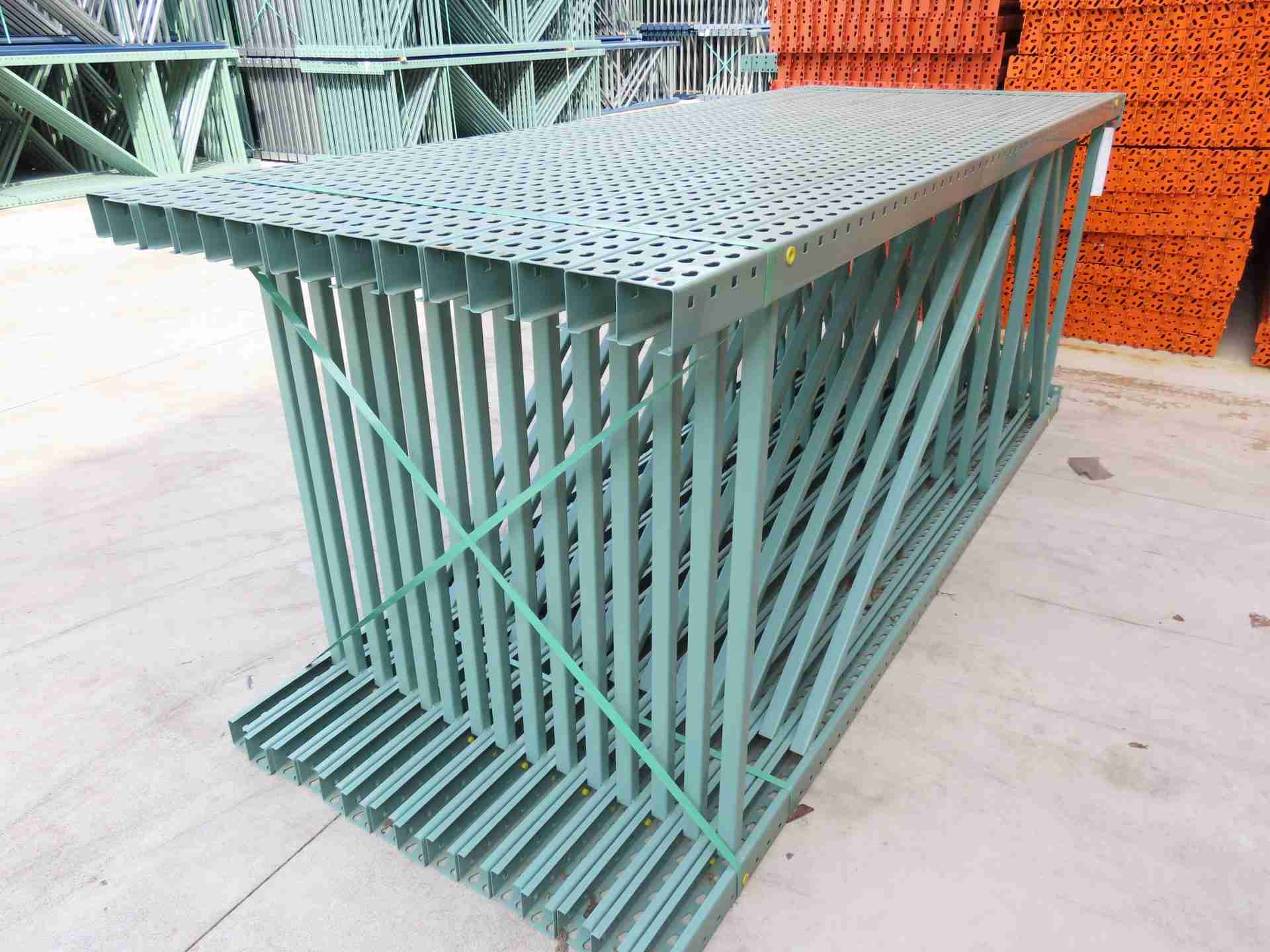
How Do I Evaluate The Quality Of Pallet Racks?
How Do I Evaluate The Quality Of Pallet Racks?
- Material Composition Matters: Choose pallet racks made from high-grade steel with appropriate gauge thickness for durability; lower numbers indicate heavier steel.
- Certifications and Compliance: Always check for industry certifications such as RMI approval to ensure safety and compliance with national standards.
- User Reviews and Case Studies: Look for real-world applications and user feedback to inform your purchasing decision and gauge effectiveness.
- Versatility and Expandability: Opt for modular racks that allow for easy reconfiguration to adapt to changing warehousing needs.
- Warranty and Support: A strong warranty and responsive customer support from the manufacturer indicate product confidence and commitment.
- Investment Protection: Evaluating rack quality helps safeguard operations and maximize storage efficiency.
- Informed Decision-Making: Conduct thorough evaluations to ensure your investment in pallet racks pays off long-term.

How Do I Evaluate The Quality Of Pallet Racks?
What Innovations Are Emerging In The Pallet Rack Industry?
In an ever-evolving industrial landscape, the pallet rack industry is experiencing a wave of innovations designed to enhance efficiency, safety, and sustainability. Businesses that stay ahead of these trends can not only streamline their operations but also gain a significant competitive edge.
A standout innovation making headlines is the rise of smart pallet racking systems. Equipped with IoT (Internet of Things) technology, these systems allow operators to monitor inventory in real-time. Companies like Crown Equipment are already pioneering smart solutions that utilize sensors to track stock levels and optimize space utilization dynamically. Imagine the elevation in operational maneuvers: detecting underperforming products and reallocating resources in a flash, reducing waste and boosting profitability. This is not just an enhancement—it’s a paradigm shift.
Moreover, automated pallet storage and retrieval systems (AS/RS) are revolutionizing warehousing operations. Firms like Daifuku are leading the charge with cutting-edge robotic solutions that increase throughput and minimize human error. Warehouses employing these systems can achieve significant productivity gains, sometimes achieving up to a 90% increase in efficiency. Automated systems are no longer a luxurious rarity; they are fast becoming a necessity for companies aiming to keep pace with e-commerce giants.
But innovation doesn’t stop there. Sustainability is also a driving force in the industry. With rising global concerns about waste, manufacturers are developing recyclable pallet systems and racking options made from sustainable materials. Companies like Mecalux are integrating eco-friendly practices, focusing on designs that not only push the envelope but also reduce the carbon footprint. By adopting sustainable solutions, businesses can attract customers who prioritize environmental responsibility, ultimately enhancing brand loyalty.
In terms of safety, the integration of augmented reality (AR) is gaining traction. Training systems that utilize AR technology provide a unique, immersive experience for employees, ensuring they adhere to safety protocols while operating heavy machinery. Companies are increasingly investing in AR-driven training programs that reduce accidents and enhance overall workplace safety—a must-have in today’s risk-averse market.
The pallet rack industry is on the brink of transformation, with innovative technologies and a focus on sustainability paving the way for more efficient and secure operations. Businesses that recognize the potential of these innovations stand to benefit not only in terms of operational efficiency but also in their capacity to meet growing consumer demands and regulatory standards. Embrace the future, and watch your warehouse transform into a hub of innovation and productivity.

What Innovations Are Emerging In The Pallet Rack Industry?
What Innovations Are Emerging In The Pallet Rack Industry?
- The pallet rack industry is undergoing innovations to enhance efficiency, safety, and sustainability.
- Smart pallet racking systems equipped with IoT technology allow real-time inventory monitoring and dynamic space optimization.
- Automated storage and retrieval systems (AS/RS) are revolutionizing warehousing, achieving productivity gains of up to 90%.
- Sustainability is a key focus, with manufacturers developing recyclable pallet systems and eco-friendly materials.
- Augmented reality (AR) is being integrated into training programs to enhance safety and reduce workplace accidents.
- Innovative technologies are transforming operations, enabling businesses to meet consumer demands and regulatory standards effectively.
- Companies that adopt these innovations gain a competitive edge in the evolving industrial landscape.

What Innovations Are Emerging In The Pallet Rack Industry?
How Can I Avoid Common Mistakes With Pallet Racks?
Pallet racks are more than just a storage solution; they are the backbone of your warehouse efficiency and productivity. However, improper implementation—or neglecting to learn from others’ mistakes—can lead to operational chaos and financial losses. Here’s how to steer clear of common pitfalls with pallet racking systems.
1. Inadequate Planning and Design
One fundamental mistake many businesses make is diving headfirst into pallet racking without a comprehensive plan. Take the time to assess your inventory, operational flow, and future needs. For example, if you manage a distribution center that has seen growth (like many retailers did during the recent surge in e-commerce), you’ll want a flexible racking system that can adapt as you scale up. Utilize software tools to model warehouse layouts and visualize different scenarios. This forward-thinking strategy can save you money on costly redesigns down the line.
2. Neglecting Safety Protocols
Safety should be your top priority. Failing to adhere to safety standards can not only lead to accidents and injuries but can also land you in legal hot water. Ensure all employees are trained in safe racking practices and regularly inspect for potential hazards. Since the pandemic, many workplaces have heightened safety standards, so don’t overlook the importance of an environment where employees feel secure—this enhances morale and boosts efficiency.
3. Overloading and Misconfiguration
Overloading racks is a common mistake that can lead to disastrous failures. Each pallet rack has a specified load capacity, which should never be treated as a guideline. For instance, during peak seasons, resist the temptation to cram more products than your racking can handle. Instead, take a moment to assess whether your system is structured correctly for both weight and dimensions. Doing this not only prolongs the life of your racking but also minimizes the risk of downtime from collapses or rearrangements.
4. Ignoring Industry Trends
The logistics landscape is always evolving, with new technologies and methods emerging regularly. For instance, automated storage solutions are gaining traction as companies look for ways to optimize space and reduce labor costs. Stay informed about these trends and adapt your pallet racking strategy accordingly. Make it a routine practice to participate in industry webinars and forums, which can provide invaluable insights on best practices and innovations.
By taking these steps, you can optimize your pallet racking systems, enhancing efficiency while avoiding costly mistakes. Embrace preventative measures today to reap the benefits tomorrow—your business will thank you for it.

How Can I Avoid Common Mistakes With Pallet Racks?
How Can I Avoid Common Mistakes With Pallet Racks?
- Pallet racks are crucial for warehouse efficiency and productivity.
- Inadequate planning can lead to operational chaos; assess inventory and future needs.
- Prioritize safety by adhering to protocols and training employees in safe practices.
- Avoid overloading racks; each has a specified load capacity that must be respected.
- Stay informed about industry trends, such as automated storage solutions, to optimize strategies.
- Utilize software tools to model warehouse layouts for better planning.
- Implement preventative measures to enhance efficiency and avoid costly mistakes.

How Can I Avoid Common Mistakes With Pallet Racks?
What Is The Cost Range For Pallet Rack Systems?
When investing in pallet rack systems for your warehouse, understanding the cost is essential for strategic planning and budgeting. The price can vary widely, influenced by several key factors. Typically, you can expect to spend anywhere from $1,000 to $20,000 on a pallet rack system, depending on your specific needs and requirements.
At the lower end, simple, bolt-together systems start at around $1,000 for a basic setup. This could include a small, selective pallet rack designed to hold a moderate number of pallets. Such systems are ideal for small businesses or startups looking to maximize their available space efficiently without breaking the bank. For example, a small manufacturing operation may only need enough racking to store seasonal supplies, and a basic selective rack solution could fit perfectly.
Mid-range options—typically costing between $5,000 and $10,000—offer more flexibility and durability. These systems often incorporate adjustable shelving, allowing you to customize the height and layout based on your evolving inventory. A mid-sized distribution center, for instance, could invest in a drive-in or push-back racking system that optimizes space and improves loading efficiency, significantly boosting productivity.
At the higher end of the spectrum, advanced pallet rack systems can soar to $20,000 or even higher. These high-tech solutions often include features such as integrated automation, RFID tracking, and structural enhancements to handle heavier loads. Assume you’re operating a large e-commerce fulfillment center in today’s fast-paced market, where the demand for quick turnaround times is relentless. Investing in a sophisticated rack system here can not only streamline your operations but can also be a significant revenue booster by increasing the speed and accuracy of order fulfillment.
Given the ongoing disruptions in the supply chain and the escalating costs of raw materials, making an informed decision about your pallet rack system is more crucial than ever. The necessity to adapt and innovate within your storage solutions can not only save you money in the long run but also ensure that your business remains agile in the face of market fluctuations.
To sum it up, understanding the cost range for pallet rack systems involves assessing your unique requirements. By weighing the initial investment against long-term benefits, you can choose a solution that not only meets your current needs but also paves the way for future growth and efficiency. Investing wisely today can lead to remarkable returns tomorrow, helping your business stand out in a competitive landscape.

What Is The Cost Range For Pallet Rack Systems?
What Is The Cost Range For Pallet Rack Systems?
- Understanding the cost of pallet rack systems is vital for strategic planning and budgeting.
- Prices typically range from $1,000 to $20,000, depending on specific needs and requirements.
- Basic setups start around $1,000 for simple, bolt-together systems suitable for small businesses.
- Mid-range options cost between $5,000 and $10,000 and offer more flexibility and durability with adjustable shelving.
- High-end systems can exceed $20,000, featuring automation, RFID tracking, and structural enhancements for heavier loads.
- Investing in the right pallet rack system can streamline operations and significantly boost productivity.
- Making informed decisions about pallet rack systems can save money and ensure business agility amid supply chain disruptions.

What Is The Cost Range For Pallet Rack Systems?
How Do I Determine The Load Capacity Of Pallet Racks?
When it comes to maximizing your warehouse efficiency, understanding the load capacity of your pallet racks is not just important—it’s crucial. In an era where supply chain challenges and operational costs are ever-present, having the right pallet rack configuration can mean the difference between smooth operations and costly downtime. Here’s a guide to help you navigate this critical aspect of warehouse management.
First, you need to identify the specifications of your pallet racks. Each rack has a manufacturer’s rating that details the maximum load it can safely handle. This rating considers factors such as the material of the rack, the design, and the number of beams. For instance, a standard A-frame pallet rack can typically handle 3,000 to 5,000 pounds per beam level, depending on its design and location.
Now, what about the pallets themselves? The weight you intend to store on these racks plays a definitive role. Let’s say you’re using an average weighted pallet containing goods. If each pallet weighs around 1,200 pounds and you plan to stack three pallets high on a rack designed for 5,000 pounds per beam, do the math. A simple calculation shows that you are well within the rack’s capacity. However, always remember to consider the platform’s overall stability and spacing.
Current economic conditions have forced organizations to rethink their inventory strategies. For instance, the recent supply chain disruptions caused by global events have pushed companies to hold larger quantities of stock. However, overloading your pallet racks for the sake of convenience can lead to serious safety hazards. It’s essential to abide by the “Rule of Thirds”—never exceed more than 66% of a rack’s load capacity. This rule is an effective safeguard, providing enough buffer for accidental overloads due to unexpected weight variances.
Additionally, configuration matters. The layout of your warehouse could also affect how weight is distributed. It’s advisable to keep heavier items on lower shelves where they’re more stable and easier to reach. If you need to adjust for new heights or configurations, consult with a material handling expert who can provide you with tailored advice.
Lastly, always keep an eye out for changes in regulations and safety standards that may affect your operations. Many regulatory agencies have flourished in response to increased safety concerns, ensuring that warehouse environments comply with updated statutes.
Determining the load capacity of your pallet racks is more than just a technical requirement—it’s a pivotal aspect of your business’s operational strategy. Equip yourself with the right knowledge, embrace safety, and ensure your warehouse sits as robustly as possible in an ever-evolving market landscape. Preparing today will allow you to thrive in tomorrow’s uncertainties.

How Do I Determine The Load Capacity Of Pallet Racks?
How Do I Determine The Load Capacity Of Pallet Racks?
- Understanding pallet rack load capacity is crucial for warehouse efficiency.
- Each pallet rack has a manufacturer’s rating indicating its maximum safe load.
- Pallet weight significantly impacts overall rack load capacity; calculate accordingly.
- Follow the “Rule of Thirds”: never exceed 66% of a rack’s load capacity for safety.
- Warehouse layout affects weight distribution; store heavier items on lower shelves.
- Stay updated on regulatory changes and safety standards that impact operations.
- Proper knowledge and safety measures are essential for successful warehouse management.

How Do I Determine The Load Capacity Of Pallet Racks?
What Are The Advantages Of Used Vs. New Pallet Racks?
In the fast-paced world of warehousing, efficiency is everything. One of the most crucial components of an efficient operation is the shelving and storage systems employed—specifically, pallet racks. When it comes to choosing between new and used pallet racks, the decision can significantly impact both your bottom line and operational efficacy.
Let’s delve into the advantages of each option and see why more businesses are favoring a blended approach in today’s economic climate.
Cost-Effectiveness of Used Pallet Racks
One of the most compelling advantages of used pallet racks is cost savings. Companies looking to maximize their budget will find that used racks can be up to 50% cheaper than brand new options. In a time when supply chain disruptions and inflation are on the rise, cutting costs has never been more critical. For instance, a recent Bloomberg report highlighted how many industries are turning to alternatives to new equipment to offset higher prices.
Additionally, buying used doesn’t mean sacrificing quality. Many used racks are made by reputable manufacturers and offer the same durability as their new counterparts. A savvy warehouse manager once shared how purchasing a used rack system allowed their distribution center to allocate funds towards employee training programs instead, ultimately resulting in increased productivity.
Availability and Unique Options
Another advantage to consider is availability. In recent months, the demand for new shelving and storage options has surged, leading to longer lead times and shipping delays. When you opt for used pallet racks, you’re more likely to find what you need immediately—giving you a competitive edge and an opportunity for quicker implementation.
Imagine facing an unexpected surge in inventory due to an e-commerce boom, like many experienced during the pandemic. Immediately being able to secure used racks meant increased storage capacity, allowing businesses to capitalize on that demand without delay.
Sustainability and Environmental Impact
In today’s eco-conscious society, sustainability plays an integral role in purchasing decisions. Opting for used pallet racks is not only a smart business move but also a greener choice. By reusing steel and optimizing existing products, companies can contribute to a circular economy, reducing waste and minimizing their carbon footprint.
Whether you are looking for a budget-friendly option, a solution that prioritizes immediate availability, or a way to improve your environmental impact, the choice between new and used pallet racks comes with clear advantages. Often, the smartest approach involves a strategic mix of both. Remember, in the world of warehousing, working smarter—not harder—defines success.

What Are The Advantages Of Used Vs. New Pallet Racks?
What Are The Advantages Of Used Vs. New Pallet Racks?
- Efficiency is crucial in warehousing, with pallet racks being a key component.
- Choosing between new and used pallet racks can significantly affect costs and operational effectiveness.
- Used pallet racks offer cost savings, potentially being up to 50% cheaper than new options.
- Buying used does not compromise quality, as many are from reputable manufacturers.
- Used pallet racks provide immediate availability, helping businesses respond quickly to inventory surges.
- Opting for used racks supports sustainability by reusing materials and reducing waste.
- A blended approach of new and used racks may be the most strategic choice for businesses.

What Are The Advantages Of Used Vs. New Pallet Racks?
How Do I Design A Warehouse Layout With Pallet Racks?
Designing a warehouse layout with pallet racks is a strategic investment that can greatly enhance your operational efficiency and optimize your storage capacity. Imagine transforming your cluttered space into a well-organized facility that drives productivity and maximizes profitability. Here’s how to do it right.
First, assess your inventory. Understanding the types and volumes of products you store is crucial for effective warehouse design. For instance, if you’re managing a high turnover of small consumer goods, consider a layout that allows for easy access and quick picking, such as a FIFO (First In, First Out) system. On the other hand, if you’re dealing with bulk items like machinery parts, gravity flow racks could be ideal, as they facilitate the seamless movement of inventory.
Next, don’t overlook the importance of aisle width. While it might be tempting to squeeze in more rows of racks, doing so can lead to bottlenecks and slowdowns in your operations. The current trend in e-commerce logistics emphasizes the need for speed—customers expect rapid fulfillment. Wide aisles can accommodate faster-moving forklifts and other equipment, ensuring that orders are processed swiftly and efficiently.
Consider incorporating technology into your layout. More warehouses are integrating automated systems to keep pace with increasing demand. For instance, using mobile shelving units along with stackable pallet racks can boost flexibility, allowing you to adjust your layout as inventory levels change. Implementing a Warehouse Management System (WMS) can also streamline operations, offering real-time tracking of inventory and reducing the margins for error.
Remember to optimize vertical space. Pallet racks are designed for this purpose, providing multiple levels of storage height. However, be cautious—overstacking can lead to safety hazards. Situate your pallet racks strategically, placing the most popular items at eye level for quick access and reserving the top levels for slower-moving stock.
Lastly, consider the future. As industries evolve—like the recent surge in green logistics—factor in scalability. Your warehouse layout should accommodate growth without requiring complete redesigns. Modular pallet racks are a savvy choice, allowing you to add more storage as your inventory increases.
In sum, a well-designed warehouse layout utilizing pallet racks is not simply about storage; it’s about creating an efficient, adaptable operation. By assessing your inventory needs, optimizing space, and incorporating technology, you can position your warehouse for success in today’s fast-paced market. Don’t just store products—create a dynamic environment that drives your business forward!

How Do I Design A Warehouse Layout With Pallet Racks?
How Do I Design A Warehouse Layout With Pallet Racks?
- Designing a warehouse layout with pallet racks enhances operational efficiency and storage capacity.
- Assess your inventory to choose the right layout (e.g., FIFO for small goods, gravity flow racks for bulk items).
- Ensure adequate aisle width to prevent bottlenecks and accommodate fast-moving equipment.
- Incorporate technology like automated systems and Warehouse Management Systems (WMS) for efficiency.
- Optimize vertical space with pallet racks while avoiding overstacking for safety.
- Plan for the future by considering scalability and using modular pallet racks for inventory growth.
- A well-designed layout creates a dynamic environment that drives business productivity and success.

How Do I Design A Warehouse Layout With Pallet Racks?
Conclusion
In today’s fast-paced supply chain environment, understanding pallet racking systems is crucial for operational efficiency and profitability. With the right knowledge, you can transform your storage practices, cater to evolving market demands, and ultimately bolster your bottom line. But the journey into the world of pallet racks doesn’t have to be overwhelming. At Arrow Industrial Sales, we break it down into manageable steps that provide you with valuable insights and actionable strategies.
By leveraging the diverse educational resources available—from online courses and industry associations to blogs and social media forums—you can gain a comprehensive understanding of various pallet rack types, safe installation practices, maintenance, and future innovations. Whether you’re considering selective racks for quick access or drive-in racks for high-density storage, these tools equip you with the knowledge needed to optimize your warehouse layout effectively.
Yet, knowledge alone isn’t enough. Choosing the right pallet rack is a vital decision that impacts your warehouse’s operational safety and efficiency. By understanding both your inventory requirements and spatial limitations, you can make informed decisions, enhancing both storage capacity and the safety of your team. Remember, a well-informed investment now reduces costs and risks in the long run.
Moreover, as safety regulations tighten and the demand for effective storage solutions increases, compliance with OSHA regulations and industry standards is more crucial than ever. Maintaining rigorous safety protocols not only protects your employees but also shields your business from hefty fines. Your commitment to safety demonstrates a dedication to operational excellence that can enhance your reputation in the industry.
Now is the time to act! Don’t let your warehouse lag behind. Call Arrow Industrial Sales at (574) 349-6575 today for expert advice and tailored solutions that cater to your unique storage challenges. With our extensive inventory of quality pallet racks and our commitment to exceptional customer service, we can help you navigate the complex world of warehouse management with ease.
Don’t wait—seize this opportunity to elevate your warehousing game. Arm yourself with the expert knowledge and solid solutions necessary to not just meet but exceed storage expectations. The future of your warehouse is bright, and with Arrow Industrial Sales by your side, you can ensure it’s also efficient, safe, and scalable. Let’s take the next step together!

Conclusion
Conclusion:
- Understanding pallet racking systems is crucial for operational efficiency and profitability.
- Arrow Industrial Sales provides manageable steps to enhance your knowledge of pallet racks.
- Educational resources such as online courses, blogs, and forums are available for comprehensive learning.
- Choosing the right pallet rack enhances both storage capacity and operational safety.
- Compliance with OSHA regulations is essential for safety and avoiding fines.
- Contact Arrow Industrial Sales for expert advice and tailored storage solutions.
- Investing in the right pallet racks now leads to long-term cost savings and improved efficiency.

Conclusion
Other Resources

Other Resources
Here is a list of other resources you can review online to learn more:
- “1910 | Occupational Safety and Health Administration”
- “pallet racking”
- “Pallet Racks”
- “Understanding OSHA Requirements for Warehouse Racking”
- “What Does OSHA Have to Say About Pallet Rack Safety?”
- “How to Anchor Pallet Racks to Be Safe and OSHA Compliant”
- “Warehouse Racking Safety Guidelines: Satisfying OSHA”
- “Pallet Racking Safety Guidelines: What They Are and How …”
- “Facilities Planning John A. White Yavuz A. Bozer JMA …”
Use This Prompt To Get More Resources With Your Favorite Online AI Tool: Please provide me with a list of online articles with their URLS in a bulleted list that I can read regarding Where to Learn About The Pallet Rack World?

Other Resources
Glossary Terms
Where to Learn About The Pallet Rack World? – Glossary Of Terms
1. Pallet Racking: A storage system designed to support and organize pallets of goods in a warehouse environment.
2. Selective Racking: A type of pallet racking that allows for easy access to all pallets, maximizing flexibility and inventory management.
3. Drive-In Rack: A high-density storage system that allows forklifts to drive directly into the racking for storage, reducing aisle space.
4. Push Back Rack: A storage system that uses a series of shelves to push pallets back as new pallets are added, offering high-density storage.
5. Narrow Aisle Rack: A specialized racking system that reduces aisle width to maximize storage space while requiring specialized forklifts.
6. Cantilever Rack: A racking system designed for storing oversized items or materials that can’t be stored on standard shelves.
7. Rack Design: The process of planning and organizing the layout of racking systems tailored to specific warehouse needs.
8. Load Capacity: The maximum weight that racking systems can safely support, influenced by the design and materials used.
9. Forklift: A powered industrial truck used to lift and transport materials within a warehouse or storage facility.
10. Warehouse Management System (WMS): Software that helps manage inventory levels, locations, and orders in a pallet racking environment.
11. FIFO (First-In, First-Out): An inventory management principle ensuring that the oldest stock is used or sold before the newer stock.
12. LIFO (Last-In, First-Out): An accounting method where the most recently produced items are recorded as sold first, affecting inventory management.
13. Safety Standards: Regulations and guidelines that govern the installation and use of pallet racking to ensure workplace safety.
14. Load Beam: A horizontal support structure used in pallet racking systems that holds the pallets and distributes the load weight.
15. Upright Frame: The vertical components of a pallet racking system that provide stability and support for load beams.
16. Cross Brace: Diagonal supports used in racking systems to enhance stability and prevent swaying.
17. Anchor Bolt: A fastener used to secure racking systems to the floor, ensuring stability against tipping or collapse.
18. Inspection Criteria: Guidelines used to evaluate the condition and safety of pallet racking systems regularly.
19. Rack Height: The vertical measurement of a racking system, impacting storage capacity and accessibility.
20. Pallet Size: The standard dimensions of pallets (e. g. , 48″x40″) that determine how racking systems are designed.
21. Material Handling: The movement, protection, storage, and control of materials and products throughout the manufacturing and distribution process.
22. Vertical Space Optimization: Strategies used to maximize the use of vertical storage in warehouses, such as higher racking systems.
23. Aisle Size: The width of the pathways between racking systems, crucial for efficient movement of equipment and personnel.
24. Rack Repair: The process of fixing or reinforcing damaged racking systems to ensure ongoing safety and functionality.
25. Pallet Flow Racking: A dynamic racking system that uses gravity to slide pallets down from a loading area to a picking area.
26. Cold Storage Rack: Specialized racking systems designed for storing temperature-sensitive products in refrigerated warehouses.
27. Carton Flow Rack: A racking system that uses rolling tracks to allow cartons to flow smoothly from the back to the front.
28. Systems Integrator: A company or individual that combines various components of a warehouse, including racking systems, to create efficient layouts.
29. Training and Certification: Educational programs designed to teach best practices in rack safety, operation of forklifts, and inventory management.
30. Industry Resources: Publications, websites, and organizations that provide valuable information, research, and standards related to pallet racking.

Glossary Of Terms
Other Questions
Where to Learn About The Pallet Rack World? – Other Questions
If you wish to explore and discover more, consider looking for answers to these questions:
- What are the key benefits of different types of pallet racks?
- How can I ensure compliance with safety regulations regarding pallet racks?
- What are the best practices for pallet rack maintenance and upkeeping?
- Where can I find detailed specifications for different pallet rack models?
- How do I effectively train my team on pallet rack safety and operation?
- What are the signs that indicate my pallet racks need replacement?
- Can I customize pallet racks to fit unique space constraints?
- What are common pitfalls to avoid when implementing pallet rack systems?
- How do I integrate pallet rack systems with automated inventory systems?
- What factors should influence my decision between new and used pallet racks?
- How can I leverage pallet racks to improve overall warehouse ergonomics?
- What technology is currently being used to improve pallet racking efficiency?
- What are the future trends in pallet rack technology and design?
- How do I assess the return on investment for a pallet rack system?
- What resources are available for ongoing education in pallet racking systems?

Other Questions
Checklist
Where to Learn About The Pallet Rack World? – A Checklist
Checklist: Mastering the Pallet Rack World for Warehouse Efficiency
1. Understand Your Inventory Needs
_____ Assess the types of products stored (heavy, fragile, bulk).
_____ Determine throughput requirements and seasonality of inventory.
2. Explore Learning Resources
_____ Enroll in online courses (Coursera, Udemy) focused on pallet racking systems.
_____ Join industry associations (MHI, WERC) for research and networking opportunities.
_____ Attend trade shows (MODEX, ProMat) for hands-on experience and latest technologies.
3. Learn About Pallet Rack Types
_____ Familiarize yourself with different types of pallet racks:
_____ Selective, Drive-In/Drive-Through, Push Back, Cantilever, Automated Storage and Retrieval Systems (AS/RS).
4. Evaluate Your Space
_____ Measure available space and consider vertical storage options.
_____ Consider layout for optimal product access and safety.
5. Assess Handling Equipment
_____ Review forklifts or automated systems available for compatibility with chosen racks.
_____ Ensure your racking system complements your equipment for efficient operations.
6. Prioritize Safety Regulations
_____ Stay updated on OSHA regulations and compliance standards.
_____ Conduct regular safety training and inspections for your workforce.
7. Maximize Storage Space
_____ Implement high-density racking solutions.
_____ Use adjustable racking systems to accommodate inventory variations.
_____ Consider utilizing inventory management software for efficiency.
8. Conduct Routine Maintenance
_____ Schedule regular inspections to check for wear and damage.
_____ Keep the area around racks clean and organized.
_____ Address repairs or issues promptly to maintain safety and efficiency.
9. Find Reputable Suppliers
_____ Conduct thorough online research and read user reviews.
_____ Attend industry trade shows to meet suppliers in person.
_____ Leverage industry associations for recommended suppliers.
10. Understand Cost Implications
_____ Budget for both new and used pallet racks, considering the total cost of ownership.
_____ Evaluate the trade-off between upfront cost and long-term durability/investment.
11. Determine Load Capacity
_____ Familiarize yourself with the specific load rating of your pallet racks.
_____ Use the “Rule of Thirds” to avoid overloading and ensure operational safety.
12. Strategically Design Warehouse Layout
_____ Plan for efficient flow and accessibility.
_____ Consider scalability for future growth and inventory changes.
_____ Utilize vertical space effectively and avoid clutter.
13. Stay Informed on Industry Innovations
_____ Follow trends such as smart pallet racking systems and automation technologies.
_____ Adapt to emerging practices that enhance efficiency and safety.
14. Avoid Common Mistakes
_____ Plan layout carefully to avoid chaos and inefficiencies.
_____ Don’t neglect safety and load capacity guidelines.
_____ Keep abreast of current market trends to remain competitive.
By following this checklist, you can enhance your understanding and utilization of pallet rack systems, ultimately leading your operations toward greater efficiency and profitability in the ever-evolving logistics landscape.

Checklist
At RackingWorld, we help guide you through selecting warehouse storage systems and racking.
Be sure to read our other related stories at RackingWorld to learn more about warehouse storage systems.
0 Comments