
D.I.Y. Pallet Racking: Tips For Successful Installation
By Tom Seest
At RackingWorld, we help guide you through selecting warehouse storage systems and racking.
Be sure to read our other related stories at RackingWorld to learn more about warehouse storage systems.
Can You Install Pallet Racking Yourself?
When it comes to managing storage efficiently, pallet racking is a game-changer for warehouses and businesses alike. But like any potential investments, the question arises: Can you install pallet racking yourself? While the allure of DIY projects is strong—with promises of savings and a sense of accomplishment—the reality may be more complex than you think.
Let’s cut to the chase. Yes, you *can* technically install pallet racking by yourself, but should you? Consider this: the U.S. warehouse sector currently experiences unprecedented growth in the wake of surging e-commerce demands. With millions of square feet of storage space being optimized and transformed, the last thing you want is to jeopardize your business operation by underestimating a seemingly simple installation task.
First, let’s dissect the requirements. Proper installation involves understanding load capacities, adhering to industry safety standards, and utilizing the right tools. Slipping up during the installation may lead not just to structural failure, but also to severe safety hazards for you and your team. Did you know that in 2022 alone, warehouse injuries due to improper racking setups contributed significantly to OSHA’s reported statistics? A staggering statistic should raise red flags for anyone considering a DIY installation.
Now, imagine you save a few bucks by going the DIY route only to face a catastrophic failure down the line. The financial repercussions aren’t just limited to damaged goods; they could include medical costs, potential lawsuits, and loss of business reputation. A single inquiry about a shelving mishap can send customers dialing away to your competition.
Let’s pivot to an alternative: hiring professionals. Investing in expert installation can actually pay dividends. For example, leading pallet racking companies offer warranties and regular inspections. This not only ensures the safety of your setup but also provides ongoing peace of mind. Recent trends show that businesses prioritizing professional installation see fewer disruptions in operations—an element critical in meeting today’s consumer demands.
In closing, consider what the best choice is for your business. While DIY may seem tempting, the benefits of hiring experts often far outweigh the initial savings. The key is to ask yourself—would you rather save a dollar today to lose a fortune tomorrow? The wisdom lies not in merely cutting costs but in strategically investing in your future.

Can You Install Pallet Racking Yourself?
Can You Install Pallet Racking Yourself?
- Pallet racking is essential for efficient warehouse storage management.
- DIY installation of pallet racking is technically possible but may not be advisable.
- The U.S. warehouse sector is rapidly growing due to increasing e-commerce demands.
- Proper installation requires knowledge of load capacities, safety standards, and tools.
- Improper racking setups can lead to severe safety hazards and contribute to workplace injuries.
- Hiring professionals for installation can lead to warranties and regular inspections, enhancing safety.
- Investing in expert installation may prevent financial losses and ensure operational continuity.

Can You Install Pallet Racking Yourself?
Table Of Contents
- Can You Install Pallet Racking Yourself?
- Can You Install Pallet Racking Safely On Your Own?
- What Tools Do You Need For Diy Pallet Racking Installation?
- How Much Does Pallet Racking Installation Cost?
- What Is The First Step To Installing Pallet Racking?
- Are There Regulations For Diy Pallet Racking Installations?
- How Do You Determine The Weight Capacity Of Pallet Racking?
- What Types Of Pallet Racking Are Available For Diy Projects?
- Can You Modify Existing Pallet Racking Systems?
- What Common Mistakes Should You Avoid During Installation?
- How Do You Ensure Your Pallet Racking Is Level And Stable?
- What Safety Precautions Should You Take While Installing Racking?
- How Long Does It Take To Install Pallet Racking Yourself?
- What Is The Best Method For Anchoring Pallet Racking To The Floor?
- Are There Any Visual Guides For Pallet Racking Installation?
- When Should You Call A Professional For Pallet Racking Installation?
- Conclusion
- Other Resources
- Glossary Of Terms
- Other Questions
- Checklist
Can You Install Pallet Racking Safely On Your Own?
Pallet racking systems can transform your warehouse or storage space from chaotic clutter to organized efficiency. However, as appealing as the prospect of a DIY installation may be, the question looms large: can you safely install pallet racking on your own? The short answer? Not without significant risks.
Let’s break this down. First, consider the weight capacity of pallet racking. These systems are designed to hold thousands of pounds, and even a slight miscalculation or improper installation can lead to catastrophic failures. Just recently, a major logistics company faced dire consequences when an improperly installed racking system caused a collapse, resulting in significant financial losses and injury to workers. A single mishap can cripple your operations—and your bottom line—so can you really afford to take that chance?
Beyond physical safety, let’s discuss compliance regulations. The Occupational Safety and Health Administration (OSHA) has strict guidelines for warehouse equipment and storage systems. DIY installations might overlook these essentials and lead to costly fines or, worse, liabilities if an accident occurs. Investing the time to understand these regulations may feel cumbersome, but it can save you from dire financial repercussions. Seek out professional advice to ensure your installation is compliant.
Moreover, think about efficiency. While you might feel confident to tackle the racking on your own, skilled professionals possess not only the right tools but also the expertise to optimize the layout. A specialized installation can allow you to utilize your warehouse space to its fullest potential—transforming narrow aisles into efficient pathways and maximizing vertical storage, which is crucial given current supply chain constraints. For example, companies facing material shortages and delivery delays are prioritizing space optimization to adapt to market challenges. An expert can make your investment work harder for you.
While the DIY ethic is tempting, it’s essential to evaluate the stakes. Safety should always be the top priority, and skimping on professional installation can end up costing you far more than you might save. A small investment in expert installation pays dividends in safety, efficiency, and compliance, ensuring your operations run smoothly. So think twice before grabbing that toolkit; when it comes to pallet racking, expertise isn’t just a luxury—it’s a necessity.

Can You Install Pallet Racking Safely On Your Own?
Can You Install Pallet Racking Safely On Your Own?
- Pallet racking systems improve warehouse organization and efficiency but installing them DIY poses significant risks.
- Improper installation can lead to catastrophic failures, as seen in a recent incident causing losses and injuries at a logistics company.
- Compliance with Occupational Safety and Health Administration (OSHA) regulations is crucial, and poor DIY installations can lead to fines and liabilities.
- Understanding safety regulations can be burdensome but ultimately protects against financial repercussions.
- Professional installation optimizes racking layout, enhancing storage capacity and efficiency, especially important during supply chain challenges.
- Investing in expert installation ensures safety, compliance, and operational efficiency, potentially saving money in the long run.
- Safety should be prioritized; expertise in pallet racking installation is a necessity rather than a luxury.

Can You Install Pallet Racking Safely On Your Own?
What Tools Do You Need For Diy Pallet Racking Installation?
When it comes to DIY pallet racking installation, the right tools can make all the difference between a seamless, efficient project and a chaotic mess. Whether you’re a seasoned DIY enthusiast or just getting your feet wet, equipping yourself with the appropriate tools is your first step toward transforming your storage solutions. Let’s break down the essentials you’ll need to tackle this project like a pro.
1. Safety Gear: Before snapping into gear, ensure you prioritize safety. Protective eyewear, gloves, and a hard hat aren’t just accessories; they are your first line of defense. With heavy pallets and metal racking systems, injuries can happen if you’re not careful. Given the increase in home improvement projects during this time of remote work and economic uncertainty, safety is paramount.
2. Measuring Tools: Precision is key in pallet racking installation. A quality measuring tape, a carpenter’s square, and a level should top your list. You wouldn’t build a house without a strong foundation, and the same goes for your storage system. Make accurate measurements to ensure your racking will hold up—literally! Incorporate current standards and any local regulations to validate your design.
3. Power Tools: Invest in power tools that streamline your work process. An impact driver and a drill are must-haves for securely bolting together racking components. A corded or battery-powered saw will allow you to customize your pallets or shelving materials. With economic pressures gripping many, it’s wise to consider compact power tools that double as multifunctional tools to maximize your investment.
4. Hand Tools: Don’t underestimate the importance of hand tools. A hammer, screwdriver set, and adjustable wrench play essential roles in fine-tuning your assembly. Keep these handy for quick adjustments and fixes, especially when you uncover unforeseen challenges like offset brackets or misaligned beams—challenges commonly encountered during pallet racking installations worldwide.
5. Assistance Equipment: Moving heavy pallets requires strategy. A pallet jack or forklift can save your back while making the process smooth and efficient. If you’re not ready to invest in a new piece of equipment, consider renting one. With recent supply chain disruptions, relocating and managing inventory is more crucial than ever, making efficient equipment a worthwhile investment.
6. Cleanup Supplies: Don’t forget to have cleanup supplies on hand. From a broom for sweeping away sawdust to trash bags for debris, having these at your disposal will wrap up your project nicely and maintain your work environment.
In this modern DIY era, understanding which tools are necessary for your pallet racking installation doesn’t just simplify the process; it sets you up for success—allowing you to create an organized, efficient space that maximizes your utility and minimizes clutter. Embrace your DIY journey; the right tools will lead you to excellent results!

What Tools Do You Need For Diy Pallet Racking Installation?
What Tools Do You Need For Diy Pallet Racking Installation?
- Safety Gear: Prioritize safety with protective eyewear, gloves, and hard hats to prevent injuries during installation.
- Measuring Tools: Use a measuring tape, carpenter’s square, and level for precise measurements to ensure a sturdy racking system.
- Power Tools: Invest in an impact driver, drill, and saw to streamline assembly and customize materials.
- Hand Tools: Essential tools like a hammer, screwdriver set, and adjustable wrench are vital for adjustments and fixes.
- Assistance Equipment: Utilize pallet jacks or forklifts to efficiently move heavy pallets, considering rental options if needed.
- Cleanup Supplies: Have brooms and trash bags ready for a clean workspace and proper cleanup post-installation.
- Overall Preparation: Selecting the right tools simplifies the installation process and helps create an organized, efficient storage space.

What Tools Do You Need For Diy Pallet Racking Installation?
How Much Does Pallet Racking Installation Cost?
When it comes to optimizing storage space and improving warehouse efficiency, pallet racking is a crucial investment. Yet, the question that lingers in the minds of business owners is: How much will it cost to install this essential infrastructure? Understanding the nuances of pallet racking installation costs can mean the difference between a thriving operation and a logistical nightmare.
First, let’s break down the components that contribute to the installation cost. Generally, the expense can range from $2,000 to upwards of $50,000, depending on the scale and complexity of your project. Larger operations requiring heavy-duty racking systems or advanced configurations will naturally incur higher costs.
Consider the case of a mid-sized warehouse looking to upgrade its storage capabilities. They may find themselves spending around $15,000 to $20,000 for a comprehensive racking system that includes labor costs, installation, and safety inspections. This expense, however, should be viewed as an investment. The right racking can enhance your workflow, mitigate damage to inventory, and ultimately increase profitability. In contrast, not investing in suitable racking can lead you down a path of lost productivity and escalating operational costs.
Let’s not overlook the rising costs of materials, which have seen fluctuations due to current supply chain disruptions. The ongoing global pandemic has made sourcing steel more expensive, causing costs to rise significantly. A savvy business owner understands the importance of planning ahead. Waiting too long can lead to increased materials costs further down the road. By proactively addressing your needs, you can lock in favorable pricing before the next fluctuation hits.
Moreover, consider additional features that may add to the bottom line. Will your racking system require specialized features, such as adjustable shelves or climate control? These enhancements can add thousands to your overall budget but might be a requisite for specific inventory types, especially in industries sensitive to climate, such as pharmaceuticals or food.
Finally, while it may be tempting to skimp on installation costs to save money upfront, remember that the quality of installation directly impacts your operation’s safety and efficiency. A subpar installation might lead to accidents or damage, resulting in costly repairs—and potential liability issues.
While the costs associated with pallet racking installation can vary significantly, understanding the factors involved will allow you to budget effectively and maximize your investment. Investing wisely now can lead to an efficient, safe, and profitable warehousing operation in the future. Don’t wait; the right racking can transform your business landscape!

How Much Does Pallet Racking Installation Cost?
How Much Does Pallet Racking Installation Cost?
- Pallet racking is essential for optimizing storage space and improving warehouse efficiency.
- Installation costs typically range from $2,000 to over $50,000, depending on project scale and complexity.
- A mid-sized warehouse may spend between $15,000 to $20,000 for a comprehensive racking system, including labor and safety inspections.
- Investing in racking enhances workflow, reduces inventory damage, and can increase profitability.
- Material costs are rising due to supply chain disruptions, making timely planning crucial for budgeting.
- Specialized features like adjustable shelves or climate control can significantly increase overall costs.
- The quality of installation is critical for safety and efficiency; cutting corners can lead to costly repairs and liability issues.
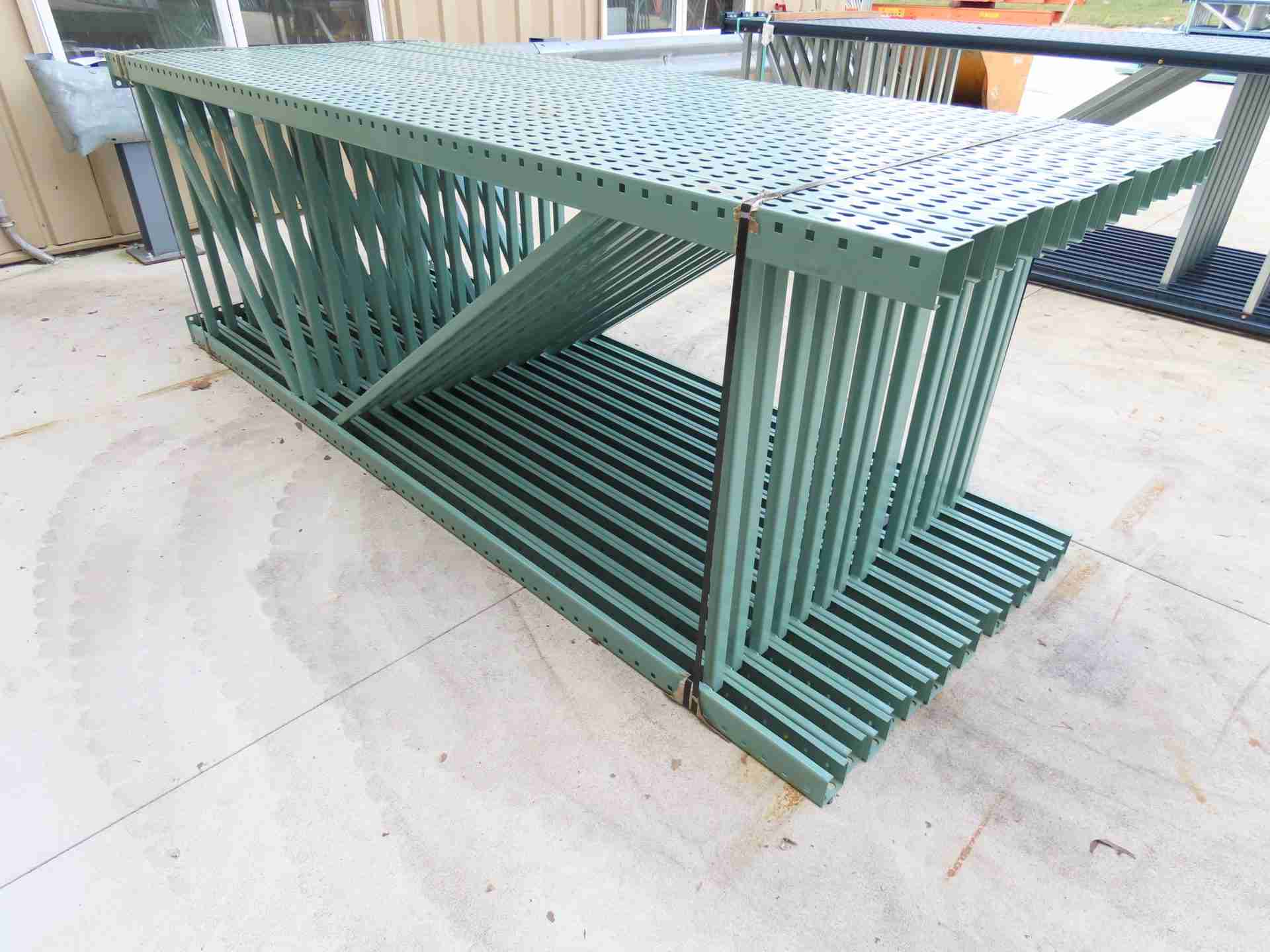
How Much Does Pallet Racking Installation Cost?
What Is The First Step To Installing Pallet Racking?
When it comes to optimizing your warehouse space, installing pallet racking is a game-changer. But, before you unleash the floodgates of efficiency, the first step must be meticulously planned: assessing your specific needs. This step isn’t just a box to check; it’s the foundation upon which your entire racking system will stand.
Imagine launching an ambitious e-commerce venture, riding the surge of online shopping growth seen in recent years. With more customers craving speedy delivery, having an organized warehouse is essential. Ask yourself: what are the products you’ll store? What size and weight are they? Different items require different types of racking systems. For instance, fragile items may need selective racking for easy access, while bulkier, heavier pallets might benefit from drive-in racking systems that maximize vertical space.
Next, consider the layout of your warehouse. Current trends show that a well-planned layout can significantly reduce inefficiencies. Pay attention to aisle widths, traffic patterns, and even safety regulations. If you have a bustling operation, you’ll want to ensure your racking doesn’t hinder the flow of workers and machinery. This reflects the current focus on safety protocols in warehouses, especially after the heightened scrutiny brought on by the pandemic—safety is not just a need, but a must-have in today’s environment.
Now, factor in your growth projections. Are you starting small but planning for expansion? It’s wise to select modular racking solutions that allow for flexibility. For example, a investment in adjustable pallet racking could save you time and money down the line. Recent leaders in warehouse logistics have highlighted the value of scalability, remembering that today’s small garage might transform into tomorrow’s distribution hub.
Once you’ve gathered the data on your needs, layout, and growth plans, it’s time to make an informed decision. Do your research on suppliers, and seek out reputable brands that can provide systems tailored to your specifications. This is akin to the attention to detail reflected in the recent warehouse automation advancements—companies that adapt to their unique requirements are the ones who thrive.
In summary, take the time to assess your specific needs as the first critical step in installing pallet racking. With thorough preparation, you pave the way for a seamless installation process and lay the groundwork for long-term operational success. As we know, efficiency is not an accident; it’s the result of careful planning and execution. Get this first step right, and the rest will follow with ease.

What Is The First Step To Installing Pallet Racking?
What Is The First Step To Installing Pallet Racking?
- Installing pallet racking optimizes warehouse space and boosts efficiency.
- Assessing specific needs is the foundational step for a successful racking system.
- Consider the type, size, and weight of products to determine the required racking systems.
- A well-planned warehouse layout reduces inefficiencies and enhances safety.
- Choose modular racking solutions for flexibility and scalability, accommodating future growth.
- Conduct thorough research on reputable suppliers for tailored racking systems.
- Meticulous planning leads to efficient installation and long-term operational success.

What Is The First Step To Installing Pallet Racking?
Are There Regulations For Diy Pallet Racking Installations?
When it comes to DIY pallet racking installations, many enthusiasts dive in with the zeal of a kid in a candy store. It’s tempting—pallet racking systems promise a personalized touch to storage needs, and the potential for monetary savings can be eye-catching. However, before you roll up your sleeves and reach for those lumber screws, it’s crucial to understand the legal landscape surrounding DIY installations.
Regulatory frameworks for pallet racking can vary significantly from one jurisdiction to another. In the United States, OSHA (Occupational Safety and Health Administration) standards are paramount in ensuring workplace safety. If your DIY racking is being installed in a commercial setting, adhering to these regulations isn’t just advisable; it’s mandatory. For instance, OSHA mandates that the design and installation of racking systems must ensure stability and safety under expected loads. Failure to comply could result in fines, or worse, workplace accidents.
Let’s not forget about the Building Codes prevalent in your local area. Municipalities often have specific codes governing structural installations, including pallet racking. This means you can’t just haphazardly stack pallets and think you’ve created an efficient storage solution. For example, in California, the California Code of Regulations, Title 24, can influence how heavy your racks can be, depending on the building’s class and location—a critical consideration in earthquake-prone areas.
Moreover, insurance implications cannot be brushed aside. Should an accident occur due to a poorly installed rack, your insurance provider might refuse to cover the incident if it’s found that your installation didn’t comply with local building codes or OSHA standards. Be sure to check if your homeowners’ or business insurance includes coverage for home improvements or DIY projects.
In recent months, we’ve seen a surge in DIY projects from home improvement shows to social media trends, but with that, there’s also been a stronger push for safety compliance. The tragic warehouse fires and collapses reported in the news highlight the need for safety over aesthetics. Regulations are not merely bureaucratic red tape; they’re lifesaving measures designed to protect both employees and property.
So, while the thrill of DIY can be intoxicating, understanding and adhering to the relevant regulations isn’t just smart; it’s essential. Whether you’re keen on building a storage solution for your personal workshop or your burgeoning small business, make sure your rig is not just creative but compliant. After all, safety and success are the cornerstones of any worthwhile venture.

Are There Regulations For Diy Pallet Racking Installations?
Are There Regulations For Diy Pallet Racking Installations?
- DIY pallet racking installations can be appealing due to personalization and potential cost savings.
- Understanding the legal landscape is crucial before starting DIY installations.
- OSHA standards are mandatory for DIY racking installation in commercial settings to ensure workplace safety.
- Local building codes, such as California’s Title 24, dictate structural installation requirements for pallet racking.
- Insurance coverage may be denied for accidents resulting from non-compliance with building codes or OSHA standards.
- Recent safety incidents, such as warehouse fires and collapses, underline the importance of compliance with regulations.
- Prioritizing safety in DIY projects is essential for both personal and professional success.

Are There Regulations For Diy Pallet Racking Installations?
How Do You Determine The Weight Capacity Of Pallet Racking?
In the bustling world of logistics and warehousing, understanding the weight capacity of your pallet racking isn’t just a matter of math—it’s a critical factor that can save you from costly mistakes and ensure the safety of your operations. The weight capacity of a pallet rack system is determined by a combination of several essential factors.
First and foremost, you need to assess the load-bearing specifications provided by the manufacturer. These specifications typically state the maximum load per shelf and the total capacity of each rack unit. For instance, a standard beam may support anywhere from 1,500 to 4,500 pounds, depending on its size and design. Always start with these numbers. For example, a recent surge in e-commerce has led many companies, such as Amazon, to upgrade their pallet racking systems to handle increased load demands, illustrating the importance of keeping current specifications in mind.
Next, consider the configuration of your racking system. The design—be it selective, drive-in, or push-back—will influence weight capacity significantly. For instance, selective racking allows for direct access to each pallet, which may not be ideal for managing heavier loads, while drive-in racking systems can optimize space but may require careful weight distribution due to their structural design. An incident reported recently at a major retailer highlighted how miscalculating weight distribution on a drive-in rack led to a partial collapse, which could have resulted in catastrophic financial repercussions.
Don’t overlook the importance of load distribution. A common pitfall is stacking items haphazardly across shelves. Always adhere to uniform distribution across beams. For example, if you’re storing a mix of lightweight items alongside heavier pallets, utilize protective devices like wood blocks or reinforcing plates to maintain balance.
It’s also wise to keep your environment in mind. Seasonal fluctuations may require you to adjust your stock levels. Following a proactive approach similar to how grocery chains manage increased inventory during peak seasons, like a pandemic or holiday rush, can lead to better preparedness.
Finally, adhere to local safety regulations and guidelines provided by organizations like OSHA. They often have specific mandates regarding how weight capacities should be measured and monitored, ensuring that you’re not just compliant but operating at peak efficiency.
By assessing these factors critically, aligning with best practices, and staying aware of industry trends, businesses can enhance their operational safety and capacities, paving the way for greater efficiency and ultimately, increased profits. Understanding the weight capacity of your pallet racking isn’t just a technical requirement; it’s a strategic advantage.

How Do You Determine The Weight Capacity Of Pallet Racking?
How Do You Determine The Weight Capacity Of Pallet Racking?
- Weight capacity of pallet racking is crucial for safety and cost-effectiveness in logistics and warehousing.
- Manufacturer’s load-bearing specifications indicate maximum load per shelf and total rack unit capacity (1,500 to 4,500 pounds).
- Racking system configuration (selective, drive-in, push-back) significantly influences weight capacity.
- Uniform load distribution is essential; avoid haphazard stacking to prevent structural issues.
- Consider seasonal inventory adjustments to better manage stock levels during peak times.
- Compliance with local safety regulations, such as those from OSHA, is necessary for operational efficiency.
- A thorough understanding of weight capacity provides a strategic advantage, enhancing operational safety and profits.

How Do You Determine The Weight Capacity Of Pallet Racking?
What Types Of Pallet Racking Are Available For Diy Projects?
\When it comes to maximizing space and organizing materials, pallet racking has emerged as a quintessential solution for DIY enthusiasts and small business owners alike. The art of transforming a cluttered space into a well-organized haven can be as simple as choosing the right type of pallet racking. With a myriad of options available, it’s important to understand which type aligns with your specific needs and project requirements.
1. Selective Pallet Racking:
The most versatile and widely-used form of pallet racking, selective pallet racking offers easy access to all pallets. This system structures horizontal beams supported by vertical frames, allowing pallets to be stored one deep. As a DIY project, opting for selective racking makes sense for home garages or warehouses where rapid accessibility is crucial. Imagine a weekend project where you clear out that chaotic shed and install selective racking, freeing up space for everything from sports equipment to seasonal decorations.
2. Drive-In/Drive-Through Racking:
For those who crave efficiency, drive-in or drive-through racking serves as an excellent choice. Drive-in racking allows forklifts to access the storage lane, while drive-through provides access on both sides. Given the recent trends towards e-commerce, where inventory management is paramount, creating a drive-in racking system in your garage could reflect an entrepreneurial spirit. Think about the hours saved if you can quickly retrieve goods without unloading other pallets!
3. Cantilever Racking:
Best known for storing long items like lumber, pipes, and other lengthy materials, cantilever racking is perfect for a DIY enthusiast tackling home improvement projects. This design usually features arms that extend from a single column, allowing flexibility when storing diverse materials. With a notable rise in DIY home improvement projects during the pandemic, cantilever racking can serve as your go-to for neatly organizing your woodworking supplies or garden equipment.
4. Pallet Flow Racking:
If your projects involve high-volume inventory movement or regular restocking, consider implementing pallet flow racking. This system utilizes gravity to allow pallets to ‘flow’ from the back of the rack to the front. It’s gaining traction in the retail world, especially as supply chains become more complex. For DIYers, this technology not only streamlines operations but also creates a visually appealing and efficient storage solution.
Whether you’re looking to tackle clutter or optimize storage, understanding the types of pallet racking available for DIY projects is critical. With the right choice, you can transform your space while enhancing accessibility and efficiency—turning your next project into a resounding success!

What Types Of Pallet Racking Are Available For Diy Projects?
What Types Of Pallet Racking Are Available For Diy Projects?
- Pallet racking is essential for maximizing space and organizing materials for DIY enthusiasts and small business owners.
- Selective pallet racking is versatile, allowing easy access to all pallets, making it ideal for garages and warehouses.
- Drive-in/drive-through racking increases efficiency by allowing forklifts easy access to storage lanes and is great for e-commerce needs.
- Cantilever racking is ideal for storing long items like lumber and pipes, perfect for DIY home improvement projects.
- Pallet flow racking utilizes gravity for effective inventory movement, ideal for high-volume movement and regular restocking.
- Choosing the right type of pallet racking can enhance accessibility and efficiency in your projects.
- Transform your space and tackle clutter with the appropriate pallet racking options available for DIY projects.

What Types Of Pallet Racking Are Available For Diy Projects?
Can You Modify Existing Pallet Racking Systems?
Absolutely! In today’s fast-paced logistics and warehousing environments, the ability to adapt is not just a luxury; it’s a necessity. Businesses across the globe are learning that existing pallet racking systems can be modified—not only to enhance efficiency but also to maximize storage space and meet evolving operational demands.
Take, for instance, the impact of recent supply chain disruptions caused by the pandemic. Many businesses were forced to pivot quickly, adapting their operations to manage fluctuations in inventory and shifting customer needs. Those who invested in modifying their existing pallet racking systems reported significant benefits. For example, adding adjustable shelving or expanding vertical space allowed these companies to respond rapidly to increased demand for specific products. Amazon recently announced enhancements to their logistics facilities, dedicating space for high-turnover items to optimize workflows. By modifying their racks, they achieved better organization and quicker access, which directly improved their delivery times.
Not only can you enhance immediate functionality, but modifying existing pallet racking also serves as a strategic investment. Imagine a warehouse that optimized its pallet racking layout, incorporating cross-docking systems. This adjusted racking allows for quicker transfer of goods from incoming to outgoing transport, slashing delivery timelines. The best part? Such changes can be implemented without the necessity for a complete overhaul. Adding extra beams, adjusting load capacities, or introducing flow-through racking can often be achieved with minimal alterations.
Let’s also talk about the benefits of compliance and safety. Older racking systems may not meet the latest safety regulations. Businesses that take the initiative to refurbish their current racking can save on the costs associated with new installations while boosting safety and compliance. For instance, enhancing existing racks with new safety features like rack safety pins or visibility aids not only protects your investment but also ensures a safer workplace.
Make no mistake, modifications can have a ripple effect on profitability. By creating an adaptable environment that embraces change, businesses position themselves ahead of the competition. As we continue to see global shifts in consumer behavior and inventory management, having a flexible pallet racking system isn’t just an advantage—it’s vital for survival.
So, if you believe your existing pallet racking system has reached its limit, think again. With a creative approach and strategic modifications, it’s entirely possible to unlock new efficiencies, ensure safety, and ultimately drive profit growth. The opportunity is yours for the taking.

Can You Modify Existing Pallet Racking Systems?
Can You Modify Existing Pallet Racking Systems?
- Adaptation in logistics and warehousing is essential for modern businesses to enhance efficiency and maximize storage space.
- Many companies adapted their pallet racking systems due to supply chain disruptions from the pandemic, reporting significant benefits.
- Modifications such as adding adjustable shelving or expanding vertical space helped businesses meet rising specific product demands.
- Amazon improved workflows by dedicating space for high-turnover items and modifying their racking for better organization and quicker access.
- Strategic modifications, like integrating cross-docking, can reduce delivery timelines without the need for a complete system overhaul.
- Refurbishing existing racking ensures compliance with safety regulations and can save costs associated with new installations.
- Flexible pallet racking systems create a competitive advantage and are vital for navigating ongoing shifts in consumer behavior and inventory management.

Can You Modify Existing Pallet Racking Systems?
What Common Mistakes Should You Avoid During Installation?
When it comes to installation—whether it’s software, hardware, or anything in between—there’s a lot that can go wrong. The stakes are high, and the consequences of poorly executed installation can wreak havoc on your operations, diminish customer experience, and drain your wallet. Avoiding blunders is critical, especially in today’s rapidly changing technological landscape. Here are some common mistakes to sidestep for a successful installation.
1. Skipping the Planning Phase
Too often, rush leads to regret. For instance, the recent debacle surrounding the rollout of the latest government application highlighted the chaos that ensues when proper planning is overlooked. Leaders jumped straight into deployment, neglecting extensive trial runs and thorough testing. Result? A public relations nightmare and wasted taxpayer dollars. Before you dive in, sit down, map out a plan, and determine potential roadblocks. This preemptive thinking could save you time and resources.
2. Ignoring Compatibility Issues
Every installation requires a level of compatibility with existing systems. Think of a simple software update that leads to system crash and confusion because it wasn’t tested against previous versions. The recent tech industry tumult illustrates this point: numerous companies faced backlash for not ensuring their new updates worked seamlessly with legacy systems. Always double-check compatibility to pave a smooth pathway for installation.
3. Overlooking User Training
Installation isn’t just about technology; it’s about people. An advanced tool will gather dust if users aren’t trained on how to use it effectively. A recent survey showed that 70% of users fail to maximize new software capabilities due to inadequate training. Provide comprehensive training sessions that cater to various skill levels, integrating hands-on experience to instill confidence and competence.
4. Neglecting Documentation
Documentation is the unsung hero of installation. Neglecting it can lead to confusion down the road. When something goes wrong—and it invariably will—having a detailed installation guide can make troubleshooting a breeze. The recent struggles of many business sectors adopting new regulations, such as the compliance adjustments post-Brexit, emphasize the importance of staying organized and informed.
5. Failing to Test Before Going Live
Nothing says “disaster” quite like an all-too-public installation failure. Recent tech rollouts have seen significant issues arise simply because companies didn’t pilot test their systems. Before going live, run rigorous tests to ensure everything functions as intended. This will not only save you from embarrassment but also enhance overall user satisfaction.
By avoiding these common pitfalls during your installation, you set the stage for success. Remember, taking the time upfront to anticipate problems will pay dividends later—ensuring a smoother, more efficient installation process that leaves everyone happy and productive.

What Common Mistakes Should You Avoid During Installation?
What Common Mistakes Should You Avoid During Installation?
- Installation errors can lead to operational chaos, customer dissatisfaction, and financial loss.
- Skipping the planning phase can result in costly mistakes; thorough preparation is essential.
- Compatibility issues must be addressed to ensure new updates work seamlessly with existing systems.
- User training is vital; without it, users may not fully utilize new tools, diminishing their effectiveness.
- Documentation is crucial for troubleshooting and operational efficiency; neglecting it can cause confusion.
- Testing before going live is necessary to avoid major failures and ensure user satisfaction.
- Proactive planning and consideration of potential problems lead to a more successful and efficient installation process.

What Common Mistakes Should You Avoid During Installation?
How Do You Ensure Your Pallet Racking Is Level And Stable?
In the bustling world of warehousing and distribution, the efficiency of your operations often hinges on one critical factor: the stability and levelness of your pallet racking. Picture this: a well-organized warehouse where every product is easily accessible and every inch of space is utilized—a true hallmark of operational excellence. Now, imagine the chaos that ensues when your racking becomes unstable. The risk of accidents, damaged goods, and costly downtime can cripple your business. Ensuring your pallet racking is level and stable isn’t just a detail; it’s a strategic imperative.
First and foremost, the foundation of your racking system must be solid. Begin by examining the floor where your racking sits. A level, sturdy floor is non-negotiable. If your warehouse is like many others, it might be uneven due to wear and tear over time or subpar initial installation. To address this, consider employing self-leveling feet or shims to adjust and stabilize. For example, during recent warehouse upgrades due to the soaring demand in e-commerce, numerous businesses have opted for advanced flooring solutions that not only maximize stability but also ensure longevity.
Next, let’s discuss the importance of correctly assembling your racking system. A robust racking configuration starts with utilizing high-quality materials and components. Cheap, flimsy racking might save a few bucks in the short term, but it can lead to catastrophic failures, as many have learned the hard way. In fact, recent reports indicate an alarming increase in warehouse accidents directly linked to improper assembly and maintenance of pallet racking systems. Always follow the manufacturer’s guidelines and consider periodic training sessions for your warehouse staff to ensure they understand the intricacies of proper assembly.
Once your pallet racking is in place, never underestimate the value of routine inspections. Develop a strict schedule for visually inspecting your racking for any signs of wear, such as bent beams or loose connections. A proactive approach can alert you to potential issues before they lead to real disaster. And with current supply chain disruptions, having your operations running like a well-oiled machine is more crucial than ever.
Lastly, be vigilant about load management. Overloading certain sections of your racking can lead to a domino effect of imbalance. Implement a clear system for load weight distribution to ensure that your racking remains level and secure under pressure.
By prioritizing a solid foundation, ensuring proper assembly, conducting regular inspections, and managing loads wisely, you can create a safer and more efficient warehouse. Take the steps today to minimize risks and maximize productivity—your bottom line will thank you!

How Do You Ensure Your Pallet Racking Is Level And Stable?
How Do You Ensure Your Pallet Racking Is Level And Stable?
- The stability and levelness of pallet racking are crucial for warehousing efficiency.
- A solid foundation is essential; inspect and ensure a level, sturdy floor for racking installation.
- Use self-leveling feet or shims for adjusting and stabilizing uneven flooring.
- Assemble racking systems with high-quality materials; follow manufacturer guidelines to prevent failures.
- Conduct routine visual inspections to identify signs of wear, such as bent beams or loose connections.
- Implement a load management system to prevent overloading and maintain racking stability.
- Prioritize these practices to create a safer, more efficient warehouse and minimize risks.

How Do You Ensure Your Pallet Racking Is Level And Stable?
What Safety Precautions Should You Take While Installing Racking?
Installing racking systems can be a game-changer for your business, optimizing storage space and streamlining operations. However, before you dive headfirst into assembly, take a moment to consider the safety precautions that will protect both your team and your investment. In today’s increasingly safety-conscious world, it’s not only wise—it’s imperative.
1. Personal Protective Equipment (PPE)
Think of PPE as your first line of defense. Ensure your team is outfitted with the appropriate gear, including hard hats, gloves, safety goggles, and steel-toe boots. This isn’t just about compliance; it’s about establishing a culture where safety is prioritized. For example, companies like Amazon invest heavily in employee safety gear, and it shows—they’ve reduced their incident rates by over 20% with these simple but effective measures.
2. Proper Training
Your crew is your greatest asset, so investing in their training is crucial. Conduct regular training sessions that cover racking systems, load capacities, and emergency procedures. This is not just for newcomers; refresher courses can be incredibly effective. For instance, in 2022, OSHA reported an increase in workplace injuries due to improper handling and ignorance of safety standards during racking installations. Don’t let your business be part of that statistic!
3. Site Assessment and Planning
Before installation, conduct a thorough site assessment. Identify potential hazards—overhead power lines, uneven flooring, or nearby machinery can pose serious risks. For example, during the height of the pandemic, many warehouses experienced significant upticks in online orders, leading to cramped conditions that could easily result in accidents. A proactive assessment can help avoid such scenarios.
4. Use the Right Tools
Invest in quality tools that are suitable for the job. Make sure your team knows the correct tools to use for specific installations. A minor oversight, like using a broken wrench or the wrong type of ladder, can lead to significant injuries. Remember the recent resurgence of injuries reported in construction sites due to substandard tools. Don’t let your warehouse fall into that rut!
5. Weight Distribution Awareness
Understanding load capacities is essential. Every racking system has a specific weight limit, and exceeding it can be catastrophic. In the wake of numerous warehouse collapses, awareness around load distribution can save lives and minimize financial loss. Keep up with the latest guidelines and standards issued by recognized safety organizations to ensure compliance.
By following these safety precautions, you not only protect your team but also enhance productivity and efficiency. Prioritize safety, and your racking installations will set the stage for a more organized, productive workplace that can handle the demands of today’s market.

What Safety Precautions Should You Take While Installing Racking?
What Safety Precautions Should You Take While Installing Racking?
- Installing racking systems optimizes storage space and streamlines operations.
- Implement Personal Protective Equipment (PPE) like hard hats, gloves, goggles, and steel-toe boots to establish a safety-first culture.
- Conduct regular training sessions for your team on racking systems, load capacities, and emergency procedures to prevent workplace injuries.
- Perform a thorough site assessment to identify potential hazards such as overhead power lines and uneven flooring before installation.
- Use quality tools suited for the job to prevent injuries caused by substandard equipment during assembly.
- Maintain awareness of load capacities for racking systems to prevent catastrophic failures and ensure compliance with safety guidelines.
- Prioritizing safety measures enhances productivity and creates a more organized workplace able to meet market demands.

What Safety Precautions Should You Take While Installing Racking?
How Long Does It Take To Install Pallet Racking Yourself?
When considering the self-installation of pallet racking, time is of the essence. As businesses grapple with supply chain challenges and inventory management has never been more critical, the efficiency of your warehouse space can make or break your operations. But how long will it actually take to install pallet racking yourself? Let’s dive into the timeline, tipping factors, and what you need to know to set yourself up for success.
First, let’s establish that the process isn’t a simple walk in the park. The average installation of a moderate-sized pallet racking system could take anywhere from one to three days if you have a team of skilled hands and the right tools. This timeframe can be extended based on your warehouse’s complexity and the specific racking system you choose. Are you opting for a standard rack or a more intricate drive-in system? Both present unique challenges that can affect installation time.
Consider this: if your warehouse is in the midst of an inventory surge due to recent shifts in consumer behavior—think of the explosive growth in e-commerce spurred by the pandemic—your team might need to adjust to accommodate faster installation times. Planning to install a racking system while working around a bustling operation could add hours, if not days, to the project.
Now, let’s talk efficient planning. A well-thought-out approach can cut your installation timeframe significantly. For instance, pre-assembly of components, organizing tools, and enlisting help from knowledgeable staff can speed things along. Whittle down those installation days by having a clear layout and strategy based on current industry best practices, which are rapidly evolving due to technological advancements and shifting market dynamics.
Moreover, current events spotlighting global supply chain disruptions highlight the need for businesses to swiftly adapt their storage solutions. The more organized and quicker your pallet racking installation, the better equipped you are to tackle inventory influxes—and ultimately the more competitive you’ll be in today’s fast-paced marketplace.
Don’t let the installation of pallet racking become a bottleneck in your operations. By understanding the factors involved, investing time in preparation, and leveraging current market insights, you can streamline your process and bring efficiency back to your warehouse in record time. Embrace the challenge, and watch your operational space transform with newfound potential!

How Long Does It Take To Install Pallet Racking Yourself?
How Long Does It Take To Install Pallet Racking Yourself?
- Time is critical for self-installing pallet racking due to supply chain challenges and inventory management needs.
- Installing a moderate-sized pallet racking system typically takes 1-3 days with skilled assistance and the right tools.
- The complexity of the warehouse and the specific racking system (standard vs. drive-in) can impact installation duration.
- Inventory surges, especially from e-commerce growth, may necessitate faster installation times and adjustments to planning.
- Efficient planning, including pre-assembly, tool organization, and knowledgeable staff, can significantly reduce installation time.
- Current global supply chain disruptions emphasize the need for swift adaptation in storage solutions to handle inventory influxes.
- Proper preparation and market insights can prevent installation delays, ultimately enhancing warehouse efficiency and competitiveness.

How Long Does It Take To Install Pallet Racking Yourself?
What Is The Best Method For Anchoring Pallet Racking To The Floor?
When it comes to safeguarding the integrity of your warehouse, the importance of properly anchoring pallet racking to the floor cannot be overstated. As businesses grow, so does the complexity of their storage solutions. In high-stakes environments where efficiency and safety collide, effective anchoring is non-negotiable.
So, what is the best method for anchoring pallet racking? First, let’s be blunt: the type of flooring in your facility will dictate the tools required. If you’re operating on concrete, expansion bolts are your best friends. These versatile anchors expand as you tighten them, providing a secure grip that withstands various stressors. Imagine your racking system swaying precariously during high-stakes operations—expansion bolts ensure this is just an anxious thought rather than a reality.
For those with less-than-ideal flooring, such as those with asphalt or wood, there are adhesive anchor systems that can also do the trick. These methods are revolutionary for some facilities, especially in industries trending towards eco-friendliness and sustainable practices. Recent developments in adhesive technologies have made them as robust as traditional methods while being kinder to the environment.
Furthermore, let’s discuss seismic considerations. Given the increased frequency of seismic events in various regions around the globe, it’s vital to ensure your pallet racking can withstand certain earthquakes without toppling over. Utilizing seismic bracing along with secure anchoring methods can make the difference between a disaster and operational continuity.
You may ask, “What about the legal implications?” Current regulatory standards demand that facilities adhere to specific anchoring protocols to ensure compliance and safety. Don’t risk your business’s reputation—or your employees’ safety—by skimping on anchoring practices. A recent report by the Occupational Safety and Health Administration highlighted several cases where improper anchoring led to catastrophic failures, serving as a stark reminder of the value of precaution.
Your business thrives on efficiency and safety. Investing in quality anchoring methods—not as an afterthought but as a cornerstone of your racking solution—can save you from potential losses. It’s worth highlighting that smart investments today will yield returns through reduced inspections, insurance premiums, and peace of mind.
Remember, a secure racking system isn’t just about storage; it’s about building a safe future for your operations. Choose wisely, anchor strategically, and watch your efficiency and safety soar.

What Is The Best Method For Anchoring Pallet Racking To The Floor?
What Is The Best Method For Anchoring Pallet Racking To The Floor?
- Properly anchoring pallet racking is crucial for warehouse integrity.
- The type of flooring dictates the best anchoring tools, with expansion bolts ideal for concrete floors.
- Adhesive anchor systems are effective for less-than-ideal flooring (asphalt or wood) and support eco-friendly practices.
- Seismic considerations are important; using seismic bracing with anchoring methods improves stability during earthquakes.
- Adhering to regulatory standards for anchoring protocols is essential for compliance and safety.
- Quality anchoring methods can lead to savings in inspections, insurance premiums, and enhance overall safety.
- A secure racking system promotes both efficiency and a safer operational future.
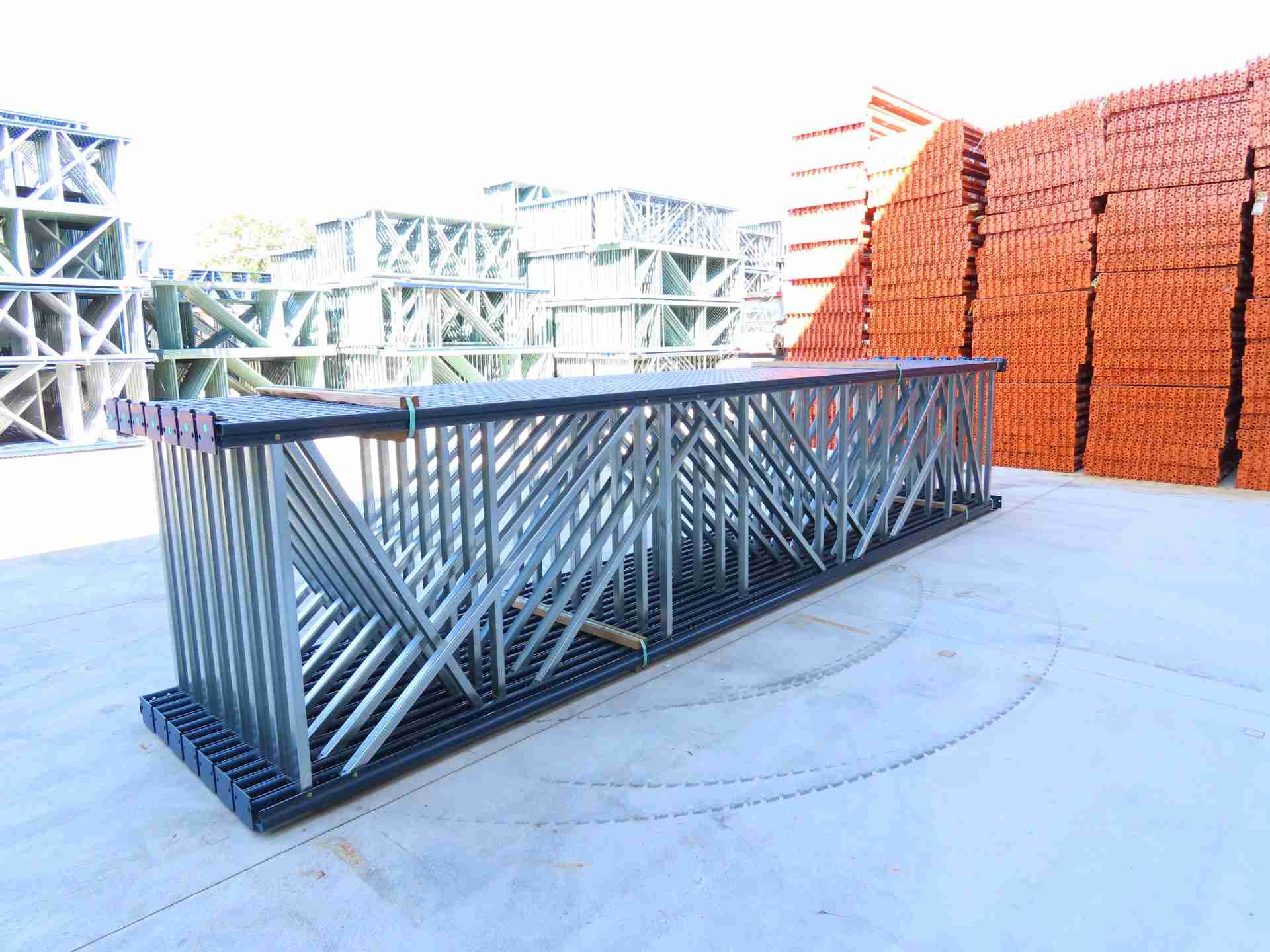
What Is The Best Method For Anchoring Pallet Racking To The Floor?
Are There Any Visual Guides For Pallet Racking Installation?
When it comes to pallet racking installation, visual guides are not just an optional add-on—they’re a necessity. In an era where efficiency drives success, particularly in the fast-paced logistics and warehousing sectors, having the right tools and resources is paramount. Visual guides can eliminate confusion, reduce errors, and streamline the installation process, ensuring you meet the demands of today’s marketplace.
Imagine walking into a warehouse ready to install a complex racking system, only to be overwhelmed by a stack of confusing manuals. Enter visual guides, the game-changer in this scenario. These resources, whether in the form of instructional videos, infographics, or detailed photographs, take the guesswork out of assembly. They highlight the precise alignment of components, making it easy for technicians and laborers to see exactly how each part fits together.
For example, consider a leading equipment supplier that recently released a series of YouTube videos showcasing their step-by-step pallet racking installations. These videos not only demonstrate the process visually but also offer tips and tricks that can save hours of labor. Users can pause, rewind, or revisit specific steps at their own pace. This flexibility is essential for teams working under tight deadlines, driven by the explosion of e-commerce, which requires swift and accurate warehouse operations.
In addition, visual guides can keep safety at the forefront. When workers can clearly see how to avoid common pitfalls—like improper load distribution or neglecting safety measures—they are much less likely to make dangerous mistakes. Recent reports from the Occupational Safety and Health Administration (OSHA) indicate that workplaces with comprehensive training programs and visual aids significantly reduce accidents related to equipment installation.
Moreover, with the rise in augmented reality (AR) technologies, some companies are now offering AR applications that overlay installation instructions on physical racking components. Imagine being able to use your smartphone or tablet to view a virtual guide while installing unit beams—now that’s a modern solution that caters to today’s tech-savvy workforce!
So, if you’re in the market for pallet racking installation, embrace the age of visual learning. Seek out visual guides that align with your preferred learning style. Remember, an investment in the right resources not only speeds up the installation process but also pays dividends in safety, efficiency, and ultimately, your bottom line. In today’s competitive environment, it’s not just about having the right tools; it’s about using them wisely.

Are There Any Visual Guides For Pallet Racking Installation?
Are There Any Visual Guides For Pallet Racking Installation?
- Visual guides are essential for pallet racking installation, enhancing efficiency in logistics and warehousing.
- They simplify the installation process by reducing confusion and errors, helping to meet market demands.
- Resources like instructional videos, infographics, and photographs provide clear assembly instructions.
- Example: A supplier’s YouTube series offers step-by-step instructions, allowing users to learn at their own pace.
- Visual guides prioritize safety by demonstrating how to avoid common installation mistakes.
- Emerging AR technology allows for virtual guides that overlay instructions on physical components during installation.
- Investing in proper visual resources improves installation speed, safety, efficiency, and overall business success.

Are There Any Visual Guides For Pallet Racking Installation?
When Should You Call A Professional For Pallet Racking Installation?
In the bustling world of warehouse logistics, making the right decisions can be the difference between streamlined efficiency and costly delays. When it comes to pallet racking installation, knowing when to call in a professional could save you not only time but also significant money. Let’s unpack this.
First, consider the complexity of your storage needs. If your warehouse is expanding or shifting to a new layout—like many businesses are doing in the wake of the recent supply chain challenges—it’s vital to assess whether your existing pallet racking system can accommodate these changes. Custom solutions might require the expertise of professionals who can design and implement a system tailored to your demands. A DIY approach may seem tempting, but without proper knowledge of load capacities and safety regulations, you could jeopardize not just operational efficiency but employee safety as well.
Next, think about safety—the cornerstone of any productive warehouse environment. Recent statistics from the Occupational Safety and Health Administration (OSHA) highlight that improper installation of pallet racking is a leading cause of workplace accidents. If your installation involves heavy or high-stacking units, hiring professionals equipped with the right tools and knowledge of OSHA regulations can drastically reduce the risk of injury. For instance, in light of the recent surge in e-commerce, which has led to increased warehousing activity, a professional installation can ensure that your systems are compliant with current safety standards.
Another indicator that it’s time to call in the pros is if your warehouse is dealing with specialized equipment or unique architectural features. Features like sloped ceilings, uneven floors, or specific load requirements can complicate the installation process. A seasoned professional will not only navigate these complexities but can also provide insightful recommendations based on industry best practices.
Lastly, consider the cost of potential mistakes. A poorly installed racking system might seem like a budget-friendly approach, but the long-term ramifications—such as damage to merchandise, downtime, or even fines from safety violations—can quickly eclipse initial savings. Moreover, with inventory management becoming increasingly reliant on precision, any disruption can ripple through your entire operation.
Ultimately, while DIY projects can be rewarding in many contexts, pallet racking installations are not among them. Reaching out for professional assistance when necessary is not an acknowledgment of weakness but a strategic move that capitalizes on expertise for optimal outcomes. In a world that demands rapid adaptability and efficiency, ensure that your warehouse is a well-oiled machine—starting with safety and installation done right.

When Should You Call A Professional For Pallet Racking Installation?
When Should You Call A Professional For Pallet Racking Installation?
- Evaluate the complexity of storage needs when expanding or changing warehouse layouts.
- Consider hiring professionals for custom pallet racking solutions to ensure safety and efficiency.
- Understand that improper installation is a leading cause of workplace accidents, as per OSHA statistics.
- Professional installation reduces the risk of injury, especially with heavy or high-stacking units.
- Specialized equipment or unique architectural features can complicate installation and may require expert assistance.
- Avoid potential long-term costs from mistakes, such as damage to merchandise or safety fines, by investing in proper installation.
- Opting for professional help in pallet racking installation is a strategic decision for operational efficiency and safety.

When Should You Call A Professional For Pallet Racking Installation?
Conclusion
In today’s fast-paced warehousing environment, the installation of pallet racking systems is not merely a task but a pivotal decision that can significantly affect your business’s safety, efficiency, and bottom line. As we’ve explored, while the allure of a DIY installation is tempting, the stakes are high. One misstep could lead to catastrophic failures, costly injuries, and a tarnished reputation—a risk no savvy business owner should take.
Understanding the critical nature of proper racking installation means recognizing the complexities involved, from load capacities and safety standards to the detailed planning and execution required. Each of these elements predicates the future success of your storage solutions. The current surge in e-commerce demands that operations flow flawlessly, and anything less is detrimental.
Hiring professionals well-versed in pallet racking installation offers not only peace of mind but tangible long-term advantages. In addition to ensuring adherence to regulations, expert installation can enhance operational efficiency, optimizing space where it is needed most. Furthermore, companies that prioritize professional assistance often experience reduced downtime, lower injury rates, and improved compliance with industry standards—clear indicators of a wise investment.
Don’t let the prospect of immediate savings lead to shortcomings that carry far heavier repercussions down the line. Consider this poignant question: Would you rather save a dollar today to lose a fortune tomorrow? The wisdom lies in making strategic investments that pave the way for your future growth and stability.
At Arrow Industrial Sales, we are dedicated to helping you navigate these challenges with ease. Our expert team is ready to guide you through every step of the racking installation process, ensuring your warehouse operates without a hitch. If you’re ready to take the next step towards unmatched safety, efficiency, and operational excellence, call us at (574) 349-6575 today!
Don’t delay—your business deserves the best foundation to build upon. Choose professional expertise, maximize your potential, and secure your success with solid pallet racking installations tailored for the demands of today. Act now!

Conclusion
Conclusion:
- Pallet racking installation is a crucial decision impacting safety, efficiency, and profitability in warehouse operations.
- DIY installations pose high risks, including potential failures, injuries, and damage to business reputation.
- Proper installation requires understanding load capacities, safety standards, and meticulous planning.
- Professional installation enhances operational efficiency, optimizes space, and ensures regulatory compliance.
- Investing in expert services can lead to reduced downtime, lower injury rates, and better adherence to industry standards.
- Making strategic investments is essential for long-term growth, rather than opting for short-term savings.
- Arrow Industrial Sales offers expert guidance through the racking installation process to ensure optimal warehouse performance.

Conclusion
Other Resources

Other Resources
Here is a list of other resources you can review online to learn more:
- “Pallet Racking (Selective Storage Racks)”
- “Pallet Racking: 5 Key Benefits to Boost Warehouse Storage”
- “Can Pallet Racking Improve Efficiency for Your Business?”
- “Working safely with pallet racking systems – WorkSafe”
- “Answering the Top 5 Questions on Pallet Racks”
- “What Does OSHA Say About Pallet Rack Safety?”
- “How to Install Warehouse Racking”
Use This Prompt To Get More Resources With Your Favorite Online AI Tool: Please provide me with a list of online articles with their URLs in a bulleted list that I can read regarding Can You Install Pallet Racking Yourself?

Other Resources
Glossary Terms
Can You Install Pallet Racking Yourself? – Glossary Of Terms
1. Pallet Racking: A storage system designed to hold pallets of goods, typically set up in warehouses and distribution centers.
2. DIY (Do It Yourself): The practice of creating, building, or installing things on your own, rather than hiring professionals.
3. Assembly Instructions: Step-by-step directions provided by the manufacturer for correctly assembling pallet racking.
4. Load Capacity: The maximum weight that a pallet racking system can safely support without risk of failure.
5. Base Plate: A sturdy flat plate that is used to secure the bottom of rack uprights, providing stability and support.
6. Vertical Uprights: The vertical posts of the racking system that provide support for shelves and beams.
7. Horizontal Beams: The horizontal supports that connect to the vertical uprights, forming the base for stacking pallets.
8. Wire Decking: Wire mesh panels placed on the beams to create a solid surface for storing items, allowing for airflow and visibility.
9. Safety Pins: Pins that secure beams in place to prevent them from disconnecting from the uprights during use.
10. Forklift Access: Design considerations that ensure enough space for forklifts to maneuver safely around the racking system.
11. Safety Standards: Regulations and guidelines that must be adhered to during installation to ensure structural integrity and safety.
12. Leveling: The act of adjusting the racking system to ensure it is flat and stable, preventing tipping or collapse.
13. Local Codes: Specific construction codes and regulations set by local authorities that dictate how pallet racking should be installed.
14. Pallet Size: The dimensions of the pallets being stored, which influence the selection and configuration of racking.
15. Beam Spacing: The distance between adjacent horizontal beams, which should be tailored to the height of pallets being stored.
16. Aisle Width: The space between rows of racking, critical for safe maneuvering of equipment such as forklifts.
17. Installation Tools: Tools typically required for installing pallet racking, such as wrenches, levels, and drill bits.
18. Structural Integrity: The ability of the racking system to withstand load and stress without failure during normal use.
19. Safety Regulations: Guidelines that govern the installation and operation of pallet racking systems to ensure worker safety.
20. Pallet Flow Racking: A dynamic storage system that uses gravity to allow pallets to flow to the front as items are removed from the back.
21. Return on Investment (ROI): A measure of the profitability of investing in pallet racking systems compared to storage alternatives.
22. Dunnage: Materials used to support and stabilize pallets within the racking system to prevent movement or damage.
23. Load Distribution: The way weight is distributed across the racking system, crucial for maintaining balance and safety.
24. Seismic Bracing: Structural support systems designed to reinforce racking against seismic activity, important in earthquake-prone areas.
25. Palletized Load: Goods that are stacked on a pallet for storage or transportation.
26. Overhead Clearance: The vertical space above the racking system, important for ensuring safe operation of lifting equipment.
27. Adjustable Shelving: Shelving that can be modified in height or configuration to accommodate various sizes of pallets or products.
28. Risk Assessment: An evaluation of potential risks involved in the installation and use of pallet racking systems, influencing safety measures.
29. Installation Checklist: A list of tasks and items to consider and verify before, during, and after the installation process.
30. Professional Installation: The option of hiring experienced installers to ensure the racking system is properly set up, often providing greater peace of mind regarding safety.

Glossary Of Terms
Other Questions
Can You Install Pallet Racking Yourself? – Other Questions
If you wish to explore and discover more, consider looking for answers to these questions:
- What are the advantages and disadvantages of DIY pallet racking installation?
- How do I choose the right type of pallet racking for my needs?
- What are the common mistakes people make during pallet racking installation?
- How do I maintain safety while working with heavy loads during installation?
- What are the ongoing maintenance requirements for pallet racking systems?
- Can I use used pallet racking, and what should I consider before purchasing second-hand?
- What are the most common types of pallet racking systems available?
- How does the configuration of my warehouse affect pallet racking installation?
- What certifications or qualifications should I look for in professional installation services?
- Can I obtain financing options for professional pallet racking installation?
- How does the cost of professional installation compare to DIY installation?
- What are the liability issues associated with DIY pallet racking installations?
- What types of insurance are advisable for businesses using pallet racking systems?
- How important is the layout of the racking for workflow efficiency in a warehouse?
- What factors should I include when calculating the total cost of pallet racking installation?

Other Questions
Checklist
Can You Install Pallet Racking Yourself? – A Checklist
Before You Begin
1. Assess Your Storage Needs
_____ Determine the types of products you’ll store.
_____ Identify weight and size specifications for shelving.
2. Evaluate Warehouse Layout
_____ Consider aisle widths and traffic patterns.
_____ Ensure that your racking doesn’t hinder operations or safety.
3. Plan for Future Growth
_____ Select adjustable or modular racking systems for potential expansions.
4. Check Local Regulations
_____ Research OSHA guidelines and local building codes.
_____ Ensure your installation complies to avoid fines and liabilities.
Tools and Equipment Needed
1. Safety Gear
_____ Protective eyewear
_____ Hard hat
_____ Gloves
_____ Steel-toe boots
2. Measuring Tools
_____ Measuring tape
_____ Carpenter’s square
_____ Level
3. Power Tools
_____ Impact driver
_____ Drill
_____ Corded or battery-powered saw
4. Hand Tools
_____ Hammer
_____ Screwdriver set
_____ Adjustable wrench
5. Assistance Equipment
_____ Pallet jack or forklift (rent if necessary)
6. Cleanup Supplies
_____ Broom
_____ Trash bags
Installation Steps
1. Prepare the Site
_____ Clear the installation area and ensure it’s organized.
2. Level the Floor
_____ Use shims or self-leveling feet as necessary.
3. Assemble the Racking
_____ Follow manufacturer guidelines.
_____ Ensure all pieces are securely attached.
4. Check Stability and Levelness
_____ Inspect that the racking is stable and properly aligned.
_____ Make adjustments as needed.
5. Anchor Racking to the Floor
_____ Choose the correct anchor method (e. g. , expansion bolts for concrete).
_____ Follow local and regulatory standards for seismic safety.
6. Implement Load Distribution Guidelines
_____ Ensure weight is evenly distributed across all racks.
_____ Follow manufacturer specifications regarding load capacity.
Safety Precautions
1. Conduct Regular Training
_____ Provide comprehensive training sessions on installation and safety for your team.
2. Perform Site Assessments
_____ Identify potential hazards before starting installation.
3. Use Suitable Tools
_____ Ensure all tools are in good condition and fit for the tasks.
4. Schedule Routine Inspections
_____ Regularly check racking for wear and load compliance.
Post-Installation
1. Utilize Visual Guides
_____ Refer to instructional videos or infographics during assembly for clarity.
2. Consider Professional Assistance
_____ If complexities arise, or safety is a concern, don’t hesitate to call in professionals.
Final Checks
1. Confirm Compliance with Regulations
_____ Review that everything meets safety and local regulations.
2. Document the Installation
_____ Keep thorough records of the installation process for future reference.
3. Evaluate Performance
_____ Monitor the efficiency and safety of the racking system post-installation.
By following this checklist, you can enhance the potential for a successful and safe DIY pallet racking installation!

Checklist
At RackingWorld, we help guide you through selecting warehouse storage systems and racking.
Be sure to read our other related stories at RackingWorld to learn more about warehouse storage systems.
0 Comments