
Ensuring Pallet Rack Safety: Your Ultimate Guide
By Tom Seest
At RackingWorld, we help guide you through selecting warehouse storage systems and racking.
Be sure to read our other related stories at RackingWorld to learn more about warehouse storage systems.
Where to Find Pallet Rack Safety Regulations?
In the world of warehouse management and logistics, the importance of safety cannot be overstated. The stakes are high when dealing with heavy loads and complex storage systems. Understanding pallet rack safety regulations is not just a legal requirement; it’s a commitment to protecting your team, your products, and your bottom line. But where can you find reliable and actionable information on these essential regulations?
First and foremost, the Occupational Safety and Health Administration (OSHA) remains a cornerstone of workplace safety guidelines in the United States. Their official website is a treasure trove of information, including detailed standards and regulations regarding pallet racks. For example, OSHA’s standard 1910.176 outlines the requirements for material handling and storage, ensuring that pallet racks are installed and maintained with safety as the prime directive. Regularly checking OSHA’s updates can keep you informed about any changes that may affect your operations, ensuring compliance and reducing the risk of penalties.
In addition to governmental resources, various industry associations and organizations provide valuable insights into pallet rack safety. The Material Handling Industry (MHI) is one such organization, offering a wealth of knowledge through publications and educational events. Their framework for safe pallet rack utilization includes best practices that can help create a culture of safety in your warehouse. Their annual trade show is an excellent opportunity to network, learn from experts, and gather the latest in safety standards and innovations.
Moreover, look to your pallet rack manufacturer. Most reputable suppliers provide detailed documentation on best practices and compliance-related issues specific to their products. For instance, if you operate with a particular brand, reach out directly to their customer service or technical support team for the most accurate, up-to-date information regarding safety regulations applicable to their racks.
Keeping an eye on current events can also provide context to the importance of adhering to safety regulations. Recent incidents in warehousing, such as the warehouse collapse in 2022 linked to inadequate pallet rack standards, have underscored the devastating consequences of negligence. Such tragedies can shake your industry’s foundation and highlight the need for rigorous compliance with safety standards.
Lastly, consider investing in training programs for your team. Companies like the National Safety Council offer certifications that focus on material handling safety, ensuring that everyone in your operation is equipped to recognize and mitigate risks related to pallet racking systems.
By leveraging these resources, you can navigate the complex world of pallet rack safety regulations effectively, ensuring a safer work environment and a more profitable operation. Remember, investing in safety today pays dividends tomorrow—both in compliance and in peace of mind.
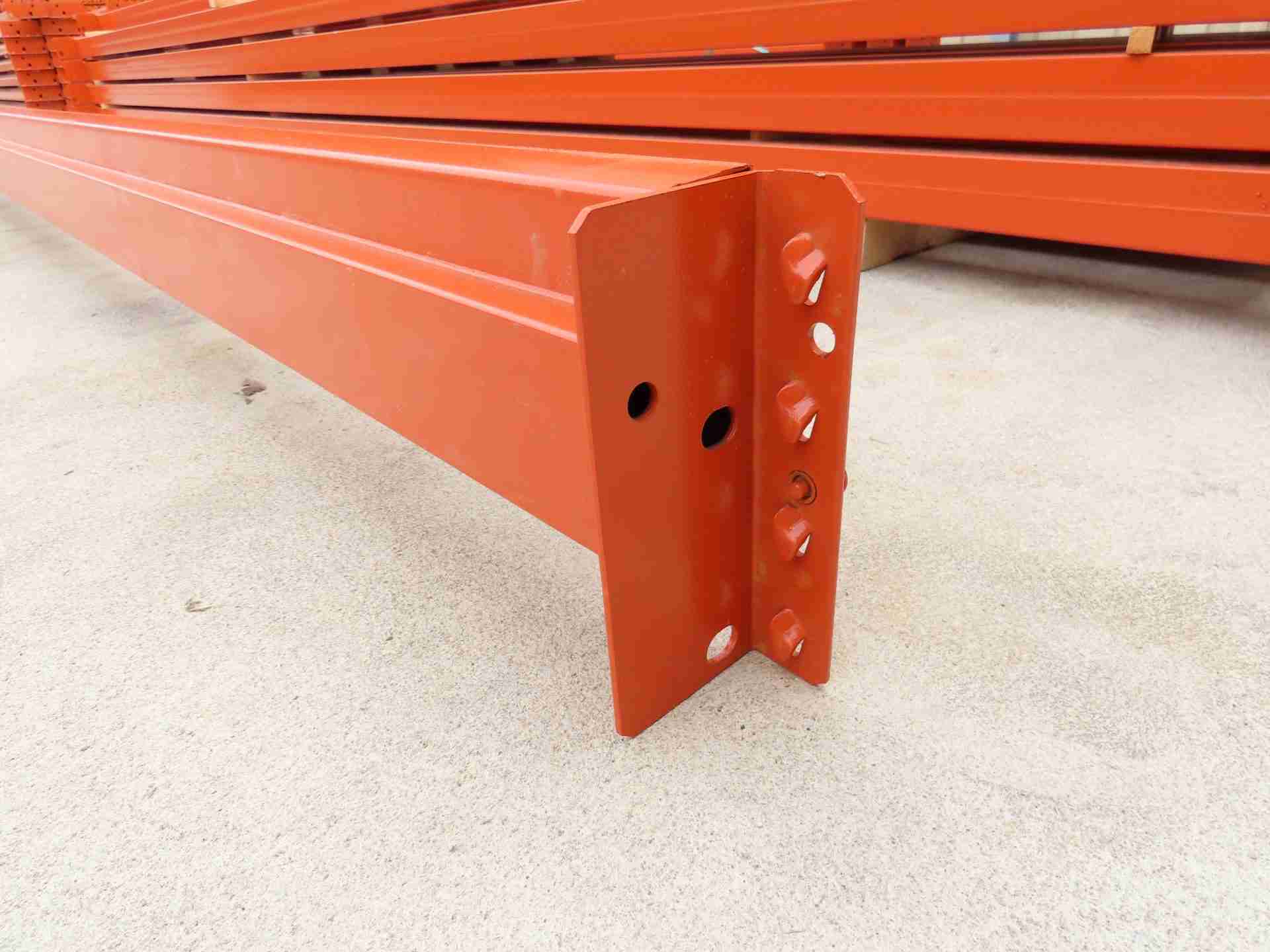
Where to Find Pallet Rack Safety Regulations?
Where to Find Pallet Rack Safety Regulations?
- Safety is crucial in warehouse management and logistics, especially regarding pallet racks.
- The Occupational Safety and Health Administration (OSHA) provides essential safety regulations; check their website for updates.
- OSHA’s standard 1910.176 outlines requirements for material handling and storage of pallet racks.
- Industry associations like the Material Handling Industry (MHI) offer resources, best practices, and educational events on pallet rack safety.
- Pallet rack manufacturers often provide detailed safety documentation and compliance info specific to their products.
- Recent events, like the 2022 warehouse collapse, highlight the importance of adhering to safety regulations.
- Investing in training programs for your team can enhance safety awareness and compliance with pallet racking systems.
Where to Find Pallet Rack Safety Regulations?
Table Of Contents
- Where to Find Pallet Rack Safety Regulations?
- Where Can I Access Pallet Rack Safety Regulations?
- What Organizations Set Pallet Rack Safety Standards?
- Are There Specific OSHA Guidelines For Pallet Racking?
- How Often Should Pallet Racks Be Inspected For Safety?
- What Are The Common Safety Hazards With Pallet Racks?
- How Do I Ensure Compliance With Pallet Rack Safety Regulations?
- What Are The Penalties For Non-Compliance With Safety Regulations?
- Where Can I Find Online Resources For Pallet Rack Safety?
- How Do I Train Employees On Pallet Rack Safety Procedures?
- What Should I Do If I Identify A Safety Issue With Pallet Racks?
- Conclusion
- Other Resources
- Glossary Of Terms
- Other Questions
- Checklist
Where Can I Access Pallet Rack Safety Regulations?
In the fast-paced world of warehouse operations, adherence to safety regulations isn’t just a regulatory obligation—it’s a cornerstone for maintaining productivity and protecting your bottom line. So where can you access these vital pallet rack safety regulations? Understanding their location will not only ensure compliance but will also help you create a safer, more efficient workspace.
First and foremost, the official source for safety regulations is the Occupational Safety and Health Administration (OSHA). Their website (osha.gov) is a treasure trove of information, containing guidelines that directly impact how your pallet racking systems should be designed, installed, and maintained. Under the OSHA standards, particularly the 1910.176, you’ll find essential protocols that address load limits, spacing, and overall structural integrity.
But don’t stop there. Your efforts to ensure compliance should also include a thorough review of the American National Standards Institute (ANSI) guidelines. Specifically, the ANSI MH16.1 standard outlines safety requirements for pallet racking systems and provides crucial insights into their performance and expectations. This is where you’ll learn about the importance of regular inspections and proper usage, ensuring that potential risks are minimized.
For an in-depth understanding, leverage industry resources like the Material Handling Industry (MHI) and the Rack Manufacturers Institute (RMI). These organizations not only publish white papers and safety manuals but they also hold workshops and webinars focusing on current compliance tactics. Keep an eye on their events page; industry gatherings often tackle recent regulatory changes that could directly affect your operations.
You might also want to look into your local and state regulations, as these can differ significantly from federal guidelines. For example, California has recently updated warehouse safety regulations in response to increased scrutiny following warehouse accidents. Staying educated on these changes can help you avoid costly fines and ensure employee safety.
Consider engaging a safety consultant or an expert in warehouse operations to audit your current systems and ensure compliance with the latest standards. Their expertise can often illuminate areas of vulnerability that you may not have considered, ensuring that you’re not just compliant but ahead of the curve.
In the ever-evolving landscape of workplace safety, staying informed is your best strategy. So take the initiative—access these resources, educate your team, and invest in the safety of your facilities. Your employees—and your profits—will thank you.
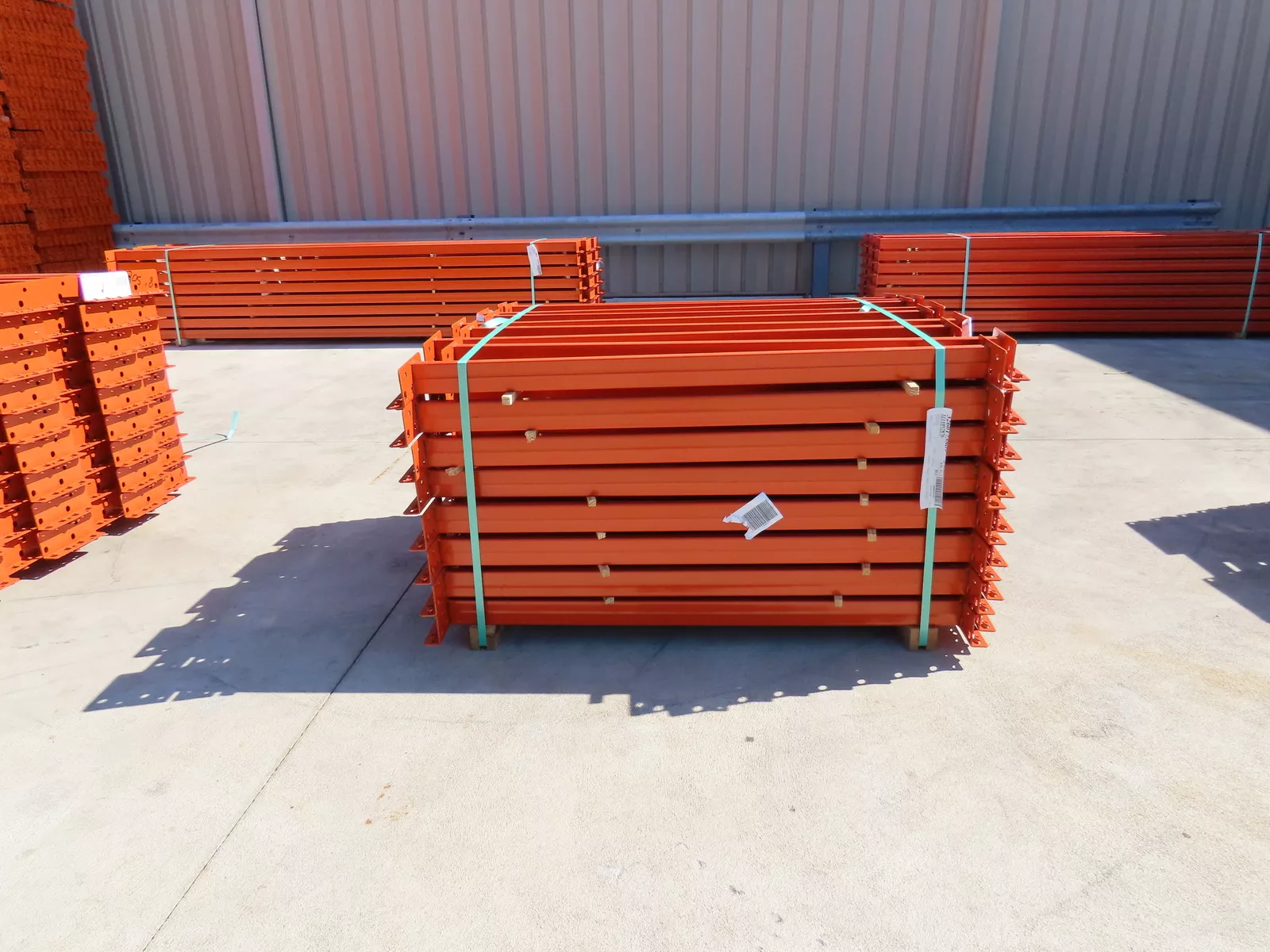
Where Can I Access Pallet Rack Safety Regulations?
Where Can I Access Pallet Rack Safety Regulations?
- Adherence to safety regulations is crucial for productivity and financial health in warehouse operations.
- The Occupational Safety and Health Administration (OSHA) is the primary source for pallet rack safety regulations, particularly standard 1910.176.
- The American National Standards Institute (ANSI) MH16.1 standard provides additional safety requirements and emphasizes the need for regular inspections.
- Industry organizations like the Material Handling Industry (MHI) and the Rack Manufacturers Institute (RMI) offer resources, workshops, and white papers on compliance.
- Local and state regulations may differ from federal guidelines; staying informed on these can prevent fines and enhance safety.
- Consider hiring a safety consultant to audit warehouse systems and identify areas for improvement in compliance.
- Staying informed and proactive about safety regulations ensures a safer workspace and protects your bottom line.
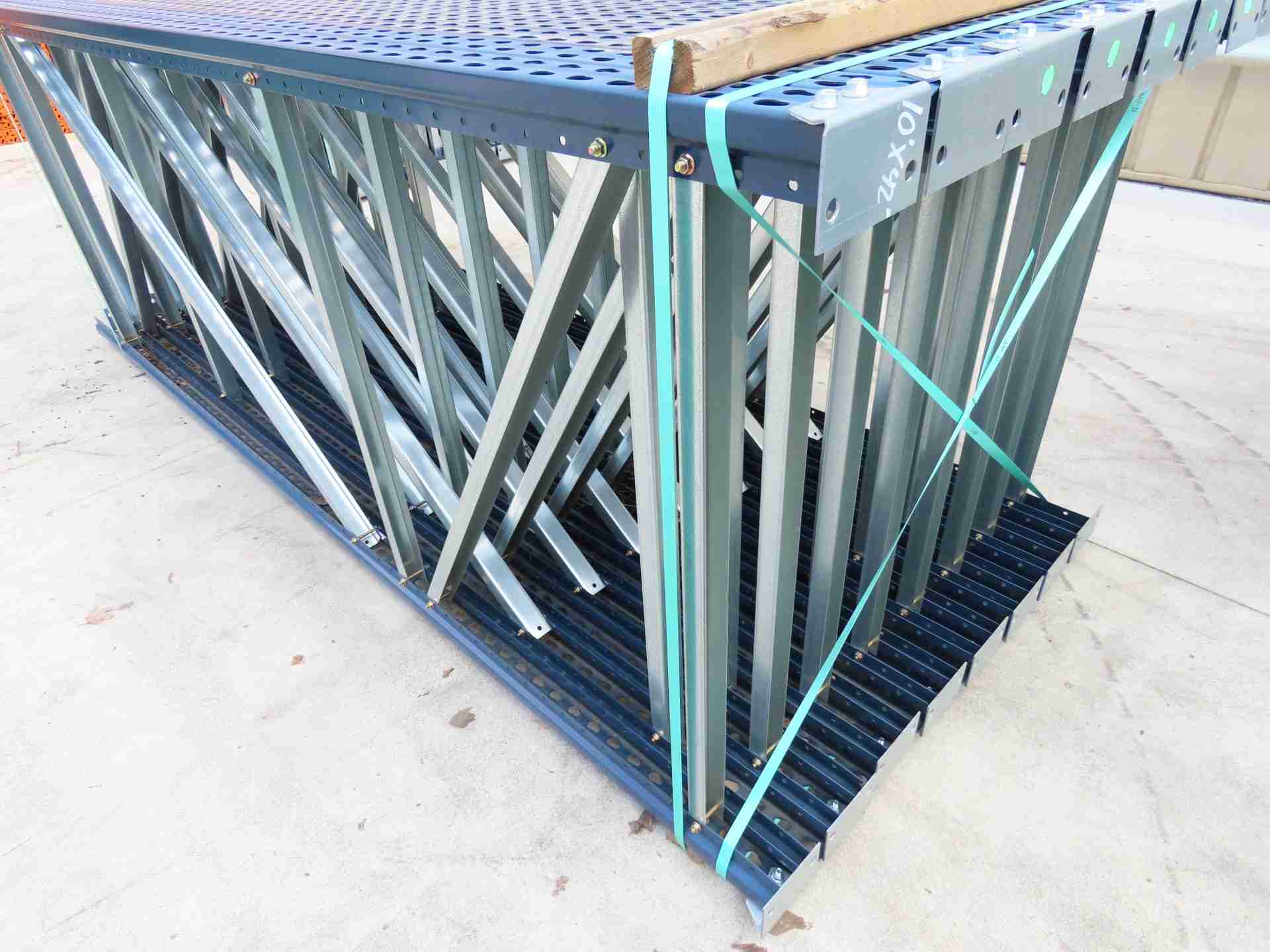
Where Can I Access Pallet Rack Safety Regulations?
What Organizations Set Pallet Rack Safety Standards?
In the bustling warehouse environment, the stakes are high. Every day, businesses around the globe rely on pallet racks to store valuable inventory, optimize space, and streamline operations. But who ensures that these essential structures are not only efficient but also safe? Understanding the organizations that set the standards for pallet rack safety is paramount for any savvy business owner who prioritizes product integrity and employee wellbeing.
First on the list is the Occupational Safety and Health Administration (OSHA), a key player in workplace safety in the United States. OSHA provides regulations that govern the use of industrial equipment, including pallet racking systems. The intent of these regulations is crystal clear: to minimize accidents and ensure a safe working environment. They draw from a wealth of research and real-world incidents, continuously updating their guidelines in response to emerging trends and technologies. Just this past year, OSHA emphasized the need for updated training and inspections, underscoring their commitment to protecting workers in an ever-evolving industrial landscape.
Next, we have the American National Standards Institute (ANSI), which plays an equally critical role. This organization works diligently to develop consensus standards that promote safety across various sectors, including material handling equipment. ANSI’s initiatives help ensure that the racks support a range of loads, and that they’re installed and maintained correctly according to best practices. For instance, ANSI’s standard ANSI/ASIS MH16.1 specifically addresses storage racks, ensuring that materials are both safe and effective.
The Rack Manufacturers Institute (RMI) cannot be overlooked either. This organization advocates for the safe design, use, and maintenance of storage racks, providing guidelines that manufacturers and users can rely on. Their emphasis on engineering standards means that companies can feel confident in the durability and reliability of their pallet racking systems. Recent developments within the RMI include increased focus on seismic safety standards, particularly relevant in areas susceptible to earthquakes, reflecting a proactive response to natural disasters that can affect warehouse functionality.
Lastly, international standards set by the International Organization for Standardization (ISO) further enhance safety measures. As more companies operate on a global scale, adherence to ISO standards ensures that pallet racking systems meet rigorous safety requirements, providing uniformity in safety practices across borders.
By aligning your business practices with these esteemed organizations, you can not only comply with essential safety regulations but also demonstrate your commitment to operational excellence. In the warehouse game, safety standards are not just rules; they represent best practices that keep your bottom line flourishing and your people safe.
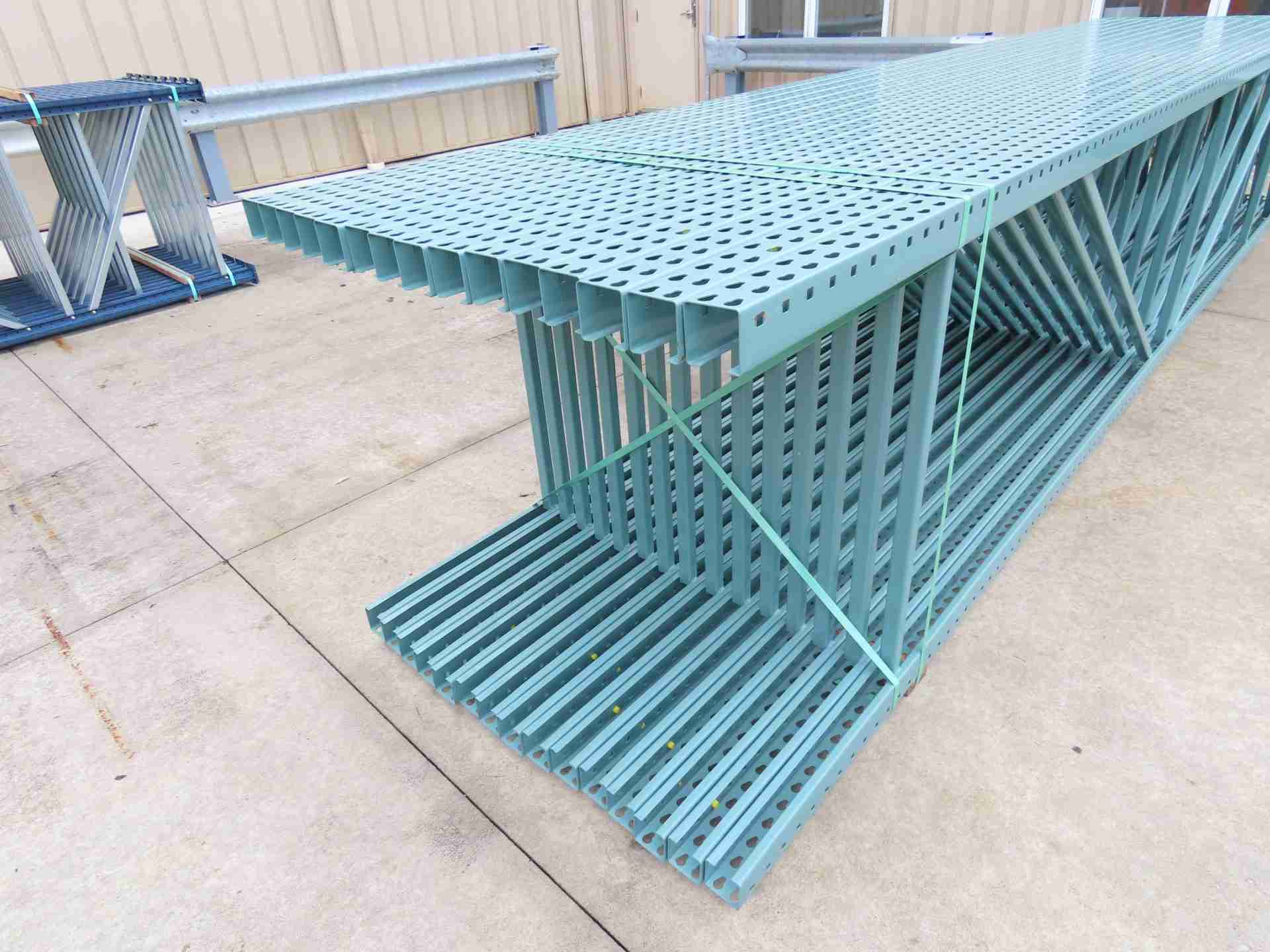
What Organizations Set Pallet Rack Safety Standards?
What Organizations Set Pallet Rack Safety Standards?
- Pallet racks are essential for storing inventory and optimizing space in warehouses.
- OSHA sets regulations governing industrial equipment, including pallet racks, to minimize accidents and promote safety.
- OSHA regularly updates guidelines based on research and emerging trends, emphasizing updated training and inspections.
- ANSI develops consensus standards for safety across sectors, ensuring proper installation and maintenance of pallet racks.
- The Rack Manufacturers Institute (RMI) advocates for the safe design and maintenance of storage racks, focusing on engineering standards.
- RMI recently emphasized seismic safety standards to enhance warehouse safety in earthquake-prone areas.
- International Organization for Standardization (ISO) provides rigorous safety requirements for pallet racking systems globally.

What Organizations Set Pallet Rack Safety Standards?
Are There Specific OSHA Guidelines For Pallet Racking?
Are There Specific OSHA Guidelines for Pallet Racking?
When it comes to the safety and efficiency of your warehouse operations, understanding OSHA guidelines for pallet racking is not just a regulatory checkbox; it’s a foundation for protecting your employees, reducing liability, and improving productivity. As businesses pivot in response to evolving market conditions—such as the disruptions seen during the COVID-19 pandemic—ensuring compliance with OSHA standards for pallet racking has never been more crucial.
# What Do the OSHA Guidelines Say?
OSHA (Occupational Safety and Health Administration) offers specific guidelines aimed at mitigating the risks associated with pallet racking systems. Section 1910.176(b) specifies that materials must be stored in a way that ensures safety, and that properly designed racking systems can enhance organization while minimizing hazards. For instance, the racking should be designed to prevent overloading, which can lead to catastrophic failures.
One of the most common violations involves improper installation or maintenance of pallet racks, leading to collapses, which can severely injure employees and result in substantial losses. Regular training and inspections should focus on identifying structural damage—looking for bends, cracks, or rust that could compromise a rack’s integrity.
# Real-World Examples
Think of the 2021 warehouse collapse in Alabama that sent shockwaves through the logistics industry. That incident could have been avoided with better adherence to OSHA guidelines. While every warehouse will have its unique layouts and inventory needs, the underlying principles of compliance hold universally true. Investing in your racking materials—using the right steel gauges, ensuring proper spacing, and clearly labeling weight limitations—will not only keep your workforce safe but can protect your business from costly lawsuits and repair expenses.
# The Bottom Line: Prevention is Key
We’re living in an era where efficiency and safety go hand in hand, particularly in environments that necessitate the use of pallet racking. With the U.S. Bureau of Labor Statistics reporting that warehouse injuries have surged, the stakes couldn’t be higher. Non-compliance is no longer an option; it’s an open door for accidents that could cost lives and reputations.
Utilizing best practices, such as investing in quality racking systems from reputable suppliers and conducting regular training for staff, can mitigate risks. Remember, a proactive approach to safety tech—like integrating RFID technology for inventory tracking—also aids in reducing human error.
In summary, adhering to OSHA guidelines is not merely about compliance—it’s about fostering a culture of safety and efficiency that will lead to operational excellence in your business.
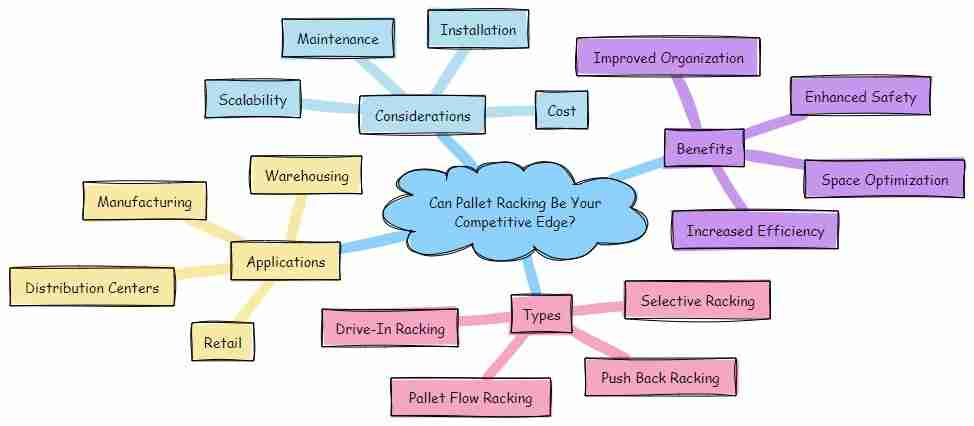
Are There Specific OSHA Guidelines For Pallet Racking?
Are There Specific OSHA Guidelines For Pallet Racking?
- OSHA guidelines for pallet racking are essential for employee safety and reducing liability.
- Section 1910.176(b) focuses on safe material storage and properly designed racking systems.
- Common violations include improper installation and maintenance, leading to potential collapses.
- Regular training and inspections are critical for identifying structural issues with racks.
- Real-world examples, like the 2021 Alabama warehouse collapse, highlight the need for compliance.
- Investing in quality racking materials and staff training can prevent costly accidents and lawsuits.
- Adhering to OSHA guidelines fosters a culture of safety and efficiency, ensuring operational excellence.
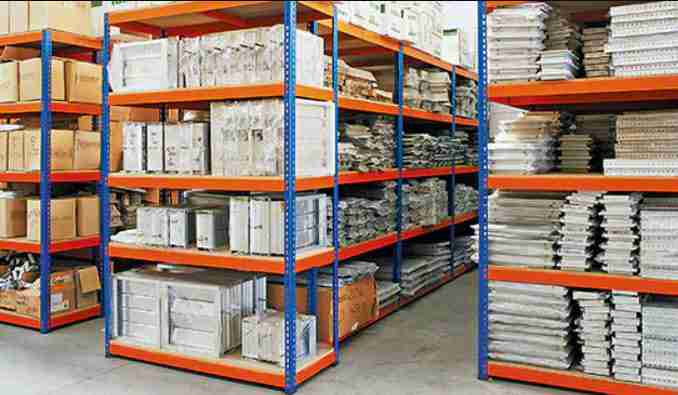
Are There Specific OSHA Guidelines For Pallet Racking?
How Often Should Pallet Racks Be Inspected For Safety?
When it comes to warehouse safety, the importance of regular pallet rack inspections cannot be overstated. Just like the foundation of your business relies on strong principles, your physical infrastructure needs a solid check-up routine to prevent disasters before they happen. Think of it as a tune-up for your operational heart—without proper maintenance, you’re just asking for trouble.
So, how often should inspections occur? The consensus among industry experts is clear: a minimum of once a year is essential, but your unique operational environment may demand more frequent assessments. For instance, if your workplace experiences high traffic, or if your racks are subjected to heavy loads and potential impacts, quarterly inspections are a wise safeguard. Statistics show that nearly 10% of warehouse accidents are attributed directly to rack collapses, making it crucial to know the condition of your equipment.
To drive this point home, consider a scenario from late last year when a major food distribution center suffered a catastrophic rack collapse. The incident not only caused significant physical damage, but it also led to injury and halted operations for weeks. The investigation revealed that the facility had neglected routine inspections for over a year, leading to frayed bolt connections and unaddressed signs of wear. Let that be a cautionary tale for anyone operating in a warehouse or storage environment.
Furthermore, it’s not just about the frequency of inspections; it’s also about the thoroughness. A solid inspection protocol involves checking for visible damage, proper load limits, and assuring that safety measures—like aisle space and clear signage—are compliant with industry standards. Designate a responsible team member to document inspections and maintain a clear record. This doesn’t just protect your investment; it strengthens your legal standing should an incident occur.
In today’s fast-paced environment, many warehouses are turning to technology for real-time monitoring and alerts. Utilizing RFID tags or wear-level sensors can provide live data, indicating when a rack needs attention. Adapting to these tech innovations not only enhances safety but also boosts your reputation as a proactive, safety-conscious operation, reflecting a culture that values both employee well-being and asset protection.
Investing in regular pallet rack inspections is not just a regulatory checkbox; it’s a commitment to operational excellence and workforce safety. Embrace this practice, and like the champions of your industry, you’ll minimize risk, optimize efficiency, and ultimately, secure your bottom line.
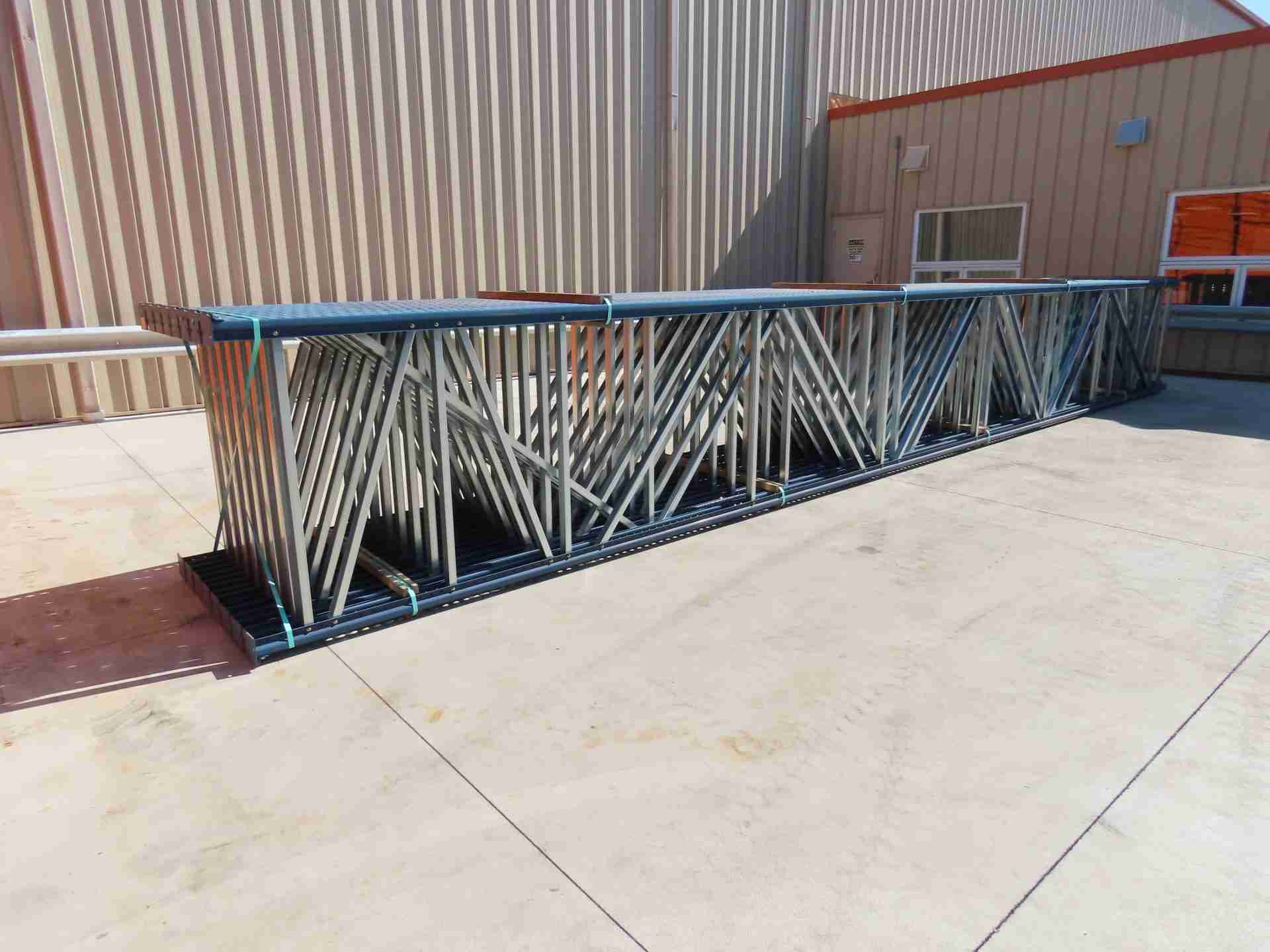
How Often Should Pallet Racks Be Inspected For Safety?
How Often Should Pallet Racks Be Inspected For Safety?
- Regular pallet rack inspections are crucial for warehouse safety, serving as a preventive measure against potential disasters.
- Industry experts recommend inspections at least once a year, with quarterly assessments for high-traffic or heavy-load environments.
- Almost 10% of warehouse accidents are linked to rack collapses, emphasizing the need to assess equipment conditions regularly.
- A recent incident in a food distribution center, where a rack collapse resulted from neglecting inspections, highlights the importance of routine checks.
- Thorough inspections should include checking for visible damages, load limits, and compliance with safety measures like aisle space and signage.
- Technology, such as RFID tags and wear-level sensors, can enhance safety by providing real-time monitoring and alerts for rack conditions.
- Investing in regular inspections is a commitment to operational excellence, which minimizes risk, optimizes efficiency, and protects the bottom line.

How Often Should Pallet Racks Be Inspected For Safety?
What Are The Common Safety Hazards With Pallet Racks?
When it comes to warehouse operations, efficiency and safety go hand in hand. Yet, many businesses still overlook the lurking dangers associated with pallet racks. These towering storage solutions, while essential for maximizing space, can harbor significant safety hazards that pose risks not only to your inventory but, more importantly, to your employees.
One of the most prevalent hazards is the risk of structural failure. Think of pallet racking systems as the backbone of your warehouse; if they’re not maintained properly, they can buckle under pressure. For instance, a recent incident in a major retail distribution center highlighted how a lack of regular inspections led to a structural collapse, resulting in injuries and substantial financial loss. Regularly scheduled evaluations of racking systems can prevent tragic incidents that cause both physical harm and severe operational disruptions.
Another common hazard is the improper loading of racks. When loads exceed weight limits or are unevenly distributed, not only does efficiency drop, but the stability of the entire rack system can be compromised. For example, an employee might instinctively stack an extra box on a pallet, not realizing that overloading could lead to tipping. This lack of training on proper loading techniques can create a domino effect of safety issues. Organizations must prioritize comprehensive training for their staff, emphasizing safe loading practices to foster a culture of safety.
Collisions within pallet storage areas pose yet another risk. Forklifts navigating through narrow aisles can inadvertently strike rack systems, leading to structural damage or even tipping incidents. The recent surge in e-commerce has increased warehouse activity, raising the stakes for accidents related to speed and space constraints. Investing in traffic management systems and employing visual aids can significantly decrease the risk of such accidents and ensure smoother operations.
Lastly, consider the hazard of outdated or damaged equipment. Aging racking systems may develop flaws that go unnoticed without routine inspections. Regular checks can catch issues like bent frames or loose connections before they escalate into major hazards. In a recent warehouse safety report, many organizations revealed that nearly 30% of their injuries stemmed from faulty racking systems—a statistic that underscores the importance of vigilant maintenance.
While pallet racks are integral to operational efficiency, businesses must remain vigilant about the safety hazards they present. By committing to regular inspections, proper training, traffic management, and consistent upkeep, you can transform your warehouse into a fortress of safety—protecting your most valuable asset: your people. The choice is clear—take proactive steps today to ensure a safer tomorrow.

What Are The Common Safety Hazards With Pallet Racks?
What Are The Common Safety Hazards With Pallet Racks?
- Warehouse operations prioritize both efficiency and safety, but pallet racks can pose significant hazards.
- Structural failure risks due to poor maintenance can lead to collapses, injuries, and financial loss.
- Improper loading practices, such as exceeding weight limits or uneven distribution, compromise rack stability.
- Comprehensive training on safe loading techniques is essential to prevent safety issues related to pallet racks.
- Collisions involving forklifts in narrow aisles can damage racking systems and increase accident likelihood.
- Outdated or damaged equipment may go unnoticed without regular inspections, leading to major safety risks.
- Regular inspections, staff training, traffic management, and maintenance are crucial for a safe warehouse environment.
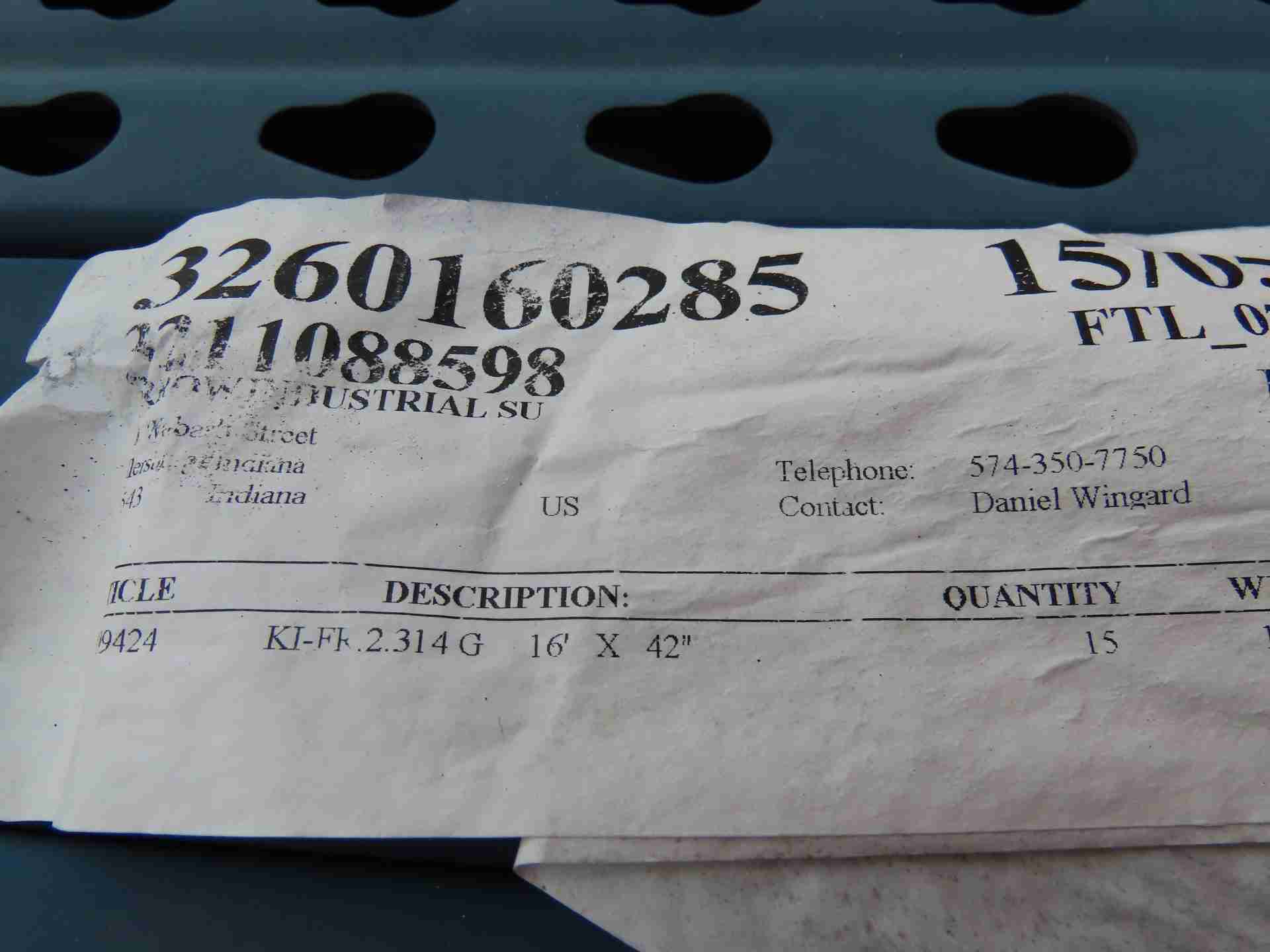
What Are The Common Safety Hazards With Pallet Racks?
How Do I Ensure Compliance With Pallet Rack Safety Regulations?
In today’s fast-paced world of warehousing and logistics, ensuring compliance with pallet rack safety regulations is not just a requirement—it’s an investment in your people and your business. With safety standards constantly evolving and regulatory bodies cracking down on violations, adopting a proactive approach is crucial. Let’s explore how you can effectively safeguard your operations while enhancing your bottom line.
Start by conducting a thorough safety audit of your pallet racking system. This isn’t just a check-the-box task; it’s an opportunity to evaluate your current state against OSHA regulations and industry best practices. Regular audits can identify potential hazards—such as overcrowding or improper loading—which can lead to serious injuries and costly downtime. For example, after a recent series of warehouse accidents in the Midwest related to improper rack use, companies that had implemented rigorous audits not only avoided penalties but also thrived as they showcased their commitment to safety.
Next, invest in employee training. Knowledge is power, and when it comes to pallet rack safety, it can save lives. Ensure that all employees understand how to load and unload goods correctly, the importance of not exceeding weight capacities, and how to inspect racks for wear and tear. Offer regular refresher courses and make safety training a part of your onboarding process. A case in point is a national retail chain that saw a 30% reduction in compliance violations after introducing mandatory safety training sessions and hands-on workshops.
Moreover, maintain your equipment. Regular inspections and maintenance of pallet racks can prevent minor issues from escalating into catastrophic failures. It’s essential to have a maintenance schedule in place, tailored to the specific demands of your warehouse environment. Utilize checklists and work orders to streamline this process—documentation not only fulfills regulatory obligations but also provides a transparent safety culture that can influence insurance premiums positively.
Lastly, create a culture of safety within your organization. Encourage employees to report safety concerns without fear of reprisal. For instance, a tech manufacturer recently launched an internal “safety ambassador” program, where employees have the authority to halt operations if unsafe conditions arise. This proactive approach not only kept compliance in check but also fostered teamwork and a shared sense of responsibility among employees.
In summary, compliance with pallet rack safety regulations requires diligence, commitment, and a strategic approach. By embracing audits, training, maintenance, and a culture of safety, you are not merely adhering to regulations; you are steeling your company against the pitfalls of negligence, ensuring smooth operations, and ultimately building a safer, more profitable business.
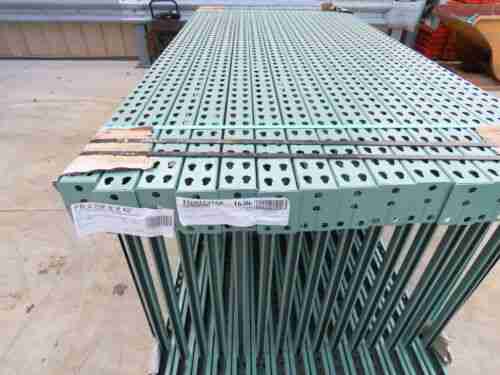
How Do I Ensure Compliance With Pallet Rack Safety Regulations?
How Do I Ensure Compliance With Pallet Rack Safety Regulations?
- Compliance with pallet rack safety regulations is essential for protecting both employees and business operations.
- Conduct thorough safety audits regularly to identify hazards and align with OSHA regulations and best practices.
- Invest in employee training to ensure proper loading and unloading procedures, and provide regular refresher courses.
- Maintain equipment through regular inspections and create a tailored maintenance schedule to prevent failures.
- Utilize documentation to fulfill regulatory obligations and promote a transparent safety culture that can positively affect insurance premiums.
- Foster a culture of safety by encouraging employees to report concerns without fear of reprisal.
- Embracing audits, training, maintenance, and a safety culture helps build a safer, more profitable business.

How Do I Ensure Compliance With Pallet Rack Safety Regulations?
What Are The Penalties For Non-Compliance With Safety Regulations?
In today’s fast-paced business world, abiding by safety regulations isn’t just a legal obligation; it’s a competitive necessity. Ignoring these critical guidelines can lead to severe penalties that may cripple your organization—not just financially, but also in reputation. Let’s delve into the consequences that can ensue when safety regulations are lax or overlooked.
1. Financial Penalties:
First and foremost, non-compliance typically brings about hefty fines. Take the case of XYZ Manufacturing, which recently faced a staggering $2 million fine following a federal audit that revealed egregious violations of workplace safety standards. The irony? This company was just one safety incident away from a catastrophic accident, not to mention how this financial burden could have been avoided through a simple safety compliance overhaul. These fines can range from hundreds to millions of dollars depending on the severity of the violation and the number of offenses.
2. Legal Ramifications:
What’s worse? Non-compliance opens the floodgates for lawsuits. If an employee is injured due to unsafe working conditions, they have the right to pursue legal action. Consider a recent residential construction accident where lack of proper safety gear led to a worker’s hospitalization. The construction firm faced a lawsuit not only for damages but also for punitive penalties due to willful neglect of safety protocols. The damage awarded was significant, and the reputational fallout has since stunted their business growth.
3. Increased Insurance Costs:
Insurance companies don’t take non-compliance lightly. When they see a pattern of violations, they may increase premiums or, worse yet, refuse coverage altogether. A small local café that failed to meet health regulations found its insurance costs skyrocketing after multiple infractions. Suddenly, what seemed like a corner-cutting move turned into a long-term financial drain—an outcome that could have easily been avoided by adhering to safety standards.
4. Reputation Damage:
In the age of social media and instant communication, a company’s reputation can be tarnished in the blink of an eye. The public is extremely sensitive to issues of safety, and when they see a business neglecting its responsibilities, it can lead to consumer backlash. A high-profile incident involving non-compliant food safety practices recently rocked the fast-food industry, leading to a 20% drop in sales for one major chain.
In summary, the penalties for non-compliance with safety regulations can be dire—ranging from fines and lawsuits to increased insurance costs and reputation damage. By prioritizing safety, you’re not just protecting your bottom line; you’re safeguarding your brand’s future. Ensure your operations not only comply with regulations but exceed them, for a safer workplace leads to a more successful business.
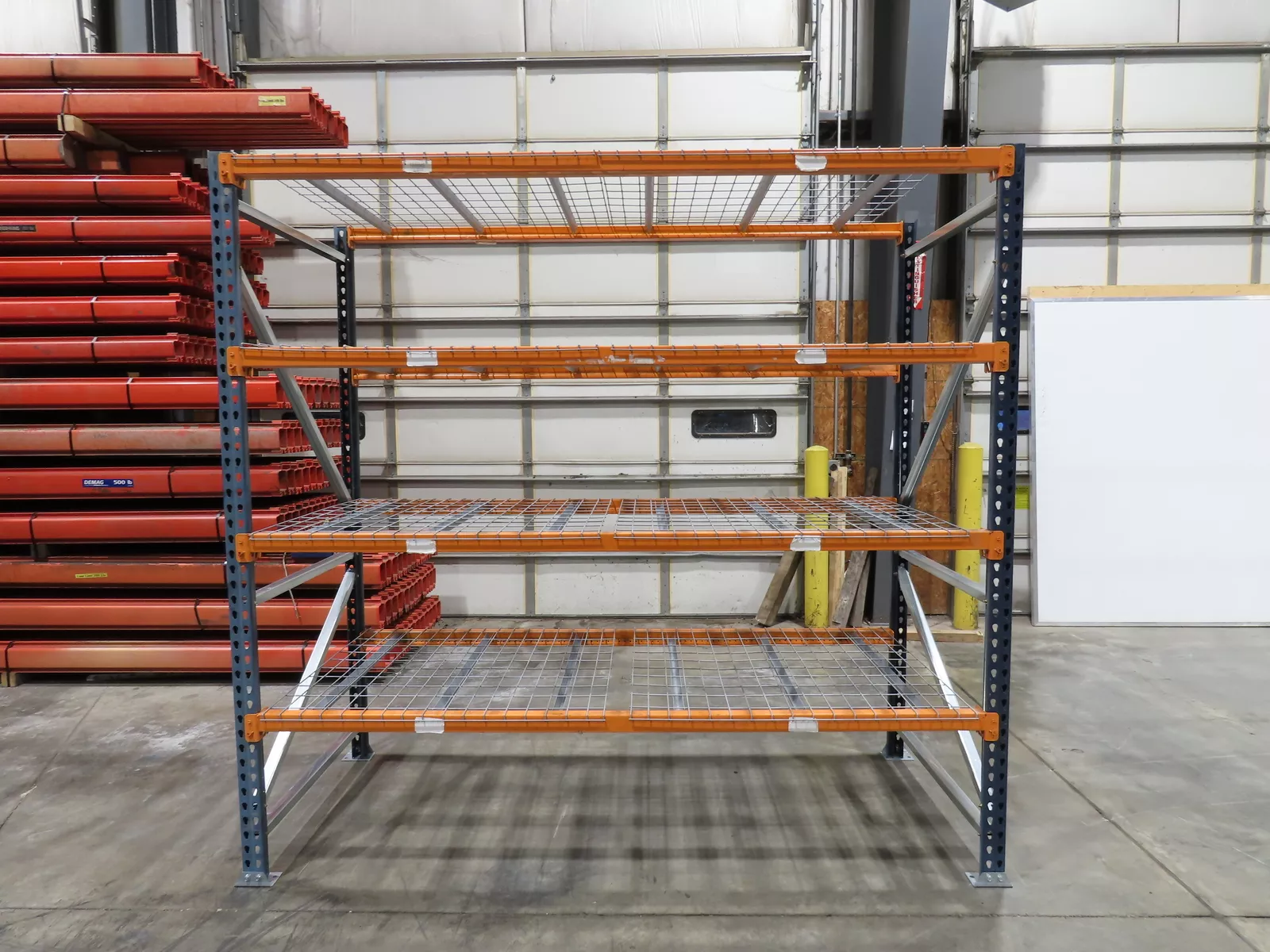
What Are The Penalties For Non-Compliance With Safety Regulations?
What Are The Penalties For Non-Compliance With Safety Regulations?
- Safety regulations are crucial for both legal compliance and competitive advantage in business.
- Non-compliance can lead to significant financial penalties, exemplified by a $2 million fine imposed on XYZ Manufacturing.
- Ignoring safety regulations can expose companies to lawsuits if employees are injured due to unsafe conditions.
- Insurance costs may skyrocket or coverage may be denied for businesses with a history of safety violations.
- Neglecting safety can damage a company’s reputation, leading to consumer backlash and loss of sales.
- A recent food safety incident caused a major fast-food chain to experience a 20% drop in sales.
- Prioritizing safety not only protects financial health but also enhances brand reputation for long-term success.
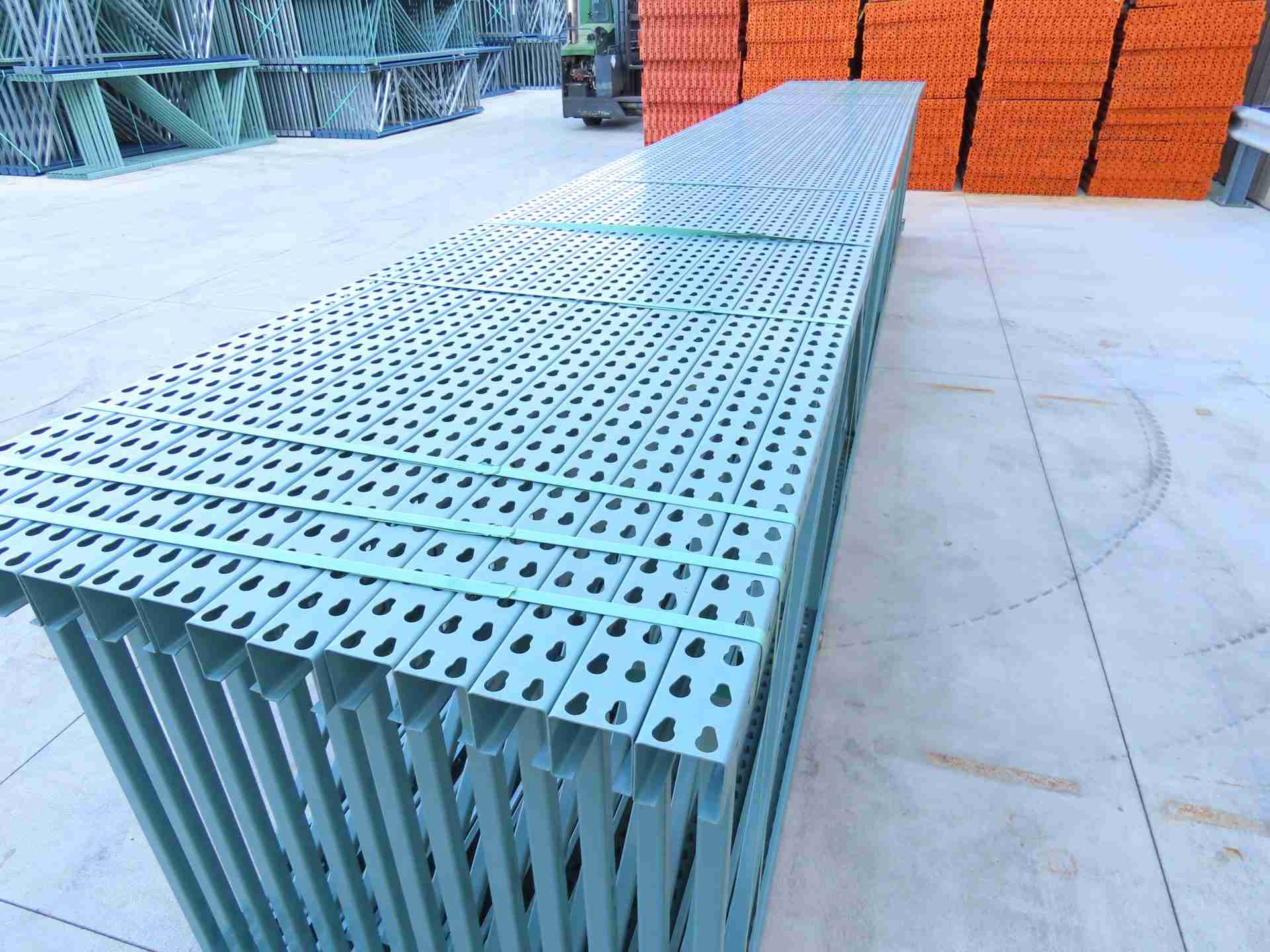
What Are The Penalties For Non-Compliance With Safety Regulations?
Where Can I Find Online Resources For Pallet Rack Safety?
In an age where information is just a click away, finding reliable online resources for pallet rack safety has never been easier—or more critical. Whether you’re a warehouse manager seeking to enhance your team’s safety training or a business owner wanting to comply with updated regulations, the right online resources can make all the difference.
1. Industry Associations and Organizations
Start by tapping into the wealth of knowledge provided by industry-specific associations. Groups like the Occupational Safety and Health Administration (OSHA) offer comprehensive safety guidelines tailored to pallet racks. Their website features not only regulations but also downloadable training materials and checklists to ensure your team is equipped with the latest safety practices. Given OSHA’s recent emphasis on enforcing safety regulations in warehouse settings—especially during a surge in e-commerce—this resource is essential.
2. Online Training Platforms
Platforms like SafetySkills and eLearning Brothers have stepped up with specialized training courses focused on pallet rack safety. These platforms provide user-friendly video content and interactive quizzes to assess your team’s comprehension. Many organizations are now mandating annual safety training due to an uptick in workplace accidents; therefore, investing in these online training solutions can significantly bolster your safety culture and mitigate potential risks.
3. YouTube and Social Media
Never underestimate the power of video content. Many industry experts and professionals share practical safety tips on platforms like YouTube. Channels dedicated to warehouse operations often post informative content about proper pallet rack setup, maintenance, and inspections. Moreover, following hashtags like #PalletRackSafety on Instagram or LinkedIn can lead you to visual content that engages and educates your workforce in an impactful way.
4. Blogs and Industry Publications
Stay abreast of current trends by following blogs and digital publications from leaders in the logistics and warehousing sectors. Websites like Modern Materials Handling and Supply Chain Dive not only publish articles but also conduct webinars and discussions on safety standards and innovations. With the evolving landscape shaped by events like the proliferation of automated storage solutions, these resources become invaluable for staying compliant and ahead of the curve.
5. Webinars and Online Workshops
Finally, look for online workshops hosted by experts in warehouse safety. Brands like Rack Manufacturers Institute frequently offer webinars discussing best practices, compliance updates, and case studies. Engaging in these discussions allows you to pose questions and directly interact with professionals who live and breathe pallet rack safety.
The digital age provides an array of resources at your fingertips. By leveraging these online tools, you can ensure your operations prioritize safety, safeguard your employees, and maintain compliance with ever-changing regulations—ultimately leading to a more efficient and productive workplace.

Where Can I Find Online Resources For Pallet Rack Safety?
Where Can I Find Online Resources For Pallet Rack Safety?
- Finding reliable online resources for pallet rack safety is critical for warehouse managers and business owners.
- Industry associations like OSHA provide comprehensive safety guidelines, training materials, and checklists specific to pallet racks.
- Online training platforms, such as SafetySkills and eLearning Brothers, offer specialized courses with video content and quizzes to enhance safety training.
- YouTube and social media platforms provide valuable video content and practical safety tips from industry experts.
- Staying updated with blogs and publications such as Modern Materials Handling can keep you informed about trends and safety standards in warehousing.
- Participating in online webinars and workshops hosted by organizations like the Rack Manufacturers Institute can provide insights and best practices for safety compliance.
- Leveraging digital resources enhances workplace safety, compliance, and overall efficiency.

Where Can I Find Online Resources For Pallet Rack Safety?
How Do I Train Employees On Pallet Rack Safety Procedures?
When it comes to pallet rack safety, fostering a culture of awareness and diligence is not just good practice; it’s essential for protecting your most valuable asset—your employees. A single accident can lead to not only serious injuries but also financial repercussions and damage to your company’s reputation. So how can you ensure your team operates safely around these vital storage systems?
Start with the Fundamentals
Before you dive into training, equip yourself with a comprehensive understanding of pallet rack safety standards—OSHA guidelines and manufacturer recommendations are a good start. Gather informative materials and create a digestible training manual that employees can refer back to. For example, leverage real-world case studies of companies that suffered losses due to neglecting safety protocols on pallet racks. By illustrating the potential consequences, you emphasize the importance of meticulous adherence to safety procedures.
Interactive Training Sessions
Turn your training sessions into engaging, interactive experiences. Instead of a monotonous presentation, incorporate hands-on demonstrations. Have employees physically navigate around a pallet rack layout, demonstrating proper loading techniques, weight limits, and the correct way to use a forklift. You might say, “Let’s practice how to load these boxes. Notice how the weight distribution affects stability.” This tactile approach solidifies understanding and retention far more than conventional lectures.
Regular Refresher Courses
In a landscape where operational dynamics change rapidly, continuous education is paramount. Consider monthly or quarterly refresher courses that can spotlight recent safety incidents in the industry. For example, following a publicized incident of pallet rack failure in a major warehouse, hold a discussion on how to avoid similar issues. Engage your staff by asking for their insights and improvements to current practices. This not only keeps safety on the front burner but also makes employees feel valued and involved in the safety culture.
Job Safety Analysis (JSA)
Introduce the concept of Job Safety Analysis (JSA) specific to pallet rack operations. Have your employees identify hazards in a simulated environment, evaluate potential risks, and implement control measures. This proactive problem-solving exercise reinforces the notion that safety is everyone’s responsibility.
Leverage Technology
Lastly, don’t shy away from technology. Use digital tools to track training certifications and assessments. Online modules can offer flexibility for employees to revisit training material at their convenience, minimizing downtime yet maximizing productivity.
Incorporating these strategies not only enhances your workplace safety but also cultivates a proactive culture that places employee well-being at the forefront. After all, a safe work environment is a profitable one.

How Do I Train Employees On Pallet Rack Safety Procedures?
How Do I Train Employees On Pallet Rack Safety Procedures?
- Fostering a culture of awareness and diligence is essential for employee safety and company reputation.
- Start with fundamental understanding of OSHA guidelines and safety standards, creating comprehensive training materials.
- Use interactive training sessions with hands-on demonstrations to enhance learning and retention.
- Implement regular refresher courses to keep safety practices current and engage employees in discussions.
- Introduce Job Safety Analysis (JSA) to empower employees to identify hazards and implement safety measures.
- Leverage technology to track training certifications and provide flexible online learning opportunities.
- Incorporating these strategies enhances workplace safety and promotes a proactive culture prioritizing employee well-being.
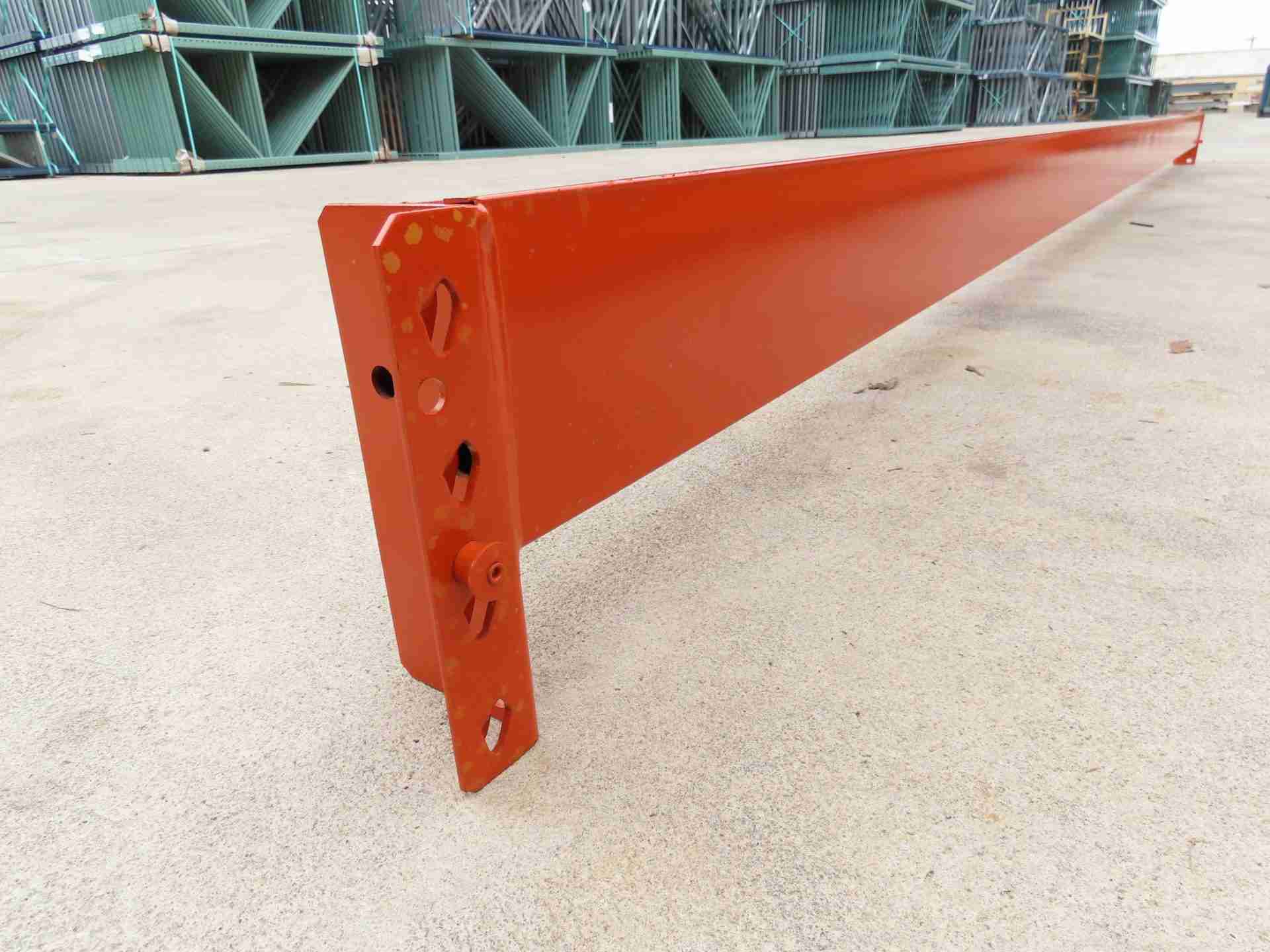
How Do I Train Employees On Pallet Rack Safety Procedures?
What Should I Do If I Identify A Safety Issue With Pallet Racks?
When you’re running a warehouse, the last thing you need is a safety issue with your pallet racks. But accidents happen, and safety hazards can arise unexpectedly—for instance, shifting loads, damaged racks, or improper installations. So, what do you do if you stumble upon a safety issue? Let’s break it down step by step, because taking prompt and decisive action is not just about compliance; it’s about protecting your people and your bottom line.
First and foremost, don’t ignore the problem. Remember the recent headlines about major warehouse accidents leading to fines and lawsuits? An estimated $2 billion is lost each year in the U.S. due to preventable warehouse injuries. This is your wake-up call! If you spot a bent beam or a conspicuously overloaded rack, seize the moment. Identify the issue clearly and document it—whether that’s a photo, a detailed description, or both. Your warehouse safety must always come first, and documentation is key for accountability.
Next, report the issue immediately. It’s time to channel your inner leader. Alert your supervisor or the designated safety officer within your organization. If you’re the supervisor, elevate the issue to upper management. Consider it a critical business decision, as you’ll shield your operations from potential legal repercussions and safeguard your employees’ well-being. Your company’s reputation is at stake; no one wants to be the business known for negligence that leads to injury or loss.
While waiting for a resolution, implement interim safety measures. Secure the affected area with warning signs or barriers to prevent employees from using compromised racks until a solution is found. This proactive approach not only showcases your commitment to safety but also helps mitigate risks as you work toward a resolution.
Finally, after addressing the immediate concern, consider instituting a preventative maintenance program. With regular inspections and an effective training program focused on pallet rack safety, you can significantly reduce the likelihood of future issues. Educating your staff about the importance of reporting safety concerns creates a culture of vigilance. Encourage them to speak up; after all, they’re the eyes and ears on the ground.
Identifying a safety issue with pallet racks is a call to action, not an invitation to panic. By responding swiftly, documenting thoroughly, and fostering a proactive safety culture, you turn potential disaster into an opportunity for improvement and excellence. Protecting your people and your assets is not just good ethics—it’s also good business. Make safety your priority today!
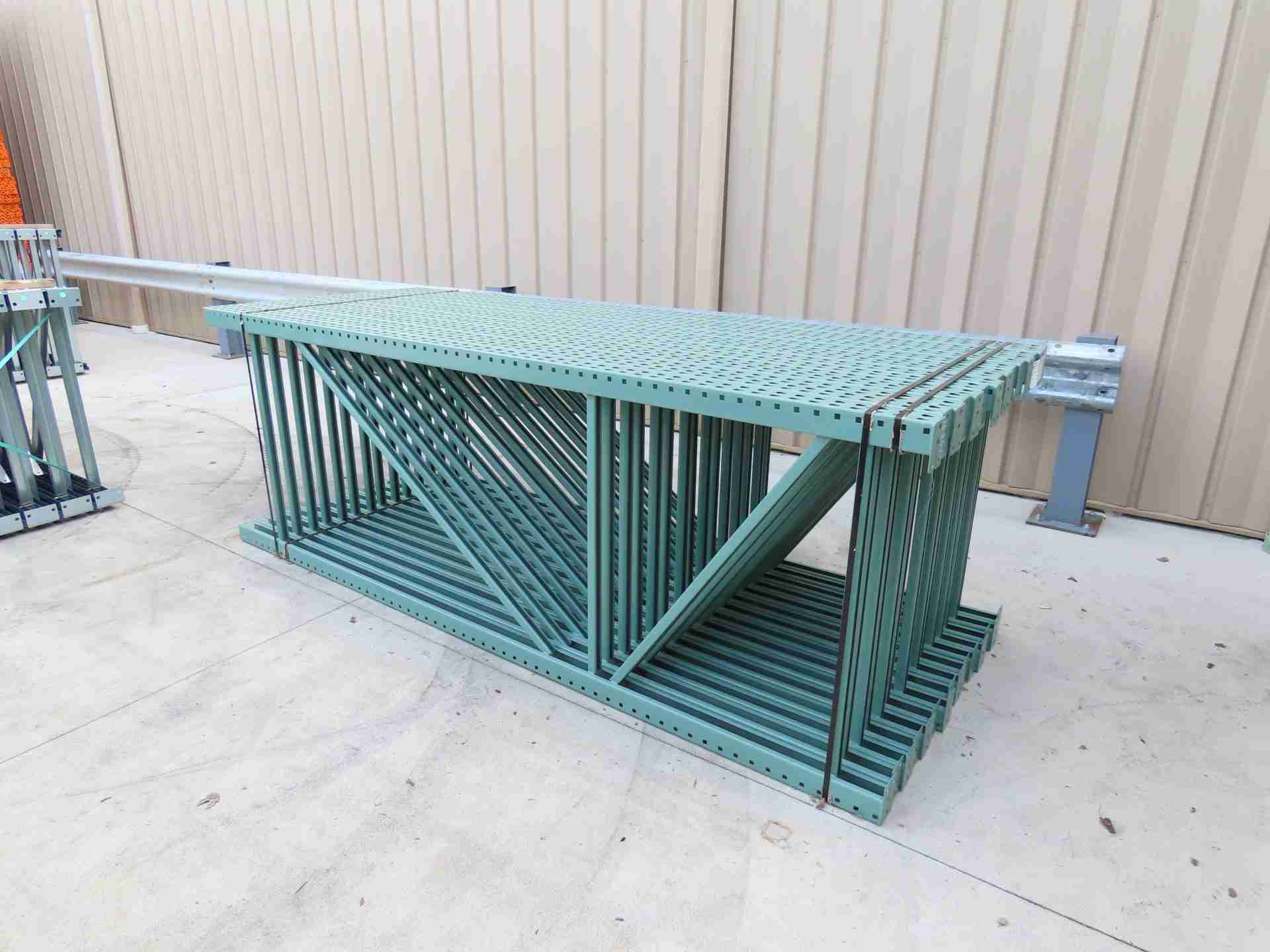
What Should I Do If I Identify A Safety Issue With Pallet Racks?
What Should I Do If I Identify A Safety Issue With Pallet Racks?
- Accidents and safety hazards can occur unexpectedly in warehouses, such as shifting loads and damaged racks.
- Do not ignore safety issues; they can lead to severe consequences including fines and lawsuits.
- Document the issue thoroughly with photos or detailed descriptions for accountability.
- Report safety concerns immediately to a supervisor or designated safety officer to protect employees and minimize legal ramifications.
- Implement interim safety measures, like warning signs or barriers, to prevent access to compromised areas.
- Establish a preventative maintenance program with regular inspections and training on pallet rack safety to reduce future risks.
- Encourage a culture of vigilance among staff by promoting the importance of reporting safety concerns.
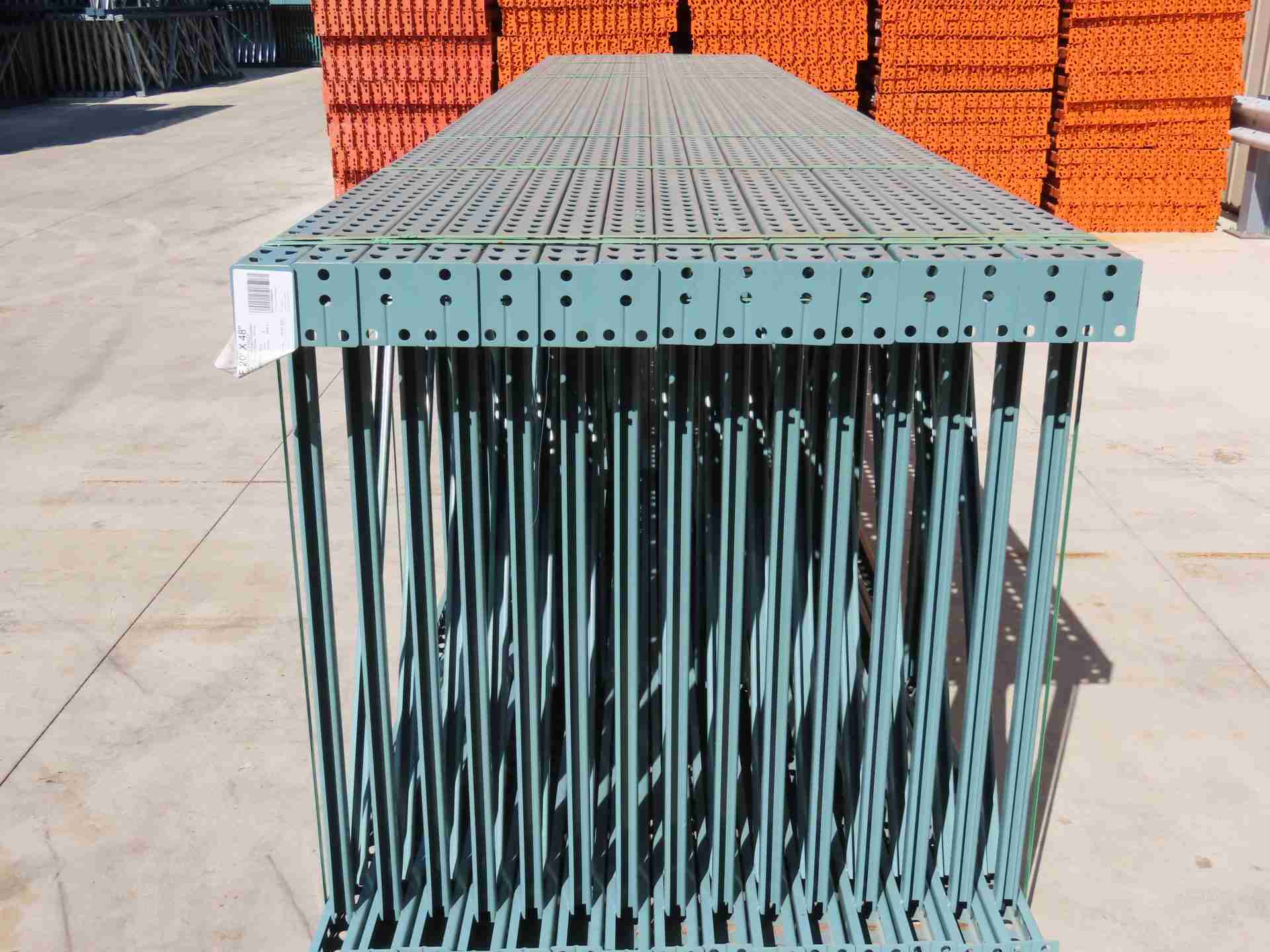
What Should I Do If I Identify A Safety Issue With Pallet Racks?
Conclusion
When it comes to warehouse management and logistics, the imperative of safety cannot be overstated. At Arrow Industrial Sales, we understand that navigating the complexities of pallet rack safety regulations is essential to not only meet compliance but also foster a secure working environment. Ignoring these regulations can lead to catastrophic outcomes, from severe workplace injuries to hefty legal penalties. Therefore, taking proactive measures now can pave the way for smoother operations tomorrow.
Your journey toward comprehensive safety begins with credible sources of information. The Occupational Safety and Health Administration (OSHA) remains a cornerstone for regulations concerning pallet racking systems, providing essential guidelines on installation, maintenance, and safe practices. In addition, organizations like the Material Handling Industry (MHI) and the Rack Manufacturers Institute (RMI) contribute vital standards that ensure your pallet racks are both effective and safe. Ignoring these resources exposes your workforce to unnecessary risks and jeopardizes your operational integrity.
Moreover, routine inspections of your pallet racks are vital in identifying potential safety issues before they escalate. Industry experts recommend conducting these inspections at least annually—more frequently if your operations involve high traffic or heavy loads. Remember, the cost of accidents, both in financial terms and employee morale, can be staggering.
Training your staff on safety procedures is equally critical. Equip them with the knowledge they need to load pallets correctly, recognize hazards, and adopt best practices for warehouse safety. Integrating regular refresher courses fosters a culture of safety and ensures compliance with the latest regulations.
Should you identify a safety issue, act swiftly; document the problem and report it to your supervisor immediately. By doing so, you not only protect your workforce but also demonstrate your commitment to operational excellence.
Arrow Industrial Sales is here to assist you in mastering the complex landscape of pallet rack safety. Don’t wait for an incident to occur—take action today! Call us at (574) 349-6575 to access crucial information and expert guidance tailored to your specific needs. Your employees deserve a safe workspace, and adhering to regulations is not just a formality; it’s a strategic investment in your organization’s future. Let’s transform your warehouse into a bastion of safety and efficiency together!
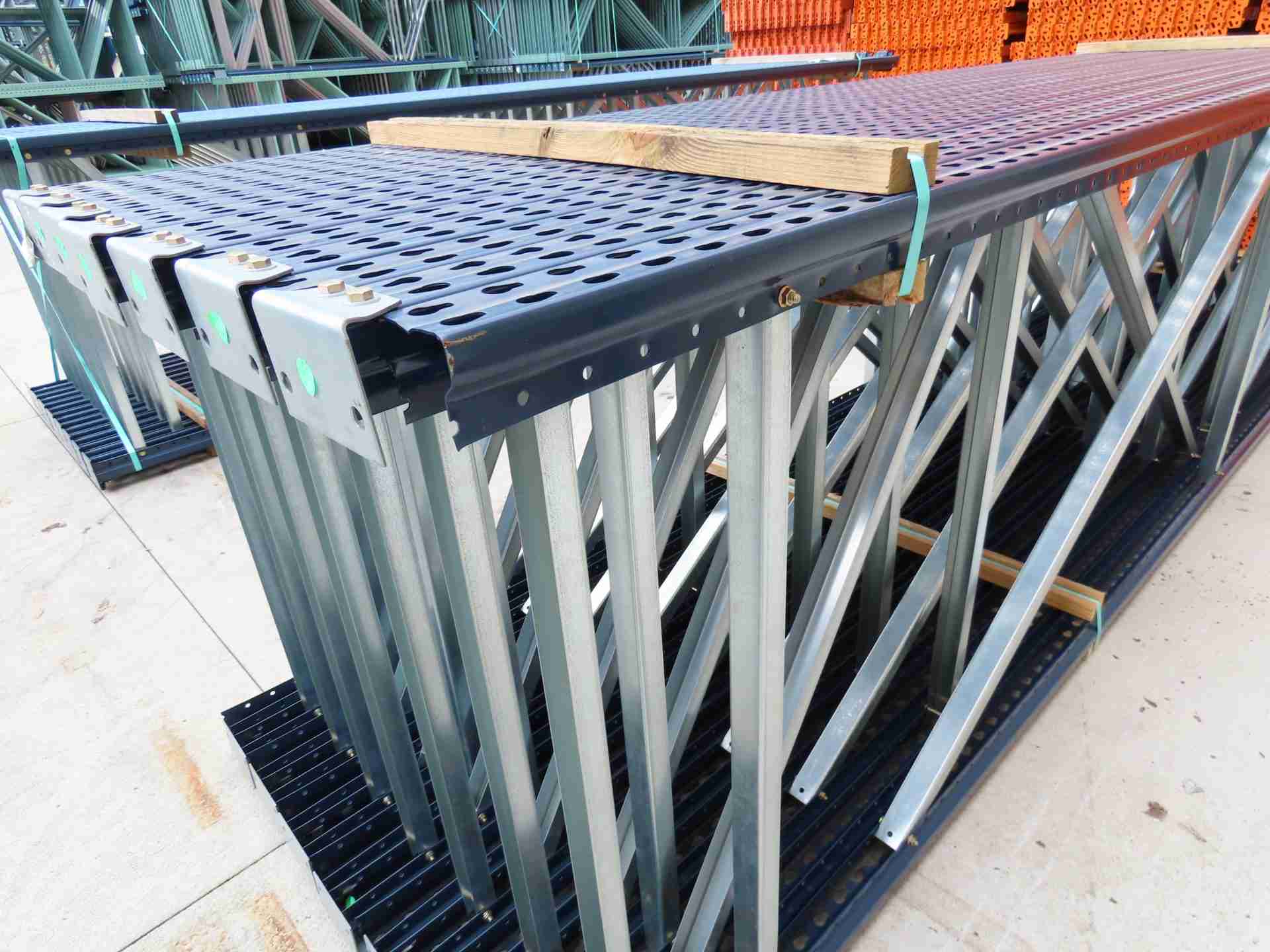
Conclusion
Conclusion:
- Safety is paramount in warehouse management and logistics at Arrow Industrial Sales.
- Navigating pallet rack safety regulations is essential for compliance and a secure working environment.
- Refer to OSHA guidelines, MHI, and RMI for credible safety standards and practices.
- Conduct routine inspections of pallet racks at least annually to identify potential safety issues.
- Train employees on safety procedures, including proper loading and hazard recognition.
- Act quickly on identified safety issues by documenting and reporting them to supervisors.
- Contact Arrow Industrial Sales for expert guidance in mastering pallet rack safety regulations.
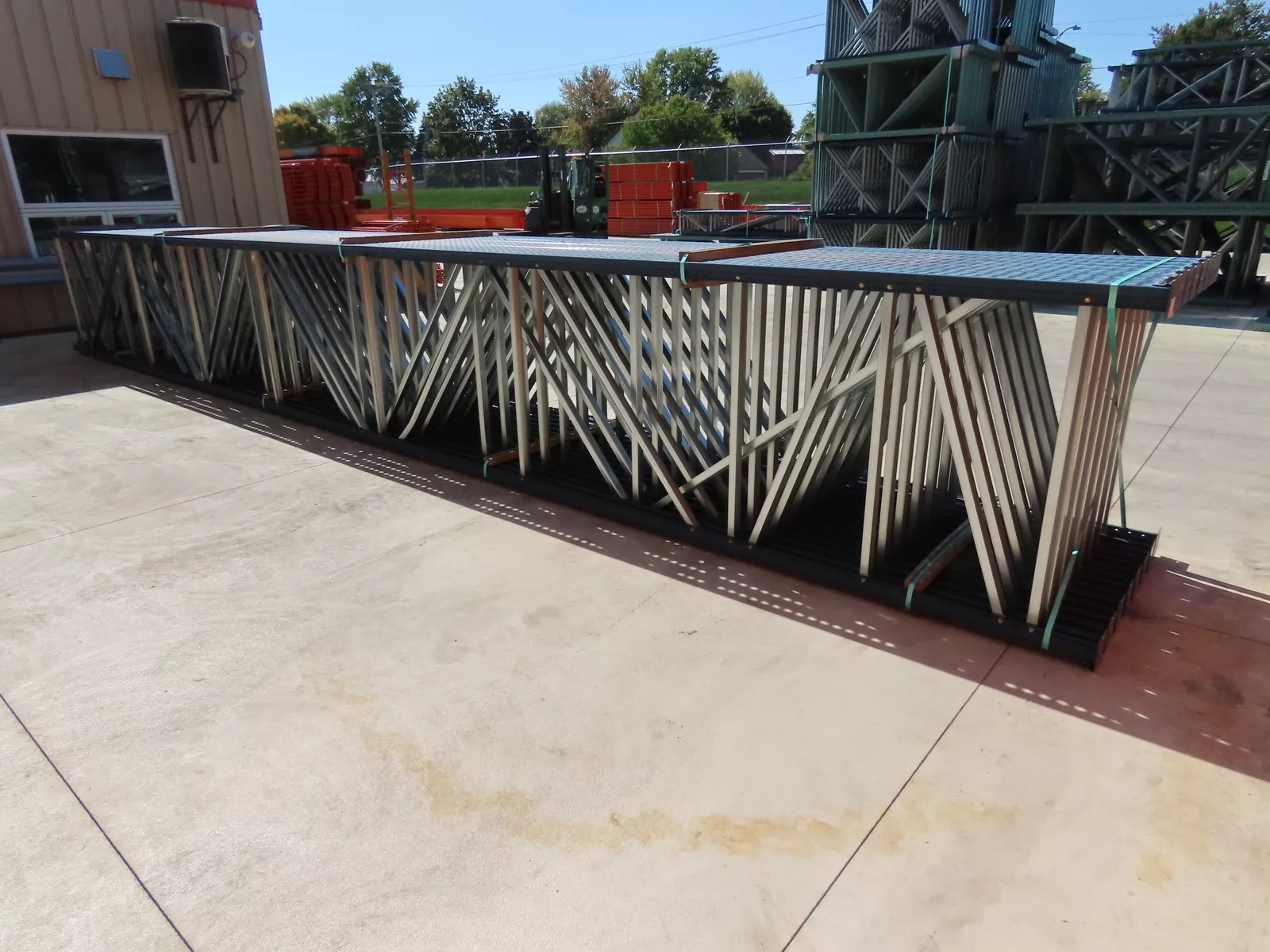
Conclusion
Other Resources
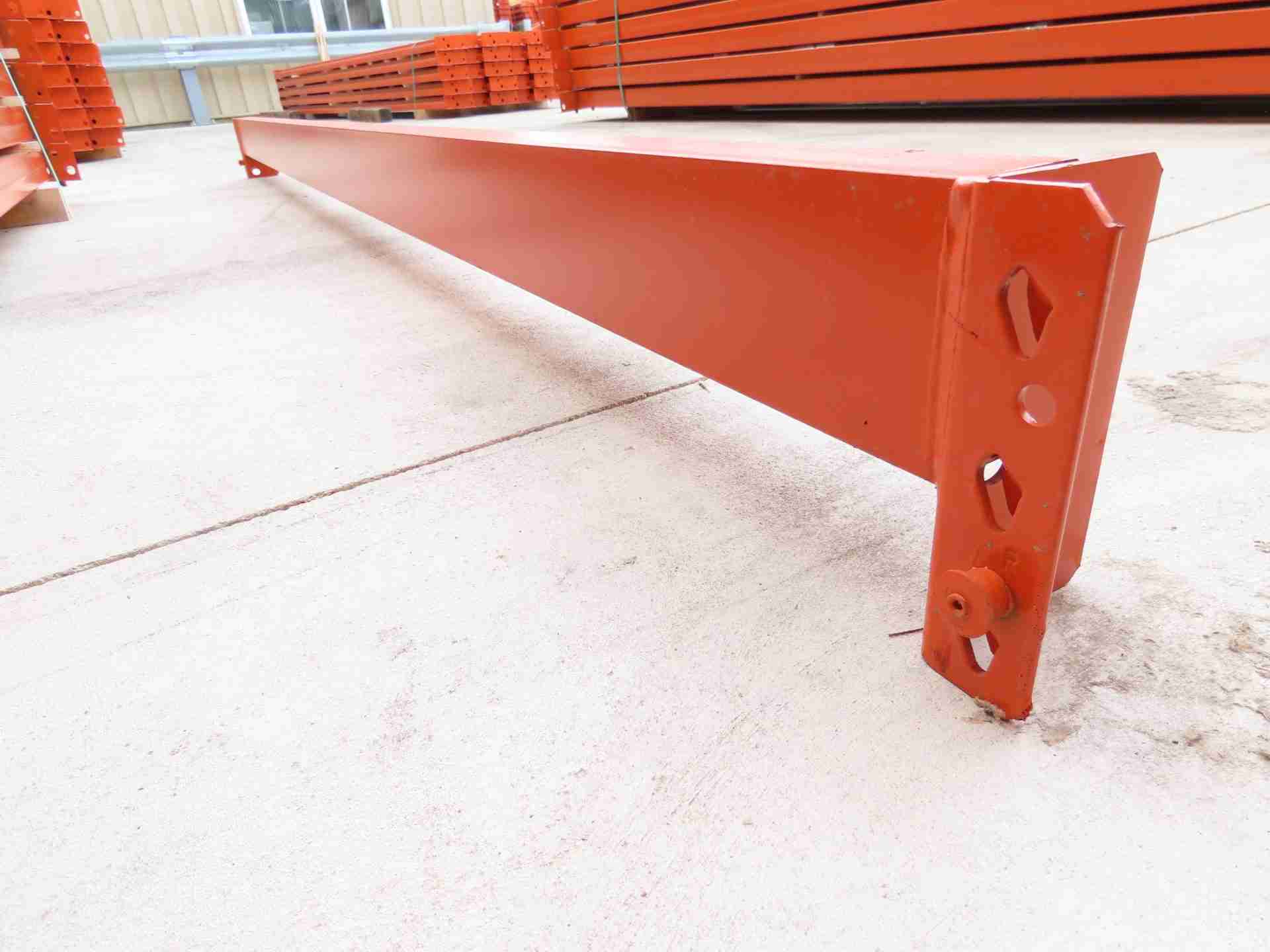
Other Resources
Here is a list of other resources you can review online to learn more:
- “1910.176 – Handling materials – general.”
- “1910 | Occupational Safety and Health Administration”
- “Materials Handling and Storage”
- “1910.178 – Powered industrial trucks.”
- “OSHA Requirements to Secure Pallet Racks”
- “pallet racking”
- “Understanding OSHA Requirements for Warehouse Racking”
- “SPP 1910.176 Material Handling.pdf”
Use This Prompt To Get More Resources With Your Favorite Online AI Tool: Please provide me with a list of online articles with their URLS in a bulleted list that I can read regarding Where to Find Pallet Rack Safety Regulations?
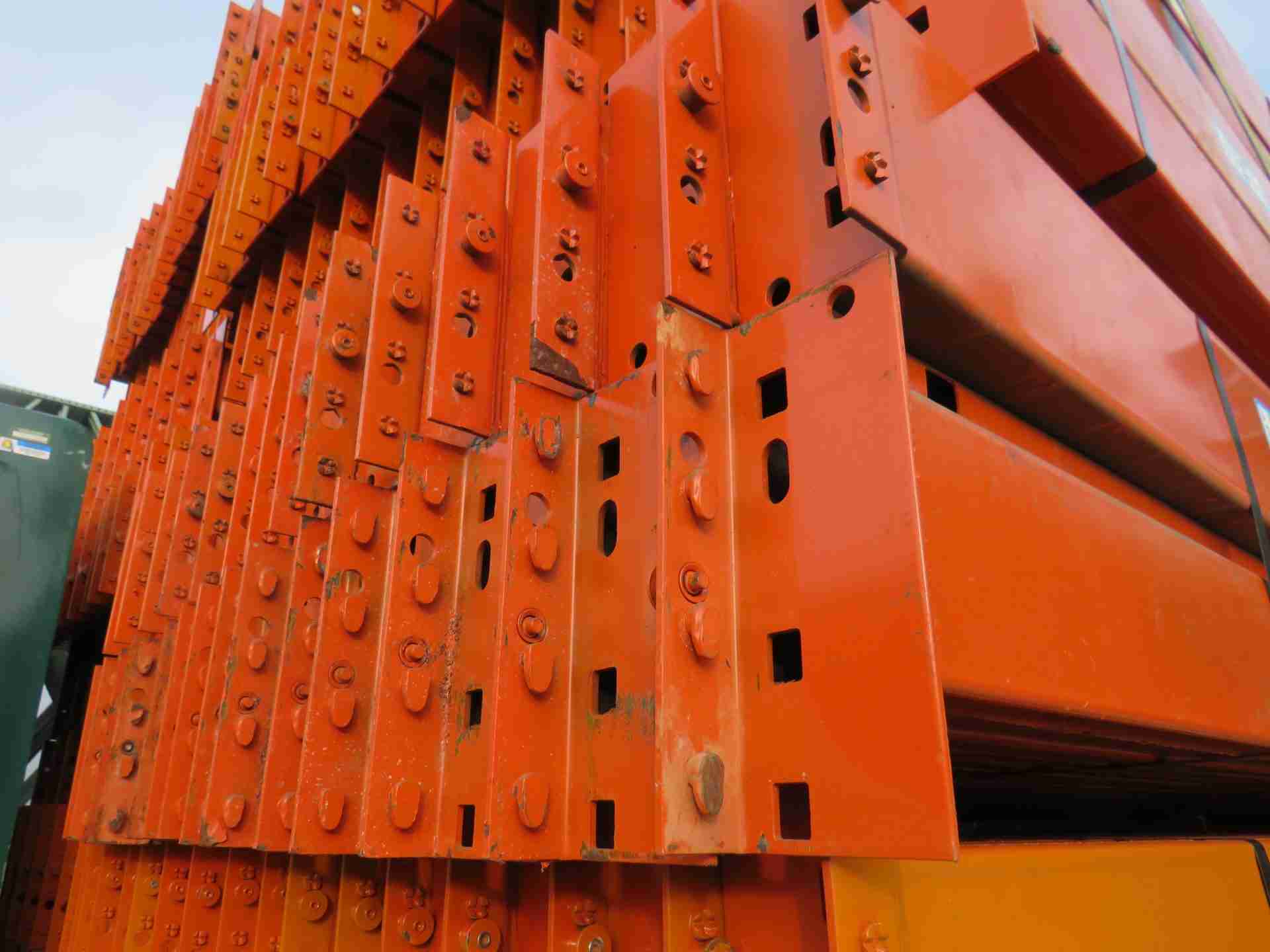
Other Resources
Glossary Terms
Where to Find Pallet Rack Safety Regulations? – Glossary Of Terms
1. Pallet Rack: A structure used in warehouses for storing goods. It consists of vertical frames and horizontal beams that hold pallets.
2. Safety Regulations: Guidelines and legal requirements established to ensure the safe operation and maintenance of equipment and facilities, including pallet racks.
3. ANSI: American National Standards Institute; an organization that oversees the development of voluntary consensus standards for products, services, processes, and systems in the U. S.
4. OSHA: Occupational Safety and Health Administration; a U. S. government agency responsible for enforcing workplace safety and health standards, including those relevant to pallet racks.
5. Load Capacity: The maximum weight a pallet rack can safely support, which is specified by manufacturers and regulated by safety guidelines.
6. Inspection: A systematic examination of pallet racks to ensure they meet safety standards and are in good working condition.
7. Compliance: The act of conforming to established guidelines, standards, and regulations regarding pallet rack safety.
8. Aisle Width: The space between rows of pallet racks, which is crucial for safe equipment maneuverability and compliance with safety regulations.
9. Guardrails: Barriers installed in warehouses to prevent pallets from falling off the racks and enhance overall safety.
10. Deflection: The displacement of a load-bearing beam under weight; excess deflection indicates potential safety issues.
11. Instability: The potential risk of a pallet rack tipping over or collapsing due to improper load distribution or structural issues.
12. Bolted Connections: Secure joints used to connect pallet rack components, critical for stability and load-bearing capacity.
13. Pallet Size: The dimensions of pallets used in storage, which affect how racks are designed and loaded.
14. Forklift Safety: Regulations and practices designed to ensure the safe operation of forklifts when loading and unloading pallet racks.
15. Weight Distribution: The manner in which weight is arranged on a pallet rack, crucial for maintaining stability and preventing collapse.
16. Risk Assessment: An evaluation process used to identify and analyze potential hazards associated with pallet storage systems.
17. Training: Programs designed to educate warehouse personnel on safe practices, including proper loading and unloading of pallet racks.
18. Maintenance: Routine checks and repairs necessary to keep pallet racks in compliance with safety standards.
19. Load Barring: The use of specific guidelines to ensure loads do not exceed established weight capacities of pallet racks.
20. Fire Safety: Regulations governing the placement of pallet racks to reduce fire hazards and allow for safe egress.
21. Personal Protective Equipment (PPE): Gear such as helmets, gloves, and safety shoes worn by workers to protect against potential hazards while working around pallet racks.
22. Rack Collapse: A hazardous event where a pallet rack fails, resulting in injury or damage; prevented through adherence to safety regulations.
23. Regulatory Agencies: Organizations responsible for setting safety and health standards, including those that relate to pallet storage systems.
24. Load Labels: Tags or stickers placed on racks that indicate maximum load capacity and handling instructions.
25. Design Specifications: Technical details provided by manufacturers on how to safely assemble and utilize pallet racks.
26. Load Restraint: Techniques and devices used to secure items on a pallet to prevent sliding or tipping during storage or transport.
27. Ergonomics: The science of designing equipment and processes that prioritize worker safety and efficiency, especially during pallet handling.
28. Clearance Heights: The vertical space above pallet racks that should remain unobstructed for safety, especially concerning fire suppression systems.
29. End-of-Aisle Protection: Safety measures placed at the ends of rack aisles to prevent collisions with equipment and maintain structural integrity.
30. Reporting Procedures: Official processes for documenting and communicating safety concerns, incidents, or violations regarding pallet rack usage.

Glossary Of Terms
Other Questions
Where to Find Pallet Rack Safety Regulations? – Other Questions
If you wish to explore and discover more, consider looking for answers to these questions:
- What are the key components of pallet rack safety regulations?
- How can I stay updated on changes to pallet rack safety regulations?
- What are the qualifications to be a pallet rack safety inspector?
- Are there specific training programs for pallet rack safety?
- What role does insurance play in pallet rack safety compliance?
- How can technology improve pallet rack safety in warehouses?
- What are the consequences of ignoring pallet rack safety regulations?
- How do pallet rack safety standards vary in different countries?
- What types of inspections are recommended for pallet racks?
- Who is responsible for pallet rack safety in a workplace?
- How do you handle employee training for diverse workforce backgrounds?
- What should I include in a pallet rack safety training manual?
- How do I evaluate the effectiveness of my pallet rack safety procedures?
- What are the signs of potential failure in pallet racking systems?
- How can I engage my team in promoting pallet rack safety?
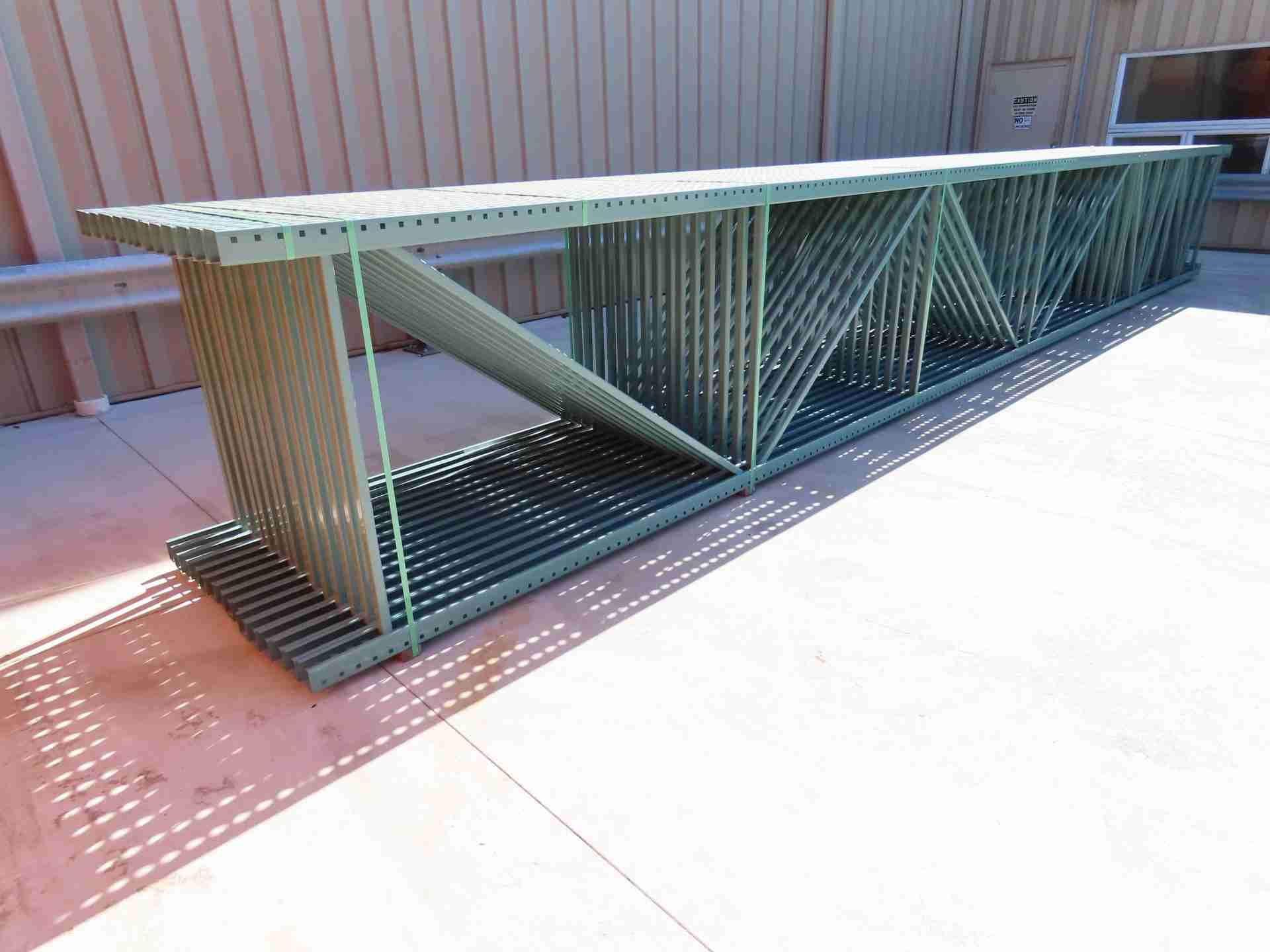
Other Questions
Checklist
Where to Find Pallet Rack Safety Regulations? – A Checklist
Pallet Rack Safety Compliance Checklist
General Safety Regulations
_____ Familiarize yourself with OSHA’s guidelines, particularly standard 1910. 176, for safe pallet rack usage.
_____ Review ANSI MH16. 1 standards related to pallet racking systems.
Finding Resources
_____ Regularly check OSHA’s official website for updates and new regulations (osha. gov).
_____ Explore resources from the Material Handling Industry (MHI) for best practices and safety guidelines.
_____ Access information from the Rack Manufacturers Institute (RMI) regarding compliance and safety standards.
_____ Identify local and state-specific safety regulations that may affect compliance.
Regular Inspections
_____ Schedule pallet rack inspections at least once a year; consider quarterly inspections for high-traffic areas or heavy loads.
_____ Document each inspection and maintain thorough records to provide accountability.
Training and Education
_____ Provide comprehensive safety training for all employees that covers loading techniques, weight limits, and inspection procedures.
_____ Conduct regular refresher courses and hands-on demonstrations for staff.
_____ Implement a Job Safety Analysis (JSA) that involves employees identifying potential hazards in their working environment.
Safety Culture
_____ Encourage employees to report safety hazards without fear of reprisal.
_____ Promote a culture of safety where team members are involved in maintaining a safe work environment.
Immediate Actions for Identifying Safety Issues
_____ Document any identified safety issue (e. g. , photos, descriptions).
_____ Report safety concerns to the supervisor or designated safety officer immediately.
_____ Implement interim safety measures to secure affected areas (e. g. , warning signs or barriers) until resolved.
Preventative Maintenance
_____ Establish a preventative maintenance program to address potential issues proactively.
_____ Utilize technology for real-time monitoring and alerts about pallet rack conditions (e. g. , RFID tags).
Review of Penalties for Non-Compliance
_____ Be aware of potential financial penalties, legal ramifications, and reputation damage associated with non-compliance.
_____ Stay informed of compliance developments to avoid penalties and keep your operations safe.
Utilizing Online Resources
_____ Explore online training platforms for pallet rack safety courses.
_____ Follow industry blogs, webinars, and social media channels for ongoing education and compliance updates.
By using this checklist, you can enhance safety awareness, ensure compliance with pallet rack regulations, and foster a culture of safety within your warehouse operations.
Checklist
At RackingWorld, we help guide you through selecting warehouse storage systems and racking.
Be sure to read our other related stories at RackingWorld to learn more about warehouse storage systems.
0 Comments