
Ensuring Local Suppliers Are Equipped For Your Growth
By Tom Seest
At RackingWorld, we help guide you through selecting warehouse storage systems and racking.
Be sure to read our other related stories at RackingWorld to learn more about warehouse storage systems.
Can Local Suppliers Handle Your Future Expansion Needs?
When contemplating expansion, many businesses often overlook the value of local suppliers. Sure, it’s tempting to think about distant suppliers offering competitive prices. However, as times change and supply chains face unprecedented disruptions, the agility and reliability of local partners become invaluable. If you want to grow sustainably, it’s time to assess if your local suppliers can meet your future needs.
Consider a tangible example – imagine you’re a manufacturing firm that specializes in just-in-time production. You rely on efficient logistics to keep your operations smooth. If your supplier is oceans away, the logistics can become a headache, as seen in the recent supply chain disruptions caused by the COVID-19 pandemic that rattled global networks. But with a local supplier, you can reap the benefits of quicker turnaround times. A nearby supplier of pallet racking, for example, can send shipments without delay. No longer do you have to endure prolonged lead times; instead, you can have the storage solutions you need, when you need them.
Moreover, local suppliers often understand the local market better than national or international outfits. They can provide insights and flexibility tailored to your specific needs. For instance, during the recent shifts in the economy spurred by rising inflation, businesses that relied on local suppliers for raw materials reported less volatility and consistent support. Having your pallet racking solutions sourced from a local distributor means that as your business expands, you can easily scale up your warehouse storage capacity without barriers typically posed by long-distance logistics.
When evaluating suppliers, focus on their scalability and responsiveness. How quickly can they deliver additional pallet racking when your demand surges? Can they accommodate custom options to fit your expanding footprint? This evaluation process isn’t just about pricing; it’s about building a relationship that empowers your growth.
In an age where unpredictability lurks around every corner, think strategically. The pandemic taught businesses to prioritize resilience over mere cost-savings. Embracing local suppliers cuts down on risk, especially when supply chains are strained. Ask yourself: can your current suppliers keep pace with your ambition? If the answer isn’t a resounding yes, it’s time to reevaluate your partnerships. By investing in local relationships, you’re not just navigating today’s marketplace — you’re positioning your business for a prosperous tomorrow.

Can Local Suppliers Handle Your Future Expansion Needs?
Can Local Suppliers Handle Your Future Expansion Needs?
- Many businesses underestimate the importance of local suppliers when expanding.
- Local suppliers provide agility and reliability, especially amidst supply chain disruptions.
- A manufacturing firm relying on just-in-time production benefits from local suppliers due to quicker logistics.
- Local suppliers have a better understanding of the local market, offering tailored insights and flexibility.
- Businesses using local suppliers reported less volatility during economic shifts, such as rising inflation.
- Evaluate suppliers based on scalability and responsiveness, not just pricing.
- Investing in local relationships enhances resilience and positions businesses for future growth.

Can Local Suppliers Handle Your Future Expansion Needs?
Table Of Contents
- Can Local Suppliers Handle Your Future Expansion Needs?
- What Are The Benefits Of Using Local Suppliers For Expansion?
- How Can Local Suppliers Support Your Growth Strategy?
- What Challenges Might Arise With Local Suppliers?
- Are Local Suppliers Scalable For Future Demands?
- How Do You Assess The Reliability Of Local Suppliers?
- What Factors Should Be Considered When Choosing A Local Supplier?
- How Can You Build Strong Relationships With Local Suppliers?
- What Role Does Communication Play With Local Suppliers?
- Conclusion
- Other Resources
- Glossary Of Terms
- Other Questions
- Checklist
What Are The Benefits Of Using Local Suppliers For Expansion?
In today’s fiercely competitive market, companies strategizing for growth must rethink their supply chain dynamics. When considering expansion, turning to local suppliers offers a slew of advantages that go beyond mere cost savings. Let’s explore how this approach can be a game-changer, even in the face of shifting global dynamics and supply chain challenges.
First and foremost, local suppliers bring agility to your operations. By sourcing materials or products from nearby providers, you drastically reduce lead times. For example, if your manufacturing facility in Indianapolis needs pallet racking for a new warehouse setup, partnering with a local supplier could mean receiving those essential materials within days instead of weeks. In today’s world of increased shipping delays and supply chain disruptions—exacerbated by events like the COVID-19 pandemic—this agility is not just a convenience; it’s a necessity. Your business can maintain production schedules without the worry of long waits and uncertain delivery dates.
Moreover, working with local suppliers fosters stronger relationships and communication. These partnerships are often built on trust and reliability, which stem from shared community values. A local supplier is more likely to understand your specific needs, providing tailored solutions that may not be available from larger, out-of-state providers. For instance, a local company specializing in pallet racking systems can offer insights based on local regulations, zoning laws, and market preferences that a national supplier might overlook.
Supporting local suppliers also nurtures the community. In an era where consumers are increasingly gravitating towards businesses that showcase corporate social responsibility, showcasing local sourcing can bolster your brand image. Customers appreciate knowing that their purchases contribute to the local economy, creating jobs and boosting their own community. A fast-food chain promoting its partnerships with local farms for fresh ingredients is a prime example of this trend in action.
Additionally, local suppliers tend to be more adaptable to market changes. They can quickly pivot, ensuring you get the latest innovations without the lengthy approval pitfalls typical of larger corporations. This is particularly vital in industries like retail and manufacturing, where consumer preferences shift rapidly.
As you chart your expansion plan, consider the multitude of benefits that local suppliers offer. From improved agility and strong local relationships to enhanced brand image and adaptability, the advantages are clear. In a world where every competitive edge counts, leveraging local resources may just be what you need to ensure your business thrives in the new landscape.

What Are The Benefits Of Using Local Suppliers For Expansion?
What Are The Benefits Of Using Local Suppliers For Expansion?
- Rethinking supply chain dynamics is essential for companies strategizing for growth in a competitive market.
- Partnering with local suppliers enhances operational agility, significantly reducing lead times.
- Stronger relationships and communication with local suppliers lead to tailored solutions based on community understanding.
- Supporting local suppliers boosts community welfare and aligns with consumer preferences for corporate social responsibility.
- Local suppliers are typically more adaptable to market changes, enabling faster innovations.
- Leveraging local resources can provide a competitive edge in expansion plans.
- Benefits of working with local suppliers include improved agility, strong community ties, and enhanced brand image.

What Are The Benefits Of Using Local Suppliers For Expansion?
How Can Local Suppliers Support Your Growth Strategy?
In today’s fast-paced business landscape, leveraging local suppliers can be a key strategy for fueling growth. A well-structured supply chain can be the backbone of your business, and partnering with local suppliers offers distinct advantages that can accelerate your expansion plans.
First, consider the benefits of reduced lead times. Local suppliers can provide quicker deliveries, minimizing downtime and ensuring your operations run smoothly. For instance, if your business relies on pallet racking systems for warehouse optimization, sourcing these from a local supplier means you can adapt to inventory changes without the long wait typically associated with overseas shipping. This not only enhances your operational efficiency but also gives you a competitive edge in a market that values rapid response times.
Moreover, local suppliers often have a better understanding of the specific needs and nuances of the regional market. They can provide insights that a distant supplier may not possess, allowing for tailored solutions. For example, during the recent supply chain disruptions stemming from global events, many businesses turned to local suppliers to maneuver around delays and shortages. By relying on nearby vendors, businesses could innovate and pivot their strategies quickly to meet customer demands.
In addition to operational benefits, engaging local suppliers fosters community ties and builds brand loyalty. Customers today are increasingly supportive of businesses that are integrated into their local economies. A classic example can be seen in the success of farm-to-table restaurants that prioritize local produce. By marketing your use of local materials—like sourcing pallet racking from a nearby manufacturer—you not only enhance your appeal to customers but also bolster your community standing. Alignment with local suppliers signals commitment to the area and resonates with consumers who value corporate social responsibility.
Equally pertinent is the cost factor. Often, local suppliers can provide competitive pricing, particularly when considering the elimination of expensive shipping fees and potential tariffs from overseas suppliers. Take the burgeoning trend in sustainable packaging: local manufacturers are stepping up to provide eco-friendly solutions, which can be both affordable and align with your brand’s sustainability goals.
As you strategize for growth, remember that your choice of suppliers is not merely a logistical decision; it’s a strategic partnership. By leveraging local suppliers, especially for crucial elements like pallet racking, you can enhance efficiency, reduce costs, and cultivate a loyal customer base. In a world where connection matters, there’s undeniable power in local partnerships.

How Can Local Suppliers Support Your Growth Strategy?
How Can Local Suppliers Support Your Growth Strategy?
- Leveraging local suppliers can catalyze business growth in a fast-paced market.
- Local suppliers offer reduced lead times, ensuring smoother operations and quicker deliveries.
- Proximity allows local suppliers to provide tailored solutions based on regional market needs.
- Engaging local suppliers fosters community ties and enhances brand loyalty among customers.
- Local suppliers often offer competitive pricing by eliminating shipping fees and tariffs.
- Utilizing local suppliers aligns with the growing trend of corporate social responsibility.
- Choosing suppliers is a strategic partnership that enhances efficiency, reduces costs, and drives growth.

How Can Local Suppliers Support Your Growth Strategy?
What Challenges Might Arise With Local Suppliers?
Choosing to work with local suppliers can have its merits, such as reduced shipping costs and supporting the community. However, it’s crucial to recognize that local partnerships come with a unique set of challenges that can impact your business strategy.
One pressing issue is the limited product variety. While large suppliers often boast a vast inventory, local suppliers might focus on niche markets or particular products. For example, if you’re a warehouse owner looking for specific pallet racking solutions, local vendors might not offer the latest innovations in materials or the diverse selection that larger suppliers can provide. This limitation can stifle growth if your operations scale or pivot based on market demand.
Furthermore, local suppliers often operate on tighter margins, leading to instability in pricing. Fluctuating costs can hinder your budgeting efforts, creating uncertainty that affects decision-making. As many businesses have learned during the recent supply chain disruptions caused by the pandemic, relying solely on local suppliers may result in unforeseen complications. In 2020, many companies faced delays in acquiring essential materials, such as pallet racking. When local suppliers were unable to meet increased demand, those companies found themselves scrambling for alternative sources, paying potentially higher prices, and facing project delays.
Another hurdle is the potential for inconsistent quality. While local suppliers may take pride in their products, the craftsmanship and materials might not always align with industry standards. For instance, if you’re seeking pallet racking systems that adhere to stringent safety regulations, blindly trusting a nearby supplier without thorough vetting could expose your business to unnecessary risks. Quality issues can lead to increased returns, customer dissatisfaction, and ultimately tarnish your company’s reputation.
Additionally, geographic limitations can affect logistical operations. A local supplier might not have the infrastructure to deliver products promptly, especially when you need specialized items such as pallet racking for new warehouse setups. In situations where time is of the essence, relying on a local supplier who cannot scale operations can lead to costly project delays.
While local suppliers can provide invaluable community support and quick access, careful consideration must be given to these challenges. Evaluating the risks associated with product variety, pricing stability, quality control, and geographical constraints is essential to ensure your business continues to thrive. Balancing local partnerships with a strategic long-term approach can lead to success, but only with a comprehensive understanding of these potential pitfalls.

What Challenges Might Arise With Local Suppliers?
What Challenges Might Arise With Local Suppliers?
- Choosing local suppliers can reduce shipping costs and support the community.
- Local partnerships may present challenges that affect business strategy.
- Limited product variety from local suppliers may hinder growth.
- Tighter margins can lead to pricing instability and budgeting challenges.
- Relying solely on local suppliers may cause complications during supply chain disruptions.
- Potential for inconsistent quality from local suppliers can expose businesses to risks.
- Geographic limitations may affect timely delivery, leading to project delays.

What Challenges Might Arise With Local Suppliers?
Are Local Suppliers Scalable For Future Demands?
In today’s fast-paced market, the pressure is on businesses to provide quicker responses to consumer demands without compromising quality. This has led many to wonder: can local suppliers actually scale to meet these increasing expectations? The answer lies in a combination of strategic planning, resource management, and innovative solutions.
Let’s examine the case of pallet racking systems. These solutions play an essential role in warehouse efficiency, especially for local suppliers looking to optimize their operations. By investing in smart pallet racking, companies can significantly enhance their storage capabilities, reduce handling times, and increase overall throughput. For instance, a local supplier that implemented a modular pallet racking system reported a 30% increase in inventory capacity within just a few months. This kind of scalability is crucial as consumer preferences rapidly evolve.
Moreover, this trend is reinforced by the ongoing e-commerce boom. Companies, large and small, are responding to the rise in online shopping by digitizing their supply chain operations. Local suppliers who adapt can tap into the region’s demand while keeping the same level of personalized service that larger competitors sometimes lack. Just look at the recent surge in home delivery services; local suppliers who invested in scalable logistics solutions, including streamlined pallet racking, could pivot swiftly to meet the demand for rapid dispatch.
Yet, scalability isn’t purely about increasing physical capacity. It also involves embracing technology. Local suppliers can leverage advanced inventory management software that integrates with their pallet racking systems for real-time tracking and analysis. This setup ensures they are not only responsive but also proactive in anticipating customer needs. In 2023, we’ve seen how a California-based organic farm, using a combination of local sourcing and advanced logistics optimization, created a model that other suppliers are now scrambling to replicate.
Additionally, the recent discussions surrounding sustainability have compelled local suppliers to rethink their supply chains. By using locally sourced materials and services, they decrease their carbon footprints while supporting economies in their regions. This approach, when combined with scalable pallet racking systems, allows them to function efficiently without the environmental baggage of long-distance supply chains.
Can local suppliers be scalable? Absolutely. By strategically investing in infrastructure like pallet racking systems and embracing technology, they are not only capable of meeting current demands but also poised for future growth in an ever-evolving marketplace. History shows us that adaptability and innovation are key; local suppliers who can harness these aspects will be best positioned to thrive in the coming years.

Are Local Suppliers Scalable For Future Demands?
Are Local Suppliers Scalable For Future Demands?
- Businesses face pressure to respond to consumer demands quickly without compromising quality.
- Local suppliers can meet these expectations through strategic planning, resource management, and innovative solutions.
- Pallet racking systems enhance warehouse efficiency and optimize operations for local suppliers.
- Investing in smart pallet racking can lead to improvements, such as a reported 30% increase in inventory capacity.
- E-commerce growth encourages local suppliers to digitize their supply chain while maintaining personalized service.
- Embracing technology, like advanced inventory management software, helps suppliers stay proactive and responsive.
- By focusing on sustainability and local sourcing, suppliers can decrease their carbon footprint while remaining efficient.

Are Local Suppliers Scalable For Future Demands?
How Do You Assess The Reliability Of Local Suppliers?
When evaluating local suppliers, the goal is not just to secure a short-term transaction, but to forge long-lasting partnerships that can elevate your business operations. Reliability in suppliers can mean the difference between smooth sailing and chaotic supply chain disruptions. Here’s how to assess the reliability of local suppliers effectively.
First, conduct a thorough background check. Investigate how long they have been in the business. A company that has stood the test of time, like a sturdy pallet racking system in a warehouse, suggests stability and reliability. For instance, a supplier with over ten years of experience is likely to have weathered various market conditions and crises, like the recent supply chain disruptions caused by global events such as the pandemic. They have likely adapted their operations and developed contingency plans.
Next, evaluate their reputation within the industry. Seek testimonials, reviews, and feedback from other businesses. A quick search on platforms like Google and Yelp can reveal valuable insights. If other customers praise a supplier for timely deliveries and quality materials, you’re likely onto a winner. Conversely, if you see recurring negative comments about missed deadlines or poor customer service, it’s a red flag — akin to a pallet racking system with a structural issue; it might look fine but could collapse when you least expect it.
A crucial move is to request and verify their certifications and licenses. For instance, suppliers of pallet racking should comply with safety regulations, ensuring that their products meet required standards. This not only protects your investment but guarantees that you won’t face liabilities down the line.
Also, make a site visit. If possible, go see their operation firsthand. Observe their facilities, speak with employees, and gauge their organizational capabilities. This will give you a snapshot of their operational efficiency. An advanced warehouse with optimal pallet racking setups indicates a supplier ready to handle increased demand.
Lastly, assess their communication responsiveness. Reliable suppliers communicate clearly and promptly. Use scenario simulations — ask what they would do in a hypothetical situation, such as a delay in delivery. Their response will reveal their problem-solving capabilities and willingness to partner with you in overcoming challenges.
In today’s fast-paced business environment, ensuring your suppliers are credible and dependable can safeguard your operations against upheaval. In moments like these, procurement is not merely transactional; it’s strategic. Choose wisely.

How Do You Assess The Reliability Of Local Suppliers?
How Do You Assess The Reliability Of Local Suppliers?
- Goal of evaluating local suppliers is to forge long-lasting partnerships, not just short-term transactions.
- Supplier reliability can significantly impact supply chain stability and reduce disruptions.
- Conduct thorough background checks to assess supplier experience and stability in the market.
- Evaluate the supplier’s reputation through testimonials and reviews from other businesses.
- Request and verify necessary certifications and licenses to ensure compliance with safety regulations.
- Make site visits to observe operations, facilities, and organizational capabilities firsthand.
- Assess communication responsiveness through scenario simulations to gauge problem-solving abilities.

How Do You Assess The Reliability Of Local Suppliers?
What Factors Should Be Considered When Choosing A Local Supplier?
Selecting a local supplier is more than just a logistical decision; it’s a strategic one that can determine the success or failure of your operations. Let’s dive into the critical factors you should consider in making this choice.
1. Product Quality and Reliability
Ask yourself: is the supplier known for quality? Whether you’re dealing with Pallet Racking or industrial equipment, the durability and reliability of the product are crucial. For instance, a company that provides high-grade Pallet Racking can contribute significantly to your efficiency and reduce safety hazards in your warehouse. In August 2023, a major retailer had to recall certain storage systems due to sub-par materials, highlighting the importance of selecting a supplier with a proven track record.
2. Local Market Knowledge
Local suppliers have an intrinsic understanding of your market dynamics. They are more in touch with local regulations, consumer preferences, and logistics. For example, if you’re sourcing materials for a grocery store, a local supplier might offer insights on seasonal product availability or community trends—knowledge that out-of-state suppliers simply can’t replicate.
3. Cost Structure
While walking into a new supplier relationship, you must analyze not just the price of goods, but the overall cost structure. Are there hidden fees or logistical costs? A supplier offering Pallet Racking at an attractive rate might surprise you with exorbitant shipping charges. It’s vital to comprehend the “Total Cost of Acquisition” to avoid budget blowouts.
4. Responsiveness and Customer Service
In this volatile economic climate, the speed with which a supplier can respond to queries can be a game-changer. Consider a situation where your business faces unexpected demand. A local supplier with prompt customer service can provide the immediate support you need to keep operating smoothly. Check the supplier’s history in responding to crisis situations or unexpected demands.
5. Sustainability Practices
As consumer awareness grows, sustainability increasingly becomes a non-negotiable factor. Aligning with a local supplier who implements eco-friendly practices can offer you branding advantages. For example, a local supplier that uses sustainable materials for Pallet Racking may help position your business as a socially responsible brand.
6. Testimonials and Reviews
Finally, never underestimate the power of word-of-mouth. Seek testimonials from other businesses similar to yours. In this digital landscape, you can cross-reference reviews on platforms like Google or Yelp, painting a fuller picture of the supplier’s reputation.
The choice of a local supplier hinges on multiple dimensions—from product quality and costs to customer service and sustainability. Examine each factor critically, and you’ll pave the way for a fruitful partnership that not only meets your needs but exceeds your expectations.

What Factors Should Be Considered When Choosing A Local Supplier?
What Factors Should Be Considered When Choosing A Local Supplier?
- Product Quality and Reliability: Ensure the supplier is known for high-quality products, as this affects efficiency and safety.
- Local Market Knowledge: Local suppliers understand market dynamics, regulations, and consumer preferences, offering insights that out-of-state suppliers may lack.
- Cost Structure: Analyze the total cost of acquisition, including hidden fees and shipping costs, beyond just the price of goods.
- Responsiveness and Customer Service: A supplier’s ability to respond quickly to queries can be crucial during unexpected demands.
- Sustainability Practices: Align with suppliers that implement eco-friendly practices for branding advantages as consumer awareness grows.
- Testimonials and Reviews: Seek feedback from similar businesses and check online reviews to gauge the supplier’s reputation.
- Overall Considerations: Evaluate multiple dimensions such as quality, costs, service, and sustainability for a fruitful supplier partnership.
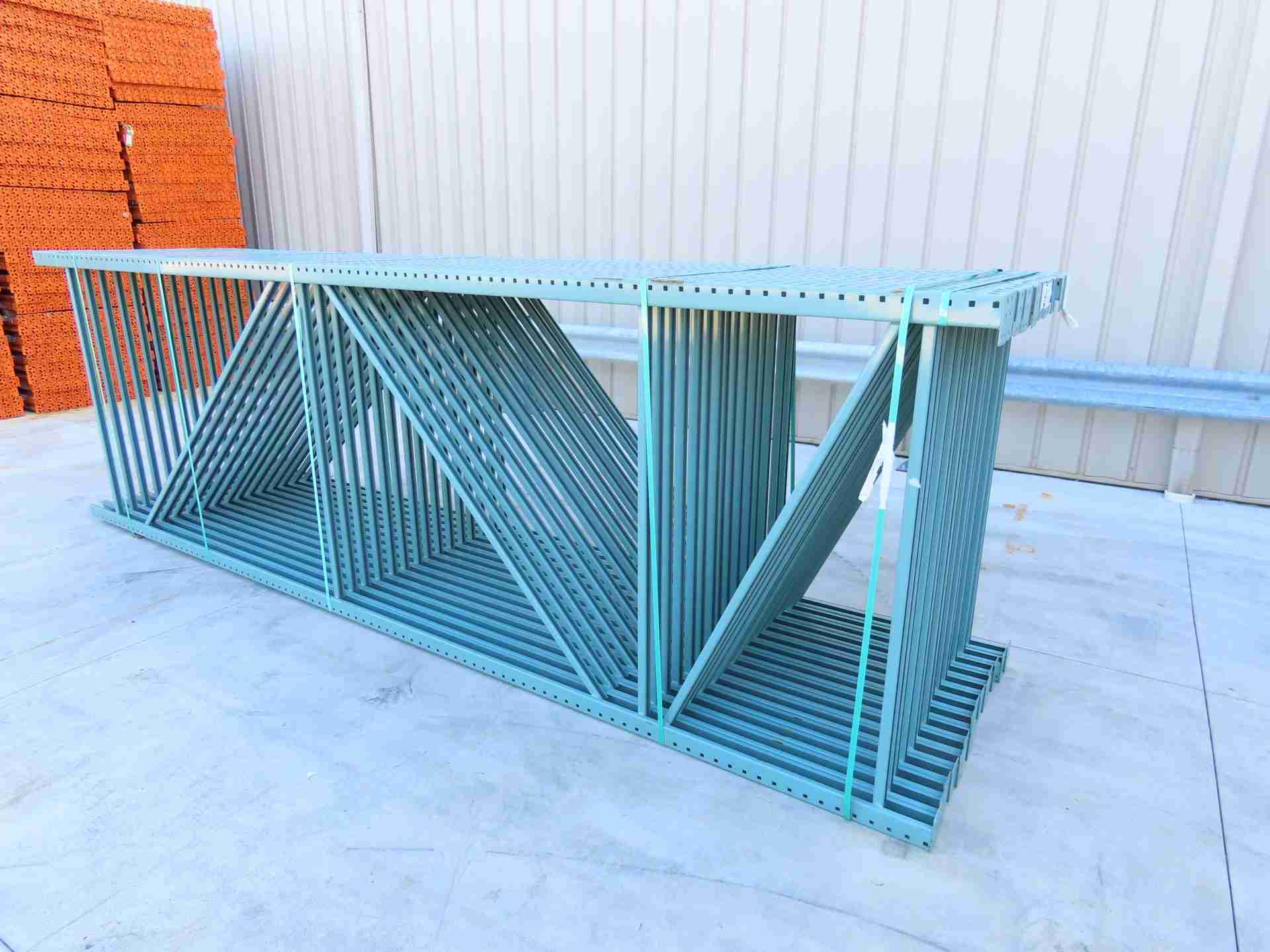
What Factors Should Be Considered When Choosing A Local Supplier?
How Can You Build Strong Relationships With Local Suppliers?
Building strong relationships with local suppliers is not just a strategic move; it’s a game changer for your business. In an era where supply chain challenges have become all too common, tapping into local resources can provide stability and reliability. Here’s how to forge those invaluable connections.
Understand Their Needs and Strengths
Start by taking the time to understand your suppliers’ unique offerings. For instance, if you’re in retail and relying on a local company that specializes in pallet racking, learn all you can about their inventory, turnaround times, and customer service approach. This knowledge allows you to tailor your requests and understand what you can reasonably expect from them. Perhaps they could introduce you to different racking systems that better suit your storage needs, aligning your operations with their expertise.
Foster Open Communication
Strong relationships thrive on communication. Regular check-ins can make a significant difference. For instance, when the pandemic disrupted supply chains, those who communicated openly had a better chance to navigate through uncertainties. Schedule monthly or quarterly meetings to discuss your evolving needs, feedback on product quality, and any potential challenges. Use these opportunities to provide insights into your business cycle, so they can anticipate your needs better.
Collaborative Problem-Solving
Consider sourcing products or services from a local supplier who faces challenges, such as sourcing components for their pallet racking systems. Engage them in open discussions about ways to improve their offerings or streamline processes. For example, if you notice they’re struggling with delivery times, explore the possibility of a more flexible ordering schedule that aligns with your needs while easing their logistics pressures. This collaboration shows that you are invested in their success, and it builds a bond of trust.
Leverage Social Proof
Don’t underestimate the power of testimonials and case studies. If you have a positive experience with a local supplier’s pallet racking systems, share your success story on social media or your website. This acts as social proof and encourages other businesses to form relationships with them as well. Consider co-hosting a webinar or workshop where both parties can showcase capabilities; this benefits not just you, but reinforces your position as a key player in the local business ecosystem.
Invest in Long-Term Partnership
Finally, remember that building relationships is a marathon, not a sprint. Prioritize local suppliers and invest in those partnerships over the long haul. Consider loyalty incentives, such as a larger order size or referral programs. By choosing local suppliers, not only do you foster regional economic development, but you also create a network that can help you weather any storm, be it economic fluctuations or unexpected supply disruptions. In today’s climate, being interconnected with strong local suppliers might just be your best advantage.

How Can You Build Strong Relationships With Local Suppliers?
How Can You Build Strong Relationships With Local Suppliers?
- Building strong relationships with local suppliers can provide stability and reliability in uncertain supply chains.
- Take time to understand suppliers’ unique offerings, inventory, and strengths to tailor requests effectively.
- Foster open communication through regular check-ins to discuss needs, feedback, and challenges.
- Engage in collaborative problem-solving to address challenges faced by suppliers and streamline processes.
- Utilize testimonials and case studies to leverage social proof and encourage other businesses to connect with local suppliers.
- Invest in long-term partnerships with local suppliers through loyalty incentives and larger order sizes.
- Building a network of strong local suppliers can help businesses navigate economic fluctuations and supply disruptions.

How Can You Build Strong Relationships With Local Suppliers?
What Role Does Communication Play With Local Suppliers?
In today’s fast-paced business landscape, effective communication isn’t just a nicety; it’s a fundamental pillar that can make or break your relationship with local suppliers. When it comes to inventory management solutions, like pallet racking systems, clear and consistent communication ensures that suppliers understand your specific needs and expectations, thereby facilitating a smoother operational flow.
Imagine a scenario where a local warehouse manager is looking to optimize storage space. They turn to a nearby supplier for pallet racking, but during the initial discussions, the details are glossed over. The supplier misunderstands the intended use and recommends a system that’s inadequate for the warehouse’s needs. This could lead to delays, increased costs, and lost revenue. In contrast, a well-structured communication strategy would involve detailed discussions about the warehouse layout, weight capacity, and future expansion plans, ensuring the supplier delivers precisely what’s required.
Consider the current economic climate, where supply chain disruptions have become a common challenge. Companies that prioritize clear communication with their local suppliers often find themselves better equipped to navigate these turbulent waters. For instance, if a manufacturer knows that a key component, such as a part for pallet racking, is delayed, timely communication can allow them to pivot and seek alternative solutions, minimizing downtime.
Furthermore, fostering a collaborative atmosphere through communication helps build trust. When suppliers feel like valued partners rather than just vendors, they are more likely to go above and beyond to meet your expectations. This can manifest in preferential pricing, faster lead times, and even custom solutions tailored to your business needs. For example, suppliers who understand your specific requirements for pallet racking could offer exclusive designs that maximize your space efficiency.
Moreover, embracing digital communication tools like supply chain management software or CRM systems can amplify the effectiveness of your interactions. Real-time updates on inventory levels, order statuses, or even potential logistical issues enable quick decision-making, which is crucial in industries where every minute counts.
Neglecting communication with local suppliers can lead to misalignment and setbacks. By investing time in establishing clear and consistent channels, businesses not only ensure they receive adequate pallet racking solutions but also foster a relationship that can withstand the challenges posed by today’s market, transforming suppliers into trusted partners on the path to success.

What Role Does Communication Play With Local Suppliers?
What Role Does Communication Play With Local Suppliers?
- Effective communication is essential for maintaining strong relationships with local suppliers.
- Clear communication about inventory management, such as pallet racking systems, ensures suppliers meet specific needs.
- A scenario highlighting poor communication shows how misunderstandings can lead to delays and increased costs.
- Prioritizing communication helps businesses navigate supply chain disruptions more effectively.
- Building trust through communication can lead to preferential pricing and customized solutions from suppliers.
- Utilizing digital communication tools enhances interaction and enables quick decision-making.
- Investing in clear communication channels establishes enduring relationships and transforms suppliers into trusted partners.

What Role Does Communication Play With Local Suppliers?
Conclusion
In the journey toward sustainable growth, businesses face an essential decision: how to select suppliers that not only meet immediate needs but also accommodate future expansions. The insightful discourse presented here emphasizes the untapped potential of local suppliers—especially in a landscape riddled with supply chain disruptions. While it might be tempting to pursue distant, cost-effective suppliers, the case for local partnerships has never been stronger.
Local suppliers, like those for pallet racking at Arrow Industrial Sales, offer agility that distant competitors cannot match. As recent disruptions have shown us, local partnerships can provide quicker deliveries, customized solutions, and enhanced communication. This agility is not just about convenience; it’s about keeping your operations smooth and responsive, minimizing downtime due to delays. Businesses that prioritize local sourcing have reported fewer volatility incidents and a deeper understanding of regional market dynamics—elements crucial for long-term success.
However, the transition to relying on local suppliers does require a rigorous assessment process. While the benefits are substantial, challenges exist, including potential limitations on product variety and pricing stability. Companies must be diligent in evaluating local suppliers’ reliability, quality, and scalability to ensure they align with their growth strategies. As you consider this strategic pivot towards local suppliers, it’s vital to ask the right questions: Can your current suppliers keep pace with your demands? Are they prepared to support your growth while adapting to evolving market needs?
Strong, reliable relationships with local suppliers can create a network that not only fuels your current operations but also positions your business for a prosperous future. Establishing clear communication channels and understanding your suppliers’ strengths can transform transactional exchanges into strategic partnerships that foster mutual growth. Embracing local sourcing isn’t just an operational decision; it’s a commitment to your community and a step toward sustainability.
As you contemplate the role of local suppliers in your expansion plans, don’t delay in making these critical assessments and partnerships. If you’re ready to explore how local suppliers can enhance your supply chain, don’t hesitate to call Arrow Industrial Sales at (574) 349-6575. The right local partners will not only meet your immediate needs but will also set the stage for enduring growth and resilience in an unpredictable market. Time is of the essence—make the smart choice and invest in local today!

Conclusion
Conclusion:
- Businesses face a critical choice in selecting suppliers for sustainable growth.
- Local suppliers offer benefits like agility, quicker deliveries, and customized solutions amidst supply chain disruptions.
- Prioritizing local sourcing leads to fewer volatility incidents and a better understanding of regional market dynamics.
- The transition to local suppliers requires assessing reliability, quality, and scalability despite potential challenges.
- Strong relationships with local suppliers can develop into strategic partnerships that support mutual growth.
- Embracing local sourcing is a commitment to community and sustainability, enhancing operational resilience.
- Time is crucial in establishing local partnerships that support immediate needs and long-term success.

Conclusion
Other Resources

Other Resources
Here is a list of other resources you can review online to learn more:
- What is Selective Racking: Understanding Benefits & Options
- American Surplus
- CMMA
- Cantilever Racking Specialists – Get the Right Racks
- CA Wire
- RMI
- NSC
- Warehouse Racks, Warehouse Racking in Stock – ULINE
- Chicago Pallet Racking
- Interlake
Use This Prompt To Get More Resources With Your Favorite Online AI Tool: Please provide me with a list of online articles with their URLs in a bulleted list that I can read regarding Can Local Suppliers Handle Your Future Expansion Needs?

Other Resources
Glossary Terms
Can Local Suppliers Handle Your Future Expansion Needs? – Glossary Of Terms
1. Local Supplier: A vendor or provider of goods and services located within a specific geographic area, often providing faster delivery and reduced shipping costs.
2. Supply Chain: The entire system of organizations, people, activities, information, and resources involved in delivering a product or service from supplier to customer.
3. Scalability: The ability of a supplier to increase production or services in response to increased demand without compromising quality or efficiency.
4. Capacity: The maximum output or production level that a supplier can sustain to meet customer needs over a specified period.
5. Lead Time: The time taken from the initiation of a purchase order until the receipt of goods or services, crucial for planning and meeting production schedules.
6. Quality Control: The process through which a supplier ensures that its products meet specified standards and customer expectations before delivery.
7. Cost Efficiency: The ability to produce goods or services at a lower cost without sacrificing quality, making the supplier more competitive.
8. Flexibility: The capability of a supplier to adapt production methods and schedules to respond to changes in customer demands or market conditions.
9. Sourcing: The process of identifying and evaluating potential suppliers to provide goods or services needed by a business.
10. Risk Management: Strategies and practices that suppliers employ to identify, assess, and mitigate potential risks in the supply chain.
11. Just-in-Time (JIT): An inventory management strategy that aligns raw-material orders with production schedules to reduce excess inventory costs.
12. Vendor Relationship Management: The process of developing and nurturing relationships with suppliers to enhance collaboration and performance.
13. Durability: Refers to the ability of products supplied by a local vendor to withstand wear, pressure, or damage, thus impacting the long-term reliability for expansions.
14. Innovation: The introduction of new ideas, processes, or products that a supplier can offer to meet evolving market demands.
15. Collaborative Planning: A strategy in which suppliers coordinate with buyers to forecast future needs and align their capabilities accordingly.
16. Domestic Sourcing: The practice of sourcing products from suppliers within the same country, which can reduce lead times and logistics costs.
17. Local Market Intelligence: Information regarding market trends, competition, and consumer behaviors in the local area that can aid suppliers in decision-making.
18. Compliance: Adherence to local laws, regulations, and standards that suppliers must meet in their manufacturing and operational processes.
19. Distribution Network: The interconnected system of warehouses, transportation, and retailers that determines how products reach the end customer.
20. Onboarding: The process of integrating a new supplier into a business’s operations, including training and familiarization with expectations.
21. Continuous Improvement: An ongoing effort made by suppliers to enhance products, services, or processes for better efficiency and quality.
22. Performance Metrics: Criteria used to evaluate the effectiveness and efficiency of suppliers, which may include delivery times, quality rates, and cost management.
23. Market Saturation: A situation in which a local market is filled with a product or service, which may affect a supplier’s ability to grow.
24. Customer-Centric: A business strategy that puts the customer at the core of decision-making, influencing how local suppliers tailor their offerings.
25. Capacity Planning: The process used by suppliers to forecast future demand for their products and to ensure they have the necessary resources ready.
26. Distribution Channels: The various pathways through which products travel from the producer to the consumer, important for understanding how suppliers deliver goods.
27. Partnership: A collaborative agreement between a supplier and business that outlines mutual goals, responsibilities, and benefits in meeting customer demands.
28. Cost-Volume-Profit Analysis: A financial analysis method used by suppliers to determine the relationship between costs, production volume, and profit margins.
29. Local Economic Impact: The effect that using local suppliers has on the economy and job market in a community, making sourcing decisions more than just financial.
30. Transparency: The openness and clarity provided by suppliers regarding their operations, pricing, and practices, fostering trust in business relationships.

Glossary Of Terms
Other Questions
Can Local Suppliers Handle Your Future Expansion Needs? – Other Questions
If you wish to explore and discover more, consider looking for answers to these questions:
- What specific criteria should businesses use to evaluate local suppliers?
- How can businesses identify the right local suppliers for their needs?
- What tools or technologies can local suppliers implement to improve scalability?
- What are the risks of relying solely on local suppliers for expansion?
- How can businesses ensure quality control when sourcing from local suppliers?
- What are some best practices for negotiating terms with local suppliers?
- How can a business effectively transition from national to local suppliers?
- What success stories exist regarding businesses that have transitioned to local suppliers?
- How can businesses mitigate potential disruptions when using local suppliers?
- What are the environmental benefits of working with local suppliers?

Other Questions
Checklist
Can Local Suppliers Handle Your Future Expansion Needs? – A Checklist
I. Evaluating Local Suppliers
1. Background Check:
_____ How long has the supplier been in business?
_____ What is their track record in resilience and adaptability?
2. Reputation Assessment:
_____ Are there positive testimonials or reviews available?
_____ What feedback do other businesses provide regarding their reliability and product quality?
3. Certifications and Compliance:
_____ Do they possess necessary licenses and certifications?
_____ Are their products compliant with industry safety standards?
4. Product Variety:
_____ Does the supplier offer a diverse range of products?
_____ Can they provide specific items that meet your operational needs?
5. Quality Control:
_____ What measures do they take to ensure consistent quality?
_____ Are there recent case studies or examples of product reliability?
6. Cost Structure:
_____ Have you evaluated the total cost of acquisition (including hidden fees)?
_____ Are the pricing structures competitive compared to larger suppliers?
7. Logistical Capabilities:
_____ How do they handle deliveries and logistics?
_____ What is their capacity for meeting urgent demands?
II. Building Strong Supplier Relationships
1. Understand Supplier’s Needs:
_____ Engage with suppliers to learn about their strengths and capabilities.
_____ Tailor your orders based on their inventory and product offerings.
2. Foster Open Communication:
_____ Schedule regular check-ins to discuss expectations and evolving needs.
_____ Use these meetings to provide feedback on product quality and service.
3. Collaborative Problem-Solving:
_____ Involve suppliers in discussions on improving logistics or services.
_____ Explore flexible ordering practices that benefit both parties.
4. Leverage Social Proof:
_____ Share successful experiences with suppliers publicly.
_____ Co-host marketing activities to strengthen community ties and exposure.
5. Invest in Long-Term Partnerships:
_____ Consider loyalty incentives for ongoing business.
_____ Create a partnership strategy that emphasizes mutual growth.
III. Assessing Scalability and Responsiveness
1. Scalability Evaluation:
_____ Can the supplier expand their production capabilities to meet future demands?
_____ Do they adopt innovative solutions that enhance operational efficiency?
2. Responsiveness Assessment:
_____ How quickly can the supplier respond to unexpected demand?
_____ Check their past performance in crisis situations for reliability.
3. Sustainability Practices:
_____ Do they implement eco-friendly practices?
_____ How does partnering with them enhance your brand’s image in terms of corporate responsibility?
Final Thoughts:
_____ Take the time to thoroughly assess local suppliers to ensure they align with your growth strategy.
_____ Remember, strong relationships with reliable suppliers can significantly impact your operational success in today’s volatile market.

Checklist
At RackingWorld, we help guide you through selecting warehouse storage systems and racking.
Be sure to read our other related stories at RackingWorld to learn more about warehouse storage systems.
0 Comments