
Maximizing Safety: OSHA’s Pallet Stacking Guidelines
By Tom Seest
At RackingWorld, we help guide you through selecting warehouse storage systems and racking.
Be sure to read our other related stories at RackingWorld to learn more about warehouse storage systems.
What Is The OSHA Pallet Stacking Height?
When it comes to workplace safety, one of the most crucial yet often overlooked aspects is pallet stacking height. The Occupational Safety and Health Administration (OSHA) doesn’t dictate an exact height for stacking pallets, but it does provide guidelines that help companies maintain safe practices. Understanding these regulations can make the difference between a secure operation and a hazardous work environment.
So, what does OSHA say about pallet stacking? Primarily, it emphasizes stability and security rather than a hard-and-fast number. The key principle is to ensure that stacks are stable enough to prevent falling or shifting, which can result in serious injuries. In practice, this translates into a stack height that balances the weight of the materials and the structural integrity of the pallets. For instance, a stack of lightweight boxes may allow for a higher stacking height compared to heavier and more unstable products.
Here’s where you should exercise caution: OSHA advises that when stacking pallets, the height should be kept lower than the height of the aisle where workers will be moving around. This prevents the risk of pallets toppling over as workers navigate through high-traffic areas. Instead of pushing the limits, focus on creating a safe working environment that minimizes risk.
Let’s break it down further with some simple examples. A warehouse full of cardboard boxes might find that stacking them to a height of 6 feet works well. Alternatively, a logistics company dealing with heavier machinery parts may determine a safe stacking height of only 4 feet. Use your judgment combined with these guidelines to determine a height tailored to the weight and shape of your products.
Moreover, recent events, like the ongoing supply chain disruptions caused by the pandemic, have highlighted the importance of efficient yet safe pallet stacking. Businesses are scrambling to adapt and maximize their space without sacrificing the safety of their employees. By adhering to best stacking practices and OSHA’s recommendations, companies can streamline their operations while protecting their workforce.
In short, while OSHA doesn’t specify an exact pallet stacking height, it undoubtedly underscores the importance of safety, stability, and common sense. By maintaining an environment that prioritizes these elements, you not only comply with regulations but also reduce liability risks and increase overall productivity. So, as you rethink your stacking strategies, remember: a safe workplace is a successful workplace.
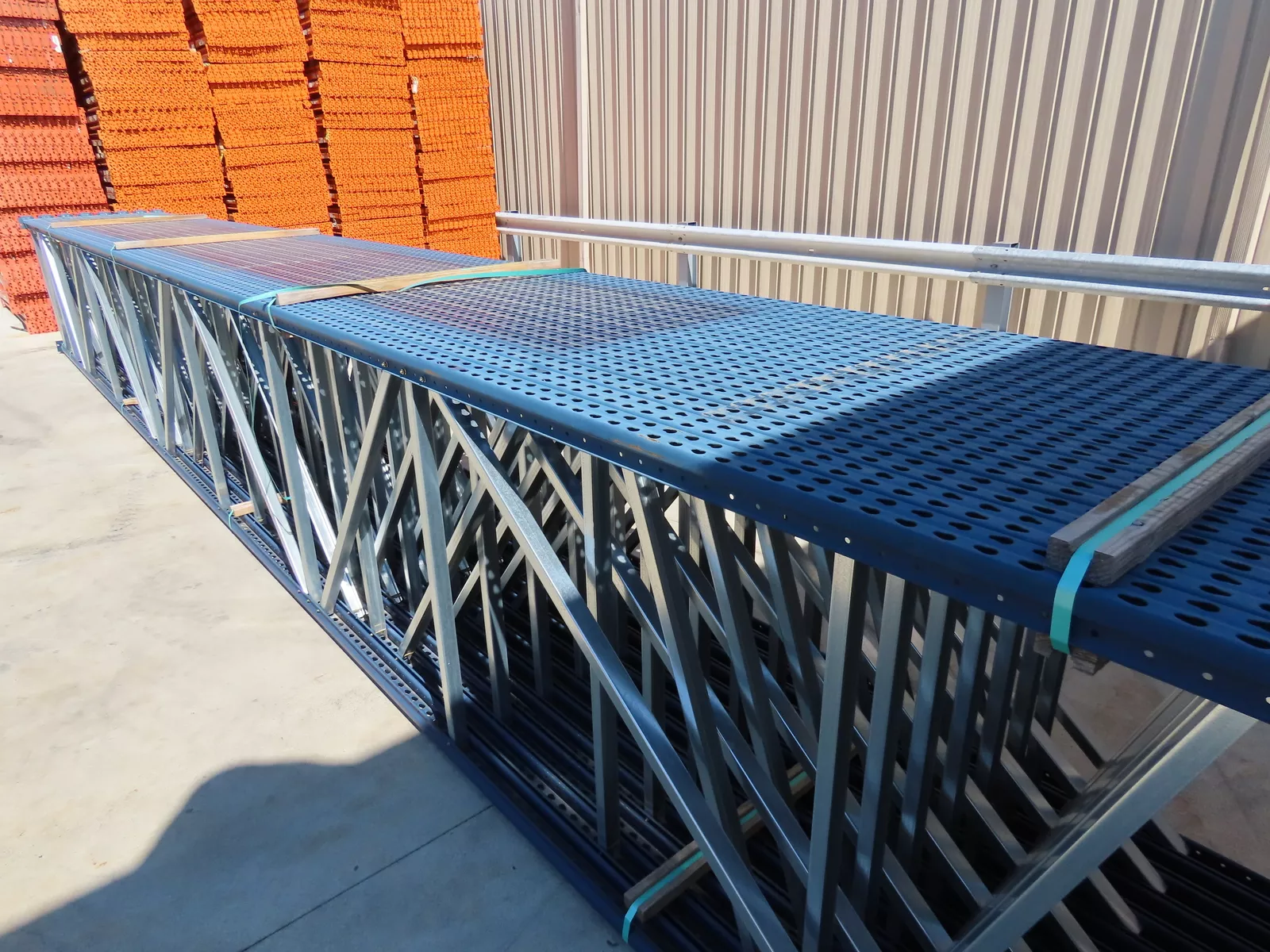
What Is The OSHA Pallet Stacking Height?
What Is The OSHA Pallet Stacking Height?
- OSHA provides guidelines for pallet stacking height without specifying an exact number.
- The focus is on stability and security to prevent injuries from falling or shifting pallets.
- Stack height should balance material weight and structural integrity of pallets.
- Keep stacks lower than the aisle height to reduce risks in high-traffic areas.
- Safe stacking height varies, e.g., 6 feet for lightweight boxes and 4 feet for heavy machinery parts.
- Recent supply chain disruptions highlight the need for efficient and safe pallet stacking practices.
- Prioritizing safety and stability not only ensures compliance but also boosts productivity and reduces liability risks.
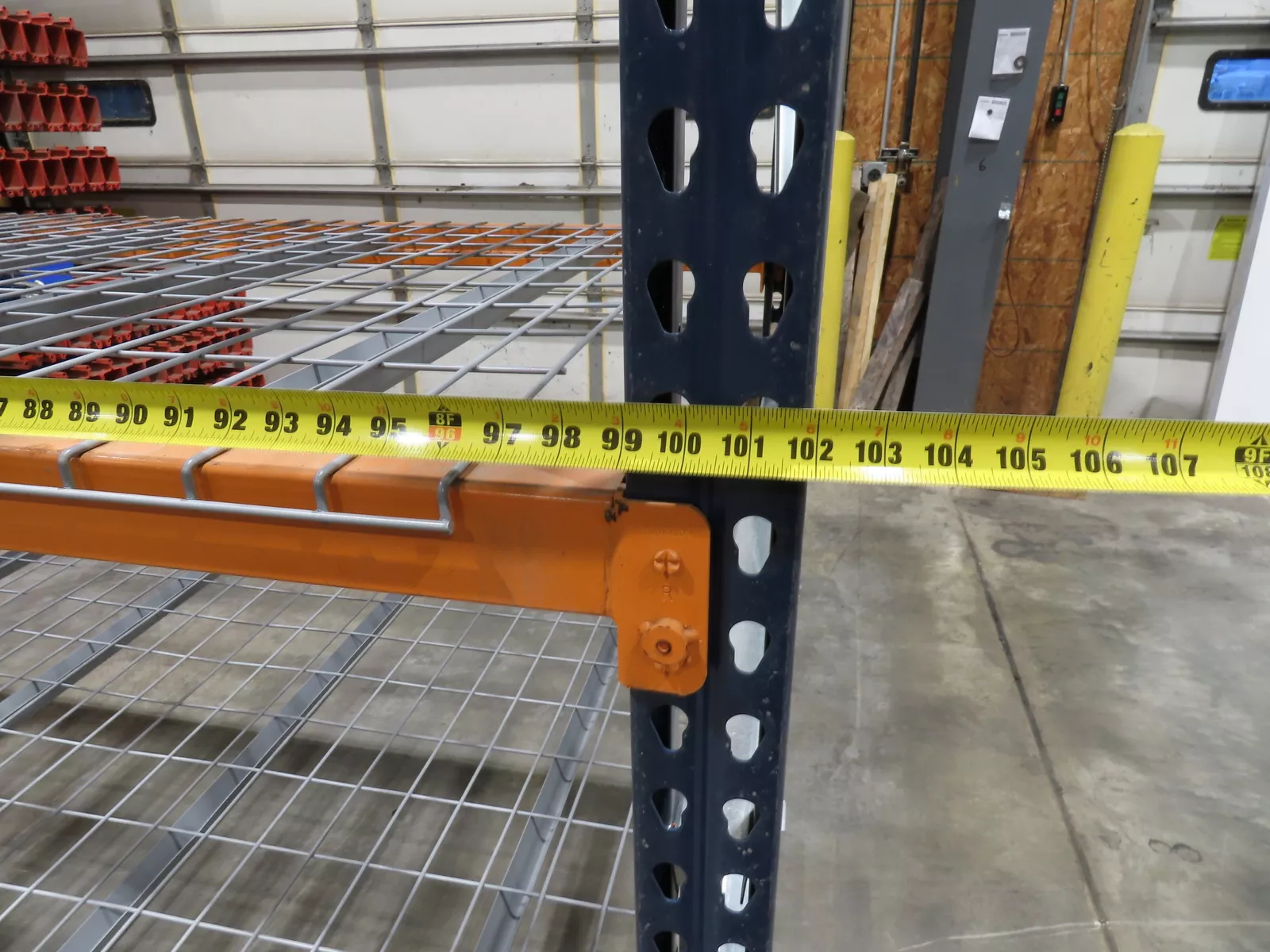
What Is The OSHA Pallet Stacking Height?
Table Of Contents
- What Is The OSHA Pallet Stacking Height?
- What Are The OSHA Guidelines For Pallet Stacking Height?
- How Does Pallet Stacking Height Impact Workplace Safety?
- What Materials Are Recommended For Safe Pallet Stacking?
- What Are The Common Hazards Associated With Improper Pallet Stacking?
- How Can Businesses Ensure Compliance With OSHA Stacking Regulations?
- What Are The Consequences Of Violating OSHA Pallet Stacking Rules?
- How Can Proper Training Reduce Risks In Pallet Stacking?
- What Tools Can Help Maintain Safe Pallet Stacking Heights?
- How Often Should Pallet Stacking Practices Be Reviewed?
- What Are The Best Practices For Pallet Storage In Warehouses?
- How Does Pallet Size Affect Stacking Height Regulations?
- What Role Does Load Stability Play In Stacking Pallets?
- How Can Workers Identify Unsafe Pallet Stacking Situations?
- What Should You Do If You See Unsafe Pallet Stacking Practices?
- What Are Real-Life Examples Of Accidents Due To Improper Stacking?
- Conclusion
- Other Resources
- Glossary Of Terms
- Other Questions
- Checklist
What Are The OSHA Guidelines For Pallet Stacking Height?
When it comes to warehouse management and logistics, safety should never take a backseat. The Occupational Safety and Health Administration (OSHA) has established guidelines that are critical not only for compliance but for protecting your workforce from injuries and ensuring operational efficiency. Understanding OSHA’s guidelines regarding pallet stacking height is essential for any facility that handles storage and shipping.
First, let’s get down to the nuts and bolts of what OSHA says. While there’s no specified maximum height for stacked pallets, OSHA emphasizes that materials should be stacked in a stable manner. This means ensuring that pallets are of uniform size and that loads are not extending beyond the edges of the pallet. A good rule of thumb is to keep pallet stacks no taller than four feet. This is because taller stacks have higher risks of tipping over, which could lead to devastating injuries or costly damage to goods.
Using real-world examples, consider the recent supply chain disruptions that hit the U.S. in 2022. Many companies were scrambling to adapt, often leading to hasty and unsafe stacking practices. Facilities that ignored these guidelines faced significant consequences—ranging from injuries leading to lost workdays to fines for OSHA violations. Just last year, a large distribution center was penalized with fines exceeding $200,000 due to unsafe stacking practices, which ultimately impacted their operations and profitability.
Furthermore, ragged or unstable pallets can lead to what’s known in the industry as “falling object injuries.” This kind of accident can cause serious harm not just to individual workers but also to team morale. In today’s market, where talent retention is key, showing a commitment to safety can be a powerful tool in attracting and keeping employees. Highlighting safety measures, including proper pallet stacking protocols, can be a strong selling point in your workplace culture.
To be OSHA compliant, companies also need to ensure that their staff is trained adequately on safe stacking practices. This involves educating employees on marking designated stacking areas, using anti-slip mats, and implementing a “stacks shouldn’t touch the ceiling” policy to allow for proper air circulation and fire safety.
Understanding and adhering to OSHA guidelines for pallet stacking height is not just about compliance; it’s about fostering a culture of safety, efficiency, and responsibility. Don’t let your operations suffer—make safety your top priority today, and watch your productivity soar while keeping your team safe.
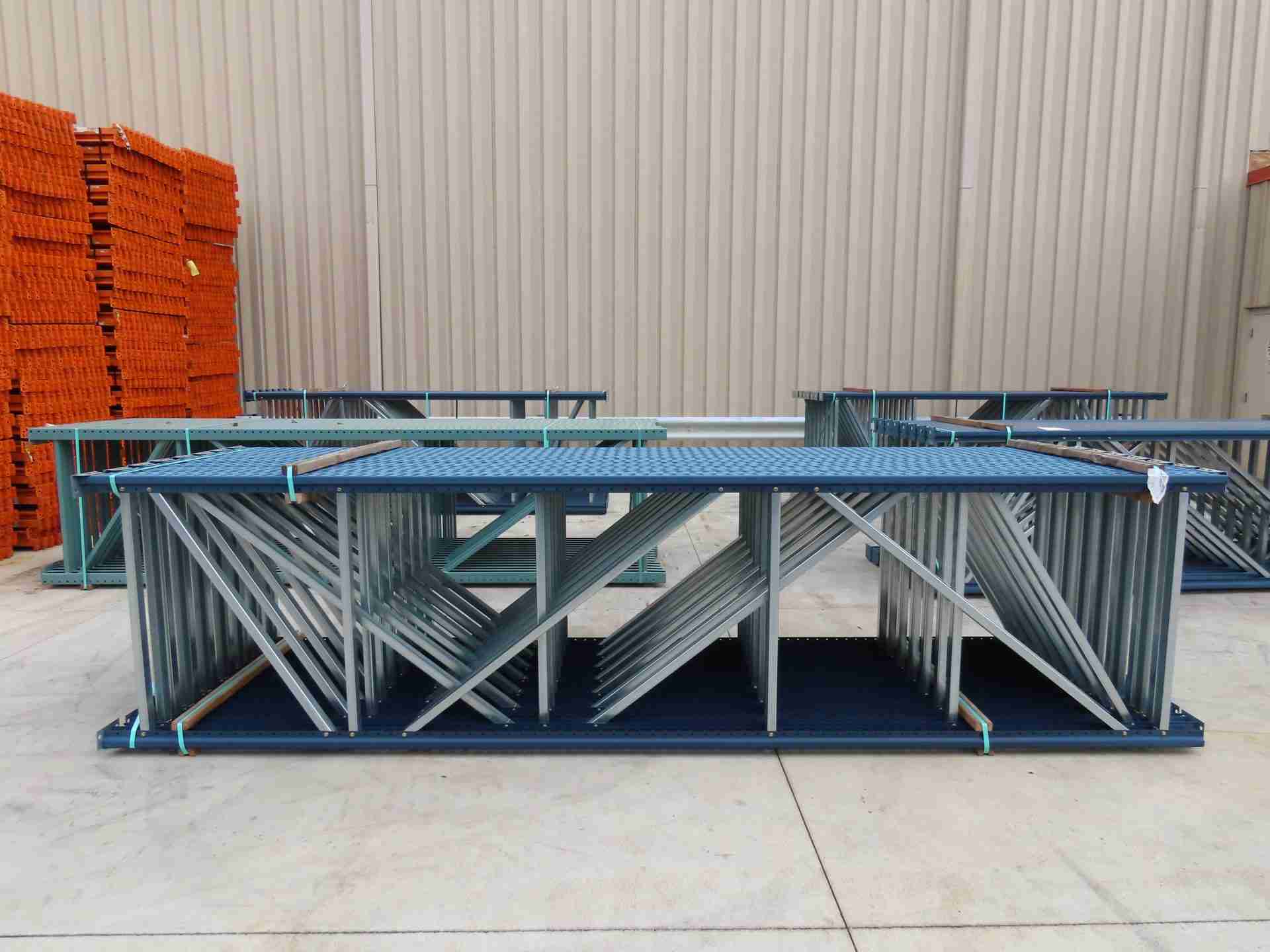
What Are The OSHA Guidelines For Pallet Stacking Height?
What Are The OSHA Guidelines For Pallet Stacking Height?
- OSHA guidelines are crucial for compliance and workforce safety in warehouse management.
- No maximum height for stacked pallets, but stability is essential; keep stacks ideally no taller than four feet.
- Higher stacks increase risks of tipping, potentially leading to injuries and damage.
- Recent supply chain disruptions highlighted unsafe stacking practices, resulting in penalties for companies.
- Unsafe stacking can cause “falling object injuries,” affecting employee morale and retention.
- Companies must train staff on safe stacking practices and implement policies for safety and efficiency.
- Adhering to OSHA guidelines fosters a culture of safety, efficiency, and responsibility, enhancing productivity.
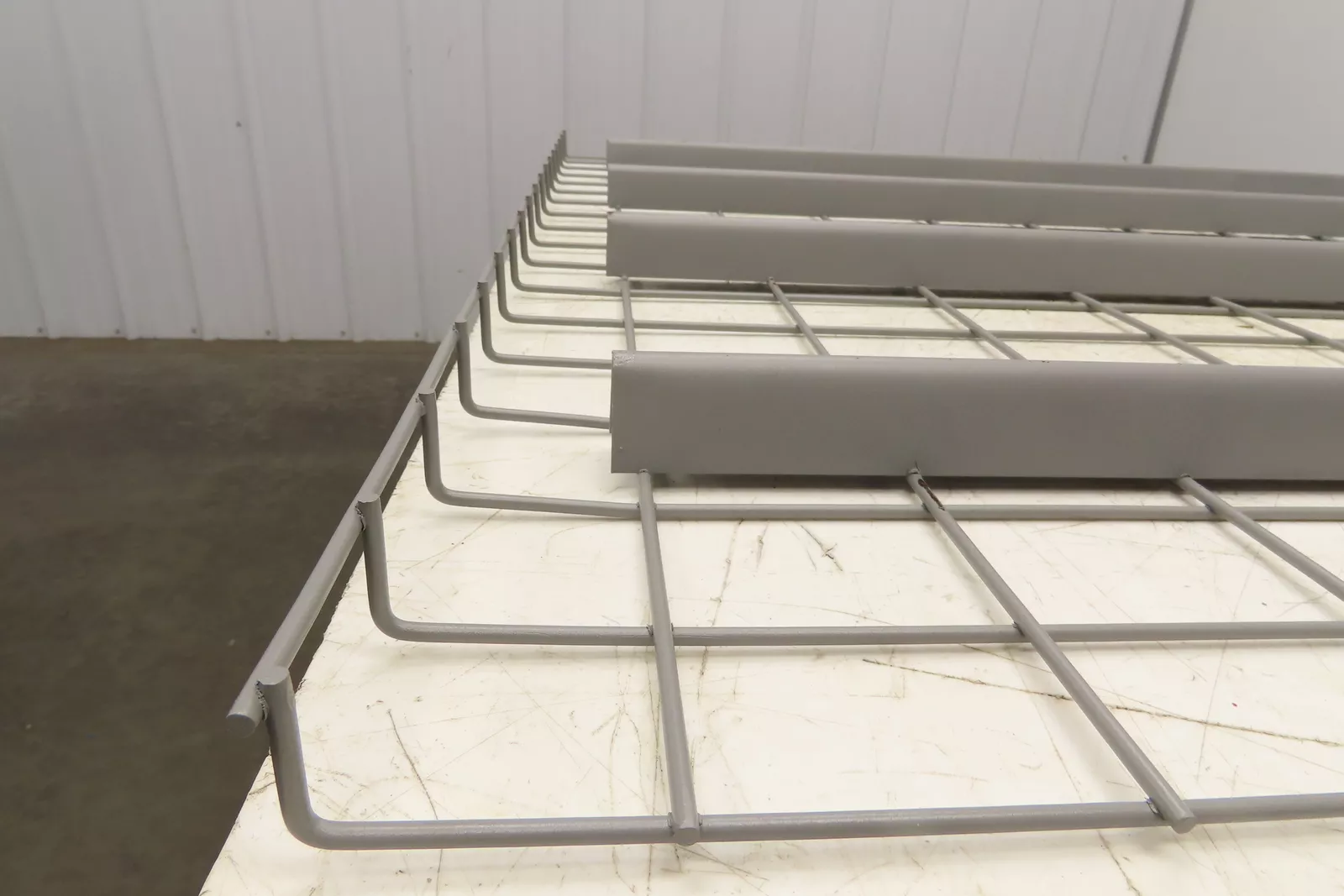
What Are The OSHA Guidelines For Pallet Stacking Height?
How Does Pallet Stacking Height Impact Workplace Safety?
In the world of warehousing and logistics, the age-old adage, “What goes up must come down,” takes on a critical dimension. As companies strive for efficiency and optimum space utilization, the height at which pallets are stacked often becomes a focal point. However, while the allure of stacking higher can yield short-term benefits, it’s essential to consider the long-term impact on workplace safety.
Imagine a busy distribution center during the holiday rush, where inventory turns faster than you can say “Black Friday.” High-stacking might seem like the answer to maximizing storage, but it introduces a plethora of risks. Every year, thousands of workplace injuries are attributed to improperly stacked pallets, and many of these incidents could be averted with a sensible stacking height. For instance, OSHA reports that approximately 25% of warehouse injuries stem from falls and crushed by falling objects, with improperly stacked pallets topping the list.
Furthermore, consider a recent incident at a well-known retail warehouse where a worker was severely injured when a stack of pallets collapsed. The cause? Overzealous stacking combined with a lack of adequate inspection. Such preventable accidents underscore the importance of adhering to recommended stacking heights. Not only does it protect your workforce, but it also shields your organization from potential lawsuits and costly insurance premiums that can follow these incidents.
Stacking pallets too high doesn’t just elevate risk; it hampers efficiency, too. Workers may struggle to access goods at higher elevations, leading to unnecessary strain and fatigue. In a recent national study, warehouses were found to improve productivity by 20% simply by adhering to safe stacking practices, allowing staff to focus on their core responsibilities instead of grappling with unstable loads.
So, what does this mean for your business? Putting a robust pallet stacking policy in place can offer dual benefits: enhanced safety and increased efficiency. It’s time to analyze your current practices and invest in pallet safety training. Encourage your employees to speak up about poor stacking practices and implement regular safety audits to ensure compliance.
In the ever-competitive landscape of logistics, let’s not forget that a safer workplace is a more productive workplace. Embrace the balance between maximizing vertical space and maintaining safety standards; your workforce—and your bottom line—will undoubtedly thank you.
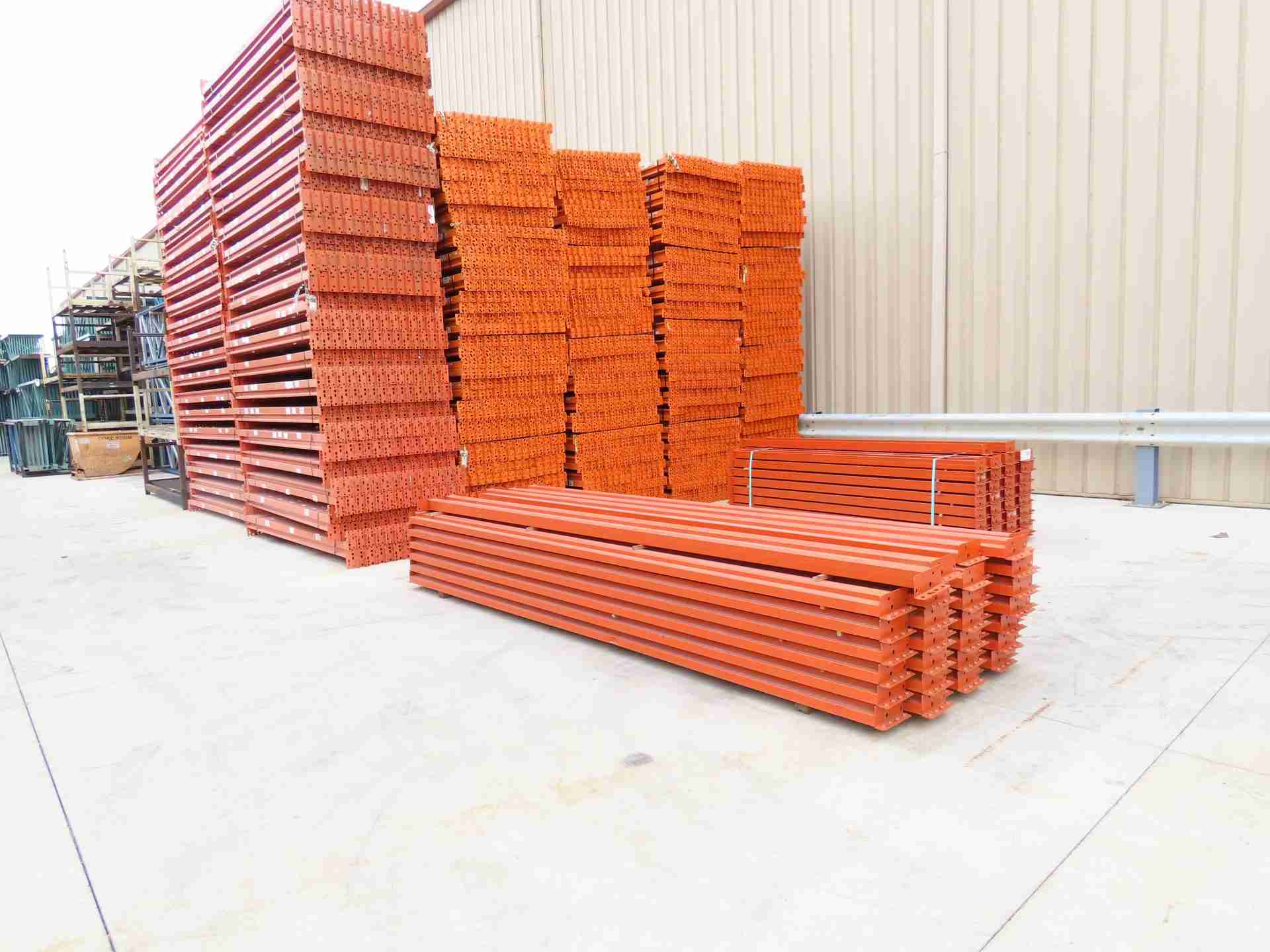
How Does Pallet Stacking Height Impact Workplace Safety?
How Does Pallet Stacking Height Impact Workplace Safety?
- The height of pallet stacking poses significant implications for safety and efficiency in warehousing and logistics.
- High-stacking may provide short-term storage benefits but increases the risk of workplace injuries.
- OSHA reports that falling objects and falls from improperly stacked pallets contribute to 25% of warehouse injuries.
- A real incident highlighted that overzealous stacking without proper inspection can lead to severe worker injuries.
- Adhering to safe stacking practices can improve warehouse productivity by 20%, reducing worker strain and fatigue.
- Implementing a robust pallet stacking policy promotes both safety and efficiency, decreasing potential lawsuits and insurance costs.
- Regular safety audits and employee feedback on stacking practices can enhance workplace safety and contribute to a more productive environment.
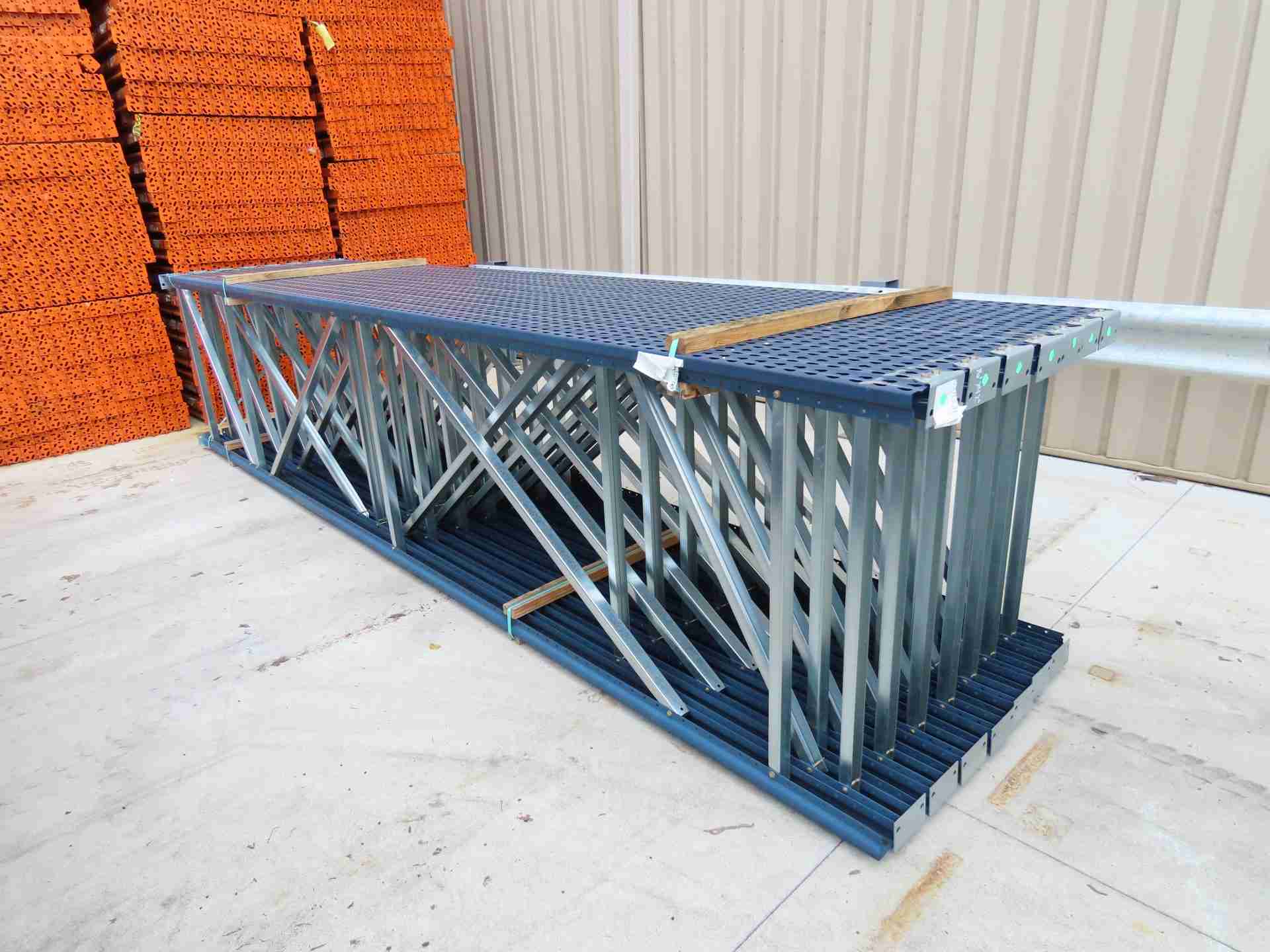
How Does Pallet Stacking Height Impact Workplace Safety?
What Materials Are Recommended For Safe Pallet Stacking?
When it comes to pallet stacking, safety reigns supreme. The right materials make all the difference between a smoothly operating warehouse and a disaster waiting to happen. Here’s a breakdown of the most reliable materials that enhance both safety and efficiency in your stacking operations.
1. Quality Pallet Materials
Start with the pallets themselves. Traditionally, wooden pallets have dominated the market. However, with the evolution of logistics and increasing safety standards, alternative materials have gained ground. Plastic pallets, for example, are becoming a favored choice due to their resistance to moisture, chemicals, and pests. A recent study noted that companies using plastic pallets reported a 30% drop in product damage compared to their wooden counterparts.
Metal pallets also boast remarkable durability and are typically used for heavier loads. They offer longevity and can withstand various environmental factors, making them ideal for outdoor storage.
2. Strapping and Wrapping
Next, you can’t overlook the impact of proper strapping and wrapping techniques. The right type of strapping material is vital. Polyester and polypropylene strapping are excellent options for securing loads. They are lightweight yet incredibly strong and can withstand varying temperatures and conditions. In a recent warehouse incident, inadequate load securement led to a domino effect, causing injuries and product loss. Ensure your team is trained to use these materials effectively.
Moreover, stretch film wraps provide additional security for pallet loads. High-quality stretch film not only secures the products but also stabilizes the overall structure, preventing slipping and toppling. With recent logistical disruptions spurred by global events, ensuring that your pallets remain intact and secure has never been more essential.
3. Proper Pallet Racking Systems
Lastly, invest in the right pallet racking system. Heavy-duty racking systems such as drive-in or selective racking can handle intense workloads while maintaining safety standards. With the recent surge in e-commerce, many warehouses are adapting these systems to maximize efficiency and space. An intelligent racking system not only supports safe stacking but also aids in streamlining operations, allowing for easier access and inventory management.
If your goal is to build a safer, more efficient warehouse, focusing on the right materials for pallet stacking is non-negotiable. Prioritize quality pallets, robust strapping and wrapping materials, and a sound racking system—all combine to create a formidable defense against accidents and losses. Now’s the time to reassess your materials, ensuring that each stacked pallet serves as a pillar of safety and productivity in your operations. Don’t wait for a mishap; take proactive steps today!
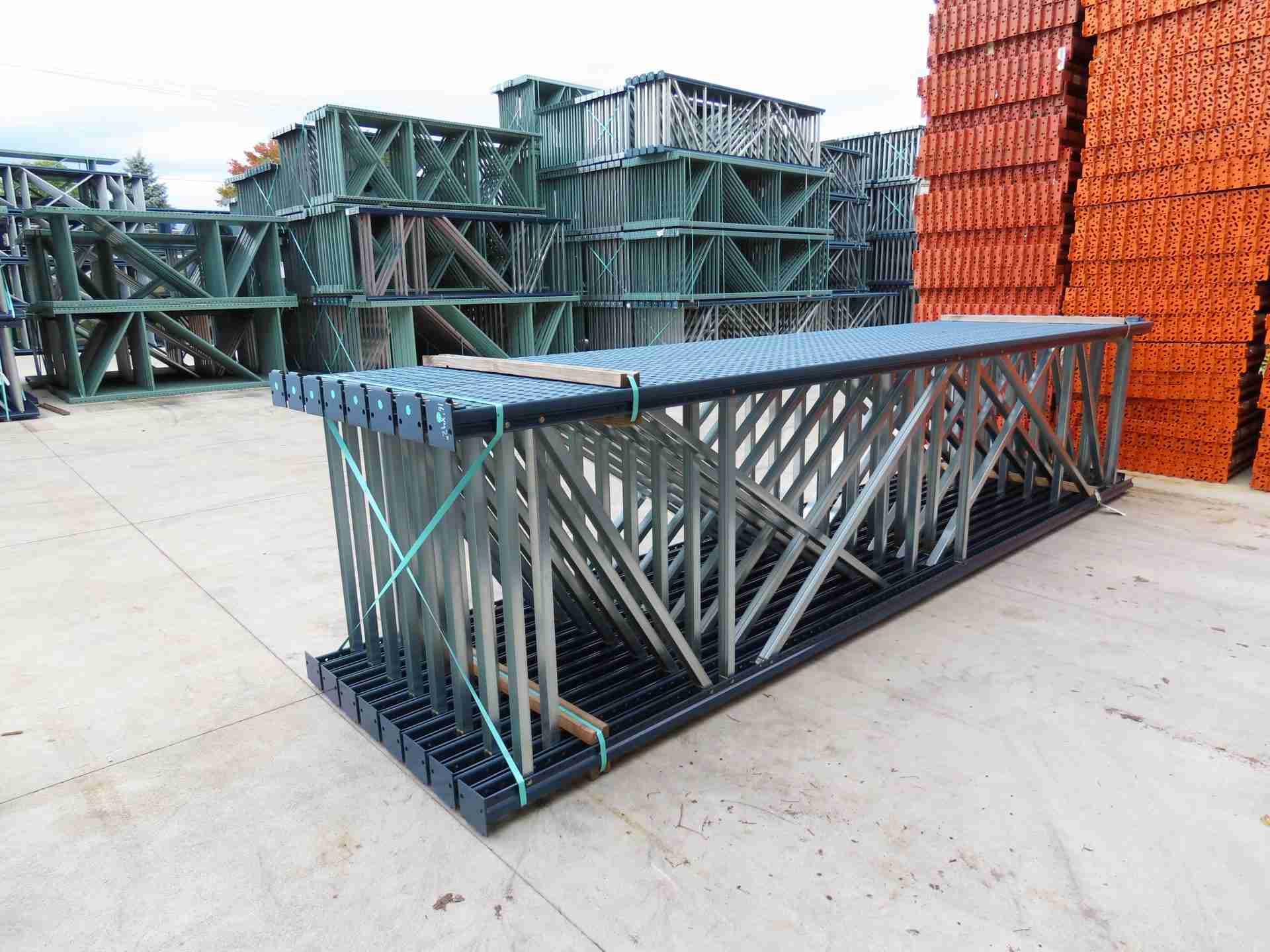
What Materials Are Recommended For Safe Pallet Stacking?
What Materials Are Recommended For Safe Pallet Stacking?
- Focus on Safety: Safety is the primary concern in pallet stacking operations.
- Quality Pallet Materials: Wooden pallets are traditional, but plastic and metal pallets are increasingly popular; plastic pallets reduce product damage by 30%.
- Benefits of Plastic Pallets: Plastic pallets resist moisture, chemicals, and pests, while metal pallets offer durability for heavier loads.
- Importance of Strapping and Wrapping: Use strong strapping materials like polyester and polypropylene for secure loads, complemented by high-quality stretch film wraps.
- Training is Essential: Ensure staff are trained in effective load securement to prevent accidents and product loss.
- Proper Pallet Racking Systems: Invest in heavy-duty racking systems (e.g., drive-in, selective) for better safety and efficiency in warehouse operations.
- Proactive Approach: Regularly reassess materials and practices to enhance safety and productivity—don’t wait for an accident to take action.

What Materials Are Recommended For Safe Pallet Stacking?
What Are The Common Hazards Associated With Improper Pallet Stacking?
In the fast-paced world of logistics and warehousing, efficiency is key. However, to achieve that efficiency, many facilities overlook the fundamental practice of proper pallet stacking. Unfortunately, the consequences can be severe, leading to accidents, injuries, and costly disruptions that can wipe out your bottom line.
Firstly, improper pallet stacking can lead to serious physical hazards. When pallets are stacked incorrectly—whether they are overloaded, too high, or uneven—there’s an increased risk of the stacks toppling over. Consider the case of a major warehouse in Texas, where a collapsed stack resulted in injuries to several employees. These incidents not only cause immediate harm but can also lead to long-term disabilities. The Occupational Safety and Health Administration (OSHA) reports that improper stacking is one of the leading causes of warehouse injuries, emphasizing the need for correct procedures.
Moreover, improper stacking can compromise structural integrity. A pyramid of too many pallets can bow or bend storage racks, leading to costly repairs and equipment failures. Just recently, a high-profile retailer faced a significant lawsuit when a poorly stacked display fell during business hours, injuring a customer. The resulting financial implications were staggering—not just in terms of legal fees, but also in reputation damage that could take years to repair.
In addition to individual injuries and structural damage, improper pallet stacking contributes to operational inefficiencies. When pallets fall, inventory damages occur, causing delays and loss of product. This not only affects the current shipment but creates a ripple effect in the supply chain, leading to missed deadlines and unsatisfied customers. For instance, during a recent supply chain crisis, several companies reported heightened losses due to improperly loaded pallets, demonstrating the interconnectedness of these issues in our increasingly complex logistics landscape.
Lastly, let’s not overlook the fact that improper pallet stacking can lead to regulatory scrutiny. Authorities like OSHA don’t take these issues lightly, and companies found to violate safety protocols can face hefty fines. Staying compliant isn’t just a checkbox—it’s a commitment to your workforce and your business as a whole.
The hazards of improper pallet stacking are not just minor inconveniences; they are high-risk liabilities that can impact the health of your employees, the efficiency of your operations, and your bottom line. By prioritizing proper stacking techniques and training, you protect your people and profits while opening the door to greater operational success. Don’t wait for an incident to occur—take actionable steps today to ensure your warehouse operates safely and effectively.
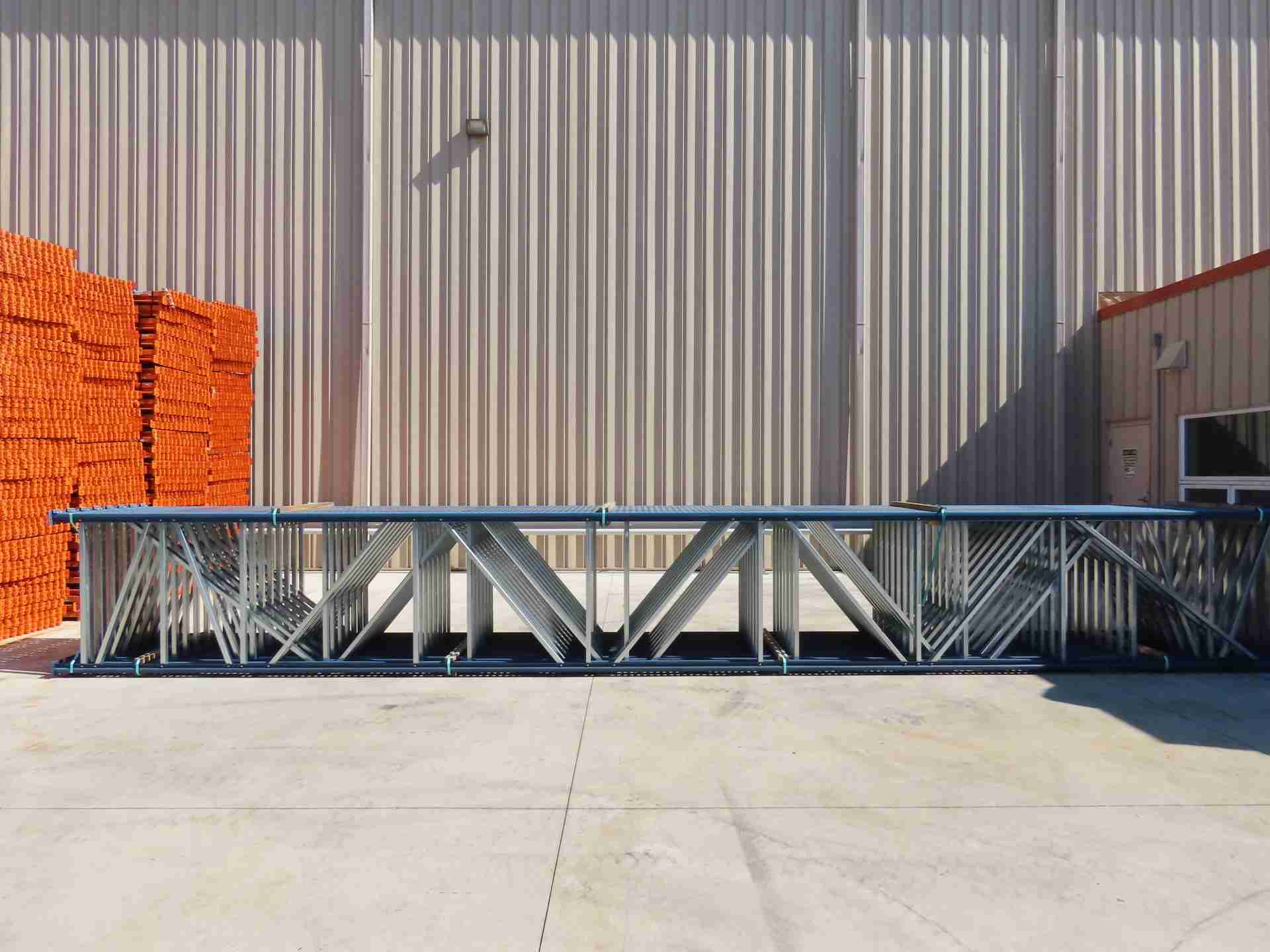
What Are The Common Hazards Associated With Improper Pallet Stacking?
What Are The Common Hazards Associated With Improper Pallet Stacking?
- Efficiency in logistics relies heavily on proper pallet stacking, which is often overlooked.
- Improper stacking increases physical hazards, leading to accidents and potential long-term disabilities.
- Structural integrity can be compromised, resulting in costly repairs and damage, as demonstrated by a high-profile lawsuit.
- Pallet falls cause inventory damage, delays, and ripple effects in the supply chain, impacting customer satisfaction.
- Regulatory scrutiny, including potential fines from OSHA, emphasizes the importance of compliance in stacking practices.
- The ramifications of improper stacking extend beyond minor issues to significant liabilities affecting employee health and operational efficiency.
- Prioritizing proper stacking techniques and training can protect employees, enhance profitability, and improve operational success.
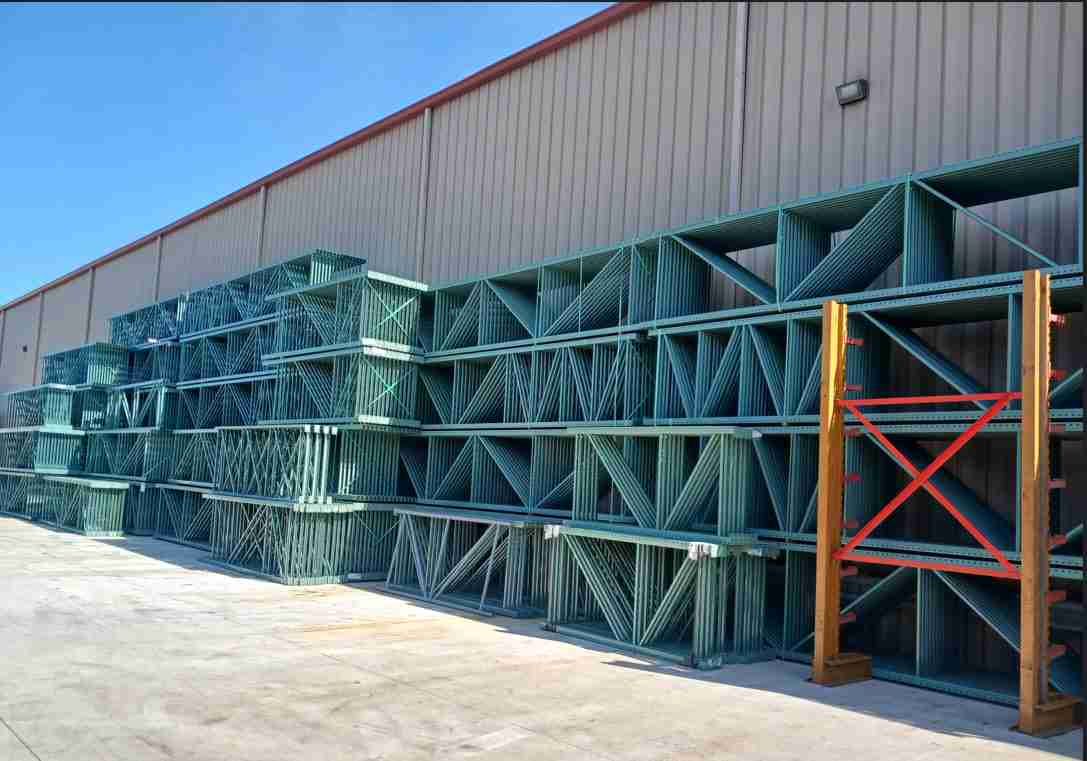
What Are The Common Hazards Associated With Improper Pallet Stacking?
How Can Businesses Ensure Compliance With OSHA Stacking Regulations?
How Can Businesses Ensure Compliance With OSHA Stacking Regulations?
In today’s fast-paced business environment, the importance of OSHA (Occupational Safety and Health Administration) compliance cannot be overstated—especially when it comes to stacking regulations in warehouses and construction sites. Failing to adhere to these regulations can lead to dire consequences, including hefty fines and, more importantly, jeopardizing the safety of your workforce. Here’s how businesses can make compliance a foundational aspect of their operations.
1. Conduct Regular Training and Awareness Programs
The first step to ensuring compliance is equipping your employees with the knowledge they need to operate safely. Implement regular training sessions that focus on proper stacking techniques, load limits, and the appropriate use of material handling equipment. For instance, companies like Amazon have invested heavily in employee safety training to ensure that their workers understand the risks associated with stacking heavy items. This proactive approach not only minimizes accidents but also fosters a culture of safety.
2. Use Technology Wisely
Leverage technology to track compliance and monitor safety standards. Apps and software that record stacking practices can provide businesses with real-time data, making it easier to identify problem areas. For example, automated inventory systems can ensure that weight limits for stacking are adhered to by alerting employees when they are close to exceeding safety thresholds. By utilizing technology in this way, you not only streamline operations but can also prove to OSHA that you are operating within safety guidelines.
3. Regularly Inspect the Workplace
Conduct routine inspections of your stacking areas to evaluate compliance with regulations and policies. Make these inspections a scheduled activity, and employ a checklist that includes points related to proper stacking heights, stability, and load distribution. Recent events, such as the increased scrutiny on warehouse conditions following accidents in fulfillment centers, highlight the urgency behind these inspections. Conducting thorough checks can prevent mishaps before they escalate.
4. Establish Clear Communication Channels
Encourage an open dialogue about safety among all employees. Create channels where employees can report unsafe conditions without fear of retribution. This is particularly important in industries experiencing increased demands, such as construction or warehousing. By fostering an environment where safety concerns can be easily voiced and addressed, businesses not only comply with OSHA requirements, but they also demonstrate that they value employee well-being.
5. Stay Updated on Regulations
OSHA regulations are constantly evolving. Make it a priority to stay updated on any changes to stacking regulations that may affect your industry. Subscribe to industry newsletters or participate in local safety workshops to ensure you are informed. Being proactive rather than reactive can save your business from potential pitfalls.
Ensuring compliance with OSHA stacking regulations is not just about avoiding penalties; it’s about fostering a culture of safety that benefits your employees and your bottom line. By integrating training, technology, inspections, communication, and ongoing education into your safety strategy, you can create a workplace where safety is prioritized—making compliance a natural outcome of your operations.

How Can Businesses Ensure Compliance With OSHA Stacking Regulations?
How Can Businesses Ensure Compliance With OSHA Stacking Regulations?
- Emphasize the importance of OSHA compliance to ensure workforce safety and avoid penalties.
- Conduct regular training programs focused on proper stacking techniques and safe material handling.
- Utilize technology to track compliance and monitor safety standards in real-time.
- Perform routine inspections of stacking areas to evaluate adherence to regulations and safety policies.
- Encourage open communication about safety concerns among employees to foster a safe work environment.
- Stay informed about evolving OSHA regulations through newsletters and local safety workshops.
- Integrate various safety strategies to create a culture prioritizing compliance and employee well-being.
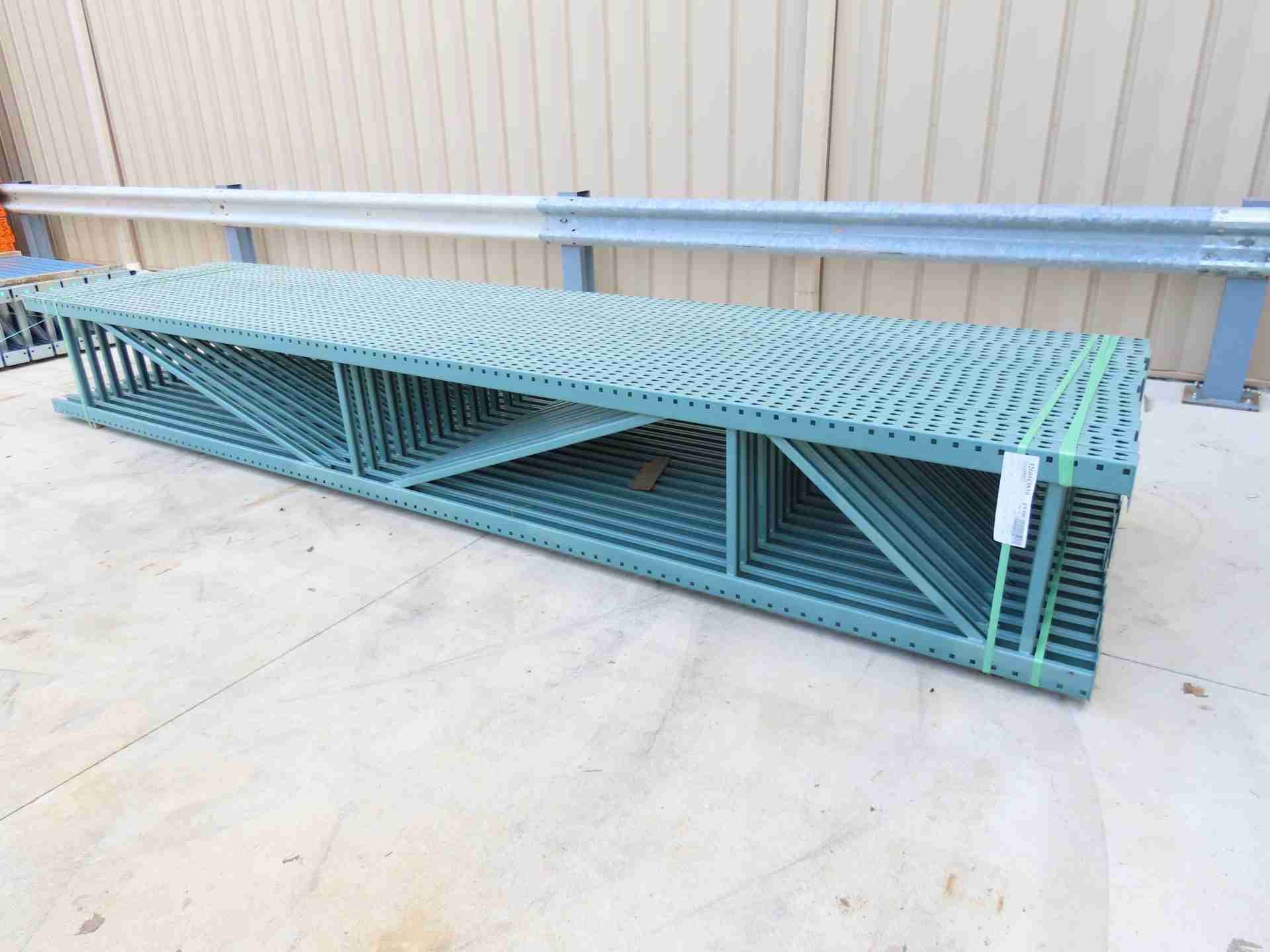
How Can Businesses Ensure Compliance With OSHA Stacking Regulations?
What Are The Consequences Of Violating OSHA Pallet Stacking Rules?
What Are the Consequences of Violating OSHA Pallet Stacking Rules?
In the fast-paced world of warehousing and distribution, efficiency is king. However, shortcuts in safety protocols, particularly with pallet stacking, can lead to dire consequences that extend far beyond a temporary slowdown. Disturbingly, failure to adhere to OSHA’s guidelines can translate into catastrophic accidents, financial penalties, damaged reputations, and even costly litigation. It’s a risk not worth taking.
Let’s break it down. When pallets are stacked improperly, it creates a hazardous work environment. A 2021 report highlighted a case where an employee in a mid-sized distribution center suffered severe injuries due to a pallet collapse. This incident not only affected the individual but also resulted in the company facing a $90,000 fine from OSHA for multiple safety violations. This serves as a cautionary tale about the steep financial implications that can arise from negligence.
But the consequences aren’t just financial. Consider the long-term impact on employee morale. When team members see unsafe practices going unpunished, their trust in leadership erodes. A toxic work environment can foster resentment, increase turnover rates, and ultimately lead to a loss in productivity. For example, a national logistics company found that after a high-profile incident, their employee retention dropped by 30% over the following year. Replacing talent is not just costly; it also disrupts operations and delays service delivery.
Moreover, non-compliance can tarnish your brand’s reputation. In today’s digital age, news travels fast. Social media can amplify a company’s safety failings to a wider audience, resulting in public backlash and customer distrust. Following the tragic collapse of a pallet stack at a major retail chain last year, customer sentiment fluctuated dramatically, leading to a significant dip in sales over several quarters. Your customers expect your business to prioritize safety, and failing to do so could jeopardize customer loyalty.
In addition, legal ramifications loom for companies that do not follow OSHA standards. Unchecked compliance failures can lead to lawsuits that drain financial resources and time. In one high-profile case, a company was held liable for substantial damages due to unsafe storage practices resulting in an employee’s injury, with the court favoring the employee and awarding damages in the millions.
In sum, the consequences of violating OSHA pallet stacking rules are numerous and multifaceted. From financial penalties and employee attrition to irrevocable damage to your brand’s image, safeguarding against these risks is not just about compliance; it’s about ensuring a sustainable and thriving operation for the long term. Investing in training and adhering to safety protocols isn’t just a legal obligation—it’s a strategic business decision. Don’t gamble with your company’s future by ignoring safety in pursuit of immediate gains.
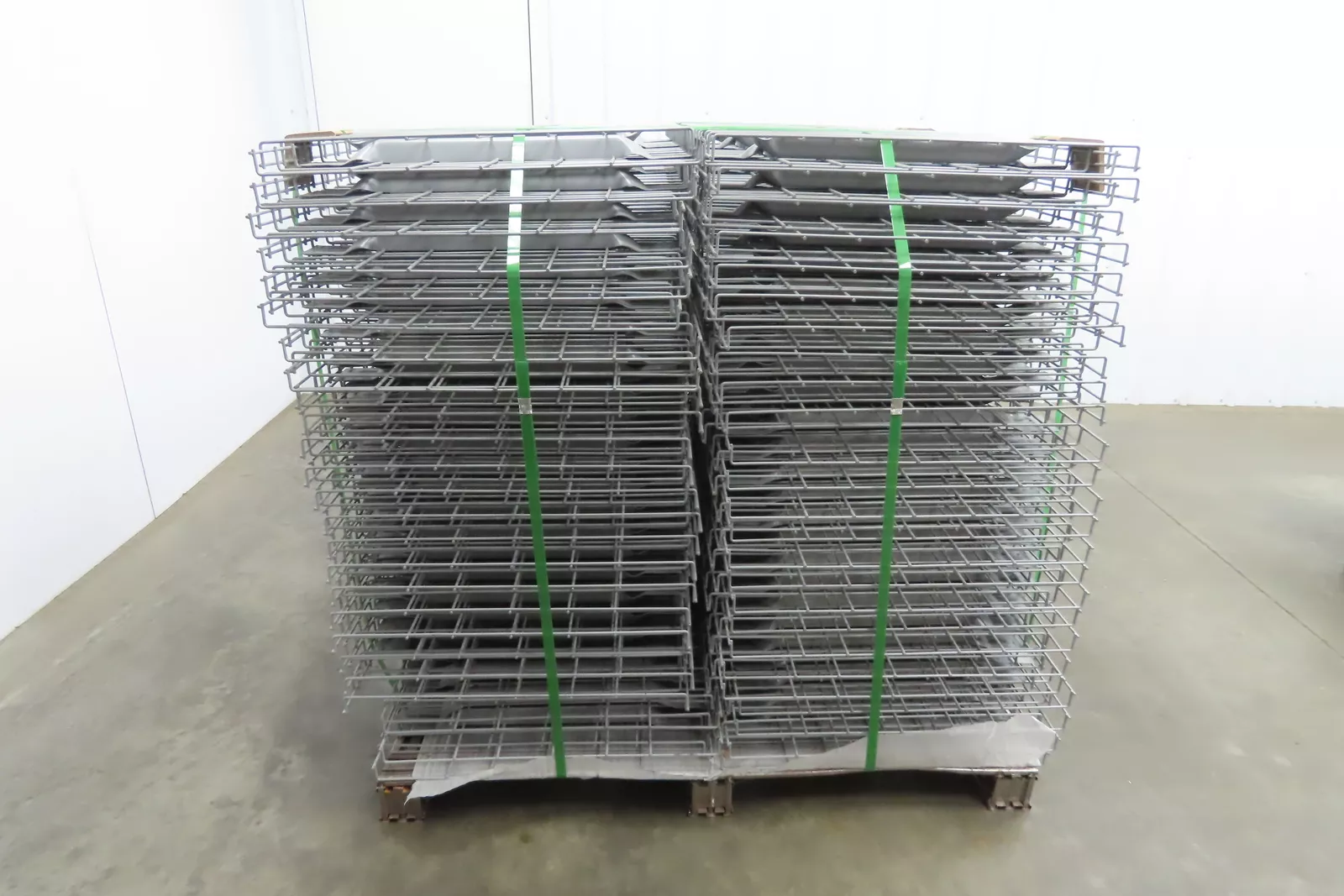
What Are The Consequences Of Violating OSHA Pallet Stacking Rules?
What Are The Consequences Of Violating OSHA Pallet Stacking Rules?
- Improper pallet stacking can lead to catastrophic accidents and safety violations.
- A 2021 incident resulted in a $90,000 OSHA fine due to a pallet collapse causing severe employee injuries.
- Negligence in safety practices erodes employee trust and negatively impacts morale.
- High turnover rates, such as a 30% drop in retention after an incident, disrupt operations and productivity.
- Non-compliance can damage a company’s reputation and lead to public backlash, as seen with a major retail chain.
- Legal consequences can arise from OSHA violations, resulting in costly lawsuits and substantial damages awarded to injured employees.
- Investing in safety protocols is essential for long-term operational sustainability and strategic business success.

What Are The Consequences Of Violating OSHA Pallet Stacking Rules?
How Can Proper Training Reduce Risks In Pallet Stacking?
In today’s fast-paced logistics and warehouse environments, the art of pallet stacking goes beyond mere physical labor — it’s a strategic necessity that directly impacts safety, productivity, and the bottom line. With the rise of e-commerce and increasing volume demands, companies are compelled to streamline their operations, yet they often overlook the most critical element: proper training. This training is not just an investment in your workforce; it’s a proactive measure that minimizes risks associated with pallet stacking.
Consider the statistics: OSHA reports that material handling injuries account for nearly a third of all workplace injuries. Improperly stacked pallets can lead to catastrophic accidents, causing not only injury but also costly downtime and legal repercussions. By implementing comprehensive training programs focused on best practices for pallet stacking, you can significantly mitigate these risks.
Take a closer look at how proper training influences real-world outcomes. For instance, a leading logistics provider recently revamped their pallet stacking protocol by introducing detailed training sessions for their employees. The result? A staggering 40% drop in workplace accidents related to pallet handling within just six months. This success can be attributed to equipping employees with essential skills, like recognizing weight limits, implementing appropriate stacking techniques, and employing correct use of PPE (Personal Protective Equipment) — all learned through targeted training initiatives.
Moreover, effective training brings uniformity to operations. It helps ensure that every employee understands the standards of pallet stacking, thus minimizing inconsistencies that can lead to risks. In an era where compliance and safety are under constant scrutiny, companies must prioritize training to adhere to regulations while protecting their workers.
As the logistics landscape evolves with technology solutions like automation and AI, training remains a pivotal element. For example, integrating virtual reality (VR) simulations in training programs allows workers to practice stacking techniques in a risk-free environment. Companies that embrace these innovative approaches not only enhance safety but also foster a culture of continuous improvement.
Addressing the risks associated with pallet stacking through proper training is essential for any business aiming to thrive in today’s competitive landscape. Investing in your workforce today pays dividends tomorrow, reducing accidents, boosting productivity, and ultimately enhancing your company’s reputation. Remember, the safest way to stack your pallets is to stack your knowledge first. Don’t wait for an accident to prompt action; implement a robust training program and watch the dividends of safety unfold in your operations.
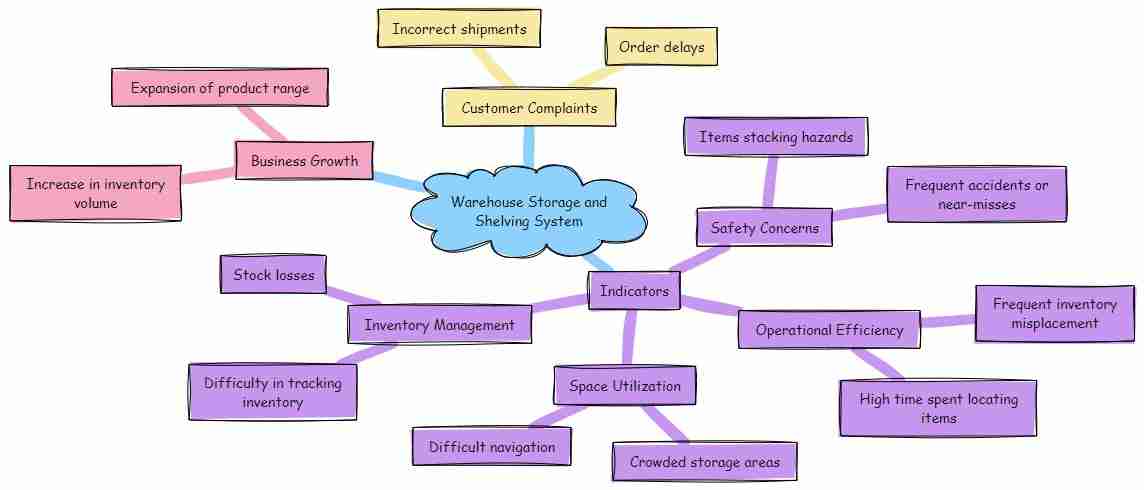
How Can Proper Training Reduce Risks In Pallet Stacking?
How Can Proper Training Reduce Risks In Pallet Stacking?
- Proper training in pallet stacking is vital for safety, productivity, and profitability in logistics.
- Material handling injuries make up nearly one-third of all workplace injuries, highlighting the need for effective training.
- Comprehensive training programs can significantly reduce risks associated with improperly stacked pallets.
- A logistics provider experienced a 40% decrease in pallet handling accidents after implementing detailed training sessions.
- Effective training promotes uniformity in operations, ensuring all employees understand pallet stacking standards.
- Innovative training methods, like virtual reality simulations, can enhance safety and facilitate continuous improvement.
- Investing in training not only boosts safety and productivity but also enhances a company’s reputation in a competitive market.
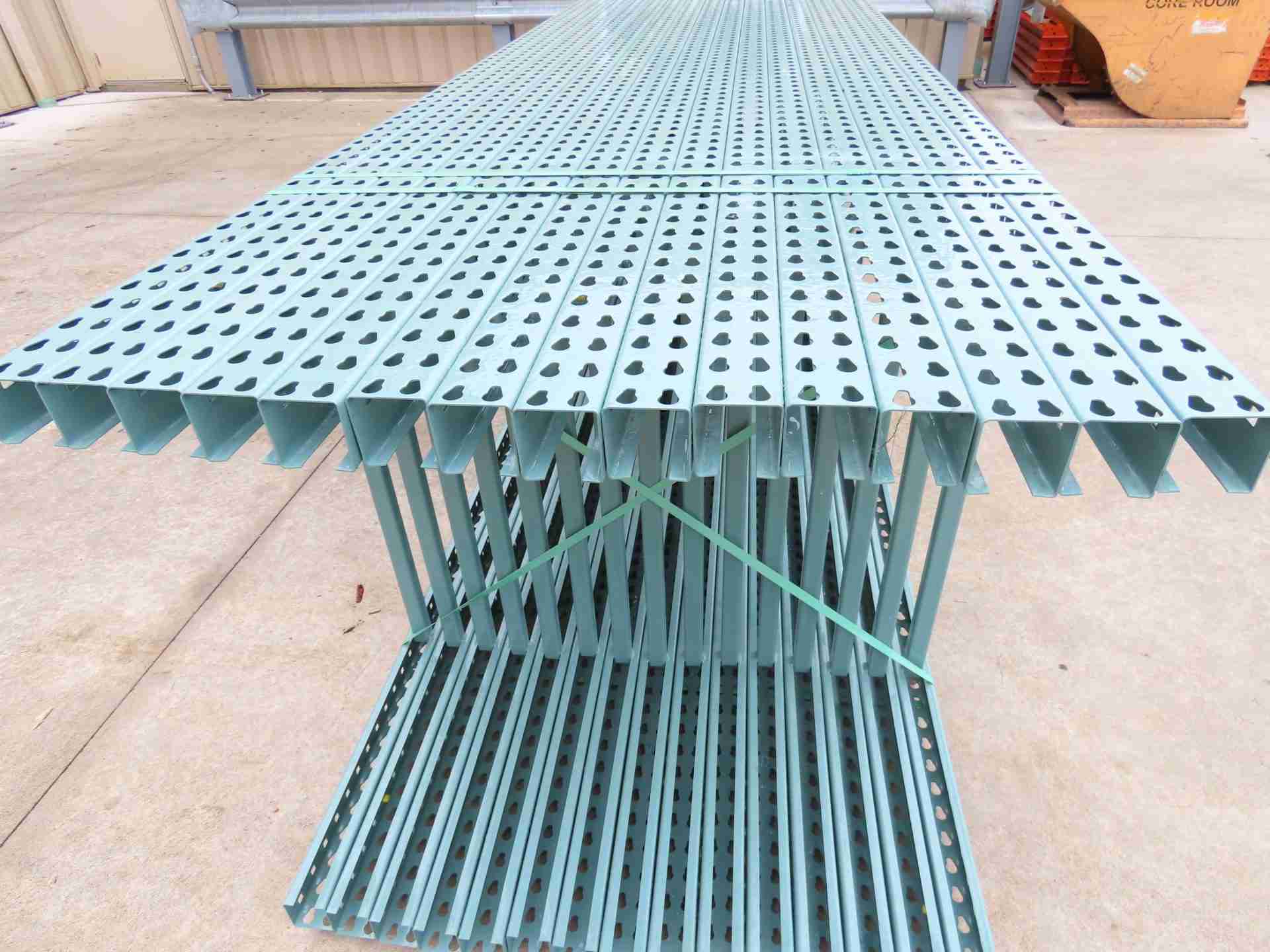
How Can Proper Training Reduce Risks In Pallet Stacking?
What Tools Can Help Maintain Safe Pallet Stacking Heights?
In today’s bustling warehouses and distribution centers, maintaining safe pallet stacking heights is not just a matter of compliance—it’s a strategic move to enhance productivity, minimize accidents, and protect your bottom line. High-stacking operations, if not monitored closely, can lead to costly mishaps such as product damage, injuries, and even legal issues. That’s where the right tools come into play.
First off, consider investing in pallet rack inspection tools. Regular inspections are crucial to identify potential hazards. Innovative companies now offer digital inspection systems that allow you to track the condition of your racks with just a click. Tools like the Warehouse Safety Management System can automate inspections, reminding staff when and what to check, ensuring that no detail slips through the cracks. Imagine the peace of mind knowing your equipment is regularly monitored while also improving your safety compliance rates—this isn’t just good practice; it’s good business!
Next on the list is height sensors. These nifty gadgets monitor the height of stacked pallets in real-time, sending alerts when height limits are approached or exceeded. Companies like LoadGuard recently unveiled their smart sensor technology, a game-changer for those keen on adhering to safety protocols. By integrating these sensors with your warehouse management systems, you gather invaluable data that can guide adjustments in operational workflows.
Do not underestimate the power of forklift attachment innovations. New products such as the Pallet Stack Stabilizer provide additional support while lifting, ensuring that any sudden shifts do not compromise your stack. With safety features like anti-tilt capabilities, these attachments can help allay damage risks associated with high-stack operations.
Equally essential are training tools. Virtual Reality (VR) training programs have entered the scene, providing an immersive learning experience for employees regarding safe lifting techniques and optimum stacking practices. Firms like VR Safety Solutions have shown how elevating your training methods not only results in a more knowledgeable workforce but also reduces on-the-job accidents—making this investment a no-brainer.
Lastly, don’t overlook the importance of collaboration software. Platforms like Asana and Trello facilitate better communication among team members regarding pallet stacking guidelines and incident reports. During peak seasons, when flux in inventory levels is common, streamlined communication ensures that everyone is on the same page, effectively reducing the chances of unsafe stacking.
In a rapidly evolving market amidst current economic uncertainties, utilizing these tools will not only bolster your safety culture but significantly enhance your operational efficiency. It’s time to gear up and stack smart!
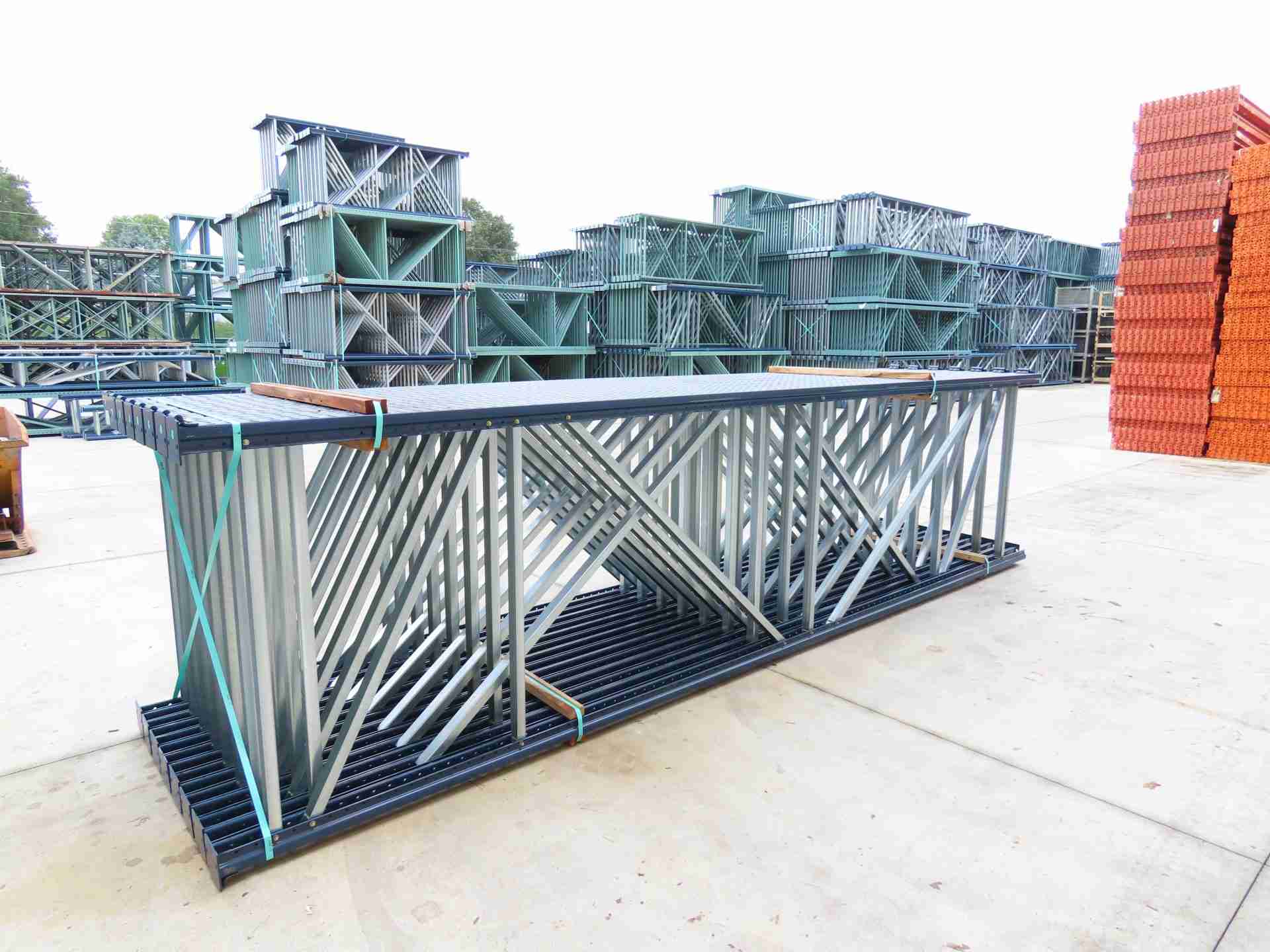
What Tools Can Help Maintain Safe Pallet Stacking Heights?
What Tools Can Help Maintain Safe Pallet Stacking Heights?
- Maintaining safe pallet stacking heights is crucial for productivity, accident prevention, and financial protection.
- Invest in pallet rack inspection tools for regular monitoring of potential hazards; digital systems can automate inspections.
- Height sensors can provide real-time monitoring of stacked pallets, sending alerts for compliance with safety protocols.
- Innovative forklift attachments like the Pallet Stack Stabilizer enhance safety by providing support and reducing risks during lifts.
- Virtual Reality (VR) training programs help employees learn safe lifting techniques, reducing on-the-job accidents.
- Collaboration software such as Asana and Trello improves team communication regarding stacking guidelines and safety measures.
- Utilizing these tools enhances safety culture and operational efficiency in today’s fluctuating market.

What Tools Can Help Maintain Safe Pallet Stacking Heights?
How Often Should Pallet Stacking Practices Be Reviewed?
In the fast-paced world of logistics and warehousing, effective pallet stacking practices aren’t just a matter of efficiency—they’re the cornerstone of safety, profitability, and operational excellence. With the ever-evolving landscape of supply chain management, it’s crucial for businesses to conduct regular reviews of their pallet stacking practices. But how often should this be done? The answer may surprise you—it’s not a question of “if” but “how frequently.”
First and foremost, consider the complexities of your operations. In industries facing rapid change, such as e-commerce, where online shopping has surged in light of recent global events, the demand for efficient warehouse operations has skyrocketed. Therefore, it’s wise to review pallet stacking practices quarterly or even monthly. This frequent assessment helps identify bottlenecks and optimize space—critical for meeting consumer expectations in an age where speed is everything.
For instance, Amazon has become a master in optimizing its warehouse spaces through innovative pallet stacking techniques. By employing data analytics on a near-daily basis, they can pivot swiftly to changing product demands and inventory levels. Imagine the cost savings and increase in customer satisfaction achieved by minimizing space and improving accessibility. It’s a clear case of how consistent reviews can translate to real-world results.
Moreover, there are regulatory considerations to keep in mind. New safety regulations are constantly emerging, especially in the wake of heightened scrutiny on workplace safety following events like the COVID-19 pandemic. A company may experience significant financial repercussions from neglecting to adhere to updated stacking guidelines or employee safety initiatives. Therefore, it’s imperative to evaluate your practices at least bi-annually to ensure compliance while also fostering a culture of safety among staff.
Also, consider the impact of seasonal fluctuations and product changes. Retailers often experience spikes in inventory levels during holidays or special promotions. Revisiting your pallet stacking strategies before these peak times allows you to maximize efficiency and minimize the risk of accidents or damage to goods.
The frequency at which you review your pallet stacking practices can define your operational success. Don’t let complacency be your downfall. Whether quarterly, monthly, or even more frequently based on demand, make it a point to keep your practices fresh and effective. Your bottom line—and your team’s safety—depends on it.
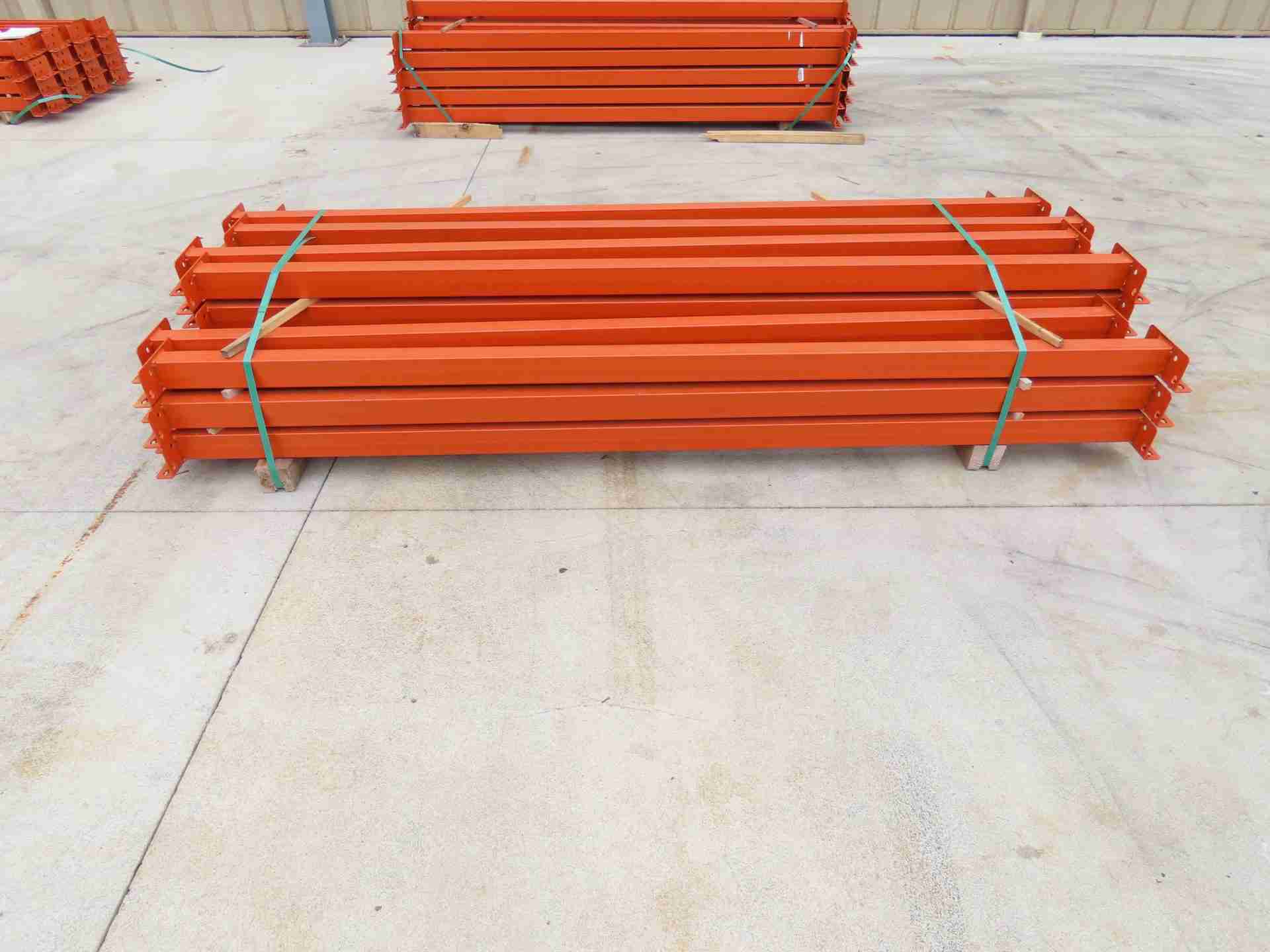
How Often Should Pallet Stacking Practices Be Reviewed?
How Often Should Pallet Stacking Practices Be Reviewed?
- Effective pallet stacking is essential for safety, profitability, and operational excellence in logistics.
- Regular reviews of pallet stacking practices are crucial and should be based on the complexity of operations.
- In industries like e-commerce, reviewing practices quarterly or monthly is advisable to optimize space and minimize bottlenecks.
- Companies like Amazon utilize data analytics to refine pallet stacking, enhancing cost savings and customer satisfaction.
- Adherence to new safety regulations is vital, necessitating bi-annual evaluations of stacking practices to ensure compliance.
- Seasonal fluctuations and product changes require revisiting pallet stacking strategies to maintain efficiency during peak times.
- Consistent reviews of pallet stacking practices are key to operational success and safety; complacency can be detrimental.
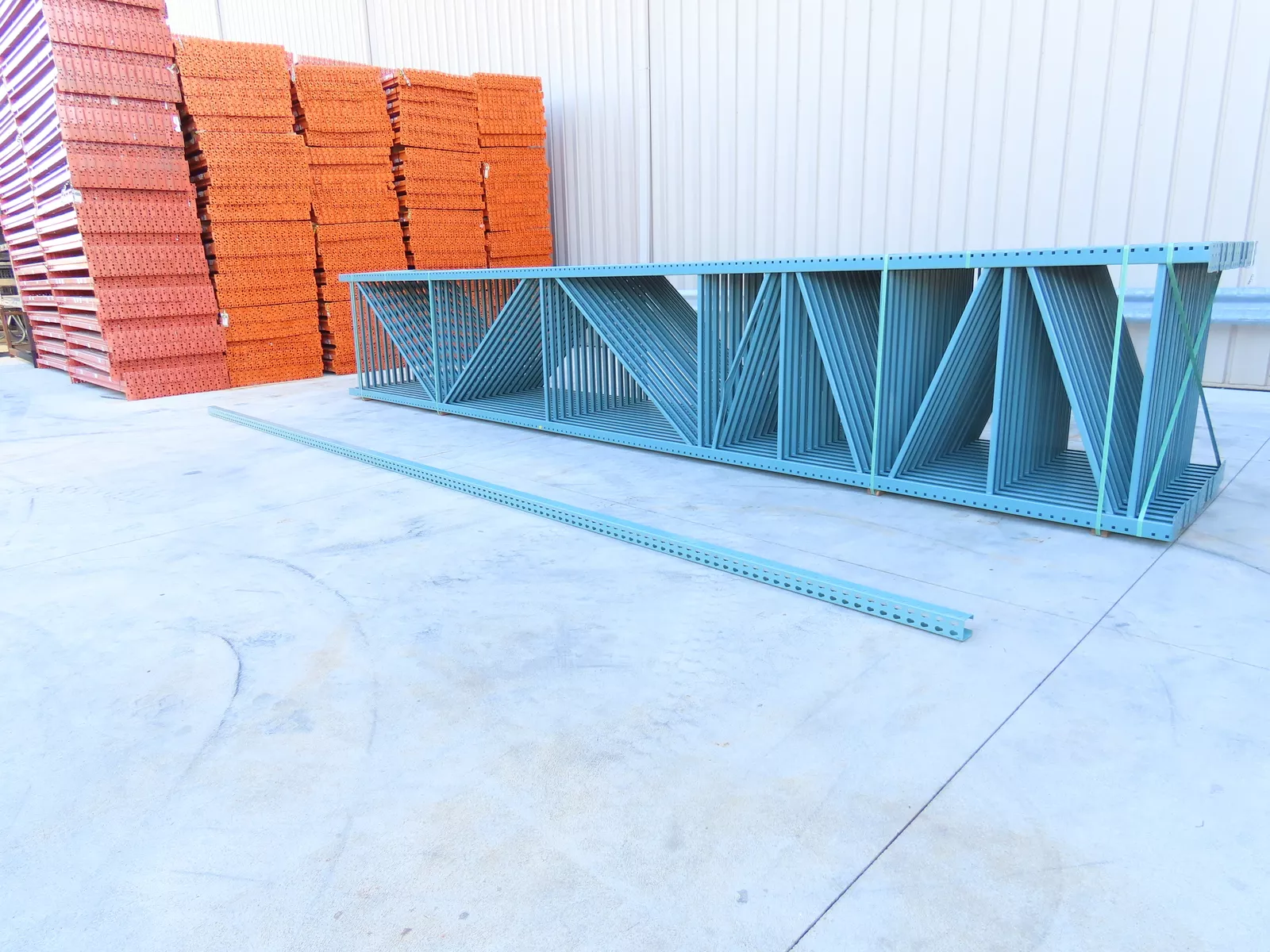
How Often Should Pallet Stacking Practices Be Reviewed?
What Are The Best Practices For Pallet Storage In Warehouses?
In the fast-paced world of logistics and supply chain management, efficient pallet storage can make or break your warehouse operations. With the ever-increasing demand for streamlined processes, it’s vital to adopt best practices that ensure not only efficiency but also safety and cost-saving. Here are some of the most effective strategies to enhance your pallet storage systems.
1. Optimize Layout and Design
The foundation of effective pallet storage begins with an intelligently designed layout. Consider using a modular racking system that allows for flexibility as your inventory fluctuates. For instance, implementing adjustable shelving can accommodate various pallet sizes. In 2023, companies that wholly embraced a modular approach reported significant increases in warehouse space utilization—some by as much as 25%—just by rearranging their pallet layouts.
2. Implement First-In, First-Out (FIFO)
In industries such as food and pharmaceuticals, the FIFO method is crucial. Products that come in first should be the first to go out, preventing spoilage and wastage. A warehouse in California recently revamped its pallet storage system to a FIFO strategy, which resulted in a 40% decrease in expired inventory. This not only kept their stock fresh but also improved customer satisfaction as orders were fulfilled more quickly.
3. Invest in Technology
Don’t shy away from technological advancements; they can revolutionize how you manage your pallets. Automated storage and retrieval systems (AS/RS) can enhance efficiency by minimizing human error and maximizing speed. In a recent case study, a distribution center that implemented AS/RS saw a dramatic reduction in picking times—cutting them by nearly half. Moreover, with the rise of smart technology and IoT, tracking inventory and managing stock levels has never been easier.
4. Ensure Employee Training and Safety Protocols
An effective storage system is only as good as the people operating it. Providing comprehensive training for your staff can significantly reduce workplace accidents and improve overall efficiency. Regular drills and refreshers on safety protocols will keep employees aware and engaged. In 2023, a warehouse chain that invested in safety training initiatives witnessed a 60% drop in workplace accidents—a figure that clearly translates to lower insurance costs and increased productivity.
5. Regularly Review and Adjust Inventory
As market demands change, so too should your storage practices. Conduct regular audits of your inventory and storage system. This ensures that you are prepared for seasonal spikes and can quickly adapt to changes in customer preferences—like the sharp increase in e-commerce demand we’ve observed during the pandemic’s aftermath.
The key to excellent pallet storage lies in adapting best practices that suit your specific warehousing needs. Embrace these strategies to not only optimize your operations but also position your business to thrive in an ever-competitive landscape. Remember, the road to success is paved with flexibility, safety, and efficiency.

What Are The Best Practices For Pallet Storage In Warehouses?
What Are The Best Practices For Pallet Storage In Warehouses?
- Optimize Layout and Design: Utilize a modular racking system for flexible pallet storage, leading to increased warehouse space utilization.
- Implement First-In, First-Out (FIFO): Adopt FIFO strategies to minimize spoilage and improve customer satisfaction by fulfilling orders quickly.
- Invest in Technology: Automate storage and retrieval systems (AS/RS) to enhance efficiency, reduce picking times, and improve inventory tracking.
- Ensure Employee Training and Safety Protocols: Provide comprehensive training to reduce workplace accidents and enhance overall efficiency.
- Regularly Review and Adjust Inventory: Conduct audits to adapt to market demands and prepare for seasonal changes in customer preferences.
- Emphasize Cost-Saving Practices: Adopt strategies that not only optimize operations but also lead to significant cost reductions.
- Focus on Flexibility, Safety, and Efficiency: Tailor best practices to your specific warehousing needs for continued success in a competitive landscape.

What Are The Best Practices For Pallet Storage In Warehouses?
How Does Pallet Size Affect Stacking Height Regulations?
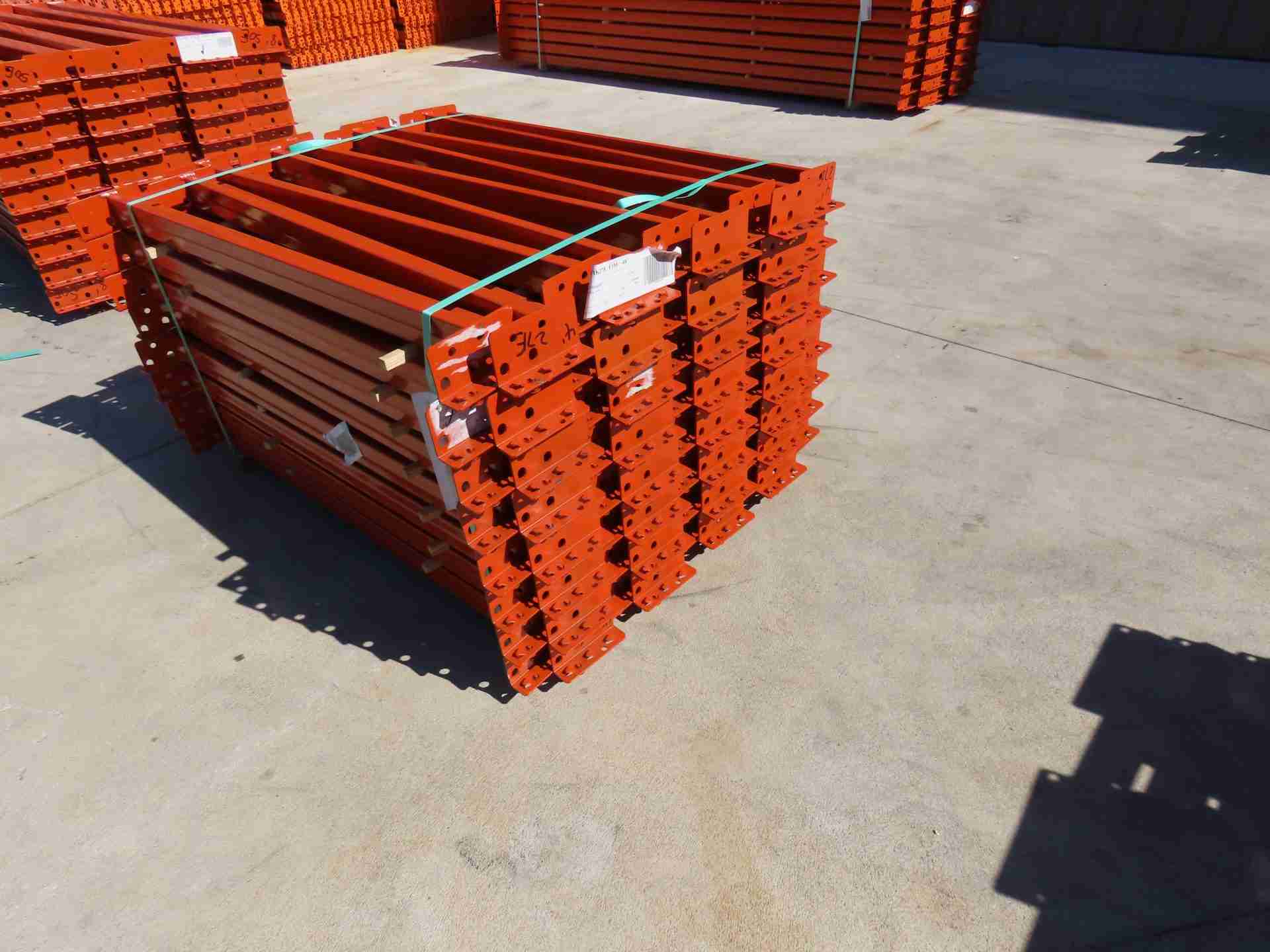
Understanding pallet size is crucial for businesses that rely on warehousing and logistics, as it significantly influences stack height regulations and safety compliance. When deciding on the optimal pallet size, companies must consider both the physical dimensions of their pallets and the regulations governing stack heights within their specific industries. The right pallet choice can enhance efficiency, minimize costs, and ensure safety while navigating the complex world of stacking.
To illustrate, let’s take the common 48 x 40 inch pallet—arguably the most ubiquitous in North America. This size has been engineered to suit various products, and its widespread use allows for simplicity in design and storage. However, it’s essential to recognize that stacking height isn’t just a numbers game; it’s closely linked to the stability of the load. According to Occupational Safety and Health Administration (OSHA) standards, a stacked load must not exceed a certain height relative to its base. As a rule of thumb, a pallet stack should typically be no more than three to four times its base width to ensure stability. This means, if you’re using that 48 x 40 inch pallet, you might feel confident stacking a load to about 8-12 feet, depending on the weight and the contents.
However, organizations must also pay attention to how these factors change with variations in pallet size. For instance, if you were to use a smaller 36 x 36 inch pallet, the height limitations change significantly. Due to a smaller base, regulations would often require reduced heights, typically around six feet. Non-compliance can lead to serious repercussions—not just fines, but potential injuries that will disrupt your operations.
Moreover, consider the logistics of handling different pallet sizes during peak seasons, such as the current global supply chain disruptions. With varying freight demands and unstable shipping costs, businesses need to be agile. Knowing how pallet dimensions can influence stacking regulations helps organizations plan smarter, optimize storage space, and enhance their ability to pivot according to market fluctuations.
Staying informed about pallets and stacking regulations not only empowers your business to comply but can also lead to better inventory management. The difference in pallet size could save you costly redundancies while maximizing storage efficiency. Invest the time to evaluate your pallet strategy; it could be the differentiator in your operational performance and safety record.
How Does Pallet Size Affect Stacking Height Regulations?
How Does Pallet Size Affect Stacking Height Regulations?
- Understanding pallet size is essential for warehousing and logistics, impacting stack height and safety compliance.
- Optimal pallet size considerations include physical dimensions and industry regulations on stack heights.
- The common 48 x 40 inch pallet is widely used in North America and promotes design simplicity and storage efficiency.
- OSHA standards dictate that a pallet stack should not exceed 3-4 times its base width for stability, typically allowing 8-12 feet for a 48 x 40 inch pallet.
- Using smaller pallets, like the 36 x 36 inch one, results in stricter height regulations, generally limiting stacks to six feet.
- Awareness of pallet dimensions assists organizations in optimizing storage and adapting to market changes, especially during peak seasons.
- Investing time in pallet strategy evaluation can lead to improved inventory management and operational performance.

How Does Pallet Size Affect Stacking Height Regulations?
What Role Does Load Stability Play In Stacking Pallets?
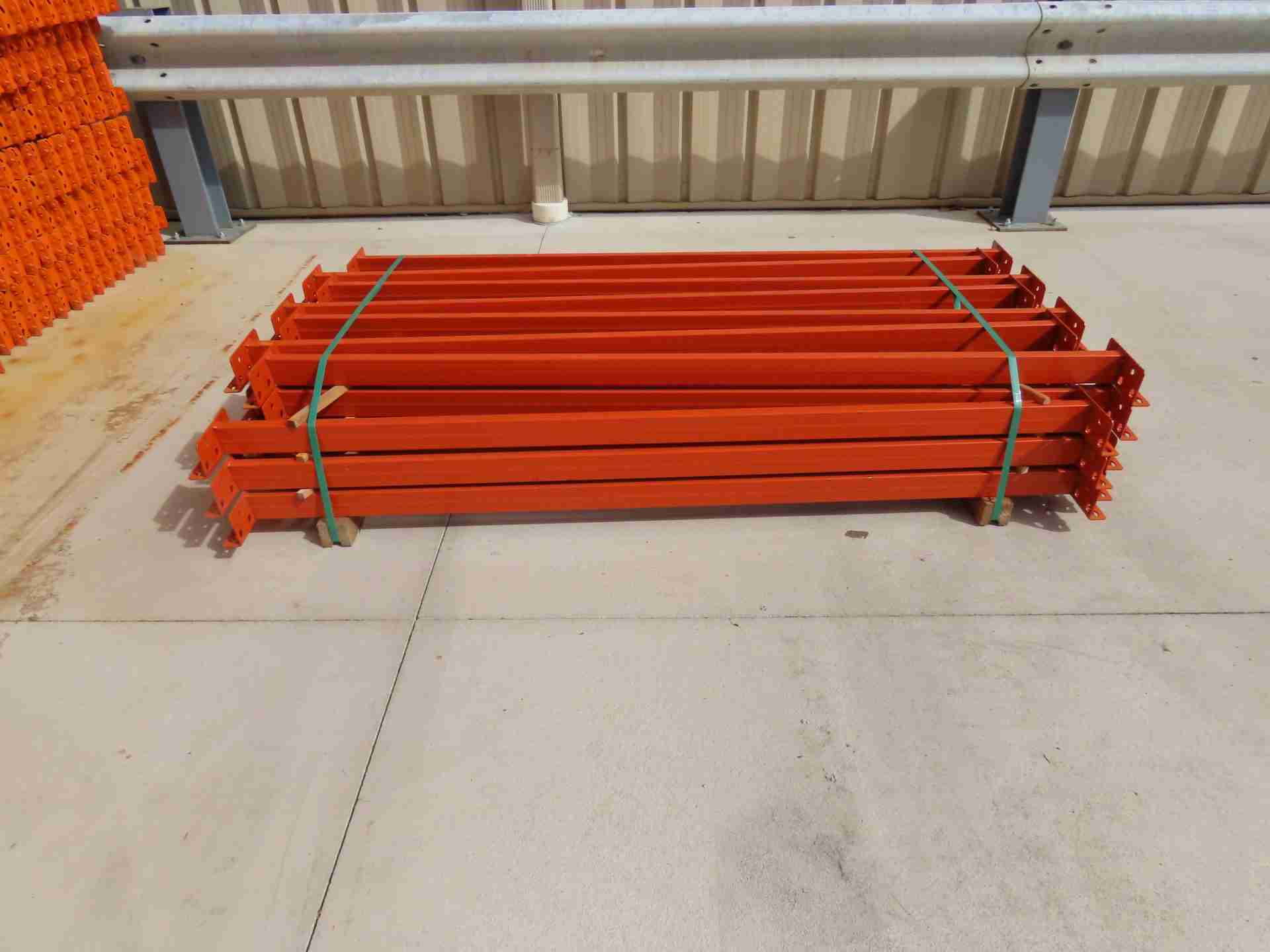
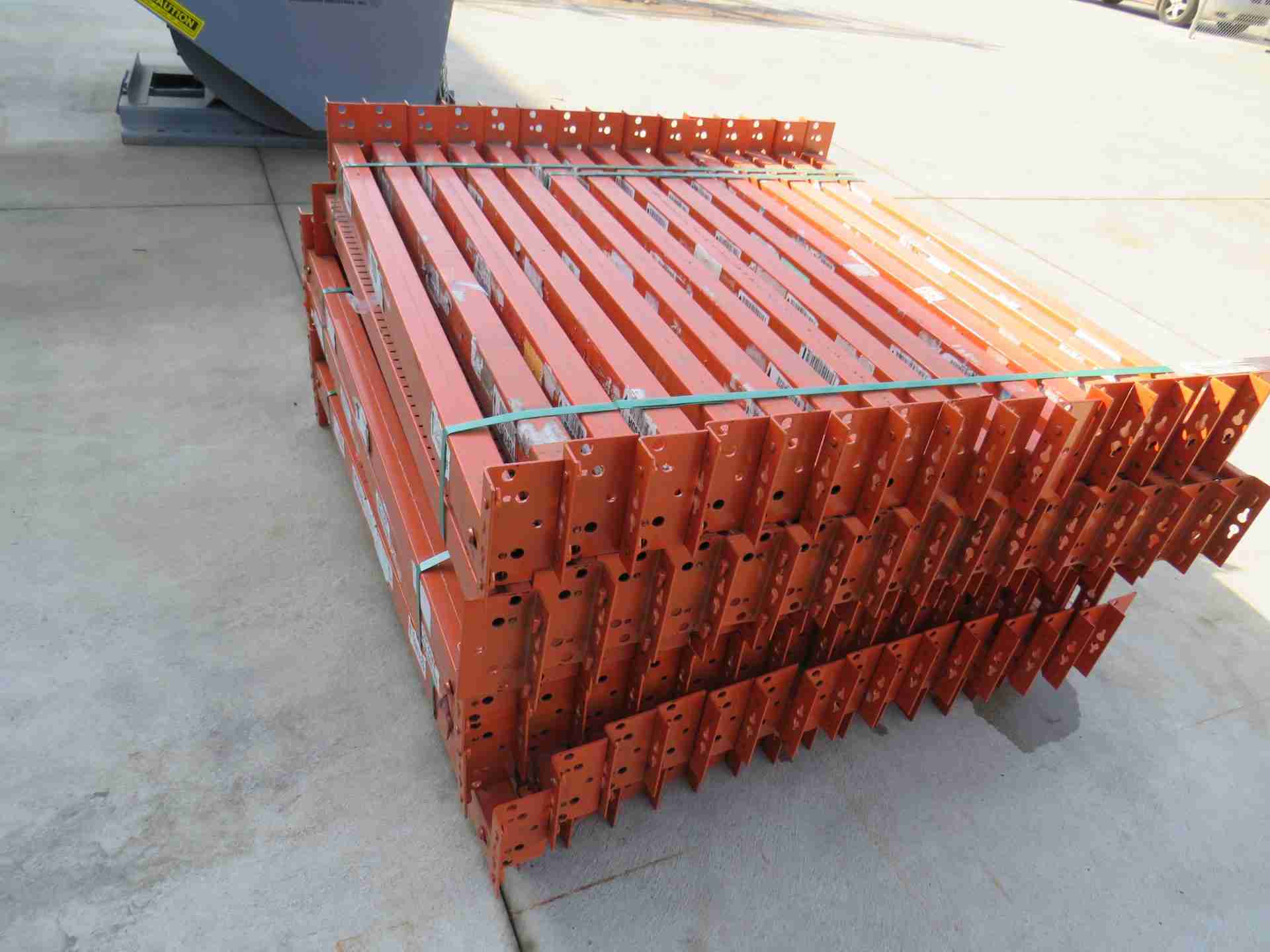
When it comes to efficient warehousing and logistics, the stability of your load isn’t just a detail—it’s a game-changer. Load stability in stacking pallets can make the difference between smooth operation and catastrophic failure, impacting not just productivity, but profit margins. The way you stack a pallet directly affects the safety, efficiency, and longevity of your operations.
Consider the ongoing disruptions in global supply chains. With events like the COVID-19 pandemic and natural disasters intensifying the pressure on logistics, ensuring stable loads has never been more critical. A well-stacked pallet can withstand the rigors of transit and handling better than a poorly organized one, safeguarding your products while maintaining trust among customers.
In a typical warehouse setting, effective pallet stacking involves optimizing the weight distribution across multiple tiers. When weights are distributed evenly, it eliminates the risk of toppling, a problem that leads not just to damaged goods but costly stoppages in operations. For example, industry giants such as Amazon continually refine their pallet stacking strategies. They apply sophisticated algorithms to improve pallet design, ensuring that goods not only fit perfectly but are also secure during movement.
Moreover, consider the impact of load stability on employee safety. Accidents and injuries caused by unstable loads can lead to downtime and higher insurance premiums, which erode your bottom line. By investing in training programs aimed at teaching proper stacking techniques and providing tools like load stabilizers and pallet wraps, companies can promote a culture of safety and efficiency. Companies like Home Depot have embraced this strategy, developing training videos and guidelines that empower their workforce, resulting in fewer incidents and more reliable service.
Additionally, the choice of stacking method can play a pivotal role in load stability. For instance, the use of the block stacking technique with heavy items on the bottom creates a stable base, while lighter items on top help maintain balance. On the other hand, cross stacking can contribute to excellent stability when paired with interlocking products, effectively reducing the risks associated with shifting loads in transit.
In the face of evolving challenges, prioritizing load stability is not merely about following best practices; it’s about making a strategic decision to protect your assets, enhance operational efficiency, and boost profitability. As the logistics landscape continues to shift, the ability to stack pallets with stability will differentiate the leaders from the laggards in the marketplace.
What Role Does Load Stability Play In Stacking Pallets?
What Role Does Load Stability Play In Stacking Pallets?
- Load stability in pallet stacking is crucial for efficient warehousing and logistics, affecting productivity and profit margins.
- Stable pallets are essential amidst global supply chain disruptions, safeguarding products during transit and maintaining customer trust.
- Effective pallet stacking optimizes weight distribution to prevent toppling and costly operational stoppages.
- Industry leaders like Amazon utilize advanced algorithms to enhance pallet design for security and efficiency.
- Improving load stability can enhance employee safety, reducing accidents and associated costs such as insurance premiums.
- Companies like Home Depot implement training programs and provide tools to promote safe stacking techniques and reduce incidents.
- Choosing appropriate stacking methods, such as block or cross stacking, enhances load stability and minimizes risks during transport.
What Role Does Load Stability Play In Stacking Pallets?
How Can Workers Identify Unsafe Pallet Stacking Situations?
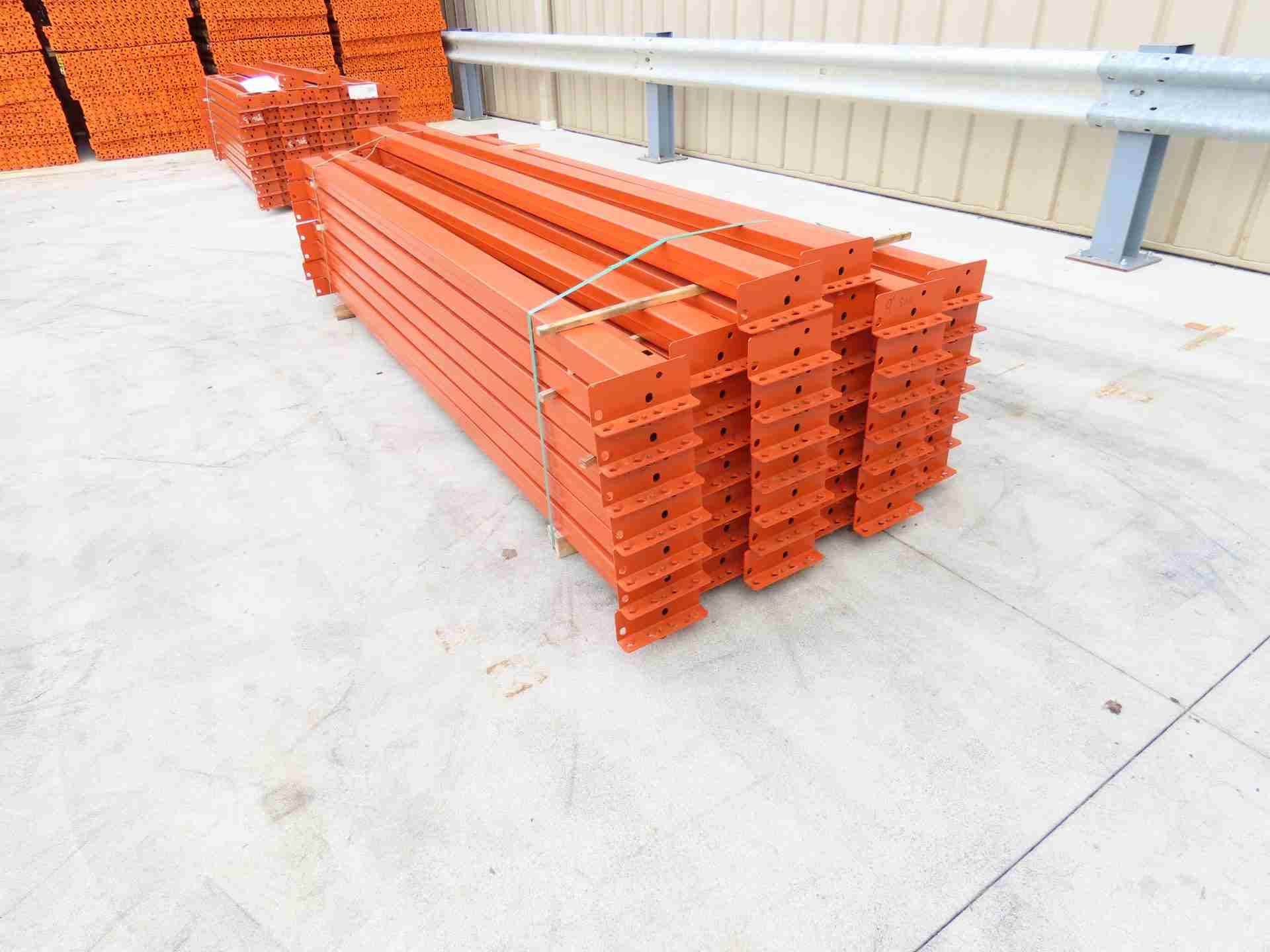
When it comes to warehouse safety, one of the most pressing issues workers face is pallet stacking. An improperly stacked pallet can lead to dire consequences—think collapsed stacks, product damage, injuries, and even loss of life. So, how can workers sharpen their eyes and identify unsafe situations before they escalate? It’s not just about relying on the instinct; it’s about knowing the telltale signs and making proactive decisions.
1. Look for Uneven Stacking
A visible indicator of potential danger is uneven stacking. If a pallet has items positioned haphazardly, with heavier boxes perched precariously at the top, this is a recipe for disaster. For instance, in a recent incident at a distribution center, a stack collapsed because larger boxes were carelessly placed atop smaller ones, leading not only to spilled goods but also injuries to employees nearby. If you notice a stack with items jutting out at odd angles, step in and alert your supervisor.
2. Assess Weight Distribution
Pallets need to be weight-balanced to prevent toppling. An overloaded or front-heavy pallet poses significant risks, not just for the stack itself but for workers maneuvering around it. The Occupational Safety and Health Administration (OSHA) guidelines recommend a limit on how much weight each pallet should bear. If you see pallets surpassing these guidelines, raise the alarm. This isn’t just about following rules—it’s about protecting lives.
3. Height Considerations
Pallets should generally not exceed a certain height. While regulations vary, if a stack towers over your head, it’s entering the danger zone. High stacks limit visibility and make it hard to monitor shifts in balance. Recent studies have shown that the higher the stack, the greater the risk of collapse. Trust your instincts: if something feels off or unsafe regarding height, it probably is.
4. Inspect Surrounding Areas
Often, an unsafe stack is symptomatic of a larger issue, such as clutter around the base or insufficient aisle space. Ensure that access paths are clear and that the environment is conducive to safe handling. If you find pallets against walls or obstructing walkways, these situations can trigger accidents.
Identifying unsafe pallet stacking situations requires vigilance and a proactive stance. By recognizing uneven stacking, weight distribution, height concerns, and inspecting surrounding areas, workers position themselves as safety advocates in their workplace. Remember, safety is everyone’s responsibility, and your awareness can save lives.
How Can Workers Identify Unsafe Pallet Stacking Situations?
How Can Workers Identify Unsafe Pallet Stacking Situations?
- Pallet stacking poses significant safety risks, including potential for injuries and product damage.
- Uneven stacking is a major indicator of danger; heavy boxes on top of smaller ones can lead to collapses.
- Proper weight distribution is crucial; overloaded pallets can topple and cause harm to nearby workers.
- Stacks should not exceed a certain height to maintain visibility and reduce collapse risk.
- Inspect surrounding areas for clutter and insufficient aisle space that can contribute to unsafe stacking practices.
- Workers should be proactive in identifying and reporting unsafe situations to ensure safety.
- Safety is a collective responsibility; awareness among workers can help prevent accidents and save lives.
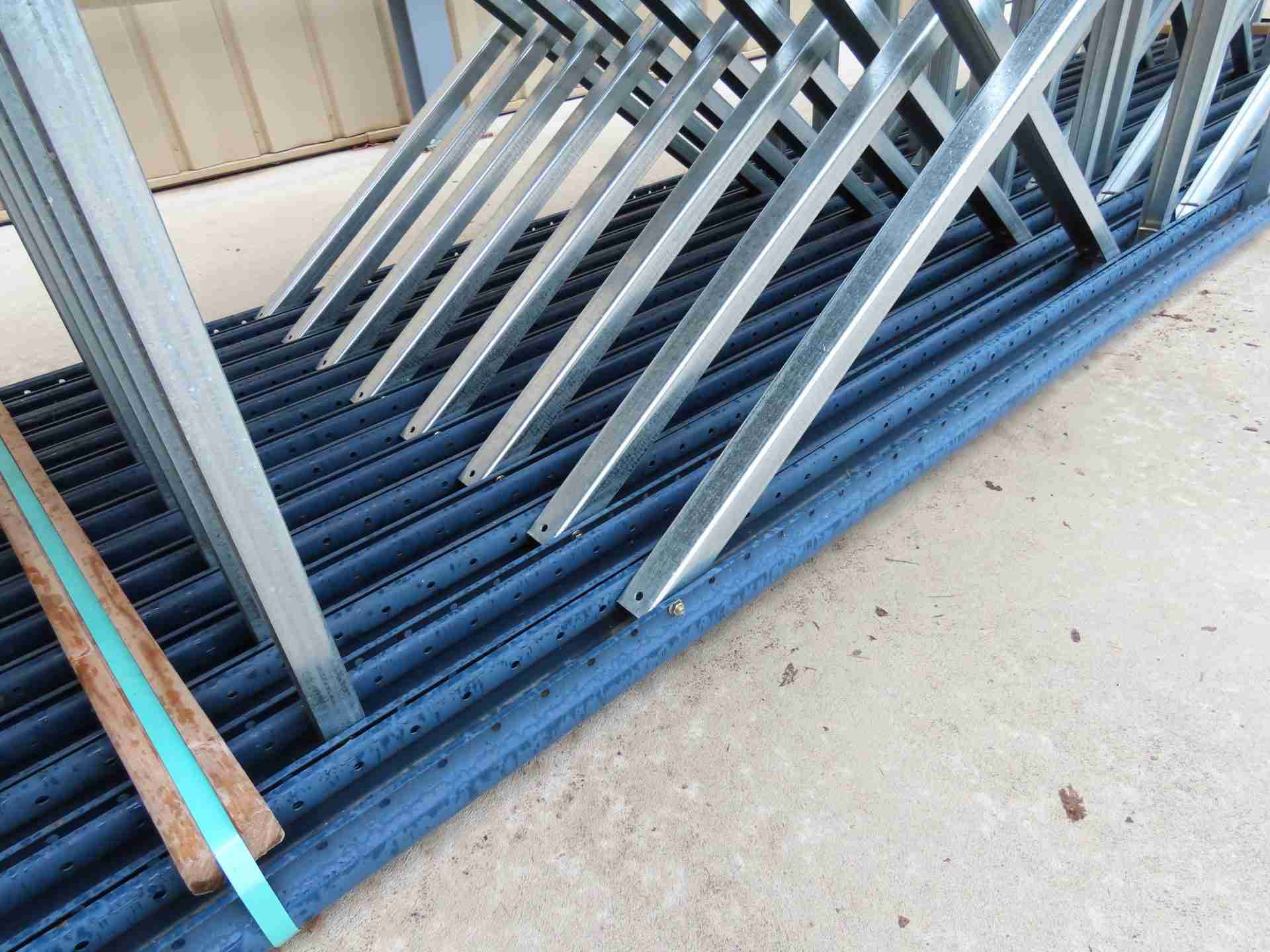
How Can Workers Identify Unsafe Pallet Stacking Situations?
What Should You Do If You See Unsafe Pallet Stacking Practices?
In today’s bustling warehouses, retail stores, and distribution centers, the safety of every employee and visitor hinges on strict adherence to proper pallet stacking practices. When you spot unsafe stacking—whether that’s a precariously tilted tower of pallets, overloaded stacks, or poorly placed stacks near walkways—it’s imperative to take action. Nobody wants to witness an accident that could lead to injuries, liability issues, or even reputational damage to your organization.
First, assess the situation critically. Quick judgment can lead to severe consequences. For instance, it’s one thing to see a few pallets stacked too high, but it’s entirely different if those stacks are adjacent to a busy aisle where employees are constantly on the move. Ask yourself: Could a cascade of boxes spell disaster for an unsuspecting worker? If the answer is yes, then you must act.
Do not just walk away thinking someone else will handle it. Instead, initiate a dialogue with your supervisor or safety officer. When addressing unsafe practices, approach the conversation with a blend of professionalism and urgency. For example, use phrases like, “I noticed some pallets that seem stacked dangerously close to the edge. It could pose a risk if someone accidentally bumps into it. Can we address this before an accident happens?” This kind of proactive communication not only showcases your commitment to safety but also fosters an atmosphere of collaboration.
If immediate corrective measures aren’t taken, consider documenting the issue. Take clear, discreet photos of the unsafe stacks. Record the date, time, and location, as well as if it’s a recurring issue. This documentation will aid your case if the situation escalates or if an incident occurs later. Additionally, keep track of any conversations you have had regarding the issue.
In recent years, high-profile incidents—like the collapse of a poorly stacked pallet during a busy holiday season at a major retailer—have spotlighted the importance of vigilance and proactive intervention. Such events serve as reminders that safety can’t be an afterthought; it requires continuous attention and action.
Lastly, encourage a culture of safety within your workplace. Lead by example; share your experiences and the actions you took. Empower your coworkers to speak up when they see safety hazards. Remember, effective and safe pallet stacking practices aren’t just good for business; they’re essential for protecting lives and ensuring a thriving work environment. Act decisively and be the change your workplace needs!
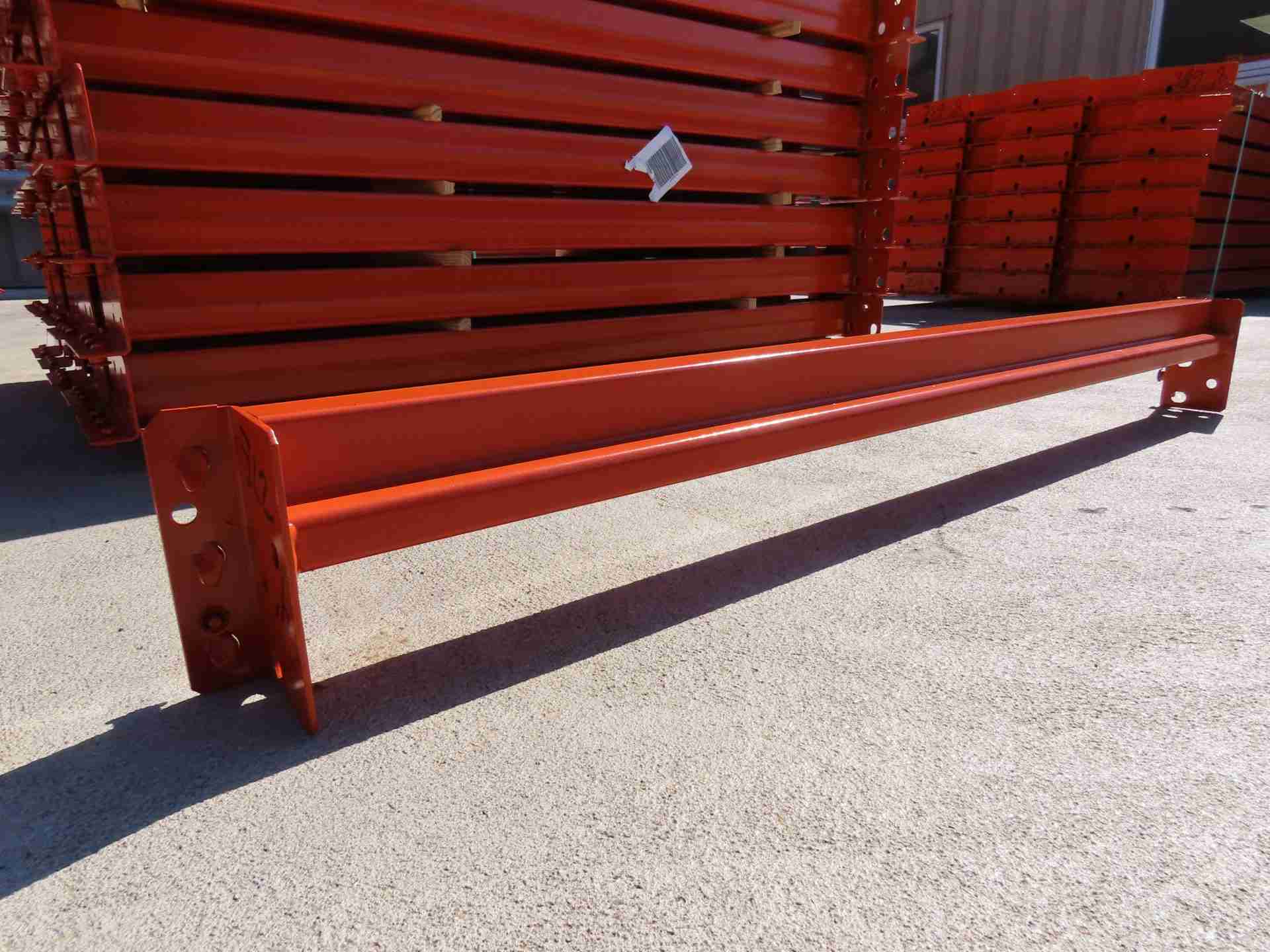
What Should You Do If You See Unsafe Pallet Stacking Practices?
What Should You Do If You See Unsafe Pallet Stacking Practices?
- Employee and visitor safety in warehouses relies on proper pallet stacking practices.
- Take immediate action upon noticing unsafe stacking, such as tilted towers or overloaded stacks.
- Assess the situation carefully to determine potential risks to nearby employees.
- Initiate a conversation with a supervisor or safety officer about unsafe practices professionally.
- If no corrective measures are taken, document the issue with photos and notes on the situation.
- High-profile incidents highlight the need for vigilance and proactive safety measures.
- Promote a culture of safety by leading by example and encouraging coworkers to report hazards.

What Should You Do If You See Unsafe Pallet Stacking Practices?
What Are Real-Life Examples Of Accidents Due To Improper Stacking?
Improper stacking in warehouses, retail spaces, and construction sites isn’t just a logistical nuisance; it leads to accidents that can endanger lives, cripple businesses, and tarnish reputations. Understanding real-life examples of these mishaps can serve as a wake-up call for companies that overlook the importance of proper stacking and safety protocols.
One of the most notorious cases in recent years occurred in 2021 in an Amazon fulfillment center in Illinois. A near-catastrophic event highlighted the perils of improper stack management when a tower of boxes tipped over, injuring several workers. Employees reported that safety procedures surrounding stacking practices weren’t strictly enforced. The incident triggered investigations focused on workplace safety, ultimately resulting in lawsuits and hefty fines. This unfortunate episode underlines that what appears to be a minor oversight can snowball into a public relations nightmare.
In another glaring example, the 2019 collapse of a storage facility in Baltimore was largely attributed to improper stacking of materials. Investigators found that construction materials had been piled haphazardly, which led to an uncontrollable shift in weight distribution. The accident resulted in severe injuries to workers, multiple reports of structural damage, and significant financial losses for the involved companies. It serves as a stark reminder that negligence in stacking can turn a simple task into a calamity impacting many lives.
Grocery stores are not immune either. In 2020, customers at a popular supermarket faced a dangerous situation when a huge stack of canned goods toppled over, seriously injuring a shopper. Staff later admitted that the stacks were too high and not adequately secured, thus putting the safety of customers at risk. This incident not only resulted in medical expenses but also attracted widespread media attention, leading many customers to reconsider their shopping habits.
Lastly, consider the construction site accident in Miami in 2022, where improper stacking of scaffolding led to a massive collapse. Fortunately, the only injuries reported were among the workers onsite, but it could have easily resulted in casualties. The fallout? Increased scrutiny and stricter regulations on construction practices, along with significant delays on projects.
These cases serve as cautionary tales to business owners: a failure to prioritize proper stacking practices could result in costly accidents. It’s imperative to invest time and resources into training staff, establishing rigorous stacking guidelines, and regularly reviewing safety protocols to ensure the integrity of every stack. Your business’s reputation—and the safety of your employees—depends on it.
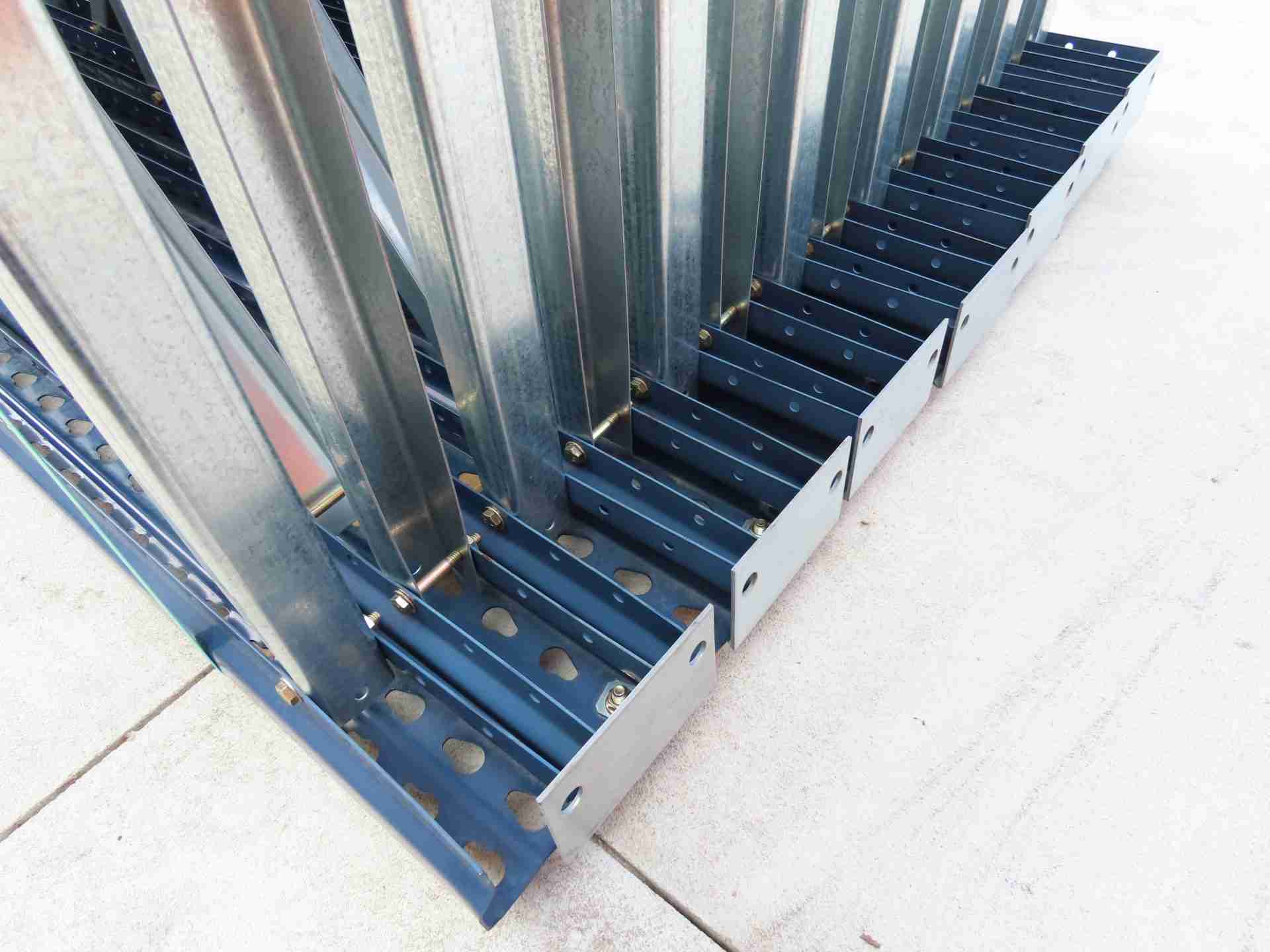
What Are Real-Life Examples Of Accidents Due To Improper Stacking?
What Are Real-Life Examples Of Accidents Due To Improper Stacking?
- Improper stacking in warehouses, retail spaces, and construction sites can lead to serious accidents and consequences.
- A 2021 incident at an Amazon fulfillment center in Illinois injured multiple workers due to poor stack management and lax safety procedures.
- In 2019, a storage facility collapse in Baltimore caused severe injuries and financial losses, attributed to haphazard stacking of materials.
- A 2020 incident at a supermarket saw a stack of canned goods topple over, injuring a customer and highlighting the risks of inadequate safety measures.
- A Miami construction site accident in 2022 involved improper stacking of scaffolding, leading to a collapse that caused worker injuries.
- These incidents emphasize the critical need for businesses to prioritize proper stacking practices to avoid costly accidents.
- Investing in training, establishing strict stacking guidelines, and regularly reviewing safety protocols is essential for employee safety and company reputation.
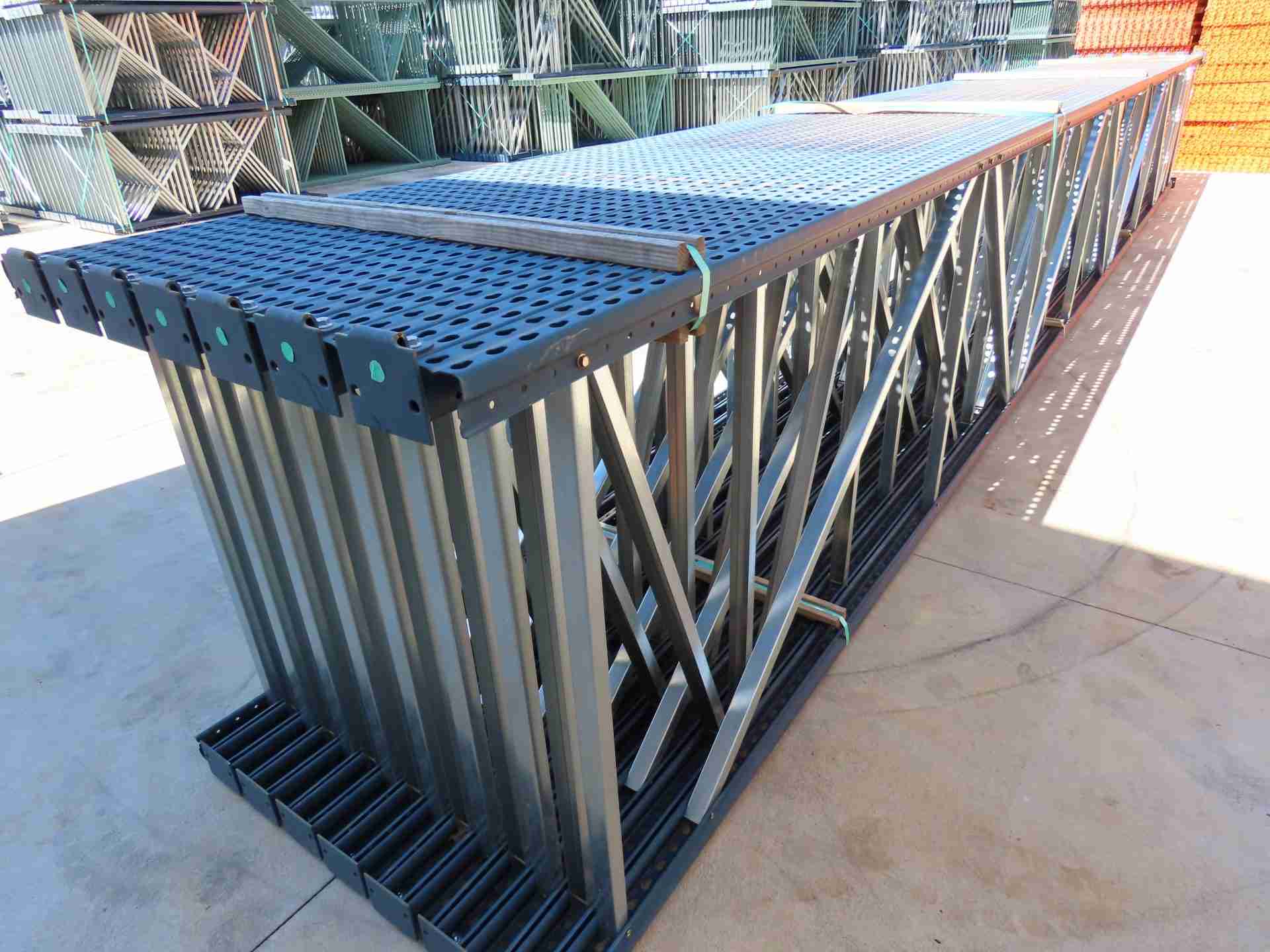
What Are Real-Life Examples Of Accidents Due To Improper Stacking?
Conclusion
n the ever-evolving landscape of warehousing and logistics, the critical importance of adhering to OSHA guidelines on pallet stacking height cannot be overstated. This isn’t merely a matter of regulatory compliance; it’s a foundational aspect of operational excellence that directly impacts employee safety and your bottom line. As we’ve explored, a well-structured approach to pallet stacking not only minimizes the risks associated with falling materials and injuries but also enhances overall productivity. Proper stacking practices allow your business to navigate the complexities of supply chain management efficiently.
Yet, with the right strategies in place, the potential for catastrophic missteps still looms large. Numerous real-life incidents have illustrated how negligence or ignorance of these guidelines can lead to injuries, costly fines, and reputational damage. By proactively addressing these risks through effective training, regular evaluations, and the adoption of the latest safety technologies, businesses can transform their operations into bastions of safety and efficiency. Ensuring your team is equipped with the knowledge and tools to stack pallets safely is not just a legal obligation—it’s a smart business decision that pays dividends in a thriving workplace culture and increased employee retention.
Arrow Industrial Sales is your ally in making this vision a reality. By focusing on practical solutions tailored to your operational needs, we empower you to create a safe and efficient working environment. Offering first-rate training, innovative equipment, and best-practice guidelines, we’re excited to help you implement the necessary strategies to elevate your warehouse operations to new heights.
But don’t wait for an incident to drive these essential conversations. Act now! Call Arrow Industrial Sales at (574) 349-6575 and gain invaluable insights on how to optimize your pallet stacking processes today. With the backdrop of ongoing supply chain disruptions, the urgency is clear—prioritize employee safety and operational efficiency before it’s too late. Implementing the right solutions now can save you from costly repercussions and ensure the longevity and prosperity of your operation. Together, let’s stack the odds in favor of workplace safety and success!
Conclusion
Conclusion:
- Adhering to OSHA guidelines on pallet stacking height is critical for operational excellence and employee safety.
- Proper pallet stacking minimizes risks related to falling materials and enhances overall productivity.
- Ignoring safety guidelines can lead to injuries, fines, and reputational damage.
- Effective training, regular evaluations, and new safety technologies can transform operations into safe environments.
- Arrow Industrial Sales provides tailored solutions to help create safe and efficient workplaces.
- Immediate action is essential to optimize pallet stacking processes and prevent potential incidents.
- Prioritizing employee safety and operational efficiency can save businesses from costly repercussions.
Conclusion
Other Resources
Other Resources
Here is a list of other resources you can review online to learn more:
- “Home | Occupational Safety and Health Administration”
- “Warehousing – Overview | Occupational Safety and Health …”
- “Supply chains and their present and future implications for …”
- “High-Hazard Retailers: Are You Prepared for an OSHA …”
- “Governance of occupational safety and health in supply chains”
- “Department of Labor cites goods transport provider after …”
- “Occupational Safety and Health in Supply Chain Management”
Use This Prompt To Get More Resources With Your Favorite Online AI Tool: Please provide me with a list of online articles with their URLS in a bulleted list that I can read regarding What Is The OSHA Pallet Stacking Height?
Other Resources
Glossary Terms
What Is The OSHA Pallet Stacking Height? – Glossary Of Terms
1. OSHA: The Occupational Safety and Health Administration, a U. S. agency that regulates workplace safety and health.
2. Pallet Stacking: The process of stacking goods or materials on pallets in a specified arrangement for storage or transport.
3. Safe Stacking Height: The maximum height to which pallets can be safely stacked according to OSHA guidelines to prevent tipping or collapsing.
4. Load Capacity: The maximum weight a pallet or stack of pallets can safely support without failure or damage.
5. Center of Gravity: The point at which an object’s weight is evenly distributed; important for assessing stability in stacked pallets.
6. Pallet: A flat transport structure that supports goods, enabling easier handling, storage, and transport.
7. Forklift: A powered industrial vehicle used to lift and move materials, key for handling pallets.
8. Stability: The ability of a stacked pallet load to remain upright without tipping over.
9. Weight Distribution: How the weight of goods is spread across a pallet; poor distribution can lead to instability.
10. Material Handling: The movement, protection, storage, and control of materials throughout the manufacturing, warehousing, and distribution stages.
11. Safety Guidelines: Recommendations and protocols established to ensure workplace safety, including proper stacking techniques.
12. Vertical Clearance: The necessary distance above stacked pallets to facilitate safe operation and movement around them.
13. Pallet Collation: The arrangement of items on a pallet for optimal stability and accessibility.
14. Inspection: The process of examining pallets and stacks for safety hazards, including damage or instability.
15. Stacking Patterns: Specific ways in which pallets are arranged to maximize space efficiency and stability.
16. Weight Limit: The maximum safe weight for an individual pallet or stack, according to manufacturer specifications and regulations.
17. Training: Education provided to employees on safe material handling practices, including how to stack pallets correctly.
18. Pallet Size: The dimensions of a pallet, affecting load capacity, stability, and stacking height.
19. Tilt/Lean: The angle at which a stacked pallet may begin to tip or lean, indicating potential instability.
20. Aisle Space: The distance required between stacks of pallets for safe movement and access, especially for forklifts.
21. Fire Hazard: A potential risk posed by improperly stacked pallets, which can obstruct exits and affect fire safety.
22. OSHA Regulations: The rules set forth by OSHA regarding safe practices and conditions in the workplace.
23. Multi-tier Racking: A storage system that allows for the stacking of pallets in multiple levels, requiring specific safety considerations.
24. Load Bearing: The capability of a pallet or racking system to support weight without structural failure.
25. Tipping Point: The critical point at which a stacked load may begin to fall over.
26. Pallet Jacks: Manual or electric devices used to lift and move pallets, critical for safe handling.
27. Overhead Clearance: The vertical space between the top of a pallet stack and any overhead structures, ensuring safety and compliance.
28. Regulatory Compliance: Adherence to established laws and regulations governing workplace safety, including pallet stacking.
29. Hazard Assessment: The process of identifying and evaluating potential risks related to pallet stacking in the workplace.
30. Ergonomics: The study of people’s efficiency in their working environment, especially relating to the safe handling and stacking of pallets.
Glossary Of Terms
Other Questions
What Is The OSHA Pallet Stacking Height? – Other Questions
If you wish to explore and discover more, consider looking for answers to these questions:
- What are the specific OSHA guidelines for pallet stacking height?
- How does pallet stacking height differ based on the type of material being stacked?
- What measures can employees take to report unsafe stacking practices?
- What are the best practices for inspecting pallet stacks?
- How can businesses educate employees on proper pallet stacking techniques?
- What types of training programs are effective for teaching safe stacking practices?
- How can technology help in maintaining safe stacking practices?
- What are some common mistakes businesses make regarding pallet stacking?
- How should businesses handle incidents of non-compliance with stacking regulations?
- What equipment is necessary for safe pallet handling and stacking?
- How can pallet racking systems enhance safety in stacking operations?
- What should be included in a safety audit for pallet stacking?
- How do seasonal changes affect pallet stacking strategies?
- What are the long-term benefits of adhering to safe pallet stacking practices?
- In what ways can poor pallet stacking affect employee morale?
- How can companies balance efficiency and safety in their stacking operations?
Other Questions
Checklist
What Is The OSHA Pallet Stacking Height? – A Checklist
1. Training & Awareness
_____ Regular training sessions on proper pallet stacking techniques
_____ Ensure all team members understand OSHA guidelines for stacking practices
_____ Conduct drills on emergency procedures related to pallet stacking
2. Stacking Height Guidelines
_____ Maintain stack heights no taller than 4 feet for stability
_____ Ensure stacks do not exceed the height of aisles where workers move
_____ Assess and adjust stack heights based on the weight and type of materials
3. Load Stability
_____ Distribute weight evenly across stacks to prevent tipping
_____ Avoid overloading pallets beyond recommended weight limits
_____ Utilize load stabilizers for additional support during lifting
4. Material Inspection
_____ Use quality pallets appropriate for the load (wood, plastic, metal)
_____ Inspect stacking materials (straps, wraps) for wear and effectiveness
_____ Conduct regular inspections of pallet racks for structural integrity
5. Preventive Measures
_____ Designate areas for pallet stacking with clear markings
_____ Implement “first-in, first-out” (FIFO) practices to manage inventory
_____ Use technology for tracking and inspection (height sensors, digital systems)
6. Communication & Reporting
_____ Establish clear channels for employees to report unsafe stacking
_____ Document any observed unsafe stacking practices (photos, notes)
_____ Encourage a culture where team members feel empowered to speak up
7. Continuous Improvement
_____ Review pallet stacking practices at least quarterly
_____ Update training materials and protocols based on recent incidents or regulations
_____ Involve team input in reviewing and improving stacking practices
8. Emergency Preparedness
_____ Create and communicate emergency protocols for accidents related to pallet stacking
_____ Equip employees with knowledge of proper emergency reporting procedures
_____ Ensure first aid kits are accessible and stocked near stacking areas
9. Regulatory Compliance
_____ Stay updated on OSHA regulations and best practices regarding pallet stacking
_____ Ensure facility inspections meet all safety compliance requirements
_____ Review records of OSHA compliance and address any violations promptly
By following this checklist, you can enhance workplace safety, reduce the risk of accidents, and ensure compliance with OSHA regulations related to pallet stacking. A proactive approach can lead to a safer and more productive work environment for everyone.
Checklist
At RackingWorld, we help guide you through selecting warehouse storage systems and racking.
Be sure to read our other related stories at RackingWorld to learn more about warehouse storage systems.
0 Comments