
Unveiling The Truth: OSHA Pallet Rack Regulations Explained
By Tom Seest
At RackingWorld, we help guide you through selecting warehouse storage systems and racking.
Be sure to read our other related stories at RackingWorld to learn more about warehouse storage systems.
Does OSHA Pallet Rack Regulations Exist?
When it comes to managing warehouse operations, safety is non-negotiable. But when you dive deeper, you might ask yourself: Are there specific regulations governing pallet racks? The answer is yes—OSHA (Occupational Safety and Health Administration) has guidelines that exist to ensure both the structural integrity of pallet racking systems and the safety of your workforce.
Pallet racks, the backbone of warehouse storage, can pose significant hazards if not designed, installed, and maintained properly. Falling pallets can injure employees; inadequate storage solutions can lead to operational inefficiencies. This is where OSHA steps in. Specifically, OSHA’s General Duty Clause requires employers to provide a workplace free from recognized hazards. Additionally, they reference the American National Standards Institute (ANSI) and the RMI (Rack Manufacturers Institute) for specifics regarding pallet storage systems.
For example, OSHA mandates that pallet racks must be capable of supporting the weight of the materials stored on them. An incident in 2021 at a distribution center in California, where a pallet rack collapsed, serves as a stark reminder of the consequences of neglecting these regulations. Employees were injured, causing not only human hardship but also financial losses for the company through fines and decreased productivity during the investigation.
Enforcing OSHA pallet rack regulations means you need to audit regularly. Are your racks sufficiently anchored and free from damage? This is not just a suggestion; it’s a necessity. According to recent statistics, almost 20% of warehouse injuries stem from rack failures. Investing in training and safety protocols can dramatically reduce your liability while increasing employee morale.
Moreover, adhering to these regulations can significantly influence your reputation in the marketplace. In an age where companies are held accountable by social media, a single safety violation can lead to public backlash, affecting your customer base. Conversely, showcasing your commitment to safety can serve as a powerful marketing tool—consumers favor brands that prioritize the well-being of their employees.
OOSHA does indeed have pallet rack regulations that are specific and binding. By staying informed and compliant, you not only safeguard your workforce but also enhance operational efficiency and brand reputation. Remember, in today’s competitive landscape, a safe workplace is not just regulatory compliance; it’s a strategic business advantage. Prioritize safety, and watch your business rise to new heights!

Does OSHA Pallet Rack Regulations Exist?
Does OSHA Pallet Rack Regulations Exist?
- OSHA has guidelines to ensure the safety and structural integrity of pallet racking systems in warehouses.
- Pallet racks can be hazardous, posing risks of falling pallets and operational inefficiencies if not properly managed.
- OSHA’s General Duty Clause requires employers to maintain a workplace free from recognized hazards.
- OSHA mandates that pallet racks support the weight of the materials stored on them.
- Regular audits of pallet racks are necessary to ensure they are anchored and free from damage.
- Adhering to OSHA regulations helps enhance workplace safety, reduce liability, and improve company reputation.
- A commitment to safety can serve as a marketing advantage, attracting consumers who value employee well-being.

Does OSHA Pallet Rack Regulations Exist?
Table Of Contents
- Does OSHA Pallet Rack Regulations Exist?
- What Are The Basic OSHA Regulations For Pallet Racks?
- How Do Pallet Rack Regulations Ensure Workplace Safety?
- What Are The Penalties For Violating Pallet Rack Safety Standards?
- How Can Businesses Ensure Compliance With OSHA Pallet Rack Guidelines?
- What Types Of Pallet Racks Require OSHA Regulation Adherence?
- How Often Should Pallet Racks Be Inspected For Safety Compliance?
- What Training Is Required For Employees Handling Pallet Racks?
- Are There Specific Load Limits For Different Types Of Pallet Racks?
- What Documentation Is Needed For OSHA Pallet Rack Compliance?
- How Can I Report Unsafe Pallet Rack Conditions In The Workplace?
- Conclusion
- Other Resources
- Glossary Of Terms
- Other Questions
- Checklist
What Are The Basic OSHA Regulations For Pallet Racks?
When it comes to storage solutions in warehouses and retail spaces, pallet racks are indispensable. However, ensuring the safety of your employees and the integrity of your goods should always be the top priority. Enter OSHA (Occupational Safety and Health Administration) regulations, which not only establish the baseline for workplace safety but also protect your investment in your pallet rack systems.
First and foremost, it’s crucial to understand that OSHA mandates that all storage racks—including pallet racks—must be designed and installed to ensure structural integrity. For instance, if you’re using heavy-duty racks, they should be able to withstand the strain of your heavy inventory. Consider a news story about a warehouse collapse due to improper rack installation; this could have been avoided with adherence to OSHA standards.
OSHA regulations emphasize the importance of maintaining a clear workspace. Aisles must be wide enough to allow for the safe transport of materials, ensuring that forklifts and workers can navigate without risking collisions. Imagine your warehouse bustling with activity; if your aisles aren’t up to standard, you could be inviting disaster. Regularly inspect your aisles and consider implementing visual cues like floor markings to enhance safety.
Next on the OSHA checklist is proper training. Employees who handle pallet racks must be trained in safe operating procedures. Remember the tragic incidents when untrained personnel accidentally misloaded racks, causing them to tip? Investing in thorough training isn’t just a good idea—it’s your responsibility. Cater to your employees with a comprehensive training program that emphasizes safety protocols and the importance of communicating issues when they arise.
One key area that often goes overlooked is the importance of load limits. Overloading racks can lead to catastrophic failures. Every pallet rack should have clear labels indicating its load capacity. For example, if you frequently deal with items that exceed this limit, consider investing in custom racks designed for heavier loads. The recent global supply chain disruptions highlighted the need for adaptability and foresight when it comes to equipment like pallet racks.
Finally, don’t forget about inspections. OSHA strongly recommends regular checks for signs of damage like bent frames, worn-out beams, or rust. Establish a routine maintenance schedule to review and repair your pallet rack systems. A well-maintained environment not only complies with OSHA guidelines but also fosters a culture of safety and productivity.
In short, adhering to basic OSHA regulations for pallet racks is not merely about compliance; it’s about creating a safe, efficient workspace that enhances your operational capabilities. Prioritize safety, and you’ll see the dividends reflected in your bottom line.

What Are The Basic OSHA Regulations For Pallet Racks?
What Are The Basic OSHA Regulations For Pallet Racks?
- Pallet racks are essential for storage in warehouses and retail spaces, but safety and integrity are paramount.
- OSHA mandates storage racks must be designed and installed for structural integrity, especially for heavy-duty loads.
- Aisles must be adequately wide to ensure safe transport of materials, preventing collisions.
- Employees working with pallet racks must receive proper training on safe operating procedures to prevent accidents.
- Each pallet rack should have clear load limit labels to prevent overloading, which can lead to failures.
- Regular inspections for damage, such as bent frames or rust, are recommended to maintain safety and compliance.
- Adhering to OSHA regulations enhances safety, efficiency, and operational capabilities, positively impacting the bottom line.

What Are The Basic OSHA Regulations For Pallet Racks?
How Do Pallet Rack Regulations Ensure Workplace Safety?
In the bustling world of logistics and warehousing, pallet racks act as the backbone of organization and efficiency. However, without stringent regulations and guidelines to govern their usage, the risks associated with pallet rack systems can lead to calamity. Thus, compliance with regulations not only ensures optimal performance but also, crucially, enhances workplace safety.
First and foremost, pallet rack regulations mandate standards that protect employee wellbeing. For instance, OSHA (Occupational Safety and Health Administration) provides comprehensive guidelines that entrench safety protocols, including load capacities, rack configurations, and proper signage. Consider a recent incident in a warehouse where improper loading on a pallet rack caused it to collapse, injuring several employees. Had the management adhered to OSHA’s guidelines, potentially devastating injuries could have been avoided. The regulation’s insistence on training employees in safe loading techniques emphasizes a culture of caution and accountability.
Another critical aspect of these regulations is regular inspections and maintenance. Organizations must frequently assess their pallet racks to ensure structural integrity. The introduction of a quarterly inspection policy not only aligns with regulatory requirements but also resonates with shrewd business practices by preventing potential accidents. For example, a well-known online retailer recently implemented rigorous inspection protocols after a minor incident highlighted vulnerabilities in their pallet rack system. The result was not only the avoidance of a similar incident but also a boost in employee morale and confidence in safety measures.
Moreover, emerging technologies are reshaping the landscape of pallet racking safety. Smart sensors and load monitoring systems, which are becoming increasingly cost-effective, provide real-time data on rack capacities and conditions. When combined with regulatory oversight, these innovations can significantly reduce the risk of accidents, while enhancing operational efficiency. A tech company focused on warehouse solutions recently reported that clients who integrated smart technologies alongside adherence to regulations reduced incidents by over 30%. This serves as a compelling illustration of how effective safety measures can bolster business performance.
Finally, the importance of employee training can’t be understated. Regulations often require that staff receive training on the safe use of pallet racks. As seen during a recent summit on warehouse safety, organizations that prioritize training and regulatory compliance cultivate not just a secure environment but also a competitive edge in the marketplace.
In summary, compliance with pallet rack regulations is not merely a bureaucratic hurdle; it’s a hallmark of a safety-conscious organization. As industry standards continue to evolve, businesses that prioritize these regulations will not only ensure the safety of their employees but will also lay the groundwork for sustained growth and success.

How Do Pallet Rack Regulations Ensure Workplace Safety?
How Do Pallet Rack Regulations Ensure Workplace Safety?
- Pallet racks are essential for organization and efficiency in logistics and warehousing.
- Compliance with regulations enhances workplace safety and optimal performance.
- OSHA provides guidelines on load capacities, rack configurations, and safety protocols.
- Regular inspections and maintenance are crucial for ensuring structural integrity of pallet racks.
- Emerging technologies, like smart sensors and load monitoring systems, improve safety and operational efficiency.
- Employee training on safe pallet rack usage is required by regulations and fosters a safe work environment.
- Prioritizing compliance with pallet rack regulations lays the groundwork for organizational growth and success.

How Do Pallet Rack Regulations Ensure Workplace Safety?
What Are The Penalties For Violating Pallet Rack Safety Standards?
In the bustling realm of warehousing and distribution, pallet racks stand as the backbone of efficient storage solutions. But every facility manager and business owner should be acutely aware: neglecting pallet rack safety standards isn’t just a minor oversight—it can lead to severe repercussions.
First, let’s face the cold, hard reality: OSHA (Occupational Safety and Health Administration) takes violations seriously. In recent years, fines for non-compliance have skyrocketed. For example, a facility in California received penalties over $100,000 for failing to properly secure its pallet racks, which led to several near-miss incidents. The fines alone are a significant financial blow, but they are merely the tip of the iceberg.
Consider the broader implications. A workplace incident resulting from ignored safety protocols—such as a collapsed pallet rack—often triggers costly litigation. In 2023, a major retailer faced a lawsuit after an employee was injured due to inadequate safety measures in their pallet racking system. Not only was the retailer on the hook for medical expenses and lost wages, but the cost in terms of reputation was incalculable. They lost customers, faced public backlash, and had to spend significant resources to rebuild their brand image.
Furthermore, the operational disruptions from a safety violation can be catastrophic. Think about it: a work halt due to inspections or facility closures while safety protocols are reevaluated can cost thousands, if not millions, in lost productivity. In today’s fast-paced environment, where timing is everything, this is not merely an inconvenience; it’s a potentially crippling setback.
Let’s not forget the importance of training and compliance in averting such misfortunes. Companies that invest in regular training sessions on pallet rack safety not only create a safer workplace but also position themselves as responsible entities. This proactive approach can be a massive competitive advantage, fostering trust with clients and partners alike.
Moreover, insurance premiums can dramatically rise following a safety incident. Insurance companies, keen to mitigate their risks, often raise rates for companies with a record of safety violations. The true cost of neglecting these standards can spiral, affecting not just current operations but stretching into future endeavors.
The penalties for violating pallet rack safety standards extend far beyond mere fines—they can impact your financial health, reputation, employee morale, and operational efficiency. Don’t leave your business vulnerable; prioritize safety standards today and secure a prosperous tomorrow.

What Are The Penalties For Violating Pallet Rack Safety Standards?
What Are The Penalties For Violating Pallet Rack Safety Standards?
- Pallet racks are essential for efficient storage in warehousing and distribution.
- Neglecting pallet rack safety standards can lead to severe consequences, including heavy fines from OSHA.
- Recent incidents highlight pricey penalties, such as over $100,000 for inadequately secured pallet racks leading to near-miss accidents.
- Workplace accidents can spark costly litigation and damage to reputation, as demonstrated by a major retailer facing a lawsuit in 2023.
- Operational disruptions from safety violations can halt work and result in significant financial losses.
- Investing in regular training on pallet rack safety creates a safer workplace and strengthens competitive advantage.
- Ignoring safety standards can lead to increased insurance premiums and negatively impact future business operations.

What Are The Penalties For Violating Pallet Rack Safety Standards?
How Can Businesses Ensure Compliance With OSHA Pallet Rack Guidelines?
In today’s dynamic business environment, compliance with OSHA (Occupational Safety and Health Administration) regulations is not just a legal obligation but a critical component of a well-oiled, successful enterprise. When it comes to pallet rack safety, the stakes are higher than ever as reports of workplace accidents have been on the rise, particularly in warehouses and distribution centers. Ensuring compliance with OSHA pallet rack guidelines is essential not only to protect your employees but also to safeguard your bottom line.
To begin with, businesses should invest in thorough training and ongoing education for warehouse staff. A robust training program should cover proper rack loading practices, safe equipment handling, and the importance of maintaining clear aisles for emergency access. Remember, a well-trained employee is your best line of defense against accidents and, consequently, potential fines. Companies like Amazon have made headlines in recent years due to their aggressive training programs that focus on safety and efficiency, ultimately resulting in a more productive workforce.
Next, conduct regular inspections and audits of your pallet racking system. Engaging a third-party safety consultant can bring an outside perspective and expert knowledge to your compliance efforts. These professionals can identify potential hazards and recommend corrective actions. For instance, in the summer of 2023, a major retailer was cited for multiple violations related to insufficient inspections of their pallet racks, leading to hefty fines and a subsequent hit to their reputation. Avoid becoming part of such unfortunate statistics by prioritizing inspection protocols.
Additionally, establishing a culture of safety within your organization can make a significant impact on compliance. Encouraging open communication about safety issues empowers employees to report concerns without fear of reprisal. Instituting a reward system for identifying and mitigating risks could create a proactive approach to compliance, similar to programs adopted by leading logistics firms that have successfully reduced incident rates substantially.
Finally, remain current with changes in regulations and industry standards. OSHA guidelines are subject to updates, and being ahead of the curve can save your business from unexpected penalties. Subscribing to industry newsletters or joining professional organizations can provide businesses with vital updates and best practices.
In summary, ensuring compliance with OSHA pallet rack guidelines is not merely about avoiding fines; it’s about creating a foundation of safety, efficiency, and productivity. Your workforce is your greatest asset—protecting them through proactive measures is an investment in the future of your business. Make compliance a priority, and watch your organization thrive.

How Can Businesses Ensure Compliance With OSHA Pallet Rack Guidelines?
How Can Businesses Ensure Compliance With OSHA Pallet Rack Guidelines?
- Compliance with OSHA regulations is critical for workplace safety and business success.
- Invest in thorough training for warehouse staff on rack loading, equipment handling, and maintaining clear aisles.
- Conduct regular inspections and audits of pallet racking systems, possibly engaging third-party safety consultants.
- Establish a culture of safety by encouraging open communication and reporting of safety concerns.
- Implement a reward system for employees who identify and mitigate risks to promote a proactive safety approach.
- Stay updated with changes in regulations and industry standards to avoid unexpected penalties.
- Making compliance a priority protects employees and invests in the future success of the business.

How Can Businesses Ensure Compliance With OSHA Pallet Rack Guidelines?
What Types Of Pallet Racks Require OSHA Regulation Adherence?
When it comes to warehouse safety, the type of pallet racks employed plays a pivotal role in compliance with OSHA regulations. Understanding which systems are subject to these regulations is essential not only for avoiding penalties but for ensuring the safety of your workforce and the integrity of your operations.
Selective Pallet Racks
Selective pallet racks are a staple in many warehouses and retail spaces. These systems allow for easy access to all pallets, making them efficient for inventory management. However, because they are often loaded with heavy pallets, they require robust safety measures. OSHA standards mandate proper installation and routine inspections to ensure these systems can handle the weight without compromising stability. For instance, if your warehouse is storing electronics or high-value items on selective racks, the need for adherence to OSHA guidelines on weight limits and load balancing becomes even more crucial.
Drive-In and Drive-Thru Racks
Drive-in and drive-thru racking systems offer high-density storage but also come with unique risks. Workers operate forklifts in these tight spaces, and without adequate safety measures, accidents can happen. OSHA regulations cover the design and use of these racks, specifying that they must be capable of withstanding potential impacts. For example, if you recently expanded your drive-in racking for seasonal inventory spikes, you must ensure that your systems comply with height and aisle width requirements set forth by OSHA.
Cantilever Racks
Cantilever racks, primarily used for storing long goods like lumber or pipes, also require strict adherence to OSHA guidelines. The landscape of warehouse management is constantly evolving, especially with supply chain disruptions seen in current events, such as the global chip shortage affecting electronics. Many operations now stockpile materials to prevent shortages, increasing the load on cantilever racks. OSHA emphasizes that these systems must be evaluated regularly to ensure they can safely support elevated loads, adhering to documentation standards for structural integrity.
Flow Racks
Flow racks are designed for FIFO (first-in, first-out) inventory management and can be extremely effective for perishable goods. However, these systems require detailed attention to avoid catastrophic collapses. The specifics of how these racks are utilized – including the weight of the goods and the slope of the rails – must align with OSHA’s requirements to maintain a safe work environment.
Any pallet rack system you employ is directly tied to OSHA regulations. By understanding the specific requirements for selective, drive-in, cantilever, and flow racks, you position your operation to not only comply with the law but also foster a culture of safety and responsibility. Invest in training and regular inspections, and you’ll safeguard your workforce while enhancing your brand’s reputation as a responsible employer in today’s volatile marketplace.

What Types Of Pallet Racks Require OSHA Regulation Adherence?
What Types Of Pallet Racks Require OSHA Regulation Adherence?
- The type of pallet racks used in a warehouse is critical for OSHA regulation compliance.
- Selective pallet racks allow easy access and require routine inspections for safety due to heavy loading.
- Drive-in and drive-thru racks present unique risks, with OSHA regulations on their design and capacity crucial for safety.
- Cantilever racks must adhere to OSHA guidelines as they store long items and may bear increased loads due to supply chain disruptions.
- Flow racks facilitate FIFO inventory management and need careful attention to avoid collapse and ensure compliance with OSHA standards.
- Understanding the requirements for different rack systems fosters a culture of safety within operations.
- Regular training and inspections not only ensure OSHA compliance but also enhance a company’s reputation as a responsible employer.

What Types Of Pallet Racks Require OSHA Regulation Adherence?
How Often Should Pallet Racks Be Inspected For Safety Compliance?
In today’s fast-paced warehousing and logistics environment, ensuring the safety and integrity of your pallet racks isn’t just a best practice—it’s a business necessity. With rising operational costs and tighter regulations, the potential for liability related to unsafe systems can cripple your profit margins. The question isn’t if you should inspect your pallet racks, but rather how often those inspections should take place to guarantee compliance and peace of mind.
According to industry standards, a thorough inspection of pallet racks should be conducted at a minimum once every 12 months. However, the reality is that your unique business environment may warrant more frequent inspections. Factors such as the type of products stored, turnover rates, and even the warehouse conditions play significant roles in determining the ideal inspection frequency. For instance, if your facility handles heavy loads or experiences frequent product turnover, quarterly inspections might be prudent. In contrast, operations involving less weight or stable inventory could manage with semi-annual checks.
Many companies find themselves in a precarious situation when they overlook these crucial inspections. The recent incidents at major distribution centers, where rack failures led to product loss and worker injuries, illustrate this point emphatically. In one widely reported case earlier this year, a major retailer faced devastating penalties after a preventable accident revealed significant deficiencies in their safety compliance protocols. This incident serves as a wake-up call: the cost of negligence far outweighs the investment in routine inspections.
But don’t stop at just conducting inspections—document them. Not only does this ensure you meet regulatory standards, but it provides crucial protection against potential lawsuits should an incident occur. Regularly scheduling and formally recording inspections showcases your commitment to safety and accountability, both vital for building a reputable business.
In addition to these formal inspections, fostering a culture of safety within your organization is equally important. Encourage daily visual checks by your staff as they navigate the warehouse. Instilling this vigilant mindset can mitigate risks significantly. Remember: a proactive approach dramatically reduces the likelihood of catastrophic failures and costly legal disputes.
Ultimately, the frequency of inspections boils down to a simple mantra: prioritize safety for profit. In an age where consumer expectations are higher than ever, ensuring your pallet racks are routinely inspected not only safeguards your workforce but also fortifies your business’s bottom line. Schedule your inspections to stay ahead of the curve—and reap the rewards of a safer, more efficient operation.

How Often Should Pallet Racks Be Inspected For Safety Compliance?
How Often Should Pallet Racks Be Inspected For Safety Compliance?
- Regular inspections of pallet racks are essential for maintaining safety and compliance in warehousing.
- Industry standards recommend a thorough inspection at least once every 12 months.
- Inspection frequency may need to increase based on factors like product type, turnover rates, and warehouse conditions.
- Heavy-load operations may require quarterly inspections, while less active facilities might suffice with semi-annual checks.
- Neglecting inspections can lead to severe consequences, as shown by recent incidents causing product losses and worker injuries.
- Documenting inspections is crucial for regulatory compliance and offers protection against potential lawsuits.
- Encouraging daily visual checks among staff can help foster a safety culture and reduce risks in the workplace.

How Often Should Pallet Racks Be Inspected For Safety Compliance?
What Training Is Required For Employees Handling Pallet Racks?
In the fast-paced world of warehousing and logistics, the safe and effective handling of pallet racks is paramount. With the increasing demand for efficient distribution as e-commerce continues to soar, employees must be equipped with the right training to minimize risks, prevent accidents, and ensure smooth operations.
First and foremost, every employee handling pallet racks should undergo thorough training in proper lifting techniques. This isn’t just about promoting a culture of safety; it’s about leveraging human capital. Training sessions must cover how to properly assess the weight of items, the correct body mechanics for lifting, and the value of teamwork when dealing with heavier loads. For example, Amazon’s recent investment in employee safety programs emphasizes ergonomics training, highlighting that an educated workforce can reduce workplace injuries and boost productivity.
Additionally, knowledge of proper pallet rack assembly and maintenance is essential. Employees should be trained to recognize signs of wear and tear and to understand the structural integrity required for safe operations. Training programs must detail how to inspect racks for damage, including checking for bowed beams or cracked components. A significant event in recent years was the collapse of a poorly maintained rack system that caused severe injuries and led to hefty fines. Investing time in education not only protects employees but safeguards the company’s financial resources.
Next, employees must be educated on safety measures and emergency procedures. This includes the use of personal protective equipment (PPE) and how to safely operate forklifts in proximity to pallet racks. Regular safety drills, backed by clear communication strategies, reinforce the training and ensure that every team member knows how to respond in case of an accident. According to OSHA, facilities that conduct regular safety training sessions see a 30% reduction in workplace accidents—an impressive statistic that speaks volumes about the impact of effective training.
Moreover, fostering an environment where employees feel comfortable reporting unsafe practices can be a game-changer. This can be achieved through innovative training programs that promote open dialogue—ensuring that safety is not just a checkbox, but a core value of the organization. Companies like Costco have found success in integrating employee feedback loops, driving down workplace incidents significantly.
Training employees on handling pallet racks is not merely a compliance requirement; it’s a critical investment in operational excellence. As the landscape of warehousing and logistics continues to evolve, organizations must prioritize robust training to foster workplace safety, enhance team efficiency, and solidify their competitive edge in a thriving market.

What Training Is Required For Employees Handling Pallet Racks?
What Training Is Required For Employees Handling Pallet Racks?
- Effective handling of pallet racks is crucial in warehousing and logistics.
- Employees must receive training in proper lifting techniques to minimize risks and prevent accidents.
- Training should cover assessing item weight, body mechanics for lifting, and teamwork for heavy loads.
- Knowledge of pallet rack assembly and maintenance is vital, including recognizing wear and tear.
- Understanding safety measures, emergency procedures, and proper use of PPE is essential for employees.
- Encouraging open dialogue about unsafe practices can enhance workplace safety.
- Investing in employee training is critical for operational excellence and maintaining a competitive edge.

What Training Is Required For Employees Handling Pallet Racks?
Are There Specific Load Limits For Different Types Of Pallet Racks?
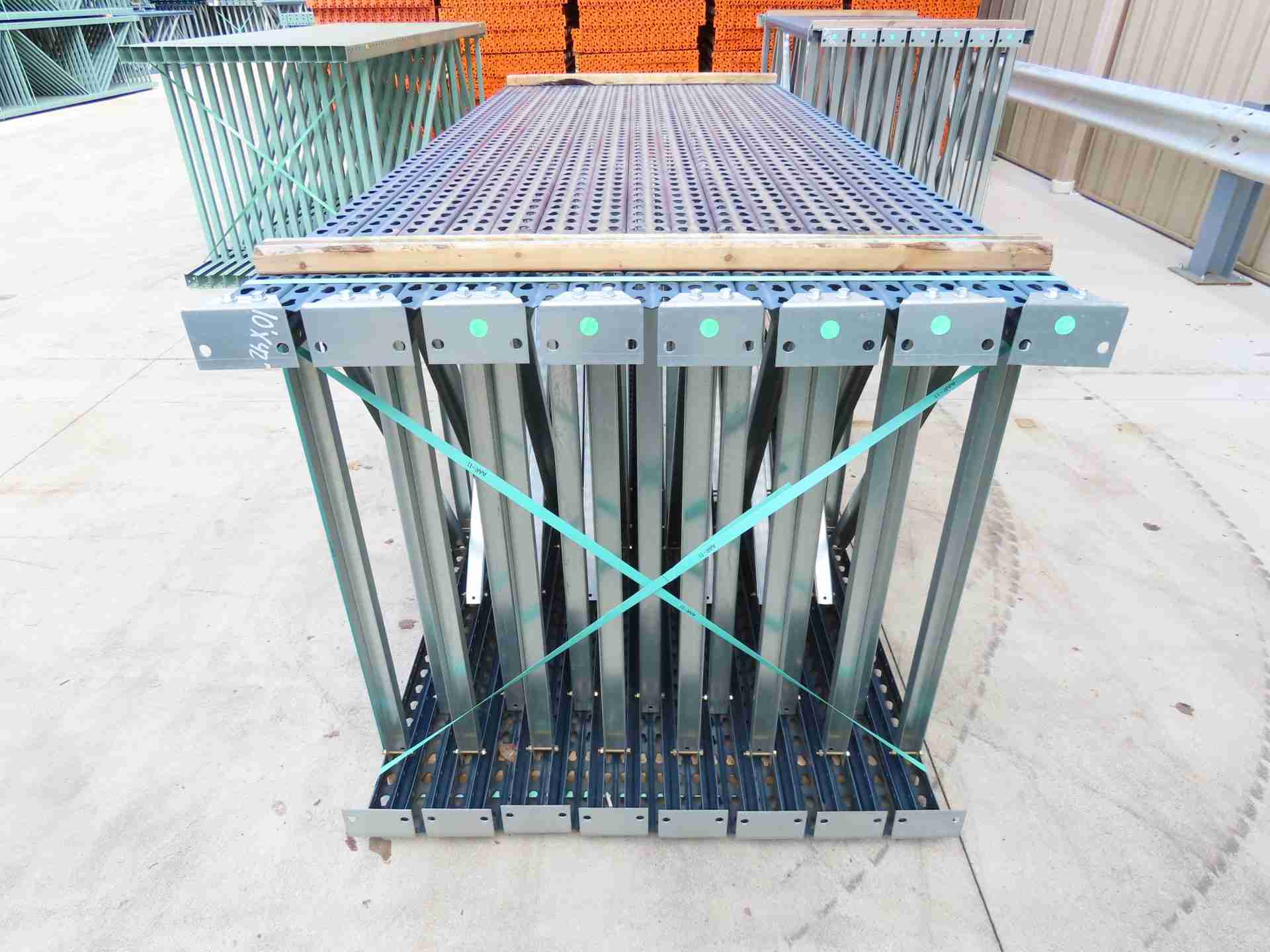
When it comes to warehouse efficiency and safety, understanding the load limits of different types of pallet racks is paramount. Ignoring these specifications can lead to catastrophic consequences—injuries, costly damages, and the potential for prolonged downtime. So, let’s break down the impact of load limits and explore how various rack systems can boost your operational success.
Selective Pallet Racks are the most common type in warehouse settings, favored for their accessibility and flexibility. With a standard load limit of 1,500 to 2,500 pounds per beam level, they allow for multiple configurations. For example, if you are storing pet food—a high-turnover product—you can maximize space and efficiency by utilizing selective racks. Just remember, overloading these racks can compromise integrity, putting your workers—and your investments—at risk.
Drive-In and Drive-Through Racks offer a completely different approach. These designs are perfect for high-density storage and can handle heavy loads, often accommodating up to 4,000 pounds per pallet. However, they do so at the risk of accessibility—ideal for products with uniform size and high turnover. For instance, a beverage distributor leveraging drive-in racks can optimize storage for kegs, thereby streamlining operations. Yet, exceeding weight limits can lead to structural failure that halts services and erodes profits.
Cantilever Racks are a go-to solution for long or bulky items, such as furniture or piping. They can support heavier loads, often exceeding 5,000 pounds per arm, depending on the configuration. Consider a lumber yard that needs custom storage solutions—utilizing cantilever racks not only optimizes space but ensures safety, as overloading can easily lead to catastrophic failures, especially in busy environments.
Push Back and Pallet Flow Racks, while innovative, each come with their own load limits that must be respected. Push back racks typically handle 2,000 to 3,000 pounds per level, while pallet flow systems can accommodate similar loads but focus on FIFO (First-In, First-Out) inventory management. In industries like food distribution, these racks can drastically improve inventory turnover, but remember: exceeding weight restrictions can turn a streamlined process into a costly disaster.
Recent Developments in safety standards and regulations underscore the importance of adhering to load limits. With OSHA instituting stricter guidelines for warehouse safety, ensuring compliance with load specifications isn’t just best practice; it’s a legal obligation.
Understanding the specific load limits of pallet racks is not merely a recommendation; it’s crucial for optimizing performance and safeguarding your assets. As you consider your warehouse layout, think strategically—choose the right equipment, adhere to load limits, and watch your efficiency soar. Your bottom line will thank you.
Are There Specific Load Limits For Different Types Of Pallet Racks?
Are There Specific Load Limits For Different Types Of Pallet Racks?
- Understanding the load limits of pallet racks is crucial for warehouse efficiency and safety.
- Ignoring load specifications can lead to injuries, damages, and prolonged downtime.
- Selective Pallet Racks are common with a load limit of 1,500 to 2,500 pounds; suitable for high-turnover products.
- Drive-In and Drive-Through Racks accommodate up to 4,000 pounds; ideal for high-density storage but can compromise accessibility.
- Cantilever Racks support over 5,000 pounds per arm, making them suitable for long or bulky items.
- Push Back and Pallet Flow Racks handle 2,000 to 3,000 pounds; important for effective inventory management, especially in food distribution.
- Compliance with increasing OSHA safety standards regarding load limits is a legal obligation for warehouse safety.

Are There Specific Load Limits For Different Types Of Pallet Racks?
What Documentation Is Needed For OSHA Pallet Rack Compliance?
Ensuring OSHA compliance in your warehouse isn’t just about dodging potential fines; it’s a smart investment in safety, efficiency, and bottom-line profitability. When it comes to pallet racks, proper documentation is your ticket to operating within the law and enhancing your business reputation. But what exactly do you need?
1. Design Specifications: Every pallet rack system should come with detailed design specifications. These documents outline the load capacity, structural integrity, and installation standards. Think of it as your rack’s birth certificate! Manufacturers often provide, or at least should, engineering documents that specify how much weight each rack can handle. For instance, if you’re using a selective pallet rack system, having the manufacturer’s data sheets can help ensure you’re not exceeding safe limits, which can prevent hazardous accidents.
2. Installation Procedures: To comply with OSHA standards, it’s crucial to document the installation process. This isn’t just paperwork; it’s about proving every bolt and bracket was installed according to the manufacturer’s recommendations. Record keeping here is essential. Imagine if an accident were to occur—having a log of compliant installation practices can significantly reduce liability risks.
3. Inspection and Maintenance Records: Regular inspections and maintenance are non-negotiable to stay in OSHA’s good graces. Keep a documented log of all inspections, including dates and findings. Establish a routine inspection schedule—quarterly or biannually is standard—and make sure these records are easily retrievable. An example could be a checklist that includes items such as checking for rust, deformities, or signs of overloading. Following up with maintenance logs solidifies that you’ve met regulatory standards, and that your equipment is always top-notch.
4. Training Records: Don’t overlook the importance of employee training. OSHA mandates that personnel involved in pallet rack management be trained on proper safety protocols. Keep records of training sessions, including topics covered and attendance sheets. A well-trained workforce not only meets compliance but also creates an atmosphere of safety-first thinking that permeates throughout your warehouse.
5. Incident and Accident Reports: Finally, prepare for the unexpected. Document any incidents involving pallet racks as promptly as possible. This doesn’t just protect you legally; it provides insight into potential weaknesses in your systems. Addressing these gaps is not just a means of compliance; it shows that you genuinely care about your employees’ safety.
Staying ahead of OSHA compliance requires diligent record-keeping and a proactive approach. In an era when safety violations can lead to hefty fines and damage reputations, a little organization can go a long way. Keeping your documentation in order is not just a legal requirement; it’s a strategy that supports operational excellence and employee welfare. Make it a priority today!

What Documentation Is Needed For OSHA Pallet Rack Compliance?
What Documentation Is Needed For OSHA Pallet Rack Compliance?
- Design Specifications: Detailed documents outlining load capacity, structural integrity, and installation standards for each pallet rack system are essential.
- Installation Procedures: Documenting the installation process with records of compliant practices reduces liability risks in case of accidents.
- Inspection and Maintenance Records: Regularly log inspections and maintenance activities to meet OSHA standards and ensure equipment safety.
- Training Records: Keep documentation of employee training sessions on safety protocols to foster a culture of safety within the workplace.
- Incident and Accident Reports: Promptly document any incidents related to pallet racks to identify weaknesses in systems and improve safety measures.
- Proactive Approach: Staying ahead of OSHA compliance involves diligent record-keeping and organization to avoid fines and protect reputation.
- Operational Excellence: Proper documentation supports not only legal compliance but also enhances safety and efficiency in warehouse operations.

What Documentation Is Needed For OSHA Pallet Rack Compliance?
How Can I Report Unsafe Pallet Rack Conditions In The Workplace?
In today’s fast-paced work environment, the safety of your workplace should never be an afterthought, especially when it comes to pallet racks—those essential structures that could easily be overlooked but are vital for efficient operations. Understanding how to report unsafe conditions can not only protect your coworkers but also bolster your company’s reputation and compliance with safety regulations. Let’s delve into the actionable steps you need to take.
1. Identify the Issue
Before making a report, it’s crucial to accurately identify the unsafe condition. Are there visible signs of damage like bent beams or cracked uprights? Have you noticed overloaded shelves or items that appear to be precariously placed? Take notes and document these concerns with photos if possible. For example, a recent incident at a warehouse in Illinois involved a pallet rack collapse due to improper loading and lack of regular inspections, resulting in significant injuries and a costly shutdown. This could have been avoided with timely reporting.
2. Understand Your Reporting Channels
Most companies have established protocols for reporting safety concerns. Familiarize yourself with your organization’s safety policies, which may include a dedicated safety officer, an anonymous suggestion box, or an online reporting system. If your workplace doesn’t have clear guidelines, it’s time to advocate for them. You might say, “Our safety should not be compromised because of unclear reporting channels.”
3. Provide Detailed Information
When you’re ready to report, be as detailed as possible. Specify the location, the nature of the risk, and any potential consequences if left unaddressed. Utilize examples, such as what happened when a facility in Texas neglected to repair racked beams that resulted in a catastrophic failure during a peak shipping period, addressing the need for swift action.
4. Follow Up
Don’t just file your report and walk away. Follow up with your supervisor or safety officer to ensure your concerns are addressed. Establish a dialogue; ask about the next steps and timelines for resolutions. In many cases, showing your investment in safety can inspire others to take similar initiatives.
5. Know Your Rights
Finally, it’s important to know that you are protected by OSHA regulations from retaliatory action for reporting workplace hazards. If you see an unsafe condition, you have not only the right but also the obligation to speak up.
By taking these steps, you play a crucial role in fostering a culture of safety. Reporting unsafe pallet rack conditions protects lives and contributes to a productive, efficient, and responsible workplace. Remember, safety isn’t just good policy; it’s good business.

How Can I Report Unsafe Pallet Rack Conditions In The Workplace?
How Can I Report Unsafe Pallet Rack Conditions In The Workplace?
- Workplace safety, particularly regarding pallet racks, is essential in fast-paced environments.
- Identify unsafe conditions by looking for signs of damage, such as bent beams or overloaded shelves.
- Familiarize yourself with company protocols for reporting safety concerns.
- When reporting, provide detailed information including location and potential consequences of the hazard.
- Follow up with supervisors to ensure reported issues are addressed effectively.
- Understand your rights under OSHA regulations to protect yourself from retaliation for reporting hazards.
- Active participation in safety reporting helps create a safer workplace and reinforces a culture of safety.

How Can I Report Unsafe Pallet Rack Conditions In The Workplace?
Conclusion
In the intricate tapestry of warehouse operations, OSHA pallet rack regulations stand as a non-negotiable pillar of safety, efficiency, and compliance. As the backbone of effective storage and organization, pallet racks play a crucial role in operational success—but only when they are regulated, properly utilized, and meticulously maintained. The truth is, negligence in adhering to these regulations is an invitation to disaster; incidents can not only result in serious injuries but can also escalate into crippling penalties and long-term reputational damage.
At Arrow Industrial Sales, we understand that the stakes are high. Compliance with OSHA standards is not merely a legal obligation; it’s a strategic business imperative that underscores your commitment to safety. An investment in compliant practices can yield immense rewards, including enhanced worker morale, operational efficiency, and an enviable brand reputation that resonates positively in today’s conscientious marketplace. By ensuring regular inspections, comprehensive employee training, and meticulous documentation, you create a work environment where safety thrives, and productivity flourishes.
But here’s the kicker: time is of the essence! The consequences of inaction can be swift and severe. Whether it’s costly fines or heartbreaking workplace incidents, the risks are simply too significant to ignore. Act now to evaluate your existing systems, identify potential compliance gaps, and set forth on a path to ensure operational safety.
Let Arrow Industrial Sales be your trusted partner in navigating the complexities of pallet rack regulations. Our seasoned experts are ready to guide you through actionable steps, from conducting rigorous inspections to implementing training programs tailored to your unique operation. Don’t wait for an incident to kick the urgency into high gear; proactively fortify your warehouse against potential hazards.
Take action today! Call Arrow Industrial Sales at (574) 349-6575 for immediate guidance and insights on maximizing your compliance and safety measures. Together, we can build a work environment where safety and efficiency intersect, propelling your business towards new heights. Remember, your commitment to safety is the foundation for long-term success—let’s get started now!

Conclusion
Conclusion:
- OSHA pallet rack regulations are essential for ensuring safety, efficiency, and compliance in warehouse operations.
- Properly regulated and maintained pallet racks contribute to operational success and prevent serious incidents.
- Neglecting these regulations can lead to severe injuries, hefty fines, and reputational damage.
- Compliance with OSHA standards is more than a legal requirement; it’s fundamental for business strategy and worker morale.
- Investing in compliant practices can improve operational efficiency and enhance brand reputation.
- Immediate action is crucial to identify compliance gaps and mitigate risks associated with noncompliance.
- Contact Arrow Industrial Sales for expert guidance in safety and compliance to ensure a thriving work environment.

Conclusion
Other Resources

Other Resources
Here is a list of other resources you can review online to learn more:
- “Rack Manufacturers Institute”
- “Citation 1060970.015/01001 | Occupational Safety and …”
- “What Does OSHA Have to Say About Pallet Rack Safety?”
- “Main Actors in the Warehouse Racking Industry”
- “ANSI MH16.1-2023: Industrial Steel Storage Racks”
- “Pallet Racking Safety Guidelines: What They Are and How …”
Use This Prompt To Get More Resources With Your Favorite Online AI Tool: Please provide me with a list of online articles with their URLs in a bulleted list that I can read regarding Does OSHA Pallet Rack Regulations Exist?

Other Resources
Glossary Terms
Does OSHA Pallet Rack Regulations Exist? – Glossary Of Terms
1. OSHA: Occupational Safety and Health Administration; a federal agency that sets safety standards for workplaces in the U. S.
2. Pallet Rack: A storage system designed to hold palletized goods; utilized in warehouses and distribution centers.
3. Capacity: The maximum load a pallet rack can support, typically determined by its design and materials.
4. Structural Integrity: The ability of a pallet rack to support its intended load without failure or collapse.
5. Load Distribution: The manner in which weight is spread across the pallet rack, important for maintaining balance and structural integrity.
6. Forklift: A powered industrial vehicle used to lift and transport heavy loads, often employed in warehouses for moving pallets.
7. Inspection: The process of examining pallet racks to ensure they meet safety standards and are not damaged.
8. Compliance: Adhering to applicable laws and regulations, including those set by OSHA for workplace safety.
9. Safety Standards: Guidelines developed to ensure a safe working environment, including those relevant to storage equipment like pallet racks.
10. Aisle Space: The area between pallet racks that must be clear for safe vehicular traffic, usually recommended to be wide enough for forklifts.
11. Bracing: Support structures within pallet racks that prevent sideways movement and increase stability.
12. Load Limit: The maximum weight that a pallet rack section can support, determined by design specifications.
13. Seismic Considerations: Safety measures incorporated into pallet rack design to withstand earthquakes, especially in seismic-prone areas.
14. Pallet Type: Different kinds of pallets (e. g. , wood, plastic, metal) that can affect the load and storage methods on racks.
15. Cross Aisle: The area in the warehouse between rows of pallet racks, necessary for safe navigation and access.
16. Dunnage: Material used to support or protect loads within pallet racks, ensuring stable stacking and preventing damage.
17. Tilted Beam: A shelving configuration in pallet racks that may help prevent items from slipping off the beam.
18. Aisle Width: The measurement of space between pallet racks, essential for safety and operational efficiency.
19. Weight Distribution: The arrangement of weight in a manner that maintains balance and prevents tipping or structural failure.
20. End-of-Aisle Rack: Storage units placed at the end of aisles providing additional display or storage space.
21. Safety Labels: Markings on pallet racks that indicate load limits or safety warnings related to their use.
22. Rack Damage: Any injury or defect that affects the strength or usability of a pallet rack, often requiring immediate repair or replacement.
23. Shelving: Horizontal surfaces used in warehouses to hold products, often formed by pallet racks.
24. Maintenance: The routine checks and repairs performed on pallet racks to ensure they are safe and functional.
25. Pulling Force: The amount of force applied when retrieving or storing pallets, critical for assessing pallet rack design and placement.
26. Vertical Load: The weight applied directly downward on a pallet rack section, impacting its stability and integrity.
27. Rack Collapse: A failure of one or more components of a pallet rack, which can lead to serious accidents and damage.
28. Safety Training: Education provided to staff on how to safely operate equipment and manage loads in a pallet rack system.
29. Inspection Checklist: A tool used during safety inspections to ensure all aspects of a pallet rack system are being assessed for compliance and safety.
30. Regulatory Compliance: Adhering to the laws and guidelines laid out by OSHA concerning the design, installation, and use of pallet racks.

Glossary Of Terms
Other Questions
Does OSHA Pallet Rack Regulations Exist? – Other Questions
If you wish to explore and discover more, consider looking for answers to these questions:
- What are the key components of OSHA pallet rack regulations?
- How can businesses conduct effective safety audits for pallet racks?
- What innovations in pallet racking can enhance safety compliance?
- How do pallet rack regulations vary by industry?
- What role do inspectors play in ensuring compliance with pallet rack regulations?
- What common mistakes do businesses make regarding pallet rack inspections?
- How can technology aid in monitoring pallet rack safety compliance?
- What are the differences between OSHA and ANSI regulations for pallet racks?
- What resources are available for training employees on pallet rack safety?
- How can companies best document their pallet rack compliance procedures?

Other Questions
Checklist
Does OSHA Pallet Rack Regulations Exist? – A Checklist
1. Understanding OSHA Regulations
_____ Review the basics of OSHA regulations related to pallet racks.
_____ Familiarize yourself with the General Duty Clause and specific guidelines from ANSI and RMI.
2. Design and Installation Compliance
_____ Ensure all pallet racks are designed and installed to meet OSHA standards, including load capacity.
_____ Verify that installation procedures are documented and followed.
3. Regular Inspections
_____ Conduct inspection at least once a year; more frequently for heavy or high-turnover environments.
_____ Maintain detailed records of all inspections, including dates and observations.
_____ Follow up on any signs of damage (bent beams, rust, etc. ) immediately.
4. Load Limit Awareness
_____ Confirm that all pallet racks have visible load limit labels.
_____ Train employees on the specific load capacities for different types of pallet racks (e. g. , selective, drive-in, cantilever).
5. Employee Training Programs
_____ Create and regularly update training programs focused on safe handling of palleting and proper lifting techniques.
_____ Include training on emergency procedures and use of personal protective equipment (PPE).
6. Maintenance Protocols
_____ Establish a routine maintenance schedule for pallet racks, ensuring all components are in good condition.
_____ Include visual inspections as part of daily operational checks.
7. Documentation Practices
_____ Maintain a comprehensive file of all design specifications, installation procedures, and maintenance records.
_____ Keep training records including attendance and topics covered for compliance checks.
8. Reporting Unsafe Conditions
_____ Familiarize staff with company protocols for reporting unsafe conditions.
_____ Encourage documentation of any unsafe conditions observed, including photos if possible.
9. Safety Culture Promotion
_____ Foster an open environment where employees feel comfortable discussing safety concerns without fear of reprisal.
_____ Consider implementing a rewards system for identifying and addressing safety issues.
10. Stay Updated
_____ Subscribe to industry newsletters or join professional organizations to stay current on OSHA regulations and safety best practices.
_____ Regularly review and revise safety and compliance protocols in light of new regulations or incidents.
Conclusion:
Use this checklist as a proactive tool to ensure compliance with OSHA pallet rack regulations, safeguard your workforce, and maintain operational efficiency. Remember, a commitment to safety is not just compliance—it’s a strategic business advantage!

Checklist
At RackingWorld, we help guide you through selecting warehouse storage systems and racking.
Be sure to read our other related stories at RackingWorld to learn more about warehouse storage systems.
0 Comments