
Streamline Your Operations: Save Time, Boost Efficiency, And Improve Profitability
By Tom Seest
At RackingWorld, we help guide you through selecting warehouse storage systems and racking.
Be sure to read our other related stories at RackingWorld to learn more about warehouse storage systems.
How to Shorten Dock-To-Rack Travel
To shorten dock-to-rack travel, one must peel back the layers of inefficiency that often mask themselves as the norm. Picture this: a busy warehouse where time is money, and every second wasted is a dent in that bottom line. The heart of this transformation beats within the very systems that keep our operations running smoothly—our racking systems.
First and foremost, consider the layout of your racking systems. A well-thought-out design minimizes travel distances and maximizes accessibility. It’s about more than just stacking items; it’s about creating a flow that feels intuitive. When drivers can easily find what they need without zigzagging through the aisles, it gives a sense of purpose to each trip. This isn’t just a matter of efficiency; it’s a matter of respect for every worker’s time and effort.
Next, let’s talk planning. An organized approach to inventory management streamlines the process from dock to rack. Think about the emotional lift that comes when everyone knows the exact location of every item. There’s no frustration in searching or guessing; it allows for a unified rhythm in the workplace. This can foster a team mentality, where everyone feels empowered and valued.
The ethical side here is clear: cut down waste, boost productivity, and respect your workforce. When employees see that their time and effort are being honored, it cultivates trust. They want to be there, working in an environment that values their contributions.
Don’t overlook technology. Automated systems and handheld devices can vastly improve accuracy. They act as extra hands, guiding workers to the right items quickly and efficiently. It’s not just about saving time; it’s about infusing confidence into daily tasks. Imagine your team zipping through the process, leaving behind the frustration of delays.
Finally, share stories and lessons learned. A community grows through shared experiences of overcoming obstacles and finding smarter solutions. Relate the successes from your own floor; those relatable triumphs resonate and inspire. When stories of wins circulate, a sense of pride emerges, and every team member feels part of the bigger picture.
By honing in on these strategies, you’re not just tightening the screws on productivity—you’re carving out a culture of respect, efficiency, and camaraderie that will carry your operation forward. Let each journey from dock to rack be a confident stride, not a hesitant shuffle.

How to Shorten Dock-To-Rack Travel
How to Shorten Dock-To-Rack Travel
- Identify and eliminate inefficiencies in warehouse operations to enhance efficiency.
- Optimize racking system layout to minimize travel distances and improve accessibility.
- Implement organized inventory management to streamline the dock-to-rack process.
- Foster a unified team environment by ensuring everyone knows item locations.
- Enhance employee trust by valuing their time and efforts, promoting a positive workplace culture.
- Utilize technology, such as automated systems and handheld devices, to improve accuracy and speed.
- Encourage sharing of success stories to build community and pride among team members.
How to Shorten Dock-To-Rack Travel
Table Of Contents
- How to Shorten Dock-To-Rack Travel
- What Strategies Minimize Dock-To-Rack Delays?
- How Does Speed Affect Efficiency?
- Why Is Timely Transport Crucial for Business Success?
- What Role Does Technology Play In Streamlining Logistics?
- How Can Team Communication Enhance Travel Times?
- What Are the Cost Implications Of Dock-To-Rack Delays?
- Conclusion
- Other Resources
- Glossary Of Terms
- Other Questions
- Checklist
What Strategies Minimize Dock-To-Rack Delays?
In the world of warehousing, dock-to-rack delays can feel like a slow leak in a tire—frustrating and disruptive. When the flow of goods stalls, it doesn’t just affect productivity; it can strain relationships with customers who expect nothing less than efficiency. To tackle this issue head-on, it’s essential to employ strategies that prioritize both speed and accuracy, ensuring that goods move seamlessly from the dock to the racking systems.
First off, one size doesn’t fit all when it comes to racking systems. Understanding your specific inventory needs leads to smarter decisions on what type of racking to use. Drive-in, push-back, or pallet flow racks can all play a role depending on the products you handle. This foundation allows for a smoother transition during unloading.
Next, embracing technology can make a world of difference. Consider adopting a warehouse management system (WMS) that integrates everything from shipments to inventory tracking. While the upfront investment may seem daunting, these systems can pay for themselves by reducing errors and minimizing the time products spend in limbo. Imagine a fellow worker, armed with a handheld scanner, navigating the space, ensuring that each item lands precisely where it belongs without the hassle of backtracking. That’s the kind of streamlined efficiency that cuts delays.
Training is another vital piece of the puzzle. It’s not enough to have the right tools; employees need to know how to use them effectively. A well-trained workforce is not just a luxury; it’s an absolute necessity in the fast-paced environment of warehousing. Regular workshops and hands-on training sessions foster a culture of competence and confidence. When workers know what they’re doing, they feel empowered, which translates to faster, more reliable operations.
Additionally, keeping communication channels wide open among all teams is key. A quick check-in between dock workers and the inventory team can prevent misunderstandings that lead to unnecessary slowdowns. In an industry where every second counts, a simple conversation can get products on their way to the shelves much quicker.
Lastly, monitoring performance and adjusting as necessary is crucial. Keep an eye on the metrics—where are the bottlenecks, and how can they be fixed? Engaging with staff to gather insights brings everyone into the conversation, lending a sense of ownership and accountability to the process.
By combining strategic racking systems, technology, thorough training, effective communication, and ongoing evaluation, businesses can turn dock-to-rack transition from a bottleneck into a well-oiled machine, ensuring both customer satisfaction and operational success.

What Strategies Minimize Dock-To-Rack Delays?
What Strategies Minimize Dock-To-Rack Delays?
- Dock-to-rack delays disrupt productivity and customer relationships.
- Choosing the right racking system is essential based on specific inventory needs.
- Implementing a warehouse management system (WMS) can reduce errors and delays.
- Effective training of employees is necessary for optimal tool usage and workflow.
- Open communication among teams prevents misunderstandings and speeds up processes.
- Monitoring performance metrics helps identify and resolve bottlenecks.
- Combining strategies enhances efficiency and customer satisfaction in warehousing operations.

What Strategies Minimize Dock-To-Rack Delays?
How Does Speed Affect Efficiency?
When you think about speed in the workplace, it isn’t just about how fast you can crank out a task; it’s about how that speed impacts the entire operation. Let’s take a wrenching example from a warehouse filled with racking systems. Picture a crew racing to fulfill orders. They’re speedy, darting between aisles with a fervor that can only come from a deadline looming overhead. It’s impressive, no doubt, yet there’s a catch.
Speed can be a double-edged sword. On one hand, it boosts productivity, trimming downtime and keeping the workflow humming. However, when things move too fast, quality can be the first casualty. An employee rushing to stack boxes on racking systems might accidentally misplace an item or overlook an important safety step. That could lead to costly mistakes or even injuries, which brings into play not just efficiency but ethics. After all, we should prioritize not just getting the job done but ensuring everyone goes home safe.
Let’s talk numbers. Companies are always analyzing efficiency by the hour, aiming to squeeze out every ounce of productivity. Yet, if speed turns into chaos, it backfires. Workers might push themselves to the limit, driven by adrenaline and fear of falling behind. This emotionally charged atmosphere, while temporarily thrilling, quickly erodes morale. Too many late nights, missed breaks, and stress eventually lead to burnout and higher turnover rates. So, while it’s tempting to worship at the altar of speed, consider the long game. Quality and well-being can and should hold a place of equal importance.
Drawing from hands-on experience, we’ve seen teams transform when they strike that balance. Slowing down occasionally to ensure precise execution pays dividends in the long run. Equipment lasts longer, and products meet quality standards, building trust with clients—trust that translates into repeat business and solid reputations. The social aspect can’t be overlooked either; a team that operates cohesively, communicating effectively, fosters an environment of support and collaboration.
Speed isn’t just about how fast you can move; it’s about how efficiently you can operate while maintaining standards. Remember that being efficient with your speed doesn’t mean pushing the gas pedal to the floor—it’s about knowing when to coast. Embrace that balance and watch your efficiency soar, transforming the workplace into a model of productivity.

How Does Speed Affect Efficiency?
How Does Speed Affect Efficiency?
- Speed in the workplace impacts overall operations, not just task completion time.
- While speed boosts productivity, it can compromise quality and lead to errors or safety issues.
- High speed can create chaos, causing employee burnout and increased turnover rates.
- Balancing speed and quality is crucial for long-term success and employee well-being.
- Taking time to ensure precision in tasks can enhance equipment longevity and product quality.
- Effective communication and teamwork foster a supportive work environment.
- Efficiency is about maintaining standards, not just rushing through tasks.

How Does Speed Affect Efficiency?
Why Is Timely Transport Crucial for Business Success?
Timely transport isn’t just a nice-to-have; it’s the lifeblood of any successful business. Picture this: you’re sitting on a pile of orders, and your shipping is dragging its feet. Every delayed delivery means unhappy customers, lost sales, and a reputation that takes years to build but can crumble overnight. The reality is that in today’s fast-paced marketplace, if you’re not delivering on time, someone else will.
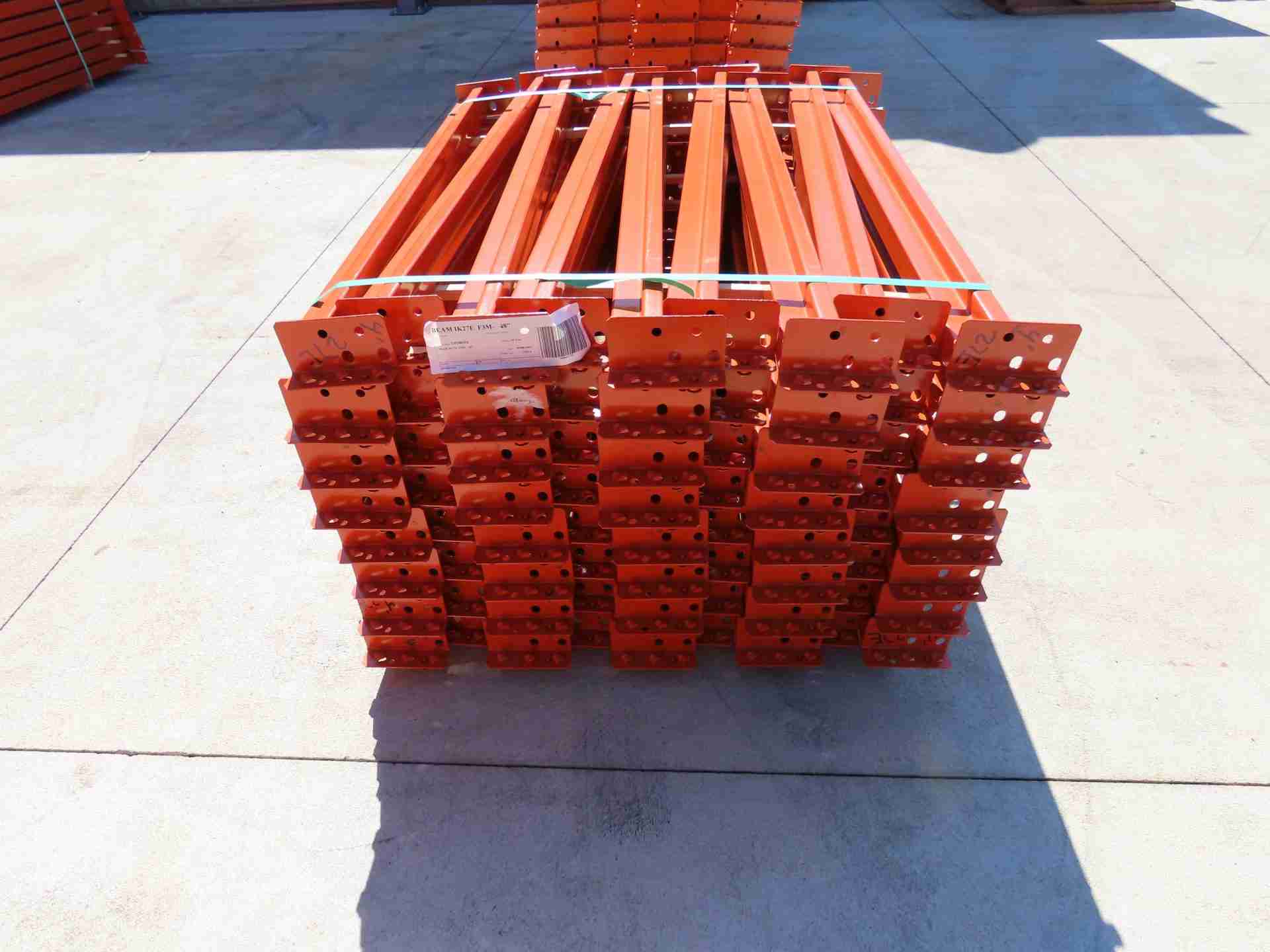
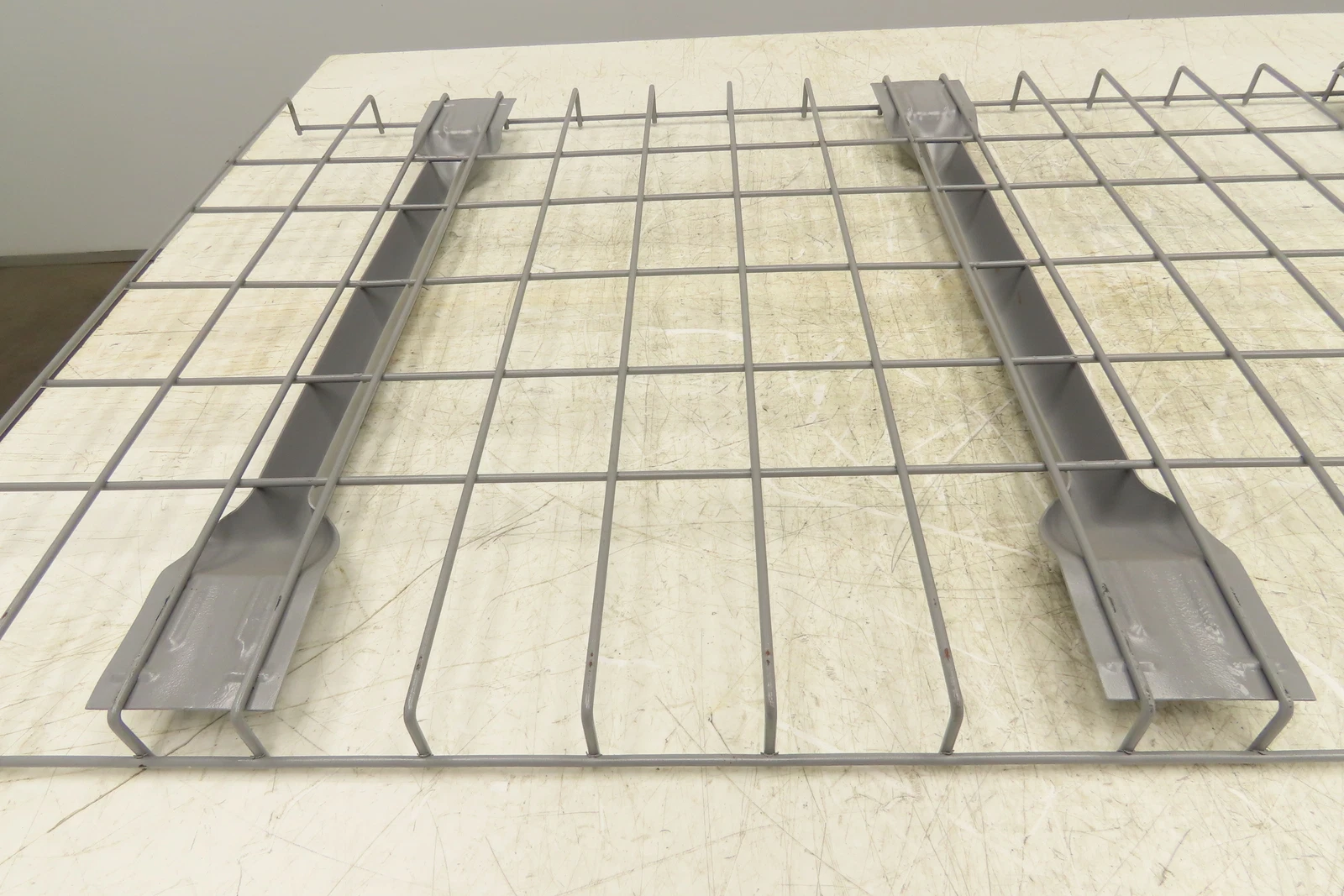
When it comes to racking systems, for instance, every second counts. You need those components shipped and set up so that your warehouse can run like a well-oiled machine. Businesses rely on timely transport to keep their operations moving smoothly. A delay in receiving key components can bring productivity to a grinding halt, leading to unforeseen costs. Rationally, you can see how this impacts the bottom line: profits lost and expenses that rise unexpectedly.
But let’s talk about the gut feeling that comes with knowing your supply chain is running on time. There’s a certain sense of pride in seeing your products on store shelves when promised. It’s not just about profits; it’s about trust. Customers come back because they know you deliver—not just goods, but reliability and commitment. And when you earn that trust, you’re not just gaining a transaction; you’re building a long-lasting relationship.
From an ethical standpoint, timely transport reflects your values as a business. You’re saying to your customers, “We respect your time and your needs.” This ethical commitment fosters loyalty. Customers today are savvy; they want to do business with companies that align with their own values, and nothing speaks louder than delivering when you say you will.
Authority in the market doesn’t come from flashy ads; it comes from consistent performance. By ensuring punctual delivery, you position your business as a leader in its field. You gain the confidence of repeat customers who value dependability.
Ultimately, it’s more than just logistics. It’s about the stories behind those timely shipments. Each delivery is a part of a bigger narrative where every business has its struggles and victories. It’s about making connections—not just between your warehouse and theirs, but also in building a community that thrives on support and reliability. Timely transport isn’t just crucial; it’s the backbone of success, feeding into every aspect of a healthy, growing business.
Why Is Timely Transport Crucial for Business Success?
Why Is Timely Transport Crucial for Business Success?
- Timely transport is essential for business success; delays lead to unhappy customers and lost sales.
- Fast shipping is critical for operations, especially in industries relying on components like racking systems.
- Delays can halt productivity, increasing unforeseen costs and impacting the bottom line.
- Reliable delivery builds customer trust and fosters long-lasting relationships, beyond just profit.
- Timely transport represents a commitment to customer values, enhancing loyalty and brand alignment.
- Market authority stems from consistent performance, not advertising; punctuality positions a business as a leader.
- Each on-time delivery contributes to a larger narrative of community support and reliability in business.
Why Is Timely Transport Crucial for Business Success?
What Role Does Technology Play In Streamlining Logistics?
In the ever-evolving world of logistics, technology stands as a vital ally, transforming the way goods are stored, managed, and delivered. Imagine a bustling warehouse filled with the hum of machinery and the clatter of goods being efficiently organized. At the heart of this operation are racking systems that utilize advanced technology to optimize space and streamline processes. These structures do more than just hold products; they shape how operations run smoothly and efficiently.
Take a moment to picture a seasoned warehouse worker, navigating through aisles of meticulously organized racks. With the rise of automation, these employees can now leverage technology to make real-time decisions based on data-driven insights. Each barcoded item scanned brings clarity, revealing patterns in inventory movement and helping avoid stockouts or overstock situations. There’s a certain peace of mind knowing that technology is bolstering the expertise of these workers, making their jobs easier while fostering a more organized environment.
Moreover, technology increases safety in the workplace. Racking systems that integrate smart sensors can alert staff about potential hazards, ensuring that operations proceed without unnecessary risks. Ethical responsibility in logistics means prioritizing the wellbeing of employees while still meeting customer demands. In this sense, technology doesn’t just streamline operations; it aligns with our innate human desire to care for one another.
Socially, connection plays a vital role. With cloud-based solutions, inventory data isn’t just confined within the four walls of a warehouse; it’s shared across networks, promoting transparency between suppliers and clients. This openness builds trust and accountability, creating a logistics environment that values partnerships over mere transactions. Strong relationships flourish, grounded in reliability as shipments move seamlessly from one location to another.
Furthermore, the narrative of logistics is one of pulse and rhythm. Picture a delivery truck on the road, computer systems working behind the scenes, calculating the best routes, minimizing time and fuel costs. It’s a well-oiled machine, where technology serves as the grease that keeps the wheels turning. Each stop along the way is not just a number; it’s a connection to customers waiting for their goods, making logistics a heartbeat that resonates within the community.
Embracing technology in logistics is not merely a trend; it’s a commitment to progress, efficiency, and caring service. As we look to the future, let’s remember that behind every innovation, there’s a human touch, ensuring that our logistics systems are grounded in trust, reliability, and a shared vision for success.

What Role Does Technology Play In Streamlining Logistics?
What Role Does Technology Play In Streamlining Logistics?
- Technology transforms logistics by optimizing storage, management, and delivery of goods.
- Advanced racking systems enhance operational efficiency and organization within warehouses.
- Automation allows workers to make data-driven decisions, reducing risks of stockouts or overstock.
- Smart sensors in racking systems increase workplace safety by alerting staff to hazards.
- Cloud solutions promote transparency and collaboration between suppliers and clients.
- Efficient logistics involve route optimization, minimizing costs while maintaining customer connections.
- Embracing technology represents a commitment to progress, accountability, and a human-centered approach in logistics.

What Role Does Technology Play In Streamlining Logistics?
How Can Team Communication Enhance Travel Times?
When it comes to travel, the difference between getting from point A to point B in record time or getting stranded in a jam can boil down to one simple factor: teamwork. In our line of work, whether hauling materials, navigating urban streets, or coordinating logistics, clear communication acts like a well-oiled machine — you know, those racking systems that keep everything in order. Just as those systems hold up the weight of inventory, proper communication supports the team’s ability to move efficiently.
Imagine a crew of truck drivers, each tasked with a delivery in a bustling city. If each driver is operating in their own bubble, relying solely on personal navigation without sharing vital information, you can bet confusion reigns. Increased travel times, wasted fuel, and missed deadlines become the norm. But when the team communicates, sharing their routes and real-time traffic updates, they not only save time but also build a sense of camaraderie. This kind of connection brings a level of accountability to the job. Drivers are not just a group of individuals; they are a unit pushing toward a common goal.
Now, let’s dig deeper. On the road, challenges pop up like potholes. Unexpected road closures or accidents can throw a wrench in the schedule. A connected team can quickly share alternative routes or immediate options, reducing downtime and making sure that those loads get delivered on time. This isn’t just about efficiency; it’s about reliability, something every customer values. The trust that builds when teams proactively communicate sets a standard. When clients know they can count on you to provide timely updates and solutions, they keep coming back.
From an ethical standpoint, creating an environment where team members feel comfortable sharing information fosters a culture of support. It’s about looking out for one another — ensuring that no member feels alone when facing the ups and downs of the road.
By celebrating small wins, like getting a delivery made ahead of schedule because someone shared a shortcut, the whole team reaps the rewards. Narratives like these weave the fabric of teamwork together, allowing for shared experiences that make each member feel valued and part of something bigger. Every successful trip is a story worth telling, each one reminding us that the road less traveled is often paved with collaboration.
Effective communication is not just a nice-to-have; it’s a need-to-have. It slashes travel times, fortifies trust, and keeps the wheels turning smoothly.

How Can Team Communication Enhance Travel Times?
How Can Team Communication Enhance Travel Times?
- Teamwork is crucial for efficient travel and logistics.
- Clear communication enhances coordination among team members.
- Sharing routes and traffic updates reduces travel time and fosters camaraderie.
- A connected team can swiftly address unexpected road challenges.
- Proactive communication builds trust with clients, ensuring reliability.
- Creating a supportive environment encourages team members to share information.
- Celebrating small wins strengthens team cohesion and promotes collaboration.

How Can Team Communication Enhance Travel Times?
What Are the Cost Implications Of Dock-To-Rack Delays?
When shipments come in late and sit at the dock, the clock starts ticking, and it doesn’t stop until those goods make it to their designated racking systems and onto the shelves. Every hour a product spends waiting is money lost, and those losses accumulate, impacting not just the bottom line but the entire operation. Picture this: a fresh delivery of premium supplies destined for your retail floor, delayed at the dock. While your competition fills their shelves and profits soar, you’re left watching unstocked racks and fading customer interest.
Delays at the dock can lead to a cascade of hidden costs. First off, there’s the increased labor expense. Warehouse workers are stuck waiting—time that could’ve gone to fulfilling orders now spent in limbo. This doesn’t just drain finances; it drains morale, too. Workers can feel the weight of a slow operation, leading to frustration and disengagement. When they see the empty racking systems where product should be, the frustration mounts.
The rational side of this is even more striking. These delays push back inventory turnover rates and extend the time products sit before selling. According to industry logic, the longer an item lingers, the more it costs in storage and the higher the likelihood of markdowns or expiration. That’s not just bad for the balance sheet; it’s a hit to your reputation. Customers expect shelves stocked with fresh product, and falling short means missing out on repeat business.
Ethically, consider the implications for your supply chain partners. They’re counting on you to pull your weight. When you can’t get goods from dock to rack efficiently, it trickles down the line, affecting everyone from suppliers to customers. There’s a sense of shared responsibility that goes along with this business, rooted in trust and accountability.
And let’s not forget the social aspect; every lost product is a missed opportunity for engagement. Those racking systems have a story to tell—fully stocked, they invite customers in, promise satisfaction, and build loyalty. Empty racks convey a different message: disorganization and defeat.
In the world of logistics, dock-to-rack delays are more than just a nuisance; they’re a profound challenge that touches every facet of the business. A proactive approach, focusing on efficient transitions and communication, can make all the difference, minimizing those delays and turning potential losses into opportunity. Trust the systems you’ve got, invest in your processes and see how overcoming these hurdles can lead not just to savings, but to success.

What Are the Cost Implications Of Dock-To-Rack Delays?
What Are the Cost Implications Of Dock-To-Rack Delays?
- Delayed shipments lead to significant financial losses as products wait at the dock.
- Increased labor costs occur while warehouse workers wait instead of fulfilling orders, impacting morale.
- Longer inventory turnover rates and prolonged product storage times result from dock delays.
- Delayed goods can negatively affect reputation and lead to missed sales opportunities.
- Supply chain partners rely on timely delivery, making efficiency a shared responsibility.
- Empty racks can decrease customer engagement and loyalty, conveying disorganization.
- A proactive approach to logistics can minimize delays, enhancing both savings and overall success.

What Are the Cost Implications Of Dock-To-Rack Delays?
Conclusion
To truly optimize dock-to-rack travel in warehousing, we must confront inefficiencies that often hide in plain sight. Picture a buzzing warehouse where time is as crucial as gold; any delay chips away at the profit margin. The journey from dock to racking systems hinges on the design and layout of those very racking systems. When thoughtfully arranged, they cut down on wasted time and make accessing inventory intuitive—a respect for both the business and its workers’ efforts.
Organized inventory management plays a pivotal role. With everyone knowing exactly where every item is, the workplace rhythm becomes seamless. This emotional lift empowers employees, fostering a collective spirit. Respecting workers’ time cultivates trust: a workforce that feels valued is one that’s more likely to stay committed.
Technology is another game-changer. Automated systems and handheld devices not only boost accuracy but also give workers an added assurance, speeding up processes while reducing errors. Imagine the confidence that comes with knowing every task is a step toward partnership rather than a battle against inefficiency.
Sharing stories and successes within the team can really strengthen the fabric of the community. When employees recount shared victories and smart solutions, they weave a narrative of unity. Those little wins sow pride, allowing everyone to see their place in the larger picture.
Speed matters, but it must not come at the cost of quality. While racing against deadlines can ramp up productivity, it risks the integrity of both processes and morale. Fast-paced environments can lead to mistakes; striking a balance where speed doesn’t compromise safety is essential. The emphasis should always be on total efficiency, ensuring that everyone leaves the workplace each day ready for the next challenge.
Timely transport is also linked to reputation. If deliveries lag, customers quickly lose faith. Reliability breeds loyalty, which is as vital as any marketing strategy. Every shipment is a commitment to trust and quality, reflecting a deeper respect for the customer relationship that fosters long-term success.
Incorporating technology into operations is not merely about efficiency; it’s a commitment to fostering a safe, accountable, and transparent work environment. The interconnectedness of teams and communication demonstrates that each member’s contribution is valued. In the end, it’s about creating an ecosystem where efficiency thrives, partnerships flourish, and every worker feels part of something noble and worthwhile. This is the backbone of a well-run operation—one that honors both the journey and the destination, making each step from dock to rack a stride towards shared success.

Conclusion
Conclusion:
- Addressing inefficiencies in dock-to-rack travel is critical for maximizing profit margins in warehousing.
- Organized inventory management enhances workplace rhythm and fosters employee empowerment and commitment.
- Implementing technology such as automated systems boosts accuracy and speeds up processes while reducing errors.
- Sharing team successes and narratives promotes community and pride among employees.
- Balancing speed with quality is essential to maintain process integrity and employee morale.
- Timely transport is crucial for maintaining customer trust and loyalty, impacting long-term success.
- Creating a safe, accountable work environment through technology fosters teamwork and values each member’s contribution.

Conclusion
Other Resources

Other Resources
Here is a list of other resources you can review online to learn more:
- Crane Manufacturers Association Of America Inc.
- Chicago Pallet Racking
- American Society of Safety Professionals
- SEMA
- Illinois Pallet Racking – Storage Solutions
- Selective Rack – Raymond West
- Chicago Pallet Racking
- Used Teardrop Pallet Rack – American Surplus
- Warehouse Racks, Warehouse Racking in Stock – ULINE
- Interlake
- Selective Pallet Racking Systems
- Racking World
- Material Handling Industry
- ASSP
- Pallet Racking systems in Illinois and Great Lakes
- Warehouse Storage Racking in Illinois
- Material Handling Safety
- Warehouse Storage Racks
- Storage Equipment Manufacturers Association
- Cantilever Racks Chicago
Use This Prompt To Get More Resources With Your Favorite Online AI Tool: Please provide me with a list of online articles with their URLs in a bulleted list that I can read regarding How to Shorten Dock-To-Rack Travel

Other Resources
Glossary Terms
How to Shorten Dock-To-Rack Travel – Glossary Of Terms
1. Automation: Use of technology to operate equipment with minimal human intervention.
2. Consolidation: Combining multiple tasks or processes to reduce overall handling times.
3. Ergonomics: The study of people’s efficiency in their work environment; designs aimed at improving comfort and productivity.
4. Inventory: A detailed list of items or goods available in stock.
5. Logistics: The detailed coordination and implementation of complex operations involving people, facilities, and supplies.
6. Optimization: The process of making something as effective or functional as possible.
7. Pallet: A portable platform used to support goods for storage or transportation.
8. Rack: A framework for holding items, typically used in warehouses for storage.
9. throughput: The rate at which items are processed or moved through a system.
10. Queue: A line or sequence of items waiting to be processed or handled.
11. Shelving: Systems used to store goods in a structured and organized manner.
12. Transport: The act of moving goods from one location to another.
13. Workflow: The sequence of processes through which a piece of work passes from initiation to completion.
14. Cycle time: The total time from the beginning to the end of a process.
15. Bottleneck: A point in the process where the flow of operations is restricted, slowing down overall performance.
16. Handling: The process of moving and managing goods during transportation or storage.
17. Efficiency: Measurement of how effectively resources are used to achieve desired outcomes.
18. Transportation Management System (TMS): Software designed to manage logistics and transportation operations.
19. Integration: Combining different systems or processes to work together seamlessly.
20. Routing: The process of determining the most efficient path for transporting goods.
21. Inventory Turnover: The rate at which inventory is sold and replaced over a given period.
22. Lead Time: The amount of time that passes from the initiation of a process until its completion.
23. Cross-Docking: A logistics procedure where products are directly transferred from incoming to outgoing transport with minimal storage time.
24. Storage: The action of keeping goods safely until needed.
25. Space Utilization: The measurement of how effectively available space is used for storage or operations.
26. Material Handling Equipment: Tools used to move, store, or manage materials in a warehouse or production environment.
27. Order Fulfillment: The complete process of receiving, processing, and delivering customer orders.
28. Inventory Management: The supervision of non-capitalized assets and stock items to ensure efficiency and accuracy.
29. Safety Stock: Extra inventory kept on hand to prevent stockouts during unexpected demand surges.
30. Return on Investment (ROI): A measure used to evaluate the efficiency or profitability of an investment relative to its cost.

Glossary Of Terms
Other Questions
How to Shorten Dock-To-Rack Travel – Other Questions
If you wish to explore and discover more, consider looking for answers to these questions:
- What are the most effective racking layouts to minimize dock-to-rack travel?
- How do I choose between drive-in, push-back, pallet-flow, or selective racking for my inventory?
- What metrics should I track to measure dock-to-rack performance?
- How do I calculate ROI for investing in a WMS or automation?
- What are typical implementation timelines and costs for new racking or WMS solutions?
- Which common pitfalls occur during warehouse redesigns and how can they be avoided?
- What training programs and frequency produce the best outcomes for dock and inventory staff?
- How can handheld scanners and mobile devices be integrated with existing systems?
- What safety standards and inspections are required for racking systems and dock operations?
- How can I balance speed with accuracy to reduce errors and workplace injuries?
- What slotting and product-placement strategies shorten travel times most effectively?
- How can performance monitoring uncover bottlenecks and what KPIs should I use?
- What communication protocols between dock, receiving, and inventory teams yield fastest throughput?
- Which automation technologies (conveyors, AGVs, sorters) are most appropriate for different scales of operation?
- How do smart sensors and IoT devices reduce delays and improve safety?
- What software options are best for small versus large warehouses?
- How should change management be handled to ensure employee buy-in and low disruption?
- What are the hidden operational and labor cost implications of dock-to-rack delays?
- How does inventory turnover rate affect dock-to-rack strategy?
- What contingency plans can mitigate unexpected dock or transport delays?
- How often should layouts, slotting, and processes be reviewed and updated?
- How can route optimization and team communication reduce travel times for drivers?
- What maintenance schedules are required for racking and automation to prevent downtime?
- How can we measure the effect of operational changes on employee morale and retention?
- What supplier coordination practices ensure timely inbound transport and reduced dock congestion?
- Are there regulatory or insurance considerations when changing warehouse layout or adding automation?
- What case studies or real-world examples demonstrate successful dock-to-rack improvements?
- How do we ensure data accuracy and prevent errors in scanning and inventory systems?
- How scalable are different solutions as business volume grows or seasonal demand spikes?
- What sustainability and environmental impacts should be considered when redesigning operations?

Other Questions
Checklist
How to Shorten Dock-To-Rack Travel – A Checklist
Layout and Racking Design
✅______ Complete ABC/velocity slotting; place A-movers nearest receiving and at ergonomic heights
✅______ Cluster inbound destinations (zones) adjacent to dock doors
✅______ Define one-way travel aisles; mark fastest standard putaway paths
✅______ Number, stripe, and sign staging lanes tied to rack zones
✅______ Ensure adequate turning radii; remove pinch points; apply 5S to aisles and ensure clear signage
✅______ Match rack types to SKU profiles (pallet flow, push-back, drive-in) where appropriate
✅______ Establish quarantine, damaged, and cross-dock lanes
Receiving and Putaway Process
✅______ Use ASNs to pre-allocate locations before trailer arrival
✅______ Assign pallet/license plate IDs; scan at receipt
✅______ Label pallets and cartons at the dock with location barcodes
✅______ Standardize putaway SOPs and directed paths; use task interleaving
✅______ Define cross-dock criteria to bypass storage for urgent SKUs
✅______ Set dock dwell time targets (for example, under 2 hours) and enforce
✅______ Document exception flows for overages, shortages, damages, and mislabels
Technology and Data
✅______ Deploy a WMS with directed putaway, real-time inventory, and ASN ingestion
✅______ Equip staff with RF handheld scanners and mobile printers at receiving
✅______ Use dock appointment scheduling and yard management tools
✅______ Track equipment travel and idle time via telematics; analyze heatmaps
✅______ Implement RTLS beacons for pallet and equipment visibility where ROI-positive
✅______ Set dashboards and alerts for dwell, dock-to-stock, and backlog thresholds
People and Training
✅______ Provide role-based training in receiving, putaway, and forklift safety
✅______ Maintain certifications; schedule refreshers
✅______ Hold daily huddles for priorities, hot loads, and lane assignments
✅______ Cross-train staff to flex into receiving during peaks
✅______ Align incentives to accuracy and dock-to-stock SLA, not speed alone
Communication and Coordination
✅______ Maintain a real-time channel between the dock, inventory control, and carriers
✅______ Share inbound ETAs and changes automatically with floor leads
✅______ Use standard callouts for re-slotting needs and exceptions
✅______ Capture and share weekly wins and lessons learned
Transport and Scheduling
✅______ Score carriers on on-time performance and dwell
✅______ Sequence loads to match putaway zones and labor availability
✅______ Prioritize inbound for fast movers and stockout risk
✅______ Stagger appointments to door capacity and staffing
Safety and Quality
✅______ Enforce speed limits; mark pedestrian zones and crossings
✅______ Perform pre-shift equipment checks; manage battery and charging rotation
✅______ Record damages at the dock with photos; isolate in quarantine
✅______ Keep floors clear; maintain spill kits and housekeeping standards
Continuous Improvement
✅______ Run time-and-motion studies on top putaway routes quarterly
✅______ Re-slot monthly based on updated velocity and cube data
✅______ Conduct Kaizen events on bottlenecks; implement quick fixes
✅______ Pilot automation (conveyors, AMRs) with clear ROI targets
KPIs to Track
✅______ Dock-to-stock cycle time (average and 95th percentile)
✅______ Percent received-to-location within SLA
✅______ Putaway accuracy (first-time-right percentage)
✅______ Travel distance and time per putaway task
✅______ Pallet touches per receipt
✅______ Dock and yard dwell time
✅______ Damage rate at receiving
✅______ Labor cost per received pallet or case
✅______ Stockouts attributable to receiving delay
✅______ Inbound on-time delivery (OTD)
Quick Wins
✅______ Stripe, number, and sign all staging lanes by zone today
✅______ Mark one-way aisle arrows and no-stop zones
✅______ Turn on and enforce directed putaway rules in the WMS
✅______ Post a live ETA board at the dock
✅______ Re-slot the top 20 A-movers to racks nearest to receiving

Checklist
At RackingWorld, we help guide you through selecting warehouse storage systems and racking.
Be sure to read our other related stories at RackingWorld to learn more about warehouse storage systems.
0 Comments