
The Untold Truth About Rack Connection Decisions
By Tom Seest
At RackingWorld, we help guide you through selecting warehouse storage systems and racking.
Be sure to read our other related stories at RackingWorld to learn more about warehouse storage systems.
Why Teardrop Isn’t Always the Best Rack Connection
When it comes to racking, the teardrop connection often takes center stage. It’s touted as a foolproof solution, but let’s not be swayed by the shiny allure of a popular product. Let’s delve deeper—emotionally, intellectually, and ethically—into why the teardrop isn’t always the best option.
First, consider your heart. Every time you fab your setup, you’re not just building a structure; you’re forging a connection with your craft. There’s a rhythm to creating something from scratch, but if the choice of connection module feels like a compromise, that passion can fade. It’s about pride in your work, and when you opt for what everyone else is doing without questioning why, you might be sacrificing the authenticity of your own creation.
Now let’s engage your head. The teardrop method may offer a quick, simplified approach, but does it always provide the stability and integrity you need on the job? Sometimes, a more traditional connection offers benefits that are worth the extra time and effort. Make no mistake; construction is not just about speed. It’s about making wise choices that ensure safety and longevity. Take a hard look at your environment, your materials, and your goals—what’s optimal under your unique circumstances?
From an ethical standpoint, choices matter. Rushing into a teardrop connection because it’s trendy may seem convenient, but what if it compromises the safety of those who will rely on your work? We owe it to ourselves and to those around us to make choices founded on integrity. Every connection should reflect a commitment not just to the job at hand, but to the community we serve with our work. Making ethical choices creates trust, the ultimate currency in any trade.
And let’s not forget the power of narratives in sharable experiences. What stories can you tell? Gathering with others, swapping tips and sharing lessons learned, you’ll find that the best solutions often originate from conversations that challenge conventional wisdom.
So, when you’re out there, tool in hand, asking yourself if the teardrop connection is right for you, take a step back. Connect with your heart and your head, weigh your ethical responsibilities, and embrace the collective knowledge of your peers. Sometimes, the strongest connections aren’t about what’s trendy—they’re about what’s right, what works, and what inspires confidence in every brick laid.

Why Teardrop Isn’t Always the Best Rack Connection
Why Teardrop Isn’t Always the Best Rack Connection
- The teardrop connection is popular but may not always be the best choice.
- Crafting a structure is about pride and authenticity, not just following trends.
- While the teardrop method offers convenience, it may lack stability and integrity.
- Construction decisions should prioritize safety and longevity over speed.
- Ethical considerations are crucial; choices should reflect a commitment to community and integrity.
- Engaging in conversations with peers can lead to better solutions and challenge conventional wisdom.
- Ultimately, focus on what is right and works best for your unique situation, not just what’s trendy.

Why Teardrop Isn’t Always the Best Rack Connection
Table Of Contents
- Why Teardrop Isn’t Always the Best Rack Connection
- What Emotional Connections Do We Overlook In Choosing Rack Systems?
- How Does the Teardrop Design Impact Our Warehouse Efficiency?
- Are We Sacrificing Safety for Convenience with Teardrop Connections?
- What Do Experts Say About the Drawbacks Of Teardrop Racking?
- Can Using Teardrop Connections Limit Our Warehouse Flexibility?
- Conclusion
- Other Resources
- Glossary Of Terms
- Other Questions
- Checklist
What Emotional Connections Do We Overlook In Choosing Rack Systems?
In the world of racking systems, it’s easy to focus solely on the technical specifications—load capacity, dimensions, and materials. Yet, beneath that cold, hard steel lies a rich tapestry of emotional connections that often goes unnoticed. The truth is, the way we choose our racking systems can echo our values, our dreams, and even our fears.
Consider the warehouse manager who painstakingly chooses a racking system not just for its functionality, but for the stories it tells. Every piece of racking is a commitment—a promise to the team that their safety and efficiency matter. It’s not merely about storing products; it’s about ensuring the livelihoods of every worker who shelves or retrieves those products. When a racking system is chosen with care, it fosters an environment of trust, where employees are confident in their surroundings and feel supported by management.
Think about the gut-wrenching scenario of a poorly chosen rack collapsing under pressure. It’s more than a mere financial loss; it signifies a breakdown in responsibility. In choosing racking systems, we must remember our ethical obligations to others—our team, our customers, and ultimately even ourselves. When we take the time to understand how these systems fit into the larger picture of our operations, we forge deeper connections, not just with our products, but with our people.
Now, let’s engage the heart. Picture the small business owner, navigating countless choices while dreaming of growth and success. Their decision on racking can mean the difference between thriving and simply surviving. This choice embodies their hopes for the future and the dreams they hold dear. How often do we pause to consider the human factor behind these decisions? In an industry that often prides itself on metrics and efficiency, imagine the stories we could tell if we leveraged our racking systems to reflect what truly matters—creativity, teamwork, and a sense of belonging.
In our pursuit of optimal efficiency, let’s not overlook the profound emotional connections embedded in choosing racking systems. The decisions we make echo beyond the warehouse floor; they resonate within our teams and communities. So, the next time you stand in front of a racking choice, ask yourself: what story do you want to tell? Choose wisely, for it’s not just about what you store. It’s about how you store your values along the way.

What Emotional Connections Do We Overlook In Choosing Rack Systems?
What Emotional Connections Do We Overlook In Choosing Rack Systems?
- Racking systems go beyond technical specifications; they carry emotional connections that reflect our values and aspirations.
- A warehouse manager’s choice of racking system symbolizes a commitment to team safety and efficiency, affecting employee morale.
- A poorly chosen rack can lead to financial loss and signifies a failure in responsibility and ethical obligation.
- Understanding the broader impact of racking systems helps forge stronger connections with both products and people.
- For small business owners, racking choices can significantly influence growth and embody their dreams for success.
- The racking decisions made can resonate deeply within teams and communities, showcasing the human factor behind operational choices.
- When selecting a racking system, consider not just storage needs, but also the values and stories that accompany the choice.

What Emotional Connections Do We Overlook In Choosing Rack Systems?
How Does the Teardrop Design Impact Our Warehouse Efficiency?
When you walk into a warehouse designed with the teardrop racking system, you’re not just stepping into a space filled with pallets. You’re entering a carefully orchestrated environment where efficiency and innovation dance together, creating a symphony of productivity. Imagine that for a moment: every shelf, every aisle, and every square foot meticulously designed to harmonize with the flow of operations. This isn’t just a matter of aesthetics; it’s a game-changer in how we approach logistics.
The teardrop design, with its distinctive contours and strategic layout, transforms chaos into order. This racking system allows for faster access, making it easier for employees to locate what they need without the frustration of rummaging through endless stacks. Picture a worker, tired after a long day, suddenly finding that elusive tool or product in seconds instead of minutes. That small victory isn’t just about saving time; it’s about reducing stress and creating an environment where people can truly thrive.
Now, let’s talk numbers. The rational mind might appreciate that a well-designed warehouse can lead to a significant reduction in operational costs. With teardrop racking, we can maximize vertical space, optimizing the height of the warehouse. This means more product can be stored without expanding the footprint—a straightforward solution to a common challenge. It’s efficient, it’s practical, and it makes economic sense.
But there’s more. On an ethical level, cultivating an efficient warehouse means creating jobs that are safer and more fulfilling. When our workers can navigate the aisles with confidence and ease, they’re less prone to accidents and injuries. This thought shouldn’t just resonate with the business owner; it should echo in the hearts of everyone entrenched in this work. We owe our teams an environment that respects their safety and promotes their well-being.
Let’s create a community around this design choice. By sharing stories of success linked to the teardrop system—how it transformed not just processes but lives—we can inspire others in the industry. It’s about fostering a collective understanding that when we invest in smarter systems, we’re also investing in people. So, the next time you step into a space with teardrop racking, remember: you’re witnessing the power of design woven with purpose, shaping not just warehouses, but the very fabric of our work culture.

How Does the Teardrop Design Impact Our Warehouse Efficiency?
How Does the Teardrop Design Impact Our Warehouse Efficiency?
- Teardrop racking systems enhance warehouse efficiency and innovation.
- Designed environments allow for smooth operation flow, improving productivity.
- Distinctive teardrop design brings order, facilitating quick access to products.
- Reduces frustration and stress for employees by simplifying item retrieval.
- Maximizes vertical space, allowing for more storage without expanding footprint.
- Promotes worker safety and well-being by creating an organized and navigable space.
- Encourages community sharing of success stories, emphasizing the benefits of smarter systems.

How Does the Teardrop Design Impact Our Warehouse Efficiency?
Are We Sacrificing Safety for Convenience with Teardrop Connections?
There’s a growing trend in our technological landscape: teardrop connections. These sleek designs promise convenience—easy setups, simplified connections, and that clean, modern aesthetic we all crave. But as we marvel at their beauty, it’s essential to pull back the curtain and ask ourselves: at what cost are we buying into this allure?
Imagine standing at the edge of a construction site, your heart pounding with the hum of machinery around you. You watch as workers skillfully maneuver racking systems, seamlessly connecting the components that will support not just structures, but livelihoods. It’s a dance of precision and safety, traditional values at their core. Yet, there’s a nagging feeling in the pit of your stomach when you see these new teardrop connections entering the scene. They’re flashy, yes, but do they really hold up under pressure?
As we chase convenience, it’s easy to justify compromising on safety. After all, who doesn’t want to make life easier? But convenience without accountability can lead to catastrophic failures. Families depend on the integrity of these connections; lives are at stake. The narrative of innovation should be about pushing boundaries while keeping safety anchored in our core values.
Experience breeds authority, and those who have stood on shaky ground can attest to the importance of safety. Listen to seasoned workers who’ve spent decades in the field—many will tell you that shortcuts often have dangerous consequences. It’s imperative we heed their wisdom. When you exchange safety for a slick design, you’re playing a game that could cost you dearly.
We share a community, one where each decision echoes through the lives of our peers. When we compromise on safety to embrace convenience, we’re not just letting ourselves down— we’re letting everyone else down too. It’s about more than just you or me; it’s about the men and women who rely on those racking systems to support their dreams, their families, and their communities. The choice is clear: let’s prioritize safety over aesthetics. Let’s reclaim our commitment to integrity and remind ourselves that true innovation doesn’t cut corners; it lays a solid foundation for future generations. Choose safety. Choose connection. Choose to stand together on solid ground.
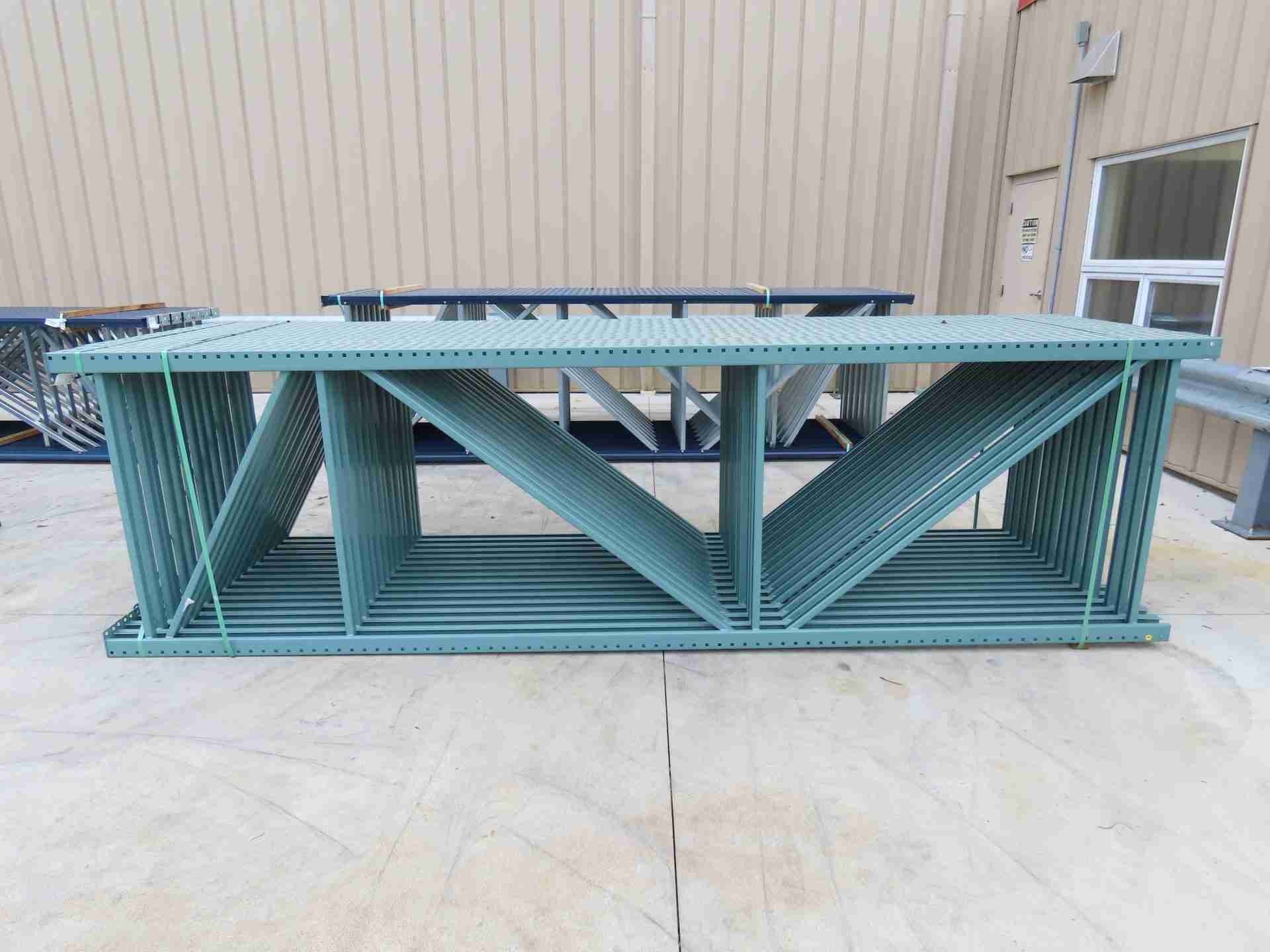
Are We Sacrificing Safety for Convenience with Teardrop Connections?
Are We Sacrificing Safety for Convenience with Teardrop Connections?
- Teardrop connections are a growing trend offering convenience and modern aesthetics.
- Concerns arise about the safety and reliability of these new designs compared to traditional methods.
- Compromising safety for convenience can lead to catastrophic failures impacting lives.
- Experience from seasoned workers highlights the dangers of taking shortcuts in construction.
- The community’s safety relies on informed choices that prioritize integrity over aesthetics.
- Decisions made in construction affect not just individuals, but entire families and communities.
- Emphasizing a commitment to safety fosters true innovation for future generations.

Are We Sacrificing Safety for Convenience with Teardrop Connections?
What Do Experts Say About the Drawbacks Of Teardrop Racking?
When you think about racking systems, teardrop designs may seem like the silver bullet for warehouse storage. They promise flexibility, ease of adjustment, and the ability to handle various loads. But let’s slow down for a second and examine the other side of the coin—the drawbacks of teardrop racking that might not be so sparkly after all.
First, there’s the issue of durability. While these racks are designed to be adaptable, that flexibility often comes at a cost. The lighter materials used to create these racks might not withstand the test of time. Over the years, constant adjustments and the weight of heavy loads can lead to wear and tear. Imagine investing in a system that promises efficiency but ends up being a source of frustration when it collapses under pressure. It’s a gut punch to any business owner who’s put trust in that racking solution.
Then there’s the safety concern. We can all agree that safety is a no-brainer in any workplace environment. But with teardrop racking, if not installed correctly, or if the components aren’t perfectly matched, you’re inviting disaster. According to safety experts, improperly secured racks can lead to accidents that shake not just the physical structure but also the moral fabric of a workplace. Are you prepared to carry that weight?
On a rational level, consider the efficient use of space. Teardrop racking can sometimes be less efficient than alternative systems. The design accommodates a variety of load sizes, but what if you’re primarily handling uniform goods? You could be throwing money down the drain, wasting that precious real estate in your warehouse on a one-size-fits-all solution. That’s not just poor management; it’s bordering on negligence.
Emotionally, think about the frustration of employees in a chaotic environment. When your racking system is a mess, it creates unnecessary stress, not to mention lost time. Who wants to work in a place where corners are cut and safety is an afterthought? Your team deserves better, and you know it.
Finally, as you navigate your racking options, engage with experts who have been in the trenches. Listen to their stories, heed their advice, and weigh your choices carefully. Because at the end of the day, you’re not just investing in racking; you’re investing in the heart of your operation—your people, your safety, and your success. Make a choice that resonates with both your head and heart, ensuring that your racking solution is truly a long-term triumph.

What Do Experts Say About the Drawbacks Of Teardrop Racking?
What Do Experts Say About the Drawbacks Of Teardrop Racking?
- Teardrop racking systems offer flexibility and adjustment for various loads, but they also have significant drawbacks.
- Durability is a concern, as lighter materials can lead to wear and tear over time, potentially causing operational failures.
- Safety issues arise if teardrop racks are installed incorrectly or components do not match, increasing the risk of accidents.
- Space efficiency may be compromised, as these systems can be less effective for uniform goods compared to more tailored solutions.
- Chaotic environments caused by poor racking systems can lead to employee frustration and lost productivity.
- Experts emphasize the importance of careful consideration and professional advice when selecting racking systems.
- Investing in the right racking solution is crucial for the safety, productivity, and success of your operation.

What Do Experts Say About the Drawbacks Of Teardrop Racking?
Can Using Teardrop Connections Limit Our Warehouse Flexibility?
When we think about warehouse efficiency, racking takes center stage. It holds the promise of structured organization, maximizing space, and streamlining operations. But what happens when we layer on teardrop connections? While they seem to offer simplicity and versatility, we have to dive deeper into the heart of the matter.
Imagine walking into a warehouse—an impressive labyrinth of towering shelves, each carefully filled with goods. It’s a sight to behold, isn’t it? But behind that picture-perfect scene lies a tension between adaptability and permanence. Teardrop connections, with their streamlined assembly, can conjure visions of rapid deployment. Yet, when the rubber meets the road, we often find our flexibility dulled. Once those racking systems are locked in with teardrop connections, the potential for swift reconfiguration suffers. Shifting to new priorities becomes an uphill battle, and that’s a bitter pill for any operation to swallow.
Let’s think about it rationally: as consumer demands shift at breakneck speed, does it make sense to be tied down by a rigid racking system? Each change in product type or inventory size should spark excitement and innovation. Yet, many warehouse managers find themselves standing at a crossroads, unsure whether to disrupt a well-oiled machine. The anxiety of making the wrong choice looms large, creating a cloud of uncertainty that weighs heavily on decision-making.
Ethically, business leaders owe it to their teams—and ultimately their consumers—to provide a workspace that can pivot as needed. The notion that “this is how we’ve always done it” falls flat in an era where adaptability defines success. By nurturing a culture that embraces flexibility, we uplift not just profits but the entire workforce.
From a narrative perspective, consider the stories we hear from those on the front lines of warehousing. They share tales of frustration, grappling with cumbersome setups that stifle creativity and efficiency. Building a connection with these workers means recognizing their struggles and empowering them to influence change.
This isn’t purely an economic equation; it’s a social one too. Flexibility fosters collaboration, allowing teams to work more effectively together. When workers feel they can reposition or reconfigure without headache, they forge stronger bonds and unleash innovative ideas.
So, as you assess your warehousing strategy, take a moment to reflect. Are teardrop connections truly serving your goals, or are they quietly holding you back? The choice is clear: embrace flexibility for a thriving future.

Can Using Teardrop Connections Limit Our Warehouse Flexibility?
Can Using Teardrop Connections Limit Our Warehouse Flexibility?
- Racking is crucial for warehouse efficiency, providing structured organization and space maximization.
- Teardrop connections offer simplicity but can limit adaptability and flexibility once installed.
- Warehouse managers face challenges in reconfiguring racking systems in response to changing consumer demands.
- Ethically, business leaders should aim for flexibility to create a responsive workspace that meets evolving needs.
- Empowering frontline workers can enhance efficiency and innovation, as they often experience the limitations of rigid setups.
- Flexibility promotes collaboration among teams, leading to stronger relationships and creative solutions.
- Assessing the role of teardrop connections is vital; embracing flexibility can drive future success.

Can Using Teardrop Connections Limit Our Warehouse Flexibility?
Conclusion
In the world of warehouse management, the choice of racking systems is more than just a technical decision; it’s a reflection of our deeper values and commitments. As we navigate this landscape, the allure of the teardrop connection shines particularly bright, promising quick setups and sleek designs. But let’s face it: the benefits of any system should be weighed not only against convenience but also against safety, integrity, and the profound impact on our workforce and community.
Choosing a racking system is akin to crafting a promise to your team. It’s knowing that each decision resonates far beyond cold, hard steel—it reflects our dedication to the livelihoods of those who depend on that structure. For a warehouse manager, understanding this emotional connection is paramount; it isn’t just about efficiency, but about the heart of every operation: your people. Each time a worker retrieves a product or shelves an item, it echoes the concerns of safety and reliability.
Too often, the ease of the teardrop design can lead to complacency. The notion of “faster and easier” often overshadows important considerations regarding durability and long-term effectiveness. Injuries from improperly secured racks present both a moral dilemma and a liability; they question our commitment to safe working environments. To uphold ethical standards and foster a culture of trust, we must demand more than aesthetics—we must pursue choices that inspire confidence and uphold our collective responsibility.
Flexibility is another cornerstone of effective warehouse operations. The teardrop system may appear versatile but can inadvertently restrict our ability to adapt to changing demands. The stories shared by workers illustrate frustration when systems inhibit innovation and creativity. By cultivating an environment where flexibility reigns, we empower our teams to thrive, encouraging collaboration and enabling us to pivot in the face of evolving consumer needs.
As we wrap our minds around these critical decisions, let’s not forget the stories our tools tell. They speak of our choices, our ethical obligations, and the community we build alongside our racking systems. True progress comes from acknowledging that our decisions echo through every aisle and every shelf, shaping not just our operations but our very culture. So, as you contemplate your next racking choice, remember: it’s not about merely storing products; it’s about embodying the values, resilience, and agility we all seek in our ever-evolving world. Choose wisely, and let those choices resonate with the strength of your community and the integrity of your work.

Conclusion
Conclusion:
- The choice of racking systems in warehouse management reflects deeper values and commitments.
- The teardrop connection offers quick setups and sleek designs, but safety and integrity must also be prioritized.
- Choosing a racking system symbolizes a promise to employees, emphasizing their safety and reliability.
- Complacency may arise from the ease of teardrop designs, overshadowing durability and effectiveness concerns.
- Improperly secured racks can lead to safety risks, challenging our ethical responsibilities in the workplace.
- Flexibility in warehouse operations is crucial; teardrop systems may unintentionally limit adaptability to change.
- Decisions regarding racking systems shape not just operational efficiency but also the culture and community within the workplace.

Conclusion
Other Resources

Other Resources
Here is a list of other resources you can review online to learn more:
- IIWS Inc. Rack Installation Illinois & Rack Repairs Illinois
- Pallet Racking 101: A Comprehensive Guide & Options Explained
- Rack Manufacturers Institute
- Interlake Mecalux
- Pallet Racking systems in Illinois, Great Lakes
- Used Teardrop Pallet Rack – American Surplus
- Cantilever Rack Configuration & Installation: A Comprehensive Guide – BMH
- NSC
- Racking World
- What is Selective Racking: Understanding Benefits & Options
- BMH
- Pallet Racking systems in Illinois and Great Lakes
- International Warehouse Logistics Association
- Warehouse Racking Systems: Beginner’s Guide to Rack Systems
- Chicago Pallet Racking
- Cantilever Rack Guide: Ordering Cantilever Racking
- What is Selective Pallet Racking
- Logic Material Handling
- The Complete Pallet Rack Guide – Simply Rack
Use This Prompt To Get More Resources With Your Favorite Online AI Tool: Please provide me with a list of online articles with their URLs in a bulleted list that I can read regarding Why Teardrop Isn’t Always the Best Rack Connection

Other Resources
Glossary Terms
Why Teardrop Isn’t Always the Best Rack Connection – Glossary Of Terms
1. Teardrop Connection: A popular method for connecting paddles or equipment that features a teardrop-shaped slot.
2. Rack: A structure or framework used for storing or displaying items, often used in sports for holding equipment.
3. Connection: The manner in which two or more items are joined or linked together.
4. Stability: The quality of being steady and not prone to tipping or collapsing, essential in equipment connections.
5. Durability: The ability of a connection method to withstand wear, pressure, or damage over time.
6. Load Distribution: The way weight or pressure is spread across a connection or rack, affecting performance and safety.
7. Flexibility: The capability of a connection to allow movement or bending without breaking.
8. Material Strength: The inherent ability of a material used in connections to resist forces before failing.
9. Weight Capacity: The maximum load a connection or rack can safely support without compromising integrity.
10. Safety: The condition of being protected from or unlikely to cause danger, risk, or injury in rack systems.
11. Compatibility: The degree to which different components can work together effectively, relevant in rack setups.
12. Mounting: The process of securing an item to a rack or surface, critical for stability and usability.
13. Alignment: The arrangement of components in a straight line or correct position, affecting the efficiency of a connection.
14. Vibration Resistance: The ability of a connection to maintain stability and integrity in the presence of vibrations.
15. Maintenance: The process of caring for and servicing equipment to ensure proper functioning and longevity.
16. User Error: Mistakes made by individuals when using or connecting equipment, leading to potential failure.
17. Design Flaw: A fault in the design of equipment or connections that can compromise performance or safety.
18. Size Limitation: Constraints related to the dimensions of components, affecting compatibility and usability.
19. Adjustability: The ability of a connection or rack to be altered to fit different sizes or types of equipment.
20. Graphical Representation: Diagrams or illustrations that visually depict connections, aiding in understanding and usability.
21. Access: The ease of reaching components or connections, important for efficient use and maintenance.
22. Performance: The effectiveness or efficiency of a connection in fulfilling its intended purpose.
23. Fatigue: The weakening of a material or connection due to repeated stress or use over time.
24. Corrosion Resistance: The ability of materials used in a connection to resist deterioration from environmental elements.
25. Shock Absorption: The capacity of a connection to diminish the impact of sudden forces or shocks.
26. Installation: The process of setting up and securing connections or equipment to a rack.
27. Tension: The force applied to a connection, which can influence both safety and performance.
28. Efficacy: The ability of a connection method to produce a desired effect or result effectively.
29. Retention: The ability of a connection to hold components securely in place during use.
30. Friction: The resistance that one surface or object encounters when moving over another, impacting how connections perform.

Glossary Of Terms
Other Questions
Why Teardrop Isn’t Always the Best Rack Connection – Other Questions
If you wish to explore and discover more, consider looking for answers to these questions:
- What are the main advantages of using teardrop connections in racking systems?
- What are some alternative racking connection options available?
- How do the emotional aspects of racking system choices impact workplace culture?
- What specific safety concerns are associated with teardrop racking systems?
- What factors should be considered when choosing a racking system for different types of products?
- How can racking systems reflect a company’s values and commitment to safety?
- What do industry experts recommend for optimizing warehouse layout?
- How can the choice of racking systems influence employee morale and productivity?
- What case studies exist that highlight the success or failure of teardrop racking systems?
- How can businesses balance convenience and safety in racking system design?
- What insights can be gathered from peer experiences in crafting effective racking solutions?
- How does the choice of racking system impact inventory management and logistics?

Other Questions
Checklist
Why Teardrop Isn’t Always the Best Rack Connection – A Checklist
Checklist for Evaluating Rack Connection Choices
Emotional Appeal:
1. Reflect on your passion for your craft—does your chosen connection represent your values and artistry?
2. Consider how your decisions impact your team—does everyone feel safe and supported in their work environment?
3. Think about the stories your racking choices tell—what messages do they convey about your commitment to quality and safety?
Rational Appeal:
1. Assess the stability and integrity of the teardrop connection compared to traditional methods—will it meet the demands of your specific environment?
2. Evaluate the long-term costs versus short-term convenience—are you prioritizing efficiency at the expense of durability?
3. Investigate how different racking systems can optimize your warehouse space—are you utilizing your resources effectively?
Ethical Appeal:
1. Commit to safety as a primary consideration—does your choice of connection prioritize the well-being of your workers?
2. Think about the broader implications of your decision—how does your choice affect the sustainability of your community and environment?
3. Challenge the norm—are you making choices based on trends or genuine assessment of what’s best for all stakeholders involved?
Authority Appeal:
1. Consult industry experts or conduct research on the long-term performance of different racking systems—what do seasoned professionals advise?
2. Share findings and experiences with your team—how can collective knowledge enhance decision-making?
3. Be open to feedback from workers—what insights can they provide about the usability of current setups?
Narrative Appeal:
1. Document your experiences with different racking systems—what lessons have you learned from successes and failures?
2. Encourage storytelling among your team—how can shared experiences shape better racking choices in the future?
3. Create a narrative around your workspace transformation—what positive changes can be highlighted from improved racking decisions?
Social Appeal:
1. Foster a culture of collaboration—how can you involve your team in the decision-making process for rack systems?
2. Build community trust through transparency—are you openly discussing your choices and their implications with your employees?
3. Celebrate collective achievements related to workspace efficiency—how can successes linked to racking choices strengthen team bonds?
Utilize this checklist to guide your decision-making process and foster connections that promote safety, efficiency, and pride in your work.

Checklist
At RackingWorld, we help guide you through selecting warehouse storage systems and racking.
Be sure to read our other related stories at RackingWorld to learn more about warehouse storage systems.
0 Comments