
Maximizing Efficiency Through Warehouse Redesign
By Tom Seest
At RackingWorld, we help guide you through selecting warehouse storage systems and racking.
Be sure to read our other related stories at RackingWorld to learn more about warehouse storage systems.
How Can Rethinking Your Warehouse Design Unlock More Convenience?
Imagine walking into your warehouse and feeling an immediate sense of ease. Wasn’t it just yesterday that you were stumbling over misplaced pallets, struggling to find the right product, and dodging chaos at every turn? If you’re nodding your head, it’s time to rethink your warehouse design—specifically, your pallet racking system.
Pallet racking isn’t just about storing products; it’s the backbone of efficiency and convenience in your operations. When it’s strategically designed, your warehouse transforms from a maze into a well-oiled machine. The right pallet racking system maximizes your space and minimizes disruption. Picture this: When your employees can effortlessly navigate the aisles, locate inventory quickly, and replenish stock without the headache, productivity surges. It’s a simple yet profound shift that can redefine how you do business.
Now, let’s talk about trust. Your warehouse is a reflection of your brand. A well-organized, cleverly designed space sends a clear message to your clients: You are professional, reliable, and detail-oriented. The confidence that stems from knowing your operations run smoothly directly correlates with customer satisfaction. When your logistics are on point, you’re not just fulfilling orders; you’re building lasting relationships with your customers. And every successful brand knows the cornerstone of trust is consistency and reliability.
Consider the advantages of investing in modern pallet racking solutions. Are you still using outdated systems that create bottlenecks and inefficiencies? By embracing innovative storage solutions, you’ll enhance your ability to respond to market demands, streamline your workforce, and ultimately increase profitability. Action speaks louder than words; take that step toward transformation today.
But don’t just take our word for it—listen to those who have made the leap. Businesses that have revamped their warehouse setups tell tales of newfound agility and productivity. They rave about how small tweaks like adjusting pallet racking height or layout have unlocked astonishing operational improvements.
As you rethink your warehouse design, keep in mind: convenience isn’t just a luxury—it’s an essential element for success. Investing in a smart pallet racking system makes your warehouse not just a place for storage, but a dynamic hub for growth and efficiency. So, why wait? Start reimagining your space, and watch as convenience unfolds into success!
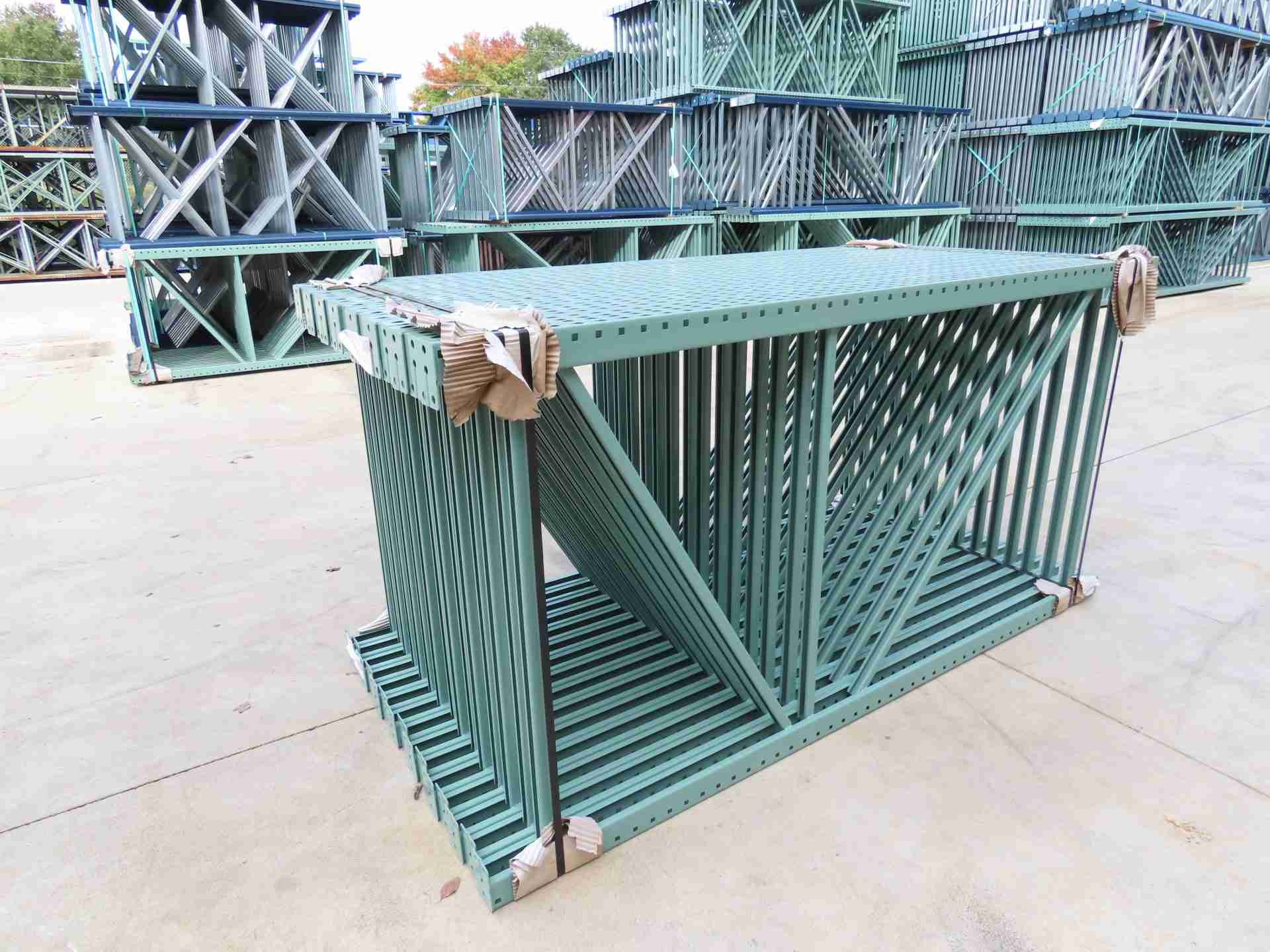
How Can Rethinking Your Warehouse Design Unlock More Convenience?
How Can Rethinking Your Warehouse Design Unlock More Convenience?
- Rethinking warehouse design, especially pallet racking, is essential for efficiency.
- A well-designed pallet racking system transforms chaos into organized operations.
- Effective layout facilitates easy navigation, quick inventory location, and efficient stock replenishment.
- A well-organized warehouse enhances brand image, reflecting professionalism and reliability.
- Investing in modern pallet racking can eliminate bottlenecks and improve responsiveness to market demands.
- Businesses that updated their storage solutions report significant improvements in agility and productivity.
- Convenience in warehouse design is crucial for success and overall growth.
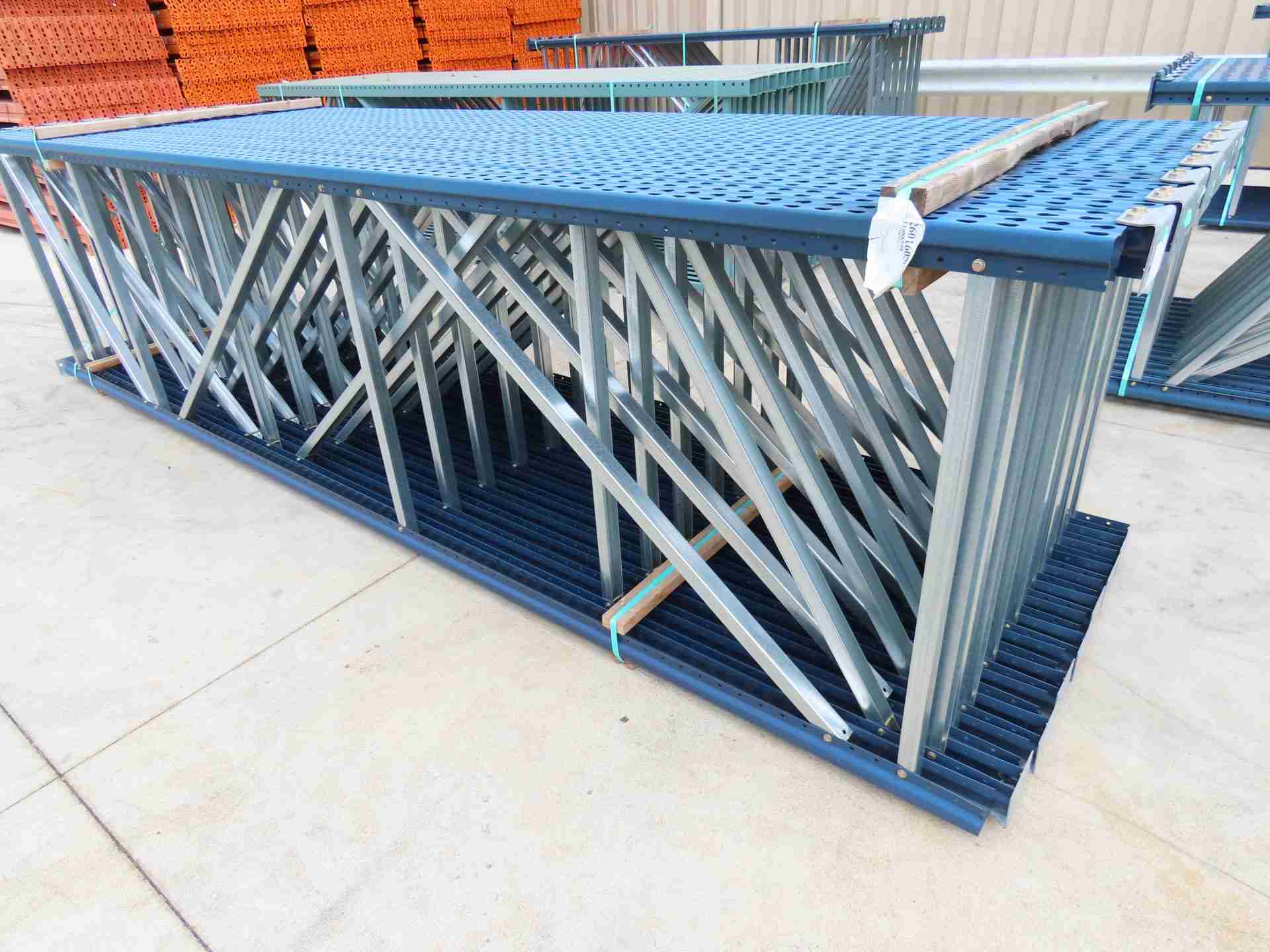
How Can Rethinking Your Warehouse Design Unlock More Convenience?
Table Of Contents
- How Can Rethinking Your Warehouse Design Unlock More Convenience?
- What Are The Key Elements Of Effective Warehouse Design?
- How Does Layout Impact Warehouse Efficiency And Productivity?
- What Role Does Technology Play In Modern Warehouse Design?
- How Can Space Optimization Improve Warehouse Operations?
- What Are The Benefits Of Flexible Warehouse Layouts?
- How Can Sorting Systems Enhance Warehouse Convenience?
- Conclusion
- Other Resources
- Glossary Of Terms
- Other Questions
- Checklist
What Are The Key Elements Of Effective Warehouse Design?
Imagine stepping into a warehouse that operates like a well-oiled machine. Everything flows smoothly, products are easy to find, and your team is working at peak efficiency. This vision isn’t just a dream—it’s entirely possible with effective warehouse design. Let’s dive into the key elements that create this ideal environment, ensuring that both your operations and your profits flourish.
First and foremost, consider your layout. A well-thought-out layout maximizes space and minimizes chaos. It’s vital to think about the flow of goods as they move from receiving to storage, and ultimately to shipping. An optimal design will eliminate bottlenecks and streamline processes, allowing your employees to spend less time searching and more time fulfilling orders. It’s about making every square foot count.
Next, let’s talk about pallet racking. This is more than just a storage solution; it’s the backbone of your warehouse. Investing in high-quality pallet racking systems means you can stack products safely while making them easily accessible. Think about how much more effective your team can be when they can locate items quickly rather than sifting through disorganized stacks. This not only improves efficiency but also enhances workplace safety—because a well-organized warehouse is a safer warehouse.
Lighting and accessibility are additional critical elements that can’t be overlooked. Bright, strategically placed lighting reduces errors and enhances morale, while clear pathways ensure that everyone can navigate the space efficiently. Pay attention to how employees interact with their environment. When a warehouse is user-friendly, it fosters happier, more productive workers who naturally contribute to the bottom line.
Remember, technology plays a pivotal role in modern warehouse design. Automation, inventory management systems, and real-time data tracking revolutionize the way you handle operations. Embracing cutting-edge technology can provide you with insights that lead to smarter decisions and significant time savings.
At its core, effective warehouse design is about creating an environment where everyone—from management to warehouse staff—can thrive. When you cultivate a space that supports efficiency, safety, and innovation, you’re not just building a warehouse; you’re building a foundation for success. And as you embark on this journey, remember that every detail matters—because in the world of warehousing, efficiency is not just desired; it’s essential. Let yourself be inspired by the possibilities ahead and take action today to turn your warehouse into a powerhouse of productivity!
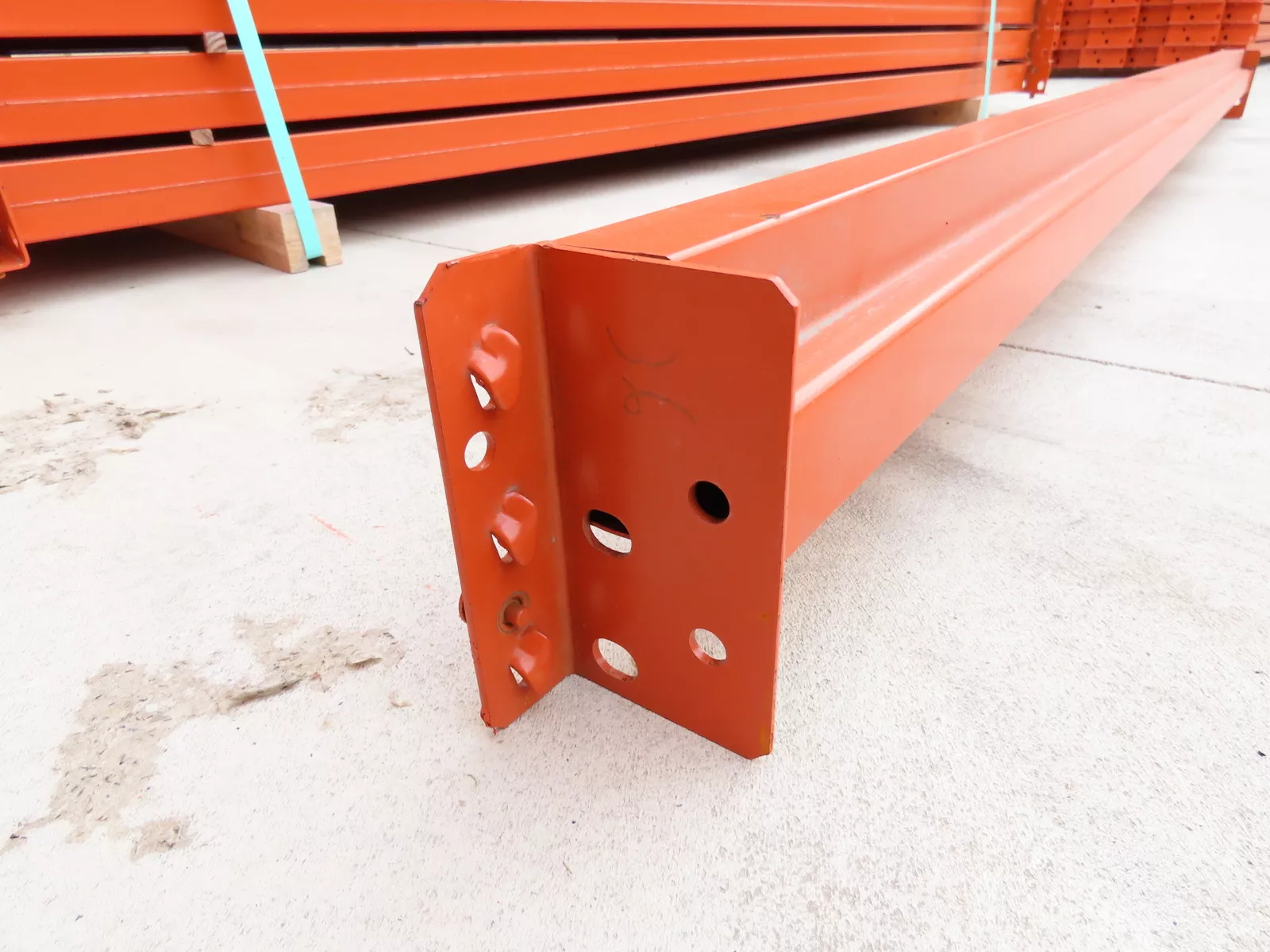
What Are The Key Elements Of Effective Warehouse Design?
What Are The Key Elements Of Effective Warehouse Design?
- Effective warehouse design can transform operations and boost profits.
- A well-thought-out layout maximizes space and minimizes chaos, improving product flow.
- Pallet racking systems enhance storage safety and accessibility, increasing team efficiency.
- Strategic lighting and clear pathways contribute to reducing errors and improving morale.
- User-friendly environments lead to happier, more productive employees.
- Technology, including automation and inventory management, revolutionizes warehouse operations.
- Every detail in warehouse design matters for fostering efficiency and success.

What Are The Key Elements Of Effective Warehouse Design?
How Does Layout Impact Warehouse Efficiency And Productivity?
How Does Layout Impact Warehouse Efficiency and Productivity?
Imagine walking into a warehouse that feels disorganized, chaotic, and overwhelming. The clutter is palpable, and the confusion can be felt in every stuttered movement. Now, flip that scenario upside down. Visualize a well-structured warehouse where everything has its place—pallet racking is optimally laid out, aisles are clear, and every team member knows exactly where to go and what to do. The difference? It’s monumental.
The layout of your warehouse is not just a design choice; it’s a powerhouse that drives efficiency and productivity. Every inch matters. A strategic layout minimizes the distance traveled by your team, reducing the time spent searching for products and increasing the time spent fulfilling orders. This isn’t just about saving time; it’s about elevating your service levels, making you the go-to choice for your customers.
Pallet racking, in particular, plays a crucial role in this orchestration of efficiency. Properly implemented pallet racking not only maximizes vertical space but also streamlines the picking process. When your racking is thoughtfully designed, your workers can access products with ease, promoting a seamless workflow. That means fewer bottlenecks, happier employees, and a significant boost in morale. When your workforce feels empowered and supported, they naturally perform at their best.
Let’s delve deeper—consider the science of ergonomics in your layout. Imagine an assembly line set up to prioritize ease of use. Ensuring that common items and fast-moving stock are positioned within arm’s reach can drastically cut down on both strain and delays. Your workers will appreciate the thought you’ve put into their comfort, leading to improved performance across the board. Efficiency breeds confidence, and confidence fuels productivity.
Now, we invite you to envision the long-term impact your warehouse layout can have. Not only does a well-planned facility save you time and money, but it creates an environment that attracts and retains top talent. Think of it as an investment in your operation’s future—a future where your business flourishes, your customers rave, and your team is proud to be a part of something extraordinary.
So, if you haven’t examined your warehouse layout recently, it’s time to take action. Evaluate your pallet racking systems and overall design, and consider how you can craft a workspace that’s not just functional, but truly inspiring for your team and your business success. Let’s transform that warehouse into a beacon of efficiency and productivity!
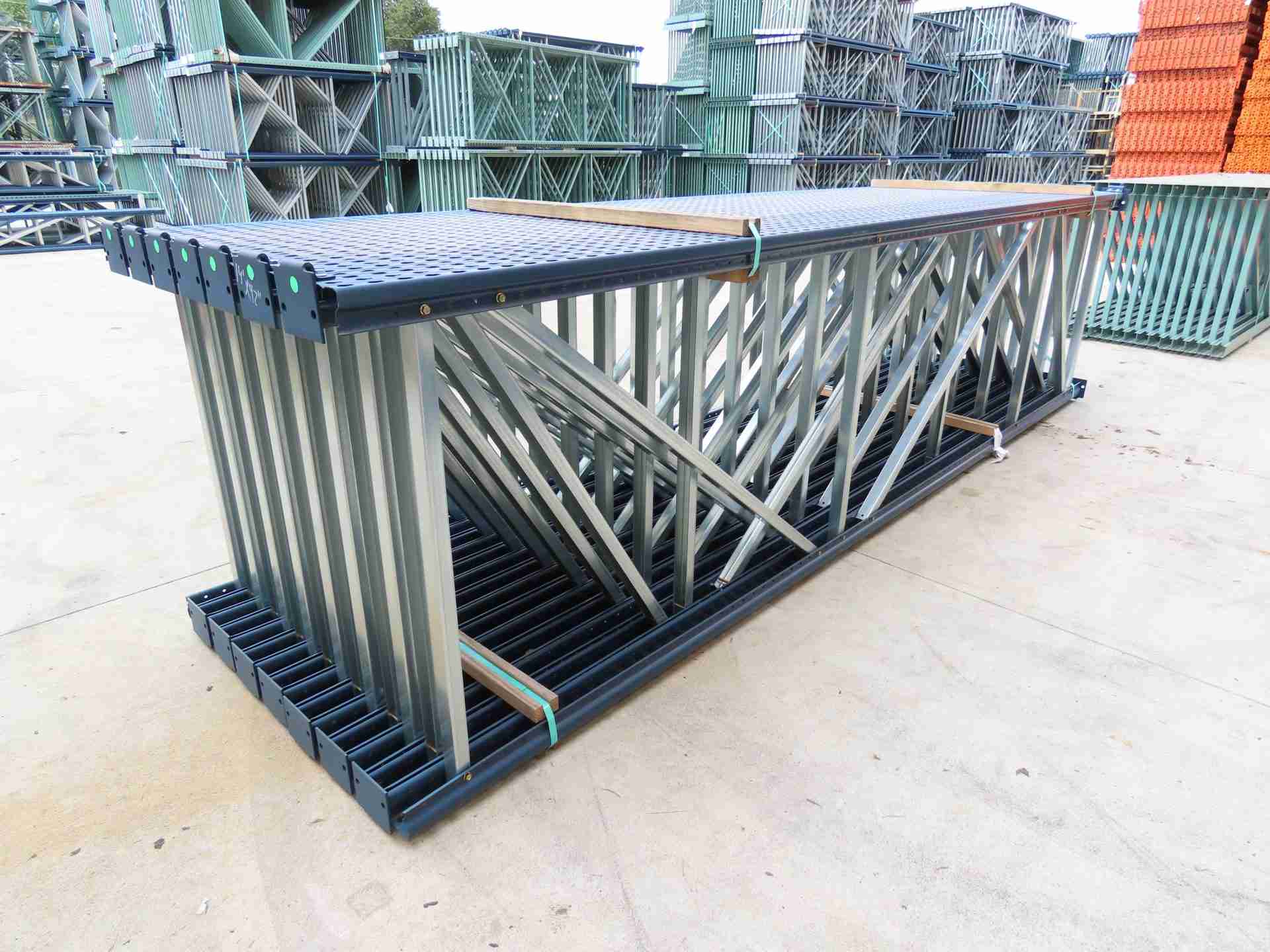
How Does Layout Impact Warehouse Efficiency And Productivity?
How Does Layout Impact Warehouse Efficiency And Productivity?
- A well-organized warehouse layout drives efficiency and productivity.
- Strategic layout minimizes travel distance, reducing time spent searching for products.
- Proper pallet racking maximizes vertical space and streamlines the picking process.
- Thoughtful racking design promotes a seamless workflow, reducing bottlenecks and boosting employee morale.
- Ergonomics play a key role, placing common items within easy reach to cut down on strain and delays.
- A well-planned layout saves time and money, attracting and retaining top talent.
- Regular evaluation of warehouse layout is vital for creating an inspiring workspace that supports business success.

How Does Layout Impact Warehouse Efficiency And Productivity?
What Role Does Technology Play In Modern Warehouse Design?
What Role Does Technology Play in Modern Warehouse Design?
In the fast-paced world of logistics and supply chain management, technology isn’t just a nice-to-have; it’s a game changer. Imagine stepping into a modern warehouse that’s tailored for efficiency, speed, and accuracy—all fueled by cutting-edge technology. This isn’t just about moving goods; it’s about rethinking how we manage our resources, and at the heart of this transformation lies the power of systems like pallet racking.
Picture this: a vast expanse of high ceilings, brightly lit aisles, and neatly organized rows of pallet racking—each rack purposefully designed to maximize space and minimize movement. With the perfect blend of smart design and up-to-date technology, modern warehouses can efficiently store, retrieve, and manage thousands of products without breaking a sweat. It’s a choreographed dance between humans and machines, where automation takes the grunt work out of the equation, allowing employees to focus on what truly matters.
Automation plays a starring role here, but it’s not merely about robots whirring around. Think about the intricate software solutions that optimize inventory management, provide real-time data, and enhance visibility across the supply chain. This kind of transparency becomes invaluable when decision-making moments arise. Say goodbye to manual errors and inefficient stock handling—advanced systems ensure that your valuable products are always in the right place at the right time.
Moreover, technology increases safety in the warehouse environment. With the integration of wearables and IoT devices, companies can monitor employee movements, track equipment performance, and even predict potential hazards before they become serious issues. When your team feels secure in their workplace, productivity soars.
In this era of e-commerce and rapid distribution, having a modern warehouse equipped with the latest technology isn’t just a competitive advantage; it’s a necessity. As businesses look to design or upgrade their facilities, balancing aesthetics and functionality while utilizing strategic solutions like pallet racking becomes more critical than ever. The way forward isn’t just about filling shelves; it’s about creating a space where innovation meets ingenuity, where every square foot is strategically utilized to drive profit and enhance customer satisfaction.
So, are you ready to embrace the power of technology and reimagine your warehouse design? Don’t wait until your competition leaves you in the dust; take action today and discover how the right blend of innovation and design can transform not just your warehousing but your bottom line as well.
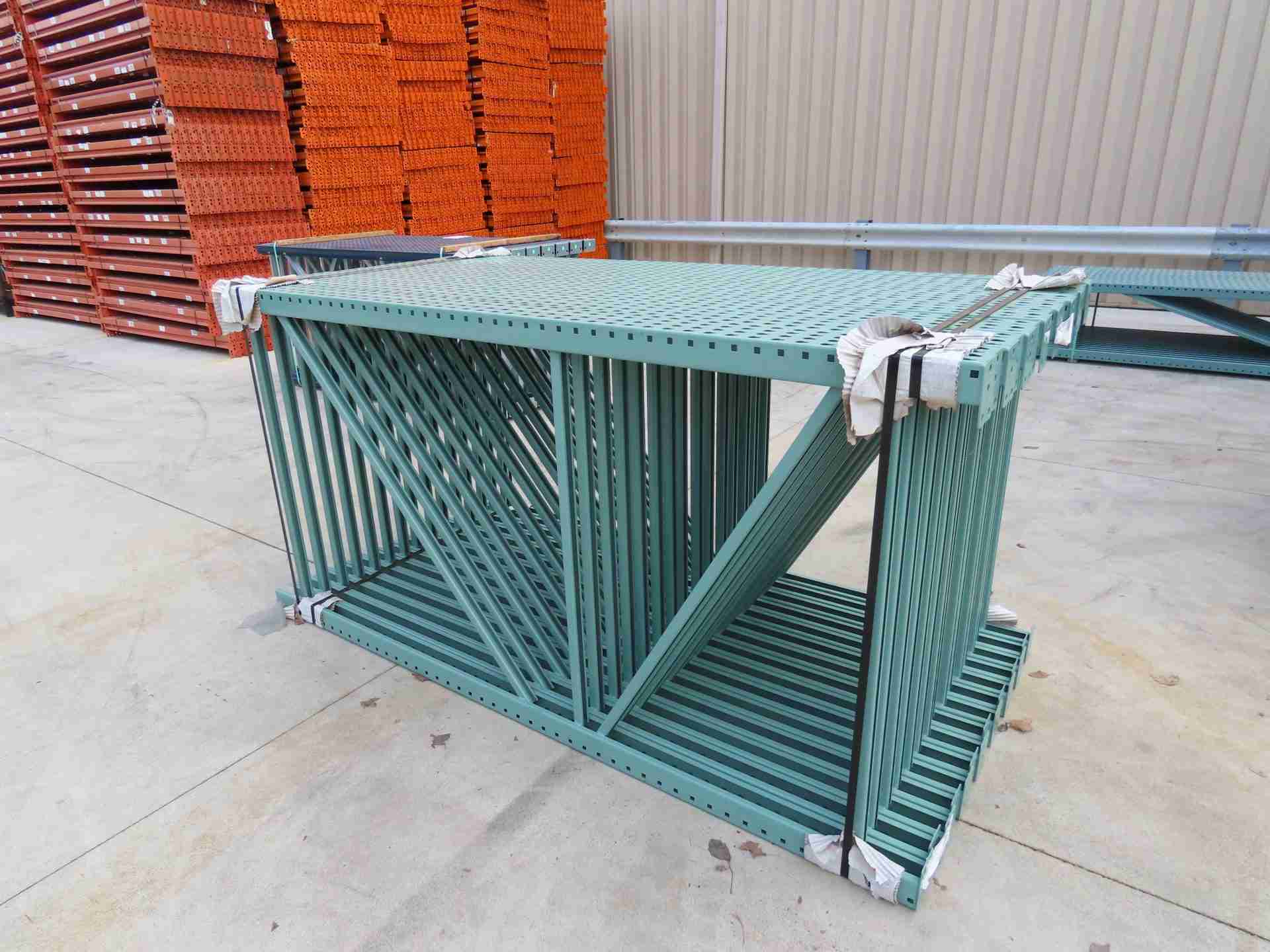
What Role Does Technology Play In Modern Warehouse Design?
What Role Does Technology Play In Modern Warehouse Design?
- Technology is essential in modern warehouse design, transforming logistics and supply chain management.
- Efficient warehouse layouts, featuring high ceilings and organized pallet racking, boost space utilization and minimize movement.
- Automation and advanced software solutions optimize inventory management and provide real-time data for visibility.
- Integration of wearables and IoT devices enhances workplace safety by monitoring movements and predicting hazards.
- Modern warehouses equipped with technology are crucial for staying competitive in e-commerce and rapid distribution.
- Balancing aesthetics and functionality in warehouse design is vital for maximizing profits and customer satisfaction.
- Embracing technology can significantly enhance operations and improve overall business performance.
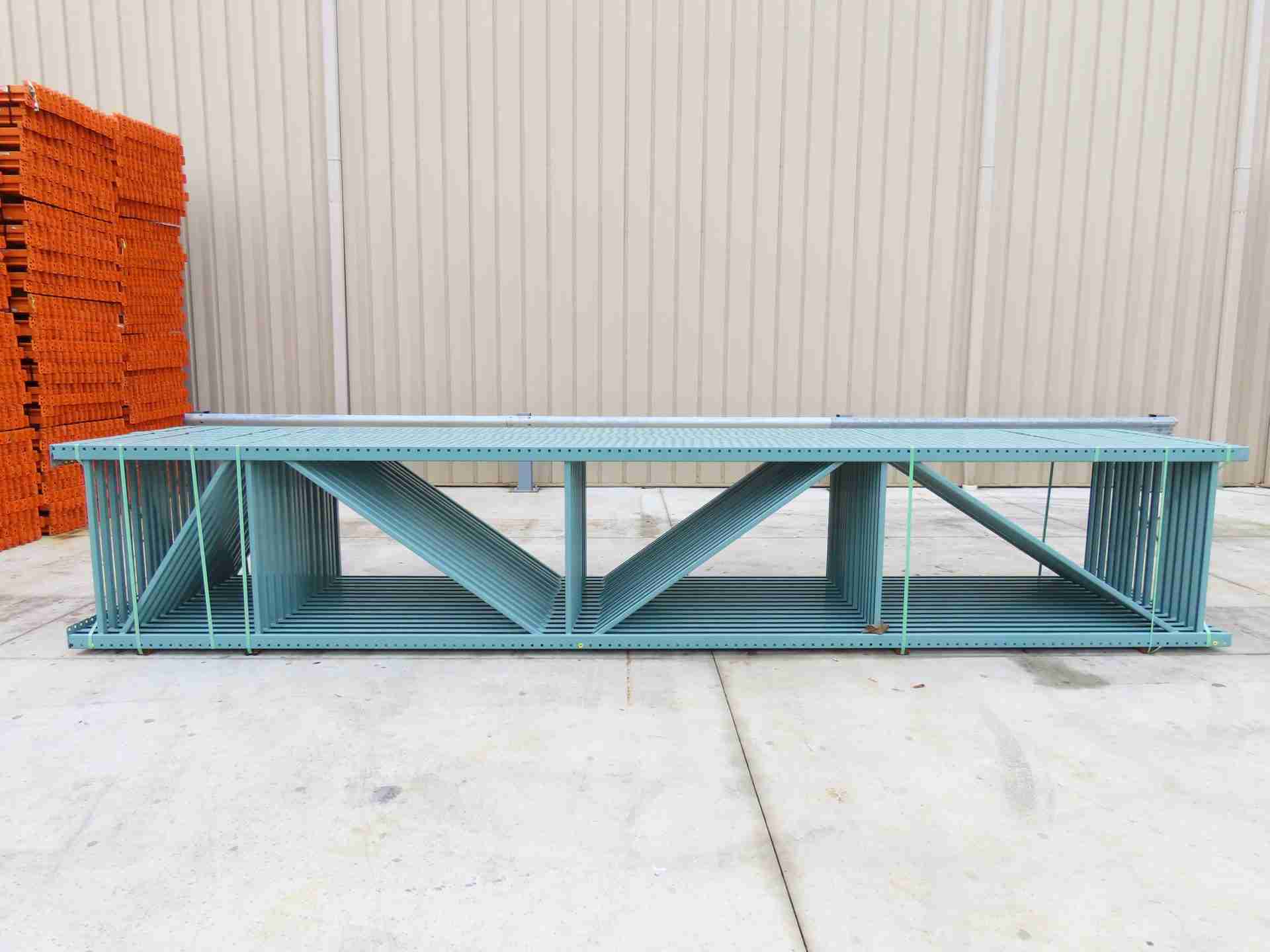
What Role Does Technology Play In Modern Warehouse Design?
How Can Space Optimization Improve Warehouse Operations?
Imagine stepping into your warehouse and instantly feeling a sense of order and efficiency, where every item has its designated spot, and every square foot of space is utilized effectively. This isn’t a luxury reserved for the biggest names in the industry; it’s an achievable reality for anyone willing to embrace the transformative power of space optimization.
In today’s fast-paced market, warehouse operations aren’t just about storage; they’re about maximizing potential. By implementing strategic space optimization techniques, you can unlock profitability and operational effectiveness that will leave your competition in the dust.
At the heart of this transformation lies an essential component: Pallet Racking. This ingenious system is designed to elevate your storage capabilities, allowing you to stack goods vertically. Imagine reclaiming floor space that was once cluttered and confusing. With the right pallet racking in place, your warehouse can expand its storage capacity without the need for costly renovations or additional square footage. This not only helps in keeping the aisles clear and the workflow seamless but also significantly enhances your safety standards, making it easier for employees to navigate and locate products.
But space optimization doesn’t stop at just rearranging racks. It’s about a holistic approach to warehouse management. Picture a space where every inch of vertical space is accounted for and every item—regardless of size—is easily accessible. This efficiency translates to faster order fulfillment and happier customers, and who wouldn’t want that?
Consider your current layout. Is it serving you, or are you merely storing items without strategy? It’s time to assess your operations critically. If you’re struggling with overflow or wasted space, you don’t have to settle for chaos. By maximizing your warehouse’s potential, you foster a productive environment that mirrors a finely-tuned machine, increasing staff morale as employees can find what they need without the usual hassle.
The message is clear: Space optimization, facilitated by smart solutions like pallet racking, isn’t merely an improvement; it’s a necessity. Embrace this opportunity to revolutionize your warehouse. Streamline processes, reduce clutter, and enhance efficiency today. By taking inspired action, you’re not just optimizing a space—you’re upgrading your entire operation. Start your journey toward better warehouse management and watch your productivity soar!
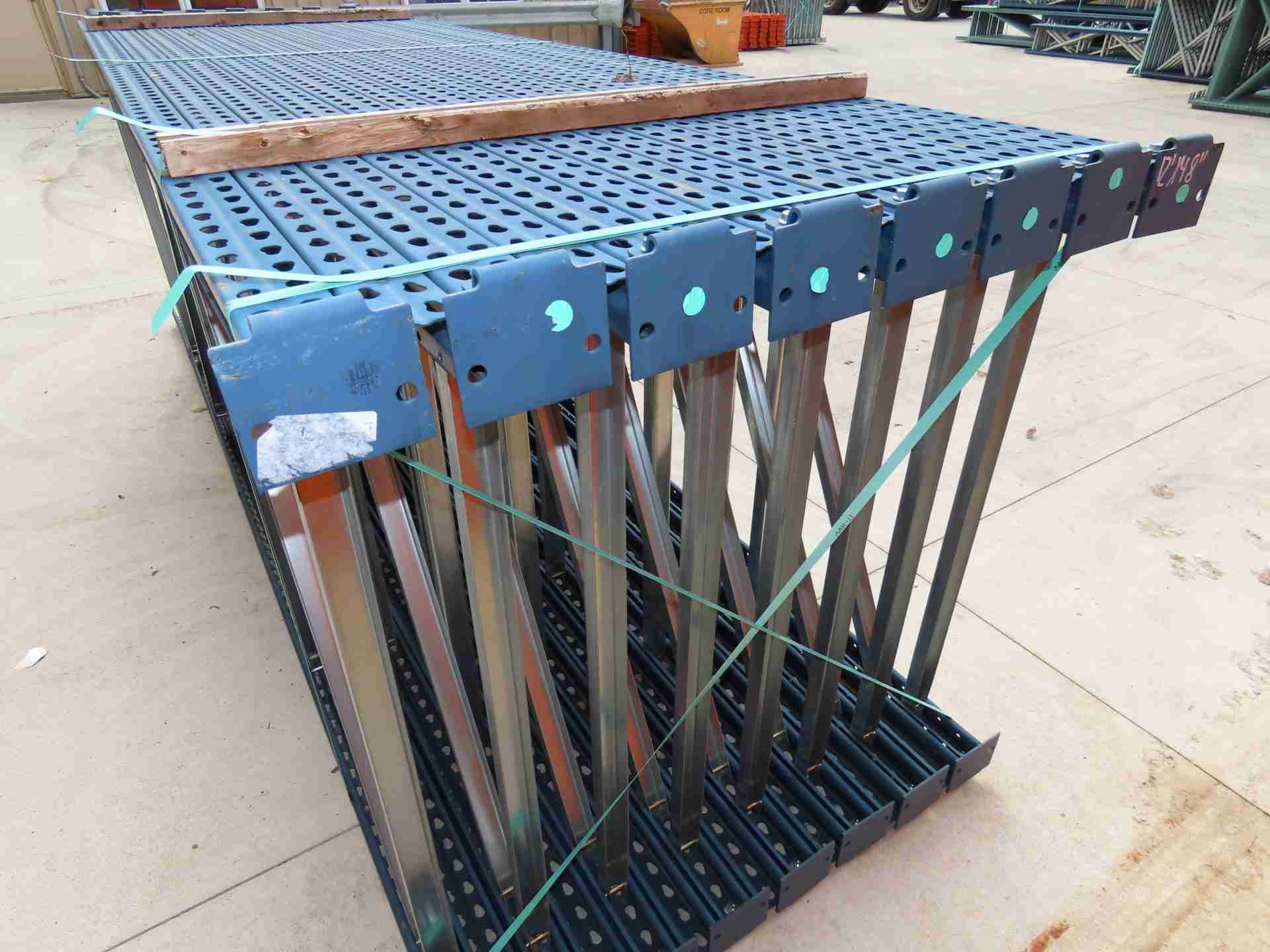
How Can Space Optimization Improve Warehouse Operations?
How Can Space Optimization Improve Warehouse Operations?
- Achieving a sense of order and efficiency in your warehouse is possible with space optimization.
- Strategic space optimization can maximize potential and unlock profitability in warehouse operations.
- Pallet racking elevates storage capabilities by allowing vertical stacking of goods.
- Implementing pallet racking helps reclaim floor space, enhances safety, and improves workflow.
- A holistic approach to warehouse management ensures efficient use of all available space.
- Assessing your current layout can prevent chaos and foster a productive environment.
- Space optimization is essential for streamlining processes and upgrading your overall operation.
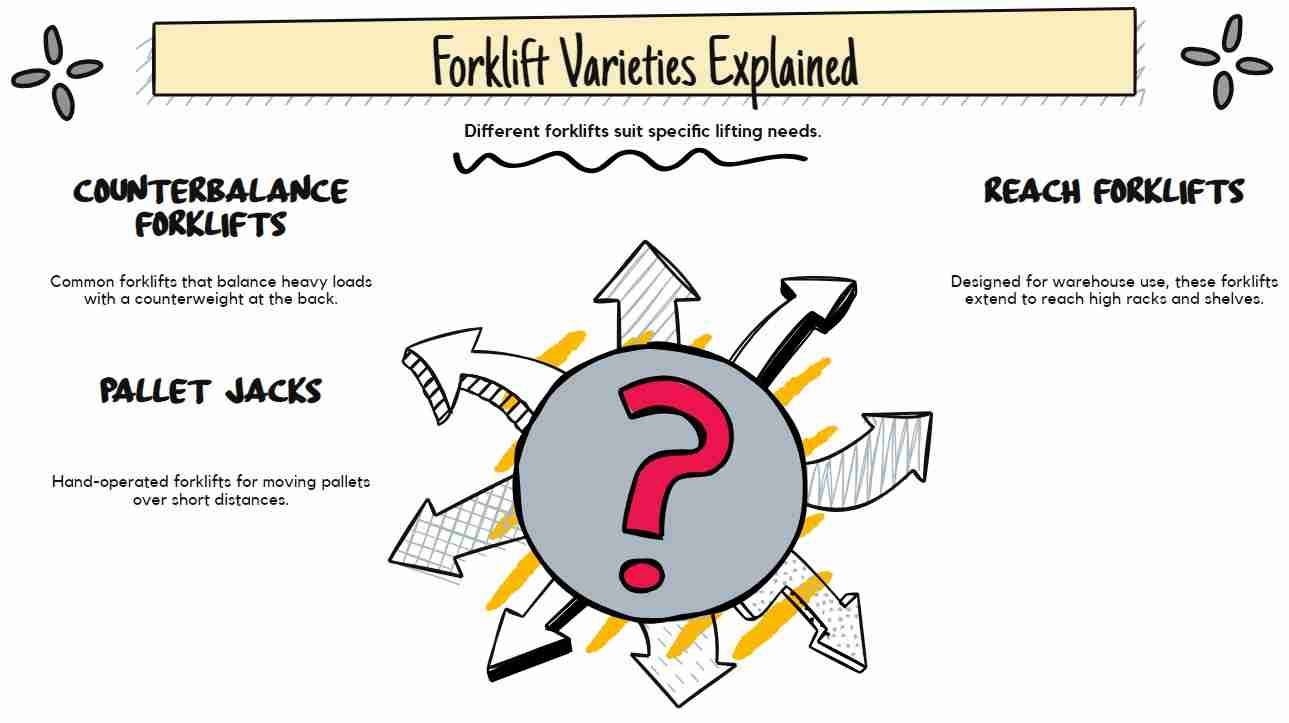
How Can Space Optimization Improve Warehouse Operations?
What Are The Benefits Of Flexible Warehouse Layouts?
In today’s fast-paced economy, adaptability is not just an advantage; it’s a necessity. Flexible warehouse layouts empower businesses to pivot efficiently, meet evolving demands, and maximize their operational potential. Imagine the freedom to rearrange your storage solutions at a moment’s notice, accommodating everything from seasonal stock adjustments to special promotional events. This isn’t just wishful thinking—it’s achievable with a thoughtfully designed flexible layout.
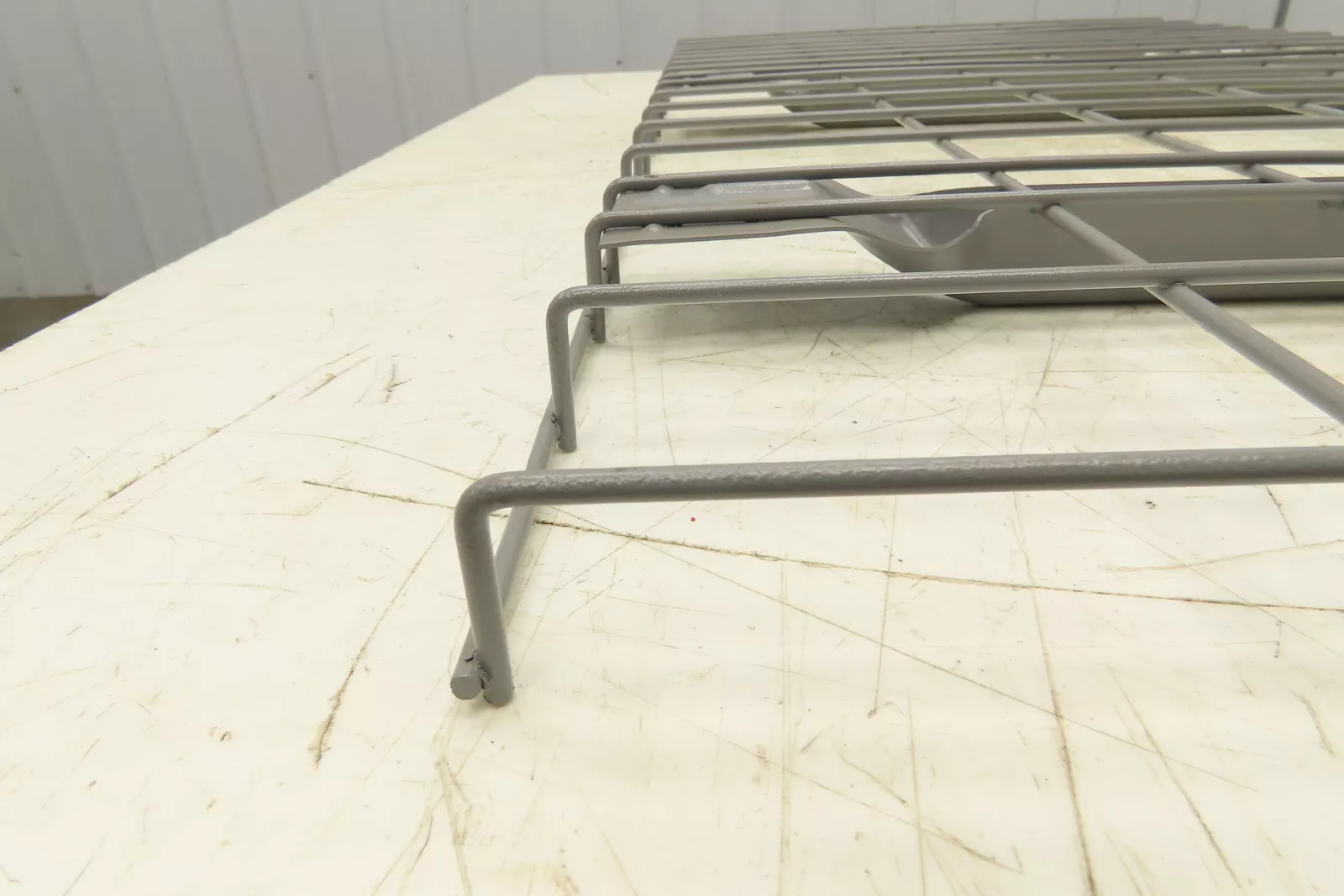
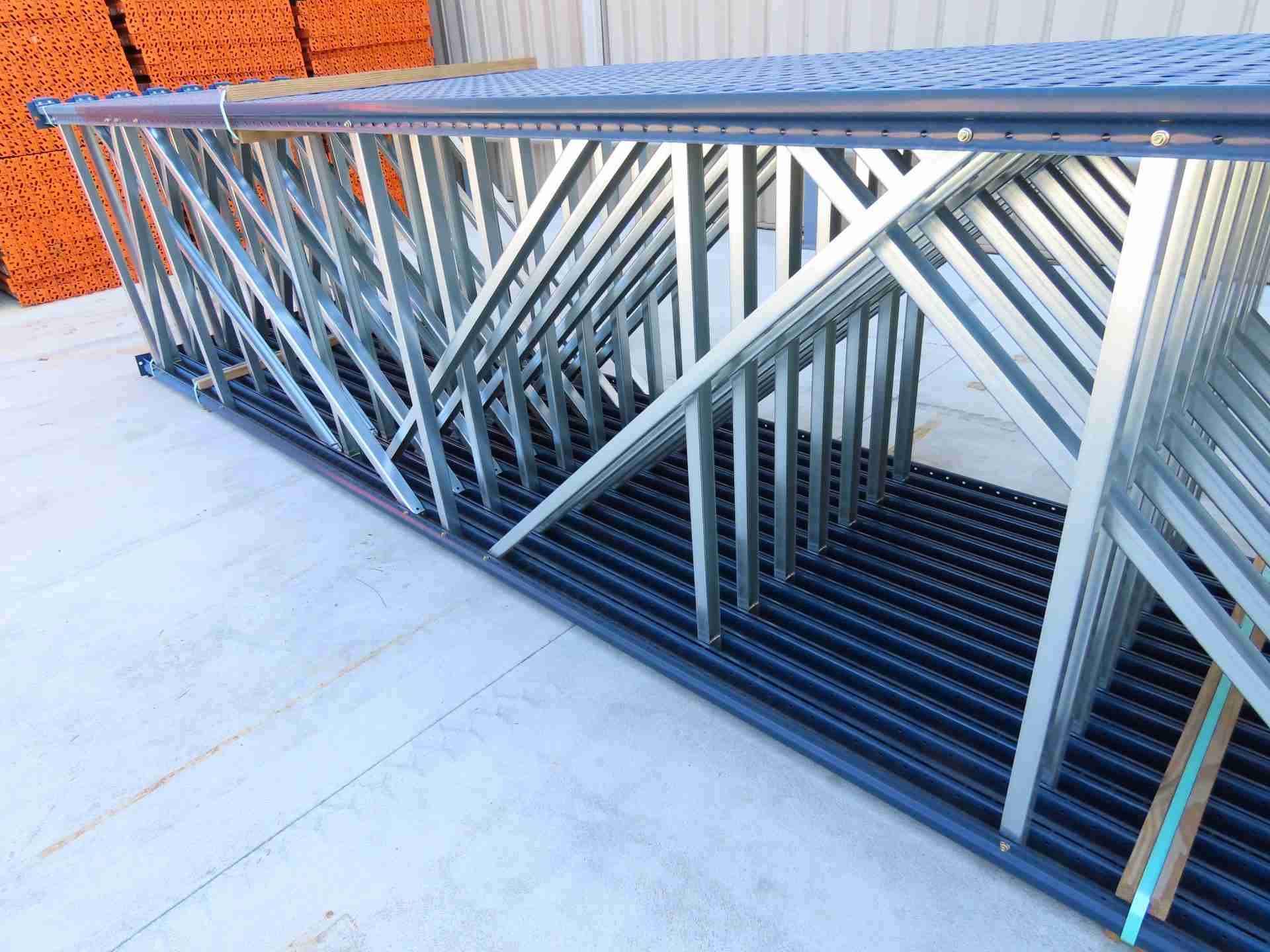
Consider the power of pallet racking systems that can be easily adjusted or expanded. These aren’t just metal frames—these are cornerstones of efficiency. With a flexible layout, your pallet racking can be reconfigured to adjust for different sizes of inventory or to create pathways that enhance workflow. This adaptability minimizes downtime and improves access, allowing your employees to focus on what truly matters: serving your customers and driving sales.
What’s more, a flexible warehouse layout fosters innovation and growth. Businesses are no longer constrained by rigid frameworks that stifle creativity. Instead, they can experiment with new workflows, reduce bottlenecks, and improve inventory management. Imagine the satisfaction of your team as they discover more efficient methods of operation, significantly reducing the time it takes to process orders and respond to customer needs.
But let’s talk about trust and reliability. By investing in a flexible warehouse design, you signal to your stakeholders—including employees, partners, and customers—that you are forward-thinking and committed to improving your service capacity. This commitment breeds confidence. Customers want to know they align with a company that can pivot when challenges arise. If disruptions occur, such as unexpected spikes in demand, your swift ability to adapt makes all the difference.
It’s not merely about physical layout; it’s about mindset. A flexible warehouse is a testament to a company willing to embrace change and pursue continuous improvement. It’s about creating an environment that inspires teamwork and efficiency, where every inch of space is optimized for the greatest impact.
So, why wait? Embrace the idea of a flexible warehouse layout today. Invest in adaptable solutions like smart pallet racking systems that not only enhance productivity but also strengthen your competitive edge. Transform your warehouse from a static space into a dynamic, responsive hub of activity. Your business—and your bottom line—will thank you for it!
What Are The Benefits Of Flexible Warehouse Layouts?
What Are The Benefits Of Flexible Warehouse Layouts?
- Adaptability is essential in today’s fast-paced economy for maximizing operational potential.
- Flexible warehouse layouts allow quick rearrangements for seasonal stock and promotional events.
- Pallet racking systems can be adjusted to accommodate various inventory sizes and improve workflow.
- A flexible design reduces downtime and enhances access, enabling focus on customer service and sales.
- Such layouts encourage innovation, reduce bottlenecks, and improve inventory management.
- Investing in flexible designs builds trust and confidence among stakeholders, showcasing a commitment to service improvement.
- Embracing change and optimizing space leads to enhanced productivity and a stronger competitive edge.
What Are The Benefits Of Flexible Warehouse Layouts?
How Can Sorting Systems Enhance Warehouse Convenience?
Imagine walking into your warehouse and feeling an immediate sense of control and efficiency. That’s the transformative power of modern sorting systems! In a fast-paced world where time is money, how you organize, sort, and manage your inventory can make or break your operation.
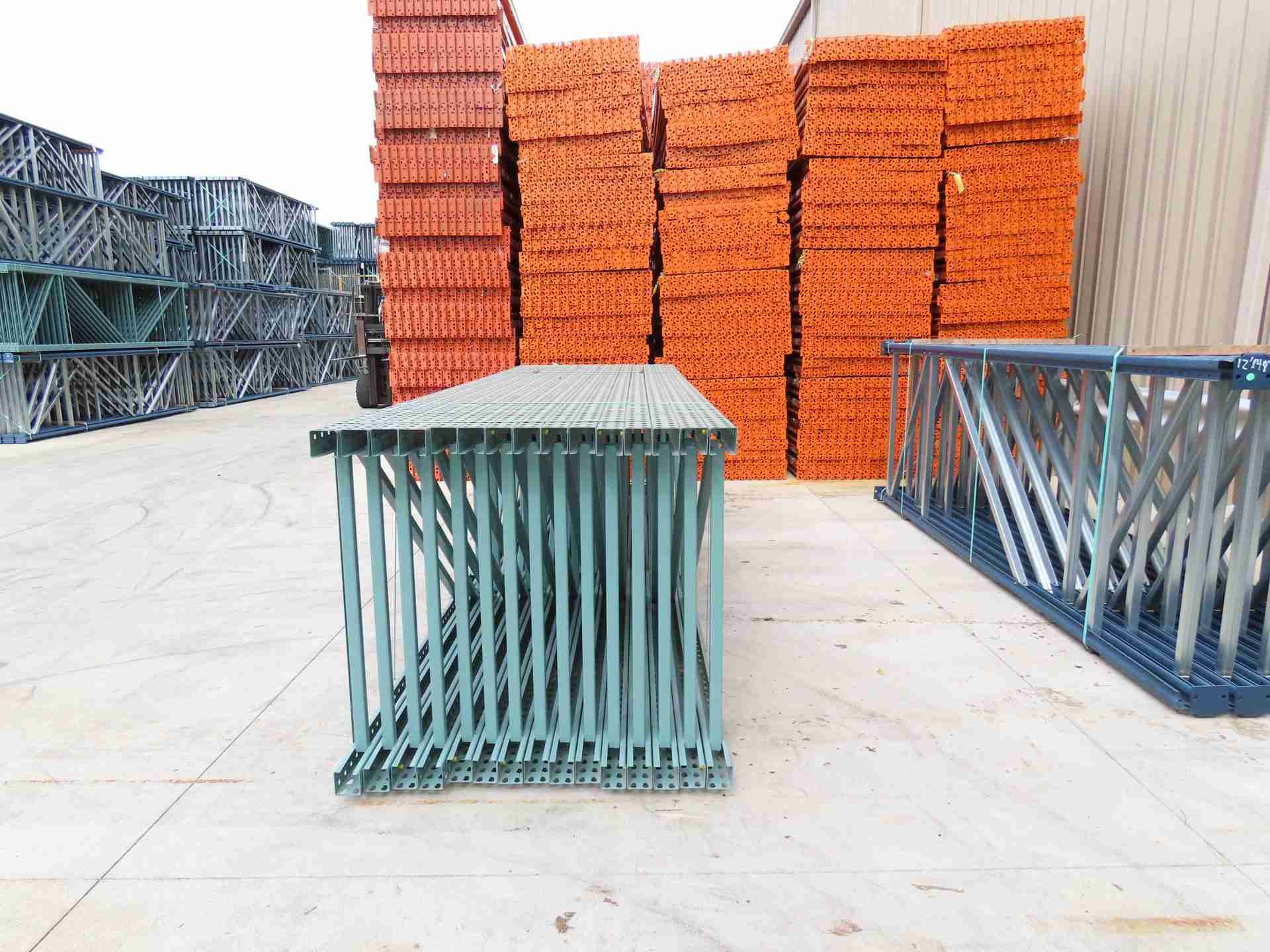
Sorting systems act as the hidden gears that keep your warehouse running smoothly. Think of them as your behind-the-scenes champions. With the right sorting solution, every item — from small tools to heavy equipment — can find its perfect place. With well-implemented systems, your pallet racking becomes a strategic asset rather than just storage.
Picture this: You have a high volume of incoming stock, and every minute spent searching for items means lost profits. A sorting system doesn’t just save time; it elevates your entire warehousing experience. Efficient sorting empowers your team to retrieve and restock items with lightning speed. When everyone on your team knows exactly where to find each product, chaos gives way to order. Warehouse convenience isn’t just about saving time; it’s about enhancing productivity, boosting morale, and ultimately delivering better service to your customers.
Moreover, the reliability of a robust sorting system inspires trust. When your warehouse operates like a well-oiled machine, clients notice. They appreciate prompt fulfillment, organized inventories, and a seamless experience that comes from thoughtful logistics management. By investing in a first-rate sorting solution, you demonstrate your commitment to quality and efficiency, making clients more likely to come back for more.
And let’s not forget the scalability! As your business grows, a well-designed sorting system is easily adaptable. Whether you’re optimizing pallet racking or incorporating automated solutions, you’re set up for sustainable growth. You can maneuver easily through shifts in demand and product lines without losing your edge.
So, why not take that leap? Transform your warehouse from a chaotic storage space into a streamlined center of productivity. Embrace the innovation that sorting systems offer. When the groundwork is laid efficiently, you free up mental bandwidth and resources, allowing you to focus on what truly matters: growing your business and serving your customers. Get started today, and watch the magic unfold!
How Can Sorting Systems Enhance Warehouse Convenience?
How Can Sorting Systems Enhance Warehouse Convenience?
- Modern sorting systems transform warehouse efficiency and control.
- They serve as essential tools that organize and manage various inventory types.
- Effective sorting reduces time spent searching for items, enhancing profitability.
- A reliable sorting system fosters trust with clients through improved organization.
- Investing in sorting solutions demonstrates a commitment to quality and efficiency.
- Sorting systems are scalable, allowing businesses to adapt to growth and changes.
- Implementing sorting systems frees up resources, enabling focus on business growth and customer service.

How Can Sorting Systems Enhance Warehouse Convenience?
Conclusion
Conclusion: Unlocking Your Warehouse’s Potential with Arrow Industrial Sales
In a world where efficiency and organization dictate success, rethinking your warehouse design is no longer a luxury—it’s an absolute necessity. Imagine stepping into a space that embodies innovation, functionality, and convenience. Your warehouse should be a dynamic hub where every item has a designated spot, operations flow seamlessly, and the team thrives on heightened productivity. Arrow Industrial Sales understands this transformation is not merely aspirational; it’s attainable with the right pallet racking and modern warehouse strategies.
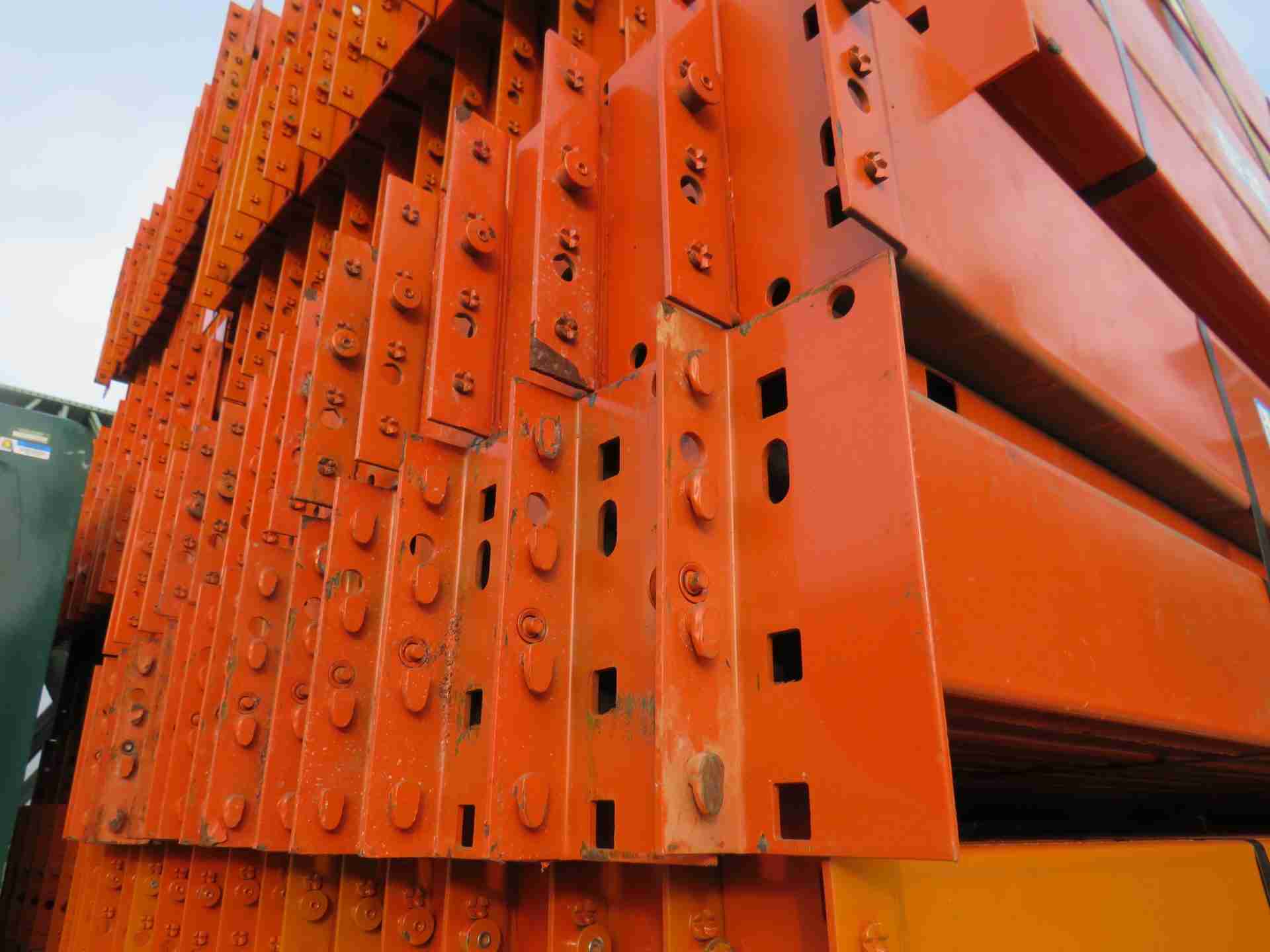
Your warehouse layout profoundly impacts your business’s operational efficiency. An optimized space eliminates overwhelm and chaos, allowing your employees to navigate with ease and confidence. Every inch of your warehouse counts; strategic pallet racking maximizes vertical storage while minimizing the distance your team travels to find items. This results in faster order fulfillment, improved morale, and enhanced safety. Additionally, investing in top-notch pallet racking solutions is a declaration of quality, showcasing your commitment to meeting your clients’ needs.
As we delve deeper into the realm of modern warehouse design, consider technology’s vital role in creating an efficient operation. Integrating smart technologies, sorting systems, and automation rejuvenates your warehouse by minimizing errors and maximizing control. When systems operate flawlessly, you are not merely keeping pace; you are establishing a competitive advantage that fosters trust and loyalty among customers.
But remember, flexibility is key in today’s fast-paced market. A well-designed flexible layout empowers you to pivot with ease, accommodating seasonal changes, special projects, and unexpected demands without disruption. This adaptability isn’t just good business; it’s an investment in your operation’s future, setting the stage for growth and innovation.
At Arrow Industrial Sales, we’re committed to helping you unlock your warehouse’s true potential. Don’t allow outdated systems or chaotic arrangements to stifle your productivity any longer! Take action today. Call us at (574) 349-6575 to speak with a dedicated warehouse solutions expert. Whether you’re considering a complete redesign or minor adjustments, we have the expertise to guide you through the process. The time for transformation is now—embrace the innovative possibilities that lie ahead, and watch your efficiency soar! Your warehouse’s future begins with a single call. Don’t wait; the competitive edge you seek is just a conversation away!
Conclusion
Conclusion:
- Rethinking warehouse design is essential for success in today’s efficient and organized world.
- An optimized warehouse layout enhances operational efficiency, minimizes chaos, and improves navigation for employees.
- Strategic pallet racking maximizes vertical storage, leading to faster order fulfillment and better employee morale.
- Investing in high-quality pallet racking demonstrates a commitment to meeting client needs.
- Integrating smart technologies and automation minimizes errors and provides a competitive advantage.
- A flexible warehouse layout allows for easy adaptation to seasonal changes and unexpected demands.
- Contact Arrow Industrial Sales to unlock your warehouse’s potential and boost efficiency.
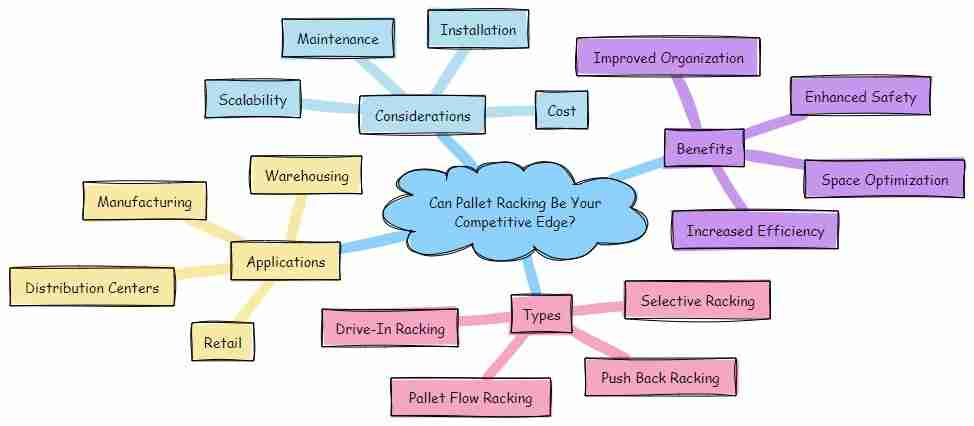
Conclusion
Other Resources
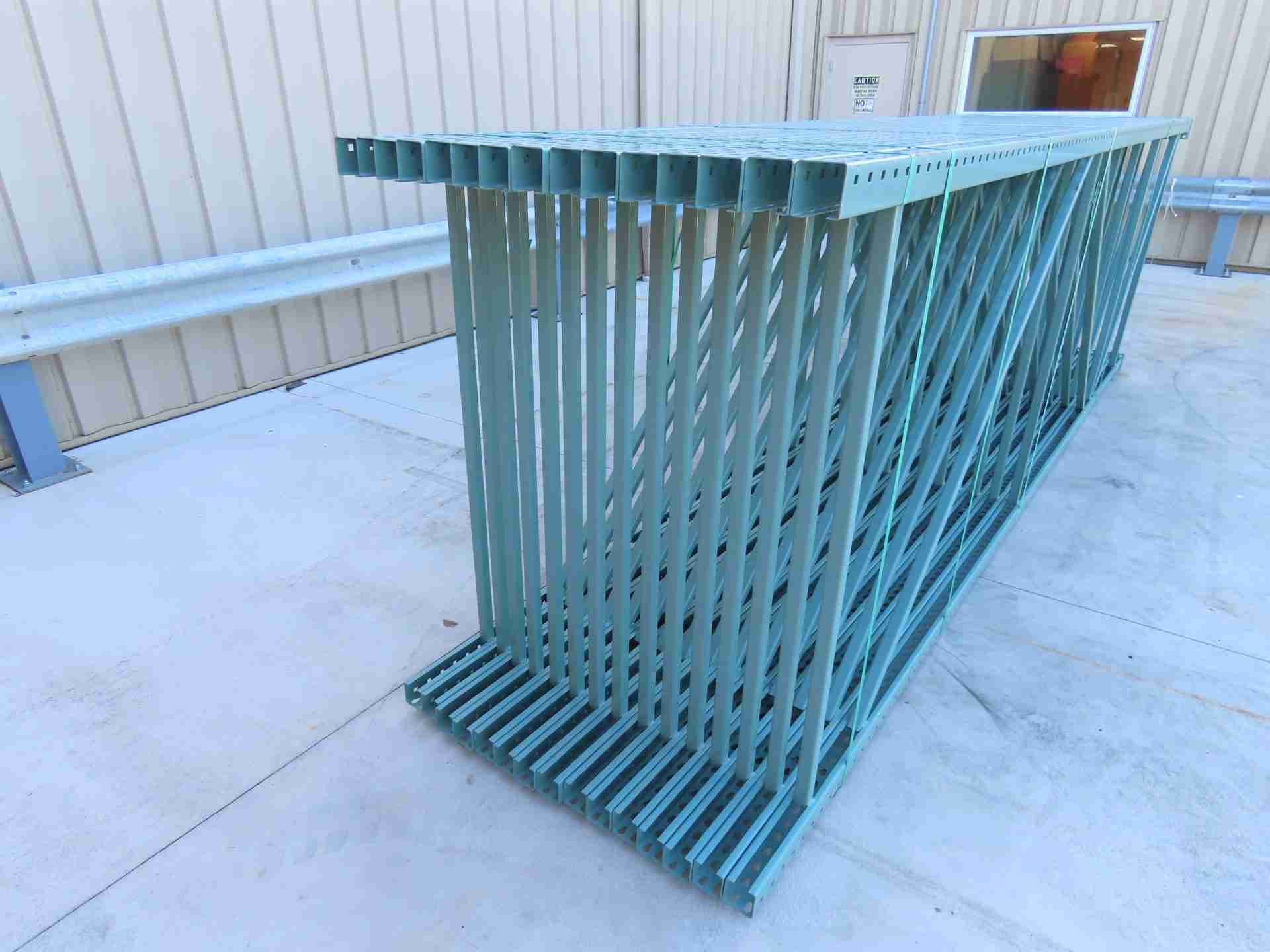
Other Resources
Here is a list of other resources you can review online to learn more:
- Bradford Systems
- Selective Racking
- Teardrop Racks – Pallet Rack World
- Cantilever Rack Guide: Ordering Cantilever Racking
- Wolter
- Material Handling Safety
- Selective Rack – Raymond West
- Warehouse Automation
- Illinois Pallet Racking – Storage Solutions
- What is Selective Racking: Understanding Benefits & Options
Use This Prompt To Get More Resources With Your Favorite Online AI Tool: Please provide me with a list of online articles with their URLs in a bulleted list that I can read regarding How Can Rethinking Your Warehouse Design Unlock More Convenience?
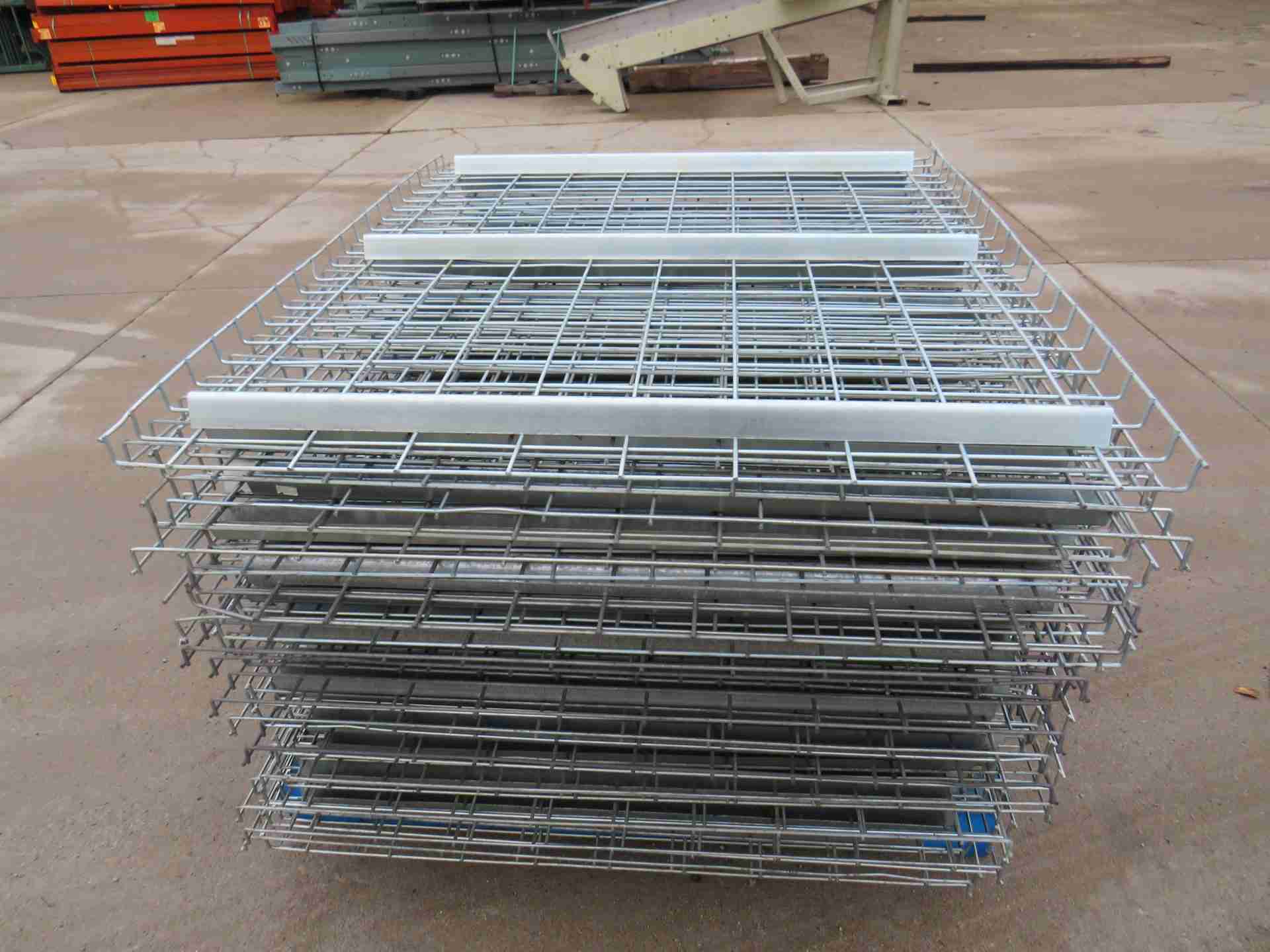
Other Resources
Glossary Terms
How Can Rethinking Your Warehouse Design Unlock More Convenience? – Glossary Of Terms
1. Warehouse Layout: The physical arrangement of all storage areas and machinery within a warehouse to maximize efficiency and accessibility.
2. Flow Optimization: The process of designing workflows to ensure smooth transitions between different areas of the warehouse, minimizing bottlenecks and delays.
3. Space Utilization: The effective use of available warehouse space to store goods, allowing companies to maximize inventory without expanding physical premises.
4. Inventory Management: Strategies and tools used to oversee the storage and handling of inventory, ensuring that stock levels meet demand efficiently.
5. Order Picking: The process of selecting and collecting items from the warehouse to fulfill customer orders, impacting efficiency and accuracy.
6. Automated Storage and Retrieval Systems (AS/RS): Technology that automates the storage and retrieval of goods, enhancing speed and minimizing human error.
7. Cross-Docking: A logistics practice where incoming goods are directly transferred to outgoing shipments, reducing handling and storage time.
8. Ergonomics: The study of designing equipment and workspaces to fit the human body, aimed at increasing productivity and reducing strain on workers.
9. Lean Warehousing: A methodology focused on minimizing waste without sacrificing productivity, achieved through streamlined processes and efficient layout design.
10. Real-Time Inventory Tracking: Using technology to monitor stock levels dynamically, ensuring accuracy and up-to-date visibility of goods.
11. Barcode Scanning: A technology that involves reading barcodes to quickly identify products, speeding up inventory management and order fulfillment processes.
12. Dynamic Slotting: A flexible inventory placement strategy that adapts storage locations based on demand patterns for improved accessibility.
13. Safety Stock: Additional inventory held as a buffer against fluctuations in demand or supply chain disruptions, essential for maintaining service levels.
14. Return on Investment (ROI): A performance measure used to evaluate the efficiency of investments made in warehouse improvements against their financial returns.
15. Modular Shelving: A shelving system designed to be flexible and adjustable, allowing for easy reconfiguration to accommodate changing inventory needs.
16. FIFO (First In, First Out): An inventory management technique ensuring that the oldest stock is sold first, reducing the risk of obsolescence.
17. Kitting: The assembly of individual items into ready-to-ship packages, streamlining order fulfillment processes.
18. Shipping Dock Design: The arrangement of loading and unloading areas to support efficient transport operations and minimize turnaround times.
19. Workstation Design: The layout and equipment setup at workstations to optimize employee workflow and ensure comfort and efficiency.
20. Environmentally Sustainable Practices: Strategies employed to reduce the ecological footprint of warehouse operations, including energy-efficient designs and waste management.
21. Accessibility: The ease with which warehouse staff can reach and manage inventory, affecting efficiency and safety.
22. Temperature Control: Maintaining specific temperature environments within warehouses for perishable goods, ensuring product quality and compliance.
23. Lean Six Sigma: A combined methodology that focuses on improving processes by eliminating waste (lean) and reducing variability (Six Sigma).
24. Demand Forecasting: The process of predicting future customer demand to manage inventory levels and optimize warehouse operations effectively.
25. Collaborative Robots (Cobots): Robots designed to work alongside human workers in the warehouse to assist with repetitive tasks and enhance efficiency.
26. Warehouse Management System (WMS): Software developed to support complex warehouse operations, facilitating better inventory control and process management.
27. Zoning: The practice of dividing the warehouse into designated areas based on product types, handling requirements, or picking methods.
28. Pick Zone: A designated area within the warehouse where specific items are stored for easy access during the order-picking process.
29. Transport Workflow: The planned procedures for moving goods through the warehouse, including inbound and outbound logistics.
30. Continuous Improvement: An ongoing effort to enhance warehouse processes, practices, and designs, often through staff feedback and technology implementation.
Glossary Of Terms
Other Questions
How Can Rethinking Your Warehouse Design Unlock More Convenience? – Other Questions
If you wish to explore and discover more, consider looking for answers to these questions:
- What are the best practices for implementing a new warehouse design?
- How can I assess the current efficiency of my warehouse layout?
- What specific technologies should I consider for modern warehouse design?
- What cost-saving measures can result from warehouse redesign?
- How can employee feedback improve warehouse design decisions?
- What are some common mistakes to avoid when redesigning a warehouse?
- How often should a warehouse layout be evaluated and updated?
- What are the environmental impacts of warehouse design choices?
- How can flexible layouts accommodate both seasonal and permanent changes?
- What metrics should be used to measure the success of a redesign?
- How do sorting systems compare with traditional storage methods?
- What role does employee training play in maximizing the benefits of warehouse redesign?
- How can I ensure that my warehouse design aligns with my business goals?
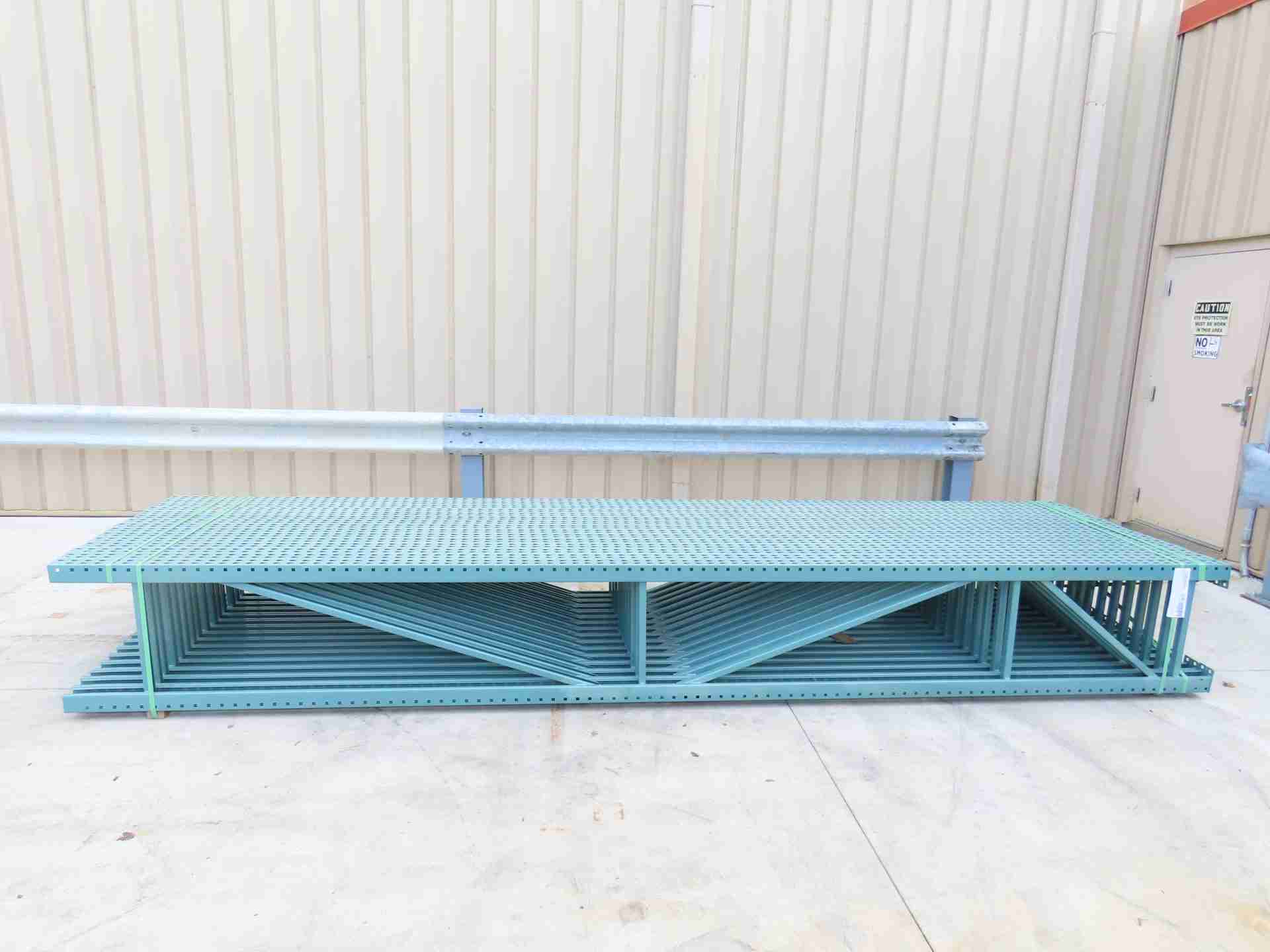
Other Questions
Checklist
How Can Rethinking Your Warehouse Design Unlock More Convenience? – A Checklist
Checklist: Unlock More Convenience with Your Warehouse Design
1. Evaluate Your Current Layout:
_____ Assess the flow of goods from receiving to storage to shipping.
_____ Identify and address any bottlenecks in your operations.
2. Optimize Your Pallet Racking System:
_____ Consider upgrading to modern pallet racking solutions.
_____ Ensure the racking maximizes vertical space while providing easy access to products.
3. Enhance Lighting and Accessibility:
_____ Implement bright, strategically placed lighting to reduce errors and boost morale.
_____ Create clear pathways for efficient navigation throughout the warehouse.
4. Integrate Technology:
_____ Explore automation for inventory management and order fulfillment.
_____ Implement real-time data tracking systems to enhance visibility and decision making.
5. Prioritize Ergonomics:
_____ Design workstations and layout with employee comfort in mind.
_____ Ensure frequently accessed items are within easy reach to minimize strain.
6. Implement Sorting Systems:
_____ Develop efficient sorting systems to streamline inventory management.
_____ Ensure all team members understand how to leverage the sorting systems effectively.
7. Foster a Flexible Warehouse Environment:
_____ Design your layout to allow for easy reconfiguration as needs change.
_____ Invest in adaptable storage solutions that can adjust to varying inventory sizes.
8. Regularly Assess and Update Your Design:
_____ Continually evaluate your warehouse layout and processes for improvements.
_____ Gather feedback from employees regarding the usability of the space.
9. Promote a Culture of Efficiency:
_____ Train employees on the importance of organization and layout.
_____ Encourage sharing of ideas to improve workflow and design.
10. Measure Success:
_____ Establish key performance indicators (KPIs) to track improvements in efficiency and productivity.
_____ Review results regularly to ensure your design changes yield desired outcomes.
This checklist can serve as a guide to help streamline your warehouse operations, improve overall efficiency, and ultimately enhance customer satisfaction!
Checklist
At RackingWorld, we help guide you through selecting warehouse storage systems and racking.
Be sure to read our other related stories at RackingWorld to learn more about warehouse storage systems.
0 Comments