
Transforming Used Racks: A Comprehensive Guide
By Tom Seest
At RackingWorld, we help guide you through selecting warehouse storage systems and racking.
Be sure to read our other related stories at RackingWorld to learn more about warehouse storage systems.
Best Practices for Repainting Or Refinishing Used Racks
When it comes to repainting or refinishing used racking, you’re not just restoring metal; you’re breathing new life into a system designed to support the heavy lifters of our economy. These racks have a story—every dent and scratch tells of the loads they’ve carried and the function they’ve served. But before you jump into the job, let’s talk about some best practices that will ensure your hard work pays off, both in the short term and long run.
First and foremost, preparation is key. Just as a sculptor studies their marble before chiseling, you must inspect your racking thoroughly. Check for rust, structural integrity, and any wear that might compromise safety. If the foundation isn’t sound, no coat of paint is going to fix that. Take the time to clean every inch of the rack; remove grease, dirt, and any lingering oxidization. Your new finish is only as good as the surface it adheres to, and trust me—nobody wants to face failure because of a rushed job.
Next, consider your choice of materials. This isn’t just spray painting a fence; you need high-quality, industrial-grade paints that are going to withstand the rigors of heavy loads and environmental factors. Using a rust-inhibitive primer not only extends the life of the paint but also promotes safety—an ethical choice that speaks volumes about your commitment to functionality over mere appearance.
Then, there’s the application. Whether you’re rolling or spraying, think about even coverage. It’s like giving the rack a nice, even coat of armor; every inch matters. Invest time in mastering your technique. A little practice goes a long way—after all, nobody wants streaks on what’s meant to support so much.
Finally, let’s not forget the importance of community. Sharing your results, your trials, and your triumphs fosters a sense of camaraderie among those who share your passion for restoration. Join forums or participate in local workshops; you’ll find a wealth of experience and support there. By bringing your racks back to life, you’re not just reinvigorating equipment; you’re inspiring others to value craftsmanship and sustainability.
So roll up your sleeves and get to work. Every stroke of your brush is a step toward making the world a safer, more reliable place for businesses and communities alike. It’s not just work; it’s a commitment to excellence, safety, and the thrill of restoring something that’s poised to serve again.

Best Practices for Repainting Or Refinishing Used Racks
Best Practices for Repainting Or Refinishing Used Racks
- Repainting or refinishing racking restores metal systems that support economic activities.
- Preparation is essential; inspect for rust, structural integrity, and clean thoroughly.
- Use high-quality, industrial-grade paints and rust-inhibitive primers for durability and safety.
- Focus on even coverage during application, whether rolling or spraying, to ensure a consistent finish.
- Practice your application technique to avoid imperfections like streaks.
- Engage with the community by sharing restoration experiences and participating in local workshops.
- Restoration promotes a commitment to craftsmanship, sustainability, and community safety.

Best Practices for Repainting Or Refinishing Used Racks
Table Of Contents
- Best Practices for Repainting Or Refinishing Used Racks
- What Emotional Connection Do You Have with Your Used Racks?
- What Is the Long-Term Value Of Investing In Refinishing My Racks?
- Are There Sustainable Options Available for Painting My Used Racks?
- Which Materials Work Best for Durability and Safety In Finishing?
- How Can I Ensure That the Paint Is Safe for My Products?
- Conclusion
- Other Resources
- Glossary Of Terms
- Other Questions
- Checklist
What Emotional Connection Do You Have with Your Used Racks?
When you think about the racks in your space—those sturdy, metal beasts that have borne the weight of your ambitions and aspirations—what comes to mind? Every dent, scratch, and paint chip tells a story. These aren’t just used racks that hold your merchandise or supplies; they represent hard work, perseverance, and the resilience of your journey. Each piece of racking carries the echoes of nights spent organizing, days dedicated to efficiency, and moments of triumph when everything finally fell into place.
Racking is more than just a function; it’s a vital partner in your pursuit of success. Imagine the countless hours you’ve spent building up your business, the late nights of inventory counting, or the early mornings tweaking your layout for improved productivity. In those moments, your racks stood silently, ready to support you, holding not just physical items but dreams waiting to be realized. Their presence is a testament to the grit and determination that fuels your daily grind.
Emotionally, there’s something profoundly satisfying in knowing you’ve given new life to these used racks—choosing to repurpose rather than replace. It’s an ethical choice that aligns with the values of sustainability and responsibility. By opting for used equipment, you’re not just saving money; you’re also reducing waste and supporting a circular economy. This isn’t merely practical; it’s principled.
From a social standpoint, your racks become part of a community narrative. When you share the stories of how you acquired them—or the neighbor who retired and passed them on—you’re weaving a tapestry of interconnectedness that resonates with others. Your friends and colleagues recognize the sacrifice behind those metal frames, fostering a bond that runs deeper than mere transactions.
Trust in your racks comes from knowing their history. You’ve seen their durability firsthand, observed how they’ve adapted to your evolving needs. This reliability fosters confidence: you know they’ll be there when you stretch your business further or pursue new avenues.
In the grander scheme, let’s not forget the gut-level thrill of anticipation as you strategize your next business move, knowing you have the right tools at your disposal. Each time you load up those racks, it’s a reminder—a nudge that whispers, “You’ve got this.” So take a moment to consider your used racks, and embrace the stories, memories, and connections they represent. Let them inspire you as they have always stood ready to support your journey.

What Emotional Connection Do You Have with Your Used Racks?
What Emotional Connection Do You Have with Your Used Racks?
- Racks symbolize hard work and perseverance, each scratch and dent tells a story of ambition.
- They play a vital role in achieving business success, reminding you of late nights and early mornings dedicated to efficiency.
- Repurposing used racks aligns with sustainability values, saving money while reducing waste.
- The history of your racks fosters a sense of community, deepening connections through shared stories.
- Trust in your racks is built through their proven durability and adaptability to your changing needs.
- Racks serve as a motivational reminder, encouraging you to take bold steps in business strategy.
- Embrace the memories and connections your racks represent, allowing them to inspire your journey.

What Emotional Connection Do You Have with Your Used Racks?
What Is the Long-Term Value Of Investing In Refinishing My Racks?
When considering the long-term value of investing in refinishing your racking, think about more than just the immediate costs. You’re not just sprucing up some metal; you’re taking a stand for quality and longevity in a world that often embraces the quick-fix mentality. Every scratch and rust mark tells a story, but just like us, those tales can be rewritten. Refinishing isn’t merely about aesthetics; it’s about preserving the integrity of your workspace and the safety that comes from it.
Emotionally, there’s a profound satisfaction in knowing you’re nurturing a piece of your operation that plays a critical role. Your racking holds together your hard-earned inventory—it’s the unsung hero of your business! By investing in its upkeep, you’re not only protecting an asset but also fostering a sense of pride and trust in your environment. It reflects value and care, which resonates with everyone who walks through your door.
Rationally, think about the dollars and sense behind refinishing versus replacement. New racking can come with a hefty price tag, not to mention disruptions to operations during installation. By investing in refinishing, you can extend the life of your existing systems while avoiding the tumult and expense associated with new installations. Plus, well-maintained racking is safer, ensuring your employees can work confidently without the looming dread of collapse or injury.
Ethically, the decision to refurbish rather than discard showcases a commitment to sustainability. Every action we undertake has a ripple effect, and when we choose to extend the lifespan of what we already own, we’re participating in a larger dialogue about responsible stewardship of resources. You’re signaling to your team and customers that you care about more than just the bottom line; you value quality, safety, and the world we share.
In this era where connection means everything, consider how your commitment to investing in your racking resonates. It tells a story of loyalty and respect—not only for your workforce but also for the community around you. Your choice to refinish sends a powerful message that you stand by your commitment to quality and care, inspiring those around you to do the same. Let’s rise to the challenge of having a workplace that reflects our values—start with your racking, and the rest will follow.

What Is the Long-Term Value Of Investing In Refinishing My Racks?
What Is the Long-Term Value Of Investing In Refinishing My Racks?
- Refinishing racking involves more than immediate costs; it represents a commitment to quality and longevity.
- Every scratch and rust mark can be treated through refinishing, preserving the integrity and safety of the workspace.
- Investing in racking upkeep creates emotional satisfaction and fosters pride in a critical component of operations.
- Refinishing is a cost-effective alternative to replacement, avoiding disruptions and high expenses associated with new installations.
- Well-maintained racking enhances workplace safety, allowing employees to work confidently.
- Choosing refurbishment over discarding promotes sustainability and responsible resource stewardship.
- Your commitment to racking reflects values of loyalty, respect, and quality, inspiring those in the community to do the same.

What Is the Long-Term Value Of Investing In Refinishing My Racks?
Are There Sustainable Options Available for Painting My Used Racks?
When it comes to sprucing up your used racks, the quest for sustainable options isn’t just about slapping a coat of paint on something that’s seen better days. It’s about embracing a philosophy—a way of honoring the hard work that goes into making and using your racking while respecting the world we live in. Picture this: You’ve got a stack of racks, functional but faded, waiting to be rejuvenated. Now imagine transforming those tired structures into eye-catching displays, all while minimizing your environmental footprint.
First, let’s talk materials. Traditional paints may offer a dazzling array of colors, but they often come loaded with volatile organic compounds that contribute to pollution and health risks. Sustainable paints crafted from plant-based ingredients or minerals are gaining traction, allowing you to protect your racks and the planet simultaneously. These eco-friendly options boast low emissions and often come in biodegradable containers, which means once the job’s done, you’re left with less waste cluttering up the earth.
Now, it’s not just about having a warm, fuzzy feeling when you choose sustainable paints. There’s sensible decision-making at play here, too. By opting for durable, environmentally friendly finishes, you’re investing in longevity. A single high-quality application of a sustainable product means you might not have to repaint for years, saving you time, hassle, and—let’s face it—money in the long run.
Then comes the ethical piece of the puzzle. Imagine the potential ripple effect of your choice. By choosing sustainable materials, you’re not just creating a visually appealing workspace; you’re sending a message. You’re standing up for responsible consumption and showing others in your industry that doing the right thing pays off. When friends or colleagues notice your stunning racks, you can share the story of your conscious choice, inspiring them to reflect on their own practices.
Finally, consider the community aspect of this movement. Reach out to local suppliers of eco-friendly racking materials and colors. Supporting businesses committed to sustainable practices not only fosters local economies but also builds a network that prioritizes responsibility. As you paint your racks, you’re painting a brighter future, one brushstroke at a time—powerful, isn’t it? So roll up those sleeves and get out there; sustainable options are waiting to help you transform not just your racks, but the world around you.

Are There Sustainable Options Available for Painting My Used Racks?
Are There Sustainable Options Available for Painting My Used Racks?
- Sprucing up used racks transcends mere aesthetics, embracing sustainability and respect for craftsmanship.
- Opt for sustainable paints made from plant-based ingredients or minerals to reduce pollution and health risks.
- Eco-friendly paints feature low emissions and biodegradable containers, minimizing environmental waste.
- Choosing durable, sustainable finishes can save time and money by prolonging the need for repainting.
- Sustainable practices send a powerful message about responsible consumption, inspiring others in your industry.
- Supporting local suppliers of eco-friendly materials fosters community and promotes sustainable practices.
- Transforming racks with sustainable options contributes to a brighter future through responsible choices.

Are There Sustainable Options Available for Painting My Used Racks?
Which Materials Work Best for Durability and Safety In Finishing?
When it comes to durability and safety in finishing, the materials you choose can make all the difference between a job that stands the test of time and one that crumbles under pressure. Consider for a moment the emotional weight of a well-finished piece, whether it’s a beloved heirloom or a newly crafted table for family gatherings. You want something that not only looks good but is also built to endure the challenges of daily life—spills, scratches, and yes, even the occasional racking that can threaten the integrity of your project.
Wood is often hailed as the foundational material for furniture, but not all wood is created equal. Hardwoods like oak and maple boast outstanding durability, while softer woods like pine can warp or dent more readily. The choice may hinge on the piece’s intended use or the wear and tear it might face. Here, the head kicks in; think through the logistical ramifications: will it be in a high-traffic area? Will kids be around? Without careful consideration, a beautiful finish can lose its luster prematurely, costing time and money down the line.
Now let’s dive deeper—what about chemical safety? Finishing materials are like the unsung heroes of craftsmanship. Products with low volatile organic compounds (VOCs) are essential. They safeguard not only your health but also the future inhabitants of your space. Using these materials means you’re making an ethical choice that prioritizes safety over commercial convenience. Your conscience can rest easy; you’re investing in something that doesn’t just look good but is also safe for your family.
And let’s not overlook the profound social aspect. When you choose durable and safe materials, you’re not just crafting a piece; you’re becoming part of a larger community of makers and doers who value quality over quantity. There’s a certain solidarity in knowing that others are striving for excellence just like you are.
There’s a narrative here that starts with intention. Every stroke of that brush or application of that finish adds layers of meaning to the craftsmanship. You’re crafting not just with your hands but with your heart, imbuing your work with the stories it will carry forward. So when you’re choosing materials, think not just about functionality but about the legacy you’re creating. Blend your heart, head, and gut into your decision-making process, and watch how that investment in durability and safety pays off in spades.

Which Materials Work Best for Durability and Safety In Finishing?
Which Materials Work Best for Durability and Safety In Finishing?
- Durability and safety in finishing are crucial for long-lasting furniture.
- Selection of materials affects the emotional value of the finished piece.
- Hardwoods like oak and maple offer superior durability compared to softer woods like pine.
- Consider the intended use and environment to prevent premature wear on finishes.
- Choose finishing products with low volatile organic compounds (VOCs) for health safety.
- Using durable materials connects you with a community valuing quality craftsmanship.
- Craftsmanship is not just functional but also imbued with personal meaning and legacy.

Which Materials Work Best for Durability and Safety In Finishing?
How Can I Ensure That the Paint Is Safe for My Products?
When diving into the world of paints, especially for products that touch lives and become part of everyday routines, the stakes are higher than ever. The truth is, you want your paint to be as much a friend as it is a functional element. So how do you ensure it’s safe? It begins with understanding what’s at play when you pick up that can.
First, think about the emotional connection we have with our belongings. Whether it’s a toy that brings joy to a child or a piece of furniture that graces your home, we often don’t realize how reliant we are on safety. But racking your brain over ingredients is not just a task; it’s an act of love. You wouldn’t settle for anything less for your loved ones, would you? That’s the gut feeling guiding your choices.
To make informed decisions, turn to those trusted sources—the makers and the materials. Dive into the labels and trace the origins of your paint. Look for brands that are transparent about their production processes. Seek out certifications that speak to the safety and quality of the ingredients. This isn’t just a rational exercise; it’s a testament to your values. Knowing that the paint you choose is free from toxic chemicals resonates not only with your intellect but also speaks to your ethical compass as a consumer.
There’s power in community knowledge, too. Ask friends, family, or even online forums about their experiences. When you hear a story about a grandmother who painted a nursery with caution and care, it connects the dots for you—a narrative linking safety to cherished moments. Social endorsement can be as convincing as the most impressive data. The more you share and engage with others, the deeper your understanding and assurance will grow.
Lastly, be prepared to act. When you put that paintbrush to the canvas of life, make it count. Opt for paints that meet strict safety standards. Choose those that not only beautify but also protect. You’re not just slapping colors on surfaces; you’re creating environments where memories unfold—safe, joyful, and lasting memories.
So let your heart guide you, trust your instincts, and make choices that reflect your commitment to safety and quality. Your products deserve the best, and in this endeavor, you’re not just a consumer—you’re part of a bigger story, a movement that values health, happiness, and harmony.

How Can I Ensure That the Paint Is Safe for My Products?
How Can I Ensure That the Paint Is Safe for My Products?
- Choosing paint involves higher stakes as it impacts daily life and emotional connections.
- Understanding safety in paint is an act of love for your loved ones.
- Informed decisions require examining labels, brands, and certifications related to safety and quality.
- Seek transparency from manufacturers to ensure paint is free from toxic chemicals.
- Community knowledge and shared experiences enhance understanding of safe paint choices.
- Opt for paints meeting strict safety standards to create environments for lasting memories.
- Your role as a consumer is crucial in advocating for health, happiness, and safety.
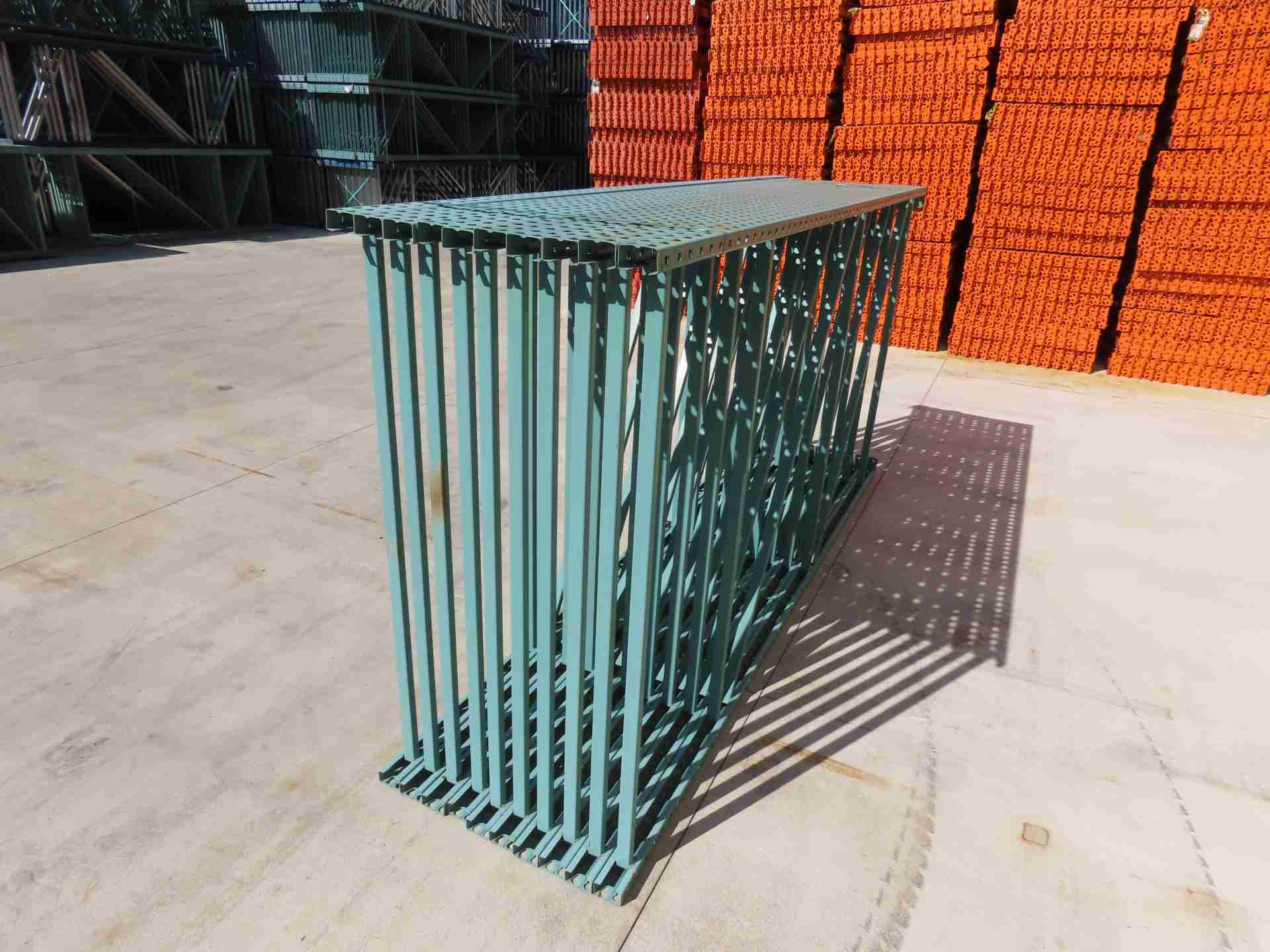
How Can I Ensure That the Paint Is Safe for My Products?
Conclusion
Repainting or refinishing used racks is more than just a cosmetic upgrade; it’s an act of restoration that echoes our collective commitment to hard work, sustainability, and community. These sturdy structures have stood by us, supporting not just our goods, but our dreams and aspirations. Each scratch, dent, and rust mark is a testament to their resilience and utility. By choosing to breath new life into these metal giants, we tell the world that we value craftsmanship and the journey behind our operations.
Preparation is paramount in this endeavor. It’s akin to laying a solid foundation before building a house; without it, even the most beautiful finish is bound to crumble. Inspection and cleaning are critical steps that safeguard functionality and safety. Selecting the right high-quality, industrial-grade paints is equally essential—not just for aesthetics, but for the long-term durability that ensures the structure’s continued support. Each carefully applied coat acts as a protective armor, allowing these racks to handle the heavy lifting the human spirit demands.
Choosing to refinish rather than replace is not purely a practical decision; it’s an ethical one, too. In a world that’s often quick to throw things away, opting for refurbishing reflects a commitment to sustainability and responsible consumption. It resonates on multiple levels, echoing values that emphasize quality and environmental stewardship. Investing in our racks means investing in a larger narrative of community and endurance. Just as you share your journey with your racks, you inspire others to cherish the responsibilities that come with ownership.
Communicating this story—your story—extends beyond the confines of your warehouse. It invites connections with like-minded individuals drawn to the principles of sustainability and craftsmanship. Forums and workshops become platforms for sharing experiences and learning, fostering a culture that prizes ingenuity and resourcefulness. Each transformation initiates a ripple effect, encouraging others to value the labor invested in repurposing and restoring instead of merely replacing.
So, as you embark on repainting or refinishing your racks, remember that every stroke of the brush is a testament to tenacity and integrity. Embrace the stories behind each piece and the collective journeys they represent. This is more than a maintenance task—it’s a commitment to excellence, safety, and the reimagining of what we can accomplish, together, through hard work and dedication.

Conclusion
Conclusion:
- Repainting or refinishing racks symbolizes a commitment to hard work, sustainability, and community.
- Each scratch and rust mark on racks represents resilience and utility, reflecting dreams and aspirations.
- Preparation, inspection, and cleaning are crucial for maintaining functionality and safety before refinishing.
- Choosing high-quality, industrial-grade paints ensures long-term durability and protection of the racks.
- Refinishing instead of replacing is an ethical choice that promotes sustainability and responsible consumption.
- Sharing the story of your racks fosters connections with others who value sustainability and craftsmanship.
- Every brushstroke during the refinishing process expresses a dedication to excellence and the collective journey of the community.

Conclusion
Other Resources

Other Resources
Here is a list of other resources you can review online to learn more:
- Warehouse Racking Layout: The Ultimate Guide – Conger
- CMMA
- Warehousing and Fulfillment
- Cantilever Racks Chicago
- The Ultimate Pallet Racking Guide – Speedrack West
- Shipping Boxes, Packaging Materials, Pallet Racking
- Teardrop Industrial Shelving Rack
- Selective Pallet Racking Systems – Container Systems
- What is Selective Pallet Racking
- Selective Racking
- Storage Equipment Manufacturers Association
- New Cantilever Racks and Racking Kits
- Material Handling Industry
- Illinois Pallet Racking – Storage Solutions
- Warehouse Automation
- Pallet Racking 101: A Comprehensive Guide & Options Explained
- ASSP
- Teardrop Uprights
- Interlake
Use This Prompt To Get More Resources With Your Favorite Online AI Tool: Please provide me with a list of online articles with their URLs in a bulleted list that I can read regarding Best Practices for Repainting Or Refinishing Used Racks
Other Resources
Glossary Terms
Best Practices for Repainting Or Refinishing Used Racks – Glossary Of Terms
1. Abrasive Blast: A technique using sand or other materials to remove old paint and rust from a surface.
2. Adhesion: The ability of paint or finish to bond securely to the surface of the rack.
3. Application: The process of applying paint or finish to a surface, which can vary in methods such as spraying, rolling, or brushing.
4. Base Coat: The initial layer of paint applied to a surface, typically designed to provide color and ensure adhesion of top coats.
5. Clear Coat: A transparent layer applied over paint to enhance shine and provide protection from elements.
6. Epoxy Paint: A durable paint made from epoxy resins, known for its strong adhesion and resistance to chemicals and corrosion.
7. Environmental Safety: Practices to ensure that painting processes do not harm the environment, including using low-VOC products.
8. Finishing: The last steps of repainting that may include sanding, sealing, and applying a protective top coat.
9. Grit: The size of abrasive particles used in sanding or blasting, affecting the texture of the surface.
10. Inspection: The examination of racks before and after refinishing to identify damages or areas needing extra attention.
11. Latex Paint: Water-based paint that is easier to clean and has lower levels of harmful emissions compared to oil-based options.
12. Primer: A preparatory coating applied before paint to improve adhesion and block stains.
13. Protective Gear: Equipment such as gloves, masks, and goggles worn to ensure safety during the repainting process.
14. Rust Inhibitor: A chemical additive that prevents rust formation on metal surfaces post-refinishing.
15. Scuffing: Lightly sanding a surface to enhance paint adhesion without removing significant material.
16. Surface Preparation: The cleaning and conditioning of a surface prior to painting, crucial for achieving a smooth and durable finish.
17. Top Coat: The final layer of paint that provides the desired color and finish, as well as protection.
18. Volatile Organic Compounds (VOCs): Chemicals emitted as gases from certain solids or liquids, which can have negative health effects.
19. Wear Resistance: A property of paint indicating its ability to withstand abrasion and prolonged use.
20. Weather Resistance: The ability of a finish to maintain performance and appearance in varying environmental conditions.
21. Work Area Cleanliness: Maintaining a tidy and organized space to ensure efficient workflow and reduce contaminations in the finish.
22. Zinc-Rich Primer: A primer containing zinc dust that enhances corrosion resistance in metal surfaces.
23. Application Equipment: Tools used for applying paint, which may include brushes, rollers, or spray guns.
24. Drying Time: The period needed for paint to become dry enough to handle, which may vary based on product type and environmental conditions.
25. Curing Time: The time required for paint to fully harden and achieve its maximum strength after application.
26. Temperature Control: Managing the ambient temperature during painting to ensure optimal conditions for application and drying.
27. Humidity Levels: The amount of moisture in the air that can affect paint application and curing processes.
28. Shelf Life: The period during which paint remains usable, based on manufacturer specifications.
29. Touch-Up: The process of applying paint to small areas where damage or wear has occurred after the initial refinishing.
30. Maintenance Schedule: A plan for regular inspection and upkeep of the painted surface to prolong its lifespan and appearance.

Glossary Of Terms
Other Questions
Best Practices for Repainting Or Refinishing Used Racks – Other Questions
If you wish to explore and discover more, consider looking for answers to these questions:
- What are the essential tools needed for repainting or refinishing used racks?
- How do I properly clean and prepare my used racks before painting?
- What are the risks associated with using low-quality paint on racks?
- What steps are involved in assessing the structural integrity of used racks?
- What common mistakes should I avoid when repainting used racks?
- How can I determine the best type of paint for my specific racking materials?
- What type of primer should I use before painting my racks?
- Are there any specific safety precautions I should take during the refinishing process?
- How long can I expect the refinished racks to last?
- Can I use leftover paint or finishes from other projects on my racks?
- How do I store my refinishing materials for future use?
- What are the environmental impacts of traditional vs. sustainable painting materials?
- How can I involve my team in the refinishing process?
- What are some creative designs or colors people use to refinish racks?
- How do I find local suppliers for sustainable painting materials?

Other Questions
Checklist
Best Practices for Repainting Or Refinishing Used Racks – A Checklist
Emotional Appeals
_____ Reflect on the memories tied to your racks—what stories do they tell?
_____ Consider the impact of giving new life to your racks and the satisfaction it brings.
_____ Think about the pride in maintaining your workspace and how it resonates with your efforts.
Rational Appeals
_____ Inspect the structural integrity of racks before refinishing—ensure they’re safe for use.
_____ Choose high-quality, industrial-grade paints that withstand heavy use and environmental factors.
_____ Evaluate the cost-effectiveness of refinishing versus replacement to maximize your investment.
Ethical Appeals
_____ Opt for rust-inhibitive primers and eco-friendly paints to promote safety and sustainability.
_____ Consider the broader impact of your choice—how does refurbishing support environmental responsibility?
_____ Share your commitment to sustainability within your community, inspiring others to follow suit.
Authority Appeals
_____ Research different paint types and their safety standards before making a decision.
_____ Consult reviews and recommendations from trusted sources within the industry.
_____ Join forums or workshops to gain insights from experts and other enthusiasts about best practices.
Narrative Appeals
_____ Share the journey of restoring your racks and how it reflects your business values.
_____ Document the transformation and the impact on your workspace—before and after stories can inspire others.
_____ Connect with others in your community who appreciate craftsmanship and sustainability.
Social Appeals
_____ Engage with local suppliers of sustainable materials to promote eco-friendly practices.
_____ Participate in community discussions about the benefits of maintaining and refinishing equipment.
_____ Showcase your refinishing project on social media to foster a sense of camaraderie and inspire others in your network.

Checklist
At RackingWorld, we help guide you through selecting warehouse storage systems and racking.
Be sure to read our other related stories at RackingWorld to learn more about warehouse storage systems.
0 Comments