
Boost Warehouse Safety: Must-Have Tools
By Tom Seest
At RackingWorld, we help guide you through selecting warehouse storage systems and racking.
Be sure to read our other related stories at RackingWorld to learn more about warehouse storage systems.
What Essential Tools Can Enhance Your Warehouse Safety Standards?
When it comes to warehouse safety, investing in the right tools isn’t just a smart move—it’s an absolute necessity. Picture this: your employees, your greatest asset, working confidently in an environment that prioritizes their well-being. That’s not just a dream; it’s achievable with essential safety tools and practices that bolster your warehouse standards.
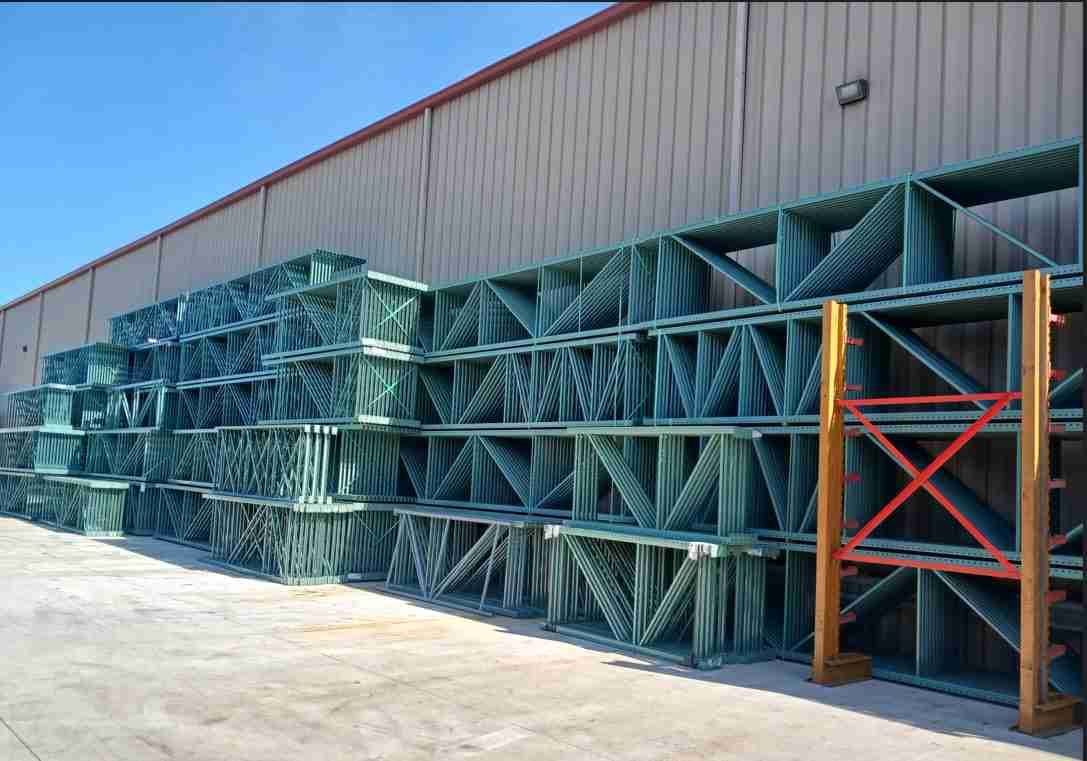
One fundamental piece of equipment that can significantly enhance safety is pallet racking. Now, you might be thinking, “Pallet racking? How does that affect safety?” Well, let’s break it down. A well-designed pallet racking system organizes inventory effectively, minimizing clutter and ensuring each item is easily and safely accessible. Imagine navigating your warehouse without tripping over stacks of boxes or dodging hazards lurking in every corner! By investing in good-quality pallet racking, you create a streamlined operation where items are stored at optimal heights, reducing the need for employees to stretch or climb in unsafe ways.
But it doesn’t end there. Alongside quality pallet racking, implementing robust safety signage is crucial. Clear, visible instructions remind staff about safety protocols—whether it’s the correct way to handle materials or acknowledging areas with potential risks. Good signage acts as a daily reminder of your commitment to creating a safe work environment, fostering a culture of safety rather than just compliance.
Moreover, consider incorporating technology, such as warehouse management software (WMS). With the right tools, you can automate mundane tasks that often lead to accidents. A WMS can track inventory levels, manage restocking, and even schedule maintenance on safety equipment. This precision not only enhances productivity but also significantly reduces the risk of accidents that stem from disorganization.
Lastly, never forget about training. Your safety tools mean nothing without a well-trained team that understands and respects the systems in place. Regular training sessions reinforce protocols, empower employees, and foster an ownership mentality over safety standards.
In closing, enhancing warehouse safety doesn’t have to feel like an uphill battle. With the right combination of tools—like effective pallet racking, clear signage, smart technology, and ongoing training—you can create a safe haven where your team can thrive. When safety becomes a shared value, it transforms your culture and boosts not only morale but also your bottom line. Take action today and watch your warehouse evolve into a bastion of safety and efficiency.
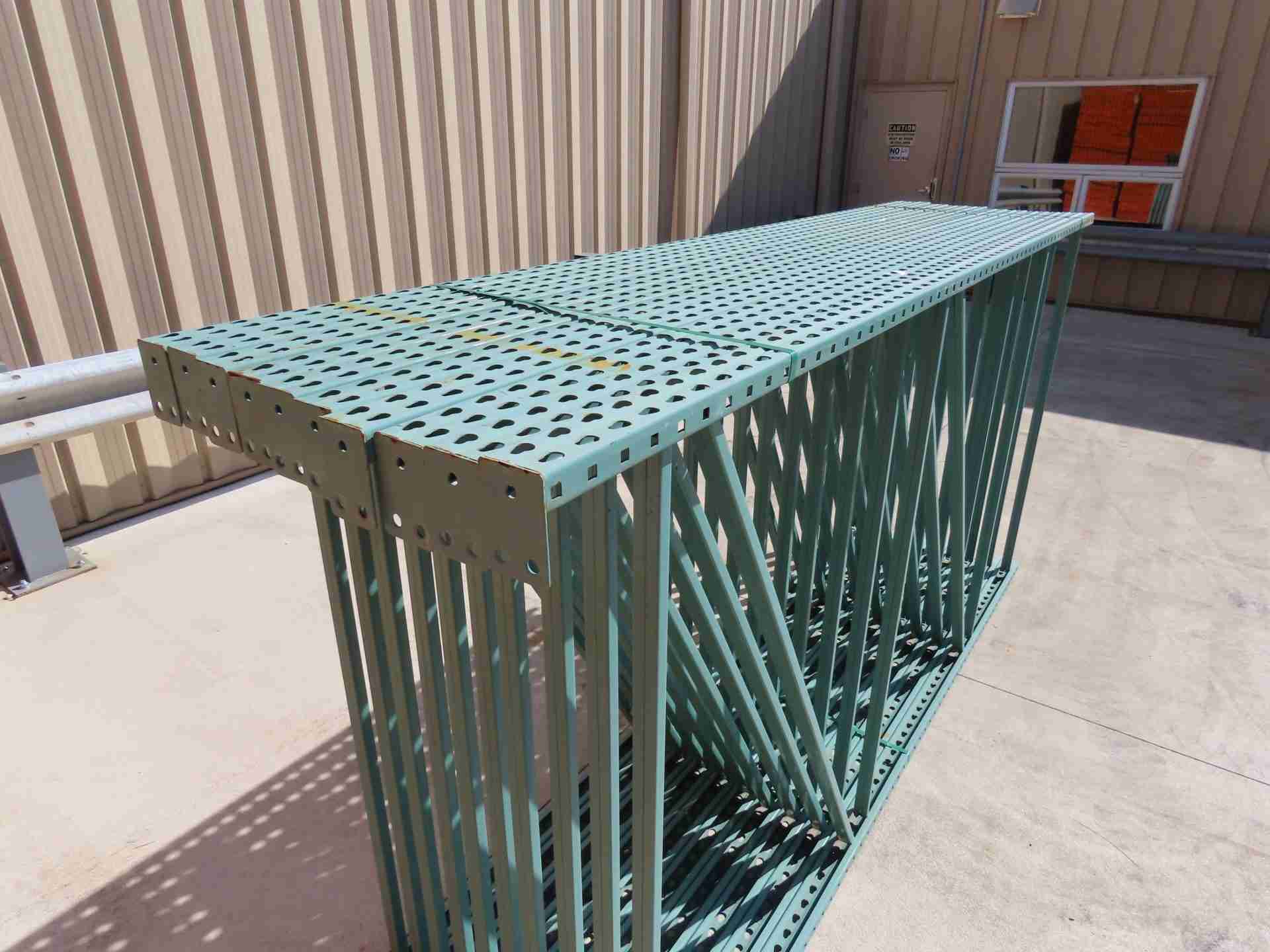
What Essential Tools Can Enhance Your Warehouse Safety Standards?
What Essential Tools Can Enhance Your Warehouse Safety Standards?
- Investing in the right tools for warehouse safety is essential for employee well-being.
- A well-designed pallet racking system organizes inventory, minimizing clutter and hazards.
- Quality pallet racking allows for optimal item storage, reducing the risk of unsafe stretching or climbing.
- Implementing robust safety signage reinforces safety protocols and fosters a culture of safety.
- Technology, such as warehouse management software, can automate tasks and reduce accident risks.
- Regular training sessions are crucial for employees to understand and respect safety systems.
- Creating a culture of safety boosts morale and enhances overall operational efficiency.
What Essential Tools Can Enhance Your Warehouse Safety Standards?
Table Of Contents
- What Essential Tools Can Enhance Your Warehouse Safety Standards?
- What Hazards Should We Be Aware Of In Our Warehouse?
- How Can Proper Training Improve Safety?
- What Personal Protective Equipment Is Essential?
- Which Safety Equipment Reduces Injury Risk?
- How Can Technology Aid Warehouse Safety Measures?
- What Role Does Signage Play In Safety Practices?
- Conclusion
- Other Resources
- Glossary Of Terms
- Other Questions
- Checklist
What Hazards Should We Be Aware Of In Our Warehouse?
When it comes to running a warehouse, awareness is your most powerful ally. The phrase “safety first” isn’t just a tagline; it’s a mantra that can save lives, reduce losses, and foster a culture of care among your workforce. But what does safety mean in a warehouse environment, especially with the intricacies of pallet racking?
First, let’s talk about pallet racking systems. These essential structures are the backbone of any warehouse, holding everything from light boxes to heavy machinery. However, they come with their own set of hazards that need addressing. Improperly maintained or overloaded pallet racks can lead to catastrophic collapses, resulting in damaged products and, more importantly, potential injuries. Regular inspections and maintenance of your pallet racking will help you catch any weaknesses before they pose a risk.
Next, think about aisle space and traffic flow. A tight squeeze may save space, but it can create a bottleneck of hazards. Always ensure that aisles are clear and well-marked. Implementing a strategy for traffic management, including clear routes for both pedestrians and forklifts, not only streamlines operations but also minimizes risks. Remember, a smooth workflow is a safer workflow.
Let’s not forget about the people driving those forklifts—your employees. Providing adequate training is tantamount to building a culture of safety. Employees who feel prepared and knowledgeable about warehouse hazards, including those related to pallet racking and machinery operation, are less likely to make mistakes that can lead to accidents.
Hazards like slick floors, inadequate lighting, or unstable loads are lurking around every corner. Regularly assess your space, conduct routine safety drills, and foster an open dialogue with your team. Encourage them to speak up about potential issues or near misses. These conversations can bring hidden dangers to light, helping you maintain a safer workspace.
In the face of hazards, it’s easy to feel overwhelmed. But remember, embracing a proactive approach to safety doesn’t just protect your assets; it builds trust with your team. When they see you committed to their well-being, you cultivate loyalty, turnover decreases, and productivity surges.
Now is the time to take action. Review your safety protocols, pay special attention to your pallet racking, and ensure everyone understands their role in creating a secure working environment. After all, a safe warehouse isn’t just a dream; it’s a responsibility you owe to everyone who steps inside. Make it happen!

What Hazards Should We Be Aware Of In Our Warehouse?
What Hazards Should We Be Aware Of In Our Warehouse?
- Awareness in warehouse operations is crucial for safety and fostering a culture of care.
- Pallet racking systems are essential but pose hazards if not properly maintained or overloaded.
- Regular inspections and maintenance are key to preventing pallet rack failures and injuries.
- Ensuring clear and well-marked aisles, along with effective traffic management, minimizes risks.
- Providing adequate training for employees helps build a safety-conscious workforce.
- Routine safety assessments and fostering open communication can identify and address hidden hazards.
- Proactive safety measures enhance trust, reduce turnover, and improve productivity in the workplace.
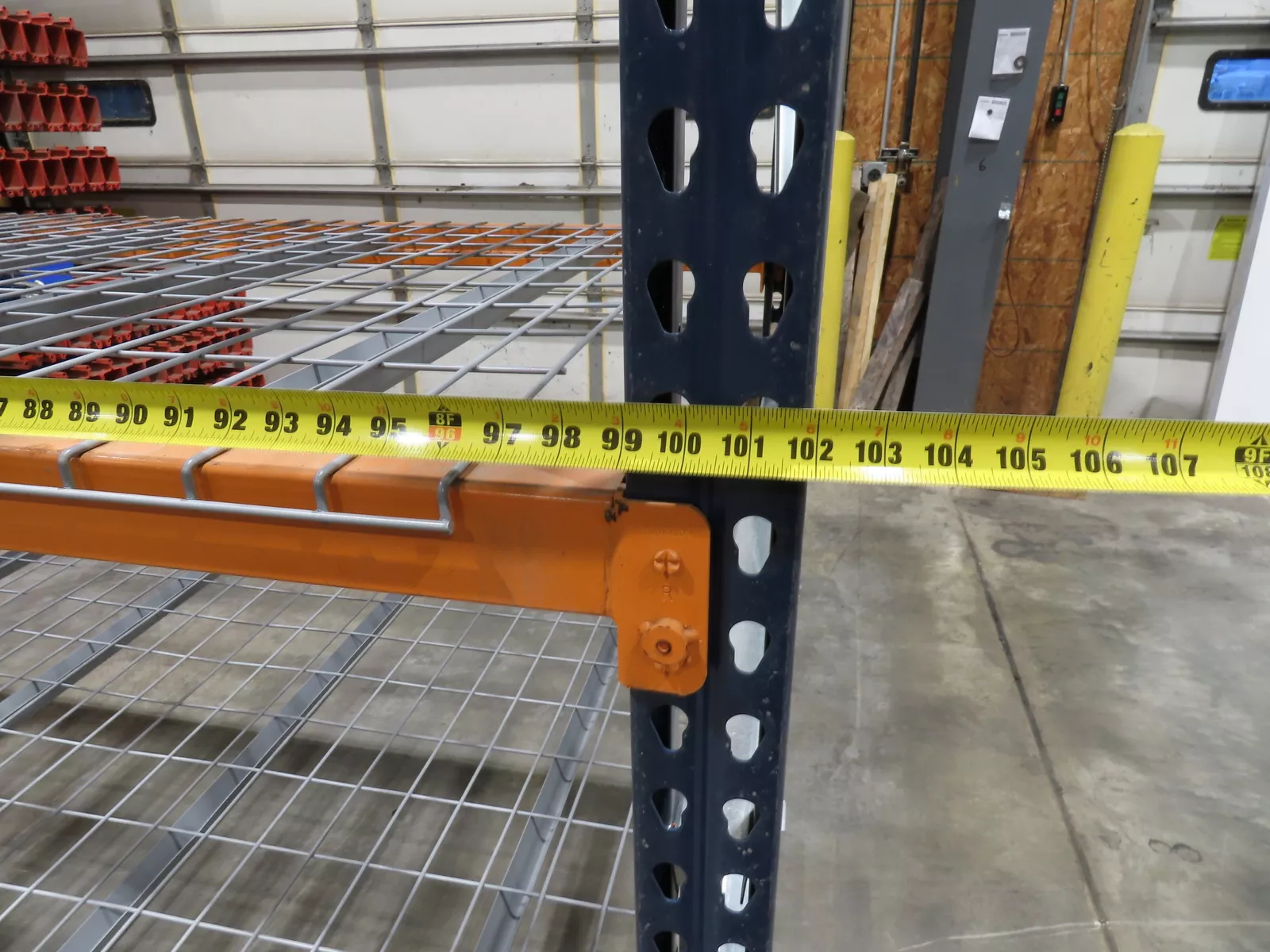
What Hazards Should We Be Aware Of In Our Warehouse?
How Can Proper Training Improve Safety?
Imagine walking into a warehouse where the air is filled with the whir of machinery and the bustle of employees. Now picture this same environment operating like a well-oiled machine, where every worker navigates seamlessly around towering shelves of Pallet Racking, minimizing risk and maximizing productivity. This isn’t just a dream—it’s the result of investing in proper training.
In the world of logistics and warehousing, safety isn’t merely a checkbox; it’s the bedrock of success. Proper training equips employees with the knowledge and skills they need to handle their tasks confidently. When your team understands how to operate around Pallet Racking safely, communicative practices blossom, and potential hazards diminish. An employee trained in navigating the intricacies of heavy machinery is less likely to encounter an accident, ensuring they return home safely to their loved ones at the end of the day.
But it doesn’t stop there. When safety protocols become second nature, you foster a culture of accountability and pride among your workforce. Team members become each other’s best allies, watching out for one another as they maneuver through aisles stacked with materials. The ripple effect of this culture is profoundly transformative; as safety improves, trust grows. Employees feel valued, knowing that their well-being is prioritized, and this nurtures a loyal workforce that is actionable and engaged.
Let’s be real—training does cost time and money. However, this investment pays for itself tenfold in reduced accidents, lower insurance rates, and an overall boosted morale. A commitment to safety is not just about compliance, it’s about building a brand that stands for quality and care. Think about the last time you chose a supplier—wasn’t trust and reliability at the forefront of that decision?
Consider the stark contrast of a company where training is an afterthought. Disorganization starts to spiral into chaos as accidents lead to downtime. Suddenly, tasks take longer, and your well-oiled machine begins to sputter and stall. What was once a thriving environment risks becoming a cautionary tale.
Channeling resources into comprehensive training not only elevates safety standards but also cultivates a dynamic workplace culture. So step up and embrace the change. Invest in your team. Train them on the finer points of working safely around Pallet Racking, and watch as your safety metrics soar and your business thrives. The benefits are more than just numbers—they’re the heartbeat of your operation.
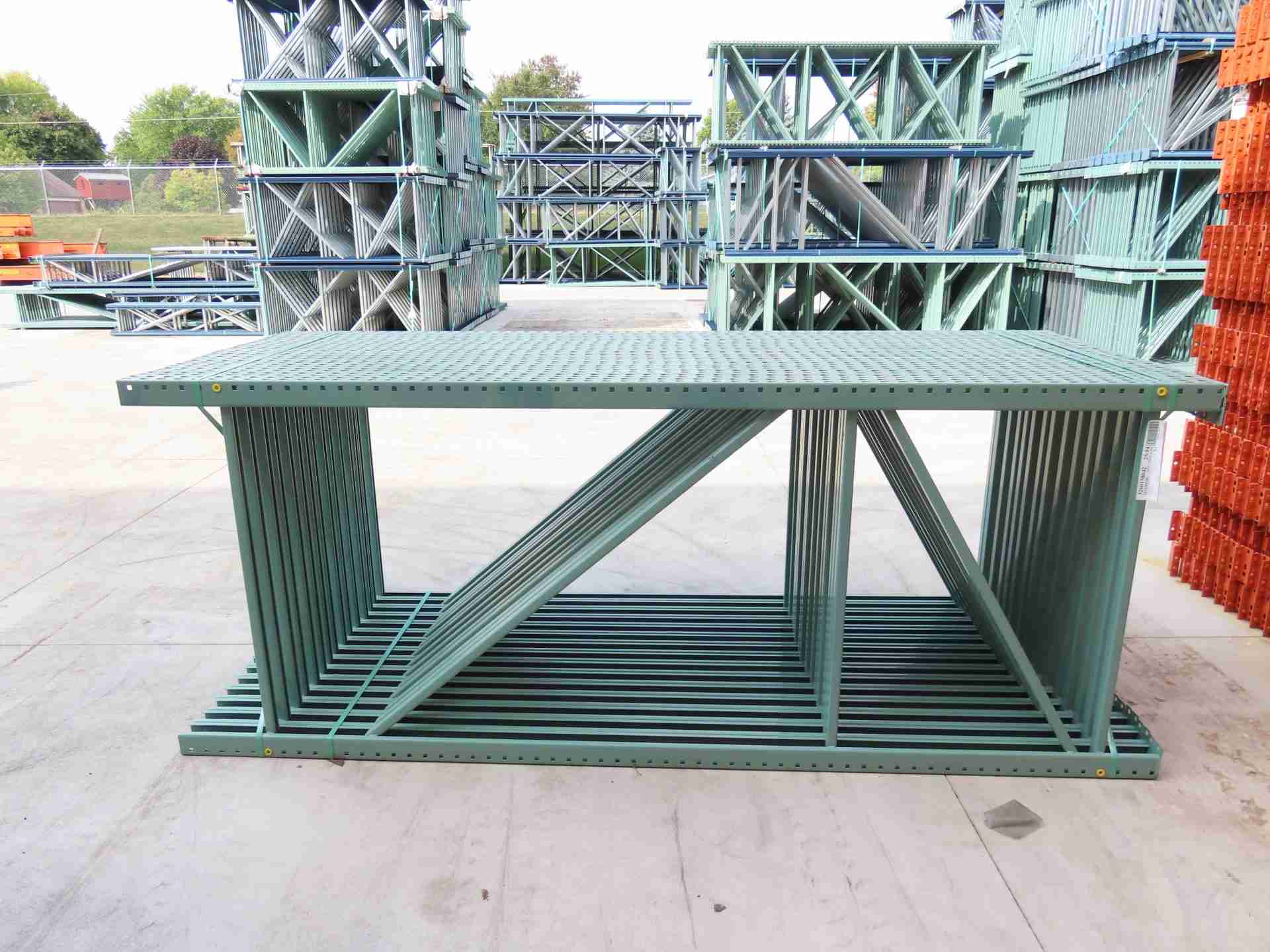
How Can Proper Training Improve Safety?
How Can Proper Training Improve Safety?
- Proper training in logistics and warehousing leads to a safe and productive work environment.
- Safety is crucial for success and minimizes risks in daily operations.
- Trained employees confidently navigate heavy machinery and reduce the likelihood of accidents.
- A culture of accountability develops among team members as they prioritize each other’s safety.
- Investing in training pays off through reduced accidents and lower insurance rates.
- Lack of training can lead to disorganization, increased downtime, and a chaotic work environment.
- Comprehensive training elevates safety standards and fosters an engaged, loyal workforce.
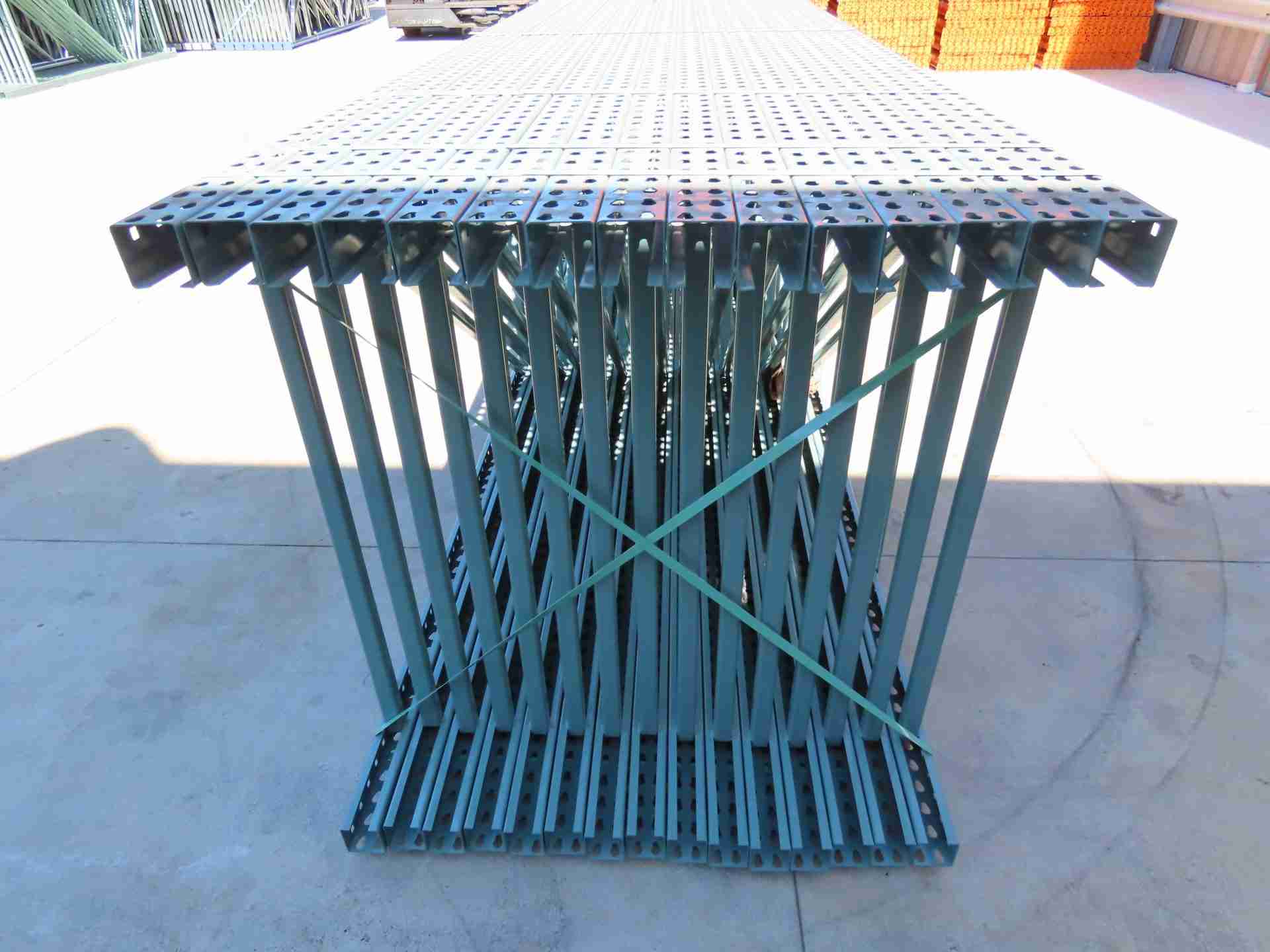
How Can Proper Training Improve Safety?
What Personal Protective Equipment Is Essential?
In today’s bustling warehouses and busy construction sites, ensuring the safety of your team isn’t just a priority; it should be your mantra. Personal Protective Equipment (PPE) isn’t merely an option; it’s an essential part of creating a safe and functional work environment. And when you’re managing spaces filled with heavy loads and intricate structures—like pallet racking—having the right gear becomes even more critical.
Imagine walking through a sprawling warehouse with towering shelves of pallet racking. The sight may be impressive, but it also poses many risks. The heavy pallets and the equipment required to move them can lead to potential injuries, making the choice of PPE non-negotiable. Think about this: every year, thousands of workplace injuries occur due to a lack of proper safety gear. It’s not just statistics; it’s people who could be your colleagues, friends, or beloved team members.
So, what essential protective gear should you consider? Start with a sturdy pair of safety boots. They provide crucial foot protection and excellent traction on potentially hazardous surfaces. Then, there are hard hats, which safeguard against overhead hazards—because in an environment with pallet racking, something could fall unexpectedly, and your head should never be left unprotected.
Next up on the list is eye protection. Safety goggles or face shields can prevent debris or harmful substances from causing serious eye injuries. Similarly, high-visibility clothing is essential in such bustling environments, ensuring that your team members are always seen amidst the chaos.
Don’t overlook hand protection! Gloves tailored for the tasks at hand ensure that your crew can handle sharp objects or hazardous materials without injury. Finally, ear protection is paramount in environments filled with loud machinery. You want your team to hear each other’s shouts and warnings, not just the cacophony of machines at work.
Investing in the right personal protective equipment not only fosters a culture of safety but also promotes trust. When people know their well-being is prioritized, they are more confident, productive, and engaged. In turn, this leads to reduced downtime and protects your bottom line.
So, as you think about enhancing your workplace safety, remember that PPE is more than just gear; it’s an investment in your team’s health and your operation’s future. Equip your workforce with the essentials, and watch how your workplace transforms into a safer, more confident environment.
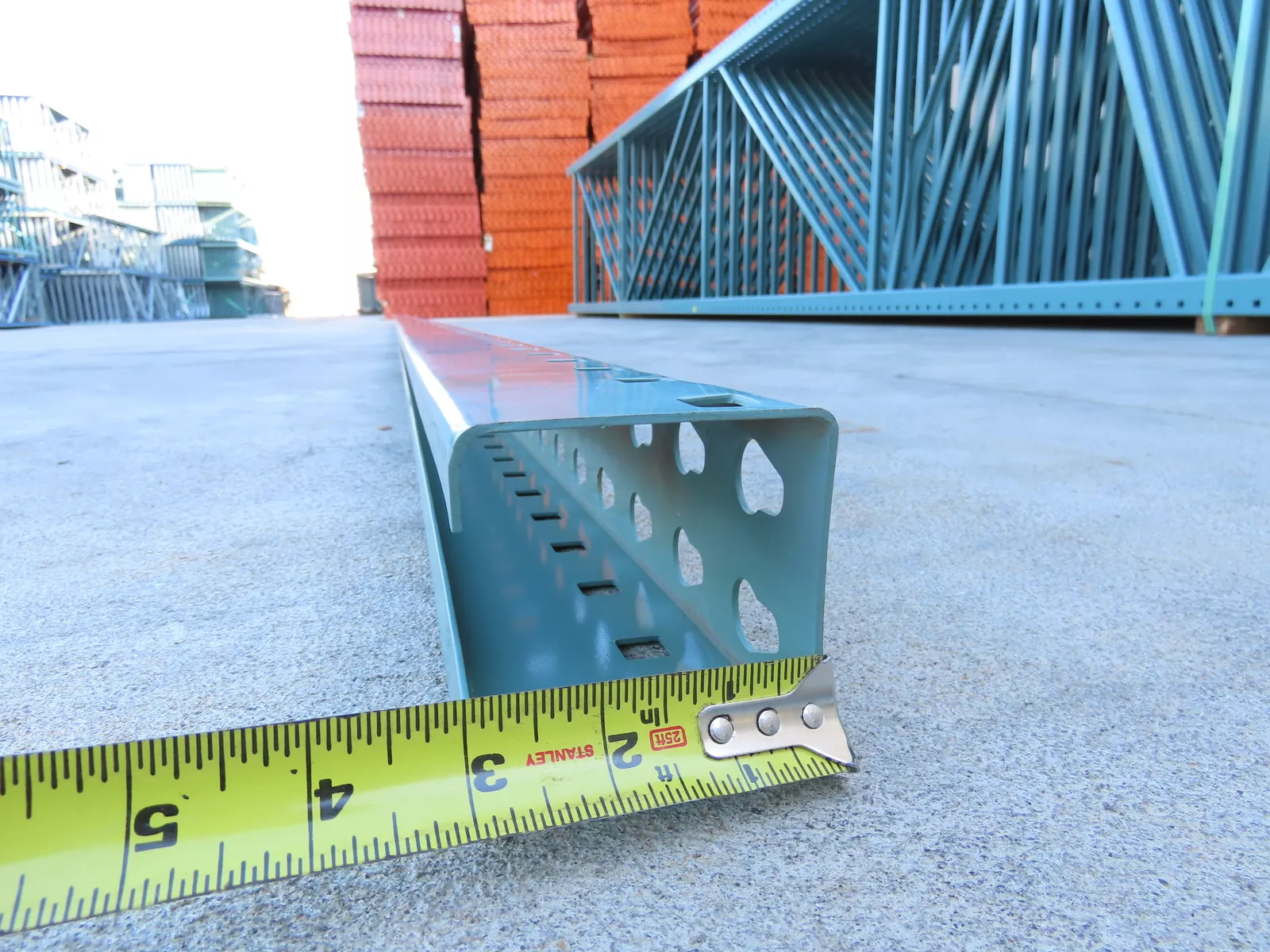
What Personal Protective Equipment Is Essential?
What Personal Protective Equipment Is Essential?
- Workplace safety is a fundamental priority in warehouses and construction sites.
- Personal Protective Equipment (PPE) is essential for maintaining a safe work environment.
- Pallet racking and heavy loads pose significant risks, necessitating the use of appropriate PPE.
- Essential protective gear includes safety boots, hard hats, eye protection, high-visibility clothing, gloves, and ear protection.
- Investing in PPE fosters a culture of safety, trust, and team confidence.
- Safety gear not only reduces injuries but also positively impacts productivity and engagement.
- PPE is an investment in both employee health and the overall future of operations.
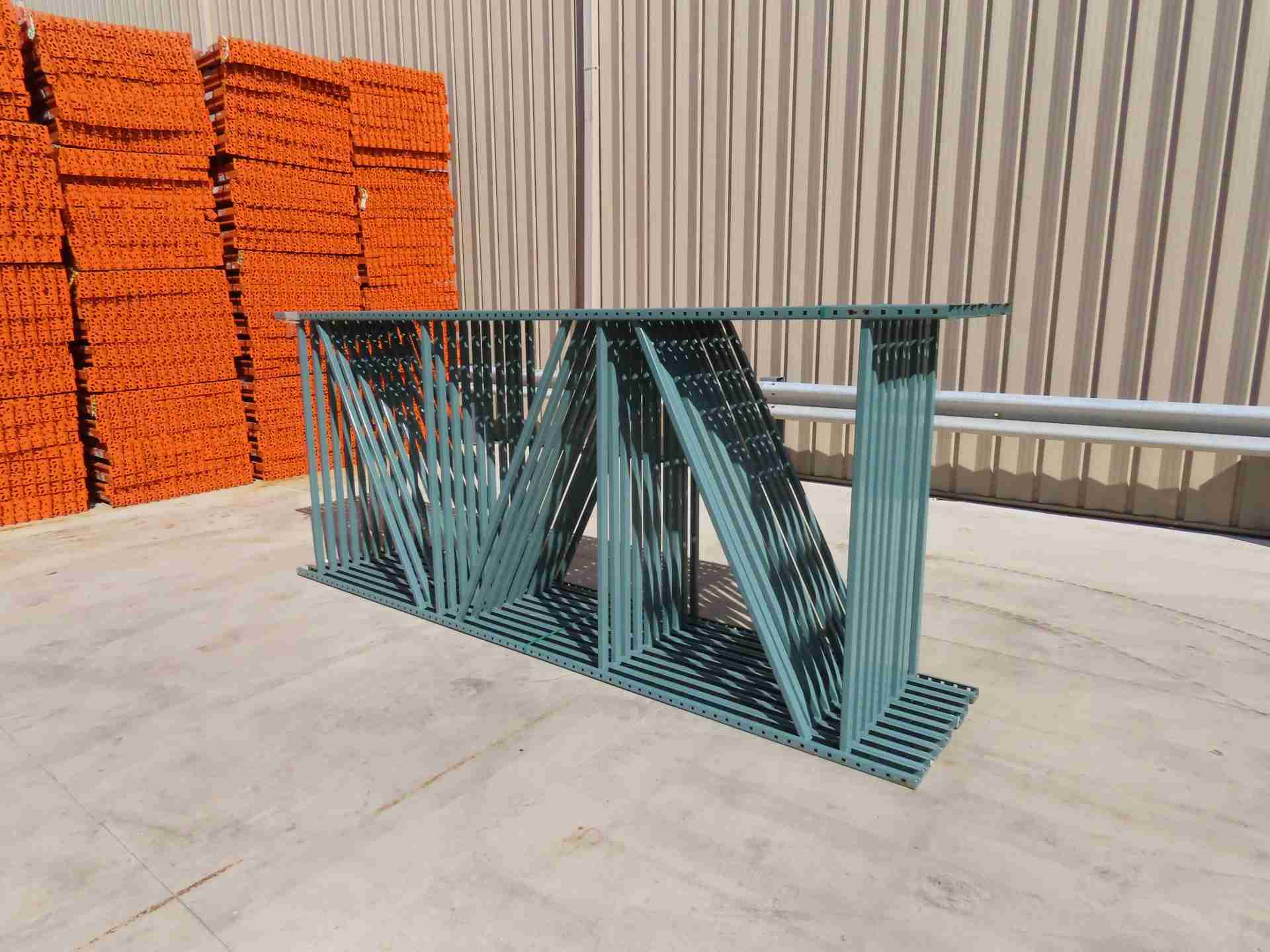
What Personal Protective Equipment Is Essential?
Which Safety Equipment Reduces Injury Risk?
In the world of warehousing and distribution, the safety of your workforce is paramount. Accidents can lead to not only injuries but also costly downtimes and damaged reputations. So, how do you champion the cause of safety while stacking the odds in your favor? Let’s take a closer look at the pivotal safety equipment designed to reduce injury risk, particularly in environments that rely heavily on Pallet Racking.
First and foremost, let’s talk about the unsung hero of your safety equipment arsenal: the humble safety harness. When tasks require employees to navigate heights, a reliable safety harness becomes essential. By ensuring workers are secured while retrieving items from elevated pallet racking, you’re not only adhering to safety regulations but also demonstrating a commitment to their well-being. It’s a small investment that can yield enormous returns in accident prevention.
Next on the list are safety barriers and guardrails. Imagine a bustling warehouse, with workers zipping between aisles stacked with products on pallet racking. It’s a dynamic environment, but it comes with risks. The installation of guardrails creates a physical barrier, guiding employees away from potential hazards. This simple safety measure can significantly minimize the likelihood of unintended falls or collisions, fostering an atmosphere of security and focus.
Another critical piece of safety equipment is adequate training programs. Knowing how to properly operate equipment, maneuver around pallet racking, and handle materials safely makes a world of difference. Investing in comprehensive training not only empowers employees but also inspires confidence. When they feel equipped to face challenges head-on, the entire team thrives—not just in productivity, but importantly, in safety.
Let’s not forget the importance of personal protective equipment (PPE). In an environment filled with moving equipment and heavy goods, the right PPE serves as an additional layer of protection. Whether it’s hard hats, high-visibility vests, or steel-toed boots, each item shields employees from potential injuries and bolsters a culture that prioritizes safety above all.
Lastly, regularly inspecting and maintaining your pallet racking systems cannot be overstated. Over time, wear and tear occur; ensuring that your racking is up to code and safe for use helps avert catastrophes. A proactive approach in this regard signals that you are vigilant, responsible, and put employee safety at the forefront of your operations.
By embracing these crucial safety measures, you not only protect your team but also position your organization as a trusted pillar in the community. After all, a safe workplace speaks volumes about your values, instilling confidence in your employees and customers alike. So, let’s make safety a priority—because in the end, your greatest asset is your people.
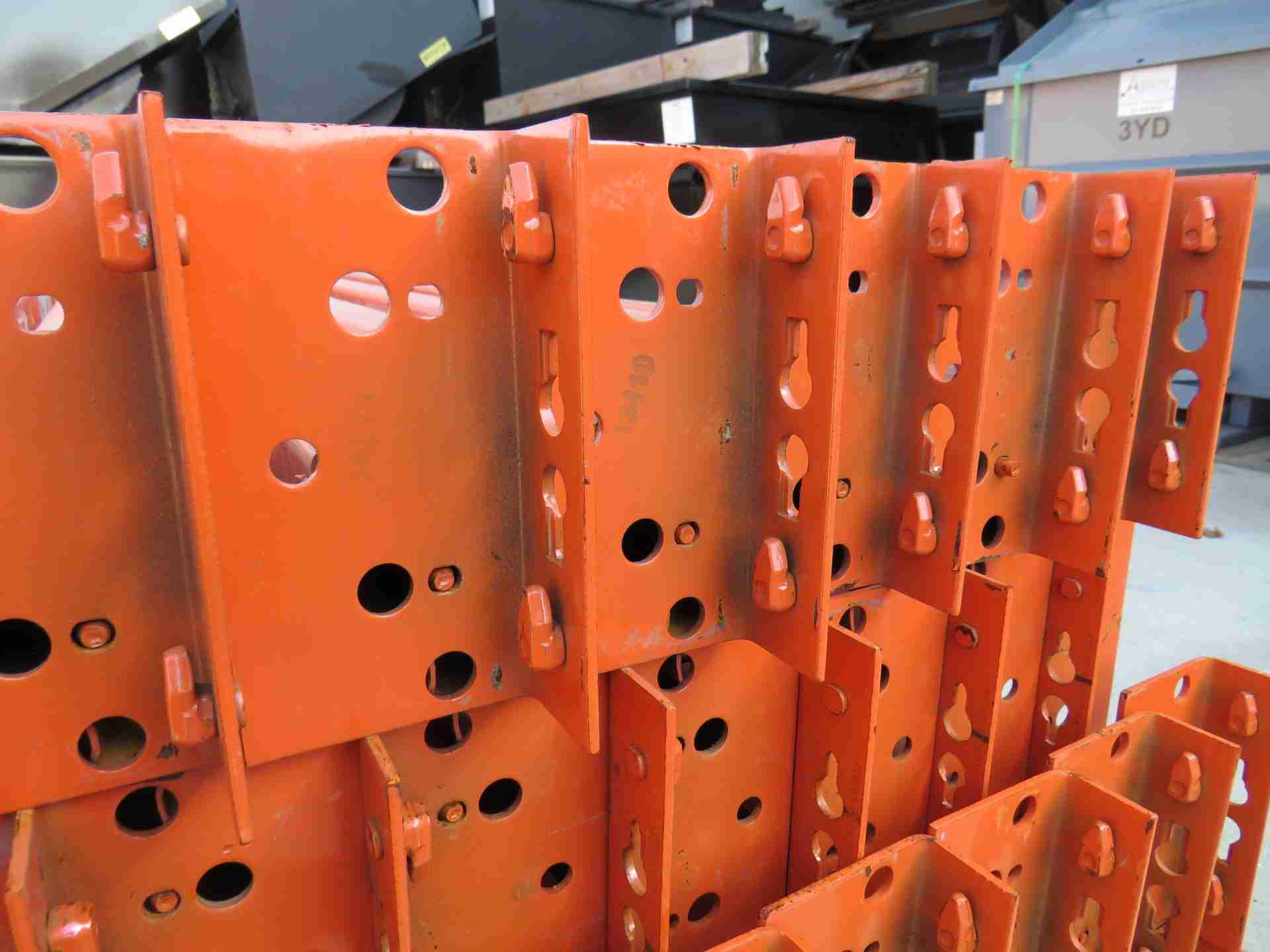
Which Safety Equipment Reduces Injury Risk?
Which Safety Equipment Reduces Injury Risk?
- Workforce safety is essential in warehousing to prevent injuries, downtime, and reputation damage.
- Safety harnesses are crucial for tasks involving heights, securing workers while using elevated pallet racking.
- Safety barriers and guardrails create physical barriers in busy environments, reducing accidents like falls and collisions.
- Comprehensive training programs empower employees with the knowledge to safely operate equipment and navigate the workspace.
- Personal protective equipment (PPE) such as hard hats and steel-toed boots adds an extra layer of safety for employees.
- Regular inspection and maintenance of pallet racking systems help prevent safety issues from wear and tear.
- Implementing these safety measures enhances employee protection and reinforces the organization’s commitment to safety and community trust.

Which Safety Equipment Reduces Injury Risk?
How Can Technology Aid Warehouse Safety Measures?
In the bustling environment of a warehouse, safety isn’t just a checklist item—it’s the very foundation of your operations. Picture this: a well-organized facility where each piece of equipment has a designated spot, where every employee knows exactly what to do, and where accidental injuries become a thing of the past. This is not just a dream; with the right technology, it can be your reality!
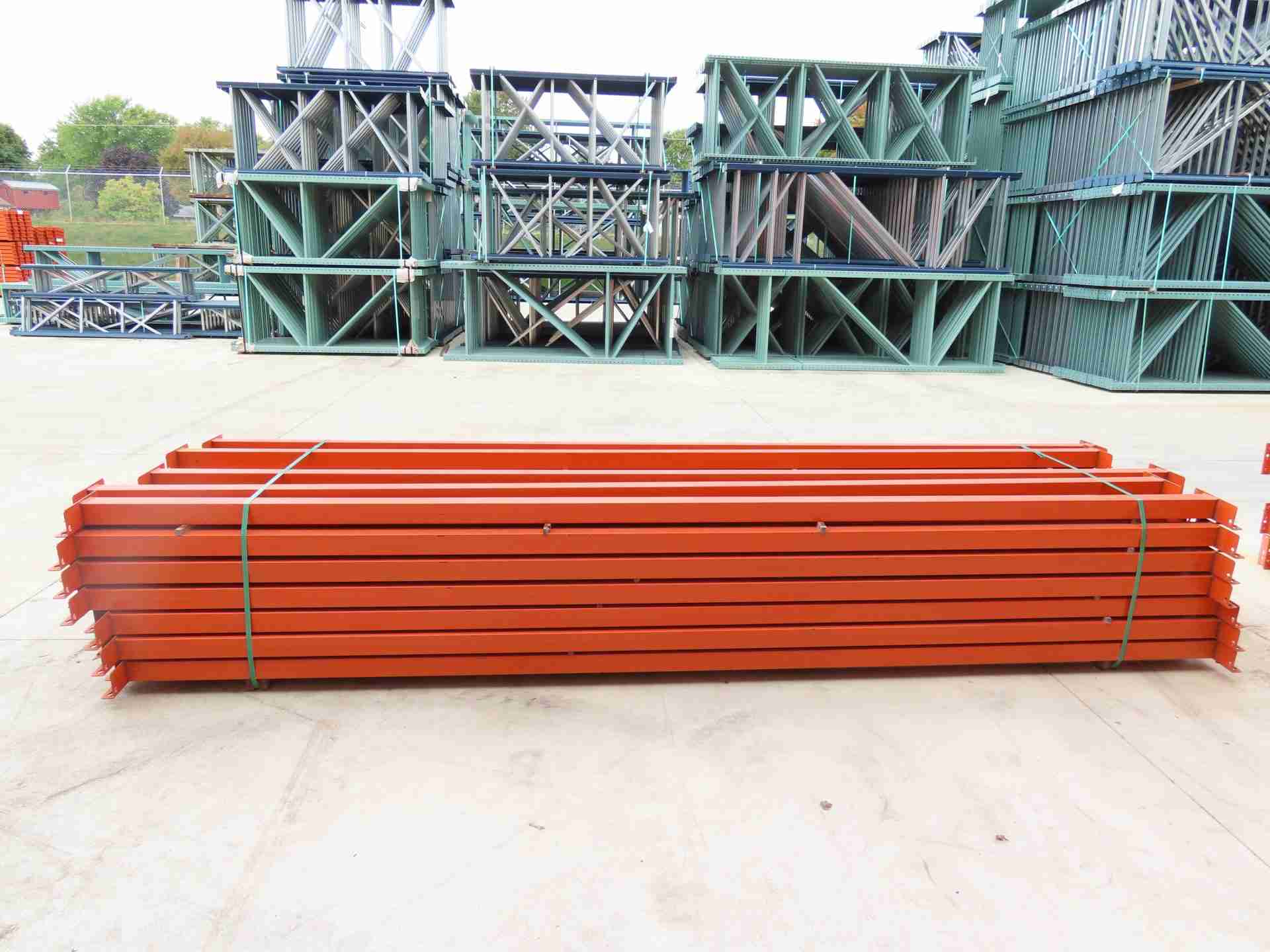
Let’s talk about one of the most crucial elements in any warehouse: pallet racking. It’s essential for maximizing your space effectively, but without safety measures, it can become a potential hazard. This is where modern technology steps in, transforming traditional systems into sophisticated solutions. Imagine smart pallet racking systems equipped with sensors that can track inventory levels in real time. Not only does this streamline operations, but it also ensures that employees are only accessing zones that are safe and clear. By integrating technology into your pallet racking systems, you’re not just organizing your space; you’re creating a safer environment for everyone involved.
Furthermore, technology can enhance training and awareness. Virtual reality (VR) training modules allow staff to immerse themselves in lifelike scenarios, gaining experience without any risk. Employees can practice handling pallet racking safely, navigating complex layouts, and even tackling emergency situations—all from the comfort of a training room. Such tools foster a culture of safety by making learning engaging and relatable, helping your team to fully grasp the importance of protocol.
In addition to training, data analytics is your new best friend when it comes to proactive safety management. Imagine having access to reports that highlight peak activity times, identifying potential hazards before they become incidents. With this information at hand, you can optimize your layout and adjust scheduling, creating an atmosphere that prioritizes worker welfare. Not only does this inspire confidence among your staff, but it also demonstrates your commitment to their safety.
Ultimately, embracing technology in your warehouse isn’t just about compliance or keeping up with trends; it’s about building a lasting culture of safety, trust, and efficiency. Isn’t it time you made the switch? Equip your team with the best tools available, and watch as your safety measures soar to new heights. Remember, an investment in safety is an investment in your people—and your business’s success. Take action today; the future of safety is waiting for you!

How Can Technology Aid Warehouse Safety Measures?
How Can Technology Aid Warehouse Safety Measures?
- Safety is crucial in a warehouse, serving as the foundation of operations.
- Pallet racking is essential for space management but requires safety measures to prevent hazards.
- Modern technology, such as smart pallet racking systems with sensors, enhances safety and streamlines operations.
- Virtual reality (VR) training modules allow staff to safely practice handling pallet racking and emergency situations.
- Data analytics provide insights into peak activity and potential hazards, enabling proactive safety management.
- Embracing technology fosters a culture of safety, trust, and efficiency in the workplace.
- Investing in safety is an investment in both employees and business success—action is encouraged for a safer future.
How Can Technology Aid Warehouse Safety Measures?
What Role Does Signage Play In Safety Practices?
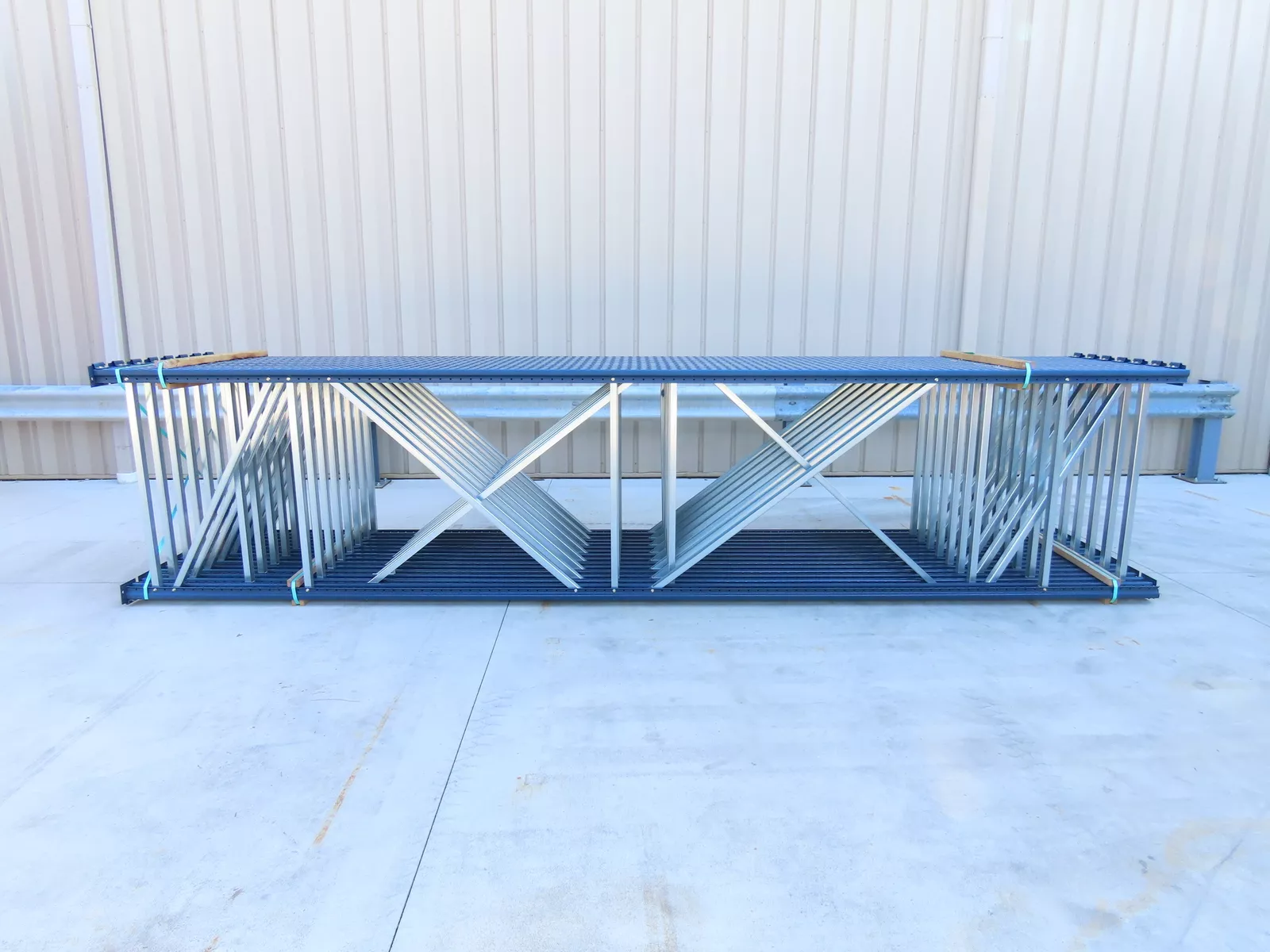
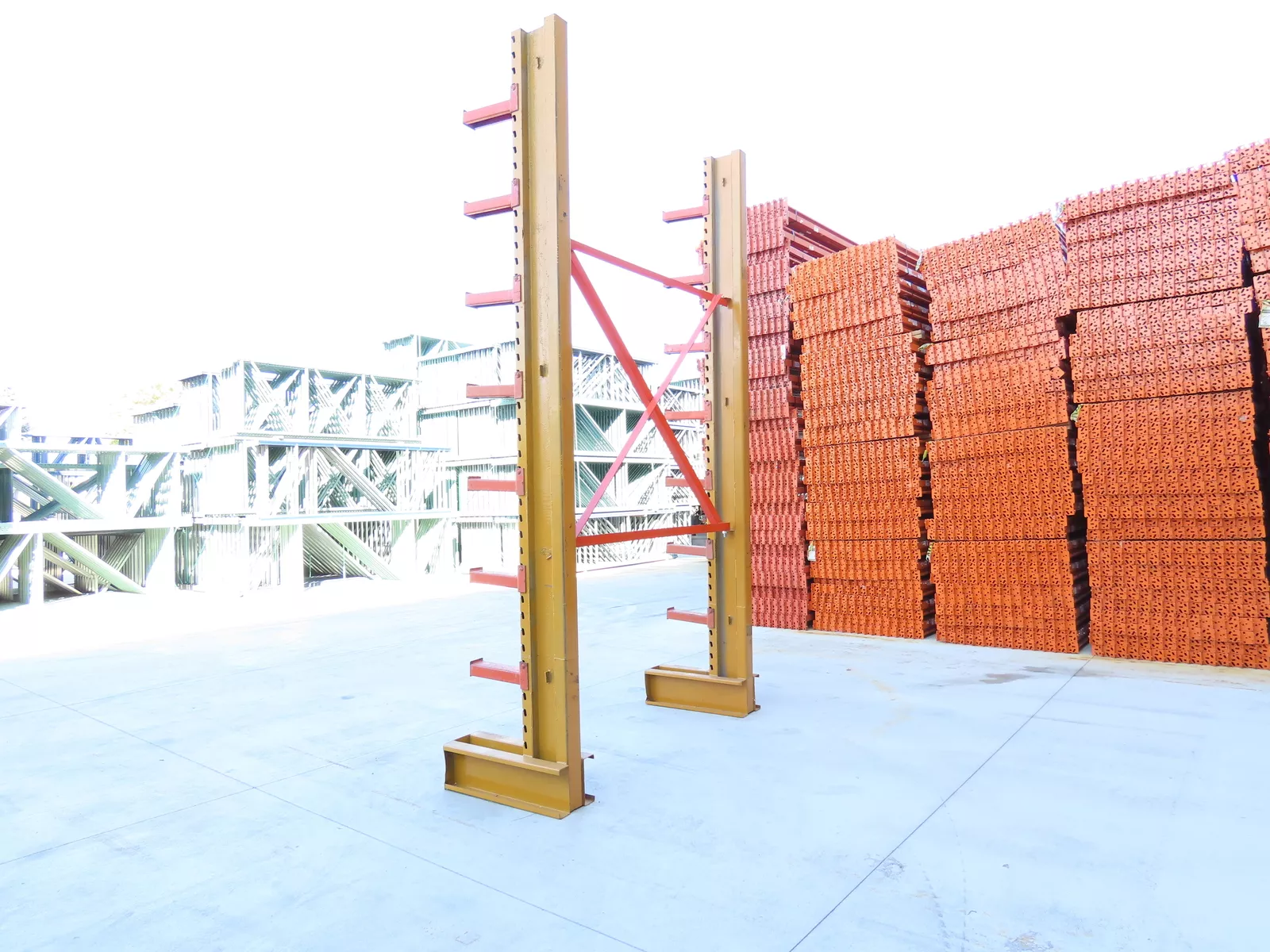
When it comes to ensuring a safe workplace, one often overlooked hero emerges from the shadows: effective signage. Imagine walking into a bustling warehouse, packed with pallet racking systems towering high above your head. The last thing you want is for an accident to happen because someone didn’t see that critical safety message. That’s where signage steps in, serving as both a guide and a guardian.
Signage isn’t merely a decoration; it’s an indispensable part of any safety strategy. Picture this: You’ve got a busy crew maneuvering forklifts near rows of pallet racking, moving tons of goods daily. If there’s no clear signage indicating safe zones or proper load capacities, the risk skyrockets. Every time someone glances at bright, strategic signs reminding them of safety protocols or equipment specifications, it reinforces a culture of mindfulness. These subtle reminders become second nature, weaving safety into the fabric of daily operations.
But let’s be real – effective signage means more than just slapping up a bunch of words. It’s about crafting messages that resonate, that connect with your team on a human level. Visuals play a critical role here; clever graphics can communicate a concept faster than a thousand words. Make your signs stand out but also ensure they’re intuitive. Use universal symbols whenever possible and choose language that speaks directly to workers. When people feel that the information is understandable and relatable, they’re far more likely to internalize it and act accordingly.
Moreover, consider the power of consistency. Positioning signs strategically around high-risk areas, like those busy zones near pallet racking, ensures that the reminders are always in sight and in mind. Regularly updating signage in accordance with changing safety regulations or operational practices reflects a commitment to ongoing safety. This isn’t just about compliance; it’s about cultivating a workspace where safety doesn’t take a backseat but drives the entire operation.
In summary, the role of signage in safety practices is paramount. From bolstering awareness to preventing accidents, it’s an essential investment in the well-being of your team. So, whether you’re managing a bustling warehouse or overseeing a factory floor, don’t underestimate the power of a well-placed sign. Make safety a priority—because when it comes to your team’s well-being, you can’t afford to overlook those crucial little details. After all, a single glance at the right sign can save a life.
What Role Does Signage Play In Safety Practices?
What Role Does Signage Play In Safety Practices?
- Effective signage is crucial for maintaining a safe workplace, especially in high-risk environments like warehouses.
- Signage serves as both a guide and a guardian, promoting safety awareness among workers.
- Clear signage helps reinforce safety protocols and equipment specifications, cultivating a culture of mindfulness.
- Signage should connect with workers on a human level, utilizing intuitive visuals and relatable language.
- Consistent placement of signs in high-risk areas helps keep safety reminders visible and top-of-mind.
- Regularly updating signage ensures compliance with safety regulations and reflects a commitment to safety.
- The importance of well-placed signs cannot be underestimated; they are essential for preventing accidents and ensuring team well-being.
What Role Does Signage Play In Safety Practices?
Conclusion
Conclusion: Elevate Your Warehouse Safety with Essential Tools Today!
In the fast-paced world of warehousing, prioritizing the safety of your employees isn’t just a smart strategy; it’s a critical responsibility. Envision a workplace where team members navigate their surroundings with confidence, armed with essential tools that enhance safety standards—this is not merely an aspiration, but a reality you can create today.
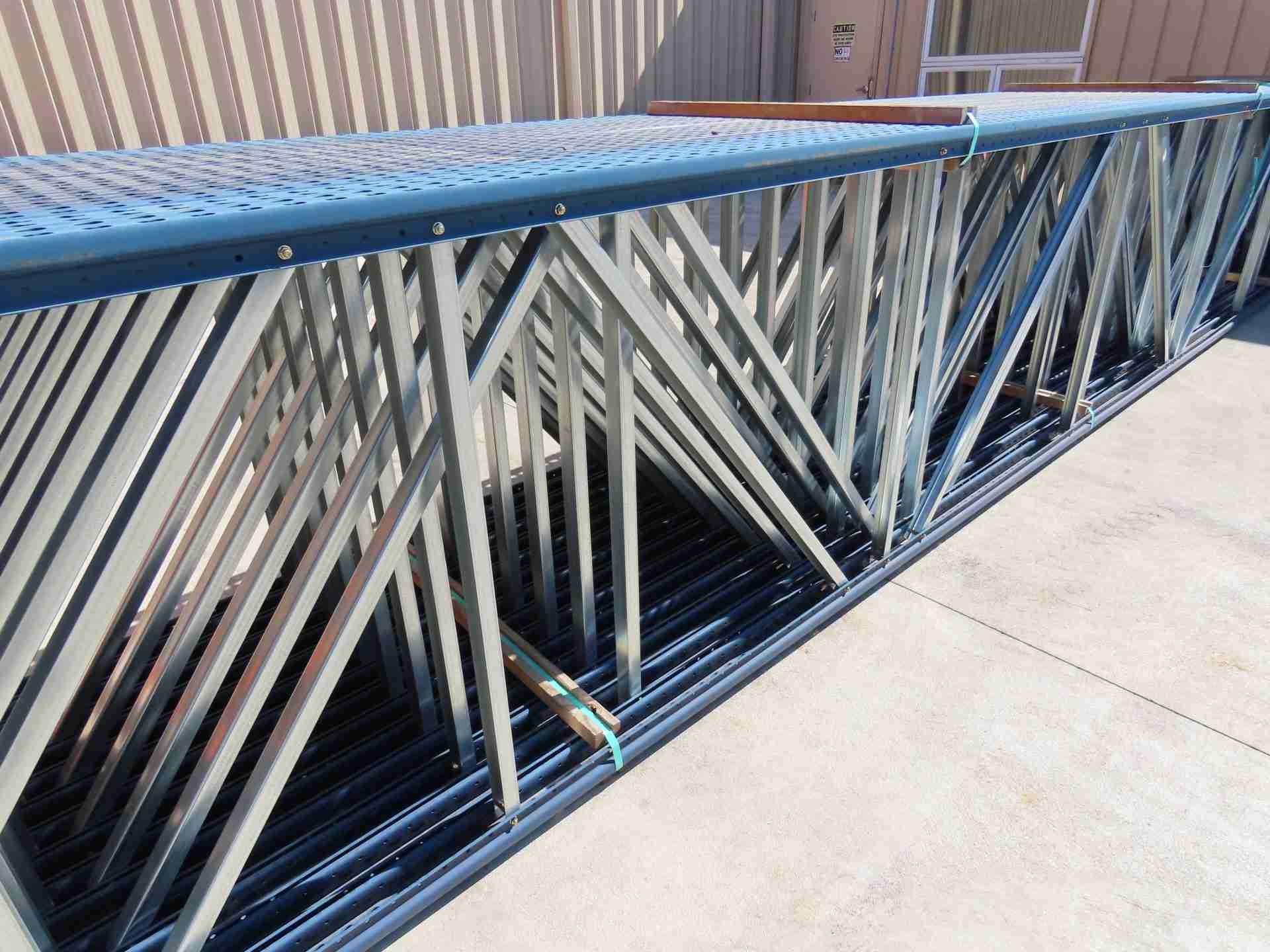
A well-structured safety program begins with critical tools such as high-quality pallet racking, effective safety signage, advanced technology, regular training, and, of course, personal protective equipment (PPE). Imagine transforming your warehouse into a well-organized haven, free from clutter, where safety protocols are second nature and every employee understands their vital role in maintaining a secure environment. Pallet racking systems, for instance, efficiently organize inventory and minimize hazards by allowing employees to access goods safely, significantly lowering the likelihood of accidents caused by disarray.
Adding robust signage not only serves as a crucial reminder of safety protocols but also fosters a culture of proactive awareness among your workforce. Meanwhile, integrating technological solutions enables better inventory management and operational oversight, creating an environment prepared for anything. Additionally, investing in proper training empowers your employees, turning them into vigilant guardians of safety, equipped with the knowledge to mitigate risks.
But don’t stop there! The necessary PPE rounds off your safety arsenal, ensuring every worker is physically protected from potential hazards that lurk in any warehouse environment. From gloves designed for grip to sturdy footwear that withstands workplace rigors, equipping your team with quality gear is an investment that pays off in employee morale and productivity.
As you evaluate your current safety practices, the call to action is crystal clear. Take the necessary steps to elevate your warehouse safety by embracing these essential tools. Don’t wait for accidents to occur—proactively adapt and strengthen your safety measures today! Reach out to Arrow Industrial Sales at (574) 349-6575 for expert guidance on how to equip your facilities with the best safety tools available.
Remember, preserving the well-being of your workforce is not just a compliance issue; it’s a moral obligation that builds trust, minimizes turnover, and enhances your bottom line. Act fast—because safety isn’t just about protecting assets; it’s about safeguarding lives and ensuring the long-term success of your operations. The time to enhance your safety standards is now! Don’t let urgency slip away—call today!
Conclusion
Conclusion:
- Prioritizing employee safety in warehousing is a critical responsibility.
- Implement a structured safety program with essential tools like pallet racking, safety signage, technology, training, and PPE.
- Pallet racking systems help organize inventory and reduce hazards, lowering accident risk.
- Effective signage raises awareness of safety protocols among employees.
- Investing in technology improves inventory management and operational efficiency.
- Proper training turns employees into vigilant guardians of safety.
- Quality PPE safeguards workers against potential hazards and enhances morale and productivity.
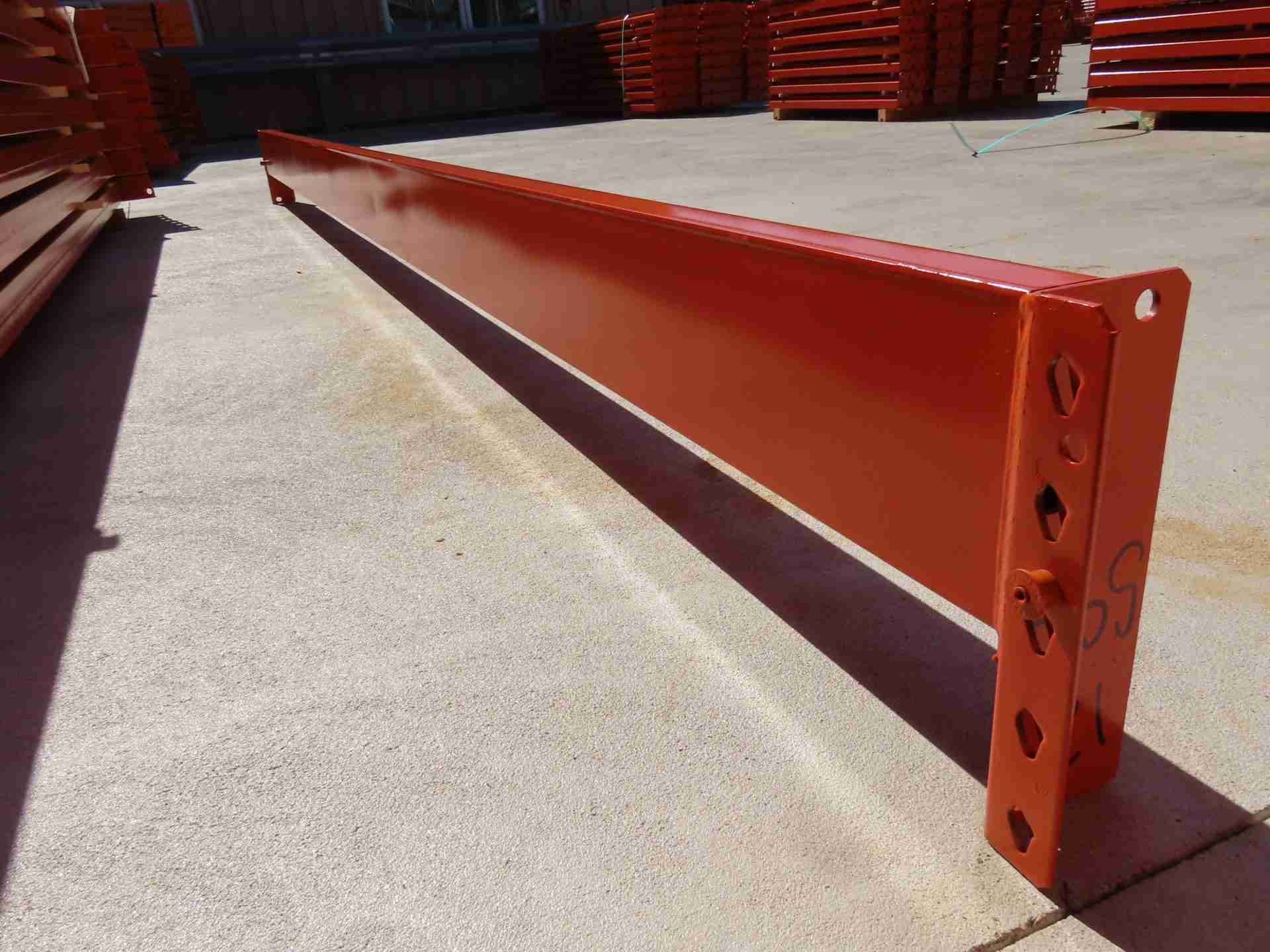
Conclusion
Other Resources
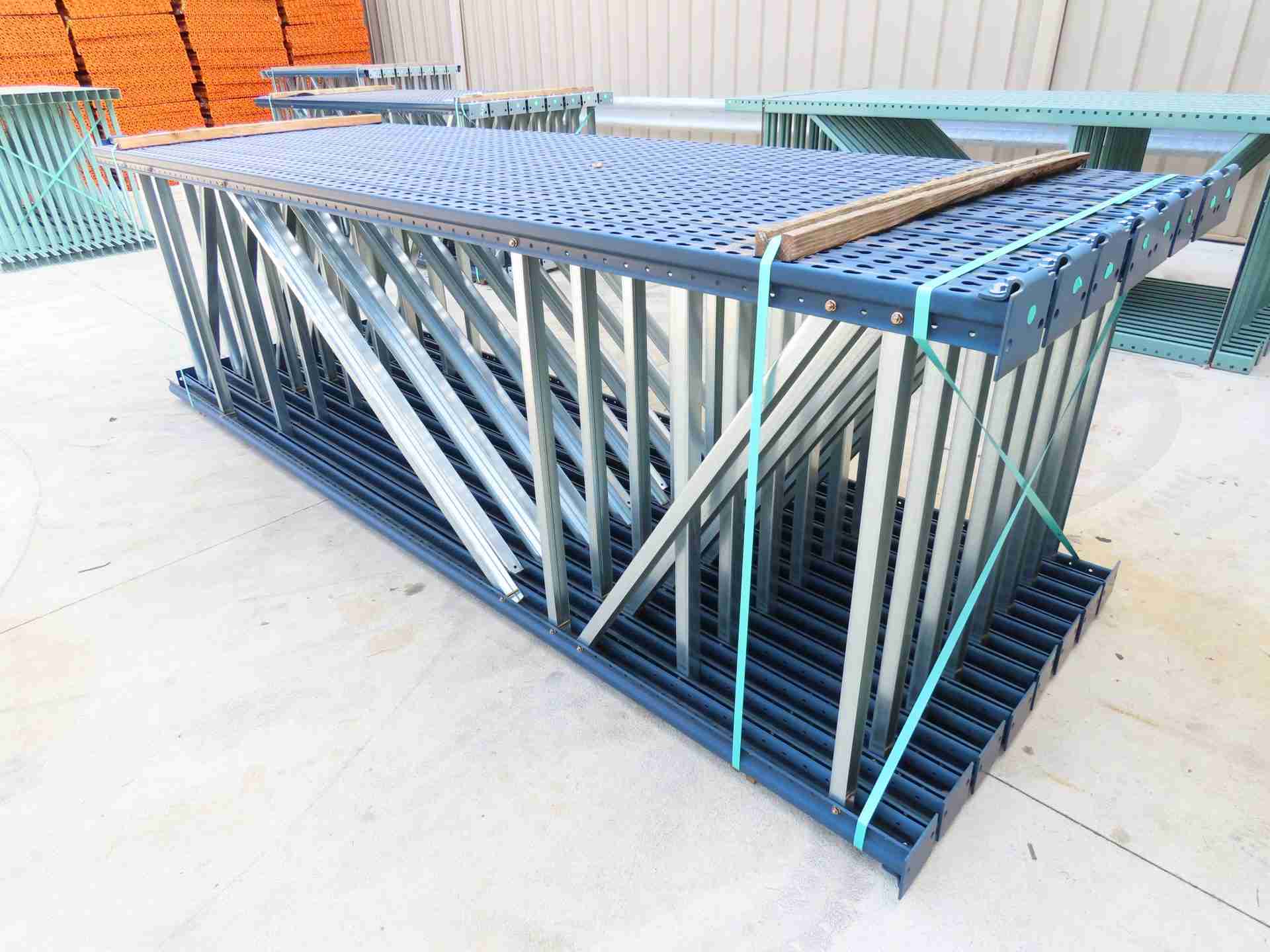
Other Resources
Here is a list of other resources you can review online to learn more:
- Crane Manufacturers Association Of America Inc.
- Rack Manufacturers Institute
- American Surplus
- Teardrop Uprights
- Illinois Pallet Racking – Storage Solutions
- Cantilever Rack Guide: Ordering Cantilever Racking
- Mustang Material Handling
- Rack Manufacturers Institute
- Storage Equipment Manufacturers Association
- Pallet Racks, Pallet Racking, Pallet Shelves in Stock – ULINE
Use This Prompt To Get More Resources With Your Favorite Online AI Tool: Please provide me with a list of online articles with their URLs in a bulleted list that I can read regarding What Essential Tools Can Enhance Your Warehouse Safety Standards?

Other Resources
Glossary Terms
What Essential Tools Can Enhance Your Warehouse Safety Standards? – Glossary Of Terms
1. PPE (Personal Protective Equipment): Gear worn by workers to protect against safety hazards, including helmets, gloves, eye protection, and safety shoes.
2. Forklift: A powerful industrial vehicle used to lift and move materials over short distances, requiring operator training to ensure safe use.
3. Safety Signage: Visual communication tools, such as warning signs and labels, that convey important safety information within the warehouse.
4. Ergonomic Tools: Equipment designed to improve comfort and efficiency in the workplace, reducing strain and preventing injuries.
5. Rollover Protective Structure (ROPS): A frame mounted on a forklift to protect operators in case of a rollover accident.
6. Fire Extinguisher: A portable device used to extinguish small fires, which is essential for mitigating fire hazards in warehouses.
7. Emergency Exits: Clearly marked escape routes that allow for safe evacuation in case of an emergency, requiring regular maintenance and visibility.
8. Material Handling Equipment: Tools for lifting, moving, and storing materials safely, including pallet jacks and conveyor belts.
9. Hazardous Material Labels: Labels that indicate the presence of hazardous substances, ensuring safe handling and storage practices.
10. Safety Training Programs: Structured training sessions designed to educate employees about safe operating procedures and emergency response actions.
11. Caution Tape: Brightly colored tape used to mark hazardous areas and restrict access to prevent accidents.
12. First Aid Kit: A comprehensive kit containing medical supplies for treating minor injuries and emergency situations.
13. Spill Kits: Tools and materials used to contain and clean up spills of hazardous liquids to prevent environment contamination.
14. Safety Nets: Protective barriers installed to prevent workers from falling or dropping objects in high-traffic areas.
15. Housekeeping Supplies: Tools for maintaining cleanliness and organization in the warehouse to reduce hazards related to clutter.
16. Lockout/Tagout Devices: Mechanisms used to ensure that machinery is properly shut off and not able to be started during maintenance or repair.
17. Reflective Gear: High-visibility clothing worn by workers to ensure they can be easily seen, especially in low light conditions.
18. Warehouse Management System (WMS): Software that optimizes warehouse operations, improving safety through better inventory control and tracking.
19. Automated Guided Vehicles (AGVs): Self-driving vehicles used to transport goods within the warehouse, reducing the need for manual lifting.
20. Inspection Checklists: Tools used to systematically assess warehouse conditions and equipment for safety compliance.
21. Hazard Assessments: Evaluations performed to identify potential safety risks in the warehouse environment.
22. Incident Reporting Systems: Processes that allow workers to report safety incidents, enabling better response and prevention strategies.
23. Training Simulators: Virtual or physical scenarios designed to train workers on safe operation of warehouse equipment.
24. Shelving and Racking Systems: Structures designed to hold inventory securely while maximizing floor space, reducing the risk of collapses.
25. Personal Alarms: Devices worn by employees that trigger alerts during emergencies, improving response time.
26. Communication Devices: Tools such as radios and intercoms that allow for quick communication among warehouse staff in case of emergencies.
27. Floor Marking Tape: Tape used to delineate safe walkways, hazardous zones, and storage areas to ensure safety in navigation.
28. Load Binders: Tools that secure cargo during transport, ensuring stability and reducing the risk of load shifting.
29. Reflective Warning Lights: Devices that alert workers to potential hazards within the warehouse, particularly at blind corners or entry points.
30. Warehouse Vaccines: Not typically thought of as a tool, these are preventive health measures (such as flu shots) provided to employees to maintain a healthy workforce, ultimately helping to reduce illnesses and absenteeism.
These terms and tools play a crucial role in maintaining and enhancing safety standards within a warehouse environment.
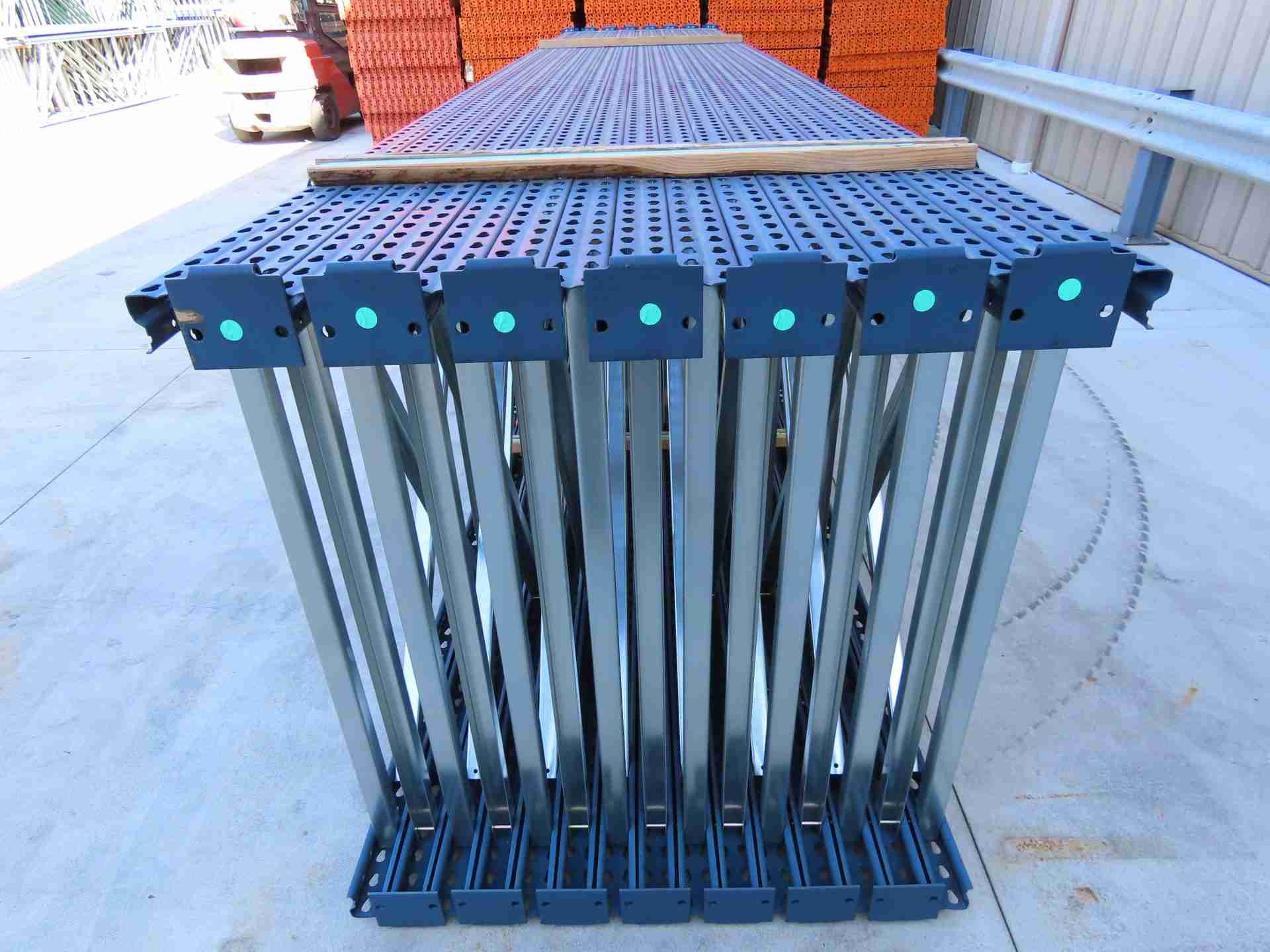
Glossary Of Terms
Other Questions
What Essential Tools Can Enhance Your Warehouse Safety Standards? – Other Questions
If you wish to explore and discover more, consider looking for answers to these questions:
- What types of pallet racking systems are considered the safest?
- How can we conduct regular inspections and maintenance of pallet racking?
- What specific safety signage should be prioritized in a warehouse environment?
- What are the latest technologies available for improving warehouse safety?
- How often should safety training sessions be conducted?
- What are the costs associated with implementing safety tools in a warehouse?
- How can management ensure compliance with safety standards among employees?
- What measures can be taken to improve aisle space and traffic flow?
- How do you assess the effectiveness of current safety protocols?
- What steps should be taken after an accident occurs in the warehouse?
Other Questions
Checklist
What Essential Tools Can Enhance Your Warehouse Safety Standards? – A Checklist
Checklist: Essential Tools to Enhance Warehouse Safety Standards
1. Pallet Racking Systems
_____ Ensure racking is well-designed to organize inventory.
_____ Maintain clear and safe access to all items.
_____ Regularly inspect and maintain racking systems to avoid overloads and potential collapses.
2. Safety Signage
_____ Implement clear and visible safety signs throughout the warehouse.
_____ Use understandable language and universal symbols.
_____ Regularly update and reposition signs in high-risk areas.
3. Warehouse Management Software (WMS)
_____ Automate routine tasks to reduce disorganization.
_____ Utilize software to track inventory levels and manage restocking.
_____ Schedule routine maintenance checks for safety equipment.
4. Personal Protective Equipment (PPE)
_____ Provide sturdy safety boots with good traction.
_____ Equip employees with hard hats to protect against overhead hazards.
_____ Ensure availability of eye protection (goggles or face shields) and high-visibility clothing.
_____ Provide gloves and ear protection appropriate for specific tasks.
5. Safety Training Programs
_____ Conduct regular training sessions for all employees.
_____ Focus on safe operations around pallet racking and machinery.
_____ Empower employees through education about potential hazards.
6. Traffic Management Strategies
_____ Maintain clear and well-marked aisles for pedestrians and equipment.
_____ Create designated routes for forklifts and other machinery.
_____ Regularly assess traffic flow to prevent bottlenecks.
7. Safety Barriers and Guardrails
_____ Install guardrails in high-traffic areas to prevent falls and collisions.
_____ Use safety barriers to guide employees away from potential hazards.
8. Technology Integration
_____ Explore smart pallet racking systems with sensors.
_____ Utilize virtual reality training tools for immersive safety training.
_____ Implement data analytics to proactively manage safety.
9. Open Communication Culture
_____ Encourage employees to report potential hazards or near-misses.
_____ Foster an environment where safety concerns can be discussed openly.
10. Regular Safety Drills and Assessments
_____ Conduct routine safety drills to prepare employees for emergencies.
_____ Assess the workspace regularly for potential hazards and address issues promptly.
Conclusion:
By utilizing this checklist, you can take proactive steps to enhance the safety standards in your warehouse, protecting your employees and fostering a productive work environment.
Checklist
At RackingWorld, we help guide you through selecting warehouse storage systems and racking.
Be sure to read our other related stories at RackingWorld to learn more about warehouse storage systems.
0 Comments