
Ensure Your Racking Is Safe And Compliant
By Tom Seest
At RackingWorld, we help guide you through selecting warehouse storage systems and racking.
Be sure to read our other related stories at RackingWorld to learn more about warehouse storage systems.
Does Your Local Racking Meet Current Safety Standards?
When it comes to warehouse operations, the safety of your pallet racking system is not just an operational concern—it’s a legal obligation. These pivotal structures serve as the backbone of your inventory storage, but are they up to snuff with current safety standards? Ignoring the compliance of your pallet racking system can lead to catastrophic results, including injury, financial loss, and damage to your reputation.
Take, for instance, recent headlines highlighting warehouse collapses across the nation. These tragic events serve as stark reminders of the potentially dire consequences of neglecting safety inspections and standards. Just this year, a major retailer faced severe backlash when part of their racking system collapsed during peak shipping hours, resulting in injuries and costly lawsuits. Conducting routine assessments of your pallet racking not only protects your workforce but also safeguards your business against potential liabilities.
So, what should you be looking for in your pallet racking systems? First and foremost, ensure that your racking systems meet local and national regulations. The American National Standards Institute (ANSI) and the Occupational Safety and Health Administration (OSHA) offer guidelines that should form the bedrock of your safety procedures. An evaluation team should inspect for sagging beams, missing safety pins, and any signs of structural damage.
In addition, stay updated on the latest technological advancements in racking systems. Several innovative solutions are gaining traction, from improved safety features that detect overloads to systems that provide real-time analytics on weight distribution. By investing in upgraded pallet racking technologies, you’re not merely meeting current safety standards; you are positioning your business as a proactive leader in your industry.
Next, look at your training programs: Are your employees informed and trained on best practices for safe loading and unloading? A safe workplace is cultivated from the ground up, and proper training reduces the risk of accidents substantially. Consider real-life scenarios or case studies during training sessions to illustrate the consequences of neglecting safety standards.
Lastly, don’t forget to document and keep records of all inspections and repairs related to your pallet racking systems. This establishes due diligence and can serve as critical evidence of your commitment to safety should any legal issues arise.
Evaluating your local racking against current safety standards isn’t just a good business practice—it’s essential. Protect your employees, your assets, and your peace of mind; your warehouse’s integrity depends on it.
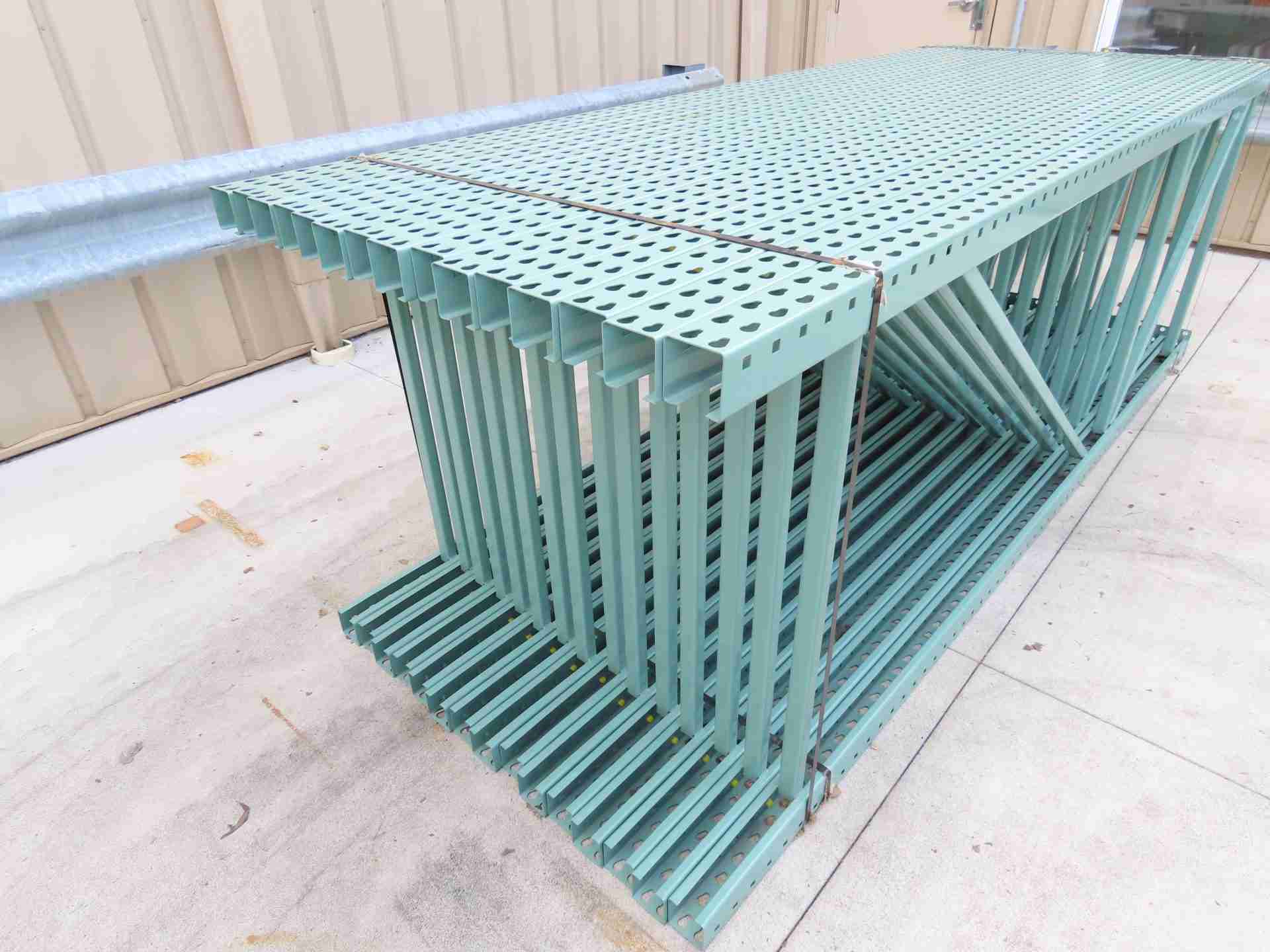
Does Your Local Racking Meet Current Safety Standards?
Does Your Local Racking Meet Current Safety Standards?
- Safety of pallet racking systems is a legal obligation and critical for warehouse operations.
- Non-compliance can lead to injuries, financial loss, and damage to reputation.
- Recent warehouse collapses highlight the importance of safety inspections and standards.
- Pallet racking systems must meet local and national regulations, guided by ANSI and OSHA.
- Investing in updated racking technologies enhances safety and positions businesses as industry leaders.
- Training programs should educate employees on best practices for safe loading and unloading.
- Documenting inspections and repairs demonstrates due diligence and commitment to safety.
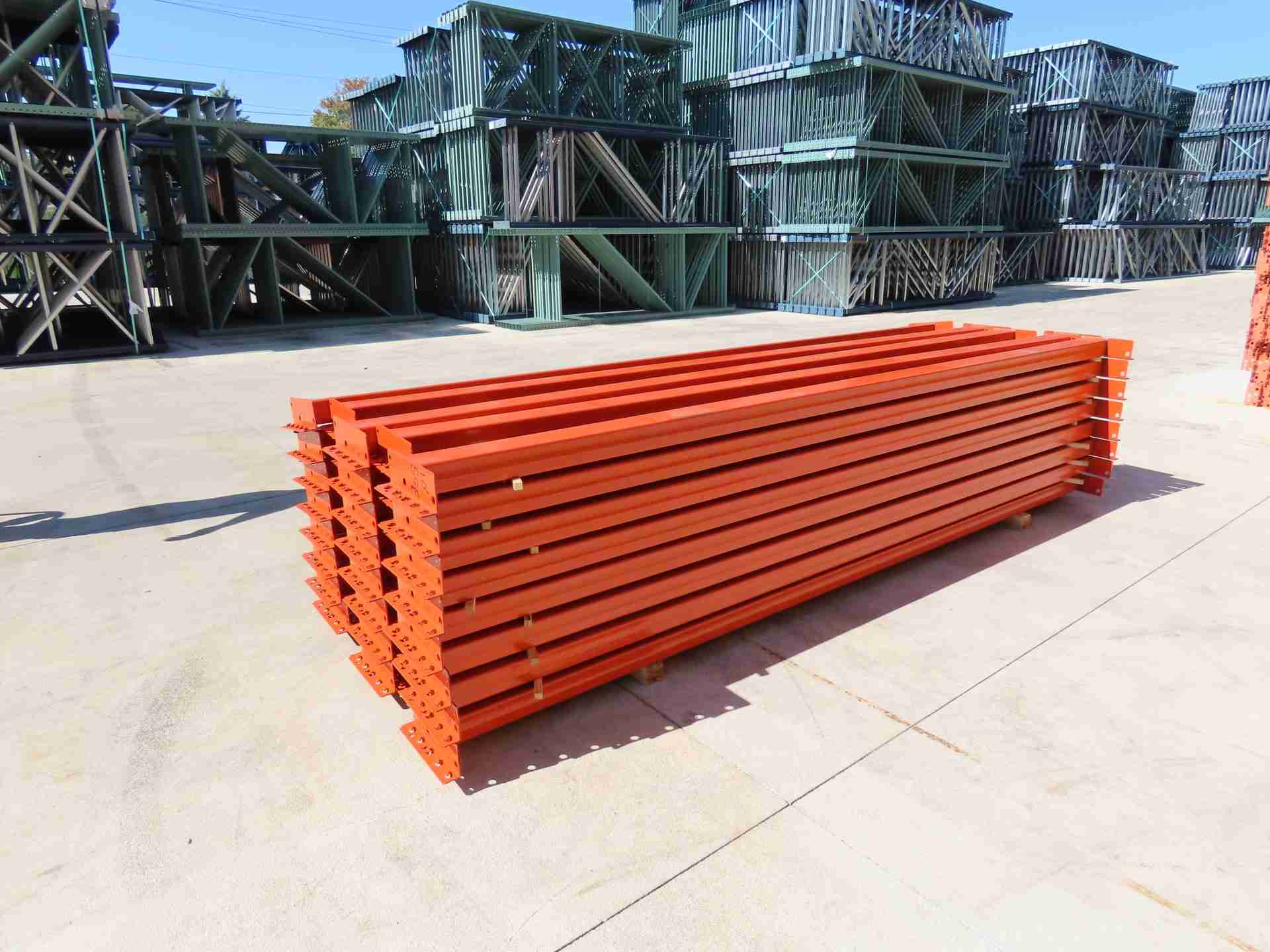
Does Your Local Racking Meet Current Safety Standards?
Table Of Contents
- Does Your Local Racking Meet Current Safety Standards?
- What Are The Latest Safety Standards For Racking Systems?
- How Can You Inspect Your Racking For Safety Compliance?
- What Are The Common Hazards Associated With Unsafe Racking?
- How Often Should Racking Systems Be Assessed For Safety?
- What Documentation Is Needed To Ensure Racking Safety?
- Who Is Responsible For Maintaining Racking Safety Standards?
- Conclusion
- Other Resources
- Glossary Of Terms
- Other Questions
- Checklist
What Are The Latest Safety Standards For Racking Systems?
In the fast-paced world of warehousing and distribution, ensuring the safety of your storage solutions is non-negotiable. The latest safety standards for racking systems, especially pallet racking, are designed to protect your inventory, workforce, and bottom line. Regulations and best practices are evolving, and staying compliant isn’t just about avoiding penalties—it’s about fostering a culture of safety that boosts operational efficiency.
One of the pivotal documents influencing pallet racking safety standards is the ANSI/RMI (American National Standards Institute/Racking Manufacturers Institute) standard. This benchmark outlines the design, testing, and performance requirements that racking systems must meet to ensure structural integrity. For instance, ANSI/RMI provides guidelines on load capacity, materials used, and installation practices, all crucial to maintaining the safety of your pallet racking setup. Implementing these recommendations can prevent catastrophic accidents that lead to costly injuries and downtime.
Recent events in the warehousing industry underscore the urgency of adhering to these standards. For example, there were several high-profile cases of warehouse collapses linked to inadequate racking systems. These incidents served as a wake-up call for many businesses, prompting increased scrutiny of stored loads and shelving layouts. By following updated safety standards, companies not only protect their assets but also enhance their reputation among clients who prioritize safety.
Furthermore, the National Fire Protection Association (NFPA) has released updated codes regarding storage systems and their compliance with fire safety regulations. Ensuring your pallet racking meets these fire code requirements should be a key aspect of your overall safety strategy.
Additionally, the ongoing shift toward automation in warehouses has prompted the need for new safety protocols. As automated systems come into contact with traditional pallet racking, it’s vital to reassess load placements and clearance issues to ensure employee safety is not overlooked. Companies that install smart monitoring systems can enhance their safety measures by tracking weight and integrity in real time, reducing the risk of failure.
Staying aligned with the latest safety standards for pallet racking is paramount for any operation that values efficiency and safety. The stakes have never been higher, as regulatory bodies push for stricter compliance, and businesses face increasing operational risks. Whether you’re upgrading existing systems or investing in new ones, integrating these safety standards from the outset is not merely a best practice—it’s an investment in the sustainability and success of your operations.

What Are The Latest Safety Standards For Racking Systems?
What Are The Latest Safety Standards For Racking Systems?
- Ensuring the safety of storage solutions in warehousing is essential for protecting inventory and workforce.
- The ANSI/RMI standard outlines design, testing, and performance requirements for pallet racking systems.
- Implementing ANSI/RMI guidelines can prevent accidents, injuries, and operational downtime.
- High-profile warehouse collapses have increased scrutiny on racking systems and compliance with safety standards.
- The NFPA has updated fire safety codes relevant to pallet racking, integrating these should be part of a safety strategy.
- The rise of automation necessitates new safety protocols for pallet racking to ensure employee safety.
- Adhering to updated safety standards is crucial for operational efficiency and protecting business reputation.
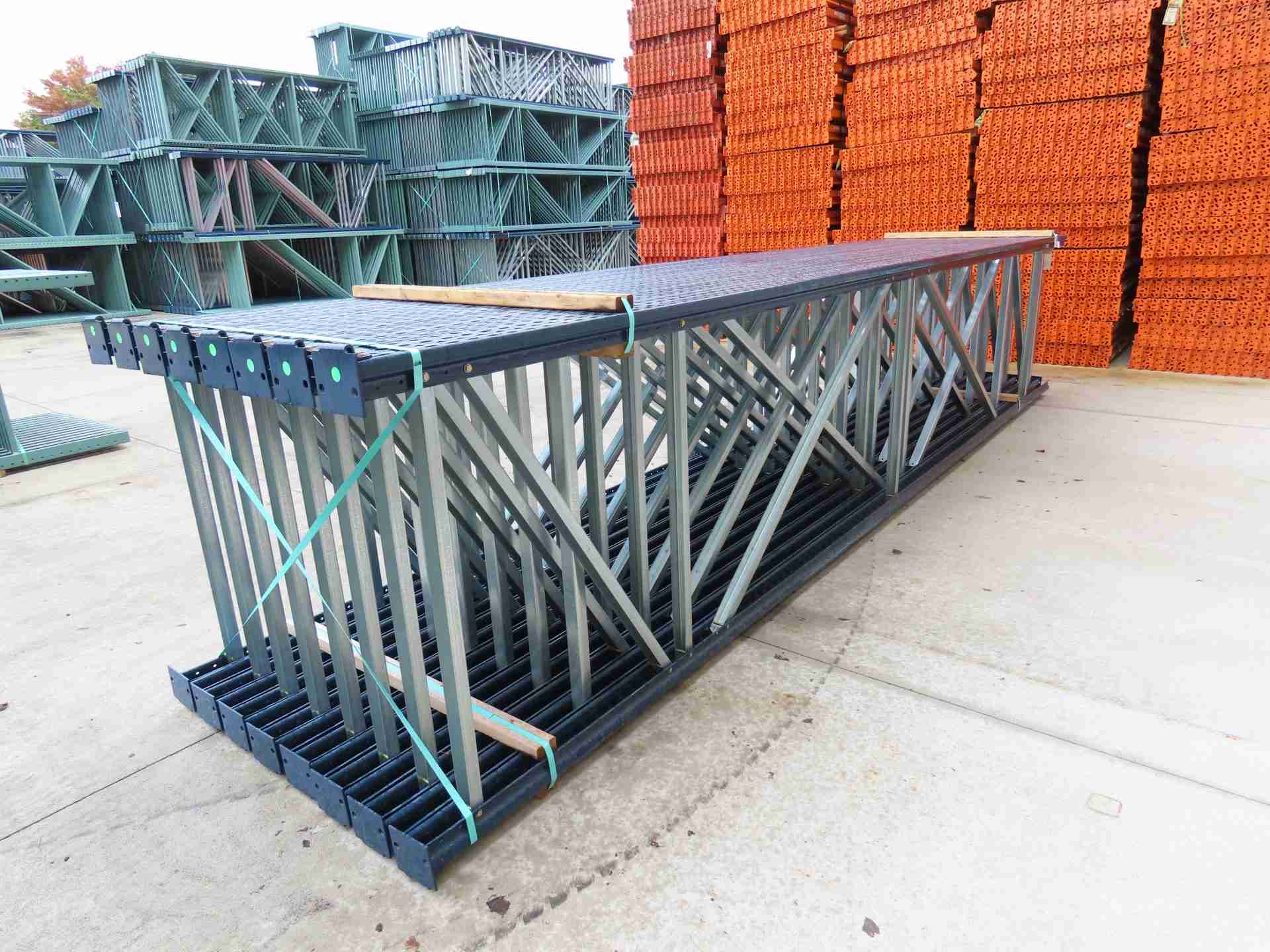
What Are The Latest Safety Standards For Racking Systems?
How Can You Inspect Your Racking For Safety Compliance?
Ensuring the safety compliance of your Pallet Racking isn’t just a matter of following regulations—it’s about protecting your employees, your investment, and your business reputation. With the increasing scrutiny from regulatory bodies and the rising number of workplace incidents, conducting regular inspections has never been more critical. Here’s how to do it effectively.
Visual Inspections: Start with the Basics
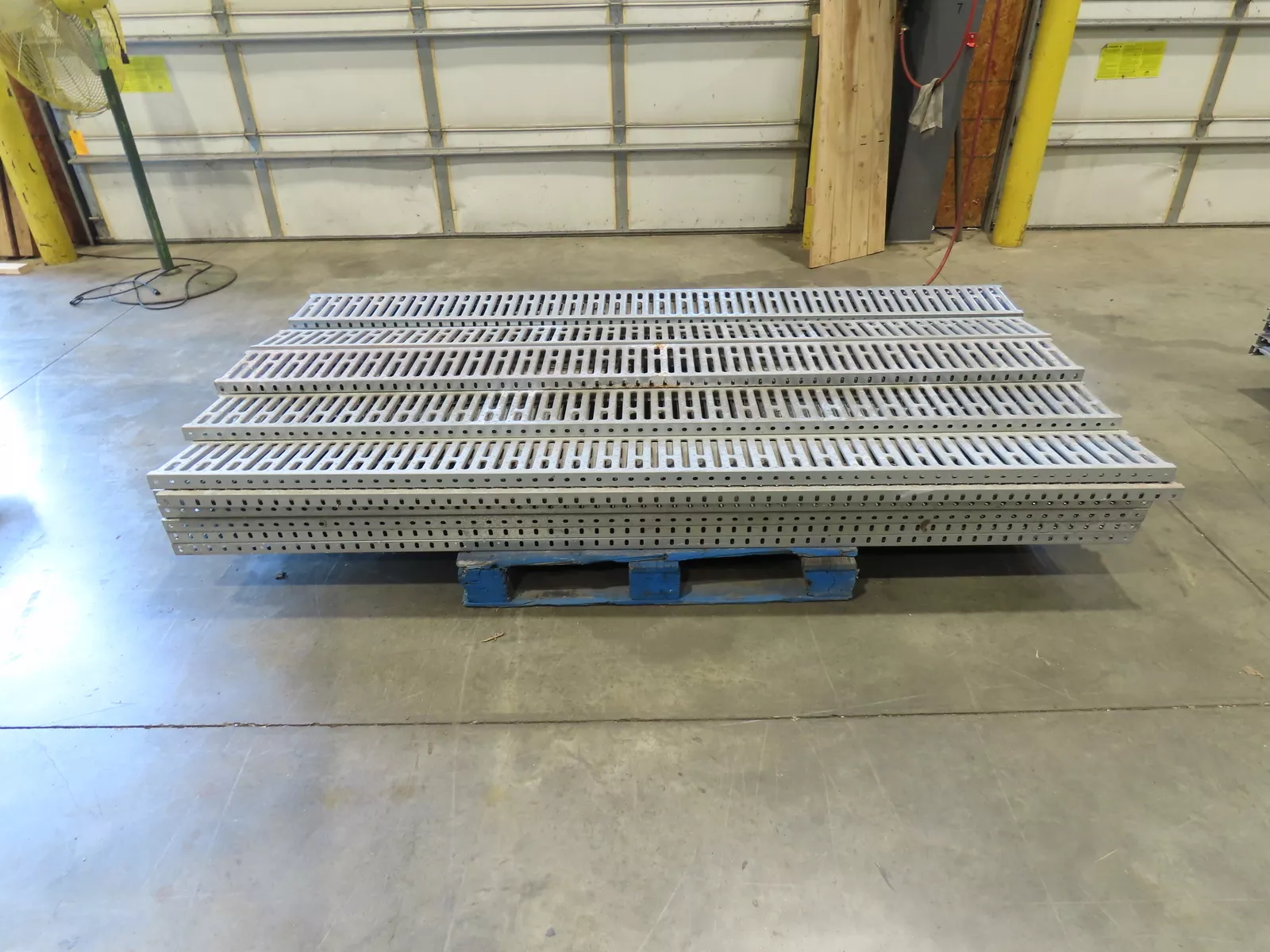
Begin your inspection with a thorough visual check. Look for any obvious signs of damage: dents, bends, or rust that could compromise the integrity of your Pallet Racking. For example, if you notice a bent beam, this isn’t just an aesthetic issue; it could lead to a catastrophic failure if left unchecked. Regularly scheduled visual inspections—perhaps on a quarterly basis—can catch these problems before they escalate.
Check Load Capacities
Next, ensure that the loads placed on your Pallet Racking don’t exceed the manufacturer’s specified weight limits. Overloading is a common cause of racking failure and can result in devastating incidents. For instance, a recent warehouse collapse in your region was attributed to exceeding load limits, leading to injuries and significant operational downtime. Compare the weight of goods being stored to the load charts provided by the racking manufacturer.
Inspect Connections and Fastenings
It’s essential to examine all connections and fastenings. Loose bolts or missing pins can weaken the rack structure, leading to instability. Ensure that all uprights, beams, and braces are securely fastened. Don’t forget to check for signs of corrosion around these joints, which can also compromise structural integrity.
Document Your Findings
Keep meticulous records of each inspection, detailing your findings and any action taken. This documentation not only aids in maintaining safety compliance but also serves as evidence during audits. In a recent industry webinar, safety experts highlighted that thorough documentation can mitigate legal liability in the case of an unfortunate event.
Engage Employees in Safety Culture
Empower your team by involving them in the inspection process. Train employees to spot issues and report them. By fostering a safety-first culture, you not only comply with regulations but also enhance morale—an engaged workforce takes pride in their environment and feels more invested in safe operations.
Stay Updated on Regulations
Finally, keep abreast of changing safety regulations related to Pallet Racking. Industry standards evolve, and what was compliant last year may not meet current requirements. Attend workshops, subscribe to relevant publications, and join industry groups to ensure you’re always in the know.
By adopting a proactive approach to Pallet Racking inspections, you not only ensure compliance but also foster a safer, more efficient workspace. Remember: safety isn’t just an obligation—it’s a competitive advantage.
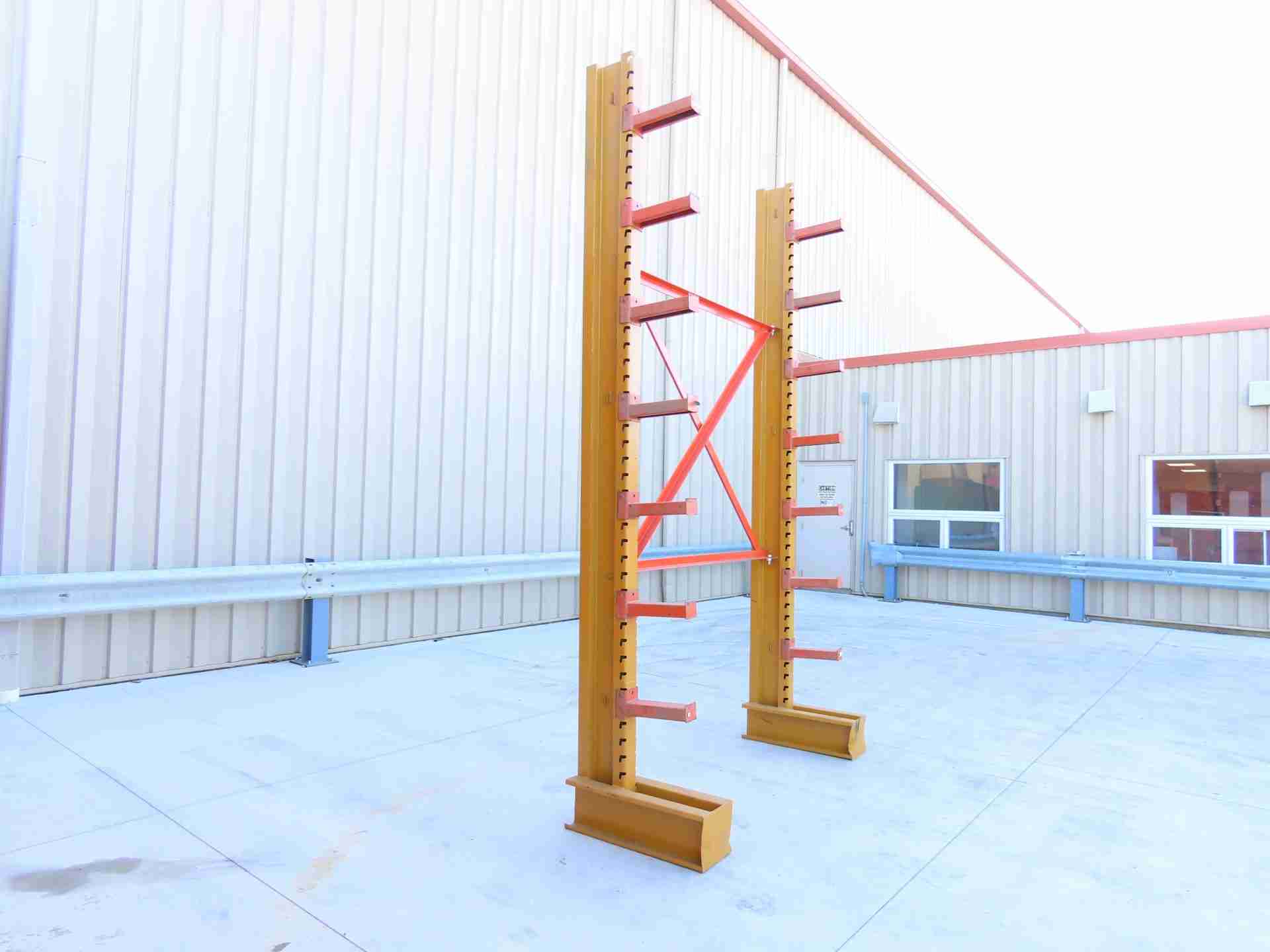
How Can You Inspect Your Racking For Safety Compliance?
How Can You Inspect Your Racking For Safety Compliance?
- Ensuring safety compliance of Pallet Racking protects employees, investments, and business reputation.
- Conduct regular visual inspections to identify signs of damage like dents, bends, or rust.
- Verify load capacities to ensure they don’t exceed manufacturer’s specified weight limits to prevent failures.
- Inspect connections and fastenings for loose bolts or corrosion that can compromise rack stability.
- Document inspection findings and actions taken to aid compliance and serve as audit evidence.
- Engage employees in safety culture by training them to identify and report issues.
- Stay updated on changing safety regulations to maintain compliance and competitive advantage.
How Can You Inspect Your Racking For Safety Compliance?
What Are The Common Hazards Associated With Unsafe Racking?
When it comes to warehouse operations, the term “Pallet Racking” brings to mind a sense of organization and efficiency. However, lurking beneath this facade is a host of dangers that can turn your productive haven into a risk-laden environment, costing you not just in physical damages but also in potential injuries and lost productivity.
One of the most alarming hazards associated with unsafe racking is load instability. When pallets are haphazardly stacked or improperly loaded, the risk of a collapse increases significantly. Picture a scenario: an employee is busy picking items from an over-stocked rack. Suddenly, the weight teeters, and what follows is a domino effect. Earlier this year, a major warehouse in Ohio reported a serious incident where improperly secured palletized goods led to a cascading collapse, injuring workers and shuttering the facility for weeks. Proper training and adherence to load limits are crucial to mitigate this risk, but unfortunately, many businesses overlook this.
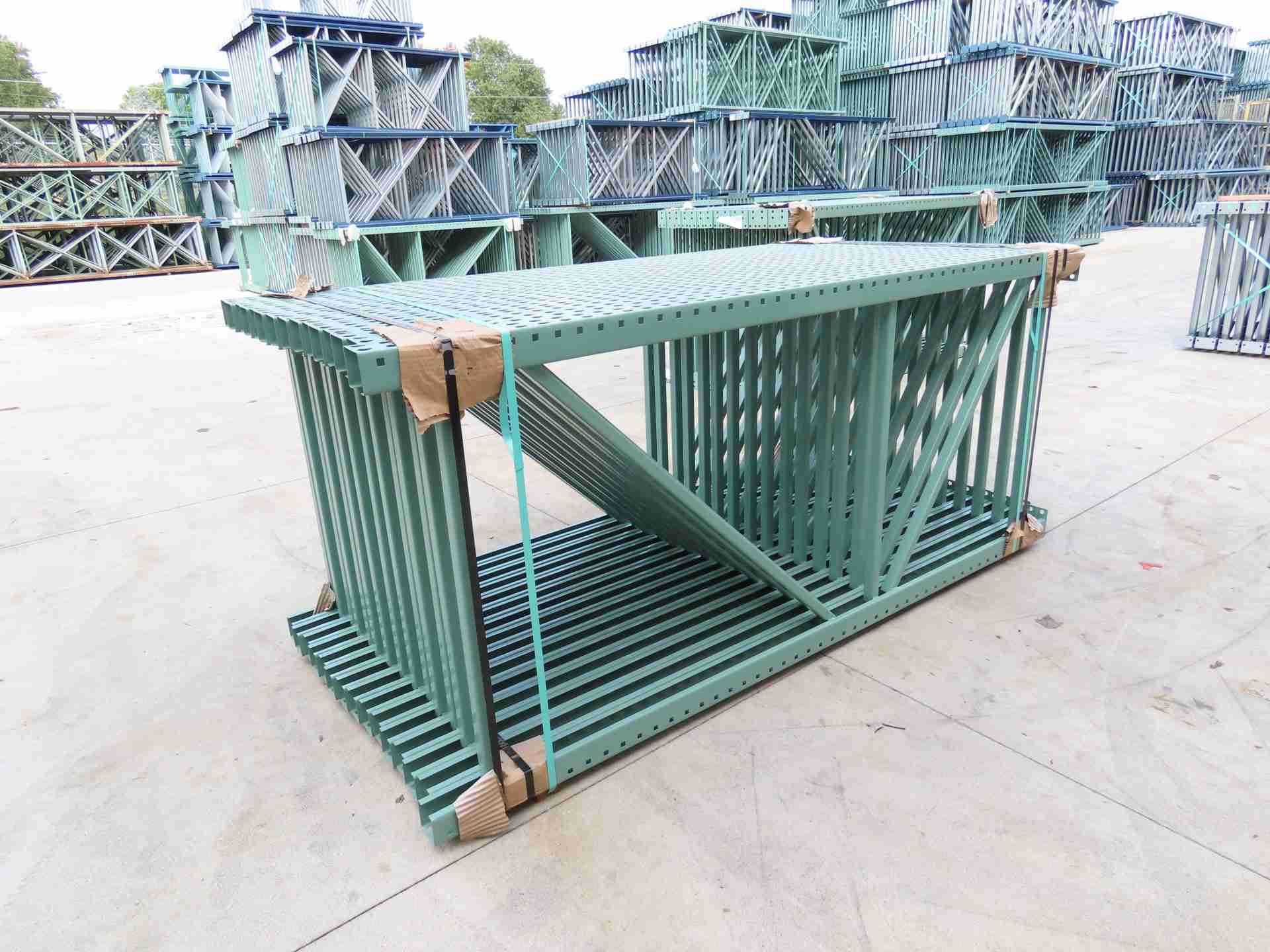
Another common hazard is the physical structure of the racking system itself. If racking is poorly designed, corroded, or damaged, it can pose a significant risk. Take the wave of industry recalls of older racking systems, stemming from a lack of routine inspections. These systems can rust and weaken over time, compromising their ability to bear weight. The Occupational Safety and Health Administration (OSHA) regularly emphasizes the importance of inspections and maintenance of Pallet Racking systems, yet many organizations still neglect this critical aspect.
Moreover, inadequate aisle space can lead to vehicle collisions. Warehouses are busy ecosystems, buzzing with the activity of forklifts and pallet jacks maneuvering through crowded aisles. When racking is too close together or inadequately planned, drivers can easily collide with both racking systems and coworkers. A recent study highlighted that nearly 20% of warehouse accidents stem from equipment collisions, a staggering statistic that is too easily ignored.
Lastly, poor employee training can’t be overlooked. Staff who aren’t properly trained in handling heavy loads or utilizing the racking systems can inadvertently create unsafe conditions. Regular informational sessions and hands-on training are essential but can often fall by the wayside in the hustle and bustle of daily operations.
In summary, while Pallet Racking is an essential aspect of warehouse management, its associated hazards cannot be ignored. Businesses must prioritize safety through proactive training, regular inspections, and thoughtful design. Doing so not only protects your employees but also safeguards your bottom line. After all, investing in safety today can prevent costly disasters tomorrow.
What Are The Common Hazards Associated With Unsafe Racking?
What Are The Common Hazards Associated With Unsafe Racking?
- Pallet racking is crucial for organization and efficiency in warehouse operations but poses significant safety risks.
- Improperly loaded or stacked pallets can lead to load instability and serious accidents, as exemplified by a recent incident in Ohio.
- Poorly designed, corroded, or damaged racking systems increase hazards; regular inspections are essential but often neglected.
- Inadequate aisle space heightens the risk of vehicle collisions, contributing to nearly 20% of warehouse accidents.
- Poor employee training leads to unsafe handling of heavy loads and racking systems, necessitating regular training sessions.
- Proactive measures such as training, inspections, and thoughtful system design are critical for ensuring safety.
- Investing in safety today can prevent costly disasters and protect both employees and the business’s bottom line.

What Are The Common Hazards Associated With Unsafe Racking?
How Often Should Racking Systems Be Assessed For Safety?
In the fast-paced world of warehousing and distribution, safety isn’t just a checkbox—it’s a cornerstone of operational success. With incidents related to pallet racking failure not only resulting in financial losses but also jeopardizing worker safety, it’s vital to spotlight the frequency of safety assessments for these crucial systems.
First and foremost, conducting regular assessments of your pallet racking systems is non-negotiable. Set a routine inspection schedule that aligns with industry standards and best practices—ideally every six months. This frequency allows for proactive identification of wear and tear, alignment issues, or damage that could escalate into more significant problems. For example, a pivotal incident in late 2021 at a major distribution center highlighted a catastrophic failure of a pallet racking system that hadn’t been inspected in over a year. The aftermath? Not just injuries, but also significant reputational damage and financial repercussions reaching into the millions.
Additionally, the rise of e-commerce has translated into fluctuating inventory levels and higher throughput. During peak seasons, such as the holidays, ramping up inspections becomes crucial. It’s critical to ensure your pallet racking isn’t just designed for static loads but also adaptable for dynamic inventory changes. Consider this: During the COVID-19 pandemic, many businesses saw unprecedented shifts in product demand. Companies that maintained rigorous safety assessments were not only more resilient but also avoided the costly implications of accidents linked to inadequate racking safety.
But don’t stop at standard inspections. Implement a culture of continuous monitoring. This means training your staff to recognize potential hazards and encouraging them to report any concerns immediately. An often overlooked aspect of safety is the human factor, and empowering your team fosters an environment where safety is a shared responsibility.
Leverage technology to enhance your inspection processes. RFID tags and digital tracking systems can streamline your assessments and help you maintain accurate records. Current advancements in safety solutions have made it easier than ever to track the health of your pallet racking systems in real time.
In summary, prioritize safety assessments of your pallet racking systems. Establish a rigorous schedule, especially during fluctuations in inventory and operating conditions, and foster a culture of vigilance among your staff. The potential costs of neglecting this critical aspect can far outweigh the benefits of a robust prevention strategy. Remember, safety isn’t just a policy; it’s the bedrock of a thriving warehouse operation.
How Often Should Racking Systems Be Assessed For Safety?
How Often Should Racking Systems Be Assessed For Safety?
- Safety is essential for operational success in warehousing and distribution, particularly regarding pallet racking systems.
- Regular assessments of pallet racking systems should be conducted, ideally every six months, to catch potential issues early.
- An incident in late 2021 highlighted the dangers of neglecting inspections, leading to injuries and significant financial losses.
- E-commerce has increased inventory fluctuations, making it crucial to adapt inspections during peak seasons.
- Training staff to recognize and report hazards fosters a culture of safety and shared responsibility.
- Utilize technology like RFID tags and digital tracking to enhance inspection processes and maintain accurate records.
- Prioritize safety assessments and establish a rigorous schedule to avoid costly accidents and ensure the health of your operations.
How Often Should Racking Systems Be Assessed For Safety?
What Documentation Is Needed To Ensure Racking Safety?
When it comes to Pallet Racking safety, documentation isn’t just a box to check—it’s a lifeline ensuring that your warehouse operations run smoothly and your workforce remains protected. Understand, this isn’t merely compliance; it’s a commitment to quality and safety that can elevate your brand’s reputation and operational efficiency.
First and foremost, a thorough Pallet Racking Inspection Checklist is essential. This document should detail every aspect of your racking systems, from structural integrity to load capacity. Are your beams straight? Are connections secure? A checklist acts as your first line of defense. Regularly scheduled inspections not only affirm safety but can also prevent catastrophic incidents that might lead to costly legal actions—much like what occurred in late 2023 when a major retailer faced backlash after a racking collapse that resulted in injuries and significant fines.
Documentation of maintenance plans is another critical component. After your inspections, having a clear record of upkeep and repairs done on your Pallet Racking systems is non-negotiable. If a beam shows signs of wear or rust, the records should clearly state when and how it was addressed. This provides a physical safety net. Imagine in a courtroom if you could pull out an organized file showing dedicated adherence to safety standards; it could mean the difference between safeguarding your business and facing hefty fines.
Moreover, staff training records are vital. Every worker interacting with your racking systems must be aware of the best safety practices. Regular training sessions not only ensure compliance with regulatory bodies but also foster a culture of safety within your organization. In unfortunate events, as seen in several warehouse accidents over the past year, having well-documented training sessions was instrumental for companies to defend themselves against negligence claims.
Also, it’s important to maintain regulatory compliance documents. Regulations around warehouse safety and inspections can shift, so staying abreast of the latest OSHA guidelines or other relevant local regulations is crucial. A firm that failed to adapt to these changes, regarding Pallet Racking, faced criticism in the public eye, impacting not just their operations but also their market credibility.
The importance of meticulous documentation for safety in Pallet Racking cannot be overstated. It’s not just paperwork; it’s a strategic asset that can propel your business forward while protecting your workforce and your bottom line. Invest in it wisely, and you’ll reap rewards that extend well beyond the shelves.

What Documentation Is Needed To Ensure Racking Safety?
What Documentation Is Needed To Ensure Racking Safety?
- Documentation ensures Pallet Racking safety and operational efficiency.
- A thorough Pallet Racking Inspection Checklist is crucial for assessing structural integrity and load capacity.
- Regular inspections can prevent costly legal actions related to safety incidents.
- Maintenance plan documentation is essential for keeping track of upkeep and repairs.
- Staff training records promote awareness of safety best practices and regulatory compliance.
- Staying updated on regulatory compliance documents is vital due to changing safety regulations.
- Meticulous documentation acts as a strategic asset for business success and workforce protection.
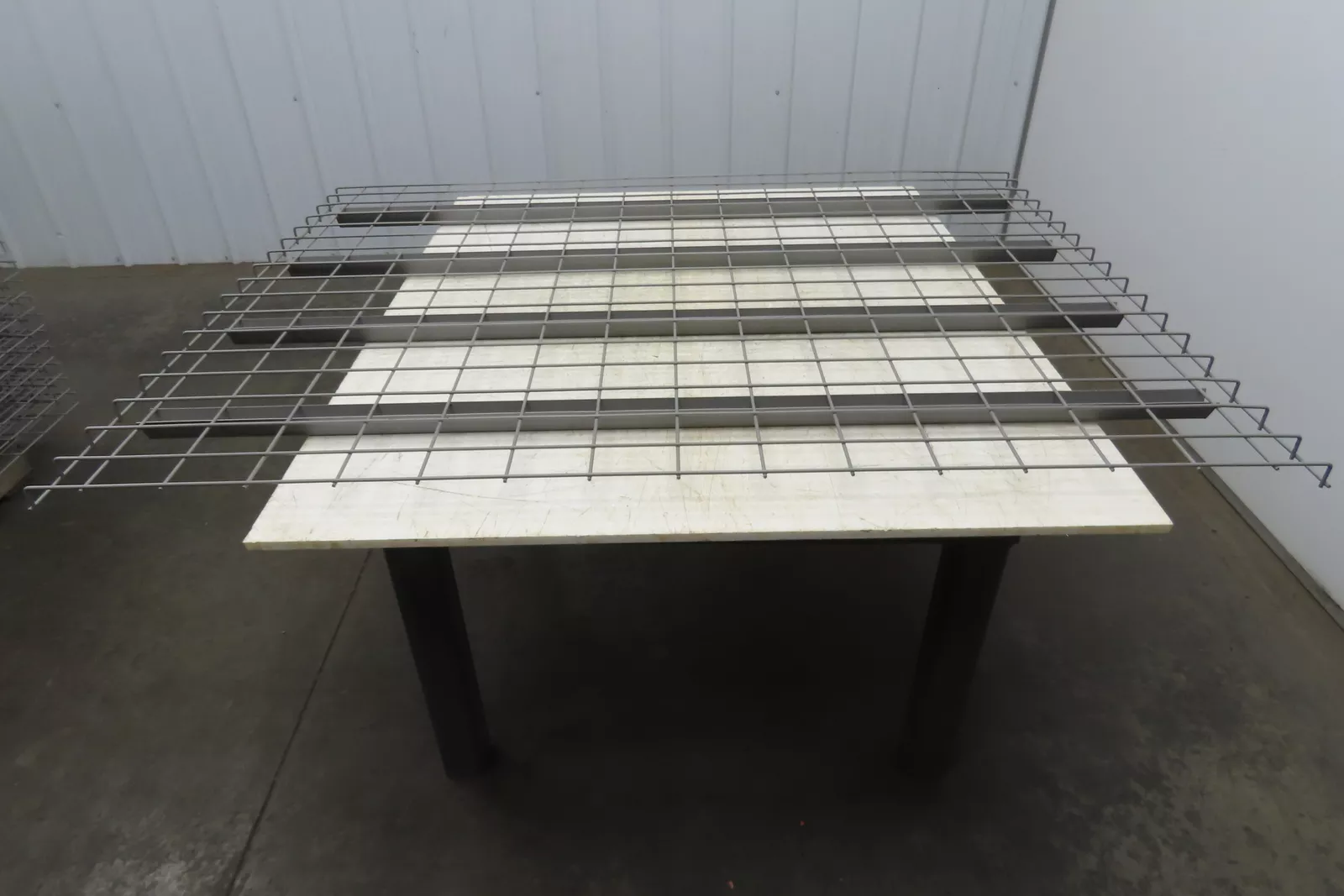
What Documentation Is Needed To Ensure Racking Safety?
Who Is Responsible For Maintaining Racking Safety Standards?
In the bustling world of warehousing and logistics, the importance of safety cannot be overstated. When it comes to Pallet Racking systems, who shoulders the responsibility for maintaining safety standards? The answer is more intricate than a simple “one size fits all.”
First and foremost, the manufacturers of Pallet Racking systems play a critical role. They are tasked with ensuring that their products meet safety regulations and industry standards. A recent incident at a major distribution center highlighted this necessity when inadequate racking systems caused thousands of dollars in inventory damage. In that case, a thorough investigation revealed that the manufacturer hadn’t adhered to established guidelines. This incident serves as a reminder: the stakes are high, and manufacturers must prioritize public safety over profit margins.
Next in line are the facility owners and managers. Once Pallet Racking solutions are installed, it’s their responsibility to oversee proper usage and regular maintenance. Consider a scenario where a warehouse manager neglects routine inspections. If that manager overlooks signs of wear or misalignment, the consequences could be catastrophic—not just for the facility but for the employees who rely on those very structures for their safety. Recent OSHA updates emphasize that employers are legally obliged to maintain a safe working environment, which extends to how they manage their racking systems.
Moreover, employees themselves must be proactive in understanding and following safety protocols. Training programs that reiterate the dos and don’ts when handling pallets can significantly reduce accidents. For instance, a well-known retailer recently revamped its training after an employee was injured while navigating a poorly organized racking system. They launched an initiative that engaged staff through workshops focusing on safe practices in managing Pallet Racking.
Furthermore, third-party inspection services provide an objective viewpoint on racking safety. Regular safety audits and independent evaluations can uncover potential hazards before they become a liability. For example, a logistics company implemented quarterly checks, resulting in increased compliance with safety standards and a notable dip in workplace incidents.
The shared responsibility for maintaining racking safety standards rests on manufacturers, employers, employees, and third-party inspectors alike. Each party plays a vital role in creating a culture of safety, which ultimately protects lives and assets. As we navigate through ever-evolving regulations and updates, it’s imperative to prioritize awareness around Pallet Racking safety for everyone involved. Keep in mind: safety is not an option; it’s a necessity.
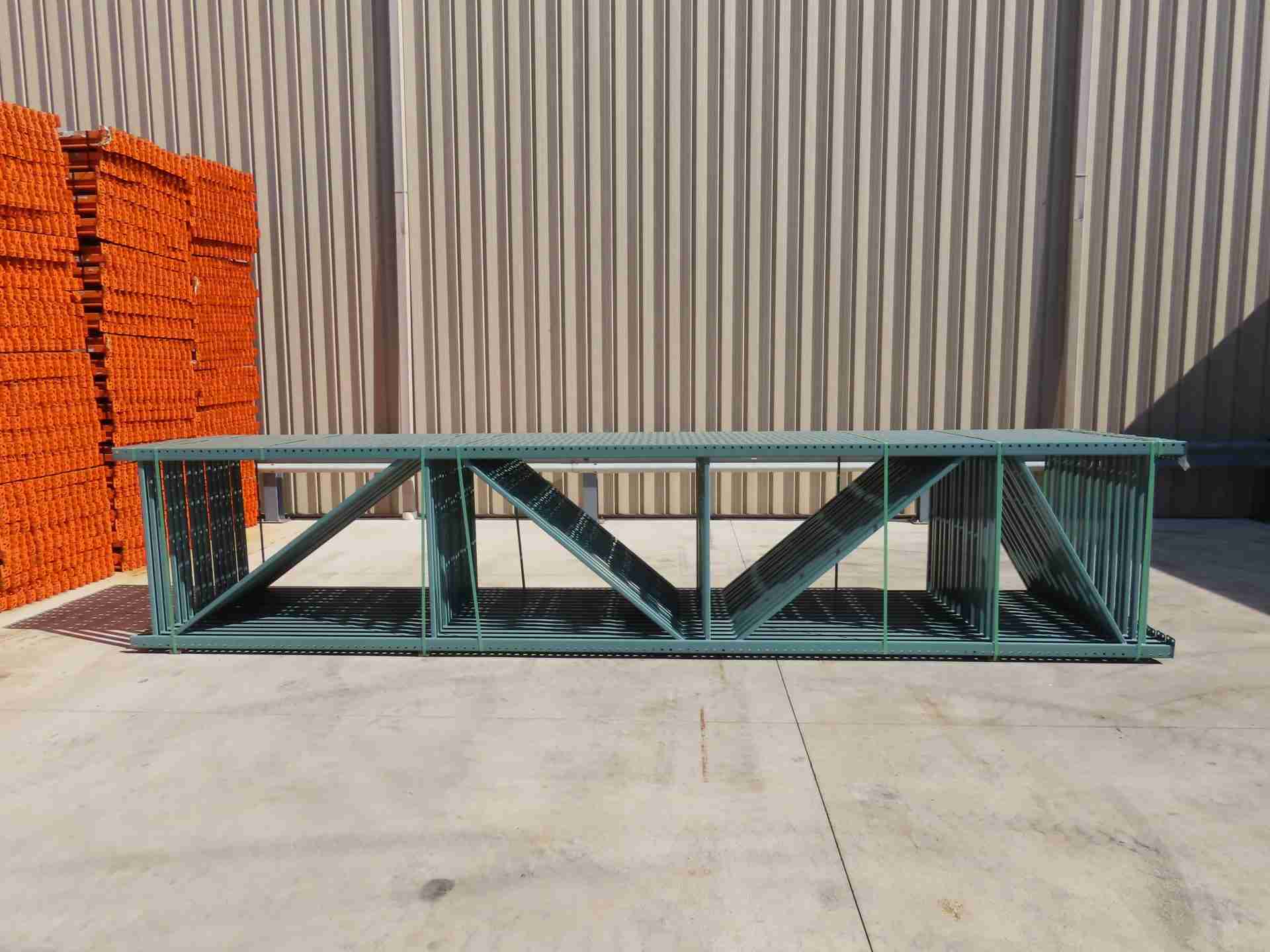
Who Is Responsible For Maintaining Racking Safety Standards?
Who Is Responsible For Maintaining Racking Safety Standards?
- The safety of Pallet Racking systems is a shared responsibility among multiple parties.
- Manufacturers must ensure compliance with safety regulations and industry standards.
- Incident of inventory damage from inadequate racking highlights the need for manufacturers to prioritize safety over profits.
- Facility owners and managers are responsible for overseeing Pallet Racking usage and regular maintenance.
- Employees play a crucial role and must engage in safety training programs to reduce accidents.
- Third-party inspections provide objective assessments and help identify potential hazards before risks escalate.
- Creating a culture of safety involving all stakeholders is essential for protecting lives and assets in warehouses.
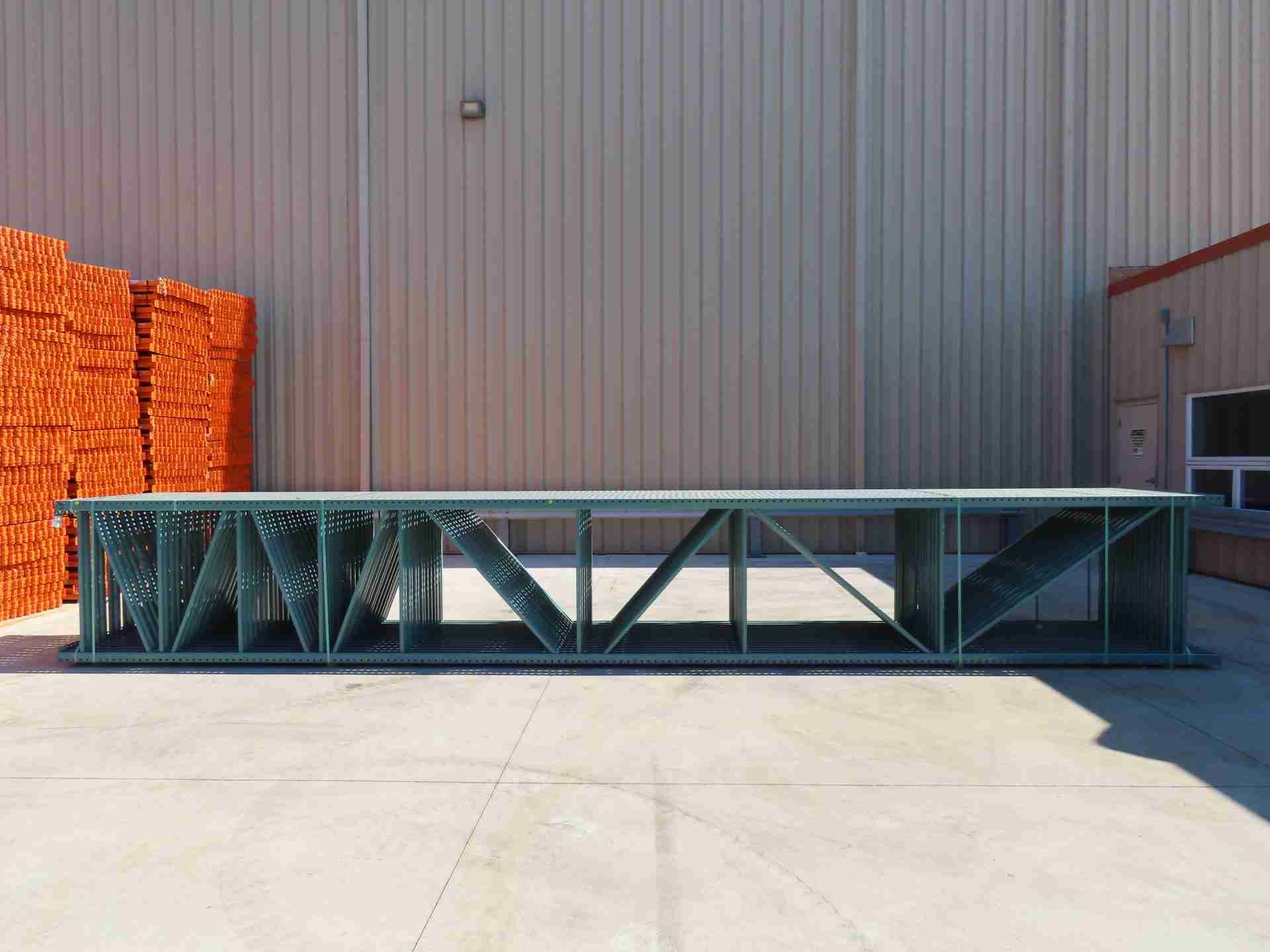
Who Is Responsible For Maintaining Racking Safety Standards?
Conclusion
At RackingWorld.com and Arrow Industrial Sales, we believe that the safety of your warehouse operations starts with the fundamental systems that underpin your entire inventory management: your pallet racking. As highlighted throughout the article, ensuring that your racking systems meet current safety standards is not just a regulatory formality—it’s a crucial component of your business’s operational integrity and liability protection.
Ignoring compliance can lead to devastating consequences, including catastrophic injuries, considerable financial losses, and irreparable damage to your business’s reputation. The landscape is littered with unfortunate stories of warehouses that faced dire repercussions due to neglected safety standards. As industry regulations become increasingly stringent, it is imperative that warehouses conduct routine assessments, implement overdue upgrades, and maintain meticulous documentation of safety practices.
Visual inspections, adherence to updated ANSI/RMI guidelines, and comprehensive training for employees are just a few actionable steps you can take to protect your workforce and safeguard your assets. Adjacent to these actions, maintaining a robust understanding of the latest safety norms—including fire regulations from the National Fire Protection Association and considerations for automated systems—is paramount for maintaining a proactive safety culture.
Don’t wait for a near-miss incident to realize the gravity of your racking safety. If you’re due for an inspection or need guidance on the latest safety measures, now is the time to act. Reach out to Arrow Industrial Sales at (574) 349-6575 to learn how we can assist you in refreshing your pallet racking systems, ensuring compliance, and enhancing workplace safety.
With regulatory bodies tightening compliance requirements and risks of costly lawsuits on the rise, the urgency to make safety a priority cannot be overstated. Safeguard not just your employees and assets, but the very sustainability of your operations by taking action today. Remember, safety isn’t just about compliance; it’s your competitive advantage. Make it your priority and elevate your warehouse to excellence in safety, performance, and reliability.

Conclusion
Conclusion:
- The safety of warehouse operations begins with pallet racking systems.
- Compliance with safety standards is crucial for operational integrity and liability protection.
- Neglecting safety can result in injuries, financial losses, and damage to business reputation.
- Routine assessments and upgrades, along with meticulous documentation, are essential for safety.
- Implement visual inspections, ANSI/RMI guidelines, and employee training to protect assets.
- Stay updated on safety norms, including fire regulations and automated systems considerations.
- Prioritizing safety can enhance workplace culture and serves as a competitive advantage.
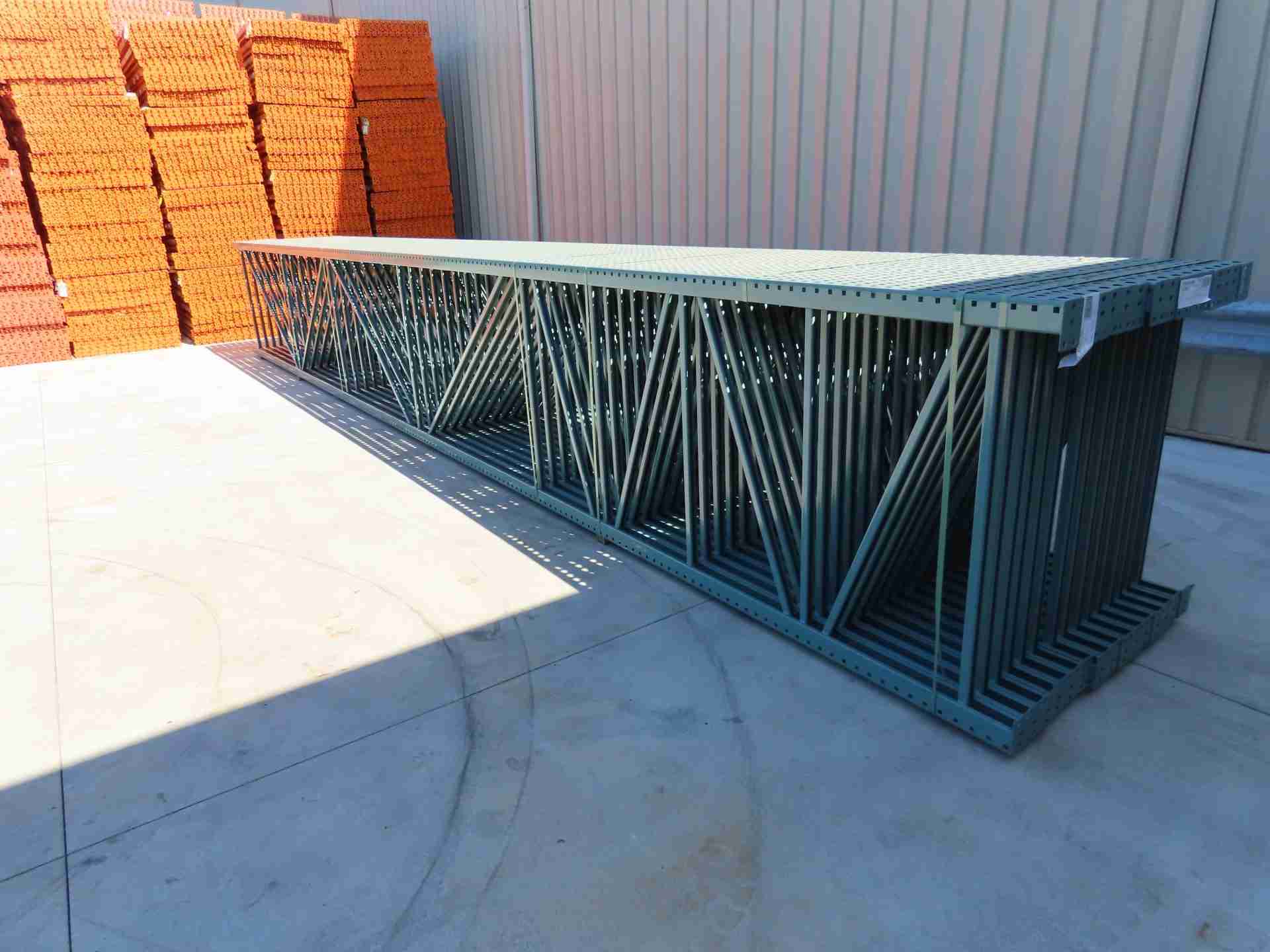
Conclusion
Other Resources
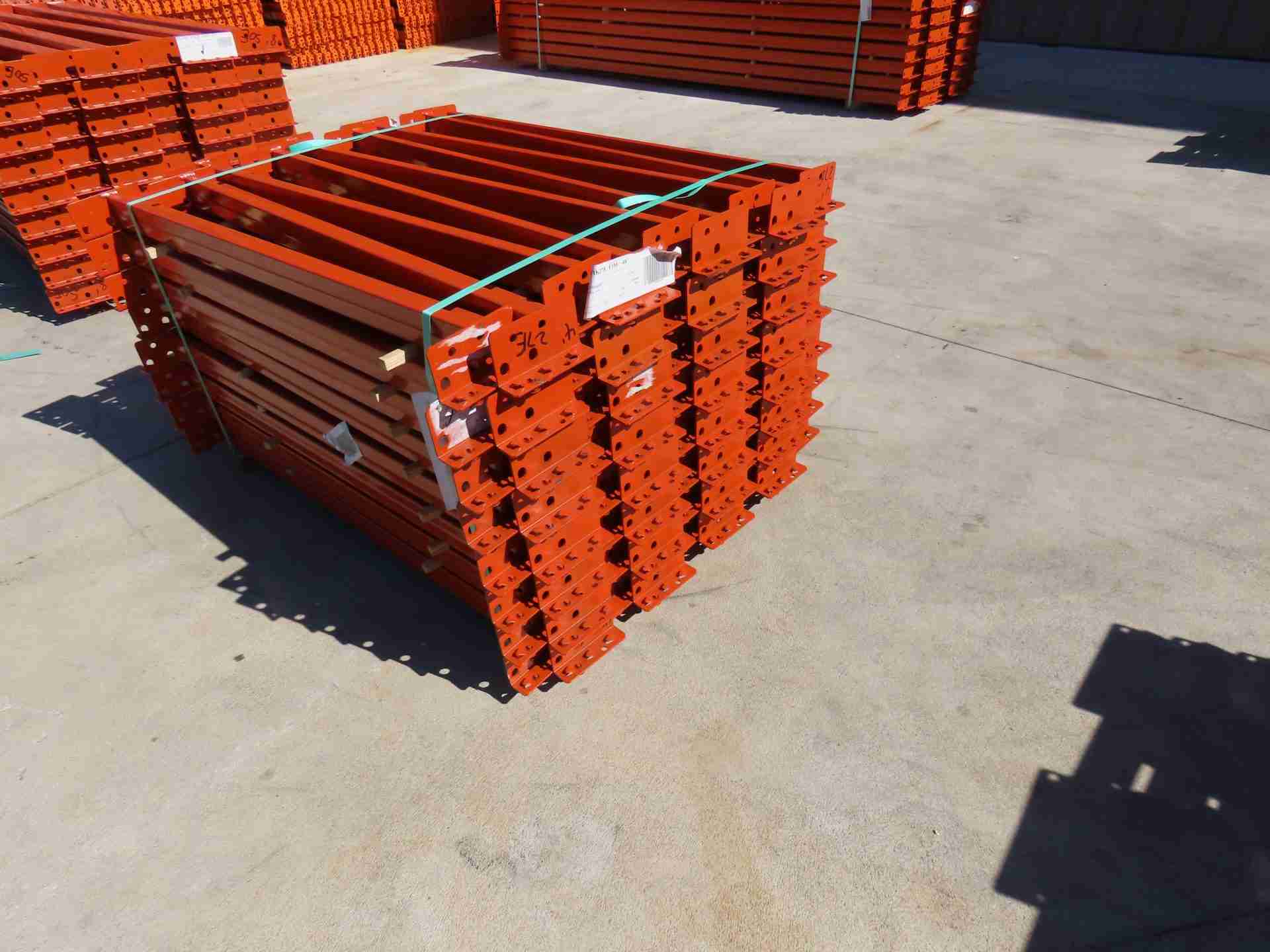
Other Resources
Here is a list of other resources you can review online to learn more:
- Selective Pallet Racking Systems
- What is Selective Racking: Understanding Benefits & Options
- CA Wire
- Crane Manufacturers Association Of America Inc.
- The Ultimate Pallet Racking Guide – Speedrack West
- Warehousing Education and Research Council: https://www.werc.org/
- Interlake Mecalux
- Teardrop Industrial Shelving Rack
- Arrow Industrial Sales
- Pallet Racking systems in Illinois and Great Lakes
Use This Prompt To Get More Resources With Your Favorite Online AI Tool: Please provide me with a list of online articles with their URLs in a bulleted list that I can read regarding Does Your Local Racking Meet Current Safety Standards?
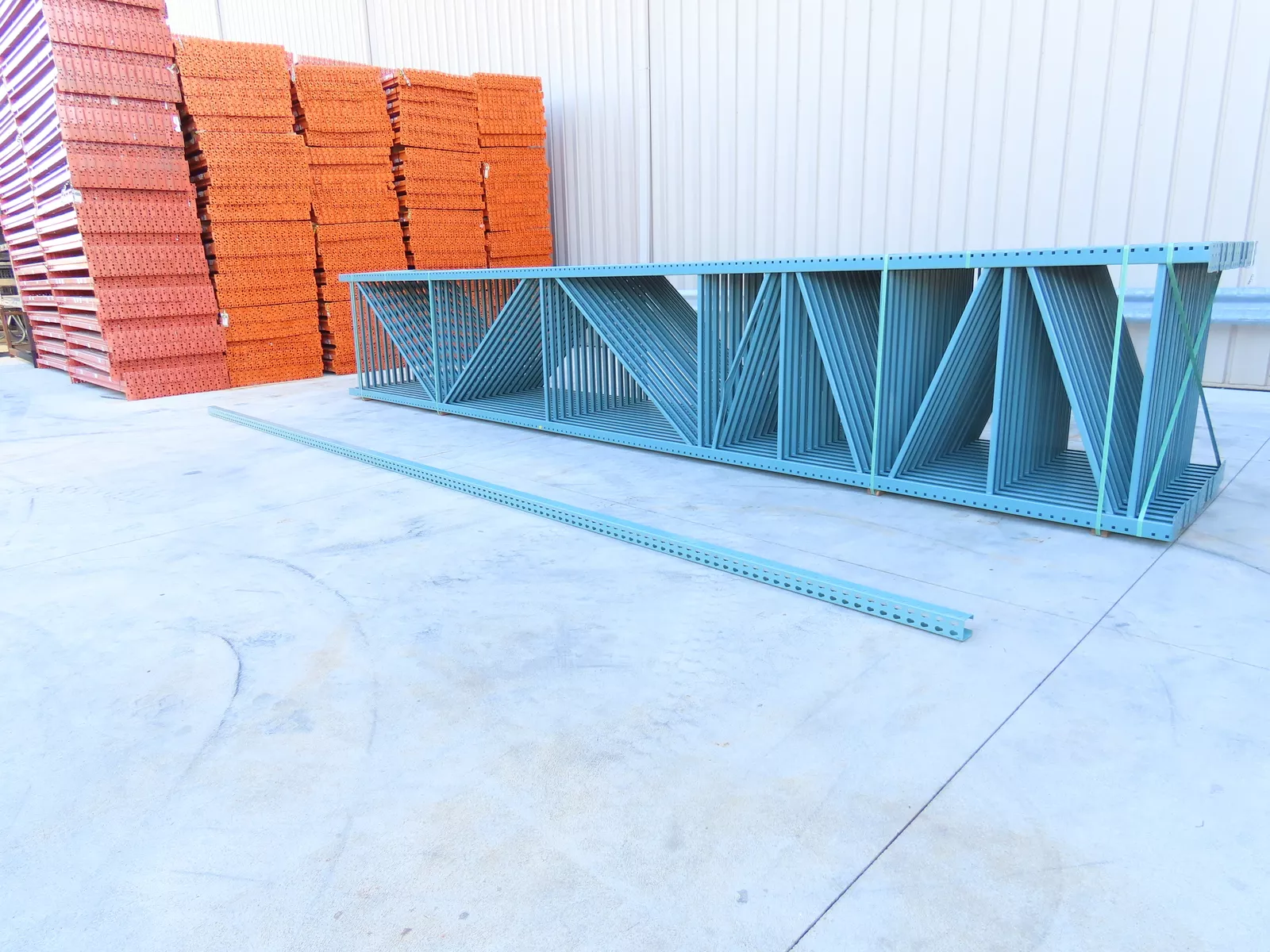
Other Resources
Glossary Terms
Does Your Local Racking Meet Current Safety Standards? – Glossary Of Terms
1. Racking: A system of storage that uses vertical frames and horizontal beams to support goods, often found in warehouses.
2. Safety Standards: Established criteria and regulations designed to ensure the safety and well-being of workers and the structural integrity of equipment.
3. Load Capacity: The maximum weight a racking system can safely support, determined by design and material specifications.
4. Inspection: A systematic evaluation of racking systems to identify any issues or non-compliance with safety standards.
5. Compliance: Adhering to legislated safety standards and regulations governing the design and use of racking systems.
6. Structural Integrity: The ability of a racking system to withstand its designed load without failure, ensuring it remains stable and secure.
7. OSHA: The Occupational Safety and Health Administration, a U. S. agency responsible for enforcing workplace safety regulations.
8. Ergonomics: The study and application of designing workspaces and equipment to fit the users’ needs and enhance safety.
9. Damage Assessment: The process of evaluating racking systems for signs of wear, tear, or damage that could affect safety.
10. Anchor Points: Fixed points used to secure racking systems to the ground or walls to prevent tipping or shifting.
11. Forklift Access: Ensuring that racking systems are designed to allow safe maneuvering of forklifts for loading and unloading goods.
12. Weight Distribution: The manner in which weight is spread across a racking structure to avoid overloading any single point.
13. Aisle Space: The width of pathways between racking systems, crucial for safe movement and operation of material handling equipment.
14. Preventive Maintenance: Regularly scheduled inspections and repairs designed to prevent accidents and ensure ongoing compliance with safety standards.
15. Vertical Space Utilization: The effective use of height in racking systems to maximize storage efficiency while ensuring safety.
16. Safety Signage: Indicators placed near racking systems to alert workers of safety protocols and operational guidelines.
17. Pallet Configuration: The arrangement and stacking of pallets within racking systems to maximize space and maintain safety.
18. Design Load: The calculated maximum load that a racking system is designed to handle under normal operating conditions.
19. Overloading: Exceeding the load capacity of a racking system, which can compromise stability and safety.
20. Safety Audit: A comprehensive review of safety practices, including racking systems, to ensure compliance with safety standards.
21. Racking Types: Various configurations (such as selective, drive-in, push-back) of racking systems designed for specific storage needs.
22. Modular Racking: A flexible racking design that can be reconfigured or expanded as storage needs change.
23. Upright Frames: Vertical structural components of a racking system that support the horizontal beams and the load.
24. Cross Bracing: Diagonal supports that provide stability to racking systems and help distribute loads evenly.
25. Regular Maintenance: Scheduled upkeep activities that help preserve the safety and functionality of racking systems.
26. Safety Factor: A design principle that provides a margin of safety to account for unexpected loads or conditions.
27. Employee Training: Programs designed to educate workers on proper racking use and safety protocols.
28. High-Bay Racking: A type of racking designed to store goods at great heights, often involving specialized equipment to handle the increased reach.
29. Load Retention Devices: Mechanisms (such as safety bars or straps) that prevent loads from falling or shifting within a racking system.
30. Site-Specific Regulations: Local laws and regulations that may dictate additional safety standards applicable to racking systems in particular jurisdictions.
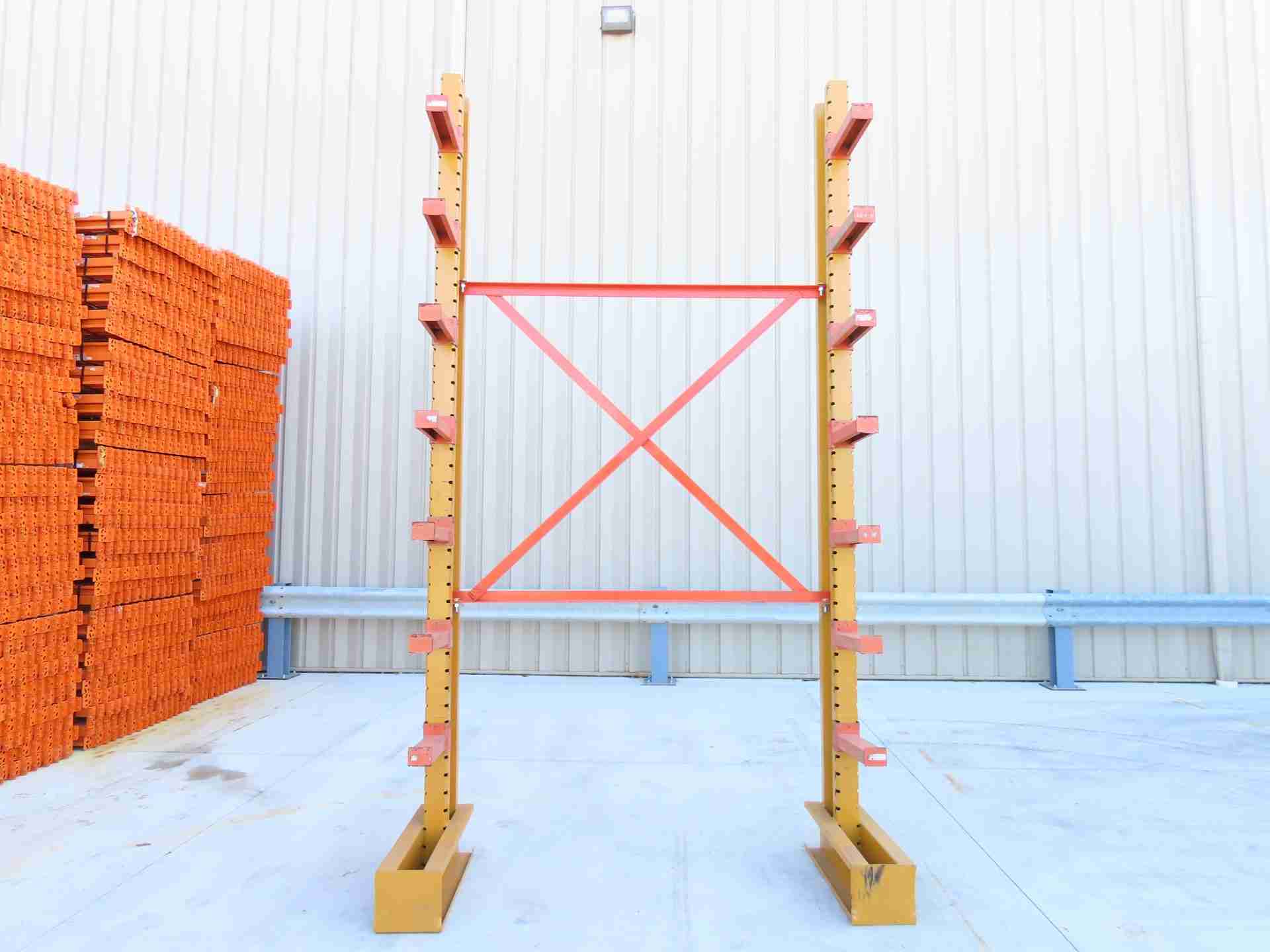
Glossary Of Terms
Other Questions
Does Your Local Racking Meet Current Safety Standards? – Other Questions
If you wish to explore and discover more, consider looking for answers to these questions:
- What are the penalties for non-compliance with safety standards for racking systems?
- How can I find a reliable inspector for pallet racking systems?
- What should be included in a pallet racking safety training program?
- How can technology improve the safety of pallet racking systems?
- What are the signs of structural damage in pallet racking systems?
- Are there specific regulations for different types of racking systems?
- How do I choose the right materials for my pallet racking system?
- What are the best practices for loading and unloading pallet racks safely?
- What should I do if I identify a safety issue within my racking system?
- How often should employee training sessions on racking safety be conducted?
- What can be done to improve aisle space in overcrowded warehouses?
- How can we foster a culture of safety among employees?
- What are some case studies highlighting effective racking safety practices?
- What innovations in racking technology should businesses be aware of?
- How can I ensure that my racking systems are fire compliant?
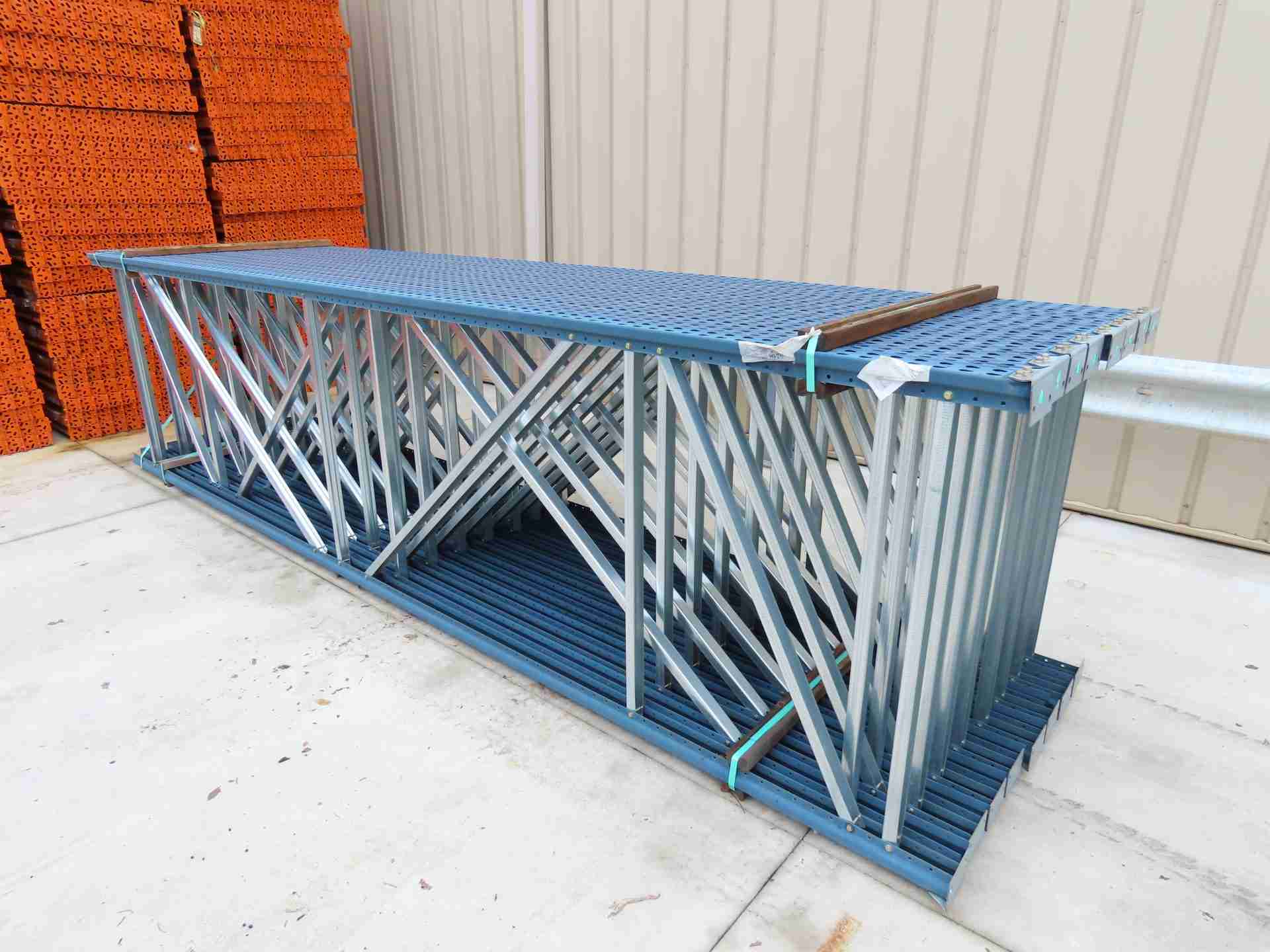
Other Questions
Checklist
Does Your Local Racking Meet Current Safety Standards? – A Checklist
1. Routine Inspections
_____ Schedule inspections every six months.
_____ Conduct visual inspections quarterly.
_____ Utilize a comprehensive Pallet Racking Inspection Checklist during assessments.
2. Check Compliance with Standards
_____ Ensure adherence to ANSI/RMI safety standards.
_____ Verify compliance with OSHA regulations.
_____ Review and update knowledge of local safety regulations.
3. Assess Structural Integrity
_____ Look for visible damage such as dents, bends, or rust.
_____ Check for sagging beams and overloading.
_____ Inspect all connections and fastenings for security.
_____ Document any findings of structural concerns.
4. Monitor and Document Load Capacities
_____ Cross-reference current stored loads against manufacturer load charts.
_____ Ensure that pallets are stacked properly to prevent load instability.
5. Engage in Employee Training
_____ Implement a training program on safe loading/unloading practices.
_____ Include real-life scenarios or case studies in training sessions.
_____ Keep records of all training conducted.
6. Maintain Documentation and Records
_____ Record findings from all inspections, maintenance, and repairs.
_____ Create and regularly update documentation of staff training.
_____ Preserve regulatory compliance documents.
7. Incorporate New Technologies
_____ Invest in smart monitoring systems for real-time tracking of racking systems.
_____ Stay informed about the latest technologies that can enhance safety measures.
8. Foster a Safety Culture
_____ Encourage employees to report safety concerns or possible hazards.
_____ Organize regular safety meetings to discuss improvements and updates.
9. Engage Third-Party Services
_____ Schedule periodic audits from independent inspection services.
_____ Use third-party assessments to validate internal safety measures.
10. Adapt to Changes in Operations
_____ Monitor fluctuations in inventory and adjust inspection schedules accordingly.
_____ Reassess racking systems when implementing new technologies or processes.
Final Note:
Remember, ensuring the safety of your pallet racking systems is not just a compliance issue; it’s crucial for the protection of your employees, inventory, and overall business operations. Consistently following this checklist will help mitigate risks and promote a safe working environment in your warehouse.
Checklist
At RackingWorld, we help guide you through selecting warehouse storage systems and racking.
Be sure to read our other related stories at RackingWorld to learn more about warehouse storage systems.
0 Comments