
Protecting Your Team From Warehouse Rack Hazards
By Tom Seest
At RackingWorld, we help guide you through selecting warehouse storage systems and racking.
Be sure to read our other related stories at RackingWorld to learn more about warehouse storage systems.
Are Your Warehouse Storage Racks Risking Employee Safety Every Day?
Imagine stepping into your warehouse, where the hustle and bustle of daily operations surrounds you. You can hear the beeping of forklifts, the chatter of coworkers, and the thud of boxes moving from one place to another. It’s an environment buzzing with activity, yet lurking behind every busy moment is a potential danger that can be easily overlooked—your pallet racking.
Pallet racking systems are the backbone of most warehouses, allowing you to maximize storage space and keep your operations running smoothly. But what happens when these essential tools become liabilities? Poorly maintained or improperly installed pallet racking can jeopardize not only your stock but, more importantly, the safety of your valued employees.
Let’s take a moment to consider how often you inspect your racking systems. Do you routinely check for signs of wear, damage, or instability? It’s alarming how quickly these seemingly innocuous structures can degrade without your notice, risking catastrophic accidents. A moment’s negligence can lead to fallen pallets and serious injuries, costing you more than just employee morale—it’s a blow to your bottom line too.
Your employees trust you to provide a safe work environment, and their safety should always come first. Beyond the legal implications, there’s a profound human element at play here. Every team member wants to feel secure—when they’re confident in their surroundings, they perform better, contributing to a more productive workplace.
Investing in regular inspections and maintenance of your pallet racking not only protects your employees but also enhances your business’s reputation. When employees feel safe, they are more engaged, loyal, and productive. This translates to lower turnover rates, reduced absenteeism, and a healthier, happier work environment.
But don’t stop there! Ensure you are educating your staff about safety practices related to pallet racking. Implement training sessions that emphasize proper handling techniques and the importance of reporting any concerns. By fostering an open dialogue about safety, you encourage a culture of responsibility and vigilance.
So, take action today. Examine your pallet racking systems, commit to a regular inspection schedule, and empower your team to prioritize safety. Your warehouse should be a hub of efficiency and safety, where risk takes a backseat to productivity. After all, when you demonstrate that safety is your top priority, it resonates throughout your entire operation—your people will feel it, and your bottom line will thank you.
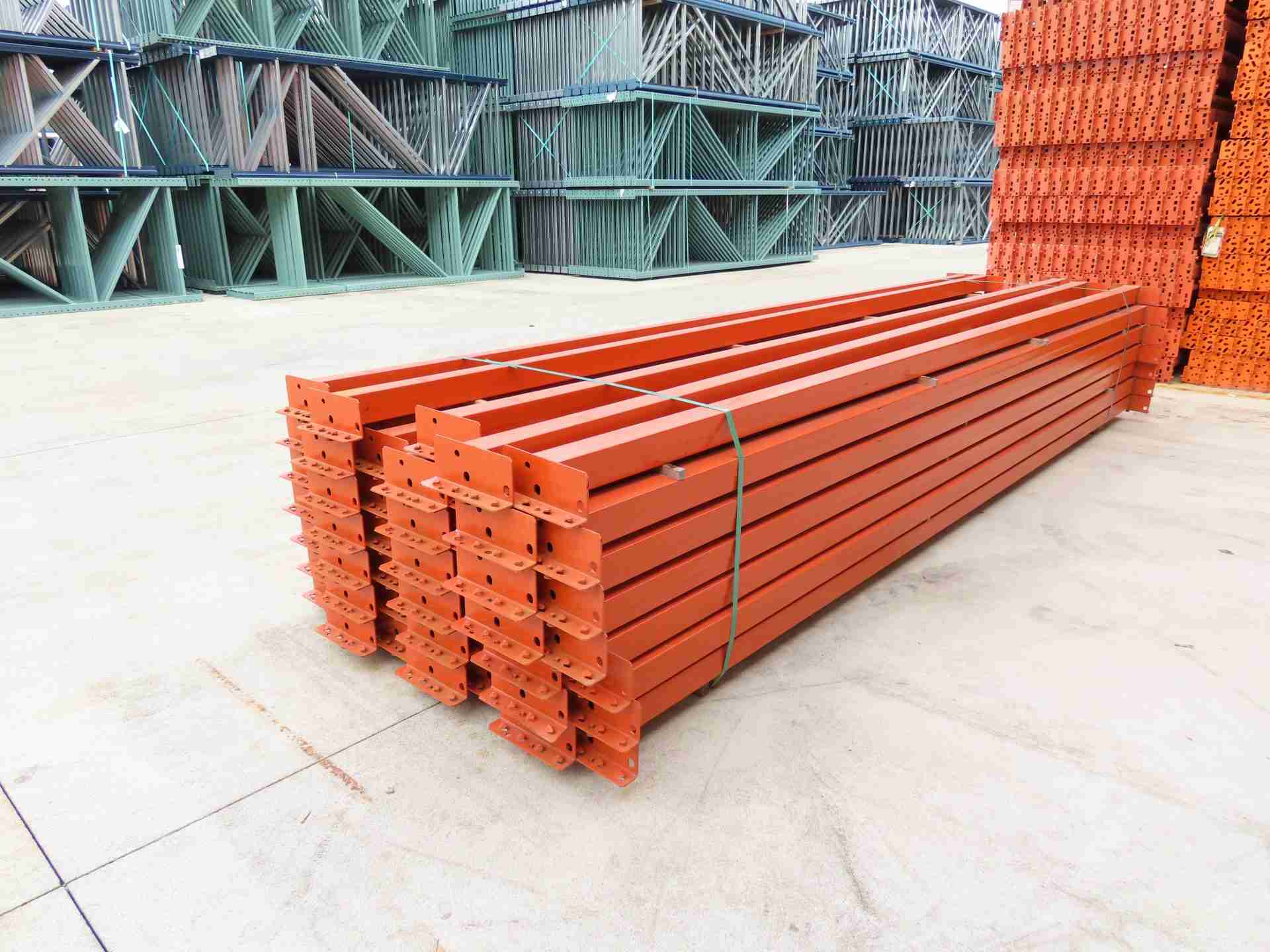
Are Your Warehouse Storage Racks Risking Employee Safety Every Day?
Are Your Warehouse Storage Racks Risking Employee Safety Every Day?
- Pallet racking systems are essential for maximizing storage space in warehouses.
- Poorly maintained or improperly installed racking can pose serious safety risks to employees.
- Regular inspections for signs of wear, damage, or instability are crucial to prevent accidents.
- Providing a safe work environment fosters employee trust and enhances productivity.
- Investing in maintenance contributes to a positive business reputation and employee morale.
- Educate staff on safety practices and encourage reporting of concerns to promote responsibility.
- Commit to regular inspections and prioritize safety to improve overall warehouse operations.

Are Your Warehouse Storage Racks Risking Employee Safety Every Day?
Table Of Contents
- Are Your Warehouse Storage Racks Risking Employee Safety Every Day?
- What Are The Common Hazards Associated With Storage Racks?
- How Can Improper Rack Assembly Lead To Accidents?
- What Safety Standards Should Warehouse Racks Meet?
- Are There Specific Signs Your Racks Are Overloaded?
- How Often Should Warehouse Racks Be Inspected For Safety?
- What Training Do Employees Need To Work Safely Around Racks?
- Conclusion
- Other Resources
- Glossary Of Terms
- Other Questions
- Checklist
What Are The Common Hazards Associated With Storage Racks?
When it comes to maximizing your warehouse efficiency, pallet racking stands as a cornerstone of organization. However, while these systems can revolutionize your storage capabilities, it’s crucial to recognize the common hazards associated with them. After all, nothing undermines a well-oiled operation quicker than an avoidable accident.
Imagine walking into your warehouse, the smell of fresh pallets in the air, the promise of efficiency and productivity lurking just behind each row of racking. But wait—before you get caught up in the excitement of moving inventory, let’s take a step back. Overlooked dangers can transform your energetic warehouse into a risk-laden environment.
One of the most notorious hazards in any warehouse setting is improper loading or unloading. It’s easy for team members to throw caution to the wind, stacking pallets too high or failing to distribute weight evenly. A collapsed rack can not only damage inventory but also lead to injuries—something that can shake the morale of your workforce. Encourage your team to adhere strictly to safety guidelines and undergo training to handle pallet racking systems responsibly.
Next, let’s address the safety of personnel operating around and beneath these structures. The potential for falling items is a legitimate concern; loose pallets or improperly secured items can become hazardous projectiles. Implementing clear safety protocols, such as wearing protective gear and ensuring proper stacking techniques, can mitigate these risks significantly.
Additionally, did you know that environmental factors can play a role in racking hazards? A wet or slippery floor, often overlooked, can be a recipe for disaster. Ensuring your workspace is not only organized but clean and dry can greatly reduce liabilities.
Last but not least, don’t underestimate the importance of regular inspections. Are your storage racks showing signs of wear and tear? Rusted components or bent frames can jeopardize your entire operation. Establish a routine to regularly assess the structural integrity of your pallet racking systems and proactively address any concerns.
Embracing the use of pallet racking should invariably come with responsibility. By fostering a culture of safety and vigilance, you’re not just protecting your assets—you’re cultivating a positive workplace that inspires trust and confidence. So, let’s work together to create a safer, more organized environment that prioritizes efficiency without compromising safety. The benefits of proactive measures will far outweigh the costs, and your team—and bottom line—will thank you for it.
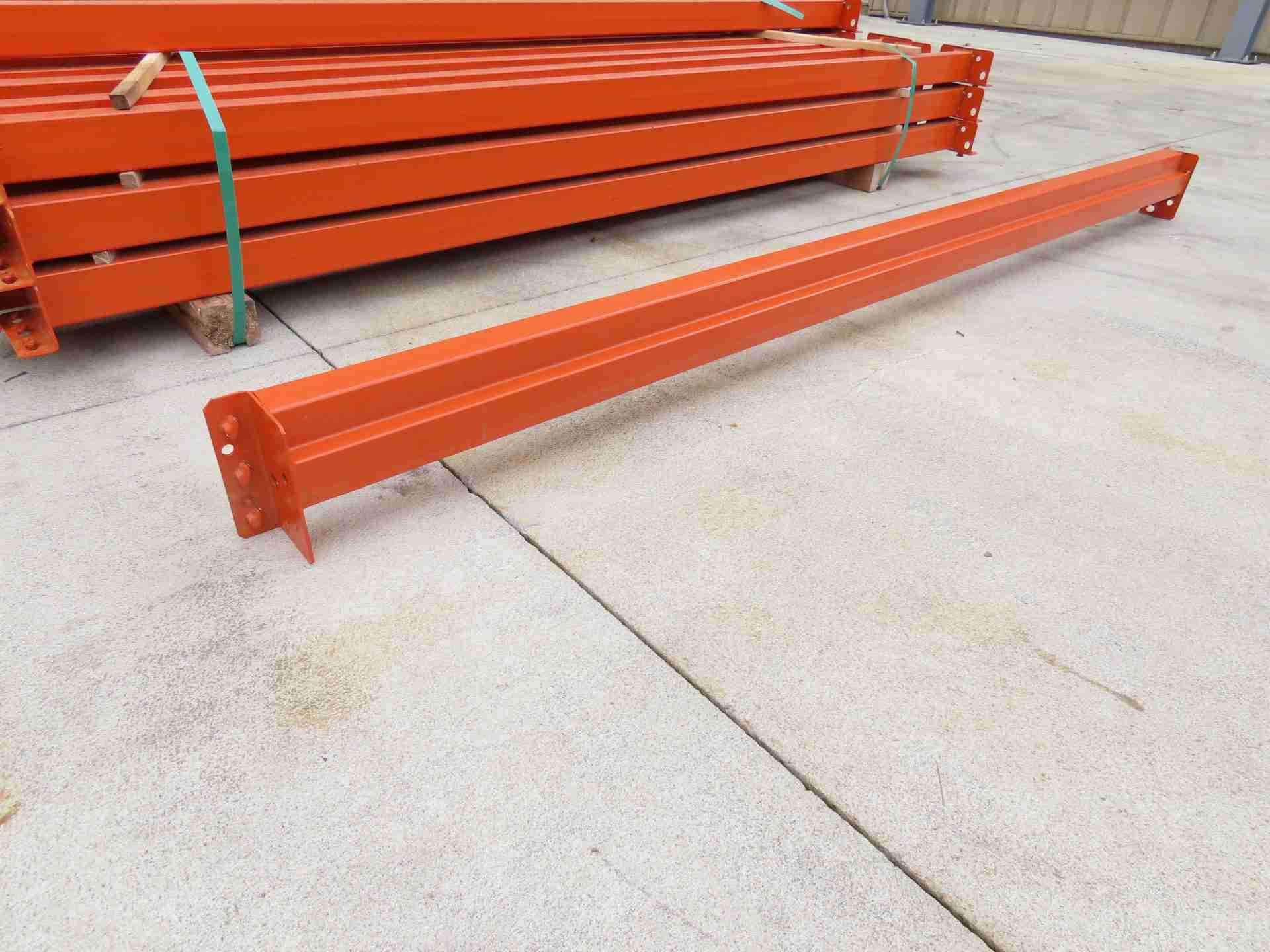
What Are The Common Hazards Associated With Storage Racks?
What Are The Common Hazards Associated With Storage Racks?
- Pallet racking is essential for maximizing warehouse efficiency and organization.
- Common hazards can arise from improper loading and unloading of pallets, leading to accidents and injuries.
- Encouraging adherence to safety guidelines and proper training is crucial for safe pallet handling.
- Personnel safety is a concern due to the risk of falling items from unsecured pallets.
- Environmental factors, such as wet or slippery floors, can increase the risk of accidents.
- Regular inspections of storage racks are necessary to identify wear, rust, or damage.
- Promoting a culture of safety enhances trust and confidence within the workplace while improving efficiency.
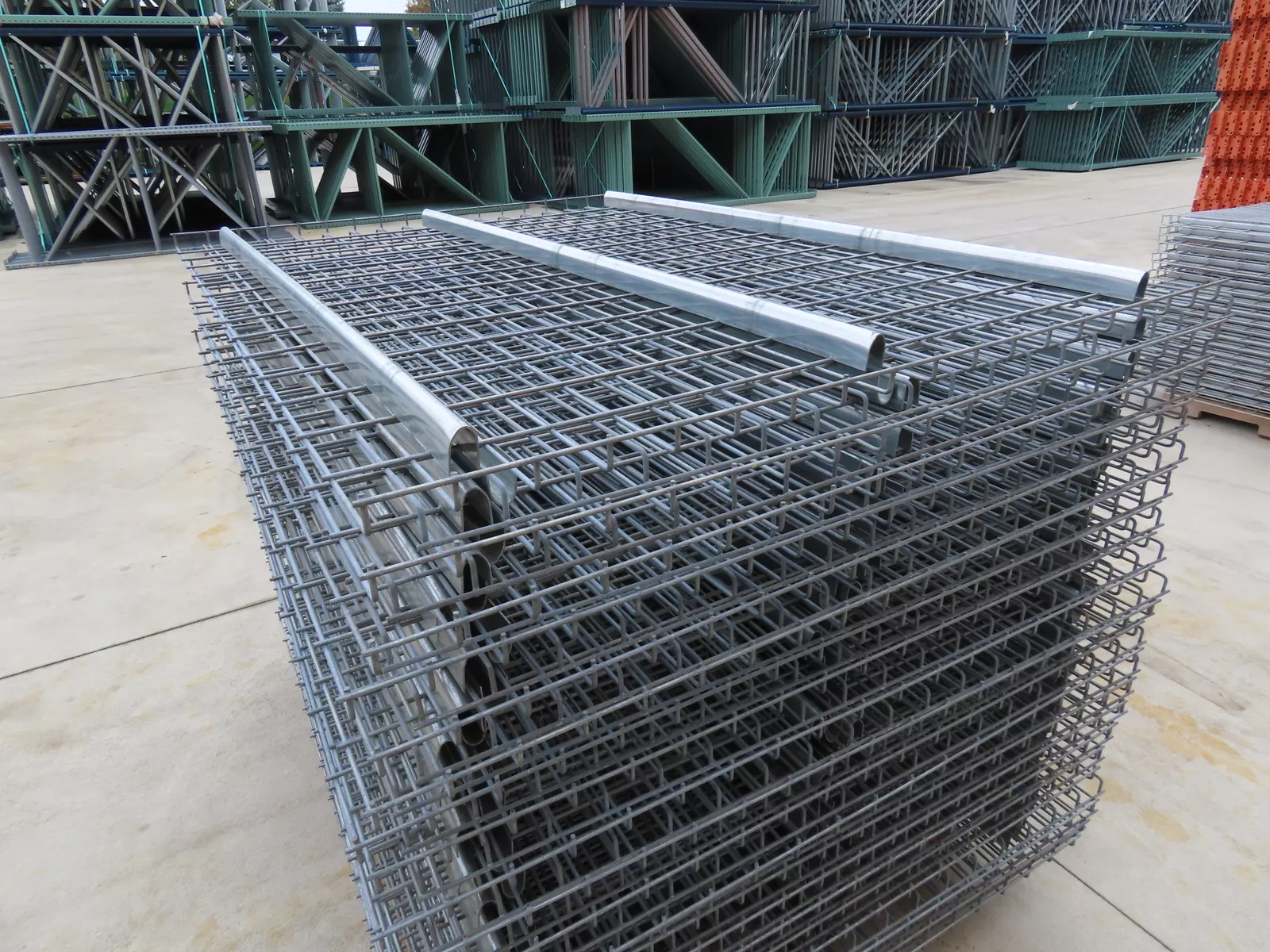
What Are The Common Hazards Associated With Storage Racks?
How Can Improper Rack Assembly Lead To Accidents?
In the bustling world of warehousing and logistics, every detail counts. Pallet racking is the backbone of storage efficiency, yet many overlook the critical importance of proper assembly. It might seem like a small detail, but improper rack assembly can unleash a cascade of costly accidents that affect not just your bottom line but also the safety of your team.
Imagine the scene: a busy warehouse humming with activity. Forklifts navigate with precision, workers expertly maneuver products on and off the shelves. Now, picture a sudden crash as a poorly assembled pallet rack gives way. What just moments ago was a paragon of productivity transforms into a site of chaos and danger. It’s a scenario that can happen all too easily when the integrity of pallet racking is compromised.
The heart of the issue is often rooted in neglecting the assembly guidelines provided by manufacturers. Assembling pallet racking might seem straightforward, but the reality is that each component serves a vital purpose. Bolts tightened just a little too loosely or cross beams installed at the wrong angle can lead to structural failure. These aren’t merely inconveniences; they’re ticking time bombs waiting to go off, putting your employees in harm’s way.
Moreover, the ramifications of such accidents extend far beyond immediate injuries. Imagine lost productivity, damaged inventory, and, worst of all, the emotional toll on your team. No one wants to work in an environment where safety feels like a gamble. When they feel secure, they perform better, fostering a culture of trust and reliability.
Now, you might be wondering how to prevent this from becoming a reality. The answer is simple and actionable: invest the necessary time into proper training and utilize professional assembly services. Ensure that your team understands the nuances of pallet racking and adheres to manufacturer instructions religiously. Regular inspections and maintenance are also non-negotiable; they can catch weaknesses before they escalate into disasters.
By taking these proactive steps, you’re not just protecting your assets — you’re safeguarding your most valuable resource: your people. After all, in the world of warehousing, safety isn’t just a requirement; it’s a commitment. Let your organization stand as a beacon of trust and productivity, where the only risk is taking on new challenges, not facing preventable accidents. Don’t wait for complacency to set in; take action today!
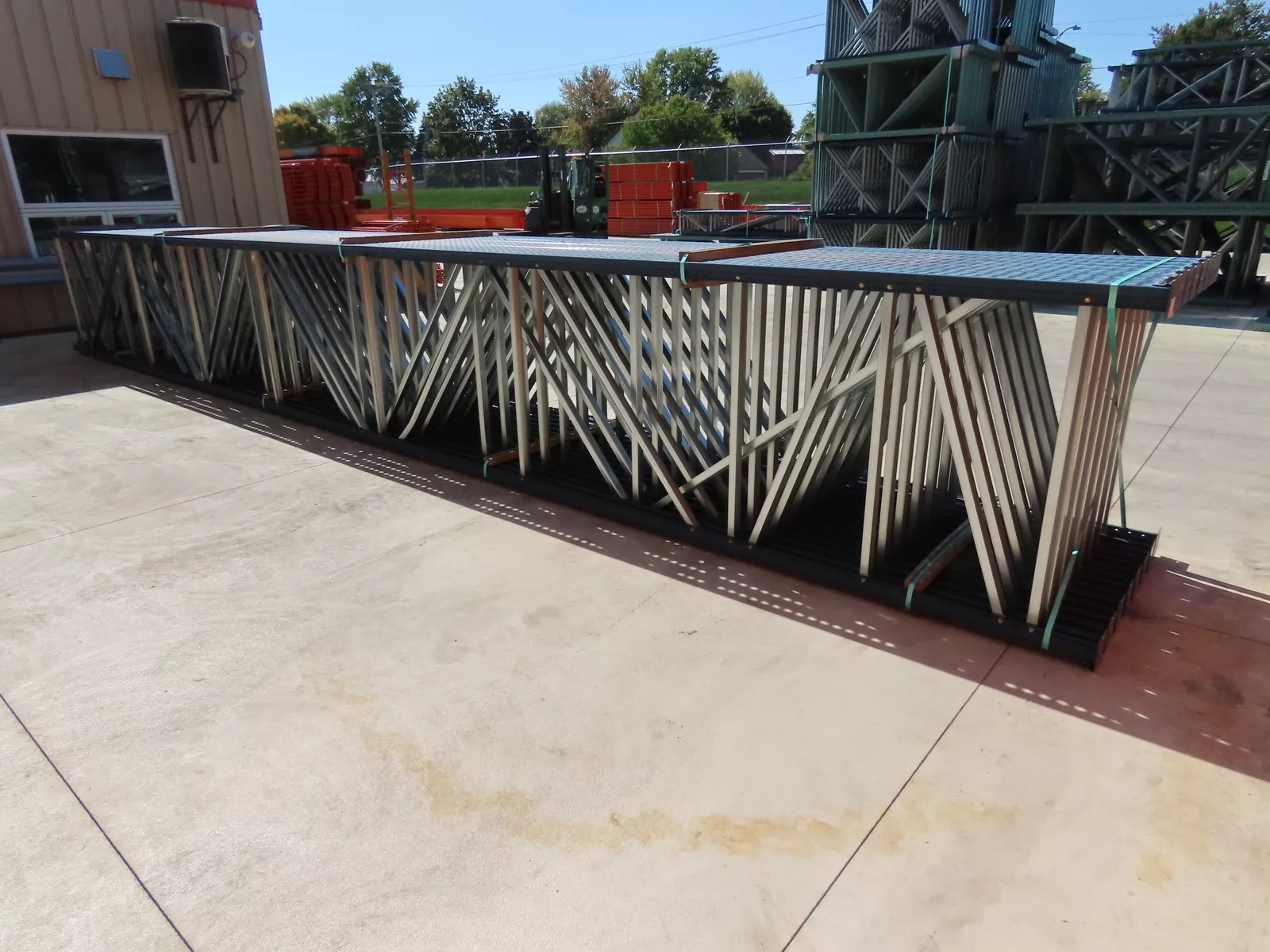
How Can Improper Rack Assembly Lead To Accidents?
How Can Improper Rack Assembly Lead To Accidents?
- Pallet racking is essential for storage efficiency in warehousing and logistics.
- Improper assembly of pallet racks can lead to severe accidents, risking employee safety and financial loss.
- Neglecting assembly guidelines can compromise the structural integrity of pallet racking.
- Small errors, like loose bolts or misaligned beams, can create significant hazards.
- Accidents can result in lost productivity, damaged inventory, and a negative emotional impact on employees.
- To prevent issues, invest in proper training and professional assembly services, and conduct regular inspections.
- Prioritizing safety fosters a productive work environment and ensures trust within the team.
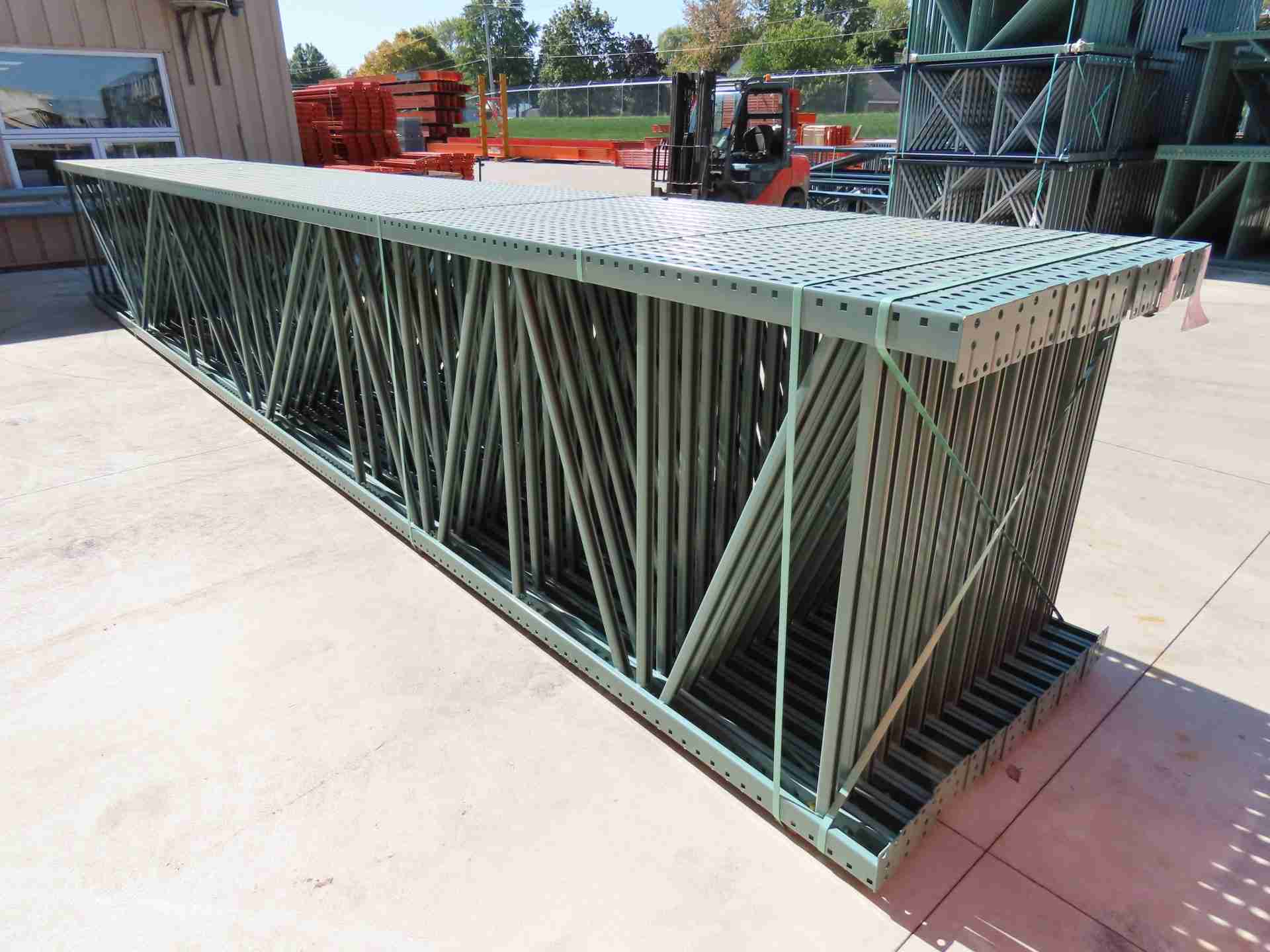
How Can Improper Rack Assembly Lead To Accidents?
What Safety Standards Should Warehouse Racks Meet?
When you think about your warehouse, what comes to mind? Is it the hustle and bustle of employees fulfilling orders, the sound of forklifts buzzing about, or perhaps the stacks of product neatly arranged on pallet racking? One thing’s for certain: these racking systems play a central role in your operation’s safety and efficiency. But amidst the day-to-day grind, how often do we pause to consider the safety standards those racks should meet?
First, let’s talk about the backbone of your warehousing success—compliant pallet racking. Properly designed and manufactured racking systems are not merely a suggestion; they are a necessity. Adhering to recognized safety standards, like those set forth by the American National Standards Institute (ANSI) or the Occupational Safety and Health Administration (OSHA), ensures your pallet racking isn’t just durable but also safe. This isn’t just about checking boxes; it’s about safeguarding your most valuable assets—your employees.
Imagine a scenario where your team members can operate without the constant worry of potential failures of equipment. That peace of mind translates into not only enhanced productivity but also morale. When your workforce sees that your organization prioritizes their safety, loyalty and dedication follow seamlessly.
But safety isn’t just for the employees. It’s a reflection of your brand integrity. Every dollar spent on compliant racking is an investment in your company’s reputation, leading to happier clients and smoother operations. Customers want to partner with organizations that prioritize safety and efficiency, and demonstrating that your warehouse meets safety standards can be the deciding factor for many potential clients.
Now, let’s not forget the advantages of routine inspections and proper maintenance. Staying proactive in your safety efforts not only ensures compliance but also minimizes the risk of costly accidents. Regular upkeep, combined with a culture of safety, reinforces your commitment to exceeding industry standards.
Ultimately, it’s not just about the racks and shelves—a warehouse is a living entity. By investing in safe and reliable pallet racking, you’re telling your employees and clients that you take their safety seriously, and that you are not just meeting norms, but leading the way. So, take those necessary steps today; prioritize safety standards in your warehouse and watch as the foundations of trust and efficiency grow stronger with every rack you install.
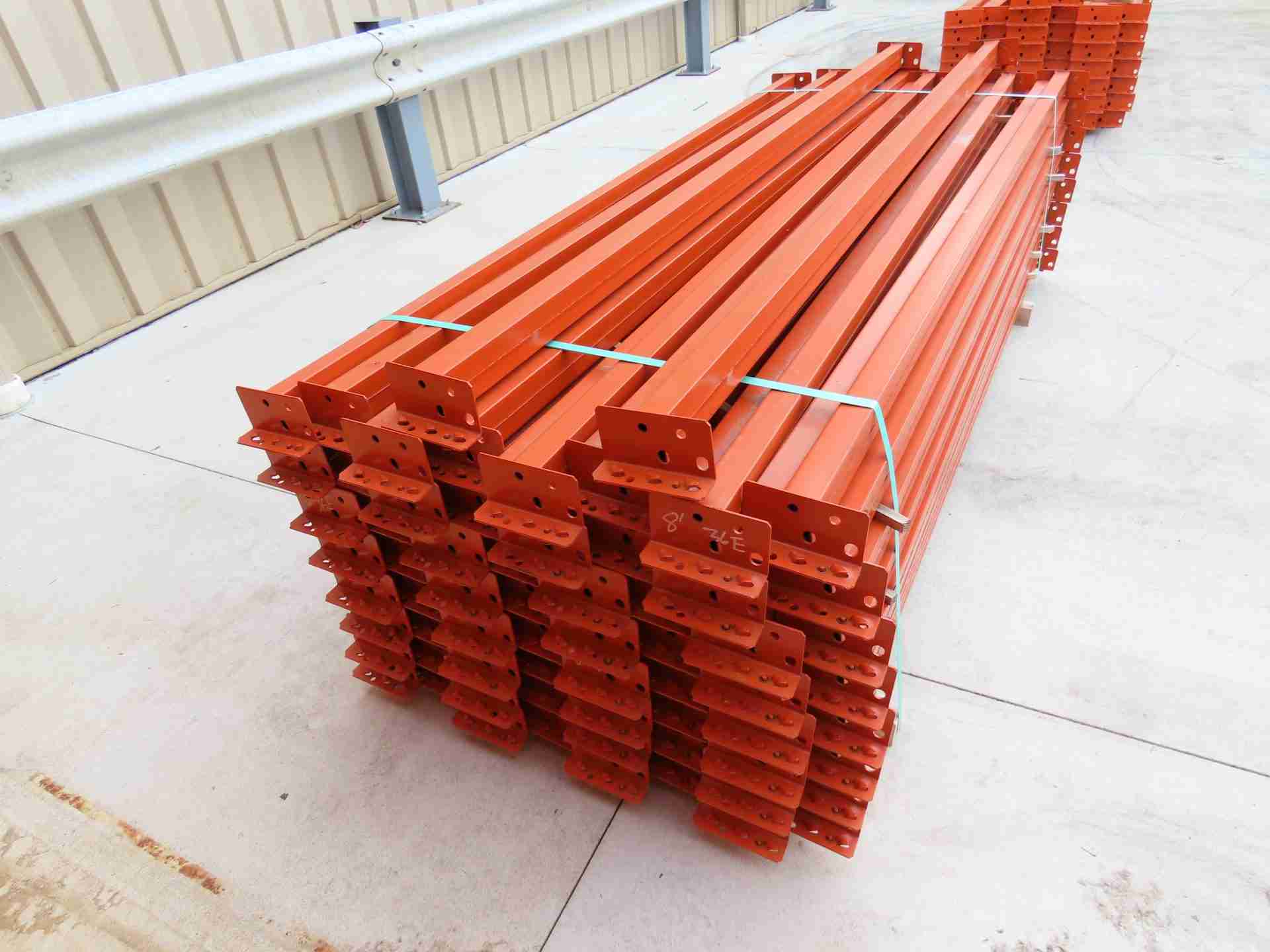
What Safety Standards Should Warehouse Racks Meet?
What Safety Standards Should Warehouse Racks Meet?
- Warehouse operations involve busy employees, forklifts, and organized product stacks on pallet racking.
- Compliant pallet racking, adhering to ANSI and OSHA standards, is essential for safety and efficiency.
- Safe equipment fosters peace of mind, enhancing employee productivity and morale.
- Investing in compliant racking improves brand integrity and client relationships.
- Routine inspections and maintenance minimize risks and ensure ongoing compliance with safety standards.
- A warehouse’s safety reflects on its overall operations and reputation.
- Prioritizing safety standards strengthens trust and efficiency in your warehouse operations.
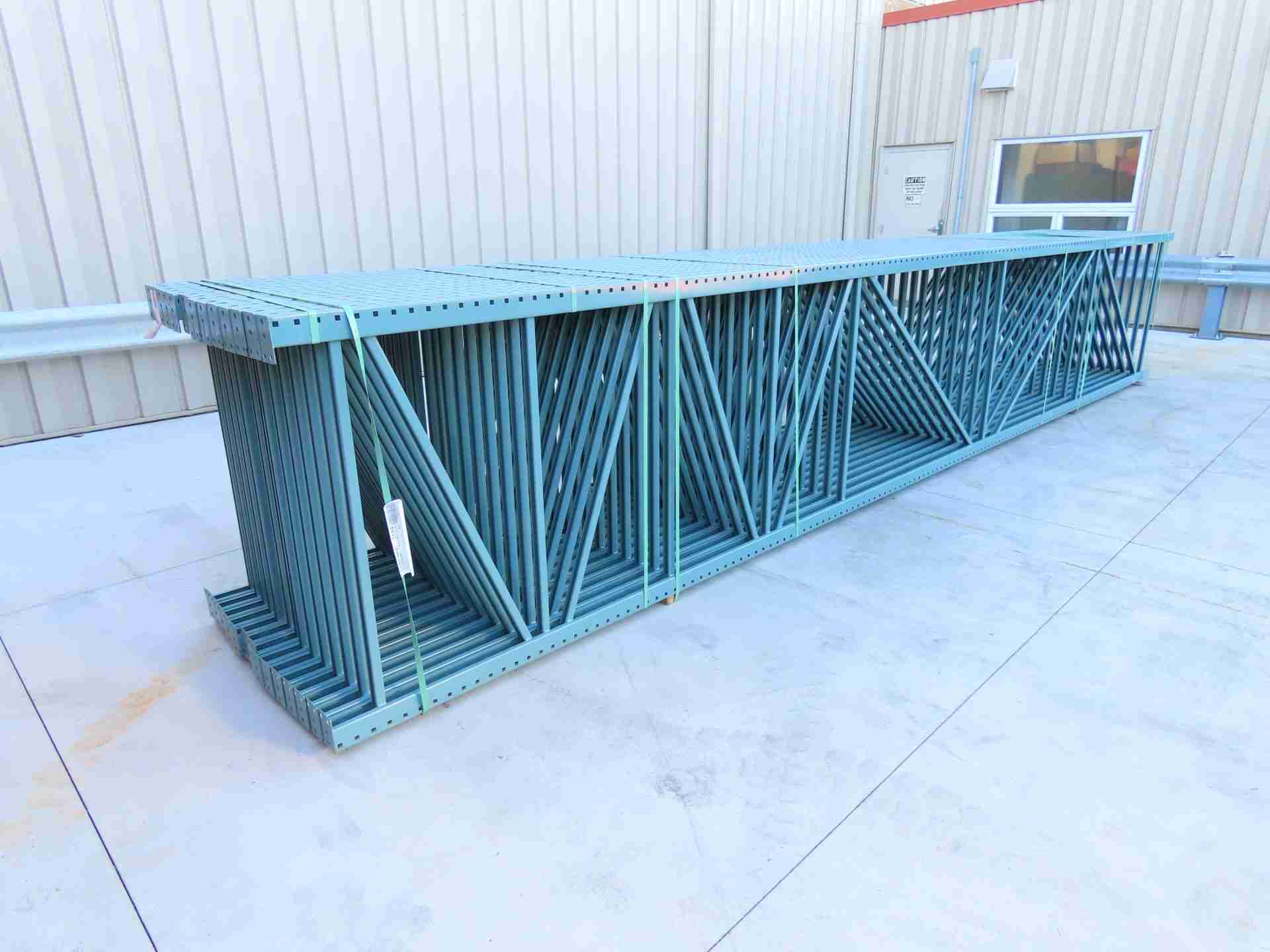
What Safety Standards Should Warehouse Racks Meet?
Are There Specific Signs Your Racks Are Overloaded?
Imagine stepping into your warehouse or storage area, ready to conquer the day’s tasks, but then your gaze drops to the racking system. Your Pallet Racking, which once stood proud and organized, now has a somewhat unnerving look. But how can you tell if your racks are overloaded? Understanding the signs isn’t just about ensuring safety; it’s about protecting your investment, maintaining efficiency, and fostering a thriving operation.
First, pay attention to the physical signs of distress. Have you noticed any bending or warping in the beams of your pallet racking? This is a clear indicator that the structure is straining under the weight of excess inventory. It’s not just an aesthetic issue; it compromises the entire system’s integrity. A small flaw can lead to catastrophic failure, and it’s your responsibility as a leader to mitigate that risk.
Next, look for changes in your inventory management efficiency. If your team is struggling to locate items, or you find yourself conducting more frequent counts due to misplacement, perhaps your racks are crammed full beyond their capacity. An overloaded racking system can lead to chaos, creating unnecessary stress for your workforce and slowing productivity. Remember, a well-organized space not only enhances workflow but also uplifts morale. Take a moment to assess your operational flow and ask yourself: Is our Pallet Racking system hindering our success?
Another telltale sign lies in the noise. No, we’re not talking about the hustle and bustle of a busy warehouse — we mean the unnatural creaks and groans of overloaded racks. If you can hear your racking protesting under the weight, consider it a distress signal. A healthy racking system should support your operations without excessive noise.
Lastly, avoid overlooking the signs of strain on your pallets and loads. If you notice that pallets are starting to tip or lean precariously, it’s a clear invitation to reevaluate the weight distribution. Each pallet has its appropriate weight limits, and respecting them is essential to a sustainable operation.
Ultimately, recognizing these signs isn’t just about preventing accidents; it’s about cultivating a culture of safety and accountability within your organization. Take charge! Evaluate your Pallet Racking system and be proactive. Your operations depend on it, and more importantly, so does the well-being of your team. Don’t wait for a disaster to strike; act now, and turn your warehouse into a beacon of safety and efficiency!
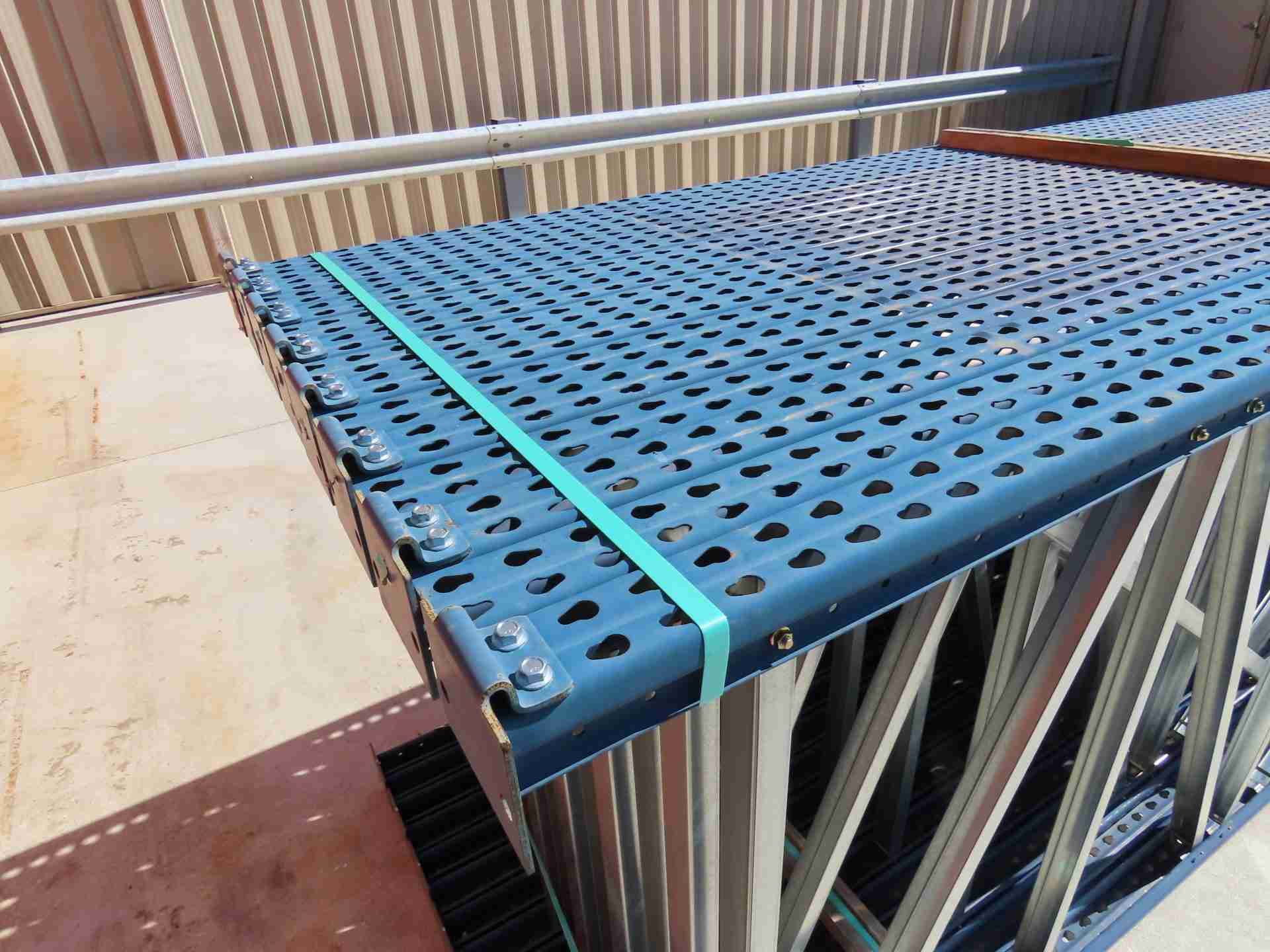
Are There Specific Signs Your Racks Are Overloaded?
Are There Specific Signs Your Racks Are Overloaded?
- Recognize the physical signs of distress in pallet racking, such as bending or warping beams, indicating overload.
- An overloaded racking system compromises integrity and increases the risk of catastrophic failure.
- Observe changes in inventory management efficiency, such as difficulties in locating items or frequent miscounts.
- Excessive cramming of racks can create stress for employees and slow down productivity.
- Listen for unnatural creaks and groans from the racking, signaling it is struggling under excess weight.
- Check for signs of strain on pallets, such as tipping or leaning, which indicates improper weight distribution.
- Recognizing these signs fosters a culture of safety and accountability; proactive evaluation of your racking system is essential.
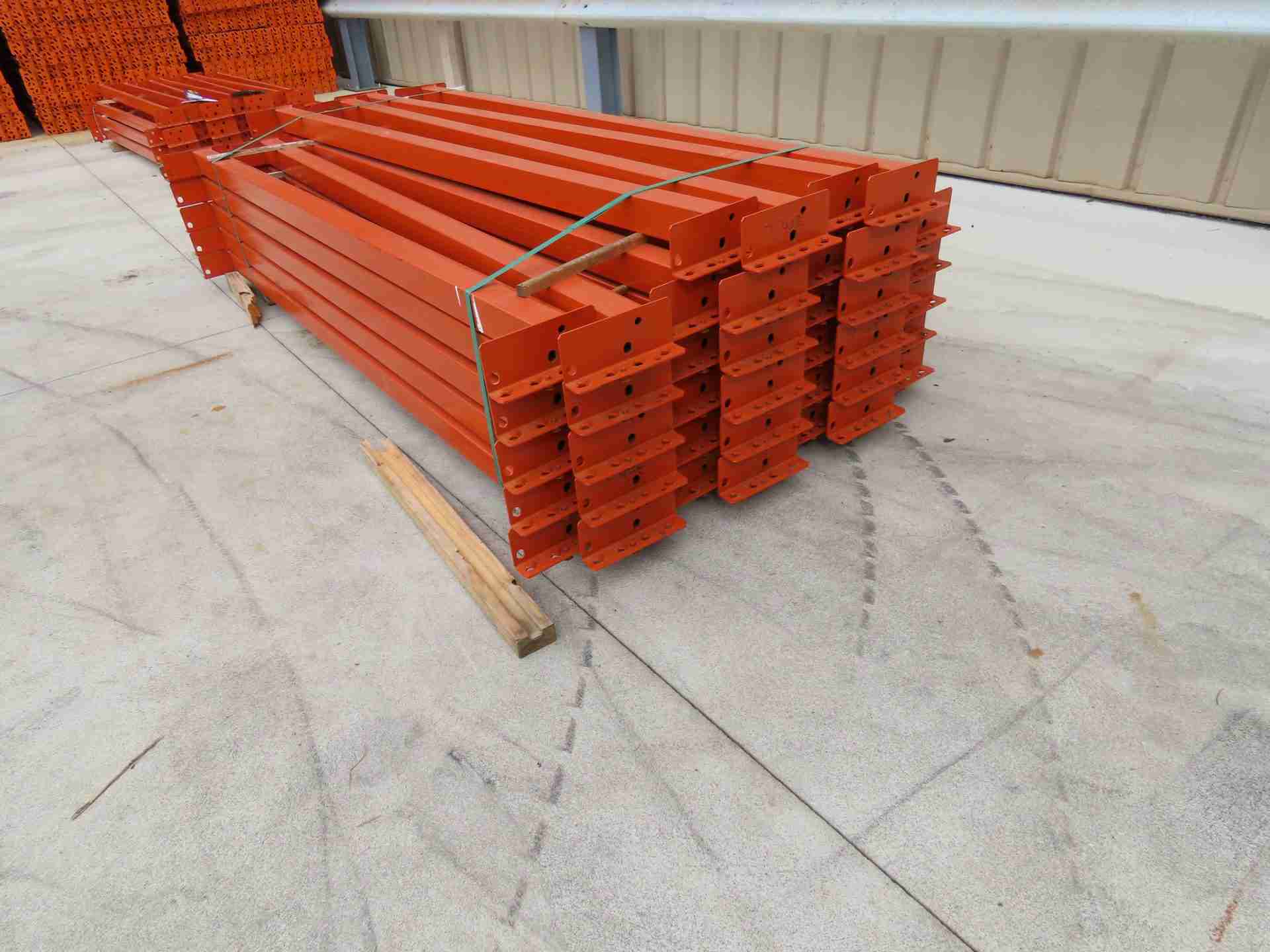
Are There Specific Signs Your Racks Are Overloaded?
How Often Should Warehouse Racks Be Inspected For Safety?
How Often Should Warehouse Racks Be Inspected for Safety?
Picture this: your warehouse is humming with activity – forklifts zooming past, employees maneuvering through aisles, and products flying off the shelf. It’s a scene of efficiency, the lifeblood of your business. But lurking within that vibrant hustle is an essential question many warehouse managers often overlook: how often should your pallet racking be inspected for safety?
Let’s make one thing clear: when it comes to warehouse operations, safety isn’t just a checkbox on your to-do list. It’s the backbone of your business, and safeguarding your team should be your top priority. Imagine the devastating consequences of neglecting a minor inspection. A simple oversight can lead to catastrophic incidents — from injuries to costly downtime — which no business can afford.
So, how do you keep the wheels turning smoothly? A best practice is to conduct detailed safety inspections of your pallet racking at least once every six months. This is not merely an arbitrary time frame; it’s based on industry standards and the pressing realities you face in a dynamic environment. Regular inspections allow you to catch potential issues before they escalate.
But that’s just the tip of the iceberg. In addition to these biannual inspections, consider implementing a routine self-check every month, to promote constant awareness among your team. This proactive habit engages employees in their work environment and empowers them to report any abnormalities – no matter how minor. You’ll foster a culture of safety that not only complies with regulations but also boosts morale.
Don’t stop there. Whenever your warehouse layout changes or new pallet racking is installed, take a moment to evaluate your safety practices. These adjustments can introduce new dynamics that warrant a fresh set of eyes on your safety protocols.
When it comes to inspection, remember: it’s not just about compliance; it’s about cultivating an invincible fortress of safety that protects your assets — your employees and the products that drive your revenue. With every inspection, you’re not only minimizing risk but also nurturing trust in your leadership. In today’s competitive landscape, that connection resonates — inspiring loyalty from your team, boosting productivity, and ensuring your warehouse remains a robust pillar for your business.
Taking action today creates a safer tomorrow. Make those inspections part of your routine, and watch your warehouse thrive.
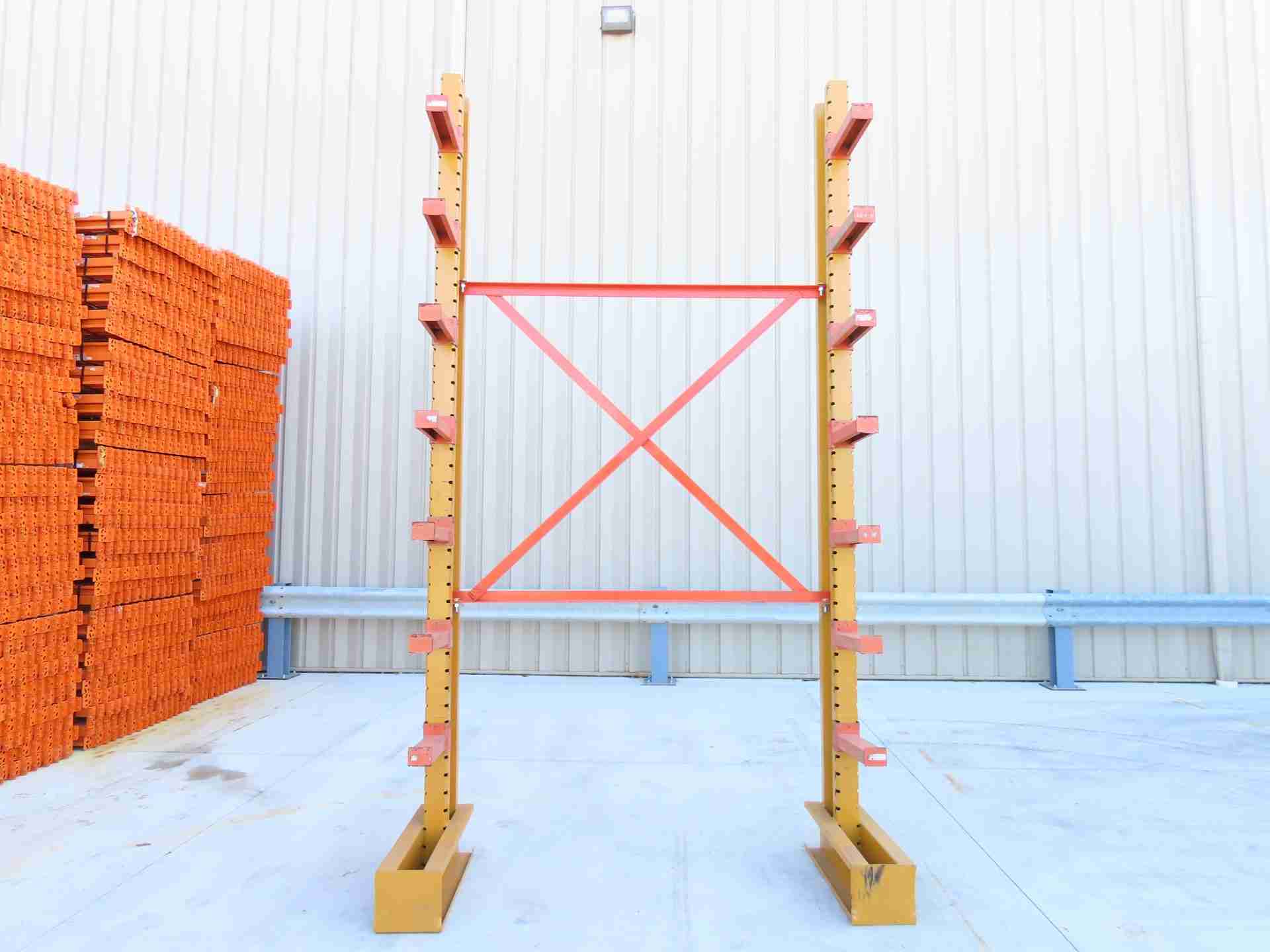
How Often Should Warehouse Racks Be Inspected For Safety?
How Often Should Warehouse Racks Be Inspected For Safety?
- Warehouse safety inspections are crucial and should not be overlooked.
- Conduct detailed safety inspections of pallet racking at least every six months.
- Regular inspections help identify potential issues before they escalate.
- Implement monthly self-checks to encourage employee awareness and reporting of abnormalities.
- Evaluate safety practices whenever warehouse layouts change or new racking is installed.
- Inspection is about compliance and building a culture of safety and trust within the team.
- Routine inspections contribute to a productive work environment and business success.

How Often Should Warehouse Racks Be Inspected For Safety?
What Training Do Employees Need To Work Safely Around Racks?
Every day, countless employees navigate the busy aisles of warehouses and storage facilities filled with essential inventory stacked high on pallet racking. These towering structures are crucial for maximizing storage efficiency, yet they can pose significant safety risks if not handled properly. So, what type of training do your employees need to ensure everyone goes home safe and sound at the end of the day?
First and foremost, a comprehensive understanding of warehouse safety starts with knowledge about the specific types of pallet racking systems in use. Employees should be trained to recognize the different configurations—be it selective, drive-in, or push-back racks—and understand the unique risks associated with each type. Knowledge is power, and it’s the first step toward fostering a culture of safety.
Next, instill knowledge about proper loading and unloading techniques. Employees must learn about weight limits, how to evenly distribute loads, and the importance of securing items to prevent them from toppling over. When your team knows the ins and outs of pallet racking management, they’re not just following orders; they’re actively participating in a safer workplace and taking pride in their role.
But training shouldn’t stop there. Regular refresher courses are a stellar way to keep safety protocols fresh in everyone’s minds. Think of it as an investment in your team’s well-being—it enhances their confidence and reinforces the importance of risk awareness. Make it interactive! Use hands-on training to let employees practice safe techniques in a controlled environment. Engaging your workers in this way gives them a personal stake in their safety.
Moreover, consider fostering a culture of open communication. Encourage your employees to speak up about unsafe conditions or questionable practices. When people feel empowered to share their observations without fear of reprimand, it creates a robust safety net for the entire workplace.
Finally, don’t overlook the power of visual aids. Clear signage about weight limits, loading practices, and emergency procedures should be posted prominently near pallet racking systems. Seeing the reminders can trigger important safety habits, helping your team stay vigilant even during the busiest shifts.
By investing in comprehensive training that emphasizes awareness, technique, and open communication, you’re not just creating a safer workplace; you’re building trust and nurturing a community that values each employee’s well-being. After all, every time a team member safely navigates the racks, it’s a win for everyone. So, start today! Equip your employees with the training they need, and watch your safety culture thrive!
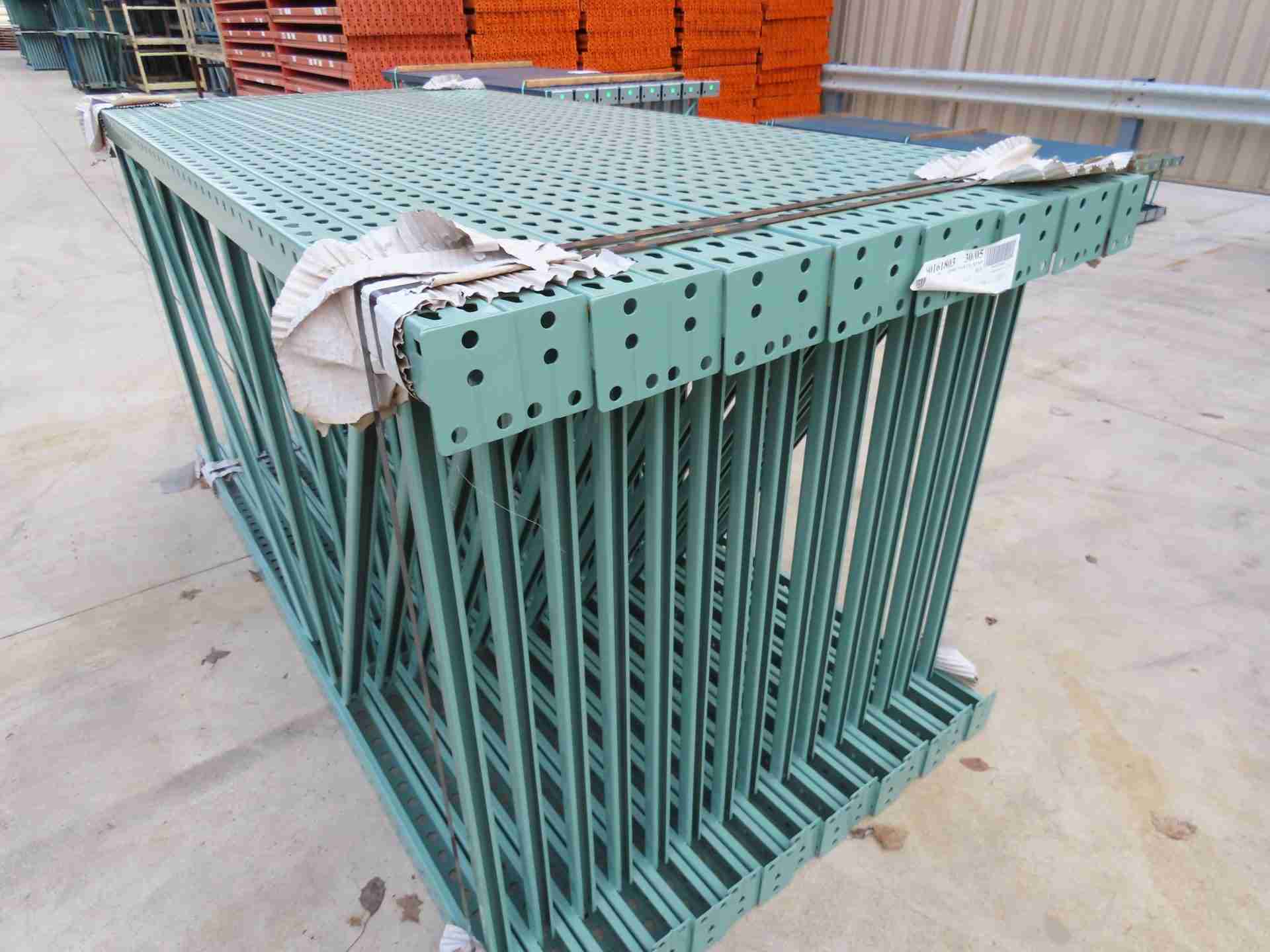
What Training Do Employees Need To Work Safely Around Racks?
What Training Do Employees Need To Work Safely Around Racks?
- Employees navigate busy aisles of warehouses with pallet racking filled with essential inventory.
- A comprehensive understanding of pallet racking systems (e.g., selective, drive-in, push-back) is vital for safety.
- Training should cover proper loading/unloading techniques, weight limits, and securing items to prevent accidents.
- Regular refresher courses can enhance confidence and reinforce safety protocols, making training interactive.
- Foster a culture of open communication, allowing employees to report unsafe conditions without fear of reprimand.
- Use visual aids like clear signage for weight limits and emergency procedures to trigger safety habits.
- Investing in comprehensive training builds trust and nurtures a community that values employee well-being.
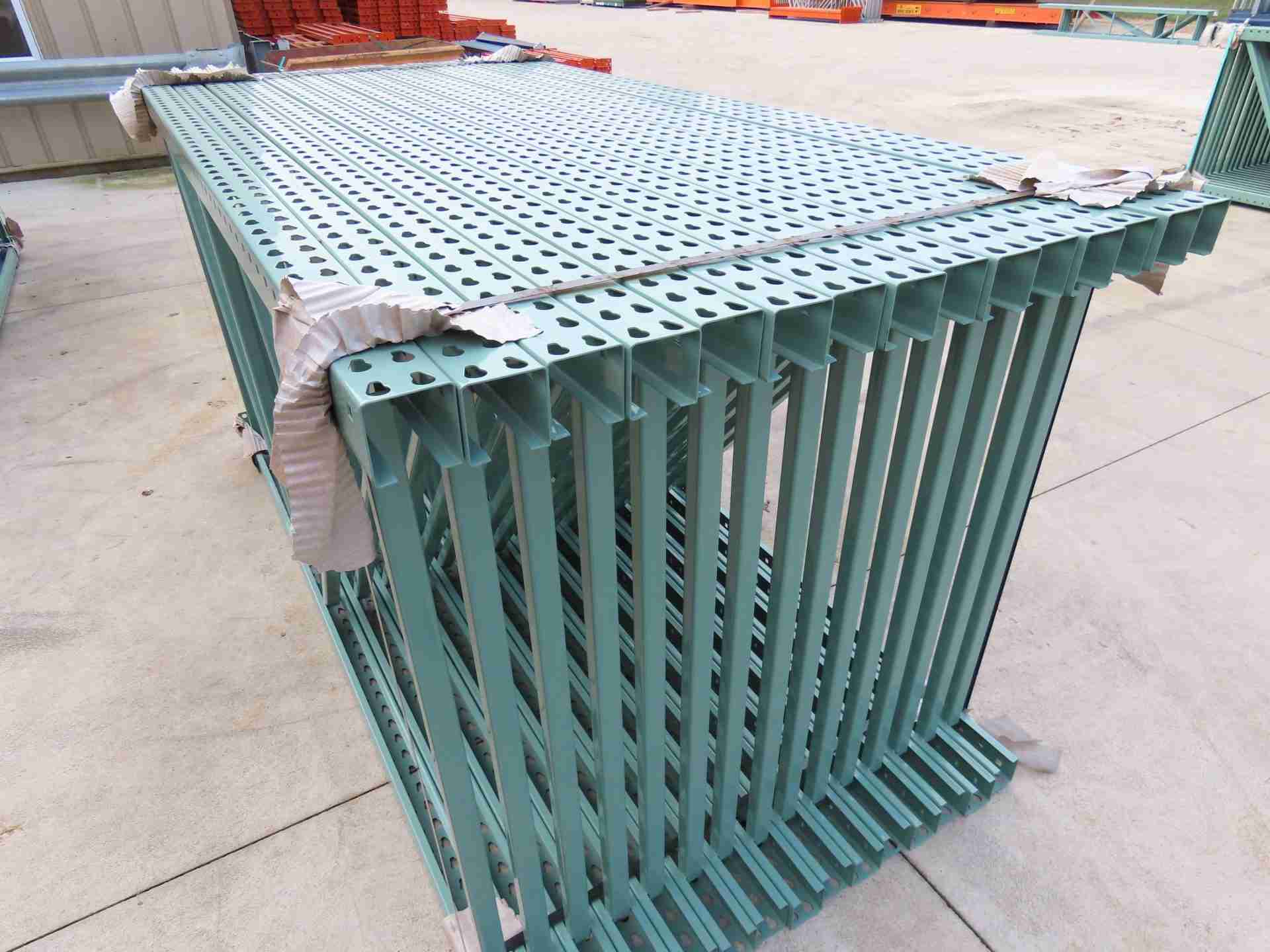
What Training Do Employees Need To Work Safely Around Racks?
Conclusion
Conclusion: Prioritizing Warehouse Safety with Arrow Industrial Sales
As we conclude our exploration of warehouse safety—particularly regarding pallet racking systems—it’s abundantly clear that the stakes are high. Your warehouse is more than just a space; it’s a thriving environment where your valuable assets and, more importantly, your dedicated employees come together to drive success. However, negligence in maintaining safety standards can turn this engine of productivity into a potential hazard, threatening both operations and lives.
By acknowledging the critical role that efficient and safe pallet racking plays, you not only enhance your operational effectiveness but also safeguard the well-being of your team. Regular inspections, employee training, and adherence to industry standards are not mere formalities; they are essential practices that signal to your workforce that their safety is paramount. Every moment spent evaluating your racking systems is an investment in morale and productivity. When employees feel safe, they engage more fully, contributing to a culture of responsibility and positivity.
The signs of potential overload, improper assembly, or poor maintenance should never be ignored. As the weight of responsibility lies squarely on your shoulders, it’s time to take actionable steps—evaluate your current safety practices, commit to regular inspections, and invest in comprehensive training for your staff. Encourage open communication regarding safety concerns; create an environment where every voice counts. Each of these elements works in tandem to create a robust safety culture that transcends compliance, resonating throughout your organization.
The urgency to act cannot be overstated. The consequences of inaction could manifest as catastrophic accidents that not only disrupt your operations but also impact your bottom line and reputational integrity. By partnering with Arrow Industrial Sales, you’re taking a bold step towards reinforcing your safety framework. Our expertise in providing top-notch pallet racking solutions is complemented by our commitment to employee safety, ensuring that every installation meets or exceeds safety standards.
Don’t leave the safety of your warehouse to chance. Call Arrow Industrial Sales today at (574) 349-6575 to explore our solutions tailored to your needs. Each minute you delay could be a risk that costs more than you know. Investing in a culture of safety isn’t just a choice; it’s a necessity. Together, let’s build a safer, more efficient environment where operational excellence thrives hand in hand with employee safety. Your workforce—and your business—deserves nothing less.

Conclusion
Conclusion:
- Warehouse safety, especially concerning pallet racking systems, is crucial for protecting valuable assets and employees.
- Neglecting safety standards can transform a productive environment into a hazardous one.
- Regular inspections, employee training, and industry standard adherence are vital for enhancing operational effectiveness and ensuring team safety.
- Evaluating racking systems fosters employee morale and productivity, creating a positive safety culture.
- Ignoring signs of potential overload or maintenance issues can lead to serious accidents and operational disruptions.
- Partnering with Arrow Industrial Sales reinforces safety frameworks with expert pallet racking solutions and commitment to safety standards.
- Investing in a culture of safety is essential for the well-being of your workforce and the success of your business.
Conclusion
Other Resources
Other Resources
Here is a list of other resources you can review online to learn more:
- New Cantilever Racks and Racking Kits
- American Surplus
- Cantilever Racks Chicago
- Warehouse Racking Systems: Beginner’s Guide to Rack Systems
- Pallet Racking systems in Illinois, Great Lakes
- Used Pallet Rack for Sale in Illinois – American Surplus
- RMI
- Warehouse Racks, Warehouse Racking in Stock – ULINE
- Selective Racking
- BMH Equipment LLC
Use This Prompt To Get More Resources With Your Favorite Online AI Tool: Please provide me with a list of online articles with their URLs in a bulleted list that I can read regarding Are Your Warehouse Storage Racks Risking Employee Safety Every Day?
Other Resources
Glossary Terms
Are Your Warehouse Storage Racks Risking Employee Safety Every Day? – Glossary Of Terms
1. Aisle Width: The space between rows of storage racks, crucial for safe maneuvering of personnel and equipment.
2. Load Capacity: The maximum weight a storage rack can safely hold, important for preventing collapses and accidents.
3. Pallet Racks: A type of storage system designed to hold pallets, typically consisting of vertical frames and horizontal beams.
4. Material Handling: The movement, protection, and control of materials throughout the manufacturing, warehousing, distribution, and consumption stages.
5. Forklift Safety: Guidelines and practices to ensure safe operation of forklifts around storage racks to prevent accidents.
6. OSHA Regulations: Standards set by the Occupational Safety and Health Administration that govern workplace safety, including storage rack safety.
7. Racking Systems: Frameworks designed to store materials, which includes various configurations such as selective, drive-in, or cantilever racks.
8. Inspection Protocol: A systematic process for regularly checking the condition and safety of storage racks to identify potential hazards.
9. Safety Barriers: Physical barricades installed around storage areas to protect personnel from equipment and falling items.
10. Load Signs: Signs indicating the maximum weight limit for each rack, helping to prevent overloading.
11. Guardrails: Safety installations on racks to prevent items from falling off and causing injury.
12. Training Programs: Structured courses designed to educate employees on safe handling, storage, and operations involving racks.
13. Inventory Management: The process of overseeing and controlling stored goods to maintain safety and efficiency in the warehouse.
14. Clearance Height: The vertical space required for safe stacking and retrieval of materials, essential to avoid accidents.
15. Structural Integrity: The ability of a rack system to withstand intended loads without failure, critical for safety.
16. Flooring Safety: The consideration of material types and conditions of warehouse floors to prevent slips and falls near racks.
17. Emergency Protocols: Procedures established to ensure employee safety in case of an incident involving storage racks.
18. Weight Distribution: The even placement of loads across a rack to maintain stability and minimize tipping risks.
19. Environmental Conditions: Factors such as temperature and humidity that can affect stored materials and rack stability.
20. Ergonomics: The study of how equipment and tasks can be designed for efficiency and safety to reduce worker strain.
21. Stacking Methods: Techniques for arranging materials on racks to optimize space and maintain safety.
22. First Aid Stations: Designated areas within the warehouse equipped to provide immediate medical assistance in case of accidents.
23. Warehouse Layout: The arrangement of storage racks and work areas designed to facilitate safe movement and operations.
24. Secured Loads: The practice of ensuring that items are safely fastened or placed to prevent them from shifting or falling.
25. Regular Maintenance: Scheduled inspections and repairs of racks to identify and mitigate risks to employee safety.
26. Hazard Communication: The processes to inform employees about potential risks related to materials and equipment in the warehouse.
27. Safety Audits: Comprehensive evaluations of warehouse practices and equipment to ensure compliance with safety standards.
28. Reporting Procedures: Established methods for employees to report safety concerns or incidents related to storage racks.
29. Personal Protective Equipment (PPE): Gear worn by employees to minimize exposure to hazards, such as helmets, gloves, and steel-toed boots.
30. Emergency Exits: Clearly marked routes providing quick access to safety in case of an emergency in the warehouse.
Glossary Of Terms
Other Questions
Are Your Warehouse Storage Racks Risking Employee Safety Every Day? – Other Questions
If you wish to explore and discover more, consider looking for answers to these questions:
- What are the key inspection points for warehouse racking systems?
- How can I train employees to spot potential hazards in the warehouse?
- What are the costs associated with regular maintenance and inspections?
- What should I do if my racking systems are found to be unsafe?
- What legal responsibilities do I have as a warehouse manager regarding employee safety?
- How can I effectively communicate safety practices to my team?
- What types of protective equipment should be used in a warehouse environment?
- How do environmental factors impact warehouse safety?
- What are the most common types of injuries related to pallet racking?
- How can technology be utilized to enhance warehouse safety inspections?
- What are the long-term benefits of prioritizing safety in the workplace?
- What resources are available for creating a safety training program?
- How do I assess the proper weight limits for my racking systems?
- What impact does employee morale have on safety practices in a warehouse?
- How frequently should safety training be conducted for warehouse employees?

Other Questions
Checklist
Are Your Warehouse Storage Racks Risking Employee Safety Every Day? – A Checklist
Warehouse Safety Checklist: Are Your Storage Racks Safe?
Ensure the safety of your employees and the integrity of your warehouse with this comprehensive checklist.
Pallet Racking Inspection
_____ Monthly Self-Checks: Implement a routine self-check of racks every month.
_____ Biannual Inspections: Conduct detailed inspections of your pallet racking systems at least once every six months.
_____ Post-Change Evaluations: Perform inspections whenever the warehouse layout changes or new racking is installed.
Signs of Racking Issues
_____ Physical Distress: Look for bending, warping, or rust on the beams.
_____ Load Distribution: Ensure pallets are loaded within weight limits and distributed evenly.
_____ Noise Check: Hear any creaks or groans coming from the racks? It’s a sign to investigate.
_____ Inventory Management: Monitor for difficulty in locating items or increased misplacement.
Employee Training
_____ Palettes Racking Knowledge: Train employees on different types of pallet racking systems and their associated risks.
_____ Loading Techniques: Educate team members on proper loading and unloading methods, including weight limits and securing items.
_____ Regular Refresher Courses: Schedule ongoing training sessions to keep safety practices fresh.
_____ Open Communication Culture: Encourage employees to report unsafe practices or conditions without fear of reprimand.
Safety Protocols
_____ Protective Gear: Ensure employees are wearing necessary safety equipment when working around racking systems.
_____ Clear Signage: Display signs for weight limits, loading practices, and emergency procedures near racking systems.
_____ Proper Cleaning: Maintain clean and dry floors to reduce slip hazards.
Maintenance Practices
_____ Regular Upkeep: Create a routine for regular maintenance checks of the pallet racking components.
_____ Prompt Repairs: Address any signs of wear, rust, or structural failure immediately.
Culture of Safety
_____ Leadership Commitment: Demonstrate safety as a top priority through active participation and investment in safety practices.
_____ Team Engagement: Foster a culture where employees feel valued and responsible for safety.
Documentation
_____ Inspection Records: Keep detailed records of all inspections and maintenance performed on the racking systems.
_____ Training Records: Document all training sessions and employee attendance.
Action Checklist
_____ Set Goals: Establish specific safety goals for the next quarter.
_____ Review Procedures: Regularly review safety protocols and update as necessary.
_____ Solicit Feedback: Gather feedback from employees on safety measures and potential improvements.
This checklist will aid in creating a safer working environment within your warehouse. Prioritize safety, and your team and bottom line will thrive!

Checklist
At RackingWorld, we help guide you through selecting warehouse storage systems and racking.
Be sure to read our other related stories at RackingWorld to learn more about warehouse storage systems.
0 Comments