
Maximizing Efficiency And Safety With Warehouse Racking Guidelines
By Tom Seest
At RackingWorld, we help guide you through selecting warehouse storage systems and racking.
Be sure to read our other related stories at RackingWorld to learn more about warehouse storage systems.
What Are Warehouse Racking Guidelines?
In the fast-paced world of inventory management and logistics, understanding warehouse racking guidelines is not just a necessity; it’s a strategic advantage. Effective racking systems can dramatically enhance productivity, improve safety, and minimize costs, making them integral to the modern supply chain.
First and foremost, warehouse racking guidelines focus on safety. A well-designed racking system must comply with local and national safety regulations, such as the Occupational Safety and Health Administration (OSHA) standards in the United States. Failure to adhere to these guidelines can lead to hefty fines and, more importantly, endanger the safety of your employees. For example, a recent incident in a California warehouse involved a serious injury due to improper racking practices, prompting an immediate review of their safety protocols.
Moreover, consider the efficiency of your warehouse layout. This doesn’t just mean fitting as many racks as possible into your space; it involves strategic placement to streamline workflows. For instance, placing fast-moving SKUs within easy reach from the shipping area while storing slower-moving items further back can save time and labor costs. A current trend is the adoption of automated storage systems, where companies like Amazon are using advanced robotic technology to optimize their racking setups. This not only reduces employee strain but also increases order fulfillment speeds – a critical factor in the current climate of rapid e-commerce delivery expectations.
Investing in quality racking materials is another key aspect of warehouse guidelines. Choose racks rated for the weight and type of goods you handle. For example, if your inventory includes heavy machinery parts, opting for heavy-duty steel racks ensures structural integrity. In contrast, lighter, less-demanding products might be stored in industrial-grade plastic shelving, allowing for flexibility and customization without a significant investment.
Finally, regular inspection of your racking systems is essential. Just as you wouldn’t let your vehicle go without routine maintenance, your racks need the same attention. Implementing a schedule for inspections can capture wear and tear early, thus preventing accidents and costly replacements down the line. As companies adapt to heightened social responsibility, ensuring that your warehouse not only meets the minimum safety requirements but exceeds them can enhance your brand’s reputation in an increasingly competitive market.
In summary, adhering to robust warehouse racking guidelines fosters safety, efficiency, and profitability. In an era defined by rapid changes and growing consumer expectations, mastering this aspect of logistics is paramount for any business striving for success. Make these guidelines a cornerstone of your operational strategy, and watch your warehouse capabilities soar.

What Are Warehouse Racking Guidelines?
What Are Warehouse Racking Guidelines?
- Warehouse racking guidelines are critical for enhancing productivity, safety, and cost-efficiency in inventory management.
- Compliance with safety regulations, such as OSHA standards, is essential to prevent injuries and financial repercussions.
- Strategic placement of racks can optimize workflows, improving access to fast-moving inventory while keeping slower items appropriately stored.
- Companies are increasingly adopting automated storage systems, enhancing efficiency and speeding up order fulfillment.
- Investing in appropriate racking materials (heavy-duty steel for heavy items vs. plastic shelving for lighter goods) is vital for structural integrity and flexibility.
- Regular inspections of racking systems help identify wear and tear early, preventing accidents and costly repairs.
- Exceeding safety requirements enhances a brand’s reputation and contributes to overall business success in a competitive market.

What Are Warehouse Racking Guidelines?
Table Of Contents
- What Are Warehouse Racking Guidelines?
- What Are The Key Warehouse Racking Guidelines To Follow?
- How Can I Choose The Right Racking System For My Warehouse?
- What Factors Affect The Design Of Warehouse Racking Systems?
- How Do I Ensure Safety Compliance In My Racking Setup?
- What Are The Common Types Of Warehouse Racking Systems Available?
- How Should I Determine The Load Capacity Of My Racking System?
- What Are The Benefits Of Proper Warehouse Racking Organization?
- How Can I Optimize Space Using Warehouse Racking Guidelines?
- What Maintenance Practices Should Be In Place For Racking Systems?
- How Do I Train Staff On Safe Warehouse Racking Practices?
- What Impact Do Warehouse Racking Guidelines Have On Productivity?
- How Often Should I Inspect My Warehouse Racking Systems?
- What Regulations Must Be Considered For Warehouse Racking?
- How Can I Avoid Common Mistakes In Warehouse Racking Design?
- What Role Does Accessibility Play In Warehouse Racking Guidelines?
- Conclusion
- Other Resources
- Glossary Of Terms
- Other Questions
- Checklist
What Are The Key Warehouse Racking Guidelines To Follow?
When it comes to maximizing productivity in your warehouse, a well-planned racking system is non-negotiable. Not only does it enable you to utilize your space efficiently, but it also helps in maintaining safety and reducing operational costs. Here’s a look at some essential racking guidelines that can transform your warehouse into a lean, mean, inventory-managing machine.
Prioritize Safety First
In an era where workplace safety is under constant scrutiny, it’s vital to comply with industry safety standards. OSHA regulations set the groundwork for ensuring that your racking system can handle the weight it’s intended to carry. For example, consider the tragic events last year at a logistics center where an improperly installed racking system led to a serious safety incident. Avoid such pitfalls by conducting regular inspections and ensuring that all racking complies with the latest safety codes.
Optimize Space with Smart Racking Solutions
Your warehouse space is an asset—treat it like one. Implementing a drive-in or push-back racking system can yield substantial benefits for high-density storage needs, especially for businesses with a high volume of similar inventory. For instance, grocery retailers have found success in using these systems to stock perishable items efficiently, allowing for rapid turnover. Just remember, however, that not all racking systems work for every business. Evaluate your needs carefully before investing.
Maximize Accessibility
Consider the layout of your racking systems. Are your most frequently picked items easily accessible? If not, you might be wasting precious time—time that could be better spent converting leads into sales. Take a cue from e-commerce giants; many have adopted a location-based picking strategy where fast-moving items are stored closer to the shipping area. This can significantly cut down on pick times and ultimately enhance your bottom line.
Train Your Team
Investing in your workforce is as important as investing in infrastructure. Equip your team with the knowledge they need to navigate the racking system safely and efficiently. Conduct regular training sessions on proper lifting techniques and the best ways to handle the equipment. This not only boosts productivity but fosters a culture of safety and accountability within your warehouse.
Embrace Technology
Modern problems need modern solutions. Leverage inventory management software to keep track of your racking systems in real-time. Integration of RFID technology can streamline inventory management, reducing the likelihood of overstock or stockouts. Companies that have harnessed technology are not just surviving—they’re thriving.
In the fast-paced world of logistics, adhering to these racking guidelines isn’t just smart; it’s essential. By prioritizing safety, optimizing space, enhancing accessibility, training your team, and embracing technology, your warehouse can achieve new heights of efficiency and profitability.

What Are The Key Warehouse Racking Guidelines To Follow?
What Are The Key Warehouse Racking Guidelines To Follow?
- A well-planned racking system is crucial for maximizing warehouse productivity, space utilization, safety, and cost reduction.
- Compliance with OSHA regulations is essential for ensuring safety; conduct regular inspections of racking systems.
- Consider smart racking solutions like drive-in or push-back systems for high-density storage needs, tailored to your business’s specific requirements.
- Optimize the layout for accessibility; store frequently picked items closer to shipping areas to reduce pick times and improve efficiency.
- Invest in workforce training to ensure safe and efficient use of racking systems, fostering a culture of safety and accountability.
- Leverage technology like inventory management software and RFID to streamline operations and enhance inventory tracking.
- Implementing these guidelines can significantly improve warehouse efficiency and profitability in a competitive logistics environment.

What Are The Key Warehouse Racking Guidelines To Follow?
How Can I Choose The Right Racking System For My Warehouse?
Choosing the right racking system for your warehouse is not just a logistical decision; it’s a critical strategy that can frame the very layout of your operations, impacting everything from workflow efficiency to your bottom line. In today’s fast-paced world, characterized by supply chain disruptions and rapidly changing consumer demands, making the right choice has never been more essential.
First, you must identify your specific needs. What products will you store? Are they heavy, bulky, or oddly-shaped? For example, if you’re handling large items like appliances, a heavy-duty pallet racking system might be your best bet. On the other hand, if you cater primarily to small parts or e-commerce items, a shelving system with adjustable beam heights could optimize space, allowing for quick access to various product types.
Now consider the frequency of access. If your operational model revolves around fast turnover—such as seasonal promotions or high-demand products—you might want to invest in a drive-in or push-back racking system. This will facilitate easier access to frequently picked items, significantly reducing labor costs and improving efficiency.
Don’t overlook the verticality of your storage space. In 2023, as warehouse real estate costs continue to soar, utilizing vertical space is a no-brainer. Consider high-rise racking systems that can allow you to maximize cubic footage, thus minimizing your footprint and saving substantially on rent. As businesses are squeezed by rising operational costs, squeezing every cubic inch out of your storage space could be the edge you need.
Additionally, stay informed about current technological advancements. Automated racking systems, which are increasingly being adopted in the wake of labor shortages, allow for higher efficiency and precision. Companies like Amazon are leading the charge, implementing technologies that not only streamline warehouse operations but also significantly cut down on human error.
Last but not least, always think about the long term. A racking system is an investment. So consider flexibility: Can it adapt to new products, or the inevitable shifts in your inventory? For example, a modular racking system offers the agility and versatility that can make transitions smoother as your business grows or evolves.
In summary, choosing the right racking system requires a deep understanding of your operational needs, a strategic mindset for the future, and the forward-thinking approach to leverage new technologies. Make the right choice, and watch your warehouse transform from a cluttered space into a well-oiled machine—ready to tackle whatever challenges the marketplace throws your way.

How Can I Choose The Right Racking System For My Warehouse?
How Can I Choose The Right Racking System For My Warehouse?
- Choosing the right racking system is vital for optimizing warehouse layout and efficiency.
- Identify storage needs based on product type: heavy items may require heavy-duty pallet racking, while small items benefit from adjustable shelving.
- Consider access frequency; systems like drive-in or push-back racking can reduce labor costs for high-demand products.
- Utilize vertical space wisely; high-rise racking maximizes cubic footage, reducing operational costs.
- Stay updated on technological advancements, such as automated racking systems, to improve efficiency and decrease errors.
- Think long-term and invest in flexible systems that can adapt to changing inventory requirements.
- Choosing the right system transforms warehouse operations and prepares for market challenges.

How Can I Choose The Right Racking System For My Warehouse?
What Factors Affect The Design Of Warehouse Racking Systems?
Designing an effective warehouse racking system involves more than simply stacking shelves in a big room. Several critical factors come into play, shaping how a warehouse functions and how businesses optimize their logistics. Let’s explore these factors, and why their impact is as crucial today as ever.
1. Type of Goods Stored: The nature of the products influences racking design immensely. For example, perishable goods may necessitate a chilled environment, requiring specific racking designed for airflow and ease of access, like flow racks. Parametric adjustments must be made for bulk items versus small parts – consider the automotive industry, which relies on dynamic storage solutions for everything from heavy machinery to tiny components. The evolution of electric vehicle components is pushing companies to rethink racking strategies, tailoring to unique, often irregularly shaped items.
2. Space Utilization: Efficient use of vertical and horizontal space can make or break warehouse productivity. In today’s market, where e-commerce logistics are in a race against time, warehouses that utilize high-density storage solutions can see significant boosts in efficiency. For instance, a popular e-commerce giant recently revamped its distribution centers to incorporate adjustable pallet racking systems, allowing for flexibility in stock quantities and sizes, ultimately leading to faster order fulfillment.
3. Material Handling Equipment: The design must accommodate the material handling methods in use. The rise of automated guided vehicles (AGVs) and robotics in warehousing means that racking systems need to be compatible with these technologies. For instance, companies investing in AGVs will lean towards racking systems with wider aisles and lower shelf profiles, maximizing the flow of goods and minimizing human intervention.
4. Safety and Compliance: Regulatory requirements cannot be sidelined. The design must adhere to safety standards and protocols to mitigate risks. For example, a bustling distribution center must ensure that racking systems endure not just the weight of stored goods but also comply with insurance and safety standards. The rising focus on safety, as observed in current debates surrounding OSHA regulations, reinforces the need for warehouses to prioritize robust racking systems.
5. Future Growth and Scalability: A racking system must accommodate future needs and expansion. Businesses today must plan for the unpredictability of market demands. Take the example of a cosmetics brand scaling up amid a surge in online sales; any accompanying racking system should be modular and capable of adjustments without significant downtime.
The design of warehouse racking systems is multifaceted. As we observe, trends in automation, compliance, space management, and product storage evolve, the need for a tailored racking solution has never been more critical. Embracing these factors enables businesses to remain agile and efficient in an ever-competitive logistics landscape.

What Factors Affect The Design Of Warehouse Racking Systems?
What Factors Affect The Design Of Warehouse Racking Systems?
- Type of Goods Stored: Product nature significantly influences racking design; for example, perishable goods require specific airflow and access considerations.
- Space Utilization: Effective vertical and horizontal space use enhances warehouse productivity, with high-density storage solutions being crucial, especially in e-commerce.
- Material Handling Equipment: Racking systems must be compatible with automated guided vehicles (AGVs) and robotics, promoting efficient goods flow with wider aisles.
- Safety and Compliance: Designs must adhere to safety standards and protocols to mitigate risks, ensuring they withstand the weights and comply with regulations.
- Future Growth and Scalability: Racking systems should be modular, allowing adjustments for future market demands without significant operational downtime.
- Importance of Tailored Solutions: As trends evolve in automation, compliance, and product storage, tailored racking systems are critical for agility and efficiency.
- Conclusion: The multifaceted design of warehouse racking is essential for maintaining competitiveness in logistics.

What Factors Affect The Design Of Warehouse Racking Systems?
How Do I Ensure Safety Compliance In My Racking Setup?
In today’s fast-paced warehousing landscape, ensuring safety compliance in your racking setup isn’t just a legal obligation; it’s a strategic advantage. Ignoring safety regulations can result in costly fines, injuries, and, ultimately, a tarnished reputation. So, how do you ensure that your racking systems are compliant and, more importantly, safe?
Start with a Comprehensive Assessment
The first step is a thorough evaluation of your current racking systems. Identify any existing issues or potential hazards. Consider a compliant warehouse layout that adheres to OSHA regulations and incorporates best practices. This might mean updating older systems or replacing them with newer, compliant designs. A classic example comes from the retail giant IKEA, which has made headlines recently for revamping its storage solutions to maximize safety and workflow efficiency.
Invest in Quality Racking Systems
Not all racking systems are created equal. Opt for high-quality materials and reputable manufacturers who provide safety certifications. Look for an installation process that adheres to guidelines set forth by the International Organization for Standardization (ISO). This ensures that your racking will withstand the daily wear and tear while meeting safety standards. Remember, many accidents stem from poor quality installations. Investing in robust racking can significantly reduce risks.
Regular Inspections and Maintenance
Implement a regime of regular inspections and maintenance checks. Establish a schedule for inspecting your racking systems, looking for signs of wear, damage, or misalignment. For example, after a recent report highlighted a series of warehouse accidents, many businesses have prioritized routine inspections to avoid similar pitfalls. Document any inspections and repairs as proof of compliance—this meticulous approach pays off in case of audits or claims.
Training and Accountability
Ensure your employees are trained to understand the ins and outs of safety compliance. Create a culture of accountability where each member of your team understands their responsibility regarding the racking setup. Use training sessions or safety drills to reinforce the importance of adhering to safety protocols.
Leverage Technology
Embrace technological advancements by utilizing software that monitors compliance efforts in real-time. For instance, RFID technology can track the condition of your racking systems, alerting you to potential compliance failures before they become serious issues. This proactive approach not only keeps your warehouse safe but also improves efficiencies.
Ensuring safety compliance in your racking setup isn’t just about meeting regulations; it’s a pathway to operational excellence. By prioritizing safety through quality assessment, regular maintenance, employee training, and technology, you’re not just protecting your workforce—you’re building a resilient business model that can withstand the pressures of today’s fast-evolving marketplace. Stay compliant, stay ahead.

How Do I Ensure Safety Compliance In My Racking Setup?
How Do I Ensure Safety Compliance In My Racking Setup?
- Safety compliance in racking systems is a strategic advantage, not just a legal obligation.
- Conduct a comprehensive assessment of current racking systems to identify hazards and ensure compliance with OSHA regulations.
- Invest in high-quality racking systems from reputable manufacturers with safety certifications to reduce risks.
- Implement regular inspections and maintenance checks to document compliance and address any issues promptly.
- Train employees on safety compliance and foster a culture of accountability regarding racking setups.
- Utilize technology, such as RFID, to monitor compliance and track the condition of racking systems in real-time.
- Prioritizing safety leads to operational excellence and helps build a resilient business model in a competitive market.

How Do I Ensure Safety Compliance In My Racking Setup?
What Are The Common Types Of Warehouse Racking Systems Available?
In the world of logistics and warehouse management, the right racking system is the backbone of operational efficiency. With increasing demands from e-commerce giants and the shift toward just-in-time inventory, understanding the common types of warehouse racking systems available can empower your business to optimize space and maximize productivity.
1. Selective Racking
Selective racking is the most widely used system, enabling easy access to all pallets. Ideal for warehouses with a variety of products, this system allows forklifts to reach each pallet directly. It’s perfect for businesses that deal with smaller inventory volumes and require quick access to items. For instance, many retailers transitioning to omnichannel fulfillment find this method invaluable for its versatility.
2. Drive-In and Drive-Through Racking
For those aiming to maximize storage space, drive-in and drive-through racking systems offer an efficient solution. These lanes allow forklifts to drive directly into the racking structure, fostering high-density storage. Particularly popular among bulk storage users, such as food providers or manufacturers, these systems capitalize on the last-in, first-out (LIFO) principle. The approach has been particularly pertinent during recent global supply chain disruptions, as companies sought to maintain large inventories without sacrificing accessibility.
3. Push-Back Racking
Push-back racking systems provide an optimal balance between density and accessibility, allowing for a first-in, first-out (FIFO) method. Pallets are placed on wheeled carts that slide back into the rack as new pallets are loaded. This design accommodates fluctuating inventory levels, making it an excellent choice for seasonal goods—an increasing trend as businesses adapt to shifting consumer preferences and spikes in demand.
4. Pallet Flow Racking
If speed is your goal, look no further than pallet flow racking systems. This dynamic setup uses gravity to guide pallets from the loading side of the rack to the picking side. Ideal for warehouses with high turnover rates, this system ensures quick access to products while maintaining stock rotation. Companies investing in automated warehouse solutions often gravitate toward pallet flow for its seamless integration with conveyor systems.
5. Vertical Racking Systems
With urban spaces becoming more expensive and property constraints intensifying, vertical racking solutions have surged in popularity. These systems utilize vertical space to maximize product storage in smaller footprints. Recent trends show how businesses are adapting to more compact designs, reflecting broader shifts towards sustainability and smarter use of resources.
Understanding the existing racking options is crucial in today’s fast-paced market. As the global supply landscape continues to evolve, selecting the right system will not only enhance efficiency but also contribute to the overall agility of your operations. Stay ahead of the curve—your warehouse is the engine that drives your success.

What Are The Common Types Of Warehouse Racking Systems Available?
What Are The Common Types Of Warehouse Racking Systems Available?
- The right racking system is essential for operational efficiency in logistics and warehouse management.
- Selective racking is the most common system, allowing easy access to all pallets and suited for varied products.
- Drive-in and drive-through racking maximize storage space and are ideal for bulk inventory using the LIFO principle.
- Push-back racking offers a balance of density and accessibility, employing the FIFO method and adaptable to changing inventory levels.
- Pallet flow racking accelerates access to products by using gravity, suitable for high turnover rates and integration with automation.
- Vertical racking systems utilize vertical space, particularly useful in urban areas with high property costs.
- Choosing the right racking system enhances efficiency and agility in warehouse operations amid evolving market demands.
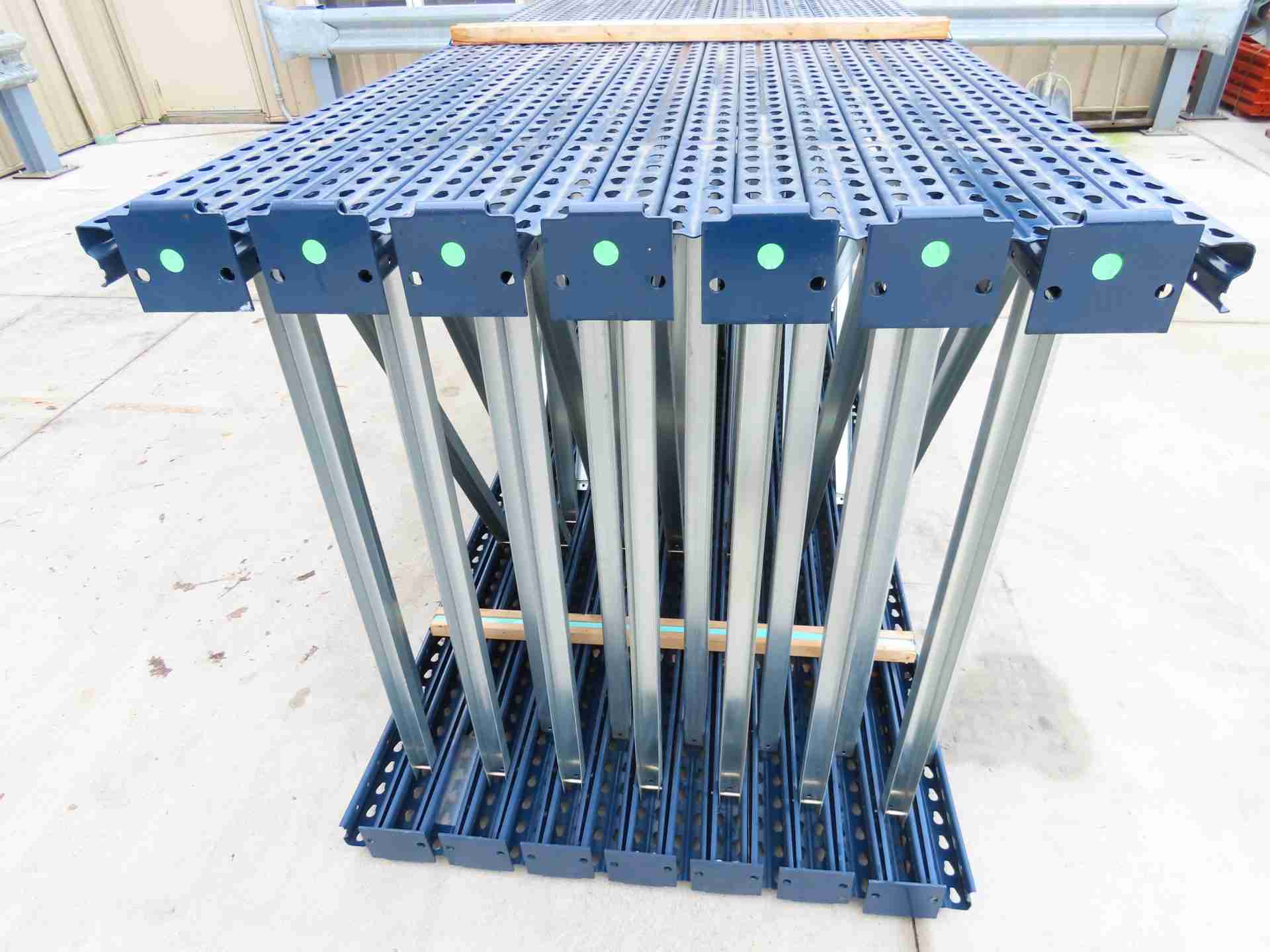
What Are The Common Types Of Warehouse Racking Systems Available?
How Should I Determine The Load Capacity Of My Racking System?
Determining the load capacity of your racking system is not just a technical necessity; it’s a vital component of your operational efficiency and safety. Getting it right can save you from costly mistakes and enhance your bottom line. Let’s break it down.
First, start with the basics: know the types of products you’ll be storing. Are they heavy machinery parts or lightweight packaging? Understanding the weight and size of your inventory will lay the groundwork for efficient load capacity calculations. For instance, if you’re in the e-commerce boom and storing bulk packages, your racking system must accommodate varying weights.
Next, consult the manufacturer’s specifications. Every racking system has load limits based on the materials used and design. For example, a selective pallet rack typically has a load capacity ranging from 2,500 to 5,000 pounds per beam. However, if you suddenly decide to switch to heavier goods, you need to reassess these figures. Your racking does a great job now, but can it manage the shifts in your storage needs?
Consider your layout and aisle space too. The efficiency of your warehouse layout can significantly impact load capacity. If the aisles are too narrow, not only will accessing your product become challenging, but you might be pushing your racking to its limits unnecessarily. Recent supply chain disruptions, caused by global events, highlight the importance of maximizing space without compromising safety. Upgraded technology, like automated storage and retrieval systems, can alleviate this burden by allowing you to utilize vertical space more effectively.
Don’t neglect the influence of environmental factors—temperature, humidity, and even seismic activity can affect your racking system’s integrity over time. If you’re in an area prone to earthquakes, for example, those heavy-duty racks need to be rated for seismic resistance, or risk catastrophic failure.
Lastly, always conduct regular inspections. Cracked beams or rusted components are signs that your racking isn’t living up to its potential. Investing in a regular maintenance routine can prevent more significant issues down the line. In a time when safety protocols are under scrutiny, ensuring that your racking system complies with current safety regulations is not only smart but a legal obligation.
Understanding load capacities is essential for survival in today’s fast-paced market. So, whether you aim to store electronics or organic produce, prioritize assessing and re-evaluating your racking capacity regularly to stay ahead in this competitive landscape. Remember, a safe warehouse is a profitable one!

How Should I Determine The Load Capacity Of My Racking System?
How Should I Determine The Load Capacity Of My Racking System?
- Determining racking system load capacity is crucial for operational efficiency and safety.
- Identify the types of products being stored to inform load capacity calculations.
- Consult manufacturer specifications for load limits based on materials and design.
- Consider warehouse layout and aisle space, as they significantly impact load capacity.
- Environmental factors such as temperature, humidity, and seismic activity can affect racking integrity.
- Conduct regular inspections and maintenance to prevent issues and ensure compliance with safety regulations.
- Regularly assess and re-evaluate racking capacity to stay competitive in the market.

How Should I Determine The Load Capacity Of My Racking System?
What Are The Benefits Of Proper Warehouse Racking Organization?
In the bustling world of logistics and inventory management, the importance of effective warehouse racking organization cannot be overstated. A well-organized warehouse not only translates to operational efficiency but also maximizes profitability. In today’s fast-paced market, where e-commerce thrives and consumer expectations are at an all-time high, the benefits of proper warehouse racking organization are more critical than ever.
Increased Efficiency and Productivity
Imagine your warehouse as a well-oiled machine. Each part needs to work in harmony for the collective output to shine. Proper racking organization allows for streamlined operations, reducing the time workers spend locating items. For instance, implementing a FIFO (First In, First Out) system minimizes waste and ensures that older products are utilized before newer stock. Companies like Amazon have set the standard with their sophisticated racking systems, using cutting-edge technology to ensure that fulfillment is both quick and accurate. The result? Faster order processing and an undeniable competitive edge.
Cost Savings
Every square foot in a warehouse is prime real estate. When systems are organized effectively, businesses can use their space more efficiently, which reduces overhead costs. Companies such as Walmart utilize advanced warehouse management systems that optimize inventory levels and minimize excess storage. By efficiently arranging products, businesses can reduce unnecessary labor and transportation costs. Regular audits further empower organizations to make informed inventory decisions, snipping the fat from operational expenses.
Improved Safety
A well-organized warehouse is not just about efficiency; it’s about safety, too. Cluttered aisles and poorly organized racks can lead to accidents. According to OSHA, thousands of workers are injured every year due to unsafe working conditions. Implementing proper racking organization can significantly reduce the likelihood of mishaps. For instance, labeling racks and maintaining clear walkways can enhance visibility and make navigating the warehouse easier for employees, mitigating risks and creating a more secure workplace.
Enhanced Customer Satisfaction
In a world where instant gratification reigns supreme, the stakes are higher. Consumers expect their products faster than ever, and having an organized warehouse can make all the difference. A seamless picking process translates directly to quicker shipping, ensuring your customers receive their orders promptly—an essential factor highlighted during the surge of online shopping experienced recently during events like Black Friday and Cyber Monday. Companies that can meet customers’ growing demands reap the rewards of loyalty and repeat business.
In summary, the benefits of proper warehouse racking organization are multifold, enhancing efficiency, reducing costs, improving safety, and boosting customer satisfaction. In an era where excellence is not an option but an expectation, investing in racking organization is a strategic move for any warehouse operation striving to stay ahead of the competition.

What Are The Benefits Of Proper Warehouse Racking Organization?
What Are The Benefits Of Proper Warehouse Racking Organization?
- Effective warehouse racking organization enhances operational efficiency and profitability.
- Streamlined operations reduce the time spent locating items, improving productivity.
- Implementing a FIFO system minimizes waste and ensures older products are utilized first.
- Proper organization allows for better space utilization, reducing overhead costs.
- A well-organized warehouse improves safety by mitigating risks and enhancing visibility.
- An organized warehouse leads to quicker shipping, directly impacting customer satisfaction.
- Investing in racking organization is essential for staying competitive in today’s fast-paced market.

What Are The Benefits Of Proper Warehouse Racking Organization?
How Can I Optimize Space Using Warehouse Racking Guidelines?
In today’s fast-paced market, efficiency is the name of the game. Every inch of warehouse space counts, and optimizing that space using effective racking guidelines can drastically enhance your operation. It’s time to think strategically about your inventory management; consider this not just as an operational necessity, but as a golden opportunity to boost your bottom line.
First and foremost, conduct a thorough inventory analysis. Determine which items are your top sellers and which ones are collecting dust. By understanding your inventory’s flow, you can design a racking system that keeps high-demand products within easy reach. For instance, if you’re dealing with a lot of seasonal items, implement a dynamic racking system that can be adjusted quickly as demand fluctuates. Brands like Target are already utilizing adaptive inventory systems to cater to consumer demand, allowing them to optimize their warehouse layouts with ease.
Next, embrace vertical space. Many warehouses skimp on taking full advantage of their vertical real estate. Think about it: If you’re only using half the height of your warehouse, you’re essentially throwing money away. Implementing vertical racking systems can help maximize space while minimizing clutter. Brands such as Amazon use towering, multi-level racking systems to efficiently store and retrieve products, making high-density storage a profitable reality. Adjustable shelving is also a game-changer; it not only optimizes space but also improves safety measures and accessibility.
Don’t overlook the impact of technology. Implementing Warehouse Management Systems (WMS) can streamline your operations significantly. With real-time tracking and analytics, you can receive valuable insights into inventory levels, helping you make smarter decisions about racking configurations. For example, the recent surge in e-commerce demand has prompted warehouses to adopt sophisticated technologies to accommodate rapid order fulfillment, showcasing that the right systems can lead to faster turnaround times and happier customers.
Lastly, consider employee ergonomics. Efficient racking isn’t just about maximizing space; it’s also about creating workflows that reduce strain on your workforce. Use guidelines that incorporate ergonomic principles to design storage and racking systems that are easy and safe to navigate. Not only will this enhance productivity, but it will also foster a safer working environment, leading to reduced turnover and higher morale.
Optimizing warehouse space using racking guidelines is not merely a tactical approach; it’s a strategic necessity in an ever-evolving marketplace. By analyzing your inventory, leveraging vertical space, employing technology, and prioritizing ergonomics, you’re not just saving space—you’re carving out a competitive advantage that will pay dividends for years to come. Embrace these guidelines, and watch your efficiency—and profits—skyrocket!

How Can I Optimize Space Using Warehouse Racking Guidelines?
How Can I Optimize Space Using Warehouse Racking Guidelines?
- Efficiency is crucial in today’s fast-paced market, and optimizing warehouse space can enhance operations.
- Conduct a thorough inventory analysis to identify top sellers and underperforming items for better racking design.
- Embrace vertical space to maximize storage and minimize clutter, using multi-level racking systems.
- Implement Warehouse Management Systems (WMS) for real-time tracking and analytics to improve decision-making.
- Utilize technology to accommodate the demand for rapid order fulfillment, increasing turnaround times.
- Focus on employee ergonomics to reduce strain and create safer, more efficient workflows in the storage system.
- By adopting these strategies, businesses can gain a competitive advantage and improve efficiency and profitability.

How Can I Optimize Space Using Warehouse Racking Guidelines?
What Maintenance Practices Should Be In Place For Racking Systems?
When it comes to managing warehousing operations, the significance of a well-maintained racking system cannot be overstated. It’s not just about storing goods; it’s about optimizing space, ensuring safety, and boosting overall efficiency. Implementing robust maintenance practices can save your organization time and money while protecting your workforce and inventory.
Regular Inspections
Start with a commitment to consistent inspections. Schedule bi-weekly or monthly checks to look for any signs of wear and tear. Focus on critical elements such as beams, uprights, and connectors. For example, if you’ve recently expanded your inventory due to increased demand in e-commerce, as many companies have because of the pandemic, you may have made quick adjustments to your racking. Now’s the time to ensure that these changes don’t compromise the safety or integrity of your systems.
Load Capacity Awareness
Every racking system is designed with specific load limits. One common pitfall is underestimating these limits, often leading to accidents or structural failures. As you adjust your inventory practices, especially during peak seasons like Black Friday or holiday sales, regularly monitor your load capacities. If your racking system can’t handle the weight, it could cost you more than just product damage.
Employee Training
Your staff is your first line of defense against racking failures. Conduct regular training sessions to ensure that everyone understands how to handle goods correctly and respects the integrity of the racking system. Incorporating real-world scenarios into your training programs can elevate awareness. For instance, showcase incidents from recent news stories where improper use of racking systems led to accidents. Such examples can reinforce the critical importance of proper handling techniques.
Incorporate Technology
In the age of digital transformation, leveraging technology to monitor your racking systems can enhance maintenance efforts. Automated systems can provide real-time alerts and data regarding the condition of your racks. This method is especially useful in large warehouses with extensive inventory like those seen in tech companies that ramped up supply chain efforts during the COVID-19 pandemic.
Documentation and Reporting
Finally, maintain a comprehensive record of all inspections, repairs, and maintenance activities. This practice not only helps track the performance of your racking systems over time but also serves as a protective measure should any issues arise. Keeping these documents organized can also be invaluable for audits, especially in heavily regulated industries.
Proactive maintenance of your racking systems isn’t an option—it’s a necessity. By investing time and resources into these practices, you’ll create a safer, more efficient warehouse environment that positions your company for success. After all, a sturdy racking system is the backbone of your warehouse operations—don’t take that for granted.

What Maintenance Practices Should Be In Place For Racking Systems?
What Maintenance Practices Should Be In Place For Racking Systems?
- Well-maintained racking systems optimize space, ensure safety, and boost efficiency in warehousing operations.
- Conduct regular inspections bi-weekly or monthly to identify signs of wear on critical components like beams, uprights, and connectors.
- Understand and consistently monitor load capacity limits to prevent accidents and structural failures, especially during peak seasons.
- Provide employee training to ensure correct handling of goods and awareness of racking system safety; include real-world scenarios to reinforce training.
- Incorporate technology for real-time monitoring and alerts about the condition of racking systems, particularly in large warehouses.
- Maintain comprehensive documentation of inspections, repairs, and maintenance activities for performance tracking and regulatory compliance.
- Proactive maintenance of racking systems is essential for creating a safer and more efficient warehouse environment.

What Maintenance Practices Should Be In Place For Racking Systems?
How Do I Train Staff On Safe Warehouse Racking Practices?
Ensuring safe warehouse racking practices isn’t just a matter of compliance; it’s a pivotal aspect of operational efficiency that can determine the success of your business. Without a well-trained workforce, even the most advanced warehouse systems can become hazardous. You need a training program that sticks—one that resonates with your staff while drastically reducing the potential for accidents.
Start with the Basics
Begin your training by covering the fundamental concepts of warehouse racking. Use case studies or media from current events that illustrate the consequences of poor racking practices. For instance, recall the recent series of warehouse accidents caused by improperly loaded pallets. These stories underline why understanding weight limits and proper stacking techniques is crucial. Show them real-world impacts: financial, legal, and human costs to elevate the sense of urgency.
Utilize Engaging Learning Methods
Forget dull presentations or passive lectures. Instead, implement dynamic training programs that blend video demonstrations, hands-on workshops, and even gamification to captivate your staff’s attention. Consider teaming up with safety experts to deliver interactive sessions where employees can visualize what goes wrong with poor practices—imagine reconstructing real-life incidents and engaging in role-playing scenarios that lead them to make safe choices.
Visual Tools Make a Difference
Don’t underestimate the power of visual aids. Introduce diagrams, signs, and videos that detail proper racking techniques and procedures. Labels on racking systems can serve dual purposes: they remind employees of best practices while visually guiding them in real time. Equally, a video showcasing an incident caused by neglecting these procedures can drive the message home. When staff see the direct cause and effect of ignoring safety measures, the lessons become more impactful.
Encourage Continuous Learning and Accountability
Safety training should not be a one-off event. Institute regular refresher courses that adapt to updates in warehouse legislation or innovations in racking systems. Encourage accountability by making safety audits part of the job’s daily routine. Designate safety champions within teams who will actively monitor practices and lead discussions on improvements. This creates a culture where safety becomes a shared responsibility.
Celebrate Safe Practices
Finally, recognize and reward employees who exemplify safe racking practices. Monthly safety awards or public acknowledgments can cultivate an environment of pride and encourage compliance. When safety becomes part of the company ethos, the dividends aren’t just about avoiding accidents but about fostering a workplace where individuals feel valued and engaged.
Incorporating these strategies into your training program will not only enhance safety measures but also instill a culture of diligence that drives operational success for your warehouse.

How Do I Train Staff On Safe Warehouse Racking Practices?
How Do I Train Staff On Safe Warehouse Racking Practices?
- Effective warehouse racking practices are crucial for operational efficiency and business success.
- Begin training with fundamental concepts and real-world case studies highlighting the consequences of poor practices.
- Engage employees through dynamic training methods, including video demonstrations and hands-on workshops.
- Utilize visual aids like diagrams and videos to reinforce proper racking techniques and procedures.
- Implement regular refresher courses and safety audits to promote continuous learning and accountability.
- Designate safety champions within teams to monitor practices and foster a culture of safety responsibility.
- Recognize and reward employees for safe practices to cultivate a positive safety culture within the workplace.

How Do I Train Staff On Safe Warehouse Racking Practices?
What Impact Do Warehouse Racking Guidelines Have On Productivity?
In today’s high-octane business environment, productivity is the holy grail for warehouse operations. In a world where every second counts, one of the unsung heroes of enhanced productivity is often overlooked: warehouse racking guidelines. These aren’t just tips on shelf organization; they are fundamental strategies that can revolutionize your operations.
The proper implementation of racking guidelines significantly influences how effectively your workforce operates. For instance, consider the case of a warehouse that implemented a first-in, first-out (FIFO) system with their racking layout. By organizing inventory in such a way that older products are accessed first, a food distribution center dramatically reduced spoilage rates by 30%. This simple change not only improved product freshness and customer satisfaction but also freed up valuable time that workers could then allocate toward fulfilling other orders.
Moreover, guidelines that maximize vertical space can lead to a staggering boost in productivity. A recent industry analysis revealed that utilizing vertical racking systems allows warehouses to increase their storage capacity by up to 40%. This means more products stored in a smaller footprint, which translates into fewer trips for employees and faster order fulfillment. A company that recently revamped its racking strategy, incorporating vertical slots and high-density storage, reported a dramatic reduction in order-picking times, slashing them by as much as 25%.
Notably, safety codes tied to racking guidelines cannot be underestimated. In recent years, OSHA has placed greater scrutiny on warehouse safety practices. Adhering to stringent racking guidelines mitigates the risk of accidents that could halt operations and result in costly fines. When employees feel safe and secure, they are more productive. This becomes vital as more businesses attempt to maintain operations despite labor shortages and supply chain meltdowns caused by global events, such as the COVID-19 pandemic.
Furthermore, the rapid evolution of automation technologies has shifted the conversation around productivity. Adapting racking systems that complement automated picking systems is no longer optional; it’s a necessity. Companies embracing automated storage solutions along with designated racking guidelines are witnessing efficiency gains upwards of 50%.
The bottom line? When you invest in comprehensive racking guidelines, you are not merely optimizing your warehouse layout; you are unleashing a torrent of productivity. As markets evolve at breakneck speed, ignoring the importance of effective racking can lead to stagnation while competitors leap ahead. In the race for efficiency, are you prepared to be left behind?
What Impact Do Warehouse Racking Guidelines Have On Productivity?
What Impact Do Warehouse Racking Guidelines Have On Productivity?
- Warehouse productivity is crucial in today’s fast-paced business environment.
- Implementing proper racking guidelines can significantly enhance operations.
- Utilizing a FIFO system reduced spoilage rates by 30% in a food distribution center.
- Maximizing vertical space through racking can increase storage capacity by up to 40%.
- Revamping racking strategies led to a 25% reduction in order-picking times.
- Adherence to safety codes related to racking guidelines helps minimize workplace accidents.
- Integrating automated storage solutions with racking systems can boost efficiency by over 50%.
What Impact Do Warehouse Racking Guidelines Have On Productivity?
How Often Should I Inspect My Warehouse Racking Systems?
In the fast-paced world of warehousing and logistics, the importance of regular inspections on your racking systems cannot be overstated. Think of your racking like the backbone of your operations. It supports not only your inventory but also the entire efficiency of your workflow. A single lapse in inspection can lead to catastrophic consequences—lost product, damaged racking, or worse, injuries. So, how often should you inspect these critical structures?
Think of a football coach reviewing game tape. Do they only look at the tape once and call it a day? No! They review it weekly to identify areas for improvement, to ensure their strategy is sound, that players are fit, and to minimize the risk of loss. Similarly, your racking systems require regular reviews to stay in peak condition.
Industry standards recommend a comprehensive inspection of your racking systems at least once annually. However, seasonal changes, increased inventory levels, or even a simple addition of new operations can necessitate more frequent checks. With the rise in ecommerce and market demands seen during recent events, such as the ongoing shifts from traditional retail to online platforms, it’s crucial to adapt. For instance, if your warehouse has suddenly ramped up productivity to meet surging online orders, new weights and growth may strain your existing racking systems like never before.
Consider monthly inspections for your high-traffic areas. For warehouses that boast around-the-clock operations, such as distribution centers, bi-weekly check-ups can keep you ahead of potential hazards. Look for signs of wear and tear: bent frames, damaged pallets, or misalignments. A proactive approach will not only save you from collapse but also minimize the risk of costly operational downtime.
Don’t forget about the human element! Train your staff to conduct preliminary checks each shift. Empower them with the knowledge to spot red flags. Imagine the difference this can make—by catching an issue before it escalates, one diligent employee could save hundreds, even thousands, in damages, not to mention potential liabilities and claims.
In summary, remember that your racking systems are more than just metal shelves; they’re the backbone of efficiency. With proper inspection schedules tailored to your unique operation’s needs, you’ll not only protect your assets but also enhance productivity and employee safety. Your diligence today will carve the path for your warehouse’s success tomorrow.

How Often Should I Inspect My Warehouse Racking Systems?
How Often Should I Inspect My Warehouse Racking Systems?
- Regular inspections of racking systems are essential for efficient warehousing and logistics.
- Like a football coach reviewing game tape, racking systems should be inspected frequently to identify areas for improvement.
- Industry standards recommend at least annual inspections, but seasonal changes and increased inventory may require more frequent checks.
- Monthly inspections are advisable for high-traffic areas, while distribution centers may benefit from bi-weekly check-ups.
- Look for signs of wear and tear, such as bent frames or damaged pallets, to prevent potential hazards.
- Train staff to conduct preliminary checks and empower them to identify issues early, saving costs and minimizing liabilities.
- Proper inspection schedules enhance productivity, employee safety, and protect operational assets.

How Often Should I Inspect My Warehouse Racking Systems?
What Regulations Must Be Considered For Warehouse Racking?
When it comes to warehouse racking systems, overlooking regulations can spell disaster—not just financially but also in terms of safety and compliance. The stakes have never been higher, with increased scrutiny from regulatory bodies and the ever-present risk of accidents that could lead to costly lawsuits. Warehousing professionals must navigate a complex web of federal, state, and local regulations, making it essential to stay informed.
Occupational Safety and Health Administration (OSHA) Standards
At the forefront of racking regulations is the Occupational Safety and Health Administration (OSHA). This venerable institution sets forth guidelines to ensure the safety of workers in environments filled with heavy equipment and towering stacks of inventory. For instance, OSHA mandates that all racking systems must be engineered to handle the intended load capacities. Failing to adhere to these guidelines can result in heavy fines and liability in the case of workplace injuries. A prime example of this is the recent high-profile case where a major retailer faced millions in penalties after a catastrophic racking failure in one of its distribution centers.
American National Standards Institute (ANSI)
Additionally, the American National Standards Institute (ANSI) offers standards that should not be ignored. ANSI defines the proper installation and maintenance of racking systems. They emphasize the importance of regular inspections and the necessity of employee training. Companies must document these procedures meticulously to mitigate risks and ensure compliance. Remember, a well-trained workforce is not just an asset; it’s compliance insurance.
Local Building Codes
Let’s not forget about local building codes, which can vary significantly. These regulations can dictate everything from the height of storage racks to the materials used in construction. A savvy warehouse manager must consult with local building authorities before embarking on new racking installations. Ignoring these codes can lead to costly renovation projects or, worse, the complete dismantling of non-compliant structures.
Insurance Considerations
Lastly, the world of insurance can’t be overlooked. Many insurance companies require compliance with specific racking regulations before they’ll approve coverage. A lack of adherence could result in increased premiums or even denied claims after an incident. Just last year, a well-known logistics company found itself embroiled in a legal battle over denied claims following a racking collapse—an avoidable situation had they embraced regulatory compliance.
In summary, navigating the complexities of warehouse racking regulations is not optional; it’s essential. By staying informed and proactive, you can protect your business, your employees, and your bottom line. Don’t leave your success to chance—make compliance a cornerstone of your operations strategy today!

What Regulations Must Be Considered For Warehouse Racking?
What Regulations Must Be Considered For Warehouse Racking?
- Overlooking warehouse racking regulations can lead to financial disaster and safety issues.
- Increased scrutiny from regulatory bodies heightens the risk of accidents and costly lawsuits.
- The Occupational Safety and Health Administration (OSHA) provides crucial safety guidelines for racking systems.
- American National Standards Institute (ANSI) sets standards for the installation, maintenance, and inspection of racking systems.
- Local building codes vary and can dictate critical aspects of racking system construction and installation.
- Compliance with regulations is essential for insurance coverage; failure may result in increased premiums or denied claims.
- Proactively adhering to regulations protects your business, employees, and overall financial health.

What Regulations Must Be Considered For Warehouse Racking?
How Can I Avoid Common Mistakes In Warehouse Racking Design?
When it comes to warehouse racking design, precision is key—not just for maximizing space but also for ensuring safety and efficiency. Mistakes can lead to costly downtime, injuries, and damaged inventory, ultimately affecting your bottom line. Here are some strategies to help you sidestep the most common pitfalls in racking design and keep your operations running smoothly.
Understand Your Inventory
Before you can design an effective racking system, you must thoroughly understand your inventory. This means knowing the size, weight, and turnover rates of your products. For instance, a recent surge in e-commerce has seen many warehouses struggling to adapt to increased volumes. Companies like Amazon have demonstrated that real-time inventory analysis can improve racking efficiency significantly. If you’re not leveraging this data, you’re already behind the curve.
Consider Space Utilization Wisely
Improper space utilization is a notorious mistake in warehouse racking. Many businesses cram in as many racking units as possible, only to find that they can’t retrieve products efficiently. Instead, evaluate whether you need selective racking, drive-in systems, or perhaps even mezzanine storage. Flexibility is crucial—invest in adjustable racking that can adapt as your inventory changes over time. For instance, the recent rise of “just-in-time” inventory management necessitates scalable solutions that allow quick adjustments without requiring a complete redesign.
Prioritize Safety
Safety in racking design cannot be overstated. A prevalent error is underestimating weight limits or shelf heights, leading to dangerous conditions. As news reports have illustrated following incidents in various warehouses, the cost of negligence can be astronomical—both in terms of human safety and legal repercussions. Invest in quality equipment, and ensure you are complying with OSHA guidelines. Routine inspections and maintenance of your racking system will save you from potential disaster down the line.
Incorporate Technology
Technology is an ally in optimizing warehouse design. Using Warehouse Management Systems (WMS) can aid in monitoring inventory flow and space utilization effectively. Implementing RFID or barcode systems allows for streamlined tracking of products, reducing the chance of misplacement or stockouts. The higher your tech integration, the smoother your operations will run, with fewer mistakes and lost time.
Consult with Experts
Finally, don’t hesitate to consult with racking design professionals. They can provide insights based on current industry trends and proven strategies tailored to your business. As logistics continue to evolve, having an expert’s eye on your racking strategy could be the difference between a thriving operation and an overwhelmed one.
By avoiding these common mistakes, you position your warehouse to meet current demands while setting the stage for future growth. Invest wisely, plan meticulously, and watch your efficiency soar.

How Can I Avoid Common Mistakes In Warehouse Racking Design?
How Can I Avoid Common Mistakes In Warehouse Racking Design?
- Understand Your Inventory: Know the size, weight, and turnover rates of products to design an effective racking system.
- Consider Space Utilization Wisely: Avoid cramming racking units; instead, evaluate the need for different racking systems like selective or drive-in.
- Prioritize Safety: Be mindful of weight limits and shelf heights, ensure compliance with OSHA guidelines, and conduct regular inspections.
- Incorporate Technology: Use Warehouse Management Systems (WMS) and RFID or barcode systems for monitoring and tracking inventory.
- Consult with Experts: Seek advice from racking design professionals for insights tailored to your business needs.
- Avoid Common Mistakes: By recognizing potential pitfalls, you enable your warehouse to meet current demands and prepare for future growth.
- Invest and Plan Wisely: Strategy and investment contribute to improved efficiency in warehouse operations.

How Can I Avoid Common Mistakes In Warehouse Racking Design?
What Role Does Accessibility Play In Warehouse Racking Guidelines?
In today’s fast-paced world of logistics and supply chain management, accessibility in warehouse racking isn’t just a nice-to-have—it’s a crucial component that directly affects operational efficiency and profitability. As businesses increasingly focus on streamlining operations and maximizing space utilization, adherence to accessibility guidelines in racking systems ensures that workers can quickly and safely locate and retrieve items.
Consider the recent surge in e-commerce, especially during major sales events like Black Friday or Cyber Monday. With heightened demand for rapid order processing, warehouses have had to adapt by implementing racking solutions that improve accessibility. For instance, the adoption of mobile shelving systems allows for dynamic reconfiguration based on the season’s high-demand products, reducing time spent searching for items. This not only speeds up picking processes but also limits the likelihood of accidents—an often-overlooked aspect of operational efficiency.
Moreover, aligning with accessibility standards is not just about regulatory compliance; it’s about fostering a culture of safety and efficiency. For example, the Occupational Safety and Health Administration (OSHA) outlines critical guidelines that warehouses must follow to prevent accidents and injuries related to poor access and retrieval practices. A racking system designed with clear aisle widths and adequate access to each shelf level reduces the risk of accidents significantly. In a world where workplace injuries can lead to costly lawsuits and increased insurance premiums, embracing these guidelines isn’t merely ethical—it’s shrewd business strategy.
Let’s also look at technology in this realm. Many modern warehouses are leveraging automated picking systems like collaborative robots (cobots) that enhance accessibility by working within existing racking systems. In 2023, we’ve seen companies like Amazon doubling down on their automation initiatives. They are optimizing their racking designs not merely for storage, but for maximum robot accessibility, ensuring that their fulfillment centers can operate round-the-clock without delays.
Furthermore, with environmental concerns at the forefront, accessible racking systems often integrate green practices—using materials that minimize waste and enhance sustainability. As consumers demand more sustainable practices from companies, incorporating accessibility into racking guidelines demonstrates your commitment to these values, bolstering your brand reputation and consumer trust.
When thinking about warehouse racking guidelines, accessibility should never be treated as an afterthought. It’s integral to operational efficiency, employee safety, and even your green initiatives. Therefore, investing in accessible racking solutions is not just a smart move; it’s a necessary step for any progressive warehouse operation looking to thrive in a competitive marketplace.

What Role Does Accessibility Play In Warehouse Racking Guidelines?
What Role Does Accessibility Play In Warehouse Racking Guidelines?
- Accessibility in warehouse racking is essential for operational efficiency and profitability.
- Increased e-commerce demand, especially during events like Black Friday, drives the need for improved racking solutions.
- Mobile shelving systems allow for dynamic reconfiguration and quicker item retrieval, enhancing productivity and safety.
- Adhering to accessibility guidelines, such as those set by OSHA, helps reduce the risk of accidents and injuries.
- Automated picking systems, including cobots, enhance accessibility and operational efficiency in modern warehouses.
- Accessible racking systems can incorporate sustainable practices, appealing to environmentally-conscious consumers.
- Investing in accessible racking solutions is crucial for employee safety, efficiency, and maintaining competitiveness.

What Role Does Accessibility Play In Warehouse Racking Guidelines?
Conclusion
In the ever-evolving landscape of inventory management and logistics, the significance of warehouse racking guidelines cannot be overstated. They are the heartbeat of operational efficiency, safety, and profitability in your warehouse. Understanding and implementing effective racking solutions can not only streamline your workflows but can serve as a competitive advantage in today’s market. At Arrow Industrial Sales, we recognize the pivotal role that well-structured racking systems play in maximizing your company’s potential.
Safety is paramount — adhering to industry standards such as those set by OSHA ensures a secure environment for your workforce. This isn’t merely a compliance check; it’s a proactive investment in your most valuable asset: your people. Regular inspections and maintenance of your racking systems can avert costly accidents, while ensuring your operations run smoothly without unforeseen disruptions.
But let’s consider the true power that comes from optimizing your space. The proper racking guidelines allow you to leverage vertical storage, accommodating more product in less physical space. This not only enhances your productivity but can lead to significant cost savings over time. Your investment in quality racking can alleviate congestion in your warehouse, enabling speedy order fulfillment essential in the age of e-commerce.
Moreover, accessibility must be a core consideration in your racking design. Strategic organization minimizes pick times and maximizes efficiency, ultimately enhancing customer satisfaction. A seamlessly organized warehouse translates to faster shipping and happier customers—factors critical in building long-term loyalty and trust.
Our detailed guide to warehouse racking outlines actionable steps to refine your operations: assess your inventory, select the right racking system, train your team, and integrate advanced technologies. Each point serves as a stepping stone toward achieving operational excellence.
At Arrow Industrial Sales, we are committed to helping you navigate the complexities of warehouse racking systems. Your success is not just about meeting industry standards; it’s about exceeding them, adapting to change, and maintaining a well-oiled operation. Therefore, don’t wait for inefficiencies to hold you back – act now.
For a consultation or to learn more about how we can assist in tailoring the perfect racking solution for your needs, reach out to Arrow Industrial Sales at (574) 349-6575 today. Time is of the essence, and the opportunity to elevate your warehouse operations is knocking. Seize it before your competitors do!

Conclusion
Conclusion:
- Warehouse racking guidelines are crucial for operational efficiency, safety, and profitability.
- Adhering to standards like OSHA is essential for creating a safe work environment and protecting employees.
- Optimizing racking solutions allows for improved vertical storage, increasing product capacity and reducing costs.
- Accessibility in racking design minimizes pick times, enhancing efficiency and customer satisfaction.
- An organized warehouse leads to faster shipping, contributing to long-term customer loyalty and trust.
- Arrow Industrial Sales provides actionable steps to improve operations, including inventory assessment and team training.
- Contact Arrow Industrial Sales for a consultation on tailoring effective racking solutions to elevate your warehouse operations.

Conclusion
Other Resources

Other Resources
Here is a list of other resources you can review online to learn more:
- “Home | Occupational Safety and Health Administration”
- “1910 | Occupational Safety and Health Administration”
- “pallet racking”
- “Pallet Racks”
- “Understanding OSHA Requirements for Warehouse Racking”
- “What Does OSHA Have to Say About Pallet Rack Safety?”
- “How to Anchor Pallet Racks to Be Safe and OSHA Compliant”
- “Warehouse Racking Safety Guidelines: Satisfying OSHA”
- “Pallet Racking Safety Guidelines: What They Are and How …”
- “Facilities Planning John A. White Yavuz A. Bozer JMA …”
Use This Prompt To Get More Resources With Your Favorite Online AI Tool: Please provide me with a list of online articles with their URLS in a bulleted list that I can read regarding What Are Warehouse Racking Guidelines?

Other Resources
Glossary Terms
What Are Warehouse Racking Guidelines? – Glossary Of Terms
1. Aisle: The space between rows of racking that allows for the movement of personnel and equipment, such as forklifts.
2. Beam: Horizontal support members that connect to vertical uprights and hold pallets or storage materials.
3. Capacity: The maximum weight or volume that a rack system can hold safely.
4. Forklift: A powered industrial vehicle used to lift and move materials over short distances within a warehouse.
5. Inventory Management: The process of overseeing stock levels, orders, and storage to optimize warehouse efficiency.
6. Load Distribution: The way weight or loads are spread across a racking system to prevent tipping or failure.
7. Pallet: A flat platform that supports goods and is often used for storage and transport in warehouses.
8. Pallet Racking: A storage system designed to hold pallets of goods; comes in various configurations.
9. Selective Racking: A type of racking that allows direct access to each pallet, maximizing storage efficiency.
10. Vertical Space Utilization: The effective use of vertical height in a warehouse to maximize storage potential.
11. Safety Guidelines: Set of standards and practices to ensure a safe working environment in warehousing operations.
12. Weight Limit: The maximum load that an individual shelf or rack can safely support.
13. Inspection: Regular checks done on racking systems to ensure they are in safe working condition and compliant with guidelines.
14. Warehouse Layout: The overall design of the warehouse space and the arrangement of storage systems and racking.
15. Cross-aisle: A passage or walking space that runs perpendicular to the main aisles in a warehouse.
16. Double Deep Racking: A racking system that allows two rows of pallets to be stored back-to-back, increasing capacity.
17. Shelving: Flat surfaces supported by vertical frames used for storing items within a warehouse.
18. Endurance Testing: Testing methods used to determine the durability and safety of racking systems under load.
19. Safety Barriers: Protective equipment or structures that prevent accidental collisions with storage systems.
20. Rack Stability: The ability of a racking system to remain upright and secure while loaded and during use.
21. Load Management: The practice of arranging and controlling the distribution of loads on racking systems.
22. Racking Plan: A schematic or diagram that outlines how racks will be organized within a warehouse.
23. Legs: Vertical supports of the racking system that anchor it to the floor and provide stability.
24. Horizontal Bracing: Diagonal supports that connect vertical uprights for added stability and strength.
25. Clearance Height: The space above the highest point of stored materials, ensuring safety during operations.
26. Modular Racking: A flexible racking system that can be adjusted or reconfigured as storage needs change.
27. Burst Strength: The force at which racking components fail when subjected to pressure or load.
28. Compliance: Adhering to industry standards and regulations concerning safety and operational practices in racking.
29. Dynamic Racking: Systems that involve moving parts, such as automated storage and retrieval systems.
30. Cycle Counting: An inventory auditing procedure where a subset of inventory is counted on a specific schedule to ensure accuracy.

Glossary Of Terms
Other Questions
What Are Warehouse Racking Guidelines? – Other Questions
If you wish to explore and discover more, consider looking for answers to these questions:
- What are the different types of warehouse racking systems available?
- How do I determine the best layout for my warehouse racking?
- What are the common safety hazards associated with warehouse racking?
- How can I implement automated systems within existing racking guidelines?
- What are the costs associated with different racking systems?
- How can I train my staff to identify racking issues?
- What are the best practices for labeling warehouse racks?
- What impact does the layout of racking systems have on order fulfillment speed?
- How can technology be integrated into warehouse racking systems?
- What are some examples of companies successfully utilizing improved racking systems?
- How do I handle seasonal fluctuations in inventory with my racking system?
- What specific OSHA regulations impact warehouse racking systems?
- How do I perform a risk assessment for my racking systems?
- What maintenance schedule is recommended for various types of racking systems?
- What features should I look for in a warehouse management system (WMS)?

Other Questions
Checklist
What Are Warehouse Racking Guidelines? – A Checklist
1. Prioritize Safety
_____ Ensure compliance with OSHA and local safety regulations.
_____ Conduct regular safety inspections of racking systems.
_____ Provide safety training for all employees regarding proper handling and stacking.
2. Optimized Space Utilization
_____ Evaluate racking systems based on inventory types (heavy, bulky, lightweight).
_____ Implement high-density storage solutions (drive-in, push-back racking).
_____ Take advantage of vertical space with tall racking systems.
3. Maximize Accessibility
_____ Design racking layouts that keep frequently picked items within easy reach.
_____ Ensure clear aisles and pathways for safe movement and efficient picking.
_____ Use labels and signage for easy identification of items and racking locations.
4. Select the Right Racking System
_____ Assess the specific needs of your inventory (e. g. , selective, pallet flow, drive-in).
_____ Consider future growth and flexibility of the racking system.
_____ Regularly review and adjust racking choices based on changing inventory patterns.
5. Implement Technology
_____ Utilize Warehouse Management Systems (WMS) for tracking and monitoring.
_____ Explore automated racking systems where applicable to reduce labor costs.
_____ Incorporate RFID technology for efficient inventory management.
6. Regular inspections and Maintenance
_____ Set a schedule for routine inspections (monthly, quarterly, annually).
_____ Document all inspections, repairs, and maintenance activities.
_____ Monitor load capacities and ensure racking is not overloaded.
7. Employee Training
_____ Conduct regular training sessions on safe lifting techniques and racking use.
_____ Encourage a culture of accountability regarding safety and equipment use.
_____ Integrate updated training when new racking systems or technologies are implemented.
8. Stay Informed About Regulatory Compliance
_____ Keep abreast of OSHA guidelines and industry standards.
_____ Review local building codes that may affect racking installations.
_____ Consult with safety experts to ensure all practices meet current regulations.
9. Evaluate Ergonomics
_____ Design racking and workflows to minimize employee strain.
_____ Focus on accessibility to reduce the need for excessive reaching or climbing.
_____ Consider adjustable shelving to accommodate various inventory sizes.
10. Document Everything
_____ Keep accurate records of inventory flow, maintenance, inspections, and training.
_____ Use documentation for compliance checks and audits.
_____ Analyze data gathered for ongoing improvements and adjustments.
By following this checklist, you can enhance the safety, efficiency, and overall effectiveness of your warehouse racking systems.

Checklist
At RackingWorld, we help guide you through selecting warehouse storage systems and racking.
Be sure to read our other related stories at RackingWorld to learn more about warehouse storage systems.
0 Comments