
Maximizing Safety In Cantilever Racks
By Tom Seest
At RackingWorld, we help guide you through selecting warehouse storage systems and racking.
Be sure to read our other related stories at RackingWorld to learn more about warehouse storage systems.
How Do You Prevent Overloading In Cantilever Racking Systems?
In today’s fast-paced logistics and warehousing landscape, the efficiency of your storage system can make or break your operations. Cantilever racking systems are an excellent solution for storing long, heavy items, but they require a keen awareness of loading limits to ensure safety and effectiveness. Overloading these racks can lead to catastrophic failures, resulting in damaged products, costly downtime, and potential injury to employees. Here are some strategies to safeguard your cantilever racking systems from the risks of overloading.
Understand Your Load Capacity: Every cantilever racking system comes with a specified load capacity, which you should never exceed. It’s paramount to familiarize yourself with this specification, as it serves as the bedrock of safe operations. For example, if your rack is rated for 2,000 pounds per arm, distributing weights to stay well below this threshold can mitigate risks. Regular audits of your racking systems will ensure compliance with these limits, and should be part of a broader safety checklist.
Implement a Smart Inventory Management System: Advanced inventory management technology plays a critical role in warehouse safety. By utilizing software that tracks weight and volume, you can automate the loading process. For instance, if you manage a distribution center for construction materials, integrating a system that provides real-time updates on weight limits per rack can prevent the unintentional overloading of cantilever racks.
Educate Your Workforce: Training is not just a formality; it’s an investment in safety and efficiency. Hold regular training sessions to inform your staff about the importance of adhering to load limits. Use real-life examples of mishaps caused by overloading—a fact painfully underscored in the logistics industry this past summer, when a major retailer publicized its incident involving storage collapse due to improper handling of materials. Use such examples wisely, not only to educate but also to reinforce a culture of safety.
Regular Inspections and Maintenance: Just like a well-oiled machine, your cantilever rack systems require regular check-ups. Create a maintenance schedule that includes inspecting structural integrity, bolting, and signs of wear. During these inspections, weigh your loads to ensure they comply with your rack’s specifications. By diagnosing potential problems early, you can prevent disastrous consequences later.
Employing these strategies not only protects your warehouse assets but also enhances your operational efficiency. After all, a business that prioritizes safety is a business poised for growth. Don’t wait for a disaster; take the reins of your cantilever racking systems today!

How Do You Prevent Overloading In Cantilever Racking Systems?
How Do You Prevent Overloading In Cantilever Racking Systems?
- Efficiency Importance: The efficiency of your storage system is crucial in logistics and warehousing.
- Cantilever Racking Benefits: Cantilever racking systems are ideal for storing long, heavy items, but require attention to loading limits.
- Understanding Load Capacity: Familiarize yourself with load capacity specifications to avoid exceeding them and ensure safety.
- Smart Inventory Management: Utilizing advanced software can help track weight and volume, preventing unintentional overloading.
- Employee Training: Regular training sessions should educate staff about load limits and promote a culture of safety.
- Regular Inspections: Implement a maintenance schedule for regular inspections of rack systems to ensure compliance with specifications.
- Proactive Strategies: Employing safety strategies protects assets and enhances operational efficiency, supporting business growth.

How Do You Prevent Overloading In Cantilever Racking Systems?
Table Of Contents
- How Do You Prevent Overloading In Cantilever Racking Systems?
- What Is Cantilever Racking And How Does It Work?
- Why Is Preventing Overloading Important?
- What Are The Signs Of Overloading In Cantilever Racks?
- How Can Load Capacity Be Accurately Determined?
- What Materials Are Best For Cantilever Racking?
- How Should Items Be Distributed On The Rack?
- What Safety Measures Should Be Implemented?
- How Often Should Inspections Be Conducted?
- What Training Should Staff Receive On Racking Systems?
- What Are The Consequences Of Overloading Racks?
- How Can Technology Help Prevent Overloading?
- What Maintenance Practices Reduce Loading Issues?
- Are There Specific Regulations For Cantilever Racking?
- How Can I Calculate The Weight Of Stored Items?
- What Role Do Support Beams Play In Preventing Overload?
- Conclusion
- Other Resources
- Glossary Of Terms
- Other Questions
- Checklist
What Is Cantilever Racking And How Does It Work?
When it comes to maximizing storage efficiency, few systems can rival the ingenuity of cantilever racking. Imagine a storage solution that not only elevates your organization but also transforms your warehouse and supply space into a veritable powerhouse of productivity. This is precisely what cantilever racking offers businesses in various sectors—from lumber yards to retail warehouses.
At its core, cantilever racking is a versatile storage system designed for the easy handling and organization of long or bulky items. Picture a series of upright columns with horizontal arms extending outward, creating a robust framework that cradles items such as lumber, pipes, textiles, and furniture. These systems can be configured in single or double-sided designs to suit your space, allowing maximization of vertical square footage while maintaining access to stored items.
Now let’s delve into how it works. The beauty of cantilever racking lies in its flexibility and configurability. The arms of the system can be adjusted to accommodate varying lengths and weights, providing customized depths and heights to suit your specific inventory needs. This adaptability allows businesses to scale operations without the costly downtime typically associated with traditional shelving systems, fostering operational efficiency in today’s fast-paced environment.
To illustrate its practicality, consider the recent surge in home improvement projects triggered by the pandemic. Many hardware retailers have turned to cantilever racks to more effectively showcase lumber and gardening supplies, thus streamlining customer access while also enhancing the shopping experience. The result? Increased sales and happier customers, proving that a clever choice in storage can lead to tangible business growth.
Additionally, industries like construction and manufacturing have capitalized on cantilever racking to reduce clutter and optimize workflow. By organizing inventory vertically, these businesses create more floor space for vital operations, reducing safety hazards and improving overall productivity. It’s not just about keeping things tidy; it’s about setting the stage for growth and innovation.
In today’s climate, where quick turnarounds and efficient supply chains are paramount, cantilever racking has emerged as a compelling solution that can transform your storage challenges into streamlined strength. So, if you’re looking to revamp your warehouse or distribution center, consider embracing this intelligent storage solution. After all, in the world of business, every inch of space counts—why not make the most of it?

What Is Cantilever Racking And How Does It Work?
What Is Cantilever Racking And How Does It Work?
- Cantilever racking maximizes storage efficiency and transforms warehouse productivity.
- Designed for easy handling of long or bulky items, such as lumber, pipes, textiles, and furniture.
- Features upright columns with horizontal arms, available in single or double-sided configurations.
- Adjustable arms accommodate varying lengths and weights, facilitating tailored inventory solutions.
- Proven effective for hardware retailers during home improvement surges, enhancing customer access and sales.
- Used in construction and manufacturing to reduce clutter, improve workflow, and promote safety.
- Offers a strategic approach to managing storage challenges in fast-paced business environments.

What Is Cantilever Racking And How Does It Work?
Why Is Preventing Overloading Important?
In today’s fast-paced world, the temptation to push ourselves to the limit is ever-present. Whether it’s in business, technology, or personal productivity, overloading has become a norm that is often celebrated. However, the key to sustainable success lies in the art of moderation. Preventing overloading is not just about avoiding physical exhaustion or burnout; it’s about maintaining the velocity of progress without sacrificing quality or well-being.
Consider the current landscape of the tech industry, where companies are constantly racing to innovate. Recently, we witnessed a major tech firm announce a product that was rushed to market, only to face backlash due to numerous bugs and usability issues. In their drive to outmaneuver competitors, they overloaded their teams, sacrificing the rigorous testing and quality assurance processes that usually lead to stellar products. The result? A tarnished reputation and a significant drop in customer trust—something that takes years to rebuild.
The same applies to personal productivity. Professionals today often find themselves juggling multiple tasks and responsibilities, leading to mental fatigue and subpar performance. Studies suggest that overloading the brain with too many tasks at once can lead to an astounding 40% drop in productivity. Picture a corporate team that has been assigned five crucial projects with overlapping deadlines. Each member may feel the pressure to perform, but as tasks pile up, creativity plummets, and critical thinking falters. The ultimate outcome? Diminished results across the board.
Preventing overloading is also vital for health. The World Health Organization recognizes burnout as an occupational phenomenon that affects not just individual well-being, but workplace dynamics as a whole. Stress-related illnesses can plague organizations, leading to increased absenteeism and reduced employee morale. For instance, when an epidemic of overwork grips a company, it doesn’t just impact those who are burnt out; it echoes through the entire team, resulting in low engagement rates and a toxic work culture.
By prioritizing balance, individuals and organizations can foster environments that enhance productivity and morale. A strategic approach to workload management not only prevents burnout but also nurtures creativity and innovation. Real success hinges on sustainable practices that ensure long-term performance rather than short-lived bursts powered by caffeine and sheer will.
Preventing overloading is not merely a choice—it’s an imperative for anyone aiming to thrive in their personal and professional life. Striking the right balance today can create the foundation for unparalleled success tomorrow. Embrace moderation, and watch how your productivity and overall well-being soar.

Why Is Preventing Overloading Important?
Why Is Preventing Overloading Important?
- The fast-paced nature of modern life promotes a culture of overloading in business and productivity.
- Sustainable success relies on moderation, avoiding physical exhaustion and maintaining quality.
- A recent example in the tech industry highlights the risks of rushing products, leading to reputational damage.
- Overloading affects personal productivity, with studies showing it can cause a 40% decrease in performance.
- Burnout impacts not only individuals but also workplace dynamics and overall employee morale.
- Prioritizing balance and strategic workload management fosters creativity and long-term success.
- Embracing moderation is essential for thriving personally and professionally, establishing a foundation for future success.

Why Is Preventing Overloading Important?
What Are The Signs Of Overloading In Cantilever Racks?
When it comes to maximizing storage efficiency and organization in warehouses, cantilever racks are the unsung heroes. However, like any hardworking piece of equipment, they can face the dreaded threat of overloading. Ignoring this issue can lead to costly accidents, compromised safety, and damaged inventory. So, how can you spot the signs of overloading before it becomes a disaster? Here’s your guide to keeping your cantilever racks—and your business—safe.
1. Visible Deformation
One of the most obvious indicators of overloading is visible deformation in the rack arms or columns. If you notice any bending, warping, or sagging, it’s time to reassess your load distribution. For example, a warehouse recently reported serious issues when their cantilever rack arms started to exhibit concave shapes under the weight of lumber. Not only did they face the immediate risk of collapse, but they also incurred additional costs from damaged materials that fell.
2. Difficulty in Accessing Items
If your team starts to struggle while loading or unloading materials, it might not just be user error. Overloaded cantilever racks can restrict access and create a cumbersome workflow. For instance, a manufacturing company noticed that their operators were spending excessive time trying to extract materials because the racks were overloaded—leading to delays and lost productivity.
3. Increased Noise
An uptick in unusual noises can signify trouble. Creaking, snapping, or groaning sounds when adjusting the load often hint that the racks are strained under excessive weight. This was notably observed in an auto parts warehouse where operators began to hear alarming sounds during a routine inventory check. In this case, the prudent response was to immediately redistribute the load, averting what could have been a disastrous failure.
4. Safety Equipment Activation
If your safety sensors or alarms activate frequently, they may be signaling an overload condition. Modern systems are often equipped with sensors that can detect when weight limits are being approached. During one incident last fall, a facility’s alerts saved them from a potential catastrophe by triggering an evaluation of their inventory practices.
5. Frequent Maintenance Issues
If your maintenance team is consistently called to repair or assess cantilever racks, consider the possibility of overloading. Regular checks can become burdensome when racks are regularly pushed past their limits.
In this climate of economic uncertainty and supply chain challenges, it’s more crucial than ever to proactively manage your storage systems. By understanding these signs, you can maintain a safer, more efficient workplace. After all, an investment in awareness today can save you from catastrophic liability tomorrow. Don’t wait for an accident to force your hand; ensure your cantilever racks are operating within safe limits and optimize their lifespan.
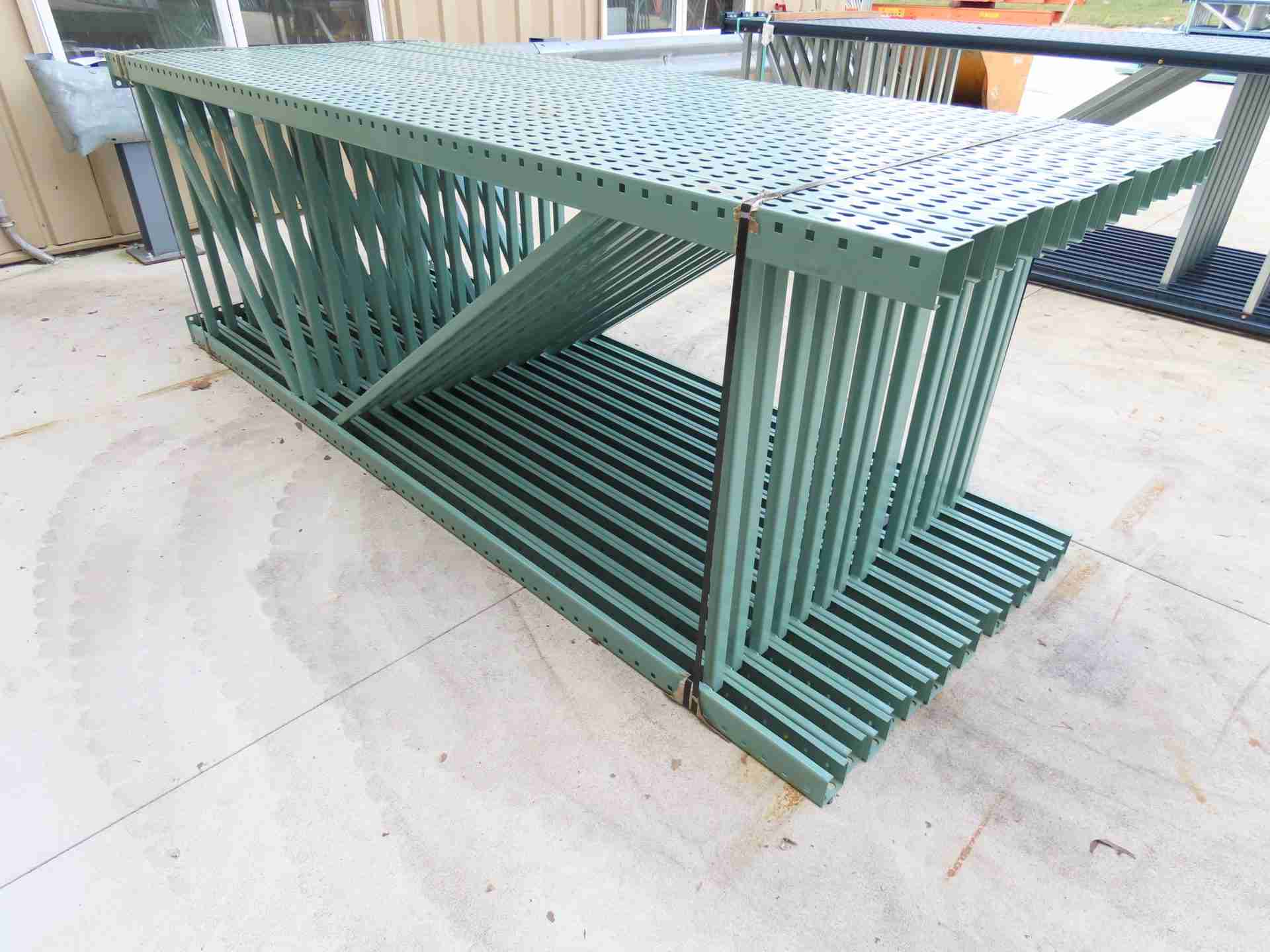
What Are The Signs Of Overloading In Cantilever Racks?
What Are The Signs Of Overloading In Cantilever Racks?
- Cantilever racks are essential for maximizing storage efficiency in warehouses.
- Overloading can lead to accidents, compromised safety, and damaged inventory.
- Signs of overloading include visible deformation in rack arms or columns.
- Difficulty accessing items may indicate overloaded racks hampering workflow.
- Increased noise, like creaking or groaning, can signal that racks are under excessive weight.
- Frequent activation of safety equipment may suggest approaching weight limits.
- Proactive management of storage systems is crucial for a safe and efficient workplace.

What Are The Signs Of Overloading In Cantilever Racks?
How Can Load Capacity Be Accurately Determined?
When it comes to ensuring safety and efficiency in any load-bearing environment, understanding load capacity isn’t merely a suggestion—it’s a necessity. You need clear-cut, reliable methods to accurately determine how much weight any structure, machinery, or equipment can safely support. Not only can failing to do so lead to devastating accidents, but it can also tarnish your company’s reputation, resulting in lost contracts and diminished consumer trust. So, how do you precisely assess load capacity?
Firstly, employing thorough structural analysis is fundamental. This involves assessing the materials, dimensions, and overall design of the structure. For instance, consider a new construction project aimed at revitalizing downtown areas—a current trend as municipalities seek to bolster local economies post-pandemic. The load capacity of steel beams in high-rise commercial buildings must be meticulously calculated based on the specific alloys used, the conditions of fabrication, and the environmental factors, such as wind loads or seismic activities. Failing to account for these requirements could lead to costly delays, repairs, or worse, catastrophic failures.
Next, consider using advanced technology. Measuring load capacity has evolved beyond simple calculations. With the proliferation of augmented reality (AR) and the Internet of Things (IoT), real-time data analytics can offer insights that were previously unattainable. For example, smart sensors embedded within a bridge can send alerts when weight thresholds are approached, ensuring that the structure is not overloaded. These cutting-edge technologies enhance safety measures and extend the longevity of your assets, which is especially pertinent amidst ongoing discussions about aging infrastructure in many developed nations.
Moreover, do not overlook regulatory standards and guidelines. Organizations such as the American Society of Civil Engineers (ASCE) have established rigorous benchmarks for determining load capacities in various applications. Staying compliant not only ensures safety but also fortifies your brand’s credibility. For example, businesses currently navigating the reevaluation of safety protocols post-COVID must remain vigilant in adhering to these guidelines as they expand operations to accommodate increased capacity demands.
Lastly, always consult with professionals. Investing in the expertise of structural engineers, certified load testers, or consultants can yield dividends that far exceed the initial costs. Their insights may uncover hidden risks or alternative solutions that can enhance load capacity, promoting operational efficiency.
Determining load capacity requires a multi-faceted approach incorporating structural analysis, technology, regulatory adherence, and professional input. By focusing on these elements, you not only safeguard your operations but also solidify your standing in an ever-competitive marketplace. The stakes are high, but the rewards for accurate load capacity determination are even higher.

How Can Load Capacity Be Accurately Determined?
How Can Load Capacity Be Accurately Determined?
- Understanding load capacity is essential for safety and efficiency in load-bearing environments.
- Accurate assessment of structure, machinery, and equipment weight capacity prevents devastating accidents and protects company reputation.
- Thorough structural analysis involves evaluating materials, dimensions, and design of structures.
- Advanced technologies like augmented reality (AR) and IoT offer real-time data analytics for measuring load capacity.
- Regulatory standards, such as those from the American Society of Civil Engineers (ASCE), are crucial for ensuring compliance and safety.
- Professional consultation with structural engineers and load testers helps identify hidden risks and improve operational efficiency.
- A multi-faceted approach to determining load capacity enhances safety, operational success, and competitiveness.

How Can Load Capacity Be Accurately Determined?
What Materials Are Best For Cantilever Racking?
When it comes to investing in cantilever racking, selecting the right materials is crucial to maximizing the efficiency and longevity of your storage solution. In a world where businesses are constantly under pressure to optimize operations while keeping costs down, the materials you choose can make a significant difference in your bottom line.
Steel Reigns Supreme
For structures designed to support heavy loads, steel is the undisputed champion. Its remarkable strength-to-weight ratio ensures that your cantilever racks can handle substantial weight loads without bending or warping over time, which is vital for storing heavy items—think of lumber, pipes, or machinery parts commonly needed in construction and manufacturing. Many businesses have shifted toward high-tensile steel, an even sturdier option that provides higher durability, allowing for storage of heavier inventory while maintaining structural integrity.
The Marvel of Galvanization
To combat the effects of corrosion and ensure longevity, many turn to galvanized steel. This treatment involves applying a protective zinc coating to the steel, making it ideal for outdoor applications or humid environments. As supply chains continue to be impacted by climate change, sourcing materials capable of withstanding adverse weather is paramount. Consider retailers like Amazon, which have been ramping up their outdoor storage capabilities. The use of galvanized cantilever racks in their distribution centers not only safeguards inventory but also upholds the company’s promise of quick delivery timelines.
Hold Tight with Resin Composites
For lighter loads and specialized applications, such as textiles or smaller parts, you might want to consider resin composites. These materials are not only lightweight but also resistant to moisture and chemicals, making them suitable for diverse industries, such as food and beverage. During recent supply chain disruptions, companies that pivoted to flexible storage solutions, including resin-based cantilever racks, have successfully maintained operations, ensuring products remain intact and accessible.
Eco-Friendly Alternatives: The New Trend
As sustainability becomes an increasingly pressing concern, eco-friendly materials are gaining traction. Bamboo composites are emerging on the horizon as a sustainable alternative that offers impressive strength characteristics combined with reduced environmental impact. Just last year, several green construction initiatives showcased how durable and eco-friendly cantilever solutions could be integrated into their projects.
The choice of materials for cantilever racking should align with your business needs, load requirements, and environmental considerations. By selecting the right combination of materials—from high-tensile steel to innovative composites—you’re not just investing in storage; you’re fortifying your entire operation for a future where resilience and efficiency go hand in hand.

What Materials Are Best For Cantilever Racking?
What Materials Are Best For Cantilever Racking?
- Selecting the right materials for cantilever racking is essential for optimizing efficiency and longevity.
- Steel is the preferred material for heavy-load support due to its strength-to-weight ratio and durability.
- High-tensile steel offers increased durability, enabling storage of heavier inventory without compromising structural integrity.
- Galvanized steel, with its protective zinc coating, combats corrosion and is suitable for outdoor and humid environments.
- Resin composites are ideal for lighter loads and resist moisture and chemicals, catering to industries like food and beverage.
- Eco-friendly materials, such as bamboo composites, are emerging as sustainable alternatives with strong performance characteristics.
- The choice of materials should consider business needs, load requirements, and environmental impacts for a resilient storage solution.

What Materials Are Best For Cantilever Racking?
How Should Items Be Distributed On The Rack?
In the world of retail, presentation can be the make-or-break factor for a sale. The way items are distributed on the rack is akin to a carefully written sales script; it guides the customer’s eyes and curiosity to the products you want to highlight. But how do you get it just right? Here’s a practical guide to maximizing your sales potential through smart distribution.
1. The Golden Zone
Let’s start with what marketing experts often call “the golden zone.” This is typically the eye level range where your average customer’s gaze falls. Place your best-selling or most profitable items here! For instance, if you’ve got a new line of organic skincare products, position them at eye level. Consumers today are increasingly prioritizing health and sustainability; this is an opportunity to grab attention right where it counts.
2. Color Coordination
Utilizing color can significantly enhance visual appeal and draw customer engagement. For instance, imagine a rack displaying seasonal items—autumn-themed items in warm oranges and deep browns evoke feelings of coziness and nostalgia. During football season, organizing merchandise by teams or fan colors can create a spirited atmosphere, prompting impulse buys that capitalize on current events.
3. Grouping and Cross-merchandising
Think strategically about creating groupings. Pair complementary items together—like chips and dip or a wine bottle with gourmet cheese. This not only increases the average basket size but leverages the principle of association. Today, with sports events like the World Series capturing attention, setting up a display featuring snacks and beverages for game day can boost sales tremendously.
4. Dynamic Distribution for Seasonal Promotions
Always keep an eye on the calendar for opportunities to refresh your racks. As major holidays approach—like Halloween or Black Friday—rearranging items to emphasize promotions and themed products is essential. A bright, engaging display of costumes or gift items can dramatically shift customer focus and spur delight, leading to increased foot traffic and purchases.
5. Clear Signage
Lastly, effective communication is crucial. Attractive signage not only directs customers but reinforces your brand message. A crisp, clear tag for a limited-time offer can create urgency, especially if you’re prepping for a seasonal two-for-one deal. As consumers respond to both scarcity and urgency—especially during events like Cyber Monday—having the right signage can ensure you seize every opportunity to convert curiosity into sales.
The distribution of items on a rack is more than aesthetics; it’s an intricate dance of psychology and strategy designed to entice the customer. When done right, your display becomes a powerful tool directing sales, ensuring your business outshines in a competitive market.

How Should Items Be Distributed On The Rack?
How Should Items Be Distributed On The Rack?
- Effective presentation is crucial for retail sales, acting as a guide for customer attention.
- The “golden zone” is eye level; position best-selling or profitable items here to attract attention.
- Color coordination enhances visual appeal, creating moods and encouraging impulse buys.
- Grouping complementary items can increase basket size and leverage consumer associations.
- Seasonal promotions should be highlighted through dynamic distribution and themed displays.
- Clear signage is important for directing customers and reinforcing brand messages, especially during sales.
- Strategic item distribution is a blend of psychology and creativity that can elevate retail success.

How Should Items Be Distributed On The Rack?
What Safety Measures Should Be Implemented?
In today’s fast-paced world, prioritizing safety isn’t just an option; it’s an imperative. As we navigate through a landscape altered by recent events—be it global pandemics, natural disasters, or corporate upheavals—the need for robust safety measures has never been clearer. So, what are the essential safety measures that businesses and organizations should implement? Let’s break it down.
First and foremost, the foundation of any effective safety plan is a comprehensive risk assessment. This is not merely a checkbox exercise; it’s about understanding the unique challenges your organization faces. For instance, look at how many companies overhauled their workplace policies following the COVID-19 pandemic. Organizations like Google and Facebook led the way by not only enhancing cleaning protocols but also by transforming their work environments to embrace hybrid models. Risk assessments allow you to adapt to unforeseen circumstances, ensuring your team remains safe and your operations do not falter.
Next, training is non-negotiable. Implementing regular safety training sessions equips staff with the knowledge and skills they need to navigate risks. Think of the aviation industry—constantly at the forefront of safety measures. Pilots undergo rigorous and recurrent training to handle emergencies, which has kept flying one of the safest modes of transportation. Businesses should emulate this by introducing ongoing safety workshops and simulations tailored to their specific needs.
Another critical measure is adopting technology for safety monitoring. Leveraging tools such as surveillance cameras and IoT devices enhances your ability to maintain a secure environment. For example, during recent wildfires across California, technology has been utilized to monitor air quality and detect smoke levels in real-time. Businesses can similarly employ tech solutions to ensure immediate responses to security threats or environmental hazards, significantly mitigating potential risks.
Communication should also be a cornerstone of your safety strategy. In April 2023, a major airline faced backlash due to miscommunication regarding flight safety during severe weather conditions. Transparency in safety protocols fosters trust and reassures employees about their well-being. Develop a clear communication plan not only for emergencies but also for regular updates on safety measures. This lays the groundwork for a culture of safety that permeates every level of your organization.
In sum, implementing robust safety measures is not just about compliance; it’s about cultivating a proactive culture that positions your organization for sustainable success. Consider this an investment in your most valuable asset—your people. By prioritizing safety, you’re not just protecting your team; you’re creating a brand that resonates with values of trust and reliability.

What Safety Measures Should Be Implemented?
What Safety Measures Should Be Implemented?
- Safety is essential in today’s fast-paced environment, influenced by global pandemics, disasters, and corporate changes.
- A comprehensive risk assessment is crucial for understanding and addressing unique organizational challenges.
- Regular safety training sessions empower employees with the knowledge and skills to handle risks effectively.
- Adopting technology, such as surveillance and IoT devices, enhances monitoring and response to security threats.
- Effective communication strategies build trust and ensure employees are informed about safety protocols.
- Creating a proactive culture of safety is an investment in the organization’s most valuable asset: its people.
- Prioritizing safety enhances brand reputation, reflecting values of trust and reliability.

What Safety Measures Should Be Implemented?
How Often Should Inspections Be Conducted?
In the realm of business operations, the question of how often inspections should be conducted can be a make-or-break decision. As we continue to navigate a post-pandemic world, where operational standards are constantly evolving and consumer expectations are heightened, inspections can’t be a mere afterthought; they should be a cornerstone of your operational strategy.
First, consider the industry you’re operating in. For example, in the food service sector, the frequency of health inspections has ramped up significantly. After crises like the COVID-19 pandemic, public health is at the forefront of consumer minds. According to a recent survey by the National Restaurant Association, 85% of customers now prioritize hygiene practices more than ever before. Therefore, more frequent inspections can provide not only compliance with health regulations but also act as a strong marketing tool that demonstrates your commitment to safety and quality.
In more regulated industries like construction, the stakes are even higher. With projects often running behind schedule or over budget, regular inspections can catch potential issues before they escalate. For instance, a property management company in Texas learned this lesson the hard way when a lack of timely inspections led to costly water damage. They soon adopted a proactive inspection schedule, resulting in 30% fewer expensive repairs and a noticeable increase in tenant satisfaction rates.
However, it’s not just about the frequency; it’s also about the nature of the inspections. Transition from reactive inspections—those conducted only when problems arise—to a proactive approach, employing techniques such as routine walk-throughs, digital inspections, and AI-driven analysis. This allows for continuous improvement rather than a one-and-done mentality.
The question, then, isn’t just how often to inspect but how to create a culture of constant improvement. By integrating inspections into daily operations, you can spot inefficiencies and areas for growth. Consider the automotive industry, which frequently embraces innovations like predictive maintenance technology. By monitoring equipment health in real-time, companies can schedule maintenance during slow periods, keeping production steady and profit margins intact.
In summary, the answer to how often inspections should take place is not set in stone; it should dynamically adjust with the market tempo and the specific industry needs. Here’s the takeaway: if you want to fortify your business against uncertainty and impress your customers, inspect often, inspect smart, and don’t underestimate the power of a well-timed inspection. The benefits of proactive inspections will generate lasting dividends, helping you stay ahead in an increasingly competitive landscape.
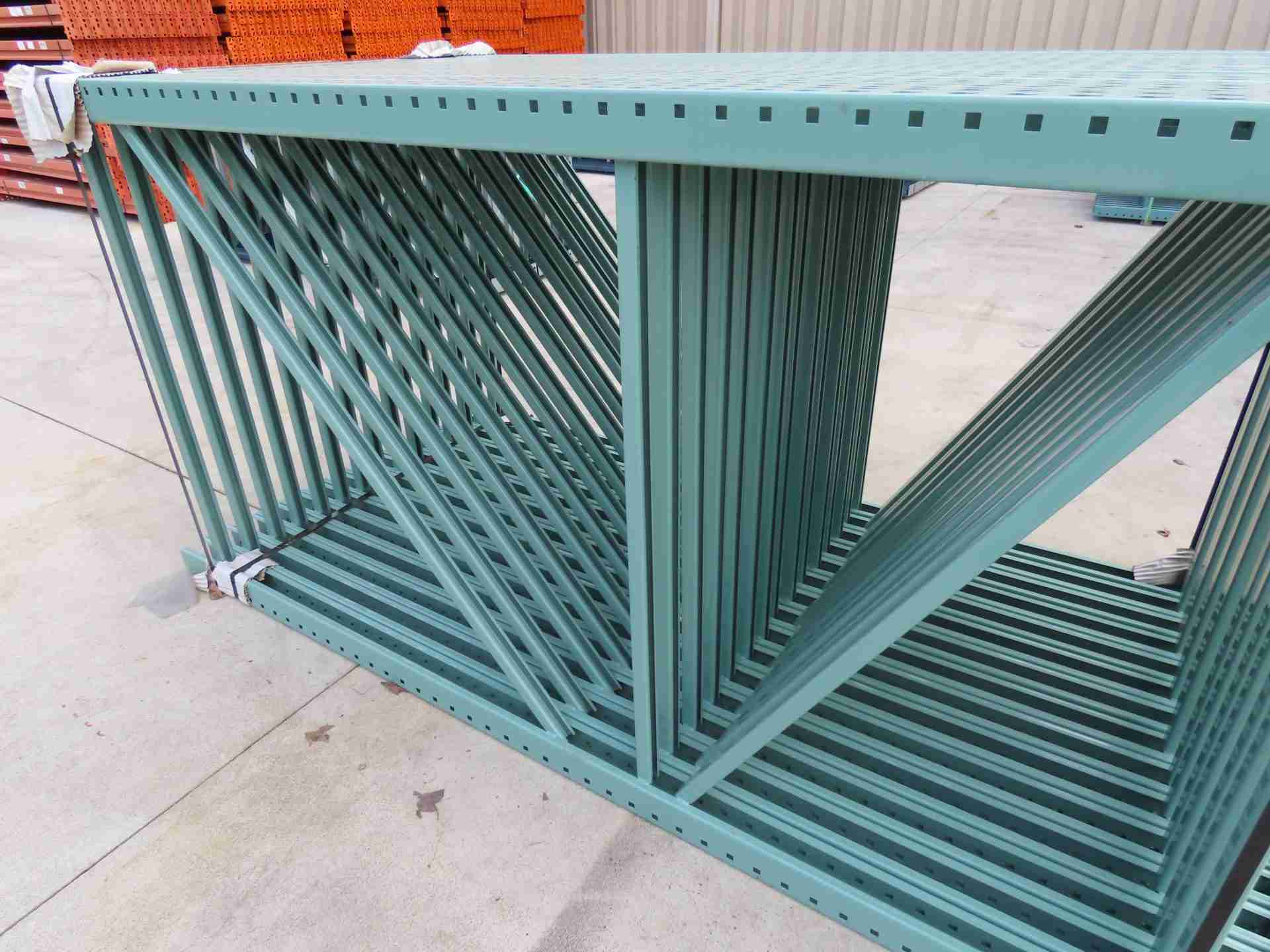
How Often Should Inspections Be Conducted?
How Often Should Inspections Be Conducted?
- Inspections are crucial in a post-pandemic business environment where operational standards and consumer expectations are evolving.
- The frequency of health inspections has increased significantly in the food service sector, with 85% of customers prioritizing hygiene practices.
- Regular inspections in regulated industries like construction can help identify issues early, preventing costly repairs and improving tenant satisfaction.
- Shift from reactive inspections to proactive approaches, including routine walk-throughs and AI-driven analysis, for continuous improvement.
- Integrating inspections into daily operations helps identify inefficiencies and fosters a culture of constant improvement.
- The frequency of inspections should adapt dynamically to market conditions and specific industry requirements.
- Proactive inspections can provide significant benefits, keeping businesses competitive and building customer trust.

How Often Should Inspections Be Conducted?
What Training Should Staff Receive On Racking Systems?
In the fast-paced world of logistics and warehousing, the backbone of efficiency often hinges on one critical element: the racking system. It’s not just about storing goods; it’s about maximizing space, ensuring safety, and enhancing productivity. But here’s the kicker—none of this matters if your staff isn’t fully trained to utilize these systems effectively. The reality is clear: investing in proper training can make or break operational success.
To start, employees must be well-versed in the various types of racking systems available, such as selective racking, drive-in racking, and pallet flow systems. Consider the recent supply chain disruptions that have rocked industries worldwide—from e-commerce to manufacturing. Businesses are scrambling to adapt, and knowing how to optimize storage can lead to a decisive competitive edge.
Safety Protocols are paramount and should be a focal point of the training. Staff must understand the importance of weight limits, proper load distribution, and the significance of maintaining clear access paths. The Occupational Safety and Health Administration (OSHA) recently updated guidelines concerning warehouse safety, and companies must be vigilant in ensuring their team is informed and compliant. For instance, training sessions should cover how to properly inspect racking systems for damage and how to report hazards before they result in costly accidents.
Additionally, Operational Efficiency must be highlighted in training modules. Teach employees how to use inventory management software that integrates seamlessly with your racking system. This will empower them to maintain optimal stock levels and ensure that products are stored efficiently. An example here would be Amazon’s continual investment in warehouse technology which streamlines picking processes and dramatically reduces shipment times. Adaptations such as these can significantly elevate your operation’s bottom line.
Lastly, don’t underestimate the power of Hands-On Training. Simulation exercises can create real-world scenarios where employees practice using various racking systems, ensuring they’re not just absorbing theory but also applying it practically. This kind of experiential learning will foster confidence and competence.
Comprehensive training on racking systems isn’t just a checkbox on the compliance list; it’s a vital ingredient for operational mastery. By investing in your staff’s education—covering safety protocols, efficiency tactics, and hands-on experience—you’ll activate a high-performance culture that not only meets today’s demands but gracefully scales for tomorrow’s challenges. Don’t just prepare your team for today—equip them for the future.

What Training Should Staff Receive On Racking Systems?
What Training Should Staff Receive On Racking Systems?
- The racking system is crucial for efficiency in logistics and warehousing, focusing on space maximization, safety, and productivity.
- Investing in proper training for staff on racking systems like selective racking, drive-in racking, and pallet flow is essential for operational success.
- Knowledge of storage optimization can provide a competitive edge, especially in light of recent supply chain disruptions across various industries.
- Safety protocols are critical; staff must understand weight limits, load distribution, and clear access pathways to comply with updated OSHA guidelines.
- Training should incorporate operational efficiency, such as using inventory management software that integrates with racking systems for optimal stock levels.
- Hands-on training through simulation exercises allows employees to practice using racking systems in real-world scenarios, enhancing practical skills.
- Comprehensive training is vital for fostering a high-performance culture that prepares teams for current and future operational challenges.

What Training Should Staff Receive On Racking Systems?
What Are The Consequences Of Overloading Racks?
In today’s fast-paced world, efficiency and productivity often take center stage. However, one crucial area frequently overlooked is the weight capacity of storage racks. Ignoring the manufacturer’s guidelines on load limits can lead to dire consequences that affect not only your bottom line but also the safety of your workforce.
First and foremost, let’s talk about safety. Overloading racks can lead to catastrophic failures. For instance, a warehouse in Houston recently suffered a major incident when overloaded shelving collapsed, injuring several employees and leading to costly legal repercussions. Not only did this impact employee morale and productivity but also left a black mark on the company’s reputation. In an environment where safety should be paramount, this kind of risk is unnecessary and preventable.
Financial repercussions are also significant. When racks fail, the damage extends far beyond the cost of the materials. Inventory can be destroyed; equipment can be damaged; and, of course, labor costs multiply. According to industry experts, the average cost of a workplace accident due to equipment failure can run into the tens of thousands—enough to turn a profitable quarter into a loss. The sheer volume of resources required to clean up after an accident can be crippling.
Additionally, the legal implications can reverberate for years. Companies may face lawsuits not only from injured workers but also from affected clients and partners. An excess load incident may lead to regulatory scrutiny and increased insurance premiums, impacting your operational budget in the long run. As if that wasn’t enough, a company may find itself on the receiving end of bad press, damaging its public image and customer trust.
Take the time to train your team on the importance of adhering to capacity limits and conducting routine checks. Encourage a culture where employees feel comfortable reporting concerns. Companies like Amazon and Walmart invest heavily in safety training, setting a strong example for others in the industry. It’s not just about compliance; it’s about creating an environment where safety is integrated into the fabric of everyday operations.
The consequences of overloading racks extend beyond the immediate damage. They touch every facet of the business, from safety and finances to the overall company culture. By taking proactive measures, you can safeguard your workforce and ensure that your operations run smoothly without costly interruptions. Remember—what you save today by cutting corners may very well cost you tomorrow.

What Are The Consequences Of Overloading Racks?
What Are The Consequences Of Overloading Racks?
- Efficiency and productivity are often emphasized, but storage rack weight capacity is crucial.
- Overloading racks can lead to catastrophic failures and serious employee injuries.
- A Houston warehouse incident showcases the potential legal and financial repercussions of rack overloading.
- Workplace accidents from equipment failure can cost tens of thousands, impacting profitability.
- Legal issues may arise from lawsuits by injured workers and clients, leading to regulatory scrutiny.
- Training teams on capacity limits and fostering a safety culture are essential for prevention.
- Proactive measures can protect your workforce and prevent costly interruptions to operations.
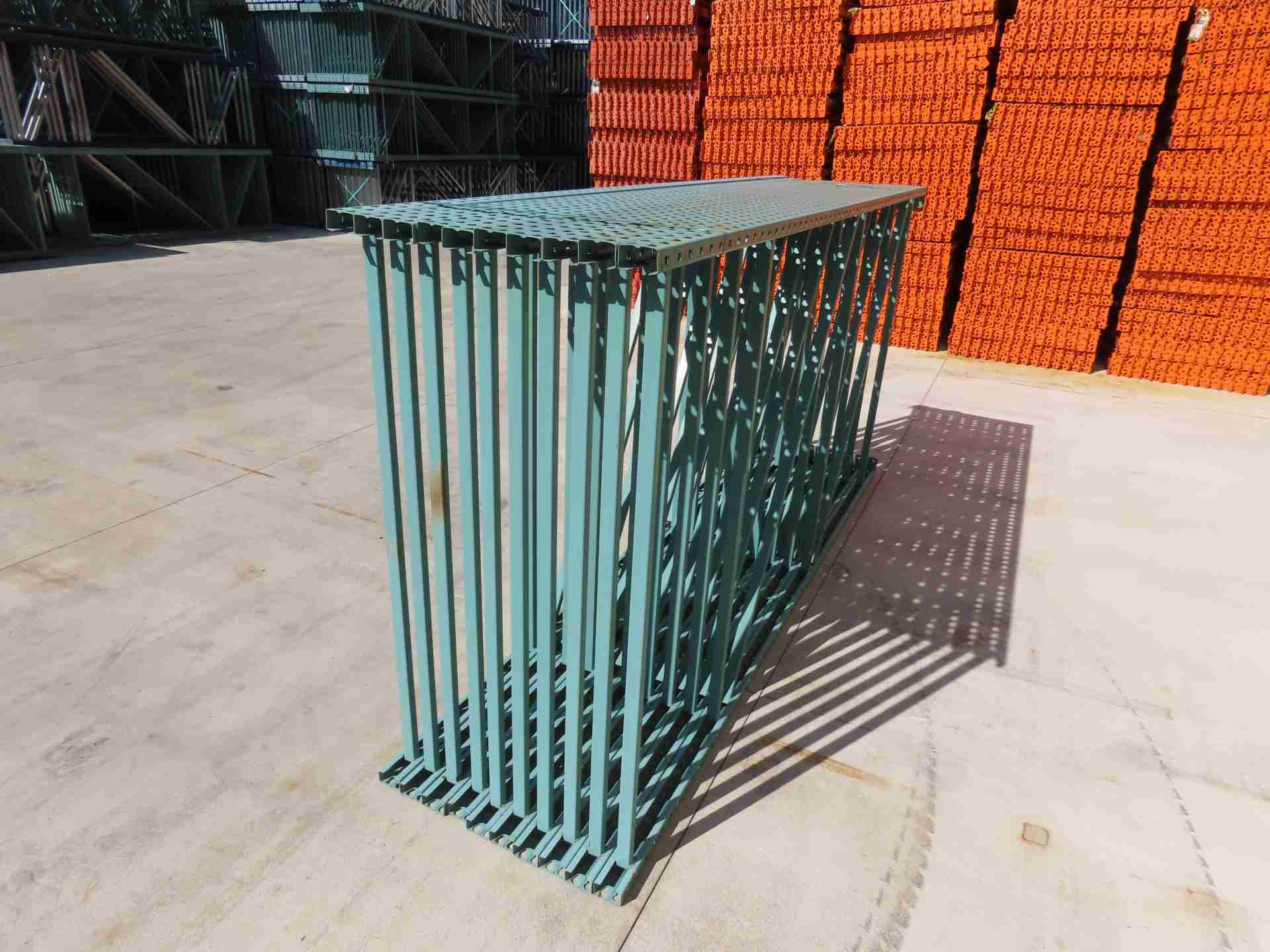
What Are The Consequences Of Overloading Racks?
How Can Technology Help Prevent Overloading?
In today’s fast-paced, hyper-connected world, the risk of overloading—be it in our work schedules, information intake, or even transportation systems—is ever-present. However, technology is not merely part of the problem; it can also be a powerful ally in the quest for balance and efficiency. By embracing the right tools and strategies, businesses and individuals can mitigate overload and streamline operations for better performance and improved well-being.
Take, for example, the rise of artificial intelligence and machine learning in data management. Businesses are bombarded with information from various channels, making it easy to feel overwhelmed. AI-driven analytics platforms such as Tableau or Google Data Studio can sift through mountains of data and present actionable insights with stunning clarity. These tools not only save time but also help organizations focus on what’s essential, preventing decision fatigue that often leads to operational paralysis.
Consider the transportation sector, particularly in the context of global supply chain disruptions highlighted by recent events. The use of predictive analytics and IoT devices can greatly enhance logistics. Companies like UPS are currently leveraging AI to optimize delivery routes and schedules, effectively reducing congestion and preventing bottlenecks. By automating such processes, organizations can experience smoother operations while contributing to reduced strain on infrastructure.
Moreover, remote work technologies play a crucial role in addressing the overload many employees face. Tools like Slack, Microsoft Teams, and Asana enable seamless communication and project tracking without inundating individuals with unnecessary emails and meetings. By relying on integrated communication platforms, teams can declutter their schedules while maintaining a cohesive workflow, ultimately reducing burnout and increasing productivity.
Furthermore, the emergence of personal productivity applications—think Notion, Trello, or Todoist—empowers individuals to take control of their tasks with ease. These tools allow users to prioritize their workloads, set reminders, and break larger projects into manageable chunks, effectively combating the chaos that leads to overwhelm. Users can tailor their interfaces to suit their unique preferences, facilitating a more personalized approach to task management that is crucial in today’s multi-tasking environment.
In summary, technology can be a game changer in the fight against overload. By harnessing the power of AI, predictive analytics, and productivity tools, businesses and individuals can navigate the complexities of modern life with greater ease. The key lies in selecting the right tools and intelligently integrating them into daily routines, turning the tide against overwhelm and setting the stage for focused success.

How Can Technology Help Prevent Overloading?
How Can Technology Help Prevent Overloading?
- Overload in work schedules, information intake, and transportation systems is a growing concern in a hyper-connected world.
- Technology can be a powerful ally in achieving balance and efficiency.
- AI-driven analytics tools like Tableau and Google Data Studio help businesses manage information overload by providing actionable insights.
- In logistics, predictive analytics and IoT devices can optimize delivery routes and reduce supply chain disruptions.
- Remote work technologies like Slack and Microsoft Teams enhance communication, reduce unnecessary meetings, and help prevent burnout.
- Personal productivity applications such as Notion and Trello enable users to prioritize tasks and manage workloads effectively.
- Selecting the right tools and integrating them intelligently can help combat overwhelm and promote focused success.
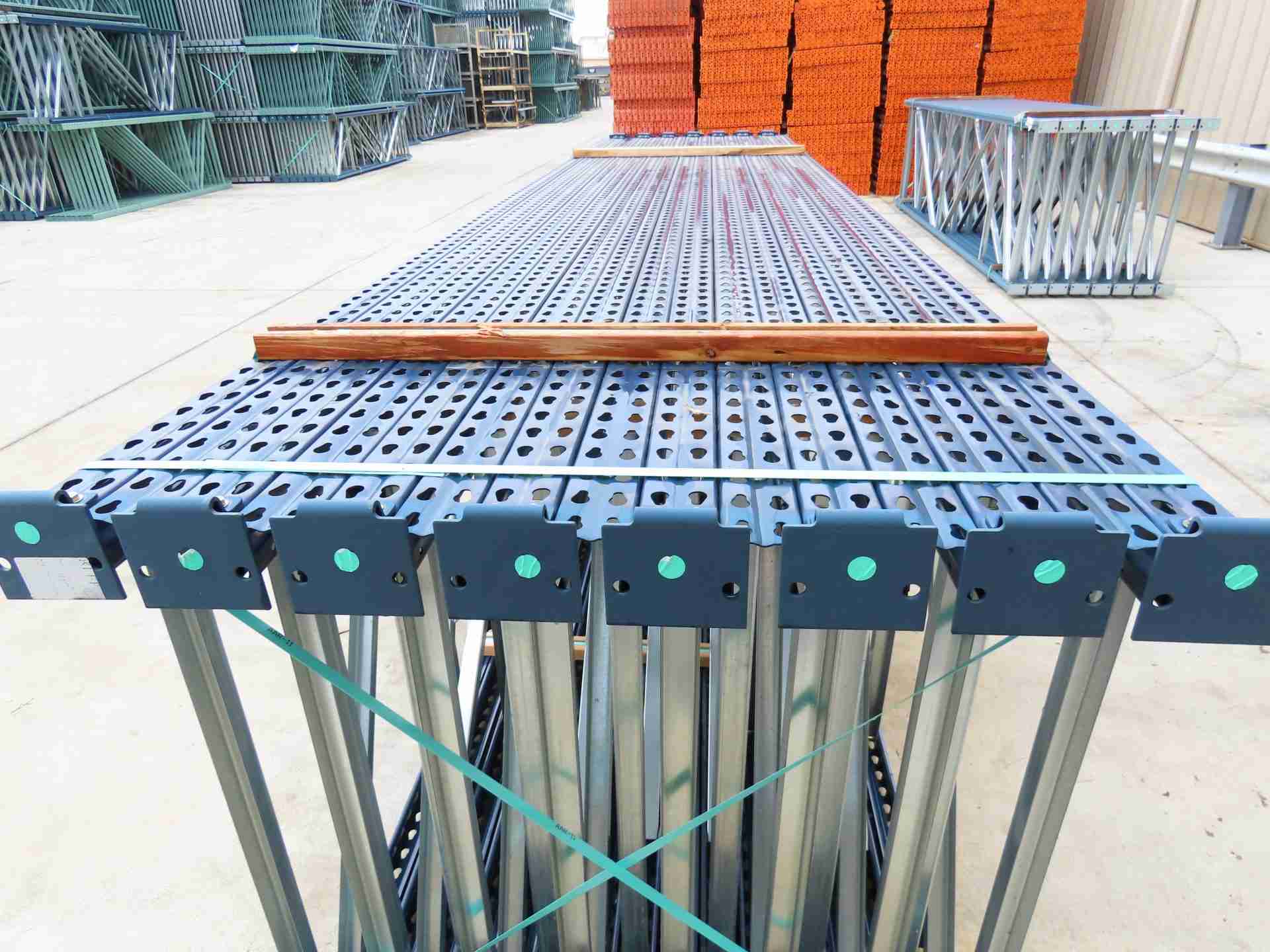
How Can Technology Help Prevent Overloading?
What Maintenance Practices Reduce Loading Issues?
In today’s fast-paced digital landscape, where seconds can mean the difference between a sale and a missed opportunity, efficient website loading is critical. Maintenance practices that prioritize speed do not just enhance user experience; they positively impact conversion rates, search engine rankings, and overall business reputation. Here’s a breakdown of effective strategies you can implement to combat loading issues.
1. Regular Content Management:
Every piece of media, from images to videos, affects your site’s performance. Recent reports indicate that web pages with high-quality images increase loading times significantly. By periodically auditing your content and compressing large files, you can drastically reduce load times. Tools such as TinyPNG allow you to optimize images without sacrificing quality. For instance, an e-commerce startup recently reported a 30% increase in mobile conversions after refining their image assets.
2. Tune Up Your Code:
Your site’s code—HTML, CSS, JavaScript—can get cluttered over time. Old scripts, unused CSS rules, and bloated JavaScript files can slow your site to a crawl. Implementing regular “code clean-ups” is essential. Tools like Google PageSpeed Insights help identify problematic areas. A well-known tech company saw a remarkable 50% reduction in load times after reworking their code base, directly correlating with higher customer satisfaction scores.
3. Monitor Your Third-Party Scripts:
The current trend leans heavily toward integrating various third-party services—analytics, ad networks, social media sharing tools—but this can lead to increased loading times. Monitoring the performance impact of these scripts is essential. If a third-party tool is dragging your site down, it may be time to look for alternatives or even consider eliminating it altogether. For example, several news websites recently opted to drop heavy ad networks in favor of lighter, more efficient ones, resulting in both speed improvements and enhanced user engagement.
4. Invest in a Quality Hosting Provider:
Your website’s hosting service plays a pivotal role in loading speed. In light of recent outages affecting major web hosting providers, more businesses are recognizing the need for reliability. Opting for dedicated or cloud hosting can offer superior speed and bandwidth flexibility, ensuring your site performs optimally—even during peak traffic times. A local business reported a 40% increase in site traffic after switching to a more robust hosting solution, attributing the success to improved loading times during high-demand periods.
Proactive maintenance practices are your strongest allies in the battle against loading issues. By streamlining content, refining code, monitoring third-party scripts, and selecting a robust hosting service, you can position your business to thrive in an increasingly impatient online world. Remember, a fast-loading site is not just a luxury; it’s an expectation.

What Maintenance Practices Reduce Loading Issues?
What Maintenance Practices Reduce Loading Issues?
- Efficient website loading is crucial for sales and overall business reputation.
- Regular content management, including auditing and compressing media, can significantly reduce load times.
- Tuning up website code through regular clean-ups enhances performance and boosts customer satisfaction.
- Monitoring third-party scripts is important to mitigate loading time impacts from external services.
- Investing in a quality hosting provider can improve loading speed and ensure reliability during peak traffic.
- Proactive maintenance practices help combat loading issues effectively.
- A fast-loading site is an essential expectation in today’s digital landscape.

What Maintenance Practices Reduce Loading Issues?
Are There Specific Regulations For Cantilever Racking?
When it comes to optimizing your warehouse or storage space, cantilever racking stands out as an exceptional solution. It allows for efficient use of vertical space, especially for storing long, heavy, or awkward items like lumber, pipes, and furniture. However, while it may seem straightforward, businesses must navigate a complex landscape of regulations and standards that govern cantilever racking systems.
First and foremost, it’s crucial to understand the significance of compliance with local, state, and federal regulations. The Occupational Safety and Health Administration (OSHA) sets stringent guidelines to ensure workplace safety. For instance, OSHA mandates that storage racks must be designed to withstand the loads placed upon them, and cantilever racks are no exception. This means you need to look closely at the weight limits and load capacities provided by the manufacturer, ensuring they align with OSHA standards, as violations could lead to hefty fines and reputational damage.
Moreover, you’ll need to be aware of the American National Standards Institute (ANSI) and the Structural Steel Fabricators Association (SSFA) guidelines, which provide additional specifications for cantilever racking design and installation. These organizations advocate for safe engineering practices and can help solidify your business’s commitment to safety and best practices.
Current events underscore the importance of these regulations. Recently, several high-profile cases in the logistics industry highlighted the devastating impact of inadequate racking systems. For instance, a major retailer faced serious operational hurdles when a poorly installed cantilever rack collapsed, leading not only to substantial financial loss but also injuries that drew public outcry. This serves as a stark reminder that overlooking regulations can result in catastrophes that ripple through your business.
Furthermore, consider insurance implications. Many insurance companies require that businesses meet specific safety standards, including those related to cantilever racking. Failing to adhere to established guidelines could result in increased premiums or even denied claims in the event of an accident.
Emphasizing compliance isn’t just a legal obligation; it’s a potent marketing strategy. Promoting your adherence to racking safety standards positions your business as proactive and professional, garnering trust from customers and stakeholders alike.
While cantilever racking can dramatically enhance your operational efficiency, navigating the myriad regulations surrounding its use is non-negotiable. Investing time and resources into compliance is not merely a cost—it’s an investment in safety, reputation, and long-term profitability.

Are There Specific Regulations For Cantilever Racking?
Are There Specific Regulations For Cantilever Racking?
- Cantilever racking is an effective solution for optimizing warehouse space, ideal for storing long, heavy, or awkward items.
- Compliance with local, state, and federal regulations, particularly OSHA guidelines, is critical for workplace safety.
- Storage racks must be designed to handle specific loads, and manufacturers’ weight limits should align with OSHA standards.
- Awareness of ANSI and SSFA guidelines is essential for safe design and installation of cantilever racking systems.
- High-profile cases in logistics highlight the risks of inadequate racking systems, emphasizing the importance of following regulations.
- Adhering to safety standards can affect insurance premiums and claims, making compliance financially significant.
- Investing in compliance is not just a legal obligation but also a marketing strategy that enhances trust with customers and stakeholders.

Are There Specific Regulations For Cantilever Racking?
How Can I Calculate The Weight Of Stored Items?
Calculating the weight of stored items is not just an exercise in logistics; it’s a pivotal aspect of efficient inventory management that can save you money and enhance your operational flow. Whether you’re a retailer managing stock or a warehouse overseeing a vast inventory, knowing how to accurately assess the weight of your goods can lead to smarter business decisions.
First, let’s address the basics. If you’re dealing with homogeneous items, such as canned goods or boxes of electronics, the weight calculation becomes relatively straightforward. Simply weigh a single unit and multiply that by the total number of units. For example, if one can of beans weighs 15 ounces and you have 300 cans, the total weight is 15 ounces × 300 = 4,500 ounces, which converts to approximately 281.25 pounds. Easy, right?
However, challenges arise with mixed-item inventories. Here, you will want to group similar items together. Let’s illustrate this with an example from the recent surge in home delivery services due to global events. A growing trend in e-commerce means that warehouses are often filled with diverse stock—everything from gourmet food packages to oversized furniture. Analyzing the weight of these mixed goods requires an organized approach. Start by categorizing items and measuring the weight of each category. For instance, if your inventory includes 100 boxes of gourmet chocolates weighing 1 pound each, 50 artisanal cheeses at 2 pounds, and 20 handmade wooden chairs at 5 pounds each, the weights break down as follows:
– Chocolates: 100 × 1 = 100 pounds
– Cheeses: 50 × 2 = 100 pounds
– Chairs: 20 × 5 = 100 pounds
Now, add those together: 100 + 100 + 100 = 300 pounds total.
Next, leverage technology for precision. Scales and inventory management software can simplify your calculations. Many businesses now utilize systems that automatically update weight data as stock is added or removed. As we witness a technological shift in logistics due to recent challenges—like the pandemic-induced emphasis on automation—investing in such tools can yield significant dividends.
Always remember: an accurate weight assessment not only enhances your inventory accuracy, but it also informs shipping costs, compliance with safety regulations, and best practices for storage. In the current market climate, where fees for shipping are on the rise, having a precise grasp on your stored item weights can mean the difference between profit and loss. Invest the time to calculate accurately—your bottom line will thank you!

How Can I Calculate The Weight Of Stored Items?
How Can I Calculate The Weight Of Stored Items?
- Calculating the weight of stored items is essential for efficient inventory management and can save money while enhancing operational flow.
- For homogeneous items, weigh a single unit and multiply by the total number of units for straightforward calculations.
- Challenges arise with mixed-item inventories, requiring organization and categorization of similar items.
- Example: Categorize items like chocolates, cheeses, and chairs to calculate total weights accurately.
- Utilize technology, such as scales and inventory management software, for precise weight calculations.
- An accurate weight assessment improves inventory accuracy, informs shipping costs, and complies with safety regulations.
- Investing time in accurate weight calculation can significantly impact profitability amid rising shipping fees.

How Can I Calculate The Weight Of Stored Items?
What Role Do Support Beams Play In Preventing Overload?
In the world of structural engineering, support beams serve a pivotal role akin to the backbone of a building. They are not just essential components but are the unsung heroes ensuring the safety and stability of structures—whether it’s your home, a bridge, or a towering skyscraper. In the aftermath of recent disasters, such as the tragic building collapse in Miami, the spotlight has been shone on the critical importance of maintaining structural integrity to prevent catastrophic failures.
Support beams bear the brunt of load—be it the weight of the materials overhead, occupants within, or even the unexpected forces of nature. Think of them as the unwavering foundation upon which everything else rests. When engineers design a building, they meticulously plan the placement of support beams to distribute weight evenly, allowing for optimal performance and safety. This concept reflects the principles of balanced load distribution, which can prevent localized overload and, ultimately, collapse.
Let’s consider a practical example: a single-family home. If the weight of the roof is improperly supported, it can lead to sagging or, in extreme cases, a total failure of the structure. Imagine a festive gathering with heavy decorations and a family reunion that unwittingly pushes the load beyond the beam’s capacity. The role of support beams in reinforcing these structures cannot be overstated; they absorb excess stress and channel it safely to the building’s foundation.
Moreover, the conversation around building materials—especially in a climate-conscious world—has shifted towards sustainable choices. Innovations in beam construction, such as engineered wood or recycled steel, have surfaced as popular options without compromising strength. Recent trends show that integrating these materials creates not only resilient structures but also environmentally friendly ones, ultimately benefiting the homeowner and society at large.
But what happens when the engineered design falls short? The tragic reminder of events like the Champlain Towers South collapse serves to underline the dire consequences of negligence in structural planning. It is not simply about erecting walls but ensuring that every support beam is meticulously engineered, properly installed, and regularly maintained.
Support beams play a quintessential role in preventing overload and safeguarding the integrity of structures. As we witness ongoing developments in engineering practices and materials, it’s vital to appreciate these foundational elements that protect our lives and investments. Ensuring proper installation and maintenance of support beams can mean the difference between lasting strength and disastrous failure.

What Role Do Support Beams Play In Preventing Overload?
What Role Do Support Beams Play In Preventing Overload?
- Support beams are crucial to the safety and stability of structures like homes, bridges, and skyscrapers.
- Recent disasters highlight the importance of maintaining structural integrity to avoid catastrophic failures.
- Support beams distribute loads evenly, allowing for optimal performance and preventing localized overload.
- Improper support of roof weight can lead to structural issues, such as sagging or total failure.
- There’s a shift towards sustainable building materials, like engineered wood and recycled steel, to enhance strength while being environmentally friendly.
- Negligence in structural planning and maintenance, as highlighted by tragedies like the Champlain Towers South collapse, can have dire consequences.
- Proper installation and maintenance of support beams are essential to ensure lasting strength and prevent failures.

What Role Do Support Beams Play In Preventing Overload?
Conclusion
In the relentless pace of today’s logistics and warehousing landscape, ensuring operational efficiency is paramount. Cantilever racking systems have proven to be an excellent solution for storing long and heavy items, yet they come with a significant responsibility—safety. Overloading these racks can result in catastrophic failures, damaging products, incurring costly downtime, and, worst of all, jeopardizing employee safety.
Understanding your load capacity is the first step in safeguarding your operations. Familiarize yourself with the specifications of your cantilever racks and implement a robust inventory management system to track weight and volume. Regularly auditing your storage practices can keep operational risks at bay. Train your workforce rigorously—knowledge is power, and well-informed employees are your first line of defense against accidents. Reinforce a culture of safety through ongoing education, ensuring that everyone understands the implications of exceeding load limits.
The visual indicators of overloading should never be ignored. Signs such as deformation of rack components, access difficulties, increased noise, and frequent safety equipment activations are all warnings you cannot afford to overlook. Establish a regime of regular inspections and thorough maintenance checks to catch potential issues before they escalate into disasters that could cripple your business.
Moreover, leveraging technology—such as smart sensors and data analytics—can drastically enhance your ability to monitor load conditions in real-time, preventing overloading situations before they arise. Consult current regulations, and stay updated on industry best practices to ensure compliance with safety standards.
Call Arrow Industrial Sales today at (574) 349-6575 to discuss how we can assist you in optimizing the safety and efficiency of your cantilever racking systems. Don’t wait for an incident to take action—invest in safety now, and ensure your operations can thrive in the competitive marketplace. In a world where time is money, taking preventive measures can save your business from disaster and set the stage for sustained growth.
Remember, your commitment to safety isn’t just compliance; it’s a cornerstone of your brand’s integrity. Ensure that your racking systems are functioning within safe limits, because every effort you make in preventing overload today will yield lasting benefits for your organization tomorrow.

Conclusion
Conclusion:
- Cantilever racking systems are effective for storing long and heavy items but require a strong focus on safety.
- Understanding load capacity is crucial; familiarize yourself with rack specifications and implement an inventory management system.
- Regular audits of storage practices help in identifying and mitigating operational risks.
- Training employees is essential; informed staff can prevent accidents by understanding load limit implications.
- Visual indicators of overloading, such as deformation or unusual noises, should be addressed immediately.
- Technology, including smart sensors and data analytics, can help monitor load conditions and prevent overloads.
- Maintaining compliance with safety regulations and fostering a safety culture is vital for long-term operational success.

Conclusion
Other Resources

Other Resources
Here is a list of other resources you can review online to learn more:
- “Cantilever Racking for Warehouse Management”
- “Cantilever Racking Systems Market 2024 Growth …”
- “(PDF) Global Supply Chain And Logistics Management”
- “Cargo Storage and Warehousing | PDF | Warehouse”
- “Pallet Racking (Selective Storage Racks)”
- “Warehouse Storage and Racks 2017 | PPT”
- “| SSI SCHAEFER”
- “RMI – Rack Manufacturers Institute”
- “e -HANDBOOK on WAREHOUSING STANDARDS”
- “1 cantlilever racking brochure”
- “Guide to Effective Warehouse Operations”
- “Innovative Robotics Solution SSI Piece Picking Wins IFOY”
- “Time and energy optimal unit-load assignment for …”
- “Applications and Advantages of Cantilever Racks – SRS-i”
- “Logistics and Shipping Terms Glossary – DocShipper”
- “Cantilever racking: a warehouse-friendly guide”
- “Master Thesis A New Decision Making Tool for Automated …”
- “Designing Automated Logistics Warehouse Stackable …”
- “Companies innovations”
- “Seismic Considerations for Steel Storage Racks”

Other Resources
Glossary Terms
How Do You Prevent Overloading In Cantilever Racking Systems? – Glossary Of Terms
1. Cantilever Racking: A type of storage system that uses horizontal arms extending from a vertical frame to hold heavy goods, typically long or bulky items.
2. Overloading: Exceeding the maximum weight capacity of a racking system, which can lead to structural failure and safety hazards.
3. Weight Capacity: The maximum load that a racking system or individual storage unit can safely support.
4. Load Distribution: The manner in which weight is spread across a racking system to avoid localized stress on the structure.
5. Safety Factor: A design criteria that provides a margin of safety by ensuring that the capacity of a rack exceeds expected loads.
6. Vertical Load: The weight or force acting downward due to gravity on the racking system.
7. Horizontal Load: Forces acting sideways, often caused by lateral movements, which can affect the stability of the racking system.
8. Upright Frame: The vertical component of a racking system that provides structural support for the entire setup.
9. Load Beam: A horizontal support structure where goods are placed; critical for distributing weight appropriately.
10. Stability Assessment: A procedure to evaluate the structural integrity and safety of the racking system under expected loads.
11. Dynamic Loading: Loads that change over time, such as those caused by handling equipment or customer interactions.
12. Static Load: The weight of items that are stationary on the racking system, not subjected to movement.
13. Material Handling Equipment: Equipment such as forklifts or pallet jacks that are used to move goods in and around the racking systems.
14. Racking Inspection: Regular checks on the structural integrity and safety of racking systems to identify potential hazards or failures.
15. Compliance Standards: Regulatory guidelines that racking systems must meet to ensure safety and proper functioning.
16. Weight Monitoring: The practice f assessing and tracking the weight of items stored on racking systems to prevent overloading.
17. Load Signage: Visual indicators posted on racking systems displaying maximum load limits to inform users.
18. Emergency Procedures: Plans implemented to manage situations of racking system failure or overload.
19. Maintenance Protocol: Guidelines and schedules for routinely checking and repairing racking systems to ensure safety and longevity.
20. Foundation Support: The underlying base that supports the racking system, crucial for stability and safety.
21. Forklift Load Capacity: The maximum weight that a forklift can handle efficiently and safely when lifting items.
22. Inventory Management: Processes that ensure proper tracking and organization of stored goods to prevent overloading.
23. Design Specifications: Detailed guidelines used during construction and installation of racking systems to conform to safety standards.
24. Steel Thickness: The measurement of the material used in racking components, which affects overall strength and load-bearing capabilities.
25. Reach Depth: The maximum horizontal distance that items extend from the base of the cantilever racking system, impacting weight distribution.
26. Weight Sensors: Devices used to monitor the weight of items on the racking system in real-time to prevent overloading.
27. Load Audit: A systematic review of the weights and placement of items on racking systems to ensure compliance with safety standards.
28. Operational Training: Training programs for employees on safe handling, loading practices, and the importance of adhering to weight limits.
29. Bending Moment: The internal force within the racking arms caused by loads, which must be calculated to prevent structural failure.
30. Hazard Identification: The process of recognizing potential risks related to overloading and improper use of cantilever racking systems.

Glossary Of Terms
Other Questions
How Do You Prevent Overloading In Cantilever Racking Systems? – Other Questions
If you wish to explore and discover more, consider looking for answers to these questions:
- What is the ideal load capacity for cantilever racking systems?
- How can I effectively train my staff on the safe use of cantilever racks?
- What types of materials are best suited for cantilever racking?
- What are the common mistakes to avoid when loading cantilever racks?
- When should I conduct a safety audit of my cantilever racking systems?
- Are there industry-specific regulations that affect cantilever racking systems?
- How can technology improve the effectiveness of cantilever racking?
- What are the most effective inventory management systems for cantilever racking?
- What safety gear should personnel wear when working around cantilever racking?
- How do environmental factors affect the integrity of cantilever racks?

Other Questions
Checklist
How Do You Prevent Overloading In Cantilever Racking Systems? – A Checklist
Understanding Load Capacity
_____ Familiarize yourself with the specified load capacity for each cantilever racking system.
_____ Regularly audit racking systems to ensure compliance with load limits.
Inventory Management
_____ Implement an inventory management system that tracks weight and volume.
_____ Use software that provides real-time updates on load limits per rack.
Employee Training
_____ Conduct regular training sessions for employees on load limits and safety practices.
_____ Utilize real-life overload examples to reinforce the importance of adherence to protocols.
Regular Inspections and Maintenance
_____ Create and follow a maintenance schedule that includes structural integrity inspections.
_____ Check for signs of wear and tear on cantilever racks; re-evaluate load distribution as necessary.
Identifying Signs of Overloading
_____ Look for visible deformation in rack arms or columns, such as bending or sagging.
_____ Monitor for increased difficulty when employees access items on racks.
_____ Be aware of unusual noises indicating strain, including creaking or snapping sounds.
_____ Regularly check the activation of safety equipment or alarms related to load limits.
_____ Keep track of frequent maintenance issues, signaling possible overloading.
Technological Assistance
_____ Utilize IoT devices and smart sensors for real-time weight monitoring.
_____ Incorporate augmented reality and other technologies for enhanced load capacity assessment.
Compliance with Regulations
_____ Stay informed of OSHA and ANSI guidelines regarding cantilever racking systems.
_____ Consult with professionals to ensure your racking systems meet safety standards.
Load Capacity Calculation
_____ Regularly perform weight calculations for stored items; utilize scales and inventory management tools as necessary.
_____ When dealing with mixed inventories, categorize and weigh items systematically.
Safety Measures
_____ Ensure that safety protocols around cantilever racks are clearly communicated and understood by all staff.
_____ Foster a culture of safety where employees feel empowered to report concerns about load limits.
Continuous Improvement
_____ Remain proactive in adjusting inspection frequencies and training protocols based on operational assessments.
_____ Engage team members in discussions about best practices and potential improvements in safety and loading processes.
By following this checklist, you can enhance the safety and effectiveness of your cantilever racking systems, ensuring that your warehouse operates smoothly and efficiently.

Checklist
At RackingWorld, we help guide you through selecting warehouse storage systems and racking.
Be sure to read our other related stories at RackingWorld to learn more about warehouse storage systems.
0 Comments