
Unlocking The Secrets Of OSHA Warehouse Storage Regulations
By Tom Seest
At RackingWorld, we help guide you through selecting warehouse storage systems and racking.
Be sure to read our other related stories at RackingWorld to learn more about warehouse storage systems.
Where to Find OSHA Warehouse Storage Regulations?
Navigating the maze of OSHA warehouse storage regulations can feel like trying to decipher an ancient script—necessary yet daunting. However, understanding these regulations is paramount for every warehouse operator, as they protect not only your employees but also your bottom line. When you’re compliant with safety standards, you build trust, enhance productivity, and ultimately drive profits.
First, let’s break it down. OSHA, the Occupational Safety and Health Administration, provides an array of resources online that can put you on the right path. Their official website (osha.gov) houses regulations, guidance documents, and even a FAQ section tailored to warehouse safety. If you’re like most entrepreneurs, you’re already juggling a million tasks, so take advantage of OSHA’s readily accessible insights.
However, don’t stop at the website. Engaging with local OSHA representatives can yield a wealth of information tailored to your specific operation. Networking with fellow warehouse owners or joining industry associations— such as the Warehousing Education and Research Council (WERC)—can also lead you to valuable insights and updates. Current events, such as OSHA’s increased enforcement efforts in light of recent accident spikes, illustrate why understanding regulations is not just a box to check but a crucial element of your business strategy.
Moreover, think about investing in training programs, such as those offered by the National Safety Council (NSC), or utilizing software solutions that keep you abreast of compliance deadlines and regulatory changes. With safety being a pressing issue in warehouses today, having well-trained staff can not only mitigate risks but also improve employee morale—an often-overlooked benefit that leads to lower turnover rates.
Let’s make it personal—last year, a warehouse in California faced significant penalties after failing to adhere to OSHA’s pallet rack safety standards. The fallout from that incident rippled through the local economy, resulting in additional costs, increased scrutiny, and a serious dent in their reputation. If that raises the hairs on the back of your neck, good—it’s meant to. Don’t let your business be the next headline. Instead, take proactive measures by conducting regular audits of your storage systems and ensuring all staff are well-versed in safety protocols.
Making the effort to find and adhere to OSHA warehouse storage regulations not only protects your employees but also solidifies your reputation in the market. Embrace this opportunity to foster a culture of safety and compliance. Remember, safeguarded employees are productive employees, and productive employees will elevate your bottom line.
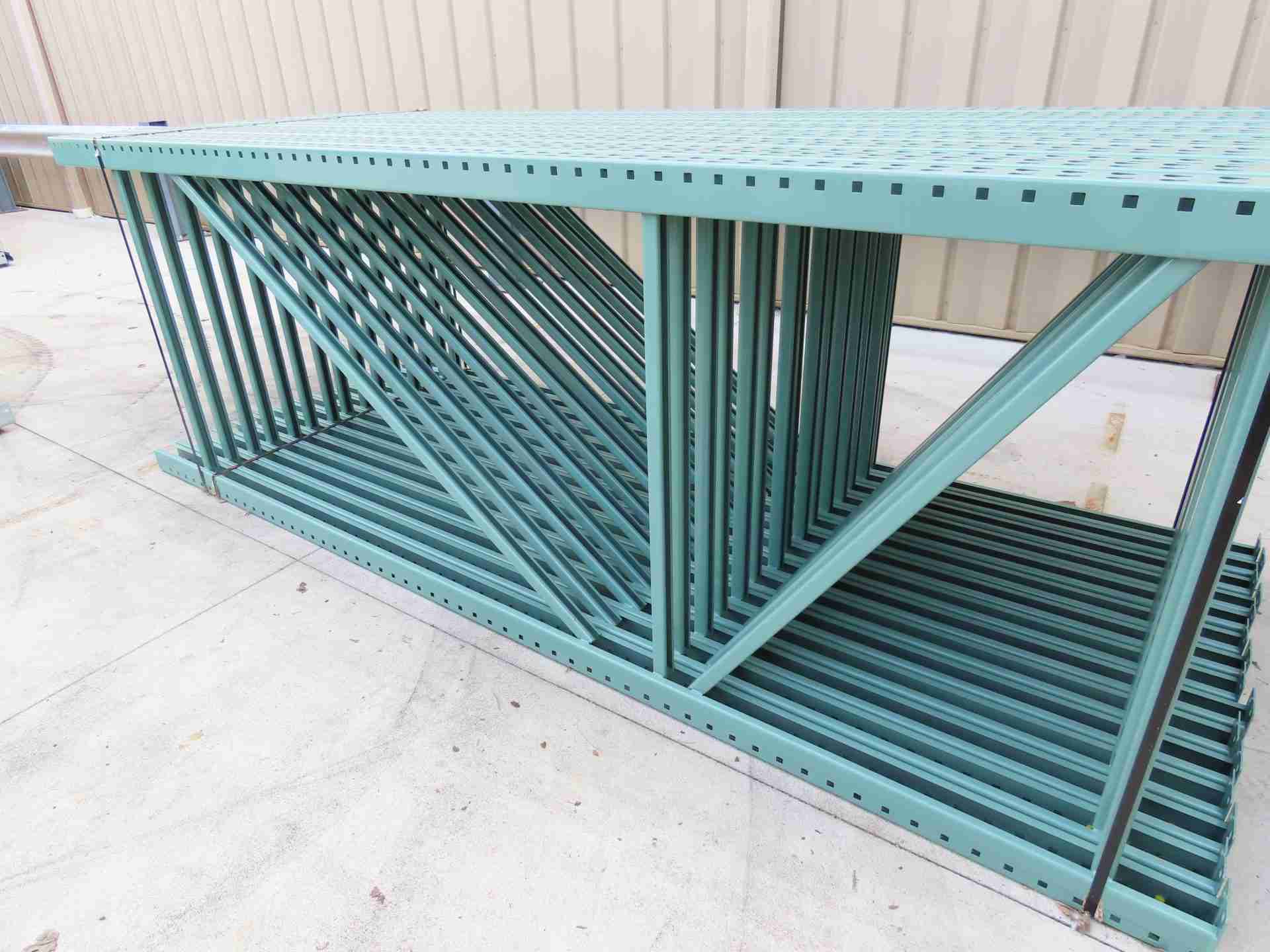
Where to Find OSHA Warehouse Storage Regulations?
Where to Find OSHA Warehouse Storage Regulations?
- Understanding OSHA warehouse storage regulations is crucial for protecting employees and improving profitability.
- OSHA provides a wealth of resources online, including regulations, guidance documents, and FAQs on warehouse safety.
- Engaging with local OSHA representatives offers customized insights for specific warehouse operations.
- Networking with fellow warehouse owners and joining industry associations like WERC can provide valuable information and updates.
- Investing in training programs and software solutions can enhance compliance awareness and improve employee morale.
- Conducting regular audits of storage systems and ensuring staff understand safety protocols is essential to avoid penalties and reputational damage.
- Embracing a culture of safety and compliance leads to greater productivity and ultimately benefits the bottom line.
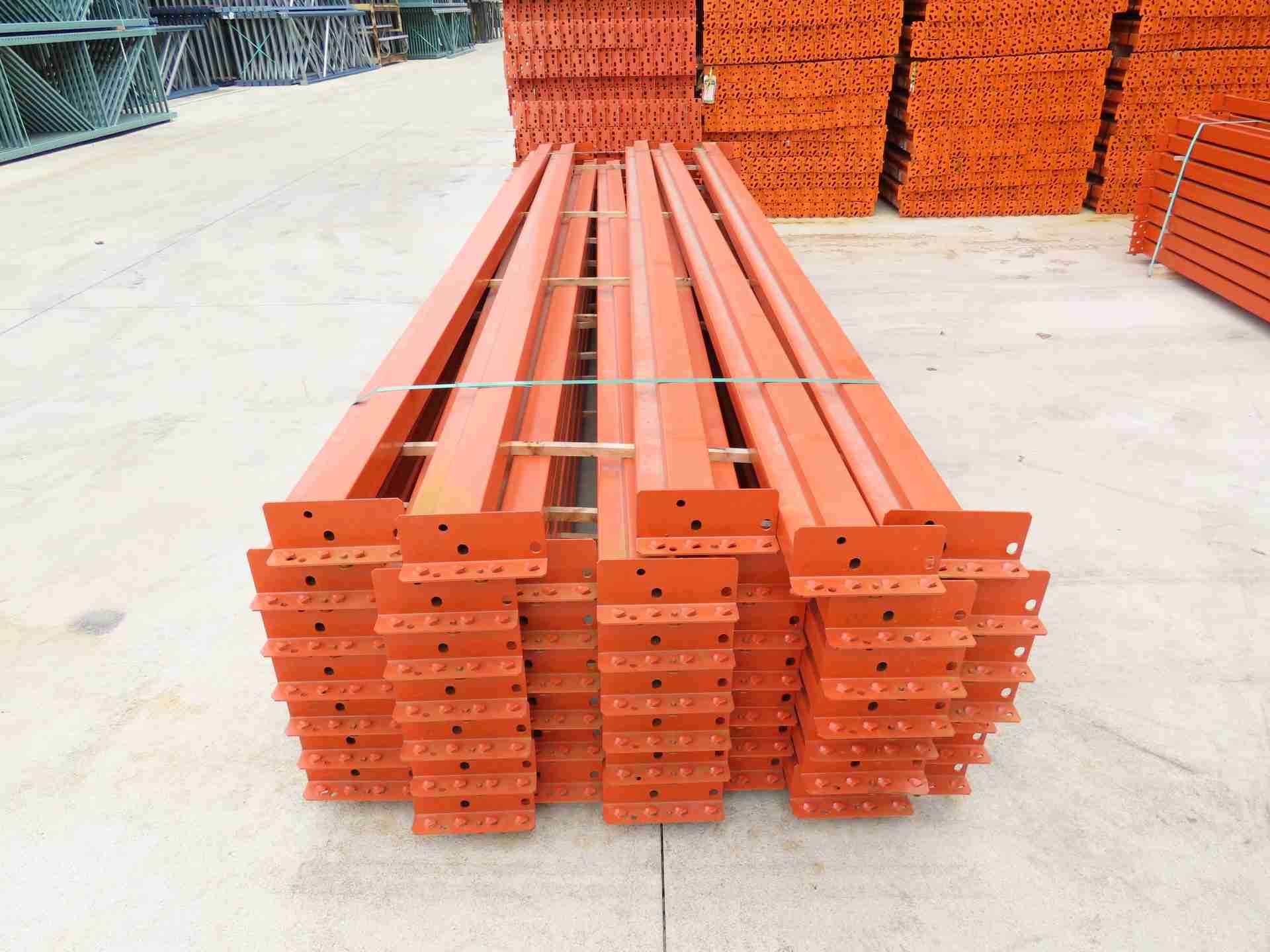
Where to Find OSHA Warehouse Storage Regulations?
Table Of Contents
- Where to Find OSHA Warehouse Storage Regulations?
- What Are OSHA Warehouse Storage Regulations?
- Why Is OSHA Important For Warehouses?
- Where Can I Access OSHA Storage Guidelines?
- What Are Common OSHA Violations In Warehouses?
- How Can I Stay Compliant With OSHA Regulations?
- What Are The Penalties For Violating OSHA Regulations?
- Are There Exemptions To OSHA Warehouse Regulations?
- How Often Are OSHA Regulations Updated?
- What Resources Are Available For OSHA Training?
- How Can I Prepare For An OSHA Inspection?
- What Should I Include In My Warehouse Safety Plan?
- How Can I Report OSHA Violations In My Warehouse?
- What Role Does Ppe Play In Warehouse Safety?
- How Can I Improve Warehouse Storage Safety Practices?
- What Are The Benefits Of Complying With OSHA Regulations?
- Conclusion
- Other Resources
- Glossary Of Terms
- Other Questions
- Checklist
What Are OSHA Warehouse Storage Regulations?
When it comes to ensuring the safety of your warehouse environment, understanding OSHA’s (Occupational Safety and Health Administration) regulations is not just a box to check; it’s a necessity. Warehouse storage regulation compliance not only protects your employees but also shields your business from costly fines and litigation.
Let’s face it: In the fast-paced world of logistics and warehousing—especially with the current boom in e-commerce—the stakes have never been higher. According to recent studies, warehouse accidents have seen a sharp rise as companies scramble to keep up with demand. This highlights the importance of adhering to OSHA guidelines to create a safe working atmosphere.
So, what do these regulations entail? To start, OSHA mandates that all storage areas must be designed to minimize the risk of accidents. This includes proper stacking of crates, pallets, and materials. For instance, loads should never exceed a safe height limit, ensuring that they remain stable and won’t topple over. An example can be seen in the tragic collapse of a pallet rack seen in recent news, which led to serious injuries and highlighted the importance of regular inspections and maintenance of storage systems.
Moreover, aisle space is a critical component dictated by OSHA. Adequate space must be maintained for forklifts and other machinery to operate safely. Ensuring clear pathways prevents accidents, not only protecting employees but also safeguarding expensive equipment. Remember the incident this past year when inadequate aisle width led to a collision that resulted in injuries and costly downtime? Compliance with OSHA spacing regulations could have helped avoid that chaos.
Another significant regulation addresses the safe use of materials—whether hazardous or non-hazardous. Proper labeling and storage of chemicals, for example, are essential to prevent accidents and ensure that employees are prepared in case of an emergency. Implementing these protocols not only safeguards employees but also builds a culture of safety that resonates with your workforce.
OSHA also emphasizes training programs for warehouse staff. Ensuring that employees are trained in material handling techniques and emergency procedures not only promotes safety but cultivates a proactive attitude towards workplace hazards. Take Nike, for instance. Their robust training programs have been credited with a dramatically lower accident rate, showcasing the tangible benefits of investing in employee knowledge.
Compliance with OSHA warehouse storage regulations is not simply about avoiding fines. It’s about creating an environment where your employees feel safe and empowered to perform their best work—a key factor to driving overall business success. Whether you’re a seasoned warehouse owner or just starting in the industry, understanding these regulations is the cornerstone of a thriving, safer workplace. Make the commitment today, and watch your business flourish.

What Are OSHA Warehouse Storage Regulations?
What Are OSHA Warehouse Storage Regulations?
- Understanding OSHA regulations is essential for warehouse safety and legal compliance.
- Non-compliance can lead to costly fines and litigation, especially in the booming e-commerce sector.
- OSHA mandates designing storage areas to minimize accident risks, including proper stacking and height limits.
- Adequate aisle space is crucial for safe operation of machinery and preventing accidents.
- Proper labeling and storage of materials, especially hazardous ones, is vital for safety and emergency preparedness.
- Employee training programs on material handling and emergency procedures enhance safety and reduce accident rates.
- Compliance with OSHA regulations fosters a safe workplace culture, empowering employees and driving business success.
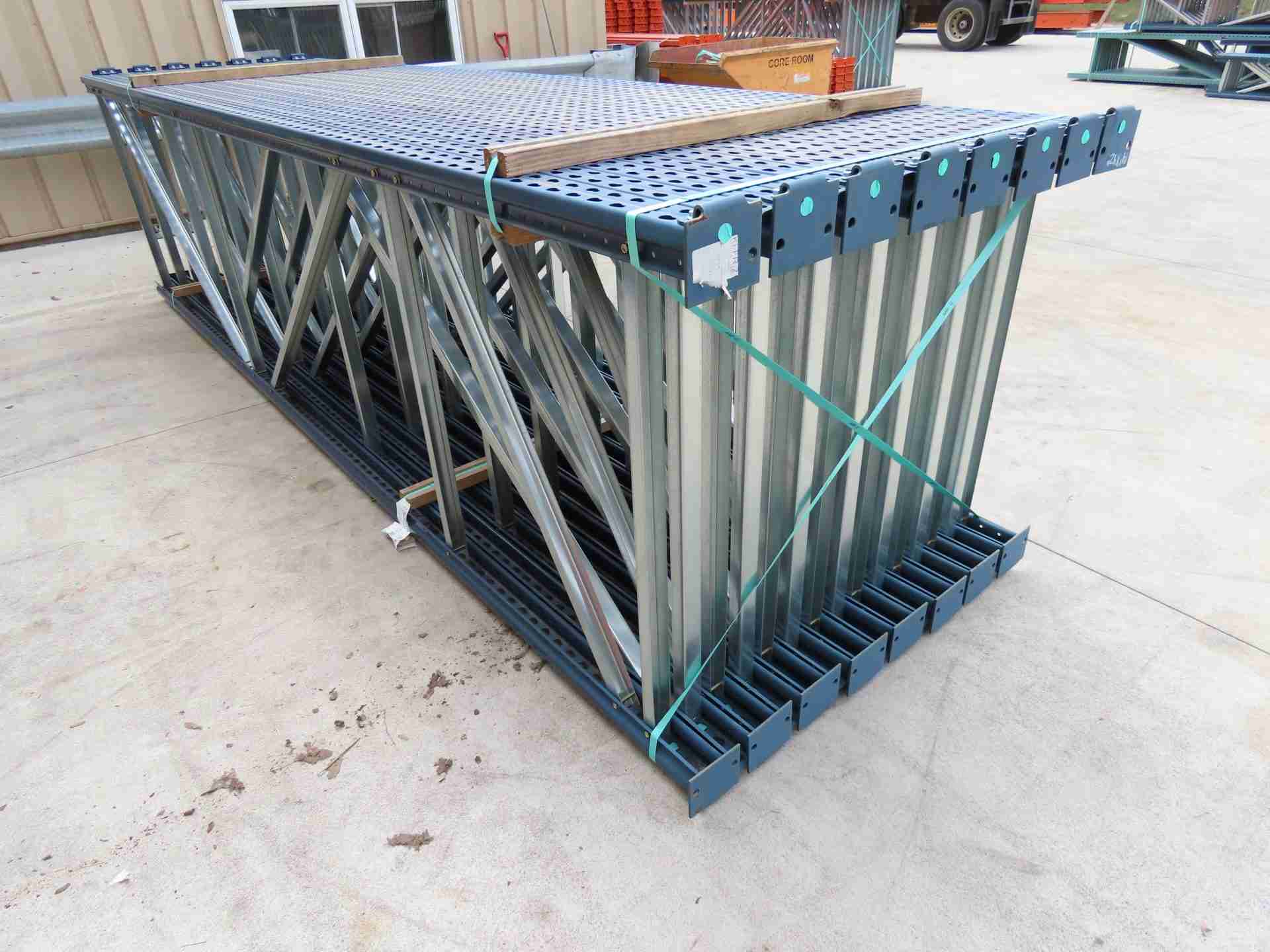
What Are OSHA Warehouse Storage Regulations?
Why Is OSHA Important For Warehouses?
In the fast-paced world of warehouses, safety isn’t just an obligation—it’s a competitive advantage. With OSHA (Occupational Safety and Health Administration) regulations at the forefront, understanding their importance in warehouse operations is critical for leaders who want to keep their teams safe, their operations smooth, and their bottom lines healthy.
First and foremost, complying with OSHA standards protects your workforce. Employees are your greatest asset, and their safety should never be an afterthought. Imagine a scenario where a fork-lift accident leads to injury or, worse, loss of life. The emotional and financial repercussions are staggering, not to mention the potential for costly legal battles and fines. For example, in 2020, a major warehouse chain faced fines exceeding $1 million due to serious safety violations. Reports like this send a clear message: neglecting OSHA standards can lead to dire consequences.
Moreover, a commitment to OSHA compliance fosters a culture of safety within the organization. When employees see that their employer prioritizes safety, it boosts morale and productivity. Workers become more engaged, take ownership of their tasks, and contribute to a collaborative atmosphere where safety is everyone’s responsibility. For instance, after a comprehensive safety overhaul to comply with OSHA guidelines, one logistics company reported a 30% decrease in workplace incidents. This not only protected their team but also enhanced overall efficiency, proving that investing in safety is investing in success.
In today’s competitive landscape, warehouses with outstanding safety records can differentiate themselves in the marketplace. Many businesses now actively seek partners with solid safety reputations to mitigate risks. By being OSHA-compliant, you position your warehouse as a reliable choice for partnerships, instilling confidence in clients and stakeholders. Just last year, a study highlighted that 70% of consumers are more likely to choose businesses that demonstrate a commitment to employee safety and wellbeing.
Lastly, OSHA regulations are not static. They evolve with technological advancements and industry changes. Staying informed and compliant not only safeguards your team but also keeps your operations up to date with best practices, ensuring you are ready for the future. Recent developments in e-commerce logistics have seen a rise in automation; those who embrace OSHA’s guidance on new technologies will remain at the forefront of their industry.
In summary, OSHA is not just a set of rules but a foundation upon which safe, efficient, and thriving warehouse environments are built. By prioritizing compliance, you protect your workforce, enhance your reputation, and invest in your operational success. The stakes are too high to ignore; make OSHA your competitive weapon today.
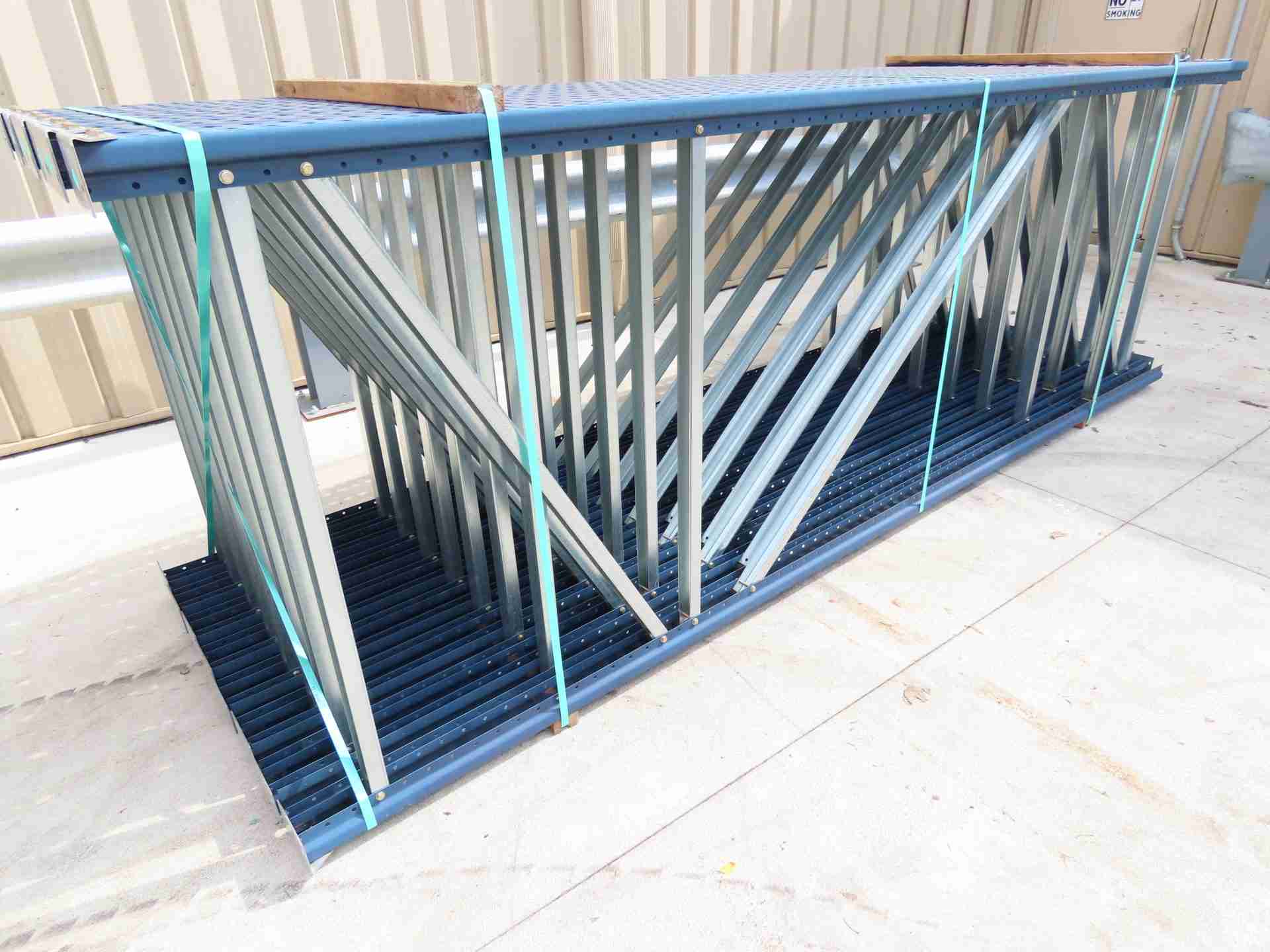
Why Is OSHA Important For Warehouses?
Why Is OSHA Important For Warehouses?
- OSHA regulations are crucial for warehouse safety and provide a competitive advantage.
- Compliance with OSHA protects employees, the organization’s most valuable asset.
- Neglecting OSHA standards can lead to serious consequences, including financial penalties.
- Commitment to OSHA compliance fosters a culture of safety, boosting morale and productivity.
- Warehouses with strong safety records improve their marketability and attract business partners.
- Staying informed about evolving OSHA regulations ensures best practices and operational readiness.
- Prioritizing OSHA compliance leads to a safer, more efficient, and successful warehouse environment.
Why Is OSHA Important For Warehouses?
Where Can I Access OSHA Storage Guidelines?
In today’s fast-paced business environment, safety compliance isn’t just a checkbox; it’s a vital strategy for protecting your workforce, reputation, and bottom line. Knowing where to access OSHA storage guidelines is crucial for any organization dealing with materials that could pose hazards if not correctly stored.
First and foremost, the official *Occupational Safety and Health Administration* (OSHA) website is your primary resource. By navigating to www.osha.gov, you can find a wealth of information related to regulations, guidelines, and resources specific to your industry. The publication section is particularly valuable, featuring documents like “1910.176(b)” which addresses the general requirements for storage and material handling. It’s designed to help entrepreneurs, warehouse managers, and safety officers adhere to mandated standards that can significantly reduce risks and liabilities.
Let’s dial it up a notch. The world is changing, and regulations are often updated in response to current events. For example, in 2023, several industries have faced new challenges related to supply chain disruptions and the rise of e-commerce. As companies scale and adapt, understanding storage and handling compliance becomes even more critical. When your business experiences rapid growth, a solid grasp of OSHA guidelines can mean the difference between safe operations and costly accidents that could attract penalties or lawsuits.
To leverage this information effectively, consider utilizing OSHA’s free training resources. They offer various materials and courses that not only enlighten your staff about compliance but also foster a culture of safety within your organization. From webinars to printable materials, equipping your team with knowledge is an investment that pays off in dividends.
You can also check local regulations that might supplement OSHA’s rules. Many states provide their own guidelines that address unique environmental and safety concerns. Ensure that your compliance strategy is holistic by cross-referencing OSHA’s standards with local laws.
Don’t forget to tap into industry-specific associations and forums. Whether you’re part of the manufacturing sector, agriculture, or retail, organizations such as the National Safety Council (NSC) and state-specific safety councils often provide tailored guidelines and updates on the latest OSHA changes.
Accessing OSHA storage guidelines shouldn’t feel like searching for a needle in a haystack. With the right resources, you can solidify your commitment to safety, keeping your team secure and your business thriving in an ever-evolving marketplace. By taking this proactive step, you position your organization to flourish while maintaining compliance and integrity.
Where Can I Access OSHA Storage Guidelines?
Where Can I Access OSHA Storage Guidelines?
- Access OSHA storage guidelines primarily through the official OSHA website at www.osha.gov.
- Consult the publication section for essential documents like “1910.176(b)” related to storage and material handling.
- Stay updated on evolving regulations that address new challenges in industries, especially amid supply chain disruptions and e-commerce growth.
- Utilize OSHA’s free training resources, including webinars and printable materials, to educate staff on compliance and promote a safety culture.
- Check local regulations that may complement OSHA’s guidelines, ensuring a comprehensive compliance strategy.
- Engage with industry-specific associations and forums for tailored guidelines and updates on OSHA changes.
- Proactively accessing OSHA guidelines enhances safety, compliance, and business integrity in a changing marketplace.
Where Can I Access OSHA Storage Guidelines?
What Are Common OSHA Violations In Warehouses?
When it comes to warehouse operations, compliance with OSHA regulations isn’t just a legal obligation; it’s also a commitment to the safety and well-being of your employees. Unfortunately, many warehouses still overlook key safety measures, leading to common OSHA violations that could have serious repercussions—not just for workers, but for your bottom line.
1. Forklift Safety Violations: Forklift accidents are one of the most common incidents in warehouse environments. According to OSHA, these vehicles are involved in approximately 25% of all industrial-related injuries. Common violations include operators failing to wear seatbelts, not conducting pre-operation checks, and inadequate training for operators. Recently, a high-profile case involved a major retail warehouse that faced hefty fines due to multiple incidents of forklift-related injuries. The repercussions extended beyond financial penalties, impacting employee morale and public perception.
2. Fall Protection Issues: Falls are another significant hazard in warehouses. Whether it’s from elevated platforms or unguarded edges, the risk is real. OSHA mandates appropriate fall protection measures, yet many warehouses neglect this critical aspect. For instance, a recent investigation revealed a warehouse where employees consistently worked near unprotected openings. The outcome? Substantial fines and a PR nightmare that cost them far more than compliance would have.
3. Hazard Communication: A safe warehouse is one that properly communicates hazards to its workforce. Under OSHA’s Hazard Communication Standard, employers must inform and train employees about chemical hazards. However, many companies neglect to maintain updated Safety Data Sheets (SDS) or fail to provide adequate training on handling dangerous materials. A lack of proper communication can lead to toxic exposure incidents, devastating lawsuits, and immense damage to your company’s reputation.
4. Poor Housekeeping Practices: Cluttered aisles and disorganized workspaces are more than just eyesores—they can lead to accidents. OSHA emphasizes the necessity of maintaining free and clear pathways to prevent slips and trips. A local warehouse recently received a citation for failing to maintain clean aisles, resulting in multiple incidents where employees tripped and fell. The fines? Just the beginning of their troubles, as customers pulled contracts in response to those incidents.
In the fast-paced world of warehouse logistics, overlooking OSHA regulations can cost more than money; it can cost lives and livelihoods. Prioritize safety, ensure compliance, and you won’t just dodge violations—you’ll cultivate a culture of safety that enhances productivity and keeps your workforce engaged. Remember, investing in safety is always more profitable than paying fines.

What Are Common OSHA Violations In Warehouses?
What Are Common OSHA Violations In Warehouses?
- Compliance with OSHA regulations is essential for warehouse safety and employee well-being.
- Forklift accidents account for about 25% of all industrial-related injuries, with common violations including failure to wear seatbelts and inadequate training.
- Fall protection issues arise from unguarded edges and elevated platforms, leading to significant fines and negative public perception.
- Proper hazard communication is critical; failure to provide updated Safety Data Sheets and adequate training can result in toxic exposure and lawsuits.
- Poor housekeeping practices, such as cluttered aisles, can lead to slips and falls, resulting in citations and loss of contracts.
- Overlooking OSHA regulations can have serious repercussions, including financial losses and threats to employee safety.
- Investing in safety ultimately enhances productivity and employee engagement, making it more profitable than paying fines.

What Are Common OSHA Violations In Warehouses?
How Can I Stay Compliant With OSHA Regulations?
Staying compliant with OSHA regulations isn’t just about avoiding hefty fines; it’s about protecting your most valuable asset—your workforce. When you invest the time and resources into OSHA training and compliance, you invest in operational efficiency, employee morale, and the reputation of your business.
Know Your Standards
Understanding OSHA standards specific to your industry is crucial. For instance, construction sites have vastly different regulations compared to healthcare settings. Bookmark the OSHA website and familiarize yourself with the standards relevant to your operations. In 2023, OSHA has intensified its focus on respiratory protection, especially considering the lingering concerns around workplace exposure during the COVID-19 pandemic. Does your company have an updated respiratory protection program? If not, it’s time for a comprehensive review.
Conduct Regular Training
Training isn’t a one-time event; it’s an ongoing commitment. Regularly scheduled training sessions can keep your employees compliant while instilling a culture of safety. Consider offering refresher courses quarterly, and remember that interactive training—like workshops or role-playing scenarios—tends to stick better. In the manufacturing sector, for instance, hands-on training can significantly reduce incidents related to machinery operation.
Implement Safety Protocols
Establishing and enforcing safety protocols is key. Create a safety handbook that outlines procedures and expectations, ensuring that every employee has easy access to it. Moreover, encourage feedback and suggestions from your team. After all, the workers on the ground often have the best insight into potential safety hazards. With the recent incidents in the industry, including heightened scrutiny of workplace conditions post-pandemic, demonstrating commitment to safety can also position your brand as a leader in social responsibility.
Regular Audits and Inspections
Don’t wait for an accident to occur before implementing changes. Schedule regular audits and inspections of your workspace. Use a checklist based on OSHA standards to assess your compliance status. For instance, evaluate fall protection measures if your workplace involves elevated workspaces. Recent increases in workplace inspections by OSHA reveal a zero-tolerance approach to non-compliance—be proactive rather than reactive.
Leverage Technology
In 2023, technology plays a pivotal role in ensuring compliance. Consider using software for tracking safety incidents and training records. Apps that promote safety awareness can give your employees a voice in voicing concerns or suggestions anonymously. By combining these tools, you not only streamline compliance processes but also build a culture of safety that employees will appreciate.
In summary, staying compliant with OSHA is not merely about following regulations; it’s a strategic investment in your business’s future. Embrace safety; it’ll pay dividends through healthier staff, reduced liability, and a thriving workplace culture. Be proactive, and watch your business soar!

How Can I Stay Compliant With OSHA Regulations?
How Can I Stay Compliant With OSHA Regulations?
- Complying with OSHA regulations protects your workforce and enhances operational efficiency.
- Understand industry-specific OSHA standards, especially regarding respiratory protection post-COVID-19.
- Conduct ongoing training sessions, including interactive workshops, to foster a culture of safety.
- Establish a comprehensive safety handbook and encourage employee feedback on safety protocols.
- Schedule regular audits and inspections, using checklists based on OSHA standards to ensure compliance.
- Leverage technology to track safety incidents and training, fostering a proactive safety culture.
- View OSHA compliance as a strategic investment for a healthier workforce and a strong business reputation.
How Can I Stay Compliant With OSHA Regulations?
What Are The Penalties For Violating OSHA Regulations?
When it comes to workplace safety, the stakes are incredibly high. The Occupational Safety and Health Administration (OSHA) sets the gold standard for safety regulations, and failing to comply can lead to severe repercussions. From hefty fines to business disruptions, understanding the penalties for violating OSHA regulations is critical for any organization.
Financial Penalties: The most direct consequence of non-compliance is the financial fine. As of 2023, OSHA can impose penalties that range from a few thousand dollars for lesser violations to upwards of $147,000 for willful or repeated infractions. For instance, in a high-profile case earlier this year, a manufacturing company was slapped with a $200,000 fine after multiple safety violations led to an employee’s severe injury. This was not just a slap on the wrist; it was a wake-up call for the industry at large—demonstrating that cutting corners can cost more than compliance ever would.
Legal Ramifications: Beyond financial penalties, OSHA violations can lead to civil lawsuits. Companies found to be grossly negligent can be held liable for damages related to workplace injuries or illnesses. In 2022, a construction firm faced a class-action lawsuit after several subcontractors fell ill due to a lack of adequate safety measures, with potential damages running into the millions. Not only does this hurt the bottom line, but it can also tarnish a company’s reputation irreparably.
Business Disruptions: Severe OSHA violations can result in work stoppages and mandatory compliance programs. Imagine what that does to your production line or project timeline! In 2023, another well-known logistics company was forced to halt operations due to unsafe working conditions identified during an OSHA inspection. This kind of disruption not only results in lost revenue but can also impact client relationships. A reputation for unsafe practices can deter potential clients and customers.
Increased Insurance Premiums: Insurance companies also take note of OSHA violations. Businesses that demonstrate a pattern of non-compliance often face increased premiums, which can drain resources. An organization that neglects workplace safety may find it’s not just the fines that burn a hole in their budget; it’s a continuous cycle of rising costs.
Ultimately, the cost of compliance is minuscule compared to the potential fallout from violating OSHA regulations. Taking proactive steps toward workplace safety is not just a legal obligation—it’s a smart business strategy. Prioritize safety to protect your workforce, your finances, and your company’s reputation. The penalties for non-compliance are steep, but the benefits of a safe workplace are immeasurable. Don’t wait for a slap on the wrist; get ahead of the game!

What Are The Penalties For Violating OSHA Regulations?
What Are The Penalties For Violating OSHA Regulations?
- OSHA sets rigorous standards for workplace safety, and non-compliance can lead to severe repercussions.
- Financial penalties range from thousands of dollars for minor violations to over $147,000 for willful infractions.
- A notable case in 2023 involved a manufacturing company fined $200,000 after an employee was severely injured due to violations.
- Legal ramifications include potential civil lawsuits for gross negligence, with damages potentially in the millions.
- Business disruptions can occur from work stoppages due to violations, impacting production and project timelines.
- OSHA violations can lead to increased insurance premiums, draining company resources over time.
- Compliance costs are minimal compared to the potential fallout; prioritizing safety is crucial for business success.
What Are The Penalties For Violating OSHA Regulations?
Are There Exemptions To OSHA Warehouse Regulations?
In the vast, intricate world of warehouse operations, the ever-important OSHA regulations serve as a backbone ensuring safety for workers. However, can exceptions be made? Are there situations where certain facilities or operations may sidestep these regulations? Let’s delve into it.
Firstly, it’s crucial to understand that OSHA regulations are comprehensive and designed to cover the majority of warehouse environments. Yet, there are indeed specific exemptions. For instance, businesses that fall under the small business exemption may not be subject to the full salvos of OSHA standards. If your warehouse employs ten or fewer workers, this could potentially ease some of the stringent regulations typically observed in larger operations.
Consider the retail giant Amazon. While they have famously been under scrutiny for their high-pressure work environments, during 2021 when the pandemic heightened e-commerce demand, they benefitted from certain flexibilities. In some areas, they were able to speed up operational mandates, focusing on backlog due to soaring online orders. While not a full exemption from OSHA, these altered production pressures highlighted how businesses can sometimes be insulated from stringent scrutiny during extraordinary times.
Moreover, the regulations vary by industry. Warehousing operations that fall under businesses in agriculture or specific food processing may experience different oversight levels. For example, agricultural warehouses may be exempt from certain machinery guidelines, enabling them to operate under less restrictive standards, provided they still maintain basic safety standards. Such discrepancies add layers to the complexity of understanding your own warehouse’s obligations.
Furthermore, certain types of operations may also claim exemptions due to seasonal realities. A temporary, seasonal increase in warehouse staff during peak seasons, such as holidays, may shift the regulatory landscape. Companies need to remain alert, however, as these adjustments can draw attention and require documentation to maintain compliance.
Lastly, keep in mind that OSHA also provides the option for variances, allowing organizations to adopt alternative safety measures tailored to their unique circumstances. Companies like Target have utilized this pathway when rolling out new technologies that streamline operations while ensuring safety remains paramount.
While OSHA regulations play a crucial role in maintaining safety across warehouses, there are legitimate exemptions. Whether tied to business size, industry specifics, or temporary conditions, understanding these loopholes can empower you to maximize efficiency without compromising employee safety. By staying informed, you can navigate these regulations like a savvy business pro, turning potential pitfalls into stepping stones for growth! Remember: knowledge is power in the warehouse game!
Are There Exemptions To OSHA Warehouse Regulations?
Are There Exemptions To OSHA Warehouse Regulations?
- OSHA regulations are essential for ensuring safety in warehouse operations.
- Specific exemptions exist, especially for small businesses with ten or fewer workers.
- During the pandemic, companies like Amazon experienced temporary operational flexibilities, easing scrutiny under certain conditions.
- Regulatory variations are present depending on the industry; for example, agricultural warehouses may be exempt from certain machinery guidelines.
- Seasonal operations may lead to adjustments in regulatory obligations, especially during peak times.
- OSHA allows variances, enabling businesses to implement unique safety measures tailored to their operations.
- Understanding these exemptions can help businesses enhance efficiency while maintaining employee safety.
Are There Exemptions To OSHA Warehouse Regulations?
How Often Are OSHA Regulations Updated?
To stay competitive and ensure compliance, business owners must understand the frequency and complexity of OSHA regulation updates. The Occupational Safety and Health Administration (OSHA) doesn’t adhere to a rigid schedule for revisions; changes often materialize in response to emerging workplace hazards, advancements in technology, and shifts in industry standards. With safety being a top priority, employers must keep a vigilant eye on updates that could impact their operations.
For instance, consider the COVID-19 pandemic—an event that reshaped the workplace landscape overnight. OSHA issued interim guidance and updated recordkeeping requirements tailored to handle the unique risks posed by the virus. From recommendations on social distancing to mandating the use of Personal Protective Equipment (PPE) in certain situations, these rapid adjustments illustrate OSHA’s responsiveness to immediate safety concerns. This situation serves as a cautionary tale to any business that downplays the necessity for ongoing education and compliance checks.
Furthermore, OSHA frequently seeks input from stakeholders, whether they be employees, employers, or industry experts, to inform their updates. In recent years, there has been increasing attention on regulations concerning silica exposure, with significant updates rolled out to address this long-standing hazard in construction and manufacturing. The updated standards not only reinforced permissible exposure limits but also emphasized the importance of protective measures like water suppression systems and proper ventilation. This change was a response to growing evidence of silica’s link to severe health issues such as lung disease.
Let’s not forget about the broader implications of these regulations. Non-compliance can lead to costly fines, legal battles, and damage to your reputation. Companies are waking up to the realization that an investment in compliance is, in essence, an investment in their longevity. Engaging with OSHA regulations proactively and integrating them into your safety training programs can set you apart from competitors, ultimately reducing risk and increasing resilience.
While there is no set timetable for OSHA updates, they are driven by pressing needs and evolving understanding of workplace safety. To stay ahead, business owners must make it a priority to monitor these developments and adapt accordingly. Staying compliant not only protects their workforce but also builds a reputation for reliability and care—an invaluable asset in today’s competitive landscape. Remember: what you don’t know CAN hurt you, so keep your finger on the pulse of safety regulations!

How Often Are OSHA Regulations Updated?
How Often Are OSHA Regulations Updated?
- OSHA regulations are updated based on emerging workplace hazards, technology advancements, and shifts in industry standards, rather than a fixed schedule.
- The COVID-19 pandemic prompted OSHA to issue interim guidance and change recordkeeping requirements to address the unique risks posed by the virus.
- Employers must remain vigilant about regulation updates to ensure ongoing compliance and safety within their operations.
- OSHA actively seeks input from stakeholders, including employees and industry experts, to inform regulatory updates.
- Recent significant updates focused on silica exposure in construction and manufacturing, highlighting the need for proper protective measures.
- Non-compliance with OSHA regulations can lead to costly fines, legal issues, and damage to a company’s reputation, emphasizing the importance of proactive engagement with regulations.
- Business owners should prioritize monitoring OSHA developments to enhance compliance, protect their workforce, and improve their competitive standing.
How Often Are OSHA Regulations Updated?
What Resources Are Available For OSHA Training?
In today’s fast-paced work environment—where safety is paramount—finding reliable OSHA training resources is more crucial than ever. Employers who prioritize OSHA compliance not only protect their employees but also enhance their business reputation and potentially boost their bottom line. Fortunately, a wealth of resources is available to help you navigate the complex landscape of workplace safety training.
1. Official OSHA Website:
The first stop for anyone seeking OSHA training resources should be the official OSHA website (osha.gov). Here, you can find valuable tools such as training materials, guidelines, and updates on standards that affect your business. The site hosts a comprehensive array of webinars, fact sheets, and training resources for various industries, including construction, healthcare, and manufacturing. Recent revisions to regulations regarding workplace safety have increased the urgency for companies to stay updated, making the OSHA website an ever-relevant resource.
2. Online Training Courses:
With the rise of remote work and online education, several organizations now offer OSHA training courses tailored to your schedule. Programs like those from 360Training and the National Safety Council provide convenience and flexibility for employers and employees alike. These platforms offer everything from 10-hour and 30-hour OSHA Outreach Training to specialized courses focusing on specific hazards, such as fall protection and hazardous materials. Significantly, the online format allows your team to undergo training without interrupting daily operations— a win-win for both productivity and compliance.
3. Local Community Resources:
Apart from national organizations, community colleges often offer OSHA training classes tailored to local industries’ needs. Many of these institutions provide hands-on learning experiences that allow participants to engage with real-world scenarios. Taking advantage of these local resources can foster teamwork while fulfilling regulatory requirements, especially important for industries recently impacted by state-level safety legislation.
4. Industry Associations and Organizations:
Industry-specific associations such as the American Society of Safety Professionals (ASSP) and the National Association of Home Builders (NAHB) also host workshops, conferences, and certification programs. They can help align your team’s safety practices with the latest industry standards. Leveraging these associations not only keeps your workforce trained but also helps build a network of professionals dedicated to improving workplace safety across the board.
5. Social Media and Podcasts:
For the modern learner, social media platforms and industry-specific podcasts provide bite-sized updates and discussions about OSHA regulations and best practices. Resources like “The Safety Consultant Podcast” or LinkedIn groups focused on safety professionals keep you informed about shifts in the industry, emerging trends, and best practices—all from the comfort of your own device.
In this landscape teeming with information, it pays to utilize these various training resources effectively. Prioritizing OSHA training today is not just about compliance; it’s about positioning your business as a leader in workplace safety tomorrow.

What Resources Are Available For OSHA Training?
What Resources Are Available For OSHA Training?
- Official OSHA Website: The primary source for OSHA training resources, offering tools, training materials, and updates on safety standards.
- Online Training Courses: Flexible training options available through organizations like 360Training and the National Safety Council, including specialized hazard courses.
- Local Community Resources: Community colleges provide OSHA training tailored to local industries, offering hands-on learning opportunities.
- Industry Associations and Organizations: Groups like ASSP and NAHB host workshops and certification programs, aligning safety practices with industry standards.
- Social Media and Podcasts: Modern platforms offer quick updates and discussions on OSHA regulations and best practices from various industry experts.
- Importance of OSHA Training: Prioritizing training enhances employee safety, improves business reputation, and positions companies as leaders in workplace safety.
What Resources Are Available For OSHA Training?
How Can I Prepare For An OSHA Inspection?
Navigating the intricate world of workplace safety regulations can often feel like an uphill battle. With the Occupational Safety and Health Administration (OSHA) actively inspecting businesses to ensure compliance, being prepared for an inspection is not just wise—it’s essential. Don’t wait for the knock on the door; take proactive steps now to safeguard your business and reputation.
First, conduct a comprehensive audit of your workplace safety practices. Think of this as tuning up a high-performance engine. Just like an engine needs regular checks to ensure optimal operation, your workplace should undergo a safety audit periodically. Examine all areas—from the storage of hazardous materials to the use of machinery. For instance, if you’ve recently transitioned to using more advanced technology in your manufacturing processes, ensure that all workers are trained and that safety procedures are updated accordingly. This not only minimizes risk but also presents your organization as a committed safety leader—one that prioritizes its employees and compliance over mere profit margins.
Next, ensure your documentation is in order. Imagine a customer entering a retail store and finding disorganized shelves; it’s uninviting. Now picture an OSHA inspector under similar circumstances. Ensure that all safety protocols, training records, and incident reports are easily accessible and well-organized. Make use of digital platforms if you haven’t already; apps and cloud storage can simplify this process tremendously. An organized safety record reflects a business that cares and is prepared—two qualities that resonate positively with inspectors.
Moreover, engage your workforce in this initiative. Go beyond standard training sessions. Hold monthly safety meetings that encourage team participation. Let employees voice their concerns, suggest improvements, and lead discussions. Real-world examples, such as when Ford Motor Company improved safety culture through employee involvement, demonstrate that involving your team not only enhances workplace safety but also fosters loyalty and productivity.
Finally, stay informed about current OSHA rules and regulations. OSHA frequently updates its guidelines, especially in response to evolving workplace dynamics or major events—like the heightened focus on workplace safety in the wake of the COVID-19 pandemic. Subscribe to OSHA newsletters, attend webinars, or connect with fellow industry professionals to keep your knowledge fresh.
By performing audits, ensuring proper documentation, involving your team, and staying informed, you prepare not just for an inspection but for a safer, more compliant, and ultimately more successful workplace. Don’t just be ready for the visit; be the organization that sets the standard.
How Can I Prepare For An OSHA Inspection?
How Can I Prepare For An OSHA Inspection?
- Conduct a comprehensive audit of workplace safety practices regularly.
- Examine all areas, including hazardous materials storage and machinery use, to ensure compliance.
- Ensure all safety documentation, training records, and incident reports are organized and accessible.
- Utilize digital tools for better organization and record-keeping.
- Engage employees through monthly safety meetings to encourage participation and feedback.
- Stay informed about current OSHA rules and regulations through newsletters and webinars.
- Proactively prepare for inspections to foster a safe, compliant, and successful workplace.
How Can I Prepare For An OSHA Inspection?
What Should I Include In My Warehouse Safety Plan?
When it comes to crafting an unbeatable warehouse safety plan, think of it as the blueprint of a fortress designed to protect not only your valuable assets but, most importantly, your most critical asset—your people. A well-crafted safety plan does more than check boxes; it demonstrates a commitment to excellence and cultivates an environment where employees feel secure, trusted, and motivated.
1. Comprehensive Risk Assessment
Start with a thorough evaluation of potential hazards in your warehouse. This should encompass everything from operational risks, such as fork-lift movements and heavy lifting, to environmental concerns like slipping hazards due to spills. Engage your workforce in identifying risks; their frontline insights are invaluable. For example, recent studies demonstrate that employee involvement in safety assessments leads to a 50% drop in workplace accidents.
2. Defined Safety Policies and Procedures
Document clear standards and procedures for every aspect of warehouse operations. This includes training protocols, emergency response plans, and equipment handling procedures. Utilize visuals—flowcharts and infographics—to elucidate the processes. Make it easy for employees to refer to these documents, which can be critical during a stressful situation. A recent global logistics survey revealed that companies with clear safety policies report 30% fewer incidents.
3. Regular Training and Drills
Safety is not a one-and-done kind of deal. Ensure that all employees undergo regular safety training and participate in emergency drills. Create a schedule that outlines when these sessions will occur, and reinforce learning with practical demonstrations. Highlighting real-life scenarios, like how companies navigated the COVID-19 pandemic with revamped safety protocols, can make these sessions more relatable and impactful.
4. Safety Equipment
Investing in the right safety gear is non-negotiable. Personal Protective Equipment (PPE) should be readily available and maintained impeccably. Consider equipping your warehouse with modern systems like automated safety alarms and real-time inventory tracking to minimize human error. Companies that properly equip their teams see a significant decrease in accidents—no one should work safely without the right tools.
5. Incident Reporting and Continuous Improvement
Develop a robust system for reporting and investigating incidents, no matter how minor they may seem. Each report should lead to actionable insights aimed at refining your safety protocols. Creating a culture of improvement will not only enhance safety but also boost employee morale. The recent uptick in attention to warehouse safety due to rising e-commerce demand emphasizes the necessity of adaptability in these plans.
By including these critical elements in your warehouse safety plan, you don’t just meet regulatory requirements—you establish a productive, engaged workforce poised to achieve greatness while safeguarding your business’s future.

What Should I Include In My Warehouse Safety Plan?
What Should I Include In My Warehouse Safety Plan?
- Comprehensive Risk Assessment: Evaluate potential hazards, including operational and environmental risks, with input from employees to significantly reduce workplace accidents.
- Defined Safety Policies and Procedures: Document clear safety standards and procedures, utilizing visuals for easier employee reference, leading to fewer incidents.
- Regular Training and Drills: Ensure ongoing safety training and emergency drills, emphasizing real-life scenarios for relatability and effectiveness.
- Safety Equipment: Provide proper Personal Protective Equipment (PPE) and modern safety systems to minimize human error and reduce accidents.
- Incident Reporting and Continuous Improvement: Implement a robust incident reporting system to refine safety protocols and foster a culture of improvement.
- Commitment to Excellence: A well-crafted safety plan instills employee trust and motivation, contributing to a secure work environment.
- Adaptability of Plans: Recognize the heightened importance of safety in warehouses, especially due to demands from rising e-commerce.

What Should I Include In My Warehouse Safety Plan?
How Can I Report OSHA Violations In My Warehouse?
How Can I Report OSHA Violations In My Warehouse?
In the world of warehouses, safety isn’t just a priority; it’s a non-negotiable requirement. When you step into a warehouse, you should feel secure that every precaution has been taken to ensure the well-being of workers. But what if you notice unsafe working conditions or violations of safety regulations? Reporting these issues is not just a right—it’s an obligation that can save lives and foster a safer workplace culture.
First and foremost, recognize that reporting an OSHA violation can help prevent accidents before they occur. For example, consider the recent headlines involving warehouse giants facing scrutiny for unsafe working conditions that led to serious injuries. Such incidents have highlighted the importance of transparency, and accountability is more crucial than ever. Ensuring your warehouse complies with OSHA regulations not only protects your coworkers but also upholds the integrity of your workplace.
So, how can you report these violations? Here’s how to take action:
1. Document the Issues: The first step is to gather evidence. Observe and record specific violations, whether it’s improper machine guarding, inadequate personal protective equipment, or unsafe stacking practices. Use your smartphone to take photos or videos to strengthen your case. The more concrete your evidence, the more credible your report will be.
2. Contact OSHA Directly: You can report violations to OSHA either online, by phone, or through the mail. Visit the OSHA website to file a complaint electronically, or call your local OSHA office. Ensure you provide detailed information about the violation, including what, where, and how long it has been occurring.
3. Understand Your Rights: Under the Whistleblower Protection Act, you are protected from retaliation for reporting safety violations. This means you can speak up without fear of losing your job or facing discrimination from your employer. Familiarize yourself with these protections to bolster your confidence in taking this essential step.
4. Encourage Colleagues: Join forces with your coworkers. Create a culture of safety by encouraging others to report violations as well. This not only amplifies your concerns to OSHA but also fosters a community committed to enhancing workplace safety.
Your voice matters. By standing up to unsafe practices, you contribute to a healthier, safer warehouse environment for everyone—an effort that can truly change the game in occupational safety. Don’t sit idly by; take action today!
How Can I Report OSHA Violations In My Warehouse?
How Can I Report OSHA Violations In My Warehouse?
- Safety in warehouses is a critical requirement, not just a priority.
- Reporting OSHA violations can prevent future accidents and injuries.
- Document specific safety violations with evidence, such as photos or videos.
- Contact OSHA to report violations via their website, phone, or mail with detailed information.
- Familiarize yourself with the Whistleblower Protection Act to understand your rights against retaliation.
- Encourage colleagues to report violations to create a culture of safety in the workplace.
- Your action can lead to a healthier, safer environment for everyone in the warehouse.
How Can I Report OSHA Violations In My Warehouse?
What Role Does Ppe Play In Warehouse Safety?
In today’s fast-paced warehouse environment, the importance of Personal Protective Equipment (PPE) cannot be overstated. As the backbone of workplace safety, PPE serves as the first line of defense for workers surrounded by potential hazards. But let’s be clear—wearing PPE isn’t just a box to check off; it’s a critical strategy that can save lives and reduce the risk of injuries, which ultimately impacts your bottom line.
Consider the current landscape of logistics and distribution. With companies eagerly ramping up operations to meet the demands of e-commerce, the risks associated with heavier workloads and fast-paced environments have also intensified. According to recent data from the Bureau of Labor Statistics, over 3 million non-fatal workplace injuries were reported in the U.S. last year alone. Many of these incidents occurred in warehouses where safety protocols, including proper PPE usage, were overlooked. This is a wake-up call for all warehouse operators.
PPE includes a range of items such as hard hats, safety goggles, high-visibility vests, gloves, and steel-toed boots—all designed to protect workers from specific hazards. For example, hard hats are essential in environments where materials may fall, while cut-resistant gloves are crucial for handling sharp objects. High-visibility clothing ensures that workers are seen in busy workspaces—a particularly salient point when considering the increased use of automated equipment in warehouses.
Think of Amazon’s recent initiatives to boost warehouse safety amid rising scrutiny over working conditions. Their investment in advanced PPE and training programs illustrates the growing acknowledgment that worker safety isn’t just a regulatory requirement but a significant business advantage. Happy, healthy workers are more productive, less likely to experience burnout, and can contribute to a positive workplace culture.
Additionally, proper training on PPE usage cannot be neglected. It’s one thing to provide PPE; it’s another to ensure every employee understands the importance of wearing it correctly. Regular training sessions and safety drills foster a culture of safety awareness and responsibility—empowering employees to take ownership of their well-being.
Finally, in the age of heightened focus on health and safety due to recent global events, your commitment to PPE can also boost your brand’s reputation. Customers today are more likely to support companies that prioritize safety and health—what’s better marketing than showcasing your commitment to your workers’ safety?
In summary, PPE plays an indisputable role in warehouse safety. It’s an investment in both your workforce and your organization’s future viability. Make the choice to safeguard your most valuable asset: your employees.
What Role Does Ppe Play In Warehouse Safety?
What Role Does Ppe Play In Warehouse Safety?
- PPE is essential for ensuring workplace safety in fast-paced warehouse environments.
- It acts as a critical defense against potential hazards and can save lives while reducing injuries.
- Over 3 million non-fatal workplace injuries were reported in the U.S. last year, with many occuring in warehouses with overlooked safety protocols.
- PPE comprises items like hard hats, safety goggles, high-visibility vests, gloves, and steel-toed boots, each designed for specific hazards.
- Companies like Amazon demonstrate the importance of PPE with investments in safety measures and training programs, viewing safety as a business advantage.
- Training employees on proper PPE usage is crucial to fostering a culture of safety awareness and responsibility.
- Prioritizing PPE can enhance brand reputation, as customers favor companies that demonstrate a commitment to health and safety.
What Role Does Ppe Play In Warehouse Safety?
How Can I Improve Warehouse Storage Safety Practices?
When it comes to warehouse storage safety, complacency can be your worst enemy. Regularly evaluating and enhancing safety practices not only protects your workforce but also boosts productivity and profits. In today’s fast-paced environment, the stakes are higher than ever, and taking actionable steps is crucial. Here are proven strategies to elevate your safety standards.
1. Embrace Technology: Modern warehouses have the opportunity to utilize technology that can significantly bolster safety. For example, RFID tracking systems allow for precise inventory management, reducing the risk of overstocking or dangerous stacking. Platforms like these have gained traction in industries recently, particularly following widespread labor shortages. Companies that harness new technology are not only safeguarding employees but also streamlining operations during unprecedented times.
2. Train Like You Mean It: Safety training isn’t a one-and-done deal. Incorporate regular workshops and refresher courses that engage your employees. Use real-life scenarios and current industry statistics to drive home the importance of safety practices. A factory that specializes in compressed gas storage, for instance, recently reported a significant decline in accidents after launching a training program that mimicked potential incident scenarios. Engaged workers with ongoing education are not only safer; they’re also more motivated and productive.
3. Focus on Ergonomics: One of the most overlooked aspects of warehouse safety is ergonomic design. Adopting ergonomic equipment, such as adjustable shelving and lift-assist devices, can reduce the risk of repetitive strain injuries. This has been particularly pertinent as reports of workplace-related injuries have surged in various sectors. Encourage feedback from employees regarding workstations and tools; after all, they are the ones using them daily.
4. Regular Safety Audits: Develop a routine for conducting safety audits and inspections. A crucial part of these audits should include checking for compliance with the latest safety regulations as outlined by organizations like OSHA. Keeping abreast of changes ensures you’re not just compliant by the slimmest margin but that you’re genuinely fostering a safe work environment. Several companies have shared that proactive audits have led to identifying hazards that could easily have escalated into serious incidents.
5. Foster a Safety Culture: Finally, it’s about creating an environment where safety is everyone’s responsibility. Establish open communication channels where employees can voice safety concerns without fear of reprisal. This was demonstrated in a recent report from a major logistics provider that saw a dramatic improvement in safety incidents after launching an anonymous reporting tool.
Incorporating these strategies will empower your warehouse to thrive while protecting your most valuable asset: your employees. Don’t let safety be an afterthought; make it a cornerstone of your operational strategy.

How Can I Improve Warehouse Storage Safety Practices?
How Can I Improve Warehouse Storage Safety Practices?
- Complacency in warehouse safety can lead to increased risks; regular evaluation of safety practices is vital.
- Utilize technology, like RFID tracking systems, to improve inventory management and enhance safety.
- Implement ongoing safety training, using engaging workshops and real-life scenarios to motivate employees.
- Focus on ergonomic design to reduce the risk of repetitive strain injuries by adopting adjustable equipment.
- Conduct regular safety audits to ensure compliance with safety regulations and identify potential hazards.
- Foster a safety culture by encouraging open communication and anonymous reporting of safety concerns.
- Make safety a cornerstone of operational strategy to protect employees and boost productivity.
How Can I Improve Warehouse Storage Safety Practices?
What Are The Benefits Of Complying With OSHA Regulations?
Complying with OSHA (Occupational Safety and Health Administration) regulations isn’t just about avoiding fines or legal repercussions; it’s a strategic move that can significantly boost your organization’s credibility, employee morale, and overall productivity. In today’s fast-paced business landscape, where trust and safety are paramount, adherence to OSHA standards transcends mere compliance—it becomes a competitive advantage.
First and foremost, let’s talk about injury prevention. An organization that prioritizes safety doesn’t just protect its employees; it also improves its bottom line. According to OSHA, businesses that proactively implement safety measures can reduce their workplace injury and illness rates by up to 30%. Imagine redirecting those costs associated with worker compensation claims and lost productivity back into your operations. Whether you run a manufacturing plant or an office, the financial benefits of creating a safe work environment can be substantial.
Moreover, compliance cultivates a culture of trust and respect among employees. When workers see that their employers care about their wellbeing, job satisfaction skyrockets. An article in Harvard Business Review highlighted that organizations with strong safety cultures tend to have happier employees, leading to lower turnover rates. In our current climate, where retaining talent is critical, showcasing your commitment to safety can set you apart in attracting and keeping top performers.
Let’s not overlook the impact of public perception. In recent years, companies like Amazon faced scrutiny over their labor practices during the pandemic, leading to various public relations challenges. In contrast, firms that have embraced transparent safety measures and compliance with OSHA regulations are often viewed more favorably by consumers. In a world where social responsibility is constantly in the spotlight, maintaining compliance can drive customer loyalty and enhance your brand image.
Furthermore, compliance is essential for regulatory peace of mind. With OSHA increasing its enforcement efforts, businesses ignoring safety standards may face not just hefty fines, but also operational shutdowns. By adhering to regulations, you mitigate the risk of unexpected disruptions that can derail your business operations.
The benefits of complying with OSHA regulations go far beyond avoidance of penalties. By protecting your employees, enhancing job satisfaction, safeguarding your reputation, and reducing the risk of costly disruptions, your business can thrive. In today’s arena, where safety and trust are non-negotiable, compliance is not just an obligation; it’s a smart business strategy that pays dividends.

What Are The Benefits Of Complying With OSHA Regulations?
What Are The Benefits Of Complying With OSHA Regulations?
- Compliance with OSHA regulations enhances organizational credibility and employee morale.
- Prioritizing safety leads to reduced workplace injury and illness rates by up to 30%, benefiting the bottom line.
- A strong safety culture increases job satisfaction and lowers employee turnover rates.
- Companies with transparent safety measures are viewed more favorably by consumers, enhancing brand image.
- Adhering to OSHA standards mitigates risks associated with potential fines and operational disruptions.
- Complying with regulations fosters trust and safety, which are essential in today’s business environment.
- Overall, OSHA compliance is a strategic business move that drives profitability and long-term success.
What Are The Benefits Of Complying With OSHA Regulations?
Conclusion
In the bustling landscape of warehouse operations, understanding and adhering to OSHA warehouse storage regulations is not merely a regulatory obligation—it’s a strategic imperative for business success. The Occupational Safety and Health Administration (OSHA) sets forth guidelines designed to protect your most valuable assets: your employees. But these regulations extend beyond compliance; they foster a culture of safety that directly impacts your bottom line. Each step toward understanding and embracing these regulations can enhance productivity, reduce turnover, and earn you respect within your industry.
Fear of regulatory penalties, heightened scrutiny, and incidents involving workplace injuries underscore the importance of being proactive rather than reactive. By familiarizing yourself with OSHA guidelines, you position your warehouse not just as a compliant entity, but as a leader in safety culture. Remember that failure to adhere to these standards can lead to devastating financial repercussions and reputational damage, as seen in high-profile cases of warehouses facing significant penalties for ignoring safety protocols.
Don’t let your business become another cautionary tale. Instead, invest in robust training programs and resources that equip your employees with the knowledge they need to navigate potential hazards. Engage with industry associations, OSHA experts, and fellow warehouse owners to stay up-to-date with the latest safety practices and regulations. Utilize technology to streamline your compliance processes and ensure meticulous record-keeping to facilitate regular audits and inspections.
Moreover, introducing safety initiatives can transform the workplace atmosphere. When your workforce feels nurtured and protected, motivation and productivity naturally follow. Employers who prioritize safety see tangible benefits, including reduced accident rates and improved employee morale, resulting in a smoother operational flow and ultimately, greater profitability.
To take action today, reach out to Arrow Industrial Sales at (574) 349-6575 for expert guidance and tailored solutions to enhance your warehouse safety practices. Urgency is essential—compliance is not static; regulations evolve, and so must you. By taking the initiative now, you can ensure a safer workplace that aligns with OSHA standards, protects your business interests, and positions you as the go-to choice in today’s competitive market. Don’t hesitate—invest in safety, invest in your workforce, and watch your business excel.
Conclusion
Conclusion:
- Understanding OSHA warehouse storage regulations is crucial for business success, not just compliance.
- OSHA guidelines protect employees and cultivate a safety culture that impacts productivity and turnover.
- Proactive familiarity with regulations helps prevent penalties, enhances reputation, and establishes leadership in safety culture.
- Investing in training programs equips employees to manage potential hazards effectively.
- Engaging with industry associations and experts keeps businesses updated on safety practices and regulations.
- Implementing safety initiatives improves employee morale, reduces accidents, and enhances operational flow.
- Act now to improve safety practices; compliance is dynamic, and proactive measures can position your business competitively.
Conclusion
Other Resources

Other Resources
Here is a list of other resources you can review online to learn more:
- “Warehousing – Overview | Occupational Safety and Health …”
- “Warehousing – Hazards and Solutions”
- “Warehousing – Resources | Occupational Safety and …”
- “Home | Occupational Safety and Health Administration”
- “Warehousing – Know the Law | Occupational Safety and …”
- “Powered Industrial Trucks – Forklifts – Overview”
- “OSHA Warehouse Safety Guidelines”
- “What to Know About Warehouse Safety”
- “the of and to a in for is on s that by this with i you it not”
- “ecprice › Public › wordlist.ranked”
Use This Prompt To Get More Resources With Your Favorite Online AI Tool: Please provide me with a list of online articles with their URLS in a bulleted list that I can read regarding Where to Find OSHA Warehouse Storage Regulations?
Other Resources
Glossary Terms
Where to Find OSHA Warehouse Storage Regulations? – Glossary Of Terms
1. OSHA (Occupational Safety and Health Administration): A U. S. federal agency responsible for ensuring safe and healthy working conditions through the enforcement of standards and regulations.
2. Warehouse Storage Regulations: Rules and guidelines established to ensure the safe storage of materials in warehouses, including the handling and organization of inventory.
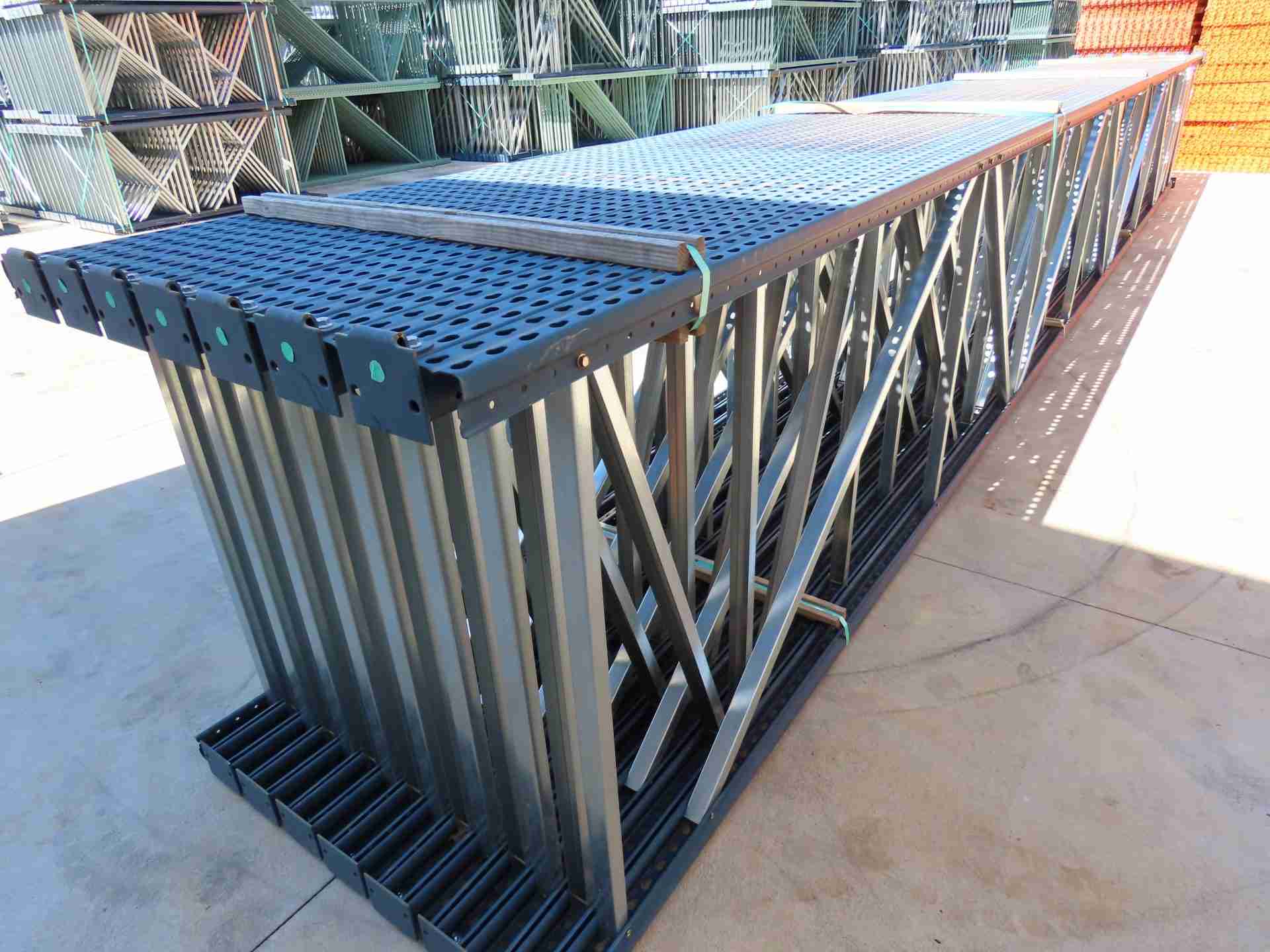
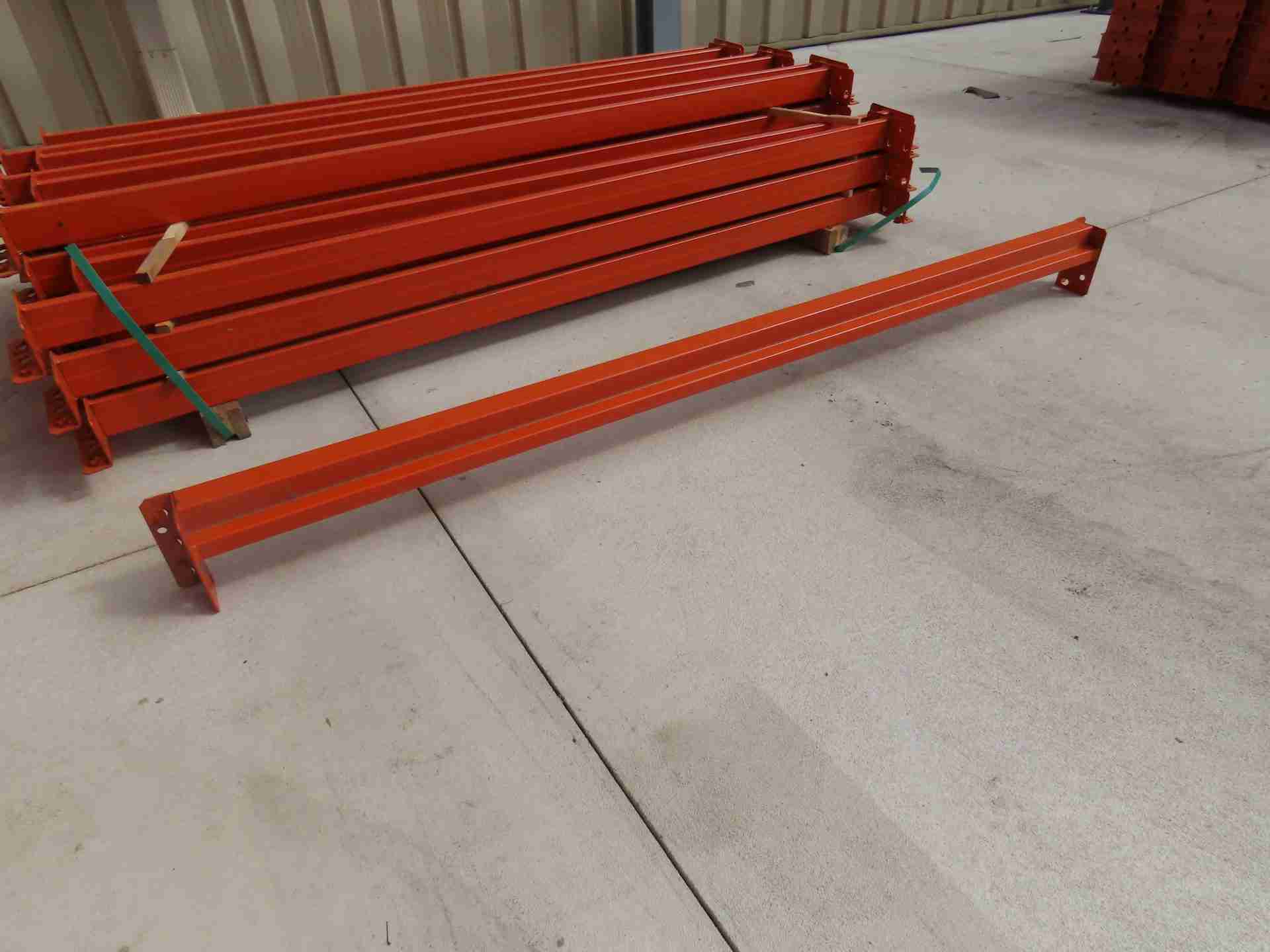
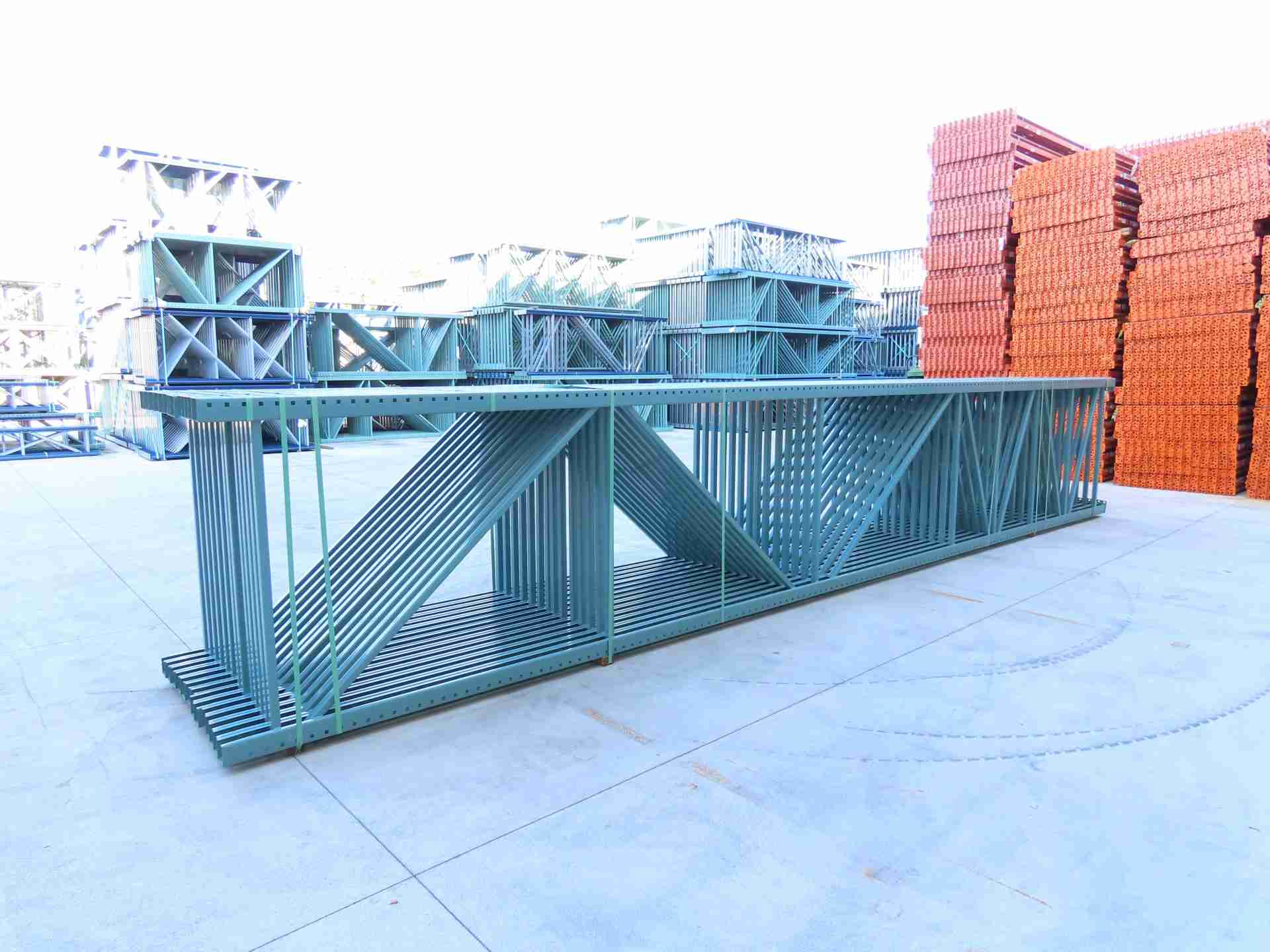
3. Pallet Racking: A storage system that utilizes horizontal rows of support frames to store products on pallets in a vertical manner.
4. Material Handling: The movement, protection, storage, and control of materials throughout the manufacturing and warehousing process.
5. Load Capacity: The maximum weight that a storage structure, such as a shelf or rack, can safely support.
6. Forklift Safety: Procedures and training designed to ensure the safe operation of forklifts in warehouse settings, minimizing accidents and injuries.
7. Hazard Communication Standard (HCS): OSHA regulation requiring communication of hazardous materials in the workplace through labeling and safety data sheets (SDS).
8. Ergonomics: The study of designing workplace environments and tasks to fit the capabilities of workers, reducing the risk of strain and injury.
9. Fall Protection: Systems and strategies aimed at preventing falls from heights, crucial for safety in multi-level warehouse environments.
10. Aisle Width: The required space between storage units allowing safe movement of personnel and equipment, as defined by OSHA.
11. Fire Safety Regulations: Guidelines established to minimize fire hazards, including the storage of flammable materials and proper emergency exits.
12. Chemical Storage: Specific rules governing the safe storage of chemicals, including segregation, labeling, and containment to prevent accidents.
13. Inventory Management: The process of tracking and controlling stock levels, ensuring efficient storage and compliance with safety regulations.
14. Personal Protective Equipment (PPE): Equipment worn by employees to minimize exposure to hazards, such as helmets, gloves, and safety glasses.
15. Emergency Exits: Clearly marked pathways and exits that must be accessible in case of an emergency, following OSHA standards.
16. Safety Data Sheet (SDS): A document that provides crucial information about handling, using, and managing chemicals safely.
17. Racking Systems: Various types of structures used to support and store inventory in warehouses, each having different load requirements and configurations.
18. Pallet: A flat transport structure that supports goods and is used for lifting by forklifts or pallet jacks.
19. Housekeeping: Maintaining cleanliness and order in the warehouse to prevent accidents and ensure safety.
20. Training Requirements: OSHA mandates that warehouses provide training for employees on safety practices and regulations relevant to their job roles.
21. Inspection Protocols: Procedures for regularly checking equipment, structures, and safety measures to ensure compliance with regulations.
22. Working Load Limit (WLL): The maximum weight that a storage system can safely handle, which must be clearly indicated on shelving and racking.
23. Segregation: The practice of storing incompatible materials apart to prevent chemical reactions in case of leaks or spills.
24. Repetitive Motion Injuries: Injuries that occur from repetitive tasks, which can be addressed through ergonomic interventions in warehouse practices.
25. Access Aisles: Pathways designated for safe access to stored materials, crucial for safety and compliance.
26. Stacking Regulations: Guidelines for how materials can be stacked in storage areas to prevent collapse or instability.
27. Fire Extinguishers: Portable devices used to put out small fires; their placement and accessibility are regulated by OSHA.
28. Emergency Response Plan: A comprehensive plan that outlines procedures to follow in case of emergencies, including evacuations and medical responses.
29. Underwriters Laboratories (UL) Standards: Safety standards ensuring that warehouse equipment and materials meet specific safety criteria.
30. Compliance Reporting: The process of documenting adherence to safety regulations, which may include inspections, training records, and incident reports.
Glossary Of Terms
Other Questions
Where to Find OSHA Warehouse Storage Regulations? – Other Questions
If you wish to explore and discover more, consider looking for answers to these questions:
- What specific OSHA regulations apply to my warehouse?
- How can I train my staff on OSHA regulations effectively?
- What steps should I take if my warehouse is found to be non-compliant?
- Are there industry-specific guidelines that supplement OSHA regulations?
- What resources are available for small businesses to help with OSHA compliance?
- How can I create a proactive safety culture in my warehouse?
- What are the latest trends in OSHA regulations that impact warehouse safety?
- How can I conduct an effective internal safety audit?
- What role does management play in maintaining OSHA compliance?
- What are the common misconceptions about OSHA regulations?
- How can I ensure my warehouse operations adapt to changes in OSHA regulations?
- What should I do if I witness safety violations in my warehouse?
Other Questions
Checklist
Where to Find OSHA Warehouse Storage Regulations? – A Checklist
Checklist for Understanding and Complying with OSHA Warehouse Storage Regulations
1. Resources and Information:
_____ Check the official OSHA website (osha. gov) for regulations, guidance documents, and FAQs related to warehouse safety.
_____ Engage with local OSHA representatives for tailored information on compliance.
_____ Join industry associations (e. g. , Warehousing Education and Research Council) for insights and updates.
2. Training and Awareness:
_____ Invest in OSHA training programs (consider those offered by the National Safety Council).
_____ Conduct regular training sessions for all employees on safety protocols and material handling techniques.
_____ Create a culture of safety awareness and responsibility within your team.
3. Regular Audits and Inspections:
_____ Perform regular audits of your storage systems and safety practices.
_____ Use a checklist based on OSHA standards for compliance assessments.
_____ Schedule safety inspections to identify and mitigate risks proactively.
4. Safety Protocols and Measures:
_____ Ensure all storage areas are designed to minimize accident risks (proper stacking and aisle space).
_____ Verify compliance with pallet rack safety standards and labeling protocols for hazardous materials.
_____ Incorporate safety measures for machinery and equipment use, including training on their safe operation.
5. Documentation and Recordkeeping:
_____ Maintain well-organized records of safety protocols, training sessions, and incident reports.
_____ Keep updated Safety Data Sheets (SDS) available for all hazardous materials.
_____ Document regular maintenance schedules for safety equipment and inspection results.
6. Employee Feedback and Involvement:
_____ Encourage employees to report safety concerns and suggest improvements.
_____ Hold monthly safety meetings for open discussions about safety and compliance.
7. Incident Reporting and Response:
_____ Establish a robust incident reporting system, ensuring even minor incidents are documented and investigated.
_____ Create emergency response plans and conduct drills regularly.
8. Compliance with Local Regulations:
_____ Research local safety regulations that might complement OSHA’s requirements.
_____ Stay informed about regulatory changes at both federal and state levels.
9. Leveraging Technology:
_____ Utilize software solutions to track training, incidents, and compliance deadlines.
_____ Consider introducing automation for inventory management to reduce human error and improve safety.
10. Continuous Improvement:
_____ Regularly update safety protocols and training based on emerging hazards and changes in operations.
_____ Keep abreast of OSHA updates and industry changes to maintain compliance.
By following this checklist, you can enhance your compliance with OSHA warehouse storage regulations, thereby promoting a safer working environment and mitigating risks for your employees and business.
Checklist
At RackingWorld, we help guide you through selecting warehouse storage systems and racking.
Be sure to read our other related stories at RackingWorld to learn more about warehouse storage systems.
0 Comments