
Unpacking The Environmental Impact Of Warehouse Labor
By Tom Seest
At RackingWorld, we help guide you through selecting warehouse storage systems and racking.
Be sure to read our other related stories at RackingWorld to learn more about warehouse storage systems.
Is Manual Warehouse Labor More Sustainable Than Automation?
When you step into a warehouse, whether it’s a bustling retail hub or a quiet storage facility, there’s an undeniable rhythm to the work being done. You see workers deftly maneuvering through rows of pallet racking, stacking products with precision. The question arises: Is this manual labor more sustainable than the automated systems that are all the rage today?
Let’s take a closer look. In an era where sustainability is more than just a buzzword, it’s a commitment—one that resonates with consumers and businesses alike. Many believe that automation is the greener choice; after all, robots don’t take coffee breaks, and they don’t require health benefits. However, have we paused to consider the broader impact?
First, think about the human aspect. Manual labor fosters a sense of community and accountability. Each time a worker places a pallet on a racking system, they are directly contributing to a larger purpose. There’s no machine that can replicate that connection, that drive to ensure everything runs smoothly. It’s about pride in one’s work. People care about what they do, and that passion is hard to quantify but impossible to ignore.
Moreover, when you assess resource consumption, the rugged durability of the human body is often overlooked. Unlike machines that require rare metals and energy-intensive production, manual labor uses natural human energy. Yes, it’s true that manual labor may have higher upfront costs through wages and training, but these costs are mitigated when we factor in the longevity of the systems themselves. A well-trained worker can adapt, innovate, and find efficiencies that static machinery simply cannot.
Consider the flexibility of manual processes—adjusting to varying inventory sizes, handling odd-shaped products, or pivoting during peak seasons. Machines, while efficient, are still bound by their programming. The art of manual handling, whether it’s stacking pallet racking or organizing inventory, showcases adaptability that pure automation just can’t match.
So, let’s inspire a conversation about the sustainable future of our warehouses. Instead of simply chasing the latest technology trends, let’s recognize the value of human labor. It’s about balance—finding a way to harness both human craftsmanship and technological advancements to create a truly sustainable model. As a business leader, your commitment to this conversation can lead to more meaningful actions that resonate with both your workforce and your customer base, building a brand that stands not just for efficiency, but for authenticity and community.
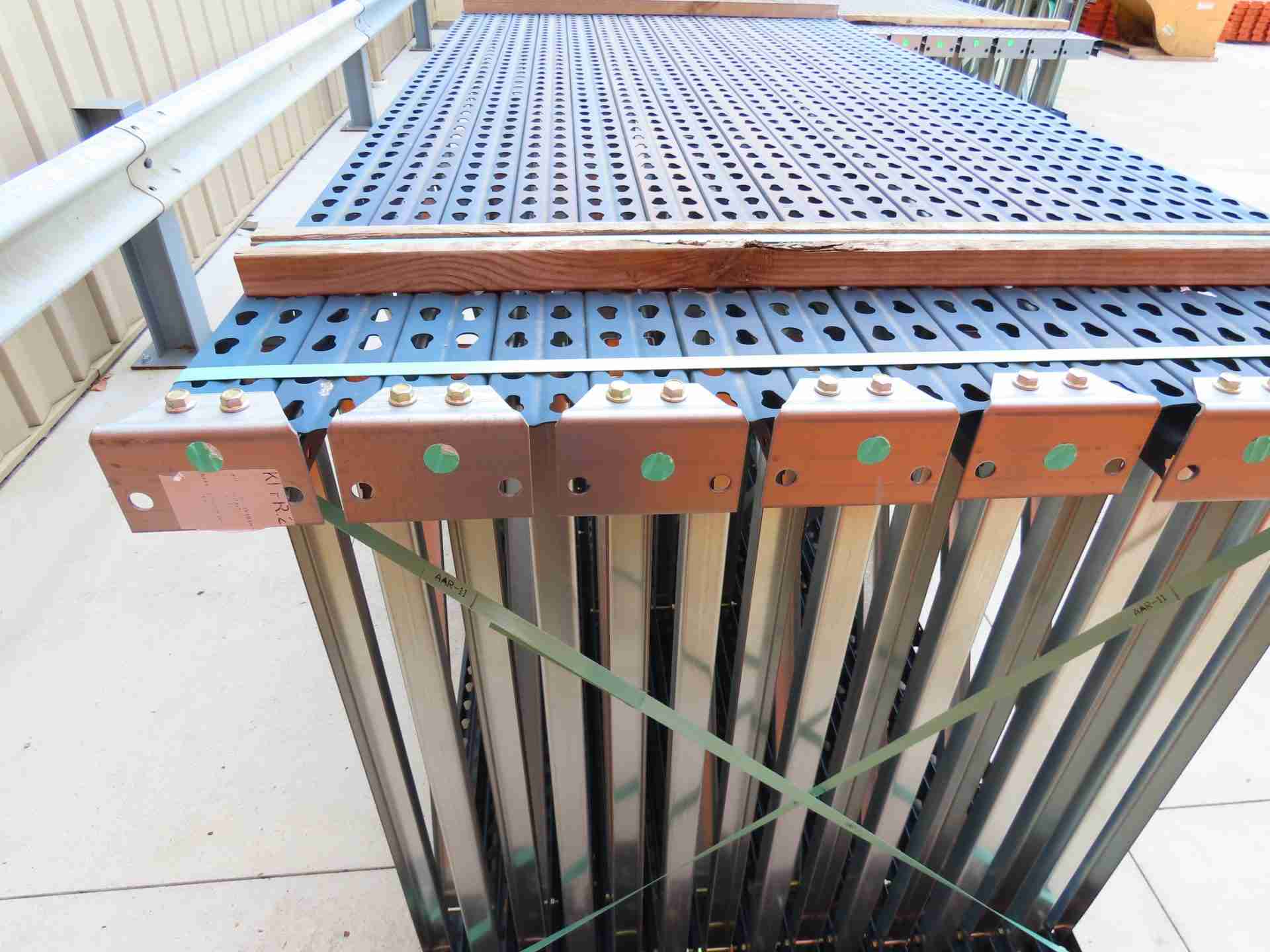
Is Manual Warehouse Labor More Sustainable Than Automation?
Is Manual Warehouse Labor More Sustainable Than Automation?
- Warehouse work has a distinct rhythm, whether in retail hubs or storage facilities.
- There is an ongoing debate about whether manual labor or automation is more sustainable.
- Manual labor promotes community and accountability, providing a connection that machines cannot replicate.
- Human workers use natural energy, which is often more sustainable than the resource-intensive production of machines.
- Well-trained workers can adapt and innovate in ways static machinery cannot, leading to greater efficiency.
- Manual processes offer flexibility to adjust to inventory variations and seasonal changes, unlike programmed machines.
- A balanced approach that combines human craftsmanship with technology can enhance sustainability and community value in businesses.

Is Manual Warehouse Labor More Sustainable Than Automation?
Table Of Contents
- Is Manual Warehouse Labor More Sustainable Than Automation?
- Is Manual Labor Better For The Environment Than Automation?
- What Are The Carbon Footprints Of Manual Vs. Automated Warehouses?
- How Does Manual Labor Impact Job Opportunities In Warehousing?
- What Are The Long-Term Sustainability Benefits Of Manual Labor?
- How Does The Flexibility Of Manual Labor Compare To Automation?
- Are There Specific Tasks In Warehouses Where Manual Labor Excels?
- Conclusion
- Other Resources
- Glossary Of Terms
- Other Questions
- Checklist
Is Manual Labor Better For The Environment Than Automation?
In today’s fast-paced world, it’s easy to get swept up in the promise of automation. But let’s pause for a moment and consider: Is that shiny robotic arm truly the environmentally friendly choice? While it might seem efficient on the surface, diving deeper reveals a more complex picture.
Manual labor, often viewed through a lens of nostalgia or underappreciation, can actually be a champion for sustainability. Picture the workforce, engaged and bustling, instinctively strategizing the layout of a warehouse filled with Pallet Racking. Those vivid images of hardworking individuals moving with purpose and precision speak to a benefits-laden approach. This labor not only embraces a human touch but also capitalizes on local resources and knowledge.
When workers intimately understand the flow of materials, they optimize storage and minimize waste. Imagine a strategically placed pallet racking system that not only maximizes space but also reduces energy usage. With manual labor, there’s an innate ability to adapt to the environment, ensuring that every piece of equipment serves a purpose, from the way boxes are stacked to how products are picked and packed. In contrast, automation systems can often only do one thing: repeat their programming, regardless of context, leading to wasteful practices when circumstances change.
Furthermore, consider the environmental costs associated with manufacturing and powering automation technology. The resources utilized to produce machines are staggering, and then there’s the carbon footprint involved in their operation. When labor is performed by hand, the energy required is often considerably less, making one wonder if the shift toward automation truly serves the greater good.
Here’s where the connection grows stronger: When we champion manual labor, we invigorate our communities. We empower individuals, promoting a culture of collaboration and problem-solving rather than simply pointing and clicking. By re-investing in human capital, we realize that sustainability is not just an afterthought; it becomes woven into the fabric of our operations.
In today’s decision-making, let’s champion choices that lead to a healthier environment. It’s about creating jobs, nurturing our communities, and promoting practices that harmonize with nature. Re-evaluating the role of manual labor reveals an opportunity to align our productivity goals with our environmental ones. It’s time to trust in the human touch, fostering a better world—one pallet, one commitment, and one job at a time.
Is Manual Labor Better For The Environment Than Automation?
Is Manual Labor Better For The Environment Than Automation?
- Automation is often seen as efficient, but its environmental benefits are complex and debatable.
- Manual labor can promote sustainability by utilizing local resources and human expertise.
- Workers can optimize storage and reduce waste through a deep understanding of material flow.
- Manual labor allows for adaptability and purposeful equipment usage, unlike rigid automation systems.
- The environmental impact of producing and powering automation technology can be significant.
- Emphasizing manual labor can invigorate communities and foster collaboration and problem-solving.
- Re-evaluating manual labor aligns productivity goals with environmental sustainability, creating a healthier ecosystem.
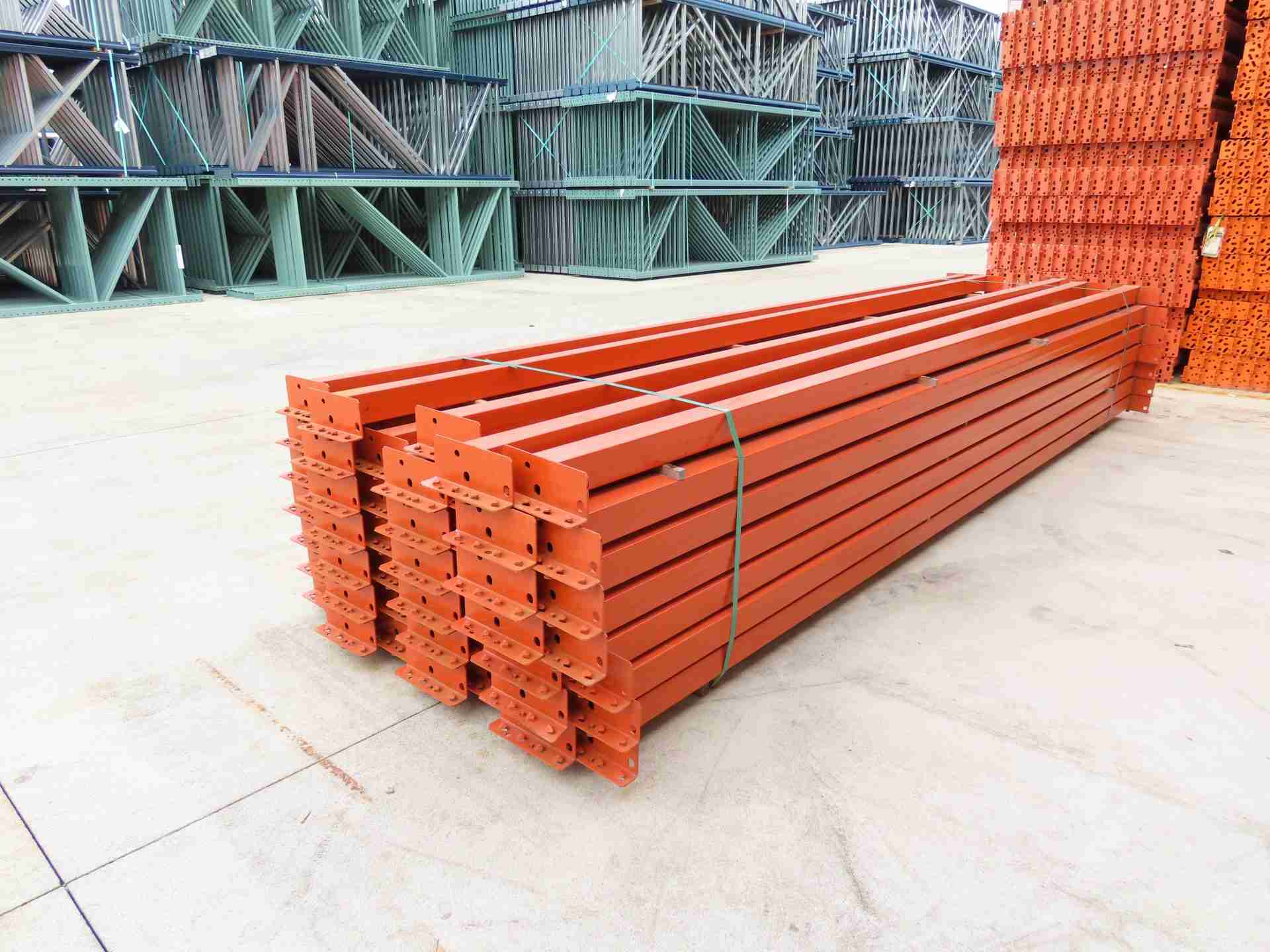
Is Manual Labor Better For The Environment Than Automation?
What Are The Carbon Footprints Of Manual Vs. Automated Warehouses?
When we delve into the world of warehouses—and let’s be honest, it’s a world most of us don’t think about regularly—we uncover some eye-opening insights into how our choices can impact the environment. The heart of the matter lies not just in what we store, but how we store it. This leads us to a critical comparison: the carbon footprints of manual versus automated warehouses.
Manual warehouses are often perceived as traditional havens of activity. Workers navigate aisles lined with pallet racking, moving inventory by hand with determination and grit. While human ingenuity is commendable, this method is notorious for its resource intensity. Imagine a bustling warehouse, where every movement counts—almost every action consumes energy. From the emissions of transport vehicles running back and forth to the electricity powering lighting in vast storage spaces, the carbon output can quite rapidly escalate.
On the flip side, automated warehouses bring a different canvas into focus. As technology strides forward, the efficiency of automated, robotic solutions is hard to ignore. Picture an intelligent operation, where machines seamlessly handle the logistics. They optimize space with sophisticated systems integrated with smart pallet racking, reducing reliance on manual labor while ensuring every inch of warehouse space serves its purpose. The result? A significant reduction in energy consumption and a markedly smaller carbon footprint.
But it’s not just about numbers or technology; it’s about community impact. Choosing an automated system can evoke a sense of collective responsibility towards our planet. Businesses that genuinely prioritize sustainability find themselves at the forefront of industry leadership. Imagine leading your organization with confidence, knowing you’re reducing greenhouse gas emissions while optimizing your operations.
Moreover, let’s engage in some reality check. Going green doesn’t merely appeal to altruism. It is now a consumer demand. Customers are increasingly inclined to support brands that showcase their commitment to sustainability. By demonstrating that your warehouse operates with minimal carbon impact, you not only cultivate trust but also encourage deeper connections with your audience.
So, whether you’re in the manual camp or flirting with automation, the choices your warehouse makes will echo far beyond its walls. The time to take action is now—make the move towards sustainability, and watch your business thrive. After all, every step counts, and your journey towards a greener future begins today.

What Are The Carbon Footprints Of Manual Vs. Automated Warehouses?
What Are The Carbon Footprints Of Manual Vs. Automated Warehouses?
- Warehouses significantly impact the environment through their storage methods.
- Manual warehouses are energy-intensive, with high carbon footprints from human labor and transport emissions.
- Automated warehouses utilize technology to optimize logistics and space, resulting in reduced energy consumption.
- Adopting automated systems fosters a sense of community responsibility towards sustainability.
- Companies prioritizing sustainability position themselves as industry leaders and can reduce greenhouse gas emissions.
- Consumer demand is shifting towards brands that demonstrate a commitment to sustainability.
- Making sustainable choices in warehouse operations can lead to business growth and stronger connections with customers.
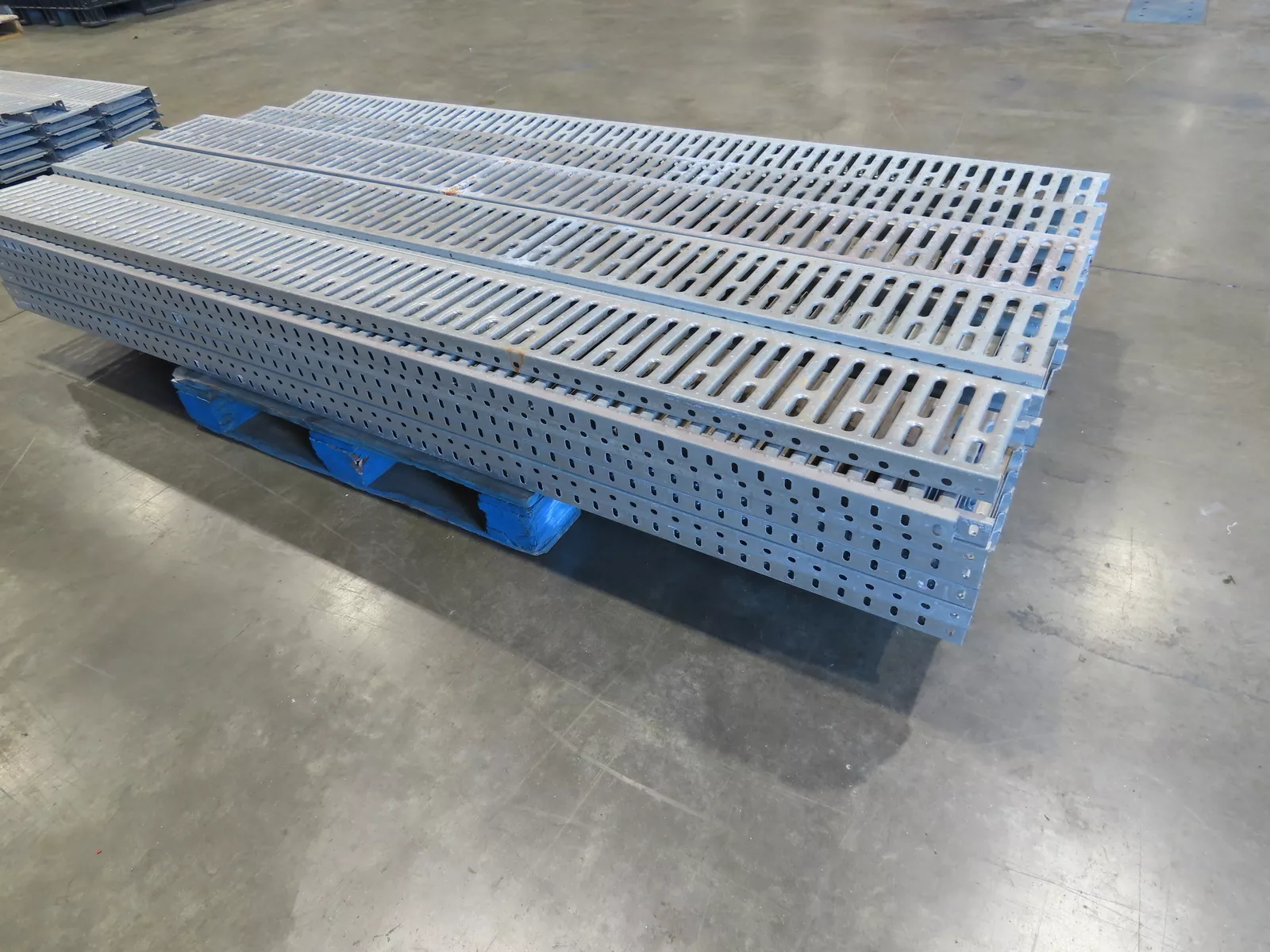
What Are The Carbon Footprints Of Manual Vs. Automated Warehouses?
How Does Manual Labor Impact Job Opportunities In Warehousing?
When you think about the modern warehouse, what comes to mind? High-tech automation, conveyor belts, and robotic arms working in perfect harmony? While that may be true, there’s an undeniable role that manual labor plays in sustaining and enhancing job opportunities within the warehousing sector. Let’s dive into how the grit and determination of manual labor can lead to thriving careers and secure pathways in this ever-evolving field.
One of the key components of warehousing is the intricate setup of systems that facilitate efficient storage and movement of goods. Take pallet racking, for instance. This vital infrastructure maximizes space and streamlines the logistics process. However, each pallet needs a human touch—from proper stacking to careful handling. Workers who master these manual skills become invaluable assets. Their expertise not only ensures the safety and organization of products but also opens doors to supervisory and management positions.
The relationship between manual labor and job opportunities doesn’t stop at pallet racking and warehouse organization. The demand for skilled labor is on the rise. Companies are on the lookout for individuals who can operate equipment, oversee inventory, and maintain quality control. This creates an environment ripe for career advancement. When you invest time into honing your hands-on skills, you’re doing more than just punching a clock; you’re crafting your future.
Moreover, embracing manual labor fosters a sense of community. When workers understand the intricacies of their roles and take pride in their craftsmanship, they create a culture of teamwork and collaboration. This environment attracts new talent and keeps existing employees engaged. With companies placing a premium on employee retention, being the person who embodies hard work and dedication will undoubtedly make you stand out in a bustling job market.
When considering a career in warehousing, don’t shy away from the notion of manual labor. Instead, embrace it. Every time you lift a box, organize a shelf, or optimize a workflow, you’re not merely performing tasks—you’re setting yourself up for long-term success. The warehousing industry is calling out for individuals ready to roll up their sleeves and contribute. So why not answer the call? Take the leap into the world of manual labor and watch how it translates into remarkable job opportunities that can reshape your career path. The future is bright for those willing to engage with their work—are you ready to become part of that future?
How Does Manual Labor Impact Job Opportunities In Warehousing?
How Does Manual Labor Impact Job Opportunities In Warehousing?
- Modern warehouses rely on both high-tech automation and manual labor for sustainability and job opportunities.
- Manual skills, like proper stacking and handling of pallets, are crucial for maximizing space and ensuring product safety.
- Expertise in manual tasks can lead to supervisory and management roles within the warehousing sector.
- The demand for skilled labor is increasing, with companies seeking individuals who can operate equipment and manage inventory.
- Embracing manual labor creates a culture of teamwork and collaboration, essential for employee engagement and retention.
- Engaging in manual work can set individuals on a path toward long-term success and career advancement.
- The warehousing industry is welcoming to those ready to work hard and contribute, promising bright future job opportunities.
How Does Manual Labor Impact Job Opportunities In Warehousing?
What Are The Long-Term Sustainability Benefits Of Manual Labor?
When we think of manual labor, visions of hard work and sweat often come to mind. But let’s delve deeper into the realities of manual labor and discover how it can serve as a catalyst for a more sustainable future—especially in environments like warehouses with pallet racking systems that streamline efficiency.
Consider this: manual labor fosters a sense of ownership and pride in one’s work. When individuals engage in physical tasks, they develop a tangible connection to the materials and systems they are handling. Take pallet racking, for instance. Workers who regularly interact with these storage solutions don’t just move boxes; they manage resources, optimize space, and ensure that every item is in its rightful place. This sense of responsibility often translates into better care for the environment. Employees who take pride in their work are more likely to make decisions that prioritize sustainable practices—like reducing waste and recycling materials.
Another long-term benefit is resilience. Manual labor encourages physical stamina, mental toughness, and adaptability. In today’s rapidly changing world, these attributes are invaluable. Manual workers are often more attuned to the rhythms of their environment, allowing them to identify inefficiencies or waste and propose innovative solutions. In warehouse settings, this could be as simple as rethinking how pallet racking is utilized to maximize space and reduce energy consumption.
Let’s not forget the socio-economic benefits of embracing manual labor as a sustainable choice. By valuing these roles, businesses not only support job creation but also uplift communities. Skilled manual laborers contribute to local economies, creating a ripple effect that fosters prosperity. As more companies recognize the importance of sustainable practices, they are increasingly investing in training programs and initiatives that empower individuals and strengthen their local workforces—leading to a more equitable and sustainable future.
Finally, there’s the undeniable connection between manual labor and product quality. Workers who engage directly with their tasks often exhibit higher levels of craftsmanship. This attention to detail not only reduces waste but also enhances the longevity of products, aligning beautifully with the principles of sustainability.
In a world that often prioritizes convenience over connection, let’s champion the unsung heroes of manual labor. By investing in these roles, businesses cultivate not only a more sustainable model but also a stronger, more resilient community. Join the movement—embrace manual labor and its incredible potential for a sustainable future. It’s time to appreciate the power of the human touch in our ever-evolving world.
What Are The Long-Term Sustainability Benefits Of Manual Labor?
What Are The Long-Term Sustainability Benefits Of Manual Labor?
- Manual labor is often associated with hard work, but it can drive sustainability, especially in efficient environments like warehouses with pallet racking systems.
- Engaging in manual tasks fosters a sense of ownership and pride, promoting better care for the environment and encouraging sustainable practices.
- It develops resilience, physical stamina, mental toughness, and adaptability, which are crucial in a rapidly changing world.
- Manual workers can identify inefficiencies and propose innovative solutions for space optimization and energy reduction in warehouse settings.
- Valuing manual labor supports job creation, uplifts communities, and strengthens local economies through skilled labor contributions.
- Workers’ direct engagement with their tasks enhances craftsmanship, reduces waste, and improves product longevity, aligning with sustainability goals.
- Investing in manual labor roles cultivates stronger, more resilient communities and champions the importance of human connection in our evolving world.
What Are The Long-Term Sustainability Benefits Of Manual Labor?
How Does The Flexibility Of Manual Labor Compare To Automation?
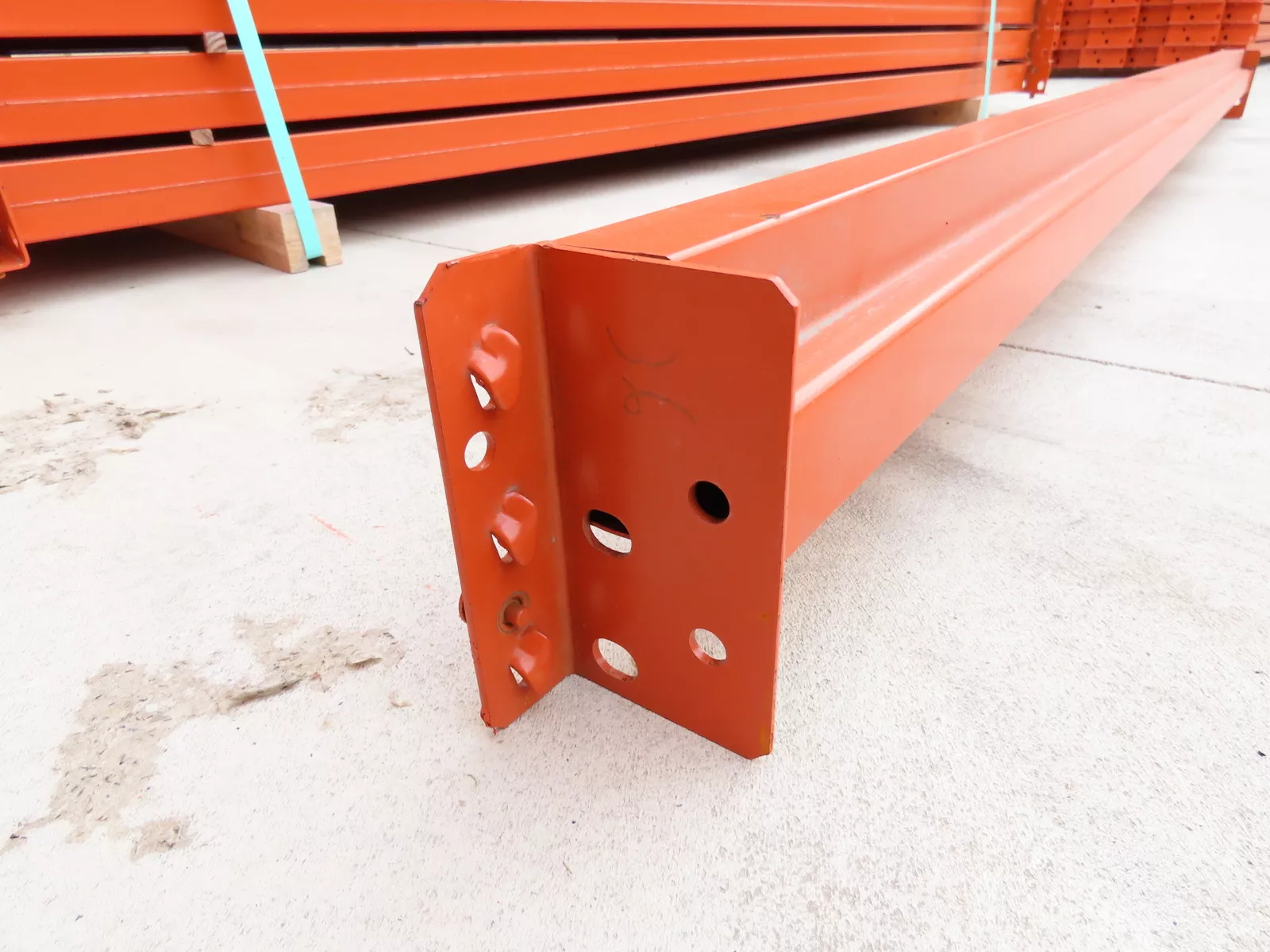
In the fast-paced world of modern business, flexibility can make all the difference. Imagine a bustling warehouse filled with pallet racking systems, stacked with everything from vital inventory to seasonal goods. Here, manual labor thrives with a level of agility that automation simply can’t replicate.
Picture this: your team on the warehouse floor, moving swiftly among the rows of pallet racking, quickly assessing, organizing, and fulfilling orders. This responsiveness means your workforce can pivot at a moment’s notice, adapting to fluctuating demands or unique customer requests. They can handle unexpected challenges with a creative problem-solving mindset that machines, no matter how sophisticated, simply can’t muster.
Automation, while undeniably efficient in tasks that require precision and speed, often lacks this crucial adaptability. When a new product arrives or inventory needs a sudden shift, manual laborers excel. They can rearrange and optimize pallet racking layouts on the fly, enabling businesses to react dynamically to ever-changing marketplace demands. Think of it as a dance where each human movement is an intuitive response to new rhythms in customer needs.
Here’s where trust and confidence come into play. When you invest in a workforce, you’re investing in a flexible backbone that supports your operational goals. Employees can enhance their skills organically over time, fostering an intrinsic motivation that drives productivity and morale. Their instinctive ability to navigate complexities in real-time adds a layer of problem-solving and creativity—trustworthy attributes in an unpredictable landscape.
Meanwhile, automation systems, though consistent, often run into roadblocks. What happens when a new warehouse configuration or an unanticipated challenge arises? The robotic response might leave you waiting for updates, stuck with a costly solution that becomes cumbersome and stagnant.
For businesses contemplating their next steps, consider the harmony of manual labor combined with technology. The ideal approach doesn’t have to be an either/or scenario. Harness the best of both worlds: empower your workforce while implementing automation strategically. This balanced model ensures you maintain the flexibility of human touch while benefiting from the efficiency of technology.
In a world where adaptability is key, let your business thrive by cherishing the unique capabilities of your human resources, particularly in settings such as pallet racking scenarios. Embrace the human element, and watch your operations flourish in ways automation alone could never achieve.

How Does The Flexibility Of Manual Labor Compare To Automation?
How Does The Flexibility Of Manual Labor Compare To Automation?
- Flexibility is crucial in modern business, especially in dynamic warehouse environments.
- Manual labor excels in agility, outperforming automation in responsiveness and creative problem-solving.
- Workers can adapt quickly to changing demands and unexpected challenges, optimizing workflows on the spot.
- Investing in a skilled workforce fosters motivation, productivity, and morale through continuous skill enhancement.
- Automation, while efficient, often struggles with adaptability and can become stagnant in the face of new challenges.
- Combining manual labor with technology allows businesses to leverage the strengths of both for optimal performance.
- Emphasizing human capabilities in operations can lead to superior outcomes that automation cannot replicate.
How Does The Flexibility Of Manual Labor Compare To Automation?
Are There Specific Tasks In Warehouses Where Manual Labor Excels?
In the fast-paced world of logistics and warehousing, the question often arises: where does manual labor truly shine? While automation has made remarkable strides, there are certain tasks where the human touch—and the expertise that comes with years of experience—profoundly outperforms machines. Let’s explore these vital roles that ensure seamless operations and inspire confidence in every facet of your supply chain.
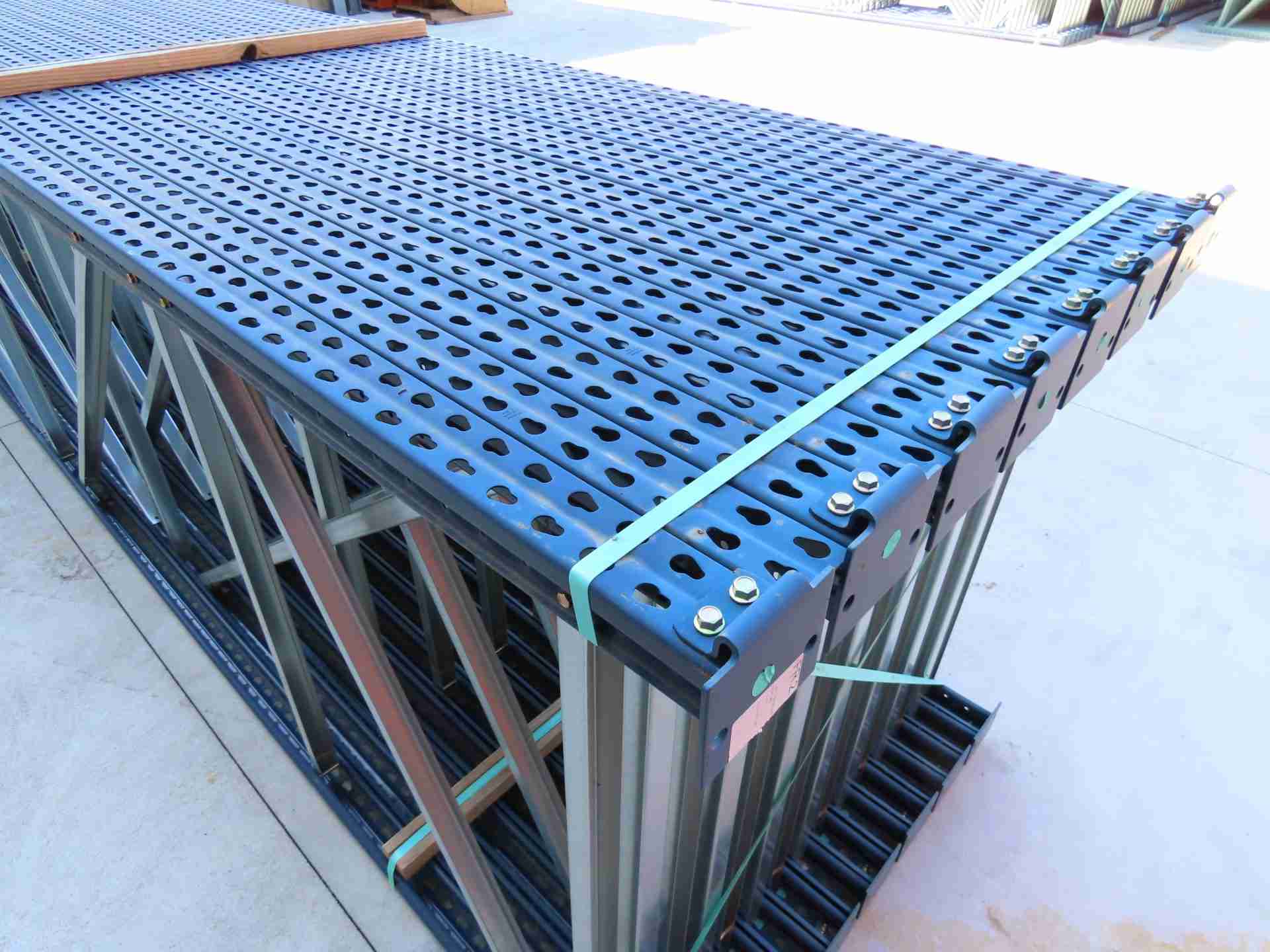
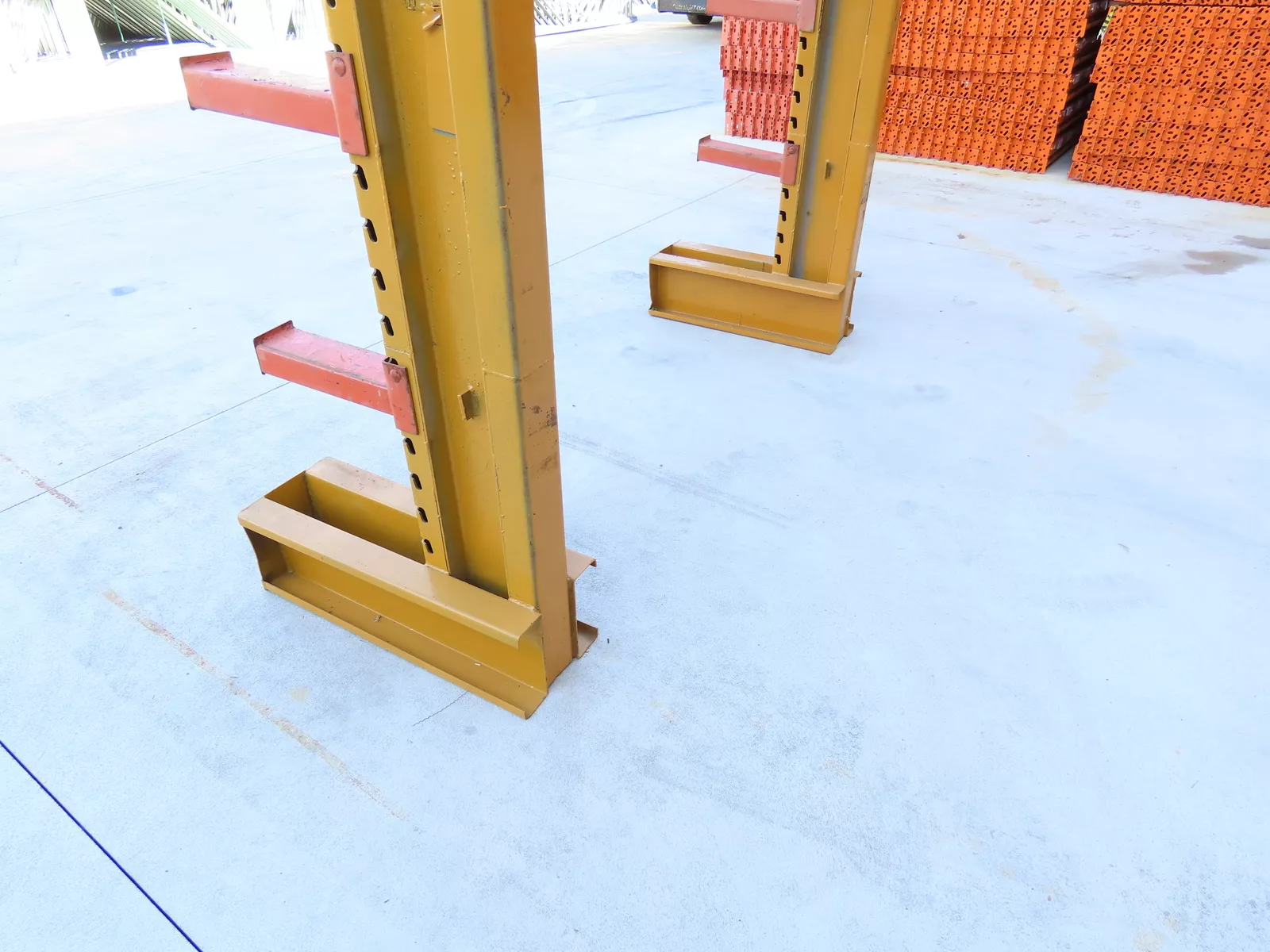
First and foremost, consider pallet racking systems. These are the backbone of any efficient warehouse, designed to hold and organize large quantities of stock. But what happens when a unique product arrives that doesn’t fit the standard dimensions? This is where a seasoned manual worker excels. Their intuition and understanding of product placement can optimize space usage in ways that automated systems simply cannot replicate. They know the best stacking techniques and can navigate the nuances of weight distribution that heavy machinery might struggle with.
Moreover, manual labor shines in inventory management. Think about the precision involved in conducting regular cycle counts and ensuring stock accuracy. It takes a discerning eye to notice discrepancies, which is often best handled by trained personnel rather than relying solely on barcode scanners. Experienced workers can spot outdated items and provide invaluable insights into trends and product movement, helping you make informed decisions about your stock.
Additionally, manual labor brings flexibility to the table. Tasks like quality control—a meticulous process requiring human judgment—benefit tremendously from the insight of a devoted worker. Whether it’s identifying faulty products or ensuring adherence to safety standards, these tasks rely on experience, intuition, and a personal commitment to excellence. When your customers rely on consistently high standards, trusting your human resources becomes absolutely essential.
And let’s not forget teamwork! In a bustling warehouse environment, the human element contributes to a synergy that machines often miss. The camaraderie among workers enhances productivity and creates a resilient work culture that automation can’t forge. Personal connections build trust, foster motivation, and result in a workforce that’s genuinely invested in the businesses they serve.
In closing, while technology has its advantages, there are specific tasks in warehouses that flourish under manual labor. By embracing the strengths of human workers alongside technological advancements, you create a robust and dynamic operation. Don’t underestimate the value of the human touch—it’s not just about labor; it’s about trust, collaboration, and ultimately, success.
Are There Specific Tasks In Warehouses Where Manual Labor Excels?
Are There Specific Tasks In Warehouses Where Manual Labor Excels?
- Manual labor outperforms machines in specific logistics and warehousing tasks due to human expertise and intuition.
- Seasoned workers excel in optimizing pallet racking systems for unique products, enhancing space usage beyond automated systems.
- Experienced personnel are vital for accurate inventory management, spotting discrepancies and providing insights into stock trends.
- Quality control tasks benefit from human judgment and commitment, crucial for maintaining high standards and safety compliance.
- Teamwork among human workers fosters a resilient work culture and enhances productivity, something machines can’t replicate.
- The synergy and personal connections built in a warehouse environment lead to trust and motivation among the workforce.
- Embracing both human strengths and technology leads to a robust and dynamic operation in logistics and warehousing.
Are There Specific Tasks In Warehouses Where Manual Labor Excels?
Conclusion
Conclusion: The Sustainable Future of Warehousing
In the ever-evolving landscape of warehousing, the debate between manual labor and automation is not merely a question of efficiency but a profound consideration of sustainability and community. As we’ve explored, the human element in warehouse operations showcases a unique ability to adapt and connect, elements that automated systems often overlook. While automation might promise immediate efficiency and cost-effectiveness, it’s crucial to recognize the irreplaceable value that manual labor brings to the table—especially in fostering a sustainable future.
Manual labor contributes not only to the optimized use of resources, such as the ingenious configurations of pallet racking but also to energy conservation through human energy. Workers engage with their environments, making real-time adjustments and leveraging intuition that machines, confined by programming, simply cannot replicate. This flexibility allows organizations to pivot quickly in response to inventory changes and customer demands, making manual labor an essential component in achieving long-term operational efficiency.
Furthermore, choosing manual labor aligns closely with growing consumer expectations for sustainability. Today’s shoppers are vigilant about the environmental impact of their purchases and are increasingly loyal to brands committed to responsible practices. By promoting manual labor, companies not only enhance their reputation but also build meaningful connections with customers who value authenticity and community engagement.
Importantly, investing in manual labor goes hand-in-hand with creating job opportunities. As businesses seek skilled workers who understand the intricacies of processes like inventory management and quality control, they simultaneously uplift local economies and foster resilient communities. Encouraging a culture of collaboration leads to enhanced employee morale and lower turnover rates, creating a robust workforce poised for growth.
At Arrow Industrial Sales, we believe in a future where the best of both manual and automated practices harmoniously coexist. We urge you, as forward-thinking business leaders, to reassess your operational strategies. Embrace the artistry of manual labor while strategically integrating automation where it fits. This balanced approach not only drives sustainability but also ensures your operations remain adaptable to the rapid changes in today’s marketplace.
Now, let’s take action! Don’t miss the opportunity to harness the power of your labor force while aligning with sustainable practices. Call Arrow Industrial Sales at (574) 349-6575 for tailored solutions that can enhance your warehouse efficiency and foster a brighter, greener future for your business and community! Time waits for no one—act now to chart your sustainable journey!
Conclusion
Conclusion:
- The debate between manual labor and automation in warehousing emphasizes sustainability and community connections.
- Manual labor enhances resource optimization and energy conservation through human adaptability and intuition.
- Flexibility of manual labor allows organizations to quickly respond to inventory changes and customer demands.
- Aligning with manual labor meets consumer expectations for sustainability and builds brand loyalty.
- Investing in manual labor creates job opportunities, uplifts local economies, and fosters community resilience.
- A balance between manual and automated practices is essential for sustainable and adaptable warehouse operations.
- Companies are encouraged to leverage their labor force while adopting sustainable practices for a greener future.
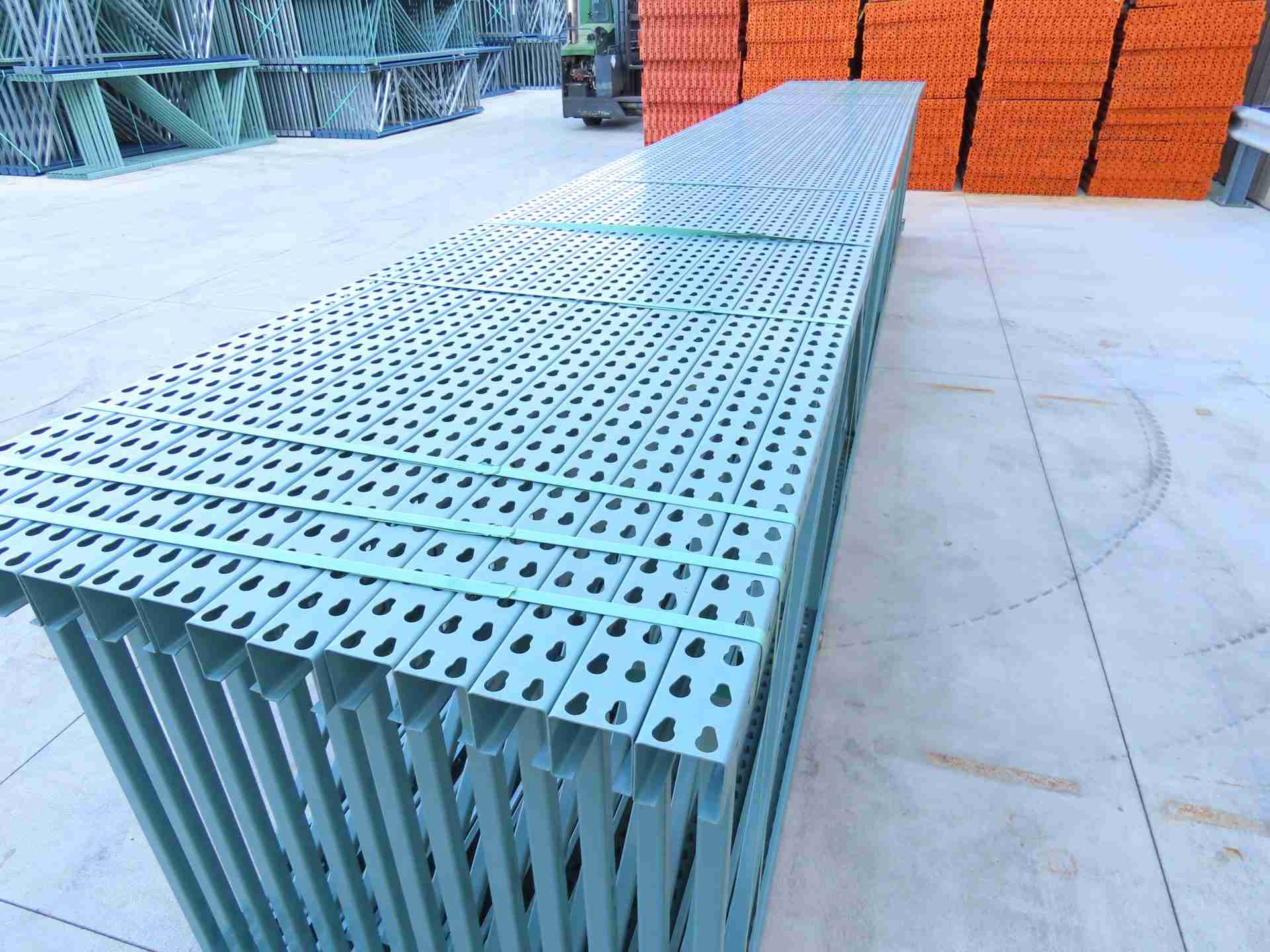
Conclusion
Other Resources
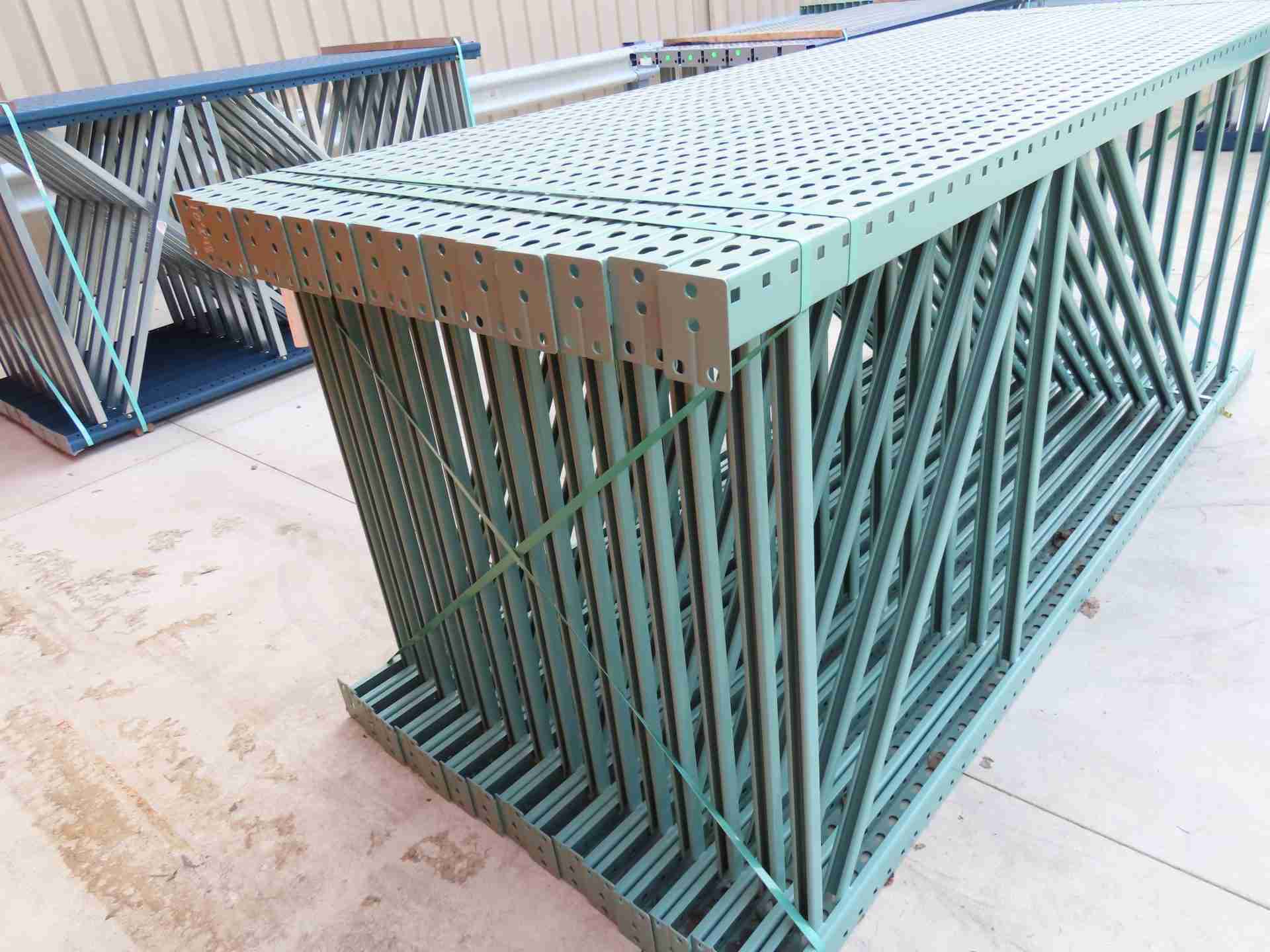
Other Resources
Here is a list of other resources you can review online to learn more:
- Pallet Racking systems in Illinois, Great Lakes
- Selective Racking
- Rack Manufacturers Institute
- ASSP
- Intro to Warehouse Racks & Warehouse Racking Systems – ShipBob
- Wolter
- Iowa Illinois Warehouse Racking
- Illinois Pallet Racking – Storage Solutions
- Teardrop Racks – Pallet Rack World
Use This Prompt To Get More Resources With Your Favorite Online AI Tool: Please provide me with a list of online articles with their URLs in a bulleted list that I can read regarding Is Manual Warehouse Labor More Sustainable Than Automation?
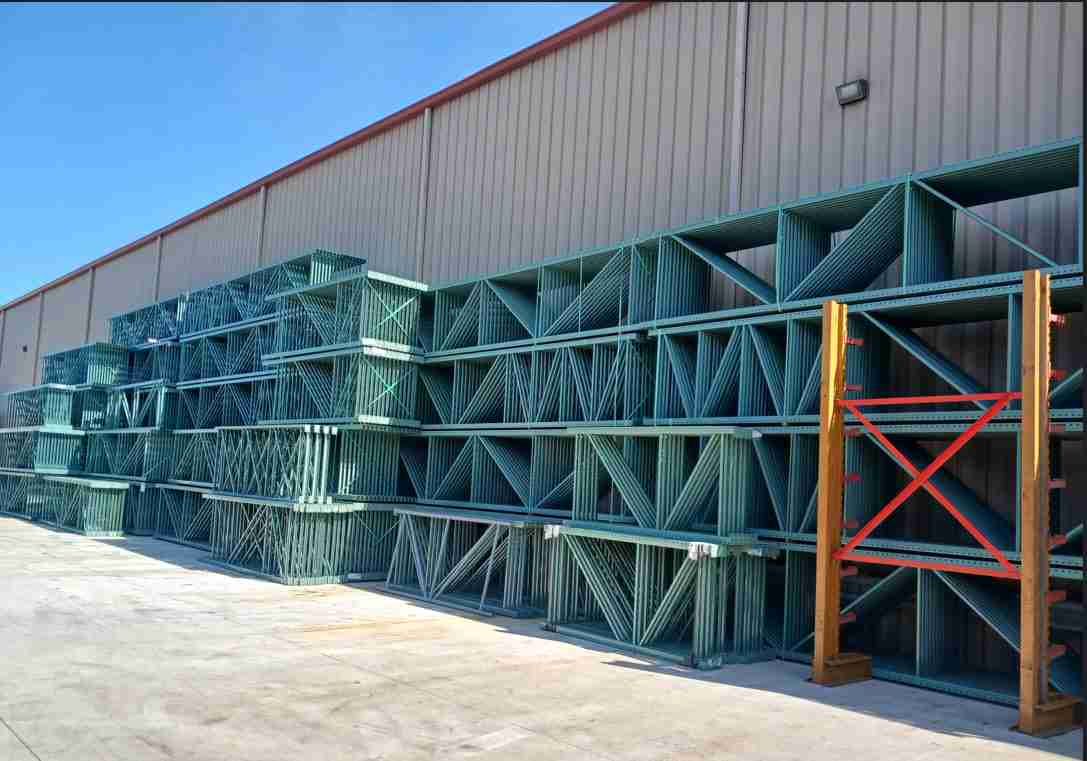
Other Resources
Glossary Terms
Is Manual Warehouse Labor More Sustainable Than Automation? – Glossary Of Terms
1. Automation: The use of machines, control systems, and information technologies to manage processes and operations with minimal human intervention.
2. Sustainability: The ability to meet present needs without compromising the ability of future generations to meet their own needs, particularly focusing on environmental, economic, and social factors.
3. Manual Labor: Work that involves physical activity carried out by human workers, often involving repetitive tasks or direct handling of goods.
4. Carbon Footprint: The total amount of greenhouse gases emitted directly or indirectly by an individual, organization, event, or product, usually expressed in equivalent tons of CO2.
5. Energy Efficiency: Using less energy to perform the same task or produce the same outcome, thereby reducing energy waste and emissions.
6. Labor Intensity: The amount of labor required to produce goods or services, often compared to capital intensity, which involves the level of capital investment.
7. Productivity: A measure of the efficiency of production, often defined as the output per unit of input (labor, capital, etc. ).
8. Job Displacement: A situation in which workers lose their jobs as a result of automation, technological changes, or economic shifts.
9. Ergonomics: The study of people’s efficiency in their working environment and the design of equipment and processes to enhance comfort, safety, and productivity.
10. Supply Chain: The network that involves the flow of goods, information, and finances as products move from supplier to manufacturer to wholesaler to retailer to consumer.
11. Flexibility: The ability of a workforce or system to adapt to various demands, such as changes in product type, volume, or customer requirements.
12. Operational Costs: The ongoing expenses associated with running a business, including labor, materials, maintenance, and overhead.
13. Warehouse Management System (WMS): Software that helps manage and optimize warehouse operations, including inventory management, order fulfillment, and labor tracking.
14. Job Creation: The process of providing new employment opportunities, which can be affected positively or negatively by automation technologies.
15. Skilled Labor: Workers who have specialized knowledge, training, or experience in a particular area, often requiring higher education or training.
16. Labor Costs: The total expenditures for workforce compensation, including wages, benefits, and payroll taxes.
17. Green Logistics: The practice of minimizing the environmental impact of logistics activities through sustainable practices in transportation, warehousing, and inventory management.
18. Resilience: The capacity of a system to recover quickly from difficulties, including disruptions in supply chains or labor shortages.
19. Investment: The allocation of resources (capital, time, labor) with the expectation of generating a return or achieving a specific goal.
20. Human Capital: The economic value of a worker’s experience and skills, which contributes to productivity and organizational performance.
21. Technology Adoption: The process by which organizations integrate new technologies into their operations, often influencing efficiency and labor needs.
22. Workforce Diversity: The inclusion of individuals from various backgrounds, experiences, and identities within the workforce, which can enhance innovation and decision-making.
23. Total Cost of Ownership (TCO): The comprehensive assessment of direct and indirect costs associated with purchasing and operating a product or system over its entire lifecycle.
24. Environmental Impact: The effect of human activities, including both manual labor and automation, on the surrounding environment, including ecosystems and climate.
25. Capacity Planning: The process of determining the production capacity needed by an organization to meet changing demands for its products.
26. Lean Warehouse Management: Principles aimed at optimizing warehouse operations by eliminating waste and improving efficiency, often applied in manual labor contexts.
27. Safety Regulation: Laws and guidelines designed to ensure the safety and health of workers, relevant to both manual laborers and automated systems.
28. Return on Investment (ROI): A measure of the profitability of an investment relative to its cost, often used to assess the value of automation versus manual labor.
29. Decarbonization: The process of reducing carbon dioxide emissions to combat climate change, a key consideration for both manual and automated systems.
30. Workforce Training: Programs designed to enhance the skills and knowledge of employees, crucial for adapting to changing job requirements in both manual and automated contexts.
This list provides a comprehensive overview of concepts relevant to the discussion of manual warehouse labor versus automation, with a focus on sustainability implications.
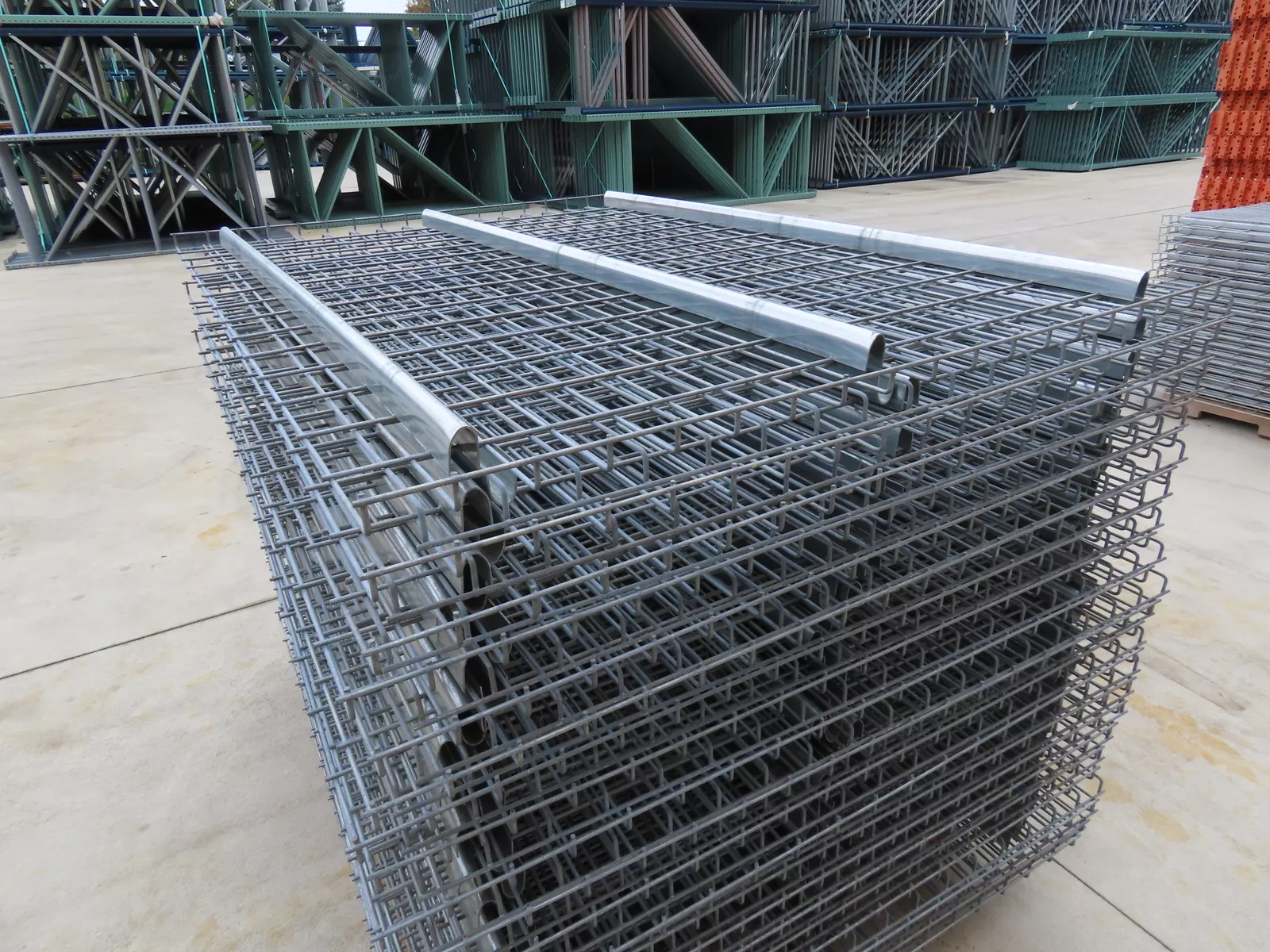
Glossary Of Terms
Other Questions
Is Manual Warehouse Labor More Sustainable Than Automation? – Other Questions
If you wish to explore and discover more, consider looking for answers to these questions:
- What are the key environmental impacts of manual labor compared to automation in warehouses?
- How does employee morale differ between manual labor and automated environments?
- What specific training do manual laborers require to optimize warehouse efficiency?
- What are the economic implications of choosing manual labor over automation?
- How does the carbon footprint of machine production compare to that of human labor?
- What industries could benefit most from a combination of manual labor and automation?
- How can companies effectively promote sustainability within their manual labor workforce?
- What role does community engagement play in the sustainability of warehousing practices?
- Are there regions or countries where manual labor is more prominent in warehousing, and why?
- How do labor laws and regulations impact the feasibility of manual vs. automated warehouse processes?
Other Questions
Checklist
Is Manual Warehouse Labor More Sustainable Than Automation? – A Checklist
Checklist for Evaluating the Sustainability of Warehouse Labor
Title: Manual vs. Automated Warehouse Labor: A Sustainability Evaluation Checklist
1. Assess Human Impact:
_____ Does manual labor foster a sense of community and accountability among workers?
_____ Are workers engaged in their tasks and motivated by a sense of pride?
2. Evaluate Resource Consumption:
_____ Are the energy demands of machines significantly higher than those of manual labor?
_____ Have you considered the lifetime resource needs of machines (e. g. , rare metals, manufacturing energy)?
3. Consider Flexibility in Operations:
_____ Can your workforce adapt to seasonal changes and diverse inventory demands?
_____ How effectively can manual labor handle unexpected challenges or changing product requirements?
4. Examine Environmental Footprint:
_____ Have you assessed the carbon emissions from both manual labor and automation operations?
_____ What are the environmental costs associated with producing and operating automated technologies?
5. Analyze Job Opportunities:
_____ Is there a pathway for career advancement within manual labor roles in your organization?
_____ How can you promote skill development to increase job security and satisfaction among workers?
6. Explore Long-term Sustainability Benefits:
_____ Are workers empowered to make eco-friendly decisions based on their knowledge and experience?
_____ How can investing in manual labor contribute to community well-being and economic growth?
7. Focus on Quality Control:
_____ Are there quality assurance tasks that manual workers handle better than machines?
_____ Can your system accurately identify discrepancies and product issues with human insight?
8. Foster Team Dynamics:
_____ How does manual labor contribute to teamwork and collaboration in your warehouse environment?
_____ What initiatives can be implemented to strengthen interpersonal connections among workers?
9. Balance Between Manual and Automated Systems:
_____ Have you identified areas where a hybrid approach could optimize both human resources and automation?
_____ What strategic roles can automation enhance without undermining the value of manual labor?
10. Promote Awareness and Advocacy:
_____ How can your company champion the benefits of manual labor in discussions of sustainability?
_____ What steps will you take to engage both your customer base and workforce in this sustainability conversation?
Use this checklist to critically evaluate your operations and foster discussions about the sustainability of warehouse labor, ultimately leading to more informed decision-making that balances human efforts and technological advancements.
Checklist
At RackingWorld, we help guide you through selecting warehouse storage systems and racking.
Be sure to read our other related stories at RackingWorld to learn more about warehouse storage systems.
0 Comments