
Uncover The Hidden Dangers Lurking In Your Warehouse Racking
By Tom Seest
At RackingWorld, we help guide you through selecting warehouse storage systems and racking.
Be sure to read our other related stories at RackingWorld to learn more about warehouse storage systems.
Are You Turning a Blind Eye to Safety In Your Warehouse Racking?
Imagine walking into your warehouse each day, the hum of activity around you, the promise of productivity in the air. But wait—are you overlooking a critical aspect of your operation? That’s right, I’m talking about your pallet racking system.
Every time you stack those pallets high, there’s a sense of accomplishment and efficiency. However, have you paused to consider the safety implications? Picture a scenario: a loaded pallet tips over or, worse yet, the entire racking system collapses. The potential for injury, loss of product, and expensive downtime isn’t just a remote possibility; it’s a frightening reality for many warehouses.
Think of your employees and their families. They trust you to provide a safe working environment. When you allow unsafe practices in your pallet racking, you compromise that trust. It’s time to confront the uncomfortable truth. Are you turning a blind eye to the safety measures that could protect your team—and your bottom line?
Investing in safety isn’t just about compliance; it’s an assurance of peace of mind for both you and your workers. Consider conducting a thorough inspection of your pallet racking. Look for signs of wear and tear, check for correct installations, and find out if your equipment meets industry standards. Don’t let negligence put your valuable assets at risk.
But inspections are just the beginning. Make educating your staff on proper pallet racking use a cornerstone of your safety program. Host training sessions that empower them to recognize hazards, promote safe practices, and encourage open discussion about safety challenges. Create a culture where safety is not a sidebar but a primary parameter of daily operations.
And here’s the kicker: when you prioritize safety, it’s not just your employees who benefit. Your bottom line will thrive too. Fewer accidents mean reduced costs associated with injuries, insurance, and damage control. You’ll develop a reputation as a company that cares—not just about profits, but about its people.
Take action today. Don’t be the warehouse owner who ignores the warning signs. Invest in your pallet racking safety and watch your operational efficiency soar. The time to act is now—before your oversight becomes a crisis. Trust me, your future self—and your warehouse team—will thank you for it.
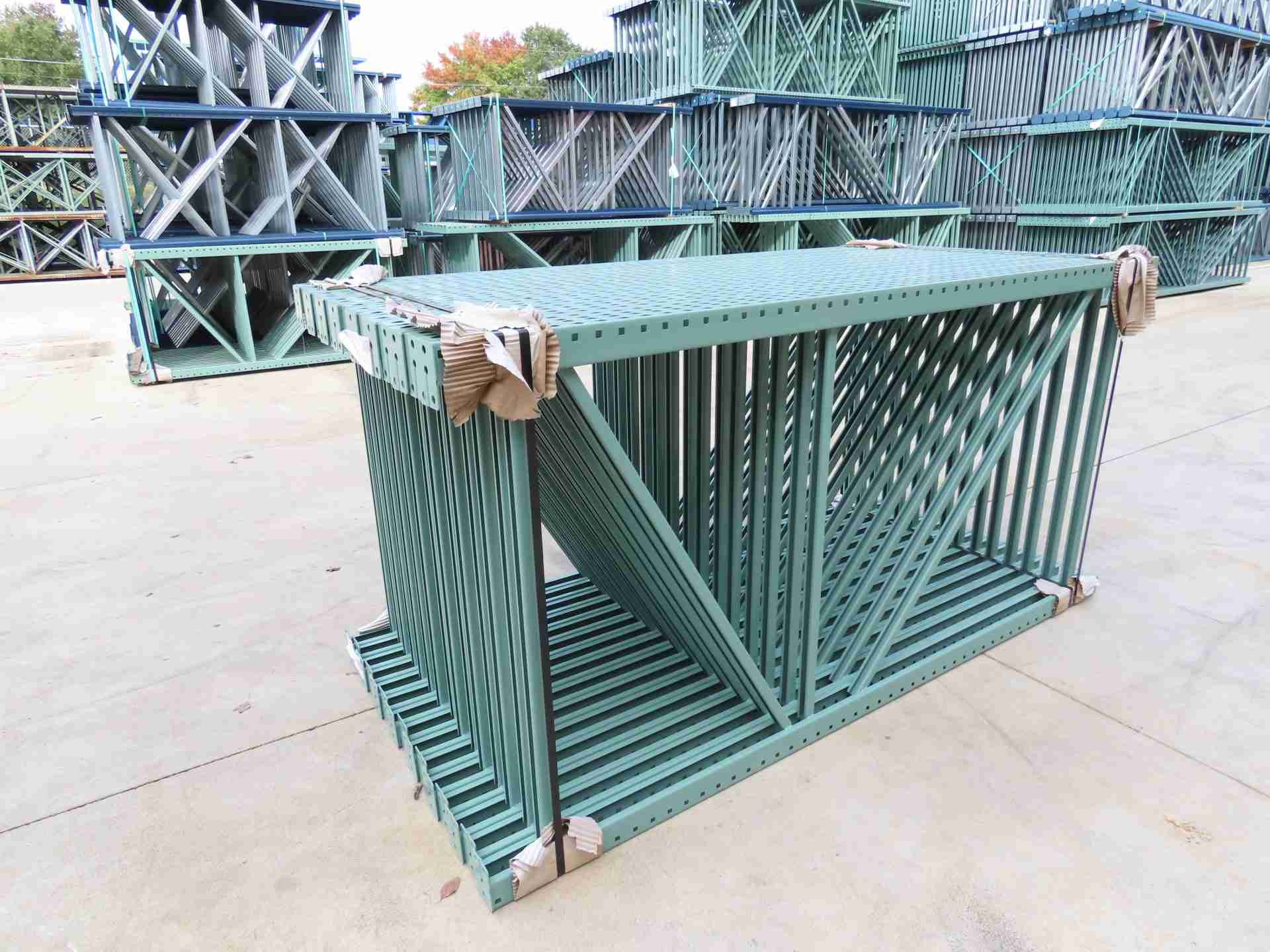
Are You Turning a Blind Eye to Safety In Your Warehouse Racking?
Are You Turning a Blind Eye to Safety In Your Warehouse Racking?
- Warehouse productivity is often impacted by neglected safety aspects of pallet racking systems.
- Overlooking safety can lead to serious incidents, including pallet tipping and racking collapse, resulting in injuries and financial losses.
- Providing a safe working environment is essential for maintaining employees’ trust and well-being.
- Conduct thorough inspections of pallet racking for wear, proper installation, and compliance with industry standards.
- Educating staff on safe pallet racking practices is crucial; training sessions can promote hazard recognition and discussions on safety issues.
- Prioritizing safety benefits both employees and the company’s bottom line, leading to fewer accidents and reduced costs.
- Taking immediate action to invest in pallet racking safety is vital for operational efficiency and overall workplace morale.
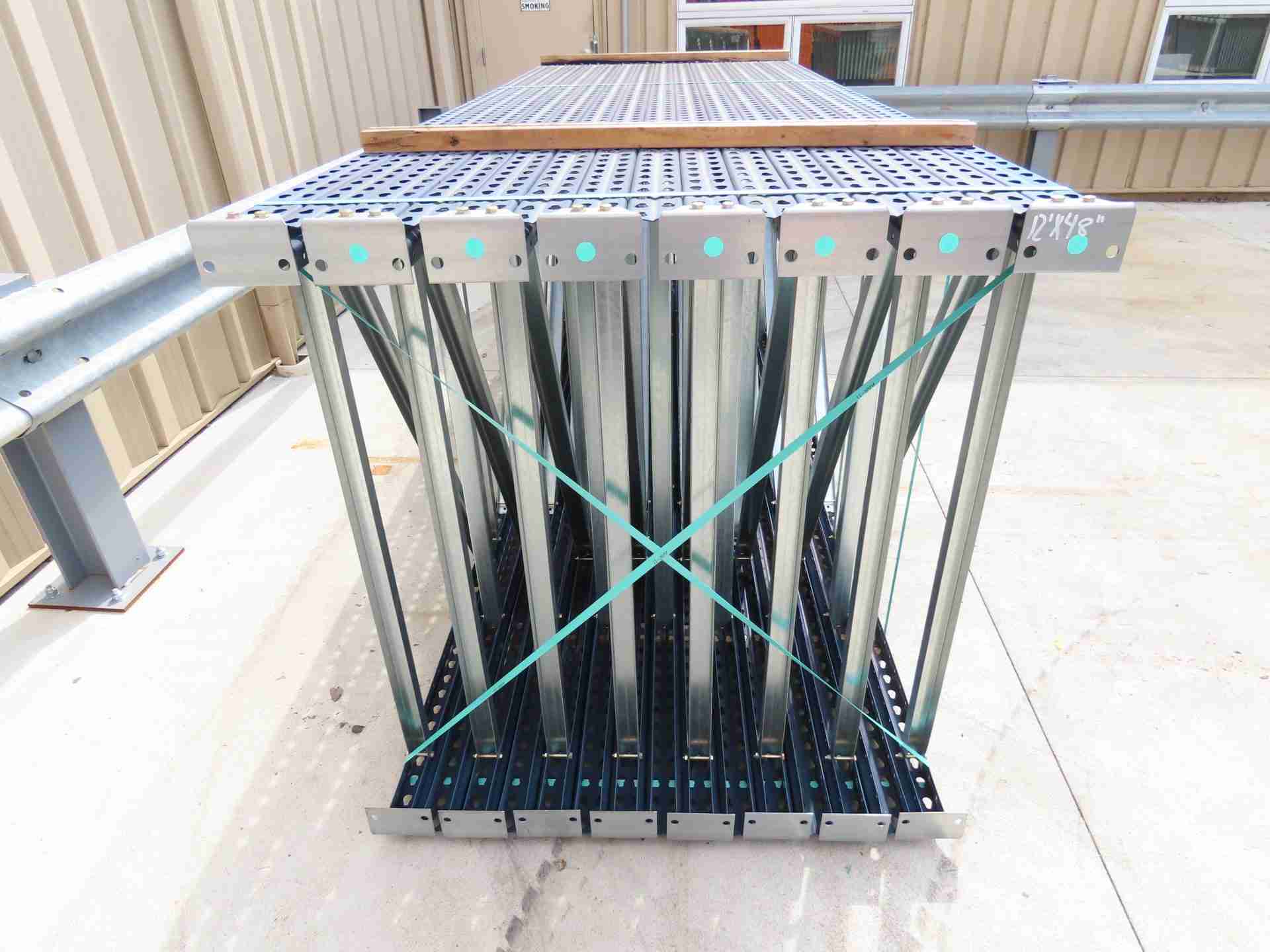
Are You Turning a Blind Eye to Safety In Your Warehouse Racking?
Table Of Contents
- Are You Turning a Blind Eye to Safety In Your Warehouse Racking?
- How Can You Assess The Condition Of Your Warehouse Racking?
- Why Is Regular Inspection Of Racking Systems Important?
- What Safety Standards Apply To Warehouse Racking?
- How Can You Prevent Overloading Of Racking Systems?
- What Training Is Required For Employees Handling Racking?
- How Often Should Warehouse Racking Be Inspected For Safety?
- Conclusion
- Other Resources
- Glossary Of Terms
- Other Questions
- Checklist
How Can You Assess The Condition Of Your Warehouse Racking?
When it comes to your warehouse, one of the most critical elements often overlooked is your pallet racking. Just like the heart of a well-oiled machine, your racking holds everything together—literally. If it’s not up to snuff, you’re flirting with disaster. So how do you assess the condition of your pallet racking?
Start with a visual inspection. Inspecting your pallet racking should be as routine as your morning coffee; it sets the tone for the day. Look for signs of wear and tear: is the paint peeling? Are there any dents or bends in the beams? Even the smallest imperfections can indicate underlying issues that need immediate attention. Remember, a simple visual check can save you from costly repairs or a serious mishap later on.
Next, go deeper. Check for more serious structural damage. Is there rust forming? Your metal racking is designed to withstand the test of time, but corrosion can weaken its integrity. Don’t play a dangerous guessing game—invest in a comprehensive inspection to identify any potential weaknesses before they become a larger problem.
Getting your employees involved can foster a culture of safety and vigilance. Provide them with guidelines on what to look for and encourage them to report issues promptly. Your team is your first line of defense in maintaining safe and efficient pallet racking. When they feel engaged and empowered, it produces a sense of ownership that can’t be ignored.
Another critical element of your assessment shouldn’t be neglected—load capacity. Ensure that every rack is being used as it was designed to be. Overloading racks isn’t just a hazard; it’s a recipe for disaster. Verify weight distributions and adhere to manufacturer specifications; doing so will not only extend the life of your racking but also provide peace of mind.
Finally, don’t hesitate to seek professional help if you’re unsure about any part of the assessment. A certified racking inspection service can provide detailed reports and recommendations tailored to your specific needs. Their expertise can offer you the reassurance that your warehouse is operating at optimal conditions.
Investing time and energy into assessing your pallet racking is not just smart—it’s essential. By actively evaluating and maintaining your racking, you cultivate a safer working environment that fosters productivity. So, roll up your sleeves and take action today—your warehouse’s integrity depends on it!
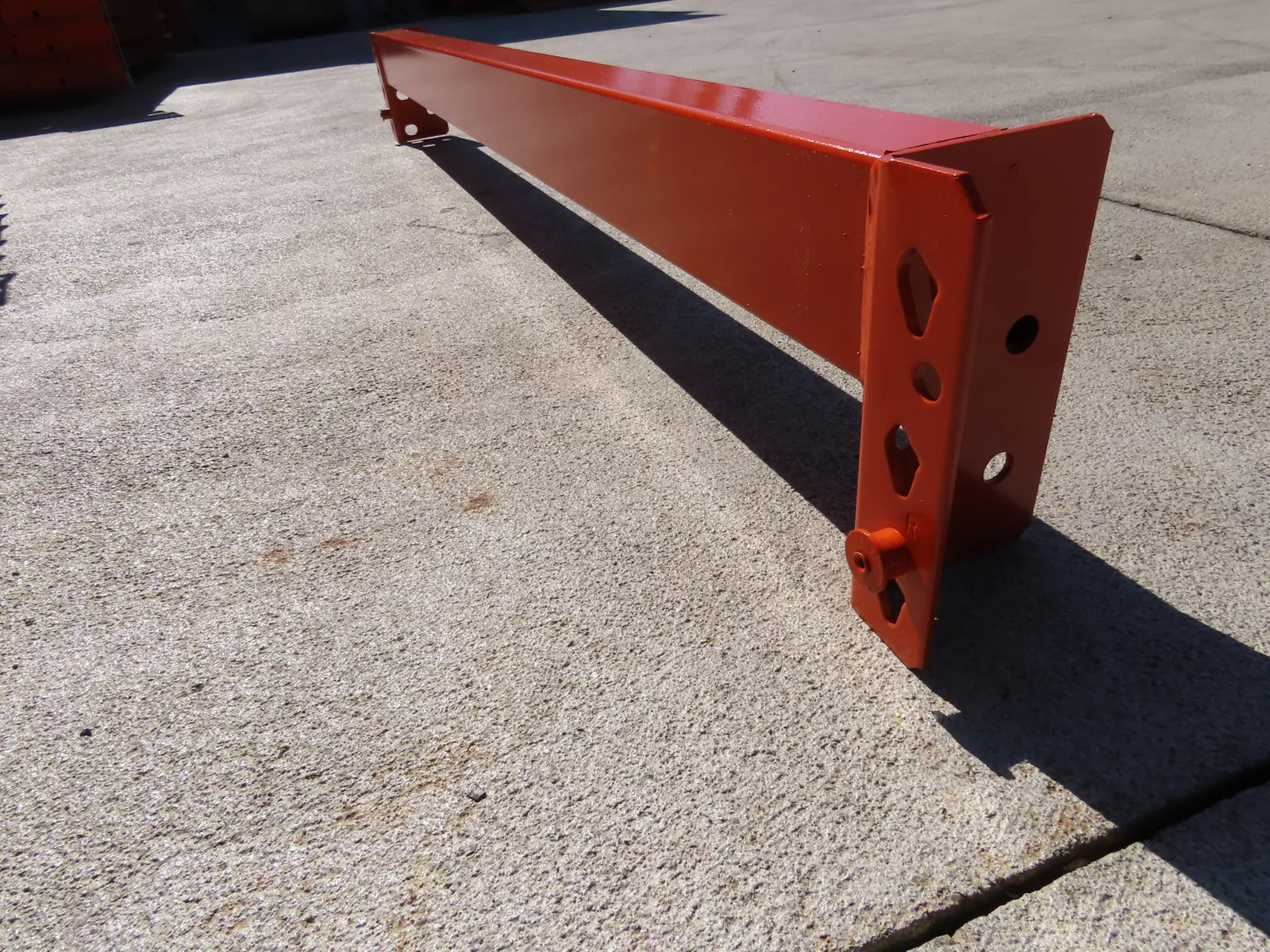
How Can You Assess The Condition Of Your Warehouse Racking?
How Can You Assess The Condition Of Your Warehouse Racking?
- Pallet racking is a critical component of warehouse operations, requiring regular assessment.
- Conduct visual inspections routinely for signs of wear, such as peeling paint or dents.
- Look for serious structural damage, including rust, to ensure racking integrity.
- Engage employees by providing guidelines for identifying and reporting issues promptly.
- Adhere to load capacity specifications to prevent hazards related to overloading racks.
- Seek professional help for detailed inspections and tailored recommendations when necessary.
- Regular maintenance of pallet racking enhances safety, productivity, and overall warehouse integrity.
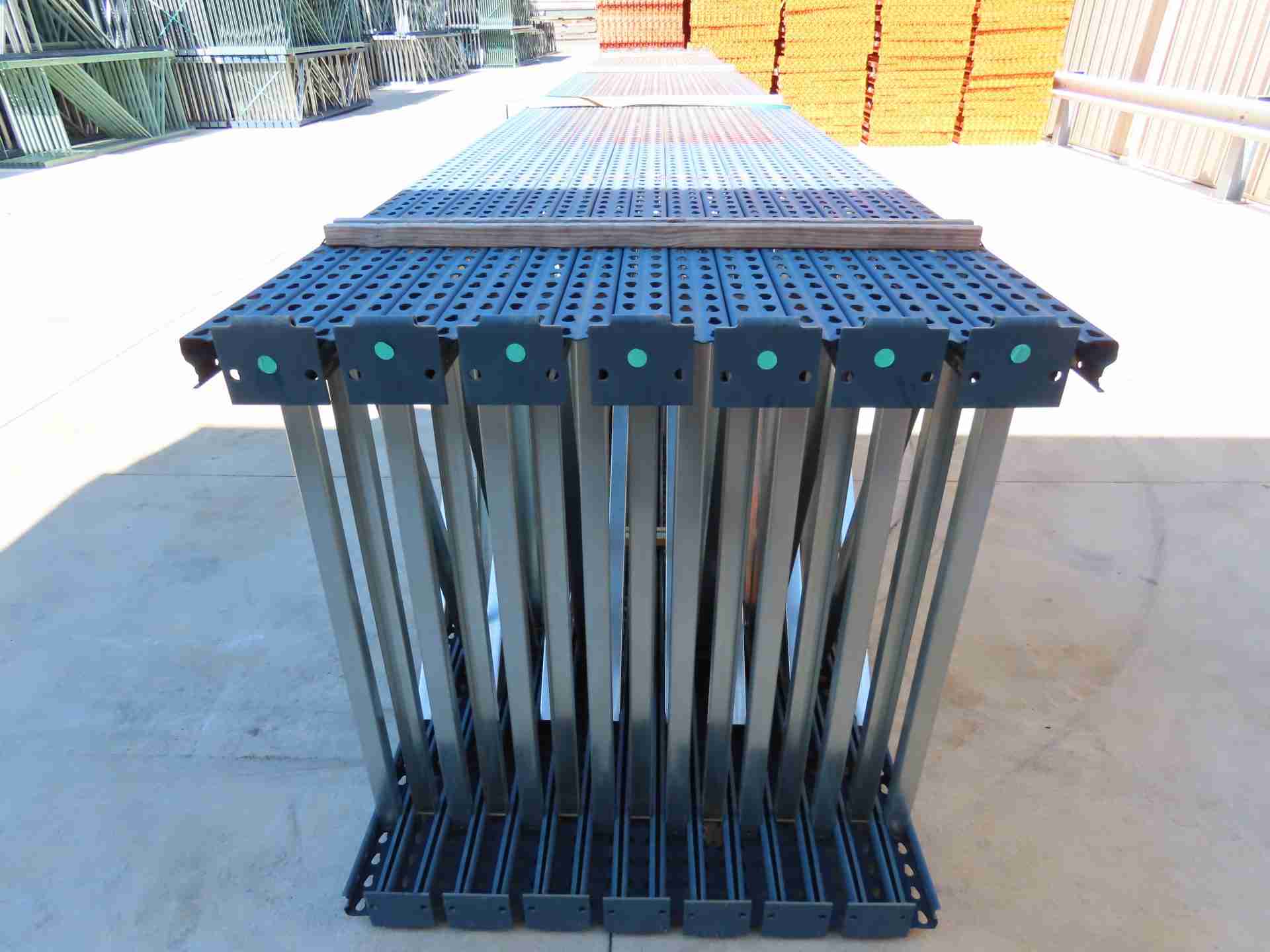
How Can You Assess The Condition Of Your Warehouse Racking?
Why Is Regular Inspection Of Racking Systems Important?
In the bustling world of warehouses and distribution centers, your pallet racking is the backbone of your operations. Yet, how often do we pause to think about the critical role these structures play in our success? Regular inspection of racking systems is not just a maintenance task; it’s a commitment to safety, efficiency, and profitability.
Picture this: a bustling warehouse humming with activity, every shelf laden with goods, and every fork truck making swift moves to deliver orders on time. The ingenious design of your pallet racking might seem robust, but over time, factors like wear and tear, environmental conditions, or even minor accidents can compromise its integrity. This is where routine inspections become a game changer.
By investing in regular inspections, you’re not just ticking a box; you are proactively safeguarding your workforce. An effective racking system doesn’t simply hold pallets – it protects your employees, your inventory, and your bottom line. An unexpected racking collapse could result in serious injuries, costly downtime, and even potential lawsuits. Don’t let a minor oversight turn into a major financial setback!
Moreover, think about the lost productivity that could ensue if your racking system becomes overloaded or unbalanced due to unnoticed issues. When your pallet racking is inspected regularly, potential problems are identified early, allowing you to strategize solutions before they escalate into costly crises. Investing in preventative care helps ensure your operations run like a well-oiled machine, encouraging team morale and boosting overall efficiency.
Beyond the immediate safety and efficiency concerns, there’s also the matter of compliance. Many industries have stringent regulations regarding racking system safety. By maintaining a consistent inspection schedule, you can demonstrate your commitment to safety standards and avoid nasty fines. Clients and stakeholders alike will recognize your dedication to operational excellence, inspiring further confidence in your business.
In essence, regular inspection of your racking systems is vital not merely for compliance, but as a way to foster long-term success. Just like a car needs an oil change to keep running smoothly, your pallet racking requires the attention it deserves. Don’t wait for a catastrophe to motivate you—take the proactive step today. Schedule that inspection and give your racking systems the TLC they need to keep your operations thriving!
Why Is Regular Inspection Of Racking Systems Important?
Why Is Regular Inspection Of Racking Systems Important?
- Pallet racking is essential for warehouse operations and impacts safety, efficiency, and profitability.
- Routine inspections are crucial as wear, environmental conditions, and accidents may compromise racking integrity.
- Regular inspections protect employees, inventory, and finances from potential accidents or racking collapses.
- Proactive maintenance helps identify issues early, preventing costly downtime and preserving productivity.
- Compliance with industry safety regulations is enhanced by maintaining a consistent inspection schedule.
- Demonstrating commitment to safety standards boosts confidence among clients and stakeholders.
- Just as cars require maintenance, pallet racking needs regular attention to ensure long-term operational success.
Why Is Regular Inspection Of Racking Systems Important?
What Safety Standards Apply To Warehouse Racking?
When it comes to warehouse operations, safety is not just a legal obligation; it’s a fundamental component of a thriving business. One of the most critical aspects to consider is the safety standards that govern your pallet racking systems. These aren’t just guidelines—they are the bedrock of a secure working environment that protects your employees and your investment.
Pallet racking is often the backbone of warehouse storage, providing maximum efficiency and organization. Yet, improper setup, overloaded shelves, or poor maintenance can turn these vital systems into liabilities. So, what standards should you be familiar with to ensure that your pallet racking meets both safety and operational excellence?
First, let’s talk about the American National Standards Institute (ANSI) and the Rack Manufacturers Institute (RMI). These two bodies set the stage for what constitutes safe and efficient racking systems. ANSI/NAS-4926 provides specific safety guidelines that address rack design, installation, and maintenance. Following these guidelines isn’t just a good practice; it’s a commitment to maintaining a safe workplace.
Then there’s the Occupational Safety and Health Administration (OSHA), which mandates that employers provide a safe work environment. While they don’t prescribe specific racking systems, they enforce standards that require all materials, including pallet racking, to be properly secured and regularly inspected. A robust safety protocol not only keeps your facility compliant but fosters a culture of safety amongst your employees.
Additionally, consider the benefits of regular training for your team on the safe use of pallet racking. Knowledge is power! When employees understand how to utilize these systems correctly, they contribute to a more efficient and safer workplace. Encourage open communication about potential hazards. Foster an environment where every team member feels empowered to raise questions or concerns about safety protocols.
At the end of the day, investing time and resources into meeting safety standards isn’t just about compliance; it’s about confidence. You want your team to focus on productivity and performance without the nagging worry of safety risks. By adhering to established safety standards and encouraging a proactive safety culture, you’re not just protecting your employees, but you’re also enhancing the reputation of your business. Remember, safety isn’t a destination; it’s a journey that leads to success.
What Safety Standards Apply To Warehouse Racking?
What Safety Standards Apply To Warehouse Racking?
- Safety is essential in warehouse operations, serving as both a legal obligation and a foundation for business success.
- Pallet racking systems are crucial for efficiency and organization but can become liabilities if improperly set up or maintained.
- The American National Standards Institute (ANSI) and Rack Manufacturers Institute (RMI) set safety standards for racking systems, specifically ANSI/NAS-4926.
- The Occupational Safety and Health Administration (OSHA) requires employers to ensure a safe work environment and mandates proper inspection of pallet racking.
- Regular training for employees on safe pallet racking use enhances workplace efficiency and safety.
- Encouraging open communication about safety hazards fosters a proactive safety culture among employees.
- Investing in safety standards boosts employee confidence and improves business reputation, emphasizing that safety is an ongoing journey.
What Safety Standards Apply To Warehouse Racking?
How Can You Prevent Overloading Of Racking Systems?
When it comes to your warehouse or distribution center, the efficiency of your Pallet Racking systems can make or break your operational success. You might think that stacking one more pallet won’t hurt, but the reality is that overloading can lead to structural failures, jeopardizing safety, inventory, and even your bottom line. So, how do you prevent this from happening? Well, let’s share some straightforward yet impactful strategies.
First and foremost, understanding the weight capacity of your Pallet Racking is key. Every racking system comes with a specified load capacity that factors in dimensions, material, and design. Know these numbers inside out! Regularly review the manufacturer’s guidelines and keep them readily accessible for your staff. If everyone knows the limits, it creates a culture of accountability.
Next, training your team is paramount. Providing education and training sessions on proper loading techniques fosters a culture of safety and efficiency. Ensure that your team knows how to distribute weight evenly across the racking system. Encourage them to perform periodic inspections to identify any signs of wear or overuse. This proactive approach goes a long way in preventing mishaps before they occur.
Implement a system of checks and balances. Consider creating a loading plan or guide that outlines specific rules for what can and cannot be stored on your Pallet Racking. This can include defining designated areas for heavy and light items, ensuring the heaviest items are always placed at lower levels. Think of it like a recipe: too much of one ingredient can ruin the dish, and the same goes for your racking.
Finally, invest in regular maintenance and inspections of your Pallet Racking systems. Just as you wouldn’t drive a car that hasn’t been serviced, don’t let your racking systems be neglected. Schedule routine checks to ensure everything is in optimal condition, catching any potential issues before they spiral out of control.
Ultimately, preventing overloading of your racking systems isn’t just about following rules; it’s about creating a safe, reliable, and efficient workplace. By taking mindful steps together, you’re not just protecting your assets—you’re investing in the future of your business. Be proactive. Make the changes today and inspire confidence in your operations tomorrow!
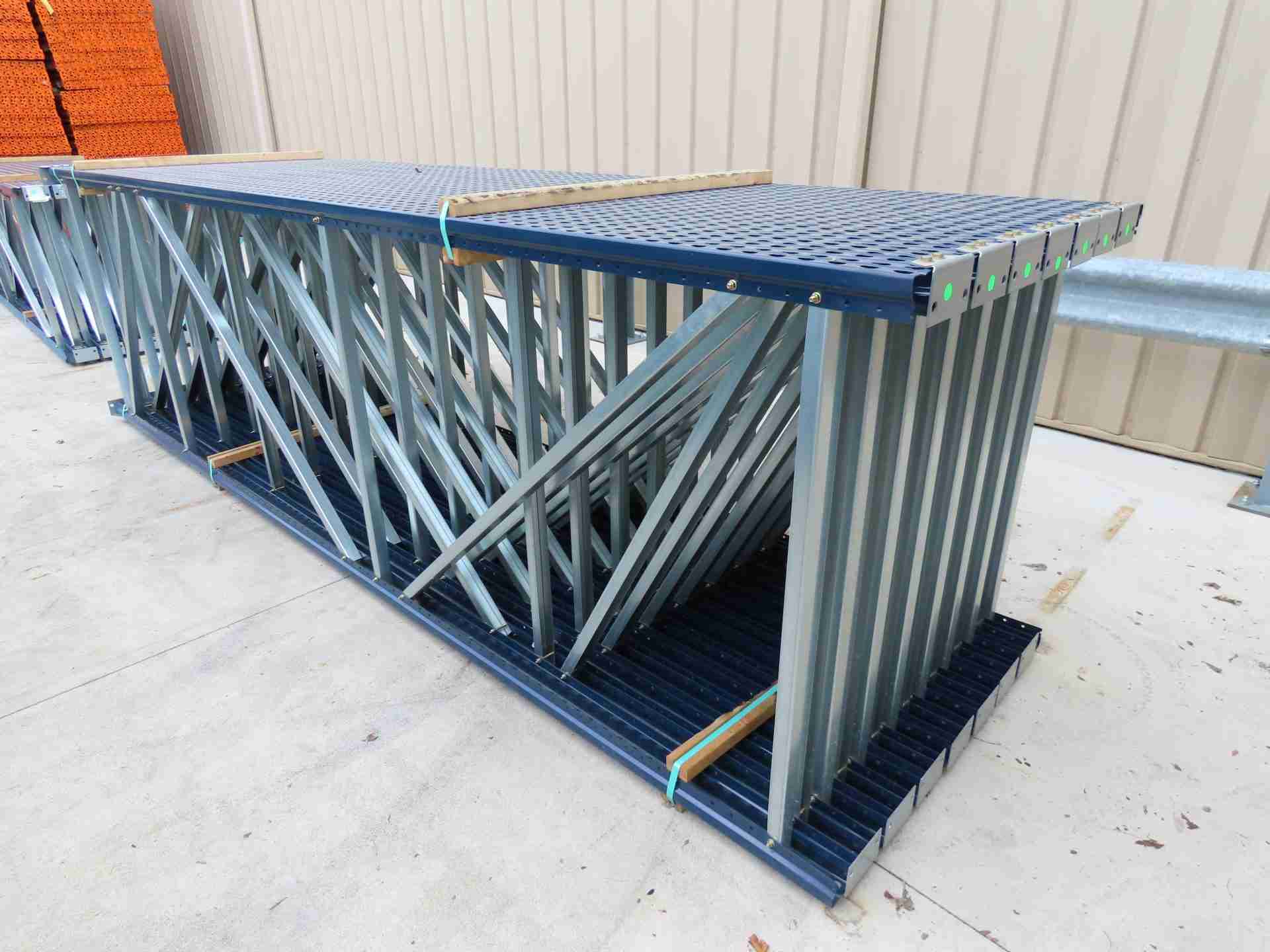
How Can You Prevent Overloading Of Racking Systems?
How Can You Prevent Overloading Of Racking Systems?
- The efficiency of Pallet Racking systems is crucial for warehouse operational success.
- Overloading racking systems can lead to structural failures, affecting safety and inventory.
- Understand the specified weight capacity of your Pallet Racking and make guidelines accessible to staff.
- Provide education and training on proper loading techniques to your team.
- Implement a loading plan that defines rules for storing heavy and light items on the racking system.
- Invest in regular maintenance and inspections to ensure optimal conditions of racking systems.
- Creating a safe and efficient workplace involves proactive measures that protect assets and future investments.
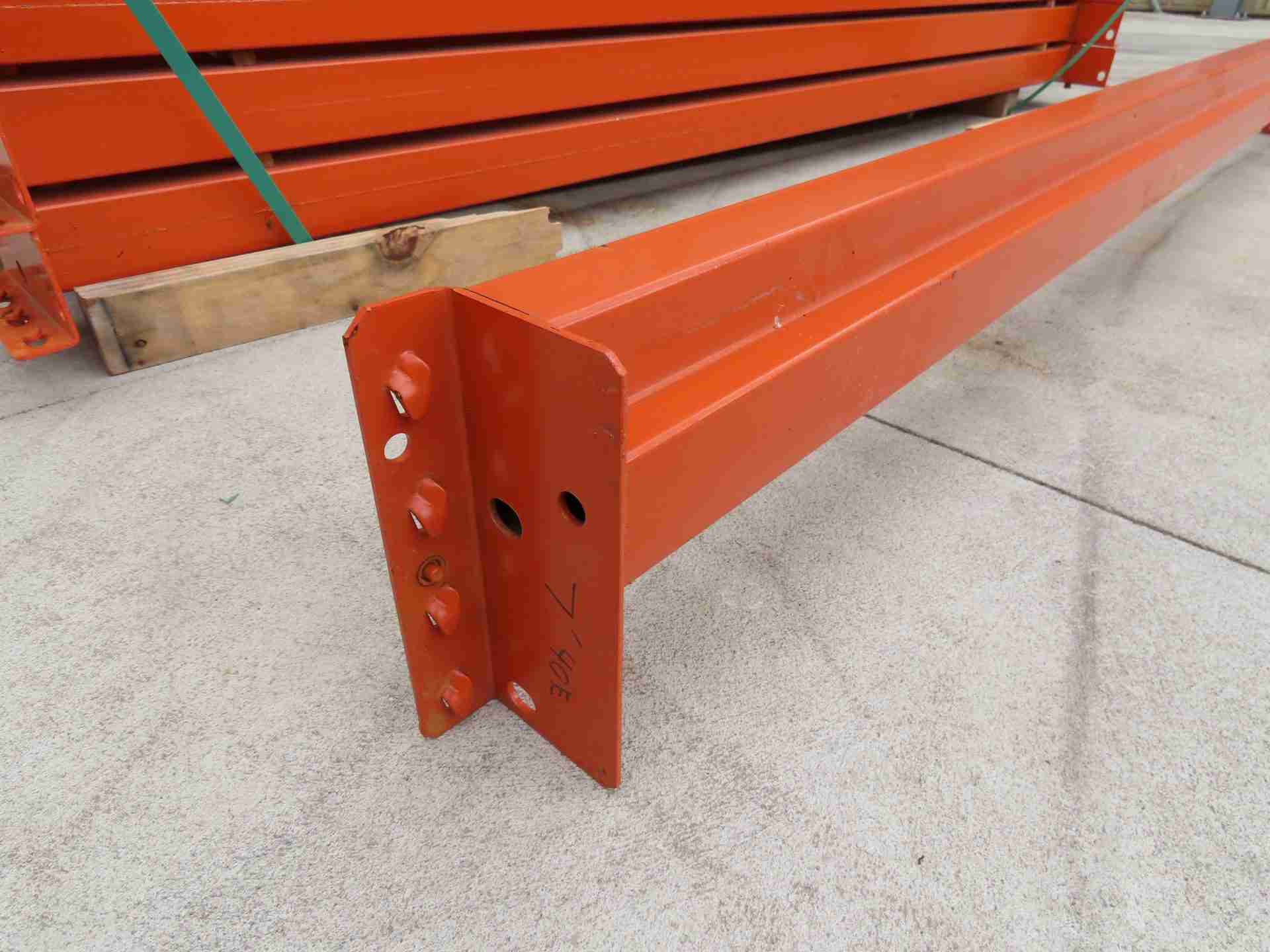
How Can You Prevent Overloading Of Racking Systems?
What Training Is Required For Employees Handling Racking?
When it comes to warehouse safety, the role of employees handling pallet racking cannot be underestimated. The very foundation of your warehousing operations lies in the careful management and use of pallet racking systems. But have you ever considered the individuals behind these towering structures? Proper training isn’t just a box to check—it’s the lifeline of your logistics operations.
To inspire trust and confidence, every employee must grasp the fundamental principles of pallet racking safety. This involves understanding the specific types of racking systems in use and learning how to optimize their functionality. Imagine your team becoming experts in recognizing potential hazards associated with pallet racking, such as overloading systems, improper stacking, or neglecting basic safety protocols. This knowledge not only protects your workforce but also safeguards your valuable inventory.
Training should commence with a thorough introduction to the various types of pallet racking, including selective, drive-in, and push-back systems. Employees should participate in hands-on demonstrations, gaining real-world insights into the best practices for loading and unloading. By connecting theory with practice, you’re not just providing information; you’re empowering your employees. They’ll leave the training knowing they can avoid costly mistakes that could lead to devastating accidents.
Moreover, it’s essential to instill a culture of communication. Encourage team members to speak up about concerns they encounter while handling pallet racking. Foster an environment where reporting near misses isn’t viewed as a setback but as an opportunity to improve. This proactive approach builds a sense of camaraderie and responsibility among your workforce, creating champions of safety.
But wait, there’s more! Continued education is equally vital. Regular refresher courses should be held to keep everyone updated on the latest safety standards and technological advancements in racking systems. As the industry evolves, so should your workforce’s knowledge. This not only boosts their confidence but also promotes a shared commitment to excellence within your organization.
Investing in the proper training for employees handling pallet racking is more than a regulatory requirement—it’s a strategic advantage. With a well-trained team, you elevate your business operations, minimize risk, and enhance overall efficiency. It’s time to make safety an integral part of your company culture and watch your productivity soar. Your team is the backbone of your success; equip them with the knowledge and skills they need to excel!

What Training Is Required For Employees Handling Racking?
What Training Is Required For Employees Handling Racking?
- Warehouse safety heavily relies on proper management and use of pallet racking systems.
- Employees must be trained in the fundamental principles of pallet racking safety to build trust and confidence.
- Training should cover different types of racking systems and emphasize real-world best practices.
- Encouraging communication among team members helps identify and address safety concerns proactively.
- Regular refresher courses are necessary to keep employees updated on safety standards and technologies.
- Investing in training provides strategic advantages, enhances efficiency, and minimizes risks.
- Making safety a core part of company culture strengthens productivity and empowers employees.
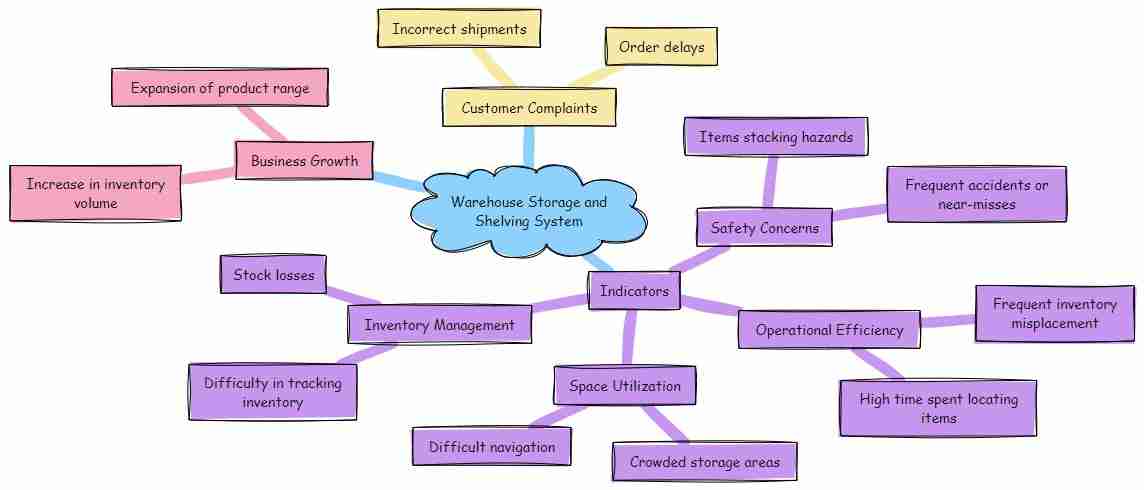
What Training Is Required For Employees Handling Racking?
How Often Should Warehouse Racking Be Inspected For Safety?
In the bustling world of warehousing, every minute and every square foot counts. But amidst the relentless pace of everyday operations, how often do we stop to consider the integrity of our warehouse racking? The truth is, pallet racking systems are the backbone of your operations—they hold the weight of your success, quite literally. That’s why inspecting your pallet racking for safety isn’t just a checkbox on a task list; it’s a vital commitment to your team, your inventory, and ultimately, your bottom line.
So, how often should you conduct these inspections? Industry experts recommend at least an inspection every six months. However, if your warehouse experiences heavy traffic, frequent inventory turnover, or if you’re storing particularly heavy materials, quarterly inspections may be more appropriate. Think of it as a health check for your pallet racking—just like you wouldn’t skip a yearly physical, your racking deserves the same diligence.
But let’s make this personal. Picture a typical day in your warehouse. Your team is moving briskly, the sound of forklifts fills the air, and product is flying off the shelves. The last thing you want on your mind is whether your pallet racking can support the workload. A proactive inspection routine not only fosters a safer working environment, but it also instills a sense of care and professionalism among employees. They feel valued knowing that their safety—and the safety of the products they handle—is a top priority.
Then there’s the undeniable financial aspect. A small investment in regular inspections can save you from catastrophic failures that lead to damaging accidents, lost inventory, or worse—a halt in operations. Trust me, a little foresight can prevent significant losses, keeping both profits and morale high.
Now, you might be wondering how to get started. Set up a simple checklist that includes daily visual inspections by your team. Look for signs of wear and tear, damage, or any unusual shifts in your racking systems. Pair that with more comprehensive reviews by a certified professional every six months, and you’ll keep your operations running smoothly.
Remember, your warehouse is more than just a space for storage; it’s a thriving ecosystem of activity. Keep it safe, and you’ll cultivate a workplace that’s not just productive, but prosperous. Make the commitment today—you’ll be glad you did!
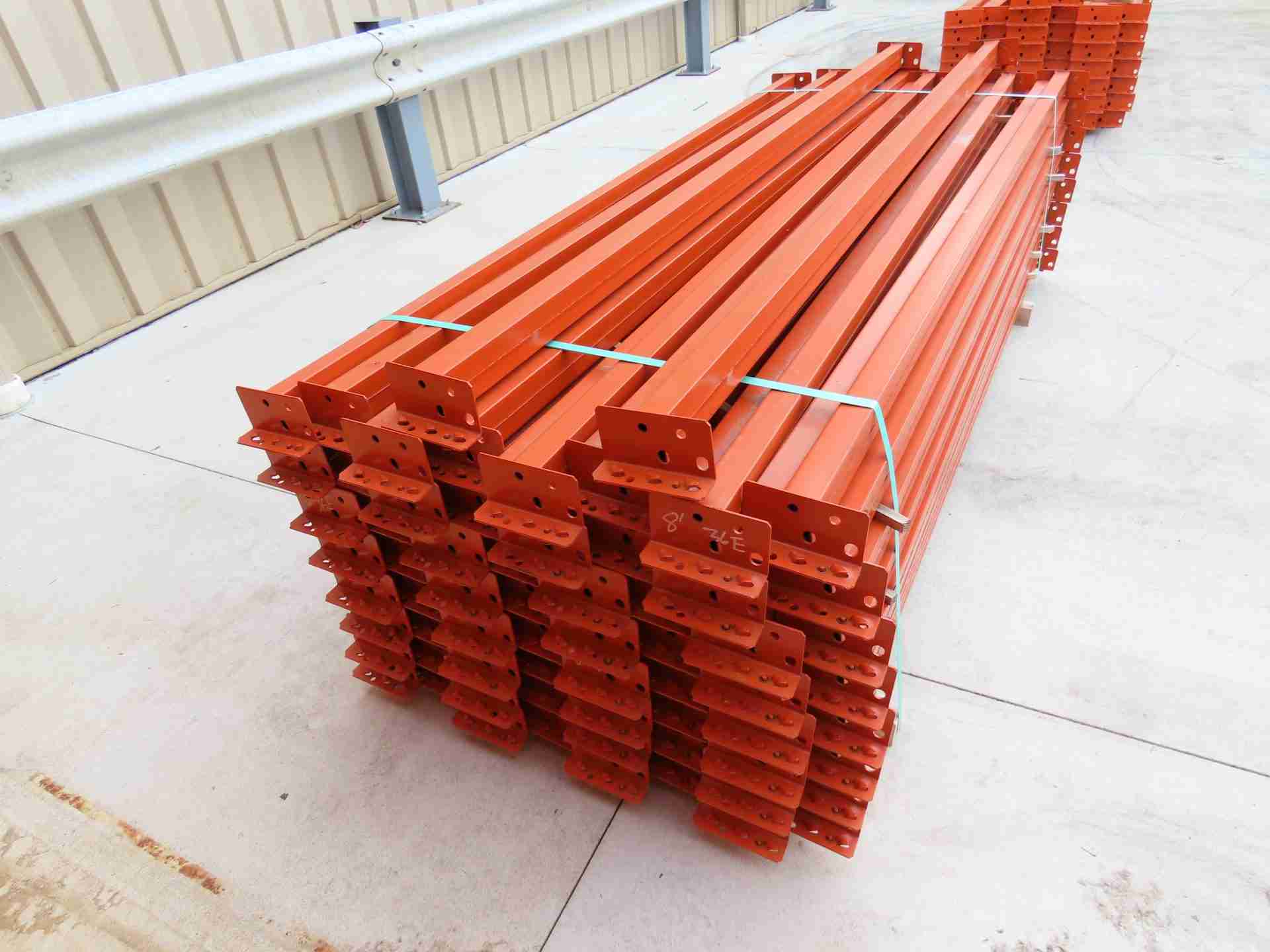
How Often Should Warehouse Racking Be Inspected For Safety?
How Often Should Warehouse Racking Be Inspected For Safety?
- Pallet racking systems are crucial for warehouse operations, supporting both inventory and success.
- Regular safety inspections of pallet racking are essential, recommended at least every six months.
- Quarterly inspections may be necessary for warehouses with heavy traffic or heavy materials.
- A proactive inspection routine enhances safety and fosters a professional work environment.
- Investing in regular inspections can prevent costly accidents and operational halts.
- Implement daily visual inspections and comprehensive reviews every six months for effective monitoring.
- Prioritizing safety contributes to a productive and prosperous workplace ecosystem.
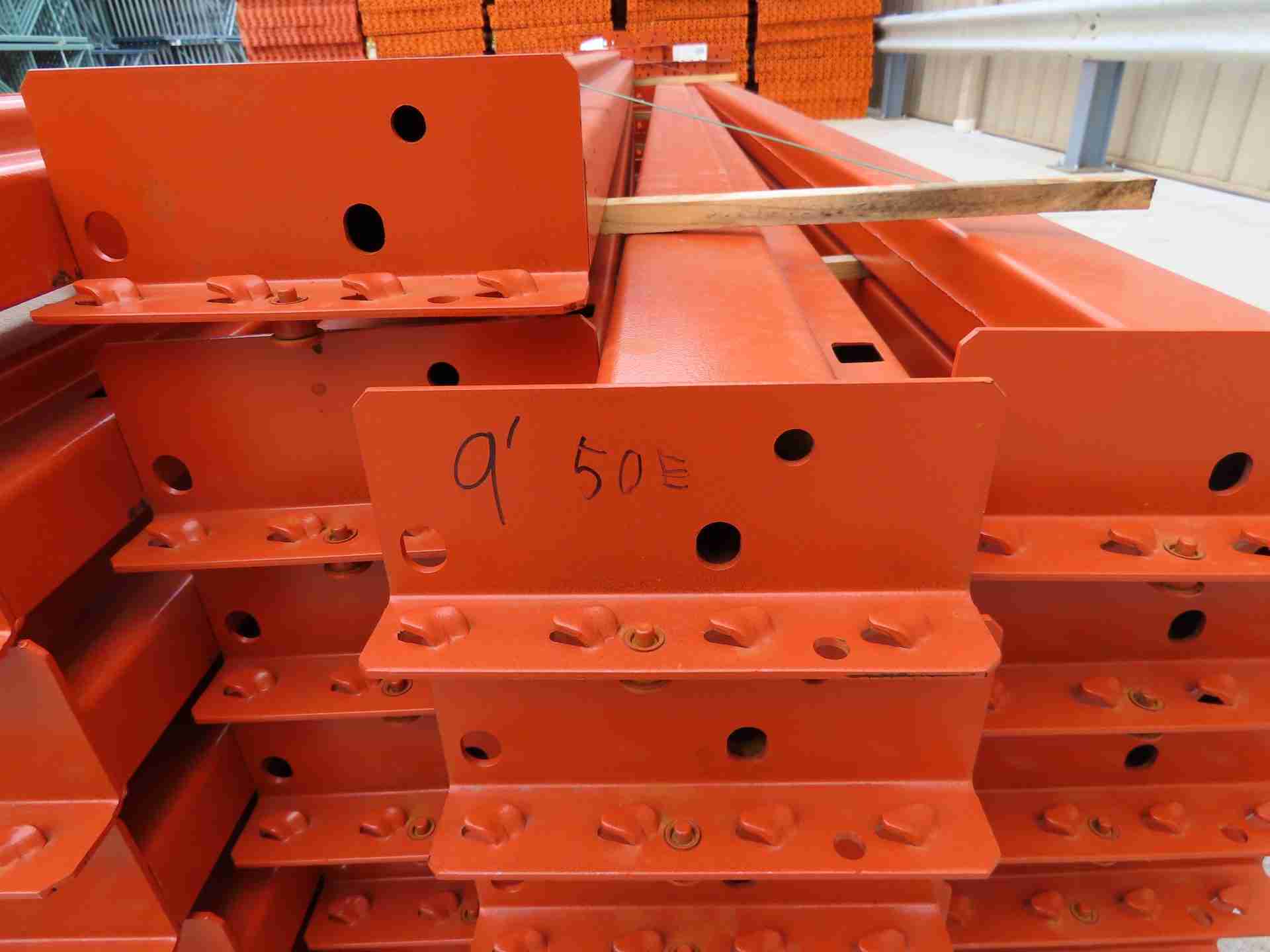
How Often Should Warehouse Racking Be Inspected For Safety?
Conclusion
Conclusion: Prioritize Safety for Success with Arrow Industrial Sales
As you reflect on the information shared throughout this article, one profound realization emerges: the integrity of your warehouse racking systems significantly impacts not only your operational efficiency but also the safety and well-being of your most valuable asset—your employees. The stakes are incredibly high, as neglecting pallet racking safety can lead to catastrophic incidents, severe injuries, substantial financial losses, and even lasting damage to your company’s reputation.
However, with knowledge comes power, and the proactive measures you take today can prevent tomorrow’s crises. By conducting thorough visual inspections, adhering to industry safety standards, embracing a culture of communication, and investing in employee training, you can mitigate risks and enhance productivity within your warehouse. Remember, effective safety practices are not just about compliance; they create a healthy work environment that fosters trust, morale, and loyalty among your staff. An engaged workforce is an empowered workforce—and their safety contributes directly to your bottom line.
If there’s anything that should resonate with you, it’s the urgency to act now. Do not let complacency jeopardize your operational success; your warehouse deserves to be safeguarded against potential hazards. At Arrow Industrial Sales, we are committed to aiding you in this mission. We understand that every minute counts and are here to help you navigate the complexities of pallet racking safety and compliance with confidence and ease.
We urge you to take immediate action: call Arrow Industrial Sales at (574) 349-6575 for expert guidance tailored to your unique needs. Our knowledgeable team is ready to assist you in conducting comprehensive safety assessments, training sessions, and implementing the best practices necessary to ensure your warehouse operates both efficiently and safely.
Don’t wait until a small oversight spirals into an irreversible crisis. The time to fortify your racking systems is now. Choose to prioritize safety, reliability, and success—because your commitment today will yield the prosperity of your operations tomorrow. Remember, a safe workplace is a productive workplace, and an investment in safety is an investment in your future. Let us partner with you in creating a safer warehouse environment. Your future self—and your dedicated team—will thank you.
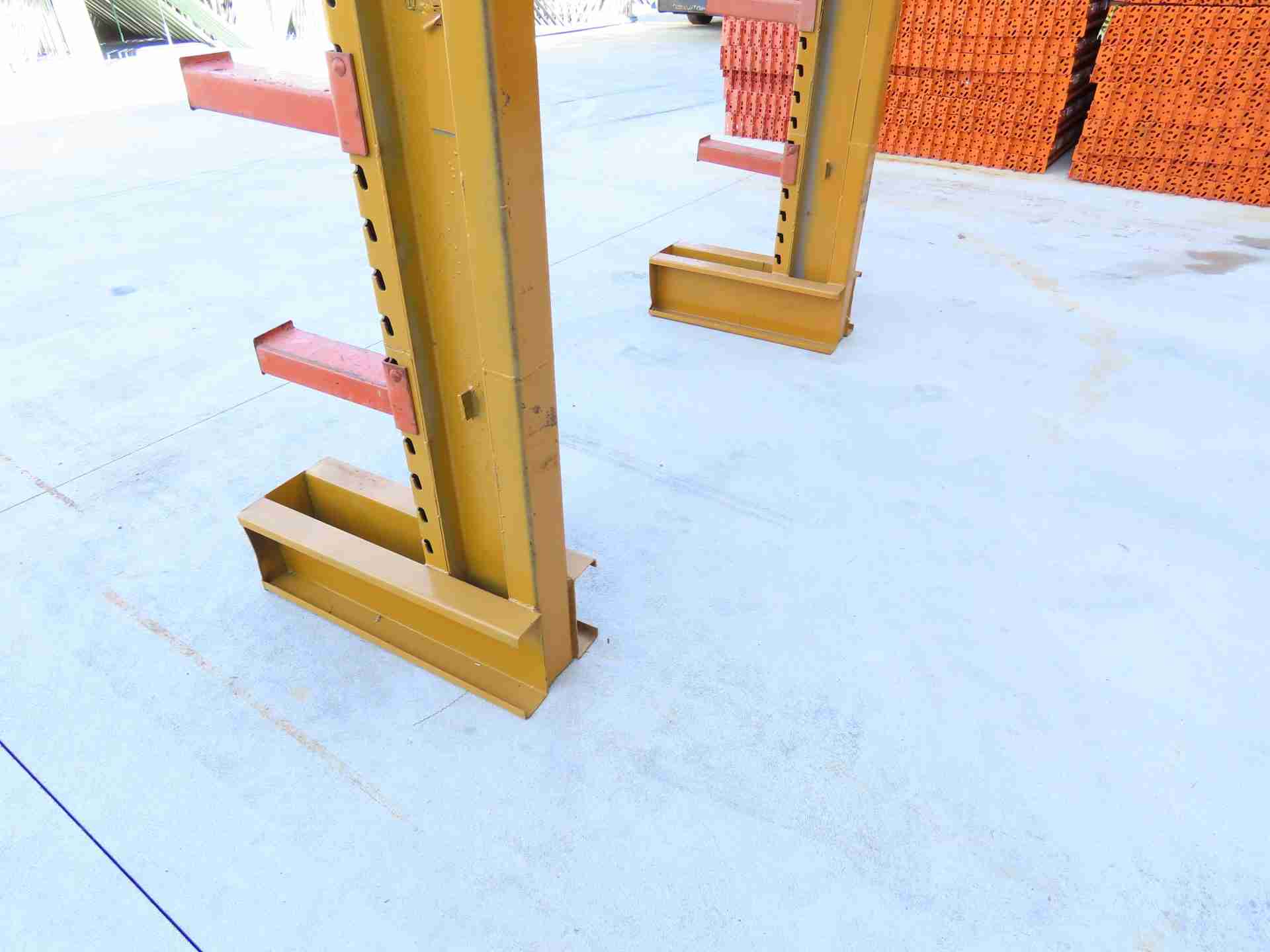
Conclusion
Conclusion:
- The integrity of warehouse racking systems is crucial for operational efficiency and employee safety.
- Neglecting pallet racking safety can result in catastrophic incidents and significant financial losses.
- Proactive measures, such as inspections and employee training, can prevent safety crises.
- A culture of communication and adherence to safety standards enhances productivity and morale.
- Engaging employees in safety practices fosters trust and loyalty, impacting the bottom line positively.
- Immediate action is urged to safeguard against potential hazards and ensure operational success.
- Arrow Industrial Sales offers expert guidance for safety assessments and best practices for warehouse operations.
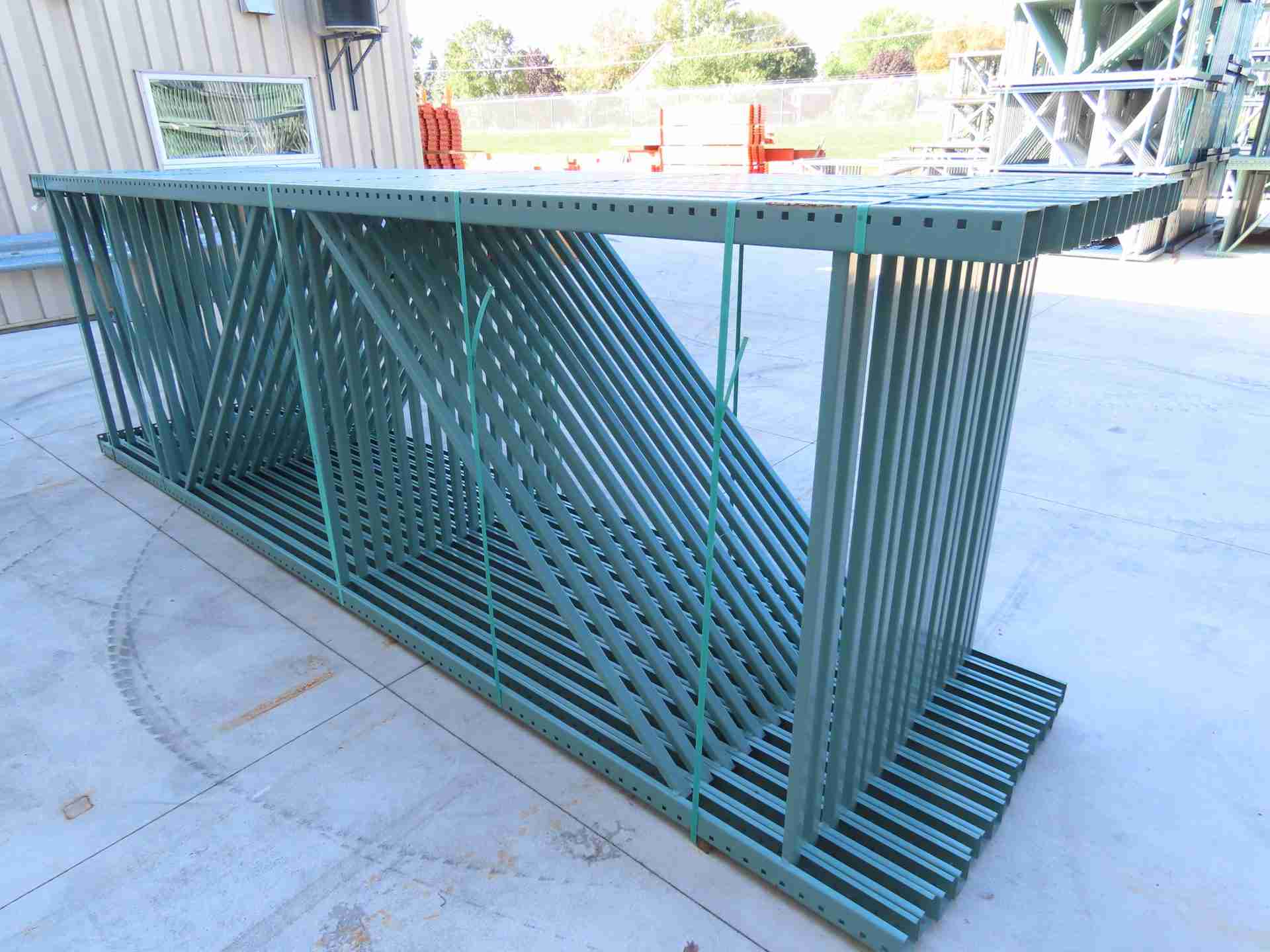
Conclusion
Other Resources
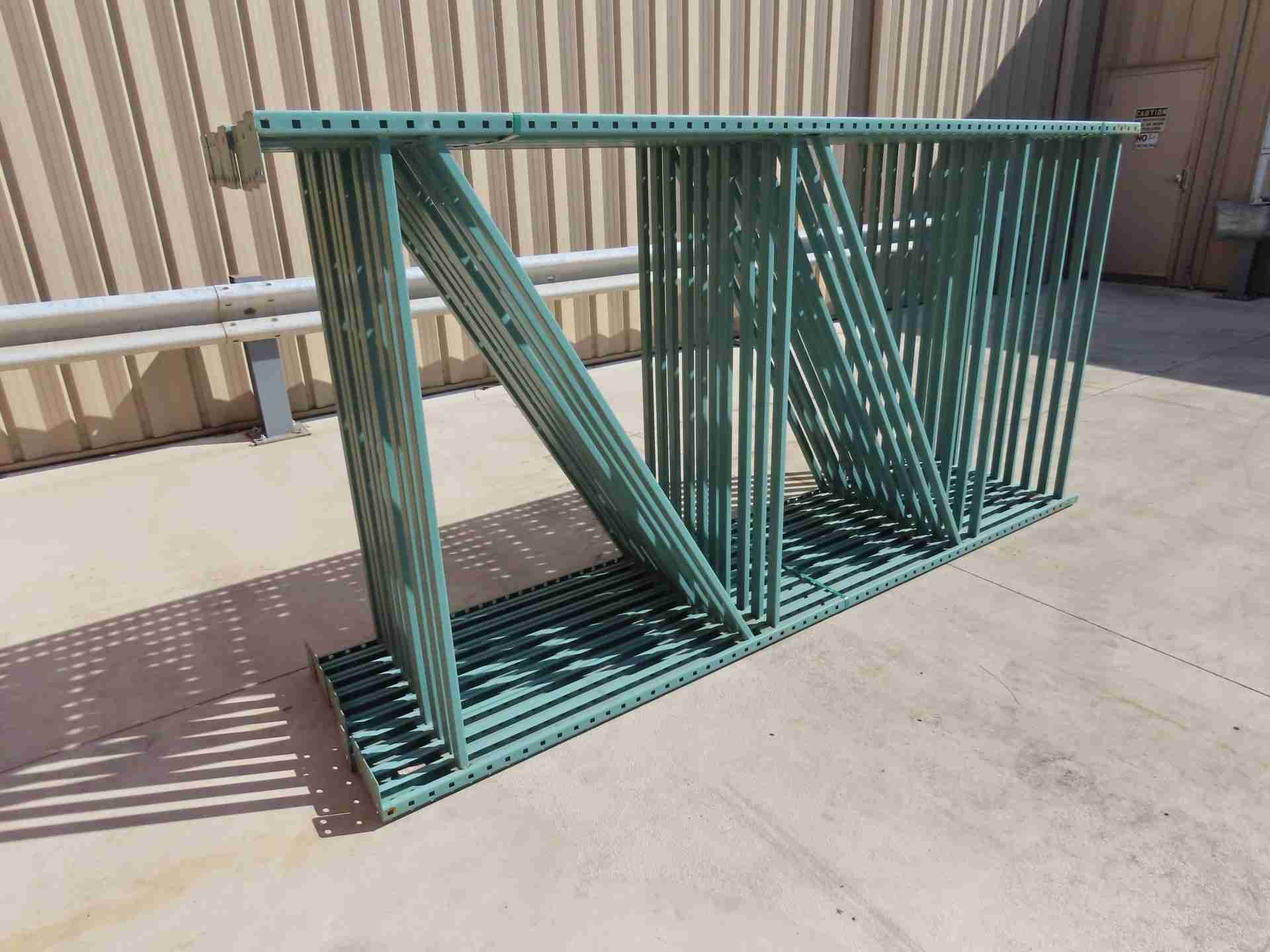
Other Resources
Here is a list of other resources you can review online to learn more:
- Warehouse Racking Chicago, IL
- Illinois Pallet Racking – WPRP
- Warehouse Racking Layout: The Ultimate Guide – Conger
- SEMA
- IWLA
- Illinois
- What is Selective Racking: Understanding Benefits & Options
- Warehouse Racks, Warehouse Racking in Stock – ULINE
- Teardrop Industrial Shelving Rack
- Heavy-Duty Cantilever Storage Racks
Use This Prompt To Get More Resources With Your Favorite Online AI Tool: Please provide me with a list of online articles with their URLs in a bulleted list that I can read regarding Are You Turning a Blind Eye to Safety In Your Warehouse Racking?
Other Resources
Glossary Terms
Are You Turning a Blind Eye to Safety In Your Warehouse Racking? – Glossary Of Terms
1. Aisle Space: The area between racking systems that allows for safe movement of personnel and equipment.
2. Capacity: The maximum weight or volume that a racking system can safely hold, based on its design specifications.
3. Compliance: Adherence to safety regulations and standards set by governing bodies to ensure a safe workplace.
4. Forklift: A powered industrial truck used to lift and move materials over short distances, particularly in warehouses.
5. Rack Inspection: The systematic examination of racking systems to identify damage or unsafe conditions.
6. Pallet: A flat structure used to support goods in a stable fashion while being lifted by a forklift or other machinery.
7. Load Distribution: The evenness of weight spread across a racking system, crucial to maintaining its integrity and safety.
8. Bracing: Reinforcements in racking systems used to enhance stability and structural integrity.
9. Safety Barrier: Structures, such as guardrails or bollards, installed to protect equipment and personnel from potential hazards.
10. Tilt: The angle at which a pallet or load is positioned on a rack, which can compromise safety if excessive.
11. Weight Limits: The maximum allowable load that a racking system can safely support, usually detailed in the manufacturer’s specifications.
12. Overloading: Placing an excessive weight on a racking system, risking structural failure or collapse.
13. Stability: The ability of a racking structure to remain upright and secure under load and while in use.
14. Workplace Safety: The policies and practices established to protect employees from injury or harm within the workplace.
15. Ergonomics: The study of how equipment and workspaces can be designed to fit the needs and safety of workers.
16. Material Handling: The movement, protection, and control of materials throughout the manufacturing, warehousing, and distribution processes.
17. Forklift Certification: A program ensuring operators are trained and qualified to safely use forklifts and other lifting equipment.
18. Inspection Schedule: A planned routine for checking equipment and racking systems for compliance and safety issues.
19. Load Testing: A process in which racking systems are evaluated under various load conditions to ensure they meet safety standards.
20. Compliance Audit: A thorough examination of workplace safety practices against established regulations and standards.
21. Skid: A platform similar to a pallet but generally without bottom decks, used to support and carry items.
22. Structural Integrity: The capability of a structure to withstand its intended load without experiencing failure or deformation.
23. Danger Zone: Areas within a warehouse where there is a high risk of accidents or injuries, particularly around moving equipment.
24. Clearance: The vertical space required above products on racks to prevent interference with overhead systems like sprinklers.
25. Signage: Visual aids that communicate safety information, protocols, and hazards throughout the warehouse.
26. Employee Training: Educational programs aimed at informing workers of safe practices, equipment usage, and hazard recognition.
27. Warehouse Layout: The design and organization of a warehouse, including the placement of racking systems and aisles for efficiency and safety.
28. Environmental Safety: Practices that ensure the warehouse environment is safe from hazards related to spills, chemicals, or other dangerous materials.
29. Emergency Procedures: Established actions to be taken in case of accidents, injuries, or alarms, ensuring the safety of all personnel.
30. Safety Culture: The shared values, beliefs, and practices regarding safety that exist within an organization, influencing employee behavior and attitudes.

Glossary Of Terms
Other Questions
Are You Turning a Blind Eye to Safety In Your Warehouse Racking? – Other Questions
If you wish to explore and discover more, consider looking for answers to these questions:
- What are the signs of a failing pallet racking system?
- How do I choose the right racking system for my warehouse?
- What are the legal obligations regarding warehouse safety?
- How can technology improve warehouse safety and efficiency?
- What are the best practices for loading and unloading pallets safely?
- What role does warehouse layout play in racking safety?
- How can I encourage a safety culture among warehouse staff?
- What types of training programs are recommended for warehouse staff?
- How can accidents involving racking systems be minimized?
- What are the costs associated with insufficient racking safety measures?
Other Questions
Checklist
Are You Turning a Blind Eye to Safety In Your Warehouse Racking? – A Checklist
Warehouse Racking Safety Checklist
Introduction:
Ensure your warehouse operates safely and efficiently by regularly assessing your pallet racking systems. Use this checklist to identify potential hazards and maintain a secure working environment.
Visual Inspection
_____ Check for visible damage:
_____ Paint peeling
_____ Dents or bends in beams
_____ Signs of rust or corrosion
_____ Ensure all base plates and anchors are securely fastened.
_____ Look for stability issues:
_____ Are racks leaning?
_____ Is there excessive movement when loaded?
Structural Integrity Check
_____ Inspect for major structural damage:
_____ Check for any bends in frames.
_____ Inspect welded joints for cracks.
_____ Confirm load support beams are intact and level.
Load Capacity Verification
_____ Verify weight limits for each racking unit based on manufacturer specifications.
_____ Ensure load is evenly distributed across racks.
_____ Observe that heavy items are stored at the lower levels of the racking system.
Employee Training and Engagement
_____ Conduct regular training sessions on proper use and safety practices for pallet racking.
_____ Encourage employees to report any hazards they observe.
_____ Foster a culture of proactive communication regarding safety concerns.
Regular Maintenance Schedule
_____ Set up a maintenance schedule for regular inspections:
_____ Daily visual check by employees.
_____ Comprehensive inspection by a certified professional every six months (or quarterly if applicable).
_____ Document inspection findings and actions taken for accountability.
Safety Standards Compliance
_____ Familiarize yourself with relevant safety standards (e. g. , ANSI, RMI, OSHA).
_____ Review industry regulations to ensure compliance with all applicable safety guidelines.
Emergency Preparedness
_____ Ensure that safety equipment (e. g. , fire extinguishers, emergency exit signs) is easily accessible.
_____ Have a clear emergency evacuation plan in place and conduct drills with staff.
Final Checks
_____ Regularly review and update your warehouse safety policies.
_____ Encourage feedback from employees on the effectiveness of safety measures.
Conclusion:
Prioritizing safety in your warehouse racking systems is essential for protecting your workforce, inventory, and bottom line. Make sure to regularly utilize this checklist to maintain a secure and productive work environment.

Checklist
At RackingWorld, we help guide you through selecting warehouse storage systems and racking.
Be sure to read our other related stories at RackingWorld to learn more about warehouse storage systems.
0 Comments