
Maximizing Efficiency: The Impact Of Outdated Warehouse Racking
By Tom Seest
At RackingWorld, we help guide you through selecting warehouse storage systems and racking.
Be sure to read our other related stories at RackingWorld to learn more about warehouse storage systems.
Are Outdated Warehouse Racking Systems Jeopardizing Efficiency Goals?
In the world of warehousing, efficiency is the name of the game. Yet, many businesses still cling to outdated warehouse racking systems that are doing more harm than good. Ask yourself: is your pallet racking optimized for productivity, or is it an anchor dragging you down?
Imagine walking into a warehouse where every inch of space is being maximized, where products are easily accessible and inventory turnover is a seamless process. This isn’t just a dream; it’s completely achievable with modern pallet racking solutions. However, sticking with old, obsolete systems can create chaos, erode efficiency, and ultimately hurt your bottom line.
Think about it: outdated racking can lead to longer picking times, increased labor costs, and the risk of damaging goods. Are your employees constantly climbing over stacks of boxes or maneuvering through cramped aisles? That’s costly in more ways than one. The stress of not being able to find products quickly affects morale and hampers your team’s overall effectiveness. Why let a poor racking system stand in the way of reaching your efficiency goals?
Transitioning to an innovative pallet racking solution can be daunting, but it’s a necessary leap of faith for any company committed to growth. Modern systems are designed to adapt to your specific needs, boosting not just efficiency but safety as well. With the right configuration, you can streamline operations, minimize waste, and enhance productivity across your entire operation.
Of course, this isn’t just about moving more products faster; it’s about creating an environment where your employees feel empowered to do their best work. When your team can easily navigate the warehouse and find what they need, you cultivate a culture of success that ripples throughout your organization. In today’s competitive market, fostering an efficient, productive workspace isn’t optional—it’s the ticket to thriving.
So, take a moment to assess your warehouse racking system. Are you clinging to outdated practices that stifle progress? If you want to elevate your business and achieve those ambitious efficiency goals, it’s time to consider a upgrade. Adopting a modern pallet racking solution could be the game-changer you need. Don’t just adapt to the market—lead the way forward. Your future efficiency and success depend on it.
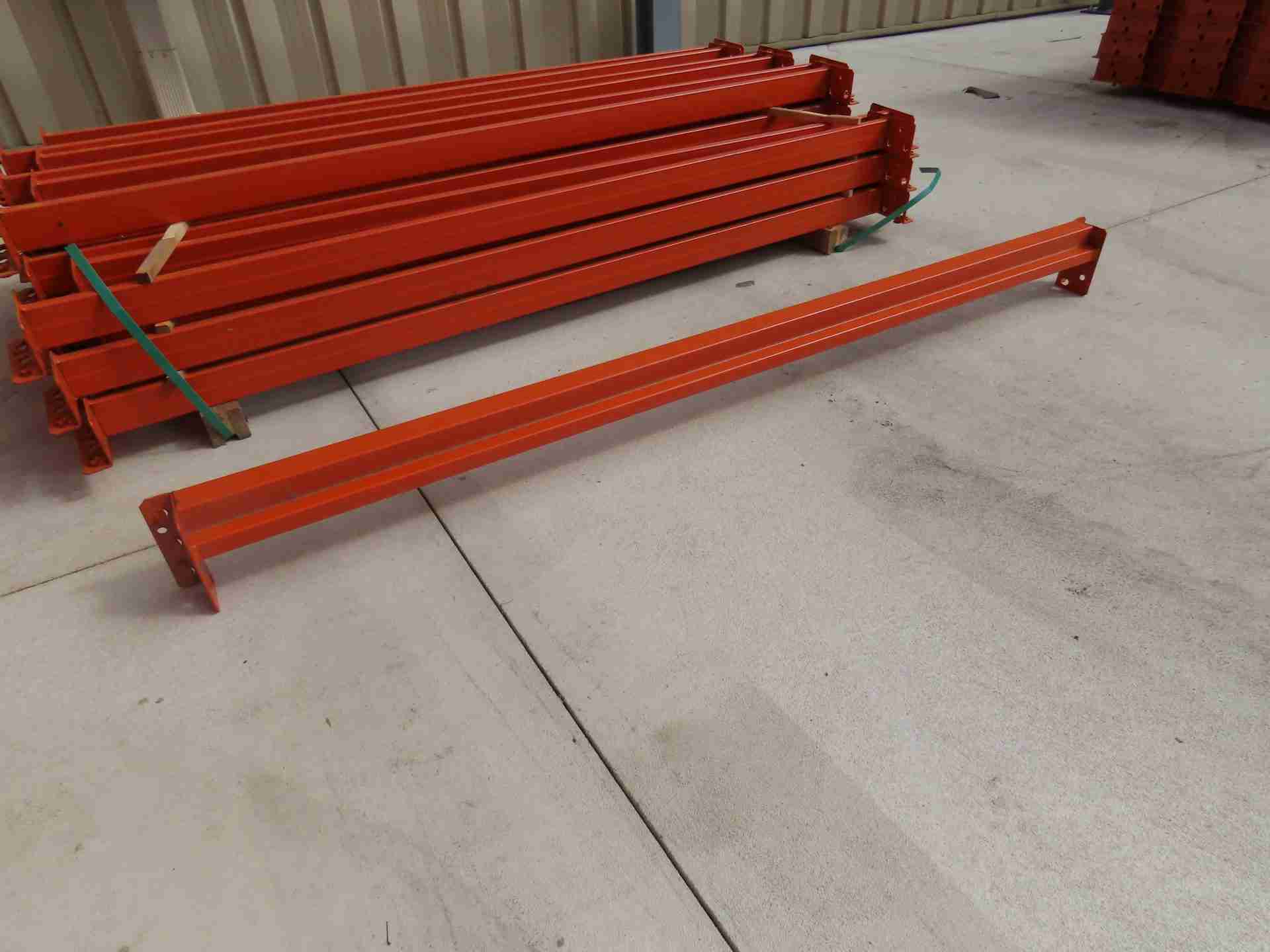
Are Outdated Warehouse Racking Systems Jeopardizing Efficiency Goals?
Are Outdated Warehouse Racking Systems Jeopardizing Efficiency Goals?
- Many businesses are still using outdated warehouse racking systems, hindering productivity.
- Modern pallet racking solutions can maximize warehouse space and improve inventory turnover.
- Old systems can lead to longer picking times, increased labor costs, and potential product damage.
- Complex warehouse layouts can negatively impact employee morale and effectiveness.
- Transitioning to innovative racking solutions can enhance efficiency and safety in operations.
- Empowered employees can create a successful organizational culture and improve overall productivity.
- Upgrading your racking system is essential for achieving efficiency goals and leading in a competitive market.

Are Outdated Warehouse Racking Systems Jeopardizing Efficiency Goals?
Table Of Contents
- Are Outdated Warehouse Racking Systems Jeopardizing Efficiency Goals?
- What Are The Signs Of Outdated Racking Systems?
- How Do Racking Systems Affect Efficiency?
- What Are The Risks Of Using Old Racking Systems?
- How Can Outdated Racking Impact Safety?
- What Costs Are Associated With Inefficient Racking Systems?
- What Are The Latest Racking System Innovations?
- Conclusion
- Other Resources
- Glossary Of Terms
- Other Questions
- Checklist
What Are The Signs Of Outdated Racking Systems?
In the bustling world of warehouses and distribution centers, the backbone of efficiency is often the racking system that supports your operations. Yet, even the most steadfast pallet racking systems can become outdated over time, hindering your ability to thrive in a competitive market. So, how can you spot the signs that your racking system may be past its prime? Let’s delve into this together and explore a few key indicators that it might be time for an upgrade.
First and foremost, consider the age of your pallet racking. If your system has been standing since the last millennium, so to speak, then it’s likely in dire need of a fresh face. Modern designs incorporate innovative structural enhancements and safety features that your old system simply cannot provide. Age isn’t just a number; it directly correlates to safety and efficiency. That squeaky joint or warped beam isn’t just annoying—it’s a warning sign!
Next, take a look at the layout of your storage space. Is your pallet racking system making it easy—or difficult—to navigate your warehouse? An outdated system may lead to confusing pathways and wasted time, translating to lost revenue. If your employees are spending more time searching for products than fulfilling orders, that’s a glaring red flag. Imagine how much smoother your operations could run with a streamlined, optimized racking arrangement!
Another essential indicator is the maintenance frequency of your pallet racking. If you find yourself calling for repairs more often than you’d like, this is an obvious sign that your system has seen better days. Frequent repairs not only drain your resources but can also create safety hazards for your team. Investing in a new, robust racking system isn’t just an expense; it’s a commitment to safety, efficiency, and long-term growth.
Lastly, it’s important to assess your business’s evolving needs. As your operations expand, so should your racking systems. If the demands on your warehouse have changed—be it in terms of inventory volume, types of products stored, or throughput—your outdated racking may struggle to keep up.
Recognizing these signs is the first step toward revitalizing your warehouse operations. An updated pallet racking system can transform your space, making it not only safer but also significantly more efficient. Don’t let outdated racking systems hold you back—embrace change and take action today! The path to improved productivity and cost-effectiveness lies in your hands.

What Are The Signs Of Outdated Racking Systems?
What Are The Signs Of Outdated Racking Systems?
- The efficiency of warehouses relies heavily on effective racking systems.
- Age of pallet racking systems can indicate the need for upgrades; older systems may lack modern safety features.
- Outdated layouts can complicate navigation, leading to lost time and revenue.
- Frequent maintenance and repair requests signal that the racking system may be past its prime.
- As business needs evolve, racking systems must adapt to increased inventory and storage demands.
- Recognizing the signs of an outdated racking system is essential for operational improvement.
- Investing in a new racking system enhances safety and efficiency, boosting productivity and cost-effectiveness.

What Are The Signs Of Outdated Racking Systems?
How Do Racking Systems Affect Efficiency?
Imagine walking into a warehouse that feels more like a maze than a seamless operation. Items lost in the chaos, the search for that one crucial pallet taking longer than it should. Now, picture the opposite: a well-organized space where every pallet racking system is strategically designed for peak performance. Suddenly, efficiency isn’t just a buzzword—it’s a measurable outcome.
Pallet racking plays a pivotal role in optimizing your storage solutions. It’s more than just metal frameworks; think of it as the backbone of your inventory management. When implemented effectively, these systems enhance the overall flow of goods, maximizing the available space while minimizing clutter. This isn’t just about storing items; it’s about creating an environment streamlined for efficiency. The right racking system lets you move faster, serve customers better, and ultimately boost your bottom line.
Consider this: through smart design and strategic layout, businesses can reduce picking time by up to 30%. That’s staggering. With proper pallet racking, your team spends less time searching for products and more time fulfilling orders. Imagine how that kind of efficiency could transform your operations! Your warehouse becomes a well-oiled machine, with every employee focused on the tasks that truly matter instead of wasting effort navigating through disorganization.
Moreover, investing in quality pallet racking isn’t just a smart move in the short term; it communicates reliability to your customers. When they see that you prioritize organization and accessibility, they’re likely to trust your business more. You’re not just storing products; you’re creating a promise of efficiency, dependability, and quick delivery. This perceived value enhances customer loyalty, ensuring that your business stands out in a competitive marketplace.
Lastly, let’s talk about safety. An efficient racking system isn’t only about operational metrics; it’s about protecting your employees—and your products. Poorly designed shelving can lead to accidents that disrupt your operation and tarnish your reputation. Investing in robust, smart pallet racking solutions minimizes risk while enhancing the overall performance of your warehouse.
Ultimately, the question isn’t whether you should upgrade your racking system; it’s how soon you can make this transformative change. Efficiency is waiting on the other side of better organization, and the right pallet racking can unleash a new chapter for your operations—one that thrives on order, productivity, and success. Don’t just store; excel!

How Do Racking Systems Affect Efficiency?
How Do Racking Systems Affect Efficiency?
- Pallet racking is crucial for optimizing storage solutions, acting as the backbone of inventory management.
- Effective pallet racking systems enhance the flow of goods, maximizing space and minimizing clutter.
- Smart design and strategic layout can reduce picking time by up to 30%, increasing overall operational efficiency.
- Investing in quality racking systems improves customer trust and loyalty by showcasing organization and accessibility.
- An efficient racking system contributes to safety, minimizing risks associated with poorly designed shelving.
- Upgrading racking systems enables businesses to transform operations into efficient, organized environments.
- The right pallet racking can lead to improved productivity and success, highlighting the importance of effective storage solutions.

How Do Racking Systems Affect Efficiency?
What Are The Risks Of Using Old Racking Systems?
When it comes to the heart of your warehouse, the efficiency and effectiveness of your operations hinge on one often-overlooked element: your pallet racking. While these towering systems may seem sturdy and dependable, using an outdated racking system poses significant risks that can cost your business time, money, and even reputation.
First, consider safety. Old pallet racking systems are prone to wear and tear, leading to structural issues that can jeopardize the safety of your workforce. Imagine a heavy load toppling over due to a compromised rack—this is not just a hypothetical disaster, but a reality that could happen to anyone. It’s not about fear-mongering; it’s about emphasizing the importance of a safe working environment for your team. By investing in modern racking systems, you prioritize the well-being of your employees and shield your business from the potential fallout of injuries or accidents.
Next, let’s talk about inefficiency. Older racking systems may not be designed to accommodate today’s advanced inventory management practices. This can hinder your ability to maximize space and streamline your workflow. Picture yourself struggling with outdated technology that slows down your picking processes or creates bottlenecks. By upgrading to state-of-the-art pallet racking, you enhance your operational efficiency, making it easier to adapt to changing market demands, while also achieving greater inventory accuracy.
Additionally, consider compliance. Regulations in the warehouse and logistics industry evolve, and maintaining compliance becomes challenging when clinging to outdated racking systems. Failing to adhere to safety standards can lead to hefty fines, potential shutdowns, and a tarnished reputation that can take years to rebuild. Staying ahead of the curve with modern racking solutions is not just a smart business move—it’s a legally sound one.
The risks involved with using old pallet racking systems are not just theoretical; they are tangible threats that can have lasting ramifications for your business. By recognizing these dangers and taking proactive steps to upgrade your warehouse equipment, you protect your people, optimize your systems, and fortify your bottom line. The question is, are you ready to invest in your future? The time to act is now—because when it comes to safety, efficiency, and compliance, you can’t afford to take chances.

What Are The Risks Of Using Old Racking Systems?
What Are The Risks Of Using Old Racking Systems?
- Efficiency and effectiveness in warehouse operations depend significantly on pallet racking systems.
- Old pallet racking systems pose risks related to safety, leading to potential accidents and injuries.
- Investing in modern racking systems prioritizes employee safety and reduces the risk of costly incidents.
- Inefficiencies arise from outdated racking systems that do not support advanced inventory management practices.
- Upgrading to state-of-the-art pallet racking enhances operational efficiency and inventory accuracy.
- Compliance with evolving regulations can be challenging with old racking systems, risking fines and reputation damage.
- Proactively upgrading warehouse equipment protects employees, optimizes operations, and strengthens the business’s bottom line.
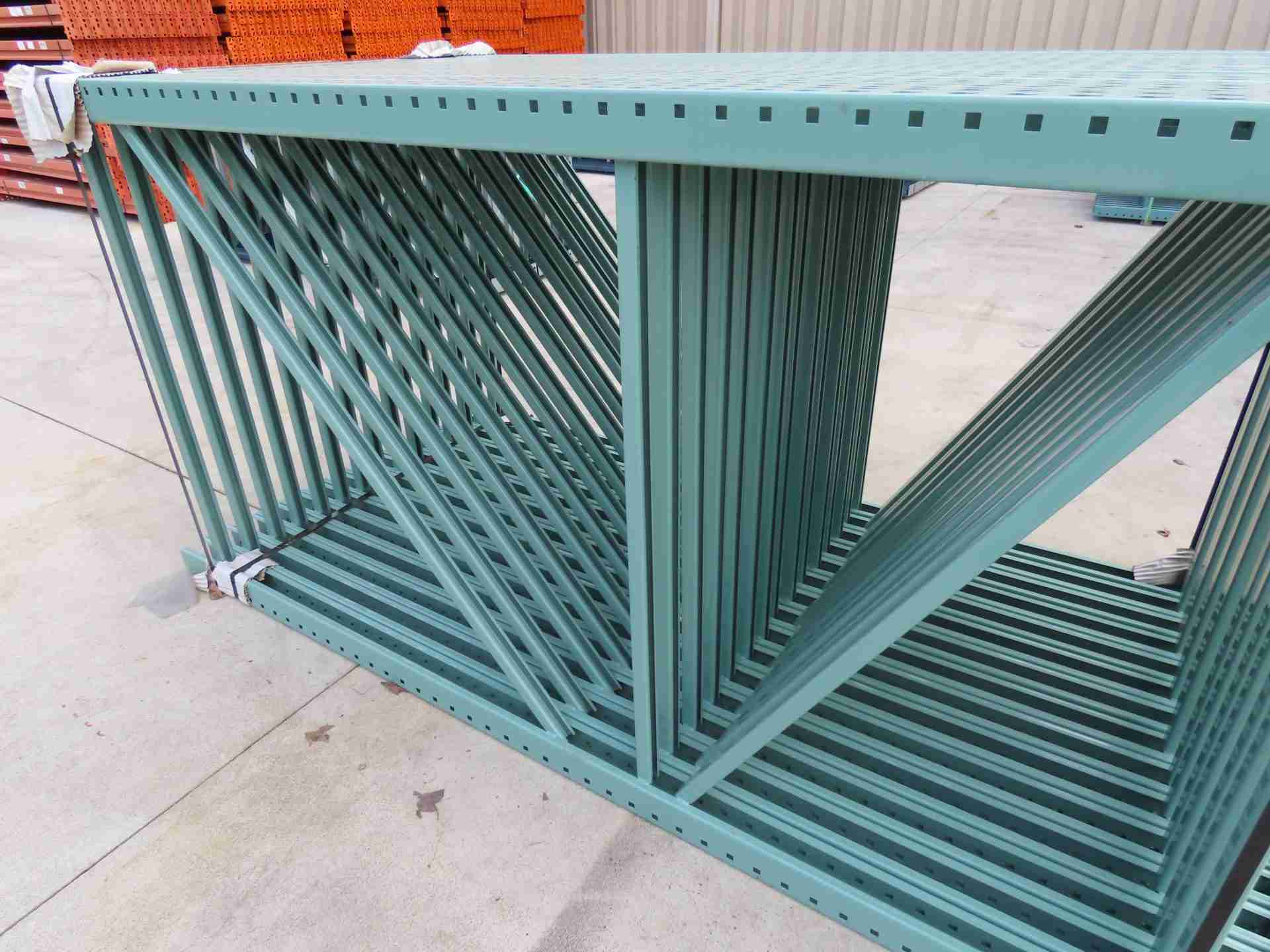
What Are The Risks Of Using Old Racking Systems?
How Can Outdated Racking Impact Safety?
Imagine walking into a warehouse buzzing with activity. Pallet racking towers overhead, holding significant weight and an abundance of inventory. It all seems perfectly organized until you notice the subtle signs of wear—rust, wobbling beams, and faded safety labels. Suddenly, that impressive infrastructure feels more like a looming risk.
Outdated racking systems don’t just pose a logistical challenge; they can severely jeopardize workplace safety. When pallet racking is no longer in good shape, it can lead to accidents that can affect not only the bottom line but also your team’s morale and well-being. A single mishap can result in injuries, property damage, or even worse, a lost life.
It’s not just about maintaining a clean, efficient workspace; it’s about protecting your greatest asset—your employees. When you rely on old, subpar systems, you send a message that you’re willing to take risks with their safety. This lack of investment can lead to a culture of fear, impacting productivity and overall team dynamics. No one wants to work under conditions where safety feels compromised.
Consider this: the initial savings from using outdated pallet racking may vanish in the wake of increased insurance premiums, lost productivity, and potential legal ramifications of workplace accidents. Have you weighed the potential consequences against the cost of an upgrade? A few dollars spent now can save thousands, if not millions, down the line.
Routine inspections and maintenance are vital; however, they can only do so much with antiquated infrastructure. If your pallet racking has seen better days, it’s vital to invest in modern solutions that comply with current safety regulations and industry standards. New pallet racking systems come equipped with features designed to enhance safety, such as extra bracing, improved weight distribution, and better labeling.
The choice is clear: don’t let outdated racking become a silent threat in your workspace. Take action to ensure a safe environment where productivity flourishes and employees feel valued. By prioritizing safety today, you’ll foster a culture built on trust and confidence, ensuring your business can weather any storm for years to come.

How Can Outdated Racking Impact Safety?
How Can Outdated Racking Impact Safety?
- A bustling warehouse may appear organized, but subtle signs of wear in pallet racking indicate risks.
- Outdated racking systems jeopardize workplace safety and can lead to serious accidents.
- A single mishap can result in injuries, property damage, or even fatalities, affecting morale and productivity.
- Failure to invest in modern systems sends a message of risk to employee safety and creates a culture of fear.
- Initial savings from outdated systems can be outweighed by increased insurance costs and potential legal consequences.
- Routine inspections are important, but outdated infrastructure necessitates investment in modern racking solutions.
- Prioritizing safety fosters a trustworthy work environment, enhancing productivity and long-term business stability.

How Can Outdated Racking Impact Safety?
What Costs Are Associated With Inefficient Racking Systems?
Imagine stepping into a warehouse filled with the promise of productivity, only to be met with chaos and inefficiency. Pallet racking systems are the backbone of any organized warehouse operation, yet when they fail to perform optimally, the consequences can be staggering. Let’s peel back the layers and explore just what costs you might be incurring without even realizing it.
First up, there’s the glaringly obvious — time. Every minute wasted searching for items lost in a maze of poorly organized pallets is money down the drain. When your team spends hours hunting for products instead of fulfilling orders, you’re sacrificing efficiency and profitability. Consider this: if your inefficiencies cost just a few minutes a day per employee, with a sizable workforce, those minutes can quickly add up to significant losses at the month’s end. What could your business achieve if your staff spent that time on value-adding activities?
Next, let’s talk about space. A poorly configured pallet racking system can lead to wasted warehouse square footage. If your racking isn’t optimized for vertical space or doesn’t accommodate your specific pallet sizes, you might be paying more for that square footage than necessary. Think strategically — it’s not just about filling the space; it’s about efficiently utilizing it. Each square foot wasted is a piece of your bottom line that slips away unnoticed.
Then there are the intangibles — increased risk of workplace accidents. A chaotic racking system can lead to both product and personal injuries. Products stacked precariously are a disaster waiting to happen, potentially leading to expensive downtime, liability claims, and damaged goods. Investing in a proper pallet racking system isn’t just about maximizing efficiency; it’s about safeguarding your greatest asset — your people.
Finally, let’s consider the impact on customer satisfaction. In this age of instant gratification, delays caused by poor inventory management can sour a customer’s experience. If your racking system leads to backorder issues or incorrect shipments, you might just be training your customers to seek alternatives.
So, take a hard look at your pallet racking system. The costs of inefficiency aren’t merely operational; they can ripple throughout your entire business. Investing in a robust racking solution isn’t just a strategy; it’s a commitment to excellence. Are you ready to reclaim your profits and pave the way to a more efficient operation? The choice is in your hands.

What Costs Are Associated With Inefficient Racking Systems?
What Costs Are Associated With Inefficient Racking Systems?
- Pallet racking systems are crucial for organized warehouse operations; inefficiencies can lead to significant costs.
- Time lost searching for items in disorganized pallets translates to financial losses; small daily inefficiencies can accumulate over time.
- Poorly configured racking systems waste valuable warehouse space; optimizing vertical space and accommodating pallet sizes is essential.
- Chaotic racking systems increase the risk of workplace accidents, resulting in potential downtime, liability claims, and product damage.
- Customer satisfaction can be negatively impacted by delays from poor inventory management, leading customers to seek alternatives.
- The costs of inefficiency go beyond operations and can affect the entire business, highlighting the need for robust racking solutions.
- Investing in an optimized pallet racking system is a commitment to efficiency and excellence in warehouse management.

What Costs Are Associated With Inefficient Racking Systems?
What Are The Latest Racking System Innovations?
In the fast-paced world of warehousing and logistics, staying ahead means continually evolving. Enter the latest innovations in pallet racking systems that can turn your operational challenges into opportunities for growth. Imagine transforming your cluttered storage space into a streamlined, efficient powerhouse that not only saves you time but also maximizes your profits. You might be skeptical—after all, change can feel daunting. But the newest advancements are designed with your needs in mind, simplifying the complex while optimizing the performance of your operations.
First up, let’s talk about smart technology integration. Modern pallet racking systems now feature cutting-edge sensors and software that track inventory in real-time. This means that you no longer have to grapple with the guessing game of stock levels. With precise data at your fingertips, you can make informed decisions that enhance your supply chain’s responsiveness. Picture having a system that alerts you before you run out of stock or when an item is in an optimal picking position. You’ll not only boost efficiency but also eliminate costly errors that could have crept in unnoticed.
Next, let’s explore modular systems that adapt to your unique space. The latest designs allow for a flexible layout that grows with your business. No longer are you constrained by the limitations of traditional pallet racking; instead, you can customize the arrangement to suit seasonal demands or shifts in your product mix. Whether you require high-density storage or specialized configurations, these innovations cater to your growth trajectory, thereby instilling confidence in your ability to scale.
Moreover, enhanced safety features are a top priority. Innovations such as integrated impact protection and improved visibility make these systems not only smarter but safer. When your employees feel secure navigating through a pallet racking system, productivity soars. And let’s face it—the peace of mind that comes from knowing your warehouse is a safe environment cannot be overstated.
Finally, consider the sustainability aspect. New materials and designs are making pallet racking systems more eco-friendly. By choosing innovative designs, you can reduce your carbon footprint while enjoying the benefits of a high-performance warehouse.
It’s clear that the latest pallet racking innovations are not just a passing trend; they’re the future of efficient storage solutions. Don’t let the competition outpace you—embrace these enhancements, and watch your operational efficiency take flight! With the right racking systems in place, success is within your reach.

What Are The Latest Racking System Innovations?
What Are The Latest Racking System Innovations?
- Innovative pallet racking systems are essential for evolving warehousing and logistics operations.
- Smart technology integration offers real-time inventory tracking and enhances supply chain responsiveness.
- Modular systems provide flexible layouts that adapt to seasonal demands and product variations.
- Enhanced safety features such as impact protection and improved visibility increase employee productivity.
- New eco-friendly materials and designs help reduce the carbon footprint of storage solutions.
- These advancements in pallet racking systems are positioned as the future of efficient storage solutions.
- Embracing these innovations can lead to improved operational efficiency and business growth.

What Are The Latest Racking System Innovations?
Conclusion
As you’ve read through this article, it’s become painfully clear that outdated warehouse racking systems not only hinder operational efficiency but also put your safety, productivity, and profitability at risk. The time for change is now. Are you prepared to elevate your business and overcome the barriers imposed by antiquated systems? This isn’t just about making your warehouse look better; it’s about transforming it into a powerhouse of efficiency, safety, and innovation.
Begin by asking yourself: how often do your employees waste precious time searching through a maze of obsolete racking for key products? These inefficiencies are not just small inconveniences—they translate to significant financial losses that could easily be avoided. Imagine the impact on your operation if you could reduce picking times by 30% or even more. A modern pallet racking solution tailored to your needs can streamline processes and facilitate quicker inventory turnover, empowering your team to focus on what truly matters—serving your customers.
Moreover, the hidden costs associated with outdated systems are staggering. Picture the liability risks that come with unstable racking structures; they threaten not just your bottom line but also the safety of your most valuable asset—your employees. By investing in a robust, contemporary racking solution, you can enhance workplace safety and foster a culture where your team feels valued and secure.
At Arrow Industrial Sales, we understand that each business is unique, which is why we offer customized pallet racking solutions designed to meet your specific needs. Our modern innovations integrate smart technology, adaptive layouts, and robust safety features—all focused on maximizing your operational efficiency while minimizing risk. Don’t let fear of change hold you back; the benefits far outweigh the costs.
In today’s competitive landscape, can you afford to fall behind? Don’t wait for another disruption to force your hand. Initiate the upgrade process today and witness the transformational effect a modern racking system will have on your warehouse operations. Act now, call us at (574) 349-6575, and take the first step toward reclaiming your efficiency and boosting your bottom line. Your success is just a phone call away—invest in your future before it’s too late!

Conclusion
Conclusion:
- Outdated warehouse racking systems hinder operational efficiency and jeopardize safety, productivity, and profitability.
- Modern racking solutions can transform your warehouse into a powerhouse of efficiency, safety, and innovation.
- Employee time wasted searching obsolete racking systems leads to significant financial losses.
- Reducing picking times by 30% or more is possible with tailored modern pallet racking solutions.
- Investing in robust contemporary racking solutions enhances safety and supports a positive workplace culture.
- Arrow Industrial Sales offers customized pallet racking solutions that incorporate smart technology and adaptive layouts.
- Initiate the upgrade process today to avoid falling behind in the competitive landscape and boost your bottom line.

Conclusion
Other Resources

Other Resources
Here is a list of other resources you can review online to learn more:
- SEMA
- Teardrop Racks – Pallet Rack World
- Warehouse Racking Systems: Beginner’s Guide to Rack Systems
- Warehouse Racking Chicago, IL
- Iowa Illinois Warehouse Racking
- Rack Manufacturers Institute
- Selective Pallet Racking Systems
- Mustang Material Handling
- Pallet Racking systems in Illinois and Great Lakes
- The Complete Pallet Rack Guide – Simply Rack
Use This Prompt To Get More Resources With Your Favorite Online AI Tool: Please provide me with a list of online articles with their URLs in a bulleted list that I can read regarding Are Outdated Warehouse Racking Systems Jeopardizing Efficiency Goals?

Other Resources
Glossary Terms
Are Outdated Warehouse Racking Systems Jeopardizing Efficiency Goals? – Glossary Of Terms
1. Rack Systems: Structures used to store goods in a warehouse, optimizing vertical space.
2. High-Density Storage: A storage strategy aimed at maximizing inventory storage in a limited area, often requiring modern racking solutions.
3. FIFO (First In, First Out): An inventory management method where the oldest stock is sold first, crucial for perishable goods.
4. LIFO (Last In, First Out): An inventory management method prioritizing the sale of the most recently received stock, which can lead to inefficiencies if used improperly.
5. Load Capacity: The maximum weight a racking unit can safely hold; outdated systems may not meet current safety standards.
6. Space Utilization: The percentage of warehouse space that is effectively used for storage and operations, which can be hindered by old racking systems.
7. Vertical Space: The use of height in a warehouse to store goods, often underutilized with outdated racking.
8. Inventory Turnover: A measure of how quickly inventory is sold and replaced over a given period; inefficiencies in racking can lead to lower rates.
9. Picking Efficiency: The speed and accuracy of gathering products from storage, which can be adversely affected by poorly designed racking systems.
10. Automated Storage and Retrieval Systems (ASRS): Technology-driven systems that enhance storage and retrieval processes, often a solution to outdated racking.
11. Cross-Docking: A logistics practice where goods are directly transferred from receiving to shipping, reducing the need for storage, which can impact racking needs.
12. Warehouse Management System (WMS): A software solution that supports the management of warehouse operations and can optimize inventory levels despite racking limitations.
13. SKU (Stock Keeping Unit): A unique identifier for each product, which influences layout design and racking decisions.
14. Handling Equipment: Tools like forklifts and pallet jacks that are essential for managing inventory, which must be compatible with racking systems.
15. Modular Racking: Flexible racking systems that can be adjusted or resized according to changing inventory needs.
16. Safety Standards: Regulations and guidelines ensuring that racking systems meet safety requirements; outdated systems may not comply.
17. Load Beam: A horizontal support component of racking systems that carries the weight of stored goods.
18. Pallet: A flat transport structure that supports goods in a stable manner while being lifted by a forklift.
19. Order Picking: The process of selecting goods for customer orders, which can be made inefficient by inappropriate racking configurations.
20. Lead Time: The time it takes from receiving an order to delivery; inefficient racking can extend lead times.
21. Space Optimization: Strategies to arrange storage to use space more effectively, often neglected with outdated racking.
22. Dynamic Racking: A storage solution that adapts to inventory flow and promotes efficient picking and storing.
23. Retrofit: Upgrading existing racking systems with new components to enhance functionality and efficiency without complete replacement.
24. Throughput: The amount of product that can be processed in a given timeframe, often hampered by outdated racking methods.
25. Overstocking: Holding more inventory than necessary; outdated racking can contribute to overstock as it hinders visibility and management.
26. Lean Warehousing: A strategy aimed at minimizing waste and maximizing value; outdated racks can complicate this approach.
27. Maintenance Costs: Expenses associated with ensuring racking systems remain safe and functional; older systems can incur higher costs.
28. Ergonomics: The study of people’s efficiency in their working environment; effective racking should consider ergonomic practices to enhance worker productivity.
29. Return on Investment (ROI): A measure used to evaluate the profitability of investments in warehouse upgrades, including racking systems.
30. Supply Chain Efficiency: The effectiveness of the supply chain in delivering products; outdated warehouse systems can disrupt this flow.

Glossary Of Terms
Other Questions
Are Outdated Warehouse Racking Systems Jeopardizing Efficiency Goals? – Other Questions
If you wish to explore and discover more, consider looking for answers to these questions:
- What are the costs associated with upgrading to modern racking systems?
- How can companies assess the effectiveness of their current racking systems?
- What specific features should businesses look for in modern racking systems?
- How often should warehouse racking systems be evaluated for potential upgrades?
- What impact does warehouse racking have on employee morale and productivity?
- How do different types of racking systems compare in terms of efficiency?
- What role do safety regulations play in determining the appropriate racking system?
- What are some successful case studies of companies that upgraded their racking systems?
- How can technology enhance the functionality of modern racking systems?
- What are the environmental impacts of different racking materials and systems?

Other Questions
Checklist
Are Outdated Warehouse Racking Systems Jeopardizing Efficiency Goals? – A Checklist
Evaluate Your Current Racking System:
1. Age of Racking:
_____ Is your racking system over a decade old?
_____ Are there visible signs of wear and tear (e. g. , rust, warped beams)?
2. Layout and Navigation:
_____ Is the current layout confusing or inefficient?
_____ Do employees frequently struggle to find products?
3. Maintenance Frequency:
_____ How often are repairs needed?
_____ Are there frequent complaints regarding the racking system?
4. Adaptability to Business Needs:
_____ Has your inventory size or product type changed recently?
_____ Does your racking system accommodate these changes?
Identify Areas for Improvement:
5. Efficiency:
_____ Are employees spending excessive time locating products?
_____ Would streamlining racking design reduce picking time?
6. Safety Checks:
_____ Are safety guards in place?
_____ Have there been any accidents related to racking?
Cost Analysis:
7. Time Wasted:
_____ How much time is lost due to poor organization?
_____ Have you calculated the financial impact of this time waste?
8. Space Utilization:
_____ Are you fully utilizing vertical and horizontal space?
_____ Is any space being wasted due to poor racking configuration?
9. Risk Assessment:
_____ What potential liabilities exist due to outdated racking?
_____ Are there compliance issues related to safety regulations?
Explore Innovations:
10. Technology Integration:
_____ Is your racking system incorporating smart technology for inventory tracking?
_____ Would real-time data improve operational decisions?
11. Modular and Flexible Designs:
_____ Can your racking system adapt to seasonal changes or increased volume?
_____ Are there options for customization to better fit your space?
12. Enhanced Safety Features:
_____ Are there modern safety features, such as impact protection or improved visibility?
_____ Is employee security prioritized in your racking setup?
13. Sustainability:
_____ Are the materials used in your racking systems eco-friendly?
_____ Have you considered the carbon footprint of your current racking solutions?
Action Steps:
_____ Conduct a full assessment of your current racking system using the checklist above.
_____ Identify specific areas of improvement and prioritize them based on urgency and impact.
_____ Research modern racking solutions that align with your operational needs and growth trajectory.
_____ Consider engaging a professional to assist in the evaluation and upgrade process.
Embrace this opportunity to enhance your warehouse efficiency, safety, and profitability!

Checklist
At RackingWorld, we help guide you through selecting warehouse storage systems and racking.
Be sure to read our other related stories at RackingWorld to learn more about warehouse storage systems.
0 Comments