
Unlocking The Dangers Of Heavy Warehouse Shelving
By Tom Seest
At RackingWorld, we help guide you through selecting warehouse storage systems and racking.
Be sure to read our other related stories at RackingWorld to learn more about warehouse storage systems.
What Is Heavy Rack Risk In Warehouse Shelving?
In the fast-paced world of warehousing and distribution, safety should always be top of mind. One critical safety aspect is Heavy Rack Risk, a term that encapsulates the potential hazards associated with poorly maintained or overloaded shelving systems. The reality is simple: a single misstep in rack management can lead to disastrous consequences, both in terms of employee safety and financial ramifications for your business.
Take, for instance, the recent incident at a large distribution center that made headlines. An overloaded shelving unit collapsed, leading to serious injuries and a costly lawsuit. The price tag? Over a million dollars in damages and lost labor hours. This kind of financial fallout is not an isolated event; it’s a growing concern in an environment where e-commerce is pushing warehouses beyond their limits.
Heavy Rack Risk is not merely about the immediate dangers posed by falling items. It also encompasses the broader implications of inefficient stock management and the risks of not adhering to best practices. For example, a warehouse that doesn’t regularly inspect its racks invites the possibility of structural failure. With racks designed to hold significant weight, if they become compromised, the entire operation is susceptible to disruption. Is your shelving system up to code? Are your employees trained to spot potential failures? These are essential questions that every warehouse manager must ask to mitigate risk.
Now, let’s talk numbers. Research indicates that businesses can save up to 30% in costs simply by conducting regular maintenance checks on their shelving systems. This is not just a cost-saving measure; it is an investment in your workforce’s safety and, ultimately, the company’s bottom line. If something can go wrong, it often will—unless you proactively manage these risks.
Another critical aspect is employee training. Arm your staff with the knowledge to recognize the signs of potential rack failure. Enhance their awareness of what constitutes safe loading practices. By fostering a culture of safety, you can reduce the likelihood of accidents occurring in the first place.
Recognizing Heavy Rack Risk is not just about compliance; it’s about operational excellence. By assessing the integrity of your shelving units and educating your workforce, you create a safer workplace and avoid the unnecessary pitfalls that come with negligence. So, don’t wait for a disaster to strike; take action today for a more secure tomorrow.
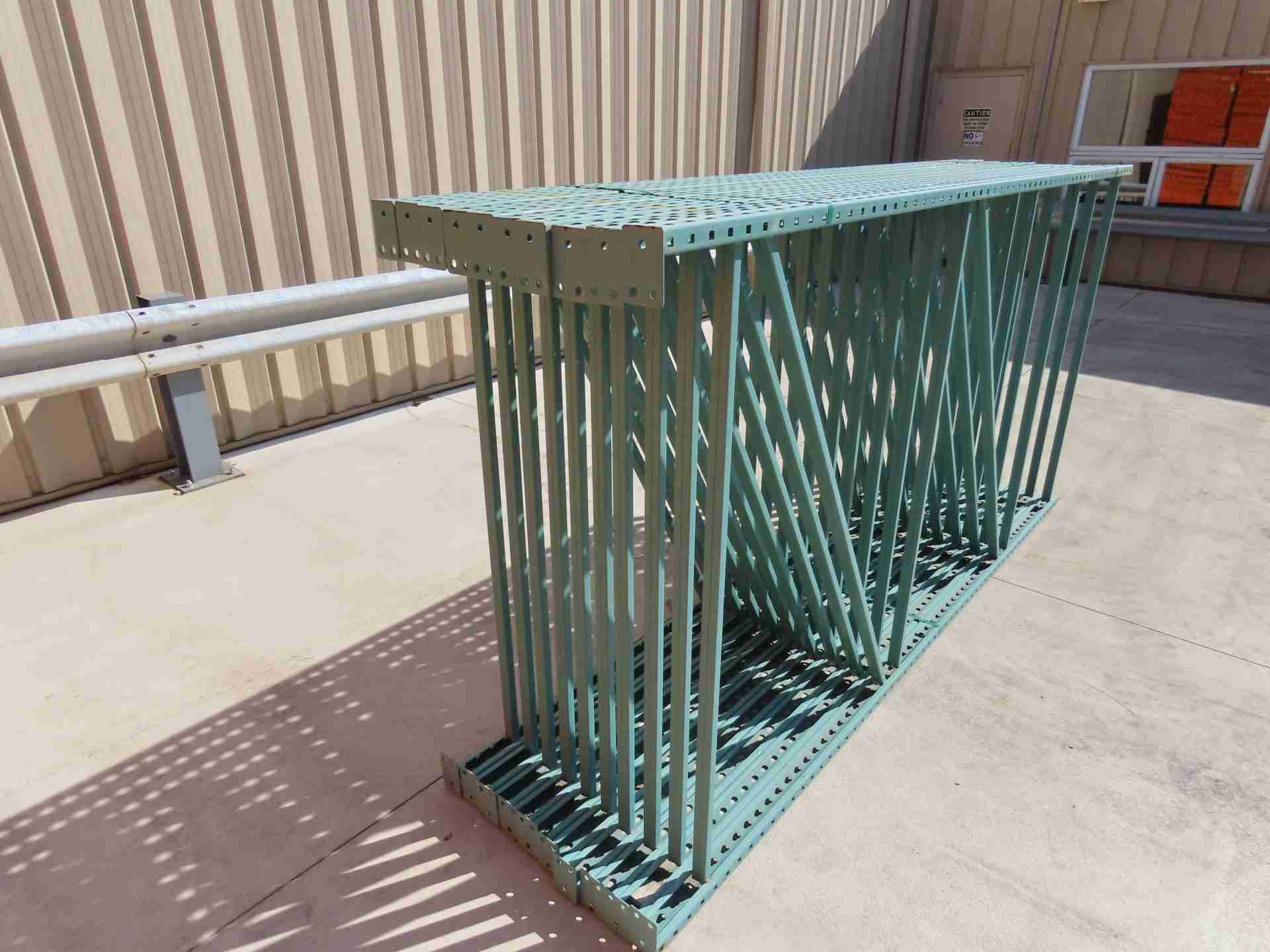
What Is Heavy Rack Risk In Warehouse Shelving?
What Is Heavy Rack Risk In Warehouse Shelving?
- Safety is crucial in warehousing, especially regarding Heavy Rack Risk from poorly maintained or overloaded shelving systems.
- A recent incident at a distribution center resulted in serious injuries and over a million dollars in damages due to an overloaded shelving unit collapse.
- Heavy Rack Risk includes not only immediate dangers but also the implications of inefficient stock management and lack of best practices.
- Regular inspections of shelving systems are essential to prevent structural failures and operational disruptions.
- Research shows businesses can save up to 30% in costs through regular maintenance checks, enhancing workforce safety and overall profitability.
- Employee training is critical for recognizing signs of potential rack failure and safe loading practices, fostering a culture of safety.
- Addressing Heavy Rack Risk promotes operational excellence and helps avoid costly accidents, emphasizing proactive risk management.
What Is Heavy Rack Risk In Warehouse Shelving?
Table Of Contents
- What Is Heavy Rack Risk In Warehouse Shelving?
- What Is Heavy Rack Risk In Warehouse Shelving?
- Why Is Heavy Rack Risk Important?
- What Are Common Causes Of Heavy Rack Risk?
- How Can Heavy Rack Risk Be Assessed?
- What Are The Consequences Of Ignoring Heavy Rack Risk?
- What Safety Standards Address Heavy Rack Risk?
- How Can Proper Training Mitigate Heavy Rack Risk?
- What Role Does Inspection Play In Heavy Rack Risk Management?
- What Best Practices Reduce Heavy Rack Risk In Warehouses?
- How Can Warehouse Design Impact Heavy Rack Risk?
- What Types Of Shelving Are More Prone To Heavy Rack Risk?
- What Are The Signs Of Heavy Rack Risk In Shelving Systems?
- How Can Employees Be Encouraged To Report Heavy Rack Risk?
- What Tools Are Available To Measure Heavy Rack Risk?
- How Often Should Warehouses Reevaluate Heavy Rack Risk?
- Conclusion
- Other Resources
- Glossary Of Terms
- Other Questions
- Checklist
What Is Heavy Rack Risk In Warehouse Shelving?
In the bustling world of logistics and supply chain management, the stability of your warehousing solutions can make or break your operational efficiency. One of the biggest concerns in this realm is Heavy Rack Risk, a hidden danger that’s lurking in the shadows of every warehouse. Heavy Rack Risk refers to the potential hazards associated with the misuse or mismanagement of heavy-duty shelving systems, particularly when they are loaded beyond their intended capacity.
Imagine your warehouse, operating smoothly with rows of towering racks filled with inventory. Now, picture a sudden collapse due to overloaded shelves. The chaos that ensues not only halts operations but also jeopardizes the safety of your workforce and the integrity of your inventory. Current events have highlighted this risk as several high-profile warehouse accidents have made headlines, prompting industry leaders to reevaluate their shelving practices. Just last year, a major retailer faced a hefty lawsuit after a malfunctioning rack caused injuries among its staff, raising questions about compliance with safety standards.
You might think, “It won’t happen to me.” But statistics show that warehouses are one of the most hazardous work environments, with the Occupational Safety and Health Administration (OSHA) reporting thousands of injuries related to improper shelving systems annually. The root of the problem often lies in inadequate training, outdated equipment, or a blatant underestimation of weight limits.
How can you mitigate Heavy Rack Risk? Start by conducting a thorough assessment of your shelving systems. Understand the specifications of your racks and regularly train your employees on safe loading practices. Implement digital tracking systems that automatically alert you when weight limits are being approached, thus preventing overloading before it creates a disaster.
Another wise strategy is to invest in high-quality shelving that complies with all safety regulations. The upfront costs may cause some to flinch, but the peace of mind and long-term savings from avoiding accidents and ensuring compliance will outweigh the initial investment. Just this year, companies that proactively addressed shelving risks reported a 30% decrease in workplace accidents, a remarkable number that speaks volumes.
In essence, Heavy Rack Risk is not a challenge you can afford to ignore. By taking the necessary precautions today, you not only enhance operational efficiency but also protect the most valuable asset of all—your people. Don’t wait for an accident to remind you of the risks; act now to safeguard your warehouse and its future.
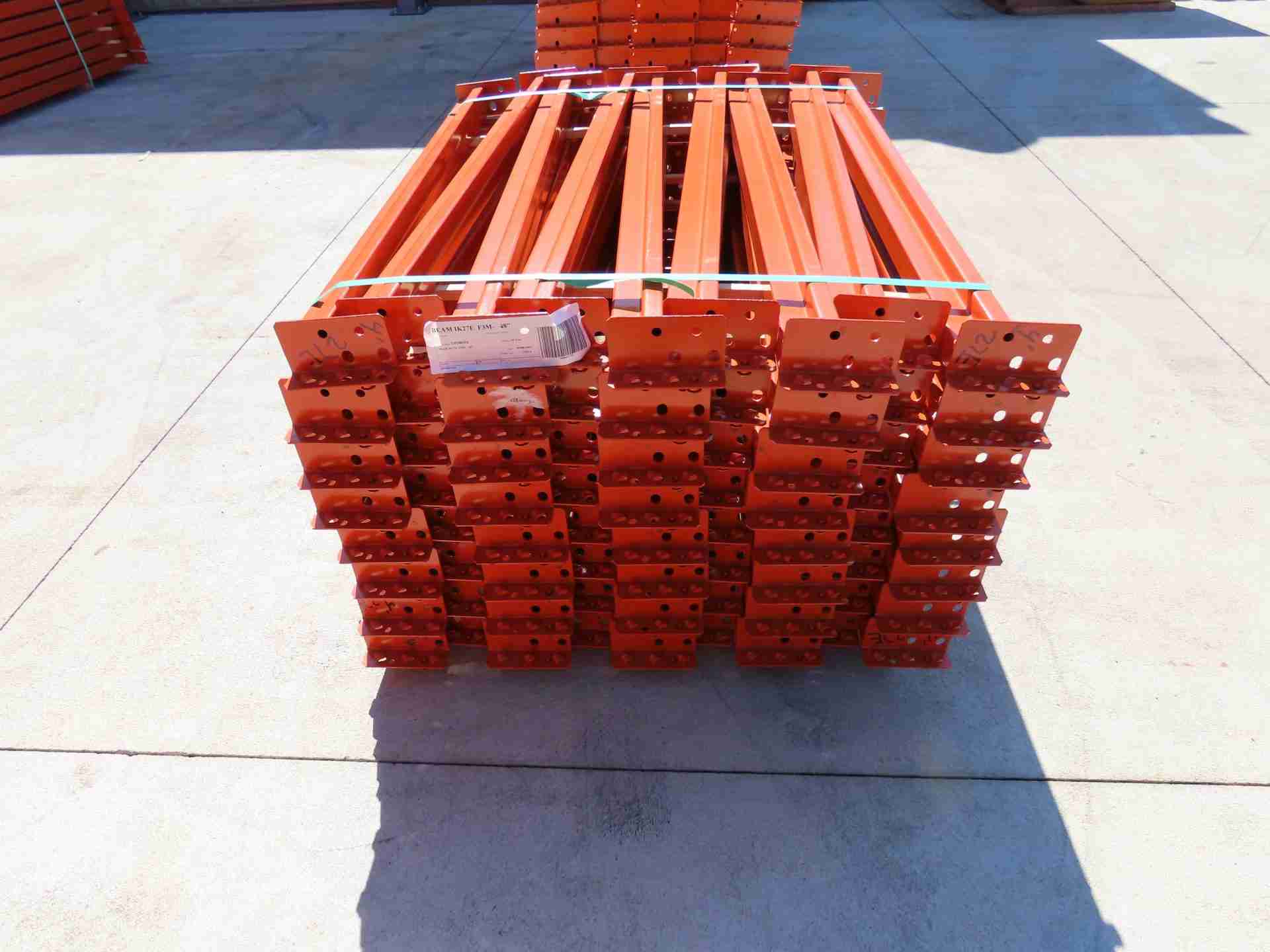
What Is Heavy Rack Risk In Warehouse Shelving?
What Is Heavy Rack Risk In Warehouse Shelving?
- Heavy Rack Risk poses significant threats in logistics and supply chain management, impacting operational efficiency.
- This risk arises from the misuse or mismanagement of heavy-duty shelving systems overloaded beyond capacity.
- Warehouse accidents, including a recent lawsuit against a major retailer, highlight the dangers of overloaded shelves.
- OSHA reports thousands of annual injuries related to improper shelving systems, underscoring the hazard of warehouses.
- Mitigating Heavy Rack Risk involves assessing shelving systems, training employees, and using digital tracking for weight limits.
- Investing in high-quality, compliant shelving can reduce accidents and long-term costs, with proactive companies reporting a 30% decrease in incidents.
- Addressing Heavy Rack Risk enhances operational efficiency and protects employee safety, making it a crucial priority.
What Is Heavy Rack Risk In Warehouse Shelving?
Why Is Heavy Rack Risk Important?
In today’s fast-paced business environment, the stakes have never been higher. Organizations are inundated with an avalanche of data, decisions, and responsibilities. Among the most pressing issues they face is Heavy Rack Risk. This concept encapsulates a multitude of vulnerabilities in the racks that house critical business resources—whether they be data, products, or infrastructure. Ignoring this risk is not merely an oversight; it can lead to catastrophic consequences.
Consider the recent incidents involving major companies that suffered outages due to underestimating heavy rack loads. A well-known tech giant faced a catastrophic server crash when their data center racks exceeded recommended weight limits. The fallout? A temporary blackout of services that affected millions of users and cost the company hundreds of thousands of dollars in lost revenue and trust. This incident underscores the vital importance of actively managing rack stability.
Heavy Rack Risk is more than just a technical concern; it’s a direct reflection of how seriously an organization takes its commitment to maintaining operational efficiency. For instance, a leading logistics company recently re-evaluated its inventory management systems after discovering that improper rack configurations were responsible for significant delays in product deliveries. By taking the appropriate steps to mitigate these risks—such as implementing rigorous monitoring and weight distribution protocols—the company not only improved its delivery efficiency but also strengthened its competitive edge in the market.
In today’s climate of heightened awareness around data privacy and security, there’s also a legal implication to consider. Companies that fail to manage Heavy Rack Risk adequately may find themselves open to lawsuits, regulatory fines, and even criminal charges. The 2023 data breach incident involving a financial services provider serves as a cautionary tale; investigations revealed that inadequate infrastructure maintenance was a contributing factor to the breach. In such an environment, protecting your assets means safeguarding your reputation, which is invaluable in both consumer and investor trust.
Let’s not forget the financial implications. Inefficient rack management can lead to unnecessary costs—think about the dollars wasted on frequent repairs, equipment replacements, or even the hidden costs of damaged goods.
In summary, the importance of Heavy Rack Risk cannot be overstated. It is about maintaining operational integrity while protecting your organization from financial losses, legal issues, and reputational damage. In a world where every decision counts, taking actionable steps to mitigate this risk is not just wise; it is essential for survival and success. If you haven’t yet considered the ramifications of Heavy Rack Risk on your organization, now is the time to act—and act decisively.
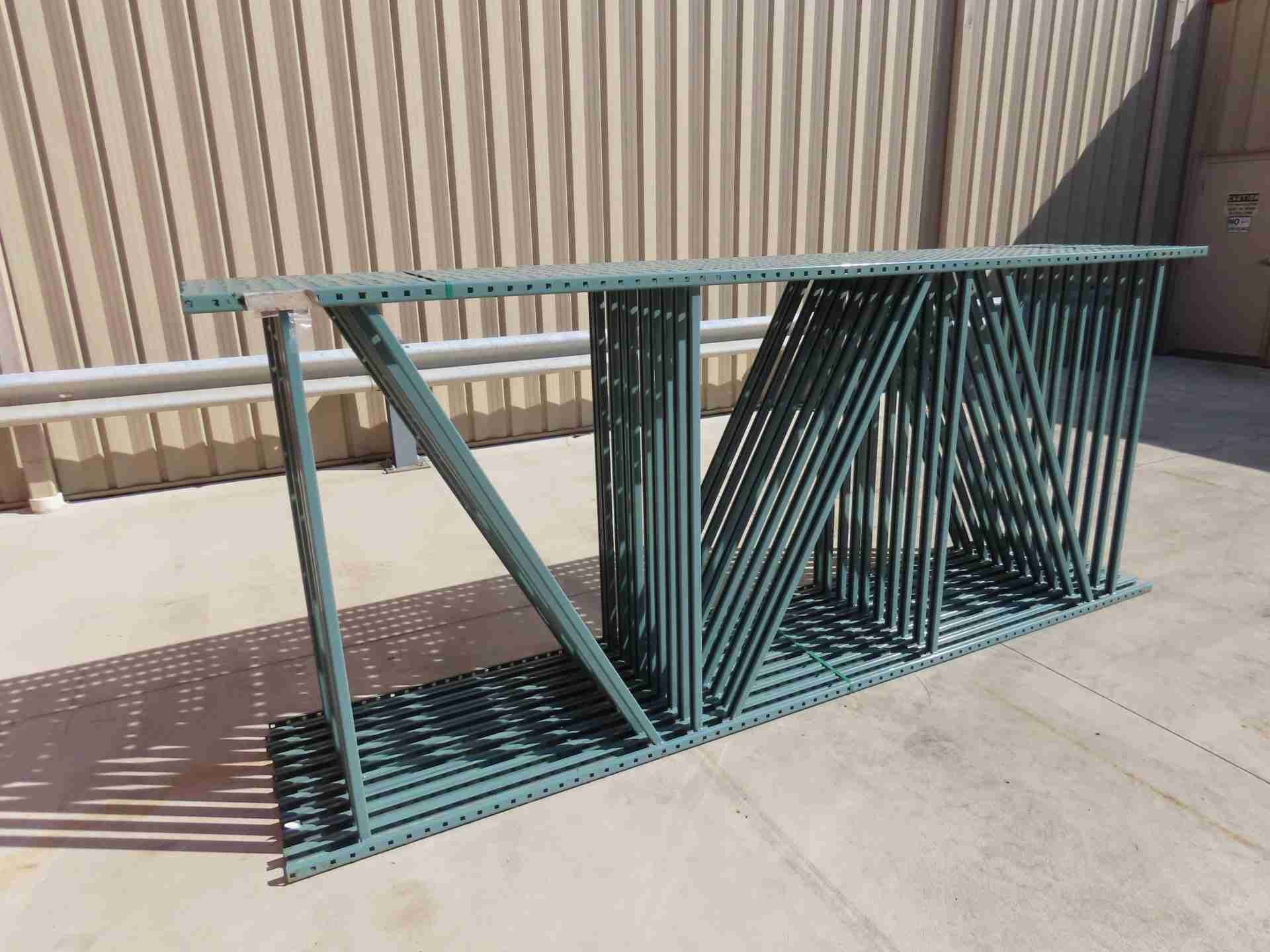
Why Is Heavy Rack Risk Important?
Why Is Heavy Rack Risk Important?
- Organizations face escalating challenges in a data-driven business environment, highlighting the importance of Heavy Rack Risk.
- Heavy Rack Risk encompasses vulnerabilities in racks that contain critical resources such as data, products, and infrastructure.
- Incidents of server crashes due to overloading racks demonstrate the potential for significant operational outages and financial losses.
- The effective management of Heavy Rack Risk is essential for maintaining operational efficiency and competitive advantage.
- Failure to manage this risk can result in legal repercussions, including lawsuits and regulatory fines, as evidenced by a 2023 data breach case.
- Inefficient rack management contributes to unnecessary financial costs from repairs, equipment replacements, and damaged goods.
- Actively addressing Heavy Rack Risk is crucial for organizational survival and success in an increasingly complex business landscape.
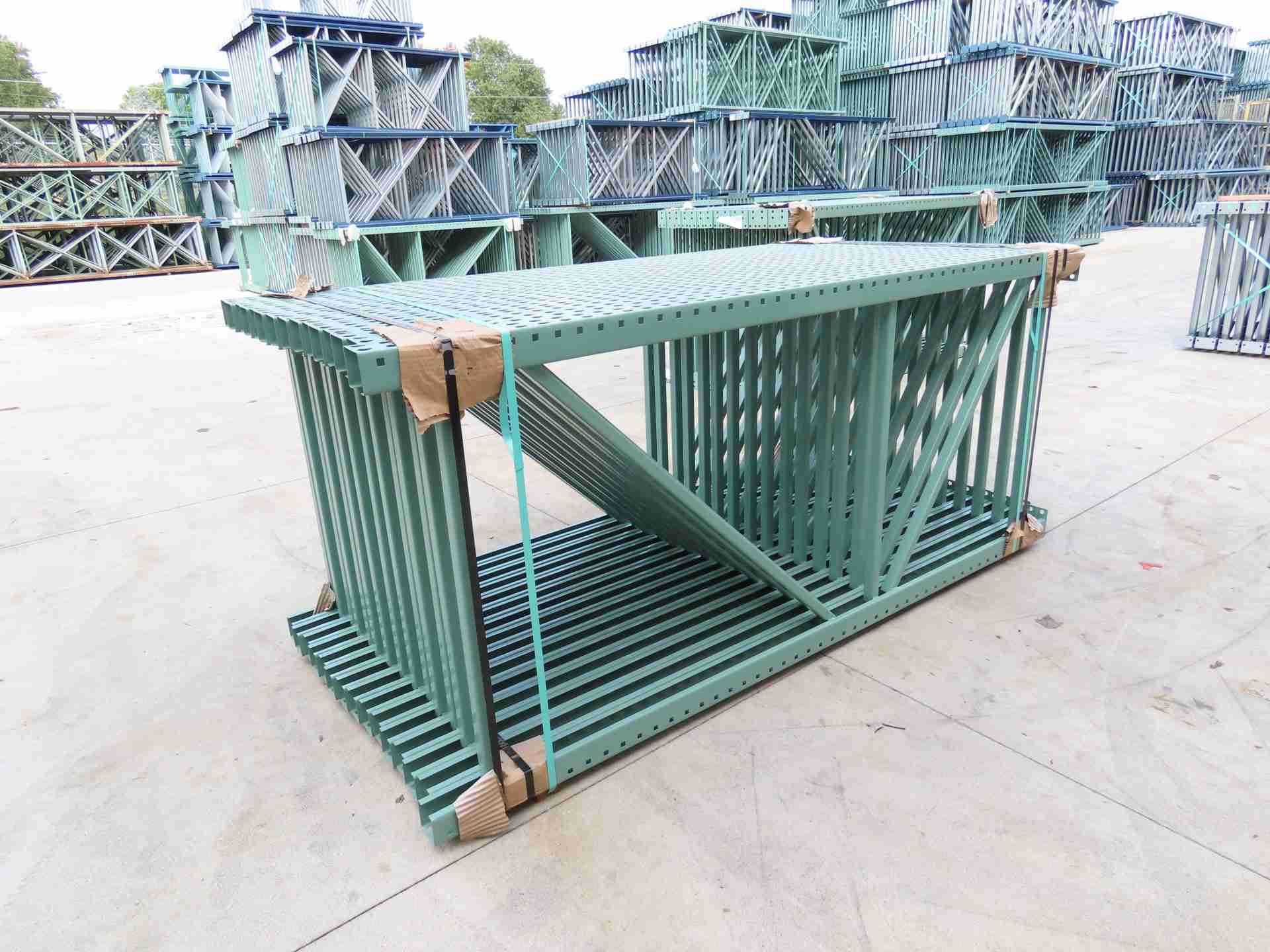
Why Is Heavy Rack Risk Important?
What Are Common Causes Of Heavy Rack Risk?
In the world of warehouse management and logistics, heavy rack risk is a phenomenon that can strike fear into the heart of any business. Understanding the common causes of these risks is crucial for safeguarding your assets, ensuring employee safety, and maintaining operational efficiency. Ignoring these risks can lead to devastating financial consequences, operational disruptions, and potentially catastrophic accidents.
1. Poor Rack Design and Setup
One of the primary contributors to heavy rack risk lies in the initial design and setup of the racking system itself. If racks are not engineered to handle specified loads, you open the door to disaster. For example, if your warehouse is built to accommodate light-duty shelving but you switch to storing heavier machinery parts, you might experience rack failure. The recent collapse of a storage facility in Michigan, attributed to improper racking, serves as a stark reminder of the importance of proper design.
2. Inadequate Training for Staff
Improper use of equipment and racking systems can often be traced back to inadequate employee training. When warehouse personnel lack the knowledge to operate forklifts or load racks correctly, the likelihood of accidents increases exponentially. In a recent case study from a large logistics company, insufficient training resulted in multiple rack incidents, costing the organization both money and reputation. Investing in robust training programs not only mitigates risks but also fosters a culture of safety and responsibility.
3. Lack of Regular Inspections and Maintenance
Heavy racks require ongoing care and attention. Regular inspections are essential to identify damage or wear and tear that could compromise safety. An astounding percentage of warehouse accidents—estimates suggest up to 50%—could have been prevented through routine checks. Delayed maintenance of racks can culminate in serious incidents, as evidenced by numerous warehouse mishaps reported this year alone, highlighting the dire need for a proactive approach to upkeep.
4. Overloading Racking Systems
Different racking systems have weight limits that, if exceeded, can lead to catastrophic failure. Unfortunately, the lure of maximizing storage space often leads companies astray, tempting them to overload racks. This was evident in a recent instance in a major retail distribution center where racks were filled beyond capacity, resulting in a dramatic collapse. The company faced not only immediate losses but also damage to their reputation as a trusted supplier.
5. External Factors
Finally, external environmental factors, such as seismic activity or extreme weather conditions, can impact the integrity of heavy racks. As climate change drives unpredictability, businesses must prepare for these challenges. Staying informed and equipping your warehouse to withstand such events can safeguard your investment and your people.
Understanding these common causes of heavy rack risk is not merely an exercise in risk management—it’s an essential strategy for business resilience. Invest wisely in design, training, inspection, and maintenance to ensure that your racks don’t just meet the needs of today but are prepared for the uncertainties of tomorrow.
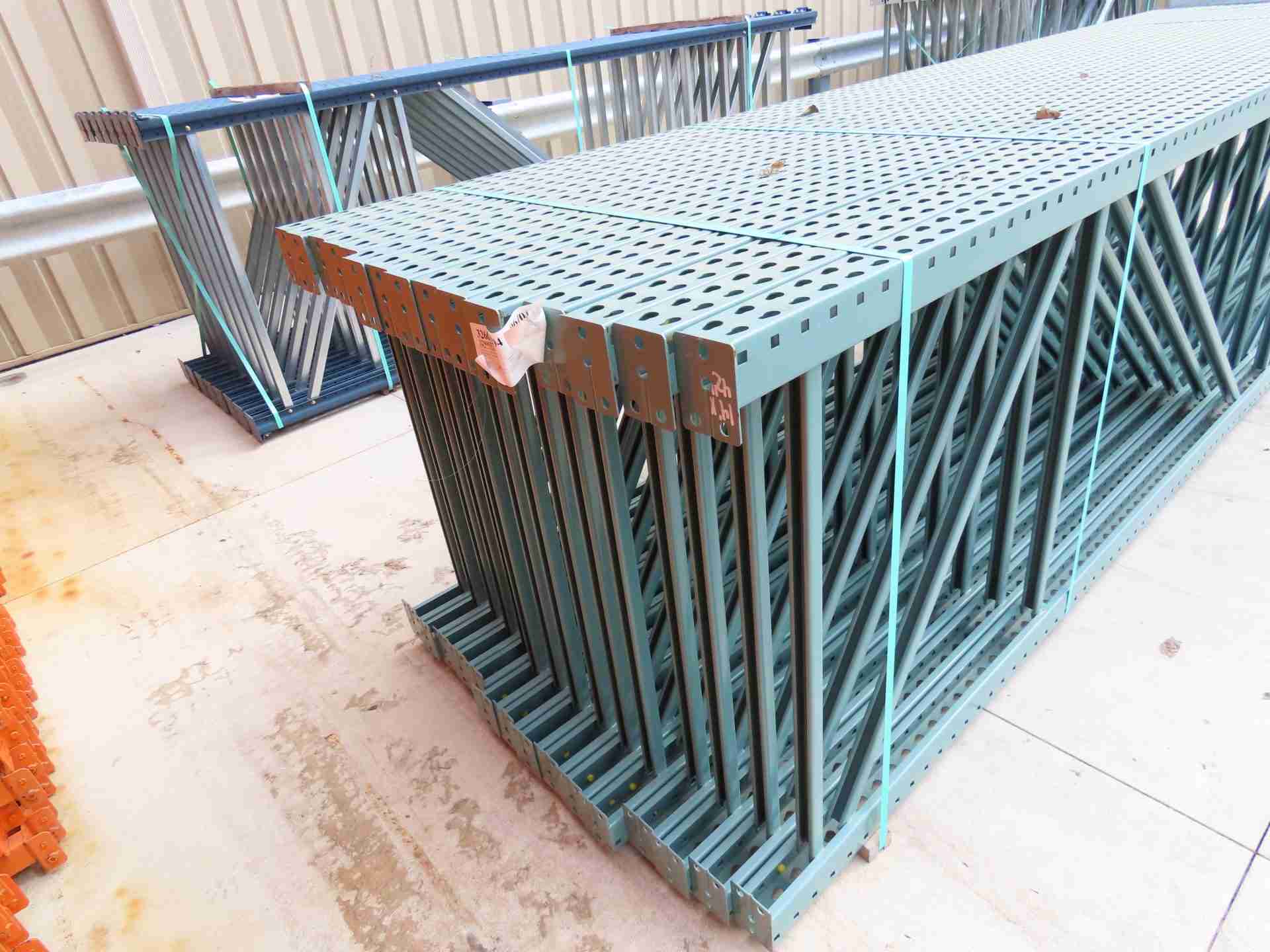
What Are Common Causes Of Heavy Rack Risk?
What Are Common Causes Of Heavy Rack Risk?
- Heavy Rack Risk Overview: A significant concern in warehouse management that can lead to financial losses, operational disruptions, and accidents.
- Poor Rack Design and Setup: Inadequate engineering of racking systems for specified loads can lead to disasters, as illustrated by a rack collapse in Michigan.
- Inadequate Training for Staff: Lack of employee training on equipment usage increases the likelihood of accidents, highlighting the importance of robust training programs.
- Lack of Regular Inspections and Maintenance: Routine checks could prevent up to 50% of warehouse accidents, underscoring the need for ongoing care of racking systems.
- Overloading Racking Systems: Exceeding weight limits due to the desire for maximizing storage can lead to catastrophic failures, as seen in a major retail distribution center incident.
- External Factors: Environmental impacts like seismic activity and extreme weather can compromise rack integrity, necessitating preparedness for such challenges.
- Strategic Importance: Understanding and addressing heavy rack risks is vital for business resilience and preparing for future uncertainties.
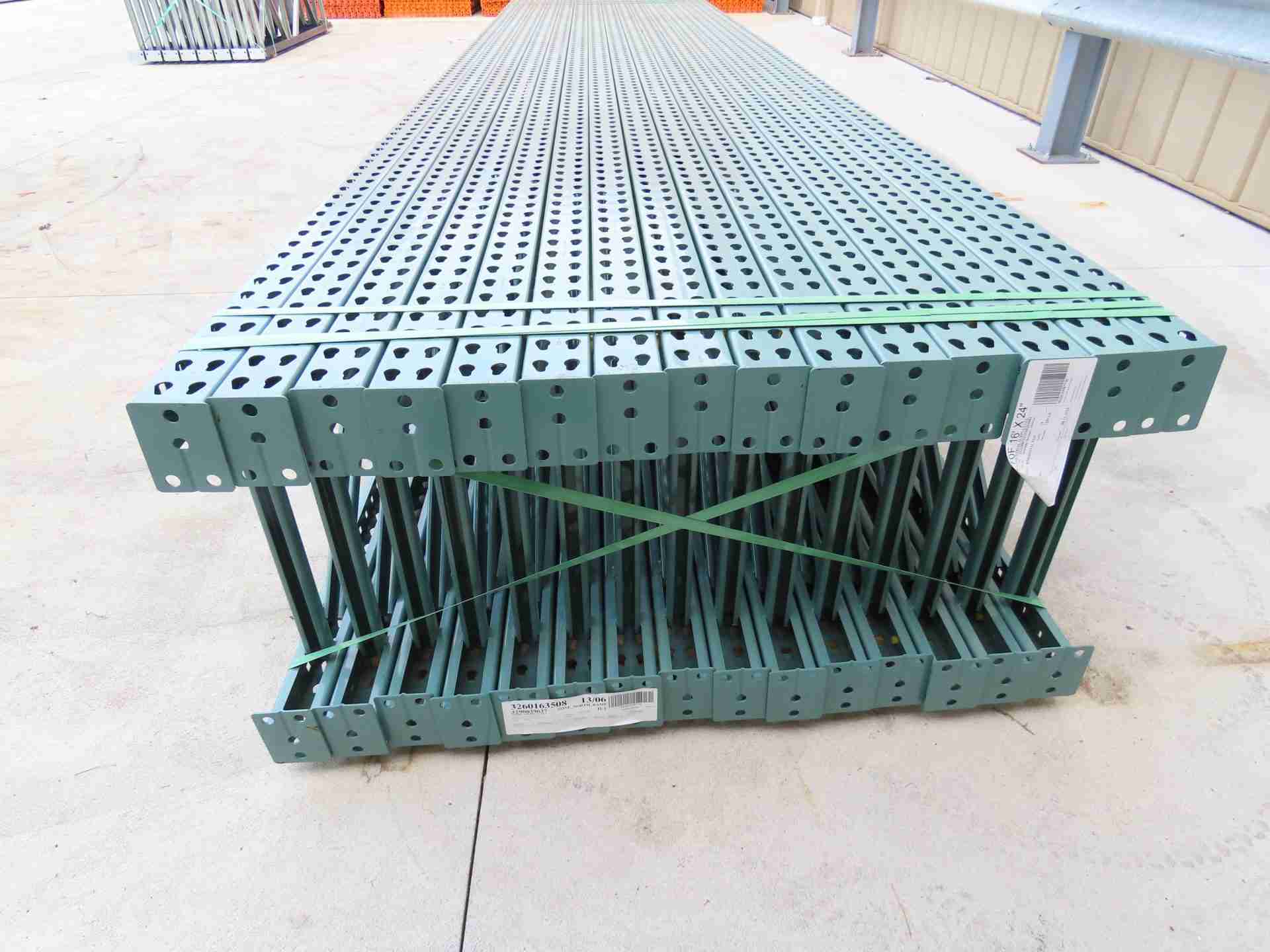
What Are Common Causes Of Heavy Rack Risk?
How Can Heavy Rack Risk Be Assessed?
In the high-stakes world of warehousing and distribution, the risk associated with heavy racks is not just a statistic—it’s a pivotal concern. In light of recent supply chain disruptions and discipline regulations, understanding how to assess this risk effectively is as critical as ever. Don’t let mismanagement rear its ugly head in your operations; instead, equip yourself with actionable insights that ensure safety and efficiency.
Start with a comprehensive audit of your current storage operations. Currently, many companies are expanding their capacity to accommodate the recent surge in e-commerce, but with this increase in demand comes an increased risk of rack collapses and associated accidents. Consider a recent incident in a major retail warehouse where improperly loaded racks collapsed during peak hours, resulting in severe injuries and hefty fines. This situation could have been avoided with rigorous inspection protocols and an ongoing risk assessment strategy.
Next, utilize technology to your advantage. Implementing weight sensors and automated systems captures real-time data, allowing managers to identify when a rack is at risk of exceeding its load capacity. Smart solutions are the cornerstone of modern operations, and the integration of IoT devices can provide alerts and analytics to turn data into action.
Don’t underestimate the importance of training. Employee awareness of the potential hazards associated with heavy racks is essential. Create a culture of safety that prioritizes education on load limits, proper stacking techniques, and emergency protocols. Regular training sessions can prevent avoidable accidents and ensure your team is equipped to face any challenge head-on. After all, a knowledgeable team is your first line of defense against operational risks.
Lastly, keep an eye on industry standards and regulations. The pallet rack safety regulations have been evolving, especially as new best practices emerge. Continuous alignment with OSHA guidelines and other safety standards is paramount. Periodically reviewing changes in these regulations can protect not only human resources but also your bottom line.
In essence, assessing heavy rack risk is a multifaceted process that combines technology, training, and adherence to regulations. Embrace a proactive approach; your commitment to safety will not only safeguard your assets but also position your business as a pillar of reliability in the marketplace. Don’t leave safety to chance, elevate your operations, and turn risk into opportunity.
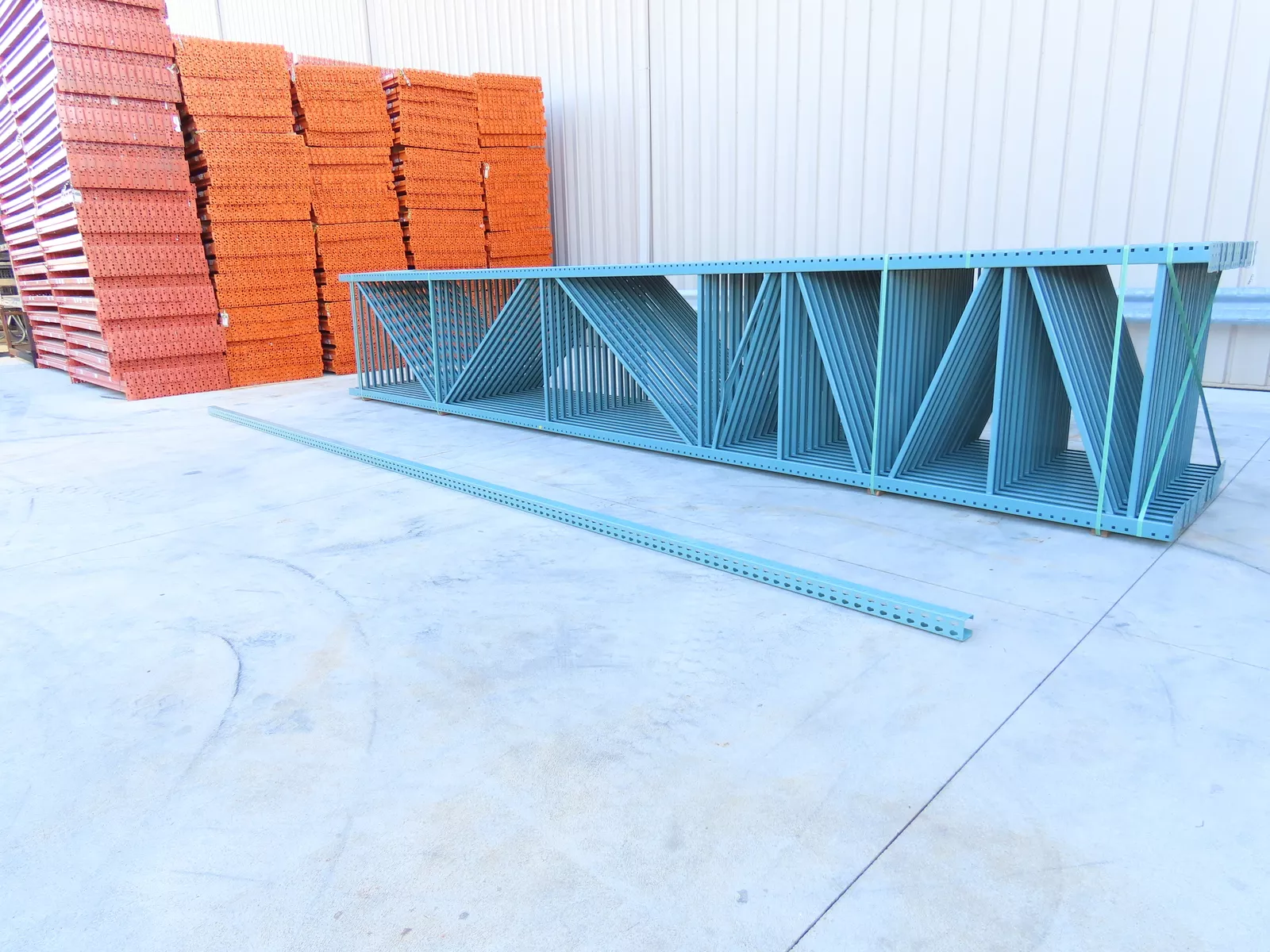
How Can Heavy Rack Risk Be Assessed?
How Can Heavy Rack Risk Be Assessed?
- Heavy racks pose significant risks in warehousing and distribution, particularly amid supply chain disruptions.
- Conduct comprehensive audits to assess current storage operations and identify risks of rack collapses.
- Recent incidents highlight the need for rigorous inspection protocols to prevent accidents and associated liabilities.
- Utilize technology, such as weight sensors and IoT devices, for real-time monitoring of rack load capacities.
- Prioritize employee training to educate staff on hazards, load limits, and emergency protocols.
- Stay updated on industry standards and regulations, especially OSHA guidelines, to ensure compliance and safety.
- A proactive approach combining technology, training, and regulatory adherence enhances safety and operational reliability.
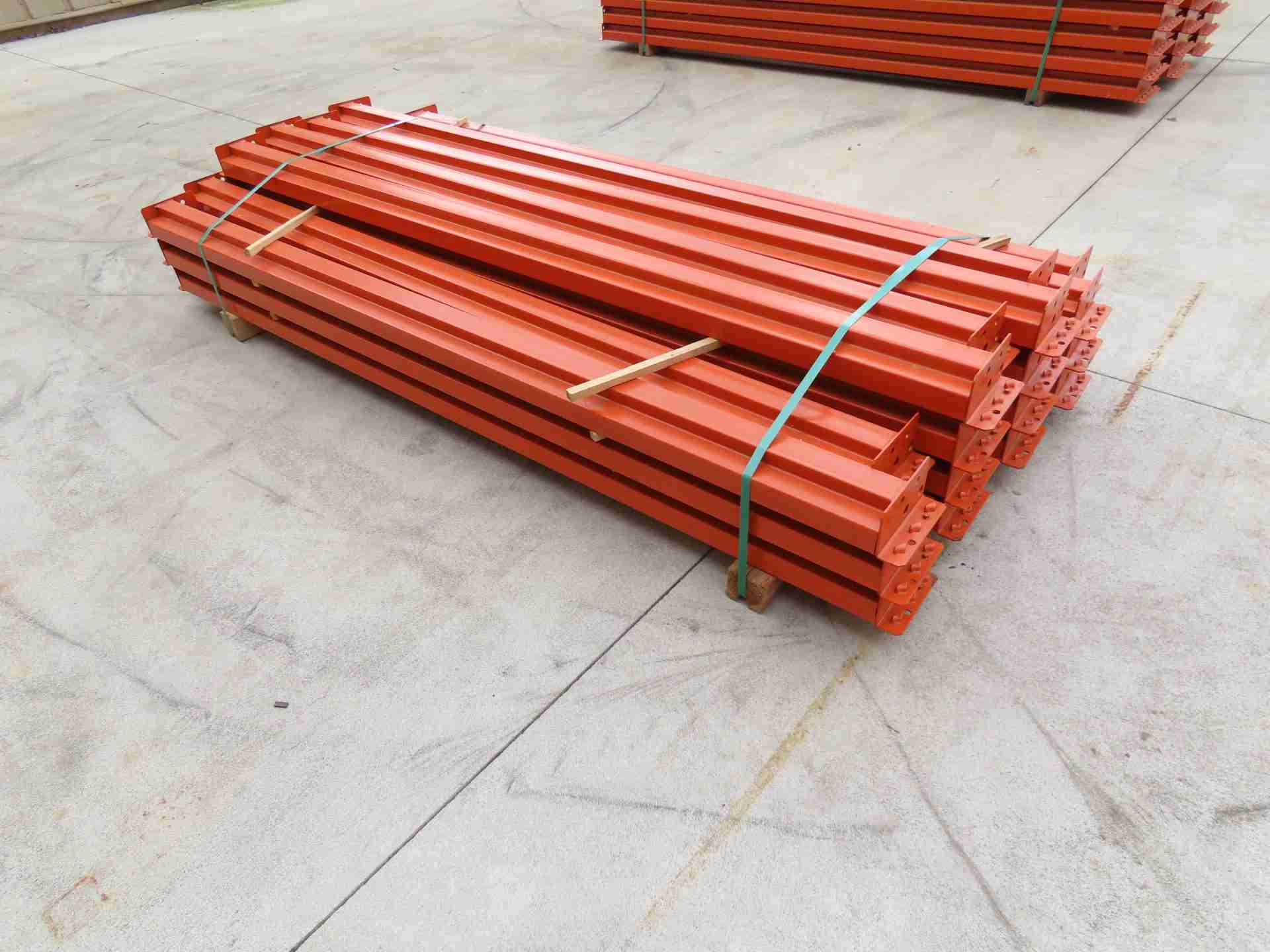
How Can Heavy Rack Risk Be Assessed?
What Are The Consequences Of Ignoring Heavy Rack Risk?
When it comes to heavy rack risk, the adage “an ounce of prevention is worth a pound of cure” couldn’t be more apt. Ignoring the potential dangers that accompany inadequate racking systems can lead to catastrophic ramifications for your business—financially, operationally, and reputationally.
Take, for instance, the well-publicized collapse of the racking system at a major warehouse in 2022. This incident, largely attributed to overloading and poor maintenance, resulted in significant financial losses and a halt of operations that persisted for weeks. The immediate cost of replacing racking systems, retrieving lost inventory, and dealing with injury claims can run into millions. However, the longer-lasting impacts included damage to the company’s reputation and a steep decline in customer trust. In an age where safety records are scrutinized, one incident can tarnish years of hard-earned credibility.
Beyond the direct financial repercussions, neglecting heavy rack risk can severely hurt employee morale and productivity. When team members operate under the specter of potential accidents, anxiety can permeate the workplace. Sluggish production leads to missed deadlines and, ultimately, upset customers. This ripple effect can disrupt supply chains, emphasizing how one oversight affects the whole organization.
Let’s talk about regulatory consequences. Companies ignoring safety protocols may find themselves in the regulatory crosshairs. In recent years, there has been an increase in inspections across warehouses, prompted by a growing number of reported injuries tied to rack collapses. Fines and penalties can pile up, but the real kicker is how these violations contribute to a culture of negligence, potentially leading to litigation. Legal fees and settlements can devastate an organization financially and lead to long-lasting damage to its market position.
Moreover, consider the cost of lost opportunity. With the physical and operational aftermath of a heavy rack incident, resources are diverted away from growth initiatives. Instead of investing in innovation or marketing strategies, teams are left cleaning up the mess. Businesses can’t afford to ignore heavy rack risks—being proactive is not just about compliance; it’s about strategic growth.
In summary, the consequences of ignoring heavy rack risks extend far beyond the warehouse floor. From financial losses to damaged reputations, operational setbacks to regulatory penalties, the stakes are high. Leaders must prioritize safety and invest in effective strategies to mitigate these risks, ensuring their company’s continued success in a competitive marketplace. The question is, how much is your peace of mind worth?

What Are The Consequences Of Ignoring Heavy Rack Risk?
What Are The Consequences Of Ignoring Heavy Rack Risk?
- Neglecting heavy rack risks can lead to severe financial, operational, and reputational consequences for businesses.
- A notable incident in 2022 involved a racking system collapse due to overloading and poor maintenance, causing significant financial losses and prolonged operational disruptions.
- Long-term impacts of such incidents include damage to the company’s reputation and a decline in customer trust, affecting future business opportunities.
- Employee morale and productivity can suffer when staff operate under the threat of potential accidents, leading to missed deadlines and upset customers.
- Ignoring safety protocols can result in regulatory scrutiny, increased inspections, fines, and potential litigation due to a culture of negligence.
- Heavy rack incidents divert resources from growth initiatives, hindering investments in innovation and marketing strategies.
- Company leaders must prioritize safety and invest in risk mitigation strategies to ensure continued success in a competitive market.

What Are The Consequences Of Ignoring Heavy Rack Risk?
What Safety Standards Address Heavy Rack Risk?
In today’s fast-paced business environment, the efficacy and safety of your storage systems are paramount. The importance of heavy rack safety isn’t just a matter of compliance; it translates directly to the productivity and profitability of your operations. As businesses invest in growing their inventory space, they must also consider the associated safety standards that directly mitigate heavy rack risk.
ANSI/RMI Standards: One of the cornerstones of rack safety comes from the American National Standards Institute (ANSI) and the Rack Manufacturers Institute (RMI). These standards cover the design, testing, and maintenance of storage racks, ensuring they can withstand not only heavy loads but also the rigors of day-to-day operations. Adhering to these standards helps mitigate risks associated with overloading and enhances the structural integrity of your racks.
OSHA Regulations: The Occupational Safety and Health Administration (OSHA) also sets forth regulations that target workplace safety concerning storage racks. Recent years have seen a surge in OSHA inspections focusing on storage systems, underscoring the need for compliance. Businesses found lacking may face substantial fines, not to mention the reputational damage resulting from an accident. Following OSHA’s guidelines, like maintaining proper load limits and ensuring employees are trained on safe rack usage, can protect your investment and workforce alike.
Insurance Implications: Don’t underestimate how safety protocols impact your insurance premiums. Insurers often evaluate adherence to industry safety standards when determining coverage costs. For example, a company that maintains compliant heavy rack systems may not only enjoy reduced insurance rates but also improved liability coverage—a win-win scenario!
Real-World Examples: Take the recent case of a major warehouse in Illinois where improper rack management led to a collapse resulting in injuries and damaged inventory. The fallout included not only medical costs but significant legal ramifications estimated to be millions. If the warehouse had adhered to recognized safety standards, the financial and human toll could have been avoided.
Training and Regular Inspections: Beyond static standards, proactive measures like regularly scheduled employee training and rack inspections significantly reduce risks. Implementing a robust safety program that includes these factors can create a safer work environment and propagate a culture of safety that resonates throughout your organization.
In summary, the path to mitigating heavy rack risk lies in understanding and implementing the necessary safety standards. Embracing compliance not only protects your assets and workforce but simultaneously fortifies your business against loss, ensuring you stay competitive and responsible in a challenging marketplace.
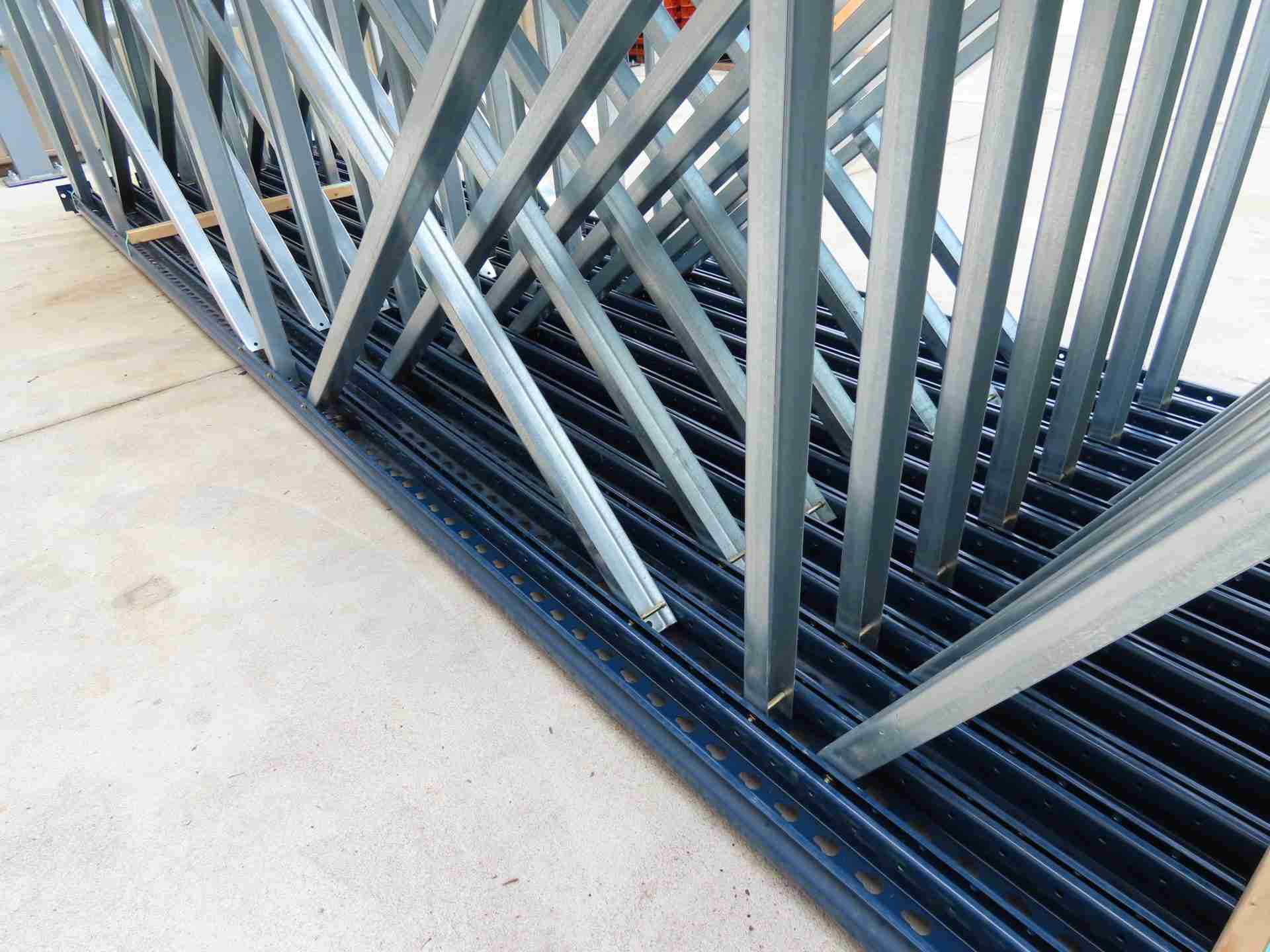
What Safety Standards Address Heavy Rack Risk?
What Safety Standards Address Heavy Rack Risk?
- Storage system efficacy and safety are critical for business productivity and profitability.
- ANSI/RMI standards ensure heavy rack design, testing, and maintenance for safer operations.
- OSHA regulations emphasize workplace safety concerning storage racks, with increased inspections in recent years.
- Compliance with safety standards can lead to lower insurance premiums and better coverage.
- Real-world example: A warehouse collapse in Illinois due to improper rack management resulted in injuries and substantial costs.
- Regular employee training and inspections can significantly reduce risks associated with storage racks.
- Implementing safety standards not only protects assets and workforce but enhances competitiveness in the market.
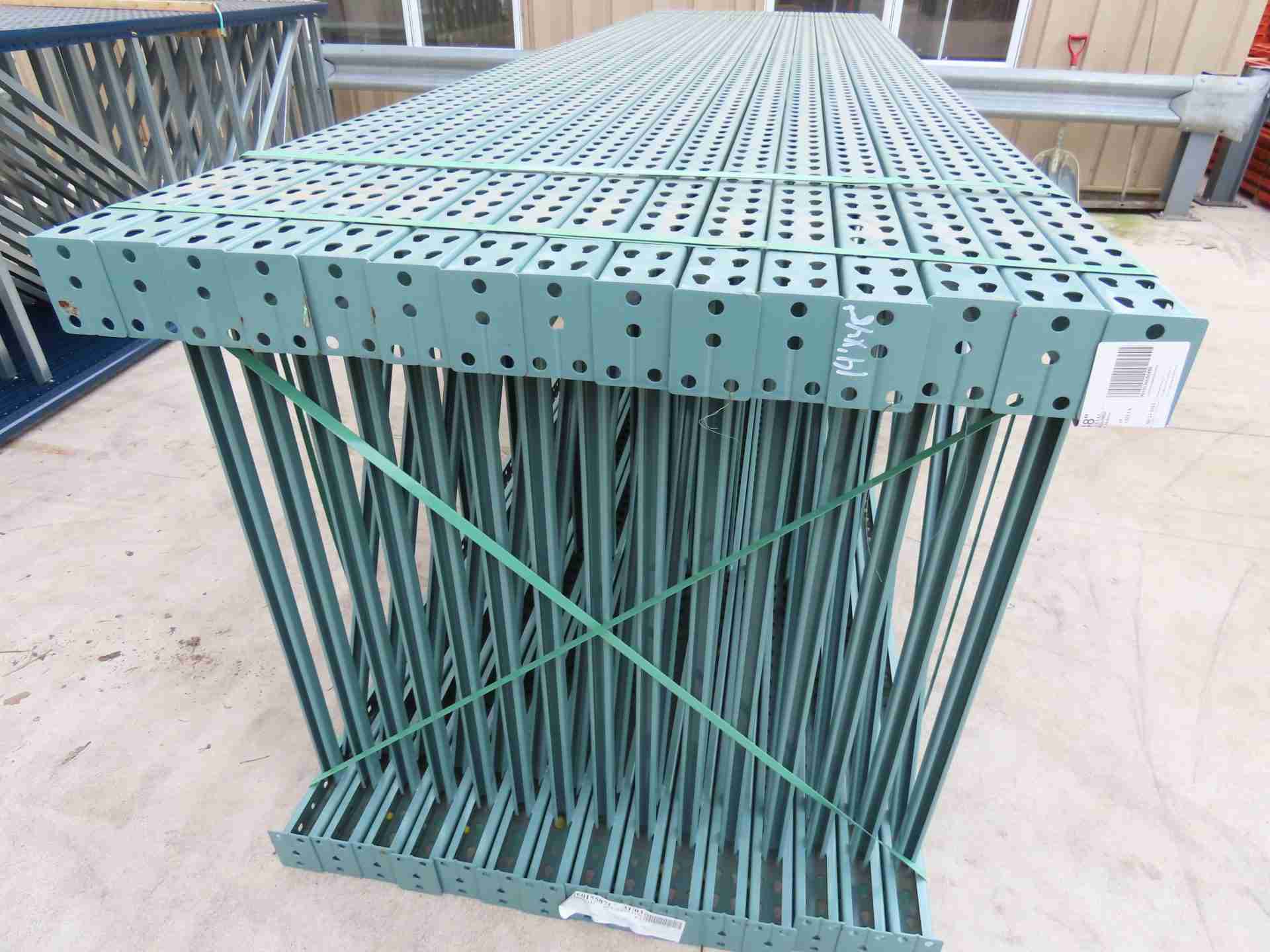
What Safety Standards Address Heavy Rack Risk?
How Can Proper Training Mitigate Heavy Rack Risk?
In an era where efficiency meets safety, organizations must prioritize training programs designed to minimize risks associated with heavy racks. The potential consequences of neglecting such training can be catastrophic, leading not just to injury, but severe disruptions in operations and potential reputational damage.
Consider this: an employee, unaware of the proper protocols, mismanages a load in a heavy rack setup, resulting in a catastrophic collapse. The immediate effects are clear: injuries, lost productivity, and costs skyrocketing from insurance claims to equipment replacement. However, the ripples can extend far beyond that single incident, affecting morale and overall productivity. This is where the power of proper training comes into play.
Imagine if every employee on your team underwent rigorous training that addressed not just the “how” but the “why” behind safety procedures. For example, during a recent industry conference, one leading logistics company shared how their revamped training program reduced rack incidents by a staggering 40% in just six months. They invested in real-time simulation training that engaged employees in practical scenarios, creating an environment where safety protocols were woven into the fabric of daily operations. This investment paid dividends—lower insurance premiums, enhanced reputation, and more importantly, a safer workplace.
Moreover, the risks associated with heavy racks are not just confined to the warehouse floor. The supply chain disruptions caused by safety mishaps can ripple through entire industries. Take, for instance, the recent bottlenecks in shipping caused by catastrophic accidents in warehouses across the country. The fallout has led many organizations to rethink their training methodologies. Companies are innovating with virtual reality (VR) safety training modules that allow employees to practice proper rack management in a dynamic, risk-free environment. This method not only bolsters knowledge retention but fosters an organizational culture centered around safety.
Furthermore, integrating ongoing education into your workplace culture amplifies resilience. Training shouldn’t be a one-off; it needs to be continuous and adaptable. Regular workshops, safety refreshers, and new technology orientations can keep your team sharp and aware of the evolving challenges in the warehouse environment.
As we witness a significant shift towards automated solutions in warehousing, the human element will always remain critical. By investing in comprehensive training programs tailored to mitigate heavy rack risks, businesses not only safeguard their employees but also secure their bottom line. Ultimately, embracing a culture of continuous safety education today sets the stage for a more secure, efficient, and prosperous tomorrow.
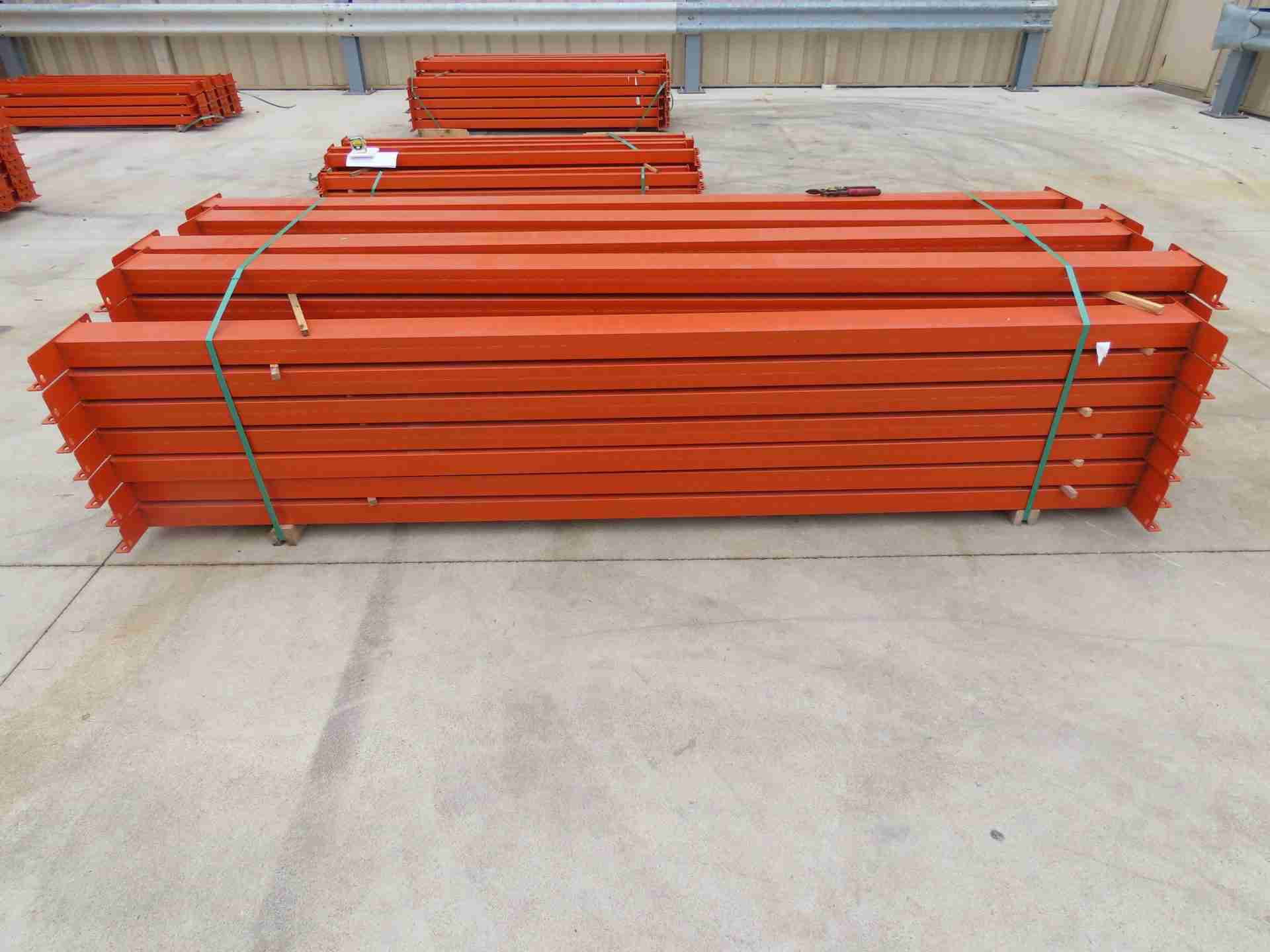
How Can Proper Training Mitigate Heavy Rack Risk?
How Can Proper Training Mitigate Heavy Rack Risk?
- Organizations must prioritize training programs to minimize risks with heavy racks.
- Neglecting training can lead to injuries, operational disruptions, and reputational damage.
- Proper training can significantly reduce incidents; for example, one company saw a 40% reduction in rack incidents within six months through enhanced programs.
- Real-time simulation training can engage employees and integrate safety protocols into daily operations.
- Safety mishaps in warehouses can disrupt entire supply chains, prompting companies to rethink training methods.
- Innovative training solutions like virtual reality can enhance knowledge retention and foster a safety-centered culture.
- Ongoing education and regular workshops are essential for adapting to evolving warehouse challenges and maintaining safety awareness.
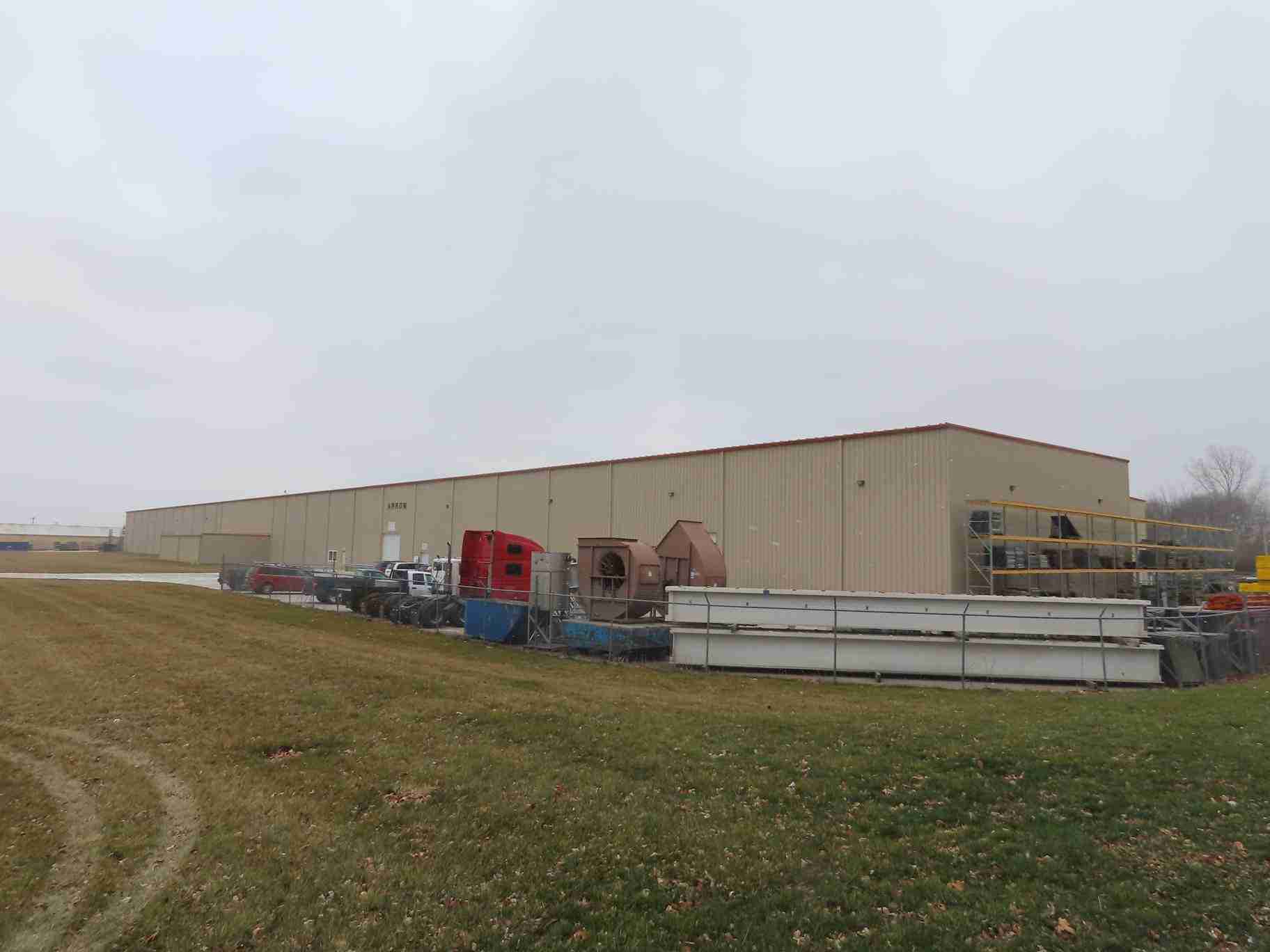
How Can Proper Training Mitigate Heavy Rack Risk?
What Role Does Inspection Play In Heavy Rack Risk Management?
In the bustling world of warehouses, distribution centers, and manufacturing plants, safety can often take a back seat to productivity. However, a robust risk management strategy hinges on one essential element: thorough inspection. The importance of regular inspections cannot be overstated; they serve as the frontline defense in mitigating the potential hazards associated with heavy rack systems.
Consider the catastrophic incident reported last summer when a warehouse in the Midwest suffered a rack collapse due to poorly maintained infrastructure. This tragic event not only resulted in injury but also devastated operations, leading to significant financial losses. This is a wake-up call for businesses everywhere: neglecting inspection is akin to choosing to build on quicksand. It might look solid on the outside, but the instability can lead to disaster.
So, how do inspections fit into the heavy rack risk management puzzle? First and foremost, they identify potential hazards before they escalate into dangerous situations. This proactive approach is essential; think of it as a routine medical checkup for your racking systems. Just like a doctor looking for early signs of trouble, a skilled inspector can pinpoint wear and tear, misaligned racks, or potential collapse points.
Real-life examples abound. A retailer made headlines when it discovered, through routine inspections, that its racking systems were outdated and not compliant with current safety regulations. Rather than facing fines and legal repercussions, they were able to replace their systems, ensuring employee safety and maintaining compliance.
Moreover, regular inspections foster a culture of safety within organizations. Employees are more likely to adhere to safety protocols when they see that management is committed to maintaining a secure environment. This not only boosts morale but also enhances productivity. For instance, a logistics company that adopted a rigorous inspection schedule reported a staggering 30% reduction in workplace accidents within a year.
In today’s competitive landscape, the stakes are high. Companies cannot afford negligence. Engaging certified professionals to conduct inspections lays the foundation for a comprehensive risk management strategy. Not only does it protect the workforce, but it also safeguards the brand’s reputation—an invaluable asset that can take years to build but can be shattered in moments.
Inspections are not just about compliance; they are vital for long-term success. Prioritizing thorough and regular checks on heavy racks can spell the difference between smooth operations and catastrophic failure. Invest in regular inspections, and watch your business flourish while keeping your people safe.
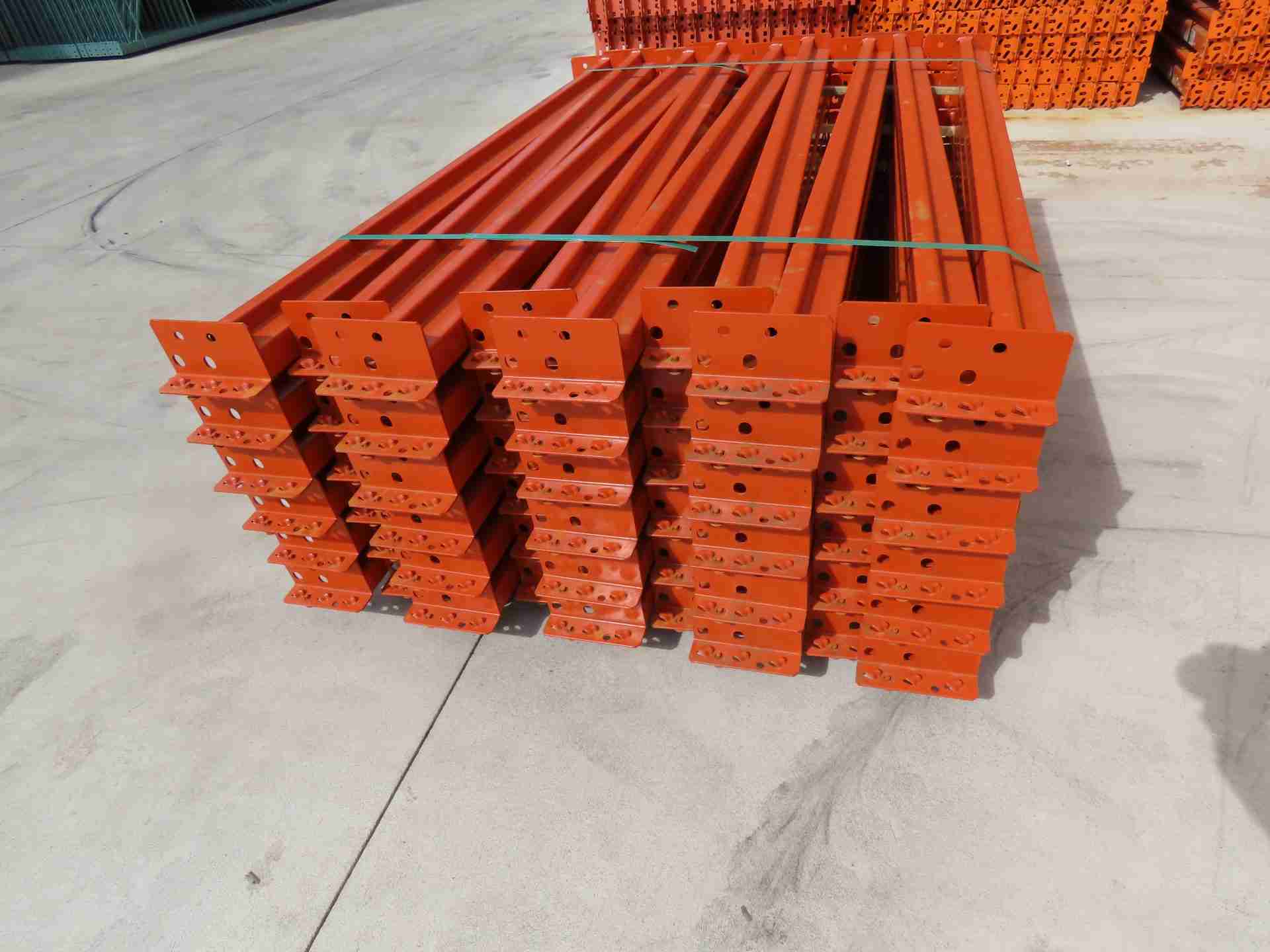
What Role Does Inspection Play In Heavy Rack Risk Management?
What Role Does Inspection Play In Heavy Rack Risk Management?
- Safety often takes a back seat to productivity in warehouses and manufacturing plants.
- Regular inspections are crucial for mitigating hazards associated with heavy rack systems.
- A past incident highlighted the dangers of neglecting inspection; a collapsed rack led to injuries and financial losses.
- Inspections allow early identification of potential hazards, functioning like a medical checkup for racking systems.
- Routine inspections can help companies maintain compliance with safety regulations and avoid legal consequences.
- Regular inspections promote a culture of safety, leading to improved employee morale and reduced workplace accidents.
- Investing in inspections protects workforce safety and enhances a company’s reputation, which is vital for long-term success.
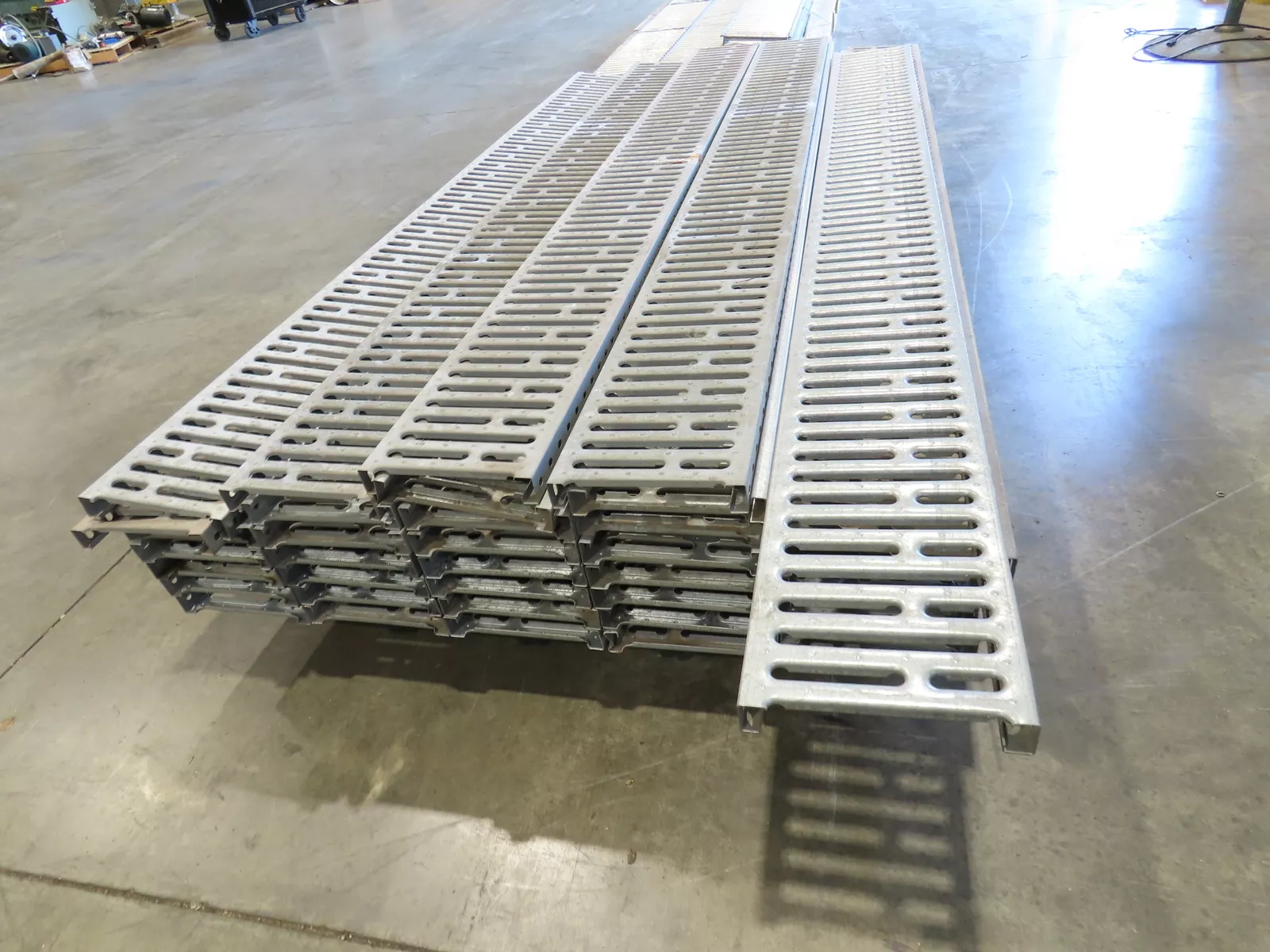
What Role Does Inspection Play In Heavy Rack Risk Management?
What Best Practices Reduce Heavy Rack Risk In Warehouses?
In the fast-paced world of warehousing, the pressure to maximize efficiency often leads to a surprising oversight: rack safety. Heavy racks, if not properly managed, can turn from a vital asset into a dangerous liability. Fortunately, implementing best practices can significantly reduce risks and ensure a safer working environment.
1. Conduct Regular Inspections
Just like any successful maintenance program, regular inspections are critical. Establish a routine inspection schedule—daily, weekly, or monthly—depending on your warehouse’s volume and rack utilization. Use checklists that include evaluating rack stability, securing fasteners, and looking for signs of wear and tear. For example, in July 2023, a leading national retailer faced a significant setback when a sudden rack collapse caused injuries and led to a costly legal fallout. This incident could have been avoided with regular, thorough inspections.
2. Train Staff Thoroughly
A well-trained workforce is your first line of defense. Ensure all employees receive comprehensive training on safe loading practices, weight limits, and emergency procedures. Consider implementing simulation exercises that put theory into practice. For instance, during a recent expo, a logistics firm showcased a virtual reality platform that trains employees on proper rack operation and safety protocols, demonstrating an innovative way to engage and educate the workforce.
3. Implement Weight Limits
Every warehouse should have clearly posted weight limits for racks, which are often overlooked. Erect large, visible signage to remind staff of these limits. Additionally, consider utilizing weight sensors—an investment that’s increasingly affordable—that alert you when weight thresholds are breached. This technological edge can help prevent potential disasters before they arise.
4. Utilize Quality Rack Systems
It’s paramount to invest in high-quality rack systems designed for your specific inventory type. For instance, selective pallet racking may be efficient for certain goods, but if your warehouse shifts to heavier inventory, consider transitioning to a structural rack system that can bear increased loads safely. The right choice can save tens of thousands in potential damage costs.
5. Foster a Culture of Safety
Finally, create an environment where safety is prioritized. Encourage employees to report unsafe conditions without fear of repercussion. Celebrate safety milestones and foster an ongoing dialogue about best practices. An engaged workforce is your strongest asset in preventing rack-related incidents.
By adopting these best practices, you not only create a safer workplace but also enhance operational efficiency and protect your bottom line. Don’t wait for a disaster to strike; take proactive steps now to ensure your warehouse is a fortress of safety and productivity.

What Best Practices Reduce Heavy Rack Risk In Warehouses?
What Best Practices Reduce Heavy Rack Risk In Warehouses?
- Rack Safety Oversight: Focusing on warehouse efficiency can lead to neglecting rack safety, turning assets into liabilities.
- Regular Inspections: Establish routine inspections to evaluate stability, secure fasteners, and check for wear—preventing incidents like rack collapses.
- Comprehensive Staff Training: Provide thorough training on loading practices, weight limits, and emergency procedures, with simulation exercises to reinforce learning.
- Clear Weight Limits: Post visible weight limits for racks and consider investing in weight sensors to prevent overload.
- Quality Rack Systems: Invest in appropriate, high-quality rack systems tailored to inventory type to reduce potential damage costs.
- Culture of Safety: Foster an environment where safety is prioritized, encouraging reporting of unsafe conditions and celebrating safety milestones.
- Proactive Safety Measures: Implementing these best practices enhances safety, operational efficiency, and financial protection for the warehouse.
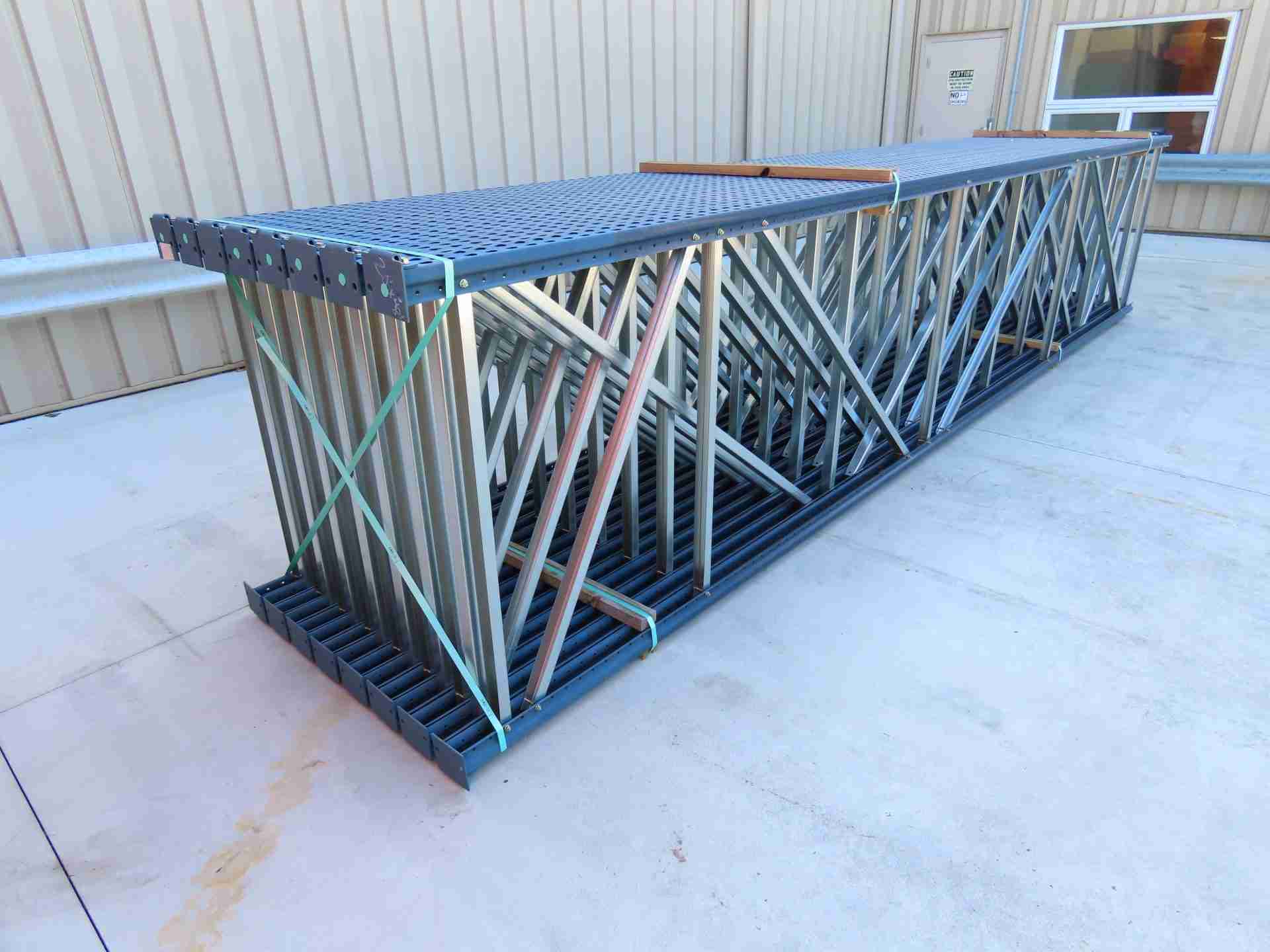
What Best Practices Reduce Heavy Rack Risk In Warehouses?
How Can Warehouse Design Impact Heavy Rack Risk?
Warehouse design is more than just sketching out a layout; it’s a strategic act that impacts safety, efficiency, and overall operational viability. When it comes to heavy rack systems, a well-thought-out design can drastically reduce risk and enhance productivity. Here’s how smart warehouse design can mitigate risks associated with heavy rack storage.
1. Strategic Layout Planning:
Imagine a warehouse where aisles are wide enough for forklifts to maneuver without issue and racks are placed thoughtfully to minimize blind spots. A strategic floor plan not only ensures compliance with safety regulations but also reduces the likelihood of accidents. For example, a company like Amazon is investing heavily in warehouse automation and redesign to optimize space and increase safety; their designs prioritize accessibility and offer clear pathways for equipment and human traffic alike.
2. Weight Distribution Awareness:
The design of your racking system should consider the weight distribution of stored items. By clearly identifying load capacities and ensuring that racks are designed accordingly, warehouses reduce the risk of collapses — a common incident that can lead to significant injury or even fatalities. For instance, during recent inventory shortages highlighted in the supply chain crisis, businesses faced increased pressure to stack items higher than ever. Proper rack design that accounts for these pressures is essential. A recent warehouse fire incident linked to overloading shelves serves as a stark reminder of the perils of neglecting proper design principles.
3. Enhanced Safety Protocols:
Incorporating features that promote safety within the design is paramount. This includes proper signage, designated emergency exits, and safety barriers around heavy-duty racks. Additionally, integrating technology such as sensors into your racking systems can offer real-time monitoring of weight loads. Companies should look at recent advancements in the Internet of Things (IoT) to create smarter, safer environments that proactively manage potential hazards.
4. Ergonomics and Worker Health:
A design that prioritizes ergonomics is also a game changer. By ensuring that racks are at optimal heights for retrieval, companies can prevent strains and injuries among workers who frequently lift heavy items. The longer employees are healthy, the more you save—both in terms of medical expenses and lost productivity.
The implications of warehouse design on heavy rack risk are profound. Businesses must recognize that investing time and resources into smart design is an investment in safety, efficiency, and ultimately, competition. As the logistics landscape continues to evolve, those who prioritize innovative warehouse design will undoubtedly outpace their competitors in both safety and operational prowess.
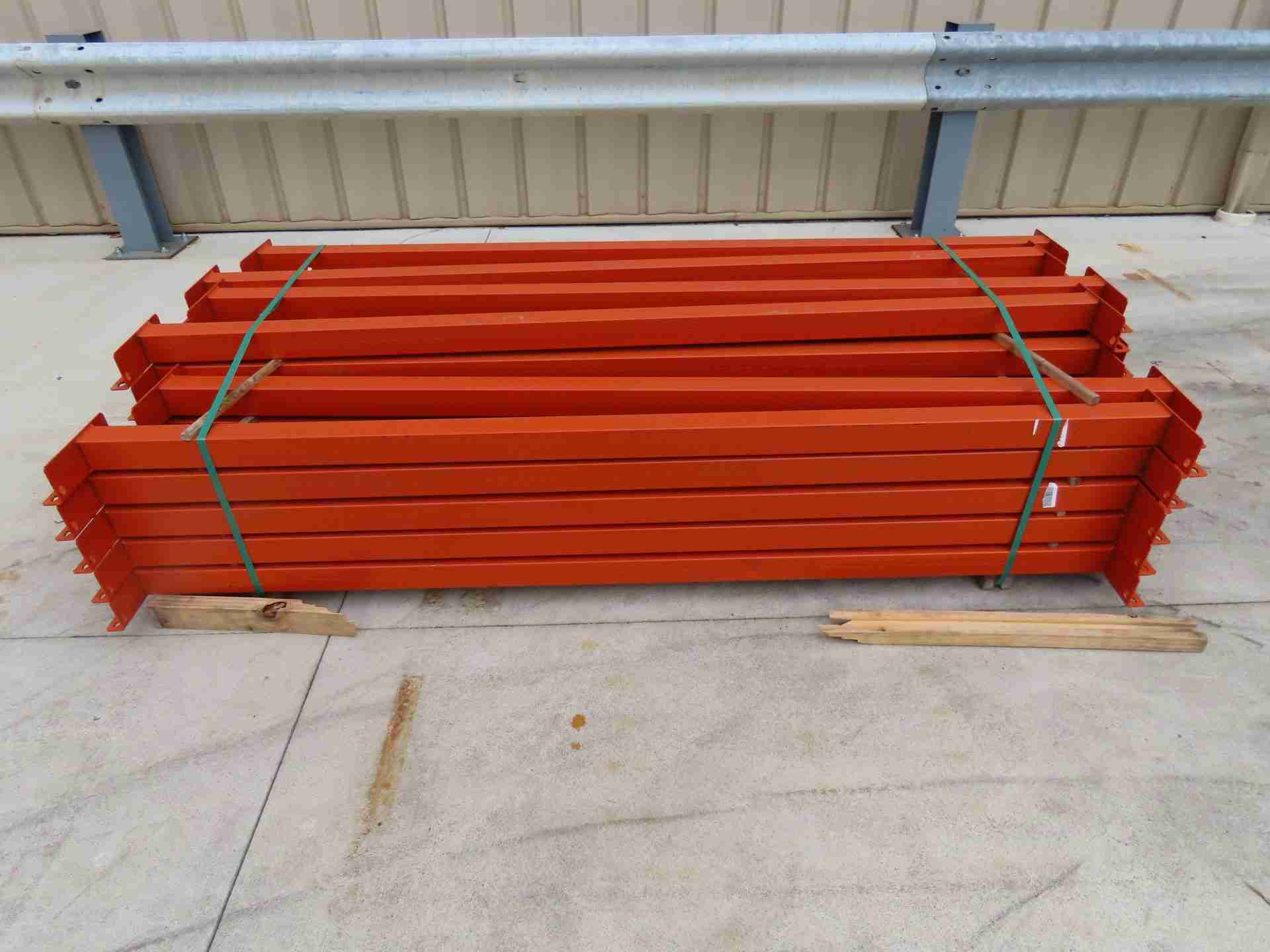
How Can Warehouse Design Impact Heavy Rack Risk?
How Can Warehouse Design Impact Heavy Rack Risk?
- Warehouse design significantly affects safety, efficiency, and operational viability.
- A strategic layout reduces risks and enhances productivity in heavy rack systems.
- Wide aisles and thoughtful rack placement minimize blind spots and comply with safety regulations.
- Proper weight distribution awareness prevents rack collapses and associated injuries.
- Enhanced safety protocols, including signage and technology, promote safer environments.
- Ergonomic designs help prevent worker injuries and improve health and productivity.
- Investing in smart warehouse design is crucial for maintaining competitiveness in logistics.

How Can Warehouse Design Impact Heavy Rack Risk?
What Types Of Shelving Are More Prone To Heavy Rack Risk?
When it comes to maximizing storage efficiency and keeping your inventory secure, not all shelving systems are created equal. Understanding which types of shelving are more susceptible to heavy rack risks can save you time, money, and potentially even your business’s reputation.
1. Double-Deep Racking Systems
Double-deep racking systems are a go-to for warehouses seeking high-density storage. However, these configurations pose unique challenges. The stacked pallets are harder to access, increasing the risk of improper handling. With more weight concentrated on fewer support columns, any miscalculations in load distribution can lead to catastrophic failures. Recent incidents in large distribution centers—highlighted by the surge in e-commerce—have demonstrated that neglecting the integrity checks for these systems can result in expensive damages and significant setbacks for operations.
2. Pallet Flow Racks
Pallet flow racks are designed for fast-moving inventory, allowing pallets to flow from the back to the front via gravity. While efficient, this system can lead to heavy rack risks if the pallets are overloaded or poorly examined. A recent case involving a major grocery chain showed that when inventory was increased for seasonal promotions, improper load management led to structural instability. As a result, not only did the company face costly damages, but it also faced potential litigation and loss of customer trust.
3. Mobile Shelving Units
Mobile shelving units are ideal for maximizing floor space; however, their moveable nature can induce a sense of complacency regarding safety measures. The shifting shelves can create instability if not properly filled or if items are inadvertently placed on the top, which can lead to tipping hazards. An example came to light during recent warehouse audits when mobile units in a logistics center failed to maintain weight limits, resulting in the collapse of a multi-pallet stack, leading to both safety and liability headaches.
4. Open-Style Racks
Open-style racks allow air circulation and visibility, but they make it easier for people to place items inappropriately. When products shift unexpectedly, or weights exceed the suggested limits, the likelihood of rack failure increases. A well-publicized event in the consumer electronics space illustrated how misplaced heavy items on open racks during Black Friday sales led to collapses—an embarrassing mishap that left consumers scrambling and brands reeling from public relations fallout.
Analyzing the types of shelving in your facility and understanding their inherent weaknesses is essential to mitigating heavy rack risk. By investing in proper training, implementing strict inventory protocols, and regularly inspecting your shelving systems, your business can avoid costly disruptions and maintain a safe, operationally sound environment. Stay proactive; it’s not just about storage—it’s about safeguarding your future.
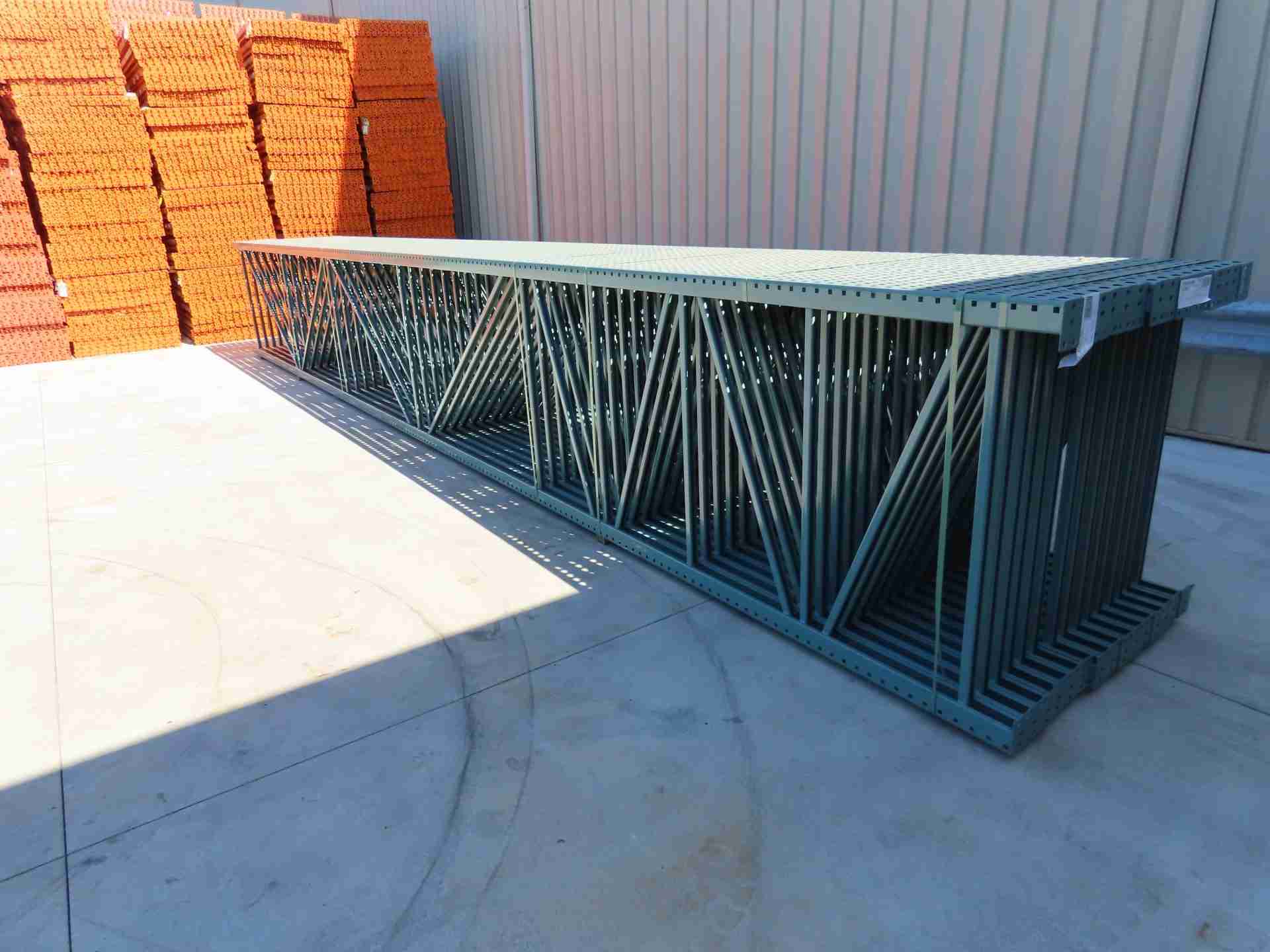
What Types Of Shelving Are More Prone To Heavy Rack Risk?
What Types Of Shelving Are More Prone To Heavy Rack Risk?
- Not all shelving systems are equally effective for storage efficiency and inventory security.
- Double-deep racking systems, while high-density, increase handling risk and require careful load distribution to prevent failures.
- Pallet flow racks are efficient but can become unstable if pallets are overloaded, leading to potential litigation and loss of trust.
- Mobile shelving units maximize space but can cause tipping hazards if filled improperly or overly loaded.
- Open-style racks allow visibility but increase the risk of improper item placement and rack failure, particularly during high-traffic sales events.
- Regular inspection, rigorous training, and strict inventory protocols are essential for mitigating heavy rack risks.
- Adopting a proactive approach ensures not only efficient storage but also the long-term safety and reputation of your business.
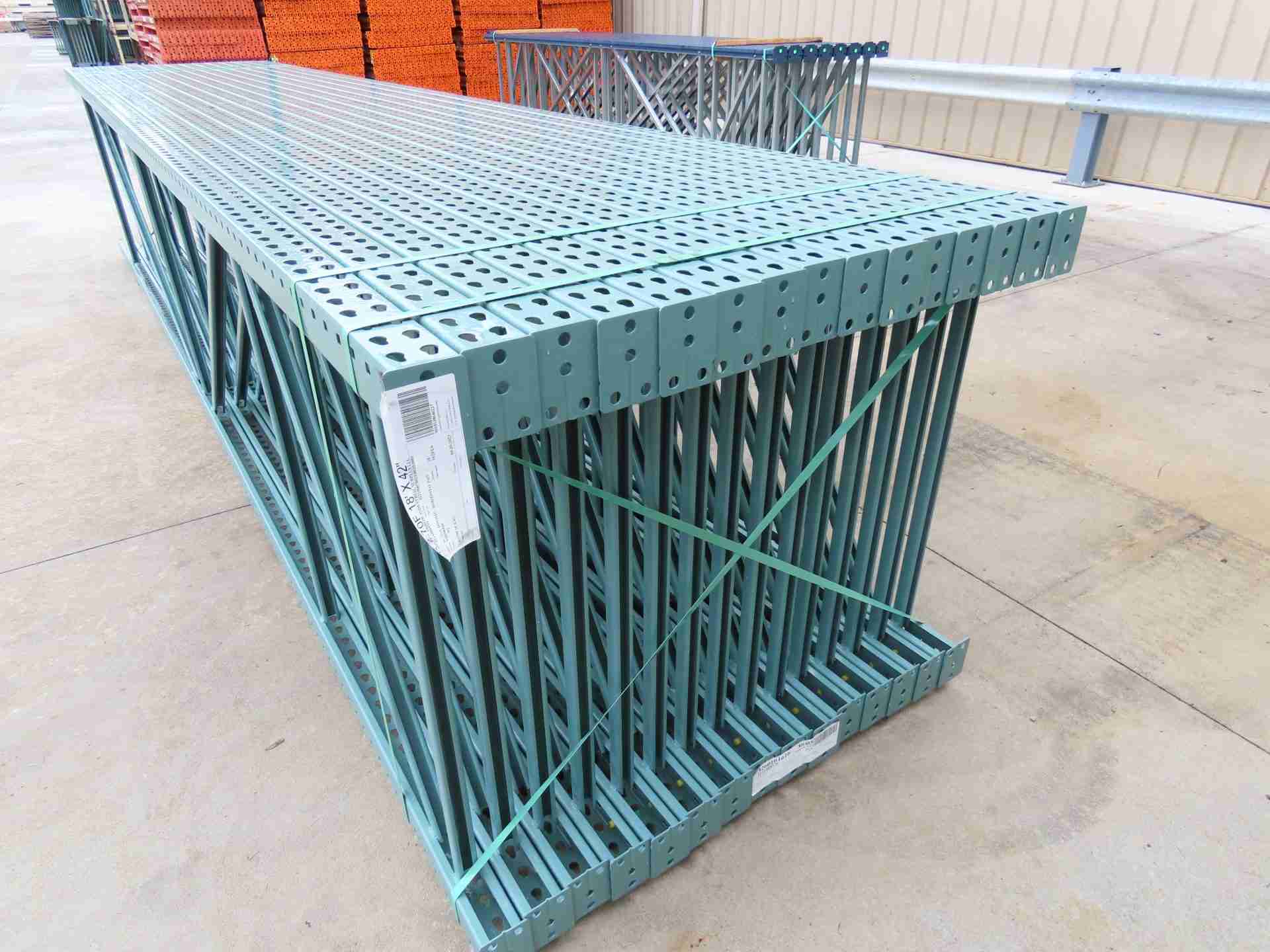
What Types Of Shelving Are More Prone To Heavy Rack Risk?
What Are The Signs Of Heavy Rack Risk In Shelving Systems?
In the fast-paced world of warehousing and inventory management, safety should always be your top priority. However, in the pursuit of efficiency and productivity, many businesses overlook critical signs of heavy rack risk in shelving systems. This can lead not only to costly accidents but also to significant disruptions that could harm your bottom line. Let’s explore some of the most telling signs that you may have a heavy rack risk lurking in your operational landscape.
1. Visible Damage to Racking Systems: One of the most glaring indicators of potential hazard is damage to your shelving units. Look for bent beams, cracked columns, or any noticeable deformities. Even minor dents can compromise the integrity of a rack. For instance, following a well-publicized warehouse collapse last winter, safety experts advised conducting regular inspections. Be proactive—if you see physical damage, don’t hesitate to take action.
2. Overloading Beyond Capacity: Every rack comes with a specified weight limit, and exceeding these limits is a recipe for disaster. If you’re routinely cramming additional stock into your shelves in a pinch, you may find yourself flirting with danger. As a recent industry report highlighted, overloading has been a significant factor in warehouse accidents, leading to severe injuries and costly liability claims. Now is the time to assess your weight distributions and ensure compliance with manufacturer guidelines.
3. Inconsistent Load Distribution: It’s not just the total weight that matters; it’s how it’s distributed across your shelves. A heavy load on one side can create imbalance, leading to catastrophic failure. Consider a scenario where one side of your racking system is laden with heavy equipment while the other remains sparsely populated—this kind of inconsistency is a call to action. Conduct regular audits to ensure that the load is evenly distributed and aligned with safety protocols.
4. Lack of Safety Training and Procedures: If your employees aren’t aware of proper loading protocols or safety procedures, you’ve set the stage for disaster. Without adequate training, the potential for mishandling and injury skyrockets. Investing in ongoing education can save you from costly accidents and enhance workplace morale. After all, a well-trained team is your best defense against rack-related risks.
5. Unattended Maintenance: Finally, if your maintenance protocols are lackluster, you’re sitting on a ticking time bomb. Regular inspections, routine repairs, and a commitment to safety standards are non-negotiable elements of effective warehouse management. Just last year, a multinational retailer faced a major backlash after neglecting routine maintenance, which led to several accidents in their distribution centers.
Recognizing these signs early can save your business from not only physical risks but also reputational damage. Prioritize safety; after all, your shelving system should enhance your efficiency, not jeopardize it!
What Are The Signs Of Heavy Rack Risk In Shelving Systems?
What Are The Signs Of Heavy Rack Risk In Shelving Systems?
- Safety Priority: Safety should always be the top focus in warehousing and inventory management.
- Visible Damage: Look for visible damage to racking systems, like bent beams or cracked columns, indicating potential hazards.
- Overloading Risks: Avoid exceeding specified weight limits on racks to prevent severe accidents and liability claims.
- Load Distribution: Ensure consistent load distribution across shelving to avoid imbalance and potential failure.
- Training and Procedures: Invest in employee safety training to reduce mishandling and injury risks.
- Maintenance Protocols: Regular inspections and repairs are essential to maintain safety standards and prevent accidents.
- Proactive Recognition: Early recognition of these risk signs can protect your business from physical and reputational damage.
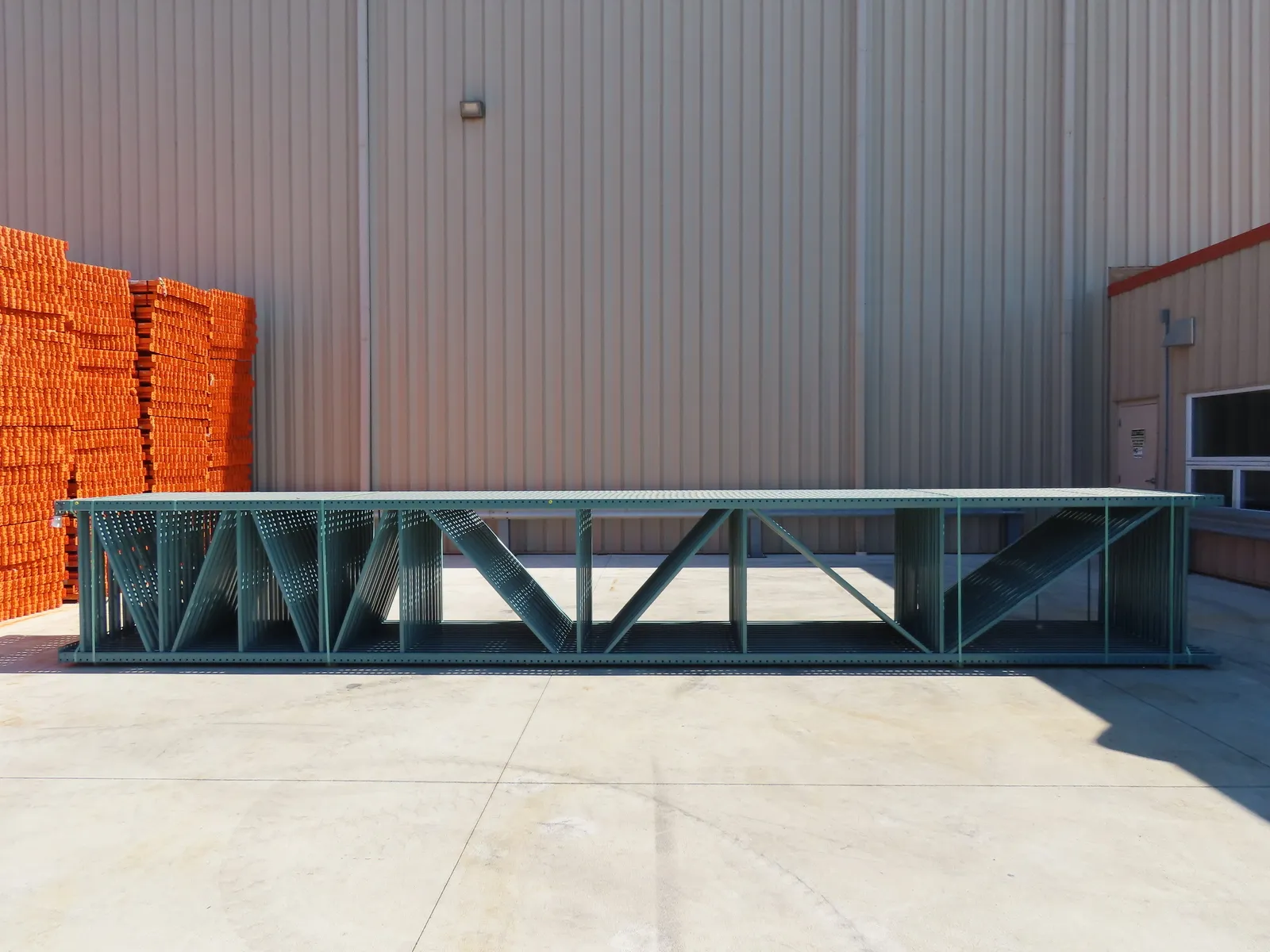
What Are The Signs Of Heavy Rack Risk In Shelving Systems?
How Can Employees Be Encouraged To Report Heavy Rack Risk?
In today’s fast-paced workplace, while productivity is king, safety should never play the role of a silent partner. One of the crucial aspects of maintaining a safe environment is ensuring that employees feel empowered to report potential hazards, especially when it comes to heavy rack systems. Here’s how an organization can cultivate a culture where safety reporting is not just encouraged but celebrated.
# Create a Fearless Environment
First and foremost, it’s imperative to build a workplace culture that alleviates the fears employees often associate with reporting risks. Many workers hesitate to speak up, fearing backlash or judgment. Combat this perception by consistently communicating that safety is a shared responsibility—not an individual fault point. Incorporate testimonials from employees who have reported issues and were commended, showcasing them as heroes of a safer workplace. Companies like Zappos have long thrived on this philosophy, where transparent communication is integral to their employee engagement model.
# Incentivize Reporting
Offer incentives for proactive reporting. Reward systems can serve as powerful motivators. This can include spot bonuses, recognition awards, or even a monthly drawing for a larger prize for employees who report hazards. Take a page from Google’s book: their “20% Time” encourages employees to dedicate part of their workweek to innovative safety programs. Creating a fun and engaging competition around safety reporting can generate enthusiasm and participation.
# Provide Effective Training
Training is non-negotiable. Equip employees with the knowledge and tools to identify risks. A compelling training session should not merely check boxes but foster a sense of vigilance. Incorporate real-case scenarios to illustrate the potential consequences of ignored heavy rack risks, similar to how the construction industry emphasizes safety training with hands-on exercises. Utilizing virtual reality (VR) to simulate dangerous situations can engage employees meaningfully, making it memorable.
# Open Communication Channels
Introduce clear and accessible channels for reporting concerns. Consider using anonymous reporting systems, such as a digital app or hotline. In recent news, companies like Disney implemented anonymous feedback systems to gauge employee concerns effectively. Following their lead, promoting these channels can encourage employees to report risks without fear of identification.
# Celebrate Success Stories
Finally, don’t overlook the power of visibility. When hazards are reported and addressed, celebrate those incidents publicly. Highlight the changes made and how they’ve contributed to a safer workplace. Consider a weekly safety roundup in team meetings that shares not only statistics but also stories of success in reporting heavy rack risks.
By employing these strategies, organizations can foster a culture of safety that empowers employees to report heavy rack risks proactively. Remember, when employees feel supported and valued in their role as safety watchdogs, the entire workplace benefits.
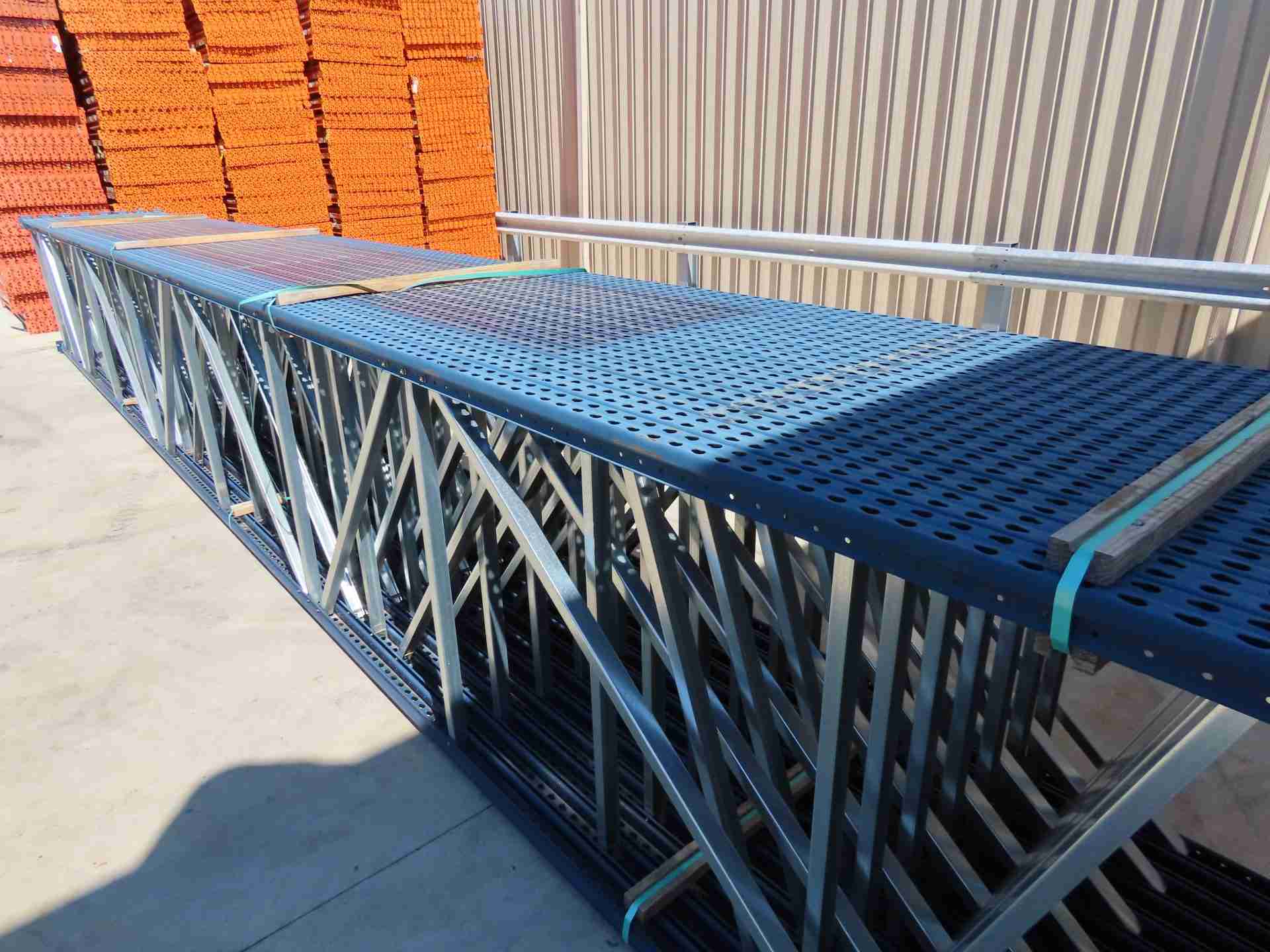
How Can Employees Be Encouraged To Report Heavy Rack Risk?
How Can Employees Be Encouraged To Report Heavy Rack Risk?
- Safety should be prioritized alongside productivity in the workplace.
- Build a fearless environment by alleviating fears associated with reporting risks.
- Incentivize reporting through rewards such as bonuses and recognition awards.
- Provide effective training that incorporates real-case scenarios and engages employees.
- Establish open communication channels, including anonymous reporting systems.
- Celebrate success stories to highlight the positive impact of reported hazards.
- Empower employees as safety watchdogs, benefiting the entire workplace.
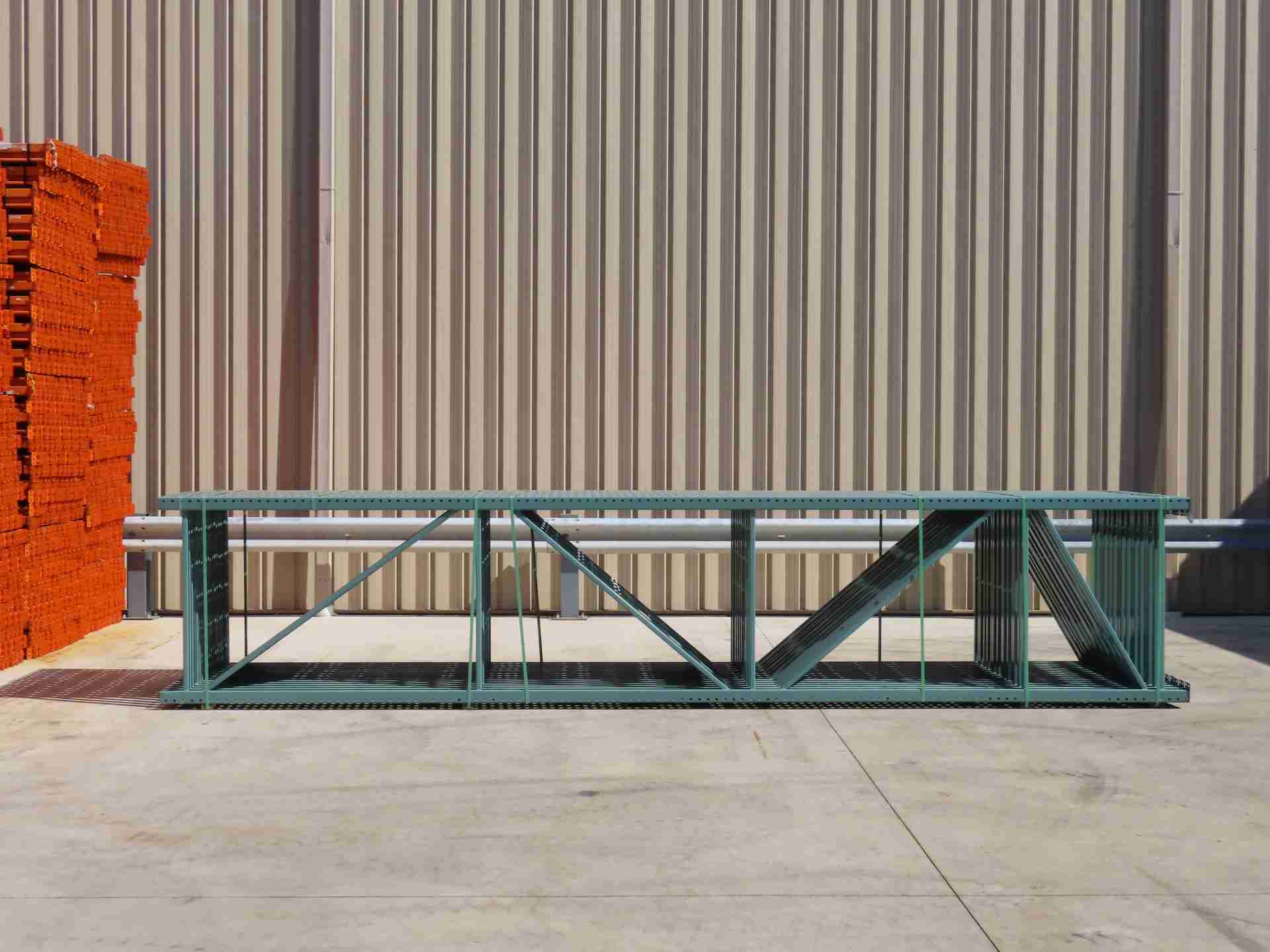
How Can Employees Be Encouraged To Report Heavy Rack Risk?
What Tools Are Available To Measure Heavy Rack Risk?
In today’s fast-paced industrial environments, ensuring the safety and efficiency of heavy rack systems is paramount. Businesses are acutely aware of the potential perils associated with inadequate safety measures. Thankfully, innovative tools and technologies have emerged that not only track risk factors but also help mitigate them effectively. Let’s take a closer look at some of the primary tools available for measuring heavy rack risk.
1. Load Monitoring Systems
One of the most effective tools in the arsenal is load monitoring systems. These high-tech devices are installed directly onto heavy racks and use sensors to continuously monitor the weight and distribution of loads. Imagine a warehouse where you can instantly assess whether any rack is overloaded, thus preventing potential collapse. With systems like Load Moniteur and SENSING’s iSense, organizations can be alerted in real-time if a load exceeds safe levels, drastically reducing the chances of accidents.
2. Rack Inspection Software
Regular inspections are crucial for maintaining rack integrity. Advanced rack inspection software, such as RackSafe or SafetyCulture, streamlines this process. These platforms allow safety personnel to conduct audits via mobile devices, capture live data, and generate reports on the condition of racks. In light of recent incidents in various warehouses across the country, including the tragic collapse of a major warehousing facility this past year, these inspection tools are essential for taking a proactive stance on safety.
3. Risk Assessment Tools
Understanding the unique risks associated with your specific rack configuration is crucial. Risk assessment tools such as the Rack Audit Tool (RAT) offer a comprehensive analysis based on factors like load capacity, environmental conditions, and usage frequency. Using algorithms and data analytics, these tools help businesses prioritize their safety measures effectively. For example, an organization that recently implemented the RAT saw a noteworthy decrease in rack-related incidents just months after its introduction.
4. Training and Simulation Platforms
While technology plays a pivotal role, human errors can still pose significant risks. Simulation platforms, such as eLearning safety modules that incorporate 3D modeling, can prepare employees for handling racks safely. Recent updates in this sector provide interactive experiences, allowing employees to understand weight limits and proper loading techniques in a virtual environment.
In Conclusion
As we navigate an age where efficiency and safety must go hand in hand, employing the right tools to measure heavy rack risk is indispensable. With sophisticated load monitoring systems, inspection software, risk assessment tools, and advanced training platforms, businesses can ensure a safer working environment while safeguarding their assets and the well-being of their workforce. Don’t wait for disaster to strike – equip your operation with these essential tools today!
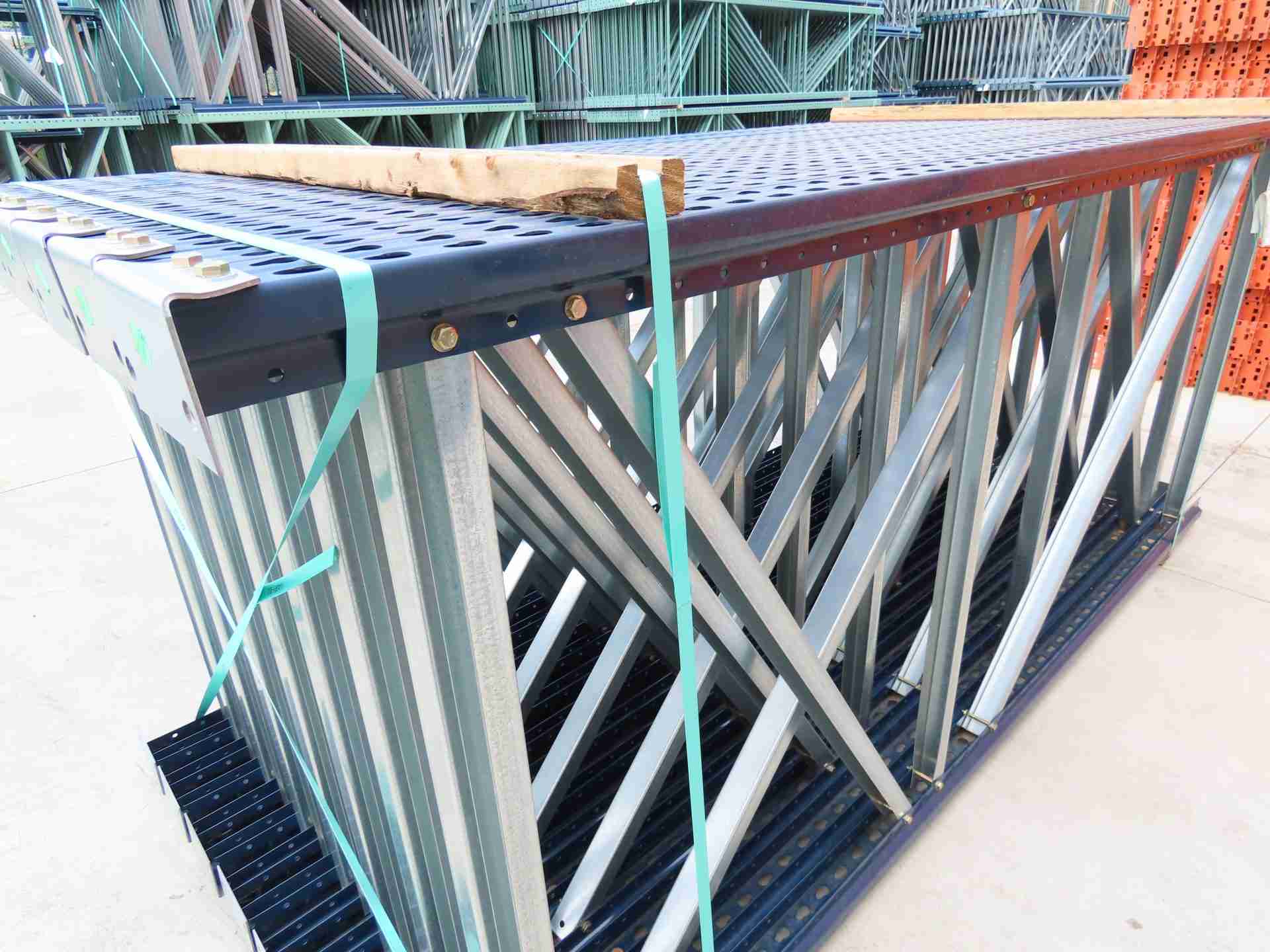
What Tools Are Available To Measure Heavy Rack Risk?
What Tools Are Available To Measure Heavy Rack Risk?
- Importance of safety and efficiency in heavy rack systems in industrial environments.
- Emergence of innovative tools and technologies to track and mitigate risk factors.
- Load monitoring systems provide real-time weight and load distribution monitoring.
- Rack inspection software streamlines audits and condition reports of racks.
- Risk assessment tools offer analysis based on load capacity, environmental conditions, and usage frequency.
- Training and simulation platforms help employees learn safe handling of racks through interactive experiences.
- Employing these tools is essential for ensuring workplace safety and preventing accidents.
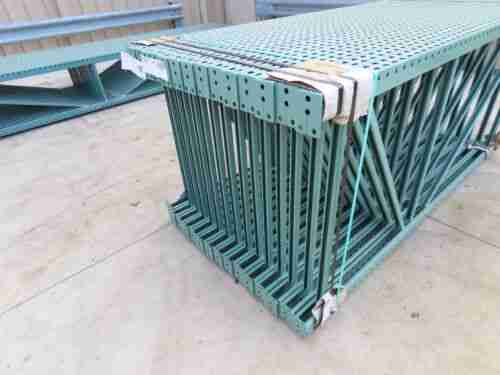
What Tools Are Available To Measure Heavy Rack Risk?
How Often Should Warehouses Reevaluate Heavy Rack Risk?
In the fast-paced world of warehousing and logistics, safety is not just a regulatory obligation; it’s a crucial asset to your bottom line. Ignoring heavy rack safety can lead to costly accidents, damage to goods, and operational disruptions. So, how often should your warehouse conduct thorough evaluations of heavy rack risk? The answer might surprise you.
First off, a firm schedule should be established—ideally, every six months. However, factors such as changes in inventory, workforce size, or layout should trigger additional evaluations. For example, if you recently added new heavy machinery or expanded storage space, this should prompt an immediate assessment. In fact, a well-publicized incident at a major retailer last year involved a catastrophic rack failure due to neglecting safety checks after an inventory expansion.
Consider a scenario: You’ve implemented new technology to track inventory and optimize warehouse space. While this could lead to increased efficiency, it also could introduce new risks associated with heavy items placed higher up. If you neglect to evaluate these changes, one poorly placed box could lead to a domino effect of hazards. Don’t let that be your reality.
In addition to scheduled assessments, regular training sessions for your workforce are crucial. Engaging your employees in identifying potential risks is priceless. According to the Occupational Safety and Health Administration (OSHA), nearly 30% of warehouse injuries stem from improper handling of storage equipment. Harness the insights from your employees’ day-to-day experiences. Turn them into safety advocates, running regular workshops designed to highlight heavy rack risks and preventive measures.
Furthermore, keep an eye on the news. Current events, like recalls of certain rack systems or updates in safety regulations, can influence your company’s safety protocols. A recent seminar on warehouse safety emphasized the importance of staying updated with industry standards, urging businesses to treat safety as a dynamic process rather than a checklist item.
Finally, consider investing in technology that monitors rack integrity and structural soundness. The costs associated with these systems can pale in comparison to the potential losses from accidents—not only financial but also reputational. This decision aligns well with the growing emphasis on safety in the supply chain.
In summary, make reevaluation a core operational pillar. Schedule assessments biannually, react promptly to changes, engage your employees, stay updated on industry regulations, and embrace technology. By taking these steps, you sidestep disaster while ensuring a safe and efficient warehouse environment that fosters productivity and profitability.

How Often Should Warehouses Reevaluate Heavy Rack Risk?
How Often Should Warehouses Reevaluate Heavy Rack Risk?
- Regular safety evaluations of heavy racks are essential for minimizing accidents and operational disruptions.
- Establish a firm schedule for assessments—ideally every six months, with additional evaluations prompted by changes in inventory, workforce size, or layout.
- Neglecting safety checks after significant changes, such as adding heavy machinery, can lead to catastrophic failures.
- Regular training sessions for employees to identify risks are crucial for fostering a safety-conscious culture.
- Stay informed about industry standards and safety regulations, treating safety as an ongoing dynamic process.
- Investing in technology to monitor rack integrity can reduce costs associated with accidents and protect your company’s reputation.
- By implementing these measures, businesses can ensure a safe and efficient warehouse environment, enhancing productivity and profitability.

How Often Should Warehouses Reevaluate Heavy Rack Risk?
Conclusion
As we conclude our deep dive into the pitfalls associated with Heavy Rack Risk—an immense threat to both safety and operational efficiency—it’s vital to recognize that taking proactive steps today can safeguard your warehouse’s future. With the ever-increasing demand for streamlined logistics, many businesses find themselves pushing the limits of their shelving systems, inviting an array of hazards that could lead to catastrophic consequences.
Heavy Rack Risk encompasses more than just the imminent danger of falling items; it signifies inefficiencies that wreak havoc on your bottom line. The recent headlines of warehouse collapses due to overloaded racks or neglected structures should serve as alarming reminders: a single incident can result in serious employee injuries, devastating financial repercussions, and irreparable reputational damage. Not to mention, companies that fail to heed these warnings often find themselves navigating a treacherous landscape of litigation and regulatory scrutiny.
However, there’s good news. By implementing best practices, conducting regular inspections, and fostering a culture of safety, you can turn the tide. Remember, preventative measures such as thorough risk assessments and employee education not only reduce accidents but also contribute significantly to worker morale and productivity. According to industry research, businesses that commit to proper rack management and consistent training have reported an impressive 30% decrease in workplace incidents.
So, ask yourself: is your current shelving setup posing a risk? Are your employees fully equipped to identify hazards? This crucial internal evaluation is essential for maintaining both compliance and operational excellence.
At Arrow Industrial Sales, we specialize in providing not only top-of-the-line racking solutions but also the expertise necessary to ensure your systems are built to withstand the rigors of daily operations. Our team is here to answer your questions and assist you in evaluating your inventory management system for Heavy Rack Risk.
Don’t let your warehouse become a statistic. Act now! Call Arrow Industrial Sales at (574) 349-6575 to discover how we can help you bolster your safety measures and operational success. Remember, the cost of inaction is far greater than the investment in safety. Don’t wait for an accident to wake you up; empower your operations today for a safer tomorrow!
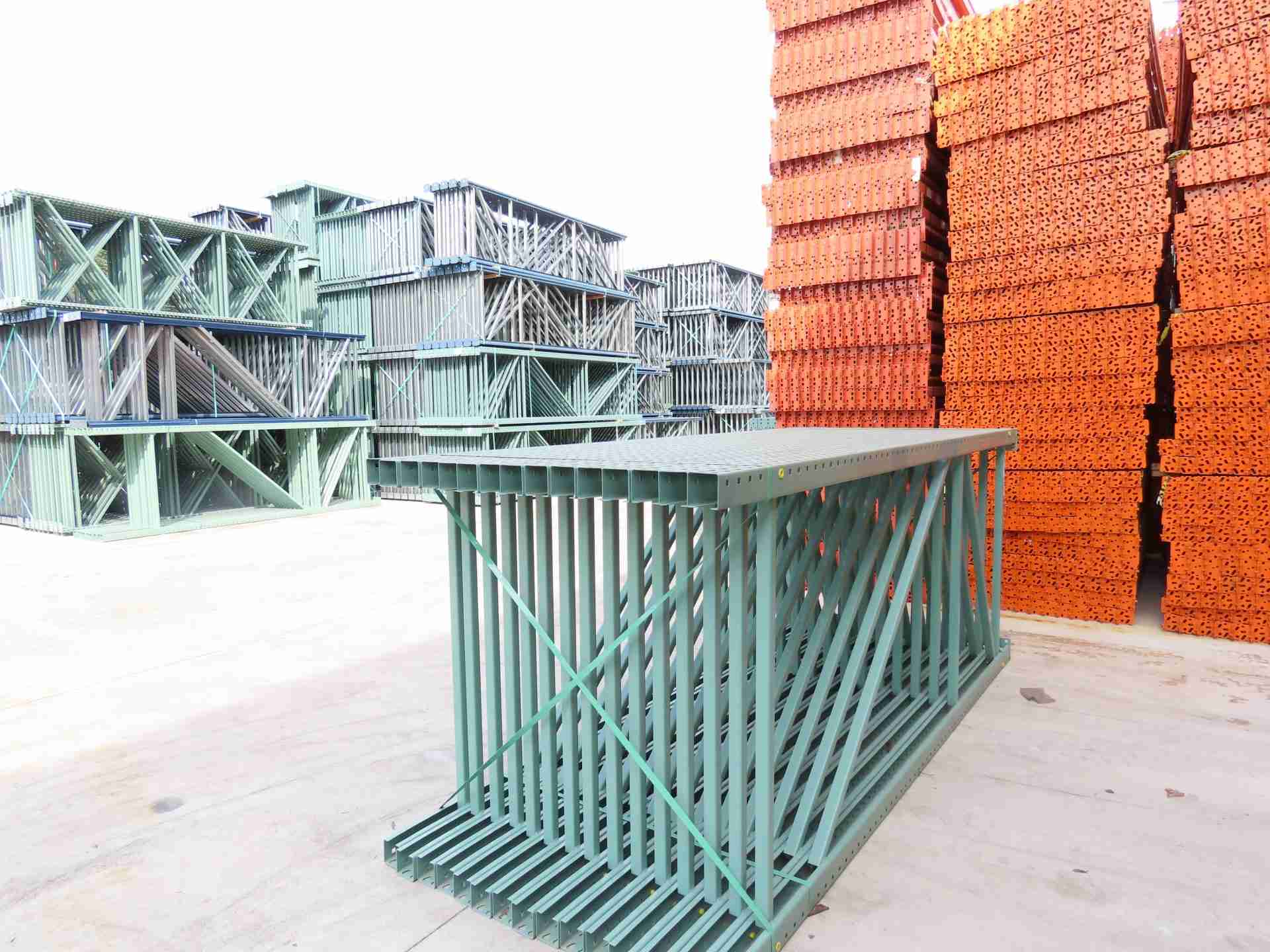
Conclusion
Conclusion:
- Heavy Rack Risk threatens safety and operational efficiency in warehouses.
- Overloaded racks can lead to falling items, serious injuries, and financial repercussions.
- Neglecting safety can result in litigation and regulatory scrutiny for companies.
- Implementing best practices and regular inspections can significantly mitigate risks.
- Preventative measures, like risk assessments and employee education, boost worker morale and productivity.
- Companies focusing on proper rack management report a 30% decrease in workplace incidents.
- Arrow Industrial Sales offers racking solutions and expertise to enhance warehouse safety.

Conclusion
Other Resources
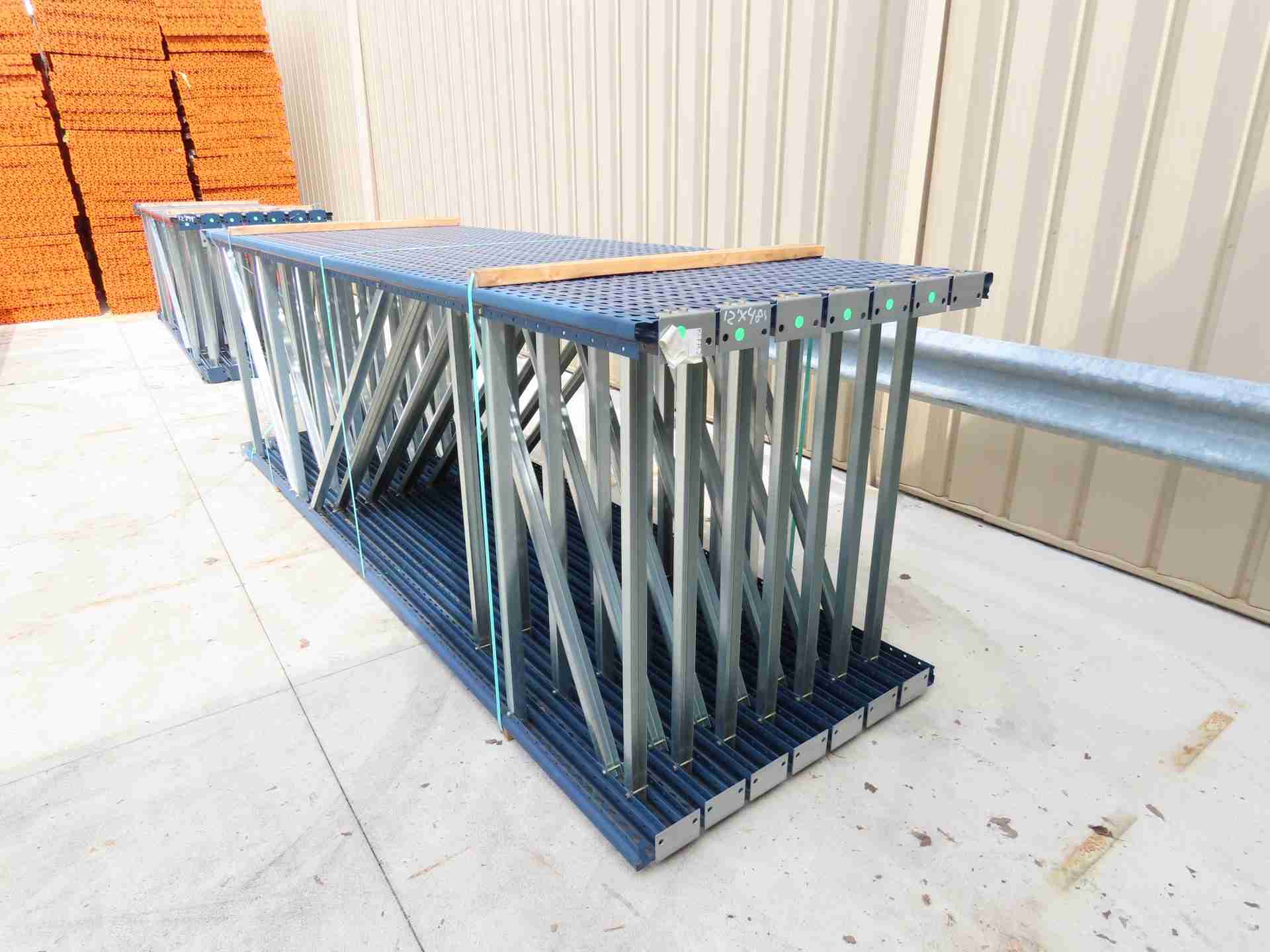
Other Resources
Here is a list of other resources you can review online to learn more:
- “Warehouse Health and Safety Compliance”
- “Warehouse safety tips on how to create a safe workplace in …”
- “Safety measures that every warehouse worker should follow”
Use This Prompt To Get More Resources With Your Favorite Online AI Tool: Please provide me with a list of online articles with their URLs in a bulleted list that I can read regarding What Is Heavy Rack Risk In Warehouse Shelving?
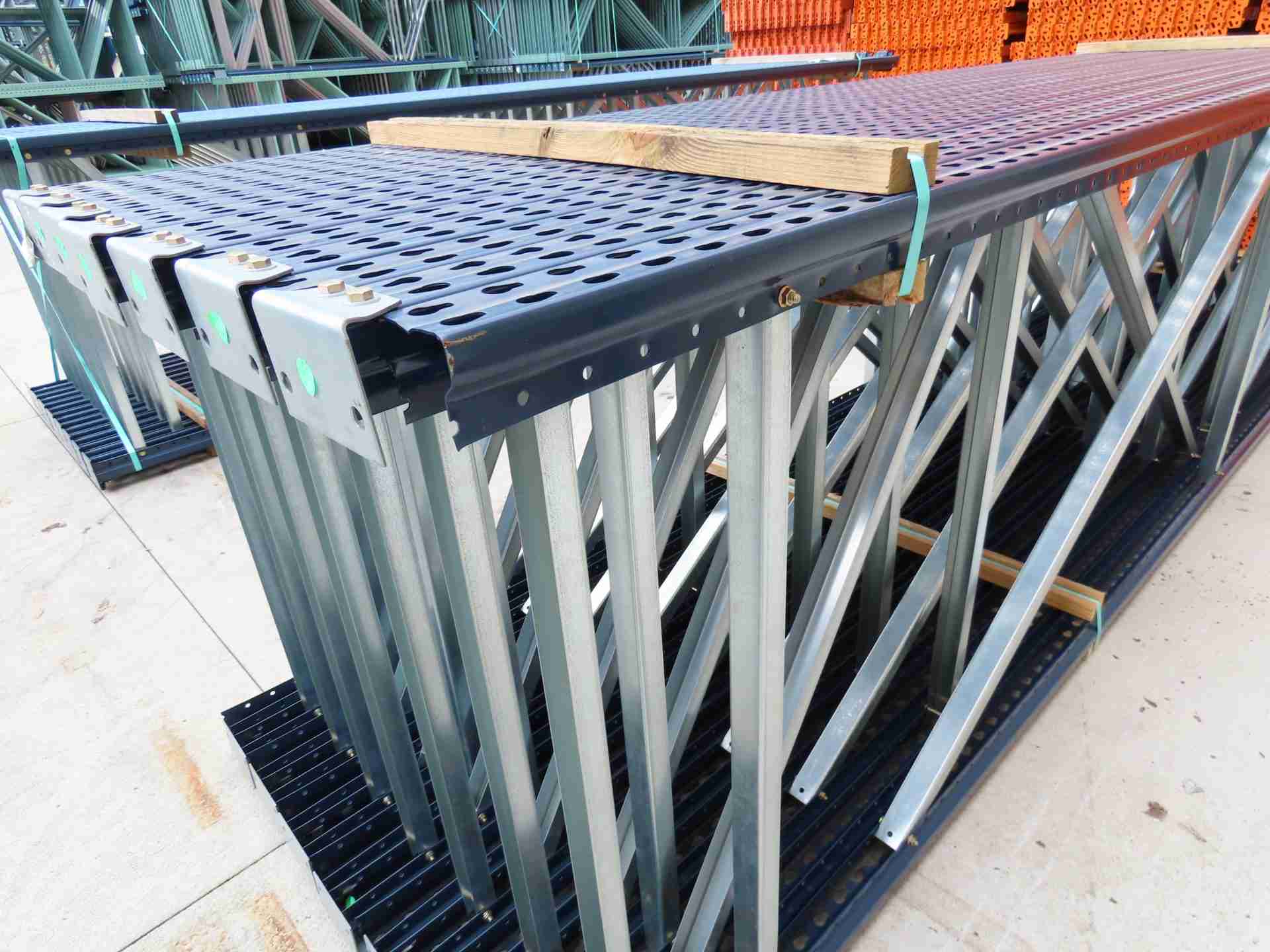
Other Resources
Glossary Terms
What Is Heavy Rack Risk In Warehouse Shelving? – Glossary Of Terms
1. Heavy Rack: A type of shelving system designed to hold large and heavy items in warehouses, typically built with sturdy materials to support significant weight.
2. Load Capacity: The maximum weight that a shelving unit or rack can safely support without risking structural failure.
3. Pallet Rack: A specific type of heavy rack system designed for loading and storing goods on pallets, often used in warehouse settings.
4. Safety Inspection: A systematic examination of warehouse shelving systems to identify potential hazards and ensure compliance with safety standards.
5. Tilt Risk: The potential for a shelving unit to tilt or fall over due to improper loading, high center of gravity, or instability.
6. Overloading: The act of placing more weight on a shelf than it is designed to handle, increasing the chances of collapse or damage.
7. Forklift Operation: The use of forklifts to move or stack heavy items, which can pose risks to heavy racks if not conducted carefully.
8. Rack Bracing: Structural supports added to shelving systems to improve stability and resistance to lateral loads.
9. Load Distribution: The way weight is spread across the shelves, which is critical to maintaining balance and minimizing risks.
10. Aisle Clearance: The space between racks that must be maintained to allow safe movement of equipment and personnel.
11. Weight Tagging: Labels or tags attached to shelving indicating maximum load limits to promote safe loading practices.
12. Stability: The ability of a shelving unit to remain upright and securely hold its load under various conditions.
13. Inspection Frequency: The schedule on which safety inspections should be performed, often dictated by industry regulations.
14. Rack Collapse: The sudden failure of a shelving unit, usually due to overloading, instability, or material degradation.
15. Material Fatigue: The weakening of shelving materials over time due to repeated stress or loading cycles.
16. Risk Assessment: The process of identifying and analyzing risks associated with heavy racks to prevent accidents.
17. Load Limits: Pre-established maximum weights specified by the manufacturer that should not be exceeded when loading racks.
18. Warehouse Layout: The physical arrangement of shelving, equipment, and pathways in a warehouse, critical for safety and efficiency.
19. Training Program: Educational initiatives for employees on proper loading techniques and safety measures related to heavy racks.
20. Personal Protective Equipment (PPE): Safety gear, such as helmets, gloves, and vests, worn by warehouse personnel to minimize injury risks.
21. Dynamic Load: The load that changes over time, such as that caused by lifting, moving, or placing items on the shelves.
22. Static Load: The load that remains constant when goods are stored on the rack, representing a steady weight on the shelves.
23. Falling Object Protection: Safety measures implemented to prevent items stored on racks from falling and posing risks to workers below.
24. End-of-Aisle Racking: Shelving systems positioned at the ends of aisles, often used for additional storage, which may present unique risks.
25. Inspection Checklist: A standardized list used during safety inspections to ensure all necessary components of the rack are reviewed.
26. Risk Mitigation: Strategies and practices implemented to reduce the likelihood and impact of heavy rack risks in warehouses.
27. Anchoring: Securing heavy racks to the ground or walls to enhance stability and prevent tipping.
28. Routine Maintenance: Scheduled upkeep of shelving systems to ensure they remain safe and functional over time.
29. Signage: Visual indicators placed near shelving units to communicate load limits and safety protocols to warehouse staff.
30. Compliance Standards: Regulatory guidelines that dictate how shelving systems must be constructed and maintained to ensure safety in warehouse operations.
Glossary Of Terms
Other Questions
What Is Heavy Rack Risk In Warehouse Shelving? – Other Questions
If you wish to explore and discover more, consider looking for answers to these questions:
- What are the best practices for maintaining heavy rack systems?
- How can technology enhance safety in warehouse shelving?
- What legal implications could arise from failing to manage heavy rack risks?
- How do weather conditions affect heavy rack risk?
- What are the financial implications of heavy rack risk in warehouse operations?
- How can employee feedback be effectively integrated into safety practices?
- What role does leadership play in promoting safety in racking systems?
- How often should safety audits or inspections be conducted?
- What types of training programs are most effective in reducing rack-related incidents?
- What measures can be taken to ensure compliance with safety regulations?
- How do different types of racks compare in terms of safety and risk?
- What innovations are emerging in rack safety technology?
- How can a company benchmark its heavy rack safety practices against industry standards?
- What are the psychological impacts of safety culture on warehouse employees?
- How do supply chain disruptions relate to heavy rack risk management?
Other Questions
Checklist
What Is Heavy Rack Risk In Warehouse Shelving? – A Checklist
1. Conduct Regular Inspections
_____ Schedule rack inspections (daily, weekly, monthly) based on volume.
_____ Use a checklist to evaluate rack stability, fasteners, and signs of wear.
2. Train Staff Thoroughly
_____ Provide comprehensive training on safe loading practices, weight limits, and emergency procedures.
_____ Incorporate simulations and ongoing safety education.
3. Implement Weight Limits
_____ Clearly post weight limits for all racks.
_____ Install weight monitoring systems if possible to prevent overloading.
4. Utilize Quality Rack Systems
_____ Invest in high-quality racks designed for your specific inventory.
_____ Evaluate potential risks of using double-deep, pallet flow, or mobile racking systems.
5. Engage in Regular Maintenance
_____ Establish a routine maintenance plan for continuous evaluation and repair of racking systems.
_____ Address any visible damage immediately.
Risk Indicators to Monitor
6. Look for Visible Damage
_____ Check for bent beams, cracked or deformed columns.
_____ Take immediate corrective action if any damage is found.
7. Monitor Load Distribution
_____ Ensure weight is evenly distributed across racks to avoid imbalances.
_____ Conduct regular audits for compliance with loading protocols.
8. Follow Up on Safety Training
_____ Reinforce a culture of safety by encouraging reporting of unsafe conditions.
_____ Provide avenues for anonymous reporting if needed.
9. Evaluate External Factors
_____ Assess environmental factors such as seismic activity and weather impacts on rack integrity.
Operational Best Practices
10. Create a Safety Culture
_____ Implement incentives for reporting hazards.
_____ Regularly celebrate milestones in safety performance.
11. Utilize Technology
_____ Incorporate rack inspection and monitoring software.
_____ Use IoT devices for real-time rack monitoring analytics.
12. Enable Continuous Improvement
_____ Reassess safety protocols every six months or whenever significant changes occur (like adding new machinery or inventory expansion).
_____ Stay updated on safety regulations and industry standards.
By using this checklist, warehouse managers can enhance the safety and efficiency of their operations while minimizing the risks associated with heavy rack systems. Regular assessments and proactive measures will help create a safer working environment for all employees.
Checklist
At RackingWorld, we help guide you through selecting warehouse storage systems and racking.
Be sure to read our other related stories at RackingWorld to learn more about warehouse storage systems.
0 Comments