
Uncover Your Storage Rack’s OSHA Load Rating
By Tom Seest
At RackingWorld, we help guide you through selecting warehouse storage systems and racking.
Be sure to read our other related stories at RackingWorld to learn more about warehouse storage systems.
How to Find OSHA Load Rating for Storage Racks?
If you’re in the business of warehousing, distribution, or inventory management, understanding the OSHA load rating for storage racks is not just a compliance necessity—it’s a crucial element of your operation’s safety and efficiency. With the increase in e-commerce and the push for higher efficiency in warehouses, the implications of load ratings have never been more significant. But how do you find the right OSHA load rating for your storage racks?
Step 1: Know Your Rack System
First and foremost, familiarize yourself with the type of storage racks installed in your facility. There are several types:
– Selective racking – perfect for products with high turnover.
– Drive-in racking – ideal for maximizing storage density.
– Pallet flow racking – offering FIFO (first-in-first-out) inventory management.
Each system has its own specific load rating standards. The racking manufacturer usually provides this information, so keep a handy catalog or digital resource close at hand for easy reference.
Step 2: Check Manufacturer Specifications
The easiest way to find the load rating for your storage racks is by consulting the manufacturer’s specifications. This information should be visible on the rack itself—look for labels that include the load capacity per level and total system capacity. For instance, if you’re using pallet racks from a well-known brand like Interlake or Crown, they typically provide comprehensive guides detailing weight limits and configurations.
Step 3: Understand OSHA Regulations
OSHA regulations set clear guidelines regarding the safe load capacities of storage racks. Familiarize yourself with 29 CFR Part 1910, which highlights general industry standards for material handling equipment. These codes are not just legal jargon; they are designed to protect employees and prevent accidents, as we’ve seen in numerous high-profile warehouse incidents recently.
Step 4: Perform Regular Inspections
To maintain safety and compliance, inspect your storage racks at least annually, if not more frequently. This is crucial, especially in a current market that has seen a dramatic rise in automation and density. Often, overstressed racks lead to catastrophic failures, which can cause extensive damage and injuries.
Step 5: Consider Expert Consultation
When in doubt, consult with a professional. Structural engineers can assess your racks and help you ascertain appropriate load ratings tailored to your unique inventory and operational needs. Have a knowledgeable partner in your corner to prevent any unfortunate accidents.
Finding the appropriate OSHA load rating for your storage racks is more than a matter of compliance—it’s a matter of operational integrity and employee safety. In these times of increased scrutiny and rapid operational changes, understanding this is not just smart; it’s essential. Equip yourself to protect your people and profits.
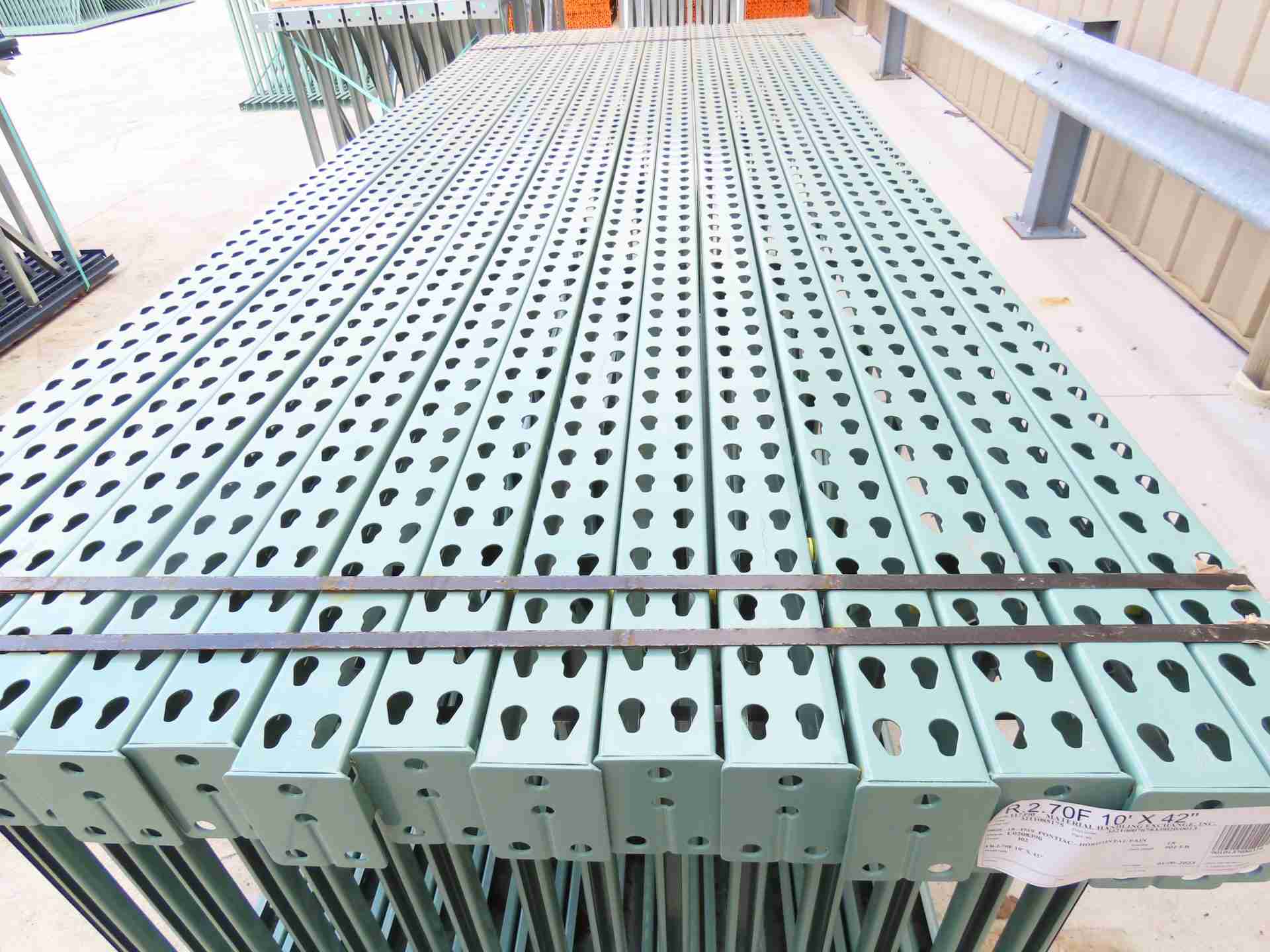
How to Find OSHA Load Rating for Storage Racks?
How to Find OSHA Load Rating for Storage Racks?
- Understanding OSHA load ratings is crucial for safety and efficiency in warehousing and inventory management.
- Familiarize yourself with the type of storage racks in your facility (e.g., selective, drive-in, pallet flow).
- Consult manufacturer’s specifications for load capacities, typically found on labels or in catalogs.
- Familiarize yourself with OSHA regulations, specifically 29 CFR Part 1910 for material handling equipment.
- Conduct regular inspections of storage racks to maintain safety and compliance.
- Consider consulting with structural engineers for tailored assessments of load ratings.
- Understanding load ratings is essential for operational integrity and employee safety in warehouses.
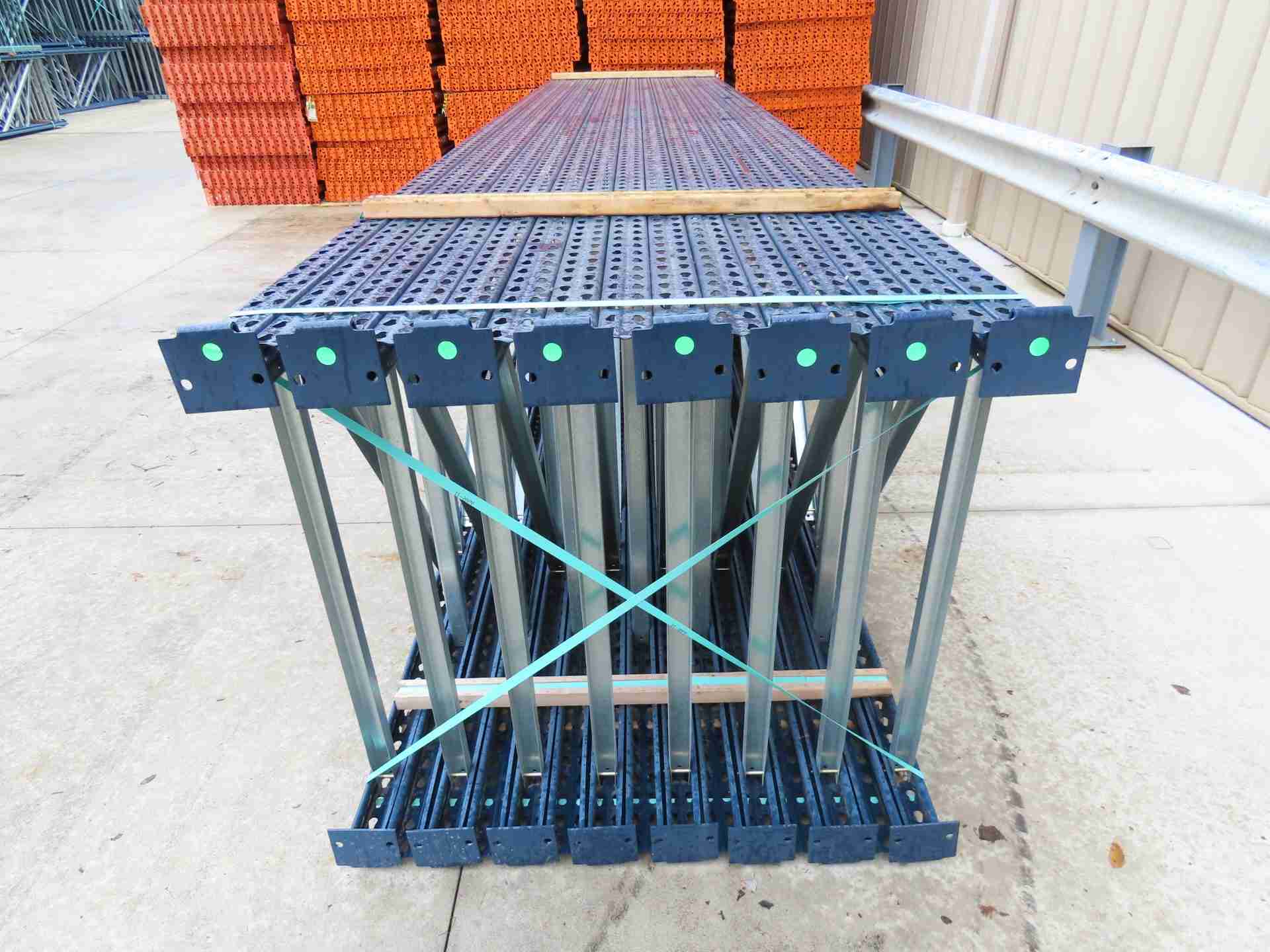
How to Find OSHA Load Rating for Storage Racks?
Table Of Contents
- How to Find OSHA Load Rating for Storage Racks?
- How Can I Determine The Load Rating Of My Storage Racks?
- What Factors Influence The Load Rating Of Storage Racks?
- Are There Specific Standards For Load Ratings In OSHA Regulations?
- How Often Should I Check The Load Rating Of My Storage Racks?
- What Documentation Is Needed For OSHA Load Rating Compliance?
- How Do I Calculate The Capacity Of My Storage Racks?
- What Are The Consequences Of Exceeding The Load Rating?
- What Types Of Storage Racks Require Load Ratings?
- Can I Modify Storage Racks Without Affecting Their Load Rating?
- How Can I Ensure My Storage Racks Are Safe For Use?
- What Should I Do If My Racks Do Not Meet OSHA Standards?
- Where Can I Find Resources On Load Ratings For Storage Racks?
- Who Is Responsible For Maintaining Load Ratings In A Workplace?
- How Do I Identify Signs Of Overloading In Storage Racks?
- Conclusion
- Other Resources
- Glossary Of Terms
- Other Questions
- Checklist
How Can I Determine The Load Rating Of My Storage Racks?
Determining the load rating of your storage racks is an essential task, especially for businesses involved in warehousing, distribution, or manufacturing. The stakes are high—failing to accurately assess the load capacity can lead to catastrophic failures, costly damages, and even injuries. Fortunately, navigating this complex area doesn’t have to be daunting. With the right approach, you can quickly ascertain the load rating of your racks and ensure maximum efficiency and safety in your operations.
1. Understand the Manufacturer’s Specifications
The first step in determining load ratings is to consult the manufacturer’s specifications. Each rack system comes with a set of guidelines that detail the maximum load it can safely handle. It might seem straightforward, but remember that these figures are based on ideal conditions. Factors such as environmental changes or improper use can alter the integrity of these ratings. For example, consider a recent case where a warehouse experienced a significant collapse due to overloading their racks with seasonal inventory. They overlooked the manufacturer’s recommendations, which ultimately led to a costly setback.
2. Calculate Your Product Weights
You must weigh your products accurately. Gather the weight of your Inventory and add it up to understand the total weight per shelf or rack. If you stack items atop one another, remember to account for the combined weight. For instance, if you’re storing boxes of electronics, the individual weights can add up quickly. A common mistake is failing to account for the dynamic weight distribution across the racks. Ensure you’re not exceeding 80% of the maximum load rating, leaving a buffer for unforeseen variances.
3. Seek Professional Expertise
When in doubt, consult with a storage rack expert. Many companies offer audits and assessments to help you determine your racks’ load ratings accurately. They can provide insights into durability, design, and even structural integrity. Given the current trends in e-commerce, with warehousing demands peaking, utilizing expert knowledge can save businesses from pitfalls that many are currently facing.
4. Regular Inspections and Maintenance
Finally, conduct regular inspections of your storage racks. This practice not only ensures compliance with safety standards but also helps you notice wear and tear before it becomes a significant issue. Just as financial health is monitored with regular audits, your storage systems deserve the same attention to boost longevity and reliability.
In a world that increasingly prioritizes efficiency and safety, recognizing and acting on the load rating of your storage racks is not just smart—it’s essential. Make it a priority today to protect your assets and ensure smooth operations tomorrow!
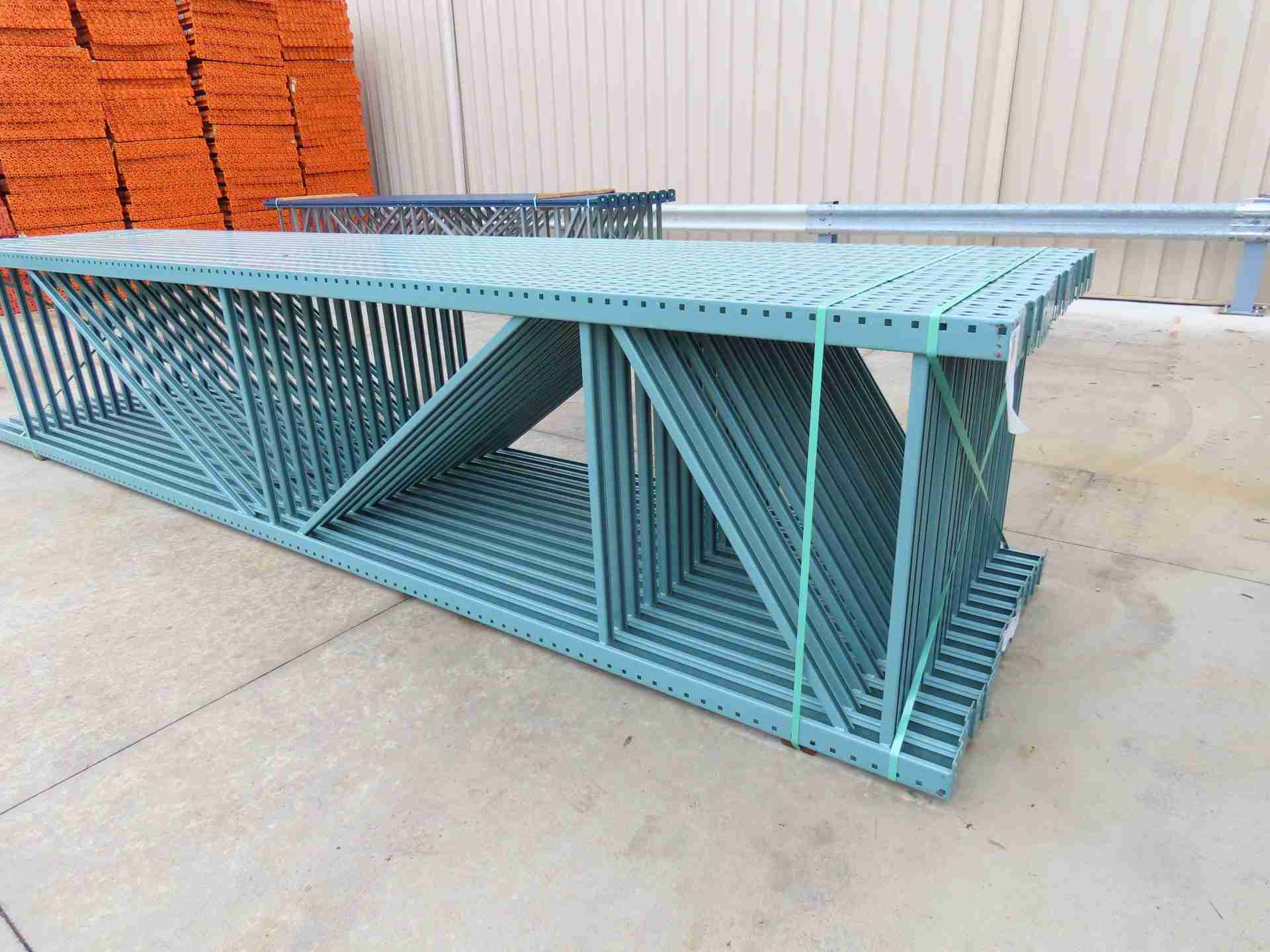
How Can I Determine The Load Rating Of My Storage Racks?
How Can I Determine The Load Rating Of My Storage Racks?
- Determining load ratings for storage racks is crucial for businesses in warehousing, distribution, or manufacturing to prevent failures and injuries.
- Consult the manufacturer’s specifications for guidelines on maximum load capacity, while considering potential environmental impacts.
- Accurately weigh products and account for total weight per rack, ensuring that it doesn’t exceed 80% of the maximum load rating.
- Seek professional expertise for accurate load rating assessments and insights on durability and structural integrity.
- Conduct regular inspections and maintenance of storage racks to ensure safety standards and address wear and tear early.
- Recognizing and acting on load ratings enhances efficiency and safety in operations.
- Making load rating assessment a priority protects assets and supports smooth operations.
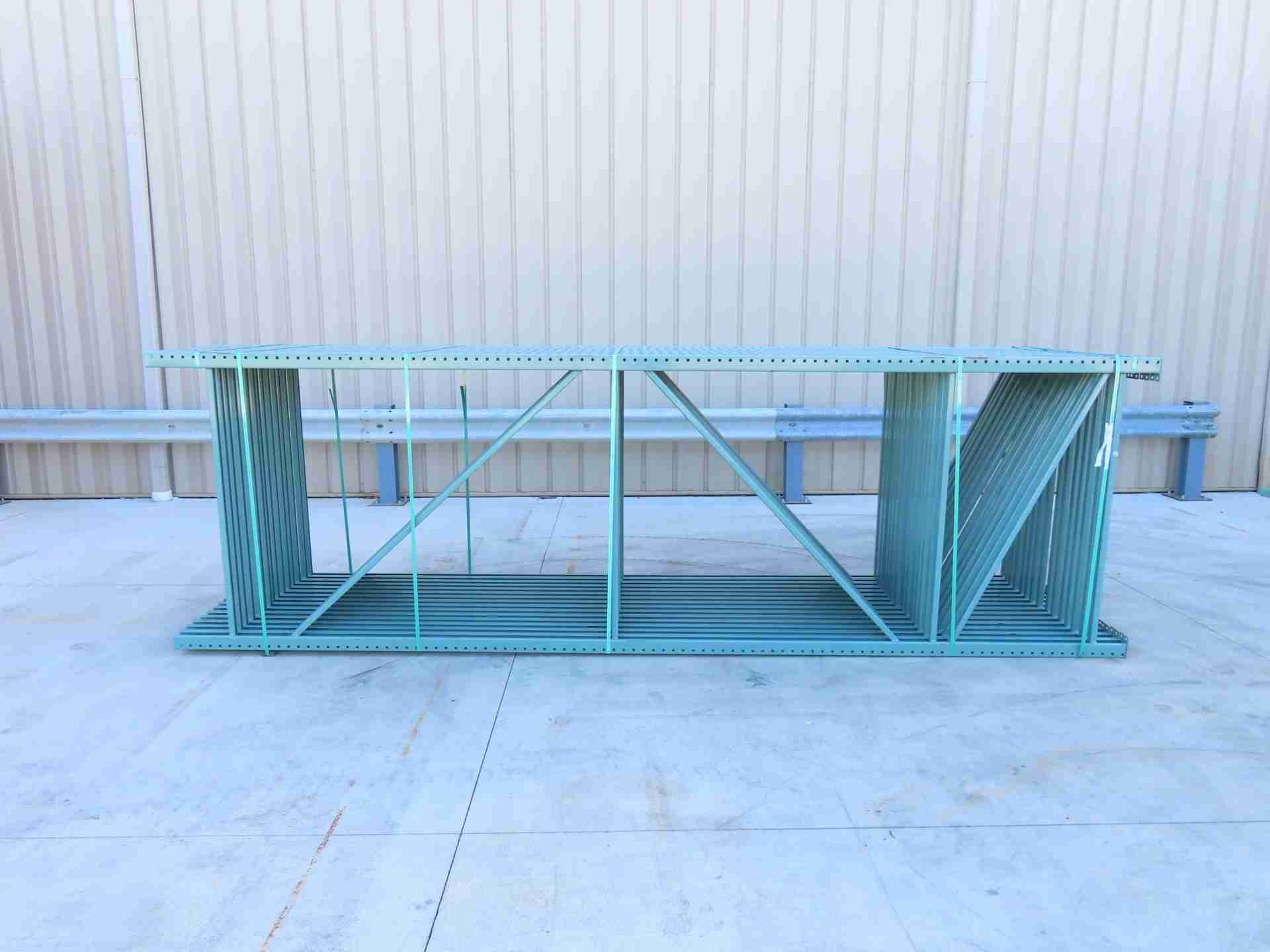
How Can I Determine The Load Rating Of My Storage Racks?
What Factors Influence The Load Rating Of Storage Racks?
When it comes to maximizing the efficiency of your warehouse or storage facility, understanding the load rating of storage racks is paramount. A sturdy rack is not merely a piece of metal; it’s a critical component of your logistics strategy. Its load rating—how much weight it can safely support—can be influenced by a variety of factors, and overlooking these can cost you not just in terms of inventory loss, but also potential legal repercussions.
Material Quality
First and foremost, the construction material plays a pivotal role. Steel racks, for instance, are a common choice due to their strength and durability. However, not all steel is created equal. Choosing racks made from high-strength steel can drastically increase load capacity. On the other hand, a mid-grade alternative might just buckle under pressure, compromising the entire structure. For instance, in recent months, several high-profile e-commerce companies have faced scrutiny over warehouse safety practices, underscoring the importance of using reliable materials to prevent catastrophic failures.
Design Configuration
The design of the rack itself significantly affects its load rating. For example, selective racks, drive-in racks, and pallet flow racks each have their unique attributes and loading capabilities. Selective racks provide direct access to each pallet but may have a lower load capacity per unit area compared to drive-in racks, which allow for higher density storage but require careful inventory management. Understanding the nuances of these designs can enhance load efficiency and optimize your space.
Height and Depth
The height and depth of the rack directly impact its stability. A taller rack can store more product, but if it isn’t designed for that kind of vertical load, it can become unbalanced and risky. The general rule of thumb is that the higher the rack, the more it should be anchored to a wall or have a wide base, ensuring that elevated loads remain stable. As seen in recent warehouse incidents, inadequate anchoring solutions have been linked to serious accidents—reinforcing the need for strategic architecture in rack design.
Weight Distribution
Lastly, how weight is distributed across the rack is crucial. Concentrating too much weight on one section or overcrowding a shelf can lead to failure. It’s akin to driving a car with an overloaded trunk; one sharp turn can have disastrous consequences. Ensuring that items are evenly distributed and using load indicators can create a safer storage environment.
In summary, the load rating of storage racks isn’t just a number—it’s a complex interplay of materials, design, height, and weight distribution. Paying heed to these factors not only protects your assets but also safeguards your reputation in an increasingly competitive marketplace. Make the smart choice for your storage needs today.
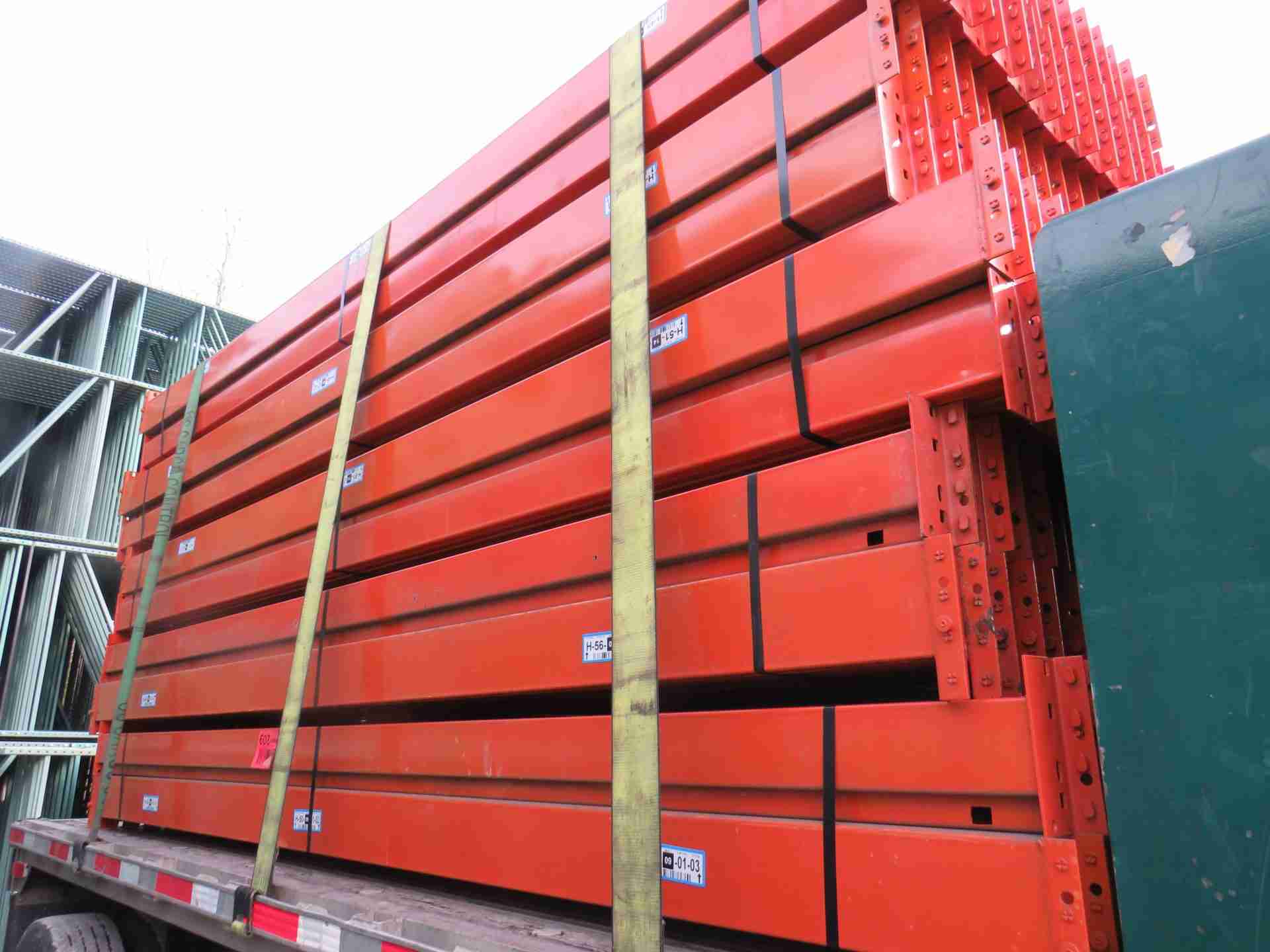
What Factors Influence The Load Rating Of Storage Racks?
What Factors Influence The Load Rating Of Storage Racks?
- Understanding the load rating of storage racks is crucial for warehouse efficiency.
- Material quality significantly affects load capacity; high-strength steel is preferable.
- The design configuration of racks (e.g., selective, drive-in, pallet flow) influences their load capabilities.
- Height and depth impact stability; taller racks require proper anchoring to prevent accidents.
- Weight distribution is vital; overloading certain areas can lead to structural failures.
- The interplay of materials, design, height, and weight distribution determines the load rating.
- Prioritizing these factors protects assets and maintains a strong reputation in the market.
What Factors Influence The Load Rating Of Storage Racks?
Are There Specific Standards For Load Ratings In OSHA Regulations?
Are There Specific Standards for Load Ratings in OSHA Regulations?
When it comes to workplace safety, load ratings are a crucial component of the Occupational Safety and Health Administration (OSHA) regulations. These standards ensure that equipment and structures do not exceed their design limits, preventing catastrophic failures and protecting employee safety.
First and foremost, OSHA does not provide a one-size-fits-all standard for load ratings; instead, it sets forth guidelines and regulations that influence how companies approach load ratings in specific contexts. For example, construction sites must adhere to OSHA standards concerning scaffolding, which requires load ratings sufficient to support the anticipated weight of workers and materials. This means that contractors must have a thorough understanding of the load capacities of various scaffolding components — a detail that could mean the difference between a safe worksite and a disaster waiting to happen.
A pertinent real-world example can be drawn from recent events, such as the tragic collapse of a construction scaffold in Houston last year. Investigations revealed that the load ratings were improperly calculated, resulting in an overload of the structure. This incident not only underscored the critical need for compliance with OSHA regulations but also highlighted the liability risks businesses face when they fail to implement accurate load rating assessments. Violations can lead to hefty fines, but more importantly, they can result in injuries or fatalities that devastate families and tarnish a company’s reputation.
Moreover, the need for precise load ratings goes beyond construction. Factories and warehouses that utilize cranes, forklifts, or any heavy machinery must ensure that the load capacities are evaluated rigorously. OSHA provides resources and guidelines, including the OSHA Crane Standard (29 CFR 1926.550), which covers crane operations and mandates that load ratings be prominently displayed and adhered to. Consider a logistics company managing multiple forklifts—if operators exceed load limits, it not only poses a risk to their safety but also jeopardizes the integrity of the products being handled.
In today’s fast-paced economy, adherence to load rating regulations is non-negotiable. Investing time and effort into proper training and compliance not only enhances workplace safety but also demonstrates a commitment to employee well-being—a marketing advantage in a world where consumers increasingly prioritize corporate responsibility.
While specific load rating standards are not uniformly outlined by OSHA, there is an unmistakable urgency for businesses to understand, implement, and regularly review their load ratings. Doing so not only helps in meeting legal requirements but also fosters a culture of safety that can be a powerful selling point in your marketing strategy.
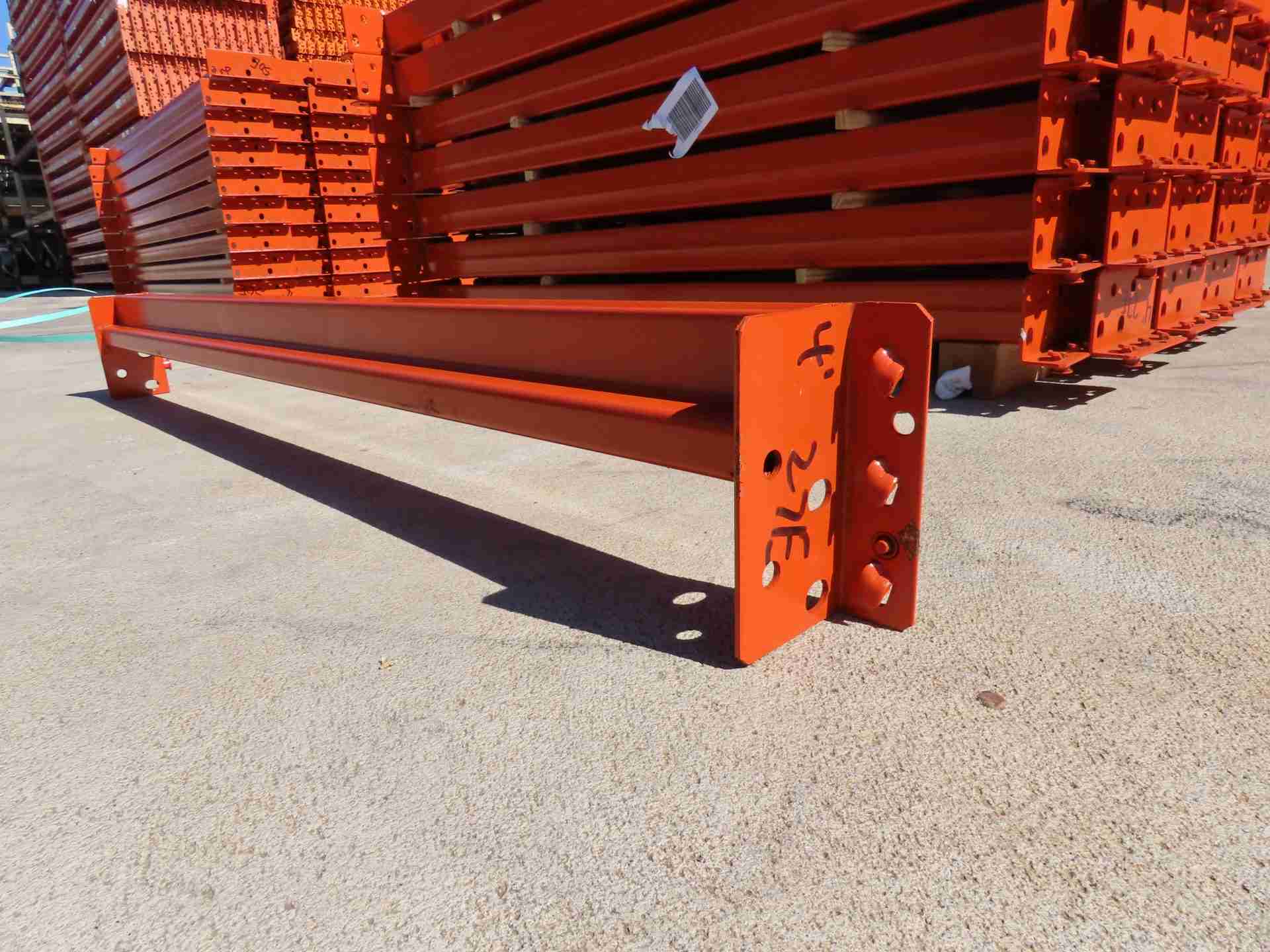
Are There Specific Standards For Load Ratings In OSHA Regulations?
Are There Specific Standards For Load Ratings In OSHA Regulations?
- Load ratings are a key component of OSHA regulations, crucial for workplace safety.
- OSHA provides guidelines rather than one-size-fits-all standards for load ratings.
- Construction sites must adhere to specific load ratings for scaffolding to ensure worker safety.
- Recent incidents, such as a scaffold collapse in Houston, highlight the importance of accurate load ratings.
- Inaccurate load ratings can lead to severe consequences, including injuries and legal liabilities.
- Industries utilizing heavy machinery must rigorously evaluate load capacities to maintain safety.
- Understanding and implementing load ratings can enhance workplace safety and improve corporate reputation.

Are There Specific Standards For Load Ratings In OSHA Regulations?
How Often Should I Check The Load Rating Of My Storage Racks?
When it comes to maximizing efficiency and ensuring safety in your warehouse or storage facility, understanding the load rating of your storage racks is non-negotiable. But how often should you be checking these load ratings? The answer might surprise you — it’s not just a one-and-done task.
First and foremost, the load ratings of your racks should be checked on a regular basis, ideally every six months. Just like any other critical aspect of your business, your storage solutions can degrade over time. Factors such as environmental conditions, wear and tear from usage, and even seismic activities can affect the integrity and load capacity of your racks. For instance, consider the recent uptick in extreme weather events. With climate change leading to more severe storms and earthquakes, a rack that functioned safely last year may not hold up under additional stress today. Regular evaluations ensure that you can adjust your load strategies to account for these realities.
Next, it’s crucial to inspect load ratings after any significant changes to your inventory or storage practices. Did you recently add new products? Did you increase the volume of goods being stored? These shifts can change the dynamic of your storage environment, and failing to reassess could lead to catastrophic failures. For example, if you started storing heavier machinery instead of lightweight components, your existing racks might not be able to accommodate the new load. Just think about the headlines: a warehouse collapse due to ignored safety protocols—a PR nightmare you don’t want to face.
Additionally, if your racks are rearranged or relocated, check those load ratings again. Moving racks can lead to subtle shifts in structure and stability, altering their load-bearing capabilities. One vital case study comes from a distribution center that relocated its shelving units without reassessing their load ratings. The result? Significant damage and thousands in lost merchandise after several racks collapsed during peak shipping season.
Lastly, always stay educated about industry standards and innovations. Are there new materials or design principles being adopted in storage solutions? Keeping your finger on the pulse means you’re not only compliant but that you’re leveraging the best solutions available.
In summary, make it a routine to check your storage rack load ratings every six months, after any major changes to your inventory, or if they’ve been moved. Doing so could save you from substantial financial loss and ensure your operations continue smoothly. Remember, a little diligence now can prevent significant headaches later on.
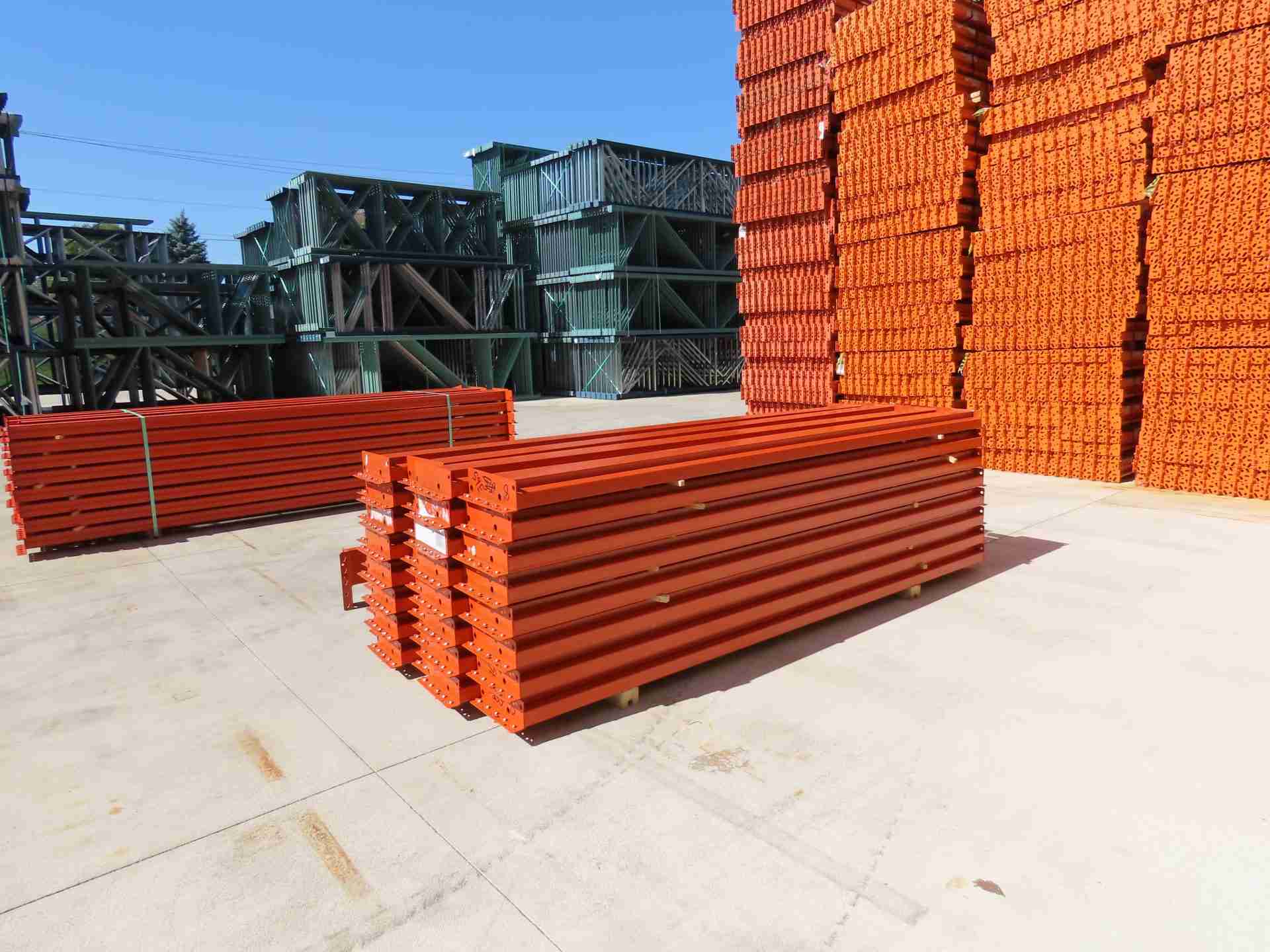
How Often Should I Check The Load Rating Of My Storage Racks?
How Often Should I Check The Load Rating Of My Storage Racks?
- Regularly check the load ratings of storage racks, ideally every six months.
- Rack load ratings can degrade over time due to environmental factors, usage wear, and seismic events.
- Reassess load ratings after significant changes in inventory or storage practices.
- New products or increased storage volumes can impact rack load capacity.
- Inspect load ratings if racks are rearranged or relocated to maintain stability.
- Stay updated on industry standards and innovations in storage solutions.
- Routine checks can prevent financial loss and ensure smooth operations.
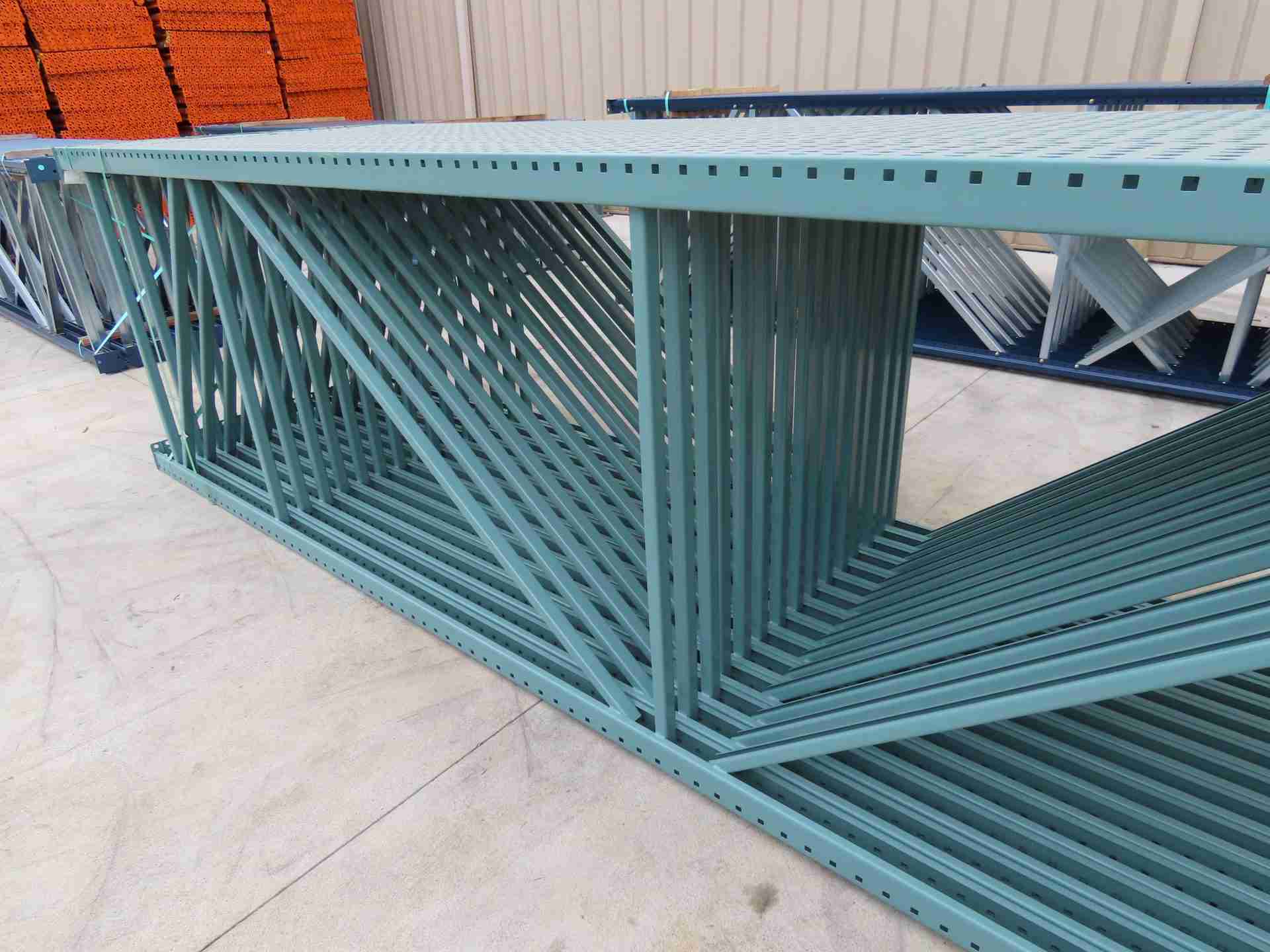
How Often Should I Check The Load Rating Of My Storage Racks?
What Documentation Is Needed For OSHA Load Rating Compliance?
Achieving OSHA load rating compliance is not just about meeting standards; it’s a pivotal component of ensuring workplace safety, operational efficiency, and legal protection. The right documentation is crucial in showcasing compliance and safeguarding your organization against potential fines or legal repercussions.
First and foremost, it’s essential to have an accurate load rating chart. This document defines the maximum weight a specific piece of equipment can safely handle. For instance, if you operate a construction site, you need to ensure your cranes and hoists are properly assessed and labeled according to their load capacities. Without this vital information, you risk overloading equipment, leading to potential disaster.
Next up is the load test reports. Conducting regular load tests is not only wise but also a requirement under OSHA regulations for certain machinery. These reports should detail the methods used for testing, the conditions during the test, and the results. Say you recently tested a forklift; your documentation should include the weight it handled during the test and any adjustments made afterward to meet compliance. Remember, these reports serve as both a snapshot of your equipment’s capabilities and a hedge against liability.
Moreover, ensure you have training records for your staff. OSHA expects all operators to be well-informed about the load limits and safe operating practices. This documentation not only illustrates compliance but also demonstrates your commitment to safety. For instance, if your personnel attended a recent safety seminar, keep records of their participation and any certifications obtained. Such proof can be invaluable when facing OSHA inspections, especially in light of increased scrutiny on workplace safety since the pandemic.
In addition to the above, don’t overlook maintenance records. Regular inspections and timely repairs are essential for safety and compliance. If your boom lift underwent a thorough inspection a month ago, having that record on file is critical. It shows that you take preemptive measures to uphold safety standards, which is particularly relevant in light of recent reports highlighting the spike in construction accidents due to overlooked equipment failures.
In reference to prevailing industry trends, organizations today are adopting technology to automate documentation processes. Many now utilize software that tracks inspections, training sessions, and load limits digitally. This not only increases accountability but also makes retrieving crucial information during audits a breeze.
Comprehensive documentation is the backbone of OSHA load rating compliance. Focus not just on the quantity but on the quality of the records you maintain. By proactively managing this documentation, you minimize risks and reinforce a culture of safety within your organization. Your commitment to compliance is an investment in your workforce’s wellbeing and your business’s long-term success.
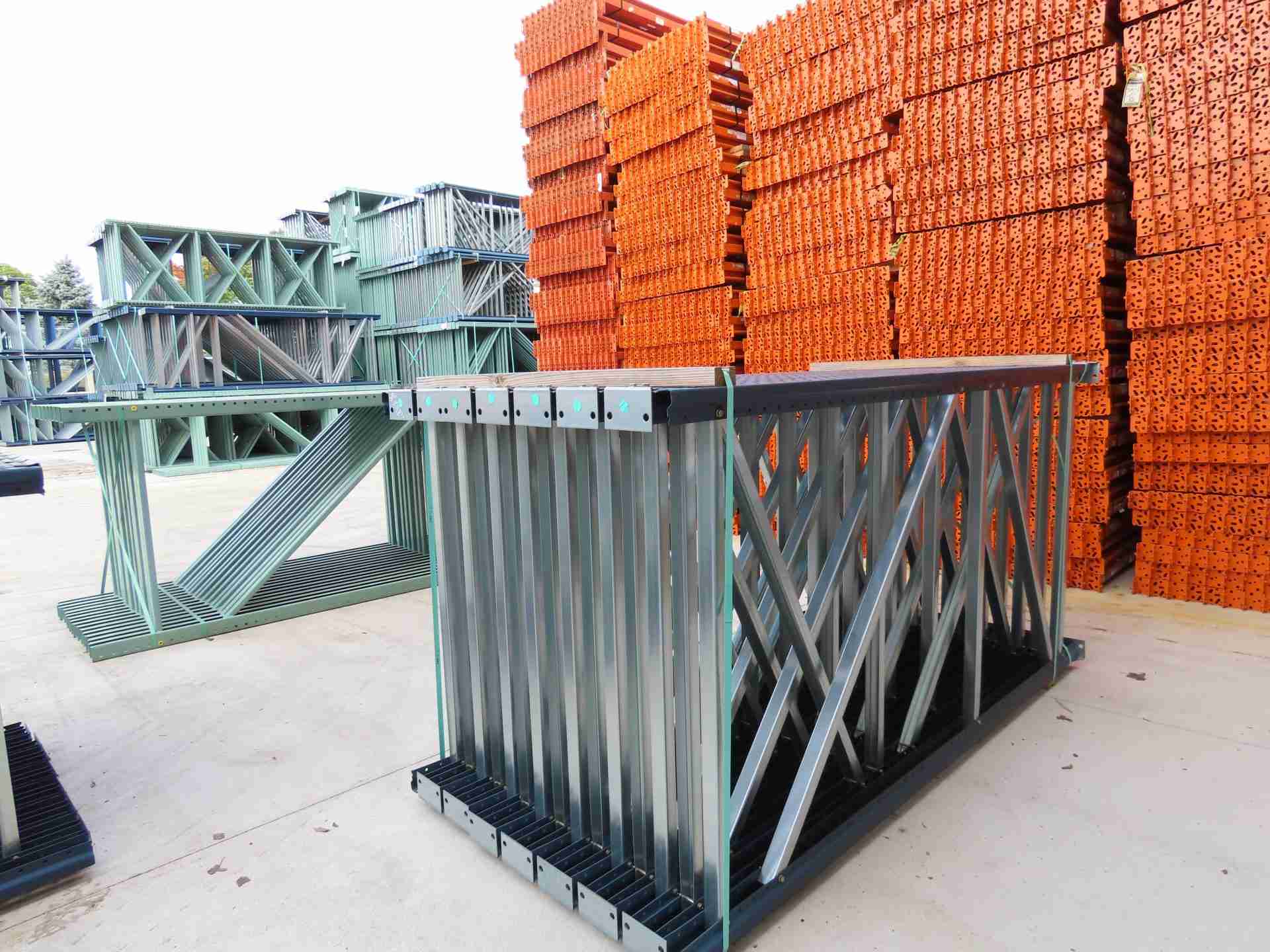
What Documentation Is Needed For OSHA Load Rating Compliance?
What Documentation Is Needed For OSHA Load Rating Compliance?
- OSHA load rating compliance is vital for workplace safety, operational efficiency, and legal protection.
- An accurate load rating chart is essential, defining the maximum safe weight for equipment.
- Load test reports are required under OSHA regulations and must document testing methods, conditions, and results.
- Training records for staff must be maintained to ensure operators understand load limits and safe practices.
- Maintenance records are crucial for documenting regular inspections and timely repairs to equipment.
- Technology is increasingly being adopted to automate documentation processes, enhancing accountability and audit efficiency.
- Comprehensive and high-quality documentation fosters a culture of safety and minimizes risks for organizations.

What Documentation Is Needed For OSHA Load Rating Compliance?
How Do I Calculate The Capacity Of My Storage Racks?
In today’s fast-paced world of e-commerce and supply chain management, understanding the capacity of your storage racks is more crucial than ever. With supply chain disruptions—exacerbated by global events like the COVID-19 pandemic and ongoing geopolitical tensions—businesses must maximize their storage efficiency to stay competitive. So, how do you calculate the capacity of your storage racks? Let’s break it down step-by-step.
First, the foundation of any calculation lies in measuring your storage space accurately. Begin by documenting the dimensions of your storage racks: width, depth, and height. For instance, if you have a rack that measures 48 inches wide, 24 inches deep, and 72 inches high, you’re off to a solid start. Multiply these dimensions together to determine the total cubic feet (or cubic meters, depending on your preference) of each section of your rack.
Next, consider the type of products you plan to store. Different items have varying shapes and weights, impacting how much can be stashed away in any given area. For instance, if you’re storing boxes of shoes versus pallets of bulk materials, the latter will often require more floor space. A general rule of thumb is to allow 10-15% of the volume for airspace or miscellaneous storage, as this will provide a buffer for easy retrieval and organization.
Moving on, it’s essential to remember about weight limits. Each rack type has a specified load capacity, which is crucial for safety and structural integrity. Check the manufacturer’s specifications for your racks; for instance, standard pallet racking might support up to 3,000 pounds per shelf. Never exceed these limits! A product exceeds the recommended weight can result in catastrophic failure, risking injuries, product loss, and costly downtime.
Now, let’s dive into a practical example. Say you have five sections of pallet racking, and each can hold 2,500 pounds distributed evenly. If you’re planning to store an inventory of lightweight electronics, you may opt for the maximum number of items permitted based on their individual weights—let’s say 1,000 items at 2 pounds each. The calculation here is simple: your racks are more than sufficient to hold this inventory without breaching safety standards.
Remember, in the midst of uncertainty and supply chain challenges, optimizing your storage capacity is not just about numbers; it’s also about agility. Companies that adapt their storage solutions quickly will ultimately rise above their competitors. Be proactive—calculate your storage capacity today and create a more efficient work environment for the tomorrow’s challenges.
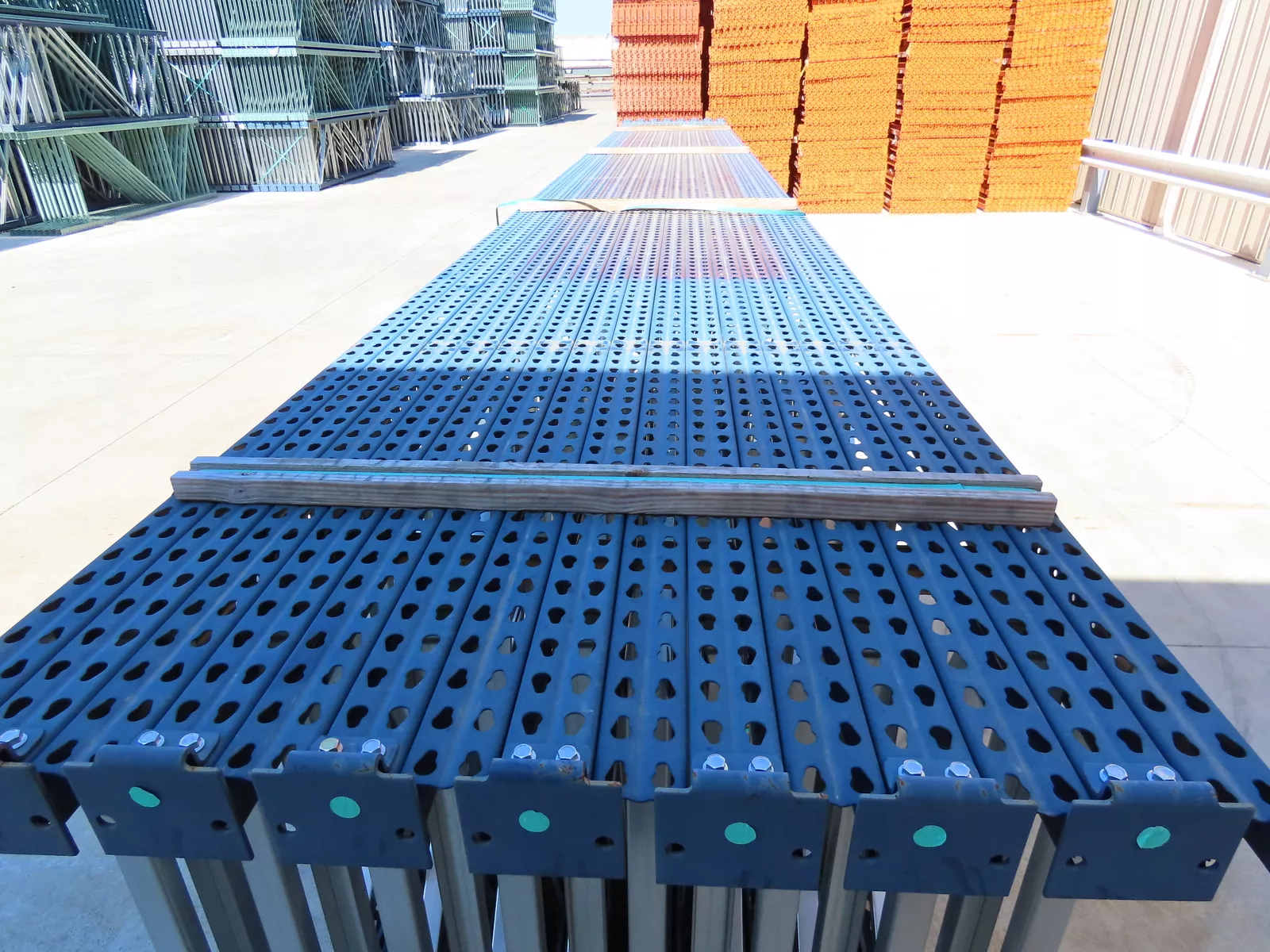
How Do I Calculate The Capacity Of My Storage Racks?
How Do I Calculate The Capacity Of My Storage Racks?
- Understanding storage rack capacity is crucial in today’s e-commerce and supply chain management environment.
- Accurate measurements of storage space (width, depth, height) are essential to calculate rack capacity.
- Consider the types of products to be stored, as they have varying shapes and weights affecting storage space.
- Allow for 10-15% airspace in volume calculations for easy retrieval and organization.
- Check manufacturer specifications for weight limits to ensure safety and structural integrity of storage racks.
- Optimizing storage capacity can enhance competitiveness during supply chain disruptions.
- Proactive adjustments to storage solutions can lead to a more efficient work environment amid challenges.
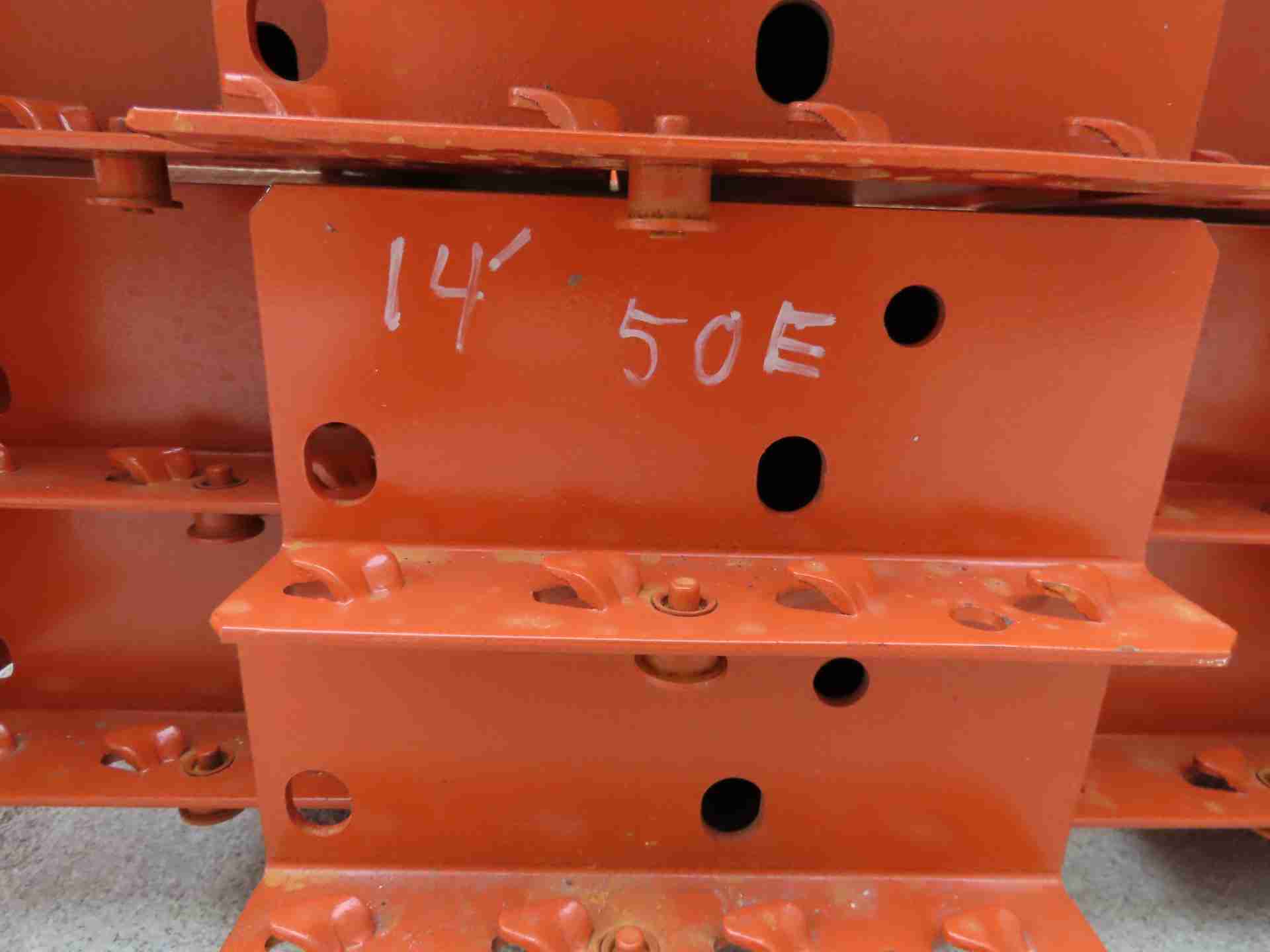
How Do I Calculate The Capacity Of My Storage Racks?
What Are The Consequences Of Exceeding The Load Rating?
In the realm of transport and logistics, understanding the concept of load ratings is not just a mundane technicality; it could mean the difference between success and disaster. Imagine the weight of an overloaded truck tearing through the asphalt of your business interests or the silent implosion of a corporate image due to a preventable catastrophe. Exceeding the load rating isn’t just about numbers; it’s about livelihoods, reputations, and the very sustainability of your operations.
The implications of ignoring load ratings can be catastrophic. Take the recent collapse of a pedestrian bridge in Florida, a tragic scenario that drew national attention. Investigations revealed that overloading due to construction vehicles improperly utilizing the bridge led to the disaster. Not only did this result in severe injuries, but it also instigated a rigorous review of engineering protocols and enforcement, sparking legislative reforms. Such outcomes derive directly from cavalier attitudes toward load ratings, and they shine a harsh light on the repercussions of negligence.
When you exceed a load rating, you’re not merely bending the rules; you’re bending the fabric of operational integrity. Your vehicles may suffer mechanical failures, leading to costly repairs or even complete loss of transport capability. Furthermore, consider the domino effect: delayed deliveries can tarnish customer relationships, resulting in lost contracts and diminished trust in your brand. In today’s competitive environment where loyalty is fragile, these losses can escalate into spiraling downturns for your business.
Worse yet, compliance issues arise. Regulatory bodies are cracking down harder on violations, especially as workplace safety becomes a staple in public consciousness. Fines and penalties can be steep, especially for recurring offenses. Remember the uproar following the mine collapses in South America, where companies faced not just fines but immense public backlash, resulting in shares plummeting and reputations shattered.
So, what can you do to stay on the right side of the load rating equation? Invest in training programs for your personnel, implement rigorous checks and balances, and prioritize adherence to manufacturer specifications. Fostering a culture that values compliance can safeguard not just your fleet but your entire enterprise.
In a world where the margins are slim and the stakes are high, understanding and respecting load ratings isn’t just a best practice; it’s an essential business strategy. Don’t wait for a disaster to strike. Act decisively to protect your business and its future.
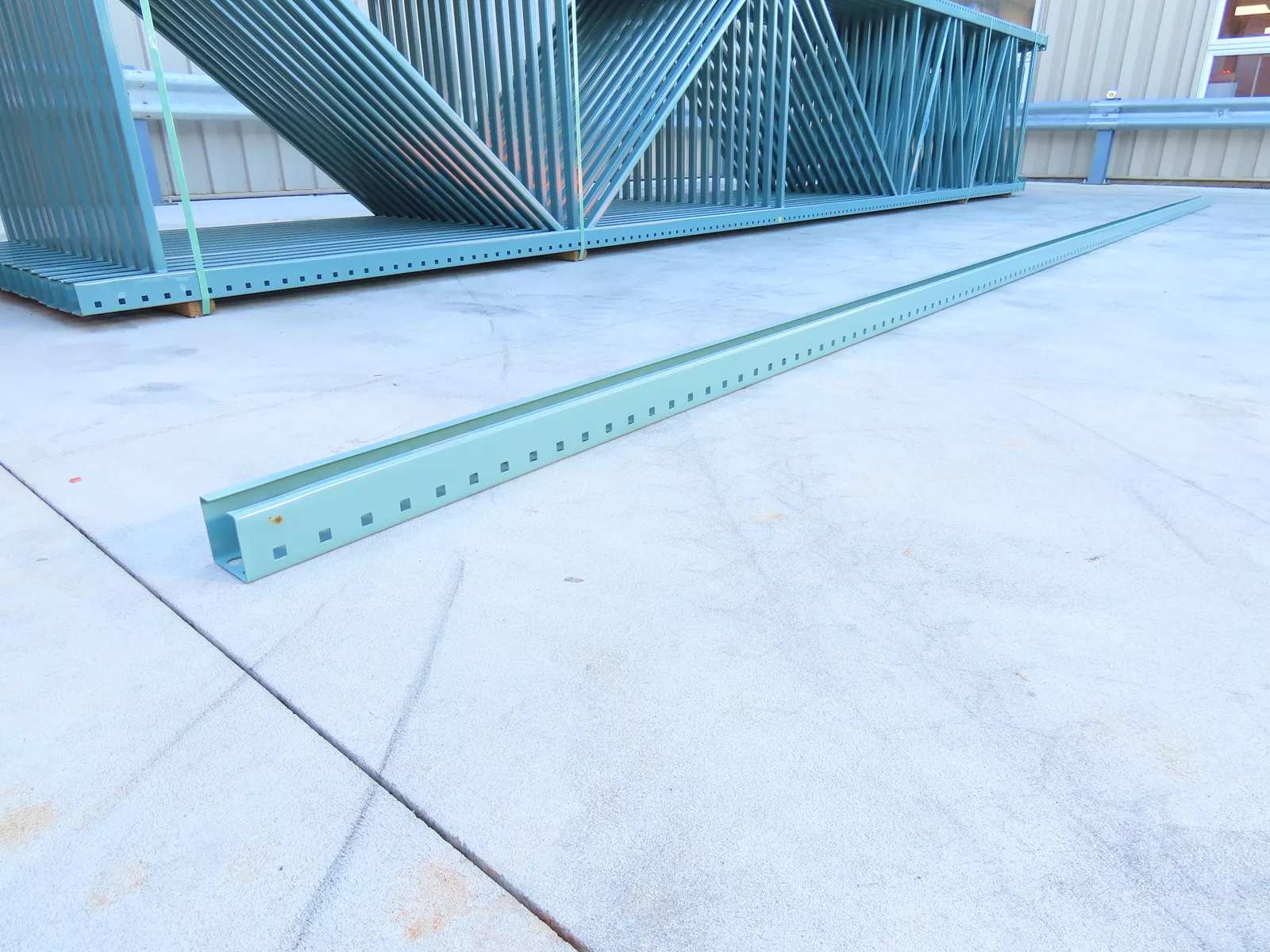
What Are The Consequences Of Exceeding The Load Rating?
What Are The Consequences Of Exceeding The Load Rating?
- Understanding load ratings is crucial in transport and logistics to prevent disasters.
- Exceeding load ratings can jeopardize livelihoods, reputations, and operational sustainability.
- A tragic example is the pedestrian bridge collapse in Florida, linked to overloaded construction vehicles.
- Ignoring load ratings leads to mechanical failures, costly repairs, and delayed deliveries, harming customer relationships.
- Compliance issues with regulatory bodies are increasing, with significant fines for violations.
- Companies must invest in training programs, implement rigorous checks, and prioritize adherence to specifications.
- Respecting load ratings is essential for safeguarding business integrity and ensuring long-term success.
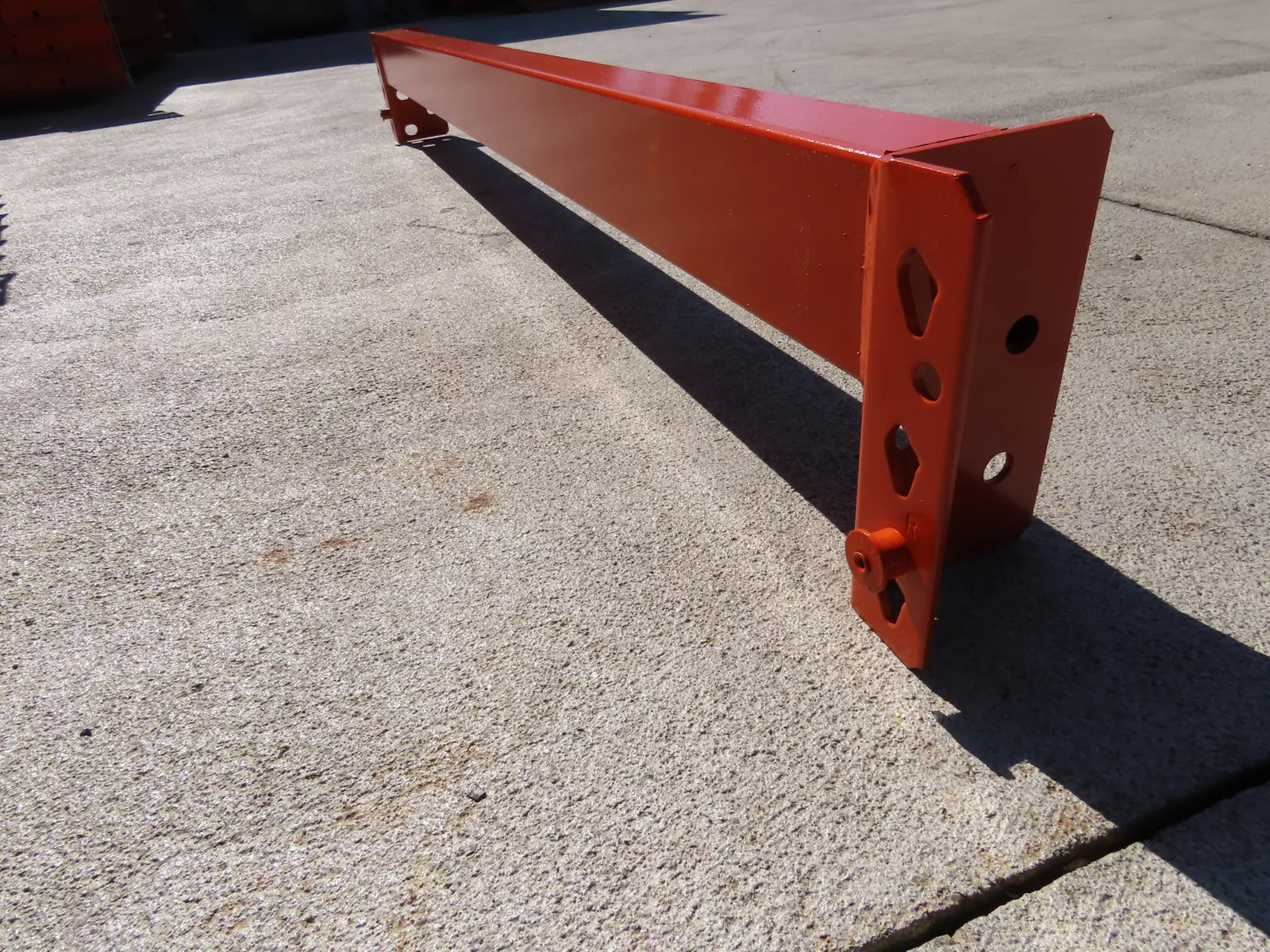
What Are The Consequences Of Exceeding The Load Rating?
What Types Of Storage Racks Require Load Ratings?
In the bustling landscape of business and warehousing, understanding the importance of load ratings on storage racks is essential for maintaining safety and efficiency. Load ratings aren’t just numbers; they are vital indicators of the maximum capacity that a storage system can handle. Here’s a closer look at the types of storage racks that necessitate having these ratings clearly defined.
1. Pallet Racking Systems
Pallet racking systems are at the heart of any warehouse. These robust systems are designed to store goods on pallets, making them a staple in logistics. Because pallets can hold heavy loads of varying weight and volume, it’s imperative to have a load rating in place. Without knowing the weight limit, businesses risk compromising their inventory safety. For instance, a recent incident in a California warehouse showcased the dire consequences of ignoring load limits. A collapse prompted injuries and costly damages, ultimately highlighting that knowing your load ratings isn’t just prudent; it’s essential.
2. Shelving Units
Whether it’s medium-duty or heavy-duty shelving units, these storage solutions often accommodate a broad range of items, from light packages to heavier tools or machinery. Load ratings ensure that items are stored safely without overburdening the structure. In a recent evolution of e-commerce, companies like Amazon are scaling up their inventory, relying on shelving units that adhere strictly to load ratings to prevent operational hazards. A hefty package can be disastrous if it’s placed on a shelf intended for lighter items; think of the potential liabilities!
3. Cantilever Racks
For businesses in industries with long or bulky materials, cantilever racks are indispensable. These racks often hold lumber, pipes, and other irregularly shaped items. The importance of load ratings becomes even more pronounced here, as improper load distribution can lead to titanic failings. A notable case was reported in the steel industry where a cantilever rack failure resulted in not only employee injury but also production downtime, leading to significant financial losses.
4. Drive-In Racks
Drive-in racks maximize storage space but require precise load management. Load ratings here steer forklift operators on how many pallets can sit on a single level without risking collapse. As logistics become more intricate and space-saving solutions are prioritized, adherence to these ratings is no longer an option; it’s a necessity.
In summary, understanding the precise load ratings of your storage racks is integral to ensuring operational efficiency, workplace safety, and financial viability. As industry standards evolve and liabilities increase, staying informed and compliant is more critical than ever. Don’t let your warehouse become a cautionary tale—embrace load ratings now!
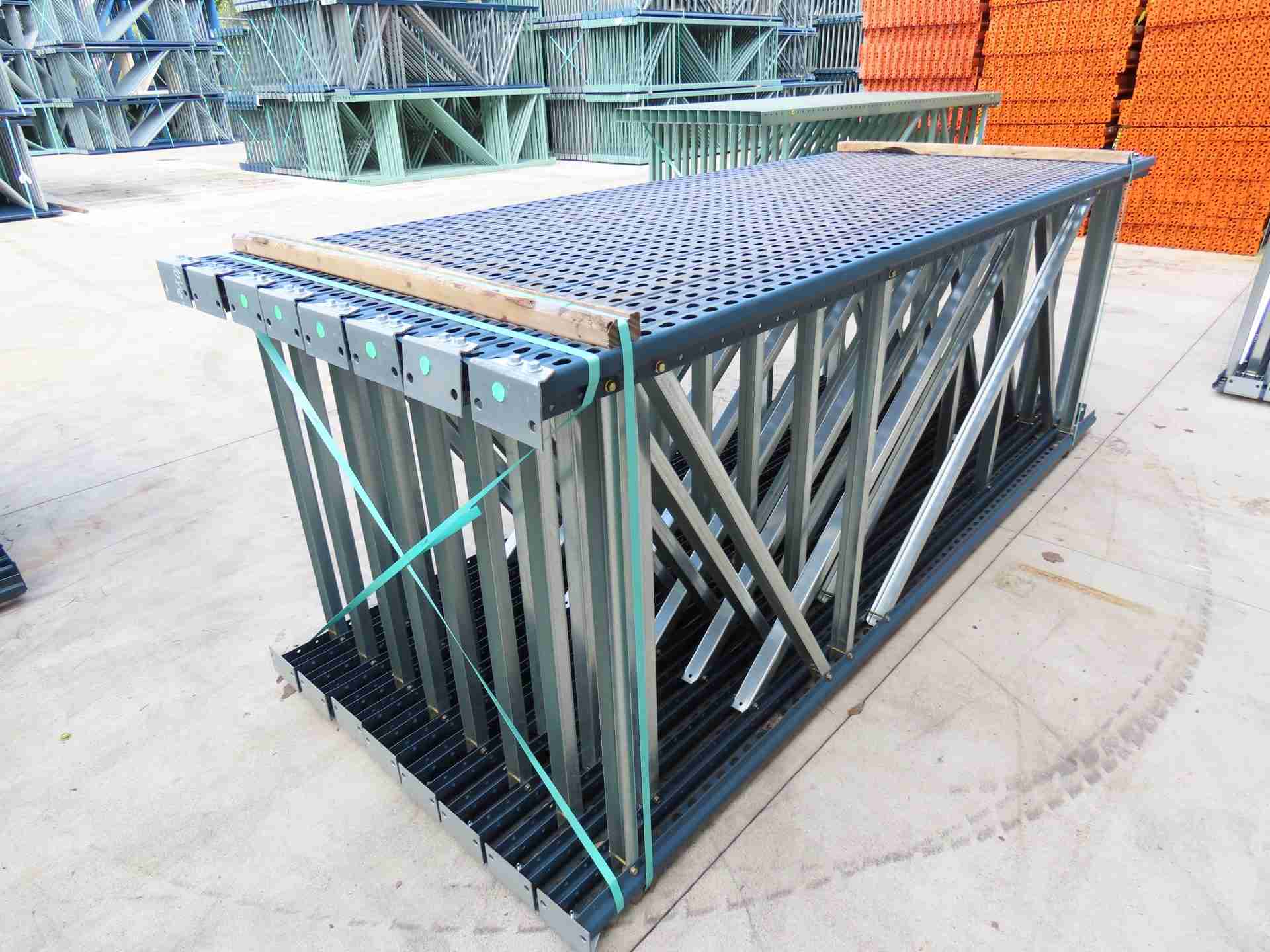
What Types Of Storage Racks Require Load Ratings?
What Types Of Storage Racks Require Load Ratings?
- Understanding load ratings on storage racks is crucial for safety and efficiency in warehouses.
- Pallet racking systems are essential for storing goods on pallets and require clear load ratings to avoid safety risks.
- Shelving units must adhere to load ratings to safely accommodate a variety of items, preventing liability issues.
- Cantilever racks are vital for storing long or bulky materials, where improper load distribution can lead to severe failures.
- Drive-in racks allow for space maximization, but require precise load management to prevent collapses.
- Knowledge of load ratings is integral for operational efficiency and financial viability in warehouses.
- Staying informed about load ratings is essential to avoid potential hazards and liabilities in logistics.
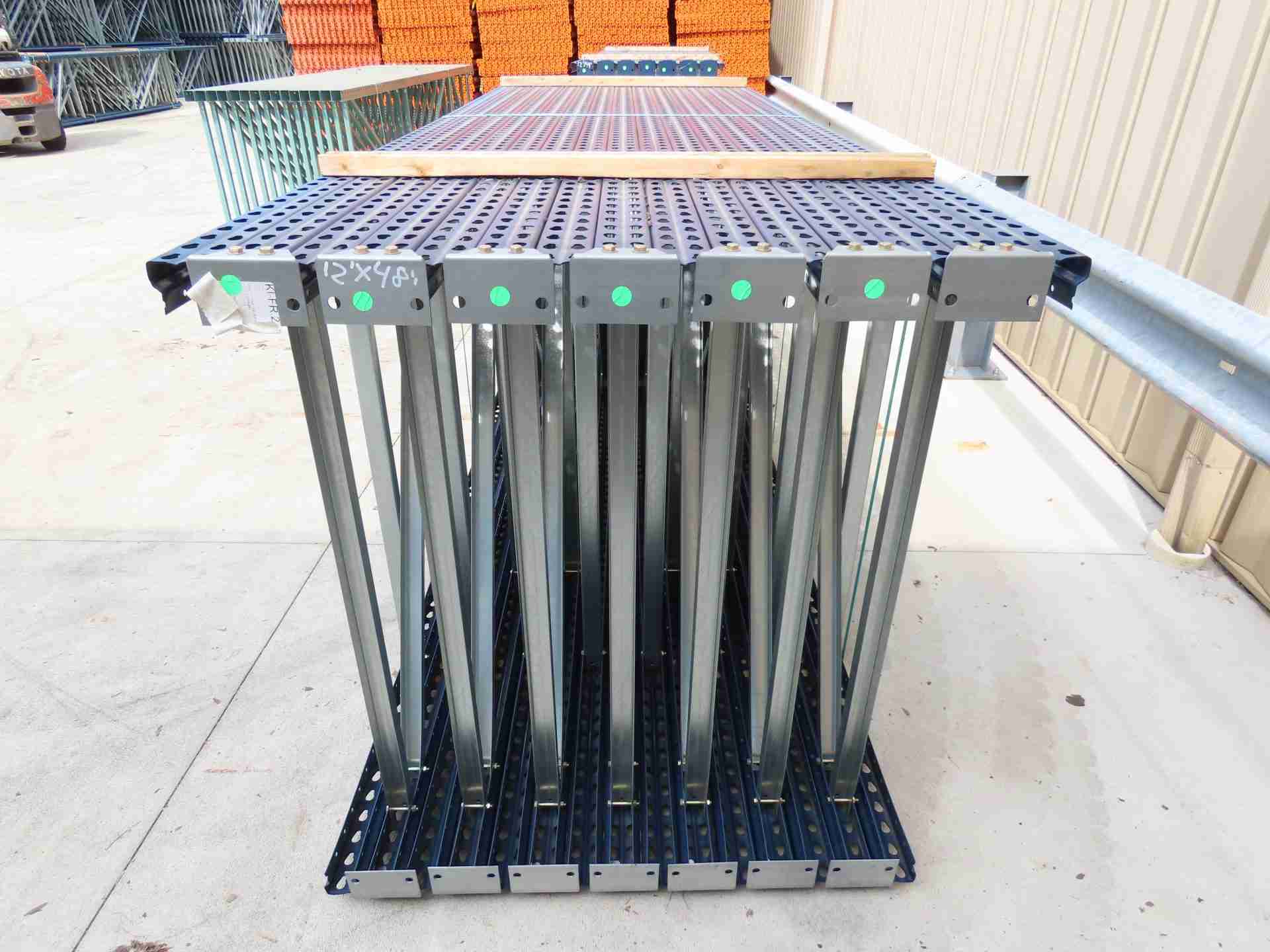
What Types Of Storage Racks Require Load Ratings?
Can I Modify Storage Racks Without Affecting Their Load Rating?
When it comes to optimizing your warehouse space, the thought of modifying your storage racks might pop into your mind. After all, the right configuration could enhance accessibility, improve workflow, and maximize storage efficiency. However, a burning question often arises: can I modify storage racks without affecting their load rating? The answer isn’t as straightforward as you might hope—but with careful planning, it can be done.
Firstly, it’s crucial to understand that storage racks are engineered systems designed to bear specific loads. Any modifications to their structure—be it changing the height, adding shelves, or altering the materials used—can potentially compromise the integrity of the rack and its load rating. The key is to ensure that any tweak you plan adheres to safety standards and manufacturer guidelines.
For instance, consider a warehouse that recently adopted a more vertical storage strategy to accommodate a surge in online orders. If the racks were modified to carry additional pallets without consulting the manufacturer or adhering to the load rating specifications, it risks both the safety of employees and the integrity of the stored goods. A 2023 survey by the Industrial Storage Association indicated that 43% of warehouse accidents stem from overloading racking systems. Your company can’t afford to become a statistic.
There are methods to modify storage racks without risk. For instance, using additional bracing or a stabilizing system can help maintain structural integrity while allowing for a reconfiguration. However, it’s essential to collaborate with a qualified structural engineer who understands the nuances of rack systems in line with local building codes and safety regulations. Recent trends in modular and adaptable racking systems present businesses with innovative solutions that allow for flexibility without compromising safety.
Moreover, with the growing emphasis on operational safety and compliance, many industries are witnessing a push towards automated storage solutions. The rise of smart warehousing—highlighted by notable shifts during the pandemic—demands not just efficiency but also safety and adaptability.
While it’s possible to modify storage racks, it must be done with caution and expertise. The path forward lies in understanding your needs, working with professionals, and prioritizing safety above all else. Invest in a knowledgeable partner who can guide you through the process, ensuring your storage solutions remain both effective and compliant, safeguarding your business against unnecessary risks. Remember, it’s better to be safe than sorry—especially when it comes to your livelihood.
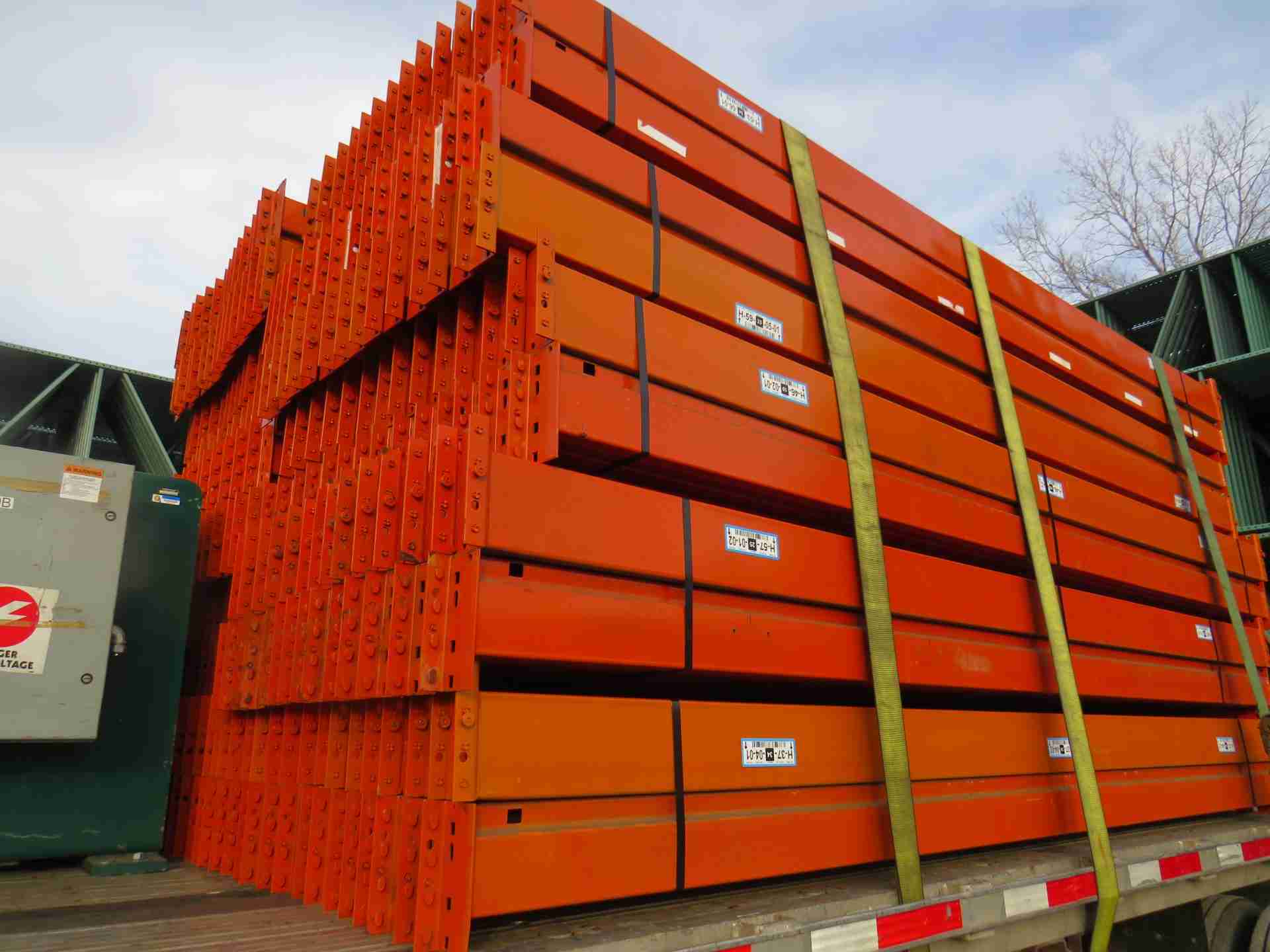
Can I Modify Storage Racks Without Affecting Their Load Rating?
Can I Modify Storage Racks Without Affecting Their Load Rating?
- Modifying storage racks can enhance accessibility, improve workflow, and maximize storage efficiency.
- Storage racks are engineered to bear specific loads; modifications can compromise their integrity and load rating.
- Any changes should adhere to safety standards and manufacturer guidelines to ensure safety.
- 43% of warehouse accidents arise from overloading racking systems, highlighting the importance of compliance.
- Methods like adding bracing or stabilizing systems can allow for modifications without risking safety.
- Collaboration with a structural engineer is crucial for safe modifications in line with building codes and regulations.
- Prioritize safety and expertise when modifying storage racks, investing in knowledgeable partners to mitigate risks.
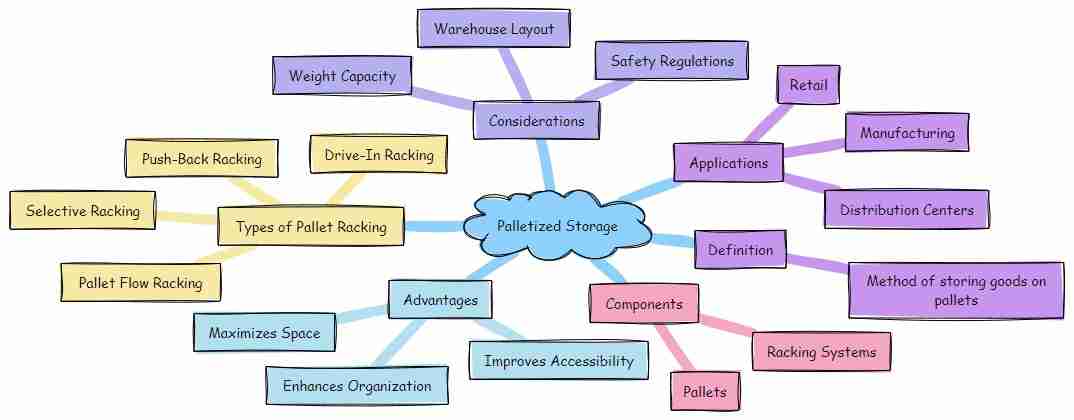
Can I Modify Storage Racks Without Affecting Their Load Rating?
How Can I Ensure My Storage Racks Are Safe For Use?
When it comes to warehouse safety, storage racks often represent the backbone of operational efficiency and a safe working environment. However, failing to prioritize rack safety can lead to tragic accidents, costly damages, and a significant decline in productivity. So, how can you ensure your storage racks are not just functional, but safe? Let’s dive into a few essential strategies that deliver results.
Regular Inspections: The first step in safeguarding your storage racks is consistent inspections. Just like you wouldn’t drive a car without checking the brakes, your warehouse operations shouldn’t proceed without a thorough examination of your racking system. Schedule routine audits of your racks, checking for signs of wear, damage, or misalignment. For instance, after seeing the collapse of several racks in manufacturing plants this past year due to poor maintenance, many companies have instituted a strict weekly inspection regimen. The investment of time upfront will save you numerous hours of headache later.
Educate Your Team: Knowledge is power. Equip your employees with the information they need to recognize hazards and understand safe practices. Consider hosting regular training sessions, where team members learn about load capacities, safe loading/unloading procedures, and the importance of maintaining clear pathways in the warehouse. A clear understanding of these principles can prevent accidents before they happen. One company that founded a ‘rack safety ambassador’ program saw a 40% reduction in incidents after empowering individual workers to take ownership of safety in their zones.
Proper Weight Distribution: Did you know that improperly distributed weight can lead to catastrophic failures? Understanding load limitations and adhering strictly to holding weight guidelines is essential. As federal regulations update and manufacturers continue to advance rack designs, staying current can ensure compliance and longevity. A recent OSHA report highlighted that rack collapses could often be traced back to disregard for these guidelines. Regularly reviewing manufacturer specifications and ensuring weights are distributed evenly is crucial for safe storage.
Utilize Technology: Leverage software tools and technology that assist in inventory management, ensuring correct placement and weight distribution across your racking systems. RFID tracking solutions, for example, not only help you identify the precise location of your products but also flag when items are placed incorrectly. These modern tools are no longer a luxury; they are a necessity for the safety-conscientious company looking to thrive in our fast-paced business world.
A Culture of Safety: Finally, cultivating an organizational culture that prioritizes safety can significantly enhance your warehouse operations. Encourage discussions about safety and recognize team members who contribute to a secure work environment. When safety becomes part of your company DNA, you inspire vigilance, pride, and accountability among your employees.
Ensuring the safety of your storage racks is not just about compliance—it’s about creating a proactive strategy that protects your assets and your people. Take action today to secure your warehouse’s future.
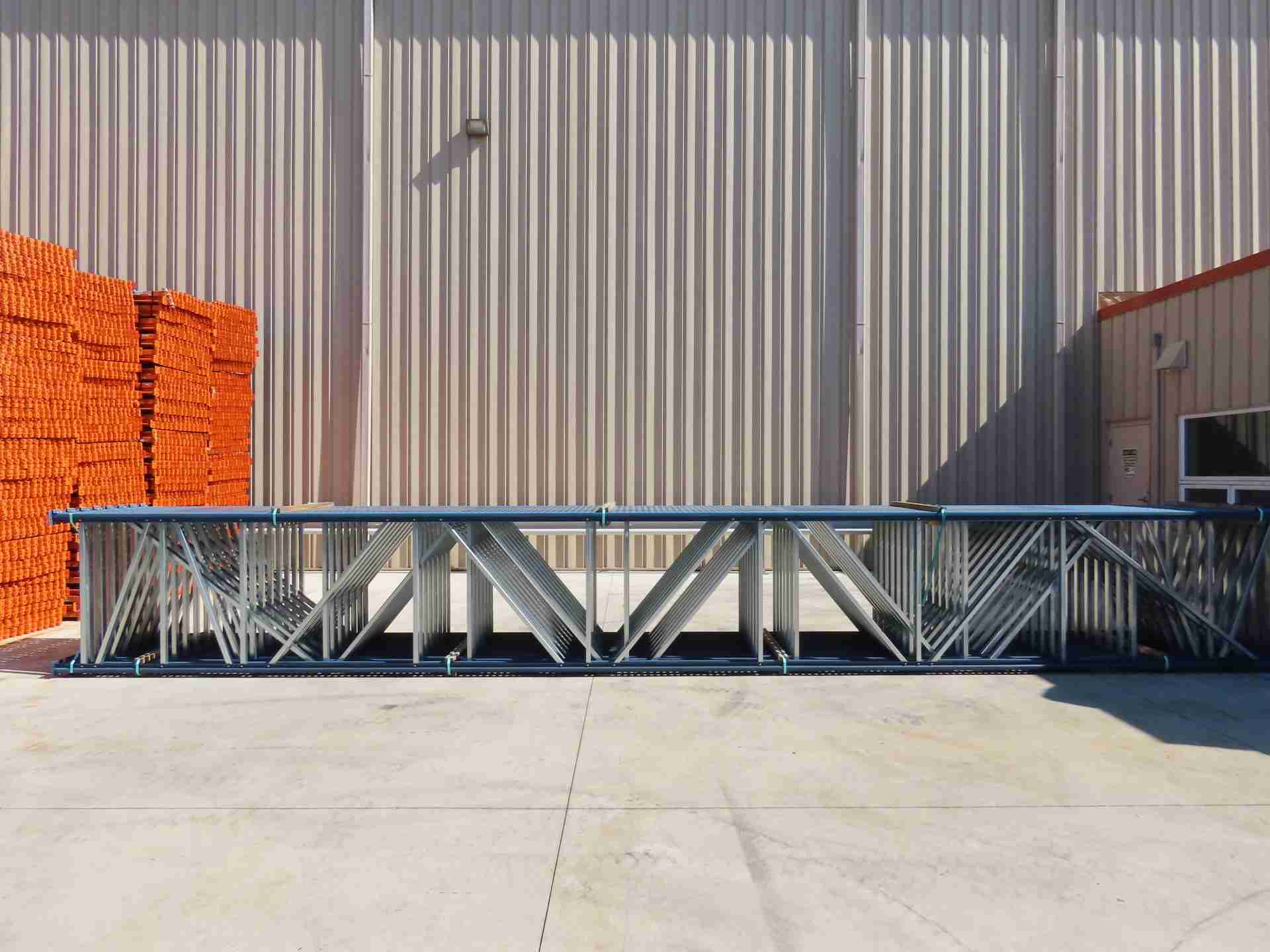
How Can I Ensure My Storage Racks Are Safe For Use?
How Can I Ensure My Storage Racks Are Safe For Use?
- Regular Inspections: Schedule consistent audits of storage racks to identify wear, damage, or misalignment.
- Educate Your Team: Conduct training sessions on load capacities and safe warehouse practices to empower employees.
- Proper Weight Distribution: Adhere to load limitations and ensure even weight distribution to prevent rack failures.
- Utilize Technology: Implement software tools such as RFID tracking to manage inventory placement and weight distribution.
- A Culture of Safety: Foster an organizational culture that prioritizes safety through discussions and recognition of safe practices.
- Proactive Strategy: Focus on safety not just for compliance, but to protect assets and employees.
- Immediate Action: Take steps to ensure warehouse safety to secure future operations.
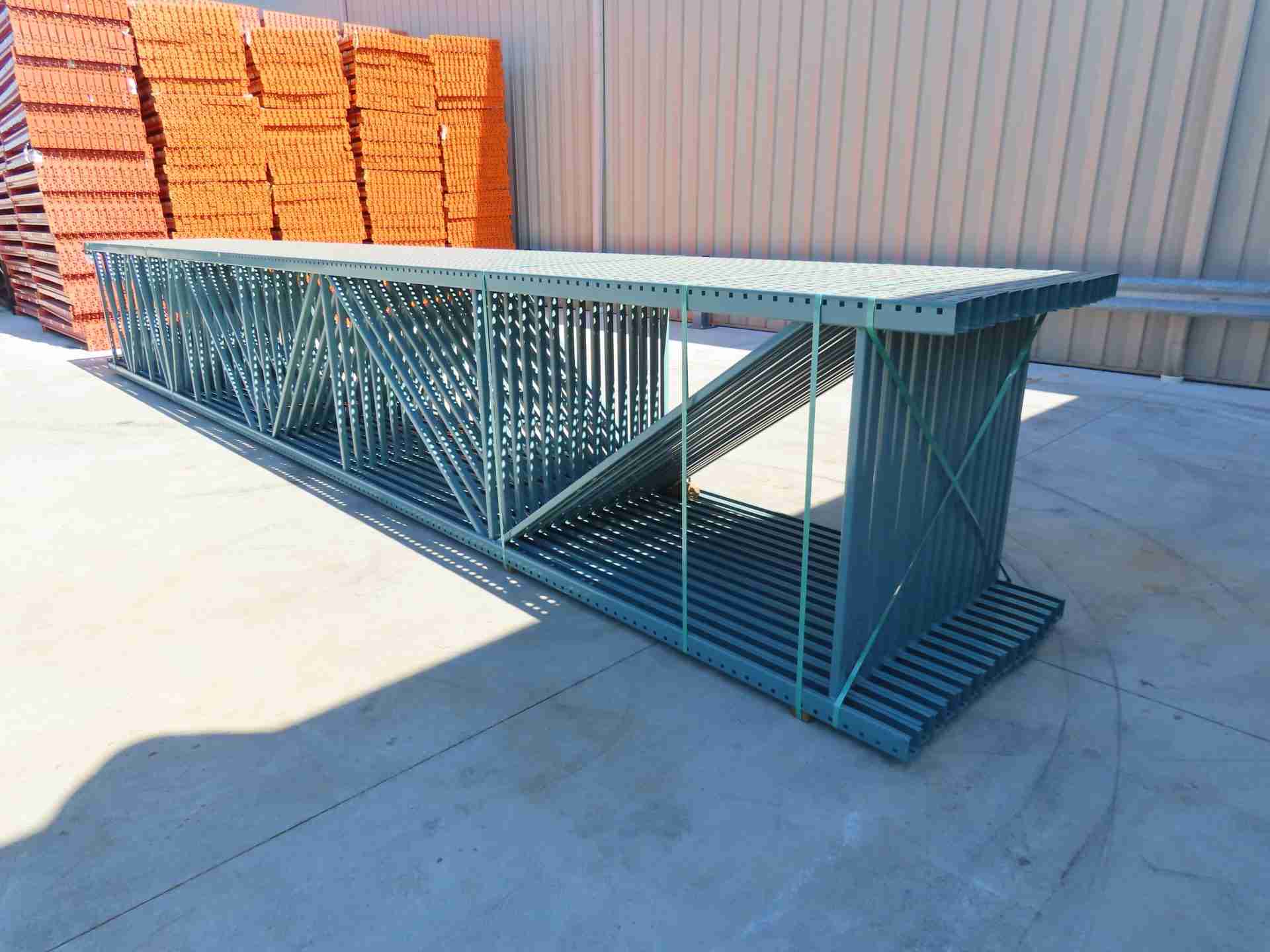
How Can I Ensure My Storage Racks Are Safe For Use?
What Should I Do If My Racks Do Not Meet OSHA Standards?
In today’s fast-paced world, safety standards aren’t just helpful—they’re mandatory. Yet, many warehouse managers and business owners find themselves standing in front of racking systems that don’t meet OSHA regulations. So, what’s your next move?
First, acknowledge that this isn’t just a minor inconvenience. Non-compliance can lead to hefty fines, costly legal battles, and even detrimental workplace accidents that jeopardize your employees’ safety. Imagine the chaos that would ensue if an item stored on a faulty rack fell and injured a worker! Not only would you face penalties under OSHA mandates, but your business’s reputation could take a serious hit.
So, what can you do if your racks don’t measure up to OSHA’s standards?
1. Get an Inspection. Don’t wait for an OSHA compliance officer to point out the obvious flaws; be proactive. Hiring a qualified professional to perform an inspection will identify areas of non-compliance and give you a roadmap towards rectification. Organizations such as the Material Handling Industry (MHI) can connect you with certified inspection services.
2. Develop a Compliance Upgrade Plan. Based on the inspection results, create a detailed plan to bring your racks into compliance. This could range from minor adjustments—such as adding safety guards—to a full overhaul of your racking systems. Consider this an opportunity to incorporate modern materials and technologies, like pallet racking systems designed with enhanced safety features. As businesses adapt to increased online demand, warehouses are evolving, and so should your systems.
3. Invest in Training. Information is power. Conduct regular training sessions for your employees on OSHA regulations and safe racking practices. Just last year, a warehouse in Texas faced $1.5 million in fines for serious violations—but you can avoid this fate by ensuring your team is educated. Empowered employees can spot potential dangers and act before issues escalate.
4. Continuous Monitoring and Maintenance. Safety compliance isn’t a one-time job. Schedule regular maintenance checks and audits to ensure your racking systems remain within OSHA standards. Digital asset management tools can now track compliance metrics in real-time, giving you peace of mind and keeping you ahead of any potential issues.
Remember, staying compliant with OSHA isn’t merely about dodging fines; it’s about fostering a safe, productive work environment that ultimately boosts morale and enhances productivity. Don’t let non-compliance derail your business. Take action now, not only to protect your employees, but to reinforce your commitment to safety—an invaluable asset in today’s competitive marketplace.

What Should I Do If My Racks Do Not Meet OSHA Standards?
What Should I Do If My Racks Do Not Meet OSHA Standards?
- Non-compliance with OSHA standards can result in fines, legal issues, and jeopardize employee safety.
- Conduct a proactive inspection to identify areas of non-compliance, using services like those offered by the Material Handling Industry (MHI).
- Create a Compliance Upgrade Plan based on inspection findings to address deficiencies, from minor adjustments to complete overhauls.
- Invest in employee training on OSHA regulations and safe racking practices to empower your team to identify potential hazards.
- Implement continuous monitoring and maintenance through regular checks and audits to ensure ongoing compliance.
- Utilize digital asset management tools to track compliance metrics in real-time for effective oversight.
- Prioritize compliance not only to avoid penalties but to create a safe work environment that enhances morale and productivity.
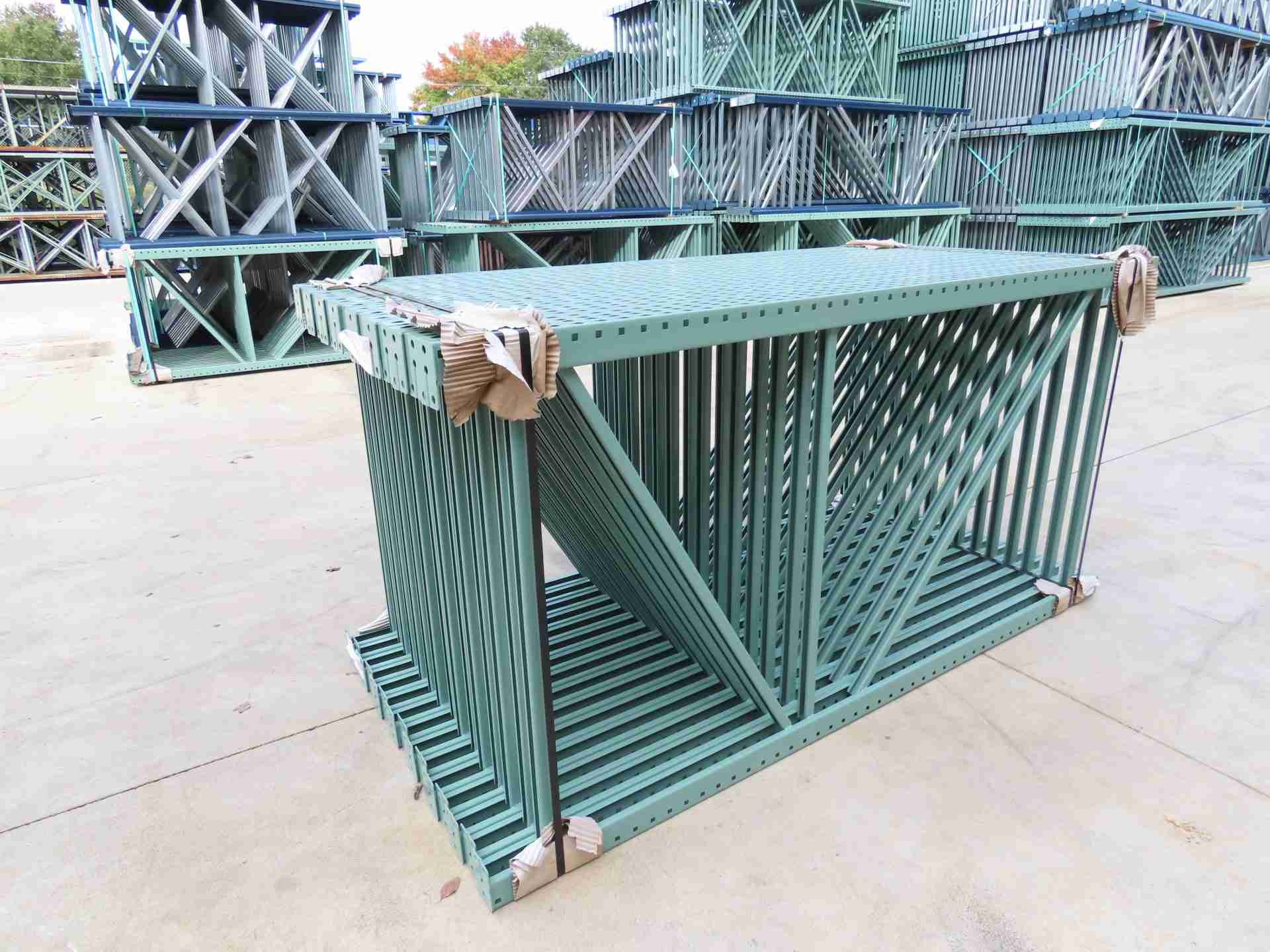
What Should I Do If My Racks Do Not Meet OSHA Standards?
Where Can I Find Resources On Load Ratings For Storage Racks?
Navigating the world of storage racks can feel overwhelming, especially when it comes to understanding load ratings. This critical information ensures that your storage solutions are both efficient and safe, allowing you to maximize space while minimizing risk. Fortunately, a wealth of resources exists to help you stay informed and compliant.
# Industry Standards and Guidelines
Start by consulting authoritative sources like the American National Standards Institute (ANSI) and the Rack Manufacturers Institute (RMI). These organizations publish specific load testing standards and guidelines for various rack systems, such as pallet racking and shelving. Their resources not only provide load ratings but also detail safety protocols and installation practices. The latest guidelines are especially critical given the heightened focus on warehouse safety this year—driven by increasing e-commerce demands and heightened workplace regulations.
# Manufacturer Specifications
Each rack system typically comes with its own set of load ratings provided by the manufacturer. Be sure to review the data sheets or user manuals that come with your racks, as these documents are essential for compliance with safety standards and effective operations. For example, a prominent manufacturer like Steel King Industries offers extensive technical resources online. Their load rating charts and design recommendations give you insight into how to optimize storage solutions based on load-bearing capacities.
# Online Forums and Industry Groups
Virtual communities focused on warehousing and logistics are another excellent resource. Websites like Reddit, LinkedIn, and specialized forums can connect you with industry professionals who share their experiences. These platforms often feature discussions on the latest load rating practices and troubleshooting tips. Engaging with these networks can provide real-world insights that are more applicable than theoretical knowledge.
# Continuing Education
Keep your knowledge fresh by pursuing continuing education opportunities. Many organizations offer workshops and webinars that address load ratings and current trends. With increasing attention on warehouse efficiency following changes in consumer behavior, understanding these elements can be a game changer. For example, the recent shift towards automated warehousing solutions has transformed how load ratings are considered and applied.
# Local and Online Libraries
Don’t overlook your local library or online databases. University libraries often carry specialized books and journals that delve into industrial safety and storage solutions. Databases like Google Scholar can also provide access to academic papers discussing innovative load rating strategies.
In this fast-paced environment, having access to the right information on load ratings for storage racks is crucial. By tapping into these resources, you can ensure that your storage solutions are not only effective but also safe for your operations. Don’t leave your safety—and profitability—up to chance; equip yourself with knowledge and make informed decisions.
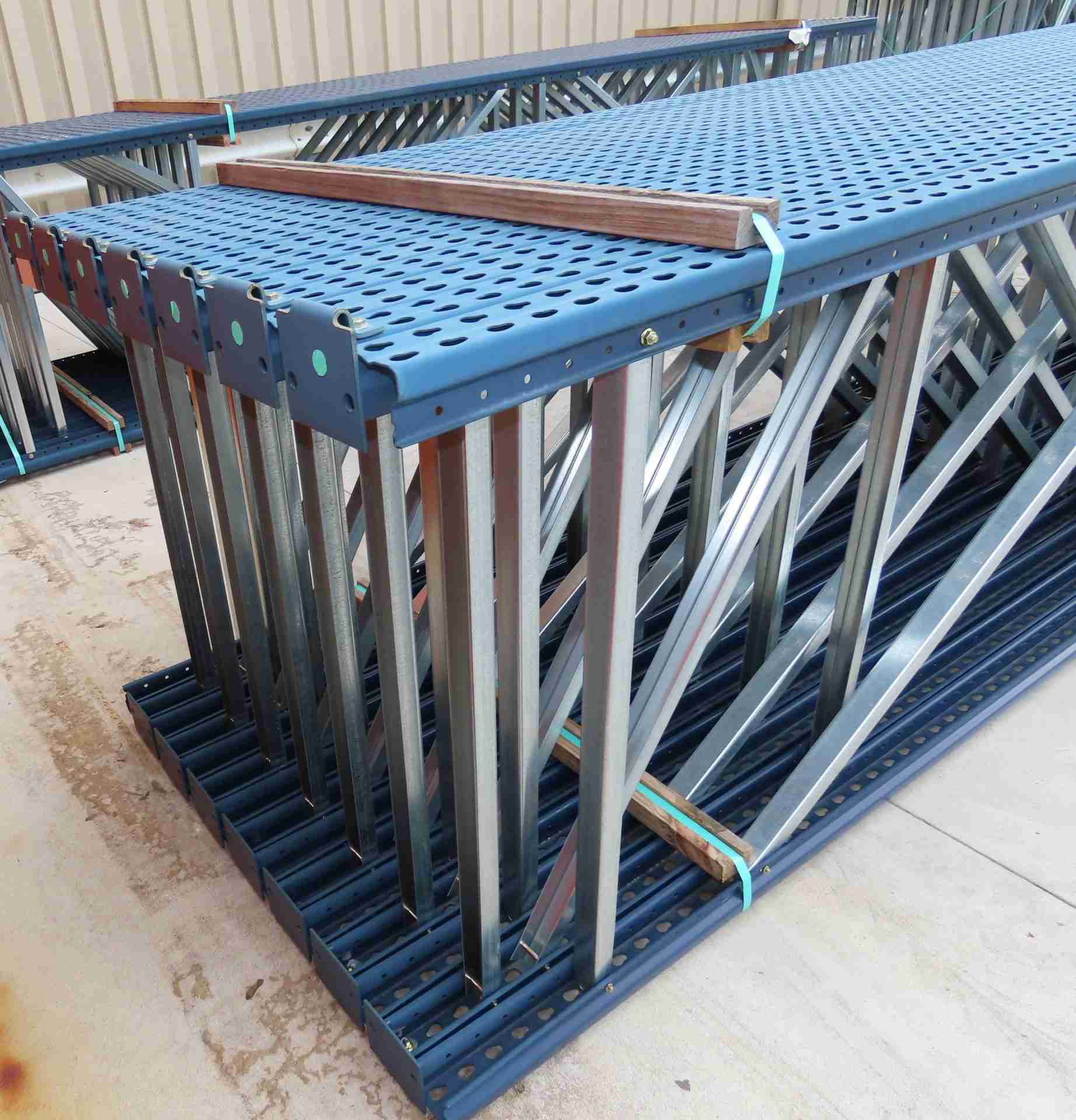
Where Can I Find Resources On Load Ratings For Storage Racks?
Where Can I Find Resources On Load Ratings For Storage Racks?
- Navigating storage rack load ratings is essential for efficiency and safety.
- Consult authoritative sources like the ANSI and RMI for load testing standards and guidelines.
- Each rack system has specific load ratings from manufacturers; review user manuals for compliance.
- Online forums and industry groups provide insights and troubleshooting tips from professionals.
- Pursue continuing education opportunities to stay updated on load ratings and trends.
- Utilize local and online libraries for specialized books and academic papers on storage solutions.
- Access to accurate information on load ratings is crucial for safety and profitability in storage operations.
Where Can I Find Resources On Load Ratings For Storage Racks?
Who Is Responsible For Maintaining Load Ratings In A Workplace?
In today’s fast-paced and increasingly regulated world, understanding who is responsible for maintaining load ratings in the workplace is not merely a necessary task—it’s a critical component of operational success. Load ratings refer to the maximum weight that a structure, equipment, or system can support safely. Failing to adhere to these ratings can lead to catastrophic incidents, ranging from equipment failures to workplace injuries, all of which can drastically impact both profitability and reputation.
So, who shoulders this responsibility? The answer isn’t straightforward. It encompasses multiple layers, starting from upper management to the frontline workers. Here’s how it breaks down:
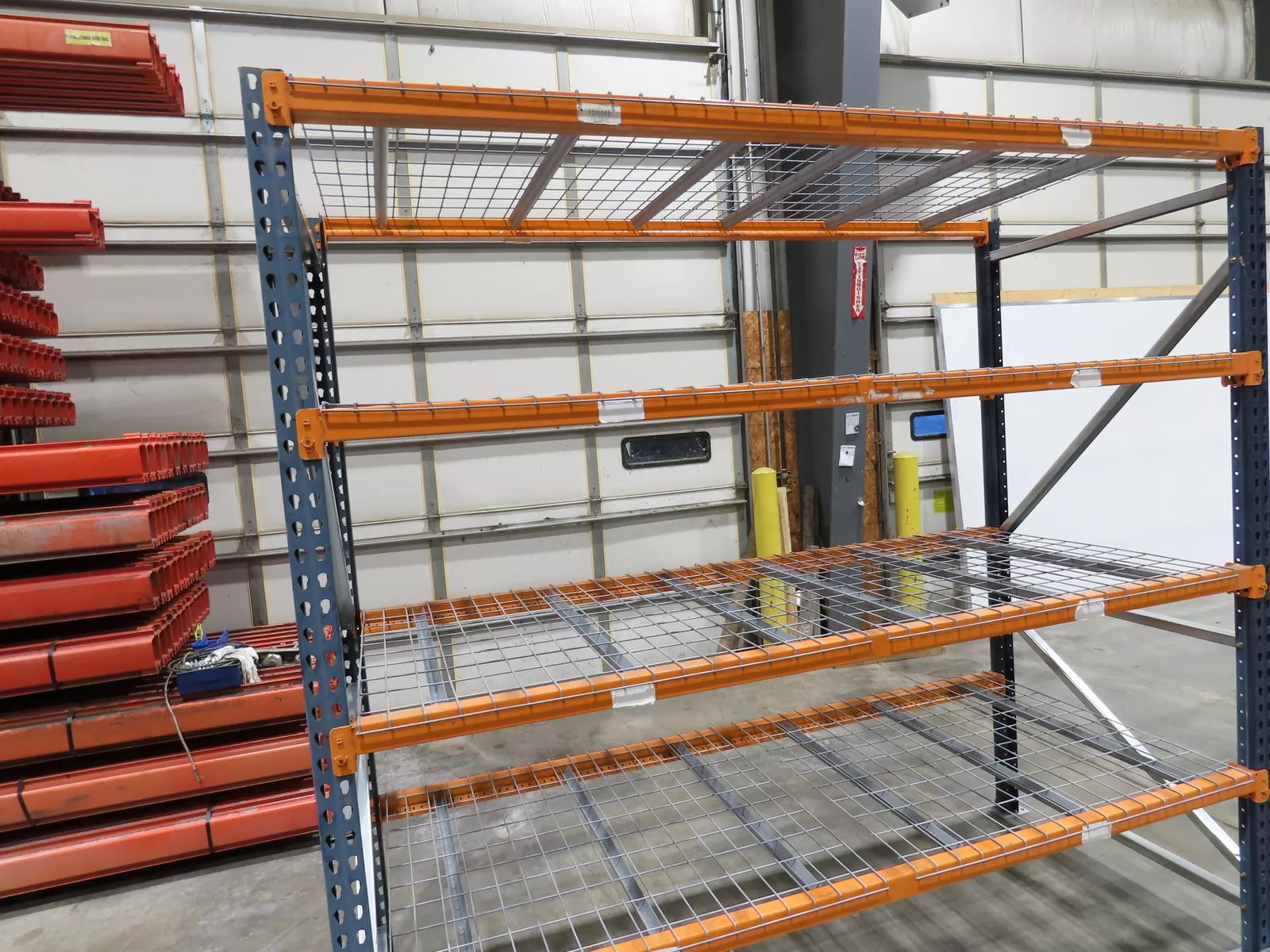
1. Upper Management: Leaders set the tone when it comes to safety culture. They are responsible for implementing comprehensive load rating policies that comply with industry standards. Companies like Boeing and General Motors have faced scrutiny recently for lapses in these safety protocols, illustrating that management’s commitment to load ratings isn’t just good practice—it’s often a matter of regulatory compliance. Regular training and investment in safety equipment, such as scales and load monitors, stem from this tier.
2. Safety Officers and Engineers: These specialists translate management policies into actionable practices. They conduct load assessments, monitor equipment for wear and tear, and ensure that load limits are not only visible but enforced. For example, construction firms, such as Turner Construction, employ rigorous standards for load calculations on their site machinery and structures to avoid accidents. Their engineers routinely inspect equipment and are proactive about addressing discrepancies.
3. Supervisors and Team Leads: While they may operate on the front lines, supervisors play a pivotal role in enforcing load ratings among team members. They are responsible for daily checks and should educate employees on the importance of adhering to these limits. For instance, in warehouse settings, a supervisor might conduct a weekly inventory of loads on vehicles to ensure compliance with weight specifications.
4. All Employees: Every individual has a role in maintaining safety standards. Beyond compliance, workers should be empowered to speak up if they see equipment being mishandled or overloaded. Companies that foster this kind of environment, akin to safety-first organizations like Toyota, see significantly fewer accidents.
In summary, maintaining load ratings is a collective responsibility. By embracing a culture where everyone is accountable and informed, businesses can protect their people and their bottom line. Now is the time to ensure that your organization isn’t just compliant but is also thriving in a safe and productive environment for all. The cost of negligence far outweighs the investment in a robust safety culture. Act now, or risk the consequences later.
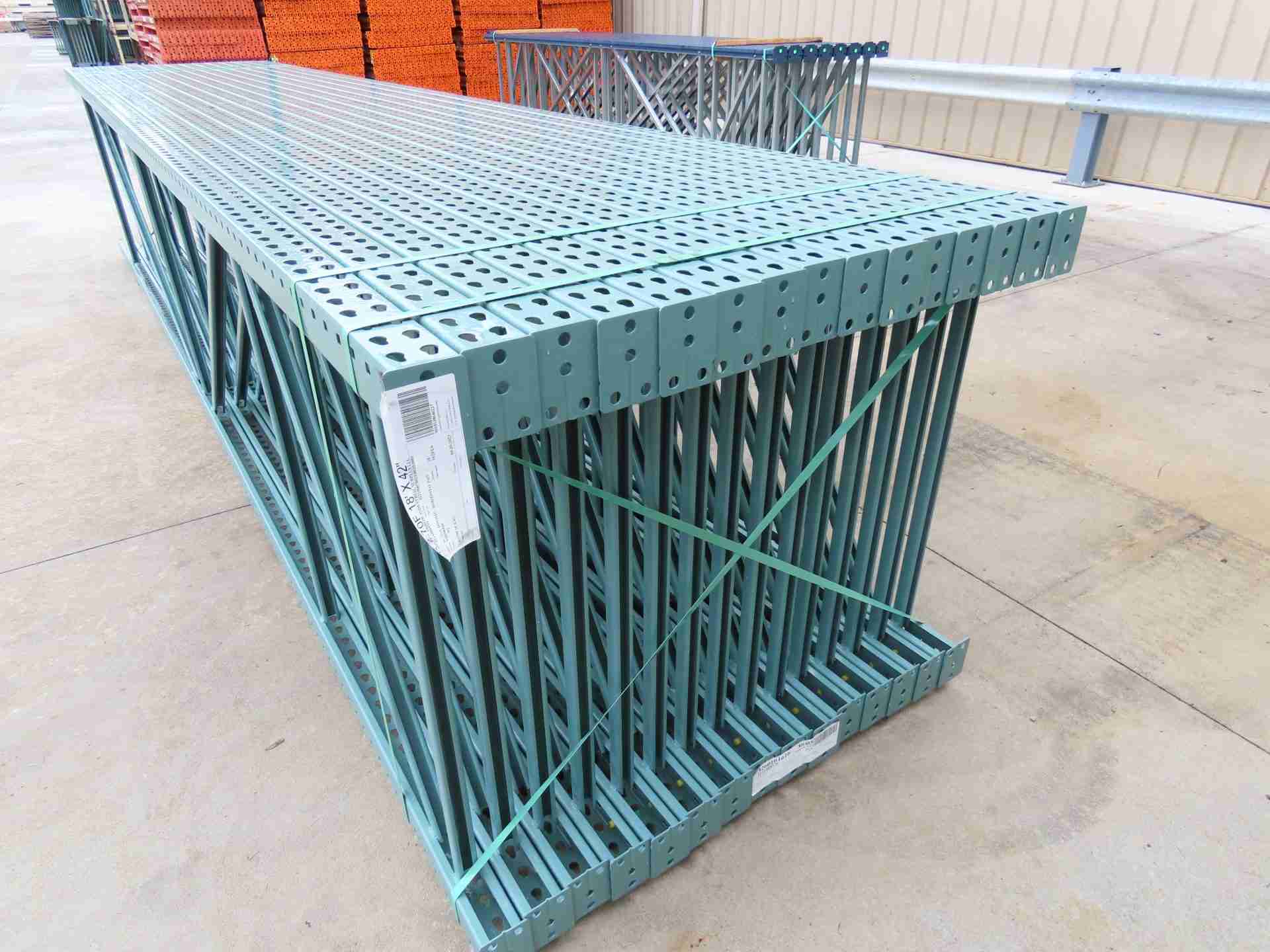
Who Is Responsible For Maintaining Load Ratings In A Workplace?
Who Is Responsible For Maintaining Load Ratings In A Workplace?
- Understanding load ratings is critical for operational success and safety in the workplace.
- Load ratings determine the maximum safe weight a structure, equipment, or system can support.
- Responsibility for maintaining load ratings spans multiple levels within an organization, from upper management to frontline workers.
- Upper management sets safety culture standards, implements load rating policies, and ensures regulatory compliance.
- Safety officers and engineers are responsible for load assessments, monitoring equipment, and enforcing load limits.
- Supervisors conduct daily checks and educate employees about load rating compliance to prevent accidents.
- All employees play a role in maintaining safety standards and should feel empowered to report unsafe practices.
Who Is Responsible For Maintaining Load Ratings In A Workplace?
How Do I Identify Signs Of Overloading In Storage Racks?
In today’s fast-paced business environment, efficiency is key — and it starts with your storage system. But how do you determine if your racks are bearing too much load? Overloading storage racks can lead to dangerous collapses, costly damages, and even injury to employees. Therefore, detecting the signs of strain is not just smart; it’s essential for the safety and efficiency of your operations.
1. Visibly Damaged Racks:
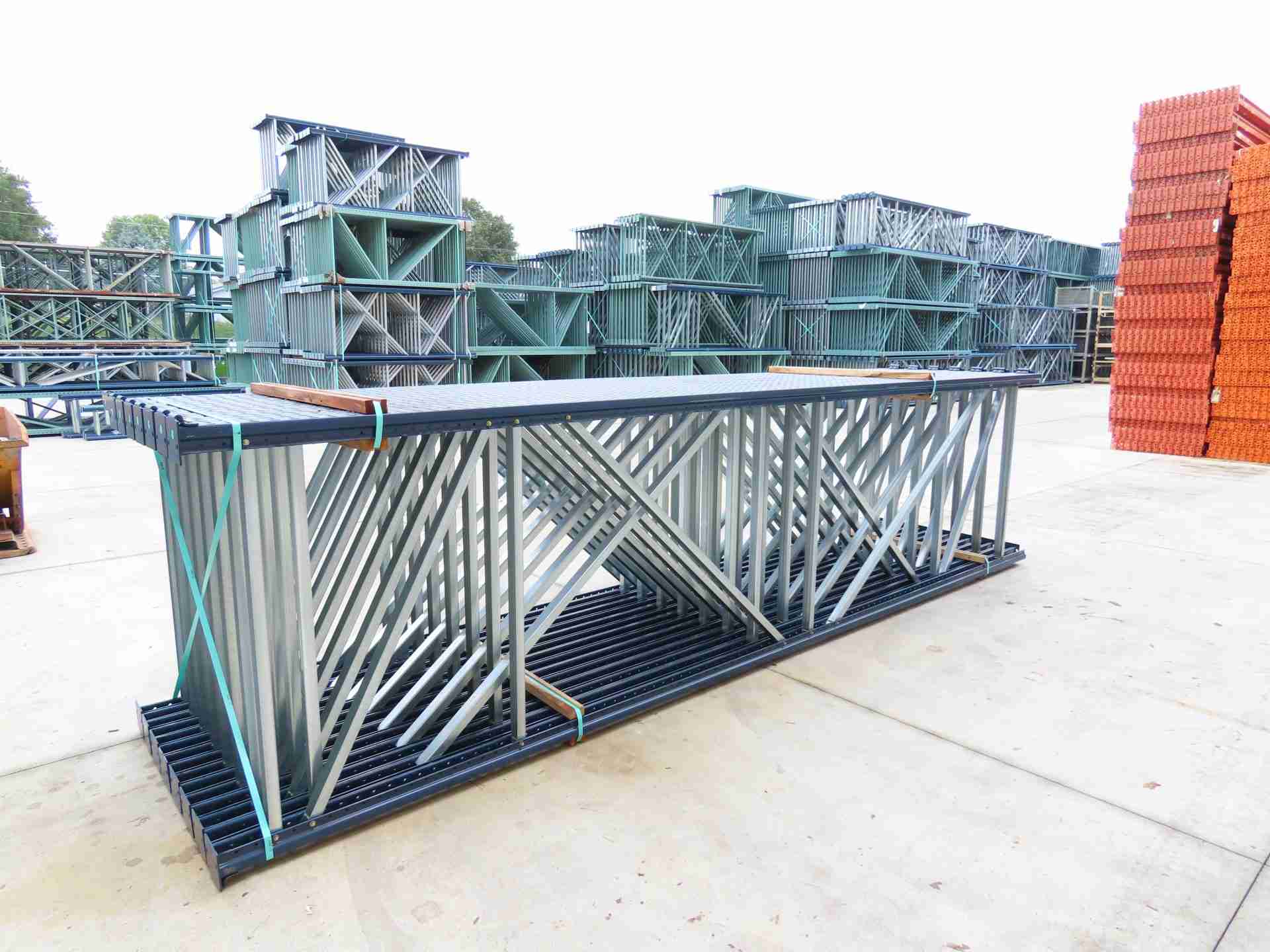
One of the first indicators of overloading is visible damage to the racks themselves. Look for bent beams, warped shelves, or other deformities. For example, if one of your racks appears to sag in the middle, it’s sending a clear signal that it’s overstretched. Such deformities can worsen over time, so don’t ignore them. In 2023, multiple case studies highlighted warehouses that suffered catastrophic failures due to longstanding issues that were simply overlooked.
2. Excessive Deflection:
When loading materials onto storage racks, be mindful of excessive deflection — the bending or drooping of the rack beams. The general rule of thumb is that beams should not sag more than an eighth of an inch under load. If you notice this bending, it’s time to lighten the load. Excessive deflection not only compromises the structural integrity of the racking system but can also lead to safety hazards.
3. Uneven Load Distribution:
Another sign of overloading is the uneven distribution of weight. If one side of your storage rack is considerably heavier than the other, this imbalance can destabilize the entire system. A common example is using a single row of storage for bulky items while neglecting less dense materials. Regular audits and adjustments can help mitigate these risks and enhance productivity.
4. Frequent Racking Issues:
If you’re encountering frequent issues — like fallen items or inconsistent alignment — consider it a red flag. These problems may not be merely operational hiccups; they could signify that your storage system is ill-equipped for its workload. In June 2023, several incidents were reported where facilities experienced significant disruptions due to overloaded racks collapsing during peak distribution periods.
5. Employee Feedback:
Sometimes, those closest to the situation can provide the best insight. If employees express concerns about the stability of racks or safety while retrieving items, address these issues immediately. Engaging your team can not only help prevent accidents but also foster a culture of safety.
Overloading your storage racks isn’t just a minor inconvenience — it could lead to severe consequences. By recognizing the signs of strain early and taking proactive measures, you ensure a safer, more efficient workspace that will allow your business to thrive. Remember, smart storage leads to smoother operations. Don’t let a preventable disaster derail your success!
How Do I Identify Signs Of Overloading In Storage Racks?
How Do I Identify Signs Of Overloading In Storage Racks?
- Visible damage to racks, such as bent beams or warped shelves, is a key indicator of overloading.
- Excessive deflection of beams, where sagging exceeds an eighth of an inch, compromises structural integrity and safety.
- Uneven load distribution can destabilize the racking system; regular audits can help balance weight appropriately.
- Frequent racking issues, like fallen items and misalignment, may signal that the system is overburdened.
- Employee feedback is crucial; concerns about rack stability should be addressed promptly to foster a safety culture.
- Ignoring signs of overloading can lead to dangerous collapses, costly damages, and potential injuries.
- Proactive measures for detecting strain help ensure a safer, more efficient workspace for business operations.
How Do I Identify Signs Of Overloading In Storage Racks?
Conclusion
When it comes to maintaining a safe, efficient workplace, understanding OSHA load ratings for storage racks is not merely optional—it’s essential. As businesses increasingly pivot to e-commerce and complex supply chains, the implication of these ratings can significantly affect operational integrity, employee safety, and compliance with regulations. The stakes are high; overlooking load ratings can lead to catastrophic failures, costly damages, and harm to your staff.
At Arrow Industrial Sales, we recognize the urgency in your need for clarity around load ratings. The process begins with understanding your specific rack system. Each type—whether selective, drive-in, or pallet flow—comes with its unique regulations and standards. Dive into your manufacturer’s specifications for accurate load capacities designed to ensure safety.
Awareness of OSHA guidelines is crucial, as these regulations exist not just as bureaucratic mandates but as genuine protectors of employee well-being. The Occupational Safety and Health Administration enforces these standards, safeguarding organizations from the dangers that come with overloading or improperly using storage racks. Regular inspections cannot be overlooked. By routinely assessing your racks for structural integrity and alignment, you can prevent potential mishaps and foster a culture of safety.
We encourage thorough documentation, which includes load rating charts, inspection records, and training logs for your workforce. Such records serve not just as compliance evidence but as tangible testaments to your commitment to safety and operational excellence. Furthermore, consider consulting with structural engineers who can provide tailored assessments to your unique needs.
Take advantage of the resources available, from industry standards to online educational tools, making it easier to navigate this complex terrain. If your racks fall short of the necessary load ratings, don’t hesitate to act. Develop a comprehensive upgrade plan to rectify these issues, safeguard your assets, and protect your team’s future.
Time is of the essence. Ensure your storage solutions are compliant and effective today! Call Arrow Industrial Sales at (574) 349-6575 to discuss how we can help you meet OSHA standards and enhance your operational efficiency. Don’t walk the tightrope of compliance; take the necessary steps now to create a safer, more productive environment for everyone. Remember, safety and profitability go hand in hand—make the right choice for your business today!
Conclusion
Conclusion:
- Understanding OSHA load ratings for storage racks is essential for maintaining safe and efficient operations.
- Overlooking load ratings can lead to catastrophic failures, costly damages, and employee harm.
- Different rack types (selective, drive-in, pallet flow) come with unique regulations—consult manufacturer specifications for accurate load capacities.
- Regular inspections of storage racks are crucial to maintaining structural integrity and ensuring safety.
- Documentation of load ratings, inspection records, and training logs demonstrates commitment to safety and compliance.
- Utilize available resources including industry standards and online tools to navigate load rating requirements effectively.
- Consider consulting structural engineers for tailored assessments and develop upgrade plans for racks that do not meet necessary load ratings.

Conclusion
Other Resources
Other Resources
Here is a list of other resources you can review online to learn more:
- “1910 | Occupational Safety and Health Administration”
- “pallet racking”
- “Pallet Racks”
- “Understanding OSHA Requirements for Warehouse Racking”
- “What Does OSHA Have to Say About Pallet Rack Safety?”
- “How to Anchor Pallet Racks to Be Safe and OSHA Compliant”
- “Warehouse Racking Safety Guidelines: Satisfying OSHA”
- “Pallet Racking Safety Guidelines: What They Are and How …”
- “Facilities Planning John A. White Yavuz A. Bozer JMA …”
Use This Prompt To Get More Resources With Your Favorite Online AI Tool: Please provide me with a list of online articles with their URLS in a bulleted list that I can read regarding How to Find OSHA Load Rating for Storage Racks?
Other Resources
Glossary Terms
How to Find OSHA Load Rating for Storage Racks? – Glossary Of Terms
1. OSHA: The Occupational Safety and Health Administration, a U. S. agency responsible for ensuring workplace safety and health standards.
2. Load Rating: The maximum weight that a structure, such as a storage rack, can safely support without failure.
3. Storage Rack: A structure used for storing goods and materials, available in various configurations, such as pallet racks or shelving units.
4. Pallet Rack: A type of storage rack designed to hold pallets of goods, commonly used in warehouses.
5. Static Load: The weight applied to a structure that does not change over time, contrasting with dynamic loads that fluctuate.
6. Dynamic Load: The weight of moving or changing items on a structure, which can include factors like impact or vibration.
7. Safety Factor: A design guideline that involves building extra strength into a structure to account for unforeseen loads and hazards.
8. ANSI: The American National Standards Institute, which develops safety standards for various equipment, including storage racks.
9. Manufacturer Specifications: Details provided by the manufacturer regarding the load capacity and safety requirements for storage racks.
10. Rack Inspection: A process of examining storage racks for signs of damage, wear, or misalignment to ensure they are safe for use.
11. Load Distribution: The way weight is spread out across a storage rack, crucial for maintaining balance and preventing tipping.
12. Beam Capacity: The load rating specific to the horizontal beams of a storage rack, which supports the items being stored.
13. Column Capacity: The maximum weight the vertical supports (columns) of a storage rack can support.
14. Deflection: The amount a structure bends or moves under load; excessive deflection can be a sign of overloading.
15. Weight Limit Signs: Posted notifications indicating the maximum load that a storage rack can safely hold, often required by safety regulations.
16. Forklift Safety: Guidelines for operating forklifts safely around storage racks to reduce the risk of accidents or damage.
17. Load Bar: A component used to measure the amount of weight being loaded onto a rack, ensuring it stays below the load rating.
18. Warehouse Management System (WMS): Software that helps manage inventory, storage locations, and load capacities in a warehouse environment.
19. OSHA Compliance: Adherence to OSHA regulations and standards regarding the safety and performance of workplace equipment.
20. Safety Inspections: Regular checks performed to ensure that storage racks and other equipment meet safety standards.
21. Load Testing: The process of applying weight to a storage rack to verify its load rating and structural integrity before use.
22. Spreader Bar: A device used to distribute weight more evenly across a storage rack during loading or unloading processes.
23. Impact Resistance: The ability of a storage rack to withstand sudden forces, such as those caused by a forklift collision.
24. Freestanding Racks: Storage racks that do not require bolting or anchoring to the floor, typically used for lighter loads.
25. Anchored Racks: Storage racks that are secured to the floor or wall for added stability, especially important for heavy loads.
26. Rack Alignment: The positioning of racks in a straight line, ensuring stability and efficiency in space utilization.
27. Cross Bracing: Diagonal support incorporated into the sides of a rack to enhance its structural integrity and stability.
28. OSHA Training: Courses designed to educate employees about workplace safety standards, including the use of storage racks.
29. Load Capacity Guidelines: Instructions and recommendations provided to ensure that storage racks are loaded safely according to their specifications.
30. Failure Mode: The manner in which a storage rack may break down or fail under excessive load, leading to potential safety hazards.
Glossary Of Terms
Other Questions
How to Find OSHA Load Rating for Storage Racks? – Other Questions
If you wish to explore and discover more, consider looking for answers to these questions:
- What are the specific OSHA regulations regarding load ratings?
- How do I know if my storage racks are compliant with OSHA standards?
- What are common mistakes made when determining load ratings?
- How can I train my employees to understand load ratings?
- What are the best practices for loading and unloading storage racks?
- How do environmental conditions affect the load ratings of storage racks?
- What types of inspections should I conduct on my storage racks?
- Can load ratings change over time, and how can I monitor them?
- What resources are available for training on storage rack safety?
- How do I document compliance with load rating standards?
Other Questions
Checklist
How to Find OSHA Load Rating for Storage Racks? – A Checklist
Compliance Checklist
1. Know Your Rack System
_____ [] Identify the type of storage racks you use (e. g. , Selective, Drive-In, Pallet Flow).
_____ [] Keep a catalog or digital resource of rack specifications handy for reference.
2. Review Manufacturer Specifications
_____ [] Locate and verify the load capacity labels on each rack.
_____ [] Ensure you have manufacturer guidelines for max load per level and total system capacity.
3. Familiarize with OSHA Regulations
_____ [] Review 29 CFR Part 1910 for general industry standards related to load capacities.
_____ [] Stay informed about updates and changes in OSHA regulations that may apply to your equipment.
4. Perform Regular Inspections
_____ [] Schedule annual inspections (or more frequently) of all storage racks.
_____ [] Document findings and take corrective actions if signs of wear, damage, or misalignment are found.
5. Ensure Proper Weight Calculation
_____ [] Accurately weigh all products stored on racks.
_____ [] Confirm that the combined weight of items does not exceed 80% of the maximum load rating.
6. Maintain Load Distribution
_____ [] Regularly check for even weight distribution across all shelves.
_____ [] Monitor for excessive deflection in rack beams (>1/8 inch) and take action if noted.
7. Consult Experts as Needed
_____ [] Engage a structural engineer or storage rack expert for assessments if you’re uncertain about load ratings or configurations.
_____ [] Consider getting professional audits for additional insights on durability and safety.
8. Update and Train Staff
_____ [] Organize training sessions on load capacities and safe handling practices for all employees.
_____ [] Produce documentation of training completion for compliance records.
9. Document Everything
_____ [] Keep a detailed log of inspections, maintenance, training, and load testing.
_____ [] Ensure that you have proper emergency and safety protocols documented as well.
10. Act on Changes Promptly
_____ [] Reassess load ratings after any major inventory changes or rack relocations.
_____ [] Implement an ongoing review process for load ratings as business operations evolve.
11. Stay Informed
_____ [] Subscribe to updates from organizations like ANSI and RMI for the latest standards and guidelines.
_____ [] Participate in webinars or workshops focused on load rating practices and warehouse safety.
Conclusion:
Completing this checklist regularly will help ensure that your storage racks are compliant with OSHA regulations, promoting a safer workplace for your employees and protecting your business from potential legal issues. Prioritize safety and operational integrity in your warehouse practices today!

Checklist
At RackingWorld, we help guide you through selecting warehouse storage systems and racking.
Be sure to read our other related stories at RackingWorld to learn more about warehouse storage systems.
0 Comments