
Stay Safe: The Importance Of Regular Racking Inspections
By Tom Seest
At RackingWorld, we help guide you through selecting warehouse storage systems and racking.
Be sure to read our other related stories at RackingWorld to learn more about warehouse storage systems.
Are Safety Violations In Your Racking System Putting Your Team At Risk?
When you hear the term “pallet racking,” what comes to mind? For many, it’s just another piece of warehouse equipment. But for those in the know, these systems are the backbone of a well-oiled operation—and their safety is paramount. Picture this: your team is hustling to meet deadlines, rows of pallets stacked high, creating a bustling atmosphere alive with energy. Yet, beneath that surface exists a chilling reality: safety violations in your racking system can quietly turn this vibrant workplace into a hazardous environment.
Imagine a scenario where a single oversight—a minor choice made to hastily stack an extra load or ignore a small dent—can lead to catastrophic consequences. Those hefty pallets, crucial to your inventory, don’t just represent products; they embody your colleagues’ well-being. Instinctively, we want our teams to thrive, to succeed, and to leave work at the end of the day with not just productivity under their belts but also without the shadow of avoidable risks lurking behind them.
As a leader in your organization, your commitment to safety and efficiency starts with investing in proper racking solutions. Ensuring that your pallet racking systems are up to code isn’t merely a checklist obligation; it’s a tangible way to show your team that their health and safety matter. Neglecting safety protocols can lead to downtime, injuries, and hefty fines—none of which you want to face. The stakes are simply too high.
So, how can you prevent those looming safety violations in your racking system? Start with a comprehensive audit. Get your team involved; empower them to spot potential hazards. Create a culture of safety where everyone feels they have a voice. Regular training sessions also bolster awareness, ensuring all staff are educated about best practices and can address issues before they escalate.
Commit to investing in quality racking systems that meet the highest safety standards. It’s not just a numbers game; it’s about fostering a resilient, caring environment. By prioritizing safety, you inspire confidence, trust, and a shared purpose within your team.
Remember, a safe workplace is not just about compliance; it’s about creating a legacy of care and respect for your most valuable asset—your people. Embrace safety as a core principle, and watch as your team not only meets targets but thrives beyond expectations. Don’t wait for a problem to arise; act today to transform your racking systems into champions of safety!
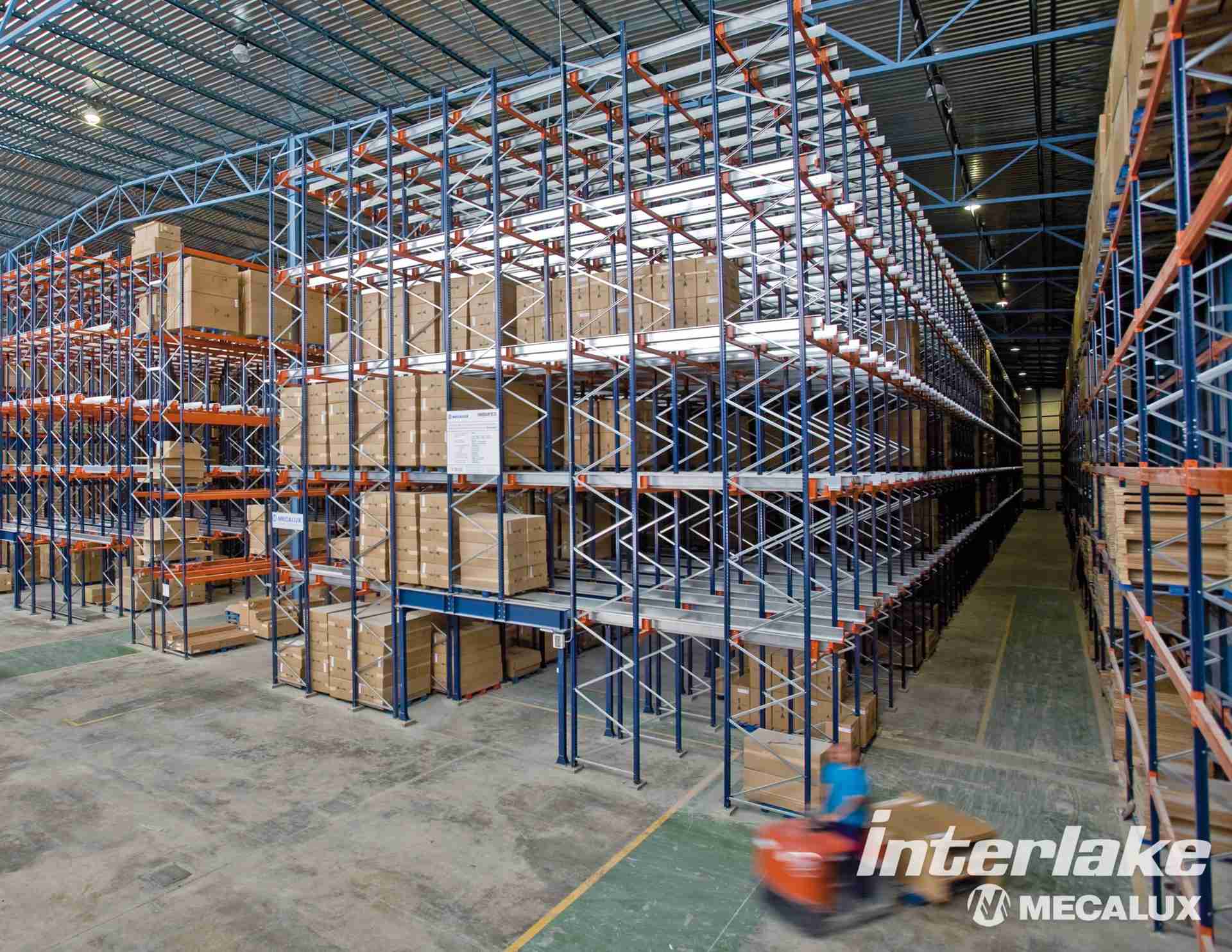
Are Safety Violations In Your Racking System Putting Your Team At Risk?
Are Safety Violations In Your Racking System Putting Your Team At Risk?
- Pallet racking systems are essential for efficient warehouse operations and prioritizing safety.
- Neglecting safety can transform a bustling workplace into a hazardous environment.
- A single oversight in stacking or maintenance can lead to serious safety violations.
- Investment in proper racking solutions shows commitment to employee health and safety.
- Conduct comprehensive audits and empower staff to identify hazards to foster a culture of safety.
- Regular training on best practices helps address potential issues before they escalate.
- Prioritizing safety creates a legacy of care and respect, inspiring confidence within the team.
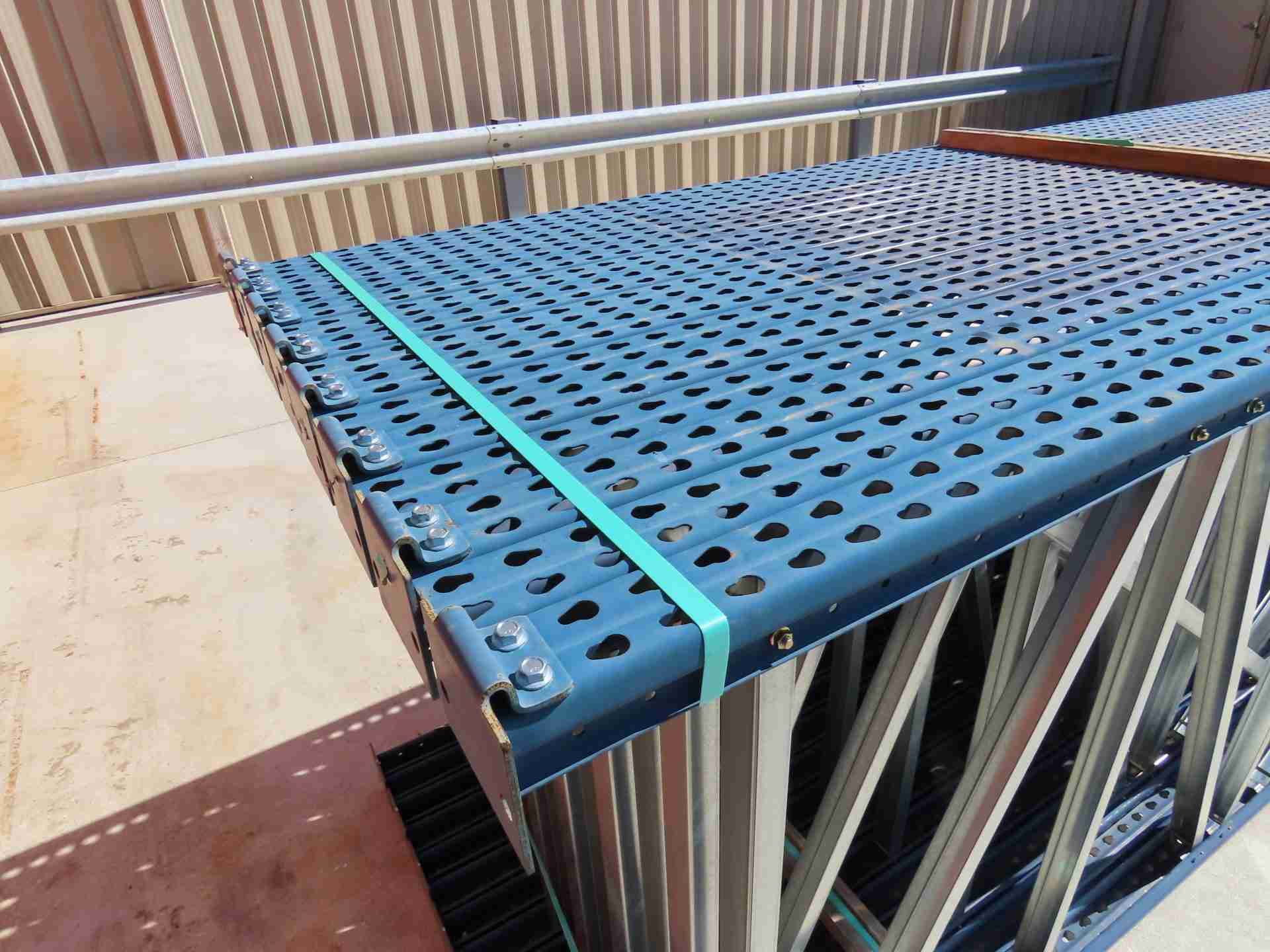
Are Safety Violations In Your Racking System Putting Your Team At Risk?
Table Of Contents
- Are Safety Violations In Your Racking System Putting Your Team At Risk?
- What Are Common Safety Violations In Racking Systems?
- How Can You Identify Potential Risks In Your Racking System?
- What Are The Consequences Of Safety Violations In Racking Systems?
- How Often Should Racking Systems Be Inspected For Safety Compliance?
- What Training Do Employees Need To Operate Racking Systems Safely?
- How Can You Improve Safety Procedures In Your Warehouse?
- Conclusion
- Other Resources
- Glossary Of Terms
- Other Questions
- Checklist
What Are Common Safety Violations In Racking Systems?
When it comes to warehouse safety, one of the unsung heroes of the operation is your pallet racking system. These steel structures may seem like simply shelves, but they hold the weight of your productivity and safety. Unfortunately, they often become the backdrop for common safety violations that can jeopardize both workers and inventory—violations that could easily be avoided with a little awareness and action.
Imagine walking into a warehouse bustling with activity. Forklifts whiz by, employees busily restock items, and there it is—the pallet racking. It’s essential to recognize that this vital equipment requires careful oversight. A staggering number of incidents stem from inadequate training. Warehouse teams that aren’t informed about proper loading techniques or weight limits are setting the stage for disaster. When pallets are overloaded or stacked incorrectly, not only is there a risk of falling items, but you could also damage the racking itself, leading to costly repairs and potential downtime.
Another key area where safety violations often occur involves the use of damaged racking systems. A simple visual inspection can save you from major headaches down the line. If you notice bent beams, missing safety pins, or any signs of wear and tear, your first instinct should be to act. Ignoring these warning signs isn’t just a poor business practice; it’s a dangerous gamble with your team’s safety and your inventory. Take the proactive step to regularly schedule inspections and maintenance, ensuring that your pallet racking is always in optimal condition.
Moreover, proper aisle spacing can fall victim to negligence. Often, the thrill of maximizing space leads to overcrowded aisles, which can create significant hazards during the fast-paced hustle of a busy warehouse. It’s vital to create clear pathways for both foot traffic and machinery. Your workers shouldn’t have to dodge obstacles while carrying out their tasks. A well-organized space fosters efficiency, promotes safety, and contributes to a more harmonious work environment.
Ultimately, addressing these common safety violations doesn’t just protect your employees; it safeguards your bottom line. A focus on safety and proper handling of your pallet racking enhances trust in your organization and sets a standard that resonates throughout your warehouse community. Remember, investing in safety is investing in the very fabric of your business. Let’s embrace this commitment to safety together!

What Are Common Safety Violations In Racking Systems?
What Are Common Safety Violations In Racking Systems?
- Pallet racking systems are crucial for productivity and safety in warehouses.
- Inadequate training on proper loading techniques and weight limits often leads to safety violations.
- Overloaded or improperly stacked pallets can cause falling items and damage to racking systems.
- Regular visual inspections of racking systems are essential to identify damage and prevent incidents.
- Proper aisle spacing is necessary to avoid overcrowded areas that pose hazards to workers and machinery.
- Addressing safety violations protects employees and the organization’s financial health.
- Commitment to safety promotes trust and sets a positive standard within the warehouse community.
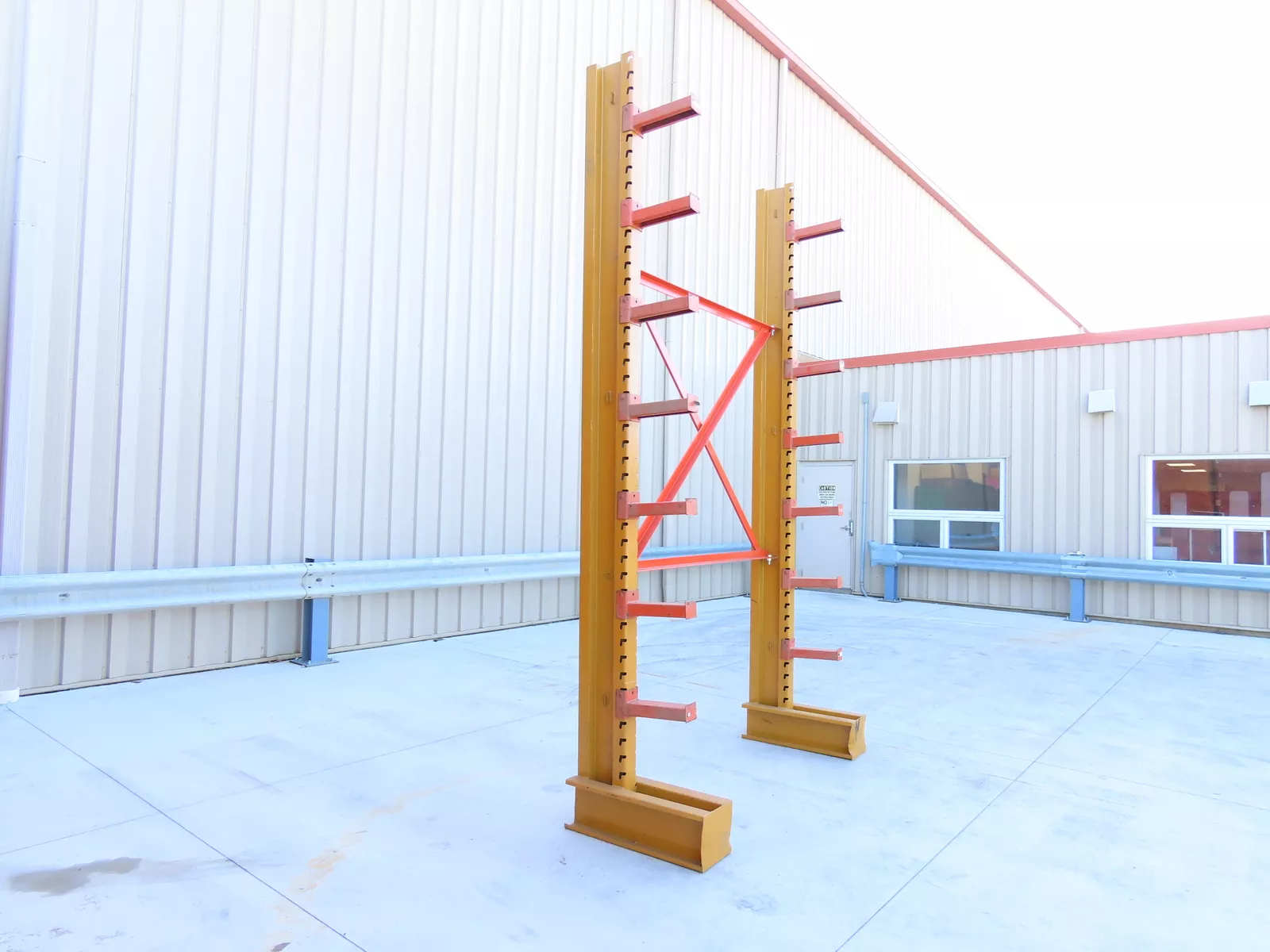
What Are Common Safety Violations In Racking Systems?
How Can You Identify Potential Risks In Your Racking System?
When it comes to the backbone of your warehouse — the pallet racking — identifying potential risks isn’t just a smart move; it’s essential. The safety of your operations hinges on this critical component, so let’s dive into a proactive approach that can safeguard your investments and offer peace of mind.
First, picture your bustling warehouse. Your employees are efficiently navigating around rows of towering pallet racks, expertly storing and retrieving products. But have you ever paused to consider what might go wrong? The good news is that identifying risks in your pallet racking system can be simpler than it sounds.
Start by conducting a thorough inspection of your racking systems. Look for signs of damage such as bent beams, cracked uprights, or misaligned rows. Just as you wouldn’t ignore a check engine light in your car, don’t overlook the subtle indicators that something might be amiss within your racking. Regular visual inspections pave the way for timely interventions before small issues snowball into costly catastrophes.
Next, engage your team. Your employees work around the racking daily; they are often the first to notice when something feels off. Create an open channel for them to report concerns, and encourage a culture of safety. This single step can empower your workforce — after all, who better to identify potential risks than those who interact with the system all day long?
Moreover, consider conducting regular training that focuses on the safe operation of pallet racking. Training not only equips your team with knowledge but instills a sense of responsibility toward maintaining a safe work environment. As a result, they become your first line of defense against potential hazards.
Technology can also play a pivotal role in identifying risks. Utilize inventory management software to help track and assess the load on each section of your racking. This data can shine a light on overloading situations that can lead to profound risks, allowing you to make informed decisions on weight limits and adjustments.
Recognizing potential risks in your pallet racking system isn’t just about compliance; it’s about fostering a culture of safety and efficiency within your organization. By engaging your team, conducting regular inspections, and utilizing technology, you’re not just protecting your assets — you’re building a foundation for future growth and success. Take action today, because a little vigilance today can prevent chaos tomorrow.

How Can You Identify Potential Risks In Your Racking System?
How Can You Identify Potential Risks In Your Racking System?
- Identifying potential risks in pallet racking is essential for warehouse safety.
- Conduct thorough inspections to look for signs of damage like bent beams and cracked uprights.
- Encourage employees to report concerns as they are often the first to notice issues.
- Create a culture of safety by engaging the workforce and empowering them to identify risks.
- Provide regular training focused on the safe operation of pallet racking to enhance team responsibility.
- Utilize technology, such as inventory management software, to assess load and prevent overloading.
- Recognizing risks fosters a safety culture, protecting assets and supporting future growth.
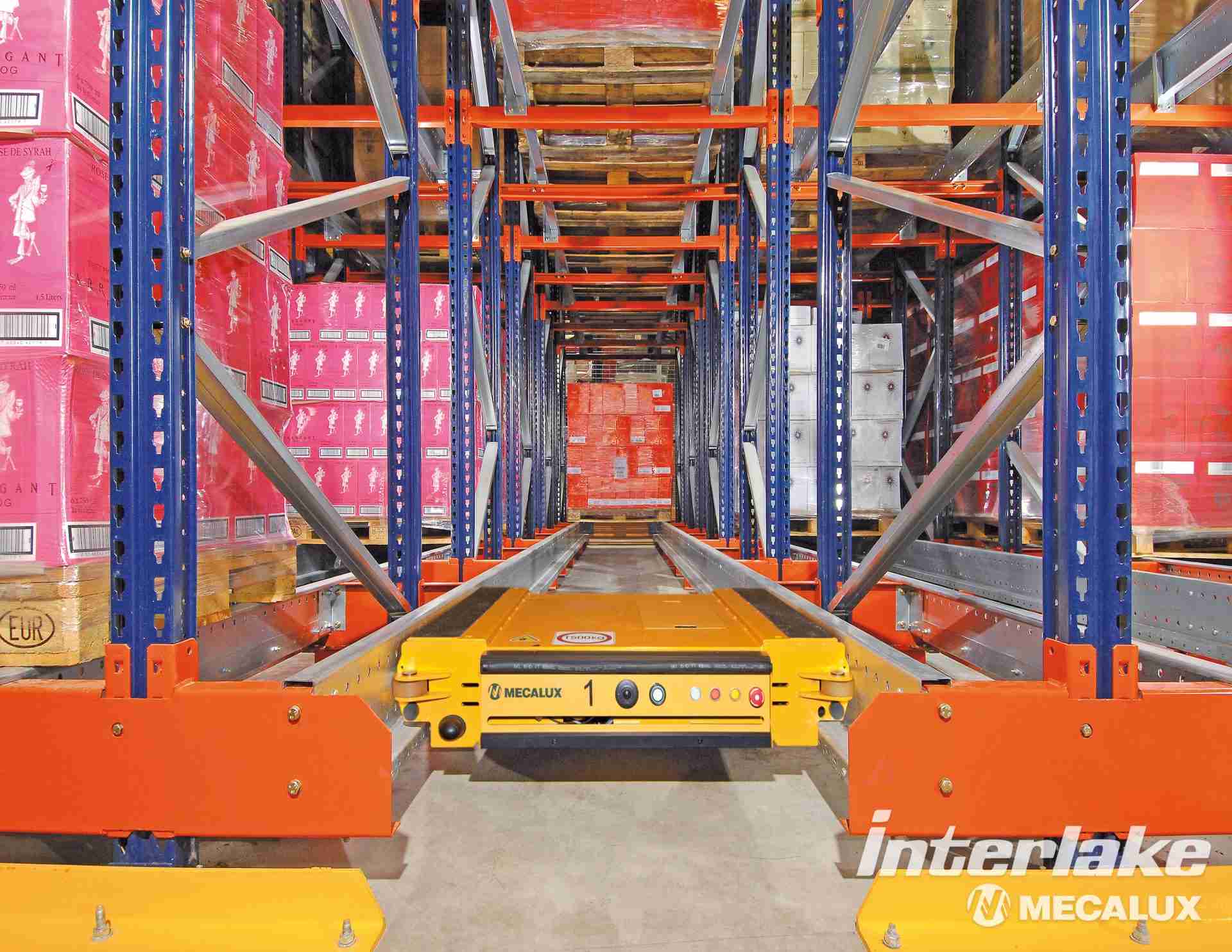
How Can You Identify Potential Risks In Your Racking System?
What Are The Consequences Of Safety Violations In Racking Systems?
When it comes to warehouse efficiency, few components are as crucial as your pallet racking systems. They’re the backbone of your operations, holding everything up and allowing you to maximize every inch of your valuable space. But what happens when safety violations creep into the picture? The consequences can be staggering and often exceed just the immediate impact on your workflow.
First and foremost, safety violations in pallet racking can lead to catastrophic accidents. Imagine your hard-earned inventory—crushed, damaged, or worse, causing injuries to your employees. The ripple effect of such incidents extends far beyond physical damage. You may face legal repercussions and hefty fines, while your reputation takes a significant hit. In today’s interconnected world, a single mishap can ripple through your network, eroding customer trust and prompting potential clients to seek out competitors who prioritize safety.
Now, let’s talk about the cost. The hidden expenses associated with safety violations can be astronomical. A damaged racking system may require expensive repairs or even complete replacements, not to mention the potential loss of revenue from downtime. Each moment your operation is halted represents lost profits and wasted potential. And if you think you’re immune because your facility has been running smoothly, think again; unchecked safety violations can fester like an unchecked wound, leading to a crisis when you least expect it.
Moreover, failing to uphold safety standards can cultivate a toxic workplace environment. Your employees are your greatest asset; when they feel unsafe, their morale drops. You might notice a decrease in productivity as workers become distracted, worried about their safety instead of focusing on their tasks. A culture of fear not only affects daily performance but can also escalate turnover rates and impact recruitment efforts.
The reality is simple: investing in safety is investing in your future. By prioritizing the integrity and compliance of your pallet racking systems, you not only protect your workforce but also lay the groundwork for sustainable growth. So take action now—conduct regular safety audits, train your staff, and ensure your pallet racking is up to code. The potential consequences of negligence are too severe to ignore; your business and your team deserve better. Let’s foster a culture of safety that uplifts everyone involved.
What Are The Consequences Of Safety Violations In Racking Systems?
What Are The Consequences Of Safety Violations In Racking Systems?
- Pallet racking systems are essential for warehouse efficiency, maximizing valuable space.
- Safety violations can lead to catastrophic accidents, damaging inventory and posing risks to employee safety.
- The repercussions of safety incidents include legal penalties, financial costs, and damaged reputation.
- Hidden expenses might include costly repairs, replacements, and lost revenue due to operational downtime.
- Unsafe work environments can lower employee morale, disrupt productivity, and increase turnover rates.
- Investing in safety measures for pallet racking systems safeguards employees and promotes sustainable growth.
- Regular safety audits, staff training, and compliance checks are crucial for maintaining a culture of safety.
What Are The Consequences Of Safety Violations In Racking Systems?
How Often Should Racking Systems Be Inspected For Safety Compliance?
In the bustling world of warehousing and logistics, safety compliance sometimes feels like a box we check off rather than a tangible commitment to our teams and our bottom line. The truth? It’s increasingly crucial—especially when it comes to critical components like pallet racking systems. These structures hold the very backbone of your inventory, and their integrity is not just vital—it’s non-negotiable.
So, how often should your pallet racking systems be inspected for safety compliance? The short answer is: regularly. But what does “regularly” really mean? It might be tempting to think that once a year is sufficient, aligned perfectly with your annual audit, but unfortunately, that’s not enough. Consider the myriad of variables at play: daily loading and unloading, equipment wear and tear, and even unnoticed impacts can all contribute to the degradation of your racking systems. Therefore, a proactive approach is essential.
Start by scheduling monthly visual inspections. A quick check can catch minor issues before they escalate into major safety hazards. Look for signs of damage or abnormal wear. Is there any bowing, bending, or other visible evidence of distress? Moreover, it’s vital to establish a system of documentation. Keep detailed notes—these not only provide a historical account of the condition of your pallet racking but also prove invaluable during compliance audits.
In addition to these regular checks, consider more in-depth inspections conducted by certified professionals. We recommend a thorough inspection at least once every six months. These experts know what to look for, reviewing your pallet racking for compliance with safety standards and identifying potential hazards that might slip past a casual glance.
Lastly, don’t forget the human element. Train your staff to be vigilant and aware of their environment. When employees feel empowered to report issues or abnormalities they notice, it fosters a culture of safety that pays dividends in the long run.
Committing to an effective inspection schedule for your pallet racking systems isn’t just about compliance; it’s about investing in the safety and well-being of your team and your operation. When your employees know that their workplace is secure, you’ll not only boost morale but also enhance productivity—and isn’t that the ultimate goal? Choose to prioritize safety today, and watch your operation flourish tomorrow.
How Often Should Racking Systems Be Inspected For Safety Compliance?
How Often Should Racking Systems Be Inspected For Safety Compliance?
- Safety compliance in warehousing should be a genuine commitment rather than a mere checkbox.
- Pallet racking systems are crucial for inventory integrity and require regular inspections.
- Annual audits alone are insufficient; a proactive approach is needed due to various wear factors.
- Schedule monthly visual inspections to catch minor issues before they escalate into major hazards.
- Document inspections to maintain a historical record and assist with compliance audits.
- Conduct thorough inspections by certified professionals at least every six months for safety compliance.
- Empower employees to report issues to foster a safety-first culture that enhances morale and productivity.
How Often Should Racking Systems Be Inspected For Safety Compliance?
What Training Do Employees Need To Operate Racking Systems Safely?
When it comes to ensuring the safety and efficiency of your warehouse operations, one vital component can often be overlooked: proper training for operating pallet racking systems. Far too many businesses assume that any employee can navigate these intricate structures, but the truth is, comprehensive training is both a necessity and an investment in your team’s well-being and your bottom line.
Imagine a day in the life of your warehouse. Products are flying off shelves, orders are being fulfilled, and your team is working in perfect harmony. But just one misstep—like mishandling a load on a pallet rack—can lead to costly accidents, injuries, or damaged goods. That’s where targeted training comes in.
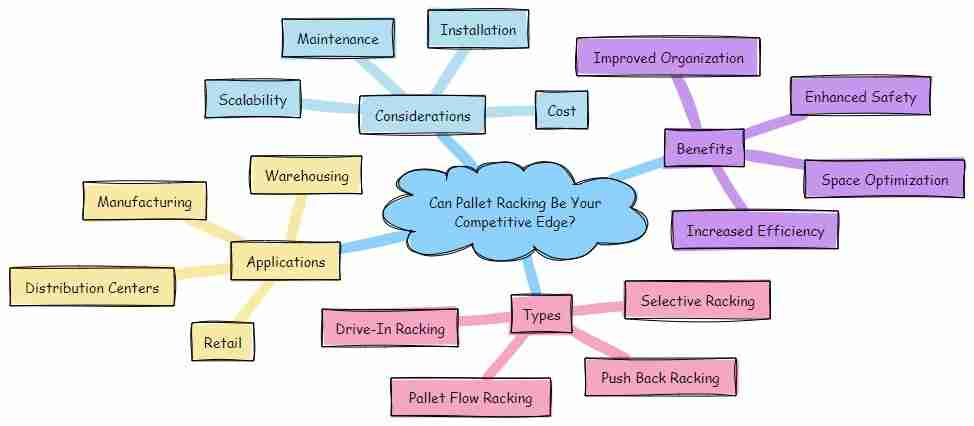
First and foremost, employees must understand the fundamentals of pallet racking systems. This includes learning about the different types of racking configurations and how to choose the appropriate system for specific loads. Knowledge about weight limits and load distribution is critical—after all, you wouldn’t pile your groceries in a single corner of your car, would you?
Equally important is teaching best practices for using equipment such as forklifts or pallet jacks. How many times have you seen someone zooming around in a warehouse, oblivious to the potential hazards? Proper training equips your employees to operate this equipment safely while maneuvering around pallet racks, reducing the likelihood of collisions and accidents.
Next, consider emergency protocols. Your team needs to know how to respond swiftly and effectively should anything go wrong. Did you know that many accidents can be avoided if a simple evacuation plan is in place? Training on emergency procedures can enhance confidence in your team, empowering them to act decisively in high-pressure situations.
Let’s not forget about regular refreshers. Safety isn’t a one-and-done lesson; ongoing training ensures that your team stays up-to-date on best practices and any new protocols that arise. In a world where regulations can shift, it’s crucial that your staff remains compliant with the latest safety standards.
Investing in thorough training for your employees not only mitigates risks associated with pallet racking systems, but also cultivates a culture of safety and teamwork. When your employees feel confident in their capabilities, the productivity levels soar, and the likelihood of accidents plummets.
So take the next step: assess your current training programs, identify gaps, and commit to a robust training protocol for your staff. You’ll rest easy knowing that your investment in safety is shaping a more secure future for everyone.
What Training Do Employees Need To Operate Racking Systems Safely?
What Training Do Employees Need To Operate Racking Systems Safely?
- Proper training for pallet racking systems is essential for warehouse safety and efficiency.
- Comprehensive training is an investment in employee well-being and overall business profitability.
- Employees must understand various racking configurations, weight limits, and load distribution fundamentals.
- Best practices for safely operating equipment like forklifts and pallet jacks are crucial to prevent accidents.
- Emergency protocols should be taught to ensure swift responses to any incidents, enhancing team confidence.
- Regular refreshers on safety practices are necessary to keep staff compliant with evolving regulations.
- Investing in thorough training fosters a culture of safety and teamwork, boosting productivity and reducing accidents.

What Training Do Employees Need To Operate Racking Systems Safely?
How Can You Improve Safety Procedures In Your Warehouse?
When it comes to running a successful warehouse, safety should never take a backseat. After all, your warehouse is more than just a collection of shelves and aisles; it’s a bustling hub where employees come together to move your business forward. And like any thriving ecosystem, it requires careful thought and proactive management—especially when it involves safety procedures. But how do you transform your operations from merely acceptable to industry-leading? Let’s explore some impactful strategies.
First, consider investing in quality pallet racking systems designed with safety in mind. The right racking can help you maximize vertical space, reduce clutter, and minimize accidents. Choose a system that not only supports your inventory needs but also has built-in safety features such as adjustable heights and load limits clearly marked. With a well-organized racking system, employees can easily find items without risking injury.
Next, implement an ongoing training program. Safety should be ingrained in your warehouse culture, not just a checklist item. Regular training sessions can empower your team to spot potential hazards and engage in preventive measures. You’ll foster a sense of accountability among your staff while reinforcing the idea that safety is a shared responsibility. Encourage open discussions and invite suggestions; after all, your employees are on the ground and can offer invaluable insights that you may have overlooked.
Another essential aspect is conducting routine safety audits. Regular check-ins can help identify areas for improvement and ensure compliance with safety regulations. Make it a team effort by involving your staff in the audit process. This not only reinforces the importance of safety but also creates a culture where everyone feels like a stakeholder in maintaining a secure environment.
Don’t underestimate the power of signage and visual reminders. Brightly colored safety signs, floor markings, and clear labels can serve as constant reminders of safety protocols. Whether it’s marking safe pathways around pallet racking or highlighting emergency exits, these visual cues make safety a part of the everyday workflow.
Lastly, take the time to foster a safety-first mindset. Share success stories of safety improvements and celebrate milestones as a team. When employees see leadership actively prioritizing safety, they are more likely to adopt similar behaviors.
By embracing these strategies, you will not only improve safety procedures but also cultivate an atmosphere of trust and confidence. Let’s make your warehouse not just a place of work but a sanctuary of safety where everyone can thrive. Take action today, and watch your operations flourish!
How Can You Improve Safety Procedures In Your Warehouse?
How Can You Improve Safety Procedures In Your Warehouse?
- Safety is crucial in running a successful warehouse and should be prioritized.
- Invest in quality pallet racking systems that maximize space and incorporate safety features.
- Implement ongoing training programs to promote a culture of safety among employees.
- Conduct routine safety audits with team involvement to identify improvement areas.
- Use signage and visual reminders to reinforce safety protocols within the warehouse.
- Foster a safety-first mindset by sharing success stories and celebrating milestones.
- Embrace these strategies to create a trusting, confident, and safe working environment.

How Can You Improve Safety Procedures In Your Warehouse?
Conclusion
In the dynamic realm of warehousing, your pallet racking systems are vital to not only operational success but also to the safety of your team. With numerous safety violations lurking, they can jeopardize your business by leading to catastrophic incidents, costly downtime, and a tarnished reputation. But the good news is that you have the power to transform your racking systems into champions of safety and efficiency.
Throughout this discussion, we’ve established the need for proactive measures. Regular inspections, comprehensive employee training, and a culture of safety must become your non-negotiables. By appointing a dedicated team to audit your racking systems frequently, you can nip potential hazards in the bud. Empower your employees to voice concerns; they are your front line in spotting risks. Their insights can illuminate gaps in your safety protocols that you might overlook.
Investing in quality racking solutions that comply with safety standards is an essential step toward creating a resilient workplace. When your team knows that their well-being matters, morale heightens, productivity flourishes, and ultimately, your bottom line benefits. This isn’t merely about compliance; it’s about creating a legacy. A legacy rooted in care, mutual respect, and a commitment to excellence.
Now, urgency is key. Each moment that passes without action increases the risk of safety violations that could cost you dearly. A simple overlooked dent or improper load can escalate into a dangerous situation that places your employees at risk, jeopardizes your operations, and threatens your hard-earned profits.
Don’t let another day slip by without evaluating your racking systems for safety compliance. Take actionable steps today by calling Arrow Industrial Sales at (574) 349-6575 to discuss safety solutions tailored to your specific needs. Your team’s safety, the efficiency of your operations, and your reputation as a leader in warehouse management depend on it!
Seize the opportunity to lead by example, prioritize safety, and transform your work environment for the better. Because in the end, a safe workplace isn’t just an obligation; it’s the foundation upon which successful operations are built. Embrace this commitment and watch as your team not only meets the targets but exceeds them while thriving in a culture of safety and excellence!
Conclusion
Conclusion:
- Pallet racking systems are crucial for operational success and team safety in warehousing.
- Safety violations can lead to catastrophic incidents, costly downtime, and a damaged reputation.
- Proactive measures such as regular inspections, comprehensive employee training, and a safety culture are essential.
- Appointing a dedicated team to audit racking systems can help identify and address potential hazards early.
- Investing in quality, compliant racking solutions boosts morale, productivity, and overall business success.
- Urgent action is needed to prevent safety violations that could jeopardize employee safety and profits.
- Contact Arrow Industrial Sales to discuss tailored safety solutions today.

Conclusion
Other Resources
Other Resources
Here is a list of other resources you can review online to learn more:
- Warehouse Racks, Warehouse Racking in Stock – ULINE
- Heavy-Duty Cantilever Storage Racks
- Mustang Material Handling
- BMH
- Chicago Pallet Racking
- Pallet Racking 101: A Comprehensive Guide & Options Explained
- The Ultimate Pallet Racking Guide – Speedrack West
- American Society of Safety Professionals
- Cantilever Rack Guide: Ordering Cantilever Racking
- Selective Racking
Use This Prompt To Get More Resources With Your Favorite Online AI Tool: Please provide me with a list of online articles with their URLs in a bulleted list that I can read regarding Are Safety Violations In Your Racking System Putting Your Team At Risk?
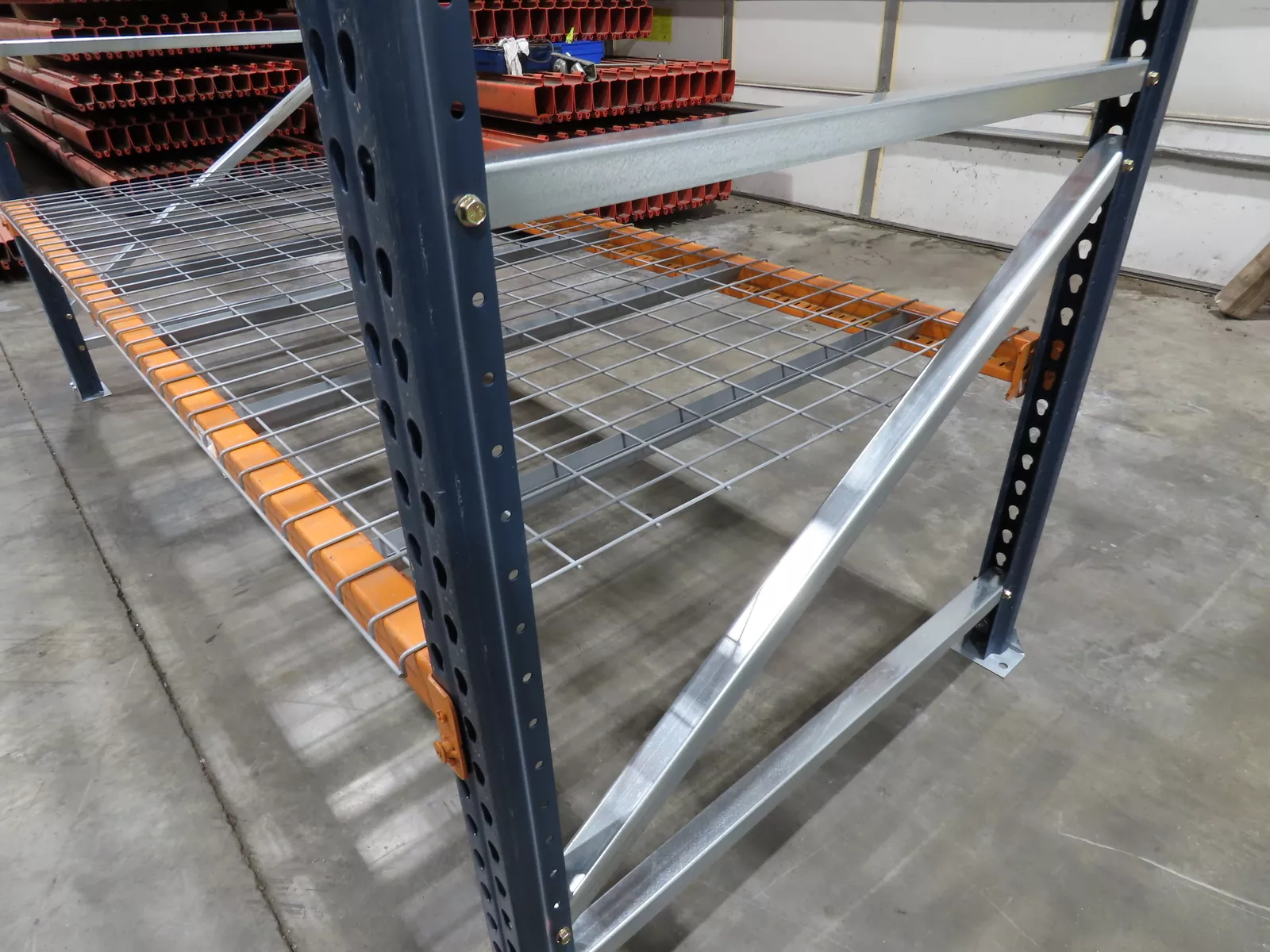
Other Resources
Glossary Terms
Are Safety Violations In Your Racking System Putting Your Team At Risk? – Glossary Of Terms
1. Racking System: A framework used to store goods in warehouses or distribution centers, often consisting of shelves and beams that hold pallets of products.
2. Safety Violation: A breach of established safety regulations or protocols that can lead to hazards for workers and products.
3. Load Capacity: The maximum weight that can be safely stored on a racking system without risk of failure.
4. Pallet: A flat structure used to support goods in a stable manner while they are being lifted by a forklift or other equipment.
5. Forklift: A powered industrial vehicle used to lift and move materials over short distances.
6. Inspection: A systematic examination of racking systems to identify potential safety risks or compliance issues.
7. Compliance: Adherence to safety standards and regulations set by organizations such as OSHA (Occupational Safety and Health Administration).
8. Risk Assessment: The process of identifying potential hazards associated with racking systems and evaluating the likelihood of occurrence.
9. Ergonomics: The study of people’s efficiency in their work environment, particularly concerning the design and arrangement of workspaces to minimize strain.
10. Stability: The capability of a racking system to remain upright and secure under specified loads and conditions.
11. Aisle Width: The spacing between racking systems, which must allow safe and effective movement of equipment and personnel.
12. Forklift Tip-over: A dangerous situation in which a forklift becomes unstable and tips over, often caused by improper load handling or racking layout.
13. Safety Training: Instruction provided to employees about proper handling, safety protocols, and emergency procedures concerning racking systems.
14. Load Distribution: The way weight is spread across a racking system, which is critical for maintaining balance and stability.
15. Overloading: Placing more weight on a racking system than its maximum load capacity, leading to structural failure or collapse.
16. Inspection Checklist: A document used to systematically evaluate the safety and condition of racking systems during inspections.
17. Pallet Rack: A type of storage system specifically designed to hold pallets in warehouses and distribution centers.
18. Weight Limits: Specific maximum weights defined for materials stored within a racking system to ensure safety and integrity.
19. Safety Guardrails: Physical barriers installed around racking systems to prevent accidental falls of goods or personnel.
20. Workbench Clearance: The space needed for safe operation around racking systems, ensuring that equipment and personnel can move freely.
21. Emergency Protocols: Established actions to be taken in case of a safety incident related to racking systems or any equipment failures.
22. Hazardous Materials: Substances that require special attention when stored to prevent accidents or health risks, affecting racking system usage.
23. Inventory Management: The systematic control of stock levels in a racking system, ensuring safe access and organization.
24. Bays: Openings or sections within a racking system designed to hold goods or pallets.
25. Moving Hazards: Risks associated with the movement of forklifts and other machinery around racking systems, which can cause accidents.
26. Structural Integrity: The ability of a racking system to hold load over time without failure, ensuring safety for stored materials and workers.
27. Signage: Visual warnings or instructions placed near racking systems to communicate safety guidelines and load limits.
28. Access Routes: Designated paths for personnel and equipment to safely navigate around racking systems.
29. Accident Report: A formal document that outlines any incidents involving racking systems, used for analysis and future prevention.
30. Preventive Maintenance: Regular maintenance tasks performed to ensure racking systems remain in safe and efficient working condition.
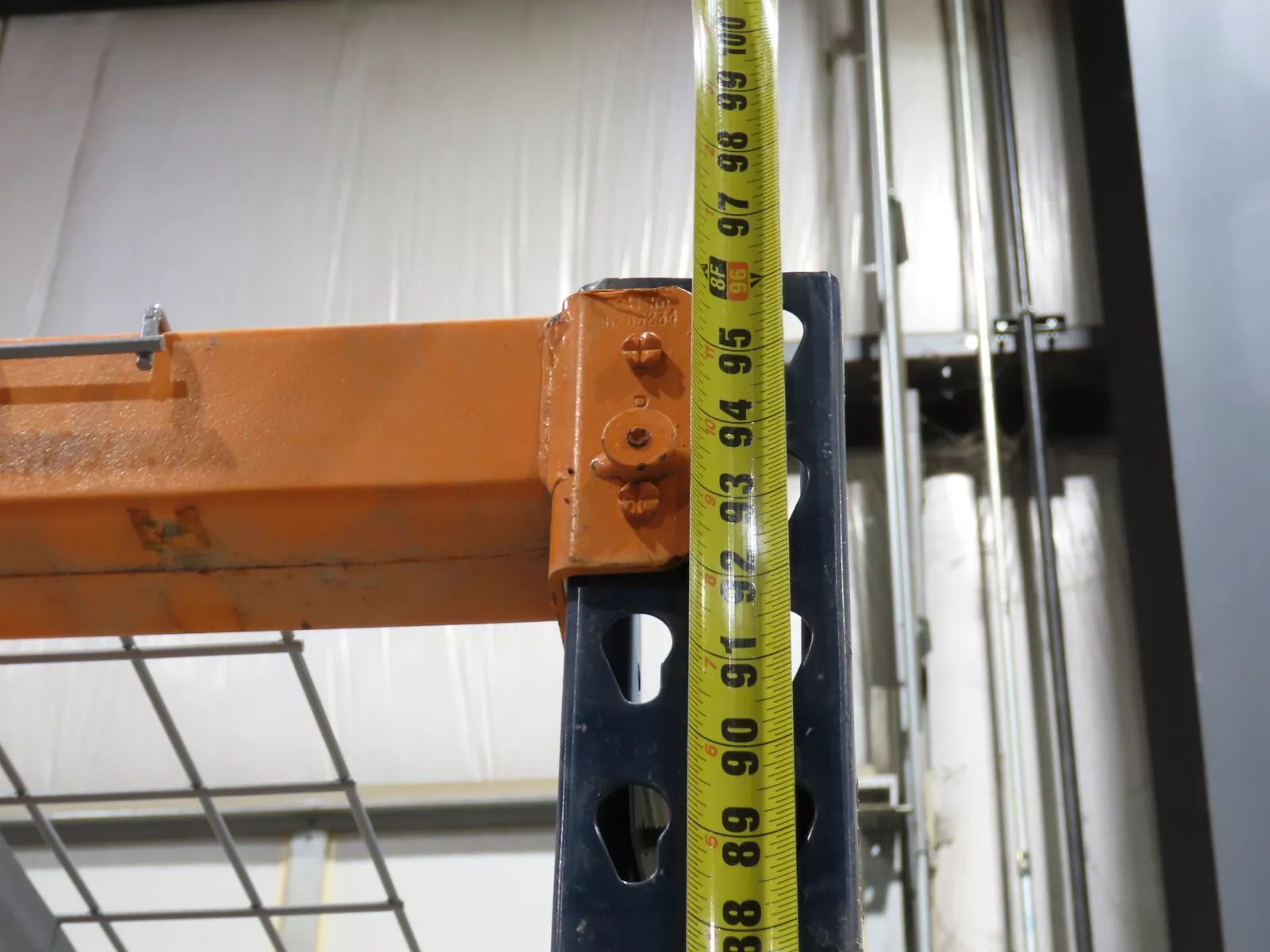
Glossary Of Terms
Other Questions
Are Safety Violations In Your Racking System Putting Your Team At Risk? – Other Questions
If you wish to explore and discover more, consider looking for answers to these questions:
- What are the specific safety standards for pallet racking systems?
- How do I conduct a thorough inspection of my pallet racking system?
- What should I do if I find a safety violation in the racking system?
- Are there specific training programs available for racking system operations?
- What are the legal repercussions of safety violations in the workplace?
- How can technology aid in enhancing racking system safety?
- What role does employee feedback play in improving safety practices?
- How can we create a culture that prioritizes safety in our warehouse?
- What signs indicate that a racking system needs to be replaced?
- How can I effectively communicate safety protocols to my team?
- What are the best practices for load distribution on pallet racks?
- How can I assess the effectiveness of our current safety procedures?
- What are the costs associated with safety violations beyond fines?
- Who should be responsible for overseeing racking system safety?
- What are common misconceptions about racking system safety?
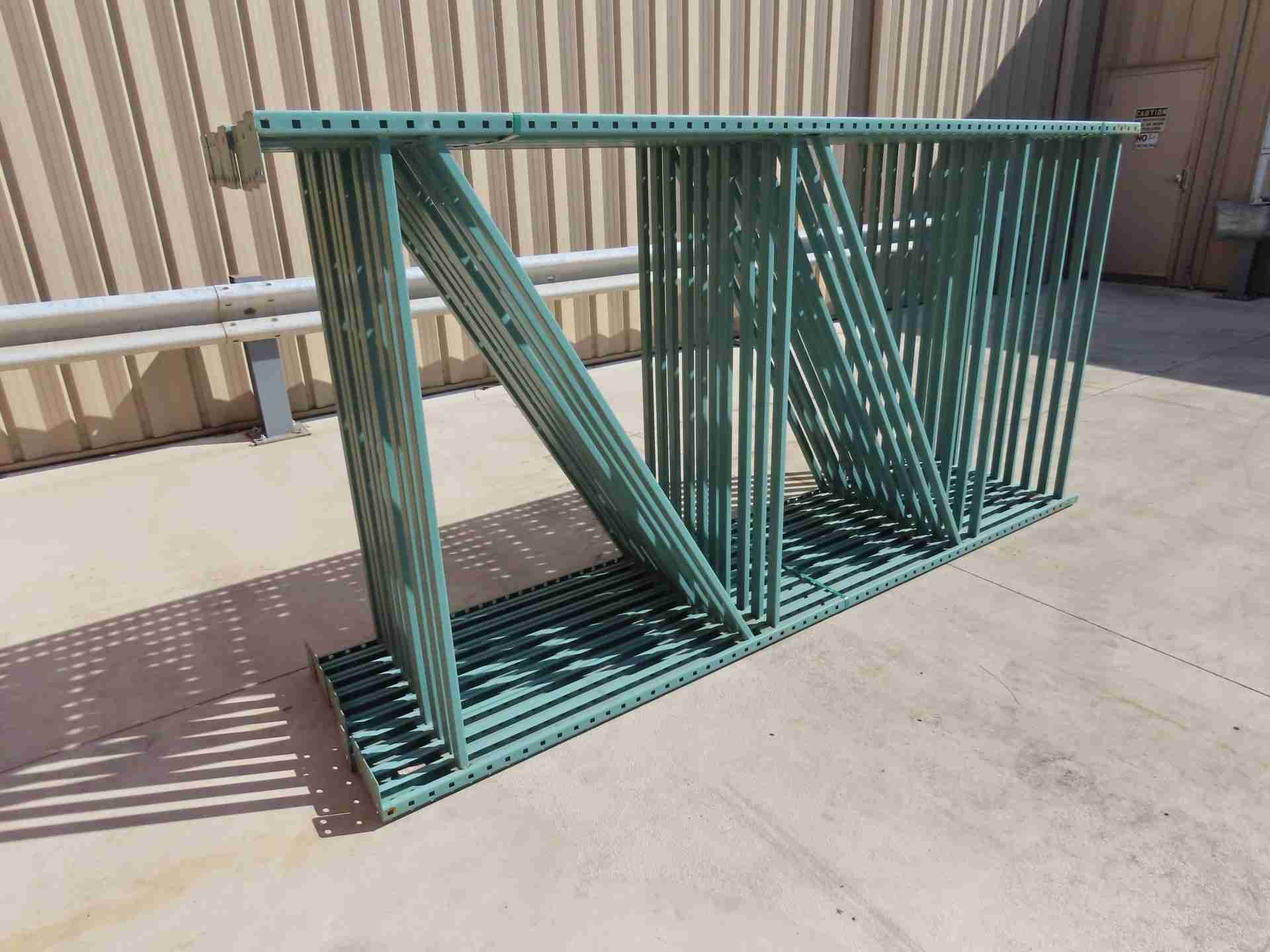
Other Questions
Checklist
Are Safety Violations In Your Racking System Putting Your Team At Risk? – A Checklist
Personal Commitment to Safety:
_____ Foster a culture of safety within your organization.
_____ Ensure that safety protocols are communicated to all team members.
_____ Lead by example and prioritize safety in everyday operations.
Regular Inspection Schedule:
_____ Schedule monthly visual inspections of all racking systems.
_____ Conduct thorough inspections by certified professionals every six months.
_____ Document all inspections, including findings and corrective actions taken.
Employee Training:
_____ Provide comprehensive training on the basics of pallet racking systems.
_____ Educate employees about weight limits and load distribution.
_____ Implement training for safe operation of equipment like forklifts and pallet jacks.
_____ Regularly refresh training to keep employees updated on safety protocols.
Identify and Report Risks:
_____ Encourage employees to report any signs of damage or unusual wear in racking systems.
_____ Foster open communication for staff to share safety concerns.
_____ Establish a system for tracking and addressing reported issues.
Safety Audit Practices:
_____ Involve staff in conducting routine safety audits.
_____ Create a checklist for safety audits to ensure comprehensive coverage.
_____ Use audit findings to improve safety processes and compliance measures.
Signage and Visual Aids:
_____ Install clear signage to indicate safety protocols around racking systems.
_____ Use floor markings to establish safe pathways for foot and equipment traffic.
Emergency Preparedness:
_____ Train all employees on emergency protocols and evacuation plans.
_____ Conduct emergency drills to practice safety responses.
Review and Improve Systems:
_____ Regularly assess the racking system’s design and configuration for safety improvements.
_____ Invest in high-quality racking systems that meet safety standards.
Safety Mindset:
_____ Share success stories of improved safety practices with your team.
_____ Celebrate milestones and achievements in safety compliance.
Action Plan:
_____ Commit to continuous improvement in safety practices.
_____ Schedule follow-up meetings to review safety protocols and make necessary adjustments.
Final Reminders:
_____ Stay informed about industry standards and regulations related to racking systems.
_____ Remember that safety is not just compliance; it’s a commitment to your team’s wellbeing.
By conducting regular inspections and training, promoting open communication, and fostering a safety-first mindset, you can prevent accidents and create a thriving work environment. Take action today!
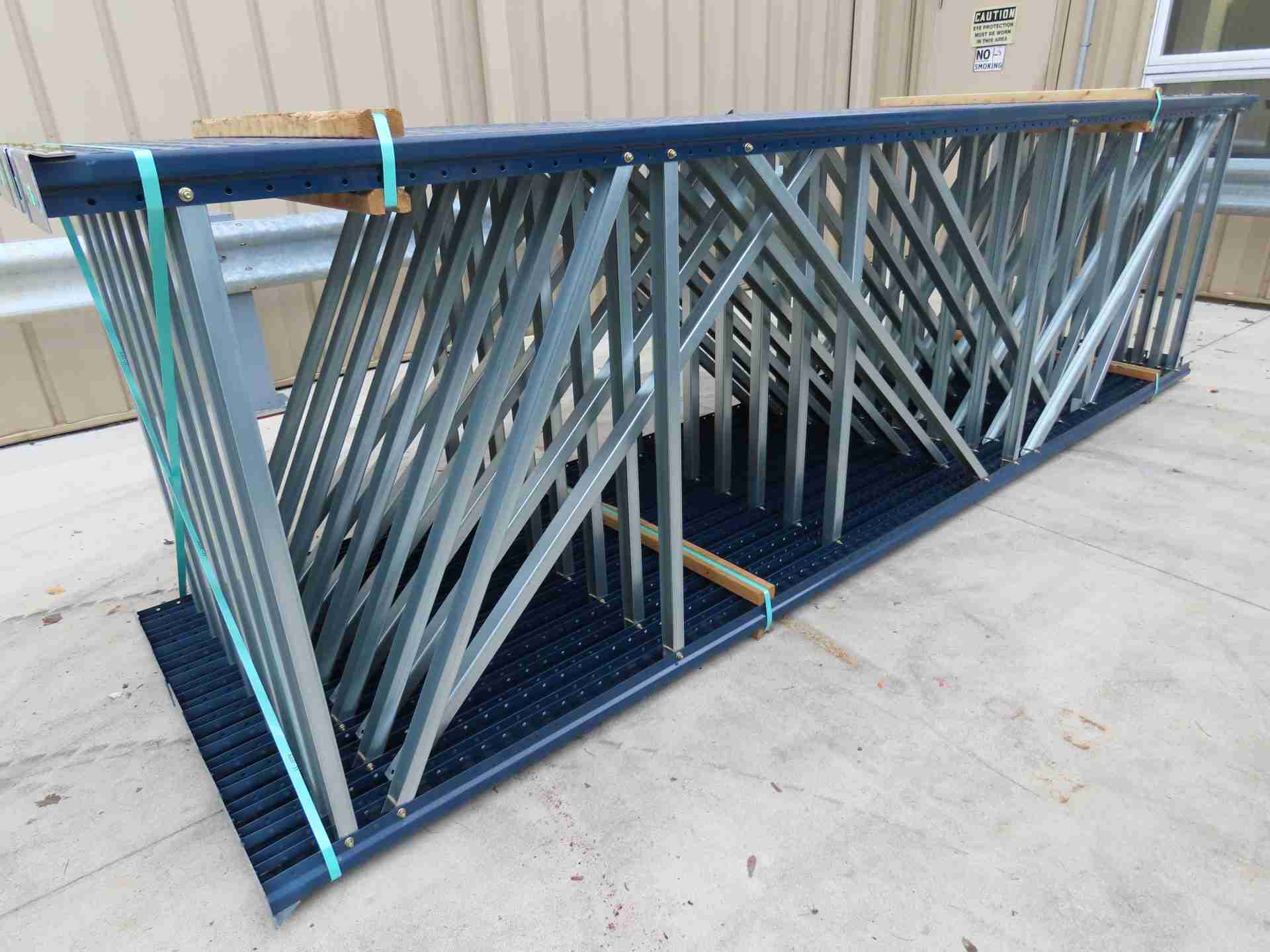
Checklist
At RackingWorld, we help guide you through selecting warehouse storage systems and racking.
Be sure to read our other related stories at RackingWorld to learn more about warehouse storage systems.
0 Comments