
Unlocking The Cutting-Edge Trends In Pallet Racking
By Tom Seest
At RackingWorld, we help guide you through selecting warehouse storage systems and racking.
Be sure to read our other related stories at RackingWorld to learn more about warehouse storage systems.
What Is The Latest In The Pallet Racking World?
In a fast-paced world where efficiency and innovation reign supreme, pallet racking solutions are not just keeping up; they’re redefining industry standards. As businesses continuously seek ways to optimize their logistics and warehouse management, the latest trends in pallet racking reflect an adaptive and forward-thinking marketplace that caters to diverse operational needs.
One significant development is the introduction of dynamic racking systems. These systems leverage advanced technology to enhance the flow of goods within warehouses. Consider companies like Amazon and Walmart, which have integrated high-density storage solutions that allow for maximum use of vertical space while minimizing manual handling. This is not just about saving space; it’s about streamlining pick paths and reducing time spent on order fulfillment—a critical factor as e-commerce demand soars.
Another trend gaining traction is the deployment of automated storage and retrieval systems (AS/RS). These tech-savvy solutions utilize robotics and AI to move products directly from storage to picking positions, drastically increasing operational efficiency and accuracy. For instance, a recent deployment by a major player in the beverage industry saw a 30% reduction in labor costs after implementing an AS/RS integrated with their existing pallet racking systems. The immediate ROI is hard to ignore, and as more companies recognize the potential, expect to see an exponential growth in automated solutions.
Climate considerations are also shaping the pallet racking landscape. As sustainability becomes a priority, more businesses are opting for eco-friendly materials in their racking systems. For example, manufacturers are now offering racking options made from recycled steel or other sustainable materials, coupled with energy-efficient lighting to reduce overall carbon footprints. This eco-conscious approach not only appeals to environmentally-minded consumers but often results in significant cost savings over time.
Additionally, versatility is more important than ever. Customizable pallet racking systems that can be easily adjusted or expanded are in demand. Companies like Interlake Mecalux are already showcasing their ability to provide tailored solutions that adapt to changing inventory and business models—essential for businesses looking to navigate an unpredictable market.
The pallet racking world is witnessing a perfect storm of innovation, with technology, sustainability, and adaptability at the forefront. As industry leaders embrace these advancements, they are not just reaping immediate benefits but are also setting their organizations up for long-term success in an ever-evolving landscape. Whether you’re a small business adjusting to new demands or a large corporation optimizing for efficiency, the latest in pallet racking provides tools that can elevate your operations to new heights.
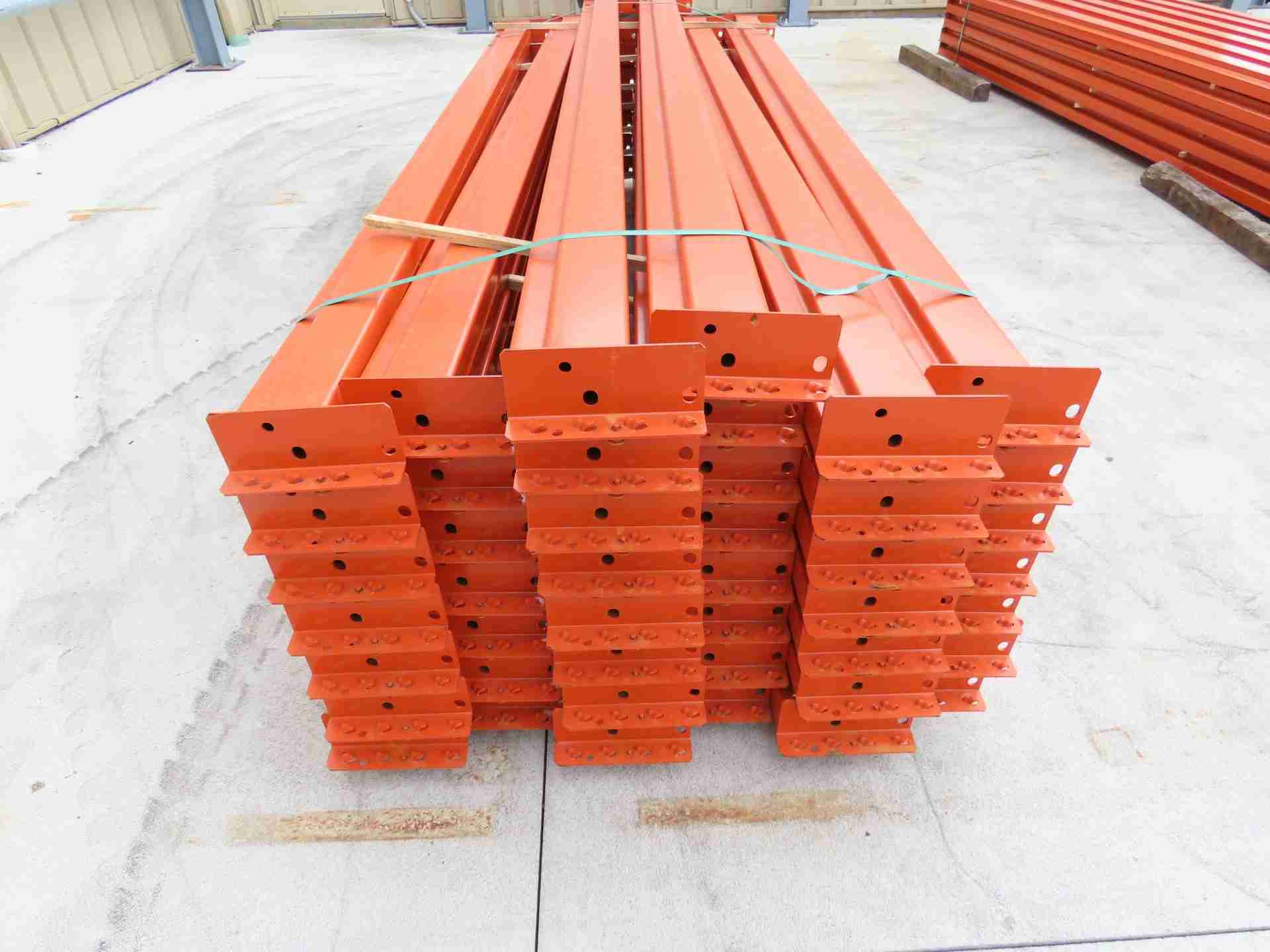
What Is The Latest In The Pallet Racking World?
What Is The Latest In The Pallet Racking World?
- Pallet racking solutions are redefining industry standards through efficiency and innovation.
- Dynamic racking systems are being adopted, enhancing the flow of goods and optimizing vertical space usage.
- Automated storage and retrieval systems (AS/RS) are increasing operational efficiency and accuracy, with significant ROI evident in various industries.
- Sustainability is influencing design, with eco-friendly materials and energy-efficient options becoming popular.
- Customizable pallet racking systems are in high demand, allowing for adjustments and expansions to meet changing business needs.
- The trends showcase a convergence of technology, sustainability, and adaptability in the pallet racking sector.
- Businesses are leveraging these innovations to enhance operations and prepare for long-term success in a dynamic market.

What Is The Latest In The Pallet Racking World?
Table Of Contents
- What Is The Latest In The Pallet Racking World?
- What Are The Newest Trends In Pallet Racking Systems?
- How Can I Optimize My Warehouse Space With Pallet Racking?
- What Safety Standards Should I Follow For Pallet Racking?
- What Are The Benefits Of Using Adjustable Pallet Racking?
- How Has Technology Influenced Pallet Racking Solutions?
- What Are The Best Materials For Durable Pallet Racking?
- How Can I Select The Right Pallet Racking For My Needs?
- What Are The Environmental Impacts Of Pallet Racking?
- How Do I Maintain And Inspect My Pallet Racking System?
- What Innovations Are Emerging In Pallet Racking Design?
- How Can Pallet Racking Improve Warehouse Efficiency?
- Is Automated Pallet Racking Worth The Investment?
- What Are Common Mistakes In Pallet Racking Installation?
- How Do I Choose Between Selective And Push-Back Racking?
- What Is The Future Of Pallet Racking Systems In Logistics?
- Conclusion
- Other Resources
- Glossary Of Terms
- Other Questions
- Checklist
What Are The Newest Trends In Pallet Racking Systems?
As the landscape of warehousing and logistics continues to evolve, pallet racking systems stand at the forefront of innovation. Today, savvy businesses are leveraging the latest trends in pallet racking to enhance efficiency, optimize space, and drive profitability. Here’s a breakdown of what’s hot in this essential industry.
1. Vertical Space Utilization
The push for increased storage capacity has led to the trend of maximizing vertical space. Manufacturers are designing taller racking systems that accommodate the need for higher ceiling warehouses. For instance, narrow aisle (NA) racking systems are gaining traction, allowing for more storage within the same floor footprint. This trend is particularly relevant as e-commerce continues to boom, requiring warehouses to adopt strategies that support high SKU counts and rapid order fulfillment.
2. Automated and Smart Racking Solutions
Automation is no longer a futuristic concept; it’s here and now. Many companies are incorporating automated storage and retrieval systems (AS/RS), which utilize robotics to streamline the handling of materials. This means less human error and higher efficiency. For example, recent advancements in IoT technology allow for smart racking systems that monitor inventory levels in real time. Companies like Amazon have beautifully demonstrated the potential of robotics in their fulfillment centers, setting a high bar for efficiency in the industry.
3. Sustainability in Design
Sustainable practices are increasingly influencing how businesses select their racking systems. Manufacturers are focusing on eco-friendly materials and processes, leading to systems that not only save on resources but also reduce waste. This is particularly evident in the design of racking systems made from recycled materials. Companies are taking notice; businesses low on sustainability practices risk being left behind as eco-conscious consumers gravitate towards brands aligned with their values.
4. Customization and Flexibility
With warehouse needs becoming more specialized, the demand for customizable and flexible racking systems is surging. Modular racking solutions allow businesses to adapt their configurations as needs change, providing an agile response to market demands. For instance, consider a food and beverage distributor that must adapt its operations during peak seasons. Flexible racking systems enable them to scale up or down, ensuring they can meet fluctuating demands without incurring unnecessary costs.
5. Enhanced Safety Features
Safety remains a priority, as many businesses face regulatory scrutiny and the need to protect their workforce. New developments in pallet racking systems include enhanced safety features such as automatic height sensors and better load capacities. These innovations not only comply with regulations but also build a protective environment for employees, underscoring a company’s commitment to their wellbeing.
In summary, the latest trends in pallet racking systems underscore a transformative shift towards efficiency, sustainability, and safety. Businesses that adopt these trends are not just investing in their infrastructure; they are positioning themselves as leaders in a rapidly changing market. Stay ahead of the competition by embracing these innovations today!
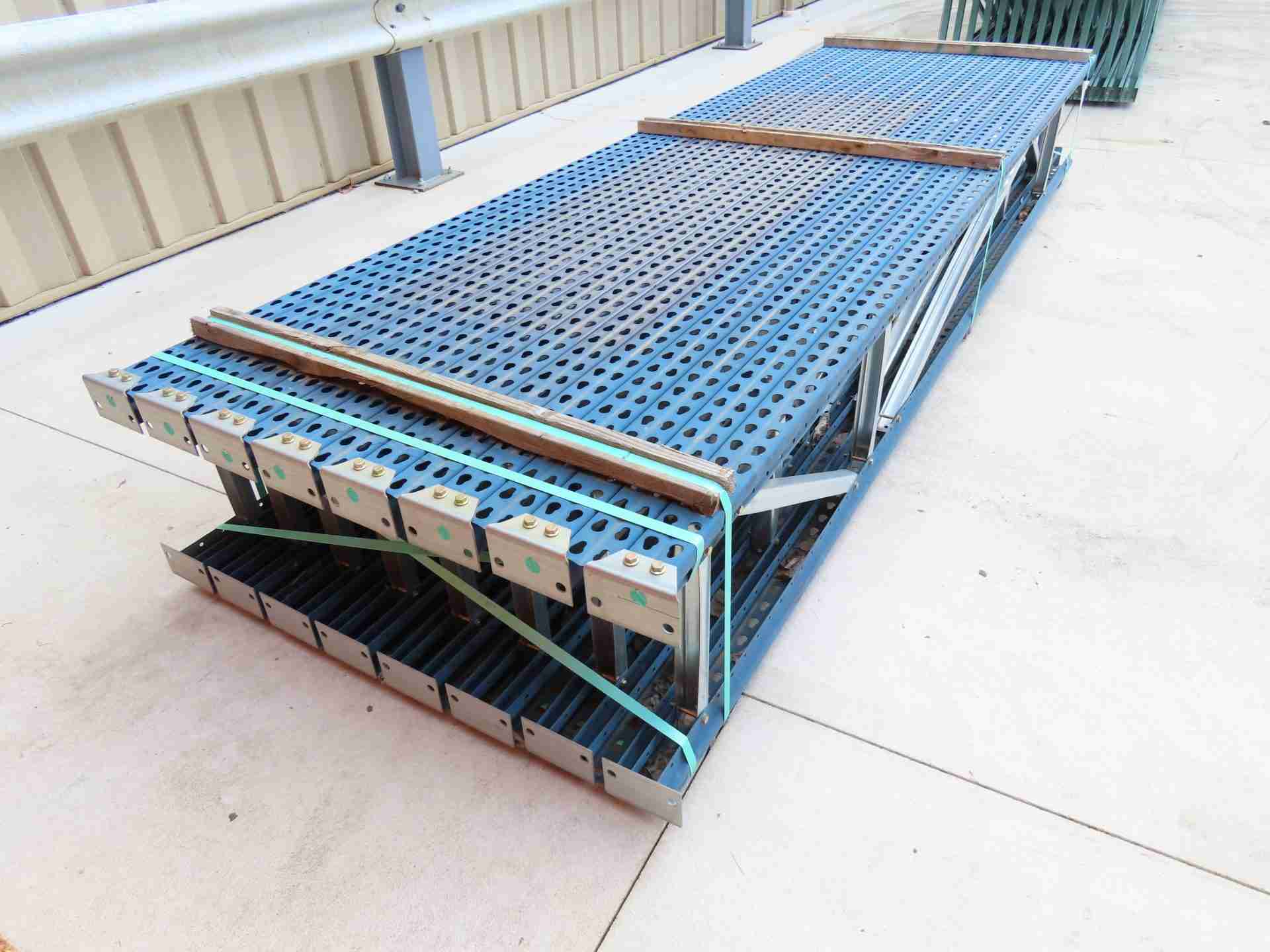
What Are The Newest Trends In Pallet Racking Systems?
What Are The Newest Trends In Pallet Racking Systems?
- Vertical Space Utilization: Taller racking systems are being designed to maximize vertical space, allowing for increased storage capacity in warehouses with high ceilings, particularly benefiting e-commerce.
- Automated and Smart Racking Solutions: Companies are adopting automation through AS/RS and IoT technology, improving efficiency and reducing human error in material handling.
- Sustainability in Design: Eco-friendly materials and processes are becoming vital in racking systems as businesses respond to consumer demand for sustainability.
- Customization and Flexibility: Demand for modular racking systems is rising to accommodate the changing and specialized needs of various industries.
- Enhanced Safety Features: New racking systems incorporate safety innovations such as automatic height sensors and improved load capacities to protect employees and comply with regulations.
- Market Leadership: Adopting these trends enables businesses to remain competitive in a rapidly evolving logistics landscape.
- Investment in Infrastructure: Embracing innovations in pallet racking systems positions companies as leaders in their field, ensuring long-term success.
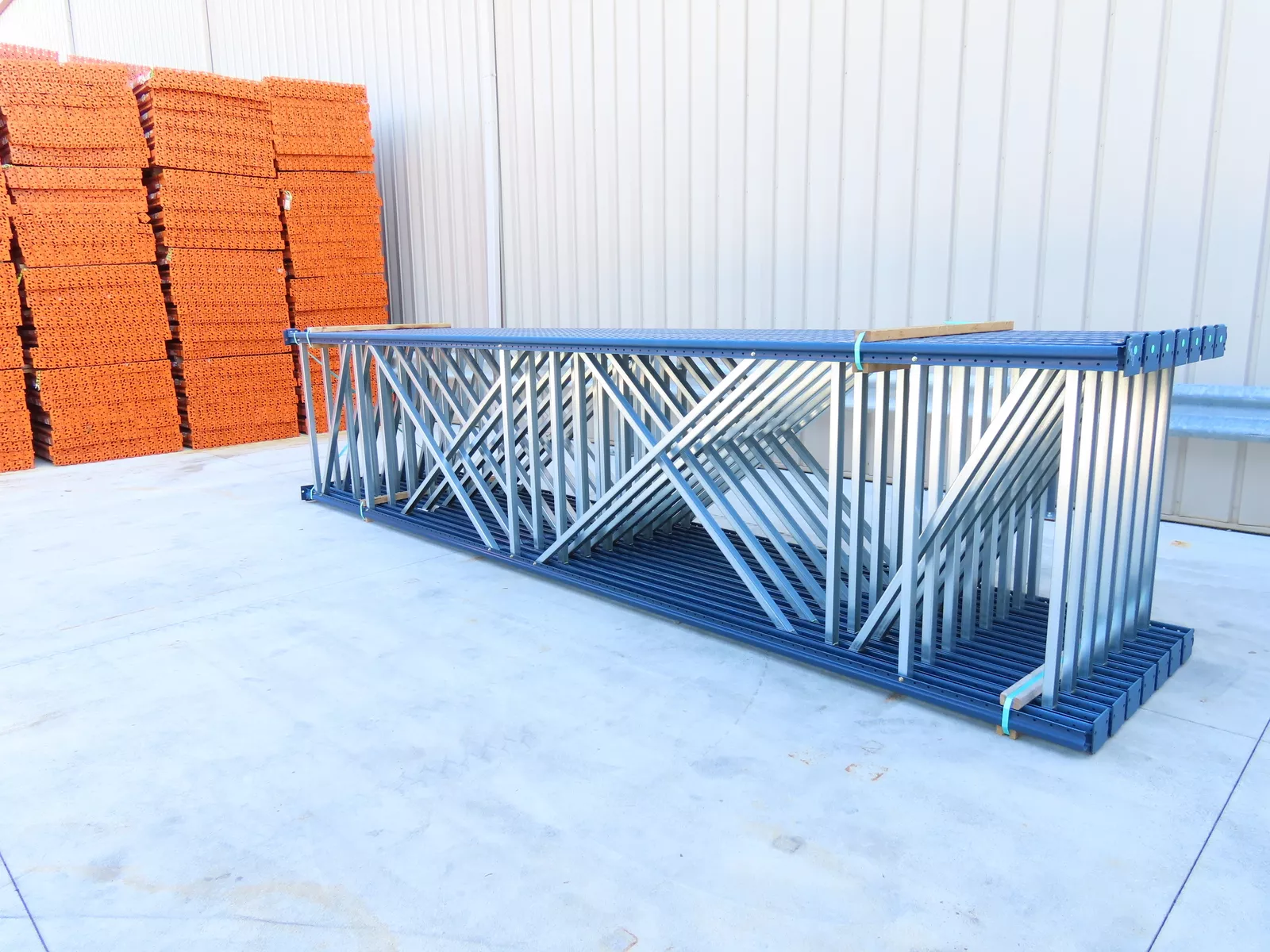
What Are The Newest Trends In Pallet Racking Systems?
How Can I Optimize My Warehouse Space With Pallet Racking?
In today’s fast-paced logistics landscape, where every inch of space translates into potential revenue, optimizing your warehouse is not just an option; it’s a necessity. One powerful solution to maximizing your vertical space is pallet racking. Think of it as a strategic investment that pays dividends by allowing you to store more inventory efficiently.
First, consider the system that best suits your operational needs. For instance, selective pallet racking offers easy access to individual pallets, making it ideal for businesses with a wide variety of products. This system maximizes accessibility while maintaining a straightforward organization. If your inventory consists of a large quantity of a limited assortment of items, drive-in or drive-through racking systems can enhance your storage capability by permitting high-density stacking. These racking systems can accelerate your picking processes — a vital factor as we see an increased demand for quick e-commerce fulfillment.
Let’s look at the recent shifts in global supply chains, partly triggered by the COVID-19 pandemic. Many businesses realize they must be more adaptive and responsive than ever. By focusing on optimizing warehouse space through pallet racking, you can remain agile. For example, companies transitioning to just-in-time inventory systems benefit immensely from clear, well-structured pallet racking that enables swift restocking and faster order processing. Much like how recent trends highlight the importance of resilience in supply chains, your warehouse needs the right tools to navigate fluctuations in demand.
However, choosing the right racking system isn’t just about the type; it’s also about implementation. Conduct a detailed assessment of your warehouse layout and flow. Consider the height of your ceilings—using vertical space not only frees up ground-level areas for movement but also reduces clutter. It’s essential to train your staff on best practices for using these systems, as unstructured handling can lead to accidents and inefficiencies.
Moreover, investing in safety systems to protect your inventory and your workforce is critical. Secure your racks properly, implement a robust inventory management system, and ensure regular inspections. A little precaution can save you from expensive disruptions.
Optimizing your warehouse space with pallet racking is a tactical game-changer that can lead to a significant boost in productivity and profitability. With the right strategies, you can transform your operations into a well-oiled machine primed for the demands of the modern marketplace. If you haven’t yet embraced this opportunity, now is the perfect time to harness the power of pallet racking.

How Can I Optimize My Warehouse Space With Pallet Racking?
How Can I Optimize My Warehouse Space With Pallet Racking?
- Optimizing warehouse space is essential in today’s logistics landscape for maximizing potential revenue.
- Pallet racking is a key solution for efficiently storing more inventory vertically.
- Selective pallet racking provides easy access for a diverse product range, while drive-in systems enhance storage for high-density items.
- Adaptive supply chains call for optimized warehouse spaces to manage increasing demands, especially for e-commerce.
- Implementing the right racking system requires a detailed assessment of warehouse layout and proper staff training.
- Investing in safety systems and regular inspections is crucial for protecting inventory and maintaining workforce safety.
- Effective pallet racking strategies can significantly boost productivity and profitability in modern operations.
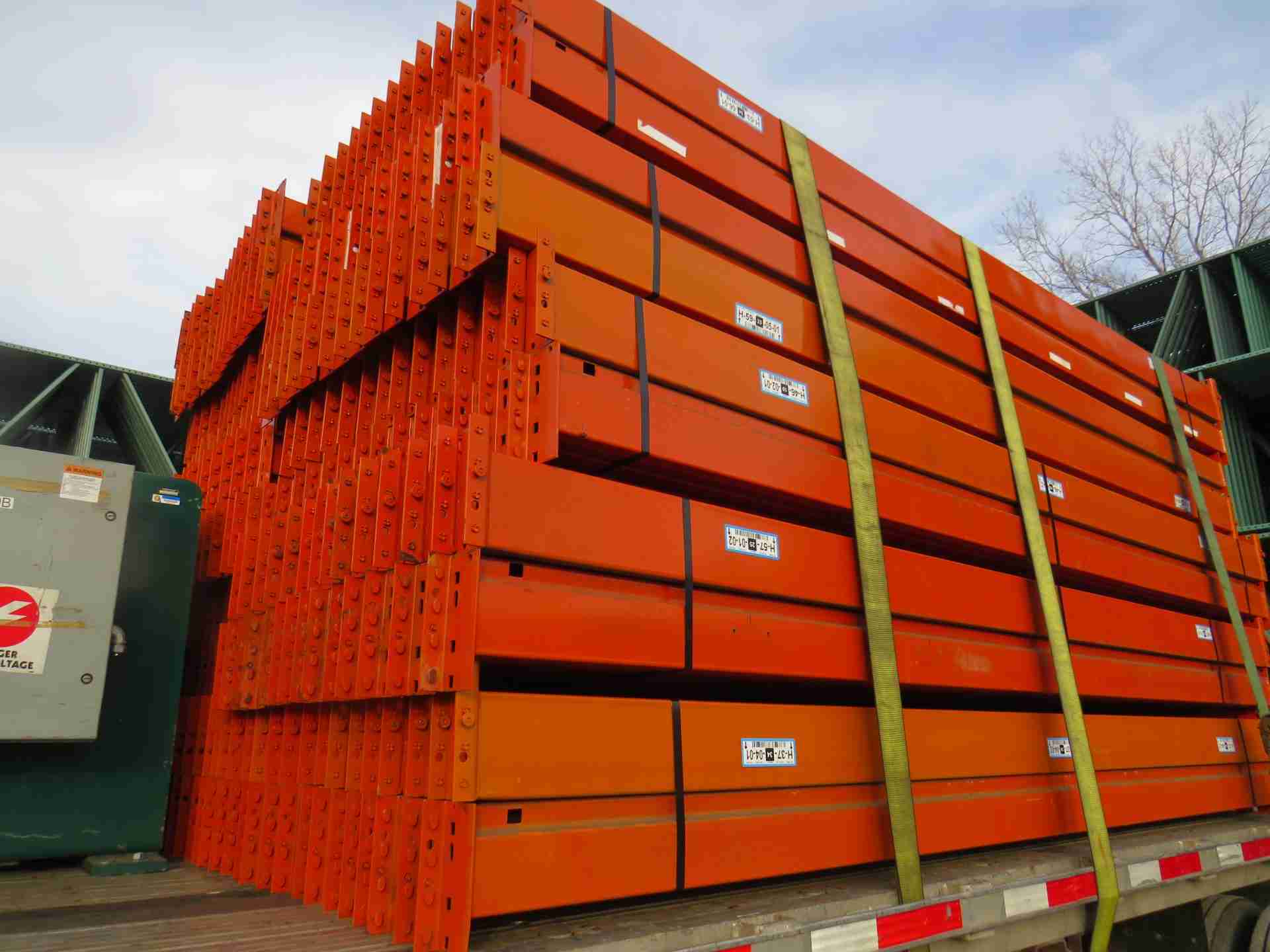
How Can I Optimize My Warehouse Space With Pallet Racking?
What Safety Standards Should I Follow For Pallet Racking?
In the fast-paced world of warehousing and logistics, the safety of your pallet racking system is non-negotiable. Inadequate standards not only jeopardize the lives of your employees but can also lead to costly operational disruptions. To keep your facility running smoothly and ensure a safe working environment, adhering to established safety standards is essential.
First and foremost, familiarize yourself with the Occupational Safety and Health Administration (OSHA) regulations related to warehouse operations. OSHA provides comprehensive guidelines that outline the requirements for maintaining a safe workplace, which includes the proper installation and maintenance of pallet racking. For instance, the regulation stipulates that racking must be adequately anchored and shouldn’t be overloaded beyond its designated capacity—a common error that can lead to catastrophic failures.
Moreover, consider the American National Standards Institute (ANSI) standards specifically tailored for pallet racking. ANSI/RMI MH16.1 highlights the importance of structural integrity and safety in design, and it provides crucial guidance on the loading, unloading, and overall use of these systems. For example, it encourages the implementation of regular inspection routines, where you should check for signs of wear, corrosion, or damage caused by forklifts. Picture this: a damaged upright due to an accidental collision could easily lead to a complete system collapse. By adhering to the ANSI guidelines, you can prevent such disasters.
In light of recent warehouse collapses, such as the tragic incident in June 2022 involving a major retail distributor, now more than ever, the need for rigorous safety standards is at the forefront of industry discussions. Incorporating regular training sessions for your employees about safe practices, including the proper use of equipment and the importance of reporting damages, can make all the difference. For example, at one distribution center, the implementation of monthly safety drills not only boosted employee awareness but also resulted in a dramatic reduction in accidents.
Lastly, do not overlook consulting with experts when planning or updating your pallet racking systems. Engaging engineering professionals who understand the latest safety codes can guide you in achieving compliance while optimizing your warehouse layout for efficiency.
In summary, adhering to OSHA and ANSI standards, conducting regular inspections, and fostering a culture of safety within your workforce will not only keep your operation compliant but will also protect your most valuable asset: your employees. A safe workplace is a productive workplace, and prioritizing safety is a powerful strategy that pays dividends in the long run.
What Safety Standards Should I Follow For Pallet Racking?
What Safety Standards Should I Follow For Pallet Racking?
- Safety of pallet racking systems is critical in warehousing and logistics to protect employees and prevent operational disruptions.
- Familiarize with OSHA regulations that mandate proper installation, maintenance, and loading limits for pallet racking systems.
- American National Standards Institute (ANSI) guidelines emphasize structural integrity and regular inspections for pallet racking.
- Regular inspections should check for wear, corrosion, and damage that could lead to system failures.
- Recent warehouse collapses underline the necessity of rigorous safety standards and employee training in safe practices.
- Implementing regular safety drills can enhance employee awareness and reduce accident rates.
- Consulting with engineering professionals can ensure compliance with safety codes while improving warehouse layout efficiency.
What Safety Standards Should I Follow For Pallet Racking?
What Are The Benefits Of Using Adjustable Pallet Racking?
In today’s fast-paced and ever-evolving marketplace, efficiency and adaptability are not just advantages—they are necessities. Enter adjustable pallet racking, the unsung hero of modern warehousing and logistics. This innovative storage solution has transformed the way businesses manage their inventory, allowing for greater flexibility and optimized space utilization. But what exactly makes adjustable pallet racking a game-changer? Let’s dig deeper.
Maximized Space Utilization
One of the most compelling benefits of adjustable pallet racking is its capacity to maximize storage space. Traditional shelving and fixed racking systems can limit your storage options, leaving valuable vertical space untouched. Adjustable pallet racking, on the other hand, allows you to customize the height and width of each shelf to accommodate varying product sizes—ensuring every inch of your facility is working for you. For instance, during the holiday season, when inventory fluctuates dramatically, businesses can adjust their racking configurations to handle peaks in stock levels, thereby capitalizing on increased sales without needing to expand their warehouse footprint.
Enhanced Operational Efficiency
Picture this: a busy warehouse filled with workers trying to locate and retrieve products among fixed shelves. The chaos not only slows down operations but can also lead to errors and increased labor costs. With adjustable pallet racking, accessibility is greatly improved. Forklifts and loaders can easily maneuver around, accessing products quickly and efficiently. This streamlined process translates to reduced picking times—vital for today’s consumer who expects swift delivery. As highlighted in recent reports on supply chain management, companies that invest in efficient storage solutions have seen a marked increase in productivity, directly impacting their bottom line.
Future-Proof Investment
In a world where consumer demands are continuously shifting, businesses must remain agile. Adjustable pallet racking is not just a solution for today; it’s a future-proof investment. As your inventory needs evolve, so can your racking system. This adaptability means you can pivot without incurring the high costs associated with entirely overhauling your storage solutions.
Cost-Effective Solution
Finally, let’s hit on the financial aspect. While it may seem like an upfront investment, the long-term savings associated with adjustable pallet racking can be substantial. Reduced labor costs, maximized inventory management, and minimized space waste lead to more favorable operating expenses. A recent case study from a national retailer found that implementing adjustable racking systems resulted in a 30% reduction in their warehousing costs over two years.
In summary, adjustable pallet racking is not merely a method of storage—it’s a strategic asset for businesses looking to thrive in an increasingly competitive market. By leveraging its benefits, you’re not just keeping up with industry standards; you’re setting the pace.
What Are The Benefits Of Using Adjustable Pallet Racking?
What Are The Benefits Of Using Adjustable Pallet Racking?
- Adjustable pallet racking is essential for efficiency and adaptability in modern warehousing and logistics.
- This innovative storage solution maximizes space utilization by allowing customization of shelf height and width.
- It enables businesses to adjust configurations based on fluctuating inventory levels, particularly during peak seasons.
- Accessibility is improved, making retrieval processes faster and reducing labor costs, enhancing operational efficiency.
- Adjustable pallet racking is a future-proof investment that allows for easy adjustments as inventory needs change.
- Long-term savings can be substantial, with reported reductions in warehousing costs, such as a 30% decrease for a national retailer.
- Overall, it serves as a strategic asset for businesses striving to excel in a competitive market.

What Are The Benefits Of Using Adjustable Pallet Racking?
How Has Technology Influenced Pallet Racking Solutions?
In the dynamic landscape of warehousing and logistics, the rise of technology has revolutionized pallet racking solutions, ushering in a new era of efficiency, flexibility, and precision. Today’s warehouse managers no longer rely solely on traditional storage methods; they are harnessing cutting-edge technologies that transform how goods are stored, accessed, and managed.
Think about it: at the heart of any successful supply chain lies the ability to efficiently manage space. Enter automated storage and retrieval systems (ASRS). These sophisticated systems, powered by robotics and AI, can optimize every inch of warehouse space, maximizing storage density and minimizing human error. For instance, companies like Amazon have set the gold standard with their automated fulfillment centers, utilizing robotic systems that identify, retrieve, and transport products to operators—a feat that dramatically speeds up order processing times.
Moreover, the Internet of Things (IoT) has brought forth a new layer of intelligence to pallet racking solutions. With IoT sensors installed on pallet racks, warehouses can monitor stock levels in real-time, predict reordering needs, and reduce the risk of overstocking or stockouts. This technology is not just about efficiency; it’s about creating a responsive and adaptable inventory management system. Take for example, Prologis, a leader in logistics real estate, leveraging IoT data to fine-tune warehouse operations—a tactic that maintains the fine balance between supply and demand in a fast-paced market.
Additionally, augmented reality (AR) offers an innovative approach to pallet racking, transforming the way warehouse personnel navigate complex storage layouts. With AR glasses, workers can receive real-time visual guidance on how to optimize space, find items, and even manage safety protocols. This technology empowers workforce efficiency, leading to faster pick rates and reduced training times. Companies like Zebra Technologies are pioneering AR solutions that enhance logistical operations by bridging the gap between the digital and physical worlds.
Let’s not overlook the impact of analytics and big data. By harnessing data trends, warehousing operations can make informed decisions about their racking systems, inventory rotation, and even layout designs. In the face of shifting consumer demand and global disruptions, understanding these data patterns is crucial for maintaining a competitive edge. Walmart, for instance, has been analyzing inventory data to streamline their operations, directly impacting their ability to respond to market changes swiftly.
In summary, the influence of technology on pallet racking solutions is profound, driving innovation that not only optimizes space and improves efficiency but also transforms the very nature of warehouses into smarter, more responsive environments. As we move forward, embracing these technologies is no longer a luxury; it’s an essential strategy for businesses aiming to thrive in an increasingly competitive market.
How Has Technology Influenced Pallet Racking Solutions?
How Has Technology Influenced Pallet Racking Solutions?
- The advent of technology has transformed pallet racking solutions in warehousing and logistics.
- Automated storage and retrieval systems (ASRS) enhance space management and reduce human error.
- IoT sensors enable real-time monitoring of stock levels, improving inventory management.
- Augmented reality (AR) tools offer real-time guidance for warehouse personnel, increasing efficiency.
- Analytics and big data help optimize racking systems and react swiftly to market changes.
- Companies like Amazon and Walmart lead by implementing tech-driven solutions for improved operations.
- Embracing these technologies is essential for businesses to remain competitive in the market.

How Has Technology Influenced Pallet Racking Solutions?
What Are The Best Materials For Durable Pallet Racking?
When it comes to choosing the best materials for durable pallet racking, the stakes are higher than ever. Supply chain disruptions and shifting consumer demands—heightened by recent global events—have put storage efficiency at the forefront of business strategy. Making the right material selection is not just about storage; it’s about resilience and long-term investment.
Steel: The Gold Standard
First and foremost, steel reigns supreme as the most popular choice for pallet racking systems. Its unmatched durability can withstand heavy loads and harsh warehouse conditions, making it ideal for industries ranging from retail to manufacturing. For instance, companies like Amazon and Walmart rely on robust steel racking systems to support their colossal inventories. If you want something that’s going to last, opt for high-grade steel, ideally with a corrosion-resistant coating. This will not only enhance longevity but also save you money in the long run, reducing the need for replacements due to wear and tear.
Composite Materials: A Growing Contender
In recent years, composite materials have emerged as a viable alternative for certain applications. These materials, often a mix of wood and plastic, offer the advantage of lightweight construction without sacrificing strength. They’re particularly popular in industries that prioritize flexibility, such as e-commerce fulfillment centers that need to frequently reorganize their space. For example, companies like Shopify are leveraging advanced warehouse solutions that incorporate composite materials to pivot quickly in the ever-changing e-commerce landscape.
Recycled Materials: Sustainability Meets Durability
Sustainability isn’t just a buzzword; it’s an essential component of modern business strategy. Utilizing recycled materials for pallet racking meets the demands of eco-conscious consumers while promoting a circular economy. Manufacturers are developing racking systems made from recycled steel and plastic, proving that durability doesn’t have to come at the cost of the environment. Companies like IKEA are pioneers in this space, showcasing how sustainable choices can also yield robust storage solutions.
Reinforced Systems for Heavy-Duty Needs
For businesses dealing with high-density storage or excessively heavy items, reinforced pallet racking systems are the way to go. These systems often include adjustments such as additional cross-bracing or heavier gauge posts. Recent shifts in manufacturing trends, particularly in the automotive and aerospace sectors, highlight the increasing need for these specialized systems to accommodate heavier loads.
The best materials for durable pallet racking hinge on your specific needs and operational demands. Steel remains the gold standard, while innovations in composites and recycled materials are reshaping the landscape. Keep in mind that investing in high-quality materials today will protect your assets and improve your efficiency for years to come—in a world where every square foot counts.
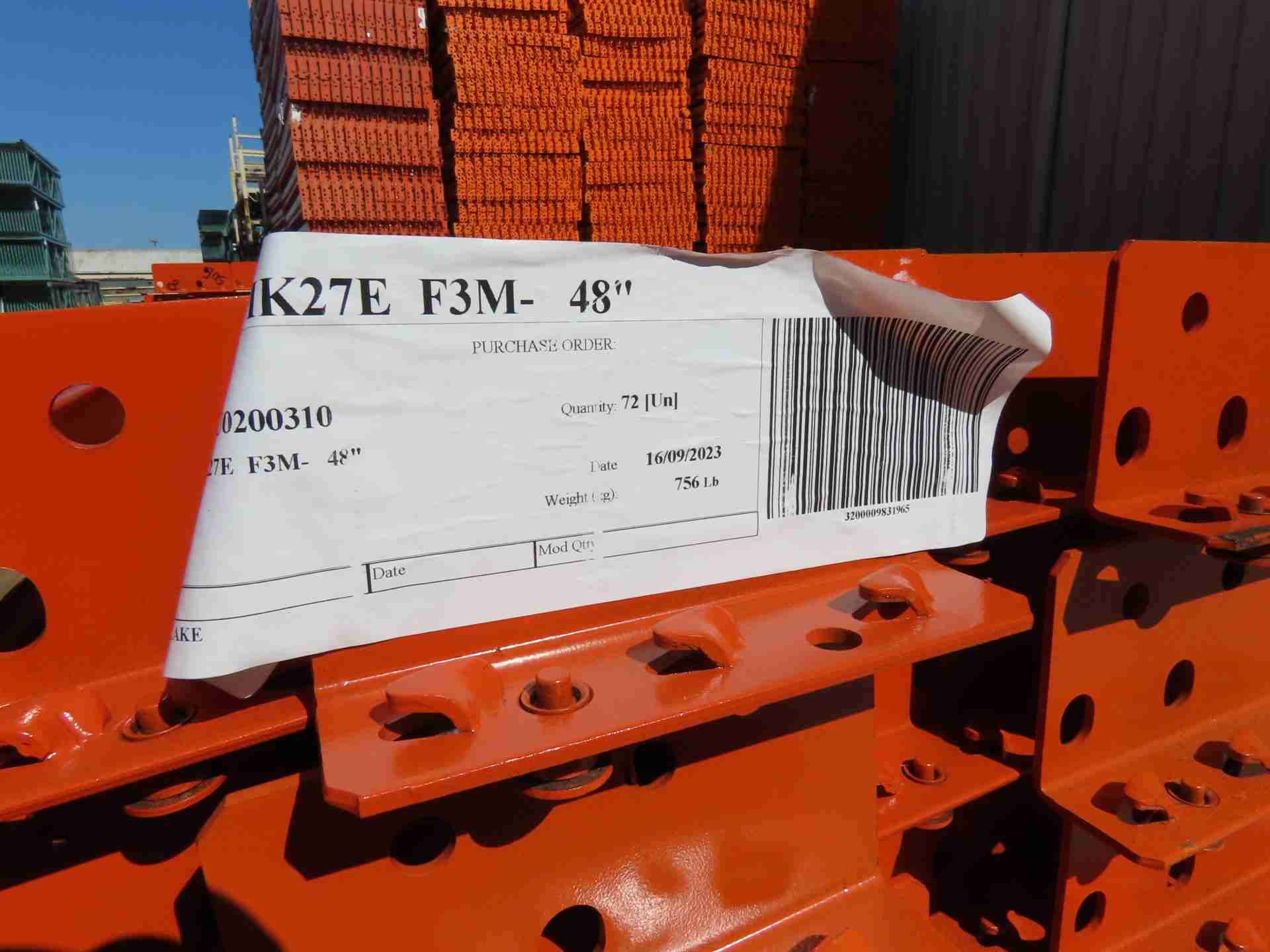
What Are The Best Materials For Durable Pallet Racking?
What Are The Best Materials For Durable Pallet Racking?
- Choosing durable pallet racking materials is crucial due to supply chain disruptions and shifting consumer demands.
- Steel is the most popular choice for pallet racking systems, known for its unmatched durability and ability to withstand heavy loads.
- High-grade steel with a corrosion-resistant coating enhances longevity and reduces replacement costs.
- Composite materials, a mix of wood and plastic, are becoming attractive alternatives, especially for flexible storage needs.
- Using recycled materials for pallet racking supports sustainability and meets eco-conscious consumer demands.
- Reinforced pallet racking systems are essential for businesses with high-density storage and heavy items, especially in industries like automotive.
- Investing in high-quality racking materials ensures resilience and efficiency in storage operations.
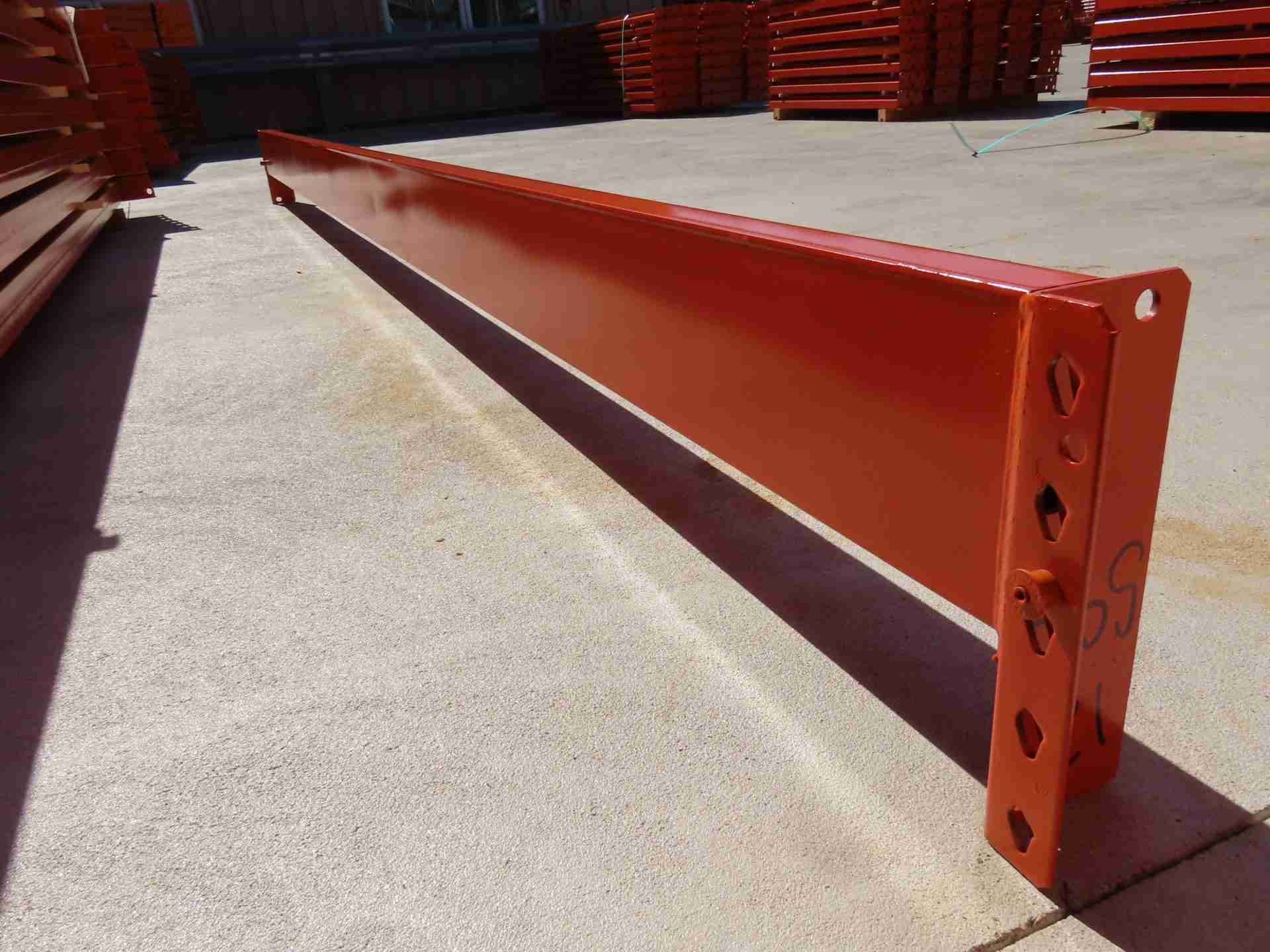
What Are The Best Materials For Durable Pallet Racking?
How Can I Select The Right Pallet Racking For My Needs?
Selecting the right pallet racking system can make or break your efficient operations. It’s not just about finding a solution that fits your warehouse; it’s about choosing a strategy that enhances your overall productivity and aligns with your future growth plans. Here’s how you can navigate this often-overlooked decision with purpose and clarity.
# Understand Your Inventory
Before you even think about racking, you need to assess your current inventory. What types of products are you storing? Are they large, bulky items, or smaller, more numerous packages? For example, if you’re handling heavy machinery parts, consider a selective pallet rack that allows for easy access, even if it takes up a bit more room. On the other hand, if you’re a retailer with a variety of SKUs, a drive-in rack might maximize space while still keeping access straightforward.
# Evaluate Your Space
Every square foot of your warehouse is valuable, so measuring your space correctly is crucial. Recent economic fluctuations and global supply chain disruptions have heightened the demand for efficient warehousing solutions. For instance, many companies are now transforming underutilized areas into storage spaces, but without the right racking system, you risk inefficiency and chaos. Centralize your layout for the most frequently picked items to optimize your pick-and-pack processes.
# Consider Future Growth
When selecting pallet racking, don’t just think about your immediate needs; look five years down the line. This is a pivotal moment in a post-pandemic market where businesses are striving for adaptability. For example, with the rise of e-commerce, many warehouses are shifting towards a multi-use approach. If your business anticipates diversifying its product range, invest in adjustable systems, like narrow aisle racking, that can evolve with your needs.
# Seek Professional Insights
Don’t go it alone. Collaborate with warehouse layout consultants who specialize in maximizing space efficiency. Their expertise can save you time, money, and headaches down the road. As demand for skilled logistics professionals continues to grow, tapping into their insights will not only bolster your operational effectiveness but also provide you with a competitive edge.
# Conclusion
Selecting the right pallet racking isn’t just a logistical decision; it’s a strategic move that can propel your business forward in today’s fast-paced market. By understanding your inventory, evaluating your space, considering future growth, and seeking expert advice, you’ll set the stage for streamlined operations and enhanced profitability. Don’t cut corners—invest in the right pallet racking system and watch your efficiency soar!
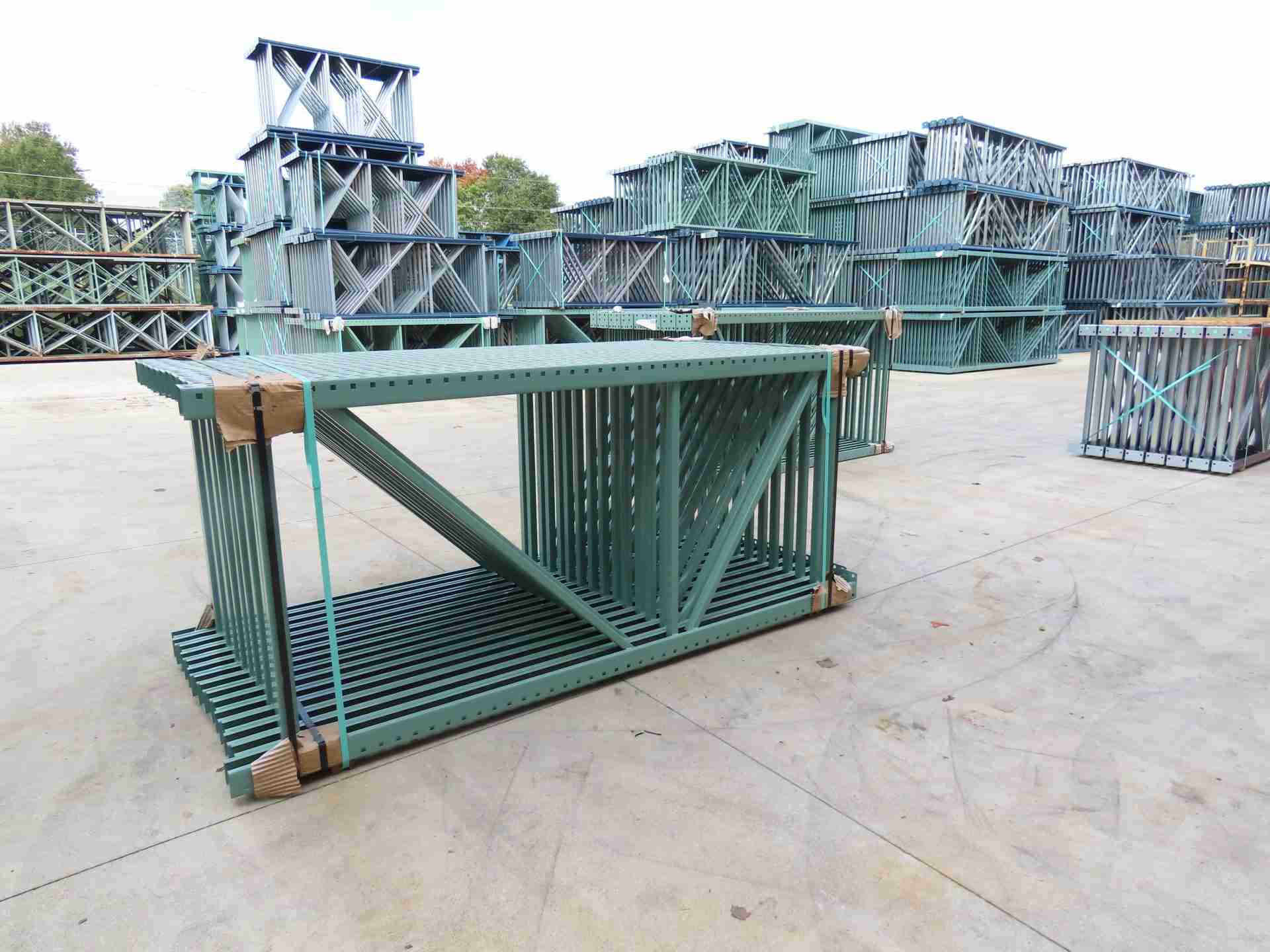
How Can I Select The Right Pallet Racking For My Needs?
How Can I Select The Right Pallet Racking For My Needs?
- Selecting the right pallet racking system is crucial for efficient warehouse operations.
- Assess your current inventory type and storage needs before choosing a racking solution.
- Measure your warehouse space accurately to ensure efficient use of every square foot.
- Consider future growth and adaptability of your racking system to meet changing demands.
- Consult with warehouse layout professionals to maximize space and operational efficiency.
- Investing in the right racking system is a strategic decision that can enhance profitability.
- Prioritize clarity and purpose in your selection process for improved efficiency.

How Can I Select The Right Pallet Racking For My Needs?
What Are The Environmental Impacts Of Pallet Racking?
In an age where sustainability is at the forefront of business operations, the environmental impacts of pallet racking systems must be carefully considered. While these systems are crucial for optimizing warehouse efficiency and maximizing storage space, their production, use, and eventual disposal can have significant ecological consequences.
Let’s begin with the materials. Most pallet racking systems are constructed from steel, a resource that, when mined and manufactured, can leave a substantial carbon footprint. For instance, the steel production process releases approximately 1.85 tons of carbon dioxide for every ton produced, contributing to the global greenhouse gas emissions crisis. Companies are now challenged to source steel through recycled materials or utilize green manufacturing processes to mitigate these effects. Intelligent design choices, such as opting for heavier-duty racking that lasts longer, can lead to less frequent replacements, ultimately reducing the overall environmental impact.
Moreover, the manufacturing and transportation of these systems consume considerable energy. The logistics of getting pallet racking from the factory floor into the warehouse involves numerous transport stages, each contributing to fuel consumption and carbon emissions. Take note of organizations like IKEA, which are innovating with their supply chains by incorporating more eco-friendly logistics and even engaging in carbon-neutral shipping methods. This trend highlights the responsibility companies have in considering not just their operational efficiency but also the ecological ramifications of their supply chains.
Moreover, the space occupied by pallet racking systems predominantly determines a warehouse’s energy usage and resource consumption. Efficiently designed vertical storage systems can minimize the footprint of storage, thereby reducing the energy needed for heating, cooling, and lighting. For example, a facility adopting a modern, high-density pallet racking system can significantly cut down on its carbon emissions while improving inventory efficiency. Recent trends show that businesses are not just saving costs but also actively participating in sustainability efforts by reducing energy consumption.
Now let’s not forget the end of life for these systems. Steel racking can be recycled, but many companies fail to incorporate a proper recycling strategy into their operations. According to the Institute of Scrap Recycling Industries, recycling metal can save up to 74% of the energy required to produce new steel.
Businesses using pallet racking systems must adopt a holistic approach that weighs both the operational benefits and environmental implications. By choosing sustainable materials, optimizing designs, and planning for the lifecycle of these systems, companies can not only enhance their efficiency but also contribute positively to the environment—a win-win for both commerce and the planet.

What Are The Environmental Impacts Of Pallet Racking?
What Are The Environmental Impacts Of Pallet Racking?
- Sustainability is crucial in assessing the environmental impacts of pallet racking systems.
- Most pallet racking systems are made of steel, which has a significant carbon footprint during production.
- Steel production emits approximately 1.85 tons of CO2 for every ton produced, contributing to greenhouse gas emissions.
- Manufacturing and transporting pallet racking systems consume considerable energy, affecting overall sustainability.
- Efficient vertical storage systems reduce energy usage in warehouses, impacting heating, cooling, and lighting needs.
- Proper recycling strategies for steel racking can save up to 74% of the energy required for new steel production.
- Businesses must adopt a holistic approach to balance operational efficiency with environmental considerations.
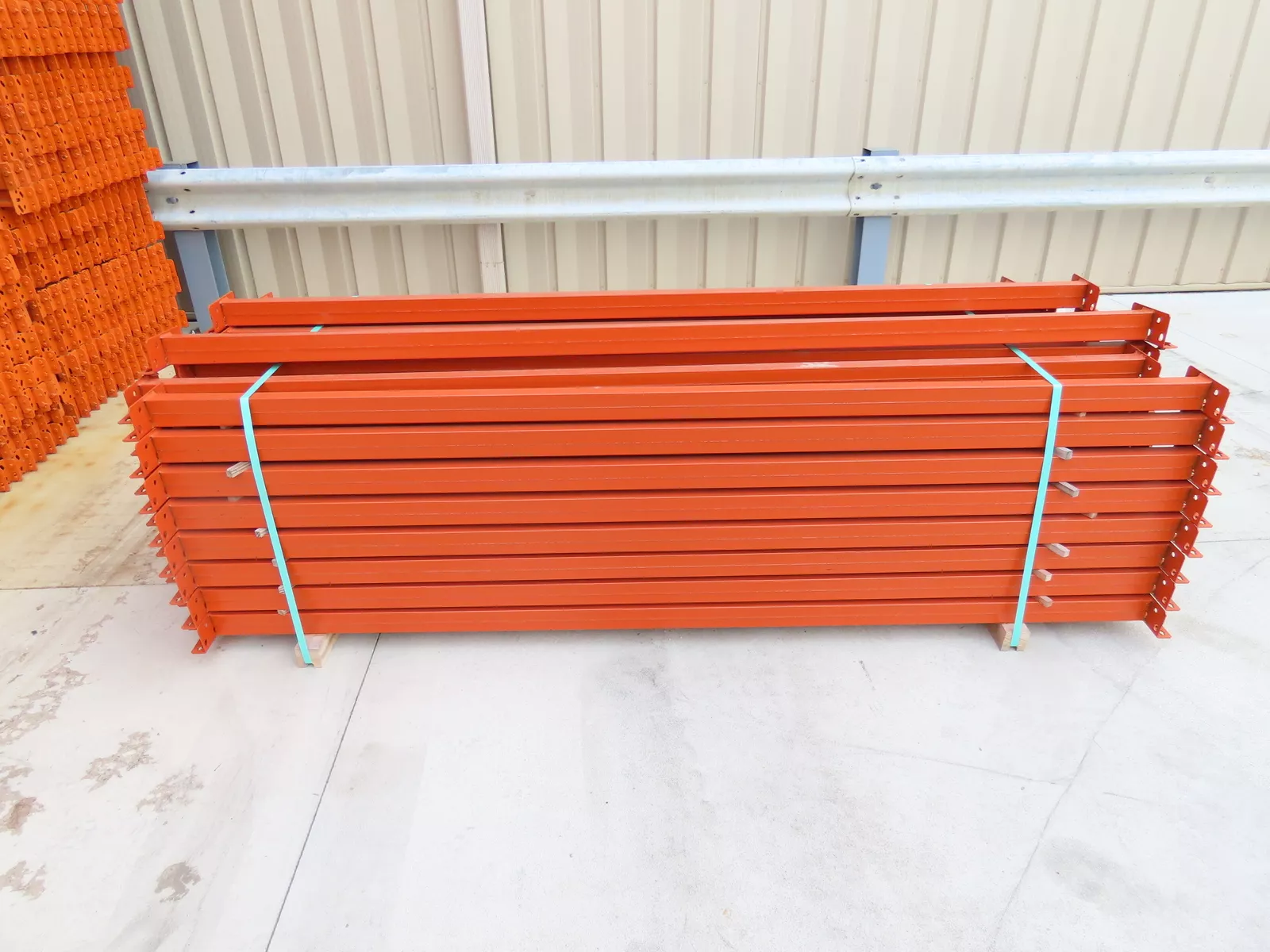
What Are The Environmental Impacts Of Pallet Racking?
How Do I Maintain And Inspect My Pallet Racking System?
In the world of warehousing and logistics, effective maintenance and inspection of your pallet racking system is not merely an option; it’s a business imperative. Think of your pallet racks as the backbone of your operation—neglect this structure, and the entire system can come crashing down, quite literally. But how do you ensure your racks are safe, sound, and ready for action? Let’s break it down.
First, establish a routine inspection schedule, ideally on a monthly basis. This consistency allows you to catch minor issues before they escalate into major problems. During these inspections, look for signs of wear and tear like bending, cracking, or corrosion. For instance, if you’ve noticed a slight bend in a beam, address it immediately—before that bend becomes a complete failure. Such attention to detail could prevent hazardous accidents, much like how proactive health measures keep us safe during widespread health crises.
Next, conduct a thorough annual inspection by a certified professional. This goes beyond basic checks and dives into the structural integrity of your racks. A professional can identify underlying issues that may have gone unnoticed. With recent increases in warehouse automation and density, compliance with safety standards has never been more critical. Many facilities are now elevating their safety practices in response to new regulations and standards developed from the lessons learned during global disruptions. Staying ahead will not only protect your team but also your reputation in a fast-paced market.
Another key aspect is employee training. Equip your staff with the knowledge they need to recognize issues and understand the importance of equipment safety. For instance, emphasize the impact of proper loading techniques and weight distribution—a paltry error here can lead to dangerous scenarios. Make regular training sessions a cornerstone of your safety protocol, showcasing how even small mistakes can lead to costly accidents or damage.
Maintaining your pallet racking system isn’t merely a chore; it’s an investment in your business’s long-term success. Remember that inspections not only reduce risks but also enhance operational efficiency, saving you time and money in the long run. In today’s competitive landscape, standing out means ensuring a safe, functional, and well-maintained environment.
So, take the reins—implement these strategies, uphold safety standards, and see your warehousing operation thrive. Your employees will thank you, your customers will appreciate the value, and your bottom line will undoubtedly benefit. Protect your assets, and watch your business flourish.
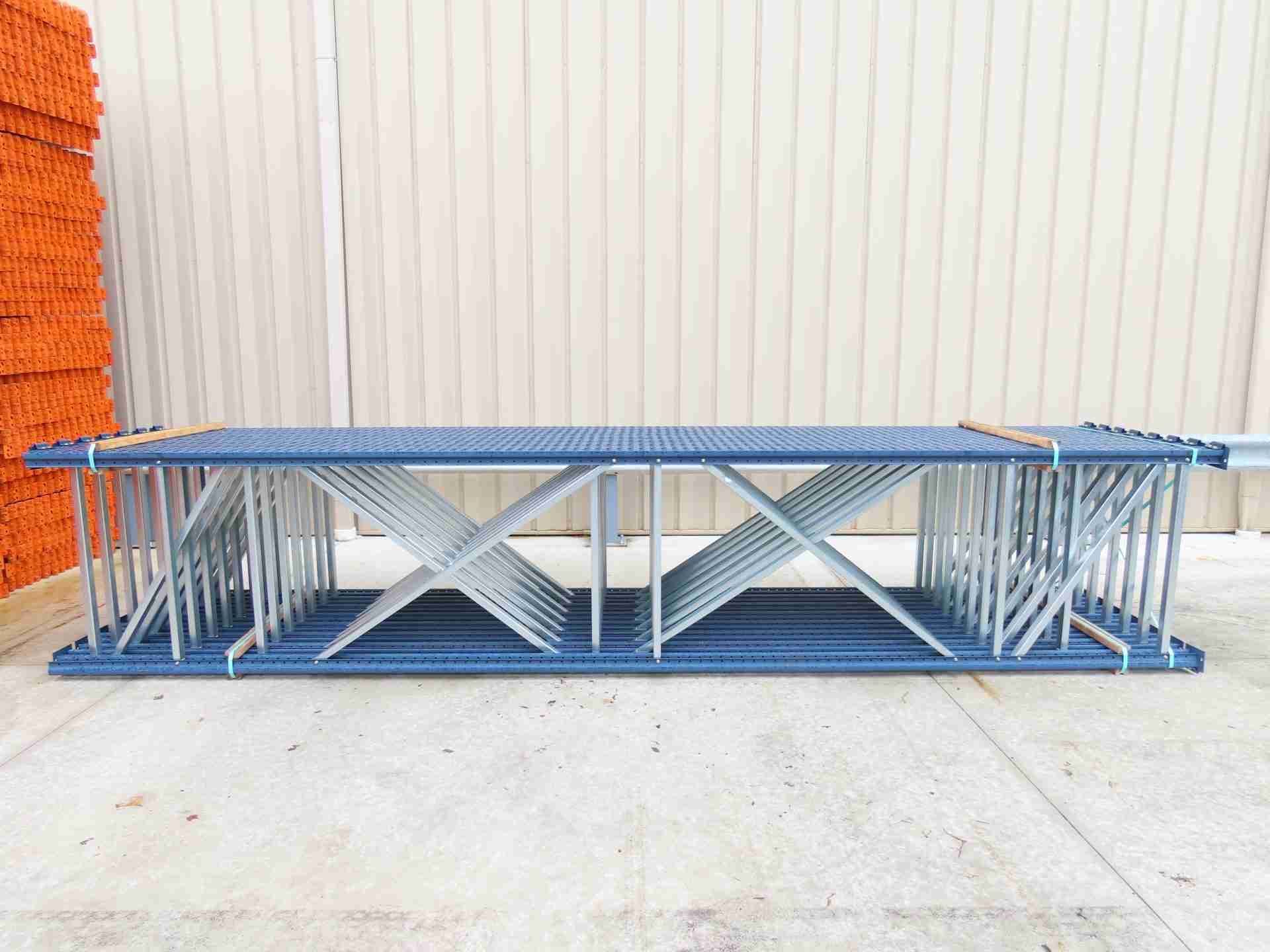
How Do I Maintain And Inspect My Pallet Racking System?
How Do I Maintain And Inspect My Pallet Racking System?
- Establish a routine inspection schedule, ideally monthly, to catch minor issues early.
- During inspections, look for signs of wear and tear, such as bending, cracking, or corrosion.
- Conduct a thorough annual inspection by a certified professional for structural integrity.
- Stay updated with safety standards due to recent increases in warehouse automation and density.
- Provide employee training to recognize issues and understand the importance of safety.
- Emphasize proper loading techniques and weight distribution to prevent accidents.
- Regular inspections reduce risks and enhance operational efficiency, benefiting the business in the long run.
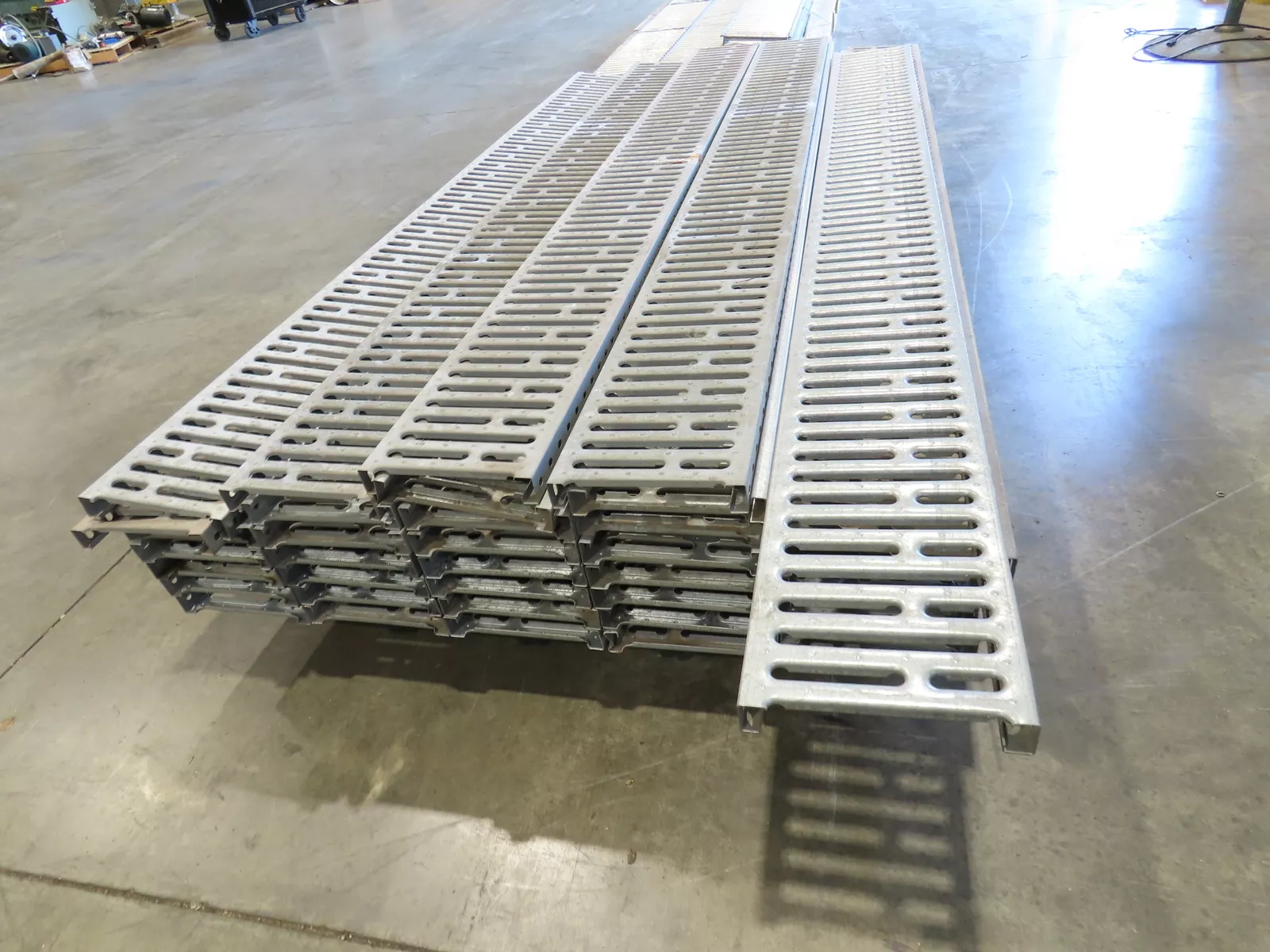
How Do I Maintain And Inspect My Pallet Racking System?
What Innovations Are Emerging In Pallet Racking Design?
The world of pallet racking is undergoing a transformation that combines cutting-edge technology with innovative design principles to create systems that maximize efficiency and adaptability in warehouses. As e-commerce continues to boom and supply chains become increasingly complex, the demand for smarter storage solutions has never been higher. Here’s a deep dive into the latest innovations in pallet racking design that are setting the stage for the future.
Smart Technology Integration
One of the most significant advancements in pallet racking design is the integration of smart technology. Tracking inventory and optimizing stock levels are now easier than ever with RFID-enabled pallet racking systems. These cutting-edge systems allow for real-time visibility into stock levels and location, enhancing efficiency and reducing the chances of overstocking or stockouts. Companies like Honeywell have made headlines in recent years by offering solutions that integrate RFID technology with existing racking systems, providing a seamless transition to a more automated inventory management system.
Modular and Adjustable Designs
Flexibility is another hallmark of modern pallet racking systems. Innovations in modular designs allow businesses to easily expand or reconfigure their racking systems to adapt to changing inventory needs. For instance, companies like Stow Group have introduced adjustable racking solutions that can be modified quickly without specialized tools—this is a game-changer for businesses looking to scale up operations or diversify their inventory without extensive downtime or investment.
Sustainability and Material Innovations
As sustainability becomes a top priority in logistics and warehousing, companies are developing eco-friendly pallet racking solutions. Manufacturers are increasingly utilizing recycled materials and low-emission manufacturing processes. Brands like Interlake Mecalux are leading the charge by offering pallet racks made from sustainably sourced steel, offering both durability and environmental responsibility. This shift not only appeals to eco-conscious consumers but also helps companies meet regulatory standards and reduce their carbon footprint.
Automated and Robotics Integration
Automation is another frontier being explored in pallet racking design. Automated Guided Vehicles (AGVs) and robotic systems are being integrated with pallet racking to streamline order picking and inventory management. For example, firms like Dematic are pioneering automated storage and retrieval systems (AS/RS) that work in harmony with advanced pallet racks, significantly reducing labor costs and improving throughput.
In an era where efficiency dictates success, the latest innovations in pallet racking design are not just enhancements; they are essentials for businesses that want to stay competitive. With smart integration, adjustable designs, sustainability, and automation at the forefront, the pallet racking landscape is evolving rapidly to meet the needs of modern warehouses. Adopting these innovations is not just a matter of staying current; it’s about positioning your business for a future filled with possibilities.
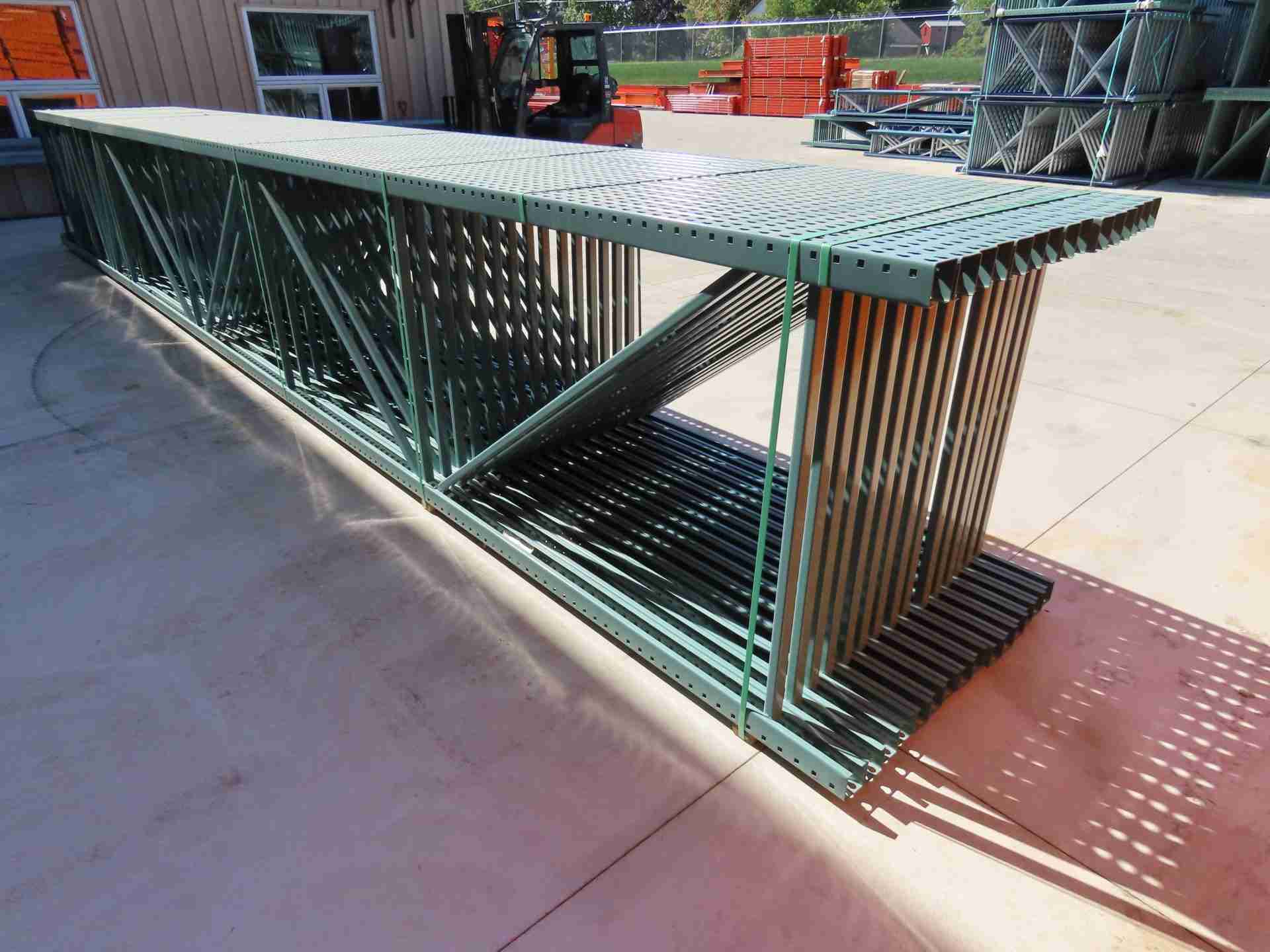
What Innovations Are Emerging In Pallet Racking Design?
What Innovations Are Emerging In Pallet Racking Design?
- The pallet racking industry is evolving with advanced technology and design principles for enhanced efficiency and adaptability.
- Smart technology integration, such as RFID-enabled systems, provides real-time inventory tracking and reduces stock management errors.
- Modular and adjustable designs allow for easy reconfiguration to meet dynamic inventory needs without extensive downtime.
- Sustainability is a priority, with manufacturers utilizing recycled materials and eco-friendly practices in pallet racking solutions.
- Leading brands like Interlake Mecalux are producing eco-conscious racks made from sustainably sourced steel.
- Automation, including AGVs and robotic integration, is streamlining operations, reducing labor costs, and enhancing throughput.
- Adopting these innovations is essential for businesses aiming to remain competitive and prepare for future challenges in warehousing.
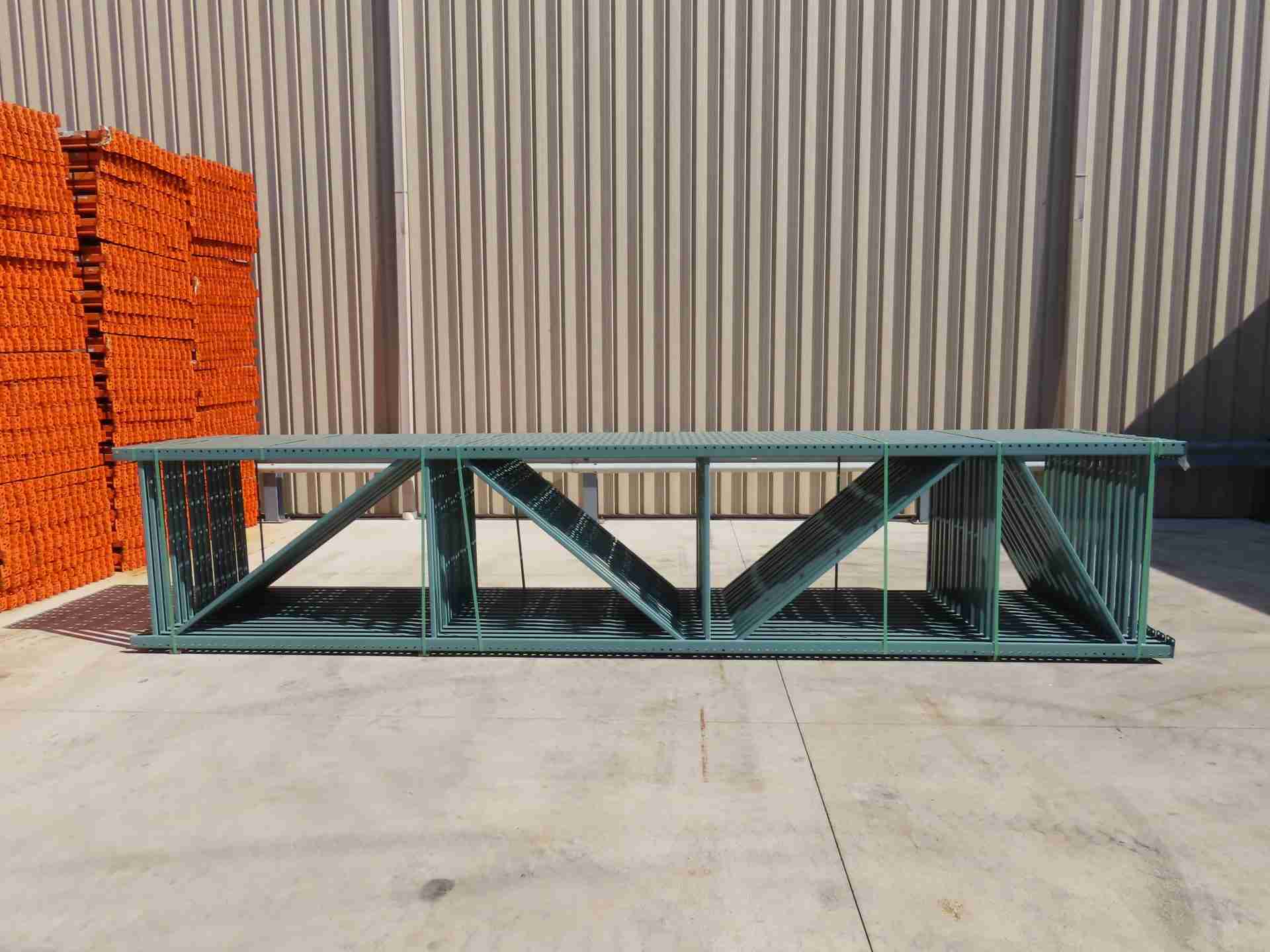
What Innovations Are Emerging In Pallet Racking Design?
How Can Pallet Racking Improve Warehouse Efficiency?
In the fast-paced world of logistics and supply chain management, warehouse efficiency isn’t just a goal—it’s a necessity. In today’s competitive landscape, businesses must adopt innovative solutions that streamline operations and enhance productivity. Enter pallet racking. This versatile storage solution can revolutionize your warehouse’s layout and functionality, delivering significant dividends on your investment.
Pallet racking systems optimize available space. Traditional shelving units may underutilize vertical storage potential, leading to cluttered aisles and wasted square footage. By implementing a high-density pallet racking system, you can maximize warehouse space vertically, accommodating more product in fewer square feet. Recent studies show that utilizing vertical space effectively can increase storage capacity by over 50%. Given the rising costs of real estate and property rental in urban areas, businesses can realize substantial savings by staying put and enhancing their existing operations.
Let’s consider a real-world example: a national e-commerce company recently revamped its warehouse operation by converting to a selective pallet racking system. The result? A 30% increase in fulfillment speed within just three months. With items organized and easily accessible, workers spend less time searching for products and more time shipping orders, directly contributing to customer satisfaction and repeat business—a win-win situation!
Furthermore, safety is paramount in any warehouse operation. Proper pallet racking enhances safety by reducing the risk of accidents that can occur with poorly stored or stacked items. Modern racking systems are designed to meet stringent safety standards, with features like safety pins, load signs, and stability braces. A safe environment not only protects your employees but also minimizes costly disruptions and liability claims—both of which can undermine efficiency.
Additionally, pallet racking systems are adaptable. With the rapid change in consumer preferences and the ongoing pressures from e-commerce, businesses must be agile. Advanced pallet racking systems can be reconfigured to accommodate fluctuations in inventory sizes, seasonal goods, or new product lines. This adaptability allows businesses to respond swiftly to market trends, ensuring you’re always one step ahead of the competition.
Investing in pallet racking is more than just a strategic operational decision; it’s a smart financial move that pays off. With enhanced space utilization, increased safety, and improved adaptability, pallet racking can significantly boost your warehouse’s efficiency—keeping your business competitive in an ever-evolving market landscape. Don’t wait until inefficiency hinders your growth; reconsider your storage solutions today!
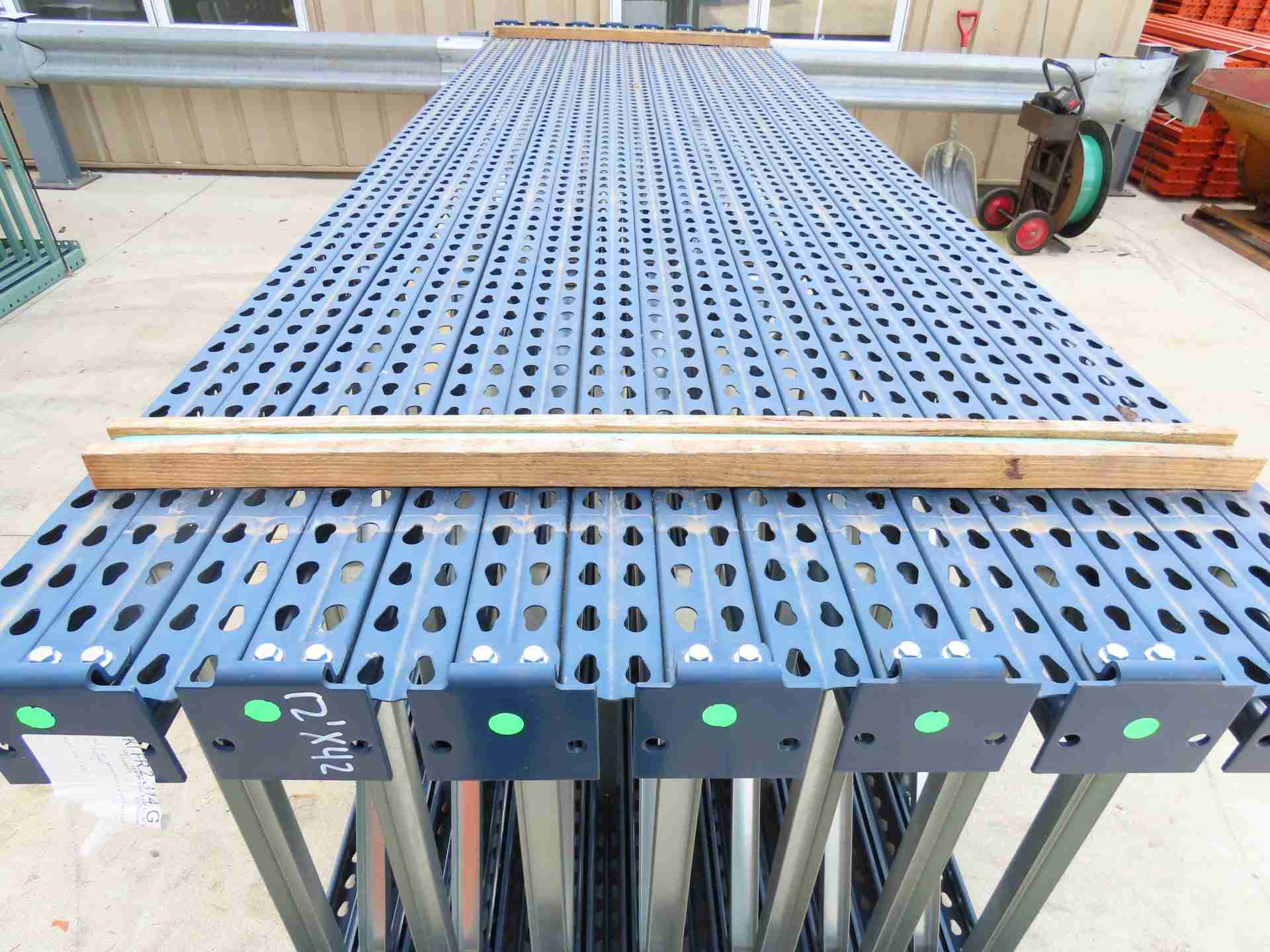
How Can Pallet Racking Improve Warehouse Efficiency?
How Can Pallet Racking Improve Warehouse Efficiency?
- Warehouse efficiency is essential in logistics and supply chain management.
- Pallet racking systems optimize space by utilizing vertical storage, increasing capacity by over 50%.
- A national e-commerce company saw a 30% increase in fulfillment speed after switching to selective pallet racking.
- Proper pallet racking enhances safety by reducing the risk of accidents and meeting stringent safety standards.
- Modern racking systems are designed with features like safety pins and load signs to support safe operations.
- Pallet racking systems are adaptable to changing market needs, allowing businesses to swiftly accommodate new inventory trends.
- Investing in pallet racking boosts warehouse efficiency, keeping businesses competitive in a dynamic market.

How Can Pallet Racking Improve Warehouse Efficiency?
Is Automated Pallet Racking Worth The Investment?
In the fast-paced world of logistics and warehousing, the imperative to streamline operations and reduce costs has never been more pressing. Enter automated pallet racking—a system that not only maximizes storage space but also enhances efficiency and accuracy in inventory management. The question many businesses are asking is: is it really worth the investment?
Let’s talk numbers. Research from industry experts shows that automated systems can improve retrieval times by as much as 50%. Consider a warehouse that currently struggles with manual pick-and-pack processes. By integrating automated pallet racking, you can drastically reduce labor costs while increasing throughput. A recent case study from a leading retailer demonstrated that transitioning to automation resulted in a 30% increase in productivity within just three months. Imagine being able to fulfill more orders with the same workforce—this is not just a dream; it’s a tangible goal.
Additionally, automated pallet racking systems are designed to conserve space. In a landscape where real estate costs are skyrocketing, optimizing vertical storage can yield incredible financial advantages. For instance, by employing a compact automated racking solution, one automotive parts distributor reported saving 40% in space, allowing them to add thousands of additional SKUs without expanding their warehouse footprint. This not only cuts costs but enhances your potential to expand product offerings.
Let’s not ignore the importance of accuracy. Human error is inevitable in manual processes, leading to misplaced products, lost inventory, and ultimately, dissatisfied customers. Automated systems provide a level of precision that is hard to achieve with human labor alone. For instance, a pharmaceutical company that switched to an automated pallet racking system saw order accuracy improve from 85% to over 99%. In an industry where compliance and precision are paramount, these figures are not just impressive—they are essential for staying above the competition.
As current events unfold, the growing demand for faster deliveries and efficient supply chains has only amplified the necessity for such systems. The pandemic has reshaped consumer behavior, pushing companies to adapt or risk being left behind. The resilience demonstrated by businesses that adopted automation during these challenging times speaks volumes; they are not just surviving—they are thriving.
When weighing the worth of investing in automated pallet racking, consider the potential for increased efficiency, decreased costs, enhanced accuracy, and a competitive edge in an ever-evolving market. The choice is clear: invest now, and you’ll find yourself not just keeping up—but leading the charge.

Is Automated Pallet Racking Worth The Investment?
Is Automated Pallet Racking Worth The Investment?
- Automated pallet racking systems streamline operations, reduce costs, and maximize storage space.
- Research indicates that automated systems can improve retrieval times by up to 50%.
- Transitioning to automated pallet racking can result in a 30% increase in productivity within three months.
- Optimizing vertical storage can save significant space and financial resources, as demonstrated by a 40% space reduction in a case study.
- Automated systems enhance order accuracy, improving metrics from 85% to over 99% in a pharmaceutical company.
- The pandemic has increased demand for faster deliveries, pushing businesses to adopt automation to stay competitive.
- Investing in automated pallet racking offers potential for increased efficiency, reduced costs, and a competitive edge.
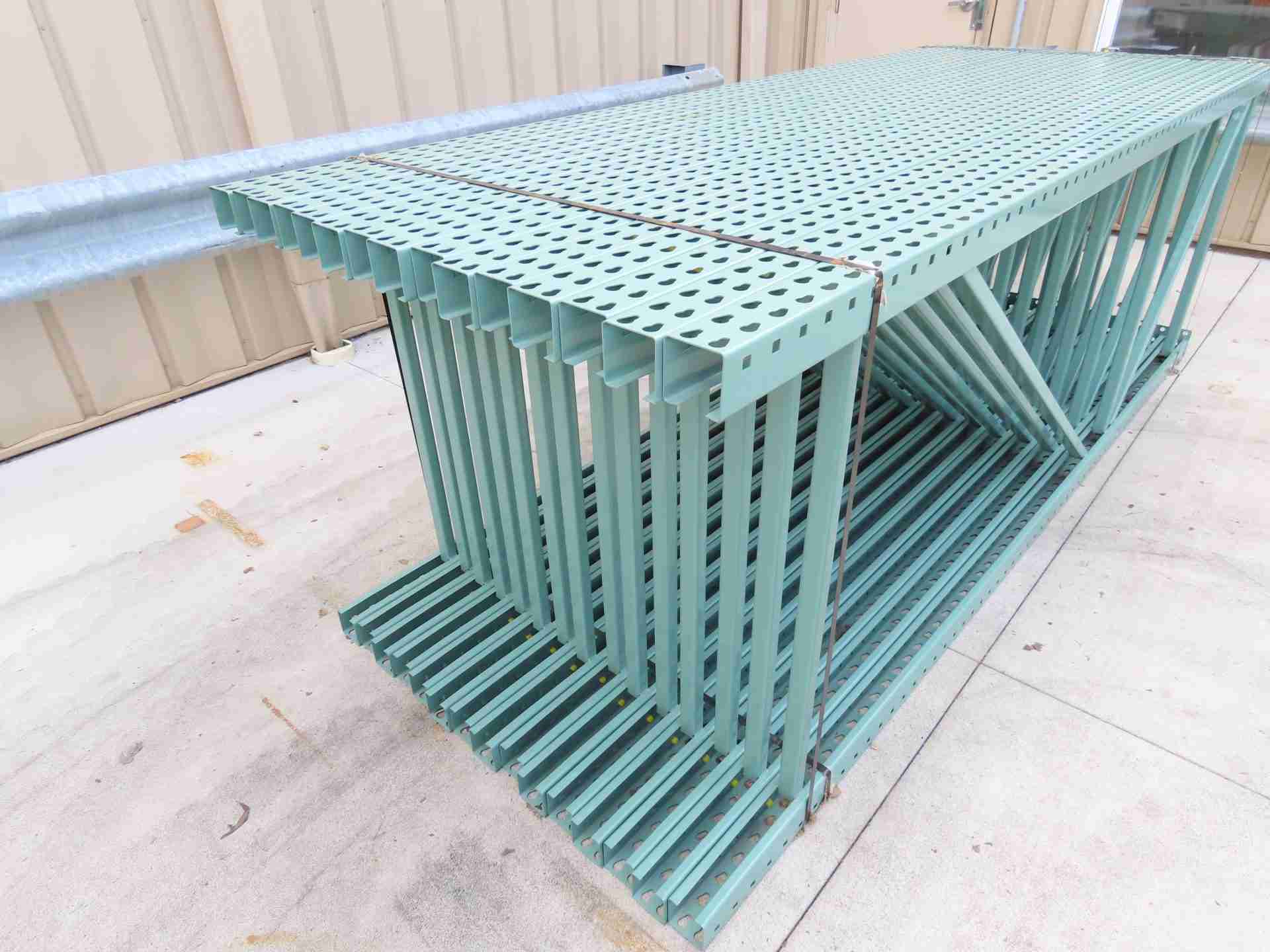
Is Automated Pallet Racking Worth The Investment?
What Are Common Mistakes In Pallet Racking Installation?
In the world of warehousing, efficient space management can make or break your operations. One of the pillars of this efficiency is pallet racking. However, even the most cutting-edge racking systems can falter due to common installation mistakes. Understanding these pitfalls not only protects your investment but enhances safety and productivity in your facility.
1. Ignoring Manufacturer Guidelines
One of the cardinal sins in pallet racking installation is not adhering to manufacturer instructions. Each racking system comes with specific guidelines designed to ensure safety and structural integrity. For instance, recent reports have highlighted cases where improper installation led to catastrophic failures during high-traffic seasons such as Black Friday, resulting in product loss and serious injuries. By following the provided guidelines, you not only safeguard your employees but also maximize the effectiveness of your racking system.
2. Inadequate Load Testing
Another frequently overlooked area is load testing. Many warehouse managers might assume that their pallet racking can handle any weight simply because it looks sturdy. Remember the tragic warehouse incident that occurred last year when a major retailer miscalculated load capacities? This mistake resulted in collapsed racks and significant financial losses. Before putting any racking system into operation, always conduct thorough load tests. This not only ensures safety but gives you peace of mind, allowing your team to concentrate on their core responsibilities instead of worrying about potential hazards.
3. Neglecting Safety Features
Safety features in pallet racking systems—such as safety pins and aisle guards—are there for a reason. Skipping these components seems like a minor oversight, but they play a crucial role in preventing rack collapse and accidents. According to safety experts, facilities that utilize these features effectively see a 30% reduction in worker-related injuries. It doesn’t take much; just a moment of diligence can protect your workforce and help avoid costly insurance claims.
4. Poor Planning of Aisle Space
Finally, improper planning of aisle space can impede the efficiency of operations. If aisles are too narrow, it can lead to accidents, and if they’re excessively wide, you’re wasting valuable square footage. Consider taking a cue from advanced inventory management systems that optimize space usage. Analyze your picking patterns, and fully utilize your racking capabilities without compromising safety.
In short, the road to effective warehouse management is paved with diligence. Avoid these common mistakes in pallet racking installation to not only enhance safety but also to set the stage for operational success. Embracing best practices today means a more profitable tomorrow.
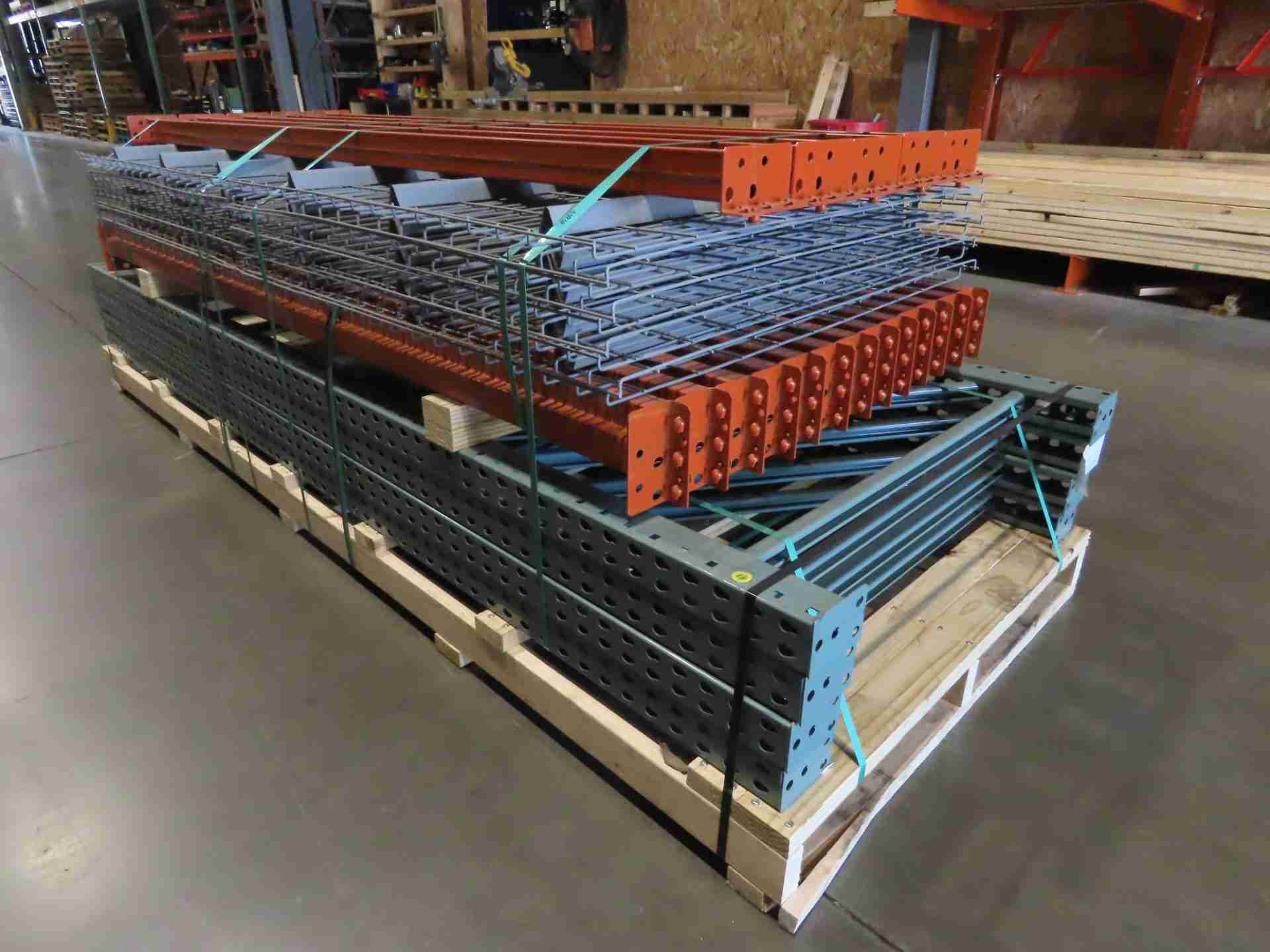
What Are Common Mistakes In Pallet Racking Installation?
What Are Common Mistakes In Pallet Racking Installation?
- Efficient space management is crucial in warehousing, with pallet racking being a key component.
- Ignoring manufacturer guidelines can lead to safety hazards and operational failures, especially during high-traffic times.
- Inadequate load testing can pose serious risks, as seen in a recent incident involving collapsed racks due to miscalculations.
- Neglecting safety features like safety pins and aisle guards can lead to increased workplace injuries.
- Proper planning of aisle space is essential to prevent accidents and optimize space usage in the warehouse.
- Adhering to best practices in pallet racking installation enhances safety and productivity.
- Investing time and effort in proper installation now can lead to improved operational success and profitability in the future.
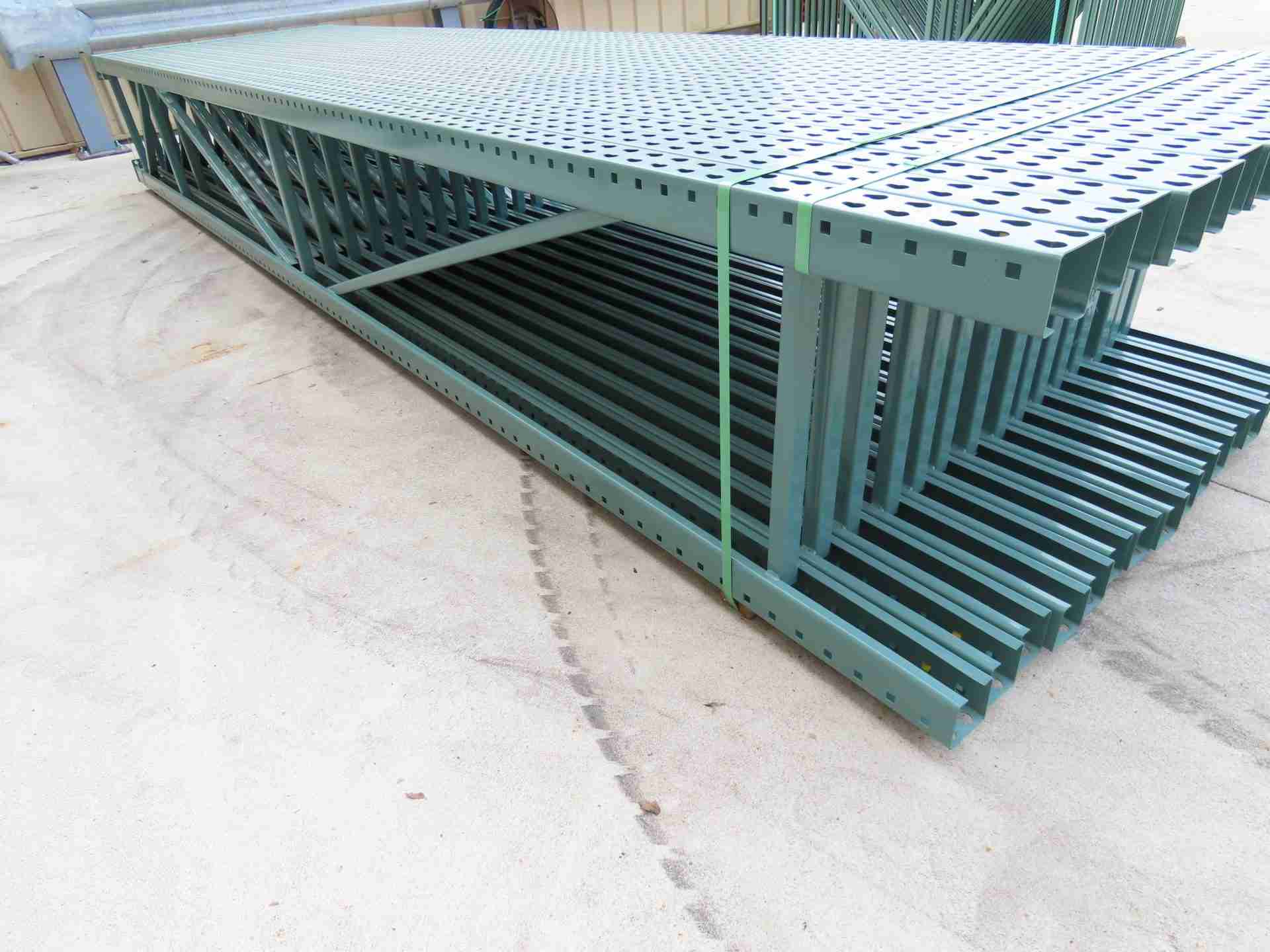
What Are Common Mistakes In Pallet Racking Installation?
How Do I Choose Between Selective And Push-Back Racking?
When it comes to optimizing your warehouse operations, choosing between selective and push-back racking is a pivotal decision. Each system has its unique advantages tailored to different business needs, and understanding these can drive your operational efficiency to new heights.
Selective Racking: The Versatile Champion
Let’s start with selective racking. Imagine a retail store filled with diverse products where quick access is crucial—this is where selective racking shines. It provides immediate access to each pallet, allowing for easy inventory management and flexibility. If your business involves a variety of SKUs or frequently rotates your stock, selecting this system is akin to choosing a versatile, reliable workhorse. For example, grocery distribution centers often employ selective racking due to the need for rapid SKU turnover and varying product sizes.
In 2023, as e-commerce continues its explosive growth, businesses with fluctuating inventory can greatly benefit from selective racking. Incorporating technology, such as RFID, enhances the precision of inventory management, making selective racking not only a practical choice but a tech-savvy investment.
Push-Back Racking: Space Maximization at Its Best
On the other side of the equation, we have push-back racking. If you’re dealing with large quantities of a smaller variety of products, this system can be a game changer. Think of a manufacturing facility that stores bulk materials. Push-back racking allows for deeper storage—up to six pallets deep—enabling you to maximize vertical space while minimizing aisles.
For instance, in light of the global supply chain disruptions over the past year, many warehouses have re-evaluated their storage strategies to accommodate bursts of product inflow. Push-back racking allows businesses to store more product in less space, adapting to unpredictable supply chain dynamics efficiently.
Finding the Right Fit for Your Business
Choosing between selective and push-back racking involves evaluating your specific needs. Are speed, flexibility, and easy access top priorities? Or do you require maximum storage efficiency for bulk items? Conduct a thorough analysis of your inventory turnover, product variety, and storage capacity requirements.
In today’s ever-evolving marketplace, understanding these dynamics is critical. By choosing the right racking system, you’re not just investing in storage; you’re fundamentally enhancing your operational agility, positioning your business to thrive amid challenges. Remember, it’s not merely about storing products; it’s about optimizing your warehouse for growth and profitability.
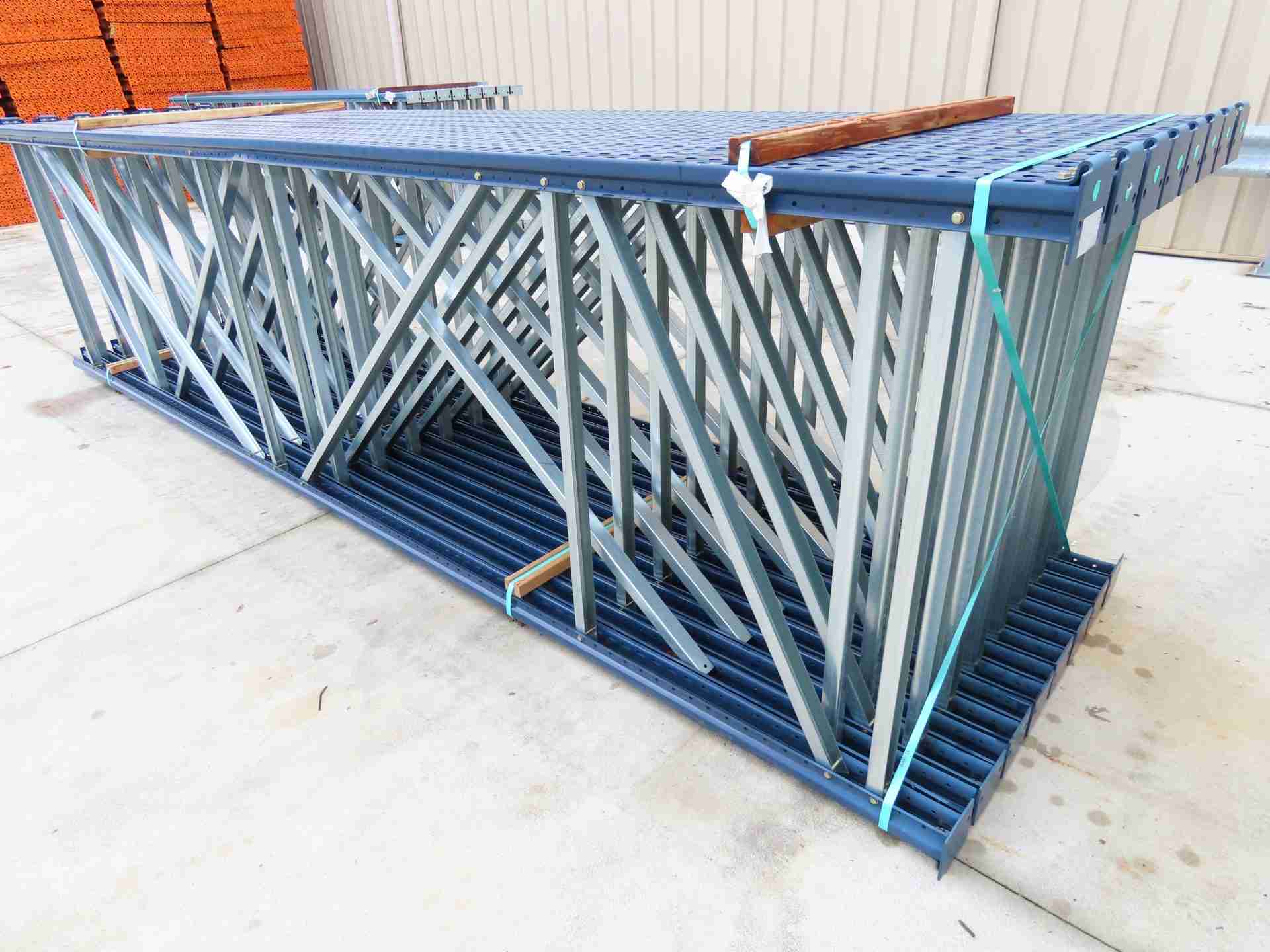
How Do I Choose Between Selective And Push-Back Racking?
How Do I Choose Between Selective And Push-Back Racking?
- Choosing between selective and push-back racking is crucial for optimizing warehouse operations.
- Selective racking offers immediate access to pallets, ideal for businesses with diverse products and high SKU turnover.
- This system is particularly beneficial for grocery distribution centers and businesses engaging in e-commerce.
- Utilizing technology like RFID enhances inventory management precision in selective racking setups.
- Push-back racking is effective for storing large quantities of fewer product varieties, maximizing vertical space.
- This system has gained popularity due to its ability to adapt to supply chain disruptions and store more in less space.
- Evaluating specific business needs related to speed, flexibility, and storage efficiency is essential in choosing the right racking system.
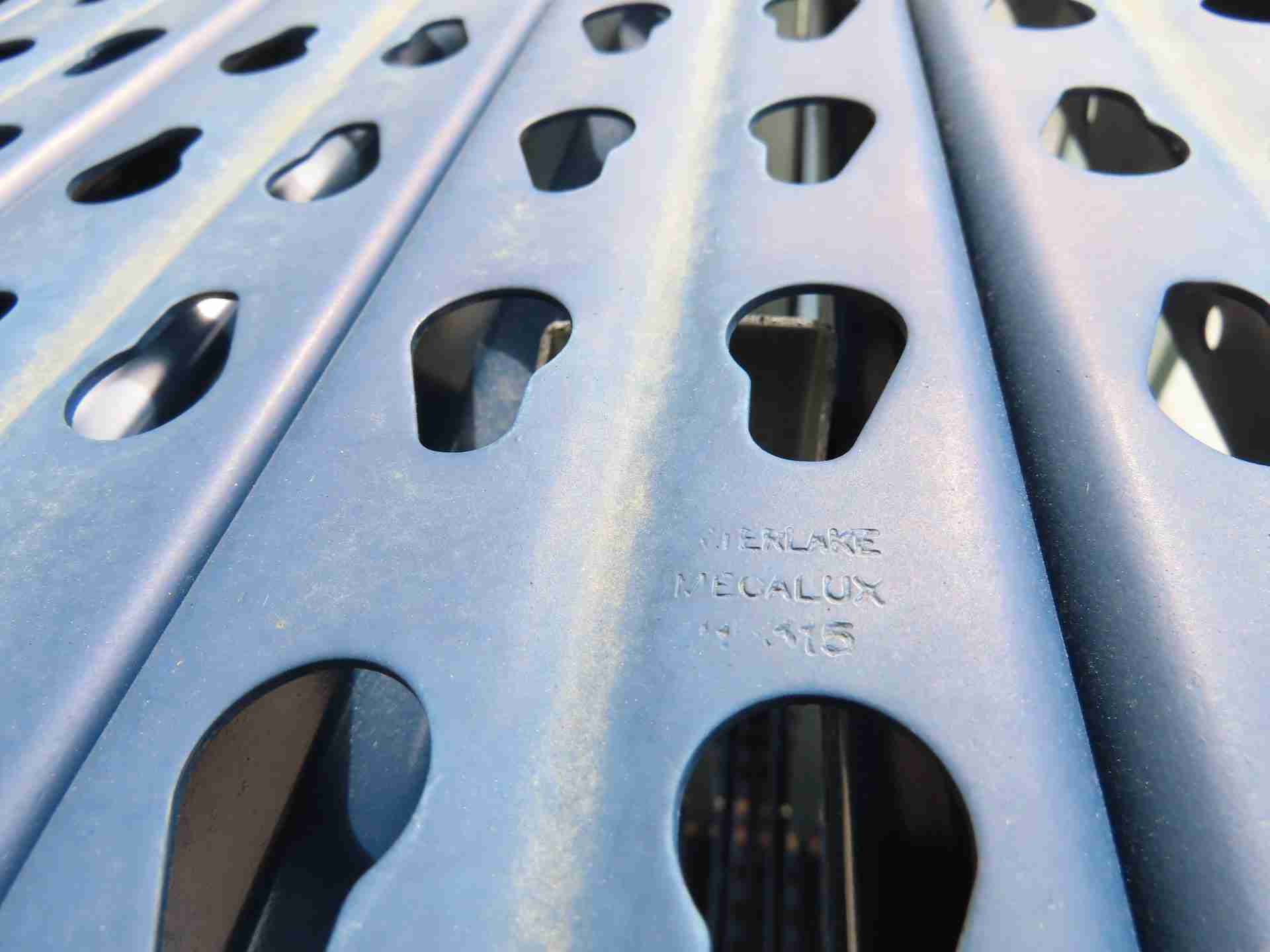
How Do I Choose Between Selective And Push-Back Racking?
What Is The Future Of Pallet Racking Systems In Logistics?
The landscape of logistics is evolving at an unprecedented pace, and at the heart of these changes is pallet racking systems. These essential components of warehousing and distribution are not just remaining relevant; they are poised for a significant transformation that will revolutionize how businesses manage their inventory and optimize space.
As we turn the corner into a future dominated by automation and advanced technology, modern pallet racking systems will integrate seamlessly with smart logistics solutions. Imagine a warehouse where automated guided vehicles (AGVs) navigate autonomously, retrieving and storing pallets with precision. Companies like Amazon are already adopting such technologies, showing the immense potential of merging pallet racking with automated systems to boost efficiency. These innovations don’t just save time; they radically reduce labor costs and human error.
Sustainability also plays a critical role in the future of pallet racking. As more organizations commit to environmentally friendly practices, the demand for recyclable materials in warehouse solutions rises. Today’s manufacturers are responding by creating racking systems made from sustainable steel and other eco-conscious materials. A brand that stands out is UCIX with its modular design options that allow companies to adapt and repurpose racks for different purposes, minimizing waste.
Furthermore, technology isn’t just helping logistics companies become more efficient; it’s also redefining how we think about space in warehouses. The new trend of inventory management through the use of IoT (Internet of Things) will allow real-time tracking of inventory levels, leading to optimized space utilization. For example, RFID technology can enhance pallet racking systems by providing accurate data on location, availability, and product expiry—significantly improving the inventory turnover rate.
But let’s not overlook the rising importance of e-commerce. With online retail sales skyrocketing, businesses must adapt their pallet racking systems to handle diverse product ranges and faster turnarounds. Innovative designs like mobile pallet racking allow retailers to maximize storage density without sacrificing accessibility, making them a game-changer for forward-thinking businesses.
The future of pallet racking is not just about storage; it’s about strategic logistics that aligns with modern consumer demands and technological advancements. Adapting to these changes isn’t just an option; it’s crucial for survival in a fiercely competitive market. Embrace the next generation of pallet racking systems now, and set the stage for a robust and sustainable logistics operation that can soar to new heights.
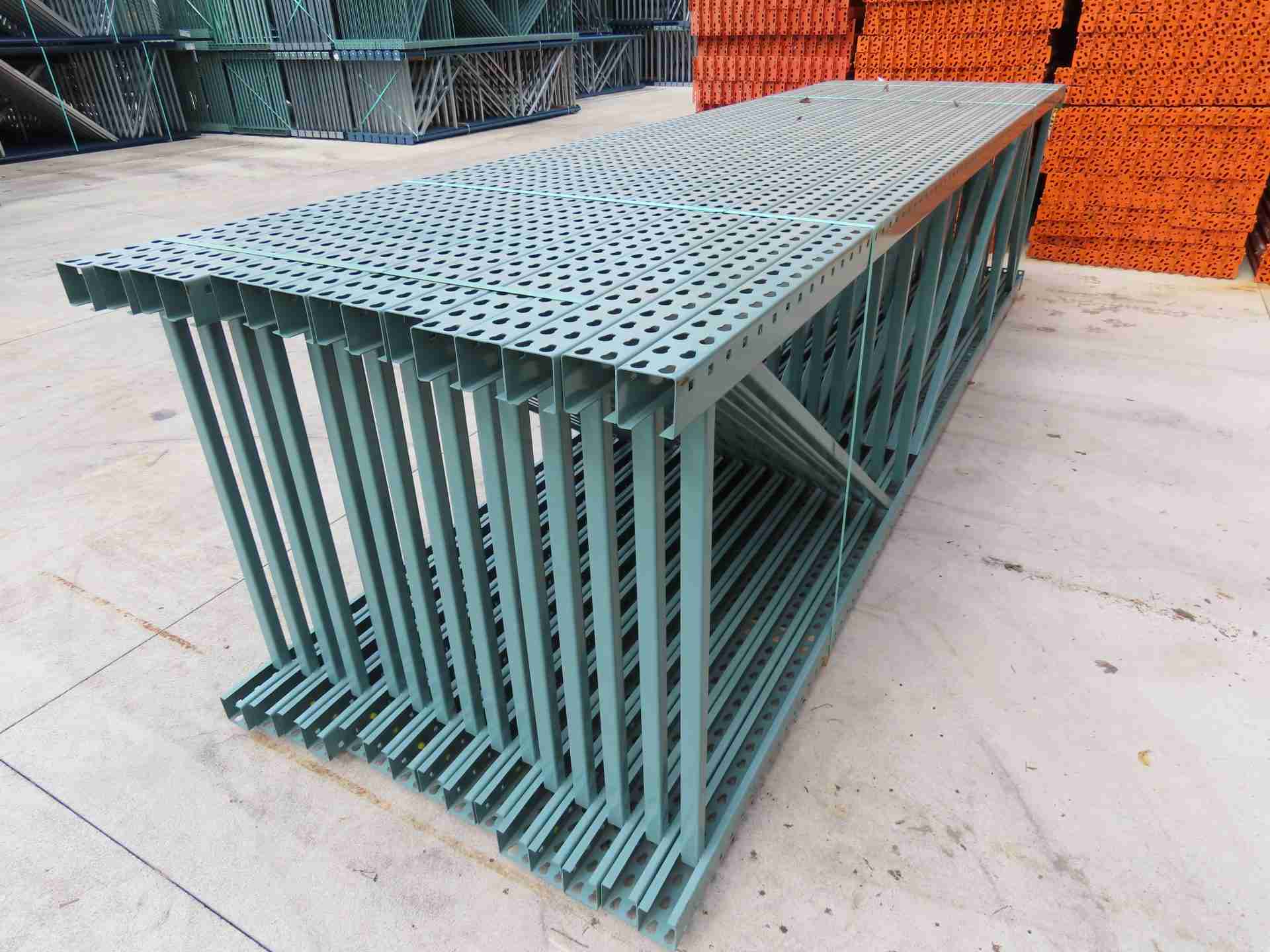
What Is The Future Of Pallet Racking Systems In Logistics?
What Is The Future Of Pallet Racking Systems In Logistics?
- The logistics landscape is evolving rapidly, with pallet racking systems at the forefront of this transformation.
- Modern pallet racking systems will integrate with smart logistics solutions, including automated guided vehicles (AGVs) for efficient inventory management.
- Sustainability is increasingly important; demand for eco-friendly racking systems made from recyclable materials is rising.
- Brands like UCIX offer modular designs that enable adaptation and repurposing of racks, minimizing waste.
- IoT technology will enhance real-time inventory tracking, optimizing warehouse space utilization through tools like RFID.
- With the rise of e-commerce, pallet racking systems must accommodate diverse products and faster turnarounds, exemplified by mobile pallet racking designs.
- The future of pallet racking emphasizes strategic logistics that align with consumer demands and technological advancements, critical for business survival.

What Is The Future Of Pallet Racking Systems In Logistics?
Conclusion
As we close our exploration of the latest trends in the pallet racking industry, it’s evident that the stakes have never been higher. The dual forces of rapid e-commerce growth and increasing consumer demands for efficiency are reshaping how businesses approach warehouse management. Innovations in pallet racking are no longer a mere advantage—they’re becoming a necessity for companies striving to remain competitive in an ever-evolving market landscape.
The trends we’ve discussed—ranging from dynamic and automated storage solutions to a robust emphasis on sustainability—underscore a seismic shift in operational methodologies. Dynamic racking systems are pushing the boundaries of space utilization and speed, while automated retrieval systems are pioneering ways to enhance productivity and accuracy. These advanced solutions pave the way for faster fulfillment times, reduced labor costs, and a decreased margin for error, all crucial as e-commerce demand accelerates at an unprecedented pace.
Yet, amidst these advancements, the importance of adaptability cannot be overstated. Today’s modern warehouses require racking systems that can seamlessly adjust to fluctuations in inventory and order sizes. Companies that embrace modular and flexible racking solutions will not only enjoy immediate efficiency gains but also future-proof their operations against market unpredictability.
Moreover, the growing emphasis on sustainability is a critical reminder that operational success and environmental responsibility can coexist. Eco-friendly materials, energy-efficient practices, and a conscious approach to waste will not only appeal to today’s environmentally-minded consumers but can also lead to significant long-term cost savings for your business.
At Arrow Industrial Sales, we recognize that these innovations are yours for the taking. Whether you’re looking to overhaul your existing racking system or implement a solution tailored to your unique operational needs, we’re here to guide you. The future is bright for businesses that invest in these transformative trends—don’t let your competitors get ahead!
Now is the perfect time to act. Call Arrow Industrial Sales today at (574) 349-6575 to explore how we can help you navigate the latest in pallet racking solutions and position your business for success. Urgency is key; the innovations we discussed are reshaping the industry as we speak, and your opportunity to lead the charge is at your fingertips. Together, let’s build a warehouse that’s not just functional—but exceptional!
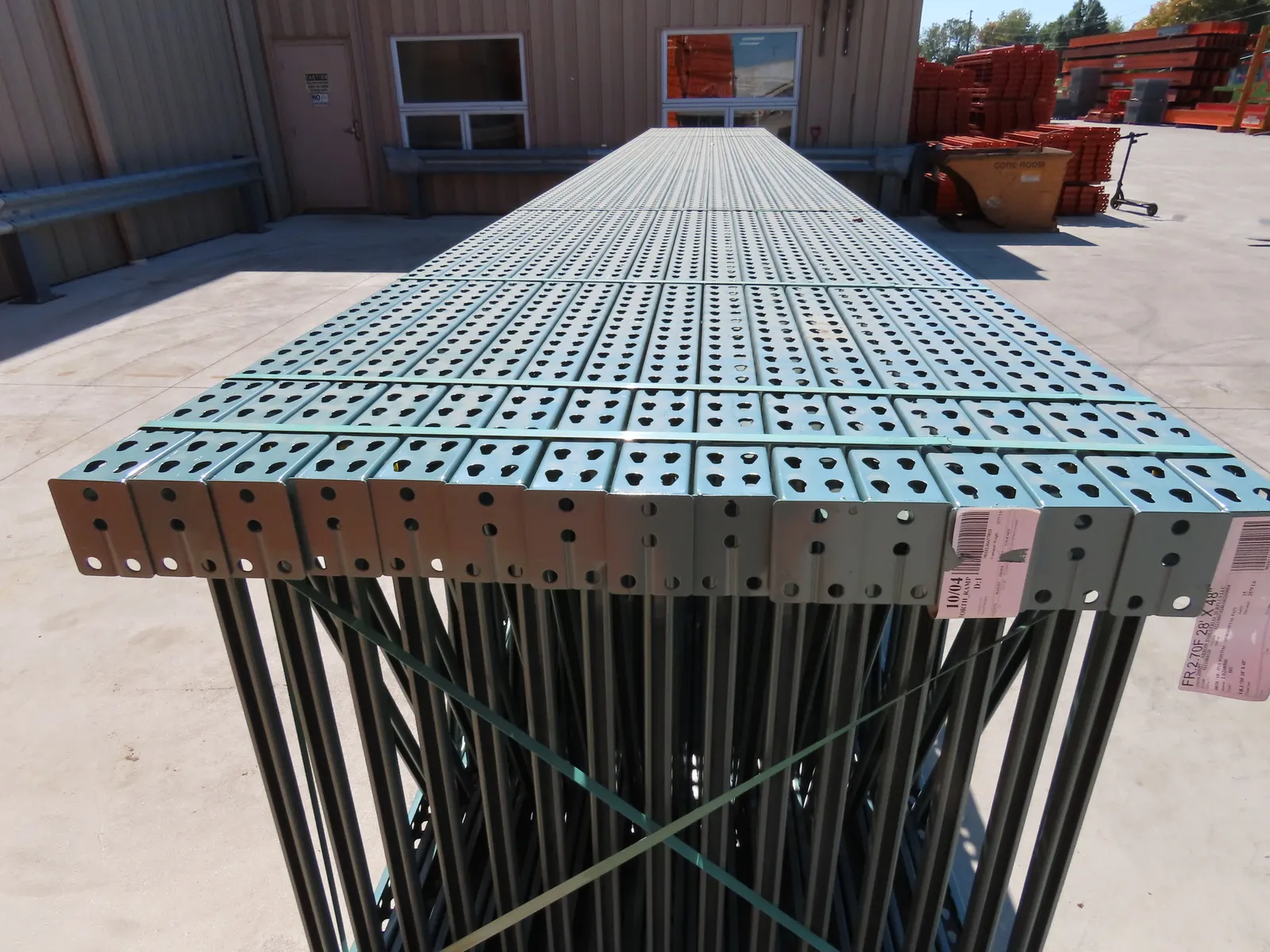
Conclusion
Conclusion:
- The pallet racking industry is evolving due to rapid e-commerce growth and heightened consumer efficiency demands.
- Innovations in pallet racking are becoming essential for businesses to remain competitive.
- Dynamic and automated storage solutions improve space utilization, speed, productivity, and accuracy.
- Modern warehouses require adaptable racking systems to address fluctuations in inventory and order sizes.
- Sustainability is increasingly important, emphasizing eco-friendly materials and energy-efficient practices.
- Arrow Industrial Sales offers guidance on implementing effective and tailored racking solutions.
- Act now to leverage these innovations and enhance your warehouse operations for future success.
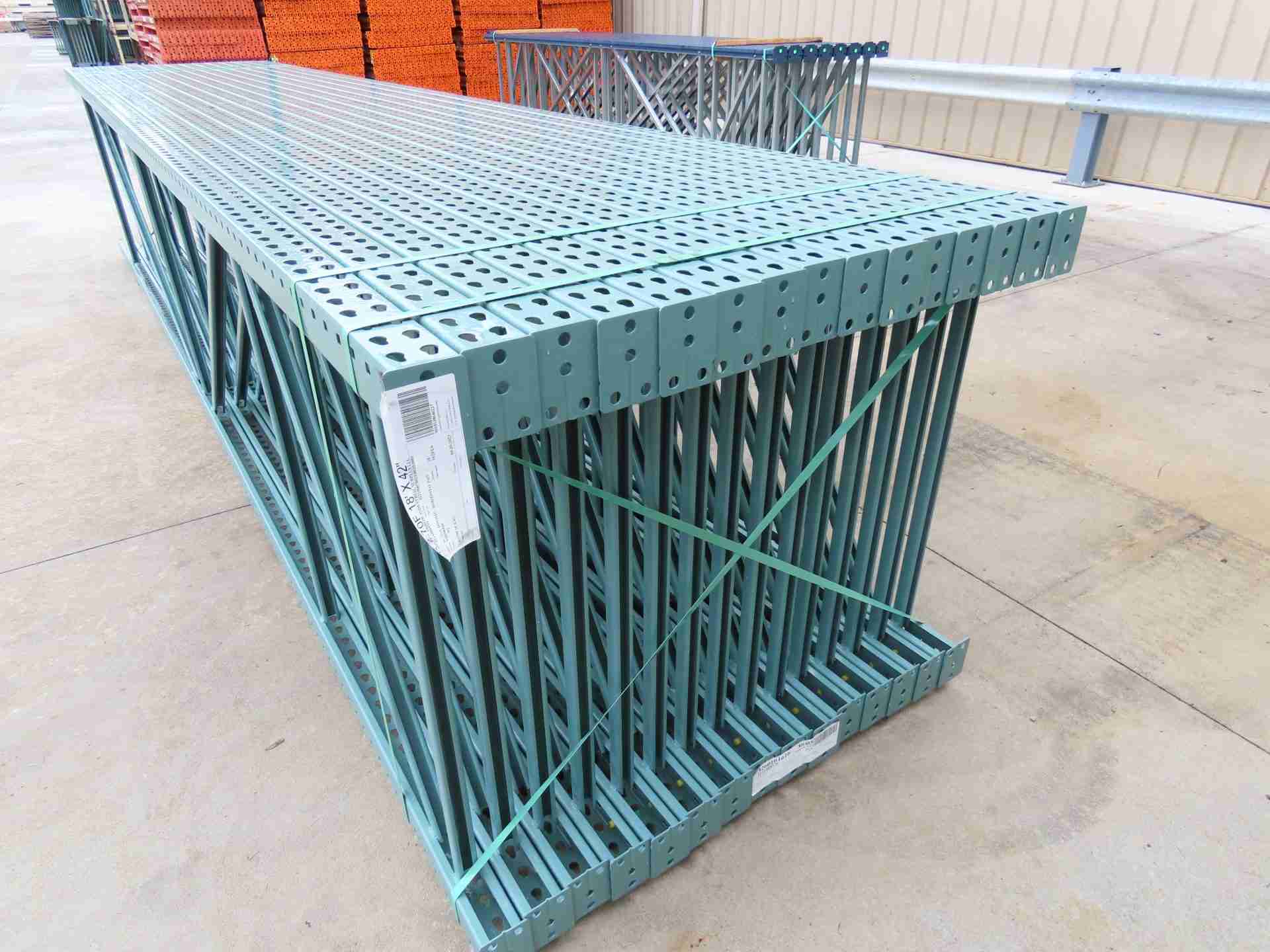
Conclusion
Other Resources
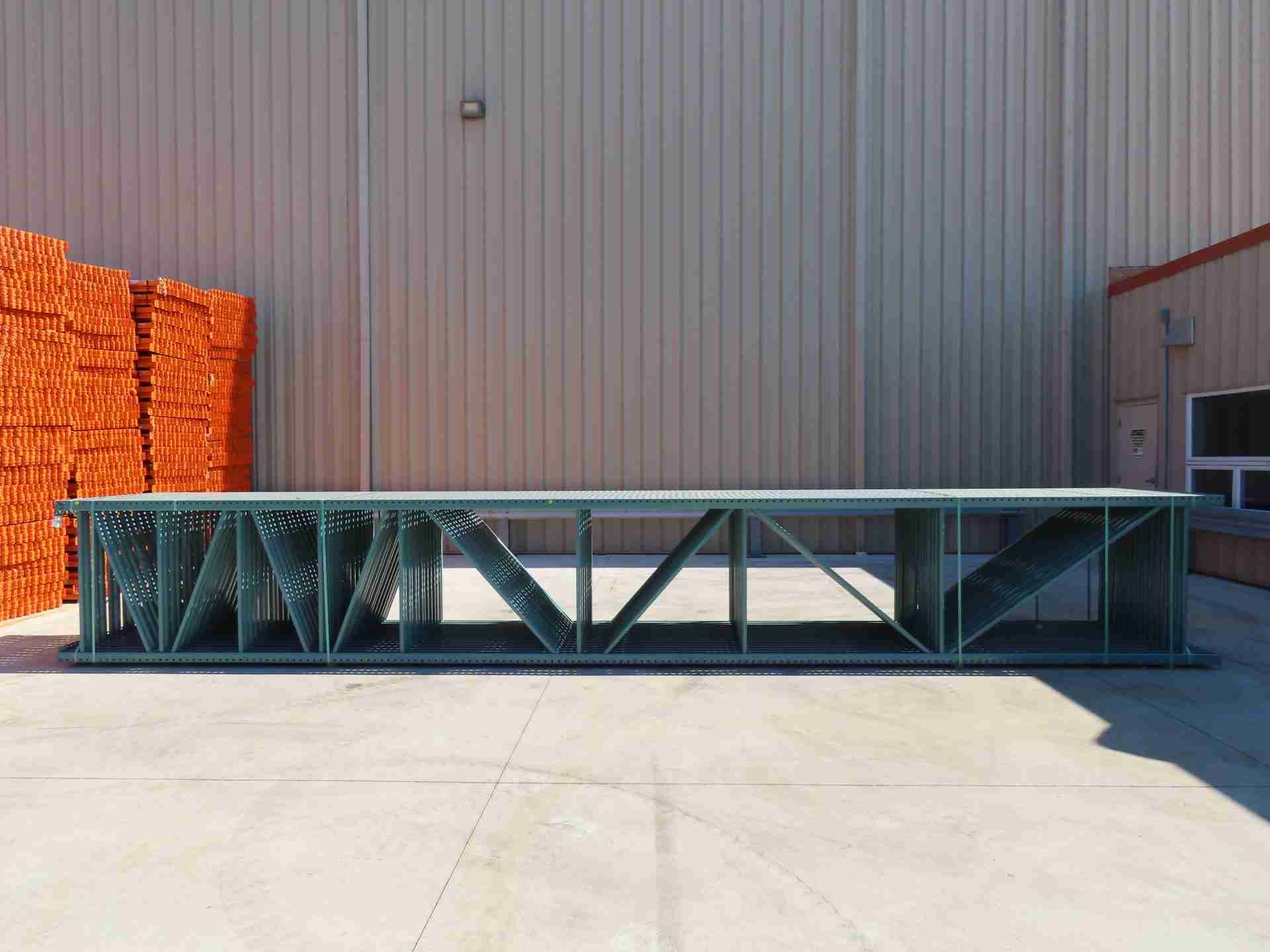
Other Resources
Here is a list of other resources you can review online to learn more:
- “Interlake Mecalux Inc. | Warehouse Storage Solutions”
- “Mecalux International | Warehouse Storage Solutions”
- “Pallet Racking (Selective Storage Racks)”
- “Warehouse Automation”
- “[Video] MIT CTL Intelligent Logistics Systems Lab”
- “Video of a case study on automated high-bay clad racks”
- “Interlake Mecalux”
Use This Prompt To Get More Resources With Your Favorite Online AI Tool: Please provide me with a list of online articles with their URLs in a bulleted list that I can read regarding What Is The Latest In The Pallet Racking World?
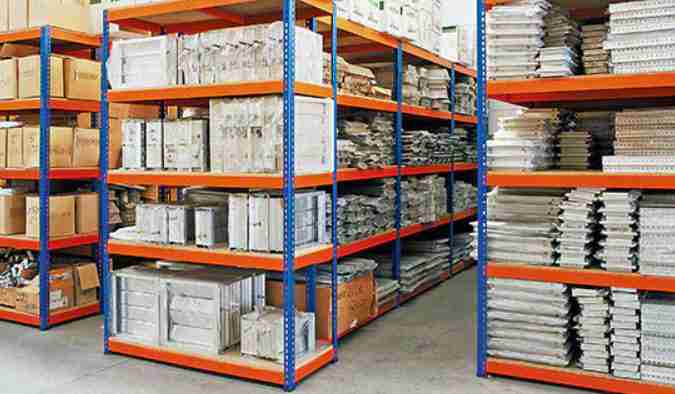
Other Resources
Glossary Terms
What Is The Latest In The Pallet Racking World? – Glossary Of Terms
1. Automated Storage and Retrieval Systems (AS/RS): Technology designed for automatically placing and retrieving loads from storage locations, enhancing efficiency and reducing labor costs.
2. Cantilever Racking: A type of racking system with arms that extend from a central column, ideal for storing long or bulky items like lumber or pipes.
3. Drive-In Racking: A high-density storage system that allows for the storage of pallets close together, optimizing warehouse space by enabling forklifts to drive into the rack.
4. Selective Racking: A conventional and widely used racking system where pallets are stored on beams, allowing for easy access to each pallet.
5. Push Back Racking: A system that utilizes a series of carts to store pallets; as one pallet is loaded, the next is pushed backward, maximizing storage density.
6. Mobile Racking: Racking systems mounted on wheels that can be moved to create aisles as needed, maximizing storage space and efficiency in a warehouse.
7. Mezzanine: An intermediate floor within a warehouse, allowing for additional storage space or office areas without expanding the building’s footprint.
8. Pallet Flow Racking: A first-in, first-out (FIFO) storage system where pallets roll down a sloped track, making it ideal for perishable or time-sensitive products.
9. Rack Safety System: A combination of components like safety clips, rack guards, and column protectors designed to enhance the safety and stability of racking systems.
10. Load Capacity: The maximum weight that a pallet racking system can safely hold, determined by the design and materials used.
11. Stock Keeping Unit (SKU): A unique identifier for a specific product, which is essential for inventory management within storage systems.
12. Warehouse Management System (WMS): Software that manages inventory levels, orders, and operations within a warehouse, enhancing efficiency.
13. Ergonomics: The study of designing equipment and processes for optimal human use, crucial for reducing workplace injuries in logistics.
14. Sustainable Racking Solutions: Racking systems designed with environmentally friendly materials or processes, contributing to sustainability in warehouse operations.
15. Cold Storage Racking: Specialized racking systems designed for environments that maintain low temperatures, often used for perishable goods.
16. Rack Inspection: Regular assessments performed to check for structural integrity and compliance with safety regulations.
17. Vertical Lift Module (VLM): An automated system that uses trays stored vertically to optimize storage and improve picking efficiency.
18. Cross Docking: A logistics practice where incoming goods are directly transferred to outgoing transport with minimal storage time, often requiring efficient racking systems.
19. Inventory Turnover: A measure of how quickly inventory is sold and replaced, influencing the design and efficiency of racking systems.
20. Flow Rack: A racking system that uses gravity to keep inventory moving, facilitating efficient picking and restocking.
21. Boltless Racking: A modular storage solution that can be assembled quickly without the need for bolts or tools, providing flexibility in warehouse layouts.
22. High-Bay Racking: A tall storage solution that maximizes vertical space in a warehouse, typically used in conjunction with automated handling equipment.
23. Batch Picking: A picking method where multiple orders are picked at once, increasing efficiency in racking systems designed for order fulfillment.
24. Pallet Racking Accessories: Various components designed to enhance racking systems, including safety nets, dividers, and labeling systems.
25. Tiered Racking: Racking systems that consist of multiple levels or tiers, increasing storage capacity in a designated area.
26. Weight Distribution: The manner in which weight is allocated across a racking system, crucial for maintaining balance and safety.
27. Custom Racking Solutions: Tailored racking systems designed to meet specific warehouse needs or accommodate unique products.
28. Innovative Materials: Usage of advanced materials like high-strength steel or polymer composites in racking systems for increased durability and reduced weight.
29. Smart Racking: Integrated racking systems featuring IoT technology for real-time inventory tracking and monitoring.
30. Vertical Storage Solutions: Systems designed to utilize height for storage, such as shelving and rack systems that capitalize on vertical space.
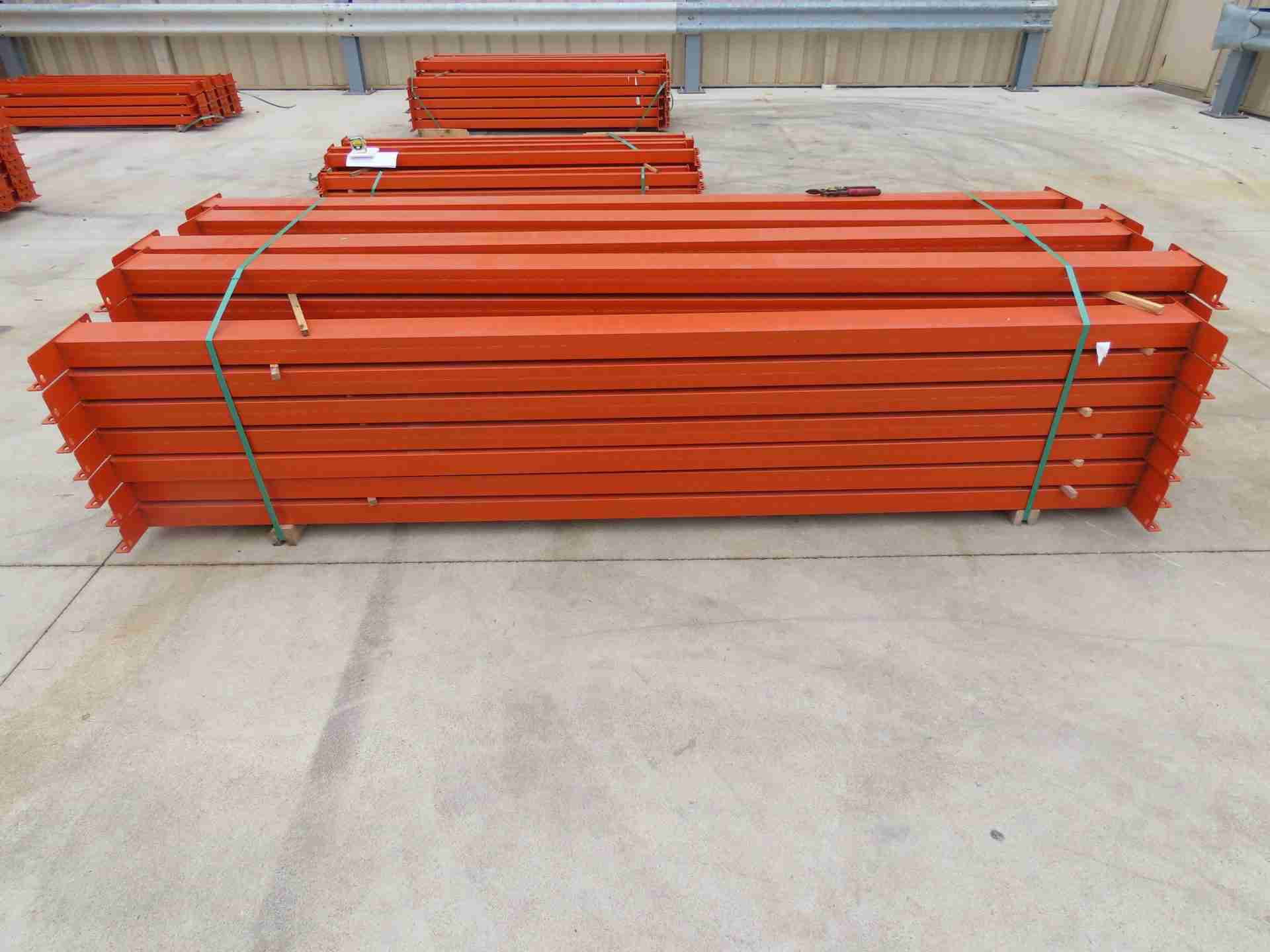
Glossary Of Terms
Other Questions
What Is The Latest In The Pallet Racking World? – Other Questions
If you wish to explore and discover more, consider looking for answers to these questions:
- What factors should I consider when selecting a pallet racking system?
- How do automated storage and retrieval systems (AS/RS) work in pallet racking?
- What are the cost implications of implementing advanced pallet racking systems?
- How do I train employees on the safe use of pallet racking systems?
- What maintenance practices should I follow to ensure pallet racking longevity?
- How does climate change impact the future of pallet racking solutions?
- What certifications or standards should my pallet racking systems comply with?
- How can I implement eco-friendly practices in my pallet racking systems?
- What innovations in pallet racking are currently being researched or developed?
- How do I determine the optimal layout for my pallet racking system?
- What are the labor savings associated with automated pallet racking?
- How can I assess the ROI of my pallet racking investment?
- What are common safety violations associated with pallet racking usage?
- How frequently should I inspect my pallet racking systems?
- What are the top brands or manufacturers of pallet racking systems?
Other Questions
Checklist
What Is The Latest In The Pallet Racking World? – A Checklist
1. Assess Your Needs:
_____ Understand your inventory characteristics (type, size, quantity).
_____ Determine future growth and flexibility requirements.
2. Evaluate Space Utilization:
_____ Measure your warehouse space accurately.
_____ Consider vertical space maximization strategies.
_____ Assess aisle widths for optimal safety and efficiency.
3. Explore Technology and Automation:
_____ Investigate automated storage and retrieval systems (AS/RS).
_____ Implement IoT technology for real-time inventory tracking.
_____ Consider RFID systems for enhanced inventory management.
4. Prioritize Sustainability:
_____ Opt for eco-friendly or recycled materials in racking systems.
_____ Explore energy-efficient lighting and sustainable manufacturing practices.
5. Choose the Right Racking System:
_____ Select between selective and push-back racking based on inventory needs.
_____ Consider dynamic or customizable racking solutions for flexibility.
6. Incorporate Safety Features:
_____ Ensure compliance with OSHA and ANSI safety standards.
_____ Regularly include safety pins, automatic sensors, and height indicators in the design.
7. Design for Efficiency:
_____ Plan for clear pick paths to streamline order fulfillment.
_____ Optimize the layout for quick access to frequently picked items.
8. Implement Regular Maintenance Procedures:
_____ Establish a routine inspection schedule (monthly and annual).
_____ Train staff on safe operation practices and damage reporting.
9. Record and Manage Data:
_____ Utilize analytics and big data to monitor trends and optimize inventory flow.
_____ Implement a robust inventory management system that ties into your racking.
10. Stay Informed on Innovations:
_____ Keep abreast of new technologies and materials in the pallet racking industry.
_____ Attend industry trade shows, conferences, or webinars for continuous learning.
Conclusion:
By following this checklist, you can enhance your warehouse efficiency, improve safety standards, and adapt to the ever-evolving logistics landscape. Embrace these trends to stay ahead in the competitive marketplace!
Checklist
At RackingWorld, we help guide you through selecting warehouse storage systems and racking.
Be sure to read our other related stories at RackingWorld to learn more about warehouse storage systems.
0 Comments