
Maximizing Efficiency And Space With Local Pallet Racking
By Tom Seest
At RackingWorld, we help guide you through selecting warehouse storage systems and racking.
Be sure to read our other related stories at RackingWorld to learn more about warehouse storage systems.
What Happens After You Buy Local Pallet Racking?
Once you’ve made the savvy decision to invest in local pallet racking, you enter a crucial phase that can significantly impact your operations and bottom line. Many businesses underestimate the post-purchase stage, but it’s at this juncture that the real benefits of your investment begin to unfold.
# Installation Coordination
First and foremost, understanding the installation process is essential. When you purchase local pallet racking, you want to ensure it is installed correctly and efficiently. Coordinate with your supplier to set up a timeline that minimizes disruption to your business. For example, if you’re in the retail industry, scheduling installation during off-peak hours can keep customer experiences seamless and worry-free.
# Employee Training
Once your pallet racking is installed, consider an employee training initiative. Proper use of your storage solutions is paramount, and what better way to ensure safety and efficiency than to have well-informed staff? Conduct training sessions that cover best practices for loading, unloading, and maintaining the racking system. This investment in your team not only aids in compliance with OSHA standards but can also boost morale—after all, employees love feeling competent and taken care of.
# Optimizing Your Space
After your pallet racking is in place and your staff is trained, it’s time to focus on optimization. Analyze your inventory patterns to designate the most efficient locations for your products. Just observe how top retailers are leveraging their various racking systems to enhance space utilization. For instance, during the current supply chain volatility, businesses that have optimized their warehouse space have successfully reduced their storage costs and improved order fulfillment rates.
# Monitor and Adjust
Remember, the work doesn’t stop once the racking is installed. Implement a vigilant monitoring system to track the effectiveness of your pallet racking. Are you noticing bottlenecks? Are certain sections becoming overcrowded? Being proactive and making necessary adjustments can lead to significant improvements in workflow and productivity. Consider leveraging technology like warehouse management systems to gain insights into space utilization and inventory levels.
# Maintain Relationships
Lastly, maintain a relationship with your local racking supplier. They can provide ongoing support, maintenance tips, and even expansion options if your business outgrows its initial setup. This partnership can prove invaluable, especially in a climate where agility is crucial—like the current economic landscape that challenges many sectors.
Investing in local pallet racking is just the beginning. By paying attention to these post-purchase actions, you’ll maximize your investment’s value and ensure ongoing operational success!
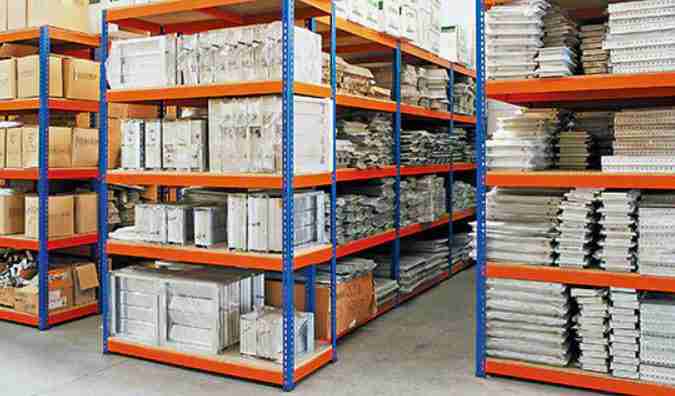
What Happens After You Buy Local Pallet Racking?
What Happens After You Buy Local Pallet Racking?
- Post-purchase stage is crucial for maximizing benefits from local pallet racking investment.
- Coordinate installation with suppliers to minimize business disruption, especially during off-peak hours.
- Implement employee training on the proper use of racking systems for safety and efficiency.
- Optimize space by analyzing inventory patterns to enhance product location and reduce storage costs.
- Establish a monitoring system to track pallet racking effectiveness and make necessary adjustments.
- Maintain relationships with local suppliers for ongoing support, maintenance, and expansion options.
- Focus on these post-purchase actions to ensure operational success and maximize investment value.
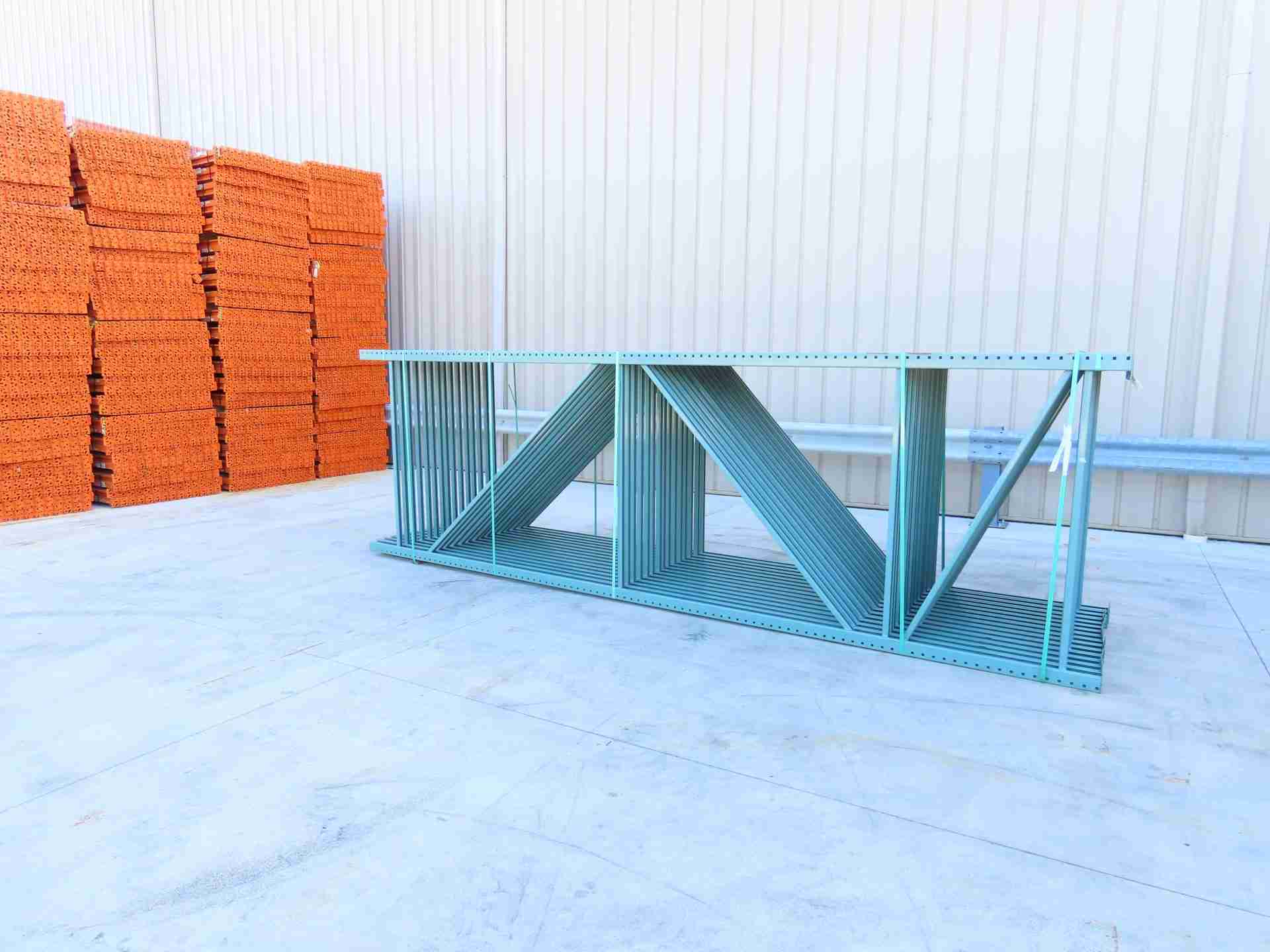
What Happens After You Buy Local Pallet Racking?
Table Of Contents
- What Happens After You Buy Local Pallet Racking?
- What Should You Check Before Buying Local Pallet Racking?
- How Do You Assess The Quality Of Pallet Racking?
- What Permits Do You Need For Pallet Racking Installation?
- Who Should You Hire For Pallet Racking Assembly?
- How Can You Maximize Storage Space With Pallet Racking?
- What Safety Standards Must Local Pallet Racking Meet?
- Conclusion
- Other Resources
- Glossary Of Terms
- Other Questions
- Checklist
What Should You Check Before Buying Local Pallet Racking?
When considering the purchase of local pallet racking, you’re entering an arena that calls for both finesse and due diligence. In today’s chaotic supply chain environment, ensuring your warehouse operates smoothly can make or break your bottom line. Let’s dive into the essential checks you need to execute before sealing the deal on pallet racking.
1. Size and Configuration
Before you even think about placing an order, assess the available space in your warehouse. Is it tall, spacious, or cramped? Measure the height, width, and length of your storage area, and factor in accessibility for fork trucks or hand dollies. Adaptable pallet racking systems, like selective or drive-in configurations, can maximize your storage, but ensure they fit your current and future needs.
For instance, a company in the Midwest recently had to redo its entire shelving system because the initially chosen racking didn’t account for its expanding inventory. Size matters tremendously; one miscalculation can lead to wasted resources.
2. Load Capacity
Every pallet racking system comes with a specific load capacity. Do you know how much weight each bay can hold? Always verify the ratings from the manufacturer and ensure they align with your products. A green light on your racking could quickly turn red if you overload it, leading to catastrophic implications. An automotive parts distributor in California learned this the hard way after a significant component failure caused their warehouse to shut down for days.
3. Local Compliance and Safety Standards
Regulations vary significantly by locality. Before you make your purchase, familiarize yourself with local safety codes. Whether it’s seismic ratings in California or safety inspections in the Midwest, compliance isn’t just a checkbox; it’s your responsibility. Ignoring this can not only result in fines but also jeopardize the safety of your workforce, essentially crippling your operation.
4. Quality and Durability
Investing in local pallet racking is no small feat, but compromising on quality can lead to unnecessary expenses in the long run. Research suppliers thoroughly. Are they well-reviewed? Do they offer warranties or guarantees? Manufacturers that use high-strength steel or powder-coated finishes promise durability that’s essential in today’s fast-paced environments. A local supplier that stands by its products will also offer customer support should you run into issues—an invaluable asset.
5. Local Supplier Reputation
Choose a trusted local supplier. Customer referrals, online reviews, and testimonials can provide insight into their reliability and service. Opt for suppliers who are responsive and knowledgeable; a partner who understands your unique needs can make all the difference.
By making these careful checks, you can confidently purchase local pallet racking that meets your needs and amplifies the efficiency of your operations. Remember, successful businesses aren’t just built on great products; they’re built on informed decisions.
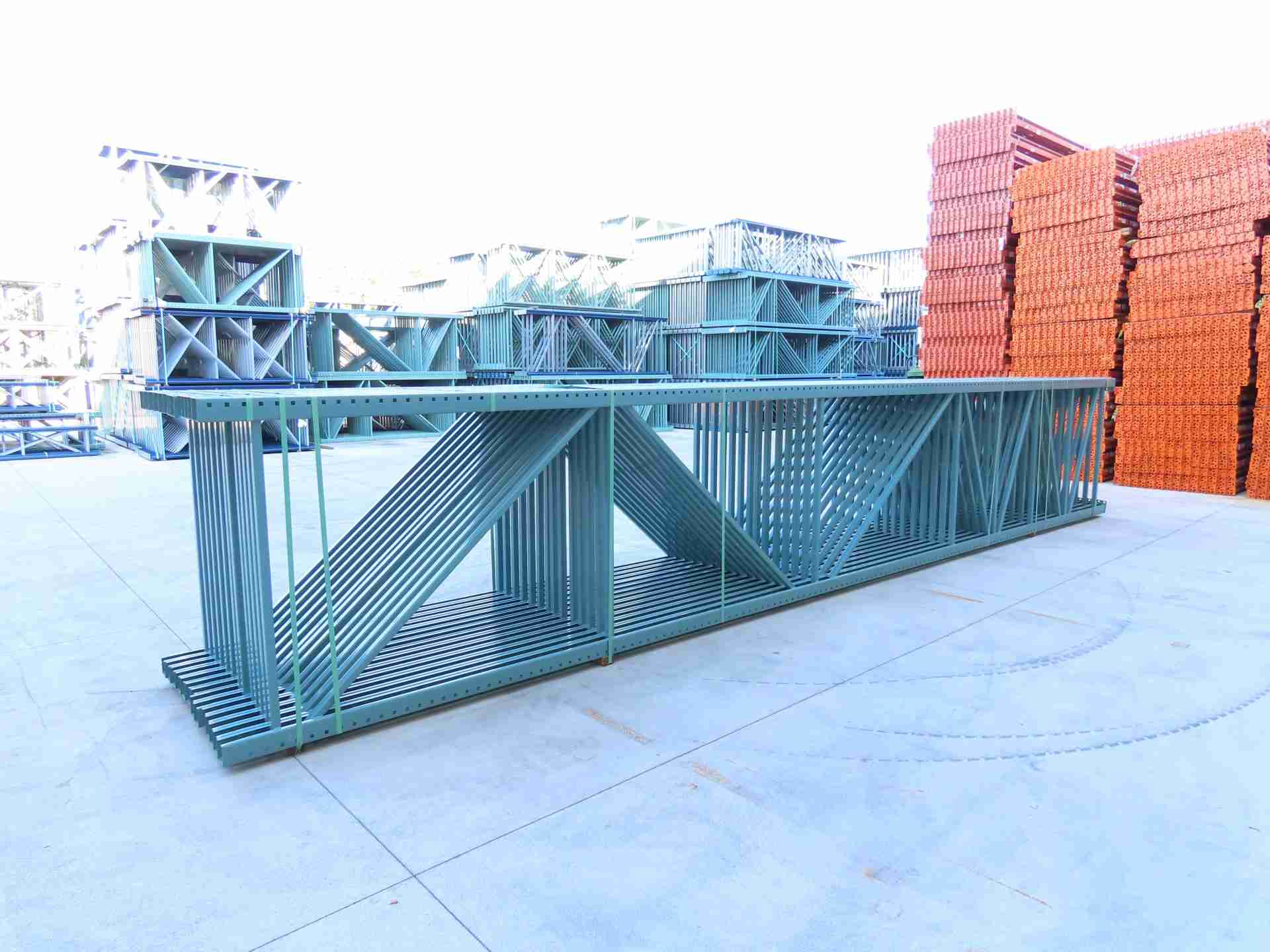
What Should You Check Before Buying Local Pallet Racking?
What Should You Check Before Buying Local Pallet Racking?
- Assess Warehouse Space: Measure height, width, and length to ensure compatibility with pallet racking systems.
- Check Load Capacity: Verify manufacturer ratings to prevent overloading and potential operational shutdowns.
- Understand Local Compliance: Familiarize yourself with local safety codes and regulations to avoid fines and ensure worker safety.
- Prioritize Quality: Research suppliers for high-strength materials and warranties to ensure durability and long-term investment.
- Evaluate Supplier Reputation: Look for customer referrals, reviews, and responsiveness to ensure reliable service.
- Make Informed Decisions: Conduct thorough checks to confidently purchase pallet racking that enhances efficiency.
- Consider Future Needs: Ensure the chosen racking system not only fits current storage needs but also accommodates potential inventory growth.
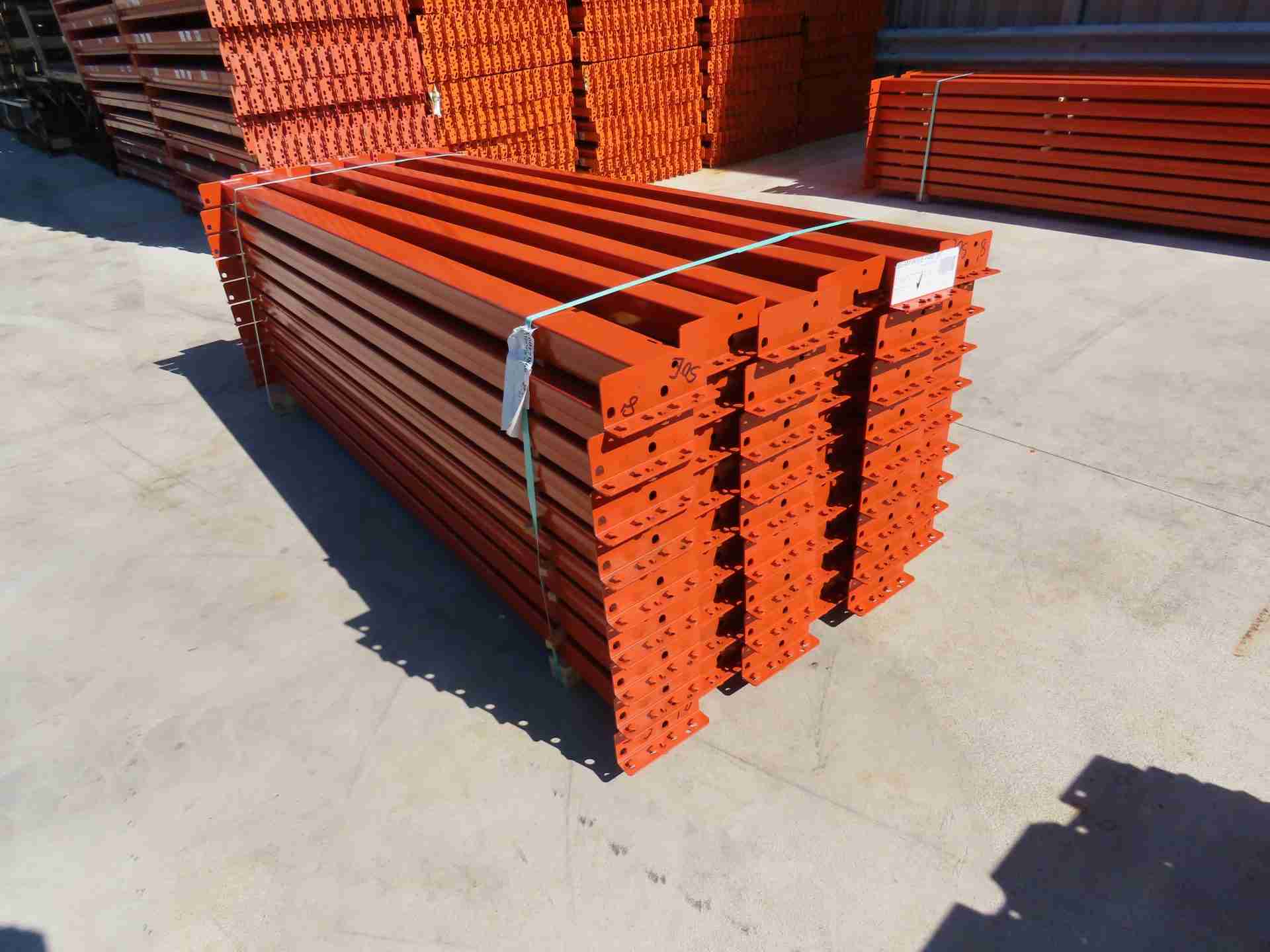
What Should You Check Before Buying Local Pallet Racking?
How Do You Assess The Quality Of Pallet Racking?
In the world of warehousing and logistics, understanding how to assess the quality of pallet racking is paramount to operational success. High-quality pallet racking not only ensures the safety and efficiency of your warehouse but also maximizes the use of your valuable space. So how do you determine whether your pallet racking systems stand up to the test? Let’s delve into some critical factors.
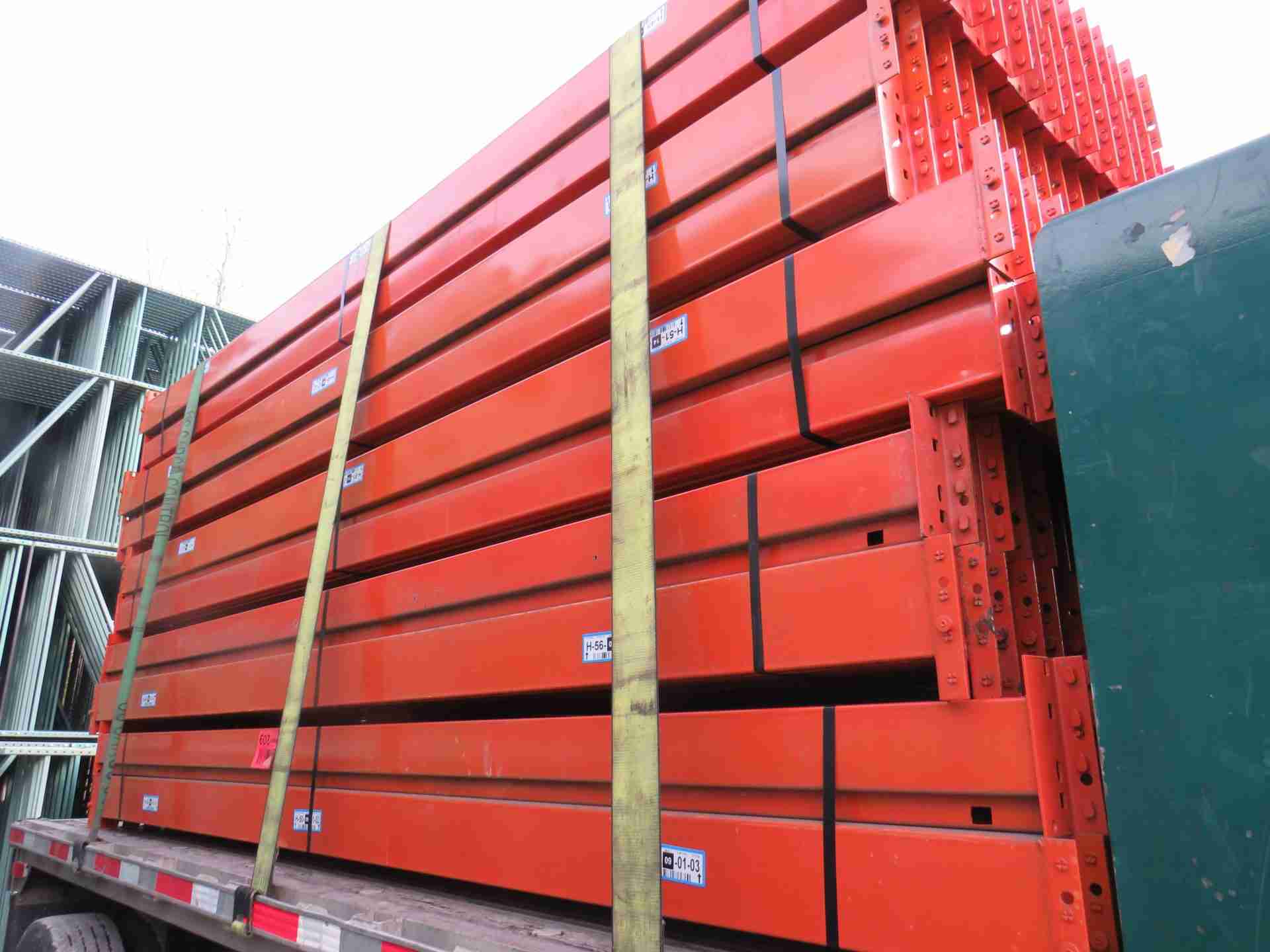
First, we must examine the *structural integrity* of the pallet racking. This includes a thorough inspection of materials used in the construction. Are the frames made from durable steel? Look for rack designs that utilize cold-rolled steel, which provides both strength and flexibility. If your racking system is showing signs of rust or corrosion, it might be time for an upgrade. For example, consider the recent surge in demand for warehouse space due to the e-commerce boom; businesses are now placing more emphasis than ever on dependable structures that can withstand heavy loads.
Next, you want to consider the *load capacity* of your pallet racking. Each racking system comes with a specified load rating, which defines how much weight it can hold. Overloading racks not only compromises safety—it could lead to catastrophic failures—but it also increases operational costs due to potential damage to goods. Therefore, always ensure your racking meets or exceeds the requirements needed for the products being stored.
Also, think about *versatility*. In today’s fast-paced market, businesses need to adapt quickly. Modular racking systems that allow for easy reconfiguration are crucial. For instance, if your inventory mix changes, you shouldn’t have to worry about a racking system that can’t adjust. A good example of this is what is happening in supply chains today, as many companies pivot to accommodate fluctuating consumer demands.
Finally, a often-overlooked aspect is the *use of technology*. Implement digital tools to keep track of inventory and conditions of your pallet racking. Many companies are now employing inventory management systems that integrate seamlessly with their racking setups, utilizing real-time data to monitor structural integrity and product weight assessments.
By taking a closer look at these facets—structural integrity, load capacity, versatility, and technology—you can ensure that your pallet racking not only supports your operations today but also sets the stage for future growth. Make an educated decision to invest in quality pallet racking. After all, the right system can mean the difference between chaotic downturns and soaring successes.
How Do You Assess The Quality Of Pallet Racking?
How Do You Assess The Quality Of Pallet Racking?
- Assessing the quality of pallet racking is essential for warehouse operational success.
- Examine the structural integrity by inspecting the materials used, such as cold-rolled steel for strength and flexibility.
- Check for signs of rust or corrosion, indicating a potential need for an upgrade.
- Consider the load capacity, ensuring racking systems meet or exceed specified weight limits to avoid safety hazards.
- Look for versatility in modular racking systems that can be easily reconfigured to adapt to inventory changes.
- Utilize technology and digital tools to monitor inventory and the conditions of your pallet racking in real-time.
- Investing in high-quality pallet racking can significantly impact operational efficiency and future growth.
How Do You Assess The Quality Of Pallet Racking?
What Permits Do You Need For Pallet Racking Installation?
When it comes to installing pallet racking in your warehouse or distribution center, understanding the legal and regulatory landscape can be as crucial as the choice of racking system itself. The last thing you want is to invest in a high-quality pallet racking setup only to find yourself tangled in red tape or facing fines due to non-compliance.
Firstly, it’s essential to note that the type of permits you need can vary significantly depending on local, state, and federal regulations. Typically, at a minimum, you will need:
1. Building Permit: This permit is often required when installing pallet racking due to the structural implications. Local authorities want to ensure that the racking system is safely installed, especially considering load-bearing factors. For example, if you’re in an area prone to seismic activity—like California—additional engineering evaluations may be necessary.
2. Fire Safety Permit: Compliance with fire codes is essential. Your pallet racking design must allow for proper aisle width and clearance. Obtaining a fire safety permit will not only help keep your warehouse compliant but also ensure the safety of your employees and inventory.
3. Zoning Permit: Before you dive headfirst into your pallet racking installation, check your property’s zoning regulations. Certain zones have restrictions on warehouse operations, and understanding these can save you future headaches.
4. OSHA Compliance: If your installation includes significant changes to workflow or infrastructure, OSHA regulations might come into play. While you may not need a specific OSHA permit for the racking itself, ensuring your installation is compliant can help prevent costly fines and ensure a safe environment for your workers.
Given the increasing spotlight on workplace safety and efficiency brought about by the boom in e-commerce, as seen in the rising demand for pallet racking systems, you cannot afford to overlook these regulatory requirements. In a recent report by the National Safety Council, improper pallet racking setups contributed to numerous accidents—highlighting the importance of doing things by the book.
Consulting with a professional installer who understands the permit process can be invaluable. They can help you navigate the myriad of regulations and ensure that all necessary permits are secured before installation begins—which not only saves time but also could be a money-saver in the long run.
Before declaring your pallet racking installation a go, take a moment to evaluate the necessary permits. It’s a critical step that can protect your investment, your employees, and your business’s future. Understanding these requirements spells the difference between a seamless setup and a costly, compliance-driven struggle.

What Permits Do You Need For Pallet Racking Installation?
What Permits Do You Need For Pallet Racking Installation?
- Understanding legal and regulatory requirements is crucial for pallet racking installation.
- Permits needed may include:
- Building Permit: Required for structural safety; additional evaluations may be necessary in areas with seismic activity.
- Fire Safety Permit: Ensures compliance with fire codes regarding aisle width and clearance.
- Zoning Permit: Check local zoning regulations to avoid operational restrictions.
- OSHA Compliance: Changes to workflow or infrastructure may require adherence to OSHA regulations.
.
- Workplace safety has become increasingly important due to the e-commerce boom.
- Improper pallet racking setups have been linked to numerous accidents, emphasizing the need for compliance.
- Consulting with a professional installer can help navigate the permit process effectively.
- Taking time to evaluate necessary permits protects your investment, employees, and business future.
What Permits Do You Need For Pallet Racking Installation?
Who Should You Hire For Pallet Racking Assembly?
When it comes to pallet racking assembly, making the right hiring decisions can save you time, money, and frustration down the road. The process isn’t just about erecting steel beams and shelving units; it’s about ensuring safety, maximizing storage efficiency, and creating a seamless workflow in your warehouse or distribution center. With the recent growth in e-commerce and online retail, the need for effective space optimization has never been more critical, making the choice of who you hire for pallet racking assembly even more pivotal.
First, it’s essential to consider hiring professionals who specialize in pallet racking assembly. These are individuals or teams who’ve dedicated their careers to understanding the nuances of racking systems, load capacities, and industry standards. Their expertise can help prevent costly mistakes that inexperienced workers might make, such as improper installation or inattention to safety regulations. For example, a notable logistics company recently faced penalties due to improper racking installation, resulting in severe disruptions to operations. Hiring qualified professionals could have prevented that headache.
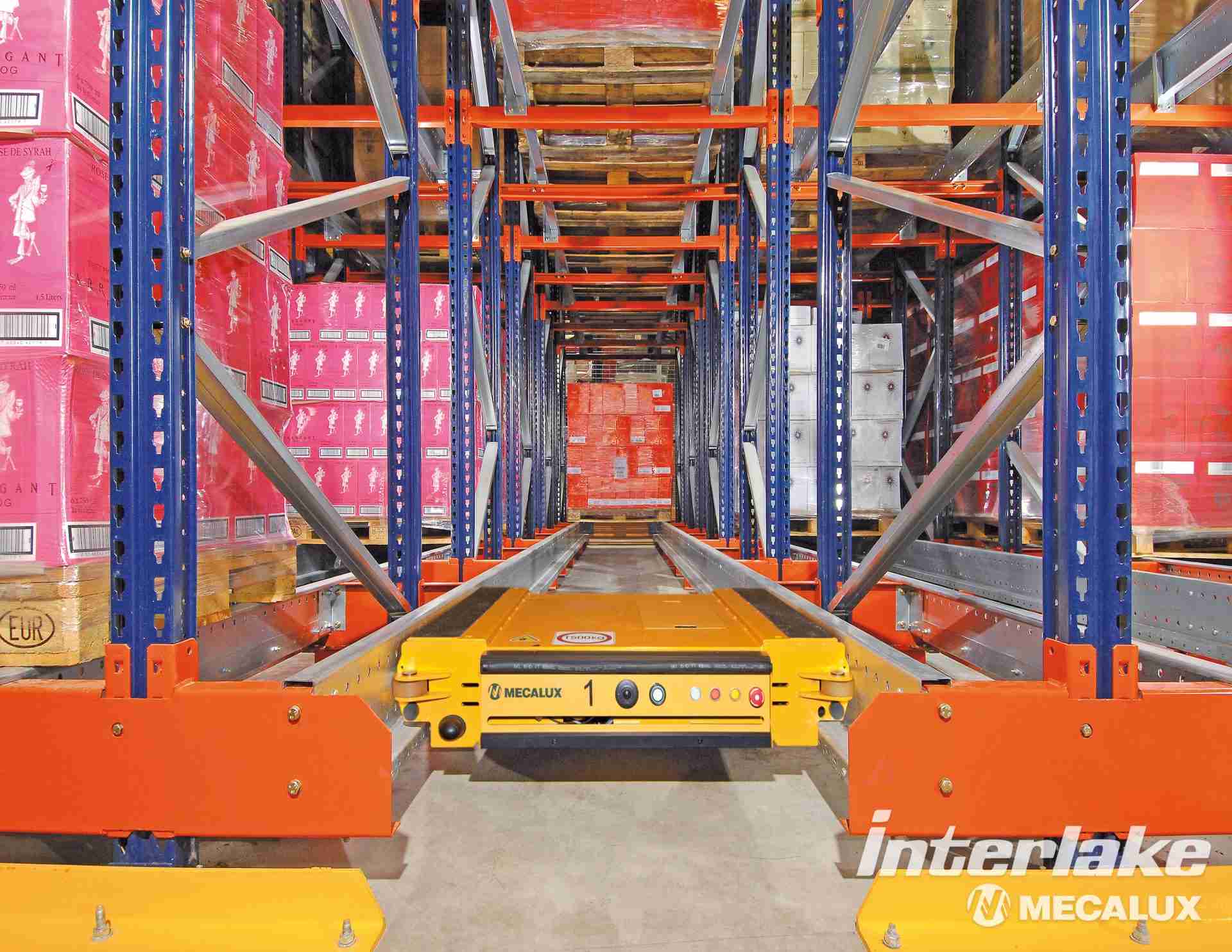
Next, look for contractors who have experience specifically with the brand or type of pallet racking system you intend to use. Different systems, such as selective, drive-in, or push-back racking, come with their own intricacies. A contractor well-versed in your chosen system will not only speed up the assembly process but also offer valuable insights into optimizing your layout for maximum efficiency. As businesses adapt to the ongoing impact of supply chain disruptions and increased demand for quick shipping, efficiency becomes paramount.
Furthermore, don’t underestimate the importance of safety certifications. Assembly crews that are trained in safety protocols will reduce the risk of accidents, safeguarding your staff and protecting your assets. This is especially pertinent as safety regulations continue to evolve in response to current events, such as the COVID-19 pandemic, where operational guidelines have shifted dramatically.
Finally, consider hiring local contractors who understand your specific market dynamics. Local experts can offer on-the-ground insights that larger, national companies might overlook. They are more likely to grasp the unique challenges your business faces, particularly during fluctuating economic seasons.
In summary, hiring the right professionals for pallet racking assembly involves looking for experienced specialists, understanding the specific type of system, ensuring safety standards, and finding local contractors who can provide tailored solutions. Make a smart investment in your warehouse’s future—your efficiency and safety depend on it!
Who Should You Hire For Pallet Racking Assembly?
Who Should You Hire For Pallet Racking Assembly?
- Hiring the right professionals for pallet racking assembly can save time, money, and frustration.
- Expertise in pallet racking systems ensures safety, maximizes storage efficiency, and creates smooth workflows.
- Qualified specialists can prevent costly mistakes related to improper assembly and safety regulations.
- Experience with specific racking systems (e.g., selective, drive-in, push-back) enhances assembly efficiency and optimization.
- Safety certifications are crucial for reducing accident risks and adapting to evolving safety regulations.
- Local contractors possess insights into market dynamics, helping address unique business challenges.
- Investing in skilled professionals is essential for the efficiency and safety of your warehouse operations.
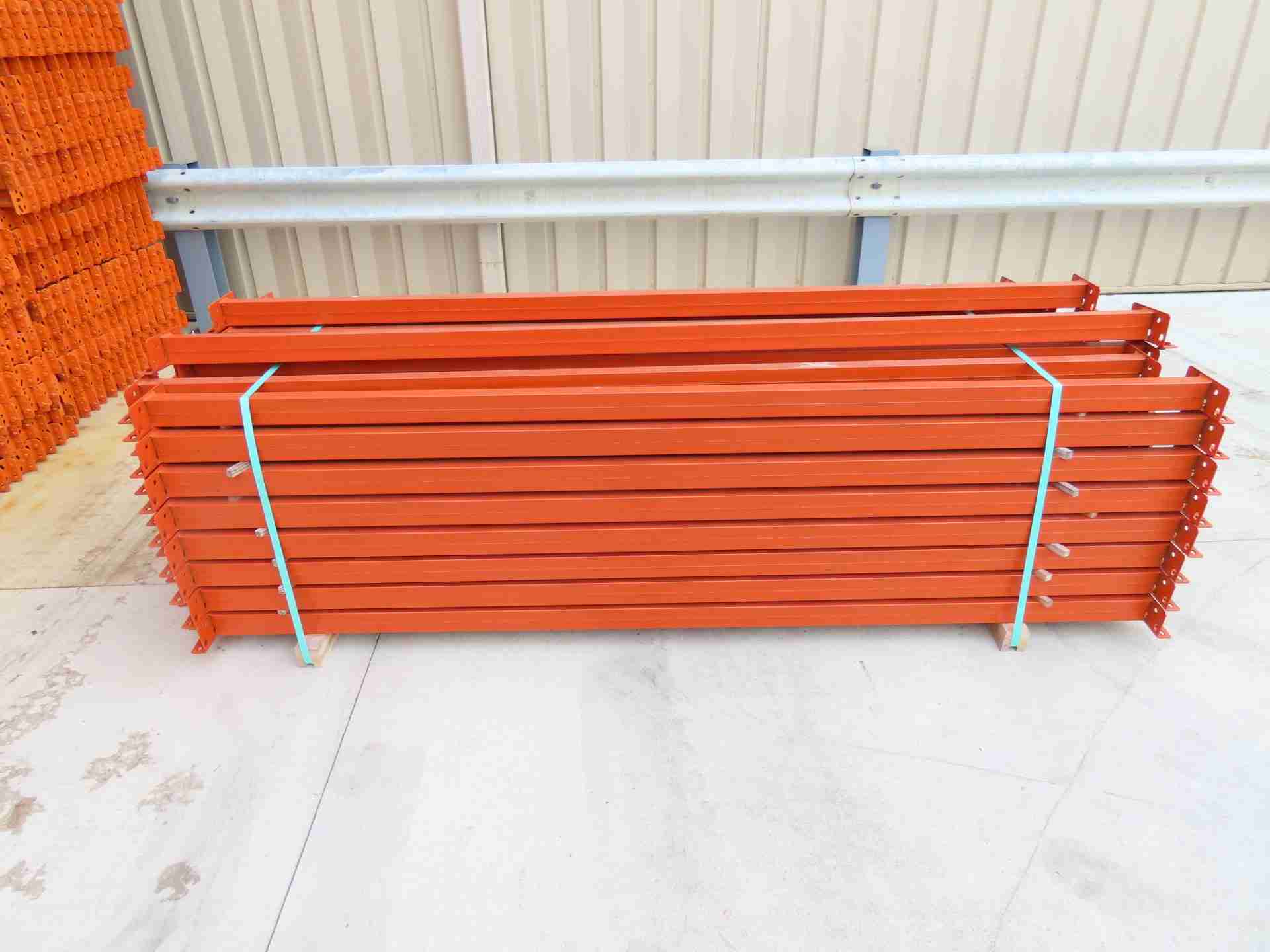
Who Should You Hire For Pallet Racking Assembly?
How Can You Maximize Storage Space With Pallet Racking?
In the ever-competitive landscape of modern warehousing and logistics, finding ways to enhance efficiency and maximize storage space is more crucial than ever. Enter pallet racking, the game-changing solution that transforms ordinary storage into a powerhouse of organization and accessibility. It’s not just a method; it’s a mindset.
Consider the current supply chain challenges facing businesses globally. With rising e-commerce demands and shifting consumer behavior, inventory management has never been more critical. This is where pallet racking stands to shine. By implementing a well-structured pallet racking system, you can fully utilize vertical space and drastically improve the way you store your products.
For instance, a small distributor recently transformed their cramped warehouse into a highly efficient storage solution by opting for adjustable pallet racking. They doubled their storage capacity, allowing them to stock a broader range of products. With adjustable levels, they optimized their setup for varied inventory sizes, addressing both current needs and future growth. This strategic use of pallet racking not only increased their output but also enhanced order fulfillment speed—a vital element for retaining competitiveness in today’s market.
Think about it: traditional shelving can only hold so much. But with pallet racking, you can design a custom storage solution that suits your unique requirements. For example, a business that quickly expanded its operations found that integrating heavy-duty pallet racking systems allowed them to store larger, bulkier items efficiently. By analyzing their inventory flow and strategically placing fast-moving items at eye level, they reduced picking time, effectively putting more money back into their pocket.
Moreover, pallet racking can be a foundational element in a lean inventory strategy. In times of economic uncertainty, businesses are realizing the importance of reducing excess while maximizing what they have on hand. By implementing an advanced pallet racking system, companies can minimize wasted space, streamline operations, and respond swiftly to market changes without the overhead of additional facility costs.
Integrating pallet racking doesn’t stop at storage; it also opens doors for enhanced safety and organization. Various systems, like drive-in and selective pallet racking, can be customized to your specific needs, ensuring that your valuable assets are protected while allowing for smooth workflow.
Maximizing storage space with pallet racking is not just a logistical decision—it’s a strategic imperative. By leveraging the versatility and efficiency that pallet racking offers, businesses can thrive even in the face of ever-evolving challenges. Don’t just store; store smart! The time to invest in pallet racking is now, and the rewards are boundless.
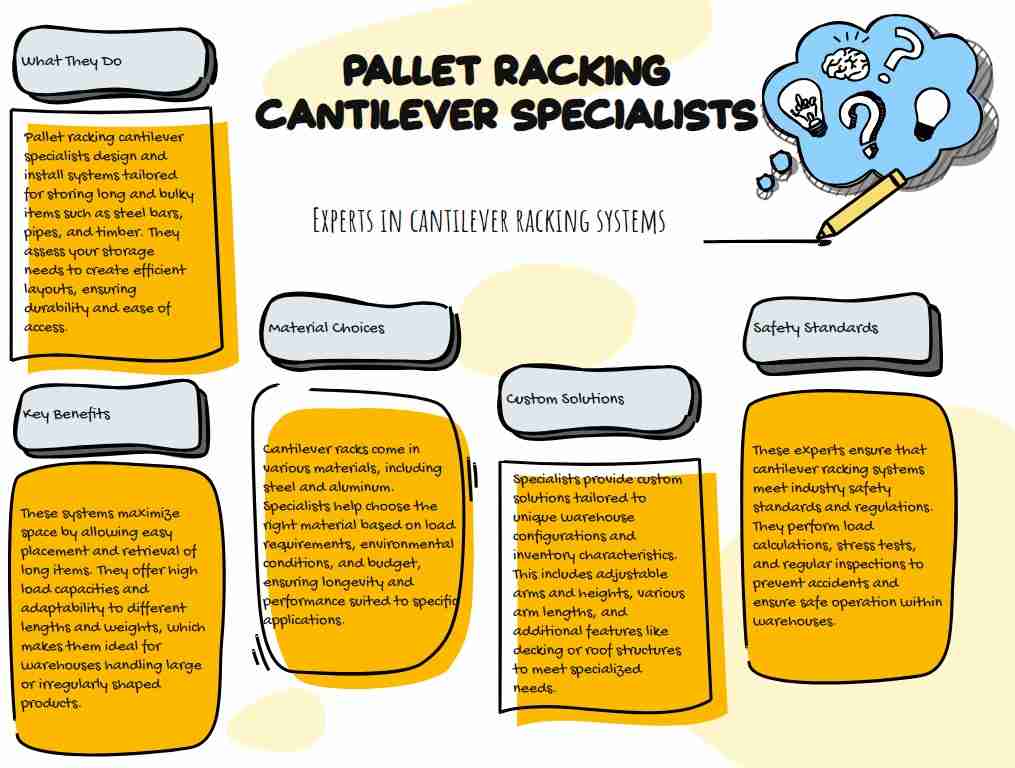
How Can You Maximize Storage Space With Pallet Racking?
How Can You Maximize Storage Space With Pallet Racking?
- Pallet racking enhances efficiency and maximizes storage space in warehousing and logistics.
- Amid supply chain challenges, effective inventory management is critical, and pallet racking optimizes vertical space usage.
- A small distributor doubled their storage capacity with adjustable pallet racking, improving output and order fulfillment speed.
- Pallet racking can be tailored to specific storage needs, aiding businesses in handling larger and bulkier items efficiently.
- Advanced pallet racking systems support lean inventory strategies, minimizing wasted space and streamlining operations.
- Customizable pallet racking systems improve safety and organization by protecting assets and facilitating smooth workflows.
- Investing in pallet racking is a strategic imperative for businesses to thrive amid evolving challenges in the market.
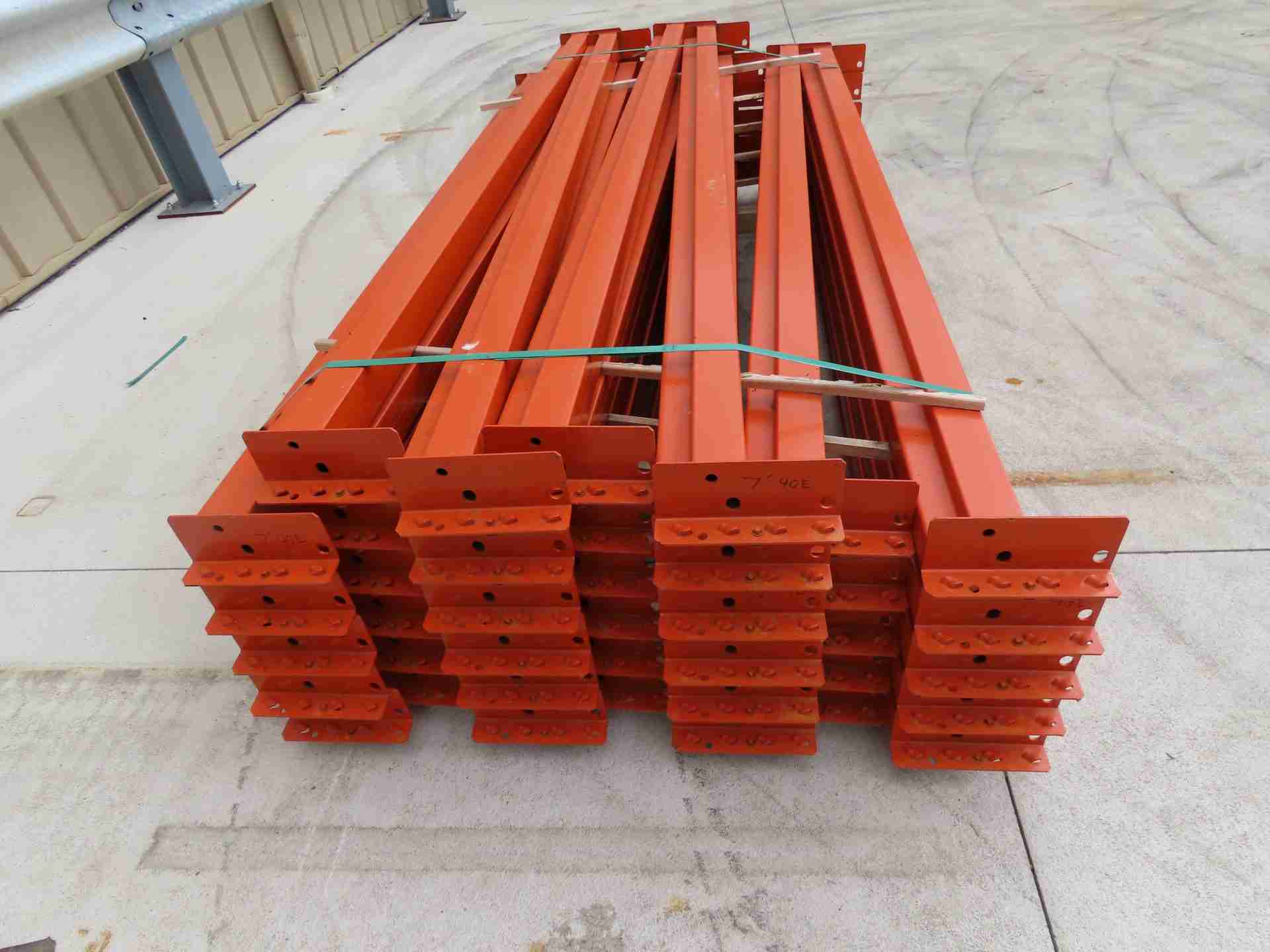
How Can You Maximize Storage Space With Pallet Racking?
What Safety Standards Must Local Pallet Racking Meet?
When it comes to ensuring a safe and efficient warehouse environment, the significance of adhering to safety standards in pallet racking cannot be overstated. Often overlooked, these guidelines are essential for protecting your workers and maximizing productivity. So what specific safety standards should local pallet racking meet?
First off, familiarity with OSHA (Occupational Safety and Health Administration) regulations is imperative. OSHA provides a framework that outlines the requirements for storage racking systems. For example, in their guidelines, they dictate that pallet racking must be capable of supporting the intended loads without risk of collapse. If your racking system doesn’t meet these load-bearing specifications, you’re not only jeopardizing inventory but also the safety of your workforce.
Consider the recent trend in e-commerce where warehouses are increasingly adapting to higher volumes of inventory and rapid turnover rates. Companies must ensure their racking systems can withstand not just static loads but dynamic pressures as well. The recent surge in online shopping has put enormous strain on logistics companies, often leading to accidents and injuries when adequate safety standards aren’t being followed. In fact, OSHA reported an uptick in warehouse incidents in the wake of the COVID-19 pandemic due to the swift adaptation of retail operations. This serves as a wake-up call for businesses—negligence in pallet racking safety can be both hazardous and costly.
Another vital component of pallet racking safety is the compliance with ANSI (American National Standards Institute) regulations. ANSI outlines best practices and design standards that ensure pallet racking is built with quality materials and bolted correctly. For instance, the ANSI MH16.1 standard specifies the minimum design, performance, and testing requirements for various types of racking systems. Neglecting these standards can lead to disasters that could have been easily prevented.
Lastly, beyond merely adhering to these standards, it’s crucial to conduct regular inspections and maintenance of your pallet racking systems. Engaging in a proactive inspection routine means identifying and addressing potential hazards before they escalate. Such diligence not only ensures compliance but minimizes liability and enhances operational efficiency.
Local pallet racking must meet stringent safety standards to safeguard both personnel and inventory. With guidelines from OSHA and ANSI, as well as ongoing maintenance, you set the stage for a safe and productive working environment. Make it a priority, before it becomes an afterthought that costs you dearly.
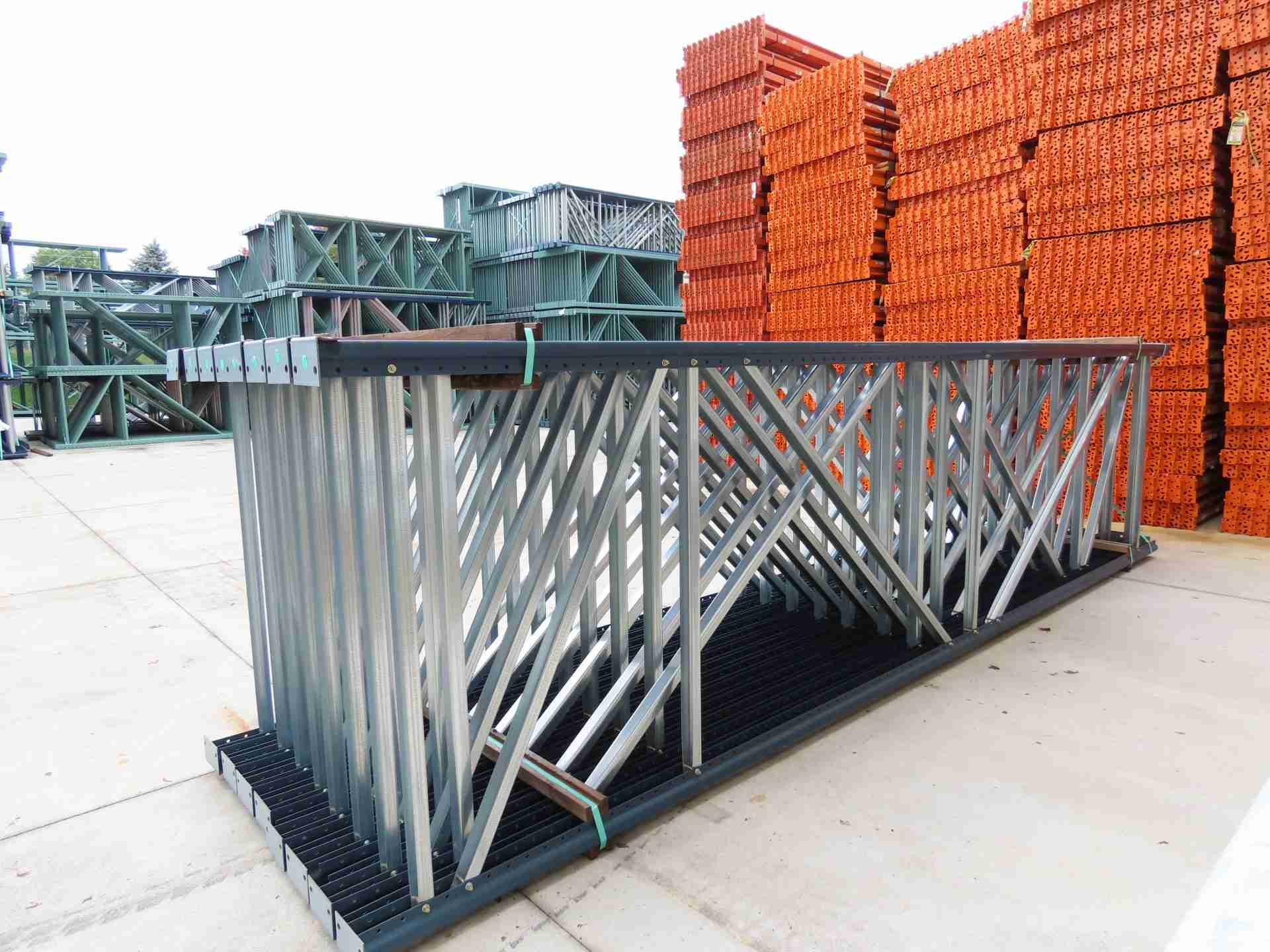
What Safety Standards Must Local Pallet Racking Meet?
What Safety Standards Must Local Pallet Racking Meet?
- Adherence to safety standards in pallet racking is crucial for worker protection and productivity.
- Familiarity with OSHA regulations is essential, as they outline requirements for storage racking systems.
- Pallet racking must support intended loads to prevent inventory loss and ensure workforce safety.
- The rise of e-commerce demands racking systems capable of withstanding both static and dynamic loads.
- Increased warehouse incidents have been reported due to insufficient adherence to safety standards, particularly post-COVID-19.
- Compliance with ANSI regulations ensures quality materials and proper design of pallet racking systems.
- Regular inspections and maintenance of racking systems are necessary to identify hazards and enhance operational efficiency.

What Safety Standards Must Local Pallet Racking Meet?
Conclusion
Congratulations! By choosing to invest in local pallet racking, you’ve taken a monumental step toward optimizing your warehouse efficiency, boosting safety, and ultimately improving your bottom line. However, the journey doesn’t end with the purchase; in fact, it’s just beginning. To realize the true benefits of your investment, it’s vital to master the post-purchase phase.
Firstly, meticulous installation is critical. Collaborate with your supplier to ensure that the racking is set up during off-peak hours, keeping operational disruptions to a minimum. Your investment is only as good as its execution—improper installation can lead to inefficiencies and safety risks.
Once installed, don’t overlook the importance of employee training. A well-informed team can effectively navigate the new storage system, adhering to best practices that promote safety and operational flow. This not only aligns with OSHA compliance but also fosters a culture of competence within your workforce.
Next, optimizing your newly installed pallet racking should be your top priority. Analyze inventory patterns and establish the most efficient product placements. Implementing advanced monitoring systems will help you identify bottlenecks quickly, enabling you to adapt as needed. The importance of flexibility in today’s fast-paced supply chain cannot be overstated!
Additionally, maintaining ongoing communication with your local supplier will enhance your operational resilience. Their expertise can guide you through rapidly changing conditions, enabling you to adapt or expand your racking solution in response to growing demands.
Lastly, if you haven’t taken steps to assess the necessary permits or regulations governing your pallet racking installation, this needs to be your next focus. Compliance with local and federal standards isn’t just important for legality; it’s crucial for the safety and longevity of your operation.
Now is the time to act! Whether you’re ready to optimize existing setups or start fresh with a new investment in local pallet racking, Arrow Industrial Sales is your go-to partner. Call us today at (574) 349-6575 to discuss how we can support your specific requirements and answer any lingering questions. Don’t let opportunity slip through your fingers; the demand for optimized warehousing solutions has never been higher. Secure your operational success now!
Conclusion
Conclusion:
- Investing in local pallet racking enhances warehouse efficiency, safety, and profitability.
- Meticulous installation is crucial; collaborate with suppliers to minimize disruptions.
- Employee training is essential for navigating the new storage system and ensuring safety.
- Optimizing product placements and using monitoring systems will improve operational flow.
- Maintain ongoing communication with local suppliers for adaptability to changing conditions.
- Ensure compliance with local and federal regulations for safety and operational longevity.
- Contact Arrow Industrial Sales for support in optimizing warehousing solutions.
Conclusion
Other Resources
Other Resources
Here is a list of other resources you can review online to learn more:
- Wolter
- Pallet Racking systems in Illinois, Great Lakes
- Logic Material Handling
- Interlake Mecalux
- NSC
- MHI
- Warehouse Automation
- American Surplus
- Selective Rack – Raymond West
- Selective Pallet Racking Systems
Use This Prompt To Get More Resources With Your Favorite Online AI Tool: Please provide me with a list of online articles with their URLs in a bulleted list that I can read regarding What Happens After You Buy Local Pallet Racking?

Other Resources
Glossary Terms
What Happens After You Buy Local Pallet Racking? – Glossary Of Terms
1. Installation: The process of assembling and positioning pallet racking systems in a warehouse according to design specifications.
2. Layout Planning: The arrangement and design of the pallet racking system to maximize storage efficiency and accessibility.
3. Compliance: Adherence to local safety regulations, building codes, and industry standards related to pallet racking.
4. Inspection: A thorough examination of the installed racking system to identify any safety issues or compliance concerns.
5. Load Testing: Assessing the racking system’s ability to hold weight as per the manufacturer’s specifications to ensure safety and performance.
6. Safety Guards: Protective features such as safety straps, mesh panels, and barriers added to prevent accidents and injuries.
7. Maintenance: Regular checks and repairs to ensure the racking system remains in good working condition and safe for use.
8. Stock Management: The process of tracking and organizing inventory stored on pallet racks for efficient retrieval and storage.
9. Warehouse Layout Optimization: Adjusting the configuration of racking systems for improved workflow, safety, and space utilization.
10. FIFO (First In, First Out): A method of inventory management in which the oldest stock is used or sold first, often facilitated by proper racking design.
11. LIFO (Last In, First Out): An inventory management method where the latest items added to storage are the first to be removed, impacting how products are organized on racks.
12. Weight Distribution: The even distribution of weight across the racking system to prevent tipping or collapse.
13. Safety Training: Instruction provided to employees on how to safely operate within an environment that uses pallet racking systems.
14. Retrieval Systems: Mechanisms and processes used for easily accessing products stored on pallet racking, such as forklifts or pallet jacks.
15. Inventory Tracking Software: Technology used to monitor and manage stock levels stored on pallet racking systems.
16. Vertical Space Utilization: Maximizing the use of upward space in a warehouse by using taller racking systems.
17. Pallet Configuration: The arrangement of pallets on the racking system, which can vary based on product dimensions and storage needs.
18. Modular Racking: A flexible rack system that can be adapted and expanded based on changing inventory needs.
19. Cross-Docking: A logistics practice where incoming goods are directly transferred to outgoing shipments, reducing the need for storage.
20. Perpetual Inventory: An inventory management system that continuously updates stock levels as transactions occur.
21. Custom Design: Tailoring a pallet racking system to meet specific warehouse dimensions and inventory requirements.
22. Disassembly: The process of taking down a pallet racking system, potentially for relocation or repairs.
23. Refurbishment: The act of restoring or upgrading existing racking systems to improve functionality and safety.
24. Lead Time: The amount of time taken from when a pallet racking system is ordered to when it’s delivered and installed.
25. Consultation: Professional advice from racking experts regarding the best practices for racking systems, including design and safety.
26. Insurance Coverage: Protection plans that cover damages or injuries related to the use of pallet racking systems in a warehouse setting.
27. Stock Audits: Periodic reviews of inventory levels and racking configurations to ensure accuracy and efficiency in operations.
28. Aisle Width: The distance between racks that allows efficient movement of forklifts and personnel for easy access to goods.
29. Compatibility: The ability of the pallet racking system to work with various types of pallets and storage methods.
30. Forklift Compatibility: The design features of pallet racking systems that allow safe access and operation with forklifts.

Glossary Of Terms
Other Questions
What Happens After You Buy Local Pallet Racking? – Other Questions
If you wish to explore and discover more, consider looking for answers to these questions:
- What are the common types of pallet racking systems available?
- How do I determine the best pallet racking system for my business?
- What costs are associated with installing pallet racking?
- What are the signs that my pallet racking needs maintenance or replacement?
- How can I effectively train my employees on using pallet racking?
- What technology can enhance pallet racking efficiency?
- What are the risks of not following safety standards in pallet racking?
- How often should pallet racking be inspected for safety compliance?
- What are the best practices for organizing inventory with pallet racking?
- Can pallet racking systems be customized for specific inventory needs?
Other Questions
Checklist
What Happens After You Buy Local Pallet Racking? – A Checklist
Pre-Purchase Considerations
1. Assess Space Requirements:
_____ Measure height, width, and length of the storage area.
_____ Consider accessibility for fork trucks and hand dollies.
2. Evaluate Load Capacity:
_____ Verify the load ratings from the manufacturer.
_____ Ensure capacity aligns with the weight of your products.
3. Research Compliance and Safety Standards:
_____ Familiarize yourself with local safety codes.
_____ Ensure compliance with regulations particular to your area.
4. Check Quality and Durability:
_____ Research suppliers for reviews and warranties.
_____ Look for high-strength steel materials in designs.
5. Consider Supplier Reputation:
_____ Seek customer referrals and online testimonials.
_____ Opt for a responsive and knowledgeable local supplier.
Post-Purchase Actions
6. Coordinate Efficient Installation:
_____ Schedule installation during off-peak hours to minimize disruption.
_____ Confirm installation timeline with your supplier.
7. Initiate Employee Training:
_____ Conduct sessions on best practices for using the racking system.
_____ Focus on loading, unloading, and maintenance procedures.
8. Optimize Space:
_____ Analyze inventory patterns for efficient product placement.
_____ Maximize vertical space and adjust storage for larger items.
9. Implement Monitoring Systems:
_____ Track effectiveness of pallet racking regularly.
_____ Adjust layout to resolve bottlenecks and improve workflow.
10. Maintain Supplier Relationships:
_____ Engage regularly with your local racking supplier.
_____ Seek ongoing support, maintenance tips, and expansion options.
Safety and Compliance
11. Understand Necessary Permits:
_____ Confirm building, fire safety, zoning, and OSHA compliance permits.
_____ Consult with a professional installer for navigating permits.
12. Conduct Regular Safety Inspections:
_____ Review compliance with OSHA and ANSI standards.
_____ Schedule routine maintenance to prevent hazards.
13. Hire Qualified Assembly Professionals:
_____ Choose specialists with experience in pallet racking assembly.
_____ Verify contractor’s safety certifications and local expertise.
Technology Integration
14. Utilize Warehouse Management Systems:
_____ Implement digital tools for monitoring inventory and racking conditions.
_____ Use tech solutions for insights into space utilization.
Strategic Planning
15. Plan for Future Growth:
_____ Consider adaptability of your racking system for changing inventory needs.
_____ Integrate modular options to facilitate easy reconfiguration as required.
Final Review
16. Evaluate Overall Efficiency:
_____ Conduct periodic assessments to identify areas for improvement.
_____ Stay proactive in maintaining a well-organized and safe warehouse environment.
Utilize this checklist to ensure that you’re maximizing the efficiency and potential of your local pallet racking system while maintaining a safe working environment for staff.
Checklist
At RackingWorld, we help guide you through selecting warehouse storage systems and racking.
Be sure to read our other related stories at RackingWorld to learn more about warehouse storage systems.
0 Comments