
Uncovering The Hidden Dangers Of Racking System Failures
By Tom Seest
At RackingWorld, we help guide you through selecting warehouse storage systems and racking.
Be sure to read our other related stories at RackingWorld to learn more about warehouse storage systems.
What Happens When Your Racking System Fails Overnight?
Imagine waking up one morning to find that your warehouse is no longer the fortified empire you built it to be. Instead, chaos reigns where once there were rows of perfectly organized Pallet Racking systems, each holding the life-blood of your business. It’s a nightmare scenario, yet one that many warehouse managers and business owners fear could become their reality.
When your Pallet Racking fails, it doesn’t just disrupt your operations; it can lead to cascading effects that haunt your bottom line. Products can spill; valuable inventory can get damaged; and your hardworking team can become disheartened, fearful of what tomorrow holds. Suddenly, the efficiency you prided yourself on feels like a forgotten memory.
But here’s the thing: it doesn’t have to be that way. A failure doesn’t have to mean ruin. Rather, it can be a wake-up call. This is your moment to take decisive action, to reinforce your structure with an unshakeable foundation. It teaches you the importance of preventive measures and regular maintenance—a lesson that could save you thousands, if not millions, in potential losses.
Establishing a deep relationship with your Pallet Racking provider can transform what seems like an impending disaster into an opportunity for improvement. Instead of living in fear of collapse, envision transforming your warehouse into a paragon of operational excellence. This is your chance to review existing systems, learn about upgrades, or even transition to newer, more reliable racking solutions. Investing in quality should not be seen as a cost but as a strategic necessity; one that empowers you to take back control.
Feel the vibrancy of confidence replace the dread when you act. Secure the safety and efficiency of your operation by committing to regular inspections and proactive upgrades. Align yourself with expert partners who can guide you through each step and ensure that the foundation of your business—the Pallet Racking—remains steadfast.
In business, as in life, challenges can redefine our pathways. Take this experience and let it become a catalyst for better days ahead. With the right strategies, you can transform potential failure into an elevated level of success, ensuring your warehouse remains a well-oiled machine ready to tackle any challenge that comes your way. Don’t just survive; thrive. Embrace the opportunity to build a robust racking system that stands the test of time. You’ve got this!
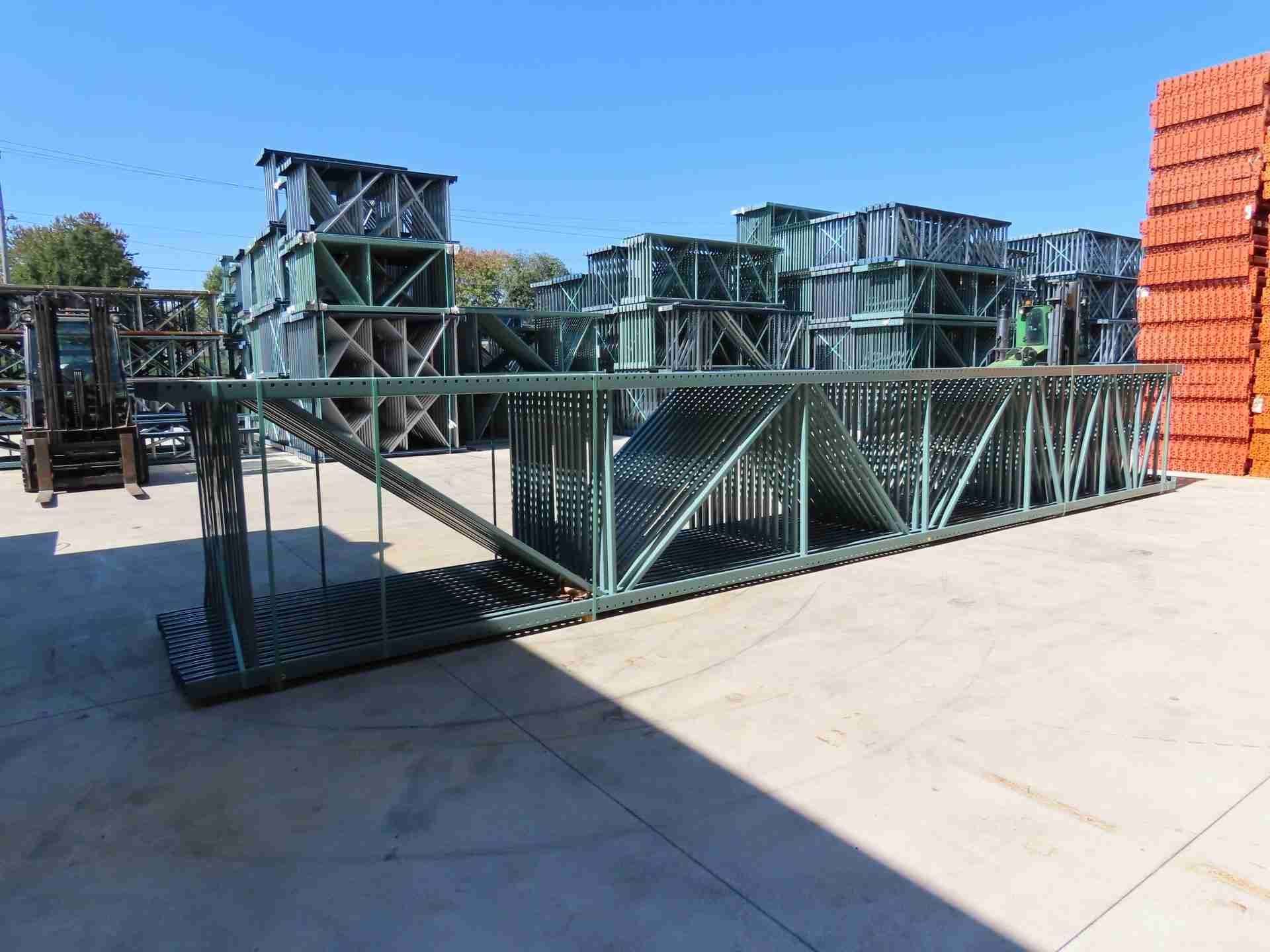
What Happens When Your Racking System Fails Overnight?
What Happens When Your Racking System Fails Overnight?
- Chaos can ensue when Pallet Racking systems fail, threatening warehouse operations.
- Failure can lead to damaged inventory and a demoralized workforce.
- Challenges serve as a wake-up call to strengthen warehouse structures.
- Preventive measures and regular maintenance are essential for avoiding costly losses.
- A strong relationship with your racking provider can turn disasters into opportunities.
- Regular inspections and proactive upgrades enhance operational safety and efficiency.
- Transform challenges into success by investing in quality racking solutions.

What Happens When Your Racking System Fails Overnight?
Table Of Contents
- What Happens When Your Racking System Fails Overnight?
- What Causes Sudden Racking System Failures?
- How Can I Identify Early Signs Of Failure?
- What Are The Safety Risks Associated With Racking Failures?
- How Can I Prevent Racking System Failures In The Future?
- What Steps Should I Take Immediately After A Racking Failure?
- How Does A Racking System Design Impact Its Stability?
- Conclusion
- Other Resources
- Glossary Of Terms
- Other Questions
- Checklist
What Causes Sudden Racking System Failures?
Nothing quite steals the peace of mind from a warehouse manager like the thought of a sudden pallet racking failure. Picture it: everything seems to be running smoothly, products are flying off the shelves, and then—BAM!—a catastrophic collapse. What’s to blame for these unexpected disasters? Let’s peel back the layers and explore the common culprits that lead to sudden racking system failures.
First and foremost, inadequate inspections can be a silent killer. Many warehouse operations get caught up in daily tasks and forget the crucial need for regular maintenance checks on their pallet racking systems. Over time, wear and tear can accumulate without a single notice until it’s too late. Just as you wouldn’t go for a long drive without checking your car’s oil, don’t overlook your racking systems. Make inspections a non-negotiable part of your routine—because trust me, the cost of neglect can be staggering.
Another significant factor is improper loading techniques. Everyone wants to maximize efficiency, but overloading a rack can turn even the most reliable systems into ticking time bombs. Know the specifications for your racking system and stick to them religiously. It’s a fine balance; after all, you need to move product swiftly while ensuring the safety and longevity of your equipment. A little restraint today can save you from a world of headaches tomorrow.
Failure to train staff properly is another often-ignored risk. Employees are your most valuable asset, yet they can unwittingly become the source of racking failures if they’re not well-versed in safe handling practices. Invest in consistent training programs that empower your team to recognize signs of strain on the pallet racking. This is not just about meeting OSHA regulations; it’s about fostering a culture of safety and accountability that safeguards your operations.
Environmental factors can also play a role. Think about it—temperature fluctuations, humidity, and even natural disasters can introduce unexpected stresses to racking systems. Ensure that your warehouse environment is conducive to maintaining the integrity of your pallet racks.
Awareness is a powerful tool in preventing sudden racking system failures. By committing to vigilant inspections, adhering to loading guidelines, fostering employee education, and controlling your environment, you can build a solid foundation for a safe and efficient warehouse. Take action today—because the only thing worse than a racking failure is knowing that you could have prevented it.
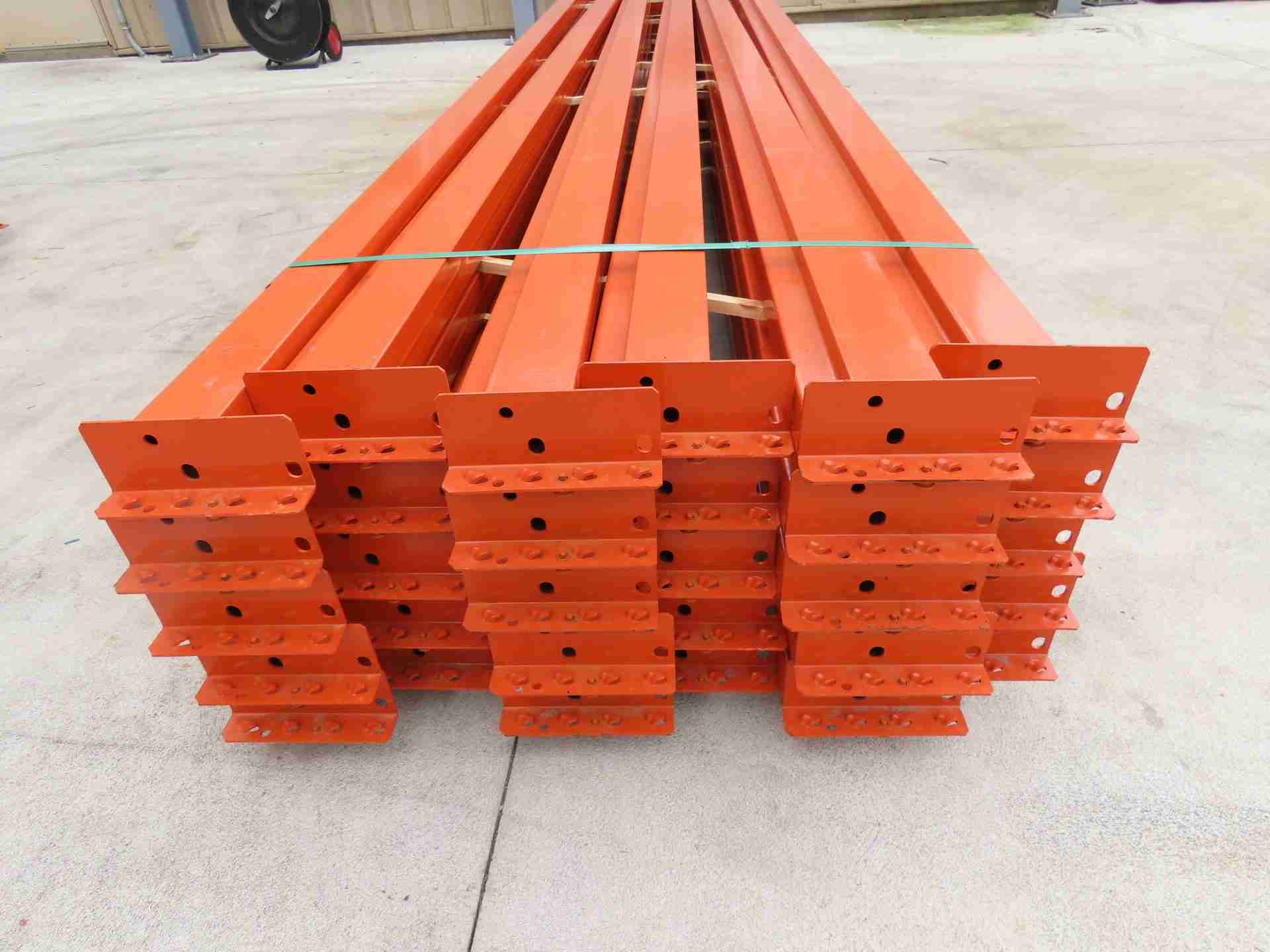
What Causes Sudden Racking System Failures?
What Causes Sudden Racking System Failures?
- Warehouse managers face significant stress from the possibility of sudden pallet racking failures.
- Inadequate inspections often lead to unnoticed wear and tear, making regular maintenance checks essential.
- Improper loading techniques, such as overloading racks, can create dangerous situations.
- Knowledge of racking system specifications is critical for safety and efficiency.
- Proper staff training is vital; untrained employees may inadvertently contribute to racking failures.
- Environmental factors like temperature and humidity can impact the integrity of racking systems.
- Awareness of these risks and proactive measures can prevent costly racking failures.
What Causes Sudden Racking System Failures?
How Can I Identify Early Signs Of Failure?
In the bustling world of business, the stakes are high, and the path to success is often strewn with obstacles. But what if you could catch early signs of failure before they snowball into a crisis? If you have a warehouse filled with Pallet Racking, understanding these signs becomes even more critical. After all, your operational efficiency is only as strong as the systems supporting it.
Imagine walking through your warehouse, inspecting the organized rows of Pallet Racking. At first glance, everything seems fine—products neatly stacked, inventory levels seemingly optimal. However, beneath that surface tranquility, a storm could be brewing. Start by acknowledging any inconsistencies in your workflow. Is there an unusual lag in inventory turnover? Or have you noticed your staff struggling to locate items within those meticulously arranged racks? These are not mere inconveniences; they are potential indicators that your system might be on shaky ground.
Next, gauge employee morale. Your team is the heartbeat of your operation, so if you sense frustration or a dip in productivity, listen closely. Are they overwhelmed with too many manual processes? Is there confusion regarding roles and responsibilities within the Pallet Racking setup? A disheartened workforce can spell disaster, often leading to mistakes and inefficiencies that pile up like dust on neglected shelves.
Furthermore, keep a sharp eye on your financial metrics. A sudden spike in returns or customer complaints can be your red flag. Delve into your data—understand what your numbers are saying. Are there trends indicating that you may be running out of stock too quickly or overstocking? A closer evaluation of your inventory management is crucial. You need to ensure that your Pallet Racking is functioning not just as a storage solution but as a strategic asset.
Last but certainly not least, stay ahead by fostering an environment of continuous improvement. Regularly solicit feedback from employees, and conduct thorough audits of your systems. This proactive approach will help you catch those subtle signs of failure earlier.
Taking these steps not only instills confidence within your operation but also empowers you to act, rather than react, to the challenges that come your way. By fostering a culture of vigilance and adaptability, you’re not just avoiding failure; you’re setting the stage for sustainable growth. So, let’s take a proactive look at those Pallet Racking systems and reimagine what success can look like in your operation. Together, we can ensure that potential failures are identified swiftly—transforming risks into opportunities for excellence!
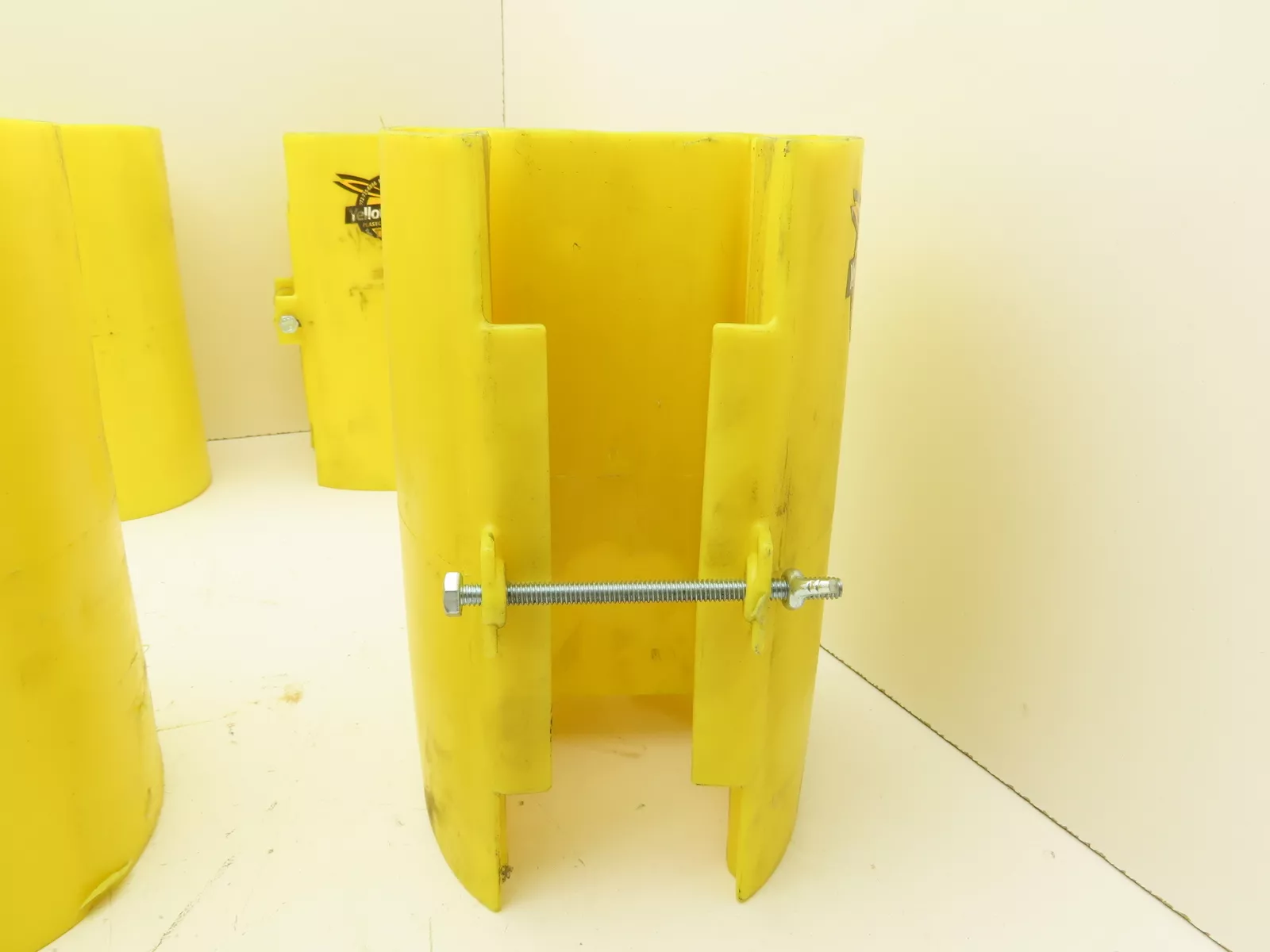
How Can I Identify Early Signs Of Failure?
How Can I Identify Early Signs Of Failure?
- Recognizing early signs of failure is crucial to prevent crises in business operations.
- In a warehouse with Pallet Racking, ensuring operational efficiency requires attention to detail.
- Inconsistencies in workflow, such as lagging inventory turnover and difficulties in item location, can indicate underlying issues.
- Employee morale is vital; signs of frustration and productivity drops should not be ignored.
- Monitor financial metrics closely, as spikes in returns or complaints are red flags for operational inefficiencies.
- Implement a culture of continuous improvement by seeking employee feedback and conducting regular audits.
- A proactive approach can transform risks into opportunities for excellence and sustainable growth.
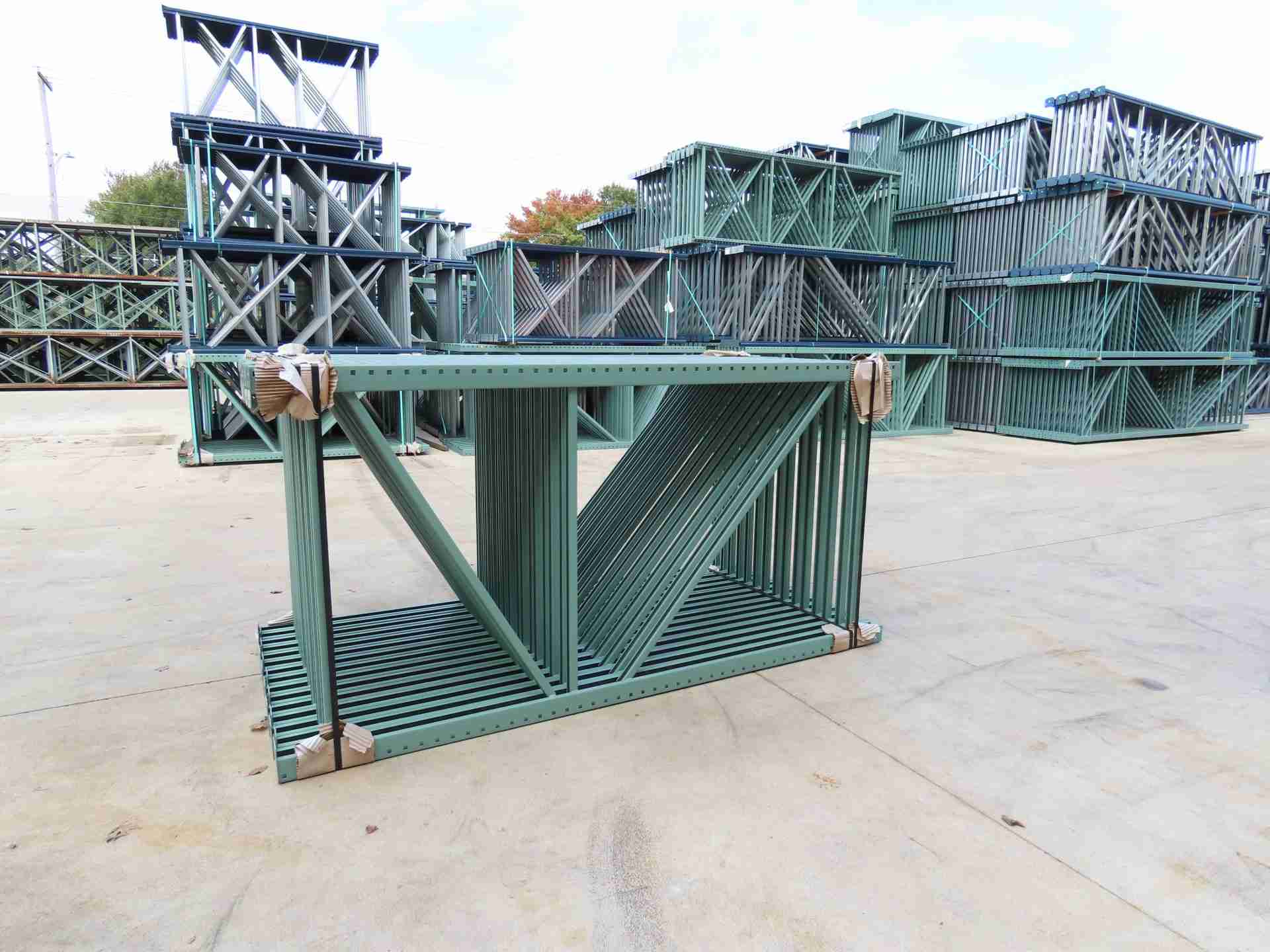
How Can I Identify Early Signs Of Failure?
What Are The Safety Risks Associated With Racking Failures?
When you think about warehouse productivity, the spotlight often shines on the efficiency of your operations. But lurking in the shadows is an equally important factor: safety. Specifically, let’s turn our focus to pallet racking and the significant safety risks associated with its failures. Ignoring this crucial element could put lives at risk and lead to devastating financial consequences for your business.
Picture this: a busy warehouse, bustling with employees coordinating tasks—unloading shipments, moving stock, and fulfilling orders. Now imagine a scenario where the very structures that hold your inventory—the pallet racking—malfunctions. The moment that occurs, a cascade of dangers ensues. A collapse can happen in an instant, sending pallets tumbling down, creating a hazardous environment that no one wants to be a part of. This is not just a theoretical risk; it’s an all-too-common reality that has led to serious injuries, property damage, and, in the worst cases, loss of life.
The safety ramifications of racking failures are manifold. Not only do you risk employee well-being, but you also jeopardize your business’s reputation. A single incident can tarnish years of hard work, turning your once-thriving warehouse into a cautionary tale. Consider the emotional toll this takes on your team; a workplace should be a safe haven, not a site of accidents and fear.
Moreover, racking failures can result in costly downtime. When an accident occurs, the resulting investigations, repairs, and potential regulatory fines can drain your resources and derail productivity. This unpredictability creates a ripple effect that stymies growth and tarnishes your bottom line.
So, how do you navigate this treacherous terrain? First and foremost, investing in quality pallet racking systems and routine inspection processes is crucial. Staying ahead of maintenance will not only safeguard your employees but will also enhance your operational efficiency in the long run.
Creating a culture of safety is paramount. Empower your employees to speak up about concerns, providing them with the tools and training needed to identify potential hazards. When people feel valued and involved, the entire workplace transforms into a powerhouse of productivity and confidence.
Safety doesn’t have to be a burden; it can be your greatest asset. Let’s forge a future where safety and success go hand in hand. Take action today—because a safer workspace is not just a dream; it’s your responsibility and opportunity to thrive.
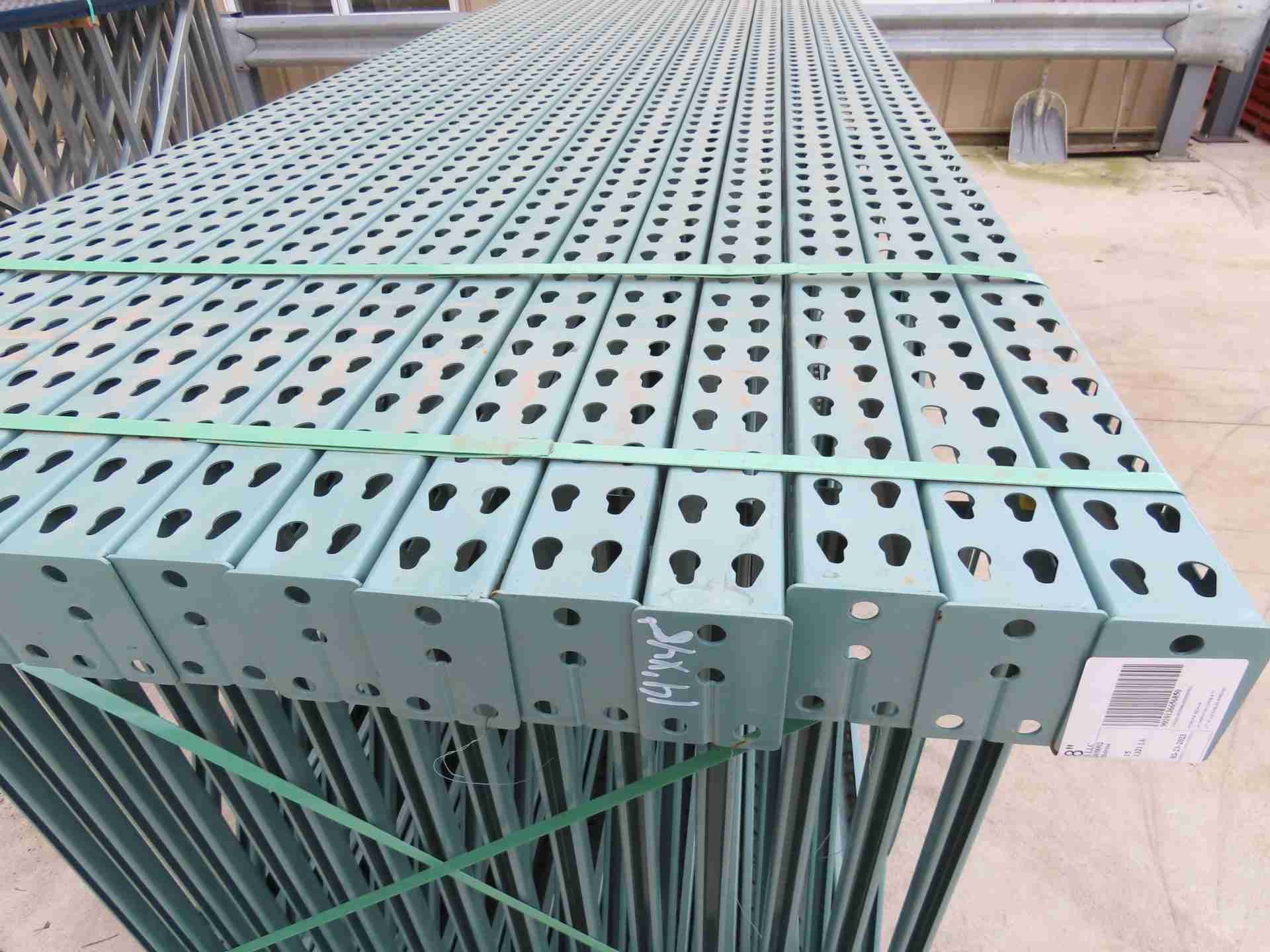
What Are The Safety Risks Associated With Racking Failures?
What Are The Safety Risks Associated With Racking Failures?
- Warehouse productivity relies not only on operational efficiency but also on safety.
- Pallet racking failures pose significant safety risks, potentially leading to serious injuries and financial losses.
- Malfunctions in pallet racking can create hazardous environments, resulting in property damage and loss of life.
- Safety incidents can damage a company’s reputation and create emotional distress among employees.
- Racking failures may cause costly downtime due to investigations, repairs, and regulatory fines, affecting overall productivity.
- Investing in quality pallet racking systems and routine inspections is essential for safeguarding employees and enhancing efficiency.
- Fostering a culture of safety empowers employees and transforms the workplace into a hub of productivity.
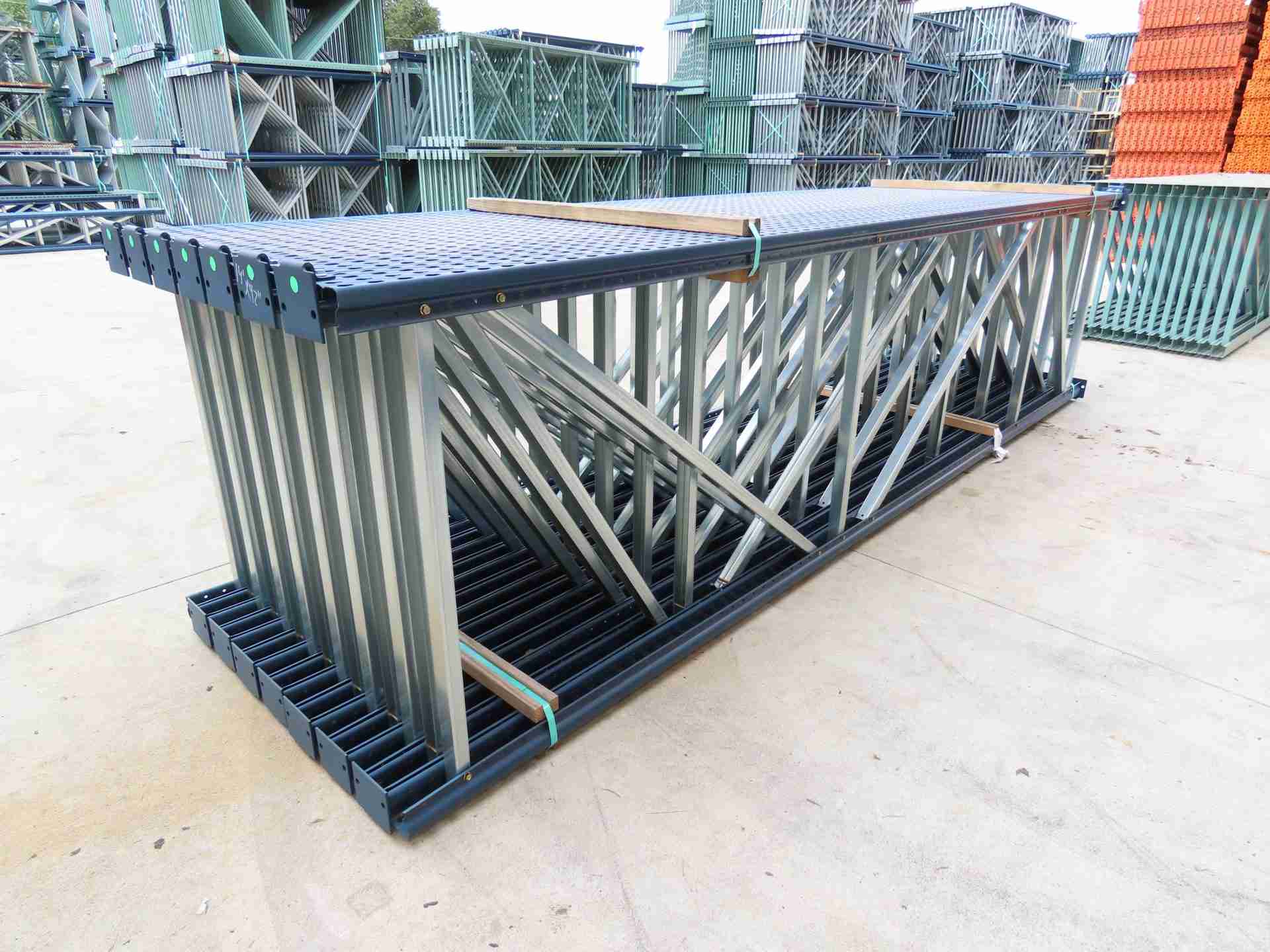
What Are The Safety Risks Associated With Racking Failures?
How Can I Prevent Racking System Failures In The Future?
Every business owner knows the crucial role that efficient storage plays in the overall flow of operations. Yet, the very backbone of your warehouse—your pallet racking—can sometimes present unanticipated challenges. When these racking systems succumb to failure, it not only jeopardizes your inventory but also risks employee safety and erodes your bottom line. But fear not! You can take proactive steps to prevent such failures and ensure the longevity of your storage systems.
Regular Inspections Are Key: First and foremost, make regular inspections a staple of your operational routine. Just as you wouldn’t skip a routine check-up at the doctor, you shouldn’t overlook the health of your pallet racking. Inspect joints, beams, and load capacities routinely. Establish a checklist that your team can follow to ensure comprehensive assessments.
Staff Training Matters: Investing in staff training is equally essential. Your team should be well-versed in best practices for loading and unloading products and aware of the weight limits for each section of your racking system. When employees feel empowered with knowledge, they’re more likely to foster a culture of safety and care.
Implement a Load Management System: Speaking of loading, implementing a sophisticated load management system can greatly diminish the chances of overloading your pallet racking. Utilize technology to track inventory levels accurately, ensuring that each section is balanced and monitored—this not only extends the life of your racking but also prevents unnecessary mishaps that can lead to expensive repairs.
Conduct Regular Maintenance: Just as cars need oil changes, your pallet racking requires maintenance. Schedule periodic maintenance routines to fix minor issues before they escalate into significant problems. Replace damaged parts promptly and keep a steady inventory of replacement components on hand.
Stay Updated on Industry Guidelines: Finally, don’t forget to keep your finger on the pulse of industry guidelines and regulations. Building codes and safety standards can change, and it’s crucial to stay informed to ensure your pallet racking systems meet current benchmarks. Not only does this keep your team safe, but it also enhances your reputation as a reliable and responsible business.
In summary, preventing racking system failures is not a daunting task—it’s an investment in your business’s future. By implementing regular inspections, training, load management, maintenance, and staying updated on standards, you can build a safer, more efficient warehouse. You’re not just avoiding potential disasters; you’re laying the groundwork for success—one sturdy beam at a time. Take action today and watch your business thrive!
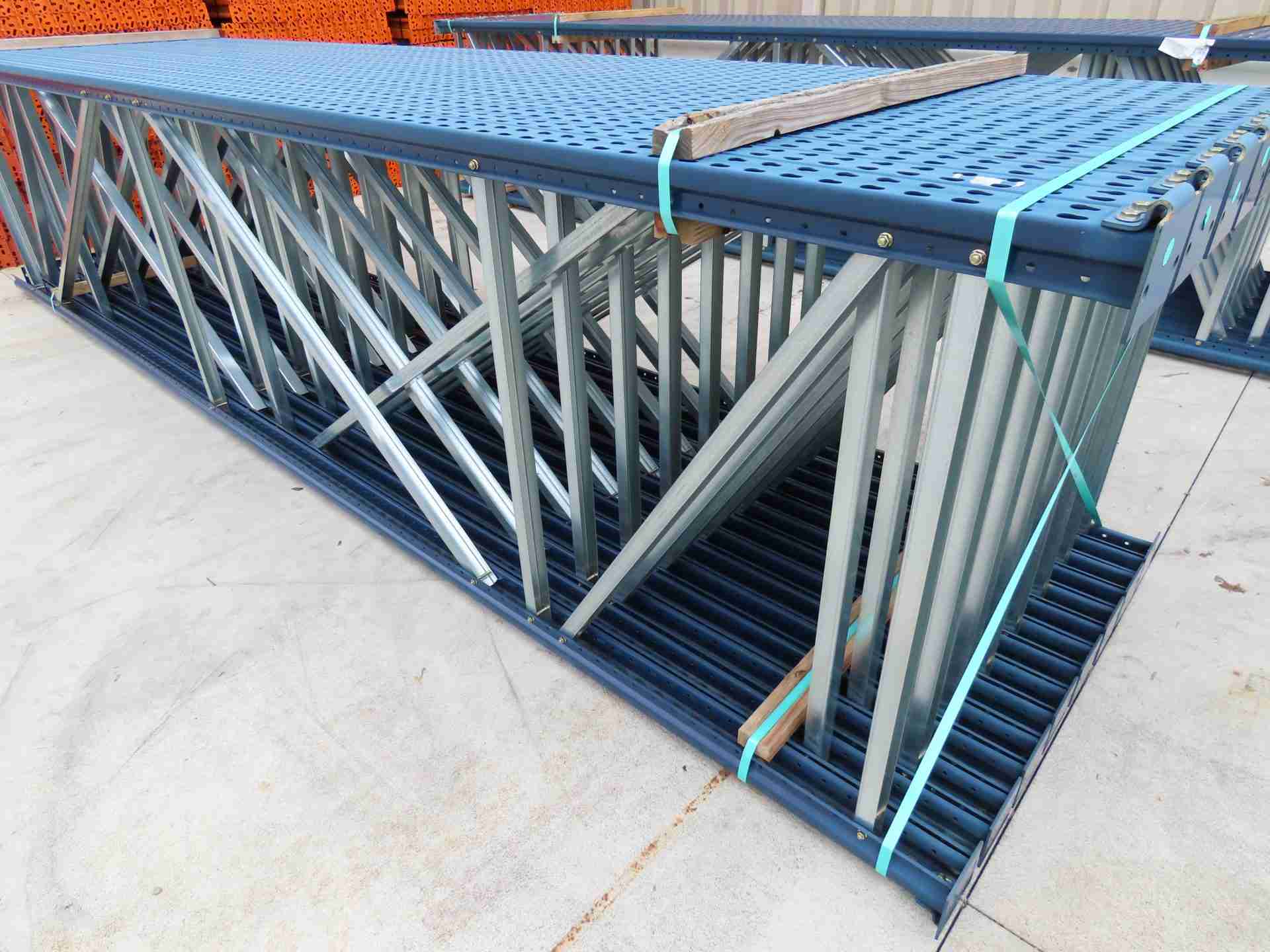
How Can I Prevent Racking System Failures In The Future?
How Can I Prevent Racking System Failures In The Future?
Here’s a formatted bulleted HTML list summarizing the provided text:
- Crucial Role of Storage: Efficient storage is vital for optimal business operations, with pallet racking as a potential challenge.
- Importance of Regular Inspections: Conduct routine inspections of joints, beams, and load capacities, similar to regular health check-ups.
- Staff Training: Train employees on best loading/unloading practices and weight limits to promote safety and care.
- Load Management Systems: Implement technology to monitor and balance inventory levels, reducing the risk of overloading.
- Regular Maintenance: Schedule periodic maintenance to address small issues before they become major problems, and keep replacement parts available.
- Stay Updated on Guidelines: Keep informed about industry codes and safety standards to ensure compliance and enhance business reputation.
- Long-Term Investment: Proactively managing pallet racking can lead to a safer, more efficient warehouse and support business success.
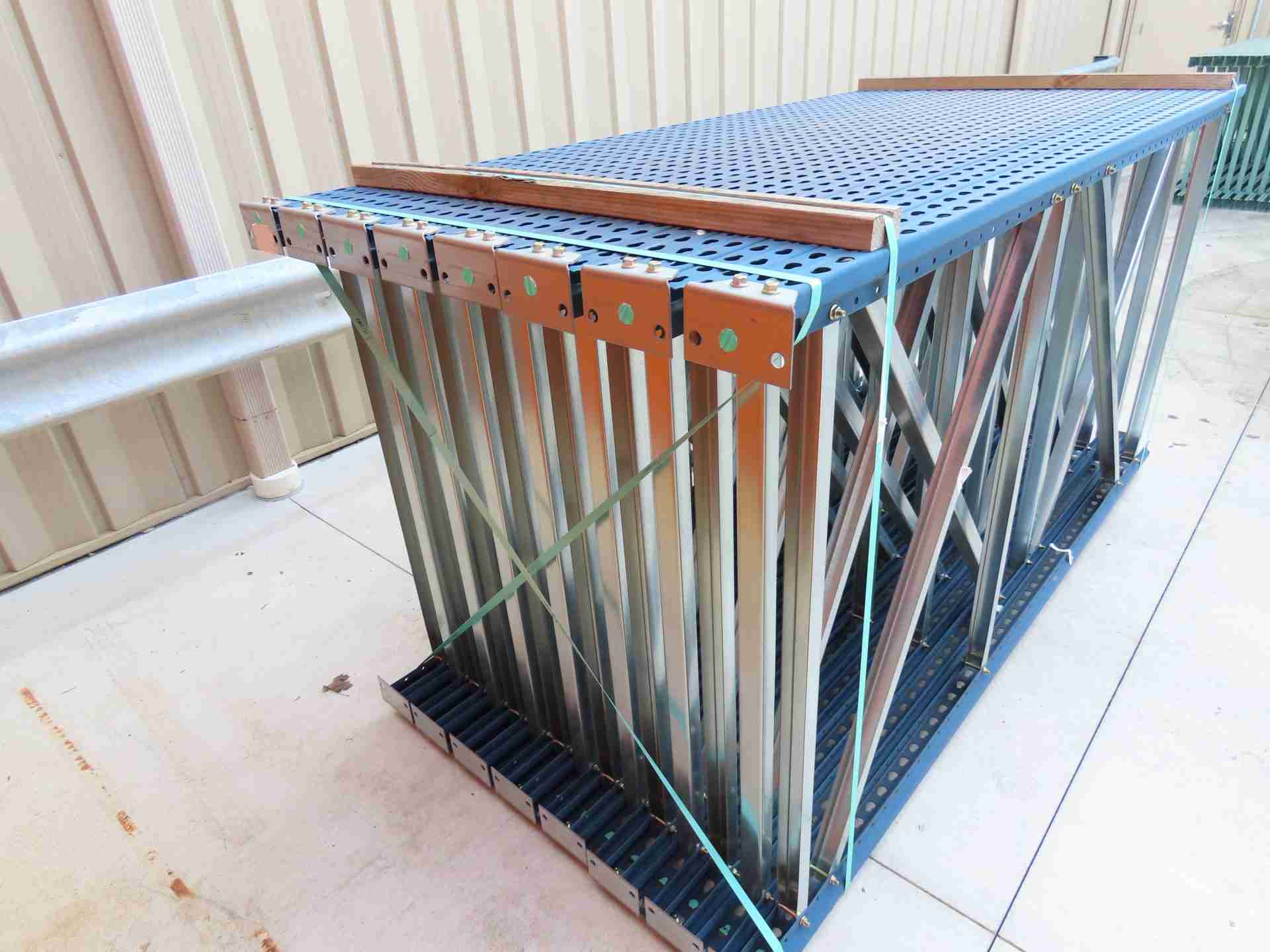
How Can I Prevent Racking System Failures In The Future?
What Steps Should I Take Immediately After A Racking Failure?
Experiencing a pallet racking failure can feel like the world has just flipped upside down. One moment, everything seems secure, and the next, you’re facing a chaotic scene that can be overwhelming. But don’t fret! This is not the end; it’s merely a wake-up call that could lead to an even stronger commitment to an efficient, safer workspace.
The first step you should take after a racking failure is to remain calm. Panicking won’t solve anything and might lead to decisions you’ll regret later. Instead, take a moment to collect your thoughts. Your response sets the tone for the entire team. Show them that mistakes or accidents don’t have to define the moment—it’s how you respond that counts!
Once calm, assess the area surrounding the pallet racking. Look for potential hazards such as spilled items, structural damage, or other risks that could lead to further complications. The safety of you and your workers is paramount. If necessary, clear the area of personnel to prevent any additional injuries or damage.
Next, document the situation promptly. Grab your phone and take photos of the racking failure, the surrounding area, and any involved equipment. This documentation is crucial for the subsequent investigation—whether it’s for your internal records or for insurance claims. Remember, clarity in risks leads to clarity in reinstating safety.
After documenting, convene a meeting with your team or relevant authorities to discuss what went wrong. Review safety protocols and identify any gaps in training or equipment usage that might have contributed to the mishap. This isn’t about placing blame; it’s about learning and fostering a culture of accountability that will ultimately strengthen your operation.
Then, don’t simply deal with the aftermath—actively take steps toward prevention. Invest in training sessions focused on safety and racking operations. If your pallet racking system is dated or showing signs of wear, now’s the time to consider upgrading. Installing safety features can prevent future issues and serve as a testament to your commitment to employee safety.
In the face of an unexpected racking failure, your proactive and structured approach will not only restore order but build a more robust, safety-oriented culture. Embrace this opportunity to evolve and show your team that resilience is the name of the game. Taking these immediate steps ensures that your business not only survives but thrives!
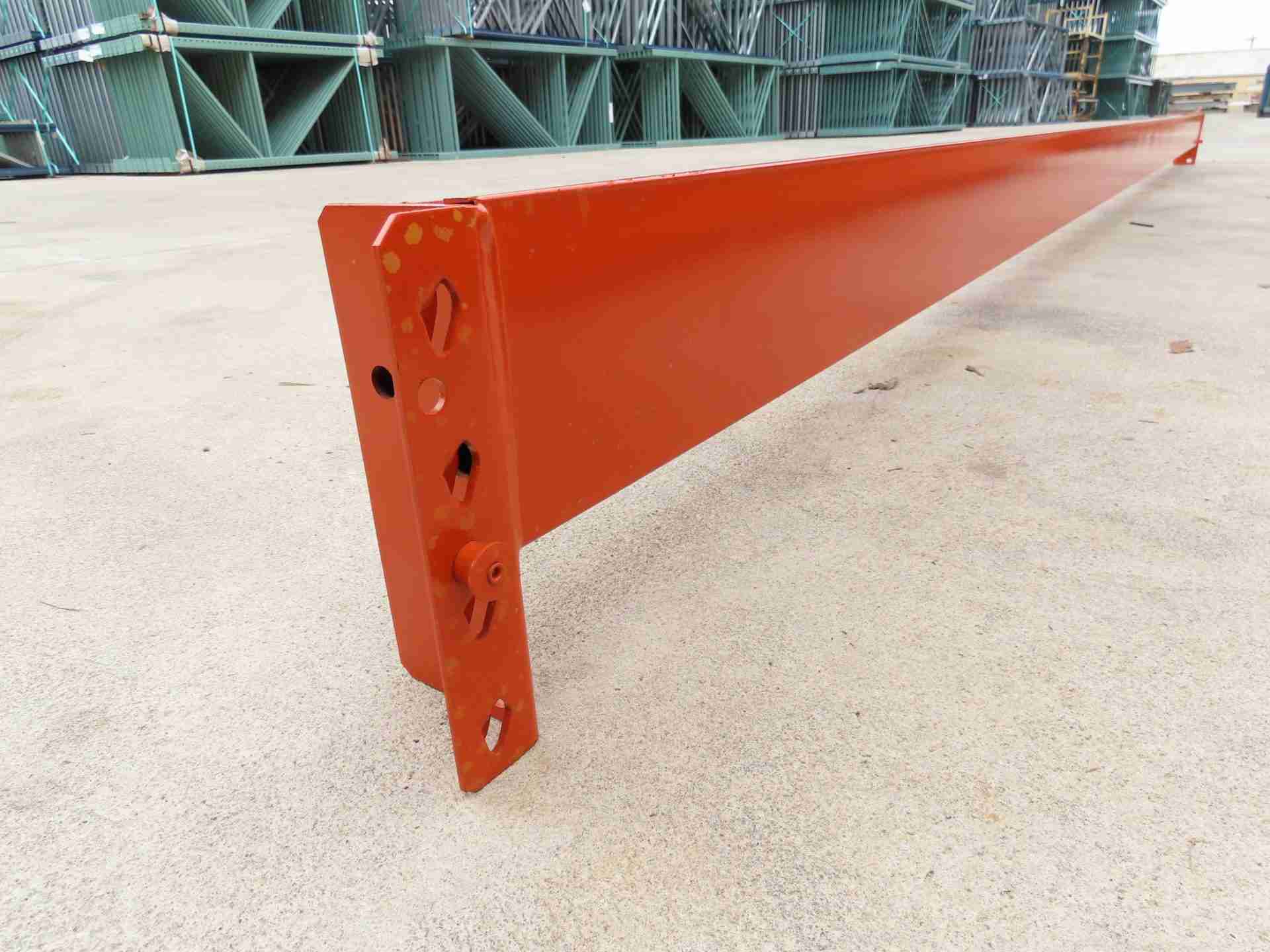
What Steps Should I Take Immediately After A Racking Failure?
What Steps Should I Take Immediately After A Racking Failure?
- Experiencing a pallet racking failure can lead to chaos, but it’s an opportunity for improvement.
- Remain calm to set a positive tone for your team; panicking won’t help.
- Assess the area for hazards like spilled items or structural damage, prioritizing safety.
- Document the situation with photos for internal records and insurance claims.
- Conduct a meeting with your team to review safety protocols and identify training gaps.
- Invest in safety training and consider upgrading dated racking systems with new safety features.
- A proactive approach to racking failures can strengthen your safety culture and boost business resilience.

What Steps Should I Take Immediately After A Racking Failure?
How Does A Racking System Design Impact Its Stability?
When it comes to efficient warehouse management, the importance of a well-designed racking system cannot be overstated. Imagine walking into a warehouse where every pallet seems poised perfectly in its slot, exuding an air of organized efficiency. This is the kind of atmosphere a solid pallet racking system can create—a space where every item, from the smallest widget to the heaviest machinery, rests securely in a structure that is built for safety.
But what truly makes a racking system stable? It’s far more than just a matter of stacking pallets in a seemingly random order. A design that prioritizes stability incorporates a deep understanding of weight distribution, aisle width, load capacity, and the types of pallets being used. Without careful consideration of these factors, even the most sophisticated racking system can become a recipe for disaster.
Picture this: a busy warehouse running at full tilt. Employees are racing against the clock, moving goods in and out. Suddenly, a racked pallet tips, triggering a domino effect that costs time, money, and maybe even someone’s safety. No one wants to be that warehouse! Smart design principles keep your operations running smoothly. It enhances the durability of your racking systems, minimizes risks, and ensures that every pallet racking unit operates at optimum efficiency.
Choosing the right racking system is like choosing a sturdy foundation for your home. It’s not just about the here and now; it’s about long-term stability and reliability. By investing time and resources into the thoughtful design of your pallet racking system, you’re not only making a sound business decision—you’re signaling to your employees and your clients that safety and efficiency are at the heart of your operations.
And here’s the kicker: a well-designed racking system does more than just keep pallets in place; it maximizes your storage capacity and boosts productivity. Your teams can work without interruption, knowing that the frameworks around them are engineered to enhance performance and safety.
So, before you embark on your next warehouse project, ask yourself: is my pallet racking designed with stability in mind? Make the leap towards a racking system that stands the test of time. Elevate your warehousing strategy, instill confidence in your people, and watch your operational efficiency soar!
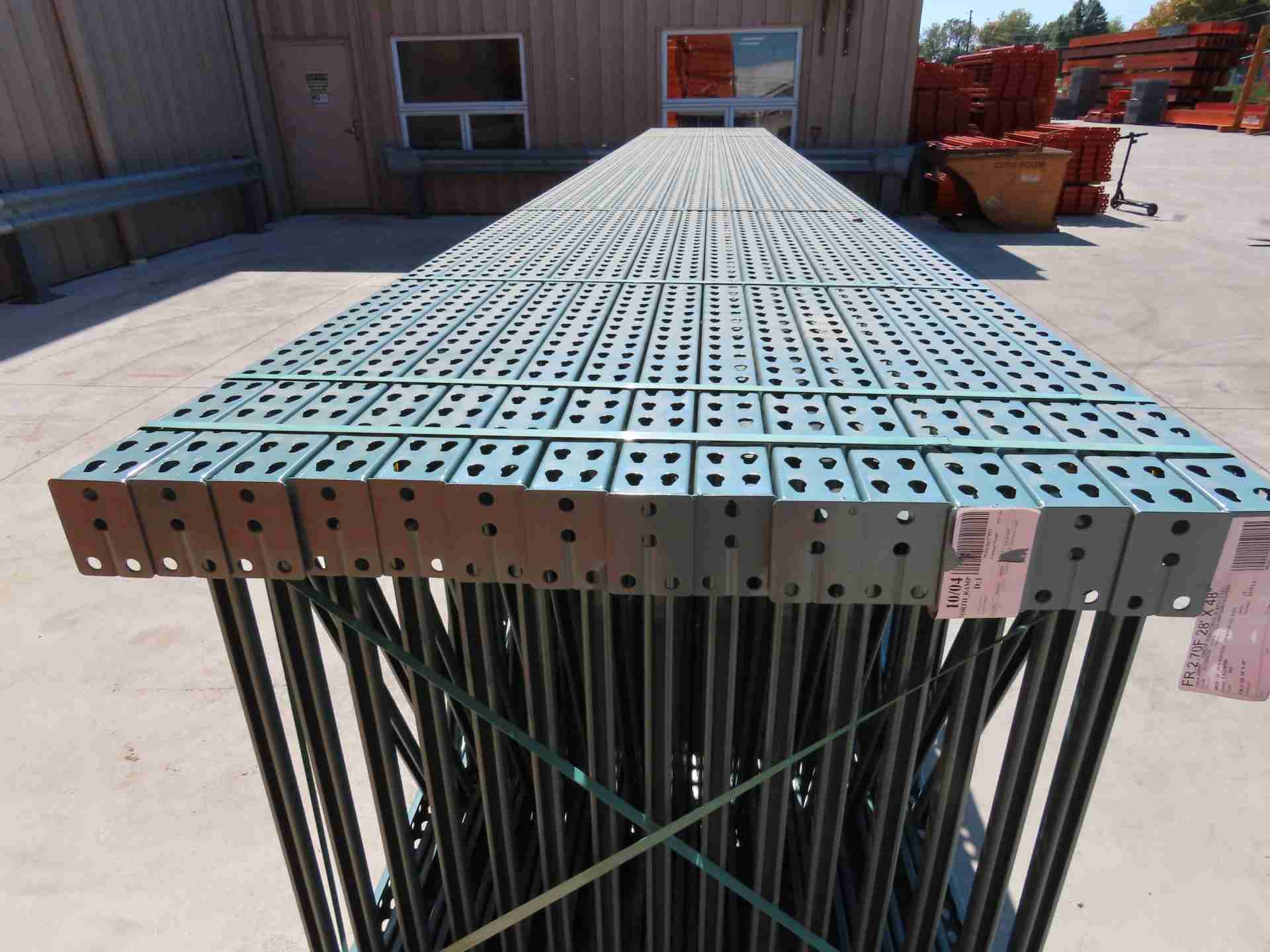
How Does A Racking System Design Impact Its Stability?
How Does A Racking System Design Impact Its Stability?
- A well-designed racking system is essential for efficient warehouse management, promoting organized efficiency.
- Stable racking designs consider factors like weight distribution, aisle width, load capacity, and pallet types.
- Smart design prevents accidents and enhances the durability and efficiency of racking systems.
- Choosing the right racking system is crucial for long-term stability and reliability in warehouse operations.
- An effective racking system maximizes storage capacity and boosts productivity for employees.
- Prioritizing safety and efficiency in design reflects positively on business operations and employee morale.
- Investing in a solid racking system elevates warehousing strategies and improves operational efficiency.
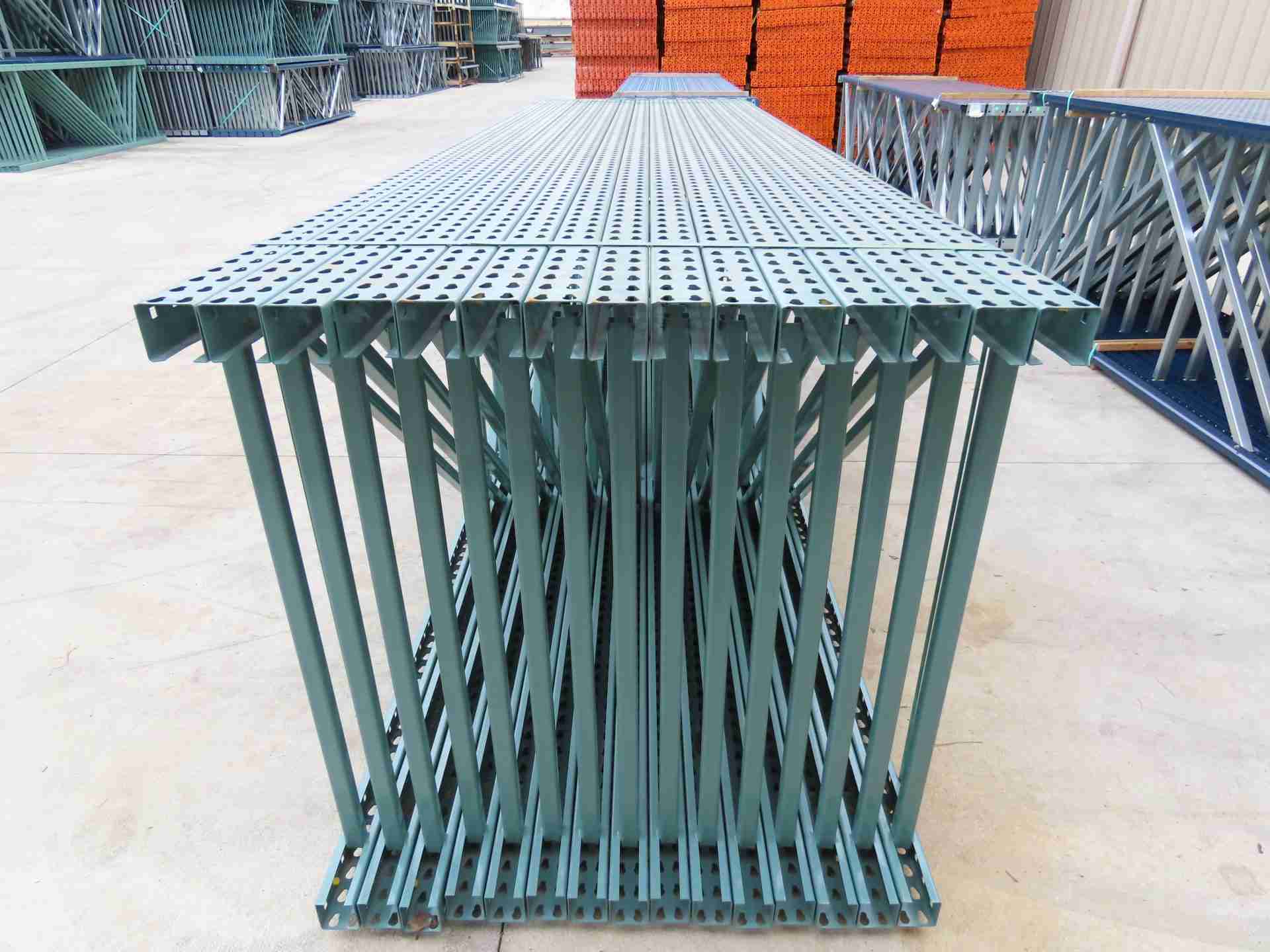
How Does A Racking System Design Impact Its Stability?
Conclusion
Conclusion: Elevate Your Warehouse Safety and Efficiency with Arrow Industrial Sales
The specter of racking system failure looms ominously over warehouse managers, presenting a threat that can lead to chaos, financial loss, and even serious safety hazards. But it doesn’t have to be this way! At Arrow Industrial Sales, we believe that proactive measures can transform a potential disaster into an opportunity for growth and improvement. A failure can serve as a pivotal moment, prompting you to assess your operations and strengthen the backbone of your business—your pallet racking system.
Understanding the causes of racking failures, such as inadequate inspections, improper loading techniques, and insufficient staff training, is the first step towards prevention. By committing to a culture of vigilance, you’re not just safeguarding your investments; you’re reinforcing operational efficiency while protecting the invaluable lives of your employees. Implementing regular maintenance schedules, training protocols, and feedback loops sets the stage for a robust warehouse environment.
Recognizing early signs of distress in your racking systems allows you to take decisive action before a minor issue spirals into a costly crisis. By fostering open communication with your team and actively seeking their input, you cultivate a fortified environment rife with opportunities for improvement.
Moreover, compliant safety practices are more than just policies—they’re a commitment to your workforce and business integrity. A strategic partnership with a reputable supplier like Arrow Industrial Sales ensures you’re armed with the latest technology and solutions to optimize your racking systems. With our help, you can transition to newer, more efficient racking structures designed for stability and longevity.
Don’t wait for disaster to strike. Consider this your wake-up call! The time to act is now—call Arrow Industrial Sales at (574) 349-6575 for expert guidance on upgrading your pallet racking systems. Don’t let the fear of racking failures steal your peace of mind any longer; instead, seize this chance to enhance your warehouse’s safety and efficiency.
Remember, every challenge presents an opportunity for triumph. By prioritizing your racking solutions, you’re not just protecting your assets—but also building a resilient foundation for your entire operation. Let Arrow Industrial Sales help you turn potential failures into transformative successes for your business. Take action today, and pave the way for a more secure and productive tomorrow!
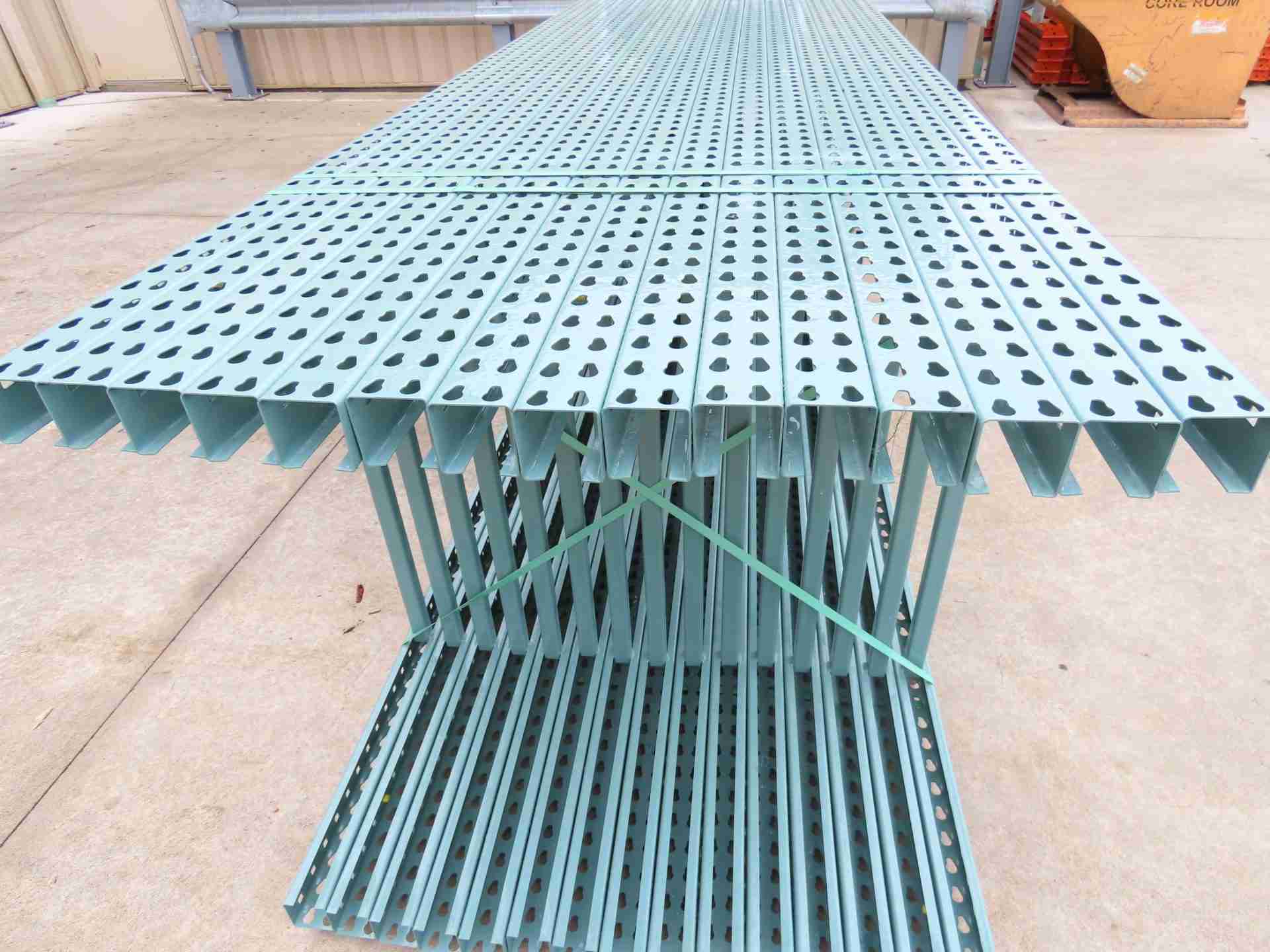
Conclusion
Conclusion:
- Racking system failures pose significant threats to warehouse managers, leading to chaos and safety hazards.
- Proactive measures can transform potential disasters into opportunities for improvement and growth.
- Understanding causes of racking failures, such as inadequate inspections and improper loading, is crucial for prevention.
- A culture of vigilance enhances operational efficiency and safeguards employee safety.
- Early recognition of distress signs allows for decisive action to prevent minor issues from escalating.
- Partnering with reliable suppliers like Arrow Industrial Sales provides access to advanced racking technology.
- Prioritizing racking solutions not only protects assets but also builds a resilient foundation for warehouse operations.
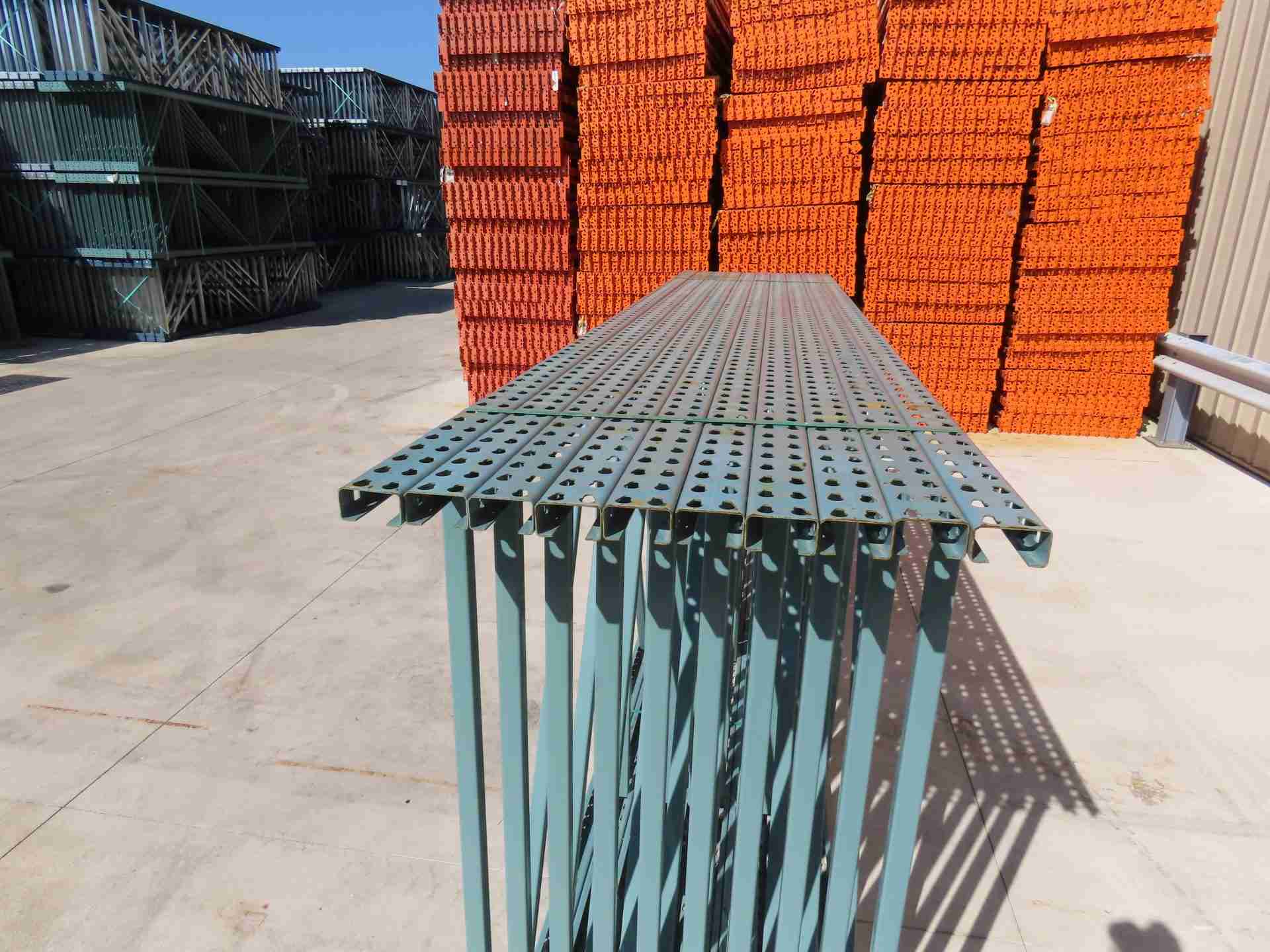
Conclusion
Other Resources
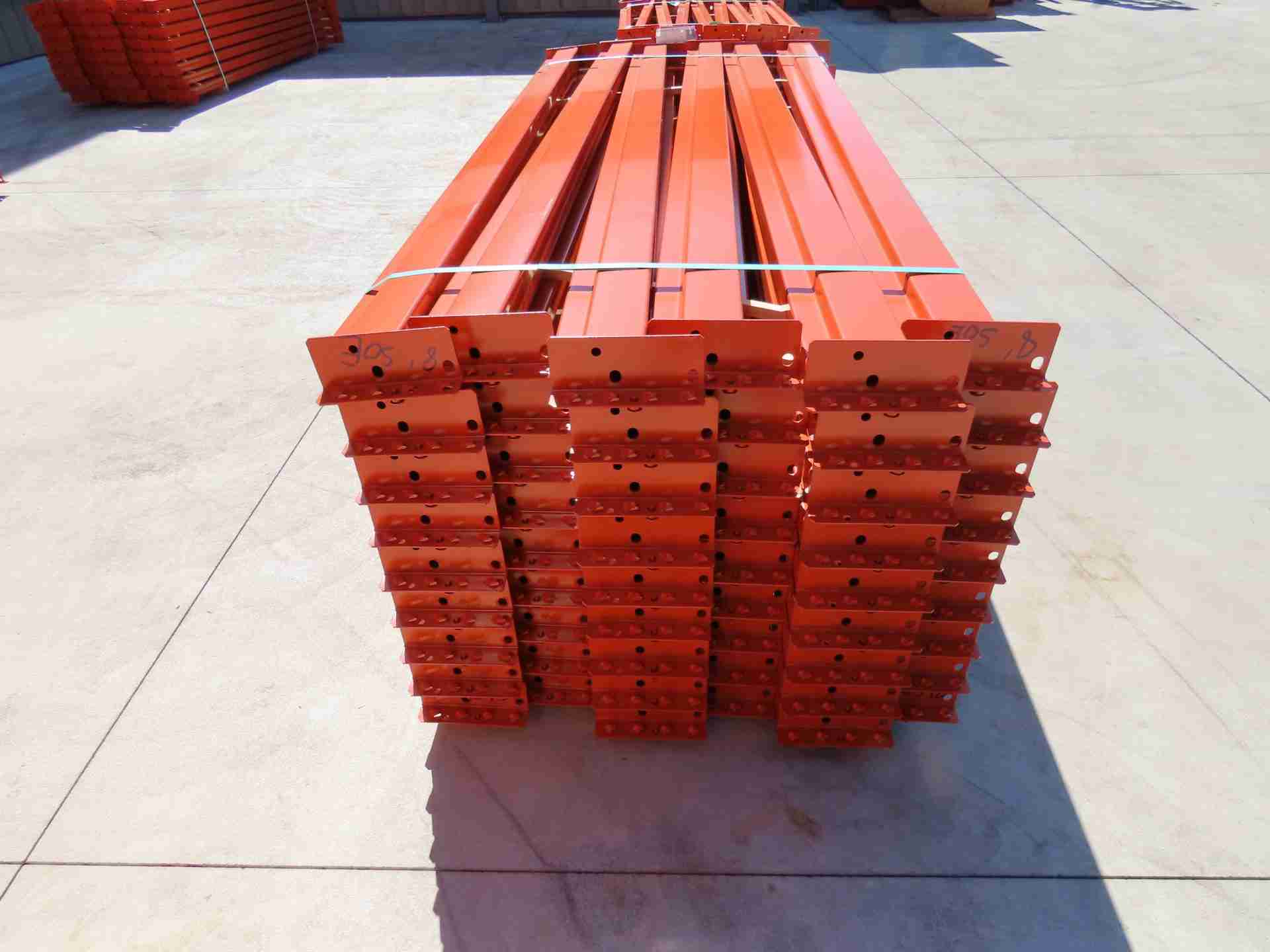
Other Resources
Here is a list of other resources you can review online to learn more:
- Interlake
- Illinois Pallet Racking – WPRP
- Rack Manufacturers Institute
- Cantilever Rack Guide: Ordering Cantilever Racking
- Selective Pallet Racking Systems
- Overhead Lifting
- Illinois Pallet Racking – Storage Solutions
- MHI
- BMH
- Interlake Mecalux
Use This Prompt To Get More Resources With Your Favorite Online AI Tool: Please provide me with a list of online articles with their URLs in a bulleted list that I can read regarding What Happens When Your Racking System Fails Overnight?
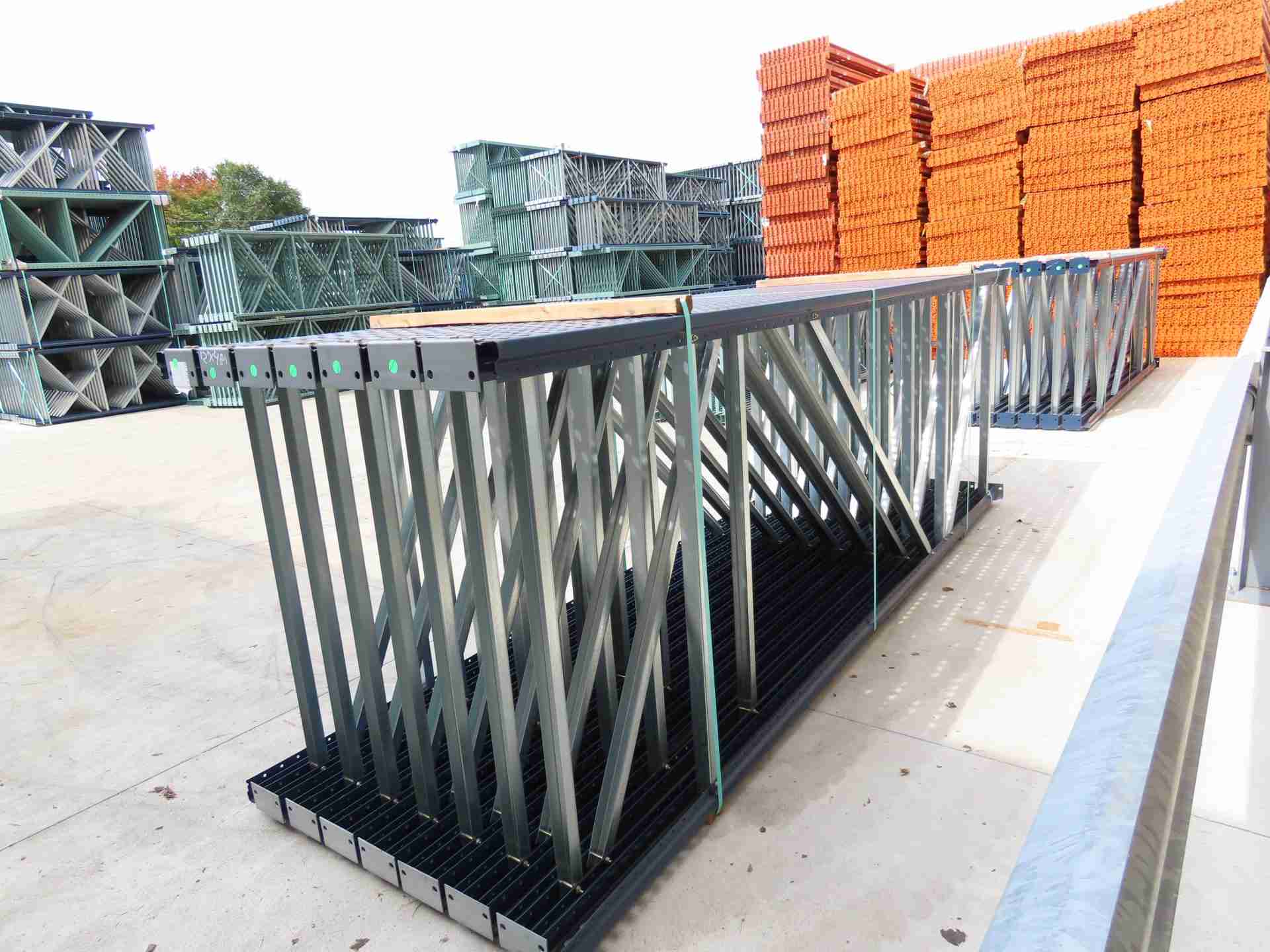
Other Resources
Glossary Terms
What Happens When Your Racking System Fails Overnight? – Glossary Of Terms
1. Racking System: A framework used for storage, typically consisting of horizontal beams and vertical posts, designed to hold various types of goods.
2. Structural Failure: The inability of a structure (like a racking system) to support the loads it was designed to carry, leading to collapse or deformation.
3. Load Capacity: The maximum weight or force that a racking system can safely support without failing.
4. Overloading: Placing more weight on a racking system than it was designed to handle, which can lead to structural failure.
5. Safety Inspection: A formal evaluation of a racking system to identify any signs of wear, damage, or structural deficiencies.
6. Instability: A condition in which a racking system is not securely anchored or balanced, making it prone to tipping or collapsing.
7. Inspection Frequency: The regular interval at which checks are conducted to ensure that a racking system is functioning safely and effectively.
8. Compliance Standards: Regulations and guidelines established by governing bodies to ensure racking systems are designed and maintained safely.
9. Forklift Operations: The use of forklift trucks to load, unload, and move materials within a racking system, which can affect its stability.
10. Maintenance Protocol: A planned and systematic approach to preserving the integrity and safety of a racking system through regular upkeep.
11. Damage Assessment: The evaluation of a racking system after a failure or incident to determine the extent of harm and necessary repairs.
12. Safety Barriers: Physical or structural elements used to provide protection to people and property near racking systems, particularly in high-traffic areas.
13. Emergency Plan: A documented process detailing the steps to take in the event of a racking system failure, aimed at minimizing risk and ensuring safety.
14. Insurance Coverage: Financial protection that covers potential losses or damages resulting from the failure of a racking system.
15. Worker Safety Training: Instruction provided to employees on how to safely operate around racking systems and respond to emergencies.
16. Remediation: The steps taken to correct or repair a racking system after it has failed or been compromised.
17. Inventory Management: A system for tracking and controlling stock levels, particularly important to assess after a racking failure.
18. Load Distribution: The way weight is spread across a racking system, which plays a crucial role in maintaining stability and preventing failure.
19. Monitoring System: Technology used to track the condition and performance of racking systems in real time, aiding in early detection of potential issues.
20. Collapse Zone: The area surrounding a racking system that must be kept clear during operations to ensure safety in case of a failure.
21. Darwinian Failures: Failures occurring in a racking system that have not been adequately addressed during the design or maintenance phases.
22. Hazard Analysis: An assessment of potential risks associated with a racking system and the related impact of failure scenarios.
23. Pallet Configuration: The arrangement and stacking of pallets on a racking system, which can greatly affect its overall stability.
24. Overhead Clearance: The vertical space between the top of a racking system and the ceiling, important for safe forklift operation and avoiding accidents.
25. Regulatory Bodies: Organizations that set and enforce safety standards related to industrial storage systems, including racking.
26. Catastrophic Failure: A sudden and complete breakdown of a racking system, often resulting in damage to goods and equipment.
27. Load Testing: The practice of applying weight to a racking system to verify its load capacity and structural integrity.
28. Structural Analysis: The mathematical evaluation of a racking system’s ability to support loads, crucial for design and compliance.
29. Emergency Response Team: A group of trained personnel designated to respond to incidents involving racking system failures.
30. Incident Report: A formal documentation of details regarding a racking system failure, including causes, effects, and recommendations for prevention in the future.
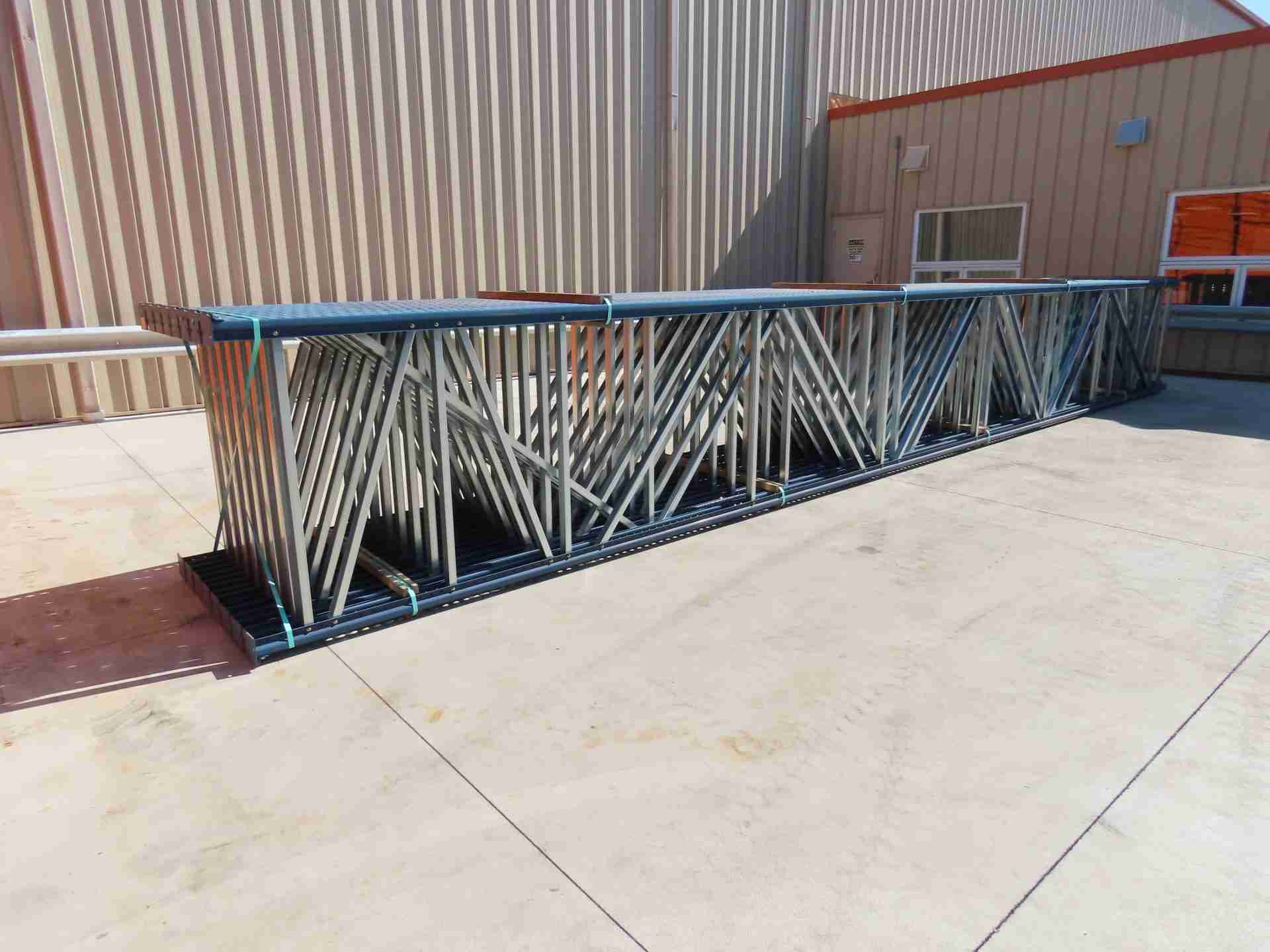
Glossary Of Terms
Other Questions
What Happens When Your Racking System Fails Overnight? – Other Questions
If you wish to explore and discover more, consider looking for answers to these questions:
- What are the signs that indicate a racking system may fail?
- How often should I conduct inspections on my pallet racking systems?
- What specific training should I provide to my employees regarding racking safety?
- What types of racking systems are considered the most reliable?
- How can I choose the right pallet racking provider?
- What are the costs associated with racking system failures?
- How can I effectively document a racking system failure?
- What regulations and standards should I be aware of regarding pallet racking?
- What technology can help monitor the condition of my racking systems?
- What recovery steps should I take after a racking system failure?
- Can I retrofit my existing racking system for better stability?
- What are the industry best practices for pallet racking design?
- How can I create a culture of safety in my warehouse?
- What are the consequences of ignoring racking system maintenance?
- What specific components should I regularly inspect in my pallet racking system?
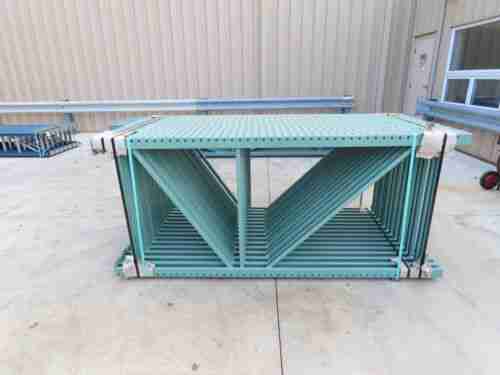
Other Questions
Checklist
What Happens When Your Racking System Fails Overnight? – A Checklist
Racking System Safety and Prevention Checklist
Use this checklist to assess and enhance the safety and efficiency of your pallet racking systems. Regularly reviewing and adhering to these guidelines can help prevent failures and protect your workforce, inventory, and bottom line.
Regular Inspections
_____ Schedule routine inspections of pallet racking systems.
_____ Check joints, beams, and load capacities during inspections.
_____ Use a standardized checklist for consistency in inspections.
_____ Document any findings and address issues immediately.
Staff Training
_____ Provide ongoing training for employees on safe handling practices.
_____ Educate teams on the weight limits and specifications for racking systems.
_____ Foster a culture of safety and accountability by encouraging staff to voice concerns.
Proper Loading Techniques
_____ Implement strict loading guidelines to prevent overloading.
_____ Monitor inventory levels using a load management system to avoid potential hazards.
_____ Ensure pallets are securely positioned and balanced.
Environmental Considerations
_____ Maintain a stable warehouse environment (temperature, humidity) conducive to racking integrity.
_____ Regularly check for environmental factors that could affect racking systems.
Maintenance Routines
_____ Develop and adhere to a scheduled maintenance program for pallet racking systems.
_____ Promptly replace any damaged parts or worn-out components.
_____ Keep an inventory of replacement parts on hand for quick repairs.
Early Signs of Failure
_____ Monitor workflow for inconsistencies or unusual lag in inventory turnover.
_____ Regularly assess employee morale and productivity levels.
_____ Watch for any spikes in returns or customer complaints related to inventory.
Incident Response Plan
_____ Create and regularly update an emergency response plan for racking failures.
_____ Ensure all staff know the procedures to follow in the event of an incident.
_____ Conduct drills or training sessions to practice the incident response.
Continuous Improvement
_____ Regularly solicit feedback from employees on safety and efficiency.
_____ Conduct audits and reviews of the racking system and overall warehouse operations.
_____ Stay updated on industry standards and regulations related to racking systems.
Racking System Design
_____ Evaluate the design of the racking system for stability—consider weight distribution, aisle width, and load capacity.
_____ Consult with racking system professionals to ensure optimal design.
_____ Invest in quality racking systems that prioritize safety and efficiency.
Conclusion
By implementing this checklist, you take proactive steps towards creating a safer and more efficient warehouse environment. Regular assessments and improvements will help turn potential challenges into opportunities for success. Remember, safety and efficiency go hand in hand—let’s thrive together!
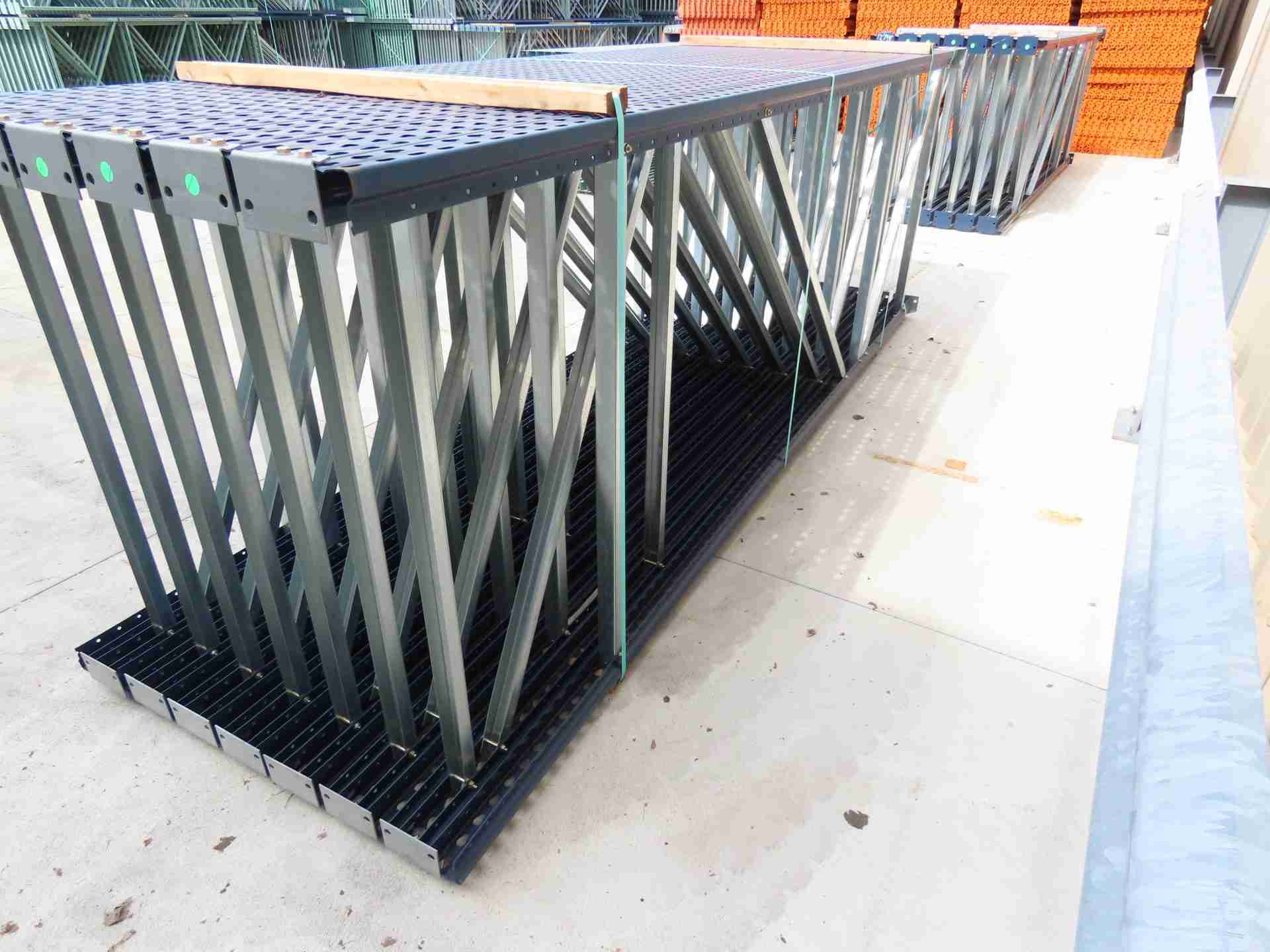
Checklist
At RackingWorld, we help guide you through selecting warehouse storage systems and racking.
Be sure to read our other related stories at RackingWorld to learn more about warehouse storage systems.
0 Comments