
Maximizing Safety: The Truth About Pallet Rack Regulations
By Tom Seest
At RackingWorld, we help guide you through selecting warehouse storage systems and racking.
Be sure to read our other related stories at RackingWorld to learn more about warehouse storage systems.
Are There Shelving Safety Regulations for Pallet Racks?
When it comes to running a warehouse or distribution center, the safety of your shelving systems is non-negotiable. Imagine this scenario: a busy day, employees bustling around, and then a loud crash echoes through the facility—pallet racks collapsing under the weight of poorly organized inventory. Not only can this lead to catastrophic injuries, but it can also cripple your operations, erode employee morale, and damage your bottom line.
That’s why understanding shelving safety regulations for pallet racks is crucial. The Occupational Safety and Health Administration (OSHA) and the American National Standards Institute (ANSI) have set standards in place to help protect workers and ensure safe working conditions. The OSHA regulations (29 CFR Part 1910) mandate that employers must provide a workplace free from recognized hazards, which includes properly maintaining and installing pallet racks.
Take, for example, the 2021 incident at a major retailer’s distribution center, where inadequate inspection led to a pallet rack failure, injuring several employees. The aftermath not only resulted in hefty fines, but it also tarnished the company’s reputation. Such incidents underscore the importance of adhering to safety regulations and regular inspections. It’s not just about compliance; it’s about being proactive and safeguarding your team.
Regular audits and inspections are your first line of defense. According to ANSI standards, every pallet rack system should be routinely checked to ensure structural integrity and compliance with load capacities. Understanding the specific weight limits assigned to each rack and properly training your employees to stack materials accordingly is paramount. A rack designed for 2,000 pounds won’t hold up if overloaded with 3,000 pounds of product!
Moreover, installing rack protection guards is a small expense that can save thousands in damage and liability claims. With the rise of e-commerce and home delivery services, the spotlight on safety in warehousing has never been brighter. For instance, during the recent supply chain disruptions, many warehouse managers are recognizing that rising efficiency shouldn’t come at the cost of safety.
Adhering to shelving safety regulations is more than just a checkbox on your compliance list; it’s an investment in your workforce and your business’s longevity. So take charge today—inspect, maintain, and protect your pallet racks to ensure a safe and efficient operation. After all, a safe warehouse is a productive warehouse.

Are There Shelving Safety Regulations for Pallet Racks?
Are There Shelving Safety Regulations for Pallet Racks?
- Safety of shelving systems in warehouses is essential to prevent accidents and operational disruptions.
- OSHA and ANSI have established regulations to protect workers and ensure safe storage practices.
- Employers must maintain and install pallet racks according to OSHA regulations (29 CFR Part 1910).
- Real-life incidents, such as a 2021 pallet rack failure, highlight the consequences of inadequate safety inspections.
- Routine audits and inspections of pallet rack systems are critical for ensuring structural integrity and compliance.
- Installing rack protection guards can reduce damage and liability claims, proving cost-effective for businesses.
- Prioritizing safety enhances workforce protection and contributes to the long-term success of a business.

Are There Shelving Safety Regulations for Pallet Racks?
Table Of Contents
- Are There Shelving Safety Regulations for Pallet Racks?
- Are Shelving Safety Regulations Necessary For Pallet Racks?
- What Are The Key Safety Standards For Pallet Rack Systems?
- How Can I Ensure Compliance With Pallet Rack Regulations?
- What Is The Role Of OSHA In Pallet Rack Safety?
- Are There Specific Load Capacities For Pallet Racks?
- How Can I Assess The Safety Of My Existing Pallet Racks?
- What Common Hazards Should I Look For In Pallet Rack Setups?
- How Often Should Pallet Racks Be Inspected For Safety?
- What Should Be Included In A Pallet Rack Safety Audit?
- Can I Modify A Pallet Rack Without Violating Safety Regulations?
- What Training Is Required For Employees Using Pallet Racks?
- Are There Guidelines For The Proper Installation Of Pallet Racks?
- How Do Local Regulations Impact Pallet Rack Safety Requirements?
- How Can I Choose A Reputable Supplier For Pallet Racks?
- Conclusion
- Other Resources
- Glossary Of Terms
- Other Questions
- Checklist
Are Shelving Safety Regulations Necessary For Pallet Racks?
When it comes to the safety of industrial environments, you can never be too careful. The stakes are high and, when it comes to pallet racks, ensuring their stability and strength is paramount. In recent years, we’ve seen a sharp increase in regulatory scrutiny, and for good reason. Events like the tragic collapse of a warehouse rack in 2022, which resulted in injuries and damages amounting to millions, serve as stark reminders that neglecting safety regulations can have devastating repercussions.
But are shelving safety regulations truly necessary? Absolutely. These regulations protect not just the businesses that clutter their warehouses with poorly maintained racks, but also the employees who depend on these structures for safe and effective workspaces. Imagine a bustling distribution center: stacks of pallets piled high, products ready to ship, and suddenly, an overloaded or improperly maintained pallet rack gives way. The chaos that ensues can lead to injuries, lost productivity, and hefty fines from regulatory bodies. In a world where such incidents can tarnish reputations overnight, investing in compliance might just be your best marketing strategy.
Consider the market leaders who prioritize safety. Companies like Amazon have made headlines for their extensive implementation of safety protocols within their warehouses. By embracing rigorous shelving safety regulations, they not only safeguard their workforce but also enhance their brand image. Employees feel more secure in their environment, leading to increased productivity and morale, while customers appreciate the commitment to quality and care in every package delivered.
Furthermore, recent legal measures in various states have tightened requirements around pallet rack inspections and load management. Failure to comply with these updated regulations can lead to devastating financial consequences, including fines and lawsuits. Is it worth gambling your hard-earned capital on the chance that “it won’t happen here?”
Moreover, consider this: compliance is good for business. It opens doors to new partnerships and opportunities. Buyers prefer working with companies who demonstrate diligence in safety measures. They want assurance that the product they’re buying is stored in a facility that values responsibility and safety.
Shelving safety regulations are not just another layer of bureaucracy; they are essential for the welfare of your employees and the stability of your business. By embracing these regulations, you position your company for success—not just in safety, but also in reputation and profitability. Prioritize safety today to ensure a safer, more prosperous tomorrow.
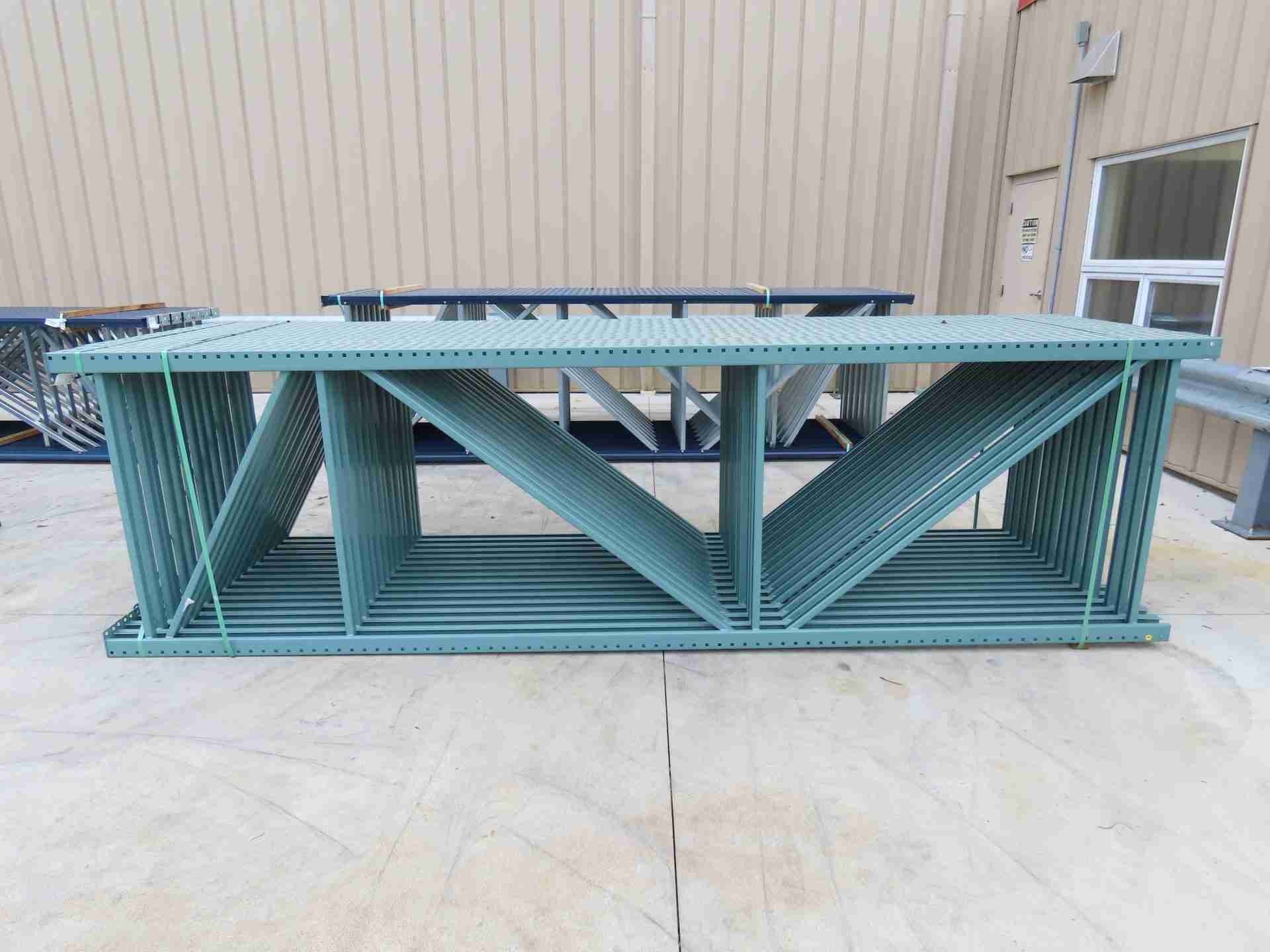
Are Shelving Safety Regulations Necessary For Pallet Racks?
Are Shelving Safety Regulations Necessary For Pallet Racks?
- Safety is crucial in industrial environments, particularly regarding pallet racks.
- Regulatory scrutiny has increased due to incidents like the 2022 warehouse rack collapse.
- Shelving safety regulations protect both businesses and employees from risks associated with neglect.
- Well-known companies like Amazon prioritize safety protocols, enhancing their brand image and employee morale.
- Recent legal measures require stricter pallet rack inspections and load management to prevent financial consequences.
- Compliance with safety regulations can lead to new business partnerships and opportunities.
- Embracing safety regulations is essential for employee welfare and overall business stability.

Are Shelving Safety Regulations Necessary For Pallet Racks?
What Are The Key Safety Standards For Pallet Rack Systems?
When it comes to warehouse efficiency, pallet racks are the backbone of many operations. However, their effectiveness hinges not just on their design but on the safety standards governing their use. Understanding these standards is crucial for ensuring a safe working environment, protecting your investment, and maintaining operational efficiency.
First and foremost, compliance with OSHA (Occupational Safety and Health Administration) guidelines is imperative. OSHA sets forth regulations that govern workplace safety, which includes guidelines for rack systems. Failure to adhere to these regulations can lead to hefty fines and, more importantly, jeopardize the safety of your employees. For example, proper maintenance of racks—inspecting for visible damage or wear—can prevent catastrophic failures. A simple inspection checklist can keep your operation running smoothly and documents your commitment to safety.
Next, consider the impact of the ANSI/RIA (American National Standards Institute/Robotic Industries Association) standards. These few key guidelines demonstrate a commitment to safety and are integral to designing a reliable pallet rack system. For instance, manufacturers should adhere to the design load requirements specified by ANSI/RIA to ensure that racks can support the weight specified without risk of collapse. A recent study highlighted that 80% of rack failures were due to overloading, an easily preventable issue when following established standards.
Additionally, remember the importance of proper installation and employee training. Implementing a rigorous training program for your staff that covers correct loading/unloading techniques, rack usage, and safety protocols is a crucial step. According to a recent event at a major logistics firm, a lack of training led to a significant incident involving pallet rack failure, resulting in damages and injuries that could have been avoided with proper knowledge.
Moreover, consider integrating technology and safety innovation into your pallet rack systems. The rise of smart technologies offers companies the opportunity to monitor the condition and usage of their racks in real-time. Systems that include load sensors and automated alerts can help proactively manage safety, ensuring compliance with both industry standards and operational best practices.
Understanding and adhering to key safety standards for pallet rack systems is not merely a regulatory obligation—it’s a vital aspect of your supply chain’s success. Proactively addressing these standards through routine inspections, employee training, and innovative technology can protect stakeholders and create a more efficient and resilient operation. A firm commitment to safety is an investment that pays dividends in productivity and employee well-being, making safety not just a requirement, but a strategic advantage.

What Are The Key Safety Standards For Pallet Rack Systems?
What Are The Key Safety Standards For Pallet Rack Systems?
- Pallet racks are essential for warehouse efficiency, but their effectiveness relies on adherence to safety standards.
- Compliance with OSHA guidelines is crucial to avoid fines and ensure employee safety through proper maintenance and inspections.
- Following ANSI/RIA standards helps manufacturers design reliable pallet rack systems, preventing failures due to overloading.
- Proper installation and rigorous employee training are essential to prevent incidents related to pallet rack failures.
- Integrating smart technologies can enhance safety by allowing real-time monitoring of rack conditions and usage.
- Understanding and adhering to safety standards is vital for the success of a supply chain, benefiting productivity and safety.
- A commitment to safety is not just regulatory; it is a strategic advantage that enhances operational efficiency and employee well-being.

What Are The Key Safety Standards For Pallet Rack Systems?
How Can I Ensure Compliance With Pallet Rack Regulations?
Ensuring compliance with pallet rack regulations is not just a legal obligation; it’s a strategic necessity. Your warehouse is your heartbeat—it’s where efficiency meets safety, and where compliance transforms into an undeniable competitive advantage. Let’s discuss practical steps to help you navigate the murky waters of regulations, combining them with operational excellence for a winning formula.
1. Know Your Standards
Understanding the standards set forth by organizations like the Occupational Safety and Health Administration (OSHA) and the American National Standards Institute (ANSI) is your first line of defense. Familiarize yourself with the specific sections that pertain to your industry and warehouse type. For example, consider the newly revised ANSI MH16.1, which addresses the design and construction of pallet racks—it is essential to stay updated, especially in a landscape influenced by the rise in e-commerce and warehousing needs. This knowledge is your arsenal in compliance.
2. Regular Inspections and Maintenance
Conducting regular inspections on your pallet racking systems is crucial—think of it as routine health check-ups for your warehouse. According to the latest industry reports, a staggering percentage of warehouse accidents are linked to structural failures or improper racking. Implement a routine inspection schedule and document everything. Use checklists to evaluate the integrity of your racking systems. If issues arise, address them immediately. This proactive approach can save you from costly fines and, more importantly, safeguard your workforce.
3. Employee Training
Investing in employee training is not merely a box to tick; it’s a crucial component of a robust compliance culture. Ensure that your team understands how to properly load and unload pallets, recognize signs of wear and tear, and follow established safety protocols. For instance, with recent discussions around the implications of automation and advanced technologies in warehousing, employees must stay aware of how these innovations interact with storage solutions. A well-trained team is your first line of defense against accidents and compliance breaches.
4. Engage a Compliance Expert
Finally, consider enlisting a compliance expert or consultant. This is akin to hiring a seasoned coach for your championship team. They can help you assess your current systems, identify gaps, and develop a customized compliance strategy that aligns with your business goals. Plus, in a landscape constantly influenced by regulatory changes, having an expert’s perspective can keep you ahead of the curve.
In a world where compliance isn’t just compliance—it’s a competitive differentiator—embracing these strategies will enable you to create a system that not only satisfies regulatory demands but also fosters a culture of safety and efficiency in your operations. Remember, compliance is not a destination; it’s a continuous journey toward operational excellence.

How Can I Ensure Compliance With Pallet Rack Regulations?
How Can I Ensure Compliance With Pallet Rack Regulations?
- Compliance with pallet rack regulations is essential for both legal obligations and strategic advantages.
- Familiarize yourself with standards from organizations like OSHA and ANSI, especially the updated ANSI MH16.1 for pallet rack design and construction.
- Conduct regular inspections and maintenance of pallet racking systems to prevent accidents and ensure structural integrity.
- Document inspection results, addressing any issues immediately to safeguard employees and avoid costly fines.
- Invest in employee training to foster a culture of compliance and safety, especially regarding new technologies and automation in warehousing.
- Consider hiring a compliance expert to assess current systems and develop tailored compliance strategies in line with business goals.
- View compliance as a continuous journey toward operational excellence, contributing to a culture of safety and efficiency.

How Can I Ensure Compliance With Pallet Rack Regulations?
What Is The Role Of OSHA In Pallet Rack Safety?
When it comes to pallet rack safety in warehouses and industrial facilities, the Occupational Safety and Health Administration (OSHA) plays an indispensable role. Established to ensure safe working conditions for employees across the United States, OSHA’s guidelines and regulations specifically address the myriad risks that come with pallet racking systems. But what exactly does OSHA do, and why should you care?
First off, OSHA sets the standards for the proper installation, maintenance, and use of pallet racks. In densely packed warehouses, improperly organized pallet racks can lead to workplace injuries or even fatalities. According to OSHA, it’s not just regulations; it’s about fostering a proactive culture of safety. For instance, OSHA guidelines emphasize the importance of regular inspections of pallet racks to identify signs of damage or instability—which is crucial since an estimated 20% of warehouse accidents involve pallet racking failures.
One recent case underscores the significance of OSHA’s role. In 2023, a large distribution center faced hefty fines after an OSHA inspection revealed that their pallet racks were overloaded and inadequately secured. This negligence not only put employees at risk but also disrupted their workflow, demonstrating the far-reaching impact of safety lapses. OSHA stepped in, mandating corrective measures that included reconfiguring the pallet Racks and training staff on safe loading practices. This incident illustrates that compliance isn’t just about adhering to the law; it’s about maintaining operational efficiency and protecting your employees.
Furthermore, OSHA’s outreach efforts are pivotal in educating businesses about pallet rack safety. Their resources, training programs, and compliance assistance materials equip employers with the knowledge they need to create safer environments. Consider the success of their National Safety Stand-Down event, aimed at reducing falls in the workplace—of which pallet rack safety is a critical component. Businesses that have actively participated report not only improved safety but also heightened employee morale.
In essence, OSHA’s involvement in pallet rack safety is a blend of regulatory oversight and educational support, reinforcing the idea that safety is an investment, not an expense. Ignoring these regulations can lead to costly fines, but more importantly, it jeopardizes the well-being of your workforce. In today’s market, where safety is paramount, businesses that strive to exceed OSHA standards in pallet rack safety not only protect their employees but also strengthen their brand reputation, ultimately leading to enhanced productivity and profits.
So, if you’re managing a warehouse or distribution center, remember: OSHA is not just a regulatory body; it’s your ally in creating a safer, more efficient workplace. Prioritize pallet rack safety today for a better bottom line tomorrow!

What Is The Role Of OSHA In Pallet Rack Safety?
What Is The Role Of OSHA In Pallet Rack Safety?
- OSHA plays a crucial role in ensuring pallet rack safety in warehouses and industrial facilities.
- It sets standards for the installation, maintenance, and use of pallet racks to prevent workplace injuries.
- Regular inspections of pallet racks are emphasized to identify signs of damage or instability.
- In 2023, OSHA mandated corrective measures at a distribution center due to overloaded and inadequately secured pallet racks.
- OSHA provides outreach efforts, training programs, and resources to educate businesses about pallet rack safety.
- Compliance with OSHA regulations is essential for maintaining operational efficiency and workforce safety.
- Exceeding OSHA standards can enhance brand reputation and increase productivity and profits.

What Is The Role Of OSHA In Pallet Rack Safety?
Are There Specific Load Capacities For Pallet Racks?
When it comes to optimizing warehouse efficiency, understanding the load capacities of pallet racks is not just a detail—it’s a fundamental necessity. In an era where supply chains are challenged by global disruptions, economic fluctuations, and the heightened demand for e-commerce, knowing the precise load limits of your pallet racks can be the difference between a thriving operation and a costly disaster.
Pallet racks are engineered to accommodate a variety of products, but every system has its limits. For instance, selective racks typically handle between 3,000 to 4,000 pounds per beam level, while drive-in racks can support 1,600 to 2,500 pounds. This means selecting the right type of rack for your inventory is crucial; it’s not merely about fitting items onto shelves but ensuring that each piece of equipment can handle the specific weights and sizes associated with your goods.
Consider a real-world example: in 2021, various grocery chains experienced supply chain disruptions due to a surge in consumer demand. Those that had optimally utilized their pallet racks saw less wastage and downtime. Correctly rated racks minimized the risk of structural failures that can lead to product damage and operational delays. Brands that once felt invincible—from giant retailers to niche suppliers—found themselves at the mercy of inefficiencies due largely to improperly rated racking systems.
Furthermore, regulatory standards and safety regulations evolve, making regular assessments and potential upgrades non-negotiable. The Occupational Safety and Health Administration (OSHA) emphasizes the importance of adhering to load capacities, reinforcing that non-compliance can lead to severe penalties, as well as risks to employee safety. It’s vital not just to think about the maximum load a pallet rack can handle, but also to consider how that capacity might change with the type of storage configuration utilized. For example, adding extra pallets or overloading a level beyond its limit can compromise stability.
To avoid hazardous situations, it’s wise to consult manufacturers’ specifications and conduct routine inspections upfront. Many savvy warehouse operators establish clear protocols to educate their staff on recognizing overloading signs, ensuring proper load distribution, and leveraging technology like weight sensors to monitor real-time metrics.
Knowing the specific load capacities of your pallet racks isn’t just a best practice; it’s a lifeline in today’s fluctuating market. With the right information and proactive strategies, you can safeguard your investment and set the stage for sustainable growth, even in uncertain times.

Are There Specific Load Capacities For Pallet Racks?
Are There Specific Load Capacities For Pallet Racks?
- Understanding load capacities of pallet racks is essential for optimizing warehouse efficiency.
- Supply chains face challenges from global disruptions, economic fluctuations, and rising e-commerce demands.
- Selective racks typically handle 3,000 to 4,000 pounds per beam level, whereas drive-in racks support 1,600 to 2,500 pounds.
- Proper rack selection is crucial to prevent structural failures and minimize downtime and product damage.
- Regular assessments and upgrades are necessary to comply with evolving safety regulations, including OSHA standards.
- Consult manufacturers’ specifications and conduct routine inspections to ensure safety and compliance.
- Knowledge of load capacities and proactive strategies can help safeguard investments and promote sustainable growth.

Are There Specific Load Capacities For Pallet Racks?
How Can I Assess The Safety Of My Existing Pallet Racks?
In the ever-evolving landscape of warehouse management, ensuring the safety of your pallet racks isn’t just a preventative measure—it’s a business imperative. As incidents involving warehouse injuries and facilities damage continue to make headlines, your ability to provide a safe working environment directly translates to operational efficiency and employee morale. So, how do you assess the safety of your existing pallet racks? Let’s break it down.
1. Conduct a Visual Inspection
Start with a thorough visual inspection of your pallet racks. Look for signs of wear and tear, such as bent frames, cracked beams, and loose connections. Remember the recent incidents reported across multiple warehouses due to neglected equipment—these stark reminders underline the importance of visual assessments. Consider the Great Atlantic Storage Company, which faced significant losses following a pallet rack collapse that could have been avoided with regular inspections.
2. Check Load Capacity
Every pallet rack system comes with a specified load capacity. Overloading racks is one of the most common pitfalls in warehouse management. Take a moment to revisit your specifications. Are you adhering to the manufacturer’s guidelines? The National Institute for Occupational Safety and Health (NIOSH) frequently highlights the dangers of exceeding load limits, which can lead to catastrophic failures. Ensure your systems accommodate the weight of your products, factoring in packaging materials and operational variances.
3. Verify Installation Compliance
Have your systems been installed according to safety regulations? A hasty installation can lead to uneven weight distribution and instability. Compare your setup against industry standards such as those set forth by the American National Standards Institute (ANSI) or the Rack Manufacturers Institute (RMI). If your racks were installed before these guidelines were established, it might be time for an upgrade.
4. Engage with Professionals
While self-assessment is important, enlisting professionals for a comprehensive safety audit is invaluable. Fire, violence, and equipment-related injuries are too common among warehouses due to neglect. Bring in experts who specialize in pallet rack safety; they can conduct a detailed analysis of your systems, identify hidden hazards, and suggest improvements tailored to your operations. This proactive approach can stave off potential issues before they escalate into serious incidents.
5. Train Employees on Safety Practices
Finally, never underestimate the power of education. A well-informed team is your first line of defense against pallet rack-related accidents. Regularly schedule training sessions to ensure your staff understands safe practices and proper handling techniques. An educated workforce is one that feels empowered to voice concerns, ensuring that your warehouse runs not just efficiently, but safely.
Assessing the safety of your pallet racks isn’t just a checkbox on a compliance form; it’s an ongoing commitment to excellence. By being proactive and diligent, you’re not only protecting your equipment—but safeguarding your most valuable asset: your team. Don’t wait for warnings to turn into incidents; take action today!

How Can I Assess The Safety Of My Existing Pallet Racks?
How Can I Assess The Safety Of My Existing Pallet Racks?
- Ensuring the safety of pallet racks is essential for operational efficiency and employee morale.
- Conduct thorough visual inspections for wear and tear, citing the impact of past incidents like the Great Atlantic Storage Company pallet rack collapse.
- Adhere to specified load capacities to avoid common pitfalls of overloading racks, as emphasized by NIOSH.
- Verify that pallet rack installations comply with safety regulations and industry standards such as ANSI and RMI.
- Engage professionals for comprehensive safety audits to identify hidden hazards and suggest tailored improvements.
- Train employees regularly on safety practices to empower them to voice concerns and ensure safe handling techniques.
- Assessing pallet rack safety is an ongoing commitment, crucial for protecting both equipment and employees.

How Can I Assess The Safety Of My Existing Pallet Racks?
What Common Hazards Should I Look For In Pallet Rack Setups?
When it comes to optimizing your warehouse operations, safety should be your number one priority. Ignoring hazards in your pallet rack setups can lead to costly injuries, damaged inventory, and, ultimately, a negative impact on your bottom line. Here’s what to keep an eye out for to create a safe and efficient environment.
1. Structural Integrity: Always assess the structural integrity of your pallet racks. Regularly inspect for signs of damage, such as bent or broken frames, shifted uprights, or loose bolts. Warehouses are dynamic environments where forklifts and heavy loads can cause unintentional wear and tear. For instance, the recent incident at a major distribution center where overloaded racks collapsed serves as a stark reminder – the cost of neglect can be astronomical.
2. Load Distribution: Proper load distribution is critical. Each rack has a specified load limit; exceeding this can lead to catastrophic failures. Make sure that heavy items are stored on the lower levels, with lighter goods on top. An alarming number of companies overlook this fundamental principle, often setting themselves up for failure. Remember, it’s not just about maximizing space; it’s about protecting your employees and assets.
3. Adequate Aisle Space: Crowded aisles can lead to accidents. Ensure that you have sufficient clearance for forklifts and other equipment to maneuver safely. According to OSHA guidelines, aisles should be at least 36 inches wide, but consider increasing this space depending on your operation’s needs. During peak seasons, when rush orders are common, it’s easy to overlook aisle spacing. Yet, a little planning can prevent accidents that might leave everyone in a tight spot—literally.
4. Safety Accessories: Don’t skimp on safety accessories like netting or guardrails. These elements not only boost safety but can also protect your bottom line. They help prevent items from falling off racks and causing injury to workers below, and can be a game changer in high-traffic areas. Given the current climate of legal liability, investing in such accessories can often save you more than you spend.
5. Training and Communication: Employees must be well trained on the hazards associated with pallet racks. Regular safety meetings should be held to discuss proper procedures and to cultivate a culture of safety. Just this year, an industrial facility faced significant penalties for not providing adequate safety training—an expensive lesson learned too late.
By closely examining these common hazards and implementing proactive measures, you can significantly reduce risks in your warehouse. Your employees will thank you, your operations will flourish, and the dividends to your profitability will be well worth the effort.

What Common Hazards Should I Look For In Pallet Rack Setups?
What Common Hazards Should I Look For In Pallet Rack Setups?
- Safety First: Prioritize safety in warehouse operations to avoid injuries, inventory damage, and negative financial impacts.
- Structural Integrity: Regularly inspect pallet racks for damage like bent frames, shifted uprights, or loose bolts to prevent failures.
- Load Distribution: Maintain proper load limits; store heavy items on lower levels to reduce the risk of catastrophic failures.
- Aisle Space: Ensure aisles are at least 36 inches wide for safe maneuvering of equipment, adjusting as necessary for peak seasons.
- Safety Accessories: Invest in safety accessories like netting and guardrails to protect employees and inventory from falls.
- Training and Communication: Provide thorough training on pallet rack hazards and conduct regular safety meetings to foster a safety culture.
- Proactive Measures: By addressing these hazards, you can reduce risks, enhance employee safety, and improve operational profitability.

What Common Hazards Should I Look For In Pallet Rack Setups?
How Often Should Pallet Racks Be Inspected For Safety?
In the bustling world of warehousing and inventory management, the safety of your operation hinges on your commitment to regular inspections of pallet racks. These robust, metal structures are the backbone of any storage system, designed to handle heavy loads and optimize space. However, neglecting their upkeep could lead to disastrous consequences—financial losses, injuries, or even fatalities.
So, how frequently should these critical components be scrutinized? The general consensus among industry experts is that a thorough inspection should occur at least once a year. However, the benefits of adopting a more proactive approach are manifold. Ideally, you should implement a routine monthly checkup to catch minor issues before they escalate into major problems.
For instance, the aftermath of recent warehouse accidents, including a tragic incident in a large distribution center that resulted in multiple injuries due to a pallet rack failure, shouldn’t be taken lightly. These kinds of calamities can happen overnight, and when they do, they can shutter operations and lead to crippling lawsuits. Regular inspections can be your first line of defense against such occurrences.
A great practice is to create a daily checklist for your operations team. This list might include checking for signs of warping, cracks, or rust on the frames, verifying that safety pins and locks are engaged, and ensuring that the racking system is loaded according to the manufacturer’s guidelines. Take it a step further by documenting these inspections, providing a written record that can protect your business in case of unforeseen mishaps.
Think about an audit program. Combining scheduled annual inspections with more frequent internal checks not only reinforces safety but demonstrates an active commitment to maintaining a safe work environment—essential for regulatory compliance and employee morale. In today’s fast-paced warehouses, where the volume of shipments can fluctuate, having a rigorous inspection routine will ensure that your pallet racks remain a reliable component of your operation.
Furthermore, this isn’t merely about compliance; it’s about cultivating a culture of safety within your organization. Employees who feel safe are more productive and engaged. They know that their workplace is focused on their well-being. So, take a hard look at your current inspection practices—revamp them if necessary, and drum up excitement around safety. Because in the end, an ounce of prevention truly is worth a pound of cure.

How Often Should Pallet Racks Be Inspected For Safety?
How Often Should Pallet Racks Be Inspected For Safety?
- Regular inspections of pallet racks are crucial for warehouse safety, preventing financial losses and injuries.
- Industry experts recommend thorough inspections at least once a year, with monthly checkups encouraged for better maintenance.
- Recent warehouse accidents highlight the potential risks of neglected inspections, including severe injuries and operational shutdowns.
- Implementing a daily checklist can help identify issues such as warping, cracks, or rust on pallet racks.
- Documentation of inspections provides a written record that can protect against legal liabilities.
- An audit program combining annual and frequent internal inspections enhances safety and supports regulatory compliance.
- Cultivating a culture of safety boosts employee morale and productivity, emphasizing the importance of prevention.

How Often Should Pallet Racks Be Inspected For Safety?
What Should Be Included In A Pallet Rack Safety Audit?
In today’s fast-paced warehouse environment, ensuring the safety and efficiency of your pallet rack systems is non-negotiable. A comprehensive pallet rack safety audit is essential for preventing accidents, minimizing liabilities, and maintaining operational flow. But what should this audit encompass? Let’s break it down.
1. Structural Integrity Assessment
The backbone of any pallet rack system is its structure. Begin the audit by inspecting the vertical frames, horizontal beams, and supports for any signs of damage or fatigue. Look for obvious deformities or corrosion—these can indicate a more extensive issue. Regular inspections can prevent catastrophic rack failures. For instance, in 2023, the collapse of a warehouse rack system in a major distribution center led to significant injuries and regulatory fines. Don’t let your operation be the next headline!
2. Load Compliance Verification
Every pallet rack has load specifications determined by the manufacturer. During your audit, it’s crucial to verify that the loads being stored comply with these specifications. A real-world example occured just last year, where a large retailer faced severe consequences when overloaded racks caused product damage and a costly shutdown. Review weight limits on labels, and pull random pallets to weigh their contents—this small step can save you a world of trouble.
3. Aisle Clearance and Accessibility Checks
Your racks may be structurally sound, but if your aisles are cluttered or too narrow, you have a recipe for disaster. Ensure that there is ample space for fork-truck maneuverability and that no obstructions impede access to emergency exits. Implement regular checks to maintain a clean workspace. This step not only enhances safety but also boosts productivity.
4. Inspection of Safety Accessories
Safety accessories are not mere suggestions; they are lifesavers! During your audit, check all safety beams, end-of-aisle posts, and guardrails. Ensure that they’re in place and functioning. In a recent industry incident, inadequate safety accessories led to a significant injury claim—an outcome that could have easily been avoided.
5. Employee Training and Compliance Verification
Finally, your audit should extend beyond the physical frameworks to include your team. Evaluate whether employees are adequately trained to handle pallet rack systems safely. Regular training sessions should be documented, with refresher courses implemented. Make safety a part of your culture, and watch productivity soar!
A thorough pallet rack safety audit should encompass structural integrity, load compliance, aisle accessibility, safety accessories, and employee training. A proactive approach can protect your workforce, your assets, and your reputation. Don’t wait for a precautionary tale—act now and cement safety as a cornerstone of your operation.

What Should Be Included In A Pallet Rack Safety Audit?
What Should Be Included In A Pallet Rack Safety Audit?
- Importance of Safety: A comprehensive pallet rack safety audit is essential to prevent accidents, minimize liabilities, and maintain operational flow.
- Structural Integrity Assessment: Inspect vertical frames, horizontal beams, and supports for damage or fatigue to prevent catastrophic failures.
- Load Compliance Verification: Confirm that stored loads comply with manufacturer specifications to avoid costly damages and shutdowns.
- Aisle Clearance and Accessibility Checks: Ensure ample space for maneuverability and access to emergency exits to enhance safety and productivity.
- Inspection of Safety Accessories: Check that safety beams, guardrails, and end-of-aisle posts are functional; inadequate safety measures can lead to injuries.
- Employee Training and Compliance Verification: Evaluate employee training levels and implement regular refresher courses to promote a safety culture.
- Proactive Approach: A thorough audit protects workforce, assets, and reputation; act now to make safety a cornerstone of operations.

What Should Be Included In A Pallet Rack Safety Audit?
Can I Modify A Pallet Rack Without Violating Safety Regulations?
In today’s fast-paced industrial landscape, maximizing space efficiency is more crucial than ever. Businesses are eager to adapt their facilities to meet fluctuating demand, leading to a common question: Can I modify my pallet rack system without putting safety regulations at risk? The answer is nuanced—crafting a solution that ensures productivity while prioritizing safety isn’t just desirable; it’s essential.
Firstly, before considering modifications, it’s critical to understand the foundational role of pallet rack safety regulations. Compliance isn’t just a box to check; it’s a commitment to your workforce’s well-being and your bottom line. The Occupational Safety and Health Administration (OSHA) and other industry standards set clear guidelines for the design, installation, and maintenance of pallet racking systems. For instance, did you know that improper modifications can not only lead to injuries but also hefty fines? A failure to adhere to these regulations could result in costly legal battles and reputational damage—two outcomes no reputable business can afford.
Now, let’s consider some practical avenues for modification that maintain compliance. If you’re thinking of increasing the height of your racks, consult with a structural engineer to ensure they can support the additional weight safely. An innovative solution some businesses embrace involves installing rack guards or safety netting as a precautionary measure against falling items. This simple addition can significantly enhance safety while still allowing for modifications to maximize storage.
Another real-world example comes from warehouses adopting new technology. A company recently transitioned to a more flexible inventory system. Instead of a complete overhaul of their existing rack setup, they adjusted their pallet racking system by incorporating adjustable beams. This mod not only accommodated different product sizes but also reinforced stability, allowing for a safer, more efficient system.
Furthermore, it’s essential to document any modifications made to your pallet racks and ensure they’re in line with current ANSI (American National Standards Institute) standards. Keeping meticulous records can save you from potential troubles down the road.
In summary, while modifying a pallet rack system can be a strategic move to boost productivity, it should always be approached with a safety-first mindset. Engaging experts, adhering to regulations, and making thoughtful adjustments will empower you to create a safer, more efficient workspace. Remember, safety isn’t just about compliance; it’s about creating an environment where your employees thrive and your business succeeds.

Can I Modify A Pallet Rack Without Violating Safety Regulations?
Can I Modify A Pallet Rack Without Violating Safety Regulations?
- Maximizing space efficiency in industrial settings is crucial for adapting to fluctuating demands.
- Understanding and complying with pallet rack safety regulations is essential for workforce safety and business health.
- Non-compliance with safety regulations can lead to injuries, hefty fines, and reputational damage.
- Consulting a structural engineer is advisable before modifying rack height to ensure safety.
- Installing rack guards or safety netting can enhance safety during modifications.
- Adopting adjustable beams can accommodate various product sizes while reinforcing stability.
- Documenting modifications in line with ANSI standards is vital for future compliance and safety.
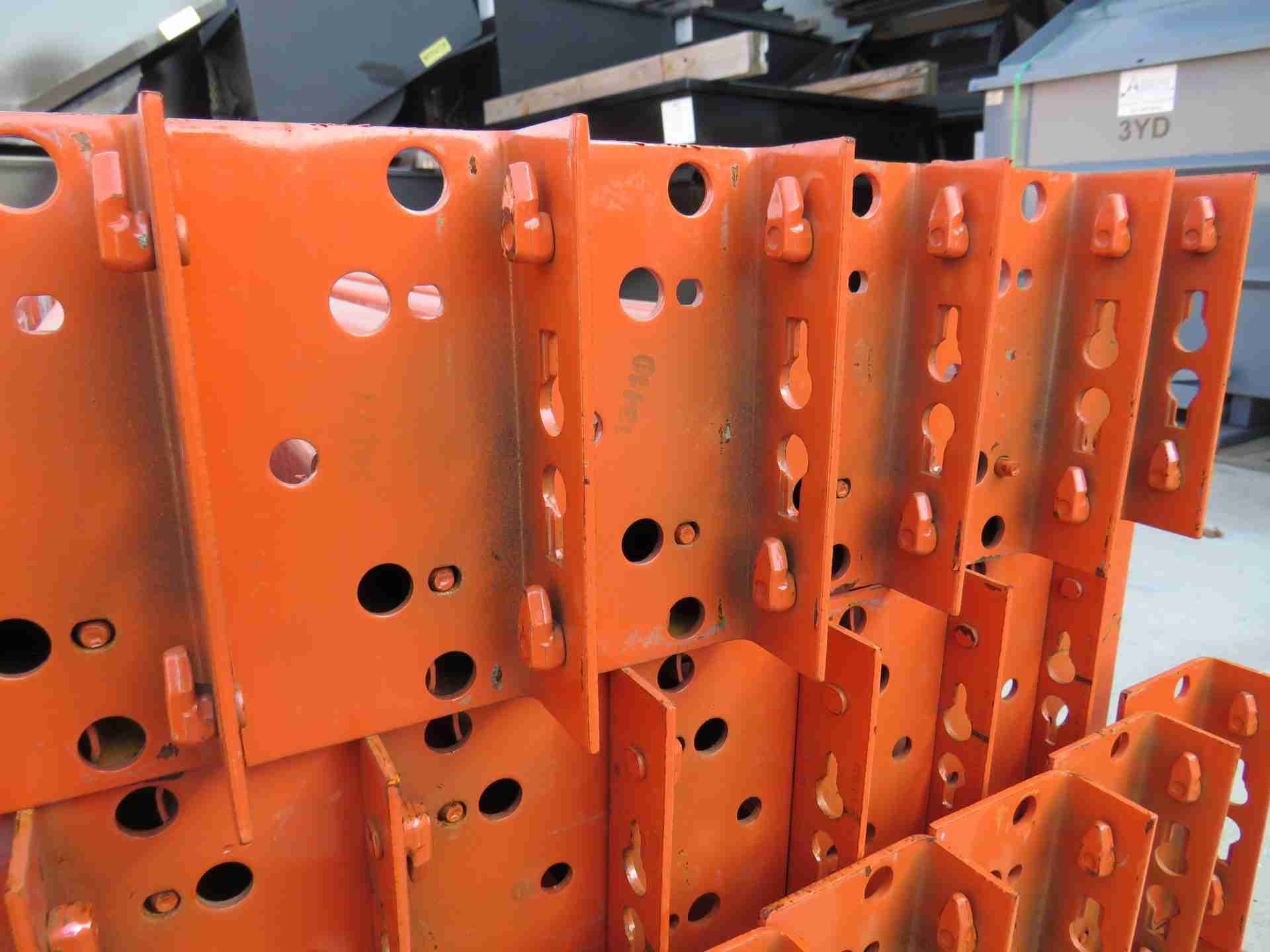
Can I Modify A Pallet Rack Without Violating Safety Regulations?
What Training Is Required For Employees Using Pallet Racks?
In the world of warehousing and distribution, the efficient use of pallet racks is pivotal for maximizing space and enhancing productivity. However, with great efficiency comes great responsibility. The safety and efficacy of using pallet racks hinge on robust training protocols tailored for your employees. Here’s what you need to ensure your team is well-prepared.
Fundamental Safety Training
First and foremost, understanding the basics of warehousing safety is crucial. Employees should undergo comprehensive training focusing on identifying hazards related to pallet racks. Objectives include recognizing proper load limits, understanding how to secure items, and employing personal protective equipment (PPE). A stark reminder of the importance of this training comes from the Occupational Safety and Health Administration (OSHA), which reported thousands of injuries annually due to improper pallet rack use. Simple training modules can prevent these mishaps, saving your organization significant costs and liability risks.
Forklift Operation Training
Moreover, if your employees will be using forklifts to maneuver pallets, specialized training is non-negotiable. According to the National Institute for Occupational Safety and Health (NIOSH), improper forklift use directly correlates with pallet racking accidents. Operators should learn how to inspect their equipment, maintain safety protocols while driving, and understand load balancing to prevent accidents. Establishing a certification program can ensure employees possess the necessary skills to operate machinery confidently and safely.
Ergonomics and Manual Handling
In addition to machinery training, employees should receive guidelines on proper manual handling techniques. Implementing ergonomic principles can significantly reduce workplace injuries related to heavy lifting and awkward postures. For instance, training workers on safe lifting techniques, such as using the legs instead of the back, not only promotes health but also contributes to productivity. With recent studies highlighting the correlation between employee wellness and organizational efficiency, the case for this training is clear.
Ongoing Training and Refreshers
Lastly, any robust training program must include ongoing education and refresher courses. Regularly scheduled reviews remind employees of safety protocols and encourage them to stay vigilant. Additionally, with the rapid advancements in warehouse technology and practices, staying updated can result in significant operational improvements. Consider critical updates like the integration of automated pallet systems, which have seen a surge in adoption due to the rise of e-commerce—workers adept in handling these innovations will drive your bottom line forward.
Investing in thorough training for employees using pallet racks is more than just compliance; it underscores a commitment to safety, efficiency, and long-term success in your warehouse operations. By prioritizing education, you forge a foundation for a safer, more productive work environment.

What Training Is Required For Employees Using Pallet Racks?
What Training Is Required For Employees Using Pallet Racks?
- Efficient use of pallet racks is essential for maximizing space and productivity in warehousing and distribution.
- Robust training protocols tailored for employees are crucial for ensuring safety and efficacy in pallet rack usage.
- Fundamental safety training should focus on identifying hazards, load limits, securing items, and using personal protective equipment (PPE).
- Forklift operation training is vital for employees maneuvering pallets to prevent accidents.
- Ergonomic guidelines and proper manual handling techniques can reduce workplace injuries and improve productivity.
- Ongoing training and refresher courses are necessary to keep employees updated on safety protocols and new technologies.
- Investing in employee training underscores a commitment to safety, efficiency, and long-term success in warehouse operations.

What Training Is Required For Employees Using Pallet Racks?
Are There Guidelines For The Proper Installation Of Pallet Racks?
In the dynamic world of warehousing and logistics, the meticulous installation of pallet racks is non-negotiable. Think of your warehouse as a finely tuned machine; every component must work in harmony, and improper installation can send that machine spiraling into chaos. To ensure your operations run smoothly, adherence to stringent guidelines for pallet rack installation is crucial.
First and foremost, it is vital to consult the manufacturer’s installation instructions. These guidelines are tailored specifically to the design and specifications of the racks you’ve purchased. Just like every good marketing strategy is built on a solid foundation of understanding your unique audience, the same principle applies here. A failure to follow these critical directives can not only lead to inefficiencies but could also pose significant safety hazards to your workforce.
For instance, a recent incident at a local distribution center caused severe injuries and loss due to improperly installed pallet racks that didn’t adhere to the load-carrying capacity outlined by the manufacturer. This serves as a painful reminder that cutting corners can have disastrous consequences. Always remember: a few minutes spent meticulously reading through installation guidelines can save you tremendous time and resources in the long run.
Next, consider the layout of your warehouse. The strategic placement of your pallet racks should take into account both workflow efficiency and safety. For example, a layout that allows for easy accessibility in high-traffic areas minimizes the risk of collisions between forklifts and personnel. With the rise in e-commerce, fulfilling orders quickly and accurately is more essential than ever. A streamlined design that promotes the easy movement of goods can set your business apart from competitors and improve customer satisfaction.
Additionally, do not underestimate the role of regular inspections and maintenance. Routine checks ensure that your racks are holding steady under pressure. According to recent studies, nearly 70% of warehouse accidents are associated with equipment failures. By keeping a close eye on your pallet racks, you not only safeguard your workforce but also maintain the integrity of your entire operation.
Finally, involving your team during installation can unveil new insights, as they are the ones using the system daily. Encourage their input; they might identify potential bottlenecks or optimization opportunities that can enhance your operational effectiveness significantly.
Adhering to established guidelines for pallet rack installation is not just about compliance—it’s about harnessing the full potential of your warehousing operation, safeguarding your most valuable asset: your people. In doing so, your business not only thrives; it becomes a model of efficiency and safety in the industry.

Are There Guidelines For The Proper Installation Of Pallet Racks?
Are There Guidelines For The Proper Installation Of Pallet Racks?
- The installation of pallet racks in warehouses is critical for maintaining operational harmony.
- Consult manufacturer’s installation instructions to ensure proper setup that aligns with rack specifications.
- Failure to follow guidelines can lead to inefficiencies and serious safety hazards for workers.
- Recent incidents highlight the dangers of improper installation, emphasizing the importance of following load-carrying capacity guidelines.
- The layout of pallet racks should prioritize workflow efficiency and safety, minimizing risks in high-traffic areas.
- Regular inspections and maintenance are essential to prevent equipment-related accidents and safeguard the workforce.
- Involving team members in the installation process can provide valuable insights for optimizing warehouse operations.

Are There Guidelines For The Proper Installation Of Pallet Racks?
How Do Local Regulations Impact Pallet Rack Safety Requirements?
When it comes to warehouse operations, compliance is not just a box to check—it’s a cornerstone of operational integrity and safety. Local regulations governing pallet rack safety requirements can significantly impact how businesses manage their inventory storage and handling systems. Understanding these regulations is crucial for minimizing risks and avoiding costly penalties.
Local regulations often derive from a patchwork of federal guidelines, state laws, and even municipal codes, each with its unique stipulations. These requirements can involve everything from rack design specifications to installation protocols, load capacities, and maintenance routines. For instance, states like California have stringent requirements regarding seismic safety for pallet racks, which can require additional bracing and anchoring systems. Failure to comply can lead to devastating consequences—imagine an earthquake knocking over racks full of stock, resulting in both physical harm and immense financial loss.
Consider the recent uptick in distribution center accidents, which have raised alarm bells across states. In response, regulators have stepped up enforcement of safety protocols, emphasizing proper rack installation and the need for regular inspections. For example, the Occupational Safety and Health Administration (OSHA) now mandates annual inspections of pallet racks in many regions, compelling warehouse managers to stay vigilant. Beyond regulatory compliance, integrating these safety measures is simply smart business. A safe warehouse is not only a legal requirement but also contributes positively to the corporate image, employee morale, and overall operational efficiency.
Additionally, local regulations can influence how equipment manufacturers design their products. For example, if a state enforces rigorous testing for load capacities and stability, manufacturers may invest in better materials and designs to meet those standards. This, in turn, can create a ripple effect, compelling businesses to reassess their existing systems for safety and compliance.
Let’s take a moment to acknowledge the industry-wide shift toward digitization. With the advent of technology, compliance doesn’t have to be a headache. Software solutions are being developed to help businesses keep track of inventory and ensure that pallet racks meet local safety regulations. This tech-savvy approach can streamline operations and reduce the risks of accidents or infractions.
To sum up, local regulations are more than just formalities; they shape the very way we conduct business in warehousing and distribution. By staying informed and proactive about these evolving requirements, businesses can fortify their operations, protect their employees, and safeguard their bottom lines—making compliance not just a necessity, but a strategic advantage.

How Do Local Regulations Impact Pallet Rack Safety Requirements?
How Do Local Regulations Impact Pallet Rack Safety Requirements?
- Compliance in warehouse operations is essential for operational integrity and safety, not merely a formal requirement.
- Local regulations, influenced by federal, state, and municipal codes, dictate various safety requirements including rack design, installation, load capacities, and maintenance.
- States like California impose strict seismic safety regulations, highlighting the importance of proper bracing and anchoring for pallet racks.
- Recent increases in distribution center accidents have led to heightened regulatory enforcement and an emphasis on regular inspections.
- OSHA mandates annual inspections of pallet racks, emphasizing the need for warehouse managers to remain vigilant about safety protocols.
- Local regulations drive equipment manufacturers to enhance safety features, pushing businesses to reassess their compliance and safety measures.
- With digitization, technology offers software solutions that help businesses track inventory and ensure compliance with safety regulations, making operations more efficient.

How Do Local Regulations Impact Pallet Rack Safety Requirements?
How Can I Choose A Reputable Supplier For Pallet Racks?
When it comes to selecting a reputable supplier for pallet racks, the stakes are high. Poor investment decisions can lead to safety hazards, operational inefficiencies, and wasted capital. Here’s how to navigate this critical choice with wisdom and confidence.
1. Do Your Homework
Before making any commitments, dive deep into research. Start by looking for suppliers with a solid track record in the industry. Companies like Interlake Mecalux and Apex Warehouse Systems have built their reputations over decades by providing reliable solutions backed by customer testimonials. Scour social media platforms, forums, and review sites to gather genuine feedback. You aren’t just looking for five-star ratings; dig into the negative reviews for insights into potential weaknesses.
2. Check for Certifications and Compliance
In the wake of increased scrutiny on safety and regulations, it’s imperative to choose suppliers who prioritize compliance. For example, companies that are members of industry organizations like the Material Handling Industry (MHI) or carry ISO certification demonstrate adherence to strict safety and quality standards. A lack of certifications can be a red flag, suggesting they may cut corners on quality or safety measures.
3. Evaluate Product Range and Customization Options
A one-size-fits-all approach rarely serves well in the logistics and warehousing space. Choose a supplier that offers a comprehensive product range, including adjustable racks, heavy-duty options, and specialized configurations. Take Shelving.com as an example; they provide customizable pallet rack solutions that cater to diverse operational needs. A supplier that can tailor solutions for your specific requirements demonstrates not only versatility but also a commitment to customer satisfaction.
4. Assess After-Sales Support
Purchasing pallet racks is just the beginning; what comes after matters. A reputable supplier will offer robust after-sales support—including installation services, maintenance contracts, and spare parts availability. Research their warranty policies, as a generous warranty often reflects confidence in product durability. For instance, Global Industrial is known for its exceptional customer service, providing clients with peace of mind that help is just a phone call away.
5. Analyze Financial Stability
In uncertain economic times, supplier stability is crucial. Consider how the current supply chain disruptions, including those stemming from geopolitical tensions and logistics issues, impact the financial health of your potential suppliers. Engaging with financially secure suppliers ensures they can support you well into the future.
Conclusion
Choosing a reputable supplier for pallet racks requires diligence, discernment, and a touch of strategic foresight. By focusing on research, compliance, customization, support, and stability, you’re not just making a purchase—you’re investing in the backbone of your operations. Make this choice wisely, and it could yield dividends for years to come.

How Can I Choose A Reputable Supplier For Pallet Racks?
How Can I Choose A Reputable Supplier For Pallet Racks?
- Importance of Choosing a Reputable Supplier: Poor decisions can cause safety hazards, inefficiencies, and financial losses.
- Conduct Thorough Research: Look for suppliers with strong histories, such as Interlake Mecalux and Apex Warehouse Systems, and check reviews for feedback.
- Verify Certifications and Compliance: Choose suppliers with safety certifications like ISO; lack of certification may indicate quality concerns.
- Evaluate Product Range and Customization: Opt for suppliers offering diverse and customizable options to meet specific operational needs, like Shelving.com.
- Assess After-Sales Support: Look for suppliers that provide installation, maintenance, and strong warranty policies, ensuring continued support post-purchase.
- Analyze Financial Stability: Ensure suppliers are financially secure to withstand economic disruptions and support future needs.
- Strategic Decision-Making: Focus on research, compliance, customization, support, and financial stability for a wise investment in operations.

How Can I Choose A Reputable Supplier For Pallet Racks?
Conclusion
In the rapidly evolving landscape of warehouse and industrial operations, the safety and integrity of pallet rack systems cannot be overstated. At RackingWorld.com, we understand that a single incident, such as a rack collapse due to poor maintenance or overload, can have devastating consequences—injuries, operational shutdowns, financial penalties, and damage to your company’s reputation. Therefore, adhering to safety regulations as stipulated by the Occupational Safety and Health Administration (OSHA) and the American National Standards Institute (ANSI) is not merely a legal requirement; it is a strategic investment in your business’s future.
Navigating the complex world of pallet rack safety standards may feel overwhelming, but you don’t have to do it alone. With Arrow Industrial Sales by your side, you have a dedicated partner committed to providing expert guidance in compliance, inspections, and modifications. Our team emphasizes the importance of routine audits and employee training to foster a culture of safety. Every time your racks are inspected or a staff member is trained, you are investing not just in safety, but in enhanced productivity and morale.
As we emphasize in this article, the risks of neglecting warehouse safety can be detrimental, both to employees and to your bottom line. Proactively inspecting your pallet racks, understanding load capacities, and implementing required safety accessories are essential steps to prevent accidents. When you partner with Arrow Industrial Sales, you’re ensuring that you have access to top-notch supplies and services designed to keep your operations running smoothly and safely.
The time to act is now! Don’t wait for a near-miss incident or a regulatory compliance review before addressing your pallet rack systems. Reach out to Arrow Industrial Sales at (574) 349-6575. Our knowledgeable team is ready to provide the insights and solutions you need, fostering a safer workplace and positioning your business for success. Remember, safety is not just about adherence—it’s about leadership in your industry. Secure your reputation by prioritizing safety and compliance today!

Conclusion
Conclusion:
- Prioritize safety and integrity of pallet rack systems to prevent serious incidents.
- Non-compliance with safety regulations can lead to injuries, operational shutdowns, and financial penalties.
- Adhering to OSHA and ANSI regulations is essential for business strategy and reputation.
- Arrow Industrial Sales offers expert guidance in compliance, inspections, and modifications.
- Routine audits and employee training are vital for fostering a culture of safety.
- Proactive measures such as inspecting pallet racks and understanding load capacities are crucial to prevent accidents.
- Contact Arrow Industrial Sales for insights and solutions to ensure a safer workplace and enhance your business’s success.

Conclusion
Other Resources
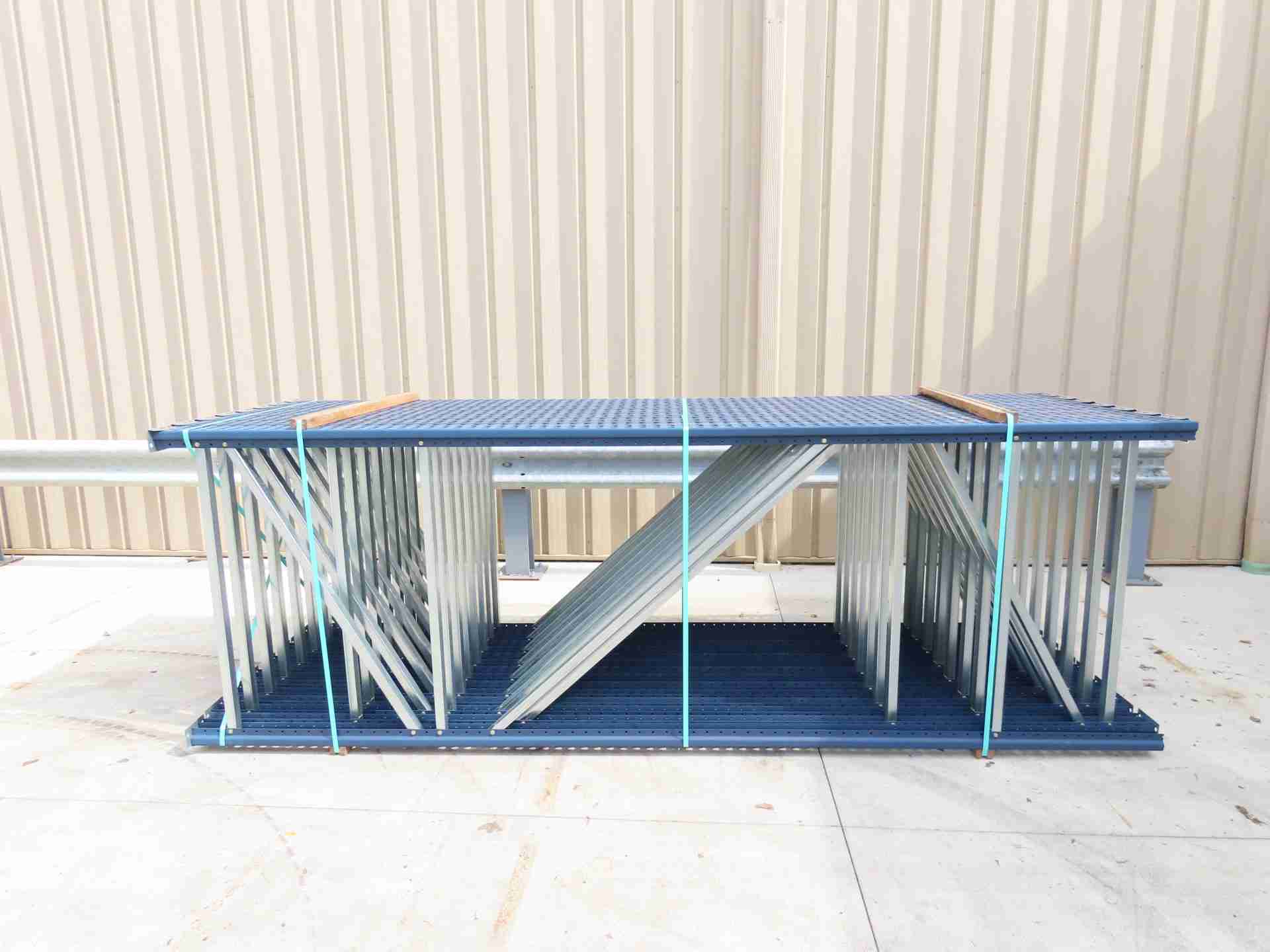
Other Resources
Here is a list of other resources you can review online to learn more:
- “Occupational Safety and Health Administration”
- “Machinery Safety USA”
- “Robotics – Standards | Occupational Safety and Health …”
- “American National Standards Institute – ANSI Home”
- “All About OSHA”
- “Home | Occupational Safety and Health Administration”
- “Occupational Safety and Health Administration”
- “AUTOMATION 2021: Control Systems”
Use This Prompt To Get More Resources With Your Favorite Online AI Tool: Please provide me with a list of online articles with their URLS in a bulleted list that I can read regarding Are There Shelving Safety Regulations for Pallet Racks?

Other Resources
Glossary Terms
Are There Shelving Safety Regulations for Pallet Racks? – Glossary Of Terms
1. Pallet Rack: A storage system designed to hold pallets in horizontal rows, consisting of vertical frames and horizontal beams.
2. Shelving Safety Regulations: Legal standards and guidelines aimed at ensuring the safe design, installation, and use of shelving systems, including pallet racks.
3. Load Capacity: The maximum weight that a pallet rack can safely support, dictated by its design and material specifications.
4. Structural Integrity: The ability of a pallet rack to support loads without failure, ensuring it remains stable under expected conditions.
5. ANSI: American National Standards Institute, an organization that oversees the creation of safety standards, including those relevant to pallet racking.
6. OSHA: Occupational Safety and Health Administration, a regulatory body that sets and enforces safety standards in workplaces, including warehouse shelving.
7. Using Regulations: Guidelines for the proper usage of shelving, including load placement, height restrictions, and maintenance.
8. Installation Guidelines: Recommendations for the correct assembly and installation of pallet racks to ensure safety and compliance with regulations.
9. Inspection: The process of examining pallet racks regularly for signs of wear, damage, or failure to ensure ongoing safety.
10. Forklift Safety: Practices aimed at ensuring the safe operation of forklifts around pallet racks to prevent accidents and damage.
11. Aisle Width: The space between pallet racks that must be sufficient for safe maneuvering of equipment like forklifts.
12. Stability: The ability of a pallet rack to remain upright and secure under load without tipping or collapsing.
13. Deflection: The amount a beam bends under a load; limits are specified to maintain safety and functionality of pallet racks.
14. Safety Bars: Additional support mechanisms that can be installed on pallet racks to prevent pallets from falling.
15. Weight Distribution: The method of arranging loads on pallet racks to avoid overloading certain areas and maintain balance.
16. Bracing: Components that provide lateral support to pallet racks, improving their stability and resistance to tipping.
17. Guardrails: Barriers placed around pallet racks to prevent accidental dropping of items and improve safety.
18. Maintenance: Routine checks and repairs conducted to ensure that pallet racks are in working order and comply with safety regulations.
19. Compliance: Adhering to relevant safety standards and regulations in the design, installation, and use of pallet racks.
20. Hazard Communication: Informing employees about potential risks associated with pallet rack storage, including load limits and safety procedures.
21. Manufacturer Guidelines: Instructions provided by the pallet rack manufacturer regarding safe use, assembly, and load specifications.
22. Weight Labels: Tags affixed to pallet racks indicating their load capacity, helping users avoid overloading.
23. Training Programs: Educational initiatives for employees on proper pallet rack use, safety measures, and compliance with regulations.
24. Risk Assessment: The process of identifying potential hazards associated with pallet racks and determining the necessary safety measures.
25. Pallet Type: The specific material and design of pallets (wood, plastic, metal) that influences how they should be stored and handled.
26. Fire Safety Standards: Regulations that address how pallet racks should be spaced and organized to minimize fire hazards in warehouses.
27. Weight Monitoring Systems: Tools or technologies used to monitor the weight of pallets to avoid exceeding the load capacity of racks.
28. Emergency Procedures: Established protocols to follow in the event of a pallet rack failure, including evacuation and reporting.
29. Inspection Checklist: A documented list of items to review during a pallet rack inspection to ensure all safety measures are met.
30. Retrofitting: The process of adding safety features or upgrades to existing pallet racks to enhance compliance with current safety regulations.
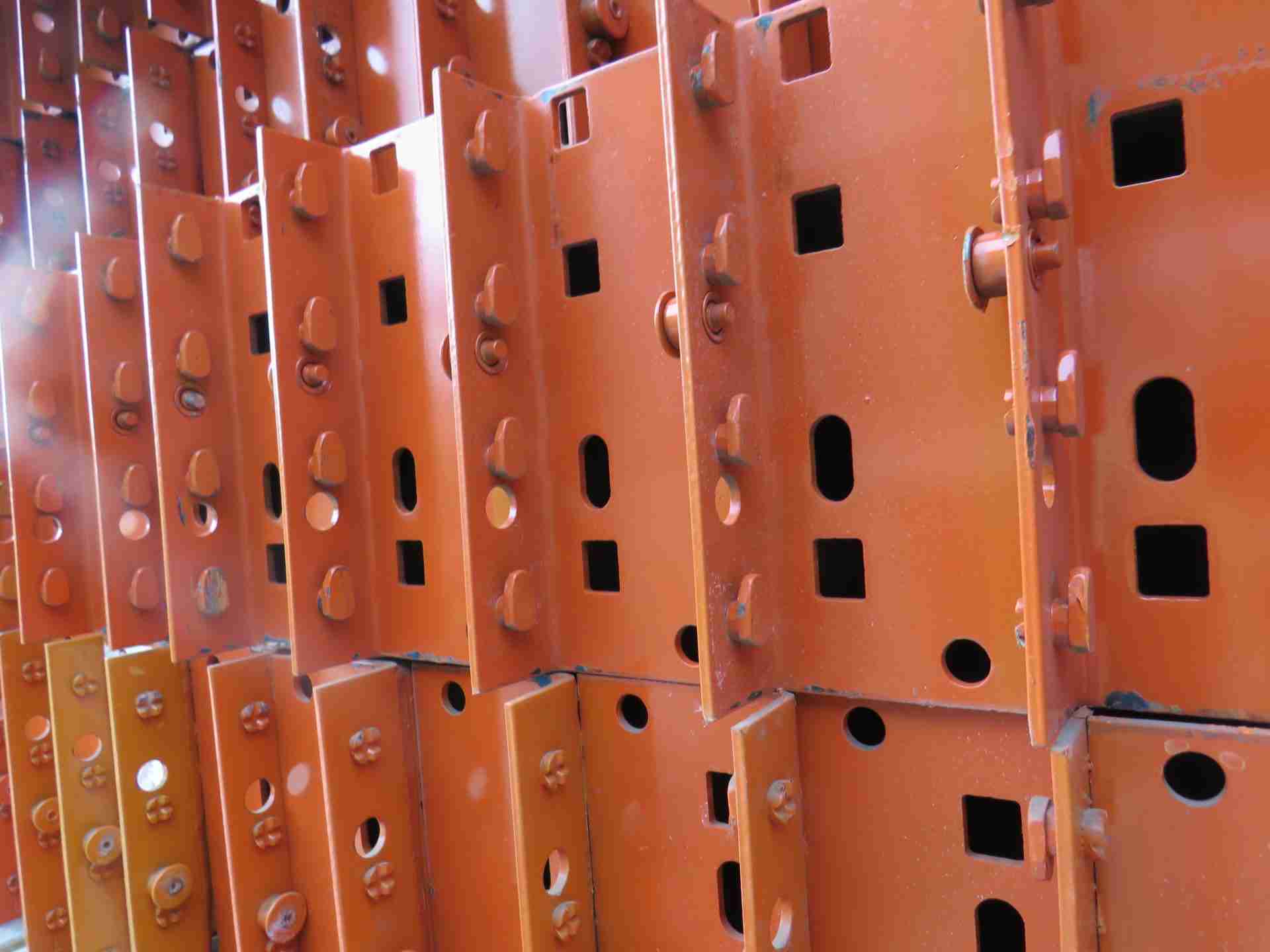
Glossary Of Terms
Other Questions
Are There Shelving Safety Regulations for Pallet Racks? – Other Questions
If you wish to explore and discover more, consider looking for answers to these questions:
- What specific steps can I take to stay compliant with pallet rack safety regulations?
- What common mistakes do businesses make regarding pallet rack safety?
- How often should I provide training for employees using pallet racks?
- What are the consequences of not following pallet rack safety regulations?
- Are there additional safety measures I should consider for pallet rack systems?
- What are some recent changes in regulations that affect pallet rack safety?
- How can I effectively communicate safety protocols to my team?
- What types of pallet racks are best suited for different warehouse environments?
- Where can I find resources for pallet rack safety training?
- What technologies are available to enhance pallet rack safety?
- How do I choose the right load capacities for my pallet racks?
- What role do warehouse layout and design play in pallet rack safety?
- How can I minimize risks associated with high-density pallet storage?
- What resources are available to help with pallet rack inspections?
- What should I do if I discover a safety issue with my pallet racks?

Other Questions
Checklist
Are There Shelving Safety Regulations for Pallet Racks? – A Checklist
Maximize Safety: The Truth About Pallet Rack Regulations
1. Understand Key Regulations
_____ Familiarize yourself with OSHA (Occupational Safety and Health Administration) regulations relevant to pallet racks (29 CFR Part 1910).
_____ Stay updated on ANSI (American National Standards Institute) standards applicable to your rack systems.
2. Regular Inspections
_____ Conduct visual inspections of pallet racks at least once a month.
_____ Check for signs of damage: bent frames, cracked beams, and loose connections.
_____ Maintain documentation of inspection results and repairs.
3. Load Capacity Management
_____ Review load capacity specifications for each rack (e. g. , selective racks typically handle 3,000 to 4,000 pounds).
_____ Ensure proper weight distribution: heavier items on lower levels, lighter items on top.
_____ Keep records of the weight of stored products.
4. Staff Training and Education
_____ Implement a training program covering safe loading/unloading practices and hazard recognition.
_____ Provide specialized training for forklift operators.
_____ Conduct regular refresher courses to keep staff updated on safety protocols.
5. Safety Accessories
_____ Install safety features such as guardrails, safety nets, and end-of-aisle protection.
_____ Regularly check the functionality of safety accessories.
6. Adequate Aisle Space
_____ Ensure aisles are a minimum of 36 inches wide; adjust based on operation needs.
_____ Maintain clear pathways to emergency exits and ensure no obstructions are present.
7. Installation Compliance
_____ Follow manufacturer’s installation guidelines.
_____ Ensure that racks are installed to maintain load capacity and structural integrity.
8. Engage Professionals
_____ Consider hiring a safety consultant for comprehensive audits and advice on compliance gaps.
_____ Regularly engage with professionals for maintenance and safety oversight.
9. Audit and Review Procedures
_____ Create a comprehensive safety audit process covering structural checks, load compliance, aisle accessibility, and safety trainings.
_____ Schedule annual audits to assess compliance with regulations.
10. Monitor Local Regulations
_____ Stay informed about local regulations affecting pallet rack safety.
_____ Adapt your safety practices based on state-specific requirements.
11. Supplier Evaluation
_____ Choose suppliers based on their compliance with safety standards and their support services.
_____ Evaluate their product range, customization options, and after-sales support.
Action Steps:
_____ Schedule your next inspection and training session.
_____ Create or update your inspection checklist.
_____ Ensure all employees understand and comply with loading procedures.
By following this checklist, you can create a safer and more efficient warehouse environment while ensuring compliance with essential regulations. Prioritize safety today for a better tomorrow!

Checklist
At RackingWorld, we help guide you through selecting warehouse storage systems and racking.
Be sure to read our other related stories at RackingWorld to learn more about warehouse storage systems.
0 Comments